Peace through international volunteering kutsu maailmanvaihdon kevätkokoukseen
invitation to maailmanvaihto’s spring meeting s. 6
VASTAAVA
Susanna Halme
Tuuli-Maria Mäki
TOIMITTAJAT
Dilbar Aliyeva
Anil Biçer
Amelie Hastenteufel
Paula Jantunen
Minna Räisänen
Roosa Räty
Emilia Voltti
Eri Yamaguchi
tässä lehdessä /
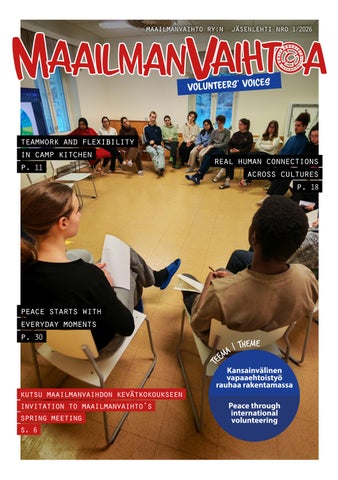
KANNEN KUVA / COVER PHOTO
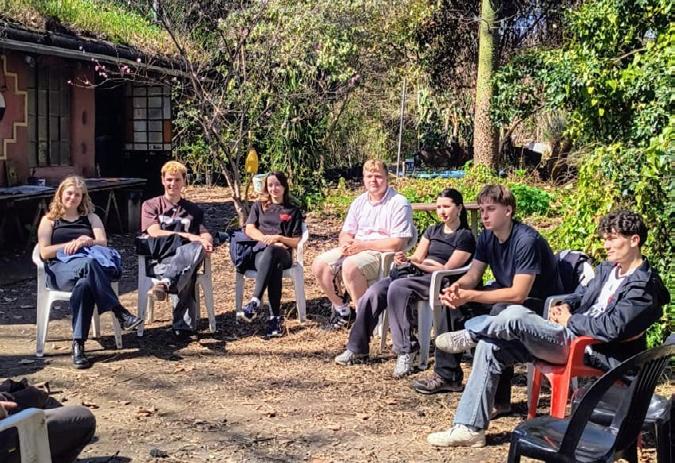
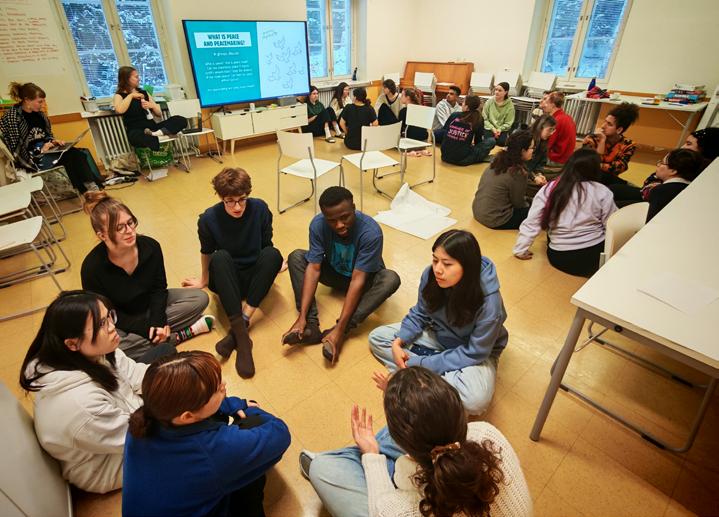
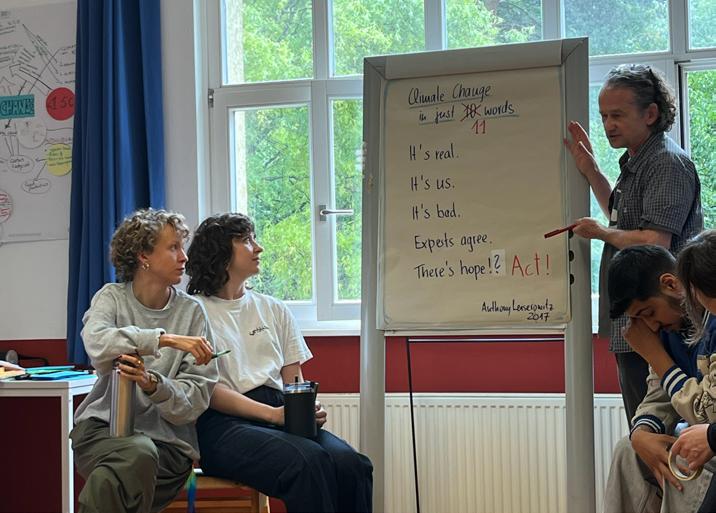
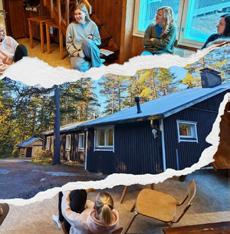
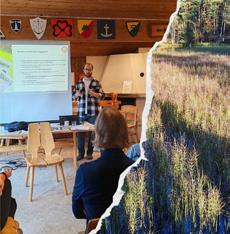
Valokuva on vuoden 2026 puolivuotisarviointileirin toiselta päivältä, sessiosta Ympäristö ja tunteet. ”Oli upea tunne olla mukana tässä sessiossa, jossa syvälliset keskustelut loivat intensiivisen ja tunteikkaan ilmapiirin vapaaehtoisten keskuudessa”, kertoo valokuvan ottanut Anil Biçer.
A photograph from the second day of the mid-term camp 2026, taken during the session Environment & Emotions. “It was a beautiful feeling to be part of a session where deep conversations created such an intense and emotional atmosphere among the volunteers”, says Anil Biçer who took the photo.
intia
Vapaaehtoistyössä Intiassa Sasu Katajamäki oppi tarkkailemaan ympäristöä ja kuuntelemaan ihmisiä. Taidoista oli hyötyä työssä rauhanvälityksen parissa. S. 21
finland
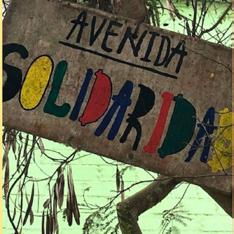
“Volunteering opens your eyes to how inequality is built into systems, habits, and assumptions that we rarely question”, reflects Anil Bicer, European Solidarity Corps volunteer of Maailmanvaihto. P. 23
ghana
Ilona Suoranta lähettää terveisiä vapaaehtoistyöjaksolta päiväkodista ja koulusta Dodowasta Ghanasta. S. 14
MaailmanVaihtoa – Volunteers’ Voices on Maailmanvaihto ry:n kahdesti vuodessa julkaistava jäsenlehti, jonka tarkoituksena on toimia kanavana kulttuuristen kokemusten jakamisessa ja niistä oppimisessa. Lehdessä julkaistaan järjestön toimintaan osallistuvien kirjoituksia, jotka edustavat kirjoittajiensa kantaa.
MaailmanVaihtoa – Volunteers’ Voices is the magazine of Maailmanvaihto for its members published twice a year. Its purpose is to offer a channel for sharing cultural experiences and learning from them. The magazine includes stories written by participants of Maailmanvaihto’s activities. The articles represent the views of the writers.
Ymmärryksen lisääntyminen rakentaa rauhaa
Maailmanvaihdossa uskotaan, että rauhaa rakennetaan ihmisten välille syntyvien pienten mutta vahvojen siltojen avulla. Kun nuoret asuvat ja työskentelevät vuoden tai puoli vuotta paikallisten asukkaiden ja usein myös muista maista tulleiden vapaaehtoisten kanssa, he oppivat ymmärtämään syvällisemmin erilaisia ajattelutapoja ja katsomaan asioita eri näkökulmista. Se on tärkeää rauhan rakentamisessa.
Työmme merkitys rauhan rakentajana konkretisoituu vapaaehtoistyöstä palanneiden tunnistamassa osaamisessa. Yksi heistä sanoitti oppimaansa näin: ”Olen ymmärtänyt paremmin, kuinka henkilön tausta, kulttuuri ja resurssit sekä yhteiskunnan tilanne vaikuttavat hänen valintoihinsa, mikä on auttanut minua ymmärtämään paremmin eri kulttuurien ja yhteiskuntien välisiä eroja sekä eri paikoista tulevien ihmisten valintoja ja elämäntapaa.”
Vapaaehtoistyökokemuksen vaikutus voi säteillä myös laajemmalle yhteiskuntaan. Henkilökohtaiset kontaktit ja ymmärryksen lisääntyminen usein motivoivat toimimaan yhdenvertaisemman ja rauhanomaisemman maailman puolesta. Osa vapaaehtoistyöhön osallistuneista on aktiivisesti mukana kansalaisjärjestöissä tai muussa rauhaa edistävässä työssä.
ICYE-federaatio sai YK:lta tunnustuksen toiminnastaan rauhanlähettiläänä vuonna 1987. Jatkamme ja kehitämme ICYEn ansiokasta työtä rauhan edistämiseksi. Kulttuurien välinen ymmärrys, yhdenvertaisuus- ja vastuullisuuskysymykset sekä tietoisuuden lisääminen eriarvoistavista ajattelumalleista ovat keskeisiä aiheita valmennuksissamme.
Tämän lehden sivuilta aukeaa erilaisia näkökulmia siihen, miten kansainvälinen vapaaehtoistyö rakentaa rauhaa. Mukavia lukuhetkiä!
Anni Koskela
pääsihteeri
Increasing Understanding Builds Peace
At Maailmanvaihto, we believe that peace is built through small but strong bridges formed between people. When young people live and work for a year or half a year with local residents—and often also with volunteers from other countries—they learn to understand different ways of thinking more deeply and to view issues from multiple perspectives. This is essential for building peace.
The significance of our work as a peace builder becomes concrete in the skills identified by volunteers returning from their service. One of them described what they learned as follows:
“I have come to better understand how a person’s background, culture and resources as well as the situation of their society influence their choices. This has helped me better understand the differences between cultures and societies, as well as the choices and lifestyles of people from different places.”
The impact of a volunteer experience can also radiate more broadly into society. Personal connections and increased understanding often motivate people to act for a more equal and peaceful world. Some former volunteers are actively involved in civil society organizations or other work that promotes peace.
The ICYE Federation received recognition from the United Nations for its work as a peace ambassador in 1987. We continue and further develop ICYE’s valuable work to promote peace. Intercultural understanding, issues of equality and responsibility, and raising awareness of discriminatory patterns of thinking are central themes in our trainings.
The pages of this magazine open up different perspectives on how international volunteering builds peace. Enjoy your reading!
Anni Koskela Secretary General
Kutsu Maailmanvaihdon kevätkokoukseen
Maailmanvaihdon jäsenet ja toimintamme osallistujat, lämpimästi tervetuloa Maailmanvaihdon kevätkokoukseen!
Aika: keskiviikko 25.3.2026 klo 17:15
Paikka: Kokous pidetään Maailmanvaihdon toimistolla, osoitteessa Oikokatu 3, Helsinki. Kokoukseen voi osallistua myös etänä Zoomin kautta.
Ilmoittautuminen: Toivomme ilmoittautumisia kokoukseen viimeistään 22.3. sähköpostiosoitteeseen maailmanvaihto@maailmanvaihto.fi. Ilmoita samalla, jos tahdot osallistua etänä.
Asiat:
• Toimintakertomuksen ja tilinpäätöksen hyväksyminen vuodelta 2025
• Päivitetty talousarvio vuodelle 2026
Lisäksi kevätkokouksessa kuullaan Maailmanvaihdon uusimpia kuulumisia ja pidetään aivoriihi tiedotustoimista vapaaehtoistyöohjelmien näkyvyyden lisäämiseksi.
Tervetuloa!
Maailmanvaihdon hallituksen puolesta
Anni Koskela pääsihteeri
Kokous pidetään Maailmanvaihdon turvallisemman tilan periaatteita noudattaen suomeksi, englanniksi tai molemmilla kielillä osallistujien toiveiden mukaisesti. Toimistotilan estettömyystietoja löydät osoitteesta maailmanvaihto.fi/yhteystiedot ja Zoomin saavutettavuustietoja osoitteesta explore.zoom. us/en/accessibility. Tarvittaessa annamme mielellämme lisätietoja.
Maailmanvaihto’s Spring Meeting 25 March 2026
Maailmanvaihto’s Spring Meeting will be held on Wednesday 25 March 2026 starting at 17:15 at the office of Maailmanvaihto, in the address Oikokatu 3, Helsinki. It is also possible to participate online via Zoom. Please, find the invitation to the meeting at maailmanvaihto.fi/spring-meeting-2026
Kuulumisten vaihtoa
News from Maailmanvaihto
Koonnut: Minna Räisänen
Maailmanvaihdon hallitus 2026
Vuonna 2026 Maailmanvaihdon hallituksen puheenjohtajana jatkaa Hanna Sainio Varapuheenjohtajiksi valittiin Onni Mustakallio ja Ida Luukkonen. Vapaaehtoistyöohjelmiin ulkomaille lähtevien vapaaehtoistyöntekijöiden valmennuksesta ja paluutuesta vastaavat Viivi Hämäläinen, Helmi Taipale ja Mikaela Volotinen. Vapaaehtoistyöohjelmista Suomessa vastaavat Viivi Hämäläinen ja Sergio Pérez
Someviestinnästä vastaavat Paula Jantunen ja Miisa Muhonen ja MaailmanVaihtoa-lehdestä Susanna Halme ja Tuuli-Maria Mäki. Kouluvierailutoiminnasta vastaa Roosa Räty.
Lisäksi Ida Luukkonen, Onni Mustakallio ja Sergio Perez-Diaz vastaavat Maailmanvaihdon uuden strategian laadinnasta ja Hanna Sainio uuden ympäristöohjelman laadinnasta.
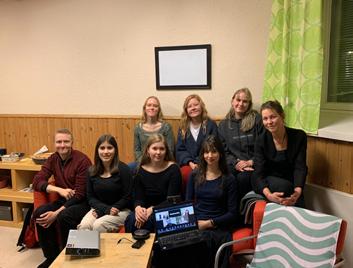
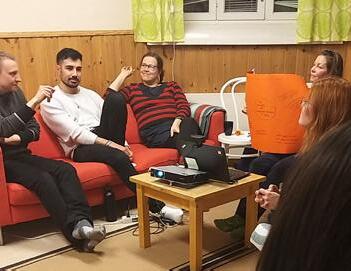
Tutustu hallituksen jäseniin: https://maailmanvaihto.fi/maailmanvaihto-icye-finland/hallitus (Vas.) Maailmanvaihdon toimintaa luotsaa tänä vuonna 13 hengen hallitus. Kuvassa hallituslaisia syyskokouksen 2025 jälkeen. (Oik.) Tammikuussa hallituksen jäsenet jakoivat toiveitaan sekä sopivat vastuualueistaan vuoden ensimmäisessä hallituksen kokouksessa. Kuvat: Maailmanvaihdon albumi
Puolivuotisleirillä pohdittiin vapaaehtoistyön oppeja, rauhaa ja aktiivista
kansalaisuutta
Lähes puolen vuoden vapaaehtoistyön jälkeen Maailmanvaihdon vapaaehtoiset kokoontuivat 15.–18. tammikuuta yhteen reflektoimaan ja keskustelemaan vapaaehtoistyön kautta oppimisesta.
Antaverkan leirikeskuksessa Ylöjärvellä pidetyllä leirillä jaettiin kokemuksia ja pohdittiin mm. omaa motivaatiota ja tavoitteita sekä keskusteltiin rauhan ja aktiivisen maailmankansalaisuuden edistämisestä. Lisäksi käsiteltiin ympäristötunteita ja huolia tulevaisuudesta.
Työpajassa kulttuurien välisestä oppimista ja rauhasta tarkasteltiin eri tapoja tulkita maailmaa sekä keskusteltiin siitä, onko rauha ainoastaan sodan puuttumista. Lisäksi pohdittiin henkilökohtaista rohkeutta ja oletusten sekä tahattoman syrjinnän vaikutuksia ympäröiviin ihmisiin.
Työpajojen ja keskustelujen jälkeen vietettiin aikaa yhdessä, saunottiin ja pulahdettiin avantoon.
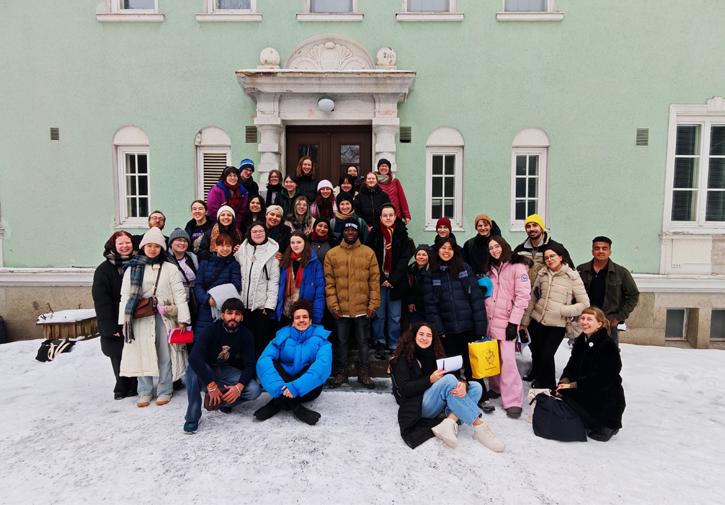
Leirille osallistui 19 elo–syyskuussa Suomeen saapunutta vapaaehtoista sekä kuusi uutta vapaaehtoista, joiden vapaaehtoistyökokemus Suomessa on vasta aluillaan. Lisäksi leirillä vieraili vapaaehtoisjaksoilta Virosta kolme vapaaehtoistyöntekijää. Kuva: Anil Biçer
ICYE-federaatioon kaksi uutta jäsentä yleiskokouksessa Perussa
ICYE-federaatio piti yleiskokouksen Limassa Perussa 22.–26.11.2025. Kokouksessa Maailmanvaihtoa edusti hallituksen puheenjohtaja Hanna Sainio.
Kokouksessa käsiteltiin mm. federaation strategiaa vuosille 2026–2030 sekä päivitettyä toimintasuunnitelmaa. Federaation uusiksi jäseneksi hyväksyttiin Thaimaan Volunteer Spirit Association (VSA) Thailand ja Perun Vida y Voluntariado (VIVOL).
Ensi syksynä vapaaehtoistyöhön – lisähaussa paikkoja ICYE-ohjelmaan
ICYE-ohjelman lisähaussa voi hakea puoleksi vuodeksi tai vuodeksi vapaaehtoistyöhön Boliviaan, Brasiliaan, Costa Ricaan, Ecuadoriin, Ghanaan, Indonesiaan, Keniaan, Marokkoon, Meksikoon, Nepaliin, Nigeriaan, Tansaniaan, Thaimaahan ja Uuteen-Seelantiin. Vapaaehtoistyö alkaa Uudessa-Seelannissa heinäkuun lopulla, muissa maissa elo–syyskuussa. Moniin maista voi hakea myös tammi–helmikuussa 2027 alkavaan jaksoon. Paikkoja täytetään parhaillaan hakujärjestyksessä.
Tule mukaan tekemään MaailmanVaihtoa -lehteä
MaailmanVaihtoa-lehden vuoden toinen numero tarkastelee kotia. Miten kansainvälisessä vapaaehtoistyössä asutaan? Millaisia uusia yhteyksiä ja siteitä saman katon alla asuttaessa rakentuu? Miten aika vapaaehtoistyössä maailmalla muokkaa ajatuksia kodista?
Tule mukaan tekemään numeroa! Voit kirjoittaa kokemuksistasi Maailmanvaihdossa tai haastatella järjestön väkeä. Kiinnostuitko? Ota yhteyttä 30.4.2026 mennessä: maailmanvaihtoalehti@ maailmanvaihto.fi.
The second issue of MaailmanVaihtoa magazine this year focuses on home. How are the volunteers accommodated? What kinds of new connections and bonds are formed when living under the same roof with others? How does volunteering in another corner of the world shape your ideas about home?
Join in making the issue! You can write about your experiences with Maailmanvaihto or interview people from the organisation. Interested? Contact us by 30 April 2026 at the latest at maailmanvaihtoalehti@maailmanvaihto.fi.
Tule mukaan toimintaan
Voit osallistua Maailmanvaihdon toimintaan monin tavoin. Jos haluat lisätietoa tai hakea mukaan, katso lisää Maailmanvaihdon kotisivuilta. Viereisellä sivulla Sergio Pérez kertoo kokemuksistaan leiritiimin jäsenenä.
vähän aikaa?
Leiriohjaajaksi tai keittiötiimiin
Oletko kiinnostunut kouluttamisesta tai sykkiikö sydämesi ruoanlaitolle?
Tule toteuttamaan valmennus- ja muita kansainvälisiä leirejä vapaaehtoistyöntekijöille! Järjestämme niitä tammi-, touko- ja elokuussa.
Tiedotustyöhön
Tiedotustiimissä voit esimerkiksi osallistua somesisältöjen suunnitteluun, kirjoittaa lehteen tai vaikkapa valokuvata. Mukaan pääsee ympäri vuoden.
Kouluvierailijaksi
Toisen asteen oppilaitoksiin suuntautuvien kouluvierailujen tavoitteena on edistää nuorten valmiuksia kulttuurien väliseen vuoropuheluun ja avata näkymiä kansainväliseen vapaaehtoistyöhön.
Hakijoiden haastattelijaksi
Valintahaastattelut ovat tärkeä osa valintaprosessia vapaaehtoistyöhön ulkomaille. Hakijoita haastatellaan lähinnä ICYE-ohjelman valintapäivissä marras- ja helmikuussa. Koulutus tehtävään järjestetään vuosittain.
enemmän aikaa?
Vapaaehtoistyöhön maailmalle
Suomesta voi lähteä kauttamme vapaaehtoistyöhön 6–12 kuukaudeksi. Euroopan solidaarisuusjoukot tarjoaa reittejä Eurooppaan ja International Cultural Youth Exchange -ohjelma Euroopan ulkopuolisiin kumppanimaihin.
Kamuksi vapaaehtoiselle
Kamuna vietät vapaa-aikaa ulkomailta tulevan nuoren vapaaehtoisen kanssa ja olet tukena paikalliseen elämään tutustumisessa Suomessa.
Vapaaehtoisen kotimajoittajaksi
Suomeen saapuu ulkomailta nuoria vapaaehtoistyöhön 6–12 kuukaudeksi. Kutsu yksi heistä luoksesi asumaan muutamaksi kuukaudeksi tai pidemmäksi aikaa. Kulttuurivaihtoa kotosalla!
Maailmanvaihdon hallitukseen
Maailmanvaihdon toimintaa luotsaa hallitus, joka koostuu vapaaehtoisista aktiiveista. Kullakin hallituksen jäsenellä on oma vastuualueensa järjestön toiminnan toteuttamisessa ja kehittämisessä.
Tule mukaan toteuttamaan seuraavaa lähtövalmennus- ja loppuarviointileiriä! Järjestämme leirin 7.–10.5. Metsäpirtin leirikeskuksessa Tuusulassa. Etsimme niin leiriohjaajia kuin keittiötiimiläisiä.
Sharing fun experiences and learning new skills at the camp kitchen team
After his volunteering period in Finland, Sergio has attended several Maailmanvaihto camps as a kitchen team member, preparing delicious food for all the camp participants.
Interview: Tuuli-Maria Mäki
Photos: Maailmanvaihto’s album
Hello! Who are you? How did you get involved with Maailmanvaihto?
Hello! My name is Sergio Pérez and I come from Spain. I got involved with Maailmanvaihto during my volunteering program through the European Solidarity Corps. I moved to Finland in December 2022 to spend a year as a volunteer in the Tapola Camphill community.
How have you been involved with Maailmanvaihto’s activities after your volunteering period?
After my volunteering period I joined the kitchen team for various camps and participated in get-together activities. I really enjoy meeting new volunteers and exchanging experiences with them. As a foreigner in Finland, it is a great opportunity to get to know more people that are also new in the country and build support together.
How did you end up in the camp kitchen team?
I always had great experiences in the camps while I was volunteering myself and it was a
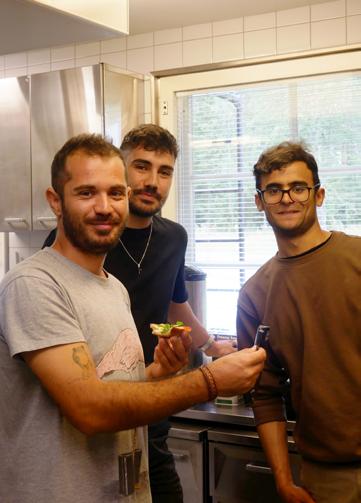
“Side by side in the kitchen, figuring things out as we go. Learning together sharing tasks, ideas, and a few laughs along the way”, Sergio Pérez (in the middle) thinks back.
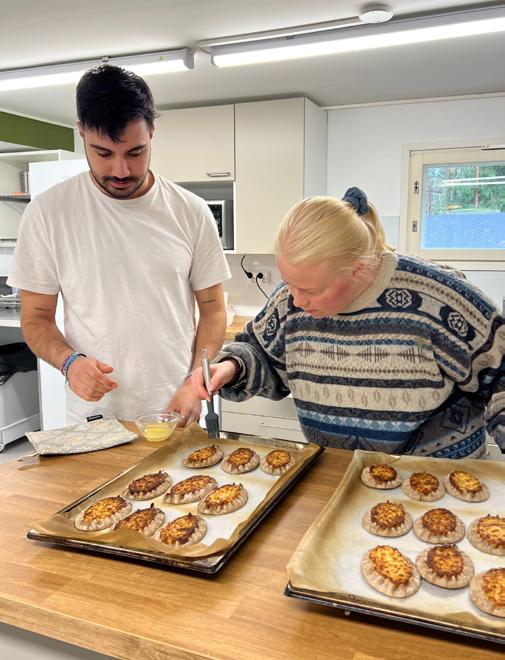
Sergio Pérez says that cooking with friends makes the work lighter and a lot more fun. “Shared tasks turn into shared stories.”
lot of fun, so joining the kitchen team allowed me to keep enjoying them. I like cooking so it was an easy choice to help in the kitchen and have fun with the kitchen team while still participating in the camps and getting to know new people.
How has the experience in the camps been? What has been the best part and what did you learn?
The experience in the camps has been amazing! The best part has definitely been meeting so many people and having fun together over meals. I’ve learned how important it is to
work as a team and to be flexible. Every camp has taught me something new about working together and connecting with others from different cultures.
What greetings would you give to someone considering joining the activities of Maailmanvaihto?
I’d say go for it! If you’re thinking about joining Maailmanvaihto activities, just dive in! It’s a great chance to help out, learn some cool things, and meet awesome people from all over the world.
Join our activities
There are many ways you can get involved in Maailmanvaihto. For more information or to apply, see the Maailmanvaihto website. On the previous pages, Sergio Pérez tells about how it is to be a part of the camp team.
Become a camp instructor or join the kitchen team
Are you interested in facilitating activities or do you love cooking? Join in running training and other international camps for our volunteers! We organise them in January, May, and August.
Join the communication team
In the communication team, you can participate in planning social media contents, write in the magazine or take photos, for example. You can join the team throughout the year.
Become a school visitor
The idea behind visiting institutions of secondary education is to advance young people’s preparedness for intercultural dialogue and open up views into international volunteering.
Interview volunteer applicants
The selection interviews are an important part of selection process for volunteering abroad. The candidates are interviewed mainly in the selection days of the ICYE program in November and February. A training for the task is organised yearly.
Come and join the team of the next pre-departure training and final evaluation camp! We are organizing the camp on May 7–10 at the Metsäpirtti camp center in Tuusula. We are looking for camp instructors and kitchen team members. Read more: maailmanvaihto.fi/icye-camp-team-may-2026 a bit of time? more time?
Volunteer abroad
From Finland, one can travel abroad for 6–12 months of volunteering. The European Solidarity Corps offers routes to different sides of Europe and International Cultural Youth Exchange to partner countries outside Europe.
Become a Buddy for a volunteer
As a Buddy, you will spend free-time with a young volunteer from abroad and you will support the volunteer in getting familiar with local living in Finland.
Become a host family for a volunteer
Young people arrive from abroad to Finland for 6–12 months of volunteering. Invite one of them to live with you for a few months or for a longer period. Cultural exchange into your home!
Join the board of Maailmanvaihto
The activities of Maailmanvaihto are led by a board which consist of voluntary actives. Each board member has their own area of responsibility in implementing and developing further Maailmanvaihto’s activities.
Itsensä haastamista ja resilienssin
kasvattamista
maailmalla
Challenging yourself and building resilience abroad
Millaista on arki vapaaehtoisena eri puolilla maailmaa? Kaksi vapaaehtoista jakaa ajatuksia kokemuksistaan. Ilona Suoranta matkasi Suomesta ICYE-vapaaehtoiseksi Ghanaan, ja Sama Mirzazada saapui Euroopan Solidaarisuusjoukkojen vapaaehtoisena Suomeen.
How does the everyday life look like in different parts of the world? Two volunteers are sharing their experiences. Ilona Suoranta traveled from Finland to Ghana for ICYE volunteering and Sama Mirzazada arrived from Azerbaidzan to Finland through the European Solidarity Corps.
Haastattelut / Interviews: Tuuli-Maria Mäki
Kuvat / Photos: Ilona Suoranta ja Sama Mirzazada
ILONA:
SUOMESTA GHANAAN
Halusin lähteä kansainväliseen vapaaehtoistyöhön, koska halusin nähdä elämää Euroopan ulkopuolelta. En halunnut luottaa siihen yksipuoliseen kuvaan, mitä olin nähnyt mediassa, vaan halusin kokea Afrikan elämää itse. Usein suuresta Afrikan mantereesta puhutaan mediassa kuin yhtenä kokonaisuutena, vaikka todellisuudessa maat ovat hyvin erilaisia keskenään. En myöskään halunnut mennä turistialueelle, vaan halusin nähdä tavallista paikallista elämää. Vapaaehtoistyöhön lähdin, koska pienenä haaveilin lähetystyöstä kristillisen kodin kasvattina ja vapaaehtoistyö liippasi läheltä. En halunnut pelkästään mat-
kustella, vaan halusin tehdä jotain hyödyllistä ja merkityksellistä.
Teen vapaaehtoistyötä Dodowassa, Ghanassa, Kingrich Academyssä, jossa on 1-13-vuotiaita lapsia. Teen oikeastaan kaikkea: esimerkiksi hoidan lapsia, opetan perusaineita oppilaille ja myyn välipaloja koulun myymälässä. Joulunäytelmässä pääsin myös olemaan Mariana.
Mielestäni innostava yhteistyö vapaaehtoistyössä perustuu siihen, että paikalliset ihmiset auttavat minua pärjäämään Ghanassa ja minä taas puolestani yritän maksaa sen työllä takaisin.
“Vapaaehtoistyö auttaa meitä tunnistamaan yhteisen ihmisyyden ja jokaisen arvon erilaisista taustoista huolimatta.”
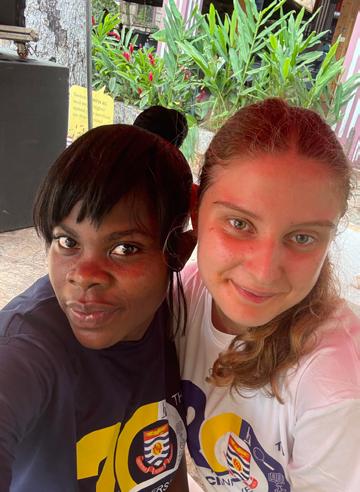
”Koulussa työskentelevä Mabel Damesi (vas.) ja minä otimme tämän yhteiskuvan, kun olimme kolun omistajan järjestämässä vuorivaellustapahtumassa. Matka oli pitkä ja sää paahtava mutta selvittiin ja päästiin perille. Rankkuudesta huolimatta oli niin kivaa että odotan jo seuraavaa kertaa”, Ilona Suoranta muistelee.
AZERBAIDZAN
SUOMI
GHANA
Uskon, että vapaaehtoistyöllä voidaan rakentaa rauhaa, sillä se auttaa meitä tunnistamaan yhteisen ihmisyyden ja jokaisen arvon erilaisista taustoista huolimatta, sekä huomaamaan, että toimia yhdenvertaisuuden edistämiseksi tarvitaan.
Vien mukanani tästä kokemuksesta tietouden juurikin siitä, että kaikkien ihmisten tulisi olla ympäri maailmaa tasa-arvoisia. Me saamme ja annamme kaikki jotakin toinen toisillemme.
SAMA:
AZERBAIDZANISTA SUOMEEN
Moi, I am Sama from Azerbaijan. I’ve been volunteering at Myllylähde-yhteisö for 6 months. I love Finnish culture, especially going to sauna after swimming in lake. My hobbies are swimming, doing Pilates and traveling.
I wanted to join international volunteering because I believe in order to reach their full potential humans should get out of their comfort zone. That’s a way to discover your hidden talents, personality and much more about yourself. And why specifically volunteering - in Azerbaijani “volunteer” means “könüllü” which translates into “coming from your heart”. I highly appreciate the philosophy of volunteering since you choose to support a community just because it’s coming from your heart without any monetary expectation.
I am volunteering at Myllylähde-yhteisö, it’s a village community for adults with special needs powered by Rudolf Steiner’s philosophy. Here together we work in a biodynamic farm, we grow our own food and meat. Also there are different arts and sports activities. My favorite ones were gymnastics and weaving workshops. I don’t believe in “disability”, I’ve always believed that our differences make us unique and it’s our superpower. Therefore working with people in this community and
Millaisia terveisiä sinulla on kansainväliseen vapaaehtoistyöhön osallistumista harkitsevalle? Tähän on vaikea vastata, koska jokainen lähtee erilaisista lähtökohdista, mutta sanoisin, että jos sydän käskee lähtemään niin lähde. Et tule katumaan sitä. Vastoinkäymisiltä ei voi välttyä, eikä itsellänikään ole aina ollut helppo matka, mutta kyse on siitä, miten jatkaa eteenpäin. Tällä reissulla olen todellakin hoksannut, että yleensä lähes kaikesta selviää.
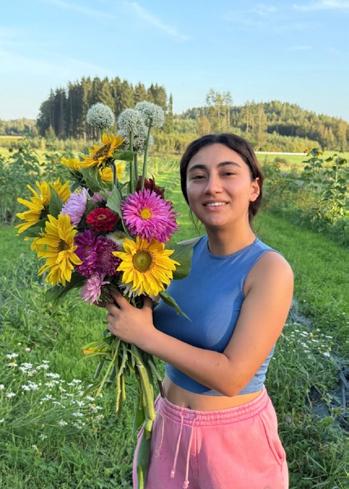
“Every Saturday, we had an open air market in different places in Lahti. We were selling our farm’s productsvegetables, granola, muesli, and flowers. I was picking flowers for the market.“
seeing the world through their eyes was a very special experience for me. Especially how they express themselves with art mesmerized me.
I think that inspirational cooperation in volunteering builds on trust, shared values and having mutual goals. Especially during international volunteering each person comes from diverse cultural, social, and professional
backgrounds, bringing unique perspectives and capabilities.
I believe that volunteering can build peace through empathy and respect. During my project and in different camps organized by Maailmanvaihto or Finnish National Agency, I had a chance to meet people from all over the world. I love finding similarities between traditions and cultures with other countries and of course it teaches everyone to respect our differences.
Something I am taking home from this experience is resilience. Before my volunteering experience in Finland I always had this question in my mind that “why is Finland the happiest country?” Since my childhood Finland has always been on top of the list. So I observed the lifestyle and mindset of Finnish people and I think I found my answer. It’s the resilience and gratefulness regardless of the
“If you want to play a beautiful song, you need both black and white keys.”
situation. I learned how to appreciate every moment of life. Now I see life as a piano: If you want to play a beautiful song, you need both black and white keys.
What would you say to those considering international volunteering? Definitely worth a try! At first it might be scary to go to another country alone leaving your family and friends. But personally I made a lot of lifelong friendships, explored and developed many new skills. I’m happy that I took this step and I highly recommend everyone trying international volunteering. Previously I have participated in different youth exchanges and projects but being in a long term project helped me to deep dive into the culture.
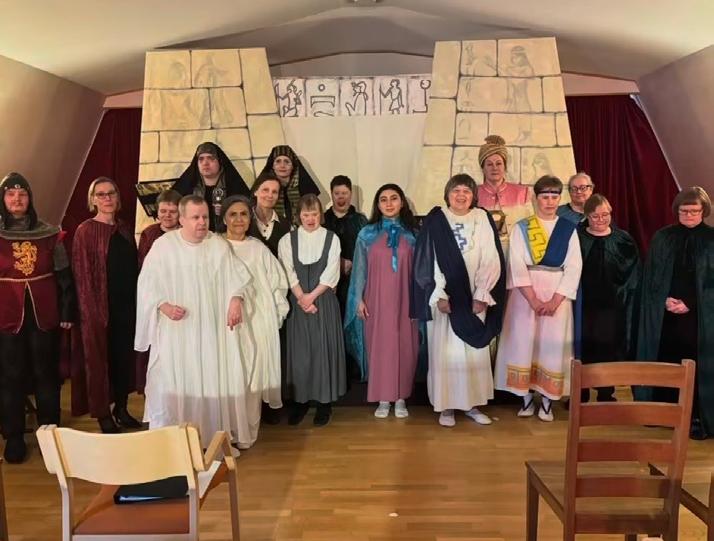
”In the middle of October, we celebrated at Myllylähde the harvest we made in the farm during the harvesting season”, Mirzazada tells. The photo is from a play which was a part of the celebrations.
Volunteering around the world: Building peace from the ground up at ICYE Argentina
In Argentina, volunteers get to work in projects that promote social inclusion, youth rights, environmental sustainability, mental health support, community education, and cultural participation. In all of them, peace can be built through cooperation, respect, and justice in daily life, says Bárbara Bravo from Subir al Sur - ICYE Argentina.
Interview: Amelie Hastenteufel
Photos: Bárbara Bravo
What is your name and what do you do at ICYE Argentina?
My name is Bárbara Bravo, and I am the focal person for the exchange programs at Subir al Sur - ICYE Argentina. I am responsible for communicating and coordinating with the partner sending organizations and for starting the dialogue with potential volunteers. I also take care of the administrative and bureaucratic processes needed for their placements and for their arrival in Argentina. Basically, I support the volunteers from the first steps until they enter the program.
How did you end up working with international volunteering?
I have always worked in civil society organizations, in areas related to participation and political activism, where volunteering is something very present. But it was only two years ago, when I joined Fundación SES, that I started working specifically with international volunteering.
Fundación SES is an NGO founded in 1999 working towards promoting and developing different strategies for the inclusion of youngsters with fewer opportunities. Subir al Sur is the intercultural volunteering program of Fundación SES.
What kind of projects do you have at ICYE Argentina?
At Subir al Sur, we work with eight projects that fall into five main fields: community and social inclusion, health, biodiversity conservation, art and inclusion, and education. Volunteers get to work with children and youth, cultivating plants, art workshops, or in a hospital environment.
What is your vision for international volunteering that promotes peace?
My vision is strongly connected to the values of Fundación SES, which has been working since 1999 to promote the educational, social, and economic inclusion of young people in Argentina and the region. We believe that peace is built through inclusion, cooperation, and the defense of youth rights.
International volunteering promotes peace by encouraging social commitment and by strengthening democratic values. It helps break cultural barriers and creates bonds between people who, in other situations, might never meet. When volunteers work with local communities, they learn from real experiences, not theories, and this generates empathy, understanding, and solidarity.
At Subir al Sur, we work with grassroots organizations, because we believe that peace is built from the ground up, through local participation. We are also part of international networks like ICYE and CCIVS (Coordinating Committee for International Voluntary Service), which allow us to collaborate globally while staying rooted in our local realities.
For us, international volunteering is a
tool to expand horizons, encourage reflection, and foster active citizenship. It is not only a personal journey, but also a contribution to social transformation and peaceful coexistence.
In what ways can international volunteering foster peace?
International volunteering fosters peace by creating real human connections across cultures. When volunteers share daily life with local communities, they develop empathy and understanding, and this reduces prejudice and stereotypes.
Volunteering teaches that peace is not abstract: it happens in everyday actions, small gestures, and shared responsibilities. It allows young people to see the world from new perspectives and to understand social injustices and inequalities in a deeper way. It also teaches us that peace is much more than the absence of war. It teaches us about positive peace — peace that is built through cooperation, respect, and justice in daily life.
Volunteering invites us to build peace, we need to rethink the hierarchies that exist between people, countries, and different worldviews. Many times we carry ideas that come from colonial histories, where one way of thinking is considered “universal” or “superior.” Intercultural volunteering challenges these ideas. By living and working with people from other cultures, we discover that there is no single “truth,” and we start questioning universal and totalizing perspectives that come from domination. These perspectives are the opposite of peace.
Volunteering exposes us to human diversity and connects peace with human rights, social justice, and dignity. It helps us recognize and transform power imbalances, and encourages more horizontal and respectful relationships. These practices contribute to strong, long-lasting, positive peace at both personal and collective levels.
What would you say to a young person thinking about joining an international volunteering project and possibly considering Argentina as their destination?
I would say that international volunteering is a powerful chance to learn about yourself and about the world. And if you choose Argentina, you will find a country full of cultural diversity, strong social movements, and communities that are very open to dialogue and exchange.
Volunteering here is not only about helping — it is about learning, listening, and sharing. You will meet people with different histories and realities, and this will challenge you in a positive way. It will make you question your assumptions, understand new perspectives, and grow in empathy and flexibility.
At Subir al Sur, we prepare volunteers carefully and work closely with local organizations so that the experience is meaningful and respectful for everyone. So if you are considering coming, do it with an open
mind and an open heart. It may not always be easy, but it will be a transformative experience that stays with you long after you return home.
How is your work at ICYE Argentina connected to peace?
My work supports peace by creating intercultural experiences based on respect, cooperation, and openness. In the incoming program, I accompany volunteers from the very beginning, explaining expectations and the attitudes needed to participate in an intercultural way.
I also build strong communication with the sending organizations. Through dialogue and clarity, we can prepare volunteers better and create conditions for a respectful and meaningful exchange — for them and also for the local projects that receive them. By promoting clear communication, shared responsibility, and mutual understanding, my work helps build positive peace grounded in dignity, inclusion, and diversity.
Kolme kysymystä alumnille: Rauha alkaa kuuntelemisesta
Sasu Katajamäki lähti Maailmanvaihdon vapaaehtoiseksi Intian maaseudulle opettamaan englantia ja oppi samalla kuuntelemisen merkityksen.
Teksti: Paula Jantunen
Kuva: Sasu Katajamäen kotialbumi
Vapaaehtoistyöjakso Intiassa laajensi Sasu Katajamäen ymmärrystä kulttuureista, vuorovaikutuksesta ja rauhantyöstä. Nämä oivallukset loivat pohjan polulle, johon on kuulunut muun muassa Maailmanvaihdon hallituksessa toimimista ja työskentelyä arvostetussa rauhanvälitysjärjestö CMI:ssä. Kysyimme Sasulta kolme kysymystä vapaaehtoistyön vaikutuksesta elämään ja uravalintoihin sekä yhteydestä rauhantyöhön.
1. Miten kansainvälinen vapaaehtoistyöjakso Maailmanvaihdossa on vaikuttanut näkemyksiisi rauhantyöstä ja globaalista yhteistyöstä?
Vapaaehtoistyöjakso on ollut yksi merkityksellisimmistä henkilökohtaisista kokemuksistani. Sen kautta opin ymmärtämään paremmin maailman tilannetta ja eri kulttuureja, mutta ennen kaikkea tarkkailemaan ympäristöä ja kuuntelemaan ihmisiä. Nämä osoittautuivat myöhemmin valtavan tärkeiksi taidoiksi, kun aloin työskennellä rauhanvälityksen parissa.
Rauhantyössä keskeisin oppi, jonka ymmärsin jo vapaaehtoistyöjakson alkuvaihees-
“Vapaaehtoistyöjakso
on ollut yksi merkityksellisimmistä henkilökohtaisista kokemuksistani.”
sa, oli kuuntelemisen merkitys. Vaikka olisi asiantuntija tai omaisi paljon tietoa koulutuksen tai työkokemuksen kautta, konfliktien keskellä eläville ihmisille tärkeintä ei useinkaan ole asiantuntemuksen jakaminen, vaan se, että heitä kuunnellaan.
Opin myös omista rajoistani ja vahvuuksistani toimiessani vapaaehtoisena englannin opettajana kahdelle hyvin erilaiselle luokalle Kalkeri Sangeet Vidyalaya -projektissa Intian maaseudulla. Haastavissa olosuhteissa suoritettu vapaaehtoistyöjakso laajensi mukavuusaluettani merkittävästi ja teki kansainvälisestä työstä luontevan suunnan myös myöhemmälle uralleni.
2. Voitko kertoa yhden konkreettisen tilanteen tai projektin, joka inspiroi sinua ja jonka koet olleen merkityksellinen rauhan ja ymmärryksen edistämisessä?
Muistan tilanteen vapaaehtoistyöjaksoltani: keskustelimme koulussa opettajien koulutuk-
sen yhteydessä siitä, miten vuorovaikutusta voisi parantaa erään yhdeksännen luokan oppilaiden välillä. Luokassa pojat ja tytöt istuivat kulttuurisista syistä eri puolilla huonetta. Käytännössä tämä johti siihen, että opettajien huomio kohdistui äänekkäämpiin ja aktiivisempiin poikiin, kun taas tytöt jäivät sivuun ja vaikuttivat passiivisilta.
Ehdotin, että oppilaat istutettaisiin sekaisin. Tämä johti rakentavaan keskusteluun paikallisten opettajien kanssa kulttuurisista normeista ja kyläyhteisöjen odotuksista. Kuuntelimme toistemme näkemyksiä ja päätimme lopulta kokeilla järjestelyä pilottiluontoisesti.
Tulokset olivat rohkaisevia: vuorovaikutus parani ja myös paikalliset opettajat kokivat muutoksen myönteiseksi. Samalla oli tärkeää huomioida heidän huolensa vanhempien ja kyläläisten suhtautumisesta. Muutos oli pieni, mutta syntyi yhteisymmärryksessä ja toivottavasti jäi osaksi koulun käytäntöjä myös jatkossa.
“Rauhantyössä keskeisin oppi, jonka ymmärsin jo vapaaehtoistyöjakson alkuvaiheessa, oli kuuntelemisen merkitys.”
3. Miten kokemuksesi Maailmanvaihdon hallituksessa ja CMI:ssä ovat vaikuttaneet urapolkuusi tai ajatuksiisi kansainvälisestä yhteistyöstä?
Maailmanvaihdon hallituksessa toimiminen opetti paljon käytännön työelämätaitoja. Sain tukea aiemmilta hallituslaisilta ja opin esimerkiksi päätöksenteosta, yhteistyöstä ja vastuunkannosta. Toimiessani hetken myös hallituksen puheenjohtajana sain konkreettista kokemusta keskustelujen fasilitoinnista ja eteenpäin viemisestä, joita olen hyödyntänyt myöhemmin työelämässä.
CMI:ssä työskentely puolestaan pohjautui vahvasti Maailmanvaihdossa kertyneisiin kokemuksiin. Kansainvälinen työ antoi myös uutta perspektiiviä vapaaehtoistyöjaksoon, jota aloin arvostaa entistä enemmän. Palasin työn merkeissä Intiaan kymmenen vuoden jälkeen, ja oli erityisen merkityksellistä nähdä aiemmin koettu kulttuurinen ympäristö nyt kansainvälisen politiikan kontekstissa.
Peace Starts with a Sauna, Not a Treaty
In this piece, Anil Biçer, a European Solidarity Corps volunteer working in Maailmanvaihto’s office team, reflects on how peacebuilding is present in all the small moments of everyday life.
Text and photos: Anil
Biçer
I still remember the first time I shared a sauna in Finland, with other international volunteers who grew up thousands of kilometers away from me. We didn’t share the same language, habits, or ideas. But we shared our moment, awkward smiles, and a lot of hand gestures. At some point, I realized something simple but powerful: peace doesn’t always start with big decisions or official agreements. Sometimes, it starts with listening, with patience, and with choosing curiosity over judgment.
Volunteering is a slow, everyday process of peace-building, where stereotypes fade, trust grows, and the invisible lines between “us” and “them” quietly disappear. Peace doesn’t always come with big words. Sometimes, it arrives quietly, over tea, shared laughter, awkward hand gestures, and in a Finnish sauna :)
When we hear the word “peace”, we often think about the absence of war. But in everyday life, peace is much more than that. It’s not just about what doesn’t happen. Peace is a verb, not a noun. It is the active presence of understanding, not just the absence of conflict. It’s about how we treat each other, how we listen, and how willing we are to question what we think we know. At the local level, peace is built in small, almost invisible moments. It happens when someone chooses to ask instead of assuming. When people from
“Peace-building is the process of unlearning the “us versus them” mindset.”
different backgrounds share a space without fear. When stereotypes slowly lose their power because real human stories replace them. Peace-building is the process of unlearning the “us versus them” mindset. Volunteering plays a huge role in this. It creates spaces where people don’t meet as labels, but as individuals. And once you’ve shared a meal, a task, or a laugh with someone, it becomes much harder to see them as “other.”
If peace had a main ingredient, it would probably be “dialogue”. Not the kind you see in conferences or official panels, but the everyday kind: conversations while cooking together, walking to the bus stop, or trying to explain a joke that doesn’t translate well. One of the funniest things about intercultural volunteering is that communication doesn’t always depend on words. Sometimes, it’s about facial expressions, hand gestures, drawings on papers, or just laughing at the confusion. And somehow, those moments often feel more honest than perfectly structured conversations. You learn that understanding doesn’t al-
ways need grammar, it needs attention. These small interactions slowly build more than just teamwork; they build understanding. You stop being “the Turkish volunteer”. You start being a person with different skills, habits, and stories to share. You become “The Excel Master” as in my case. Intercultural learning teaches us that differences are not problems to solve, they are experiences to explore. When we stop trying to compare whose way is “better” and start asking “why,” something shifts. Curiosity replaces fear. Dialogue replaces judgment. And that’s how peace quietly grows, one awkward but sincere conversation at a time.
Volunteering is often described as “helping,” but that word can be misleading. Real volunteering is not about being a hero or saving anyone. It’s about standing next to people, not above them. It’s about recognizing that some voices are heard louder than others and choosing to listen more carefully to those that are often ignored. Working with disadvantaged groups, such as people with disabilities,
migrants, or refugees, teaches you something very important: inequality is not random. It is built into systems, habits, and assumptions that we rarely question. Volunteering opens your eyes to these invisible walls. You start noticing who gets access easily, who has to fight for basic rights, and who is constantly asked to “prove” their worth. From a global perspective, peace cannot exist without justice. If some lives are valued more than others, that’s not peace. That’s imbalance. Volunteering, when done respectfully, supports global justice by creating spaces of dignity, not dependency. It’s not about “giving,” but about sharing space, power, and voice. Volunteering doesn’t change the world. It changes how you see it. And once you see the world this way, it becomes impossible to unsee it.
One of the most unexpected parts of volunteering is how much it changes you. Most people start with the idea that they will contribute, support, or teach something. But somewhere along the way, the roles quietly shift. You start
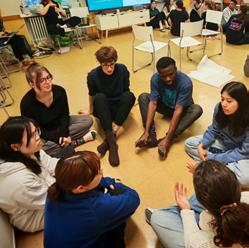
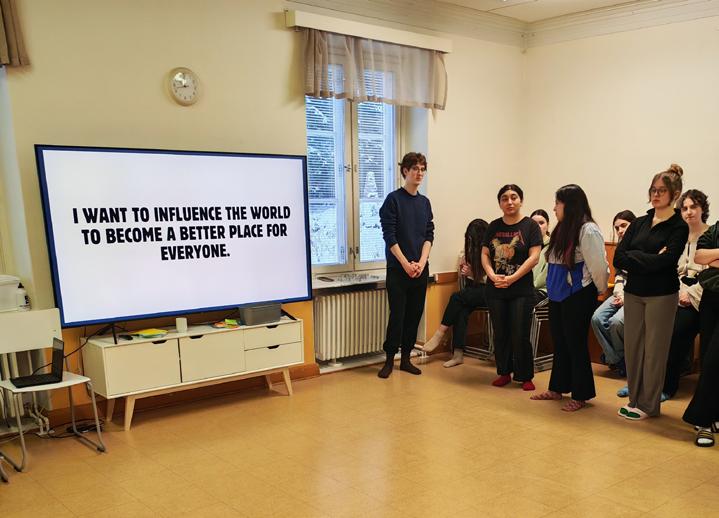
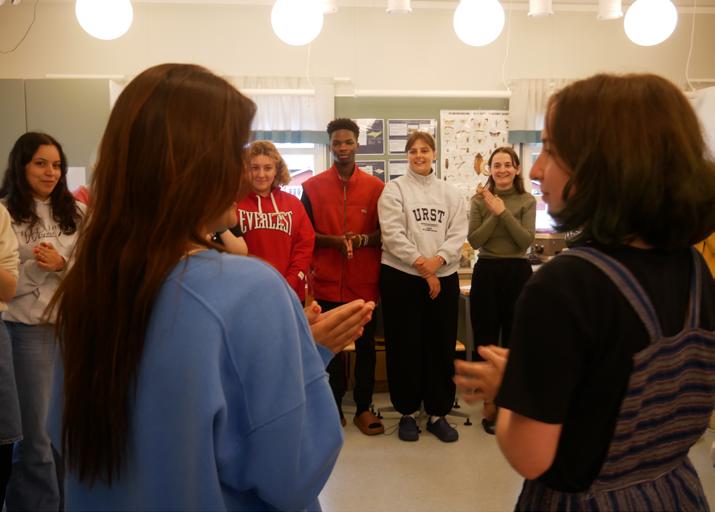
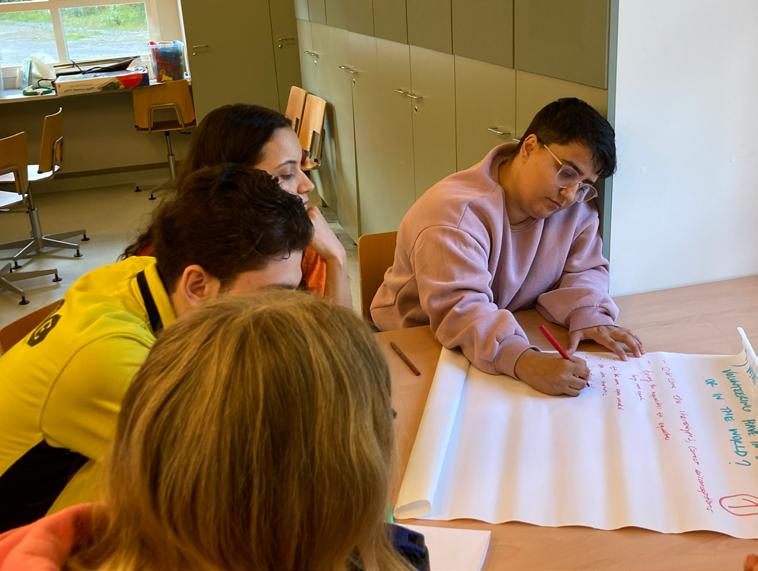
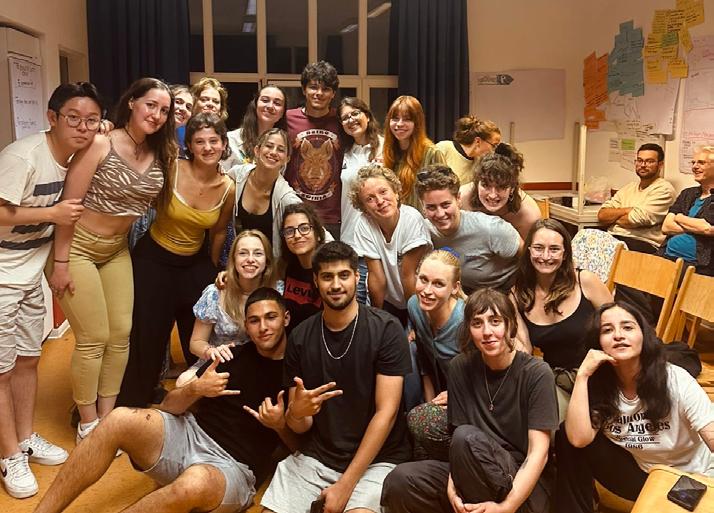
A few moments if sharing from Maailmanvaihto’s mid-term camp for volunteers, captured by volunteer Anil
“Peace is stiched together from small, everyday actions: listening instead of judging, showing up instead of turning away, choosing curiosity over comfort”, says Biçer.
learning more than you ever planned to. You learn patience when things don’t go as expected. You learn empathy when someone’s story doesn’t fit into your assumptions. You learn to be okay with not having all the answers. And slowly, without noticing, you become more confident. Not because you’re “better,” but because you understand more. This is where the idea of global citizenship becomes real. Not as a fancy title, but as a mindset. You stop seeing global issues as something distant or abstract. Personally, I started seeing the world differently. Global issues like climate, inequality, migration, and access to education suddenly had faces, names, and voices for me. Volunteering teaches you that the world is not divided into “my problems” and “their problems.” It’s shared. And once you feel that, you don’t just want to observe anymore. You want to participate. You want to take responsibility. Not
perfectly, but honestly. That’s how peace starts inside a person. I’ve learned that peace doesn’t just happen around me, it begins with me.
Finally, peace doesn’t arrive all at once. It is stitched together from small, everyday actions: listening instead of judging, showing up instead of turning away, choosing curiosity over comfort. Every volunteer adds a new piece to this growing patchwork; imperfect, colorful, and full of stories. You don’t need to change the whole world to be part of peacebuilding. You just need to start somewhere. With one conversation. One shared moment. One brave step outside your bubble. Maybe it’s volunteering. If you’ve ever wondered what volunteering really feels like, take a step. And who knows? That small step might end up changing more than you ever expected. It might not change the world, but you’ll see it differently, just like I do.
Biçer.
4 x rauhaa
Rauhan tärkeyden huomaa usein vasta silloin kuin sitä ei enää ole. Kurkista kahteen käsitteeseen ja järjestöön, jotka rakentavat rauhaa.
Teksti: Roosa Räty
1
2
Rauhantyön avulla pyritään ehkäisemään sotia, konflikteja ja väkivaltaisia poliittisia ratkaisuja sekä ylläpitämään rauhaa. Rauhantyötä voidaan tehdä sekä rauhan tilassa että konfliktien ja sotien aikana. Rauhantyön välineitä ovat muun muassa ehkäisevä diplomatia, aseistariisunta, sanktiot, rauhantekeminen, rauhanturvaaminen, rauhaanpakottaminen sekä rauhanrakentaminen.
Rauhanrakentamisella tarkoitetaan toimintaa, joka tapahtuu konfliktin jälkeen. Tätä voi olla muun muassa taistelevien osapuolten kotiuttaminen ja aseistariisuminen, pakolaisten kotiinpaluun mahdollistaminen, terveydenhuoltoja koulutuspalveluiden käynnistäminen, jälleenrakentaminen sekä ihmisoikeuksien puolustaminen.
3
4
Rauhanliitto on Suomen vanhin rauhanjärjestö. Se aloitti toimintansa vuonna 1920. 70-luvulta lähtien Rauhanliitto on toiminut Suomessa rauhanjärjestöjen kattojärjestönä. Rauhanliitto muun muassa antaa lausuntoja eduskunnalle ja ministeriölle sekä ylläpitää Pasilassa sijaitsevaa Rauhanasemaa, joka on kaikille avoin rauhantyön ja kansalaisaktivismin toimintakeskus.
Rauhankasvatusinstituutti on rauhankasvatukseen keskittyvä järjestö, joka tarjoaa esimerkiksi erilaisia täydennyskoulutuksia eteenkin opettajille ja nuorisotyöntekijöille sekä muille kasvatusalan ammattilaisille. Rauhankasvatusinstituutin nettisivuilta rauhankasvatus.fi löytyy paljon materiaalia rauhankasvatuksen teemoista.
Lähteet: Suomen YK-liitto, Rauhanliitto, Rauhankasvatus
Finding My Voice in Shared Spaces
Text: Dilbar Aliyeva
Photos: Maailmanvaihto’s album
It has happened to me many times that during extracurricular activities, roundtable discussions, or even simple conversation clubs, I hesitated to voice my thoughts. I worried that the person in front of me might think completely differently, or judge me for it. Have you ever felt the same?
I’ll be honest: I am a conflict-avoider. If a conversation feels like it might turn into an argument, or even mild tension, I often pull back. I listen. I try to understand. But I stay quiet, afraid that being different might also mean not being accepted. For a long time, I thought this was simply okay. But over time, especially through international experiences, I began noticing how many of us carry the same hesitation, and how much we lose when silence replaces real dialogue.
It wasn’t until I found myself in spaces where disagreement was not avoided, but held with care, that I realized something was missing from the way I understood communication. This was my first encounter with what is called constructive dialogue. During the year I spent with the Maailmanvaihto –ICYE office, I slowly began to notice that conversations there felt different. Meetings, reflections, even challenging discussions carried a sense of calm and safety that I hadn’t often experienced before. One of the things I came to appreciate most were their safer space guidelines. They weren’t just words on paper. They shaped how people listened and how they responded, encouraging respect, active listening, and a genuine chance to be
“How else do we really grow, if not by listening to perspectives different from our own?“
heard. Everyone was reminded that their voice mattered, and that openness and care were not optional.
These same principles were carried into the camps. Through sessions on everything from environmental issues to mental health and global challenges, I watched volunteers slowly open up. People who were quiet on the first day began to share, not only to express themselves, but also to learn from one another. Because how else do we really grow, if not by listening to perspectives different from our own?
I remember one particular moment that stayed with me. We were sitting together, talking about environmental issues, when the conversation slowly turned toward climate anxiety. Not policies. Not statistics. But how the climate crisis actually makes us feel. Some people spoke about fear, others about guilt, exhaustion, or helplessness. There was no rush to respond, no pressure to fix what someone else was feeling. Just a shared space to be vulnerable, and people who listened. What stayed with me was how naturally everyone’s emotions were treated as valid. We didn’t always agree. But we could express our perspectives without that familiar tension
about where the conversation might go.
Moments like this made me realize that constructive dialogue is not about reaching agreement. It is about staying in conversation, and choosing understanding even when it feels uncomfortable. It is a shared effort, approaching others’ perspectives with openness, while trusting that they are doing the same with yours. And ultimately, it is about creating spaces where people feel safe enough to show up as they are.
What makes Maailmanvaihto’s camps especially meaningful is that they do not exist in isolation. They prepare volunteers for what comes next, for living, working, and building relationships in unfamiliar environments, where misunderstandings, differences, and difficult conversations are inevitable. In a world where much of our communication happens through screens, real, face-to-face dialogue is slowly becoming a lost skill. We
scroll, react, and comment, but we rarely sit together, listen deeply, and express ourselves in the presence of others. Over time, this creates distance. And often, silence.
Camps offer something different. Through shared discussions, reflection circles, and guided sessions, volunteers practice being present. They practice listening to perspectives that challenge their own. And they practice voicing their thoughts, even when it feels uncomfortable. In this way, camps become training grounds not only for volunteering, but for constructive dialogue itself.
I can’t say that I am suddenly great at expressing my opinions. But I carry something I didn’t before: awareness, intention, and the first small courage to stay in the conversation. The camps planted a seed, and like any real skill, it is still a work in progress. One I now try to nurture consciously, in conversations, in communities, and in everyday life.
At camps, Maailmanvaihto aims at offering safer shared spaces for preparing for international volunteering and deepening learning through it.
Matkan varrelta – tiesitkö tämän Maailmanvaihdon vuosista?
Along the way – did you know this about the years of Maailmanvaihto – ICYE Finland?
ICYE Rauhanlähettilääksi
1987
Neljäkymmentä vuotta sitten vietettiin vuotta, jonka YK:n yleiskokous oli julistanut kansainväliseksi rauhanvuodeksi. Seuraavana vuonna 1987 YK:n pääsihteeri Javier Pérez de Cuéllar nimesi International Christian Youth Exchange -järjestön, nykyisen International Cultural Youth Exchange -järjestön, rauhan lähettilääksi kansainvälisen rauhan vuoden ohjelmaan ja tavoitteisiin tehdyn merkittävän panoksen tunnustamiseksi.
ICYE as a Peace Messenger
Forty years ago, it was the year that the UN General Assembly had proclaimed as the International Year of Peace. The following year, in 1987, UN SecretaryGeneral Javier Pérez de Cuéllar designated the International Christian Youth Exchange, now known as the International Cultural Youth Exchange, as a Peace Messenger in recognition of its significant contribution to the programme and objectives of the International Year of Peace.
Rauha ja oikeudenmukaisuus vaativat tietoa, tunnetta ja tekemistä
Teksti: Emilia Voltti
Pää, sydän ja kädet — voi kuulostaa hieman Fröbelin palikoilta, vaikka oikeasti kyseistä mallia käytetään johtajuuden viitekehyksenä. Young Activists for Peace and Climate Justice -koulutus rakentui tämän viitekehyksen varaan. Ydinajatus on, että jokainen voi ryhtyä aktivistiksi ja sitä kautta johtaa muitakin muutokseen. Erasmus+ -koulutuksen ei ollut tarkoitus valmistella virallisiin ja ilmastoituihin muutosneuvotteluihin, vaan toimimaan ilmastonmuutoksen hidastamiseksi ja globaalin oikeudenmukaisuuden edistämiseksi omassa arjessa, omalla ainutlaatuisella tavalla. Viitekehyksen pää viittaa tietoon ja ymmärrykseen. Sydän kuvaa tunteita ja kokemuksia, joita tieto herättää. Kädet ovat halu vaikuttaa, eli konkreettinen tekeminen. Ilmastonmuutoksen torjunnassa monet lamaantuvat heti ensimmäisessä vaiheessa, eivätkä anna itselleen tilaa kokea tiedon merkitystä tai tee mitään konkreettista ilmaston puolesta. Vieraileva kouluttaja, saksalaisen aktivistiryhmän edustaja, taas ruoti, kuinka meillä on tapana hypätä tunteiden yli ja suunnata suoraan toimimaan. Ilmastonmuutoksen laajuisen kriisin kohdalla voisi kuitenkin olla hyvä pysähtyä hetkeksi ja miettiä millainen merkitys ilmiöllä on. Koulutus eteni viitekehyksen järjestyksessä: ensin käsittelimme ilmastonmuutoksen ja ilmasto-oikeudenmukaisuuden käsitteitä, sitten teimme tunneharjoituksia ja lopuksi siirryimme toimintaan. Viimeisinä päivinä keskustelimme aktivismista konfliktin synnyt-
“Uskon,
että suhtautuminen konflikteihin oppimistilanteina ja taito ratkaista ristiriitoja rauhanomaisin keinoin voi lisätä moniarvoisuutta ja -äänisyyttä.“
tämisenä ja konfliktien ratkaisemisesta vuorovaikutuksen näkökulmasta.
Itselleni koulutuksesta jäi mieleen erityisesti ajatus aktivismista eräänlaisena aloitteellisena ristiriitojen näkyväksi tekemisenä ja käsittelynä. Tärkeää on, millaisilla tavoilla ristiriitoihin suhtaudutaan ja millaisin keinoin niitä pyritään ratkaisemaan. Ilmastoaktivismi herättää toisinaan vahvoja negatiivisia tunteita, mikä voi ehkä osittain johtua haluttomuudesta kohdata muutoksen tarve omassa elämässä. Aktivismiin liitetään myös helposti mielikuvia laittomuuksista tai häiriön aiheuttamisesta, vaikka aktivismi voisi laajasti ymmärrettynä tarkoittaa kansalaistoimintaa ja suoraa yhteiskunnallista vaikuttamista.
Harjoittelimme käyttämään erilaisia sovittelutyökaluja, joiden avulla voidaan auttaa muita kohtaamaan ja ratkaisemaan ristiriitatilanteita. Olen jo pitkään miettinyt, miten konfliktien välttely voi joskus vaikuttaa suhteisiin negatiivisesti. Suomalaisessa keskustelukulttuurissa suositaan oman kokemukseni perusteella usein konsensusta ja ratkaisukeskeisyyt-
tä ja vältellään vastakkainasettelua. Tämä voi johtaa siihen, että vallitsevaa näkemystä voi olla vaikeaa haastaa. Uskon, että suhtautuminen konflikteihin oppimistilanteina ja taito ratkaista ristiriitoja rauhanomaisin keinoin voi lisätä moniarvoisuutta ja -äänisyyttä. Konsensuksen pakottamisen sijaan voisi yksinkertaisesti hyväksyä erimielisyyden. Oppimissani sovittelutyökaluissa sovittelijan kuuluu tukea konfliktitilanteen osapuolia ulkopuolisen roolissa. Osapuolten kokemus kuulluksi tulemisesta ja kyky ymmärtää paitsi omaa myös toistensa kokemusta tilanteesta pohjustaa ja mahdollistaa ratkaisun löytämisen.
Oikeudenmukaisuus liittyy monella tapaa ilmastonmuutokseen. Ilmastonmuutos vaikuttaa meihin kaikkiin, mutta ei samalla tavoin tai yhtä paljon. Samaan aikaan kun pieni osa ihmisistä aiheuttaa suurimmat päästöt, ilmastonmuutoksen negatiiviset seuraukset kasaantuvat ihmisille, jotka ovat kaikista vähiten syyllisiä siihen ja joilla on sen lisäksi kaikista
“Ilmasto-oikeudenmukaisuus siis pakottaa kysymään, kenellä on valtaa, kenellä vastuuta ja kenellä mahdollisuus toimia.“
heikoimmat mahdollisuudet suojautua erilaisilta luonnonkatastrofeilta ja äärisäätiloilta. Oikeudenmukaisuutta voi myös pohtia lajien tai sukupolvien välisen oikeudenmukaisuuden näkökulmasta, sillä kaikki muut lajit ja tulevat sukupolvet joutuvat kärsimään nykyihmisten aiheuttaman ilmastonmuutoksen seurauksena.
Koulutuksessa keskustelimme paljon siitä, kenen vastuulla on hidastaa ilmastonmuutosta ja kenellä on aito mahdollisuus siihen. Yksi mielenkiintoisimmista keskusteluista liittyi
siihen, onko etuoikeus, jos ei ole pakko ryhtyä ilmastoaktivistiksi, koska jotkut joutuvat tahtomattaan tähän rooliin puolustaessaan omaa elinkeinoaan tai yhteisöään. Samalla mahdollisuudet toteuttaa ilmastoaktivismia vaihtelevat eri maissa. Georgialaiset osallistujat olivat aidosti huolissaan kaikkien maassa toimivien kansalaisaktivistien turvallisuudesta, ja ukrainalaiset taas totesivat, että ilmastonmuutos on jäänyt maassa sodan varjoon. Joissain paikoissa ympäristönsuojelu voi olla jopa hengenvaarallista.
Ilmasto-oikeudenmukaisuus siis pakottaa kysymään, kenellä on valtaa, kenellä vastuuta ja kenellä mahdollisuus toimia.
Emilia Voltti osallistui Maailmanvaihdon lähettämänä koulutukseen Young Activists for Peace and Climate Justice 21.–28.7.2025 Saksassa. Tämän Erasmus+ -koulutuksen järjesti Saksan ICYE-järjestö ICJA Freiwilligenaustausch weltweit e.V.
Volunteer Experience in Finland: Building Skills and Experience for Future Paths
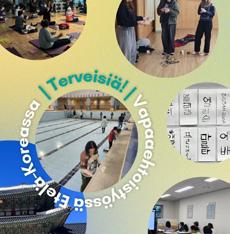
Eri arrived in Finland from Japan for a six-month stay and volunteered in Alavus from August 2025 to February 2026. The work included duties at a primary school, mainly assisting in English lessons. In this article, Eri shares personal experiences and observations from the time in Finland.
Text and photos: Eri Yamaguchi
During my volunteer experience in Finland, I worked as an English assistant at a primary school and also had the opportunity to visit a lower secondary school. Drawing on my professional experience as a teacher in Japan, I was able not only to support classes but also to suggest lesson ideas and teaching approaches. This allowed for meaningful exchanges with local teachers and gave me a sense that my previous experience could be applied in a new educational context.
Alongside my work in schools, I enrolled in an online course offered by the University of Jyväskylä, where I gained a deeper understanding of the Finnish education system—an area I had long wanted to explore. Through this experience, I developed the confidence to take initiative, including contacting university professors directly and arranging meetings to discuss educational practices in Finland. Taking these steps helped me engage more actively with the academic and educational community.
In Japan, once you begin working fulltime, it can be difficult to make independent career choices or step away from established
paths. However, by taking this opportunity to volunteer abroad, I realized how much can be gained by taking even a small step forward. The experience was not without challenges. There were times when I compared myself to other volunteers and felt discouraged, and moments when things did not go as smoothly as I had hoped.
Equally important to me was the community I found among the other volunteers. Meeting people from different backgrounds, sharing daily experiences, and supporting one another through challenges became one of the most valuable parts of this journey. Although I could not solve or manage everything on my own, I was constantly supported by my buddy and friends who helped me through difficult moments. Their presence was invaluable and became one of the greatest treasures of this experience.
Through this volunteer experience, I have gained the courage to take action when I feel uncertain. This strength—to act rather than remain hesitant—is something I will carry with me as I return to Japan and continue shaping my future path.
Top: ”I made wonderful friends through this camp!” says Eri Yamaguchi (in the middle).
Left: ”We had so much fun at the stadium during PE class!”
tulevat tapahtumat / upcoming events
25.3. helsinki & zoom
2.4. zoom
7.–10.5. tuusula
Maailmanvaihdon kevätkokous alkaen klo 17.15
The Spring Meeting of Maailmanvaihto starting at 17.15
Maailmanvaihdon toimisto ja Zoom | Maailmanvaihto’s office and Zoom
Etäinfo: Vapaaehtoistyöhön Euroopan solidaarisuusjoukkoihin
Online info: Volunteer in the European Solidarity Corps
16.–17.5. helsinki
ICYE-ohjelma: lähtövalmennus- ja loppuarviointileiri vapaaehtoistyöntekijöille
ICYE program: a pre-departure training and final evaluation camp for volunteers
Märkiön Leirikeskus | Camp Center Märkiö
Maailmanvaihto Maailma kylässä -festivaalilla
Maailmanvaihto at the World Village Festival
Lasipalatsikortteli | Lasipalatsi District
20.–26.8. ylöjärvi
1.9
Tulovalmennusleiri vapaaehtoistyöntekijöille
On-arrival training camp for volunteers
Antaverkan leirikeskus | Camp center Antaverkka
Viimeinen päivä hakea tammi–helmikuussa 2027 alkavaan ICYEvapaaehtoistyöhön
The last day to apply for ICYE volunteering starting in January–February 2027
Lisää tapahtumia ja tarkempia tietoja: maailmanvaihto.fi/category/ajankohtaista
Find more events and further information: maailmanvaihto.fi/en/category/news