10/2025-University Scholarship, Anhui Jianzhu University
02/2025 -Third Prize, Anhui University
Environmental Design Competition
02/2025 -Third Prize, Anhui University Student
Photography Competition
10/2023-University Scholarship, Anhui Jianzhu University
02/2023 -“Dragon Boat Summer” Poster Design Competition, Second Prize
02 Rewoven Corridors
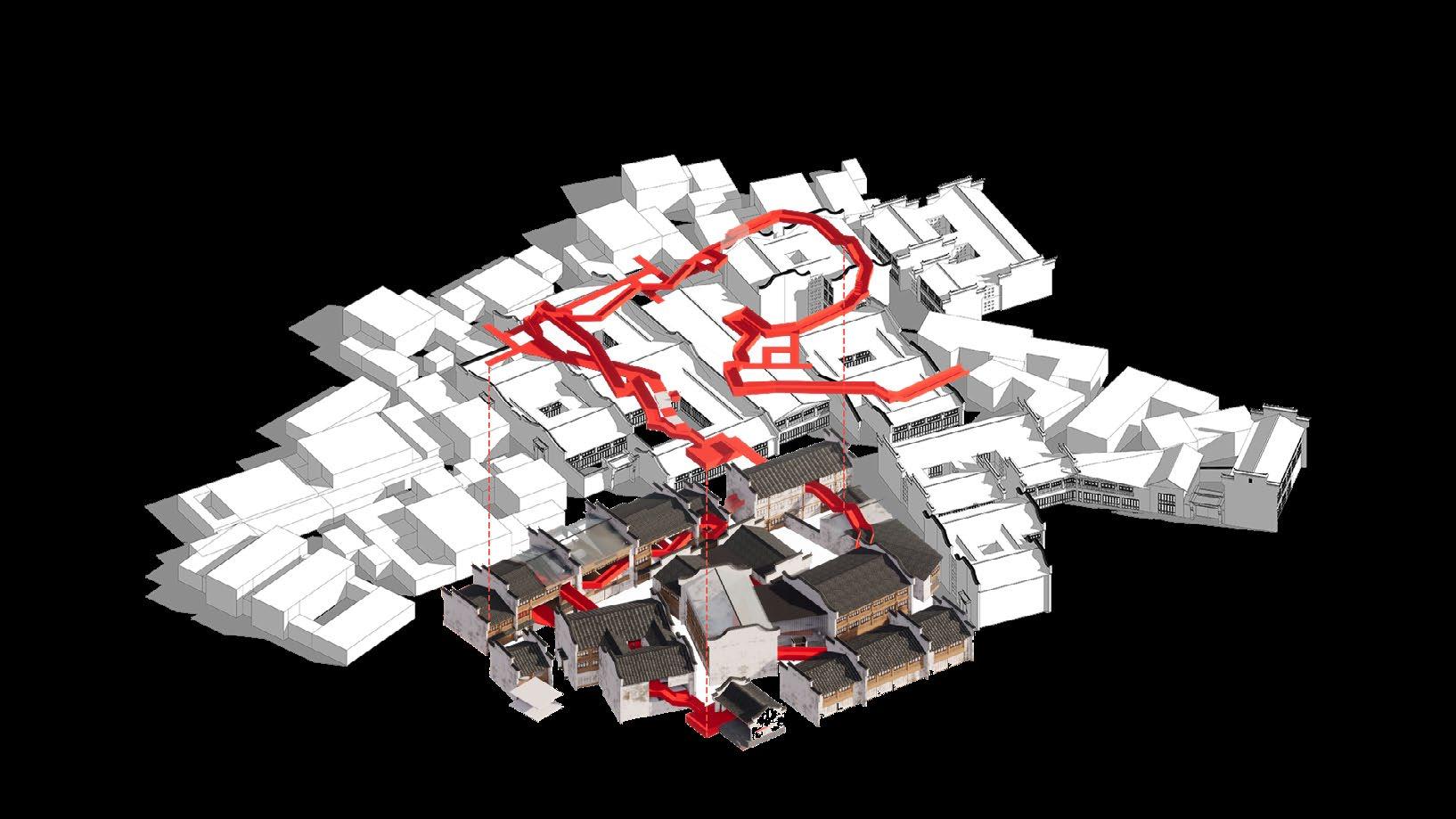
•Village Corridor Additions
•Spatial Flow and Interwoven Circulation 03 Dreamy Plush
•Affectionate Narrative Experience
•Multi-Level Display Strategy
05 Recycling of waste residue
•A Study on Exploring Environmentally Friendly Building Materials
projects investigate how space—at both interior and urban scales—can reveal systems, reshape behaviour and evoke emotional and social awareness. Together, they use narrative, movement and material strategies to imagine more inclusive, expressive and human-centred environments.
HYDRAULIC REGIME
A dystopian bathhouse of power, purification
Team Work 01/2025
Competition Project Tutor: Ziyang Cao
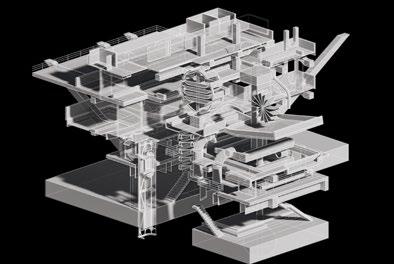
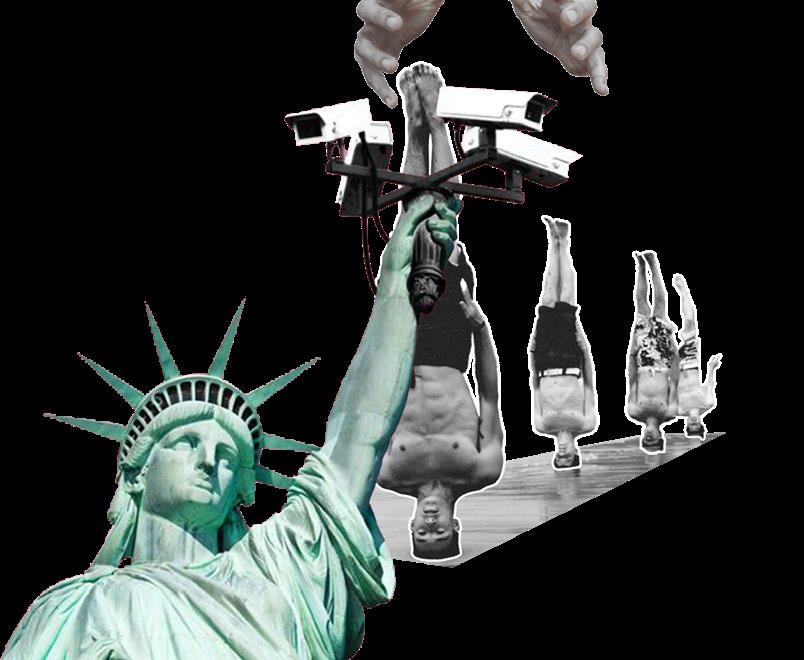
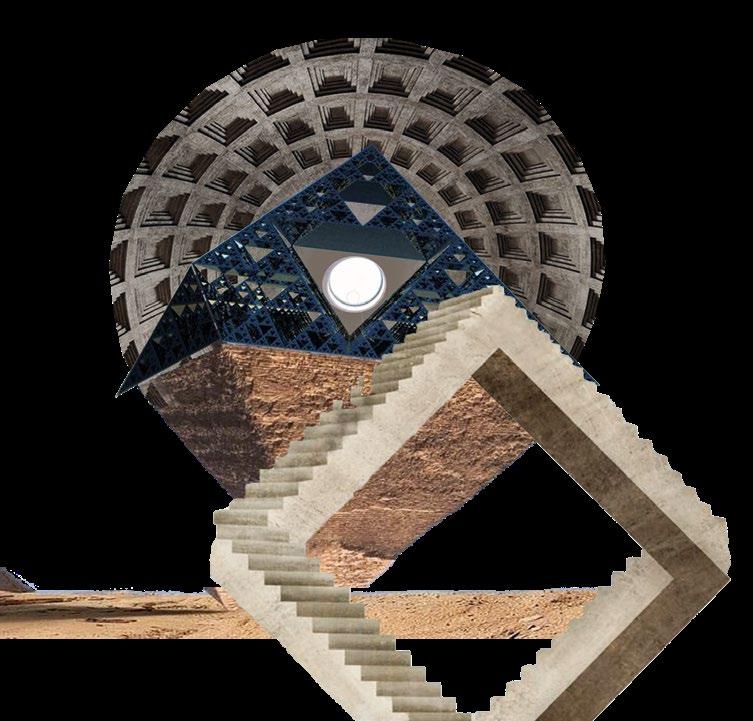
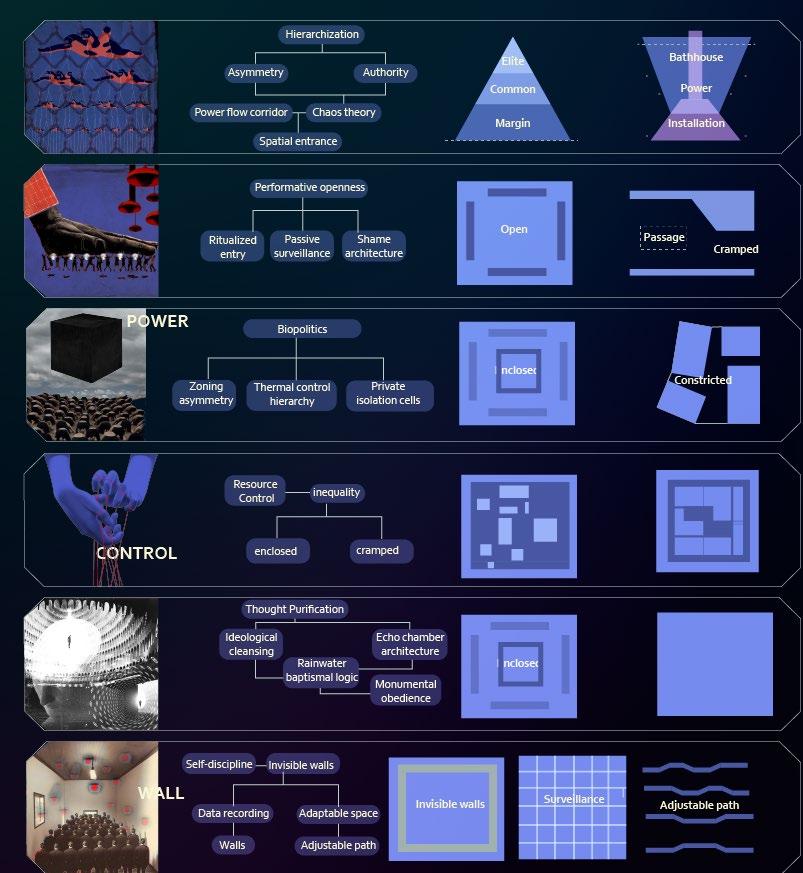
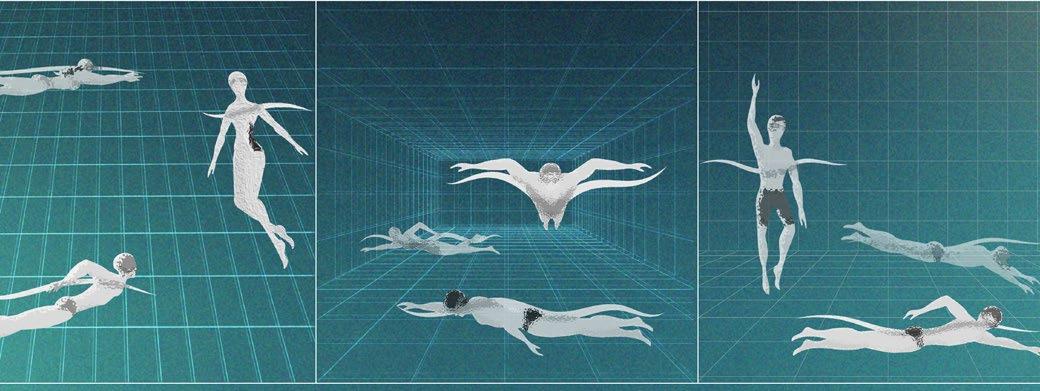
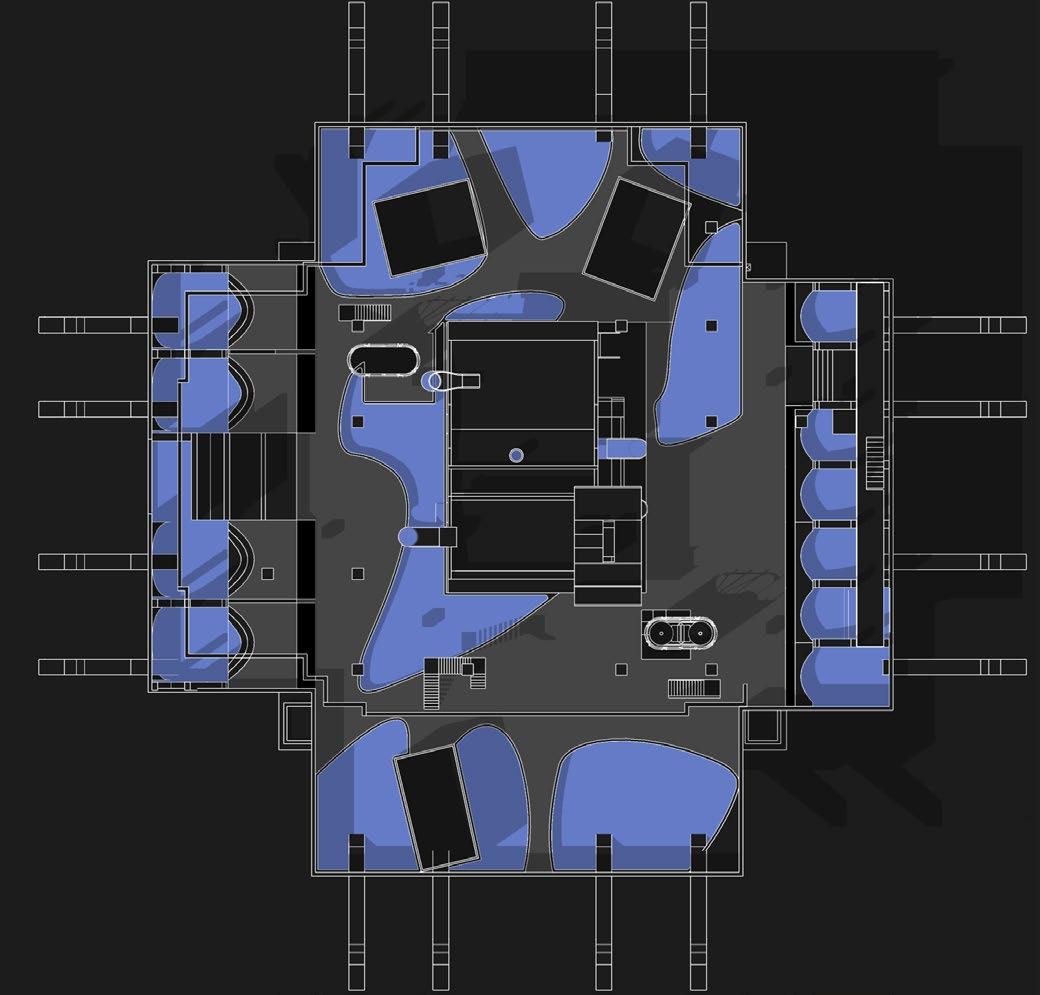
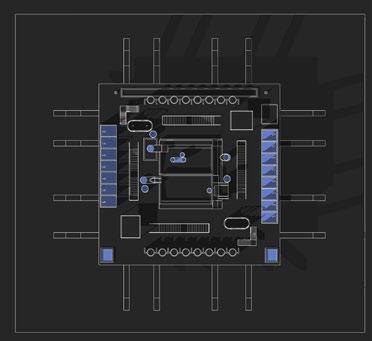
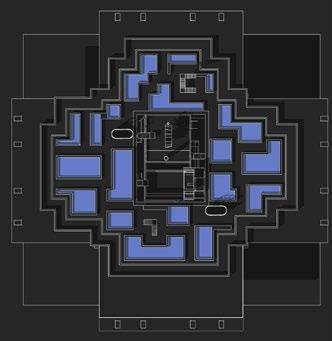
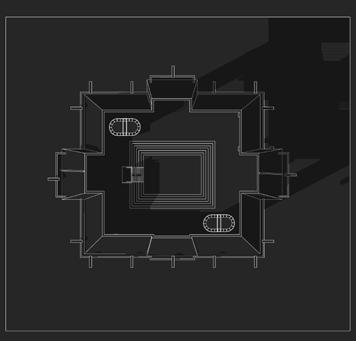
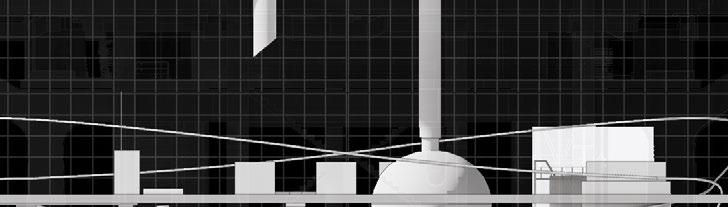
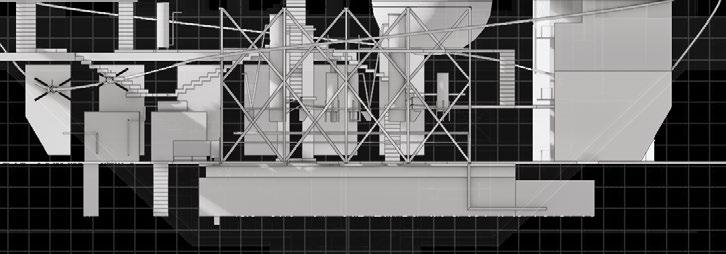
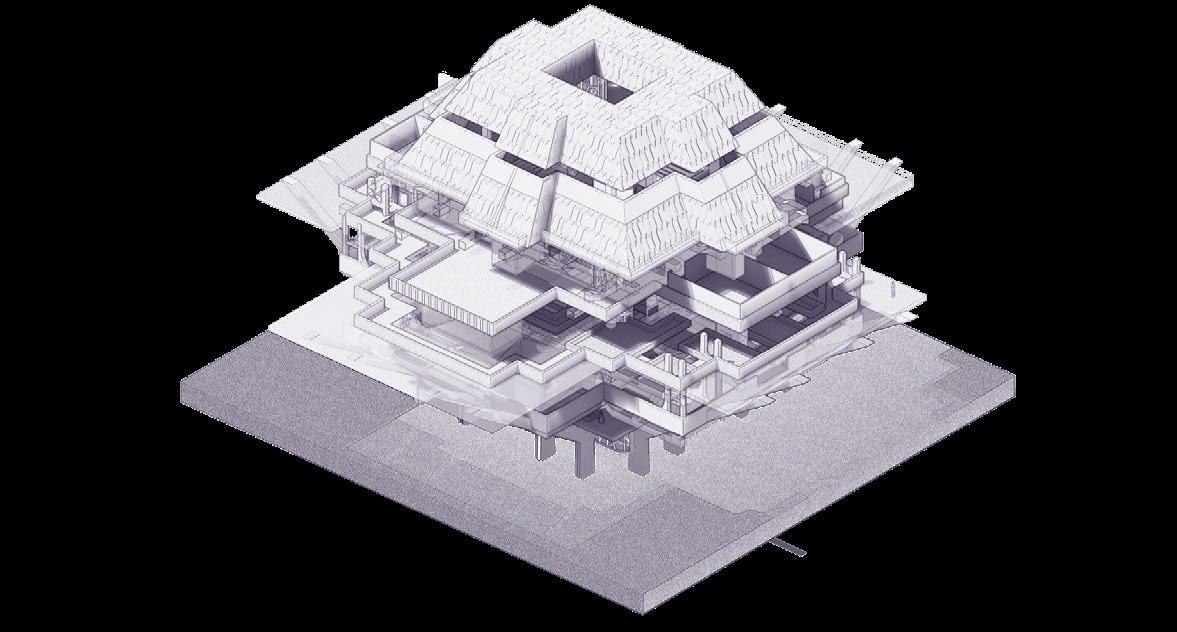
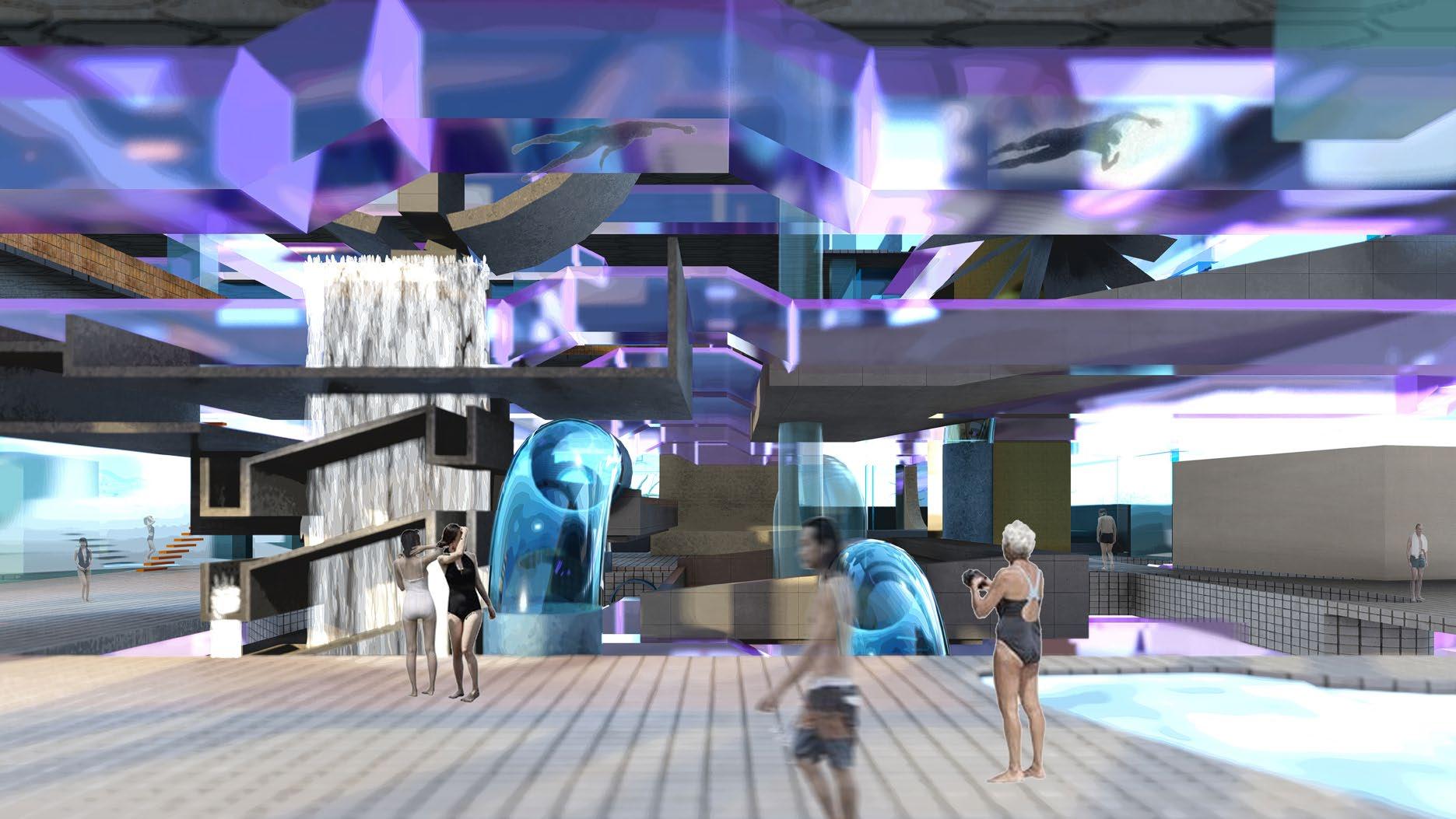
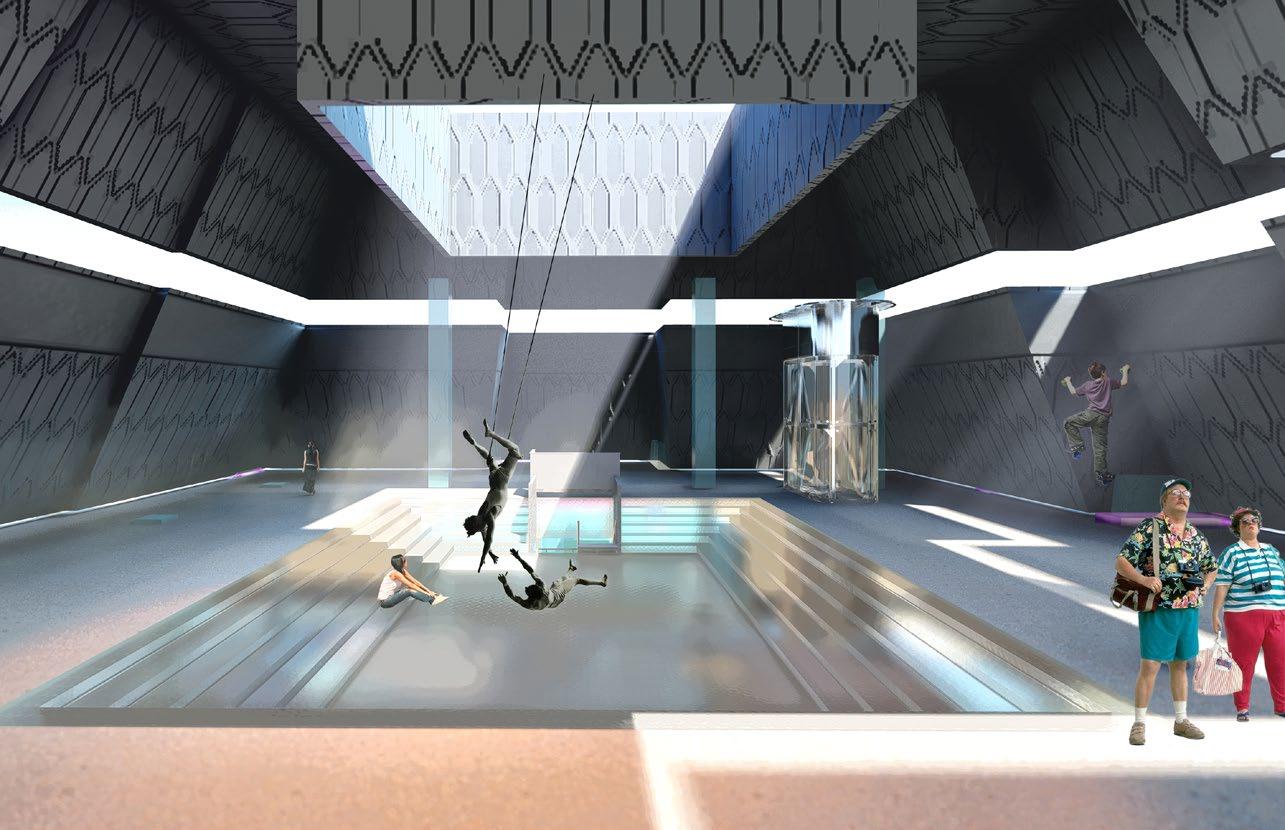
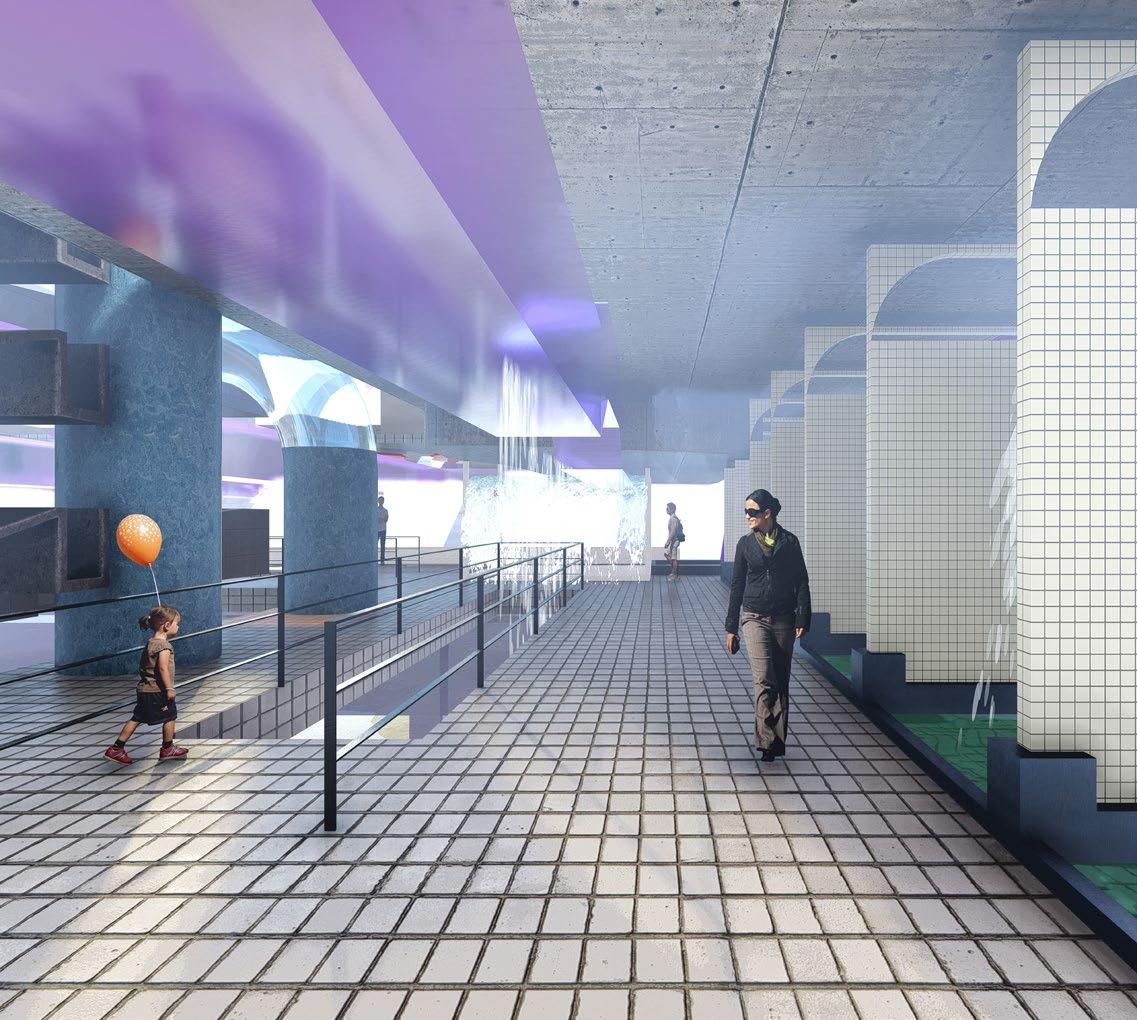
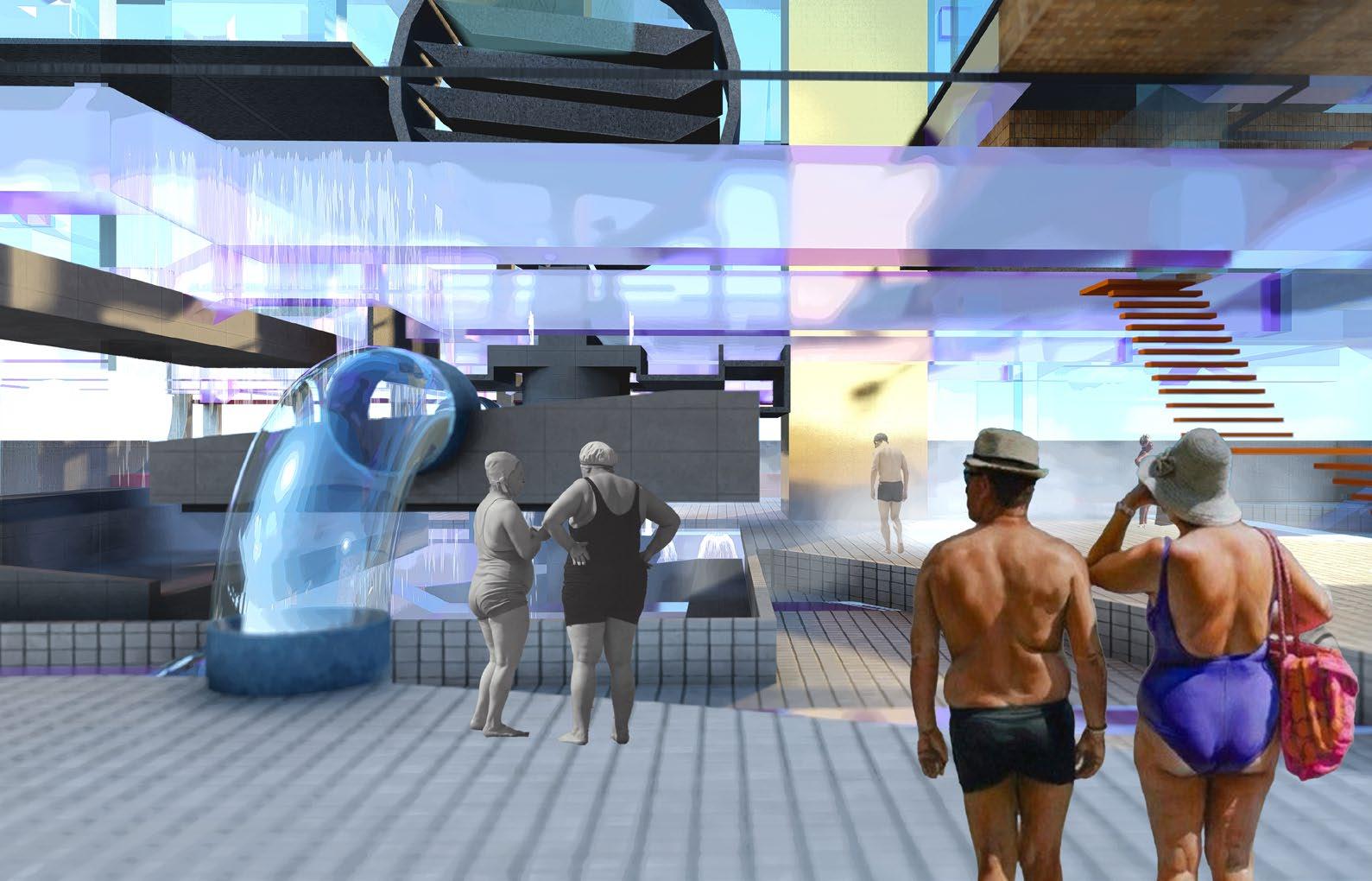
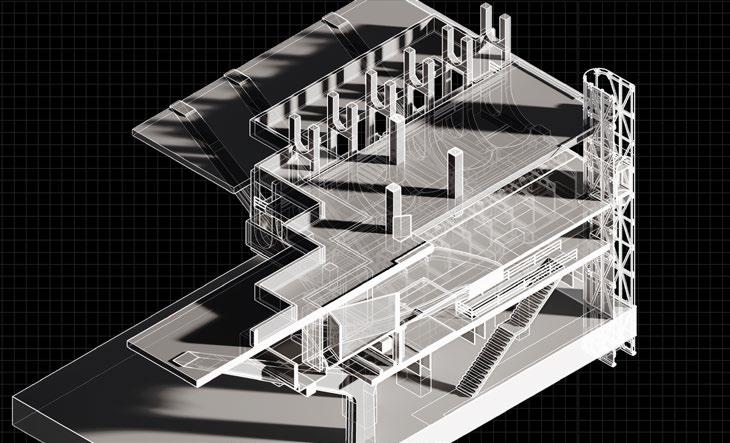
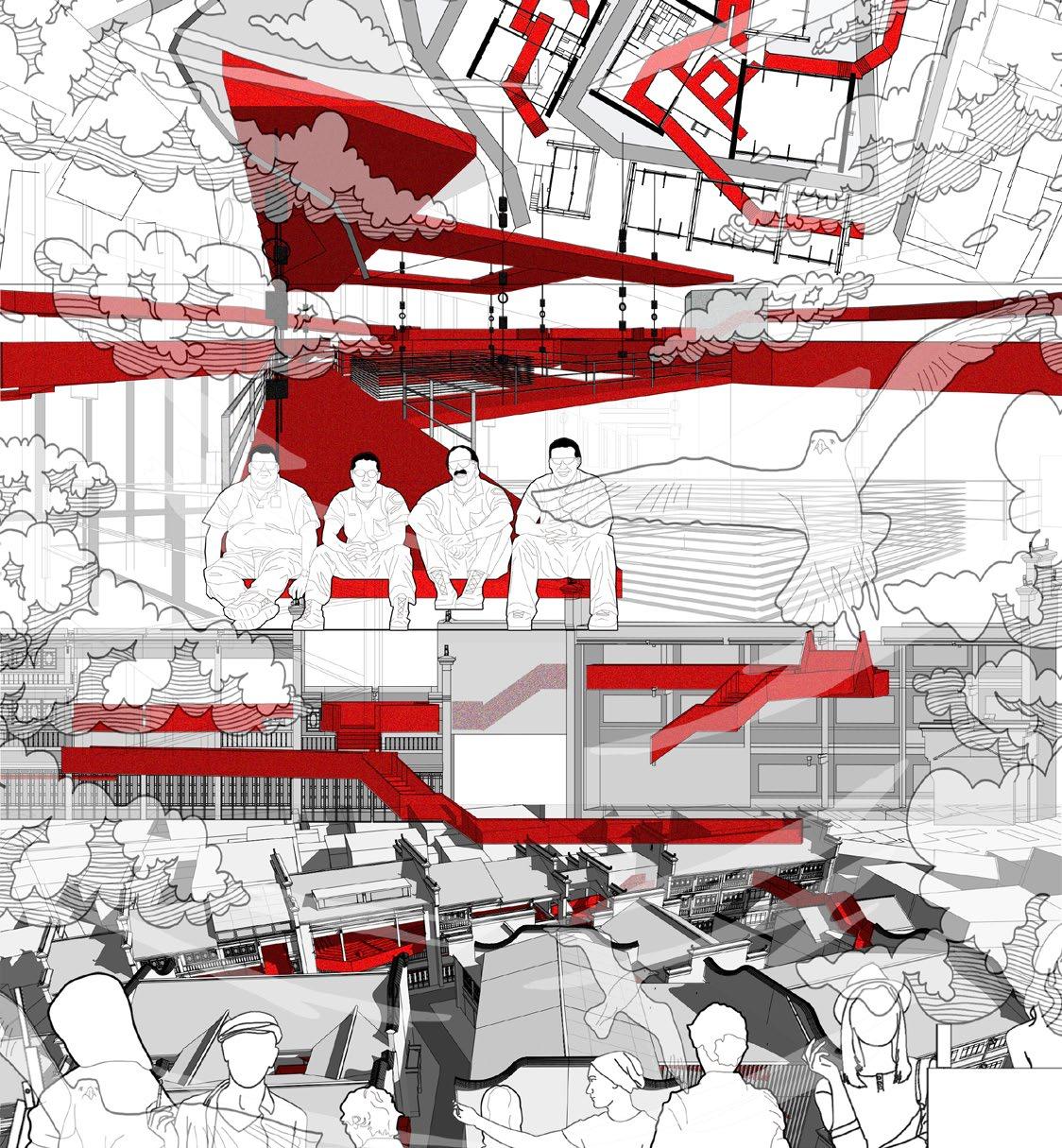
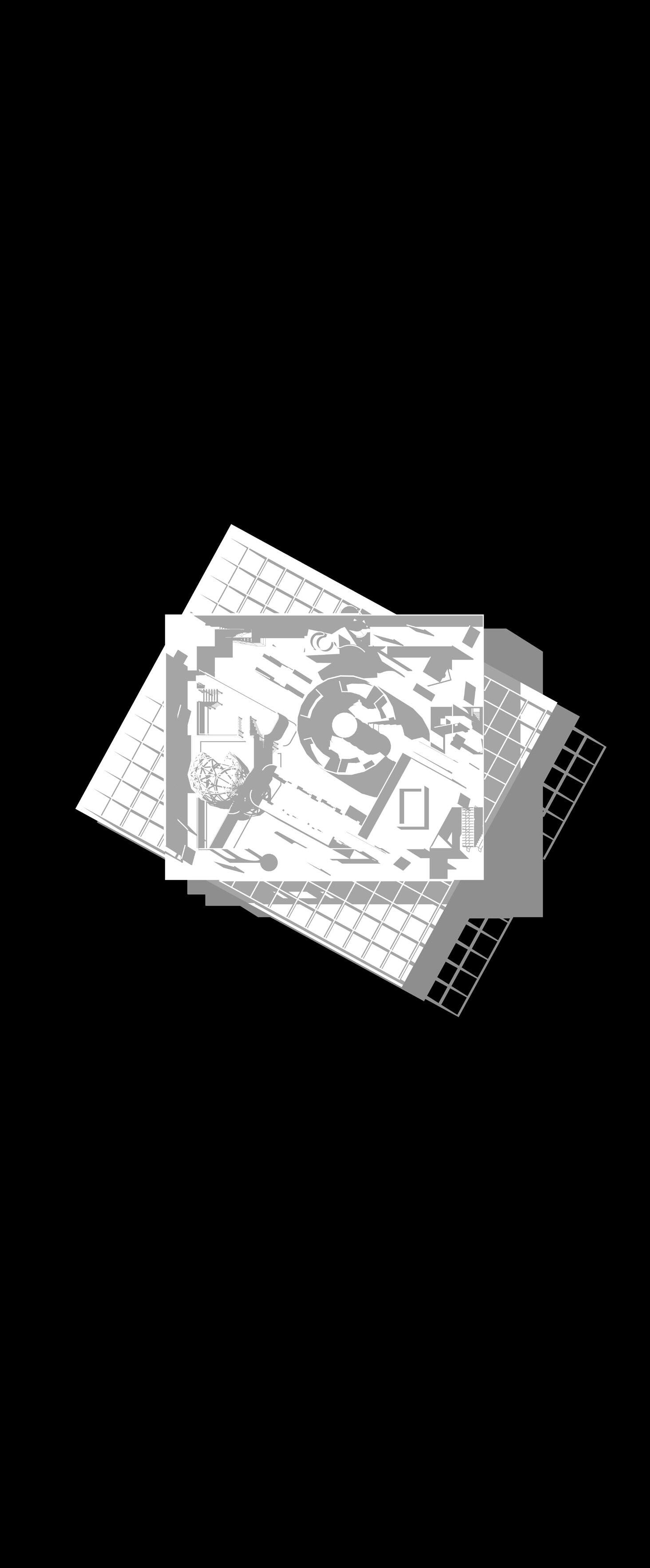
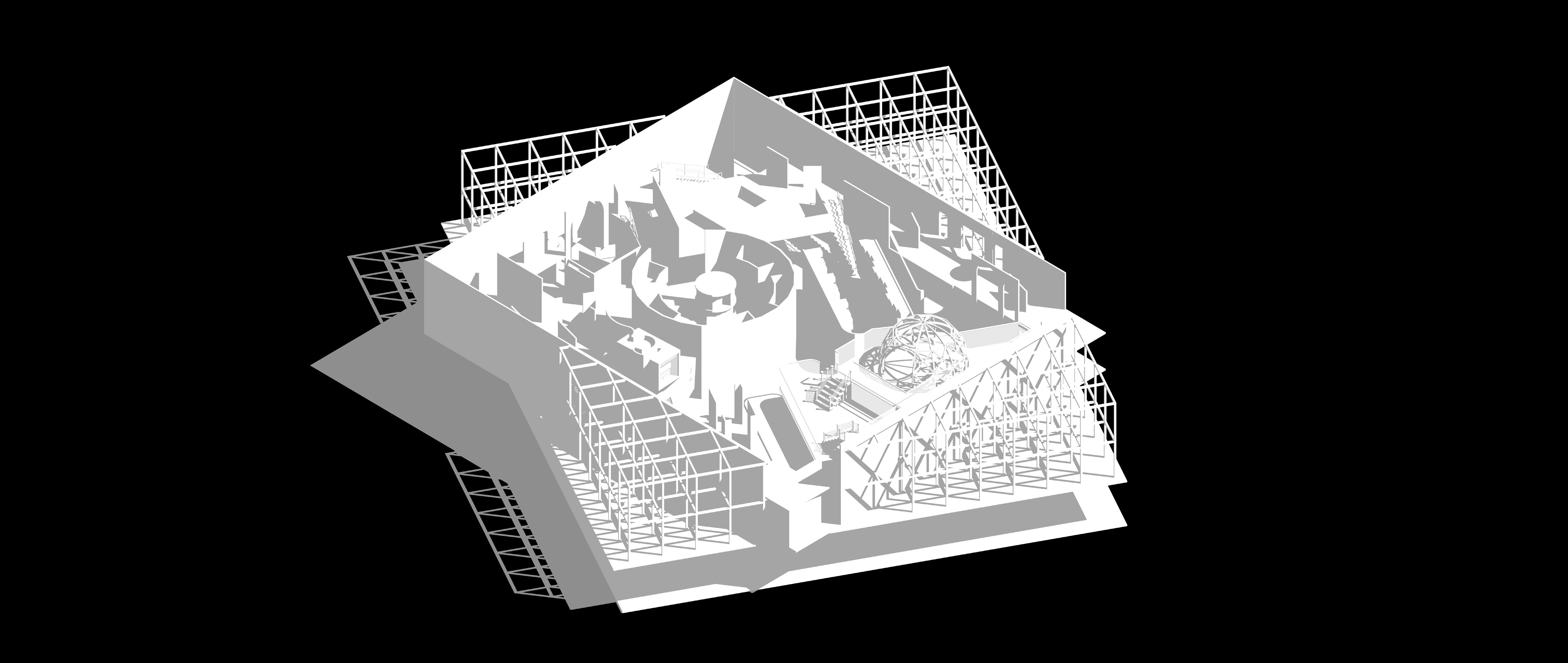
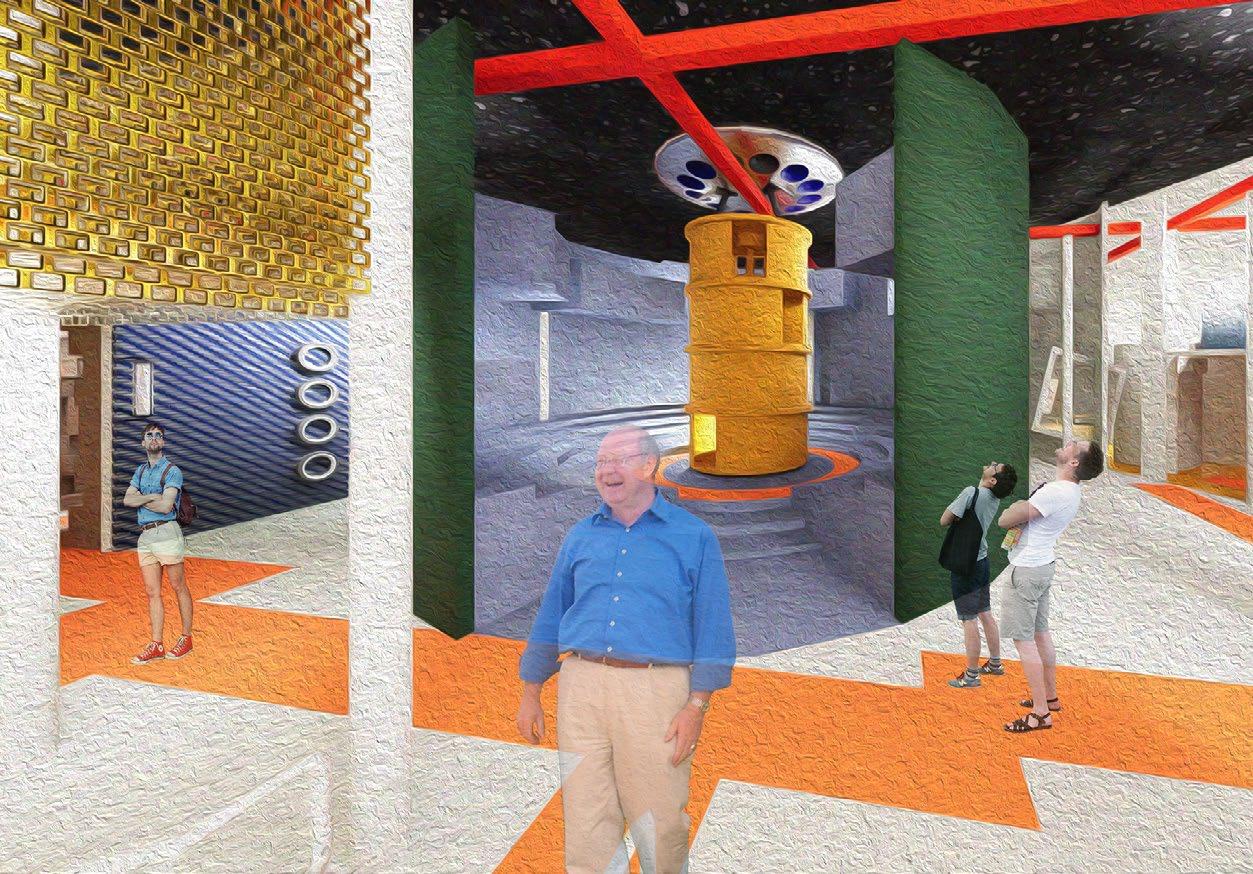
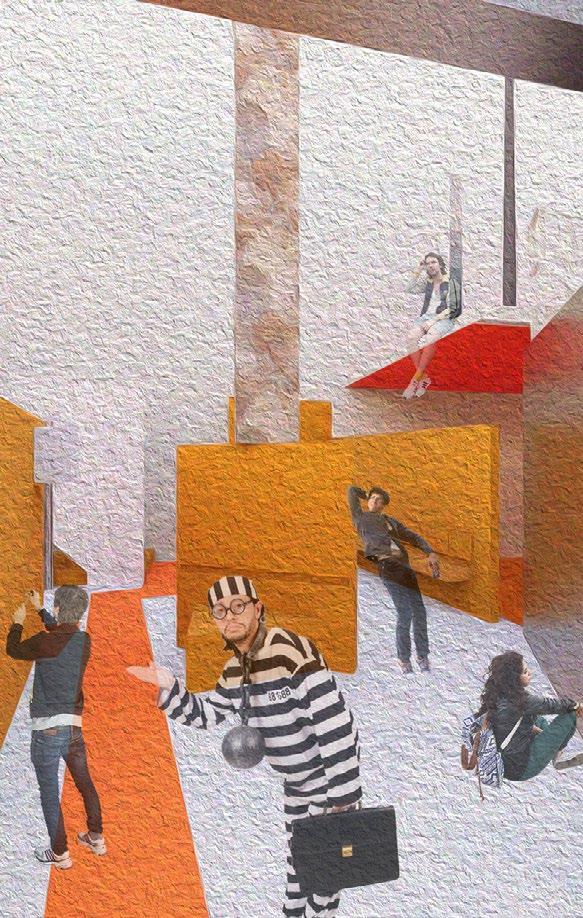
The project takes the dystopian bathhouse as its narrative premise, exploring how structures of power, resource distribution, and bodily discipline are rendered explicit within architectural space. Drawing upon the social archetype of Soviet public bathhouses and informed by Kenneth Frampton’s theory of Critical Regionalism, the design positions architecture as an instrument of social diagnosis rather than a mere object of aesthetic contemplation. Its central intention is to articulate an aesthetics of oppression and an experience of control through the vertical compression of space and the continuous circulation of water. Within this mechanism, the individual is ceaselessly purifiedW through collective systems and spatial regulation, exposing the invisible logic of resource redistribution and ideological manipulation.
Concept Collage
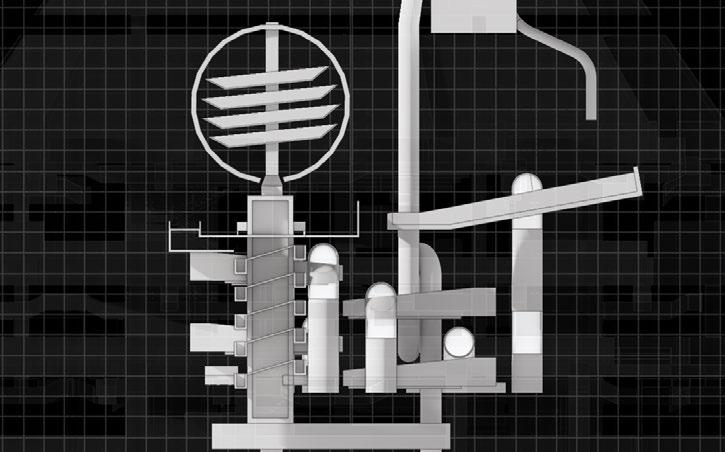
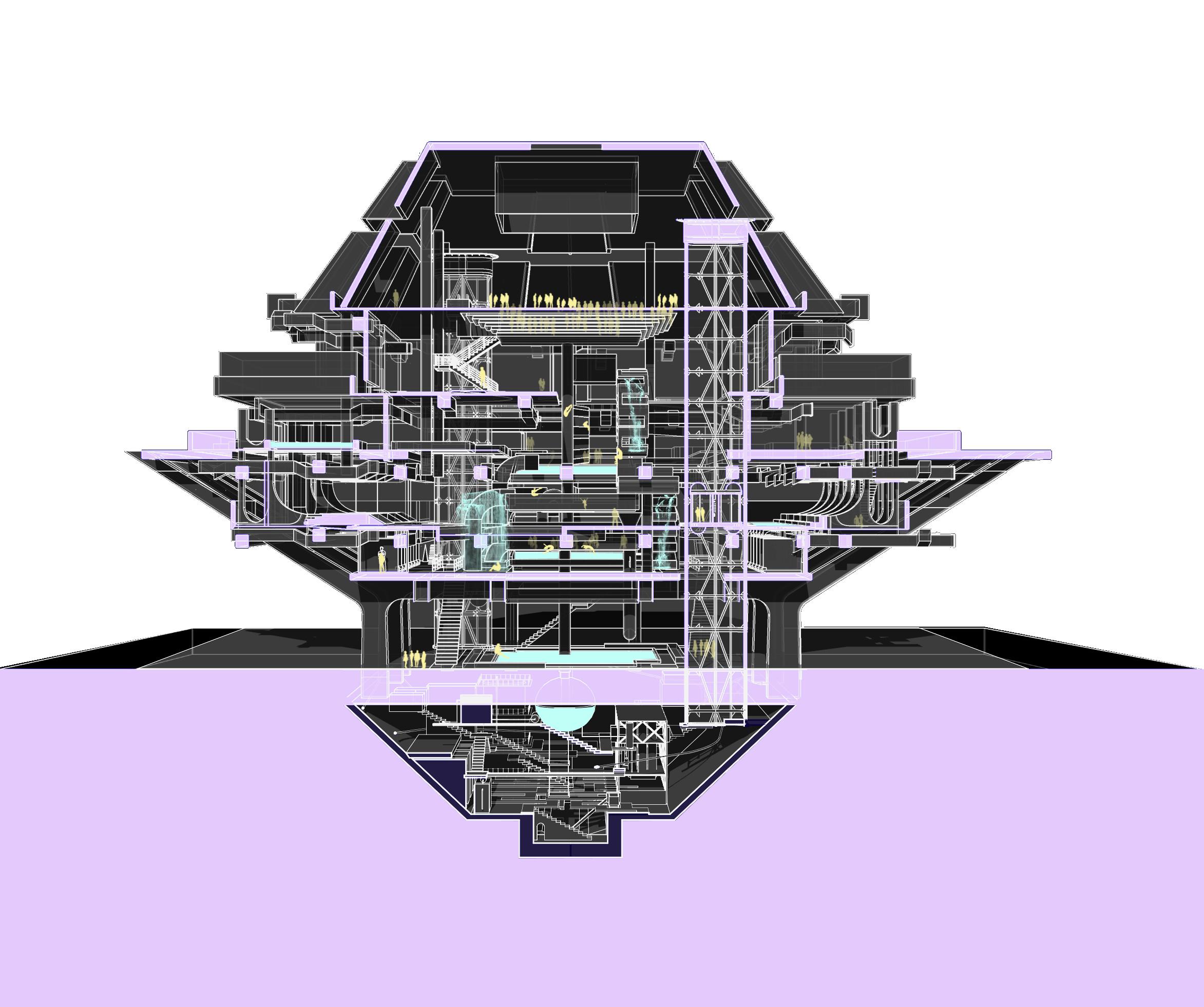
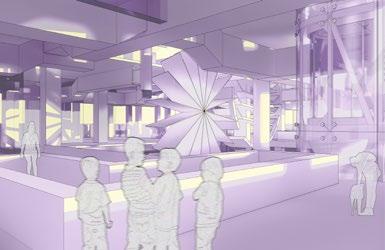
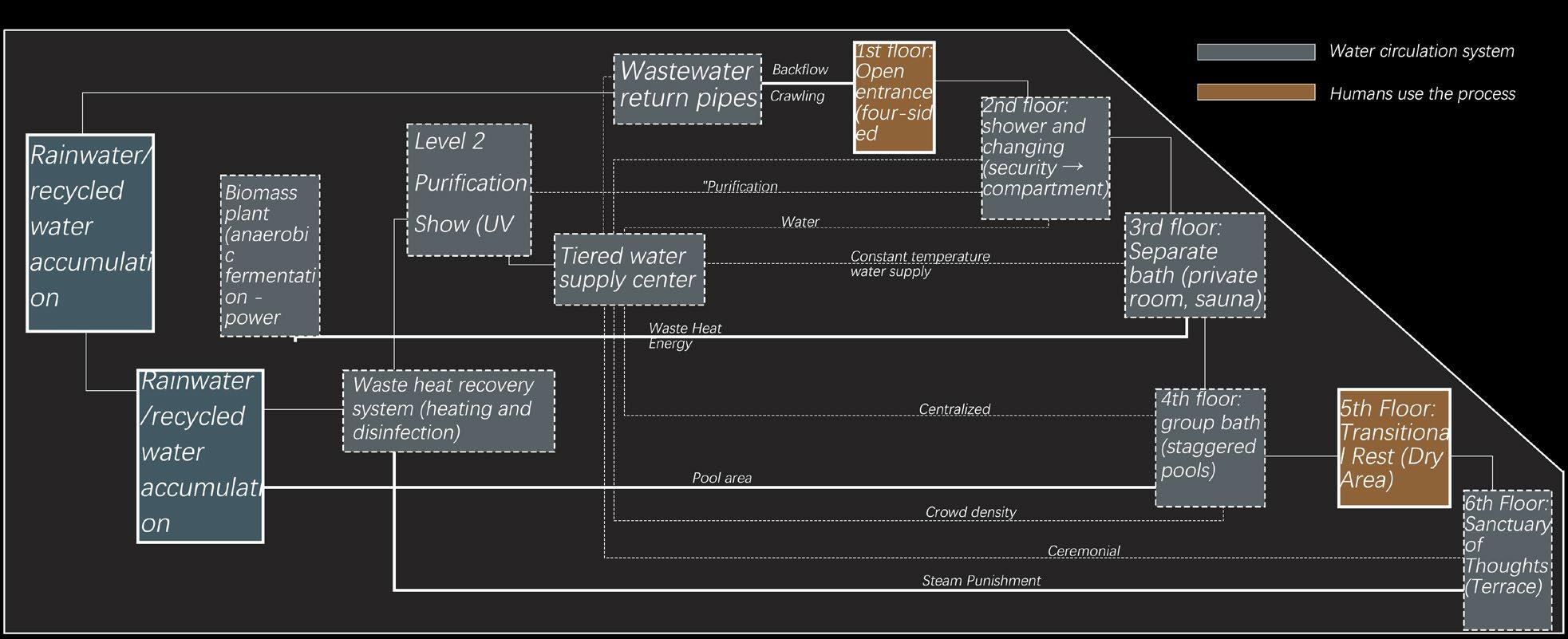
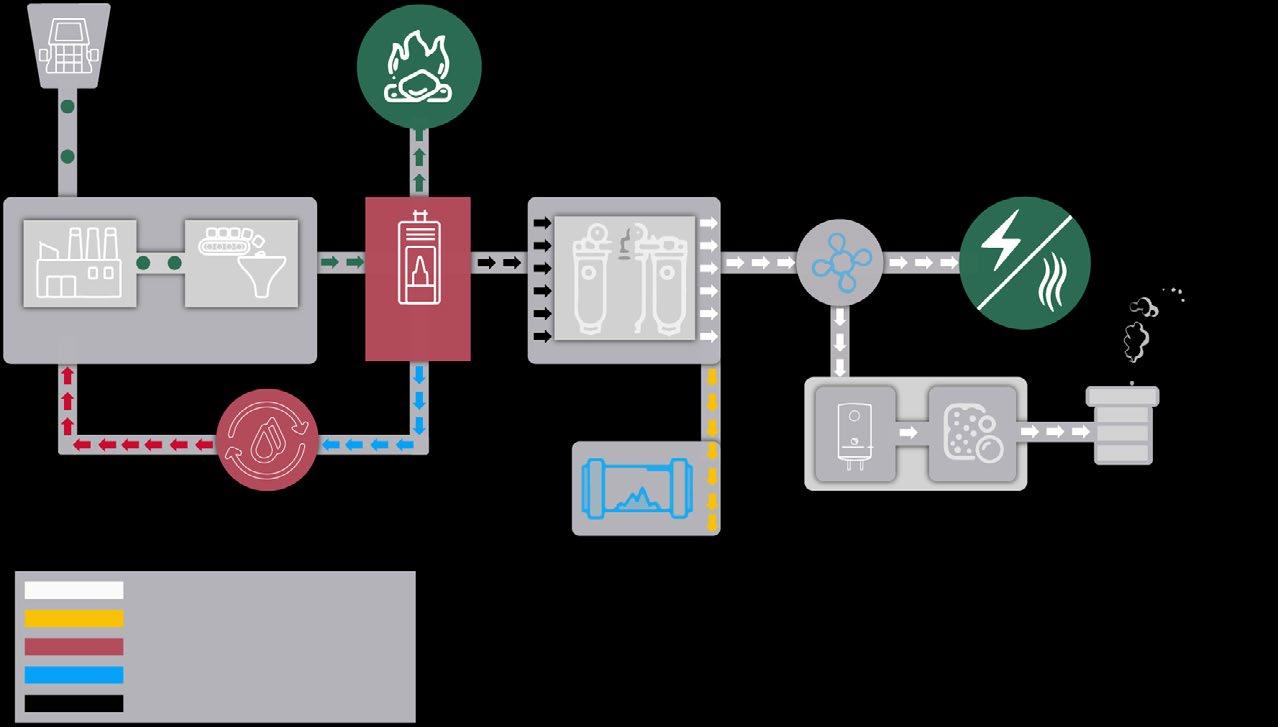
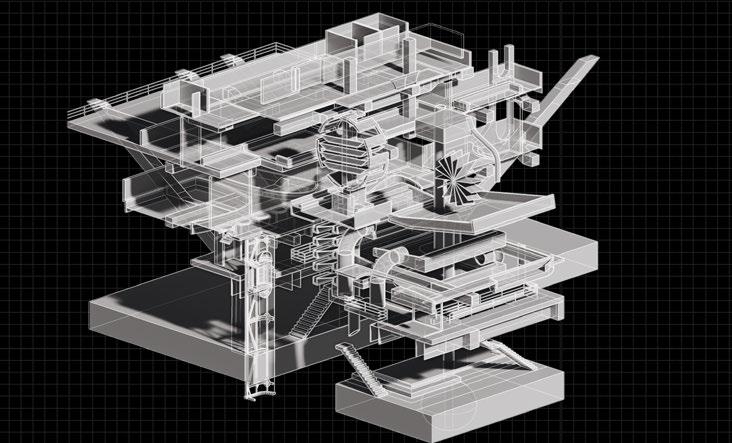
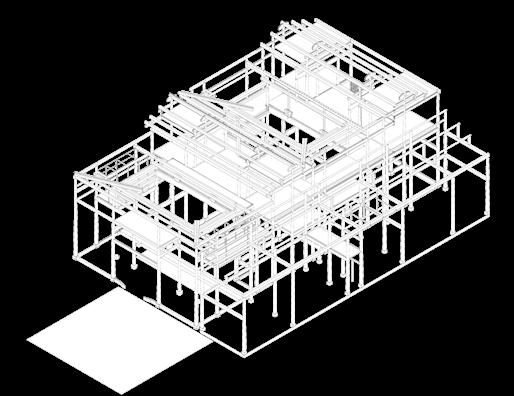
The central device anchors the building’s vertical axis, merging the rainwater collection system with the biomass energy generator into a single cyclical organism. Wrapped in technical rationality yet driven by power, it turns purification above and combustion below into metaphors of ideological cleansing and collective sacrifice. Reversed flows of heat and air transform matter into consciousness, rendering the building not a space for users, but a machine that consumes human participation as
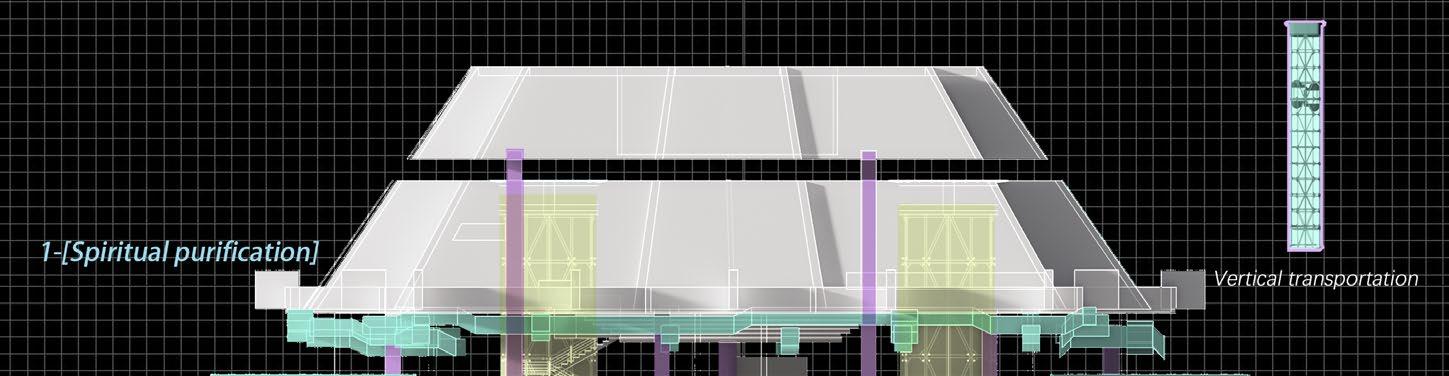
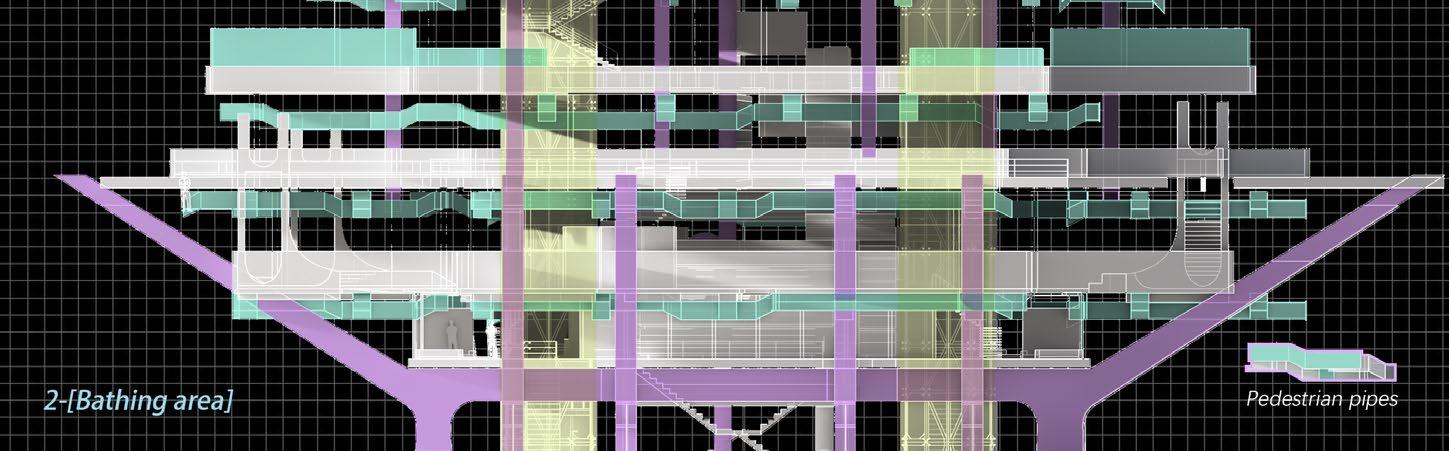
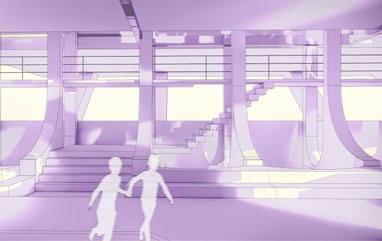
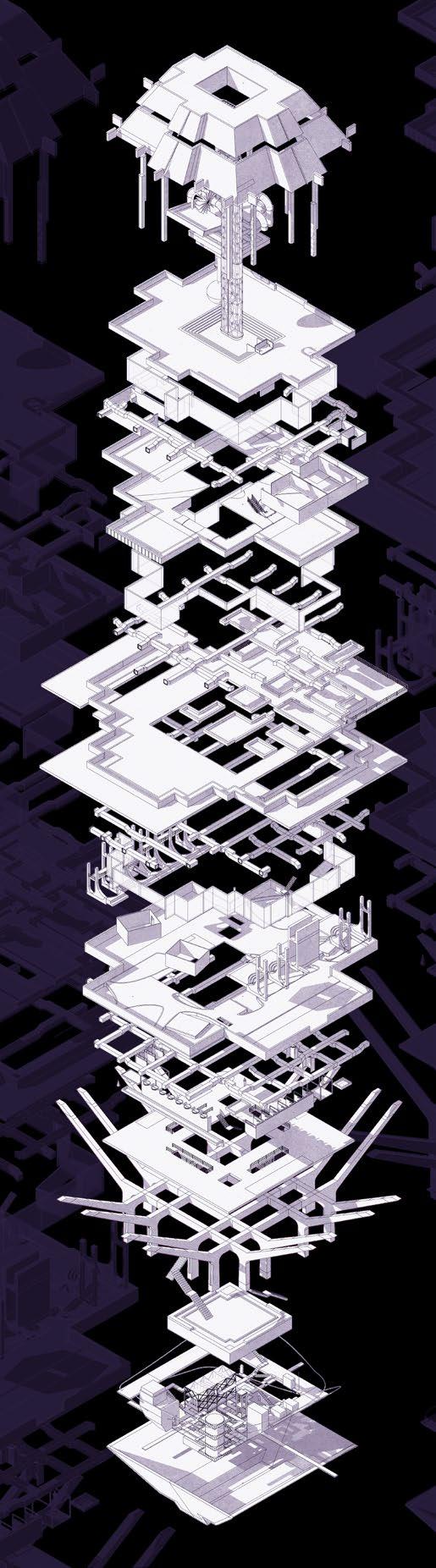
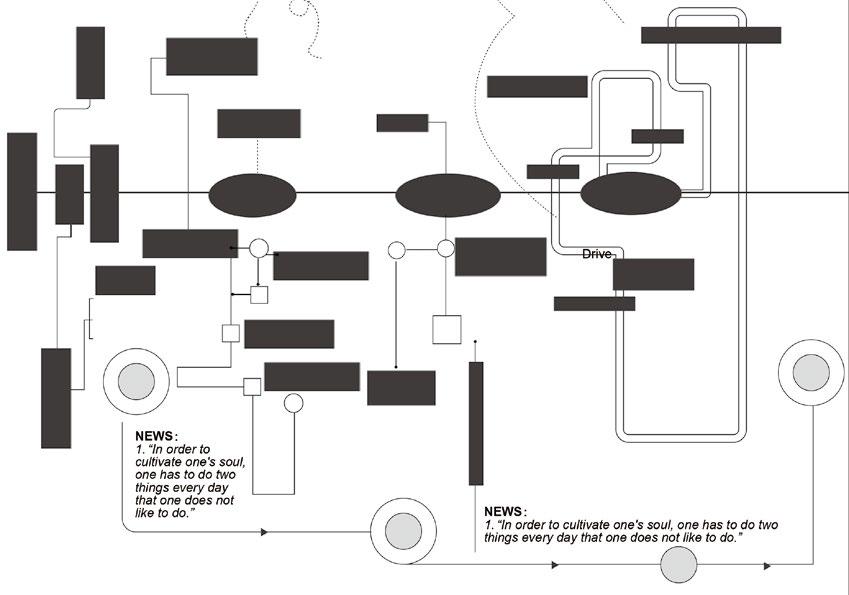
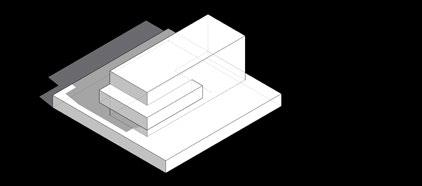
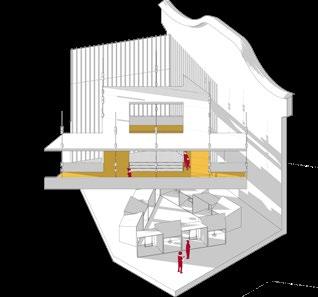
The bathhouse organizes human movement as a vertical process of transformation. Entering from the open threshold, visitors are guided through the hall of unification, where bodies are standardized and individuality begins to dissolve. As they ascend, heat and humidity within the thermal chambers reshape perception, compressing personal experience into collective rhythm. Intersecting routes of elevators and crawling pipes regulate circulation, redistributing movement at each transitional layer. Eventually, the flow converges in the collective basin—where synchronization replaces autonomy—and culminates in the sanctuary above, a symbolic purification of thought and spirit. The entire trajectory becomes not just spatial passage but a ritual of control, where the movement of bodies sustains the system’s own cycle of power.
SANCTUARY
Collective Basin
Transit Stratum
Thermal Chamber
Hall of Purification
Threshold Zone
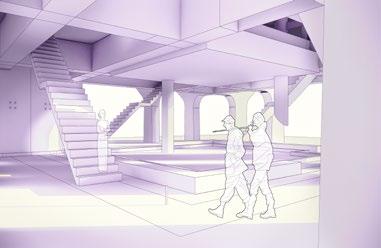
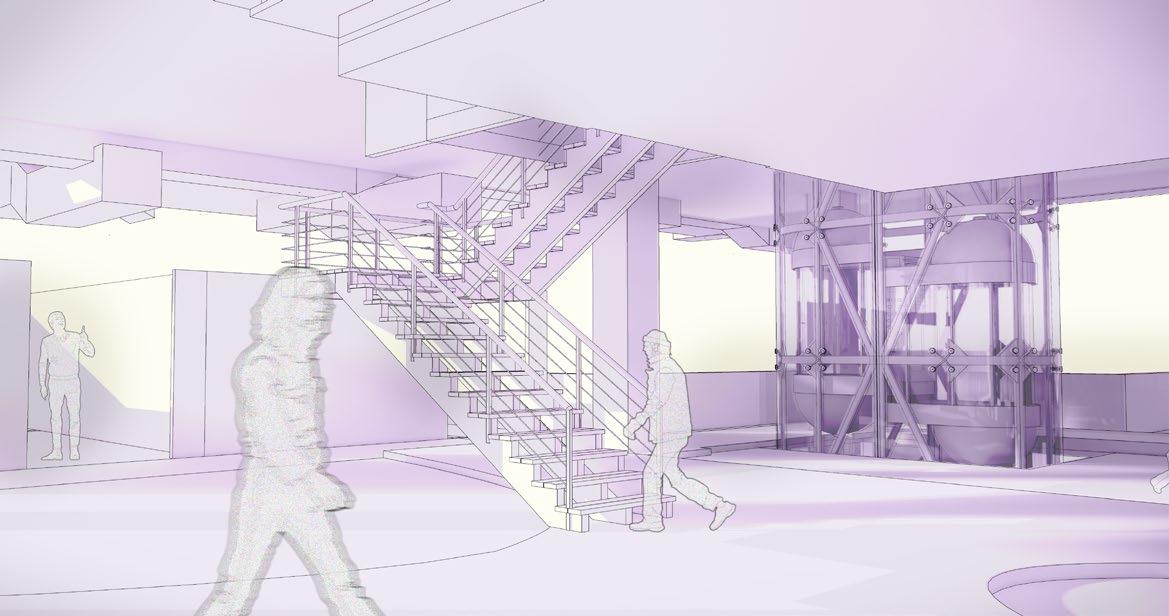
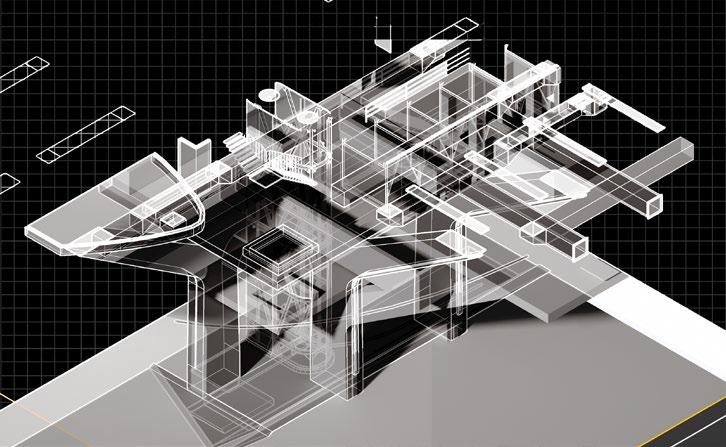
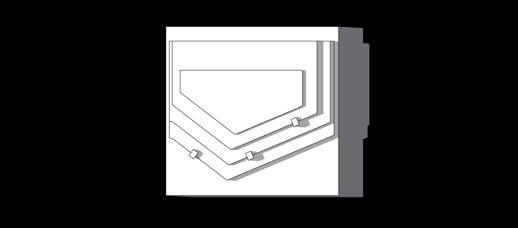
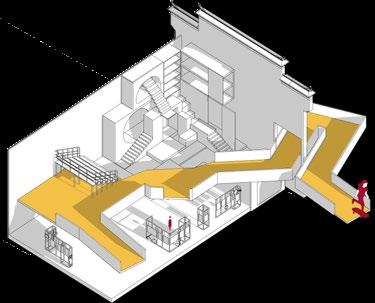
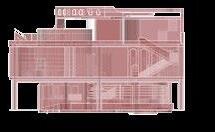
Viewed from the corner, the section exposes overlapping spaces from the entrance to the third floor, where stairs and platforms interlace to form an open vertical interface threaded by the water circulation system.
Lower–Mid Corner Section
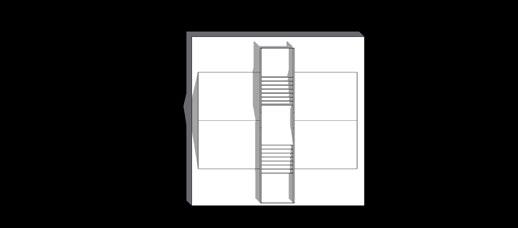
The mid-level section reveals the integration of circulation and vertical transport, where ramps and ducts interweave to form a continuous volumetric flow. Mid-Level Circulation Core
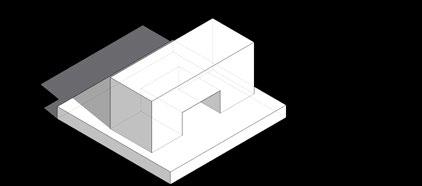
The sectional view reveals a vertical system extending from the underground energy core to the upper purification levels, with the central device linking the rainwater collection and circulation systems. Central Section Overview
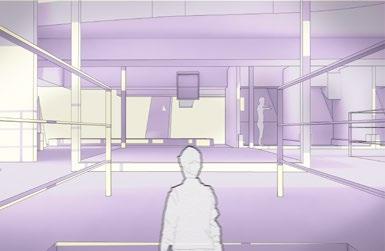
Second-floor perspective
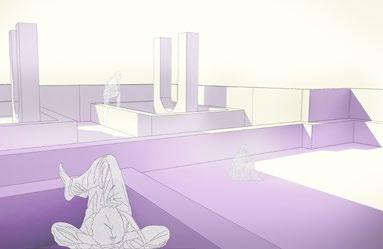
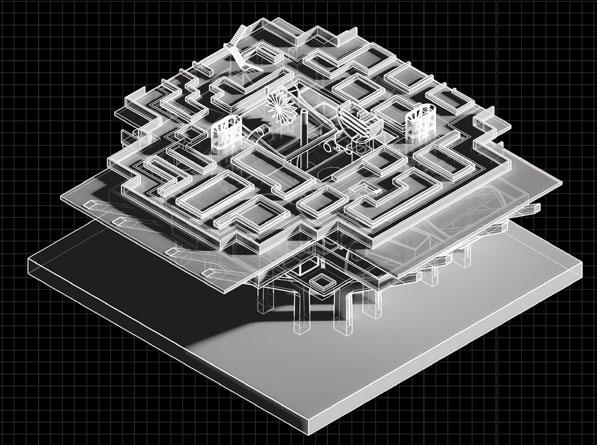
At the collective bathing level, a dense grid of structures intersects with water channels, generating a high-intensity network of communal spaces. Collective Bathing Stratum
Second-floor perspective
INTERVIEWS
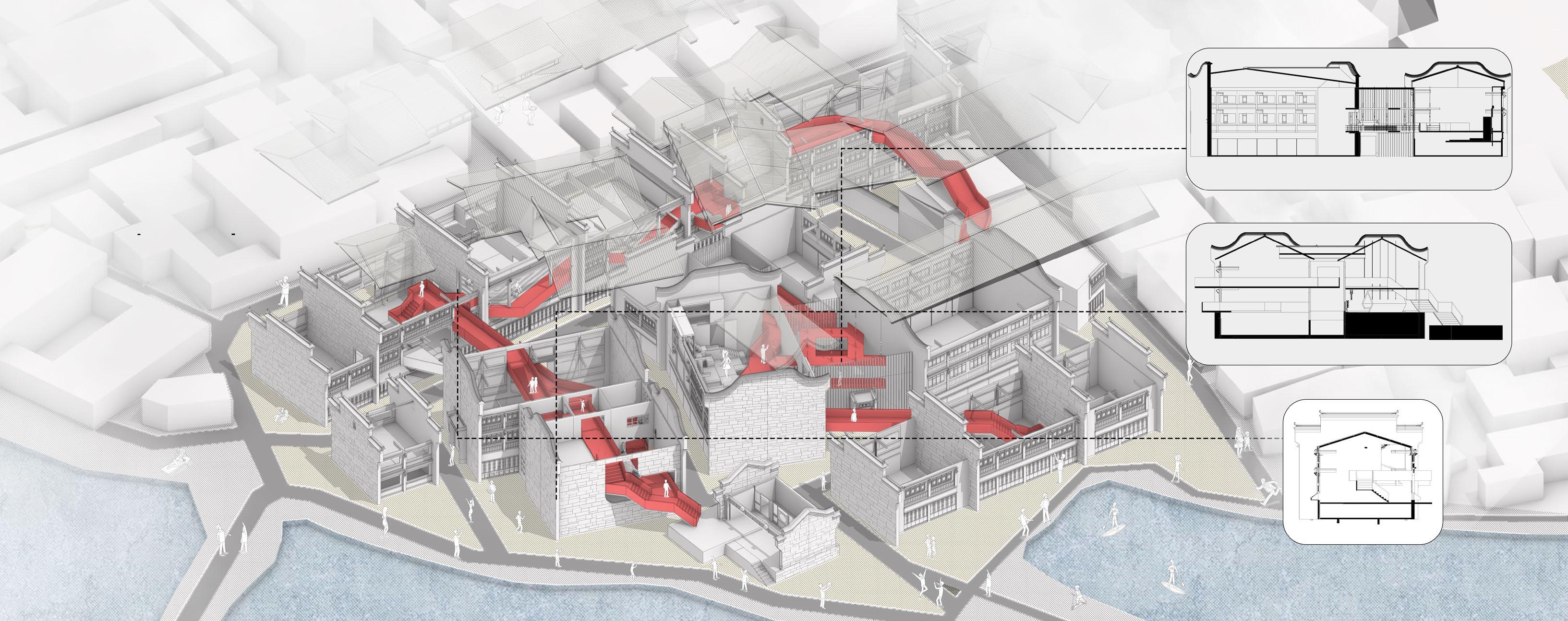
REWOVEN CORRIDORS
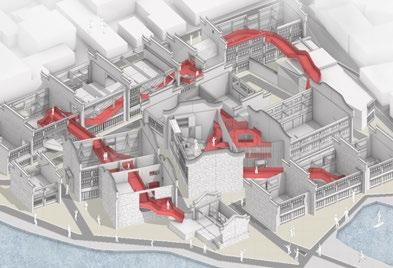
REORGANIZING HONGCUN’S SPACE
Individual Course work 09/2024
project location::Hongcun, China
Coursework Project: Environmental Facilities and Art Design/Zhiying Xu
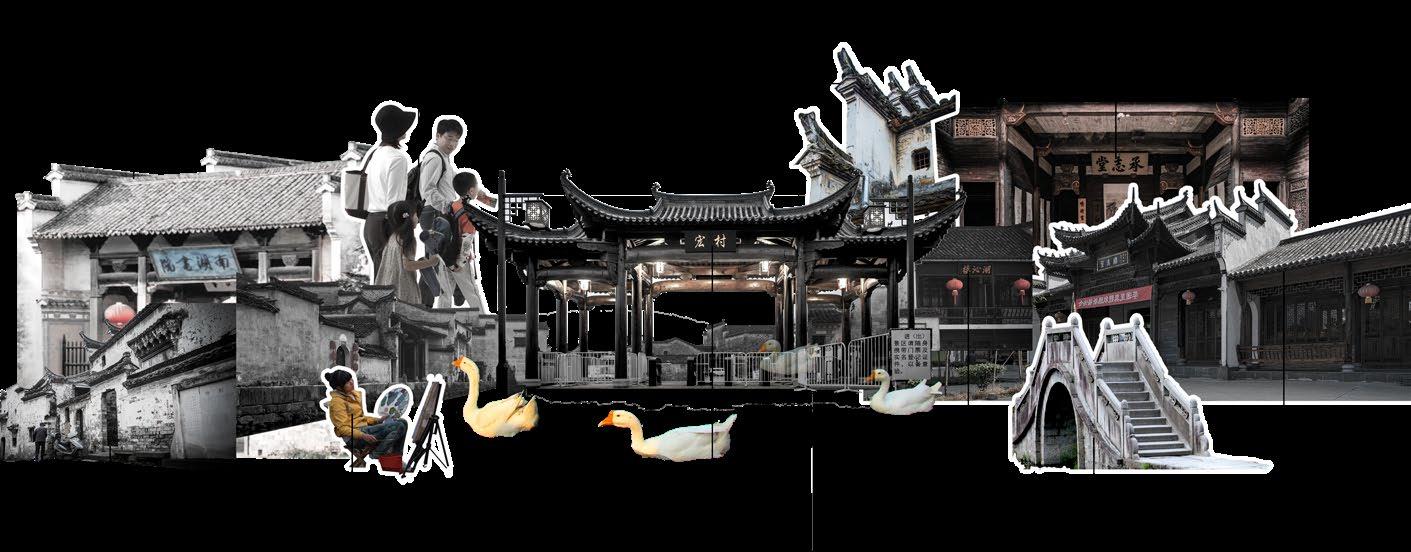
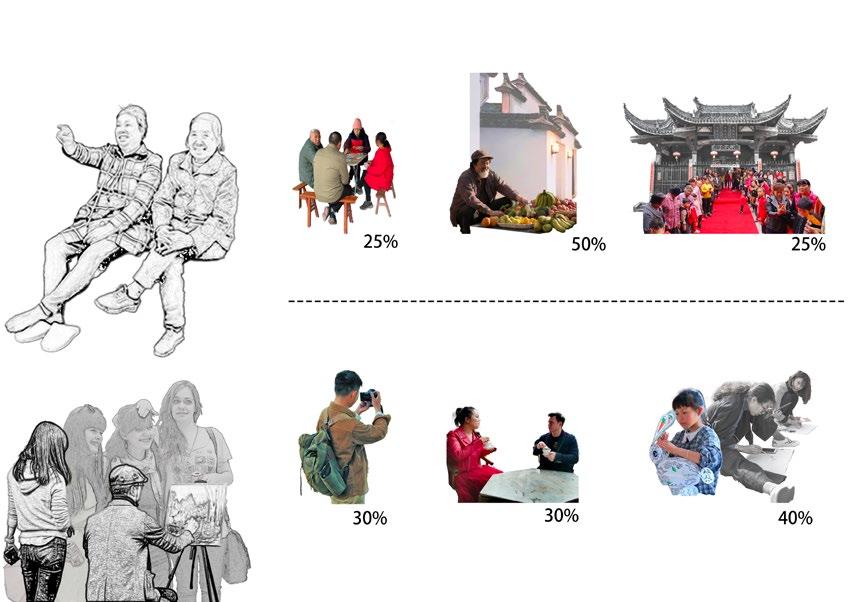
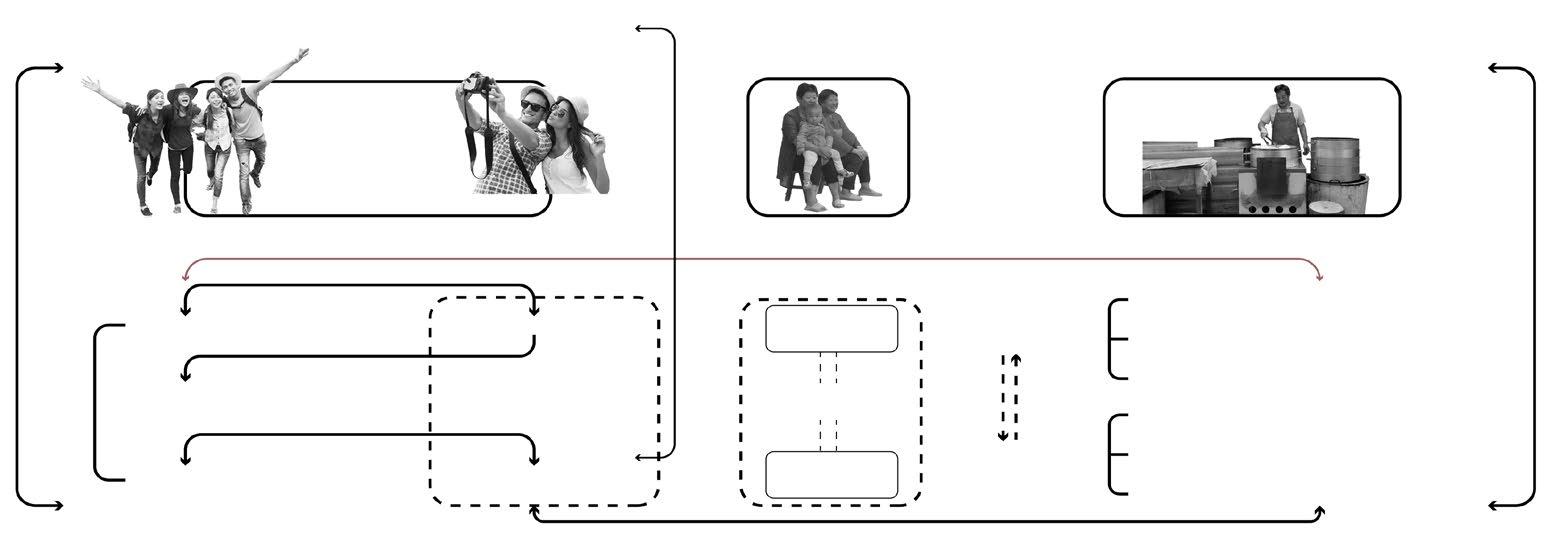
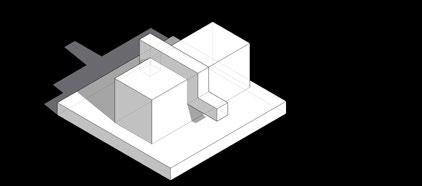
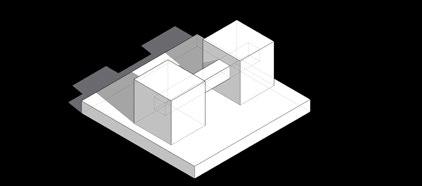
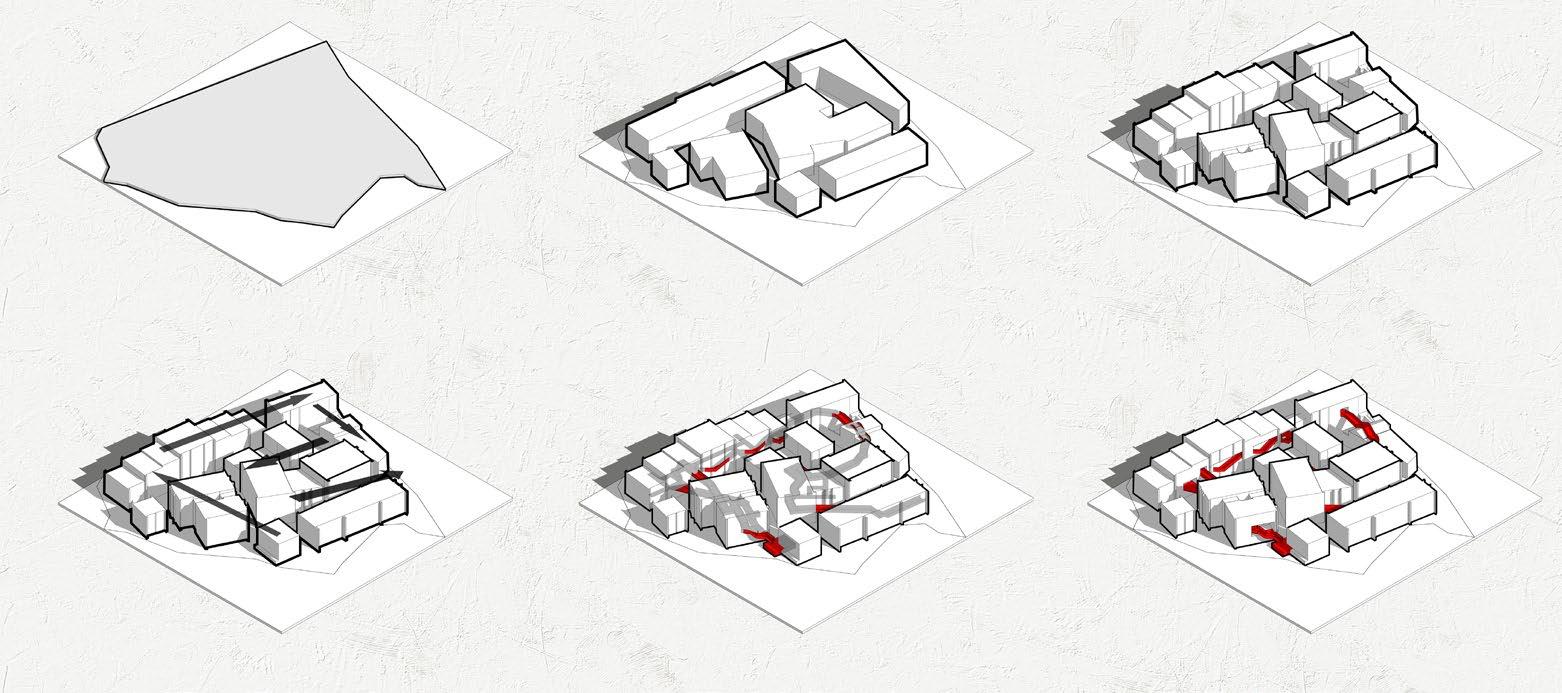
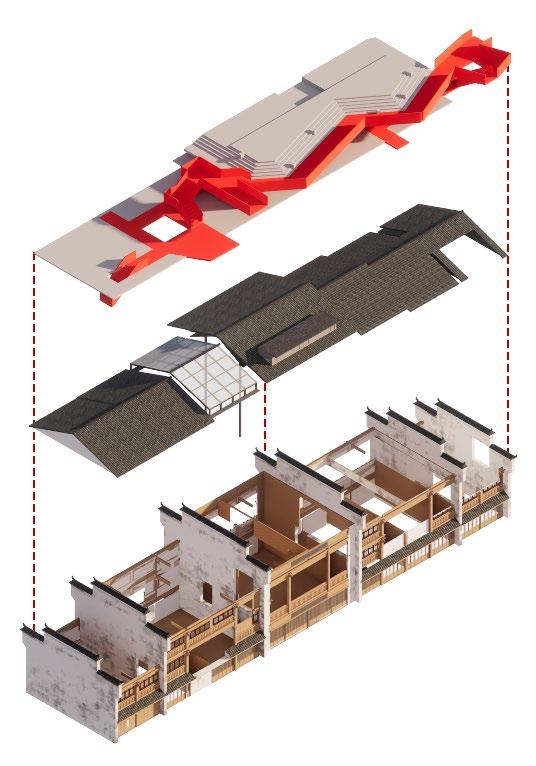
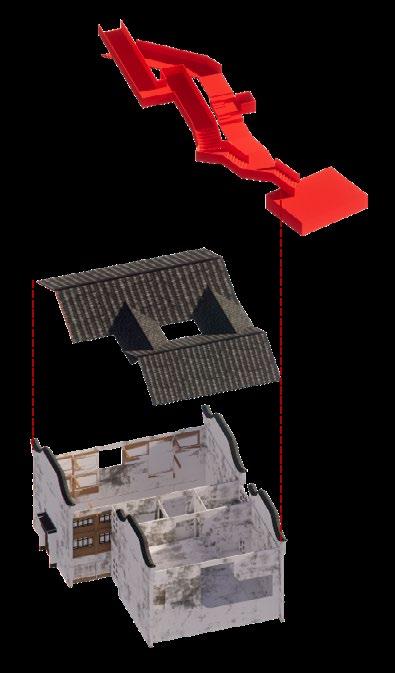
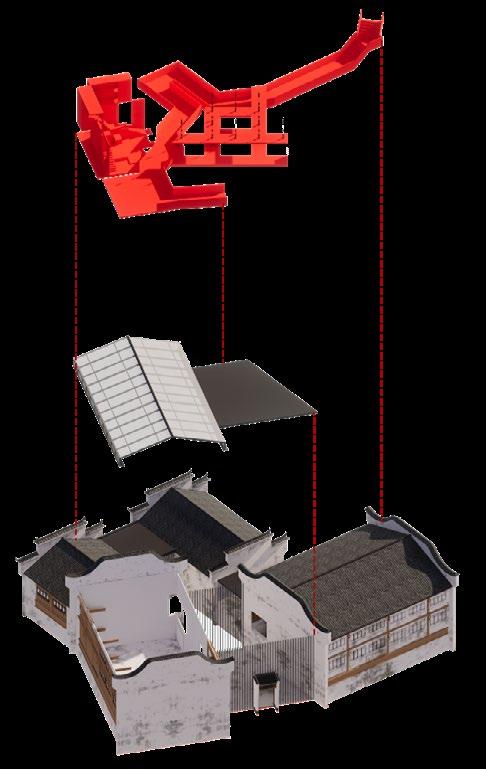
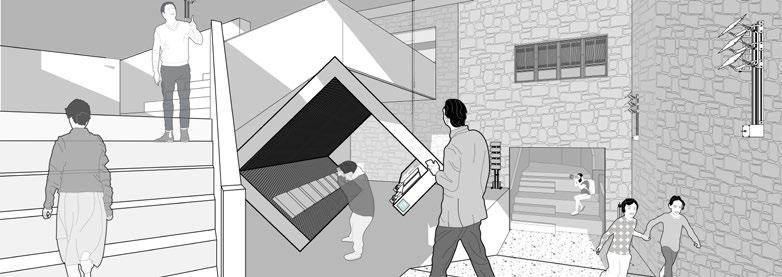
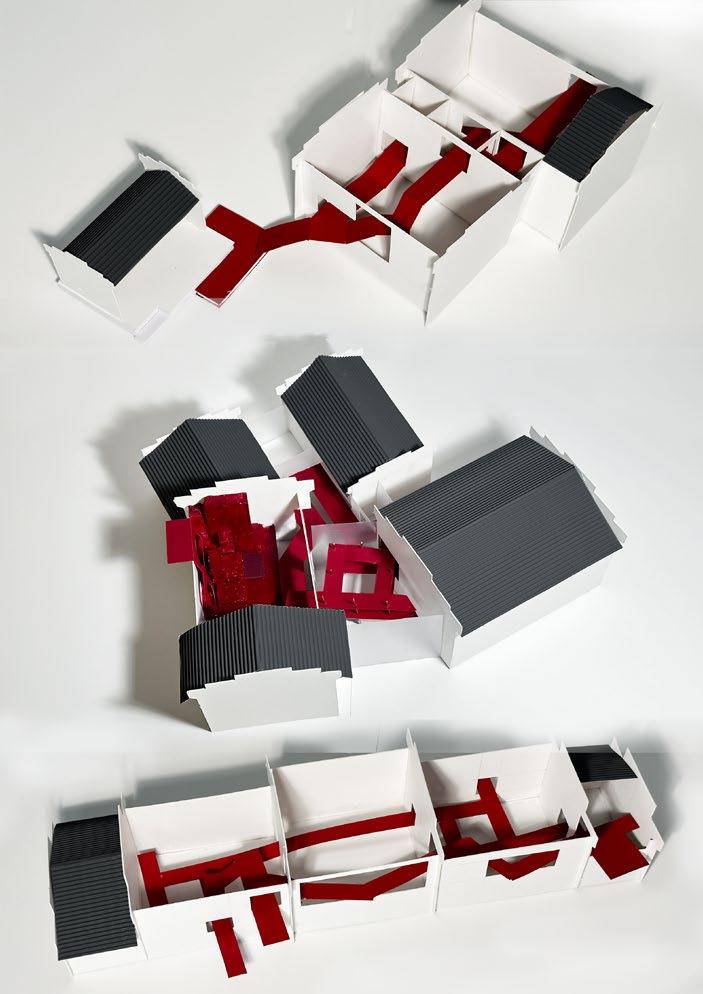
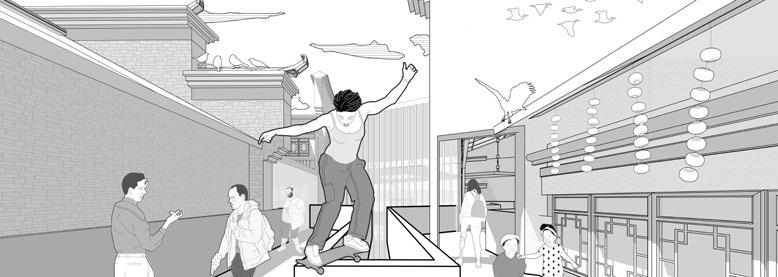
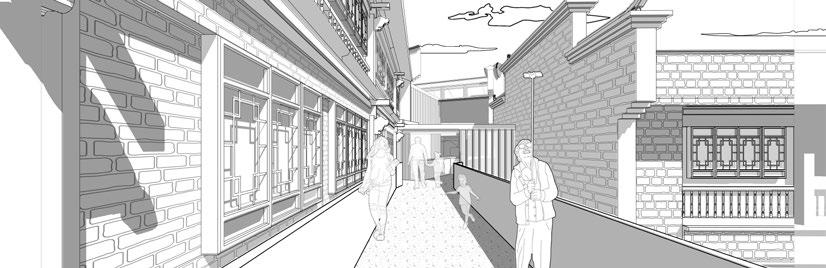
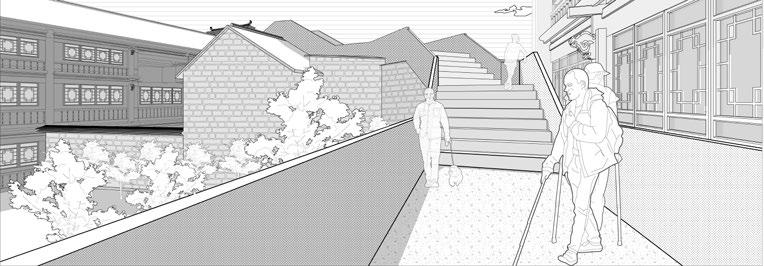
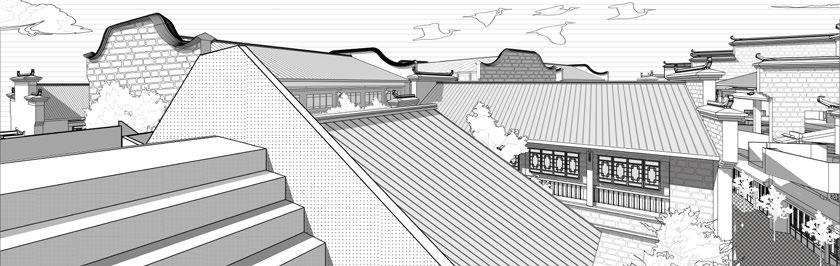
As a typical tourist-oriented traditional village, Hongcun in Anhui has seen its spatial structure gradually become unbalanced under the continuous influence of the tourism economy. The original texture, centered on residents' daily life, has been constantly reorganized, public spaces are occupied by tourist flows, and the boundaries between living and performing, residence and consumption, have been compressed and blurred.
Culture Feature
1.Homestay
area
Distinctive structure
Mind Map
With the development of tourism, residential and commercial functions are intertwined, resulting in an increase in the density of people.
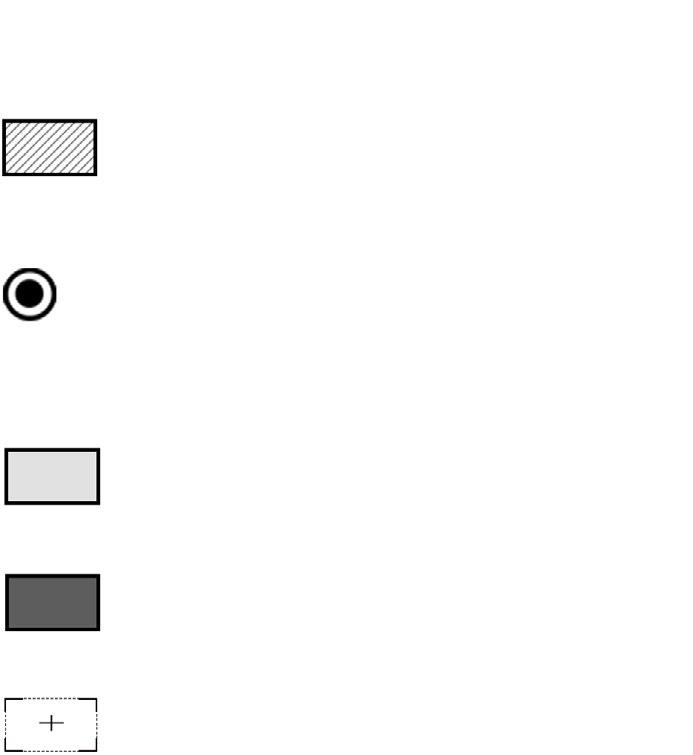
2.Sketching point The solid circle markers represent popular sketching spots chosen for their open views and strong spatial composition.
3.Historical sites and scenic spots It represents the representative cultural relics and natural landscape nodes in the village, and is an important place for tourists to visit.
4.Research site
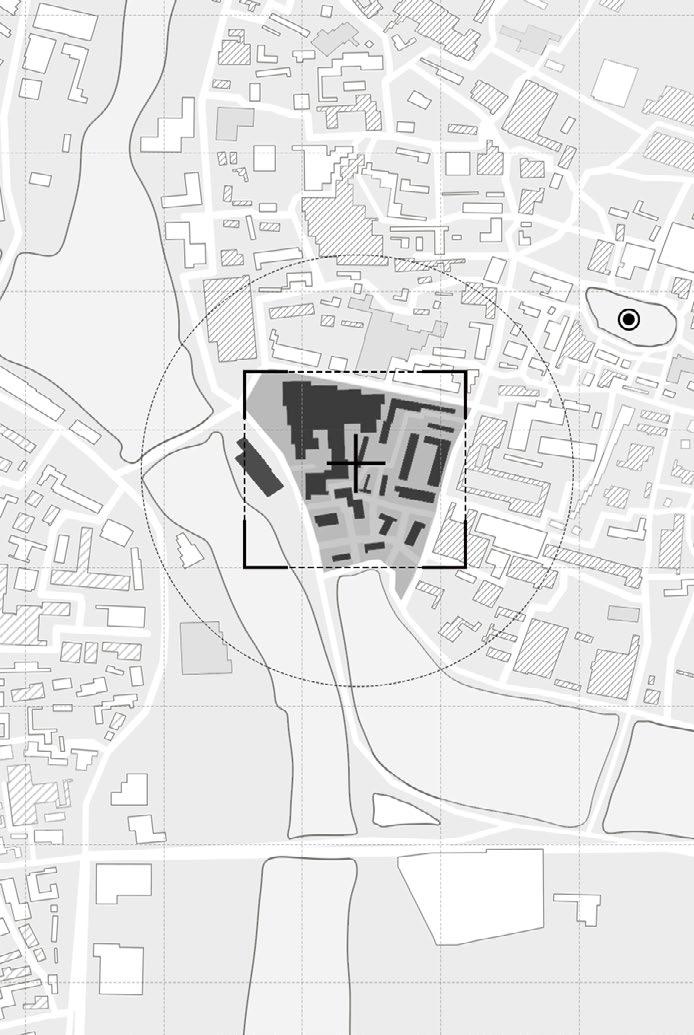
The dark gray area is the key area of this survey, which is located in the southeast of the village.
5.Research site The dark gray area is the key area of this survey, which is located in the southeast of the village.
Morphological Evolution
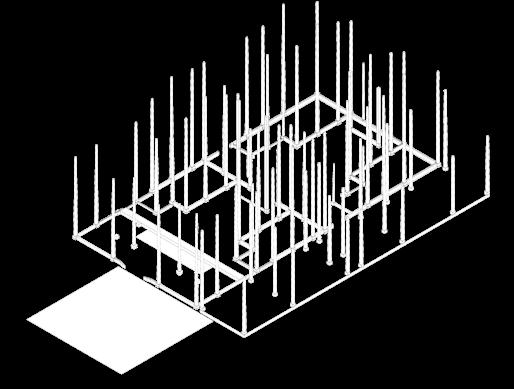
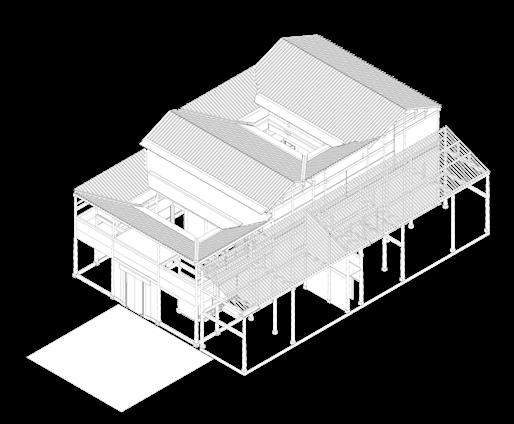
AXONOMETRIC DIAGRAM
Handmade model
Cross-section of
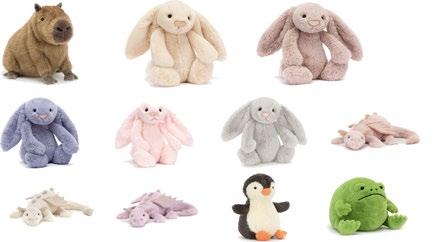
Welcome to the home of the Jellycat family
site analysis
brand analysis
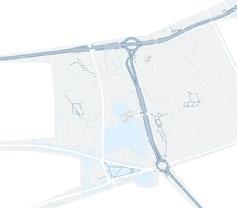
The project is located on Huaihe Road Pedestrian Street, offers a unique blend of urban vitality and emotional density—an ideal “urban tactility” for Jellycat. Its open street scene and diverse human flow allow the brand’s softness and intimacy to be physically perceived in the city.
Dreamy Plush
Individual work 11/2024
Coursework Project
Exhibition Design Site: HEFEI,CHINA totur: Lingfeng Bu
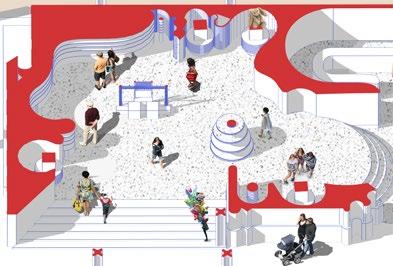
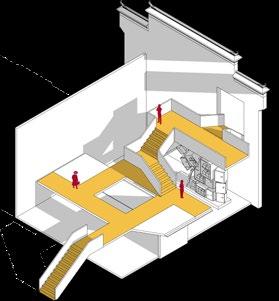
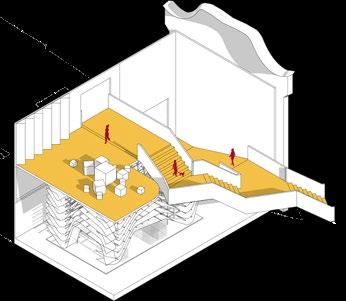
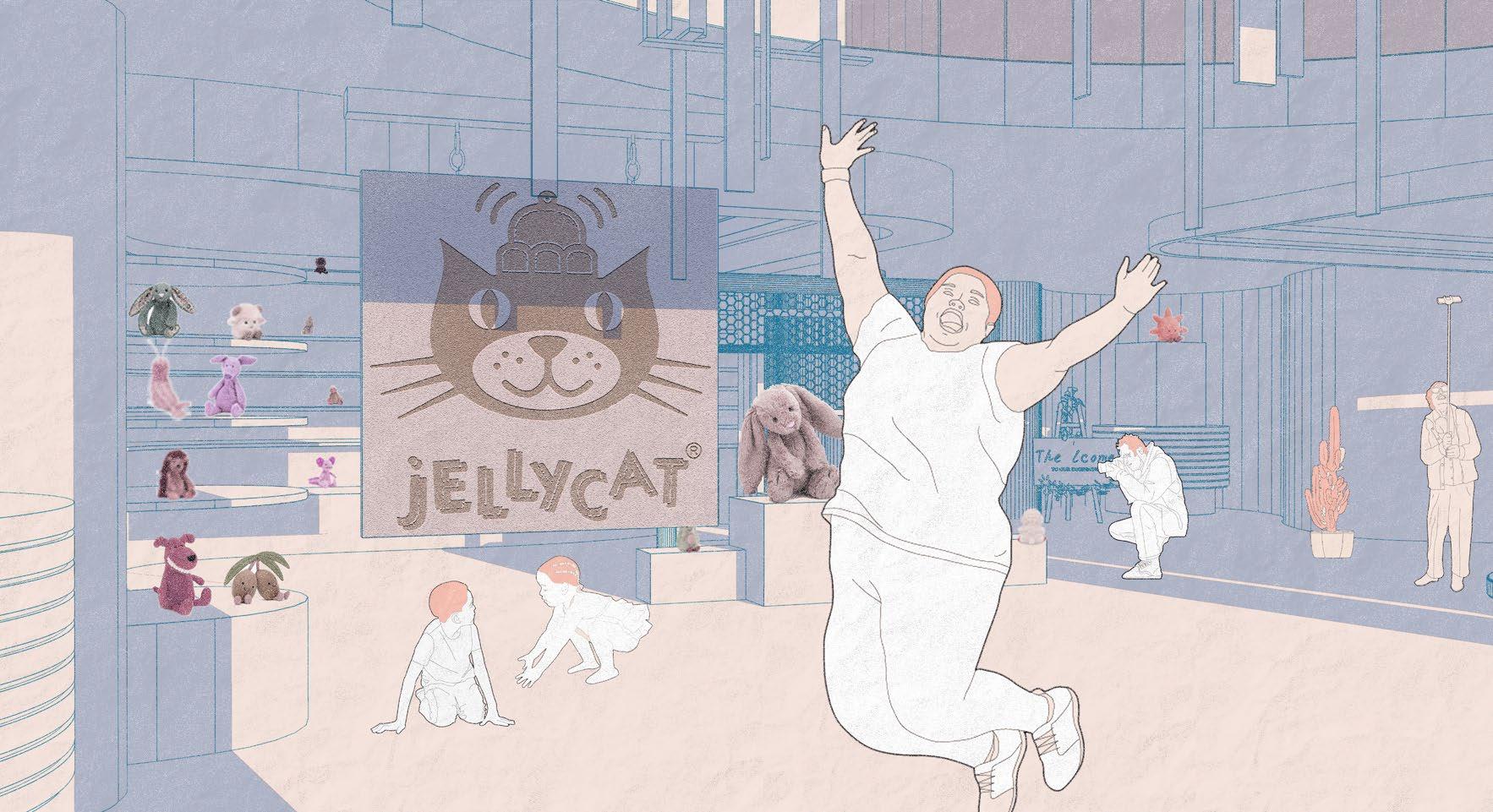
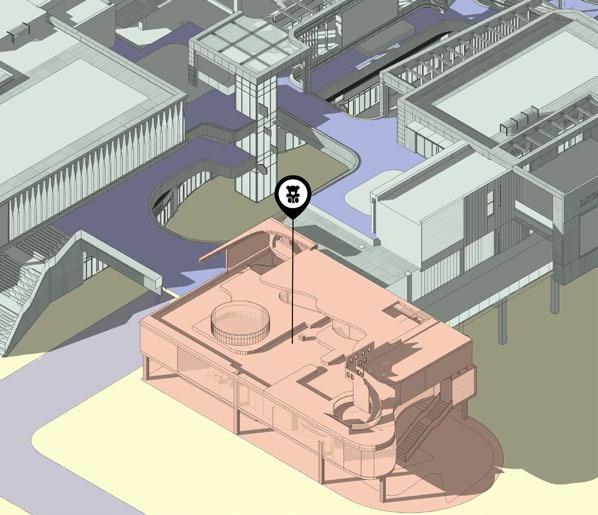
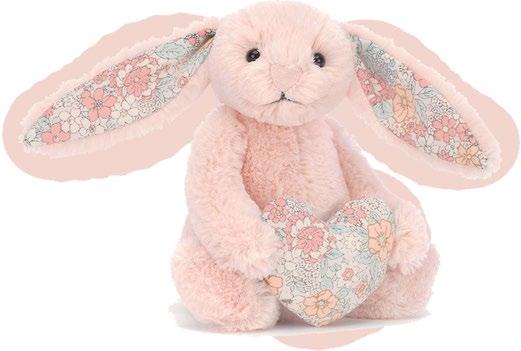
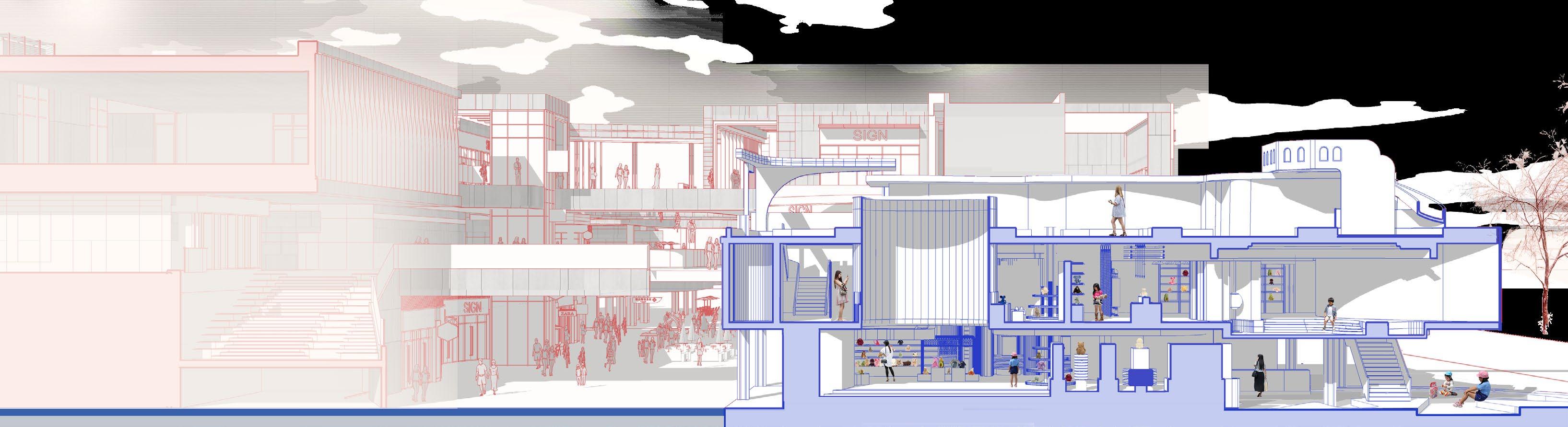
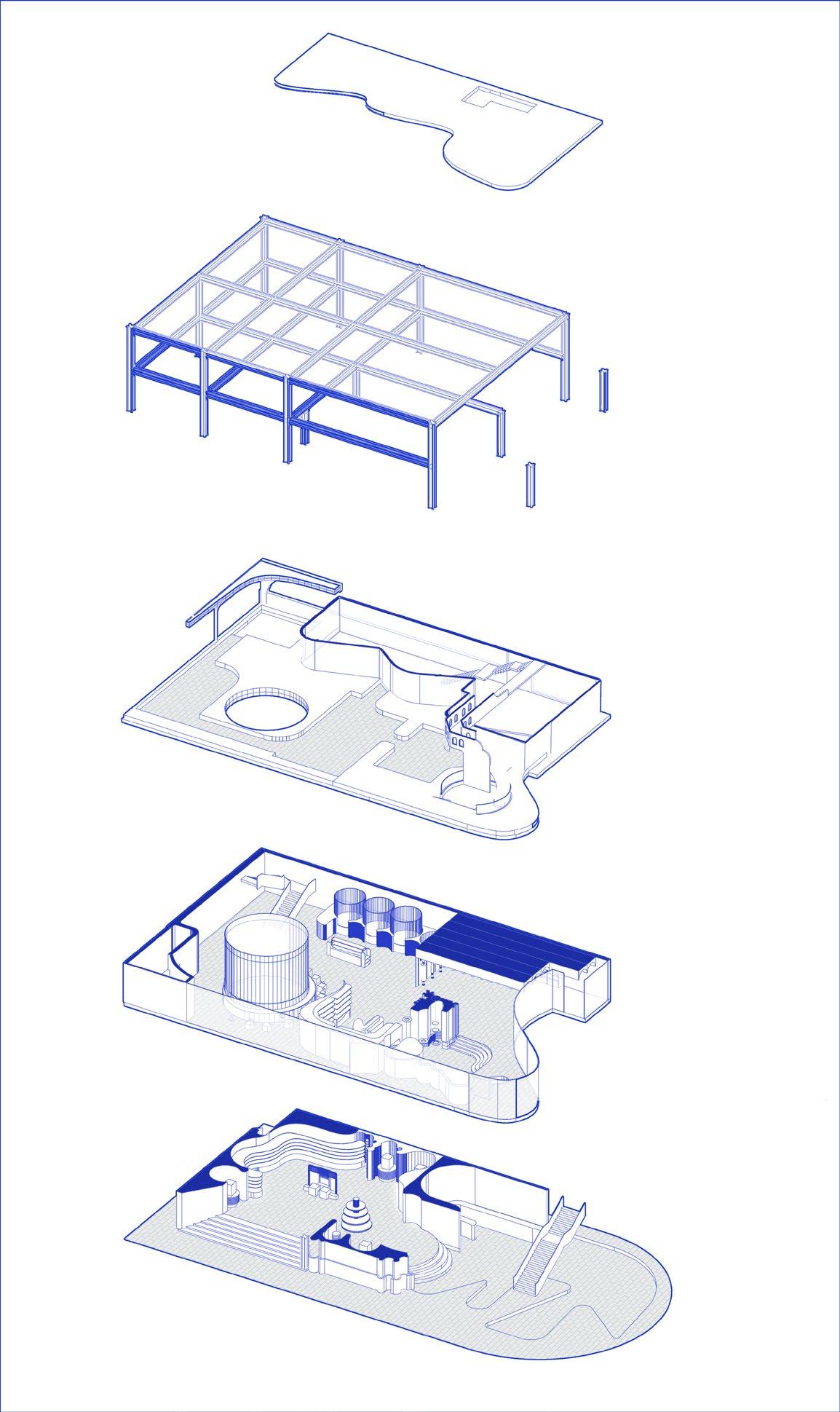
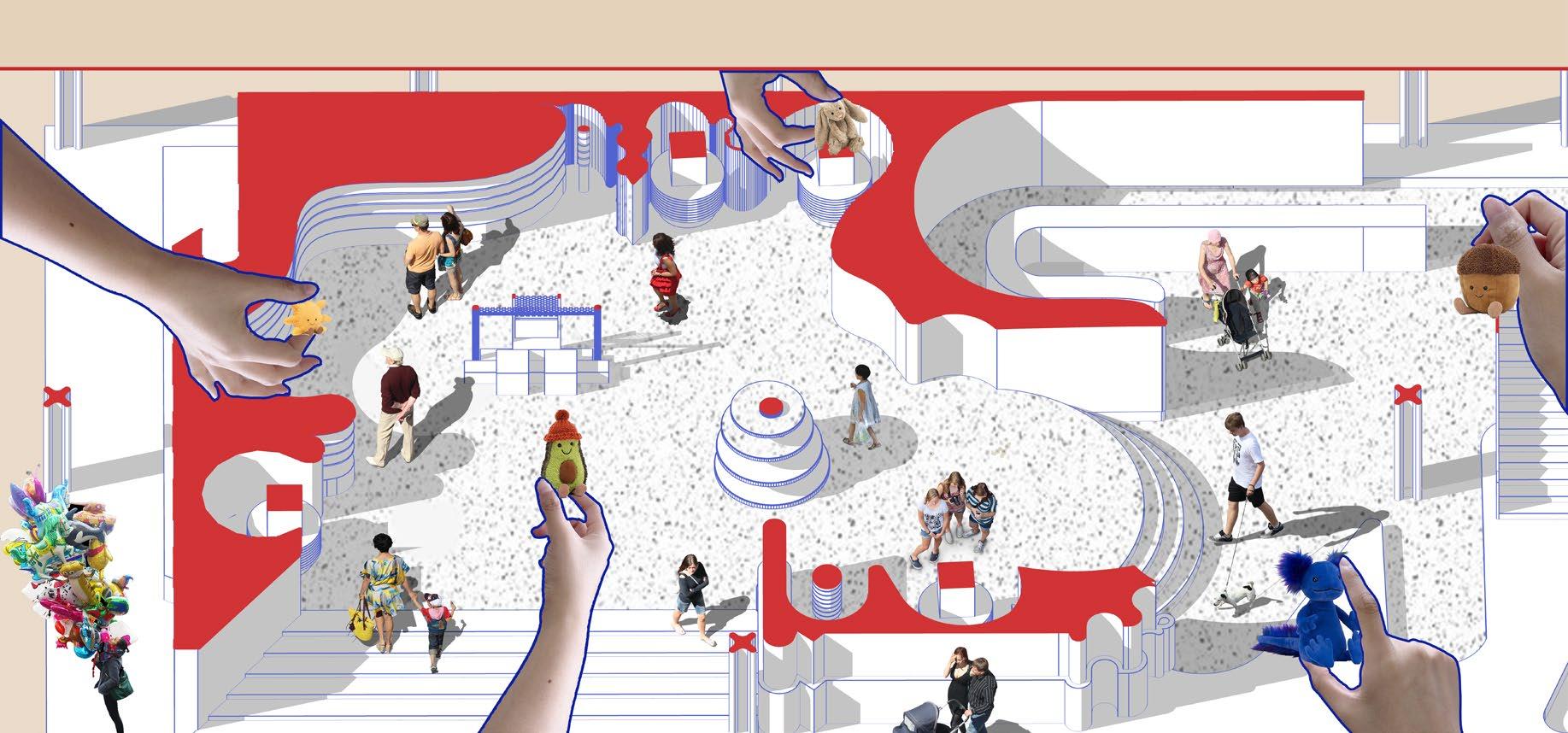
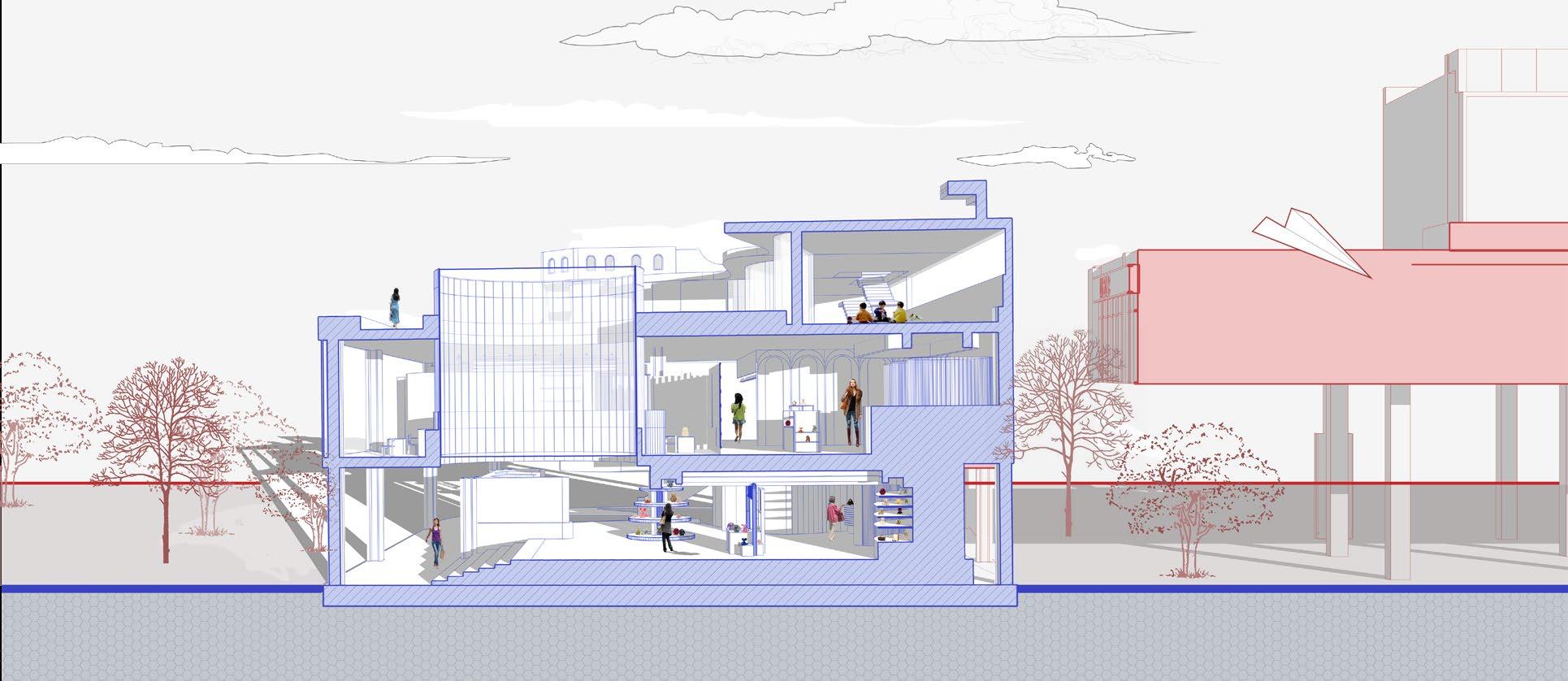
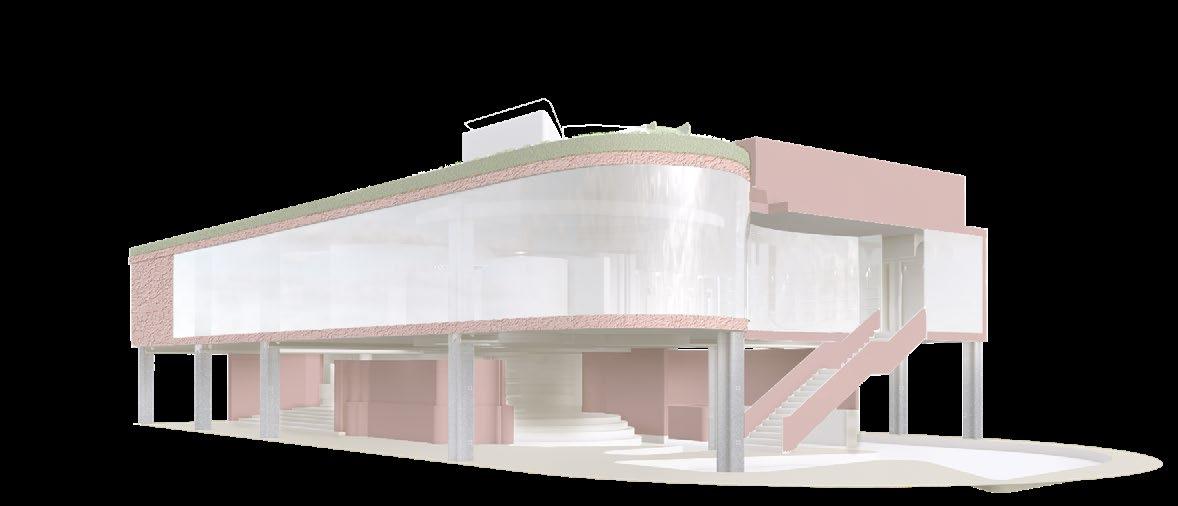
This is a building centered on warmth and companionship. Drawing on the soft spirit of Jellycat, a three-story corner building is transformed into a walkable plush toy. When people step inside, the space is no longer guided by function, but by the emotional flow of its curves. The overall intention is to explore the tension between emotion and structure. This is more than just a retail space; it is an experiment in "soft architecture." It translates Jellycat's brand essence— gentleness, healing, companionship— into spatial language, allowing people to rediscover the happiness of being touched, comforted, and met with a smile through architecture.
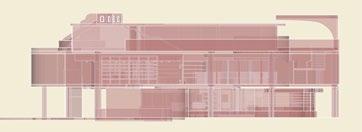
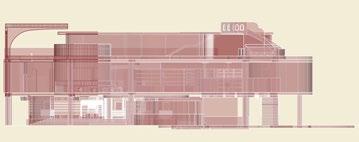
Second-floor sectional drawing
First floor sectional drawing
Spatial Analysis
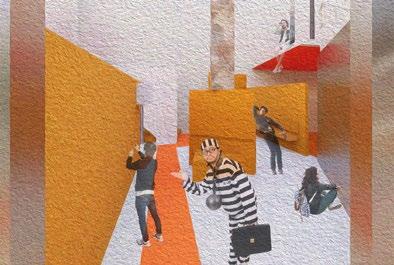
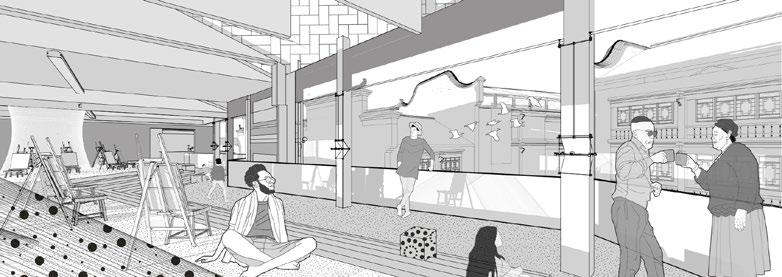
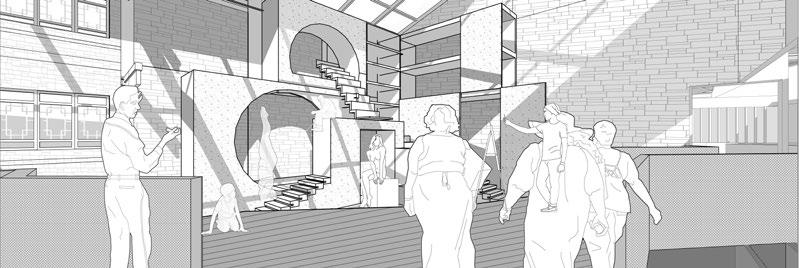
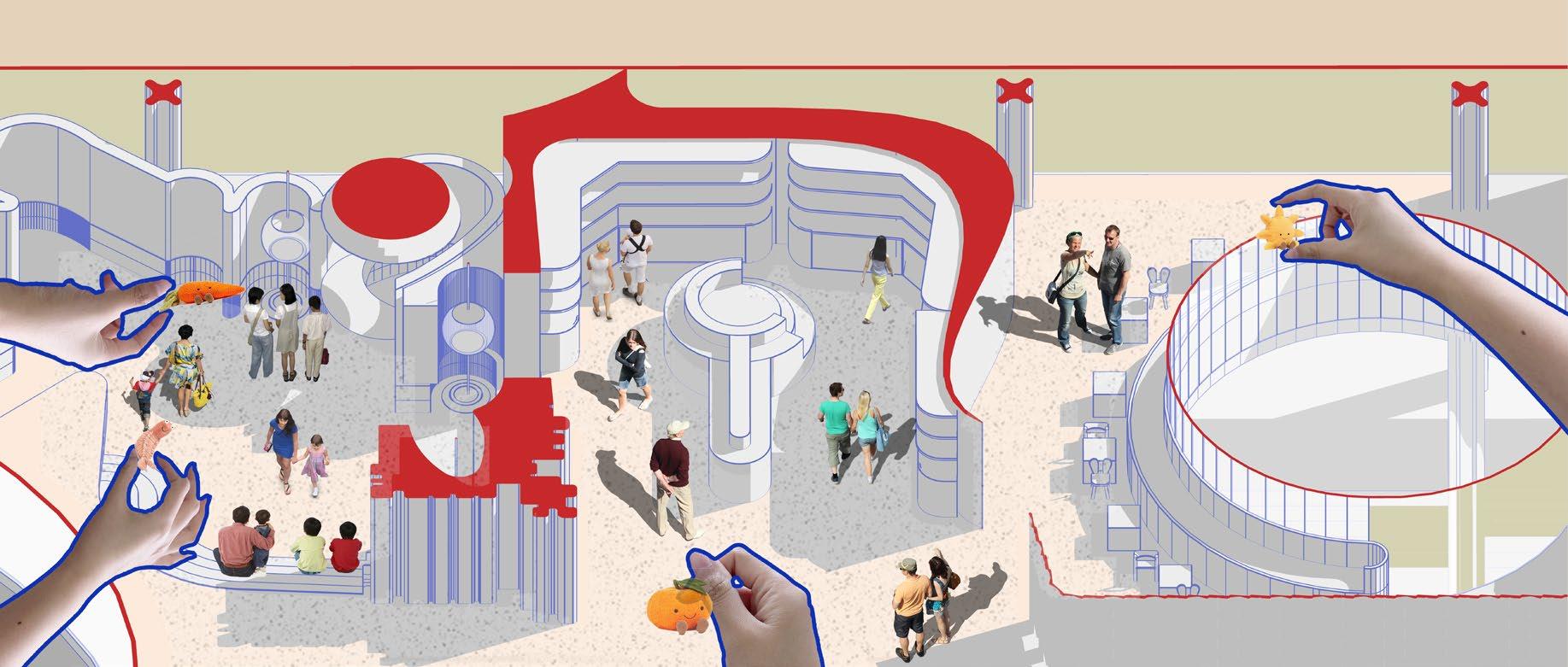
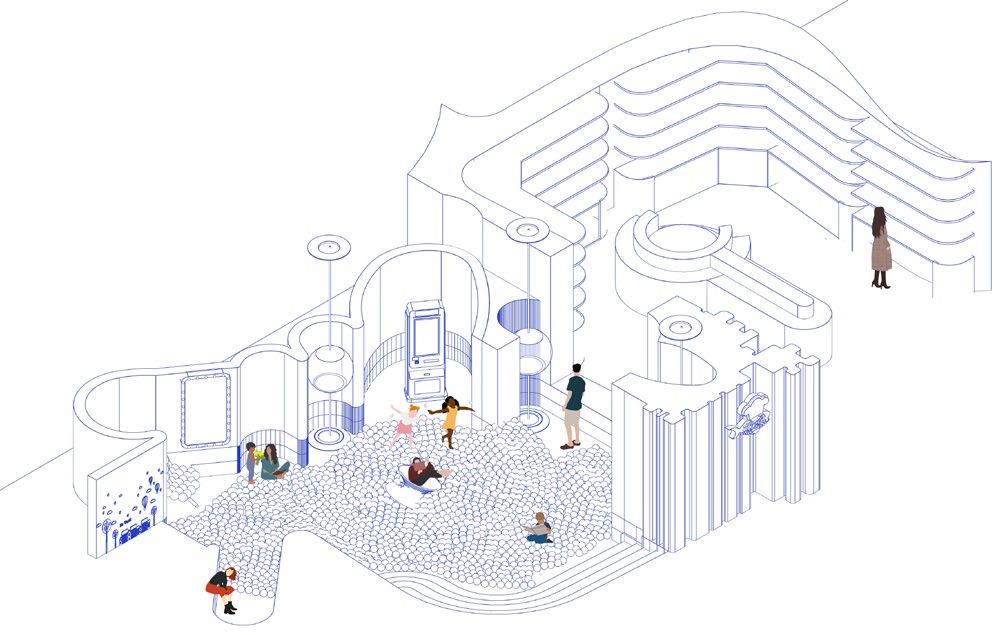
The curved walls and continuous elevation changes create a flowing circulation path, enhancing interactive and lingering spatial experiences through an open visual relationship. The space unfolds through sinking and surrounding forms, where play becomes an architectural gesture.
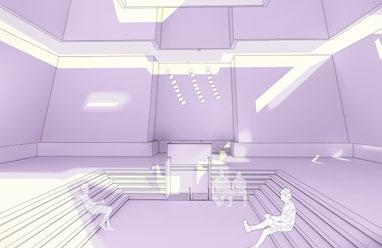
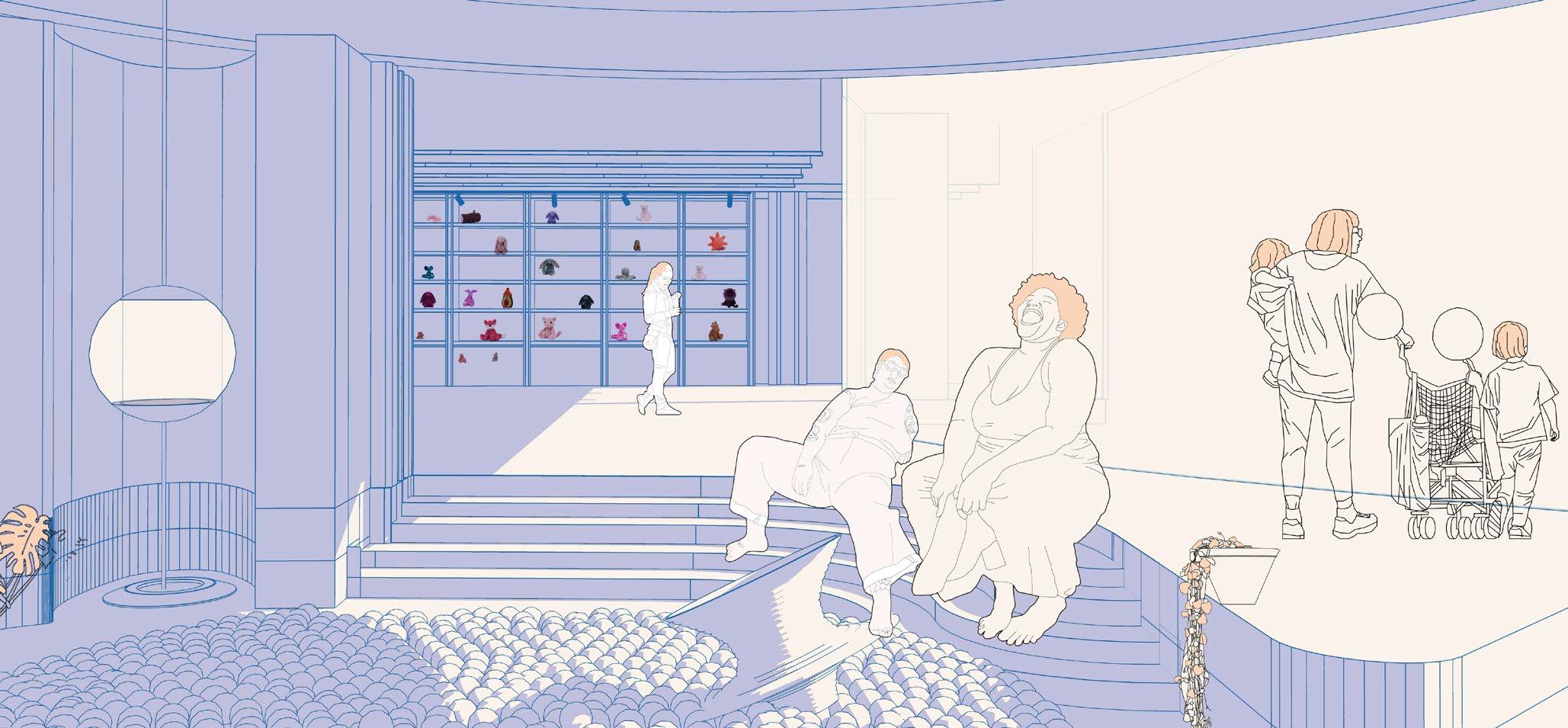
The image on the right shows the usage scenario of the sunken leisure area on the second floor. The space creates a visual focal point with the central play pool through a circular staircase and connects to the display area at the back, forming a multi-layered space for staying and interacting. In the sunken curved area, people gather, linger, and converse.
Yeah, it looks like it’s eavesdropping on us. Maybe it’s waiting for us to join its lazy afternoon.
Did you notice that little bunny in the corner?
Beyond the Board: Reimagining
Monopoly
Individual work 04/2025
Coursework Project
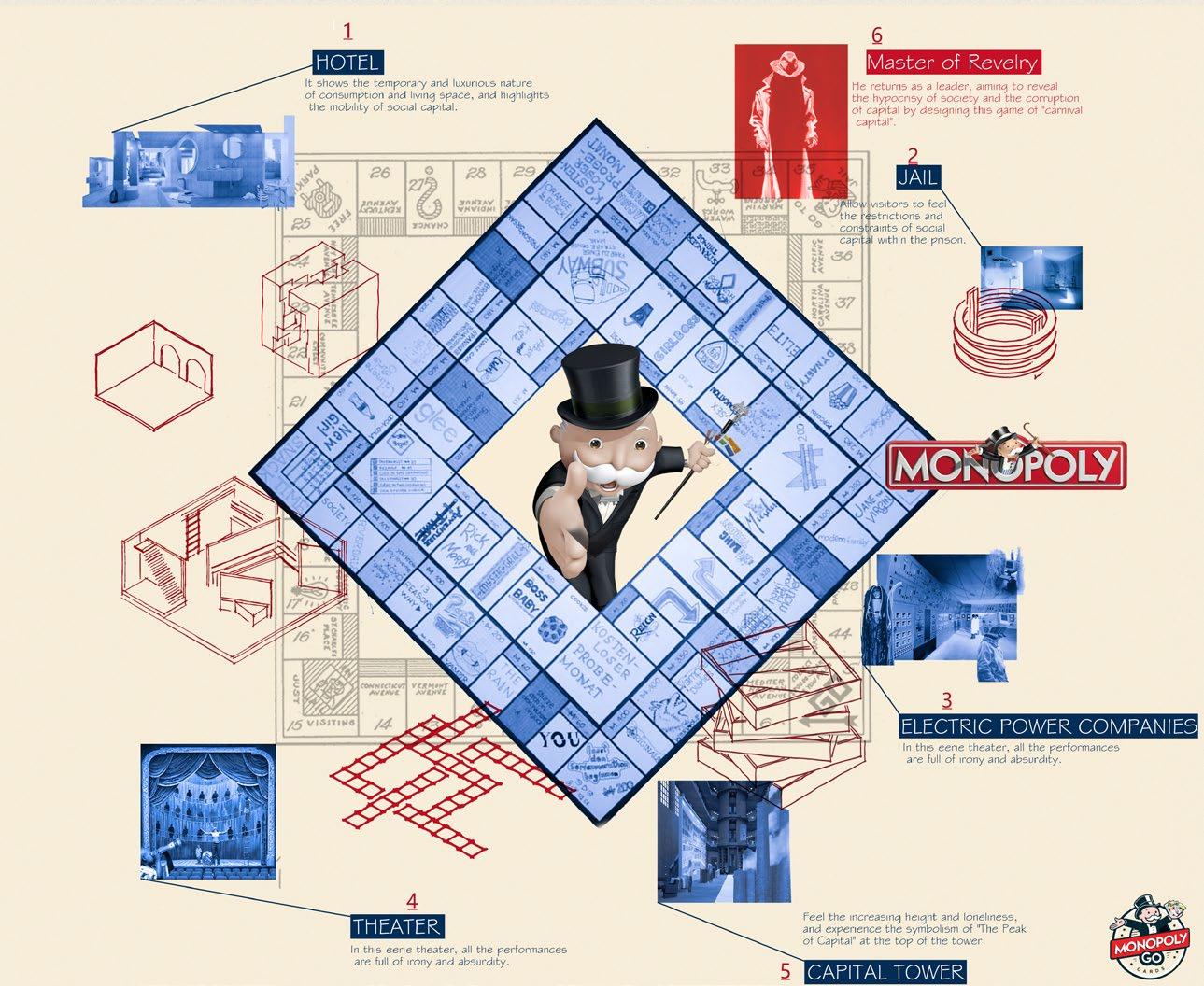
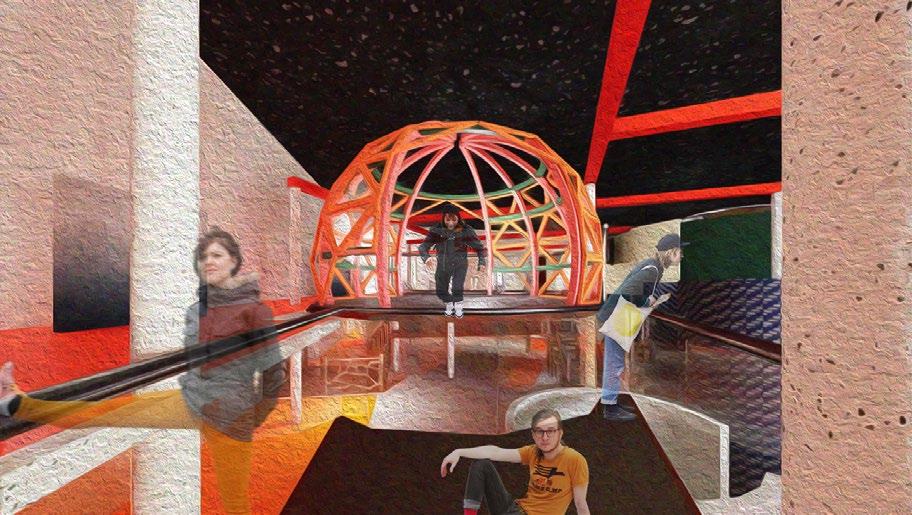
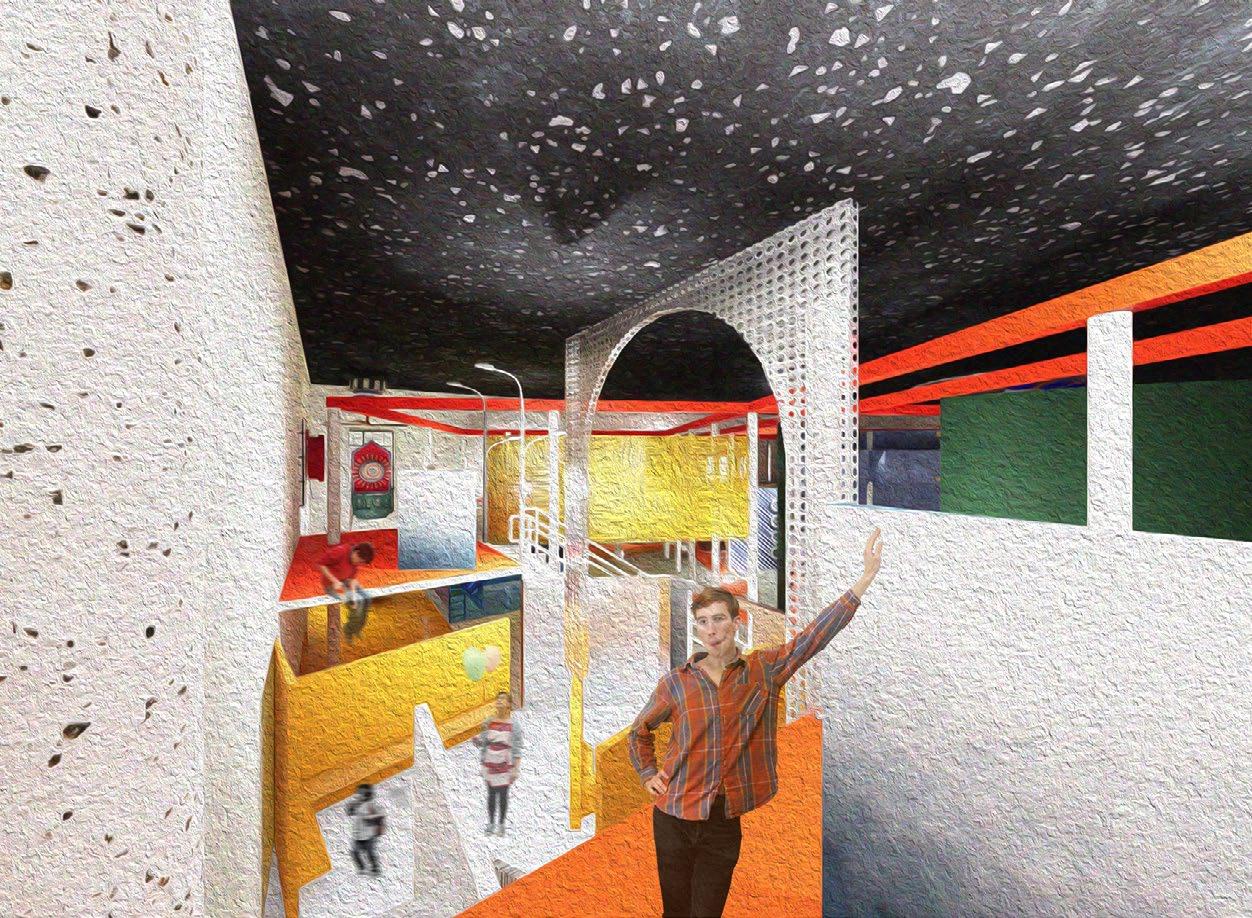
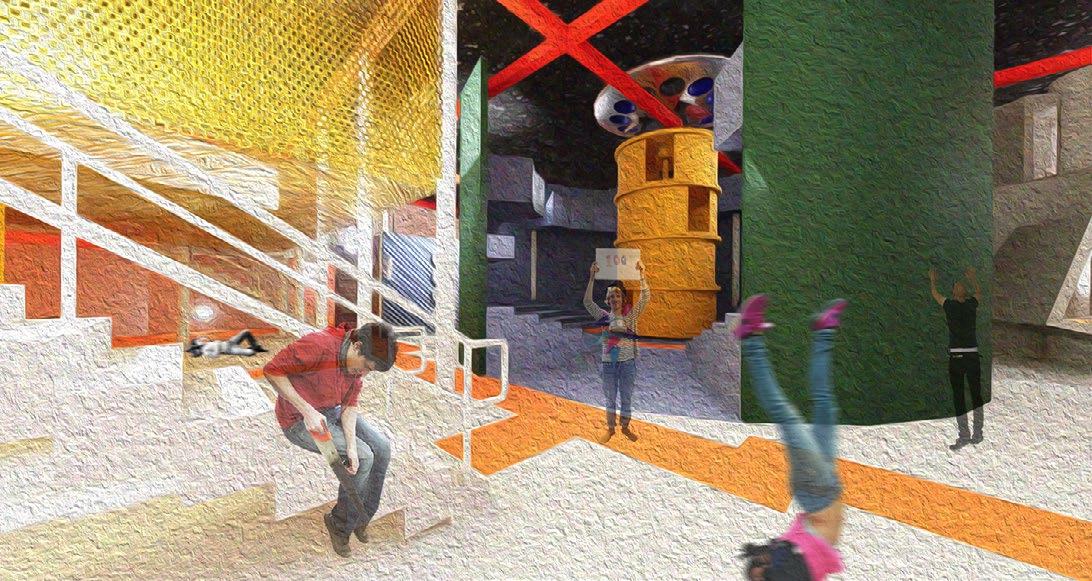
The design concept of this project is inspired by the classic Monopoly board game, aiming to pay tribute to this timeless game. Monopoly is not only an entertaining game, but also carries the memories and emotions of countless childhoods. Through spatial design, the goal is to blend this classic element with modern innovation, creating an immersive experience that is both interactive and rich in nostalgic sentiment. This space allows participants to relive the joy and wisdom of their childhood through the fun of the game, while injecting new vitality and imagination into this enduring game. It is also an experimental exploration in its own right.
Plane Generation
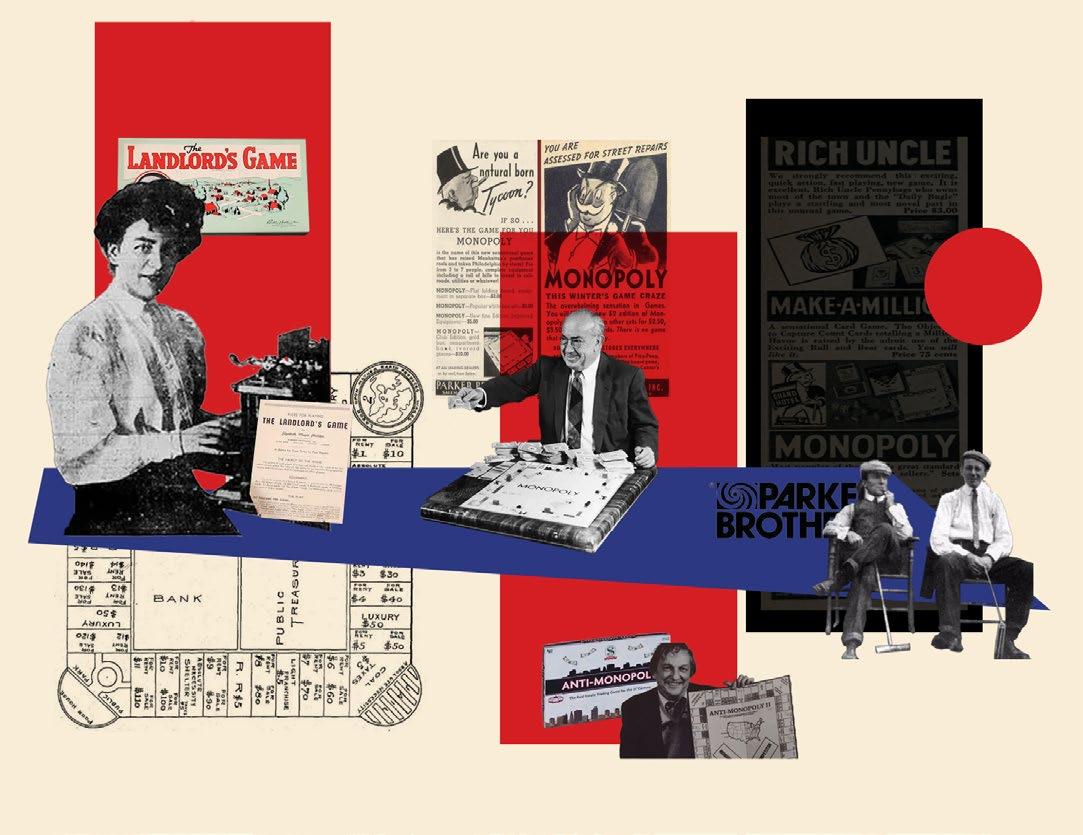
Historical development
Project Overview
Through this project, we have not only redefined the relationship between games and space but also explored how spatial design can enhance interactive experiences. We pay homage to 'Monopoly,' grateful for the inspiration and challenges it has provided. It is not only a witness to childhood memories but also the source of our design philosophy. This space becomes a bridge between us and this classic game, carrying Monopoly's charm and legacy into the future.
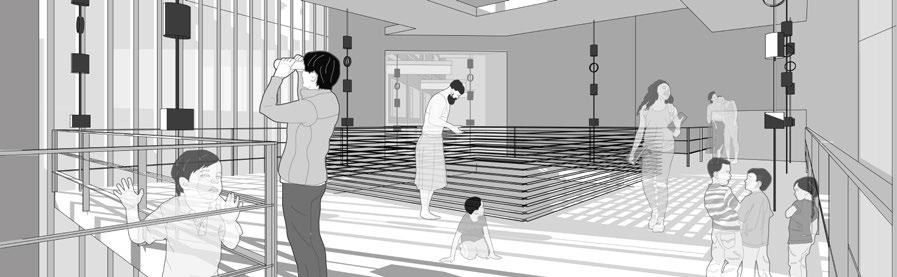
With a flexible spatial layout and various interactive installations, the design enhances social interaction and cooperation. The use of AR/VR technology and interactive projections blends the virtual and real worlds, enriching the space’s multidimensionality and offering participants a fresh sensory experience.
“Every time I come here, discover something new!”
“This is a truly unique gaming experience.”
"This space is so creative, it completely changes my perception of Monopoly!"
"The atmosphere here is so engaging, it’s like an adventure!"
"We’re not just playing a game, we’ve become part of the game itself!"
"This is the most unique Monopoly game I’ve ever played, it’s completely different."
Recycling of waste residue
Recycling of waste residue
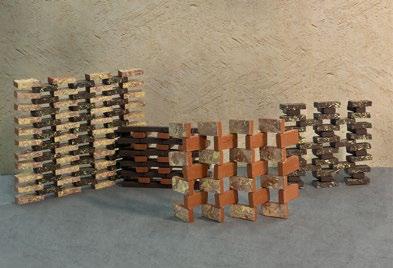
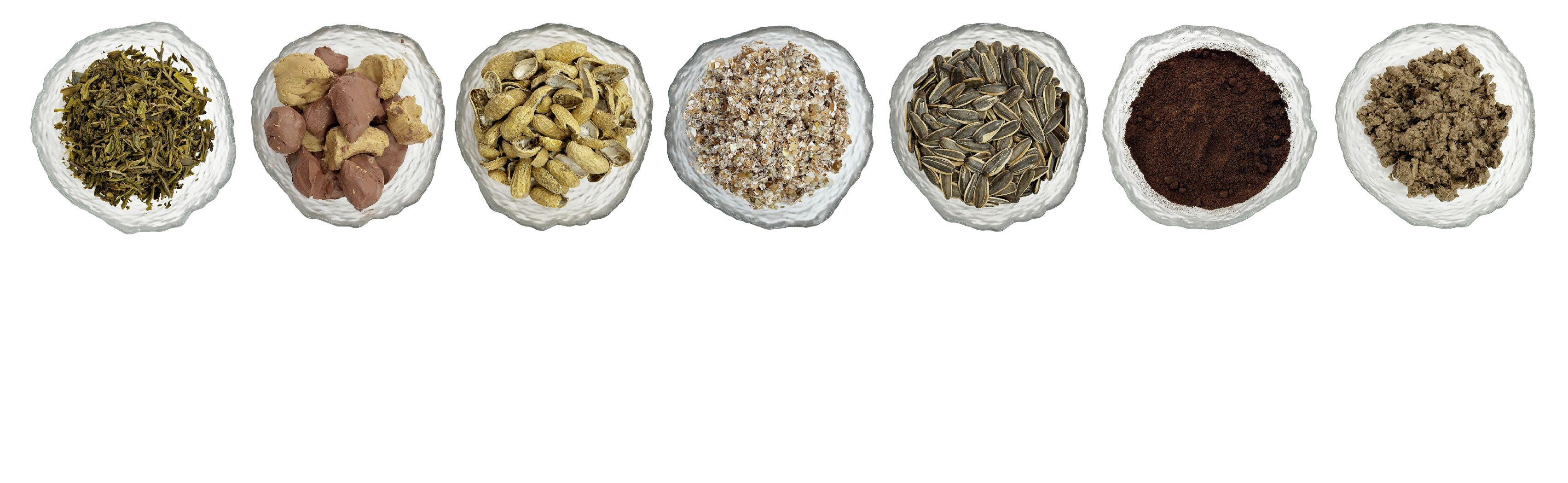
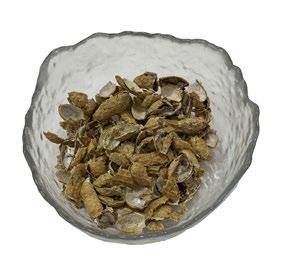
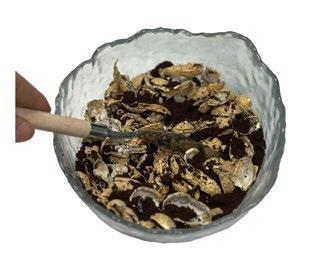
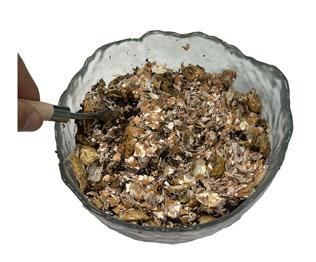
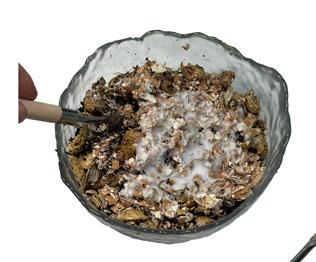
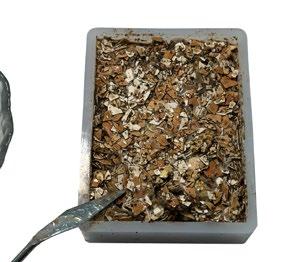
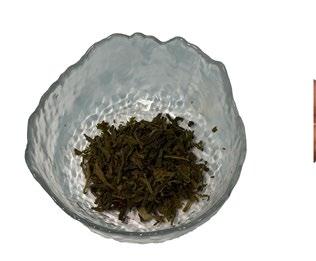
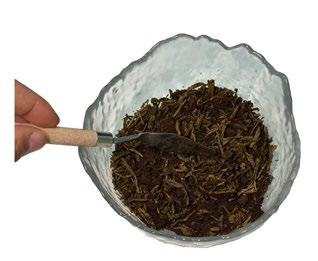
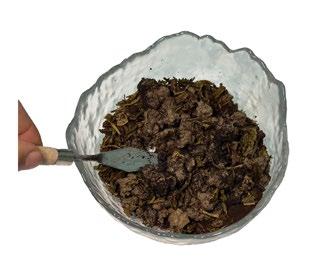
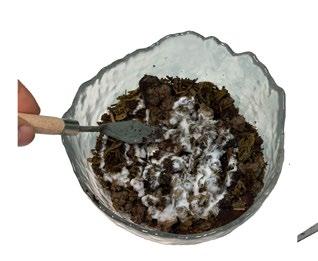
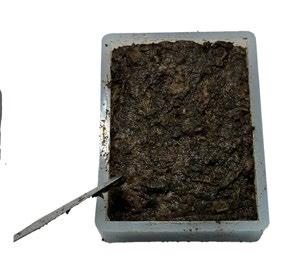
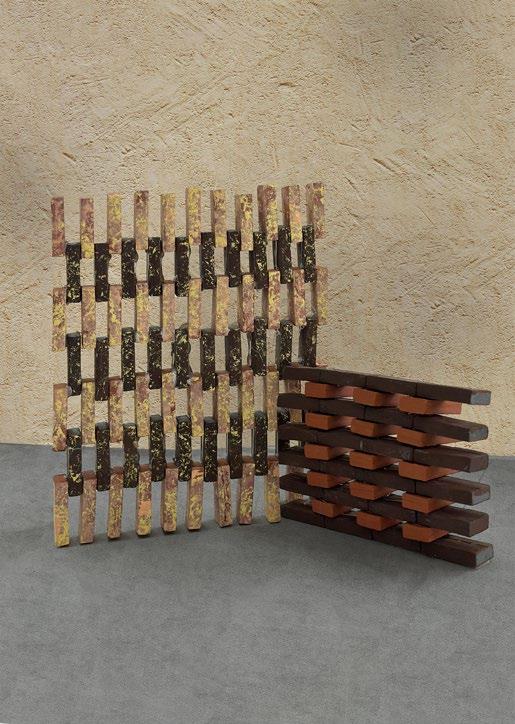
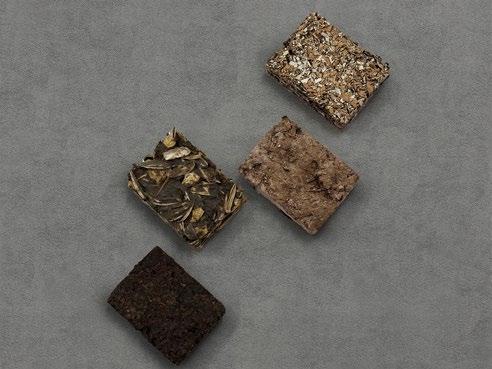
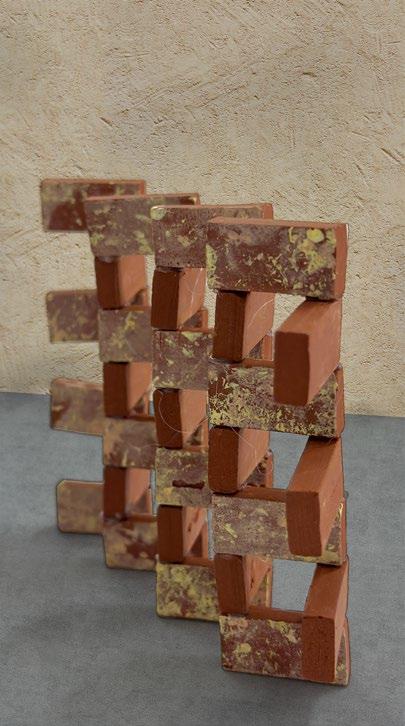
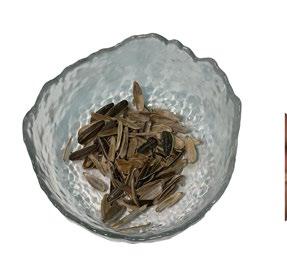
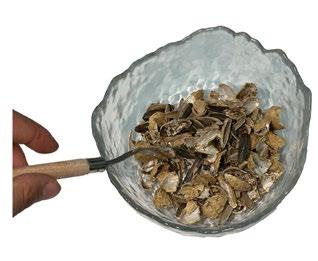
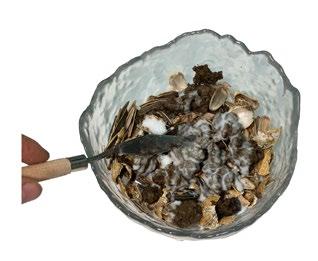
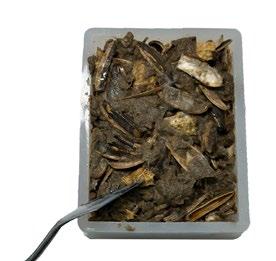
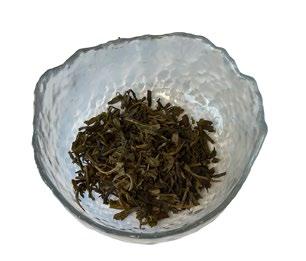
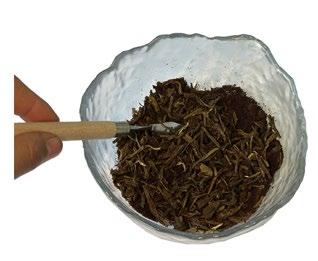
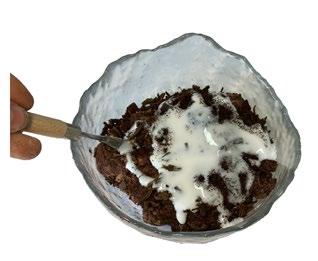
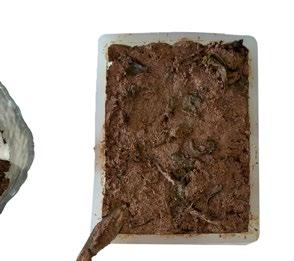
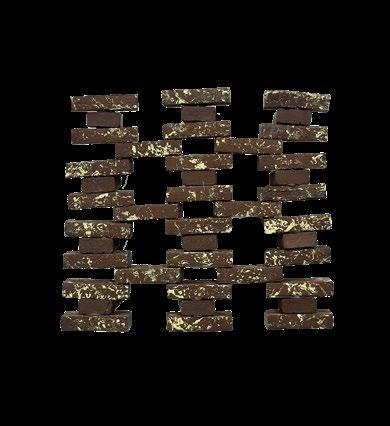
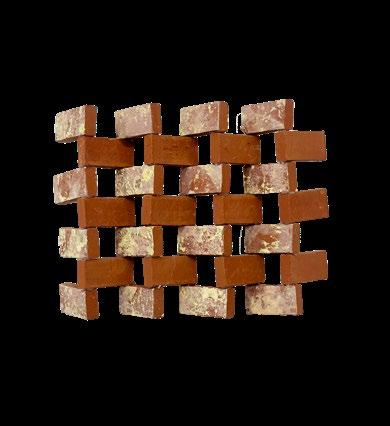
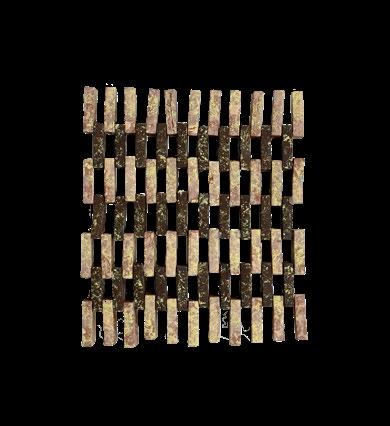
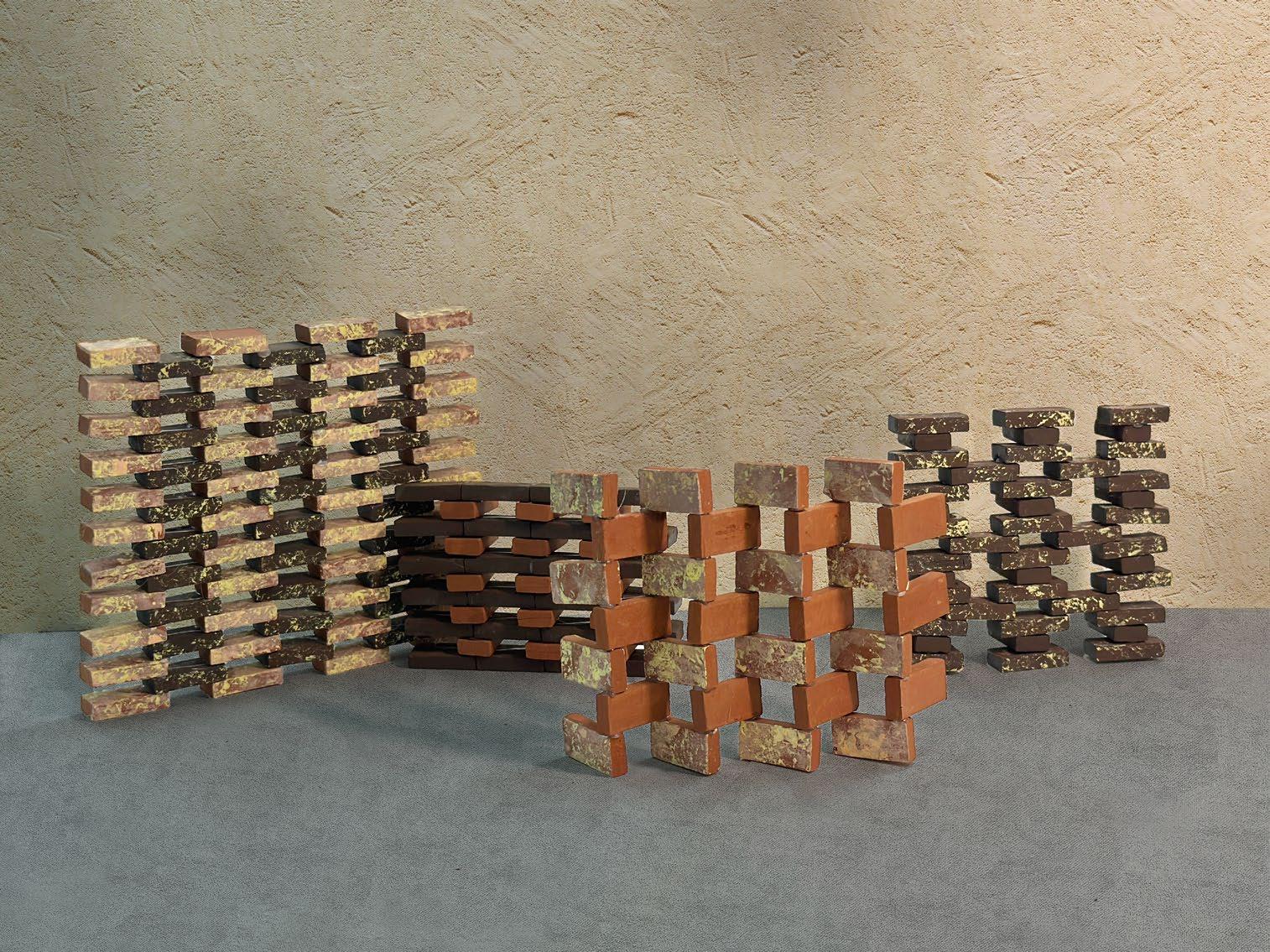
In today's world, environmental protection is strongly promoted, and we believe it is also important to explore new eco-friendly approaches within the field of architectural materials. With this in mind, I have experimented with recycling and reusing various types of waste materials, including:used tea leaves 、 construction soil 、 peanut shells 、 crushed eggshells 、 sunflower seed husks、coffee grounds、paper pulp.
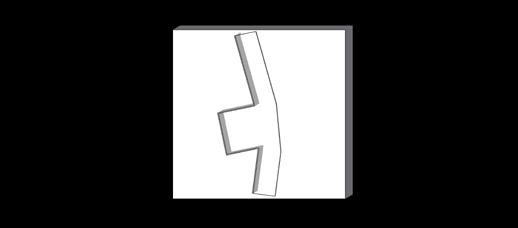
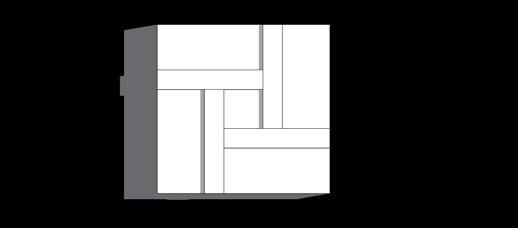
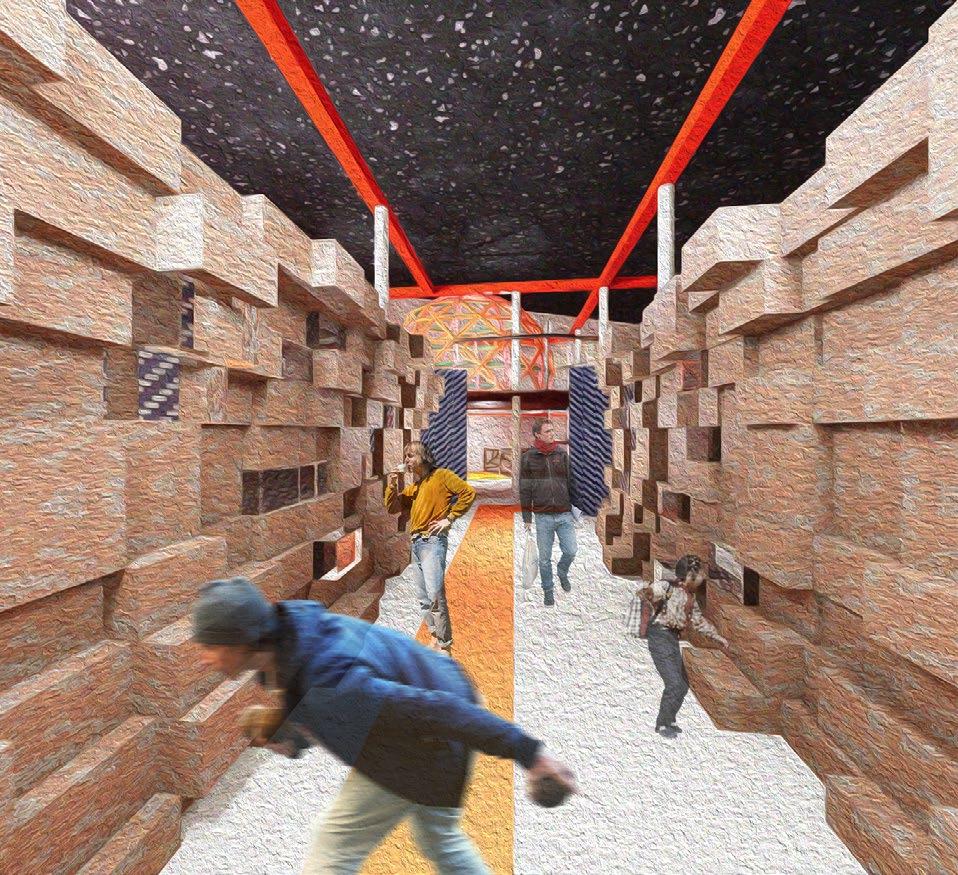
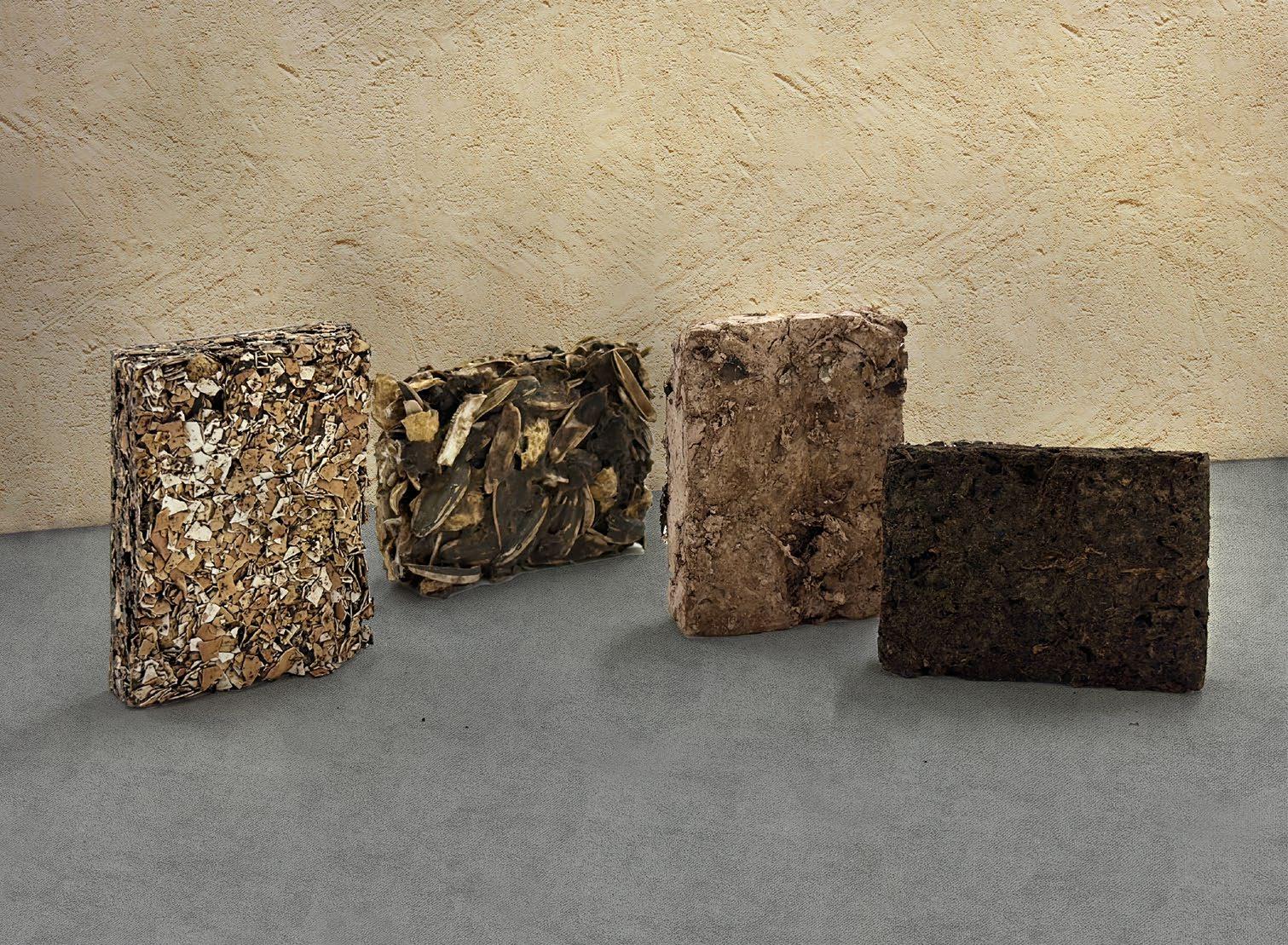
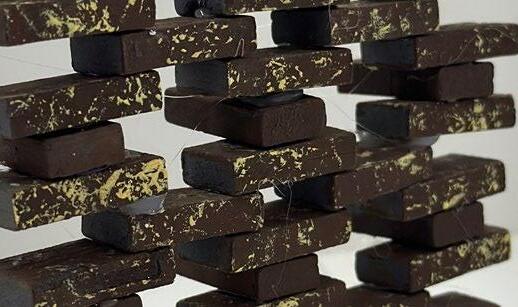
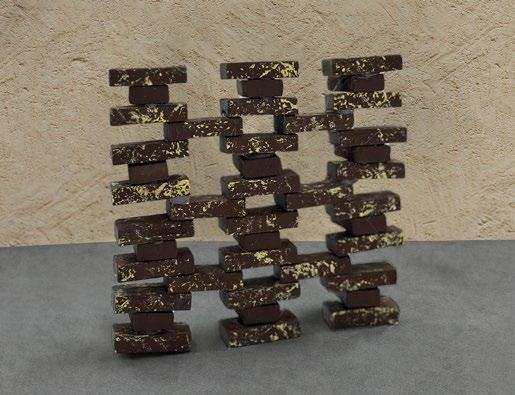
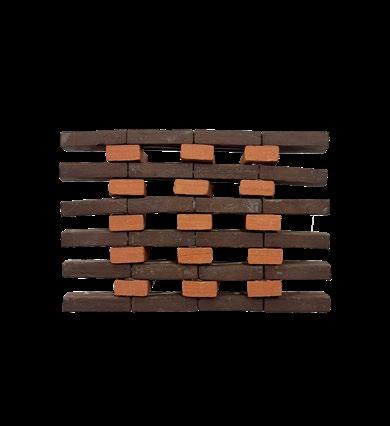
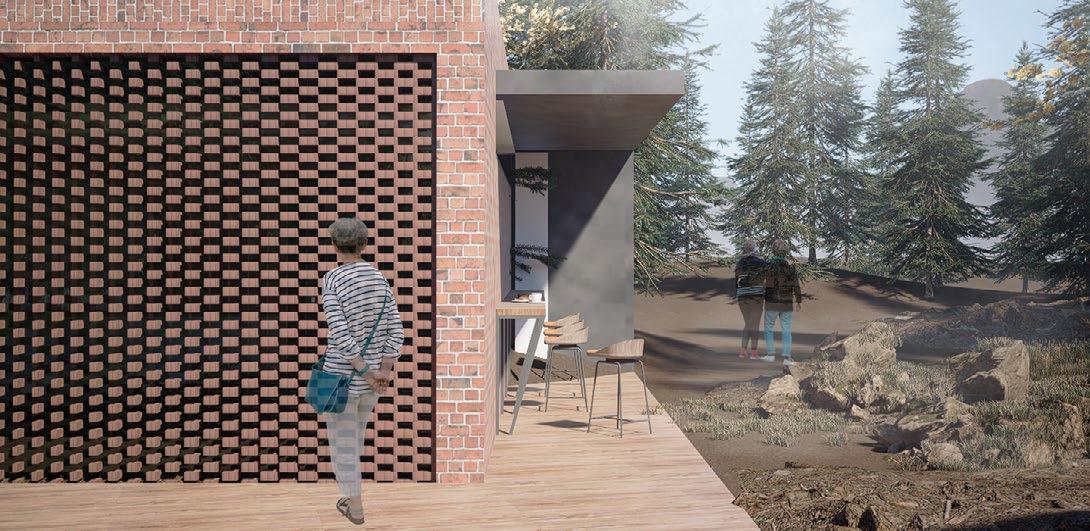
Unlike standard industrial bricks, these units vary in material and take on naturally irregular forms.We experimented with a "loose–tight–loose" stacking rhythm,allowing the wall to breathe—creating gaps for ventilation and a sense of organic cadence.
The brick wall functions not only as a structural element,but as a reassembled body of urban waste,whispering stories of dust and discarded matter into the space.
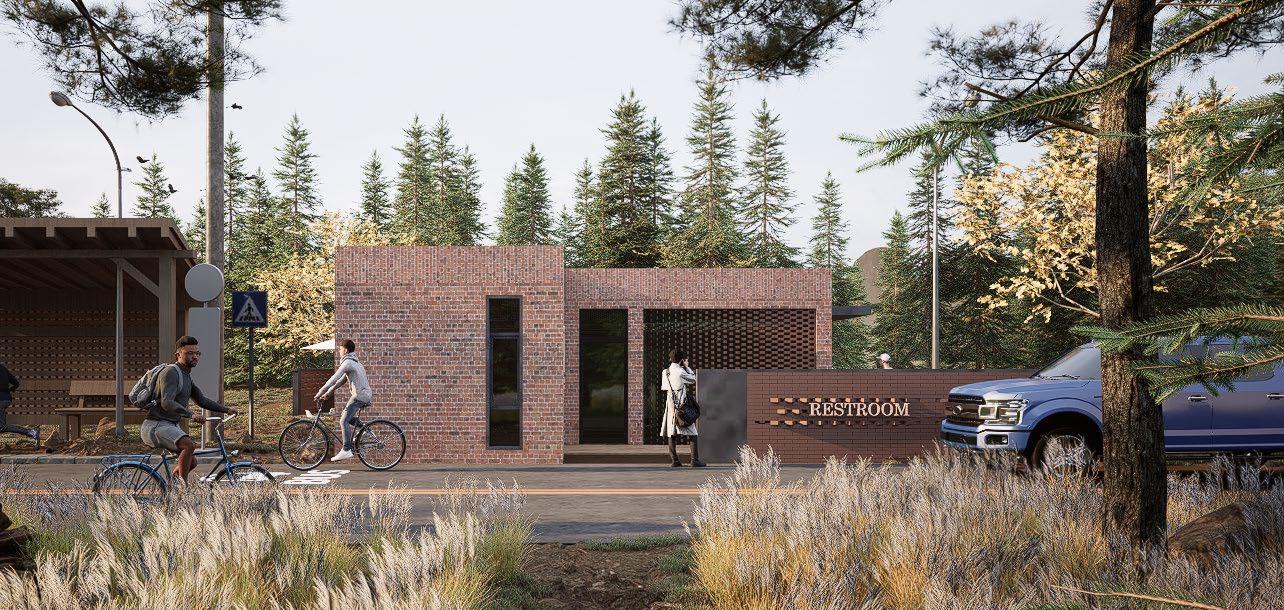
Restroom For All
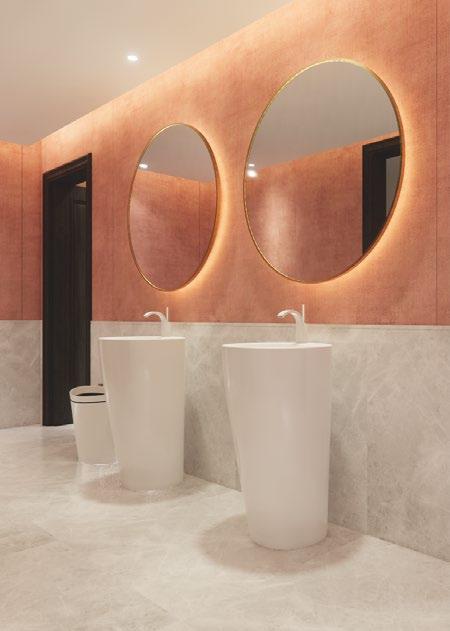
This is a small public toilet built on the forgotten edges of the city.Constructed from bricks pressed with discarded materials,it responds to one of the city’s most basic yet most overlooked public needs.The space itself seeks a balance between openness, shelter, and dignity.
The bricks are far from perfect — but in their roughness,they reject exclusion and embrace all users.This toilet is not a blind spot in the city,but a starting point of public care —beginning with a single discarded brick.