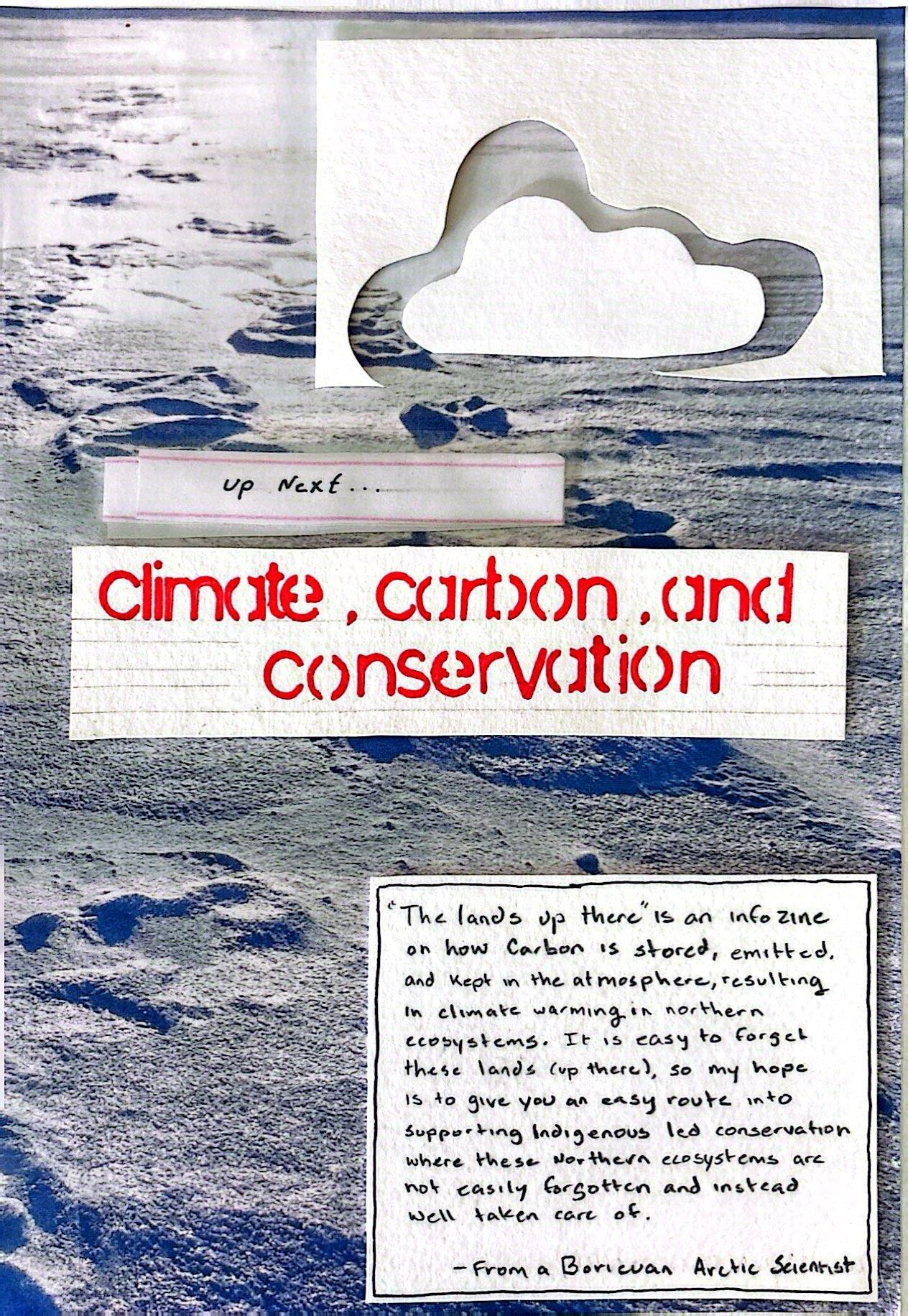
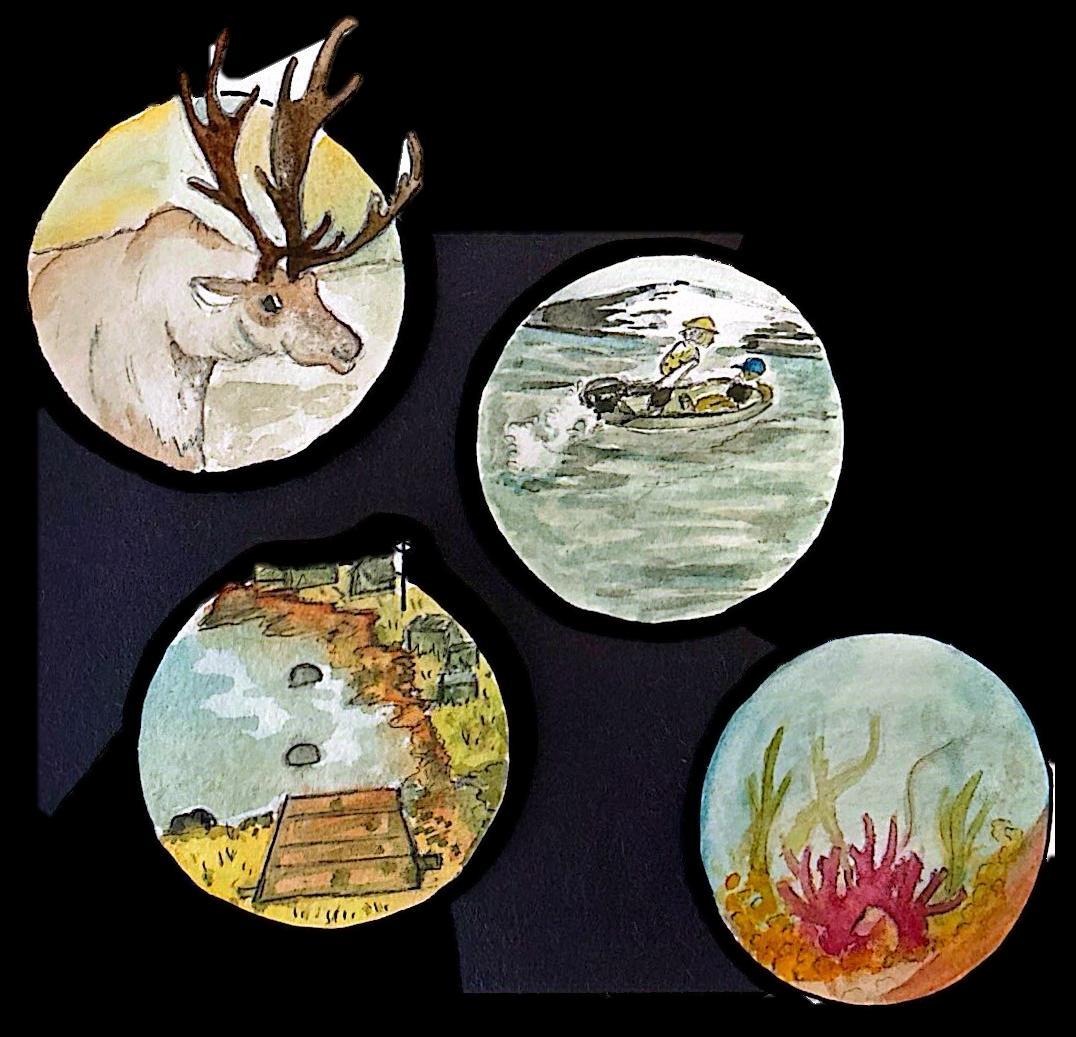
Carbon is everywhere. It cycles through the atmosphere, oceans, permafrost, forests, and soil, shifting between storage and release. For millennia, this balance kept Earth’s climate stable. In the air as CO₂
In the ocean
In the trees
In the soil
accelerated the carbon’s journey. Want to learn how? Now, that balance is breaking. We’ve
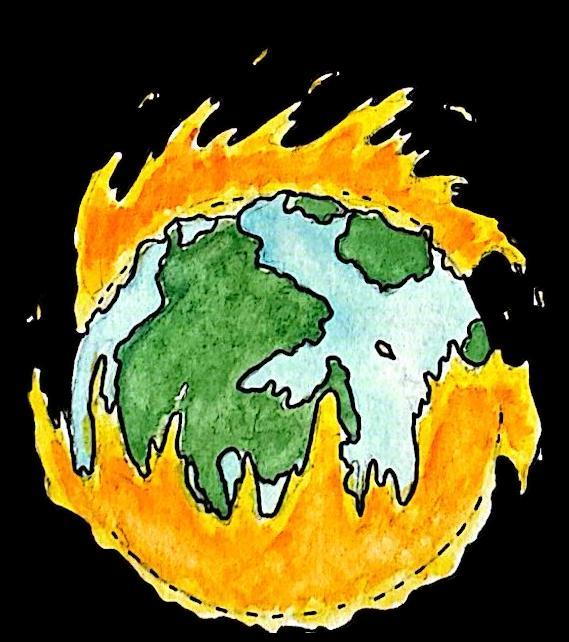
Due to human activities, and questionable policies, stored carbon is being released into the atmosphere faster than it can be reabsorbed.
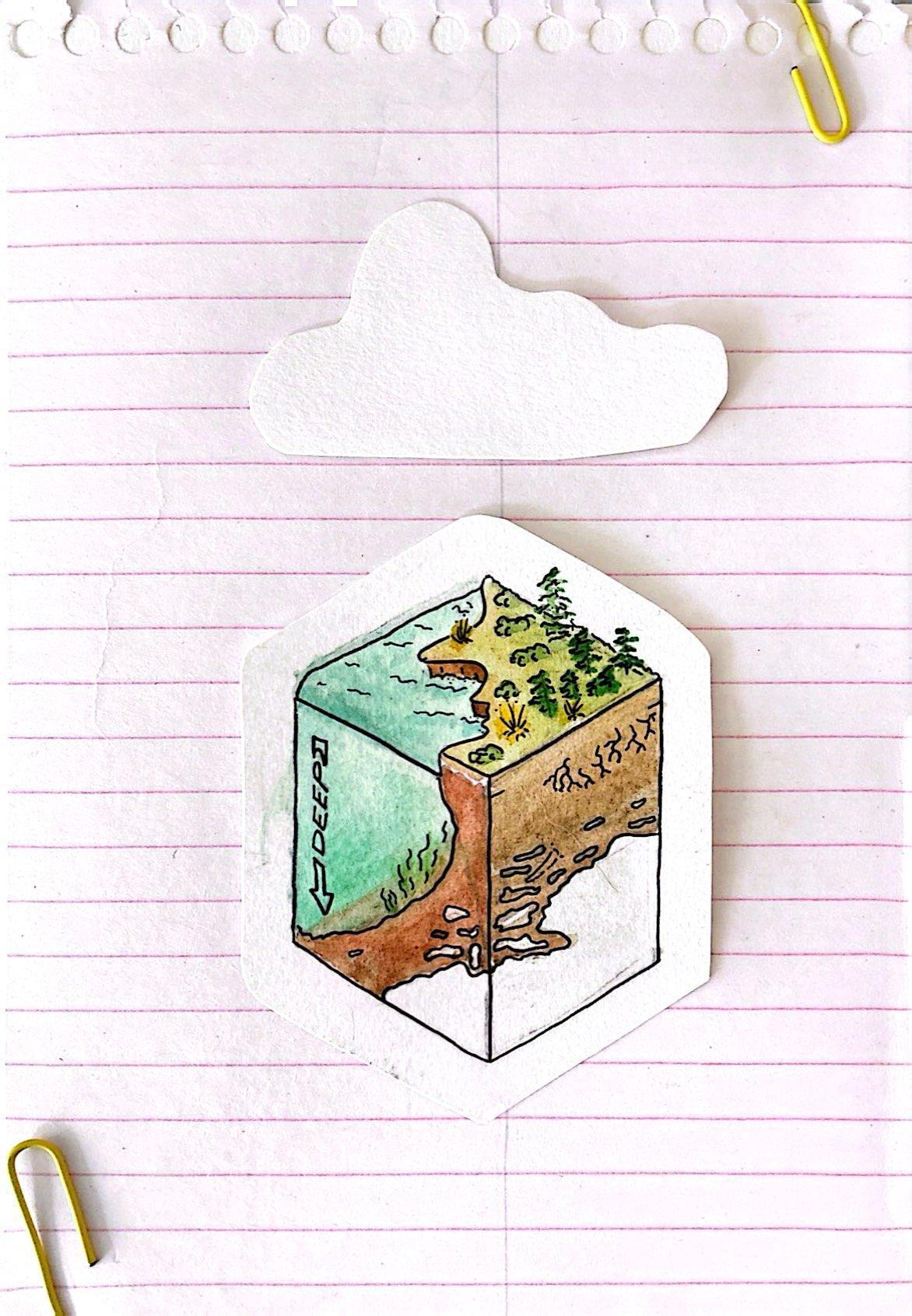
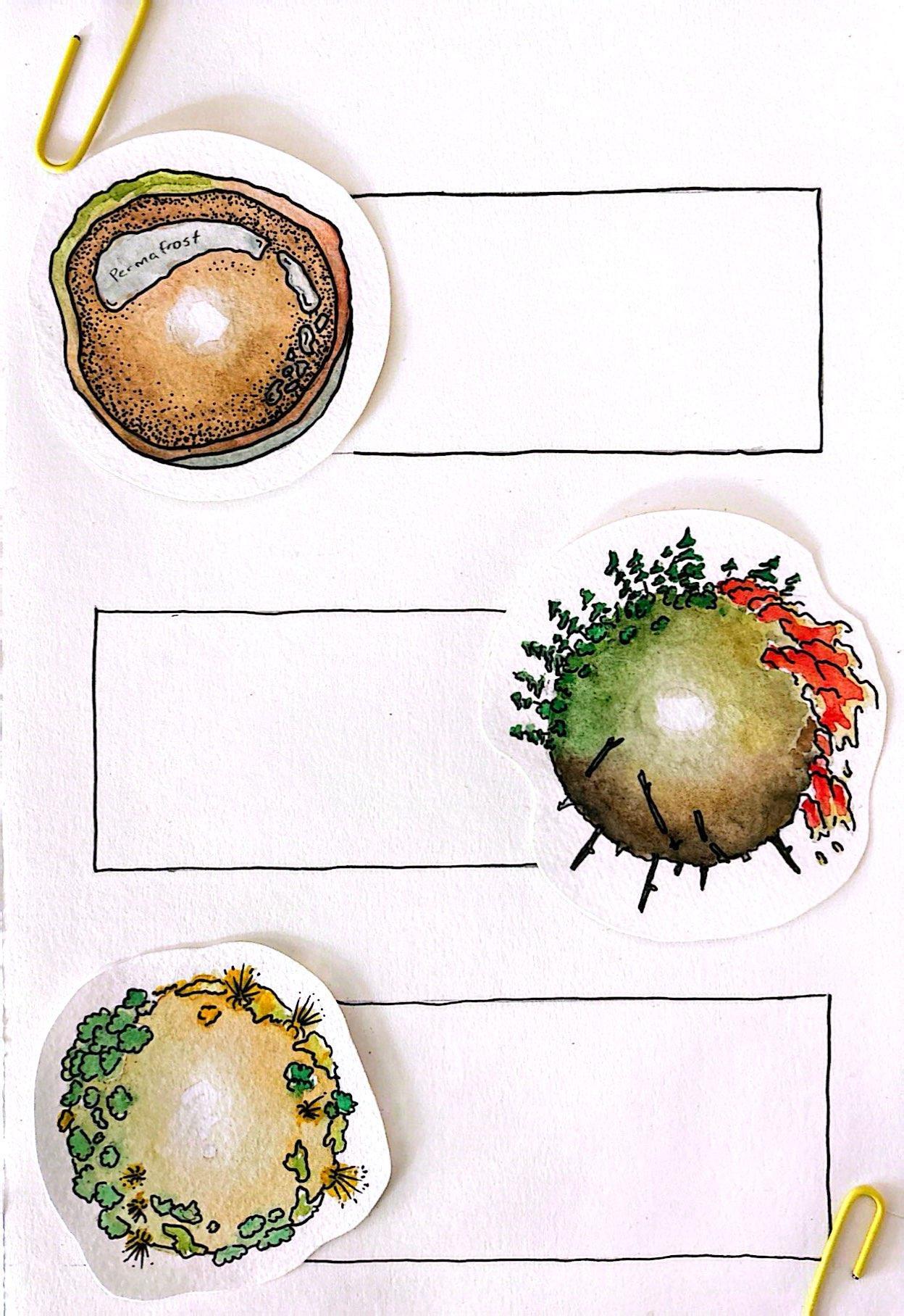
Rising temperatures thaw permafrost, releasing massive amounts of CO₂ and CH₄. This additional carbon traps more heat, leading to more thaw.
These are what we call positive feedback loops.
Higher temperatures create drier forests, increasing wildfire frequency and severity. These fires can release centuries of stored carbon in a matter of days.
Every release accelerates the next.
Warming temperatures shift Arctic vegetation, replacing tundra with shrubs. This darkens the landscape, absorbs more heat and speeds up permafrost melt.
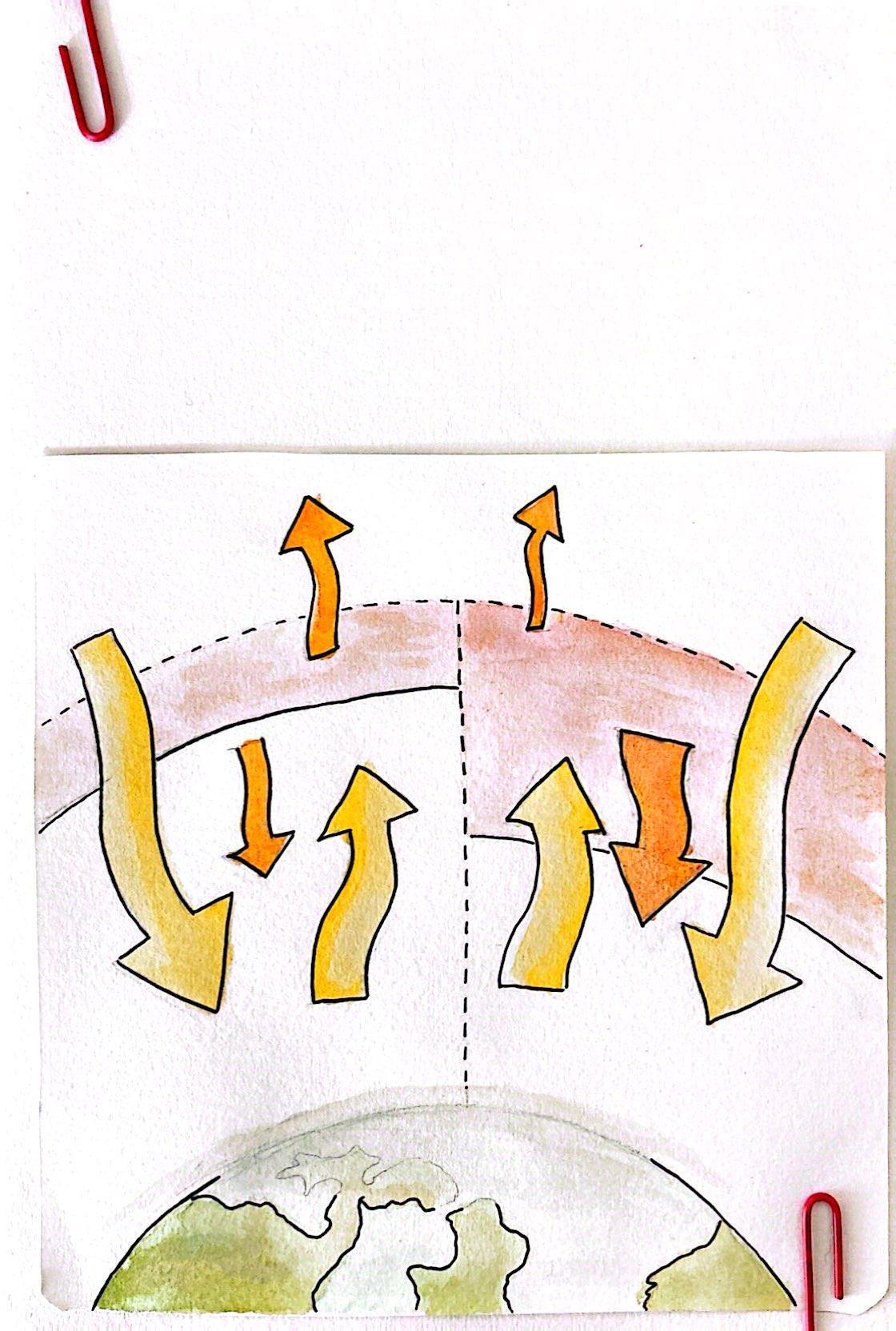
The greenhouse effect is why Earth is habitable. However, when too much carbon is released into the atmosphere, it gets trapped, and the planet warms.
This works by: 1) Solar radiation (SR) passes through the atmosphere. Some energy is absorbed, while some is reflected. 2) Greenhouse gases (GHGs; CO₂, CH₄, N₂O) trap this outgoing heat, warming the planet. 3) More GHGs = More heat. The more carbon we release, the stronger the greenhouse effect becomes.
Atmosphere
Normal Current Conditions
Natural Carbon Sinks and Carbon Sources
They are the best global air filters.
They also emit methane, which is 80x stronger than CO₂.
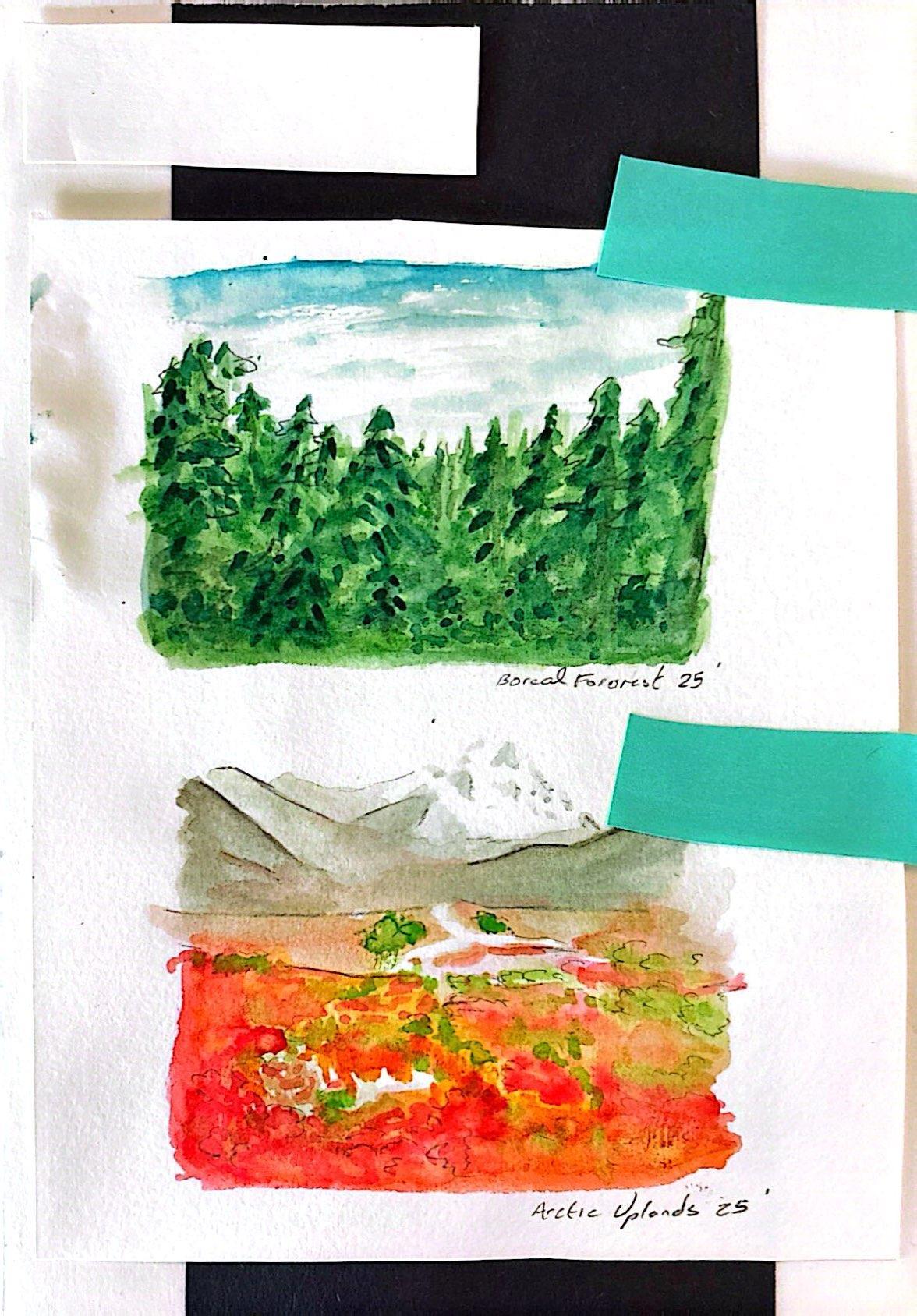
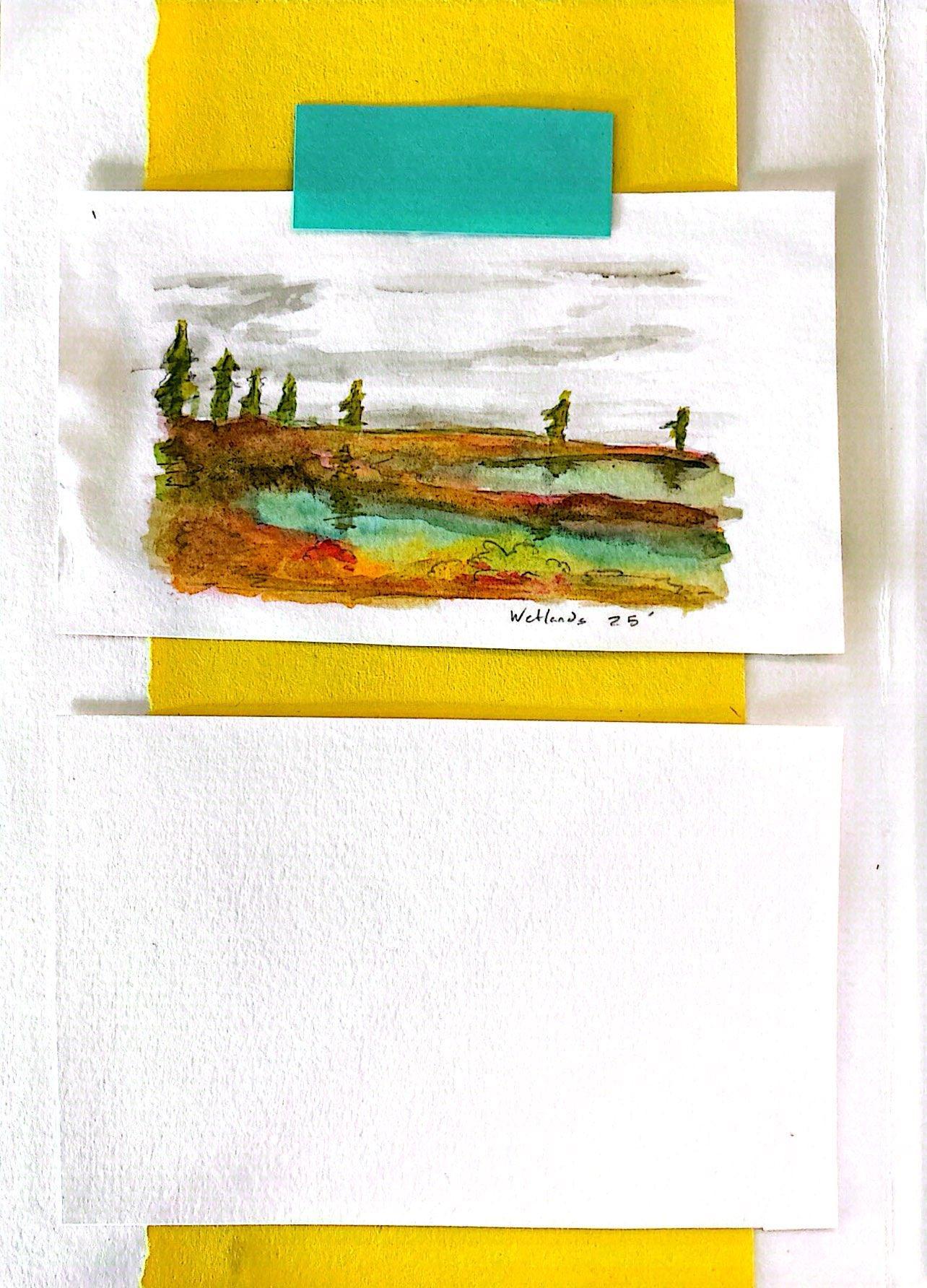
Boreal forests, uplands, and wetlands are some of the most important carbon sinks on Earth, but when disturbed, they become major sources of emissions. Every disturbance, whether natural or humancaused, pushes these systems closer to becoming carbon sources. Protecting these landscapes is not just about biodiversity or conservation; it’s about keeping billions of tons of carbon locked away where it belongs.
If we know how the carbon cycle functions and solutions do exist, why is climate action so slow?
By now, this is probably the second or third piece of climate information you've seen today. And yet, this problem has remained unsolved for decades. Why?
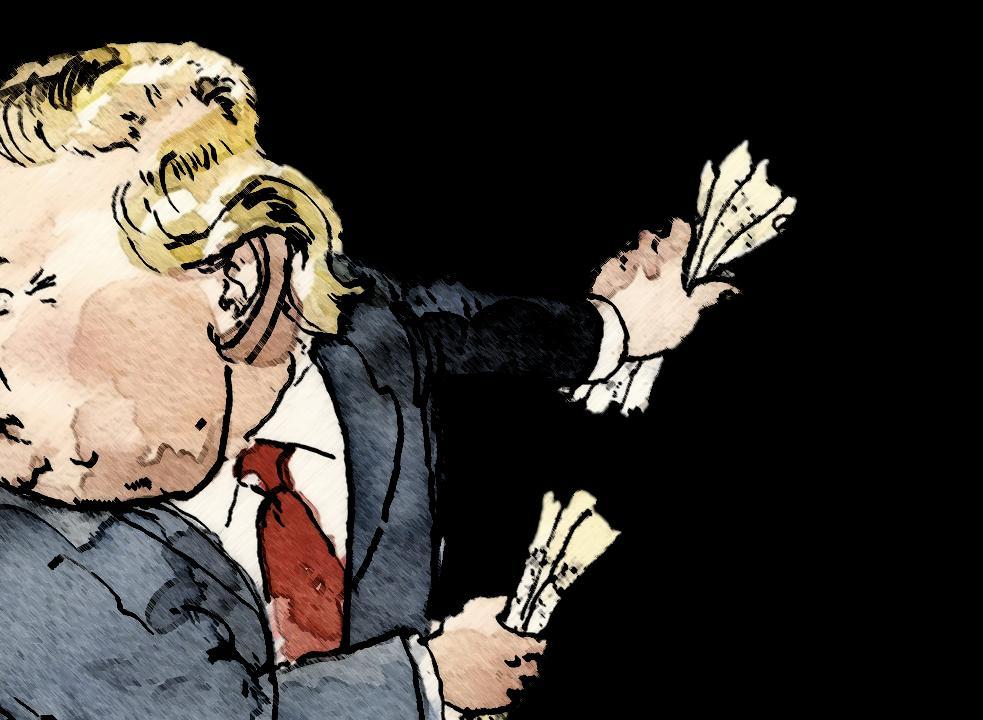
[Insert any World Leader] in the pocket of [fossil fuel companies / lobbyists].
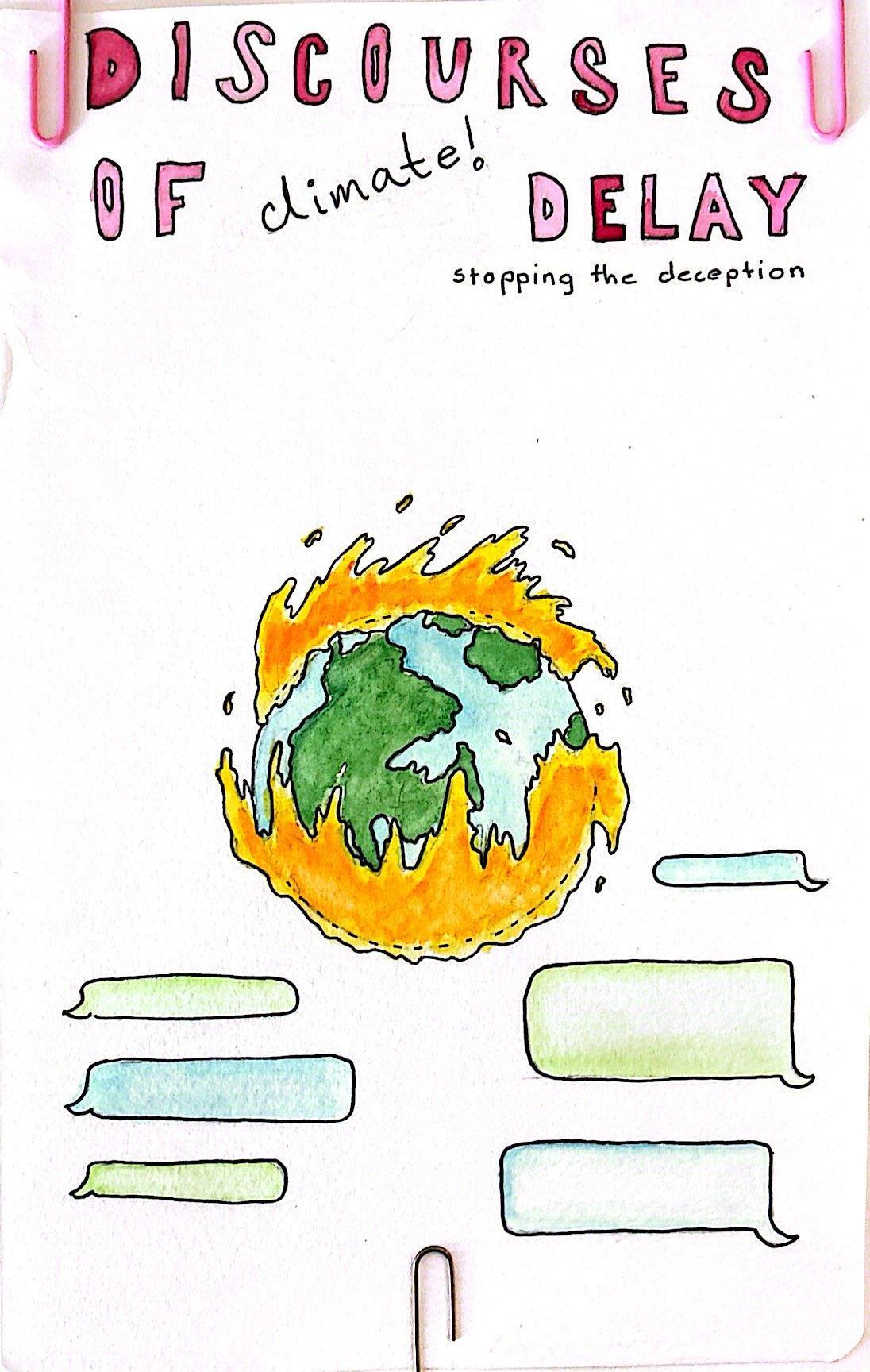
Do you feel like you're not doing enough for the climate? That’s not an accident.
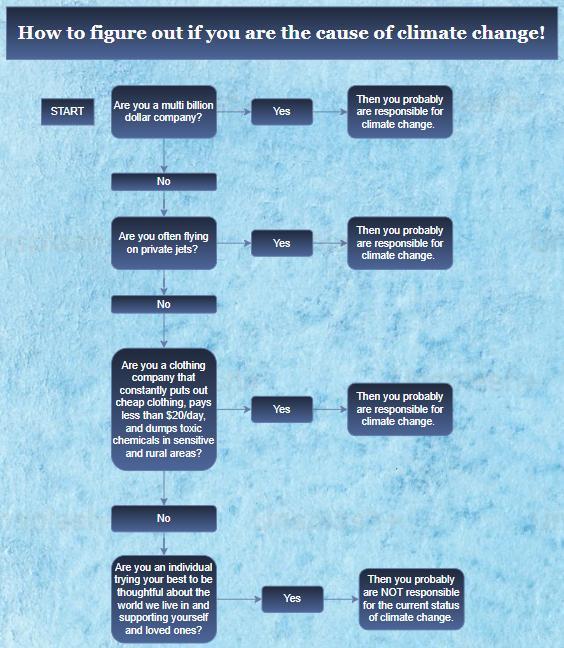
It’s Not Your Fault - the Fossil Fuel Industry Wants You to Blame Yourself. These industries have spent decades shifting the blame onto individuals while continuing business as usual, resulting in widespread guilt and a false sense of personal responsibility.
For more information scan the QR code in the back (page 11 sources).
Fossil fuel companies have spent billions pushing the idea that climate change is a personal problem.
BP literally invented the “carbon footprint”calculator to shift blame away from their massive emissions. Exxon has known about climate change since the 1970s and chose to spread doubt by spending millions in false advertisement.
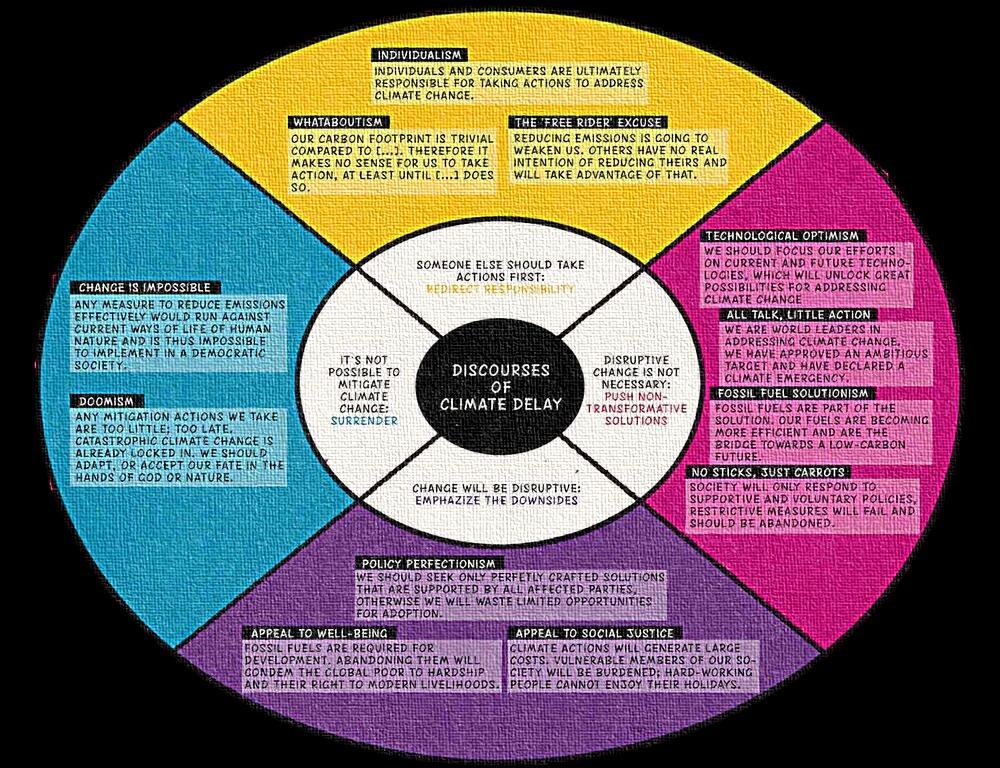
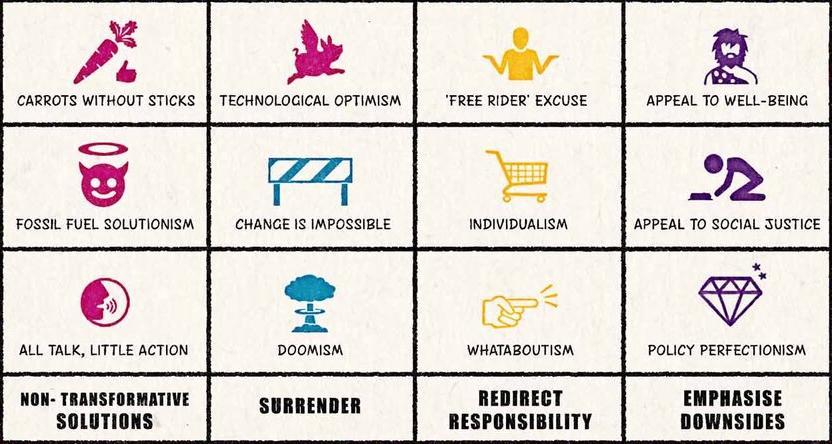
“Climate delay”arguments are designed to make action seem impossible, so that those in power can keep stalling. Look at the Delay Bingo. If you’ve ever heard someone say, “China has higher emissions” or “individuals need to take responsibility first”, that’s part of the playbook. Solutions already exist; we’ve just been stalling for any real change.
The science has been clear: we must stop adding carbon, but we also must protect the landscapes that keep it in check.
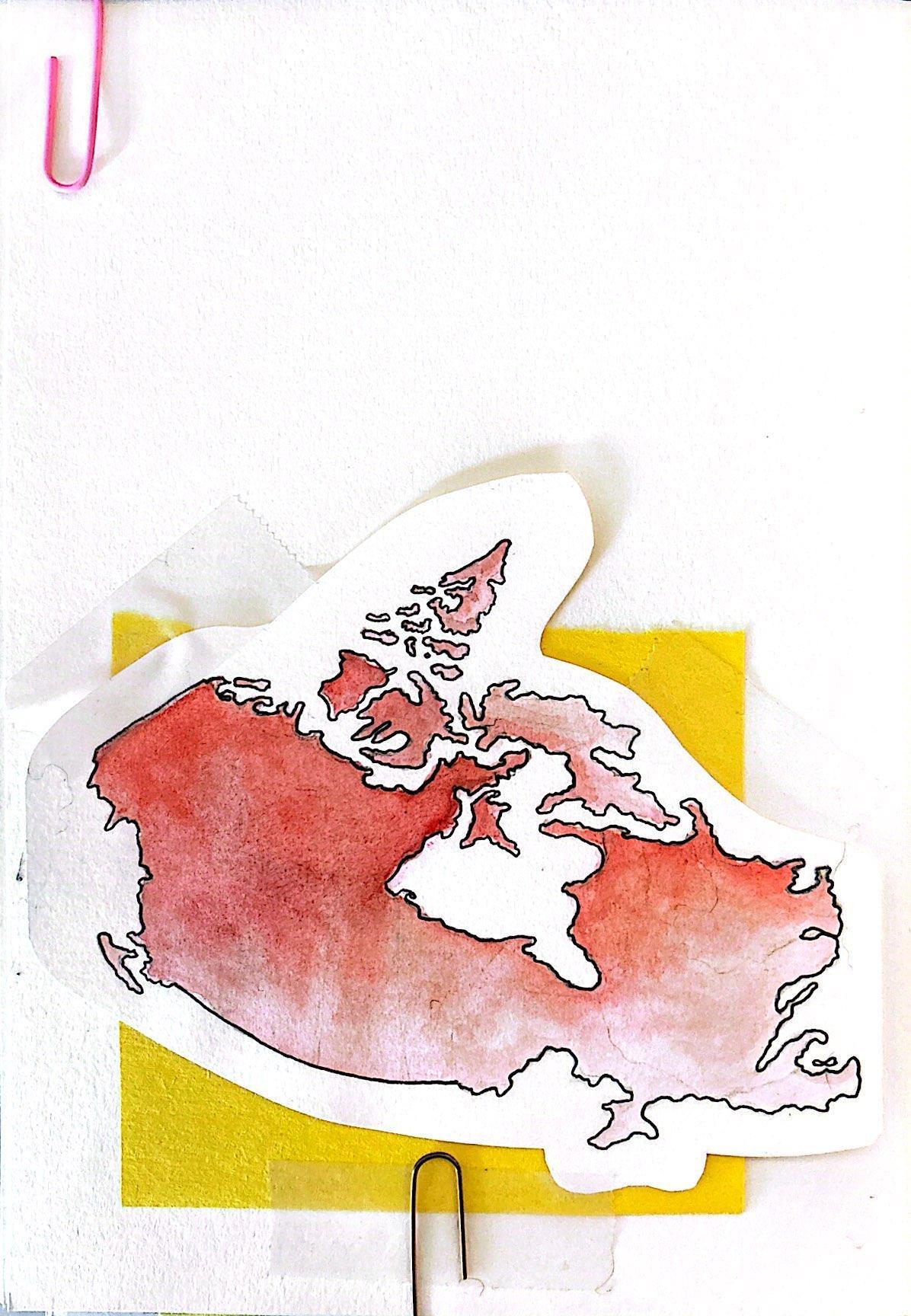
And yet, despite decades of research, climate policies stall under discourses of delay. Meanwhile, the Arctic is warming faster than the global average. While the rest of the world will be feeling 2.0C, or even 3.0C higher temperatures, Northern communities are already living it.
If there’s anything you’d remember about this zine; let it be this.
We already had a year where on avg. was 1.5C higher temperatures.
Climate Action
Governments and corporations have promised bold climate solutions, but emissions continue to rise while vital carbon sinks collapse under extractive policies. Here is something interesting and scienced backed: Indigenous-managed lands store carbon as effectively, if not better, than government-protected areas. Despite making up less than 5% of the world’s population, These communities steward 80% of global biodiversity. Their governance models prioritize long-term ecosystem balance over short-term profit, they’re just not being implemented at scale. So why aren’t these solutions prioritized? The same power structures that lead climate inaction also resist Indigenous leadership, continuing a history of land dispossession, extractive development, and policy exclusion. If climate action is serious, it must include Indigenous land sovereignty and decisionmaking.
This isn’t about only “helping” Indigenous communities or a “one shoe fits all” situation, it's about learning from them.
Indigenous knowledge is not an “alternative” to Western science, it is science. It is based on millennia of observation, adaptation, and sustainable resource management. Protecting carbon sinks, restoring ecosystems, and resisting extractive expansion aren’t new ideas, they’ve been practiced for generations. The urgency now isn’t in inventing new solutions, it’s in implementing the ones we’ve ignored. Take IPCAs:
Indigenous Protected and Conserved Areas.
IPCAs are lands and waters where Indigenous governments lead conservation, upholding cultural values, laws, and knowledge systems. Canada has made promises: Protect 25% of land and waters by 2025 and Protect 30% by 2030. Those targets can’t be reached without Indigenous leadership and yet, most IPCAs still face underfunding, legal delays, and exclusion from federal decisionmaking.
This isn’t a capacity gap; it’s a power gap.
A word from the beautiful Grace
Shultz
This isn’t just about the climate. It’s about the right to clean water. The right to breathe safe air. The right to live without being burned out, flooded out, or priced out of a livable future. We already have ways to protect the land, reduce emissions, and support communities that care for these places. What’s stopping climate action isn’t science, it’s power. And power doesn’t give itself up easily. This is about who gets to decide what the future looks like, and whose voices we trust to shape it. That includes the people who’ve been taking care of the land long before there were carbon targets. It includes local knowledge, land stewardship, and the right to say no to extraction where you live. This isn’t about shame. It’s about values, responsibility, fairness, and the basic right to a safe place to call home. Because the climate crisis isn’t just about nature. It’s about listening, it’s about privilege, and it’s about us.
I went with the name “the lands up there” because we talk about it like its so far away, like its somebody else’s problem.
That’s not the case; the North tells us the future. The burning, the melting, the shifting, it speaks of what is yet to come if there is no change.
…and what could follow?
I’m not Indigenous. No one is paying me to say this. I’m just a scientist who studies the Arctic. Choose the Planet First.