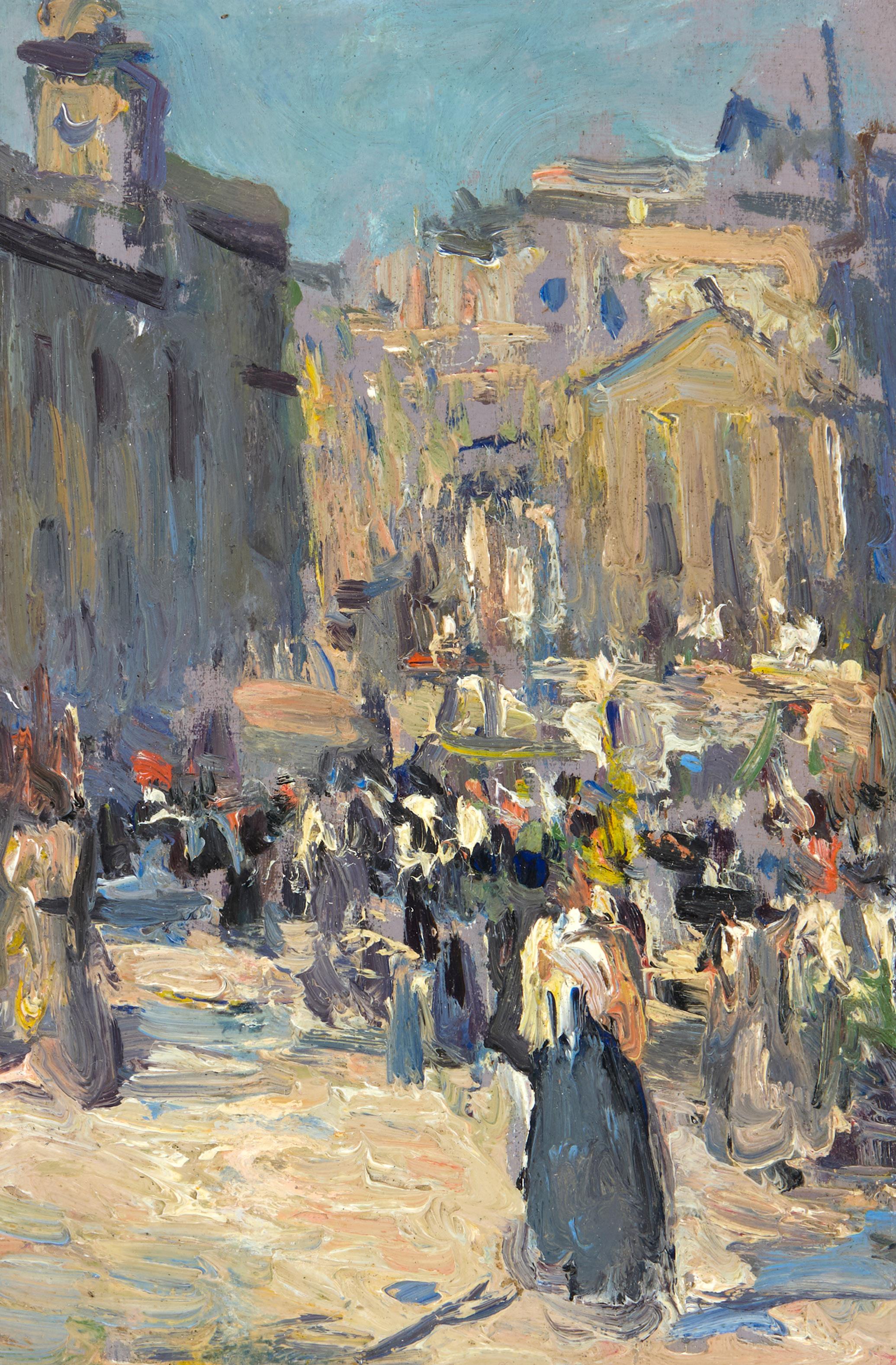
4TH JUNE 2026
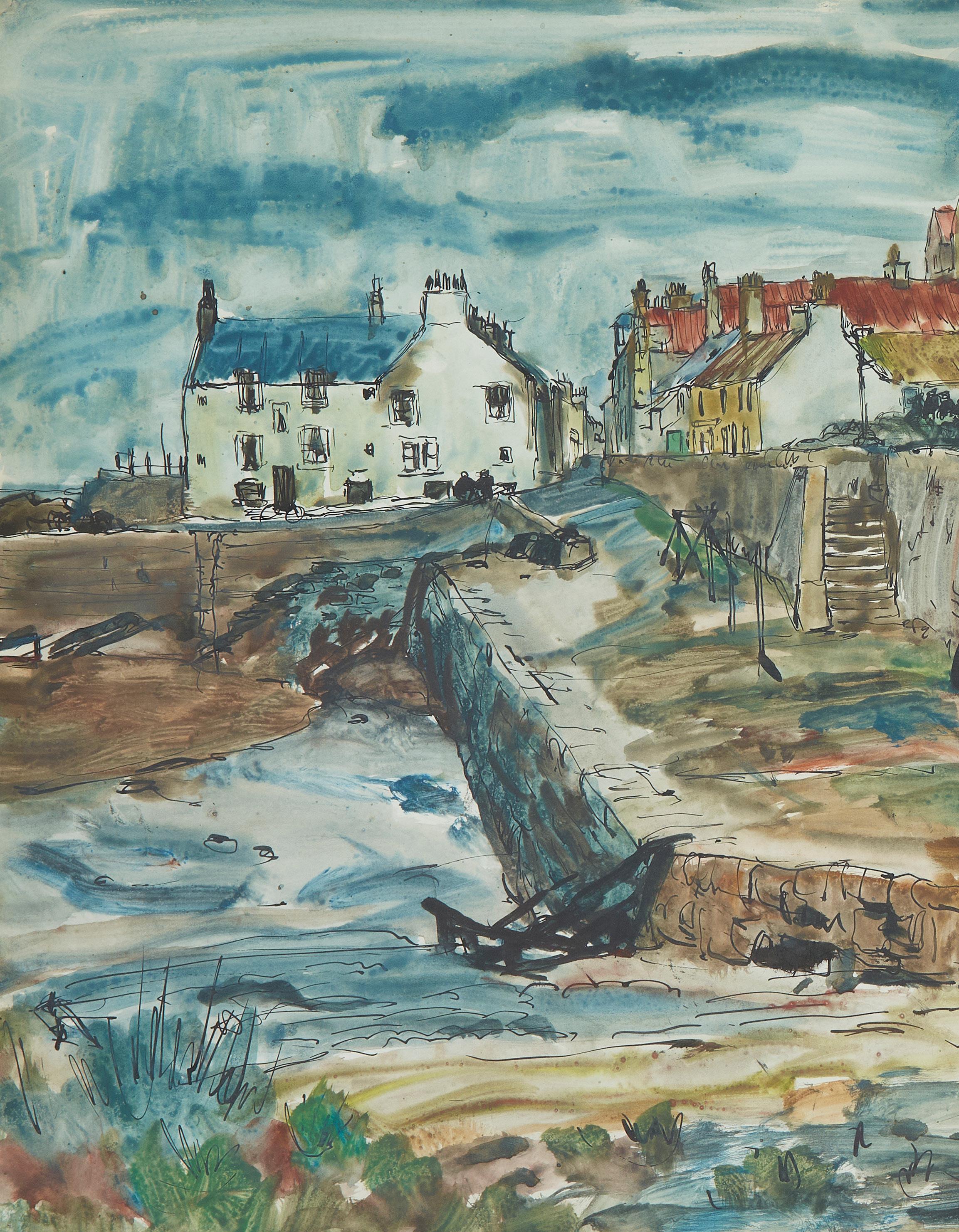
4TH JUNE 2026
FEATURING A CENTURY OF SELLING THE SCOTTISH COLOURISTS 1926-2026
THURSDAY 04 JUNE 2026
DAY SESSION LOTS 1-87 AT 2PM EVENING SESSION LOTS 88-168 AT 6PM

Printed by Park Communications, a Carbon Neutral Company, on FSC® certified paper.
Park works to the EMAS standard and its Environmental Management System is certified to ISO 14001.
This publication has been manufactured using 100% offshore wind electricity sourced from UK wind.
100% of the inks used are vegetable oil based, 95% of press chemicals are recycled for further use and, on average 99% of any waste associated with this production will be recycled and the remaining 1% used to generate energy.
This document is printed on Magno Satin paper made of material from well-managed, FSC®certified forests and other controlled sources.
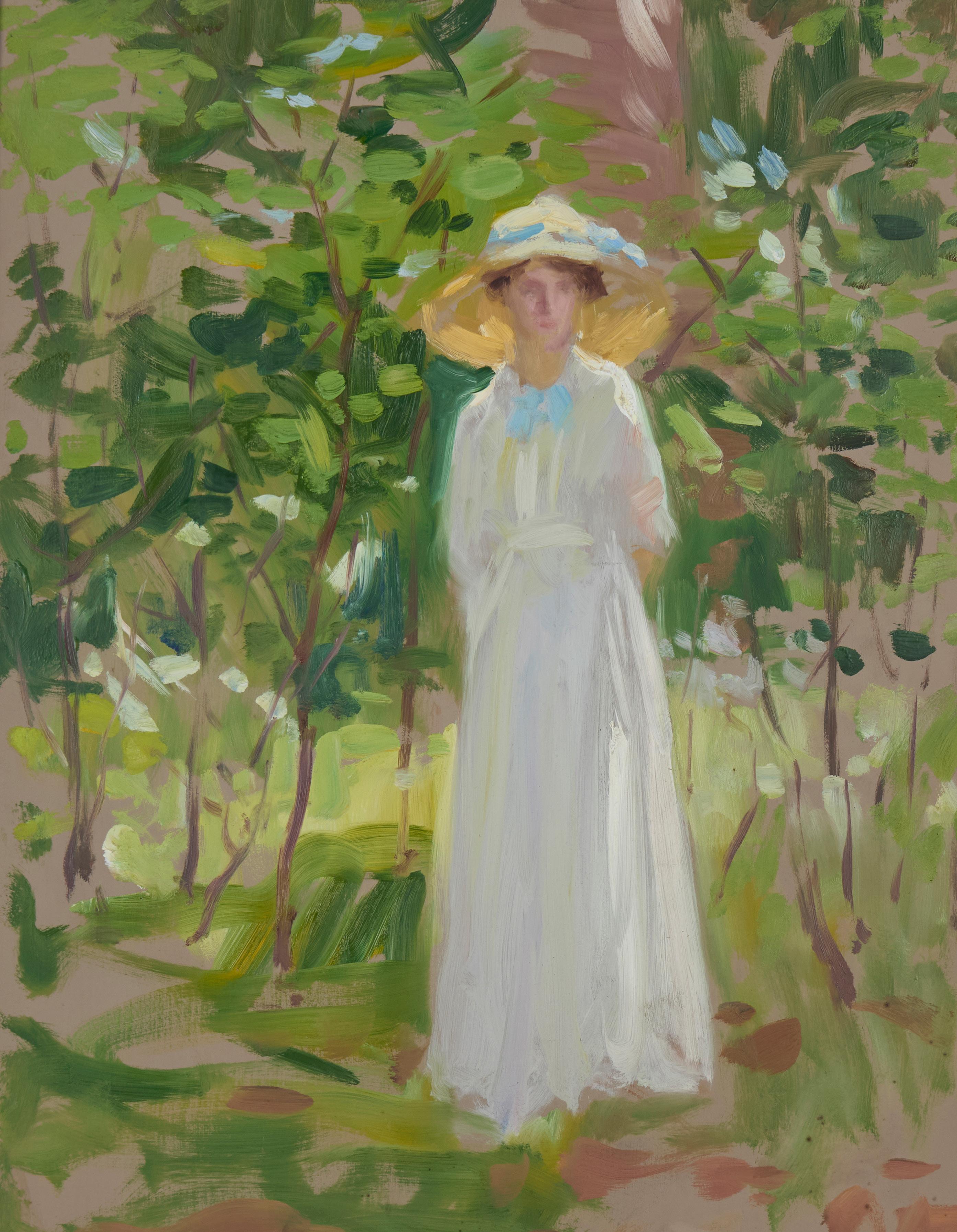
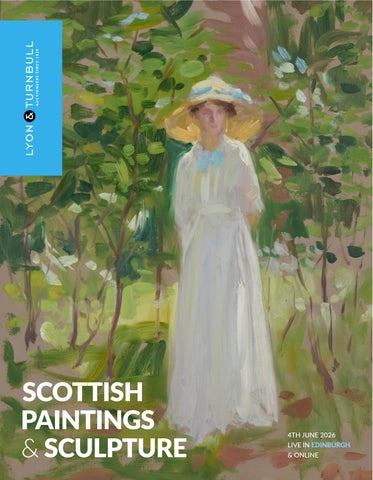
Front Cover Lot 129
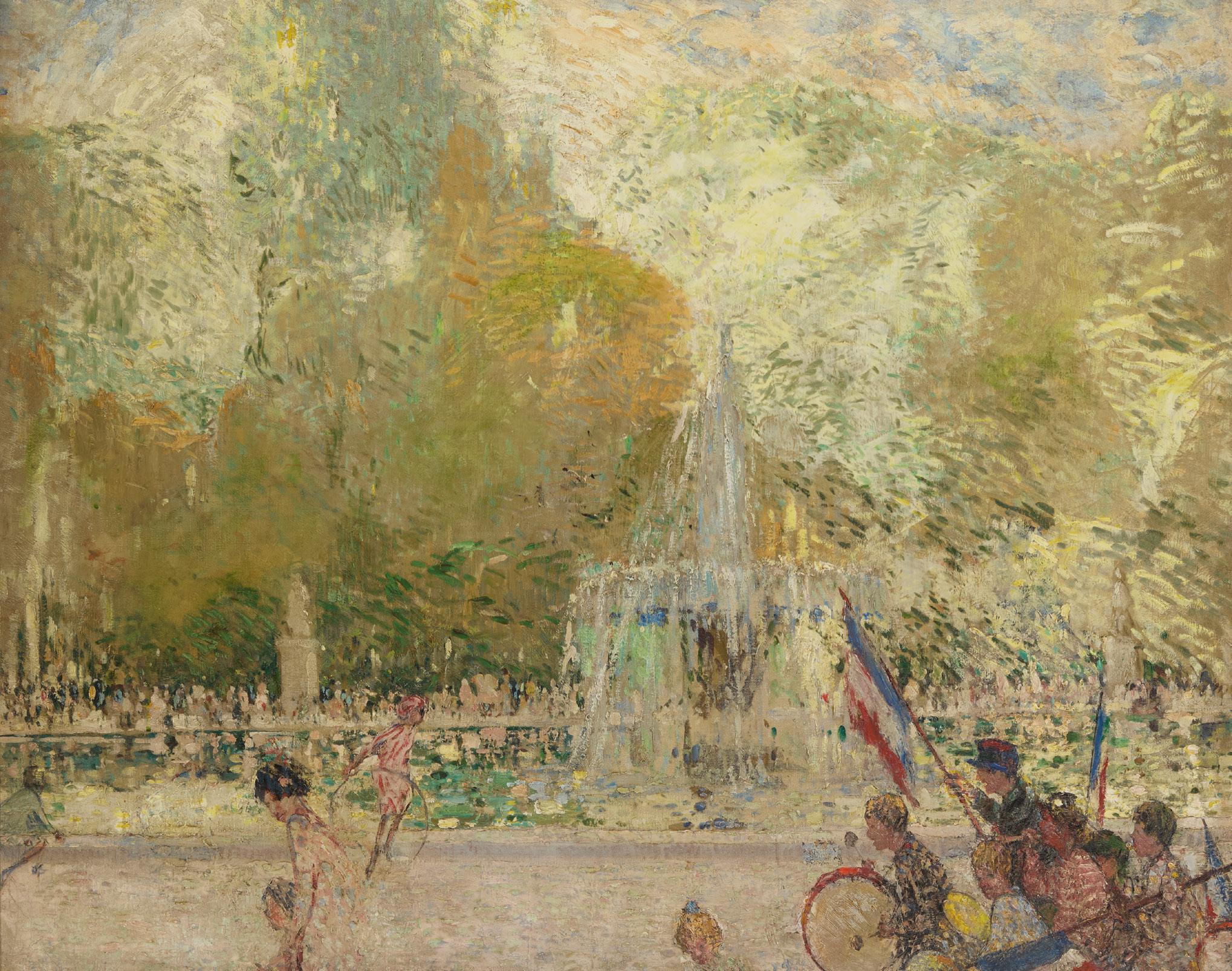
Inside Front Cover Lot 82 [detail] Sale Number LT903
Lyon & Turnbull
33 Broughton Place
EDINBURGH EH1 3RR
VIEWING IN EDINBURGH
33 Broughton Place EH1 3RR
Sunday, 31 May 2026, 12noon-4pm
Monday, 1 June 2026, 10am-4pm Tuesday, 2 June 2026, 10am-4pm Wednesday, 3 June 2026, 10am-4pm Day of Sale from 9am
CONTACT
EDINBURGH +44 (0) 131 557 8844
GLASGOW +44 (0) 141 333 1992
LONDON +44 (0) 207 930 9115
info@lyonandturnbull.com
The buyer shall pay the hammer price together with a premium, at the following rate, thereon.
27% up to £20,000
26% from £20,001 to £800,000
20% thereafter
VAT will be charged on the premium at the rate imposed by law (see our Conditions of Sale at the back of this catalogue).
† VAT at the standard rate payable on the hammer price
‡ Reduced rate of 5% import VAT payable on the hammer price
Ω Standard rate of import VAT on the hammer price
Lots affixed with ‡ or Ω symbols may be subject to further regulations upon export /import, please see Conditions of Sale for Buyers Section D.2.
No VAT is payable on the hammer price or premium for books bought at auction.
§ indicates works which may be subject to the Droit de Suite or Artist’s Resale Right, a royalty payment for all qualifying works of art. Under legislation which came into effect on 1st January 2012, this applies to living artists and artists who have died in the last 70 years. This royalty will be charged to the buyer on the hammer price and in addition to the buyer’s premium. It will not apply to works where the Hammer Price is less than £1,000. The charge for works of art sold at and above £1,000 and below £50,000 is 4%. For items selling above £50,000, charges are calculated on a sliding scale.
More information on Droit de Suite is available at www.dacs.org.uk.
This sale is subject to our Standard Conditions of Sale (available at the back of every catalogue and on our website). If you have not bought at auction before we will be delighted to help you.
All potential buyers must register prior to placing a bid. Registration information may be submitted in person at our registration desk, by email, or on our website. Please note that first-time bidders, and those returning after an extended period, will be asked to supply the following documents in order to facilitate registration:
1 – Government issued photo ID (Passport/Driving licence)
2 – Proof of address (utility bill/bank statement). We may, at our option, also ask you to provide a bank reference and/ or deposit. (Particularly for bidding on lots marked by the high value lot symbol ) By registering for the sale, the buyer acknowledges that he or she has read, understood and accepted our Conditions of Sale (available at the back of every catalogue and on our website).
For information on bidding options see our Guide to Bidding & Payment at the back of the catalogue.
Responsibility for packing, shipping and insurance shall be exclusively that of the purchaser. See Collections & Storage section for more info specific to this particular auction.
All item descriptions, dimensions and estimates are provided for guidance only. It is the buyer’s responsibility to inspect all lots prior to bidding to ensure that the condition is to their satisfaction. Our specialists will be happy to prepare condition reports and additional images. These are for guidance only and all lots are sold ‘as found’, as per our Conditions of Sale.
Prospective buyers are advised that several countries prohibit the importation of property containing materials from endangered species, including but not limited to; rhino horn, ivory, coral and tortoiseshell. Accordingly, prospective buyers should familiarise themselves with all relevant customs regulations prior to bidding if they intend to import lots to another country. It is the buyer’s sole responsibility to obtain any relevant export or import licence. The denial of any licence or any delay in obtaining licences shall neither justify the recession of any sale nor any delay in making full payment for the lot.
Please be aware that lots marked with the symbol Y contain material which may be subject to CITES regulations when exporting outside Great Britain. For more information visit http://www. defra.gov.uk/ahvla-en/imports-exports/ cites
All collections will be by appointment only (this applies to both carriers and personal collections). To make an appointment call 0131 557 8844 or email info@lyonandturnbull.com.
Please ensure payment has been made prior to collection. This can be done by bank transfer, and debit/credit card online (powered by Stripe) - details will be shown on your invoice.
Please note we are unable to take payments over the phone.
At Lyon & Turnbull we want to make buying at auction as easy and enjoyable as possible. Our specialist team are on hand to assist you, whether you are looking for something in particular for your home or collection, require more detailed information about the history or condition of a lot, or just want to find out more about the auction process.



Nick Curnow Head of Sale nick.curnow@lyonandturnbull.com

Simon Hucker Senior Specialist simon.hucker@lyonandturnbull.com
Alice Strang Senior Specialist alice.strang@lyonandturnbull.com

Charlotte Cockburn Sale Co-ordinator charlotte.cockburn@lyonandturnbull.com
Carly Shearer Senior Specialist carly.shearer@lyonandturnbull.com

Romey Clark Associate Specialist romey.clark@lyonandturnbull.com
Welcome to the latest edition of our biannual Scottish Paintings & Sculpture auction. Lyon & Turnbull was founded in Edinburgh in 1826, as was the Royal Scottish Academy (RSA). We are delighted to be celebrating our common bicentenary by being a partner in the RSA’s nationwide Celebrating Together initiative, highlighting 200 years of fine art in Scotland. Indeed, that is what this auction does every six months, covering two centuries of Scottish creativity over some 100 to 200 lots. In the following pages you will find Scottish art history laid out before you, from David Wilkie to Jack Vettriano.
2026 also marks a century since we began to sell the work of the Scottish Colourists, namely F. C. B. Cadell, J. D. Fergusson, G. L. Hunter and S. J. Peploe. On 10 March 1926, The Scotsman reported that we were to sell our first Cadell, as part of the late David Brown’s Collection of Oil Paintings and Watercolours, on 13 March 1926. Cadell and his fellow Colourists are celebrated as Scotland’s most significant artists of the twentieth century and their brilliantly coloured, boldly designed and beautifully realised paintings, works on paper and sculptures remain highly sought after for public and private collections alike.

NICK CURNOW
Lyon & Turnbull Vice Chairman Head of Fine Art nick.curnow@lyonandturnbull.com
We are therefore delighted to be offering major works by all four of the Scottish Colourists in this auction, held some 100 years and three months later.
Our commitment to the Scottish Colourists extends beyond the saleroom and we are delighted to be the lead sponsors of the beautiful exhibition The Scottish Colourists Revealed, which runs at Culture Perth and Kinross’s Perth Art Gallery until 26 October 2026. We are also looking forward to the publication of Alice’s book, The Scottish Colourists: Art and Life, which is to be published by the National Galleries of Scotland this Autumn.

ALICE STRANG
Lyon & Turnbull Associate Director Senior Fine Art Specialist alice.strang@lyonandturnbull.com
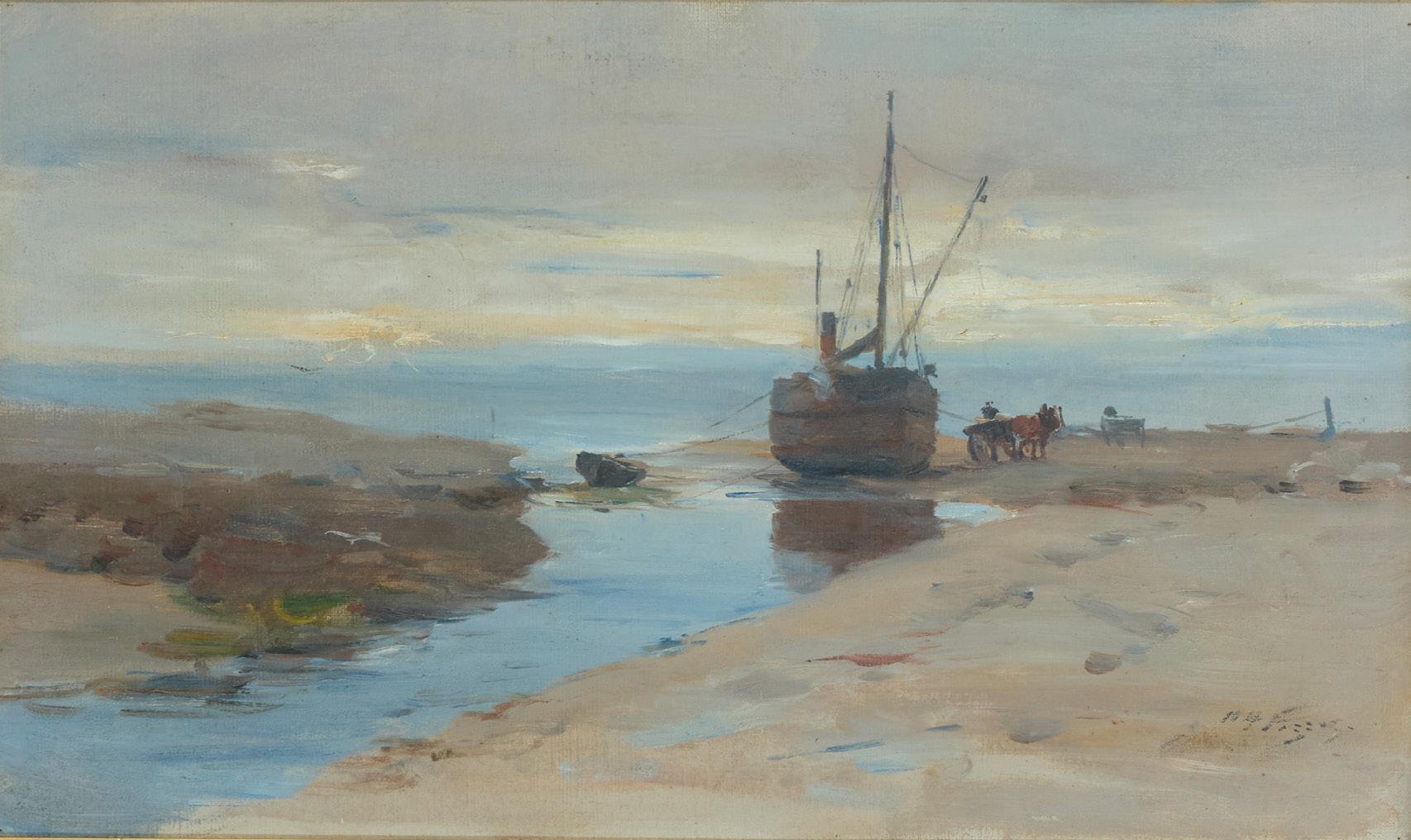
1 § WILLIAM MILLER FRAZER R.S.A., R.S.W. (SCOTTISH 1864-1961) UNLOADING THE CATCH
Signed, oil on canvas
30.5cm x 51cm (12in x 20in)
Frazer frequently painted at Blackwaterfoot, on the Isle of Arran.
£1,500-2,000
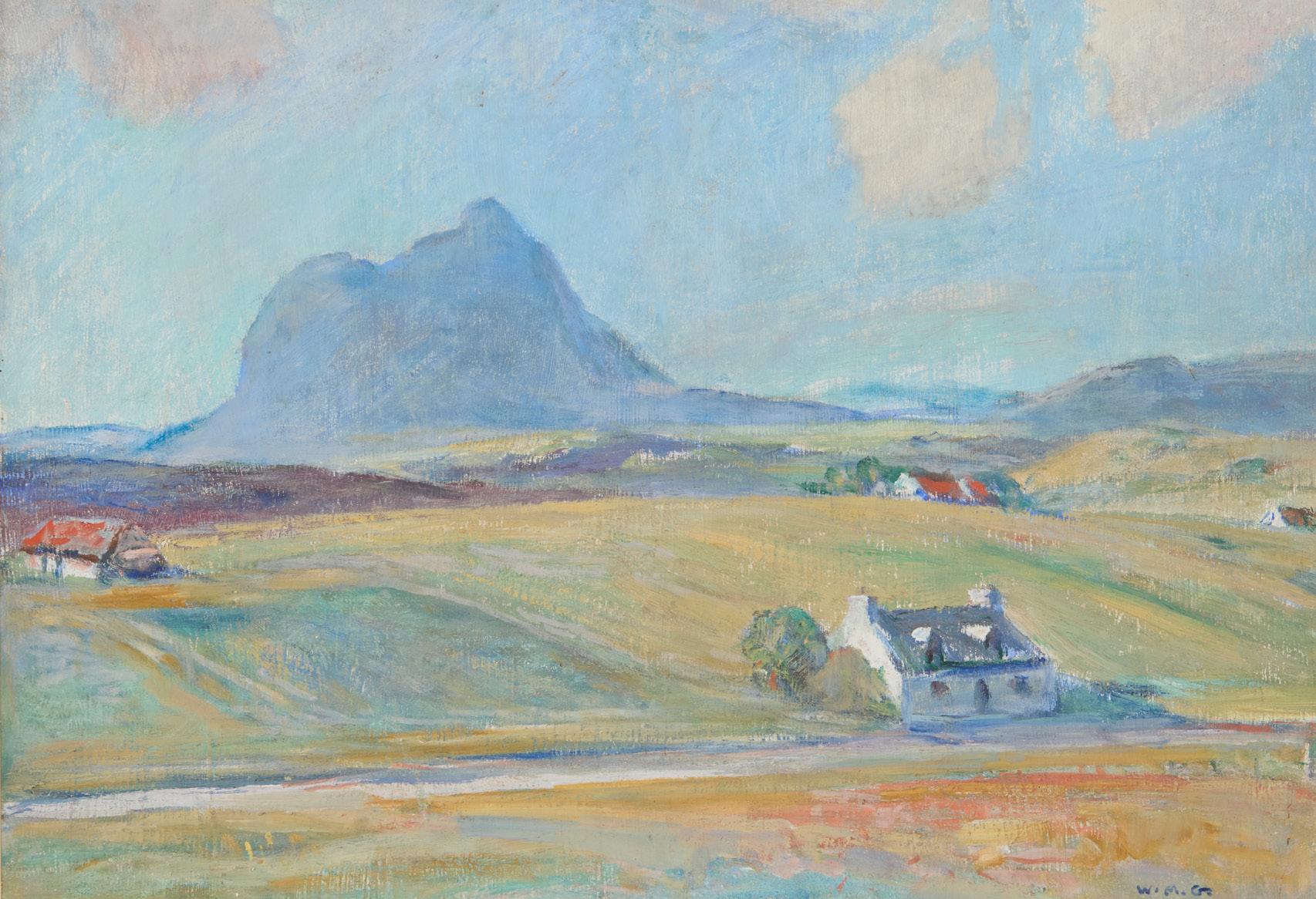
2 § WILLIAM MERVYN GLASS
R.S.A., S.S.A. (SCOTTISH 1885-1965)
ASSYNT COTTAGES, SUILVEN IN THE DISTANCE
Signed with initials, oil on board
39.5cm x 57cm (15.5in x 22.5in)
£1,500-2,000
3
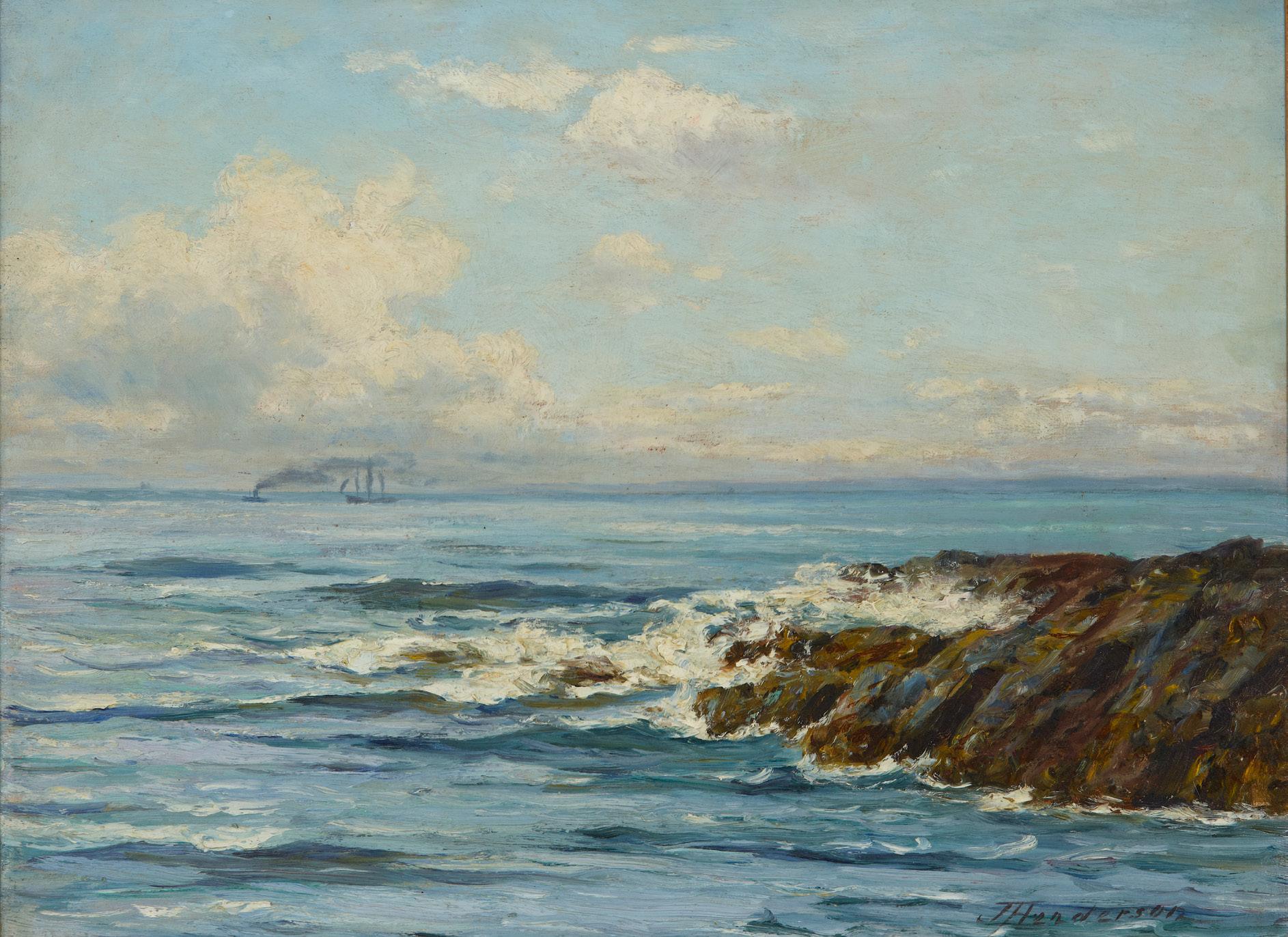
JOSEPH HENDERSON R.S.W. (SCOTTISH 1832-1908)
SHIPPING OFF A ROCKY COAST
Signed, oil on canvas
46cm x 61cm (18in x 24in)
£1,000-1,500
4
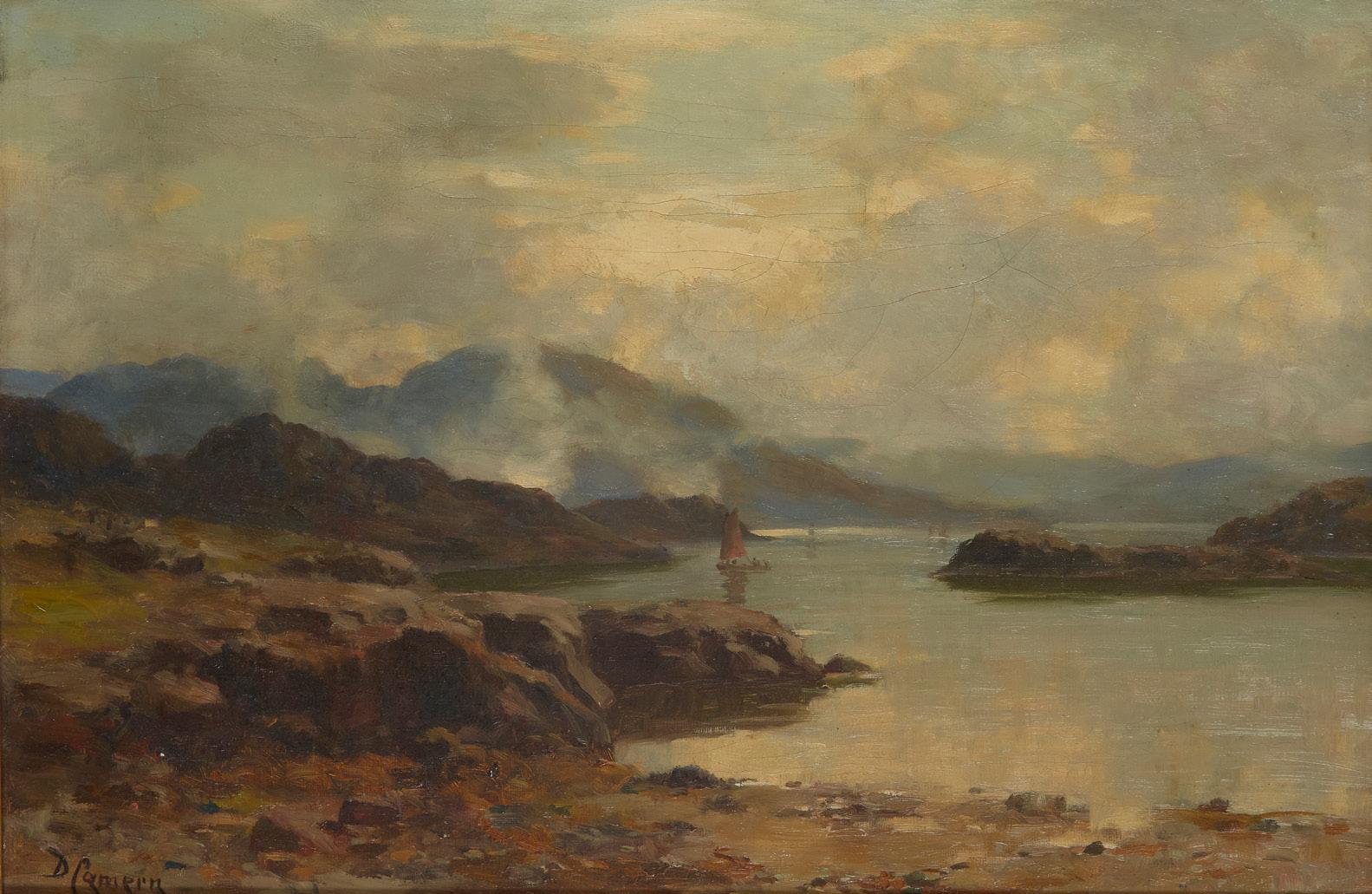
DUNCAN CAMERON (SCOTTISH 1837-1916)
Signed, inscribed with title to label verso, oil on canvas
30.5cm x 46cm (12in x 18in)
£600-800
5
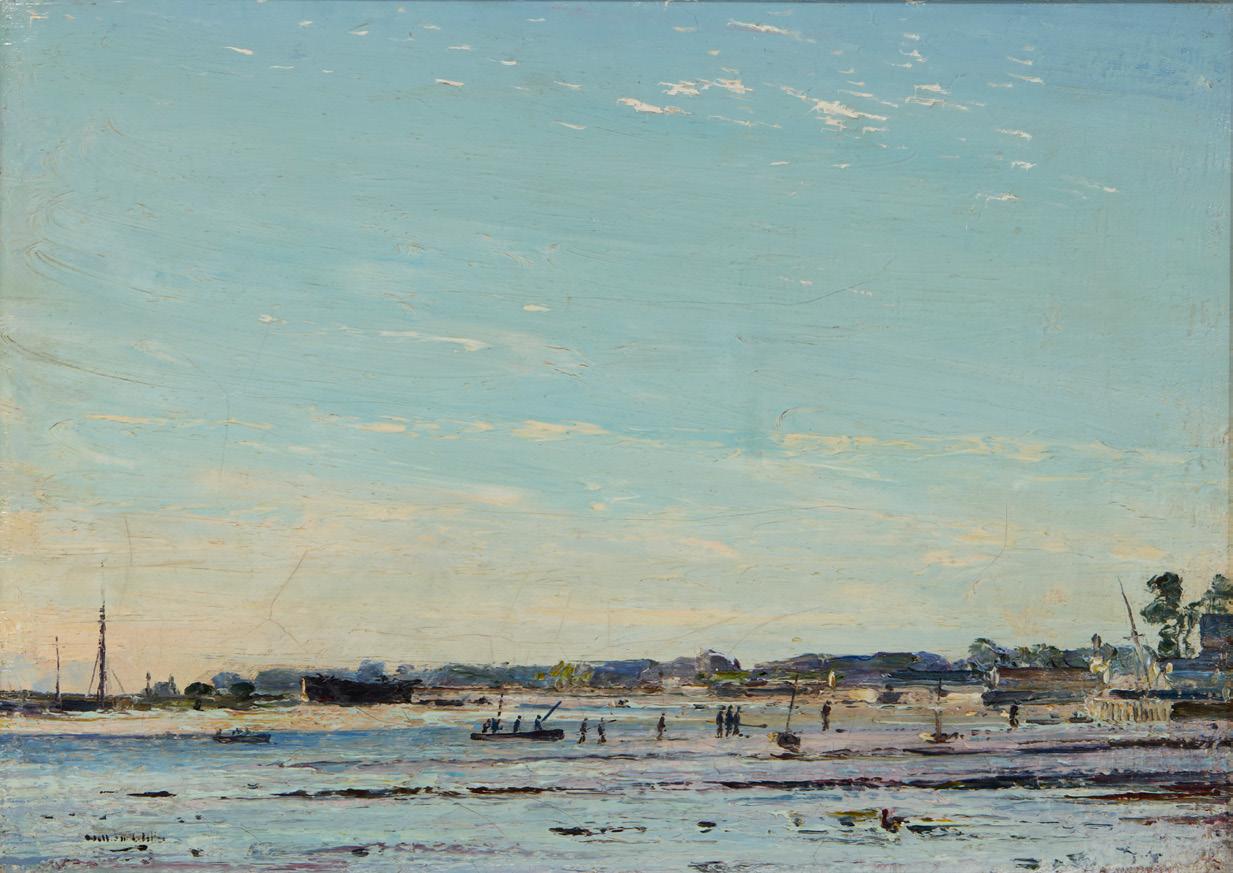
WILLIAM PAGE ATKINSON WELLS
R.B.A. (SCOTTISH 1872-1923) ON THE ESTUARY
Signed, oil on canvas
25.5cm x 35cm (10in x 14in)
£500-800
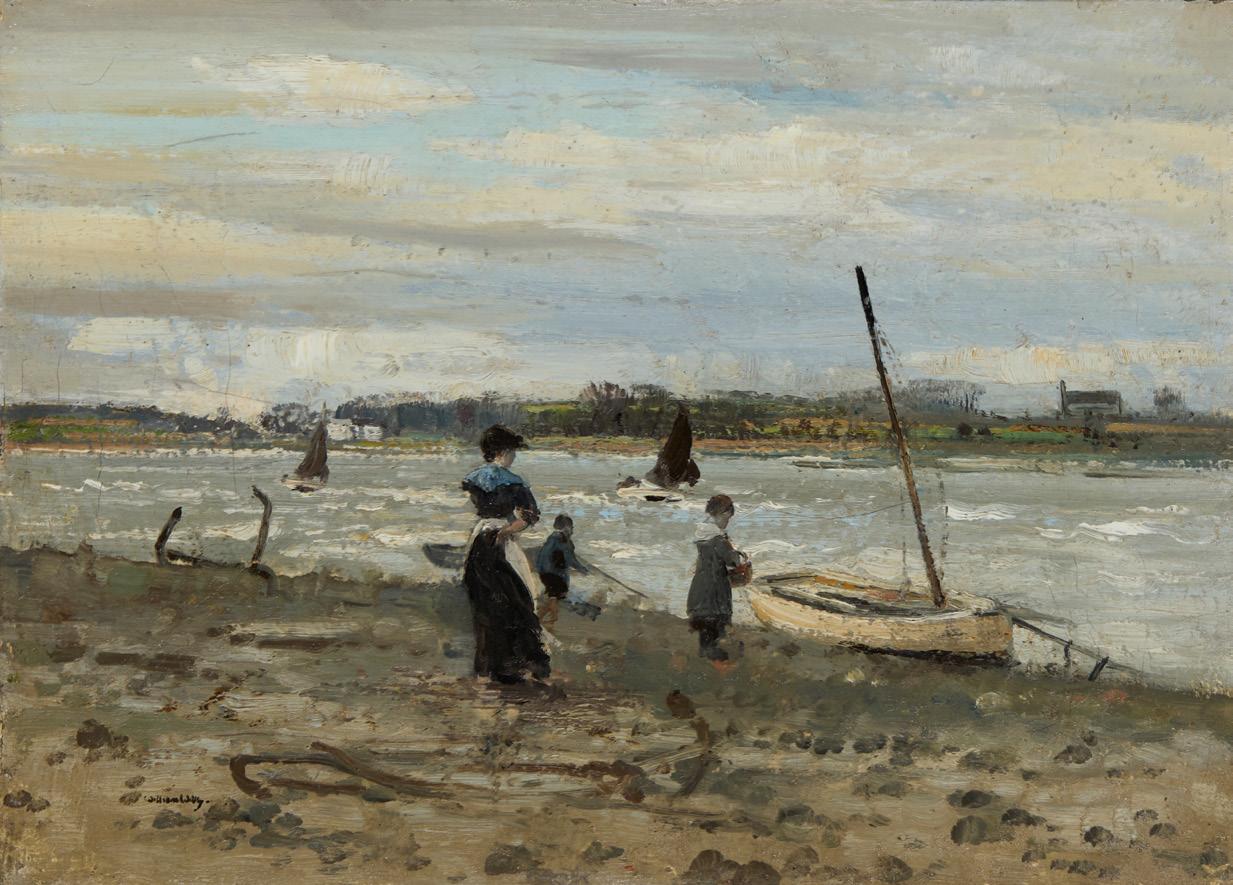
WILLIAM PAGE ATKINSON WELLS
R.B.A. (SCOTTISH 1872-1923)
CHILDREN AT THE WATER’S EDGE
Signed, oil on canvas
25.5cm x 35cm (10in x 14in)
£500-800
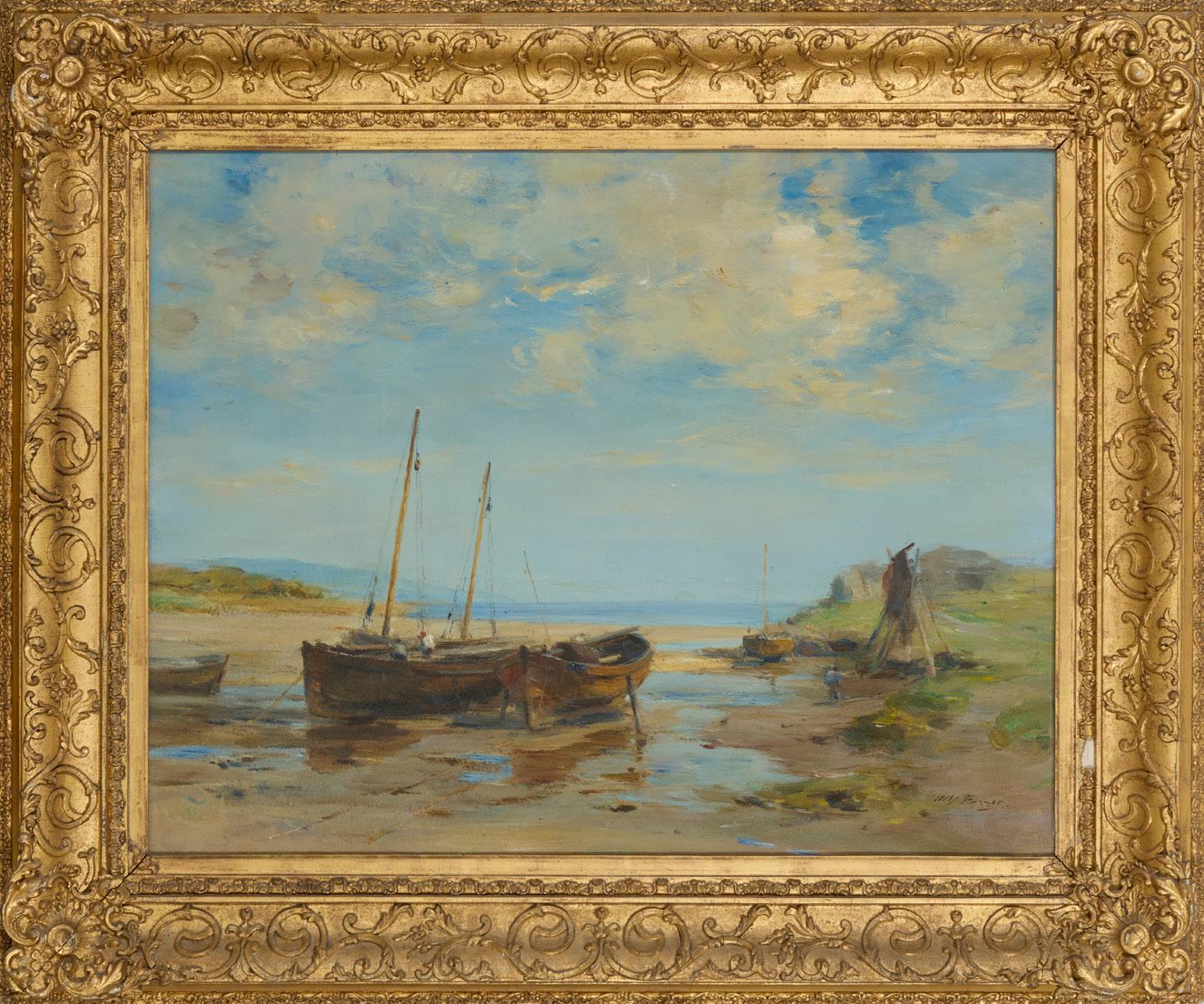
7
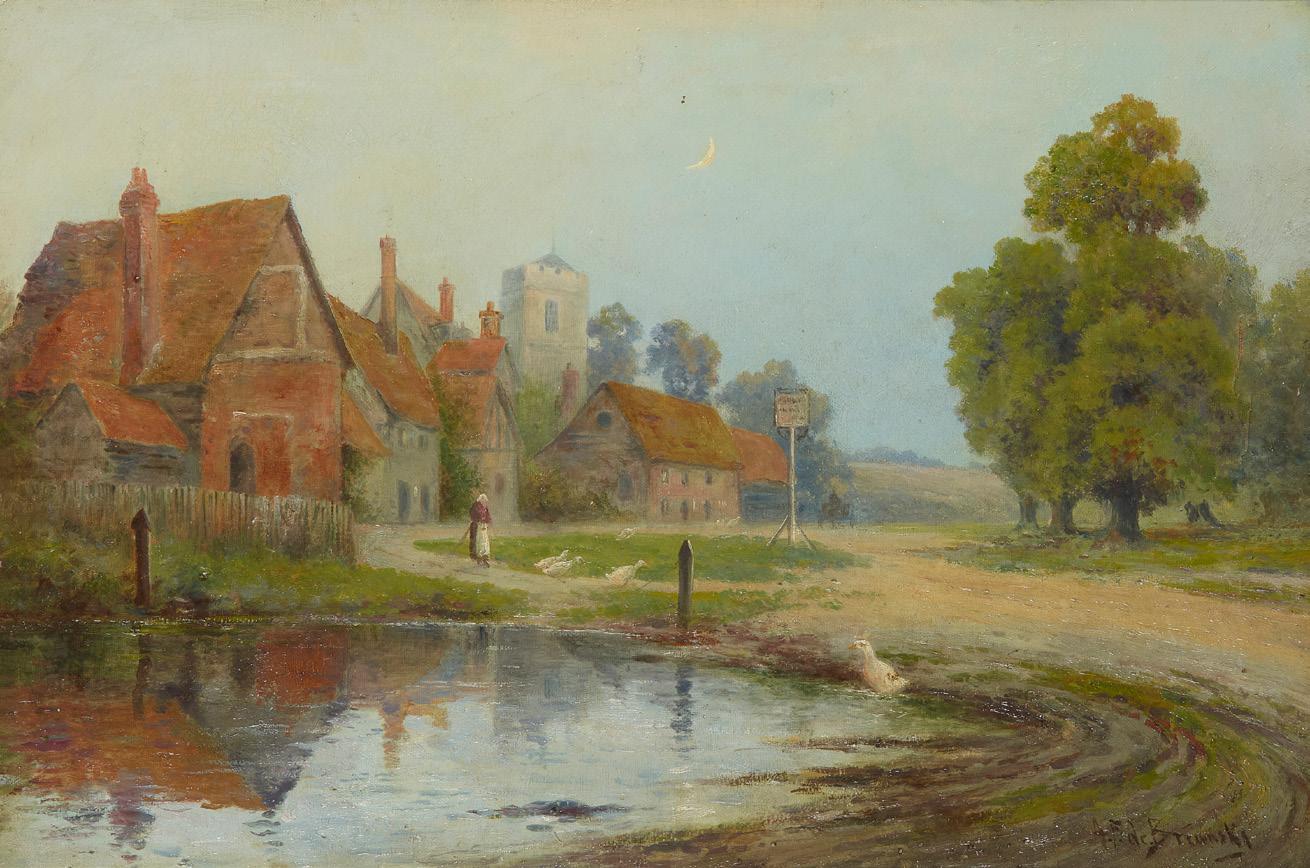
ALFRED FONTVILLE DE BREANSKI (BRITISH 1877-1955) THE VILLAGE POND, TWILIGHT
Signed, signed and inscribed verso, oil on canvas
40.5cm x 61cm (16in x 24in)
£600-800
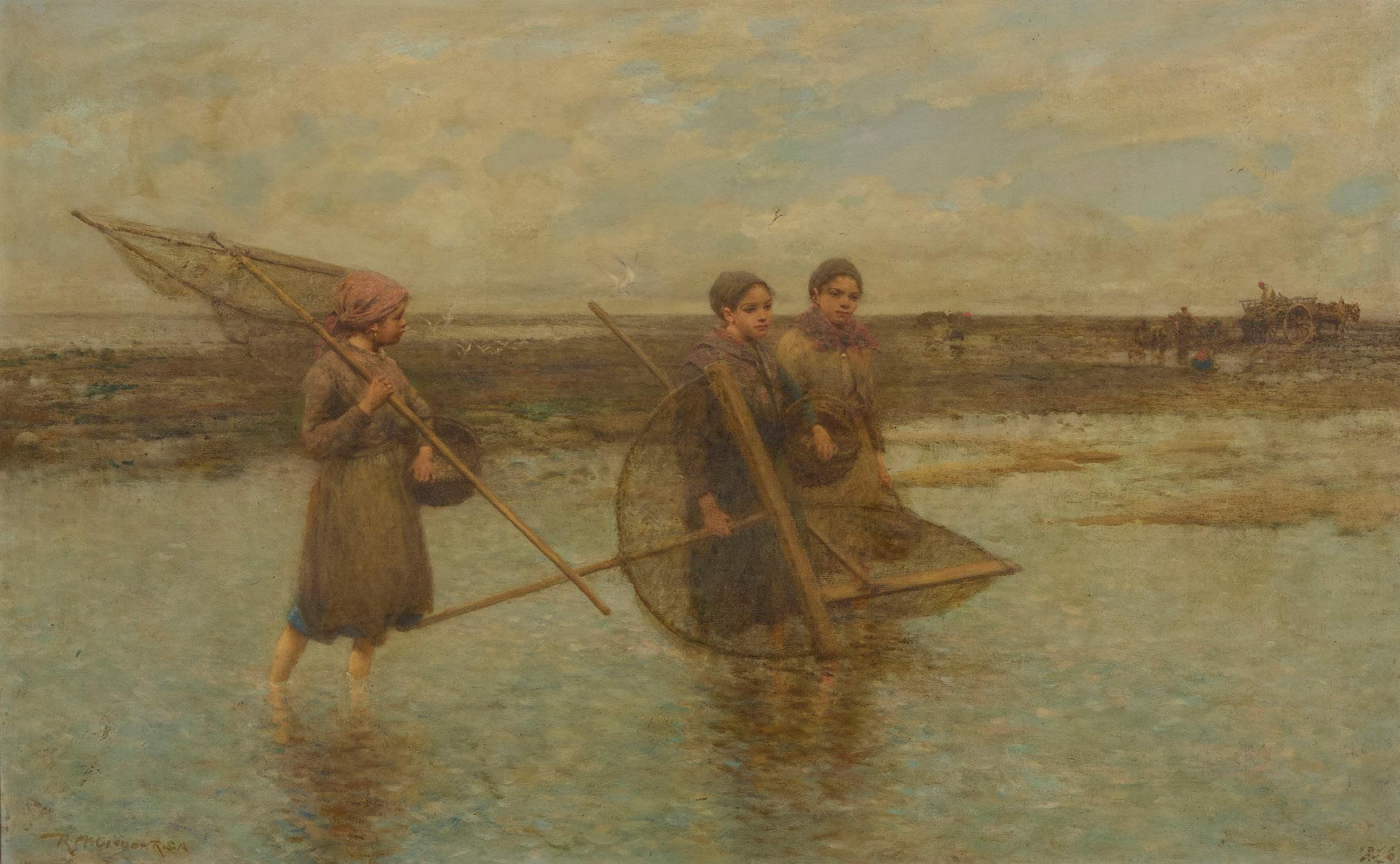
8
ROBERT MCGREGOR R.S.A. (SCOTTISH 1847-1922)
SHRIMP FISHERS, BRITTANY
Signed, oil on canvas
61cm x 91cm (24in x 36in)
£1,500-2,000
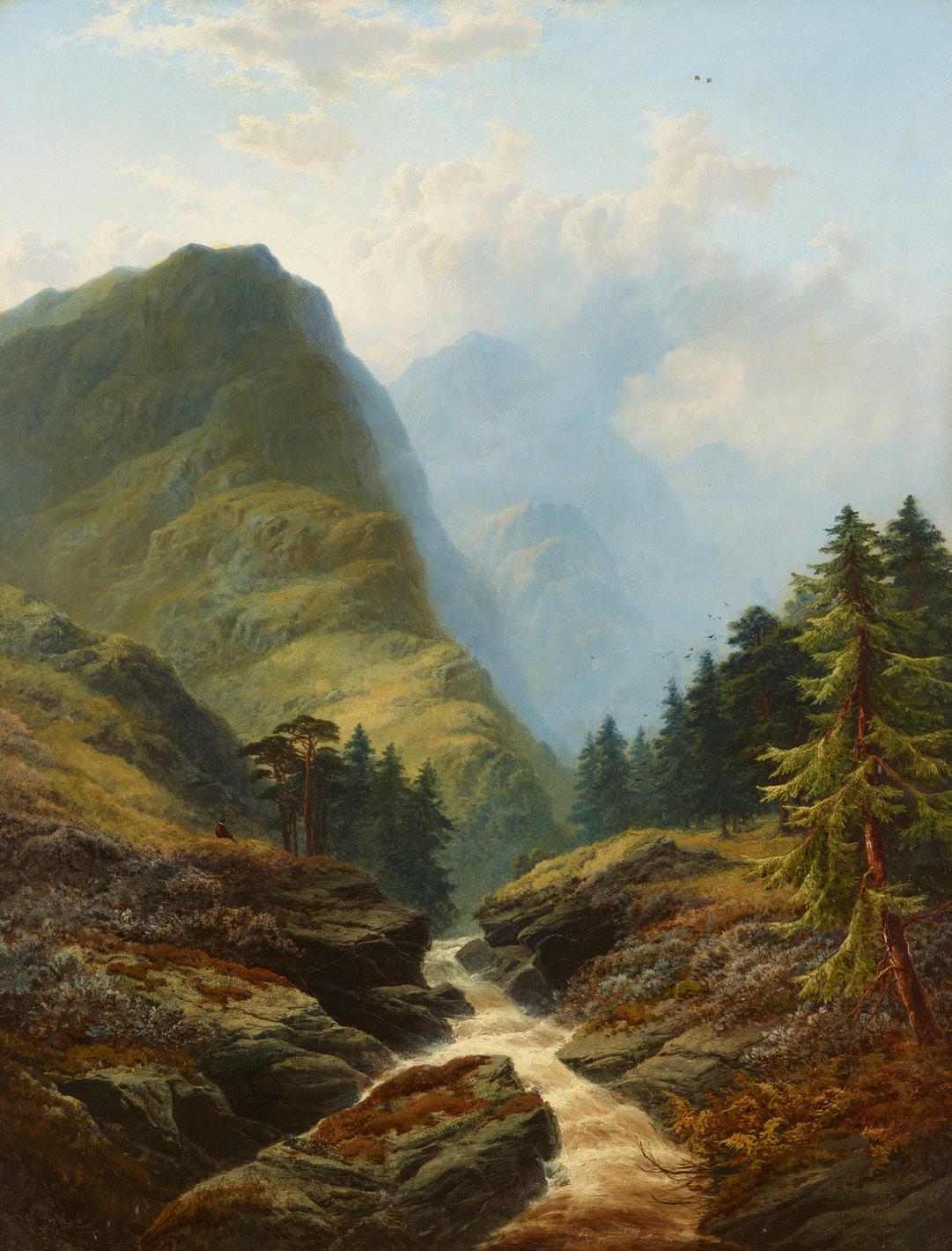
THE WILDS OF SUTHERLANDSHIRE
Signed and dated 1878, signed, inscribed and dated verso, oil on canvas
91cm x 71cm (36in x 28in)
£1,000-1,500 10
WATER
Signed, oil on canvas
91cm x 71cm (36in x 28in)
Provenance: The Bourne Gallery, Reigate where purchased by the current owner
£1,500-2,000
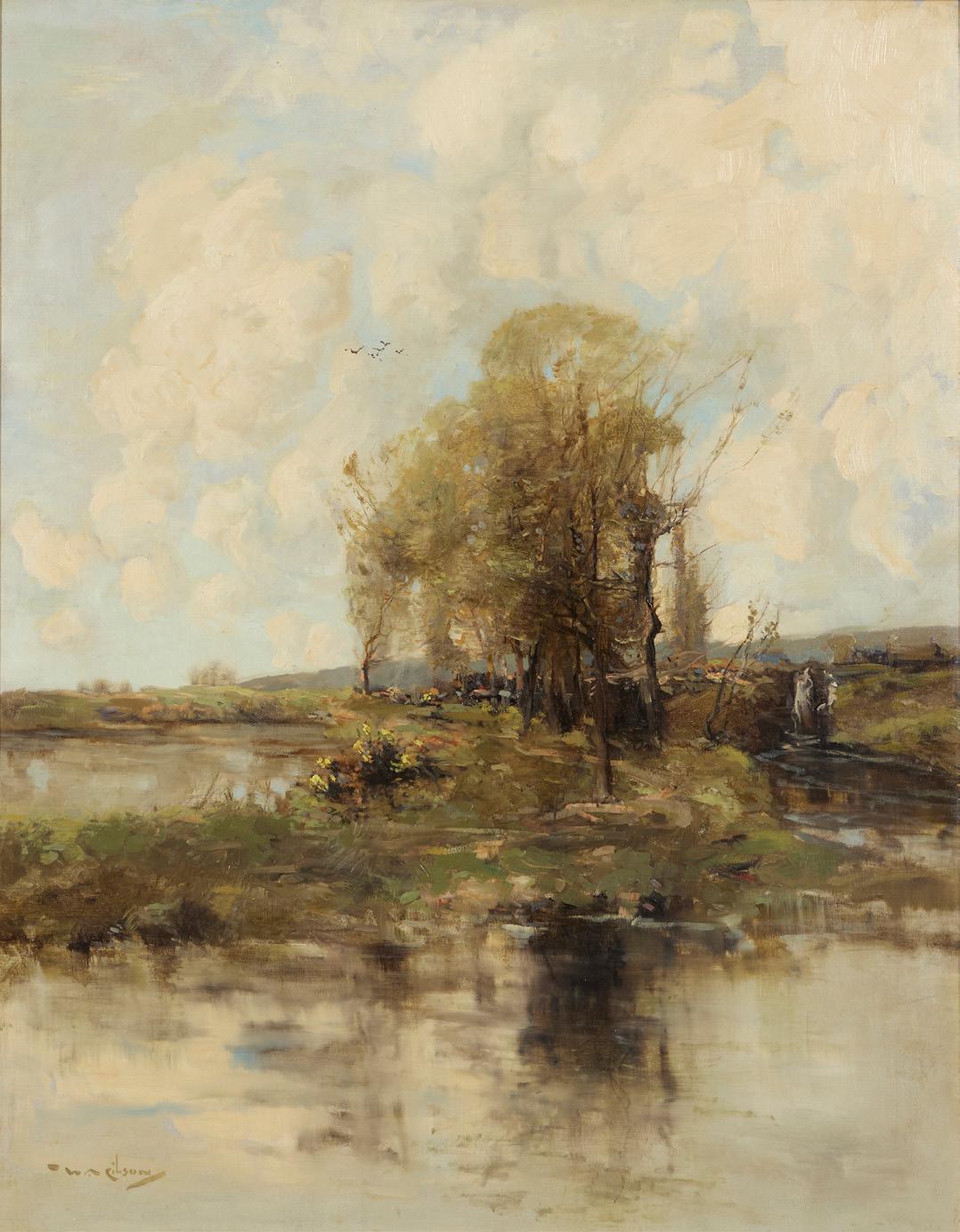
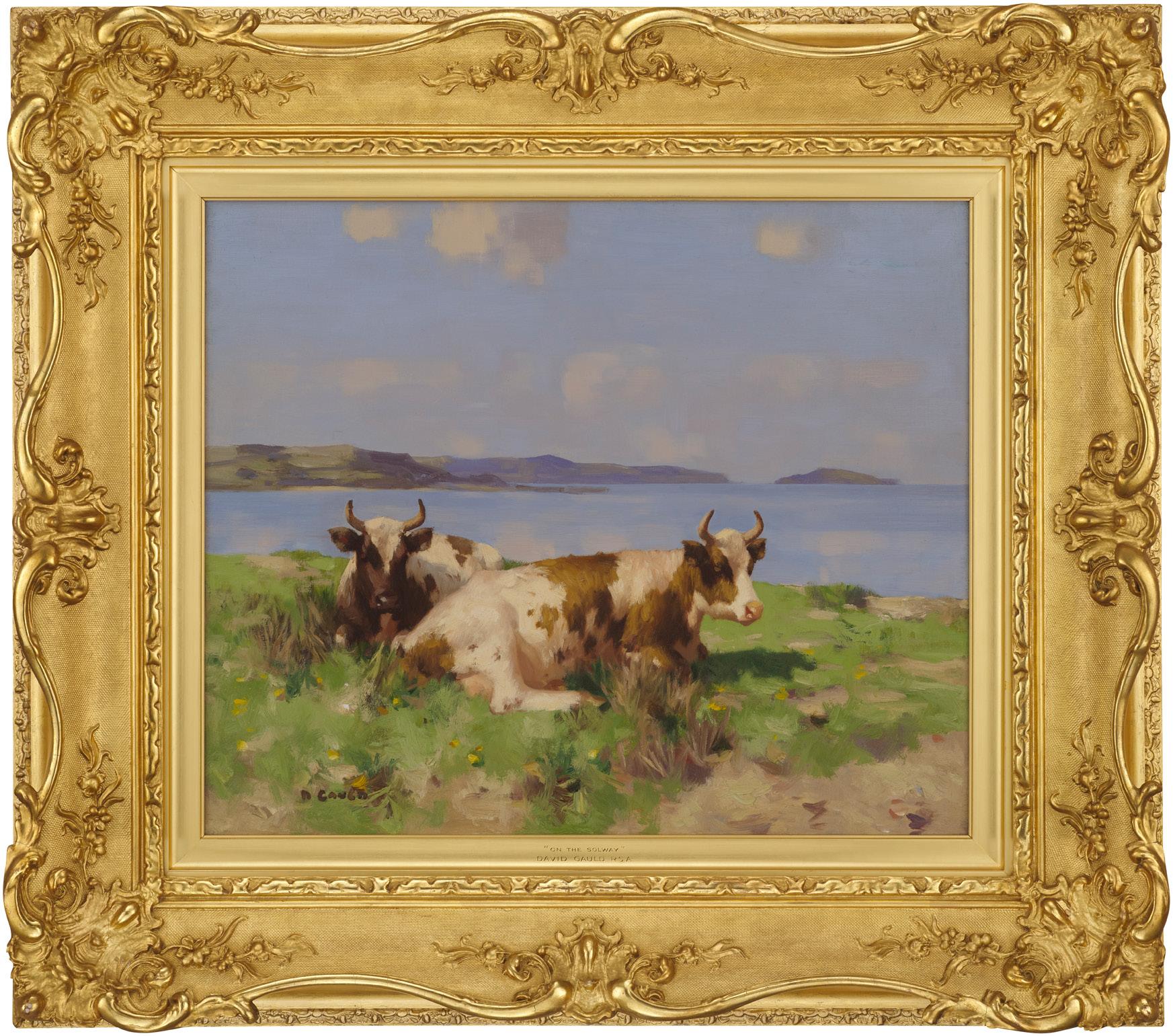

Signed, oil on canvas
51cm x 61cm (20in x 24in)
£2,000-3,000
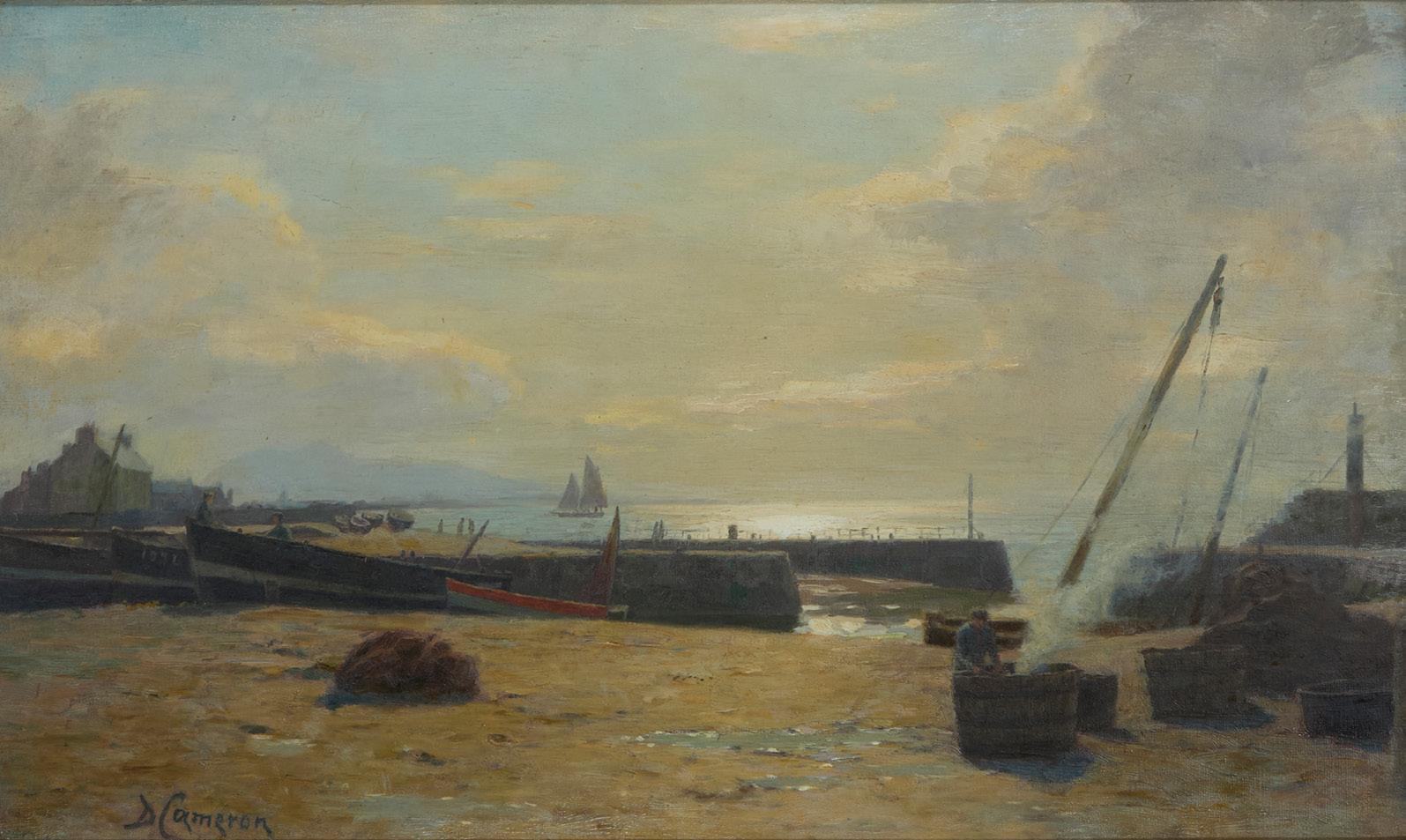
DUNCAN CAMERON (SCOTTISH 1837-1916)
COCKENZIE HARBOUR
Signed, inscribed with title on a contemporary label verso, oil on canvas
30.5cm x 51cm (12in x 20in)
£1,000-1,500
13
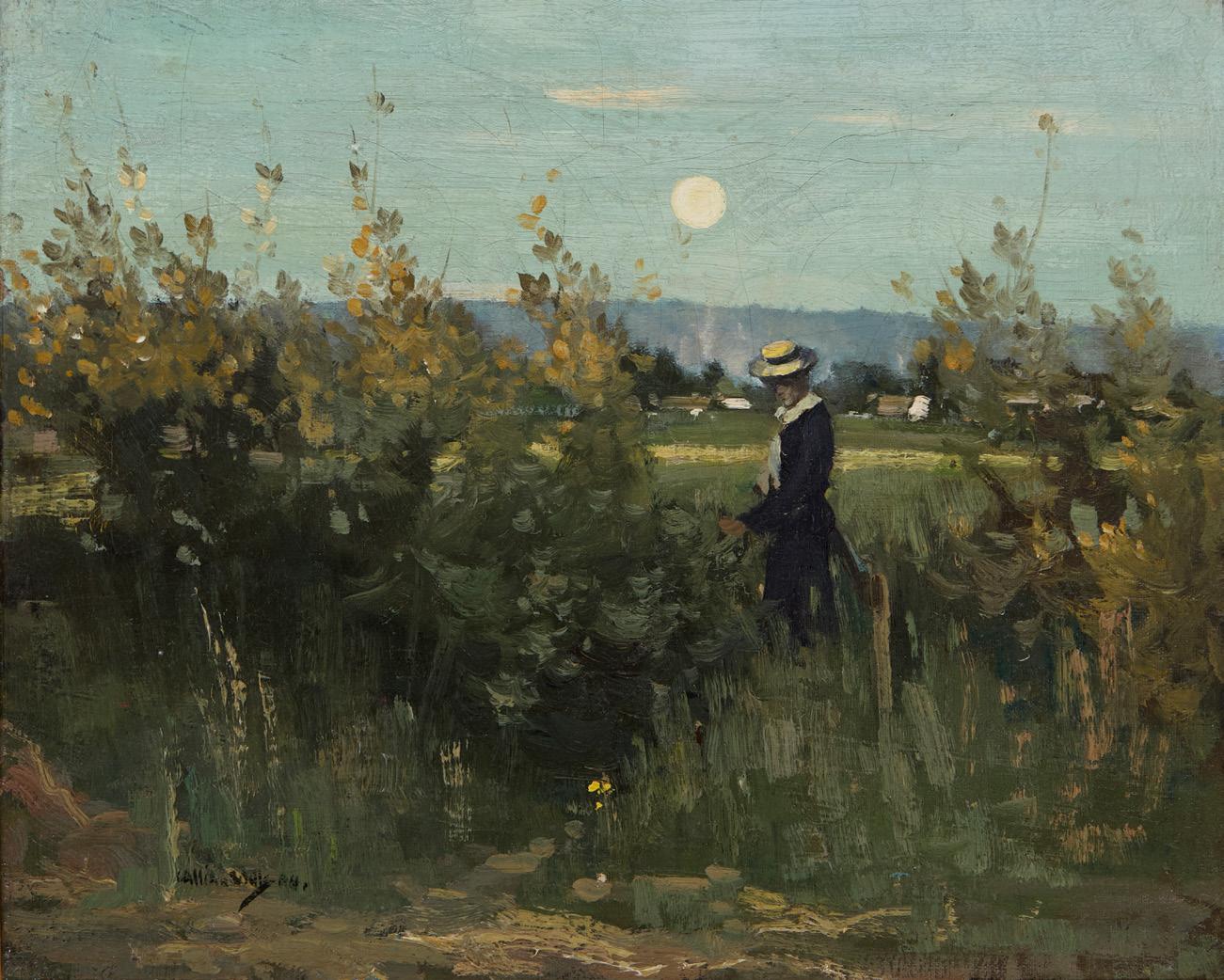
WILLIAM PAGE ATKINSON WELLS
R.B.A. (SCOTTISH 1872-1923)
FIGURE AMONGST THE HEDGEROW, DUSK
Signed and dated ‘04, oil on canvas
33cm x 41cm (13in x 16in)
£1,500-2,000
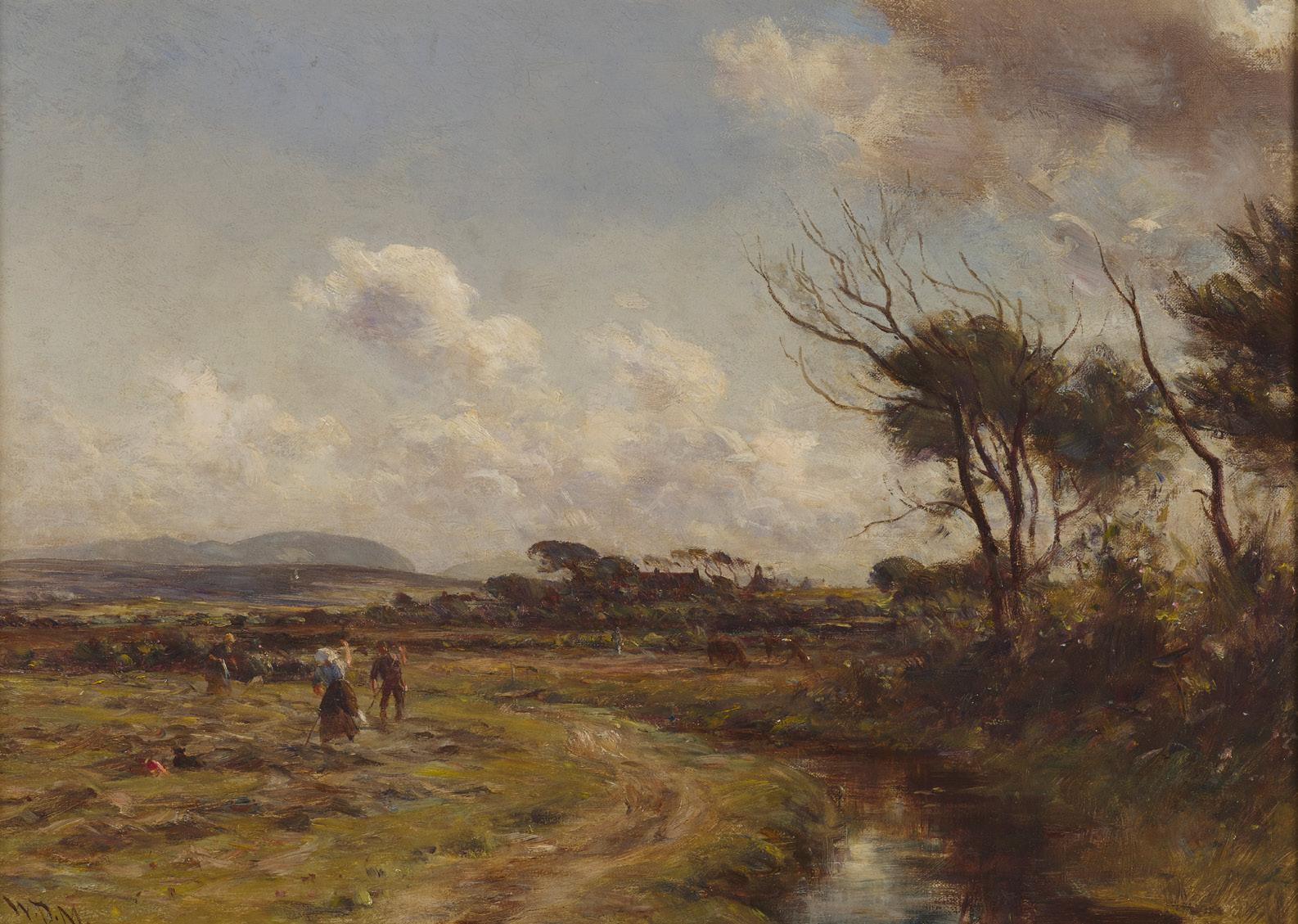
WILLIAM DARLING MCKAY R.S.A. (SCOTTISH 1844-1924) HAYMAKING
Signed with initials, oil on canvas
41cm x 56cm (16in x 22in)
£1,000-1,500
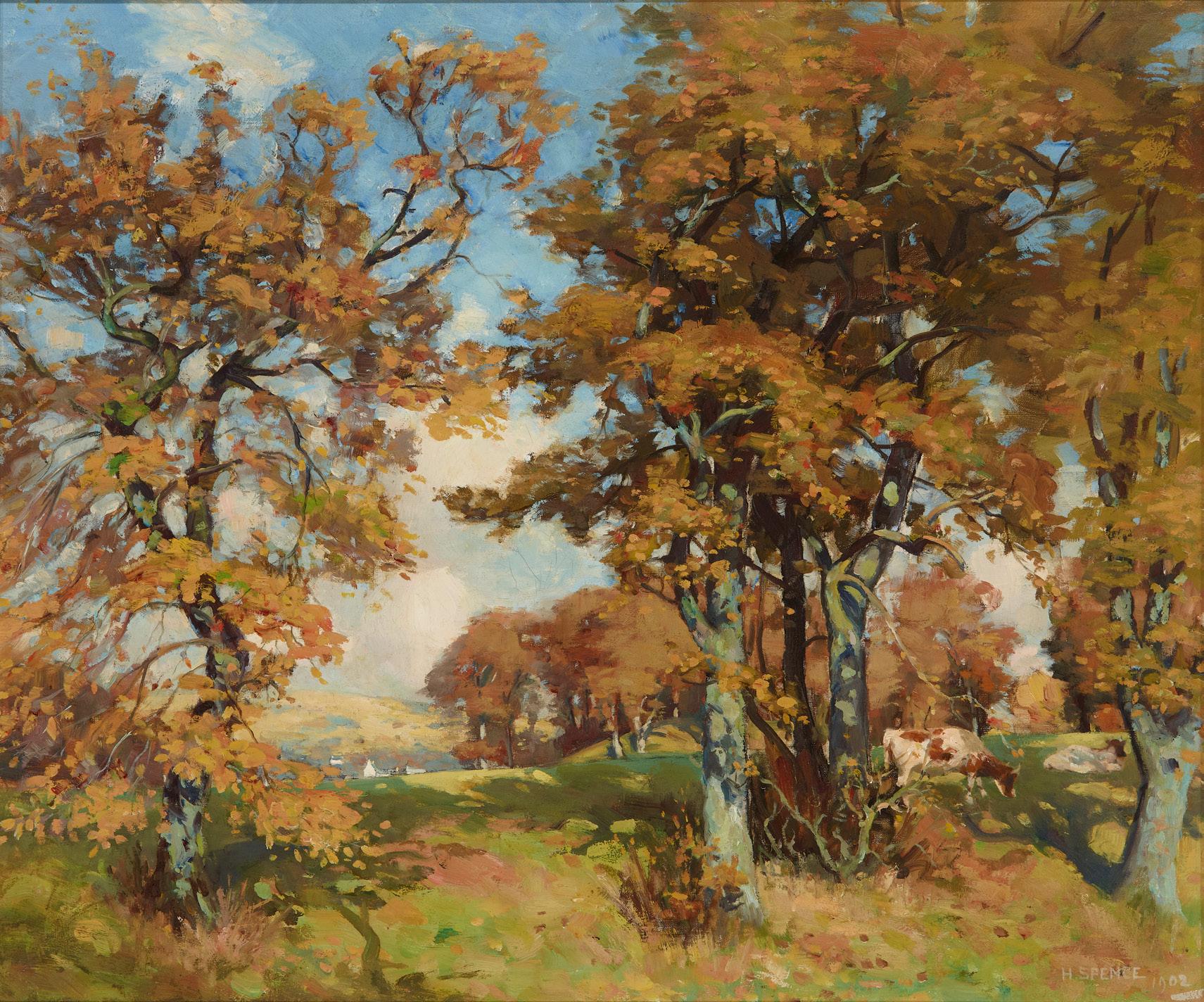
R.B.A. (SCOTTISH 1860-1928) WOODED LANDSCAPEAUTUMN
Signed and dated 1902, oil on canvas
63.5cm x 76cm (25in x 30in)
£1,000-1,500
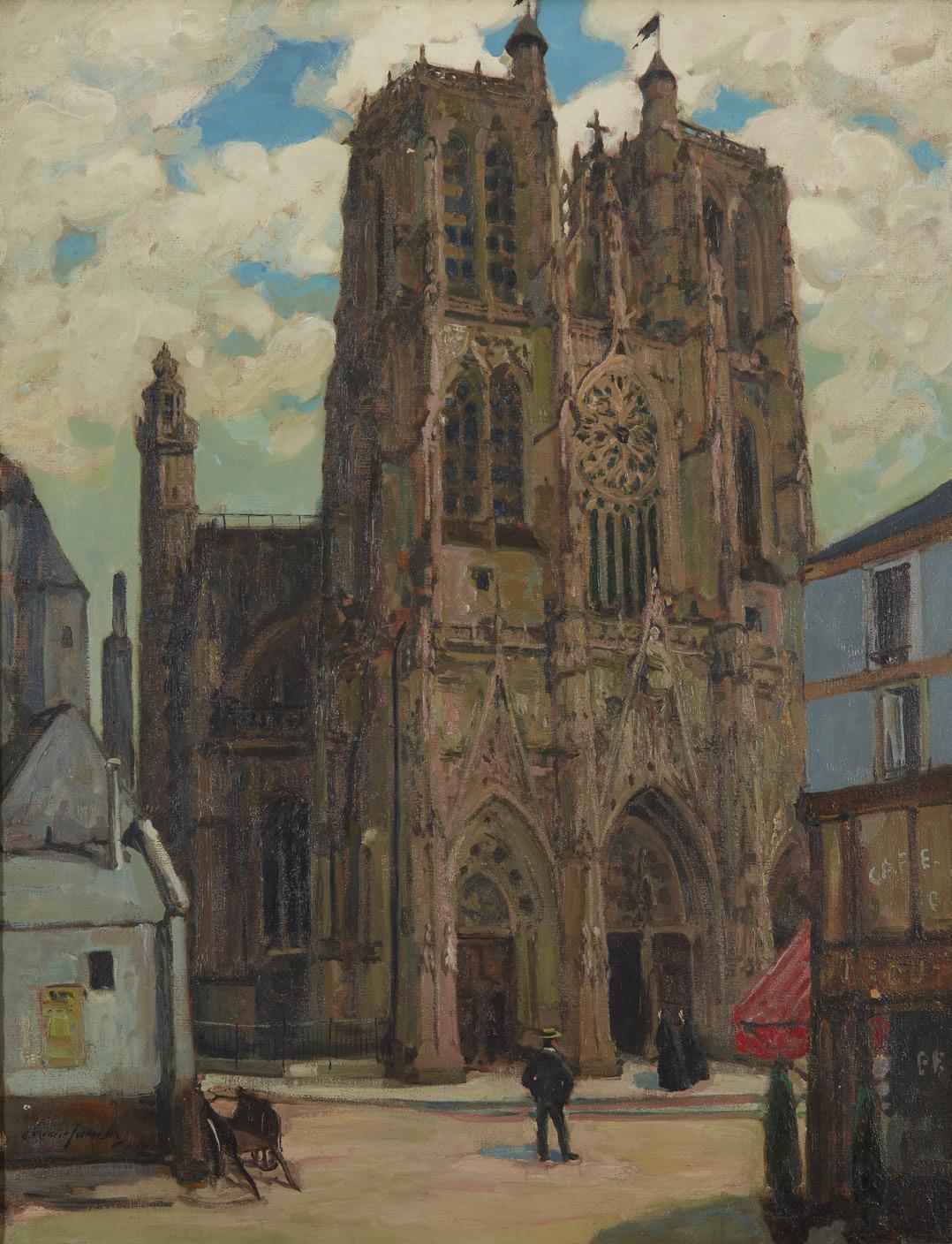
16
ALEXANDER JAMIESON R.O.I. (SCOTTISH 1873-1937)
L’ÉGLISE ST. VULGRAN, ABBEVILLE
Signed, inscribed and dated 1905 on the reverse, oil on canvas
91cm x 71cm (36in x 28in)
£800-1,200
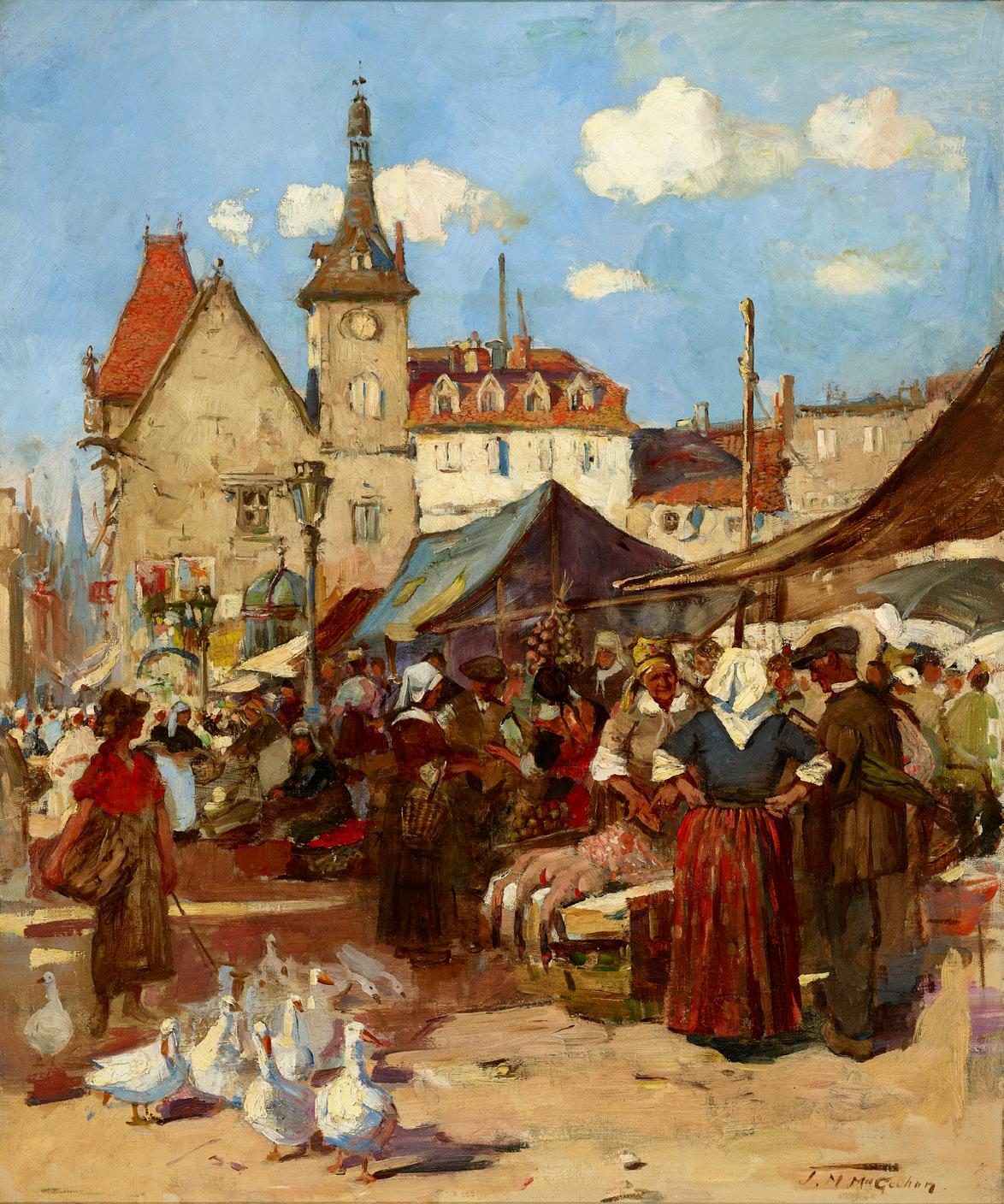
17 §
JESSIE MCGEEHAN (SCOTTISH 1872-1961)
MARKET DAY
Signed, oil on canvas
61cm x 51cm (24in x 20in)
£600-800
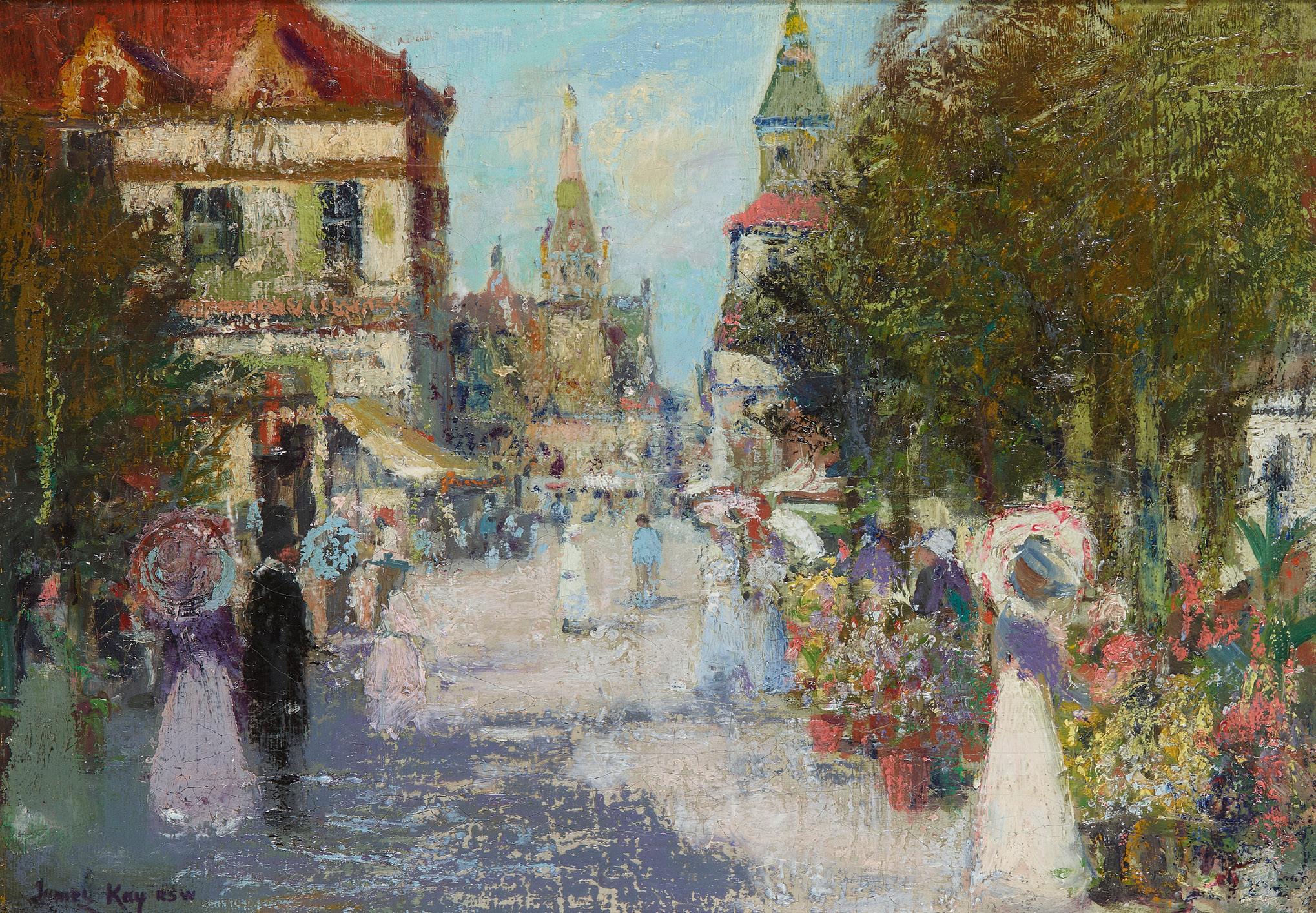
JAMES KAY R.S.A., R.S.W. (SCOTTISH 1858-1942)
THE FLOWER MARKET
Signed, oil on canvas
25.5cm x 36cm (10in x 14in)
£1,500-2,000
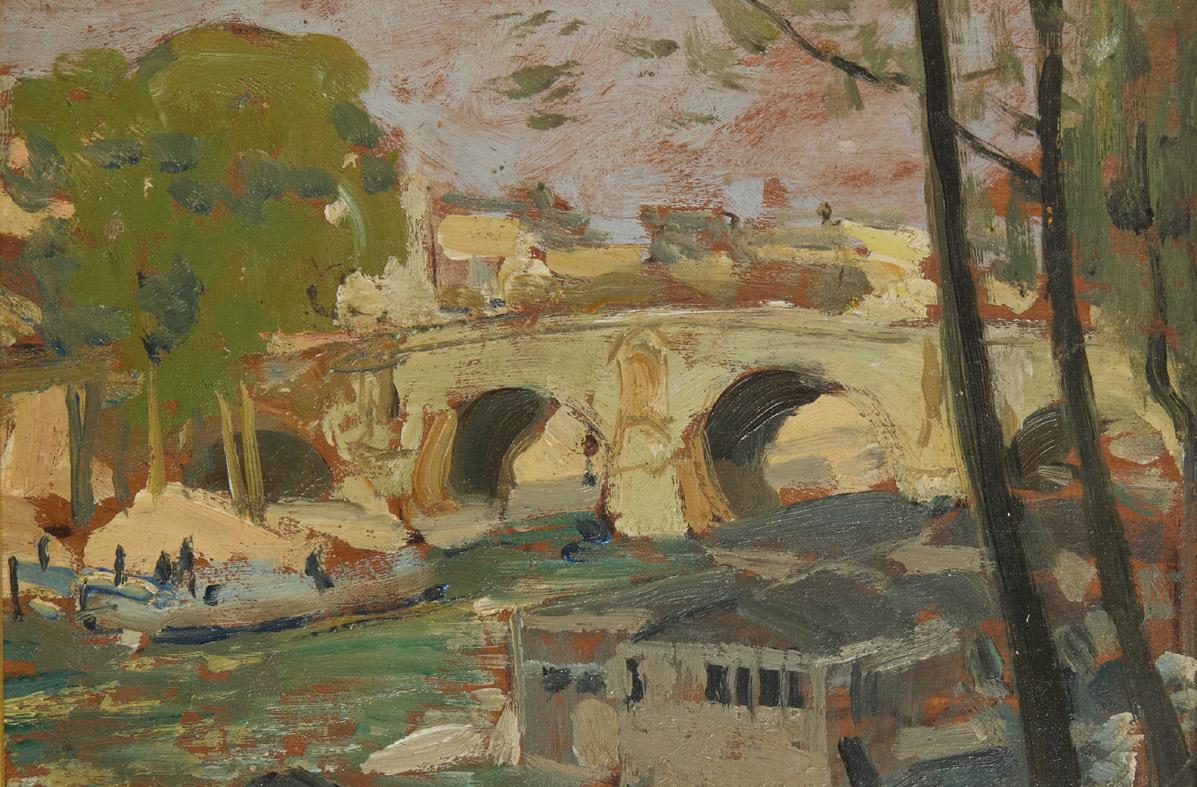
ALEXANDER JAMIESON R.O.I. (SCOTTISH 1873-1937)
PONT MARIE, PARIS
Signed, titled and inscribed verso ‘Pont, St. Louis, ’34 Thurloe Square SW/London’, oil on panel 17cm x 22cm (6.5in x 8.5in)
Despite the inscription on the verso, this painting depicts the Pont Marie which joins the Marais district to the Ile Saint-Louis.
£800-1,200
20
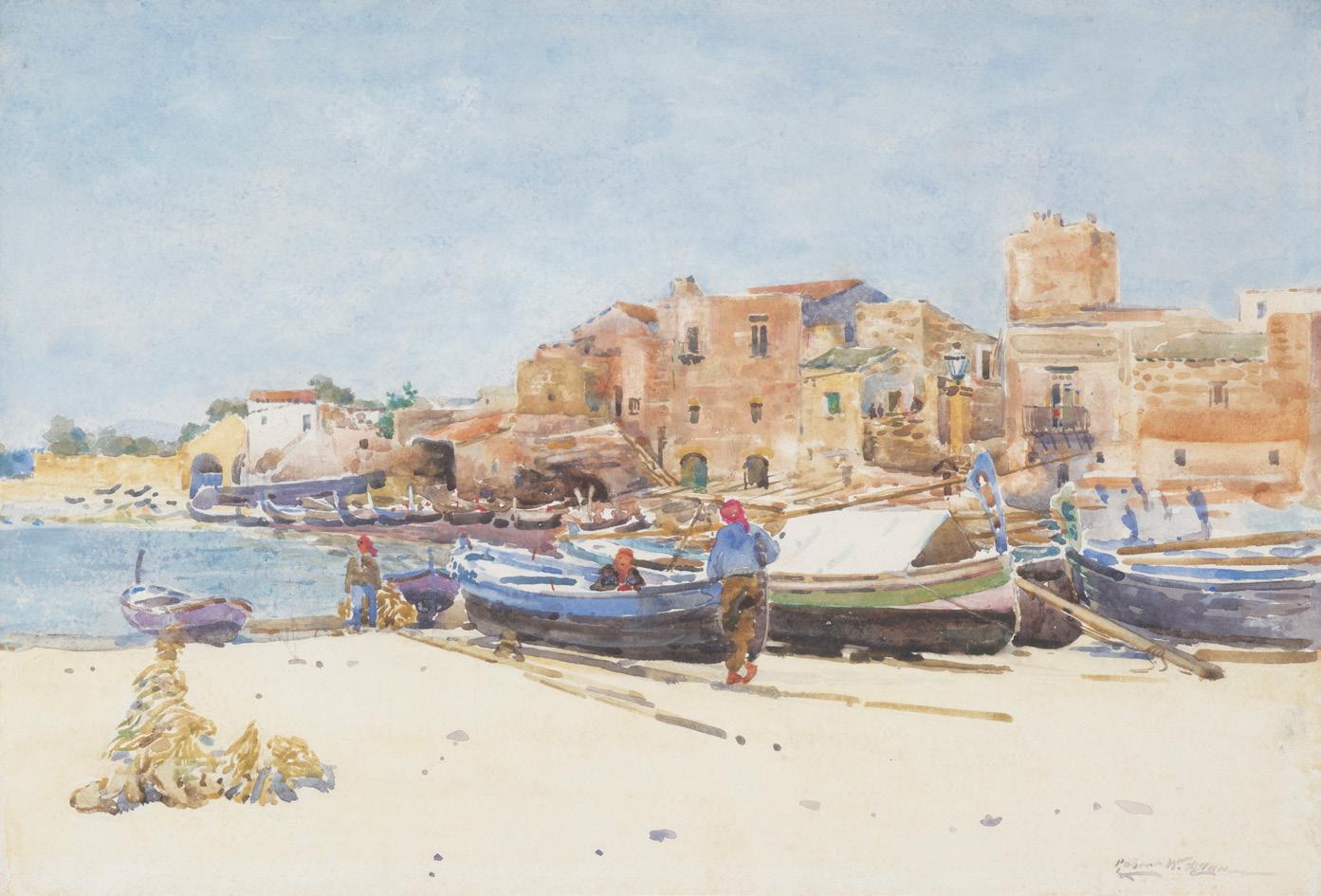
ROBERT WEIR ALLAN R.S.A., R.S.W., R.W.S. (SCOTTISH 1852-1947)
NEAR PALERMO
Signed, watercolour 38cm x 56cm (15in x 22in)
£700-900
21 §
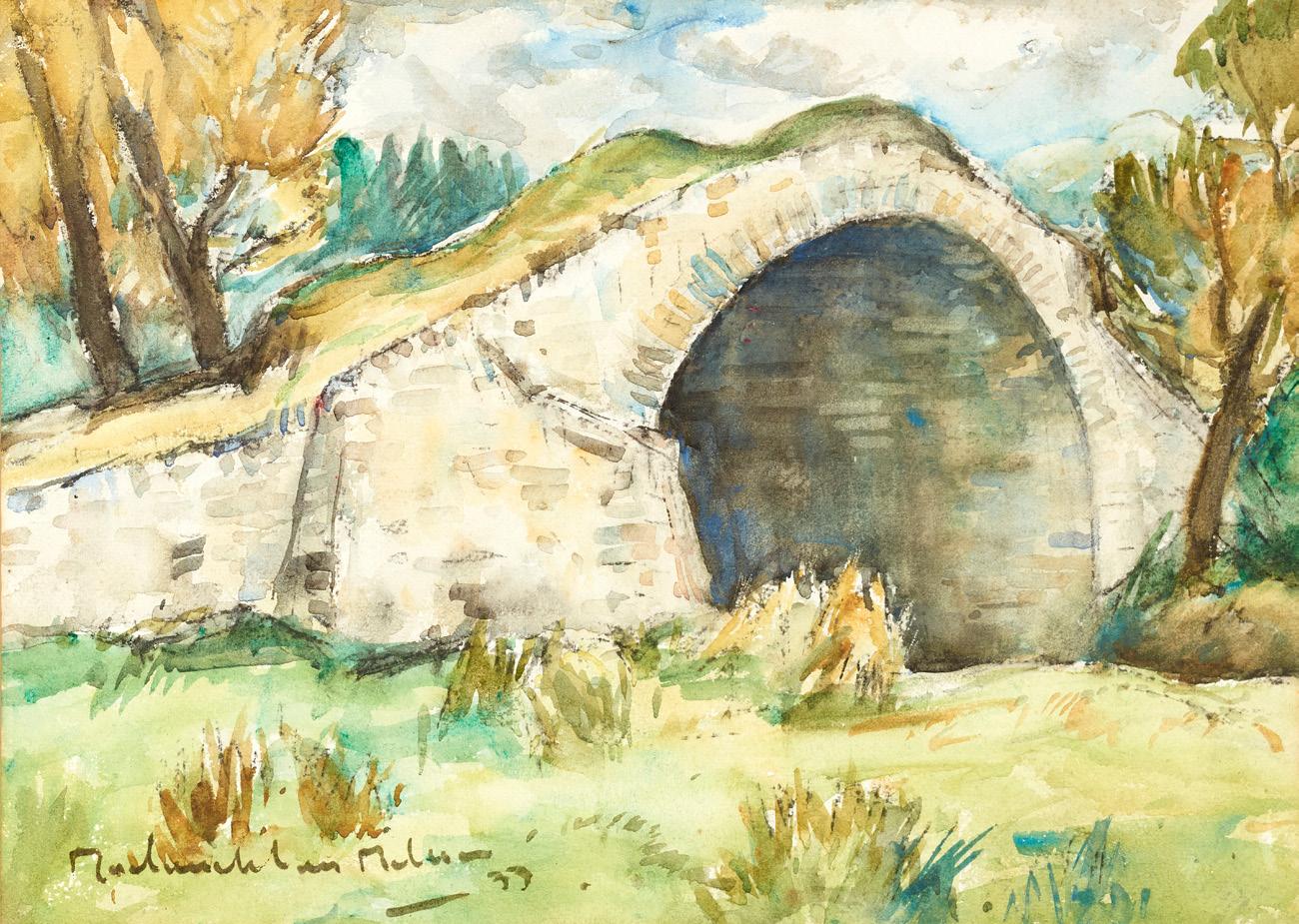
JOHN MACLAUCHLAN MILNE R.S.A. (SCOTTISH 1885-1957) BRIDGE OVER THE TORRENT
Signed and dated ‘33, watercolour 26.5cm x 36.5cm (10.5in x 14.5in)
We are grateful to Maurice Millar, author of The Missing Colourist - The Search for John Maclauchlan Milne RSA (available via www.themissingcolourist. co.uk) for his help in researching this work.
£500-800
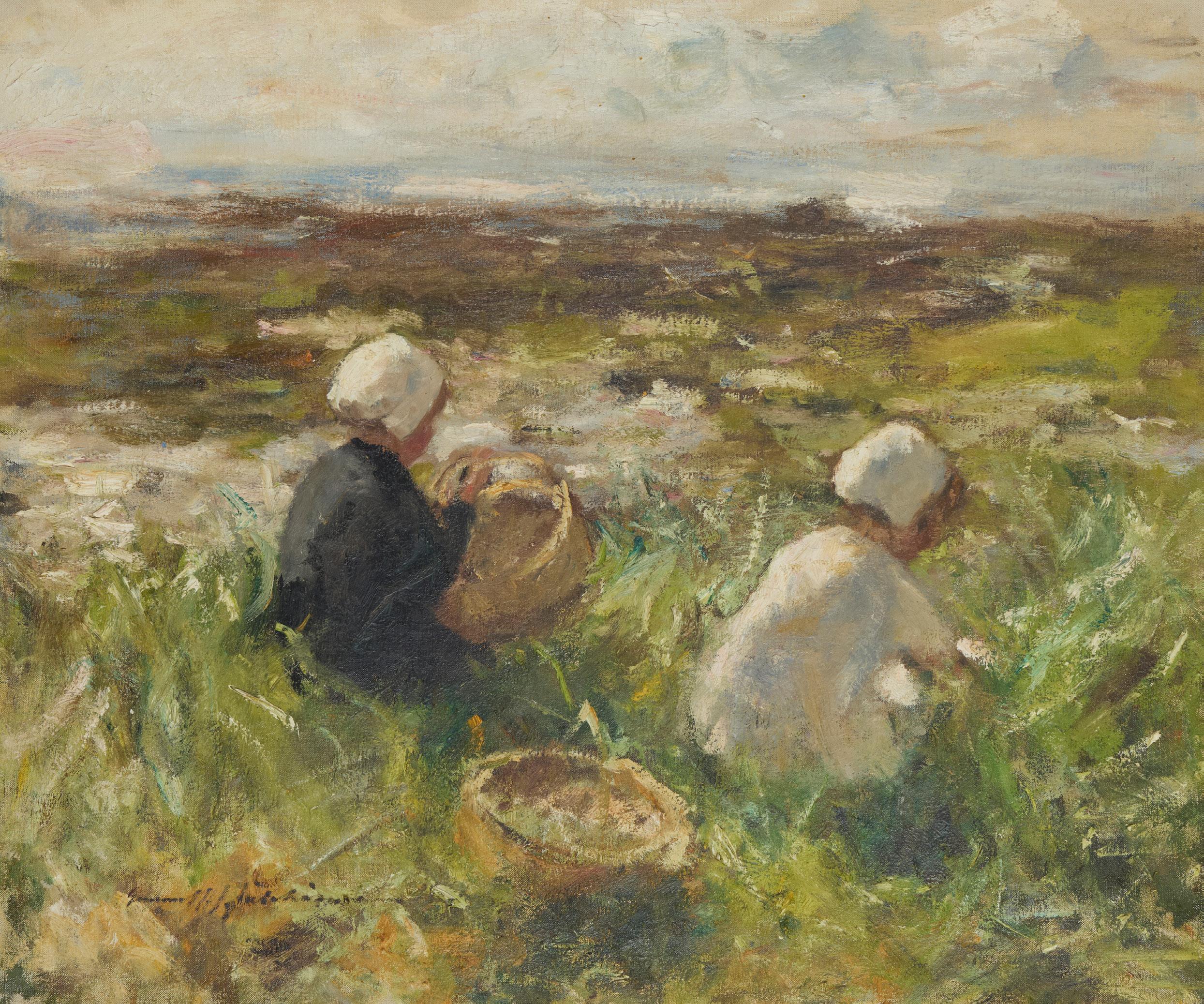
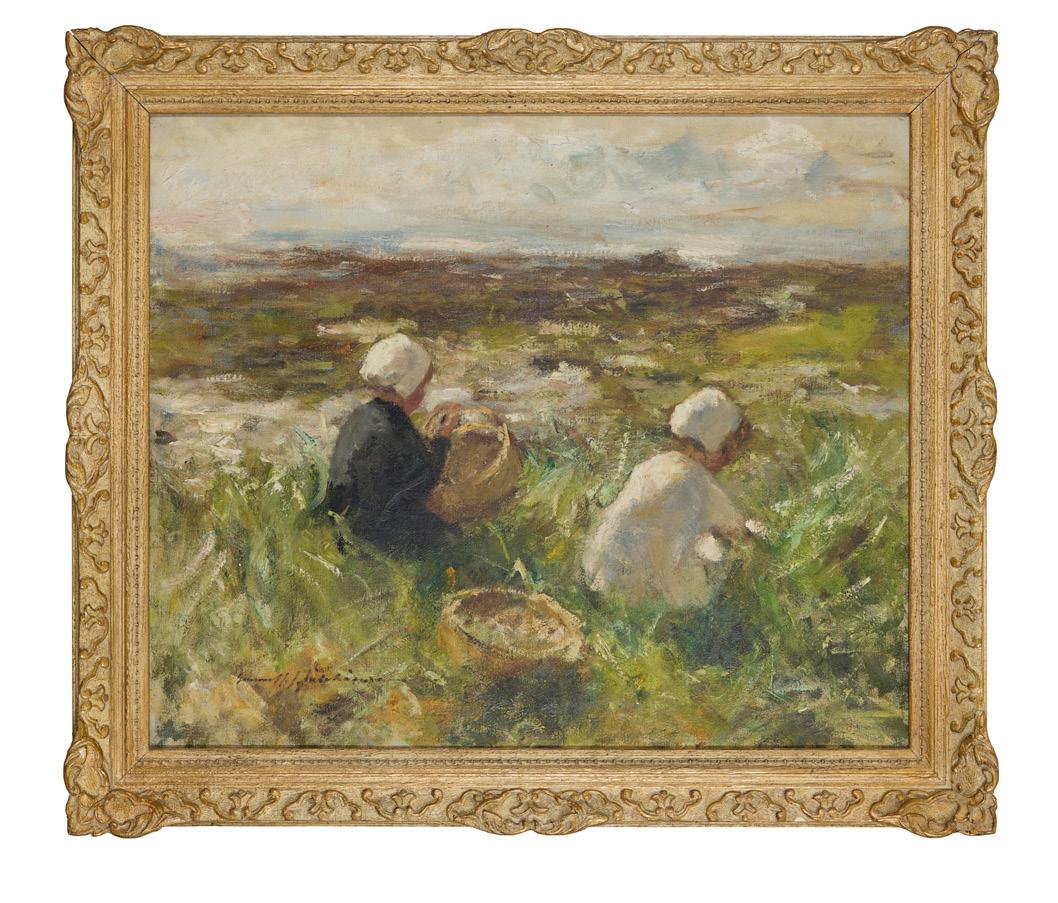
ROBERT GEMMELL HUTCHISON R.B.A., R.O.I., R.S.A., R.S.W. (SCOTTISH 1860-1936)
AMONGST THE BENTS
Signed, oil on canvas
63.5cm x 76cm (25in x 30in)
£4,000-6,000
23
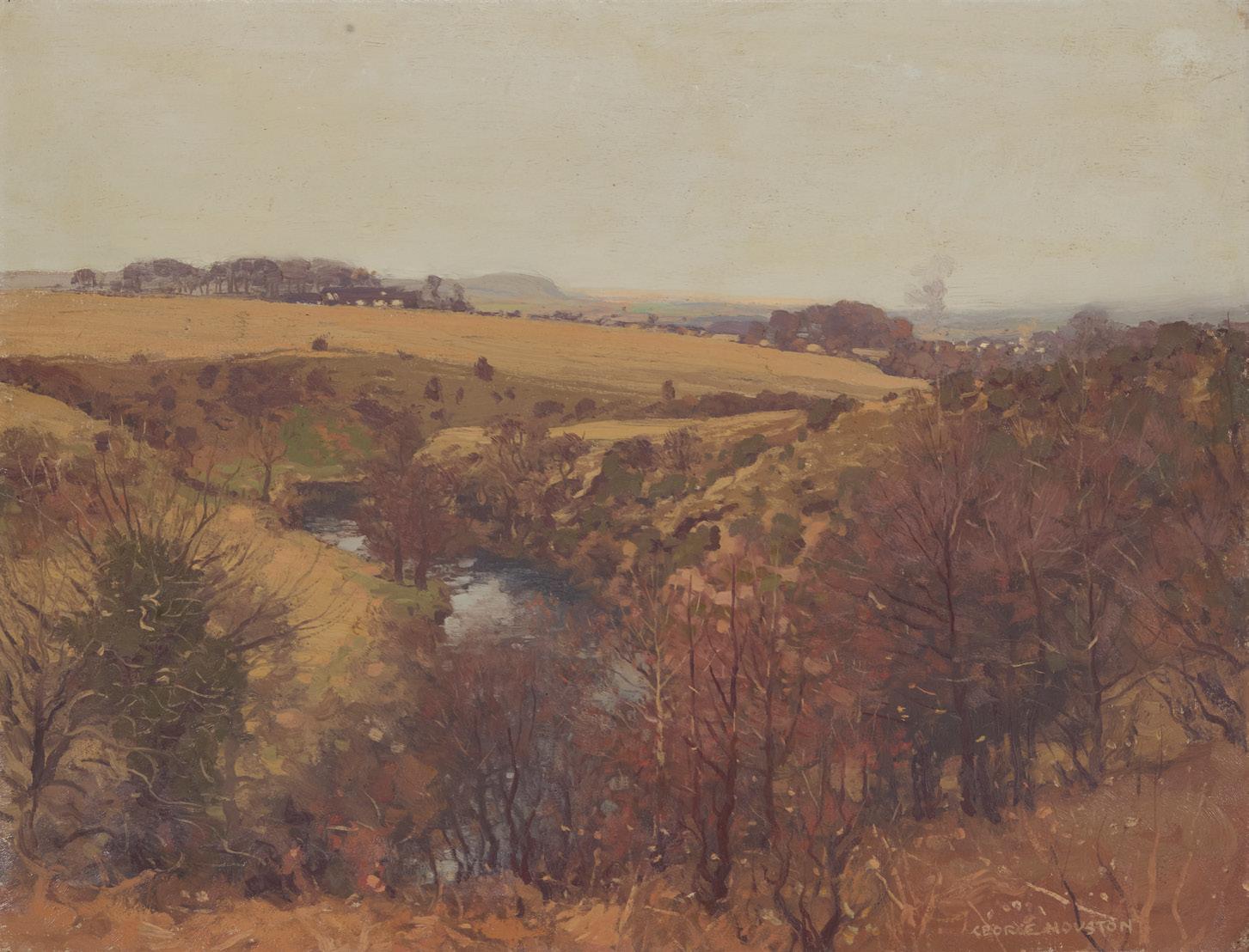
GEORGE HOUSTON R.S.A., R.S.W., R.G.I. (SCOTTISH 1869-1947) LINN OF CAAF, DALRY
Signed, oil on canvas 71cm x 91cm (28in x 36in)
£1,000-1,500
24 §
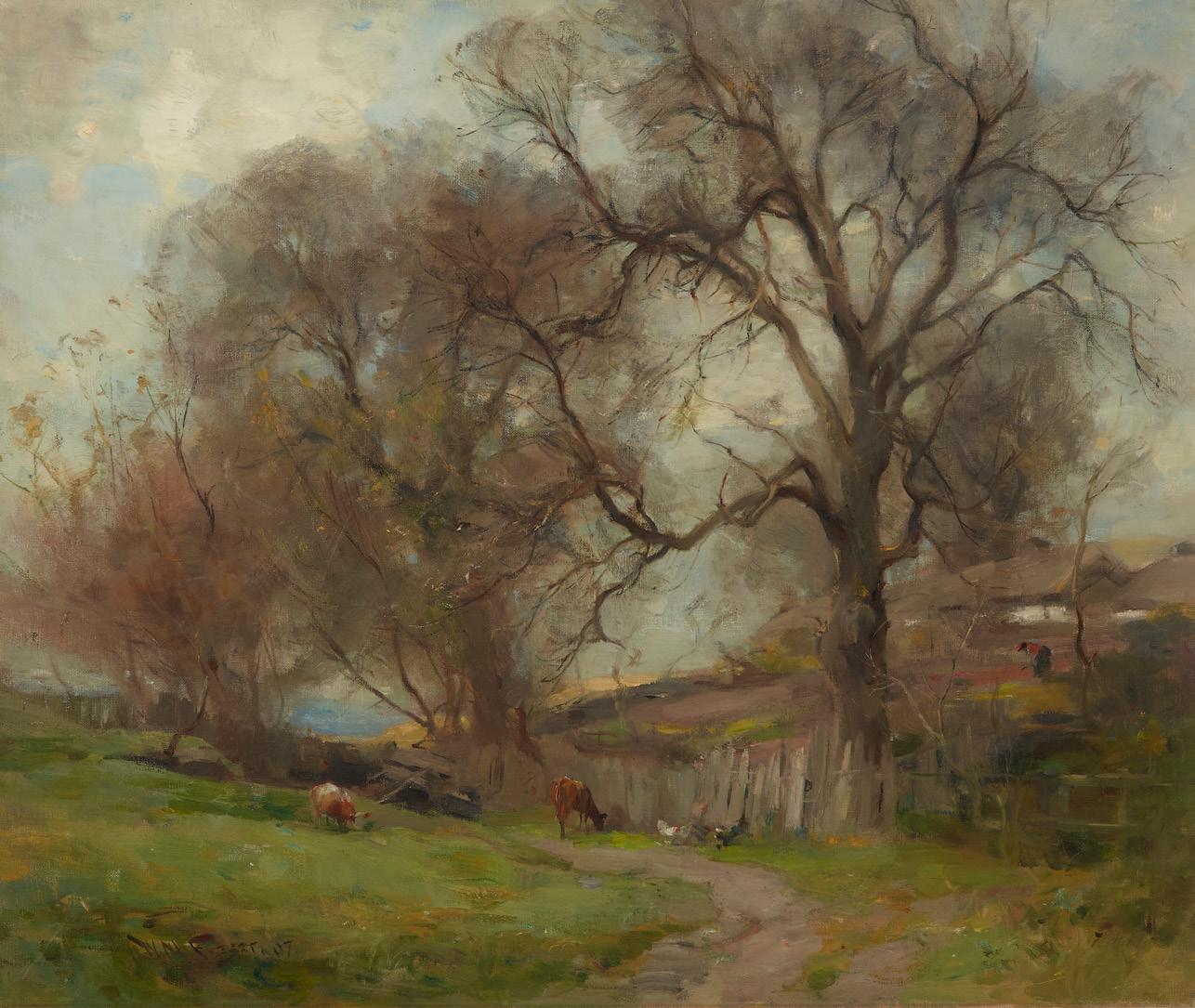
WILLIAM MILLER FRAZER R.S.A., R.S.W. (SCOTTISH 1864-1961)
WOODLAND BY FARM COTTAGES
Signed and dated ‘07, oil on canvas
63.5cm x 76cm (25in x 30in)
£600-800
25
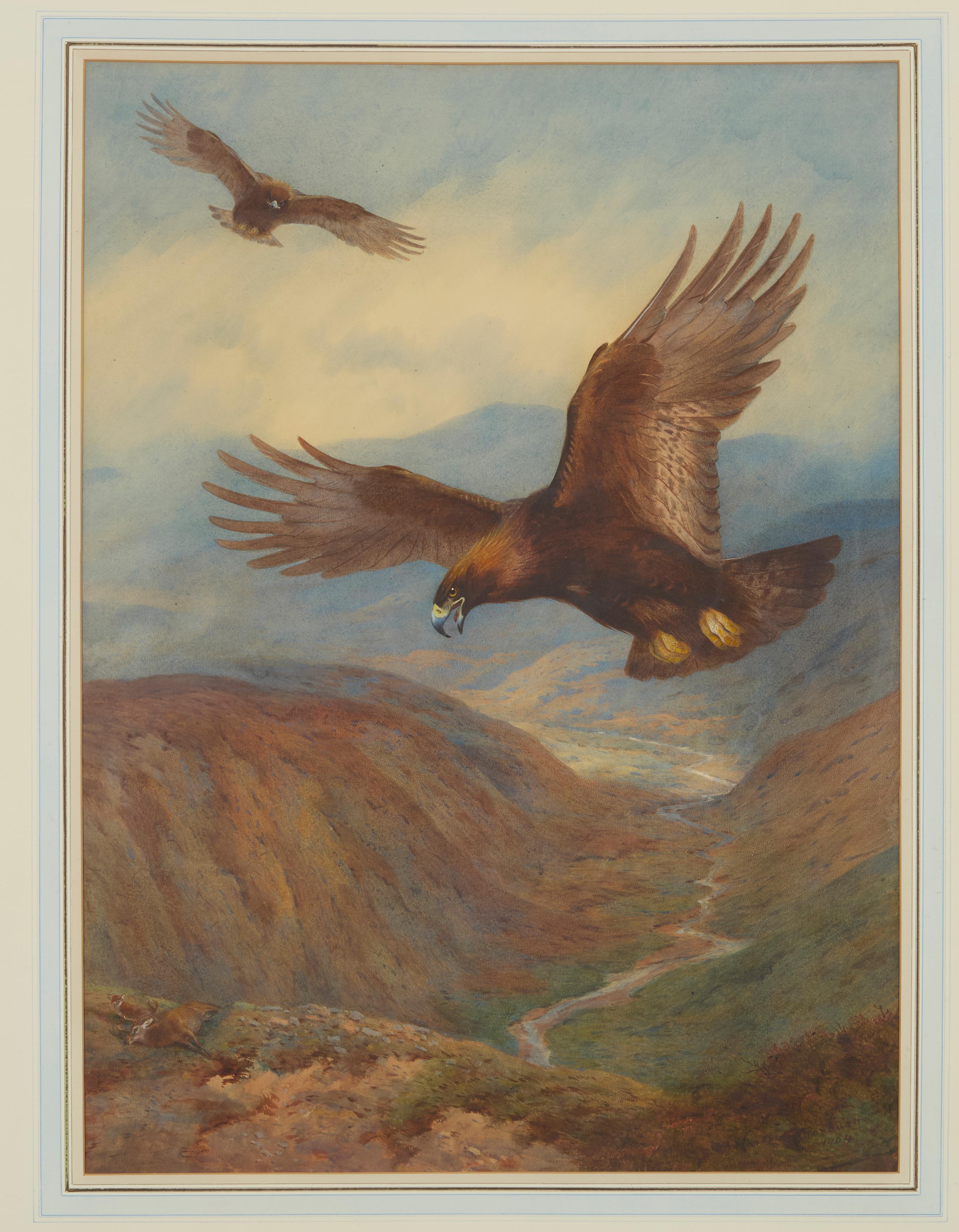
ARCHIBALD THORBURN R.A. (BRITISH 1860-1935)
GOLDEN EAGLES OVER GAICK
Signed and dated 1904, watercolour
74cm x 53.5cm (29in x 21in)
Provenance: The Tryon Gallery Ltd., London
Gaick is a remote Pass from Dalnacardoch to Kingussie. It runs parallel to the Drumochter Pass.
£7,000-10,000
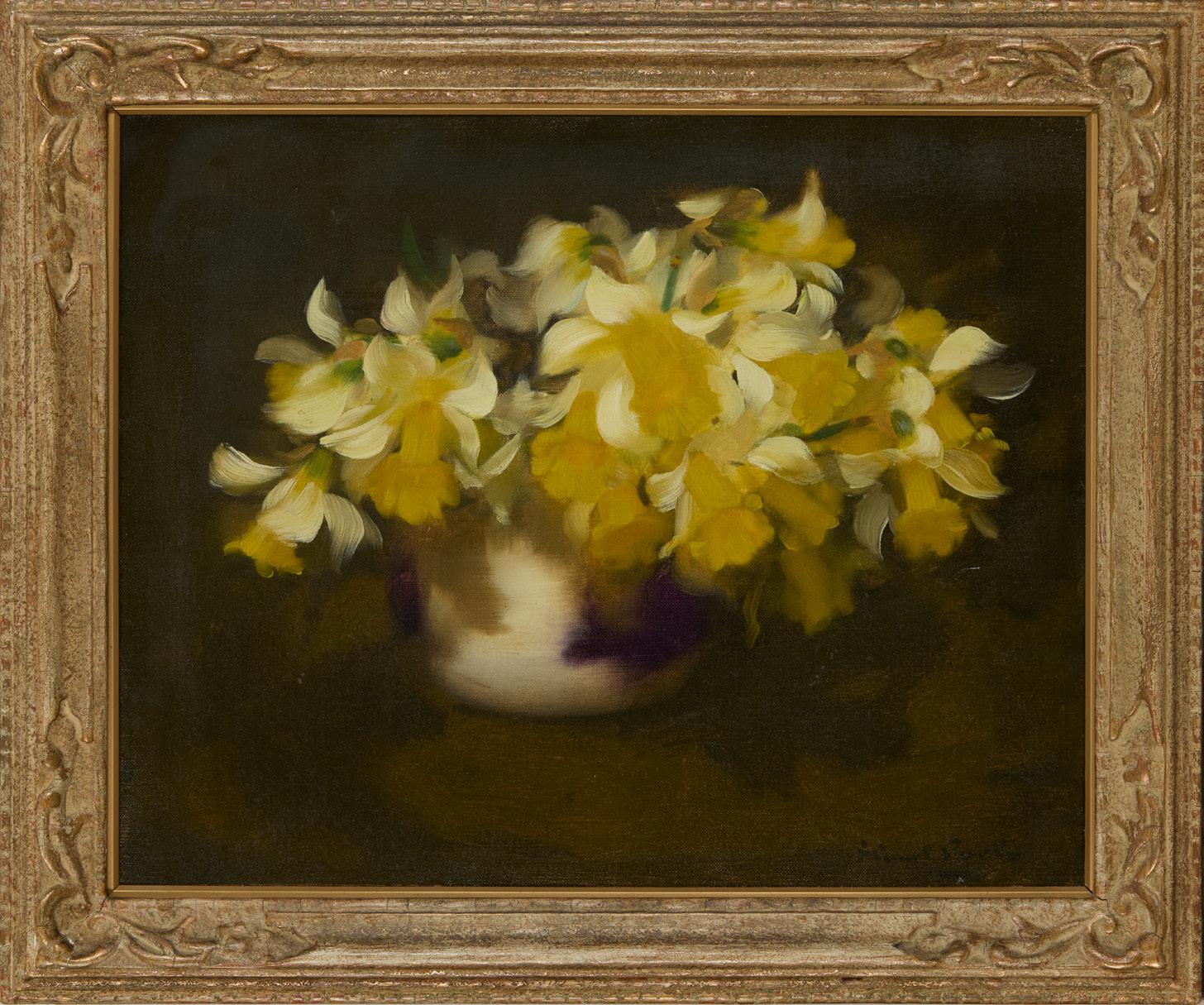
STUART PARK (SCOTTISH 1862-1933)
STILL LIFE OF DAFFODILS
Signed, oil on canvas
61cm x 51cm (16in x 20in)
£700-900
27
STUART PARK (SCOTTISH 1862-1933)
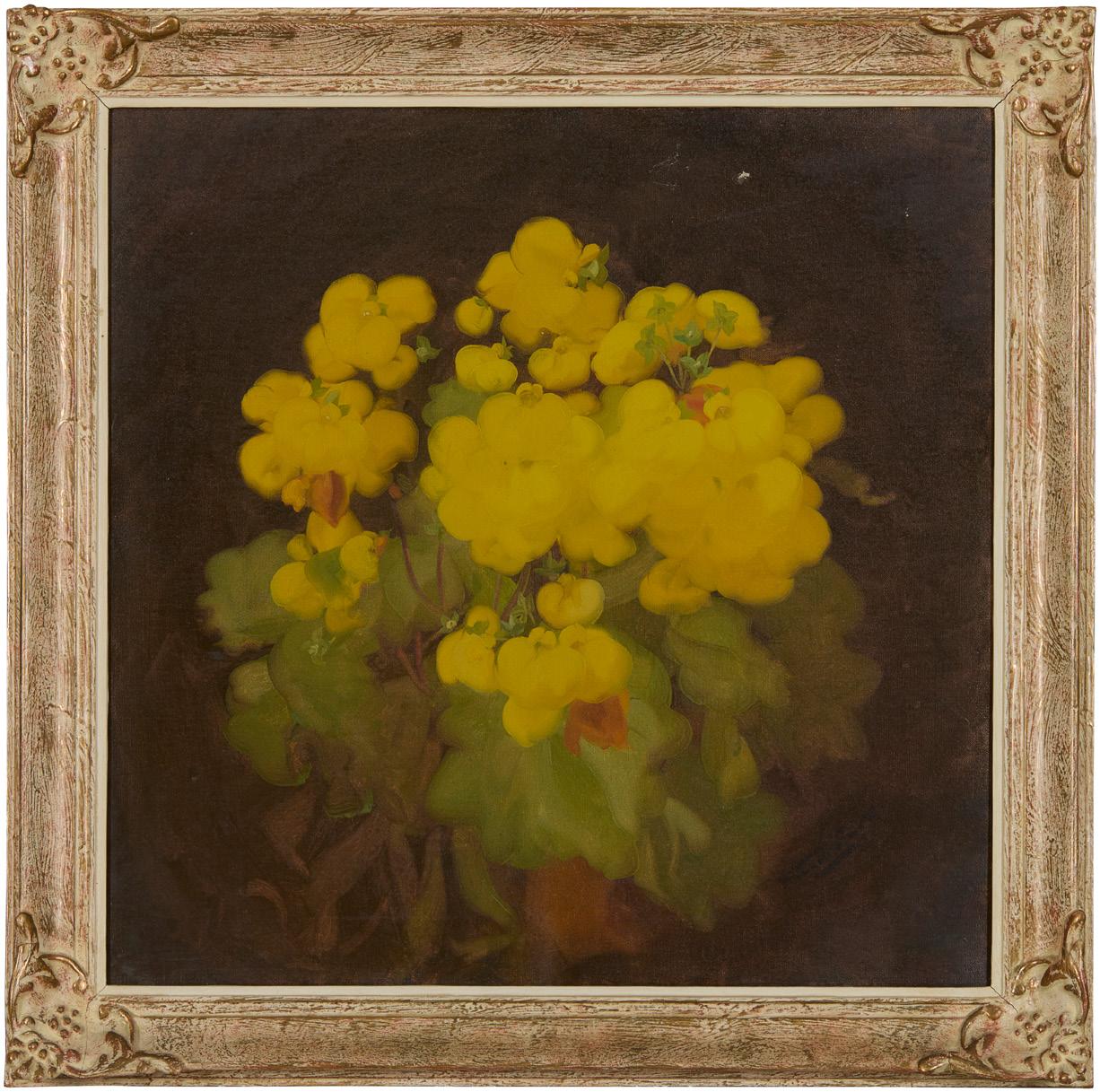
STILL LIFE OF CYCLAMEN
Signed, oil on canvas
51cm x 51cm (20in x 20in)
£700-900
28
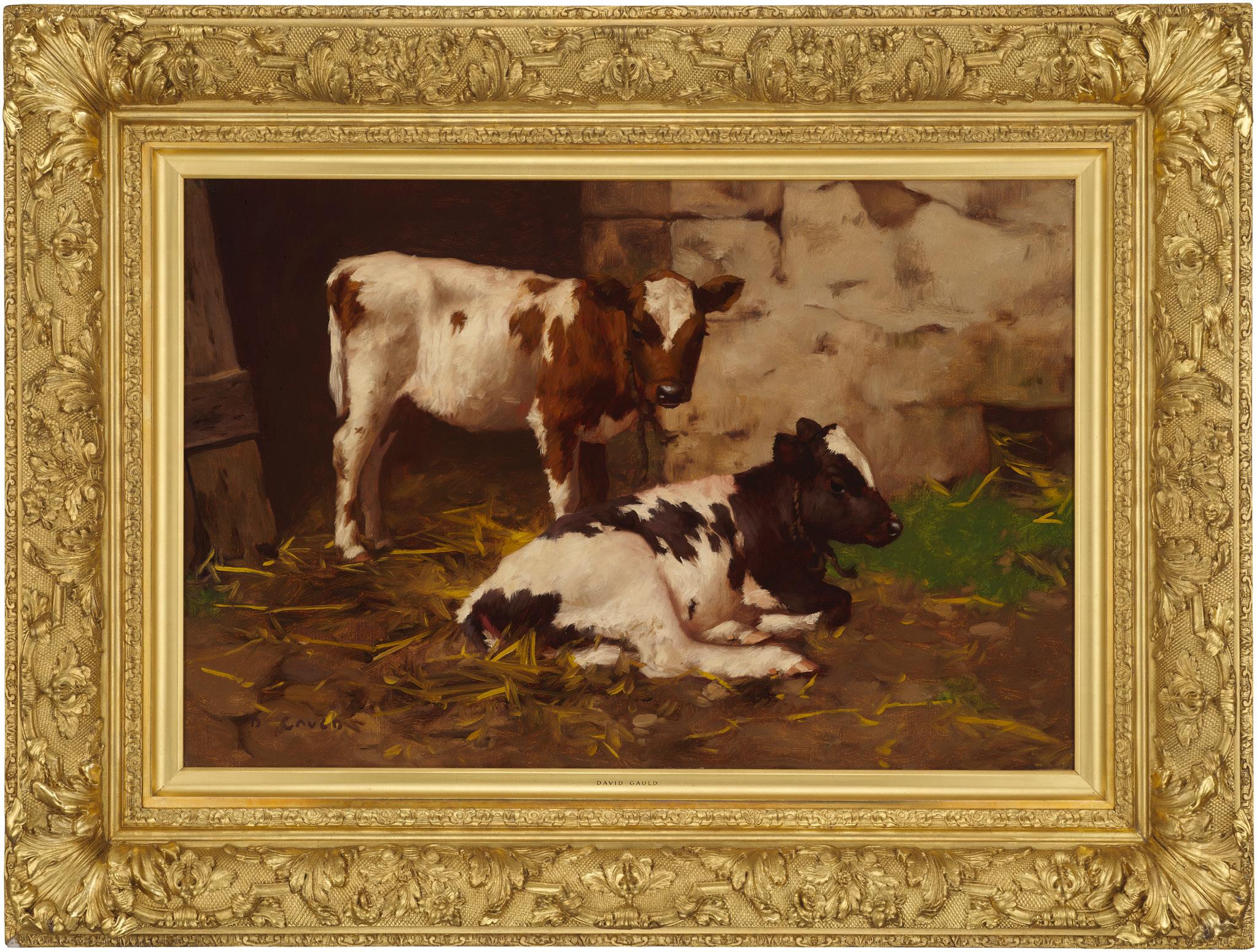
DAVID GAULD R.S.A. (SCOTTISH 1865-1936)
CALVES BY A STABLE DOOR
Signed, oil on canvas
51cm x 76cm (20in x 30in)
Provenance: Lyon & Turnbull, Edinburgh, British & European Paintings, 27 November 2015, lot 119 (as ‘Two Calves’)
£2,000-3,000
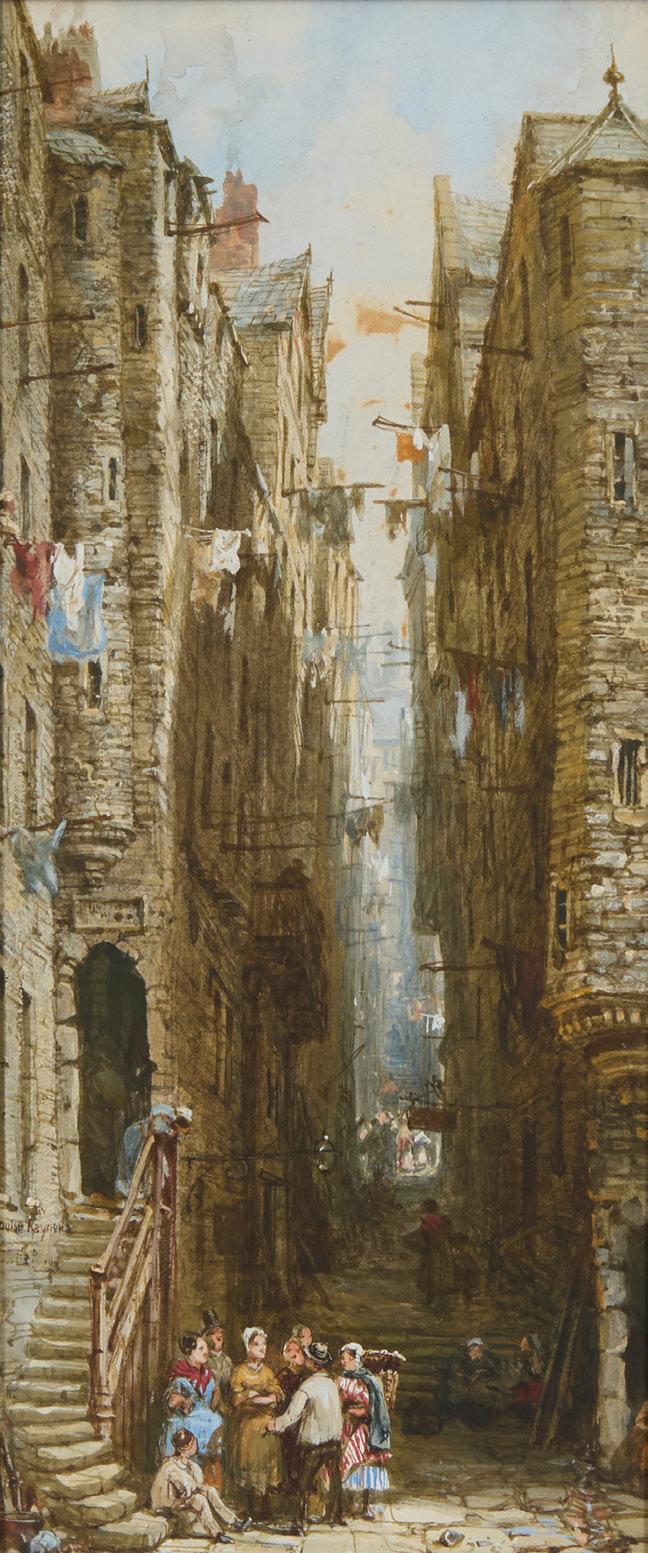
LOUISE RAYNER (BRITISH 1829-1924)
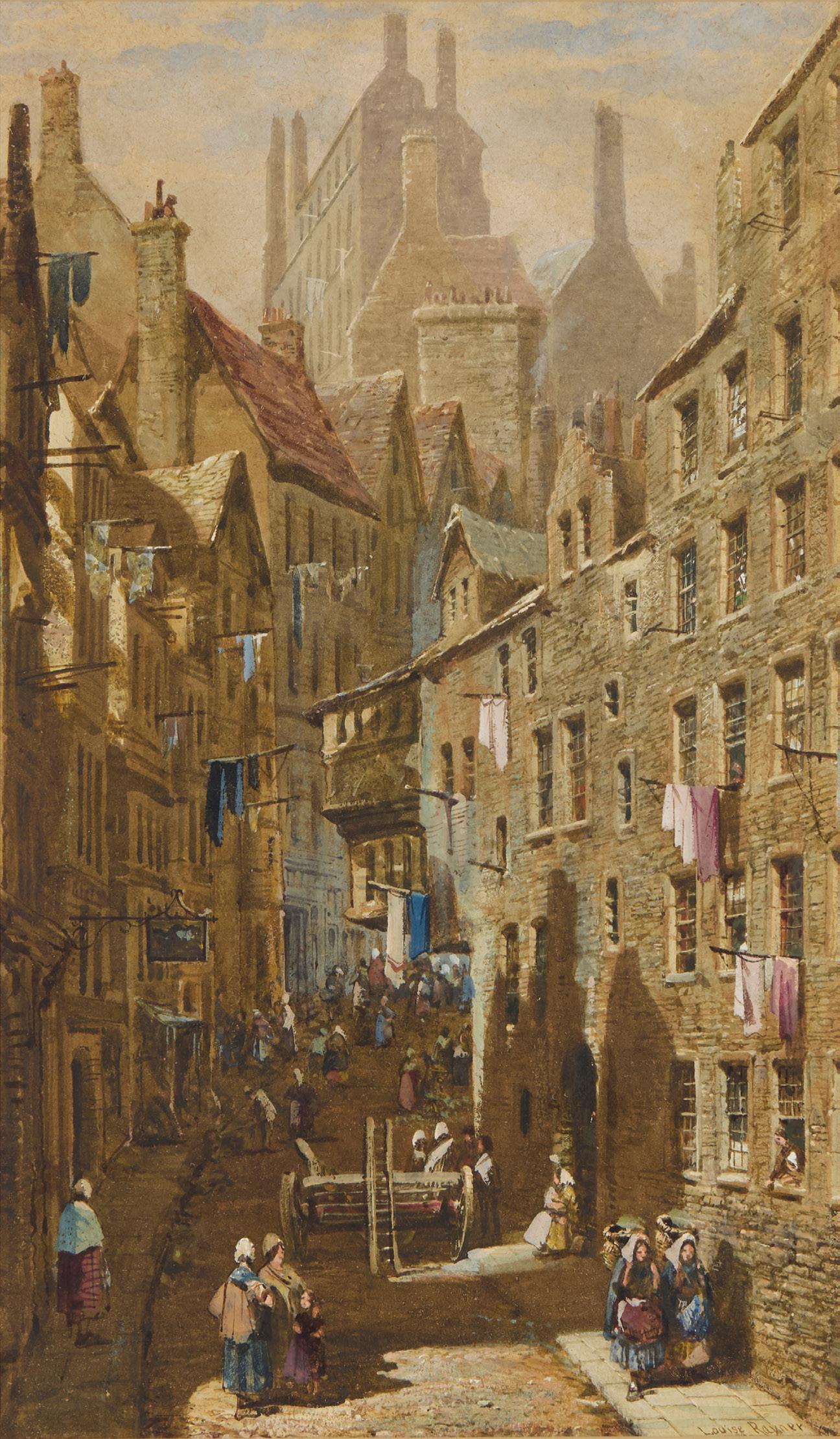
EDINBURGH
Signed, watercolour
41cm x 23.5cm (16in x 9.5in)
£2,000-3,000
30
LOUISE RAYNER (BRITISH 1829-1924)
A LITTLE STREET IN EDINBURGH
Signed, watercolour
26cm x 11cm (10.25in x 4.25in)
£600-900
31
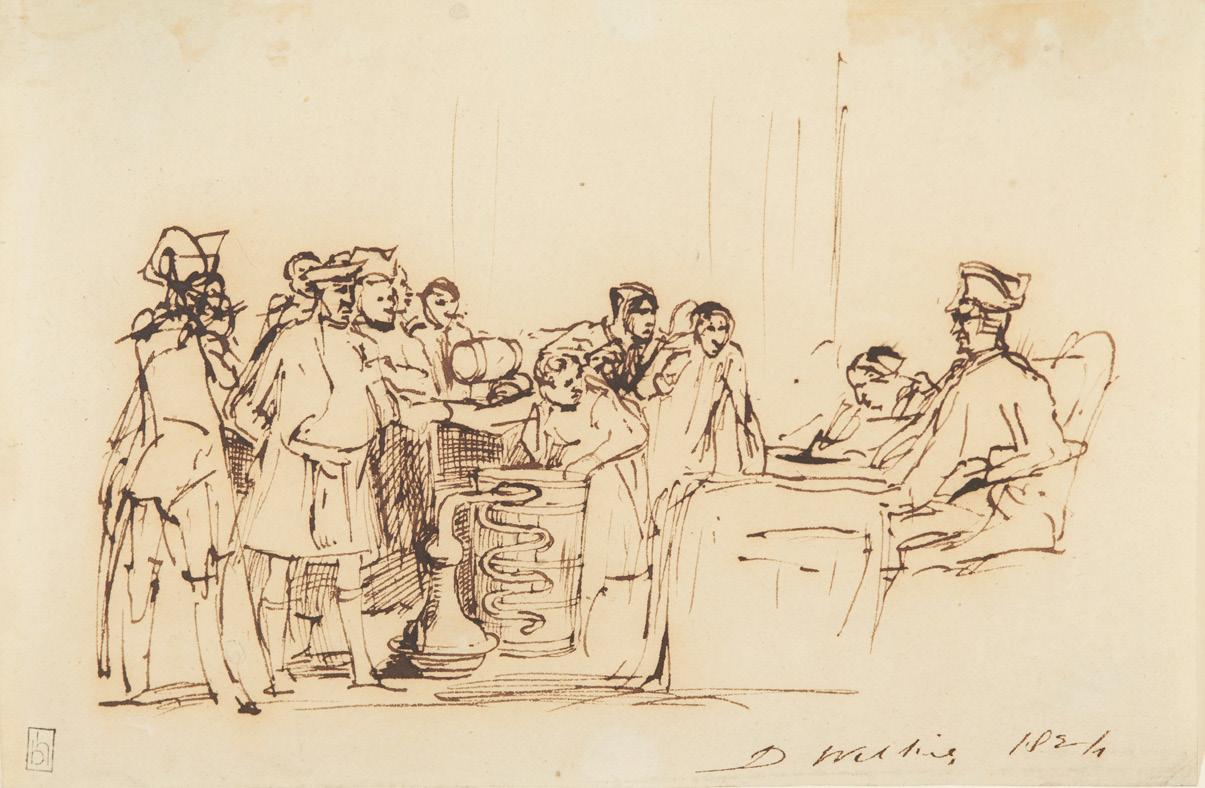
SIR DAVID WILKIE R.A. (SCOTTISH 1785-1841)
THE WHISKY STILL
Signed and dated 1824, with collector’s stamp, pen and ink
10.5cm x 16cm (4in x 6.25in), unframed
£500-800
32
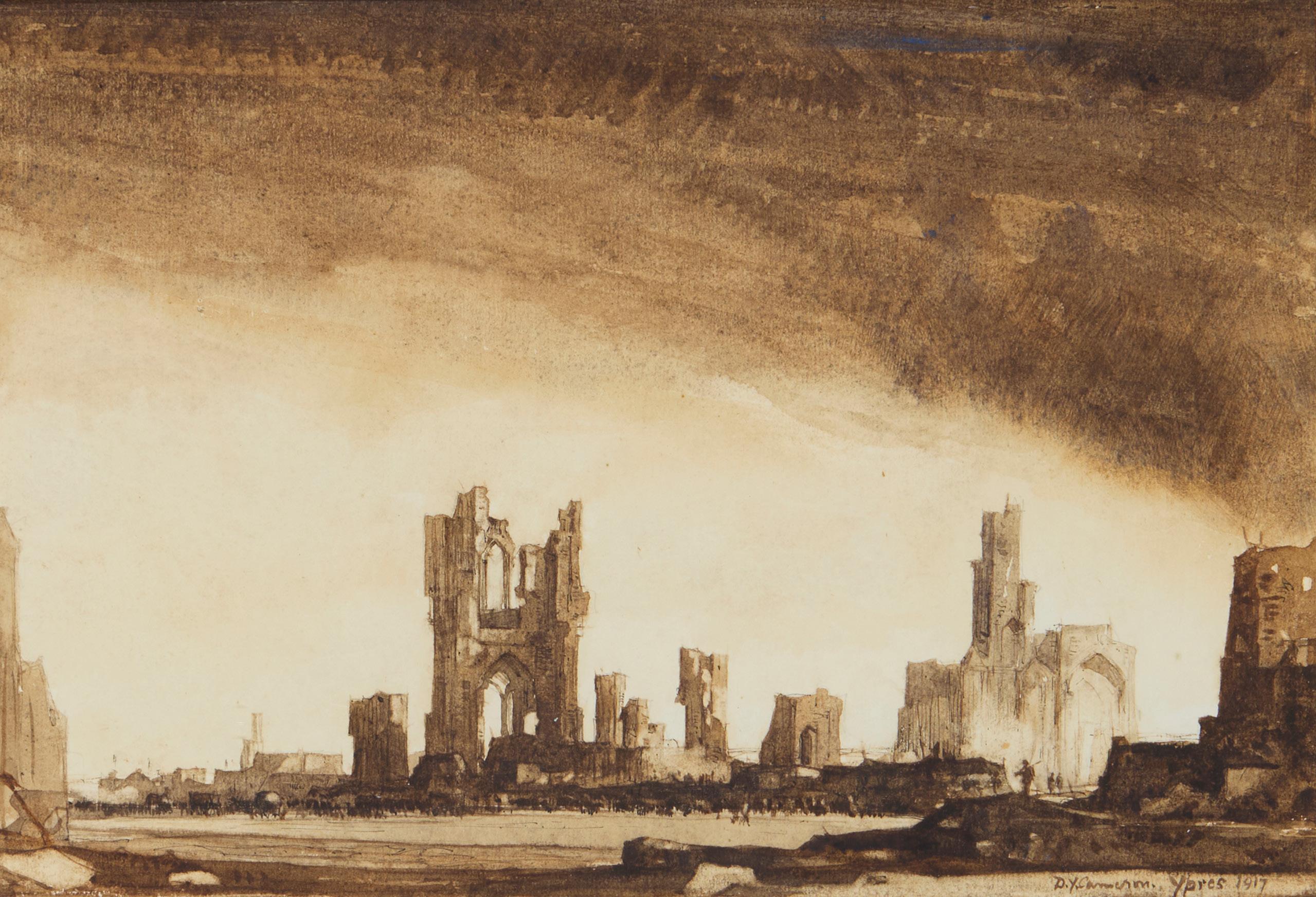
Signed, inscribed and dated 1917, sepia 20cm x 30.5cm (8in x 12in)
This work was originally sold, presumably by the artist, to raise funds for the war effort as part of the Red Cross Week Fund, Kippen, 1918.
£1,000-1,500
33
SYDNEY ROBERT WATSON (BRITISH 1892-1966) LOCH TAY
Signed and indistinctly dated, inscribed with title verso, oil on canvas
41cm x 61cm (16in x 24in)
£2,000-3,000
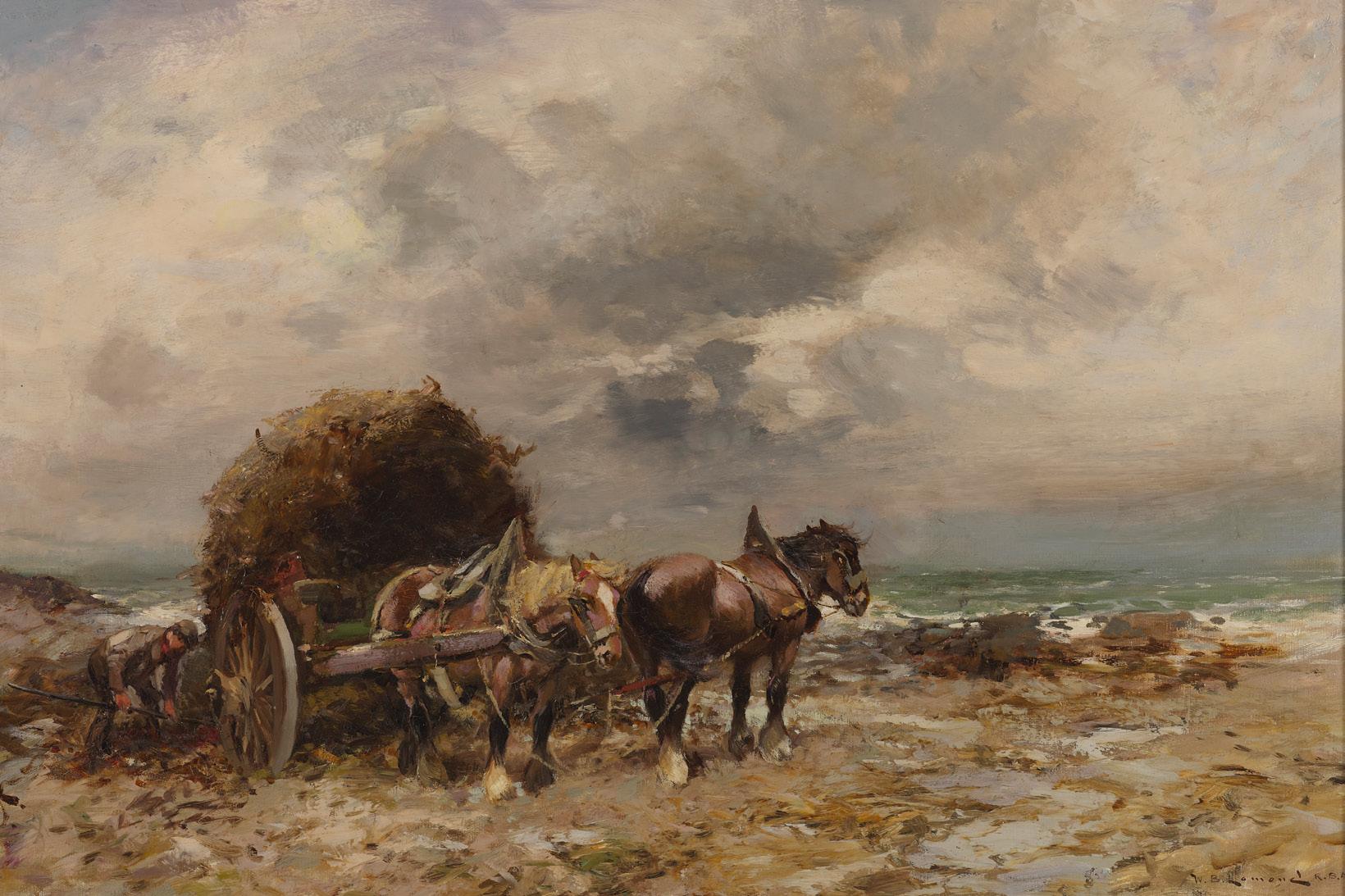
34
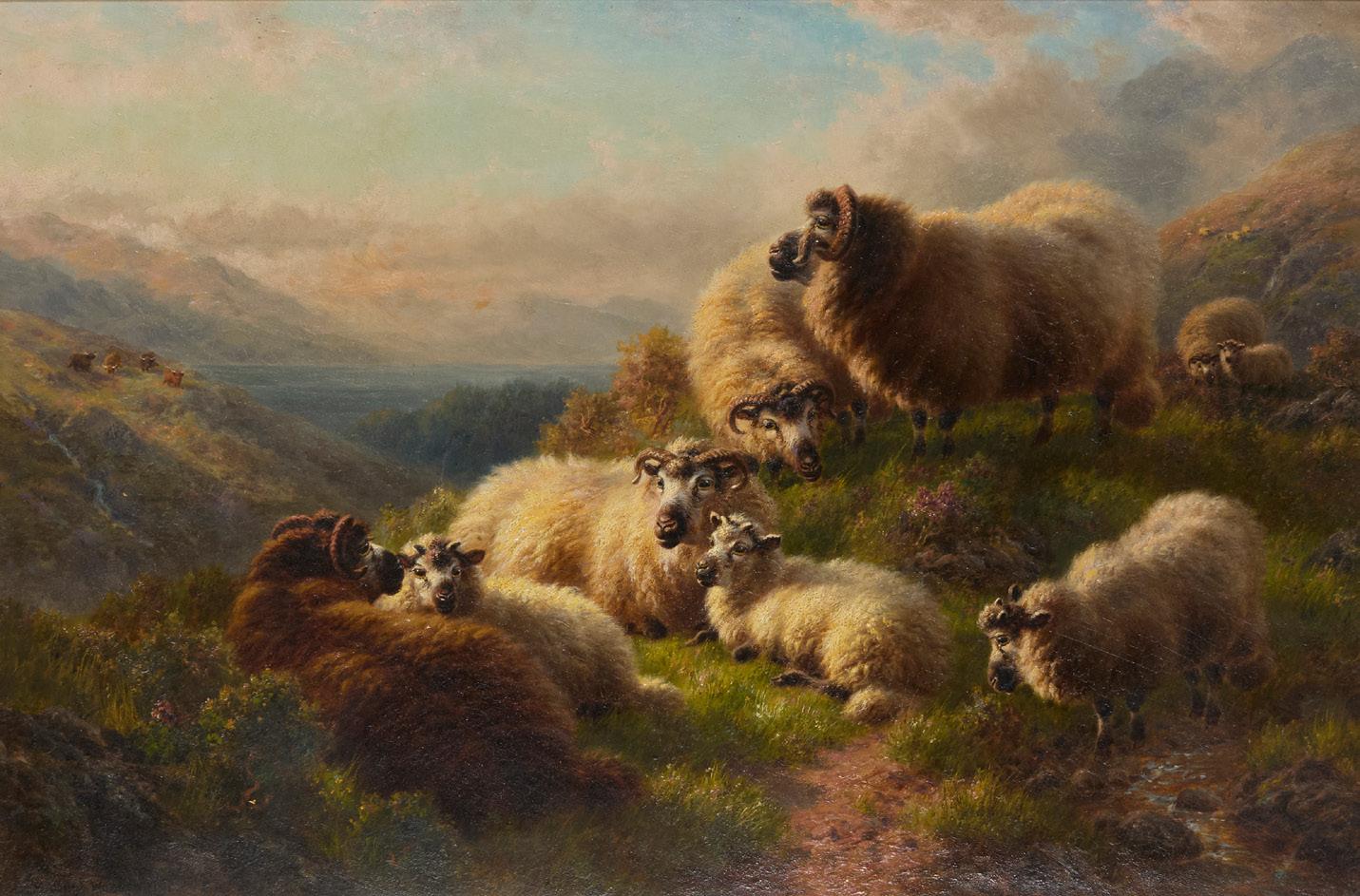
WILLIAM BRADLEY LAMOND (SCOTTISH 1857-1924) GATHERING WRACK (STORMY SKY)
Signed, oil on canvas
50cm x 76cm (20in x 30in)
£800-1,200
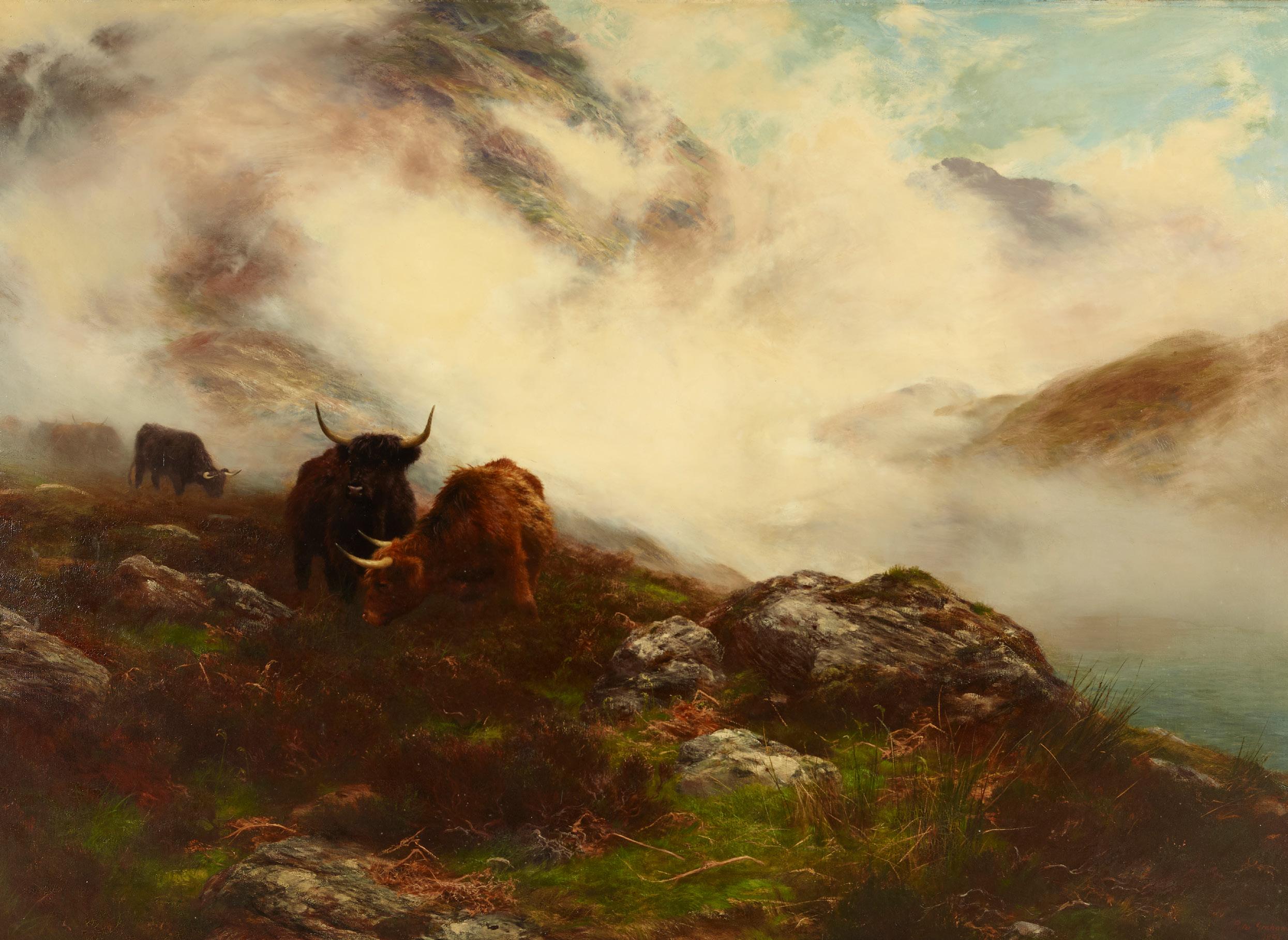
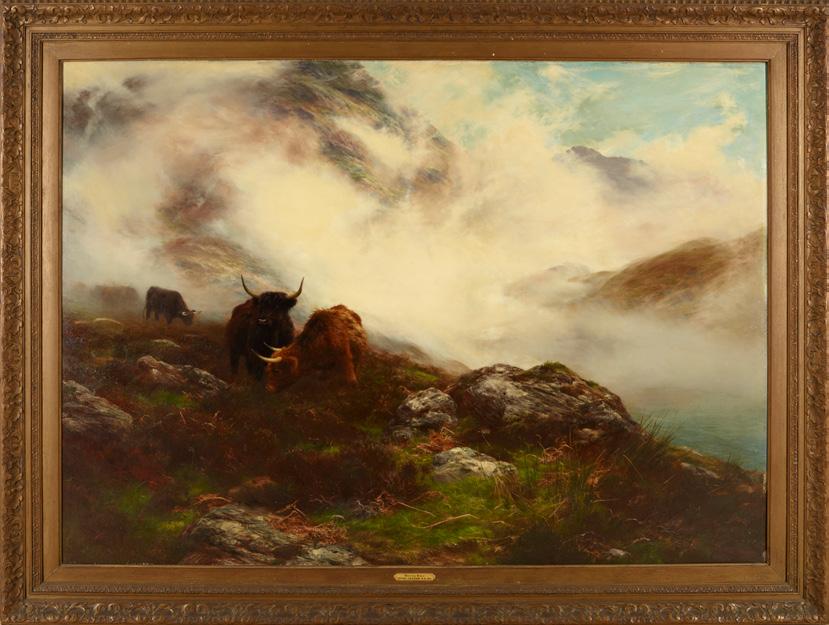
35
MORNING MISTS
Signed and dated 1891, oil on canvas
127cm x 178cm (50in x 70in)
£2,000-3,000
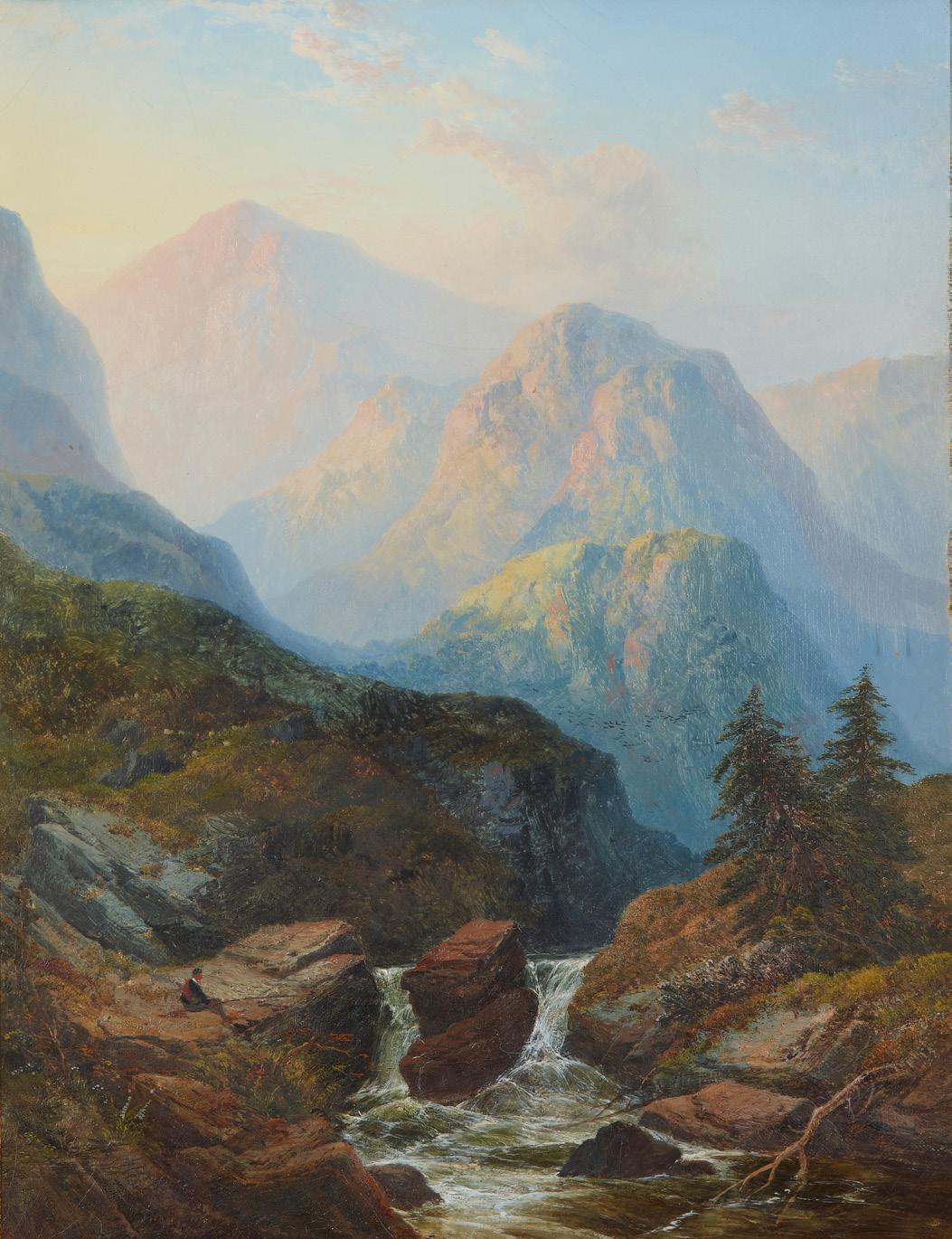
36
GEORGE BLACKIE STICKS (BRITISH 1843-1938)
PASS IN GLENCOE, SUNSET
Signed and dated 1870, signed, inscribed and dated verso, oil on canvas
46cm x 35.5cm (18in x 14in)
£1,200-1,800
37
GEORGE BLACKIE STICKS (BRITISH 1843-1938)
GLEN FINLAS NEAR THE TROSSACHS
Signed and dated 1870, signed, inscribed and dated verso, oil on canvas
46cm x 35.5cm (18in x 14in)
£800-1,200
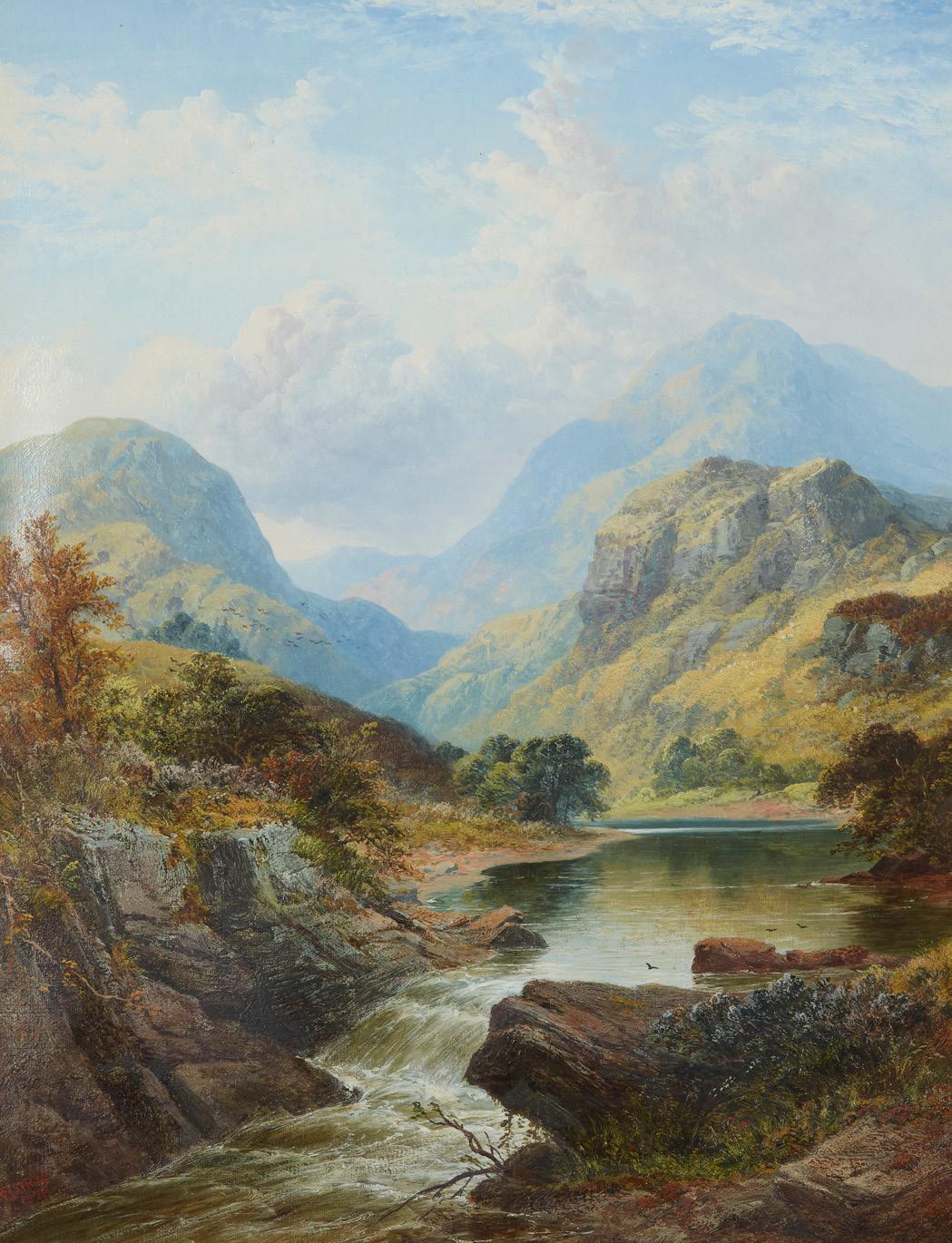
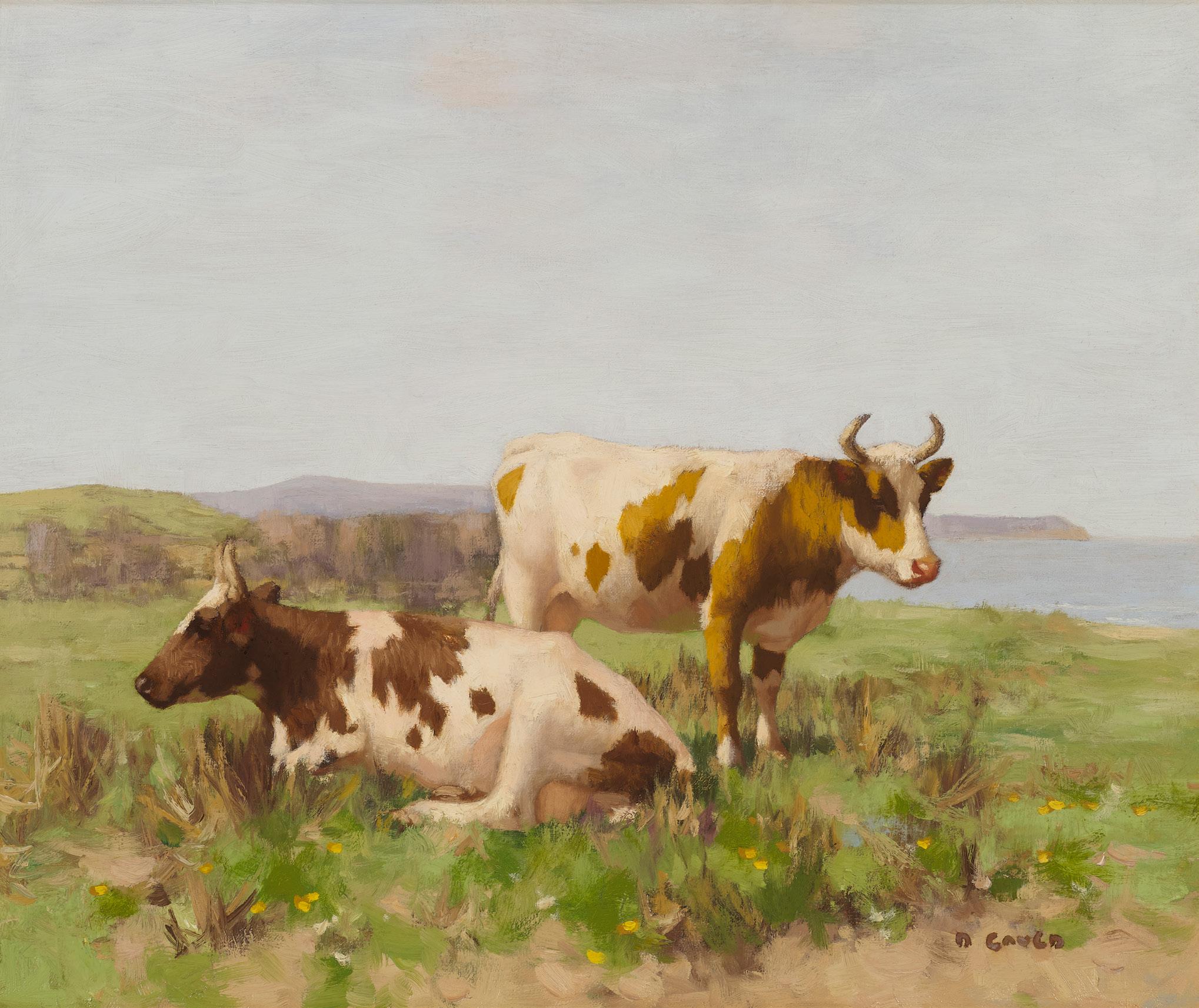
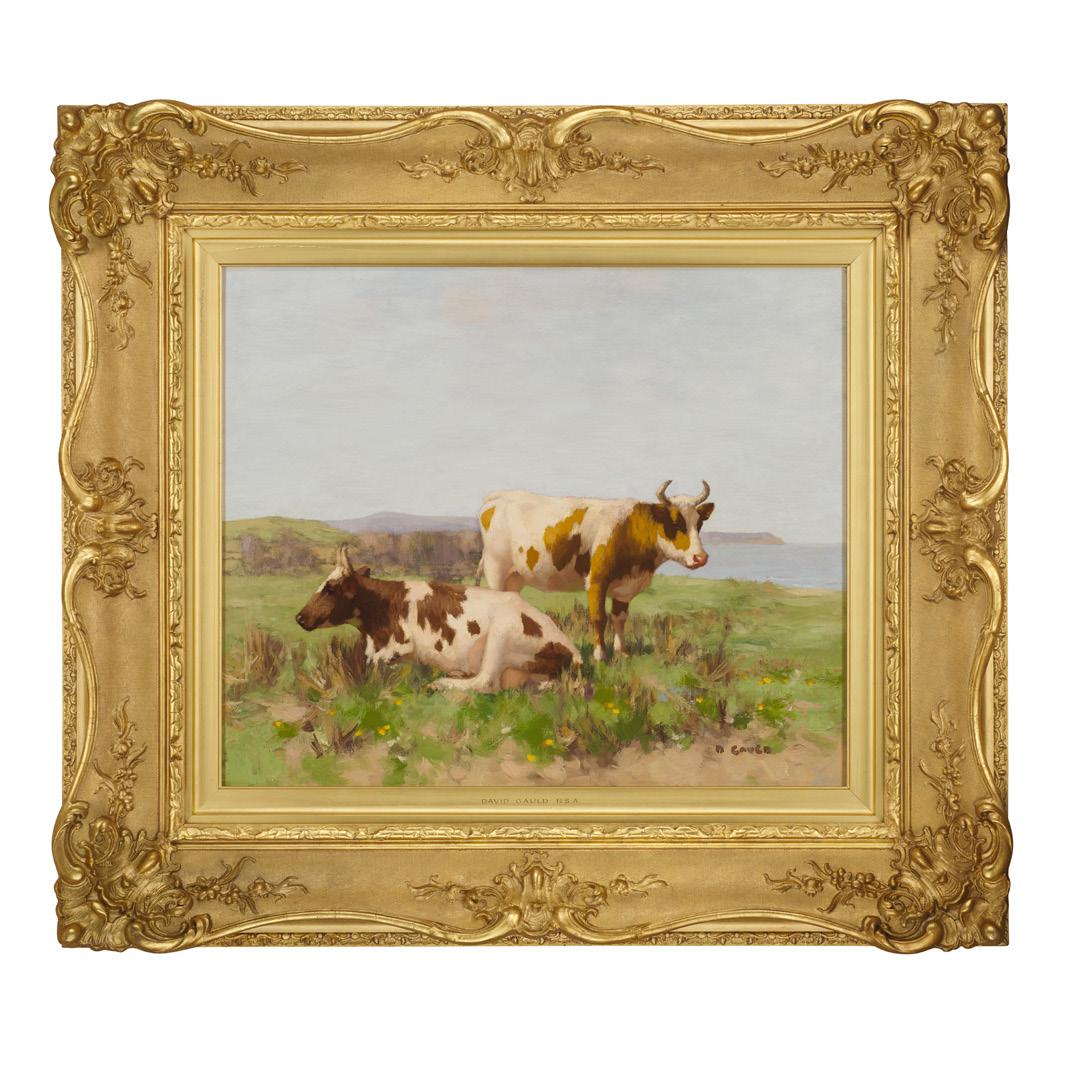
Signed, oil on canvas
51cm x 61cm (20in x 24in)
£1,500-2,000
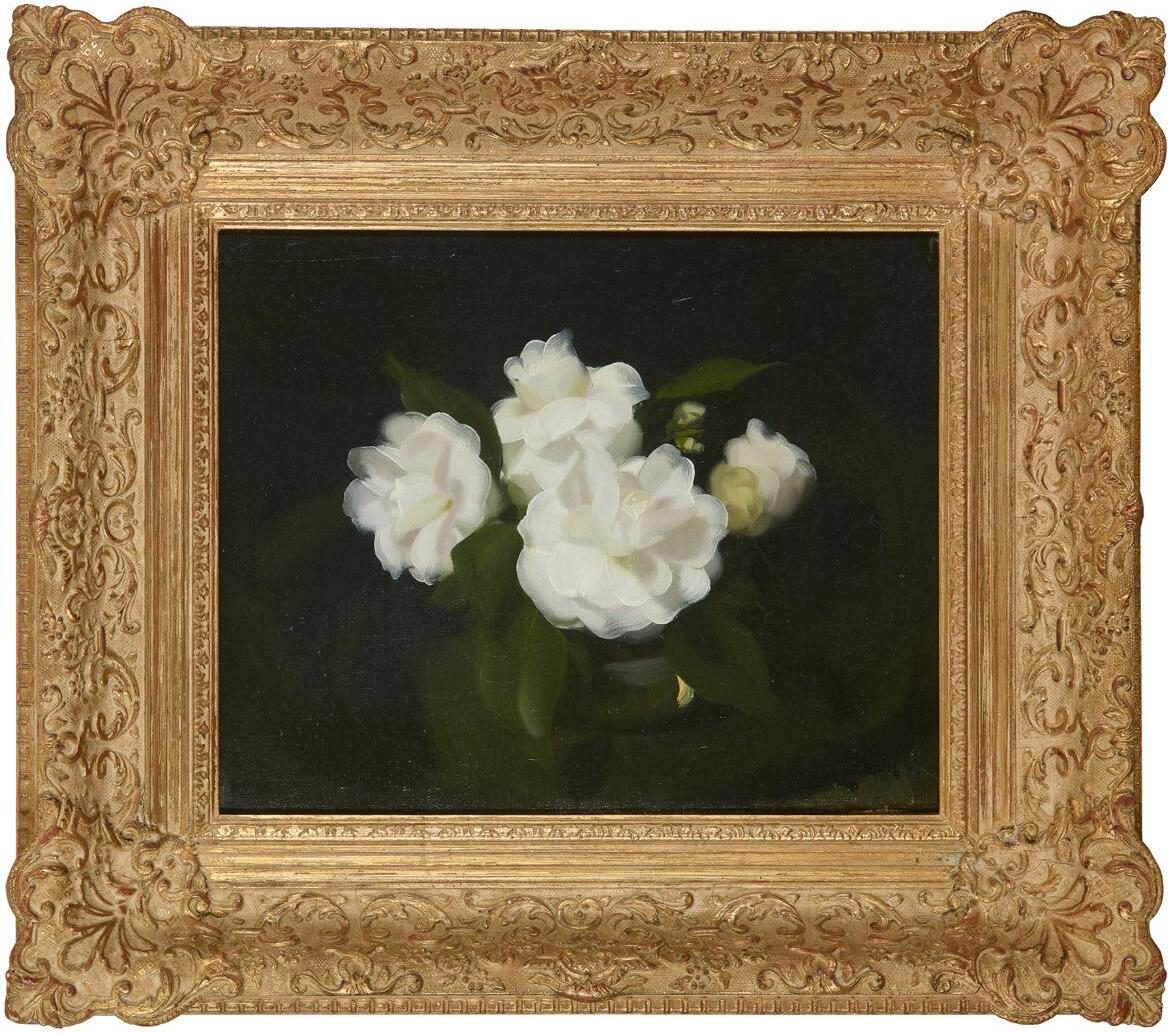
39
STUART PARK (SCOTTISH 1862-1933)
STILL LIFE OF WHITE ROSES
Signed, oil on canvas
30.5cm x 38cm (10in x 15in)
£600-800

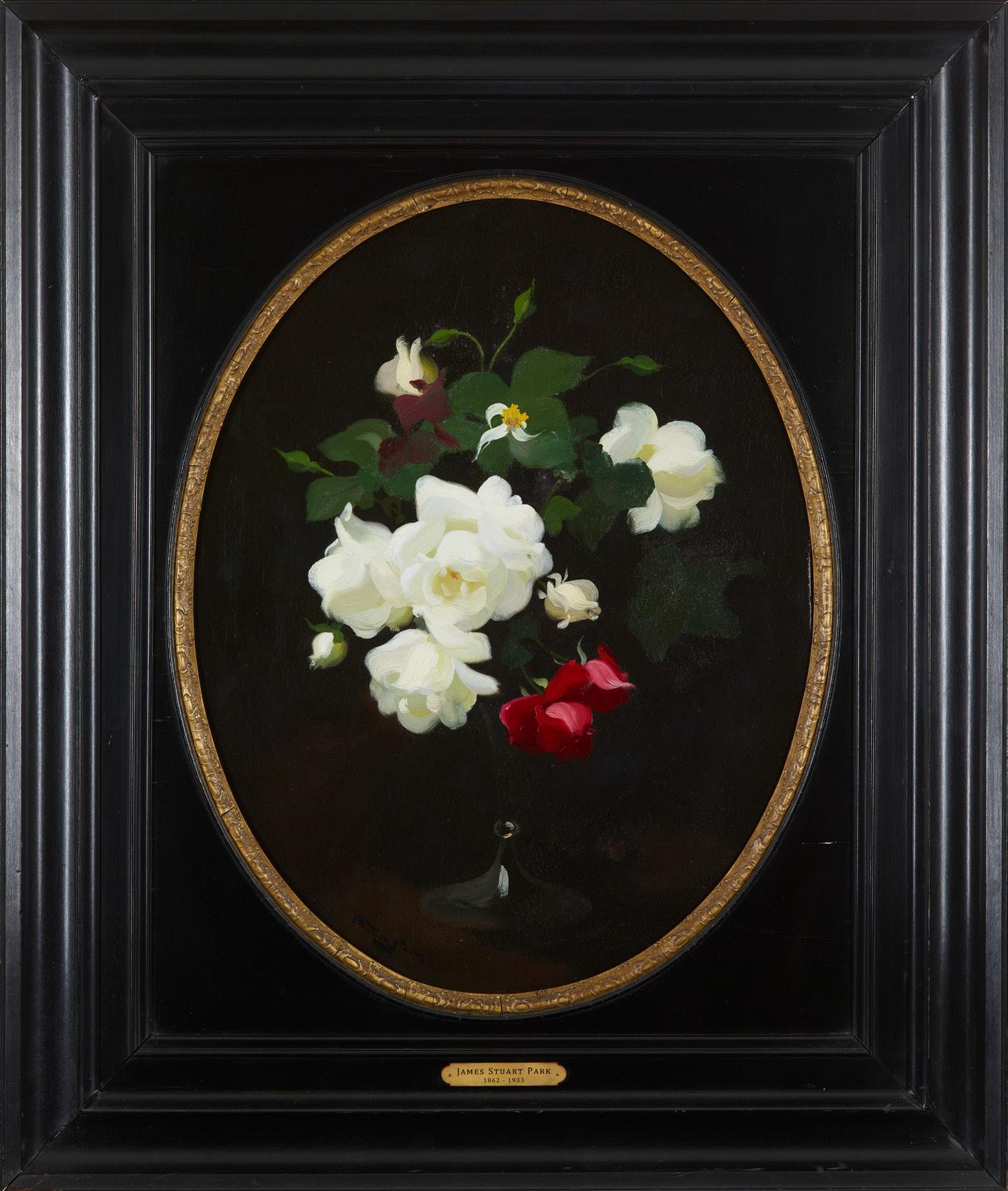
40 STUART PARK (SCOTTISH 1862-1933)
STILL LIFE OF RED AND YELLOW ROSES
Signed, oil on canvas, oval
76cm x 61cm (30in x 24in)
£1,200-1,800
41 §
JOHN RANKINE BARCLAY (SCOTTISH 1884-1963) AMUSETTE
Signed and inscribed verso, oil on canvas
102cm x 127cm (40in x 50in)
Provenance: The Fine Art Society Limited, London, June 1969, no.3888
Exhibited: Royal Scottish Academy, Edinburgh, Annual Exhibition, 1921, no.248
£2,000-3,000
42
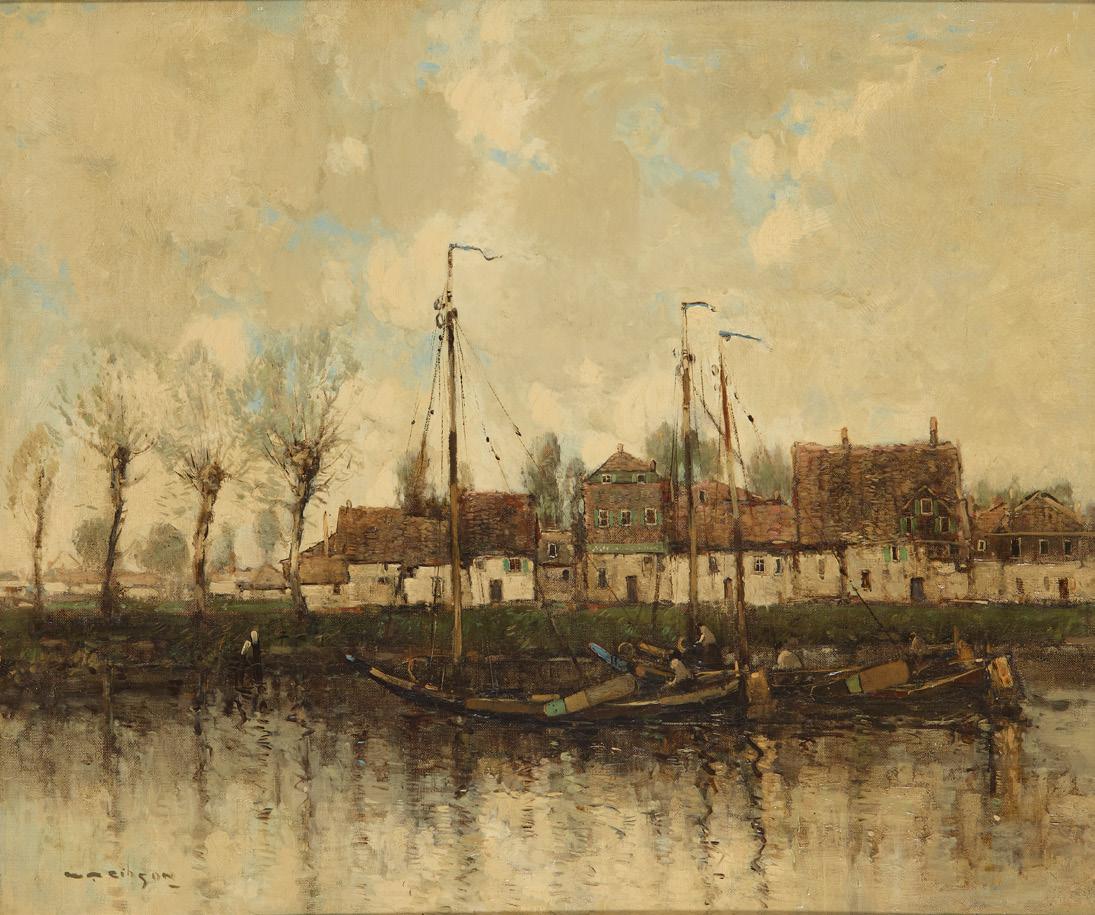
WILLIAM ALFRED GIBSON (SCOTTISH 1866-1931)
A BUSY DUTCH CANAL SCENE
Signed, oil on canvas
51cm x 61cm (20in x 24in)
£1,000-1,500
43
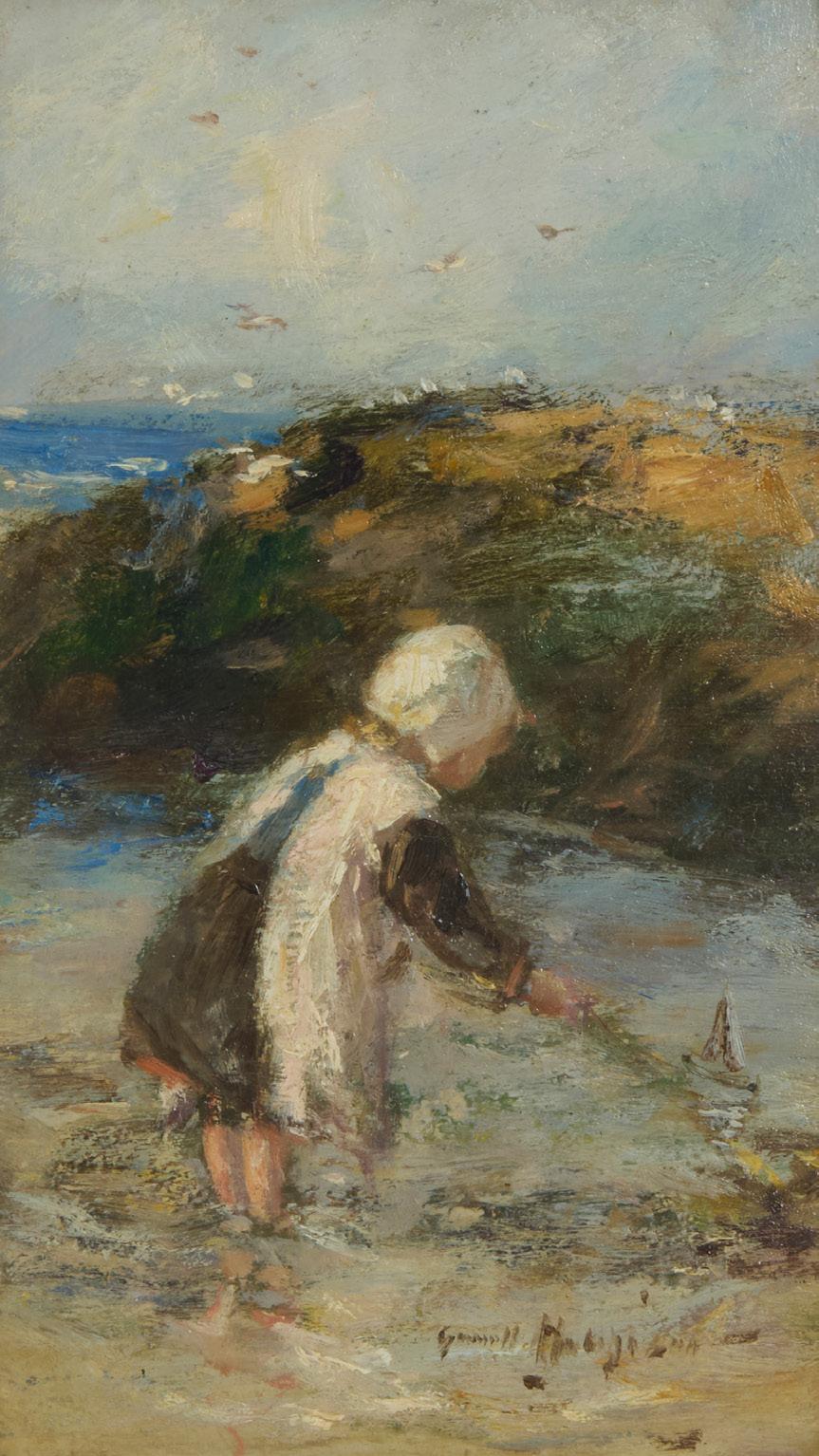
ROBERT GEMMELL HUTCHISON R.B.A., R.O.I., R.S.A., R.S.W. (SCOTTISH 1860-1936)
SAILING THE YACHT
Signed, oil on board
20cm x 11.5cm (8in x 4.5in)
Provenance: Private Collection, Switzerland
Exhibited: The Fine Art Society Ltd., Edinburgh, Festival Exhibition, 1973, no.78
£2,000-3,000
44
ROBERT GEMMELL HUTCHISON R.B.A., R.O.I., R.S.A., R.S.W. (SCOTTISH 1860-1936)
BREAKFAST TIME
Signed, oil on board
20cm x 15cm (8in x 6in)
£1,000-1,500
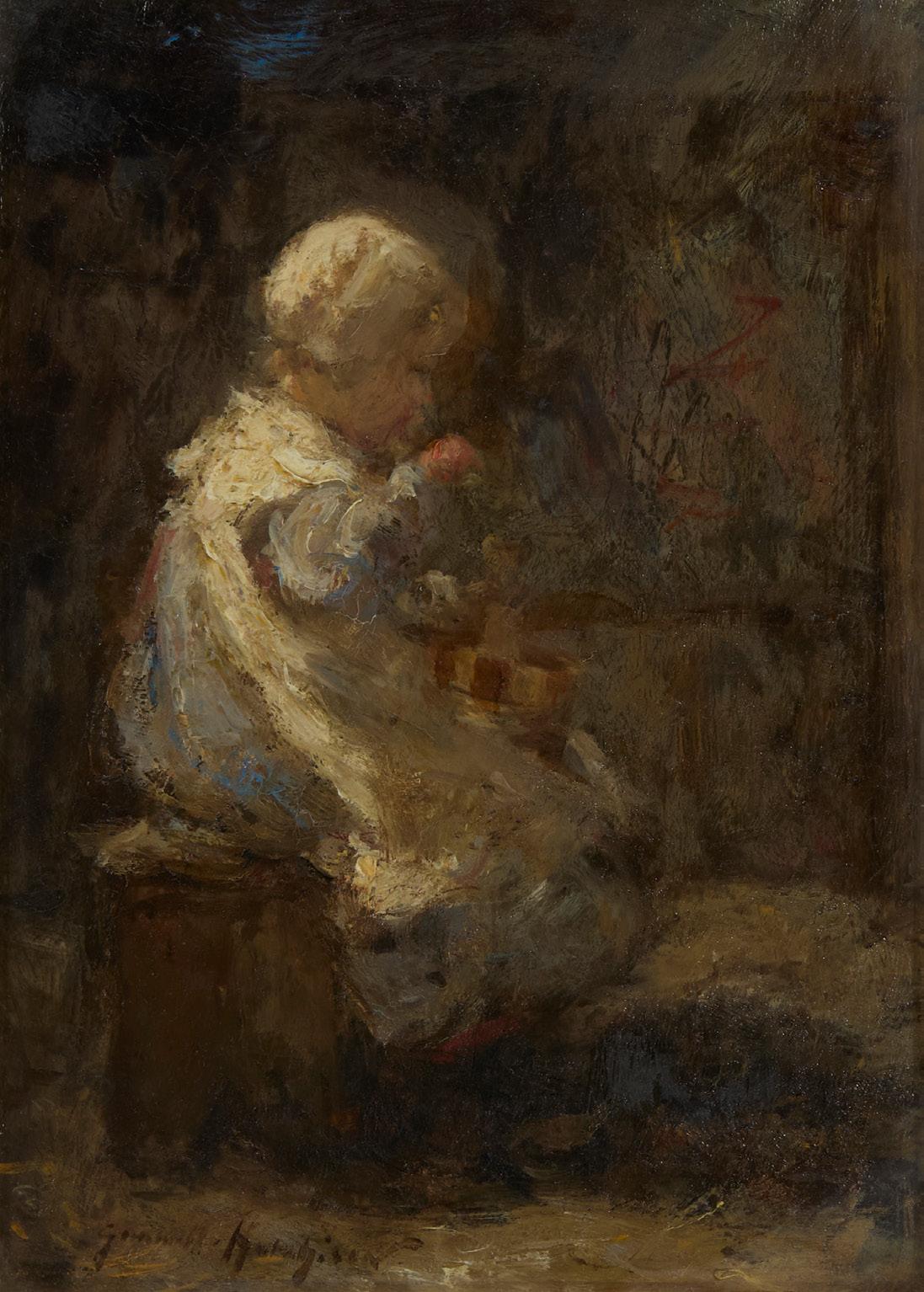
45
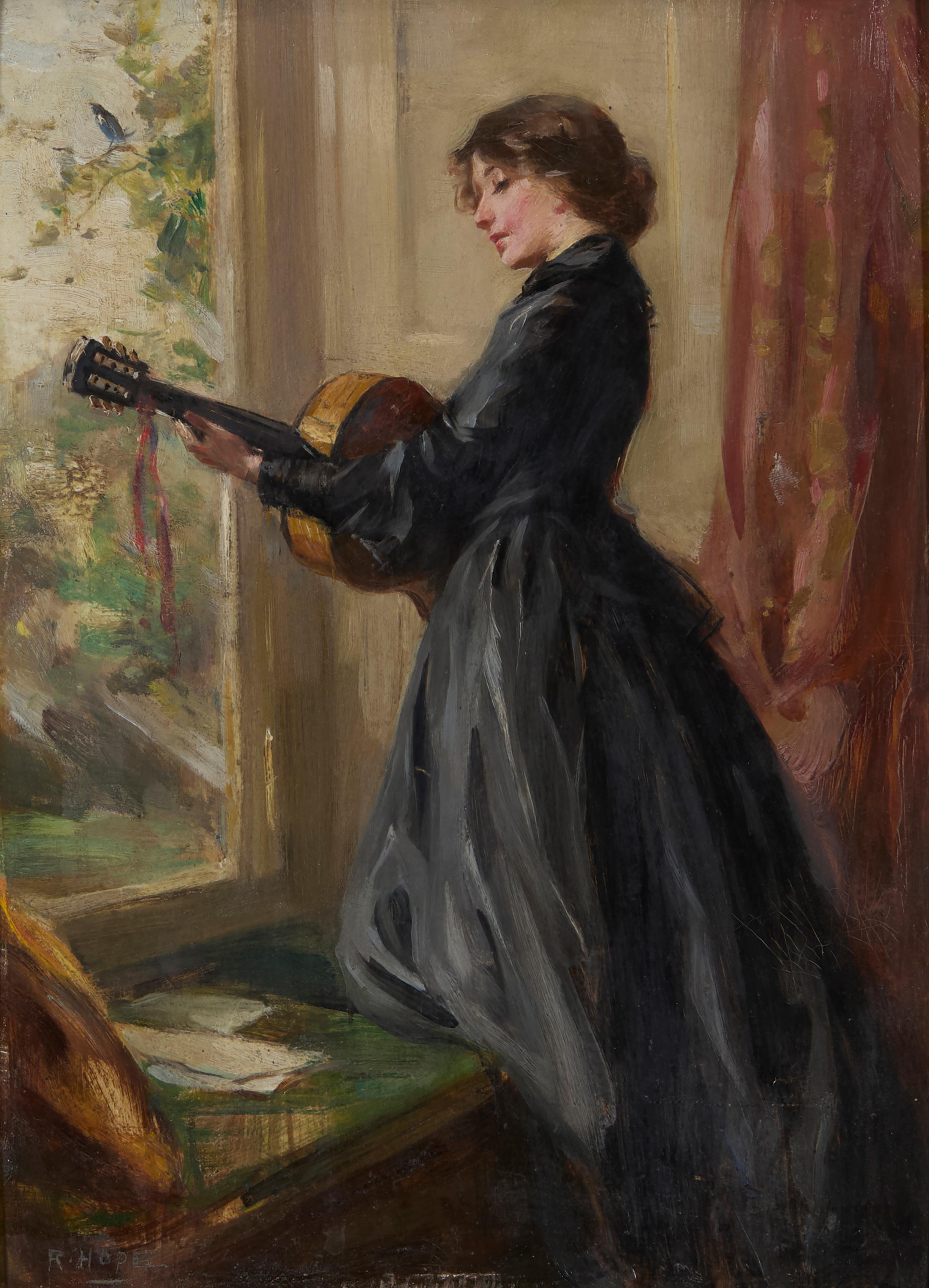
ROBERT HOPE R.S.A. (SCOTTISH 1869-1936) A SPRING SONG
Signed, signed and titled verso, oil on board
35.5cm x 25.5cm (14in x 10in)
£2,000-4,000
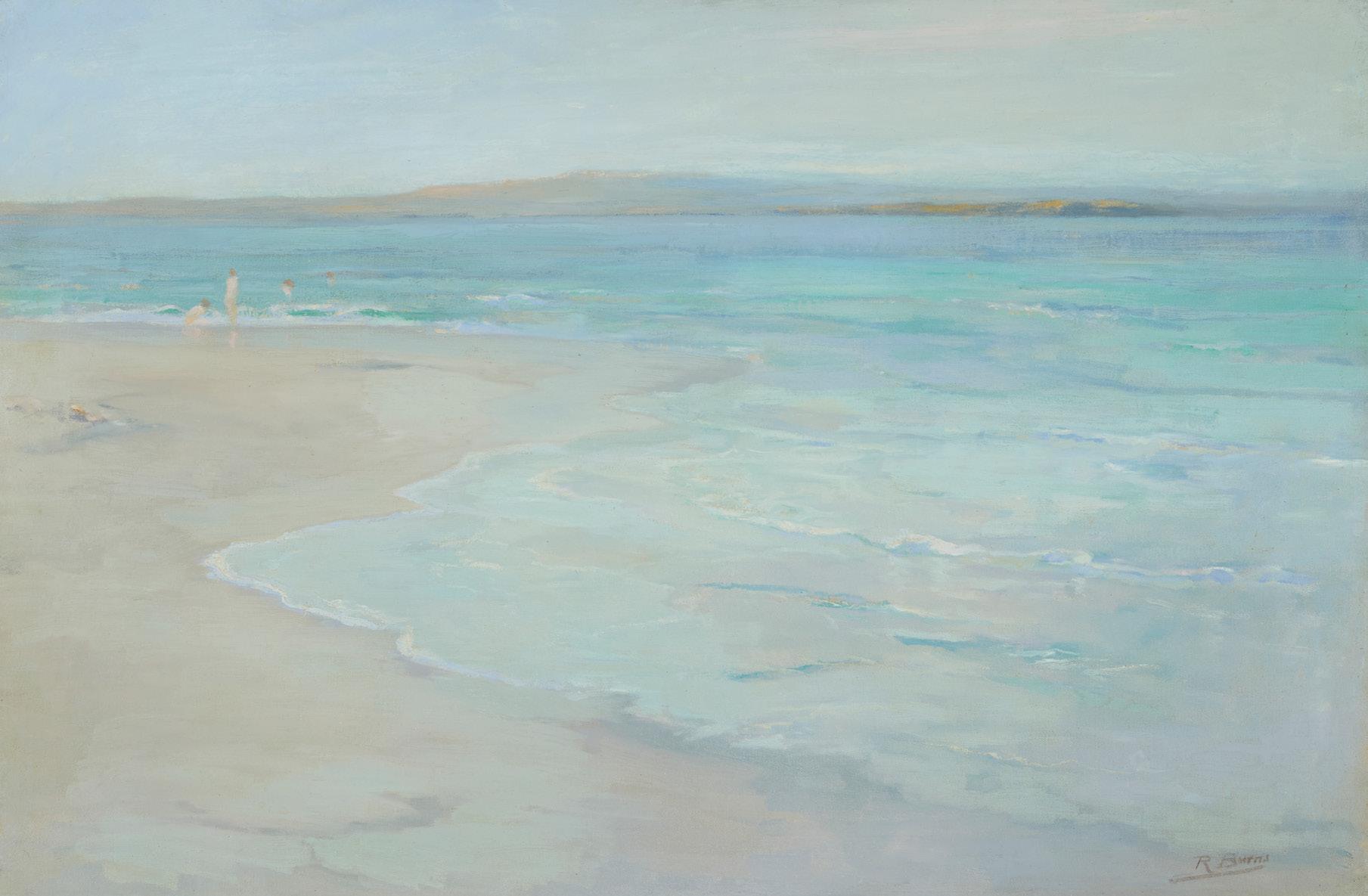
46
ROBERT BURNS A.R.S.A. (SCOTTISH 1869-1941)
SUMMER HAZE, IONA
Signed, oil on canvas
51cm x 76cm (20in x 30in)
Provenance: The Fine Art Society Ltd., London, November 1977, no.7094
The Fleming-Wyfold Art Foundation, no.218
£2,000-3,000
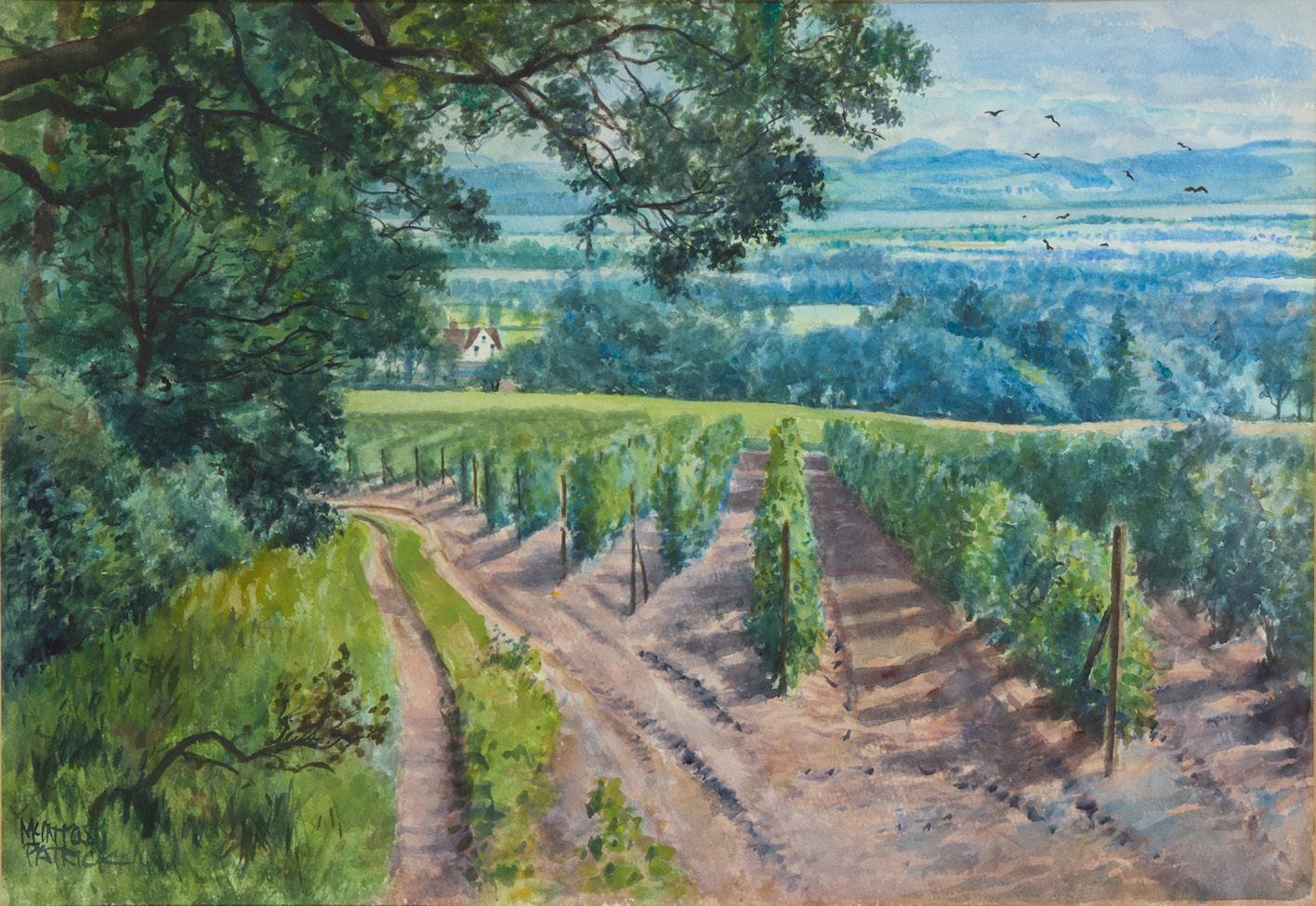
47 §
JAMES MCINTOSH PATRICK
R.S.A., A.R.E., R.O.I., L.L.D. (SCOTTISH 1907-1998)
RASPBERRY FIELDS, MILLHILL, CARSE OF GOWRIE
Signed, inscribed and dated 1985, watercolour
38cm x 56cm (15in x 22in)
£800-1,200
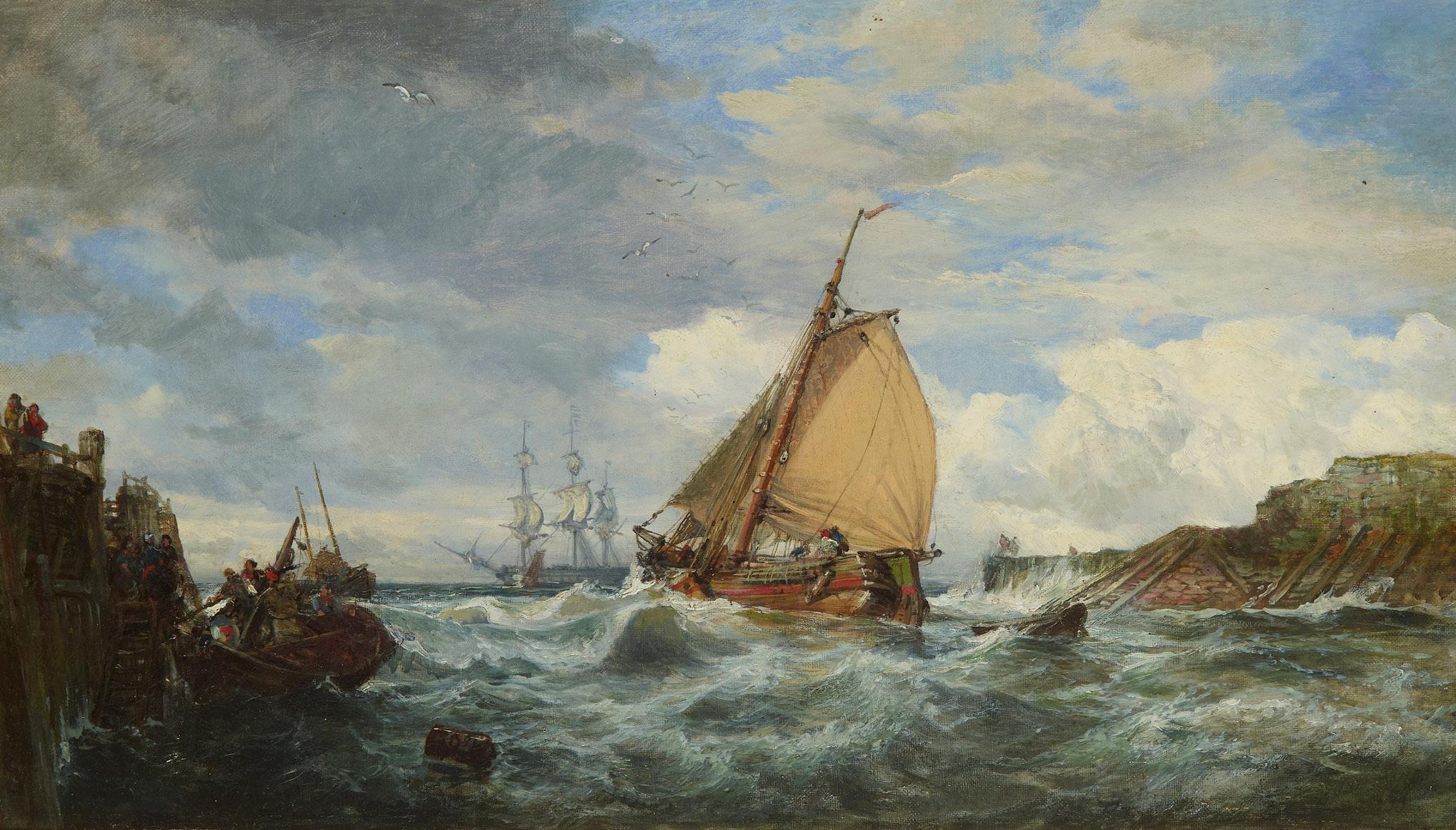
48
SAM BOUGH R.S.A. (SCOTTISH 1822-1878)
BARGE LEAVING HARBOUR
Signed and indistinctly dated, oil on canvas
30.5cm x 51cm (12in x 20in)
It has been suggested that this painting depicts Newhaven.
£3,000-4,000
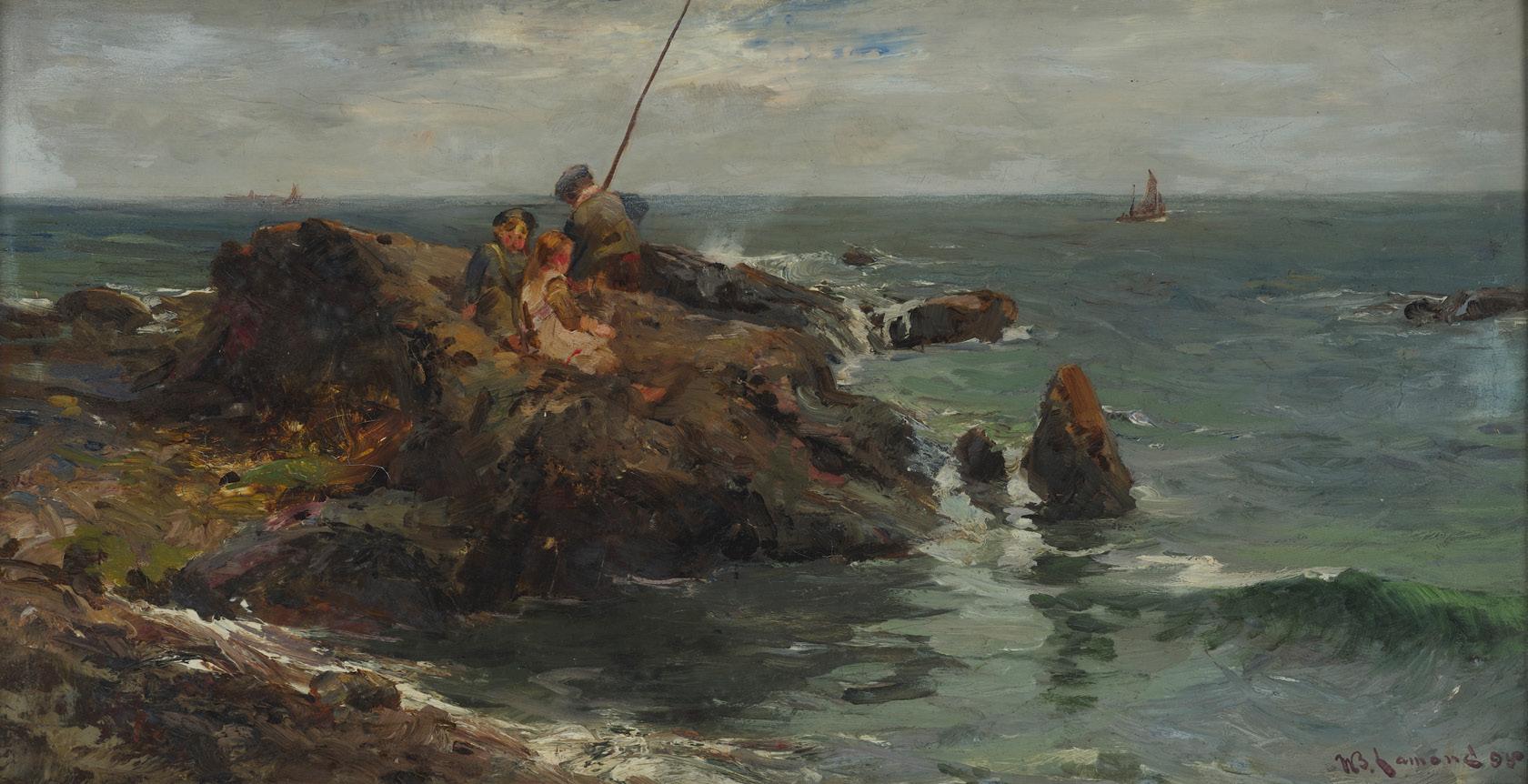
49
WILLIAM
LAMOND (SCOTTISH 1857-1924)
FISHING FROM THE ROCKS
Signed and dated ‘95, oil on board
36cm x 66cm (14in x 26in)
£1,000-1,500
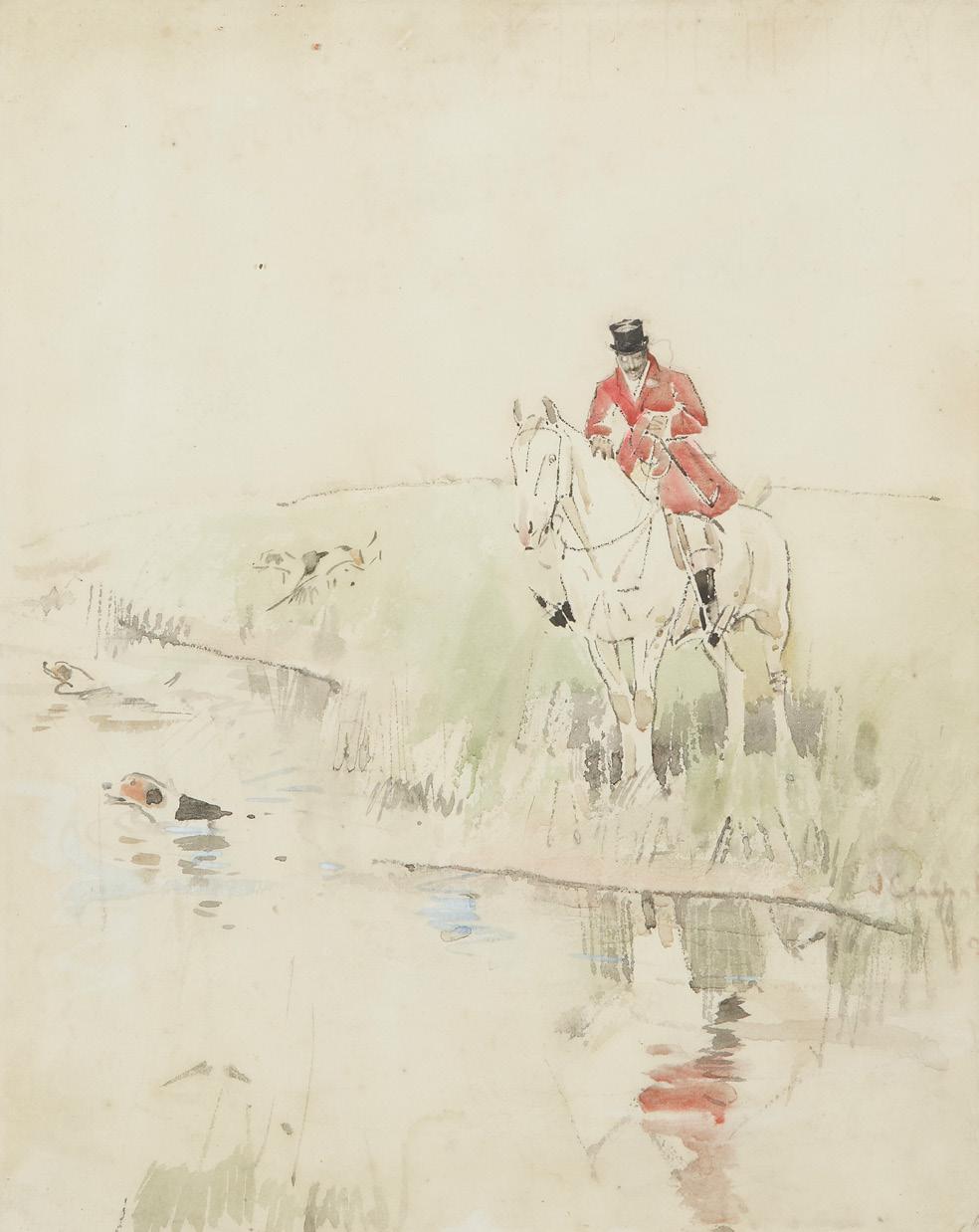
50
JOSEPH CRAWHALL R.S.W. (SCOTTISH 1861-1913)
THE HUNTSMAN
Signed and dated ‘90, watercolour
30.5cm x 25.5cm (12in x 10in)
£2,000-3,000
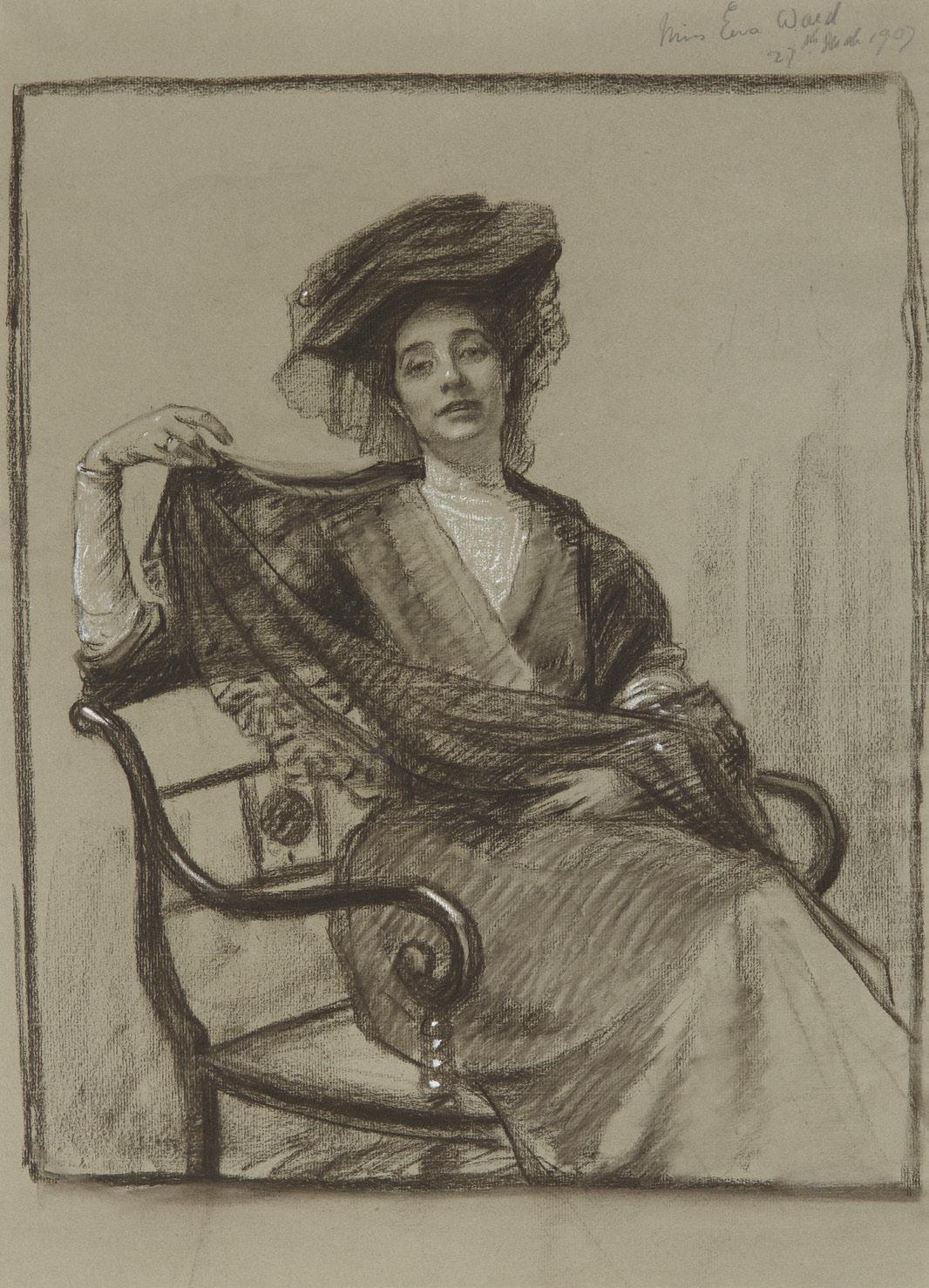
51
ALEXANDER MANN R.O.I. (SCOTTISH 1853-1908)
MISS EVA WARD HOLDING HER SHAWL
Inscribed and dated 27th March 1907, charcoal
53cm x 38cm (21in x 15in)
Provenance: The Fine Art Society PLC, August 1985
£600-800
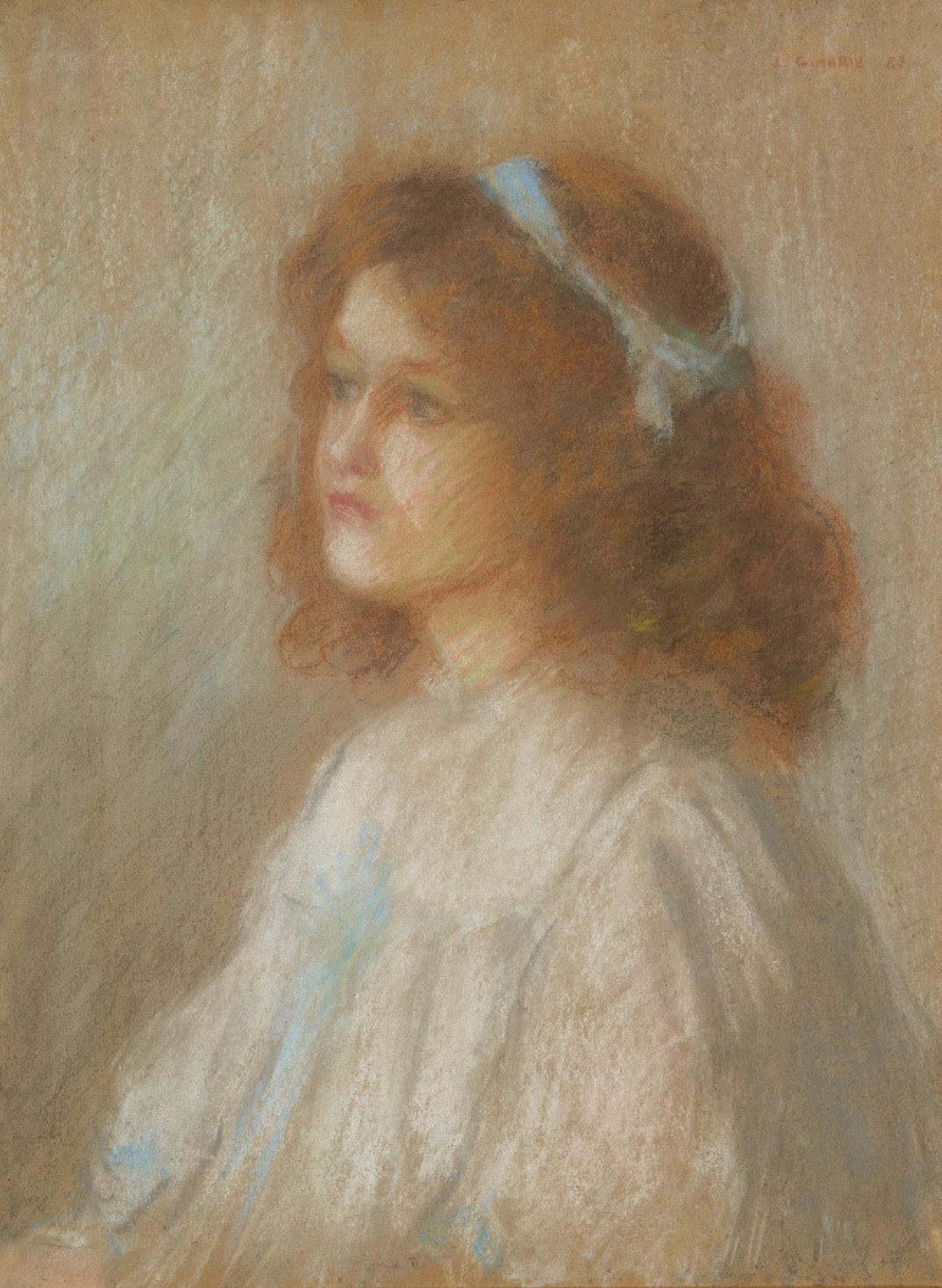
SIR JAMES GUTHRIE P.R.S.A., H.R.A., R.S.W., L.L.D. (SCOTTISH 1859-1930)
THE BLUE HEADBAND
Signed and dated ‘83, pastel
61cm x 44.5cm (24in x17.5in)
£2,000-3,000
53 §
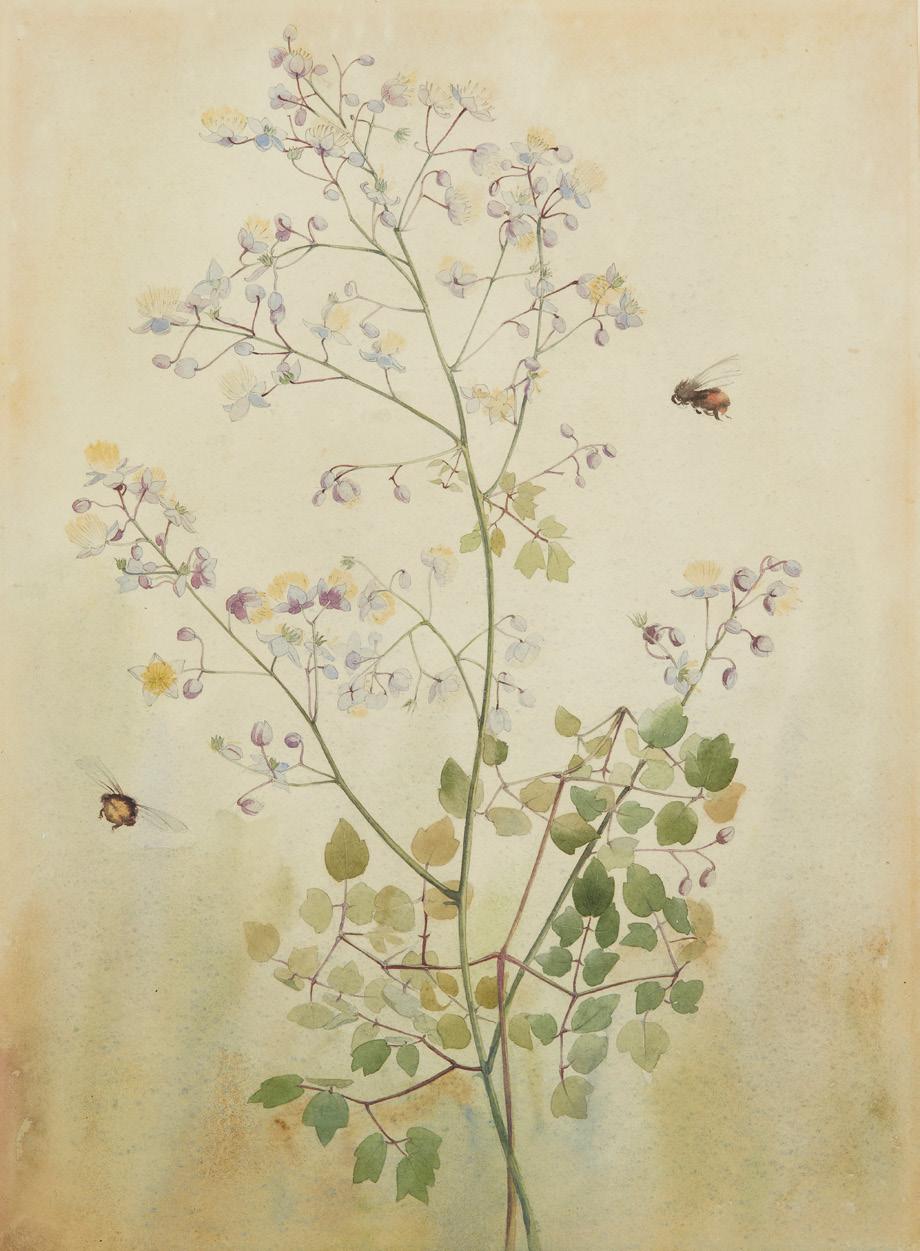
KATHARINE CAMERON R.S.W. (SCOTTISH 1874-1965) THALICTRUM DIPTEROCARPUM
Watercolour
37.5cm x 28cm (14.75in x 11in)
£800-1,200
54
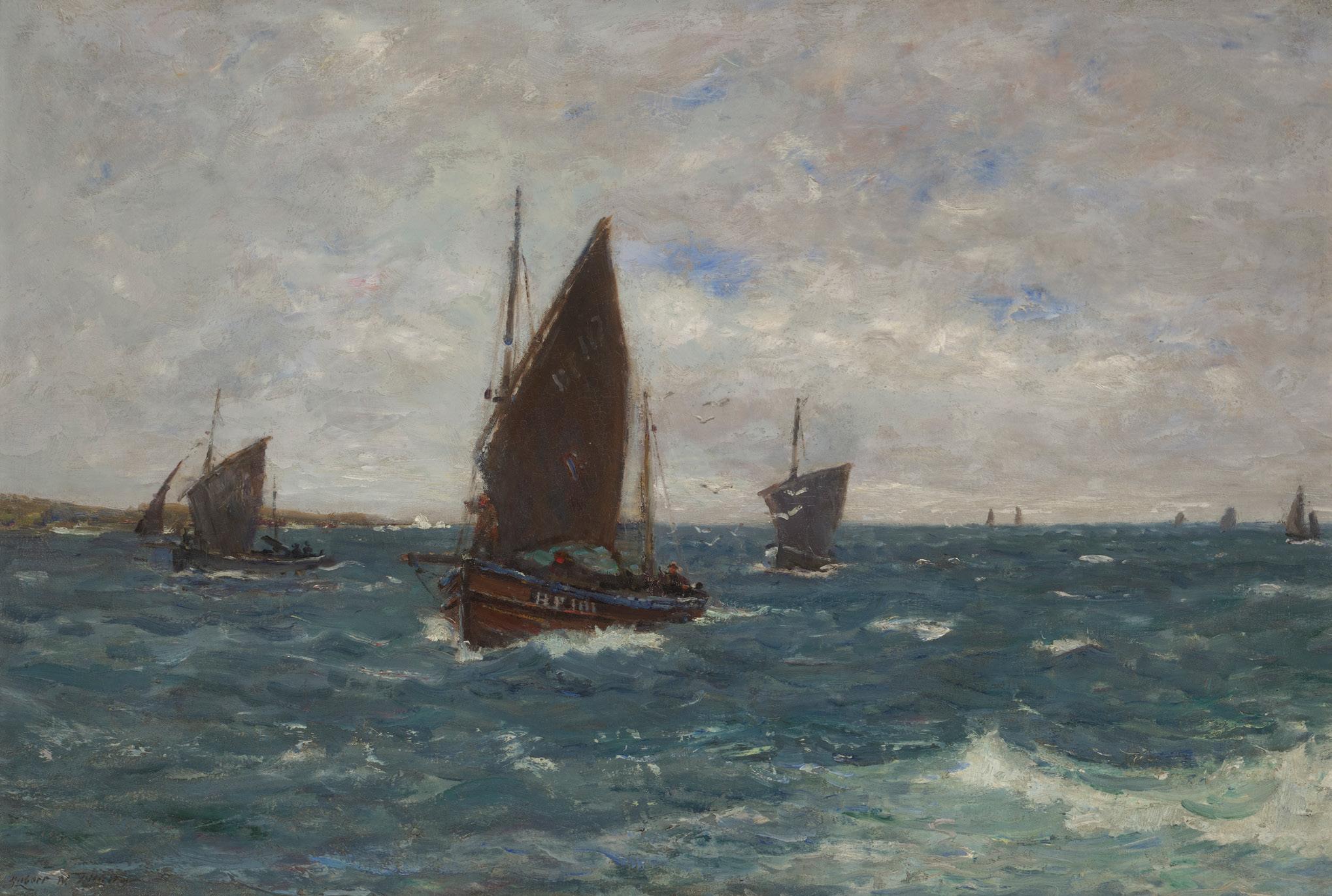
ROBERT WEIR ALLAN R.S.A., R.S.W., R.W.S. (SCOTTISH 1852-1947)
SAILING HOME ON A FINE BREEZE
Signed, inscribed on contemporary label verso, oil on canvas
63.5cm x 95cm (25in x 37.5in)
£1,500-2,000
55
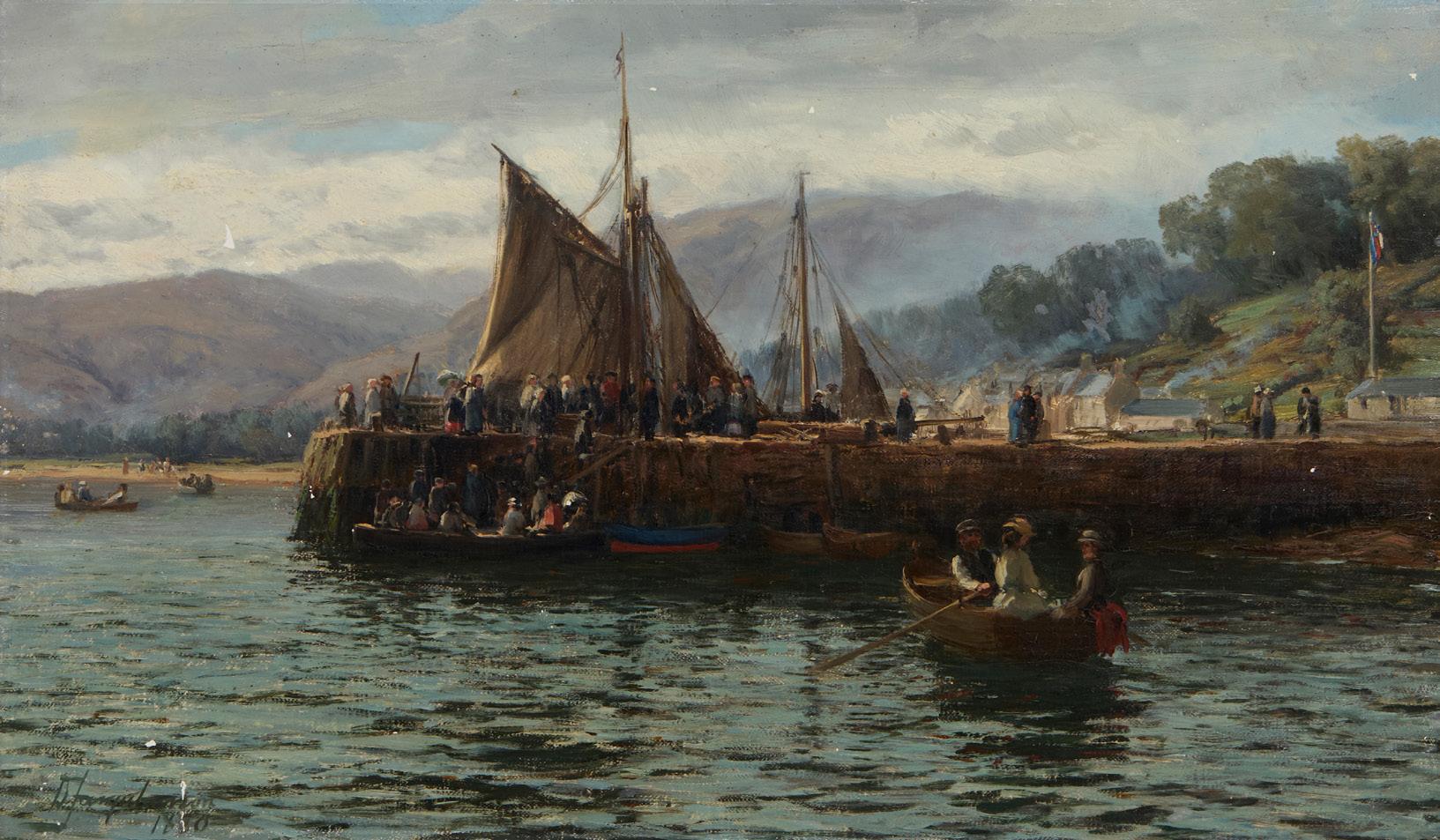
DAVID FARQUHARSON A.R.A., A.R.S.A., R.S.W., R.O.I. (SCOTTISH 1840-1907)
LAMLASH PIER, ARRAN
Signed and dated 1880, inscribed with the title verso, oil on canvas
30.5cm x 51cm (12in x 20in)
£1,500-2,000
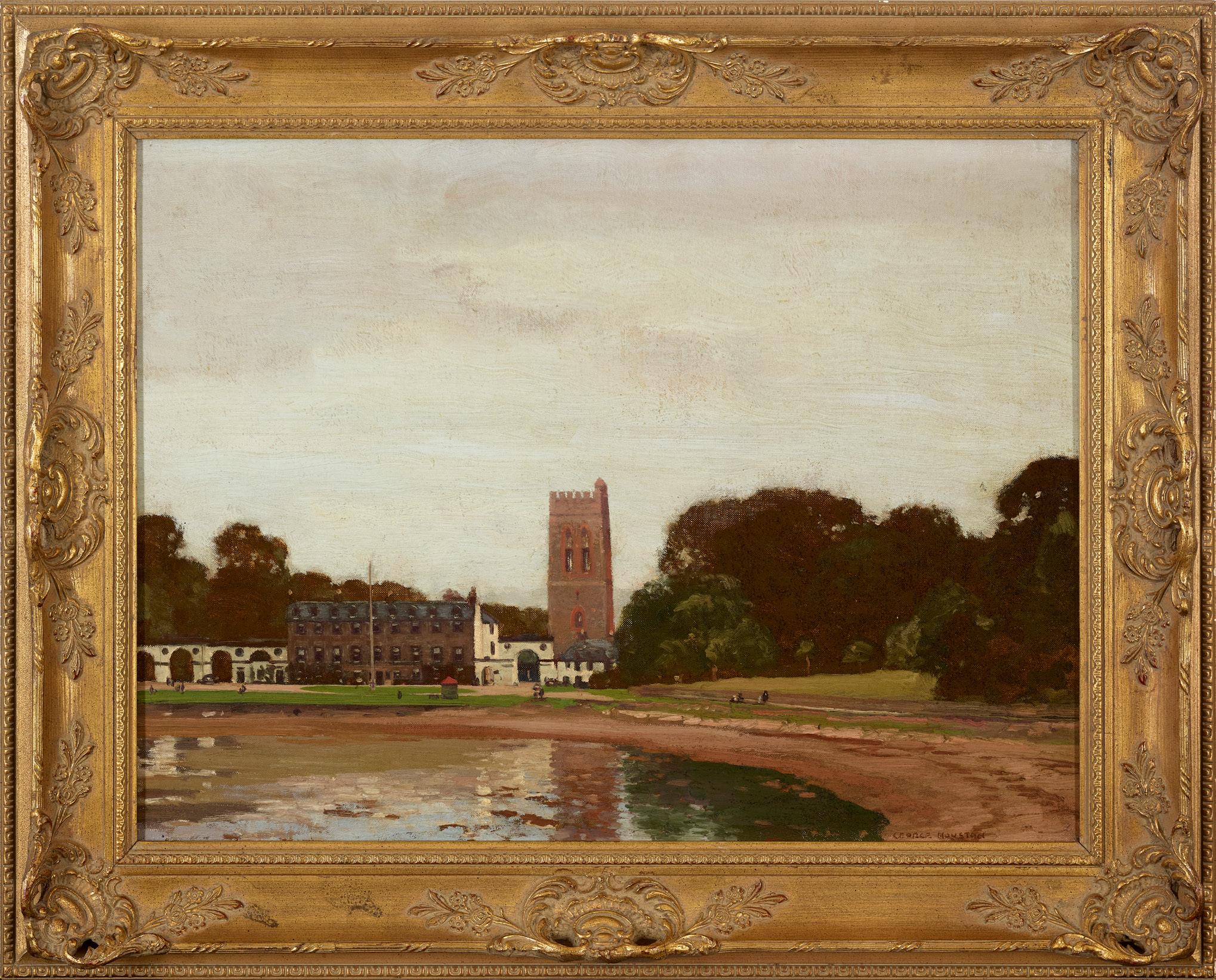
56
Signed, oil on canvas
46cm x 61cm (18in x 24in)
£800-1,200
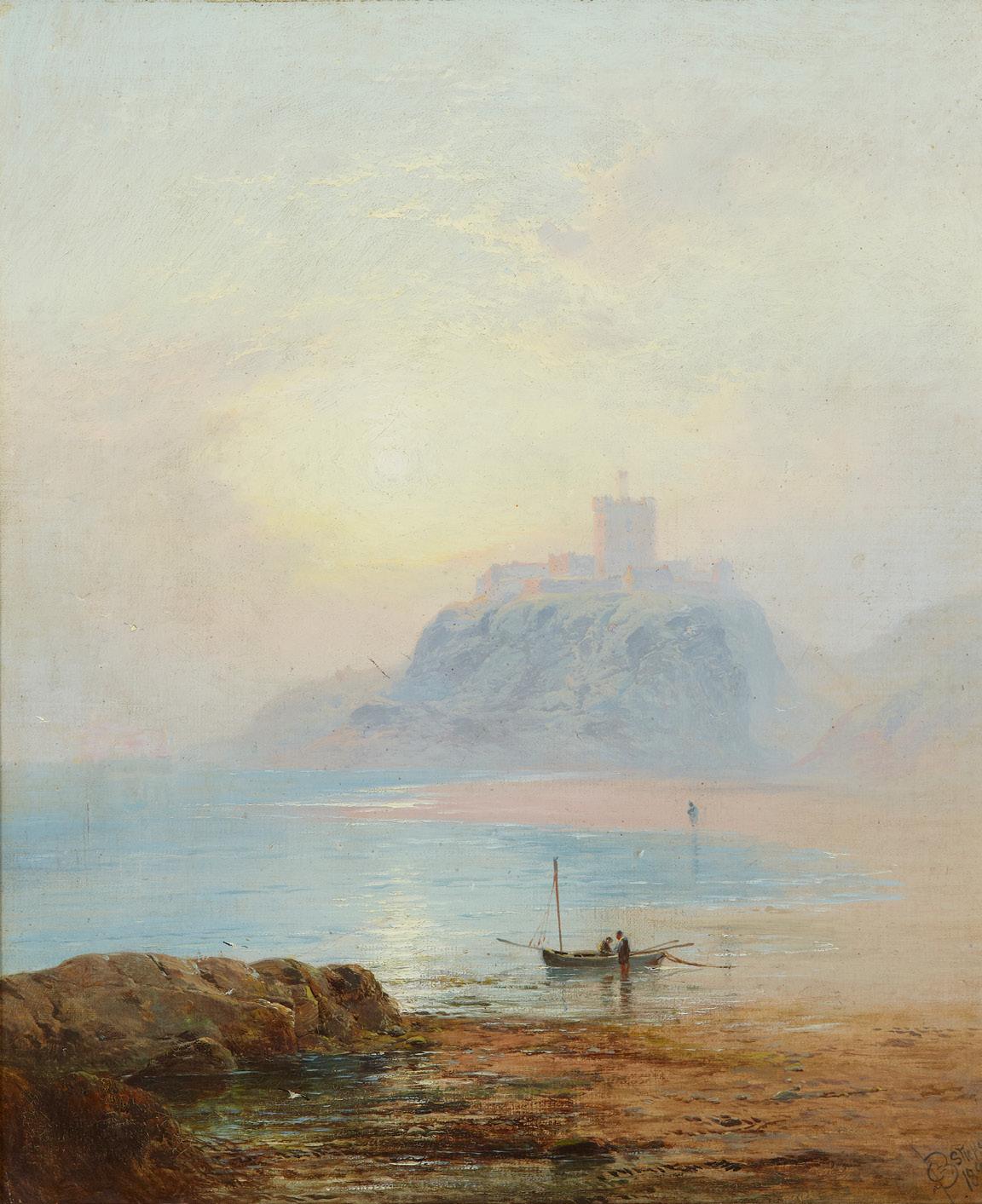
57
GEORGE BLACKIE STICKS (BRITISH 1843-1938)
BAMBURGH CASTLE
Signed and dated 1895, signed and inscribed verso, oil on canvas
46cm x 38cm (18in x 15in)
£600-800
58
WILLIAM DARLING MCKAY
R.S.A. (SCOTTISH 1844-1924)
THE MESSAGE
Signed with initials, oil on canvas
40.5cm x 33cm (16in x 13in)
£1,000-1,500
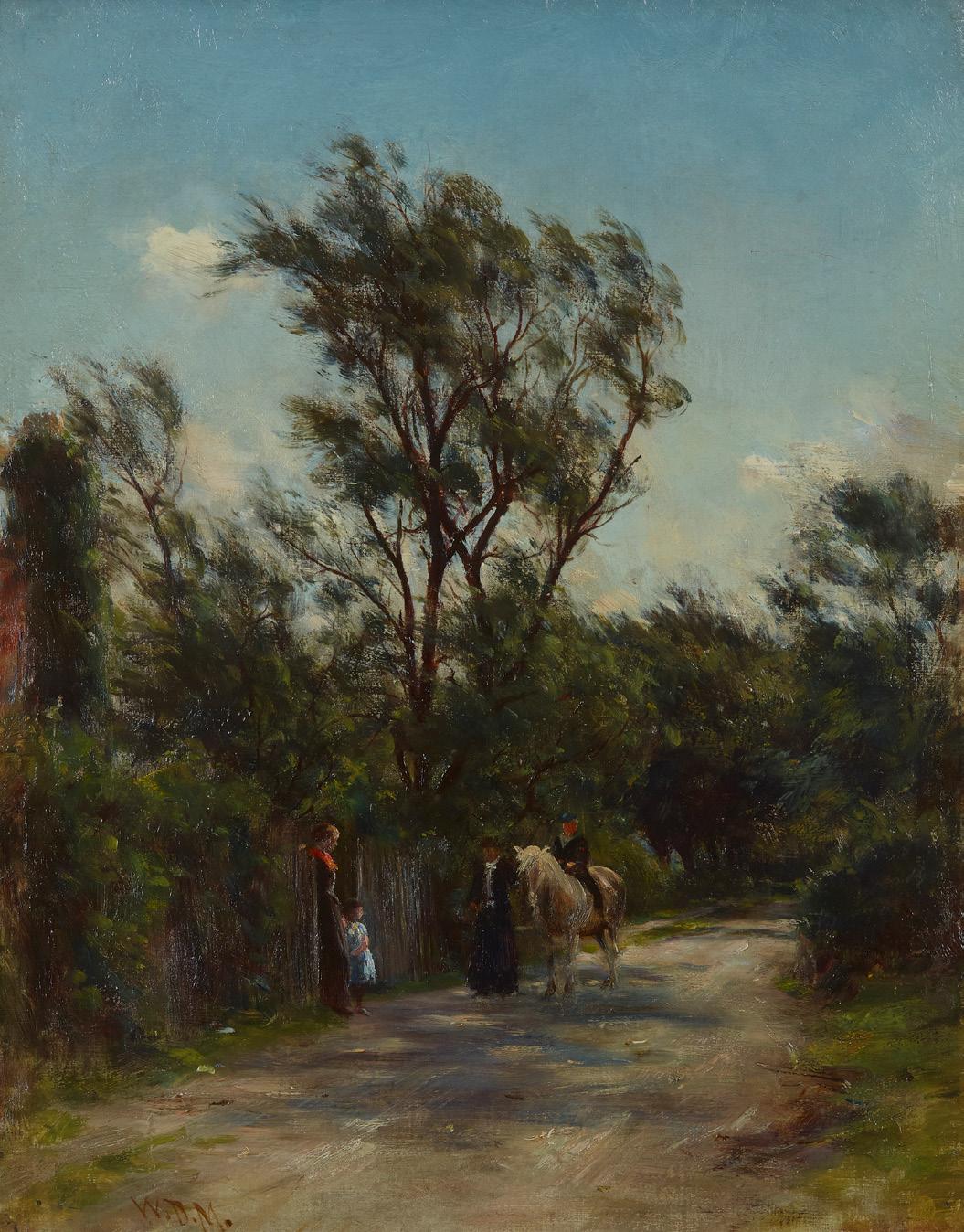
59
ROBERT G. EDINGTON SMITH (SCOTTISH FL.1893-1937)
THE ROOD FAIR, DUMFRIES
Signed, inscribed with title to a label verso, oil on canvas
51cm x 41cm (20in x 16in)
£1,000-1,500
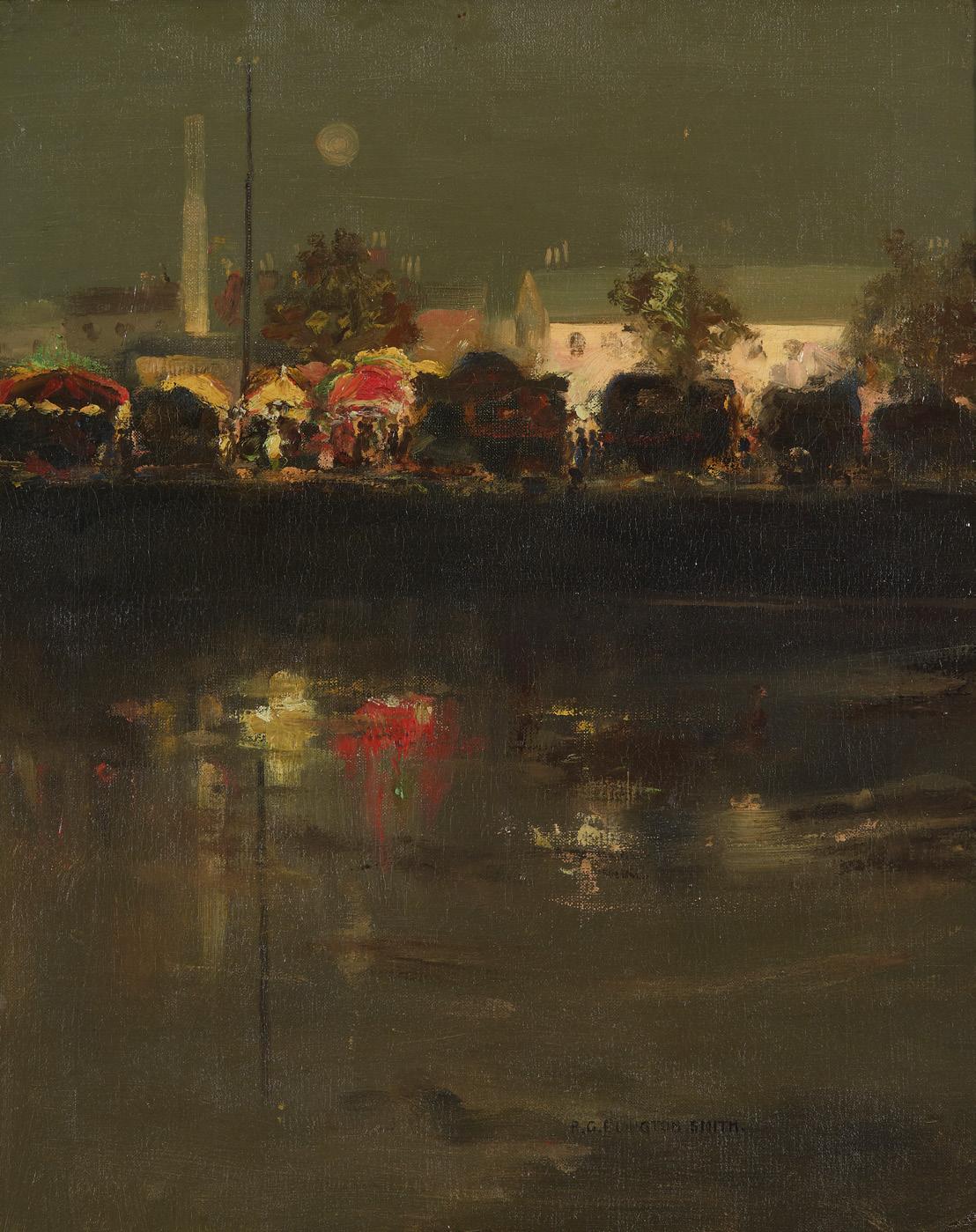
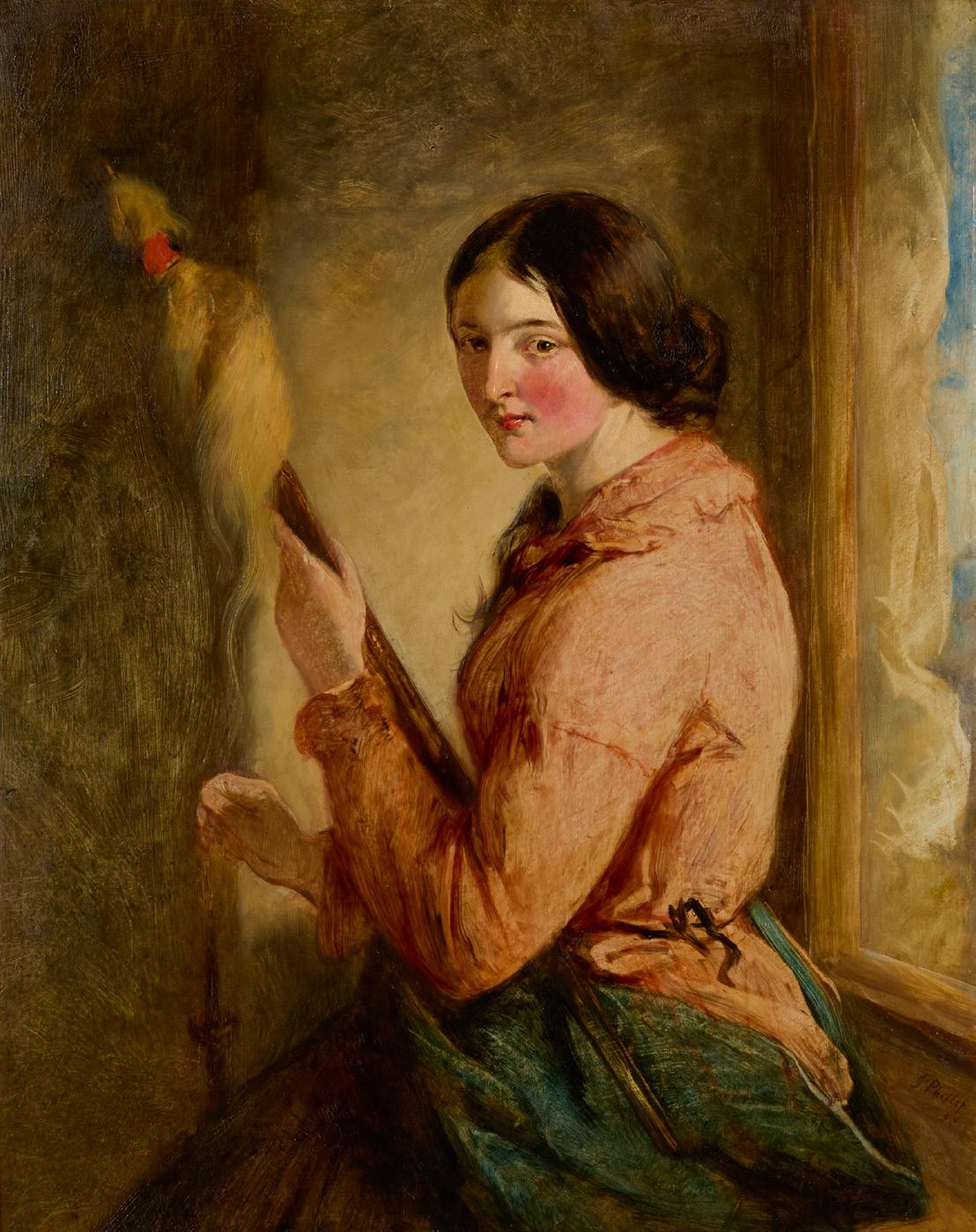
60
JOHN PHILLIP R.A., H.R.S.A. (SCOTTISH 1817-1867)
WINDING WOOL
Signed and dated ‘58, oil on board
51cm x 41cm (20in x 16in)
£800-1,200
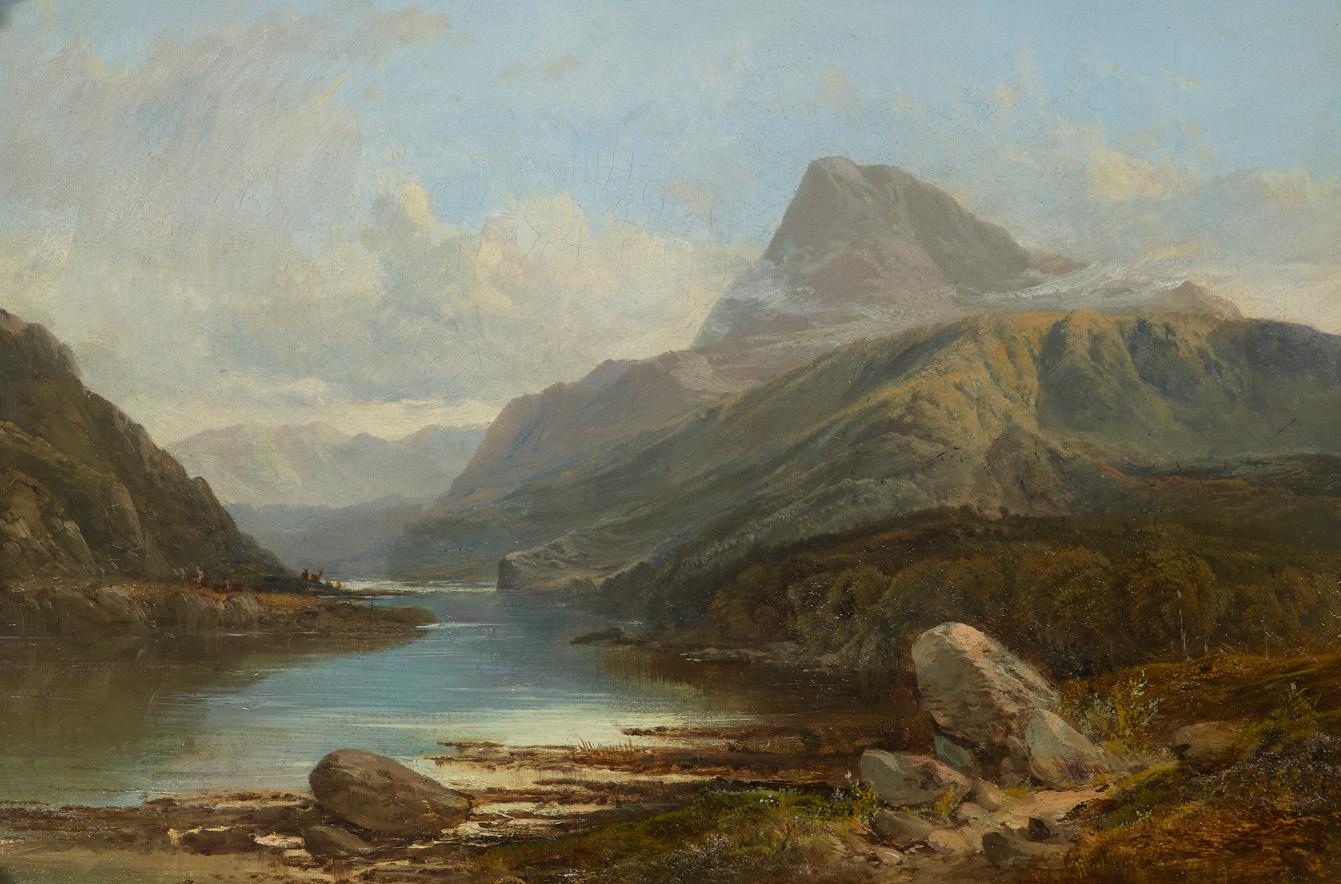
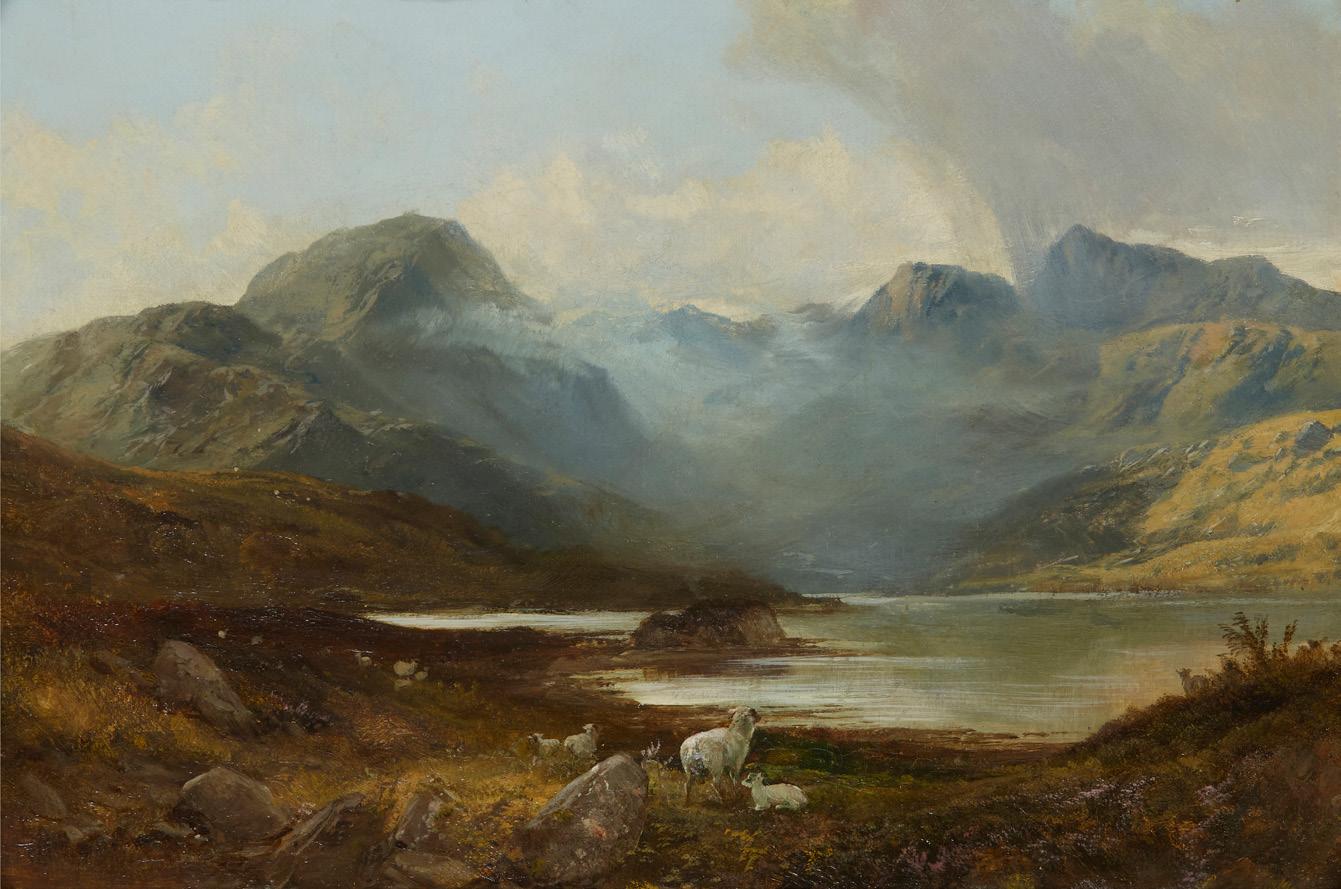
61
JOSEPH ADAM (SCOTTISH FL.1858-1916)
GLENCOE
Signed, oil on canvas; and a companion, a pair ‘Loch Leven’ (2) each 30.5cm x 46cm (12in x 18in)
£700-1,000
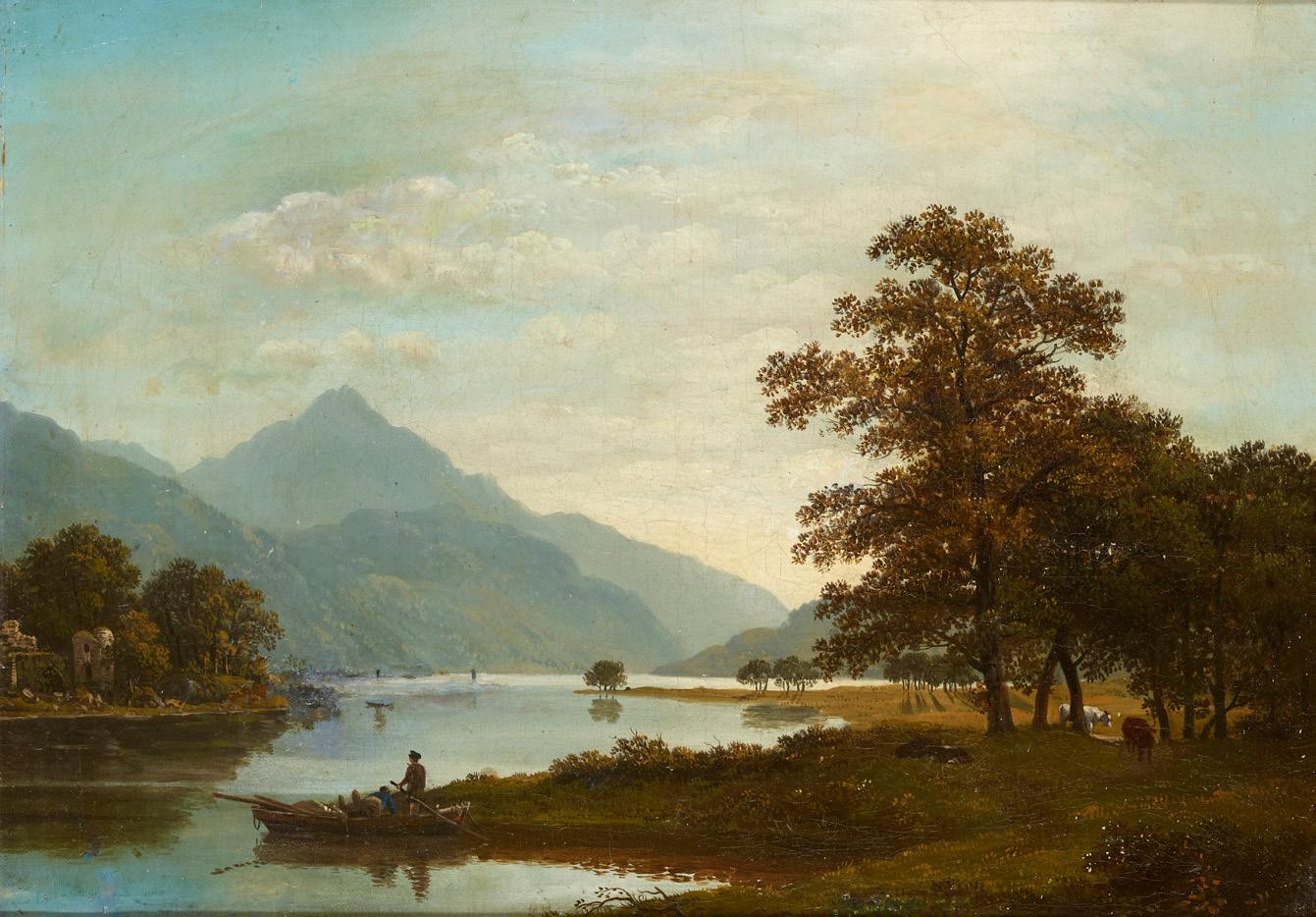
62
JOHN KNOX (SCOTTISH 1778-1845)
THE FERRYMAN
Oil on canvas
25.5cm x 35.5cm (10in x 14in)
£600-800
63 §
WILLIAM MILLER
FRAZER R.S.A., R.S.W. (SCOTTISH 1864-1961)
UNLOADING THE CATCH
Signed, oil on canvas
46cm x 61cm (18in x 24in)
£1,500-2,000
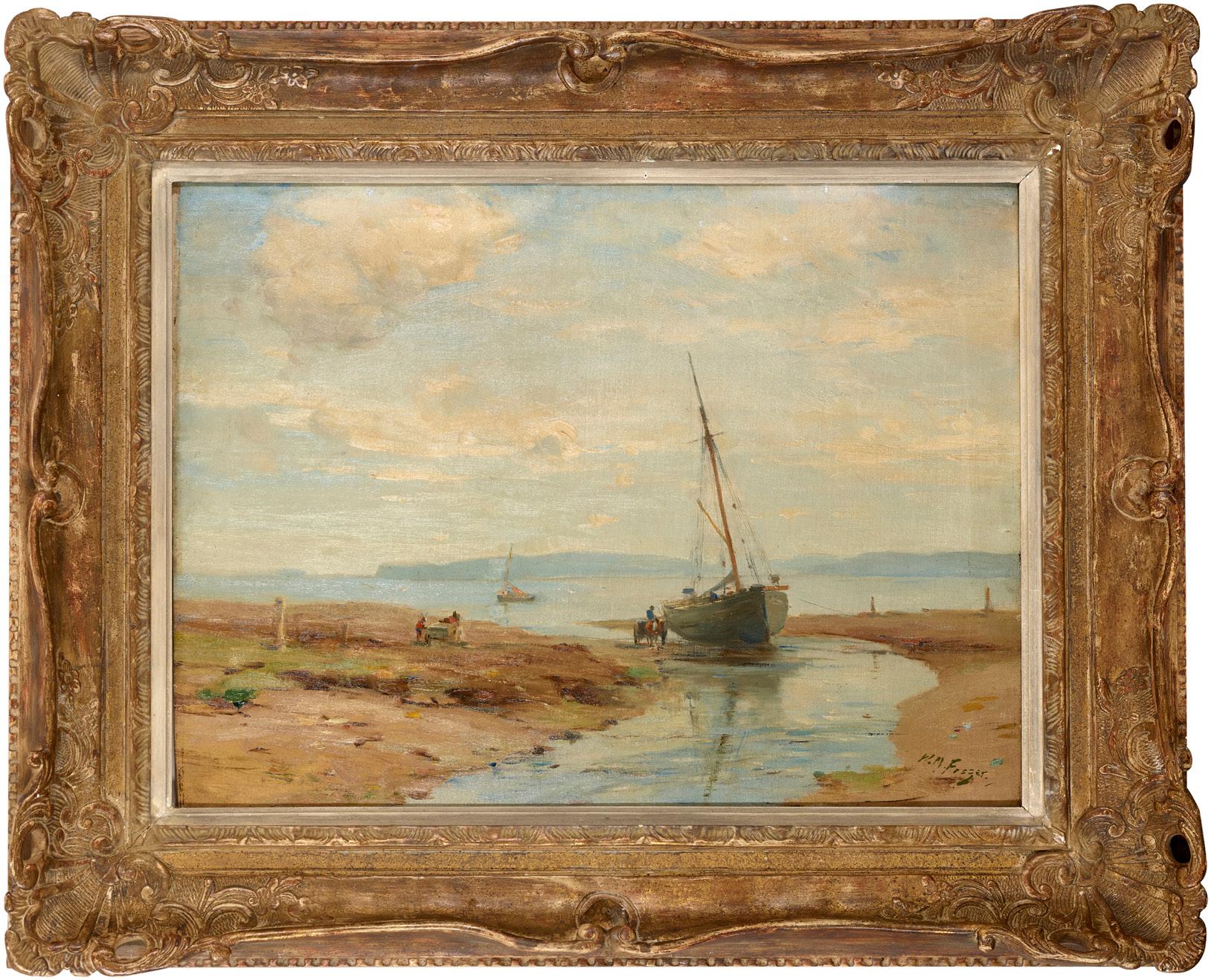
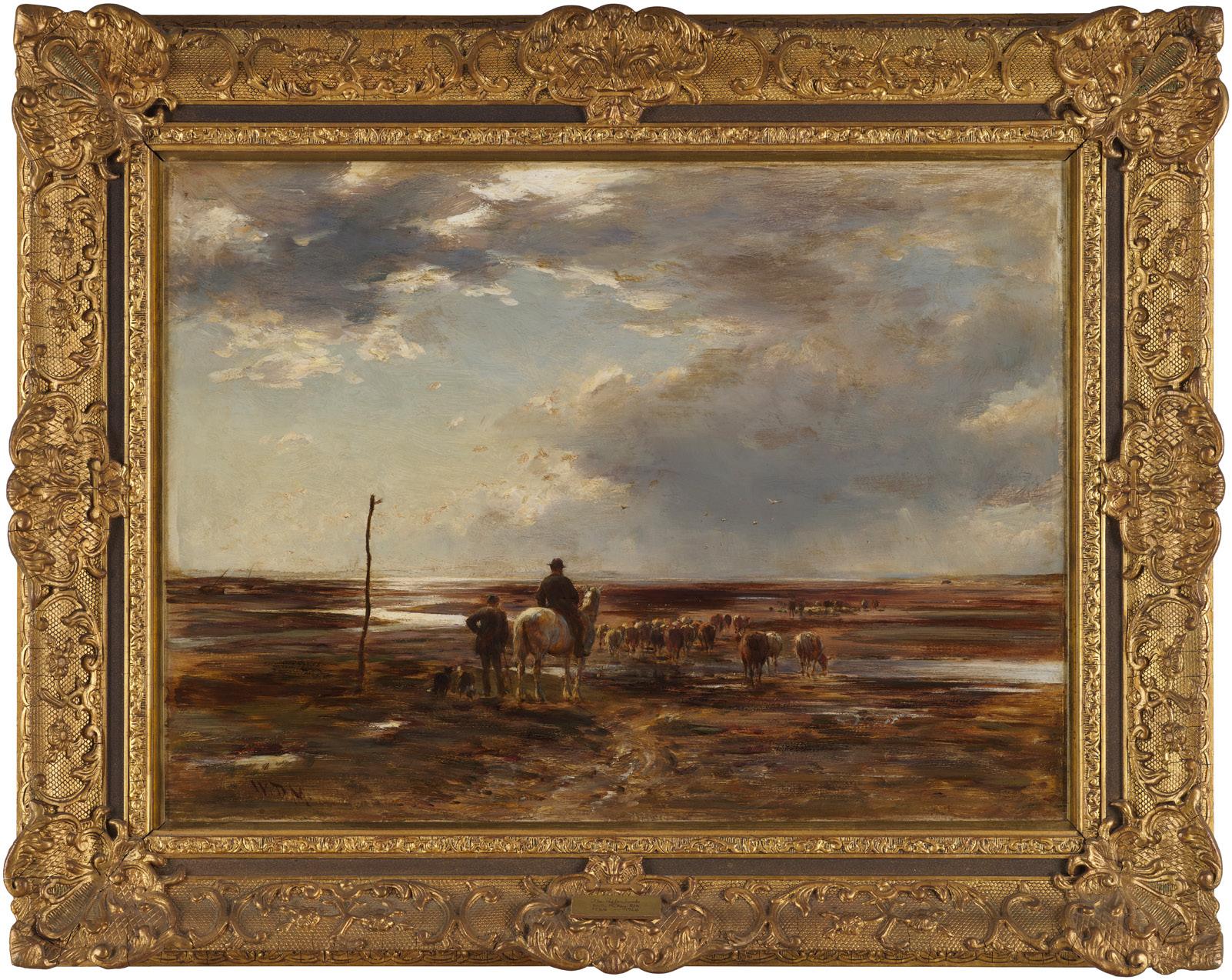

64
WILLIAM DARLING MCKAY R.S.A. (SCOTTISH 1844-1924) THE PEFFER SANDS
Signed with initials, oil on canvas
51cm x 66cm (20in x 26in)
£1,000-1,500
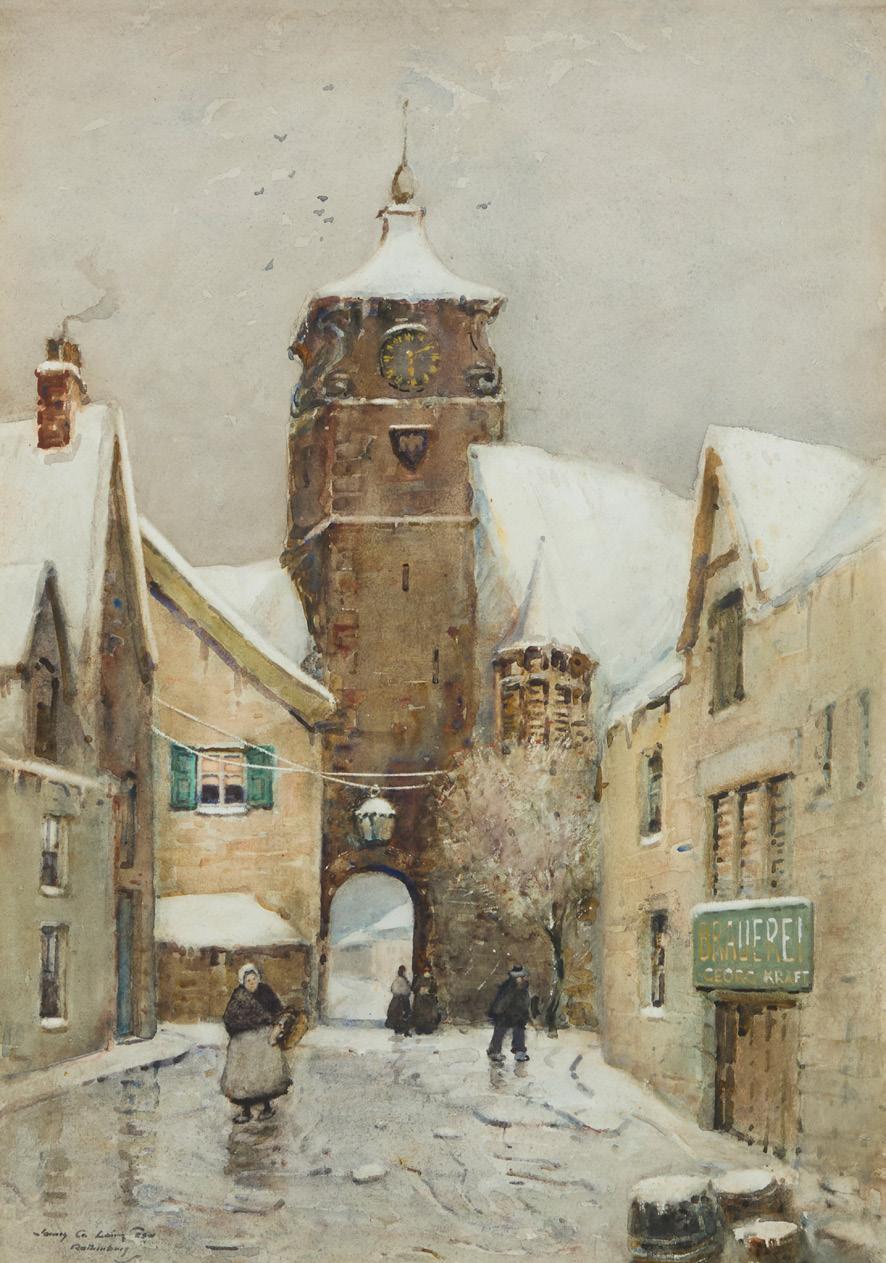
66 §
JAMES MCINTOSH PATRICK R.S.A., R.O.I., A.R.E., L.L.D. (SCOTTISH 1907-1998) A SUNLIT LANE
Signed, watercolour
76cm x 56cm (30in x 22in)
£1,000-1,500
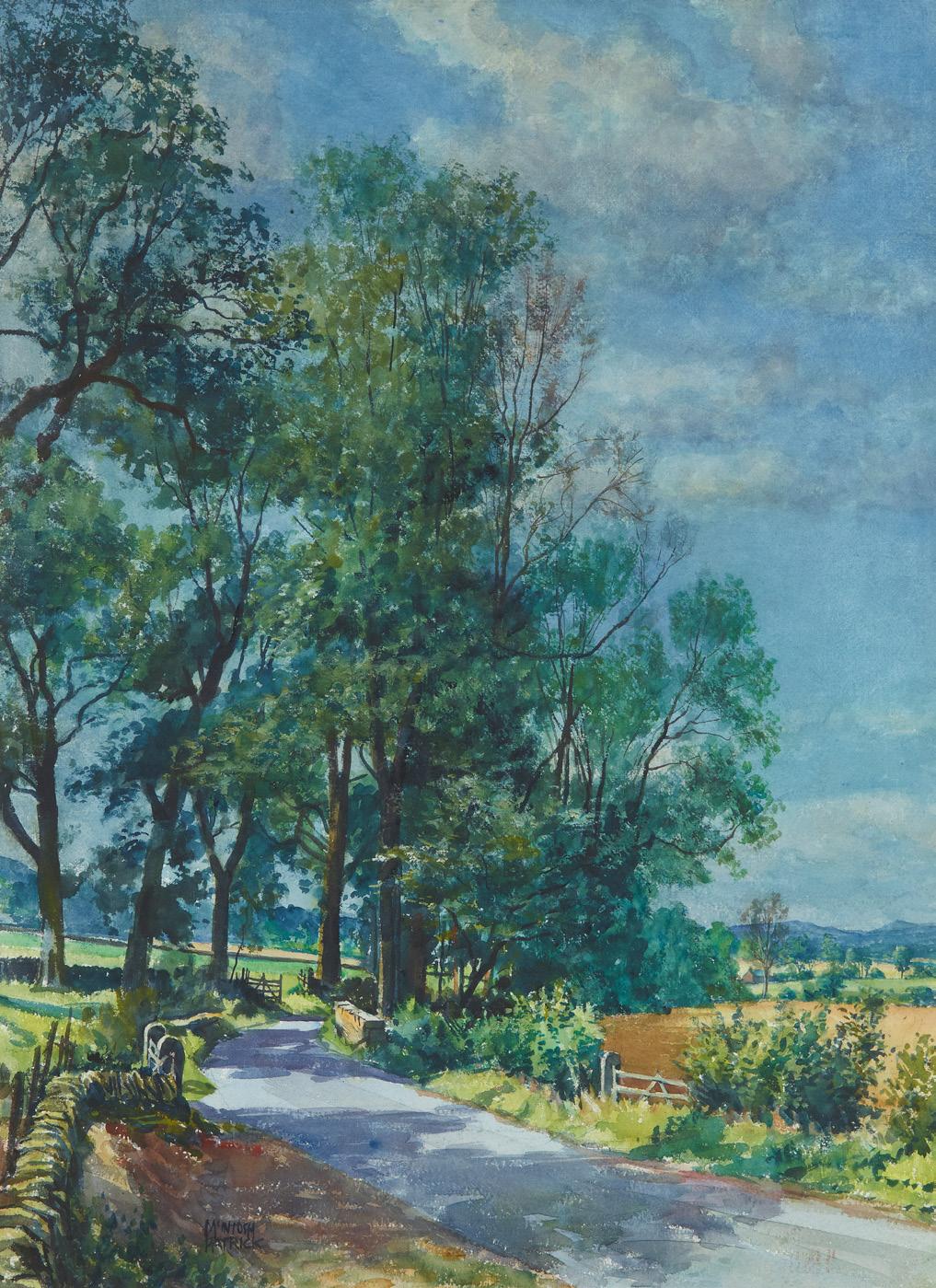
JAMES GARDEN LAING R.S.W. (SCOTTISH 1852-1915)
ROTHENBURG IN THE SNOW
Signed and inscribed, watercolour
51cm x 38cm (20in x 15in)
£600-800
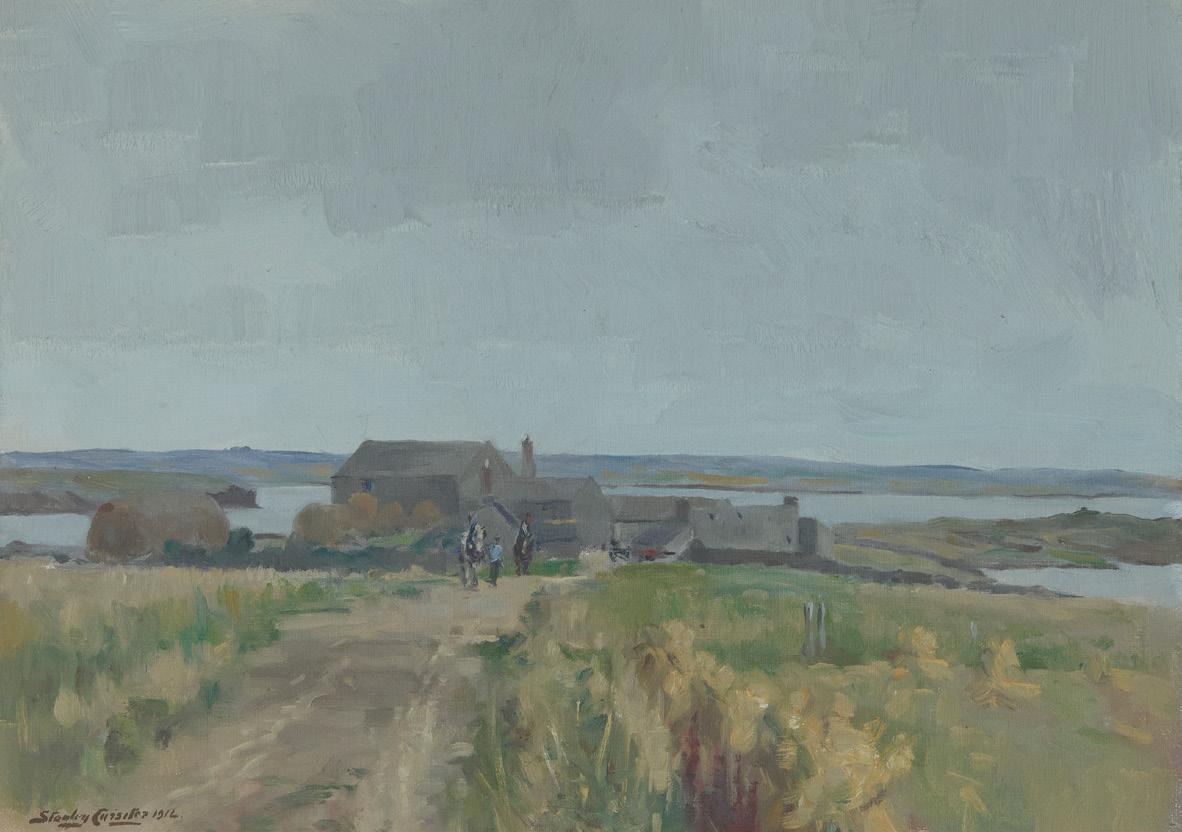
67 §
STANLEY CURSITER C.B.E., R.S.A., R.S.W. (SCOTTISH 1887-1976) AN ORKNEY HOMESTEAD
Signed and dated 1914, oil on board
24cm x 34cm (9.5in x 13.5in)
£1,500-2,000
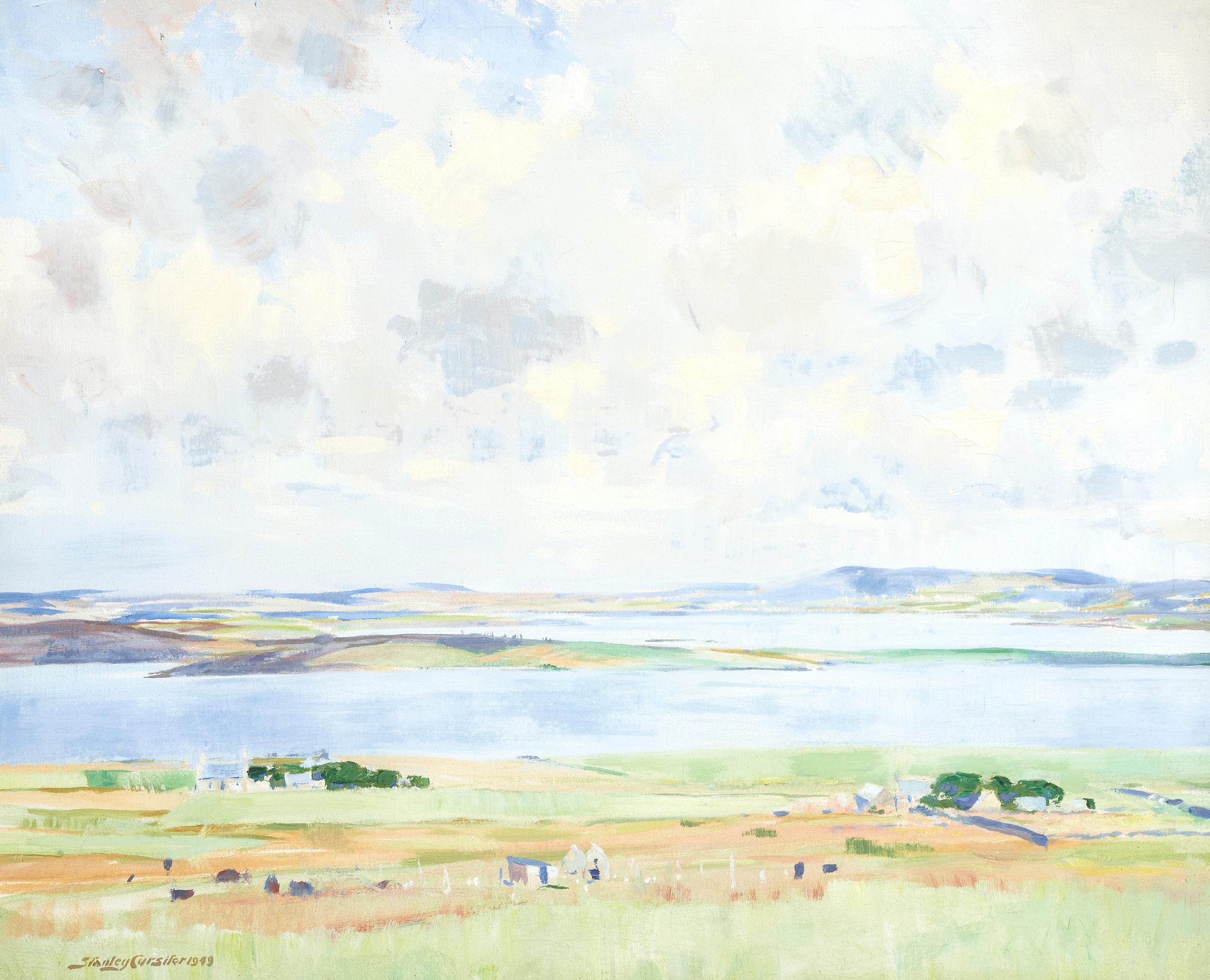
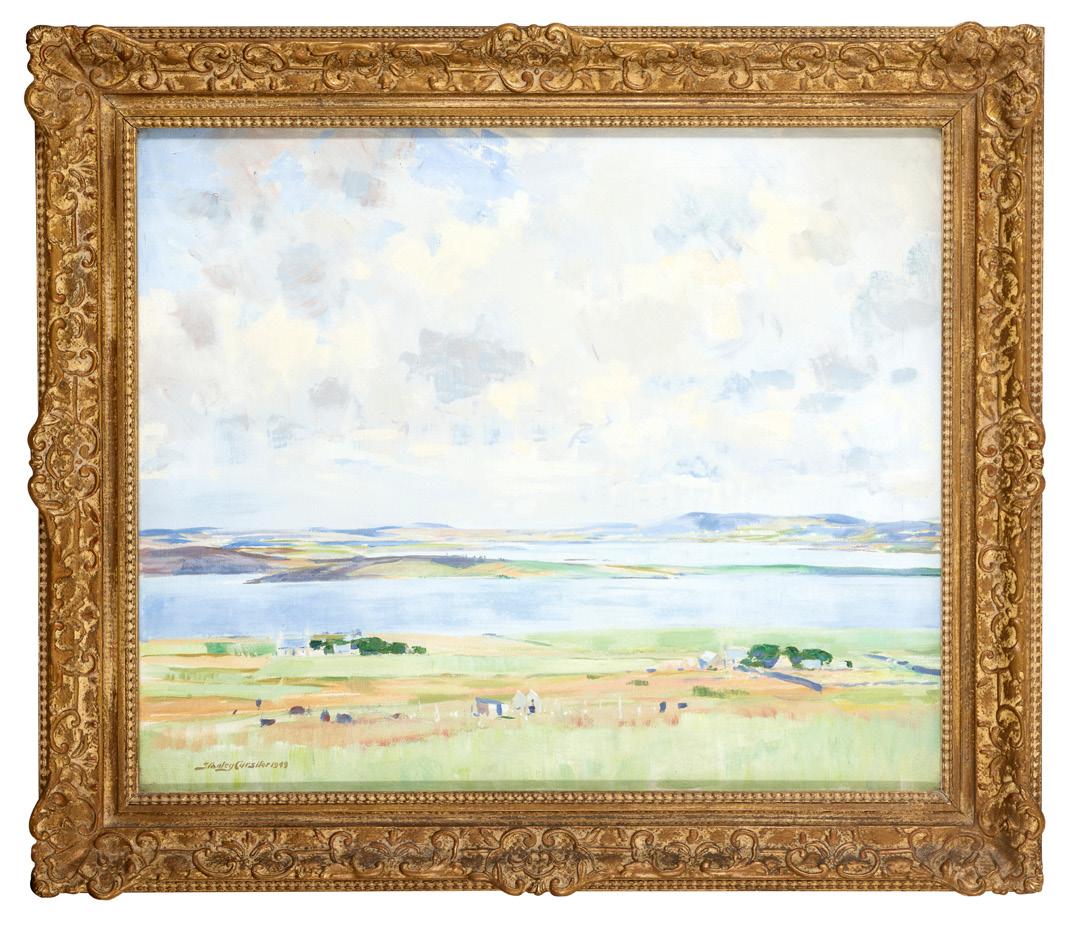
§
CURSITER C.B.E., R.S.A., R.S.W. (SCOTTISH 1887-1976)
THE LOCHS OF STENNESS AND HARRAY Signed and dated 1949, signed and inscribed with the title verso, oil on canvas 51cm x 61cm (20in x 24in)
£4,000-6,000
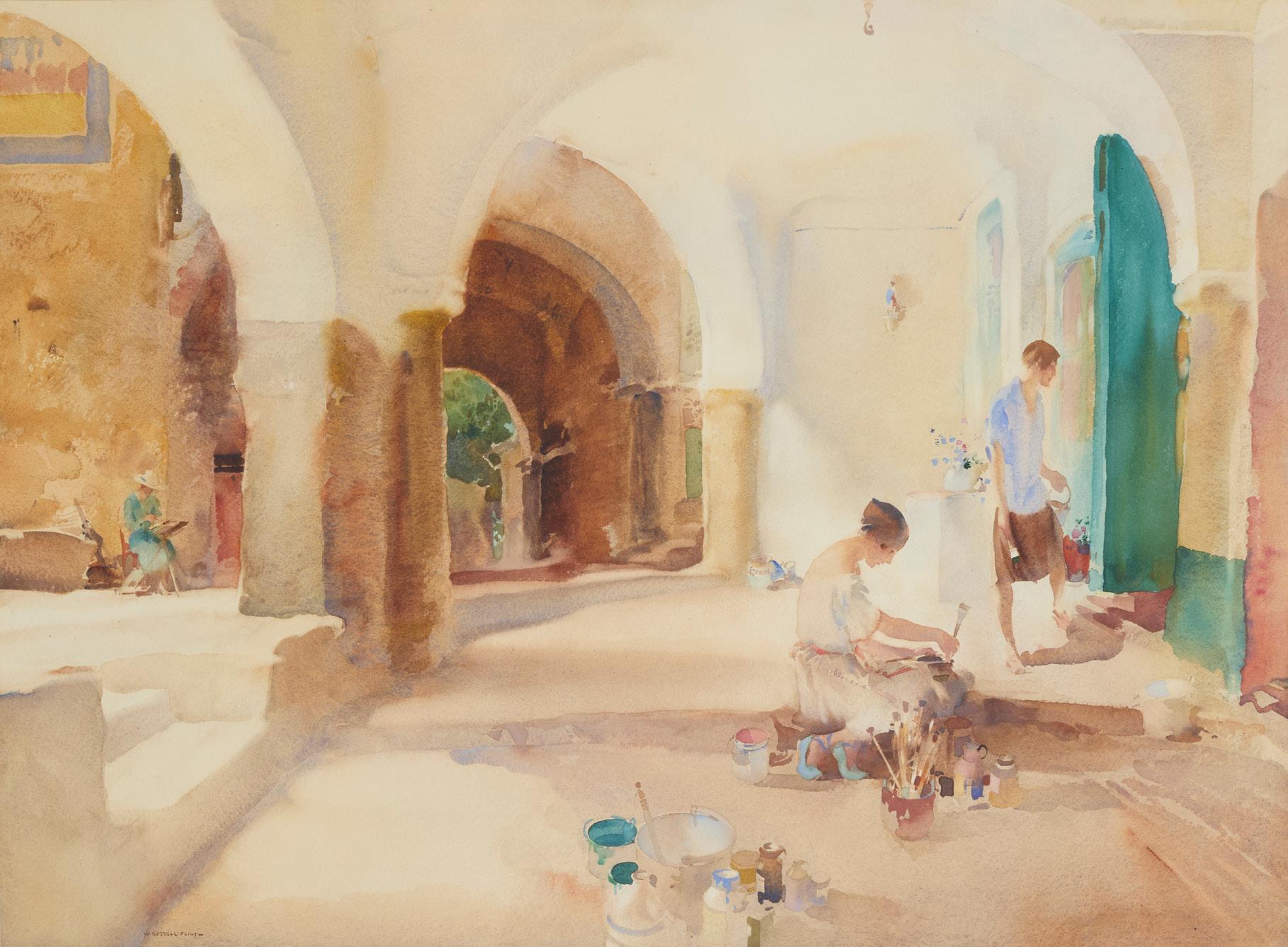
69 §
SIR WILLIAM RUSSELL FLINT
P.R.A., P.R.W.S., R.S.W., R.O.I., R.E. (SCOTTISH 1880- 1969) PAINTERS, CAGNES
Signed, watercolour
49cm x 66.5cm (19.25in x 26.25in)
Provenance: Christie’s, London, Modern British Paintings, Watercolours and Drawings, 2 March 1989, Lot 124
£4,000-6,000
70 §
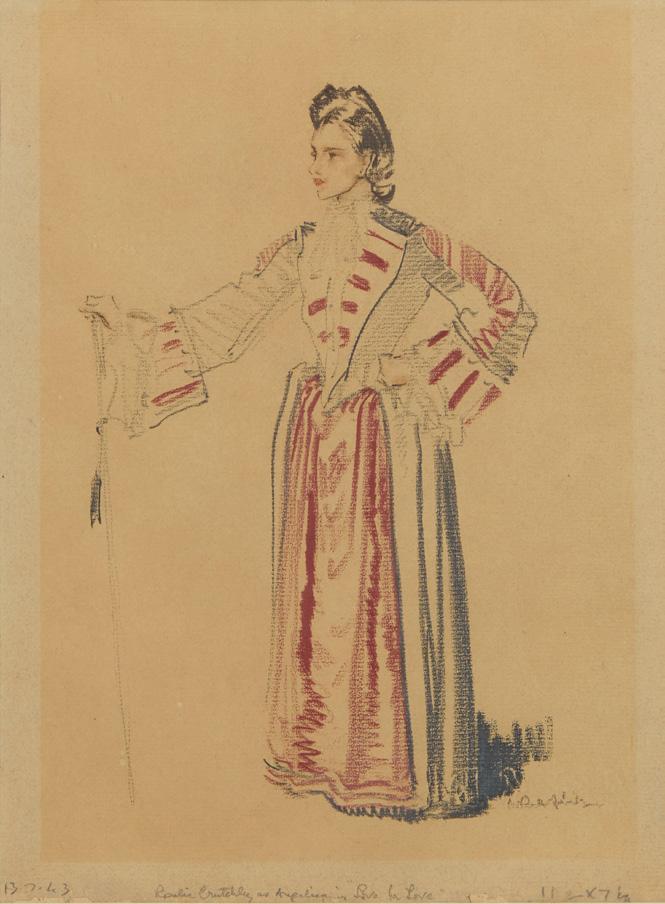
SIR WILLIAM RUSSELL FLINT P.R.A., P.R.W.S., R.S.W., R.O.I., R.E. (SCOTTISH 1880-1969)
ROSALIE CRUTCHLEY AS ANGELIQUE IN ‘LOVE FOR LOVE’
Signed, inscribed and dated 13.7.43 with measurements, coloured chalks
28cm x 22cm (11in x 8.5in)
£600-800
71 §
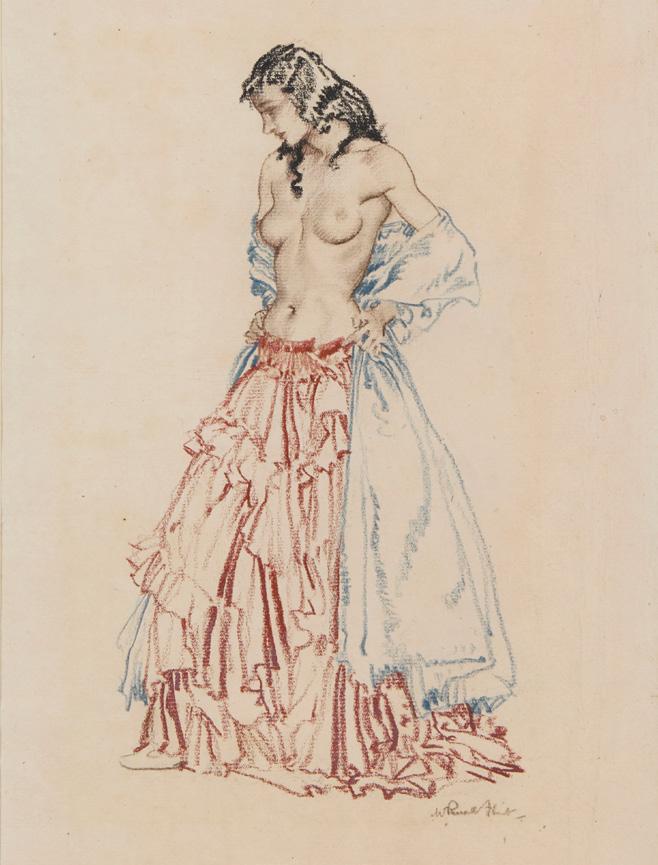
SIR WILLIAM RUSSELL FLINT P.R.A., P.R.W.S., R.S.W., R.O.I., R.E. (SCOTTISH 1880-1969)
SPANISH DANCER
Signed, coloured chalks
31cm x 20.5cm (12.25in x 8in)
Provenance: Christie’s, London, Modern British and Irish Paintings, Watercolours and Drawings, 5 June 1992, Lot 38
£800-1,200
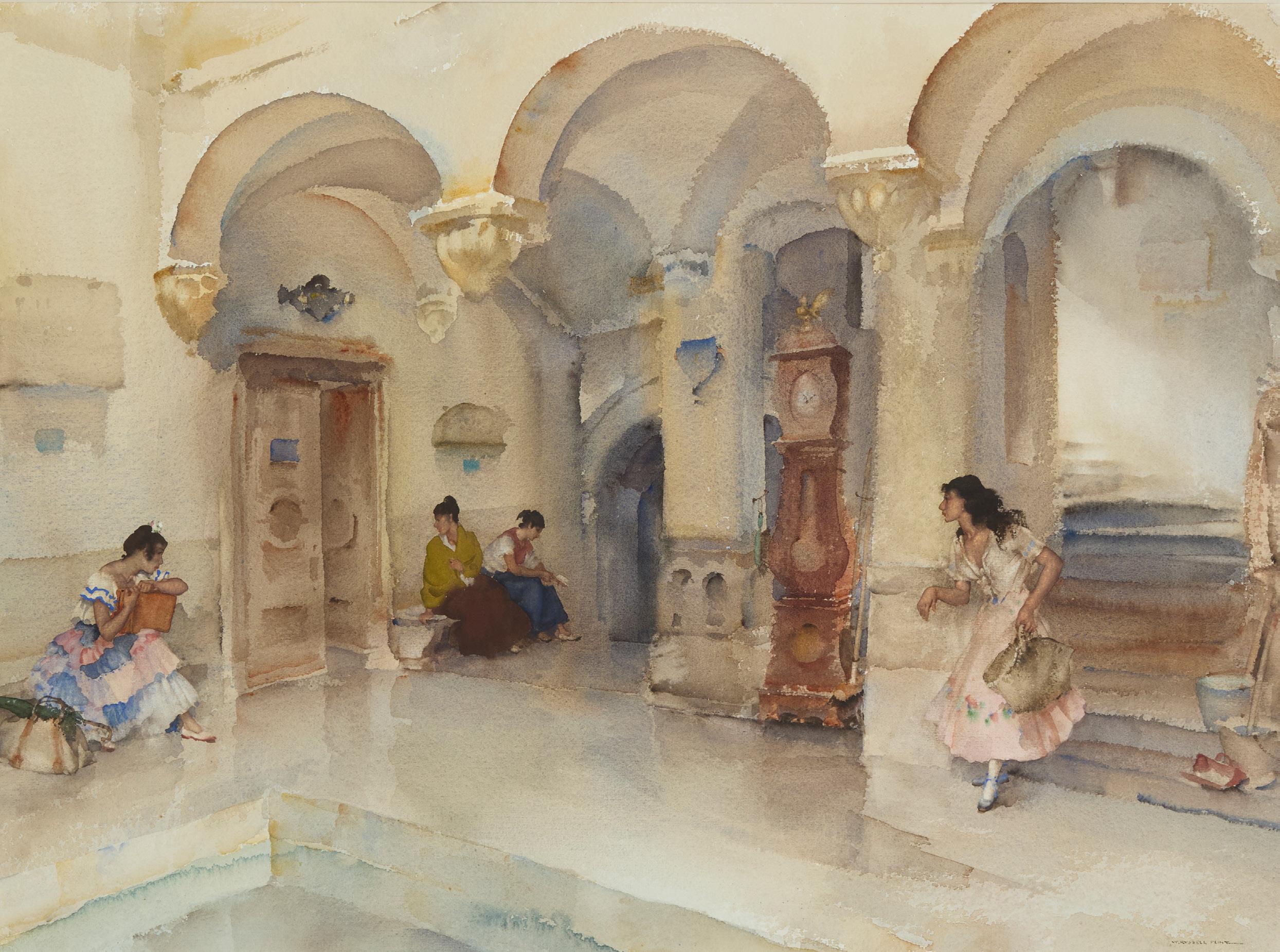
SIR WILLIAM RUSSELL FLINT P.R.A., P.R.W.S., R.S.W., R.O.I., R.E. (SCOTTISH 1880- 1969) MORNING APPOINTMENTS, THE MAIRIE AT MANOSQUE
Signed, watercolour
48.5cm x 67cm (19.5in x 26.25in)
Provenance: Bonham’s, London, Sir William Russell Flint, Watercolours, Drawings, Prints and Books,19 May 1990, Lot 190 £4,000-6,000
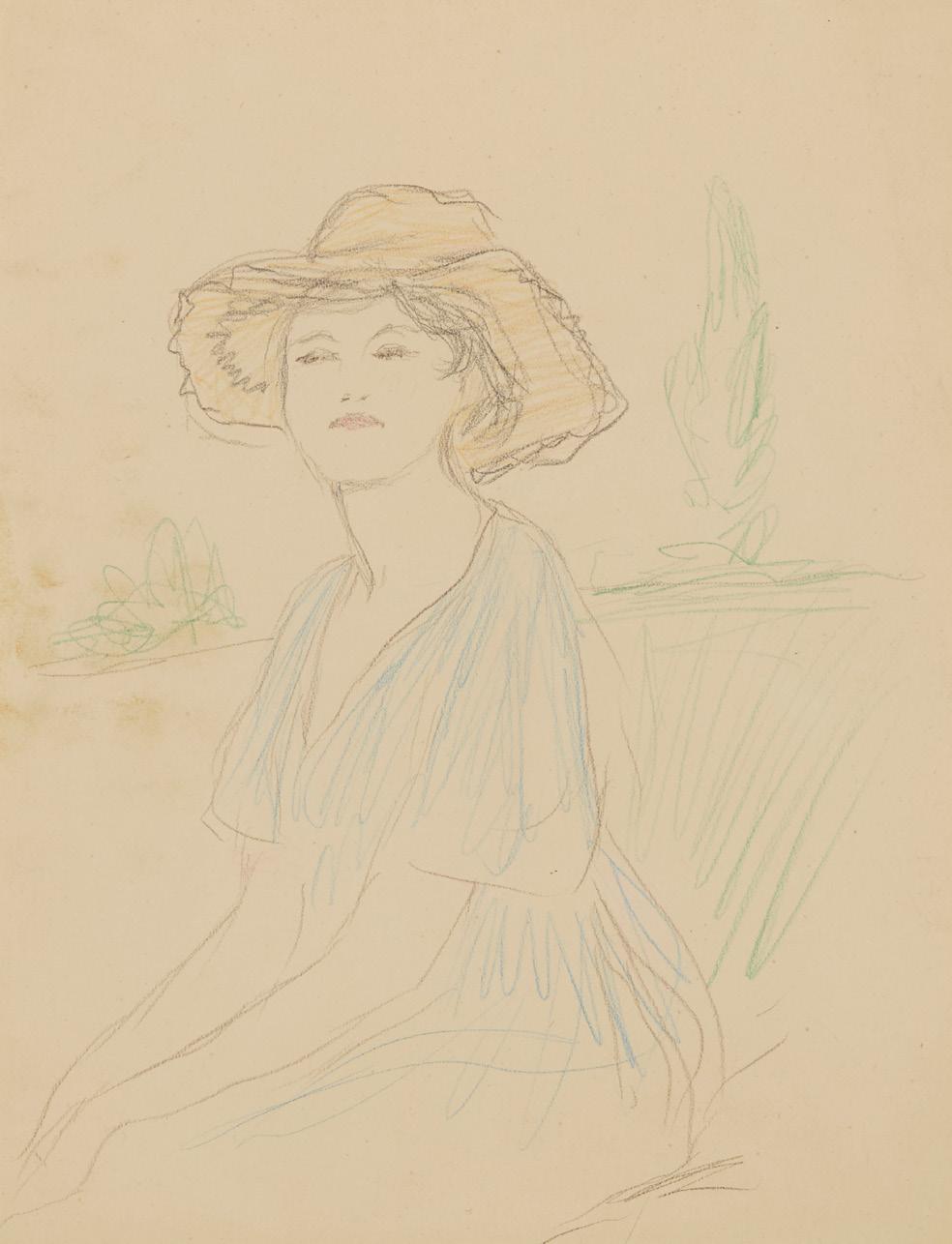
GEORGE LESLIE HUNTER (SCOTTISH 1877-1931)
STUDY OF A SEATED GIRL
Coloured chalks
34cm x 26cm (13.5in x 10.25in)
£2,000-3,000
74 §
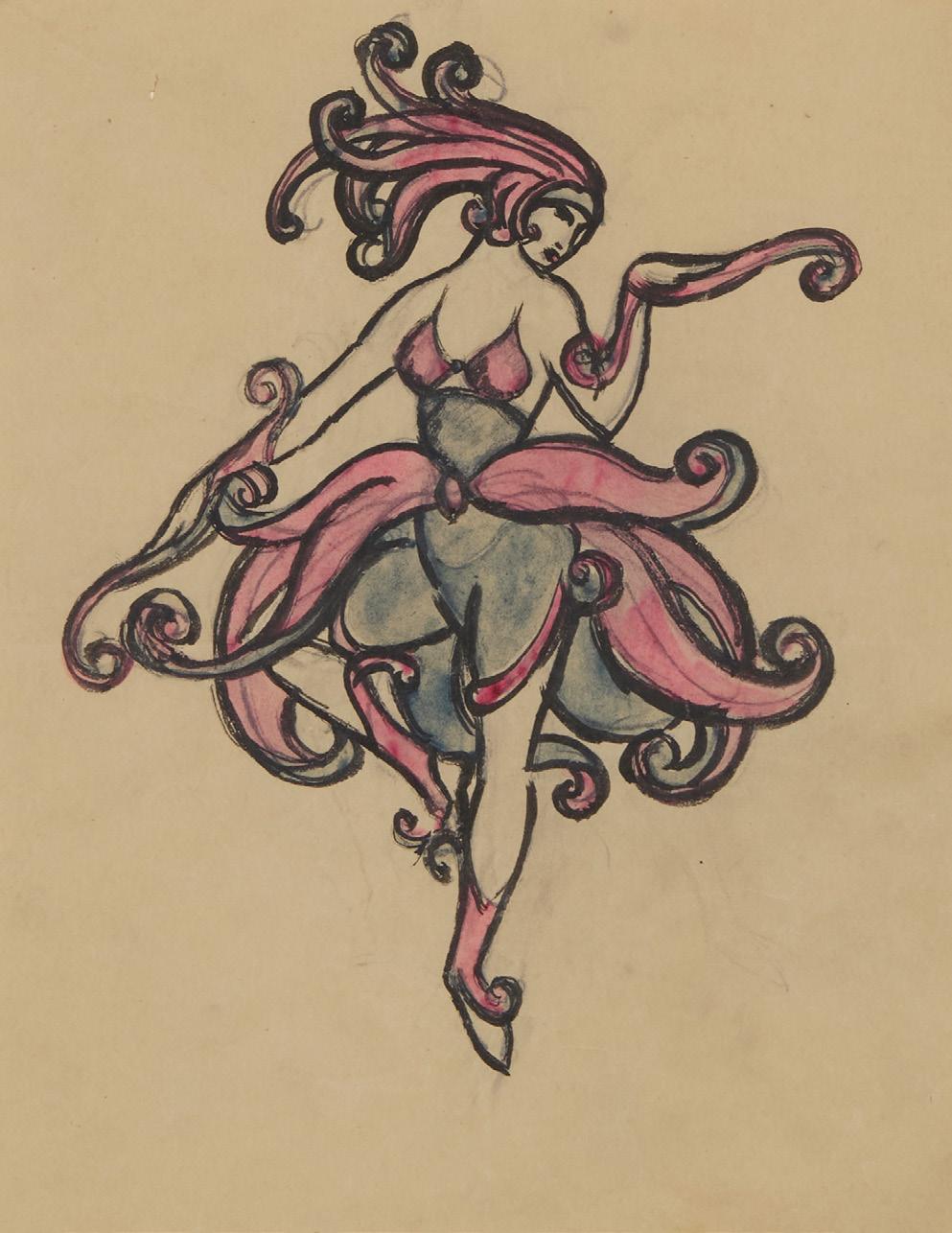
MARGARET MORRIS (SCOTTISH 1891-1980) SARCASMS
Inscribed with title and dated 1921 on artist’s label verso, pencil and watercolour
23.5cm x 19cm (9.25in x 7.5in)
Exhibited: Cyril Gerber Fine Art, Glasgow, Margaret Morris Centenary Exhibition, 1991, no.8
£600-900
75 §
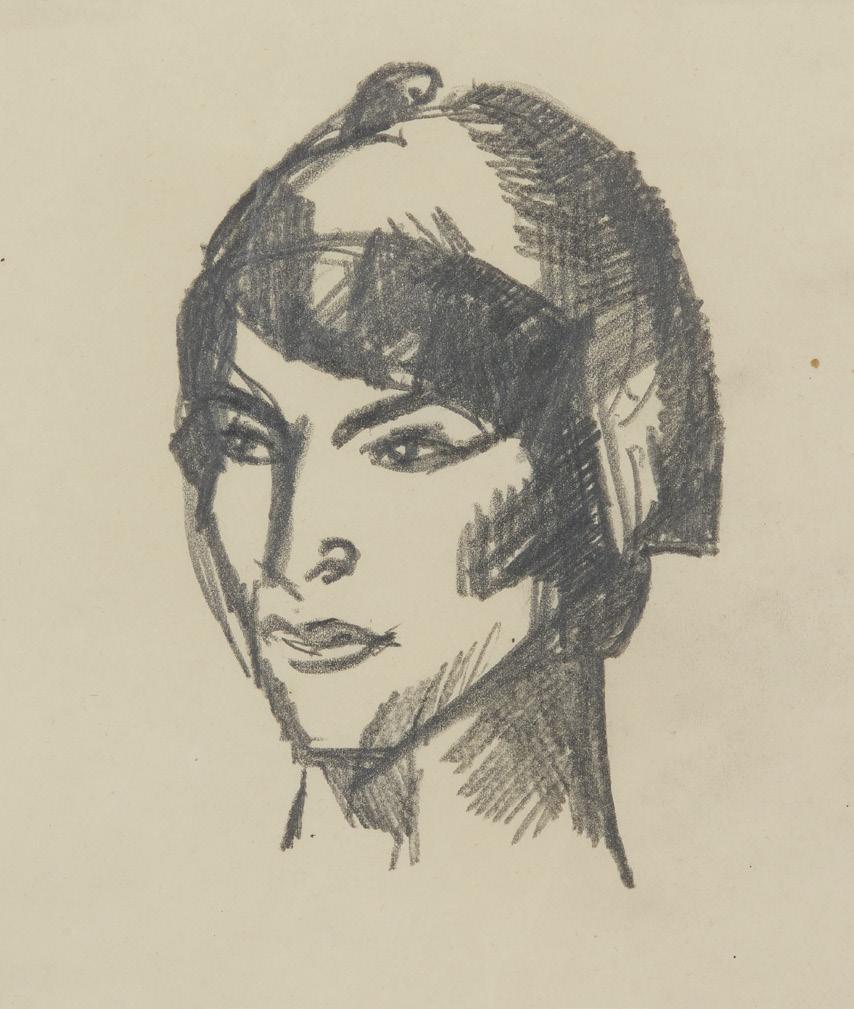
JOHN DUNCAN FERGUSSON R.B.A. (SCOTTISH 1874-1961)
HEAD STUDY
Conté
19cm x 18cm (7.5in x 7in)
£600-800
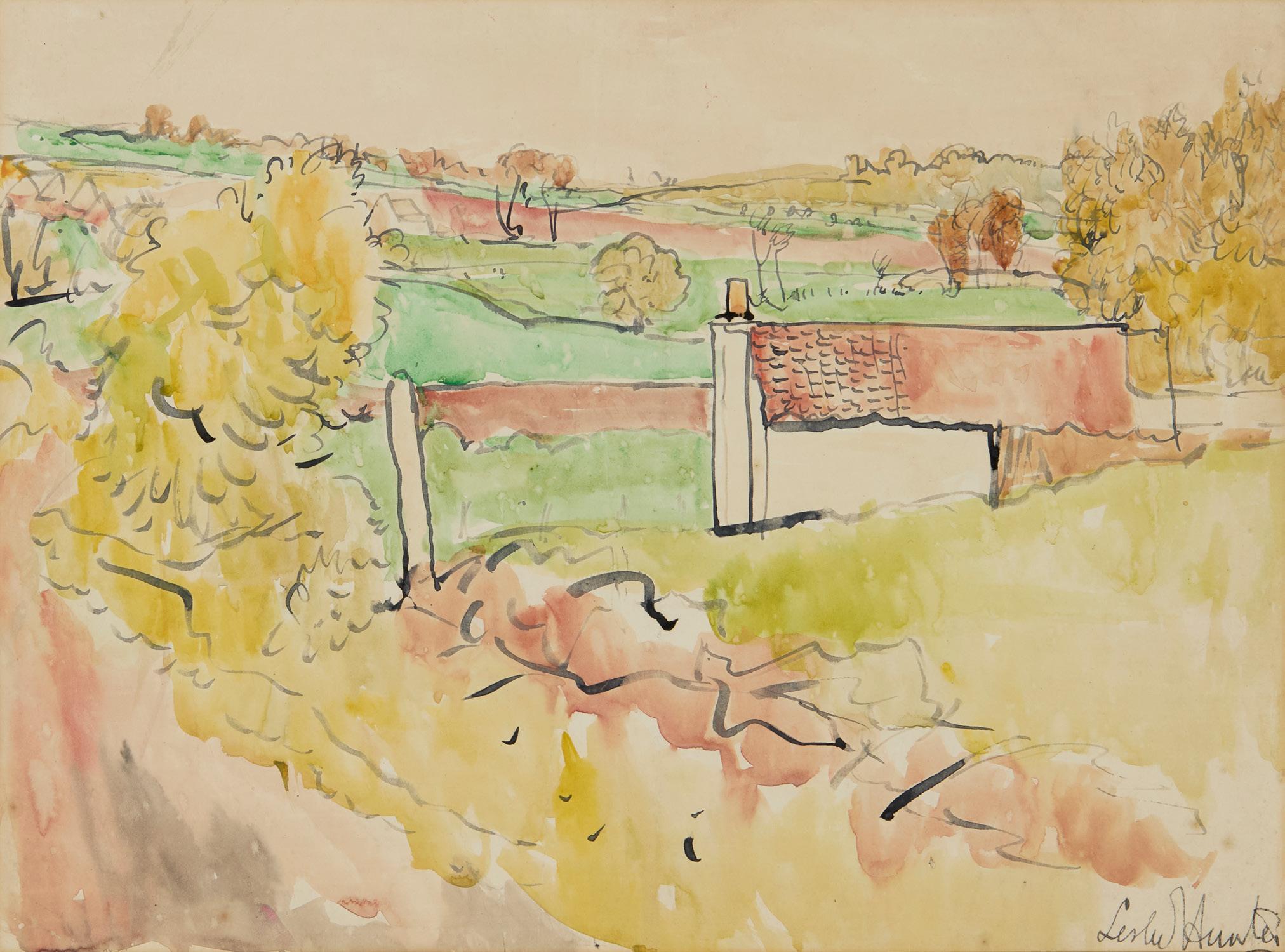
GEORGE LESLIE HUNTER (SCOTTISH 1877-1931)
COTTAGES, FIFE
Signed, pen and ink and watercolour
30.5cm x 41cm (12in x 16in)
£4,000-6,000
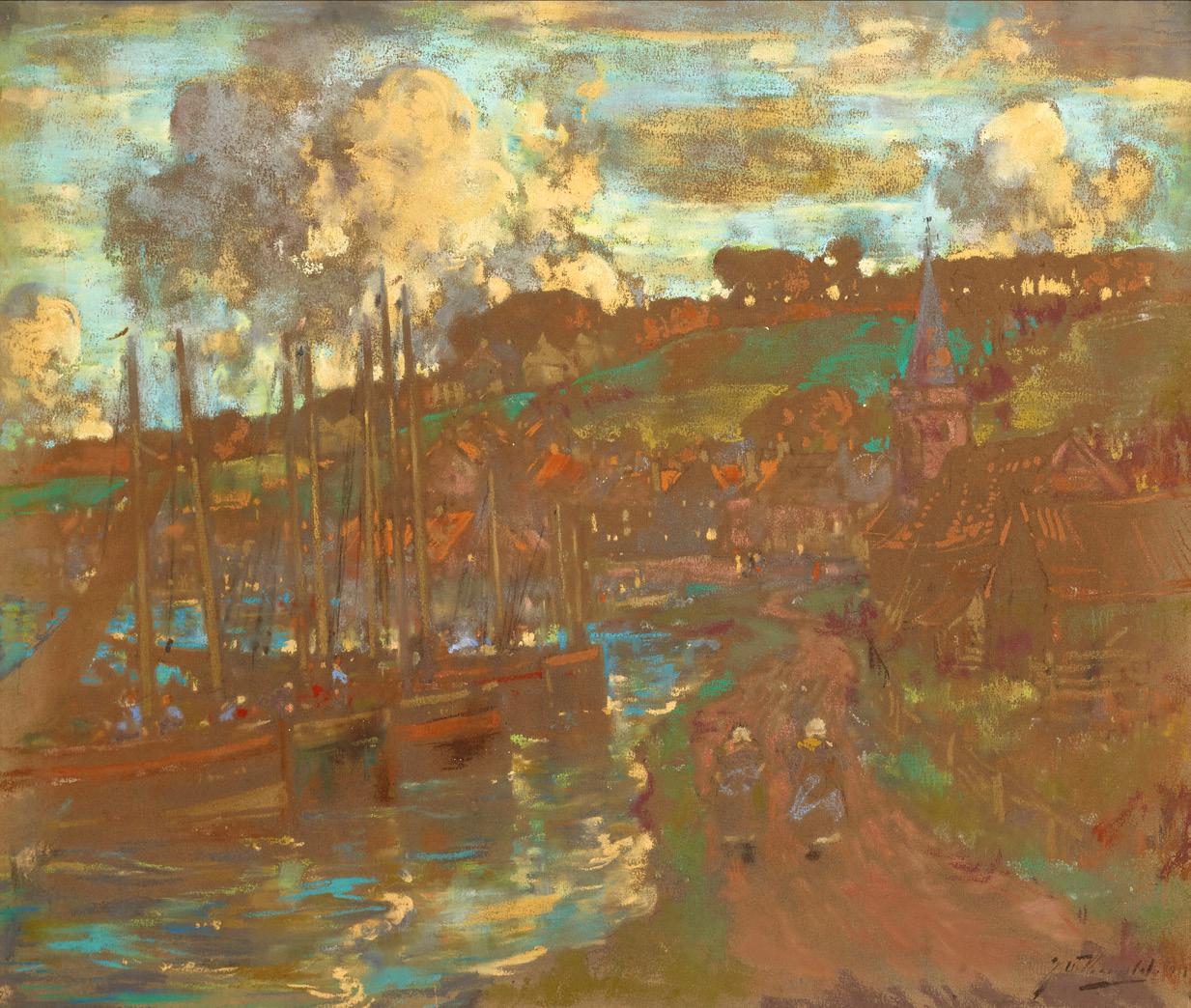
77
JAMES WATTERSTON HERALD (SCOTTISH 1859-1914) A BUSY FISHING VILLAGE
Signed, pastel 51cm x 63.5cm (20in x 25in)
£1,500-2,000
78 §
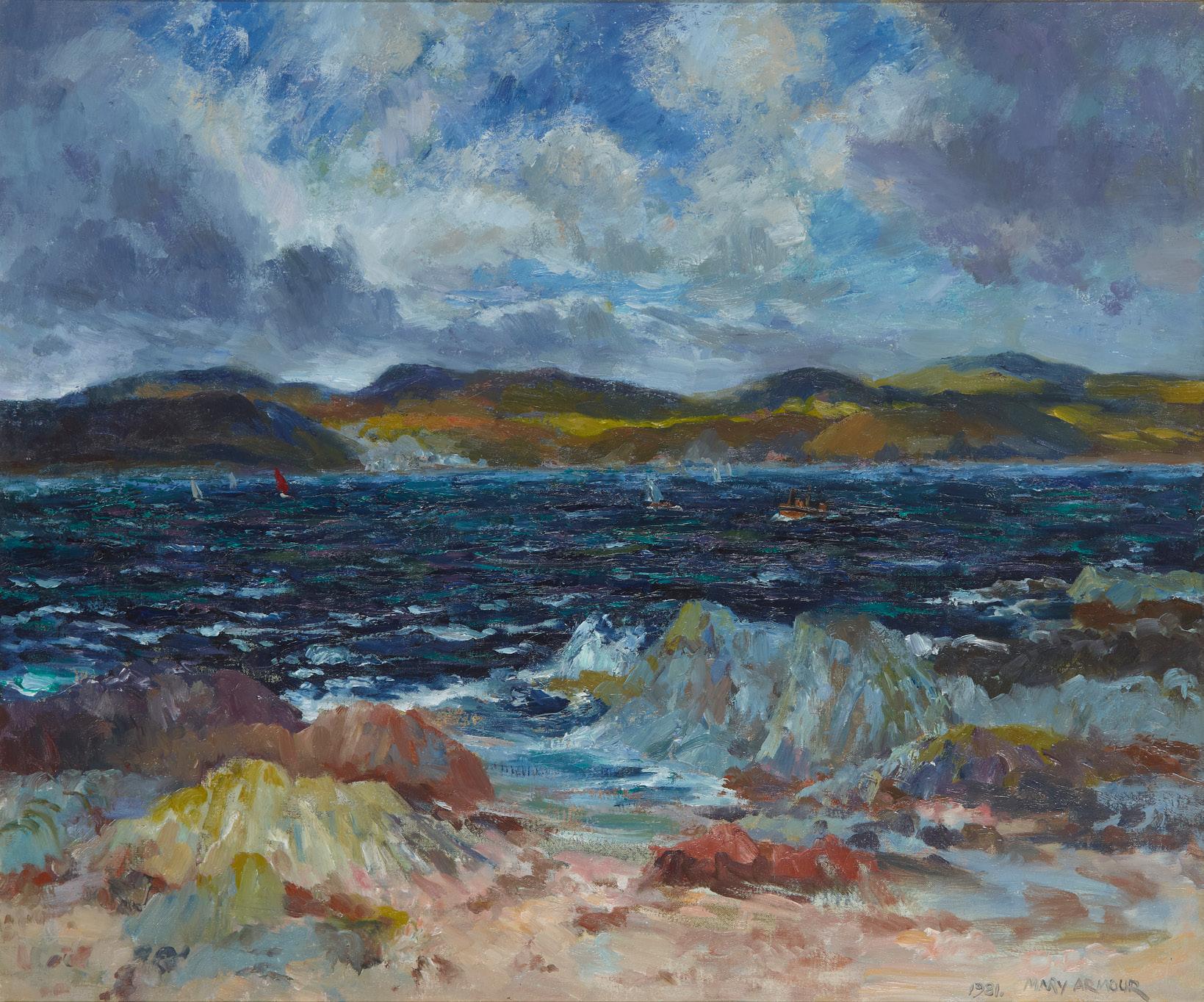
MARY NICOL NEILL ARMOUR R.S.A., R.S.W. (SCOTTISH 1902-2000) CARRADALE FROM ARRAN
Signed and dated 1981, oil on canvas 63.5cm x 76cm (25in x 30in)
Exhibited: Royal Scottish Academy, Edinburgh, Annual Exhibition, 1982, no.102
£800-1,200
79
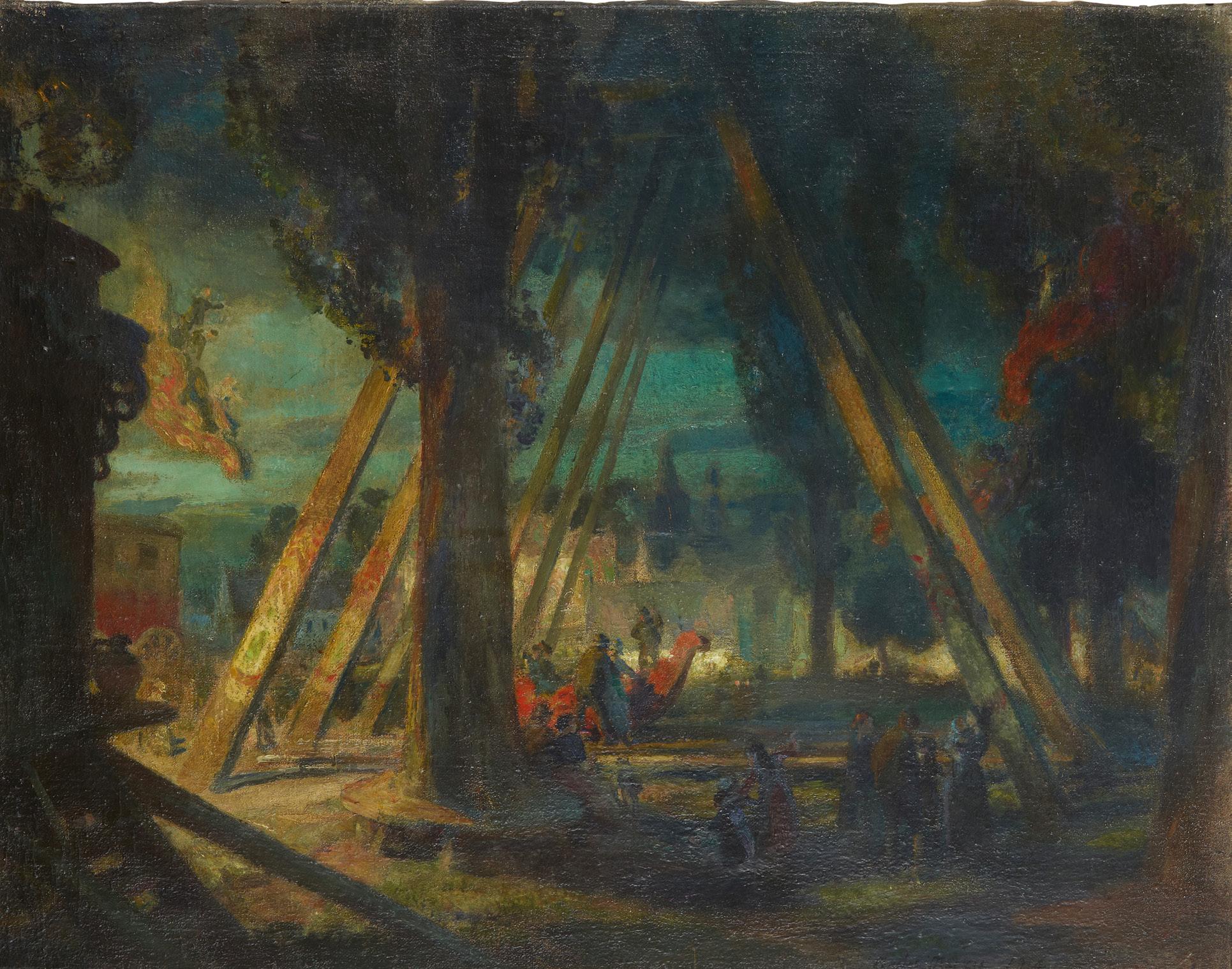
CHARLES HODGE MACKIE R.S.A., R.S.W., P.S.S.A. (SCOTTISH 1862-1920)
SWING BOATS
Signed and dated 1914, oil on canvas
72cm x 92.5cm (28.25in x 36.5in), unframed
Exhibited: Royal Scottish Academy, Edinburgh, Annual Exhibition, 1915, no.128
There is a preliminary sketch for this work titled ‘A Norfolk Fair’ held in the permanent collection of Perth Art Gallery. (acc.no.4/144).
£1,000-1,500
80 §
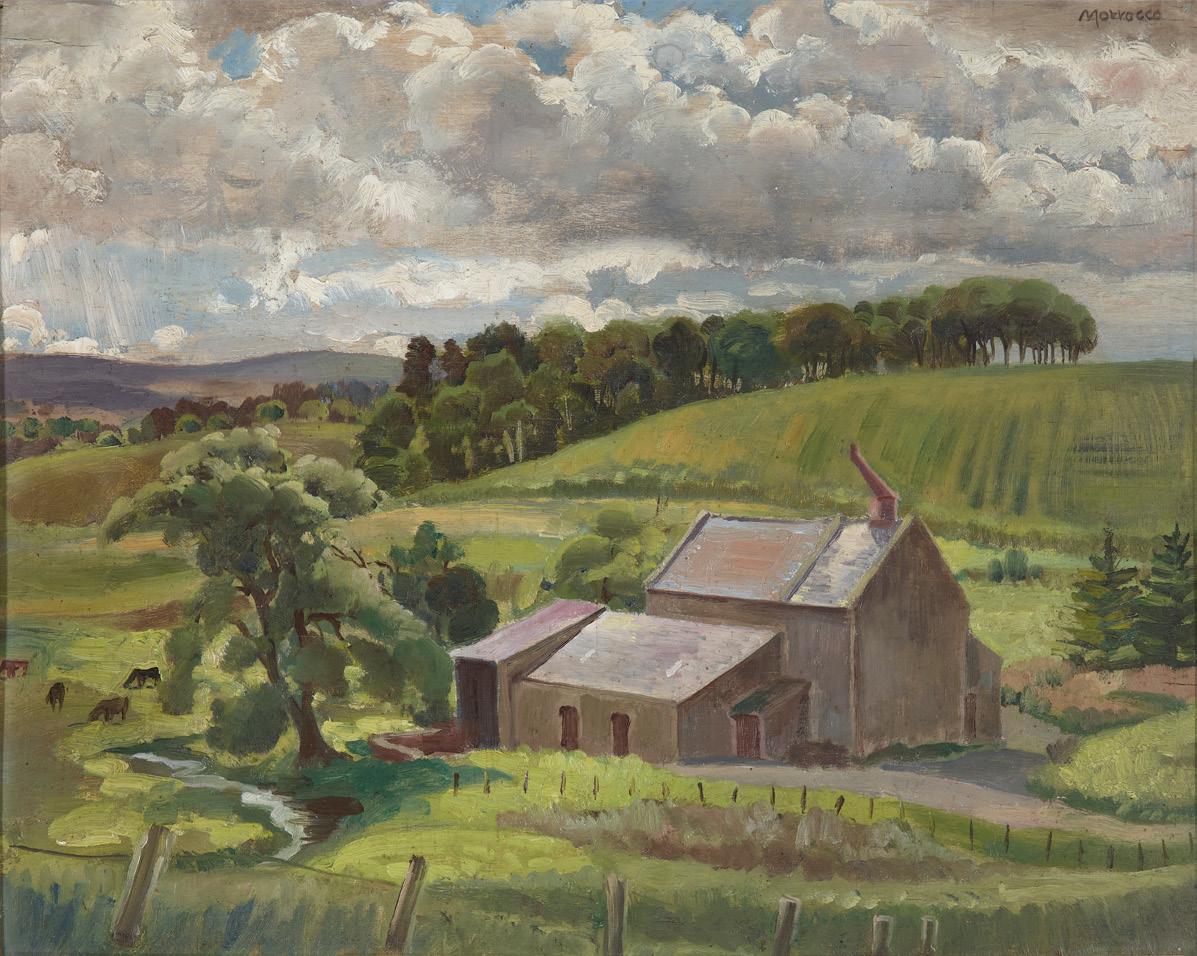
ALBERTO MORROCCO O.B.E., F.R.S.A., F.R.S.E., R.S.W., R.G.I., L.L.D. (SCOTTISH 1917-1998)
FLOUR MILL, KEITH
Signed, oil on board
38cm x 47cm (15in x 18.5in)
Provenance: The Artist’s children, no328.
£2,000-3,000
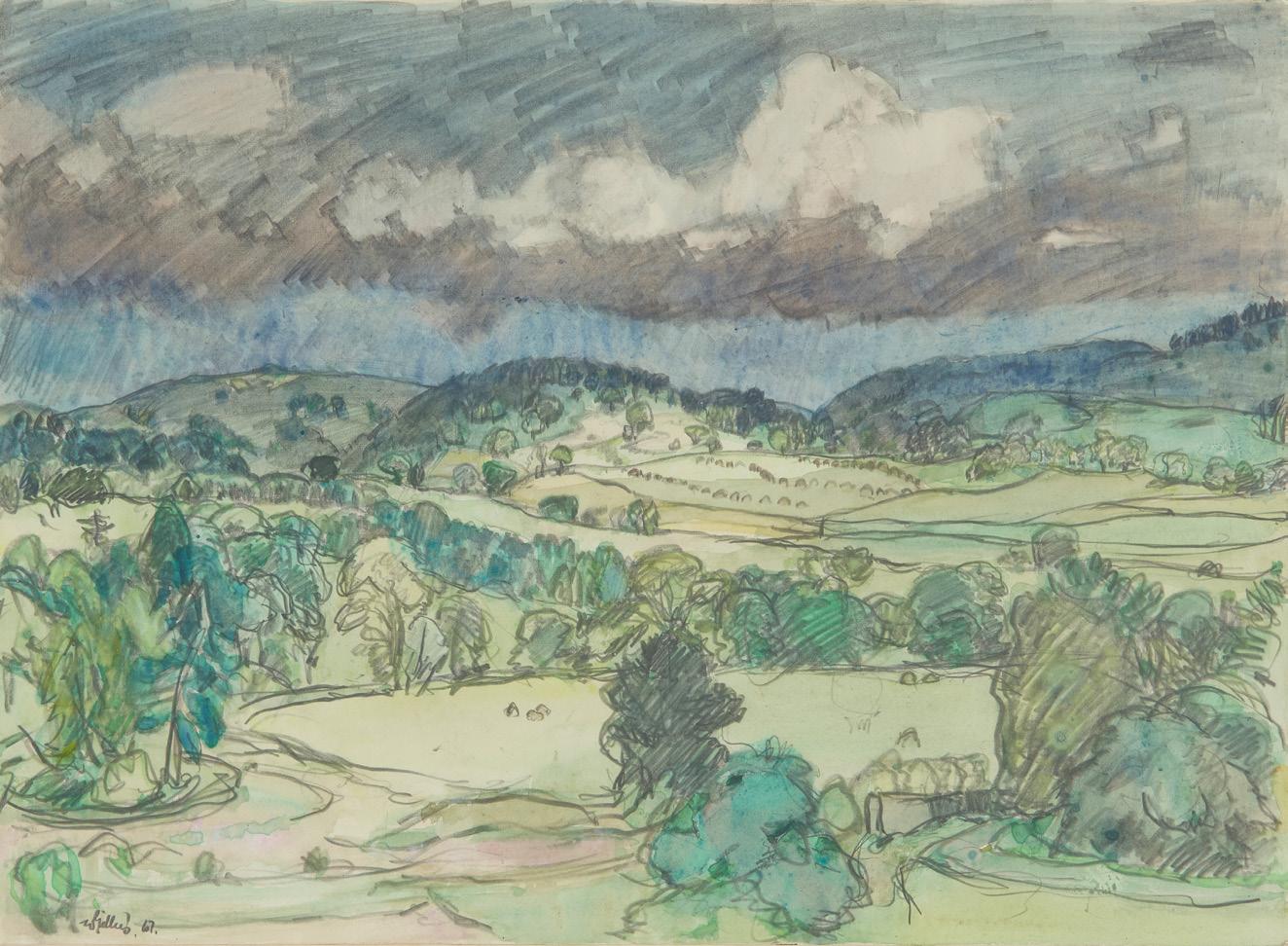
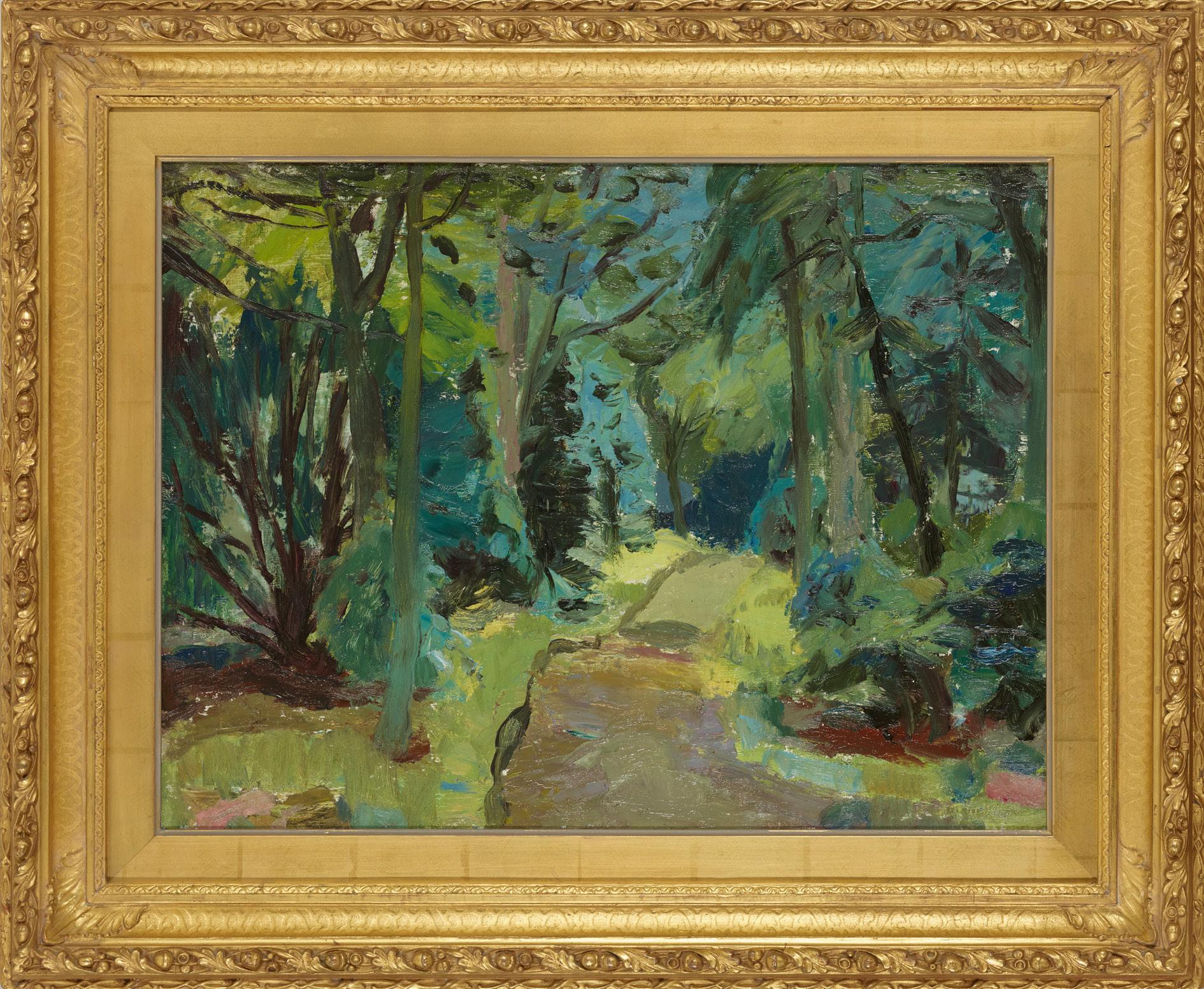
SIR WILLIAM GEORGE GILLIES
C.B.E., R.A., R.S.A., P.P.R.S.W., L.L.D. (SCOTTISH 1898-1973)
SUN AND SHADOW NEAR BLYTH BRIDGE
Signed and dated ‘67, pencil and watercolour
28cm x 38cm (11in x 15in)
£800-1,200
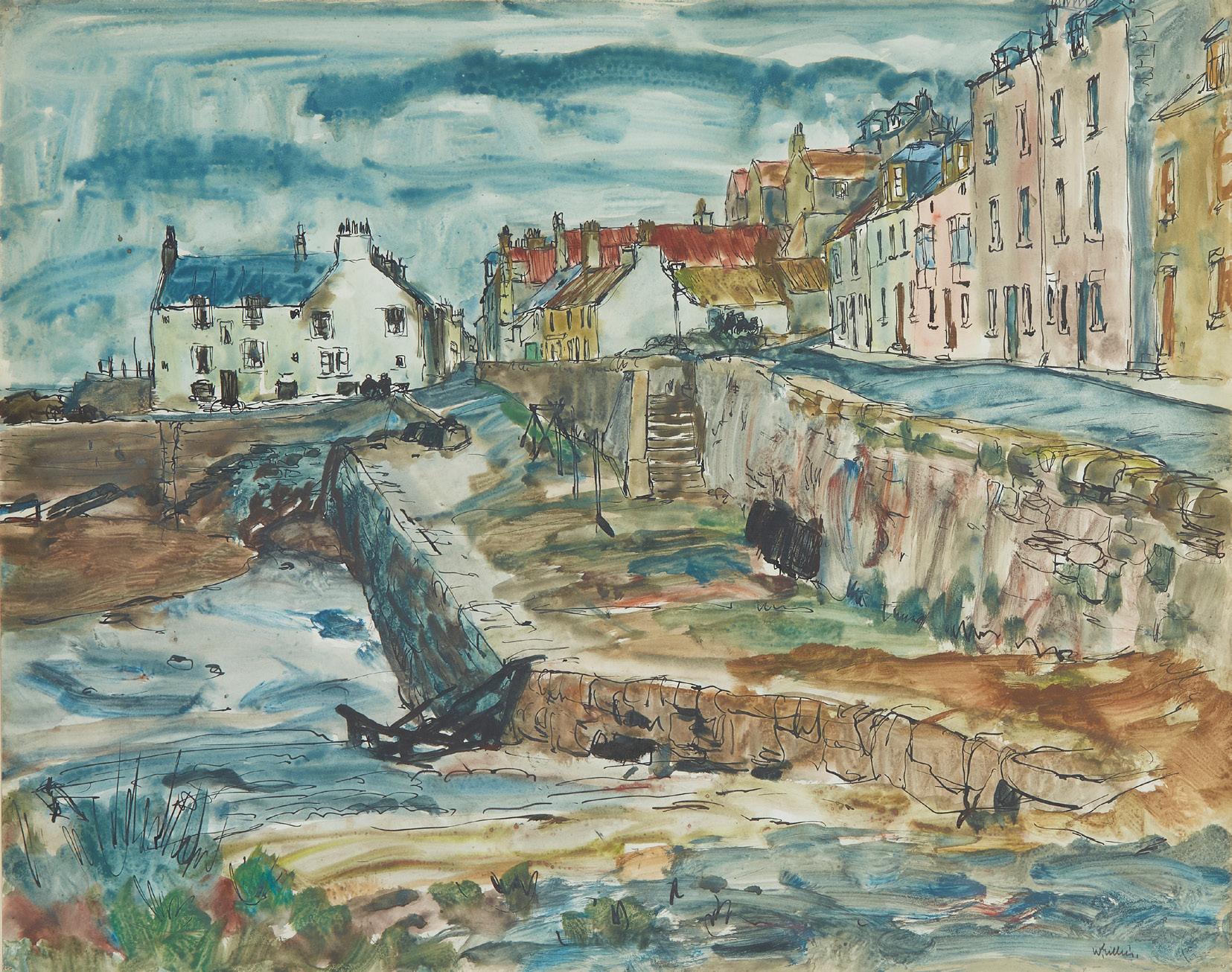
82 §
SIR WILLIAM GEORGE GILLIES
C.B.E., R.A., R.S.A., P.P.R.S.W., L.L.D. (SCOTTISH 1898-1973) CELLARDYKE HARBOUR
Signed, watercolour and pen
42cm x 52.5cm (16.5in x 20.75in)
Provenance: Robert A. Lillie Collection, no1; Loomshop Gallery, Lower Largo, August 1983.
£1,500-2,000 81 §

83 §
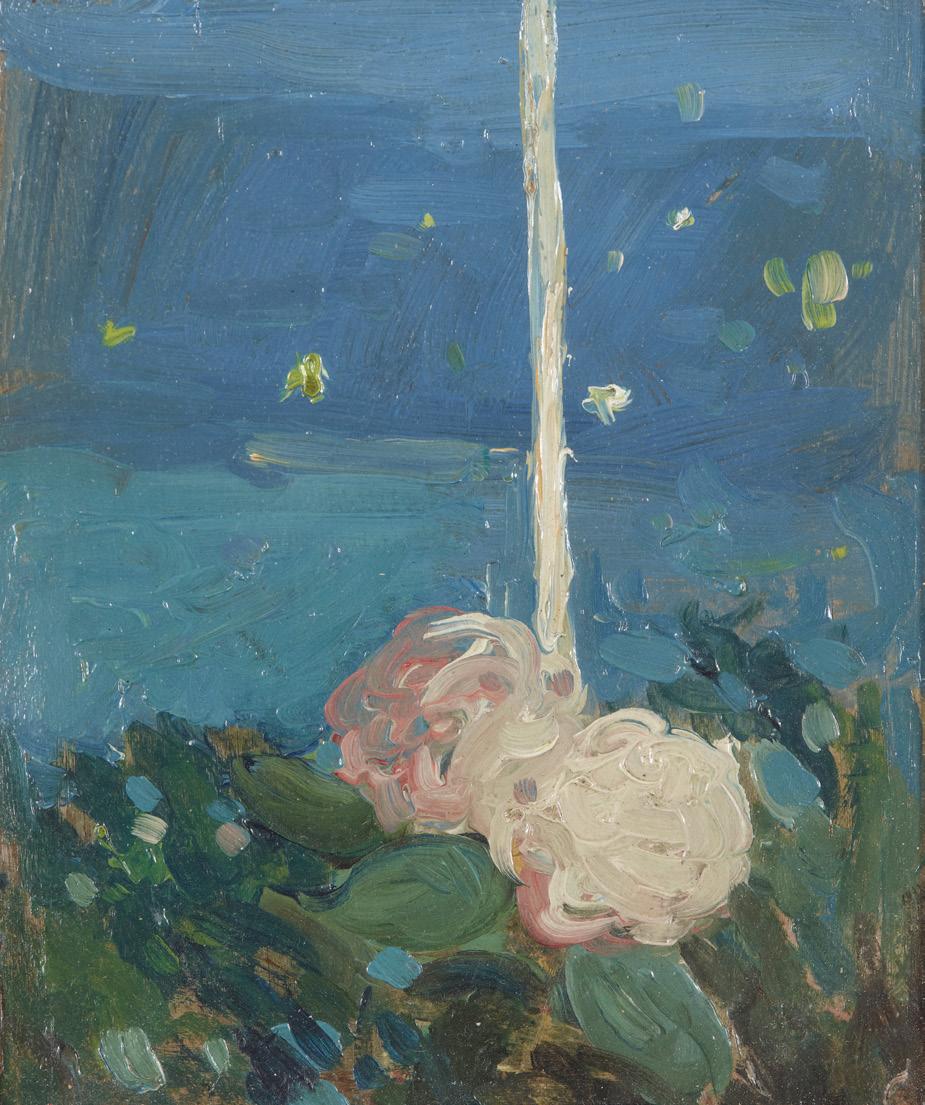
SIR WILLIAM GEORGE GILLIES C.B.E., R.A., R.S.A., P.P.R.S.W., L.L.D. (SCOTTISH 1898-1973) BACK ENTRANCE, WOOPLAW
Signed, oil on canvas 46cm x 61cm (18in x 24in)
Provenance: Robert A. Lillie Collection, no.330 £2,000-3,000
84 §
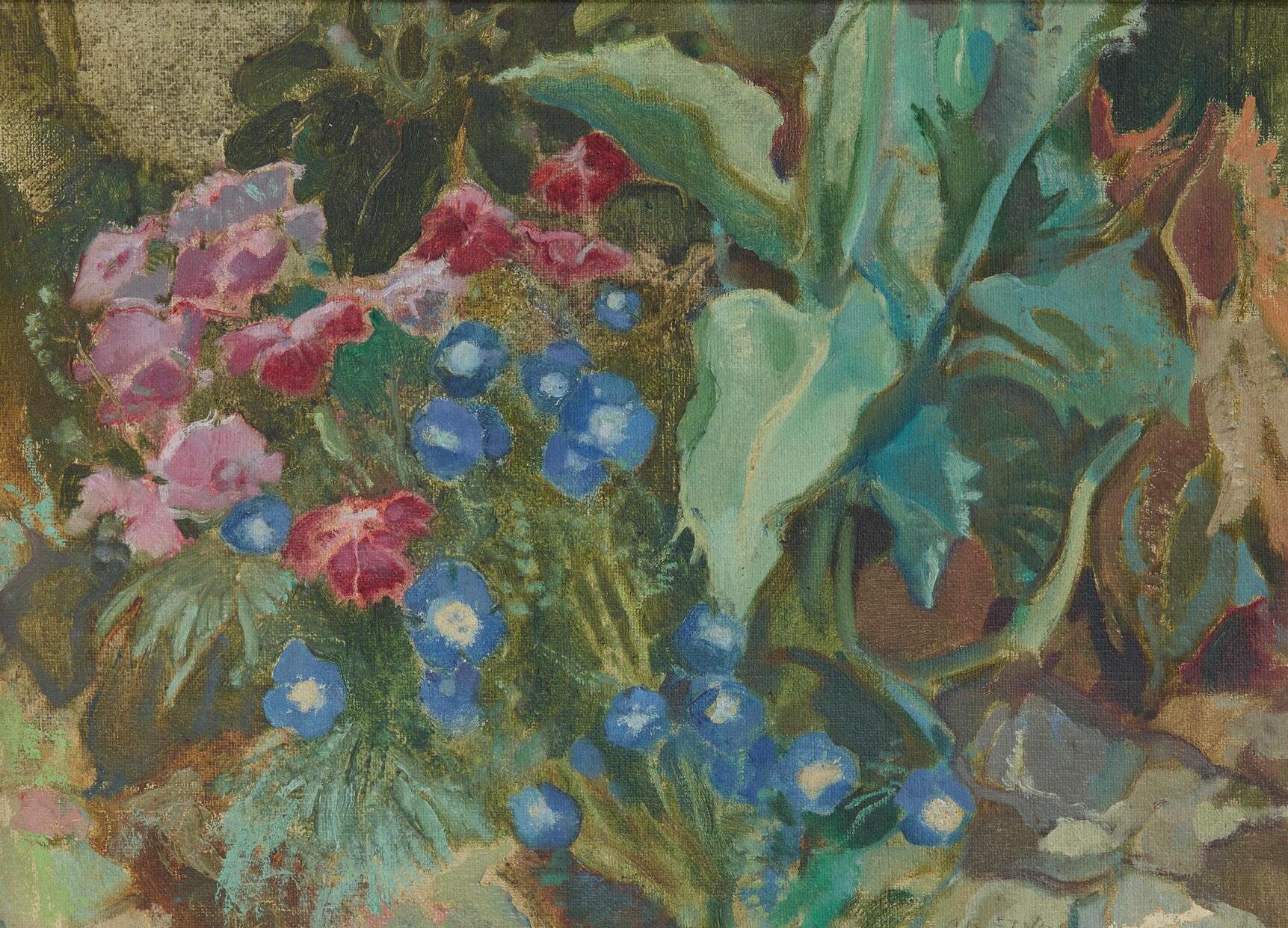
JOHN DUNCAN FERGUSSON R.B.A. (SCOTTISH 1874-1961)
THE COAST AT NIGHT
Oil on board
13cm x 11cm (5in x 4.5in)
We are grateful to Roger Billcliffe who suggests this picture was painted in Spain and dates from c.1901.
£2,000-3,000
85 §
ALICK RIDDELL STURROCK R.S.A. (SCOTTISH 1885-1953)
GARDEN FLOWERS
Signed, oil on board
30.5cm x 41cm (12in x 16in)
£800-1,200
86 §
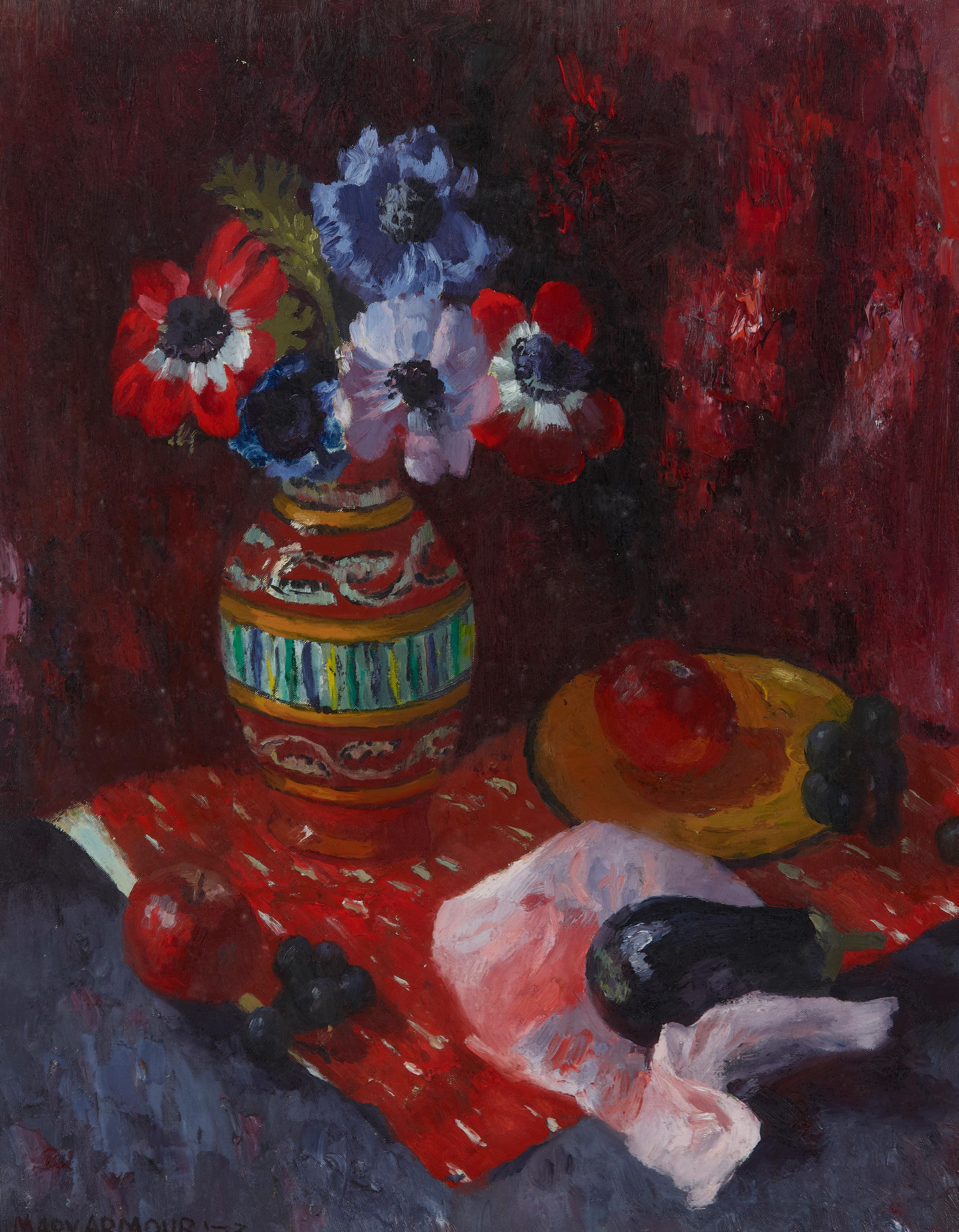
NICOL NEILL ARMOUR R.S.A., R.S.W. (SCOTTISH 1902-2000) ANEMONES IN AFRICAN JUG
Signed and dated ‘73, oil on canvas
61cm x 51cm (24in x 20in)
£1,500-2,000

87 §
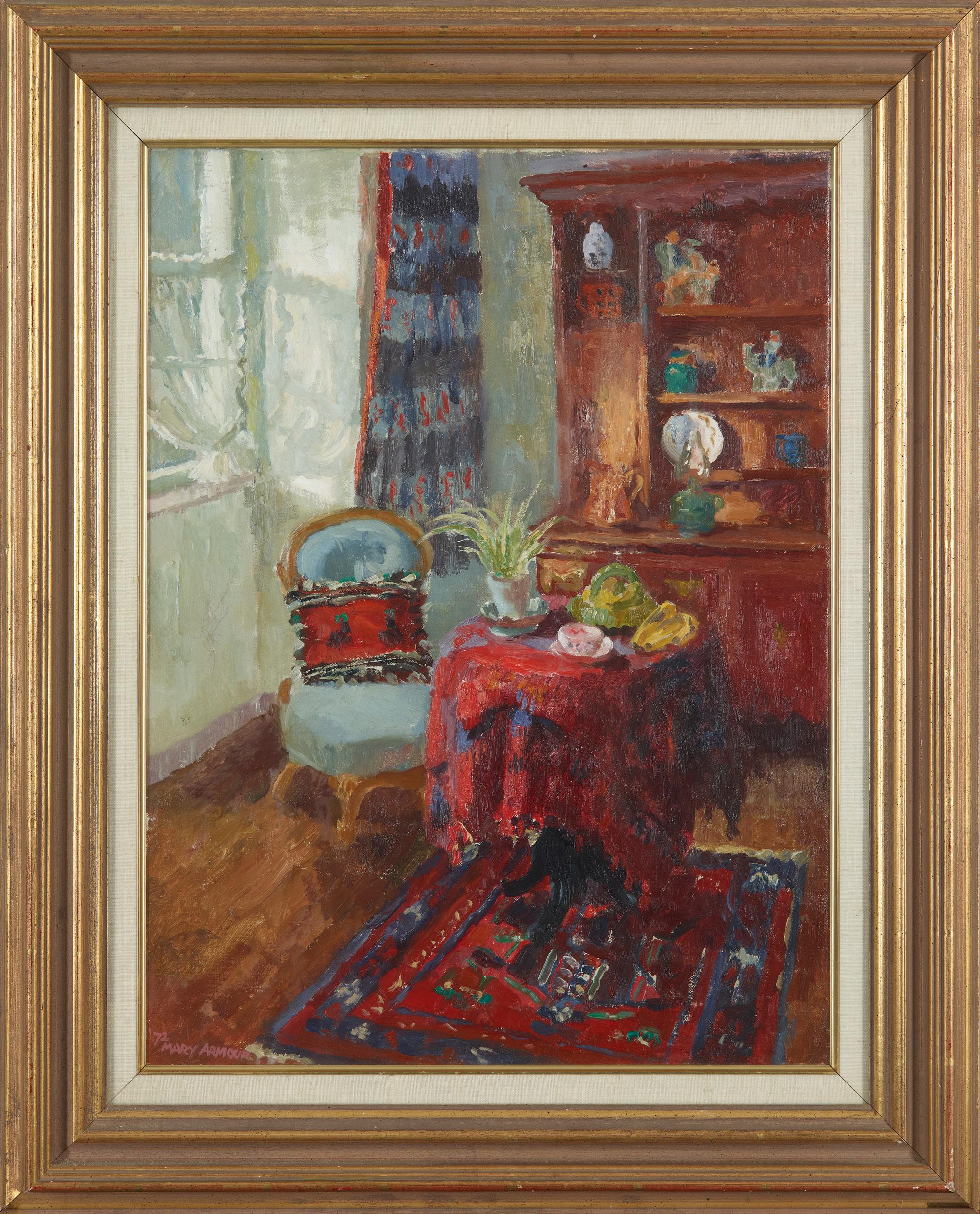
MARY NICOL NEILL ARMOUR R.S.A., R.S.W. (SCOTTISH 1902-2000)
INTERIOR WITH PATTERNED RUG
Signed and dated ‘72, oil on canvas
61cm x 46cm (24in x 18in)
£800-1,200
EVENING SESSION
LOTS 88-168
THURSDAY 04
JUNE 2026 AT 6PM
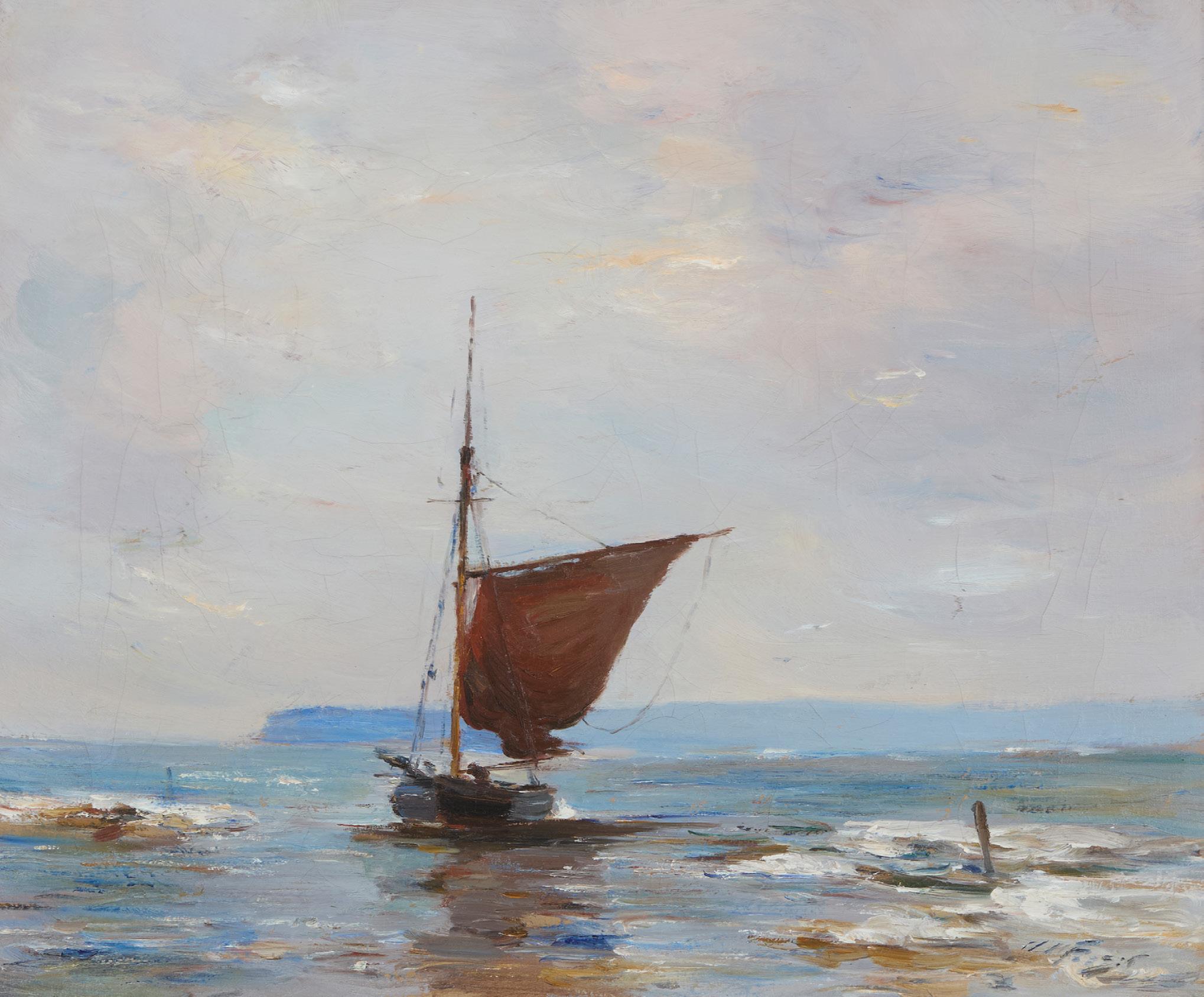
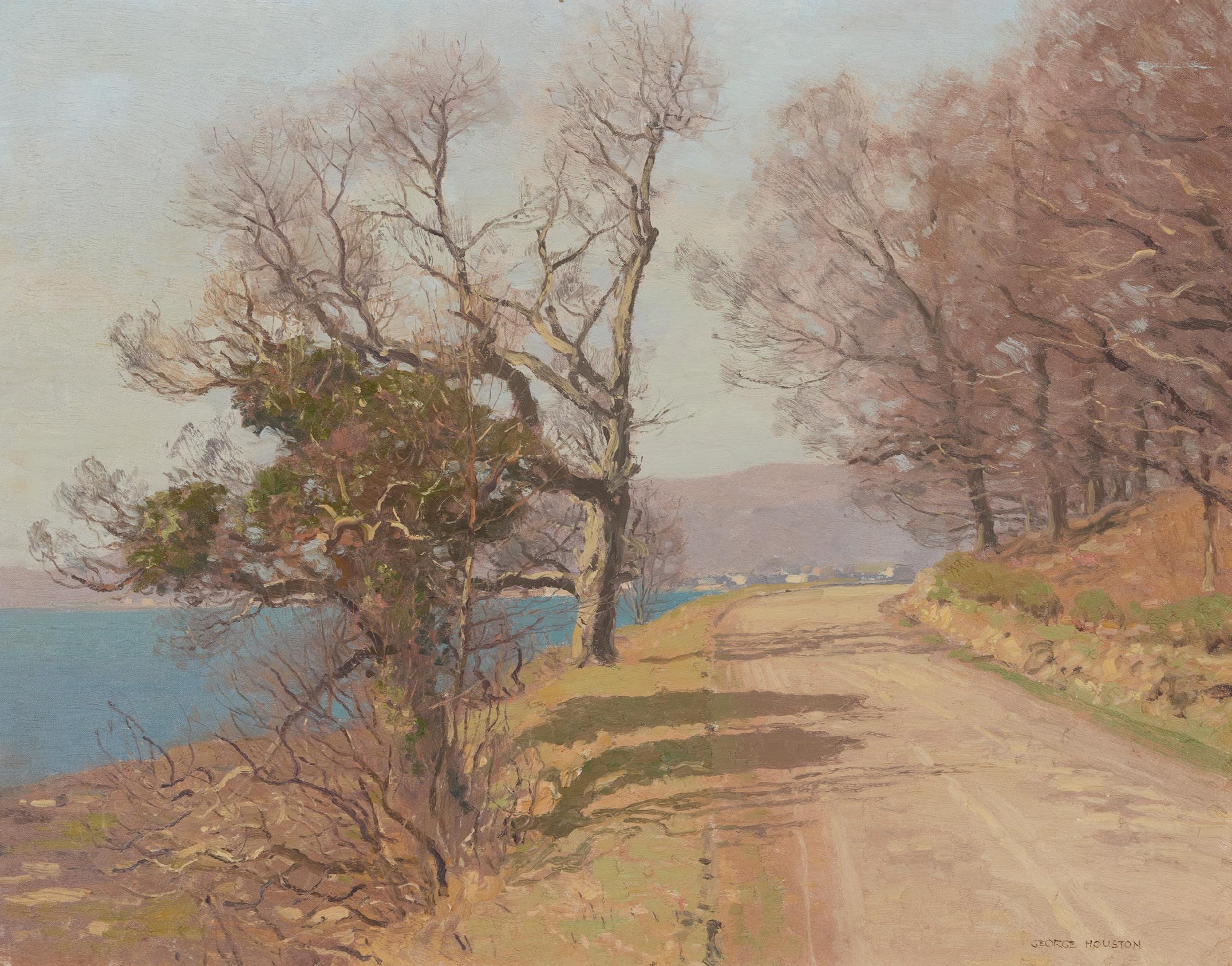
R.S.A., R.S.W. (SCOTTISH 1864-1961)
TRIMMING THE SAILS
Signed, oil on canvas
51cm x 61cm (20in x 24in)
£1,500-2,000
89
Signed, oil on canvas
71cm x 91cm (28in x 36in)
£2,000-3,000
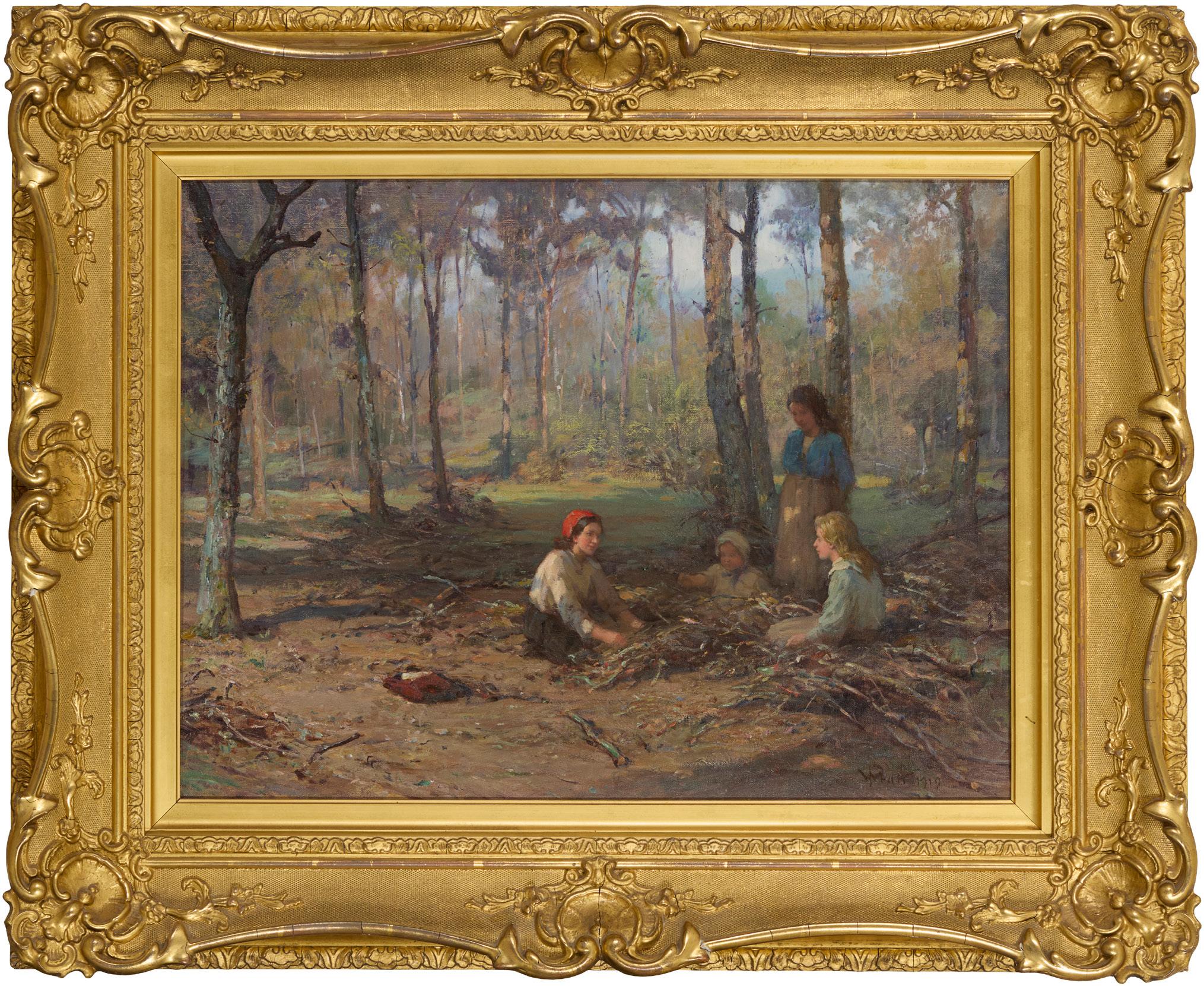
COLLECTING FIREWOOD
Signed and dated 1919, oil on canvas
46cm x 61cm (18in x 24in)
£3,000-5,000
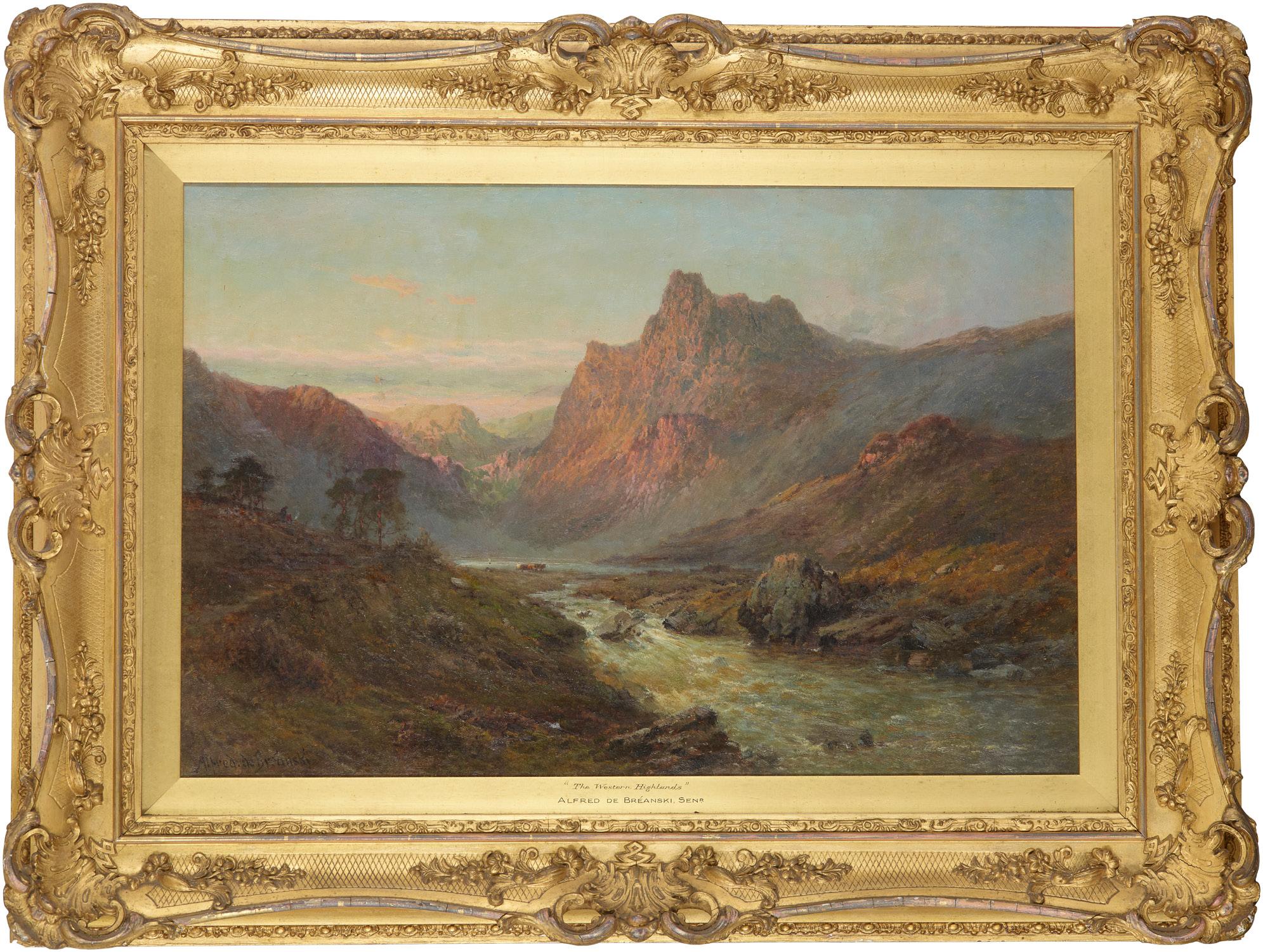
DE BREANSKI SENIOR (BRITISH 1852-1928)
THE WESTERN HIGHLANDS
Signed, signed and inscribed verso, oil on canvas
41cm x 61cm (16in x 24in)
£1,500-2,000
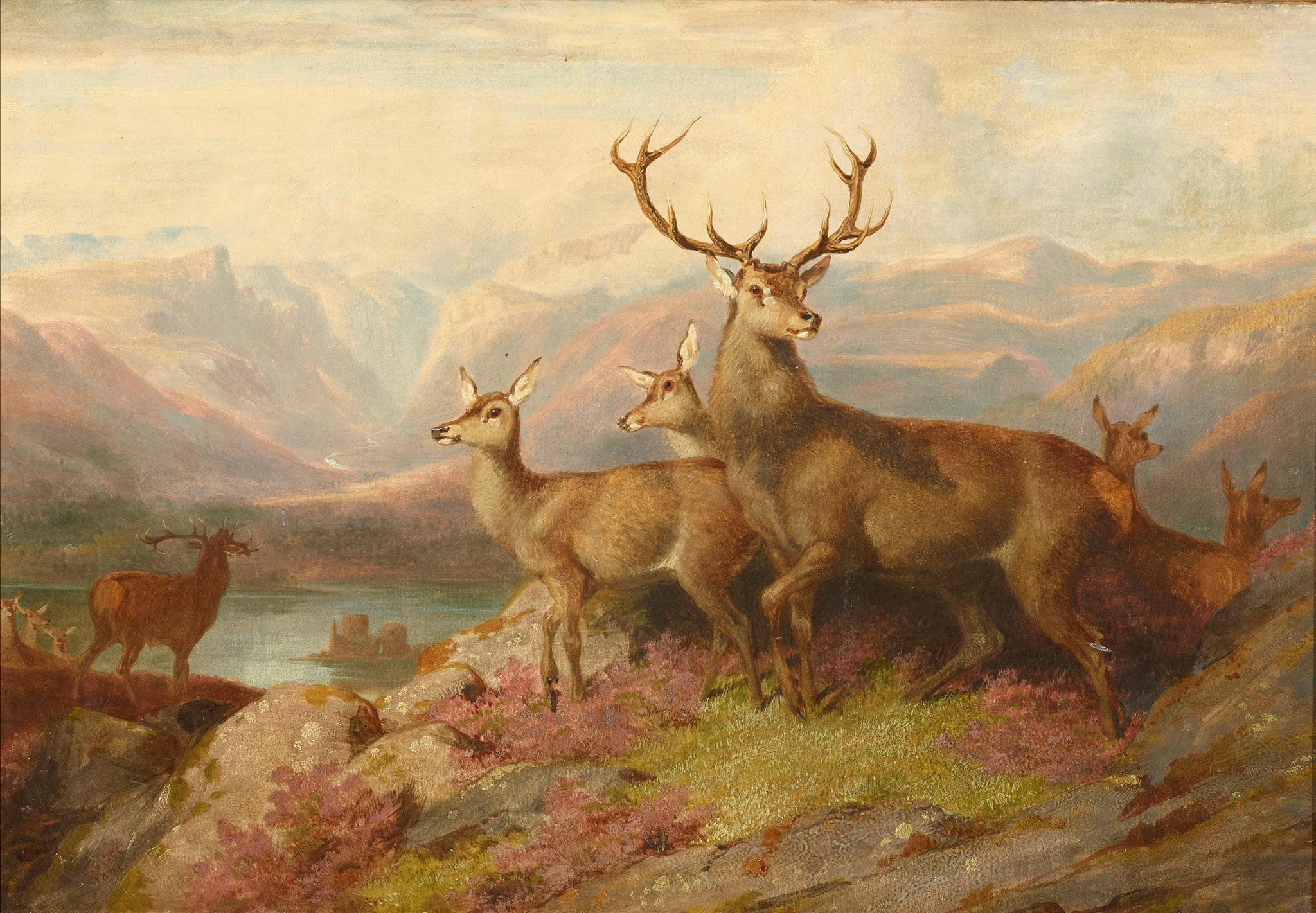
JAMES GILES R.S.A. (SCOTTISH 1801-1870)
STAGS AND DEER ON A MOUNTAINSIDE
Signed and dated 1861, oil on canvas
35.5cm x 53.5cm (14in x 21in)
£2,000-3,000
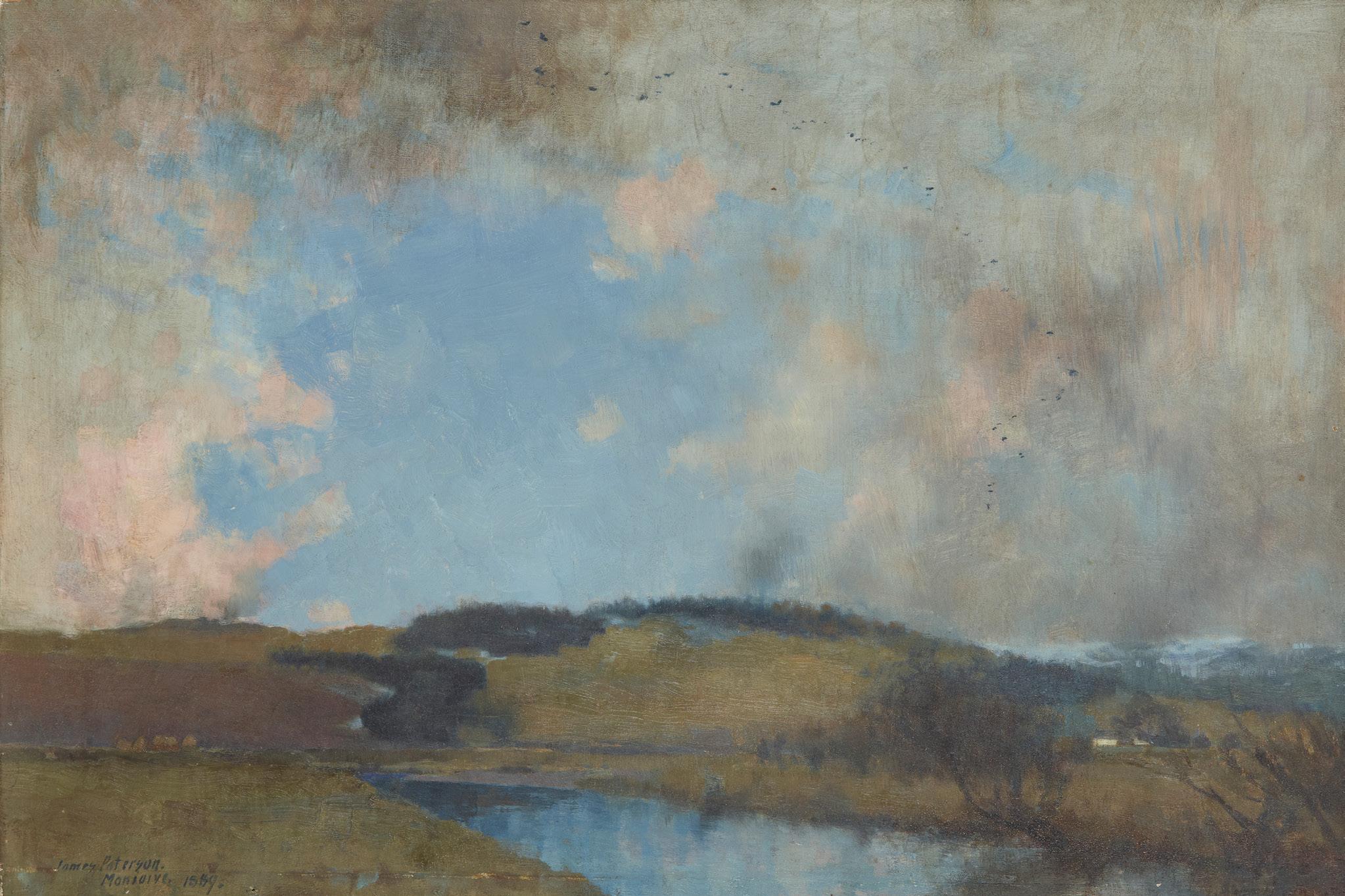
93
JAMES PATERSON R.S.A., R.S.W., R.W.S. (SCOTTISH 1854-1935)
NOVEMBER ON THE CAIRN, MONIAIVE
Signed, inscribed and dated 1889, signed and inscribed verso, oil on canvas 41cm x 61cm (16in x 24in), unframed
Provenance: The Estate of the Late Eric Sloane
£2,000-3,000
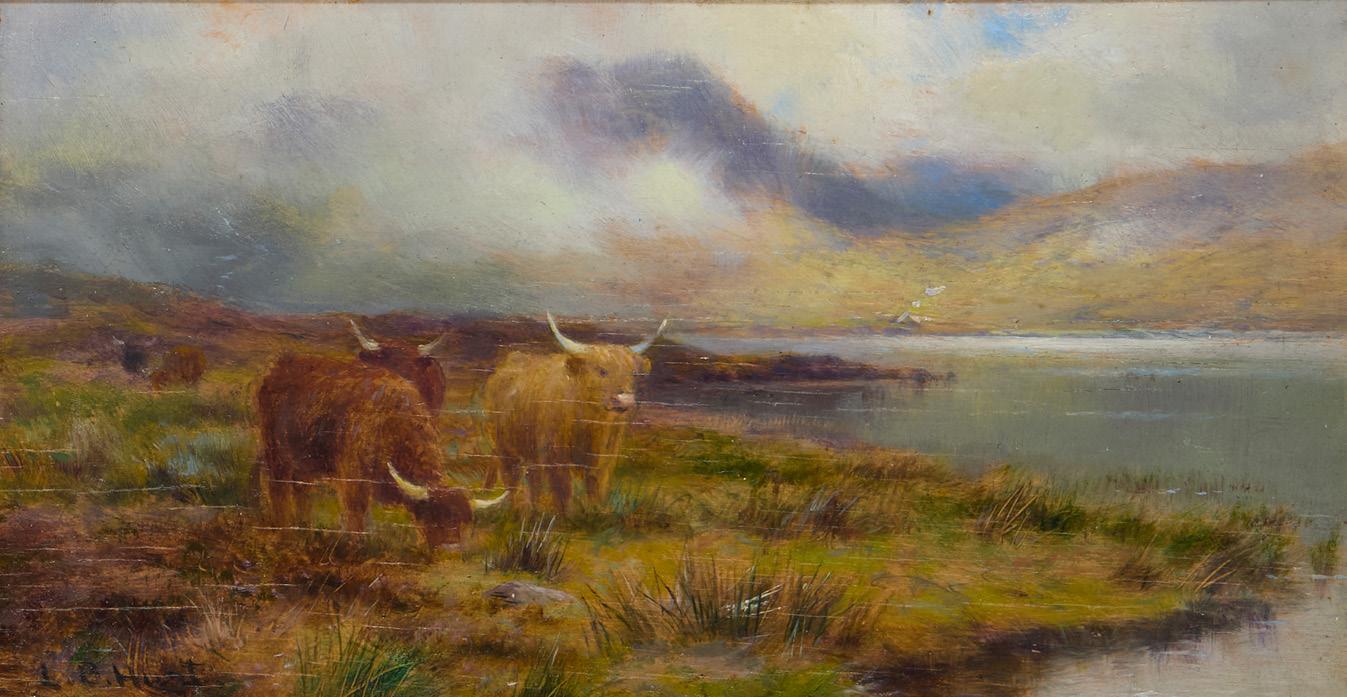
94
LOUIS BOSWORTH HURT (SCOTTISH 1856-1929)
IN THE HIGHLANDS
Signed, oil on panel
13cm x 25.5cm (5in x 10in)
£1,000-1,500
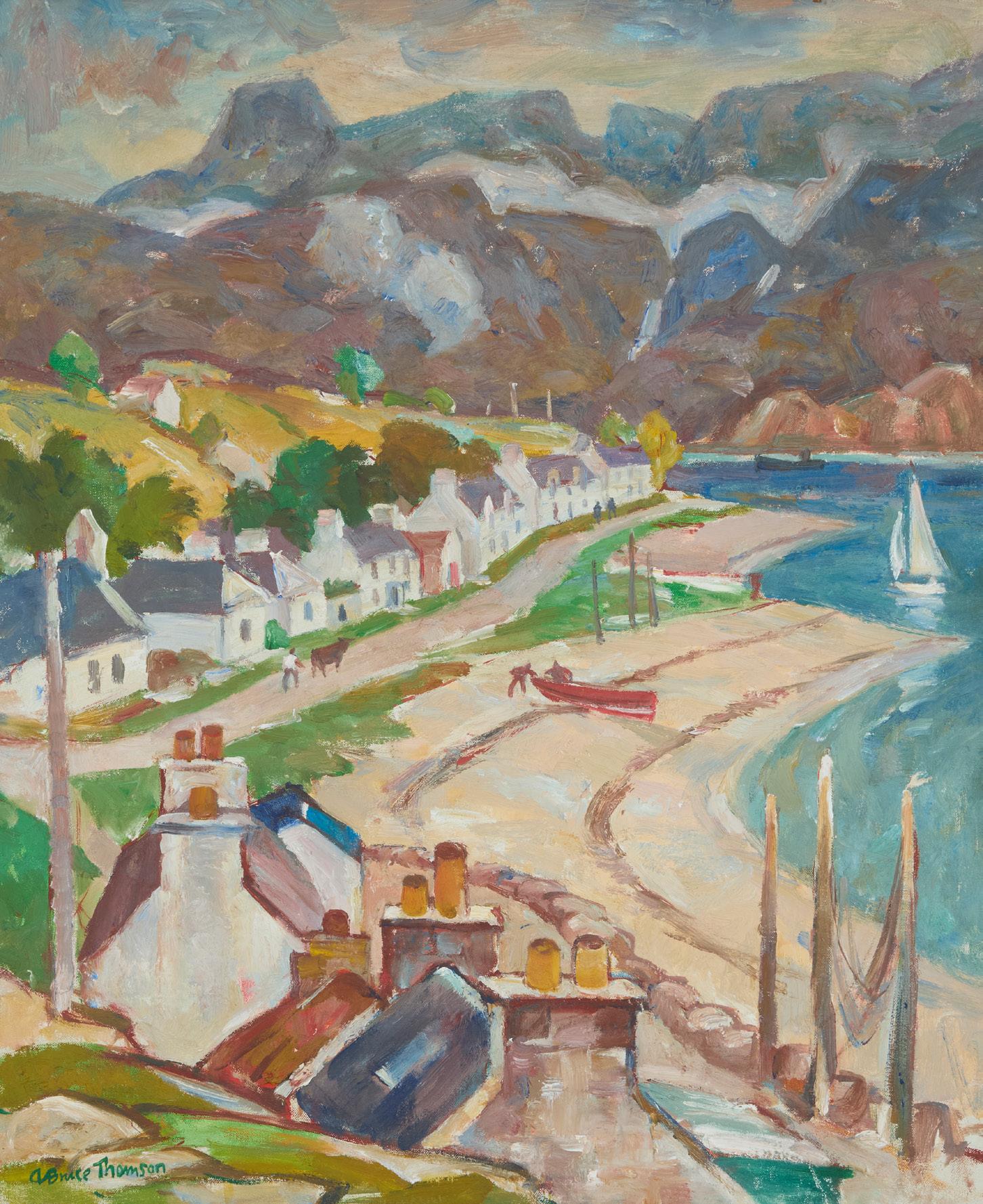
§
ADAM BRUCE THOMSON O.B.E., R.S.A., P.P.R.S.W., H.R.S.W. (SCOTTISH 1885-1976)
SHIELDAIG, WESTER ROSS
Signed, inscribed and numbered with the artist’s studio stamp no.O33 verso, oil on canvas
61cm x 51cm (24in x 20in)
Provenance: Private Collection, Switzerland
£2,000-3,000
This painting is closely related to Shieldaig on Loch Torridon of c.1946 which was included in the exhibition Adam Bruce Thomson: The Quiet Path held at the City Art Centre, Edinburgh in 2024. Its catalgoue entry reads ‘In the mid-1940s Thomson visited Shieldaig in Wester Ross. The remote village received few tourists at the time and he was charmed by its quiet, picturesque setting.’ (p.74). Thanks are due to Dr Helen E. Scott, curator of the 2024 exhibition and author of the accompanying publication, for her help with our research into this painting.
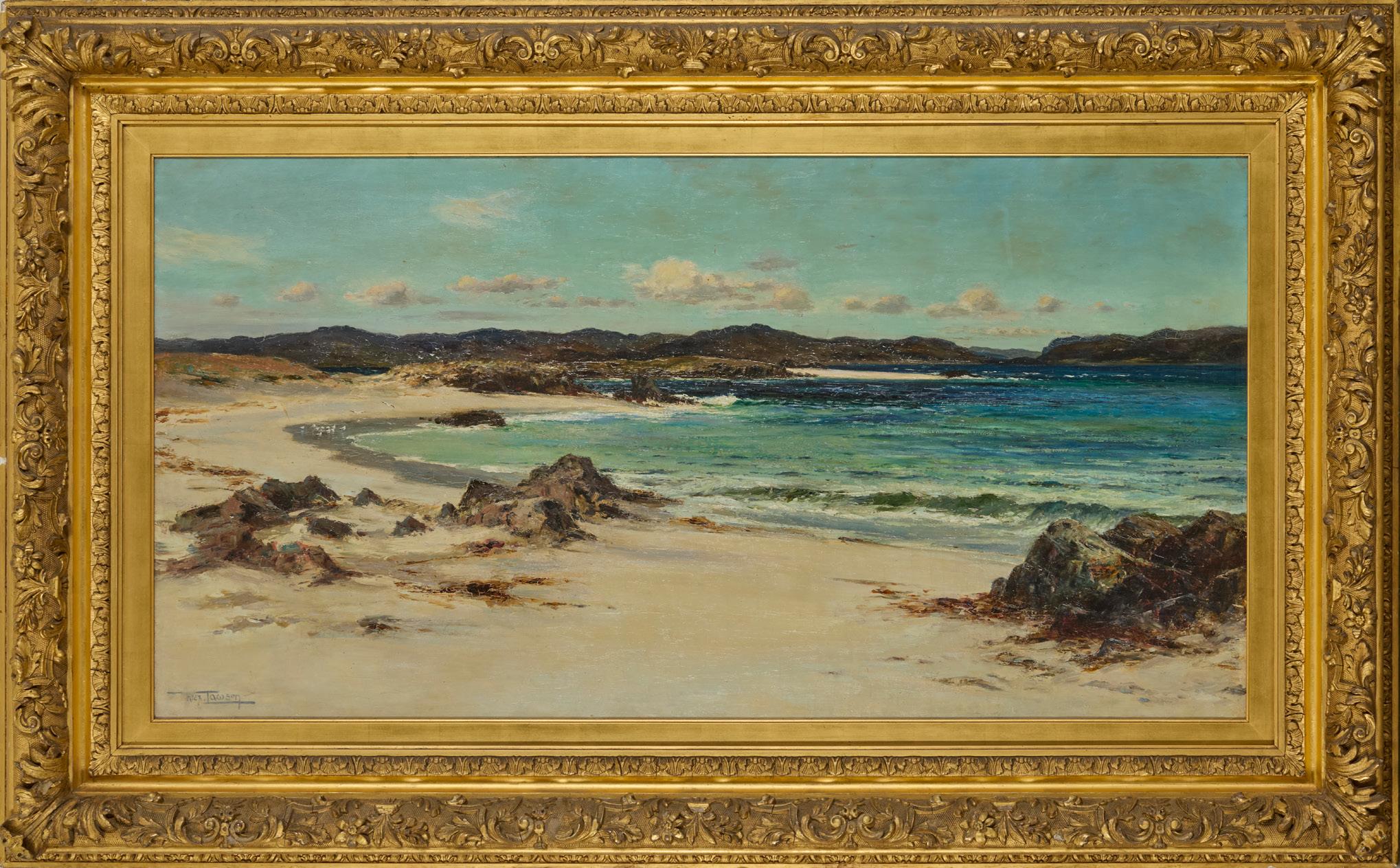
96
ALEXANDER LAWSON (BRITISH FL. 1890-1903) THE WEST SANDS OF IONA
Signed, oil on canvas
66cm x 127cm (26in x 50in)
£2,000-3,000
97 §
WILLIAM MILLER FRAZER R.S.A., R.S.W. (SCOTTISH 1864-1961) BOATS AT LOW TIDE
Signed, oil on canvas
71cm x 91cm (28in x 36in)
£2,000-3,000
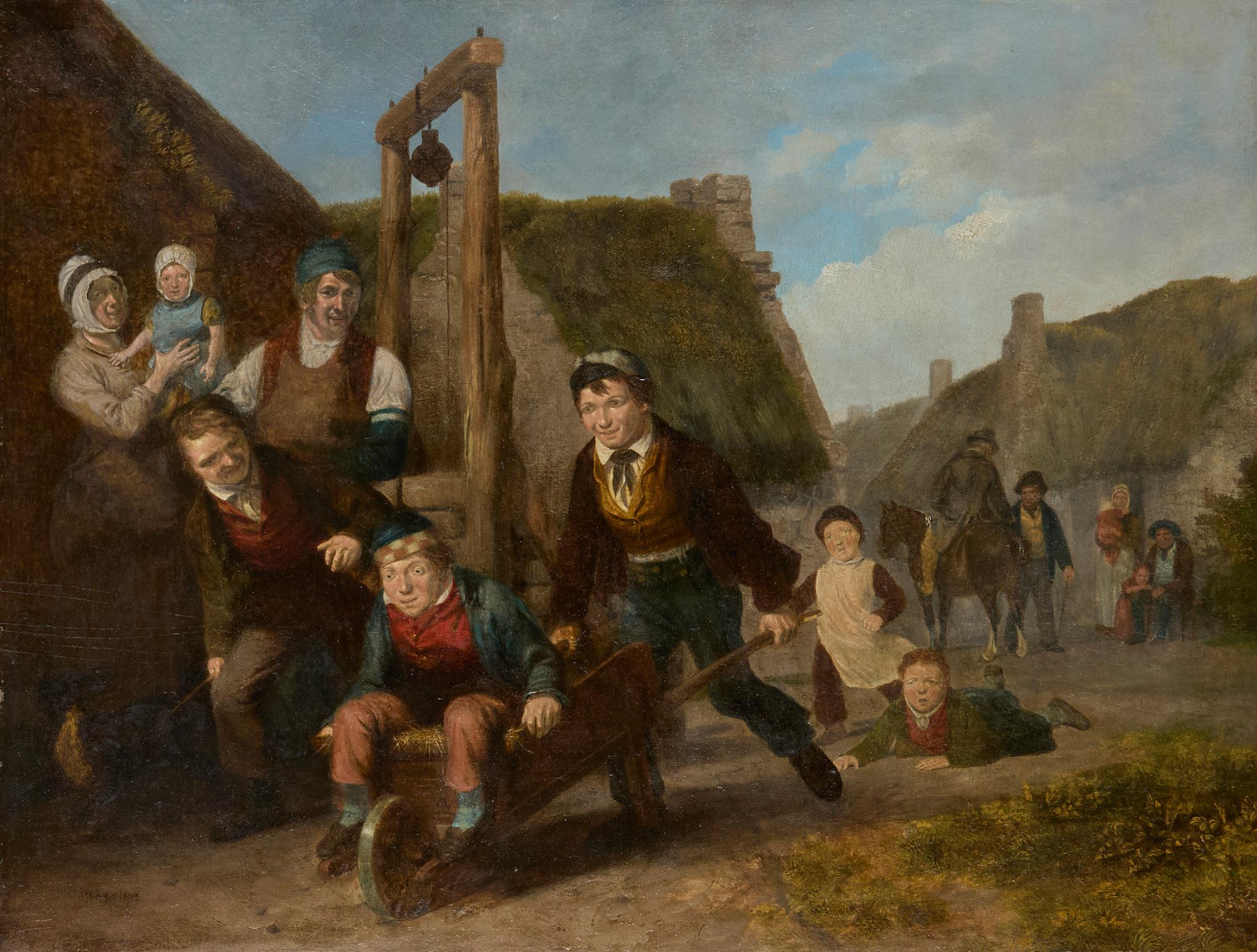
98
Signed, oil on panel
46cm x 61cm (18in x 24in)
£2,000-3,000
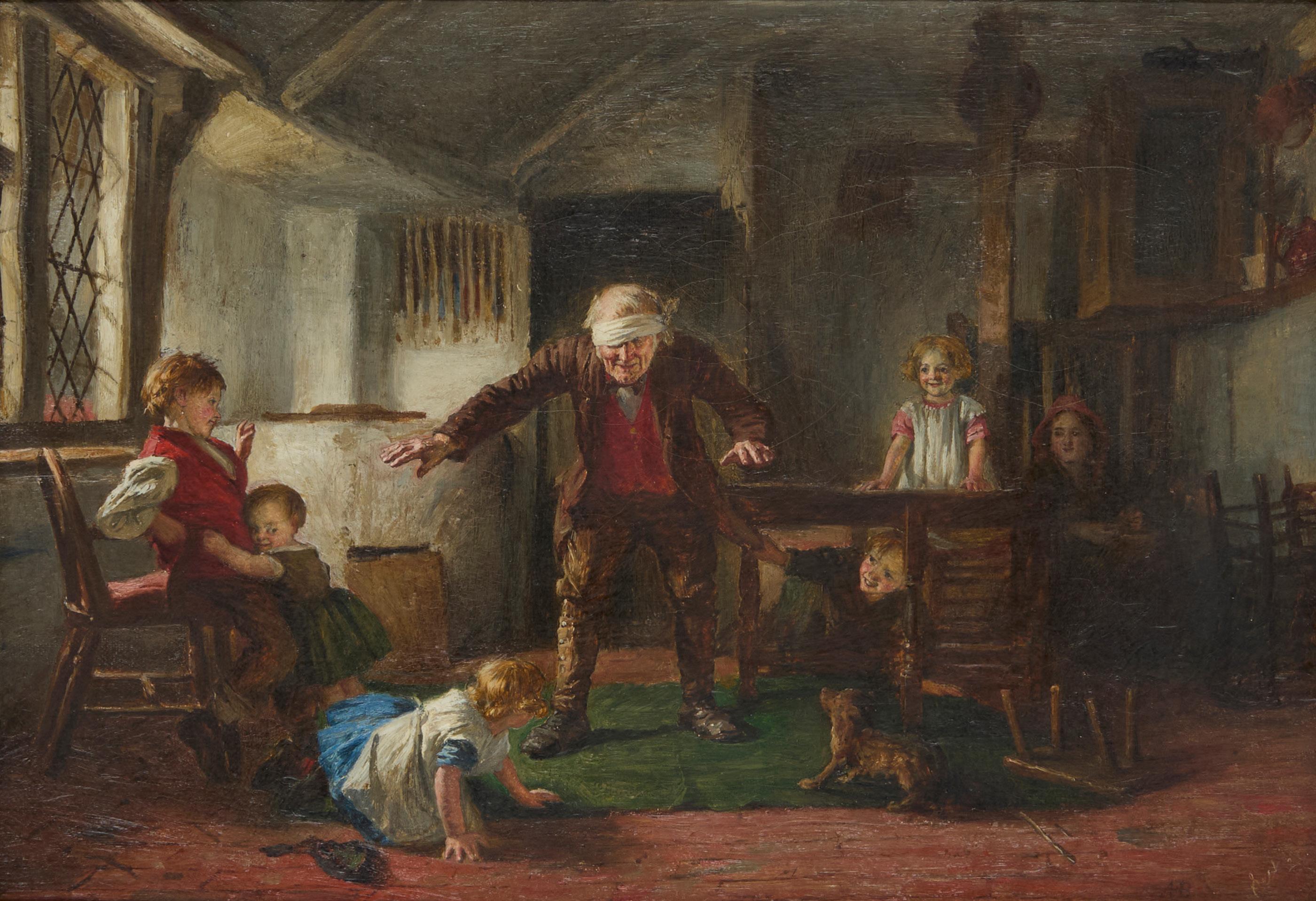
BLIND MAN’S BUFF
Signed with the monogram, oil on canvas laid down 24cm x 34cm (9.5in x 14in)
Provenance: John McNicol & Sons, Kilmarnock; Christie’s, London, The Forbes Collection of Victorian Pictures and Works of Art, 19 and 20 February 2003, Lot 339
This is a sketch for the larger painting exhibited at the Royal Academy of Arts in London in 1888
£1,500-2,000
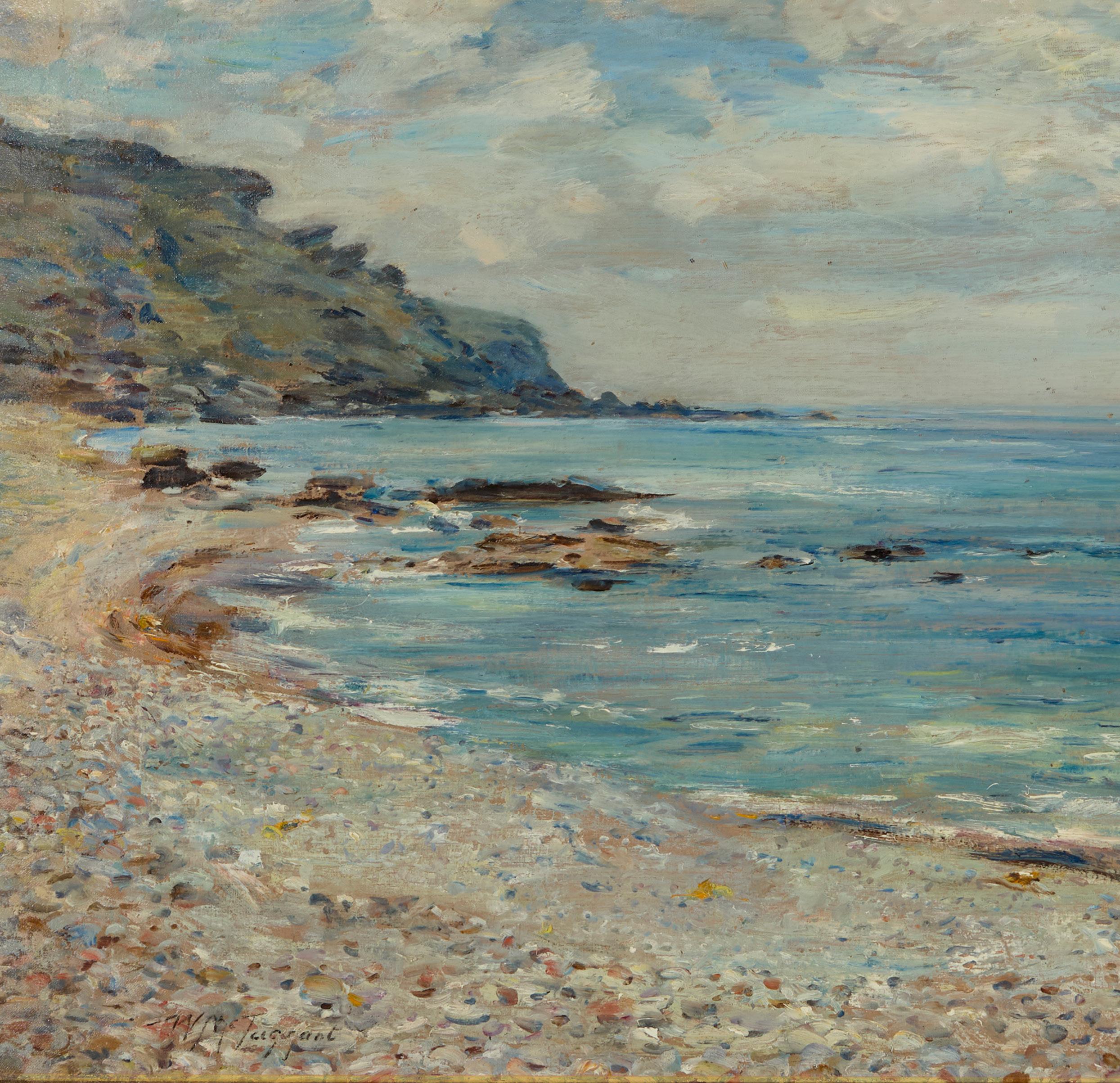
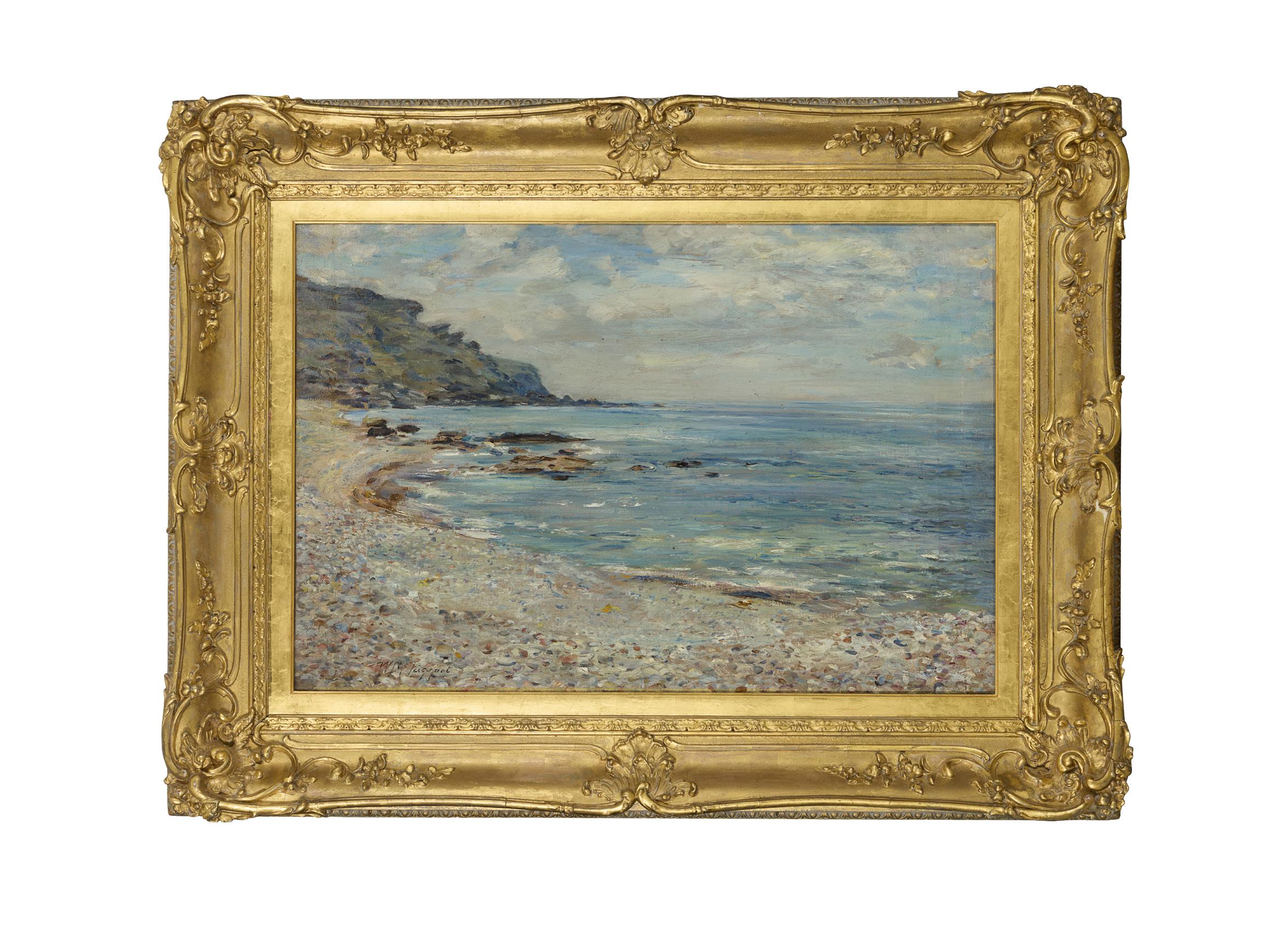
PEBBLED BEACH, CAULDRON BAY, MACHRIHANISH
Signed, oil on canvas
67cm x 98cm (26.5in x 38.5in)
Provenance: R.B. Steven Esq, Edinburgh; The Fine Art Society Ltd., 1995.
Literature: James L. Caw, William McTaggart, James MacLehose and Sons, Glasgow, 1917, p.275.
£4,000-6,000
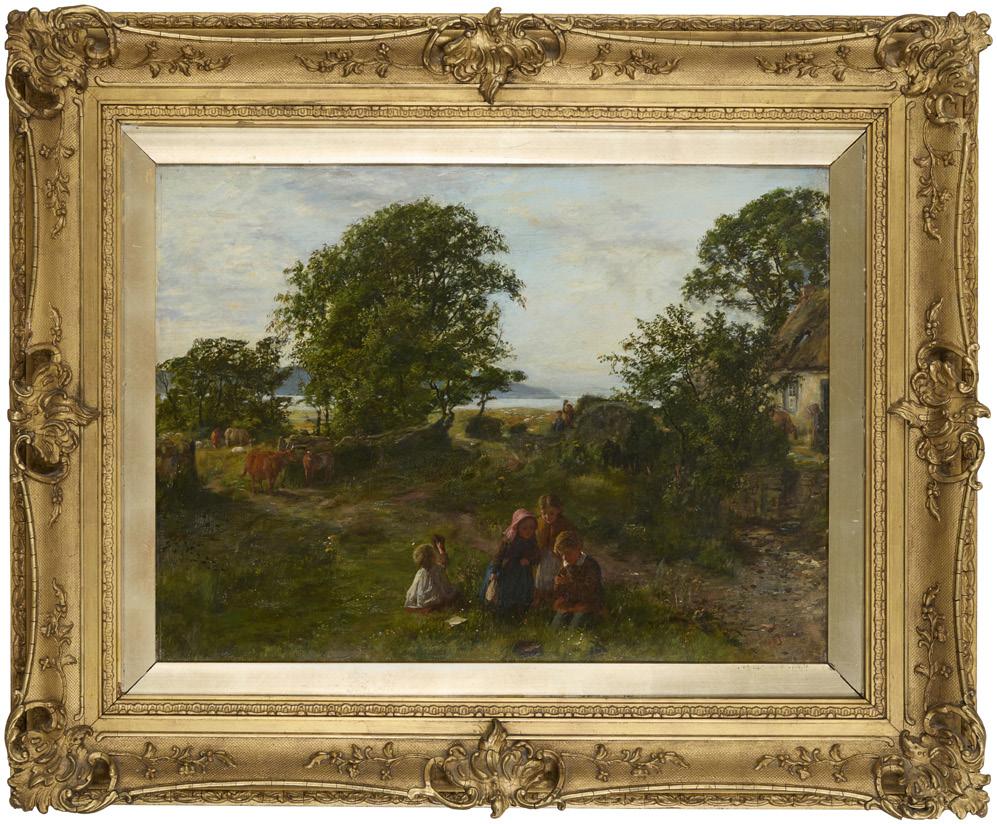
William McTaggart (1835–1910) is remembered as one of the most important figures in nineteenthcentury Scottish art, and these works demonstrate two distinct stages of his career.
The painting Children by a Stream has a strong Pre-Raphaelite quality. Like the works of the Pre-Raphaelites, McTaggart’s early paintings are highly detailed, with careful use of colour and a focus on groups of figures set within landscapes. These characteristics are comparable to the descriptive works of William Holman Hunt and John
Everett Millais, which McTaggart likely encountered at the Manchester Art Treasures Exhibition in 1857. In this composition, a group of children gather in the foreground, their attention absorbed by an object held in the boy’s hand. Slightly apart, the youngest child turns towards figures in the background, lifting their hat in a gesture of greeting and subtly linking the two groups.
As McTaggart’s career developed, his style and technique underwent a significant transformation. He moved away from finely detailed compositions
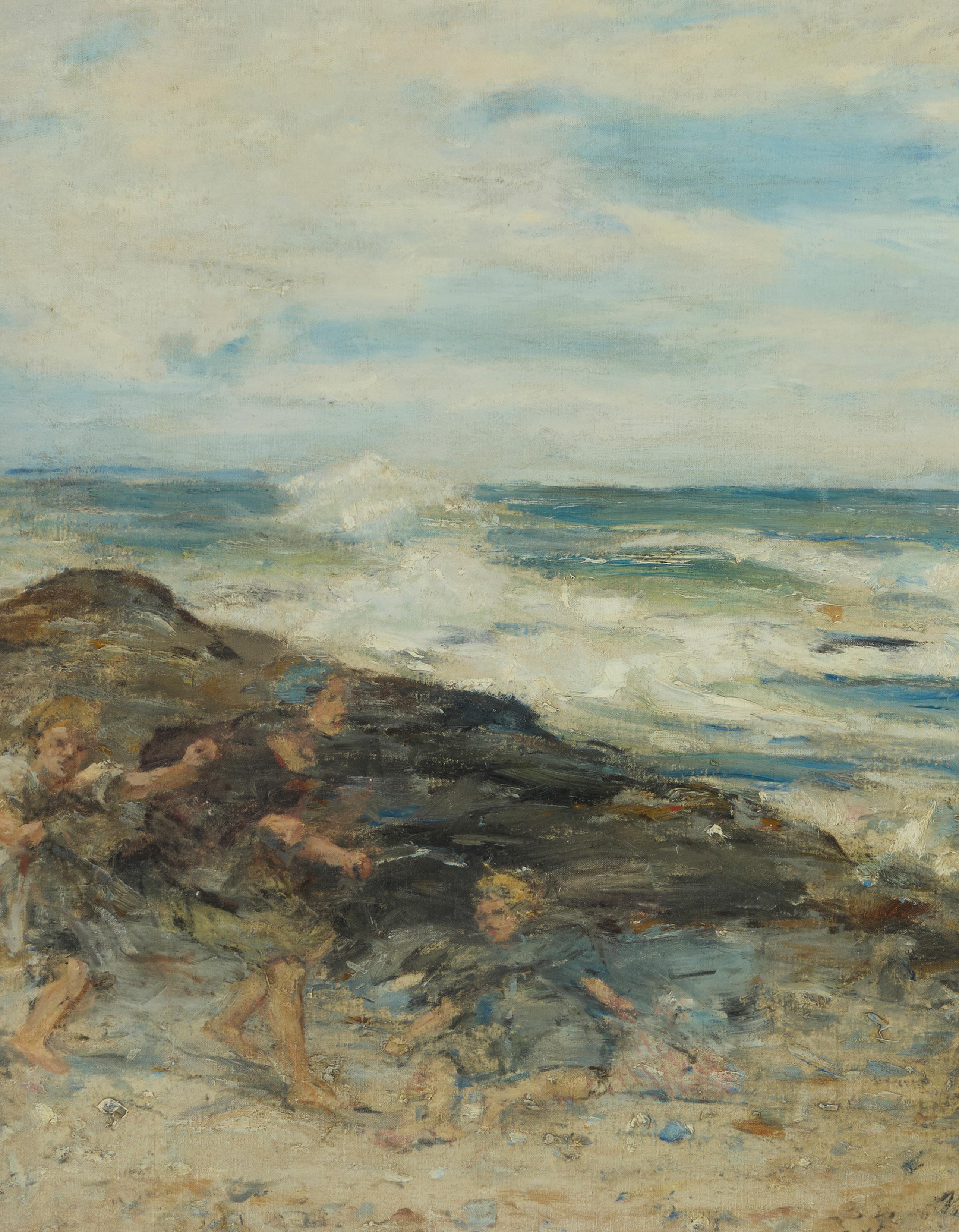
towards a much looser approach, where the figures almost merge into their surroundings through expressive, swirling brushstrokes. This can be seen in Children on Rocks by the Sea. Here, McTaggart enhances the viewer’s experience by evoking the power of the sea and the force of the wind along the coast through his handling of the paint. The children appear to shield themselves against the elements, while McTaggart conveys the gritty atmosphere, sand whipped into the air and spray crashing against the rocks, through textured application and energetic brushwork.
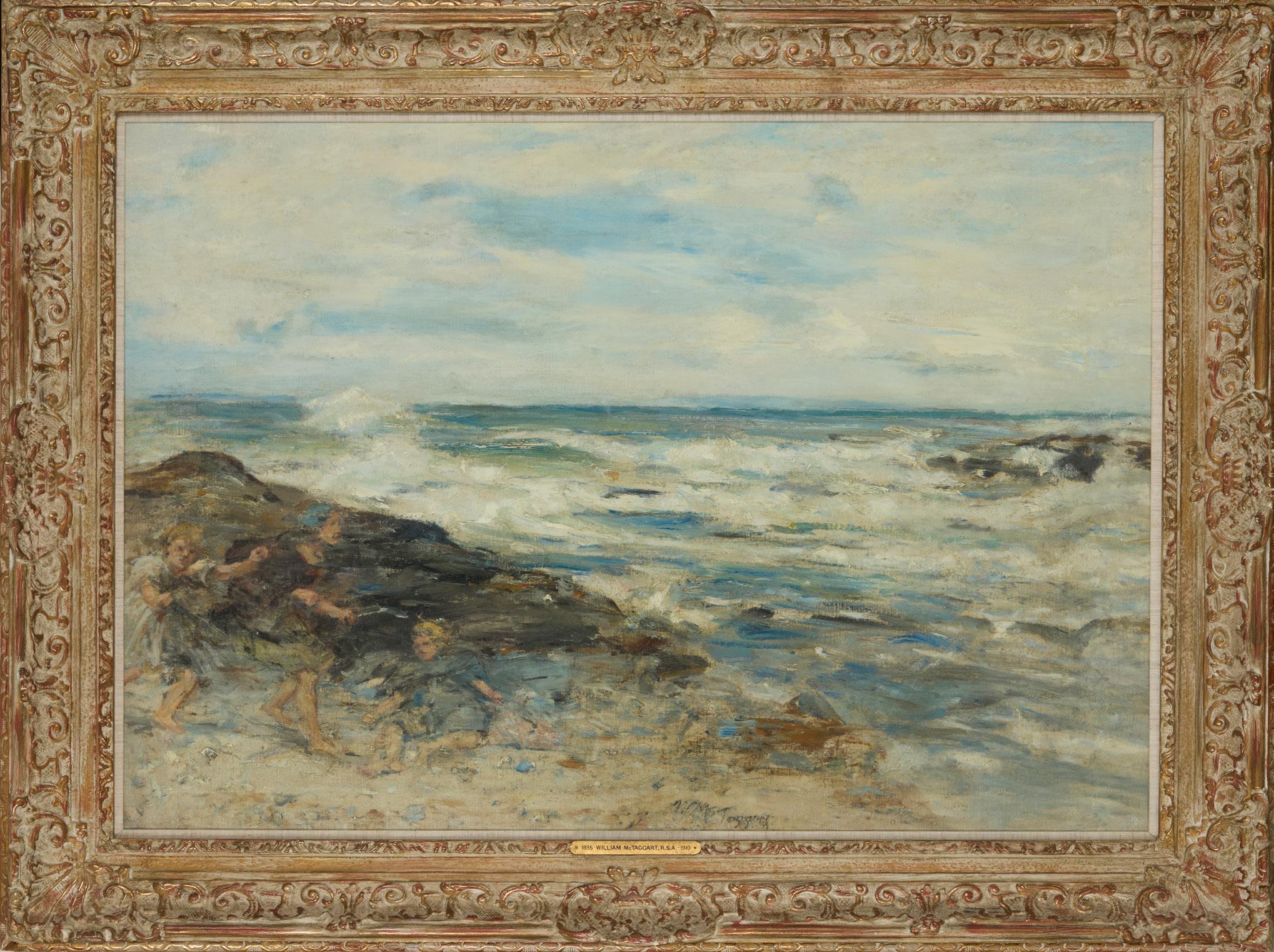
WILLIAM MCTAGGART R.S.A., R.S.W. (SCOTTISH 1835-1910)
CHILDREN ON ROCKS BY THE SEA
Kintyre was a major source of inspiration for McTaggart.
From 1876 onwards, he returned there regularly with his family and many of his most important paintings were painted in this area, likely painted outdoors, en plein air, on the shores of Machrihanish Bay. In this example, Pebbled Beach, Cauldron Bay, Machrihanish McTaggart appears captivated by the expansive light across the water. Rather than depicting the dangers of the sea, he presents a calm, still day, with hardly a breeze and no white horses visible. The sea glows a turquoise blue, inviting the viewer to feel the warmth of the sun while gazing across the open bay. This sense of stillness contrasts directly with his more turbulent coastal scenes.
Signed, oil on canvas
71cm x 102cm (28in x 40in)
Provenance: Private Collection, Switzerland.
£15,000-25,000
Ultimately, these works highlight the breadth of McTaggart’s artistic development, from the careful detail and narrative clarity of his early paintings to the expressive freedom and atmospheric intensity of his later style. While his technique evolved significantly, his enduring focus on children, landscape and the natural world remained constant.
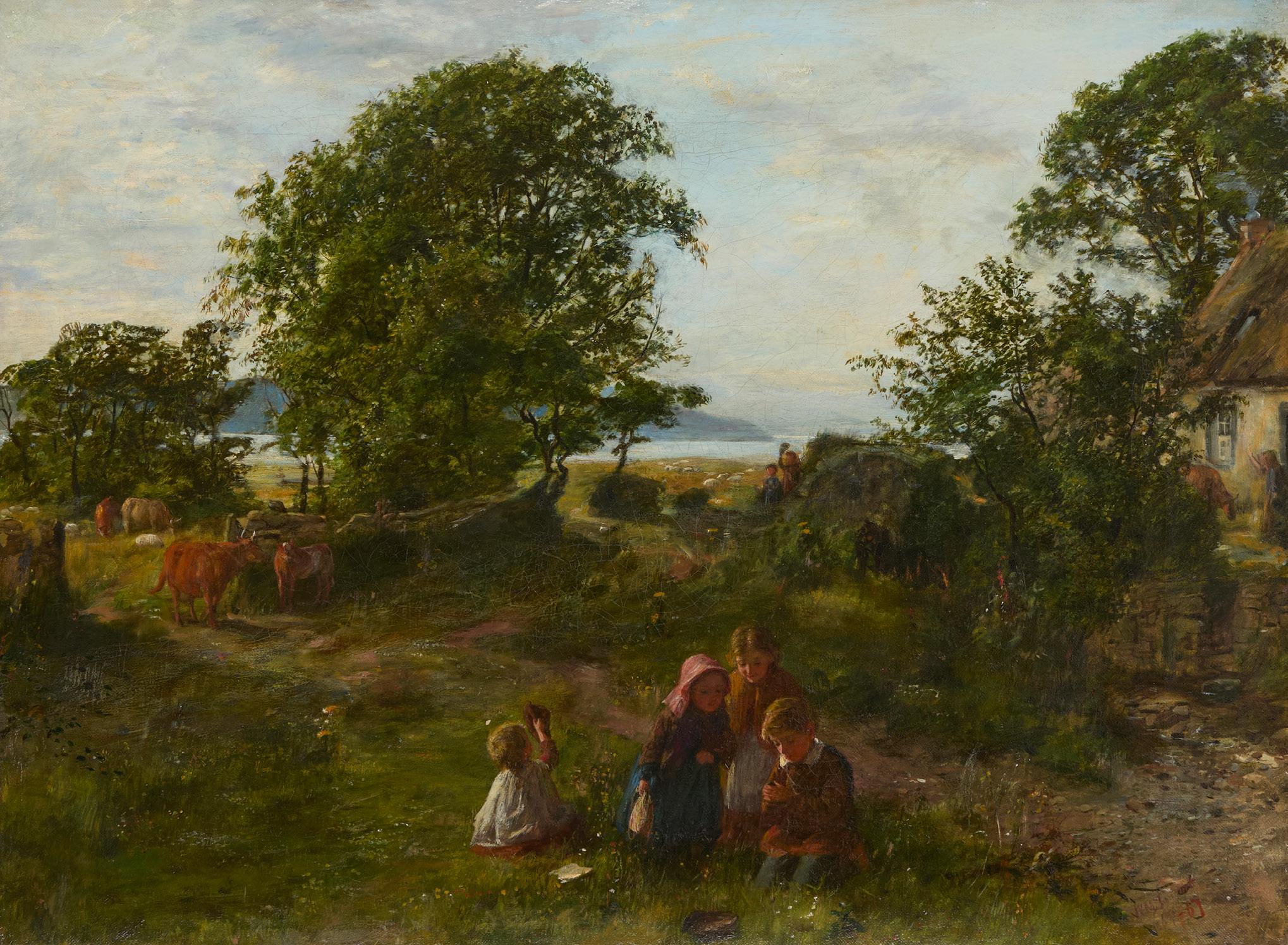
(SCOTTISH 1835-1910)
CHILDREN BY A STREAM
Signed and dated 1864-67, oil on canvas 46cm x 61cm (18in x 24in)
Exhibited: Calton Gallery, Edinburgh, Festival Exhibition, 1992, stock no.2042
£4,000-6,000
103
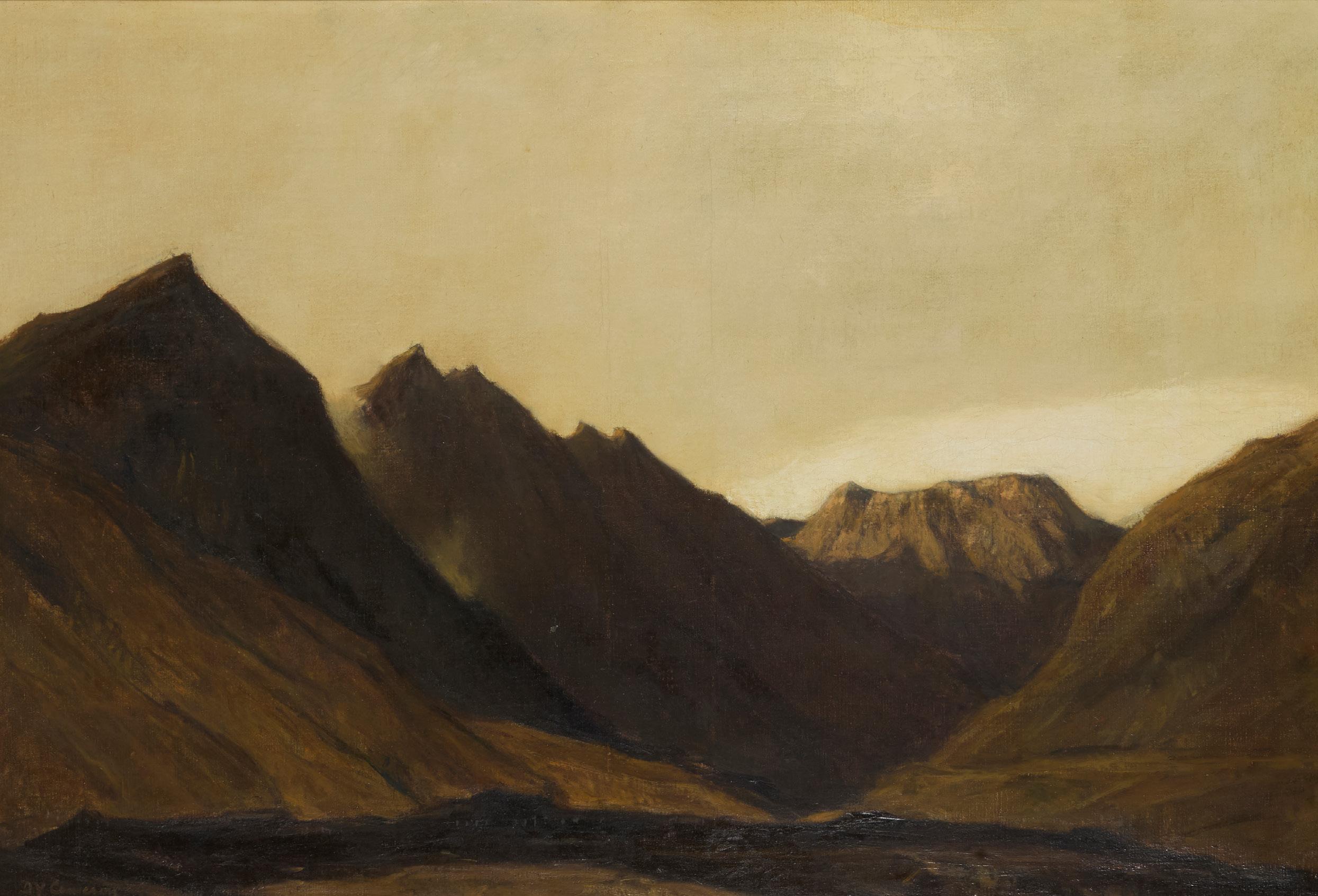
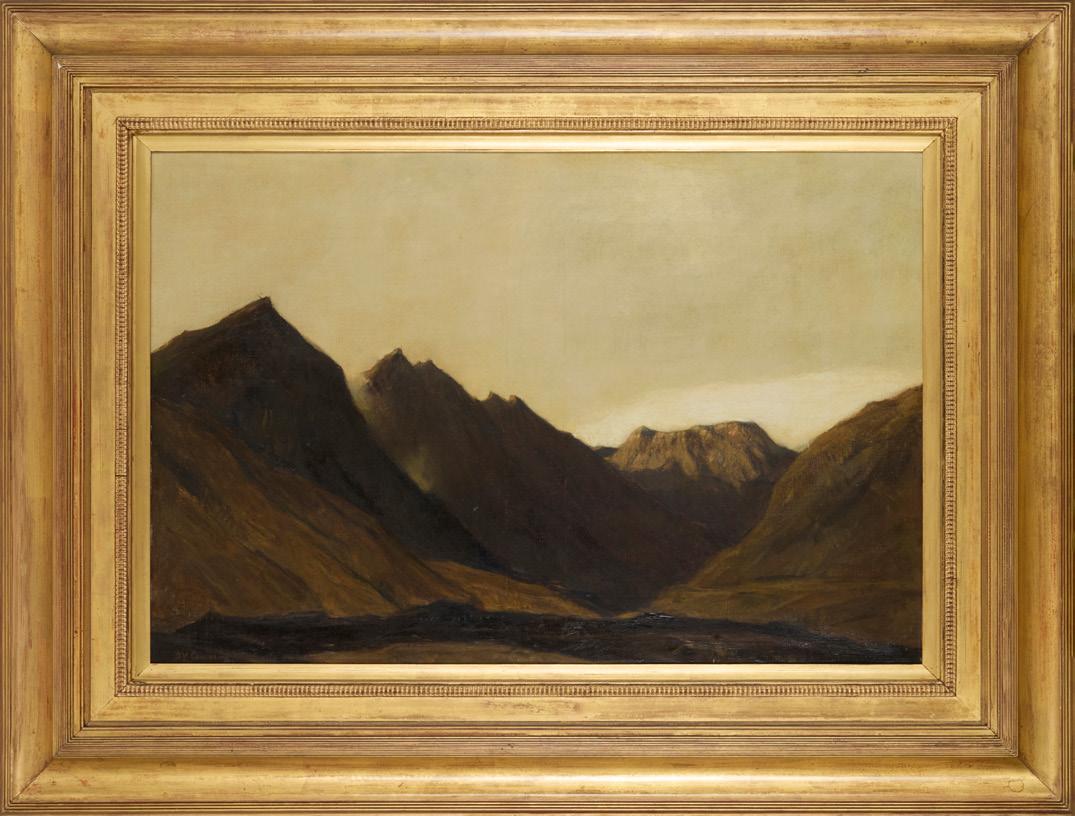
SIR DAVID YOUNG CAMERON R.A., R.S.A., R.W.S., R.S.W., R.E. (SCOTTISH 1865-1945)
THE PEAKS
Signed, oil on canvas
61cm x 91cm (24in x 36in)
Provenance: Allan Park Gallery, Stirling, October 1991; where purchased by the current owner.
£4,000-6,000
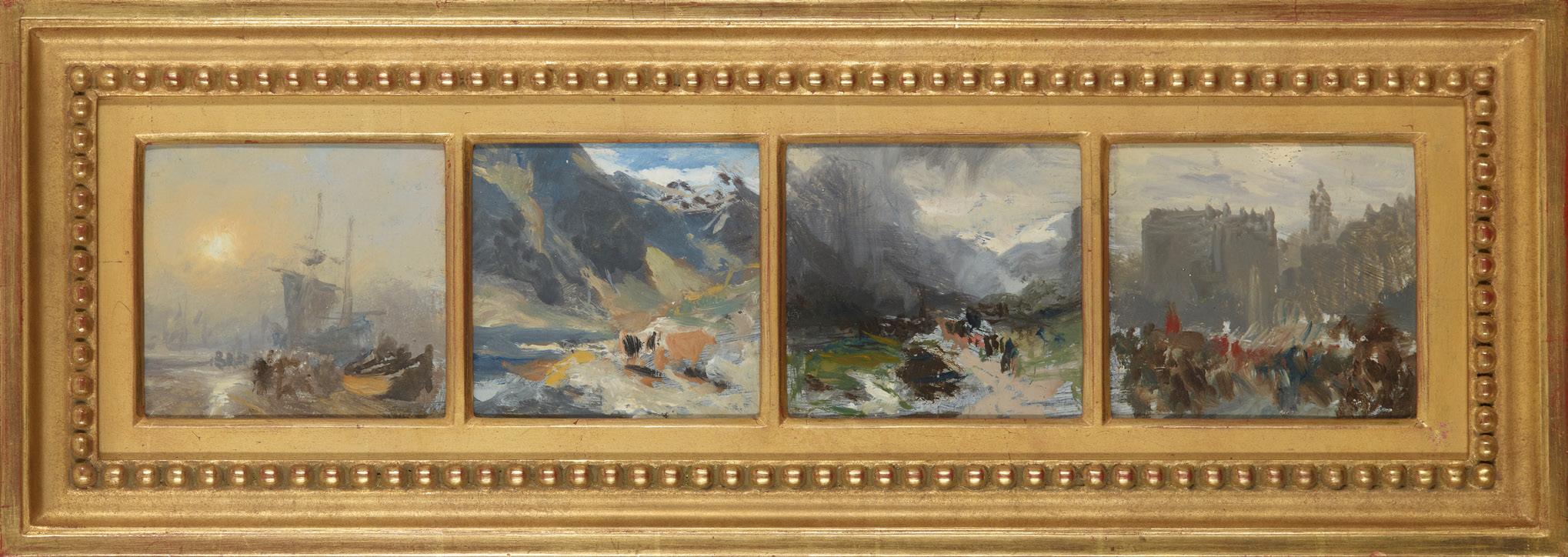
Samuel Bough is one of the most influential Scottish landscape painters of the 19th century. Though born in Carlisle, he spent most of his career in Scotland, moving to Glasgow in 1848 and settling in Edinburgh in 1855. This fourpanel ensemble - unseen in public since its completion over 163 years ago - captures the spontaneity, loose handling and atmospheric sensitivity that established Bough as a precursor to the Scottish Impressionists. Unique in both format and execution, the panels display a freedom so boldly Turneresque that they verge on abstraction.
The ensemble was created for the daughters of Bough’s friend, David Macbeath, a Berwick-Upon-Tweed-based wine merchant with a home in London. Conceived as a unified work, the panels evoke the four seasons through contrasting scenes of coast, countryside and city, linked chromatically by a progression from mustard yellow through ochre and russet to a deep red-brown.
The first panel, likely a sunrise, shows a coastal scene characteristic of Bough’s life-long interest in the small East Coast harbours. Ships in the middle distance and a rowing boat in the foreground create depth, while the luminous handling of light recalls works such as Dysart on the Fife
Coast (1862), though the brushwork here is far more radical and experimental. The second panel presents a summery pastoral landscape: rolling foothills, water to one side, and loosely rendered cattle. It recalls compositions such as Bough’s Borrowdale views and reflects his enduring fascination with mountainous terrain, from the Lake District to the Scottish Highlands. The scene was likely inspired by sketches made during his extensive travels in 1862. In the third panel, an autumnal mood prevails. Mist drifts across a valley beneath distant, snow-capped peaks. Bough rarely painted wintry subjects, making this atmospheric treatment particularly striking, as he balances delicacy with dramatic impact. The final panel shifts to urban Edinburgh, depicting a rain-soaked Princes Street animated by a military parade. Quick diagonal strokes suggest bayonets, lending energy and movement to the foreground. The viewpoint corresponds to known sketches by Bough and situates the scene near his George Street studio, with St Giles’ Cathedral visible in the distance.
The ensemble is documented in an 1863 letter from Bough to Macbeath, in which he describes ‘four sketches in the one frame’ intended for the latter’s daughters - Anne, Helen and
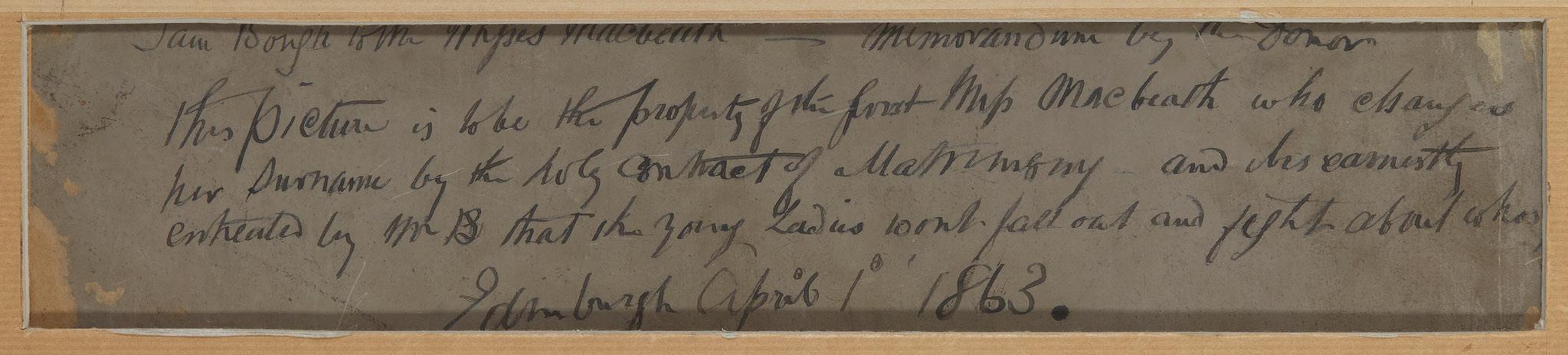
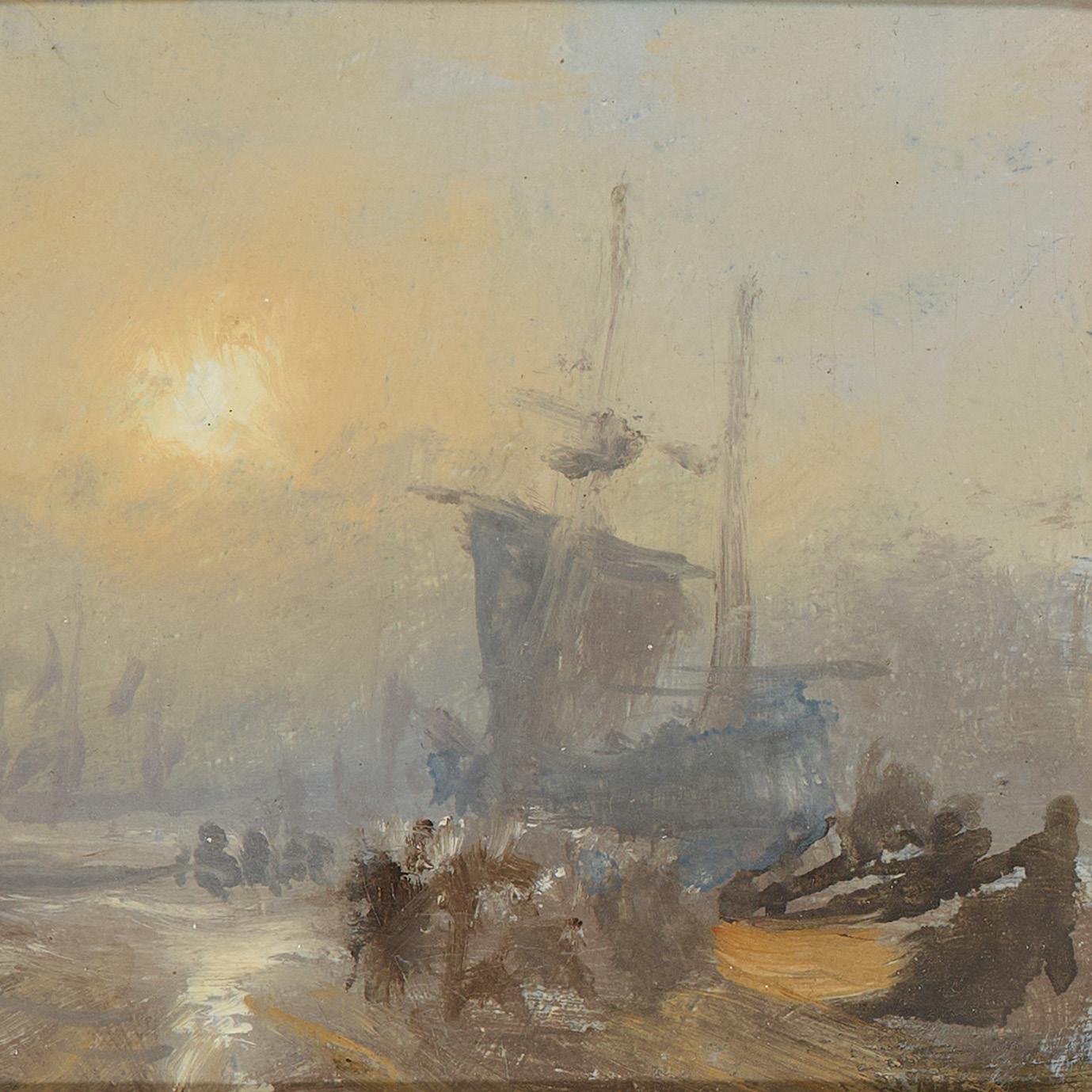
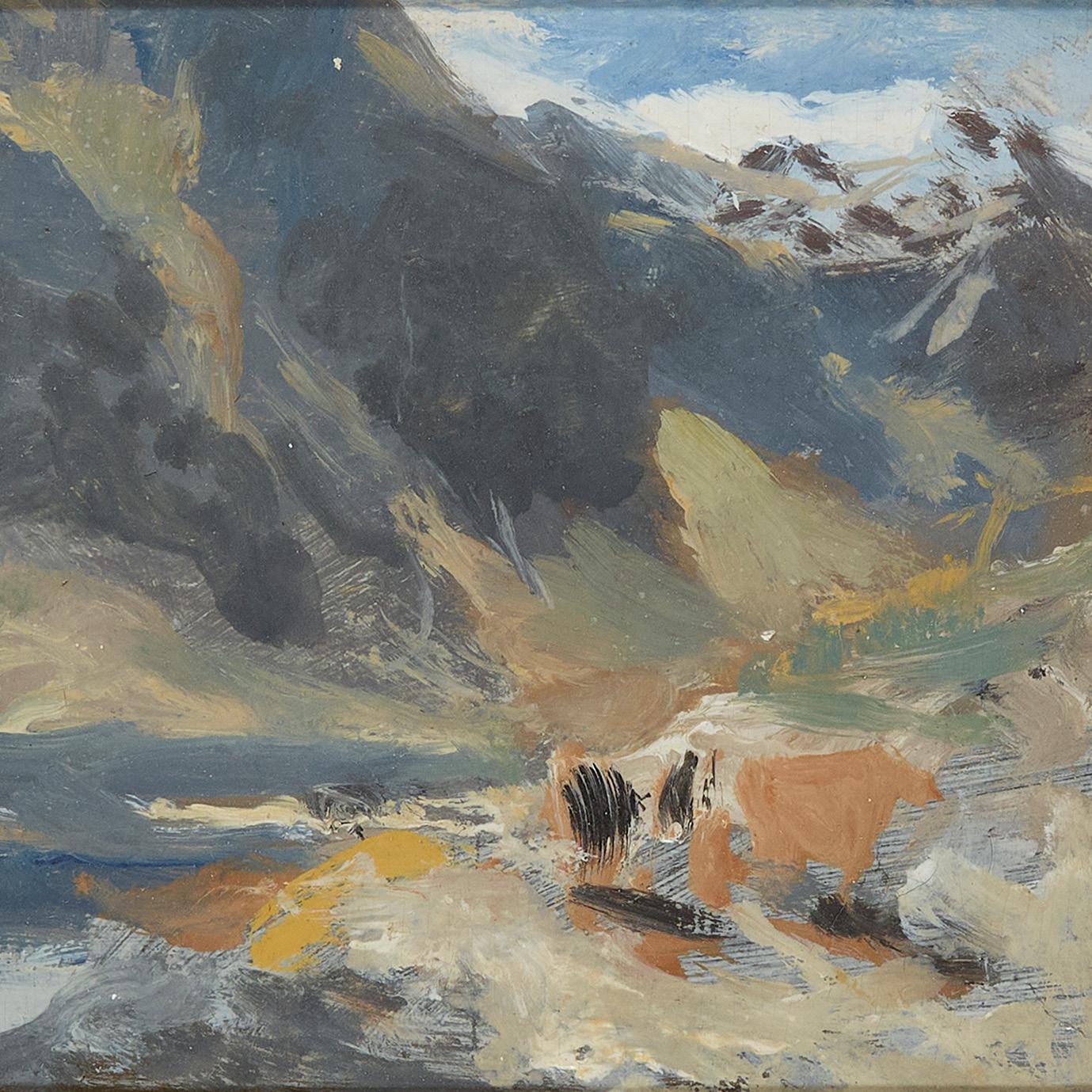
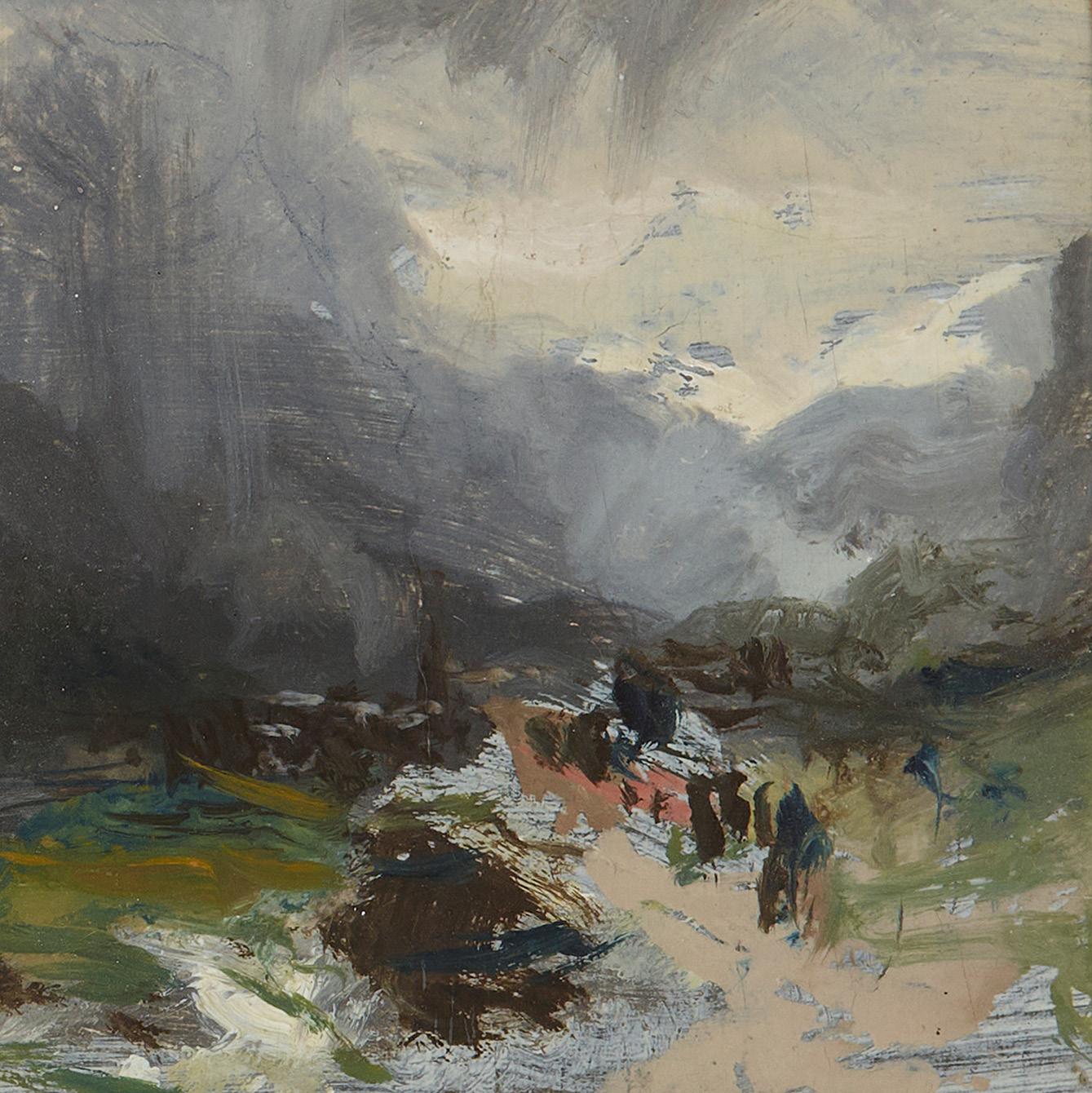
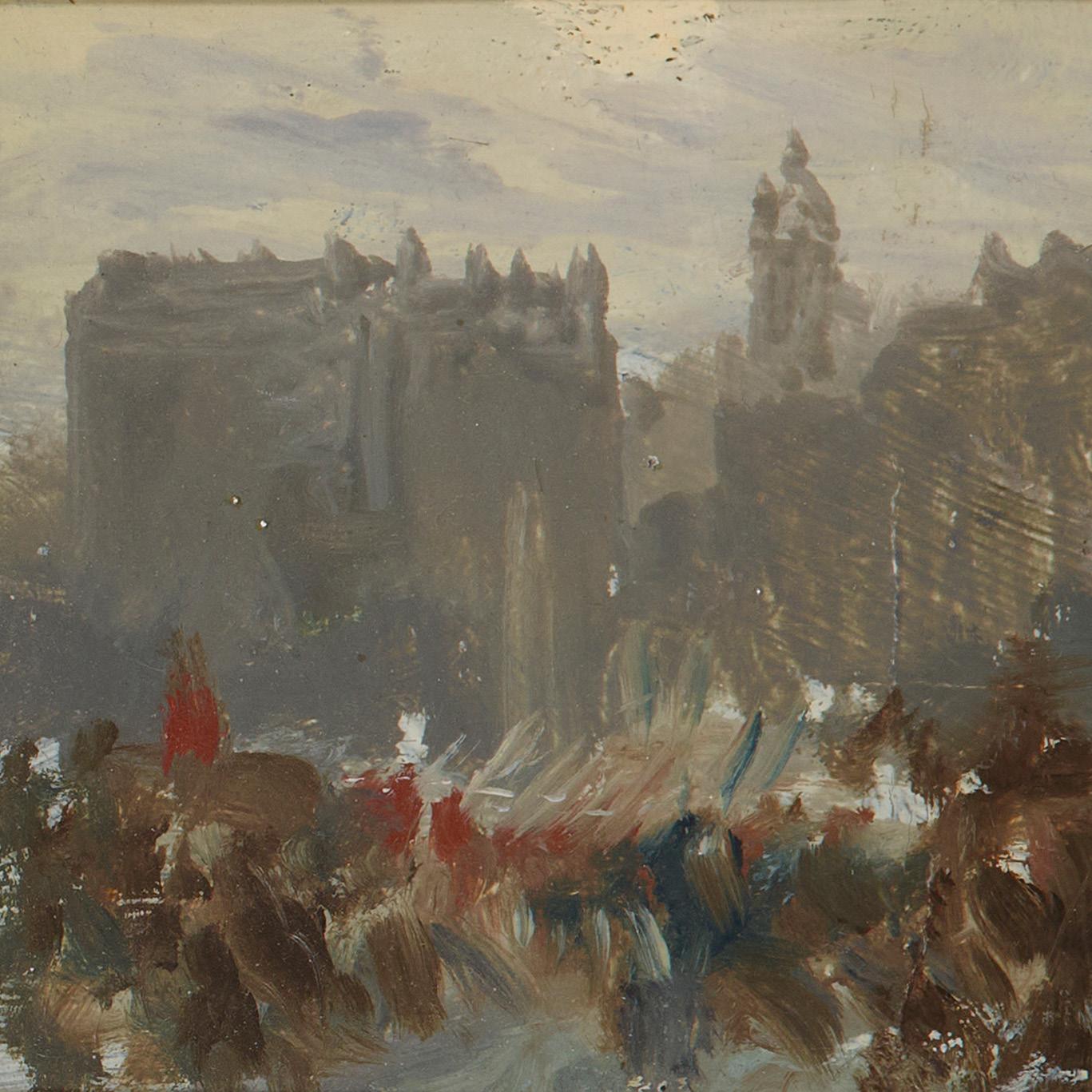
Eliza. With characteristic humour, Bough proposed that the panels should belong to whichever daughter married first. Anne eventually fulfilled this condition in 1874, becoming the rightful owner. Bough’s warm relationship with the Macbeath family is well attested in his correspondence from 1862 to 1877. He frequently stayed with them in London and maintained an affectionate interest in the daughters, whom he dubbed ‘the three Graces.’ His letters reveal both familiarity and playfulness, offering a glimpse into the personal context behind this extraordinary and highly individual work.
104
SAM BOUGH R.S.A. (SCOTTISH 1822-1878)
Signed, extensively inscribed (see note) and dated April 1st 1863 verso, oil on board; and three other views within the same mount, ‘A Mountain Pass’, ‘The Drove Road’ and ‘Troops Parading in Edinburgh’ (4) each 10cm x 10.5cm (4in x 4.25in)
The inscription reads: ‘Sam Bough to the Misses MacbeathMemorandum by the donor. This picture is to be the property of the first Miss Macbeath who changes her surname by the Holy Contract of Matrimony - and it is earnestly entreated by Mr B. that the young ladies wont [sic] fall out and fight about it.’
£3,000-5,000
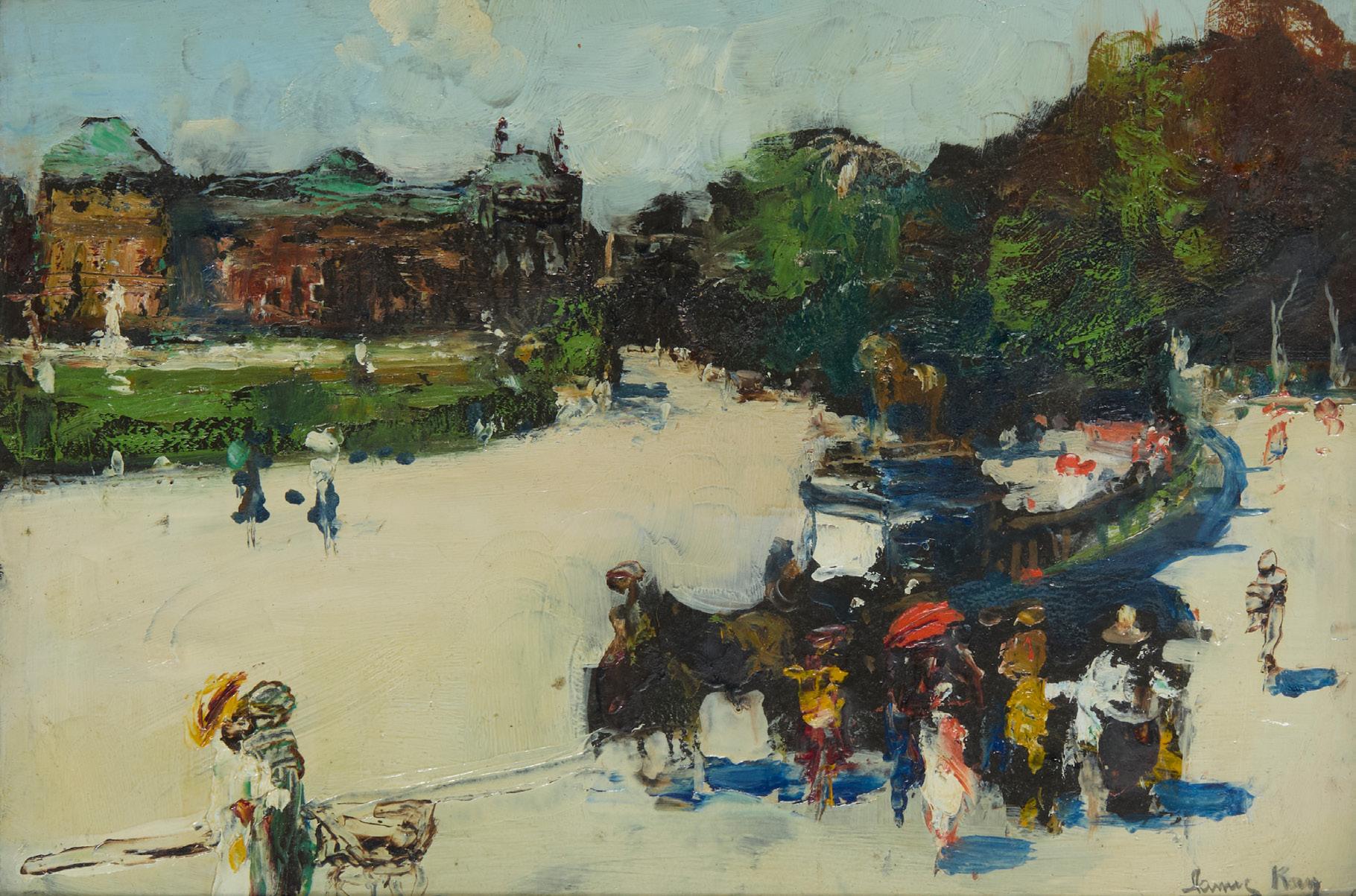
JAMES KAY R.S.A., R.S.W. (SCOTTISH 1858-1942)
TUILERIES GARDENS, PARIS
Signed, oil on panel
20cm x 28cm (8in x 11in)
£1,000-1,500
Maurice William Greiffenhagen’s work often explores idealised beauty through romantic imagery, and this painting, The Fruit Harvest, is a strong example of that. The artwork depicts a group of semi-nude women in a lush, open landscape, accompanied by a newborn baby and a small child, all arranged in a way that feels at once natural and carefully staged. The women carry baskets of exotic fruit such as melons, oranges, and apples, suggesting themes of abundance and fertility, while the child provides a sense of innocence.
The landscape appears Mediterranean, however, it is likely not intended to represent a specific or even real place. This highlights Greiffenhagen’s interest in creating imagined worlds, where human life exists in harmony with nature. The figures appear as idealised forms, emphasising grace, beauty, and composition over realism. Their poses feel almost sculptural, and Greiffenhagen has carefully arranged them across the canvas like a decorative frieze.
The painting is less about narrative and more about mood and symbolism. The inclusion of fruit, flowing drapery, and the natural setting all suggest ideas of fertility, harmony, and the cycles of life. The nudity, while prominent, is presented in an idealised and classical manner, aligning with late Victorian traditions in which the human body is viewed within mythic or pastoral contexts rather than through overt realism. The sky and landscape are executed with soft, blended tones that create atmosphere rather than precise detail.
Compared to Greiffenhagen’s more dramatic works, this painting feels calmer and more decorative. It emphasises balance and tranquillity over emotional intensity, inviting the viewer into a dreamlike world where everyday labour is transformed into something poetic. Overall, the work reflects a desire to escape modern life and instead celebrate a idealised vision of beauty, nature, and human connection.
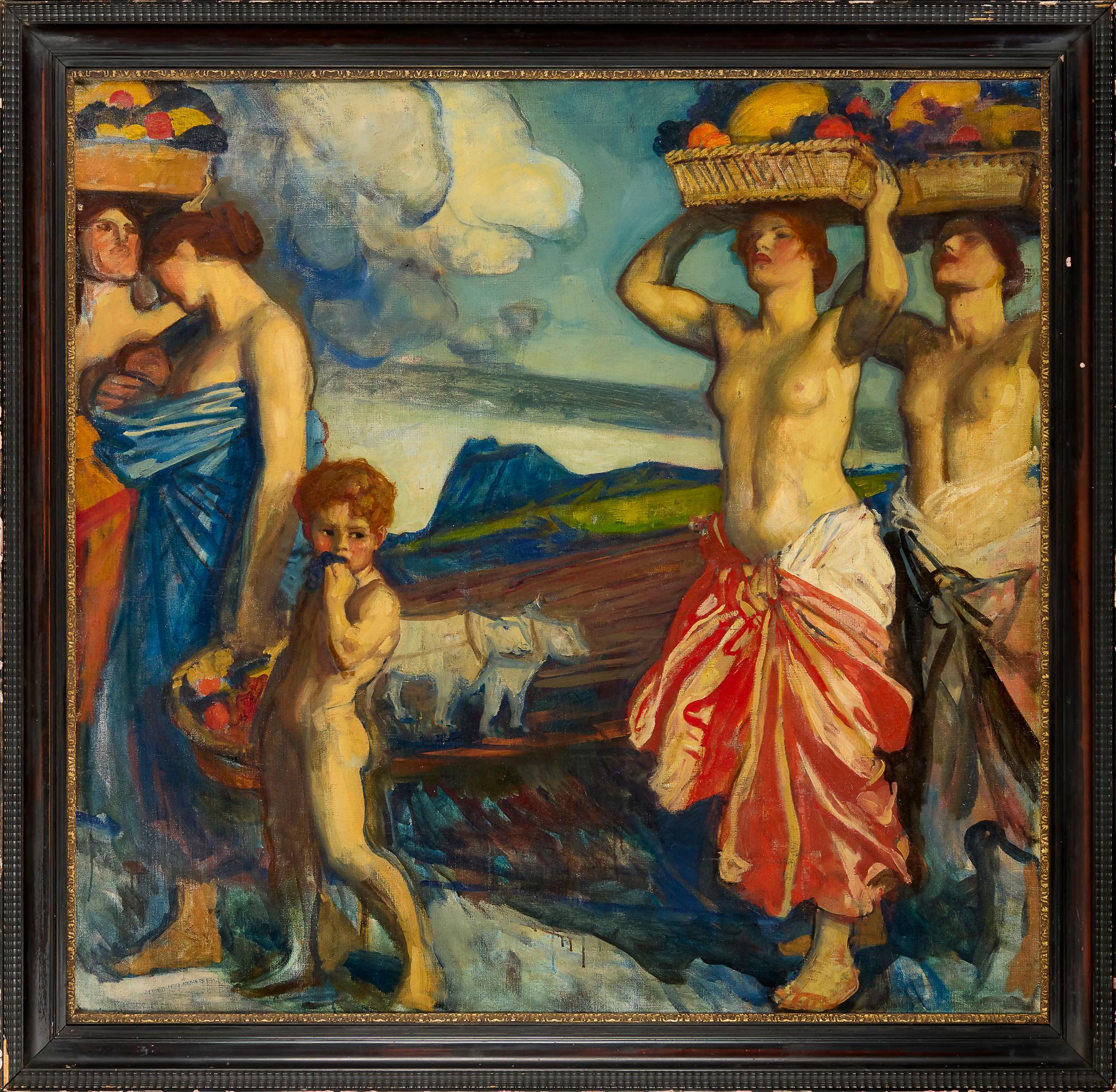
MAURICE WILLIAM GREIFFENHAGEN R.A. (BRITISH 1862-1931)
THE FRUIT HARVEST
Oil on canvas
122cm x 127cm (48in x 50in)
Provenance: Sotheby’s, Belgravia, Fine Victorian Paintings, 30 March 1982, Lot 55
This painting bears a label verso of the Fine Art Exhibition Bureau, London stating that it is a ‘Study for Harvest.’
£6,000-8,000
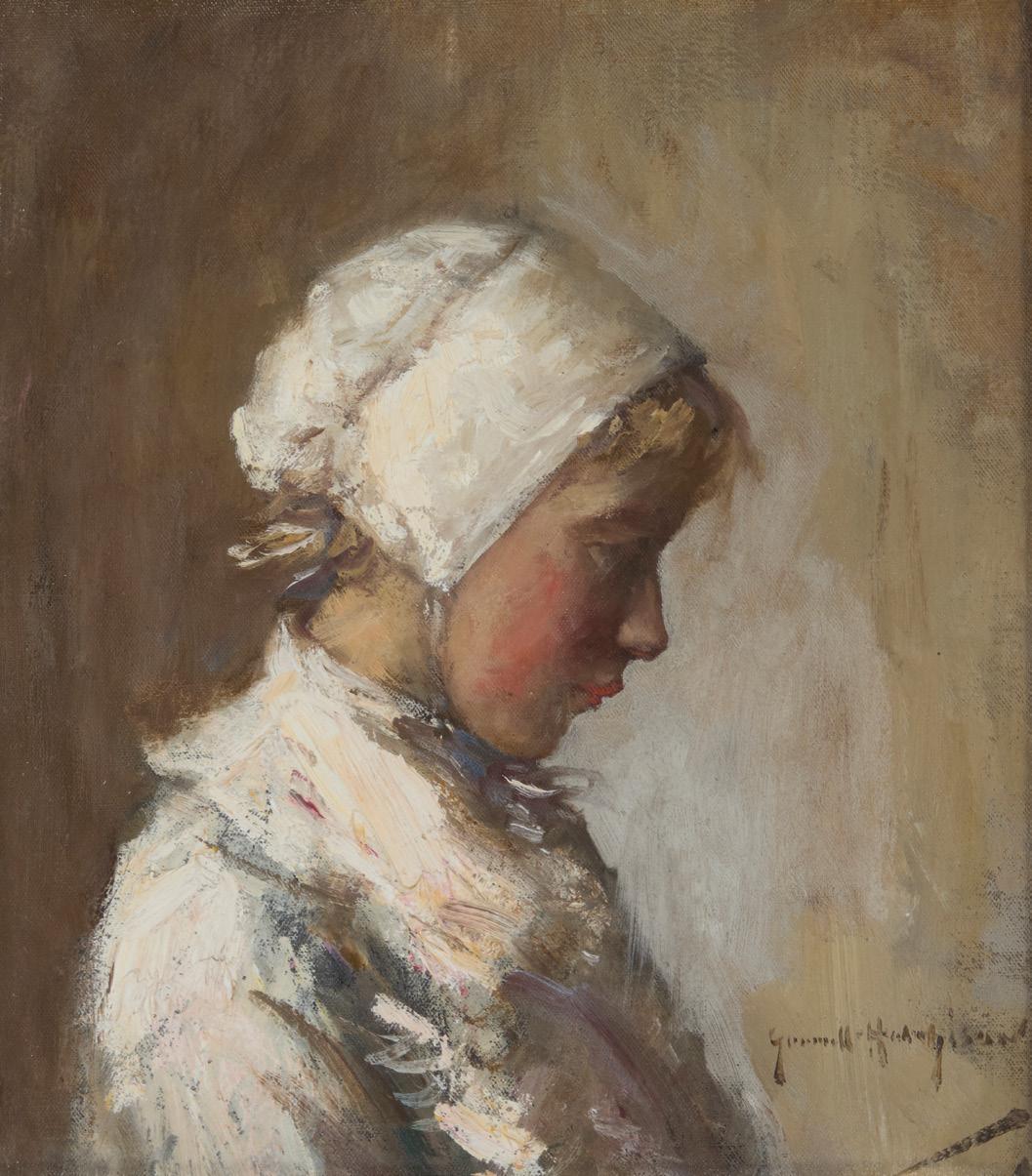
ROBERT GEMMELL HUTCHISON
R.B.A., R.O.I., R.S.A., R.S.W. (SCOTTISH 1860-1936) DEEP IN THOUGHT
Signed, oil on canvas board
25.5cm x 23cm (10in x 9in)
£1,500-2,000
ROBERT GEMMELL HUTCHISON
R.B.A., R.O.I., R.S.A., R.S.W. (SCOTTISH 1860-1936) BY THE SEA
Signed, oil on board
23cm x 23cm (9in x 9in)
£4,000-6,000
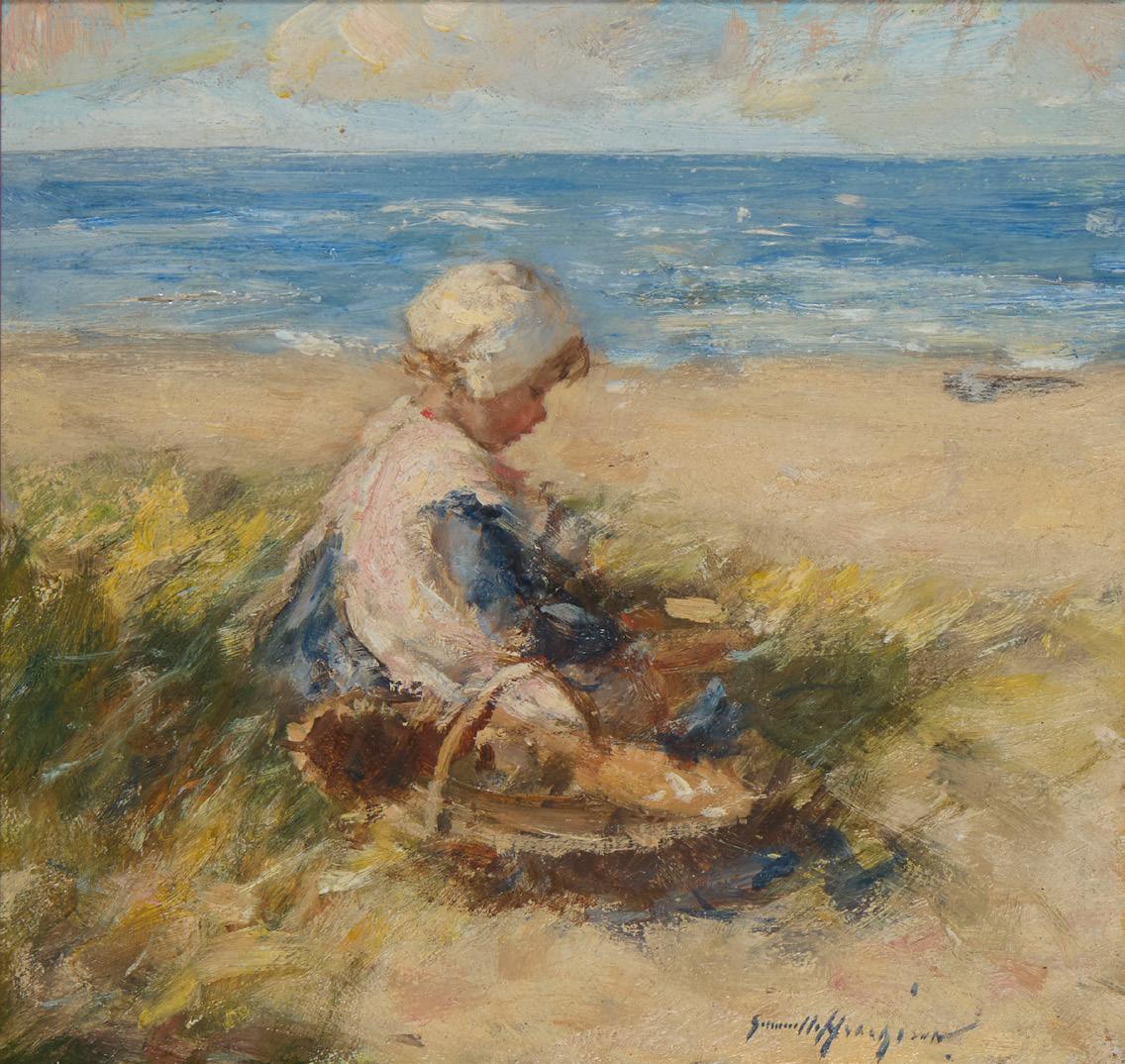
109
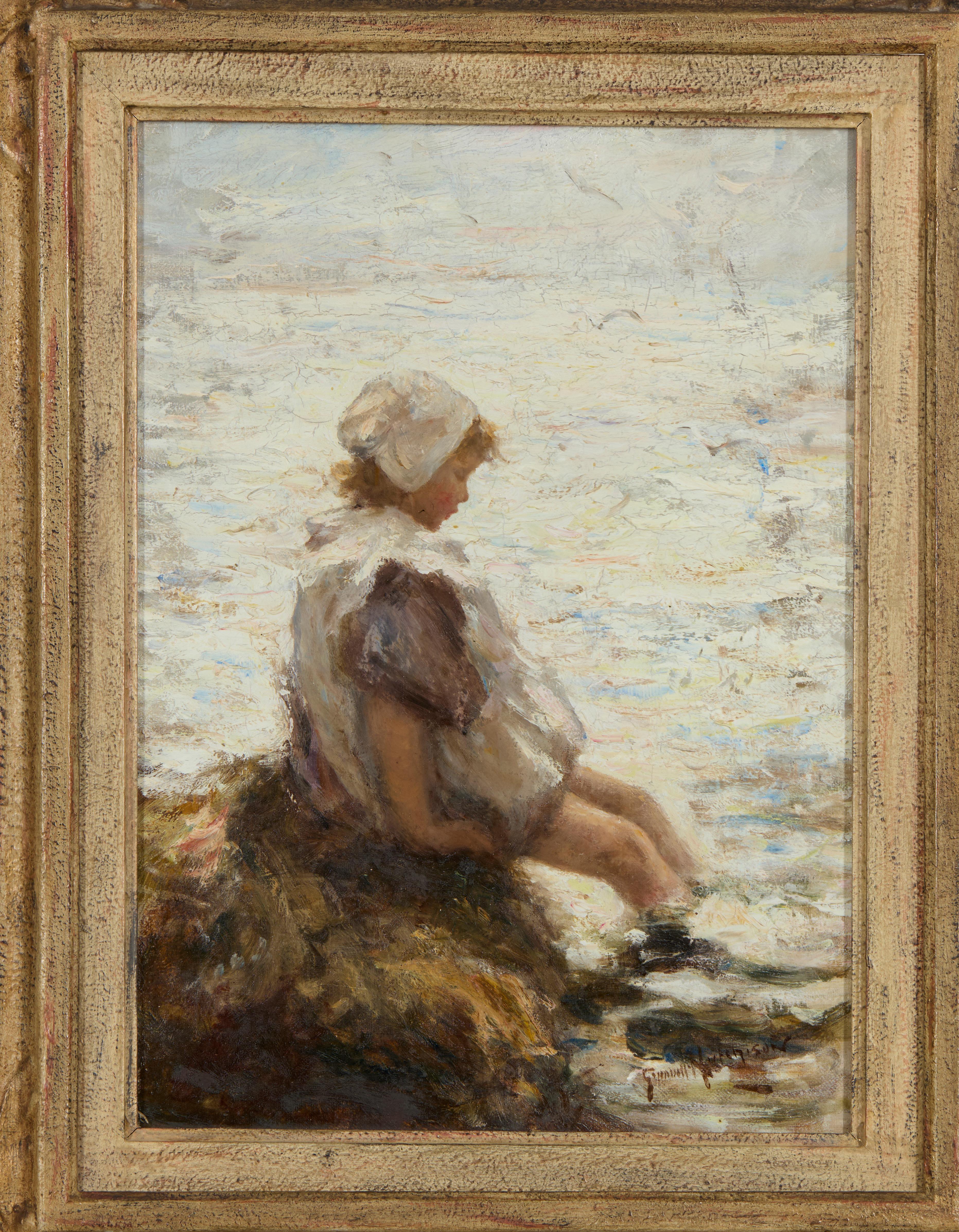
ROBERT GEMMELL HUTCHISON R.B.A., R.O.I., R.S.A., R.S.W. (SCOTTISH 1860-1936) PADDLING
Signed, oil on canvas
35.5cm x 25.5cm (14in x 10in)
£3,000-5,000
110 §
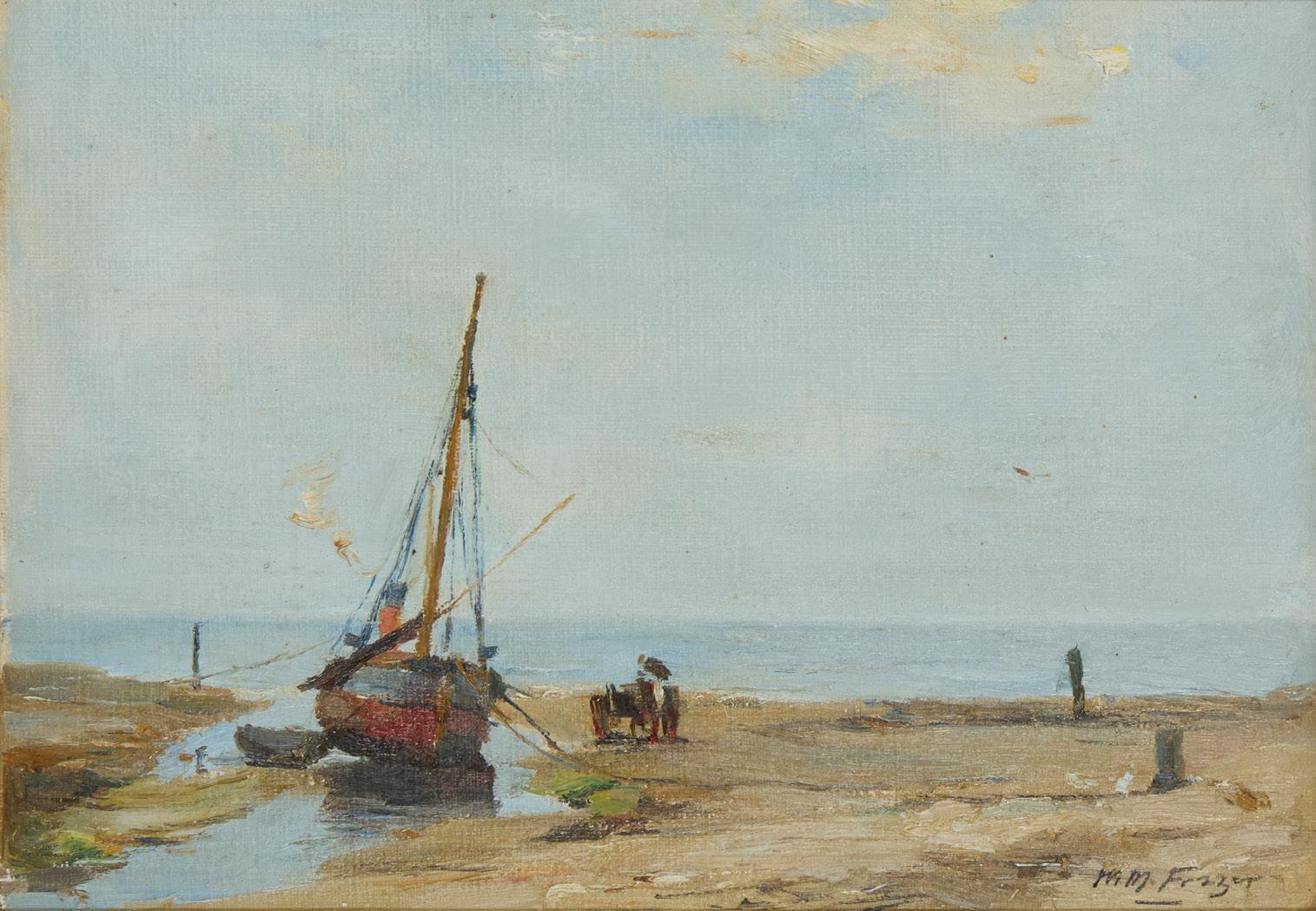
WILLIAM MILLER FRAZER R.S.A., R.S.W. (SCOTTISH 1864-1961) UNLOADING THE CATCH
Signed, oil on canvas board
25.5cm x 35.5cm (10in x 14in)
Frazer often painted at Blackwaterfoot, on the Isle of Arran.
£800-1,200
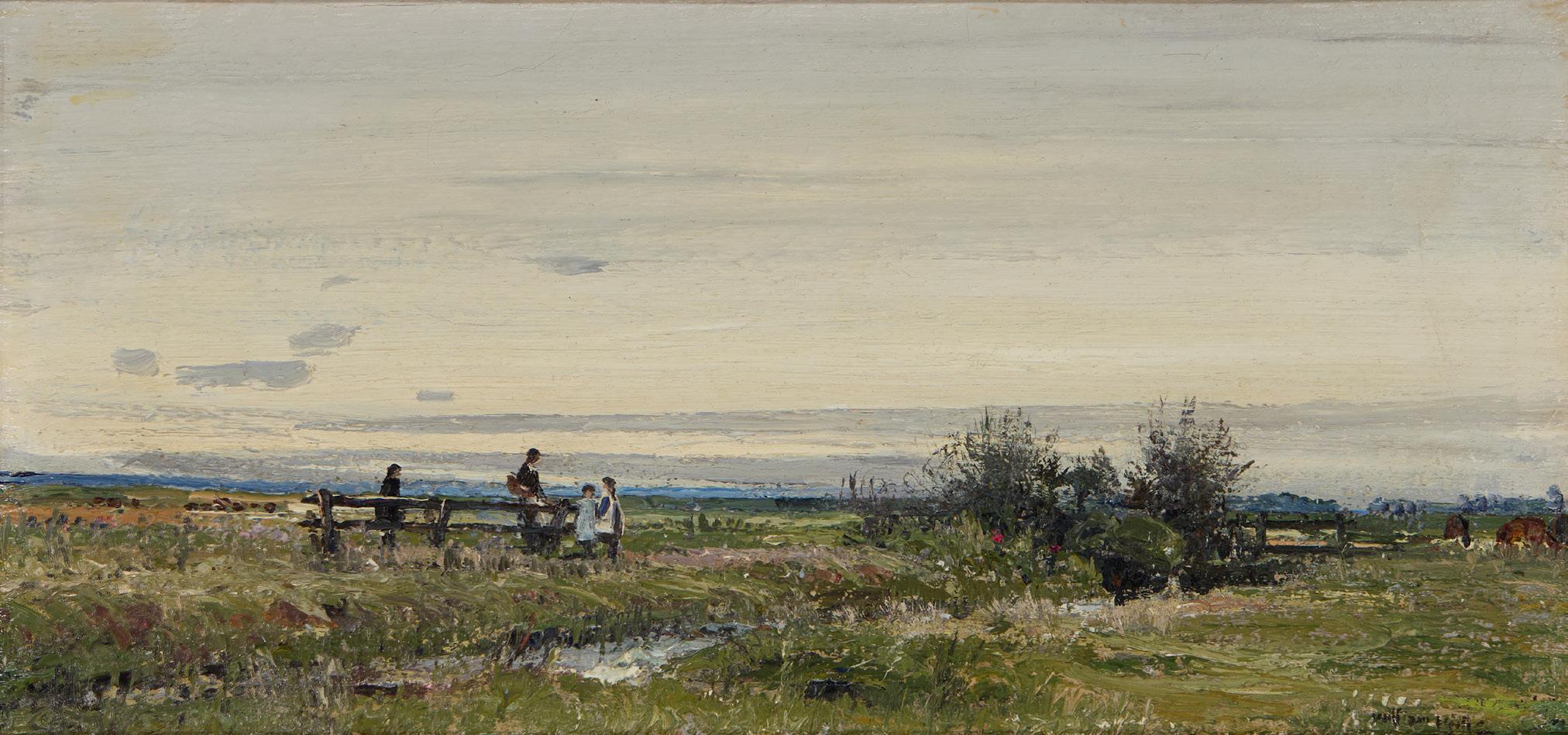
WILLIAM PAGE ATKINSON WELLS R.B.A. (SCOTTISH 1872-1923) IN THE FIELDS
Signed, oil on canvas
20cm x 41cm (8in x 16in)
£500-700
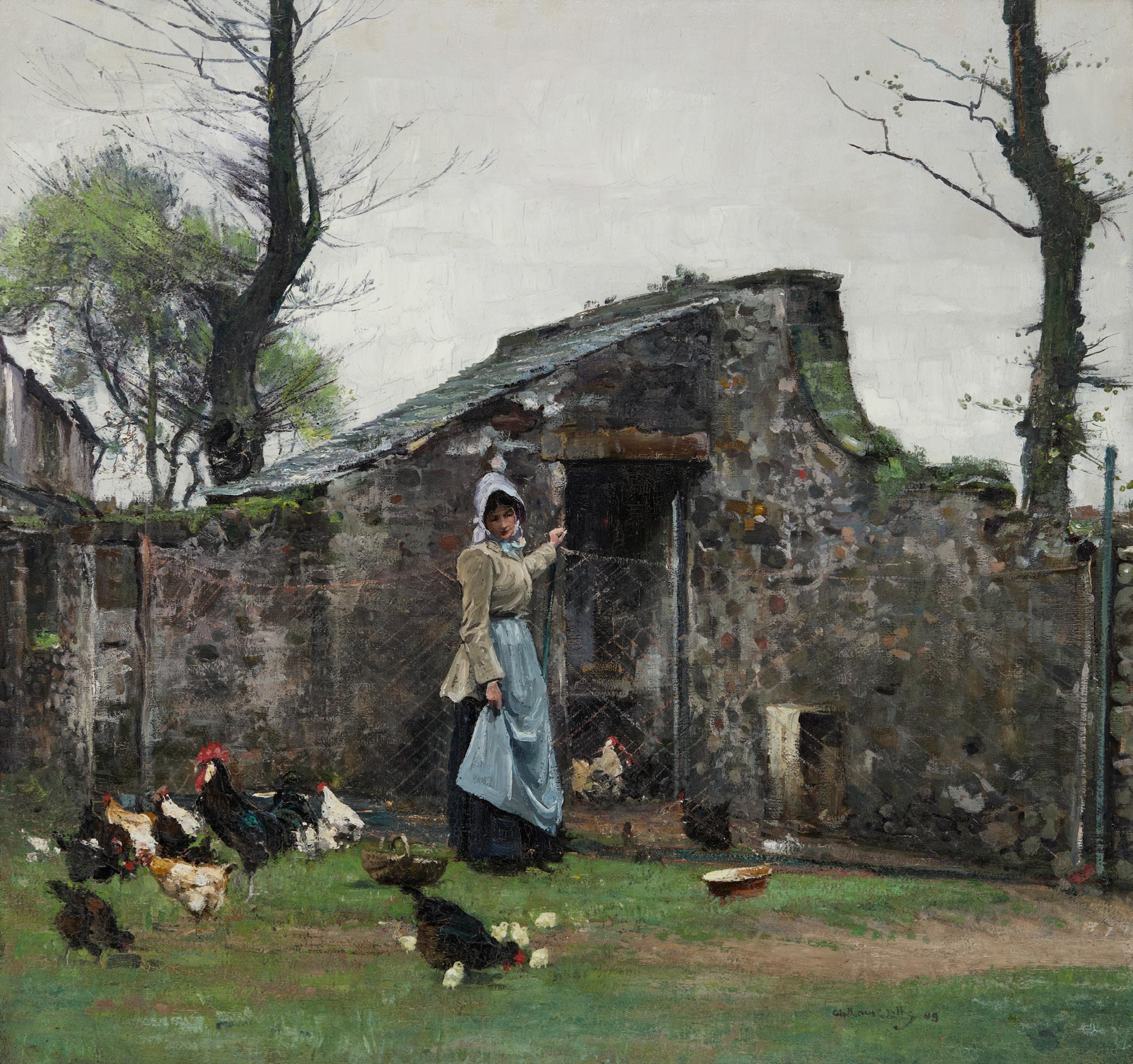
FEEDING THE HENS
Signed and dated ‘98, oil on canvas
71cm x 76cm (28in x 30in)
£3,000-5,000
When he died unexpectedly in August 1904, the studio of Arthur Melville contained a number of puzzles. These were undated, unsigned and unidentified canvases – often relating to projects that had never been realised during the last years of his life. They remained unseen for eighteen years until Dowell’s of Edinburgh was instructed to hold a studio sale on 11 March 1922.1 There, the hapless auctioneer was faced with the present work and reached for simple prose to describe it and a companion picture as Spanish Buildings with Figures, followed with Another Version of the same picture, slightly different 2
The present, larger painting of the two, then passed to WB Simpson’s dealership in Glasgow where, with an eye to the market, it acquired On the way to the Masqued Ball (sic) as its title.3 Neither the literal title, nor the more fanciful one, could nevertheless answer the questions surrounding either of these works, and their ‘where’, ‘when’ and ‘why’, will perhaps remain forever unanswered.
Melville travelled through Spain on many occasions from 1890 onwards. A notable barge trip on the Ebro river with Frank Brangwyn in 1892, for instance, led to sketches in the hillside towns on its banks, while other trips delivered paintings of bullfights, dancers and street scenes in Ronda, Seville, Córdoba, Granada and Toledo.4 While further research may reveal a precise location for the present work and its companion, it is also entirely possible that the theatrical ensemble, hinted in the Simpson title, was intended.5 We could almost be looking at a stage set
involving figures in capes and bicorne hats beckoned by the man with a lantern at a door on the flight of steps. Other figures are smudged in behind the Maja in the right foreground bearing a lighted lantern, and, glowing in the sky, an orange tower at the top of the steps has caught the firey evening sun. Melville states these details with impressive economy. He grasps and simplifies their essential shapes.6 There is flourish, without brazenness. A golden gloom envelops all. Here, as elsewhere, as his friend, Robert Macaulay Stevenson observed, ‘his work is no mere show of technical ability’,
In a word, though he paints like a painter, and well at that, he seems never to lose sight that his art is the grave and serious expression of the mind of a man, not a mere material display of technical ability.7
Melville lived at a time when ‘Hispagnolism’ was a vibrant strand in British visual culture with its own extensive literature.8 While Thomas Cook was boasting new extensions to Spain’s rail network, supplied from Scottish engine works, the country itself was largely unscathed by modernity.9 Hence its romance for the artist-traveller. And while some were satisfied with a single visit to the Prado and a trip to a bullfight, Melville engaged in depth with Spanish culture recording its landscapes and regional types. If colourful folk were arriving in the local square to attend a carnival masquerade, he would wish to be there.
We are grateful to Professor Kenneth McConkey for writing this catalogue entry.
1. Melville’s wife, Ethel, née Croall, later Mrs Theodore Roussel (1872-1917) left the Melville estate to their daughter, Marion (1903-1996).
2. The smaller version (75 x 92 cm) was sold in June 1999, before reappearing in Bonhams in October 2018.
3. See label on the reverse. William Brebner Simpson (1867-1949) first worked as an assistant to George Davidson Ltd, the Glasgow framer and colour merchant who supplied to the Glasgow Boys. He founded his own company in 1919, taking on David Muir Jackson as a partner in 1921.
4. From his final tour in 1904 Melville returned suffering from the typhoid fever that took his life.
5. As with many of Melville’s more finished works, the subject is likely to have been swiftly noted in a pocket sketchbook before the present canvas was blocked in.
6. Given its surface texture – oil paint, thinned to the consistency of watercolour and blotted – that Melville worked on loose canvas tacked to a board.
7. Unpublished ms. notes by fellow Glasgow Boy, Robert Macaulay Stevenson on his friend, Arthur Melville, Private Collection;
see also Ronald Pickvance and Kenneth McConkey, ‘A Friendship Rediscovered: Arthur Melville and the Macaulay Stevensons’, in British Art Journal, winter 2015-6, pp. 44-53.
8. Kenneth McConkey, Towards the Sun, the Artist-Traveller at the turn of the Twentieth Century, 2021 (Paul Holberton Publishing), pp. 133-151.
9. Cook’s Travellers Gazette, October 1905, p. 20. For an acute contemporary perception of Spanish culture see, Havelock Ellis, The Soul of Spain, 1908 (Constable & Co).
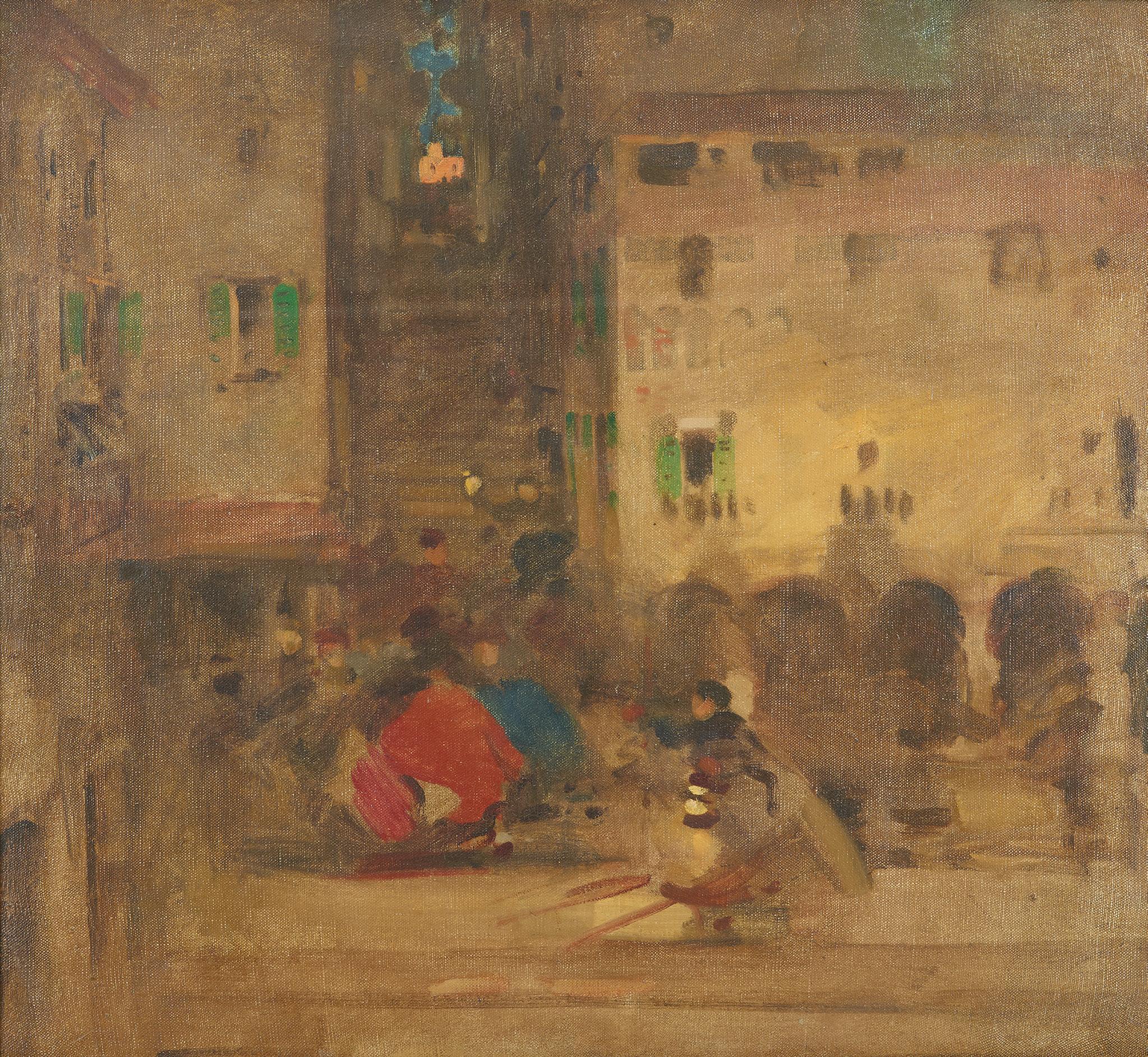
113
ARTHUR MELVILLE A.R.S.A., R.W.S., R.S.W. (SCOTTISH 1855-1904)
SPANISH BUILDINGS WITH FIGURES
Oil on canvas
85.5cm x 92cm (33.5in x 36in)
Provenance: The Estate of the Late Eric Sloane
£10,000-15,000
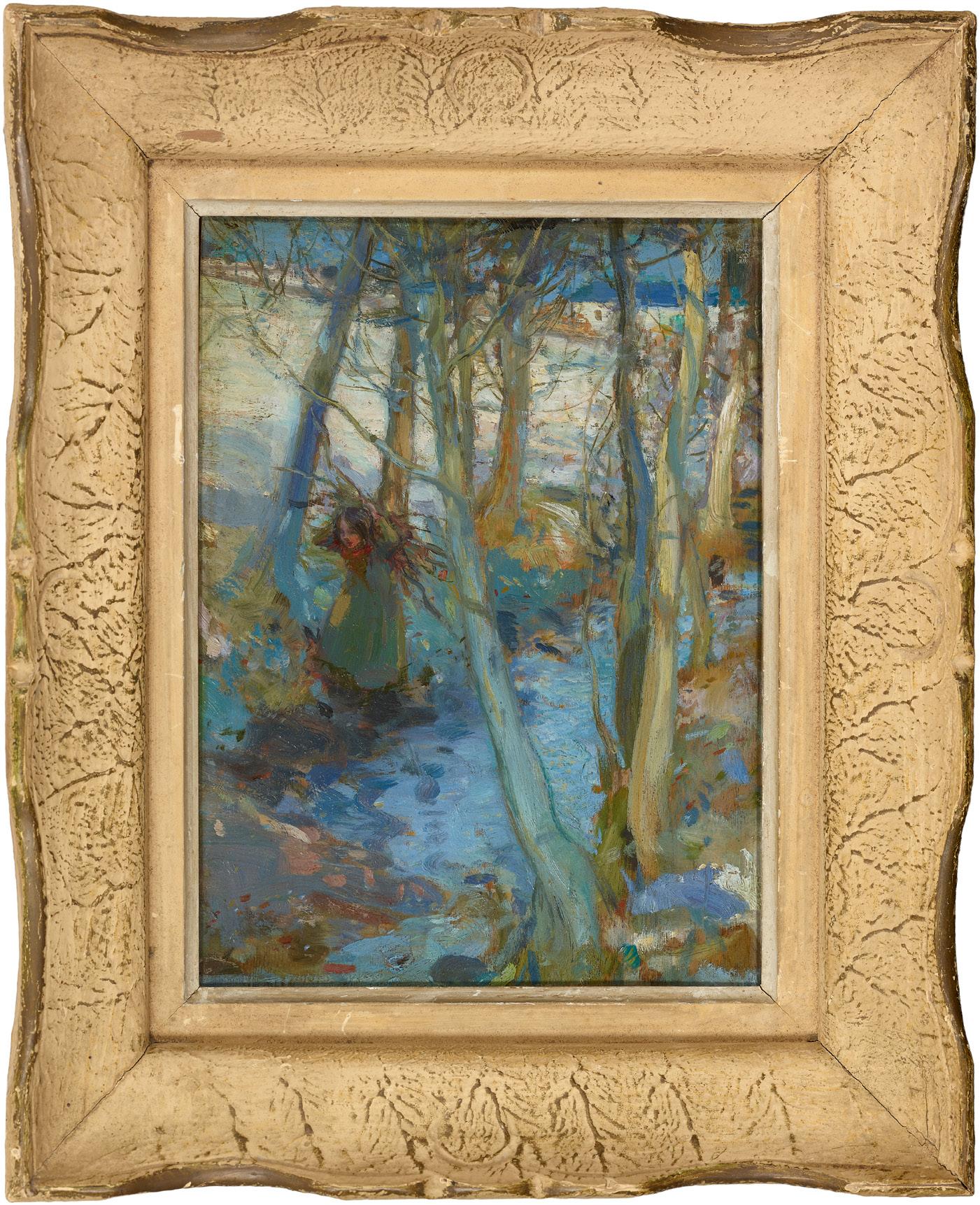
114
HARRINGTON MANN R.P., R.E. (SCOTTISH 1864-1937)
SPRING LANDSCAPE
Signed and dated 1898, oil on panel
23cm x 16.5cm (9in x 6.5in)
Provenance: Paul Cassirer, Berlin.
£4,000-6,000

GEORGE HENRY
R.A., R.S.A., R.S.W. (SCOTTISH 1858-1943)
GATHERING BLUEBELLS
Signed, oil on canvas
51cm x 61cm (20in x 24in)
£7,000-10,000
In a woodland beneath a canopy of trees, lit by dappled sunlight, three women can be seen among a carpet of bluebells. Each woman wears a bright shawl, suggesting that the shaded forest canopy blocks the balmy warmth of the late spring sun from fully filtering through the leaves. Bluebells are deeply rooted in British folklore, often associated with fairy dwellings, and this whimsical notion has been cleverly transferred onto the canvas by Henry through his harmonious colour palette, the bright red hair of the figure on the far left, the cool blues and greens of the woodland, the earthy browns, and his play of light. The question of who these women are, creates a sense of mystery within the work, harking back to the enchantment of the forest.
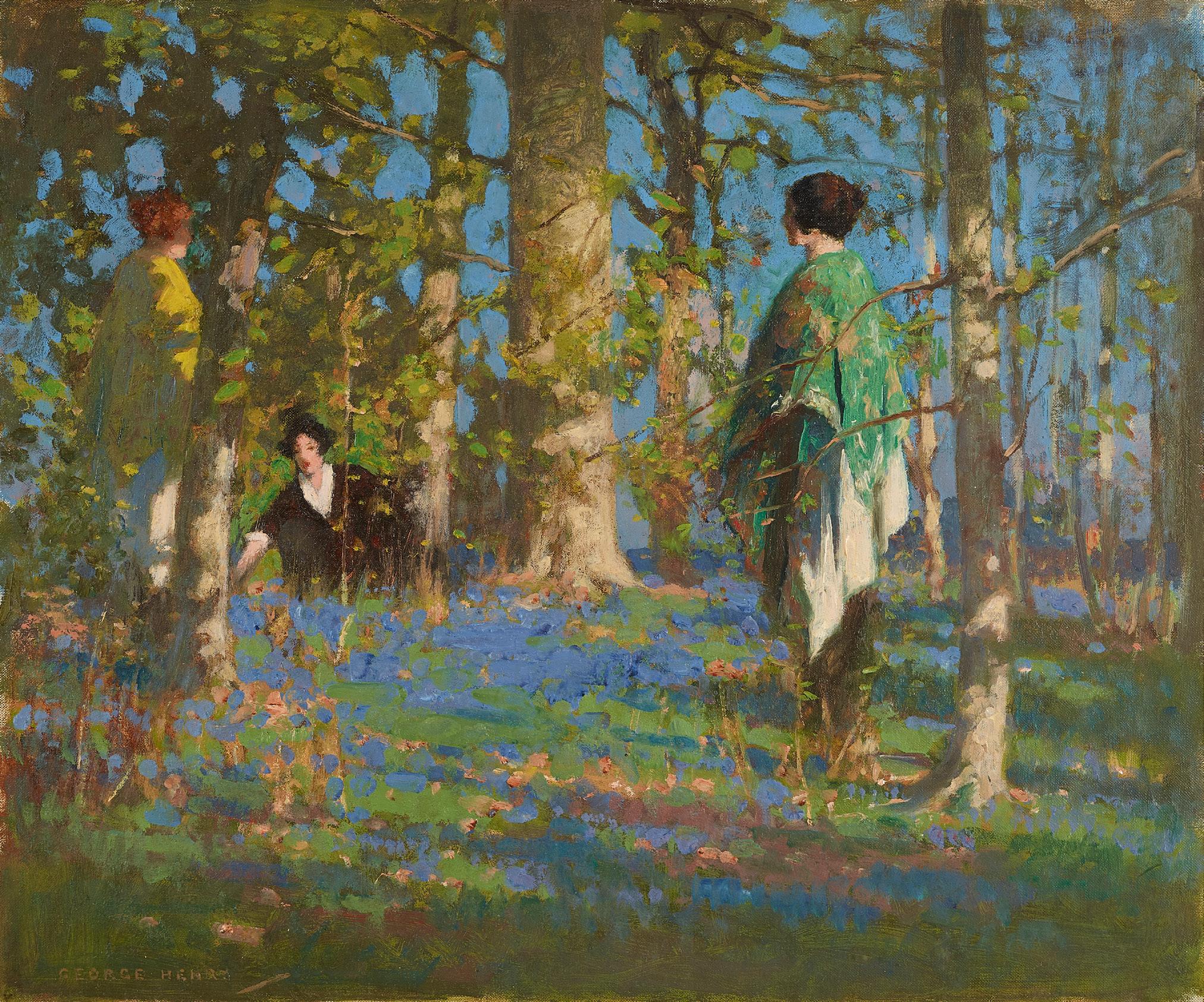
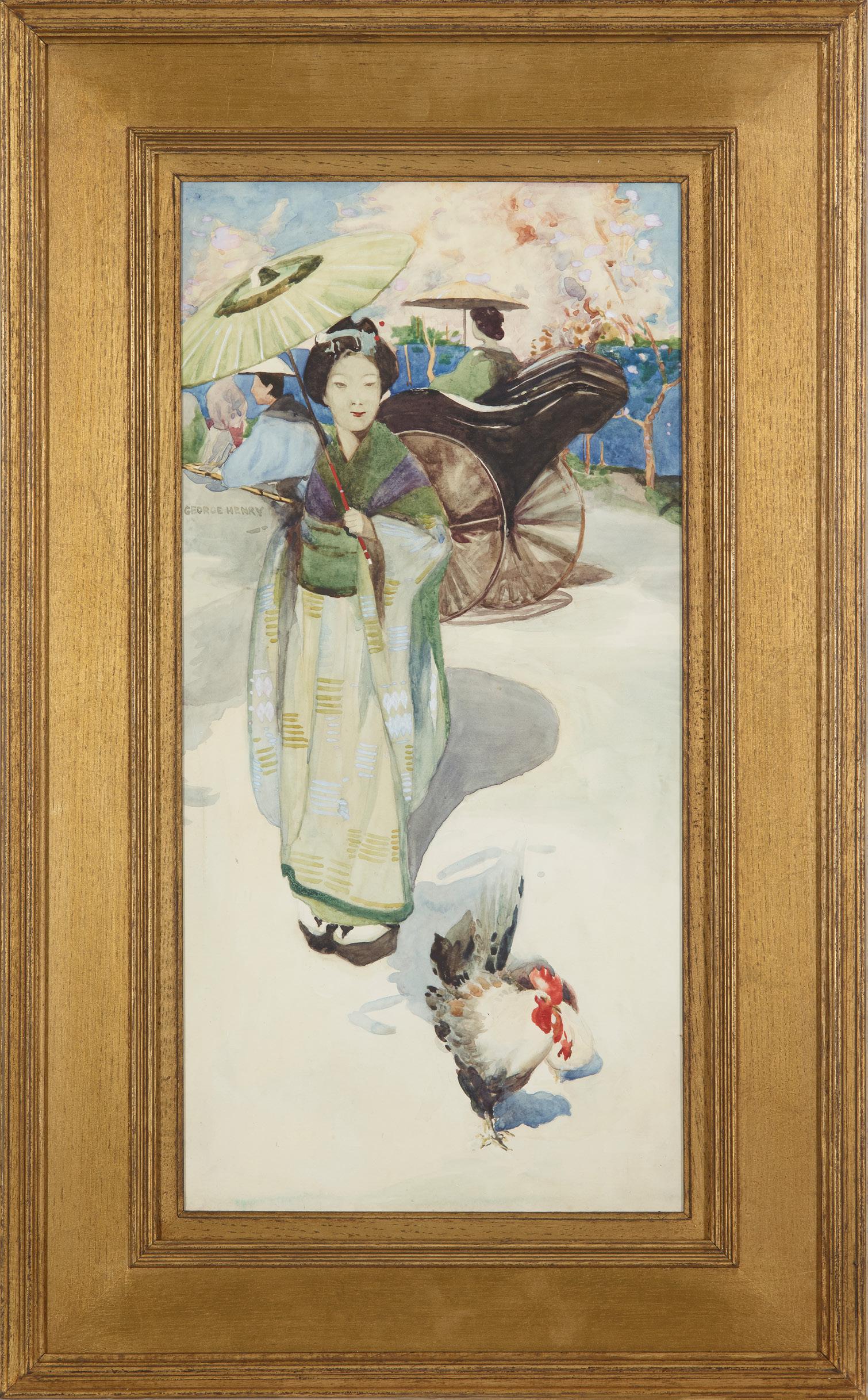
George Henry (1858–1943) was born in Ayrshire and studied at the Glasgow School of Art. Whilst his career saw him travel far and wide, including a formative period in Japan alongside his close friend and fellow artist Edward Atkinson Hornel (1864–1933), it was in Kirkcudbright that many of his most celebrated works were painted. While this painting is likely set within a Galloway woodland, Henry’s lasting fascination with Japanese culture is unmistakable. It can be seen in the patterned shawl worn by the woman in green in the foreground, the bold blocks of colour in the other two shawls, and the women’s elegant up-do hairstyles. The figures’ clothing is similar to the green kimono featured in Geisha and Rickshaw, in which Henry depicts a figure walking through a traditional Japanese street, complete with a wagasa and rickshaw in the background.
Henry’s whimsical tone is further present in By the Lake, where a solitary girl sits at the water’s edge surrounded by yellow foliage. Sunlight shimmers across the lake, while the rich golden yellows and lush greens, combined with Henry’s loose, impressionistic brushwork, fill the painting with a poetic and atmospheric quality.
Ultimately, Henry’s woodland scenes are more than a simple depiction of figures in nature, they are an exploration of atmosphere, folklore and visual harmony. Through his careful composition, layered setting, and subtle references to both British and Japanese influences, he invites the viewer into spaces that feel both real and otherworldly. The anonymity of the figures, combined with the enchanting setting, ensure the paintings retain a sense of mystery, encouraging curiosity from the viewer.
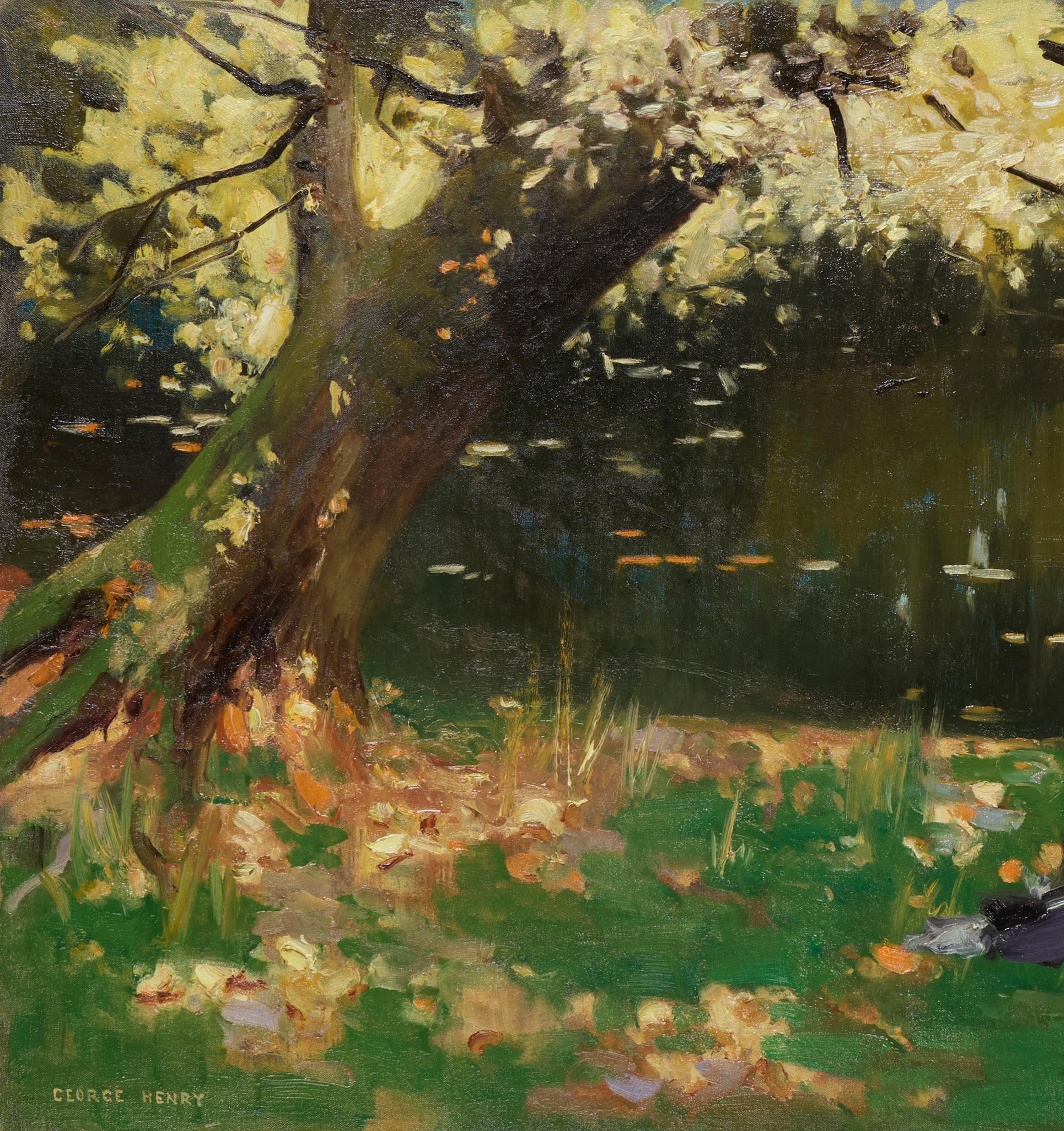
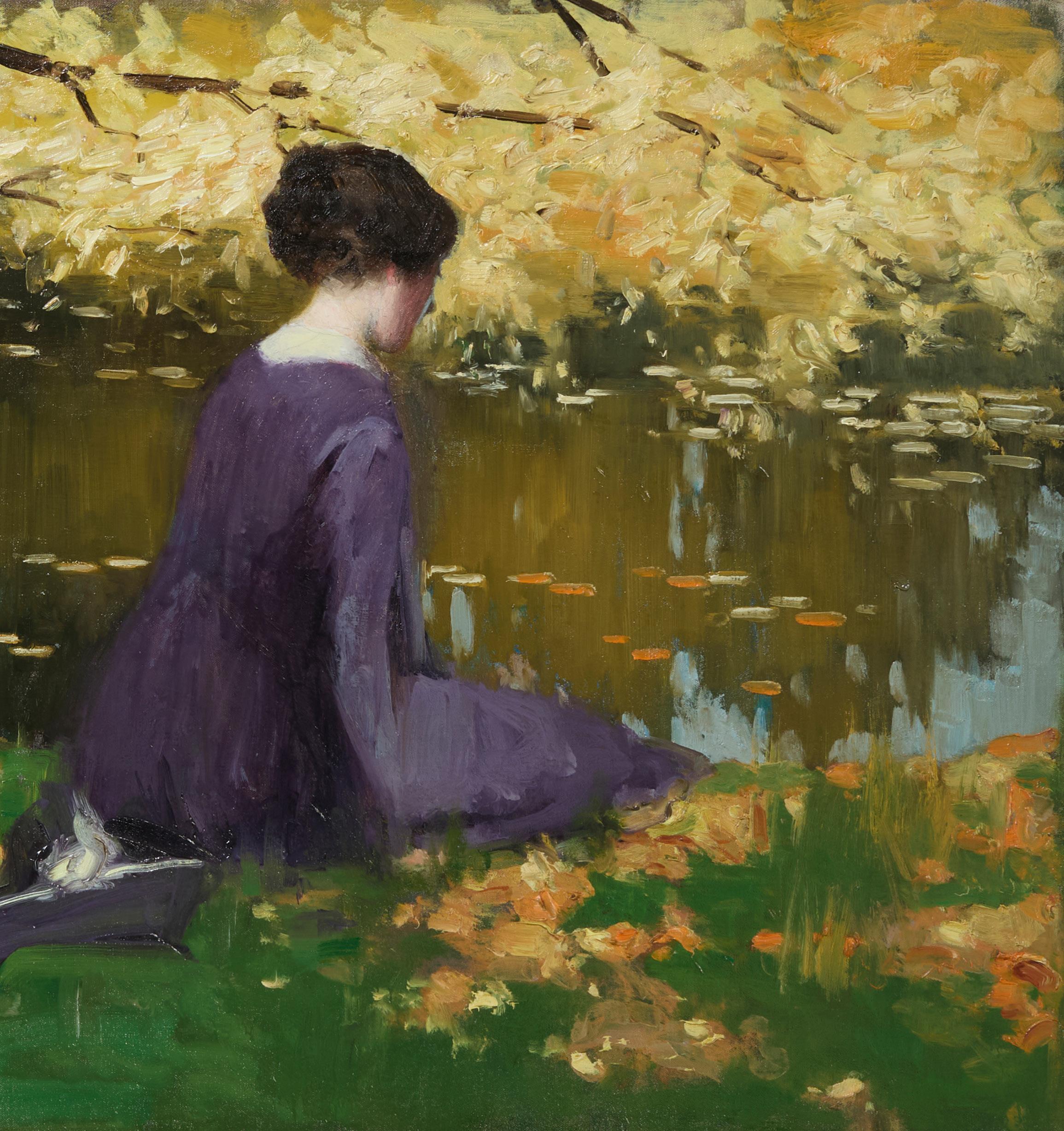
BY THE LAKE
Signed, oil on canvas
58cm x 114cm (23in x 45in)
£20,000-30,000
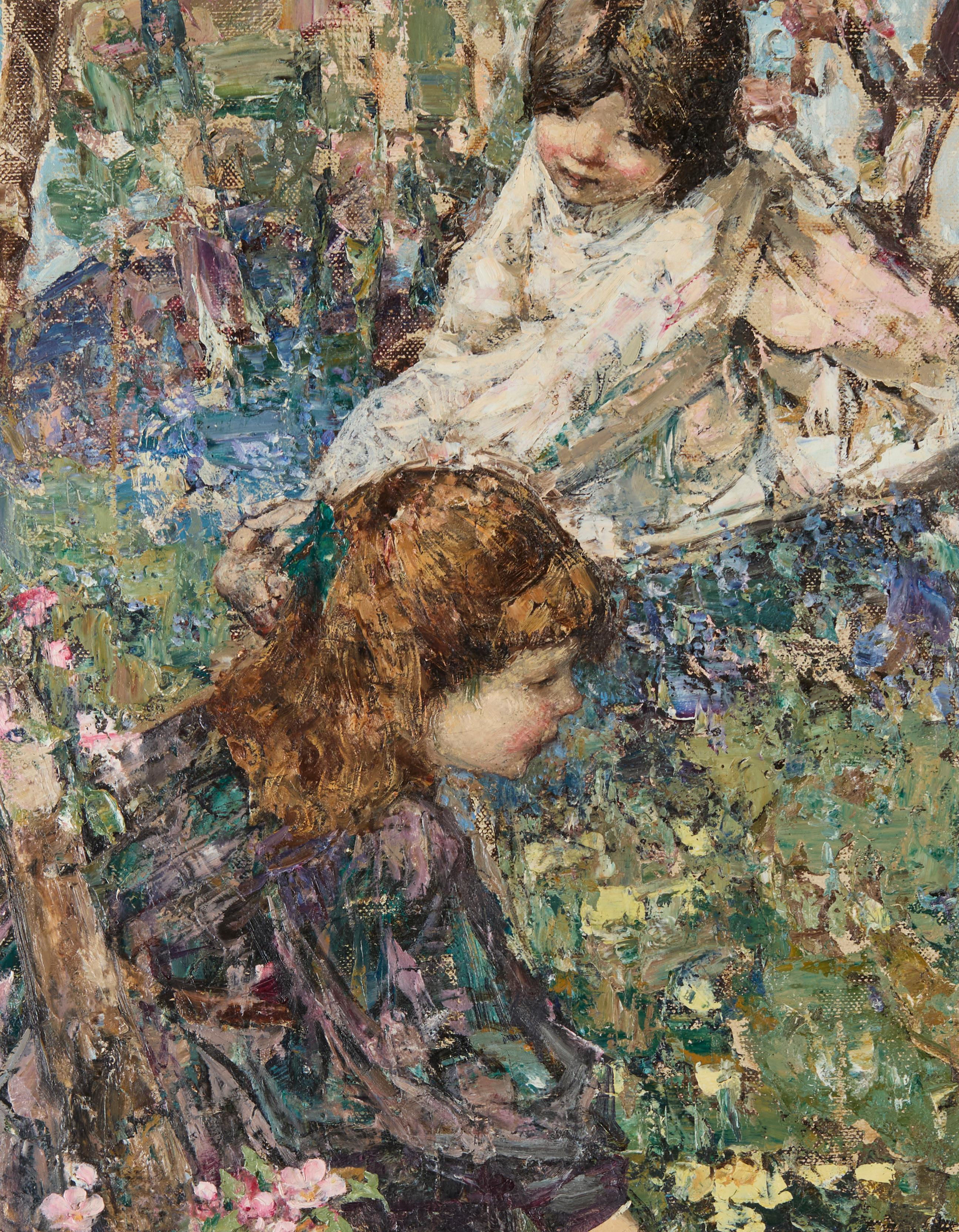
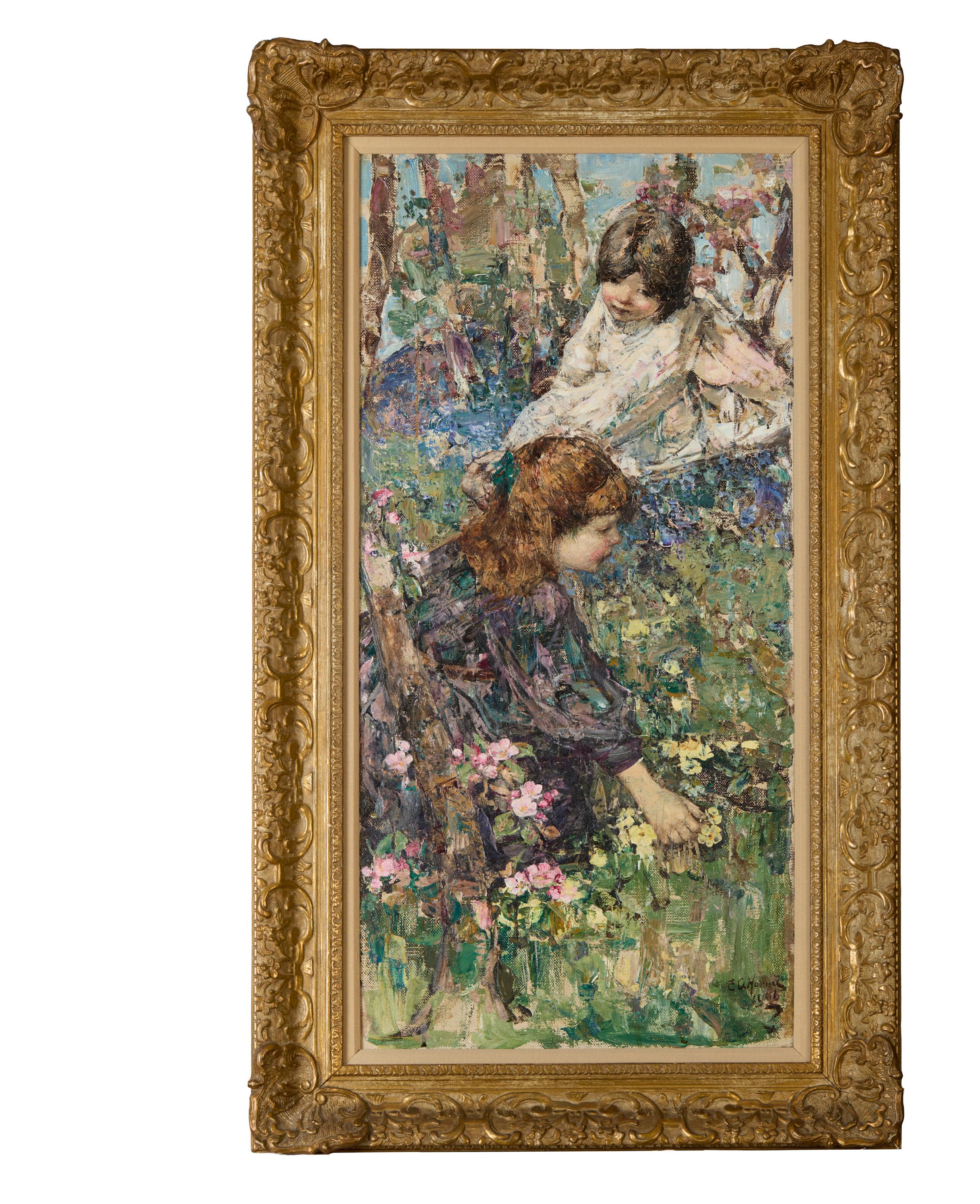
EDWARD ATKINSON HORNEL (SCOTTISH 1864-1933) PICKING PRIMROSES
Signed and dated 1906, oil on canvas 76cm x 35cm (30in x 14in)
£10,000-15,000
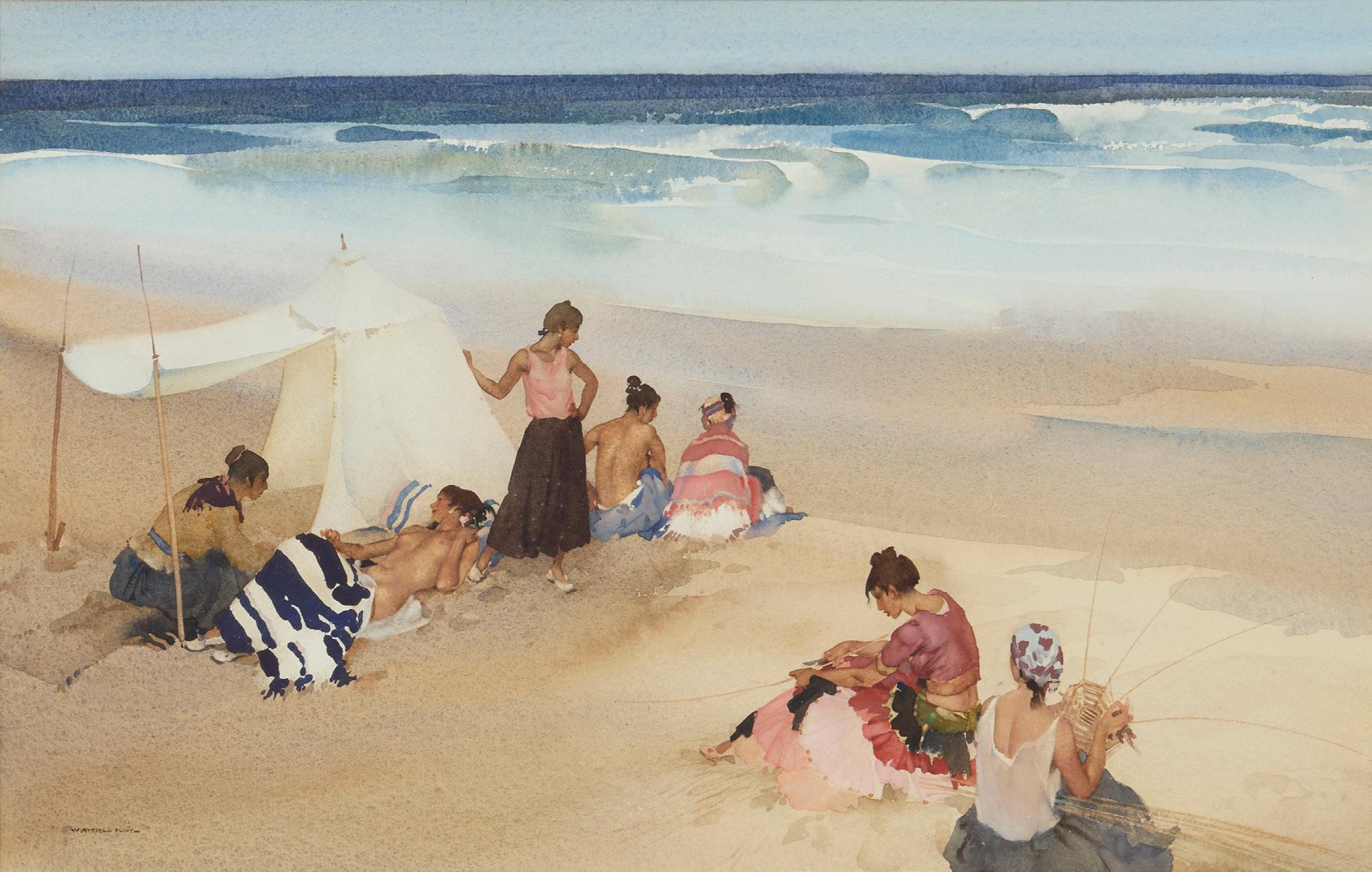
SIR WILLIAM RUSSELL FLINT P.R.A., P.R.W.S., R.S.W., R.O.I., R.E. (SCOTTISH 1880- 1969)
SPANISH GYPSY GIRLS ON THE BEACH AT ZARAUZ
Signed, watercolour
33cm x 53cm (13in x 21in)
Provenance: Phillips, London, 8 March 1988, Lot 51.
There is a letter from Russell Flint verso dated 5.6.68 to the then owner Major Haeffner dating the picture to 1931 and commenting, ‘I think it is one of my very best watercolours of that kind of subject…’
£5,000-7,000
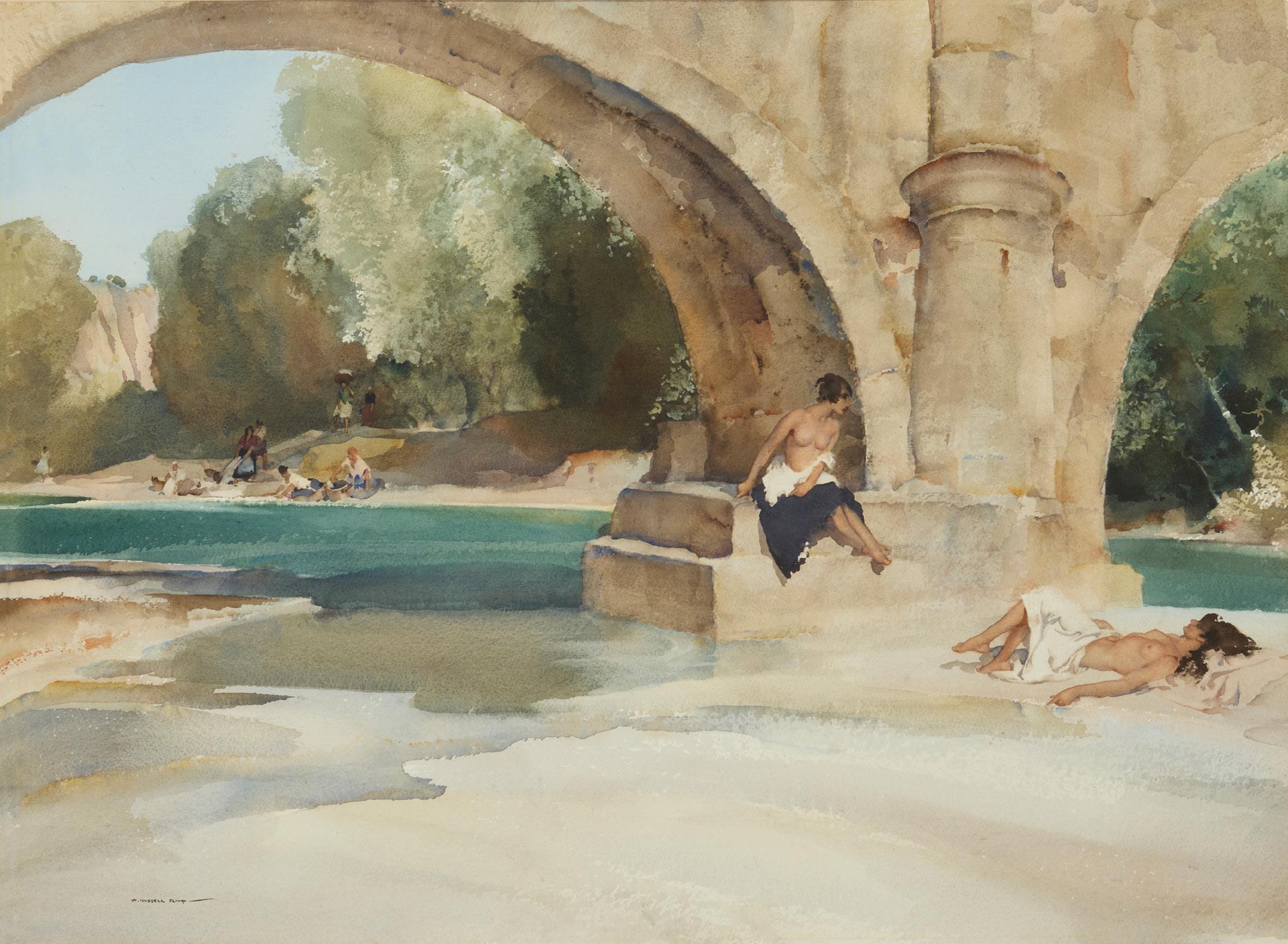
119 §
SIR WILLIAM RUSSELL FLINT P.R.A., P.R.W.S., R.S.W., R.O.I., R.E. (SCOTTISH 1880- 1969)
IDLERS OBSERVED, SAILLANS
Signed, watercolour
49.5cm x 67.5cm (19.5in x 26.5in)
Provenance: The Fine Art Society Ltd., London, February 1963; Christie’s, London, Modern British and Irish Paintings, Watercolours and Sculpture, 12 March 1993, Lot 46.
£3,000-5,000

120
GEORGE HENRY R.A., R.S.A., R.S.W. (SCOTTISH 1858-1943)
GEISHA AND RICKSHAW
Signed, watercolour
53cm x 25.5cm (21in x 10in)
£10,000-15,000
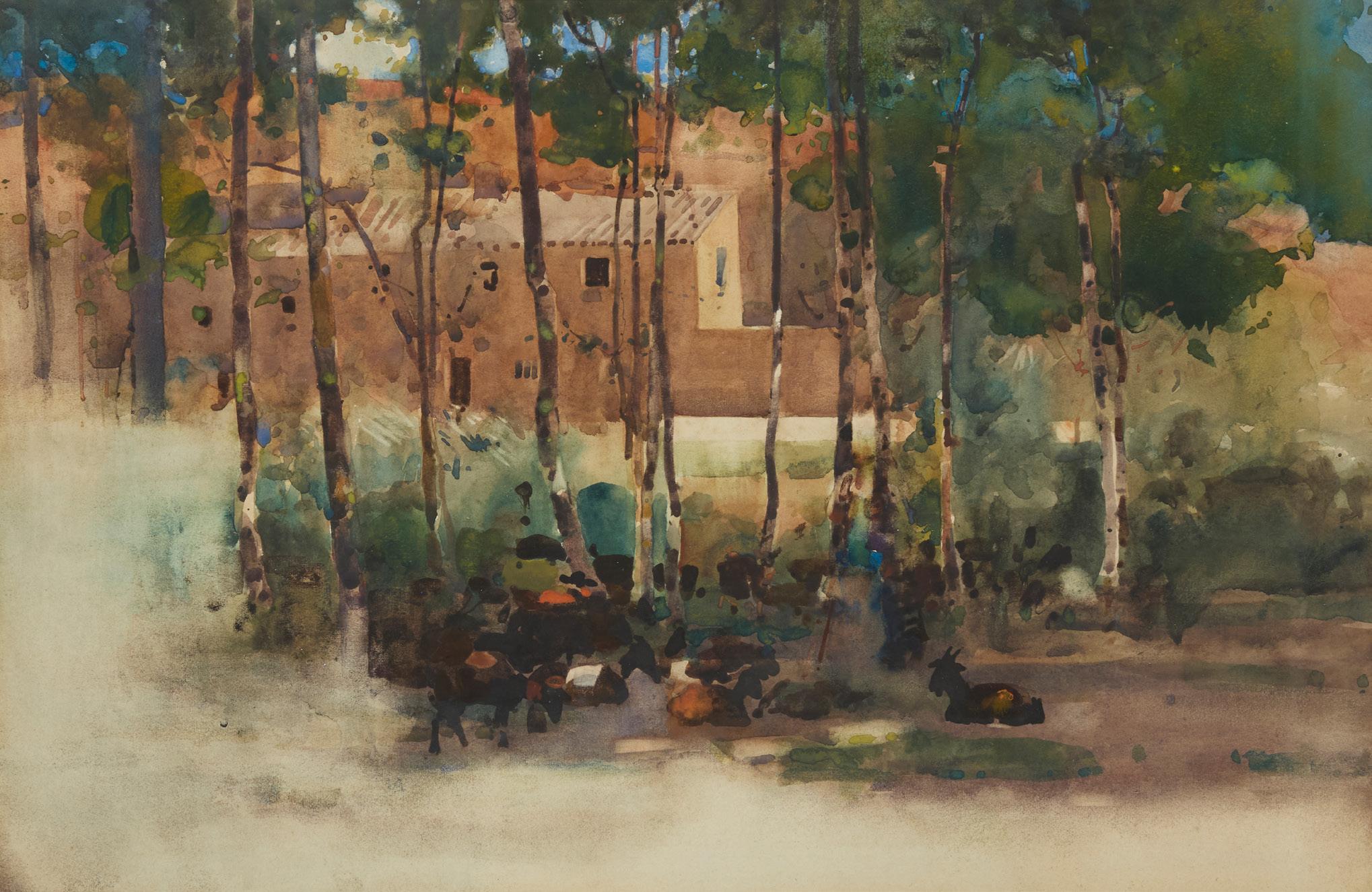
ARTHUR MELVILLE A.R.S.A., R.W.S., R.S.W. (SCOTTISH 1855-1904)
GOATS BENEATH TREES
Watercolour
51cm x 76cm (20in x 30in)
Provenance: Private Collection, Glasgow
Exhibited: Dundee Museums and Art Galleries, Arthur Melville, 1977-78, no.4
Fine Art Society Ltd, London, Arthur Melville, 1996, no.63
Literature: Agnes E Mackay, Arthur Melville: Scottish Impressionist 1855-1904, F. Lewis, Leigh-on-Sea, p.149, no.385, 1951, p.149, no.385.
£20,000-30,000
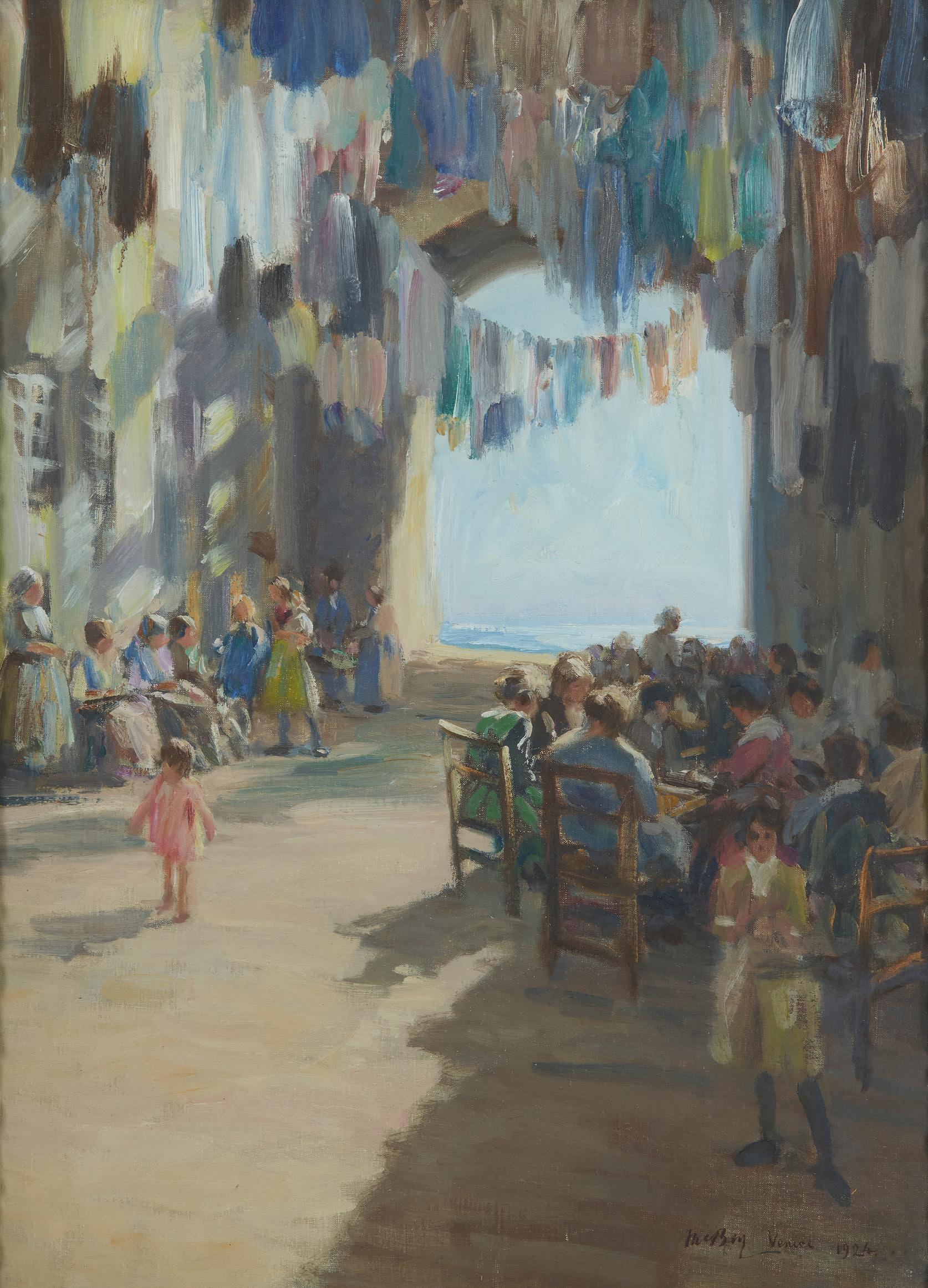
122 §
JAMES MCBEY (SCOTTISH 1883-1959)
BEAD-STRINGERS, VENICE
Signed, inscribed and dated 1924, oil on canvas
71cm x 51cm (28in x 20in)
£5,000-7,000
BESSIE MACNICOL (SCOTTISH 1869-1904)
HEAD AND SHOULDER STUDY OF A WOMAN IN BLACK
Oil on canvas
58.5cm x 43.5cm (23in x 17in)
Provenance: The Estate of the Late Eric Sloane.
See Ailsa Tanner, Bessie MacNicol, 1998, pp.93-97 for illustrations of MacNicol’s dark-haired model Deborah who may well be the subject of this painting.
£6,000-8,000
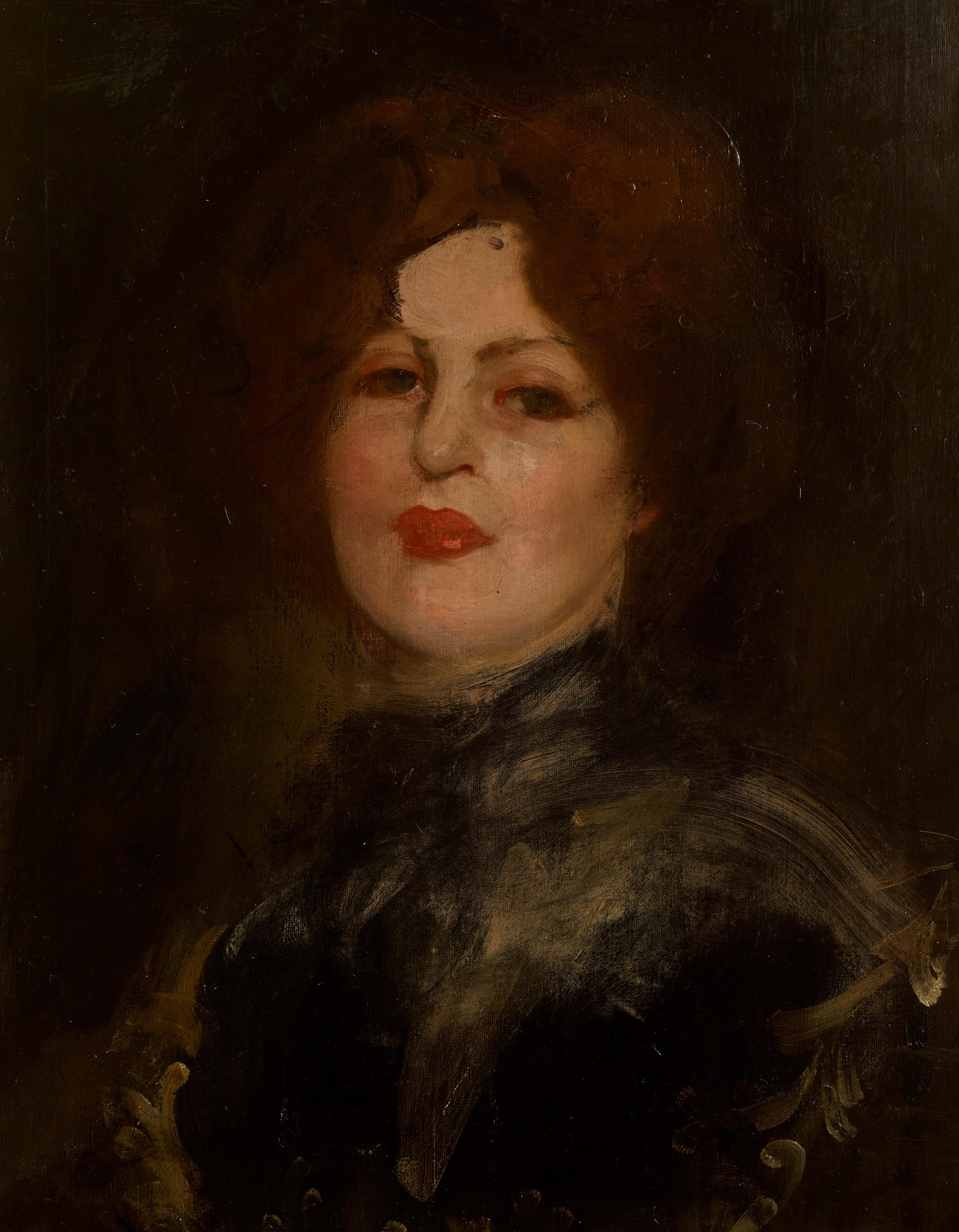
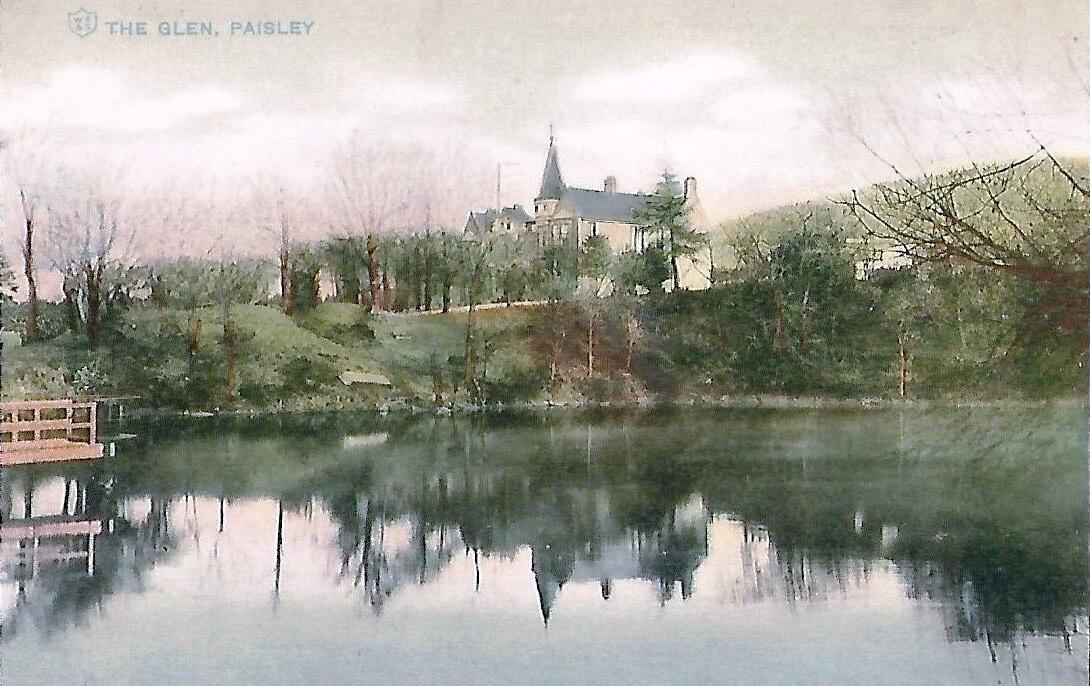
Fig 2 The Glen, Paisley, Postcard c. 1910, at http://paisleyonline.co.uk/html/this_old_house
Once upon a time the path from a country house led down along the side of a pond where a young woman was spotted by a painter, working quietly on a small canvas. The sun was shining as she opened her parasol and before she passed him, he had placed her in his picture close to the little jetty, to which a rowing boat was tied. The scene is one to delight a French Impressionist, were it not for the fact that the baronial pile up on the bank in the background, Glenfield House, places the incident precisely on the outskirts of Paisley, the ‘cottonopolis’ of the west of Scotland (figs 1&2).1
Here the artist, John Lavery, was being patronized by local industrialists of great wealth. One in particular, James Fulton, whose family inherited the house along with their textile dyeing and finishing works, was one of biggest employers in the town, and was now, in 1886, affording the artist a residency.2 Born in Belfast and orphaned at the age of three, Lavery’s start in life had been inauspicious. Brought up by relatives in Ulster and the west of Scotland, his career began as a photographer’s assistant, while learning to draw in classes for working men at the Haldane Academy, part of Glasgow School of Art.
1. Now sadly demolished, the house had been built by the Fulton brothers’ grandfather in 1859. My thanks are due to Victoria Irvine and Michael Durning for their invaluable work on Lavery’s contacts with the Fulton family.
2. Fulton’s factory lay at the bottom of the hill and was served in its dying processes by soft rainwater held uphill in three ponds – really three small dams. The present pond was drained and filled-in during the twentieth century.
3. The cottage originally stood on the slope, off to the left of the present work. On early maps it was originally marked as ‘Burn Crook’, but later became known as ‘Lavery Cottage’. During these years Lavery also maintained a studio in St Vincent Street, Glasgow, in what might be described as the artist’s quarter, in close proximity to Glasgow Art Club, of which he was a member.
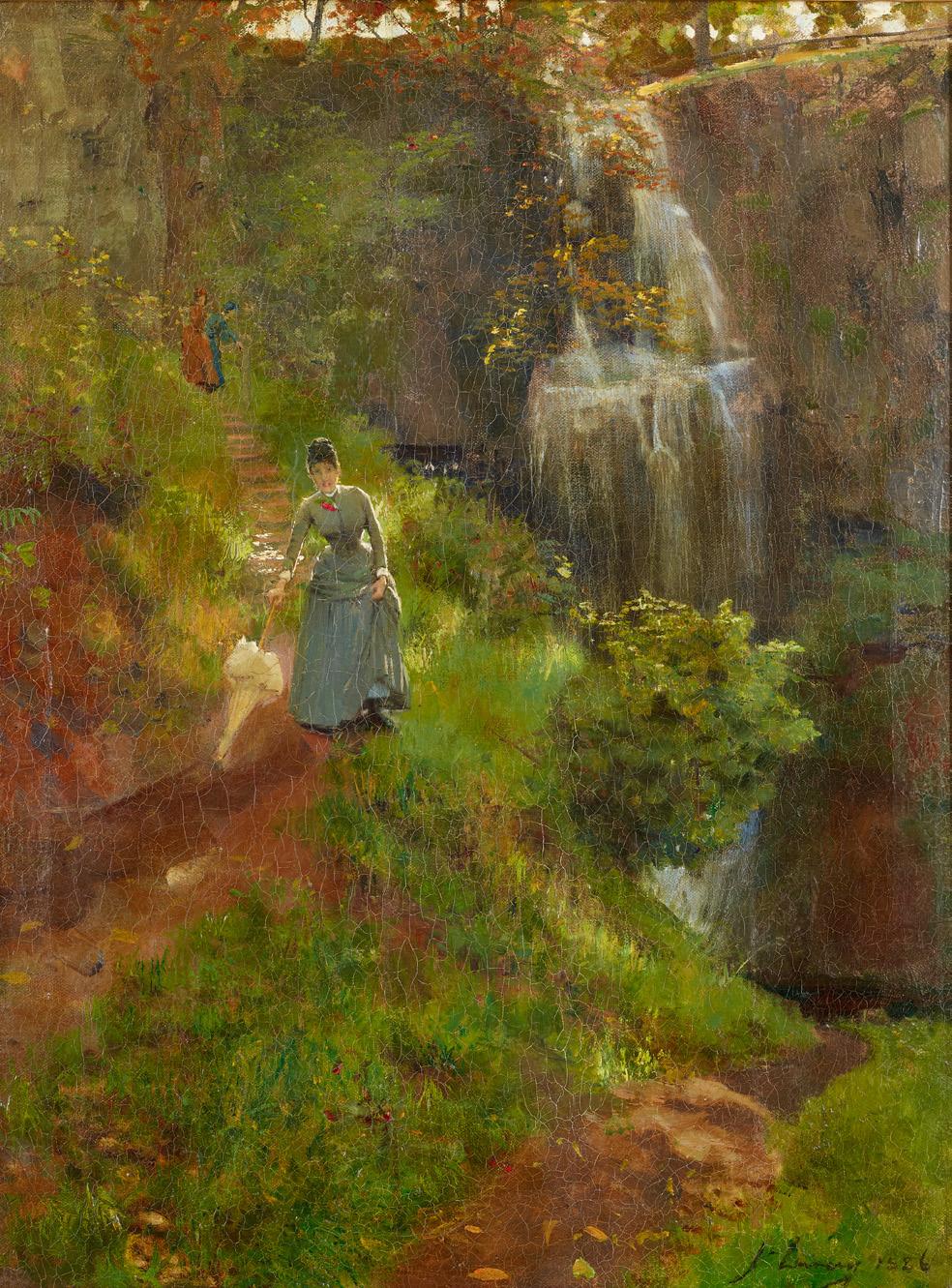
Times were nevertheless, hard. Following the collapse of the city bank in 1878 poverty was widespread and Lavery was struggling to make ends meet. Seeking further training and his fortune, he left for Paris in 1881. During his absence the seeds of economic recovery began to bear fruit and Lavery’s successes in France had gone before him. Friendship with the Fultons began within months of his return at the end of 1884, with the mill-owner offering the painter a cottage adjacent to the present pond to act as his studio while he painted the portraits of his daughters, Alice and Eva, (Paisley Museum Collection), and other works in the district.3 Quite evidently Lavery delighted in the setting and although a checklist has not survived, it is safe to assume that being painted ‘in the neighbourhood’ this canvas, A Summer Afternoon (lot 125), and other works such as Waterfall, The Glen, Paisley would have been displayed in his first solo exhibition at the end of the year (fig 2&3).4
4. For Waterfall, The Glen, Paisley see Lyon & Turnbull, A Taste for Art: Selected Works from the Paisley Art Institute Collection, 13 September 2024, lot 65. See also The Parasol, watercolour, see Ulster Museum and Fine Art Society, Sir John Lavery RA 1856-1941, 1984, no.18. While making use of the cottage, Lavery retained his studio at 101 St Vincent Street in the centre of Glasgow.
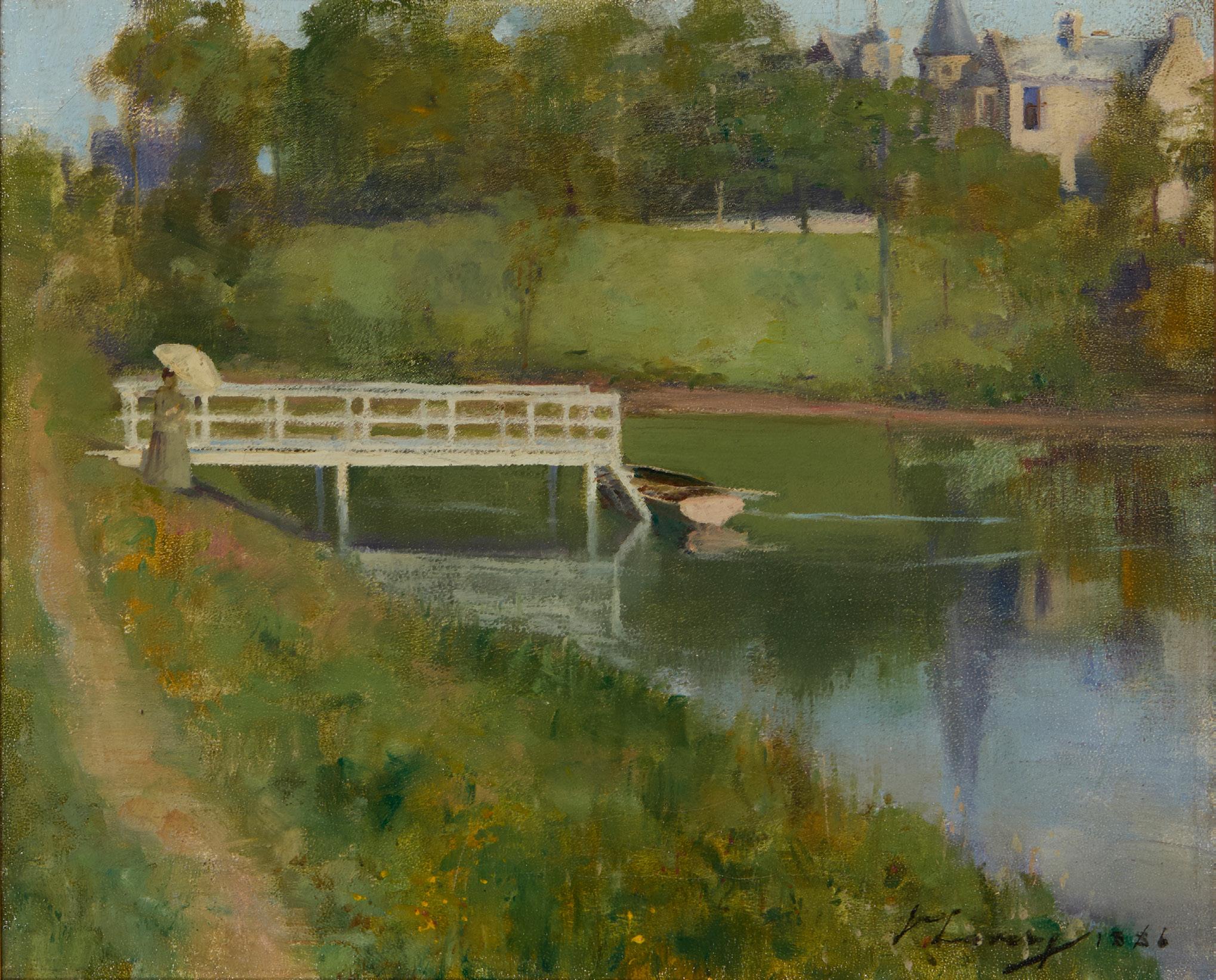
Suave, self-confident, painted en plein air, and spontaneously composed, the present work demonstrates a maturity found elsewhere in more ambitious canvases such as the celebrated Tennis Party, 1885 (Aberdeen Art Gallery). Few works can so accurately be placed in time and space, when a valuable social historical record becomes a moment of aesthetic delight.
We are grateful to Professor Kenneth McConkey for writing this catalogue entry.
SIR JOHN LAVERY R.A., R.S.A., R.H.A., P.R.P., H.R.O.I., L.L.B. (IRISH 1856-1941)
THE POND AT THE GLEN
Signed and dated 1886, oil on canvas
25.5cm x 30.5cm (10in x 12in)
Provenance: Ewan Mundy Fine Art Limited, c.1985 Private Collection
Exhibited: Clark Hall, Paisley, Portraits, Pictures and Sketches painted in the Neighbourhood, November 1886 Hunt Museum, Limerick, Lavery and Osborne, Observing Life, 2019, unnumbered, p.18, illustrated p.19
£10,000-15,000
Heading up the hill into the Gleniffer Braes, to the south of Paisley, the artist stroller observes a young woman under a parasol, reading a book. She looks up as he approaches. Beyond her, where the red earthen path reaches the hill crest, the gorse is in flower (fig 1).
Aware of the dialogue between the Naturalism of Jules Bastien-Lepage and the Impressionism of Claude Monet, by the time of his return to Scotland Lavery had seen that modern French artists were breaking the landscape into prismatic taches. These he observed in the broken foreground colours of tufts and hollows under foot on the Gleniffer slopes. The lush chrome greens in foreground grasses drop to paler, warmer hues at the brow of the hill and are intensified by a backdrop film of cobalt blue. Colour sensations were vivid on such a day when one can smell the vegetation and feel the heat.
Although essentially a private domain, the Fultons threw open the braes as an area where all the people of Paisley could roam freely, on high days and holidays. They provided the perfect venue for annual free ‘Glen Concerts’ at which, in the following year, Lavery was photographed recording the scene (figs 2&3).1
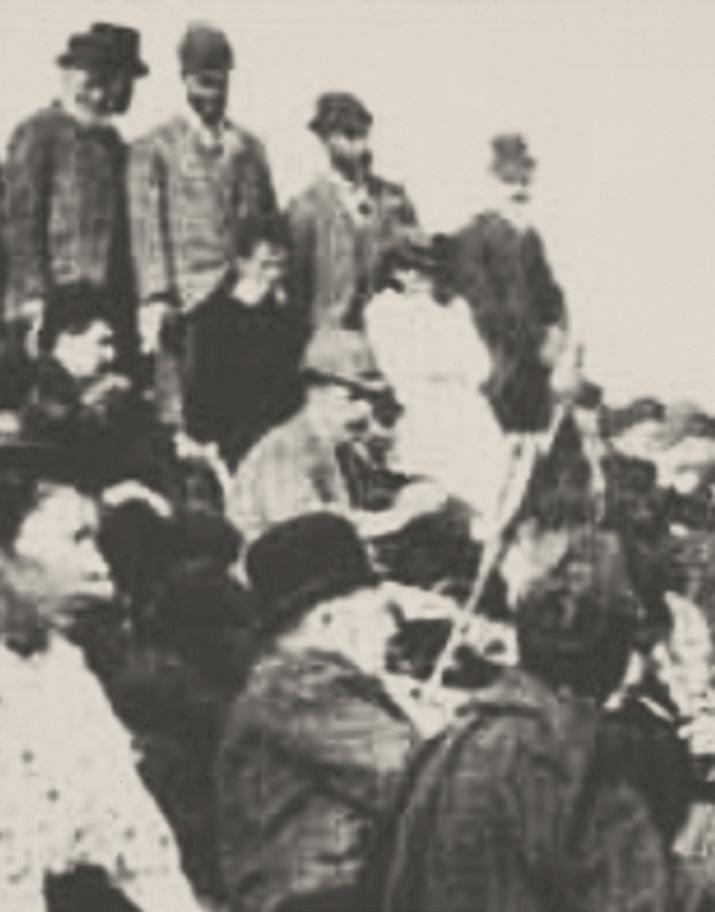
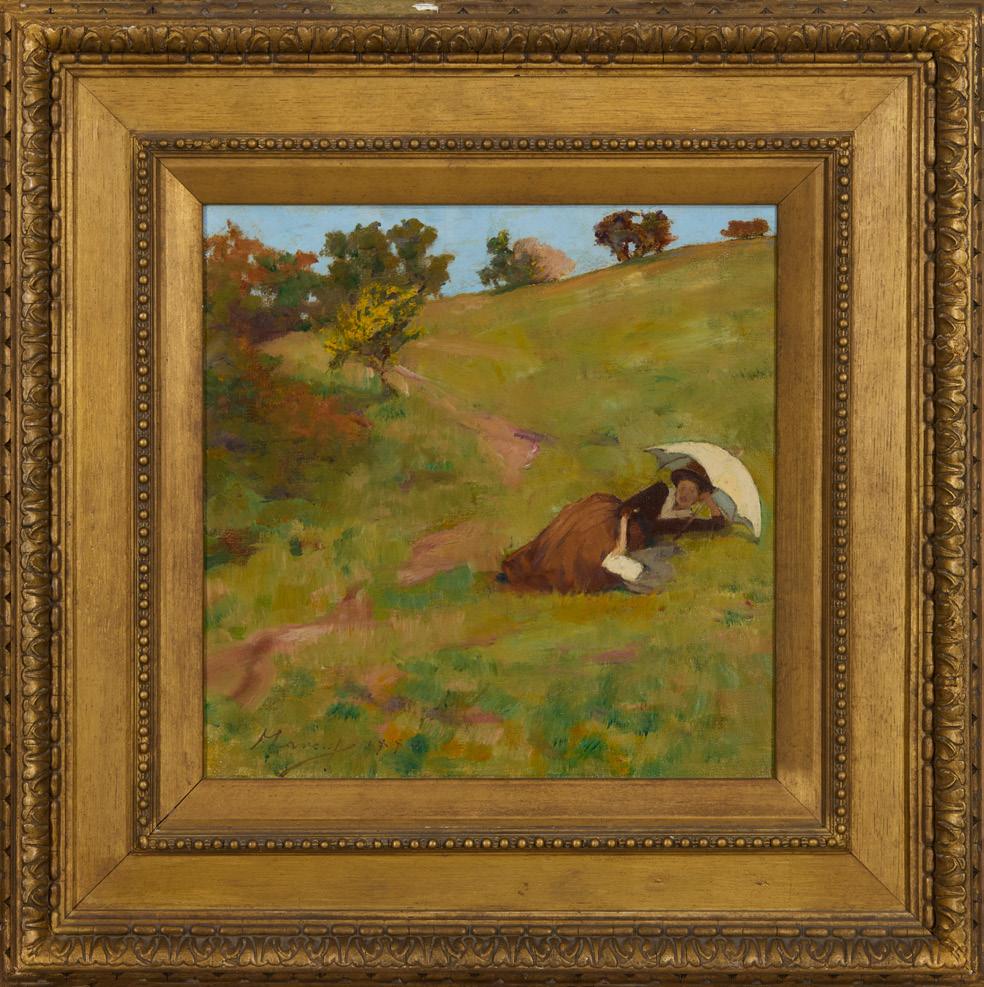
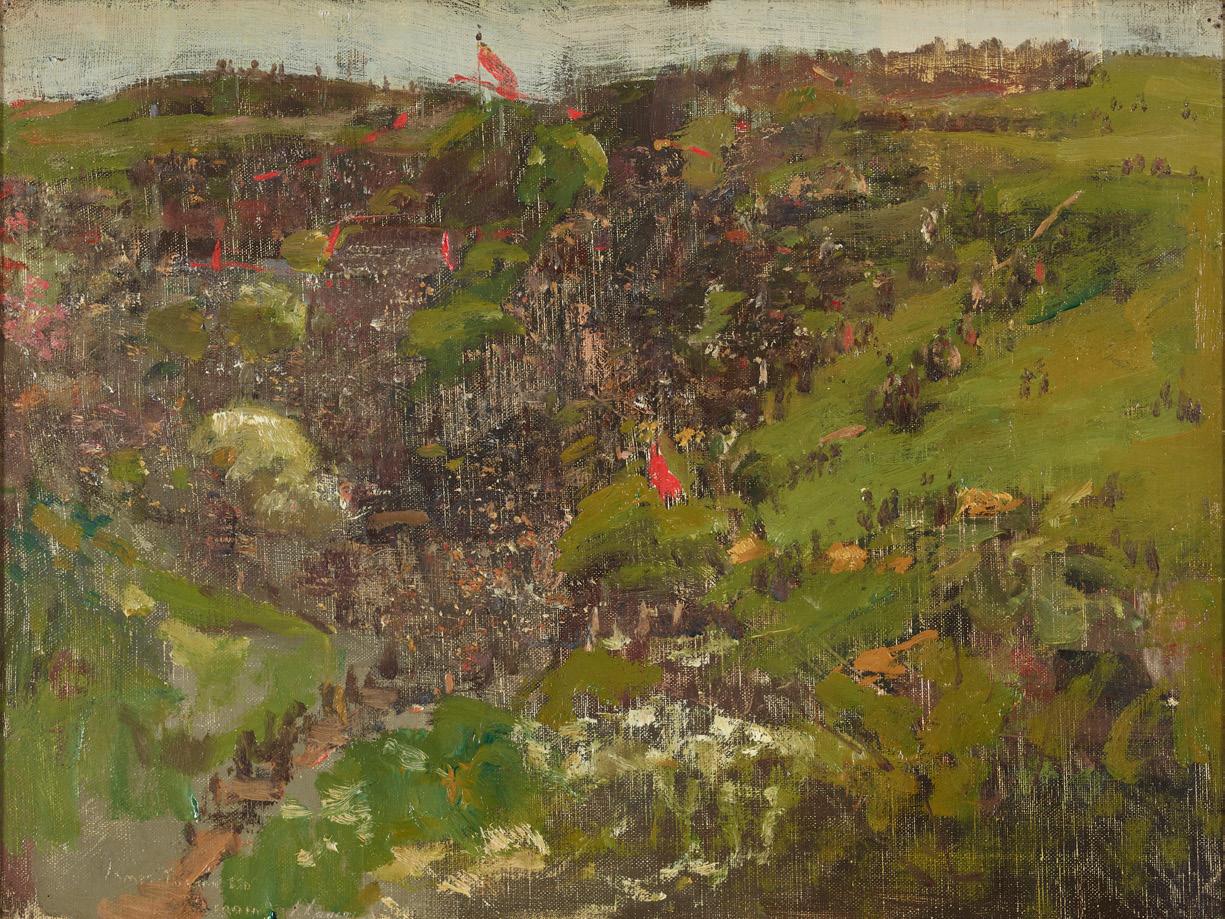
On quieter days, as here, members of the Fulton clan and their staff would make use of the braes for recreational purposes. The present study is likely, with The Pond at the Glen, Paisley, to have been one of those included in the painter’s first solo exhibition in the Clark Hall, in November 1886 (see lot 124). The perfect expression of this peaceful haunt is Lavery’s A Summer Afternoon, 1886.
We are grateful to Professor Kenneth McConkey for writing this catalogue entry.
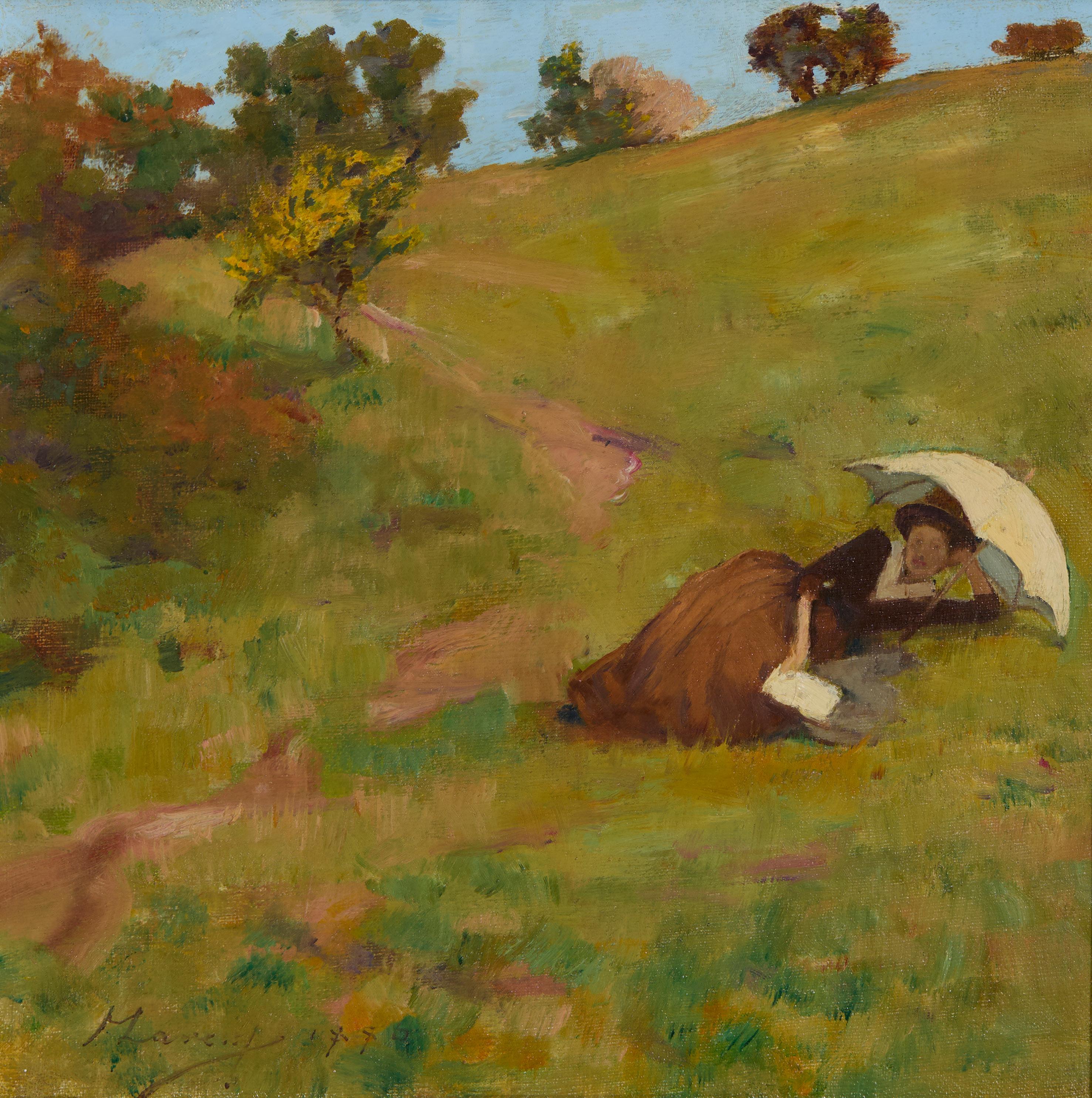
125
SIR JOHN LAVERY R.A., R.S.A., R.H.A., P.R.P., H.R.O.I., L.L.B. (IRISH 1856-1941)
A SUMMER AFTERNOON
1. For Lavery’s sketch of The Glen Concert see Lyon & Turnbull, A Taste for Art: Selected Works from the Paisley Art Institute Collection, 13 September 2024, lot 66. The annual Glen Concerts, inaugurated in 1874, were established to raise money for good causes, and for the erection of statues to Robert Burns and the Paisley weaver poet, Robert Tannahill. The poetry of Tannahill and Burns was read on these occasions, to the accompaniment of a 400-voice choir and military bands singing and playing favourite Scottish airs. Attendance was reckoned to average between 20,000 and 30,000, and Nationalist sentiment prevailed.
Signed and dated 1886, oil on canvas
28cm x 28cm (11in x 11in)
Exhibited: Clark Hall, Paisley, Portraits, Pictures and Sketches painted in the Neighbourhood, November 1886
Hunt Museum, Limerick, Lavery and Osborne, Observing Life, 2019, unnumbered, p.20, illustrated p.21
£10,000-15,000
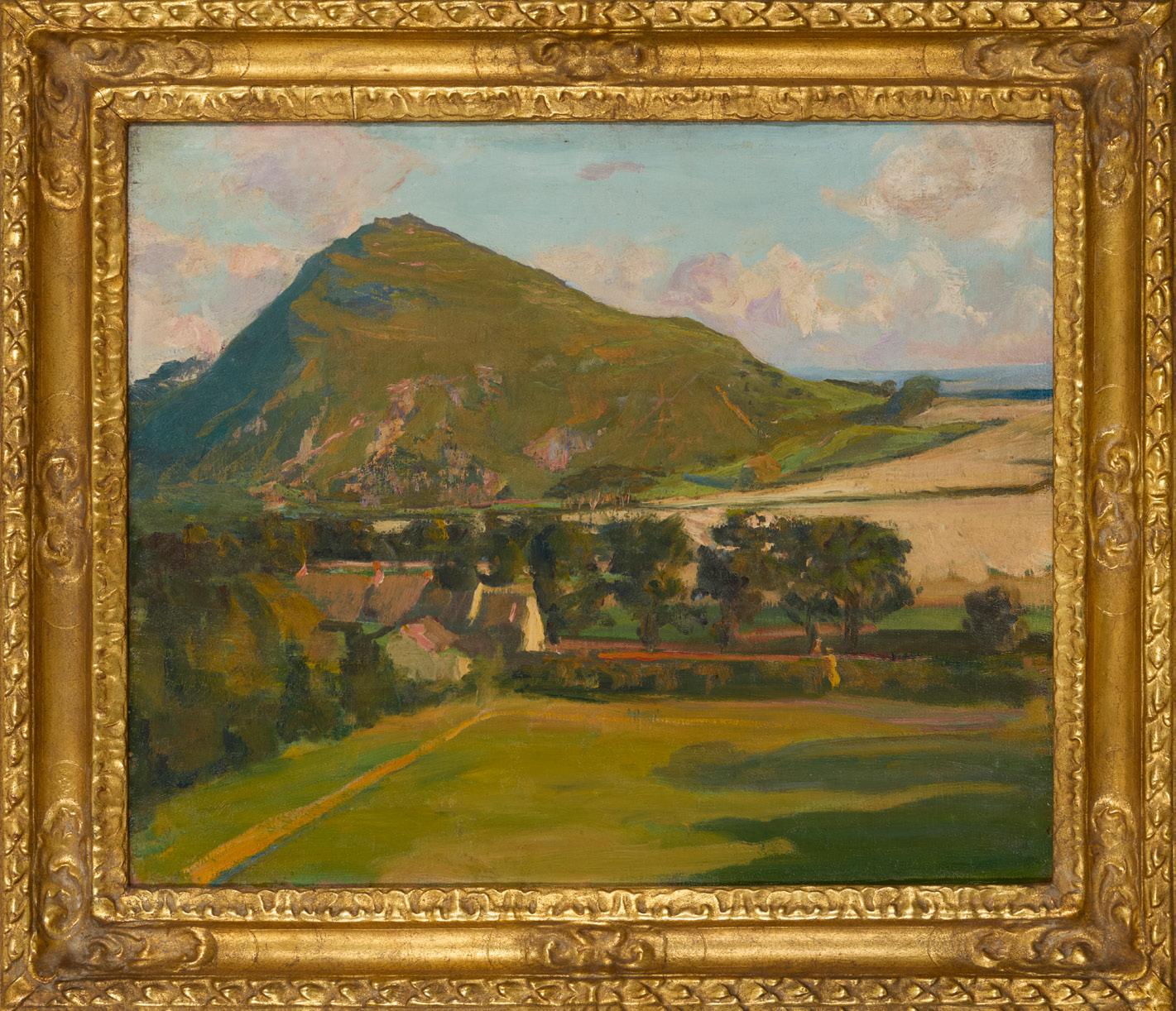
During the 1920s, summers for Sir John and Lady Lavery were punctuated by two retreats from the London season – Ireland in August, followed by Scotland in September. The first took them initially to Ulster to visit family and friends, before attending the horse show in Dublin, while the latter involved a stay of two or three weeks at Westerdunes, the coastal ‘getaway’ of Sir Patrick Ford at North Berwick. Here the house party might include luminaries from the worlds of politics and the arts for whom recreations were provided by the adjacent golf course.1
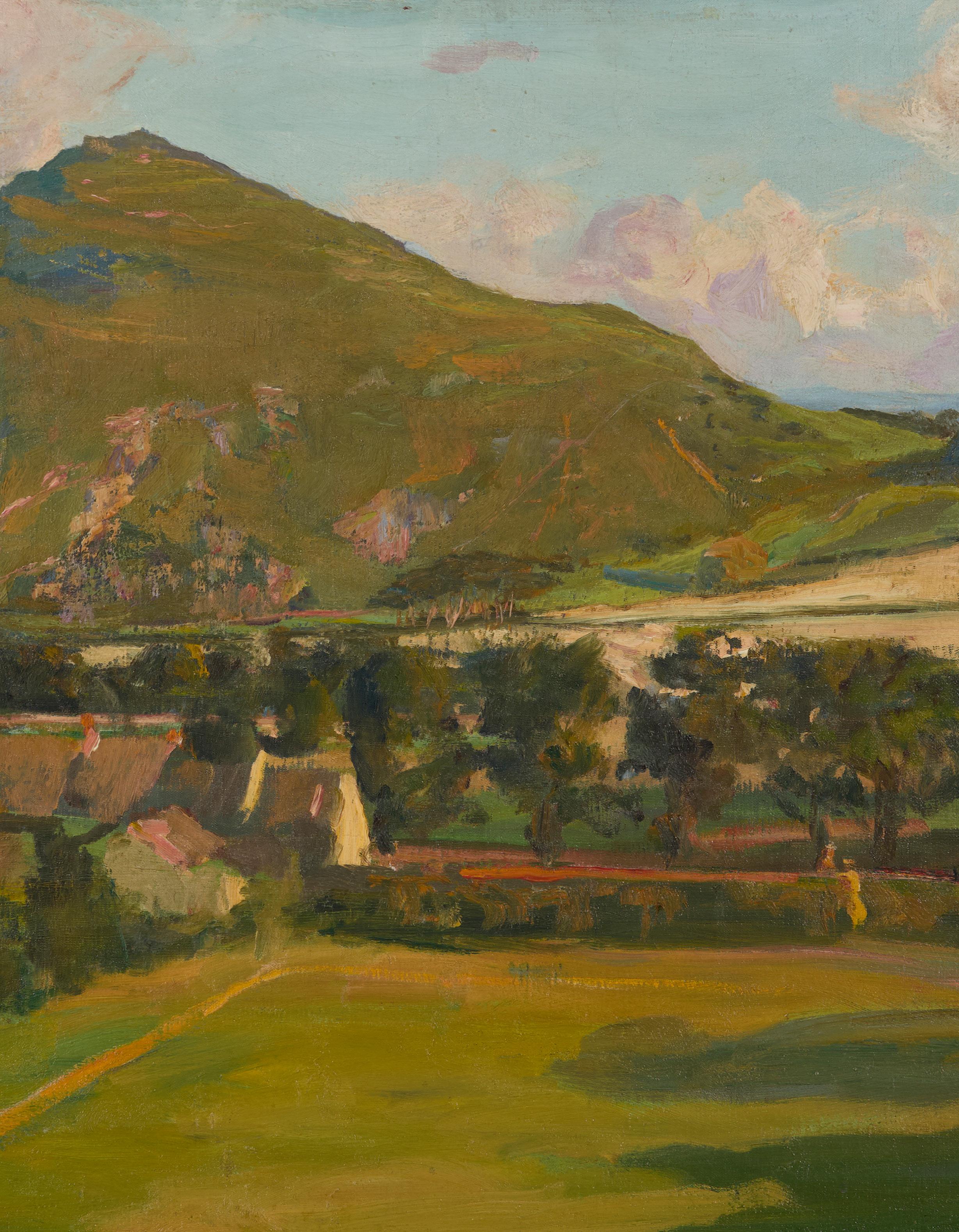
Lavery admired the East Lothian coastline, and during these sojourns, he painted views of the famous fairways, the gardens at Westerdunes and Ardilea, the open-air swimming pool and scenes in nearby Gullane, Tyninghame, Lennoxlove and, during the war, East Fortune. In one specific view of the links from the west, he took in the huge mound of Berwick Law – a conical ‘volcanic plug’ rising to 613 feet (187m), that dominates the surrounding lowlands (fig 1).2 In coastal views looking east from the Links, there was no escaping ‘The Law.’ So distinctive was the feature that it provoked curiosity –enough to justify the close encounter we see in the present landscape (fig 2).
Lavery’s landscapes almost exclusively direct the eye down from the heights to the human figure placed into a foreground that is often beyond hailing distance – as for
SIR JOHN LAVERY R.A., R.S.A., R.H.A., P.R.P., H.R.O.I., L.L.B. (IRISH 1856-1941)
BERWICK LAW
Oil on canvas
63.5cm x 76cm (25in x 30in)
Provenance: The Artist
Thence by descent to the present owner
£20,000-30,000
instance in the majestic Lakes of Killarney 1913 (Private Collection) and Loch Katrine 1913 (National Gallery of Scotland).3 A hint of human presence gives scale and presence to the immensity. The same classic visual punctuation was appropriate in the present instance, in which he picks out two women at a gate in the hedgerow. They and the little buildings underline the ‘crag and tail’ of ‘The Law.’ A distant view of the sea between Tantallon and Auldhame can clearly be seen on the right in the background.4 Curiosity was satisfied.
Over thirty years separate Berwick Law from Lavery’s first Scottish landscapes (see lots 124 & 125). The present instance amply demonstrates the fact that none of the artist’s sensitivity to local colour has been lost in the interim. Greens, ochres and blues are managed with such perspicuity that we feel the solidity of the mound before us, while its unmistakable contour is recorded with equal acumen. And as shadows lengthen across the field, a gable wall glows in the sunshine and the road that leads us to it is a mere streak of Indian red.
We are grateful to Professor Kenneth McConkey for writing this catalogue entry.
1. See Michael Clarke, The Art of Golf, 2014 (exhibition catalogue, National Galleries of Scotland).
2. See www.undiscoveredscotland.co.uK
3. For The Lakes of Killarney, 1913, see Kenneth McConkey, John Lavery, A Painter and his World, 2010, (Atelier Books, Edinburgh), p. 124 (illus); for Loch Katrine, 1913, see Lavery on Location, 2023, (exhibition catalogue, National Gallery of Ireland), p. 145.
4. For many years the present canvas was thought to represent Clonmel in Ireland, with a paddock in the foreground. However, given the distinctive topography of this part of East Lothian, and the failure to match the present hill to any in southern Ireland, this has been discounted.
1 John Lavery, Habiba, 1892, 24 x 27 cm, Crawford Art Gallery, Cork
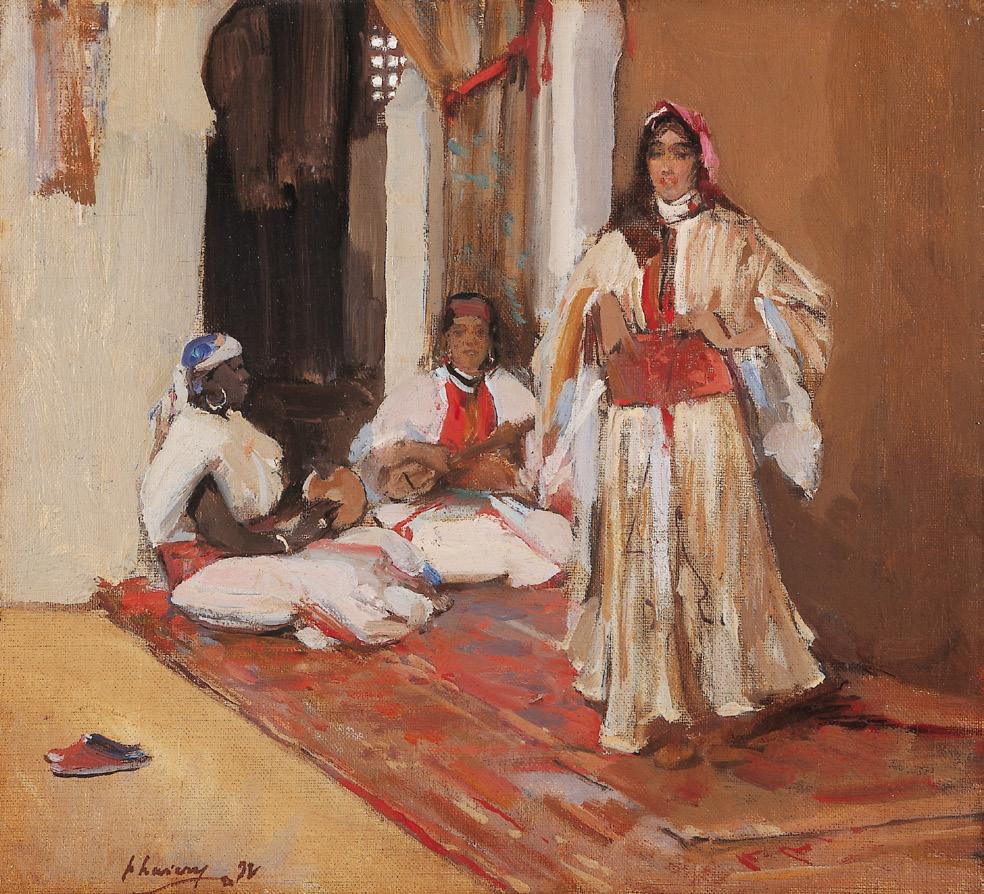
When he left the city in the spring of 1891, Tangier, for John Lavery, was unfinished business and he was determined to return. From the Hotel Continental ‘a vista of flat white roofs’, rose before him,
… and all the roofs were absolutely alive with figures; women unveiled and robed in brilliant silks, children playing and running around them, black slaves busied in service, pet of every kind … all visibly enjoying that cool, delicious hour of sunset … the whole interior of Moorish life … suddenly unfolded … a vision which scarcely the most privileged European may hope to behold …1
As he surveyed the Kasbah, Lavery concluded that this vision required deeper penetration.
Within its hubbub he discerned the plaintive sounds of the oud (lute) and bendir (snare drum), drawing him to one of the oldest of Eastern subjects, with a strong appeal to western collectors. He knew from his friends, Harrington Mann, Joseph Crawhall and Arthur Melville that the dance rituals accompanying such sounds, were strictly private, yet unlike other North African towns, in cosmopolitan Tangier - of great
1. Selwyn Brinton MA, ‘An English Artist in Morocco’, The Connoisseur, vol XIX, no 73, September 1907, p. 37, describing Lavery in Morocco.
2. Elsewhere in Morocco an unveiled model betrayed to the authorities was cast into prison; see Kenneth McConkey, Towards the Sun, The artist traveller at the turn of the twentieth century, 2001 (Paul Holberton Publishing), p. 161.
3. See Kenneth McConkey, John Lavery, A Painter and His World, 2010 (Atelier Books, Edinburgh), pp. 60-63, 220 (notes 63&64, listing other studies). The Academy painting was subsequently reworked c. 1910.
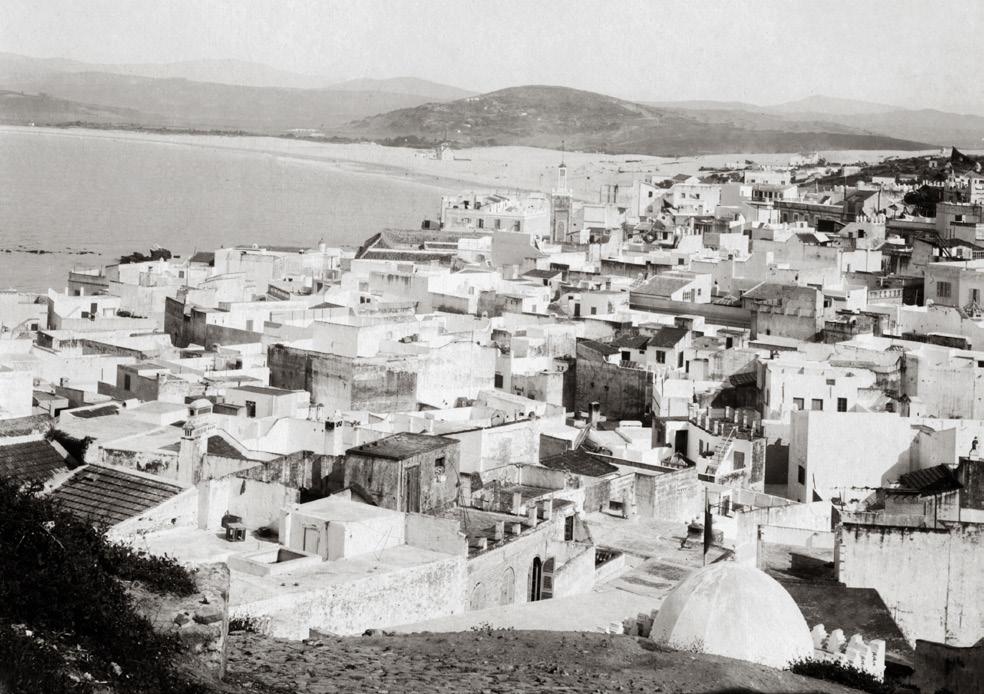
strategic importance to the ‘Great Powers’ of Europe and north America - more relaxed attitudes were sometimes possible (fig 1).
Young women would furtively shed their modesty, remove their face-veils and pose for the painter. Speed, nevertheless, was of the essence, for this remained a covert activity with possible jeopardy.2 Lavery’s objective, discussed with his Glasgow dealer, Thomas Lawrie, was to paint A Moorish Dance (Private Collection), a large canvas for the Royal Academy summer exhibition in 1893. For this he required eye-witness notes of musicians to accompany the principal dancer. Two groups of sketches supported this project in the 1892 visit – one in which the dancer is dressed a white jellabiya, while in the second she wears a green kaftan trimmed in gold brocade, as in A Moroccan Girl (figs 1&2).3
There is great satisfaction in the ‘blocking-in’ of costume, and the mastery with which the girl’s features are caught in a trice. The richer palette of greens and golds was preferred for the Academy painting, while in October 1893 all the recent sketches – fifty in total, shown as ‘pictures of Spain and Morocco’ - were brought together for an exhibition at Lawrie’s Gallery in St Vincent Street, Glasgow. A critical success, The Glasgow Herald praised the ‘charm of truth and spontaneity’ in the works, concluding that the show’s accumulated effect ‘was a liberal education’.4 A Moroccan Girl is likely to have been one of the fifty.5
We are grateful to Professor Kenneth McConkey for writing this catalogue entry.
4. The catalogue or handlist for this exhibition appears not to have survived, although it was reported fulsomely in The North British Daily Mail, 5 October 1893, p. 2 and The Glasgow Herald, 6 October 1893, p. 3.
5. Whilst not inappropriate, it is likely that A Moroccan Girl is not the original title of the present work.
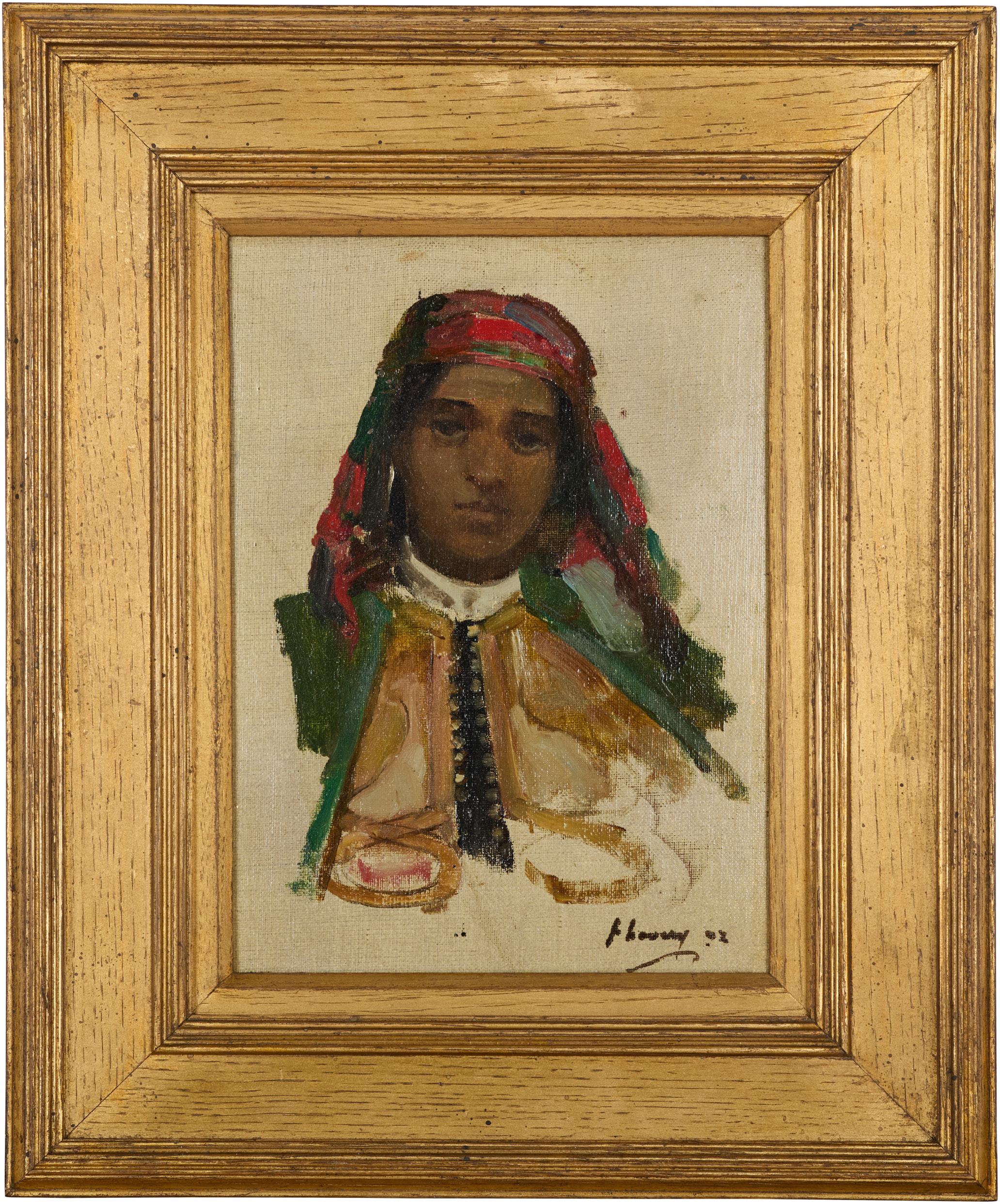

A MOROCCAN GIRL
Signed and dated ’92, oil on canvas
24.5cm x 17.75cm (10in x 7in)
£6,000-8,000
1926-2026
The White Sands, Iona is an idyllic view of the Hebridean island which inspired the Scottish Colourist F. C. B. Cadell for over twenty-years and is the subject of many of his most cherished works. It was painted before the First World War, during one of his first visits to Iona, which had found favour with a growing number of artists since the mid-nineteenth century. Amongst them were Cadell’s friends John Duncan and James Paterson, who were co-founders with him of the Society of Eight exhibiting society in 1912. He may also have been encouraged to venture there due to his friendship with Ivar Campbell, the nephew of the 9th Duke of Argyll, who owned the island. In turn, Cadell was to introduce his fellow Colourist, S. J. Peploe, to Iona in 1920 and they were both to return virtually every summer for the rest of their lives.
Iona’s attractions are many and varied and had an immediate impact on Cadell. As Alice Strang has written:
‘the ever-changing light conditions on Iona, the effect of sunshine on the shallow water along the beaches of dazzling white sand, the intensity and range of colour of the surrounding sea, sky and land, the complexity of its rock formations and wide range of views within and beyond the island, inspired Cadell time after time.’ (Alice Strang, F. C. B. Cadell, National Galleries of Scotland, Edinburgh, p.19).
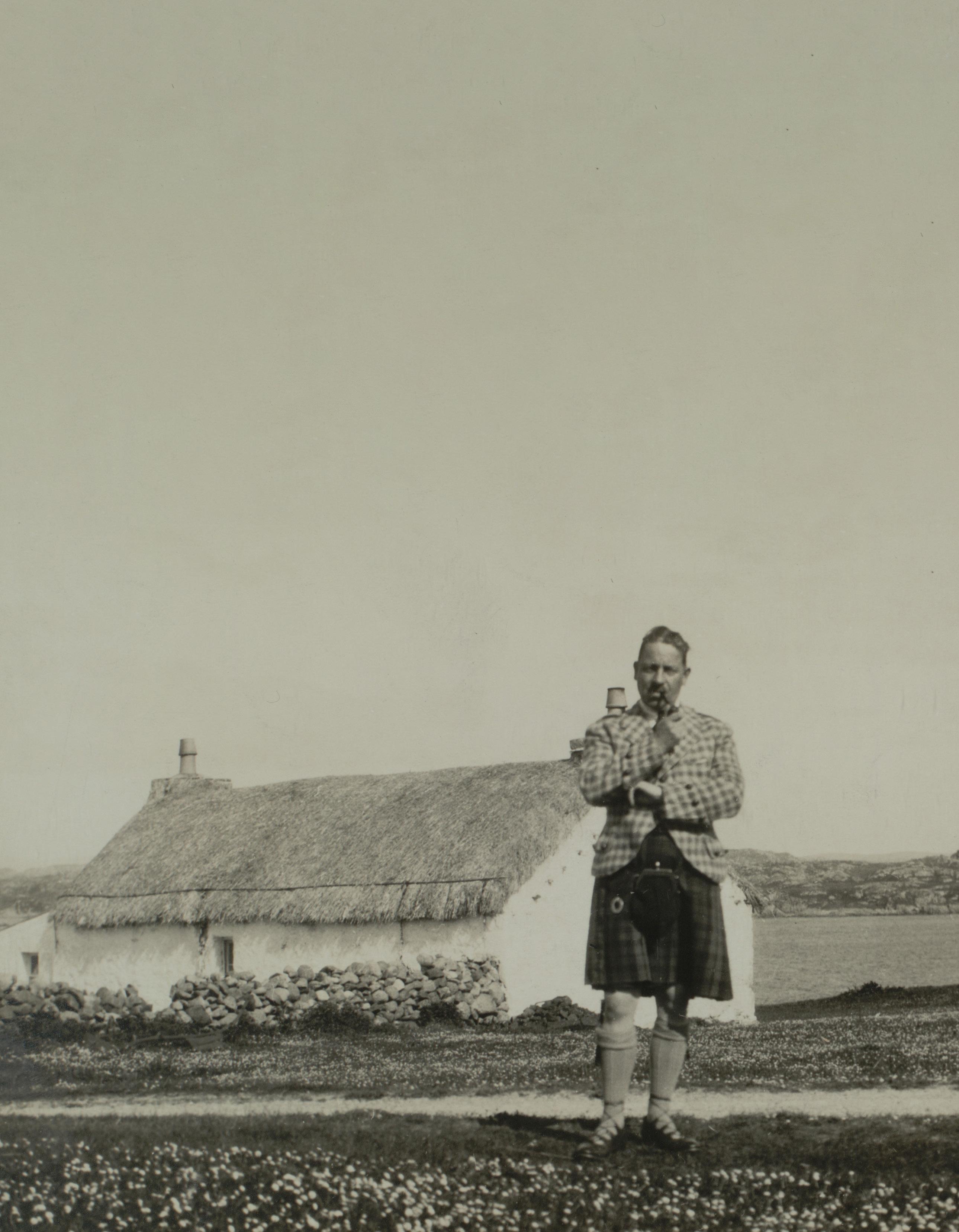
In contrast to his studio-based practice in Edinburgh, whilst on Iona Cadell favoured working outdoors. The White Sands, Iona encapsulates his joyful response to the beauty of his natural surroundings. He deftly captured machair, shoreline with geological features, blue sky and the view over to neighbouring Mull with distinct brushstrokes and a palette of creamy, richly-coloured oil paints, layered and blended ‘wet on wet’.
Cadell’s Iona works proved popular and sold well not least in the Society of Eight’s annual exhibitions. Such is their importance that a room was dedicated to them in the major retrospective exhibition of his work held at the Scottish National Gallery of Modern Art in 2011. Examples are held in numerous public collections, including those of the National Galleries of Scotland, Aberdeen Art Gallery, The Hunterian Art Gallery, University of Glasgow and The McManus: Dundee’s Art Gallery & Museum.
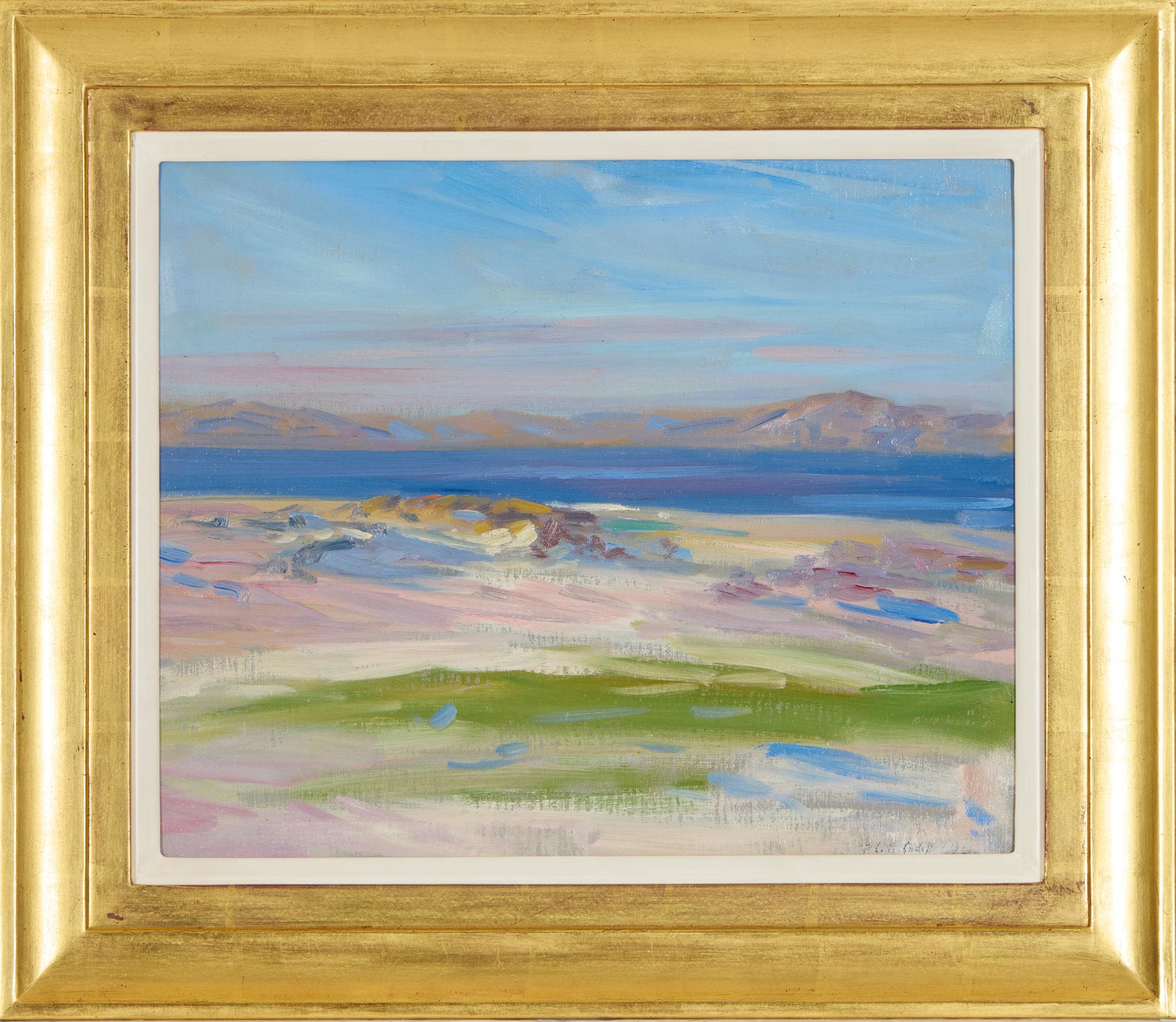
128
FRANCIS CAMPBELL BOILEAU CADELL R.S.A., R.S.W. (SCOTTISH 1883-1937) THE WHITE SANDS, IONA
Signed, oil on board
35.5cm x 43cm (14in x 17in)
Cadell photographed by Ion Harrison outside Cnoc cùil Phàil, Iona, 1932. Courtesy National Library of Scotland, Edinburgh: Acc.11224/2
Provenance: Aitken Dott, Edinburgh Christie’s, Glasgow, 11 December 1986, Fine Scottish and Topographical Paintings and Drawings, lot 239, where purchased by the previous owner Christie’s, London, Modern British Art Day Sale, 13 December 2012, lot 270 (as ‘The View of the White Sands, Iona’) where acquired by the present owner
£40,000-60,000
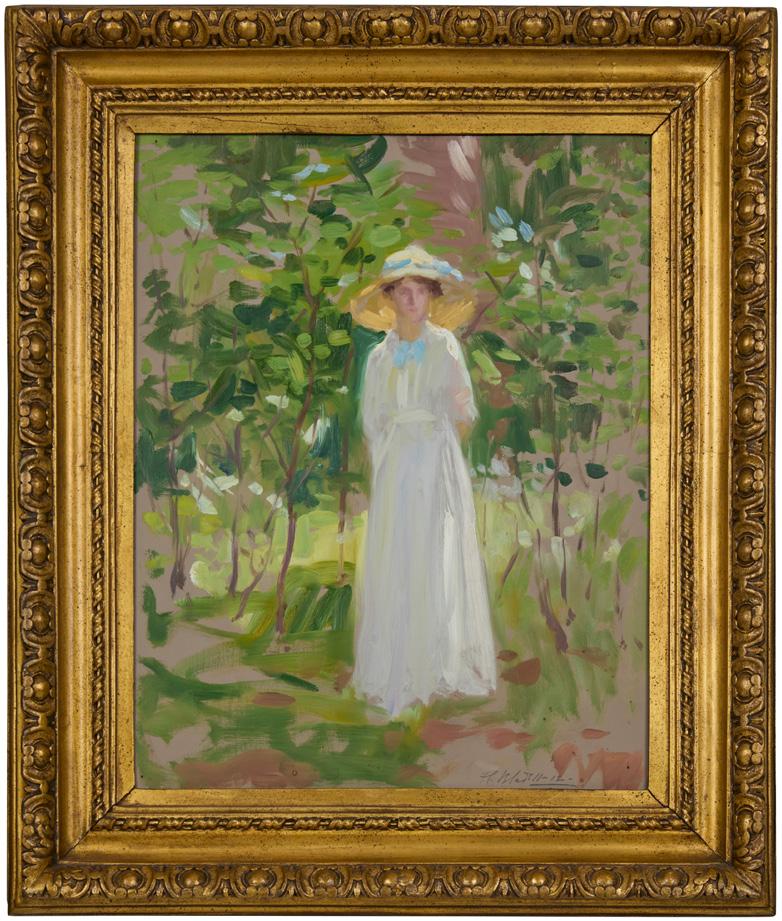
Jean Among Trees is a tender and elegant portrait of the Scottish Colourist F. C. B. Cadell’s younger sister, Jean Dunlop Cadell (1884-1967), who became a celebrated actress. Born just one year apart, the siblings enjoyed a close, life-long relationship, with Cadell becoming a father figure to Jean’s only child, John, following the early death of her husband.
On the advice of the artist Arthur Melville, Cadell (known in the family as ‘Bunty’) moved to Paris in 1898, at the age of fifteen, to commence his artistic training. He was accompanied by Jean and their mother, Mary Hamilton Boileau, whilst their father, also named Francis, and younger brother Arthur remained in Edinburgh. Jean sat for her brother from an early age and in a letter to their father of 2 March 1900, Mary explained ‘He did a rough watercolour of Jean yesterday afternoon, and took it to show [Alphonse] Mucha, who criticised it most favourably, and B. came home in great spirits.’ (F. C. B. Cadell Papers, National Galleries of Scotland Archive, GMA AL/15/1/31). Further correspondence reveals that Jean took French and German lessons whilst living in Paris. The family also lived together in Germany between 1906 and 1908, during which time Cadell studied at the Academie der Bildenden Künste in Munich.
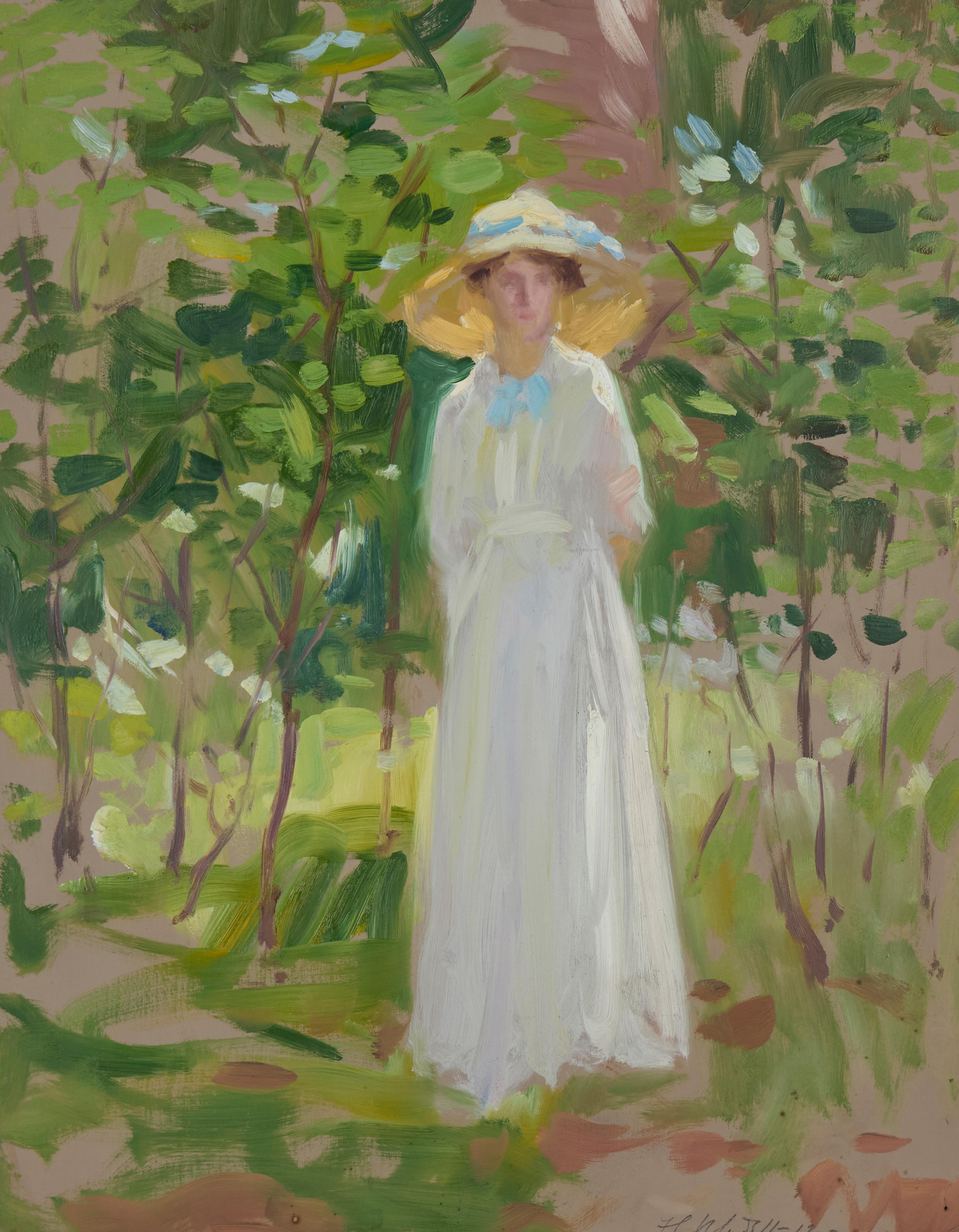
Jean Among Trees was painted whilst she and Cadell were staying at Dalserf, in the Scottish Lowlands. Jean is depicted standing under dappled sunlight, in a full-length summer dress and matching hat. Cadell’s bravura brushwork describes the picturesque scene, with points of details, such as those representing his sister’s facial features, giving way to expressive swathes in the foreground.
129
JEAN CADELL AMONG TREES
Signed and dated ‘12, oil on board 45.5cm x 36.5cm (18in x 14in)
Provenance: Given by the Artist to Sir Patrick Ford (18801945) and thence by family descent to the present owner Literature: Tom Hewlett and Duncan Macmillan, F. C. B. Cadell: The Life and Works of a Scottish Colourist 1883-1937, Lund Humphries, Farnham, 2011, repr.col. p.36, fig.26 (as ‘Girl in White Dress and Hat - Sunlight Trees’)
£60,000-80,000
As their great-niece, Selina Cadell, has recalled, Jean showed tremendous courage and independence by embarking on a career as an actor. Her parents did not believe it was a suitable pursuit for their daughter, but did permit her to appear in the then fashionable tableaux vivants. Family legend has it that she was approached after one such performance by the impresario George Alexander of London’s Theatre Royal Drury Lane, but did not follow up his offer of a job until her parents had died (Mary in 1907 and Francis in 1909).
Cadell lent her the train fare to the English capital, she knocked on the theatre’s Stage Door and as a result worked there for two years. She is also believed to have travelled as a foot passenger, by herself, on a Russian cargo ship to Los Angeles in the 1930s, in order to meet W. C. Fields and suggest that she play Mrs Micawber in his forthcoming film of David Copperfield (1935); she got the part. She is, however, perhaps best known for her roles in the comedies made by Ealing Studios in London after the Second World War, most famously playing Mrs Campbell in Whisky Galore (1949).
Cadell painted the present work in 1912, the year in which he was a co-founder of the Society of Eight exhibiting society, alongside John Lavery amongst others. Their friendship can be seen in the shared sympathetic approach to a beautiful female model seen in Jean Among Trees. The Society was underwritten by Cadell’s Edinburgh Academy school friend, Patrick Ford, who was one of his most important patrons and collectors. It has remained in Ford’s family to this day. Cadell went on to serve in the First Word War and to emerge in the 1920s as one of Scotland’s most important artists of the twentieth century. On his death in 1937, Jean and her son were the main beneficiaries of his will and Jean did much to secure his artistic legacy.
We are grateful to the director and actor Selina Cadell, the artist and sitter’s great-niece, for her help with our research into this painting.
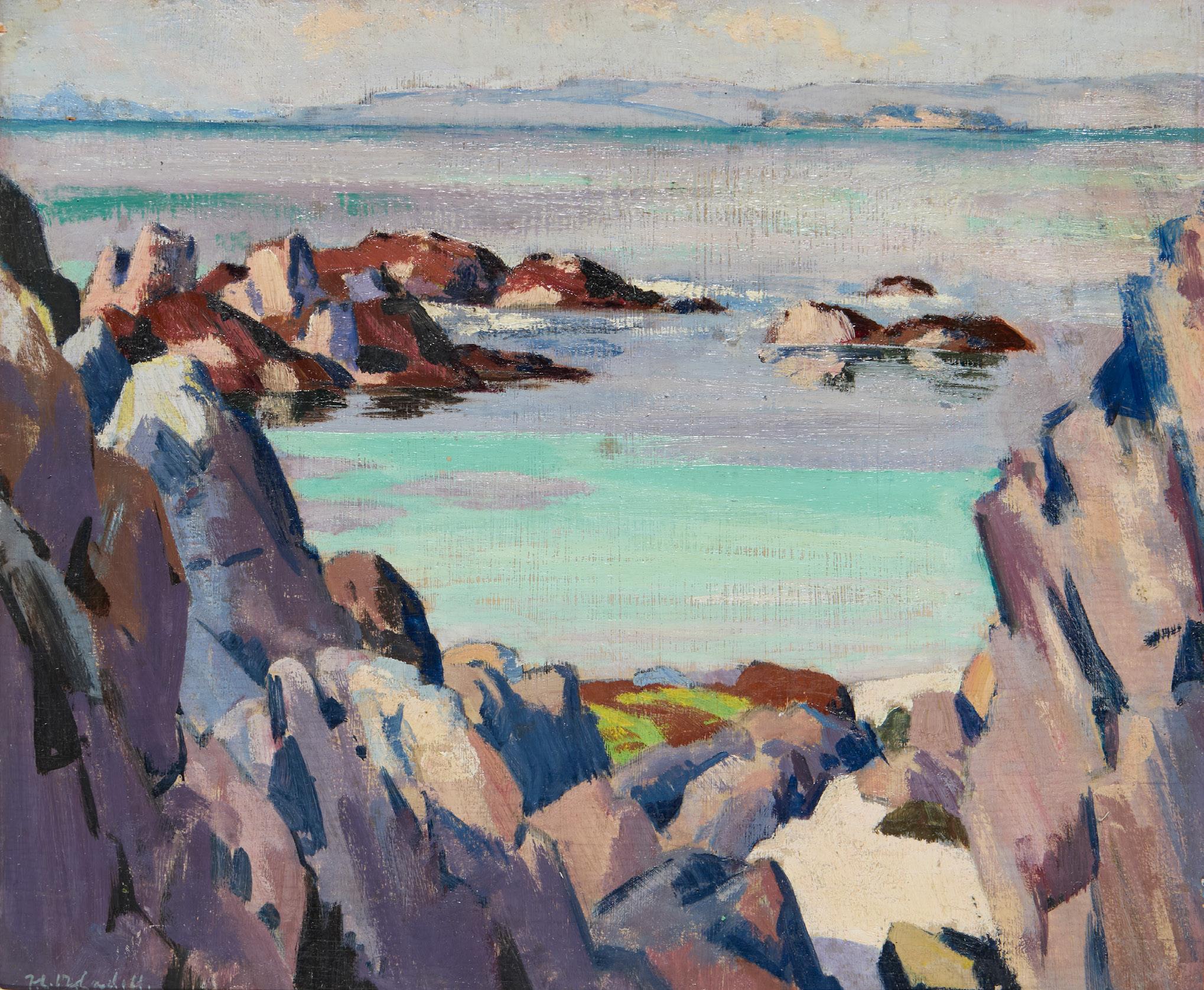
130
FRANCIS CAMPBELL BOILEAU CADELL R.S.A., R.S.W. (SCOTTISH 1883-1937)
STAFFA AND RUM FROM IONA
Signed, signed with initials, titled and inscribed ‘Absorbent ground. NEVER varnish’ verso, oil on board
36cm x 43.5cm (14.5in x 17.25in)
Provenance: Archibald .J. Crawford, Liverpool
Mr & Mrs Ian Crawford
Christie’s, Glasgow, Fine Scottish and Topographical Paintings and Drawings, 11 December 1986, lot 242, where purchased by the previous owner
Christie’s, London, Modern British Art Day Sale, 13 December 2012, lot 264 from where acquired by the present owner
This painting previously belonged to the biscuit manufacturer Archibald J. Crawford of Fernlea, Mossley Hill, Liverpool. He and his wife appear seven times between 1924 and 1926 in the Register of Pictures that F. C. B. Cadell compiled between 1907 and 1930 of works that he sold or gave away (Private Collection on loan to the National Galleries of Scotland Archive). They acquired nine works, all of Iona, where they holidayed and originally met the artist.
£30,000-50,000
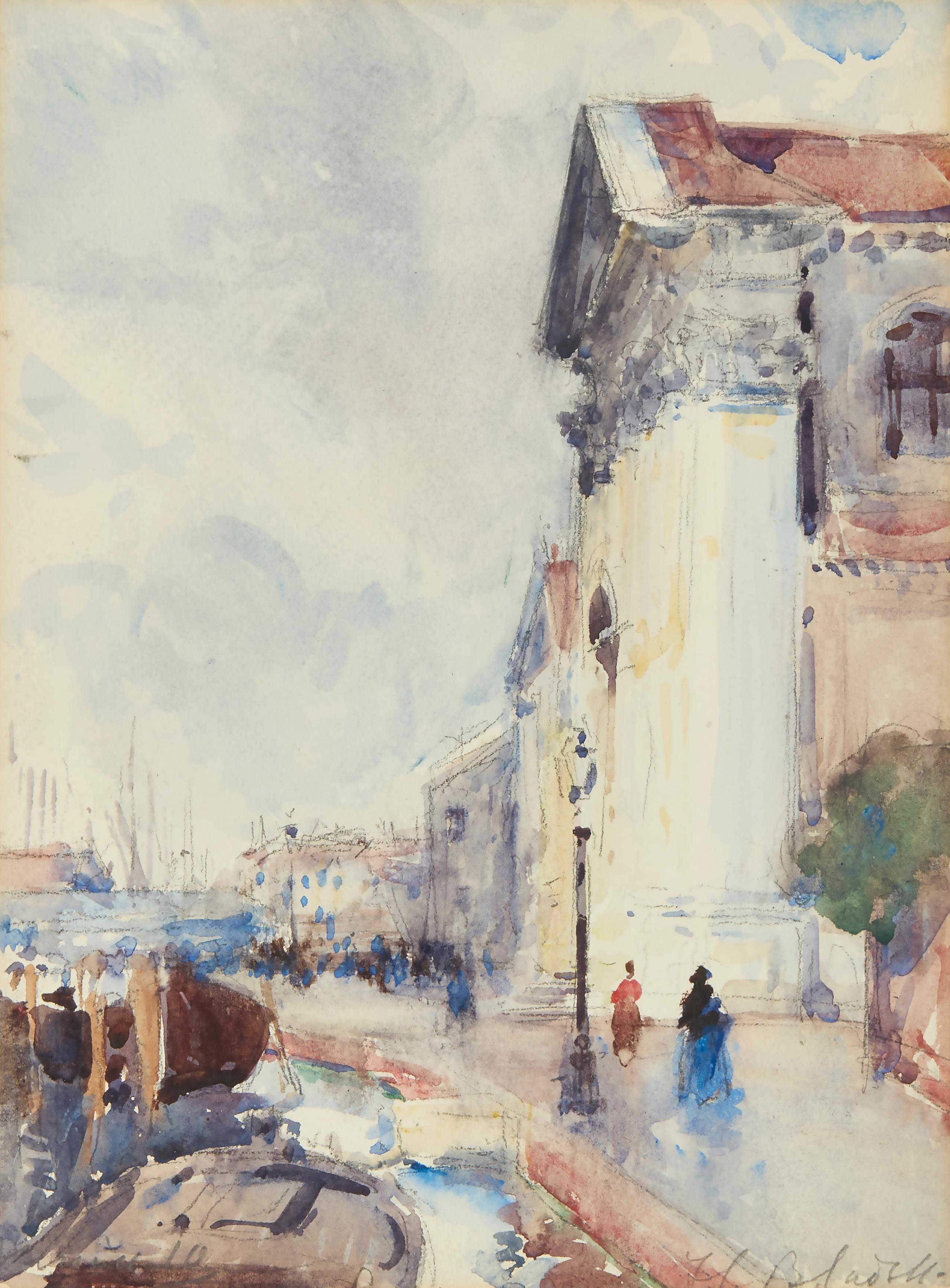
FRANCIS CAMPBELL BOILEAU CADELL R.S.A., R.S.W. (SCOTTISH 1883-1937) ON THE CANAL, VENICE
Signed, titled and dated 1910, watercolour and pencil on paper
29cm x 22cm (11.5in x 8.5in)
This is a study for the painting of the same name in the collection of the National Galleries of Scotland (acc.no.GMA 5518). It features the church of Santa Maria del Rosario, more commonly known as I Gesuati. Cadell created the present work whilst visiting Venice in 1910, during which he stayed in the nearby Calcina Hotel.
£6,000-8,000
Francis Campbell Boileau Cadell is one of the four artists now known as the Scottish Colourists, along with John Duncan Fergusson, George Leslie Hunter and Samuel John Peploe. They shared an early immersion in the developments of progressive French art in the late 19th and early 20th centuries, a love of a brilliant palette and the use of expressive brushwork. The quartet exhibited together in London and Paris in the 1920s and 1930s and are recognised as not only the most important and revered Scottish artists of the modern period, but ones who also played an important role within British and European art history of the time.
Cadell can be considered the most Scottish of the group. He was born in Edinburgh, trained there, in Paris and in Munich and lived for most of his life in the Scottish capital. He was proud to be a Scot and often wore a kilt. Moreover, he and his work are inextricably connected with Edinburgh, whose light, architecture and society provided inspiration for much of his practice. The sculptor Pittendrigh Macgillivray summed up Cadell’s artistic achievements thus: ‘It seems to me … that your forte lies in a gift of colour and light – these seen in a joyous mood.’ (Letter from Macgillivray to Cadell of 23 February 1915, National Library of Scotland, Acc.11224)
INTERIOR: THE LADY IN BLACK
Signed, oil on canvas
62.2 x 75cm (24.5in x 29.5in)
Provenance: Christie’s London, 18th March 1966, lot 41 (incorrectly titled ‘Portrait of Miss Don Wauchope’), sold to Des Roches for £21
Acquired by the present owner in New York in 1966
£150,000-200,000
Interior: The Lady in Black dates from the most important and successful period in Cadell’s career. After making a name for himself with solo exhibitions in London and Edinburgh before the First World War, he was demobilised from the army in 1919. The following year he purchased 6 Ainslie Place, in Edinburgh’s Georgian New Town, across the road from his childhood home at number 22. Cadell’s new quarters were magnificent and extended over six floors. He painted his front door bright blue to annoy his neighbours and lived there until 1931.
Interior: The Lady in Black depicts the artist’s northfacing studio on the first floor, with a view over to Fife. It encapsulates Cadell’s stylish decoration of his home, which became the subject matter of a remarkable series of works created in the 1920s. His signature lilac walls and highlypolished black floor set the scene which he dressed with mirrors as seen at the upper left, furniture like the Louis XVstyle armchair and pole screen glimpsed within it and props such as the blue and white coffee set and closed, be-ribboned black fan laid out on the white tablecloth.

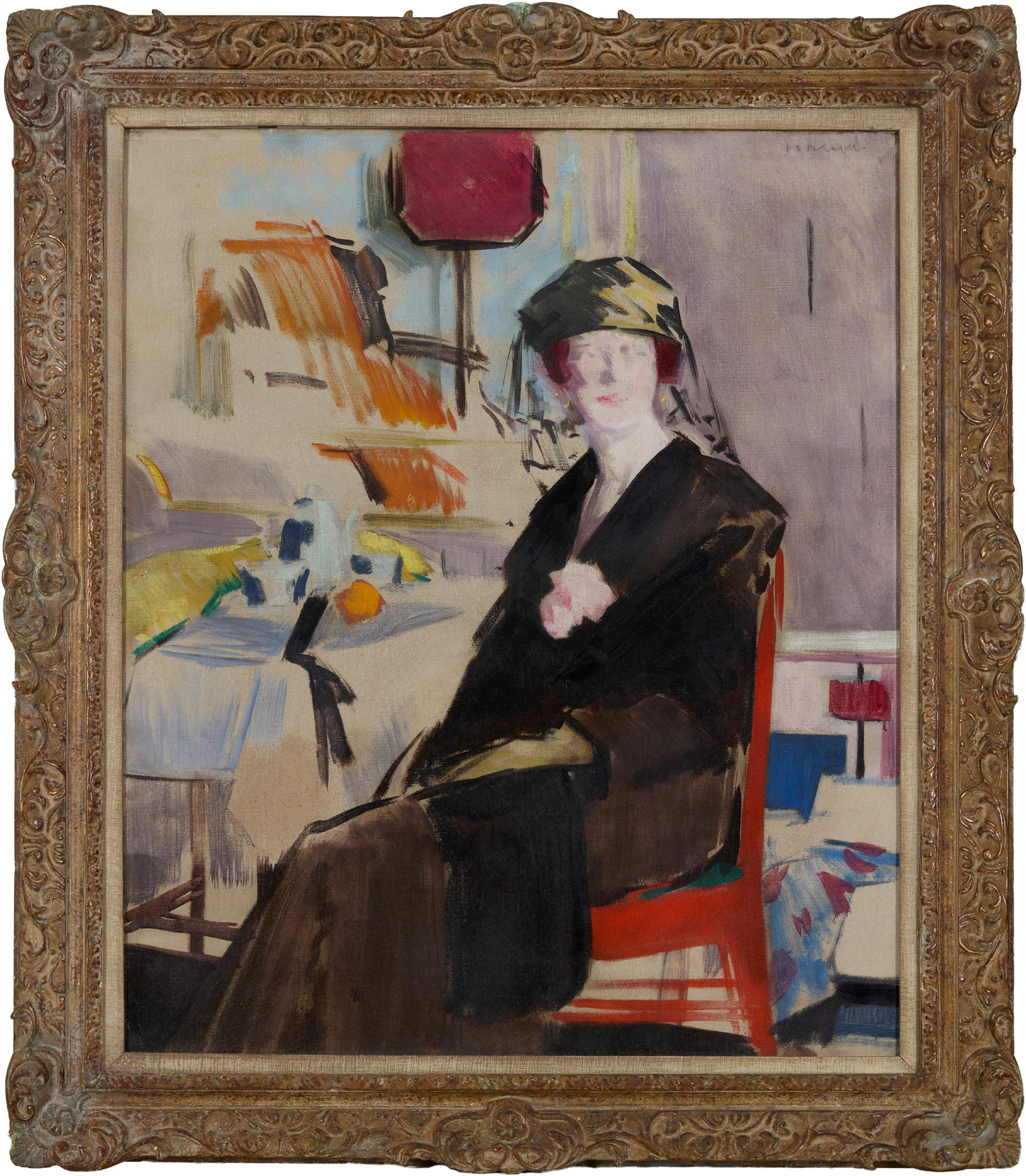
Cadell’s modernity is clear in the bright red chair on which Miss Easter sits, one of several that appear as brilliant focal points in paintings such as The Studio, in the collection of Lillie Art Gallery, East Dunbartonshire (acc.no. MINAG:1984.13). Such was its visual impact that Peploe featured it in some of his post-First World War paintings at a time when the artists’ friendship was at its closest. The coffee set is the subject of works in its own right and elements of it appear in paintings such as Still Life (Grey Fan) in the National Galleries of Scotland (acc.no. GMA 1311), in which a be-ribboned fan can also be seen.
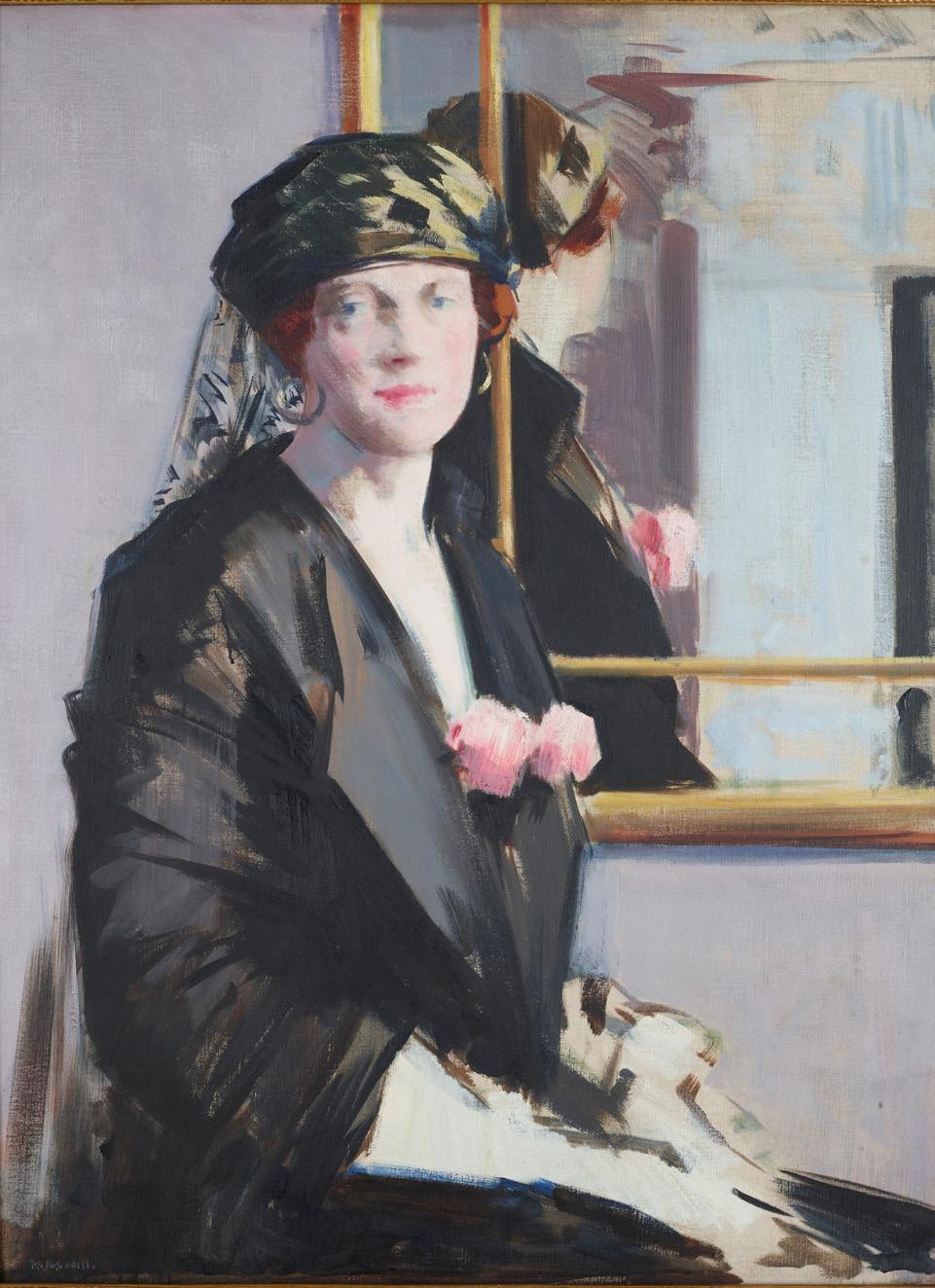
Indeed, the present painting is a splendid bringing together of many of Cadell’s most celebrated props and motifs, as an interior with his elegant model May Easter at the centre of its composition. She and Bethia Hamilton Don Wauchope were Cadell’s most distinguished sitters. Miss Don Wauchope was in her seventies by the time the current painting was made and the younger Miss Easter’s distinctive red hair drew Cadell’s Colourist eye, as can be seen in Pink and Gold, which Lyon & Turnbull sold from Paisley Art Institute’s collection in 2024. His most successful images of her, as here, revel in the combination of her hair colour, fresh complexion, the shimmer of the golden turban and the transparency of its veil that he preferred to present her wearing. Cadell’s use of black is a pronounced and effective characteristic of his oeuvre, seen here in Miss Easter’s chic clothing and set off by the placement of a pink rose at the base of her neckline.
A particular conceit of Cadell’s was to include a painting within a painting. In Interior: The Lady in Black this is represented by the bright blue rectangle at the lower right, positioned beside the blue and pink fabric seen to full effect in The Embroidered Cloak in Ferens Art Gallery, Hull (acc. no. KINCM:2005.4791). Throughout, Cadell’s expressive brushwork, which verges on the abstract is some passages, plays upon the canvas as he simplified form, teased the viewer with hints of description and used areas of brilliant colour to create rhythm across the image. Yet this energy is contained within the calm majesty of Miss Easter’s poise. She glances beyond the confines of the support to the studio beyond, part of which is visible in the mirror, revealing Cadell’s skilful manipulation of space.
Interior: The Lady in Black is a tour de force example of Cadell’s painting, created at the height of his career. It epitomises why he is one of Scotland’s most revered artists and why his work is so highly sought after for private collections and so admired in public collections.
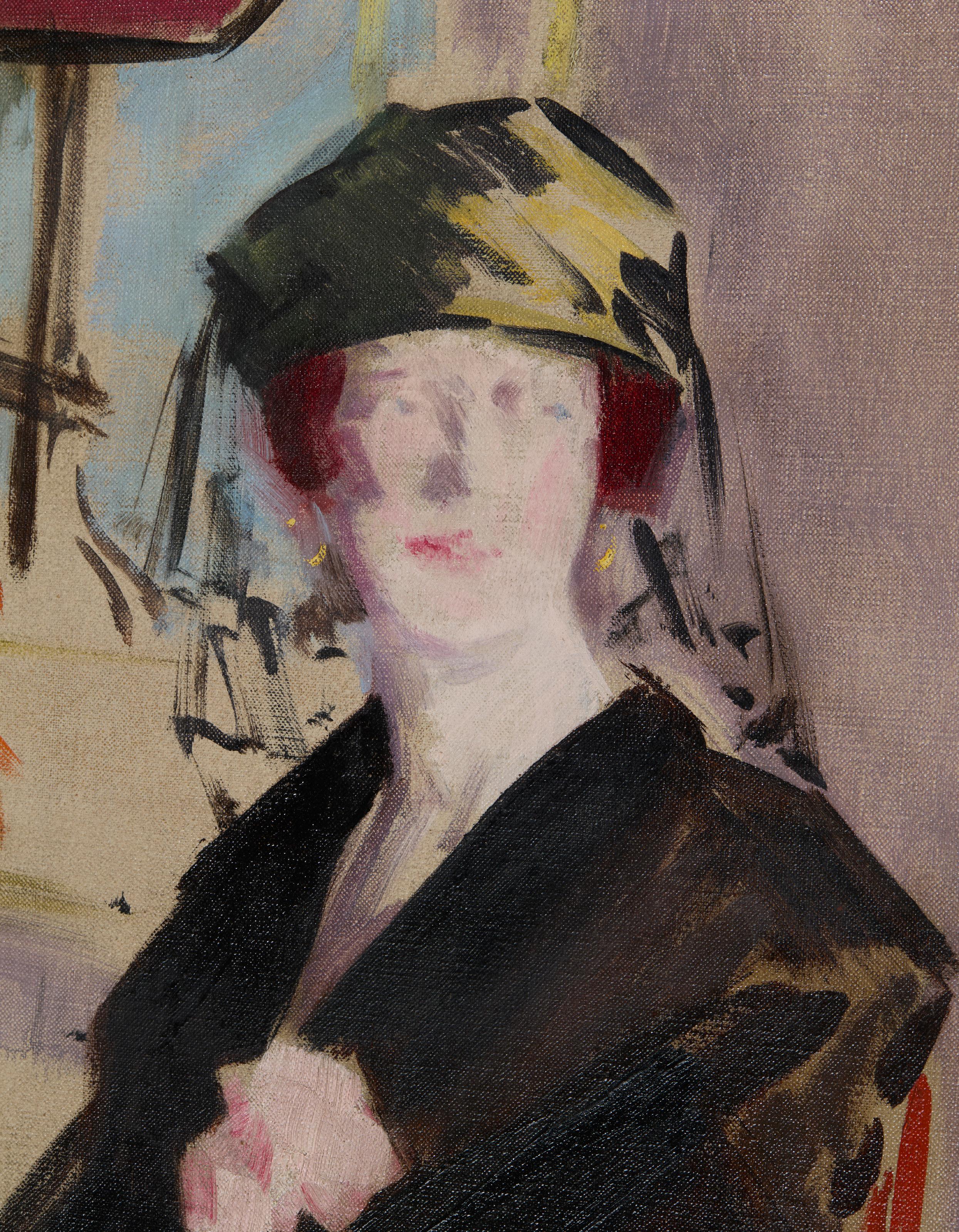
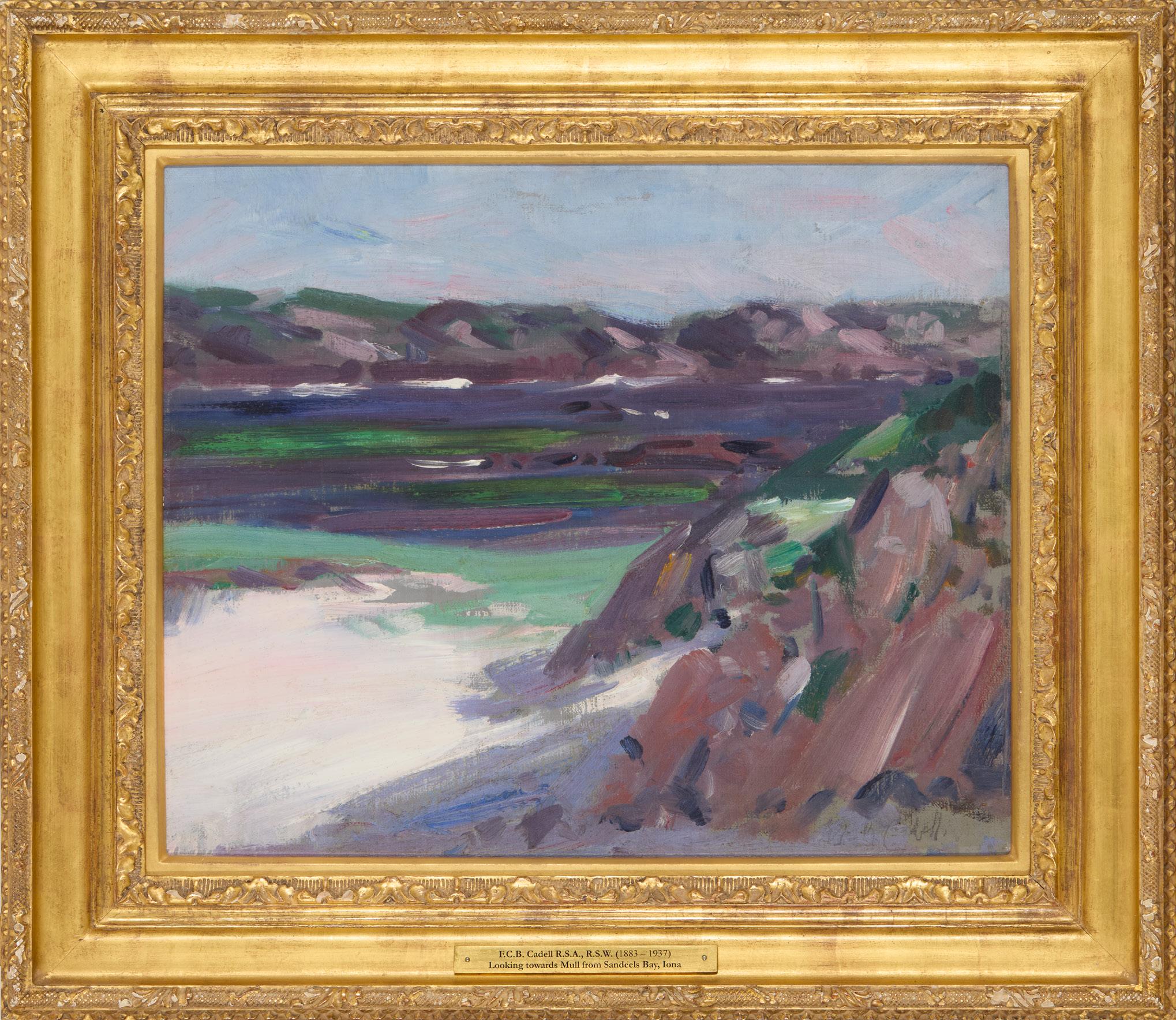
FRANCIS CAMPBELL BOILEAU CADELL R.S.A., R.S.W. (SCOTTISH 1883-1937)
LOOKING TOWARDS MULL FROM SANDEELS BAY, IONA
Signed, oil on canvasboard 36cm x 45cm (14.5in x 17.75in)
Provenance: The Fine Art Society Ltd, London, June 1968, no.3299 (as ‘Atlantic Coast’)
Private Collection, Scotland
Bonhams Edinburgh, The Scottish Sale, 17 August 2010, lot 80 (as ‘On the West Coast’)
Duncan R. Miller Fine Arts, London
This painting has been dated to c.1913.
£30,000-50,000
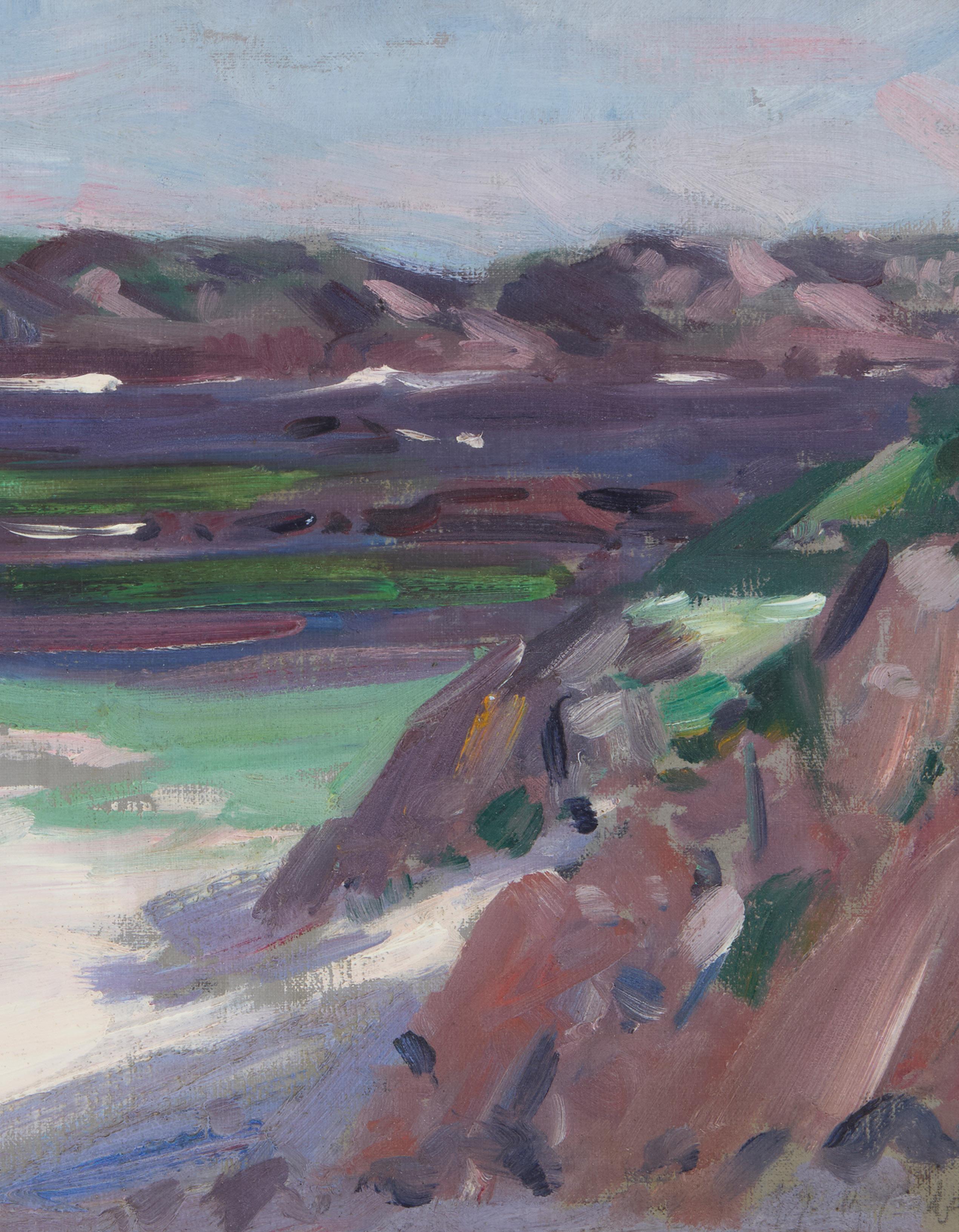
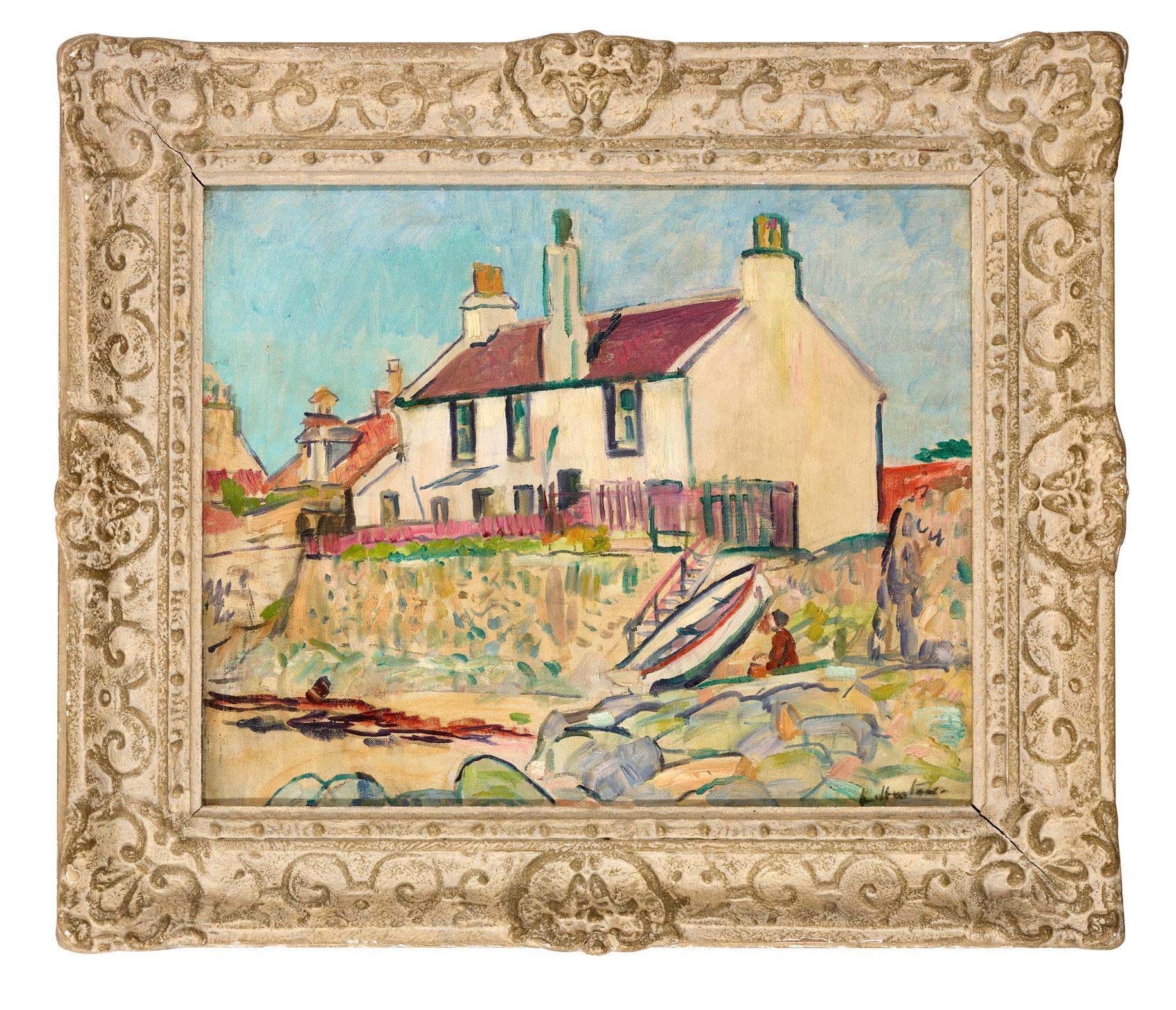
134
GEORGE LESLIE HUNTER (SCOTTISH 1877-1931)
ROBINSON CRUSOE’S HOUSE, LOWER LARGO
Signed, oil on canvas
38cm x 46cm (15in x 18in)
Provenance: The Estate of the Late Eric Sloane
Exhibited: Lyon & Turnbull, London, The Colourists at Connaught, September 2017
£30,000-40,000
Between 1919 and 1926, the Scottish Colourist George Leslie Hunter spent part of each Spring and Summer in Fife in eastern Scotland, which is bordered by the Firth of Tay, the Firth of Forth and the North Sea. As Bill Smith and Jill Marriner have written: ‘He came upon an important source of inspiration through his fortuitous discovery of Fife and the possibilities
inherent in its colourful landscape and rural architecture … Subsequently he would go to Fife in any season. It was there that he made the break to paint en plein air. The artistic ground he gained as a result marked an important turning point in his development in terms of modern colour.’ (Bill Smith and Jill Marriner, Hunter Revisited: The Life and Art of Leslie Hunter, Atelier Books, Edinburgh, 2012, p.79).
Amongst Hunter’s favourite places to paint were the villages of Upper and Lower Largo in the East Neuk of Fife. He was drawn to Lower Largo’s harbour and beach in particular. The scene depicted in the present painting is from the latter, with the former beyond view to the left. The titular house is named after Daniel Defoe’s character, Robinson Crusoe, from his
1719 novel of that title. Crusoe was inspired by Alexander Selkirk, who was born in Lower Largo in 1676.
Hunter’s clarity of design leads the eye from rocky foreground to the simplified forms of the house, whose silhouette stands out against the brilliant blue sky. He has paid particular attention to the texture and patterning of rocks, seaweed and weather-beaten stone walls, whilst a seated figure enjoys the scene towards the lower right of the composition.
Paintings of Lower Largo by Hunter are in various public collections including Aberdeen Art Gallery, the Fleming Collection, London, The Hunterian, University of Glasgow, Kelvingrove Art Gallery and Museum, Glasgow and the National Galleries of Scotland, Edinburgh.
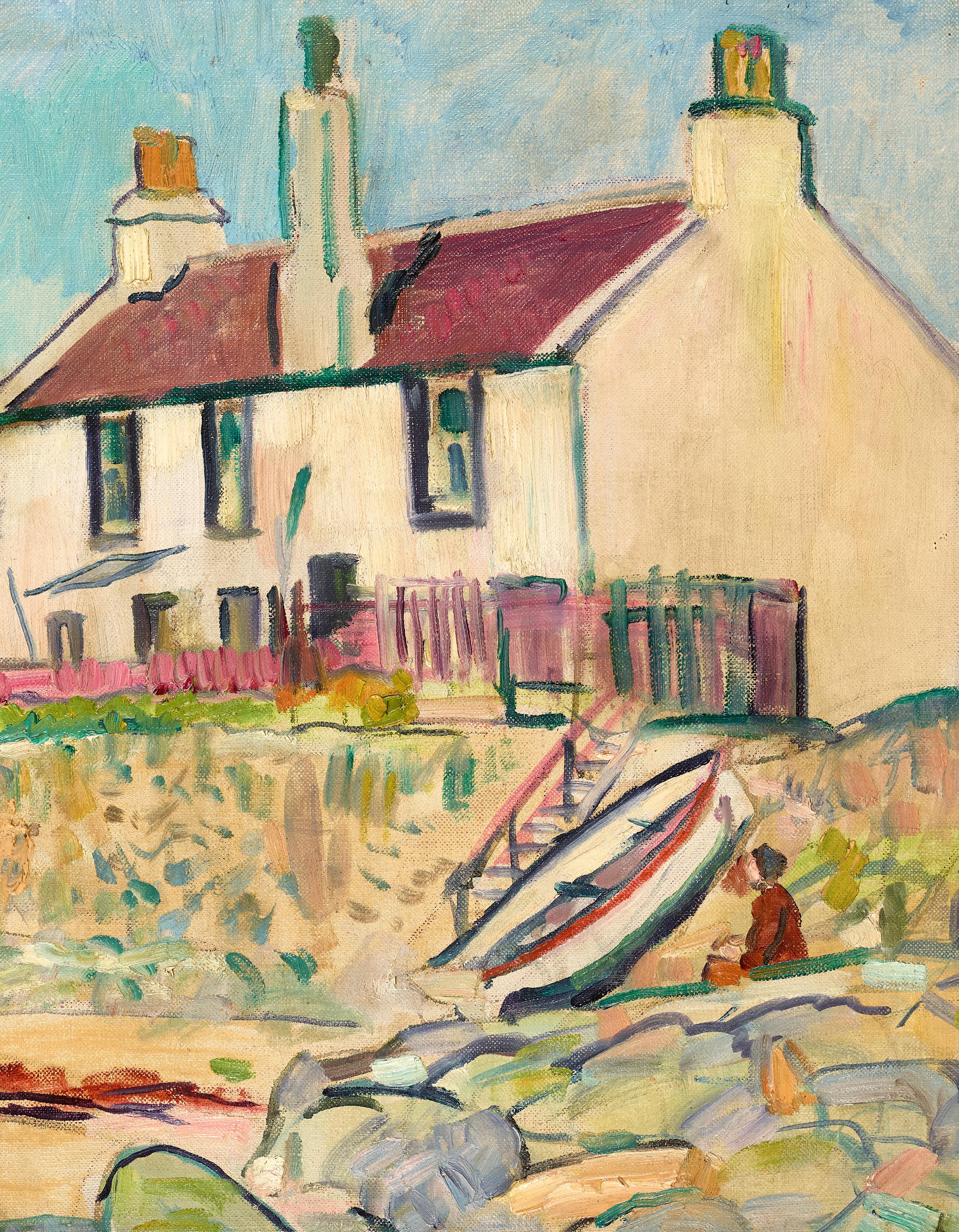
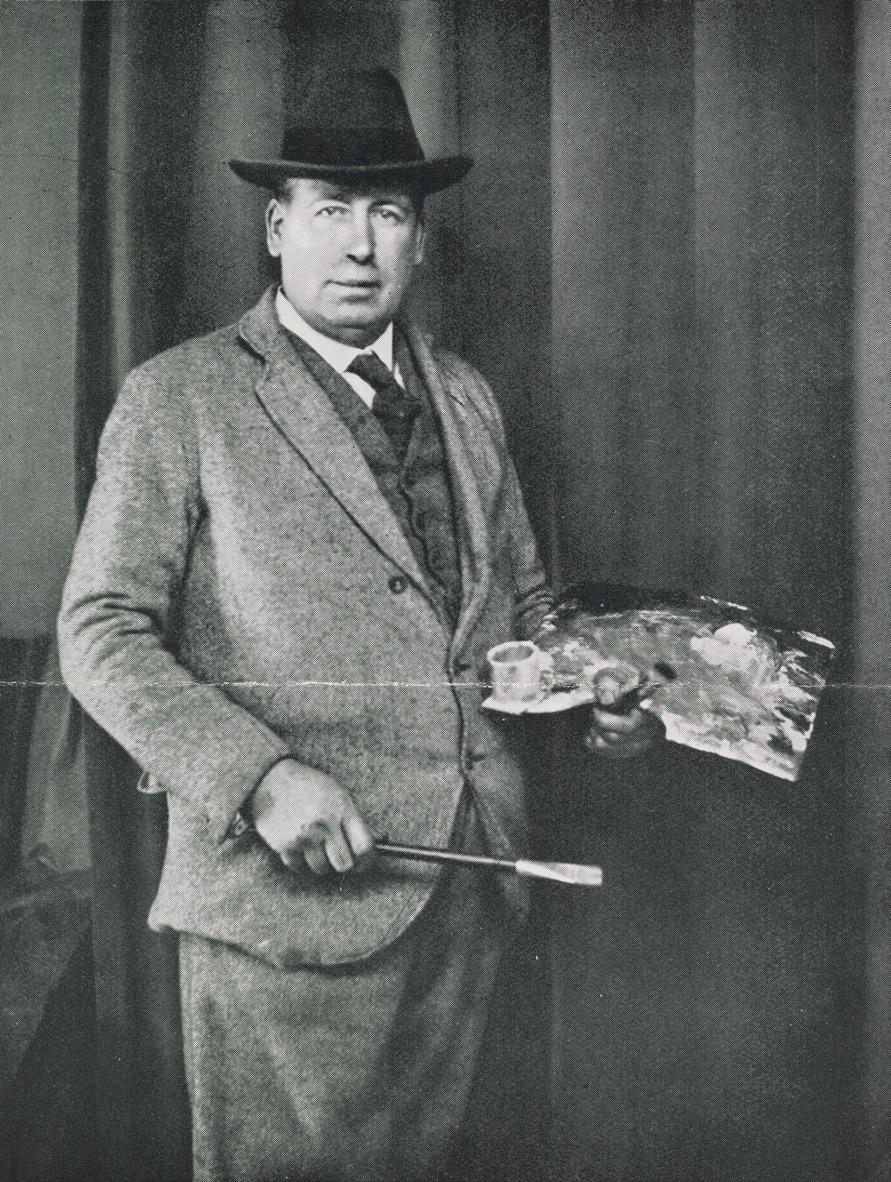
Grapes, Lemons and Pomegranates in a Silver Dish with Wine Glasses and a Loaf of Bread is a singularly accomplished still life by the Scottish Colourist George Leslie Hunter. After the San Francisco earthquake of 1906 destroyed virtually all of his work, Hunter moved to Glasgow which was to be his base for the rest of his peripatetic life. He developed a distinct approach to still life painting that encompassed art history, a sophisticated use of colour and light and a sense of serenity, all of which can be seen in the present work.
Its subject matter and composition speak of Hunter’s interest in the Dutch Old Masters that he encountered during visits to the cultural centres of Edinburgh, London and Paris, as well as in the public galleries of Glasgow. It is believed to date from around 1913, the year in which the artist received his first solo exhibition, held at Alexander Reid’s gallery, La Société des Beaux-Arts, in Glasgow.
As Hunter’s biographers, Bill Smith and Jill Marriner have explained:
‘Hunter had a great admiration for the paintings of Dutch seventeenth-century artists, such as Jan Vermeer, Frans Hals and Willem Kalf. Equally, Schopenhauer, the German philosopher whose views influenced Hunter, considered
135
GRAPES, LEMONS AND POMEGRANATES IN A SILVER DISH WITH WINE GLASSES AND A LOAF OF BREAD
Signed, oil on canvas
51cm x 40.5cm (20in x 16in)
Provenance: John Massey, Glasgow; Christie’s Glasgow, Four Scottish Colourists, 6 December 1990, lot 263
Private Collection, Scotland
£30,000-50,000
George Leslie Hunter by an unknown photographer, undated. Courtesy National Galleries of Scotland, Edinburgh, acc.no.S.Ph.VII 1406-1
Dutch still life to be the best type of painting, because it was able to help the viewer see beauty in ordinary, everyday objects… An arrangement of objects against a dark background to accentuate a structured perspective, combined with sumptuous, often jewel-like richness, are elements that captivated Hunter.’ (Bill Smith and Jill Marriner, Hunter Revisited: The Life and Art of Leslie Hunter, Atelier Books, Edinburgh, 2012, p.54)
Hunter’s skill in depicting glass, reflections, the rendering of internal and external surfaces of fruit and bread and the bringing together of an ambitious combination of elements to create a harmonious composition is all clear in Grapes, Lemons and Pomegranates in a Silver Dish with Wine Glasses and a Loaf of Bread. The placement on a bright white tablecloth, set in front of a powerfully dark background, emphasizes the brilliance of the colours used in combination with a rhythm of form across the canvas. The triumphant signature, applied diagonally in red paint at the upper right, signifies the confidence of an artist working with great skill and success. The Glasgow Herald’s review of 7 November 1913 of his exhibition could be referring to this painting when it described Hunter as ‘a vigorous and confident painter with a fine sense of colour.’
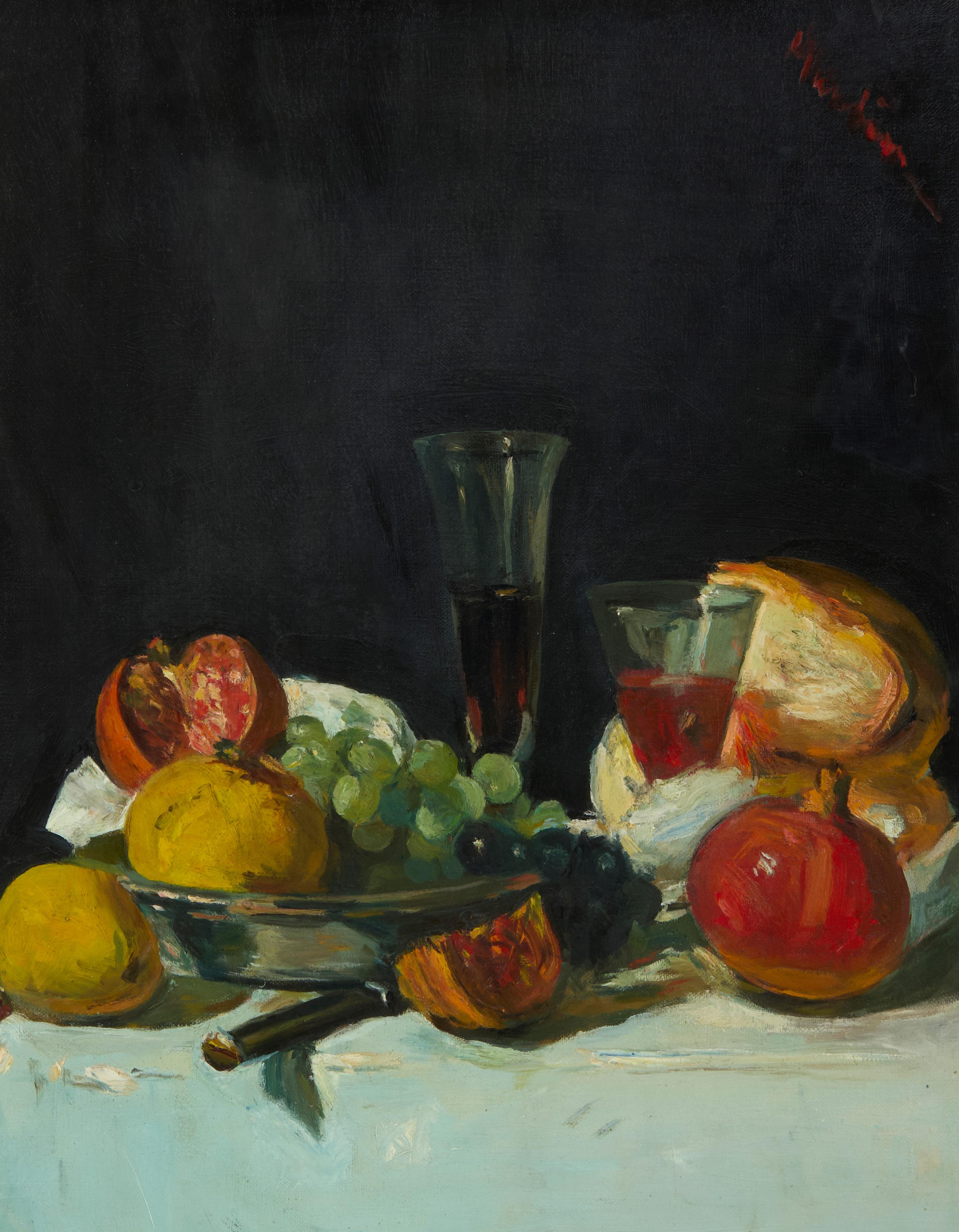
Whilst S. J. Peploe’s fellow Scottish Colourist F. C. B. Cadell was serving during the First World War, Peploe wrote to him from Edinburgh: ‘When the War is over I shall go the Hebrides, recover some virtues I have lost. There is something marvellous about those western seas. Oh, Iona. We must all go together.’ (Letter of 2 August 1918, F. C. B. Cadell Papers, National Library of Scotland, Edinburgh, Acc. no.1124)
And so it came to pass that, following Cadell’s demobilisation in 1919, the following year he introduced Peploe to the Hebridean island, having visited it himself for the first time in 1912. They were both to return to paint there virtually every summer of their lives. As Alice Strang has explained:
‘In 1920 Peploe was nearly fifty years old, but Iona inspired a new direction in his work. Unlike Cadell, who painted a catholic range of subjects all over the tiny island, during the next fifteen years Peploe concentrated on analysing the rocks and sands of the north end and views from it, especially of Ben More on nearby Mull … Peploe initially lodged with the MacInneses at Cùlbhuirg, the principal farm in the west of Iona. Later, he and his family rented Lovedale in the village street.’ (Alice Strang et al, S. J. Peploe, National Galleries of Scotland, Edinburgh, 2012, p.24).
Signed, oil on panel
36.5cm x 43.5cm (14.25in x 17in)
Provenance: Acquired from the Artist by Archibald Forbes Hyslop (1892-1943) and thence by descent to the present owners
£30,000-50,000
Iona is believed to depict a view from Cows Rock in the North End looking over to Rhum, a panorama that Peploe and Cadell enjoyed painting. Peploe focused on the pure white sand and geological features of the foreground, setting the horizon line some three-quarters towards the top of the composition, as if inviting the viewer to enter and enjoy walking across the beach. The scene is lit by bright sunshine and is presided over by a brilliant blue sky.
The painting was acquired from Peploe by his friend and patron the Aberdonian schoolteacher and His Majesty’s Inspector of Schools in Scotland, Archibald Forbes Hyslop (1892-1943) and has remained in his extended family ever since. In 1993, following the death of Hyslop’s widow, Winifred Reid, 19 paintings by Peploe were bequeathed to Aberdeen Art Gallery as part of the Hyslop Collection Bequest. They included three of Iona, namely Blue Sea, Iona (acc.no. ABDAG010712), Cathedral Rock, Iona (acc.no. ABDAG010719) and Iona, Grey Day (acc.no. ABDAG010708), whilst works by artists such as Robert Brough, George Leslie Hunter, William Gillies, Duncan Grant and D. M. Sutherland were also part of the bequest.

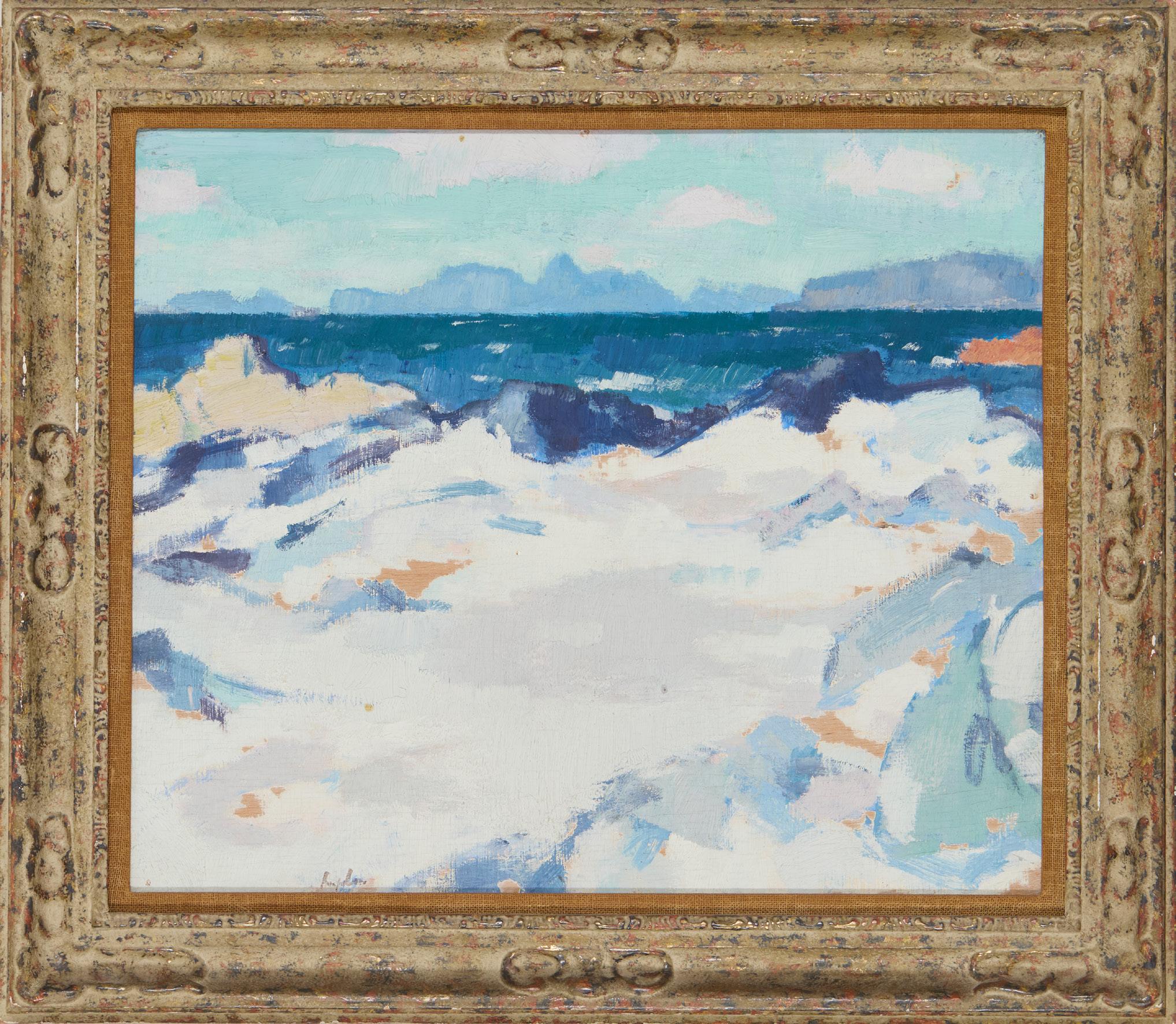

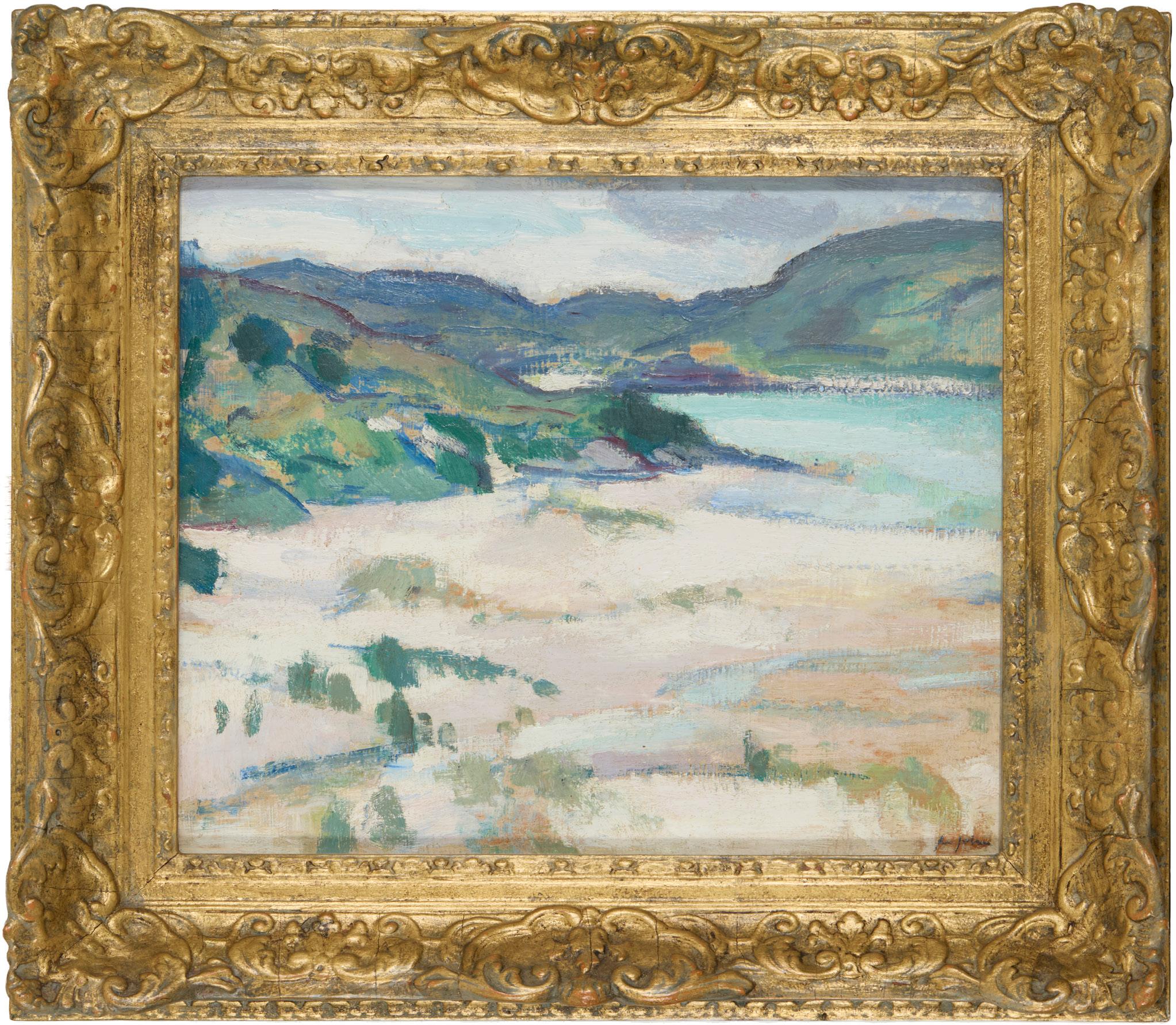
SAMUEL JOHN PEPLOE R.S.A. (SCOTTISH 1871-1935) MORAR
Signed, oil on panel 38cm x 46cm (15in x 18in)
Provenance: Alex. Reid & Lefevre Ltd., London (as ‘Morar’) Ion Harrison, Helensburgh
Exhibited: McLellan Galleries, Glasgow, Pictures from a Private Collection: The Thistle Foundation, 2 - 27 March 1951, no.19 (as ‘Morar’)
The Fine Art Society Ltd, Edinburgh, Three Scottish Colourists: Peploe, Cadell, Hunter, 19 February - 19 March 1977 and tour to The Fine Art Society Ltd, London, 29 March - 22 April 1977, no.36 (as ‘Morar’)
The Scottish Gallery, Edinburgh, The Scottish Colourists Festival Exhibition, August 1997 (as ‘The Beach, Morar’) This painting has been dated to 1924.
£30,000-50,000
The White Dress comes from a glorious series of paintings made by the Scottish Colourist S. J. Peploe whilst he was working in the former studio of the leading Scottish portrait painter Henry Raeburn (1756-1823). It shows Peploe at his most vivacious, depicting his celebrated model, Peggie McCrae, in an image of elegance and sophistication realised through free and virtuoso brushstrokes on an imposing scale.
Peploe moved studio from 7 Devon Place near Edinburgh’s Haymarket station, to 32 York Place in the city’s Georgian New Town, in 1905. The latter had been built for Raeburn in 1795 and he designed an unusually large window in the north-facing studio at the rear of the first floor, with views over the Firth of Forth to Fife. It was flanked by an intricate system of shutters which enabled the occupant to control the light that entered the room.
138
SAMUEL JOHN PEPLOE R.S.A. (SCOTTISH 1871-1935)
THE WHITE DRESS
Signed, oil on canvas
101.5cm x 76cm (40in x 30in)
Provenance: The Artist and thence by family descent
The Scottish Gallery, Edinburgh, from where acquired by the present owner in 2005
Exhibited: Possibly Aitken Dott & Son, The Scottish Gallery, Edinburgh, Memorial Exhibition of Eight-Three Paintings by S. J. Peploe RSA (1871-1935), April and May 1936, no.60 (as ‘Girl in White’, 1909, lent by the Artist’s widow, Mrs Margaret Peploe)
Possibly The Lefevre Gallery, London, Paintings by S. J. Peploe, May 1948, no.2 (as ‘The White Dress, 1906)
Scottish National Gallery of Modern Art, Edinburgh, S. J. Peploe 1871-1935, 26 June – 8 September 1985, no.44, reproduced in black and white p.39 (as ‘The White Lady, c.1908’)
The Scottish Gallery, Edinburgh, 20th-century Scottish Paintings, 2005, no.3 Scottish National Gallery of Modern Art, Edinburgh, S. J. Peploe, 3 November 2012 - 23 June 2013
The Scottish Gallery, Edinburgh, S. J. Peploe’s Studio Life at 150, 30 September – 23 October 2021, no.4, reproduced in colour p. 45 (as ‘The White Dress, c.1908’)
£150,000-200,000
In notes that Peploe’s wife, Margaret Mackay, prepared to assist Stanley Cursiter in the writing of his 1947 monograph about the artist, she wrote:
‘Sam moved again, this time to Raeburn’s house [at] 32 York Place. He liked to change his studio every five years so to get a new shape of room, different lighting – a complete change. The new studio was a beautiful room with a big window, it had a lovely white marble Adam mantlepiece. Sam had the walls distempered a very pale pinkish grey. On the floor he put a black polished linoleum. There was a white sofa, a chair or two, his nice bureau, a throne and easel.’ (S. J. Peploe Archive, National Galleries of Scotland Archive, GMA A112/2/1)
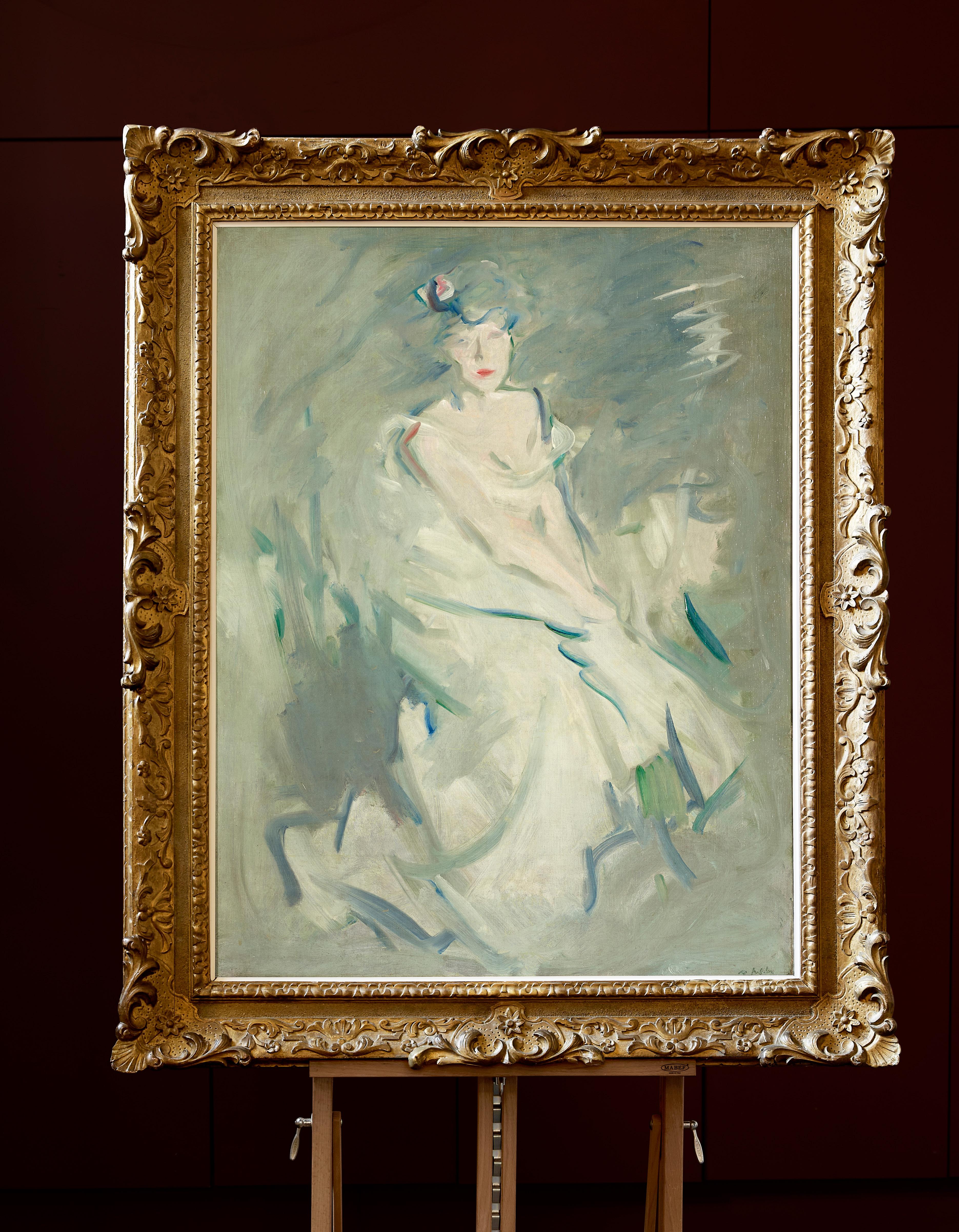
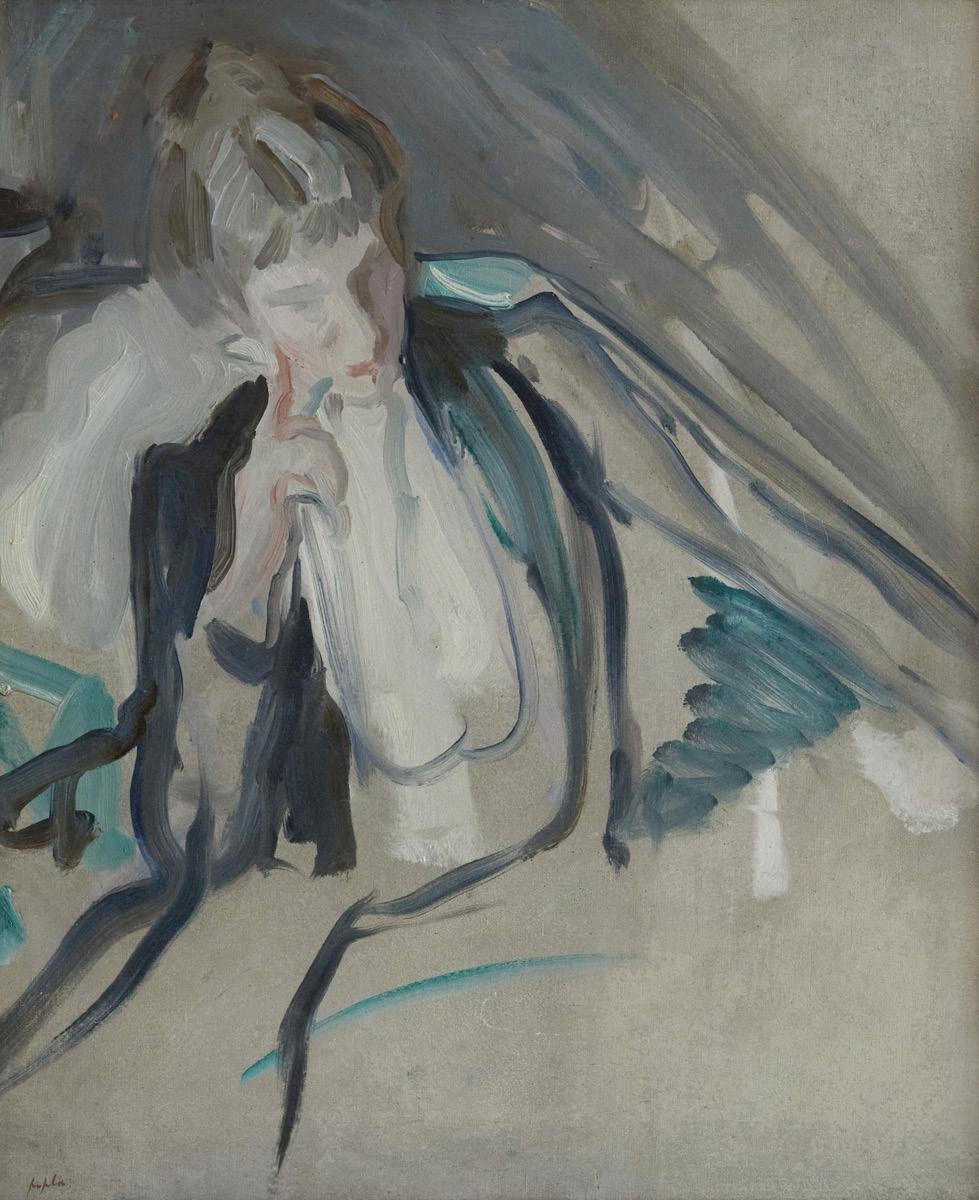
As Alice Strang has explained:
‘Peploe’s new bright and spacious surroundings had an immediate impact on his work and he began to paint in a lighter key, employing a looser, less disciplined technique and large canvases … using a new model Peggy [sic] Macrae, he embarked on a series of celebrated figures studies … which reveal an interest in James NcNeill Whistler (1834-1903) … In Peploe’s images of Macrae, her elegance and beauty are secondary to the sense of execution, as he emphasised colour harmony and sweeping line.’ (Alice Strang et al, S. J. Peploe, National Galleries of Scotland, Edinburgh, 2012, pp.19-20).
The White Dress illustrates Margaret’s description of Peggie as an ‘extremely charming, graceful and attractive girl. Sam painted her a lot. She also sat for F. C. B. Cadell, Stanley Cursiter and Pittendrigh Macgillivray the sculptor … She was unique as a model. She became any character one suggested.’ (op.cit.)
Peploe’s professional standing developed apace during the three years he spent at 32 York Place. The first of his works was acquired for a public collection, when Still Life (Culture Edinburgh acc.no. CAC4/1964) was purchased by
Samuel John Peploe R.S.A. (SCOTTISH 1871-1935), Peggy McCrae, 1909. Oil on canvas, 61.5 x 51cm. OnFife: Kirkcaldy Galleries: Purchased as part of the J. W. Blyth Collection with the assistance of the Local Museums Purchase Fund and the Art Fund (Eugene Cremetti Fund) 1964
the Scottish Modern Arts Association in 1907. The following year, he showed in London for the first time, in various group exhibitions and in 1909 he had his second solo exhibition, at The Scottish Gallery in Edinburgh. In 1910, he and Margaret married and moved to Paris where a new chapter in his career began.
Several works from the same series as The White Dress are in public collections, including Lady in a White Dress in the Fleming Collection (acc.no. FWAF/RF26) and Peggy McCrae in Kirkcaldy Galleries (acc.no. KIRMG:317). The latter formerly belonged to Peploe’s major patron, the Kirkcaldy linen manufacturer John Waldegrave Blyth (1873-1962).
Such was the importance and interest of the series’ theme to Peploe, that he was to return to it in the 1920s in paintings such as Girl in the White Dress in The Burrrell Collection (acc. no. 35.587).
The White Dress remained in Peploe’s family into the next generation, descending to his son, the artist Denis Peploe (1914-93) who gave it to his wife, the musician Elizabeth Barr (1936-2025). It was selected for inclusion in both major exhibitions of Peploe’s work staged by the Scottish National Gallery of Modern Art, in 1985 and 2012.
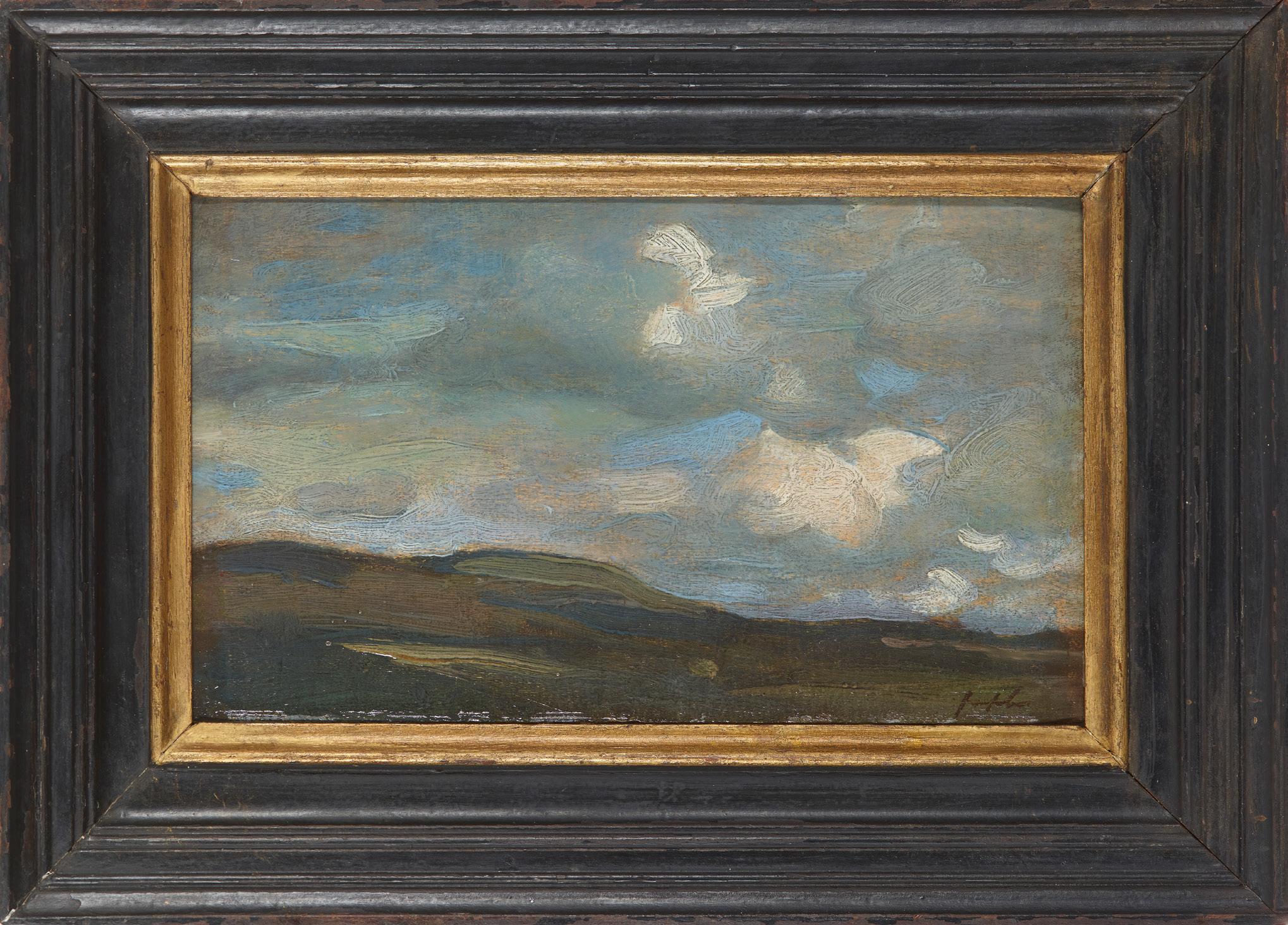

139
R.S.A. (SCOTTISH 1871-1935)
Signed, signed and inscribed with title verso, oil on panel
12.5cm x 21.5cm (5in x 8.5in)
£6,000-8,000
R.B.A. (SCOTTISH 1887-1961)
GLOXINIA
Brass
18cm x 14.5cm x 10cm
(7.25in x 5.75in x 4in)
£3,000-5,000
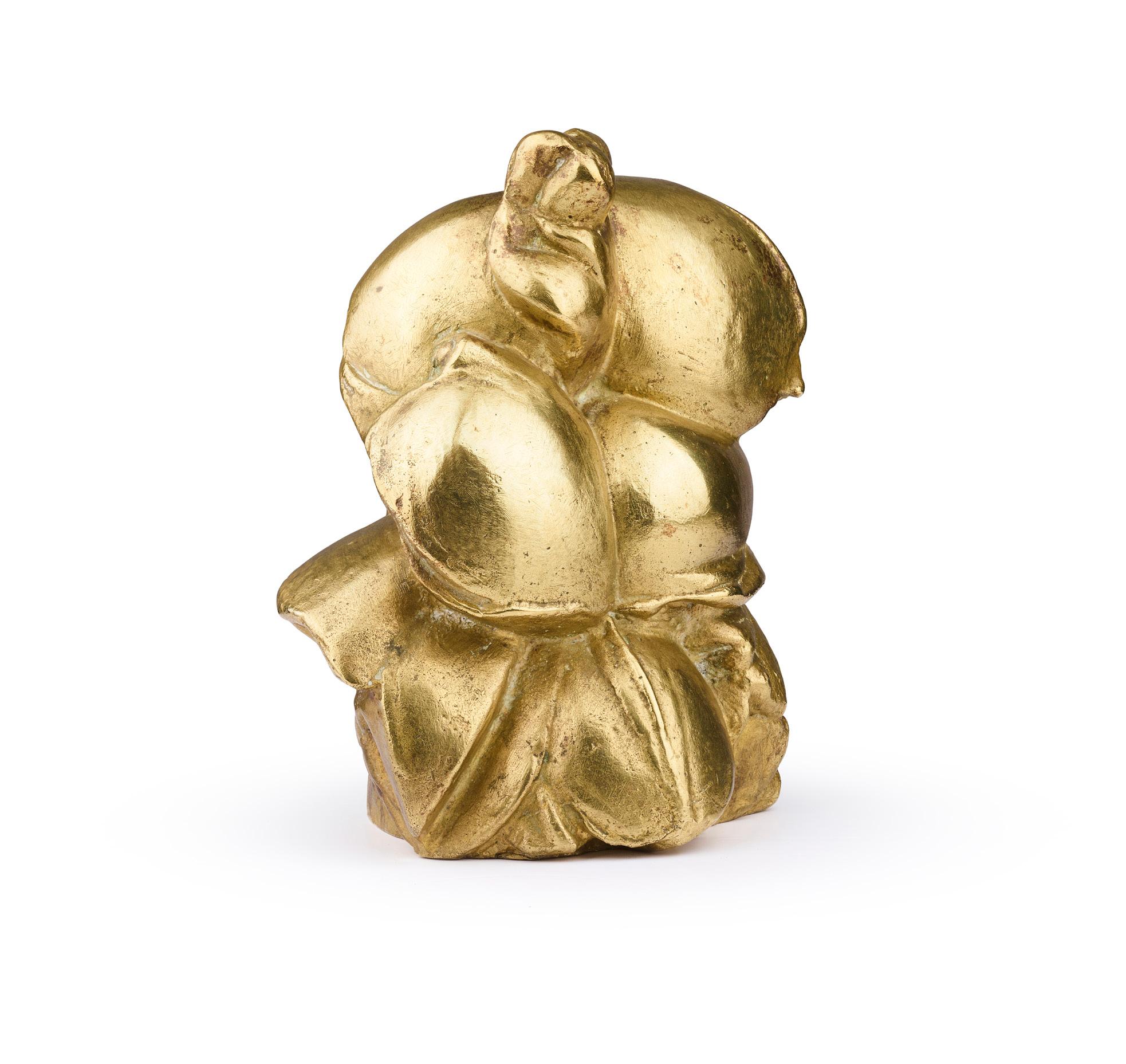
John Duncan Fergusson is the only one of the four artists known as the Scottish Colourists, along with F. C. B. Cadell, G. L. Hunter and S. J. Peploe, to have worked in three dimensions. Indeed, he made sculpture over some 50 years, with his first created in Paris in 1908 and the last thought to date from about 1955.
As Alice Strang has explained: ‘Experiments in terracotta in 1909 and clay in 1913, led to direct carving in stone outdoors during the First World War. Carving wood and plaster, which he sometimes cast and coloured, followed. Works were cast in brass and bronze as funds permitted.’ (Alice Strang et al, J. D. Fergusson, National Galleries of Scotland, Edinburgh, 2013, p.21) The importance of this aspect of
Fergusson’s oeuvre is clear in the inclusion of sculptures in many of his exhibitions between 1912 and 1948.
Gloxinia is thought to have been conceived in the 1930s and cast at a later date. The organic forms of the titular orchid are realised via voluptuous modelling which verges on the abstract. It explores one of the most important themes in Fergusson’s work, that of Henri Bergson’s theory of the élan vital or life force, that Fergusson identified in the abundance, sensuality and fecundity inherent in nature. His painting, Gloxinias and Fuschias of 1938, is in the collection of Culture Perth and Kinross, as is a further cast of the Gloxina sculpture, which can be seen in the current Fergus and Meg: A Creative Partnership display at Perth Art Gallery.

Busy Day, Princes Street is an exceptional example of the intimate scenes that the Scottish Colourist John Duncan Fergusson painted of Edinburgh’s main thoroughfare in the early 1900s.
Born in Leith, near Edinburgh, Fergusson rejected the conservative training available at the Trustees’ Academy in the Scottish capital and was essentially self-taught apart from sporadic attendances at the Académies Colarossi and Julian in Paris. Fergusson exhibited his work for the first time in 1897, in the Royal Scottish Academy’s Annual Exhibition and by 1902 was established in his first studio, at 16 Picardy Place. It is a short walk from the scene depicted in the present painting, of the east end of Princes Street.
As Alice Strang has explained: ‘During this period he was a familiar figure in Princes Street Gardens where he painted swiftly and spontaneously in the French plein-air manner, on small panels.’ (Alice Strang et al, J. D. Fergusson, National Galleries of Scotland, Edinburgh, 2013, p.15) This work, on a panel measuring 9 by 6 inches, is unusually large and ambitious compared to Fergusson’s more usual supports of the time of 5 by 4 inches. A cigar box that he converted to a portable paint box, with cut down brushes and the lid doubling as his palette, could fit into his coat pocket. This gave him the freedom to work outdoors and to record scenes as and when they caught his eye.
Oil on panel
23cm x 15cm (9in x 6in)
Provenance: Private Collection, New Zealand Bourne Fine Art, Edinburgh Professors Sir Kenneth and Lady Noreen Murray Sold by the Executors of the above to benefit The Darwin Trust of Edinburgh, Bonhams Edinburgh, The Scottish Sale, 15 April 2014, lot 9 (as ‘A Busy Day, Princes Street, Edinburgh’)
Exhibited: Bourne Fine Art, Edinburgh, Scottish Impressionism and PostImpressionism: McTaggart to Fergusson, 1988, no.32
£20,000-30,000
In this instance, the bustle of city life is captured at the junction of Princes Street, Waterloo Place and Leith Street. The scene is recognisable today, with General Register House on the left, which is the repository for the National Records of Scotland, whilst the distinctive façade of 1 Waterloo Place, designed by Archibald Elliot and built in 1819, is on the right. Fergusson’s dashing, thickly-laden brushstrokes convey the energy of an elegant capital city and its citizens. Examples of his Princes Street paintings are held in the collections of the National Galleries of Scotland and Culture Perth and Kinross. 141
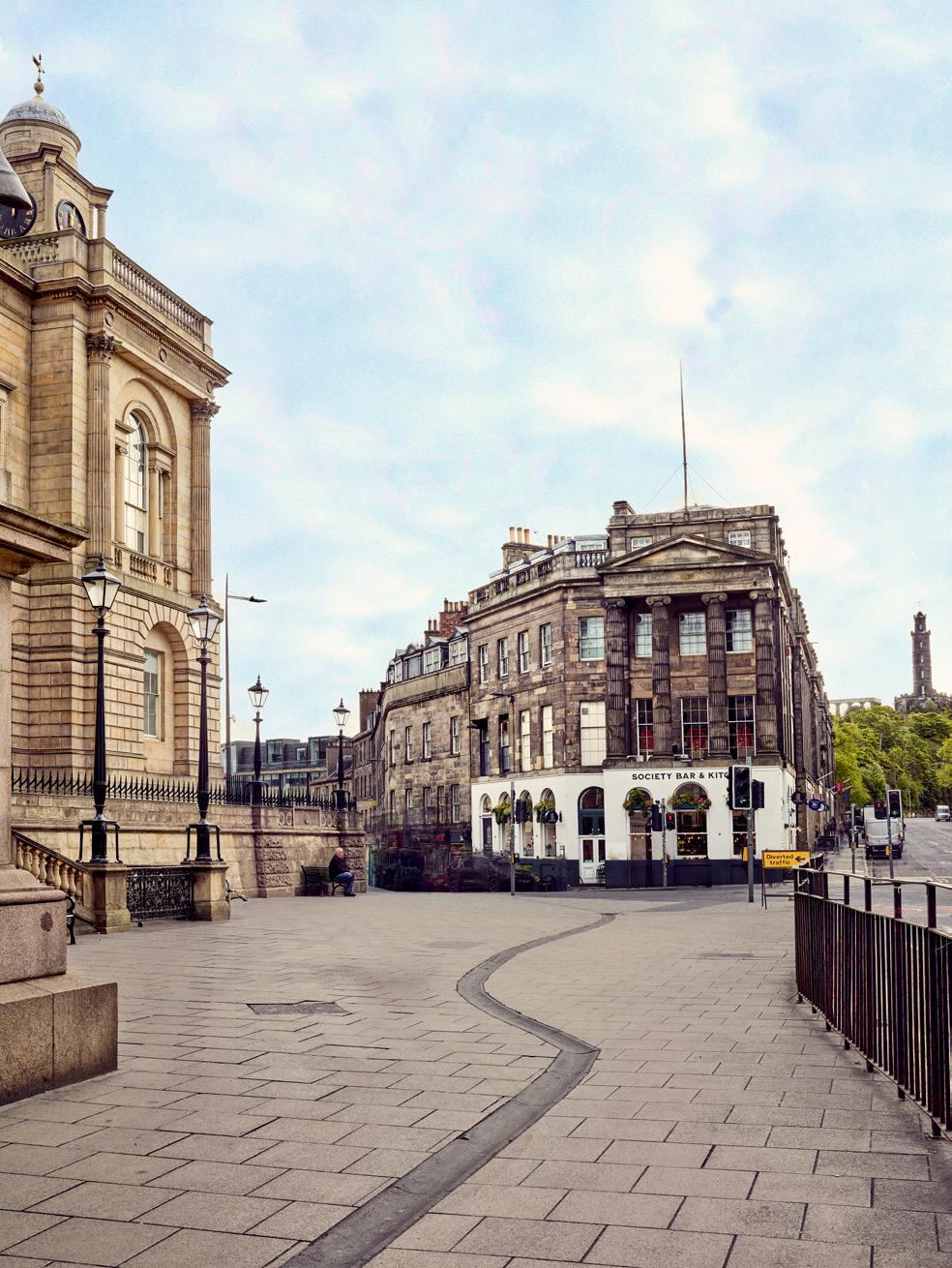
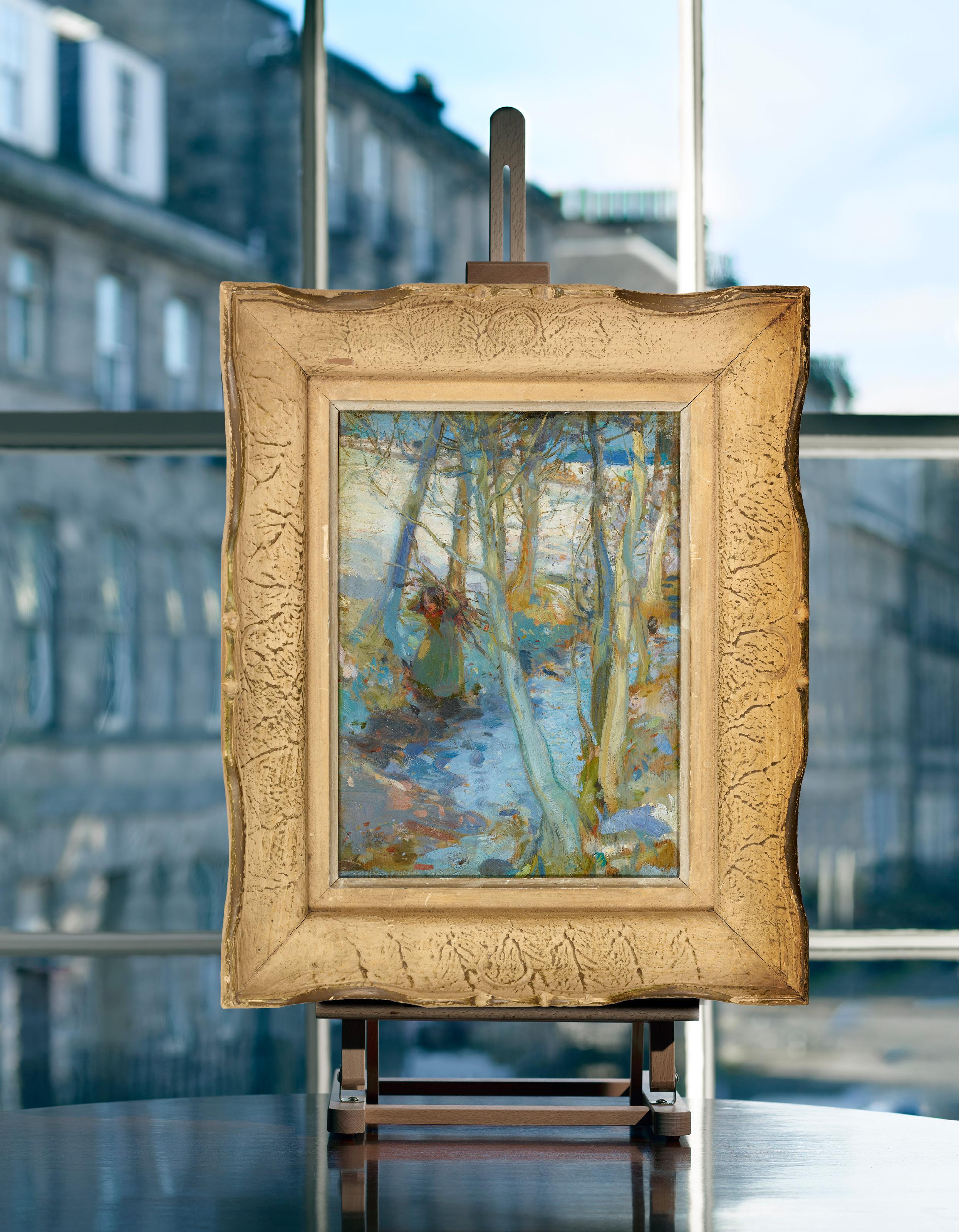
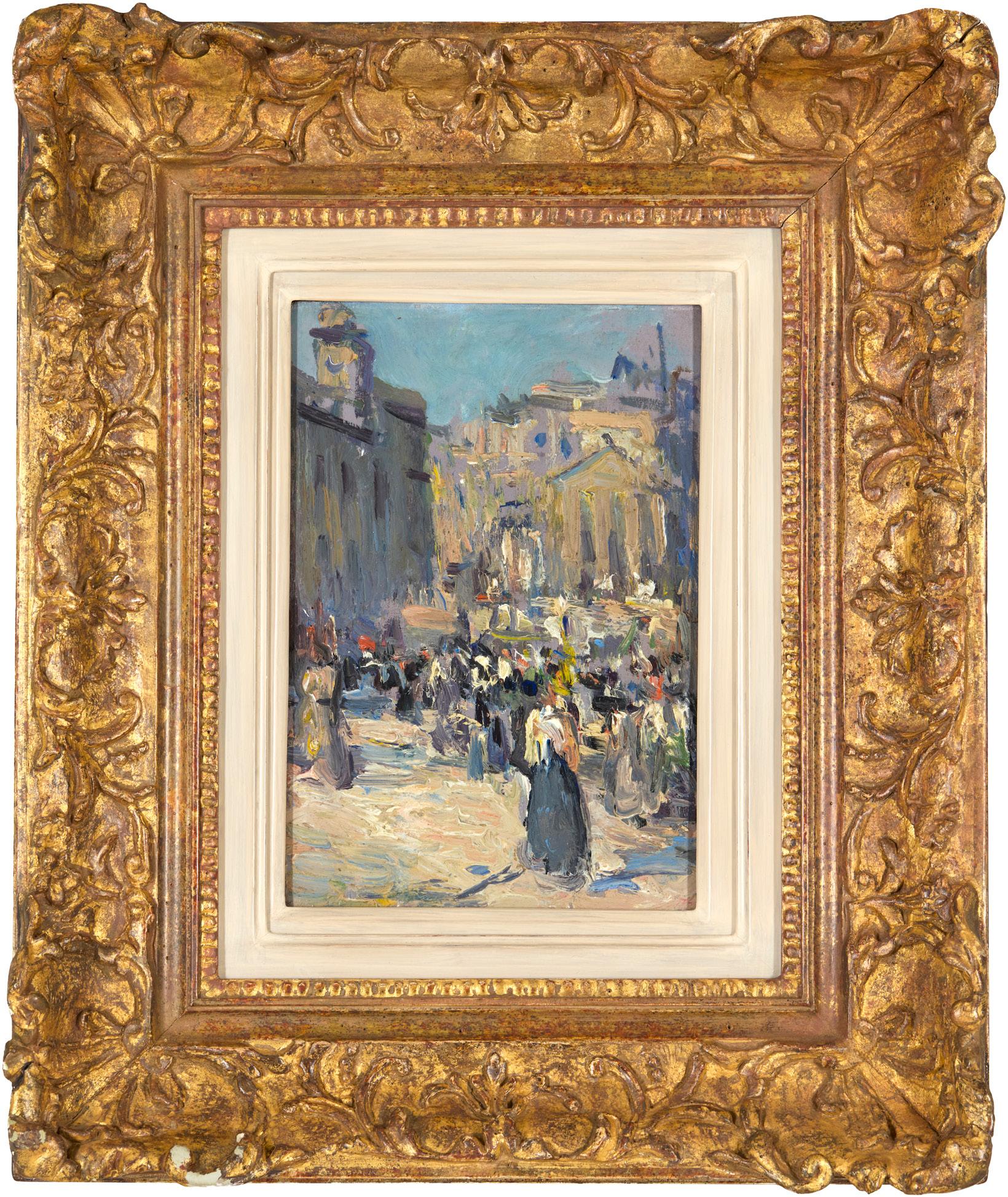
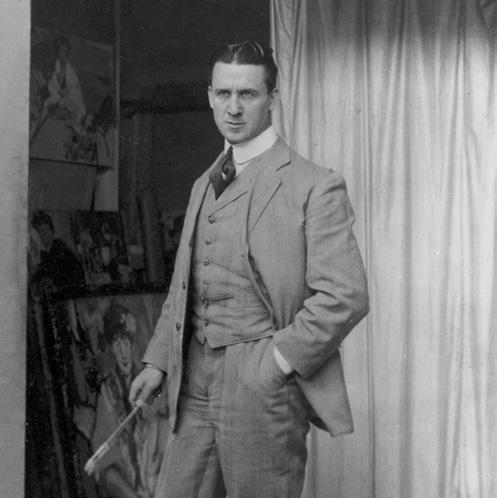
Study No. 6 comes from an extraordinary series of female nudes which Fergusson painted in Paris during the period c.1910-13. They have been described as ‘the most original paintings in British art of the period...which reached their triumphant conclusion in Les Eus’ [Hunterian Art Gallery, University of Glasgow], considered by many to be Fergusson’s masterpiece (Alice Strang et al, J. D. Fergusson, National Galleries of Scotland, Edinburgh 2013, p.18).
After sporadic training in Paris during the 1890s, Fergusson had established a studio in Edinburgh by 1902. By this point he had become friends with S.J. Peploe, with whom he painted en plein air during summers spent in France. In 1906, Fergusson had his first solo exhibition, at the Baillie Gallery in London. In the meantime, he became increasingly interested in developments in contemporary art in the French capital, partnered by growing frustration with the conservatism of the Scottish art world.
An inheritance received on the death of his father and the start of a relationship with the American painter Anne Estelle Rice led to Fergusson’s decision to move to Paris in 1907. His work changed quickly and dramatically as he not only experienced at first hand the latest paintings by cuttingedge artists including the Fauves, such as Henri Matisse and André Derain, but he also digested and responded to their advances. Gone was the Edwardian sophistication of his Edinburgh work, to be replaced by vivid colours and a daring
JOHN DUNCAN FERGUSSON R.B.A. (SCOTTISH 1887-1961)
STUDY NO.6
Signed and inscribed on the reverse, oil on board
63.5cm x 53cm (25in x 21in)
Exhibited:: Lyon & Turnbull, London, Colourists at Connaught, September 2017; Lyon & Turnbull, London and Glasgow, A Scottish Colourist at 150: John Duncan Fergusson, 2024.
£60,000-80,000
Unknown photographer, John Duncan Fergusson in his Paris studio c.1910. Courtesy of Culture Perth & Kinross Museums & Galleries.
flattening and outlining of form. Such was the originality of his new paintings that in 1912 Fergusson was elected a member of the progressive Salon d’Automne in recognition of his contribution to the modern movement.
Fergusson persuaded Peploe to join him in Paris in 1910, They spent two vital years together, at the heart of the celebrated Rhythmist group of Anglo-American artists. Fergusson became Art Editor of their journal Rhythm, whilst an exhibition at the Stafford Gallery in London in 1912 showcased their work. Fergusson described Paris as ‘simply a place of freedom’ and later recalled ‘we were a very happy group....no wonder S. J. [sic] said these were some of the greatest nights of his life. They were the greatest nights in anyone’s life.’
It was during this key period in Fergusson’s career that he painted Study No.6. Having previously portrayed friends and partners, Fergusson employed professional models whom he depicted as anonymous nudes. Indeed, in the present work, the sitter’s eyes are obscured as she presents a mask-like face to the viewer. Fergusson created a dauntless vision of womanhood based on powerful sensuality, as amply illustrated by Study No. 6. It is a remarkably confident image, with similiarities to the work of Kees van Dongen and German Expressionism. Voluptuous form is paired with rigorous simplification, a rich palette, bold delineation and strong patterning. Other works in the nude series include Rhythm (University of Stirling), At My Studio Window, Culture Perth and Kinross and Torse de Femme in Kelvingrove Museum & Art Gallery, Glasgow.

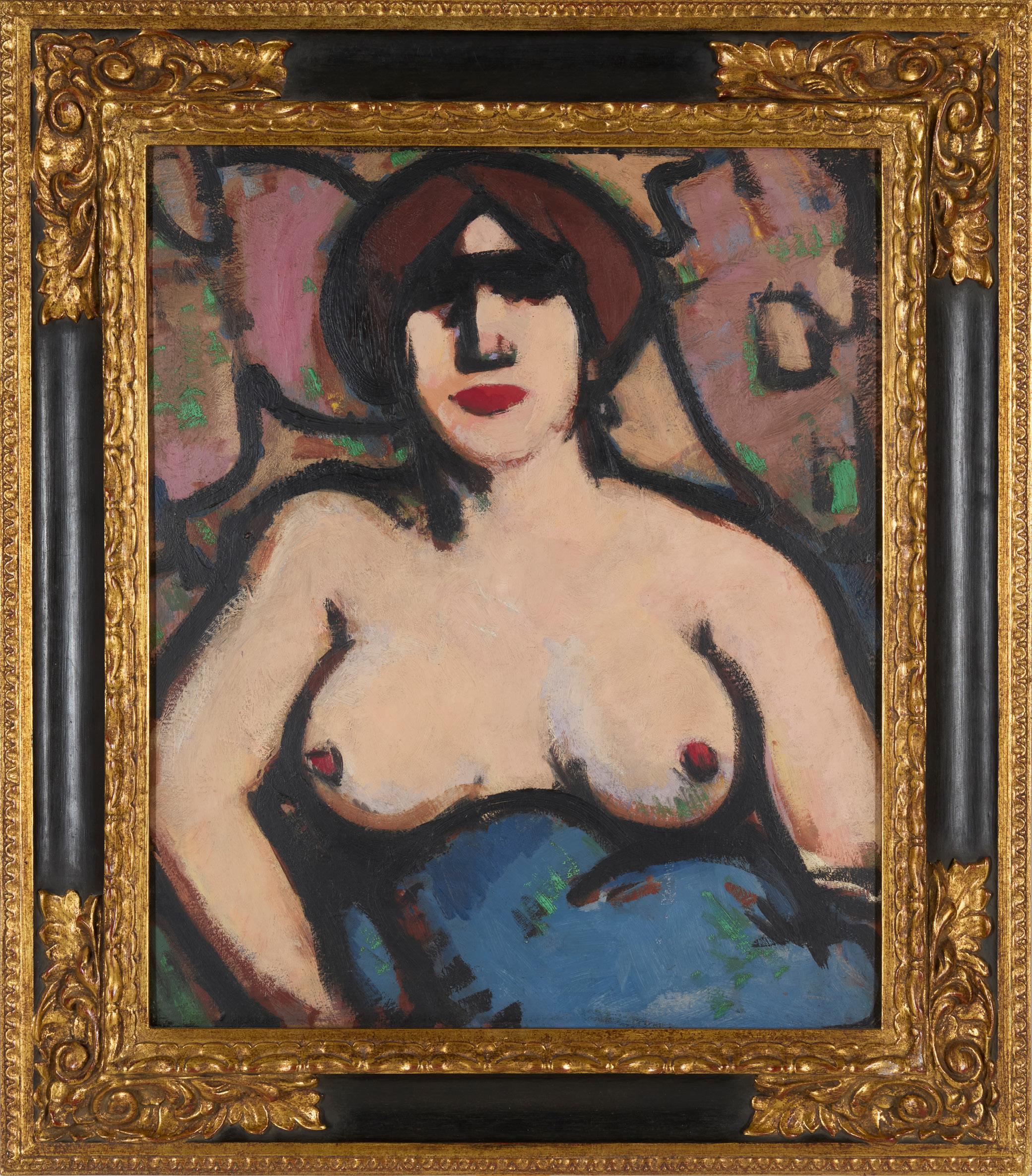
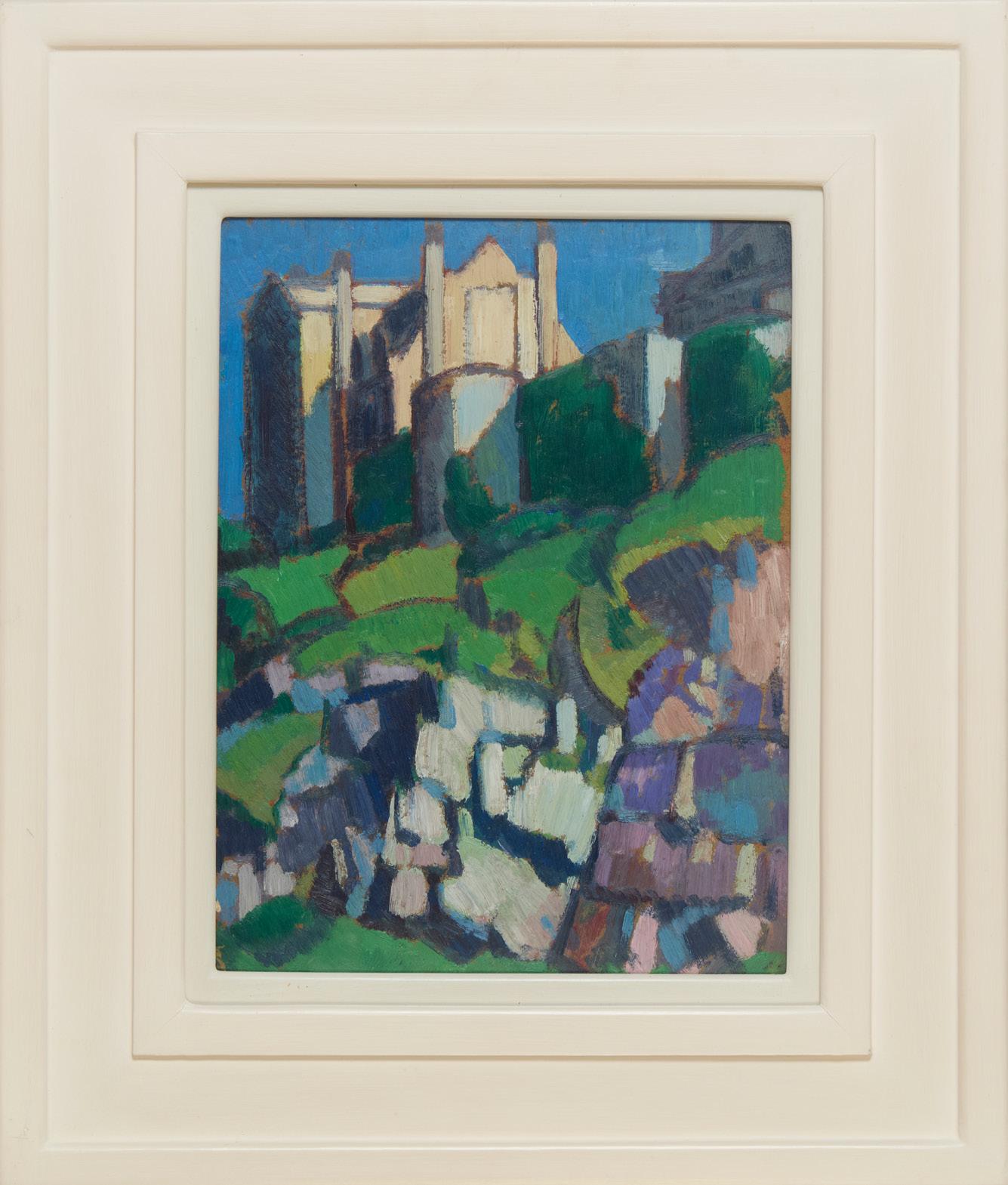
The Scottish Colourist John Duncan Fergusson met the dance pioneer Margaret Morris in Paris in 1913. Their personal and professional lives were thereafter intertwined until Fergusson’s death in Glasgow 48 years later. Morris developed a system of dance, still practised today, called Margaret Morris Movement. In 1917 she held the first of her Summer Schools, which came to have a curriculum based on outdoor, barefoot dancing, a range of lectures and the study of costume and set design as well as painting. Fergusson became instrumental in the delivery of this training, whilst Morris’s pupils and her
choreography provided inspiration for Fergusson’s works on paper, paintings and sculpture.
Morris’s third Summer School was held in Harlech in North Wales in 1919. As Kirsten Simister has explained: ‘This in turn was eventful, providing an introduction to George Davison, a retired businessman who had built up a substantial fortune while working as a manager for Kodak … Davison was an eccentric and self-proclaimed anarchist and his circle of friends included writers, artist and political activists.’ (Kirsten Simister, Living Paint: J. D. Fergusson 1874-1961, Mainstream
143 §
MARGARET MORRIS (SCOTTISH 1891-1980)
WREN FAWR
Signed and inscribed with title on the reverse, oil on board 35cm x 26cm (14in x 10.5in)
£10,000-15,000
Publishing, Edinburgh, 2001, p.79). The present painting is of his substantial home, Wren Fawr, which was designed for Davison by the Glasgow architect George Walton and had extensive grounds which ran down to the sea.
Davison was so taken with Morris’s endeavours that he hosted the Summer Schools of 1919 and 1921 at Wren Fawr. On Fergusson’s recommendation, Davison first bought a house in Juan-les-Pins in the south of France, before restoring one at the Cap d’Antibes, where Morris first held a Summer School in 1923, returning many times until the 1950s.
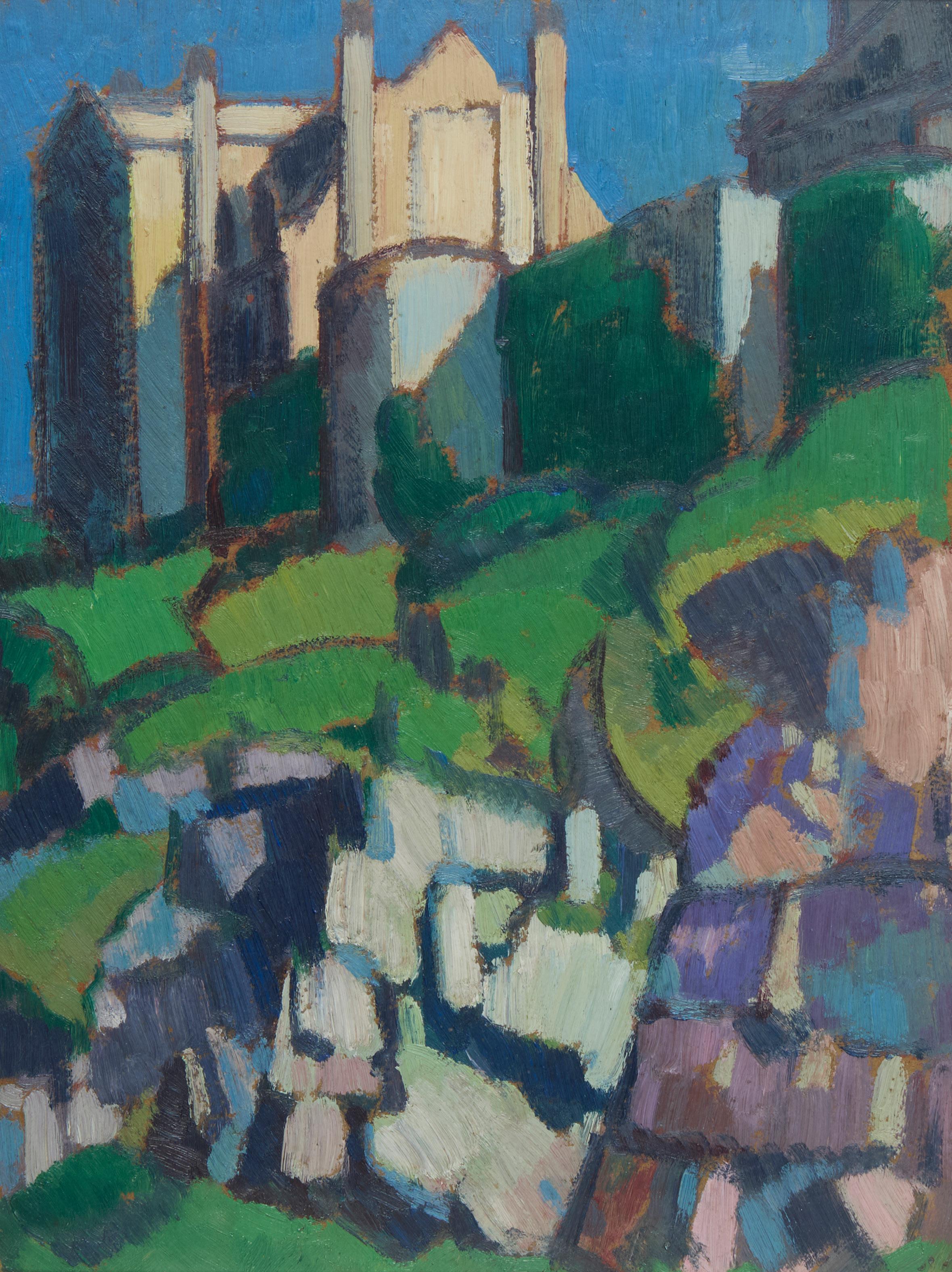
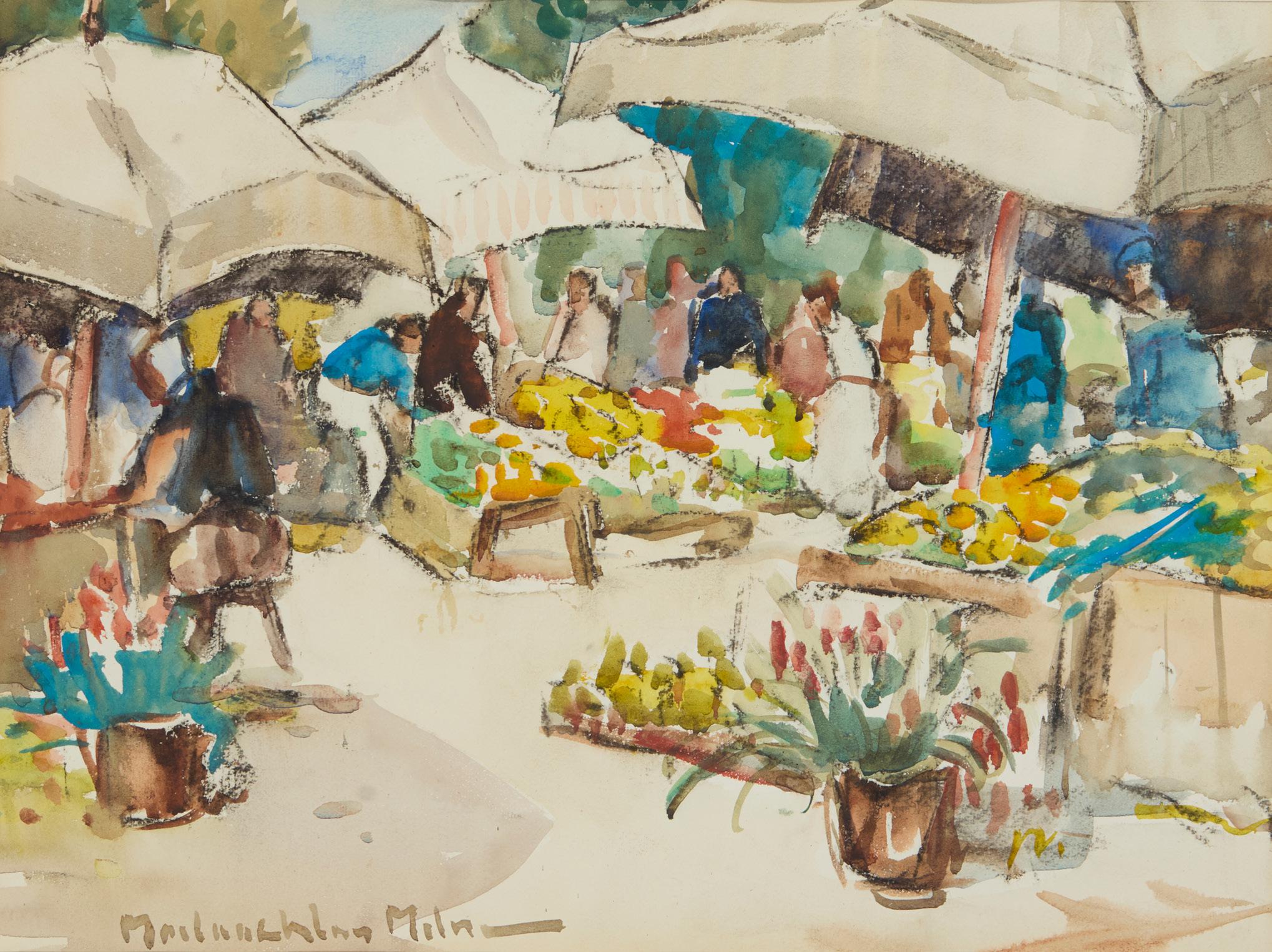
JOHN MACLAUCHLAN MILNE R.S.A. (SCOTTISH 1885-1957)
MARKET, ST. TROPEZ
Signed, inscribed with title to contemporary label verso, watercolour 37cm x 49cm (14.5in x 19.25in)
Maclauchlan Milne first visited St Tropez in 1924, returning in the later years of the decade. His 1925 studio exhibition in Dundee included pictures from St Tropez and nearby Ramatuelle After many years exhibiting paintings of the North-West Highlands, Iona and then Arran, he returned to exhibiting those of St Tropez at the Royal Scottish Academy and the Royal Glasgow Institute in the late 1940s and 1950s.
We are grateful to Maurice Millar, author of The Missing Colourist - The Search for John Maclauchlan Milne RSA for his cataloguing of this work.
£1,500-2,000
£10,000-15,000 144
JOHN MACLAUCHLAN MILNE R.S.A. (SCOTTISH 1885-1957)
STILL LIFE OF MIXED FLOWERS
Signed, oil on canvas-board 65cm x 49.5cm (25.5in x 19.5in)
One of Maclauchlan Milne’s earliest dated still lives is from 1925 and in 1931 his painting Fleurs was acquired by the French State. As a result it is in the collection of the Pompidou Centre.
We are grateful to Maurice Millar, author of The Missing Colourist - The Search for John Maclauchlan Milne RSA for his cataloguing of this work.
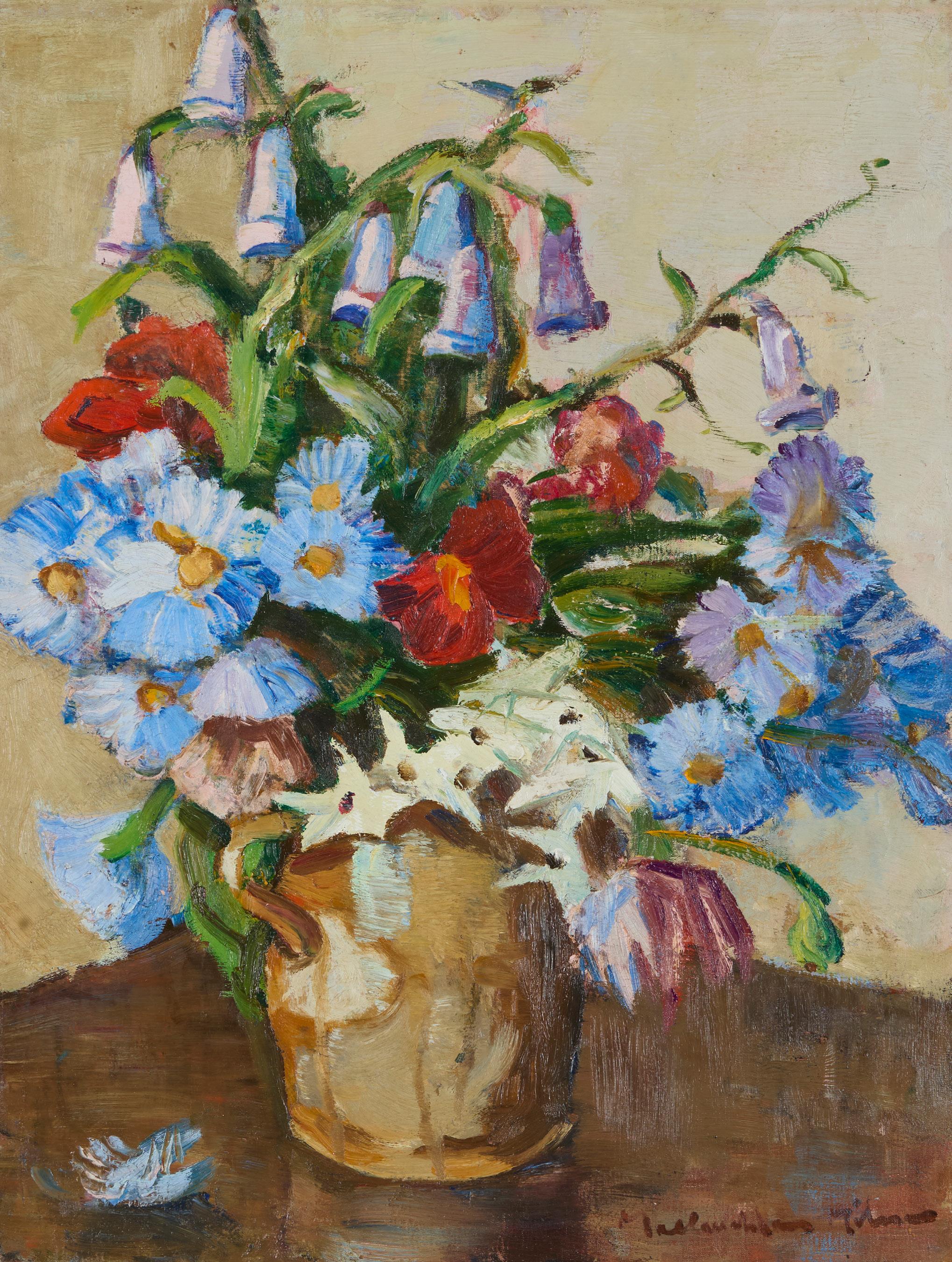
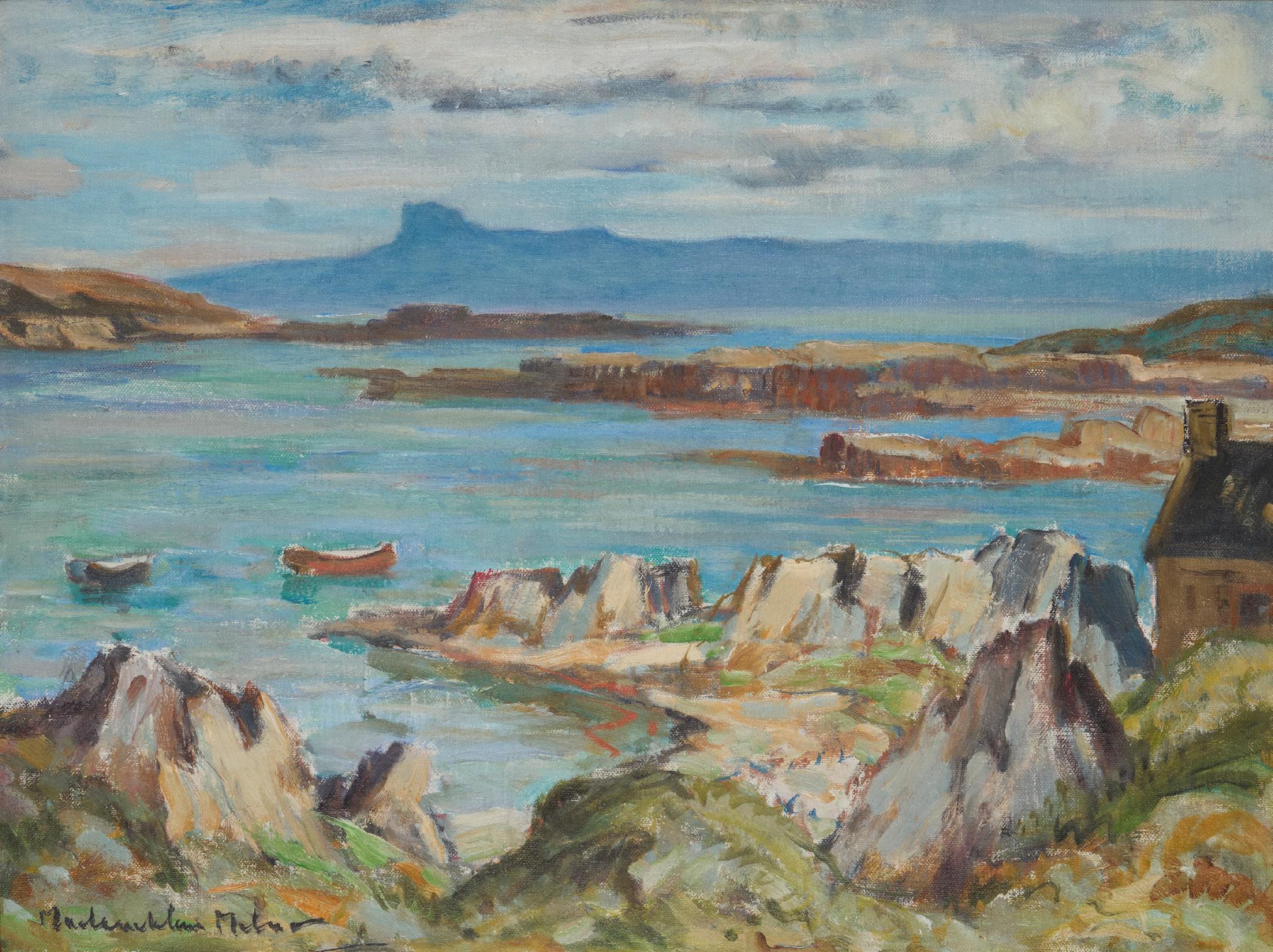
146 §
JOHN MACLAUCHLN MILNE R.S.A. (SCOTTISH 1885-1957)
ISLE OF EIGG FROM ARISAIG
Signed, oil on canvas
46cm x 61cm (18in x 24in)
Provenance: Duncan R. Miller Fine Arts, London Lyon & Turnbull, Edinburgh, Fine Paintings, 3 December 2008, lot 127
Although Isle of Eigg from Arisaig is undated, a related work, Eigg from Morar, is dated 1934. The present painting is typical of the artist’s Highlands and Islands works of the mid-1930s.
We are grateful to Maurice Millar, author of The Missing Colourist - The Search for John Maclauchlan Milne RSA for his cataloguing of this work.
£20,000-30,000
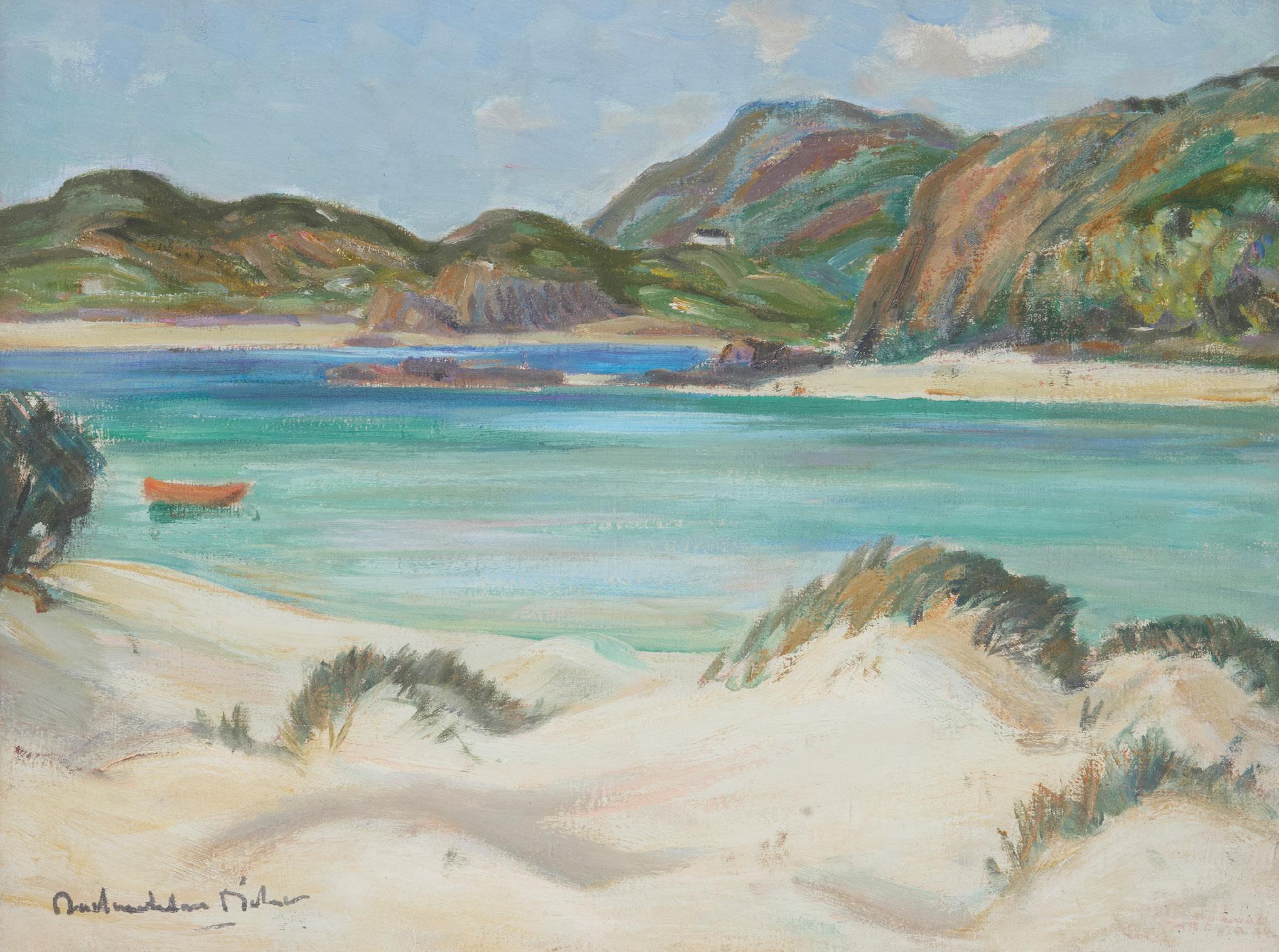
147 §
JOHN MACLAUCHLN MILNE R.S.A. (SCOTTISH 1885-1957)
A QUIET COVE, MULL
Signed, oil on canvas
46cm x 61cm (18in x 24in)
Provenance: Bonhams Edinburgh, The Scottish Sale, 27 August 2008, lot 1097 (as ‘Quiet Bay, Mull’)
Duncan R. Miller Fine Arts, London from where acquired by the present owner
£20,000-30,000
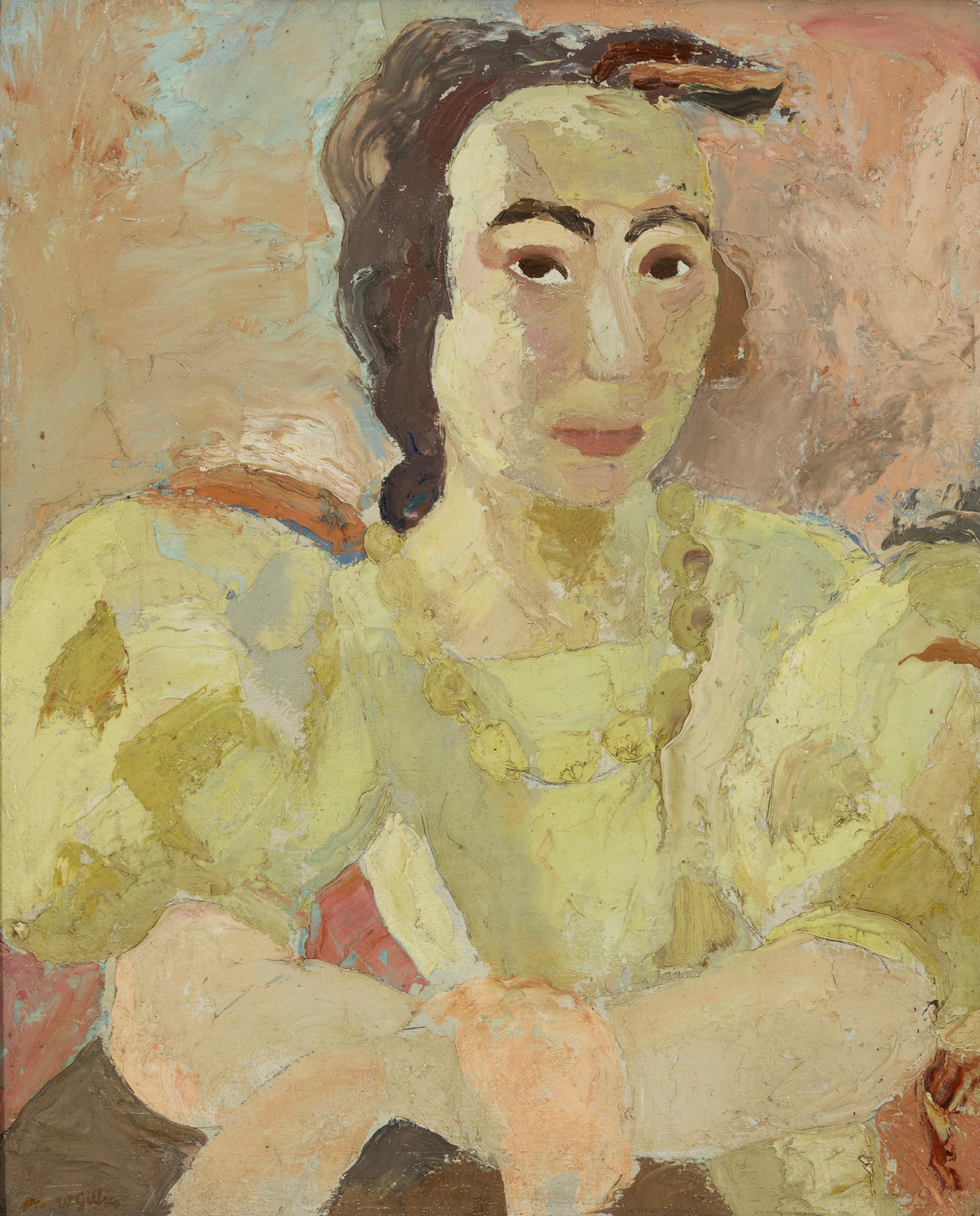
SIR WILLIAM GEORGE GILLIES C.B.E., L.L.D., R.S.A., P.P.R.S.W., R.A. (SCOTTISH 1898-1973)
PORTRAIT OF THE ARTIST’S SISTER, EMMA GILLIES
Signed, oil on canvas
63.5cm x 51cm (25in x 20in)
Provenance: Professor Bruce and Mrs Molly Dickins
Aitken Dott & Son, Edinburgh, no.4811
The Fine Art Society Ltd., Edinburgh, no.9823
Private Collection, Switzerland.
£10,000-15,000
Exhibited: The Society of Eight, TwentySecond Exhibition, The New Gallery, Edinburgh, 11 -31 January 1934, no.64 (£18)
Aitken Dott & Son, Edinburgh, Ground Floor Gallery Opening Exhibition October 1981
The Fine Art Society Limited, Edinburgh, Edinburgh Festival Exhibition, 21 August - 11 September 1982
Literature: The Listener, ‘The Society of Eight’, 17 January 1934, p.95, reproduced in black and white p.107
Joanna Soden and Victoria Keller, William Gillies, Canongate, Edinburgh, 1998,reproduced in black and white.58, p.61 Andrew McPherson, The Life, Times and Work of William Gillies 1898-1973, Edinburgh University Press, 2024, p.205, reproduced in black and white fig.48, pp.206-207, 602 n.40, 700 and 741
The emergence of this key painting, a portrait of the artist’s sister Emma by William Gillies, into the public realm after some forty years, is an important moment in the understanding of Gillies’s legacy. Mistakenly thought to have been painted in 1922 and exhibited in the 1922 Group exhibition of the following year, it actually dates to 1932 or 1933 and was shown, alongside a portrait of Gillies’s other sister, Janet, as part of his ‘wall’ at the Society of Eight’s exhibition of 1934. It is believed to have been acquired around that time by Mary (Molly) Dickins, née Grierson and a photograph of the work in the William Gillies Archive at the Royal Scottish Academy is annotated in Janet’s handwriting ‘Original sold to Miss Grierson (Mrs Dickson) [sic] Leeds’. Mrs Dickins moved from Edinburgh to Leeds with her husband, Professor Bruce Dickins, in 1931.
The powerful application of paint, vivid colouring and expressive moulding of form in the present painting shows Gillies at his most avant-garde and indeed as a leader of progressive art in Scotland of the inter-war period. It has been argued by the artist’s biographers that it refers to a multitude of artistic predecessors from Giotto di Bondone, to Edvard Munch (whose exhibition in Edinburgh in 1931 had a tremendous impact on Gillies), André Derain, Henri Matisse and Alexej von Jawlensky. Emma Gillies (1900-1936) was a talented potter who trained at Edinburgh College of Art and at the Royal College of Art in London. She was Gillies’s younger sister and, along with their older sister, Janet, often sat for her brother.
In 1931, Gillies was elected a member of the prestigious Society of Eight exhibiting society, which had been founded in Edinburgh in 1912 by artists including David Alison, F. C. B. Cadell and John Lavery. By 1934, his colleagues also included John Duncan, H. J. Lintott and S. J. Peploe. It was in this prestigious company that his work and this portrait in particular, was singled out for praise in the reviews of the Society’s exhibition of that year, such as that in the Aberdeen Press and Journal of 10 January 1934 – headlined ‘Society of Eight Exhibition: W. G. Gillies’ Work Astonishes’ – in which the critic exclaimed ‘Mr Gillies, the youngest of the Eight, has already, in his two years’ membership, set a new and comparatively exotic note in the Society’s exhibitions. This year he goes even further on his chosen way and his wall hits one straight between the eyes on entering, with stunning effect … in ‘Cramond’ and ‘Portrait’ (64), Mr Gillies has shown once again that study of his work repays.’ The review in The Listener of 17 January 1934 reproduced the portrait and declared ‘His ’Portrait’ has the dignity and impressiveness of early Florentine painting.’
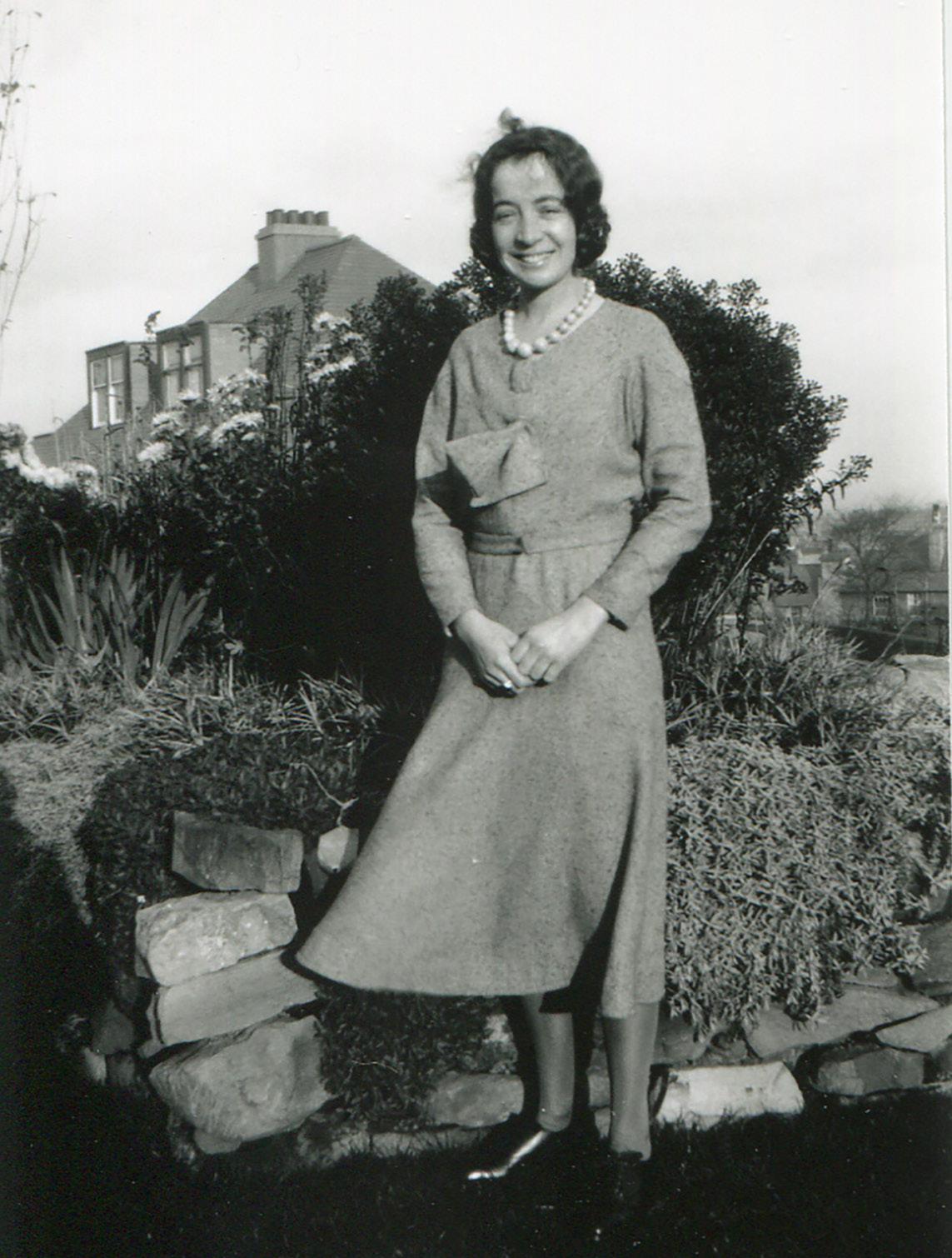
Gillies’s biographer, Andrew McPherson, has written about the present painting: ‘Portrait of Jenny is a major work and was offered for sale in the 1934 exhibition of the Society of Eight … A second and contrasting Fauvist Portrait of Emma … was also exhibited … With these two works, Gillies achieved his fullest realisation of the contrasting individuals his sisters had become. Emma was now revelling in the London galleries and museums and was teasing her mother and Janet about them. Gillies knew what this new freedom meant to Emma …. And it is easy to imagine Gillies wanting to reflect her enthusiasms back to her … It would affirm their shared joy in discovery, the mutual enrichment of their bond and Emma’s growing independence.’ (Andrew McPherson, The Life, Times and Work of William Gillies 1898-1973, Edinburgh University Press, 2024, p.206)
Portraits of Emma by Gillies can be found in the collections of the Royal Scottish Academy and the City Art Centre, Edinburgh.
Our thanks are due to Andrew McPherson for his help with our research into this painting.
Marsh Marigolds in a White Jug is a charming example of the floral still lifes for which Anne Redpath is celebrated and used to belong to Roger Lloyd Pack, one of Britain’s most distinguished actors.
Redpath’s love for the still life genre dates back to her days as a student at Edinburgh College of Art and the first work she exhibited in public was a still life, which was shown at the Royal Scottish Academy (RSA) in 1919. After marriage and fourteen years spent living in France, Redpath returned to Scotland in 1934 and resumed painting in earnest. The first acquisition of one of her works for a public collection was the still life The Lace Cloth by the RSA in 1944 (acc.no. 2006.37).
The artist loved to collect attractive objects, such as the titular jug in the present painting. Redpath used them to decorate her homes and also to provide subject matter for her brush. Her status as a successor to the Scottish Colourists is clear in her choice of richly yellow marigolds, set in a colour environment of delicate pinks, lilacs and greys. An asymmetric composition and the tilting up of the surface on which the floral arrangement is presented, as well as the scumbled abstraction of the upper background, shows how Redpath challenged conventional expectations of the still life genre, to create images which are at once beautiful as well as forward-looking. She signed the painting with a flourish at the lower left, presenting herself confidently as its creator.
149 §
ANNE REDPATH O.B.E., R.S.A., A.R.A., L.L.D., A.R.W.S., R.O.I., R.B.A. (SCOTTISH 1895-1965)
MARSH MARIGOLDS IN A WHITE JUG
Signed, oil on board
44.5cm x 34cm (17.5in x 13.5in)
Provenance: Ewan Mundy Fine Art Ltd., Glasgow From the Collection of Roger Lloyd Pack £20,000-30,000
Roger Lloyd Pack (1944-2014) was widely celebrated for his distinguished acting career, with iconic roles including Barty Crouch Sr in Harry Potter and the Goblet of Fire, Trigger in Only Fools and Horses and Owen Newitt in The Vicar of Dibley. His theatre career was equally impressive, with appearances at the Apollo Theatre, the National Theatre, the Old Vic, the Almeida and Shakespeare’s Globe.
Away from the screen and stage, Lloyd Pack nurtured a personal passion for Modern British and Scottish Art. Over the years he lived with and collected works by a number of notable British artists, including Scottish, whose contributions to 20th-century art remain influential including woman artists such as Mary Fedden, Winifred Nicholson, Mary Potter and Anne Redpath.
Lloyd Pack’s collection wasn’t assembled as an investment; it reflected personal affinities with colour and form and the expressive potential of painting – and was a complement to his creative output as an actor. He lived with these paintings for many years, experiencing them as part of his daily environment and intellectual life. Beneath the familiar television persona was a thoughtful, erudite individual, wellread, quietly observant and deeply interested in art.
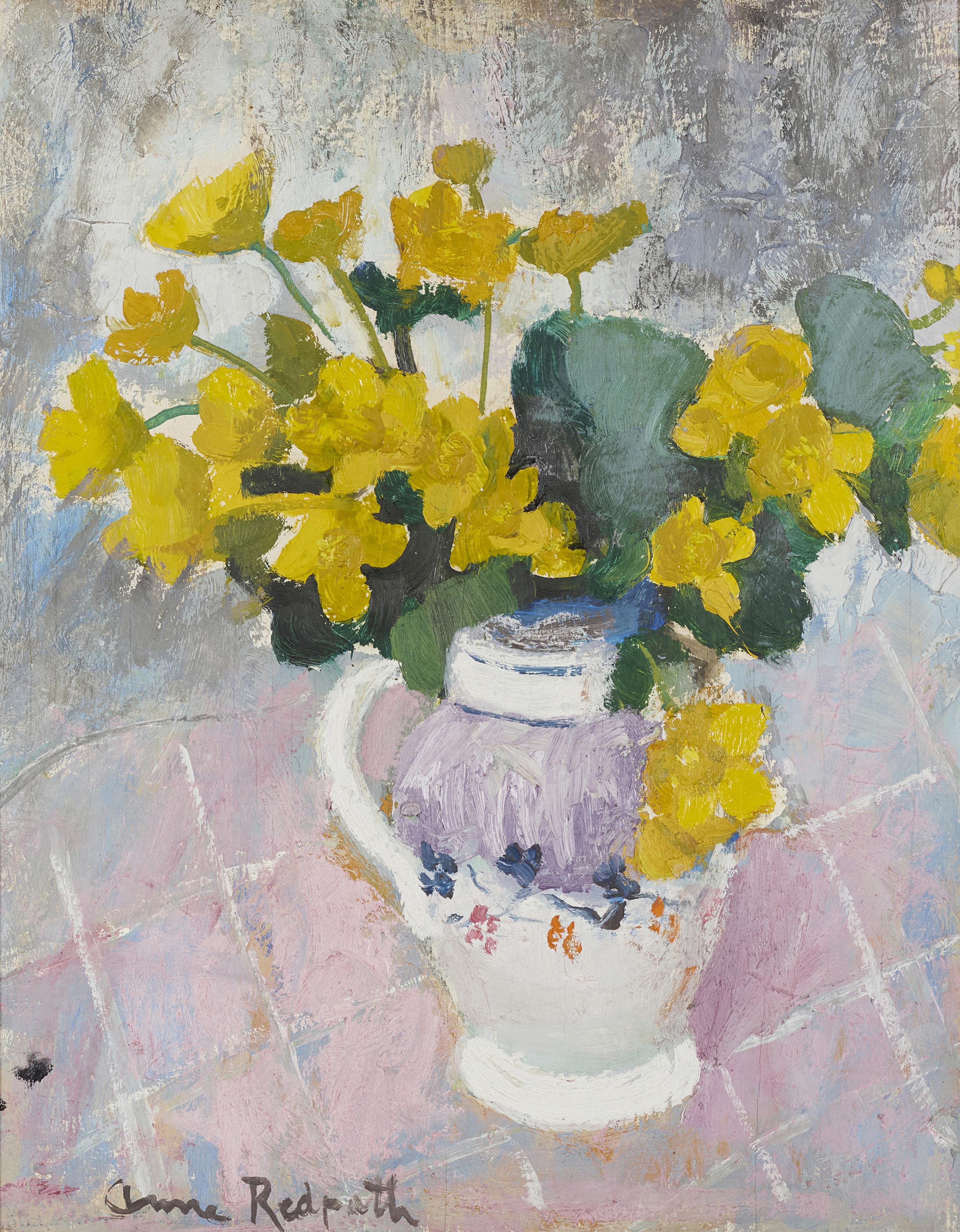
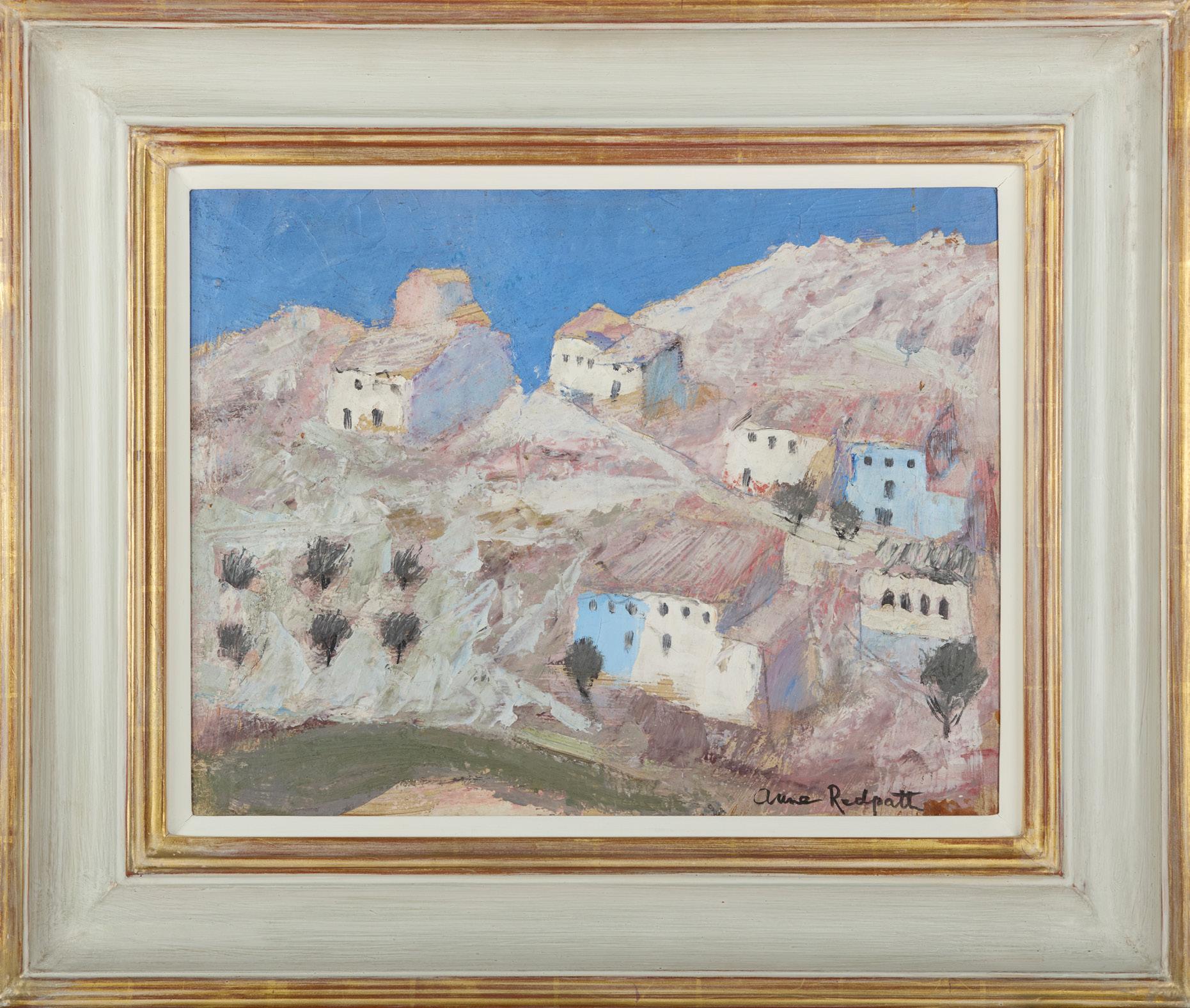
150 §
ANNE REDPATH O.B.E., R.S.A., A.R.A., A.R.W.S., L.L.D., R.O.I., R.B.A. (SCOTTISH 1895-1965) CANARIES
Signed, oil on board 36cm x 46cm (14in x 18in)
Provenance: The Artist’s family and thence by descent to the present owner
Exhibited: The Scottish Gallery, Edinburgh, Modern Masters Women, 30 July - 29 August 2020, no.71
This painting has been dated to c.1960.
£12,000-18,000
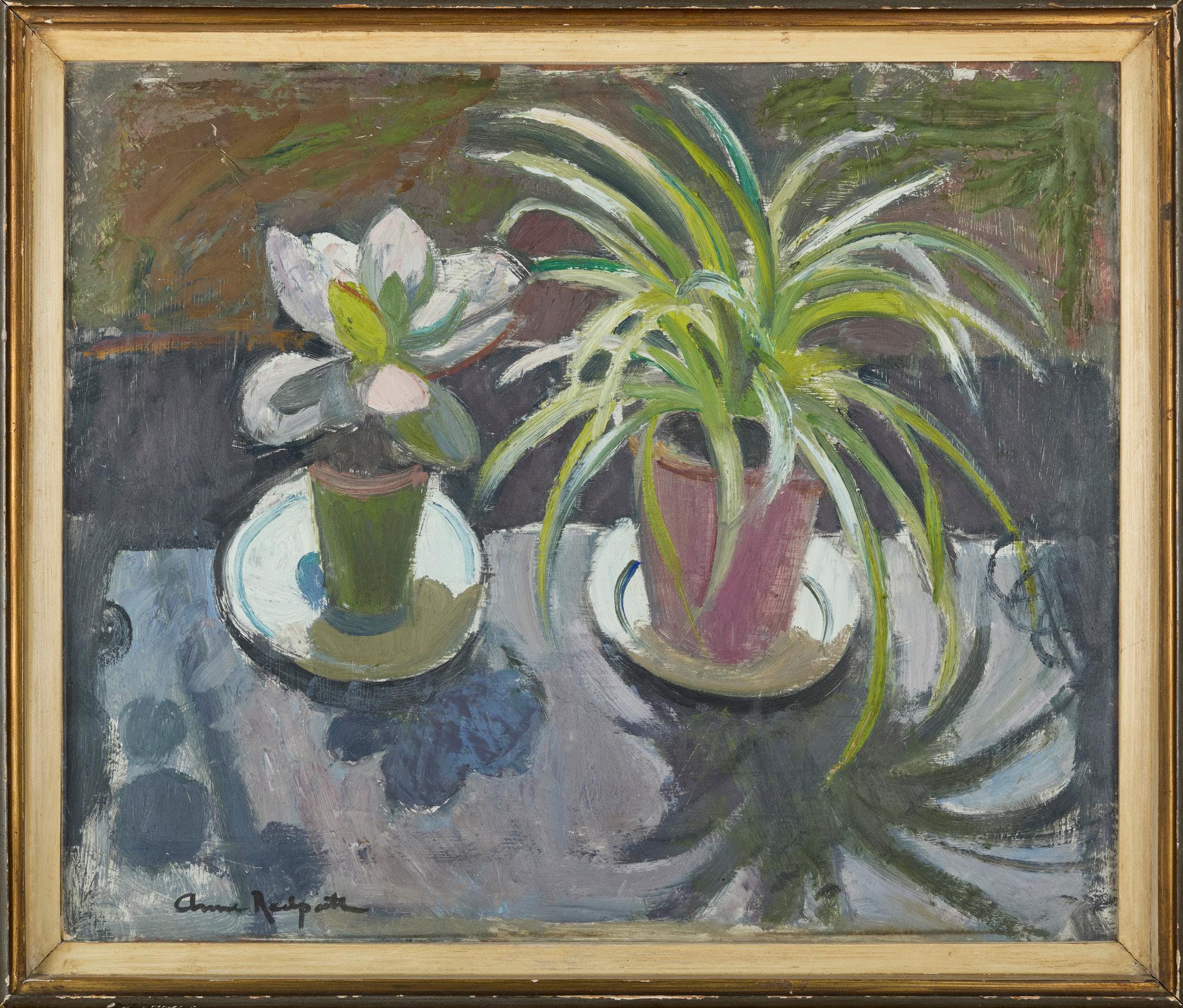
§
ANNE REDPATH O.B.E., R.S.A., A.R.A., L.L.D., A.R.W.S., R.O.I., R.B.A. (SCOTTISH 1895-1965)
PLANTS IN THE SUN
Signed, oil on board
51cm x 61cm (20in x 30in)
Provenance: Chosen as their prize by the winner of the Women’s International Art Club’s Annual Exhibition raffle of 1955 and thence by descent to the present owner
Exhibited: The Scottish Gallery, Edinburgh, Festival Exhibition, 1954, no.19
Women’s International Art Club, Annual Exhibition, New Burlington Galleries, London 1955
£20,000-30,000
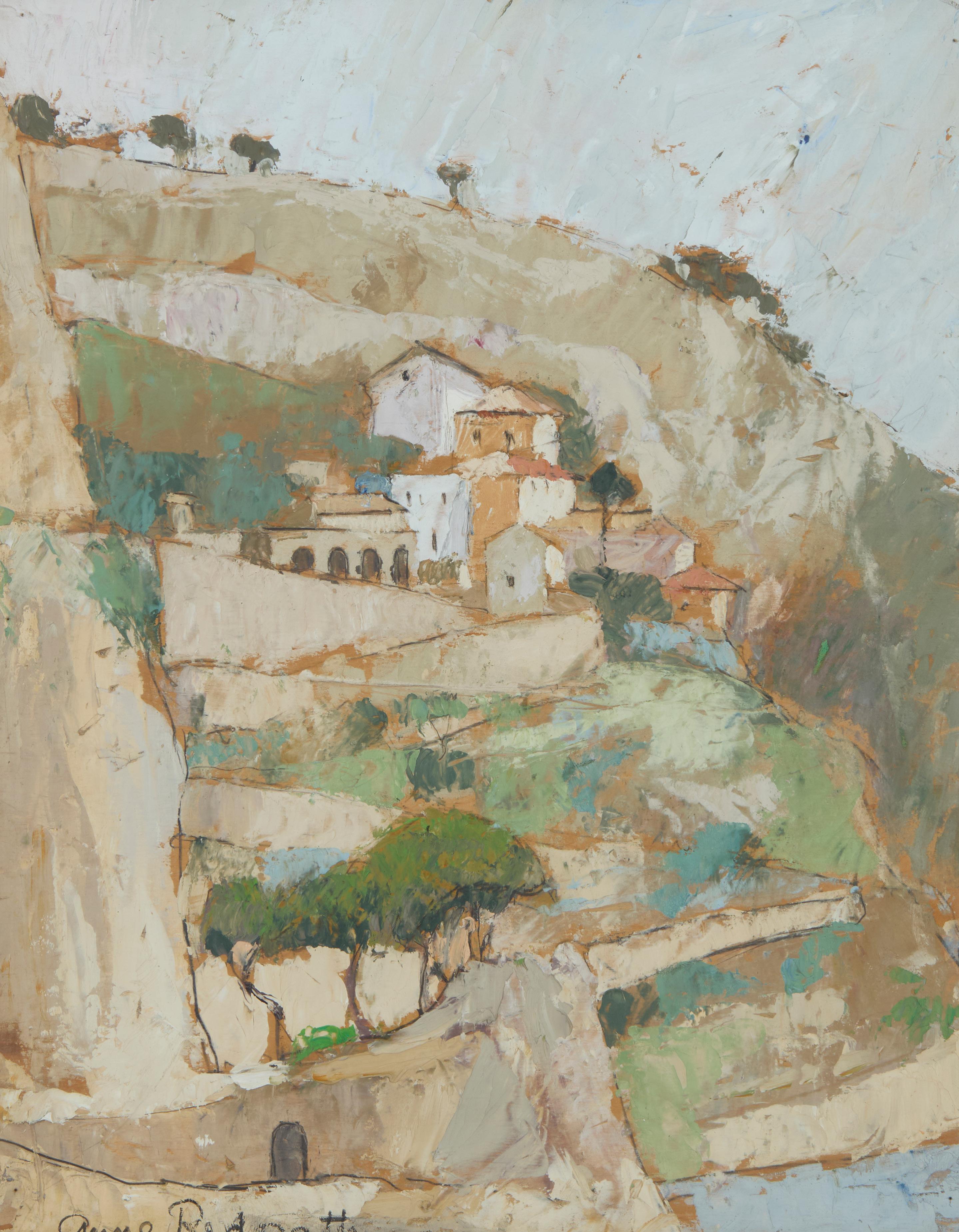
ANNE REDPATH O.B.E., R.S.A., A.R.A., L.L.D., A.R.W.S., R.O.I., R.B.A. (SCOTTISH 1895-1965)
CAP D’AIL
Signed, oil on board 46cm x 36cm (18in x 14in)
Literature: Patrick Bourne, Anne Redpath 1895-1965, Atelier Books, Edinburgh, 2004, p.25, pl.9
In his monograph about the artist, Patrick Bourne wrote about this painting: ‘Cap d’Ail c.1934 is one of the few oil paintings known to have been executed in the Cap Ferrat years. The flattened impasto applied with a palette knife, the revealed soft pencil underdrawing and the pale colouring all conspire to give the effect of a work done in pastel. In her choice of subject - the village against the hill - and in her obvious interest in the abstract pattern made by the road zig-zagging up to the village, the picture is … reminiscent of [Charles Rennie] Mackintosh.’ (op.cit., pp.23 & 26)
£15,000-20,000
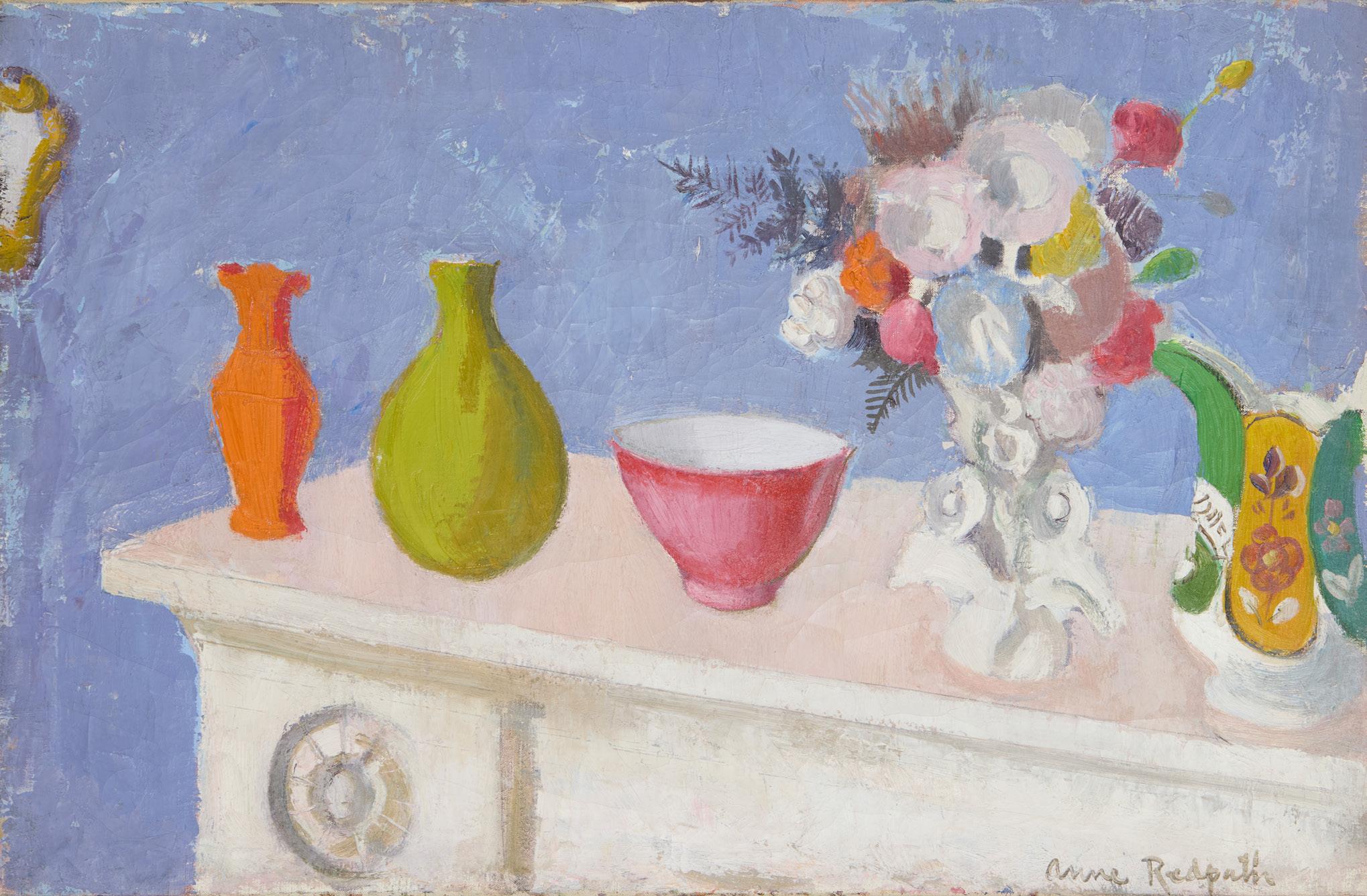
153 §
ANNE REDPATH O.B.E., R.S.A., A.R.A., L.L.D., A.R.W.S., R.O.I., R.B.A. (SCOTTISH 1895-1965)
THE MANTELPIECE
Signed, oil on canvas 51cm x 76cm (20in x 30in)
£15,000-20,000
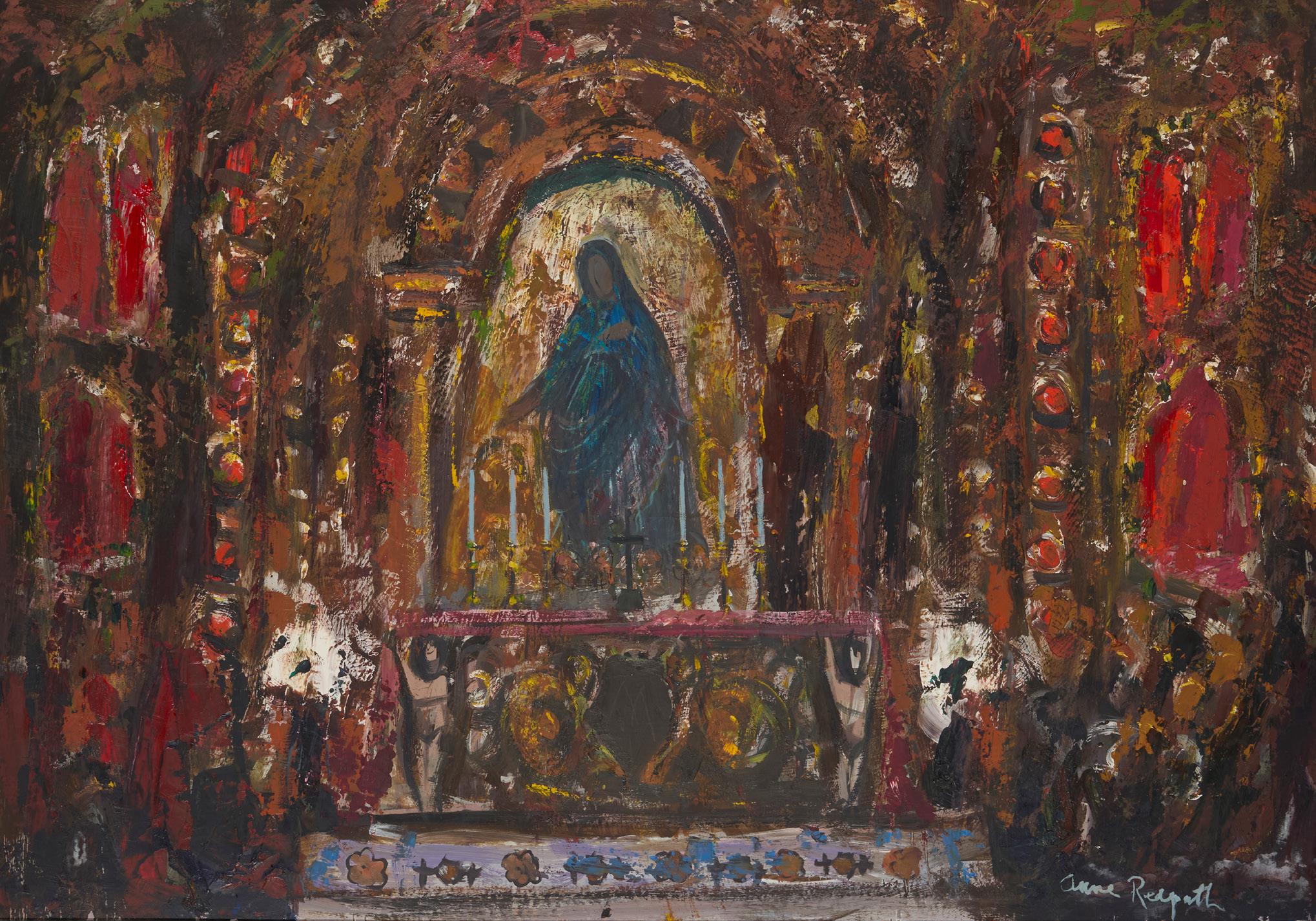
154 §
ANNE REDPATH O.B.E., R.S.A., A.R.A., L.L.D., A.R.W.S., R.O.I., R.B.A. (SCOTTISH 1895-1965) CHURCH INTERIOR
Signed, oil on board
71cm x 101.5cm (28in x 40in)
According to the artist’s biographer, Patrick Bourne, Redpath had ‘a love affair with Catholic churches and ornament’ and that she ‘delighted in the apparent contradiction she found working on these church interiors - that places which filled her with such excitement should themselves be so cool, tranquil and quiet. When painting out of doors she often attracted inquisitive crowds of children and, being an outgoing person, she found them difficult to ignore.’ (Patrick Bourne, Anne Redpath 1895-1965, Atelier Books, Edinburgh, 2004, p.92)
£8,000-12,000
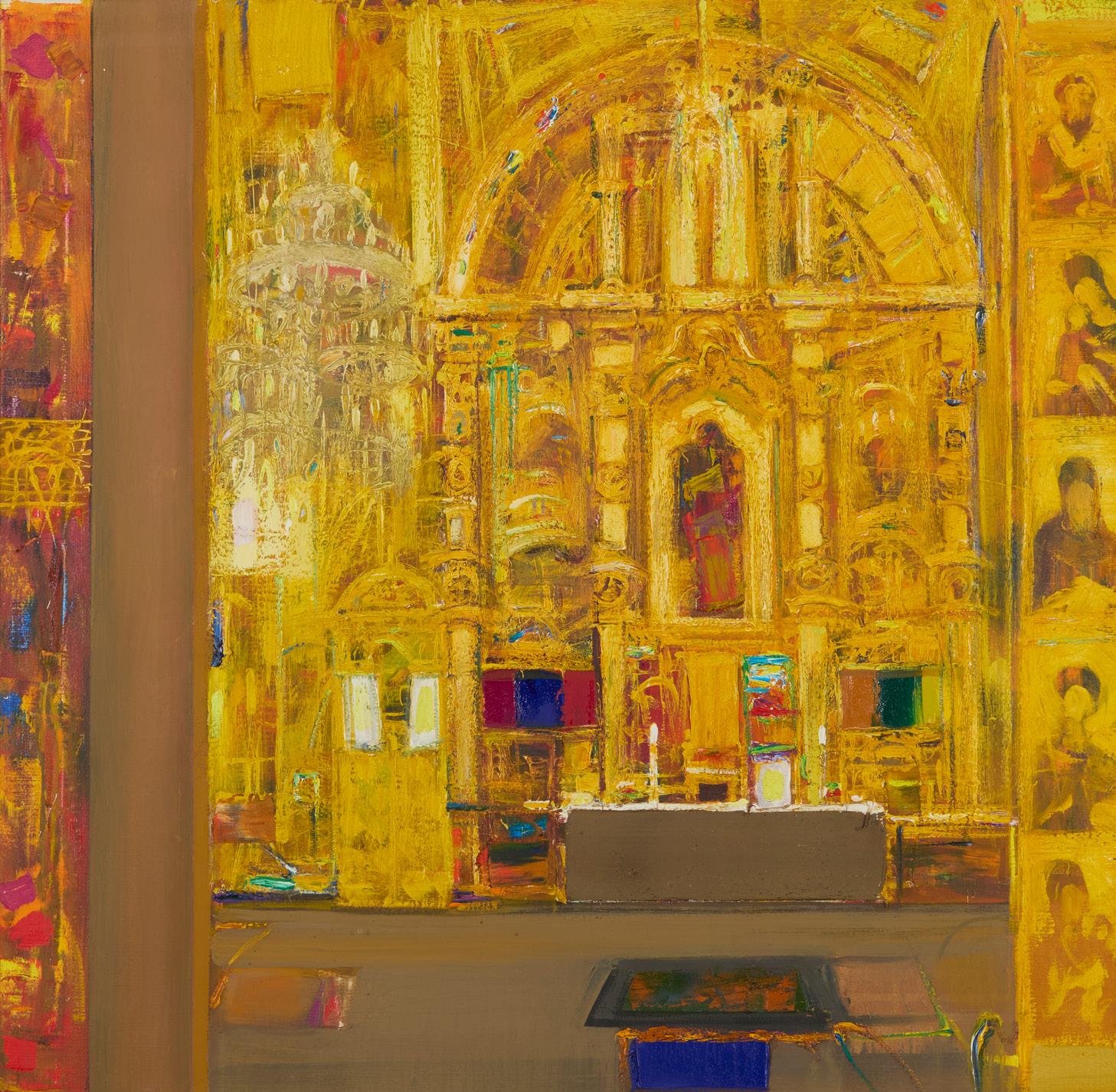
155 §
SIR ROBIN PHILIPSON R.A., P.R.S.A., F.R.S.A., R.S.W., R.G.I., D.LITT. (SCOTTISH 1916-1992)
ICONOSTASIS
Signed on the overlap, dated 1974 on artist’s label verso, oil on canvas
76cm x 76cm (30in x 30in)
Provenance: Phoenix 369 Gallery, Edinburgh from where acquired by the present owner in 2004 (as ‘Byzantine Interior’)
£4,000-6,000
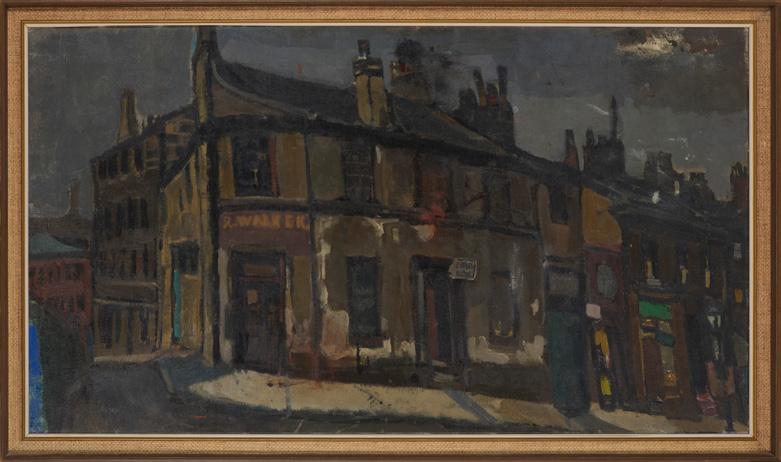
JOAN EARDLEY R.S.A. (SCOTTISH 1921-1963) TENEMENT - WINTER
Oil on canvas
72cm x 124cm (28.25in x 48.75in)
Provenance: Acquired from Mrs Jean Martin by Mrs Gladys Eileen Lewis in 1967 and thence by descent to the present owner
Literature: Christopher Andreae, Joan Eardley, Lund Humphries, Farnham, 2013, p.28, repr. col. pl.16.
£20,000-30,000
Born in Sussex to a Scottish mother, Eardley trained in Scotland and lived there for her adult life; as a result she is claimed as one of the leading Scottish artists of the twentieth century. She studied at Glasgow School of Art and at Hospitalfield College of Art, Arbroath before renting her first studio in Townhead, Glasgow in 1952. The area, of mixed residential and light industrial use, was overcrowded and dilapidated. However, she was drawn to its vibrancy and closeknit community. She was a regular sight in the streets, sketching buildings, people and scenes of daily life in chalk and pastel, which she then worked up into paintings in the studio.
Tenement – Winter is a significant painting of the built environment in which Eardley chose to work. She found the buildings of Townhead as distinctive and characterful as the children who lived in and played amongst them. As her biographer, Christopher Andreae, has written:
‘Why … was she so attracted to the last, vanishing … vestiges of Victorian working-class Glasgow? She described it as a community vitality and indeed it was disappearing fast… [the] … tenements amongst which she chose her two studios (first on Cochrane Street by the City Chambers and later on the
corner of McAslin Street and St James Road in Townhead) had not yet been demolished or cleaned up, though it was only a matter of time. These buildings were the children’s rough and ready, familiar playground … She said … she headed instinctively to these areas.’ (Christopher Andreae, Joan Eardley, Lund Humphries, Farnham, 2013, p.27).
Tenement – Winter was in Eardley’s cottage at No.1 Catterline (now known as No.1 South Row) when she died in 1963. The cottage was purchased from her Estate by Mrs Jean Martin, from whom it was purchased by Mrs Gladys Eileen Lewis in
1967. Under Mrs Lewis’s instruction the painting was sent to Mr William Macaulay of Aitken Dott & Son in Edinburgh for conservation treatment; he worked with the Artist and also with her Estate. A Glasgow scene can be found on the painting’s reverse.
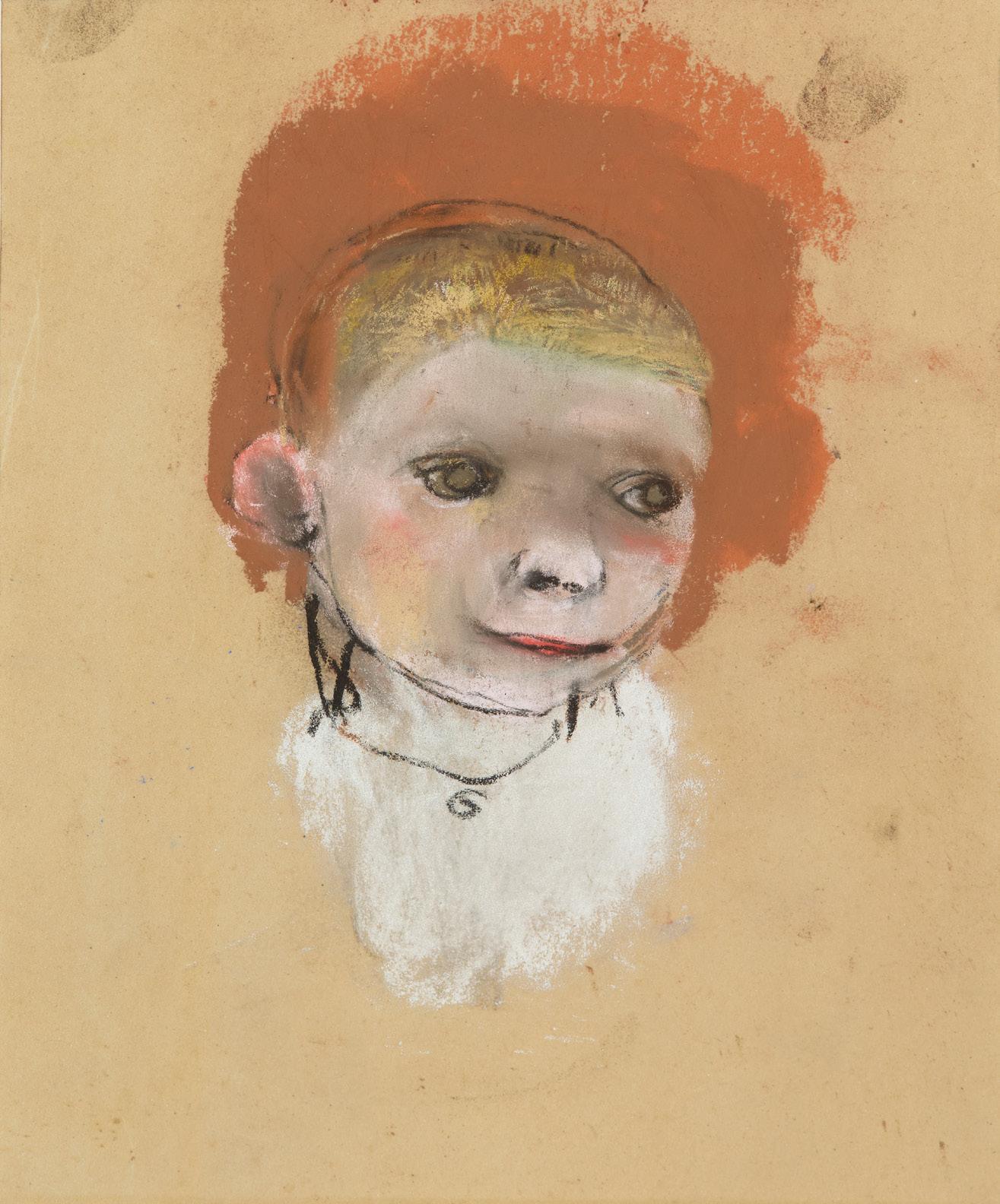
157 §
JOAN EARDLEY R.S.A. (SCOTTISH 1921-1963)
BOY WITH CREW CUT
With Studio stamp ED842, pastel 23cm x 19cm (9in x 7.5in)
Exhibited: The Scottish Gallery, Joan Eardley, 1984, no.16
£4,000-6,000
158 §
JOAN EARDLEY R.S.A. (SCOTTISH 1921-1963)
GIRL WITH BABY
Pastel, inscribed with the Eardley Estate inventory number ED 766 (under the mount)
17.5cm x 17.5cm (7in x 7in)
Provenance: New Charing Cross Gallery, Glasgow
£2,000-3,000
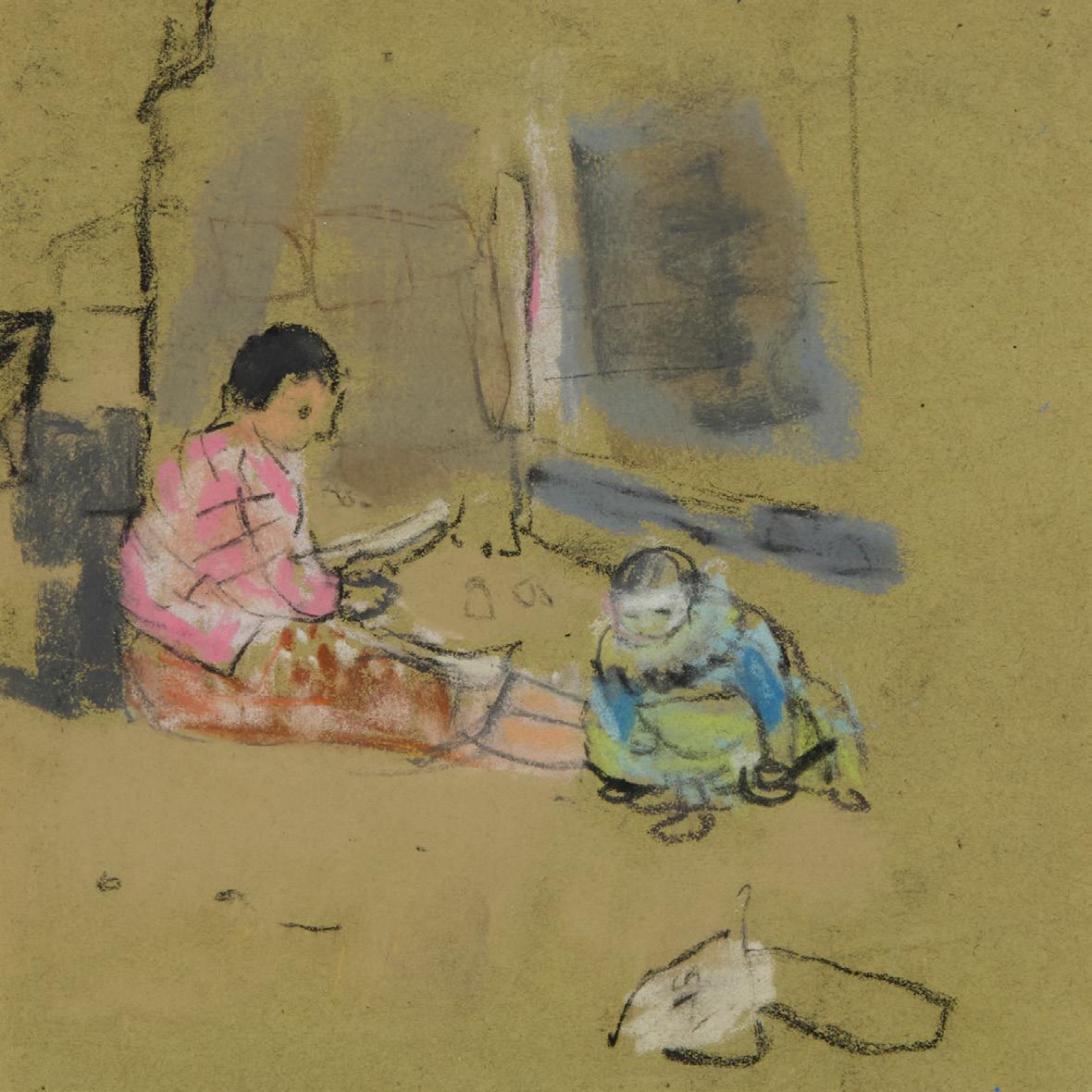
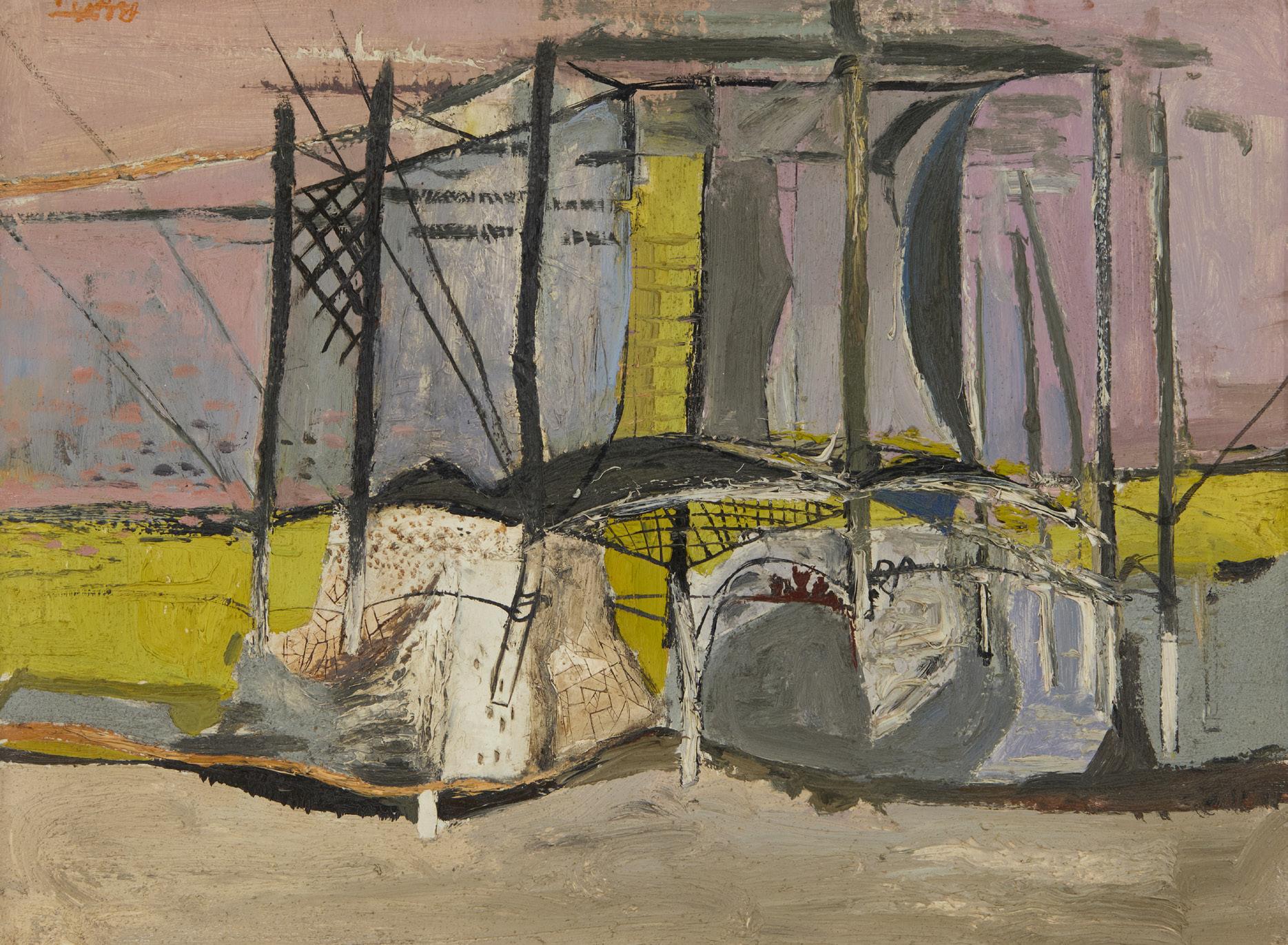
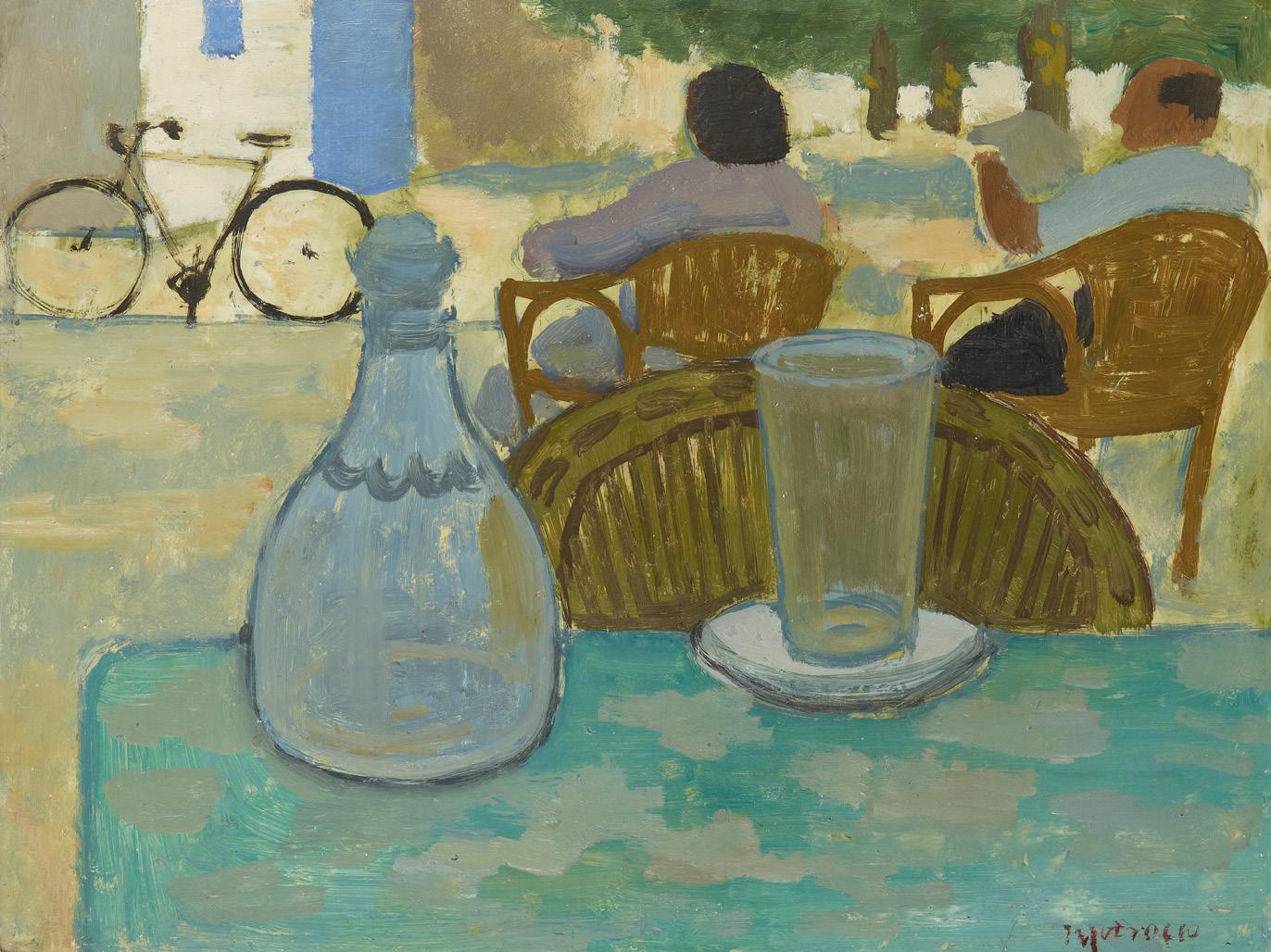
159 §
ROBERT HENDERSON
BLYTH R.S.A., R.S.W. (SCOTTISH 1919-1970)
SEA SALMON NETS
Signed, oil on board
41cm x 56cm (16in x 22in)
Exhibited: The Scottish Gallery, Edinburgh, 15 April - 6 May 1972, no.29
£1,000-1,500
160 §
ALBERTO MORROCCO O.B.E., F.R.S.A., F.R.S.E., R.S.W., R.G.I., L.L.D. (SCOTTISH 1917-1998) AT THE HOTEL ROSAS
Signed, oil on board
33cm x 43cm (13in x 17in)
Provenance: The Scottish Gallery, Edinburgh.
£4,000-6,000
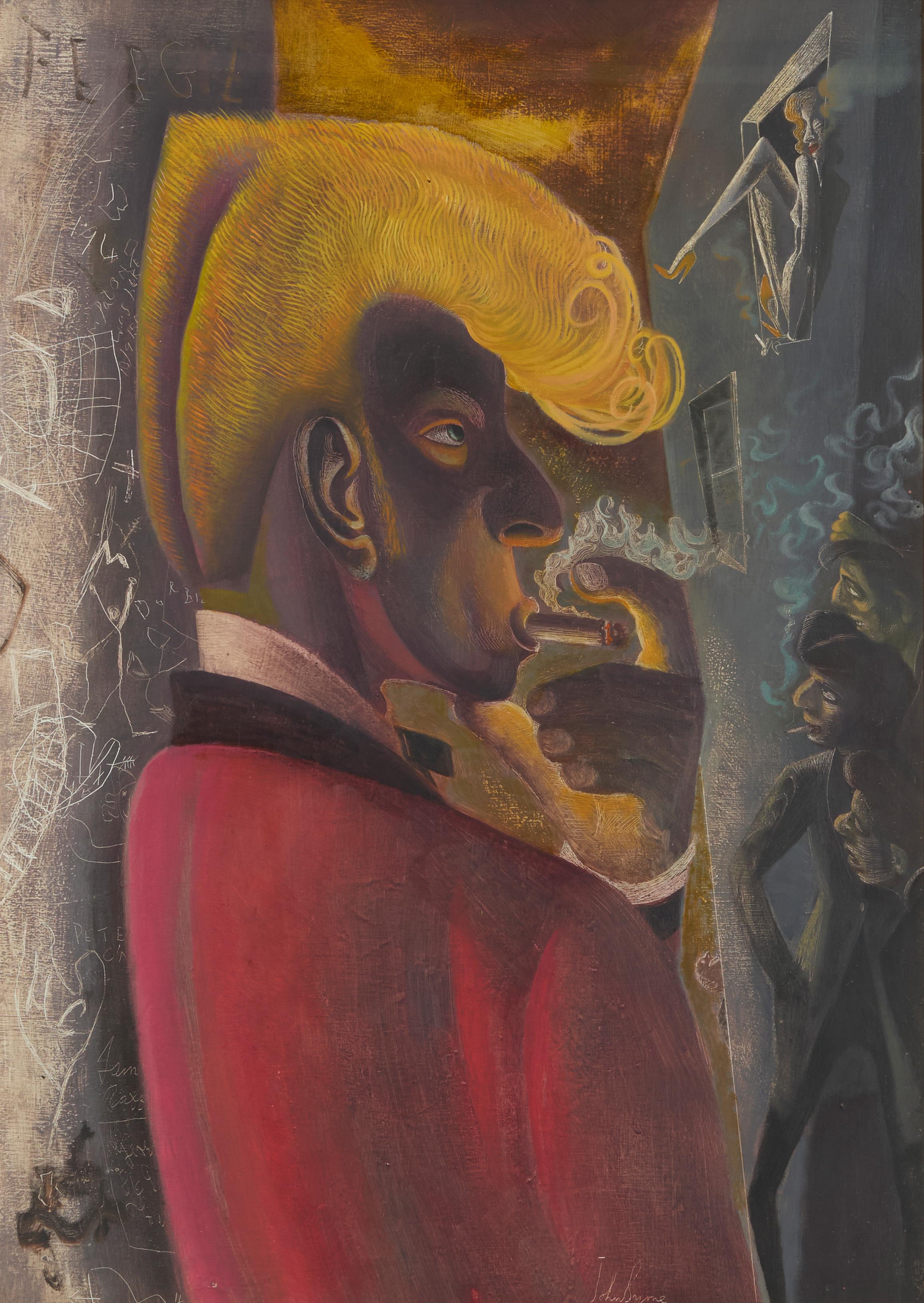
161 §
JOHN PATRICK BYRNE R.S.A. (SCOTTISH 1940-2023)
FIRST DATE
Signed, oil on board
64cm x 44cm (25.25in x 17.25in)
Provenance: Private Collection, Switzerland.
£6,000-9,000
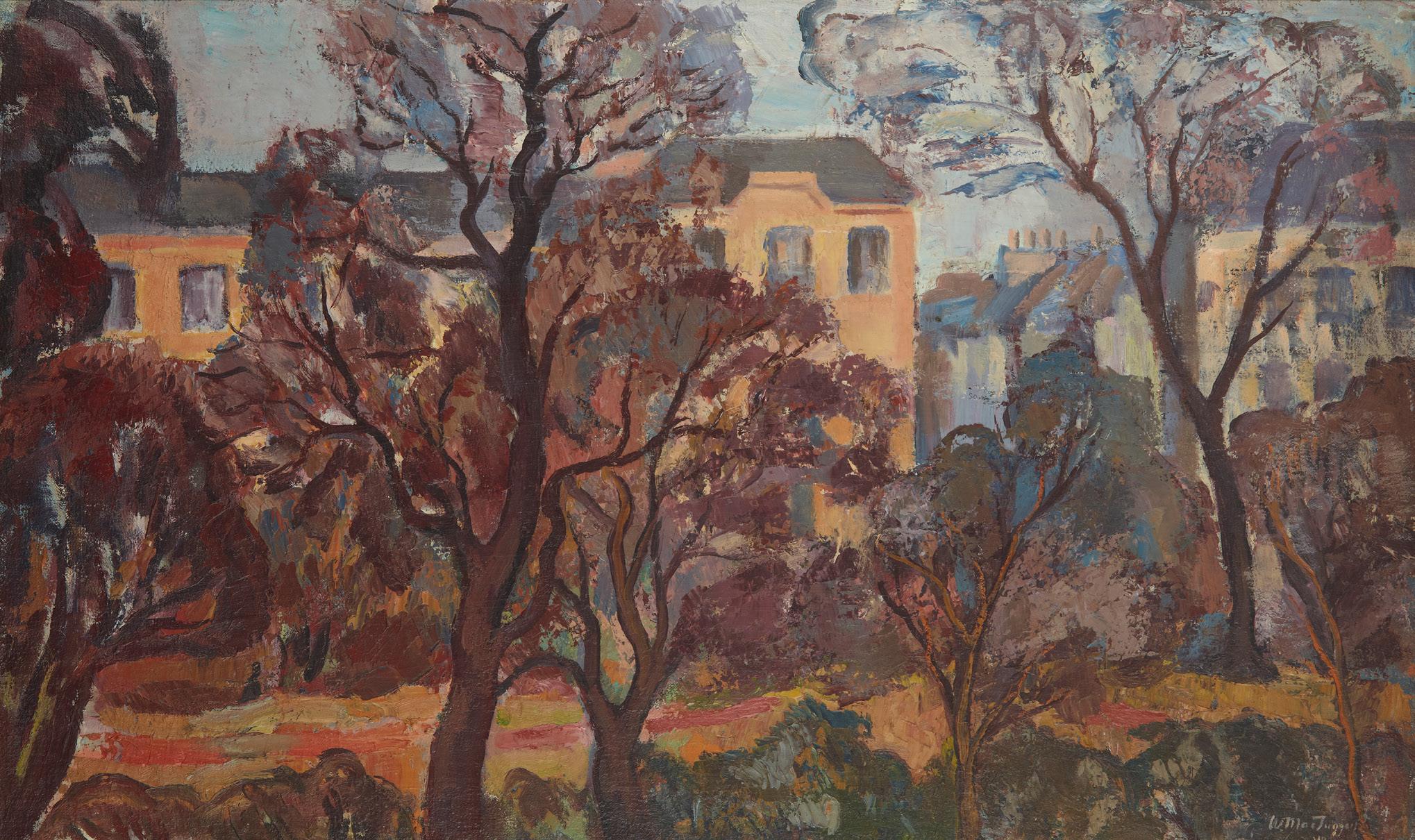
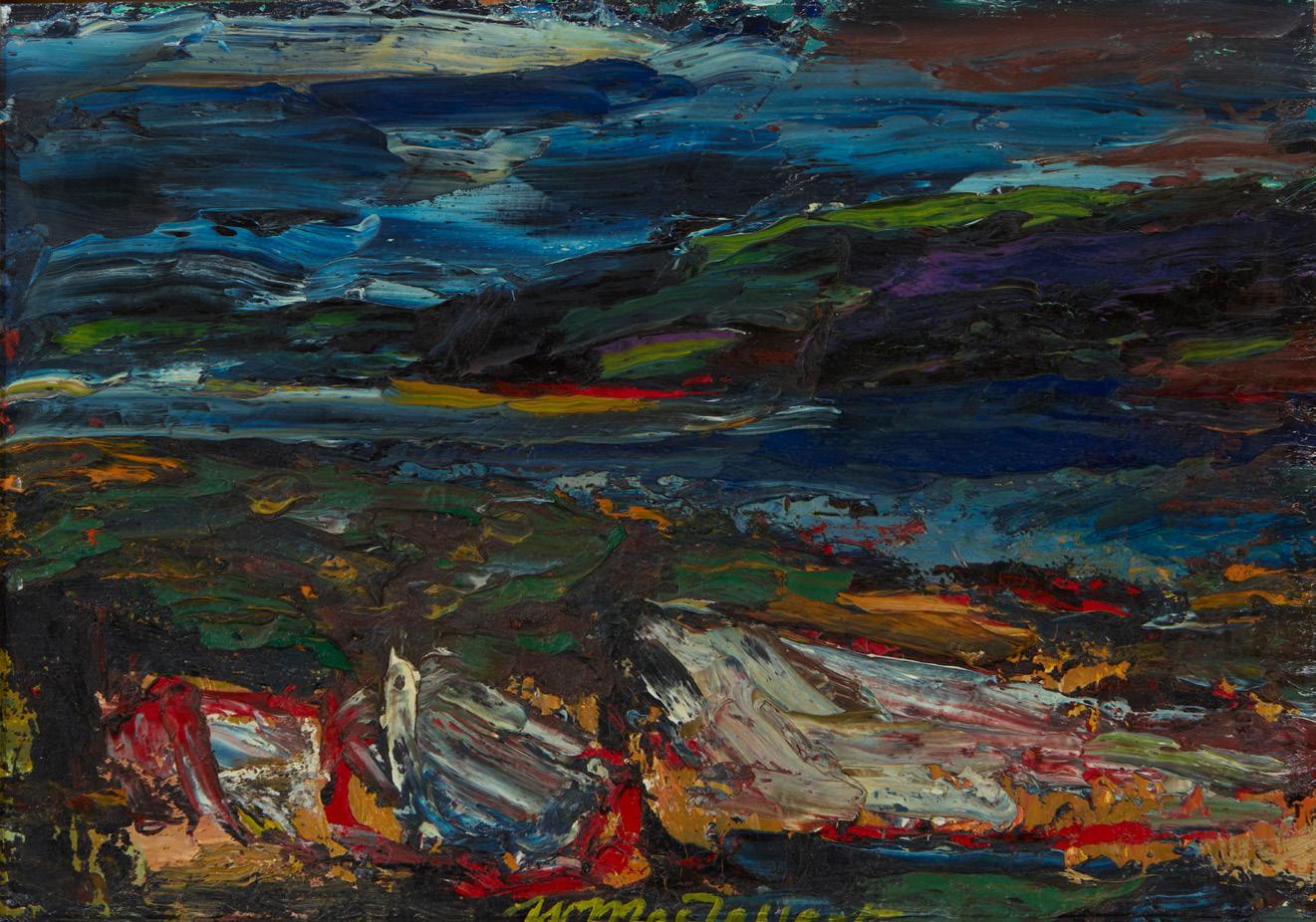
162 §
SIR WILLIAM MACTAGGART
P.P.R.S.A., R.A., F.R.S.E., HON.R.S.W. (SCOTTISH 1903-1981) VIEW FROM DRUMMOND PLACE GARDENS
Signed, oil on canvas 61cm x 101.5cm (24in x 40in)
£5,000-8,000
163 §
SIR WILLIAM MACTAGGART
P.P.R.S.A., R.A., F.R.S.E., HON.R.S.W. (SCOTTISH 1903-1981) BOATS ON A STORMY SHORE
Signed, oil on panel 23cm x 33cm (9in x 13in)
Provenance: Private Collection, Switzerland
Exhibited: The Scottish Gallery, Edinburgh, Anniversary Exhibition, 1992, no.127
£2,000-3,000
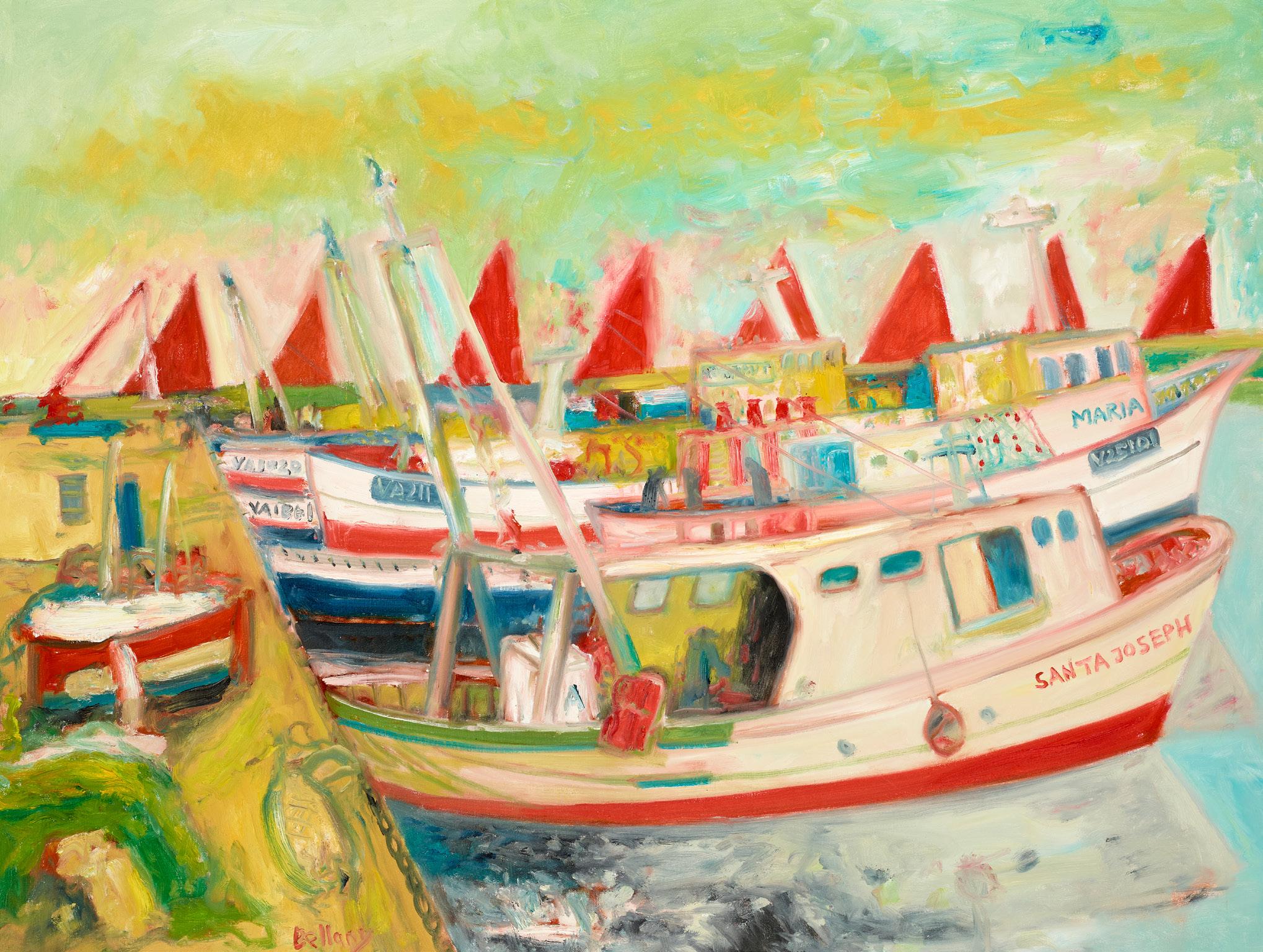
164 §
JOHN BELLANY R.A., C.B.E., H.R.S.A. (SCOTTISH 1942-2013) BOATS IN HARBOUR
Signed, oil on canvas
91cm x 122cm (36in x 48in)
£5,000-7,000
165 §
JOHN BELLANY R.A., C.B.E., H.R.S.A. (SCOTTISH 1942-2013) MASQUERADE
Signed, oil on board
91cm x 66xm (36in x 26in)
Provenance: William Hardie Gallery, Glasgow; Private Collection, Switzerland.
£5,000-7,000
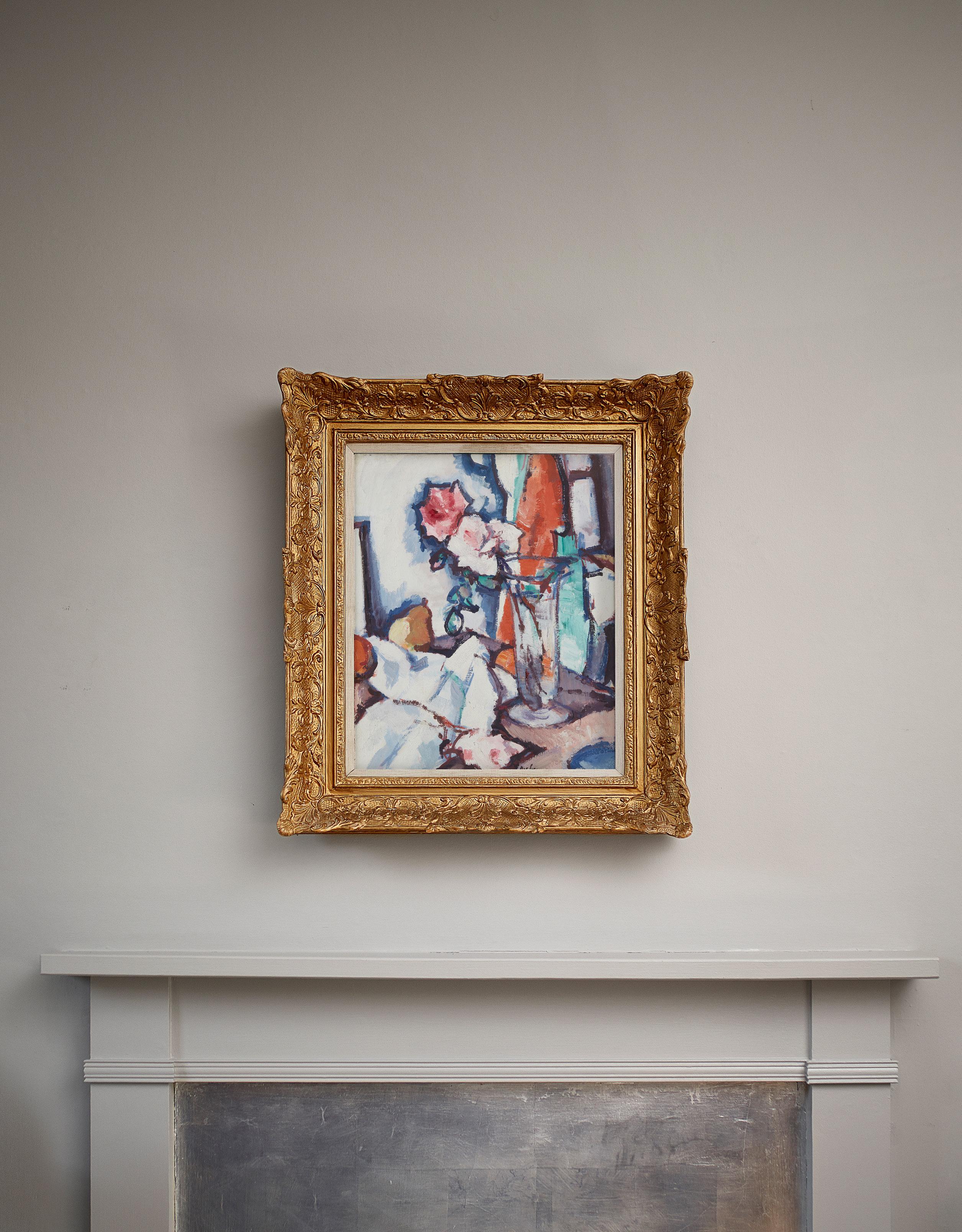
166 §
JACK VETTRIANO O.B.E. (SCOTTISH 1951-2025)
PINCER MOVEMENT
Signed, oil on canvas
61cm x 76cm (24in x 30in)
Exhibited: Portland Gallery, London, Jack Vettriano: Affairs of the Heart, June-July 2004, no.4
Literature: Anthony Quinn, Jack Vettriano, Pavilion, London, 2006, Illustrated to frontispiece and p.180
£30,000-50,000
167 §
JACK VETTRIANO O.B.E. (SCOTTISH 1951-2025)
SELF-PORTRAIT WITH EASEL
Signed, oil on canvas
38cm x 30.5cm (15in x 12in)
Provenance: Private Collection, Switzerland
£12,000-18,000
Yoru No.3, Opus No.752, painted in 1973, belongs to Alan Davie’s mature period and exemplifies the distinctive qualities of his practice. A leading figure in Post-war British art, Davie developed a highly individual style shaped by his engagement with international modernism, music, and spirituality. Following his training at Edinburgh College of Art and subsequent travels, he encountered artists such as Jackson Pollock and Paul Klee, whose influence can be seen in his fusion of gestural abstraction and symbolic imagery. His parallel career as a jazz musician further informed his approach, with his painting practice conceived as an improvisational and expressive act.
The title is revealing: “Yoru,” the Japanese word for “night,” suggests themes of the subconscious, dreams, and inner vision, while “No.3” indicates a work within a broader thematic sequence. “Opus No.752,” drawn from musical terminology, positions the painting within Davie’s ongoing creative output and reinforces his perception of painting as analogous to musical composition.
Visually, the work presents a dynamic and densely populated surface, animated by a vivid orange ground overlaid with abstract forms, symbols, and gestural marks. A central open book provides a loose focal point; its pages filled with indecipherable markings that suggest a personal symbolic language rather than literal text. Surrounding geometric motifs - including circular “target” forms, a diamond shape, and repeated elements - evoke ritualistic imagery, while a crescent form alludes to the moon, reinforcing the nocturnal theme. The absence of conventional perspective and the floating arrangement of forms create a dream-like, almost hallucinatory quality. Davie’s energetic handling of paint, evident in drips and layered textures, reflects the influence of Abstract Expressionism, while the rhythmic repetition of forms and contrasts of colour evoke the structure of music.

168 §
ALAN DAVIE C.B.E., R.A., H.R.S.A. (SCOTTISH 1920-2014)
YORU NO.3, OPUS NO.752
Signed, inscribed and dated July ‘73 verso, oil on canvas 76cm x 101.5cm (30in x 40in)
Provenance: A gift from the artist to Peter Gimpel
The Estate of Peter Gimpel
Gimpel Fils Gallery, London
Exhibited: Gimpel Fils, London, New York and Zurich, Alan Davie: Paintings 1973, A Series of Small Oils, 1974, cat. no.5
British Council, British Colour (touring exhibition), 1977, cat. no.7
£8,000-12,000
Adam, Joseph 61
Allan, Robert Weir 20, 54
Armour, Mary Nicol Neill 78, 86, 87
Barclay, John Rankine 41
Bellany, John 164, 165
Blyth, Robert Henderson 159
Bough, Sam 48, 104
Byrne, John Patrick 161
Burns, Robert 46
Burr, Alexander Hohenlohe 99
Cadell, Francis Campbell Boileau 128-133
Cameron, Duncan 12, 117
Cameron, Katharine 53
Cameron, Sir David Young 32, 103
Crawhall, Joseph 50
Cursiter, Stanley 67, 68
Davie, Alan 168
De Breanksi, Alfred Fontville 7
De Breanski Senior, Alfred 91
Eardley, Joan 156-158
Farquharson, David 55
Fergusson, John Duncan 75, 84, 140, 141, 142
Flint, Sir William Russell 69-72, 118, 119
Frazer, William Miller 1, 24, 63, 88, 97, 110
Gauld, David 11, 28, 38

Geikie, Walter 98
Gibson, William Alfred 10, 42
Giles, James 92
Gillies, Sir William 81- 83, 148
Glass, William Mervyn 2
Graham, Peter 35
Greiffenhagen, Maurice William 106
Guthrie, Sir James 52
Henderson, Joseph 3
Henry, George 115, 116, 120
Herald, James Watterston 77
Hope, Robert 45
Hornel, Edward Atkinson 117
Houston, George 23, 56, 89
Hunter, George Leslie 73, 76, 134, 135
Hurt, Louis Bosworth 94
Hutchison, Robert Gemmell 22, 43, 44, 107, 108, 109
Jamieson, Alexander 16, 19
Kay, James 18, 105
Knox, John 62
Laing, James Garden 65
Lamond, William Bradley 34, 49
Lavery, Sir John 124-127
Lawson, Alexander 96
Mackie, Charles Hodge 79
MacNicol, Bessie 123
MacTaggart, Sir William 162, 163
The following expressions with their accompanying explanations are used by Lyon & Turnbull as standard cataloguing practice. Our use of these expressions does not take account of the condition of the lot or the extent of any restoration.
Buyers are recommended to to inspect the property themselves.
Written condition reports are usually available on request.
Dimensions are given height before width.
Names or Recognised
Designation of an Artist without any Qualification
In our opinion a work by the artist
Attributed to…
In our opinion probably a work by the artist in whole or in part
Studio of… / Workshop of…
In our opinion a work executed in the studio or workshop of the artist, possibly under their supervision
Mann, Alexander 51
Mann, Harrington 114
McGeehan, Jessie 17
McGregor, Robert 8
McKay, William Darling 14, 58, 64
McTaggart, William 100-102
Melville, Arthur 113, 121
Milne, John MacLauchlan 21, 144, 145, 146, 147
Morris, Margaret 74, 143
Morrocco, Alberto 80, 160
Park, Stuart 26, 27, 39, 40
Paterson, James 93
Patrick, James McIntosh 47, 66
Peploe, Samuel John 136-139
Philipson, Sir Robin 155
Phillip, John 60
Pratt, William 90
Rayner, Louise 29, 30
Redpath, Anne 149-154
Smith, Robert G. Edington 59
Spence, Harry 15
Sticks, George Blackie 9, 36, 37, 57
Sturrock, Alick Riddell 85
Thomson, Adam Bruce 95
Thorburn, Archibald 25
Vettriano, Jack 166, 167
Watson, Sydney Robert 33
Wells, William Page Atkinson 5, 6, 13, 111, 112
Wilkie, Sir David 31
Circle of…
In our opinion work of the period of the artist and showing their influence
Follower of…
In our opinion a work executed in the artist’s style, but not necessarily by a pupil Manner of…
In our opinion a work executed in the artist’s style but of a later date
Signed… / Dated… / Inscribed… /
In our opinion the work has been signed/dated/inscribed by the artist
Bears Signature… / Date… /
Inscription… /
In our opinion the signature/date/ inscription appears to be by a hand other than that of the artist


ALBERT MARQUET (FRENCH 1875–1947
MUSTAPHA SUPÉRIEUR, 1924 [DETAIL]
£25,000-35,000 + fees
These Conditions of Sale and the Saleroom Notices as well as specific Catalogue terms, set out the terms on which we offer the Lots listed in this Catalogue for sale. By registering to bid and/or by bidding at auction You agree to these terms, we recommend that You read them carefully before doing so. You will find a list of definitions and a glossary at the end providing explanations for the meanings of the words and expressions used. Special terms may be used in Catalogue descriptions of particular classes of items (Books, Jewellery, Paintings, Guns, Firearms, etc.) in which case the descriptions must be interpreted in accordance with any glossary appearing in the Catalogue. These notices and terms will also form part of our terms and conditions of sales.
In these Conditions the words “Us”, “Our”, “We” etc. refers to Lyon & Turnbull Ltd, the singular includes the plural and vice versa as appropriate.
“You”, “Your” means the Buyer.
Lyon & Turnbull Ltd. acts as agent for the Seller. Lyon & Turnbull Ltd. acts as agent for the Seller. On occasion where Lyon & Turnbull Ltd. own a lot in part or full the property will be identified in the catalogue with the symbol (��) next to its lot number.
A1. DESCRIPTIONS OF LOTS
Whilst we seek to describe Lots accurately, it may be impractical for us to carry out exhaustive due diligence on each Lot. Prospective Buyers are given ample opportunities to view and inspect before any sale and they (and any independent experts on their behalf) must satisfy themselves as to the accuracy of any description applied to a Lot. Prospective Buyers also bid on the understanding that, inevitably, representations or statements by us as to authorship, genuineness, origin, date, age, provenance, condition or Estimated selling price involve matters of opinion. We undertake that any such opinion shall be honestly and reasonably held and only accept liability for opinions given negligently or fraudulently. Subject to the foregoing neither we the Auctioneer or our employees or agents accept liability for the correctness of such opinions and no warranties, whether relating to description, condition or quality of Lots, express, implied or statutory, are given. Please note that photographs/images provided may not be fully representative of the condition of the Lot and should not be relied upon as indicative of the overall condition of the Lot. All dimensions and weights are approximate only.
A2. OUR RESPONSIBILITY
We do not provide any guarantee in relation to the nature of a Lot apart from our authenticity warranty contained in paragraph E.2 and to the extent provided below.
(a) Condition Reports: Condition Reports are provided on our Website or upon request. The absence of a report does not imply that a Lot is without imperfections. Large numbers of such requests are received shortly before each sale and department specialists and administration will endeavour to respond to all requests although we offer no guarantee. Any statement in relation to the Lot is merely an expression of opinion of the Seller or us and should not be relied upon as an inducement to bid on the Lot. Lots are available for inspection prior to the sale and You are strongly advised to examine any Lot in which You are interested prior to the sale. Our Condition Reports are not prepared by professional conservators, restorers or engineers. Our Condition Report does not form any contract between us and the Buyer. The Condition Reports do not affect the Buyer’s obligations in any way.
(b) Estimates: Estimates are placed on each Lot to help Buyers gauge the sums involved for the purchase of a particular Lot. Estimates do not include the Buyer’s Premium or VAT. Estimates are a matter of opinion and prepared in advance. Estimates may be subject to change and are for guidance only and should not be relied upon.
(c) Catalogue Alterations: Lot descriptions and Estimates are prepared in advance of the sale and may be subject to change. Any alterations will be announced on the Catalogue alteration sheet, made available prior to the sale. It is the responsibility of the Buyer to make themselves aware to any alterations which may have occurred.
Lyon & Turnbull may, at its discretion, withdraw any Lot at any time prior to or during the sale of the Lot. Lyon & Turnbull has no liability to You for any decision to withdraw.
(a) Jewellery:
(i) Coloured gemstones (such as rubies, sapphires and emeralds) may have been treated to enhance their look, through methods such as heating and oiling. These methods are accepted practice but may make the gemstone less strong and/or require special care in future.
(ii) All types of gemstones may have been improved by some method. You may request a gemmological report for any Lot which does not have a report if the request is made to us at least three weeks before the date of the sale
and You pay the fee for the report in advance of receiving said report.
(iii) We do not obtain a gemmological report for every gemstone sold in our sales. Where we do get gemmological reports from internationally accepted gemmological laboratories, such reports may be described in the Sale Particulars. Reports will describe any improvement or treatment only if we request that they do so, but will confirm when no improvement or treatment has been made. Because of differences in approach and technology, laboratories may not agree whether a particular gemstone has been treated, the amount of treatment or whether treatment is permanent. The gemmological laboratories will only report on the improvements or treatments known to the laboratories at the date of the report.
(iv) For jewellery sales, all Estimates are based on the information in any gemmological report or, if no gemmological report is available, You should assume that the gemstones may have been treated or enhanced.
(b) Clocks & Watches: All Lots are sold “as seen”, and the absence of any reference to the condition of a clock or watch does not imply the Lot is in good condition and without defects, repairs or restorations. Most clocks and watches will have been repaired during their normal lifetime and may now incorporate additional/newer parts. Furthermore, we make no representation or warranty that any clock or watch is in working order. As clocks and watches often contain fine and complex mechanisms, Buyers should be aware that a general service, change of battery or further repair work, for which the Buyer is solely responsible, may be necessary. Buyers should also be aware that we cannot guarantee a watch will remain waterproof if the back is removed. Buyers should be aware that the importing watches such as Rolex, Frank Muller and Corum into the United States is highly restricted. These watches cannot be shipped to the USA and only imported personally. Clocks may be sold without pendulums, weights or keys.
(c) Alcohol: may only be sold to persons aged of 18 years and over. By registering to bid, You affirm that You are at least that age. All collections must be signed for by a person over the age of 18. We Reserve the right to ask for ID from the person collecting. Buyers of alcohol must make appropriate allowances for natural variations of ullages, conditions of corks and wine. We can provide no guarantees as to how the alcohol may have been stored. There is always a risk of cork failure and allowance by the Buyer must be made. Alcohol is sold “as is” and quality of the alcohol is entirely at the risk of the Buyer and no warranties are given.
(d) Books-Collation: If on collation any named item in the sale Catalogue proves defective, in text or illustration the Buyer may reject the Lot provided
he returns it within 21 days of the sale stating the defect in writing. This, however, shall not apply in the case of unnamed items, periodicals, autographed letters, music M.M.S., maps, drawings nor in respect of damage to bindings, stains, foxing, marginal worm holes or other defects not affecting the completeness of the text nor in respect of Defects mentioned in the Catalogue, or at the time of sale, nor in respect of Lots sold for less than £300.
(e) Electrical Goods: are sold as “works of art” only and if bought for use must be checked over for compliance with safety regulations by a qualified electrician first. Use of such goods is entirely at the risk of the Buyer and no warranties as to safety of the goods are given.
(f) Upholstered items: are sold as “works of art” only and if bought for use must be checked over for compliance with safety regulations (items manufactured prior to 1950 are exempt from any regulations). Use of such goods is entirely at the risk of the Buyer and no warranties as to safety of the goods are given. We provide no guarantee as to the originality of any wood/material contained within the item.
B1. NEW BIDDERS
(a) If this is Your first time bidding at Lyon & Turnbull or You are a returning Bidder who has not bought anything from us within the last two years You must register at least 48 hours before an auction to give us enough time to process and approve Your registration. We may, at our discretion, decline to permit You to register as a Bidder. You will be asked for the following:
(i) Individuals: Photo identification (driving licence, national identity card or passport) and, if not shown on the ID document, proof of Your current address (for example, a current utility bill or bank statement)
(ii) Corporate clients: Your Certificate of Incorporation or equivalent document (s) showing Your name and registered address together with documentary proof of directors and beneficial owners, and;
(iii) Trusts, partnerships, offshore companies and other business structures please contact us directly in advance to discuss requirements.
(b) We may also ask You to provide a financial reference and/or a deposit to allow You to bid. For help, please contact our Finance Department on +44 (0)131 557 8844.
B2. RETURNING BIDDERS
We may at our discretion ask You for current identification as described in paragraph B.1. (a) above, a finance reference or a deposit as a condition of allowing You to bid. If You have not
bought anything from us in the last two years, or if You want to spend more than on previous occasions, please contact our Finance Department on +44 (0)131 557 8844.
B3. FAILURE TO PROVIDE THE RIGHT DOCUMENTS
If in our opinion You do not satisfy our Bidder identification and registration procedures including, but not limited to, completing any anti-money laundering and/or anti-terrorism financing checks we may require to our satisfaction, we may refuse to register You to bid, and if You make a successful bid, we may cancel the contract between You and the Seller.
B4. BIDDING ON BEHALF OF ANOTHER PERSON
(a) As an authorised Bidder: If You are bidding on behalf of another person, that person will need to complete the registration requirements above before You can bid, and supply a signed letter authorising You to bid for him/ her.
(b) As agent for an undisclosed principal: If You are bidding as an agent for an undisclosed principle (the ultimate Buyer (s)) You accept personal liability to pay the Purchase Price and all other sums due, unless it has been agreed in writing with us before commencement of the auction that the Bidder is acting as an agent on behalf of a named third party acceptable to us and we will seek payment from the named third party.
B5. BIDDING IN PERSON
If You wish to bid in the saleroom You must register for a numbered bidding paddle before You begin bidding. Please ensure You bring photo identification with You to allow us to verify Your registration.
B6.
The bidding services described below are a free service offered as a convenience to our clients and we are not responsible for any error (human or otherwise), omission or breakdown in providing these services.
(a) Phone bids
Your request for this service must be made no later than 12 hours prior to the auction. We will accept bids by telephone for Lots only if our staff are available to take the bids. If You need to bid in a language other than English You should arrange this Well before the auction. We do not accept liability for failure to do so or for errors and omissions in connections.
(b) Internet Bids
For certain auctions we will accept bids over the internet. For more information please visit our Website. We will use reasonable efforts to carry out online bids and do not accept liability for equipment failure, inability to access the internet or software malfunctions related to execution of online bids/ live bidding.
While prospective Buyers are strongly advised to attend the auction and are always responsible for any decision to bid for a particular Lot and shall be assumed to have carefully inspected and satisfied themselves as to its condition we shall, if so instructed, clearly and in writing execute bids on their behalf. Neither the Auctioneer nor our employees nor agents shall be responsible for any failure to do so. Where two or more commission bids at the same level are recorded we Reserve the right in our absolute discretion to prefer the first bid so made. Bids must be expressed in the currency of the saleroom. The Auctioneer will take reasonable steps to carry out written bids at the lowest possible price, taking into account the Reserve. If You make a written bid on a Lot which does not have a Reserve and there is no higher bid than Yours, we will bid on Your behalf at around 50% of the lower Estimate or, if lower, the amount of Your bid.
C1.
We shall have the right at our discretion, to refuse admission to our premises or attendance at our auctions by any person. We may refuse admission at any time before, during or after the auction.
C2. RESERVES
Unless indicated by an insert symbol (∆), all Lots in this Catalogue are offered subject to a Reserve. A Reserve is the confidential Hammer Price established between us and the Seller. The Reserve is generally set at a percentage of the low Estimate and will not exceed the low Estimate for the Lot.
C3. AUCTIONEER’S DISCRETION
The maker of the highest bid accepted by the Auctioneer conducting the sale shall be the Buyer and any dispute shall be settled at the Auctioneer’s absolute discretion. The Auctioneer may move the bidding backwards of forwards in any way he or she may decide or change the order of the Lots.
The Auctioneer may also; refuse any bid, withdraw any Lot, divide any Lot or combine any two or more Lots, reopen or continuing bidding even after the hammer has fallen.
C4. BIDDING
The Auctioneer accepts bids from:
(a) Bidders in the saleroom;
(b) Telephone Bidders, and internet Bidders through Lyon & Turnbull Live or any other online bidding platform we have chosen to list on and;
(c) Written bids (also known as absentee bids or commission bids) left with us by a Bidder before the auction.
C5. BIDDING INCREMENTS
Bidding increments shall be at the Auctioneer’s sole discretion.
The saleroom video screens and bidding platforms may show bids in some other major currencies as Well as sterling. Any conversion is for guidance only and we cannot be bound be any rate of exchange used. We are not responsible for any error (human or otherwise) omission or breakdown in providing these services.
C7. SUCCESSFUL BIDS
Unless the Auctioneer decides to use their discretion as set out above, when the Auctioneer’s hammer falls, we have accepted the last bid. This means a contract for sale has been formed between the Seller and the successful Bidder. We will issue an invoice only to the registered Bidder who made the successful bid. While we send out invoices by post/or email after the auction, we do not accept responsibility for telling You whether or not Your bid was successful. If You have bid by written bid, You should contact us by telephone or in person as soon as possible after the auction to get details of the outcome of our bid to avoid having to pay unnecessary storage charges.
C8. RELEVANT
You agree that when bidding in any of our sales that You will strictly comply with all relevant legislation including local laws and regulations in force at the time of the sale for the relevant saleroom location.
D.
D1. THE PURCHASE PRICE
For each Lot purchased a Buyer’s Premium of 27% of the Hammer Price of each Lot up to and including £20,000, plus 26% from £20,001 to £800,000, plus 20% from £800,001 thereafter. VAT at the appropriate rate is charged on the Buyer’s Premium. No VAT is payable on the Hammer Price or premium for printed books or unframed maps bought at auction. Live online bidding may be subject to an additional premium (level dependent on the live bidding service provider chosen). This additional premium is subject to VAT at the appropriate rate as above.
D2.
Value Added Tax is charged at the appropriate rate prevailing by law at the date of sale and is payable by Buyers of relevant Lots.
(a) Lots affixed with (†): Value Added Tax on the Hammer Price is imposed by law on all items affixed with a dagger (†). This imposition of VAT maybe because the Seller is registered for VAT within the European Union and is not operating under a Margin Scheme.
(b) Lots affixed with (*): A reduced rate of Value Added Tax on the Hammer Price of 5% is payable. This indicates that a Lot has been imported from outwit the European Union. This reduced rate is applicable to Antique items.
(c) Lots affixed with [Ω]: Standard rate of Value Added Tax on the Hammer Price and premium is payable. This applies to items that have been imported from outwit the European Union and do not fall within the reduced rate category outlined above.
This symbol § indicates works which may be subject to the Droit de Suite or Artist’s Resale Right, which took effect in the United Kingdom on 14th February 2006. We are required to collect a royalty payment for all qualifying works of art. Under new legislation which came into effect on 1st January 2012 this applies to living artists and artists who have died in the last 70 years. This royalty will be charged to the Buyer on the Hammer Price and in addition to the Buyer’s Premium. It will not apply to works where the Hammer Price is less than £1,000. The charge for works of art sold at and above £1,000 and below £50,000 is 4%. For items selling above £50,000, charges are calculated on a sliding scale. All royalty charges are paid to the Design and Artists Copyright Society (‘DACS’) and no handling costs or additional fees are retained by the Auctioneer. Resale royalties are not subject to VAT. More information on Droit de Suite is available at www.dacs.org.uk.
E1. SELLER’S WARRANTIES
For each Lot, the Seller gives a warranty that the Seller;
(a) Is the owner of the Lot or a joint owner of the Lot acting with the permission of the other co-owners, or if the Sellers is not the owner of or a joint owner of the Lot, has the permission of the owner to sell the Lot, or the right to do so in law, and; (b) Had the right to transfer ownership of the Lot to the Buyer without any restrictions or claims by anyone else. If either other above warranties are incorrect, the Seller shall not have to pay more than the Purchase Price (as defined in the glossary) paid by You to us. The Seller will not be responsible to You for any reason for loss of profits or business, expected savings, loss of opportunity or interest, costs, damages, other damages or expense.
The Seller gives no warranty in relation to any Lot other than as set out above and, as far as the Seller is allowed by law, all warranties from the Seller to You, and all obligations upon the Seller which may be added to this agreement by law, are excluded.
E2. AUTHENTICITY GUARANTEE
We guarantee that the authorship, period, or origin (collectively, “Authorship”) of each Lot in this Catalogue is as stated in the BOLD or CAPITALISED type heading in the Catalogue description of the Lot, as amended by oral or written saleroom
notes or announcements. We make no warranties whatsoever, whether express or implied, with respect to any material in the Catalogue other than that appearing in the Bold or Capitalised heading and subject to the exclusions below.
In the event we, in our reasonable opinion, deem that the conditions of the authenticity guarantee have been satisfied, it shall refund to the original purchaser of the Lot the Hammer Price and applicable Buyer’s Premium paid for the Lot by the original purchaser.
This Guarantee does not apply if:
(a) The Catalogue description was in accordance with the opinion (s) of generally accepted scholar (s) and expert (s) at the date of the sale, or the Catalogue description indicated that there was a conflict of such opinions; or (b) the only method of establishing that the Authorship was not as described in the Bold or Capitalised heading at the date of the sale would have been by means or processes not then generally available or accepted; unreasonably expensive or impractical to use; or likely (in our reasonable opinion) to have caused damage to the Lot or likely to have caused loss of value to the Lot; or
(c) There has been no material loss in value of the Lot from its value had it been in accordance with its description in the Bold or Capitalised type heading. This Guarantee is provided for a period of one year from the date of the relevant auction, is solely for the benefit of the original purchaser of the Lot at the auction and may not be transferred to any third party. To be able to claim under this Authenticity Guarantee, the original purchaser of the Lot must:
(a) notify us in writing within one month of receiving any information that causes the original purchaser of record to dispute the accuracy of the Bold or Capitalised type heading, specifying the Lot number, date of the auction at which it was purchased and the reasons for such dispute; and (b) return the Lot to our registered office in the same condition as at the date of sale to the original purchaser of record and be able to transfer good title to the Lot, free from any third party claims arising after the date of such sale.
We have discretion to waive any of the above requirements. We may require the original purchaser of the Lot to obtain, at the original purchaser of Lot’s cost, the reports of two independent and recognised experts in the field. The reports must be mutually acceptable to us and the original purchaser of the Lot. We shall not be bound by any reports produced by the original purchaser of the Lot, and Reserves the right to seek additional expert advice at its own expense. It is specifically understood and agreed that the rescission of a sale and the refund of the original Purchase Price paid (the successful Hammer Price, plus the Buyer’s Premium) is exclusive
and in lieu of any other remedy which might otherwise be available as a matter of law. Lyon & Turnbull and the Seller shall not be liable for any incidental or consequential damages incurred or claimed, including without limitation, loss of profits or interest.
E3. YOUR WARRANTIES
(a) You warrant that the funds used for settlement are not connected with any criminal activities, including tax evasion and You are neither; under investigation, have been charged with or convicted of money laundering, terrorist activities or other crimes.
(b) Where You are bidding on behalf of another person You warrant that:
(i) You have conducted appropriate customer due diligence on the ultimate Buyer (s) of the Lot (s) in accordance with all relevant anti-money laundering legislation, consent to us relying on this due diligence, and You will retain for a period of not less than five years the documentation evidencing the due diligence. You will make such documentation promptly available for immediate inspection by a third party auditor upon our written request to do so;
(ii) The arrangements between You and the ultimate Buyer (s) in relation to the Lot or otherwise do not, in whole or in part, facilitate tax crimes, and;
(iii) You do not know, and have no reason to suspect that the funds used for settlement are connected with the proceeds of any criminal activity, including tax evasion, or that the ultimate Buyer (s) are under investigation or have been charged with or convicted of money-laundering, terrorist activities, or other crimes.
F. PAYMENT
F1. MAKING PAYMENT
(a) Within 7 days of a Lot being sold You will pay to us the Total Amount Due in cash or by such other method as is agreed by us. We accept cash, bank transfer (details on request), debit cards and Visa or MasterCard credit cards. Please note that we do not accept cash payments over £5,000 per Buyer per year.
(b) Any payments by You to us can be applied by us towards any sums owing by You to us howsoever incurred and without agreement by You or Your agent, whether express or implied.
(c) We will only accept payment from the registered Bidder. Once issued, we cannot change the Buyer’s name on an invoice or re-issue the invoice in a different name.
(d) The ownership of any Lots purchased shall not pass to You until You have made payment in full to us of the Total Amount Due. The risk in and the responsibility for the Lot will transfer to You from whichever is the earlier of the following:
(i) When You collect the Lot; or
(ii) At the end of the 30th day following the date of the auction, or, if earlier, the date the Lot is taken into care by a third party unless we have agreed otherwise
with You in writing.
(e) You shall at Your own risk and expense take away any Lots that You have purchased and paid for not later than 7 working days following the day of the auction or upon the clearance of any payment whichever is later. Please note we do not accept cheques. We can provide You with a list of shippers. However, we will not be responsible for the acts or omissions of carriers or packers whether or not recommended by us.
(f) No purchase can be claimed or removed until it has been paid for.
(g) It is the Buyer’s responsibility to ascertain collection procedures, particularly if the sale is not being held at our main sale room and the potential storage charges for Lots not collected by the appropriate time.
If any Lot is not paid for in full and taken away in accordance with these Conditions or if there is any other breach of these Conditions, we, as agent for the Sellers and on their behalf, shall at our absolute discretion and without prejudice to any other rights we may have, be entitled to exercise one or more of the following rights and remedies:
(a) To proceed against You for damages for breach of contract;
(b) To rescind the contract for sale of that Lot and/or any other Lots sold by us to You;
(c) To resell the Lot (s) (by auction or private treaty) in which case You shall be responsible for any resulting deficiency in the Total Amount Due (after crediting any part payment and adding any resale costs).
(d) To remove, store and insure the Lot in the case of storage, either at our premises or elsewhere and to recover from You all costs incurred in respect thereof;
(e) To charge interest at a rate of 5% a year above the Bank of Scotland base rate from time to time on all sums outstanding for more than 7 working days after the sale;
(f) To retain that or any other Lot sold to You until You pay the Total Amount Due;
(g) To reject or ignore bids from You or Your agent at future auctions or to impose conditions before any such bids shall be accepted;
(h) To apply any proceeds of sale of other Lots due or which become due to You towards the settlement of the Total Amount Due by You and to exercise a lien over any of Your property in our possession for any purpose until the debt due is satisfied. You will be deemed to have granted such security to us and we may retain such property as collateral security for Your obligations to us; we may decide to sell Your property in any way we think appropriate. We will use the proceeds of the sale against any amounts You owe us and we will pay
any amount left from that sale to You. If there is a shortfall, You must pay us the balance; and
(i) Take any other action we see necessary or appropriate.
(1) It is the Buyer’s responsibility to ascertain collection procedures, particularly if the sale is not being held at our main sale room and the potential storage charges for Lots not collected by the appropriate time. Information on collection is set out in the Catalogue and our Website
(2) Unless agreed otherwise, You must collect purchased Lots within seven days from the auction. Please note the Lots will only be released upon full payment being received. We will assume your authority to release your item(s) to a recognised shipper providing they can provide your invoice details.
(3) If You do not collect any Lot within seven days following the auction we can, at our discretion;
(i) Charge You storage costs at the rates set out on our Website.
(ii) Move the Lot to another location or an affiliate or third party and charge You transport and administration costs for doing so and You will be subject to the third party storage terms and pay for their fees and costs.
(iii) Sell the Lot in any way we think reasonable.
H1.
We will include transport and shipping information with each invoice sent to You as well as displayed on our Website. You must make all transport and shipping arrangements.
Buyers intending to export goods should ascertain;
(a) Whether an export licence is required; and
(b) Whether there is any specific prohibition on importing goods of that character, e.g. items that may contain prohibited materials such as ivory or rhino horn. It is the Buyer’s sole responsibility to obtain any relevant export or import licence. The denial of any licence or any delay in obtaining licences shall neither justify the recession of any sale not any delay in making full payment for the Lot.
H3.
Please be aware that all Lots marked with the symbol Y may be subject to CITES regulations when exporting these items outside the EU. These regulations may be found at http:// www.defra.gov.uk/ahvla-en/importsexports/cites
We accept no liability for any Lots which may be subject to CITES but have not be identified as such.
(a) We give no warranty in relation to any statement made, or information give, by us, our representatives or employees about any Lot other than as set out in the authenticity warranty and as far as we are allowed by law, all warranties and other terms which may be added to this agreement by law are exclude. The Seller’s warranties contained in paragraph E.1 are their own and we do not have a liability in relation to those warranties.
(b) (i) We are not responsible to You for any reason whether for breaking this agreement or any other matter relating to Your purchase of, or bid for, any Lot other than in the event of fraud or fraudulent misrepresentation by us other than as expressly set out in these conditions of sale; or
(ii) We do not give any representation, warranty or guarantee or assume any liability for a kind in respect of any Lot with regard to merchantability, fitness for a particular purpose, description, size, quality, condition, attribution, authenticity, rarity, importance, medium, provenance, exhibition history, literature or historical relevance, except as required by local law, any warranty of any kind is excluded by this paragraph.
(c) in particular, please be aware that our written and telephone bidding services, Lyon & Turnbull Live, Condition Reports, currency converter and saleroom video screens are free services and we are not responsible for any error (human or otherwise) omission or breakdown in these services.
(d) We have no responsibility to any person other than a Buyer in connection with the purchase of any Lot
(e) If in spite of the terms of this paragraph we are found to be liable to You for any reason, we shall not have to pay more than the Purchase Price paid by You to us. We will not be responsible for any reason for loss of profits, business, loss of opportunity or value, expected savings or interest, costs damages or expenses.
J. OTHER TERMS
J1. OUR ABILITY TO CANCEL
In addition to the other rights of cancellation contained in this agreement, we can cancel the sale of a Lot if;
(i) Any of our warranties are not correct, as set out in paragraph E3, (ii) We reasonably believe that completing the transaction is or may be unlawful; or
(iii) We reasonably believe that the sale places us or the Seller under any liability to anyone else or may damage our reputation.
J2. RECORDINGS
We may videotape and record proceedings at any auction. We will keep any personal information confidential, except to the extent disclosure is required by law if You
do not wish to be videotaped, You may make arrangements to bit by telephone or a written bid or bid on Lyon & Turnbull Live instead. Unless we agree otherwise in writing, You may not videotape or record proceedings at any auction.
J3. COPYRIGHT
We own the copyright in respect of all images, illustrations and written material produced by or for us relating to a Lot. (Including Catalogue entries unless otherwise noted in the Catalogue) You cannot use them without our prior written permission. We do not offer any guarantee that You will gain any copyright or other reproductions to the Lot.
J4. ENFORCING THIS AGREEMENT
If a court finds that any part of this agreement is not valid or is illegal or impossible to enforce, that part of the agreement will be treated as deleted and the rest of this agreement will remain in force.
J5. TRANSFERRING YOUR RIGHTS AND RESPONSIBILITIES
You may not grant a security over or transfer Your rights of responsibilities under these terms on the contract of sale with the Buyer unless we have given our written permission. This agreement will be binding on Your successors or estate and anyone who takes over Your rights and responsibilities.
J6. REPORTING ON LYONANDTURNBULL.COM
Details of all Lots sold by us, including Catalogue disruptions and prices, may be reported on www.lyonandturnbull. com. Sales totals are Hammer Price plus Buyer’s Premium and do not reflect any additional fees that may have been incurred. We regret we cannot agree to requests to remove these details from our Website.
J7. SALE BY PRIVATE TREATY
(a) The same Conditions of Sale (Buyers) shall apply to sales by private treaty.
(b) Private treaty sales made under these Conditions are deemed to be sales by auction and subject to our agreed charges for Sellers and Buyers.
(c) We undertake to inform the Seller of any offers it receives in relation to an item prior to any Proposed Sale, excluding the normal method of commission bids.
(d) For the purposes of a private treaty sale, if a Lot is sold in any other currency than Sterling, the exchange rate is to be taken on the date of sale.
All members of the public on our premises are there at their own risk and must note the lay-out of the premises, safety and security arrangements. Accordingly, neither the Auctioneer nor our employees or agents shall incur liability for death or personal injury or similarly for the safety of the property of persons visiting prior to, during or after a sale.
Where we obtain any personal information about You, we shall use it in accordance with the terms of our Privacy Policy (subject to any additional specific consent (s) You may have given at the time Your information was disclosed). A copy of our Privacy Policy can be found on our Website www.lyonandturnbull.com or requested from Client Services, 33 Broughton Place, Edinburgh, EH1 3RR or by email from data enquiries@ lyonandturnbull.com.
We shall be under no liability if they shall be unable to carry out any provision of the Contract of Sale for any reason beyond their control including (without limiting the foregoing) an act of God, legislation, war, fire, flood, drought, failure of power supply, lock-out, strike or other action taken by employees in contemplation or furtherance of a dispute or owing to any inability to procure materials required for the performance of the contract.
J11.
(a) Governing Law: These Conditions of Sale and all aspects of all matters, transactions or disputes to which they relate or apply shall be governed by, and interpreted in accordance with, Scots law
(b) Jurisdiction: The Buyer agrees that the Courts of Scotland are to have exclusive jurisdiction to settle all disputes arising in connection with all aspects of all matters or transactions to which these Conditions of Sale relate or apply.
K. DEFINITIONS & GLOSSARY
The following words and phrases used have (unless the context otherwise requires) the meaning to given to them below. The go Glossary is to assist You to understand words and phrases which have a specific legal meaning which You may not be familiar with.
K1. DEFINITIONS
“Auctioneer” Lyon & Turnbull Ltd (Registered in Scotland No: 191166 | Registered address: 33 Broughton Place, Edinburgh, EH1 3RR) or it’s authorised representative conducting the sale, as appropriate;
“Bidder” a person who has completed a Bidding Form
“Bidding Form” our Bidding Registration Form our Absentee Bidding Form or our Telephone Bidding Form.
“Buyer” the person to whom a Lot is knocked down by the Auctioneer. The Buyer is also referred to by the words “You” and “Your”
“Buyer’s Premium” the sum calculated on the Hammer Price at the rates stated in Catalogue.
“Catalogue” the Catalogue relating to the relevant Sale, including any representation on our Website
“Condition Report” the report on the physical condition of a Lot provided to a Bidder or potential Bidder by us on
behalf of the Seller.
“Estimate” a statement of our opinion of the range within the hammer is likely to fall.
“Hammer Price” the level of bidding reached (at or above any Reserve) when the Auctioneer brings down the hammer;
“High Cumulative Value of Lot” several Lots with a total lower Estimate value of £30,000 or above;
“High Value Lot” a Lot with a lower Estimate of £30,000 or above;
“Lot” each Item offered for sale by Lyon & Turnbull;
“Purchase Price” is the aggregate of Hammer Price and any applicable Buyer’s Premium, VAT on the Hammer Price (where applicable), VAT on the Buyer’s Premium and any other applicable expenses;
“Reserve” the lowest price below which an item cannot be sold whether at auction or by private treaty;
“Sale” the auction sale at which a Lot is to be offered for sale by us.
“Seller” the person who offers the Lot for Sale. We act as agent for the Seller.
“Total Amount Due” the Hammer Price in respect of the Lot sold together with any premium, Value Added Tax or other taxes chargeable and any additional charges payable by a defaulting Buyer under these Conditions;
“VAT” value added tax at the prevailing rate at the date of the sale in the United Kingdom.
“Website” Lyon & Turnbull’s Website at www.lyonandturnbull.com
K2. GLOSSARY
The following have specific legal meaning which You may not be familiar with. The following glossary is intended to give You an understanding of those expressions but is not intended to restrict their legal meanings:
“Artist’s Resale Right” the right of the creator of a work of art to receive a payment on Sales of that work subsequent to
“Knocked Down” when a Lot is sold to a Bidder, indicated by the fall of the hammer at the Sale.
“Lien” a right for the person who has possession of the Lot to retain possession of it.
“Risk” the possibility that a Lot may be lost, damaged, destroyed, stolen, or deteriorate in condition or value.
“Title” the legal and equitable right to the ownership of a Lot.

All potential buyers must register prior to placing a bid. Registration information may be submitted in person at our registration desk, by email, or on our website. Please note that first-time bidders, and those returning after an extended period, will be asked to supply the following documents in order to facilitate registration:
1 – Government issued photo ID (Passport/Driving licence)
2 – Proof of address (utility bill/bank statement). We may, at our option, also ask you to provide a bank reference and/or deposit.
By registering for the sale, the buyer acknowledges that he or she has read, understood and accepted our Conditions of Sale.
At the Sale Registered bidders will be assigned a bidder number and given a paddle for use at the sale. Once the first bid has been placed, the auctioneer asks for higher bids in increments determined by the auctioneer. To place your bid, simply raise your paddle until the auctioneer acknowledges you. Please ensure that the auctioneer repeats your bidder number correctly when confirming the sale. If there is any doubt at this stage as to the hammer price or buyer it must be brought to the auctioneer’s attention immediately. All lots will be invoiced to the name and address given on your registration form, which is non-transferable.
BY PHONE
A limited number of telephone lines are available for bidding by phone through a Lyon & Turnbull representative. Phone lines must be reserved in advance. All bid requests must be received an hour before the sale. All telephone bids must be confirmed in writing, listing the relevant lots and appropriate number to be called. We recommend that a covering bid is also left in the event that we are unable to make the call. We cannot guarantee that lines will be available, or that we will be able to call you on the day, but will endeavour to undertake such bids to the best of our abilities. This service is available entirely at our discretion and at the bidder’s risk.
Bid forms are available at the sale and/ or the back of the catalogue. These should be submitted in person, by post, or by fax as soon as possible prior to the sale and we will bid on your behalf up to the limit indicated. In the event of receiving two identical bids the first one received will take precedence All bids must be received an hour before the sale. This service is provided entirely at the bidder’s risk.
- ABSENTEE BIDDING
Leave a bid online through our website, call us on 0131 557 8844 or email info@lyonandturnbull.com
- BID LIVE ONLINE
Bid live online, for free, with Lyon & Turnbull Live. Just click the button from the auction calendar, sale page or any lot page online to register.
Our accounts teams will continue to be available to process payments and answer queries. We will be able to accept online payments through our website and bank transfer. On-site payment facilities are available by appointment.
Payment is due within seven (7) days of the sale. Lots purchased will not be released until full payment has been received. Payment may be made by the following methods:
Account details are included on any invoices we issue or upon request from our accounts department.
ONLINE CREDIT OR DEBIT CARD PAYMENTS
We no longer accept card payments by phone. Please use our online payment service (provided by Stripe).
You will find a link to this service in any email invoice issued or you can visit the payments section of our website.
No cash payments will be accepted for this auction.
Please refer to page 2 of this catalogue.