Pulse is a publication of the Lymphoma Research Foundation, providing the latest updates on the Foundation and its focus on lymphoma research, awareness, and education.
The Lymphoma Research Foundation is devoted to funding innovative lymphoma research and serving the lymphoma community through a comprehensive series of education programs, outreach initiatives, and patient services.
Foundation Leadership
Steven Eichberg
Chair, Board of Directors
Andrew M. Evens, DO, MSc, FACP Chair, Scientific Advisory Board
Meghan Gutierrez
Chief Executive Officer
Editor Nichole Musumeci
Associate Editor
Paige Butler Editorial Board
Micah Banner
Victor Gonzalez
National Headquarters
Wall Street Plaza
88 Pine Street, Suite 2400
New York, NY 10005
212 349 2910 lymphoma.org
Helpline
800 500 9976
helpline@lymphoma.org
Nick Guercio
Kyle Haines
Fatima Hameed
David Meehan-Romero
Eva Migliore
Laura Pedraza
Sarah Quinlan
Jessica Sharrow
Laura Wallenstein
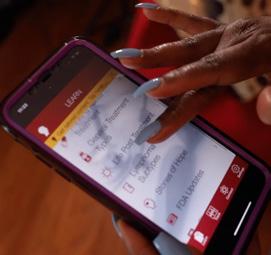
The Lymphoma Research Foundation’s YouTube channel offers a wide variety of educational videos to help the lymphoma community learn about lymphoma. These videos provide disease-specific information as well as education regarding diagnosis, treatment options, clinical trials, and other resources for people dealing with a lymphoma diagnosis. Visit YouTube.com/c/LymphomaResearch to watch and subscribe.
Coulier’s Unscripted
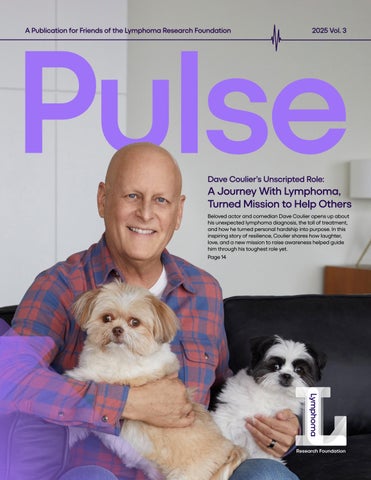
Beloved actor and comedian Dave Coulier opens up about his unexpected lymphoma diagnosis, the toll of treatment, and how he turned personal hardship into purpose. In this inspiring story of resilience, Coulier shares how laughter, love, and a new mission to raise awareness helped guide him through his toughest role yet. 14
Meet the 2025 Lymphoma Scientific Research Mentoring Program Grantees
The new class of Foundation Scholars are pursuing projects covering a diverse range of lymphoma subtypes, with a goal to improve the lives of all those touched by lymphoma. 20
What began as a shared mission has grown into a powerful national movement driven by purpose, progress, and personal impact. For three decades, the Lymphoma Research Foundation has been a trusted source of hope, advancing groundbreaking research and supporting everyone affected by lymphoma.
Community Impact
Philanthropy in Action 7
The Future of Giving: Empowering Young
Philanthropists to Accelerate a Cure for Lymphoma 8
From the Field
Where Are They Now?
Research Through the Years 35
Living With Lymphoma
Redefining the Journey: How Lymphoma Survivorship Has Transformed Over Time 39
29
Whether you are newly diagnosed, want detailed information about your lymphoma subtype, are looking for ongoing support, or are seeking help with long-term survivorship, we are here to help.

10/8 - Lymphoma Talk: Houston
10/14 - Ask the Doctor: Information for Newly Diagnosed Patients
10/15 - Pregunte al doctor sobre el linfoma
10/22 - Update on Mantle Cell Lymphoma Webinar
11/5 - Lymphoma Talk: Minneapolis
11/8 - Living W ith Lymphoma
11/10 - What Care Partners Should Know
11/13 - Lymphoma and Military Service: Resources and Support for Veterans and Military Personnel
11/20 - Ask the Doctor: Information for Newly Diagnosed Patients Visit lymphoma.org/programs to register and learn more.
For three decades, the Lymphoma Research Foundation has been a beacon of hope for those touched by lymphoma and a guiding light toward understanding, treating, and ultimately curing this disease. As we celebrate our 30th anniversary this year, it is remarkable to see just how far we’ve come since the earliest days of the Foundation –and exciting to know how promising the future is.
In this issue of Pulse, we’re taking an in-depth look at what that future might hold. Experts sat down with some of the leading minds who have devoted their careers to treating and studying lymphoma to ask them just what advances and developments the next 30 years might bring. You will also have the chance to meet the next generation of scientists who will be making advances in lymphoma possible: our 2025 Lymphoma Scientific Research Mentoring Program (LSRMP) scholars. This critical program provides the expert training, support, mentorship, and funding that the best and brightest early career researchers need to build successful careers in lymphoma and chronic lymphocytic leukemia research.
The work that we do is only possible with the commitment and generosity of our supporters. As we look to the future, we’re also looking to the rising generation of young philanthropists who are eager to continue our work toward a cure. We explore how the Foundation is engaging with these emerging leaders through celebrations like our Emerging Philanthropists Gala, coming up on Friday, October 24, in New York City, and through opportunities like our volunteer networks and endurance events.
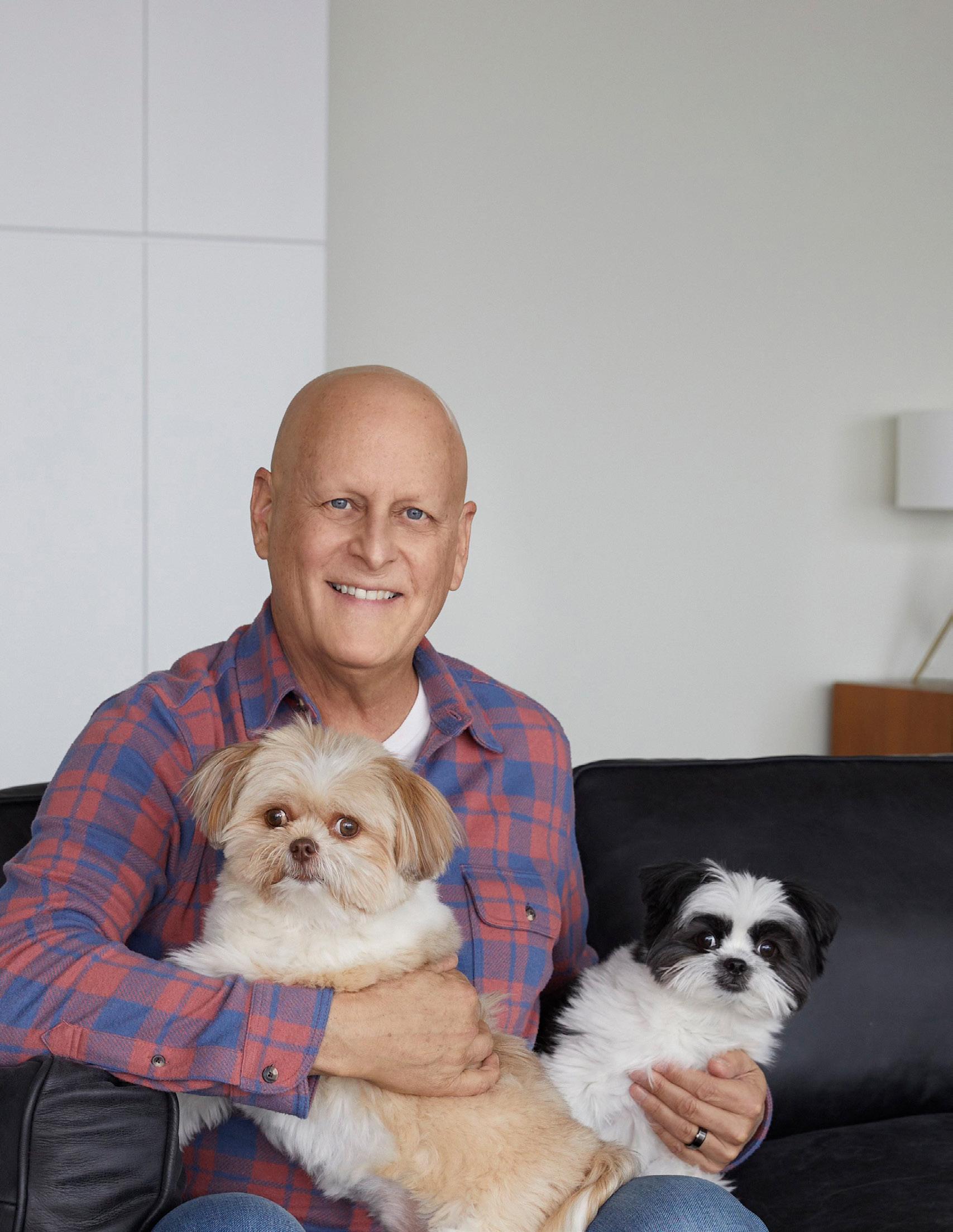
Finally, this issue spotlights beloved actor and comedian Dave Coulier in an unscripted role: lymphoma survivor. In 2024, the Full House star was unexpectedly diagnosed with stage three B-cell lymphoma and went public about his health journey with an appearance on the TODAY Show. Now in remission, Coulier looks at his survivorship as both a responsibility and an opportunity, giving him the chance to be a source of hope and optimism for others facing this disease.
Looking ahead to the next 30 years, I am confident that our mission is in good hands among our community of lymphoma patients, survivors, care partners, researchers, and supporters. I know that we are all more committed than ever to our work of investing in our collective future: the future of research, the future of our shared community, the future of cures. Thank you for your continued support and belief in our mission.
Sincerely yours,

Meghan Gutierrez Chief Executive Officer





Event Chairs:
Alexandra Rose
Isabel Sessions
Margot Werner
Benefit Committee:
Dominic Couzens
Avery Hoffman
Caroline Kaine
Gabrielle McLyman
Claire Shea

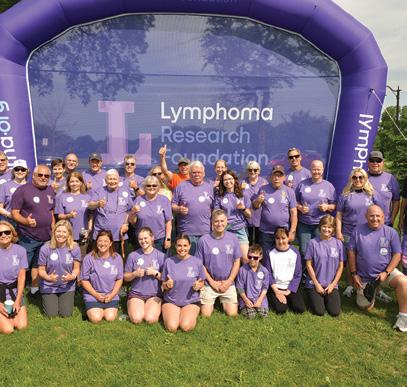
On June 7, nearly 400 walkers got us one step closer to a cure at the 2025 Minnesota Lymphoma Walk! This year’s event, which honored Lymphoma Research Foundation grantee and Mayo Clinic, Rochester, hematologist Dr. Gita Thanarajasingam, raised over $78,000 to power the Foundation’s lifesaving mission.
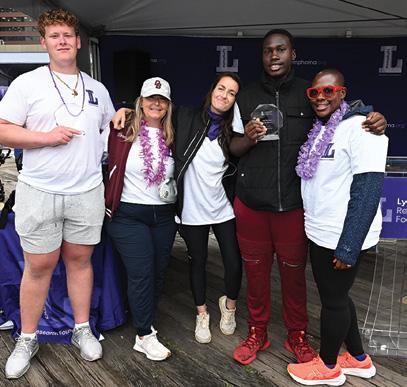
Stormy weather and steady drizzles were no match for the over 292 walkers, volunteers, and friends who celebrated with us at the 2025 New York Lymphoma Walk on June 14 at South Street Seaport in New York City! This year’s walk honored Dr. Justine Kahn from Columbia University Herbert Irving Comprehensive Cancer Center as well as lymphoma survivors Rhett Morris and Jeriah Louissaint. Our New York Lymphoma Walk community raised $140,000 to fund the Foundation’s work to eradicate lymphoma.
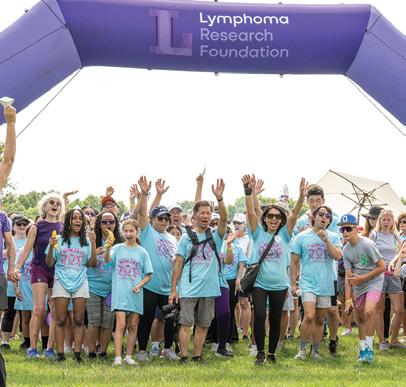
Over 700 walkers, volunteers, and supporters joined us on July 27 for our 2025 Chicago Lymphoma Walk, raising over $191,000 in support of critical research and patient programs. This year’s program honored Dr. Justin Kline, of the University of Chicago Medicine, as well as Gina Pankoff with the Hope Award and Team Stronger Together, led by Mindy Varghese, with the Top Team Award. A special shoutout to Nancy and Tony’s Cancer Fighting Ninjas, this year’s largest team with an incredible 200 participants!
The Lymphoma Research Foundation is nothing without its philanthropic supporters. For three decades, we have built a community rooted in research and strengthened by compassion and care, and our dedicated donors have been the driving force behind it all. While we honor our past, we’re also laser-focused on the future. The next chapter of our mission will be written by new voices, particularly the rising generation of young philanthropists who are eager to accelerate the path to a cure.
According to a study by Bank of America Private Bank, 88% of younger donors (ages 21-43) feel their generation is prepared to assume philanthropic leadership and share their parents’ commitment to giving back. For the Foundation, engaging these emerging leaders is not only timely – it’s essential to ensuring that the next 30 years are just as transformative as the last. Through programs like the Collegiate Champion Program, endurance events, volunteer networks, and the Emerging Philanthropists Gala, the Foundation is creating meaningful pathways for young people to get involved – offering emerging leaders the opportunity to gain hands-on experience in fundraising, advocacy, and mission-driven service, all while connecting with a cause that often holds deep personal relevance.
So, who are these future leaders of philanthropy –and what inspires their dedication to the Lymphoma Research Foundation? Meet three remarkable young changemakers who are helping to shape the next era of impact.
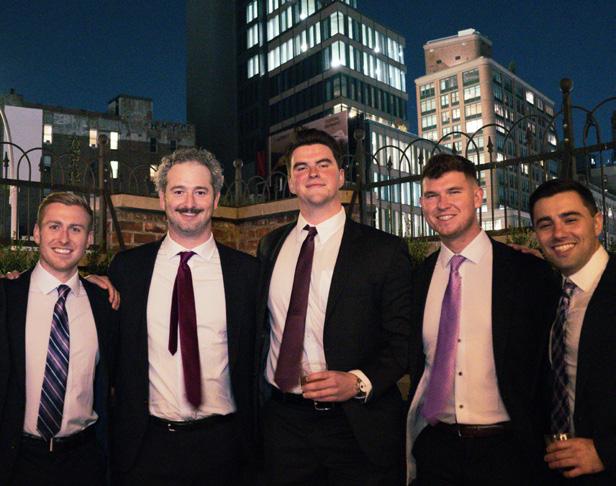
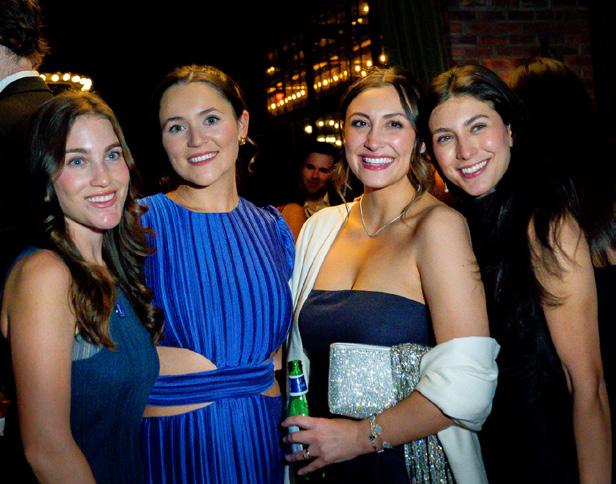
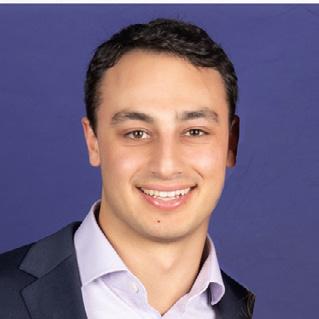
Avery Hoffman Emerging Philanthropists Gala
Can you tell us a little bit about yourself and what you do outside of your involvement with the Lymphoma Research Foundation?
Professionally I am an investor at Blackstone, and in my free time, I love being outside as much as possible. I enjoy skiing, biking, swimming, and most recently, triathlons and IRONMAN competitions – the more I can get outside and be active, the better.
In what capacity have you been involved with the Lymphoma Research Foundation?
In 2023, I gave a speech at the Lymphoma Research Foundation’s Annual Gala in honor of my former doctor and Foundation Scientific Advisory Board member, Kara Kelly, MD, who was being honored. Since then, I have been a part of two of the Foundation’s Emerging Philanthropists Galas and now serve on the committee for that event and am in the process of helping to plan this year’s event on October 24, 2025.
What inspired you to get involved in philanthropy, especially in support of the Lymphoma Research Foundation?
In 2009, when I was 10 years old, I was diagnosed with Burkitt lymphoma and treated with intensive chemotherapy at Columbia University Medical Center. I’ll always feel immense gratitude toward the doctors and nurses who not only treated me but also supported me emotionally. From a young age, I wanted to give back.
As a child, I spoke at fundraisers to put a face to childhood cancer – because when people see a survivor, they truly understand how deeply cancer affects families and communities. Years later, I connected with the Lymphoma Research Foundation and was so impressed by the organization’s impact and professionalism. Their events raise significant funds and awareness, and I’m honored to contribute.
Why do you believe it’s important for young philanthropists to take an active role in driving change for causes such as the Lymphoma Research Foundation?
Young people may not have the financial means to give large donations, but they have broad networks. Awareness is half the battle in addressing cancer, and tapping into those networks can make a real difference. For me, that’s meant inviting friends and colleagues to Foundation events and encouraging them to share the cause with their circles.
What does being a part of the fight to find a cure for lymphoma mean to you personally?
For me, it feels like a responsibility. I was fortunate to benefit from the treatments and research funded by those who came before me. Giving back is my way of honoring that and supporting the community that saved my life.
How have you used your platform – whether social, professional, or personal – to raise awareness or funds for lymphoma?
I’ve leaned on my networks – friends who knew me during treatment, classmates, colleagues – to spread the word. I’ve invited dozens of people to the Emerging Philanthropist Gala, organized email updates, and connected people to other Foundation events. It’s about creating ripple effects of awareness.
What advice would you give to other young people who want to make a difference but aren’t sure where to start?
Start small. Attend one event, send one email, or make one phone call. Those small actions snowball into a larger impact. One introduction leads to more connections, and before you know it, you’ve built momentum that truly helps the cause.
In your opinion, what does the future of philanthropy look like?
I think philanthropy will continue to evolve with the way people communicate. Social media, especially, is a powerful tool for spreading awareness, particularly for causes like cancer, where seeing reality is essential to understanding it. While giving may look different than it did 20 years ago, I’m optimistic it will help us reach an even larger audience and grow the Foundation’s impact.
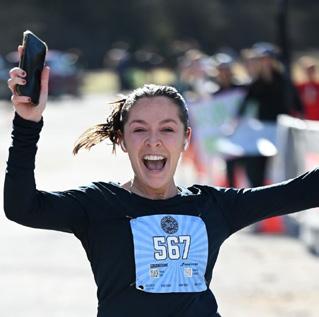
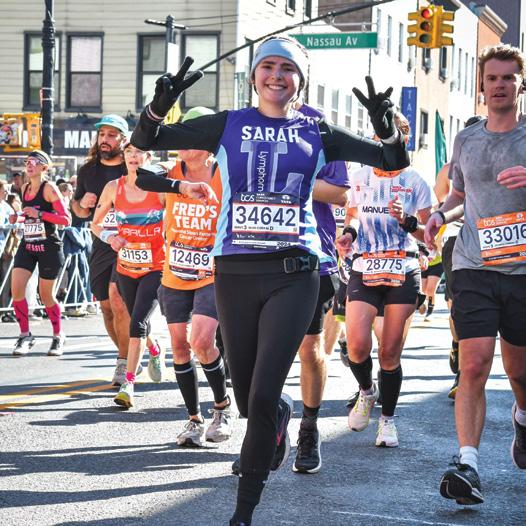
TCS New York City Marathon
Can you tell us a little bit about yourself and what you do outside of your involvement with the Lymphoma Research Foundation?
I’m originally from St. Louis, Missouri, and grew up surrounded by the most supportive family and friends I could ask for. I studied nursing at The University of Kansas and, about a year ago, moved to Dallas with a group of close friends to begin my career as a nurse.
Outside of work, I love to stay active and try new things. I recently joined a sailing club near my apartment. I play guitar, love to cook, and spend time with friends and family. I always seem to be adding new hobbies to the list!
In what capacity have you been involved with the Lymphoma Research Foundation?
When I started working in oncology, I quickly became invested in my patients’ lives – it’s hard not to when you spend so much time with them. Around the same time, my sister suggested I run the New York City Marathon and connect it with a cause that mattered to me. I did some research, found the Lymphoma Research Foundation, and immediately knew it was the right fit.
Reaching out to the Foundation felt like a full-circle moment, especially when I saw that the Foundation had highlighted some of the very patients I’d cared for. That connection made my involvement feel even more personal and meaningful.
What inspired you to get involved in philanthropy, especially in support of the Lymphoma Research Foundation?
Philanthropy has always been a part of my life. My mom started her own nonprofit, and watching her build that organization instilled in me and my sisters the importance of giving back whenever possible. I really believe the best way to feel good about yourself is to help others feel good, too. That philosophy is part of why I became a nurse and why I try to bring light and compassion into everything I do.
Why do you believe it’s important for young philanthropists to take an active role in driving change for causes such as the Lymphoma Research Foundation?
Young people have an incredible platform today through social media and digital networks. We have unique ways to connect and engage with one another – sometimes in ways that older generations can’t. Getting involved early builds awareness, inspires others to join, and ensures that the next generation is ready to carry these causes forward.
What does being a part of the fight to find a cure for lymphoma mean to you personally?
For me, it’s about giving patients a second chance at life. As a nurse, I spend weeks caring for people who are hospitalized, and I get to know not only them but their families, too. At the end of my shift, I get to go home – but they don’t. Helping to find a cure means giving them the chance to go back to their lives, their families, and their passions. That perspective motivates me every day.
How have you used your platform – whether social, professional, or personal – to raise awareness or funds for lymphoma?
I’ve relied mostly on personal connections. Word of mouth has been huge – my parents have shared my fundraising efforts with their friends, and my patients sometimes hear about the marathon through conversations we have. I’ve also posted occasionally on Instagram, but for me, the most meaningful support has come from direct conversations and the encouragement of family and friends.
What advice would you give to other young people who want to make a difference but aren’t sure where to start?
Find something you’re passionate about – something that gives you joy – and follow that. Passion is what drives commitment. Don’t be afraid to take risks or try something that scares you. Running 26.2 miles was never on my radar until recently, but it’s taught me how rewarding it can be to step outside your comfort zone. Small steps can lead to a big impact.
In your opinion, what does the future of philanthropy look like?
I think the future is bright. Social media and technology give us tools to reach people in ways that weren’t possible even 15 years ago, when my mom started her nonprofit. Now, organizations can expand their reach, attract supporters from across the world, and grow in incredible ways. I see philanthropy becoming even more connected, accessible, and impactful in the years ahead.
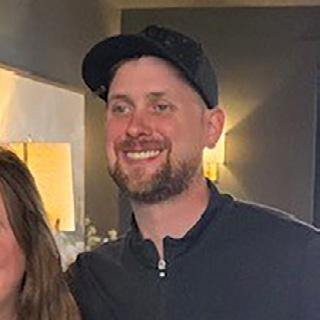
Adam Hammock
Rey Diaz Memorial Golf Tournament
Can you tell us a little bit about yourself and what you do outside of your involvement with the Lymphoma Research Foundation?
I am from Athens, Georgia, and am the CEO of iS3 Tech Services. iS3 Tech Services is a security systems supplier offering the design and implementation of security systems to clients throughout the southern U.S.
In what capacity have you been involved with the Lymphoma Research Foundation?
In March of 2025, I helped host the inaugural Rey Diaz Memorial Golf Tournament. This charity golf tournament was created through the Lymphoma Research Foundation’s Fundraise Your Way program, which allows individuals to host unique fundraising events to support the Foundation’s mission. I, along with about 10 others, worked on the fundraiser for about a year, and ultimately, we had 147 golfers registered and were able to raise more than $20,000 to support the Foundation.
What inspired you to get involved in philanthropy, especially in support of the Lymphoma Research Foundation?
For me, getting involved was deeply personal. My friend Rey Diaz was diagnosed with lymphoma and succumbed suddenly to the disease in December 2023. We wanted to host this golf tournament to bring together friends, family, and the community to celebrate Rey’s legacy and support a great cause. Rey had an incredible impact on us all, and I was proud to be able to honor him by giving back to the Foundation and furthering their mission to eradicate this cancer.
Why do you believe it’s important for young philanthropists to take an active role in driving change for causes such as the Lymphoma Research Foundation?
I believe it’s essential for young philanthropists to get involved because we bring energy, fresh ideas, and a unique perspective. Younger people naturally tend to challenge the status quo and find new ways to innovate. For a cause like the Lymphoma Research Foundation, that matters a lot. We can connect with groups that older generations might not reach – whether that’s through
new funding sources, creative ways to spread awareness, or just the networks we move in.
And honestly, it’s not just about money. It’s about showing up, using our voices, and committing early. When young people step up, we create momentum and inspire others to get involved, too. The fight against lymphoma needs that urgency and innovation, and I believe our generation can help drive both.
What does being a part of the fight to find a cure for lymphoma mean to you personally?
I was honored to play a part in helping to accelerate cures for lymphoma. My goal was to raise funds and awareness for the Foundation so that scientists are able to conduct more research to help patients and their loved ones better navigate lymphoma, and ultimately, one day cure it. I think the more we can all do to move the needle, the better.
How have you used your platform – whether social, professional, or personal – to raise awareness or funds for lymphoma?
I am on a board of over 140 people, so I began by reaching out to my professional network to ask people to get involved in the tournament, whether by donating, sponsoring, or actually golfing. We were also lucky to have a very involved planning committee, so we were all able to reach out to our individual networks – including family, friends, colleagues, business connections – to garner support for the event.
What advice would you give to other young people who want to make a difference but aren’t sure where to start?
Don’t let perfect be the enemy of good and great. Fundraising is all about starting somewhere and doing the best you can along the way. As someone who is not a salesperson, I was concerned about my ability to sell a lot of sponsorships. But once I got out there and started networking and pushing it a little bit, I was just surprised at how many of them really came through.
My other advice is don’t be afraid or shy to remind people about your fundraiser. If somebody has committed to getting involved, it is OK to push them a little bit and provide them with friendly reminders.
In your opinion, what does the future of philanthropy look like?
I hope that the younger generation, like me, is encouraged and enthusiastic about getting involved. As the baton passes on to us, I hope that we can build upon the success of the fundraisers who came before us and ultimately raise more funds for causes like the Lymphoma Research Foundation.



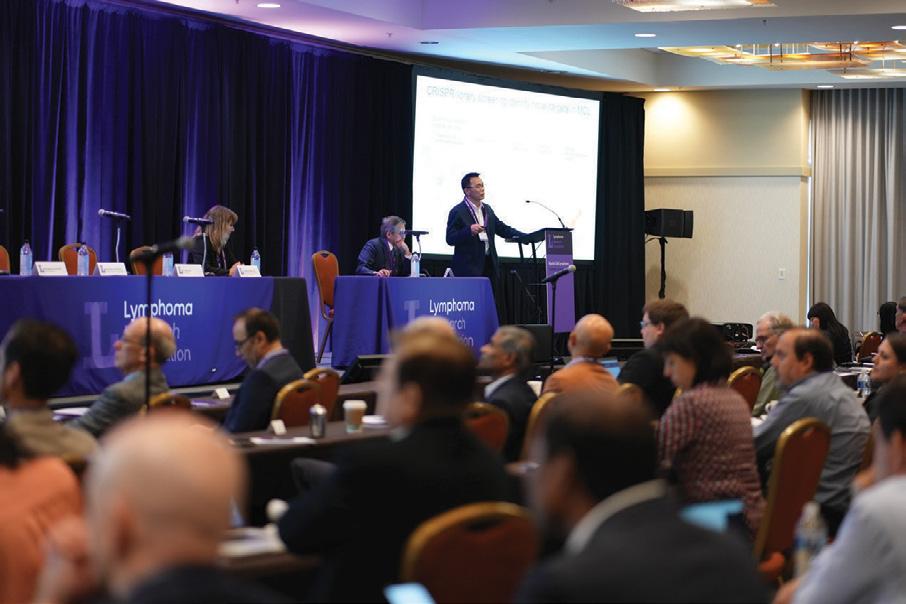
Lymphoma Rounds provides a forum for practicing physicians from academic and community medical centers to meet throughout the academic year and address issues specific to the diagnosis and treatment of their lymphoma patients.
Physicians network, share best practices, and learn the latest information on new therapies and advances in the management of lymphoma through interactive case studies presented by lymphoma experts.


2025 Schedule
10/15 – Lymphoma Rounds at Lymphoma, Leukemia & Myeloma Congress
11/1 – Lymphoma Rounds Symposium at New England
2026 Schedule
2/21 – Lymphoma Rounds Virtual Symposium
5/2 – Lymphoma Rounds Symposium at Chicago
Visit lymphoma.org/hcpeducation to register and learn more.
Lymphoma Rounds programming is supported by educational grants from: Acrotech Biopharma, Genmab, Pfizer, SERB Pharmaceuticals
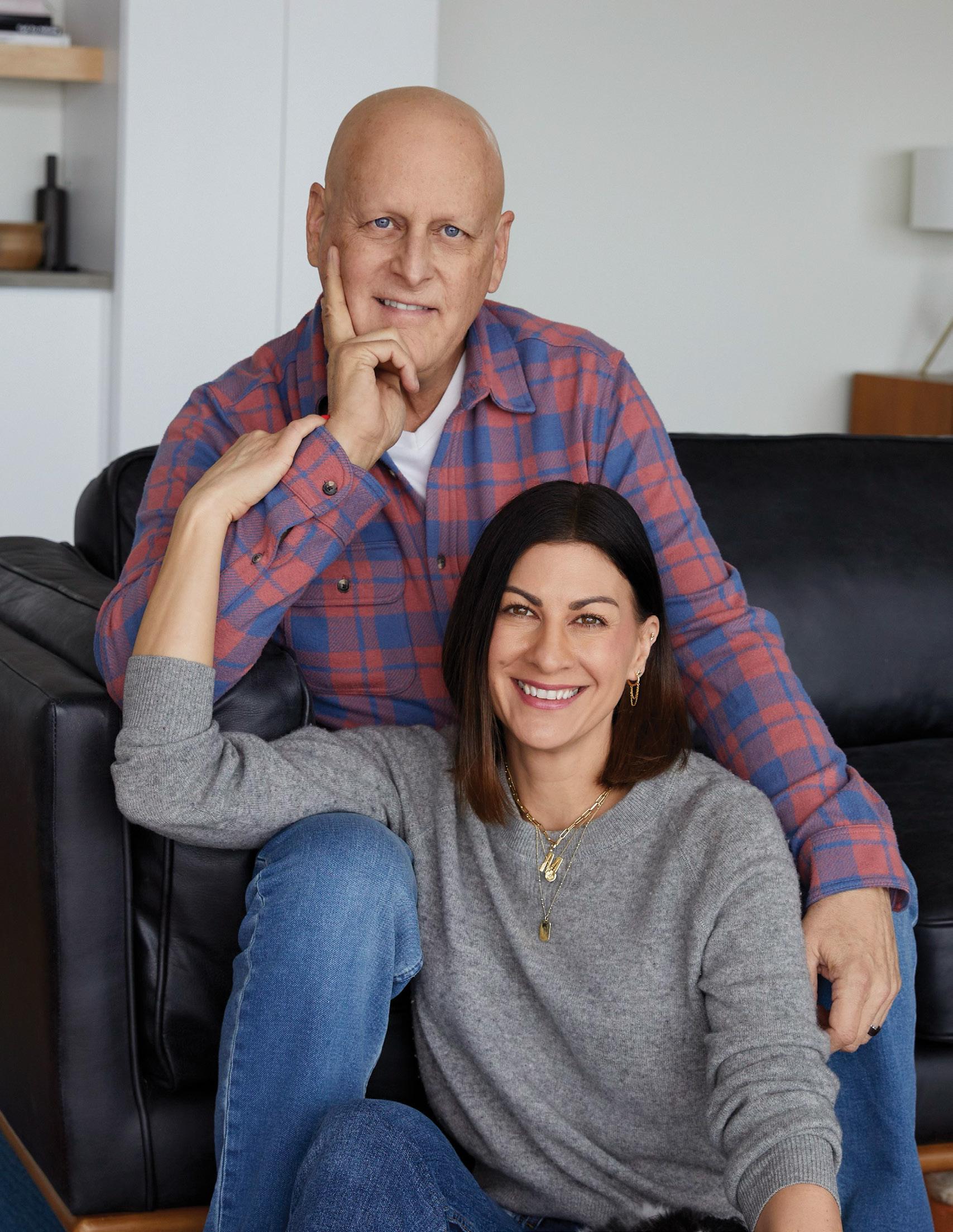
Dave Coulier’s Unscripted Role:
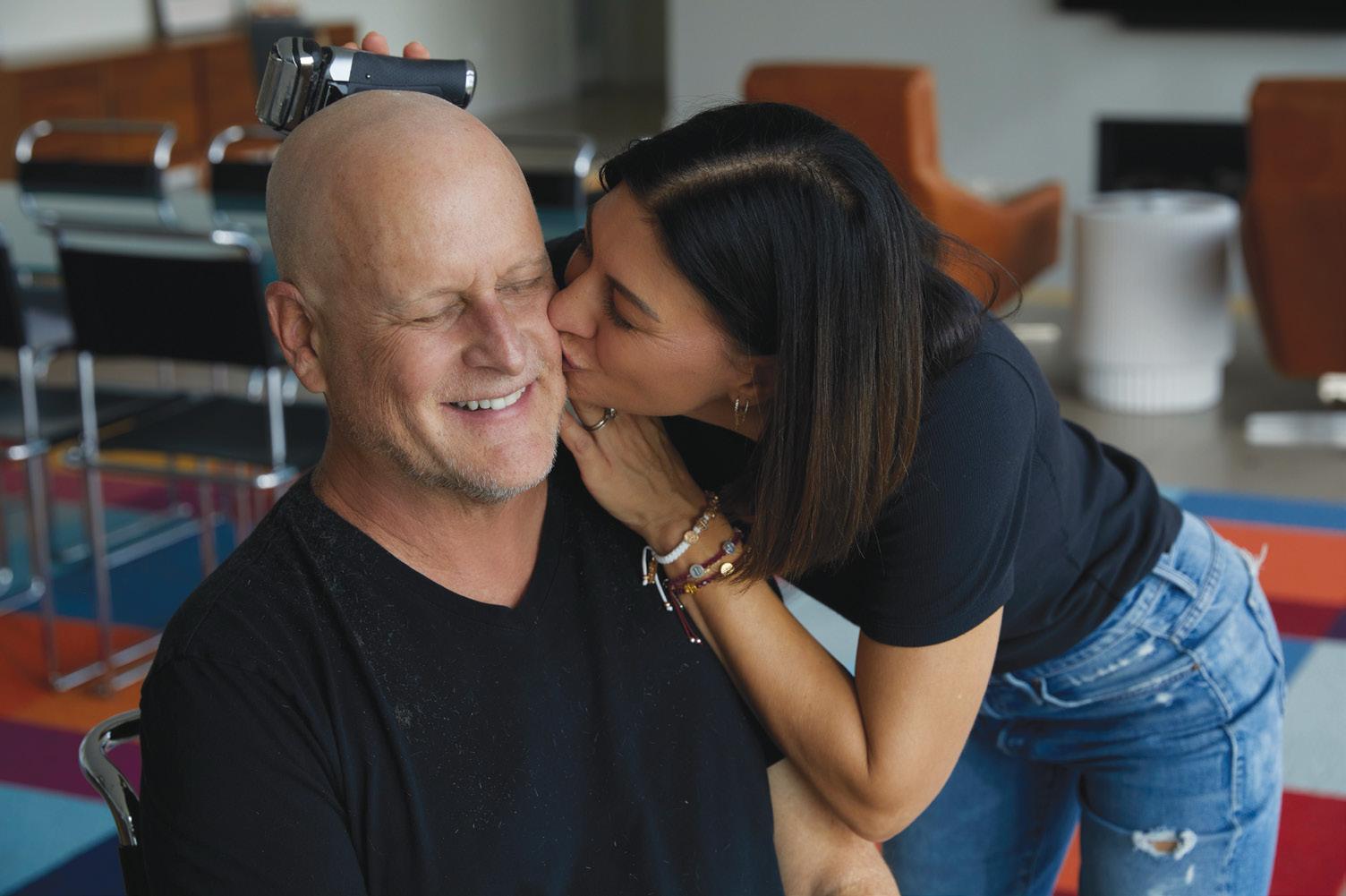
Many know Dave Coulier as the quick-witted, lovable Uncle Joey from the hit sitcom Full House – the guy who brought laughter into living rooms across America for eight years straight. But behind his familiar smile lies a far more personal and profound story that’s just being written. In the fall of 2024, Coulier found himself in a role no script could prepare him for: a patient facing a cancer diagnosis. As his journey continues to unfold, Coulier is embracing vulnerability as a source of strength – and using his voice to bring comfort, awareness, and hope to others facing the same fight.
In October 2024, while showering in the home he and his wife, Melissa, designed and built on Michigan’s Lake Saint Clair, Dave Coulier noticed a small lump in his groin. At first, he brushed it off, assuming it was nothing more than
a swollen lymph node – just his body’s way of “fighting off a cold.” “I just kind of wrote it off,” Coulier recalls. “But then the next day, it was larger, and I just thought, ‘Oh, man. I must really be fighting something off here!’”
Three days later, he showed Melissa and asked for her opinion. Her reaction was swift and decisive: “We’re going in now,” she said.
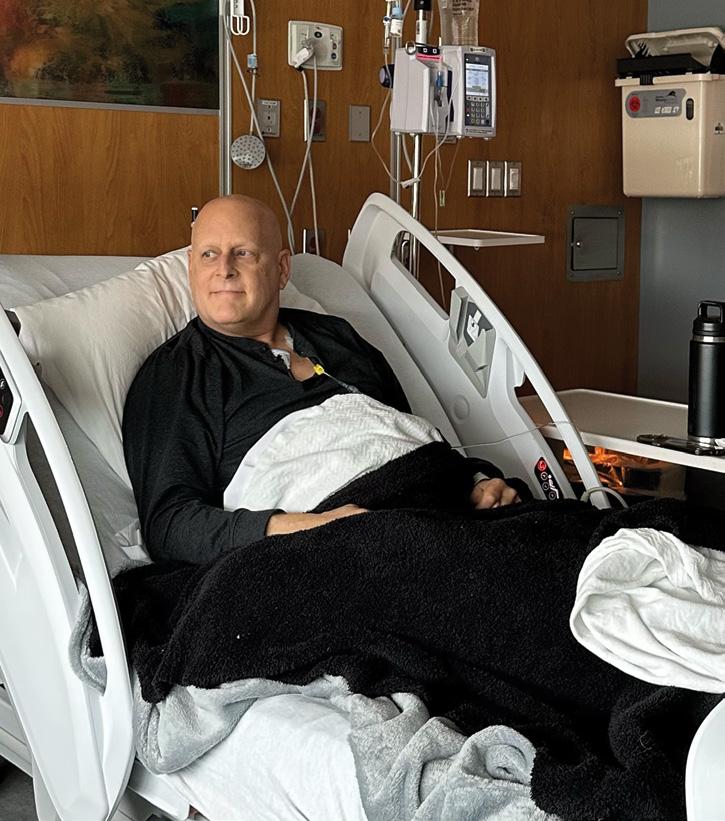
By the time Coulier made it to his doctor’s appointment, the lump had grown to the size of a golf ball. After deciding on surgery to remove the lump and a biopsy of the mass, the results came back 10 days later: stage three B-cell lymphoma. B-cell lymphomas are considered an aggressive (fast-growing) non-Hodgkin lymphoma that affects B lymphocytes. B cells are lymphocytes that make antibodies to fight infections and are an important part of the lymphatic system.
Coulier was alone when he received the doctor’s call.
“They said, ‘Hey, we wish we had better news for you, but you’ve got non-Hodgkin lymphoma.’ It was a gut punch,” said Coulier. “Whenever you hear news like that, you just get that ringing in your ears, and your stomach gets a funny feeling, and you’re numb. It’s new, so your body and your mind don’t know how to process it.”
When Melissa arrived home later that day, the first thing she asked Coulier about was if he had received the test results.
“I said, ‘Well, yeah, I have cancer.’ She was like, ‘Shut up. Don’t even joke.’ And I go, ‘No, I’ve got...’ and I told her the news,” Coulier said. “I could see the pain in her face, and at that moment, I didn’t feel bad for myself – I immediately felt for my wife.”
Coulier said he and Melissa cried for a while that day – and yet in that difficult moment, Coulier said his first thought was, “I think I can turn this into something good.” Within half an hour Coulier knew he wanted to use his diagnosis to help others. “I’m gonna tell everybody about this,” he remarked. “Once I realized that I could help people, the tears went away.”
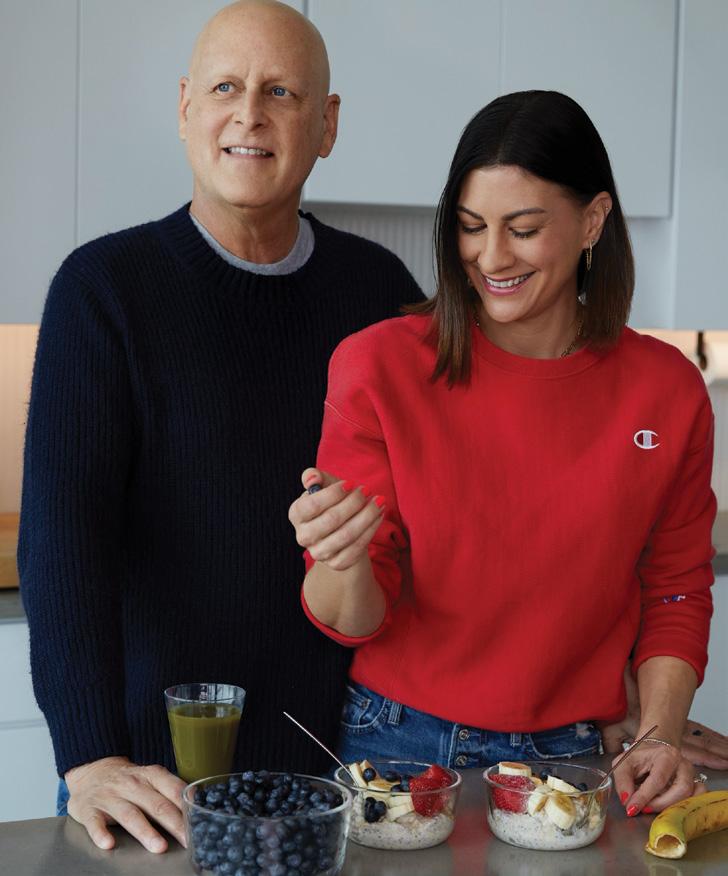
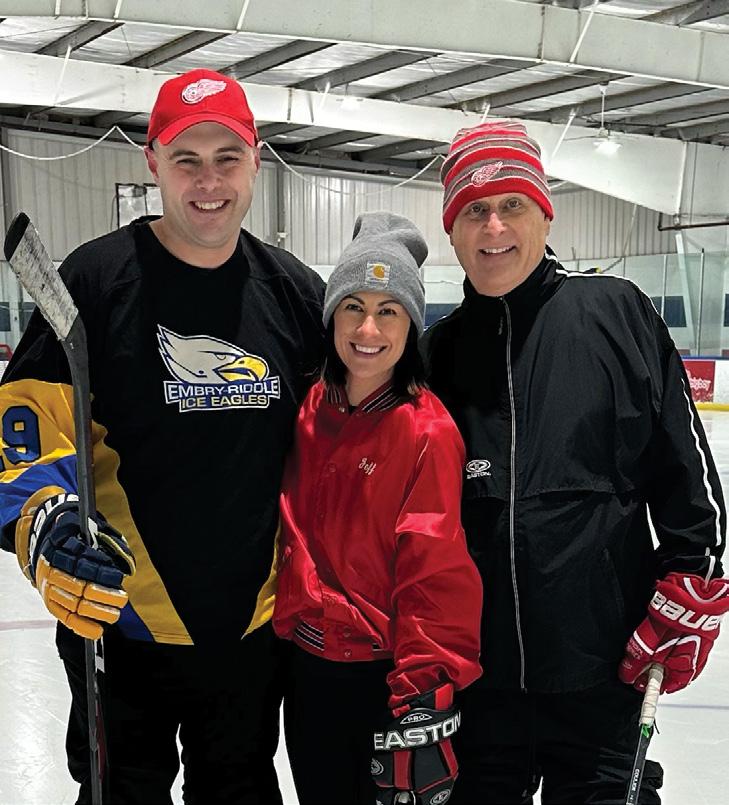
Coulier’s instinct to find humor and help others through difficult times wasn’t new – it was forged in his childhood. Raised in a Catholic community in Michigan, after his parents divorced, Coulier found solace in making others laugh.
“At the time, it felt like I was the only divorced kid, and that prompted a lot of my humor because I wanted to hear laughter and I wanted to see smiling faces around me,” he said. “I was always the funny kid in the locker room. I played a lot of sports, mostly hockey, as a kid, and it was like having a captive audience when everybody was getting ready for the game. You’ve got 20 guys sitting around, and that was my chance to do impressions of the coach or guys on my team. I just fell in love with hearing laughter.”
According to Coulier, many comedians are often driven by some form of sadness or trauma in their lives.
“Every comedian I know has some kind of tragedy that happens that forces them to get up on a stage, grab a microphone and say, ‘I’m the funniest person you’re going to hear tonight,’” Coulier said. “I was textbook that kid.”
His stand-up comedy career eventually led him to being cast in “Full House,” where he became beloved as Joey Gladstone, bringing laughter and joy to millions worldwide.
Just five weeks after his diagnosis, Coulier made the decision to go public. He appeared on the TODAY Show, where he had been a guest several times before, although never to share something so personal.
“I thought that the TODAY Show would be a good stage for me because it’s television, which is how most people know me,” said Coulier. “After the interview, Hoda looked at me and said, ‘You know what you did here today? You helped a lot of people,’ and then Al Roker came over and gave me a hug. And I thought, ‘Mission accomplished!’”
The response to his interview was overwhelming.
“I received thousands of personal notes from people sharing their stories with me about their journeys with lymphoma,” he said. “It was letters like, ‘I’m going to tell my partner to go and get a colonoscopy’ or ‘I’m going to tell my wife that I’m going to go and have a prostate exam.’ In sharing my lymphoma diagnosis, it wasn’t just about me anymore. It was about everybody else. Sharing the news was a huge relief, a huge weight lifted from my shoulders.”
Despite his positive outlook, Coulier’s treatment journey had some challenging moments. Diagnosed at stage three, he faced six rounds of chemotherapy, each round delivered every three to four weeks. After his first treatment, Coulier felt optimistic.
“I thought, ‘If this is as bad as it gets, I’m going to fly through this.’ Well, I had no idea what I was really saying.”
The cumulative effects of chemotherapy began to take their toll as his treatment progressed. “When I looked in the mirror, I saw my face puffed out to here and my stomach out to here. I was dizzy, sick to my stomach, weak, and I lost my hair,” he said. “Chemo starts to steal your body away from you, and little by little, it chips away to where you feel like you’re just a skeleton.”
Coulier’s lowest point came around the middle of his treatment cycle. “I realized, oh, man – I’m only halfway through this and I’ve got three more of these treatments to do,” he said. “I started to think, ‘Wow, this is really strong stuff they’re pumping into me.’”
In sharing my lymphoma diagnosis, it wasn’t just about me anymore. It was about everybody else. Sharing the news was a huge relief, a huge weight lifted from my shoulders.
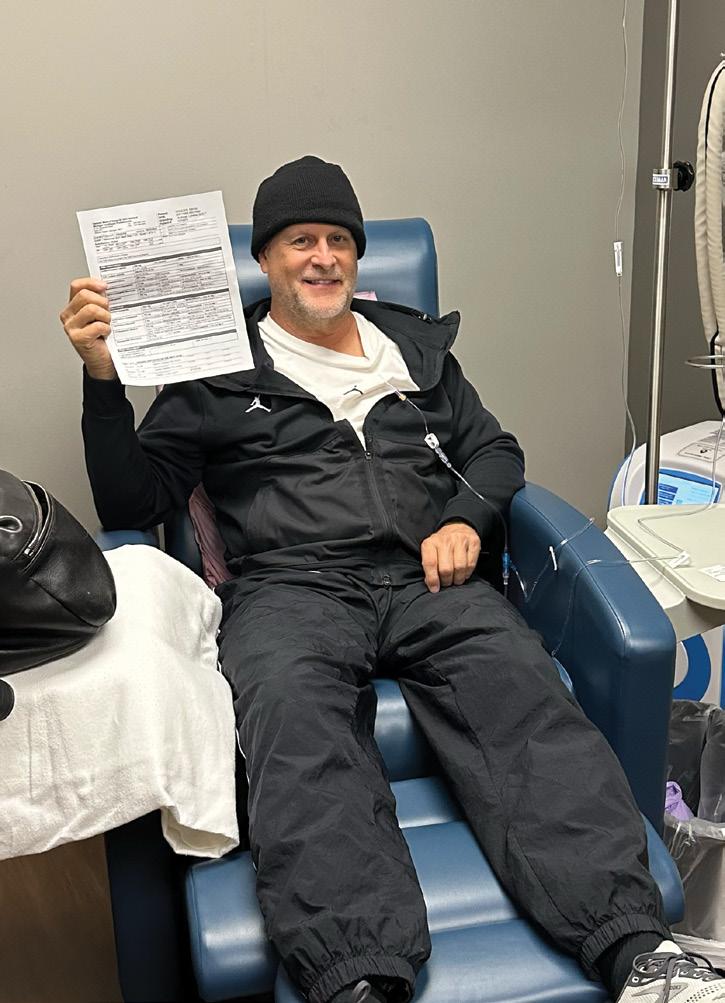
During treatment, Coulier discovered that chemotherapy not only impacted his body but had also affected his creative abilities as well. “It stripped away the creative process, which was tough for me,” he said. “I couldn’t really write, and my attention span was kind of stolen from me. That little spark of creativity that sits somewhere inside me, the flame had gone out.”
Coulier turned to painting to express himself.
“I figured that if the words weren’t coming, I’m going to paint how I feel and let my body do it,” he said. “I wanted to see what that was like through my creative process. I wanted this to be visual.”
The paintings that emerged were unlike any he had created before. “I painted some weird stuff,” he said. “I look back at it now and I think, ‘OK, my brain was definitely getting pumped full of chemicals.’”
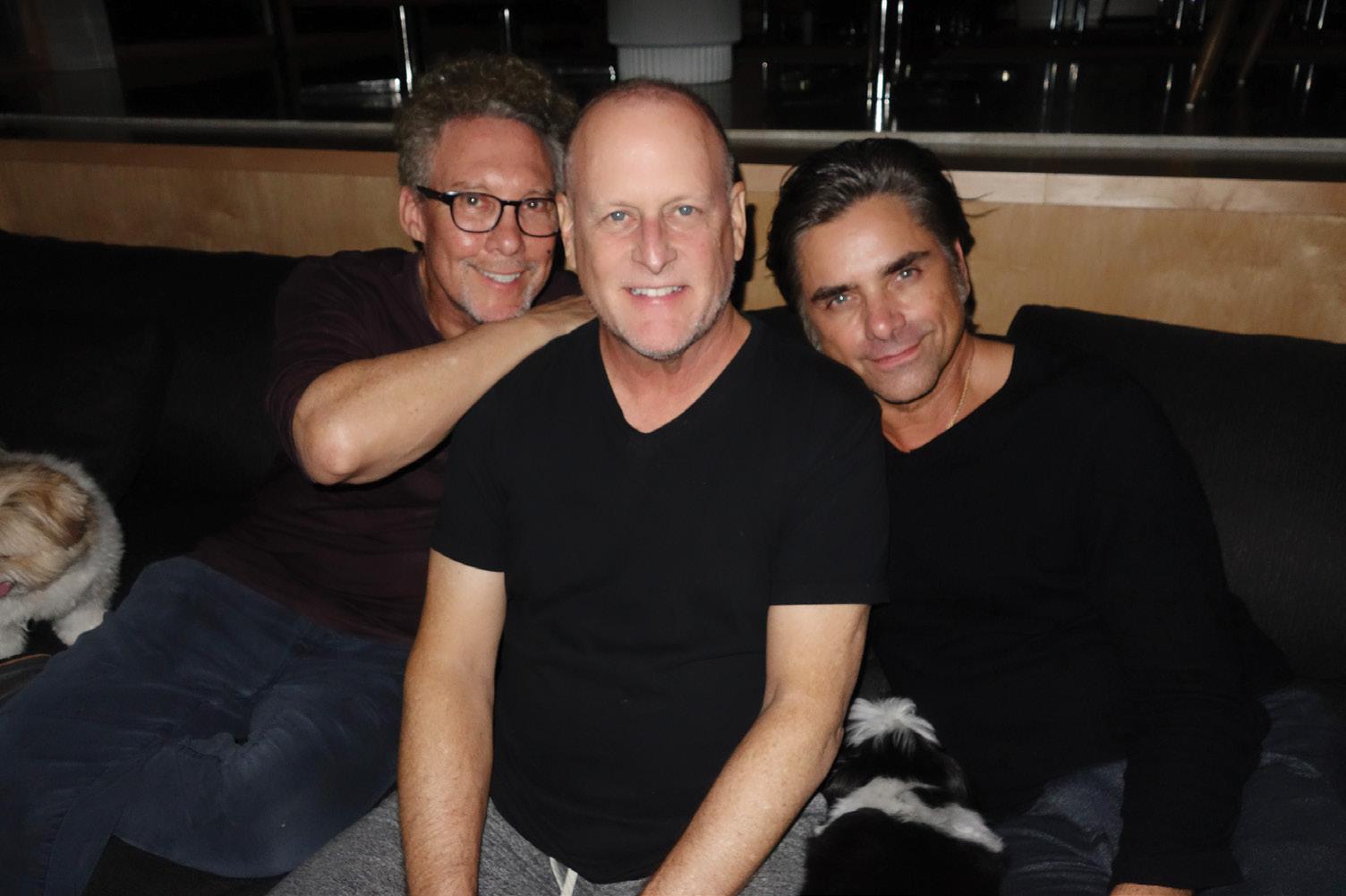
Throughout his journey, Coulier drew strength from his wife, Melissa, and his friends and family – including his “Full House” family. His close friend and co-star John Stamos made a special trip to Michigan during Coulier’s treatment, wearing a bald cap to make him laugh.
“He knew that was going to make me laugh because he’s got this incredible mane – Uncle Jesse,” Coulier chuckles. “I laughed my ass off.”
The gesture captured how Coulier approached his illness and treatment, with humor and the love and support of those who knew him best.
“When I was a kid, I fell in love with comedians. I always loved funny people, and to this day, I gravitate toward people with a sense of humor,” said Coulier. “I naturally gravitate toward people who laugh, and I think laughter has certainly been the thing that has uplifted, carried, and nurtured me through this tough time.”
On March 31, 2025, Coulier announced that his treatment had been successful and that he was officially cancer-free.
Coulier’s initial research about lymphoma and treatment experiences led him to develop a deeper understanding of the potential environmental and lifestyle factors that could contribute to lymphoma. “I thought, I’m going to study my life and make some changes,” said Coulier. “What am I eating? What am I doing? What am I touching?”
Coulier’s advocacy has led to meaningful partnerships with organizations dedicated to eradicating lymphoma, including the Lymphoma Research Foundation. Coulier was impressed by the Foundation’s comprehensive approach that married clinical research with the support of those touched by the disease.
“I really liked the work that the Lymphoma Research Foundation was doing,” he said. “I like that there are tools available for people to learn about their type of lymphoma, and if I can help raise awareness of the organization and that those tools are available to the public, I’m happy to do it.”
Today, Coulier views his survivorship as both a responsibility and an opportunity. For those facing a lymphoma diagnosis, Coulier offers heartfelt advice rooted in his own experience.
“Listen to your heart because your heart will tell you a lot of things, especially when the stakes are this high. Your basic operating system kicks in, and so you have to listen to yourself.”
Through his openness, humor, and commitment to helping others, Dave Coulier has transformed his lymphoma experience into a source of hope for others facing similar challenges. As he puts it: “When it comes to receiving a serious diagnosis, none of us get a trial run,” he said. “The day you are told that you have lymphoma is the first time you walk down this path. So be very, very forgiving with yourself, accept who you are through this process, and encourage yourself because you’re not alone. Millions of people have been affected by this disease, but remember that this is your journey, and you get to choose how you want to go through it. So more than anything else, be kind to yourself.”
Proposed Federal Policy Shifts Threaten the Future of Cancer Research – Especially for Rare Diseases Like Lymphoma and CLL
Lymphoma research has long been a catalyst for innovation across the field of oncology. Yet, because lymphoma and chronic lymphocytic leukemia (CLL) are considered rare diseases, they have historically received less federal research funding when compared to other disease states. Now, that gap may widen.
Proposed changes to agencies like the National Institutes of Health (NIH), the Centers for Disease Control and Prevention (CDC), and the U.S. Food and Drug Administration (FDA) could stall vital progress – jeopardizing care, discovery, and hope for the lymphoma community. These cuts don’t just slow progress, they also threaten researchers’ careers.
Early career scientists, the very pipeline to tomorrow’s cures, are at risk. Job offers are being rescinded. Projects are stalled. Mentorship and training opportunities are reduced. Once lost, these researchers may not return to careers in lymphoma research.
Despite federal uncertainty, the Lymphoma Research Foundation remains committed to advancing lifesaving research, supporting the next generation of lymphoma experts, and serving every person touched by this disease. To that end, the Foundation is announcing the creation of the Early Career Investigator Fund
By making a gift to support our Early Career Investigator Fund today, you will help ensure that the Foundation can fully support its world-class mentoring programs and early career grants for the next generation of lymphoma and CLL experts.
Thanks to your continued generosity, we can keep moving forward. Together, we can protect progress, empower researchers, and push toward a world without lymphoma.
Visit giving.lymphoma.org/research to support the future of lymphoma research today!
The Lymphoma Research Foundation’s Lymphoma Scientific Research Mentoring Program (LSRMP) is a first-of-its-kind education and mentoring program for junior scientists who wish to focus on lymphoma and CLL research, whether in the lab or in the clinic.
The primary goal of the LSRMP is to retain its talented participants – called Foundation Scholars – in the field of lymphoma by providing mentoring and education programming and fostering research collaboration among expert faculty and grantees.
Led by the 2025 LSRMP Clinical Research co-chairs, Jeremy Abramson, MD (Massachusetts General Hospital), and Alison Moskowitz, MD (Memorial Sloan Kettering Cancer Center), and Laboratory/Translational Research co-chairs, David Scott, PhD, MBChB (BC Cancer, Vancouver), and Teresa Palomero, PhD (Columbia University Institute for Cancer Genetics), the new class boasts translational and clinical researchers pursuing a diverse range of research projects to improve patient outcomes.

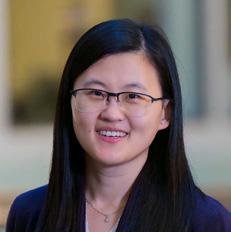
Mengyang Di, MD, PhD
University
of Washington Runge Lymphoma Project Scholar
Mosunetuzumab is a novel bispecific T-cell engager used in the treatment of relapsed or refractory follicular lymphoma (FL). “Unfortunately, lymphoma still returns in most patients after mosunetuzumab, and many develop side effects related to the activation of their immune system,” explains Dr. Di. “These side effects may require admission to the hospital or intensive care unit and may sometimes be life-threatening.” Dr. Di’s research, therefore, aims to determine whether the addition of the Bruton’s tyrosine kinase (BTK) inhibitor, pirtobrutinib – which has been shown to have immune-modulating effects – can increase the effectiveness and tolerability of mosunetuzumab alone. “If successful, it will provide a very promising treatment option for relapsed/refractory FL,” she says.
Through the connections she has made through the Lymphoma Clinical Research Mentoring Program, Dr. Di has already received meaningful guidance that has led to important changes in the design of her clinical trial, which she expects will improve the effectiveness and safety of treatment. “Through the workshop, I not only obtained very helpful suggestions on improving the design of my current project, but also I received great advice on potential opportunities for collaborations on outcomes research and quality-of-life studies,” she adds.
Dr. Di completed her medical training at Peking Union Medical College and her graduate training at The Chinese University of Hong Kong. She is currently an assistant professor in the lymphoma service at the University of Washington School of Medicine and Fred Hutchinson Cancer Center. As a clinical researcher, Dr. Di aims to drive therapeutic innovation and improve the quality of life for patients with FL.
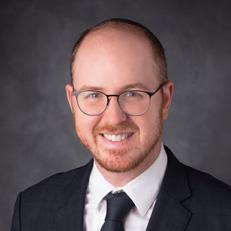
Eduardo Edelman Saul, MD MD Anderson Cancer Center
Limited treatment options are available after frontline chemotherapy for peripheral T-cell lymphoma (PTCL), leading to poor clinical outcomes for patients who relapse. Golidocitinib, a selective Janus kinase 1 (inhibitor), has shown promise in early clinical trials for relapsed/refractory PTCL. Dr. Edelman Saul’s research aims to evaluate whether golidocitinib can also be used in the frontline setting for patients with newly diagnosed PTCL, with the hopes of establishing a new standard of care to improve upfront outcomes for patients with this aggressive disease.
As a medical student at the Universidade Federal do Rio de Janeiro in Brazil, Dr. Edelman Saul knew he wanted to become a hematologist/oncologist. It wasn’t until his time as a resident at the University of Miami and Jackson Memorial Hospital in Miami, FL, that he first became interested in a career in lymphoma research. “The rapid scientific progress in the field and the potential to positively impact patients’ lives were major motivators,” he explains. “I was also fascinated by the interplay between the immune system and the variety of disease presentations. Most importantly, though, studying lymphomas allowed me to build meaningful relationships with mentors and patients that continue to fuel my passion for the field.”
Dr. Edelman Saul is currently a hematology and medical oncology fellow at the University of Texas MD Anderson Cancer Center. Building on his current research, he hopes to establish himself as a clinician-investigator focused on leading clinical trials that improve the lives of lymphoma patients. “Being selected as a Lymphoma Research Foundation LSRMP Scholar has been an honor,” he says.
“Participating in the workshop has been instrumental to connecting with like-minded peers and mentors, learning and honing skills in clinical trial development in lymphomas, establishing extramural mentor relationships I would not be able to otherwise, and opening doors for the fruition of my budding academic career.”
“Thank you to the Foundation, sponsors, patients, and everyone supporting early career researchers and advancing the field of lymphoma research,” he adds. “Your support is invaluable.”
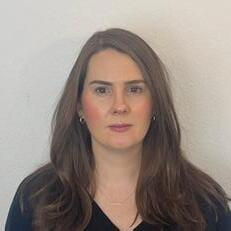
Mallorie Heneghan, MD
The University of Utah
The Paul
Walker Schaffel Scholar
Adolescents and young adults (AYAs) with lymphoma often have poor outcomes, with variable presentations observed between age groups. In particular, Dr. Heneghan is interested in understanding how lymphomas with mixed cellularity (MC) histology vary in their outcomes and presentation based on age. Older research suggests that MC histology is more common in younger patients (<10 years) but may exhibit a more aggressive disease course in AYAs (≥15 years). “Whether these differences persist in a contemporary cohort is unknown,” Dr. Heneghan explains. “To address this, I proposed the largest analysis of presentation and outcomes by age among patients with MC. If survival differs significantly, this will require urgent reevaluation of current clinical practice.”
Dr. Heneghan earned her medical degree from the Perelman School of Medicine at the University of Pennsylvania. She is currently an assistant professor in the Division of Pediatric Hematology/Oncology at the University of Utah in Salt Lake City, where her experiences with her patients inspire her research. “Watching my AYA patients persevere through treatment reinforces my commitment to do better for them,” she says.
The mentorship gained through the Lymphoma Clinical Research Mentoring Program has already proven invaluable to Dr. Heneghan’s project and future career. “The unique opportunity to get feedback from worldrenowned experts in lymphoma was a tremendous opportunity to improve my project, hone my research skills, and build my network,” she says. Dr. Heneghan hopes that the connections she builds through this program will help guide her research efforts in the coming years. “I aim to lead collaborative health services research focused on improving access to care and advancing personalized treatments for AYA lymphoma patients,” she explains. “I believe my AYA lymphoma patients will change the world, and we need to find less toxic cures to let them reach their full potential!”
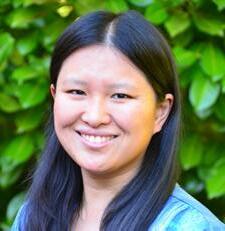
Fred Hutchinson Cancer Center
Kanti R. Rai, MD, Clinical Scholar
Lisocabtagene maraleucel (liso-cel) is a chimeric antigen receptor (CAR) T-cell therapy that can be used to treat patients with relapsed or refractory chronic lymphocytic leukemia (CLL) or small lymphocytic lymphoma (SLL). While this represents a promising option for some patients, complete response rates are low, meaning many patients will quickly require additional treatment. “My project is to improve the efficacy of liso-cel by combining it with nemtabrutinib, a non-covalent BTK inhibitor, based on prior pre-clinical and clinical studies suggesting the benefit of the combination of BTK inhibitors and CAR T-cell therapy,” explains Dr. Huang. Through this research, Dr. Huang hopes to improve the efficacy of CAR T-cell therapy and increase the number of patients who respond to treatment.
Dr. Huang completed her medical and doctoral training at Duke University in Durham, NC. She is currently a thirdyear hematology and oncology fellow at Fred Hutchinson Cancer Center and the University of Washington, where she is working toward establishing herself as an independent clinician-investigator. “I see myself as a clinical investigator who is both leading clinical trials at the intersection of lymphoma and cellular therapy and collaborating with basic science researchers to learn about the impact of our treatments on the immune profile and tumor microenvironment,” she says. “I endeavor to bring new therapeutic options to improve our treatment of lymphoma and also advance our knowledge of the mechanisms through which our treatments work.”
Looking ahead to the future, Dr. Huang is excited to help advance treatment options for patients with CLL/SLL. “It is exciting to be involved in a rapidly evolving field where the landscape of treatment has changed dramatically over the past 10-15 years,” she says. “The addition of CAR T-cell therapy is yet another exciting addition to our toolkit but also presents new challenges. I am eager to be part of this effort to further advance the field and improve the lives of our patients.”
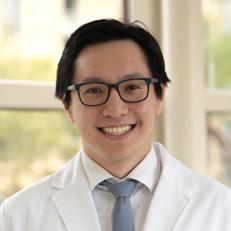
Alex Niu, MD
Roswell Park Comprehensive Cancer Center
Eric A. Cohen Distinguished Scholar
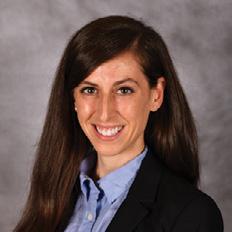
Chimeric antigen receptor (CAR) T-cell therapies represent a promising treatment option for many patients with relapsed lymphoma, but some patients still do not respond to therapy. By combining CAR T-cell treatment with a novel cytokine therapy, Dr. Niu’s research aims to increase the persistence of CAR T-cells within the body and modulate the tumor microenvironment to improve the efficacy of CAR T-cell therapy across diverse lymphoma subtypes. “This project has the ability to increase the odds of success with CAR T-cell therapy and could potentially alter the landscape of how CAR T-cell is utilized,” he says. “Thus, it is easy to wake up every day and work on this project with the goal of improving patients’ successes.”
Dr. Niu’s interest in lymphoma research began during his time as a hematology and oncology fellow at Tulane School of Medicine in New Orleans, LA. “The ability of patients with an aggressive lymphoma to arrive at the hospital incredibly sick and, with the appropriate treatment, leave looking like their original self was an absolute marvel to me,” he says. His career is now focused on advancing the landscape of lymphoma treatment. “While our lymphoma treatments are overall good, there are still large percentages of patients who do not have the response we all hope for,” he explains. “Therefore, I am dedicated to lymphoma research, as I want to find ways to improve outcomes for these patients and lay the groundwork for future researchers to advance the field.”
It is easy to wake up every day and work on this project with the goal of improving patients’ successes.
Evelyn Orlando, MD
Weill Cornell Medicine
Kaine
Family Scholar
Immunosuppressant medications used to prevent rejection after organ transplant can increase the likelihood of infection with Epstein-Barr virus (EBV). EBV infection in immunosuppressed individuals can lead to a variety of complications, including increased risk for post-transplant lymphoproliferative disorder (PTLD) and lymphoma. Strategies such as antiviral treatment or discontinuation of immunosuppressants that are sometimes used to try to manage these complications have not been found to prevent the development of lymphoma, highlighting the need for alternative options for transplant recipients.
Rituximab is a targeted antibody therapy used in the treatment of lymphoma, and Dr. Orlando is interested in understanding whether it can be used to prevent lymphoma in transplant recipients who develop EBV infection. “We previously conducted a chart review study at Columbia University and found that rituximab use in transplant recipients with EBV is associated with a reduction in the rate of PTLD as compared with patients who did not receive rituximab,” she explains. Now she plans to rigorously test this treatment in a randomized, controlled trial. “We want to more definitively determine whether rituximab use in transplant recipients with high EBV levels can effectively reduce their level of EBV and, in so doing, prevent the development of lymphoma.”
Dr. Orlando’s interest in lymphoma research and PTLD began during her time as a resident at Columbia University. “The first patient I met on my very first day of intern year was a heart transplant recipient who was admitted to the hospital for expedited evaluation of newly diagnosed PTLD after developing a lump in his neck,” she explains. “I remember being struck by the injustice of a person surviving a heart transplant, only to have to grapple with a diagnosis of lymphoma.” Since then, she has been committed to helping address the unmet needs of patients with PTLD. “My motivation to keep working toward better strategies for treating lymphoma comes directly from my experiences taking care of patients,” she says. “My interactions with patients and families in the clinic ground me in the importance of and impetus for research and progress in improving the lives of patients with lymphoma.”
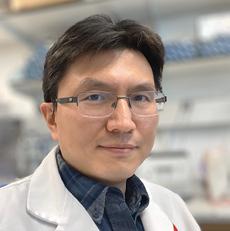
Andy Bi, MD, PhD University of Nebraska Medical Center Schroeder Family Scholar
Mantle cell lymphoma (MCL) is an aggressive and often treatment-refractory type of non-Hodgkin lymphoma. Using advanced sequencing techniques, Dr. Bi’s research aims to identify distinct genetic variants that contribute to treatment resistance and drive tumor progression in MCL. “This research will establish a critical foundation for the development of more personalized and effective therapeutic strategies,” Dr. Bi predicts. “Ultimately, the findings have the potential to identify novel treatment targets, improve outcomes for high-risk patient populations, and advance a more precise, biologyinformed approach to MCL management.”
Dr. Bi’s interest in lymphoma research began during his time as a graduate student at Sichuan University (China) and the University of Nebraska Medical Center.
“What initially drew me in and still motivates me is the complexity of the disease and the urgent need for better treatment options,” he explains. “This project builds on my long-term efforts to understand the genetic drivers of MCL and represents a critical step toward more precise, personalized therapies for patients facing limited options.”
Dr. Bi hopes to leverage the support he receives through the Lymphoma Scientific Mentoring Program to strengthen his research and expand his translational research program, which he emphasizes is already built upon a strong foundation of mentorships, collaboration, and teamwork. “My goal is to further advance precision medicine in lymphoma by integrating genomic insights with functional validation and clinical application,” he says.
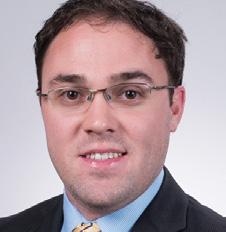
Coleman, MD, Innovation Fund Scholar
Dr. McCurry is an instructor in the Department of Hematopoietic Biology and Malignancy at the University of Texas MD Anderson Cancer Center. His research is focused on understanding why Hispanic and Native Indigenous populations are disproportionately affected by Epstein-Barr virus (EBV) infections, which can lead to the development of diffuse large B-cell lymphoma (DLBCL).
“We are trying to better understand why some individuals are more likely to get this cancer and how their genes and ancestry play a role,” he explains. “Our main goal is to find better treatments that work specifically for these groups by studying their genes and how their immune system fights the cancer. This could help improve the chances of recovery for people in these communities who are at high risk for this cancer.”
Our main goal is to find better treatments that work specifically for these groups by studying their genes and how their immune system fights the cancer. This could help improve the chances of recovery for people in these communities who are at high risk for this cancer.
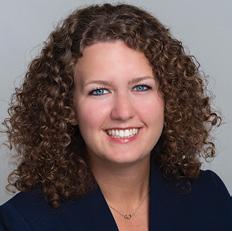
Alexandra Rojek, MD
The University of Chicago
Kristie Blum, MD, Scholar
Chimeric antigen receptor (CAR) T-cell therapy has improved outcomes for patients with B-cell lymphomas, but many patients still experience relapse after treatment. Dr. Rojek’s research has revealed that inhibition of the PI3K signaling pathway plays a role in the persistence of CAR T cells, and her current work is aimed at understanding whether the addition of a PI3K inhibitor during the CAR T-cell manufacturing process can enhance their efficacy for lymphoma treatment. “Seeing not only the incredible success of CAR T-cell therapy for patients but also the disappointment of when it does not work gives me the motivation to develop strategies to tip the balance in favor of those incredible success stories and make that accessible to more patients,” she says.
Dr. Rojek is currently a hematology and oncology fellow at the University of Chicago. She hopes to expand her current research to establish herself as an independent researcher pushing the boundaries of lymphoma therapy to help more patients achieve long-lasting remissions. “I am excited to see how the evolving role of combinations of immunotherapies, cellular therapies, and emerging therapeutics moves our field forward into incrementally avoiding chemotherapy for more patients and with more efficacy,” she says. “The incredible drive across researchers in the field to better understand how they work and build on their successes gives me hope that we will move the needle further forward with these options in the coming years.”
“I feel so honored to be a part of the incredible Foundation community through the Lymphoma Scientific Research Mentoring Program and am so grateful for the opportunities it has already afforded me,” Dr. Rojek adds. “I have looked up to so many of my own mentors who have been and continue to be a part of the Foundation, and I feel lucky to follow in their footsteps at the start of my career in lymphoma!”
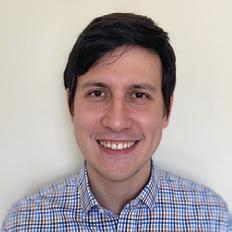
Herman van Besien, MD
Weill Cornell Medicine
Specialized immune cells from healthy donors who have previously been infected with Epstein-Barr virus (EBV) can be used to treat and kill cancer cells in patients with EBV-related lymphomas. Some subtypes of EBVrelated lymphoma, such as Burkitt lymphoma, are poorly targeted by these therapies, and Dr. van Besien’s research is aimed at understanding how to enhance the efficacy of treatment in these settings. “We have discovered that a drug called decitabine can partially make these lessimmunogenic cancers more susceptible to immune cell attacks by directing the virus to create more viral proteins that can be recognized by EBV-specific immune cells,” he explains. “Unfortunately, this effect is often incomplete, and the immune cells don’t always work as well as hoped.” Dr. van Besien and his colleagues have identified a protein – EZH2 – which prevents decitabine from inducing the production of EBV proteins. He is, therefore, investigating whether combination treatment with decitabine and EZH2 inhibitors can enhance the efficacy of EBV-specific immune cells in lymphoma treatment. “By testing this new drug combination, we hope to enhance the effectiveness of this exciting new therapy and expand it to all EBVrelated lymphomas.”
Dr. van Besien’s interest in lymphoma research began early in his career as a research technician studying novel potential treatments for Burkitt lymphoma and was strengthened throughout his medical training. “I came through medical school and residency at a time when immunotherapy had solidified itself as a true fourth pillar in cancer therapy, and I developed a clinical interest in adoptive T-cell therapy,” he explains. “My project on EBV-directed T-cell therapy marries my twin passions for cellular therapy and lymphoma.”
Dr. van Besien’s commitment to advancing treatment options for lymphoma patients is inspired by the dedication shown by his parents. “I am a secondgeneration hematologist – both of my parents are in the field,” he says. “They never pushed me into the medical profession, but they inspired me with their never-ending compassion for their patients.”
“That is ultimately what this work is all about,” he adds. “Finding newer and better treatments for patients.”


Blood Cancer Awareness Month (BCAM) is a powerful time to unite, inspire, and take action. Since 2010, the Foundation has led the charge, rallying the lymphoma community to shine a spotlight on lymphoma.
Thank you to our generous supporters for making our 2025 BCAM campaign a success and for helping us work toward a world without lymphoma.


2025 Amica Newport Marathon
Pregunte al doctor sobre el linfoma
Update on Mantle Cell Lymphoma Webinar
2025 Disney Wine & Dine Half Marathon Weekend
2025 Emerging Philanthropists Gala
2025 TCS New York City Marathon
With Lymphoma
Lymphoma and Military Service: Resources and Support for Veterans and Military Personnel Webinar
Lymphoma Research Foundation
Anniversary Annual Gala
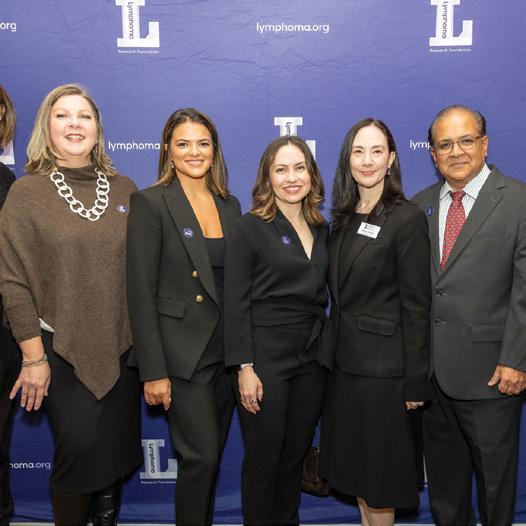
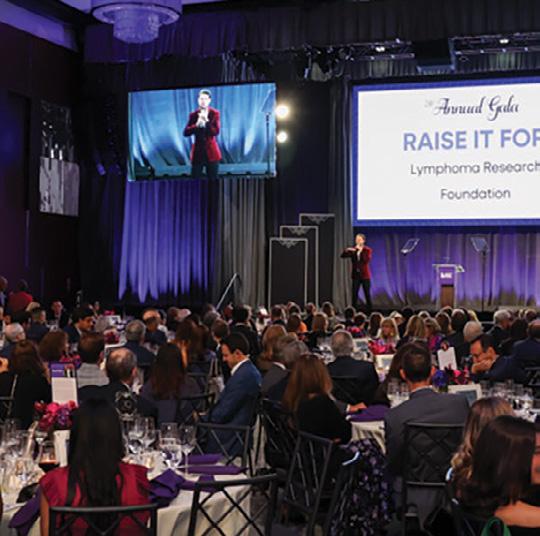
For 30 years, the Lymphoma Research Foundation has strived to be a beacon of hope for everyone affected by lymphoma. Since our founding, we have led the charge in funding groundbreaking scientific research while offering trusted support and resources to patients, caregivers, and healthcare professionals. What began as a shared mission has grown into a nationwide movement – one that is as powerful in purpose as it is personal in impact.
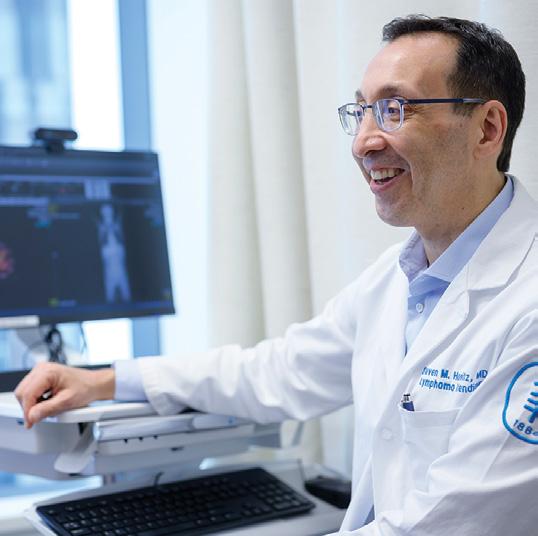
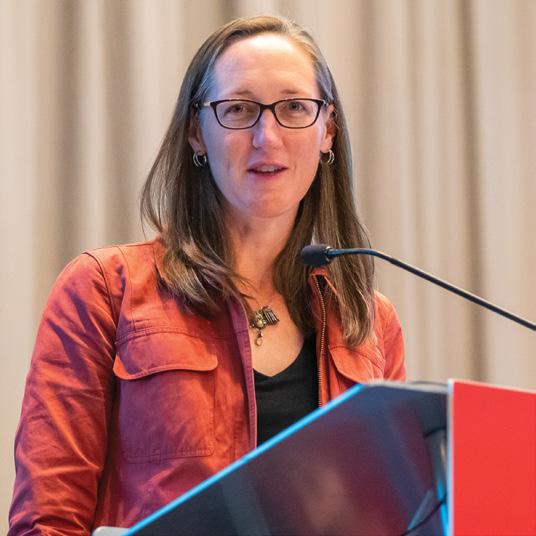
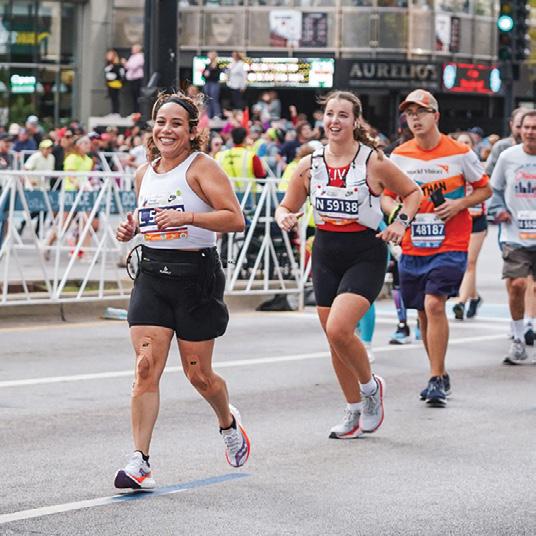
This year marks a milestone in our journey: three decades of advancing lymphoma research, empowering patients, and building a compassionate community united by resilience, determination, and unwavering hope. We’ve expanded our reach, strengthened our programs, and forged new paths forward in the search for a cure. And we’re just getting started.
As we celebrate three decades of progress, we also look to the future with bold ambition and renewed commitment. Through strategic investments in innovative research, the development of high-quality patient and professional education, and a growing leadership role in policy and advocacy, the Foundation is setting the standard for excellence in lymphoma science and care.
Our vision is clear: to be the definitive source of information, support, and leadership for everyone touched by lymphoma – patients, caregivers, researchers,
clinicians, and policymakers alike. The next 30 years call us to dream even bigger, reach even further, and do even more. Here’s how we’re moving forward:
• Accelerating research breakthroughs by increasing our investment in transformative high-impact studies that advance understanding and treatment of lymphoma
• Expanding and modernizing education and support programs to better meet patients and caregivers where they are, ensuring accessible, relevant, and empowering resources for all
• Leading national efforts in lymphoma advocacy and awareness, working to shape policies, increase funding, and amplify the voice of the lymphoma community
Together – with your support – we will continue to build a future where no one faces lymphoma alone. And one day, we will achieve what we’ve all been working toward: a world without lymphoma.

Learn more about the Foundation’s history, our impact, and how you can be part of the next 30 years of progress at lymphoma.org/30.

As we celebrate 30 years of impact, the Foundation stands poised to build on this momentum – driving innovation, amplifying diverse voices, and bringing us closer to a world without lymphoma. This timeline reflects a legacy of bold vision, relentless progress, and unwavering commitment to those affected by lymphoma.
The Lymphoma Research Foundation is established, along with its Scientific Advisory Board (SAB), to drive progress in lymphoma research.
Today, the SAB includes 45 leading experts who guide the planning of the Foundation’s research program and select grant recipients.
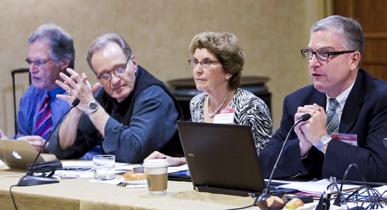
The first North American Educational Forum on Lymphoma is held in California, creating a new space for patient education and support.
Today, the Ed Forum remains the largest lymphomaspecific patient conference in the world, with four additional education program series meeting patients at every stage of their journey.
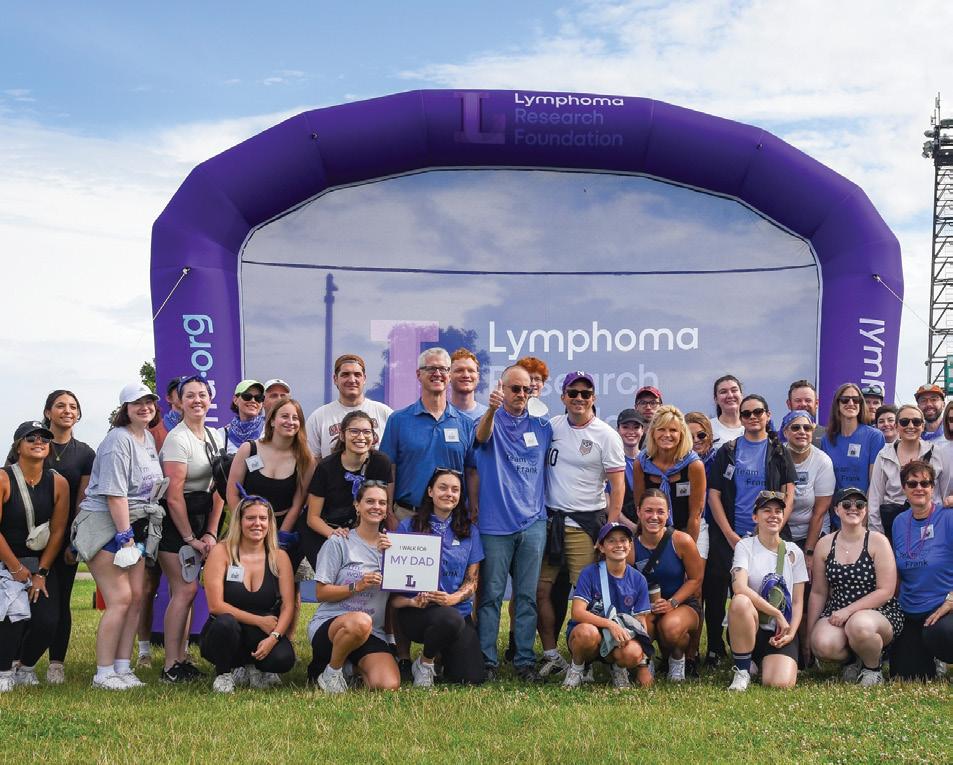
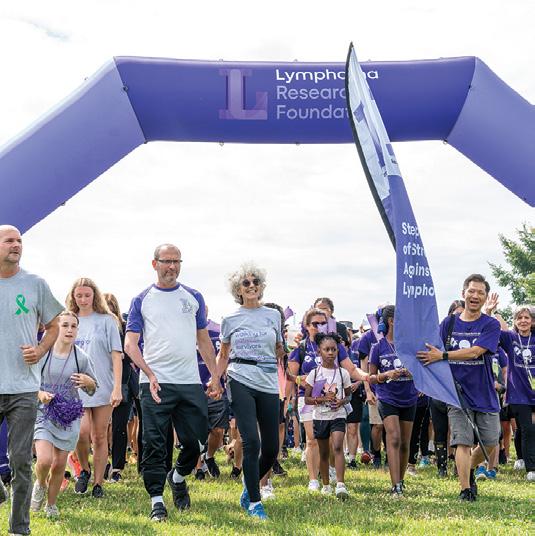
The Foundation hosts its inaugural Lymphoma Walk, launching its peer-topeer fundraising efforts.
Since then, the community fundraising program has raised over $18 million, engaging supporters nationwide.
The Mantle Cell Lymphoma (MCL) Initiative is established, positioning the Foundation as one of the largest private funders of MCL research.
The Mantle Cell Lymphoma Consortium (MCLC) has become the Foundation’s largest scientific initiative.
To expand its impact on healthcare professionals, the Foundation launches Lymphoma Rounds, a continuing education program tailored for clinicians treating lymphoma.
Now reaching markets like Puerto Rico, the program reflects the Foundation’s strong commitment to health equity.
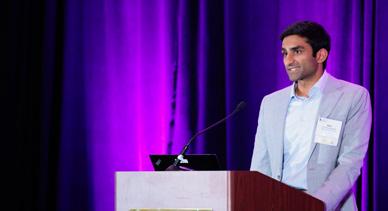
Thanks in large part to the Foundation’s Advocacy Program, the U.S. Congress designates September as National Blood Cancer Awareness Month (BCAM).
Today, the Foundation commemorates BCAM by building community and raising awareness – also launching its own Giving Day on World Lymphoma Awareness Day (WLAD).
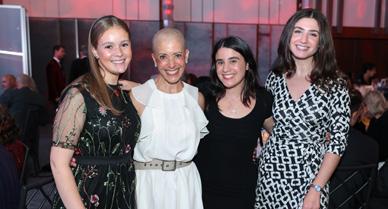
The Foundation debuts #EraseLymphoma in partnership with the Paul Foundation, a campaign dedicated to raising awareness and tailored support to adolescent and young adult (AYA) patients and survivors.
Ellen Walker, founder and CEO of the Paul Foundation, now serves on its Board of Directors.
The Foundation hosts the first CAR T-cell therapy education program in the U.S., delivering vital information to the lymphoma community about this groundbreaking treatment.
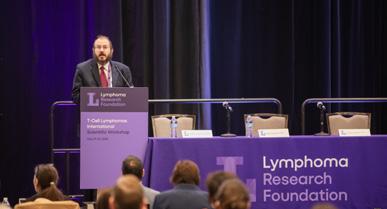
To address the unique challenges faced by people with lymphoma and CLL, the Foundation establishes the first and only COVID-19 scientific program, the COVID-19 and Lymphoma Initiative.
The Foundation launches the Adolescent and Young Adult (AYA) Lymphoma Consortium, a first-of-its-kind initiative uniting pediatric and adult lymphoma experts to improve care and outcomes for AYA patients.
Before this, no similar national platform existed to connect these critical voices in lymphoma care, and now the consortia has more than 70 members.
2023
A milestone is reached as Dr. Elise Chong (University of Pennsylvania, Perelman School of Medicine) becomes the Foundation’s 500th grantee, reflecting decades of investment in the next generation of lymphoma researchers.
The Foundation expands its Lymphoma Scientific Research Mentoring Program (LSRMP) to foster the next generation of laboratory and translational researchers.
The Foundation introduces its new Health Equity Initiative (HEI) to address disparities in research careers and patient care, and launches Lymphoma.org en Español, expanding access to resources for the Spanish-speaking community.
The Foundation celebrates three decades of progress while looking toward the future with bold ambition and renewed commitment. Through strategic investments in innovative research, high-quality patient and professional education, and a growing leadership role in policy and advocacy, the Foundation is setting the standard for excellence in lymphoma science and care.
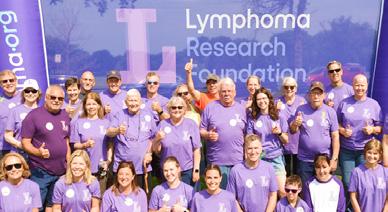




Lymphoma, the most common form of blood cancer, is considered a rare disease. Though it affects nearly 100,000 people in the United States each year, it accounts for only about 5% of all cancer diagnoses. As a result, lymphoma research does not receive the level of federal funding or public attention that some other cancers do. Yet its complexity – encompassing more than 100 different subtypes – makes the need for dedicated research even more urgent. Every subtype behaves differently, responds uniquely to treatment, and often requires specialized approaches to diagnosis and care. This complexity demands dedicated scientific research and substantial investment in lymphoma-specific research.
For three decades, the Lymphoma Research Foundation has led the charge in transforming the lymphoma research landscape. The Foundation recognized early on that advancing scientific discovery would be the most powerful path to improving patient outcomes. Upon its founding in 1995, the Foundation established its Scientific Advisory Board (SAB), comprising world-leading lymphoma experts, to guide its mission to eradicate lymphoma, seeking out the most innovative and promising lymphoma research projects for support.
To date, the Foundation has awarded more than $82.7 million in lymphoma research, funding over 500 researchers at medical and academic institutions worldwide. The Foundation’s programming is designed to advance the understanding of lymphoma, laying the foundation for improved patient care; attract and train new investigators and clinicians in lymphoma, ensuring that the best and brightest scientific minds can continue their commitment to blood cancer research; and foster collaboration in the field of lymphoma research.

The Foundation’s research programs consist of:
• Lymphoma Scientific Research Mentoring Program: Launched in 2014, this first-of-its-kind program allows participants, known as Foundation Scholars, to engage in a two-year program that includes a week-long workshop with members of the Foundation’s prestigious Scientific Advisory Board. Scholars receive expert guidance in designing and conducting research, securing funding, and building successful careers in lymphoma science, plus a $10,000 grant for professional development.
• Postdoctoral Fellowship Grant: The Postdoctoral Fellowship Grant supports PhD and MD fellows in the early stages of their postdoctoral work, funding research in areas like etiology, immunology, genetics, and treatment. The grant provides critical early funding that allows young investigators to focus on lymphoma research, often launching their long-term careers in the field.
• Career Development Award: The Career Development Award supports advanced fellows and junior faculty as they transition to independent clinical researchers. The three-year grant provides salary support and protected research time, helping launch careers that often lead to major contributions in lymphoma diagnosis and treatment.
• Disease Focus Area Grants: Disease Focus Area Grants support faculty-level researchers investigating understudied lymphoma subtypes or critical research gaps. These grants fund innovative projects, including biological studies, clinical trial analyses, and multiinstitution collaborations in areas like CLL, DLBCL, FL, MCL, and adolescent and young adult (AYA) lymphoma.
The impact of the Foundation’s research investment can be seen in every corner of lymphoma science –from the identification of genetic mutations that drive aggressive subtypes to the development of more precise diagnostic tools and the approval of innovative treatments like CAR T-cell therapy. Importantly, many of the therapies now available to patients had their origins in research made possible by Foundation funding. By facilitating collaboration, encouraging cross-disciplinary innovation, and remaining steadfastly patient-centered, the Foundation’s research programming ensures that the unique needs of the lymphoma community are met not just with hope but with tangible progress.
When the Foundation awarded its very first research grant, it marked the beginning of a bold and patient-driven commitment to advancing lymphoma research. That initial investment – made at a time when lymphoma was still misunderstood and few dedicated resources existed –helped lay the groundwork for decades of progress. Nancy Bartlett, MD, and Kerry Savage, MD, were two of the earliest researchers to receive funding from the Foundation, and they both reflected on the impact of the funding they received on their careers and how far the field has come since.
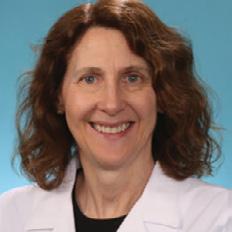
Nancy Bartlett, MD Professor, Medicine Division of Oncology, and Koman Chair in Medical Oncology at WashU Medicine
When did you become interested in the study of medicine?
While working for Exxon as a chemical engineer and volunteering at a local hospital one evening a week as part of an employee community engagement program. I became interested in lymphoma specifically during my first year of medical oncology fellowship (1990) at Stanford while working in Sandra Horning’s clinic.
At what point in your career did you receive funding from the Lymphoma Research Foundation? What kind of grant(s) did you receive?
During my third year of oncology fellowship, and I was a part of the inaugural class of grants given by the Foundation.
What scientific project did you pursue as part of your Foundation research grant(s), and how did the Foundation support your interest in cancer survivorship?
A phase 2 study of administering CHOP on a 14d schedule with daily GCSF.
How has the treatment landscape for lymphoma/CLL changed since you first started conducting your research?
The backbones of CHOP and ABVD have survived, but the addition of immunotherapy and targeted therapies have markedly improved outcomes for virtually every subtype of lymphoma and CLL, often in concert with less toxicity.
How has your involvement with the Foundation continued since being a grantee?
I spent many years on the Scientific Advisory Board (SAB) reviewing grants, and I was the co-chair of the Lymphoma Scientific Research Mentoring Program (LSRMP) program for two years.
Why is the Foundation’s mission and focus on lymphoma-specific research and programming important? Put another way: How would the lymphoma community be impacted if there was no Lymphoma Research Foundation?
One of the most important impacts has been on engaging and mentoring fellows and junior faculty through the LSRMP and Career Development Awards. I believe the Foundation has nurtured a sense of community among lymphoma researchers that is unique in the blood cancer space and helped us retain the very best trainees in our “Lymphoma Research Foundation family.”
What research or projects are you currently pursuing that you would like to share with our readers?
I have remained very involved with studies of bispecific antibodies in lymphoma over the last 10 years.
What are you most excited about in the field of lymphoma research today?
How to optimize and sequence all our new options to maximize efficacy and minimize toxicity for patients.
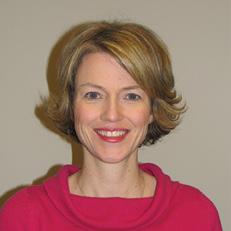
Kerry Savage, MD Medical Oncologist at British Columbia Cancer and a Professor of Medicine at the University of British Columbia (UBC)
When did you become interested in the study of medicine? In lymphoma specifically?
My path was a little atypical. I did a BSc in biology with a genetics focus, and the most influential course I took was in cancer genetics. I was initially considering a PhD but decided to work in a lab first after my undergraduate degree and did so as a research technician for two years. I worked in a lab focused on blood coagulation proteins and transference (My first publication was the result of work during this time in 1992.) Although I loved research (and I functioned more like a grad student with my own projects), I saw medicine as route to do research. In medical school I gravitated to anything related to oncology – first pathophysiology and then with clinical work. Dr. Randy Gascoyne did a lecture for our class in lymphoma that captivated me. Through internal medicine I was torn between hematology and medical oncology but ultimately chose the latter and a position in Vancouver, as lymphoma was under the umbrella of medical oncology through the program built by Dr. Joseph Connors.
At what point in your career did you receive funding from the Lymphoma Research Foundation? What kind of grant(s) did you receive?
As my passion and interest was in lymphoma, I approached Dr. Connors about doing a project. He suggested reporting on the outcome of peripheral T-cell lymphomas (PTCLs) by the newly published WHO classification. I presented this work as an oral presentation at ASH in 2000. Just prior to this, I made the commitment to do a post-doctoral fellowship in lymphoma and wrote an LOI and sent my CV to several main centers, including to Dr. Margaret Shipp at the DFCI in Boston. Coincidentally, Dr. Shipp co-chaired the ASH session where I presented my research, and we met after and she offered me a position, but I had to bring funding. We put together a fellowship grant around targeting PKCB in diffuse large B-cell lymphoma, and I was the successful recipient. This was really a pivotal moment in my career but also in my personal life. The one-year
fellowship grant supported my salary for the first year, and in addition to helping to write the phase 2 study using enzastaurin, I also was able to primarily lead two gene expression profiling studies in PMBCL and DLBCL. Dr. Shipp kindly supported my second fellowship year through a grant, and during this time I also completed a MSc in epidemiology at the Harvard School of Public Health. What I gained from the fellowship grant was not only salary support but also research opportunities, including working with Dr. Shipp and making lifelong connections with lymphoma colleagues including Dr. Ann LaCasce, who is both a close friend and respected colleague who was at the same level of training when I was in Boston. I am forever grateful to the the Lymphoma Research Foundation for this opportunity.
What scientific project did you pursue as part of your Foundation research grant(s), and how did the Foundation support your interest in cancer survivorship?
My project focused on targeting PKCB as a rational target in DLBCL, springboarding from Dr. Shipp’s earlier publication in Nature Medicine of gene expression profiling in DLBCL that flagged PKCB as associated with poor outcome. I helped to develop and write the phase 2 trial of enzastaurin in relapsed/refractory DLBCL. This led to the international multi-center phase 3 study of enzastaurin in the upfront treatment of DLBCL, and I was on the trial steering committee. Although this was a negative study and further development was not pursued, it was a positive experience for me, and the biological story formed the basis of the fellowship grant. As outlined, I pursued other studies while in Boston, the most influential was evaluating the molecular signature of PMBCL using an Affymetrix platform, which highlighted the striking overlap with classical Hodgkin lymphoma. This was a plenary paper in Blood in 2003 at the conclusion of my fellowship. This also led to a research path in Hodgkin lymphoma along with continued work in PMBCL. Survivorship is a natural extension of work in these patient populations and has to led research and advocacy for the AYA patient group. I have recently done a study evaluating cardiac outcomes in Hodgkin lymphoma survivors. I am spoiled by the fantastic lymphoma outcomes database in BC that is both provincial in scope and comprehensive. In addition, we instituted provincial guidelines years ago so that we can evaluate the impact of therapy changes. This is the first study where I linked to BC Ministry of Health chronic disease data to evaluate the cumulative incidence of CAD and CHF in survivors. As a steering committee member on the AYA Lymphoma Consortium and a member of
the Survivorship Working Group, I hope to not only foster research but also improve upon survivorship care.
How has the treatment landscape for lymphoma/CLL changed since you first started conducting your research?
The treatment landscape has astronomically changed. Rituximab was barely in use and targeted therapies didn’t exist. Now it is incredibly diverse and complex, with the biggest change recently being the availability of CAR T-cell therapy and bispecific antibodies in B-cell lymphomas. Although we still have work to do, especially for some of the rare PTCL subtypes, outcomes have dramatically improved in many lymphomas.
Was the support and grant funding you received from the Foundation vital to advancing/ dedicating your career to studying lymphoma?
The support solidified my plan to focus my career in lymphoma research. It provided me with opportunity and connections. The lymphoma community is unique and my generation is very collaborative and integrated. I think we have done well in passing it forward to the next generation. I feel very fortunate to be part of it.
How has your involvement with the Foundation continued since being a grantee?
As a staff oncologist, I first became involved with the Foundation through my participation as a small group faculty mentor in the Lymphoma Clinical Research Mentoring program almost 10 years ago in 2016. This was a fantastic experience and the faculty and mentees were excellent. I have participated in multiple years since and Co-chaired the Program in 2019 and 2020. This has been very rewarding for me, and I value the opportunity to give back and help new lymphoma researchers as they start their career path. Combining research and advocacy interests, I am involved also on the AYA, survivorship, and T-cell lymphoma Foundation groups, and with the latter, I Co-chaired the inaugural workshop this year with friends Steve Horwitz and Ann LaCasce.
Why is the Foundation’s mission and focus on lymphoma-specific research and programming important? Put another way: How would the lymphoma community be impacted if there was no Lymphoma Research Foundation?
The Foundation creates opportunity. As an example, the LSRMP has evolved to include both a clinical and translational track. The existence of this program pulls in
lymphoma researchers in an early phase of their career and links them with more senior faculty as well as each other. This is powerful, and in addition to helping to craft their research project, it creates lifelong connections that often lead to scientific collaborations. The faculty keep coming back to pay it forward, but they also benefit from connections and collaboration with peers in the field. We keep growing the lymphoma “family” and the field as a whole benefits. The individual grant opportunities carve out protected time to launch lymphoma researchers at a key time in their careers. Funding opportunities still remain limited, and it would be a huge loss if this mechanism suddenly disappeared.
What research or projects are you currently pursuing that you would like to share with our readers?
I will fully admit my research interests are broad in lymphoma. Currently, I am focusing my research on PTCLs with building our translational research program with multiomics analysis in partnership with Dr. Lytle at BC Cancer. I am also working on further survivorship studies in lymphoma, linking to our provincial database resources to help inform follow-up care.
The existence of this program pulls in lymphoma researchers in an early phase of their career and links them with more senior faculty as well as each other.

When the Lymphoma Research Foundation was founded in 1995, the outcomes post-lymphoma diagnosis – and the resources available for cancer survivors and their loved ones – looked very different. With the advent of lifespan-expanding advanced therapies and an increased focus on survivor-specific research, the survivorship journey has transformed and changed in the 30 years since the Foundation’s inception.
What hasn’t changed, however, is our focus on understanding, caring for, and advocating for lymphoma survivors – and our determination to ensuring that more people have long, healthy, happy lives for years to come.
Over the past 30 years, our understanding of lymphoma has dramatically increased – thanks in no small part to Foundation-supported research and scientists. This deepened understanding has led to a total transformation of the treatment landscape: a better grasp on how lymphoma grows from a single errant cell into full-fledged disease and how to diagnose it earlier for a stronger chance at a better outcome, a new focus on novel therapies that harness the power of patients’ own immune systems, and a constant search for treatments that increase survival from months to years while decreasing short- and long-term side effects.
Better diagnostic tools and more effective treatments, including newer immunotherapy options like chimeric antigen receptor (CAR) T-cell therapy and bispecific antibodies, have all led to an increase in survivorship rates. The current data from the National Cancer Institute (NCI) shows an overall survival rate of nearly 87% in patients with chronic lymphocytic leukemia, 88% in patients with Hodgkin lymphoma, and 73% in patients with non-Hodgkin lymphoma.
The lymphoma community isn’t just surviving – they’re living longer, with more durable remissions and years of life to look forward to after treatment is over.
The number of lymphoma survivors is growing annually, with better treatments and more finely-honed diagnostic tools leading to more and more years of life postdiagnosis. But what about the long-term impacts of cancer treatment – not just the physical ones but also the emotional ripple effects?
We know that survivors can face significant challenges after treatment ends – everything from fertility issues and nerve damage to anxiety and fears of relapse and recurrence. Survivors need care – and advocacy – that’s focused on their unique needs.
The Foundation is addressing those needs by creating survivor-specific resources and support tools that speak to the distinct challenges that survivors face. We also aim to be a voice for lymphoma survivors, amplifying survivor stories through our Stories of Hope and making survivorship advocacy, in particular legislation focused on the study of cancer survivorship and protecting access to quality health insurance for anyone with a pre-existing condition, a dedicated part of our 2025 Public Policy Agenda.
Looking toward the future, we know that the work of understanding and improving the lives of lymphoma survivors is just beginning. As the number of lymphoma survivors continues to grow, it’s more important than ever to focus on treatments that provide not just more life, but better quality of life, resources designed to meet survivors where they are, and community-building opportunities that give survivors the chance to connect with those who understand just what they’ve gone through.
The number of lymphoma survivors is growing annually, with better treatments and more finely-honed diagnostic tools leading to more and more years of life post-diagnosis.
The Lymphoma Research Foundation – along with the researchers and healthcare practitioners who have dedicated their careers to treating and caring for those touched by this disease – is committed to improving the lives of lymphoma survivors, from the moment of diagnosis and beyond. Together, our work will lead not just to more survivors, but to more joyful, healthy futures to look forward to.
To learn more about Planned Giving, c Jessica Sharrow at jsharrow@lymph or visit lymphoma.org/legacy. Wall
When you include the Lymphoma R Foundation in your estate plan, you in the most promising research that greatest potential to dramatically im lives of those impacted by lymphom