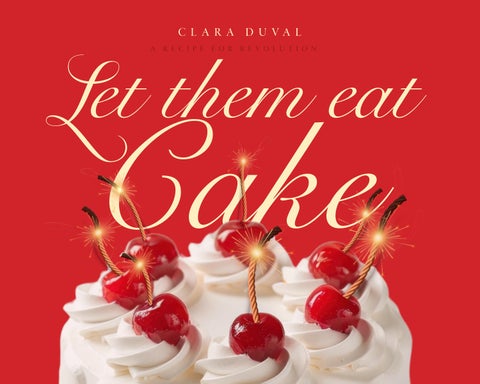
L
Cake
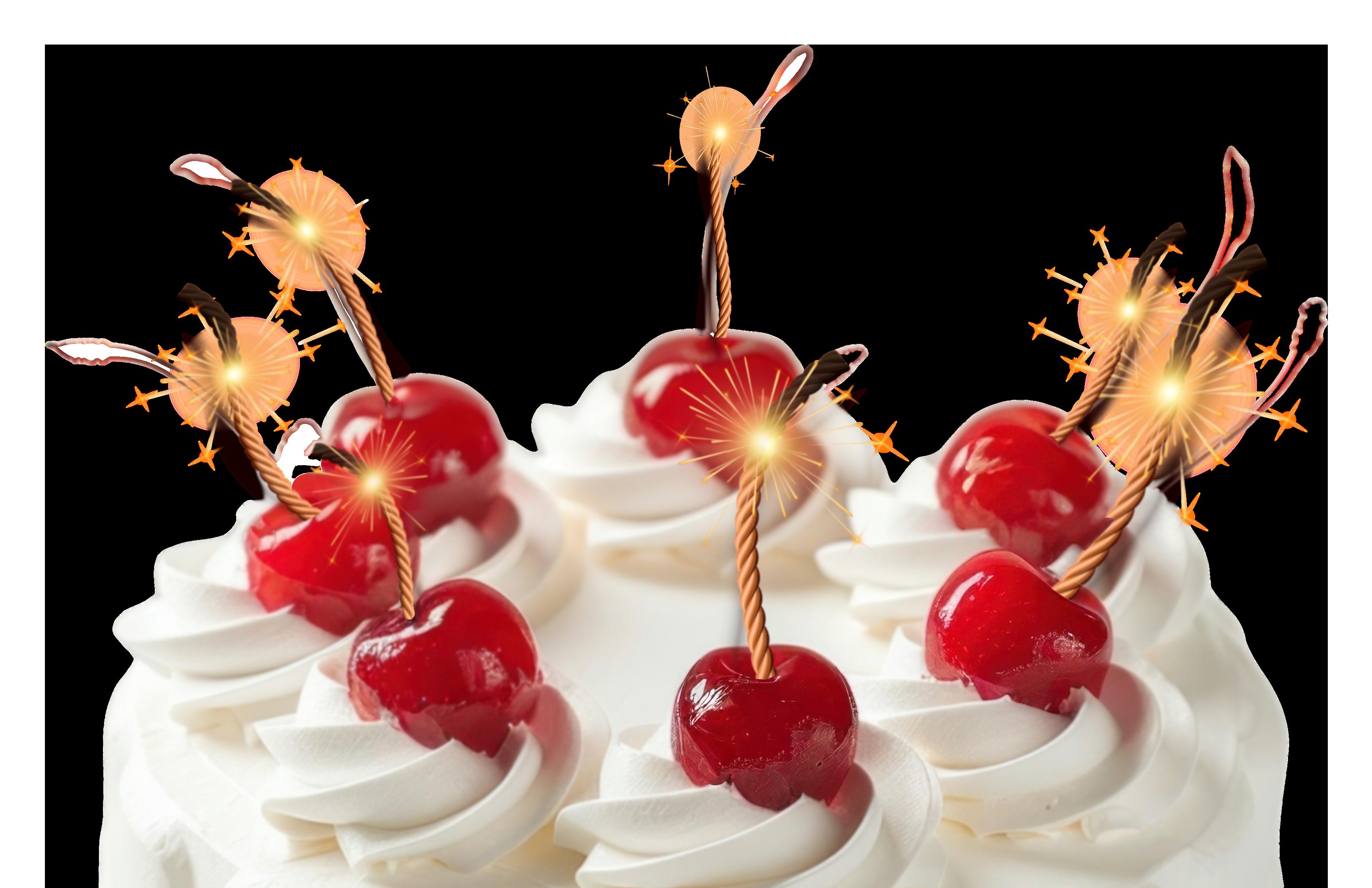
LET THEM EAT CAKE invites you into a kitchen where flavors rise, textures unfold, and every recipe tells its own quiet story. Inside, you’ll find breads, pastries, and richly layered dishes that celebrate both craft and contrast—light and dense, delicate and bold, simple ingredients elevated into something almost extravagant.
With step-by-step guidance, atmospheric visuals, and a balance of indulgence and restraint, this collection encourages bakers to push beyond the expected. Learn to shape dough that swells with potential, assemble pastries that tower just a little too proudly, and build meals that feel both abundant and intentional.
Perfect for curious home cooks and creators, Let them eat Cake is more than a cookbook it’s an invitation to savor the details, notice the excess, and taste what happens when small choices ripple into something larger.
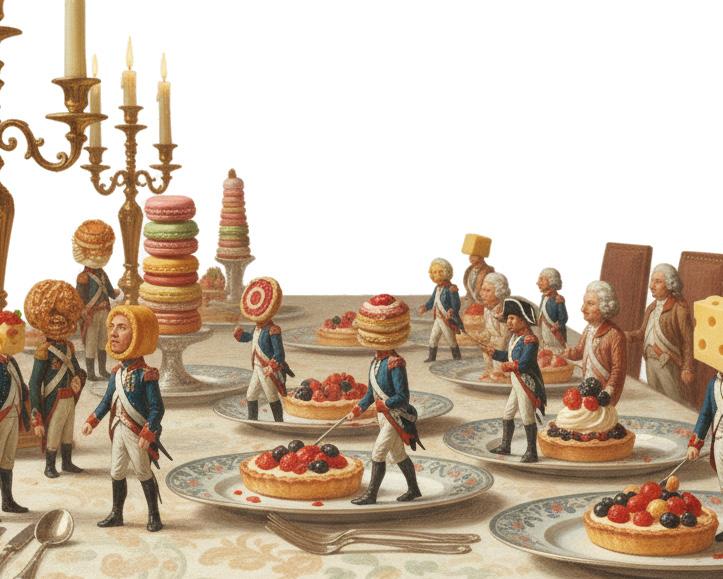

SETTING THE TABLE
France did not stumble into revolution overnight. It arrived slowly, like dough rising in a warm kitchen — quietly, imperceptibly, until one day it doubled in size and could no longer be ignored. Hunger grew first. Tension followed. And in the end, something far larger than anyone expected came out of the heat.
This book begins there, in the kitchens and markets of a country on the edge. Not in the halls of Versailles, but in the hands of the people who felt change most sharply: the bakers who stretched dwindling flour, the families who boiled fruit into preserves to survive winter, the cooks who learned to coax richness out of scarcity. Food was more than sustenance then — it was a measure of inequality, a quiet record of who had plenty and who had nothing at all..
This is a cookbook, but it is also something more: a story told through texture, heat, and transformation. A reminder that food carries memory, and memory carries warning. As you read and cook and savor, you’ll trace the arc of a country learning — painfully — that ignoring hunger always leads to heat. So turn the page. Preheat the oven. Begin at the beginning, where every revolution starts: with empty bowls, rising impatience, and the quiet work of making something new from what little remains.
THE MENU
Chapter 1
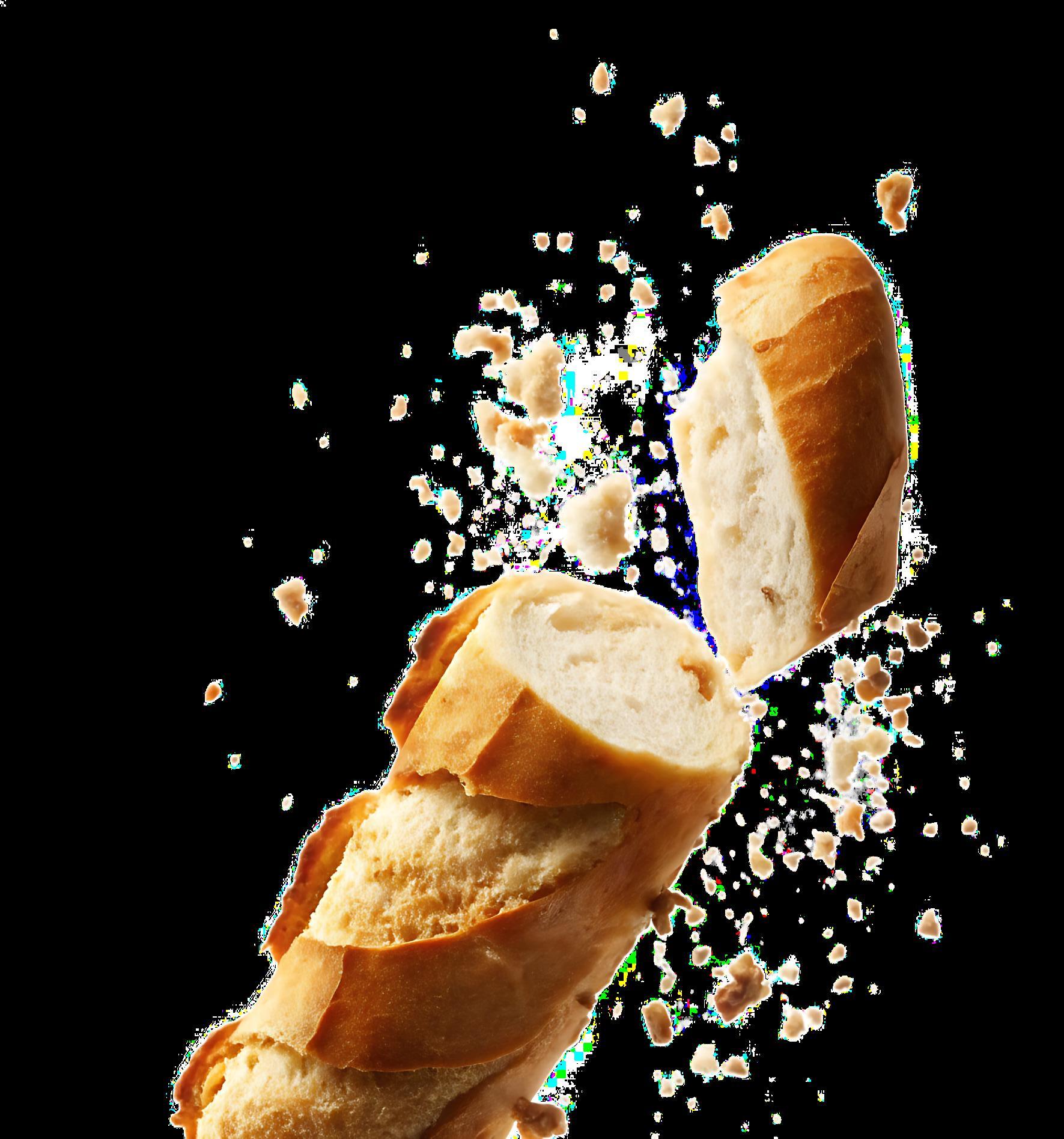
Classic Baguette - the Daily Bread of France
A recipe built from scarcity itself: a cup of famine, a spoonful of failed taxation reforms, and just enough grain to keep unrest rising. The people’s loaf—simple, essential, and stretched thin as tempers.
Brioche Rolls - Gilded Crumbs
A richer “bread” made with a pinch of royal excess and a dash of mismanagement. Fluffy, golden, and forever tied to a monarchy out of touch—served with a side of bankruptcy.
Crème Brûlée - Shards of Sugar
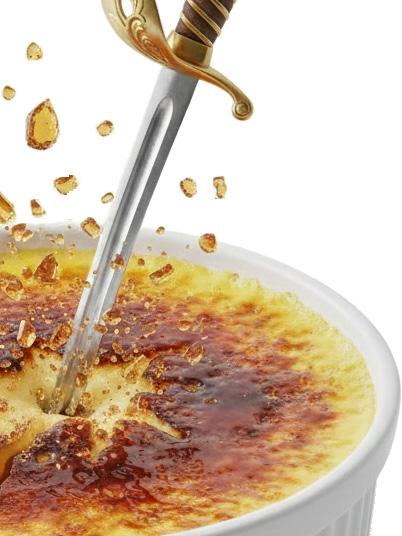
Rich cream beneath a surface ready to shatter. Caramelize a layer of royal stubbornness, then strike it with the crack heard around the world. The revolution spills through.
A slow boil of tyranny and crisis: start with the Estates-General, stir in the Third Estate’s bold declaration, and let tensions thicken. As the pot heats, old feudal privileges melt away and the Rights of Man reduce into something sharply new. A recipe that begins sweet but simmers toward eruption.
Butter Croissants - Layers taking Shape
A dough of monarchy, reform, and rising impatience. Each fold brings new strain — the Civil Constitution, the failed escape to Varennes, the fragile constitutional monarchy.
15
Palmier Cookies - Spiraling Decadance 17
Delicate layers curling into disorder. What begins as cautious reform twists sharply through the storming of the Tuileries and the September Massacres, the spiral tightening until France snaps into its first republic.
Chapter 4
Gateux de Cherise (Cherry Cake) - Glazed Over
A crimson-crumbed confection layered with the era’s sharpest notes — a spoonful of execution, a dash of domination, and a heavy pour of fear. As cherries stain the batter like spilled empire, the blade falls: Louis, then Marie, and thousands more. By the final slice, the Terror cools and the nation exhales.
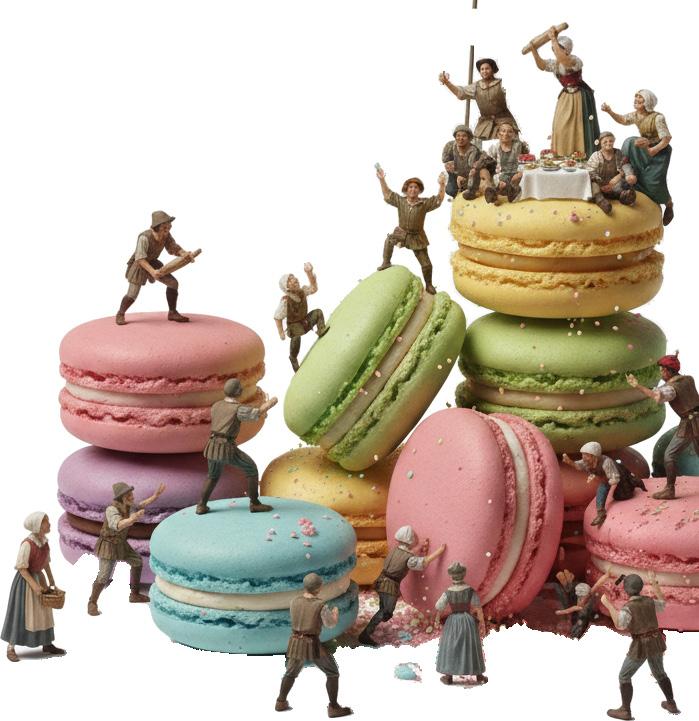
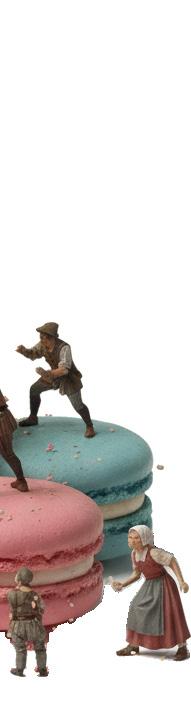
Macarons de Citrine - a Delicate Collapse
Light, crisp, and perilously breakable — much like France under the Committee of Public Safety. Fold in suspicion, sift in paranoia, and watch every delicate shell risk collapse. Yet as Robespierre falls and the calendar turns, even these fragile sweets hint at the first taste of calm.
Tarte du Pomme (Apple upside down Tarte) - The Final Flip
Caramelized layers of corruption, conflict, and a spoonful of political exhaustion. As France flips from monarchy to republic to the wavering Directory, everything lands upside down. Fold in the rise of a promising young general, and watch the whole tart hint at another cycle beginning.
Crepes Suzette - the Last Fold
A delicate batter warmed with a pinch of instability and a splash of ambition. As flames lick the pan, they mirror the final flickers of the Directory — bright, brief, impossible to ignore. When the fire settles, the dish changes shape, much like France stepping quietly into Napoleon’s hands.
Starving BEGINNINGS
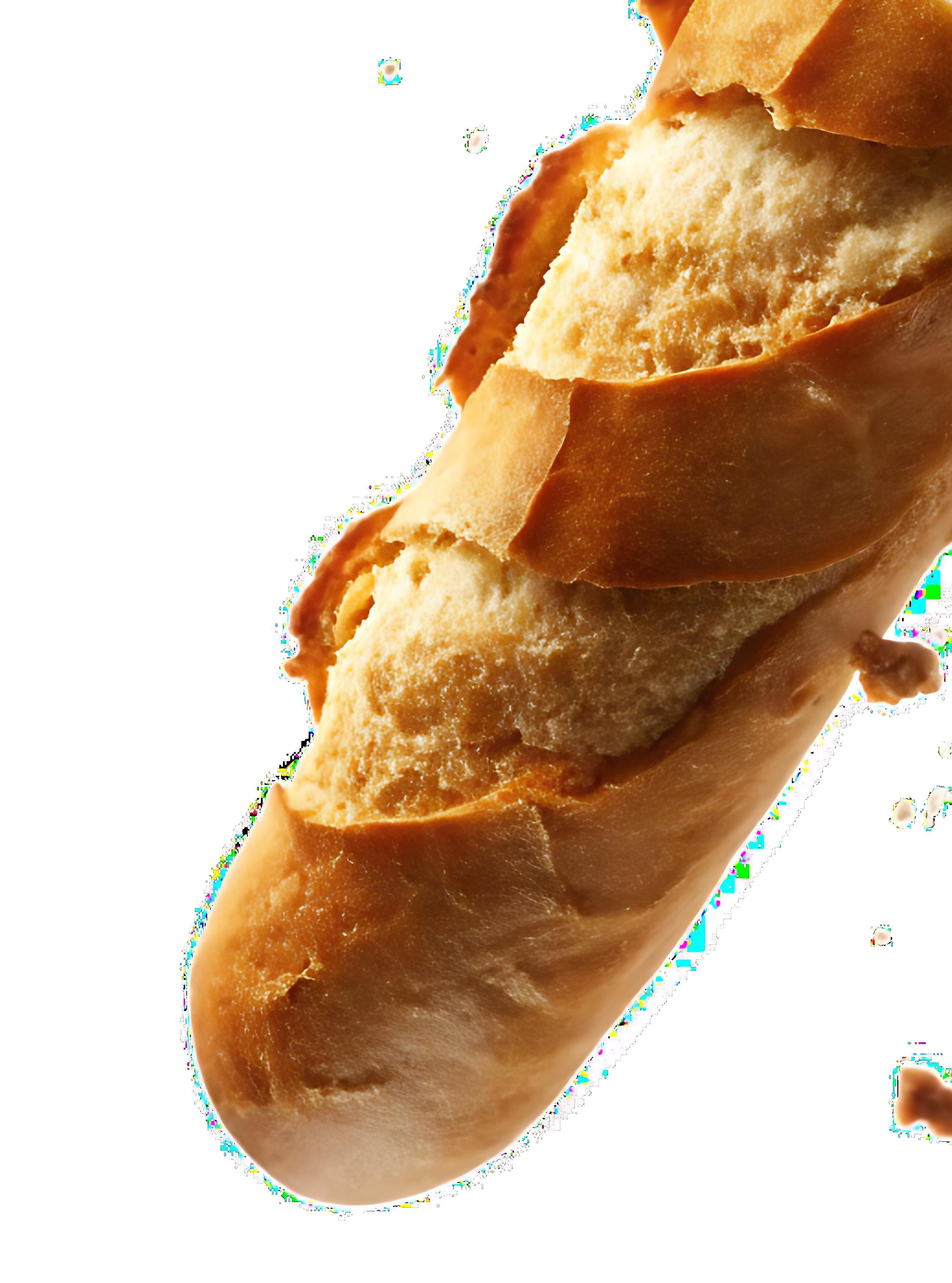


Bread had become more than food; it was proof of how unequal the kingdom had become.
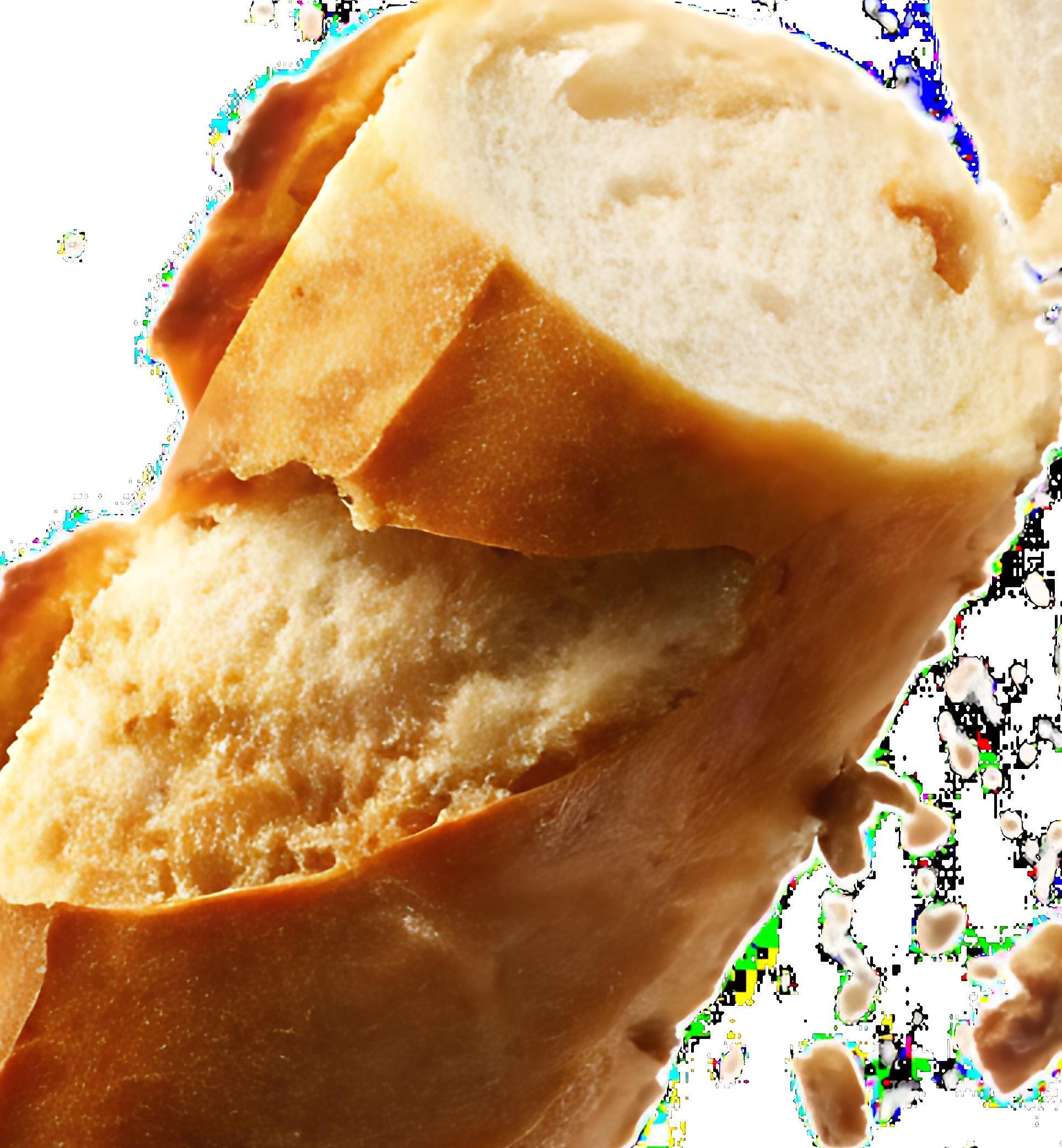
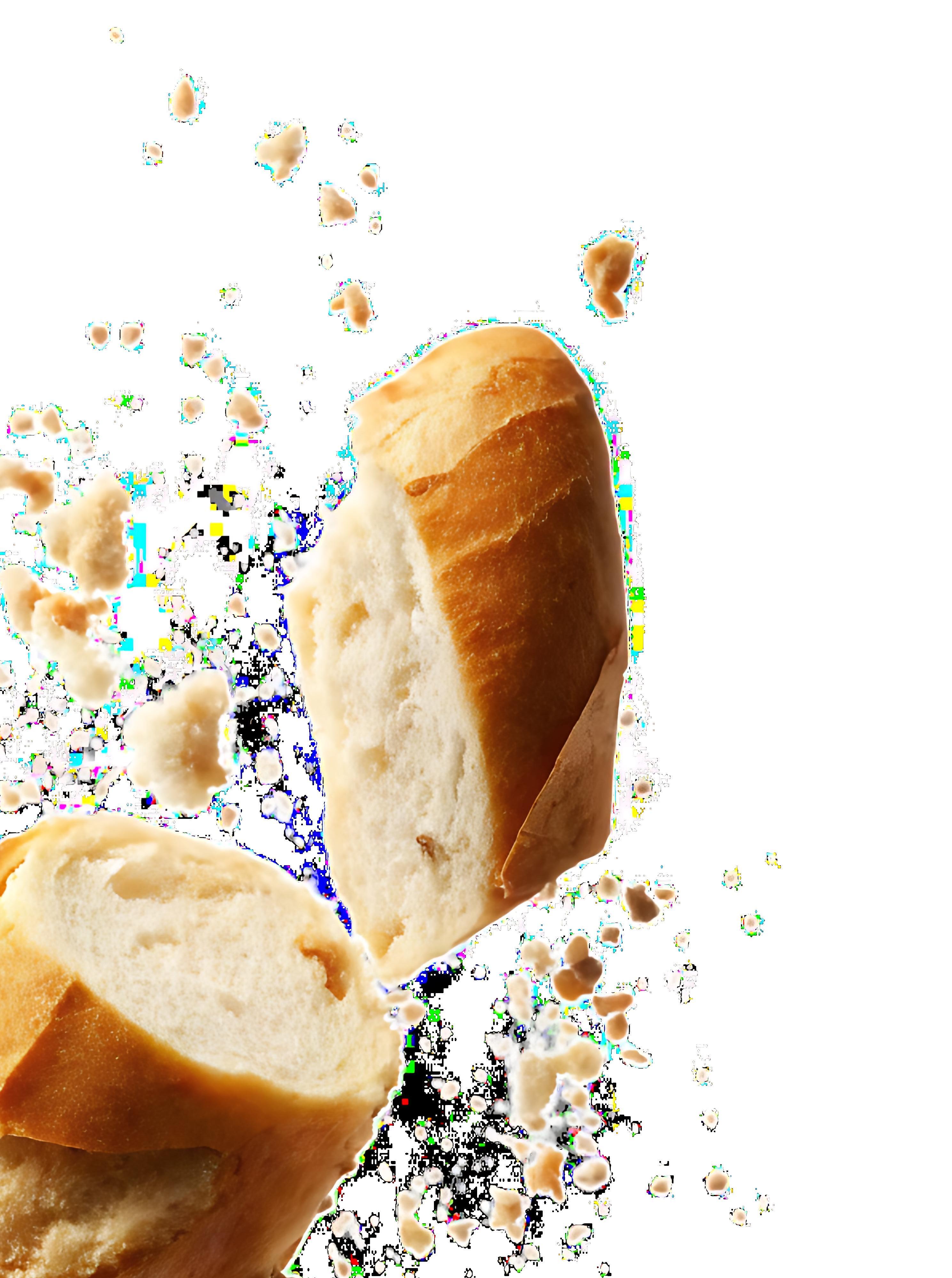
INGREDIENTS:
the daily bread of BAGUETTE LOAF
500g flour — the dust of emptied cupboards
350ml water — enough to bind what’s left together
10g salt — what the sea gives freely but the state does not
A pinch of yeast — proof that something small can still rise
Before the storming of palaces or the writing of decrees, there was hunger. In 1787 and 1788, France was already crumbling under the weight of its own debts. The king’s coffers were nearly empty, and every attempt at reform — new taxes, new systems — fell flat against the stubborn walls of privilege.
The summer of 1788 brought hail and drought that devastated the wheat harvest. Fields that once promised abundance yielded nothing but dust and despair. By winter, bread — the foundation of every meal — became unbearably expensive. A single loaf could cost nearly a week’s wages for a laborer.
The people did not yet speak of revolution; they spoke of bread. Long lines formed at bakeries, tempers flared, and riots broke out in marketplaces. Mothers clutched empty baskets, and bakers faced crowds they could no longer feed.

in August
1788,
with famine spreading and anger simmering, Louis XVI called the Estates-General — a gathering of representatives that had not met since 1614 — in a desperate bid to restore order. But the damage had already been done.
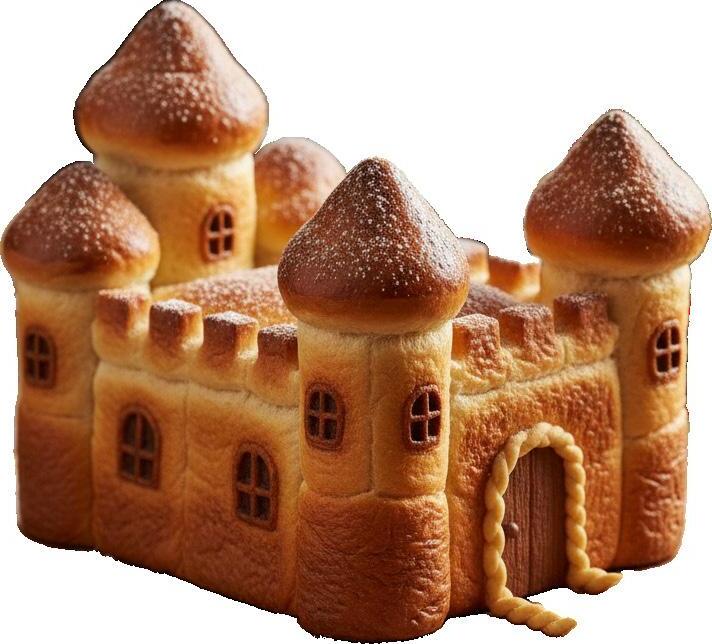
Rich with butter but thin with mercy, these gilded crumbs reflect a France where some dined in excess while others starved — a taste of the divide that pushed a nation toward revolt
BRIOCHE ROLLS, filled with rumbs
Gilded



INGREDIENTS:
500g fine flour
250g butter, softened (enough to buy a family’s week of bread)
5 eggs, beaten like the peasants’ patience
Sugar, salt, and a little milk the flavor of

A bread for those who never knew hunger.
While the people fought for crusts, the court dined on brioche — soft, golden, and impossibly delicate. It was the bread of privilege, a pastry pretending to be sustenance. Each slice was a quiet declaration of detachment, sweetened with ignorance and frosted with denial.
Versailles was warm with the scent of brioche. Made from fine flour, butter, and eggs, it was not a loaf but a luxury
By 1788, when wheat prices had tripled and riots broke out in marketplaces, even flour had become precious. Yet in the palace, the ovens still glowed. Brioche baked as bellies ached, its golden crust proof of how far the rich had risen
CHAPTER 2: SIMMERING change
ALL HEAT, and oh so sweet
Preheating:
As France inched toward 1789, everything felt warm to the touch — the kitchens, the crowds, the tempers.
SHARDS of Sugar cracked
INGREDIENTS:
500 ml heavy cream — richer than most
1 vanilla bean — a luxury reserved for wealthy
5 egg yolks — separated as cleanly as the estates
75 g sugar — to soften even the hardest truths
A pinch of salt — even indulgence needs grounding
Extra sugar for the brûlée
— to shatter under a flame, the way false security always does
CRÈME BRÛLÉE
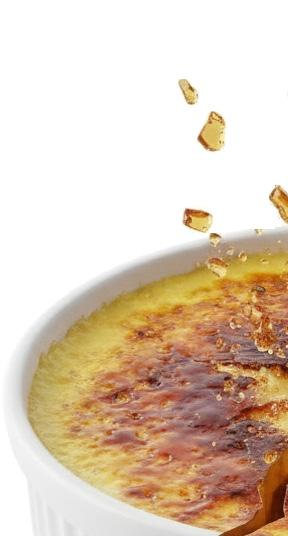
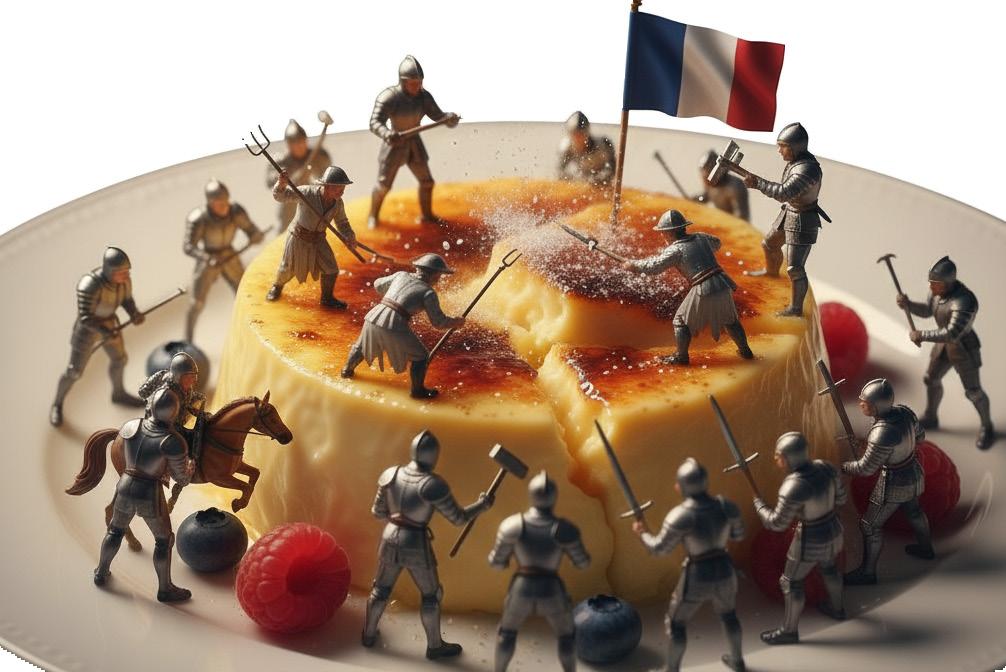
Cream, sugar, vanilla — ingredients that could have fed many, yet were spent on a single delicate dish. Crème brûlée was not born of necessity but of comfort, a soft custard made for those who never felt the chill of an empty pantry.
By 1789, when the price of wheat had tripled and riots struck the marketplaces, sweets like this became quiet emblems of imbalance. In the salons of Paris and the halls of Versailles, spoons cracked through caramelized sugar while crowds outside cracked under weight far heavier. The custard beneath its glassy shell was smooth, silken, untouched by the world’s unrest.
And yet, even this dessert holds its symbolism. To make crème brûlée is to heat sugar until it shatters — a thin veneer breaking with a single tap. A small, sweet reminder that nothing glossy stays intact for long. Beneath every polished surface lies something softer, trembling, waiting for the flame.

1789the year sugarstood still
In the early tremors of the French Revolution, when bread grew scarce and hunger tightened its grip on every household, berry compotes and jams became more than simple kitchen fare — they became symbols of quiet resilience. As grain harvests failed and rumors of revolt seeped through Paris like rising steam, families turned to what remained within reach: fruit, sugar, heat, and time.
Preserving berries was an act of holding on when everything else threatened to spoil. Sugar, once the indulgence of the wealthy, became a lifeline stretched thin — boiled with overripe fruit into something that could survive the uncertainty of days ahead. In kitchens across France, copper pots simmered with strawberries, blackberries, and currants, filling cramped rooms with the only sweetness many would taste for weeks. While tempers rose in the streets, these jars cooled quietly on windowsills — small, stubborn gestures of care in a world unraveling. Jam carried the memory of summer into a season of unrest. It was the taste of what could be saved when so much could not.





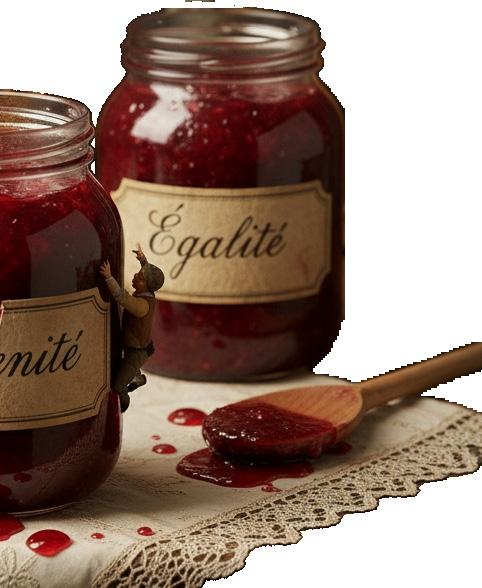
Sweetness stewing in
RASPBERRY COMPOT
4 cups mixed berries (strawberries, raspberries, currants — whatever’s soft
While bread vanished from tables and tempers began to rise, even the simplest kitchens found ways to hold on to comfort.
Fruit that might have spoiled was boiled down to something lasting — a quiet preservation in a time of unrest. Sugar was once a luxury reserved for those who never felt hunger.
Yet by 1789, even the humblest kitchens learned to stretch sweetness — boiling fruit past ripeness to keep what little nature offered.
While grain failed and bread lines lengthened, copper pots filled with berries and sugar became quiet acts of defiance. Preservation was a way to hold on — to stop time from rotting everything.
In Paris, the air thickened with heat and ferment. Rumors traveled like steam; talk of taxes, famine, and a king too slow to stir. The people simmered, too — not yet boiling, but close.
CHAPTER 3:
TENSIONS rising
FRANCE ROSE,
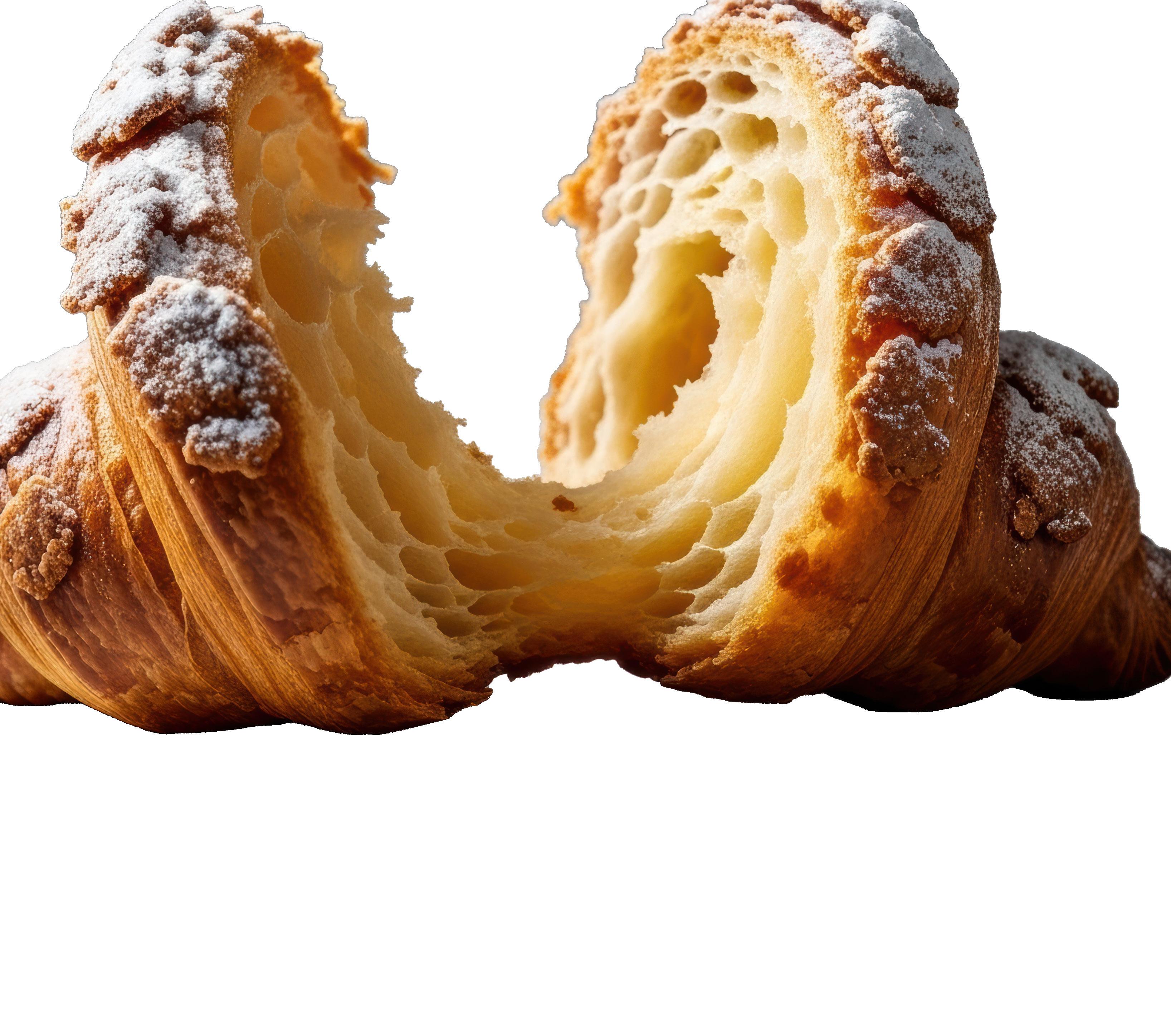
like dough—layered, stretched, and moments tearing apart as pressure built.

INGREDIENTS:
CH 3 layerstaking BUTTERY CROISSANTS
2 cups flour — foundation for rebuilding a nation
1 tbsp active yeast — expansion, ambition, unrest
¾ cup cold butter — luxury rediscovered, coveted
2 tbsp sugar — sweet hope
1 tsp salt — the sharp edge of reality
½ cup warm milk — softening the transformation
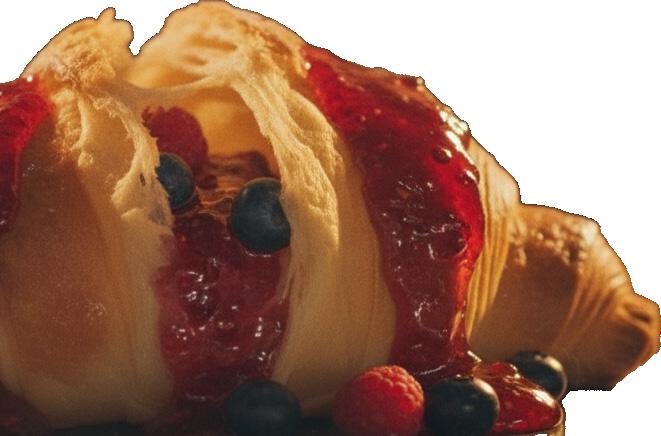
Flour was scarce and tempers sharper, yet bakers kept working through the dawn. Dough had to be stretched thin, folded again and again until its layers seemed endless — the same way France was being pulled, refolded, reshaped under growing strain.
By 1790, even kitchens felt the tension. The Church was stripped of its authority, and the country was forced into a new shape, much like dough pressed and folded under a rolling pin. What once held firm began to tear.
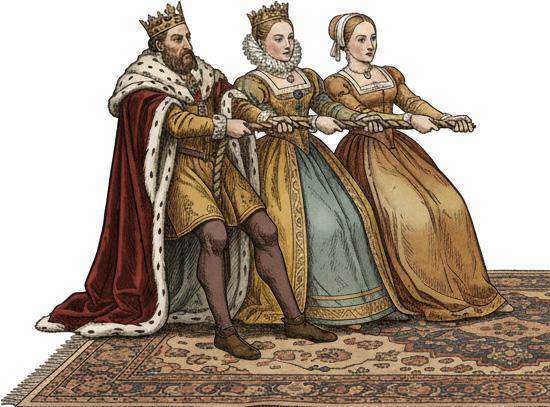
In 1791, trust collapsed like a pastry left too long in the heat. The King’s flight — that panicked escape to Varennes — was a failed rise. A dough that refused to stay put. A monarchy that could no longer hold its form. By autumn, a constitutional monarchy was declared, a compromise as delicate as laminated dough: dozens of layers, none truly stable.

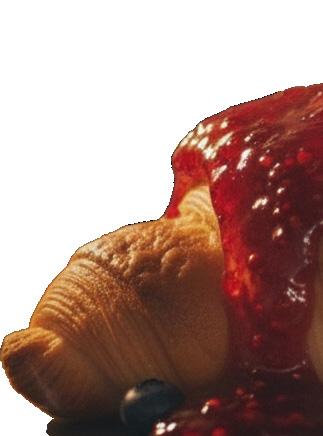


THE REVOLUTION WAS FORMING
Croissants baked in those days were not the airy luxuries they would later become. They were symbols of strain and survival — dough stretched to its limits, pushed through heat until it transformed. Much like France itself, caught mid-rise, trembling, unsure of what it would become.
Then came 1792 — the year the spiral snapped.
War with Austria churned panic through the streets; rumor and fear layered themselves into every conversation. When the Tuileries fell in August, centuries of monarchy collapsed inward, and the city spun into a pattern no one could quite predict. September only deepened the tightening: massacres, vengeance, and the sharp turn toward a Republic born in uncertainty.
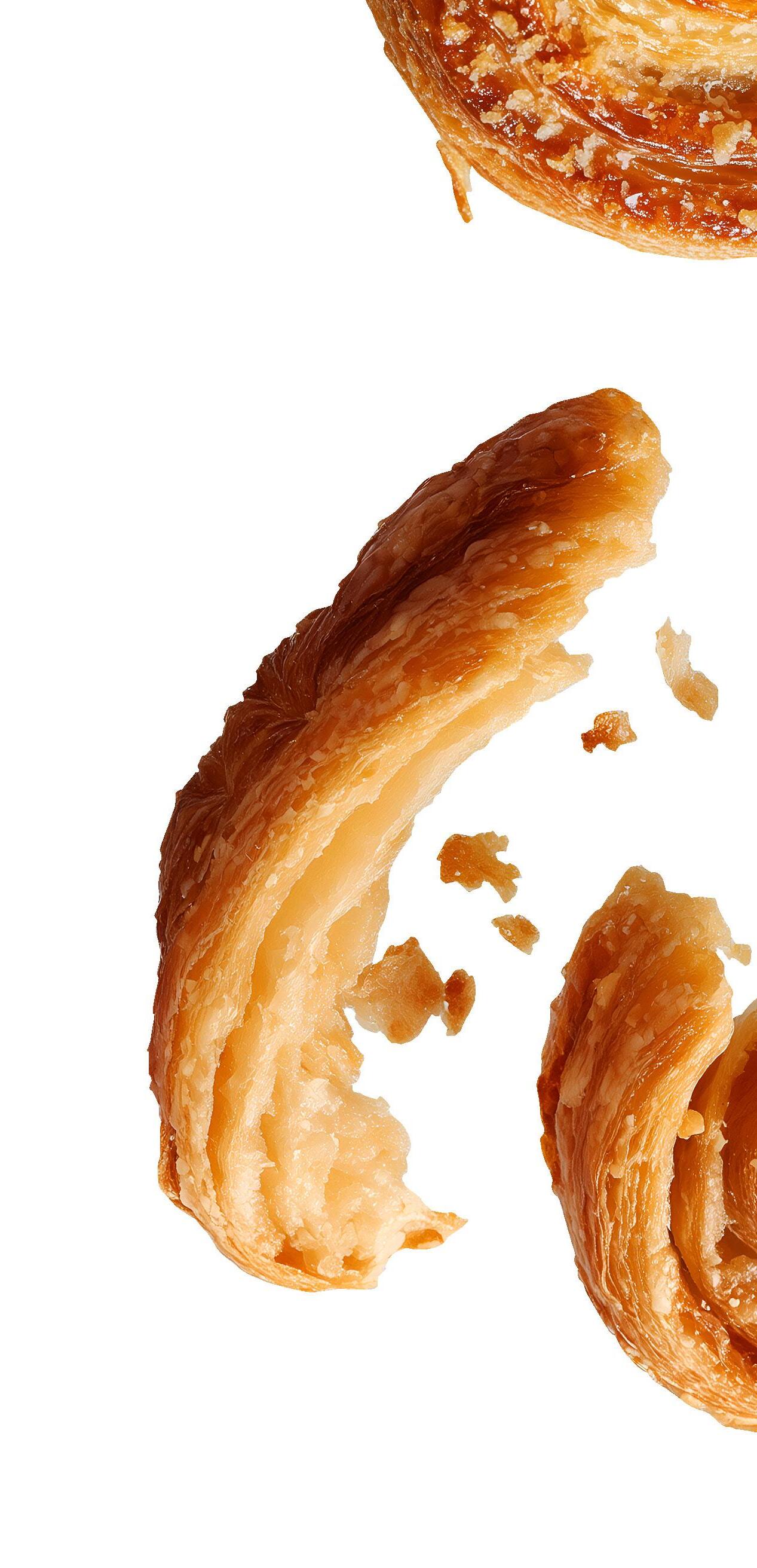
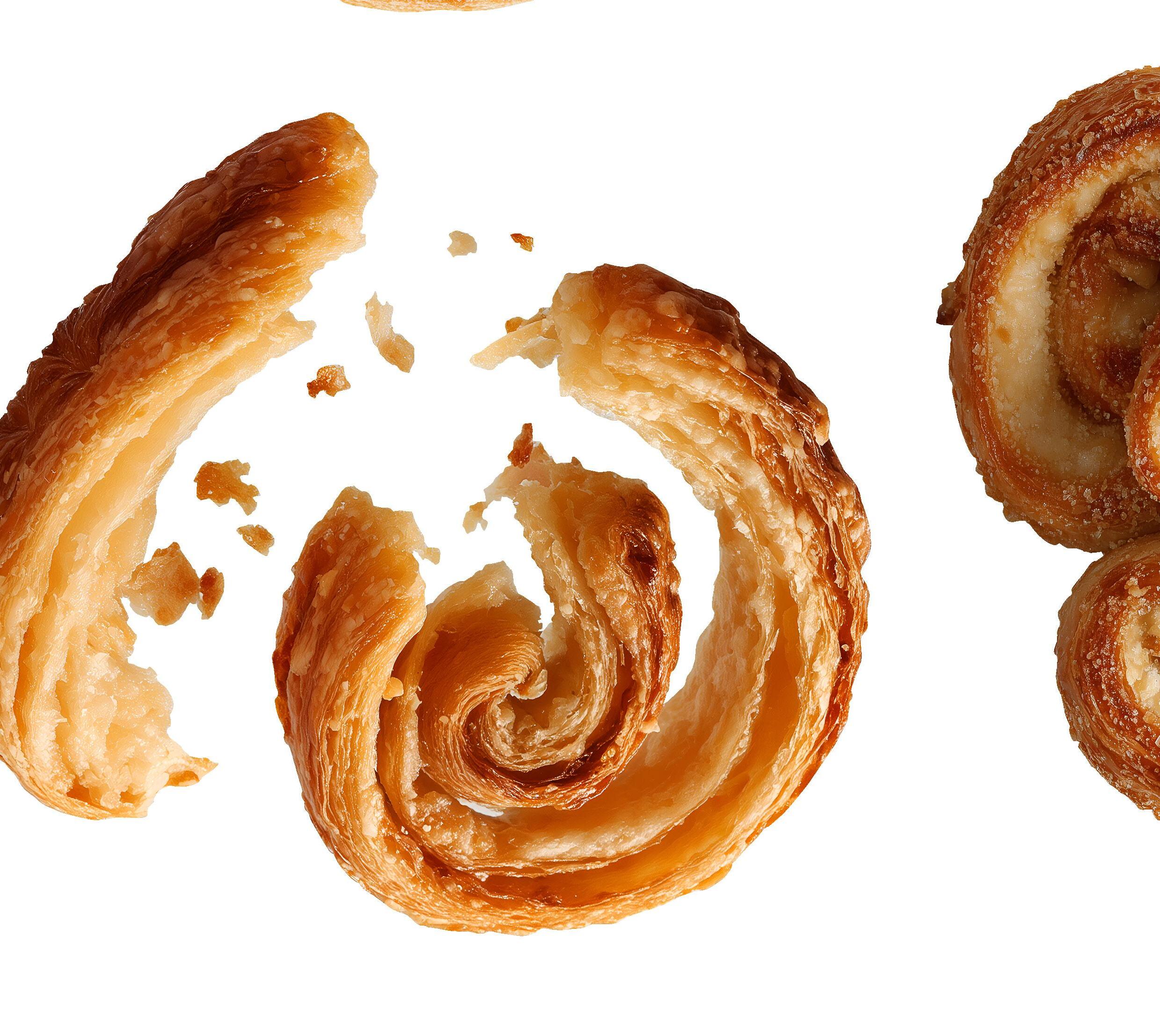
Palmier dough in those years mirrored the mood of the streets: stretched thin, rolled tight, and shaped into spirals that hinted at both elegance and collapse. A cookie made from tension — from pressure turning inward, from sweetness forced to hold its shape even as everything around it threatened to unravel.
These palmiers belong to that moment: a pastry formed by spiraling forces, just as France curled toward a breaking point — delicate, crisp, and carrying the imprint of every turn the nation had taken to get there.

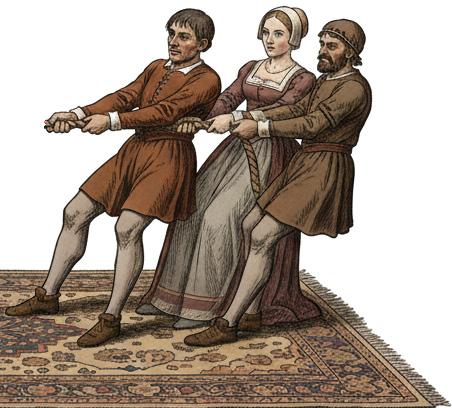
SPIRALING Decadance PALMIER COOKIES
Then came 1792, when everything was shoved into the oven. War with Austria, fear in the streets, factions forming like pockets of trapped steam. The heat climbed, and so did suspicion.
On August 10, the Tuileries fell — a violent collapse of the structure that had held for centuries. What emerged was no longer a monarchy but something unrecognizable, blistered, and new.
And in September, as the Republic was proclaimed, the massacres stained the city. Paris crackled with panic, vengeance, and the sharp snap of something breaking. It was a rise not from gentleness but from pressure — a nation puffed upward by fear, fury, and a hunger for change that could no longer be contained.
CHAPTER 4:

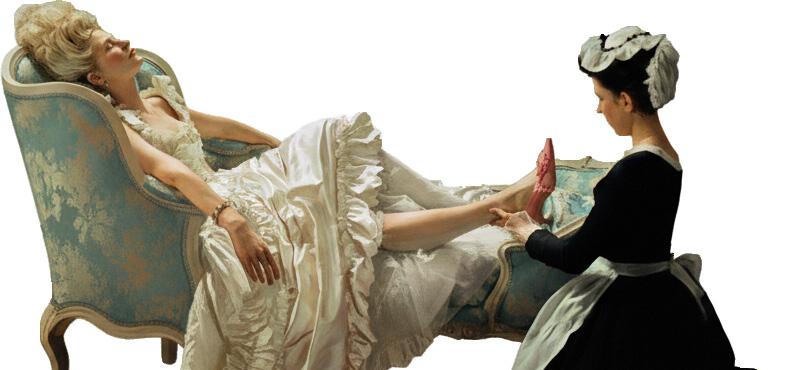
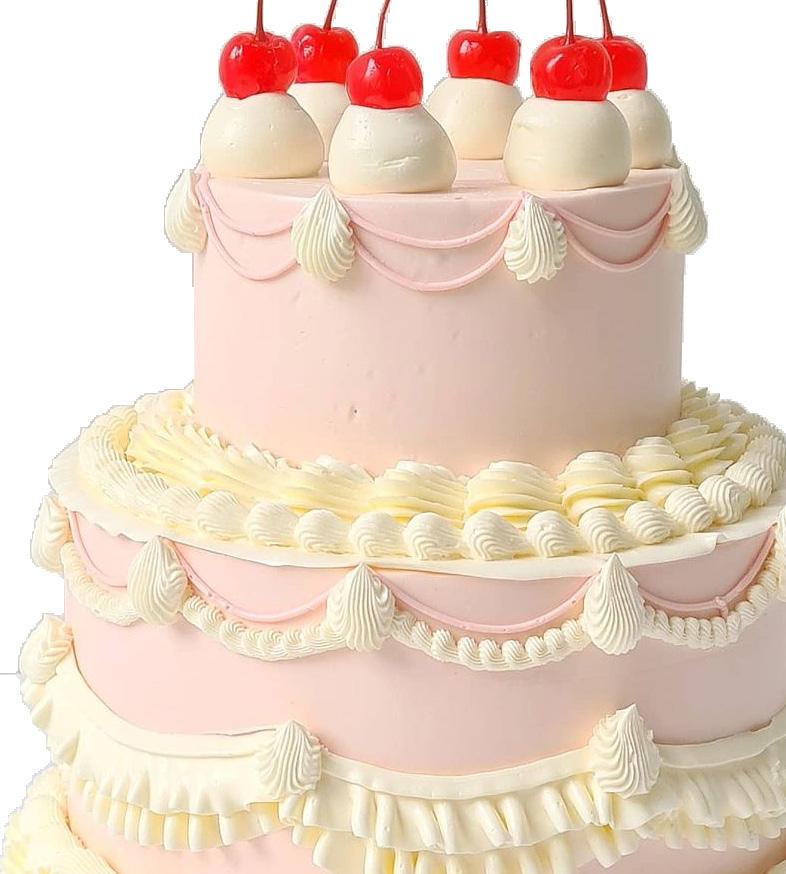
Marie Antoinette never uttered the infamous line—but the revolution didn’t wait for accuracy.
INGREDIENTS:
GLAZEDOver GATEAUX de CHERISE
4 cups cherries - pitted
3 cups granulated sugar — the sweetness once denied
Juice of 1 lemon — a sharp cut, cleaner than a blade
Pinch of salt — to balance the excesses
2 cups flour - the grain that once led crowds to the streets
1 cup unsalted butter
3 large eggs
1 teaspoon vanilla extract
— a whisper of decadence
1 teaspoon baking powder
(CHERRY CAKE)
By 1793, the comfort found in simmering fruit had given way to something sharper.
Cherries stained hands a deep crimson, their juices running like reminders of a city ruled by fear. In Paris, verdicts fell faster than rumors. The King in January, the Queen by autumn. Each one slicing through the nation like a clean cut through fruit.
In Paris, the air no longer thickened with rumor but with verdicts. The King fell first in January, his fate announced as cleanly as a knife through fruit.
By autumn, the Queen followed, and the city learned how quickly a nation could turn from ferment to fear. Even the safest kitchens felt it — every pit discarded, every cherry split open, another reminder that nothing stayed whole for long.
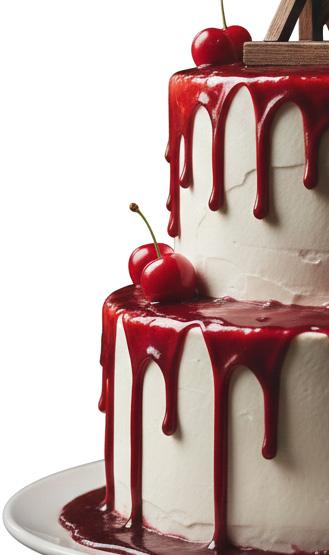
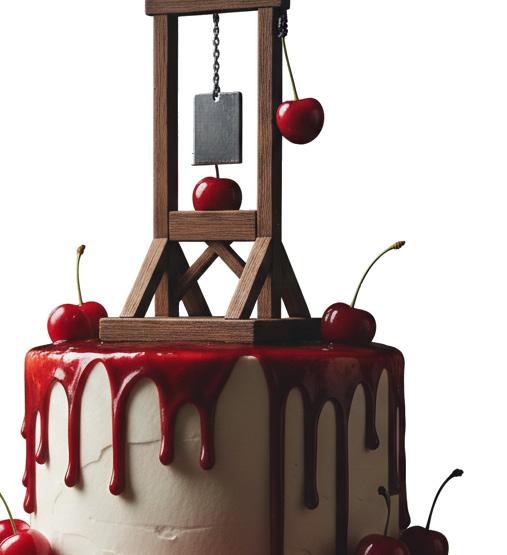
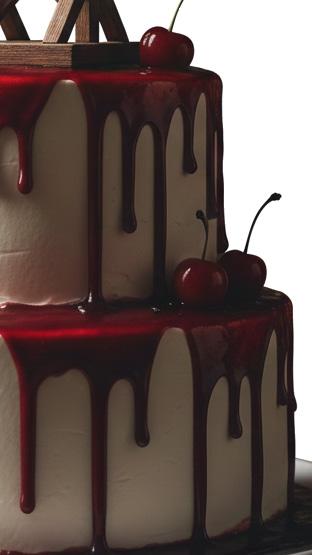
Marie Antoinette never actually “Let them eat cake.”
But that’s the danger of word of mouth. once a phrase catches fire, it becomes truth in the public imagination. In the final years of the French monarchy, rumor moved faster than bread could rise.
A careless line she never uttered became the perfect symbol of everything people believed was wrong with the crown: indifference, excess, and a queen out of touch.When the guillotine finally quieted and the shouts in the streets faded into weary murmurs, France found itself suspended between ruin and renewal.
The monarchy had fallen, the old order shattered, and what remained was a nation learning how to breathe again. In this uneasy calm, sweetness—real sweetness—felt almost foreign. For years, sugar had been scarce, almonds rationed, and anything delicate dismissed as a memory of a world that no longer existed.
When the guillotine finally quieted and the shouts in the streets faded into weary murmurs, France found itself suspended between ruin and renewal.
The monarchy had fallen, the old order shattered, and what remained was a nation learning how to breathe again. In this uneasy calm, sweetness—real sweetness—felt almost foreign. For years, sugar had been scarce, almonds rationed, and anything delicate dismissed as a memory of a world that no longer existed.

Delicate
INGREDIENTS:
150g almond flour — sifted so fine the wealthy could afford to waste it
150g powdered sugar — sweet enough to soften a crumbling throne
3 egg whites — separated with the care
50g granulated sugar — a polished sweetness masking structural cracks
A pinch of salt — small, but still more than many had
MACARONS de CITRINE ollapse a
Macarons emerged not as extravagance but as possibility: small, fragile shells made from what little could be found. They were desserts of restraint, not indulgence—simple rounds of almond and air, bound together with whatever filling the season allowed. Their crisp edges and tender centers mirrored the country itself: cracked on the outside, still soft within.
Where court banquets once stacked confections high as chandeliers, post-Terror kitchens learned to craft beauty from scarcity. Each macaron was a quiet act of rebuilding, a reminder that gentleness could return after years of hardness. They were sweets for a France learning to steady itself again—no longer a symbol of excess, but of survival.
By the time stability began to take shape, these modest confections carried new meaning. Not the indulgence of kings, nor the ignorance of the privileged, but the relief of a nation finally tasting something other than fear. A sweetness earned, not inherited.
the LASTCourse CHAPTER 4:
AT LAST,
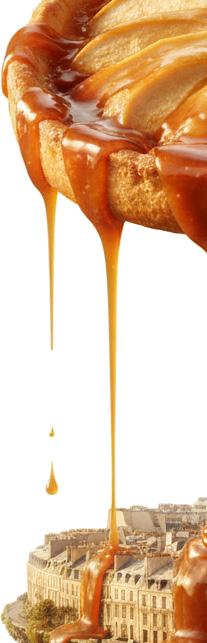
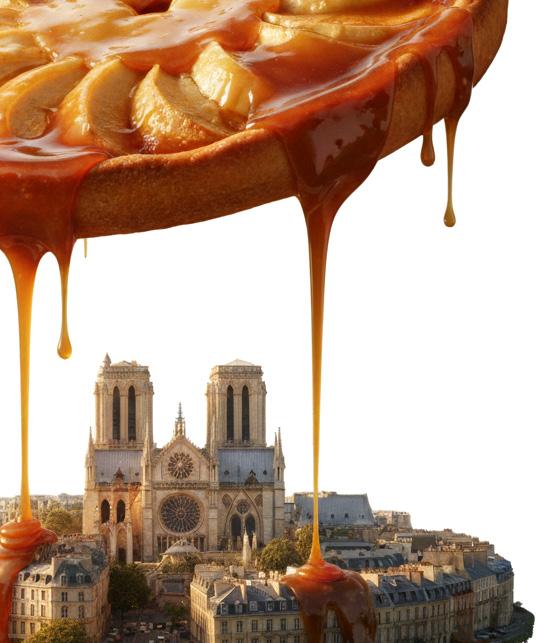
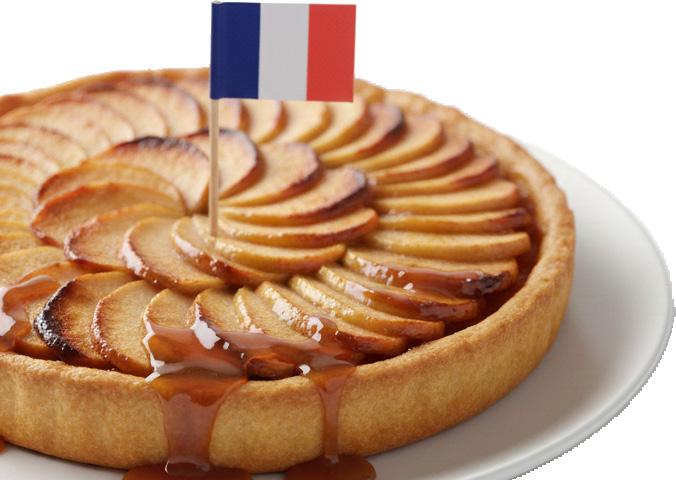
France flipped itself like an apple tarte — golden on top, charred beneath, and settling into a new shape as the revolution cooled.
Flip
4–5 apples - sturdy, the kind that finally returned
1 sheet puff pastry, a small luxury welcomed back
4 tbsp butter, softened after years when even fat felt scarce
½ cup sugar, no longer hoarded
A pinch of salt, to balance sweetness
A hint of spice or vanilla
TARTE du POMME (apple upside down tart)
As the Revolution reached its final years, the fever that once seized Paris began to cool.
The worst heat had passed; the chaos that had flipped the country on its head finally started to settle. Even in the simplest kitchens, people felt the change — the air easing, the tension lifting like a pot pulled from the flame.
Apples, once saved out of fear of scarcity, returned to the pan again. Their slices caramelized in butter and sugar, not to stretch rations or mask bitterness, but because sweetness could finally belong to everyday life again.
What had been taut and upside down — the streets, the government, the very order of things — slowly began turning itself right-side up.
A dessert shaped by the idea that even after years of turmoil, what has been overturned can still land beautifully when the heat finally fades.
A NEW FRANCE
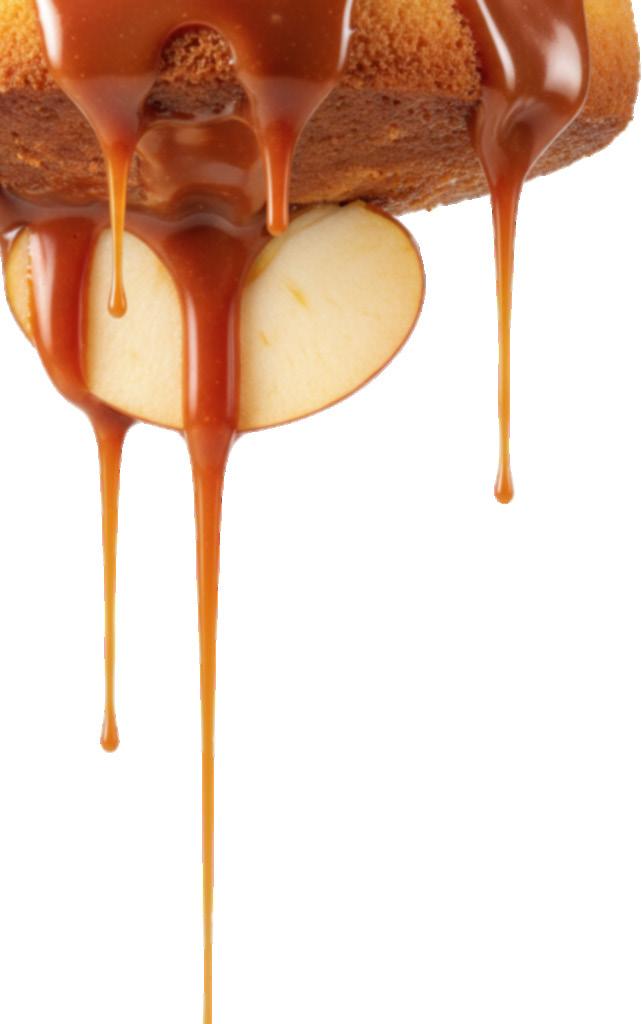
With the Terror ended and the Republic steadier, kitchens reclaimed their rhythm. Apples were layered, heated, and upended onto plates with a confidence that had been missing for years. A simple tarte could mean comfort
THE END
When the guillotine finally quieted and the shouts in the streets faded into weary murmurs, France found itself suspended between ruin and renewal.
The monarchy had fallen, the old order shattered, and what remained was a nation learning how to breathe again. In this uneasy calm, sweetness—real sweetness— felt almost foreign. For years, sugar had been scarce, almonds rationed, and anything delicate dismissed as a memory of a world that no longer existed.



FOLDINGFinish
to a
INGREDIENTS:
1 cup flour — the staple
2 large eggs — a small sign of abundance
1 cup milk — to bring the batter back to softness
2 tablespoons sugar
2 tablespoons of butter - quiet richness of steadier days
Pinch of salt — to keep the balance FOR THE SAUCE:
4 tablespoons butter
1/4 cup sugar — to melt into something golden
Juice of 1 orange- returning brightness after bitter
seasons
2 tablespoons orange brandy — a flame meant only for flavor now, not revolt
CREPES SUZETTE
By the time the shouting dulled and the smoke thinned from Parisian streets, kitchens began relearning quiet.
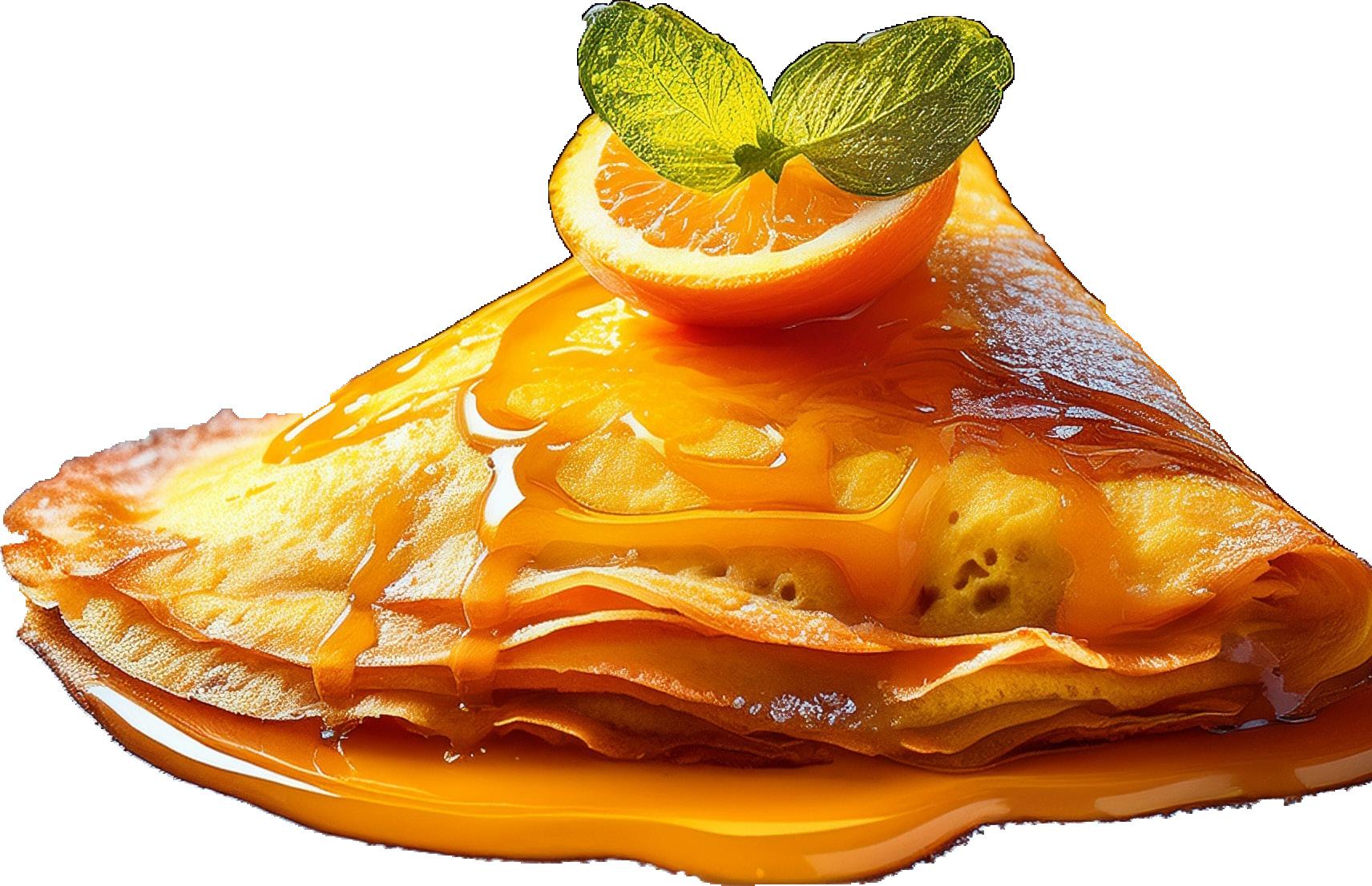
The fever of revolution had broken, leaving behind a country scraped thin but still standing. Butter, once stretched to transparency, crept back into pans. Oranges—rare through the worst years—returned to market stalls, their brightness a reminder that bitterness can mellow.
Sugar melted without urgency; spirits warmed without fear of knocking boots on the cobblestones outside. What had been a season of burning now softened into something steadier, a slow caramelization rather than a blaze.
As France exhaled, cooks folded thin crêpes into themselves—delicate, resilient, shaped by heat but not undone by it. A final swirl of flame kissed the sauce, not as a warning, but as a promise: even after great fire, sweetness can return.
LET THEM EAT CAKE
A Recipe for Revolution
AUTHOR&CONCEPT
Clara Duval
EDITOR
Anna Moreau
CREATIVE & ART DIRECTOR
Marcel Duval
DESIGN & BOOK ART
Étoile Studio — Camille Renaud (lead designer), Jonah Park (typography), Anaïs
Morel (layout)
COVER DESIGN
Camille Renaud & Étoile Studio
ILLUSTRATIONS
Sofia Bellamy — mixed-media plates, tiny-people compositions
Miguel Ortega — archival-style vignettes and maps
COPYEDITING
Eve Sinclair Editorial
PROOFREADING
Mason Reed
PRODUCTION MANAGER
Nadia Chen
PROJECT MANAGERS
Oliver Grant
Imogen Park
PERMISSIONS & RIGHTS
Riley & Co. Permissions
PHOTOGRAPHY
Portraits & Food: Rowan Hale
Stills & Props: Rowan Hale & Studio Assistants
Archival imagery: selected from public collections and reproduced with permission (see Permissions)
RECIPE DEVELOPMENT
Chef Marceau Dubois
Assistant Recipe Tester: Hélène Marchand
HISTORICAL RESEARCH
Dr. Adrien Lemaire — Early Modern France
Marie-Claire Joubert — Social & Economic History
Historical Consultant (French Revolution)
Prof. Isabelle Fournier, École des Hautes Études
SPECIAL THANKS
To the bakers, historians, and communities who shared stories and sustenance; to the libraries and archives that opened their stacks; and to the tiny hands—real and made—that helped shape these pages.
With Gratitude To
Bibliothèque nationale de France
Musée Carnavalet, Paris
The Paris Municipal Archives
Local bakeries and community historians in Île-de-France
Permissions
Selected archival images reproduced courtesy of the institutions above. Contemporary portraits and food photography used by permission of the subjects.
DISCLAIMER
All recipes in this book are interpretations for modern kitchens. Historical notes are based on primary and secondary sources; where interpretation is required, it is noted in chapter annotations. Neither the author nor the publisher accept liability for any misuse of archival material or for adverse outcomes from following recipes. All rights reserved.
ABOUT THE AUTHOR
Clara Duval is a designer and storyteller whose work blends culinary heritage with visual culture. She has long been fascinated by the quiet power of food to record memory—how simple ingredients can hold entire chapters of history. Let Them
Eat Cake grew from her curiosity about the French table and the role bread, pastry, and ritual played in daily life during times of great change.
Through research, illustration, and recipe development, she brings together the sensory world of cooking with the broader social currents that shaped French culture, crafting a book where history and the kitchen speak to one another.

LET THEM EAT CAKE
by: Clara Duval
Let Them Eat Cake is a French cookbook with a hidden heartbeat, one that stirs together food, history, and the quiet power of a rising kitchen. Through breads, pastries, preserves, and confections, this book reimagines classic French recipes as a subtle, sensory journey through upheaval, hunger, hope, and change.
Structured in evocative chapters, from Starving Beginnings to Rising Tensions, Simmering Change, and finally Sweet Relief. Each dish reflects a moment in time, not through lectures but through ingredients, textures, and the stories food can hold. Humble loaves tell of scarcity. Flaky pastries reveal layers of pressure. Jams and poached fruits soften into transformation. Desserts crack, crumble, and reset offering sweetness at the end of a long and turbulent course.
Designed with Rococo visuals, playful scale, and lush photography, Let Them Eat Cake is both a usable cookbook and an art object; rich, layered, and deeply atmospheric. Step-by-step recipes sit beside lyrical notes that draw quiet parallels between the kitchen and the world outside it.
This is a book for cooks, for readers, for history lovers, for anyone who believes that food is never just food. It is story, symbolism, resilience, and revolution, all plated with care.
A feast. A fable. A reminder of what rises when people have nothing left but the will to make something new.
Blue Apricot Press 123
COVER DESIGN by: Camille Renaud & Étoile Studio
Clara Duval