















PAGES 10, 19 & 20














































































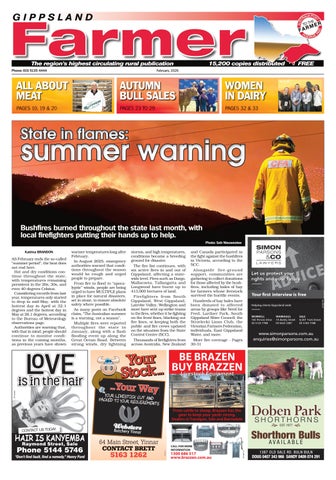
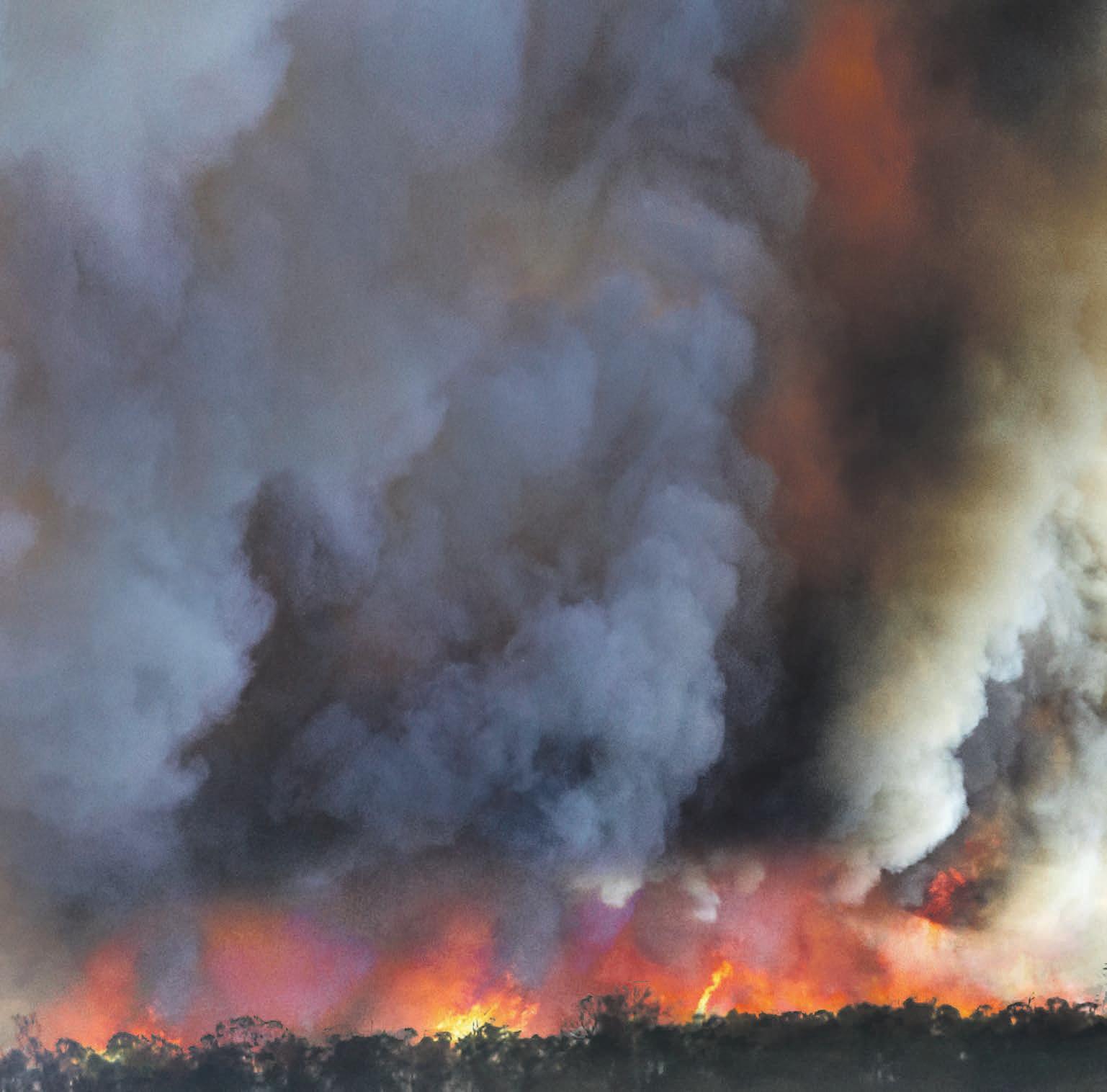
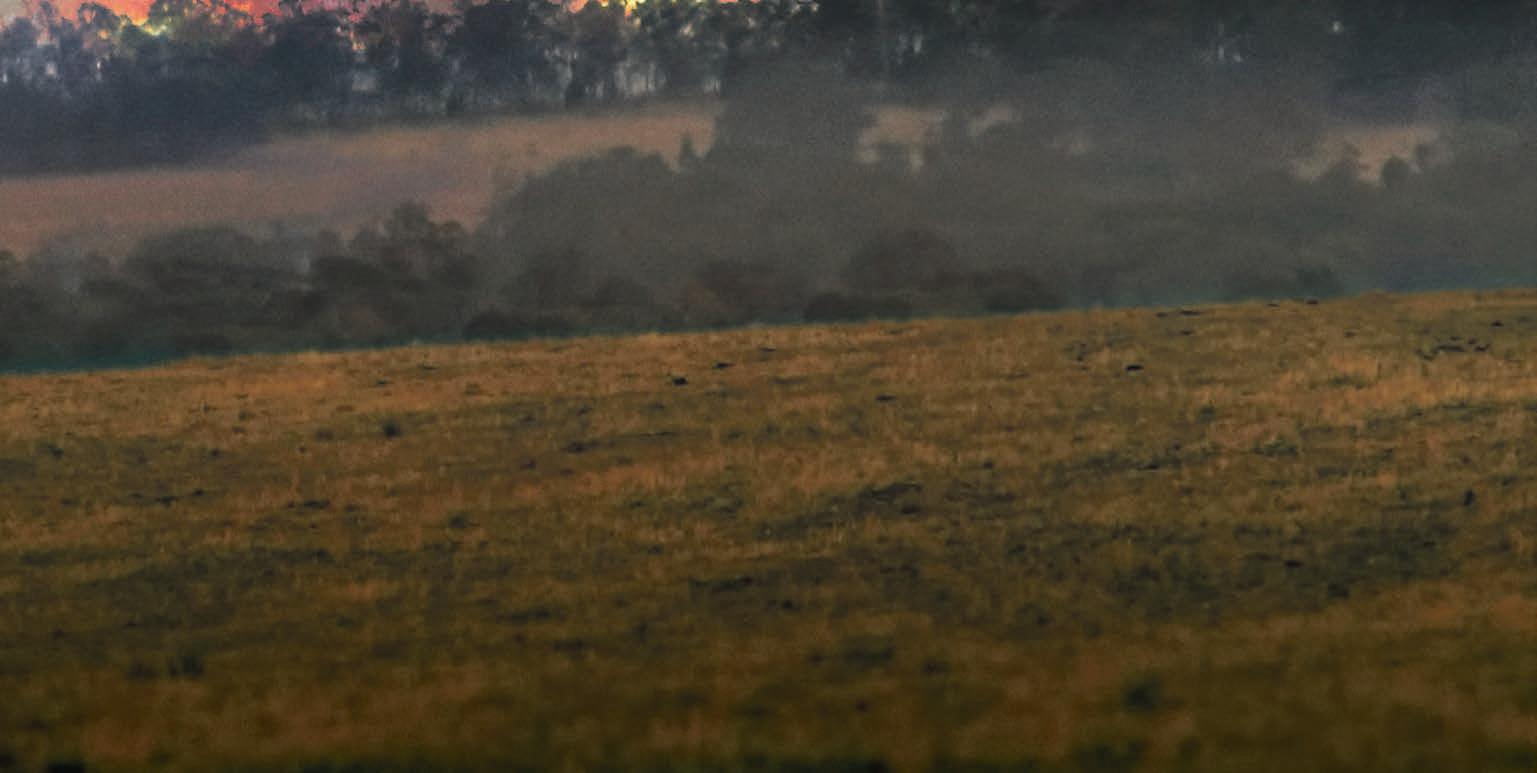
Bushfires burnedthroughoutthe statelastmonth, with local firefighters putting their hands up to help.


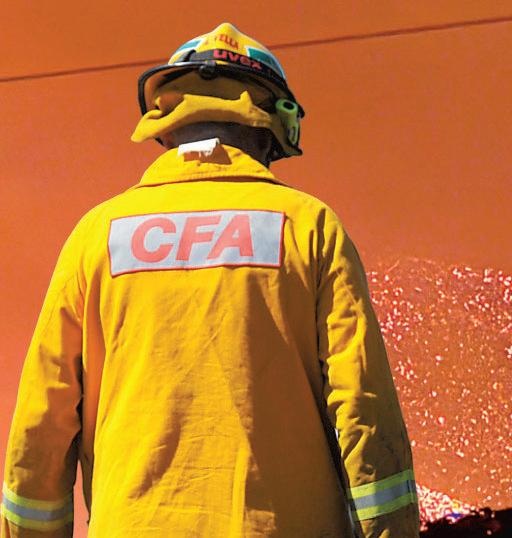

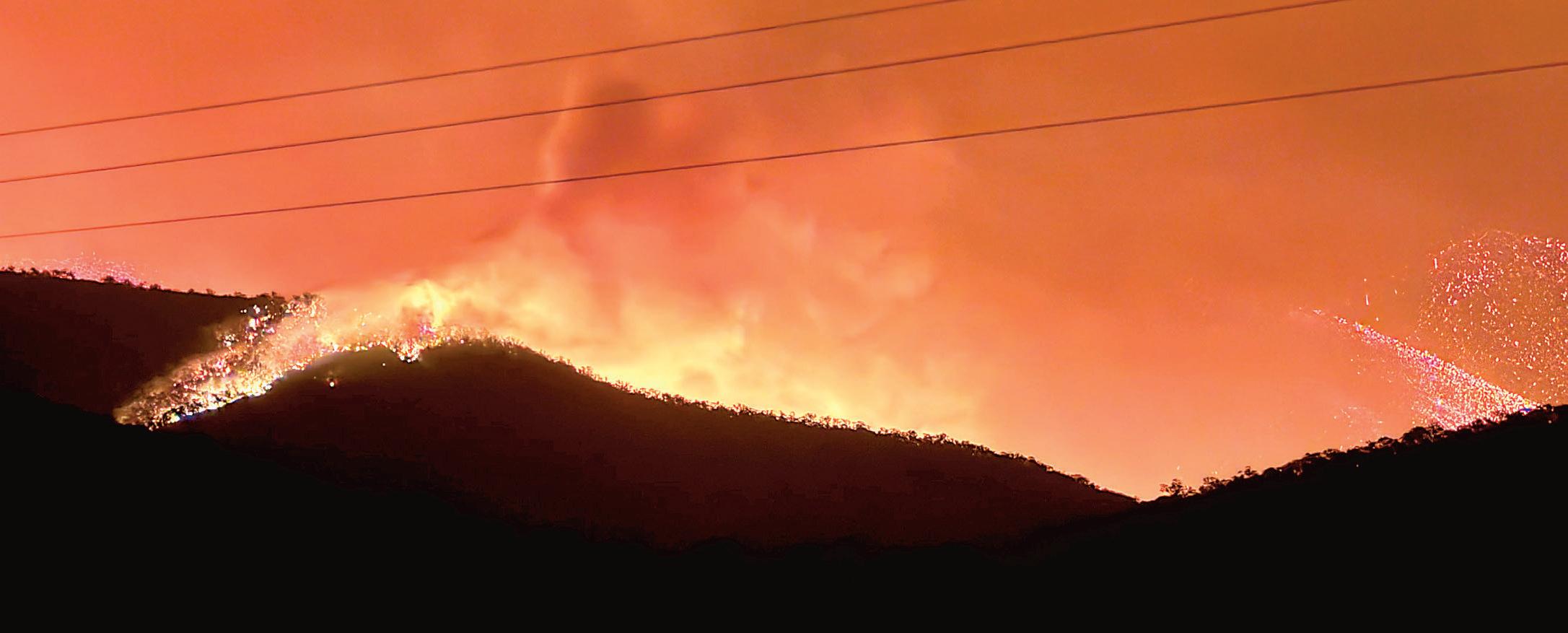

warmer temperatures long after February.
AS February ends the so-called “summer period”, the heat does not end here.
Hotand dryconditionscontinue thr oughout the state, with temperatures remaining persistent in the 20s, 30s, and even 40 degrees Celsius.
Considering records from last year, temperaturesonly started to drop in mid-May, with the hottest day in April at 32.1 degrees and the hottest day in Mayat26.1 degrees, according to the Bureau of Meteorology observations page.
Authorities are warning that, with that in mind, peopleshould con tin ue to mo nit or cond itions in thecomingmonths, as previous years have shown
In August 2025, emergency authorities warned that conditions throughout the season wou ld be ro ugh an du rg ed people to prepare.
From firetoflood to “apocalyptic” winds, people arebeing urged to have MULTIPLE plans in place for natural disasters, set in stone, to ensure absolute safety wherepossible.
As many posts on Facebook claim, “The Australian summer is awarning, not aseason”.
Multiple fires werereported thr oughout the state in January, along with aflash flooding event up along the GreatOcean Road.Between str ong winds, dry lightning






storms, and high temperatures, conditionsbecame abreeding ground for disaster
The firelist continues, with six active fires in and out of Gippsland,affecting astatewide level. Fires such as Dargo, Mallacoota, Tallangattaand Longwood have bur nt up to 413,000 hectares of land.
Fir efi gh te rs f ro mS ou th Gippsland,West Gippsland, Latrobe Valley, Wellington and morehave sentupstrike teams to the fires, whetheritbefighting on the front lines, blacking out firelines, or keeping both the public and firecrews updated on the situation from the State Control Centre(SCC).
Thousands of firefighters from across Australia, New Zealand



and Canada participated in the fight againstthe bushfires in Victoria, according to the SCC.
Alo ng si de fir e-g ro und su ppo rt ,c omm un it ies a re gathering to collect donations for those affected by the bushfires, includingbales of hay for far mers whose livestock survived the horrific events.
Hundreds of hay bales have been dona ted to af fecte d areas by groups like Need for Feed, Lardner Park, South Gippsland ShireCouncil, the StrzeleckiLions Club,the Victorian Farmers Federation, individuals, East Gippsland Water,and more.
Morefirecoverage -Pages 30-31

















Katrina BRANDON AND David BRAITHWAITE
RECENT events at Bondi haveprompted reviews into gun laws across the country.
Fed era la nd stat eg ov er nme nts ar e considering whether gun laws need to be changed in the wake of the horrific terror attack that left at least 15 people dead.
The federalgover nmentimmediately stoppedits Christmas break andreturned to Cabinet early (on Monday, December 22), wherePrime Minister Anthony Albanese and New South Wales Premier Chris Minns proposed new gun legislation.
The National Security Committeehas met around adozen times to discuss how to combat antisemitic terror attacks.
Local gun ownershave already felt the impact of possible changes.
To mH all, ow n er of Alpi ne Coun try OutdoorsMorwell,noted that gun and ammunitionsaleshave alreadytakena hit sincethe December 14 attack at Bondi.
"It (government's reaction) is 100 percent atypical knee-jerk reaction," he told the Gippsland Farmer
"Whathappened in Bondiwas justdisgusting. Ithink the biggest issue hereis that thereisroom for change, particularly in eligibility requir ements for fir ear m licenses. But to limit numbers is ridiculous.
"I might (for example)own five or six guns dependingonwhat Iamgoing for-such as you wouldn't use the same gun you would use on adeer for arabbit therewould be nothing left.
But,somemight alsohavefir earms that have been passed downthrough generations that have sentimental value, something that has been in the family for 100 years."
Living in the “hunting state”, Mr Hall said Gippslandhas amassivehunting and gun community, and thatatotal ban on firearms would be an overreach.
"I think the actual Fir earmsAct, as it stands,probably doesn'tneed tobe changed too much, it'smoreaboutthe existing eligibility criteria," he said.
"Hunting is ahuge thing (in Gippsland). It'snot justblokesrunning around the bush, it is afamily thing.
“They should consider all their national and international athletes, clay shooters, targetshooters,and more. Will you work out if you'regoing to ban all the guns and get rid of this, and get rid of that, you might as well kiss away most of our Olympic teams.”











Nationals leader,DavidLittleproud, also agreed that gun laws “werenot the problem".
“It was thepeople who wereusing the guns. They wereterrorists," he told the ABC
"This was an act of terror that slaughtered innocent Australians, targeting Jewish Australians in the most heinous act.
“If you arecommitted to going and slaughtering innocent Australians at Bondi Beach, you aregoing to find ameanstofind a weapon, whether it be agun, aknife, or avehicle.
“Let me make it also clearthat to geta gun licenceinthiscountry, youhave to undergo afit and proper person test. You just can't walk in and get agun. Youmust also demonstrate the need for the gun, and if it's high-calibre, that need is even greater.”
Mr Littleproud highlighted that while Australian gun lawsare “world-leading”, it was “the ignorance of the detail of what licensing lookslike” thatwas of major concern.
“The factisthat one of the perpetratorshad alicence.Whatconcernsme is that both the New South Wales Police Commissioner and the ASIO director said that this individual was someone that they watched and werewatching,” Mr Littleproud said.


“If someone was being watched and theyknewthattheyhad six licensed firearmsin theirpossession,would you not think that those agencies would have taken those firearms and taken that license offthat individual?"
Federal Member for Monash, Mary Aldred said that while the attack was horrendous, Australian firearmowners, such as farmers, should not be punished.
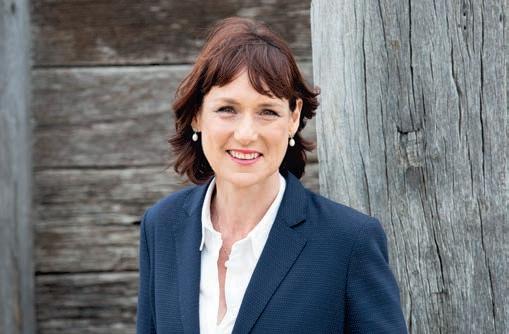
“I represent farmers who rely on firearms for pest control, as well as recreational shooters who demonstrate responsiblegun ownership, already comply with rigorous obligations and contribute back to our community. While Iamopen to considering sensible proposals like arequirement of Australiancitizenship for gun ownership, I won’t support any moves to punish responsible gun owners while not addressing the real issues at hand,” shetold the Gippsland Farmer
The establishment of aNational Firearms Register (NFR) has been raised.
TheNFR will be anationwide database for firear m-related infor mation. It will enable the sharing of near -real-time, reliable information between Australian law enforcement agencies and governments.
Whilethe registrywas expected to be active by mid-2028, authorities areconsidering bringing it forward.
“The consideration that will take place
includes limiting the number of guns an individual can own, the type of guns that arelegal, whether gun ownership should requireAustralian citizenship, and accelerating work on the NationalFirear ms Register,” Mr Albanese said in the aftermath of Bondi.
“We've provided over $160 million to do that, including over $100 million to states and territories.”
Australia’s gun laws werelast substantially reformed following 1996 Port Arthur tragedy, with the current government saying the Bondi attack highlighted the need to finish the job the Howardgovernment started on gun reform.
The government proposed for states and territories to agree to ambitious new gun law reforms no later than March, and for reforms to be legislated no later thanJuly1
The Gun Safety Advocates have also stepped forward, sharing its “plan of action”.
“Australia’s gun laws have not kept pace with changes in firearmtechnology, shifts in ownership patterns and contemporary risk factors,” they said.
“Authorities have confir med that the weapons usedinthe Bondi attack were legallyowned,exposing seriousgaps in licensing, firearmcategorisation, storage, oversight and national coordination.”
The Gun Safety Advocates proposed the following to reduce firearmharm;
Remove the recreational hunting licence category;
Further restrict high-capability firear ms;
End metropolitan home storage for nonoccupational firear ms;
Limit the number of firear ms per individual;
Explicitly prohibit the use of firear ms by children;
Introduce robust, renewable licensing;
Establish national reporting and oversight;
End unlicensed shooting;
Ban political donations from the firear ms industry, and;
Establish aNational Firear ms Safety Council.




























Memberfor Easter nVictoria Region, MelinaBath, stood with Fieldand Game member and law-abiding firear mowner Ryan Weeratunge on the steps of state Parliament to launch anew e-petition calling on the Allan Labor government to properly enforce existinggun laws and reject rushed, ineffective changes.
In the wake of the devastating tragedy and amid growing concerns aboutextremist terrorism and hate crime, Ms Bath said community safety must always come first -but warned againsthurriedlegislative responses that risk missing the real problem.
“What we witnessed was horrific, and Australians rightly want action to prevent terrorism, combat antisemitism and ensure Victorians aresafe,” Ms Bath said.
“But changing laws in ahurry, without evidence, risks penalisingresponsible, lawabiding firearmowners like Ryan, while failingtoaddress the failuresinintelligence, monitoring and enforcement thathave underpinned serious incidents.”
Mr Weeratunge is alicensed, law-abiding Australian who huntsduckand deerfor his table and shares his harvest with family and friends. Likethousandsofregional Victorians, he complieswith Victoria’s alreadystrictfirear ms laws and storage requirements.
Ms Bath said Victoria already has some of the toughest gun laws in the nation, and that past serious incidents have repeatedly involved individuals known to authorities -pointing to breakdowns in compliance, resourcing and enforcement, not gaps in legislation.
“The Nationals strongly support decisive action to pr event terr orism and keep Victorians safe, but any review of firearms laws must be evidence-led and free from pre-determined assumptions about lawful owners,” Ms Bath said.
The petition calls on the state government to:
Properly enforce existing firearms laws and fix compliance and resourcing gaps;
Ensurethe current Victorian review is evidence-based and transparent;
Reject new restrictions unless clear, publicly available evidence shows they will improve safety, and;
Guarantee genuine consultation
with lawful firear mowners, sporting shooters and hunting organisations.
Memberfor GippslandDarrenChester has warned the federal government's proposed changes to firearms laws will unfairly target rural and regional Australians, while failing to address the causes of the Bondi terrorist attack.
Mr Ch es ter acc use dP ri me Min ist er
Anthony Albanese of using gun law reform as adistraction from the government's failuretoact decisively on the growing threat of anti-Semitism and Islamicextremism in Australia.
Mr Chester said Australians expected strong leadershipfocused onpreventing extremist violence,not rushed andillconceived policy changes that penalised people who have done nothing wrong.
"Insteadof confrontingthe hardissues aroundextremism, social cohesion and nati ona lsecu rit y, the Prime Minis ter app ea rs t ob ep urs ui ng ak ne e- jer k response that unfairly targets law-abiding firearmowners, particularly in regional and rural communitieslike Gippsland," he said.
Home Affairs Minister Tony Burke said, a generation after the previous reforms, it was time to update gun laws "to keep our country safe".
"Wehave to address the motivation and the methodofthese crimes. No onecan justify why this household had so many firearms," Mr Burke said.
Mr Chester saidfir earmswer eused legitimately across Gippsland for pest control, farming, sport, and hunting, and these activities had nothing to do with the extremist violence seen at Bondi.
"It wasn't farmers or sporting shooters who carried out this terrorist attack," he said.
"This was an act of violent extremism, and the government's focus should be on strengthening counter -terrorism measures, enforcing existing laws,and implementing the findings of its own Anti-Semitism Envoy, not takingrights awayfromlaw-abiding gun owners."
Mr Chester said the Liberal-National Co al iti on re mai ne do pe nt os en si ble , evidence-based reforms that closed genuine loopholes, but would not support measures that stripped rights from responsible firearmowners without any consultation.





POTATO farmers arecurrently earning $500 atonne -around $200 short of making it worth their while.
“That really needs to be $700 atonne to continue,” potatoand cattle farmer Trevor Hall said.
He said profitability is the main issue for farmers.
“On the vegetable side of things, the vegetableindustryinAustralia is going to struggle because our input, machinery andlabour costsare so dear
“Buta lot of the smaller vegetable growers will take the impact and so we will bear the brunt, meaning conditions in 2026 will only get worse.”
Lead er of Th eN ati onal sD avi d Lit tlep ro ud said fa rm ers wou ld stillhurtin2026atthe hands of big supermarkets, after Laborhad failed to actand fully implement its Australian Competition and Consumer Commission price inquiry report.
This is despite Labor saying before the election, it would firstly implement the ACCC recommendations,but it is now almost 300days since the report and hardly any recommendations have been implemented.
Prior to the election, Prime Minister AnthonyAlbanese promised;“We will, if we areelected, implement firstly the ACCC’s supermarket inquiry recommendations. That’s about improving transparency.”
Mr Littleproud said far mers are
continuing to have marginssqueezed, and with 40 per cent of vegetable far me rs con sid er in gl ea vi n gt he industry,this is of great concernto Australia’s farmers and food security.
“Action should have been taken by now,” Mr Littleproud said.
“Recommendations to assist balance supermarket buying power relate to providing information about supply forecasts, harmonisationofaccreditation and auditing requirements, and transparency in weekly processes, wholesale freshproducepricesor volumes,rebates supplierspay to super markets and how suppli er funding contributions to their inhouse retails media services areused.
“Thelarge supermarkets arethe market, which means suppliers still have little bargaining power and can still be treated unfairly in 2026.
“This will have enormous implications in 2026, because fresh food suppliers areparticularlyvulnerable in negotiations with large supermarkets.
“In addition,trainingoffar mers andsupplierstounderstand their rights under the mandatory food and grocerycode ofconduct andto buildtheir capacity to negotiate with super markets won’t begin until at least February, nine months since Labor promised to implement it.





HOLIDAYmakers and residents in Gippslandare being urged to protect themselvesfrommosquito bites following recent detections of Ross River virus in mosquito surveillance traps.
The Vi ct ori an A rbov ir us Dis ea se Control Program has identified Ross River virus in multiple mosquito traps in Wellington and EastGippsland Shires in recent months. Councils have implemented mosquito control operations on their land, but with war mer weather increasing mosquito breeding, mosquito levels can be difficult to manage.
Victorian holiday makers arebeing reminded that simple precautions can significantly reduce the risk of infection.
Ross River virus is spread through the bite of infectedmosquitoes. While many peopledonot developsymptoms, some may experiencefever,jointpain andswelling, muscle aches, fatigue or rash. Symptoms can last for weeks or months in some cases.
Thereisnovaccineorspecifictreatment for Ross River virus. Preventing mosquito bites is the most effective way to reduce the risk of infection.
People travelling throughout Victoria this holiday season areadvised to wear long, loose-fitting, light-coloured clothing, use mosquito repellent containing picaridin or DEET on exposed skin, and limit time outdoorswhen mosquitoes aremostactive, particularly at dawn and dusk. Those travelling over the Christmas/NewYear period areadvised

to pack repellent beforeleaving home, as stocksmay belimitedinsmaller country towns. Holiday makers should ensureaccommodation, caravans and tents have intact mosquito screens, use mosquito coils and camp some distance from the edgeofrivers/lakes, where mosquitoes breed.
An yo ne w ho de ve lo ps sy m pt om s consistent with Ross River virus infection should seek advice from their GP Moreinfor mationabout Ross River vir us an dh ow to pr otec ty ou rse lf from mosquito-bornedisease is available on the BetterHealth Channel at https://www.betterhealth.vic.gov. au/health/conditionsandtreatments/ ross-river -virus-disease

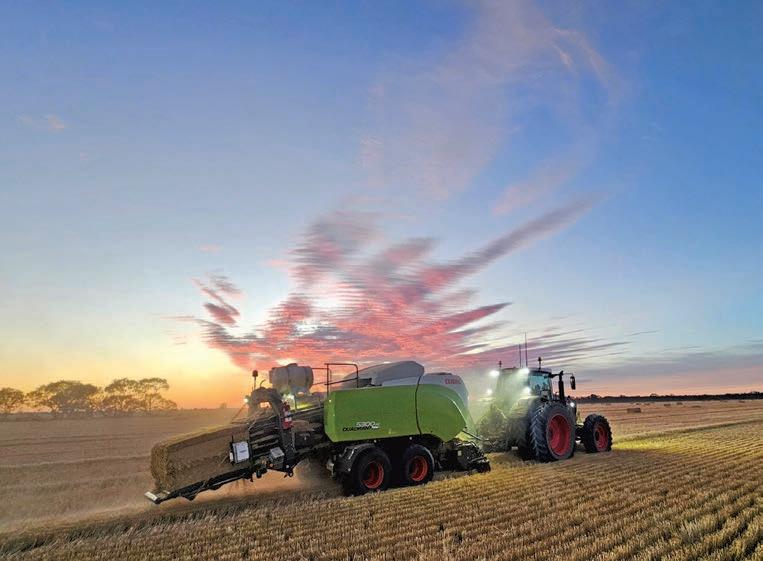

































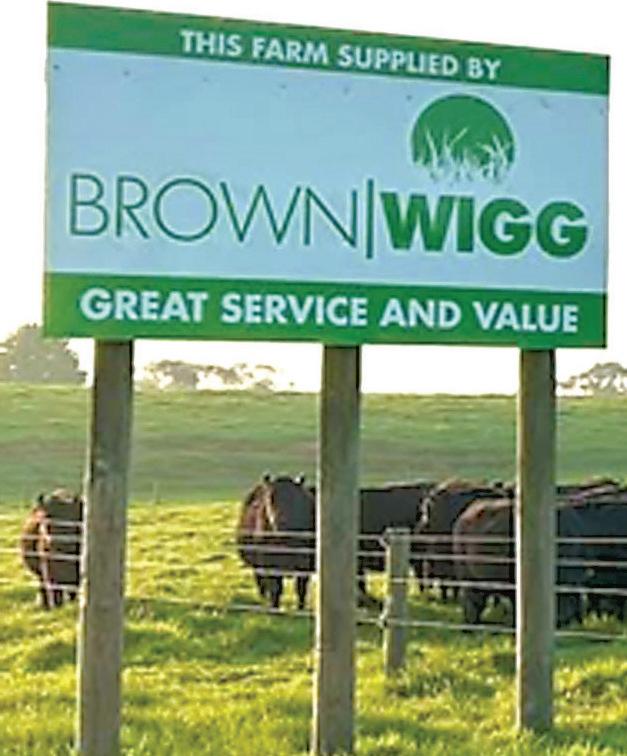
“This year marks asignificant milestone for our company as we proudly celebrate 20 years in business,” said Luke Johnson Director at BrownWigg.
What began two decadesago as al ocal ope rati on, with a simple goal has now grown into atrusted name within the farming community.
“Reaching this anniversaryis not just about the passage of time; it is about the relationships built, the challenges overcome, and the shared successes withthe people who have
supportedusevery step of the way.
“From the very beginning, we have been proudly locally owned, and that remains at the heart of everything we do.
Being locally owned means more thanhaving an address in the region—it means understanding the land, the seasons, and the realities faced by local farmers.
It means making decisions with the long-ter mwellbeingofour community in mind, not distant shareholders.
Our roots arehere, our families ar eh er e, and our futureishere.”
“Supporting our local commun it yh as alway sb ee na corevalue of our business, and it continues to guide us today.
Over the past 20 years, we



have been proud to support local events,schools, sporting clubs and community initiatives that help keep our region strong and connected.
Agriculturethrives when communities thrive, and we believe that success is best shared.
Whetherit’s lending ahand during tough seasons or celebrating the good ones together,weremain committed to standing alongside our community,” said Luke.
“As the farming industry evolves, so too have we. Innovation, reliability, and genuine customer service have helped us remain relevant and trusted over the years.
While much has changed since our early days, our commitment to local far mers and producers has not.

We aregrateful for the loyalty and trust shown by our customers, many of whom we now consider friends.
It is th is sup po rt t hat ha s allowed us to reach this 20-year milestone,and for that, wesay thank you.”
“Tomark this special 20-year anniversary, we aremaking this ayear -long celebration.
We willbe hosting two major giveaways that you will not want to mis s, feat uri ng sta ndo ut prizes designed to recognise and rewardour customers and the community.
In addi tion to t he se majo r giveaways, we will also be offering multipleexclusive offers, prizes, and special promotions throughout the year
From limited-time deals to bonus prizes and surprise rewards, there will be plenty of opportunities to celebratewithus.
“T os ta yi nf or me d and makesurey don’t miss out, we encourage
everyone to follow us on Facebook.
Our Facebook page will be the first place to find announcements about the two majorgiveaways, details on how to enter,a nd updates on exclusive offers and prizes available throughout the year
“As we reflect on the past 20 years,wedosowith pride and gratitude.
As we look ahead, we do so with optimism and enthusiasm.
We re main pr o udly loca lly owned, deeply connected to our community, and committedto supporting local agriculturefor many years to come.
Here’s to celebrating together— this year and beyond.”


BrownWigg –locally owned, locally farmed, just like you!





















































































































MEAT &L ivestock Australia (MLA) announced the launchofRareMedium: 2026 Red Meat Trends-amajor new foodservice resource showcasing the innovation,creativity and evolving consumer tastes shaping the futureofAustralian beef and lamb across the country and around the world.
Developed in consultation with chefs, producers and industry experts, the 2026 trends report identifies six key movements -the ‘Sizzling Six’ -set toinfluence how redmeat is cooked, served and enjoyed in the year ahead.
From whole-carcase utilisation and global flavour mash–ups to elevated luxury cuts, slow craft, signature dishconceptsand the booming rise of snack–forward dining, the new resource maps the changing landscape of modernAustralian cuisine.
The digital report and video bring these themes to life through chef insights, menu examples, practical applications for venues and analysis of broader demographic, economic and sustainability driversimpacting consumer behaviour
MLA Brand Content Manager Mary-Jane Morse said the 2026 trends showcasea sector that continues to push boundaries while keepingflavour,provenanceand creativity at the heart of the plate.
“Australian chefs continue to creatively, culturally and technically push boundaries and this year’s Red Meat Trends captures that energy in areallyexcitingway,” Ms Morse said.
“The 2026 resource highlights how beef and lamb areevolvingonmenus -from big-flavour snacks to refined luxury cuts and globally inspired dishes.
“Our goal with RareMediumisalways to champion the people, the craft and the stories behind Australian redmeat, and these trends are an inspiring reflection of wherethe industry is heading.”
The new resour ce alsoexploresthe broader forces shaping consumer behaviour.This includes demographic change, cost–of–living pressures, thegrowing focus on high-quality protein, and heightened expectations around sustainability, trust and transparency. This provides operators with the context they need to plan, adapt and innovate for 2026 and beyond.
Through chef interviews, global menu examples, practical applications for different venue types and insights across every stage of the supply chain, RareMedium: 2026Red MeatT rends celebratesthe ingenuity of the industry and showcases the many ways Australian beef and lamb continue to lead on quality, versatility and story–driven dining experiences.
The launch also includesacompanion video bringing the trends to life. Watch her e: https: //ww w.yo utub e.co m/ watch?v=HIekbxMgR1o
The complete RareMedium: 2026 Red MeatT rends report, including recipes, executional ideas,venue applications and intervi ews, is availab le now at: https://www.raremedium.com.au/ profiles/2026-red-meat-trends/?





THE highly-anticipated annual summer Australian Lamb ad is back, and this year it tackles the news that Australia dr opped out of the World's Top10 Happiest Countries Listfor the first time ever in March last year
Sittin ga t1 1th, Australi an Lamb believes the official index doesn't capture what really makes us happy.
Pr ovingjust how uniquely Aussie our version of happiness really is, this year's ad highlights the moments that encapsulates the unmistakable Aussie way of life. From sausage sizzles at the hardwarestore, to duckinginto the shops in your swimmers: the ad reminds us that happiness isn't about rankings -but about togetherness, the outdoors, and agood lamb meal being shared.
Backing this up, Australian Lamb conducted its own research, polling real Aussies in its own national Australian Happiness Census.
The results?We'reahappy bunch, with three out of four (74 per cent)sayingthat we'rehappy mostdays, or even goingso far as to say always.
Across the population,the average scoreofhappiness was asolid 7.3 out of 10, with millennials leading the way (85 per cent say they areeither happy most days or always).
The keys to Aussie happiness include spendingtime outdoors,our friendly people, and our beautiful wildlife and nature.
It's no surprise that eating lamb also correlates with Aussies being happier than those who don't. Half of Australians (49 per cent) said it should be aweekly ritual, with roast leg of lamb topping


the listamong happyAussies(52 per cent), followedbychops(42 per cent) and cutlets (39 per cent).
The research also uncovered other happiness boosters: gettingoutdoors three to four times aweek makes Aussies nearly three times more likely to feel good always, than those getting outdoors less often. Cracking abeerwith anything rates at 7.5/10. Even early-mor ning run-clubbers get bragging rights,with 86 per cent claiming happiness after their 6am jog and coffee ritual.
Austra lians' unique quirks and etiquette alsoshowwhy the World Happiness Index may not quite 'get' us. For example, 41 per cent think calling someone 'cupcake' could be offensive, while 'mate' or'legend'isgenerally foolproof -with only seven per cent of Aussies considering these as no-go. Theselittlecultural twists make us delightfully Aussie.
Meat and Livestock Austalia marketing general manager Nathan Low said,at first glance, the World Happiness Index might suggest Australians have lost their spark.
"But our research tellsadifferent story -happiness hereisn't about rankings, it's about togetherness, shared experiences, and the simple joys that make life distinctly Aussie," he said.
"Nothingbrings people together like an epic lamb barbecue, and this campaign celebratesthe humour,camaraderie, and unmistakable Aussie spirit that keep us smiling every day."




























Inter nationally ther ei sa str ong link betweenbuildingsoils and grazing animals.
Thereare some depressingstories of how civilisations havecollapsed because of the loss of soil health, sometimes due to overgrazing land this creates erosion and loss of soil health. Dr.David R. Montgomery covers these examplesinhis book “Dirt: Erosion of Civilizations”.
The main issue in grazing is attemptingto harvest as much of the fodder as possible.
Researchers have estimated thatwehave ten tonnes of microbes per hectare.
Theyneedto eat, drink, andliveinan active soil.
They consume carbon, which originates as aroot exudate producedbyphotosynthesis.
Without root exudates they start to eat their own homes, these arewhat we know
as soil aggregates.
When this happens the soils lose water infiltration capacity, water holding capacity, nutrient cycling, but is seen above ground is, loss of production.
Grazinglivestock needs to be viewed, not as the harvesters offorage,but atool to manage the forages in paddocks.
Forage plants need to be managed to allow eachplant toget through mostofits life cycle to create ahealthy root system.
Thiswillensurethatitwill survive its dormancy period and in its growth period grow vigorously.
Dormant plants can be grazed but maintaining soil armour is important.
To get around the fireload concern, producers need to have moreplant diversity, both summer and winter active species
• Buying ALL types of cattle for
• Payment on the day
• Animal husbandry and all-round advice
• Extra money for empty cows
• Over 50 years experience
TRADING HOURS

Wednesday & Thursday 9am to 3pm


growing in the same paddock.
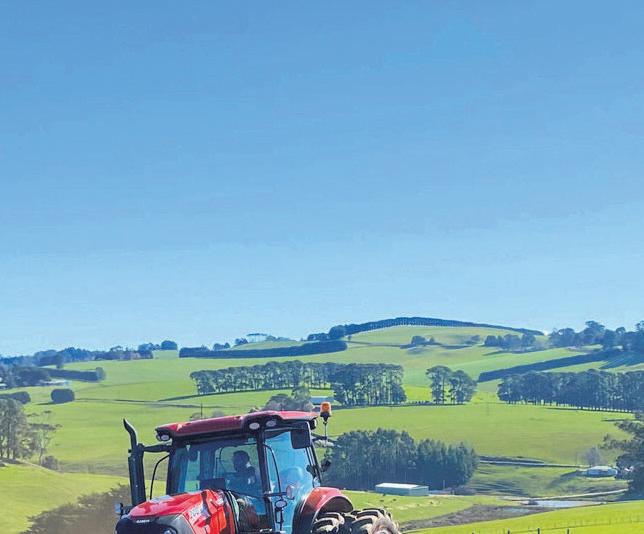
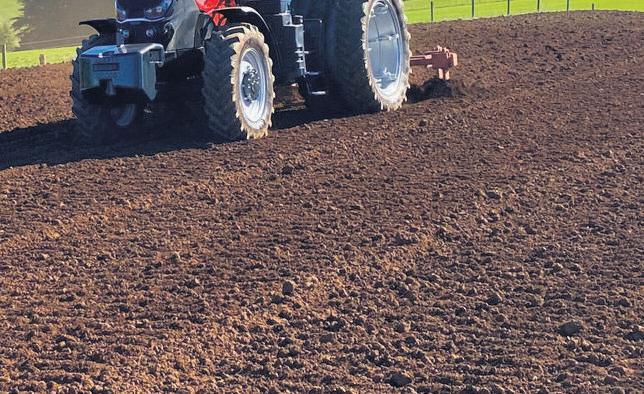
Tools like the SOILKEE Renovator allows introduction ofdiversity into established paddocks without losing ayear of production by terminating the stand and reseeding.
Managing animal numbers is important, knowing how much fodder is availableand adjusting numbers accordingly.
De-stocking when fodder supply is low, bringing in extra animals when fodder supplies allow.
To createanew angle of your business maintaingood ground cover, increase functional plant group diversity, increase species diversity by grazing chooks, cattle and sheep, rotating these different animal species at different times, reduce reliance on syntheticinputs,and have the view that you areutilising the grazinganimal
to manage grass.
Water will now infiltrate into the soil, the soilcan store morewater, animalswill be healthier,paddockswillrequire less synthetic inputs, firehazardwill drop, soils will be cooler duringthe summer, fungi populations will increase triggering native species to appear,non-desirable forage specieswill decrease,and nature will rewardyou.
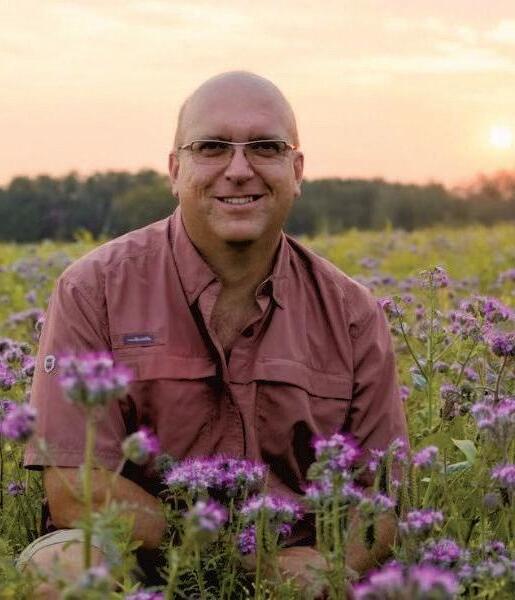
Professional agrologist, Kevin Elmyof Crop Cover Canada, is in Australia this March to present at the Multi-Species Far mingConference and RetreatSeries presented by Farming Revolution.
To le ar nm or e, ple as ev is it www farmingrevolution.com.au/ multi-species-farming-conference-retreat/
































THE Aus tra lia nC ol l eg eo f Rur al and Remote Medicine (ACRRM)said expanding the role of GPs and Rural Generalists (RGs) in ADHD assessmentand treatment is an important step toward equitable healthcareaccessfor people living outside major centres.
Data shows that by 2022-23, around 470,000 Australians ar ep re scribed ADH Dm edi cat ion s-a ni nc re ase of almost 300 per cent over 10 years.
ACRRM President Dr Rod Martin said demand for ADHD careisrising sharply across the country, but rural communities continue to experience the greatest barriers.
“People in rural and remoteAustralia still face the longest delays and highest costs for ADHDassessment andcar e, with specialist services often hours away and out of reach,” he said.
“RGs live and work in these communities and arebest placed to provide timely, ongoing ADHD careclose to home.”
Dr Mart in expl ain ed re cen tr efor ms across several states arealready improving access and demonstrating the value of rural GP and RG-supported models of care.
“Queensland is the first state to allow GPs and RuralGeneralists to diagnose ADHD in adults,” he said.
“As the Rural College primarily responsible foreducation andcertificationof doctors, we would strongly recommend whatever training is necessary and available to optimise patient care.”
“Refor ms in NSW, Western Australia, South Australia and Tasmania arealso helping to reduce wait times and improve continuity of care.”
He said expanding the ro le of Rural Generalists to diagnose, prescribe and supportpatients thr ough whole-of-life ADHDcarewill easepressureonoverstretched specialist services and ensure pati ents re cei ve cons ist ent, in f or med and affor dabletreatment in their own communities.
“For these refor ms to deliver the best outcomes,they must be supportedby continued investment in training and workforce development,”DrMartin said.
“ACRRM stands re ady to support implementation by developing the training RuralGeneralists needtoundertake ADHD asses sment sand pr ovidesafe, evidence-based careunder the varying requirements of each jurisdiction.”
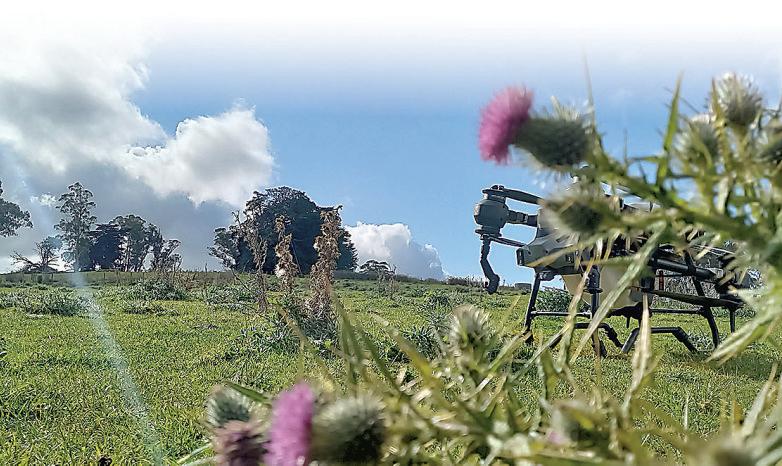
• Weeds
• Liquid fertilizer
• Pesticides










• Fertilizer pellets
• Powder/granules
• Seed




PHOTOGRAMMETRY
• Farm mapping
• Contour maps
• Crop health
• A Aerial photography





0490 482 727
Servicing Budgeree, Boolarra, Mirboo North, Yinnar,Hazelwood North, Thorpdale, Traralgon, surrounding districts and beyond www.bedroned.com.au contact@bedroned.com.au like us on facebook/ beDRONED2023



MJ DIJAMCOEnterprisesPty Ltd and Cummaudo Trading Pty Ltd wereboth sentencedinthe Korumburra Magistrates’ Court on December 10 for offences under the Occupational Health and Safety Act.
MJ Dijamco was convictedand fined $40,000 after being found guilty ex-parte of asingle charge of failing to provide safe systems of work, whileCummaudowas fined $25,000 without conviction after pleading guilty to one charge of failing to provide and maintain safe plant and one charge of failing to provide adequate information,instruction and training.
Both companieswerealso ordered topay costs of $5,641.
In June 2023,labour hireproviderMJ Dijamco senta worker to host employer Cummaudo’sfarm, whereshe was tasked with removing onion stems using an onion grader machine.
The court heardthat during her first shift at the farm, the worker approached the upper section of the onion grader to dislodge two onions, believingher coworkerhad shut down the machine.
As she reached inside, the worker’s hand became entangled in the machine’s rotating rollers.Hearingher screams,the coworker pressed the emergency stop button.
The worker was transported to hospital whereshe had multiple fingers on her right hand amputated.
AWorkSafe investigation found that there was no guarding around the machine’s rotating rollers and sizing belt, and that neither companyhad provided the worker with an induction or traininginhow to operate the machine,nor any informationabout its danger points.
Cummaudo accepted it was reasonably practicable to have installed afixed cage and isolation switches, preventing access to the rollers and sizing belt while the machine was operating, and to have provided the worker with information, instruction and training on the machine and its danger points.
The court found it was reasonably practicablefor MJDijamco to have reducedthe risk of entanglement by having asystemthat ensured the host workplace had provided labour hire workers with such information, instruction and training by requesting records.
WorkSafe Acting Chief Health and Safety Officer Barb Hill said labour hirearrangements created shared responsibilities, with both the provider andthe host owing the worker asafe working environment.
“When it comes to machinery,proper training and appropriate guarding arefundamental safety measures every employer must have in place,” she said. “As we’ve seen far too many times, neglecting such measures can have gruesome, life-altering consequences.”
“Labour hireproviders can’tsimply send their workers to ajob and assume safety will be wholly managed by someone else -they must actively confirmthat their workers are trained and risks areappropriately controlled.”

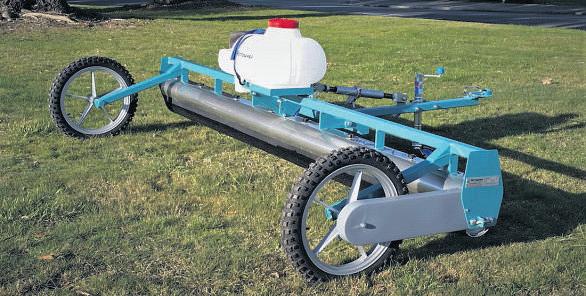






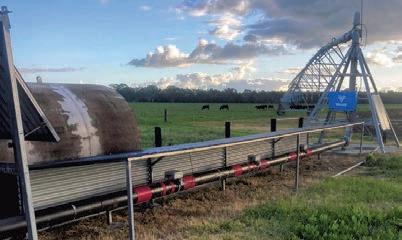
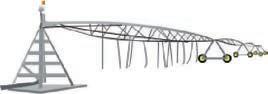



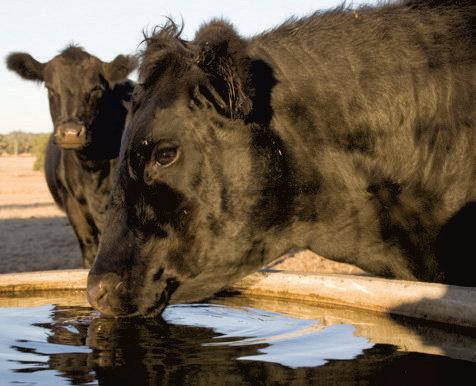

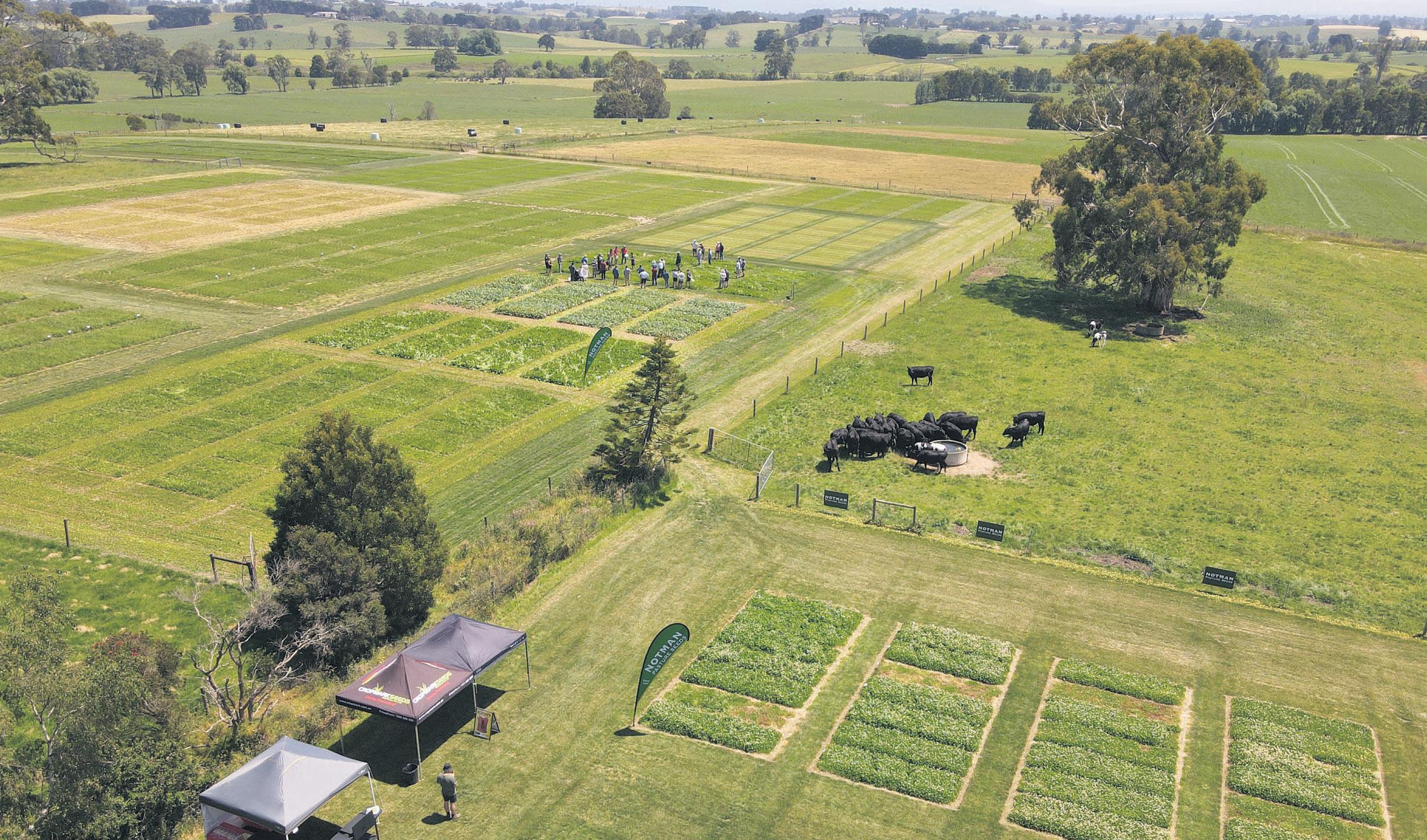
February is when paddocks either get set up properly for autumn or carry problems into the season.
It’s the window whereweeds can be controlled beforethey impact autumn resowing, soilconstraints can be identified, andpaddocks prepared to capturethe first useful rainfall.
Peter Notman of Notman Pasture Seeds says this is the most effective time to tackle weed pressure.
“Don’t wait until after the break.
February knockdown and preemergent programs giveyou a clean start and take pressureoff new seedlings, especiallyifyou aregoing into winter cropping or permanent perennial pasture.
It also makes it much easierto create aworkable seedbed.”
Soil testing is another job best done now rather than later Adam F isher,a Gippsland agronomist, s says February results allow time to act
you clarity on pH, phosphorus, potassium and sulphur,and lets you prioritise paddocks that you want to maximise later in the year.”
Lime timing is closely tied to that process.
Applied early,ithas timetostart re acting befo re peak nu tr ie nt demand.
“Lime is aslow fix,” Peter Notman says.
“Putting it out now improves fertiliser efficiency and root development later,rather than trying to correct acidity once the pastureis already under stress.”
Good paddock preparation also helps lock in moisture when it does arrive.
Clean, even surfaces with minimal competition allow rainfall to be captured and used efficiently, rather than being lost to weeds sucking up much needed moisture for autumn sowing establishment
next key decision.
Peter Notman points to strong inter est in dense tetra ploid perennial ryegrasses with newer endophytes.
“Elevate CM142 is avery dense, highlypersistent tetraploid, and the CM142 endophyte puts animal health safety first while still delivering solid insect protection.
It’s suitedtointensivegrazing systemswherepersistence really matters.”
For farms pushing later season growth, Adam Fisher says ultralate perennials areproving their value.
“Vast AR37 fits systems that want pastures contributing when others start to drop away.
It’s dense, persistent, and doesn’t compromise on winter yield.”
Alongside per ennial ryegrass options,there’s also been strong uptake of new alternative grasses where persistence and summer activity are priorities

fescue types arefitting well into Gippsland.
“Kainui cocksfoot is amuch softer, morepalatabletype than older cocksfoots.
Quantica MaxP fescue of fers similarbenefits —deep roots, excellent persistence and high feed quality —without the hardness traditionally associated with fescue.”
Both deep rooted grasses have proven particularly popular onfarmincustom seed mixes where they’r ep air ed wit hl eg umes and herbs in Central and East Gippsland, which complement their growth habit, lift feed quality and improve overall pasture balance.
Annual ryegr ass re mains a cornerstone of flexible winter feed.
Peter Notman says.
“It sustains yield and retains leafiness across winterand spring season, which is giving far mers extra flexibility.”
Keytips for February
•Control weeds early to protect autumn establishment.
•Soil test now to guide pH and nutrient decisions.
•P re par ec lean seedbeds to captureautumn moisture.
•Lock in seed early
With autumn approaching, seed demand is building across the region.
In East Gippsland, new Notman
Past ur eS eeds team member
Hannah Thorson is working with growers to line up seed and pastureoptions ahead of the break.


“Testing ahead of sowing gives

Once the fundamentals are in place, variety choice becomes the


Adam Fisher says the newer soft-leaf cocksfoots and moder n


The upgraded new generation annual with some Italian ryegrass in its breeding, such as Rampage leads market y ield i nm an y Gippsland trials


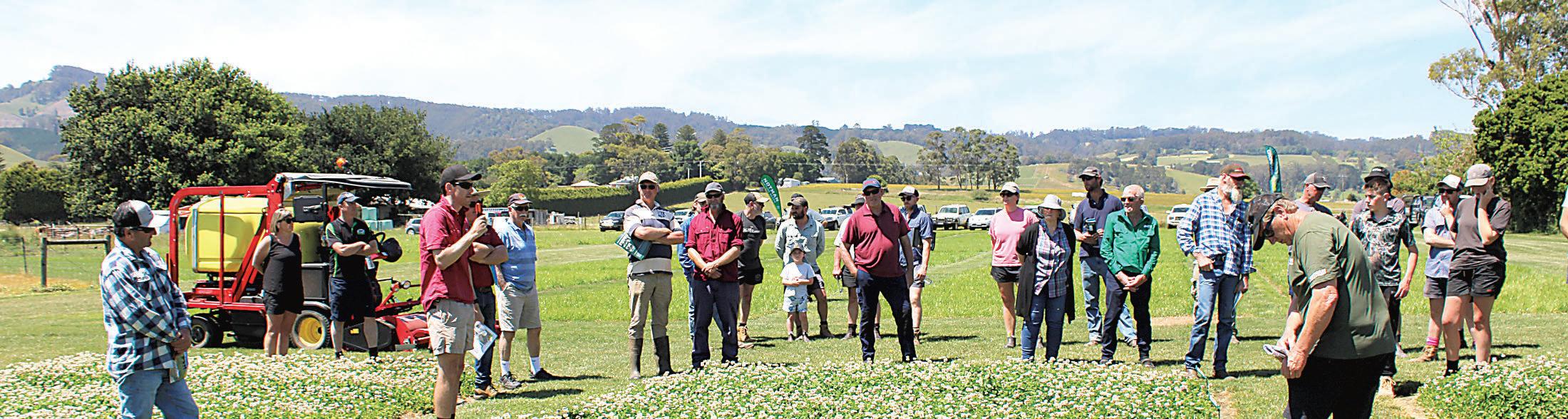





“ R a m p a


because it doesn’t just grow early,”
Acr oss We st and So u th Gippsland, Peter Notman, Adam Fisher and Gavin Notman ar e encoura g i n g far mer st os tar t conversations early, particularly around treated seed options and custom mixes

































Aidan KNIGHT


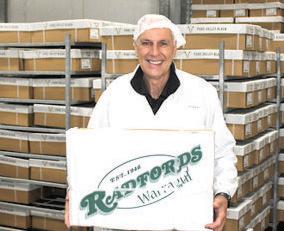
NESTLED in the heart of West Gippsland Radford's Meats stands as a testament to Australian family business resilience,
company has grown from a single-man slaughterhouse to a sophisticated meat processing operation that supplies across Victoria and beyond Robert Radford, who has been at the helm for nearly 50 years represents the second generation of leadership His jour ney began with a butcher's apprenticeship, evolving to exporting to 28 different markets Today, Radford's is one of the most unique meat operations in the region - a multi-species plant processing both beef and lamb a rarity among the nine meat works within a 100-kilometre radius
What began as a small butcher shop in Warragul in 1946 has grown into one of Gippsland’s quiet manufacturing success stories Radford's remains family-owned and regionally based, but now operates as a major player in Australia s meat processing and value-added food sector - proving that a country business can compete on a national scale without losing its local roots
"My permanent staff average 13 years service," Mr Radford said proudly "Some


of them have been here over 30 years " This stability is intentional "We can guarantee them five days a week, where a lot of other plants in the area are reduced to three or four because of lack of stock availability and price," he explains, of which he has around 140 people employed
Domestically focused, Radford's supply "independent supermarkets, food service, wholesalers and independent butchers" with 95 per cent of their business serving local markets "We supply Sydney and Melbourne markets, right through regional Victoria, from Bair nsdale to Healesville and Werribee "
Their achievements are substantial winning multiple awards local, state and national The biggest being the national Telstra Sustainability Award in 2009 - the first for any meat company in Australia Radford's also participates in exporting some of the best beef in the country, thanks to its Level 1 license, allowing trade to markets mainly in the Middle East While Mr Radford acknowledges that the exports are important, and for a country with beef as highly regarded as Australia is an integral part of the economy, he says the company has always been locally focused, and the more regional the better "Exports are currently only about five per cent of our business " he said "We focus greatly on the domestic side of things, retail outlets, local butchers across the


regions, independent supermarkets, food services and caterers - we do the lot "


Mr Radford has always maintained this vision, as most other plants in the area shifted their focus to American and Asian markets, opening it up for Radford’s to expand their reach across Gippsland and beyond to fill demand locally, something he doesn't take lightly, and is reflected in the quality of the product
Radford's are also certified to prepare meats for a range of dif ferent religious
traditional Chinese and Vietnamese communities, as well as Halal In particular, being one of the biggest wholesale carcass suppliers in the Sydney and Melbourne Greek markets, and have a consistent customer base, doing a roaring trade in lamb each Christmas and Easter
Now expanding the business in a different direction, Mr Radford has acquired Chef fields Meat Wholesale, rebranding it into Gippsland Choice Cuts
"We will supply nursing homes, hospitals, and restaurants, institutions all across Gippsland - as well as catering " he told the Gippsland Farmer The business aims to have a major impact on localised bulk meat supply, which makes use of the multiple owners' reputations and connections joining forces including Lisa Moreland (formerly Moreland Meats) and Colin Kearley (Country Style Meats,




Gar field) This team brings an expert knowledge/service in dif fer ent ar eas of the same industry, allowing each of their own businesses to elevate to a new level with this newfound local venturebuilding further on what was previously established in Cheffields by the founders, Andrew and Kristy Smith


While Radford's own abattoirs provide highquality beef and lamb, the combined figures behind Gippsland Choice Cuts provide all of this, plus the finest in pork and chicken, seafood and goat Radford's have been supplying Cheffields with meat for the service industry for 24 years and have a strong understanding of the impact it has on local meat economy
Cheffields has long been a well-established supplier and Gippsland Choice Cuts plans to not only continue that, but also elevate the wholesale servicing in the local region, as the new name would suggest With this venture, Mr Radford aims to “take advantage of that and value-add our products that we process here take it down there, and take it to another level", while keeping the existing workforce of a dozen or so employees at the Warragul base in Masterson Court Gippsland Choice Cuts is as committed as Radford's Meats is to maintaining locality, not just in business and client base but also in its employment and business continuity, "where the land defines the flavour"




Aidan KNIGHT
VICTORIA’S butchery sector is witnessing arise in “micro-meatworks,” as small and medium-scale farmerslooktoslaughter and process their own livestock to cut costs,boostmarketaccessand shorten the paddock-to-plate chain.
The Victorian Government moved to support the trend in August, announcing it would lift planning requirementsfor purpose-builton-farmslaughter facilities. Farmers wanting to construct amicro abattoir will no longer need aplanning permit-achangedesigned to removea major barrier to compliance and encourage producers to move away from makeshift or unsuitable buildings.
Supporters argue the model gives farmers greater control, keeps moreprofits local and strengthens regional “food sovereignty.” But industry figures say the practical realities make it far from simple.
Robert Radford, owner of Radford’s Meats -one of Victoria’s most decorated beef and lamb abattoirs -believes micro-meatworks face significant hurdles.
“No one wants them on their back doorstep,” he said. “They’regoing to have trouble gettingmeat inspectors.They’re going to have trouble with animal welfarebecause they’ve got to restrain the animal prior to slaughter,and carry out proper procedure with effluent and waste material, which also requireEPA certification”.
Radford said inspectorsare unlikely to travel to farms to oversee the slaughter
of only afew animalsatatime, calling the economic model “unfeasible without the owner-operator becomingahandson slaughterman, butcher and meat inspector”.
He believes the onlyviable alternative for small producers is direct-to-consumer onlinesales,where“farmers direct” meat packs aredelivered to customers goingthrough aregistered meatworks or butchershop.
“If someone getsfood poisoning and they trace it back to one of these micro abattoirs,” he said, “the whole industry will suffer.” One of the most notable in the race for micromeatworks, prior to the recently introduced. legislation, has been Jonai Farms &Meatsmiths, whospecialise in heritagebreed pigs and shorthorncattle in Eganstown, Victoria. While not exactly asmall operation, Jonai gained some notoriety in themeat industry by raising fundstobuild avehicle-based abattoir at $150,000. This was drivenbythe vision to "feed local communities rather thanbanks and shareholders". The “vehicle-based” design for Jonai Farms’ micro-abattoir isn’t about being amobile butcher in the classic sense (drivingfromfarmtofarm).Instead, it’s aregulatory and practicalworkaround.
Mobilebutchersare not an uncommon occurrence in regional areas, as pointed out tothe Gippsland Farmer by Joanne Campbell, "but what I'm worried about is the health inspectors being able to maintain proper compliance".
Ms Campbell has grown up within the meat industry, similar to Robert, through her family's business, Campbells Quality Meats Traralgon.It’s generally easier to ensurecompliancefor mobilebutchers than for farmers running their own micro-meatworks because mobile units are standardised, centrally regulated, and operate underexistinglicensing frameworks, whereas afarmer-run facility requires full abattoir-levelcompliance,infrastructure, and oversight.
Mobile slaughter units aretypically

licensed as asingleentity, with one set of approvals covering multiple farms. This means regulators only need to audit and certify the mobile operator,not every individual farm.
Farmers must meet the same standards as commercial abattoirs -including structural design, waste disposal, water quality, and HACCP food safety systems.
Ms Campbell mirrors Radfo's view, and doesn't see aVictoria whereinspectors and regulators happily trek to every individual farmthat may theoretically become amicro meatworks, for what is (in the scheme of things),a minuscule amountof production(comparedtothe current abattoirs established). Building and maintaining compliant infrastructureisexpensive,often prohibitivefor small-scale producers. While she supports the concept of "keeping it local" that the microconcept provides a township if run successfully, she sees that mobilebutchersconsolidate compliance into asingle, professional service that regulators can monitor efficiently. In contrast, farmer-run micromeatworks decentralise responsibility, requiring every farmtomeet complex abattoirstandards individually -making oversight far moredifficult and resource-intensive.
While small producers exploremicromeatworks, the opposite end of the industry

is also shifting. O’Connor’s Beef -a major Victorian exporter supplying morethan 30 countries including the US, Japan, the EU, Southeast Asia and the Middle East -has been put on the market. The family business, started in East Gippsland in 1930 and now run by brothers Timand Matt O’Connor,isexpected to fetch between $300-400 million.The Financial Review published details on aprospective buyer in Chestnut, an Indonesian-owned office with investments in Australian pork product and biscuit manufacturers. Chestnut's bid was not accepted, leaving O'Connor's with an uncertain foreseeable future.
As farmers weigh the appeal of hyperlocalprocessing against steep regulatory demands, Victoria’s meat landscape is set for change at both the smallest and largest scales. Victorian Farmers Federation livestock president Scott Young said the organisationwill be monitoring the reforms closely, stressing that any shift toward micro-meatworks must upholdthe same food safety,animal welfare and traceability standards expected of traditional abattoirs. Whether micro-meatworks can overcome thehurdles of inspection, infrastructure and safety -orremain aniche aspiration -will help determine how power and production areshared across the state’s meat industry in the years ahead.




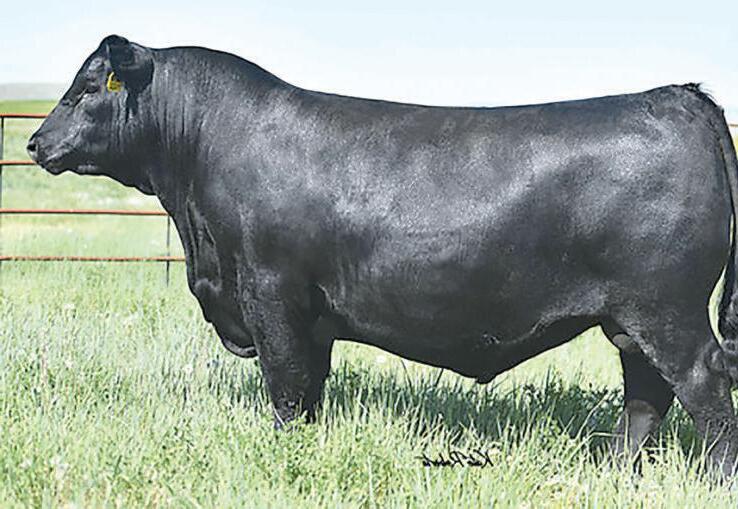
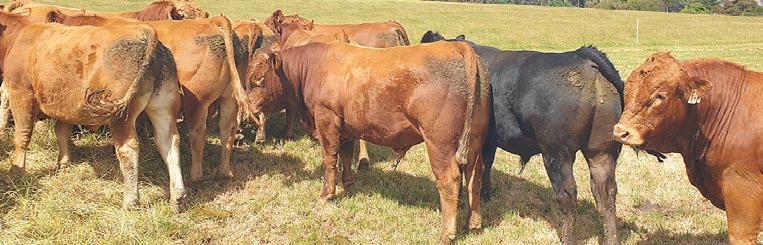
Innesdale Angus will offer over 40 of their top July/August bulls for private sale from Monday 2nd of March 2024.
These bulls will have full performance data and include some new genetics as well as our proven sirelines.
-Wepurchased Q29 from Millah Murrah this outstanding sirenow has several sons in Ai centres and many studs are linking into his bloodline, his sonshave natural thickness and his daughters areoutstanding, his son T70 will have his first sons available this year
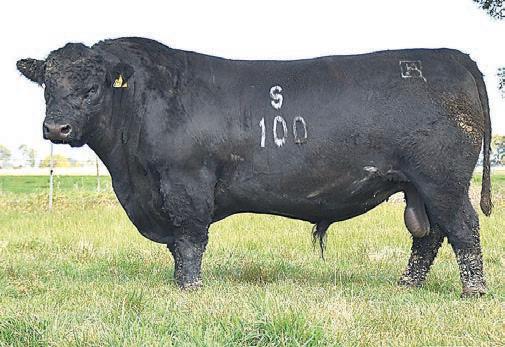
RESOURCE -Weused three of his sons and now many of our bulls arefromdaughters of this line, agrandson Magnum S100 avery impressive bull has sons available this year,S100isnow owned by Mountain Valley Stud in NSW
LIBERTY -With proven son Liberty P64 and grandson Freedom S97 having sons, it brings aNew Zealand blood line that is popular for their ability to excel in pasturefattening operations.
ENHANCE -Anoutstanding sireline that has low birth and high growth and very good docility,through his son R31 and grandson T63 who has his first sons that arevery docile and high performers.
REAL DEAL -AnAisirethat has very high carcase traits, easy fattening, and very thick progeny
LAR MAN IN BLACK -Avery promising high growthaisirethat we used with heavy bodied sonsand outstanding daughters.
Innesdale focuses on fast growing, thick and heavy young bulls that will add weight to their progeny,whilst having enough fat cover to be marketed at any age, and to produce high quality heifers thatare in growing demand across Australia and for export markets worldwide.
This crop of bulls areall unassisted at birth and after some good summer rain weighed 684 kg average on 8-12-2026.
We expect the top bulls to be close to 800kgwhen offered..
All bulls areDNA tested by “Neogen” for parentage and to increase the accuracy of their genetic data, the bulls are inoculated in line with the “Zoetis” protocol, tested free of Pestivirus, then double inoculated against Pestivirus and Vibrio and given an annual booster of 7-1.
These young bulls will be for private sale from Monday 2nd March 2026.
Last year bulls weresold across Gippsland into Wester nV ictoria and NSW.
Livestock producers arewelcome to inspect the bulls by appointment at anytime by calling Geoffon 0412 958
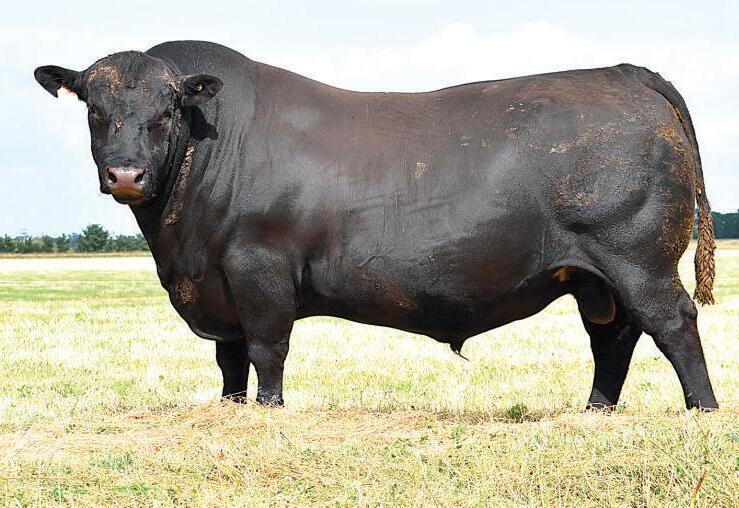


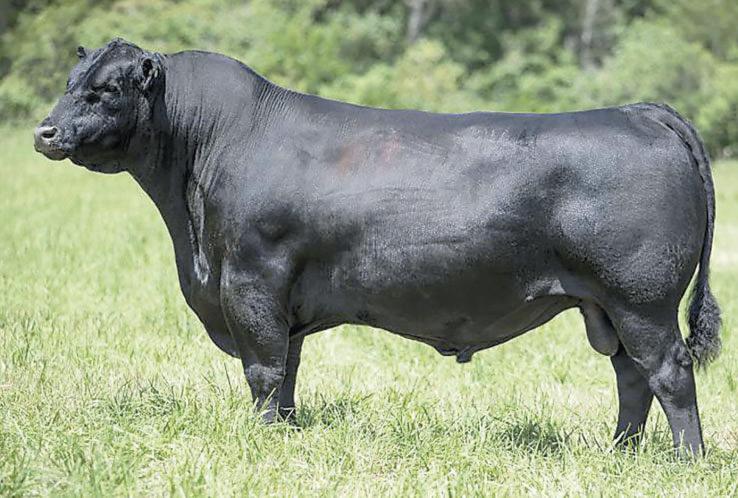


























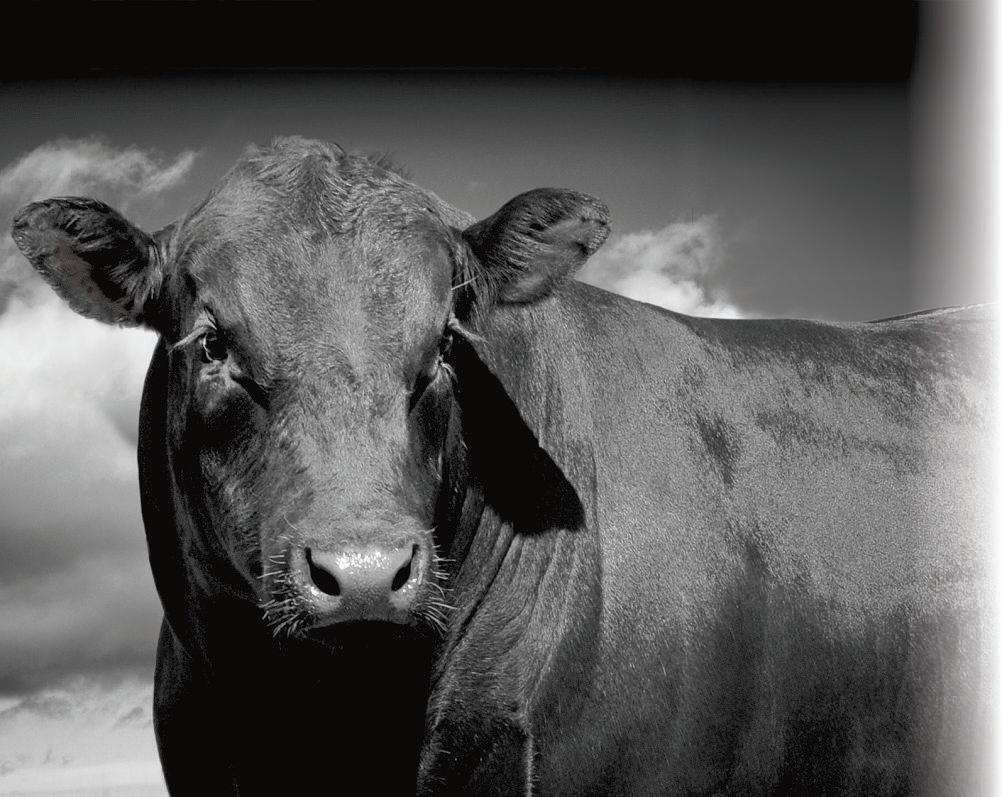


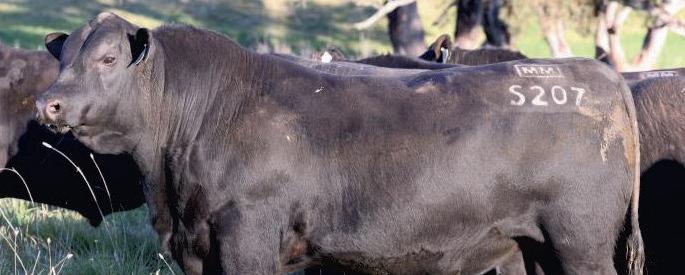
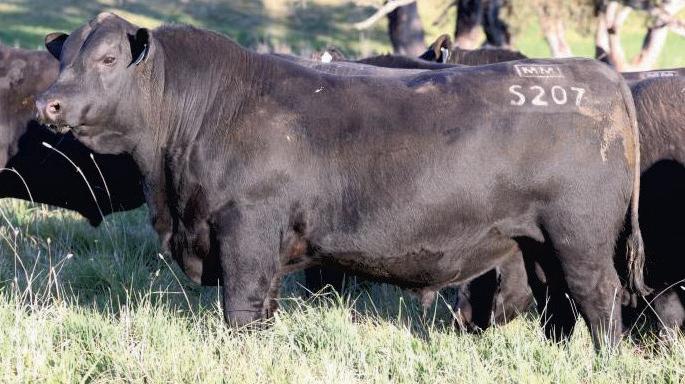
Leawood’sAutumn Salewillbe held on Monday 30th March at 1:00pm, offering 50 rising 18-month-old bulls.
Thisyear’ssaleteamisled byelite New Zealand sires, complemented by proven and reliable homebred Leawood genetics. They areextremely pleased with how the autumndrafthas developed, with 50 bulls recording outstanding growth rates of up to 1.6 kg per day offgrass.
The sale offering represents 17 different sires across the 50 bulls, combining strong Leawood bloodlines with carefully selected
imported New Zealand genetics. Thisdepth of breedingunderpins Leawood’s ability to present such auniform, high-quality line of bulls.
Astandout new AI sireatLeawood this year isRangatira Charlie 20-1034—a high-capacity, highly consistent bull with exceptional carcass traits.
After inspecting Charlie at Kenhardt Angus in 2022 the Leawoodteamknew he was the right fit for their program.
It’s no surprise how many Australian breeders whohavetouredNew Zealand comehome sayingCharliewas thebest bull they had seen.






Apowerhouse sireknownfor adding carcass strength and consistency
Pandemic led the autumn 2025 sale, averaging $14,000 across eight sons.
Astandout of NZ’s 2020 sale season, widely regarded as one of the most impressive sons of the legendary Matauri Reality 839. Vikingoffersoutstandingdepth, widthand softness—traitswell suited to Gippsland conditions.
Leawood stands firmly behind their own genetics. Leawood Pirate P391remains their mostheavily used sire—adding extra length, frame, and outstanding structural correctness to his progeny
Q272and N279, both sons of MerchistonSteakhouse 489, contribute exceptional depthand high-quality carcass traits to any herd.
Three additional standout sirelines to inspect areLeawood Razor R347, Leawood Razor R453 and Leawood Saturn S394. Three highly respected, moderate, thick types with impressive muscle shape.
Leawood encourage you to get in touch so theycan assist in selecting the bull thatbestmatchesthe needs of your breeding program.




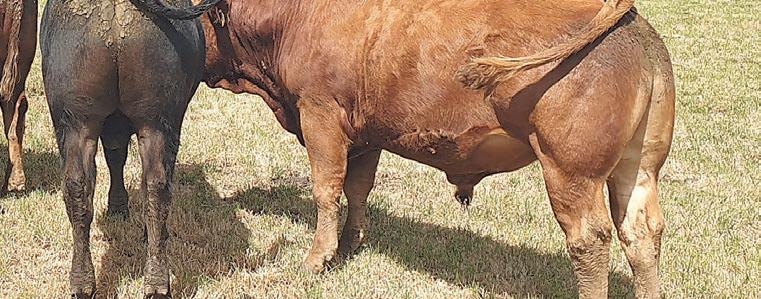
Chateau Limousinwill hold their 12th Annual On-Property Sale on Thursday 5th of March commencing at1.00pm at Londrigan via Wangaratta wherethe stud has beenrun under the managementof two generations of the McIntyrefamily over the past 42 years.
Theirmain breeding focus is on easy fleshing, free movingcattle that areeasy to handle.
With this year’s offering compromising of 18 month old and coming 2year old sires with an even mix of both Blackand Apricot coated sires, the majority of the sale draft being polled.
The offering of the sale draftwillsee bulls cover all areas requiredfor producersto improve their calf crop.
Ranging fromthe traditional “French Pure” type of bull with that “Limo” shape in the back end, to heifer friendly bulls and moder nstyle siresthat maintain added softness and extra growth.
Bredto be fed-onto target specificgrid placementsas well as enteringinto the
everexpanding heavycarcass GrassFed market.
Sir elines compriseof highly pr oven international sires combined with the best home grown bulls.
Backed with alifetimes work to put together aline of cattle that arewell adapted and thrive in the Australian climate. Specifically bred to best utilise hybrid vigour and gain the most from acalf crop under any conditions.
Whileincorporating the combination of EBV’s and Genomic values, adding in to the sale day the raw data of actual weights andultrasound scans Chateauaim to give producers everything they need to make informed decisions on the bulls best suited to their needs.
The sale will be conducted On-Property in conjunction withAuctionsPluswith photo and video footage available from late January.
Pre-Sale appointmentsare available by contacting Andrew on 0428191 282or Jenna on 0437 629 853
As bull sales ar ea dvertised acr oss Gippsland, beef producers arefaced with pagesof pedigr ees, EBVs, and glossy photos.
From Angus to Hereford, Murray Grey to composite breeds, each bull represents a major investment—one that will influence herdperformance for many years to come.
But with so many options, how do you choose abull that will genuinely move your breeding program towardprofit?
That’s wherethe veterinary team at Herd Solutions step in.
Based in Stratfordand Lindenow, vets
Ali so nG un na nd C he ls ea Ha ir w ork hands-on with producers across Gippsland to ensur ebull selection decisions are grounded in science,not just sale-day impressions.
Many producers still buy bulls based on what looks good in the ring, without clearly defined breeding objectives.
Others focus entirely on calf birthweight and calving ease.
While maximising the numberoflive calves should always be akey goal, modern EBVs and selection indices make it possible to achievethisand improve productivity and carcase traits at the same time. However,this can be complicated.
“Gains in one area can sometimes cause unintended setbacksinanother,” explains Alison.
“For example, increasing intramuscular fat improves marbling,but it can also reduce the percentage of saleable meat in acarcase.”
The challenge lies in finding the right balance of EBVs.
Some traits are more heritable than others,meaninggenetic progress happens faster in some areas.
To makemeaningful change, producers need to focus on the traits that will truly make adifference.
Alison says many producers struggle to define aclear breeding objective.
“It starts with understanding your target market and having data on which aspects of performance areholding you back.”
“Areyou aimingfor the feeder market, breeding replacement heifers, or finishing cattle on grass?”
Alis on and Che lse ah elp pr oduce rs develop realistic breeding objectivesaligned with their production system and market.
They then translate those goals into practical selection criteria—w hether specific EBV profiles, structural traits, or temperament characteristics.
“With morebreedsnow using genomic testing of commercial cattle, it’s becoming easier to monitor how effectively producers meet their breeding targets,” says Alison.
“We’ ve j ust st ar te da nM LA- fu nd ed Pr oduc er Demo nst rat ion Sit ep ro je ct to show the cost-effectiveness of this approach.”
Alon gsi de sele cti on supp ort ,A liso n and Chelsea provide comprehensive bull breeding soundness examinations to assess fertility, structure, and breeding capacity for both commercial and stud producers.
Identifying issues beforejoining prevents costlysurprises atthe pregnancy test, and for larger herds they can also rank the bulls to ensurethat the best bulls areused with the cows that count the most.


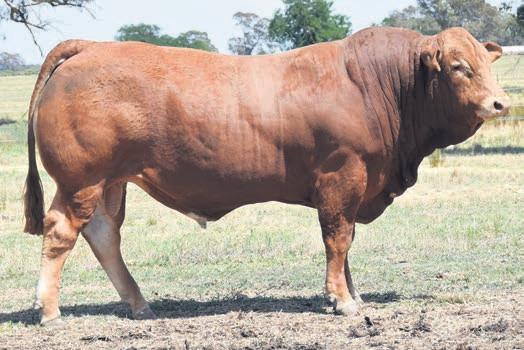
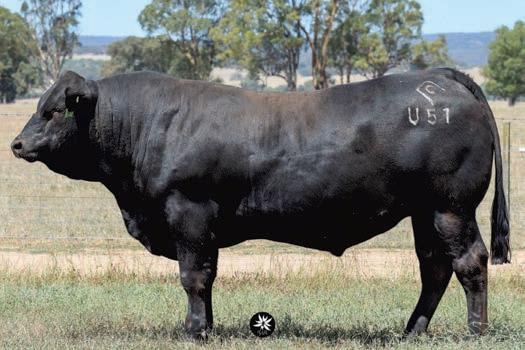














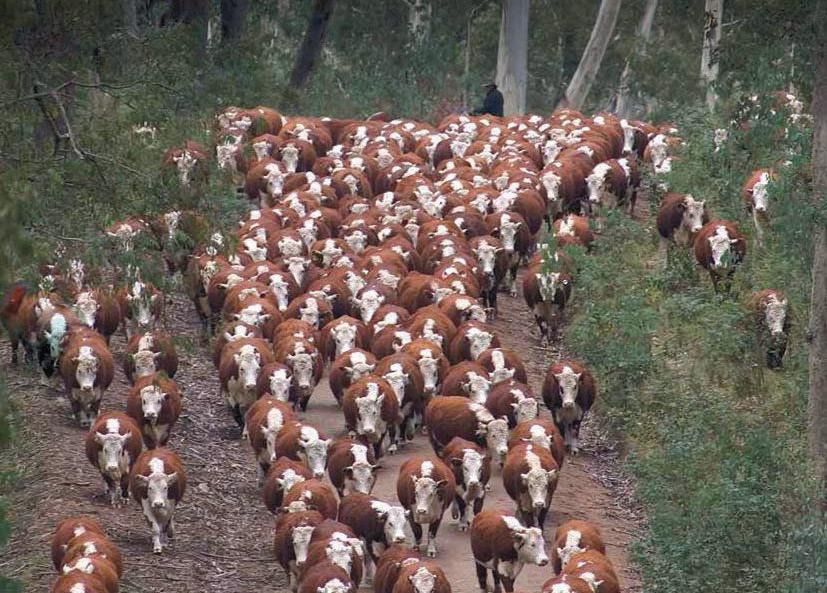
After asuccessfulBeefWeekOpenDay and Bull Sale Preview at the Glovers new BullSalevenue, theWattlewood Angus team have turned their attention to their Annual Bull Sale which is on Thursday 5th March at 4pm.
Wattlewood is looking forwardtohosting the sale in their new, unique setting that has cometofruition aftermonths of evolving ideas, intensive labor and appreciated support.
The setting was well receivedatthe recent open daywhere visitors lovedwhat had been created.
Along with loving the venue, positive comments came frompastbuyers,new visitors and livestock agents, admiring the bull’s sound structure, phenomenal shape and quiet temperament.
This is something that John and Fiona have become renowned for over the decades of operating their stud at Lang Lang.
“Despite the hardstart to spring that Gippsland experienced, the bulls have come along really well, they’re justsoeasy doing,”
Fiona said.
“They have had all their vaccinesand boosters that make them Immune Ready compliant, have passed semen testingand been genotyped, making sureproducers can buy with confidence.”
Wattlewood is also proud to bring back theirafter -sale bull careprogram,where if requested, theywill travel to you and administer your new Wattlewoodbull’s annual vaccination boosters.
When selecting the genetics that will be used in the herd, it is paramount that the sires have great feet and leg structure, low to moderate birth weights, balanced EBV’s and any ill temperament animals arejust not tolerated.
Of course, the end product isa major consideration in the process too, looking for animals that have high carcass qualities like IMF and feed efficiency.
Wattlewood is lookingforward to christening the new sale complex and welcomes attendees to stickaround afterproceedings for nibbles and light refreshments.
At Karoonda they have over fifty years of experience breedingcommerciallyrelevant mountain cattle.
Thefirst studsirewas Mawarra Emerald gifted to Paul as a21st birthday present. They then went on to build the stud from cows purchasedfromCurlew,Hobartville, Craigielea, Ardno andLowana Studs.
Since those early daysthe family has continued to grow, as has the stud, going from producing 6to8bulls ayear,tohaving an on-propertysale selling over 60 bulls annually.
They remain focused on producing cattle that can perfor mundercommercial conditions:structurally sound,fertile, high yielding, with astrong IMF and EMA. The proven weight for age resultsthey can achieve off pasture with the ability to
performinany crossbreeding program are considerable strengths of the breed.
All this wrappedupin agood-natured, cosmetically attractive package.
Stud sires aresourced fr om all over Australia andinternationallytoadvance the breeding program and help reach their production goals.
By continually sourcing new sires they can also of fer sale bulls withdif ferent genetic and trait strengths to complement arange of breeding programs.
Their nextBullSalewillbeheldon Tuesday 17th March 2026.
Inspections start at 9:30amwith the Sale commencing at 1:00pm.
Morning /Afternoon Teaand Lunch is provided, asmall donation to the local Bush Nurse would be appreciated.
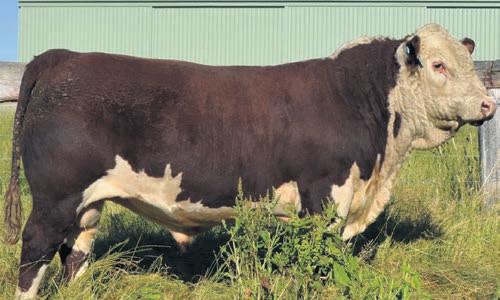



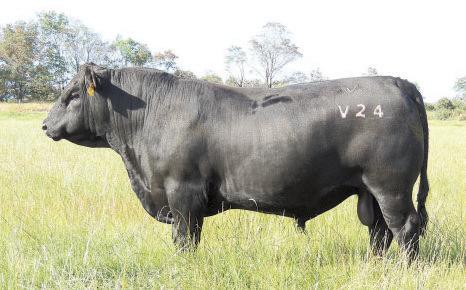
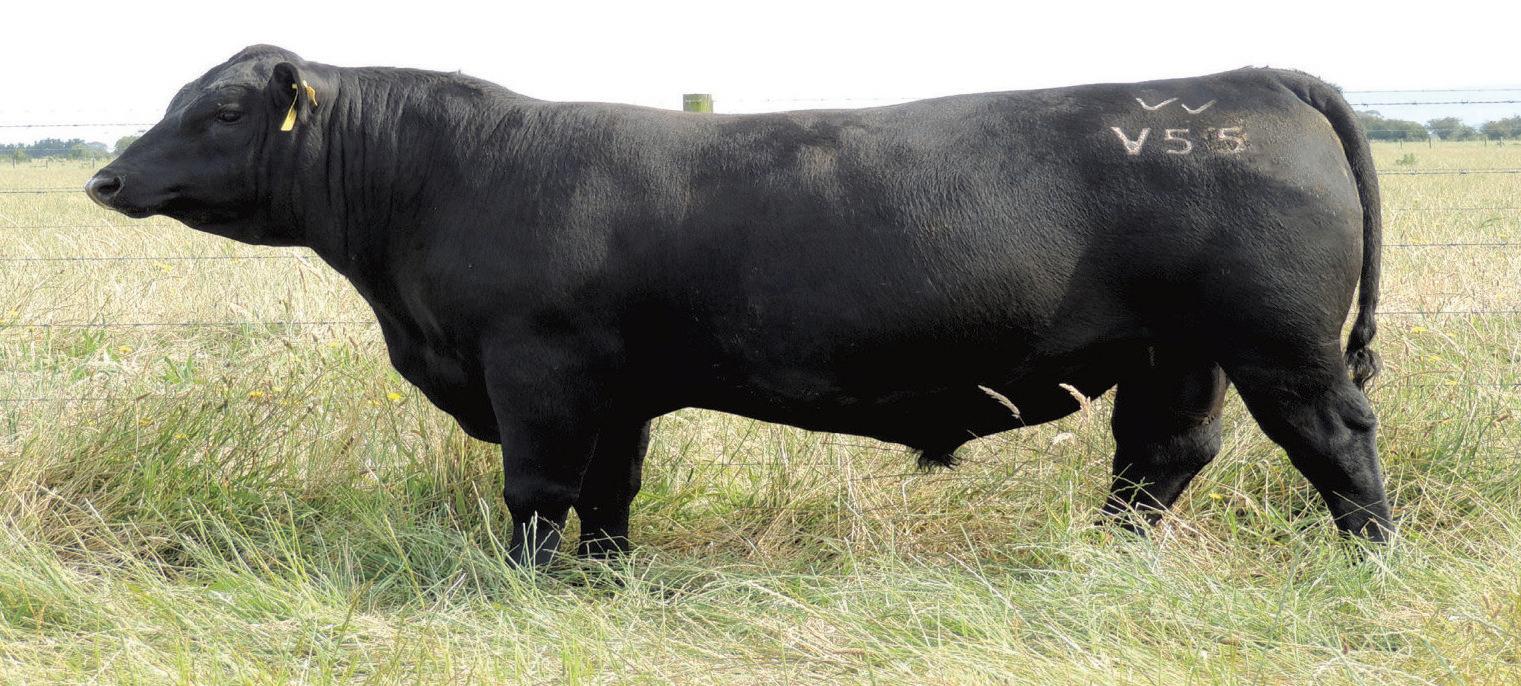













To mC ruis es on so no ff er at Banquet.
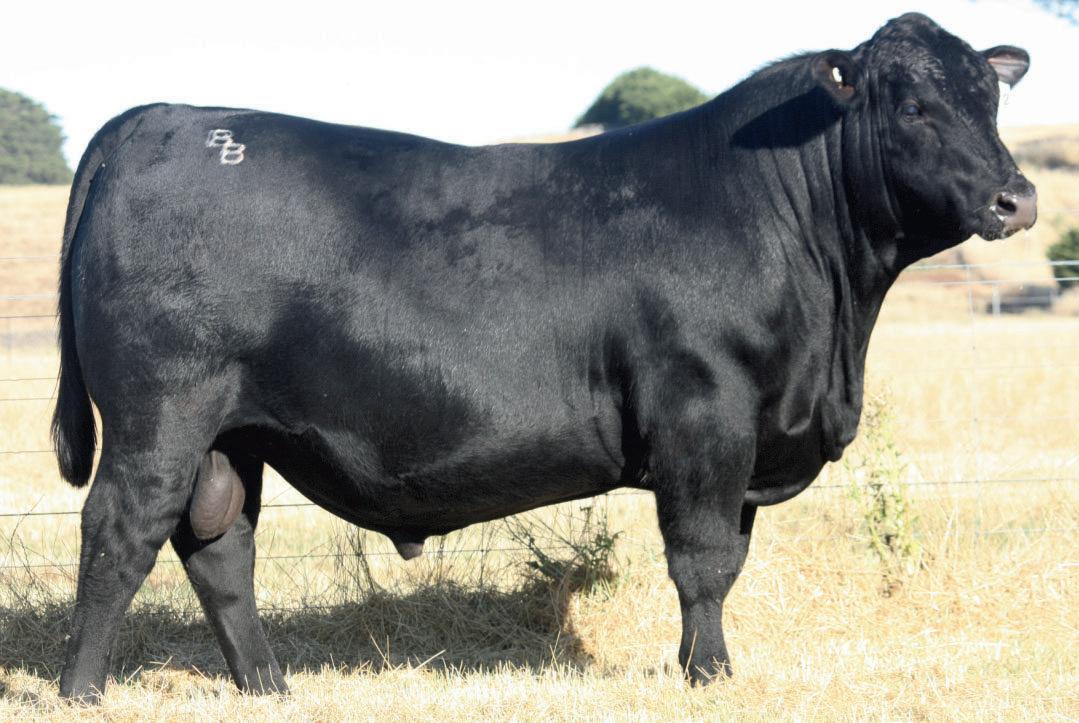
The first sons of the recor d breaking Banquet TomCruise T220 will featureatthe Banquet bull sale on Thursday 26th of
February. Two outstanding flushbrothers will be offered as the “Pick of the Pair”.
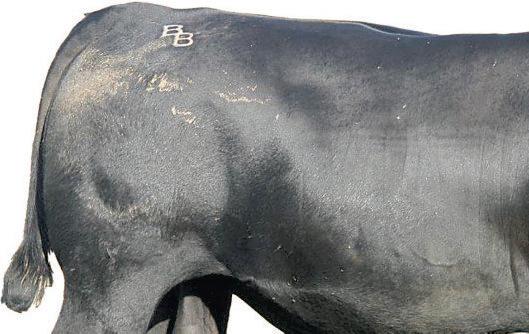


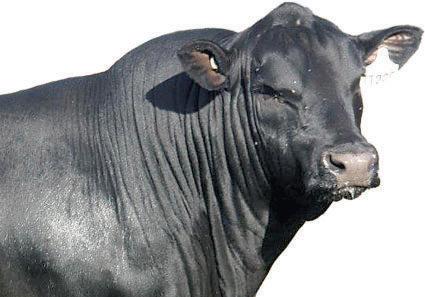
The successful bidder will make the selection with the remaining bullbeingretained byBanquet and joining their sireteam. These yearlings excel for structureand phenotype. Their pedigree is outstanding being sons of TomCruise and fr om the outstanding young donor,Banquet Yendi Q394.
Q394 is ahalf-sisterto the legendary Banquet sire, Nuttella N462.
Of course it would not be a Banquet sale without astrong draft of real beef bulls by Banquet Nuttella N462. This will be the seventh Banquet





sale that will featureNuttella sons. Te stament to not only the quality and per for mance of his progeny butalso their amazing consistency. 15 sons of Nuttella will feature in this sale as well as 21 Grandsons. Another excitingsirethatwill feature14sons inthissaleis Banquet Sunrise S236. S236 wasretained for his excellent hair type, extra thickness and added fat cover
He is ason of Trio Qantas Q78 who hasleft outstanding progeny at Banquet.
Banquetwill offer 80 PTIC commercial heifers at their Bull Sale. These heifers werepurchased
from long ter mBanquet clients at last year’s weaner sales. They have been joined to calving ease Banquet sires. This eliteoffering isagreat opportunity to fast track the improvement of your commercial herd.
The ya lso sh o wc ase wh at you can produce with Banquet genetics.
Everyoneiswelcometovisit Banquettoview theirprogram, inspect the sale cattle and meet the people who breed them.
The BullWalk on the19th of Februaryand SaleDay on the 26th of February aretwo excellent opportunities.

Raedean was established in 1988 in the heart of Gippsland now at Buln Buln.
The basis of the herdwas fr om BST Tullatoola, TrevonePark,EbonyLodge, RRA and Jillangolo.
Raedean havecontinually strivedto impr ovegeneticsintr oducing genetics from Canada in U2, Red MRLA and Red NorthlinethenfromW.A,Bandeeka and Tronar and from N.S.W,Goondoola.
Their focus has been on economic traits to produce sound, functional high performing cattle.
They cull heavily for undesirable traits as docile temperament is extremely important.
Raedean havepromoted Red Angus at Field Days, On Far mChallenges, local and Royal Shows and Beef Week as well as entering steers in carcass competitions
They sent apurebredRed Angus steer up to Brisbane RNA in2015and were rewarded in the heavyweight section with a3rd place on the hook.
At the 2014 Geelong Royal they entered ax bred Red Angus steer winning Reserve
Champion Carcass.
This steer was 1st on the hoof and was alsoawarded the highest scoring owned and bred.
At Geelong Royaltheywon All Breeds Juniorbull with Raedean Just Cameron J2, following up from his Supreme Red Angus win at Adelaide Royal. Raedean nolonger compete at Royal shows, but have been supporting afew local shows as Georgiaisenjoyingthe experience.
They have been taking Georgia to Youth Camps so she can network and learnnew skills.
In the 2020 Red Angus On FarmChallenge they won the cow class with Hillandale Red Jude J18, and placed equal 3rdwith Raedean Brooke L7.
Their group of 5Raedean females placed 2nd.
If you would like to knowmoreabout Raedean’s breeding programor viewthe herdplease give them acall.
Visitors arealways welcome.

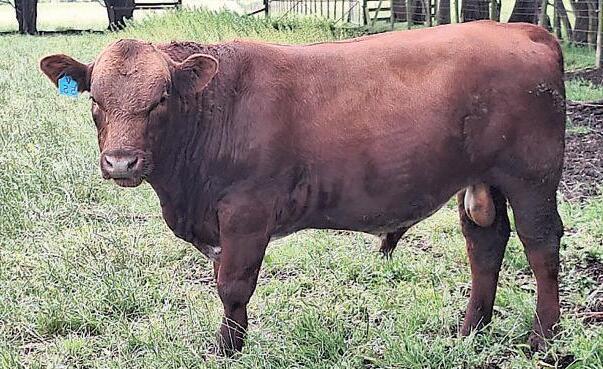
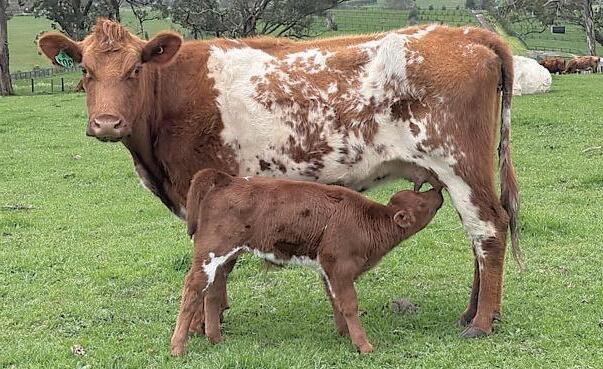
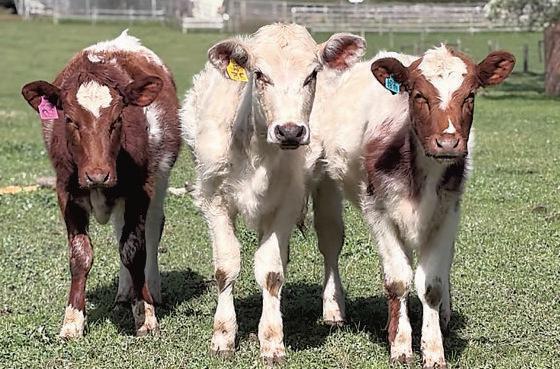
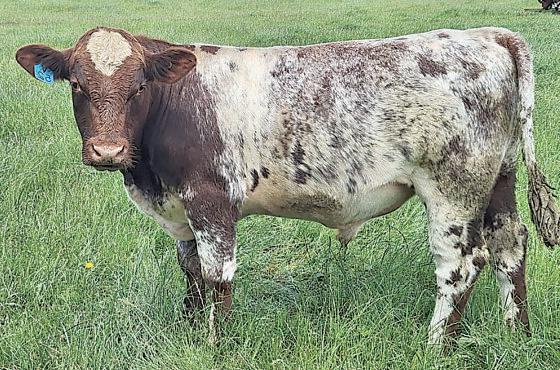
We’llhaveaselectionofDoben
ThequietnatureofShor













Katrina BRANDON
RECENT bushfires have highlighted the importance of planning for the bushfire season Authorities warn that people should be prepared if one occurs nearby and should know their Fire Danger Ratings (FDR) in hot dry conditions.
From January 7 to January 12, a Total Fire Ban (TFB) was imposed throughout the state
Despite it being a TFB, two fires were lit at campgrounds near Walhalla
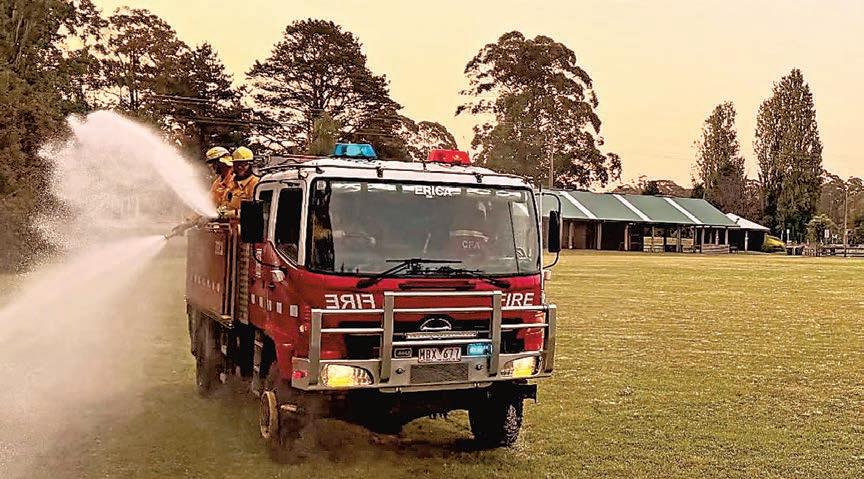
“The days of excuses of ‘I didn’t know it was a Total Fire Ban (TFB)’ are long gone,’” Erica and District Fire Brigade captain Russell Wright told the Gippsland Farmer

“If people are unaware of the fire danger rating, make sure they download the Vic Emergency app to stay up to date It's people's responsibility to stay informed about what's happening around them
throughout mainstream media We have apps and everything that forecast this stuff
The Erica and District Fire Brigade comprises 20 members who work in the bush rather than in town areas The team generally covers events such as campfires on TFB days, motor -vehicle accidents, and large-scale bushfires, and is celebrating its 80th anniversary later this year
Working in rugged terrain, the brigade
h a s c o
g services to prepare for the season with all hands on deck on extreme-risk days
We work with our neighbouring brigades to ensure that we're all prepared,” Capt Wright said
“We know sort of the availability of each brigade and their members' availability so that we can prepare in response to our neighbours' preparations as well
our team and ensure everything's ready and operational to respond
We're very fortunate in that we have our neighbouring agencies, Forest Fire
Melbourne Water in proximity to us, and so we always can rely on them to support us on those hot days ”
Keeping an eye on forecasts and conditions, Capt Wright said, is crucial While conditions can change quickly, travellers are urged to have plans to stay safe in case “things go south”
Locals are also urged to monitor conditions, ensure they have plans in place, and make their properties fire-ready in case there is a sweep through Capt Wright advised that people should have multiple plans in place and that everyone is aware of them
advocating Everyone should have more than one plan Have a backup plan for when people are home and when they are not, and have a plan in case you are trapped and unable to leave, such as road closures that prevent you from leaving the area
“The best plan is to leave early, (such as) on a day of extreme or catastrophic fire danger You know, we obviously advocate that people leave early, either the night before or very early in the morning; leaving it to the last minute is very dangerous. Fires aren't predictable, particularly in the rugged landscape that we live in



“We have lots of signs warnings are promoted heavily on social media and

“We pr epar e days in advance With advanced forecasting, we can start preparing a week ahead, when we can see what the weather is likely to do and prepare
“People should have a bushfire plan A plan in your head is not a plan It's a plan for failure,” he said

“A well-written, well-rehearsed practice and revised bushfire plan is what we're
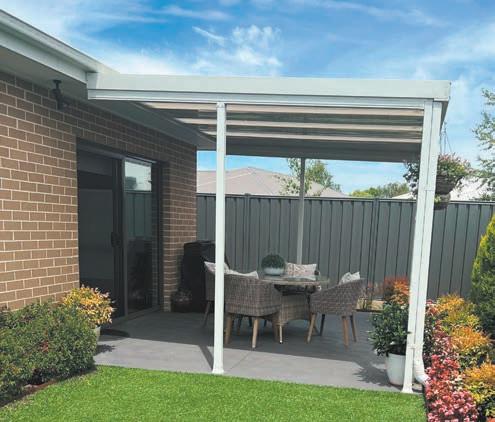
When preparing your property, he also said that people should make sure that the grass is cut, make sure that weeds are down cut overhead branches from homes and cut away shrubs and bushes from the side of the house to help give you the best chance of survival in the event of a fire



In addition to environmental clippings, it is crucial to reduce or store anything that could add to the fuel load such as outdoor furniture, doormats, wood and gas bottles
Authorities urge people to ensure they are prepared before the danger period comes around On TFB days, activities such as lawn mowing and other mechanical work should be avoided due to the increased risk
F o r m o r e i n f o r m a t i o n , g o t o https://www.cfa.vic.gov. au/warnings-restrictions/



People are urged to plan ahead and stay informed about conditions and warnings as parts of the state continue to battle bushfires



Katrina BRANDON
FIGHTING on the front lines, local fire brigades have put their hands up to send crew members to the bushfires, which are still causing havoc across the state.
Morwell FireBrigade’s3rd Lieutenant, Bayley Charalambous,isone of many firefighters from District 27 (Latrobe Valley) to travel up to Tallangatta, whereabushfire is spreading across 106,543Ha(according to VicEmergency), to help bring it under control.
Lieutenant Charalambous shared with the Gippsland Far mer theexperienceof “deployment” into the bushfirezones.
“Wekind of figured that we'd be going somewhereatsome point, but we just weren't surewhere,” he said.
Volunteering to work wherever they could, firefighters jumped in and weredeployed by bus and some by units to the zones.
Working up in the mountains, therugged terrain has made it hardtocontain parts of the fire, and Lieutenant Charalambous saidonly 10 per cent hadbeen marked as contained. With harsh terrain, he said
that, ideally, firefighters would be working 12-hour shifts, but realistically, 16 hours.
“Realistically, you could be working up to 16 hours aday, depending ontravel,” Lieutenant Charalambous said.
“Itreally just depends on the situation. Somedaysyou could beworking for12 hours straight. Other days, you could be depending on what you'reactually doing, and what the task is: for that day, you could work four hours, take abreak, then work another four,and so on and so on.
“Weweregiven briefings and everything else beforeweleft, but obviouslyit’s forour individual tasks.”
Tasks on site vary from state control to workingup close to the fire. Lieutenant Charalambous explained that for those who weren’t up to getting close, they could take on tasks to update the others on the ground.
“The Incident Control Centrehas an idea of what you need to do, and we've obviously got an idea of what we need to do as well, but you just don't know the facts of what actually needs to happen,” he said.
“Fi re is u np re dic tab le, and the

circumstances can change duringthe bus tripthatit takesusto get there. So, our task when we leave heremightbetogoand do some blacking-out work on the edges of the fire. Conditions could change very rapidly, and we could find ourselves doing something completelydifferent when we actually get there.”
Striketeams came from many partsofthe state to help, with Gippsland-based teams partofthe collaborative effort.
Back home, brigades continued to monitor the communityand conditions.
“Weall work prettywell together down hereinour district, so it's amatter of just helping each other out when we need to,” Lieutenant Charalambous said.
“Latrobe Valley's got such ahigh risk because of its infrastructure, it's something that we need to keep actively prepared for in the back of our minds. But if we, if we overextend ourselves by pushing, putting, putting every normal, we might not have enough coverage down here. So we only tend to send one strike team out at atime, and then we rotate through that way.”
With bushfirescontinuing to burnand conditions constantly changing, Lieutenant Charalambous urged peopletokeep listeningtothe advice and all community war nings,and to stayawayfromfireaf fected areas so crews can continue to keep people safe while working to contain the fires.
MENTAL and financial support has been made available to communities affected by the current fires.
Ministe rA ntho ny Alba nese and Vi ctor ian Pr em ier Jac int aA lla n announced an initial $19.5 million support package for bushfire-af fected Victorians, jointlyfunded under the Commonwealth-State Disaster Recovery Funding Arrangements (DRFA).
A$10 million emergency support program to help distribute fodder to farmers who need it has been established, $1.5 million will go towar ds emergency accommodation, $2 million will establish arecovery hotline,providingaccessto general information and help navigating recovery servicessuch as emergency accommodation.
Assistanceunderthe program includes aone-offpayment of $680 per adult and

$340per child, up to amaximum of $2380 per eligible family.
To address and reduce the trauma that so many have endured from these fires, $1 million will fund experts in disaster recovery mentalhealth support to providegroup counselling sessions, so communities can better support one another and navigate their recovery together
BeyondBlue reminds those affected, as well as volunteers, that they arenot alone and that they aretheretohelp with the challengesofthe horrific events. For moreinfor mation on relief and recovery, visit the VicEmergency website. BeyondBlue Support Service is free and available 24/7 on 1300 224 636 Webchatand email support at www. beyondblue.org.au/support












Katrina BRANDON
INDIVIDUAL and collective innovation is spread throughout Gippsland.
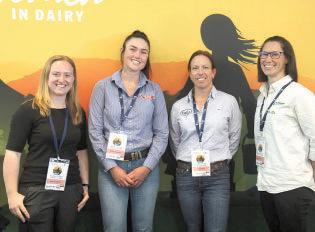
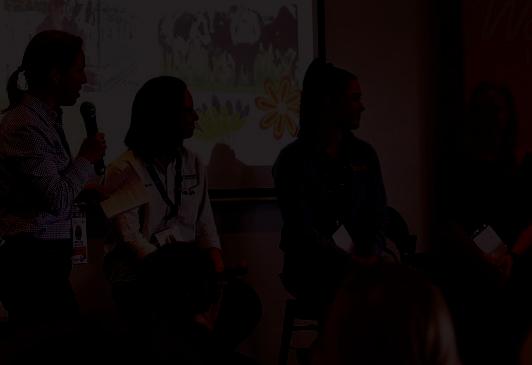
At the 2025 Women in Dairy Discussion Group (WID) end-of-year luncheon, about 200 people gathered at the All Occasions Wedding andFunctions Gippsland in Traralgon to celebrate innovation and pathways created by individuals.
'Trailblazers in gumboots; Women who drive change' was the theme of the event, which featured asession led by MCE leadership facilitator and author Cynthia Mahoney; apanel led by WID co-founder Allison Potter,founder of Veterinary Support Services BeckyDickinson, Alex Scott salesperson Carley Einsiedel,and Senior Research Scientist Anna Thompson.
To launch the event,MsMahoney opened with apositive-mindset activity for attendees.
Ms Mahoney is aleadership facilitator who coaches, has written abook (before ChatGPT), and has worked in agricultural science, serving as aruraland network coordinator
Previously,she workedwiththe DepartmentofAgriculture for 17 years and left 14 years agotostart her own business.
Highlighting the importance of apositive mindset in dairy, Ms Mahoney noted that positivity fromamanagerial perspective extends throughout the production chain, leadingtobetter outcomes
"Evidence shows, all the neuroscience, all the science, shows that if we arehappy and healthy, we performatour best," she said.
"For anyone who is managing employees or working in ateam, it's really important that youthink aboutwhat makesthem happy and healthy,and prioritise thatbecause then you'll get moreout of them."
To make theevent moreinteractive, Ms Mahoney led apositivity activity in which attendees spoke with people around them aboutsomethingfun they haddonethat week,something theyare gratefulfor,a woman who has inspired them, and why.
Confused by the activity, Ms Mahoney explained to the group that it is a"simple hack to use on your brain".
"What you've just done then is you've changed the chemistry of your brain, and it's like you've given it some fertiliser," she explained.
"This powers you to feel better within yourself,and also,though, not onlyto change your own state, but also to affect the people around you.
"Wenotice threats, and we notice negative stuff,and so throughour day, we experience the same amount of positive to negative emotions. However,because our brains arewired this way, we notice three times as many negative emotions as positive ones.That's just whatour brains program to focus on.
"If we can just be moreconscious of what we'repaying attention to, we can change not only our experience of life, but because emotionsare infectious, we can actually infect other people."
With the room's atmospherenow positive, Ms Mahoney highlighted the recent achievement of the panel facilitator,Allison Potter Striving for excellence, Gippsland's Allison Potter, abeef farmer andformerdairy farmer,head of farmservices at Bulla Dairy Foods, and mother of three boys, has won the World Championship for one of her Speckle Park cows, whereshe travelled to Canada to pick up and celebrate the award. Moving away from her achievement, Ms Potter introducedMsEinsiedel, Ms Dickinson and Ms Thompson.
GROWING up, Carley Einsiedel was "hell bent" on being ajockey.
With achange in plans, she was fortunate to receivea Garden ofDairyFoundation Scholarship, which paved the way for her first career as an agronomist.
After additional studyat the London Agricultural College, whereshe received ascholarship,she enteredher career in agronomy.
After leaving her home in London, Carly spenttwo years asanagronomist and


enjoyed her time on the farm.
"I really enjoyed gettingout on farms alongside farmers," she told the crowd.
"It was what Iwas passionate about at the time, but Idid miss the livestock aspect."
Twoyears ago, Carley was offered aposition at Alex Scott as astock agent, which she said was amassive change for her.Now, she has delved into auctioneering, which she said she never thought she would be confident enough to perform.
Stepping up to the mic for the first time was quite daunting.
Carly toldthe crowd that her first sale was at aclearing sale, whereher bossdetermined she was ready after she shadowed her colleagues. Up she went, holding onto the railing. Halfway through, she called it quits.
"I was so nervous," she said.
"I think Igot halfway through the run and called it quits, thinking it was not for me. Igot around the corner and thought, 'come on, got to give this ago, got through the next run'."
Reflectingonthe challenges thatled to whereshe is today, Carley noted that taking on acareer as an agronomist and then a stock agent was one of the moments that put intense pressureonher,but it was undoubtedly for the better
"I look back on that, and it now seems silly.Irememberatthe time that was abig step, certainly for the first time Iauctioneeredatacattle sale, that was massive," she told the group.
"Diamonds aremadeunder pressure, so we gave it ago. It just kind of went on from there."
Under pressure, negativeself-talk can often build up. During the panel,Carly said that, in an industry all about connections, it was pretty easy to be down on herself, but continuing to stick with it has got her whereshe is today.
"My advice to my younger self would be not to be scared of failure," she said.
"You find at the stagenow where I'm expanding and hoping to start taking offclients, that's apart of my job that I absolutely love, is gettingon-farmalongside clients and getting to work with them and getting to work with them and their cattle and their operations.
"You work alongsideyour clients so much that you kind of adapt into their personal lives too. Ithink that's pretty special, being able to get up and about every morning and do that."
ACROSS the other side of the career spectrum, Becky Dickinson saw herself in the music world,only to shift toa dream in veterinary sciences.
Encouraged to pursue her musical talents, Becky was told she wasn't academically strong enough, prompting her to study music at university.
"I went to uni to study music, and very rapidly realised that everyone else around me therehad apassion for this, that Ilove music, and Ireally still enjoy it, butthis was that they werejust something else, and Ididn't fit there," she told the group.
"I looked back at being avet, but at this point, Ihad done all the wrong subjects."
Returning to university, she worked as a veterinary nurse for ayear to improve her chances of admission.
Becky came from city life in the UK. During
her music studies, she worked with adairy farmer'sson, who invited Becky to visit his farmand interact with the cattle. This experience boosted her drive in the industry.
"I fell in love with being on the farm," she said.
"I had adream of being acat anddog vet …I decided that Iwas goingtocome to Australia, where Ilandedmyfirst job as adairy vet down the road in Warragul."
Now, 20 years later,she continues to work in Warragul but has "gone and done all sorts of things" and has maintained a mixed practice.
During the panel, Ms Potter highlighted the bravery each womanshowedingetting wherethey were, even when they could have easily pivoted away from each challenge. To answer Ms Potter's question, Becky replied by questioning whetheritwas really bravery or alack of impulse control.
"I am the least brave person," she said.
"I see myself as somebody with alack of impulsivity control. Iamvery stubborn, and maybethat's whatled me to brave these decisions. So you might say brave, Imight say sometimes quite impulsive?"
Looking back at her experience, Becky mentioned going back toget her degree would probably be the one that set things in motion the most.
With the motion on the way, so werethe challenges.
During her residency, Becky injured her back, which she believed would end her career
"I couldn't really see how this pathway was going to go for me. How wouldIbe able to continue my life doing what Ihad set out to do?
"I guess it was the stubbornness thereto find pathways that Icould remain adairy vet, whichwould have to be modified. I couldn't do the same work that Idid before." Becky steppedback to beamother of three boys, something seen as a"profession break" to help her find her next step and redirect her path.
After afew years away from veterinary medicine,she decided to returntodairy veterinary medicine, which she said was challenging with the children in tow on the mission to find ajob.
"That was really hard," she said.
"Havingnot done it for quite awhile, and that was really hardwith three kids, because Icould not get ajob, despite having lots of experience.
"This is whereIdecided to go into business: with zerobusiness activity, knowledge, training,skills, anythingaswhen …I think there's abig gap that graduates are not supported well enough in large animal practices, which is why they don't stay. It's very intimidating, demanding work, and thereisnosupport. So Ithought, 'Why not train graduates?'"
As the clinic took off, Becky was reached by aproducer in South Gippsland who called to discuss the next step.
"He said, 'I am on the federal compensation committee. We have alarge fund, and we love what you aredoing and we'reworried there's not enough, and we agree that they'renot being supported and trained," she said.
Providing ongoing support, the producer asked whether she could run her practice in Victoria and roll out larger projects.
Over the years, Becky told the audience that mentalhealth has been amajorfactor and she has worked to address it through
strategies and tools of how she sees herself, her confidence and trusting her gutinstinct to know that she was heading in the right direction, as well as talking to others.
"I listen alot to others. Ilove talking to people, but Ilove listening to people's feedback and advice,hearing others and what they have to say as to whereyou fit somewhere, or how you'redoing something," she said.
"People's input helps me to shape and feel like Ican find my own path."
STARTING with on-farmexperience on a nearby farm, Anna Thompson was introduced to the industry through adifferent channel.
While working on asmall farmwith pigs and sheep,her neighbouring farmers allowedher tosit in the shed with the animals.
As asmall farm, Anna said she enjoyed the role despite limited work, and that her love for the industry began there.
"I carriedonworking in farms, particularly in dairy production,"she told the WID crowd.
"I was working as acandidate on afarm down the road from us."
Unfortunately, when she applied to vet school, she was rejected.
"I didn't get into vet school, but Idecided to go do agriculture …I realised thatI wanted to combine my love of farming and science as well," she said.
"I've always been moredrawn to the science subjects,and Irealised during agriculturalcollegethatIreallydid love the agricultural science aspect."
After she finisheduniversity,Anna worked at aresearch farmin the UK, which prompted her to pursue aPhD in agricultural science.
Anna laterpursued herPhD, moving from the UK to Australia to find "something different".Now, Anna has worked at the Ellinbank Research Farmfor seven years.
Following Ms Potter's discussion of pivotal moments andbravery,Anna notedthat her decision to returnfor her PhD was one of many difficultchoices. She said that during her PhD, it was quite challenging because she devoted three years to studying rather than working.
Duringthat time,Annalived onthe farm and saidshe never reallygot away from it. She decided to pursue additional study time, which was challenging.
Another challenge that Anna highlighted was moving to Australia, not just because of the move, but in partnership.
"Having never visited before, my poor partner, we met three months beforeIwas due to leave for Australia. And we thought, 'oh, this isn't going to work', but bless him, he stayed the course and actuallyended upmoving heretoo,” she told attendees.
“I think coming here was probably the other big one. Something justmore recently, it kind of reached apoint in my career whereI was able to step up from being on ascience team to leading my own science projects.”
Anna hopes that some of the projects that she is currently working on have real-world impacts,and help producersmake positive changes in their farming.
ErikaALLEN
AT 6am most mornings in Boisdale, Abbey Walsh lets the dogs out, checks the chickens, feeds calves and climbs onto the quad bike to survey thehills of her farm, Aisling. By lunchtime, she has likely fixed a fence broken by kangaroos, treated a sick calf, sprayed tussocks, completed asheep head count, and made amental note of what still needs to be done.
"Pretty much every day something goes wrong," she said with laughter in her voice For Abbey, ayoung far mer in her first yearofbeefproduction,thatreality has become both aclassroom and acalling She represents anew generation entering agriculturewithout decades ofinherited knowledge, learning through observation, mistakes and asking questions.
Aisling spans 100 acres of dryland owned by Abbey and her partner,Daniel, with an additional 130 acres leased nearby. The pair left the Navy to pursue their farming dreams inGippsland, wherethey'recurrently running 18 steers and rearing 14 calves,while keeping sheepand poultry. It is amodest operation by industry standards, but one built deliberately, cautiously, andwithalong-term goal to build alegacy.
"The goal is eventually to start breeding; we want to breed something that's of a really high quality. It will probably be a coupleofyearsbefore we start doing that," Abbey said.
The eighth-generation Gippslander is a regular at Sale and Bairnsdale saleyards, sometimes to buy or sell,but mostly to learnfromlistening to how beef producers -drivenbyquality as much as return-with strong reputations for quiet, fast-growing cattle, draw the best prices.
"I would be so proud if Ihad one of those farms wherepeople thoughtthose arereally good quality,quiet, well-keptcattle," she said. "That is my life's goal, to be able to produce something that people would recognise like that."
The namechosen for thefarm, Aisling, reflects that outlook.Anhomage to Abbey's Irish ancestry, it means 'dream' in Gaelic. While her dreams arebig, Abbey explained her ambitions arenot about rapid expansion. Fear of drought looms large, shaped by memories of pr evious dry years in Gippsland.
"I'm terrified of droughts. Growing up in this area, I've seen the big droughts, I've seen what happens to livestock and seen farmers reach that point wherethey've got toput down stock," she said.
Breaking traditions, doing it her way ABBEY saidher approachto livestock management challenged traditional ideas that emotional distancemadefor better far ming.Instead,believingthatcaring for andbeing familiarwithher livestock improved handling.
She said she "soul bonds" with her cattle, giving every calf aname.
"I still have no problem sending them off to marketbecausethat'sthe end game," she said.
"But Istill want them to live their absolute best and healthiest life they can."
Abbey said that the investment paid offin calmer,moremanageable livestock.
"They'resoeasy to manage to the point whereI can manage them comfortably by myself.
"I think it's worth the time and ef fort you putinto have livestock thatare well behaved."
Abbey is honest about what she doesn't yet know, ararity in an industry where experience is often wor nquietly, and mistakes areexpensive.
"When (cattle) get sick, alot of the older farmers look at them and say that one's about to get sick, and Idon't have that yet because Ijust don't have the lifeexperience," she said.
Instead, learning has come through trial, error,observation and sometimescostly decisions.
"They'll get sick, and I'm trying to figure out what's wrong with them, doing everything I'm taught," Abbey said.
"In the beginning, you treat them for what you think is going on and then nine times out of ten they come good, but there's always that one, and you'rewondering 'Should Icall the vet yet?'
"I call the vet, and it will be something stupidthatIshould'veknown or done," she said, beforelooking at how the vet call eats into her profit margins.
Abbey said raising acalf can cost about $250 beforeitreachespasture, but asingle vet visit for the price of $650 can wipe out any returnona Friesian steer that might fetch $800 by the time it's sold.
Find amentor,ask silly questions
ABBEY'S experience shows farming does not have to be an isolating lifestyle.She picks up the phone when she feels unsure in the yard, when illness strikes, or before making adecision that sits on the edge between instinct and inexperience.
Mostofher mentors are older farmers, many of them men, who she says have welcomed her curiosity rather than questioned her place.
"I don't think gender has areally big role in it anymore; most of my mentors aremen, and they don't look at me any less because I'm awoman," she said.
"They just appreciate thatI'm interested."
Abbey said therehavebeen positive shifts within theindustry in recent years, including moreopportunities opening for women. She believed any remaining barriers were moreaboutwomen's confidenceinentering agriculture, rather than employer attitudes.
"It's probably agreat time to be gettinginto Ag as awoman, especially with so many older women mentors."
Abbey's top tips for men and women who arebudding far mers weretofind mentors by attendingyourlocal cattle sales or striking up aconversation at apub, joining Facebook groups, completingan ag program at high school, and, if you have connections,asking toshadow afarmer or help out to get as much exposureas possible.
She said, "T ry to findamentorwhom you feel comfortable enough asking those questions to, who isn't going to shut you down,because people need to understand that we all learnsomewhereand if someone is passionate aboutgetting into this industry, that should really be celebrated, not pecked at."
Opening gates, building acommunity IN an ef fort to m ake mo re human connections, Abbey, likeotheryoung far mers, started sharing the realities of day-to-day tasks at Aislingvia social media. Her online presence is notperfor mative likesomanyaccounts on the infinitescroll; it's aresponsetoisolation and atool for transparency and education.
"I started doing socialmedia becauseI was bored and lonely," she said. "It's just me and the dogs, and they don't talk back."
Her videos, some with hundr eds of thousands of views, struckachordwith str an ge rs, p art icu la rl yt ho se with no far ming background, who began asking questions about insurance, livestock,basic terminology -things she said they felt silly asking others.
She said one video explained the difference between cows, heifers, bulls and calves after acity-based viewer messaged her


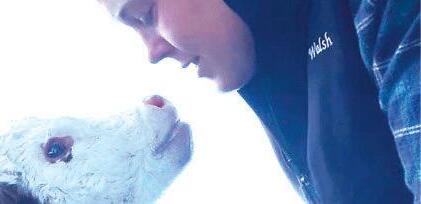


wanting to learnmoreabout farmlife but feeling intimidated asking questions. Her posts also document the less visible realities of farming, including sick calves, lost lambs,government paperworkand livestock movement regulations. That openness doesn'tstop online. Abbey has invited strangers to herproperty to learn hands-on skills, suchas de-horning or bringing them to the saleyards to share her knowledge of breeds and market prices.
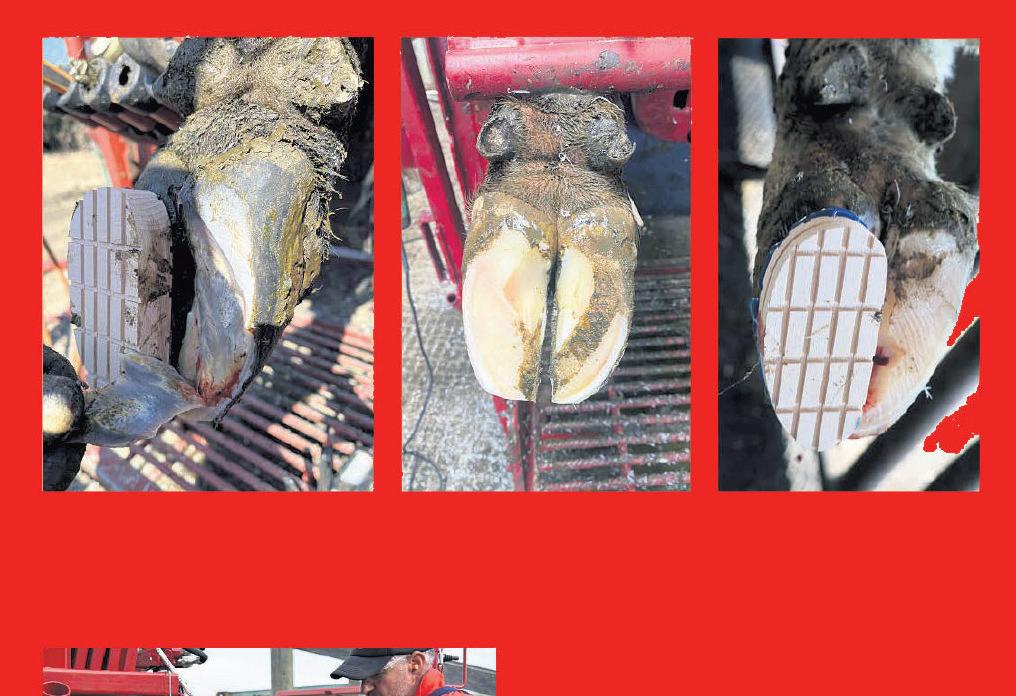
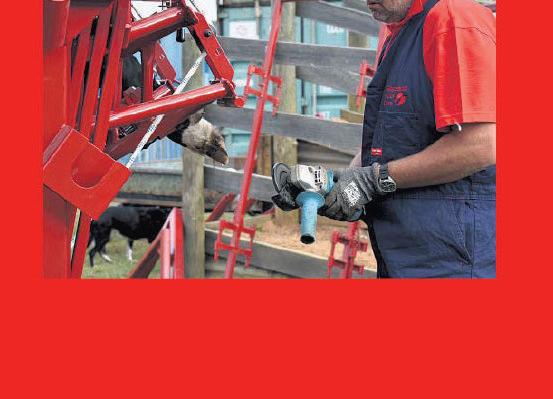



































Floods and fires areserious events –Aussie Pumps sa y be prepared!

So climatechange is here and Mother Nature is showing us how much she can throw at our great island continent.
Hundreds ofthousandsofacreshave burnt in Victoria with fires raging through hamlets.
With vivid memories of the massive fires in the past,it’s clear thatthe last few years hasseenaconsistent buildup of fuel, right throughout the east coast.
Are the fires over?
We hope so, but we certainly can’t count on it with the huge fuel build up and the 100 kilometre per hour winds that we’ve seen in recent weeks.
Meanwhile, Queensland is getting pelted with everything from cyclones and flood waters destroying roads.
Tens of thousands of livestock lost.
On ec om pa ny ,A ust ra li an Pu mp Industries (Aussie Pumps) has seen it all before and has developedproducts through past experience to mitigate, where possible, these climate catastrophes.
“Even withthe hugedemandtomove water in Queensland, we also had to ship big 6” pumps by air freight to Juba in Sudan to deal with their floods based on the central African flood season”, said Aussie Pumps Chief Engineer, John Hales.
“It’s well known that the United Nations has 26 heavy duty6” trailer mounted Aussie flood pumps already operating in flood controlonreachesofthe Nile in South Sudan.
Those pumps do amighty job!
“SmartL ocalG overnment bo diesi n Queensland invested in these big 6,000 lpm pumps before the floods came.
With Winton Shire Council in Central Queenslandpreppedwith four Aussie 6” pumps to help deal with the floods.
That’s 24,000 lpm capacity!”
“Webuilt the 80 hp diesel drive pumps onto heavyduty steel trailers with tandem axles.
The ideaistobeable to mobilise these units, with aprime mover to locate them wherever they are needed.
Havingthem mobilemeansthat local government can carry out flood mitigationand minimise potential damage”, said Hales.
AustralianPumpproduce tens of thousands of their FireSurvival Guidesin preparation for the fire season every year.
“Many people who work at Aussie Pumps are living in the ‘Urban Interface’.
That’s the band of properties that surround not only the big cities, but regional towns as well.
It inv olv es aro und 1.5 to 2m il lion households, with capitalcities literally surrounded by ‘blockies’ with small acreage for pets or livestock.
Many of these people are situated near National Parks and often poorly prepared for fires”, said Hales.
AustralianPumppromote topeoplein

the Urban Interface to prepare in advance for the fire season.
Aussie Pumps recommend that people in the Urban Interface should invest in awater tank and afire pump.
If you choose to fight the fire, having sufficient water and ahigh quality pump
is required.
Agood quality high pressure hose kit is just as important.
With sprinklersonthe roof and downpipes blocked, the gutters can turn into a‘moat’ to help defend an ember attack.
“It’sthe embers that are the danger, with theability to be wind driven for anumber of kilometres”, said Hales.
Getting set up to defend aproperty is a



big decision.
The mostimportant thing is to buy the right pump and train members of the family and where appropriate,neighbours too on how to use it.
The pump should be fueled and oiled and primed with water so it starts immediately.
“Make sure the pump has no leaks in the suction line as that can slow down the pump’s priming process andhinder performance”, said Hales.
It’s the dry fuel, high temperatures and worst of all, unexpected gale force winds that creates true disasters.
Aussie’s message is to be prepared with the best pump, adequate water and quality high pressure hoses and nozzles.
Don’t leave it until the last minute to decide to buy apump to prepare for afire.
The time to do it is now, not when you smell smoke.
The very first step is to read the Aussie Fire Survival Guide or the documents from the rural volunteer Brigades.
Aussie’sFireChief is on the marketat $880 including GST.
There is afreight factor that may need to be added to that depending on where you are located in this huge country of ours.
The heart of the Fire Chief is its big one piece single impeller.
That impeller provides phenome nal performanceand is perfectly matched to Honda’s GX160 petrol engine.
All Fire Chief Pumps come with aunique five year warranty on the pump end.
That guarantees them to be free of faulty workmanship or material for that period.
The Honda engine is covered by Honda’s three year warranty.
“We stan dard ise on Honda eng ines because we know they are famous for starting first time, every time, when properly maintained.
Be careful not to buy a third world pump that doesn’t have the same capability as the Fire Chief”, said Hales.
Honda’s engineers work with Aussie to helpdevelop the perfect combination of engine matched to the pump performance.
Hales gives credit to Honda for the great support they have provided over the years.
Australian Pump has agreat network of top class distributors all across Australia and through the South Pacific.
They have loads of Aussie Fire Survival Guides available or you can pickupone off the website at aussiepumps.com.au.
“Our job is to educate and help prepare for what is potentially amajor fire season this year”, said Hales. Call your local Aussie Pump Distributor for more informationorcontactAussie Pumps on 02 8865 3500.
OUR region was asked to supportthe Need for Feed Hay Drive to assist fire-affected farmers,and ourregiondelivered. From the momentthe appeal wasannounced, donations flowedinfromacross the regionSouth Gippsland, Bass Coast, Baw Baw and further afield-including contributions from farmers who, not long ago, werethemselves impacted by drought. Iamincrediblyhumbled by the generosity shownand would like to sincerely thank everyone who has contributed. My thoughts arewiththe fire-affected communities, and Ihope the donations provide practical support during avery difficult time.
Nathan Hersey
FIRE-AFFECTED localshave taken to thanking people online, to ensuretheir efforts haven't gone un-noticed.
Ruffy locals Leonie Sanders andMatthew Leiper had a"lovely little hamlet that the firehas decimated".
For Ms Sanders, this was her first experience with bushfires, whereas Mr Leiper has experienced many fires in the past.
Mr Leiper was bornand raised in Yinnar South.
Working with the Ruffy community, the couple started receiving donations ranging from jerry cans, non-perishables, toiletries, hay, fresh water,and more.
"Toall who have donated; thank you so much," Ms Sanders and Mr Leiper said.
"Ruffy is ahive of activity. It’s so odd to see this quiet little hamlet bustling with people and vehicles. Everyone was thereeither to helporbehelped or,inmanycases, both. Hay coming and going.Donations arriving. The kitchen is preparing meals for everyone. Ashower block is being delivered.
"The CFAtrucks areheading out to tackle flare-ups.Peopleare collecting donated supplies. Many storiesare beingtold of miracles,ofloss, of strength. People are doing whatever jobs areneeded.Muchneeded hugs. Much-needed reassurance. Much-needed sense of community. People providing alistening ear and quiet empathy.
"It is truly heart-warming. Often heartbreaking. But always an absolute privilege to be supporting our community."