
-
Felisha Kay, Founder, House of Infinite Luxe

Sotheby’s International Realty
What truly makes a hotel award-winning
-
Felisha Kay, Founder, House of Infinite Luxe
Sotheby’s International Realty
What truly makes a hotel award-winning
This edition centers on Women in Luxury and the women shaping today’s most influential brands. The focus is not symbolic. It reflects a structural shift across the global luxury economy. From hospitality and aviation to fragrance, real estate, media, and yachting, leadership is becoming more strategic, accountable, and grounded in long-term value creation.
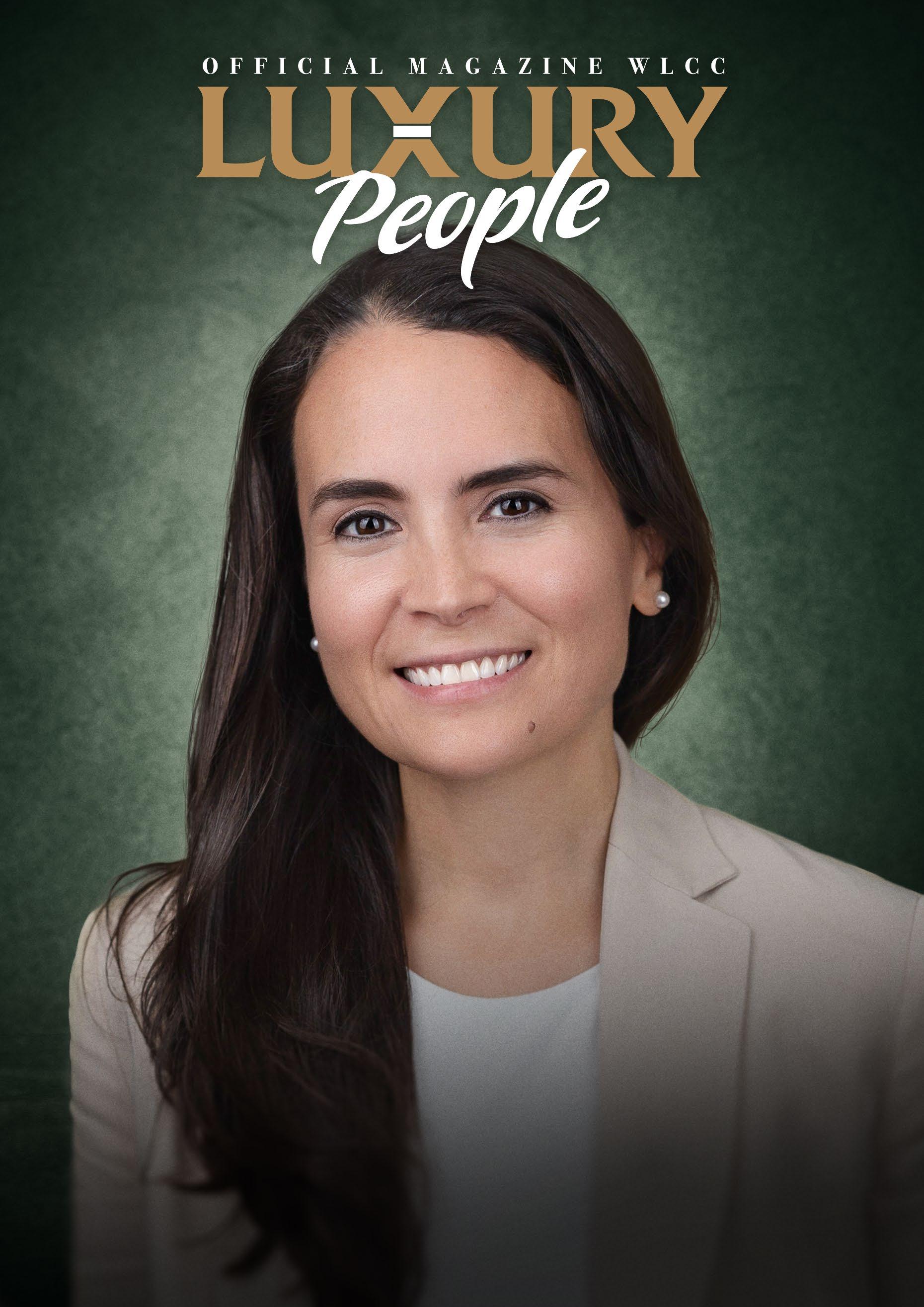
Our cover story with Gilda Perez-Alvarado , Chief Strategy Officer of Accor and CEO of Orient Express, sets a clear standard. Her approach to heritage, capital allocation, and disciplined growth reinforces an essential principle. Luxury is not built through speed. It is built through stewardship. Protecting identity while enabling thoughtful expansion requires clarity, patience, and responsibility.
Throughout this issue, you will meet leaders who are redefining how luxury operates. Cherry Collins examines why proof, craft, and cultural fluency now matter more than visibility alone. Dr. Felisha Kay reframes luxury as presence rather than performance. Blaine Ashley demonstrates how champagne can become a platform for leadership and access. Lisa Holland reflects on resilience and operational precision in private aviation. Cleo Anderson and Robin Dolch explore how narrative and positioning influence long-term brand equity. Brigitte Bless , Anu Ruohosto , and Dr. Sheetal Jain offer perspectives on craftsmanship, sustainability, and changing consumer behavior.
Across sectors, one pattern is consistent. Luxury clients expect expertise, discretion, transparency, and substance. Access alone is no longer enough. Emotional intelligence, operational excellence, and environmental responsibility are becoming core business standards rather than optional initiatives.

At the World Luxury Chamber of Commerce, we see this evolution every day. The brands that endure are those that balance ambition with governance and innovation with credibility. Trust remains the ultimate currency.
At Luxury People Magazine, our mission is clear. We provide serious insight into the business of luxury for those building, investing in, and leading it globally.
Thank you for being part of this international community built on quality, integrity, and long-term vision.
President
World Luxury Chamber of Commerce
ISSUE 4 | MARCH 2026
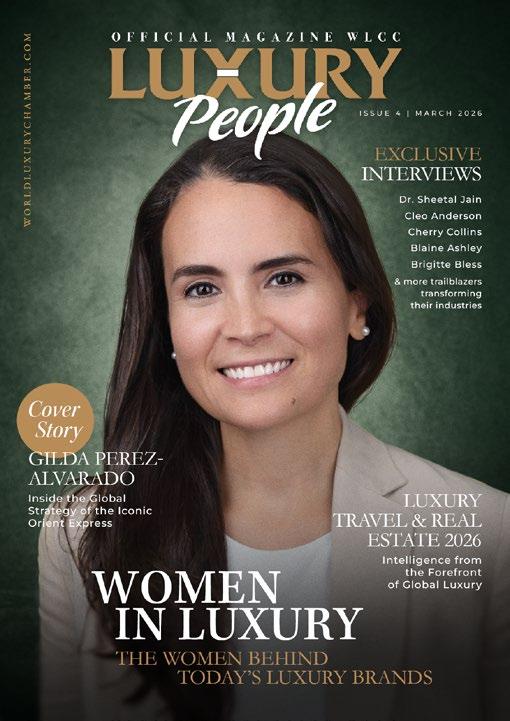
Cover Star Gilda Perez-Alvarado
President Alexander Chetchikov
Editor & Project Manager Bianca Huber
Layout & Design Nick Poznyak Anna Glinska
Media Manager Jana Vos
Contributors
Bianca Huber
Mariya Ruban Olha Kipiani Malek Semar
A WORLD LUXURY CHAMBER OF COMMERCE PUBLICATION
One World Trade Center, Suite 8500, New York City, NY 10007, USA
www.worldluxurychamber.com
The use of the website and digital magazine is subject to the following terms. All rights reserved. No part of Luxury People Magazine may be reproduced, stored in a retrieval system, or transmitted in any form or by any means, electronic, mechanical, photocopying, recording, or otherwise, without prior written permission from the World Luxury Chamber of Commerce. While every effort has been made to ensure the accuracy of the information contained in this issue, the publishers cannot accept responsibility for any errors or omissions. The views expressed by contributors are not necessarily those of the World Luxury Chamber of Commerce Unless otherwise stated, copyright of individual contributions remains with the respective contributors. Every effort has been made to trace copyright holders of images. We apologize for any unintentional omissions and will be pleased to make appropriate acknowledgments in subsequent publications.
© World Luxury Chamber of Commerce. All rights reserved.













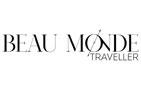


Few leaders in global hospitality bring together the precision of an investor, the intuition of a brand builder, and the discipline of an operator. As Chief Strategy Officer of Accor and CEO of Orient Express, Gilda Perez-Alvarado operates where capital, culture, and consequence converge.
After nearly two decades advising the world’s most sophisticated hotel owners and investors, Perez-Alvarado now carries full accountability for long-term strategy, brand stewardship, and growth at scale. In this conversation, she reflects on how responsibility sharpens decision-making, why heritage demands restraint as much as ambition, and how luxury hospitality is evolving from asset-driven expansion to relationship-led value creation.
ALEXANDER CHETCHIKOV: You spent much of your career advising the world’s most sophisticated hotel owners and investors. Now that you are leading strategy and operations, how has full accountability changed the way you approach risk, capital decisions, and longterm brand value?
GILDA PEREZ-ALVARADO: Advising gives you the privilege of perspective, while accountability gives you the discipline of consequence. When you are fully accountable, risk stops being theoretical. You feel its impact on people, partners, brands, and capital over time. That fundamentally sharpens decision-making.
I now approach capital allocation and risk with a much longer horizon. Short-term optimization is rarely compatible with long-term brand value, especially in luxury. Full accountability forces you to ask harder questions: not only can we do this, but should we, and what will it mean for the brand ten or twenty years from now?
It has also reinforced my belief that the most valuable strategies are often the most disciplined ones. Knowing when not to deploy capital, when to protect brand integrity, or when to slow growth can be just as important as seizing opportunities.
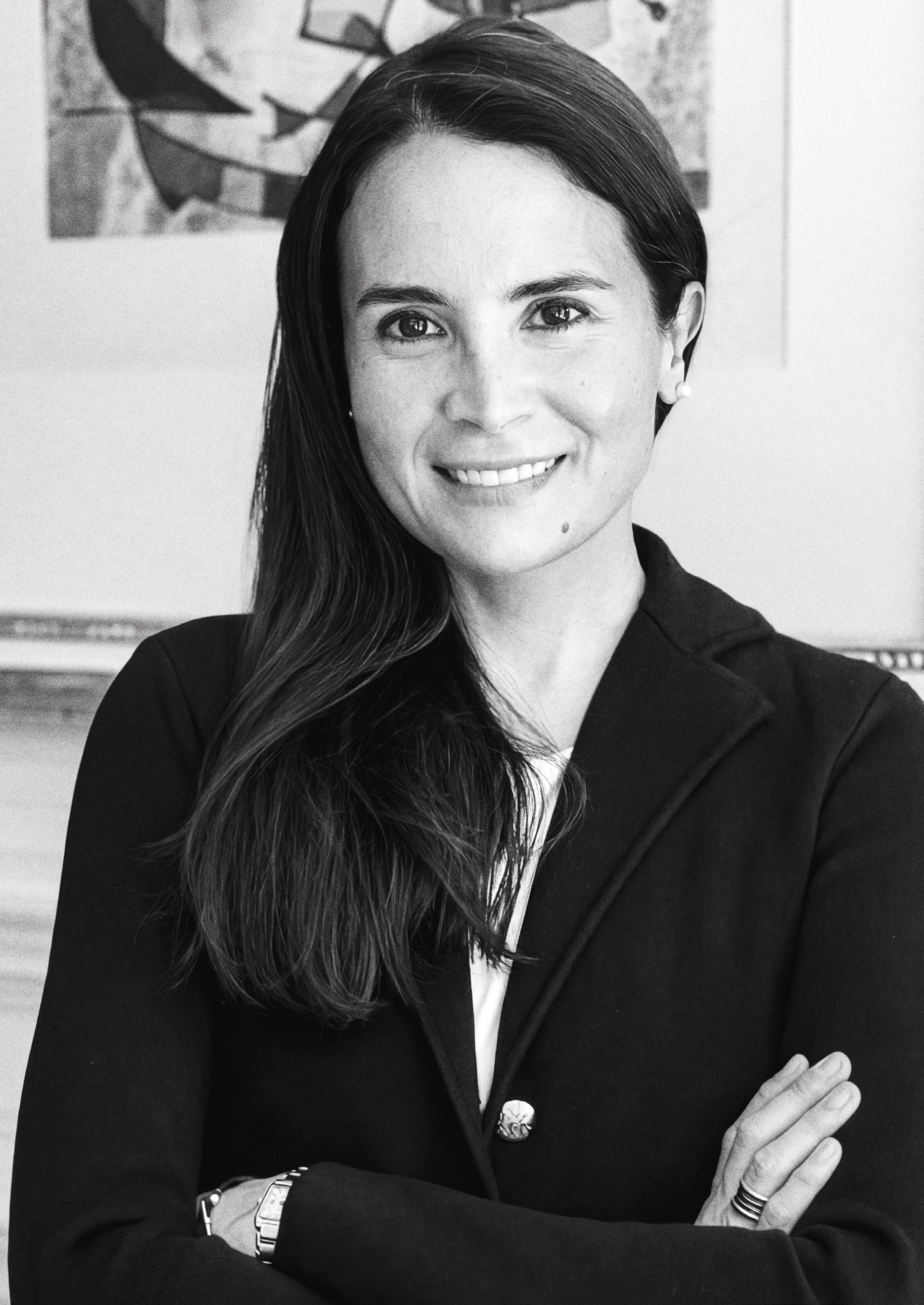
The most valuable strategies are OFTEN THE MOST DISCIPLINED ONES, including knowing when not to deploy capital.
AC: Orient Express is a rare luxury brand where heritage carries both privilege and pressure. How do you determine what must remain untouched, and where the brand can take confident commercial or creative risks across hotels, trains, and sailing yachts?
GPA: The approach to Orient Express indeed requires that same long-term perspective. As a heritage brand, every opportunity, whether preserving existing elements or exploring new ventures, must be viewed through a lens of enduring value. This not only honors the brand’s DNA but also ensures sound business decisions.
What remains unchanged for Orient Express are its emotional and symbolic anchors: the spirit of glamorous travel, exceptional craftsmanship and savoir-faire, the rich tradition of storytelling through mystery and cultural exchange, and the profound connections it fosters. These characteristics form the immutable foundation of the brand.
Our strategy is to maintain this unparalleled heritage not as a static relic, but as a vibrant, living core. Upon this foundation, we infuse a spirit of innovation. This translates into the brand’s confident evolution, beyond solely a train experience into trains, hotels, and sailing yachts— making it the only hospitality brand with the ability to offer this to the market.
This year marks significant milestones in this expansion. Following the launch of Orient Express La Minerva in Rome, designed by artist-architect Hugo Toro , we are eagerly anticipating the official launch of the Orient Express Corinthian , the world’s largest sailing yacht, and the opening of Orient Express Venezia , which boasts 47 guestrooms, suites, and apartments housed in a 15th-century Venetian Palazzo. Architect and interior designer Aline Asmar d’Amman masterfully orchestrated a multilayered restoration, where theatrical grandeur meets luminous poetry.
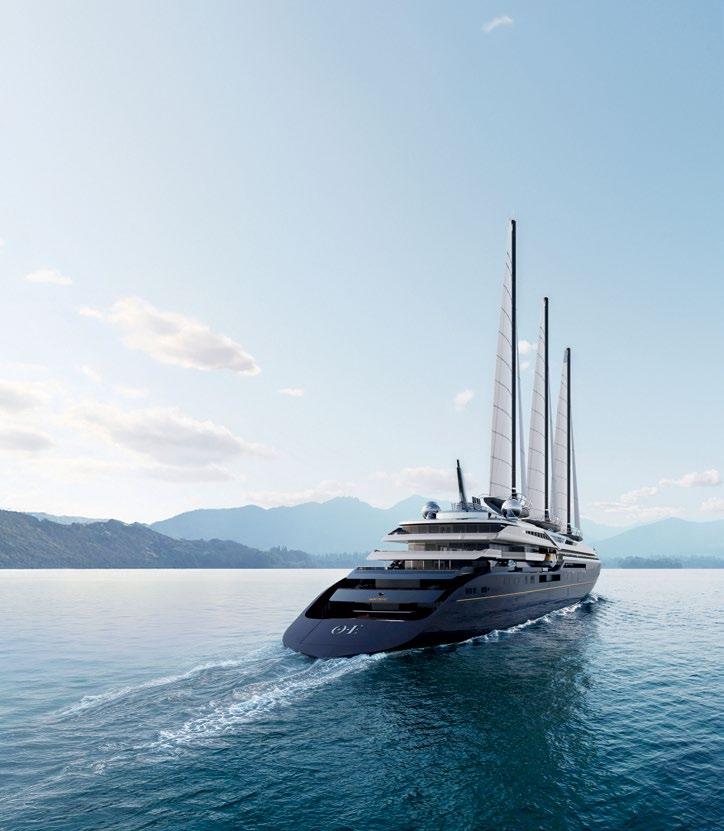
In parallel, embarking on its maiden voyage this June, the Orient Express Corinthian is a celebration of the storied brand venturing into new territory. Designed by Architect Maxime d’Angeac , Artistic Director of Orient Express, the Orient Express Corinthian comprises 54 suites, along with five restaurants and private dining spaces, under the direction of multi-Michelin-starred Chef Yannick Alléno . We were also proud to announce recently the Guerlain Spa aboard the yacht, the most singular maritime wellness destination imagined.
AC: Orient Express is often spoken about as a symbol, but at its core, it is a highly complex operation. Can you walk us through how the train experience actually works today, from the journey design to the level of service offered on board, and what sets it apart from other ultraluxury travel experiences?

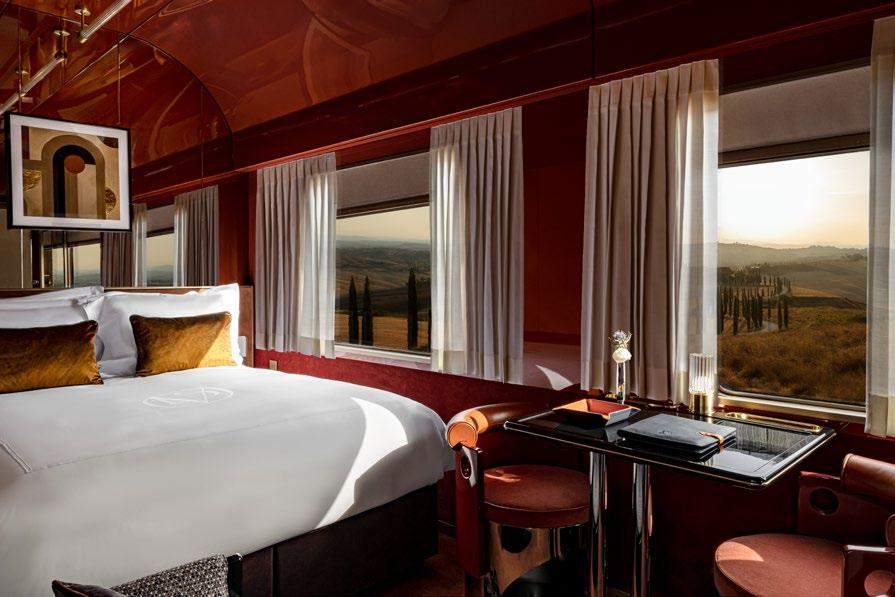
GPA: Key to this is the word “experience.” As travelers’ perception of luxury is evolving from the tangible to the emotion, we instil this logic into how we plan and, ultimately, deliver.
For that reason, our experiences begin with journey design, where each itinerary is conceived not merely as a route, but as a carefully crafted narrative. Our aim is to provide an emotional, memorable experience that resonates deeply with our travelers.
A prime example is the La Dolce Vita Orient Express , our Italian train, which launched in 2025. Its itineraries primarily commence in Rome. Before guests even step aboard, they are welcomed into a dedicated lounge experience at the historical Ostiense train station, an intentional prelude designed to set the tone for the extraordinary journey ahead.
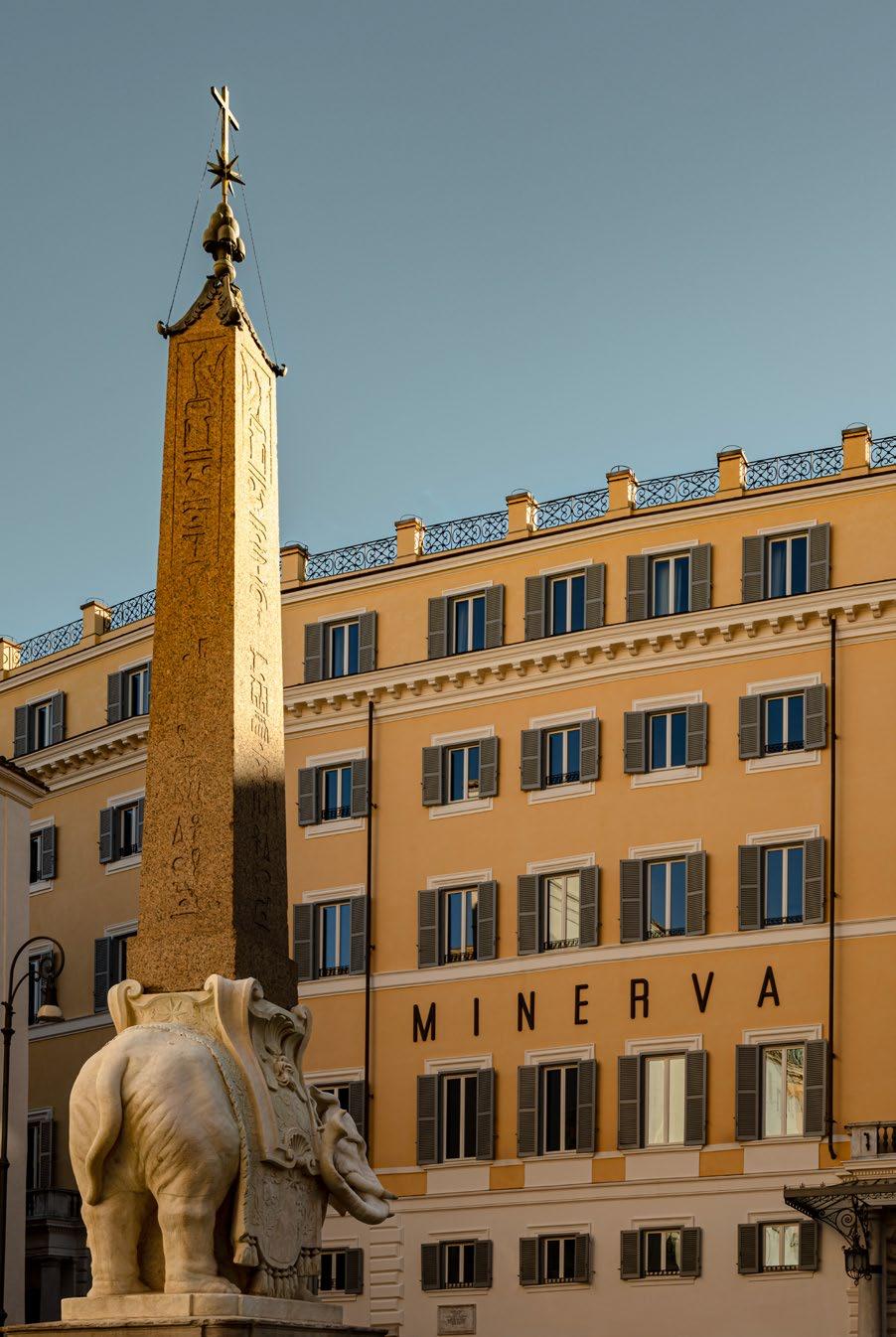
On board, the experience seamlessly blends personalized service with an almost effortless delivery. What truly distinguishes La Dolce Vita Orient Express is the integration of bespoke local experiences along each itinerary. These are not generic excursions but curated moments, meticulously crafted to celebrate local culture while remaining true to the distinctive codes of Orient Express. We are acutely aware that the journey itself is the destination, and every detail contributes to this narrative.
This holistic approach to journey design, service, and integrated cultural immersion will be consistently echoed across the entire brand. It will be a hallmark of the Orient Express Sailing Yachts and will define the reimagined L’Orient Express train, which is anticipated to arrive in 2027, continuing our legacy of ultra-luxury travel redefined.
AC: As Chief Strategy Officer at Accor, you work closely with owners and partners across global markets. Where do you see the most persistent gaps today between owner expectations and the realities of operating luxury hospitality at scale?
GPA: The most persistent gap is around the time horizon. Luxury brands are built over decades, while investment cycles are often much shorter. Aligning expectations around returns, reinvestment, and brand stewardship is critical, especially in a market where costs are rising and guest expectations are evolving rapidly.
The most successful partnerships are those where owners see themselves not just as asset holders, but as long-term custodians of a brand, and where we, as operators, are transparent about what excellence truly requires and understand our role as an investment manager.
AC: At the highest levels of luxury and hospitality, women remain underrepresented in true decision-making roles. From your perspective, where does progress most often stall, and what has actually proven effective in changing that?
GPA: Progress often stalls at the transition points, when careers move from operational excellence to strategic leadership. Women are frequently overrepresented in execution roles and underrepresented in roles where capital, power, and long-term decisions are made.
What has proven effective is not symbolic initiatives, but structural change, such as real sponsorship rather than mentorship and accountability at the top.
Visibility also matters. Seeing women in decisive roles reshapes what leadership looks like, both for organizations and for the next generation. Representation is a key driver of progress.
It must remain a living core that allows a brand to evolve with confidence.
AC: Looking ahead, what do you believe will most redefine the luxury hospitality industry over the next decade, both in how leadership teams are built and in how value is measured by investors and guests?
GPA: Luxury will increasingly be defined by meaning, not just by material excellence. Guests are seeking emotional connection, authenticity, and experiences that reflect their values, from sustainability to cultural relevance and wellbeing.
This will reshape leadership teams. The future leaders of luxury hospitality will need to combine financial rigor with emotional intelligence, brand sensitivity, and cultural fluency. Diversity of background and perspective will become a competitive advantage.
The long-term resilience of brands, talent stability, credible sustainability commitments, and the strength of guest relationships are becoming key indicators in the industry and therefore have a direct correlation to RevPAR performance and asset returns. Luxury hospitality is evolving toward a relationship-driven model, where trust and longterm relevance define success.
Follow Gilda Perez-Alvarado on LinkedIn and explore the world of Accor and Orient Express

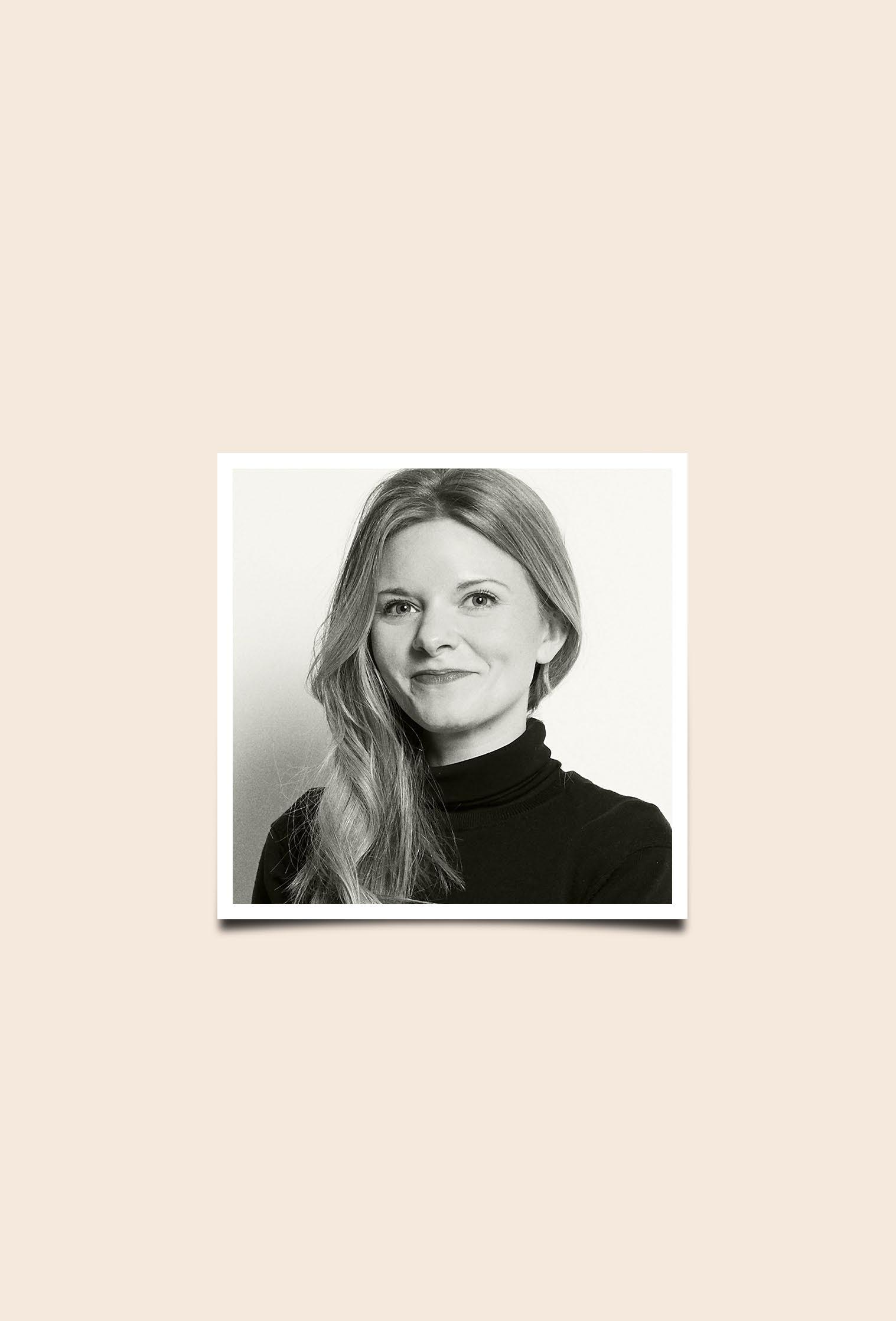
As Strategy Partner at Havas Media Lux, Cherry Collins works with the world’s most established houses to future-proof their relevance. In this conversation, she reveals why proof, not polish, will define the next era of luxury.

ALEXANDER CHETCHIKOV: Cherry, you work across media, strategy, and content for some of the most established luxury brands. Where do you see the biggest disconnect today between how luxury brands think they are communicating and how audiences actually experience them?
CHERRY COLLINS: I think the biggest disconnect lies in the gap between presence and proof. Many luxury brands still believe that high-gloss visibility alone creates desire, but my annual research, The New Codes of Luxury, shows that 83% of consumers say their definition of luxury has fundamentally changed over the past five years. In a world of AI-generated noise and dupe culture, audiences are experiencing a real crisis of trust.
While brands may believe they’re communicating exclusivity, audiences are actually looking for proof-based luxury - evidence of craft, provenance, and the substance that truly justifies the price tag. Luxury today isn’t sustained by aura or gimmicks alone; it’s built through proof over polish. When communications feel like a linear advert rather than a genuine emotional glimmer, the audience doesn’t lean in; they simply scroll past.
AC: Through The New Codes of Luxury, you track shifting attitudes across categories like fashion, travel, and fine goods. What signals are you seeing that are consistent across sectors, and where do you think brands are still misreading consumer expectations?
It is built through proof, substance, and the kind of craft that truly justifies the price tag.
CC: The most consistent signal I’m seeing across all categories is the rise of an audience I call the Memory Makers. These are high-net-worth individuals who’ve reached a point of material saturation. They’re no longer looking for the next ‘it-bag’ to signal status; they’re seeking emotional utility - products and experiences that carry long-lasting personal meaning.
Where brands often misread this audience is by doubling down on fame when they should be investing in fluency. While celebrity still delivers short-term attention, my research shows growing fatigue across the UK and the US, particularly. Memory Makers don’t want to buy into someone else’s hype; they want brands that act as cultural interpreters - opening up their craft, provenance, and point of view in ways that feel substantive and true.
Too often in this space, brands mistake hype for heritage. They chase viral moments or loud visibility, but for this audience, hype is actually a devaluation signal: it’s common, fleeting, and forgettable. The real shift is toward culture as creation - substance that survives the trend cycle. In 2026, luxury isn’t about being known by everyone; it’s about being deeply understood by the few who are looking for forever, not just a click.
AC: Having worked both in-house at major retail and media groups and at global agencies, what practical advantages do brands gain when strategy is built closer to culture rather than purely around performance metrics?
CC: The practical advantage is the shift from being an advertiser to being a cultural participant. Performance metrics are vital for efficiency, but they are inherently backward-looking - they tell you what worked yesterday. Culture is forward-looking; it signals what will matter tomorrow.
When strategy is built closer to culture, brands gain what I’d call earned community relevance. You’re no longer just buying attention; you’re earning a place within the consumer’s identity. For houses like Hermès, that’s the difference between driving transactions and building true legacy.
In my experience, when a brand behaves like a cultural creator - commissioning art, film, or installations - media stops being a cost line and starts becoming meaningful. My research shows that the majority of consumers believe luxury advertising can function as art and value recognising niche cultural references. This kind of cultural fluency acts as a safeguard against brand dilution, ensuring the brand retains its soulunderstood deeply by the few, rather than simply seen by the many.
The real risk today is the algorithmisation of desire. As consumers, in our quest for efficiency, we’ve created hyperpersonalised digital bubbles that make true discovery much harder. When an algorithm serves you a brand, the magic of the find is gone - and when too many people encounter you in the same way, desire starts to flatten.
To counter this, I think leadership teams need to pivot from reach to resonant presence. The strategy isn’t about being on every screen; it’s about designing selective friction. Sometimes that means being intentionally invisible on mass platforms in order to be profoundly prominent in the spaces that truly matter - whether that’s a limited-run print title, a private viewing, or a highstakes cultural installation.
I advise my clients to choose fewer, bigger, better placements. Selectivity proves quality rather than just projecting
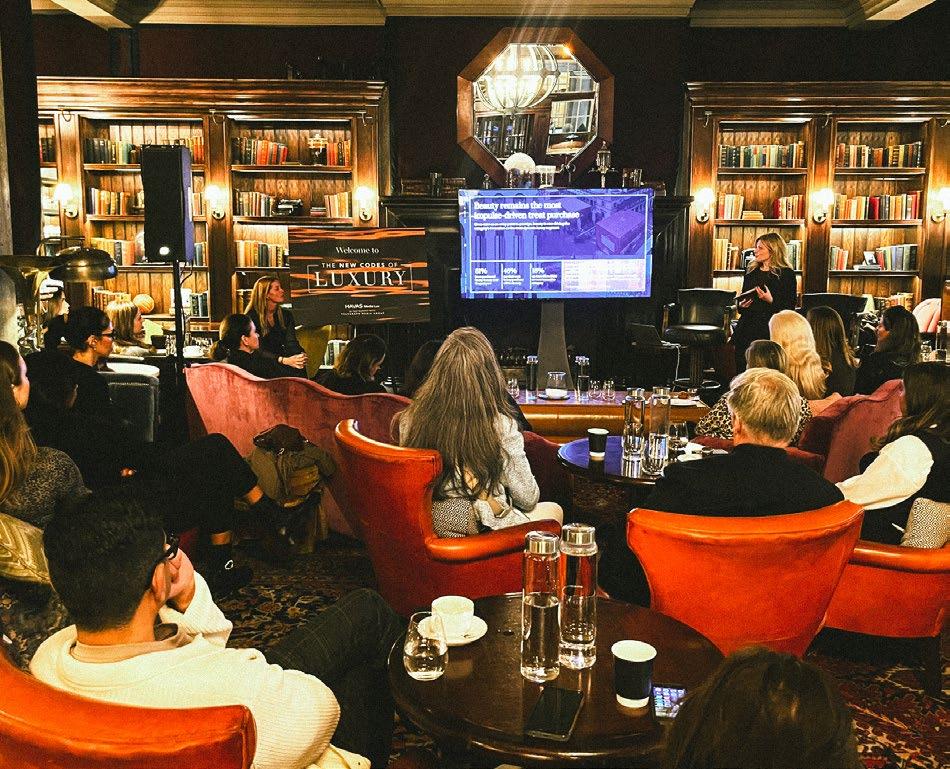
it. In 2026, a brand that is everywhere risks becoming a commodity; a brand that appears only in those few, potent placements becomes a destination.
AC: Looking ahead five to ten years, what do you believe will matter most in defining a successful luxury brand, beyond scale, visibility, or short-term growth?
CC: I think over the next five to ten years, the most successful luxury brands won’t be defined by how visible they are, but by how meaningful they are over time. When scale and reach become easy, what will matter is whether a brand consistently earns trust, pride, and emotional relevance across a lifetime.
We’re moving into an era where luxury is judged less by acquisition and more by contribution - what a brand adds to someone’s sense of self, wellbeing, and personal legacy. I think consumers will invest in fewer things, but expect those things to work harder emotionally and culturally. Longevity, wellness, and integrity will become the real signals of connoisseurship.
The brands that succeed won’t optimise purely for attention; they’ll design for memory. They’ll understand that emotion is the most valuable algorithm of all and that helping people feel grounded, accomplished, and proud of what they own will matter far more than being the most talked-about name in the room.
Follow Cherry on LinkedIn and explore Havas Media Lux: www.havasmedialux.com

with
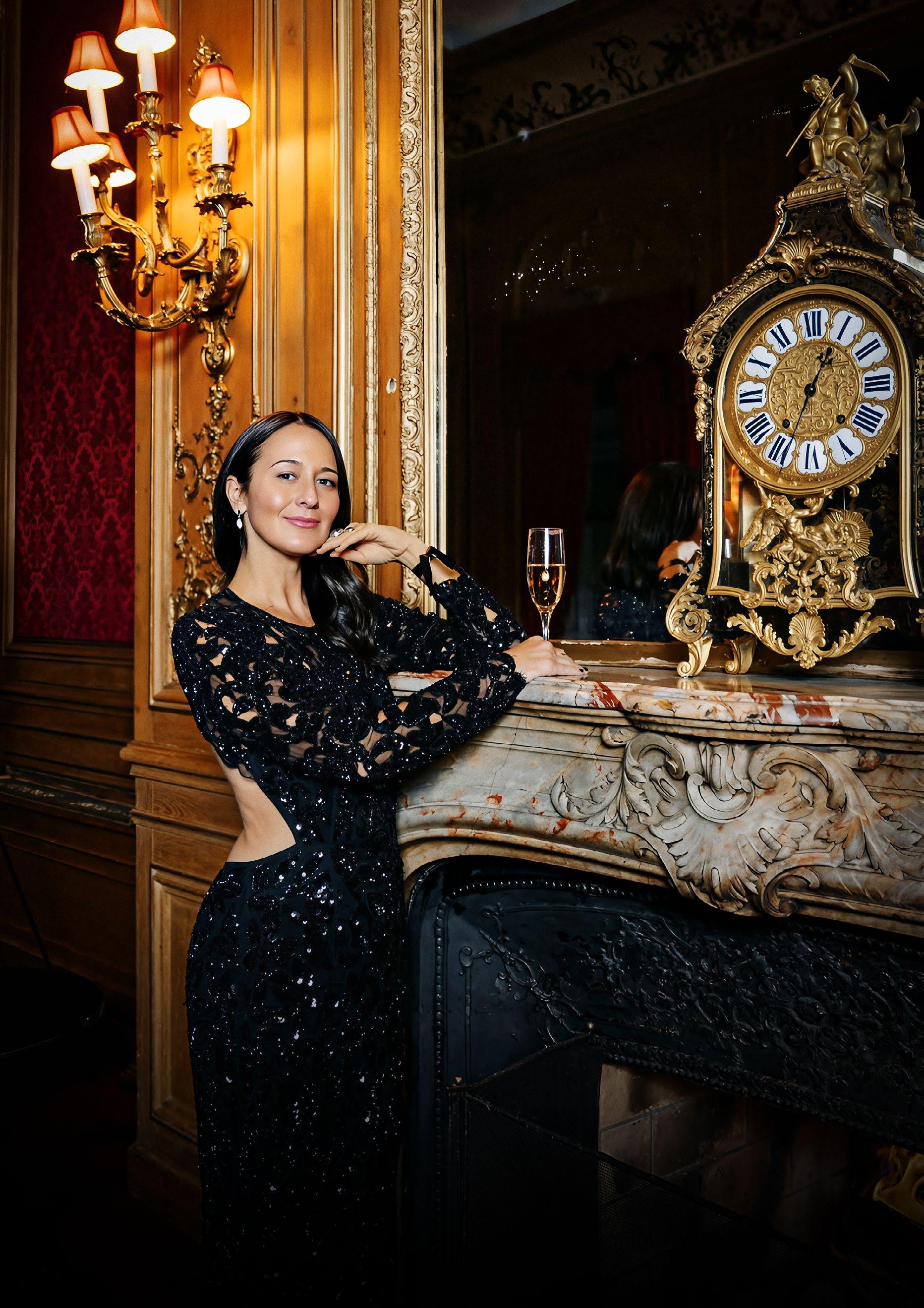
Dr. Felisha
Kay, Founder, House of Infinite Luxe
Luxury is often mistaken for access, acquisition, or display. At its highest levels, however, it operates according to a quieter code shaped by presence, discernment, and cultural fluency.
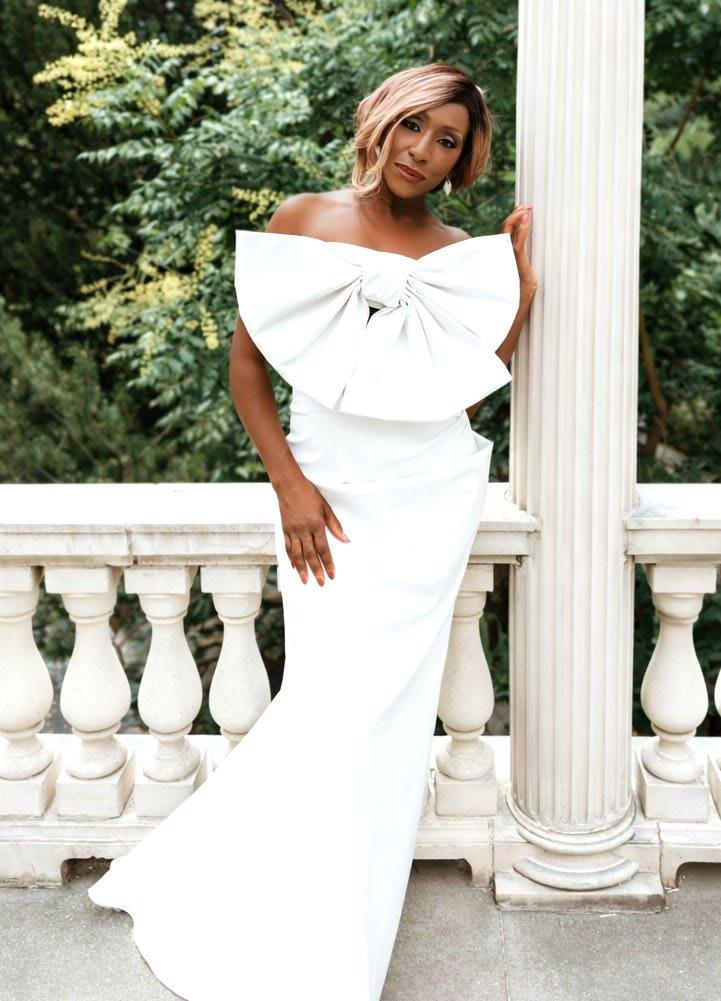
Drawing on more than two decades working at the intersection of science, beauty, technology, and human connection, Dr. Felisha Kay reflects on what it truly means to belong in elevated spaces. Through her work with high-net-worth individuals, executives, and visionaries, she has observed a consistent truth: real luxury is not something you perform. It is something you embody.
ALEXANDER CHETCHIKOV: Your work positions luxury as an internal standard rather than a visible status. How do you help clients translate their inner value into credibility and ease within elite business and social environments?
DR. FELISHA KAY: Most people approach luxury from the outside in. They believe if they acquire the right things, the beautiful watch, the exquisite address, the perfect wardrobe, they’ll finally feel like they belong. But I’ve learned something over three decades of working in this space: true luxury doesn’t start with what you own. It begins with who you are when no one’s watching.
I work with clients who’ve already achieved remarkable external success, yet something feels misaligned. They have the resources to access the most elevated spaces, but they don’t quite feel at home in them yet. And that subtle discomfort? It shows up in how they communicate, how they carry themselves, and how they navigate relationships.
My role is to help them understand that luxury is something you embody, not something you perform. We begin with selfunderstanding: who are you at your essence? What do you genuinely value? How do you naturally show up in connection? From there, we gently cultivate cultural fluency, refine their communication, and develop the kind of presence that feels effortless.
The most beautiful shift happens when a client stops trying to fit in and simply starts showing up authentically. That’s when they become truly magnetic. Elite spaces don’t reward pretense; they respond to presence. When you know yourself deeply and express that knowledge with grace and sophistication, credibility naturally follows. You’re no longer performing luxury; you’re living it from the inside out.
I bring that same thoughtful approach to human connection. Relationships, whether they’re romantic, professional, or social, are intricate, living systems. You can’t force them. You can’t fake the fundamentals. And if you try to skip essential steps, the foundation inevitably shows its cracks.
When I work with clients on leadership or decision-making, I approach it almost like creating a fine formulation. What are the essential elements of who they are? What environment brings out their most authentic self? What needs to be gently refined or lovingly released? It’s methodical, yes, but it’s also deeply intuitive; there’s an art to the science.
My background in technology also shaped how I think about creating meaningful systems. I founded one of the first online communities in the early days of the internet, long before social media existed as we know it now. That experience taught me that genuine connection requires thoughtful infrastructure. You can’t simply hope people will connect authentically; you must create gracious conditions for it.
True luxury does not begin with what you own. IT BEGINS WITH WHO YOU ARE, when no one is watching.
That’s why I’m developing a luxury human-connection platform devoted to selfunderstanding, shaping how people show up in relationships, conversation, and life. It’s really a love letter to the intersection of science, technology, and human psychology. I want to share what I’ve learned over 30 years so that more people can experience the kind of profound self-knowledge that leads to truly elevated, authentic connection.
At the highest levels, people don’t need more information; they’re drowning in it. What they need is clarity. They need precision with compassion. They need a framework that helps them make decisions that honor who they truly are. That’s what this scientific foundation brings, rigor without rigidity, structure without losing the poetry of the human experience.
AC: With a background in cosmetic chemistry and technology, how has scientific thinking influenced the way you approach relationships, leadership, and decision-making at the highest levels?
DFK: Science taught me something profound: transformation happens at the molecular level; slowly, intentionally, and with exquisite precision. You simply cannot rush chemistry. You must understand the elements you’re working with, how they interact, and what conditions create the most beautiful outcomes.
AC: Many luxury markets rely on unspoken rules, cultural fluency, and presence rather than transactions. What do most high achievers misunderstand when they first enter these spaces?
DFK: High achievers are often accustomed to earning their place at the table. They’re used to hard work, visible achievement, and measurable results creating access. So when they step into luxury spaces, they naturally bring that same energy, working to prove themselves, perhaps over-explaining their success, leading with their
impressive résumé. But luxury culture flows differently. In truly elite spaces, belonging isn’t about what you’ve accomplished; it’s about how gracefully you show up. It’s about ease, not effort. Presence, not performance.
The most common misunderstanding? They approach luxury as transactional. “If I invest enough, if I know the right people, if I have the proper credentials, I’ll be welcomed.” But authentic luxury, the kind that nourishes the soul, is deeply relational. It’s built on trust, discretion, and cultural understanding. You simply cannot purchase your way into genuine acceptance.
Here’s what I often witness: someone enters a luxury environment, perhaps a private club, an intimate yacht experience, or an invitationonly gathering, and they immediately begin doing things to signal their worth. They mention impressive connections. They speak about their achievements or wealth. They work to impress. And ironically, that very effort signals they don’t quite understand the space yet.
What they haven’t learned is that in elite circles, true confidence is remarkably quiet. Real wealth whispers. The people who genuinely belong don’t feel compelled to prove anything. They listen far more than they speak. They’re beautifully curious. They make others feel genuinely valued. They understand instinctively that luxury spaces are about meaningful connection, not subtle competition.
I guide my clients to understand that integration isn’t about changing their essence; it’s about refining how they express it. It’s learning to read a room with sensitivity, to honor unspoken codes with grace, to move through spaces with natural elegance rather than force. Once they realize that luxury is a culture to be understood and respected, not a transaction to be completed, everything transforms.
AC: House of Infinite Luxe operates at the intersection of personal identity and market access. How do you define success for clients who already have wealth and are seeking deeper alignment or influence?
DFK: For clients who’ve already cultivated significant wealth, success takes on a softer, deeper quality. It’s no longer about accumulation; it’s about alignment with their truest self.
They’re no longer asking, “How do I acquire more?” They’re asking the more tender questions: “Does this reflect who I genuinely am? Does this bring me joy? Am I living in a way that feels authentically mine?”
These are souls who’ve achieved remarkable external success but feel an internal whisper of disconnect. Perhaps they’ve built
something extraordinary, created substantial wealth, gained access to the most exclusive spaces, but something feels incomplete. They’re invited to the most beautiful tables, but they don’t feel truly seen. They’re in extraordinary rooms, but they’re not fully present.
That’s the sacred space where my work begins. I define success for these clients as congruence, that beautiful alignment when who they are internally matches perfectly with how they show up in the world. When their relationships genuinely reflect their deepest values. When their lifestyle feels like a natural extension of their identity, not a carefully curated performance for others.
For some, this looks like entering new social or business circles with quiet confidence and natural ease. For others, it’s about deepening their existing relationships with a beloved partner, with family, or with trusted colleagues, so they feel truly known and cherished. And for many, it’s stepping into leadership or influence in a way that feels authentic and effortless, never forced.
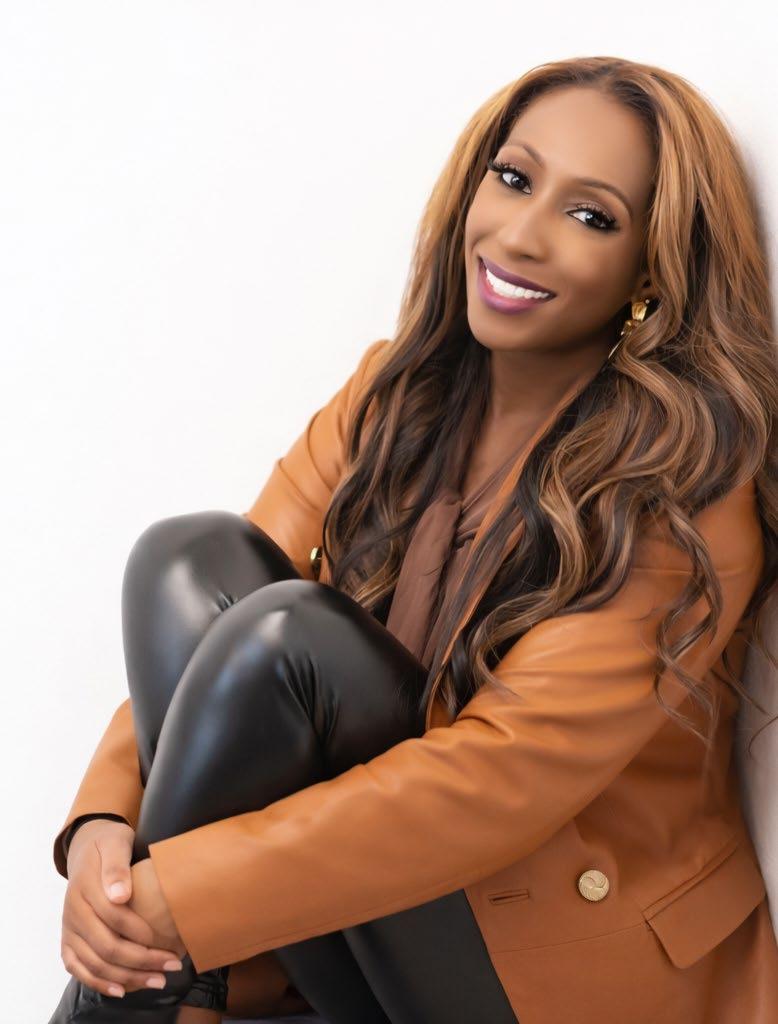
I once worked with a remarkably successful client who shared something that stayed with me: “I’ve spent my entire life becoming someone people admire, but I’m not certain anyone actually knows me.” That vulnerability? That’s where real work begins. Success, at this elevated level, is being fully yourself and being deeply valued for exactly that.
Influence, too, transforms at this level. It’s not about power or dominance; it’s about presence and grace. The most genuinely influential people I know don’t command rooms; they elevate them. They have this gift of making others feel truly seen, heard, and inspired. That’s the kind of influence my clients seek, not louder, but infinitely deeper.
When a client completes this journey with me, success reveals itself like this: they walk into any space, an important boardroom, an elegant ballroom, an intimate family gathering, and they feel completely at home in their own beautiful skin. They’re no longer performing or protecting. They’re present. They’re magnetic in the most authentic way. And the right opportunities, relationships, and experiences begin to align almost effortlessly.
AC: Looking ahead, what do you believe will matter most in luxury over the next decade as access increases, but discernment becomes more critical?
In
The future of luxury isn’t really about access anymore, it’s about understanding. It’s cultural fluency. It’s knowing the subtle difference between luxury and mere opulence. It’s valuing quality over quantity with your whole heart. It’s appreciating the story, the intention, the artistry behind an experience, not simply its price.
I also believe authentic connection will emerge as the ultimate luxury. We’re living in a moment where technology connects us constantly, yet genuine human connection feels increasingly precious and rare. The clients I work with, people with resources to experience almost anything, consistently share the same tender longing: “I want real relationships. I want to be truly known, not just admired from a distance.”
That’s the shift I’m witnessing. Luxury used to be about having and possessing beautiful things. Now it’s evolving into something more soulful: it’s about being. Being fully present. Being courageously authentic. Being in spaces and relationships where you’re cherished for who you truly are, not what you can offer or provide.
DFK: Luxury is standing at such a fascinating threshold right now. Access is genuinely expanding, more people are creating wealth, more exceptional brands are entering the conversation, and more extraordinary experiences are becoming available. But this doesn’t mean luxury is becoming diluted or ordinary. It means luxury is evolving, becoming more sophisticated in its essence.
Over the next decade, what will distinguish true luxury from simply expensive will be discernment; that beautiful capacity to truly understand and appreciate what you’re experiencing.
Anyone can reserve a suite at a five-star property. But do you understand why one hotel offers a fundamentally different soul than another? Anyone can acquire a luxury brand. But do you appreciate the exquisite craftsmanship, the rich heritage, the cultural significance woven into it? Anyone can attend an exclusive gathering. But do you know how to show up in a way that genuinely honors the space and the people who’ve created it?
Finally, I believe preparation will become the new currency of luxury. In a world where access is increasingly abundant, the people who will truly flourish are those who are ready, not just financially, but emotionally, culturally, and relationally. That’s why this work feels so essential to me. I prepare people so that when they step into luxury markets, they don’t just access them, they participate authentically, they contribute meaningfully, they integrate seamlessly.
Luxury has always been about refinement, hasn’t it? The next decade will be about refining ourselves, our tastes, our values, our connections, our very presence in the world. That’s where I see the real magic unfolding. Follow Dr. Felisha Kay on LinkedIn and visit www.felishakay.com







TURNED CHAMPAGNE INTO A PLATFORM FOR FEMALE
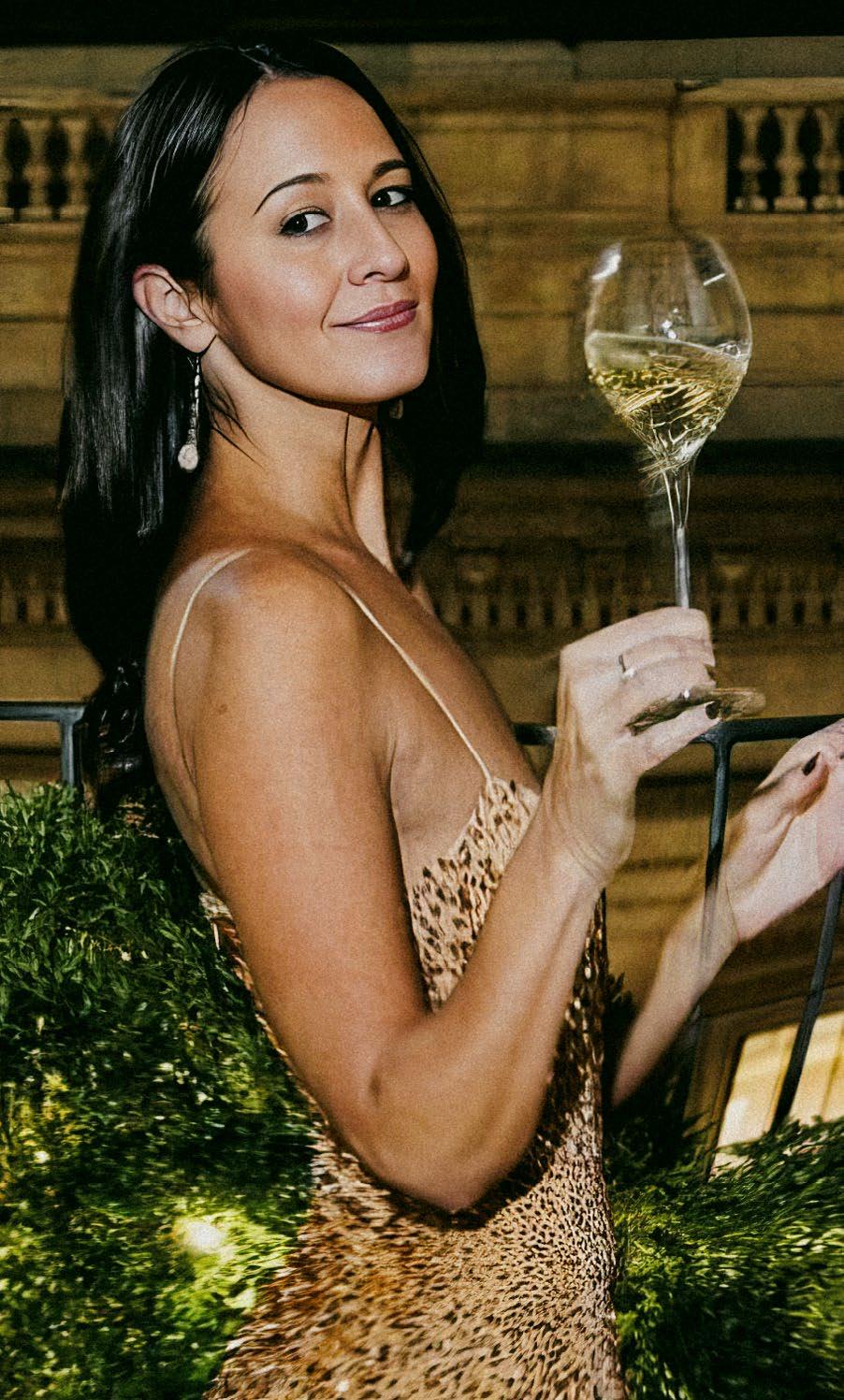
Champagne has long been wrapped in ritual, tradition, and an air of exclusivity. Blaine Ashley saw an opportunity to change that narrative. As the founder of New York Champagne Week and the force behind The FIZZ is Female, Ashley has builta business that blends culture, commerce, and community, while opening doors for women in a historically male- dominated industry.
With a career spanning fashion, nightlife, hospitality, media, and wine, she has transformed champagne from a trade-focused product into a lifestyle platform that resonates with modern luxury consumers. In this conversation, Ashley shares the inflection points that shaped her growth, what makes luxury partnerships truly work, and why the future of champagne depends on storytelling that feels human, emotional, and relevant.
ALEXANDER CHETCHIKOV: Blaine, New York Champagne Week began as a way to connect champagne houses with trade professionals and has grown into a consumer-driven, multi-city platform. What decisions or inflection points most influenced that shift, and how did you know it was the right time to expand the Audience?
BA: The segue happened authentically. A senior private-banking executive invited us to create a champagne centric event for her high-net-worth clients in Feb 2020 — 80 influential women in a room where champagne met culture.
When lockdown hit, those same clients started asking for private, bookable online experiences for teams and VIPs. We turned Champagne & Caviar, Fromage & Fizz, and Chefs & Champagne into shipped, interactive events with top NYC chefs. We never said “no” to requests, shipped bubbly and artisanal food nationwide (sometimes internationally), and discovered a huge market beyond the trade: affluent consumers who want lifestyle, storytelling, and innovative pairing experiences. The demand and the ROI were immediate — that told us it was time to scale.
AC: Your career spans fashion, nightlife, luxury hospitality, media, and wine. How did those early experiences shape the way you design champagne events today, from venue selection to guest experience?
BA: I built New York Champagne Week to disrupt the “men’s club” image of champagne. Those early years inspired me to fuse champagne with art, fashion, music, and food — and to choose venues that feel cultural, cool, and oftentimes, hidden gems.
From luxury hospitality, I brought “surprise and delight” — unexpected moments that convert guests into superfans. My events are less about lecturing and more about taste, texture, and a little theater: bold pairings, stylish settings, highcaliber talent, and flawless service.
Champagne should be accessible, food-friendly, and enjoyed every day — not just for birthdays and special occasions.
AC: With The FIZZ is Female, what industry gaps were you addressing, and how have brands and consumers responded?
BA: When I launched The FIZZ is Female, there were far too few women in leadership or cellarmaster roles and far too little spotlight on premium sparkling outside Champagne: Franciacorta, Cava, Crémant, etc. The gap was visibility and access. We created a platform that highlights women makers and those premium bubblies — and we matched them with buyers who spend on the champagne lifestyle: C-suite, HNWIs, and members only club audiences. Brands love the direct pipeline to purchasing power; consumers appreciate discovering exceptional wines made and led by
women. Results? Strong demand, meaningful sales uplift, and an unmistakable appetite for more women-led stories in sparkling wine.
AC: You’ve worked closely with hotels, private clubs, and luxury brands for over two decades. What do you think distinguishes a successful luxury partnership from one that looks good on paper but falls flat in practice?
BA: Creativity, talent, and big ideas matter — but execution is everything. A partnership only works when venue leadership shows up: promotion, staffing, and messaging have to follow through. I’ve seen brilliant programs flop because hotels didn’t activate their channels or support on-site. The successful partners are the ones who trust us to deliver and then lean in — they let us run the experience end- to - end, promote it boldly to members and guests, and amplify the surpriseand-delight moments. When both sides do their part, the results feel effortless and memorable.
AC: Looking ahead, what do you think the champagne and luxury lifestyle industries need to do differently to stay relevant with the next generation of consumers while still respecting heritage and craft?
BA: Stop reciting the same origin story and start telling human stories. Yes, provenance and technique matter — but consumers want personality: favorite food pairings, rogue moments, unique experiences within your world of champagne and the emotions tied to them.
Go off-script. Collaborate with art, fashion, music, and food in unexpected ways. Show how champagne fits into real life — not just celebrations. Make it emotional, sensory, and social, and you’ll honor craft while winning new loyal fans.
Explore New York Champagne Week: www.newyorkchampagneweek.com
Follow Blaine on LinkedIn
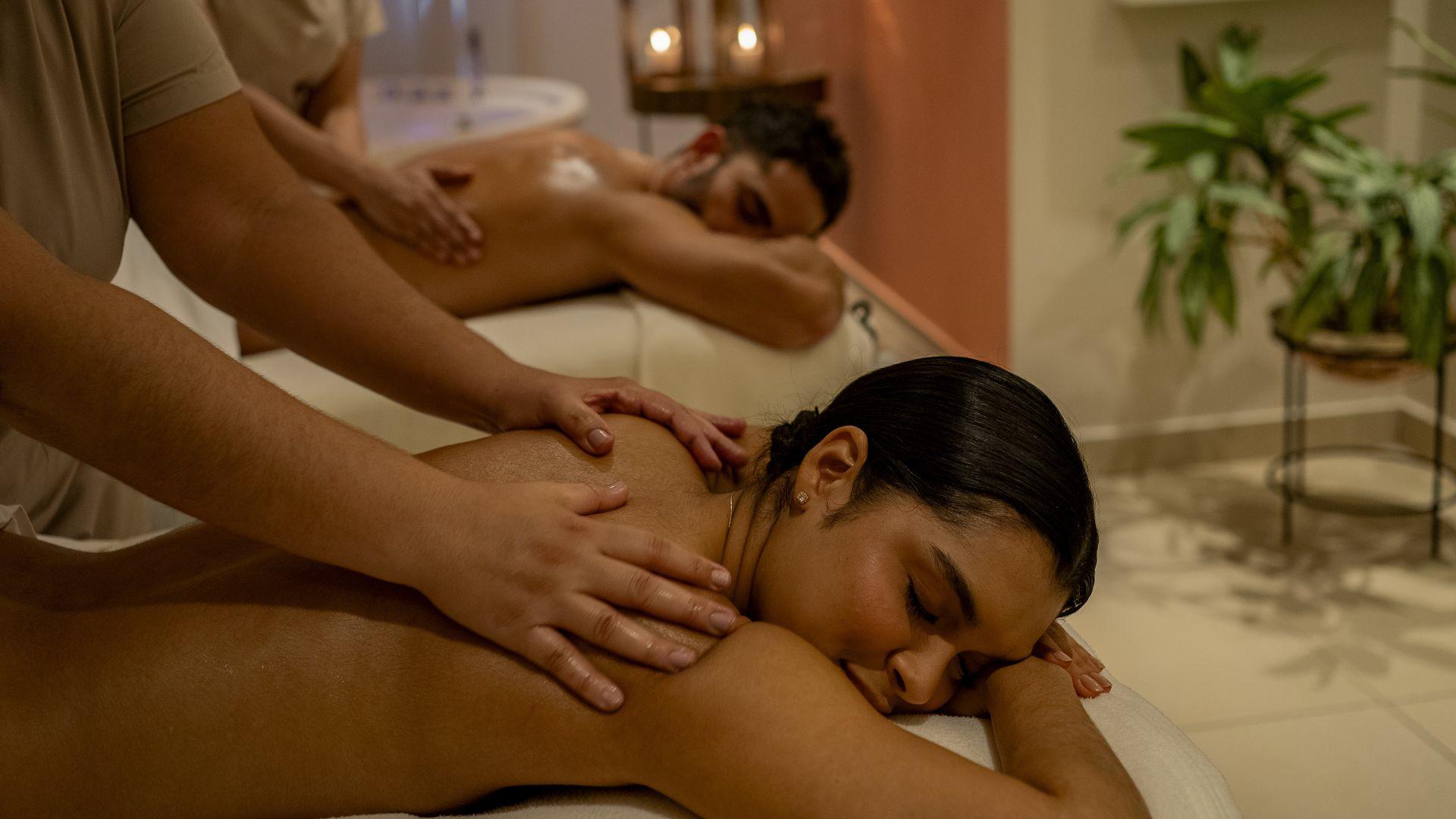

Lisa Holland stepped into the CEO role at Sheltair just weeks before the world shut down. What followed was a test of resilience, long-term vision, and leadership in one of the most capital-intensive sectors of luxury aviation.
ALEXANDER CHETCHIKOV: Lisa, you stepped into the role of President and CEO at a pivotal moment for both Sheltair and the aviation sector. How did your experience building businesses outside the family company influence the way you approached leadership when you returned?
LISA HOLLAND: After managing my own small businesses, I joined Sheltair in a full-time capacity in 2018, eventually succeeding my father, founder Jerry Holland . I became President and CEO of Sheltair Aviation in January 2020, navigating the company through the challenges of the COVID-19 pandemic six weeks after taking the helm. My leadership team and I prioritized staff retention and transparency during the crisis,
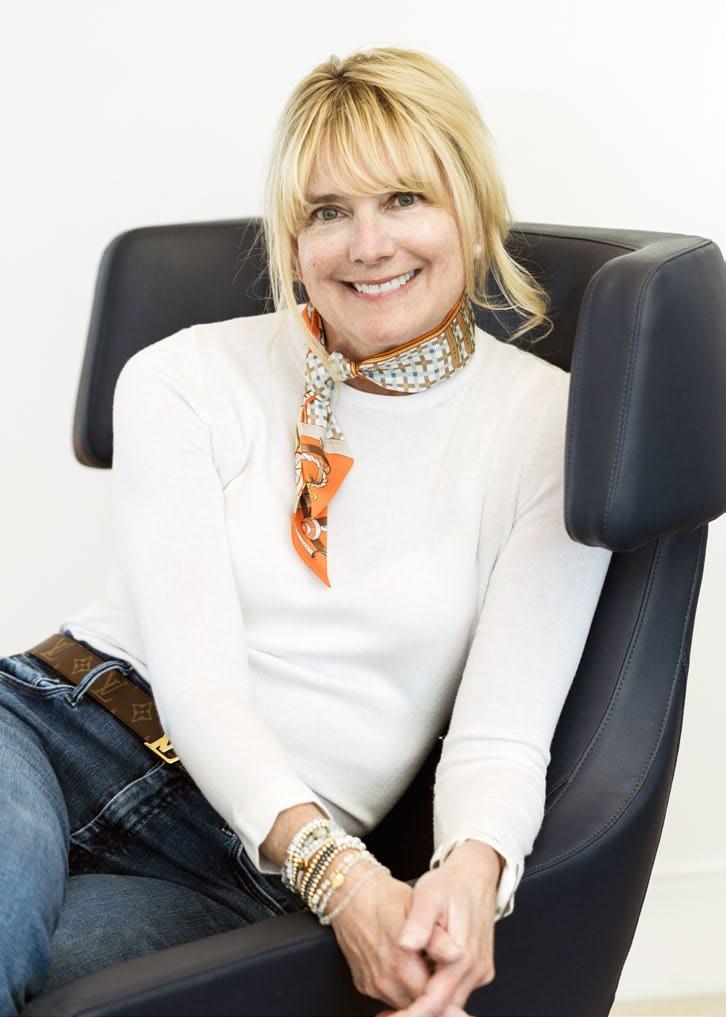
opting for temporary salary adjustments rather than layoffs to meet PPP loan thresholds. Having been a runner for most of my adult life, I knew the importance of digging deep and being resilient when faced with adversity. Despite Sheltair being a family company, I was not groomed for my role. Becoming President of Sheltair was an unconventional journey, which was my silver lining of this challenging time. The only way I knew to lead was by being true to myself (authentic and approachable), which turned out to be a recipe for success. This allowed me to immediately shape my own identity within a male-driven industry, and lead with empathy and compassion.
AC: Private aviation now demands excellence across infrastructure, service, and customer experience. What does “luxury” mean in an FBO environment today, and how does Sheltair decide where to invest to meet those expectations?
LH: Luxury in an FBO environment means rolling out the red carpet for our customers! When they step off their aircraft onto a red carpet, they immediately feel special and valued. Time is a luxury for our clients, and we empower our team to go the extra mile for our guests. Their cars are waiting for them on the ramp so that their travel is seamless, with the ability to easily transition from travel to a meeting or back to their homes.
Safety is paramount in our industry, and Sheltair proudly delivers a culture of safety that meets and exceeds the highest industry standards for ground handling and aircraft care. We provide our customers with peace of mind from arrival to departure, invest heavily in recurrent training, and are Wyvern compliant throughout the network. We also invest in new and highly capable equipment, ensuring reliability in all conditions. Time is a luxury for our guests. They don’t have time to wait, so we do everything in our power to anticipate their needs and communicate with aircraft crews to allow the best service possible.
Having close to five million square feet of hangar and office space across our 16 FBO’s is a huge capital investment, but it ensures a luxury experience for our clients to park their aircraft. This is a defining factor for Sheltair, as not all FBO’s can provide comparative access. Clients aren’t just paying for a “parking spot,” they are paying for the preservation of a multi-million-dollar asset against the elements.
AC: As the largest privately owned aviation network in the country, Sheltair operates at a significant scale while remaining familyowned. What are the advantages and pressures that come with balancing growth, independence, and culture?
LH: Balancing growth, culture, and integrity in a family company involves leveraging several unique strengths like deep trust and long-term vision. As a family-owned company, we have the advantage of being flexible and agile in how we operate, allowing for quick decisions, while larger companies must adhere to the guidelines of their PE firms and shareholders. I am fortunate to have a long-tenured leadership team that works well and has mutual respect and admiration for one another. This has enabled us to shape our culture, aligning with our mission statement of Family First. Fuel. Build. Serve. Our catalyst for our customer-centric and community-driven ethos. We don’t just fuel planes. We fuel each other. We don’t just build hangars. We build opportunity, and we serve in any way possible.
This also extends to the community. Our leadership encourages philanthropy and community involvement, such as supporting “Girls in Aviation Day” and providing paid volunteer time off. The most difficult challenge of being the largest privately-owned aviation company in the country is always being “on,” and it is difficult to unplug even for a day. My father passed away
Time is a luxury for our clients, and we design every touchpoint around that reality.
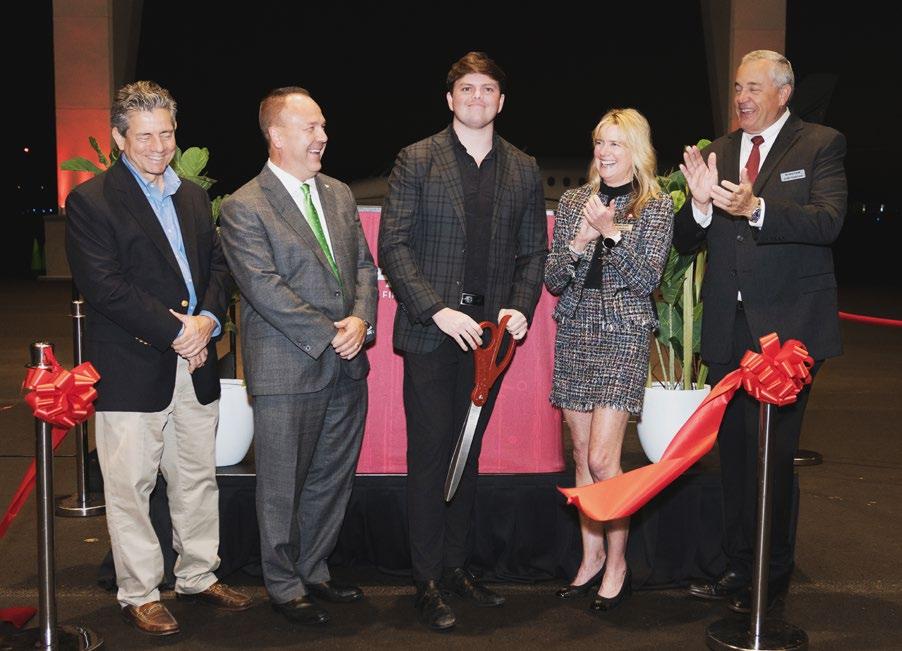
the day before the ribbon-cutting of our newest location in Sarasota, but I knew he would have wanted me to be there. We have a great mix of talent and knowledge in the organization and continue to strive to be the best in the industry. Our commitment to excellence and collaboration ensures we continue to soar to new heights.
AC: Aviation real estate and property development are often less visible parts of the industry, yet critical to its success. How do you evaluate long-term airport partnerships and locations while managing short-term market shifts?
LH: For Sheltair, airport real estate and property development is a huge part of our success, contributing to over 50% of our revenue. Onairport development starts with relationships and understanding the responsibility that comes with building on airport property. Every airport operates differently, so thorough due diligence on the land, infrastructure, and lease structure is essential. Beyond the paperwork is alignment. Securing a long-term ground or FBO lease gives both sides confidence and maintains strong partnerships with airport leadership, overall supporting the airport’s long-term vision.
When it comes to market shifts, aviation real estate has a unique advantage: access is limited. There aren’t endless opportunities to build on-airport, so once you secure a long-term position, you’re building for decades – not just the current cycle. It requires thoughtful capital investment and patience, but that disciplined approach creates stability and long-term value, even when short-term markets fluctuate. Short-term market shifts are inevitable, but as a 60-year-old company, our strategy has always been for steady, long-term growth.
AC: Looking ahead, what changes do you believe will most affect business aviation over the next decade, and how is Sheltair preparing to remain competitive and relevant in that future?
LH: There are many changes on the horizon that have the potential to affect the industry moving forward. Over the next decade, I believe we’ll see continued pressure from larger aircraft, higher construction costs, consolidation within the FBO space, limited development space at airports, and increasing regulatory complexity. Aircrafts are getting bigger, which means building larger hangars and expanding ramp space to accommodate. Available development area at airports is a limited resource, and at some point, there will be nowhere left to grow. At the same time, construction costs and
interest rates make every development decision more strategic and long-term focused, no matter what project we accept.
One of the more interesting challenges and opportunities in our future is the introduction of a new type of aircraft and the services required to support them. Evtols – Electric aircraft – require the need to provide adequate electricity supply, and parking areas will, eventually, put more pressure on FBO’s for the on-airport operators. Sheltair has not been too involved with this area due to its requirements for large amounts of investmentplanning and infrastructure. Most EVTOL operations will occur off airport, which is not an area Sheltair has pursued as we remain focused on airport staff, strategic partnerships, and long-term relationships within our leasehold areas.
We’re also seeing more institutional consolidation in the industry, with larger networks leveraging pricing power. At Sheltair, we remain competitive by staying true to what built our reputation in the first place – exceptional customer service and strong operator relationships. We plan years ahead, secure strategic airport land early, and maintain positive, long-standing partnerships with airport authorities. We, then, double down with our customer-focused, Family First service standards to support our customer base, ensuring they come back to Sheltair rather than any other FBO. Our approach has always been long-term: continue investing, continue growing, and remain deeply connected to the communities and airports we serve. That discipline is what keeps us relevant – not just for today, but for the next decade and beyond.
Connect with Lisa Holland on LinkedIn and learn more about Sheltair and its national FBO network at www.sheltairaviation.com
Clients are not paying for a parking spot. They are protecting a multi-million-dollar asset.

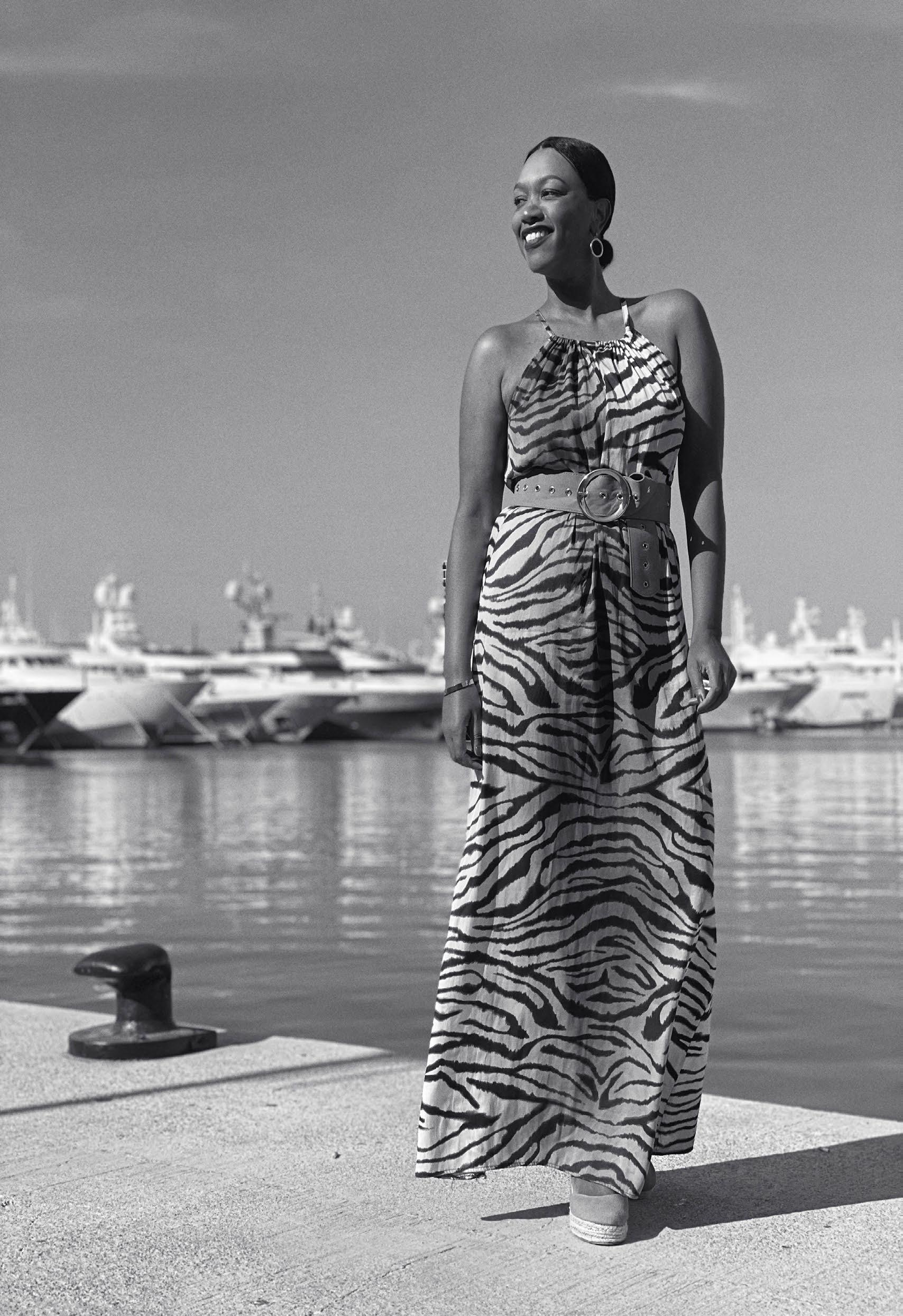
In today’s global luxury market, where visibility alone no longer guarantees relevance, competitive advantage is built on focus, credibility, and disciplined execution. Cleo Anderson, founder of a globally recognised luxury PR agency and Executive Producer of Wanderluxe on LUXE.TV, has built her business by applying those principles with precision.
ALEXANDER CHETCHIKOV: Your agency’s recognition among the TOP 100 Luxury PR Agencies in the World is a remarkable milestone. What core philosophy or strategic approach do you believe has been most instrumental in achieving this level of global distinction?
CLEO ANDERSON: I think that finding a niche and focusing on that niche is paramount - we work within the luxury lifestyle sphere, but specifically mounting campaigns for some of the top luxury hotels and private villas globally has really helped in garnering a stellar reputation within our field.
Named among the TOP 100 Luxury PR Agencies in the World by Luxury Lifestyle Awards in honor of the inaugural World Luxury Day, Anderson operates across high-end hospitality, premium media, and cultural influence, advising some of the world’s most prestigious hotels and private villa brands. From integrated PR strategies to cinematic storytelling and curated experiences tied to the Oscars, her work reflects a broader shift in how luxury brands build authority, loyalty, and long-term value. In this interview, Anderson discusses the strategic decisions behind her growth, the role of tenacity and specialisation, and why the next era of luxury PR demands far more than traditional publicity.
AC: What helped you keep going in the early stages of establishing your agency, and what would you say to women now starting in luxury PR?
CA: In the early stages, I initially wanted to see what kind of clients were interested in working with me within the lifestyle space - back then, it was just me, and I would wake up early each day, either cold emailing prospective clients or meeting face to face with those who responded to my emails. I was incredibly tenacious, and sometimes there’s no substitute for pure hard work; it was me, my morning coffee, and my laptop. Tenacity is key, and that’s what I would say to young women starting in luxury PR: be tenacious and put in the hours. That, and try a few things for size before settling on a niche.
AC: Wanderluxe with Cleo Anderson has just launched Season 2 on LUXE.TV. From your perspective, how is luxury travel storytelling evolving, and what trends are you consciously reflecting in the new season?
CA: Luxury travel storytelling, for me, is more visual now than ever - and it’s why, as Executive Producer of the show, the cinematography for each episode is so important. I really wanted the show to feel ‘glossy’ and beautiful with each shot, which I think we’ve achieved. I also enjoy delving into the culinary side of things and showcasing the elevated food offerings at each location. Capturing a sense of place in the food is incredibly important to me, and we really focused on it in the first episode of Season 2 in Sri Lanka. Luxury travel is all about the tiniest details, and I think we reflect that in the show.
AC: As Luxury Curator for the Oscar Nominee Gift Bag, you’re working at the intersection of luxury, culture, and celebrity. How are expectations around authenticity, storytelling, and values changing in high-profile luxury partnerships?
CA: Curating the luxury travel experiences for the Oscar Nominee Gift Bag means that we’re dealing with the A-list. So I’m mindful of the fact that my hotel or villa selections for the bag should be in some way unique, and that the ultimate experience feels bespoke with an authenticity to the service. It does take balance, and many Hollywood stars are also seeking ethical getaways where sustainability and similar values are important to them personally. I think my selections each year get the balance right, whilst also providing privacy.
AC: From Hollywood to high luxury, a personal brand has become almost as important as the brand itself. In your view, what makes a personal brand truly resonate in the luxury space today?
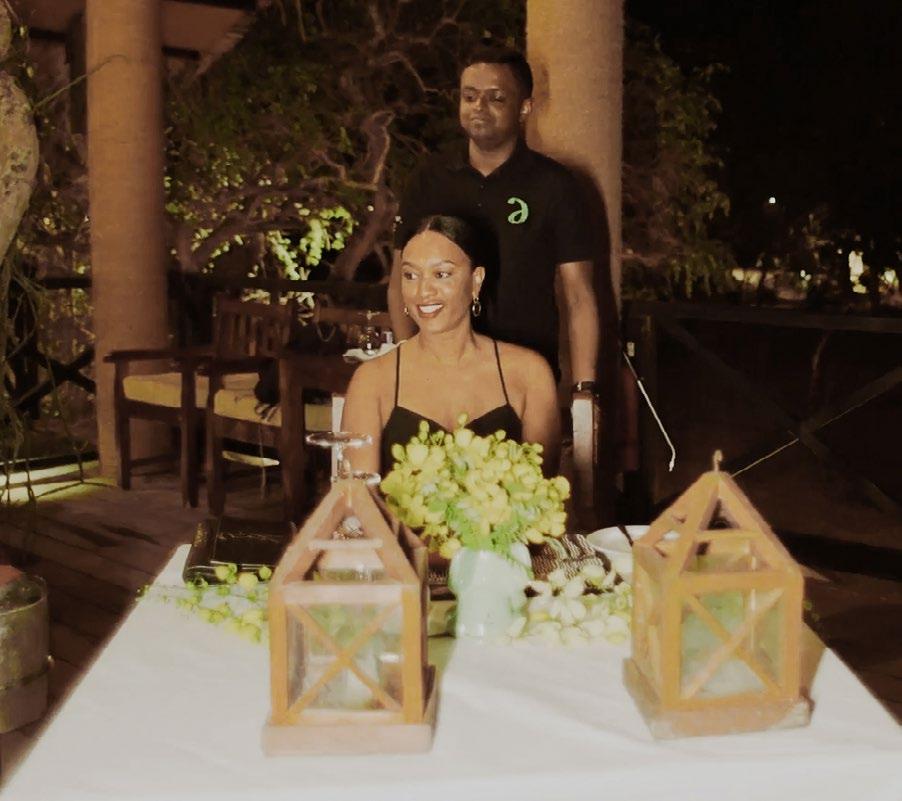
CA: I think it’s all about authenticity - it’s about living and breathing what you represent. I make it my business to experience luxury hotels as they evolve personally, for example, and to really get a feel for the hotel brands out there. When I lived in LA, I lived right next to the Four Seasons at Beverly Hills on Doheny - I made a point of experiencing every detail of the hotel, as well as having lunch and drinks there often. To this day, the Four Seasons is one of my favourite hotel brands for the high level of service alone, and I’ve studied how they operate at many of their hotels - I celebrated my 40th with a small group of girlfriends at the George V Paris, and the service was impeccable. Whenever I travel to a city for leisure, I’ll usually make a point of staying at a new or legacy luxury hotel to see how it feels and what they have to offer - to know that brand in that locale. Experiencing things that way never gets boring for me; I love it. I am really breathing what I am representing.
AC: Looking ahead, what do you see as the next evolution of global PR agencies at the top tier?
CA: Offering creative and engaging PR campaigns is great, but you must offer more. I’ve been conscious of providing a unique trifecta of services within the agency: traditional PR and a feature in a cinematographically breathtaking luxury TV series with Wanderluxe for LUXE.TV (adding the visual element to luxury storytelling and allowing ownership of the footage for the client’s use), and A List gifting opportunities linked to the Oscars each year. That is a unique, integrated way to bolster luxury PR and high-end content that no one else can do. It sets us apart. Setting yourself apart and evolving past standard PR is key. Many of our hospitality clients have engaged us for standard PR, have appeared on the show, and have also appeared in the Oscar Nominee Gift Bag. This has created deep loyalty among many of our clients, and the results speak for themselves. You must be offering something more.
Discover Cleo Anderson’s award-winning PR agency: www.theandersonmediagroup.com
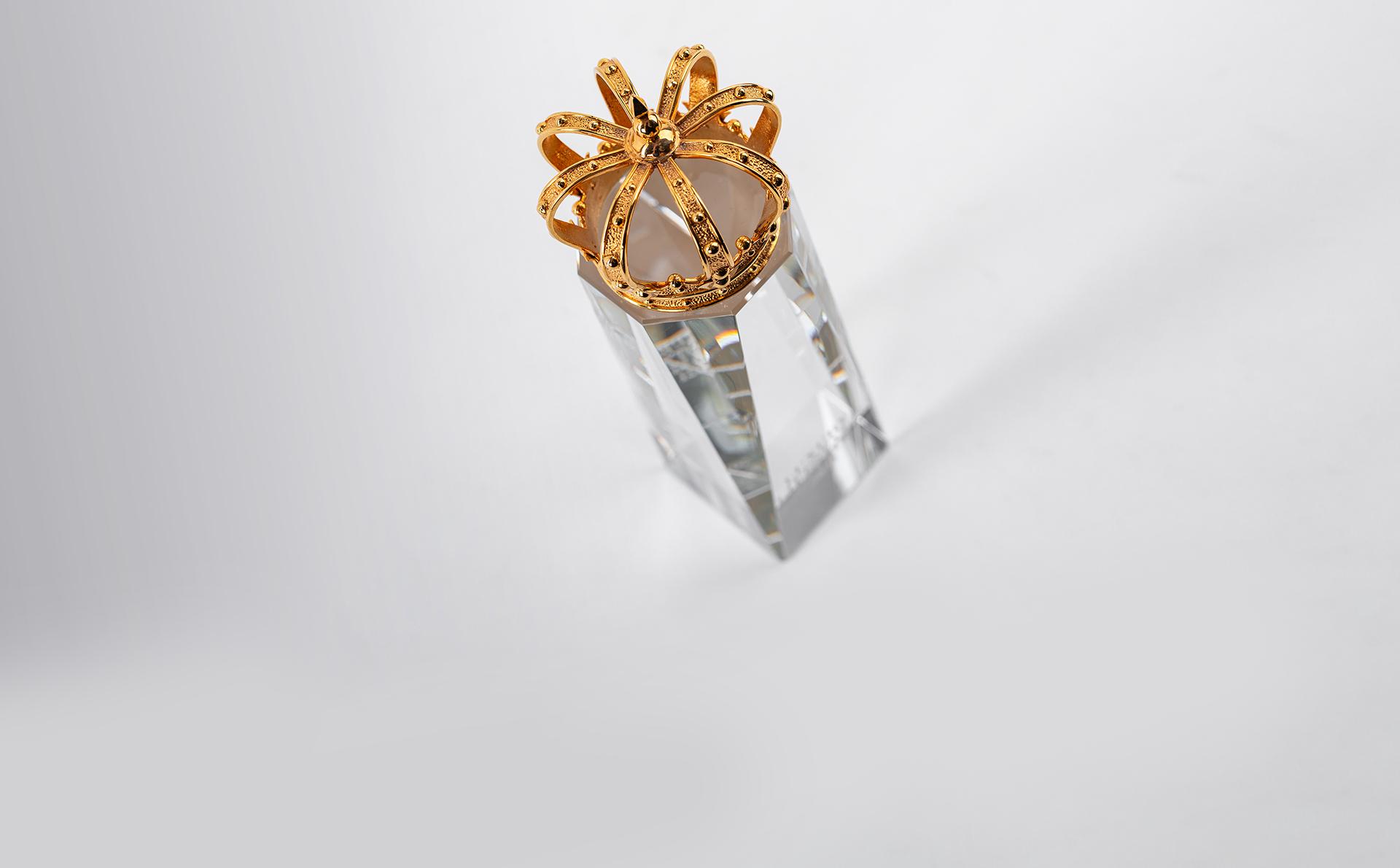
NOMINATE YOUR BRAND

Inside the World of Brigitte Bless
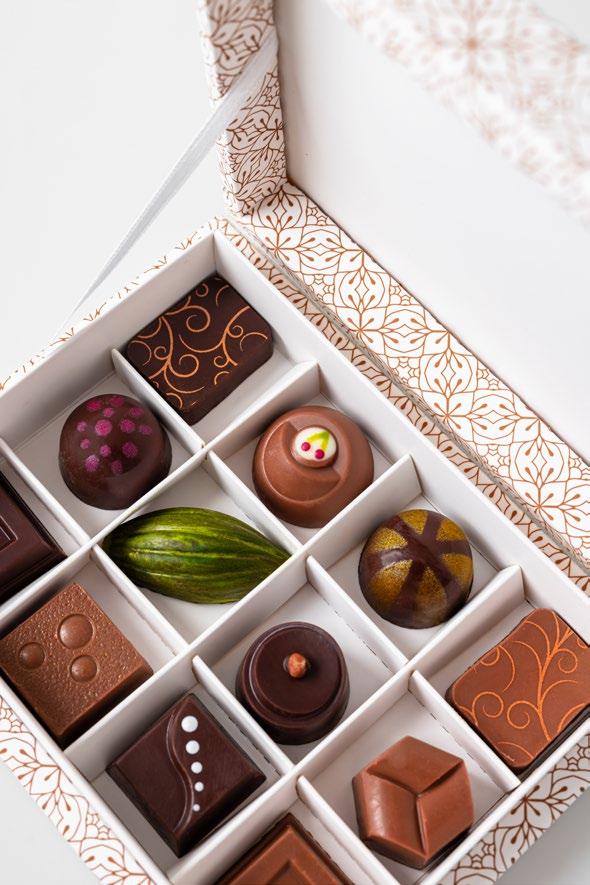
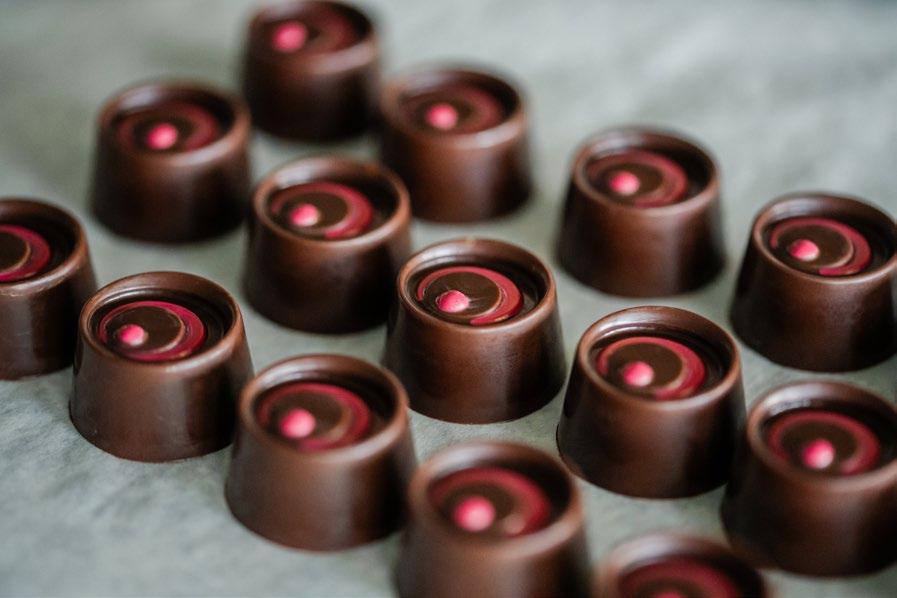
For Brigitte Bless, chocolate is never just a product. It is an emotional language, a sensory journey, and a lifelong love affair that began long before Chocolate Bless was born.
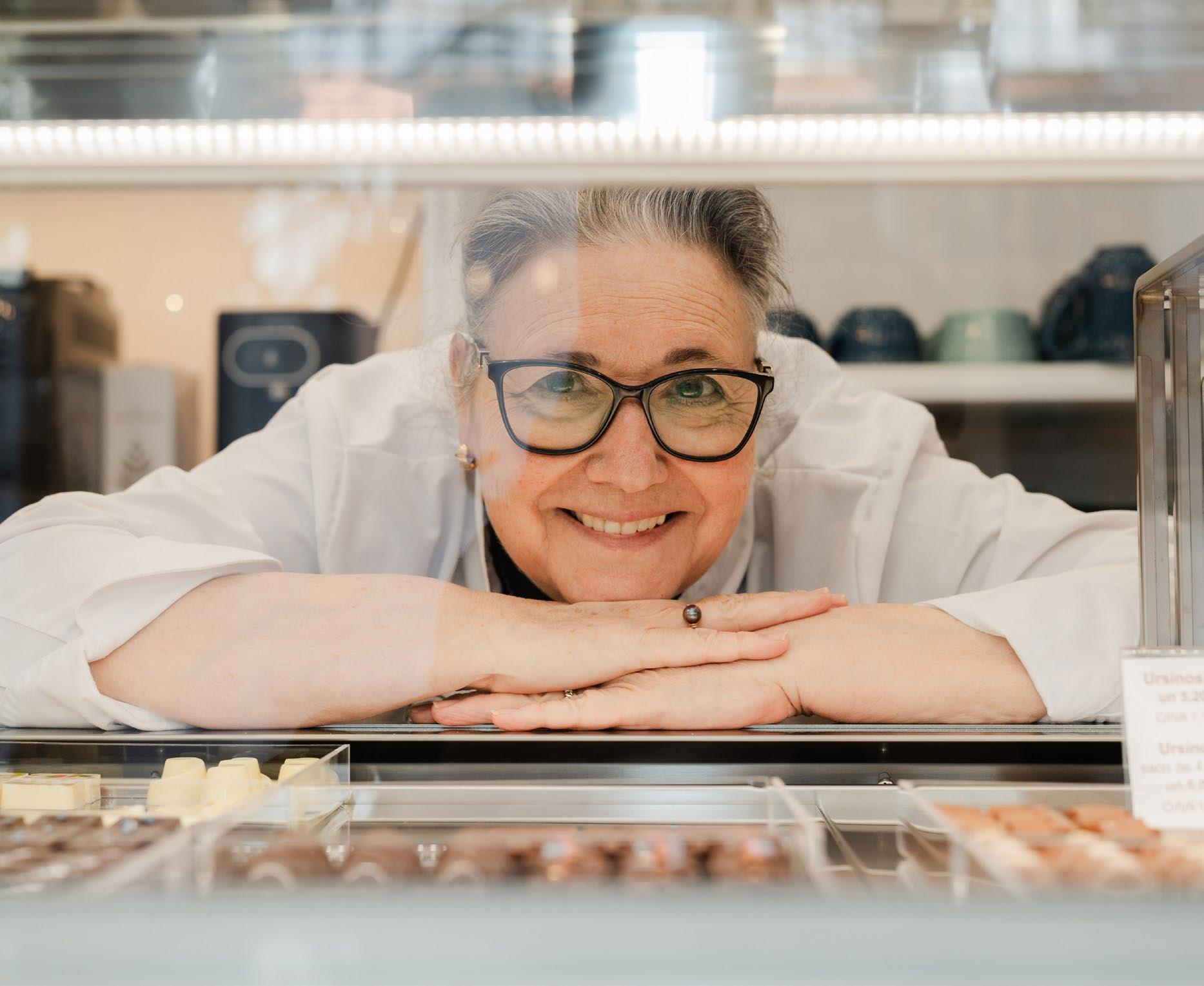

A Swiss chocolatier crafting single-origin, ethically sourced chocolates in Portugal, Bless entered the world of creation at a stage in life when most are slowing down, not starting anew. Since founding Chocolate Bless in 2019, she has dedicated herself to transforming cacao into moments of escape, elegance, and lasting memory. In this conversation, Bless reflects on storytelling, sustainability, and why true luxury is felt long after the last bite.
ALEXANDER CHETCHIKOV: Brigitte, luxury brands often rely on emotional connection as much as product quality. When someone tastes Chocolate Bless, what kind of feeling or experience do you hope they walk away with?
BRIGITTE BLESS: Through the unique flavors of our single-origin chocolates, I hope to transport the chocolate lover into a unique, exotic world and allow them to escape through the fruity and spicy notes hidden within the ganaches of our bonbons. And in the end, they say “see you soon” rather than “goodbye.”
Chocolate has always been part of Swiss daily life, BUT ONE ENCOUNTER CHANGED EVERYTHING and turned me from a consumer into a creator.
AC: Building a premium chocolate brand often requires strong storytelling. How do you communicate the values and identity of Chocolate Bless to clients and partners?
BB: As a Swiss woman, chocolate has always been part of our daily life. One day, I encountered THE CHOCOLATE — love at first sight — which triggered everything and sparked the desire to move from being a consumer to becoming a creator of taste sensations. This love story began for me at an age when one thinks more about retirement than about embarking on a brand-new professional adventure.
AC: As a founder and chocolatier, how do you divide your time between the creative side of chocolate making and the strategic demands of running a luxury business?
BB: My weeks are six days long, and each working day lasts 15 hours, divided between creation, production, and promotion. As for my free time, it revolves around researching and discovering new chocolates.

AC: How do you see the role of sustainability and ethical sourcing influencing purchasing decisions in the luxury chocolate market today?
BB: This approach is essential; it is not only a guarantee of product quality, traceability, and sustainability, but also an assurance of respect for the producer, who is a valued partner for his remarkable work, ensuring him a fair price for his cacao production.
AC: When you look to the future of the luxury chocolate industry, including the growing attention around concepts like Dubai chocolate, what shifts do you think will matter most for brands aiming to stand out?
BB: Trends have always existed; they can energize and push us out of our comfort zone, reminding us that creativity and evolution are integral to a brand’s survival. True luxury is discreet but explosive in the sensations it produces. Chocolate Bless is guided by the pure essence of the product, delicate decorations, and elegant flavors, always evolving, awakening feelings of fullness and well-being. The face lit up with a smile after tasting a chocolate is worth more than a thousand words — it is the winning ticket for the future.
but explosive in the sensations it produces.
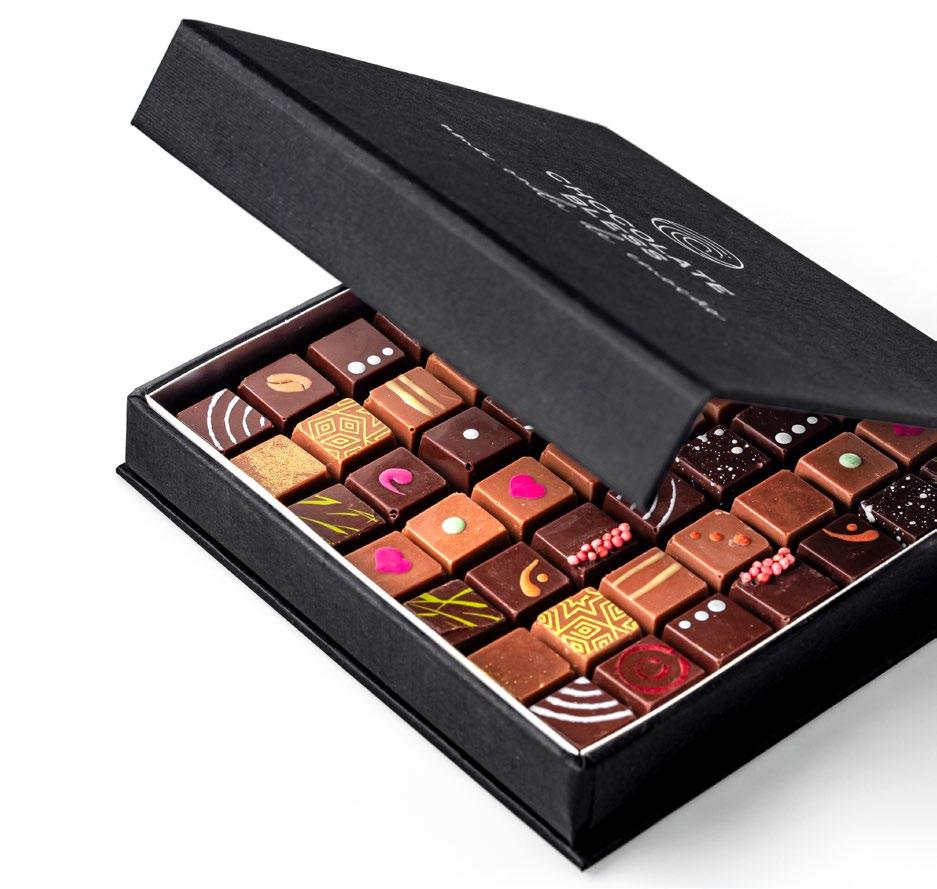
Discover Chocolate Bless & Brigitte’s story: chocolatebless.com
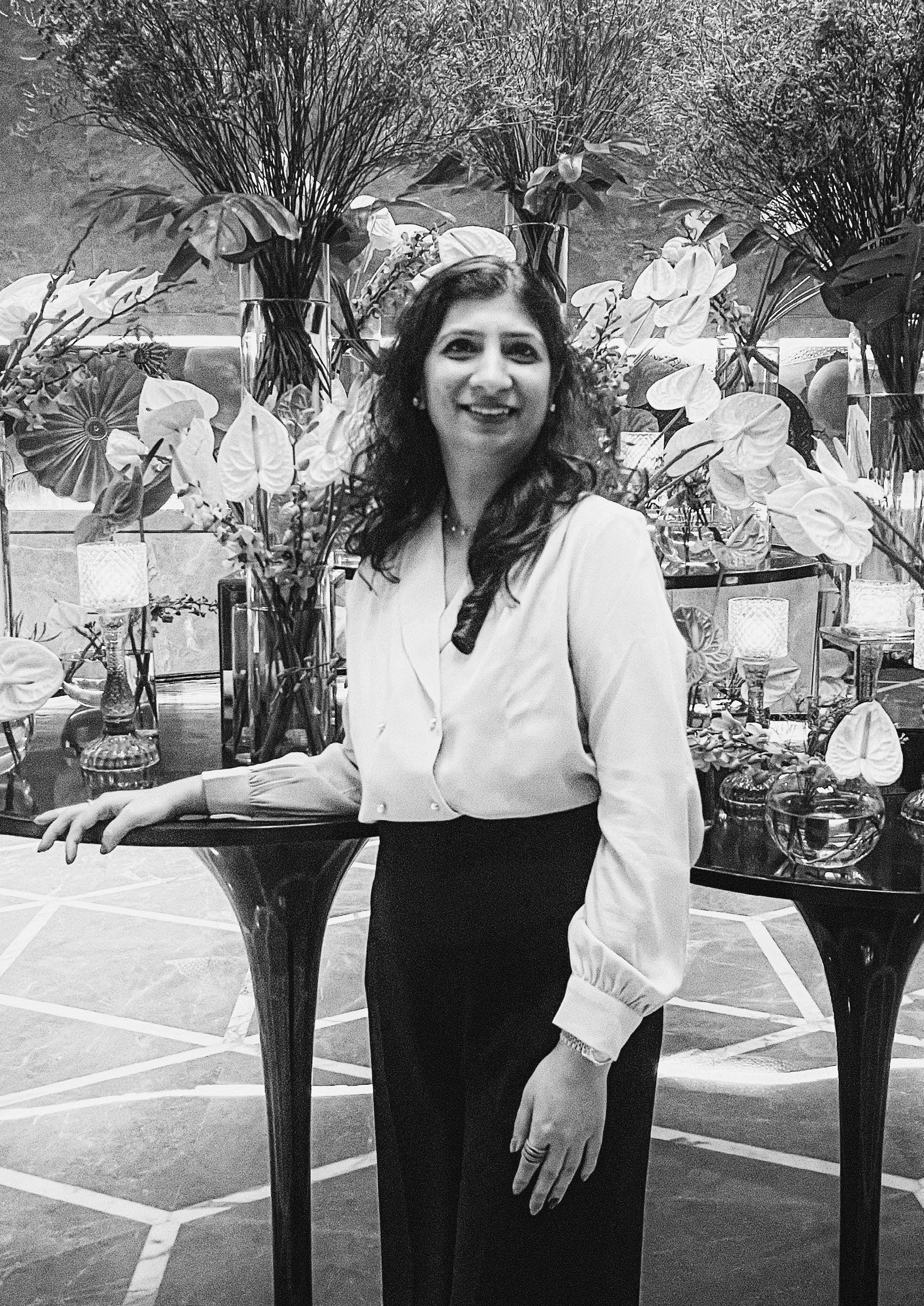
Dr. Sheetal Jain has spent her career analyzing how luxury consumers think, purchase, and evolve across global markets. In this interview, the Founder and CEO of Luxe Analytics discusses how brands must respond to rising expectations around experience, sustainability, digital influence, and changing attitudes toward ownership, retail, and access-based models.
ALEXANDER CHETCHIKOV: As the Founder & CEO of Luxe Analytics, you specialize in helping luxury brands navigate growth and revenue challenges. What are some of the most significant shifts you’ve observed in luxury consumer behavior over the past few years, and how should brands adapt?
SHEETAL JAIN: Luxury spending is increasingly shifting from goods to experiences. This shift reflects a desire for memories and unique experiences over material possessions. Hence, brands should focus on creating memories for their customers during their purchase journey.
AC: Your expertise spans research, strategic advisory, and education in luxury, retail, and sustainability. How do you see the role of sustainability evolving in the luxury sector, and what strategies should brands adopt to balance exclusivity with environmental responsibility?
SJ: Sustainability will play an ever-increasing role in the luxury industry due to increased awareness and preference among consumers to indulge in sustainable consumption. Brands should embed sustainability as a core element across their functional areas and supply chain to ensure the transition to a sustainable brand.
AC: With your experience as an adjunct faculty member teaching luxury marketing and consumer behavior, what are the key insights or skills that aspiring luxury professionals need to succeed in today’s market?
SJ: Luxury professionals need to understand the unique attributes, needs, and preferences of today’s luxury consumer that not only greatly vary across countries, cultures, and demographic characteristics (age, gender, etc.), but are also evolving as per changing global trends. Hence, luxury professionals need to continuously upskill and continuously learn about the latest trends in the luxury industry in order to be successful.
AC: As an internationally published author and researcher, you have a deep understanding of luxury market intelligence. Can you share a particularly surprising or counterintuitive insight from your research that challenges conventional wisdom in the luxury industry?
SJ: One particularly surprising finding is the significant role of digital platforms in influencing luxury purchase decisions among young Indian consumers. The study highlights that online luxury shopping is gaining momentum, challenging the traditional reliance on physical retail channels. This shift towards digital platforms not only provides convenience but also extends the reach of luxury brands to a broader audience, including those in tier 2 and tier 3 cities.
Traditionally, luxury brands have been associated with exclusivity and a strong emphasis on physical retail experiences. However, my study reveals that hedonic value, which relates to the pleasure derived from consumption, is a key predictor of young consumers’ attitudes toward purchasing luxury fashion goods. This suggests that the emotional and experiential aspects of luxury consumption are increasingly important, potentially more so than the traditional emphasis on exclusivity.
Access-based models and identity projection are becoming powerful drivers of consumption.
Additionally, my research on the sharing economy reveals that social projection value, which pertains to the desire to project one’s identity and status, is a significant predictor of luxury fashion rental consumption among Indian millennials. This challenges the traditional view that luxury consumption is solely about ownership and suggests that access-based consumption models, such as rentals, are gaining traction among younger consumers.
These insights collectively challenge the conventional wisdom that luxury consumption is primarily driven by exclusivity, ownership, and traditional retail experiences. Instead, they highlight the growing importance of emotional engagement, digital accessibility, and evolving consumption models in shaping luxury purchase behaviors.
Follow Dr. Sheetal Jain on LinkedIn and visit Luxe Analytics to explore her work and insights: www.luxeanalytics.in
MEMBER PERSPECTIVE
with Claudia Tresch, Owner, Private Fine Immobilien


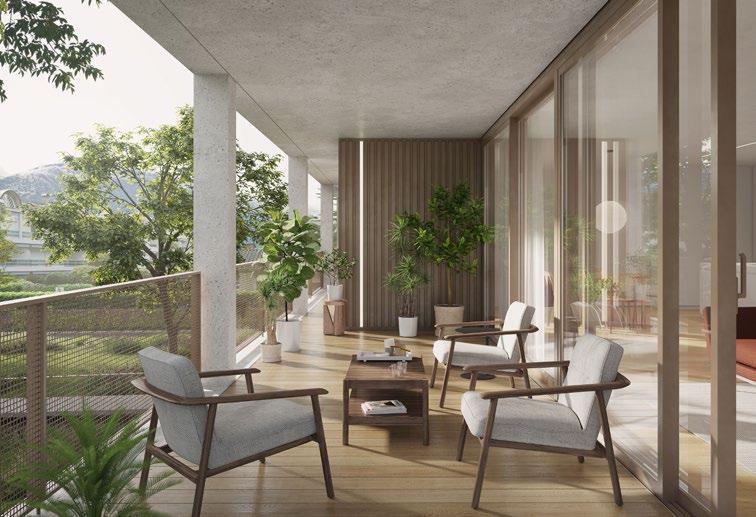
In a year marked by volatility across global property markets, select luxury destinations have continued to demonstrate resilience. Switzerland, long regarded as a safe harbor for international capital, remains one of the most stable environments for highend real estate investment, combining political certainty with long-term value preservation.
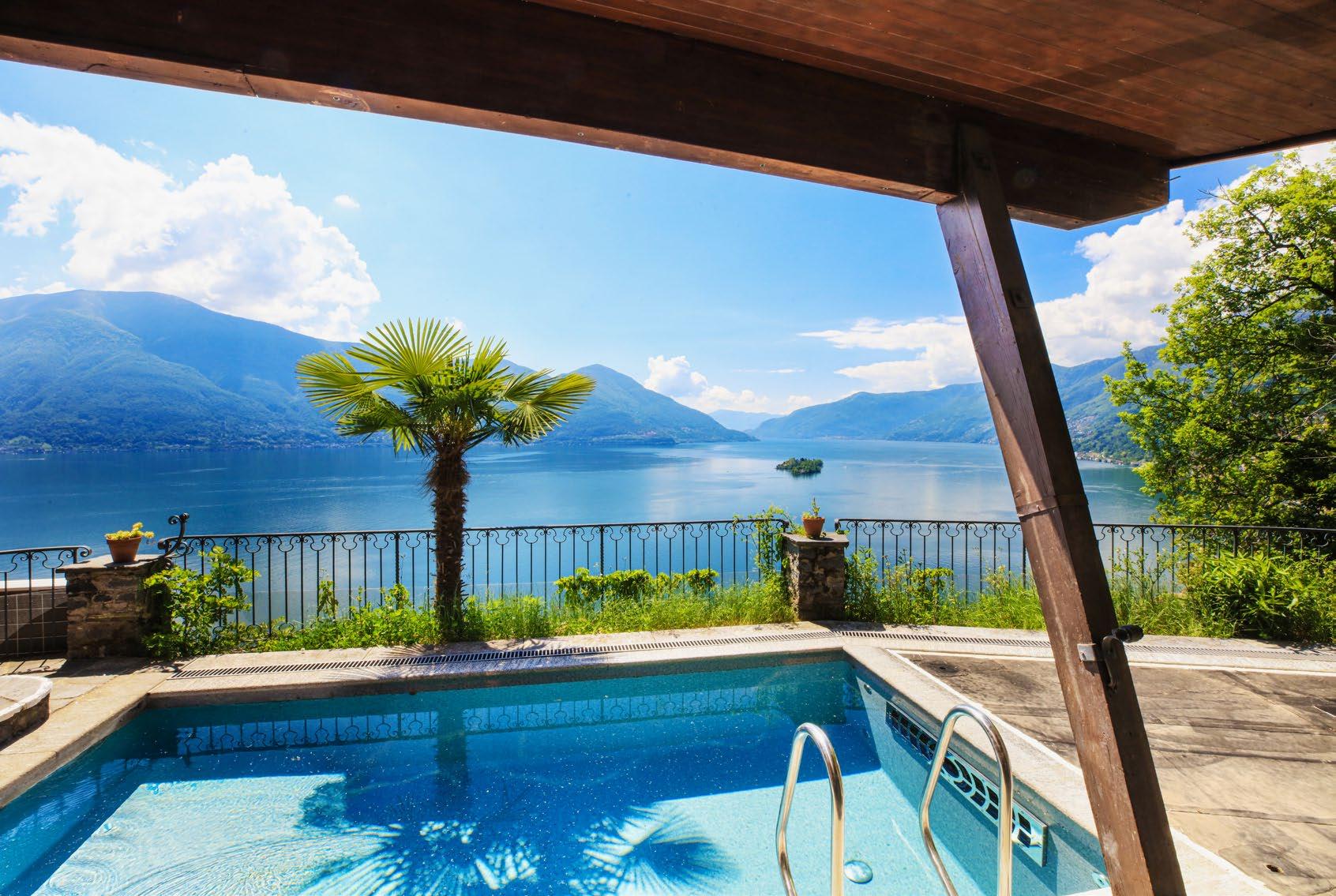
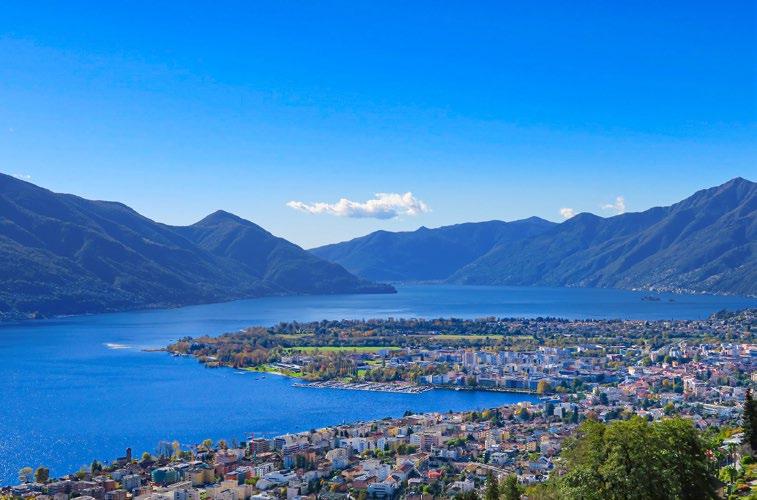
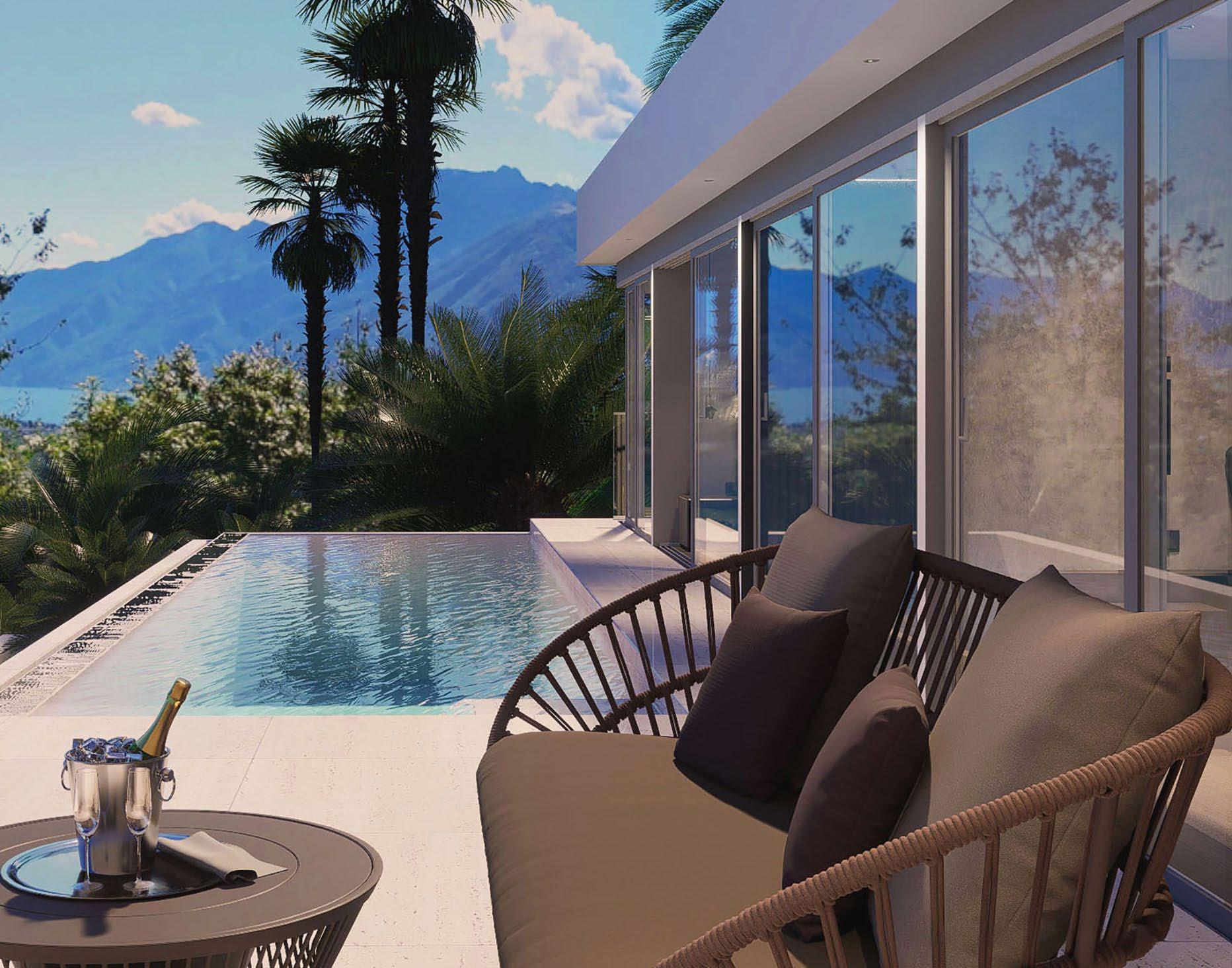
Within this landscape, boutique firms specializing in discreet, hightouch advisory models play an increasingly important role in luxury property transactions. Private Fine Immobilien , headquartered in Ascona on Lake Maggiore, combines deep local market knowledge with access to an international client base seeking quality, discretion, and informed guidance.
The Ascona region, recently recognized as the most attractive destination on Lake Maggiore, has experienced a notable rise in both demand and pricing. Limited inventory and growing international interest have accelerated transaction timelines while supporting premium valuations. For sellers, this environment highlights the importance of accurate market assessment and strategic positioning from the outset of the sales process.
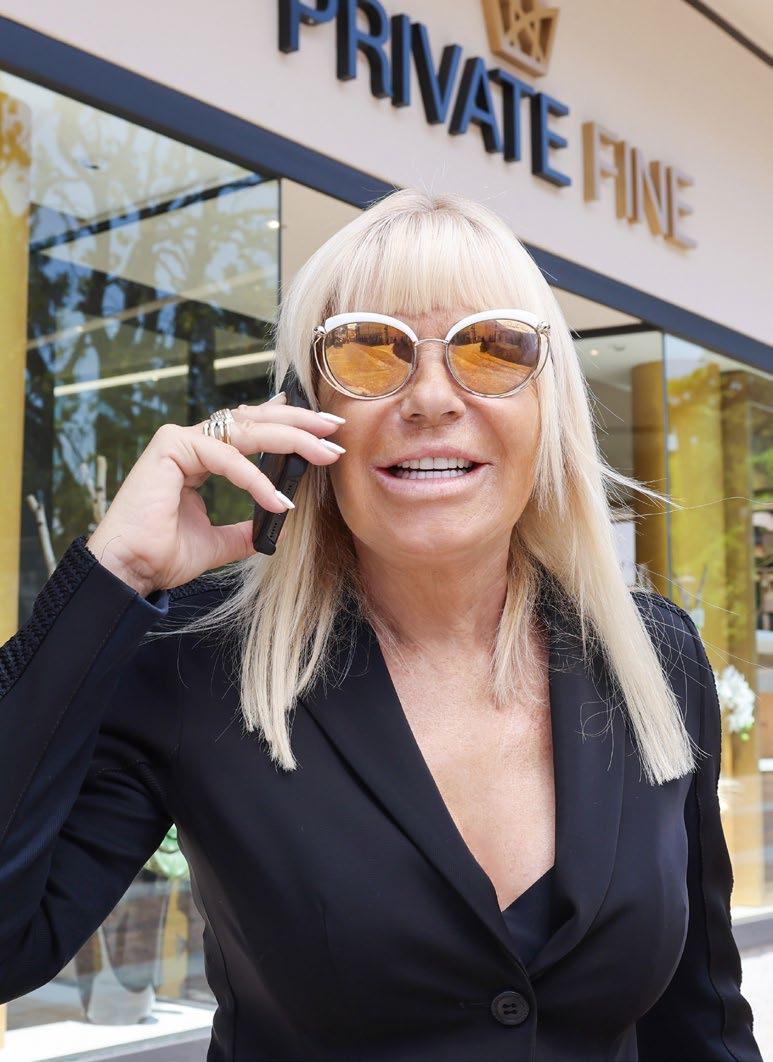
Private Fine’s approach reflects a broader shift within luxury real estate toward advisory-led services. Rather than focusing solely on transactions, the firm positions property as both a personal asset and a long-term investment, requiring nuanced valuation, market intelligence, and trust-based client relationships. Its consultants are deeply embedded in their local markets, enabling them to respond to changing demand patterns with precision.
Beyond Switzerland, Private Fine is expanding its presence through a selective license partner model, with planned growth across multiple international cities. This structure is designed to preserve brand consistency while allowing regional partners to operate with entrepreneurial independence, supported by shared expertise, networks, and standards. In an industry where reputation and discretion are paramount, this balance between scale and selectivity is increasingly relevant.
Luxury real estate is built on trust. Clients are not only investing in property, but in long-term security, discretion, and informed decisionmaking.
- Claudia Tresch, Owner, Private Fine Immobilien
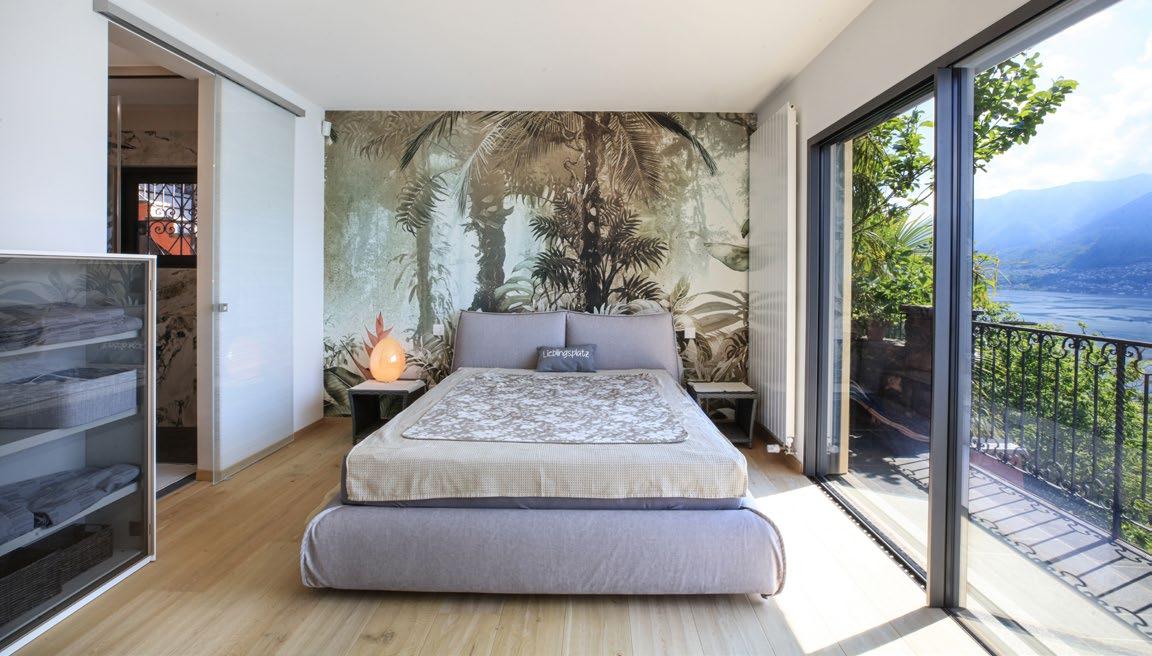
At its core, the firm emphasizes trust as the foundation of luxury real estate transactions. From private residences to investment properties, clients are seeking advisors who understand not only market conditions, but also the emotional and strategic dimensions of high-value decisions.
As global wealth continues to diversify geographically, destinations like Ascona and markets such as Switzerland are likely to remain central to conversations around capital preservation and lifestyle-driven investment. Firms
operating successfully in this space will be those able to combine local insight with international perspective, while maintaining the highest standards of professionalism and integrity.
Getting it right from the start remains one of the most valuable assets in luxury real estate.
To learn more, visit www.privatefine.ch
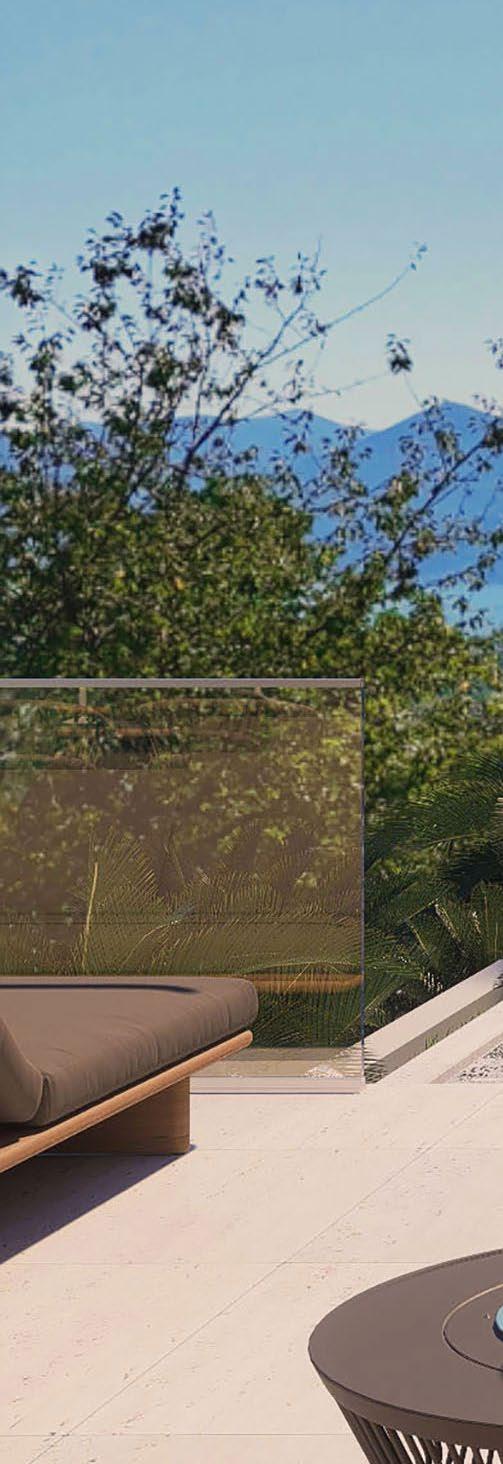
In markets like Ascona, success depends on understanding both the emotional value of a property and its precise position within the market.
- Claudia Tresch, Owner, Private Fine Immobilien
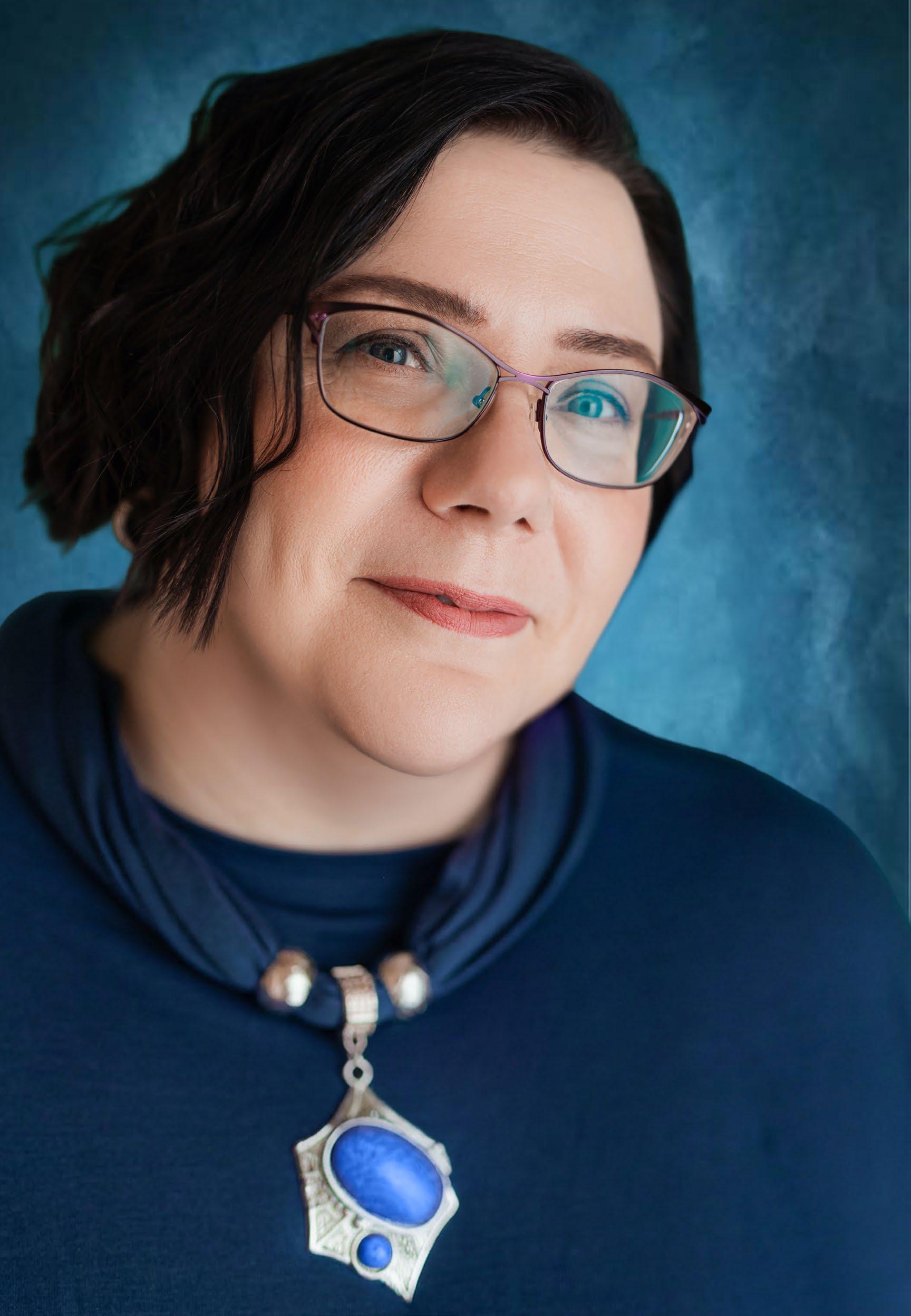
Anu Ruohosto does not create fragrance for instant attention.
As co-founder and CEO of Scentsophy, she approaches scent with scientific discipline and emotional depth, and in this conversation reflects on beginning with feeling, protecting standards through small-batch production, and the shift in luxury fragrance from display to substance.
ALEXANDER CHETCHIKOV: Anu, fragrance is inextricably linked with memory and emotion and is at the core of Scentsophy's DNA. How do you approach creating fragrances that might resonate emotionally and be distinctive and relevant to the luxury market of today?
ANU RUOHOSTO: For me, fragrance has always meant more than just scent. It's emotion and meaning. I don't start with a commercial brief; I start with a feeling. Memory, courage, calm, intimacy, all intangible, but they guide the process. Once that feeling is clear, the work is more focused, creating a fragrance that feels natural on the skin and feels truer with time. I think longlasting fragrances come from restraint. I tend to avoid loud compositions made for quick impact and focus on balance, depth, and materials that wear beautifully. When a fragrance really hits the mark, it doesn't have to be loud; it stays.
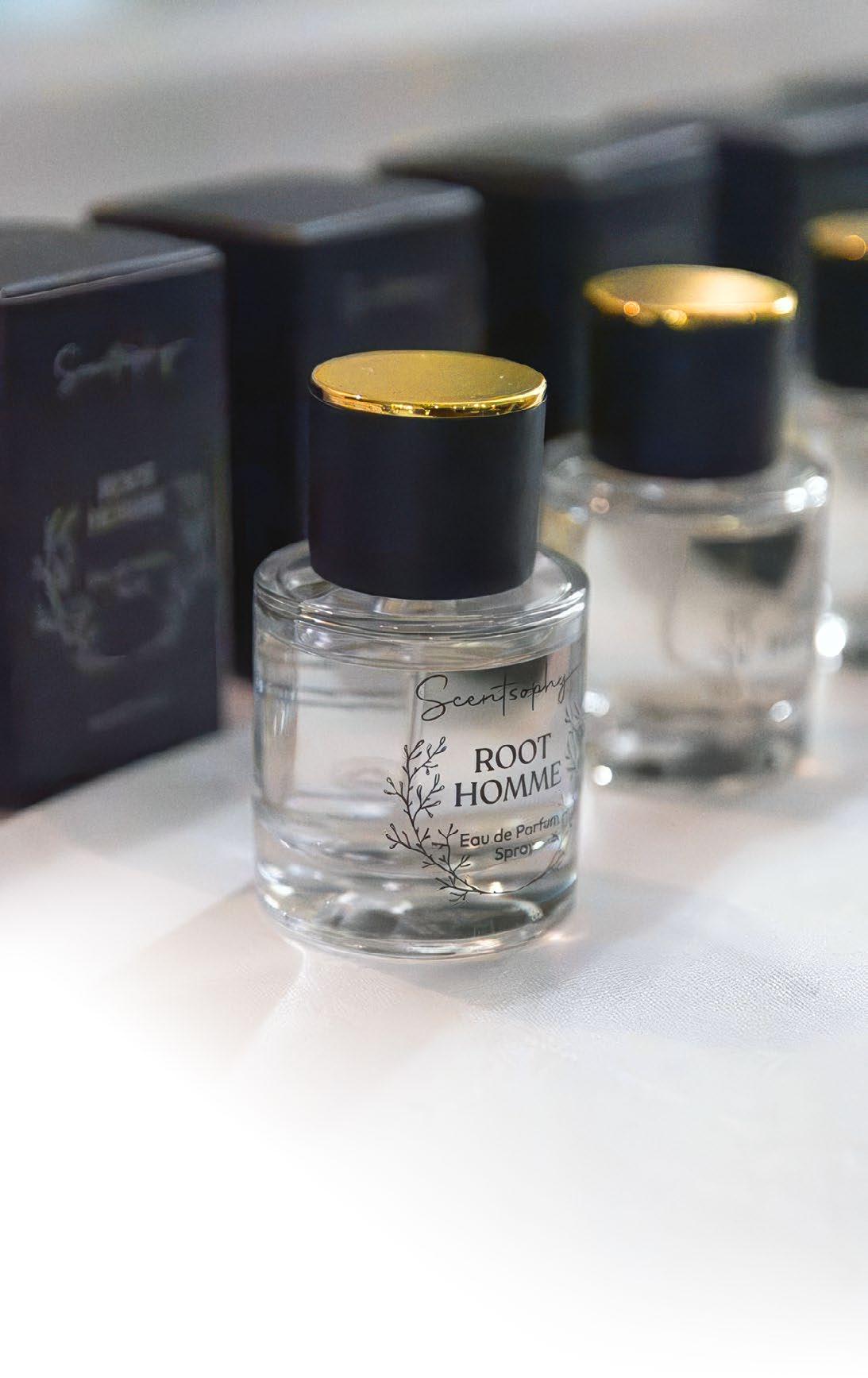
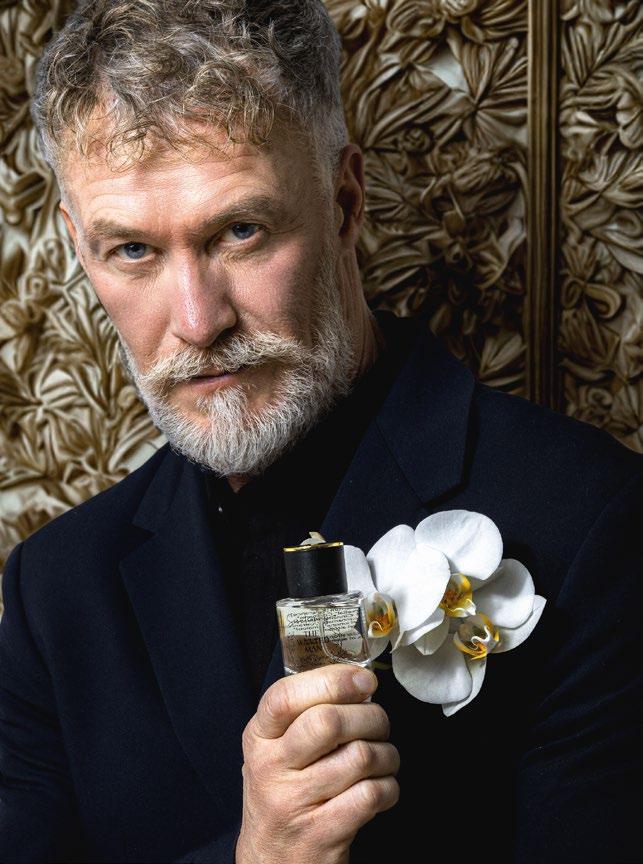
I don’t start with a commercial brief. I START WITH A FEELING.

AC: Your background is in cosmetic chemistry. How has that foundation in science influenced the way that you lead Scentsophy, especially in balancing creativity, product integrity, and a long-term brand?
AR: My scientific background gives me clarity and a sense of responsibility. I have a good understanding of how ingredients act and react, how formulations behave over time, and what the actual quality of a formulation is, rather than just a marketing term. That knowledge enables my creativity to be free, but grounded. I don't see science and artistry as opposites – they strengthen each other. In terms of leadership, it also informs our long-term leadership decisions. We don't follow trends that compromise safety, sustainability, or trust. Every product must meet the same internal standards I would require as a chemist and not just as a founder.
AC: As Scentsophy continues to grow, how do you manage commercial expansion without compromising your standards around sustainability, transparency, and product quality?
AR: Growth must be intentional. We only scale at a rate that allows us to maintain control over sourcing, production, and craftsmanship. Smallbatch production is not a branding choice for us – it's a quality choice. Transparency is equally important. If we can't explain an ingredient, a process, or a supply chain clearly, it has no place in our business. Commercial success has value only if it is used to strengthen credibility. Otherwise, it is short-lived.
AC: From your point of view, what do you consider the most important challenges and opportunities currently influencing the luxury fragrance industry?
AR: The biggest challenge is too much – too many launches, too little substance. At the same time, this is also an opportunity for brands willing to slow down and lead with integrity. Consumers today are very well-informed. They have no interest in image; they are interested in origin, formulation, and ethics. Luxury is moving from status towards intention. Brands that respect intelligence and emotional depth will naturally stand out.
AC: Looking to the future, which shifts or trends do you think will have the most impact on the way in which luxury fragrance brands are developed, positioned, and experienced?
AR: I believe fragrance is increasingly linked to emotional well-being and personal identity. People are looking for scents that support them from within, not to define them on the outside. Sustainability here will also go deeper, beyond packaging (to formulation choices and long-term responsibility). The future belongs to brands that blend craftsmanship, knowledge, and emotional sensitivity. Fragrance is getting quieter, more personal and more meaningful - and that's where its power lies.
Fragrance is becoming quieter, more personal, and more meaningful, AND THAT IS WHERE ITS POWER LIES.
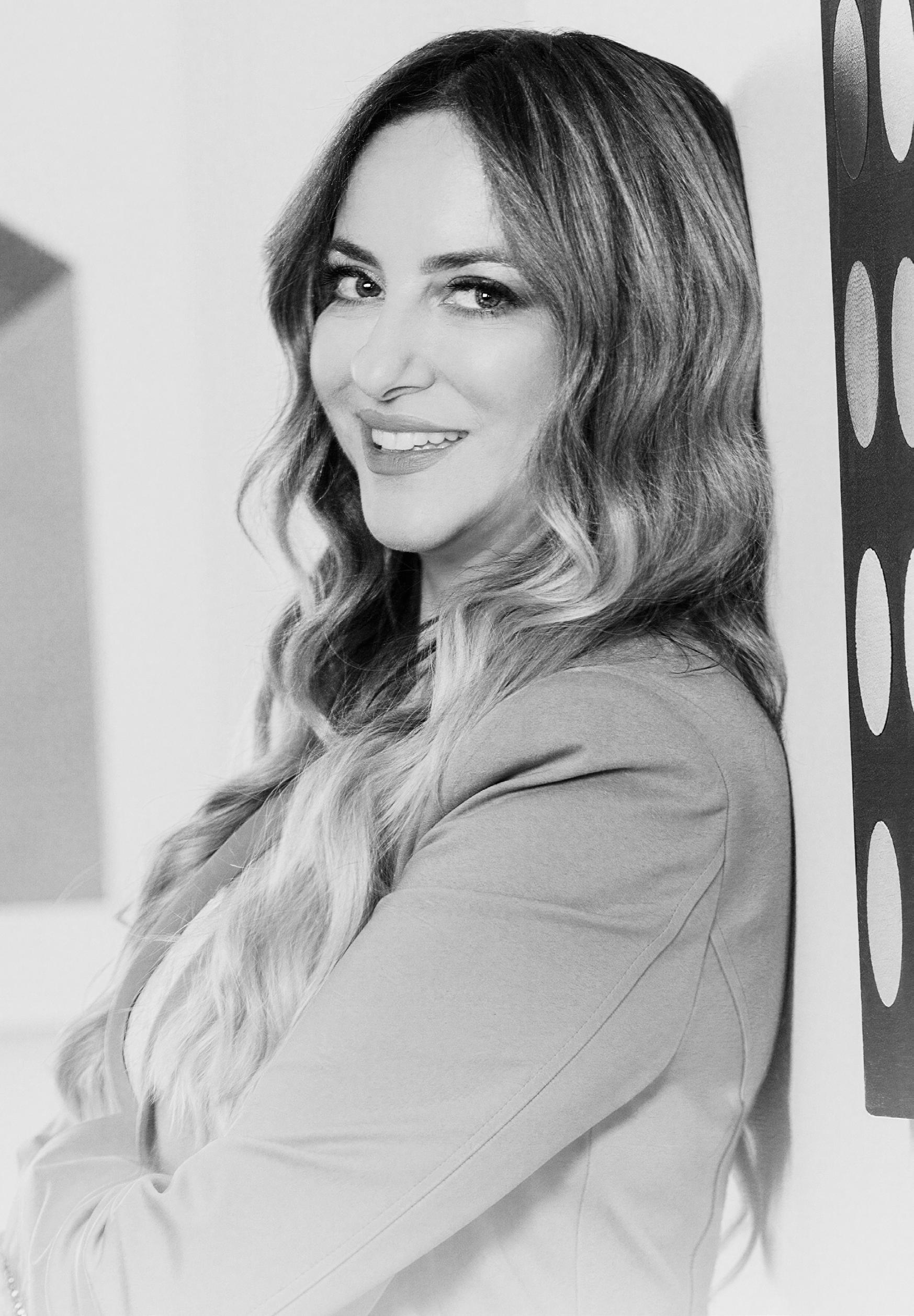
What makes a luxury property truly desirable today isn’t just its scale or location; it’s the narrative surrounding it. Robin Dolch, Founder of Hundred Stories PR, explains how strategic storytelling, discretion, and cultural positioning are redefining value in modern luxury.
ALEXANDER CHETCHIKOV: Your agency has been recognized among the TOP 100 Luxury PR Agencies in the World by Luxury Lifestyle Awards. From your point of view, how has the definition of luxury evolved, and what separates true luxury brands from those that merely appear premium today?
ROBIN DOLCH: Luxury today is defined by access, experience, service, and personalization. In the past, luxury was often about the object: the watch, the handbag, the car. Those status symbols still exist, and they always will. But true luxury is no longer about simply possessing the item. It’s about the context in which it exists. Where is it worn? How is it experienced? Who has access?
The most sophisticated brands understand that customization is the new gold standard. Think of Rolls-Royce, nothing is off the factory line. Everything is bespoke. That level of personalization signals true luxury.
Today, time and wellness have come to the forefront. The ultimate luxury is no longer the Hermès bag hanging on someone’s arm; it’s the arm itself. A perfectly toned arm suggests an ecosystem of wellness and, more importantly, control over one’s time. The ability to invest in a daily trainer, a private chef, longevity treatments, and wellness retreats reflects something even more exclusive than a coveted product: sovereignty over time.
True luxury brands understand this shift. They sell environments, services, and ecosystems that protect time, elevate health, and create emotional resonance. Premium brands may look expensive, but true luxury brands feel rare.
A.C.: As a female founder in a highly competitive global industry, how do you view the necessity of spotlighting women-driven businesses?
R.D.: It’s critical. Women of my generation were not encouraged to build companies. We were educated, but often educated to work within systems, not to own them.
Luxury communications is no longer about being seen everywhere. IT’S ABOUT BEING SEEN EXACTLY WHERE IT MATTERS.
Spotlighting women-driven businesses isn’t about optics; it’s about economic infrastructure. There’s a difference between being trained in a craft and being trained to build an enterprise. You can study PR or marketing, but that is not the same as understanding how to scale from one client to one hundred, how to manage cash flow, raise capital, or build operational systems.
Many women were never taught those mechanics. That’s why we need more education programs focused not just on skills, but on ownership, including for women in mid-life re-entering the workforce or transitioning into leadership. When women build companies, they build economic ecosystems, and that changes industries.
A.C.: Before founding Hundred Stories, you built your career as a journalist. Are there specific moments where your journalistic instinct made a decisive difference?
R.D.: Constantly. My journalistic background means I never think first as a publicist; I think as a reporter or editor. What is the real story? Why would anyone care?
One of our earliest real estate clients was a former 19th-century asylum being transformed into luxury residences. Edgar Allan Poe had famously visited and written about the site. Instead of leading with square footage, we led with legacy.
We secured coverage with outlets like NPR and CNN by leaning into the building’s layered history. We located former nurses who had worked there in the 1950s and recreated their original Christmas staircase photograph decades later, capturing an emotional reunion that became central to the story. The press responds to three things: human interest, a touch of mystery, and emotional resonance.
In another campaign, a luxury development offered unusual add-ons: a $150,000 treehouse, a private orchard. Rather than focusing solely on the residences, we highlighted those unexpected lifestyle elements. Journalists responded because it was surprising and culturally relevant. Journalistic instinct means understanding that coverage isn’t about promotion, it’s about narrative tension and emotional relevance.
A.C.: You work extensively within luxury real estate, where discretion and prestige are paramount. Why is strategic PR essential in this industry?
R.D.: Luxury real estate is never just about the property. Square footage, location, and finishes are baseline. What elevates a property into true luxury is story, positioning, and cultural relevance. Strategic PR builds mythology. It aligns a property with architecture, design movements, and influential voices. It ensures the right global, discreet, highly selective buyers encounter it in environments that reflect their values. In luxury real estate, perception shapes value. A property contextualized within the right lifestyle narrative commands a different level of prestige. Strategic PR transforms real estate from commodity to collectible.
A.C.: Looking ahead, what will define the next era of luxury communications, and how is Hundred Stories positioning itself to lead that evolution rather than follow it?
R.D.: The next era of luxury communications will be defined by three forces:
Intelligence: a data-informed storytelling that understands shifting wealth demographics and global buyer behavior. Discretion: private networks, curated introductions, and communications that feel rare rather than broadcast. Wellness and longevity positioning is aligning brands with health, sustainability, and long-term quality of life. Luxury audiences are increasingly sophisticated. They don’t respond to noise; they respond to nuance.
At Hundred Stories, we position ourselves at the intersection of journalism, cultural intelligence, and strategic visibility. We don’t simply secure placements; we shape narratives that create longterm equity. Luxury communications is no longer about being seen everywhere. It’s about being seen exactly where it matters.
Connect with Robin Dolch on LinkedIn Discover more at www.hundredstoriespr.com


With Joan Nadal & Lourdes Vázquez
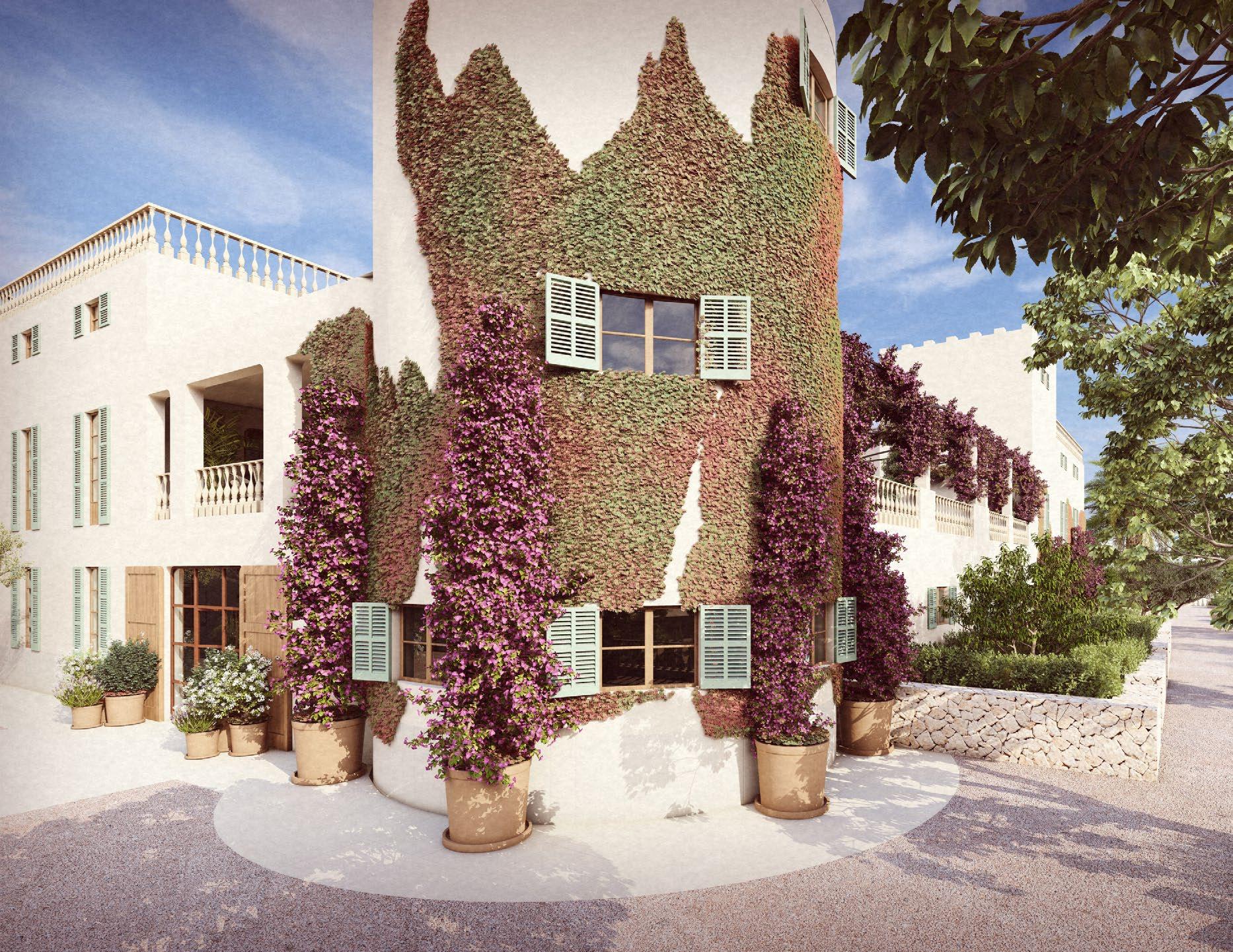
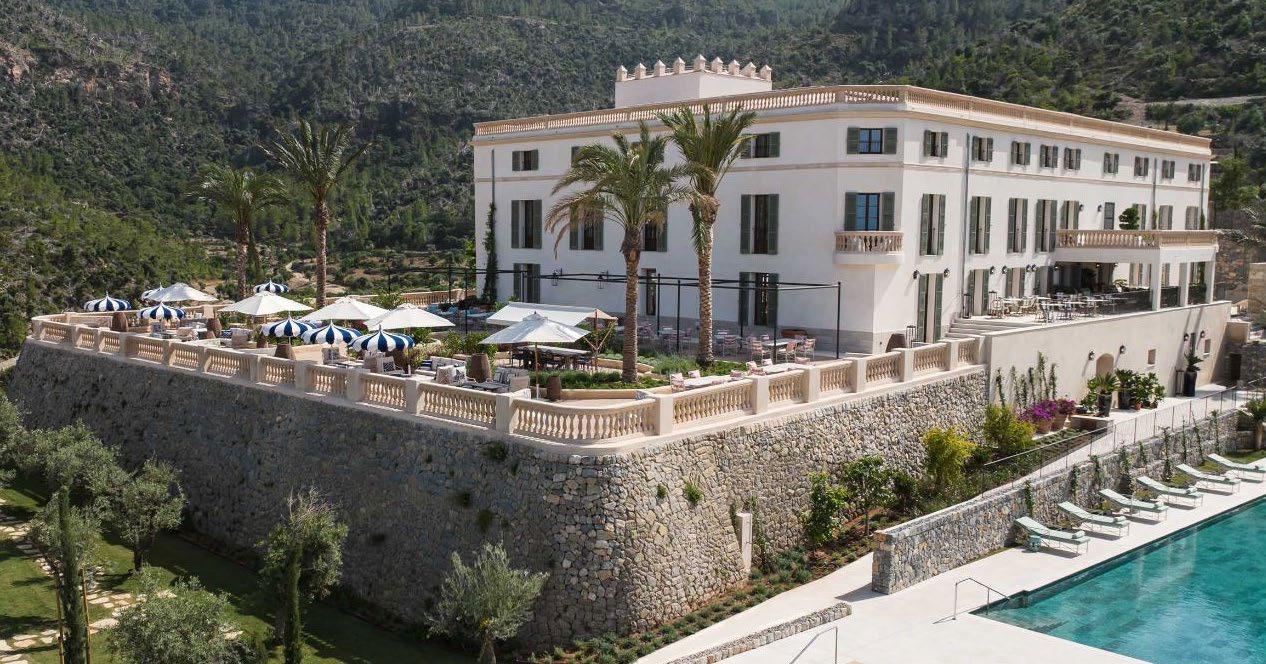
At Son Bunyola, Sir Richard Branson’s historic Mallorcan estate, Jardins Tramuntana approached the landscape with discipline and respect. Joan Nadal and Lourdes Vázquez reflect on working within a UNESCO-protected setting and shaping outdoor spaces that feel authentic to the land.

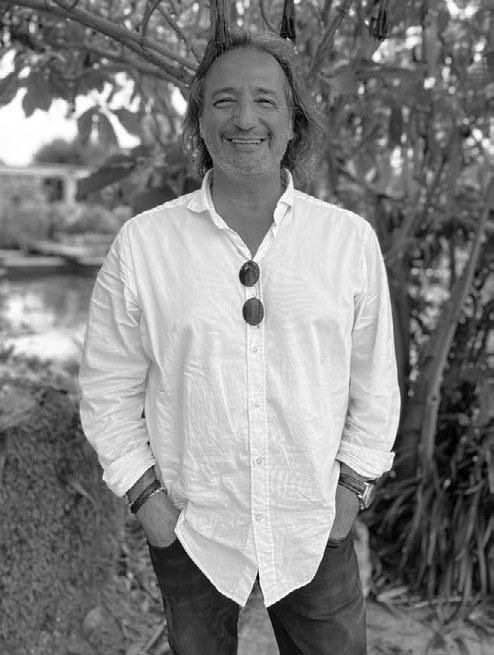
ALEXANDER CHETCHIKOV: Joan & Lourdes, how would you define the true essence of luxury in an outdoor environment?
JOAN NADAL & LOURDES VÁZQUEZ: Luxury is an experience. Outdoors, it is the experience of a space that invites us to reconnect with our most instinctive and innate relationship with nature.
It is the subtle perfume of lavender, the vibrant colors of a bougainvillea, the sound of the wind blowing through the leaves, and the calm rhythm of the plants. It is the texture of the stones, their tones, and the character they develop over time. It is the sound of water sliding in a fountain or the serene coolness of a pond. It is the warmth of the fire in a night filled with aromas and calm.
To live in such an environment, to let yourself be embraced by that silent beauty, that is luxury.
AC: In your opinion, how does luxury landscape design evolve while maintaining authenticity and a strong connection?
Nature must be our MAIN REFERENCE when creating spaces of true luxury.
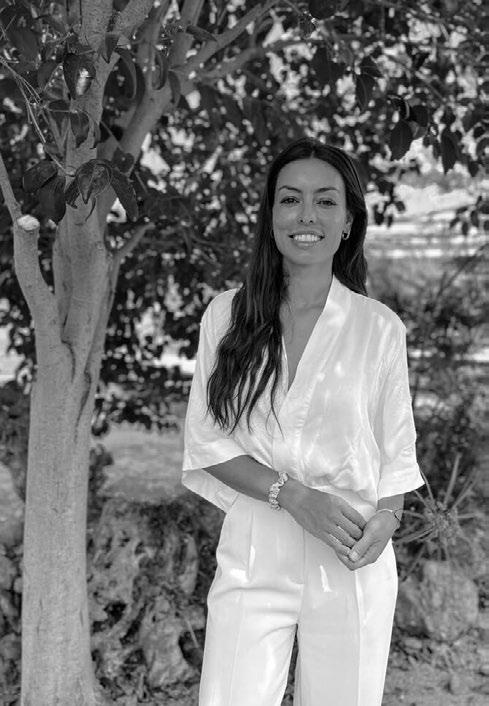
JN & LV: Landscaping is a living act; its essence is movement. It is impossible to project a space without imagining its different moments over time. We design with an eye to the future, to give value to the present.
Luxury landscaping must evolve harmoniously, flowing with its surroundings without forcing itself on the space. We cannot talk about evolution without considering sustainability. And sustainability, in turn, invites us to take a closer look at nature and its perfect interactions, which allow life to continue to unfold. She, nature, must be our main reference when it comes to creating spaces of true luxury.
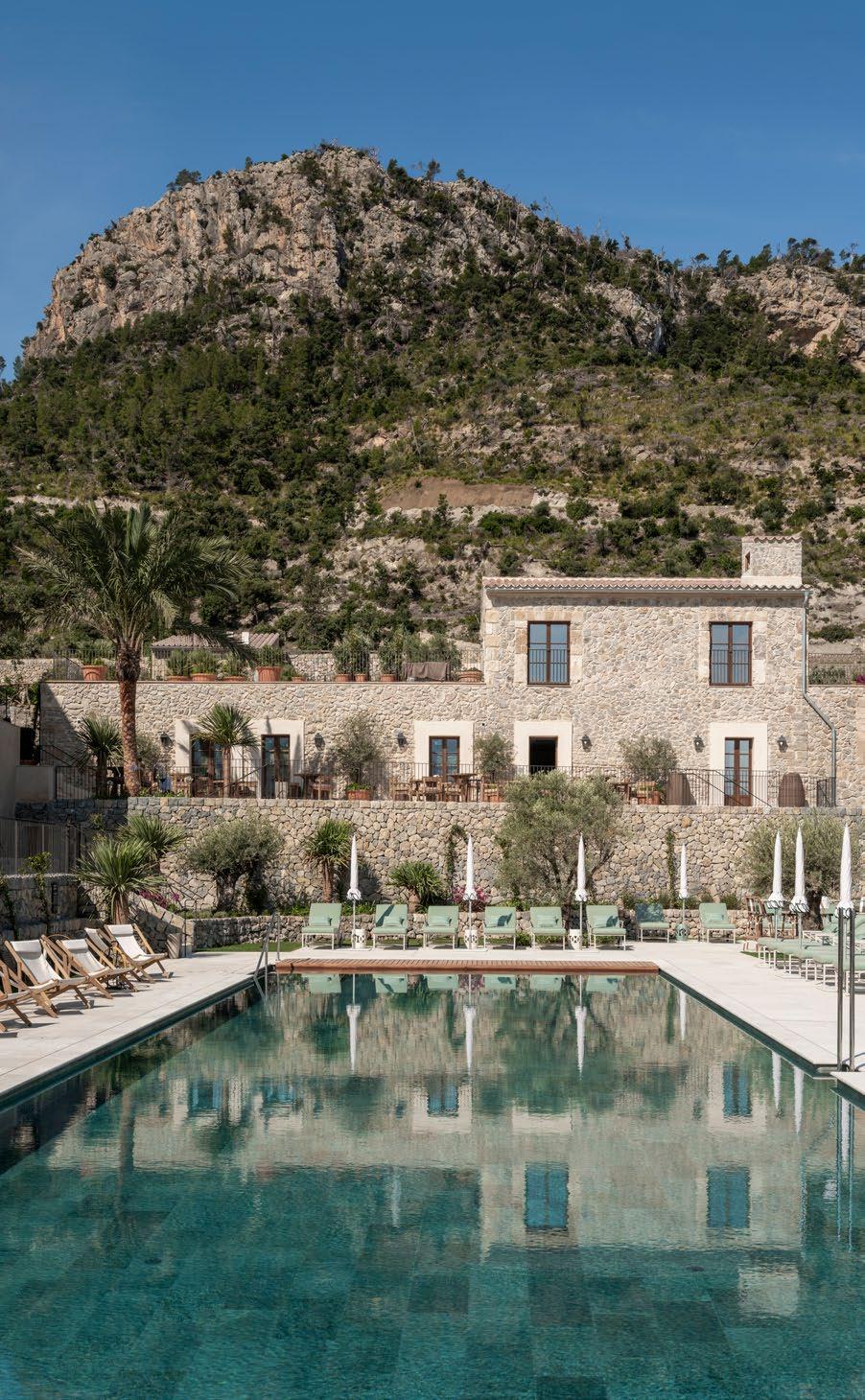
AC: What are the must-have elements that transform a landscape from beautiful to truly luxurious?
JN & LV: Details are fundamental to transforming the common into something exceptional. The finishes, the way materials and textures interact, quality above all else.
An overview of the whole: carefully chosen elements that work together in harmony to create a space that flows naturally and transmits the sensation of having always been there. Because to create a luxury space, no element can be left to random chance.
AC: Looking at the broader landscape design industry, what trends are you seeing that excite you the most right now?
JN & LV: There are some current trends that resonate deeply with our vision of landscaping. The global situation requires us to adopt a more conscious approach to the environmental impact that the spaces we design can have. Today, we observe a clear inclination to more sustainable and environmentally friendly practices.
We speak of regenerative gardens, lowmaintenance spaces, a return to native flora, and low water consumption. Of the smart use of vegetation as a climate regulator, and of its integration as an essential component in the spaces we inhabit and pass through every day.
Our enthusiasm is nurtured by a vision where beauty is timeless, harmony is an essential language, and sustainability is an unavoidable responsibility.
AC: How do you see sustainability and luxury coexisting in the future of landscape architecture?
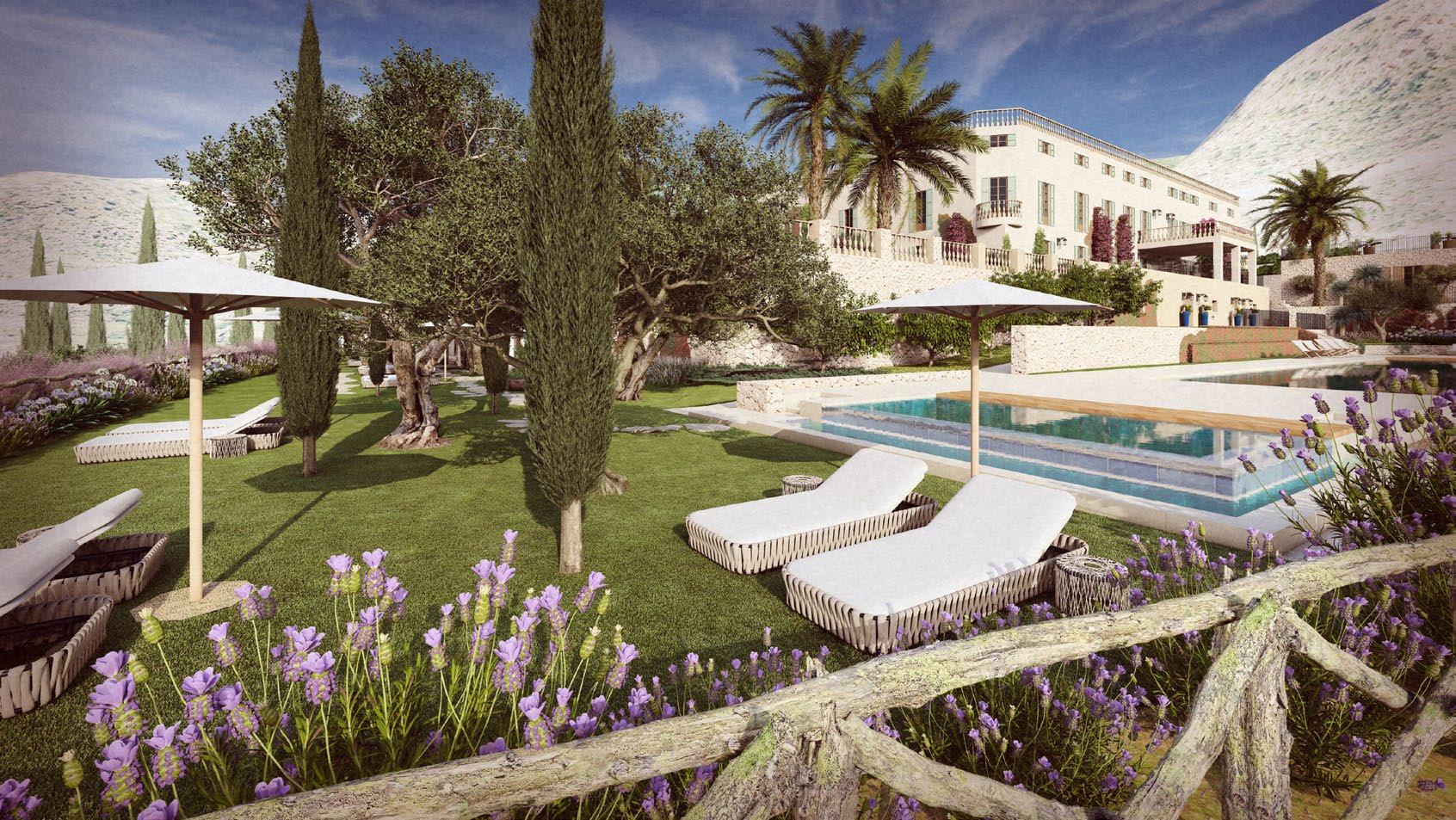
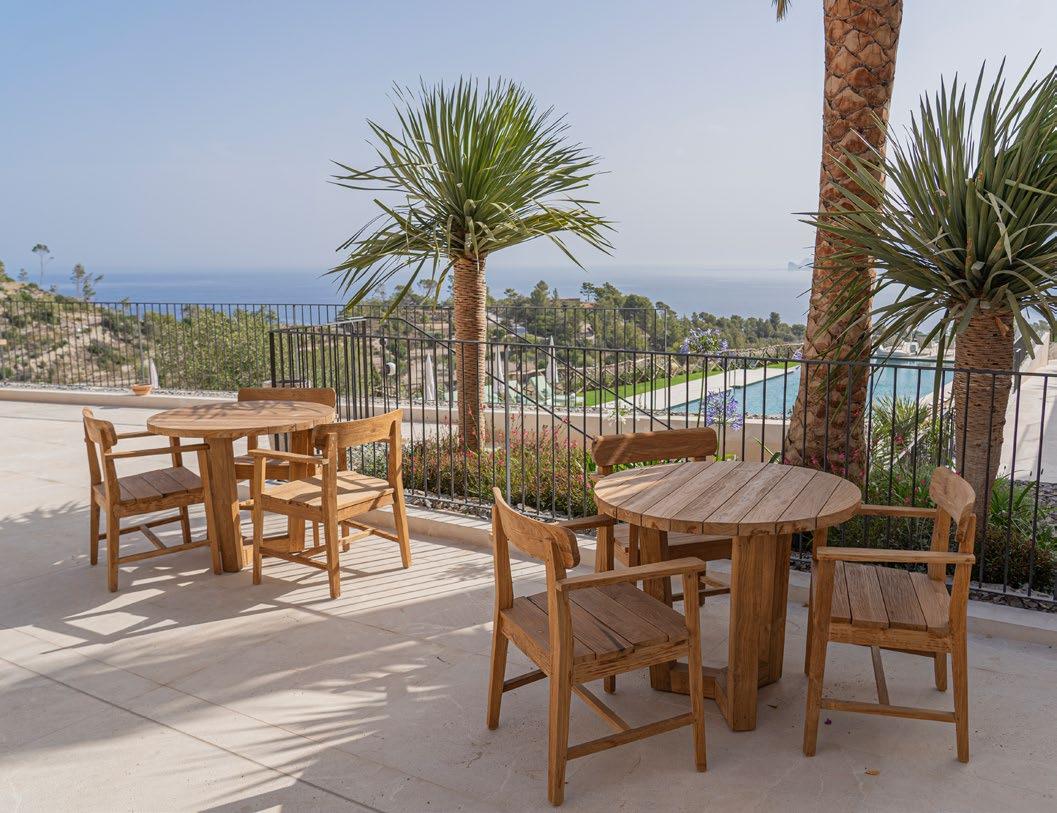
JN & LV: Luxury landscape architecture is deeply enriched when it integrates sustainability principles. Smart and conscious planning of a landscape project brings real comfort to those who inhabit the spaces: from heat regulation through water and vegetation, to air purification –both indoors and outdoors-, or access to clean water through natural purification systems that do not require the use of chemical products. The possibilities are many to provide tangible value.
In this context, the concept of biophilia takes on a fundamental role. Understood as the innate human need to connect with nature, biophilia contributes to our well-being and therefore becomes essential when we talk about luxury.
Coexistence between sustainability and luxury is not only possible: it is necessary and unavoidable.
AC: What innovations in technology or materials are shaping the next generation of outdoor spaces?
JN & LV: It all starts with the efficient use of the available resources.
Water reuse is perhaps one of the most evident examples, but not the only one. Domotics applied to smart irrigation systems, in combination with humidity sensors, can significantly reduce water consumption. There are also solutions such as gel polymers, which retain soil moisture for longer, or the use of gravels, helping to prevent evaporation and the growth of unwanted vegetation.
Technology opens up even more possibilities: drones to obtain aerial images, analyze the state of the terrain and vegetation, or broad-spectrum lighting systems that emulate sunlight, allowing the optimal development of plants indoors.
Undoubtedly, technology and the ingenious use of available materials are fundamental partners for designing the gardens of the future.
Landscaping is a living act; WE DESIGN WITH AN EYE TO THE FUTURE.
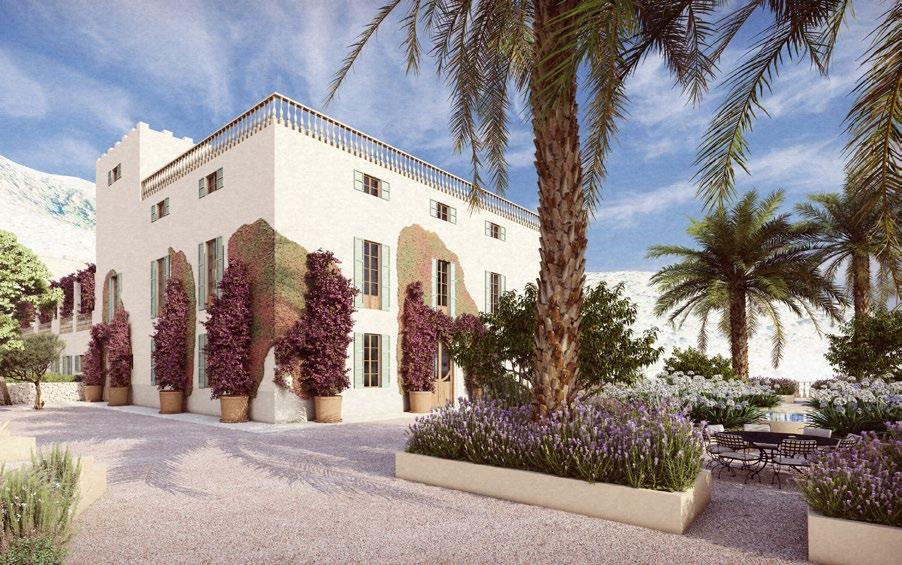
AC: What advice would you offer young designers hoping to make their mark in luxury landscape architecture today?
JN & LV: A solid technical formation in landscape architecture is the starting point to enter the world of luxury landscaping.
So is empathy: knowing how to interpret the desires, needs, and expectations of our clients. Understanding what they are really looking for. To solve the challenges that may occur in a creative and functional way, without losing sight of the concept that guides the project.
Knowing how to set aside our own likes and dislikes to focus on the dreams of those who have placed their trust in us, always advise our clients in the best way possible. And, above all, never leave the heart aside when you are creating, because to ignore emotion can leave even the most impeccable project without a soul.
To explore more, visit www.jardinstramuntana.com
Ferretti Group is a world apart. A group that understands that luxury is beyond all, a lifetime experience. A luxury group leader in sustainability, not the one that follows.

This interview was conducted by Malek SEMAR , WLCC Board Member and Founder of No Water No Us , during Ferretti Group’s Private Preview in Monaco.
A world where an ESG Sustainability Committee plays a strategic and multifunctional role in assisting the Board of Directors in defining and implementing policies and strategies related to environmental, social, and governance aspects. A world where chronic weather events related to climate change, such as rising temperatures, rising sea levels and reduced water availability, can significantly affect business in the long run.
Alberto Galassi is also a CEO apart, a sea lover, for whom the emotions created by the ultra-luxury of Yachting never fade from memory.
I confirm. I piloted the Pershing 911, and the emotion is still intact in my memory. What about the memory of the planet?
Back to my experience during the Ferretti Group’s Private Preview at the Yacht Club Monaco and my interview with its CEO, Alberto Galassi . This event featured a live performance by Simply Red, with a preview of the band’s 40th anniversary world tour.
Ferretti is an Italian boat builder, founded in 1968 in Bologna, specializing in the design, construction, and sale of luxury motor yachts. Their brands are Wally , Ferretti Yachts , Custom Line , Pershing , Itama , Riva , Mochi Craft and CRN . Ferretti Group has proven its global presence in luxury yachting by winning six prestigious awards at the World Yachts Trophies 2025, held at the Cannes Yachting Festival’s conclusion.
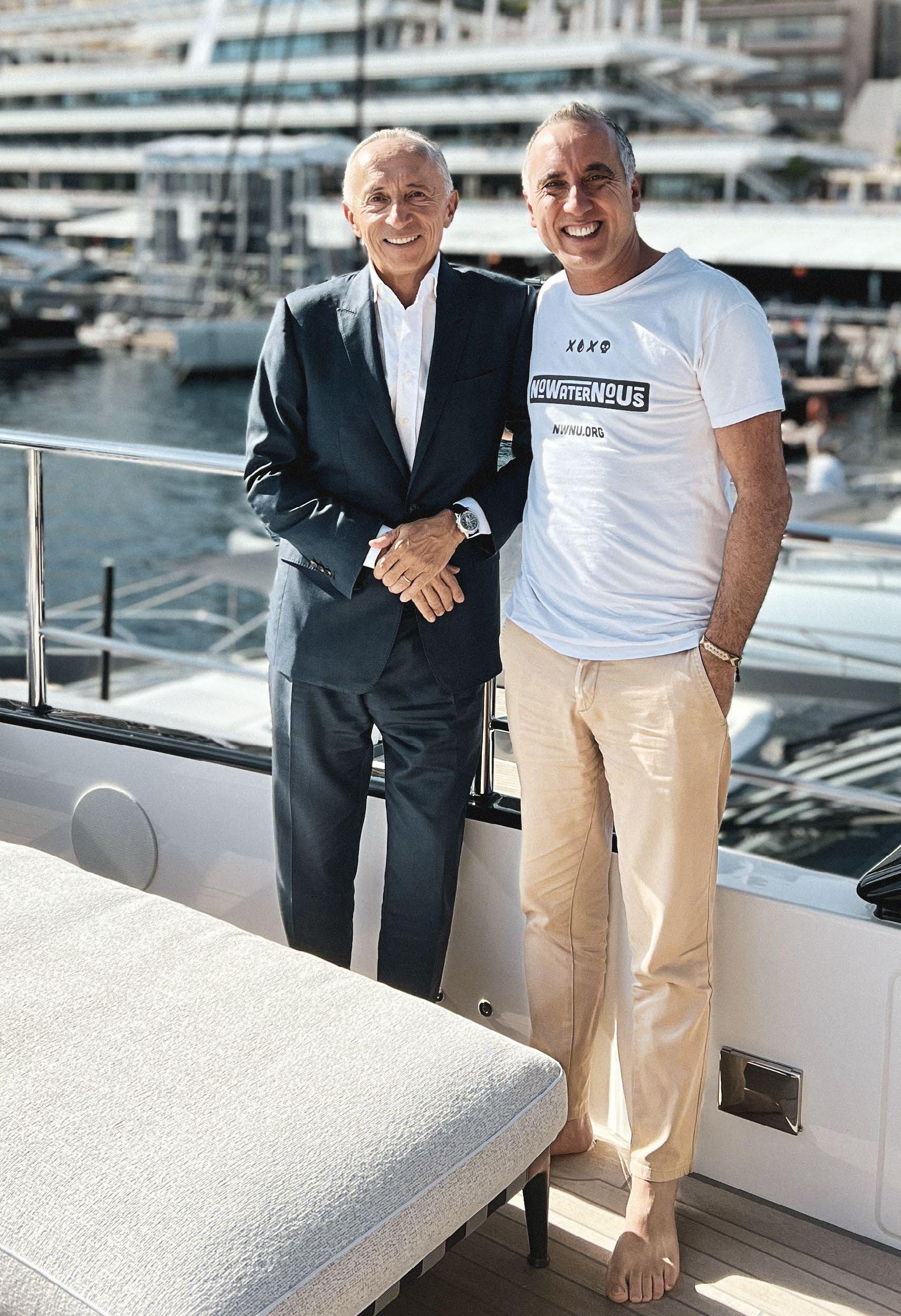
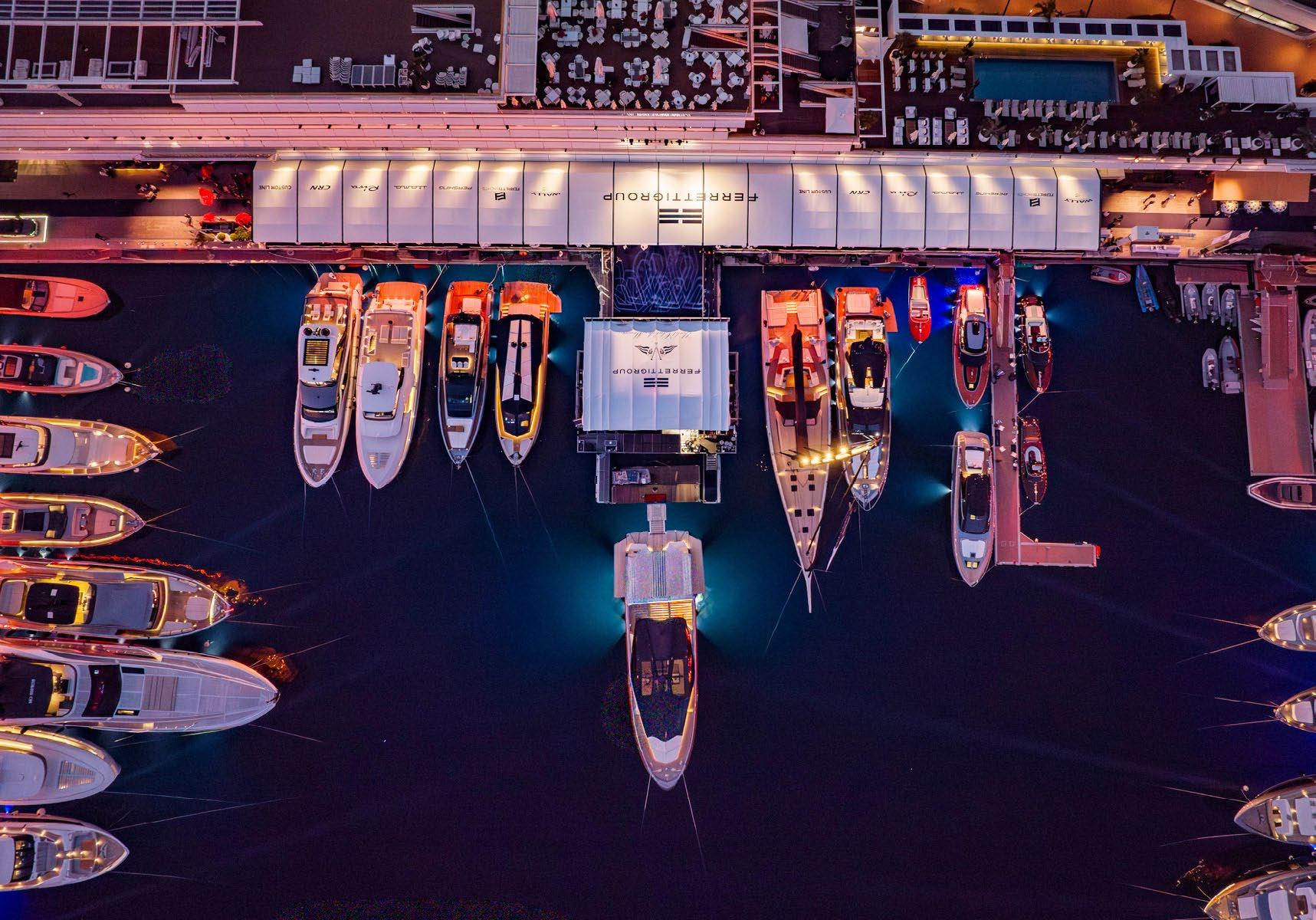
Sustainability? This year, in Monaco, customers were right: sustainability is being discussed more on the docks than ever before. Ferretti Group is innovating to offer a more sustainable sailing experience in response to increasing environmental expectations from customers and regulations. Each superyacht that goes to sea is a new step towards sustainability and they are proud to announce that they are the first company in the sector to start publishing sustainable development reports since 2019.
Electrification has become the alternative propulsion method for the automotive industry. If this starts with the motorboat class – with the Riva El-Iseo from Ferretti – it seems less practical in superyachts. The use of materials also contributes significantly to the environmental footprint of a superyacht’s life cycle. The regulation to decarbonize the sector is overdue and the rules aimed at limiting maritime emissions are mainly focused on larger ships such as tankers, so there are very few requirements regarding superyachts. In this context, reducing the environmental impact of superyachts is currently a matter of conscience for those at the top of the industry. Ferretti seems to me to be a pioneer.
“Any yachting person that I know respects the sea more than you can imagine,” Shared Alberto Galassi; “So the clients are happy that we are in that direction.”
Ferretti’s name is associated with the centuries-old Italian maritime tradition, which is characterized by a keen sense of taste and design. The group has consistently understood that a leader in luxury yachting should also be a leader in protecting the environment; they have committed themselves to pursuing innovative and ecological projects for a long time.
In 2008, Ferretti introduced a pioneering hybrid propulsion solution and collaborated with Rolls-Royce Power Systems to develop hybrid solutions. The group is continuously searching for innovative solutions that utilize eco-friendly and lighter materials to reduce the environmental impact. The launch of their first Riva full-electric powerboat is a good example. The Group’s commitment to ESG extends beyond its product offerings and includes the adjustment of all shipyards to ISO 14001:2015 environmental certification.
“It is a moral duty that, in my opinion, is more important than any regulation,” said Alberto Galassi. “No one is putting pressure on us, it’s just that we have to do it, we want to do it.”
The boats need to be beautiful because it is a golden rule:
MALEK SEMAR: Moving from the air to the water. From Piaggio Aerospace to Ferretti Group. What brought you to the water and yacht industry?
ALBERTO GALASSI: Water has always been present in my life. Since 1974, I have been cruising because my father owned a small fiberglass boat, and I am totally obsessed with the boat. If you keep me on the beach, I would become a lost animal. I need to be in the water, whether it is a windsurf or a canoe, whether it is a tender or anything that floats. Floating is necessary for me. I am unable to stay on the sand. I must be in the water.
MS: Can you provide our readers with a personal story about water? It is not necessarily the best, but the most valuable experience or souvenir.
AG: The most memorable moment was when we purchased the first Riva 44 Rivarama with the family in 2008 to embark on a cruise. This boat is small and flies fast. At that time, we had a house in Capri. Our love for Sardinia led us to cruise on a 44-footer from Sardinia to Capri. But the boat was the wrong one, so we had to stop in Ponza because of the limited range. The beauty of a boat is what matters when buying it, not its range. We realized that we should go to something big a little bit later. So, I understood the power of emotion when buying and designing a boat. The boats need to be beautiful because it is a golden rule: beauty attracts beauty.
MS: Ferretti Group complies with all worldwide regulations in sustainability. Luxury must be a leader in sustainability and not one that follow. It is not easy to invest in sustainable projects
while profit is still made in non-sustainable projects. How do you plan to link business and climate change?
AG: More light materials! The truth is said by the market itself; you can’t put a gun in the customer’s head and say they must go electric. There is no way. But you can convince the client that it is worth spending an extra cost to be as compliant as you can be. The biggest difference between the automotive industry and our industry is that we don’t have a government pushing us towards change within 2030. Now, I don’t know if it is 2035 or 2040. At Ferretti Group, we are doing it because we want to do it.
There’s a huge difference. Our investment is motivated by our desire to do it. We don’t have the Italian government telling us that we have to be electric by 2030, like in the automotive industry or have zero emissions by 2035. We are doing our best, spending millions of euros to propose and submit to the client solutions that work, give range, endurance, and sustainability for themselves.
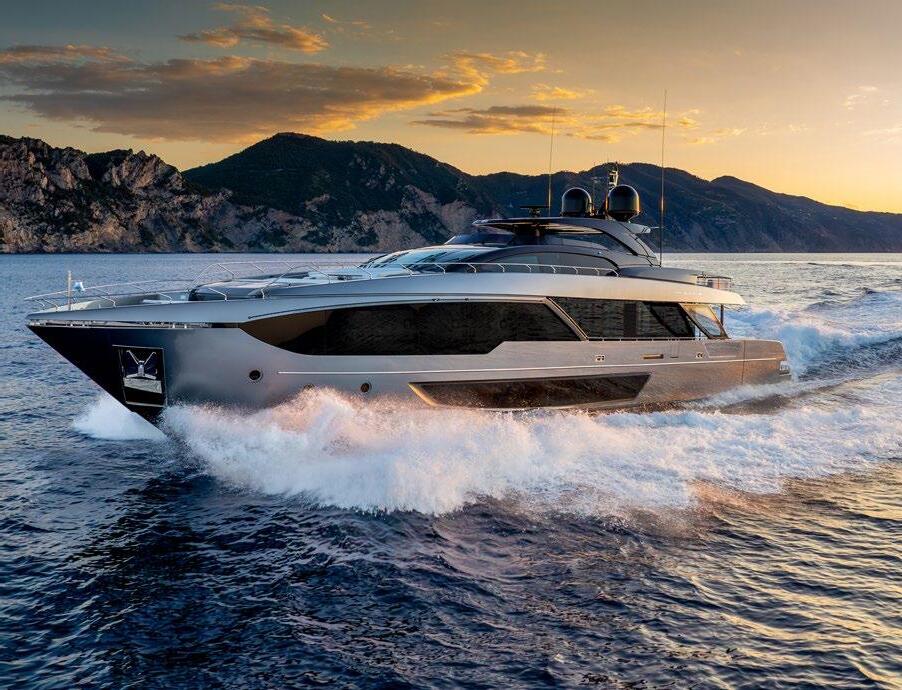
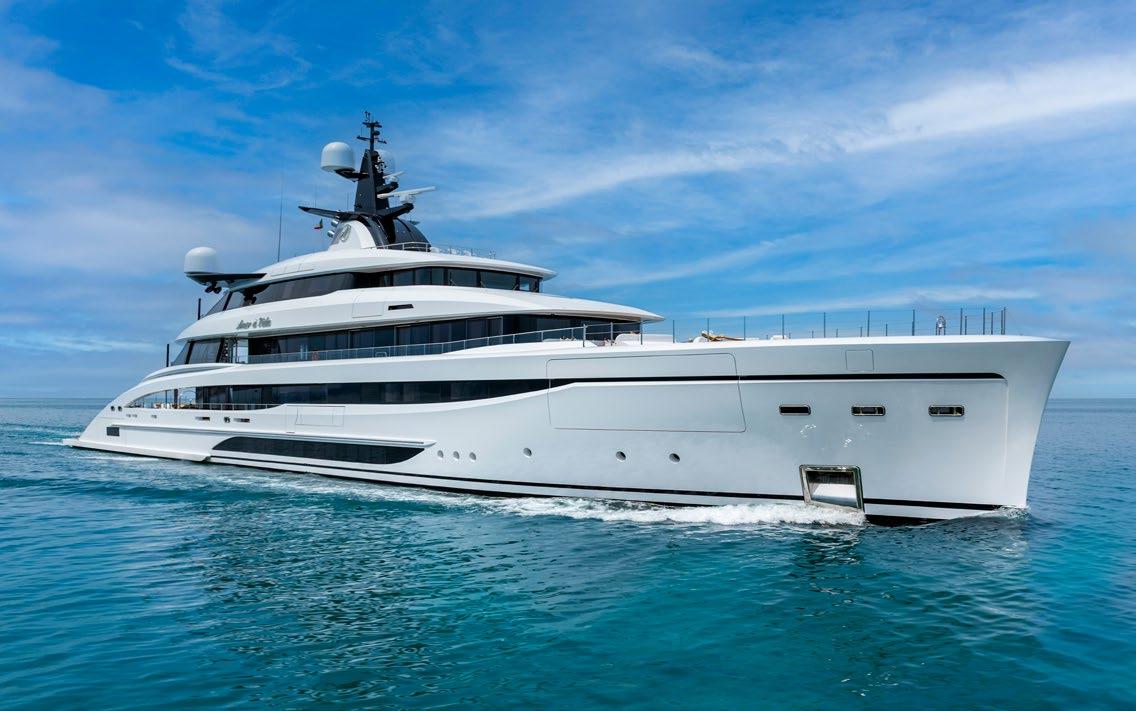
Our clients know they will spend more, but they feel like they are ON THE RIGHT SIDE OF THE BILLBOARDS.
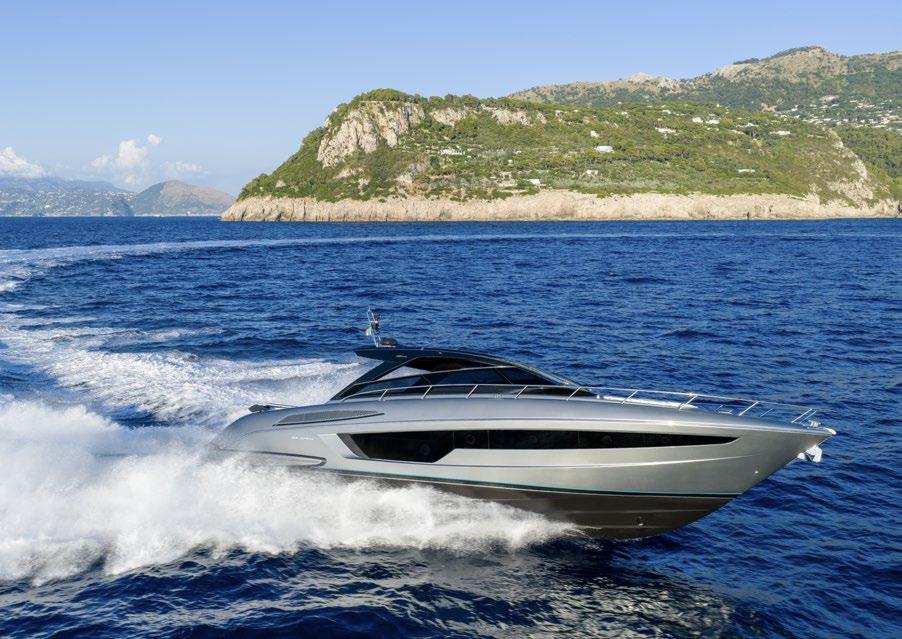
Because you want to feel that you are compliant and maybe a little bit above and ahead of everyone else. That is the beauty of sustainability in our industry. When you can convince a client that it is worth to spend for this material, for this generator, for this engine, for this solar panel, for this battery pack, to be, or even hydrogen if they want, to be different and above, and the first. And it works. You must be financially sustainable, otherwise the company will go back, and you cannot push the market where it is not. But if you think sustainable and strive to do the best for sustainability, like a beautiful 110-foot sailboat, you are sending a message. Our clients know they will spend more, but they feel like they are on the right side of the billboards.
MS: In the air, planes are experiencing more and more turbulence due to climate change. How do you face the challenges of rising sea levels, rising sea temperatures, storms, and other factors in the next few years with your boat?
AG: Never underestimate the weather forecast. Suddenly, especially in the summer, you can encounter small areas with incredible winds. 10 years ago, if the weather forecast was good, you would go. Now, you must double check carefully what is going on. If you feel that something is changing with thunderstorms around, be very careful. You may lose all the pillows in a second, or objects on board may hit people. You have to be very careful.
←
Riva 58’ Capri
Use the electronics to make predictions. All the systems onboard are available and you have the option to add two or three apps that are completely different. The captain must be vigilant because the journey can change in a minute.
MS: If you wish to build a yacht but are unable, could you please let me know which one you would like, even though it’s not possible?
AG: I would love to be able to manufacture yachts above 100 meters, but I am not. We can’t play in that championship, and we are limited to 95 meters. We don’t have the technical capabilities, good sites, the engineering department, and the supply chain for that. When I see some beautiful ships, 120 or 130 meters long, with incredible lines and sleekness - Some of them are very sleek – I would love to be able to compete, but I know that I can’t, and I won’t do it.
MS: For No Water No Us ambassadors and followers, can you share your thoughts on how you manage water on the boat? The origin and destination of it after use.
AG: We take the water from the sea. There is a system here for grey and black waters. Nothing goes in the sea. Nothing. We are not that bad at water management onboard.
MS: Alberto, thank you for your warm welcome and our sustainable and enriching conversation.
In the collective mindset, luxury and sustainability are often seen as opposing forces. However, for years now, a new form of luxury has been emerging — one rooted in responsible water use and environment protection. Time is changing, as well as mindsets. Luxury should be a model that has a systematic view of its environmental impacts, not one that follows. Most of the future luxury consumers want committed companies. So, on sustainability, Ferretti Group is ahead of the curve.
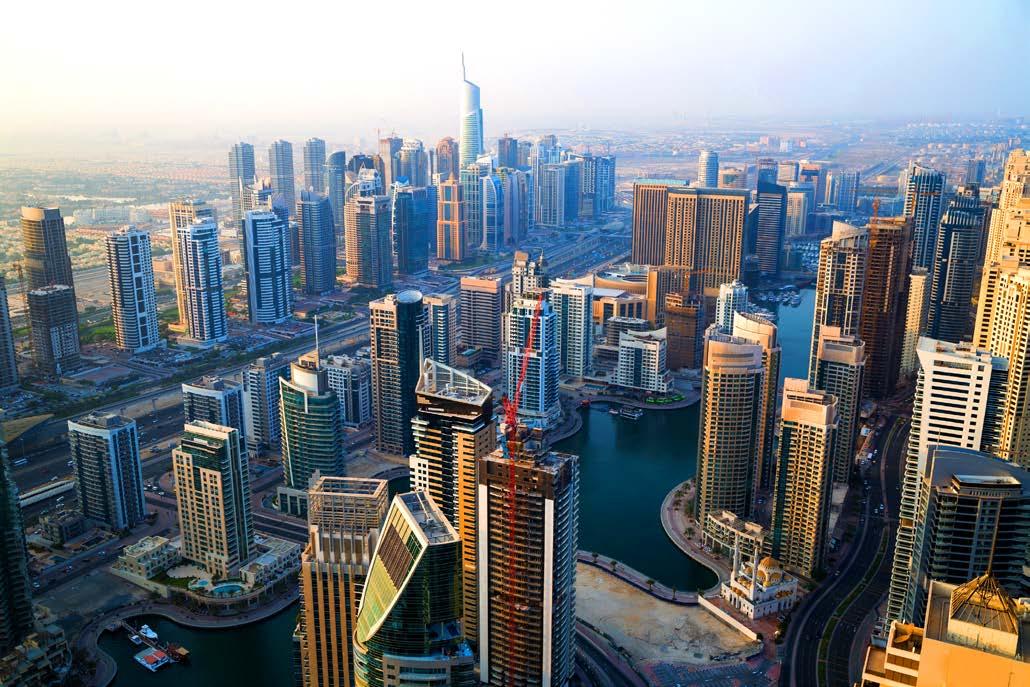
A Global Platform. Real Opportunities. Serious Business.
IPS Brings Together Developers, Investors, Government Authorities, Brokers, And Real Estate Leaders From Across The World - All Under One Roof In Dubai.

• Showcase Premier Developments To A Qualified Global Investor Network.
• Discover Exclusive High-Yield Property Opportunities.
• Build Cross-Border Partnerships That Drive Real Growth.
• Connect Directly With Decision-Makers Shaping The Future Of Real Estate Why IPS?
by Reia Stannard, Founder, CharterWorld
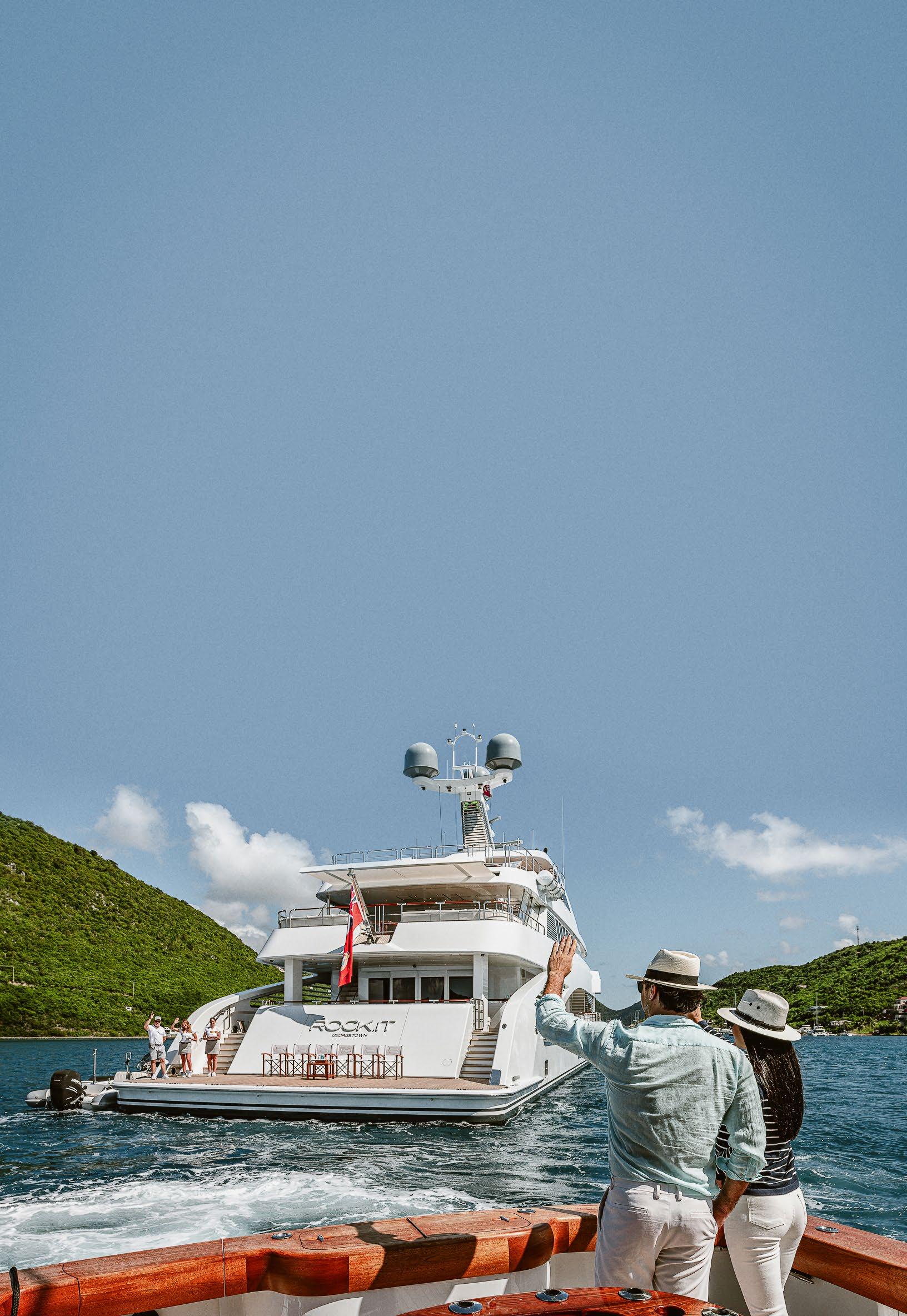
THE EVOLUTION OF THE TRAVEL EXPERT:
In the ultra-high-net-worth travel sector, the interpretation of luxury continues to evolve. For today’s most discerning travellers, it is no longer defined by the largest yacht, the most remote destination or the most elaborate onboard amenities. Instead, luxury is increasingly measured by the expertise behind the scenes – the guidance, human connection and assurance –to perfect the luxury charter experience.
This shift comes at a time when the global yacht charter market is more complex than ever, with rapidly changing availability across seasons and regions, varied pricing structures and a growing fleet. Two yachts that appear similar on paper can deliver markedly different experiences depending on crew culture, operational standards and the overall onboard atmosphere. As a result, generic notions of luxury or transactional approaches fall short for clients whose time and privacy are paramount.
Against this backdrop and to meet expectations, leading charter specialists have moved beyond simply presenting options and facilitating bookings. A more consultative approach – built on insight, discretion and long-term relationships –begins with listening to understand how clients travel, who they travel with, and what luxury means to them personally. For some, it is exploration and adventure, for others, wellness, privacy or refined dining experiences. These insights inform every recommendation that follows.
Equally important is the ability to manage complexity – quietly and seamlessly. Coordinating between yacht owners, captains, crew, and onshore partners across multiple jurisdictions requires deep industry knowledge and established relationships. From itinerary design and provisioning to special celebrations, security considerations or last-minute changes, the process must feel effortless to the client.
This approach also reflects a long-term view, with success not being measured by individual charters. Post-charter feedback, evolving preferences and future travel goals inform how specialists continue to advise clients over time, so they return yearafter-year, confident that their experiences will be refined, not repeated.
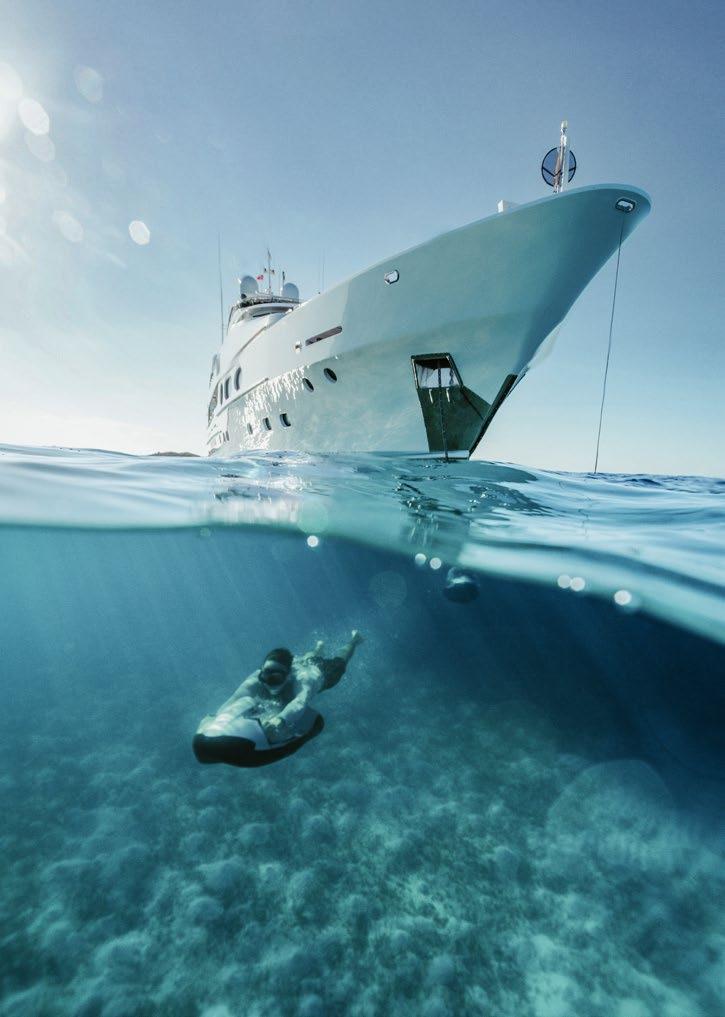
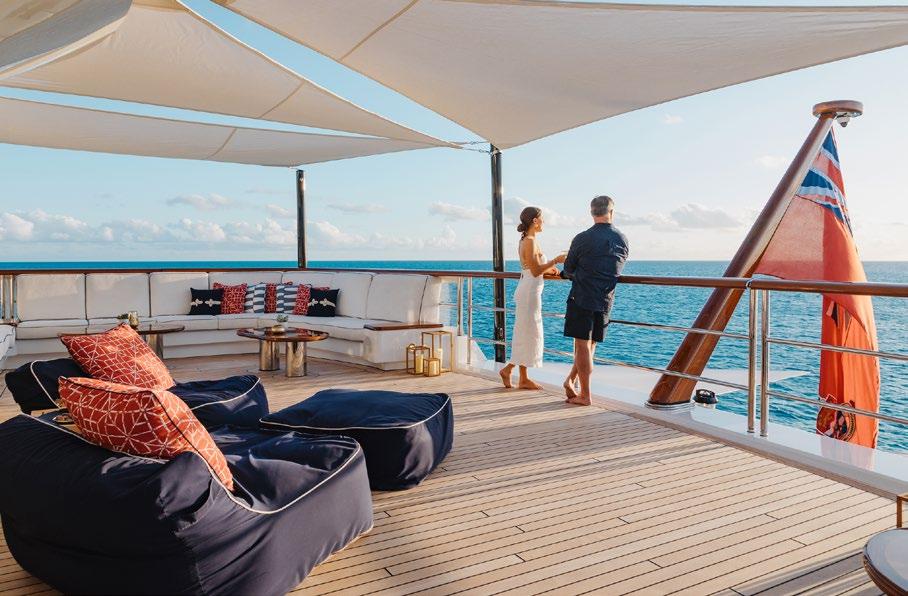
The yacht charter industry is built on more than yachts – it’s built on people,” says Reia.
“Our focus has always been on understanding clients and delivering guidance that creates trust and fosters longterm partnerships.
In an era where luxury travellers have access to more information than ever before, true value lies not in the abundance of choice, but in expert guidance. Longevity belongs to those who can curate, anticipate and elevate – delivering not just an exceptional yacht or a beautiful destination, but a thoughtfully crafted charter experience that feels personal, effortless and unforgettable.
For over 25 years, CharterWorld has provided discerning travellers with expertly curated yacht charter experiences worldwide through a consultative, highly personalised approach. CharterWorld also applies its market knowledge and industry relationships to support a fleet of yachts in achieving sustainable charter results and building strong reputations within the global charter market. Follow CharterWorld on LinkedIn and Visit charterworld.com
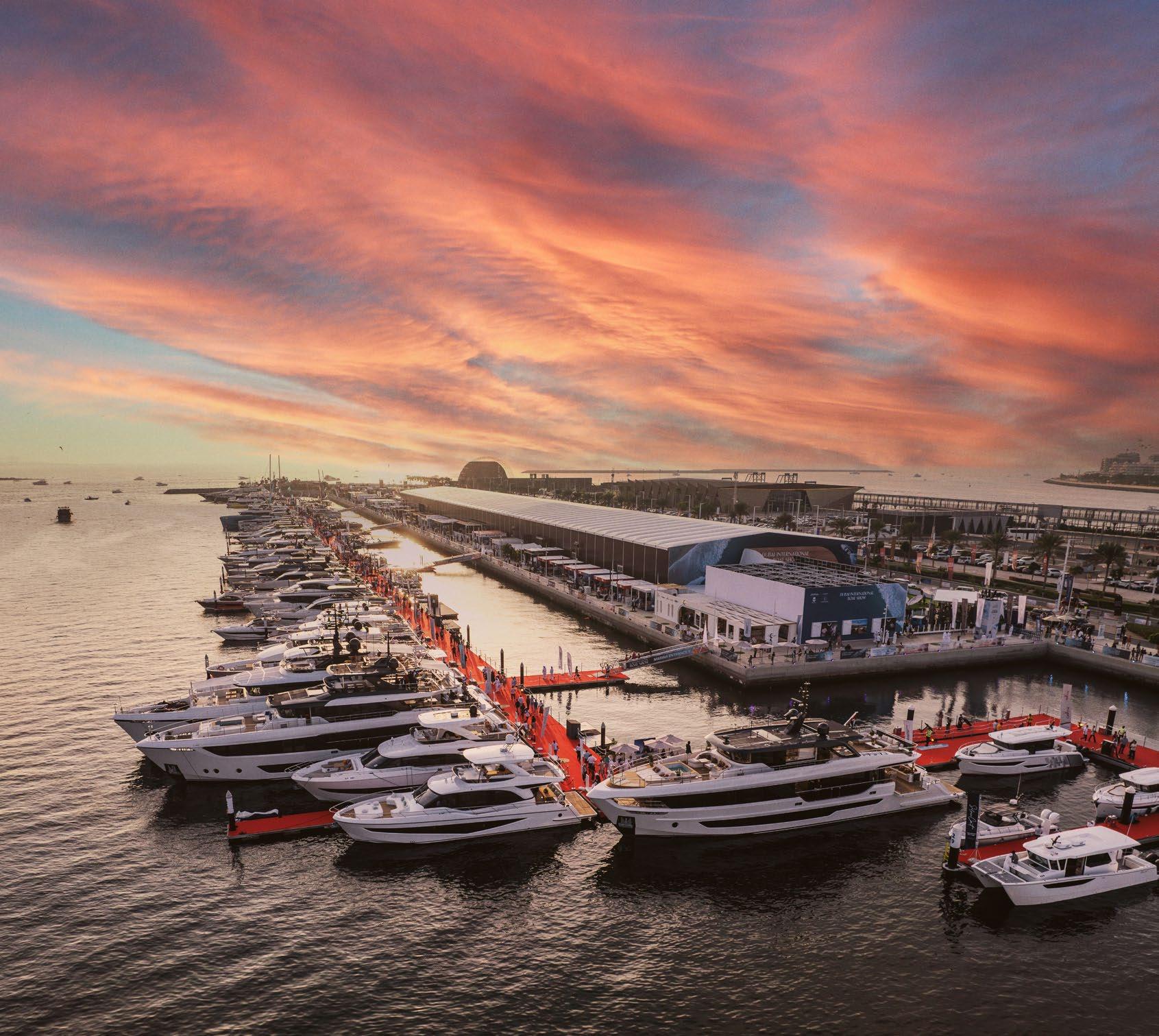
In today’s luxury economy, influence no longer flows through single sectors or geographies. It moves through platforms that connect capital, craftsmanship, and high-value audiences across borders. Few events illustrate this shift more clearly than the Dubai International Boat Show 2026 (DIBS 2026), which returns for its 32nd edition as a convergence point for global luxury business from 8 – 12 April.
Organised by Dubai World Trade Centre (DWTC) , the Dubai International Boat Show 2026 is often viewed through the lens of yachting. Yet its real significance lies in how it functions as a luxury ecosystem, bringing together decision-makers from real estate, hospitality, mobility, design, private wealth, and experiential services alongside yacht builders and brokers. In this sense, DIBS
2026 operates less as a trade fair and more as a strategic marketplace where luxury industries intersect.
Dubai’s role as host is central to this positioning. The city has established itself as a connector between Europe, Asia, and the Middle East, offering political stability, advanced infrastructure,
of the show positions yachting within a wider luxury ecosystem, where lifestyle, identity, and experience carry equal weight to ownership.
and a regulatory environment designed to attract global investment. For luxury brands and entrepreneurs, Dubai is not simply a destination market; it is a meeting ground where international partnerships are formed and scaled. Dubai International Boat Show 2026 reflects this same logic, offering access to a highly international audience of an estimated 32,000+ visitors that few single-sector events can replicate.
As David Hirst , Show Director of Dubai International Boat Show, explains, the event is deliberately structured to encourage crosssector engagement. The marina setting at Dubai Harbour – the biggest marina in the MENA – places high-value assets within a broader lifestyle and investment context, creating natural interaction between yacht builders, luxury brands, investors, and private client advisors.
Luxury at Dubai International Boat Show 2026 extends beyond the vessels on display, bringing together more than 1,000 international brands. Access-controlled environments such as the VIP Lounge , reserved exclusively for VIP badge holders, provide discreet settings for private meetings and high-level discussions away from the public marina flow. For many exhibitors and partners, these spaces are where strategic relationships are formed and commercial decisions are shaped.
Complementing this is the Marine Luxury & Lifestyle (MLL) zone , which reflects the increasingly cross-sector nature of contemporary luxury. Here, visitors encounter brands inspired by the ocean and waterfront living, spanning fashion, design, bespoke craftsmanship, accessories, and premium services. The MLL area of the show positions yachting within a wider luxury ecosystem, where lifestyle, identity, and experience carry equal weight to ownership.
This integrated approach mirrors broader shifts in luxury consumption. High-net-worth individuals and family offices are prioritising access, experience, and long-term value over traditional transactional models. Charter, membership, branded environments, and curated networks now sit alongside asset acquisition. Dubai International Boat Show 2026 provides a setting where these conversations move fluidly across sectors.
The show’s timing further reinforces its role as a business catalyst. Taking place during a period of strong international travel and regional activity, DIBS 2026 attracts leaders actively planning the year. Complementing the exhibition, the Annual Dubai Boat Show Leisure Yachting Conference, held on 7 April 2026, brings global speakers together to discuss market dynamics, client behaviour, and innovation trends, setting the strategic tone before discussions continue on the water.
As luxury continues to globalise, platforms that connect industries, audiences, and capital will define the next phase of growth. Dubai International Boat Show 2026 stands as one of those platforms, reflecting Dubai’s role as a luxury power broker and a meeting point for the world’s most influential brands and decision-makers.
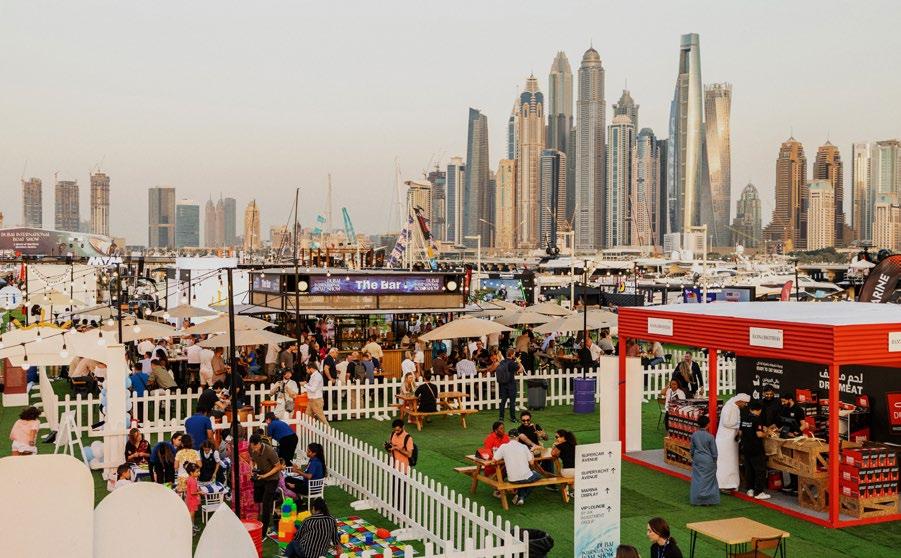
INTERESTED IN EXHIBITING AT THE DUBAI INTERNATIONAL BOAT SHOW 2026?
Stand bookings for the 32nd edition are now open. Secure your space at Dubai Harbour and position your brand at the centre of a truly global luxury ecosystem.
Visit www.boatshowdubai.com
Crowne Plaza Changi Airport, recently recognised among the TOP 100 Sustainable Hotels & Resorts of the World, continues to shape a more responsible future for modern hospitality.
Honored by the International Sustainability Awards, the property has emerged as an industry benchmark for environmental progress while delivering a sophisticated airport-side experience unmatched in convenience and contemporary style. As Crowne Plaza Changi Airport advances its sustainability goals, it remains a favorite among global travellers seeking comfort, efficiency, and thoughtful innovation.
Crowne Plaza Changi Airport’s green philosophy is anchored in the IHG Journey to Tomorrow initiative, which guides all IHG properties in building a responsible hospitality ecosystem. The hotel’s achievement of the IHG Green Engage Level 4 certification highlights its advanced approach, driven by its Environmental Management Committee. Every aspect of its operation reflects a deep-seated drive to reduce waste, energy output, and water use.
A standout initiative is the installation of inroom filtered drinking water systems, replacing traditional plastic water bottles. In a high-turnover environment like Changi Airport, this shift dramatically cuts single-use plastic consumption, supporting a projected annual reduction of more than half a million bottles. Complementing this, the hotel has expanded plastic-reducing efforts with bulk-size bathroom amenities, refillable glass bottles in meeting rooms, and biodegradable straws.
The hotel was also an early adopter of the food digester, transforming food waste into greywater. Water-saving aerators, LED lighting, open-air walkways, and natural ventilation further reduce resource use, while the building’s distinctive orchid-inspired 3D lace façade shades interiors and enhances thermal efficiency. Together, these features showcase a property deeply invested in lowering its environmental footprint.
Sustainable choices never come at the expense of guest experience. The Greener Stay programme offers IHG One Rewards members the option to opt out of daily housekeeping in exchange for bonus points — promoting water and energy conservation while rewarding environmentally responsible decisions.
Technological innovation is another strength. AI-driven robotic cleaners and service robots assist with routine operations, reducing water and chemical use while giving the hotel team more time to focus on personalised interactions. These advancements reflect a forward-thinking approach that supports both operational efficiency and ecological responsibility.
Community-focused initiatives round out the hotel’s sustainability story. Through the Food From The Heart program, which donates surplus bread and pastries to local beneficiaries, the hotel’s sustainability blueprint extends beyond its walls and into the community, reinforcing a practical, socially conscious approach to responsible hospitality.
Beyond its environmental accomplishments, Crowne Plaza Changi Airport remains one of Asia’s most sought-after transit hotels. Named
The hotel features 575 stylish guestrooms, including premier rooms withviewsrunway and select rooms overlooking the iconic Jewel.
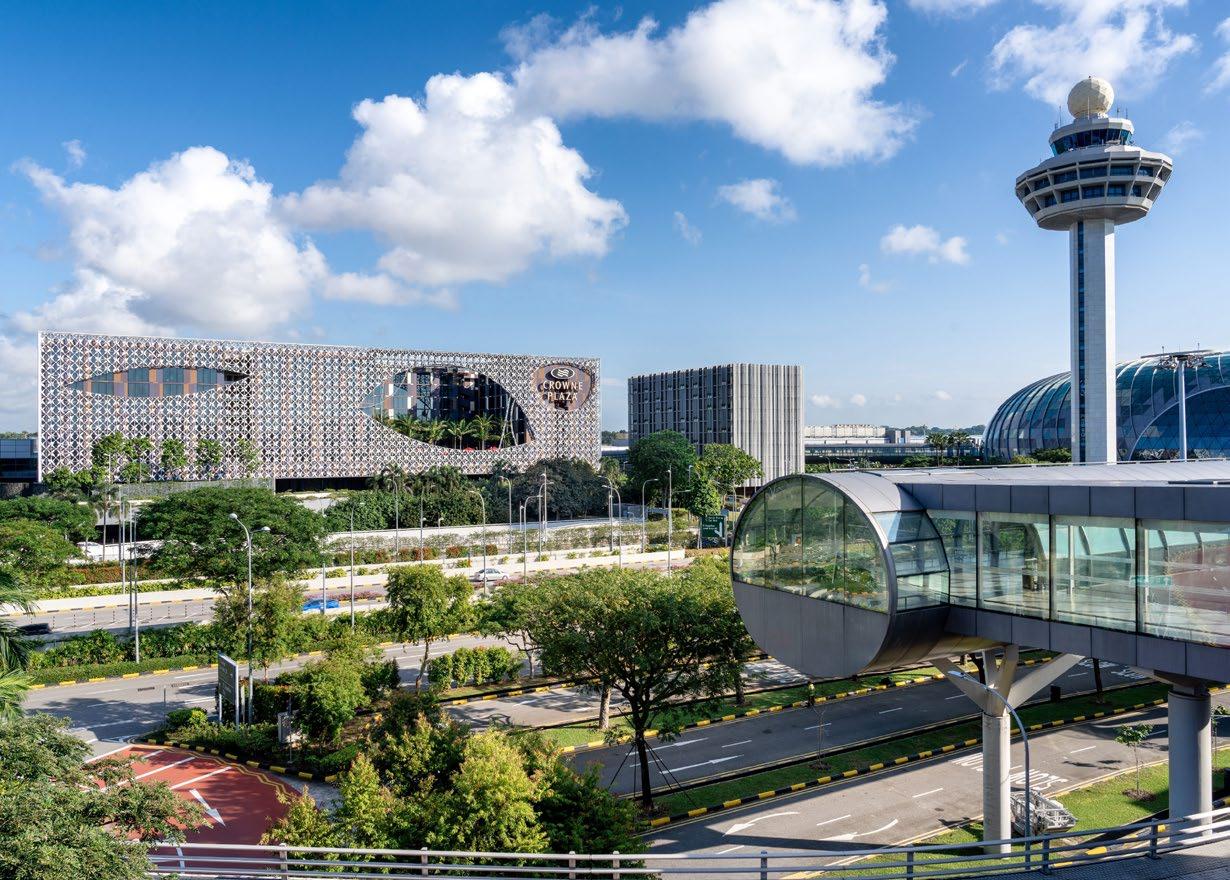
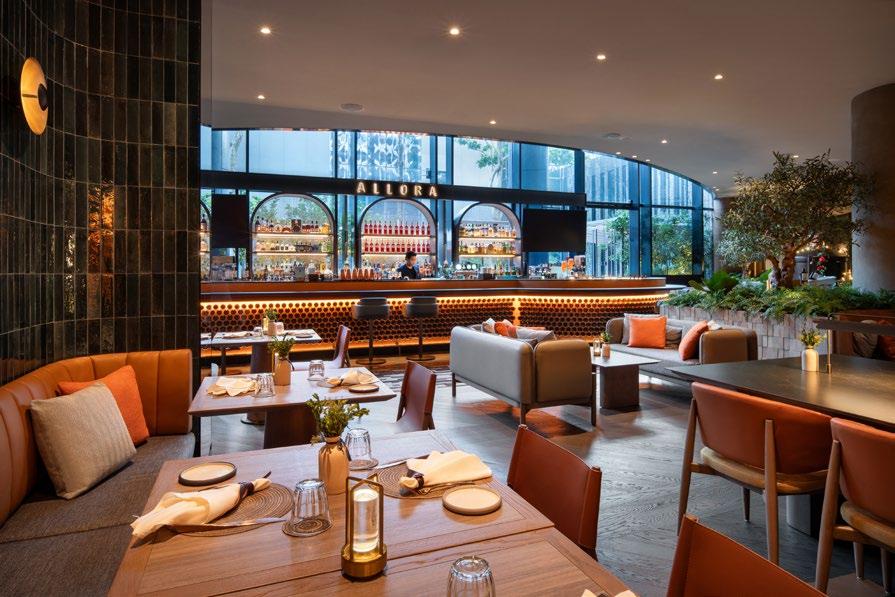
the World’s Best Airport Hotel and Best Airport Hotel in Asia for ten consecutive years in the Skytrax Awards , the property caters effortlessly to international travellers looking for comfort and connectivity.
The hotel features 575 stylish guestrooms, including premier rooms with runway views and select rooms overlooking the iconic Jewel. Day-use options offer even greater flexibility for travellers in transit. With direct access to all airport terminals, the MRT, and Jewel’s world-famous attractions, such as the Rain Vortex and Forest Valley , guests enjoy immediate access to Singapore’s most impressive leisure and retail destination.
BUSINESS, DINING, AND RECREATION ELEVATED
Six modern meeting spaces and a grand ballroom support corporate gatherings, all equipped with advanced audio-visual technology and a fast twohour response guarantee for availability requests.
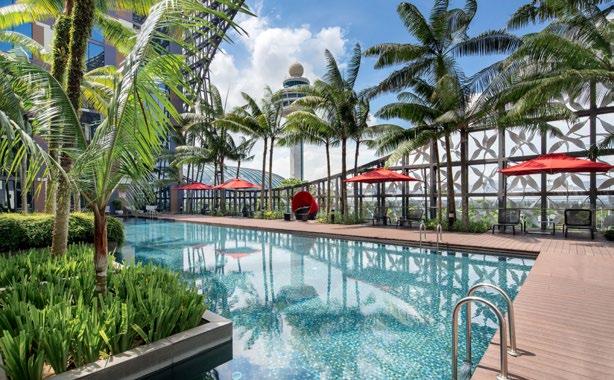
↑ Outdoor Landscaped Pool
↖ Allora Ristorante & Bar
→ Premium Pool View room
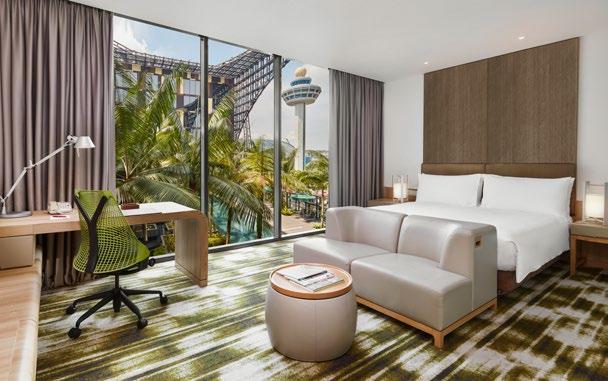
The 24-hour Business Centre services, complimentary Wi-Fi, and quick connections to Singapore Expo and key business districts ensure efficiency for busy travellers.
Recreation includes a landscaped outdoor pool and a spacious fitness centre, while Allora Ristorante & Bar offers authentic Italian cuisine, from artisanal pastas to expertly prepared pizzas. With 280+ retail and entertainment offerings at Jewel just steps away, every stay can be tailored to leisure, business, or both.
To learn more, visit changiairport.crowneplaza.com
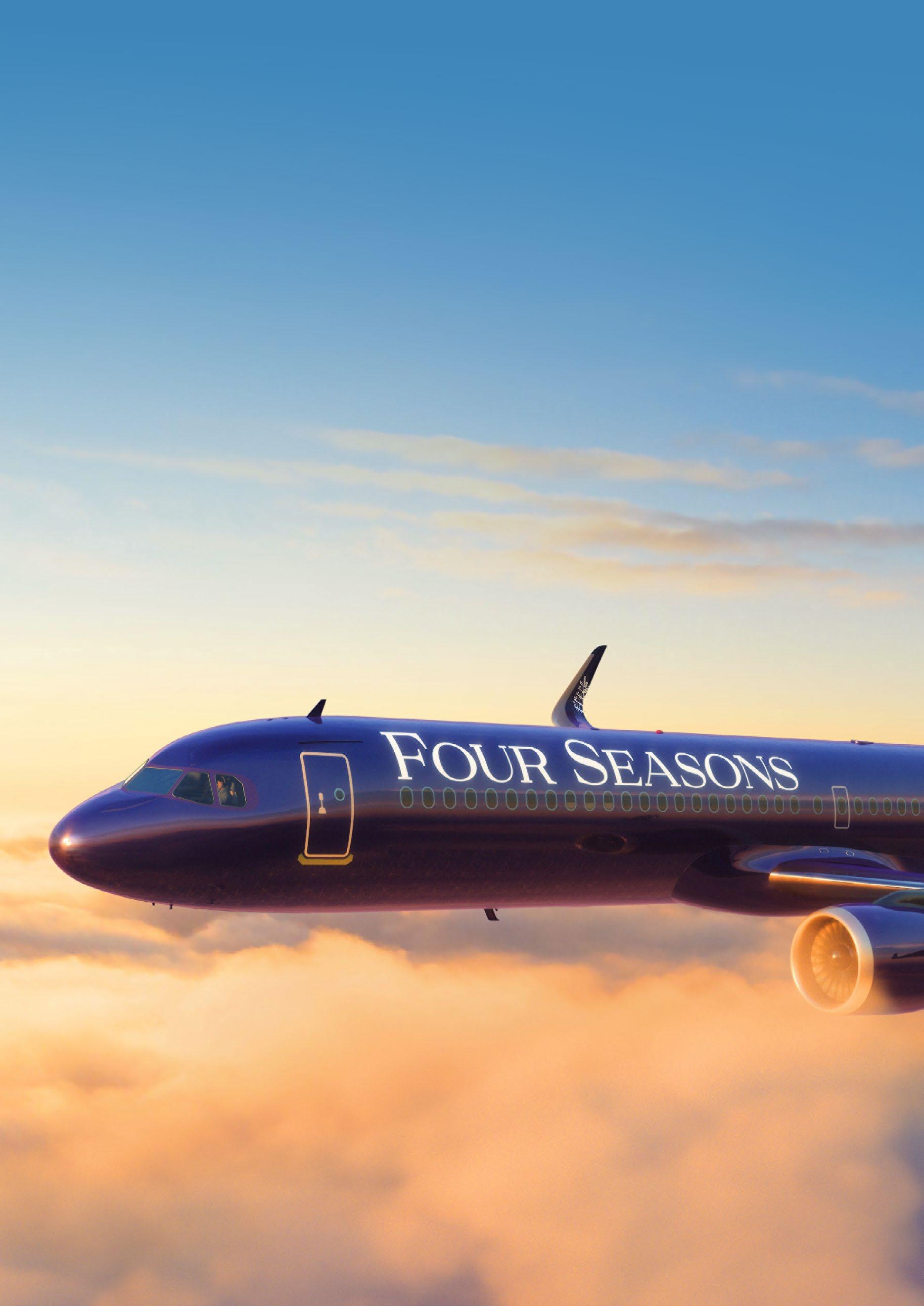
In
luxury travel, the emphasis is shifting from visible extravagance to experiences that feel personal and restorative. Marble lobbies and champagne rituals no longer define the journey. Today’s traveler is seeking privacy, clarity, renewal, and authentic connection.
Board Members of the WORLD LUXURY CHAMBER OF COMMERCE, a global network of senior luxury leaders, point to these priorities as central to travel in 2026. The next chapter of high-end hospitality will revolve around intention and depth, where the value of a trip is measured by how it resonates long after the return home.
Luxury in 2026 will prioritize meaning over materialism, as travelers increasingly seek experiences that create emotional impact, authenticity, and cultural resonance. Across the luxury sector, destinations and brands are rethinking how value is created, placing emotional connection and a strong sense of place at the center of the journey. Experiences that feel personal, immersive, and authentic will increasingly define what travelers perceive as true luxury.
Wellness has moved from a complementary offering to a central motivator of luxury travel. In 2026, travelers will increasingly seek journeys that combine physical restoration, mental clarity, and long-term well-being through medical-wellness retreats, mindfulness programs, and purpose-driven escapes.
“One significant trend among ultra-luxury travellers is the increasing use of private air travel and yachts, transforming the journey itself into a luxurious experience. For instance, The Ritz-Carlton now has three superyachts, offering a meticulously curated food and beverage experience. Similarly, Four Seasons has introduced private branded jets, elevating the travel experience to new heights,” said BOB KHARAZMI , Founder & CEO, Global Hotel Advisors LLC, a WLCC Board voice on global hospitality strategy. “Another growing trend is the focus on wellness. Luxury travelers are increasingly seeking experiences that blend spa retreats, medical-wellness vacations, mental health, and mindfulness escapes.”

Women are driving one of the most influential behavioral shifts in luxury travel. In 2026, solo female travelers will prioritize independence, safety, discretion, and deeply restorative experiences, prompting leading brands to rethink service design around anticipation and empowerment.
“Luxury travel in 2026 will see a surge in solo women travelers seeking what I call ‘Intentional Restoration’ – wellness-focused experiences that blend absolute safety with complete freedom,” said NEEN JAMES , WLCC Board Member, Author of Exceptional Experiences, and Client Experience Expert. “The most discerning properties will master the balance between attentive service and respectful distance, creating environments where women can explore, recharge, and indulge without compromise. This means anticipating unique needs – from strategic room placement to curated wellness experiences and trusted local connections – while honoring the independence that defines these journeys. When luxury brands think like a concierge rather than a bellhop, they transform solo travel from a logistical challenge into a liberating, legacy-defining experience.”
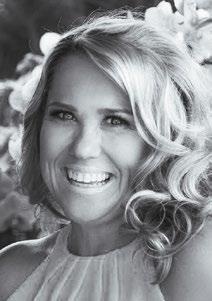

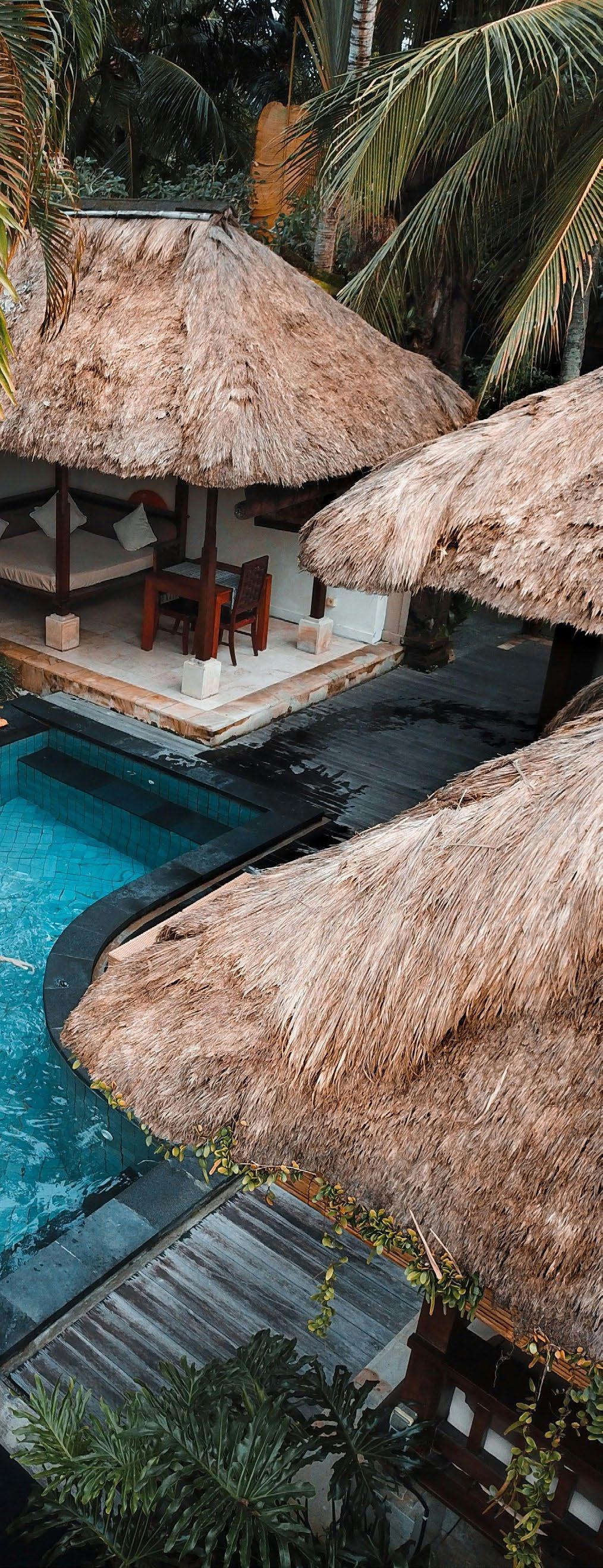
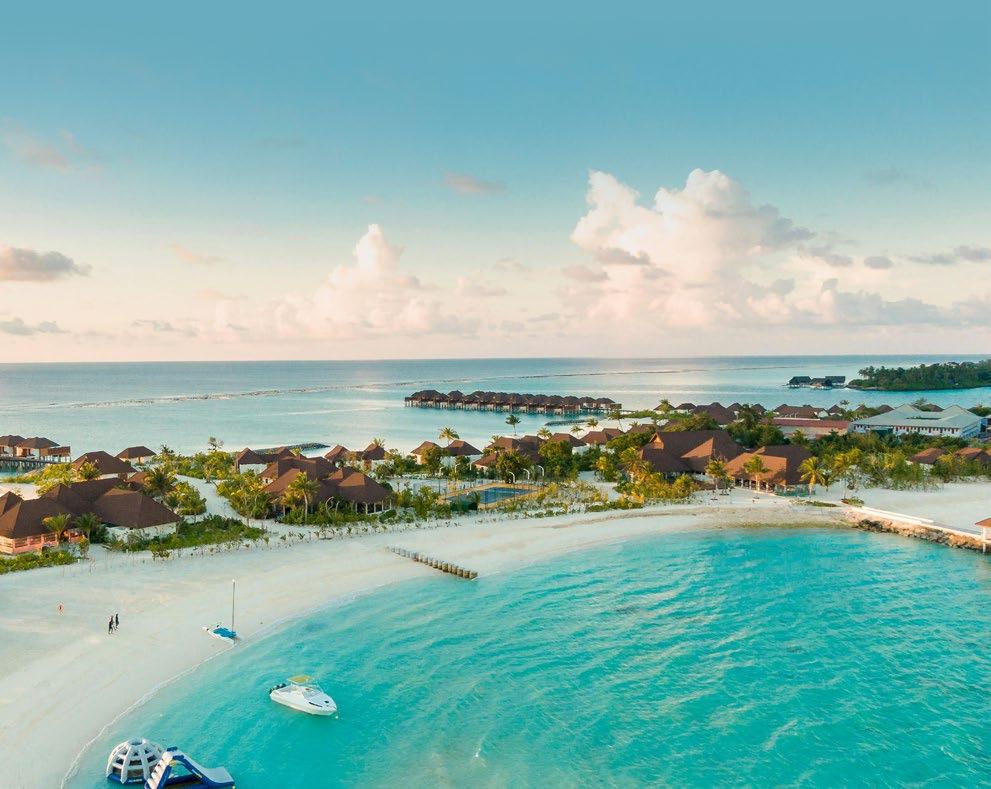
Access, rather than ownership, is becoming the new currency of luxury. Bespoke private membership clubs are reshaping how high-net-worth travelers experience the world, offering hyperpersonalized itineraries and entry to destinations and events unavailable to the general public.
“The demand for experiential travel through bespoke private membership clubs is a powerful global trend that will accelerate significantly in 2026,” said KASSIE SMITH , Visionary and Real Estate Development Leader at KS Global , contributing to WLCC’s strategic perspective. “These exclusive clubs specialize in crafting highly personalized destination journeys, granting members access to exotic adventures, private resorts, and coveted global private events. Key drivers include the rise of wellness and medical tourism and exclusive access to elite experiences.”
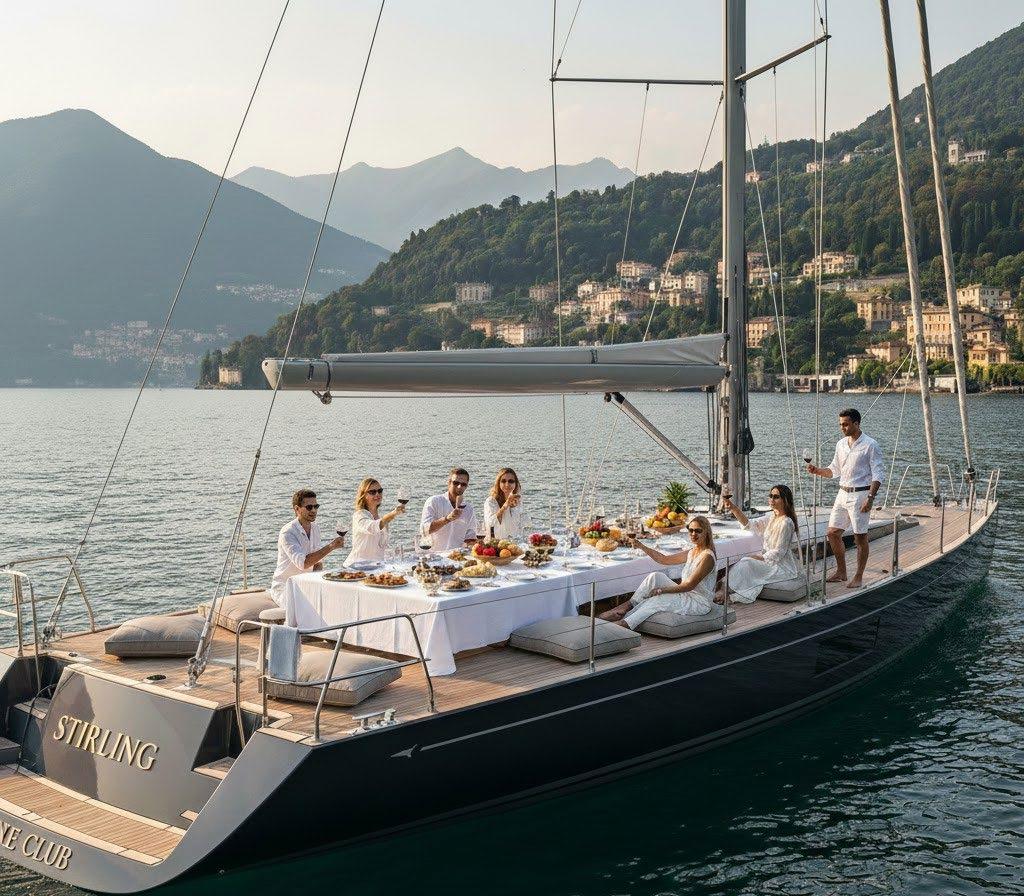
As travel increasingly merges with lifestyle, ultra-luxury mobility is redefining how global leaders move, live, and work. Private aviation, yachts, and mobile residences are transforming mobility itself into a statement of freedom, exclusivity, and control over time.
“Neo-nomad living represents the next frontier of luxury – a lifestyle where mobility becomes the ultimate privilege,” noted ALEXANDER CHETCHIKOV, President of the World Luxury Chamber of Commerce. “These ultra-luxury mobile residences allow global leaders to carry their world with them, blending freedom of movement with impeccably tailored comfort and the privacy of a truly personal sanctuary.”
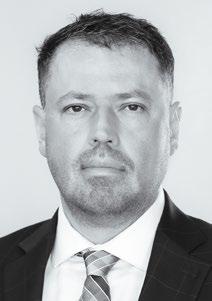

Alongside these global shifts, destinations offering authentic cultural immersion paired with refined luxury are emerging as leaders. Culinary discovery and storytelling are becoming central pillars of the luxury journey, transforming restaurants and local heritage into essential components of the travel experience.
“Luxury travel in 2026 will be defined by a shift toward experience-led journeys, where travelers seek deeper meaning, emotional connection, and authentic cultural engagement,” commented IYAD RASBEY , Vice President, Destination Tourism Development, Ras Al Khaimah Tourism Development Authority , speaking as part of the WLCC Board’s global outlook on luxury travel. “Ras Al Khaimah is naturally aligned with these expectations, with its unspoiled landscapes, generous space, and inherent sense of place that modern luxury travelers increasingly prioritize. The Emirate’s intentionally curated hotel pipeline – including upcoming openings from Anantara, Sofitel, SO/ and the landmark Wynn Marjan Island – reflects this movement toward premium, experiencedriven hospitality. As a result, Ras Al Khaimah is rapidly emerging as a leading luxury destination, propelled by a clear strategy and a hospitality inventory that is steadily shifting toward the upper-upscale and luxury segments.”
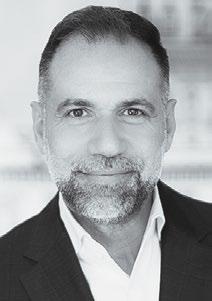
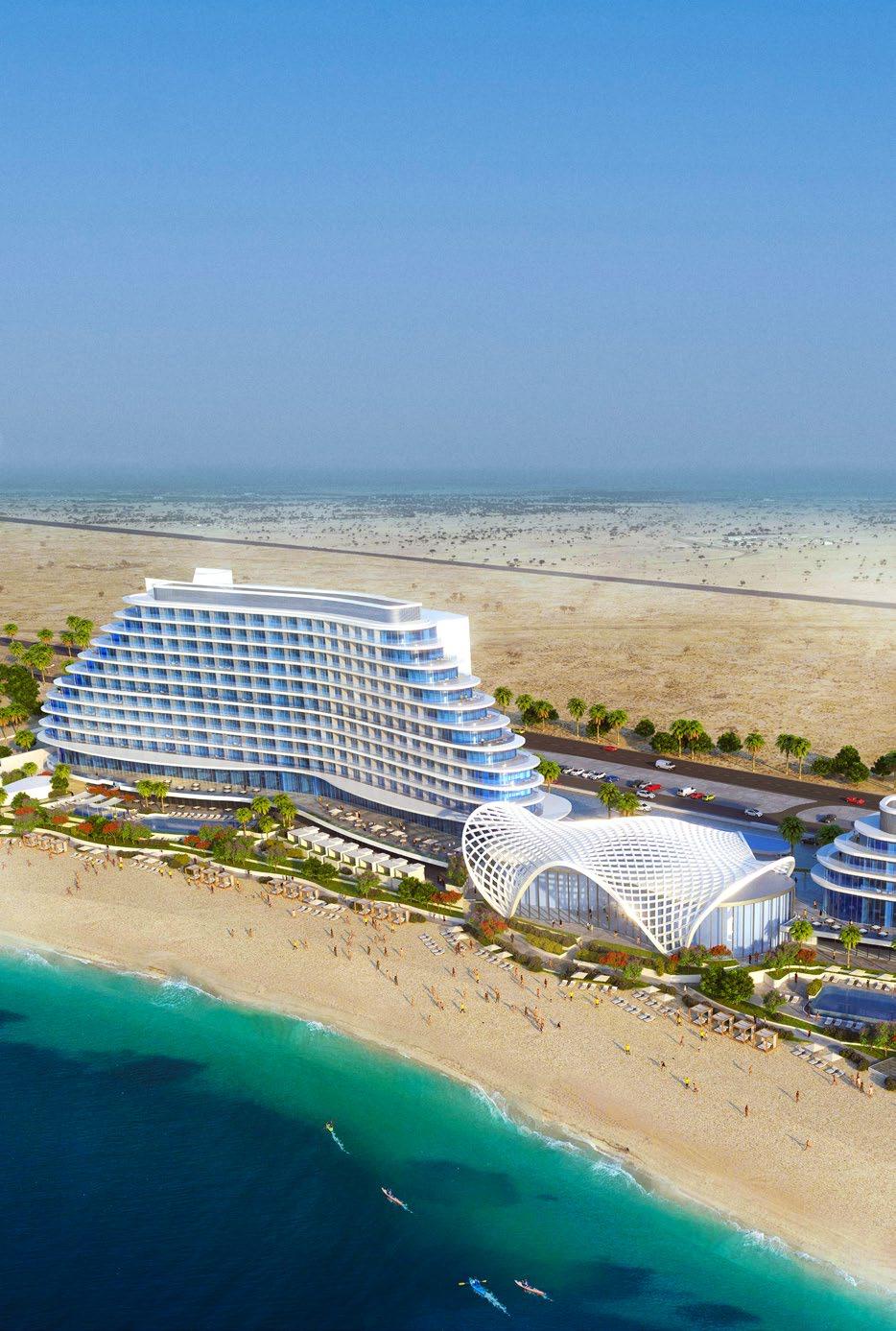
This destination-led evolution is also visible across the wider Middle East.
“It’s a space where Saudi Arabia and the wider GCC are now taking a leading role,” said AHMED ALAJMI , Chairman & Founder of Takara Hospitality Group , sharing insights aligned with WLCC’s global destination outlook. “Riyadh is emerging as a global destination for high-value travelers, driven by landmark developments and a rapidly expanding dining landscape. The arrival of ZIBA and Sold Out in the heart of the capital reflects a pivotal shift in which restaurants are no longer complementary to travel but an essential part of the luxury journey. As journeys increasingly revolve around culinary and cultural experiences, Saudi Arabia is setting the benchmark for next-generation luxury.”
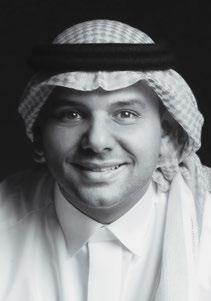
Across the WLCC Board, a shared perspective is emerging: luxury travel in 2026 will be defined not by extravagance, but by intention, access, wellbeing, and emotional resonance. From solo journeys and wellness-led escapes to neo-nomadic lifestyles and immersive cultural experiences, the future of luxury travel reflects a deeper desire for meaning, freedom, and connection.
The World Luxury Chamber of Commerce continues to serve as a strategic forum where these global trends are identified and shaped by the leaders driving the luxury industry forward.
WLCC regularly features conversations and insights from global luxury leaders.
Join our community to receive new interviews and perspectives weekly: worldluxurychamber.com
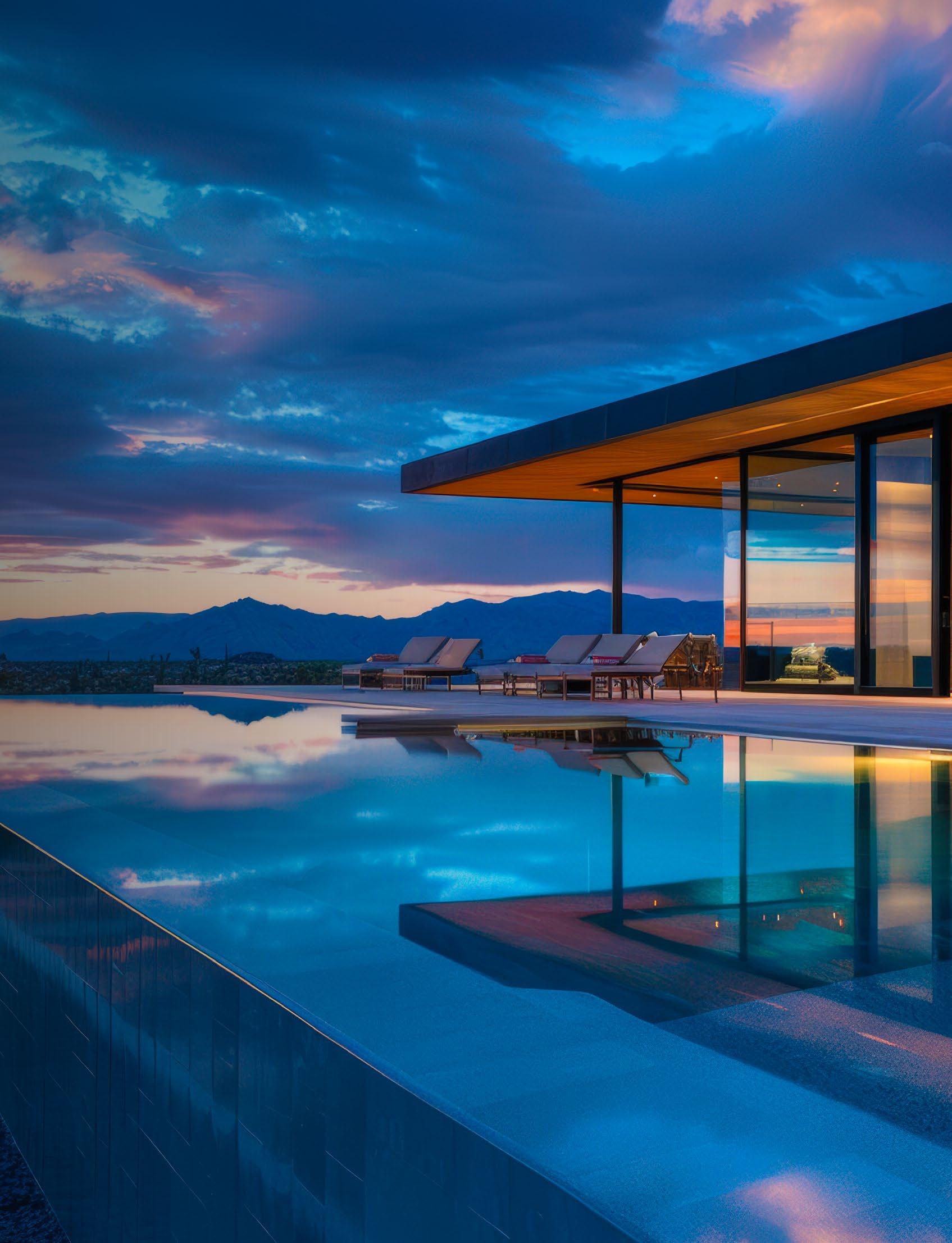
This executive summary of the 2026 Luxury Outlook from Sotheby’s International Realty highlights a structural shift in the global property market.
Luxury real estate is no longer tracking in step with the broader housing sector and continues to demonstrate resilience, strong liquidity, and sustained international demand despite economic uncertainty. The findings reinforce luxury property’s enduring position as both a stable store of wealth and a long-term lifestyle investment.
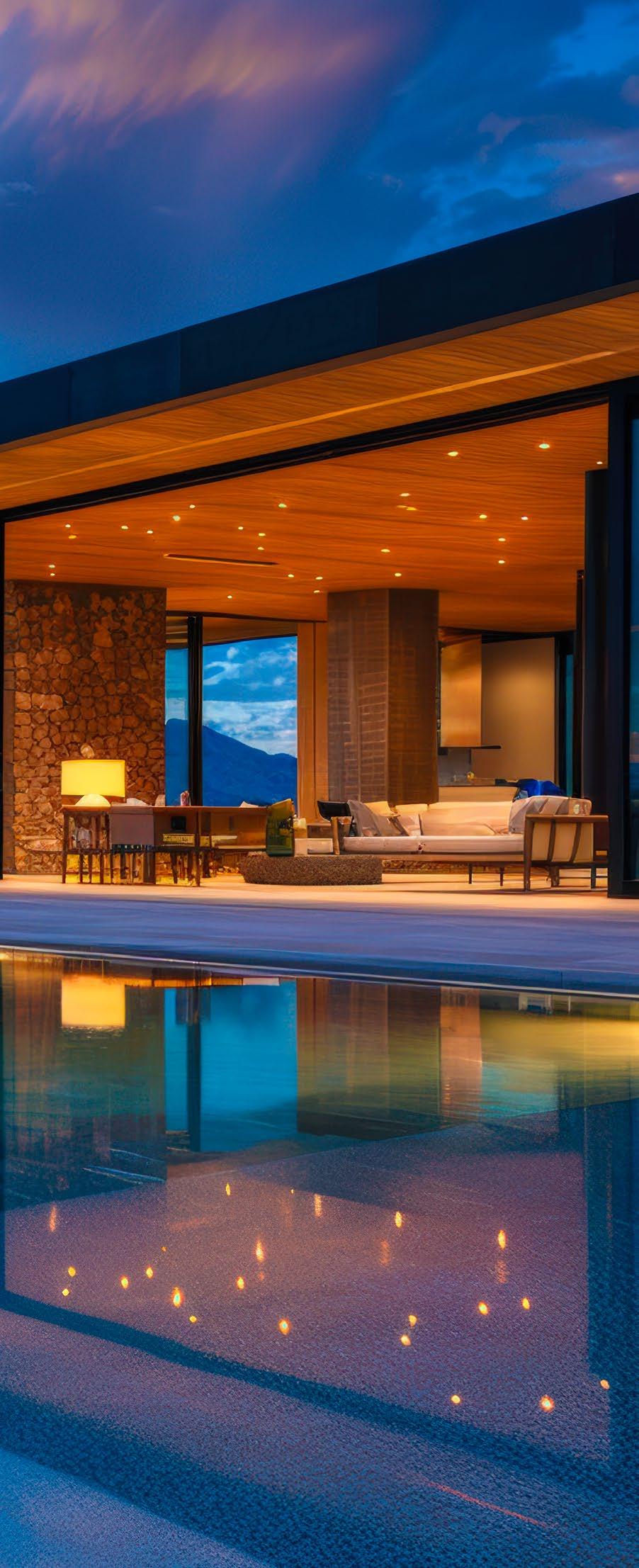
Luxury real estate outperformed the general housing market in 2025 and is expected to maintain that trajectory in 2026. Philip A. White Jr. , President and CEO of Sotheby’s International Realty, notes that elevated interest rates and affordability pressures constrained the broader market, while luxury transactions benefited from strong home equity positions, a high share of all-cash purchases, and increased cross-border activity. This performance mirrors trends seen in other premium sectors, underscoring the structural strength of the luxury economy.
The report emphasizes the strategic importance of decisive action. A. Bradley Nelson , Chief Marketing Officer of Sotheby’s International Realty, highlights that buyers and sellers who act early when market conditions shift often shape demand rather than follow it. Developments and listings that adjust pricing first tend to attract momentum, while sellers who delay risk higher carrying costs. For buyers, speed can secure rare opportunities in supply-constrained markets.
An accelerating intergenerational wealth transfer is reshaping luxury demand worldwide. Trillions of dollars are moving from Baby Boomers and the Silent Generation to younger cohorts, creating a new class of high-net-worth individuals earlier in life. This shift is expanding the presence of Millennials in luxury real estate and laying the groundwork for future Gen Z participation. Demand is increasingly driven by security, quality of life, and long-term family planning rather than short-term appreciation alone.
Digital assets are beginning to influence luxury real estate transactions, particularly in global hubs such as Dubai and major U.S. cities. Mark Zandi , Chief Economist at Moody’s Analytics, cautions that cryptocurrency-linked purchases may introduce volatility due to price fluctuations. Lawrence Yun , Chief Economist at the National Association of REALTORS®, counters that broader institutional adoption and regulatory clarity could expand the buyer pool and support demand at the upper end of the market.
Geopolitical uncertainty, tariffs, and currency shifts have not diminished global luxury demand, but they have increased selectivity. Philip A. White Jr. observes that affluent buyers are gravitating toward established luxury markets with strong economic fundamentals, legal transparency, and lifestyle appeal, rather than speculative destinations. Exchange rate movements are also creating relative value across borders, reinforcing the importance of global market awareness.
Lifestyle considerations now outweigh pure investment motives for most luxury buyers. According to Sotheby’s International Realty agent survey , 60 percent of agents globally report that lifestyle plays a larger role in purchase decisions than in previous years. Ski destinations, wellnessoriented communities, branded residences, and culturally rich urban centers continue to outperform, particularly when they combine multiple lifestyle elements within a single location.
International luxury property transactions are rising again after years of disruption. The United States remains a leading destination due to its perceived stability, transparency, and depth of market. Proposed residency and citizenship incentives, favorable tax environments, and geopolitical safety concerns are accelerating global mobility among ultra-high-net-worth individuals. Buyers increasingly view property ownership as a global portfolio strategy rather than a single-country commitment.
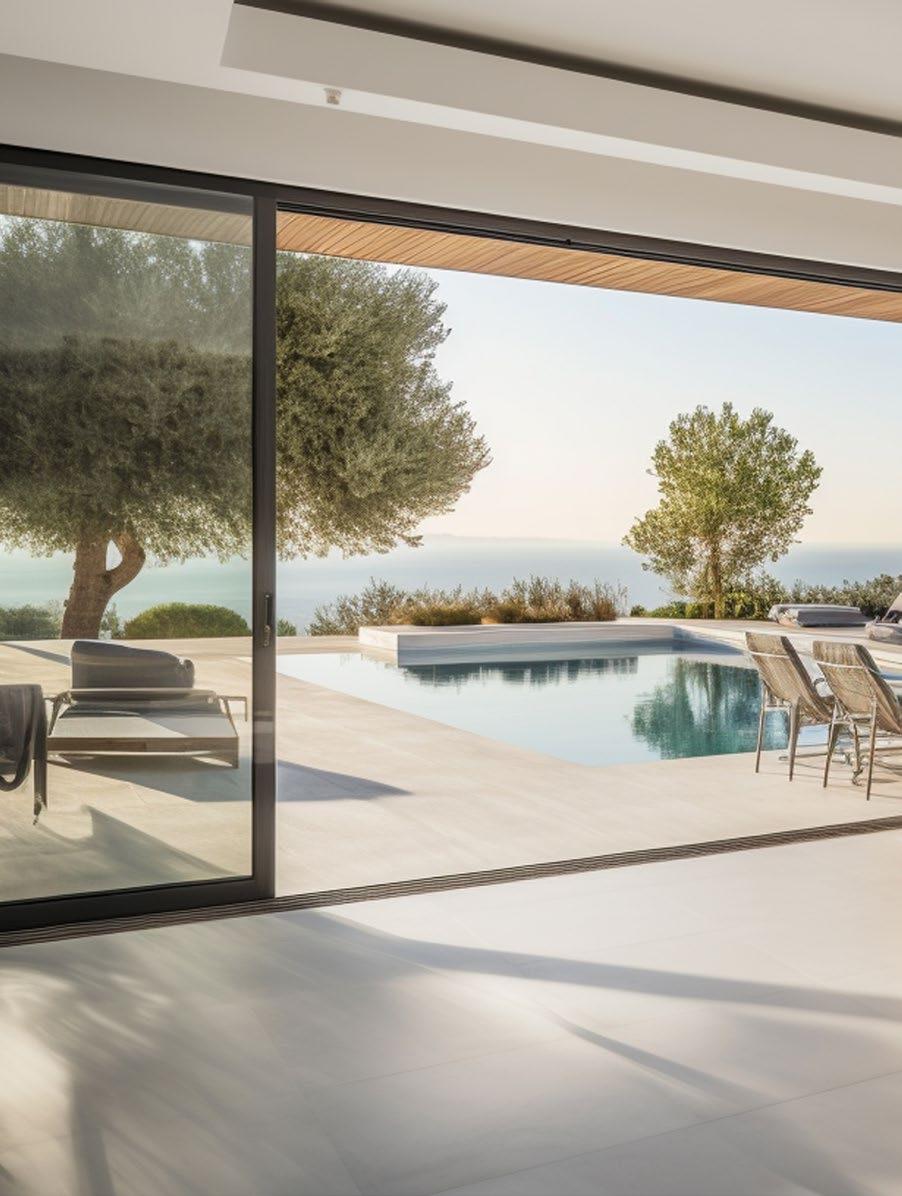
Affluent buyers think in terms of property portfolios rather than single homes. They are often splitting their time between multiple residences.
- Philip A. White Jr., President and CEO, Sotheby’s International Realty
Luxury housing supply has improved in several markets for the first time since the pandemic, creating more choice for buyers without eroding pricing power in prime locations. Tammy Fahmi , Senior Vice President of Global Servicing and Strategy at Sotheby’s International Realty, notes that luxury markets often move independently of broader housing trends. Well-located, well-priced, and high-quality properties continue to transact quickly, while overpriced assets linger.
Global sporting events such as the 2026 Global Soccer Tournament and upcoming Olympic Games can influence luxury real estate markets, particularly when paired with disciplined urban planning. Historical data shows that while shortterm price increases are common, lasting value depends on infrastructure investment, livability, and long-term demand. Paris is highlighted as a recent example where careful planning supported both immediate interest and sustained market stability.
Multigenerational living is emerging as a defining trend in the luxury segment. High-net-worth families are increasingly acquiring properties that support shared living while preserving privacy, often as part of broader estate and legacy planning. Rodd Macklin of Pennington Partners & Co. emphasizes that luxury homes function not only as appreciating assets but also as anchors for family continuity, values, and governance across generations.
Security and privacy have become core requirements in luxury residential design and purchasing decisions. Advanced surveillance systems, gated access, backup power infrastructure, and discreet architectural planning are increasingly standard. Agent insights suggest these features can shorten time on market and support premium pricing, positioning resilience and protection as fundamental components of modern luxury.
The 2026 outlook makes clear that luxury real estate continues to operate on distinct fundamentals. Market leadership now depends on global intelligence, pricing discipline, and a nuanced understanding of lifestyle, legacy, and risk. For investors and industry leaders, luxury property remains a central pillar of long-term wealth strategy and brand positioning, rewarding those who act decisively and think internationally.
This executive summary is based on the 2026 Luxury Outlook published by Sotheby’s International Realty.
Source: Sotheby’s International Realty, 2026 Luxury Outlook, 2026.
The full report is available at www.luxuryoutlook.com
In luxury hospitality, excellence is rarely accidental. Behind every internationally recognized hotel lies a structure of decisions, disciplines, and long-term strategic thinking that guests may never consciously notice, yet always experience.

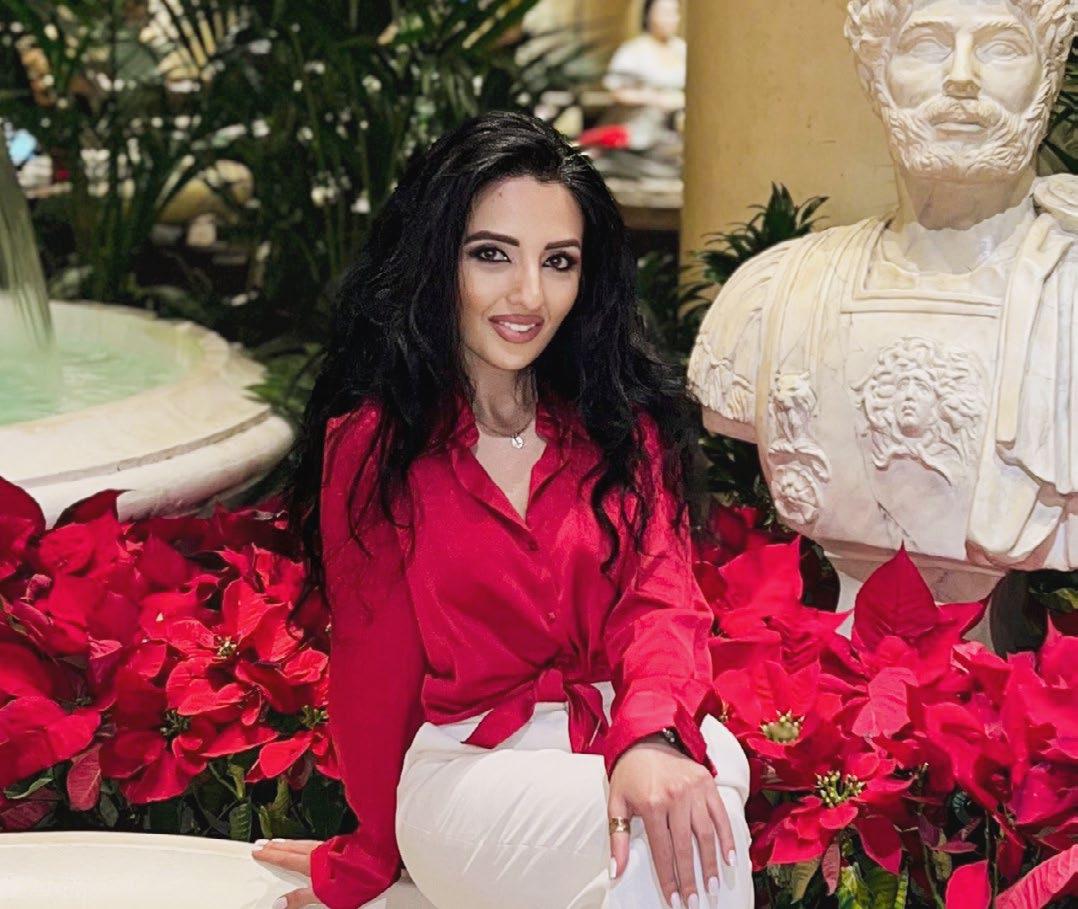
Drawing on nearly eight years within the evaluation team of Luxury Lifestyle Awards, #1 in Global Luxury Recognition, Amalia Grygorian , Global Director of Awards & Development, has reviewed hundreds of properties across continents. Her perspective reveals that what separates a visually impressive hotel from a truly award-worthy one is not aesthetics alone, but the invisible architecture supporting it.
The most consistent marker of distinction is clarity of concept. Award-winning hotels are built around a defined identity that shapes every layer of the operation. Architecture, guest programming, service philosophy, and sustainability strategy all reflect a coherent narrative.
For example, at The Banjaran Hotsprings Retreat , geothermal springs and limestone caves are not decorative features but the foundation of the entire guest journey, from wellness rituals to dining inside a natural cavern. When concept governs decisions at every level, differentiation becomes structural rather than superficial.
While an impressive design captures attention, emotional resonance builds loyalty. The finest properties engineer atmosphere deliberately: through spatial flow, lighting, acoustics, and rhythm of service.
Guests may not always remember the size of a suite, but they remember waking up feeling calm, inspired, or deeply restored. That emotional outcome is not accidental; it is the result of deliberate planning.
At Soneva Jani , emotional storytelling is embedded into the experience. Beyond its iconic overwater villas, the resort’s openair cinema nights set directly above the ocean transform a simple movie screening into a sensory memory framed by sea and sky. It is this orchestration of feeling that defines distinction.
3. ANTICIPATORY OPERATIONAL SYSTEMS
True luxury today is invisible preparation. Leading hotels build systems that allow teams to anticipate preferences before they are spoken.
Personalization extends beyond greeting a guest by name; it includes curated dining preferences, tailored room settings, and seamless coordination between departments. When service feels natural rather than staged, it reflects disciplined internal systems working quietly behind the scenes.
Award-winning properties demonstrate consistency in this invisible precision, and consistency is what transforms satisfaction into loyalty.
4. EXPERIENCE ANCHORED IN PLACE
International recognition often follows properties that transform geography into
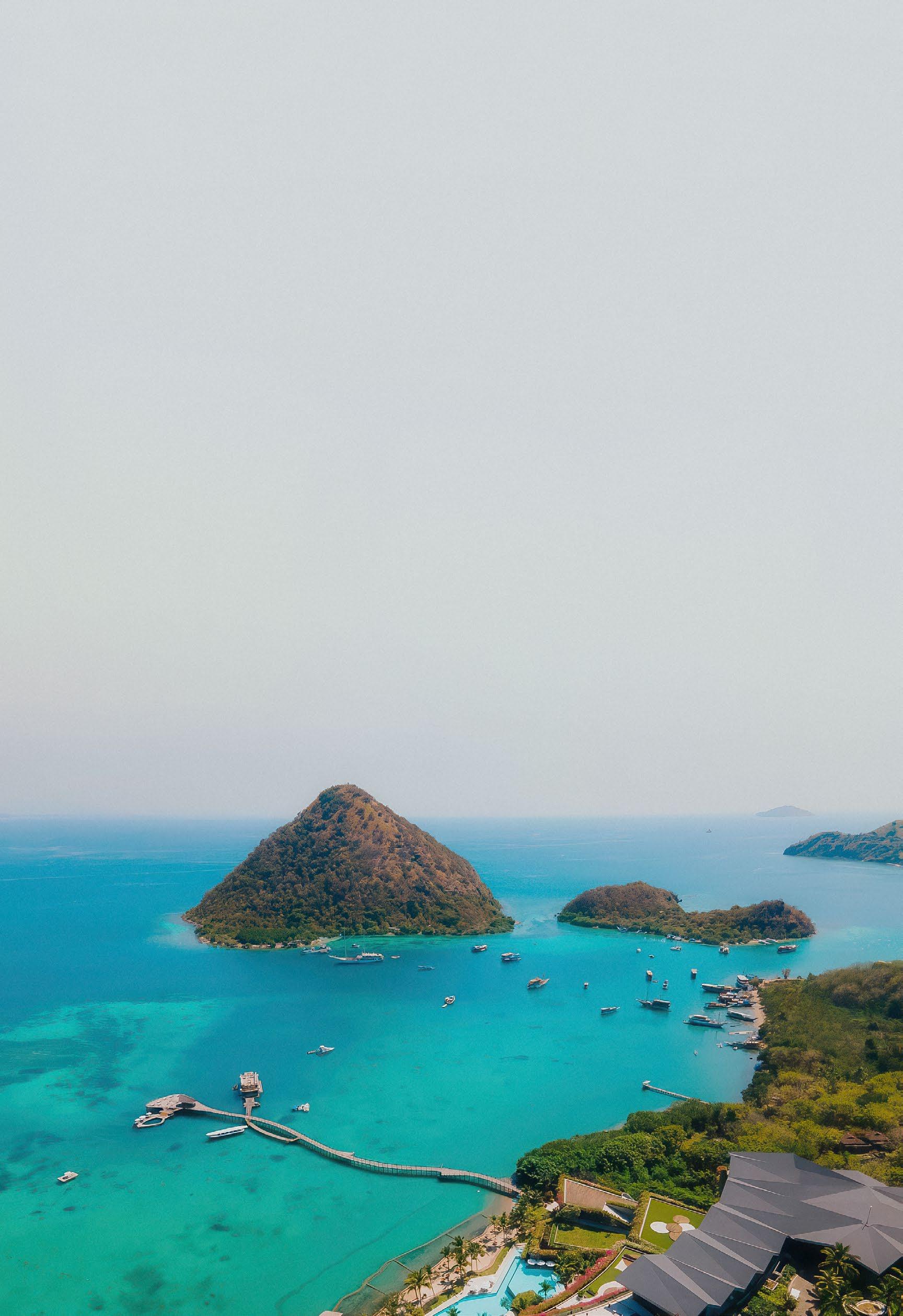
identity. Location is not treated as scenery but as strategic capital.
At AYANA Komodo Waecicu Beach , access to Komodo National Park becomes an integral part of the guest narrative, turning proximity to nature into a defining feature of the brand. City hotels are always worth a look if they have something to offer on the outside, I mean, they really feel the unique vibe of this city. Experiences rooted in place cannot be replicated elsewhere, and that exclusivity strengthens global positioning.
5. RESPONSIBLE PRESTIGE
Sustainability is no longer a peripheral initiative but a defining benchmark. Modern luxury travelers increasingly evaluate not only how they are treated, but how responsibly a property operates.
Award-worthy hotels integrate environmental and community considerations into daily
operations, demonstrating that long-term thinking and commercial success are not mutually exclusive. Responsible leadership signals resilience, credibility, and future readiness.
Across continents and brand categories, the pattern remains consistent. Hotels that achieve international recognition are not simply visually impressive; they are strategically coherent, operationally disciplined, emotionally intelligent, and responsibly managed.
In global hospitality today, the difference between premium and truly award-winning is rarely loud. It is embedded in systems, culture, and leadership, invisible to the eye, yet unmistakable in experience.
Connect with Amalia Grygorian on LinkedIn Position your property among global leaders at www.luxurylifestyleawards.com