LUXURY LIFE KENYA
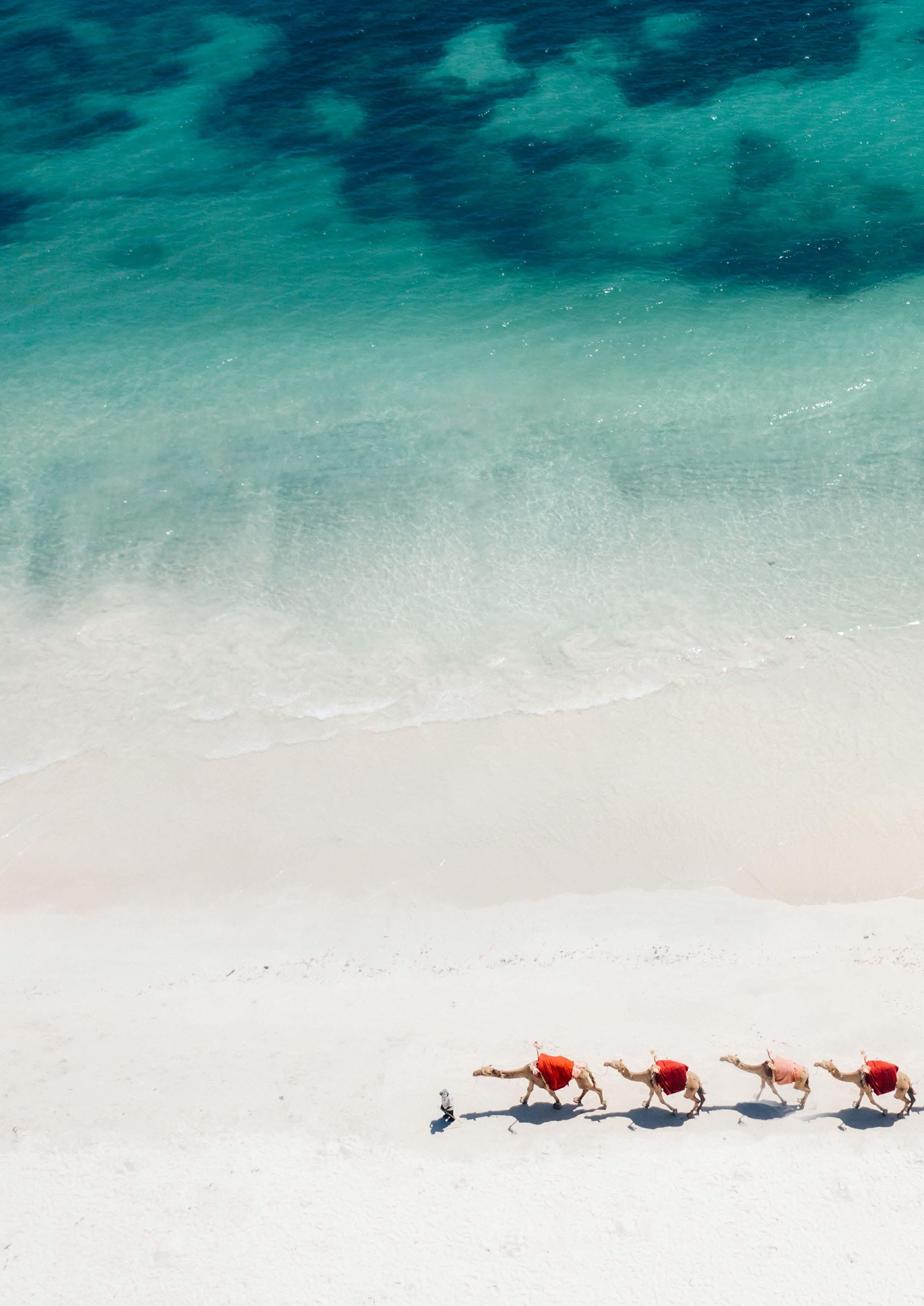
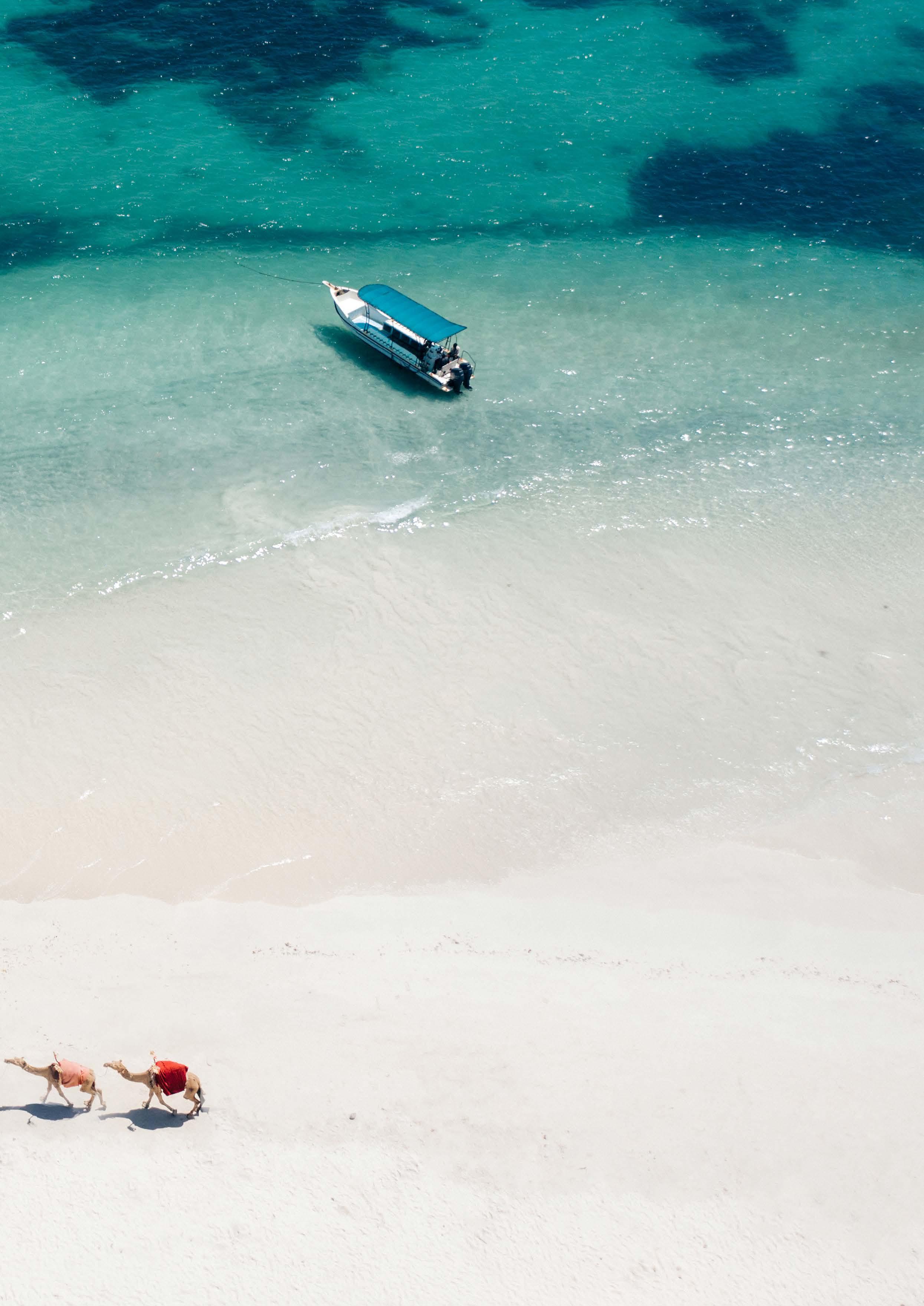
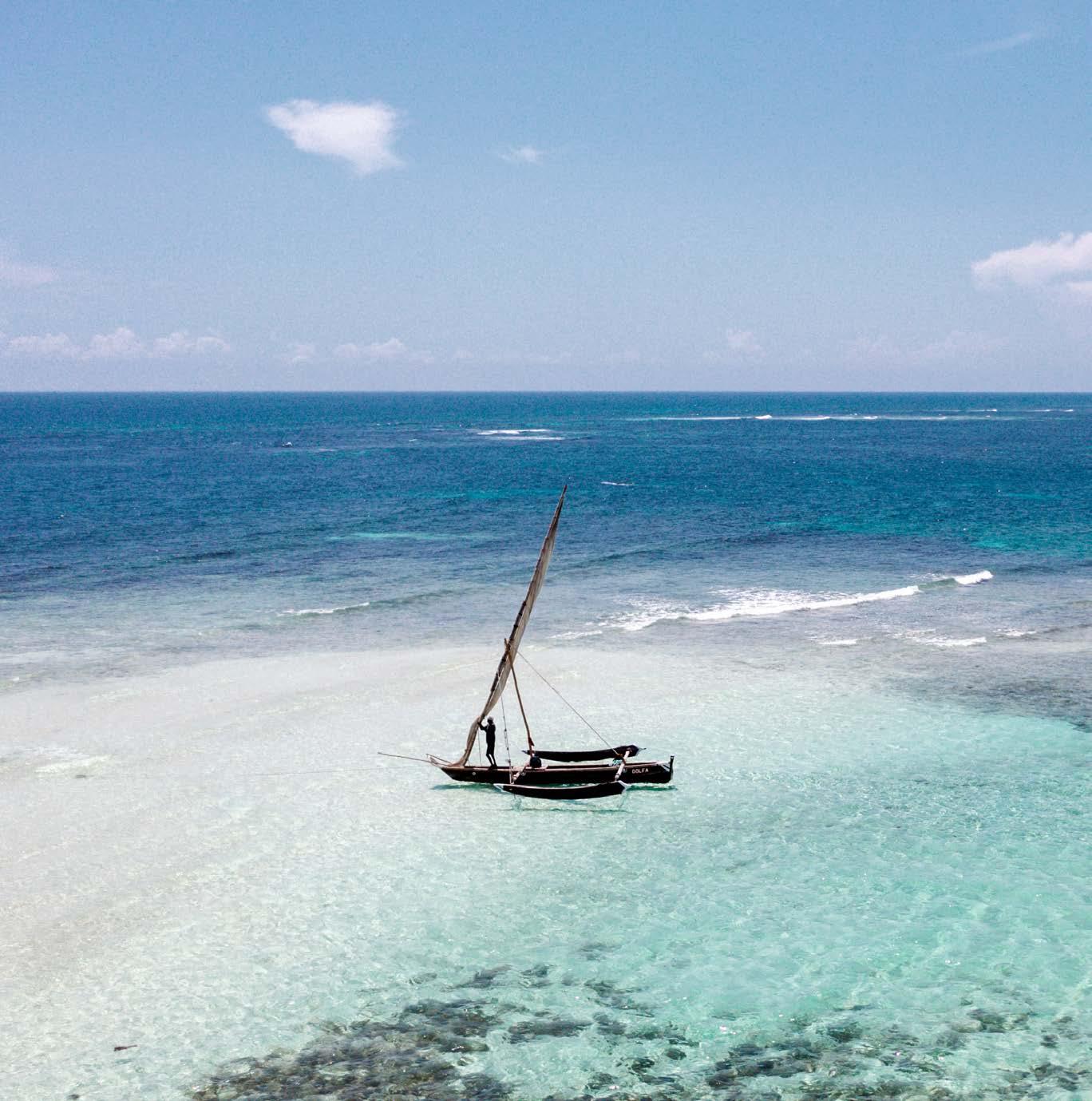
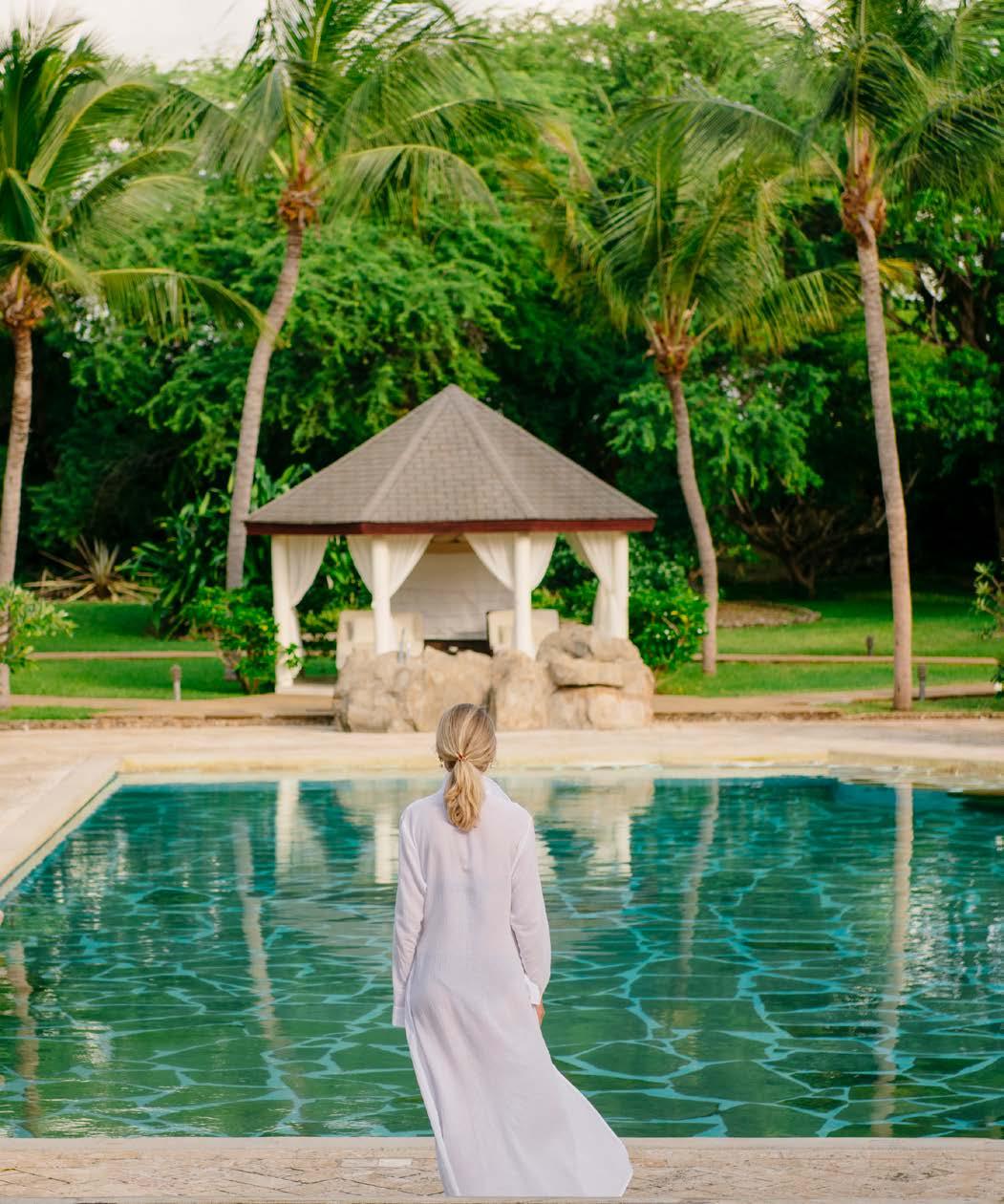
Diani Beach, Kwale, Kenya.
Photographed by Talisa Lanoe.

INDUSTRY ICONS
Celebrating the makers, pioneers, and creative houses that have shaped Kenya’s creative landscape.
FeatureStory:Rosenkrantz,WhatDefines “BeyondJewellery”
FASHION
An exploration of fashion as expression — bold, refined, and always evolving.
FeatureStory:AmaniYani The Italian Girl whofoundpeaceinKenya 16
In-depth interviews with people shaping how we see and experience beauty, style, design, wellness and culture in Africa today.
EmilyChepkor:Thewomanwhogot Nairobimoving
TRAVEL
Celebrating extraordinary destinations, inspiring experiences, and the people behind them.
FeatureStory:LionintheSun — The week I accidentally lived like Naomi Campbell in Malindi
EXPERIENCES
Curated moments, gatherings, and destinations that shape how we live, celebrate, and connect in Kenya today.
FeatureStory:Lichthaus, AWatamuIcon &Cultural Movement
ART OF LIVING
Exploring the people, places, and ideas redefining the art of living.
FeatureStory:GreenHeart,Kilifi.ADifferent RhythmofLifeontheKenyanCoast
HEALTH & WELLBEING
Conscious living, modern wellness, and the pursuit of feeling well — inside and out.
WhereParisMeetsNairobi:InsideShantaSpa
Dr.Stasch:TenYearsAfterThe Brazilian Buttock LiftBoom,KenyaHasDevelopedItsOwnVersion
Artists, ideas, and moments — both current and eternal — that shape the visual and cultural fabric of our world.
FloraByEndo:TheArtofFloralCuration
Our curated edit of places to discover, flavours to savour, books to read, and inspiration to take with you.
MASTHEAD
THIS ISSUE CURATED WITH LOVE BY THE LLK TEAM:
Valeria Torner, Editor-in-Chief
Sonia Muriu, Designer & Illustrator
Ashton Allert, Executive Photographer
Liane Mudhune, Social Media
Belinda Atieno, PR & Communications
Francesca Tomasi, Sales & Advertising
CONTRIBUTORS:
Mads Tolstrup
Aubrey Ndiweni
Sofia Molinaro
Tanya Imani
Salim Amin
Kui Mwai
David Njuguna
Sean Dundas
Sophie Carrel
Kevin Njoroge
Talisa Lanoe
Lyra Aoko
COVER LOOK:
Natasha Sweeney
Tuk South
Heather Cuthbert
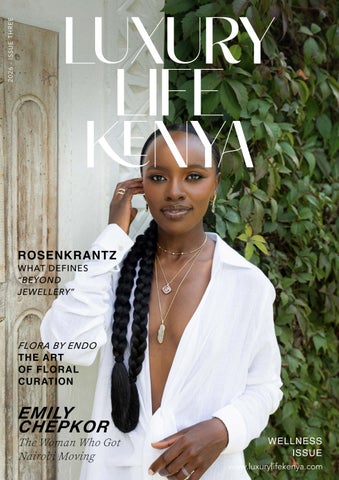
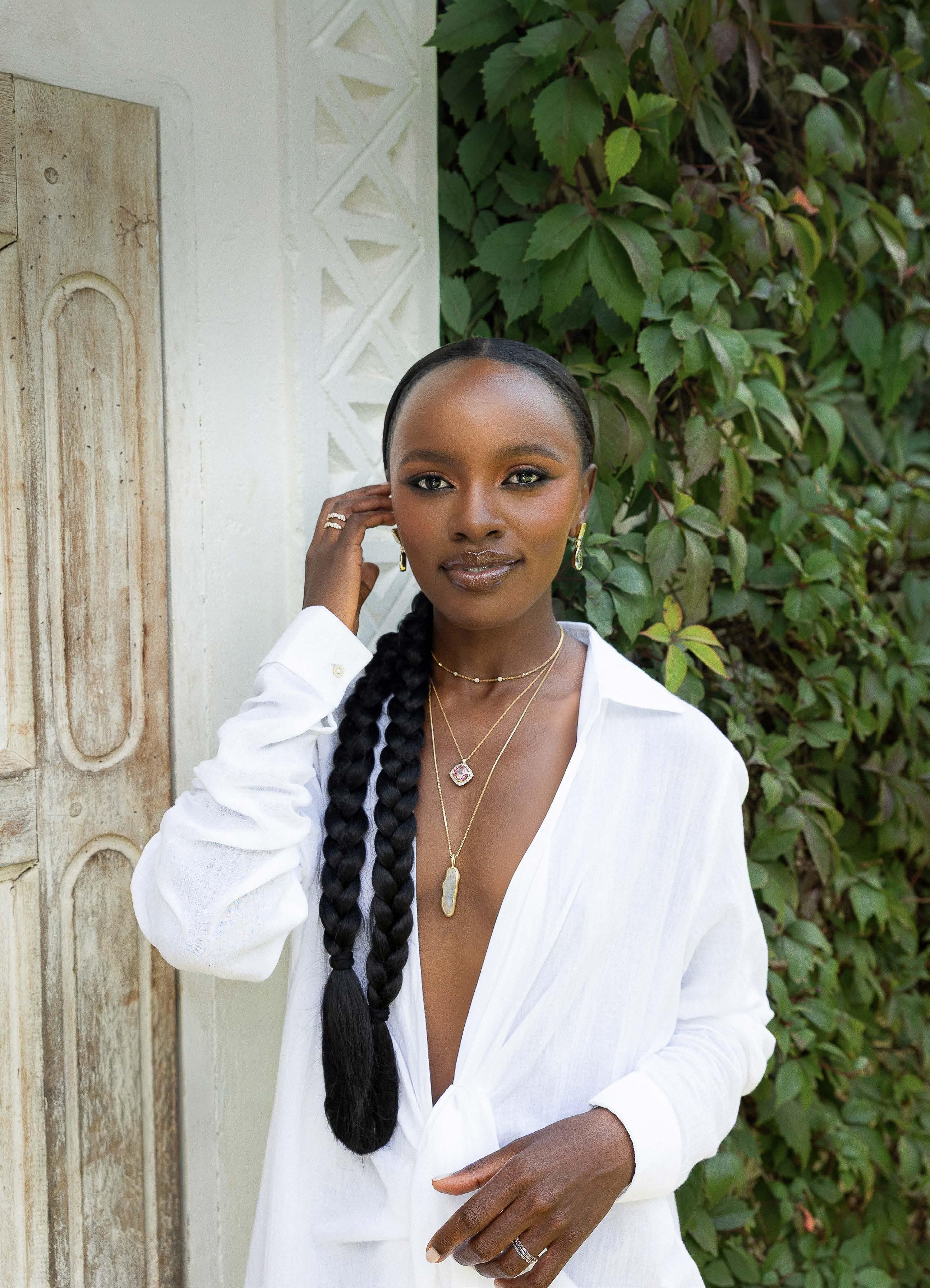
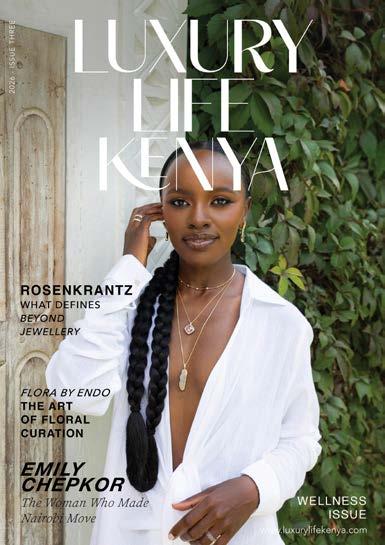
Emily Chepkor, founder of We Run Nairobi and one of the city’s most inspiring voices in movement and community, embodies the spirit of this issue: strength, discipline and effortless elegance. Dressed by Amani Yani and adorned with jewellery by Rosenkrantz, she is captured through the refined lens of Ashton Allert, with makeup by Valary Mdeizi.
Shot at the beautiful Rosenkrantz Manor, the cover brings together sport, style and craftsmanship. It celebrates a new vision of luxury, rooted in wellbeing, purpose and the energy of contemporary Kenya.
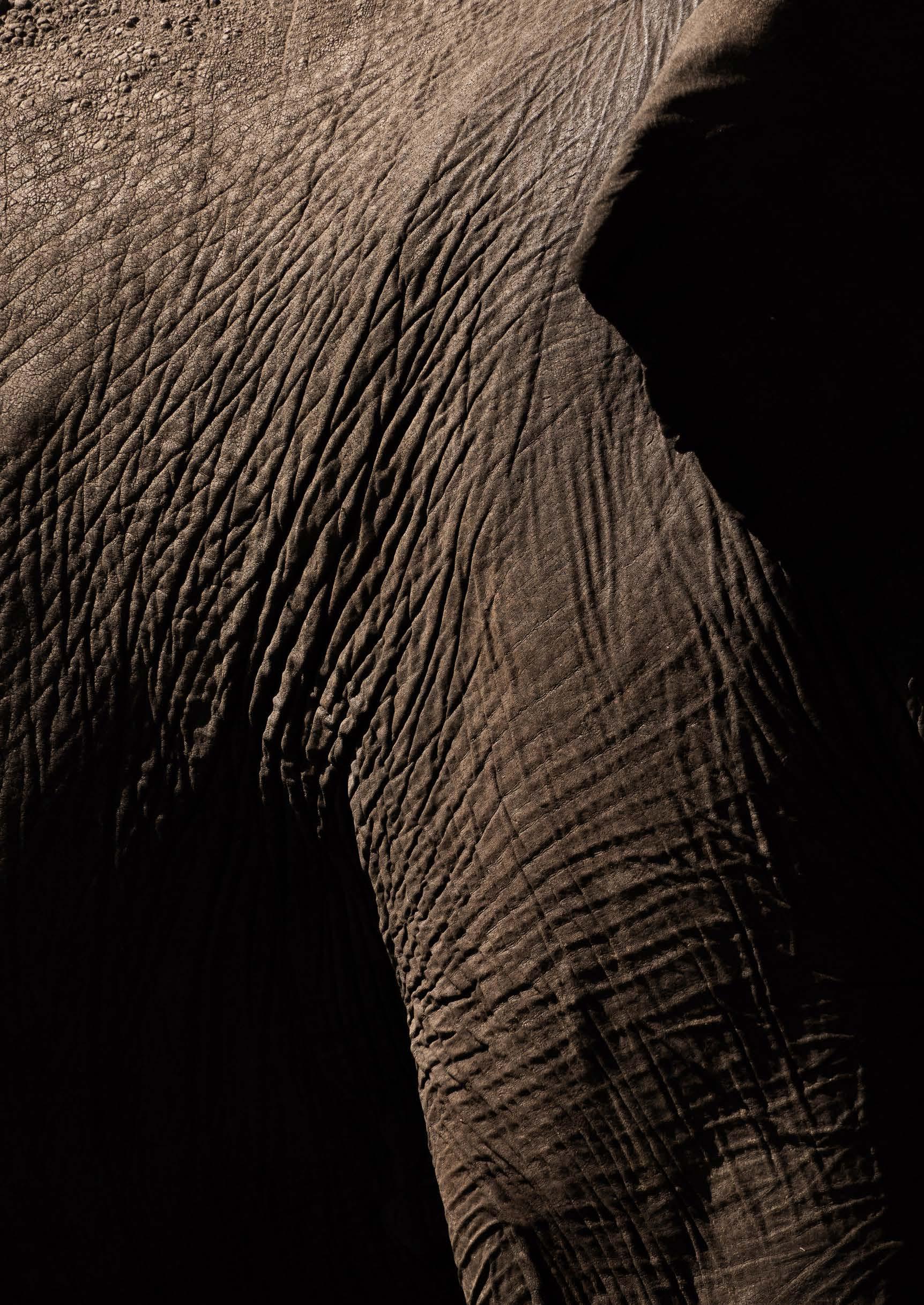
The back cover, photographed by Sofia Molinaro, captures the remarkable texture of an elephant’s skin in striking detail, offering a quiet tribute to Kenya’s extraordinary wildlife and the beauty found in nature’s finest details.
EDITOR’S NOTE
Luxury Life Kenya has always been about the people behind exceptional ideas. The visionaries, artisans, entrepreneurs and creators whose work leaves a lasting mark.
Over the past year, our own story has evolved too. We launched LLK Digital and our newsletter, taking these conversations beyond the printed page. The magazine itself has travelled across continents and oceans, finding its way onto coffee tables around the world.
Yet one thing has never changed. From the very beginning, we envisioned Luxury Life Kenya as a collectible publication. One to be kept, revisited and shared. Because the stories we tell are not chosen for a season, but for their lasting relevance.
As we were planning an edition dedicated to sport and wellness, the world seemed to arrive at the same conclusion: wellness has become the new luxury. This year, sport has taken centre stage, from the Winter Olympics to Roland-Garros, Wimbledon and the FIFA World Cup. At the same time, brands are investing in movement, recovery and longevity with the same passion they once reserved for fashion. Alo’s wellness yacht on the French Riviera and Guerlain’s spa aboard the new Orient Express Sailing Yacht are just two examples of how wellbeing has become the ultimate luxury experience.
East Africa is embracing this shift in its own way. Running clubs are bringing communities together, padel courts
continue to appear across our cities, Pilates studios are thriving and a new generation is placing greater value on both physical and mental wellbeing.
That spirit runs through every page of this issue. We meet Emily Chepkor, whose We Run Nairobi has inspired thousands to get moving. We discover the holistic philosophy behind Green Heart, explore the stories of Rosenkrantz, Lichthaus, Gym & Tonic and Amani Yani, and join the four friends behind South Tuk, whose remarkable journey from Kenya across continents reminds us that some of life’s greatest rewards come from curiosity, courage and adventure.
Luxury has always evolved with its time. Today, perhaps more than ever, it is not measured by what we own, but by how we choose to live.

I hope these pages inspire you to move, to explore, to look after yourself and, above all, to appreciate the people behind the ideas that shape our world.
Valeria Torner Petaeva Editor-in-Chief
ROSENKRANTZ:
WHAT DEFINES “ Beyond Jewellery”
There are houses built on heritage, and others that know how to carry it forward. Rosenkrantz belongs, unequivocally, to the latter.
WRITTEN BY VALERIA TORNER
PHOTOGRAPHY BY ASHTON ALLERT & MADS TOLSTRUP

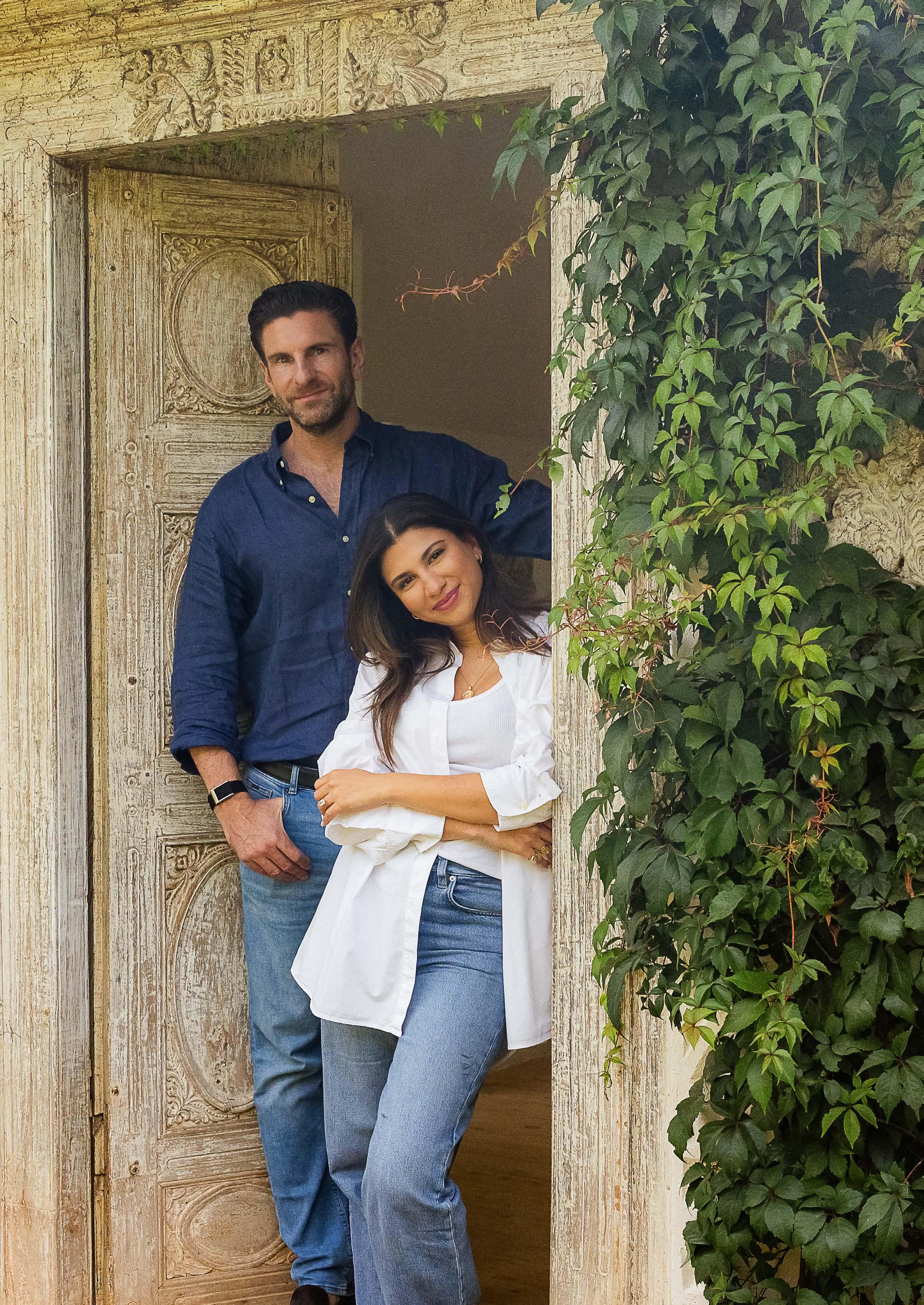
TThe name itself carries weight — a lineage rooted in European nobility, traced back centuries and woven into cultural history, even appearing in the pages of Hamlet. Its coat of arms, now used as the house’s emblem, is not a decorative gesture but a continuation of identity — a symbol that has travelled through time and now anchors a contemporary vision of jewellery.
Baron Iver Rosenkrantz and Baroness Jhaleh Aziz Rosenkrantz carry that legacy with clarity. Their titles are neither ornamental nor nostalgic; they reflect a way of thinking — one that values continuity, discipline and a deep understanding of craft. Yet the story of Rosenkrantz does not unfold in European salons or ateliers. It begins in Africa, in the places where gemstones are found.
A Life Drawn to Origin
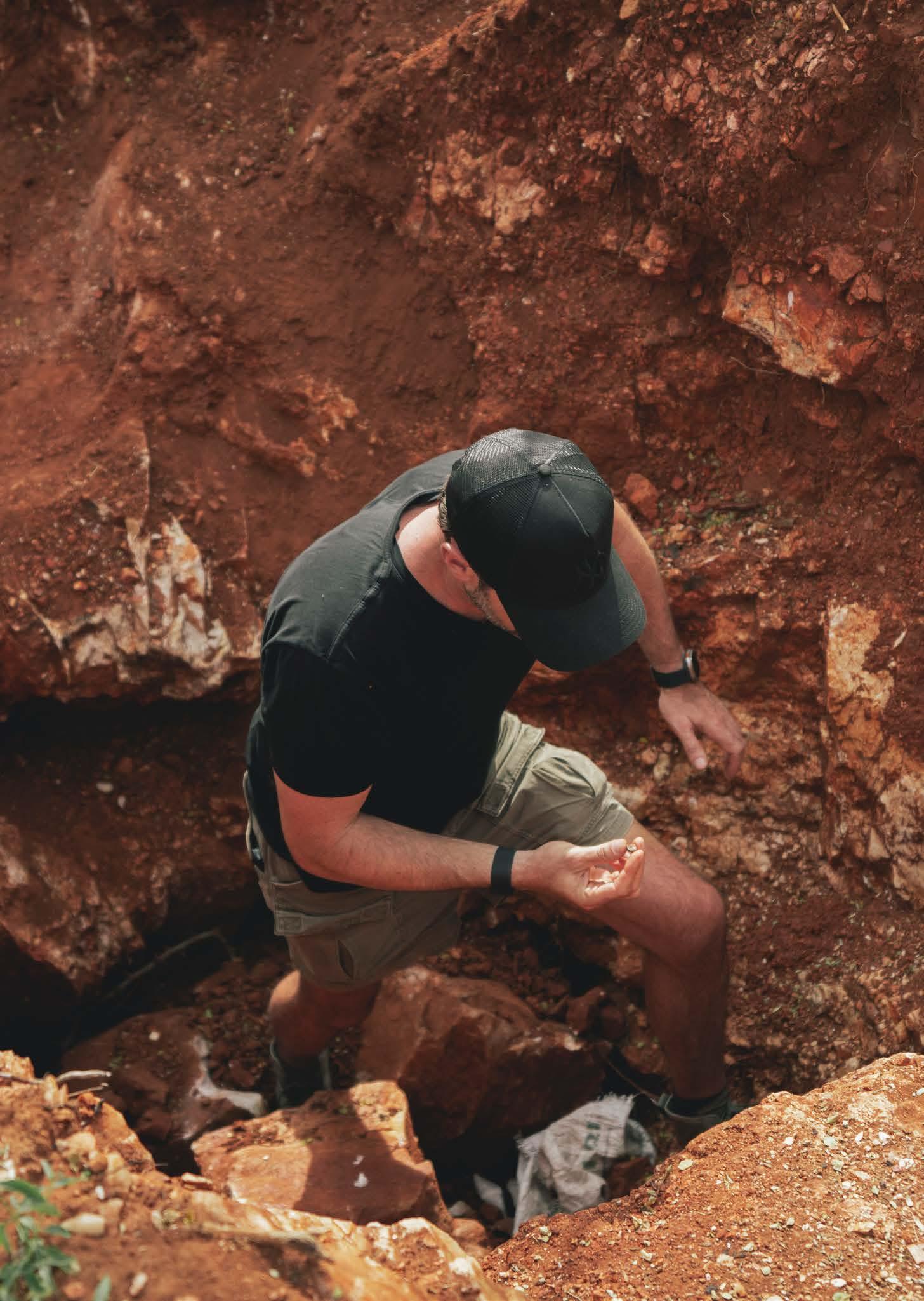
When Iver first arrived in Zimbabwe in the late 1990s, he was working as a safari guide — far removed from the polished world of high jewellery. “I started going to the places where these stones come from,” he reflects, guided more by instinct than industry norms.
He later moved to Tanzania to establish a textile factory, marking his first step in building something of his own in the region. But it was that early proximity to landscape, terrain and the unpredictability of nature that ultimately shaped his approach to sourcing. By 2008, he had entered the gemstone trade, travelling directly to mining regions, building relationships and understanding the realities behind each stone.
What emerged from those years was a perspective rarely found in the industry: gemstones not as commodities, but as journeys. As Iver puts it, “Gemstones may be plentiful, but extraordinary ones are not.”
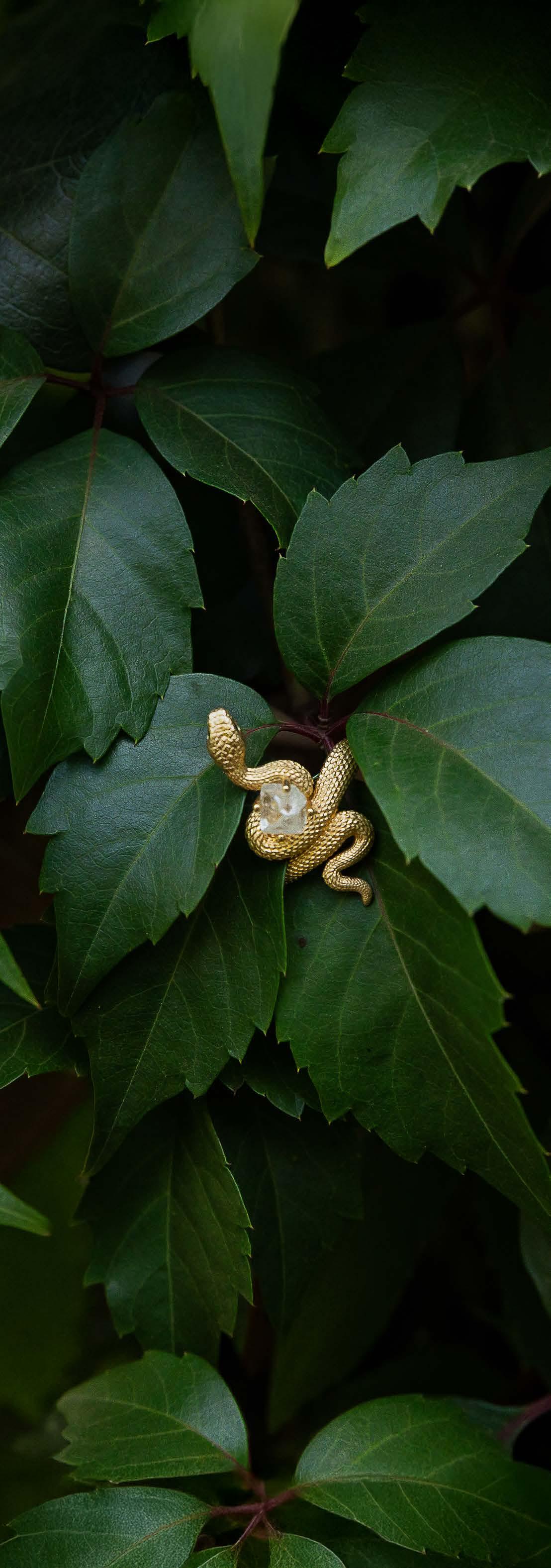
Rosenkrantz Serpent ring featuring a rough diamond. Discover more at rosenkrantz.com.
The Meeting of Perspective and Form
If Iver’s work is grounded in the field, Jhaleh’s is shaped by vision. With a background in art and photography, and an aesthetic language influenced by her Iranian heritage and East African upbringing, she approaches jewellery with a sensitivity that feels both intuitive and refined. “I always work from the stone outward,” she explains. “The stone dictates the design.”
Their partnership, formed in Tanzania, is defined by constant exchange — ideas moving fluidly between sourcing and design. There is no rigid separation between roles, only a shared process that evolves through dialogue. “There is a lot of synergy,” Jhaleh notes — a collaboration that feels instinctive rather than structured.
A Different Way of Working
The traditional gemstone journey is long and fragmented. A stone may pass through numerous intermediaries before reaching its final owner, each step adding distance — from origin, from story, from meaning. Rosenkrantz has chosen a more direct path.
“Normally a gemstone will change hands nine to eleven times,” Iver explains. “In our case, it will only change hands two to three times.” By working closely with mining communities and sourcing stones at their origin, the house shortens that journey significantly. This preserves something essential: the connection between the stone and its source. It also allows for a more considered distribution of value, ensuring those closest to the origin remain part of the story in a tangible way.
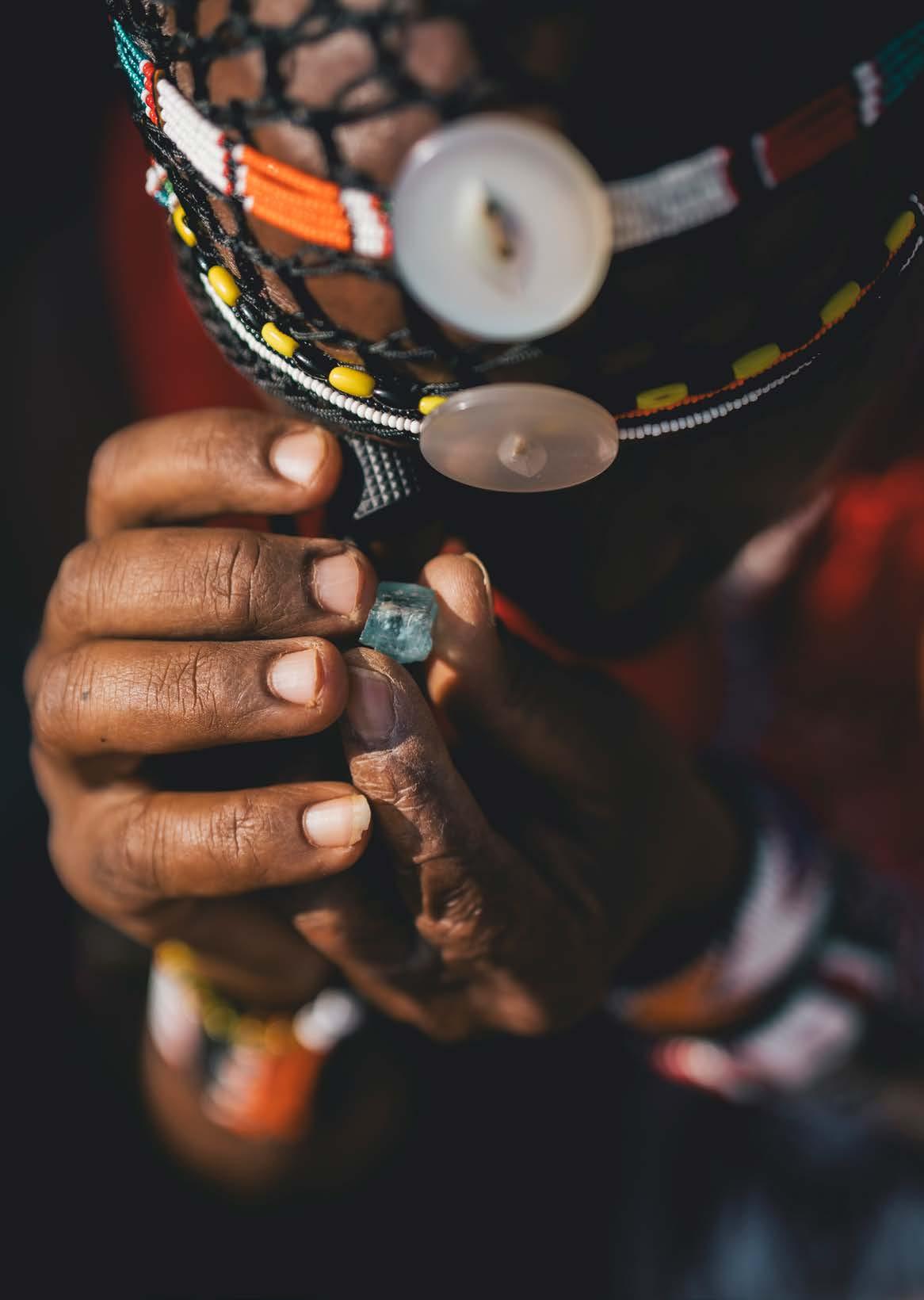
A new deposit of fine-quality aquamarine discovered by the Rosenkrantz team in Northern Kenya.
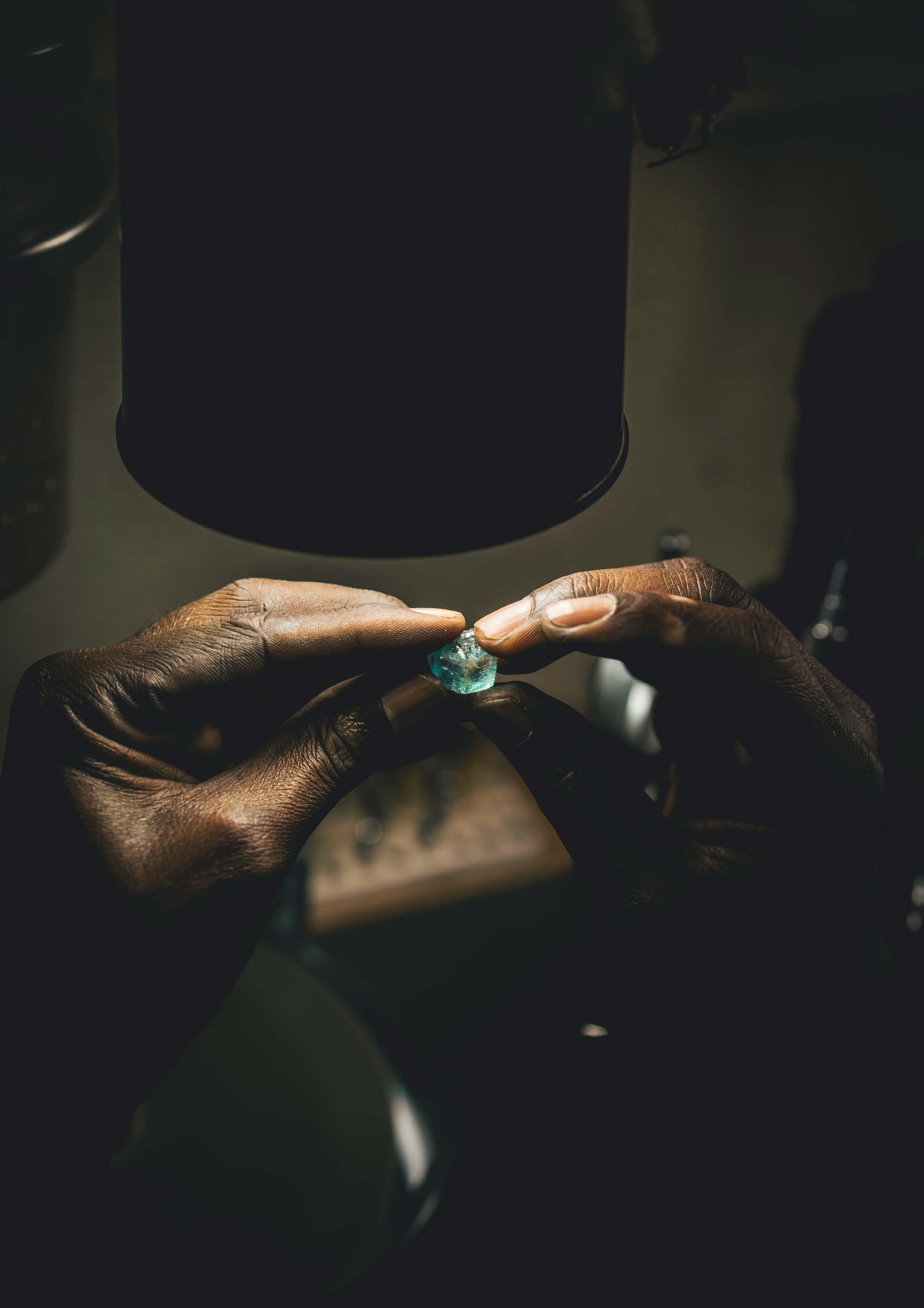
“I always work from the stone outward. The stone dictates the design.”
A beautiful rough aquamarine, mined in Northern Kenya.
Design, Led by the Stone
At the heart of Rosenkrantz lies a design philosophy grounded in observation. Jhaleh does not impose form onto a gemstone; she studies it — its colour, its internal movement, its formation — before allowing a design to emerge. “It’s about honouring its character and history,” she says, “how it was formed over millions of years.” The result is jewellery that feels deeply aligned with the material itself, as though each piece has been shaped in response to the stone rather than imposed upon it.
This sensibility unfolds across three distinct aesthetic worlds: Ardhi, inspired by East Africa’s raw textures; Liselund, reflecting the romanticism of the family’s Danish estate; and Cosmic Geometry, drawing from the symmetry of Middle Eastern design. Each collection carries its own narrative, yet all remain anchored in the same principle — the integrity of the stone.
Responsibility, Embedded
Rosenkrantz’s approach to sourcing extends beyond proximity into long-term commitment. Their relationships with mining communities are built over years, grounded in trust and mutual understanding. “We realised early on that gemstones hold power,” Iver notes, “not just for those who own them, but for those who extract them.” One defining example is the establishment of an all-women-operated mine in Zimbabwe — an initiative that grew from direct observation into a structured opportunity for income and independence. These decisions are not positioned as statements, but as natural extensions of a way of working that values fairness as much as craftsmanship.
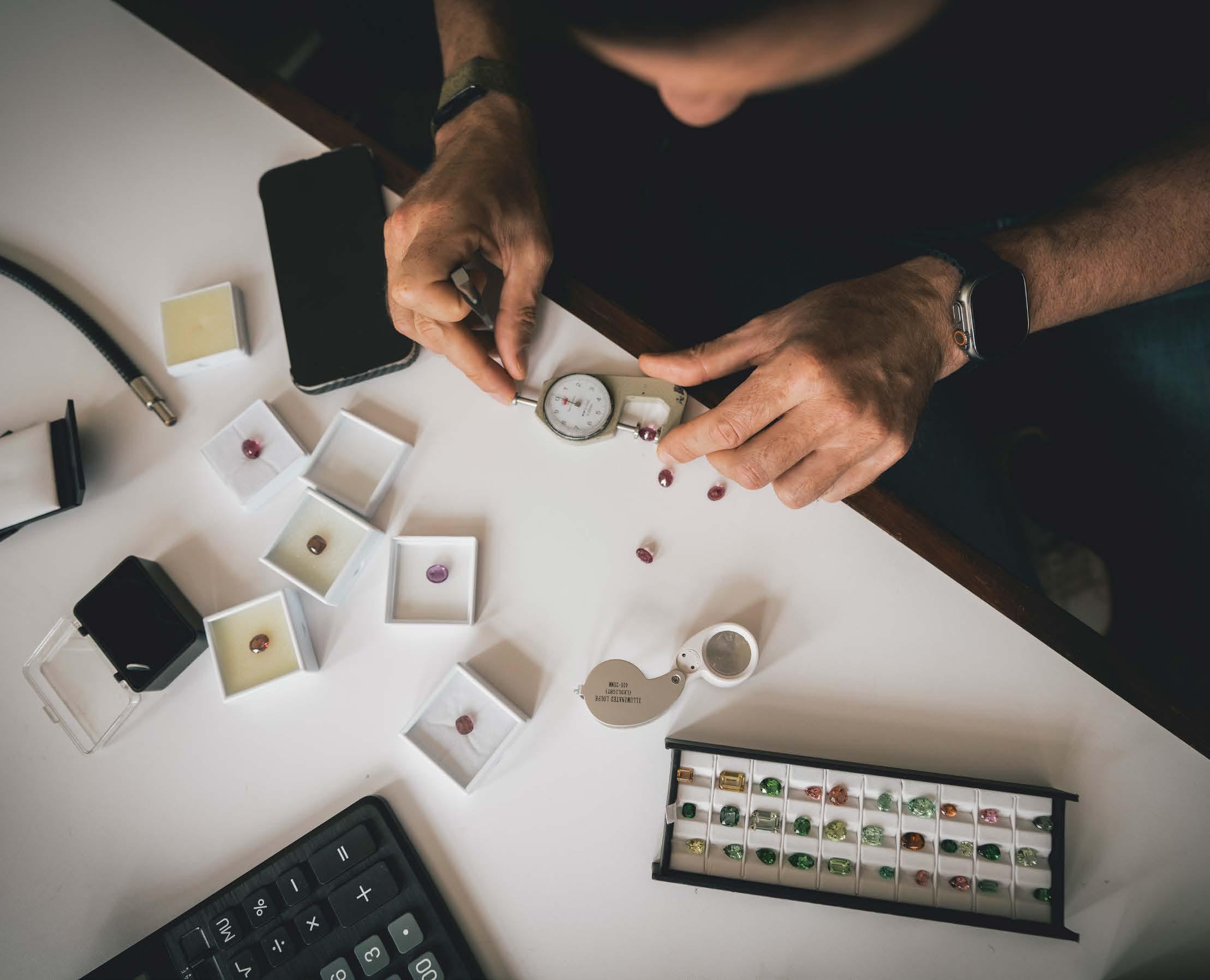
East Africa is the source of a remarkable variety of gemstones, formed deep within the earth over millions of years.
Rarity, Understood
In a market historically shaped by the dominance of diamonds, Rosenkrantz offers a broader perspective. Coloured gemstones — tanzanite, spinel, tsavorite — are approached not as alternatives, but as central expressions of rarity. “Coloured stones have definitely taken on a new life,” Jhaleh observes. Many of these stones are significantly rarer than diamonds, yet remain less widely understood. Rosenkrantz bridges that gap through knowledge, guiding clients towards a deeper appreciation of what they are acquiring. Because rarity, in this context, is not simply about scarcity. It is about context, origin and the ability to recognise something truly exceptional.
Jewellery as Continuity
Each Rosenkrantz piece carries a sense of time. A gemstone forms over millions of years, is extracted by hand, selected with precision and shaped into a design that reflects both its origin and its potential. When it reaches a client, it becomes part of a longer narrative — one that extends beyond ownership. There is also a growing recognition of jewellery as an asset, particularly within the realm of highquality coloured gemstones. For Rosenkrantz, this dimension is approached with the same clarity and responsibility that defines the rest of their work.
A House Defined by Its Own Path
Rosenkrantz does not seek to follow the established codes of the jewellery world, nor position itself in opposition to them. It simply operates according to its own logic — shaped by experience, guided by instinct and grounded in relationships that extend from the mine to the final piece.
The coat of arms remains, as it has for centuries — a symbol of continuity. Today, however, it represents something more nuanced: a house that understands where it comes from, and just as importantly, how it chooses to move forward — a philosophy Rosenkrantz defines simply as “Beyond Jewellery.”
“We realised early on that gemstones hold power, not just for those who own them, but for those who extract them.”
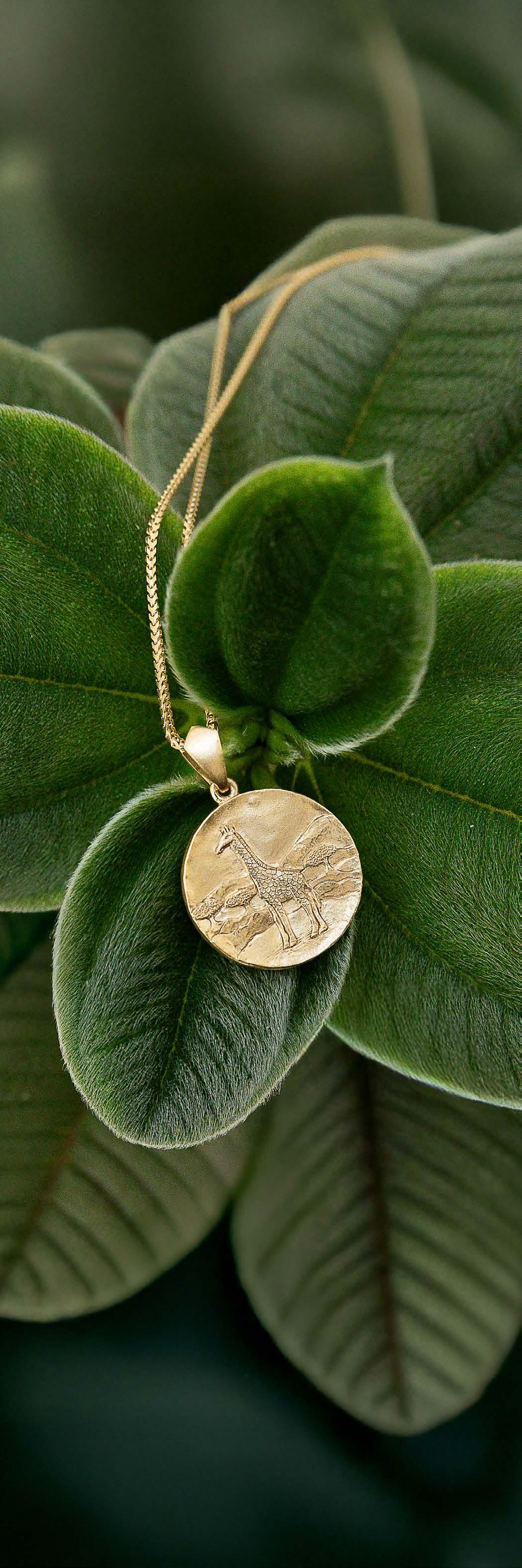
The Rosenkrantz Giraffe Pendant is hand-engraved in solid 18-karat gold.
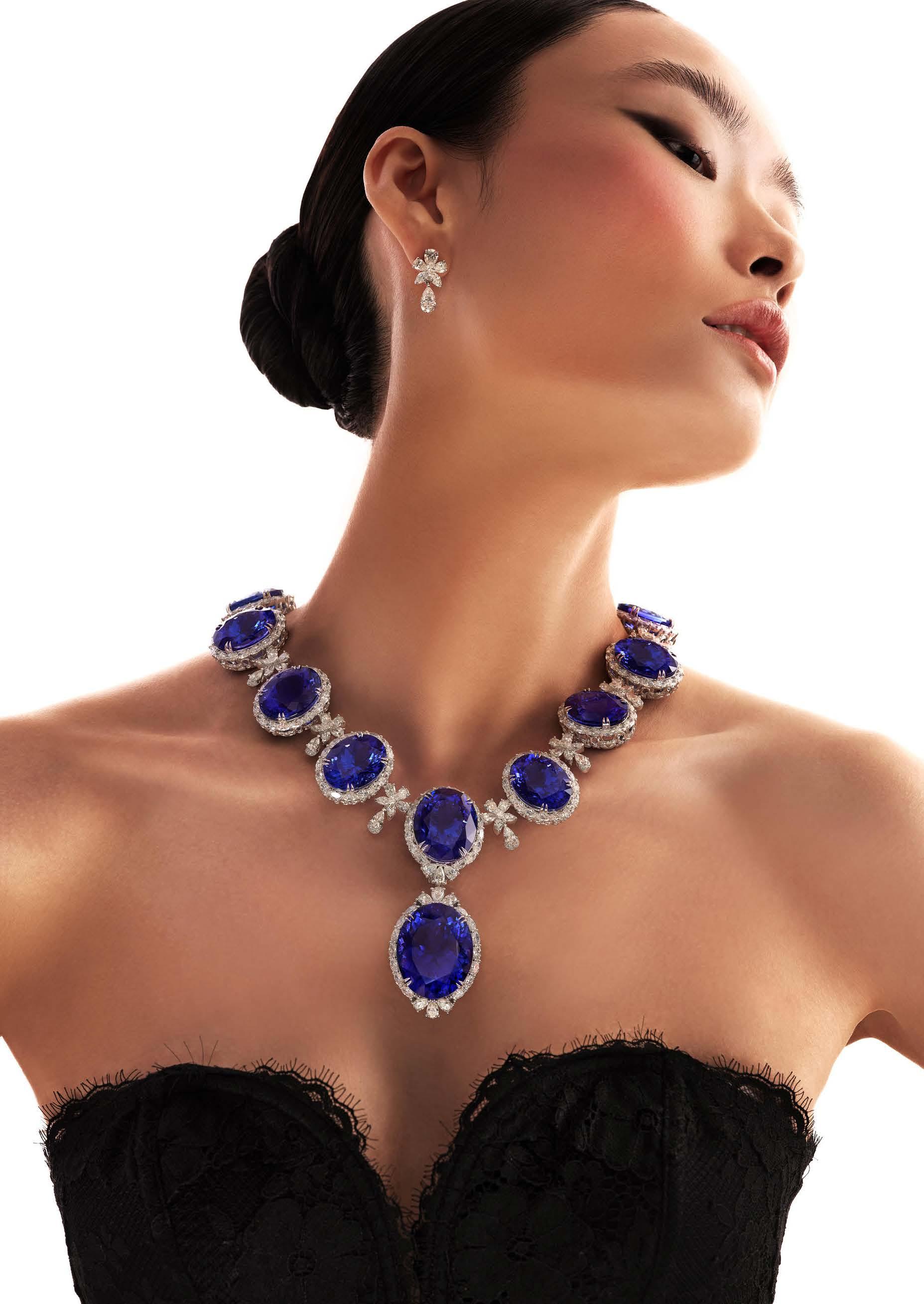
Héloïse is an extraordinary 650-carat tanzanite and diamond necklace, crafted from exceptionally rare gemstones sourced from a single pocket beneath Mount Kilimanjaro, making it the largest tanzanite necklace ever created.
THE ITALIAN GIRL Who Found Peace in Kenya
WRITTEN BY VALERIA TORNER
PHOTOGRAPHY BY NATASHA SWEENEY, AUBREY NDIWENI & SOFIA MOLINARO
Brigitta Langer grew up between the baroque streets of Lecce and the wild Kenyan coast — and eventually chose one. The result is Amani Yani, a handmade resort wear brand born out of love, craft, and the particular freedom that only comes from knowing exactly where you belong.
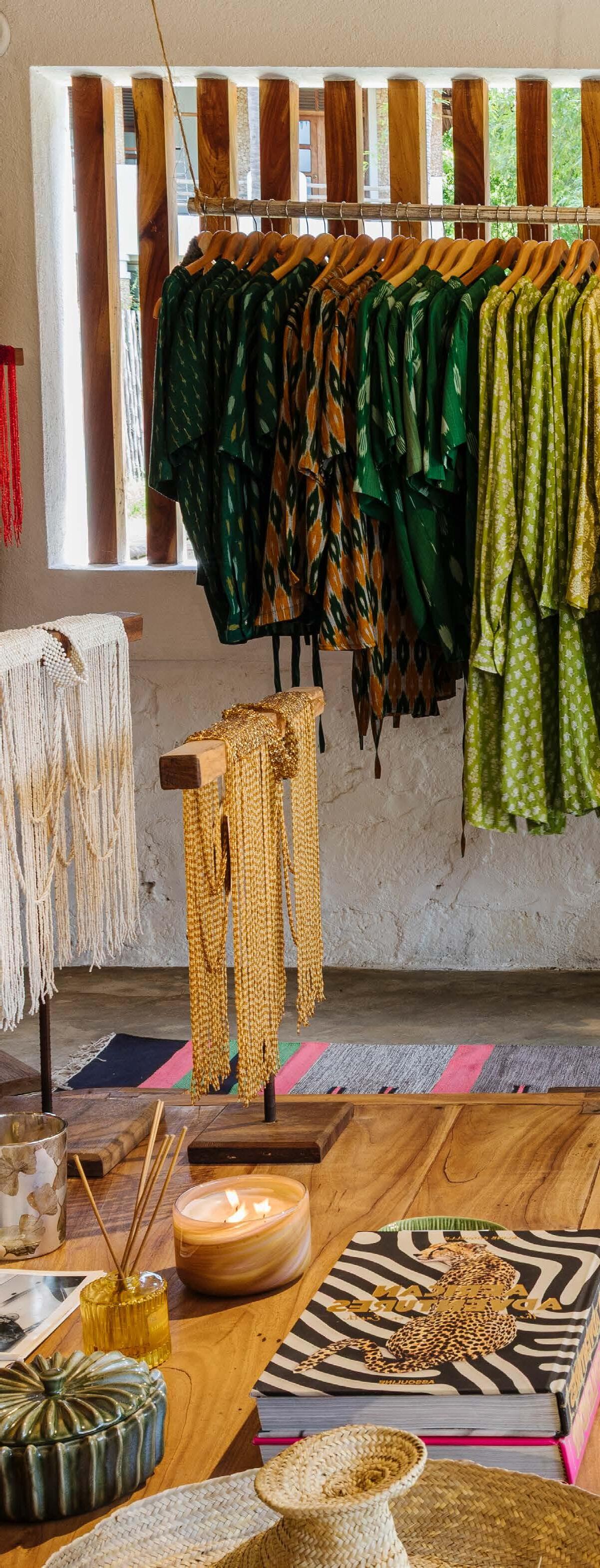
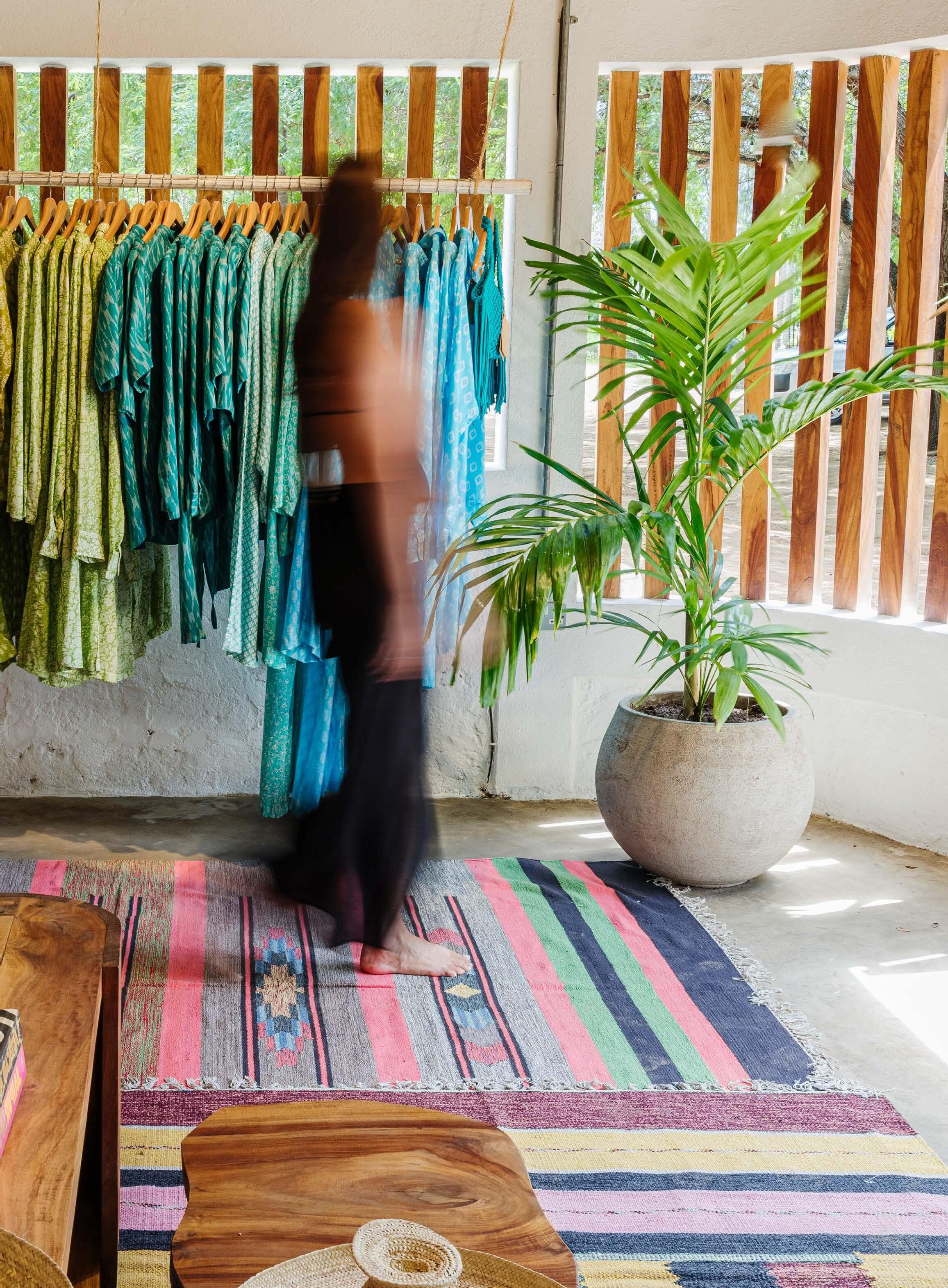
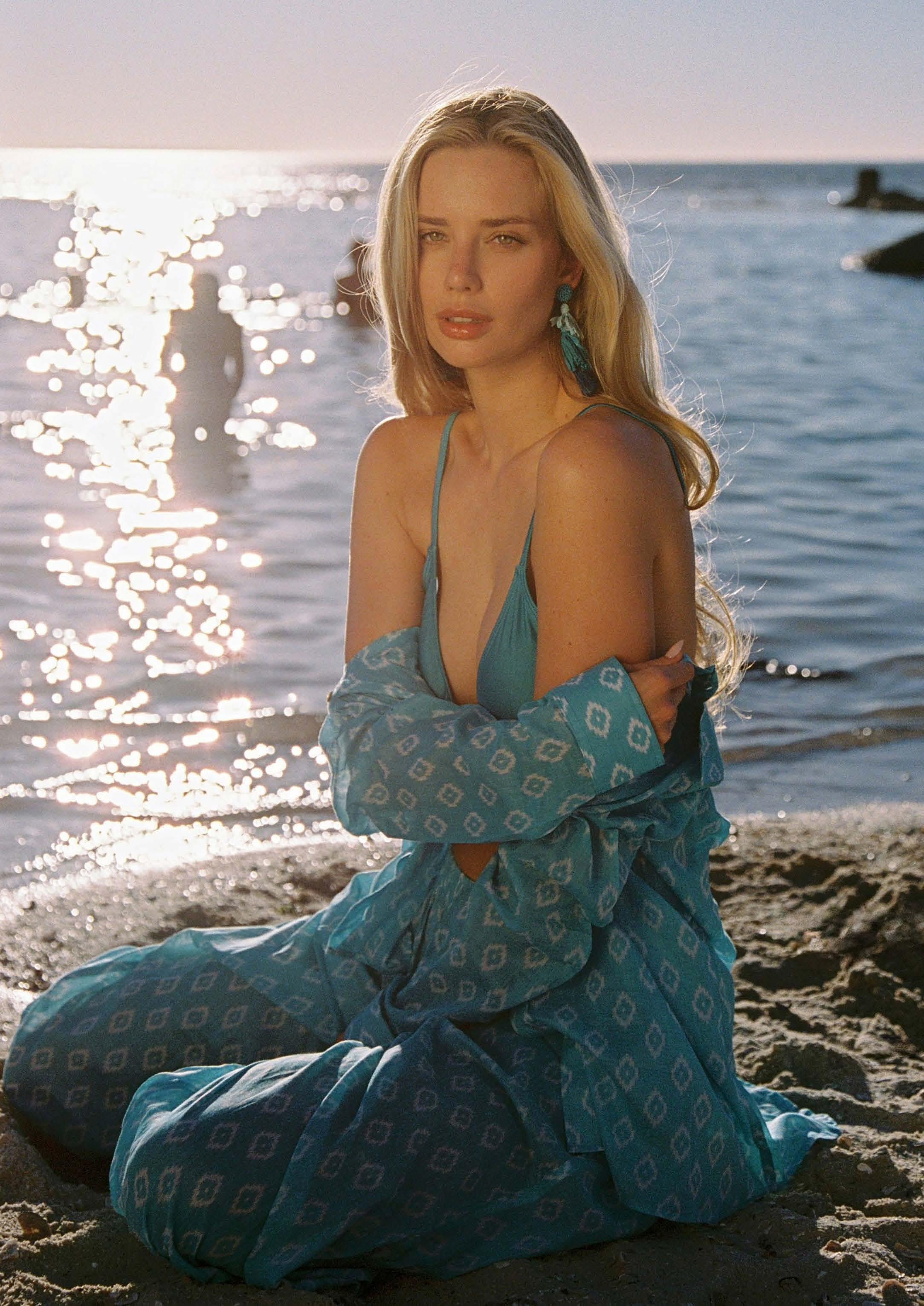
“Kenya gave me the wings to start.”
There is a beach near Malindi that Brigitta Langer has been visiting since before she could properly remember. As a child growing up in Lecce, in the sun-baked baroque south of Italy, she would lie in bed the night before flying to Kenya unable to sleep. Not from nerves. From pure, electric excitement. "I remember being little and knowing that the next day I was going there," she says, laughing softly. "I just could not sleep." She pauses. "And then I remember running around with my cousins, playing in the nature. In Kenya, I always had this feeling of freedom." That feeling — expansive, coastal, unhurried — is now the DNA of Amani Yani, the handmade luxury resort wear brand that Brigitta, now 32, has built in Watamu on Kenya's northern coast. It is a brand made of cotton and craft and something harder to name: the particular lightness of a life assembled exactly as imagined.
Two Countries, One Heart
Brigitta did not grow up in fashion. She studied international relations at the University of Milan — "completely different," she admits — but within two weeks of graduating, she found herself working in a fashion showroom. Over the years that followed, she moved between Milan and Paris, running sales campaigns for some of the most recognised names in luxury: Missoni, Off-White, and others. It was, she says, the education that made everything else possible.
"If I had not had that experience, it would have been impossible for me to build Amani Yani," she says. "Not just the creative side — but everything. How a brand should be structured. What shops need from a brand.
How to Produce
Her love of beauty, fashion and aesthetics, however, was never something she consciously cultivated. It was simply always there. "I grew up stealing my mother's dresses and shoes," she says with a smile. "I always loved beauty. I love clothes, I love fashion — that has always been part of me." Kenya, meanwhile, was always the counterpoint to her Italian life. Her grandparents had discovered the country in the late 1980s, fallen in love with it, and built a family home on the coast. Every Christmas, every Easter, the family would fly from Milan to Mombasa — directly, never through Nairobi. She didn't visit Nairobi until she was an adult. "It was always the coast," she says. "That is Kenya for me." She is quick to note, though, that Kenya and Italy are not as opposite as they might seem. "Where I am from in Puglia — it is not so different from Kenya," she says. "I grew up surrounded by nature. The ocean. So nature was always very important to me. Both places gave me that." From Italy, she draws style and a reverence for quality. From Kenya, freedom and a deep connection with the natural world. "Without both," she says simply,
The Brand That Almost Wasn't
The origin story of Amani Yani is, in Brigitta's own telling, beautifully ordinary. Since childhood, every trip to Kenya had involved one ritual: going with her grandmother to choose fabric and have dresses made by local tailors. She was always fascinated by the craftsmanship. She started making pieces for herself, then for friends. "Oh, that's so cool, can I have one?" they would ask.
When she moved to Watamu — for love, she says without hesitation, having met her husband there — she decided to try something more serious. "At the beginning, I was very scared," she admits. "To start your own business, you need to be brave. I was young. I still had so much to learn." Her husband, she says, believed in her before she believed in herself. "When you have someone like that, it changes things." She pauses. "Coming from him, it was different. I don't know how to explain it. But it helped me jump." Would she have done it anywhere else? She doesn't hesitate. "In Italy, I would never have started this. One hundred percent. Kenya gave me the wings to start."
What Peace Means
The name Amani Yani comes from Swahili. Amani means peace. Yani means "in other words" — so together, the phrase can be read as "in other words, peace." It was
"Amani Yani would not exist. And I would not exist either — because I have always been both."
never going to be anything else. "Peace is Kenya for me," Brigitta says. "It is the most peaceful place on earth. It is the place where I go and I think: life is fine." There is a second meaning, more intimate. Yani is also what she calls her husband. "He is my peace as well. So it has a double meaning." That the brand carries a Swahili name was not a decision so much as an inevitability. "All the brand is a celebration of craftsmanship, of local artisans — that is the soul of it. So of course it should be a Swahili name. There was no other option."
Made by Hand, Made to Last
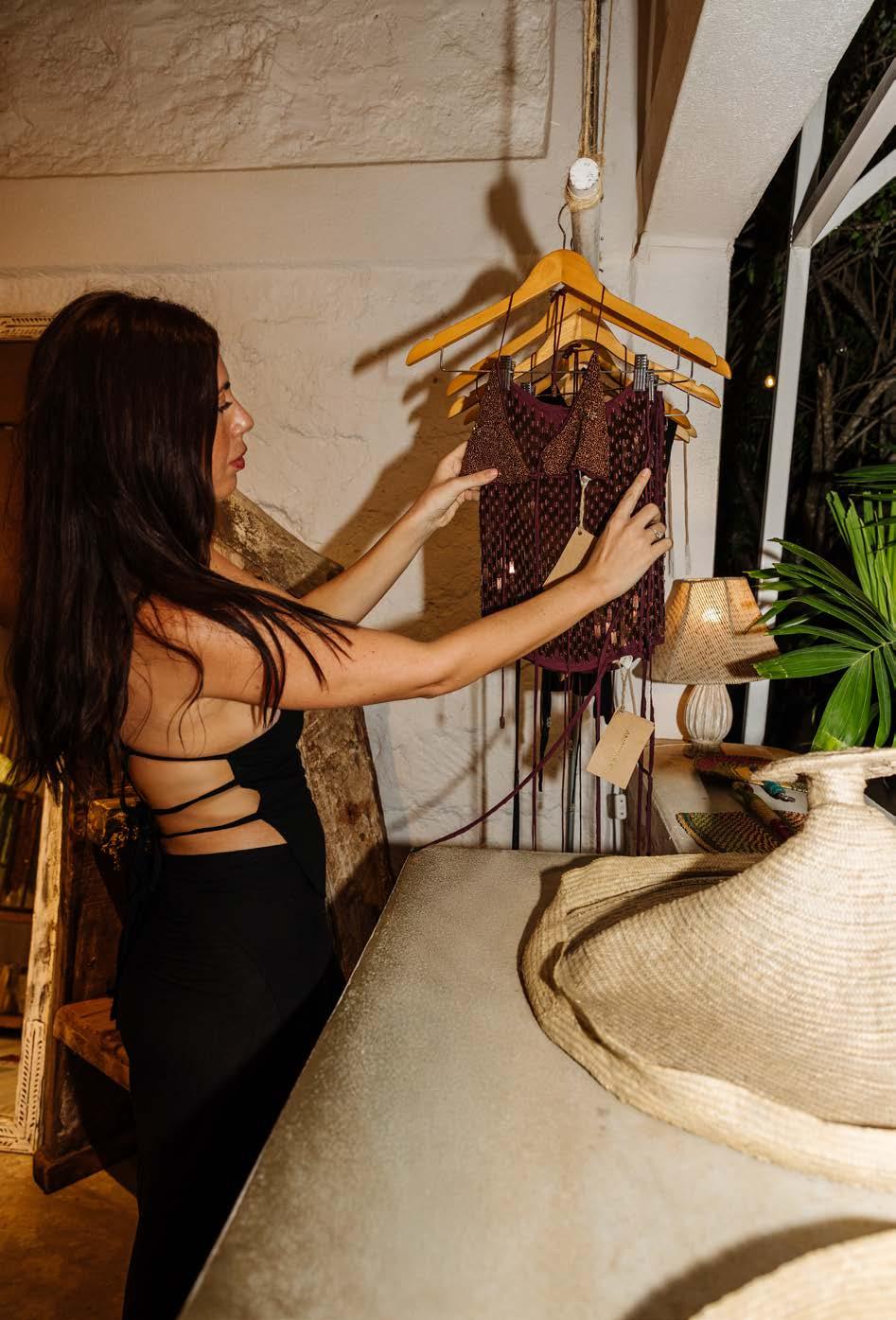
Every piece in the Amani Yani collection is handmade. Production happens in Nairobi, where Brigitta works with a team of five tailors — she started with just one — alongside a wider team of close to ten people, and growing.
Finished pieces travel to Watamu for quality control: a check in Nairobi, another on arrival, and often a third from Brigitta herself. The warehouse, and the boutique, are both in Watamu. "I am so grateful for these people," she says of her team. "They are the heart of Amani Yani. Without them, I would not be able to do anything." She is deliberate, too, about how she leads. "I push communication more than anything. I want everyone to feel respected, fairly compensated, comfortable to
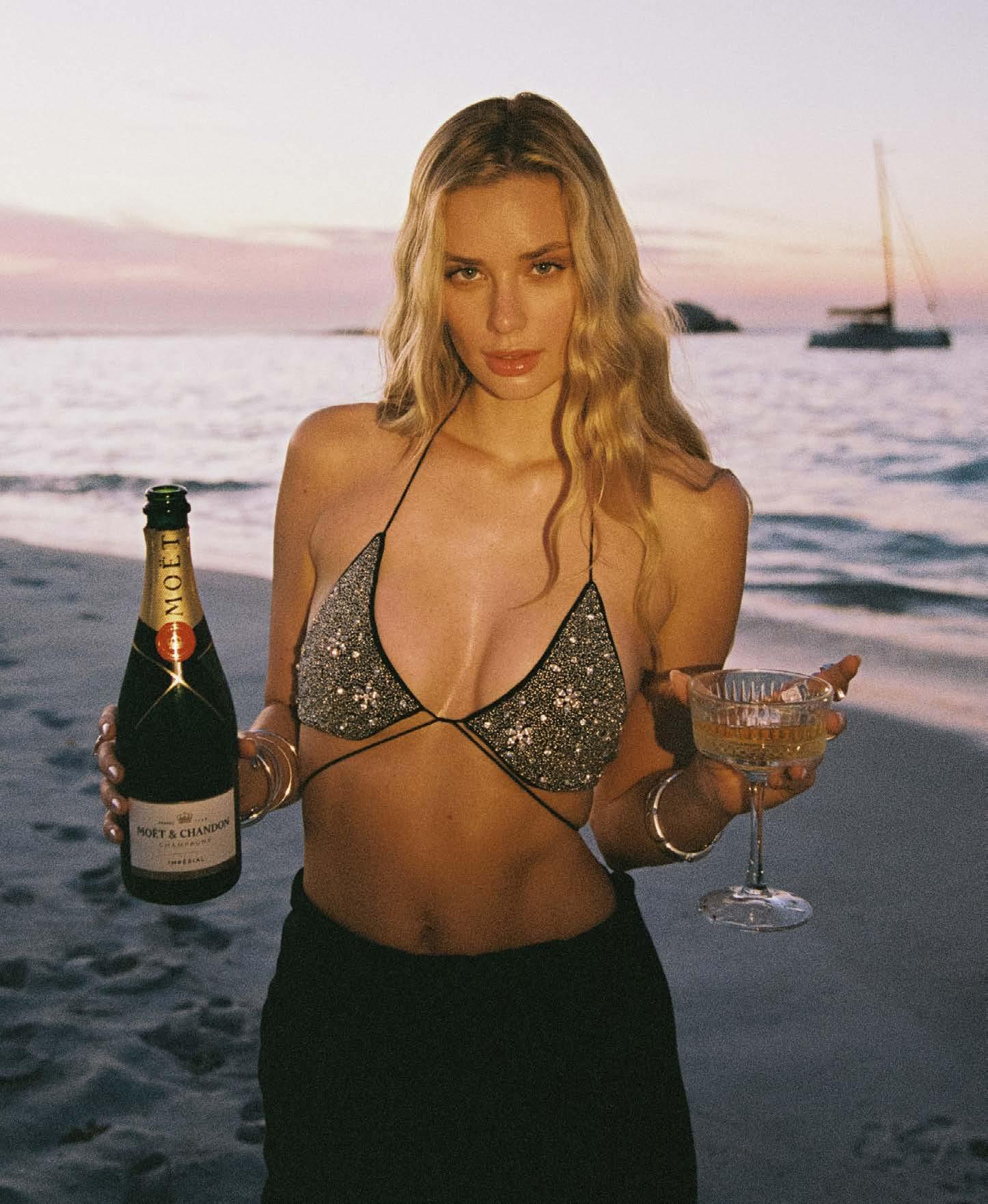
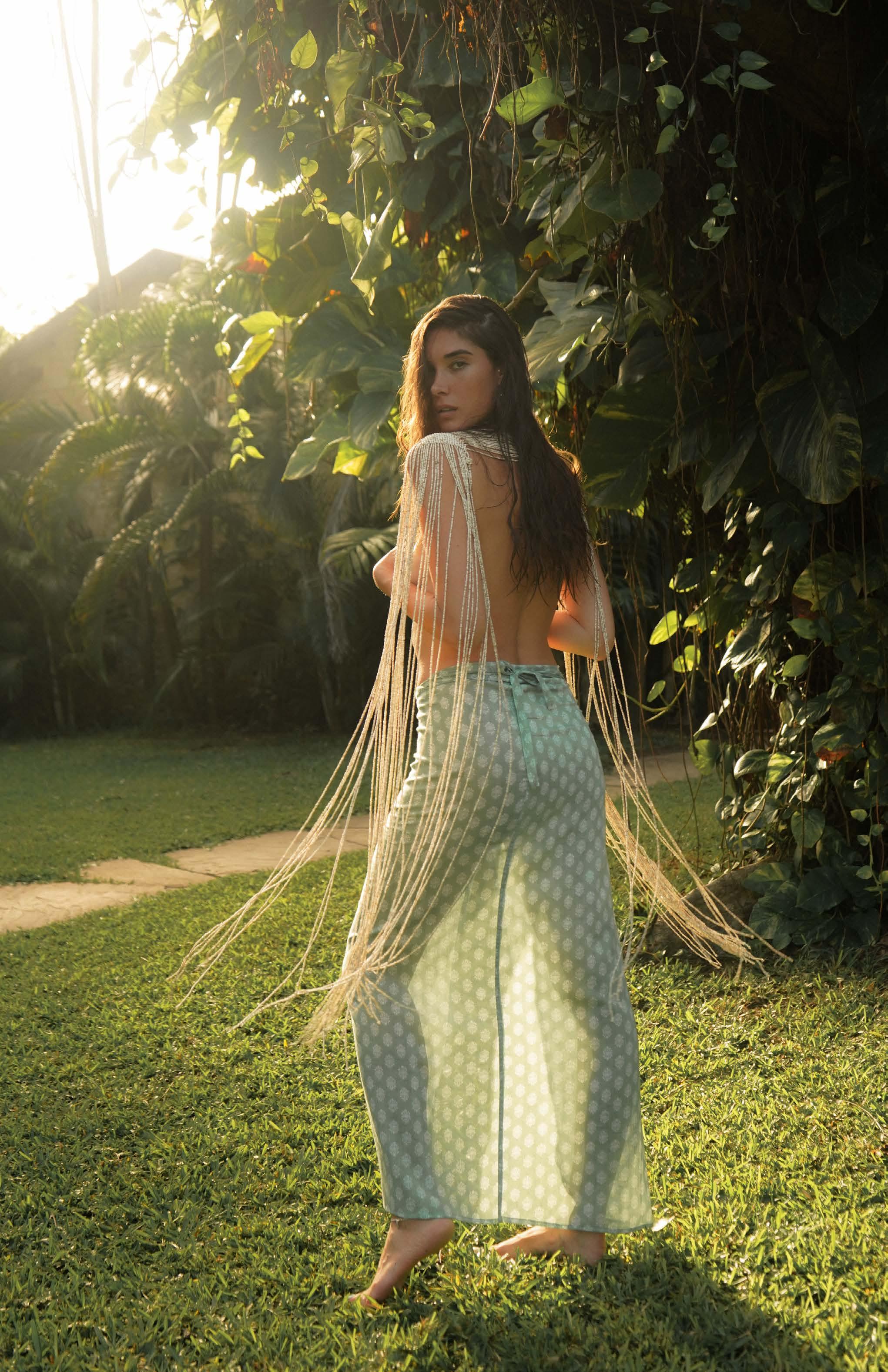
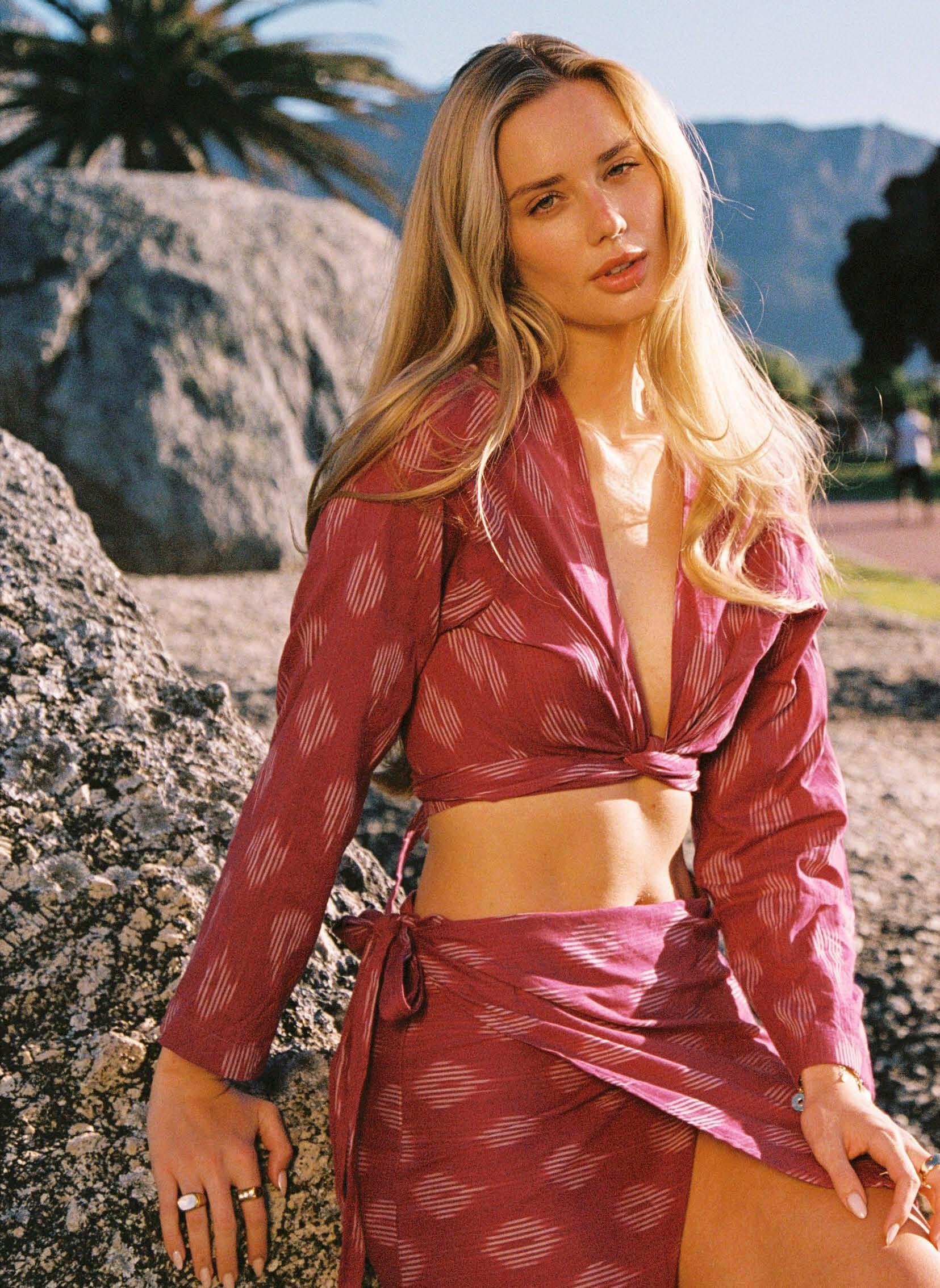
speak about everything. And I want them to feel happy — proud of what we are doing together." The fabrics are always natural — cotton in three distinct forms. Classic cotton, which Brigitta describes as a kind of poplin: structured enough for a city, but still light. Ikat cotton, special and characterful. And mulmul: impossibly thin, breathable, almost silk-like against the skin. "You can wear it on the beach, you're covered, but you're not sweating," she says. "It's extremely soft. It looks almost silky." A silk capsule exists too, for special occasions. The silhouettes are deliberately simple — feminine, sensual, but never complicated. Mini skirts, long skirts, kimonos, flowing dresses. The brand began as womenswear, but men have increasingly found their place in it too. And in terms of body or age? Brigitta shakes her head. "There are no limits. Honestly, it can be everyone." She tells the story of two women who arrived at the boutique on the same day. A very young girl bought a set and wore it open, bold, free. Later, a more mature woman chose the same set — and wore it differently, more closed, but no less beautiful. "That inspires me," Brigitta says. "Seeing people make it their own."
Responsible by Nature
Sustainability, Brigitta says, is not a label she reaches for lightly. "You hear it a lot. Sometimes it feels like a word that has lost its meaning." But what Amani Yani does is clear: no mass production, limited quantities, natural fabrics only, and a conscious effort to minimise fabric waste — offcuts are reused wherever possible.
"Sustainability starts with responsible production," she says. "Every piece is quite special and unique. We support local artisans. We try not to overproduce. We use natural fabrics. That is what we do — it is not something we need to shout about. It is simply how we work." The brand's evolving approach to its own prints deepens this commitment further. Brigitta is currently in the process of designing all of Amani Yani's fabric patterns from scratch, so that every print will be unique and made only for the brand. Two original designs already exist. The rest will follow, slowly. "I like to produce limited pieces, to give each one more value," she says. "If you like something, you have to be quick." She smiles. "But that is the beauty of it. Nothing is exactly the same."
What is Luxury for Brigitta?
“Travelling. Being able to move and see and experience. Not necessarily in a luxury way. Just to be able to go. And if I can do it surrounded by the people I love — that is everything. That is the most important thing in my life.”

“It is the most peaceful place on earth. It is the place where I go and I think: life is fine.”
From Watamu to the World
For a brand barely two years old, Amani Yani has already found its way to an improbable number of places. Online, it ships worldwide — orders have come in from Sweden, Canada, the United States, the Middle East, South Africa, Tanzania. "Sweden," Brigitta says, laughing. "I was like, how did they find me?"
In Kenya, the pieces can be found at Amani Yani's boutique at Lichthaus in Watamu, as well as at Majlis in Lamu, at the Artisanal Gallery at Hemingways Eden Residence, and soon at Hemingways Watamu and Uganda. In Tanzania: &Beyond Mnemba — a private island she describes as "insanely beautiful" — and at Swahili Beach in Diani. Beyond Africa: Italy, Greece, Menorca, St. Barth and soon Mykonos and Ibiza. “Coastal places,” she says. “The clothes just belong there.” The moments that stay with her, though, are not the stockist lists. They are the sightings. A stranger in Capri's Piazzetta.
A woman on a boat in Egypt. "Every time, it is like a pinch," she says. "I'm like: okay. I'm doing something good."
A Life in Watamu
No two days in Watamu look the same for Brigitta, but the morning is always anchored. An Italian coffee — non-negotiable. Then Gym & Tonic (Editor's note: a fitness and wellness club at Temple Point Resort on Mida Creek in Watamu), even briefly. "For my mental health," she says simply. "I need it."
She loves waking up early, when the creek is still calm, the light soft, and fishermen glide past in their wooden boats.
After that, the day opens up. Some days are creative: thinking through new designs, developing prints. Others are logistical: tracking production, coordinating with Nairobi. Some days she organises photo shoots and some days she is simply in the shop. "I am involved in everything," she says. "I like to know everything. That variety is also what I love about it." The work, she is clear, never feels like work. She pauses. "It's not my job. It's my passion. I feel blessed for that. Very blessed."
The
Life She Manifested
Brigitta's father recently reminded her of something she had said as a child, on one of those Christmas trips, as the holidays were ending. Standing in Kenya, dreading the flight back to Italy, she had announced: "When I am old, I will live here full time, with my kids and my husband." She laughs when she tells this story. "We have to be careful what we say," she says. "Because apparently it happens."
She swims every day. The ocean calms her. And from that daily immersion in the natural world — the tides, the colours, the textures, the light — will come, gradually, all the original prints of Amani Yani. The brand, like its founder, is still becoming. Still growing into what it was always going to be.
Peace, in other words. Exactly as promised.
Amani Yani is available at the boutique in Watamu, at selected stockists across Kenya, Tanzania, Europe and the Caribbean, and online with worldwide shipping at amaniyani.com
THE WOMAN WHO GOT Nairobi Moving
INTERVIEWED BY VALERIA TORNER
PHOTOGRAPHY BY ASHTON ALLERT
Emily Chepkor grew up in Kapsabet, a town in Kenya’s Rift Valley that has produced more world-class runners per square kilometre than almost anywhere on earth. And yet she did not run as a child. She came to running as an adult, through personal reinvention, and turned it into a movement that has reshaped how a generation of Nairobians thinks about their bodies, their city, and their mornings. Today, We Run Nairobi draws more than 1,200 people onto the streets at dawn.
She is a 12-time marathoner, a two-time Boston qualifier, an international lawyer, and an ambassador for Swiss running brand On. She arrived at our shoot carrying a tennis outfit in one hand and a one-of-a-kind jewellery dress by Sharon Wendo in the other. That felt exactly right.


You grew up in Kapsabet - ground zero for Kenyan running royalty. And yet you've said running was never part of your childhood. What was your world as a girl growing up there, and what did sport mean - or not mean - to you back then?
I loved growing up in Kapsabet! Especially now, as an adult, living in the beautiful chaos of Nairobi, I look back on it so fondly. What I remember most is how quiet and wholesome the community was. There was always someone’s cow that had just given birth and they’d bring over fresh milk, neighbours with an extra harvest bringing around vegetables. Looking back, it feels so romantic.
But of course, when you’re a child, you’re not conscious of any of that. You know nothing else, that’s the only version of life you think there is. Now it sounds so idyllic. I’m incredibly grateful that I grew up that way.
Strangely, I don’t remember seeing anyone running in Kapsabet. As an adult, I realise that’s because we were on completely different schedules. The runners would have finished their training long before the rest of us were waking up. Like most Kenyans, I knew running through television, whenever Kenya had a big moment on the world stage. It never occurred to me that I was growing up in the very place where so much of that history was being written.
Alliance Girls High School is one of the most academically competitive schools in Kenya. Was the version of success being modelled for you there - excellence through the mind, through the lawsomething you embraced, or something you eventually had to escape?
No, I loved school. I was good at it from an early age, so I thrived in the rigorous academic system that Kenya is so famously obsessed with (laughs). I embraced that path completely.
Education opened every meaningful door in my life, and I don’t think I ever felt the need to escape it. If anything, my years at Alliance reinforced that belief. It was an incredibly intense environment, but there was also something very powerful about being told every day at morning parade that you were the best and were capable only of great things.
I know Alliance folk have a reputation for talking about Alliance a little too much, and that reputation is deserved (laughs), but I genuinely value what the school gave me. It instilled confidence, ambition, discipline, and a sense that there shouldn’t be limits on what you could aspire to.
So the Alliance-to-law-school pipeline was never something imposed on me. It was a path I genuinely chose for myself and one I was excited about. Life has taken a few unexpected turns, and today I spend less time practising law than I once imagined. But it remains a huge part of who I am, and I fully intend to find my way back to it.
You lived in the States, South Africa, Italy and England before returning to Kenya in 2018. Who did you become in those years abroad - and who did you have to leave behind when you came back?
Ouf, that’s a loaded question.
I don’t think there’s anything quite like moving abroad at eighteen. You’re still in such formative years, you’re malleable, receptive, open to everything. It was one of the best things I did I believe. And once you’ve done it that young, you realise you can do it again and again, anywhere in the world. Your brain learns to navigate new systems, customs and ways of life, before packing everything up and starting again somewhere else. Eventually, you stop measuring every place against the one you left behind. You simply learn to belong wherever you are.
I think it made me open-minded. It made me comfortable with discomfort. It taught me how to find my feet in unfamiliar places, and that’s a skill I’ve carried into every part of my life.
Being away constantly is also what made me actively choose to stay put for a while. I’ll quote this line from T.S. Eliot that I like—
“We shall not cease from exploration, And the end of all our exploring Will be to arrive where we started And know the place for the first time.”
At some point, I just felt super in love with Nairobi. As I got older, I stopped looking at Kenya through a Western lens. I stopped comparing, stopped measuring everything against somewhere else, and began appreciating the country on its own terms. The quirks became endearing. The chaos became part of the charm. Whatever infrastructure we have, we have. Whatever challenges exist, they exist. And so much life, optimism and possibility here.
Like many things, it was leaving that made me appreciate us, “see us for the first time”.
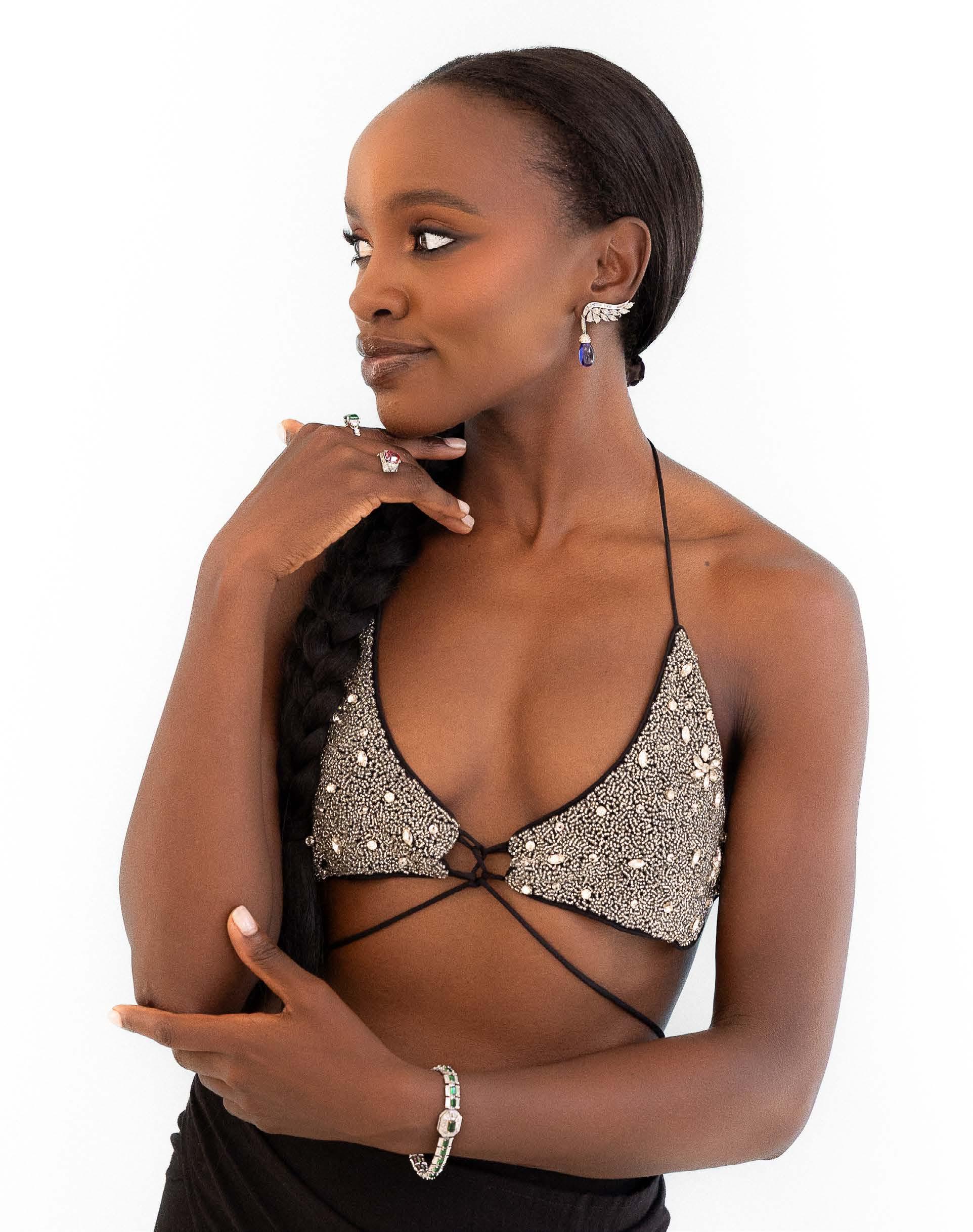
You've described running as something you picked up as an adult. What was the actual moment? Was there a day you remember clearly - a mirror, a feeling, a conversation - when you decided: this changes now?
Oh yes, it started in 2015. I began dating someone who was training for an Ironman, and I started running so we could spend time together and I could tag along on his training. I didn’t even have proper running shoes. 3 weeks later we entered and raced a half marathon together and I did well enough that it triggered entry into a full marathon immediately after. Eleven years down the line and here we are. I owe him a lot for that introduction into the sport.
Be honest with us - are you an introvert or an extrovert?
The annoying answer is that I don’t know. I love solitude. My favourite things to do tend to be solo and time-consuming (laughs). Long runs, big books, tennis (I guess in the sense that it’s not a team sport)— so I would love to formally identify as an introvert. But you probably don’t build a community of thousands without genuinely loving to be around others and being absolutely comfortable to share very intimate moments in life with strangers, so I think there’s a balance of both.
Emily wears the Oasis Bralette by Amani Yani. Jewellery by Rosenkrantz.
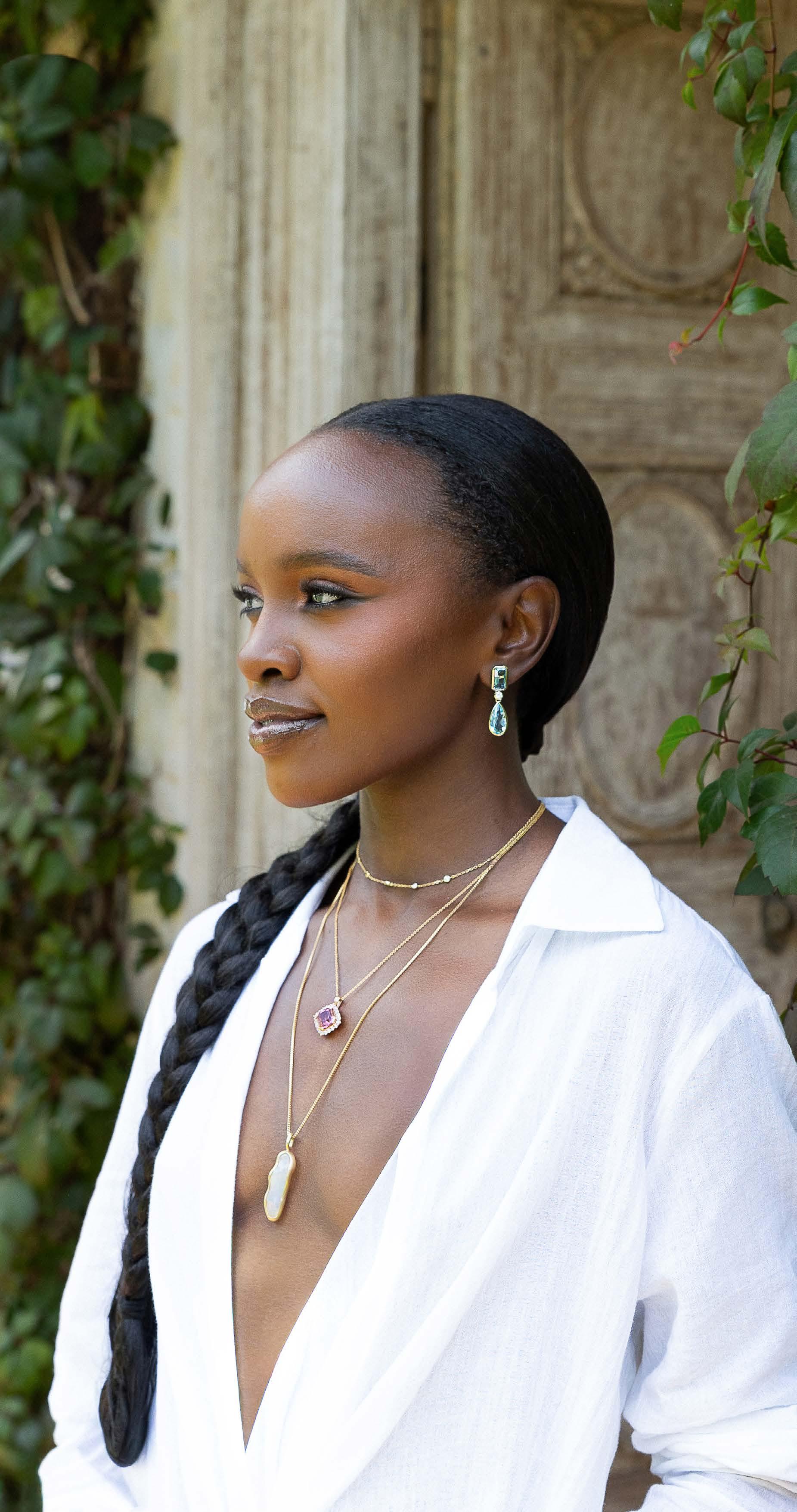
“There are so many moments where I’ve stood there, looking around at the hundreds of people gathered so early in the morning and thought, how on earth did this happen!”
Emily wears the Dawa Long Dress by Amani Yani. Jewellery by Rosenkrantz.
There's a Forrest Gump quality to your story - a person who one day simply starts running, keeps going, and somehow the world follows. Do you ever look at what you've built and think, I had no idea what I was doing, and does that terrify you or delight you?
Gosh, all the time.
There was no grand strategy behind We Run Nairobi. Not a single one. There are so many moments where I’ve stood there, looking around at the hundreds of people gathered so early in the morning, which is massive for Nairobi standards, and thought, how on earth did this happen!
But I find it deeply moving. Communities are living things. They grow because people contribute to them. One person shows up, then another, creating a ripple effect: a circle of people choosing, again and again, to be part of something bigger than themselves. That never stops moving me. I think it will be the best thing I’ve ever been part of.
Four women. A six-kilometre loop. Coffee afterwards. That was it - that was the beginning. Did that first Saturday feel like anything, or did the significance only arrive much later?
Yes, I loved that day!
There had been no strategy beforehand. No trial run, no rehearsal, no thought given to how I would manage people of different paces or abilities when only I knew the route (laughs). We figured everything out in real time, and I remember it so fondly.
Even staying for coffee afterwards felt completely untested. What would we even talk about? But we figured that out too.
I went home ecstatic. It had worked. From then on, it never mattered whether it was just me and one other person, ten of us, or now hundreds. The number has never mattered as much as the moment itself. That at least one person finds a sense of belonging, meets a new running partner, or, most importantly, discovers the sport for the first time. That has made it special from the very first Saturday.
We Run Nairobi is free. Beginner-friendly. Open to everyone. In a city where fitness spaces are often coded as elite, expensive, or intimidating - what was the deliberate thinking behind making this radically accessible?
Because I wanted to remove as many barriers as possible. Running is one of the most democratic sports in the world. All you really need is a pair of shoes and
somewhere to move. Wherever I’ve lived, a running club has been the first community I found and joined. They were always free. We Run Nairobi had to be free too.
Then there are the economic realities of Nairobi. I didn’t want cost to become the reason someone couldn’t participate, just as I didn’t want experience to become the reason someone felt unwelcome. So it had to be free, and it had to be walking-friendly too. No registration. No administrative process. The vision was simple: if someone wants to come, they should be able to make that decision at any moment and simply show up.
You've said the best part of the community is how natural it feels, and that you don't want to mess it up by growing too fast. In a world obsessed with scale, reach, and metrics - how do you hold that line?
Great question! I remind myself constantly what people are actually coming for. They’re not coming because we’re the biggest. They’re coming because of how they feel in that space. Hopefully seen, welcomed and met with camaraderie.
Growth is wonderful, but not if it comes at the expense of the culture that made people fall in love with the community in the first place. So every decision gets filtered through that lens.
Kenya is synonymous with elite running - Kipchoge, Kipyegon, Chebet. And yet everyday Kenyans, especially women, had no entry point into that identity. How did We Run Nairobi become the bridge between world-record running and the rest of us?
Yes! Kenya has always been synonymous with running. For decades, that’s what the world knew us for—running and safaris. But for the longest time, that culture was confined to Iten, the mecca of professional athletes. Spotting a casual runner on a Tuesday morning in Nairobi used to be so rare that whenever it happened, I’d wave maniacally across the street at them.
That is exactly what we changed. We ushered in a space for the everyday, mortal runner.
Before We Run Nairobi, long-distance and marathon clubs existed, but there was nothing for the casual, slower, shorter distances—or even for those who just wanted to walk. It was crucial to me that this community spoke to the absolute beginner. I didn't design it for people like me who had been in the sport for years; I designed it for someone entirely new to it. Someone who would show up for the community first, come out for a walk, and discover the running later.
The growth has been incredible. Seeing so many similar communities popping up now is fantastic! In fact, I have friends in Iten who are elite professional runners, and it absolutely blows their minds when they hear the casual paces we are running at (laughs). We’ve democratised running in the city, making it accessible, social, and fun.
Your work with the Rockefeller Foundation takes the ethos of WeRunNairobi - inclusion, access, community - and applies it on a much larger canvas. How does that partnership allow you to think about sport and wellness not just as personal pursuits, but as tools for social transformation?
What excites me most is that opportunities like these come from the proof of concept that We Run Nairobi has created. They show that grassroots movements can be powerful tools for social cohesion and, perhaps, catalysts for broader change.
At some point, we move from viewing sport and wellness as individual privileges or isolated health choices, and start addressing them as critical infrastructure for public health, urban resilience, and social equity. It shifts the conversation from "how do we get individuals to move?" to "how do we design cities and systems that actively foster inclusion, safety, and community wellbeing?"
When communities have access to safe public spaces, when wellbeing becomes accessible, the effects ripple far beyond sport. That’s where things become really interesting.
There is growing global evidence that access to green space, safe streets, and fitness infrastructure is profoundly unequal. When you run through Nairobi's neighbourhoods, what do you see - and what do you want to change?
It’s true. That is the reality of Nairobi. Some neighbourhoods have safe, accessible spaces to walk, run, and cycle, while others simply don’t. That imbalance is real.
But even without building new parks, stadiums, or entirely new infrastructure, although of course that should still be part of the long-term vision, there is already so much opportunity to work with what exists. The first is road culture. I think something powerful happens when running becomes so common and you see someone out running all the time. That visibility slowly shifts behaviour. It changes how drivers relate to pedestrians and runners. It encourages small but important acts of respect, giving space on the road, slowing down, acknowledging that people are sharing the same environment.
I also hope it leads to something culturally deeper. Where women can run without being shouted at or made to feel out of place, and where people are not mocked for choosing to move their bodies in public. Those shifts in everyday behaviour would go a very long way.
The second is how we can creatively use the infrastructure we already have. I often think about an experience I had in Kigali, where on a Sunday a main street in the city was cordoned off so people could freely run and walk without traffic. It didn’t require building anything new; it was simply a reimagining of what that space could be for a few hours.
Something like that, even if it’s just one street per neighbourhood on a designated morning, would completely change how people experience movement in the city. It would signal that public space belongs, at least in part, to the people using it.
To me, that is really the shift: not always building more, but learning to share what we already have better.
The law gave you a particular lens - rights, equity, systems. Does the lawyer in you ever get frustrated at how slowly structural change moves when you can see so clearly what needs to happen?
Gosh, no. One of the things you learn very early on in a legal career is how slowly things move. When you’re young and your reference is glamorous TV shows, you think everything happens so fast and that there’s always a dramatic clincher, but no, as with everything, it takes time.
The challenge is balancing urgency with realism. Change rarely happens overnight. Most meaningful progress comes from sustained effort over long periods. But again, we don’t need the time to build new systems. Small, low-effort changes can already impact so much.
You've built your credibility on showing up - every Saturday, without exception. Is that the most underrated lesson in community-building? That there is no substitute for consistency?
Without question.
Consistency sounds boring until you realise just how powerful it is. One of the most common things I hear from people attending their first We Run Nairobi event is, “I’ve been meaning to come for months.” Sometimes it’s six months, sometimes a year.
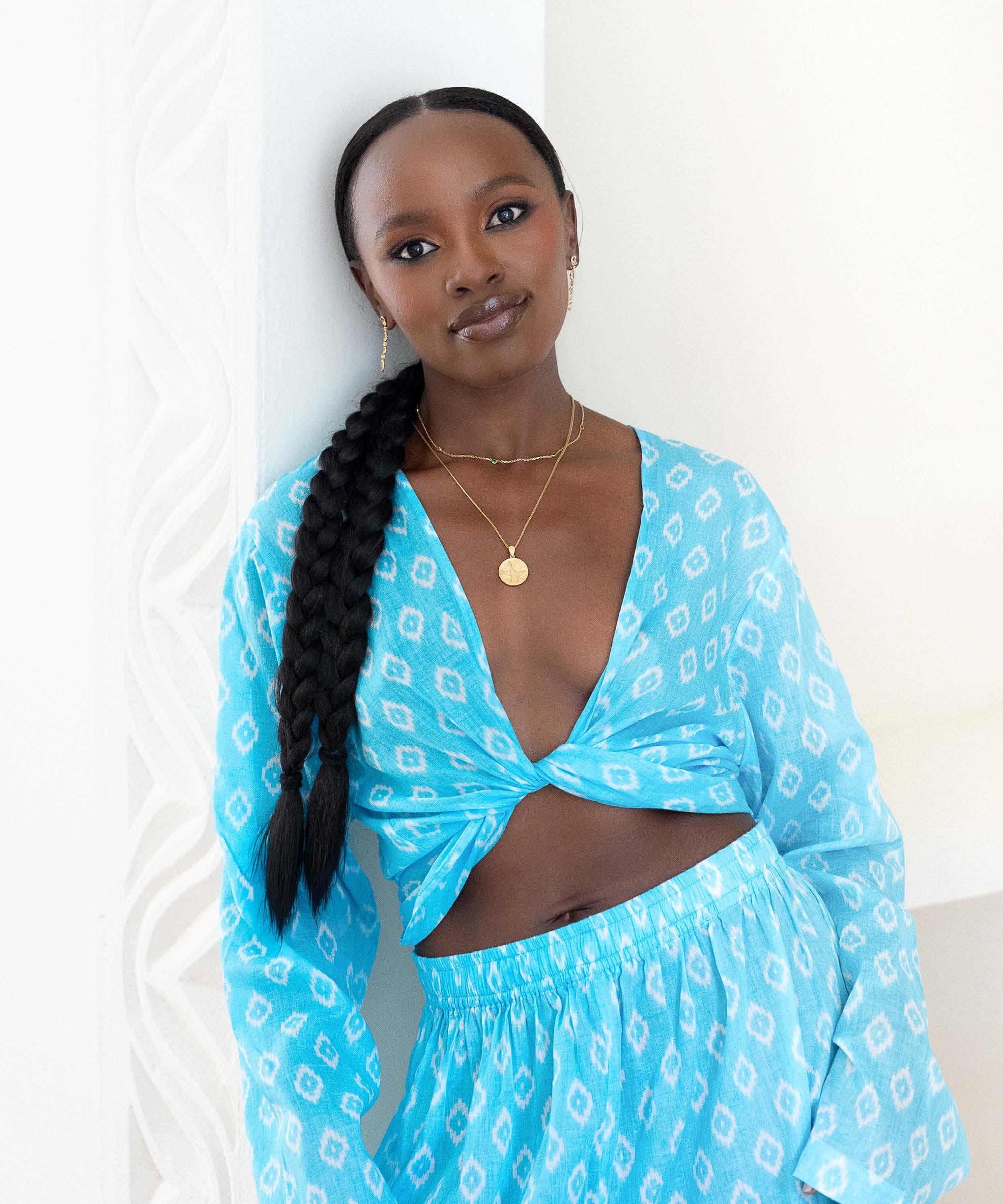
And my response is always the same: that’s completely fine. Don’t force it. Life happens. But whenever the timing feels right, know that we’ll be here.
I love that’s become our brand promise. Consistency. Rain or shine, holiday or not, whether there are ten people or five hundred, we’ll be there.
I think people often underestimate how much trust is built that way. People don’t build trust because you
show up once. They build trust because you show up again and again and again. Eventually, reliability becomes credibility.
And when you’re building a community, especially one that isn’t selling a product or driven by capital, trust is your most valuable currency. People are investing their time, their energy, their Saturday mornings, and often a little bit of vulnerability when they show up for the first time.
Emily wears a 100% mulmul cotton beachwear set by Amani Yani. Jewellery by Rosenkrantz.
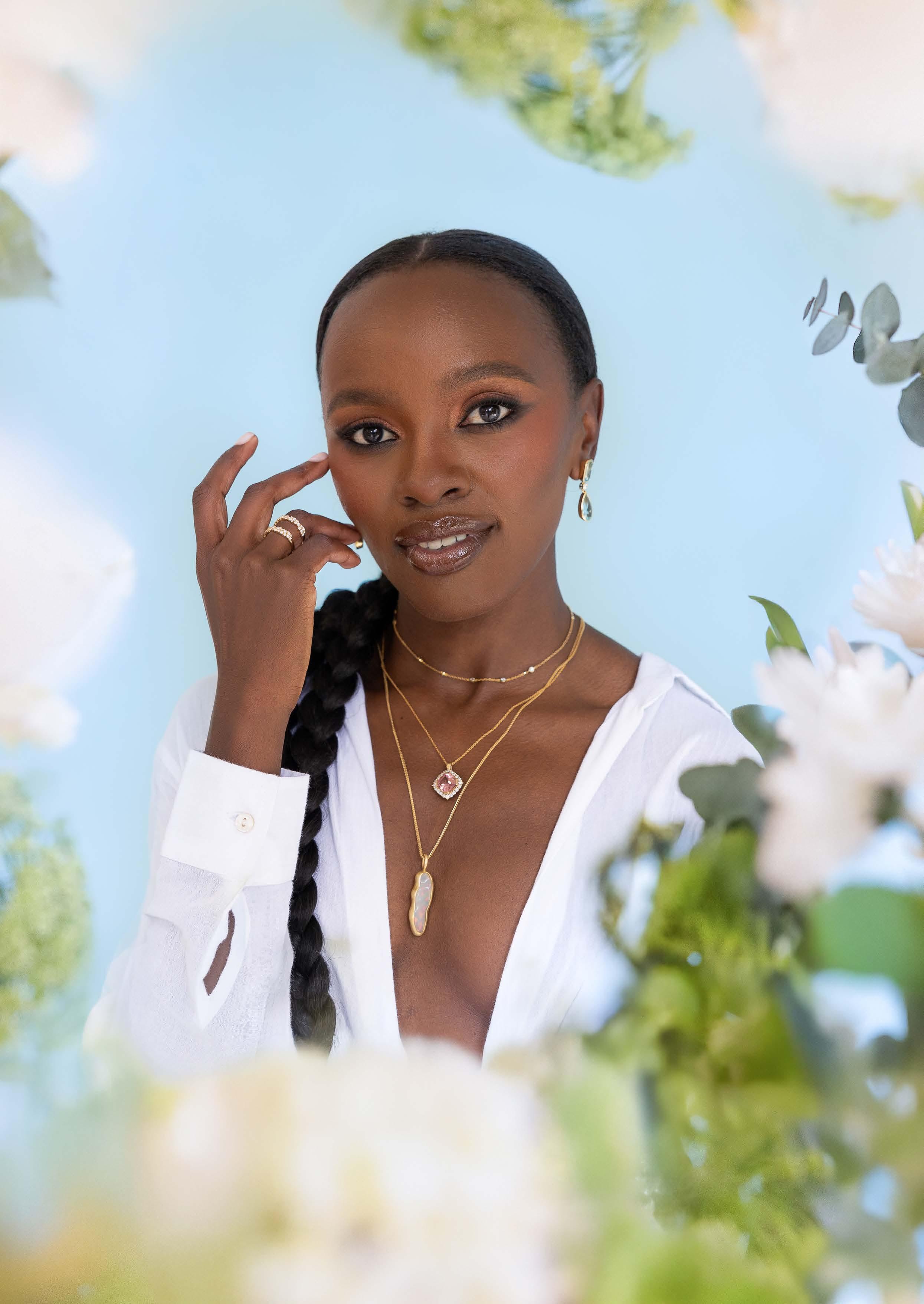
“When communities have access to safe public spaces, when wellbeing becomes accessible, the effects ripple far beyond sport.”
Most communities aren’t built through grand gestures. They’re built through hundreds of ordinary days where people keep their word. That’s what consistency is. Not excitement, but commitment.
You've described your Instagram bio as someone who "dabbles as a lawyer." Is that wit, or has running quietly become the fuller, truer vocation?
(Laughs.) Yes, it has, for now. I describe myself as being on a short sabbatical from legal practice. The goal is to make a sustainable business case for We Run Nairobi, so that one day it can be passed on to its next visionary leader. But I was never trying to run away from a legal career. I love the profession.
The law demands evidence, argument, restraint. Running demands surrender - trust in the body, endurance through discomfort. Is there a version of you that only exists at the intersection of those two things?
That’s interesting; I’ve never really juxtaposed the two in that way.
I’ve actually always thought law and running have more in common than people might assume. At their core, both require an enormous amount of resilience. Law school was intense. It was its own kind of endurance sport; years of sustained effort and delayed gratification. In that sense, marathon training never felt entirely unfamiliar.
To me, running is also deeply rooted in preparation and decision-making. By the time you stand on a marathon start line, the first question has already been answered. Can I physically cover this distance? The training has taken care of that. So what remains is the mental side of the equation.
Can I stay composed when things get difficult? Can I trust my preparation? Do I know when to push and when to hold back? Do I have the confidence to attack when I’m feeling strong and the discipline not to panic when I’m not? Those are all forms of control. In fact, some of the hardest moments in running aren’t physical at all. They’re psychological. The body is often capable of more than the mind initially believes. As long as the mind is still engaged, you’re still making choices. You can adapt, you can respond, you can persevere.
Perhaps the intersection of law and running is where I learned endurance. It’s where I learned that progress takes time, difficult things are usually worth doing, and resilience is often about staying in the game long enough for things to work out.
Boston is the marathon that asks you to earn your entry - no money, no connections, just time. You've qualified twice. What does Boston mean to you as a metaphor, not just a race?
Oh my gosh, everything. And the funny thing is, I didn’t realise how much Boston meant to me until I actually ran it. I learnt about the World Marathon Majors relatively late in my running journey, but once I discovered them, they became the goal. I loved that there was something concrete to chase. They were only six, there a finite finish line. So I told myself that I’d complete the six and wrap up the marathon era of my life.
Now the challenge with most of the majors is that they’re all lottery systems. You can train hard, you can want it desperately, and still not get in. Boston was different. Boston gave you agency. It said, “If you can run this time, you’ve earned your place.” I found that incredibly compelling.
So began the quest. I did the best marathon training I’ve ever done. Everything aligned around that goal. And then came the qualifying race in Vienna. It was one of those magical days athletes talk about. I felt like the wind was at my back, the ground was rising to meet my feet, everything just clicked. And I qualified by a massive margin. Ah! What a feeling! It remains one of the best days of my life, and that’s not much of an exaggeration.
Then I got to Boston. And Boston is magic. There’s something profoundly moving about standing on a start line surrounded by thousands of people who all earned their place there. Nobody stumbled into that race by accident. Everybody worked so hard for it. The atmosphere is unlike anything I’ve experienced in running.
But what I didn’t expect was what came afterwards. Once I’d achieved that goal, a lot of the motivation that had driven my marathon running simply disappeared. Qualifying for Boston is so difficult, and many incredibly talented runners never get there. I felt immense gratitude for having done it. And, somehow, I also felt I was done. For the first time, I wasn’t interested in signing up for the next race.
And that’s where We Run Nairobi was born.
I realised I still wanted running in my life, but I wanted my relationship with it to evolve. I wanted to share it. I wanted to create opportunities for other people to discover what the sport had given me. I wanted my contribution to running to become something bigger than my own finish times. `
As a metaphor, Boston represents both earning an opportunity and recognising when a goal has changed you enough that the next chapter requires a different dream. Without Boston, there is a very good chance there would be no We Run Nairobi.
On is a Swiss brand built on the idea that running should feel like floating - technical, rigorous, and almost philosophical about performance. What about their vision felt like yours, and what does it mean to carry their name on the African continent?
Everything! Every time I read On’s mission, “to ignite the human spirit through movement”, I get chills because it so perfectly captures what we were trying to build with We Run Nairobi before there was ever a partnership.
At its heart, that’s always been the goal, movement, through a people-first approach.
I know the feeling at the end of a good run, that sense of accomplishment and joy that makes you wonder why you ever didn’t want to go. But I also know the feeling in the middle, when it’s uncomfortable, when your legs are heavy, when you’d rather stop.
The reality is that most of sport happens in that middle section.
Nairobi isn’t naturally a running city. We couldn’t simply show people footage of runners and expect them to be inspired. We understood that if we wanted more people to move, they first had to see themselves reflected in the space. The people stories had to come before performance.
Faith and Betty, who lead our storytelling, understand this beautifully. If you look at our content, it’s far more about the people than it is about the running itself. You’ll feel the friendships, the conversations, the first-timers, the milestones. The running is there, of course, but it’s almost secondary.
Because what draws people in is recognising themselves in someone else’s story. What movement gives us individually is that feeling at the finish line. What community gives us is the knowledge that everyone around us experienced the difficult middle too. We struggled together, persevered together, and ultimately triumphed together.
That’s what resonates so deeply with me about On. Their vision understands that movement isn’t just physical. It’s emotional, social and deeply human. So carrying their name on the continent means so much to me.
I hope that’s what we’ve created with We Run Nairobi: a gathering that’s about movement, but also about so much more.
You came to this shoot with two looks from your own wardrobe: a jewellery dress by Sharon Wendo and a tennis outfit. That tells us everything and nothing at the same time. Walk us through both choices - what were you thinking?
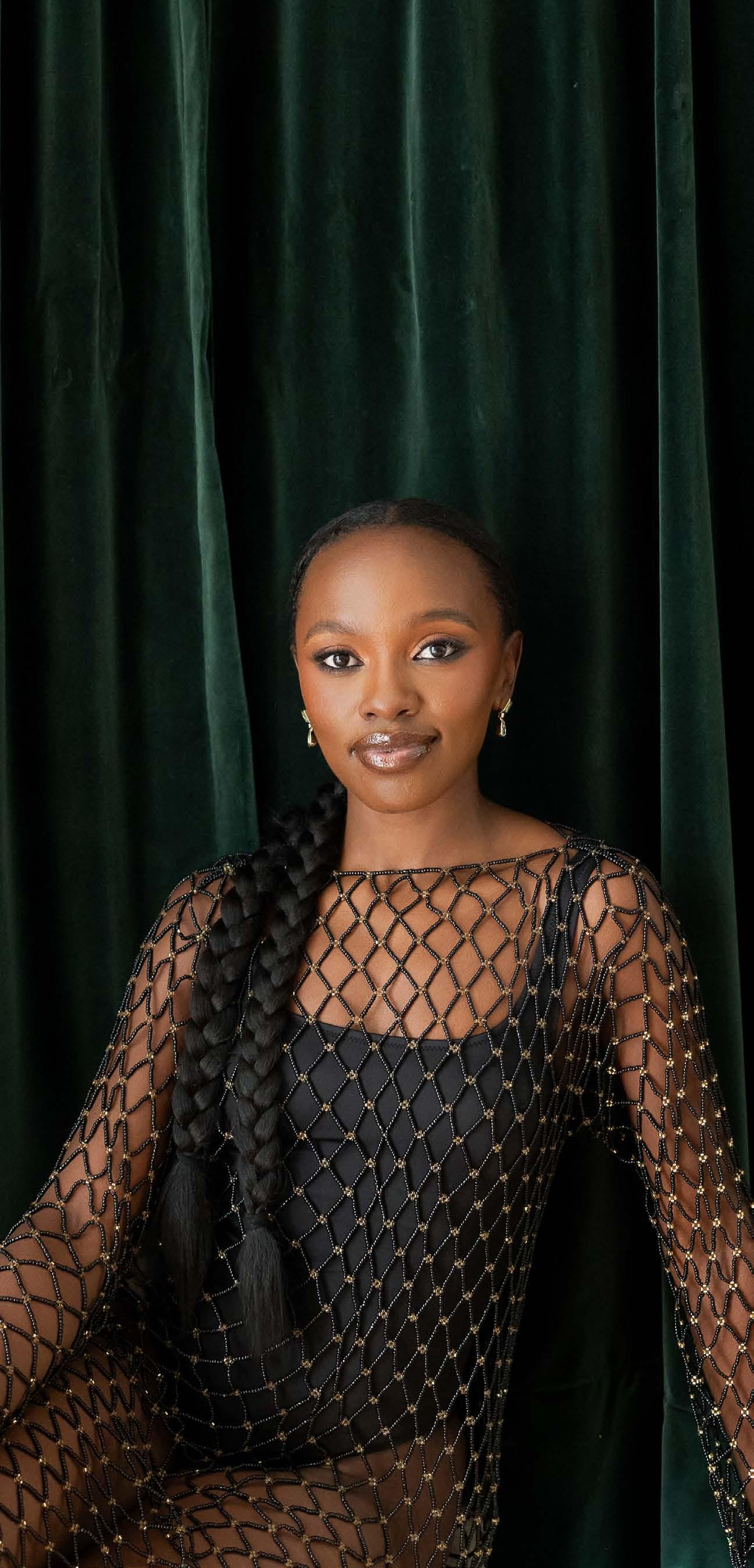
Emily arrived to the Luxury Life Kenya shoot having pulled a one-of-a-kind jewellery dress by Nairobi designer Sharon Wendo - founder of Epica Jewellery, whose bold African beadwork has been worn from Nairobi to London Fashion Week - directly from her personal wardrobe. She also brought a tennis outfit. The story was right there in the bag.
I actually love to put together an outfit!
I only started creating content around my life about a year ago, so I think most people who know me now associate me with running, sports, and We Run Nairobi. And that’s very accurate. But long before that, I loved putting together an outfit. Fashion has always been something I enjoyed, and lately I’ve been leaning back into that side of myself.
The Sharon Wendo piece is the perfect way to stake your claim as a fashion girl (laughs). I met Sharon through We Run Nairobi, which feels wonderfully full circle. She’s an incredibly talented designer, and that body jewellery dress is bold. It definitely does not sit on the fence. The moment you put it on, you’re making a statement. I love that kind of confidence in design. It asks you to be a little brave, and I think fashion is often at its most interesting when it does.
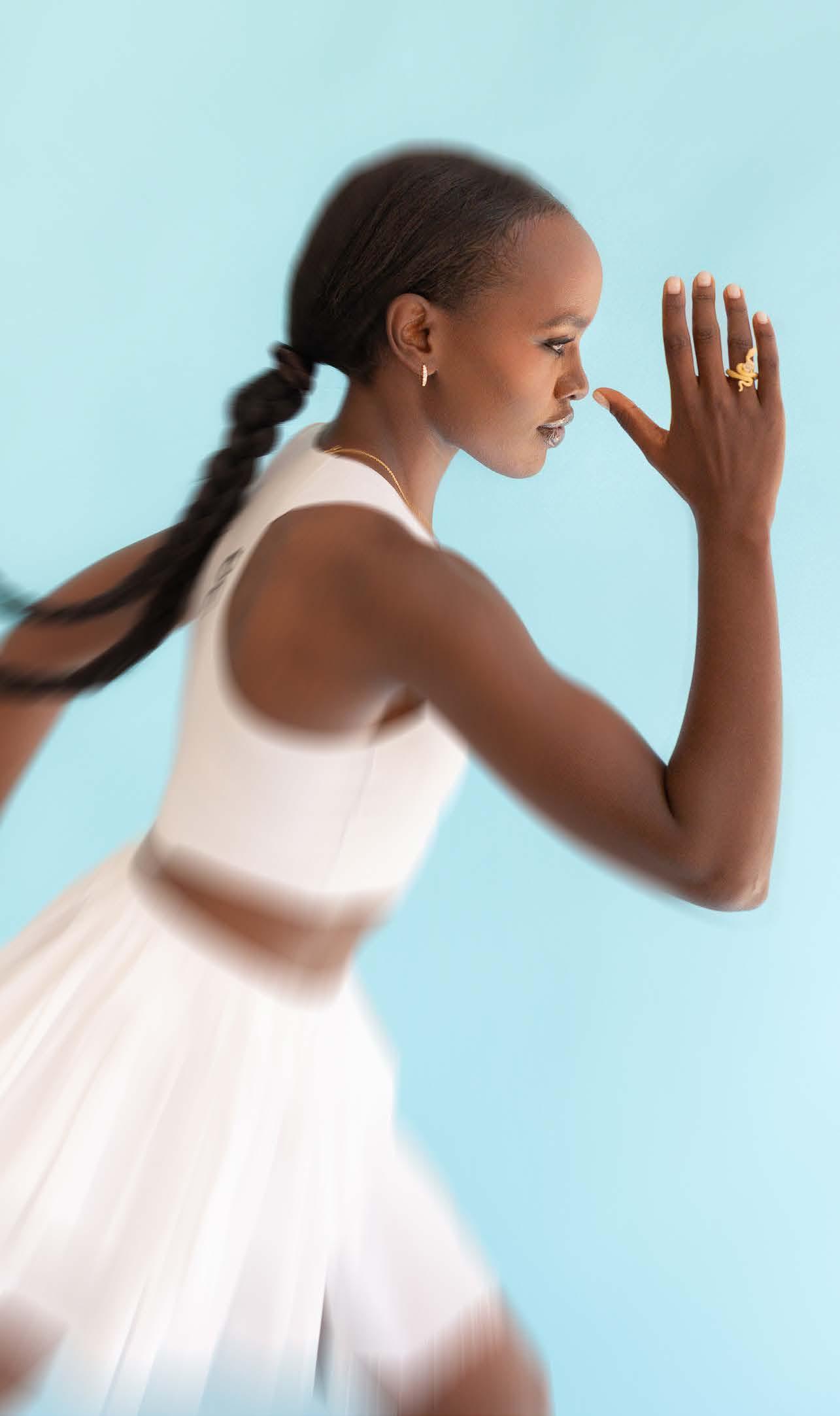
The tennis outfit was a complete no-brainer. If I’m being completely honest, tennis fashion probably played a good role in my taking up the sport (laughs). There is something so timeless about a tennis outfit. It’s athletic without feeling overly technical, polished without trying too hard. You can leave the court and head straight to lunch. And in many ways, that’s exactly how I see my life.
I felt that the two looks captured me quite well. One was fashion-forward and daring, the other was sporty and effortless. A lot of grit, with a healthy amount of glam.
The legal profession prescribed your wardrobe for years - blacks, greys, the navy blues of professional respectability. When you shed that uniform, what did you reach for first?
I think it’s infiltrated my system. I really love a nice clean line in design (laughs). But more than that it’s colour. Someone has got to stop me from buying any more reds.
We are watching a generation - Gen Z especially - who are choosing fitness, mental health, and wellness with a seriousness that previous generations reserved for career or wealth. You see this on the streets of Nairobi every Saturday morning. Is that shift real to you - and what is driving it?
It really is incredible. When I learn the ages of some of the people at We Run Nairobi, I’m genuinely shocked. My friend Brian, who just turned 18, I don’t even know
if we can fully call him Gen Z, just ran his second marathon this weekend. His second!
There used to be a running joke when Gen Z were just coming of age and entering the workforce, that they’d quit the moment they felt “unrelaxed”. We used to laugh at that. But now I understand what people were pointing to. There is a visible shift in mindset between millennials and Gen Z and how seriously wellness is taken.
Wellness is such a priority. And I think it would be very misguided to interpret that as youthful apathy, because what I actually see are people showing up consistently, training for big goals, signing up for races, and committing themselves to very real, very difficult physical challenges. That grit translates elsewhere in life. Priorities are just different.
This issue is built on a provocation: sport is the new luxury. Do you agree - and if so, what makes movement a luxury in 2025? Is it time? Access? Community? The fact that Nairobi's streets are now full of people in On shoes at 6am on a Saturday?
(laughs) First of all, I’m very pleased if the streets are now full of people in On shoes at 6am on a Saturday (let’s go team On!).
But I think I have a slightly boring answer to this one. The luxury is having the time, the safe spaces to move in, good health, and a community to move with. I honestly don’t think you can have all of that and not feel incredibly fortunate.
Of course, as with anything that becomes more visible and culturally significant, there is a tendency for hierarchy to emerge. You start to see markers of status within it; the premium gyms, the expensive trainers, the gear, even race entry fees that can become exclusionary.
But at its core, movement doesn’t need to be complicated. It can be incredibly simple and still deeply meaningful.
And maybe that’s the tension; between something that is fundamentally free and human, and the ways in which it sometimes gets packaged into something else. Both can exist at once, but I always come back to the simplicity of it.
If the 21-year-old Emily - pre-running, premovement, pre-any-of-this - could see this cover, what would she think?
First of all she would scream, in absolute disbelief! She’d be completely confused. None of this was part of the plan. And I hope she’d be proud that she stayed open to possibilities she couldn’t yet see.
Running on Sound. Every serious runner has a relationship with music - or a deliberate decision to run without it. Emily's answer, we suspect, says everything about how she moves through the world.
Do you run with music, a podcast, or silence - and what does your answer say about the kind of runner you are? Take us through your current playlist: the track that gets you out of the door on a morning when you don't want to go, the song that carries you through the wall at kilometre 30, and the one that plays when you cross the finish line.
I actually don’t run with music. It started as a road safety thing, because I run on the streets in Nairobi where traffic can be quite unpredictable; it just wasn’t a safe option.
But over time, especially in races, it became something more intentional. My biggest mental training is trusting that whatever I need, I can access it internally. And honestly, my greatest fear is having Beyoncé blasting in my ears at kilometre 30 and realising that even Beyoncé cannot save me in that moment. The horror. So I run without music.
For my everyday runs, the early mornings are one of the few times in my day when nobody needs anything from me. It’s one of the few quiet spaces in my day where nobody needs anything from me. I can detach, think, and sometimes solve problems I didn’t even know I was carrying.
That said, every runner has their emergency soundtrack.
The song that gets me out the door on days when motivation is low is usually a rotating cast of millennial pop classics; Beyoncé, Rihanna, Adele, Taylor Swift. Sometimes Eminem. It depends on the emotional negotiation happening that morning.
I like musicals. Lolz. At kilometre 30, I might put on The Lion King from start to finish, because at that point nothing external is really going to rescue you except your own decision to keep going. So you might as well relieve the suffering of Mufasa and gently unfocus for a little while.
The finish-line, however, has no song. To hear the sound of the crowd from 500 metres out is one of the most energising things in the world; it still gives me chills thinking about it. And if you’re lucky, there’s a friend at the finish line screaming your name; someone who has followed the journey, tracked your splits, knows exactly when you went out too fast, when you faded, and has fought their way to the front just to be there in that moment.
I can never quite put into words the value of that. In a stadium full of strangers, to hear that one familiar voice means everything.
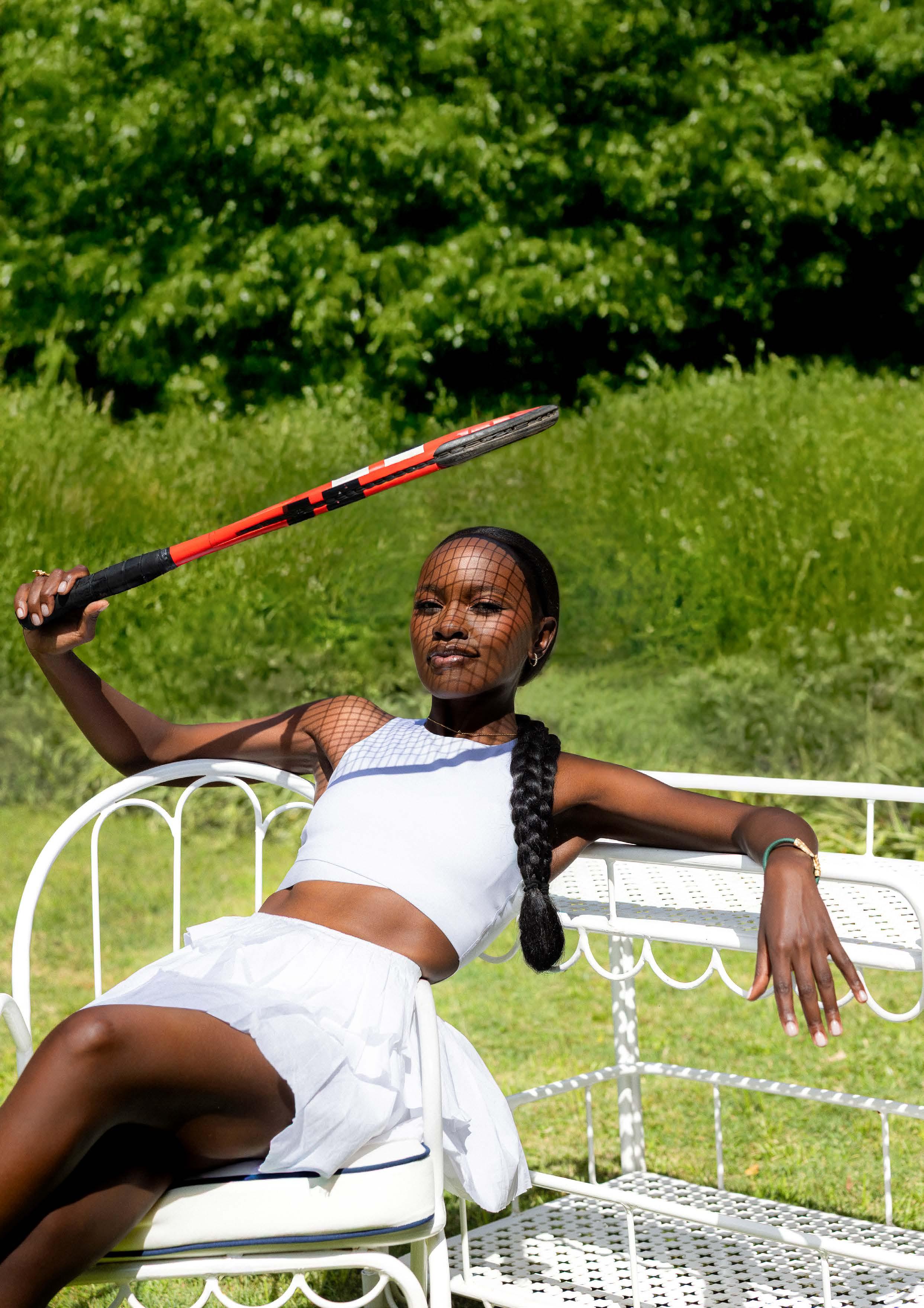
“Consistency sounds boring until you realise just how powerful it is.”
LION IN
The week I accidentally lived like
WORDS BY VALERIA TORNER
PHOTOGRAPHY BY LYRA AOKO

THE Sun
Naomi Campbell in Malindi.
By the time I arrived in Malindi, I was exhausted in the very modern way. Not dramatically, not visibly, just tired of always being reachable.
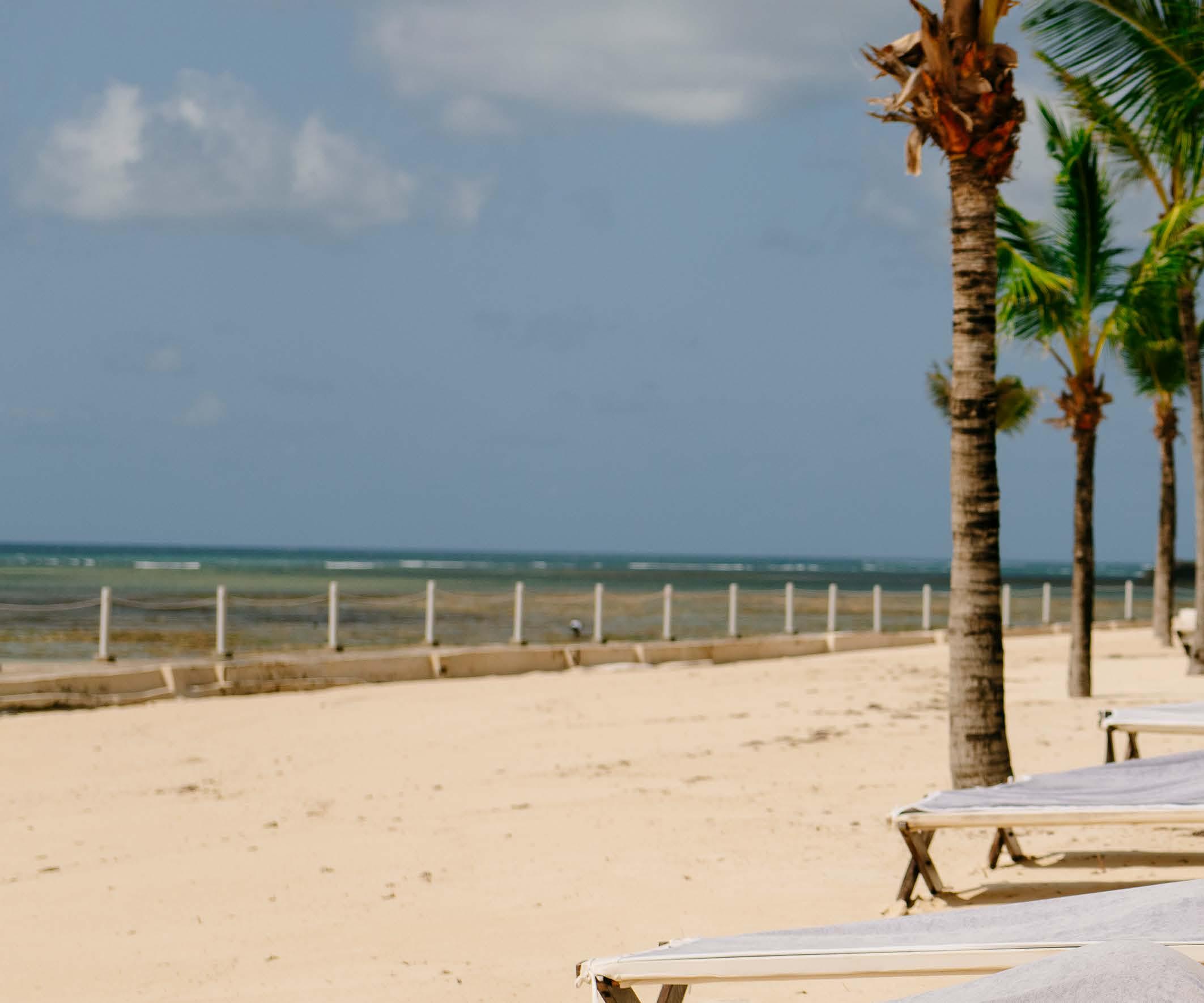
The coast was almost empty. It was off season, which meant fewer people, slower mornings and long stretches of beach that felt
untouched. Most hotels were closed, but Lion in the Sun was still open, hidden behind tropical gardens as though it existed slightly outside normal time.
Someone told me on my first day, almost casually, that Naomi Campbell still comes there when she wants to disconnect from the world.
Honestly, after three days, I completely understood why.
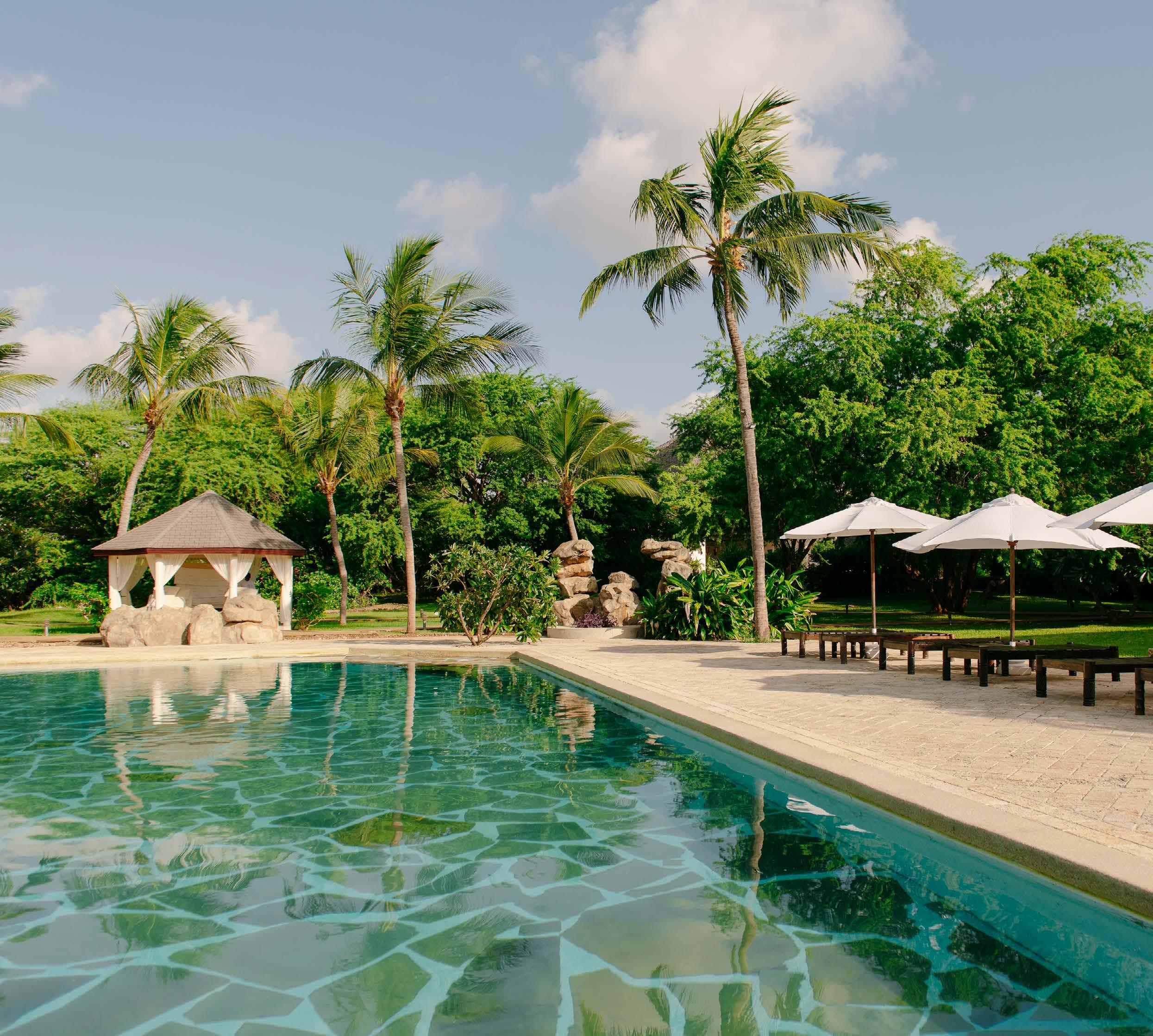
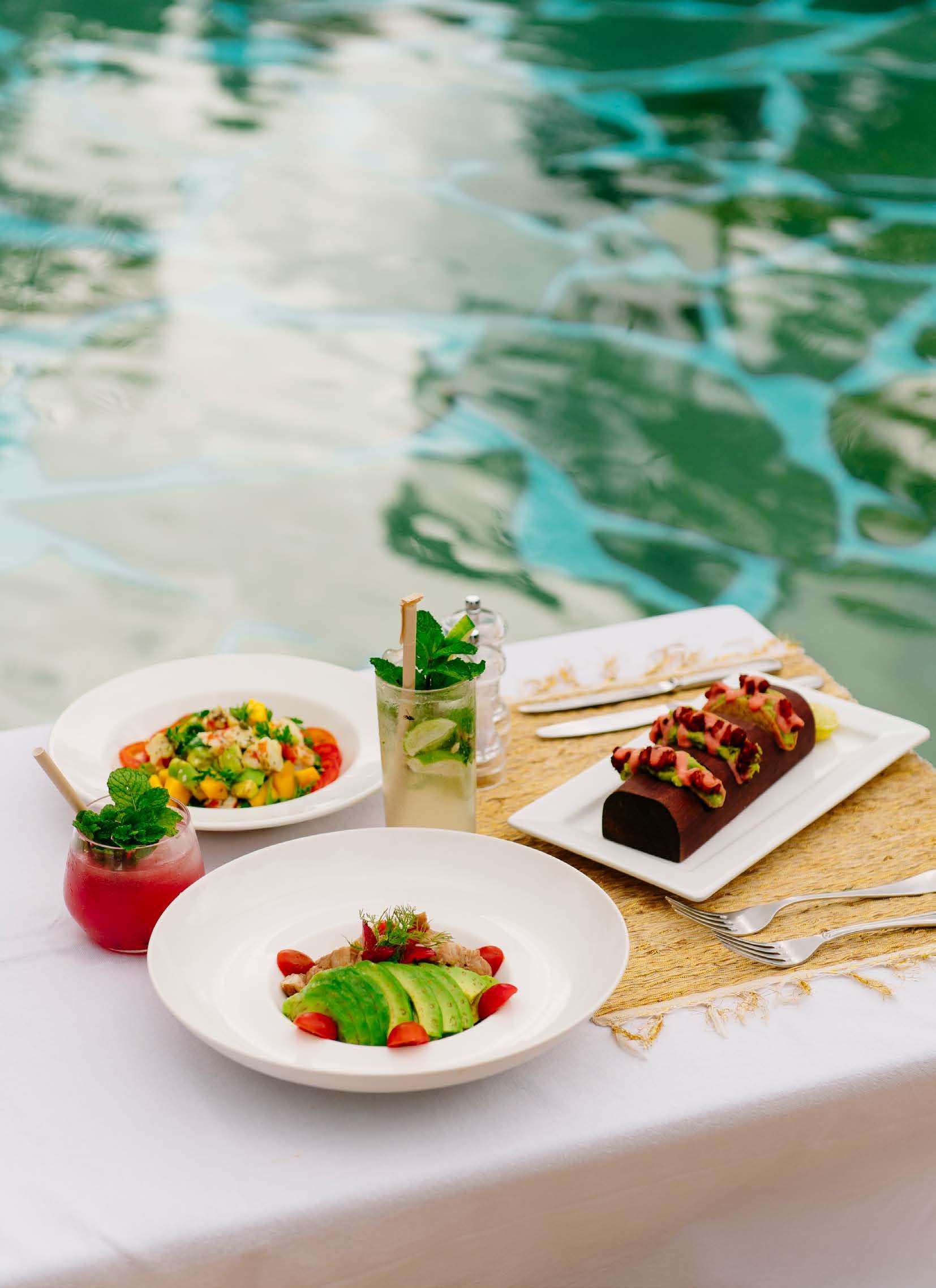
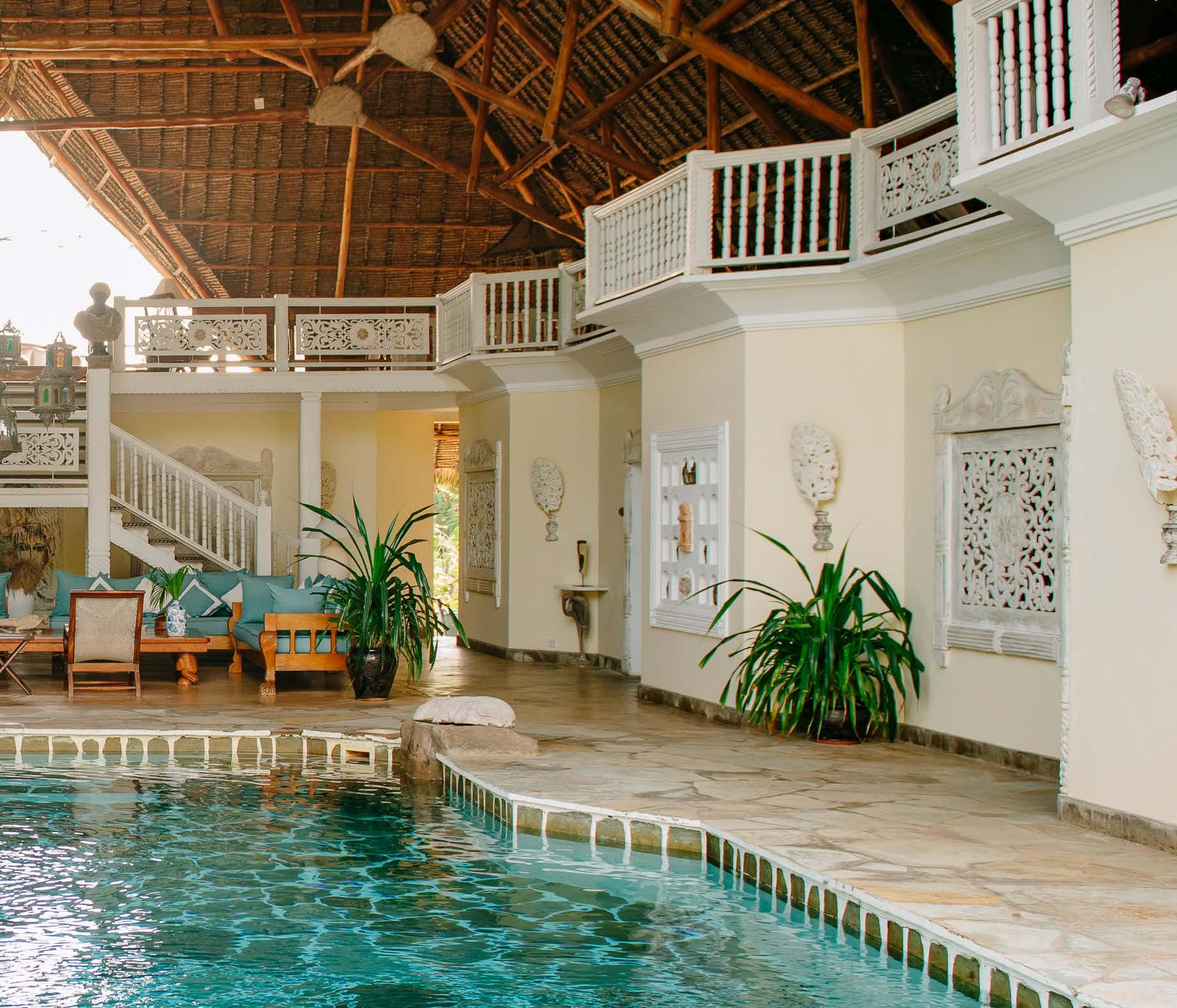
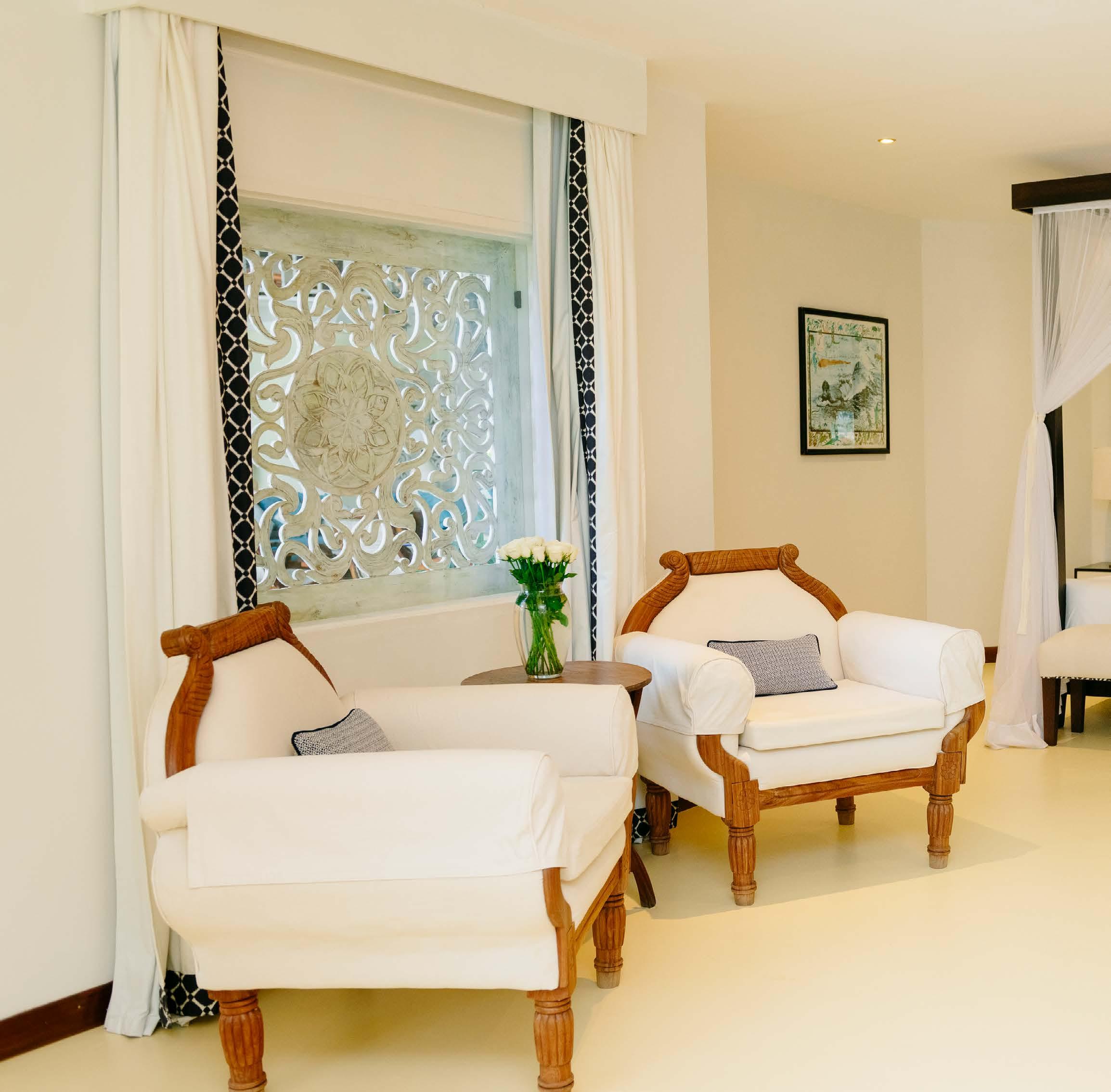
The property used to be her second home, and somehow it still carries that energy. Not celebrity in the loud sense, but the kind of beauty and privacy that makes you exhale the moment you arrive. Everything feels softer there. The light, the gardens, the pace of the days.
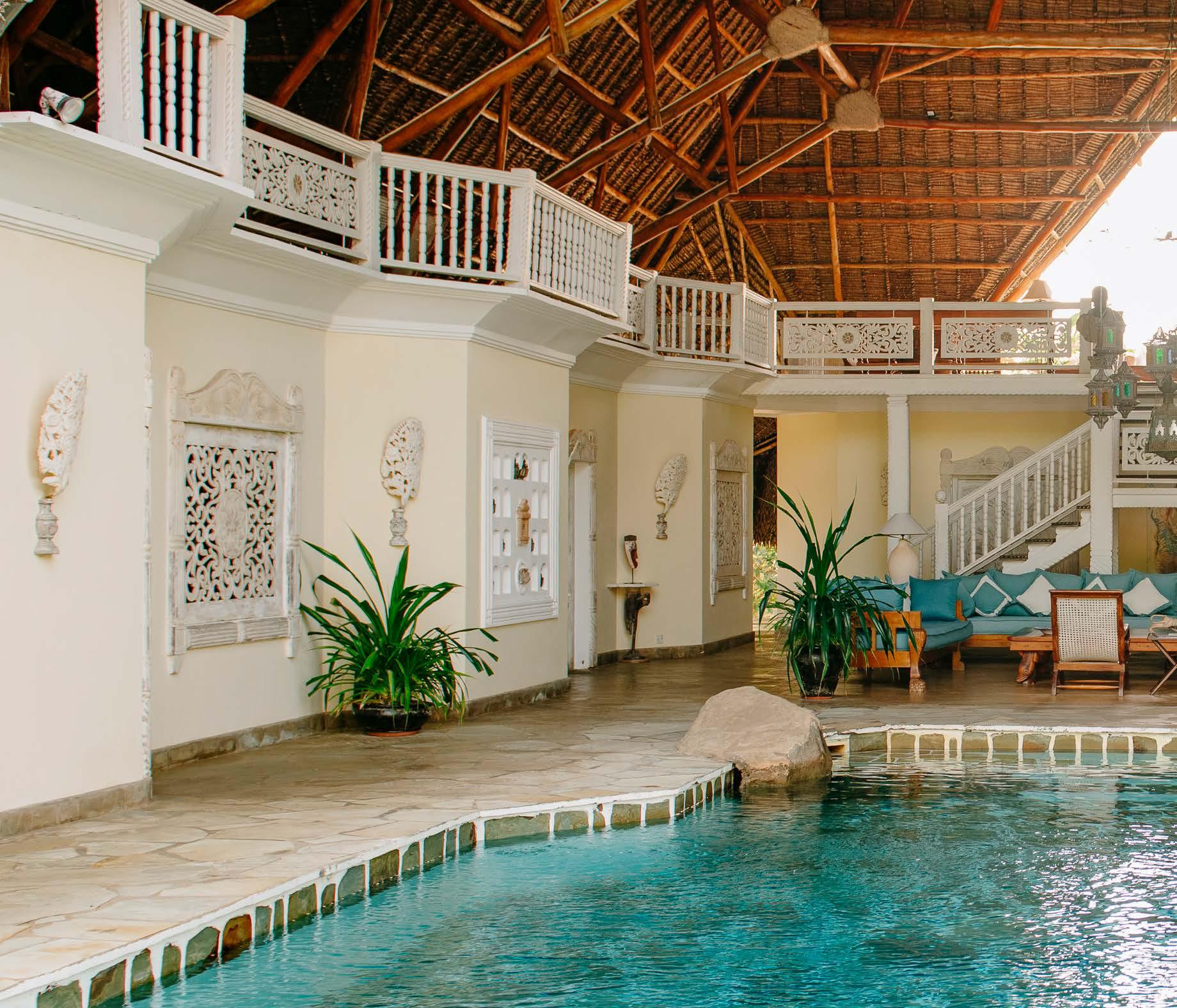
There are waterfalls running through the property, palms bending over the pool, frangipani flowers falling onto stone paths, antique furniture that looks collected rather
than decorated. Nothing feels staged for social media. It feels lived in. Loved in. And maybe that is why it affected me the way it did.
I stayed in one of the private villas, where mornings started slowly with coffee, silence and the sound of water somewhere outside. Nobody rushing you. Nobody asking for anything. No pressure to be productive, available or “on.”
I think we forget how unnatural modern life has become for women sometimes.
How constantly we perform versions of ourselves for work, family, social media, everyone.
Then suddenly you spend a week somewhere like this and remember that softness is not laziness. Rest is not irresponsibility. Beauty is not something you do for other people.
At Lion in the Sun, I started sleeping properly again.
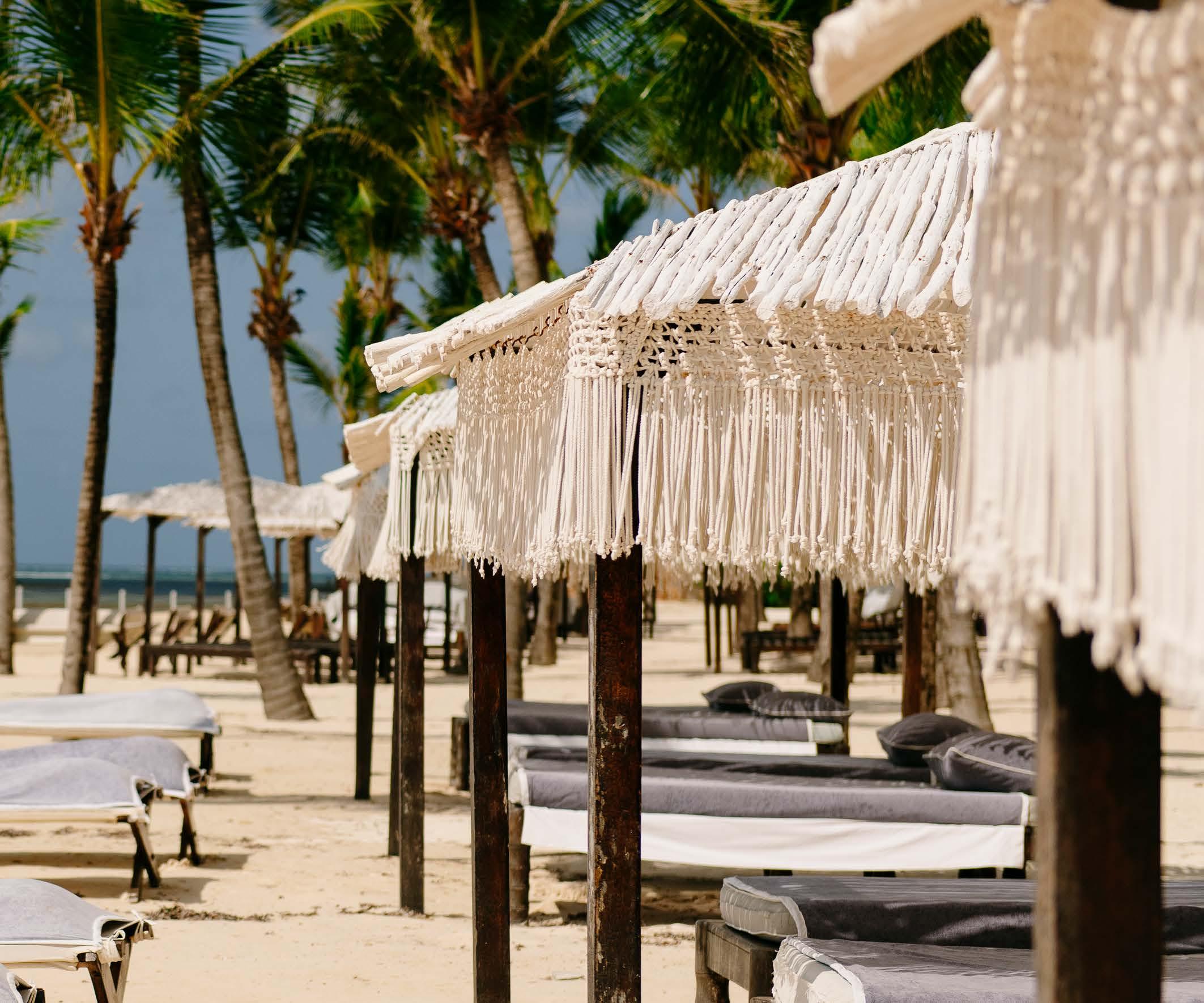
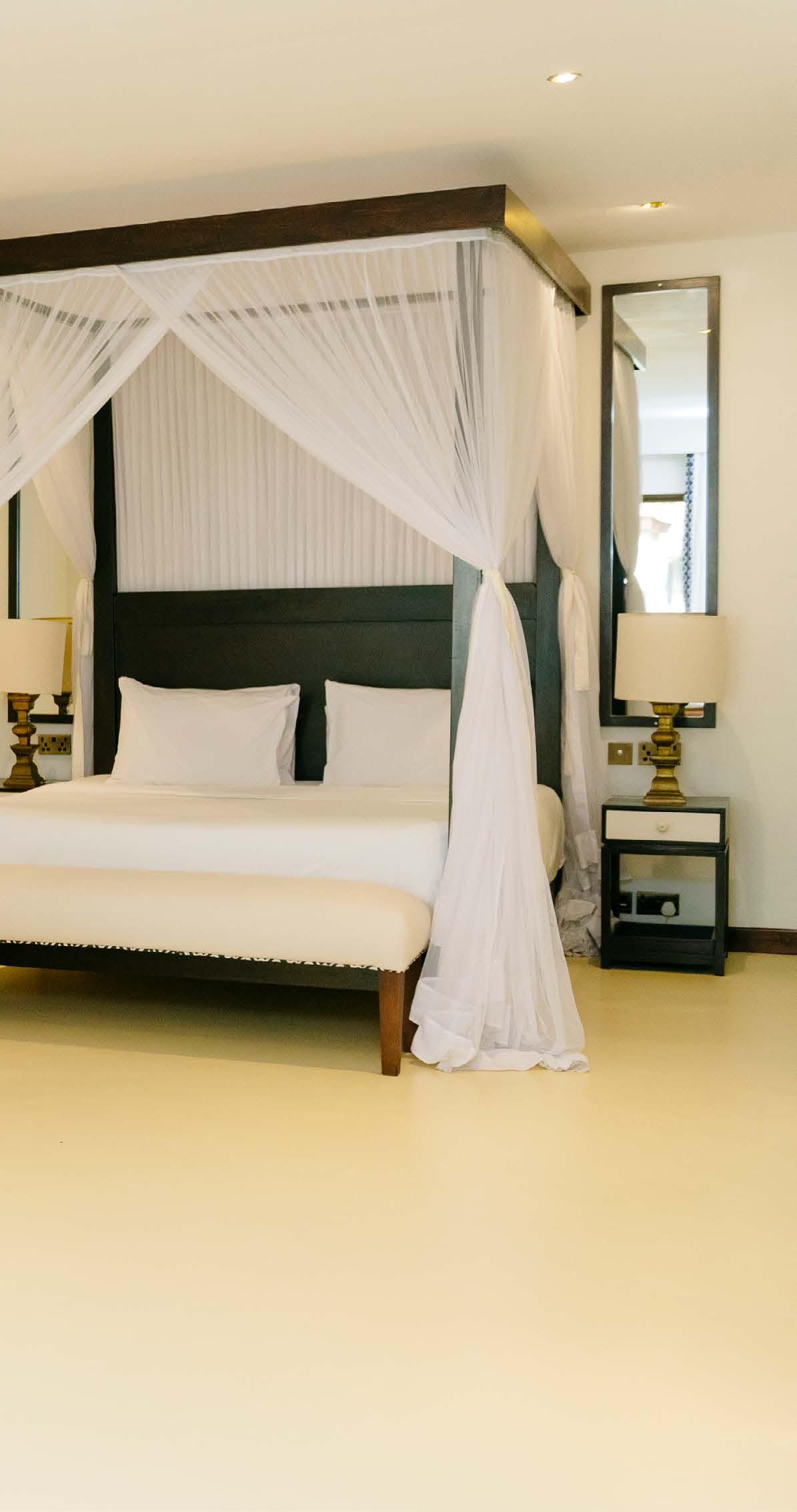
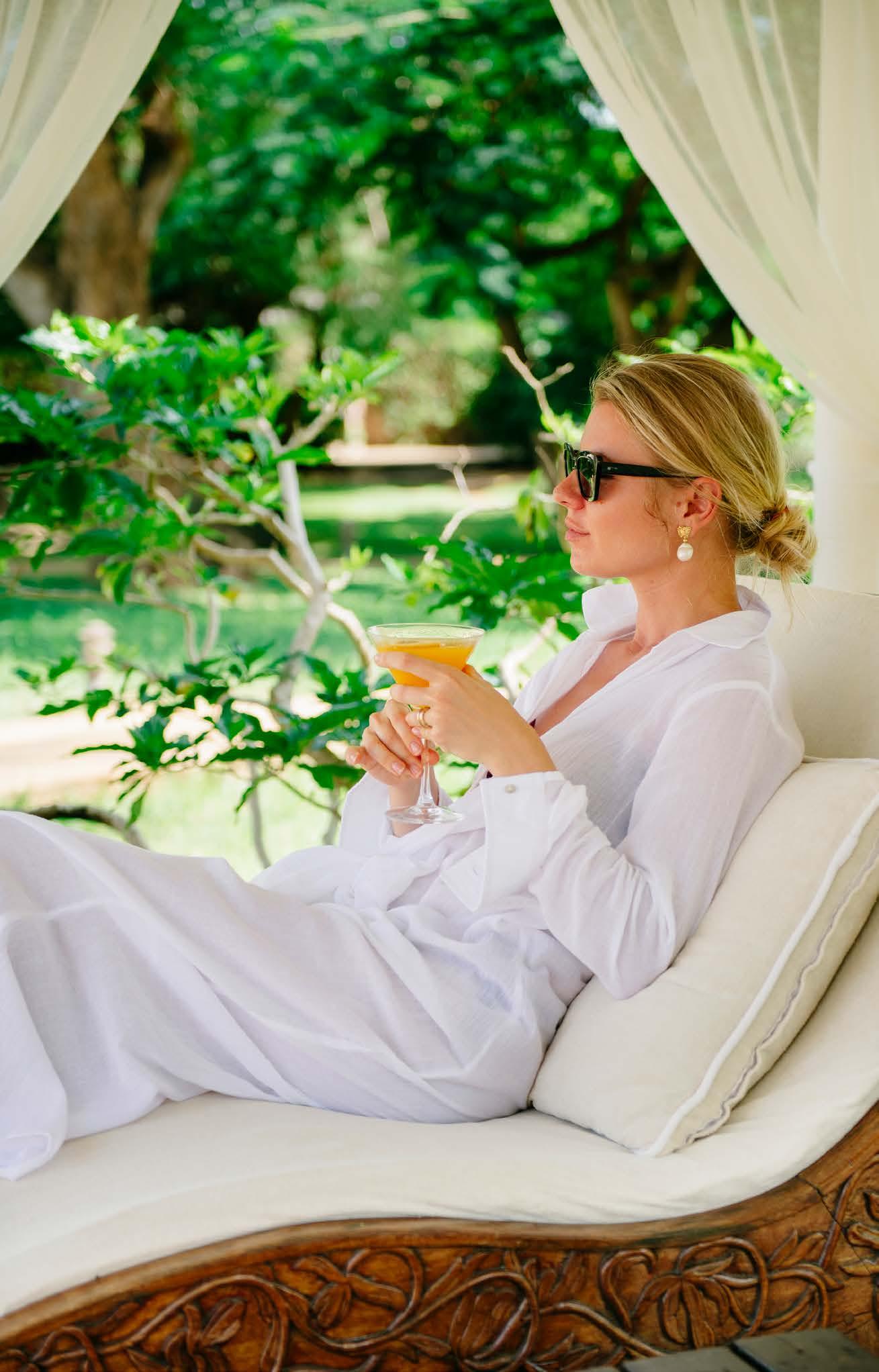
I stopped checking my phone every five minutes. I spent afternoons by the pool under the palms reading books I had abandoned months ago. I wore oversized dresses, walked barefoot back from the spa and let my hair do whatever the humidity wanted. And strangely, I started feeling beautiful again.
Not in the polished way. In the human way.
The kind that comes from being rested. From sun on your skin, slow breakfasts, swimming in cool water and having enough silence around you to actually hear your own thoughts again.
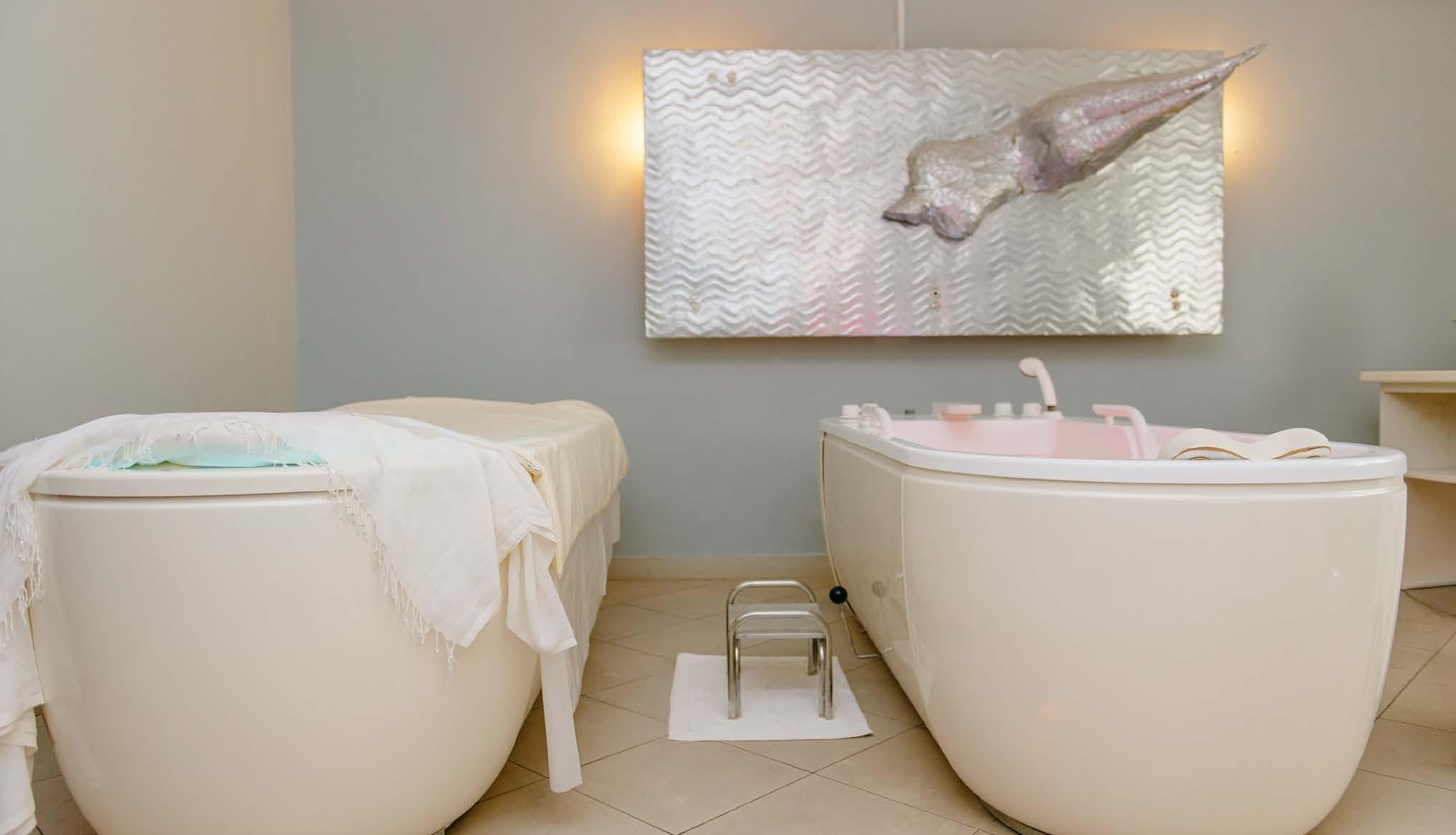
The spa deserves its own paragraph because it is impossible not to mention it. Naomi originally created it for herself, and somehow that makes complete sense the moment you walk in. It does not feel like one of those overly clinical luxury spas where everyone whispers aggressively.
It feels sensual. Peaceful. Feminine.
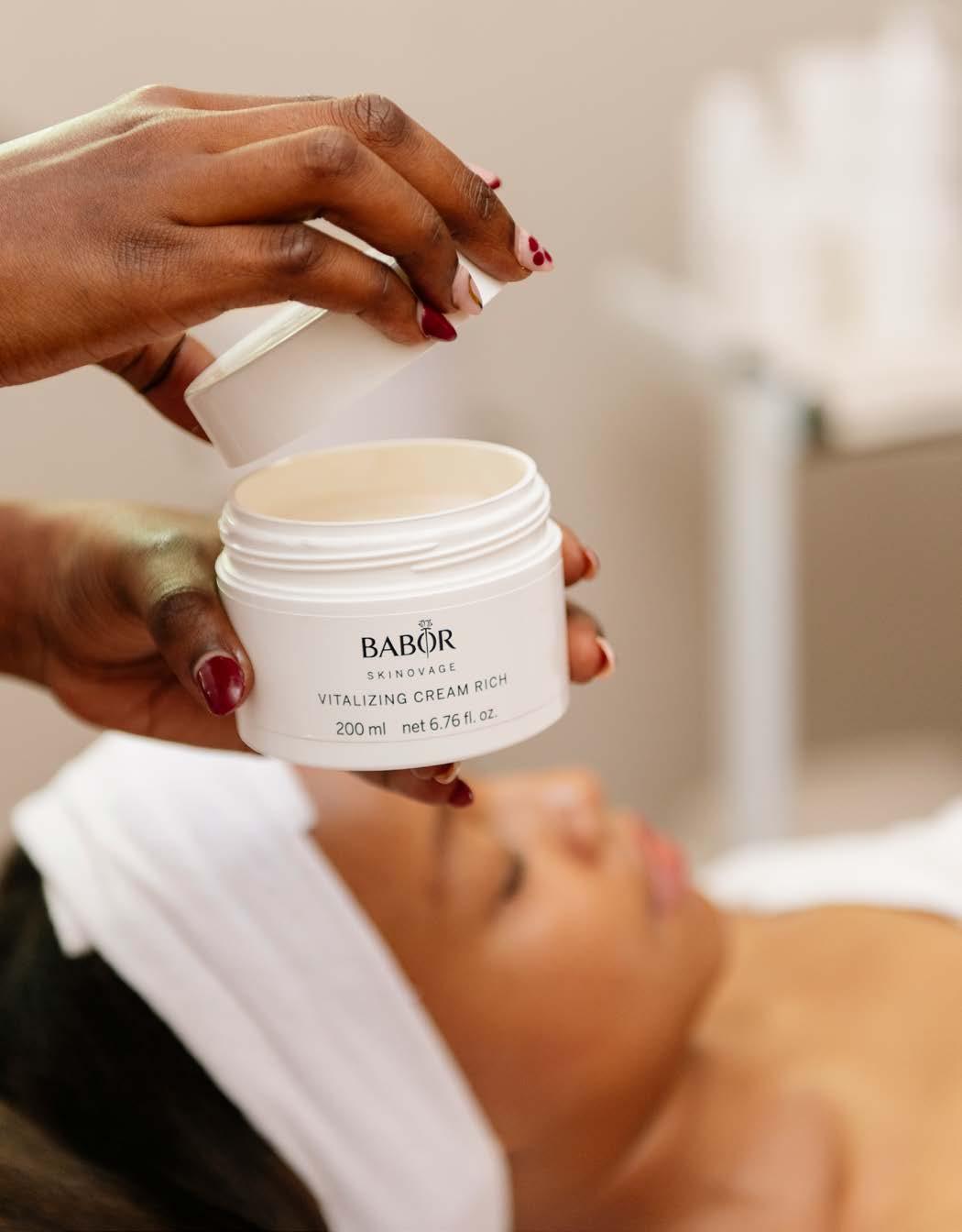
My therapist, Antony, has been there for years and gave one of those massages that genuinely resets your nervous system. Afterwards, I walked back through the gardens in a white robe feeling lighter mentally, physically and emotionally, as though someone had removed six months of stress from my shoulders.
Maybe the most interesting thing about places like Lion in the Sun is that they do not make you want to
become somebody else. They make you return to yourself. I think that is why Naomi still comes back. Not for glamour. Not even for luxury, really. For the feeling of disappearing from the noise for a little while and remembering who you are underneath all of it. By the end of the trip, I realised I had not thought about deadlines in hours. My skin looked better. My mind felt calmer. I laughed more easily.
I left Malindi feeling softer in the best possible way.
Somewhere between the waterfalls, the ocean air and the complete absence of urgency, I understood something very clearly: sometimes taking care of yourself is not luxury. Sometimes it is survival.
And honestly, every woman deserves at least one week a year where she feels like Naomi Campbell in Malindi.
“Sometimes taking care of yourself is not luxury. Sometimes it is survival.”
TUK SOUTH
From Kenya to the end of the world & back
WORDS BY JOSH PORTER & PHOTOGRAPHY BY TUK SOUTH
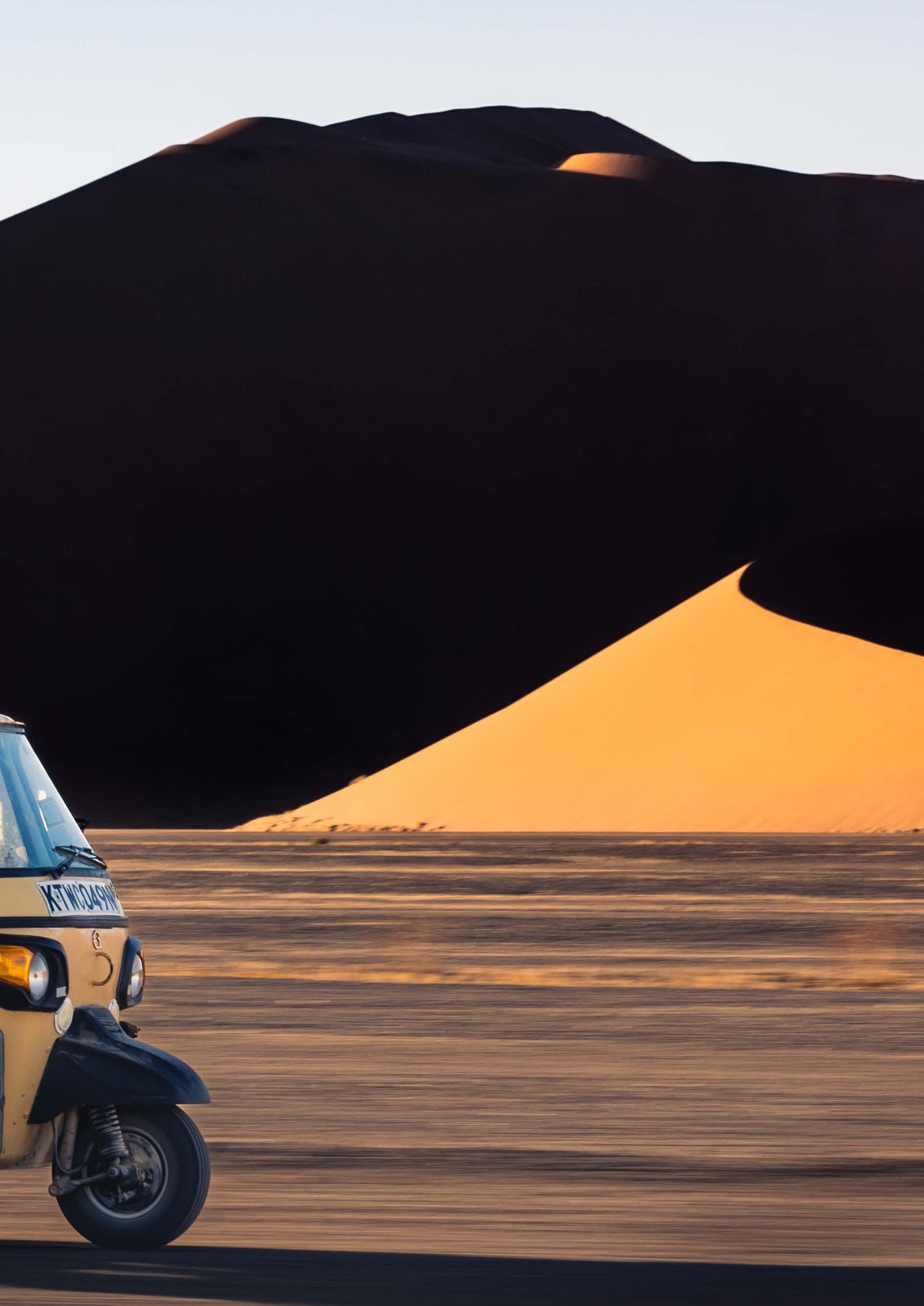
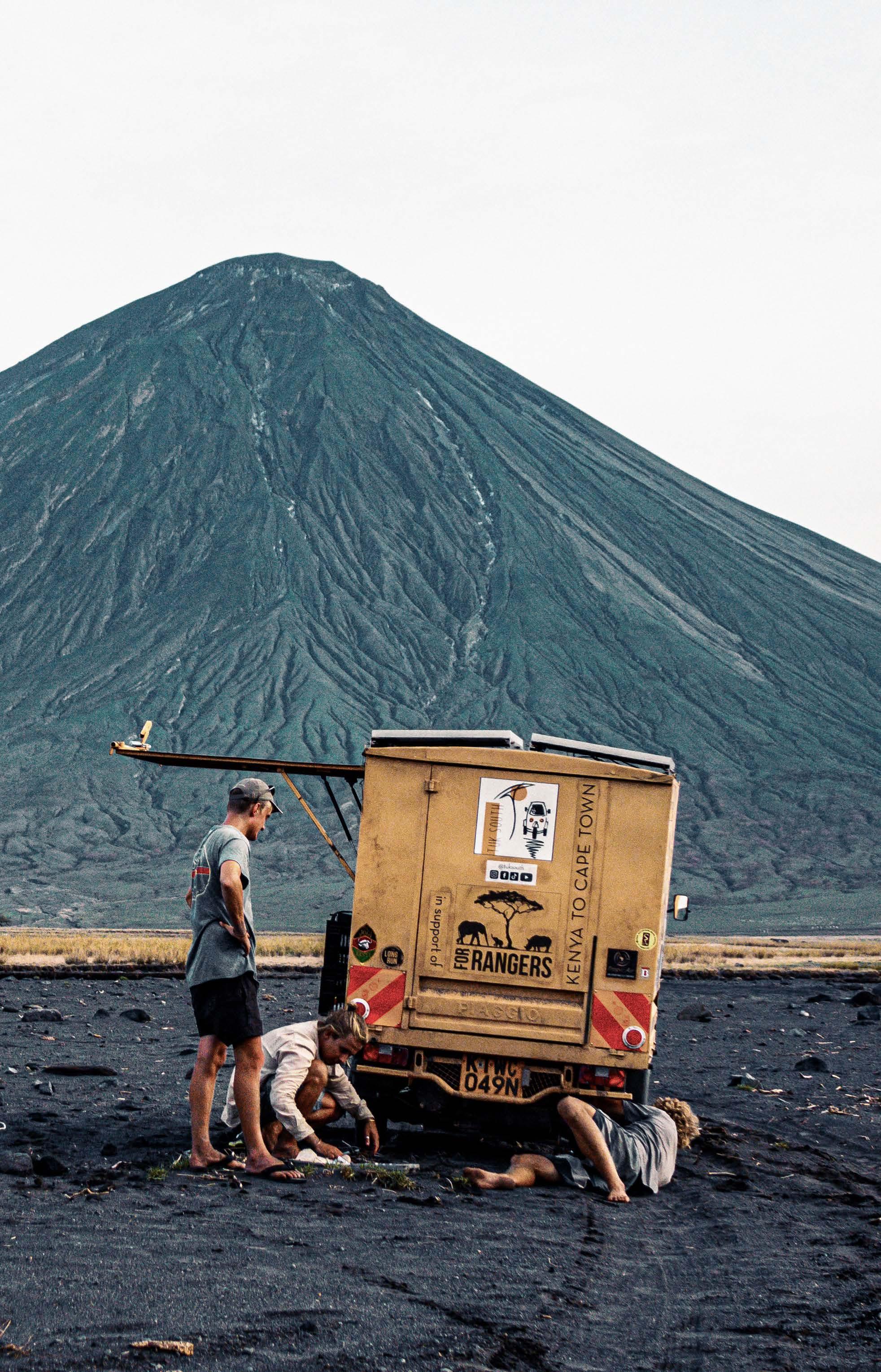
Every great adventure begins with a single idea. This one began in Nanyuki, with a few friends, a couple of tuk tuks and a question: what if? What followed was a journey that has taken two humble three-wheelers from the foothills of Mount Kenya across Africa and into South America, proving that the most extraordinary expeditions rarely start with extraordinary vehicles.
They start with curiosity, determination and the willingness to embrace the unexpected. In this exclusive first-person account, the team behind Tuk South shares the story of how a Kenyan dream became one of the world’s most remarkable overland adventures—and why, despite everything, the journey is far from over.

Hello!
Our story starts in the foothills of Mount Kenya at Cinnabar Green, an essential oils farm just outside the town of Nanyuki. We were drinking a few White Caps in the afternoon glow, attempting to explain TikTok to a Zimbabwean lady.
“So we go on adventures, film them, and post them on TikTok,” I explained whilst scratching a sausage dog behind the ears.
“And who watches these tuk tuks?” the Zimbabwean lady replied as the screeching sound of a tiny rodent-like creature called a hyrax pierced the night air.
“TikToks... and anyone really. If people like them, the algorithm pushes the video to more people and your channel starts to grow.”
“And can you make money from tuk tuk?”
We stopped trying to correct the Zimbabwean lady. There was a pause in conversation.
“The TikTok tuk tuk,” someone said. “That has a ring to it.”
As the weeks went by, Jasper, Ivo, Robbie and I continued making our adventure videos in the Kenyan bush, but as we sat around campfires beneath the stars, our conversation kept returning to the idea of a TikTok tuk tuk.
“We thought we would be in Uruguay in three months. Almost two years later, in January 2025, we arrived in South America.”
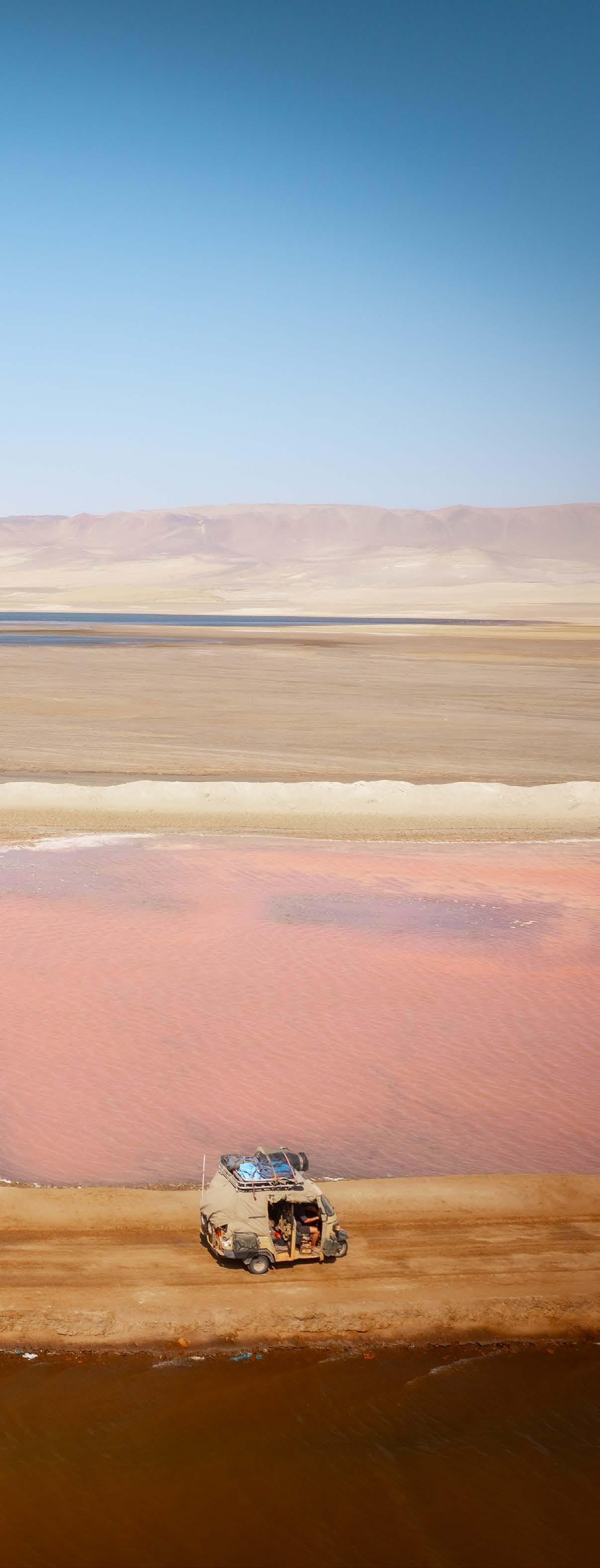
We travelled to Northern Kenya, camping deep in Ethiopia on the dried bed of Lake Stefanie, explored the basalt canyons of Sibiloi National Park on the southern edge of Lake Turkana, and braved the stinging nettles and buffaloes of the Aberdares in search of trout.
But nothing could shift our thoughts from the ridiculous idea of going on these missions in a tuk tuk. The writing was on the wall.
Having lost our jobs due to the pandemic, we were all just waiting for the world to start turning again. But what if we did not have to wait for normal jobs? What if we did not have to go back to being welders and hotel managers?
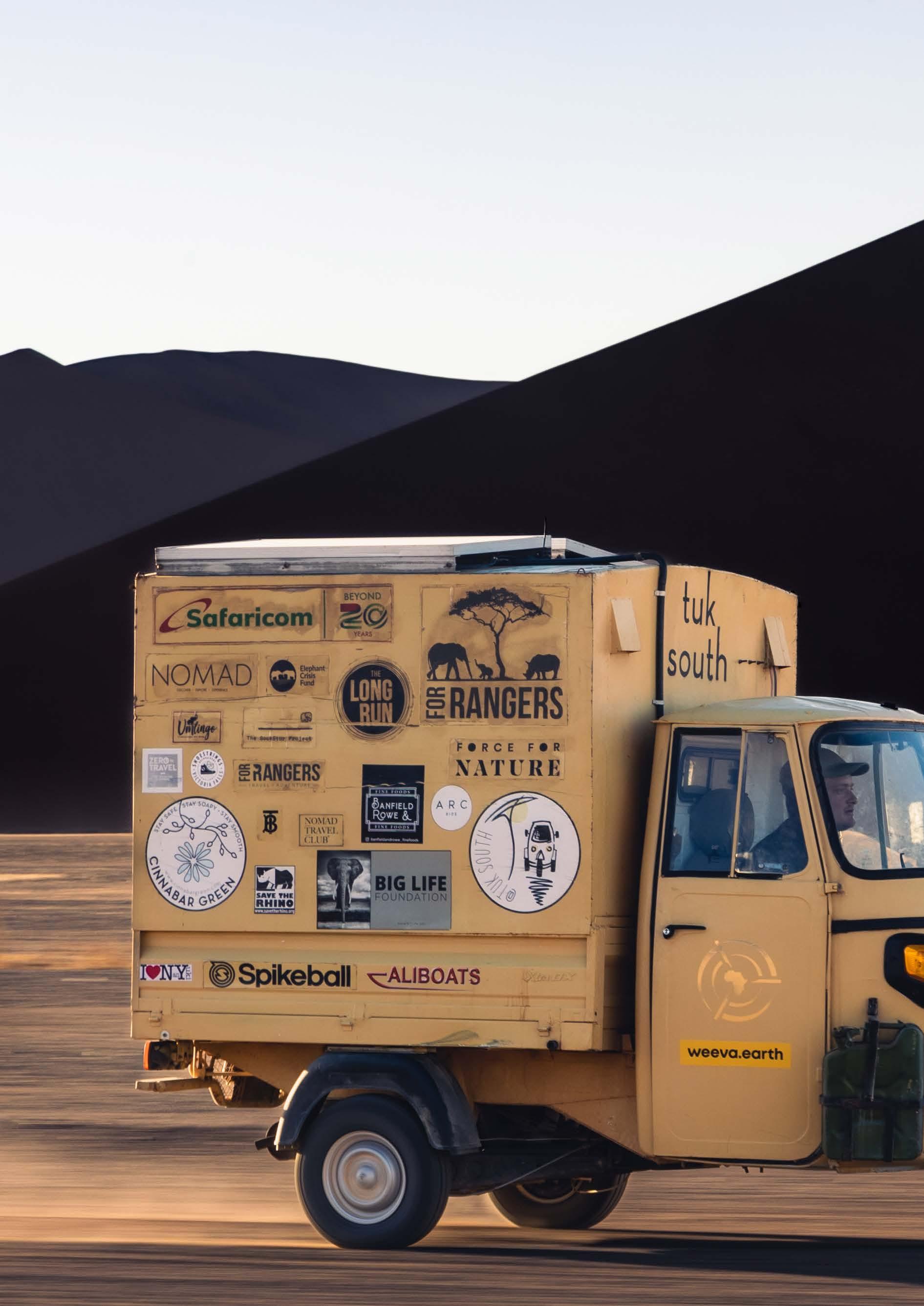
We counted up our shillings and realised that, between us, we had just enough money to buy a pair of brand new Piaggio Ape 200cc diesel tuk tuks.
It was a business investment. Surely the TikTok tuk tuk would take the world by storm, even if we had only started making videos a few months prior.
Next, we needed a ridiculous mission. Drive to the bottom of Africa? Kenya to Cape Town. That had a nice ring to it.
We walked into Car & General in Nanyuki and handed over the cash. A week later, we were the proud owners of a passenger tuk tuk and a van tuk tuk.
What now?
Well, after a quick drive around the farm, we realised the tuk tuks seemed to have been designed to turn our spines into dust if we drove off-road. We needed new seats. Also, the frame seemed to be made from rolledup tinfoil. If we fell over, we were in trouble.
After asking around town, we found a steel wizard called Kingori, who managed to bend us a roll cage from scratch. Now we would be safer if we rolled. Still not sure how we would get on if an elephant got hold of us, but we put that to the back of our minds.
To find new seats, Robbie and Ivo visited the local scrapyard. After a bit of digging, they found a small Suzuki with seats that seemed perfect for the job.
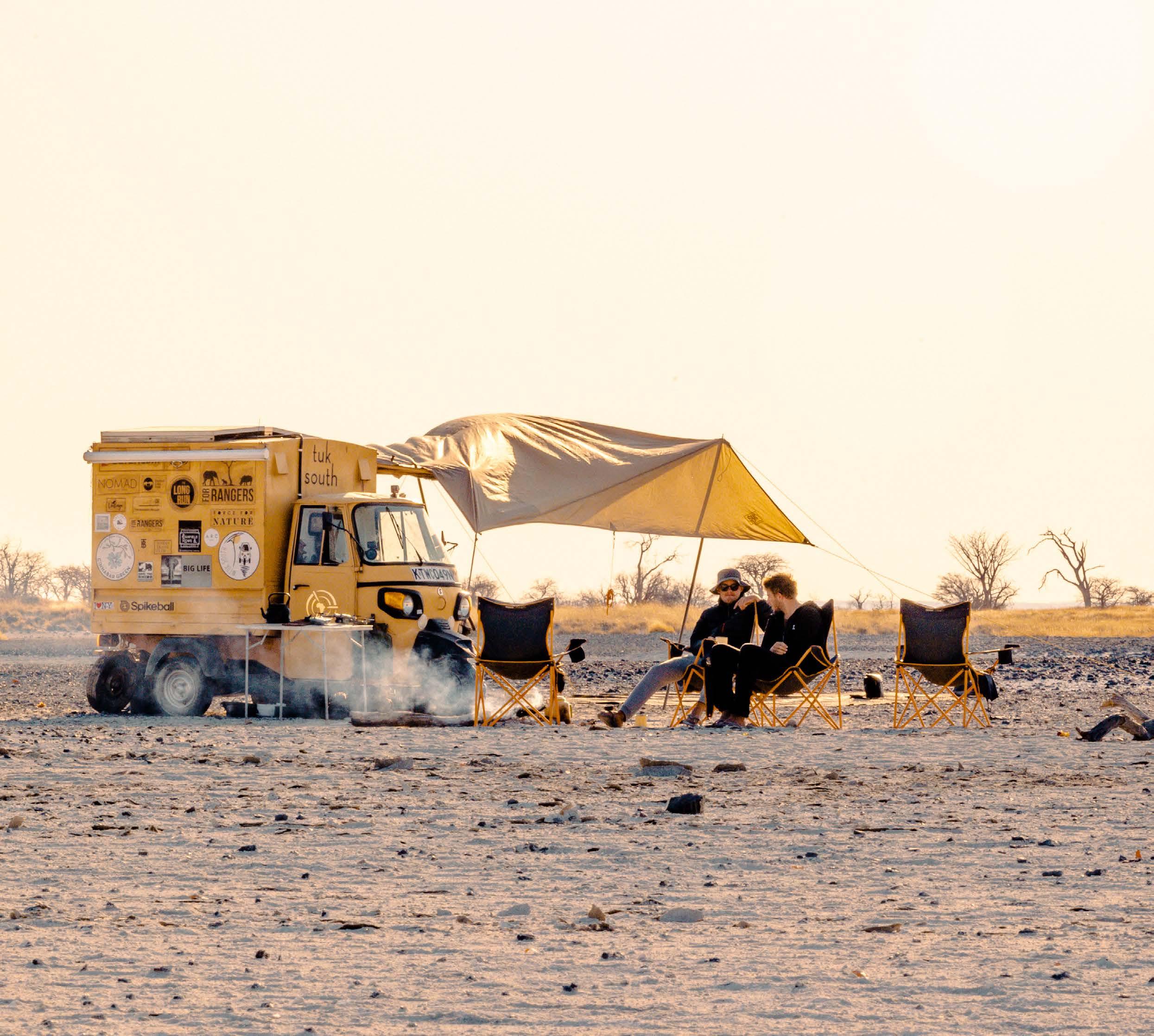
Whilst the farm's mechanics, Philip and Jeremiah, welded the seats in place, Ivo was busy turning our van tuk tuk, Princess Buttercup, into something we could live out of. Food drawers, kitchen tables, storage boxes and a functioning shower were all installed.
Next, a local craftsman from Nanyuki created a bespoke canvas roof for the passenger tuk tuk, Wesley. We added water jug holders, fuel jerry cans, molle bags for storage, fishing rod holders and all the essentials.
After months of tinkering, painting and planning, in October 2021, the Tuk South team was ready to set off. We thought we would be in Cape Town in three months and home by Christmas. Time to hit the road.
On our last night in Namibia, we sat on our camp chairs listening to the Orange River flow by and stared at the final country of our trip, South Africa. But reaching the finish line did not feel like a victory. These past 15 months had been the greatest experience of our lives. It could not end here.
We began to spitball ideas on where we could go next and it did not take long for an obvious destination to appear.
Tuk South? Tuk South America. That has a ring to it.
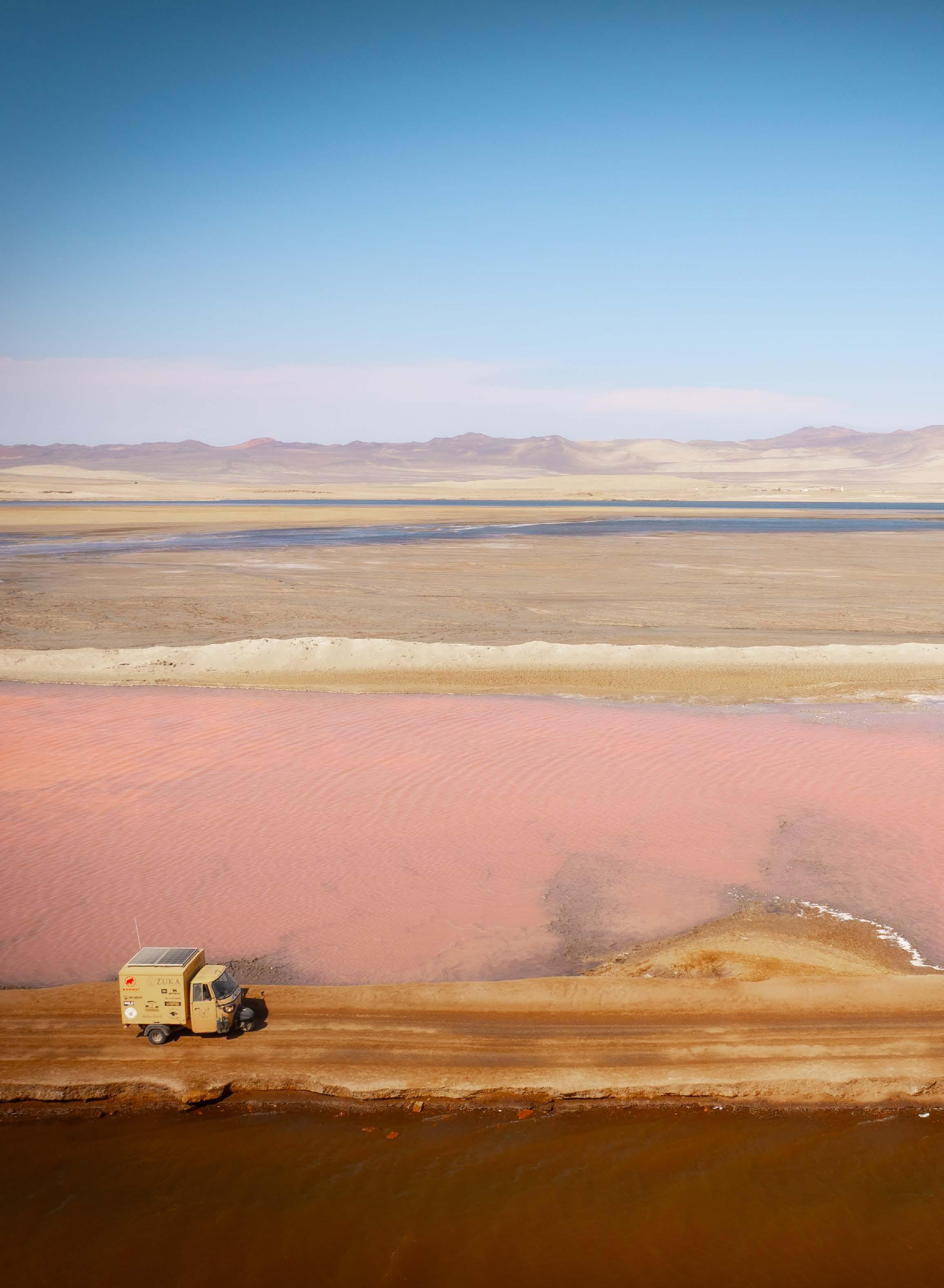
Having made it to Cape Town, we got to work fundraising, modifying and planning to send Princess Buttercup and Wesley across the Atlantic Ocean. We thought we would be in Uruguay in three months. Almost two years later, in January 2025, we arrived in South America.
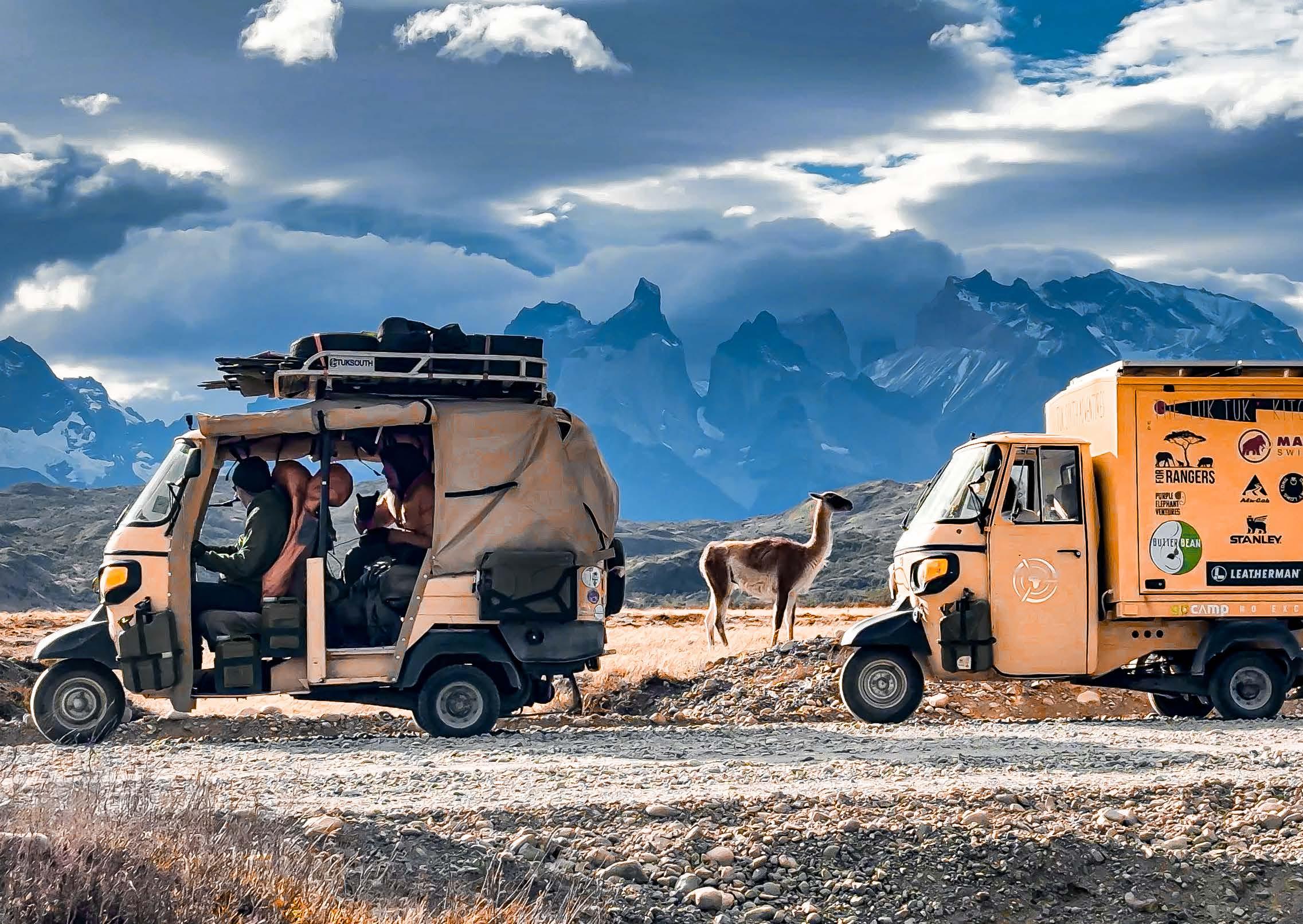
“We do not want windows, doors and walls to keep the world out”
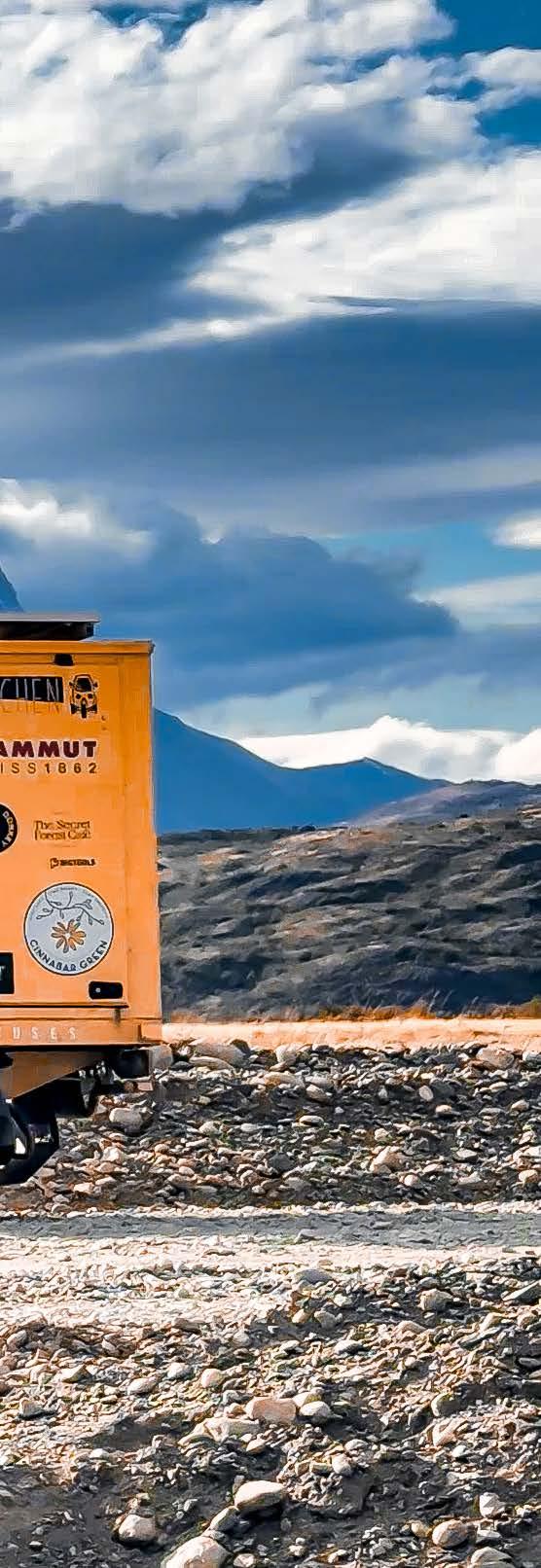
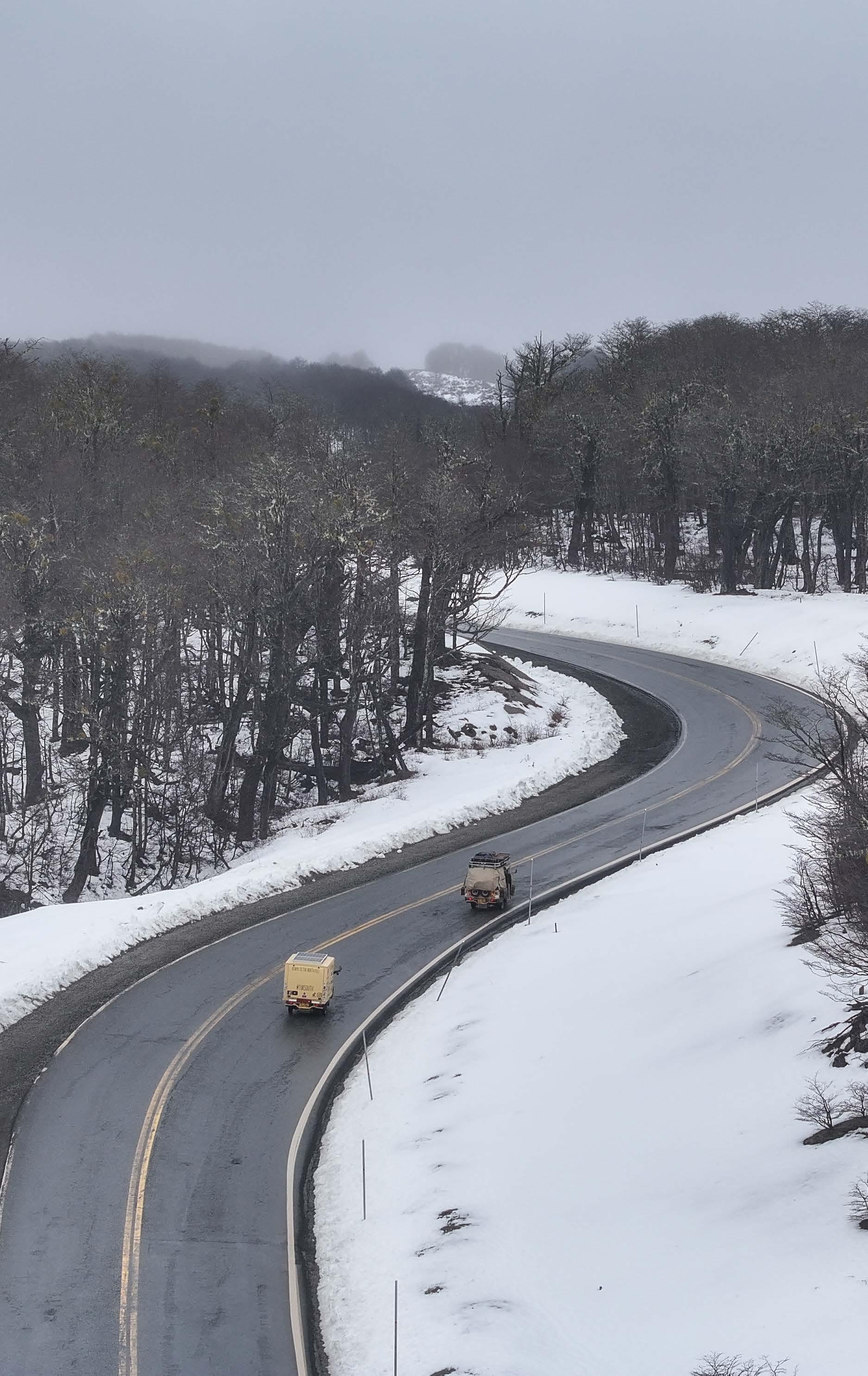
How would the tuk tuks deal with the extremes of South America? The 6,500-metre mountains, the frozen wonderland of Patagonia, the Atacama Desert and, of course, the greatest rainforest on the planet, the Amazon.
And never mind the tuk tuks. How would the human members of Tuk South get on in South America?
Our first mission was to drive the tuk tuks we had bought on Africa's equator to the southernmost drivable bit of road on Earth, Tierra del Fuego and Fin del Mundo. The end of the world.
Tuk South America begins.
After 15 months in South America, Tuk South has been pushed to its limit. We have camped in minus 10°C as winter caught us in Patagonia, pushed the tuk tuks over 4,700-metre passes to cross the Peruvian Andes, been hit by altitude sickness on the snow-capped peaks of the Atacama and become hosts to a horrible little parasite called leishmaniasis in the Bolivian Amazon.
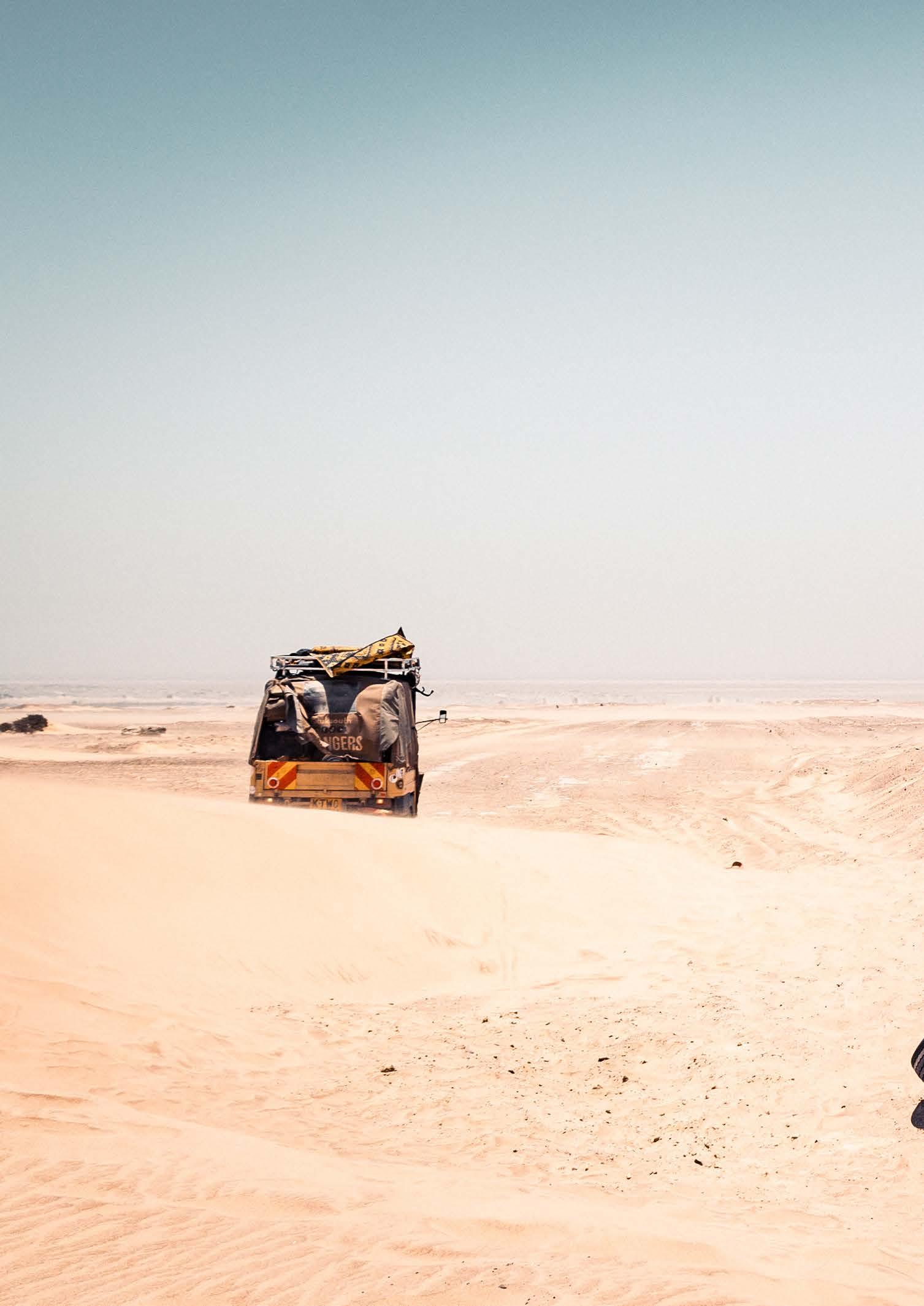
But this is why we chose tuk tuks. We do not want windows, doors and walls to keep the world out. If that is your goal whilst travelling, I strongly advise you not to travel in a tuk tuk. We want to let the world in.
Sometimes that means dealing with discomfort, but if that is the price we have to pay for the experiences we have been lucky enough to have over these past few years, we would pay it a million times over.
When you travel in a tuk tuk, you are a physical representation of an underdog story, and people love an underdog. They invite us into their homes, gift us crops they grow and fill us up on homemade hooch.
Before setting off on the Tuk South mission, we saw other people as something we wanted to avoid. Something that would lessen the adventurousness of our expedition. But with time, the tuk tuks opened our eyes to humanity and connection with others sort of became the whole point.
Every obstacle has become an opportunity for us, including the one we are currently looking at in Colombia.
How do we cross the Darién Gap? An area of jungle between Colombia and Panama with no road running through it.
We put out a video asking people to help and somebody heard our call. The place where it all started. Kenya.
Kenyans can recognise our KTWC licence plate even if it is just a few pixels on a screen. None of us expected to receive the amount of love we have from the amazing people where our journey began and, having heard how proud they are of these two Kenyan tuk tuks, we have changed the goal of the Tuk South mission.
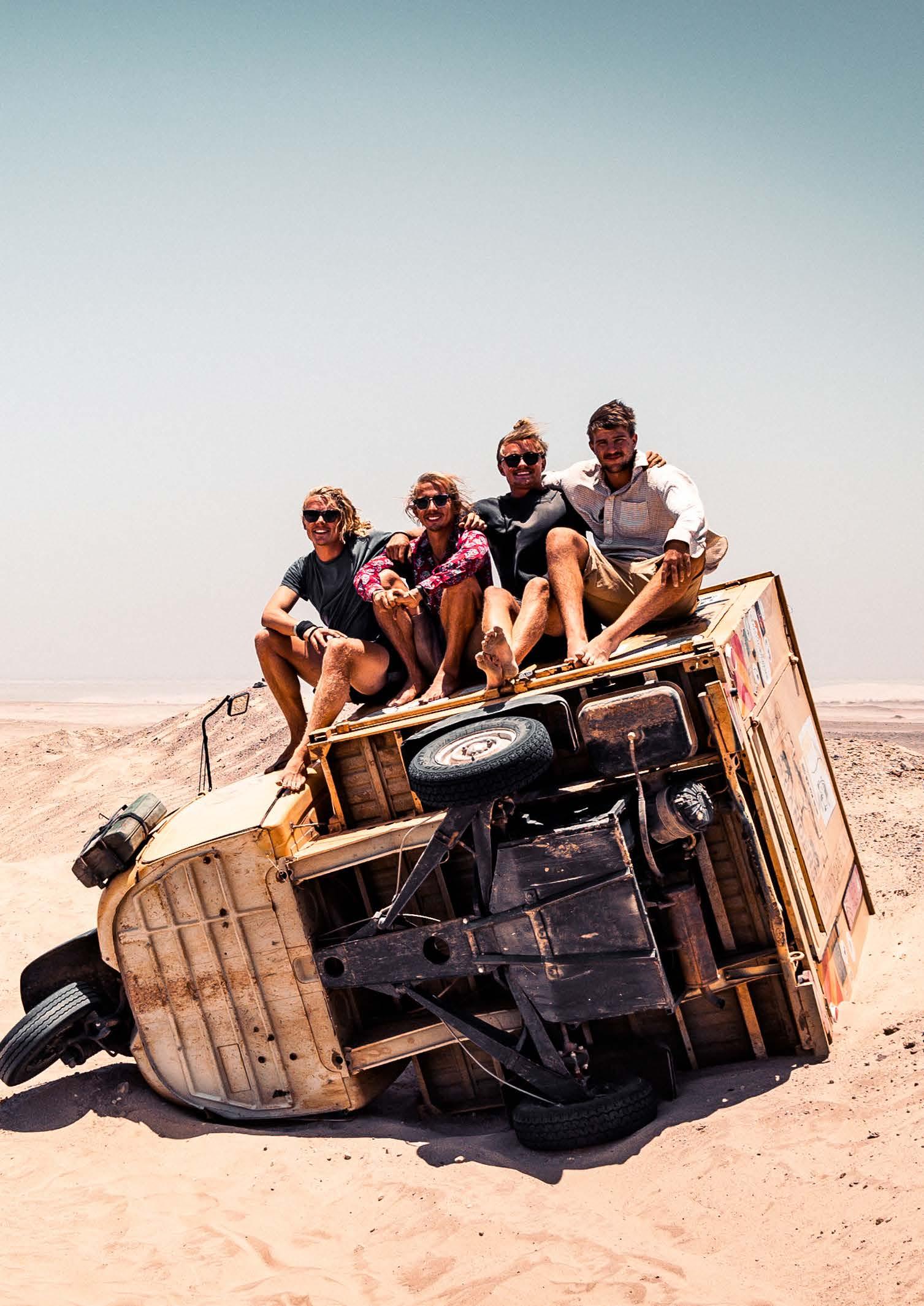
Written on the back of Princess Buttercup it says, “From Kenya to the North Pole.”
But that does not work anymore. They need to come home.
Once we cross the Darién Gap, the Bering Strait and the Suez Canal back into Africa, we will get these tuk tuks back to Kenya.
Thank you for your love and support. We will see you soon(ish).
LICHTHAUS, A WATAMU ICON & Cultural Movement
WRITTEN BY ANISHA SHAH
PHOTOGRAPHY BY NATASHA SWEENEY & LYRA AOKO
This is a full circle moment, of a profoundly treasured time.
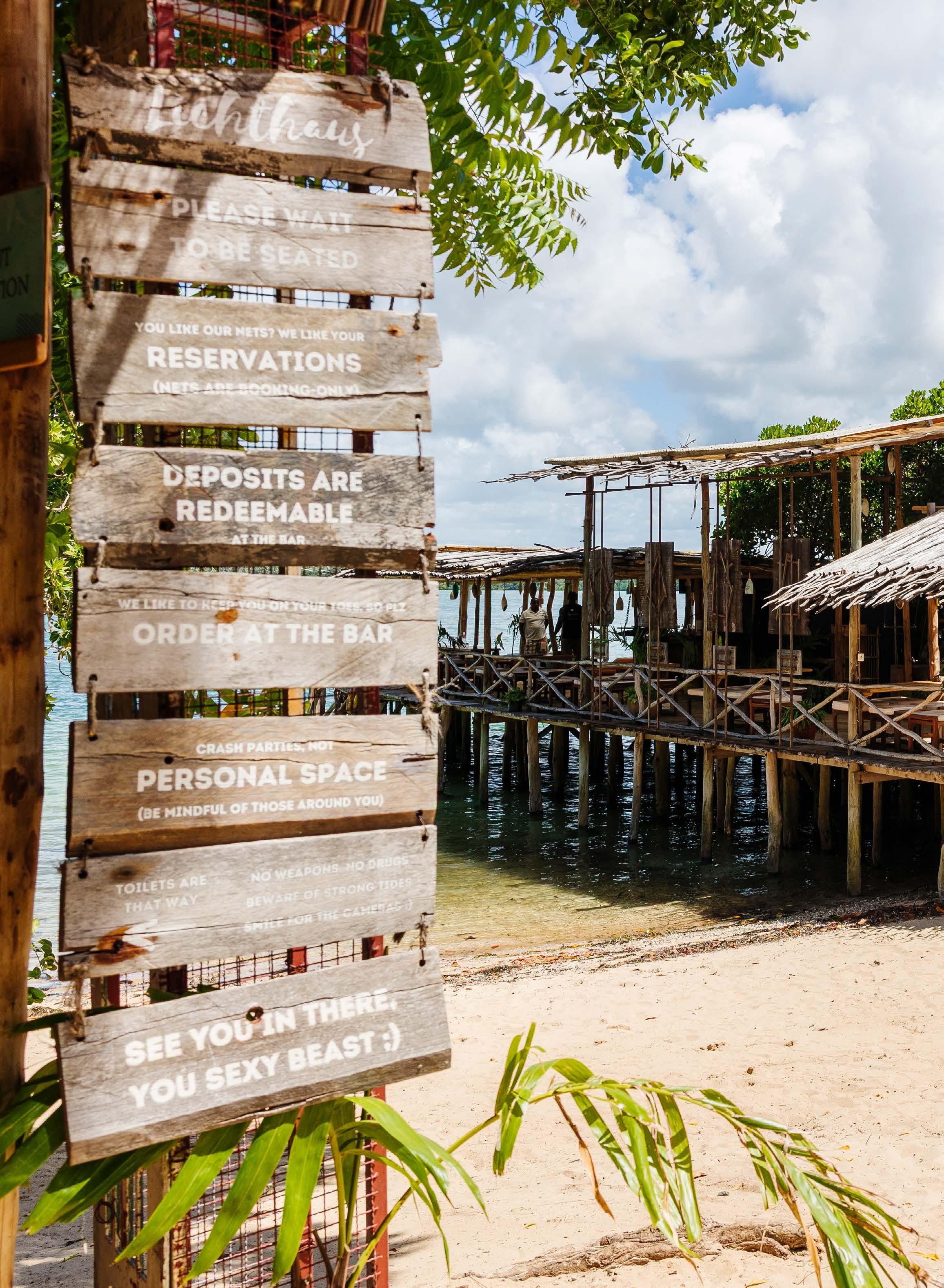
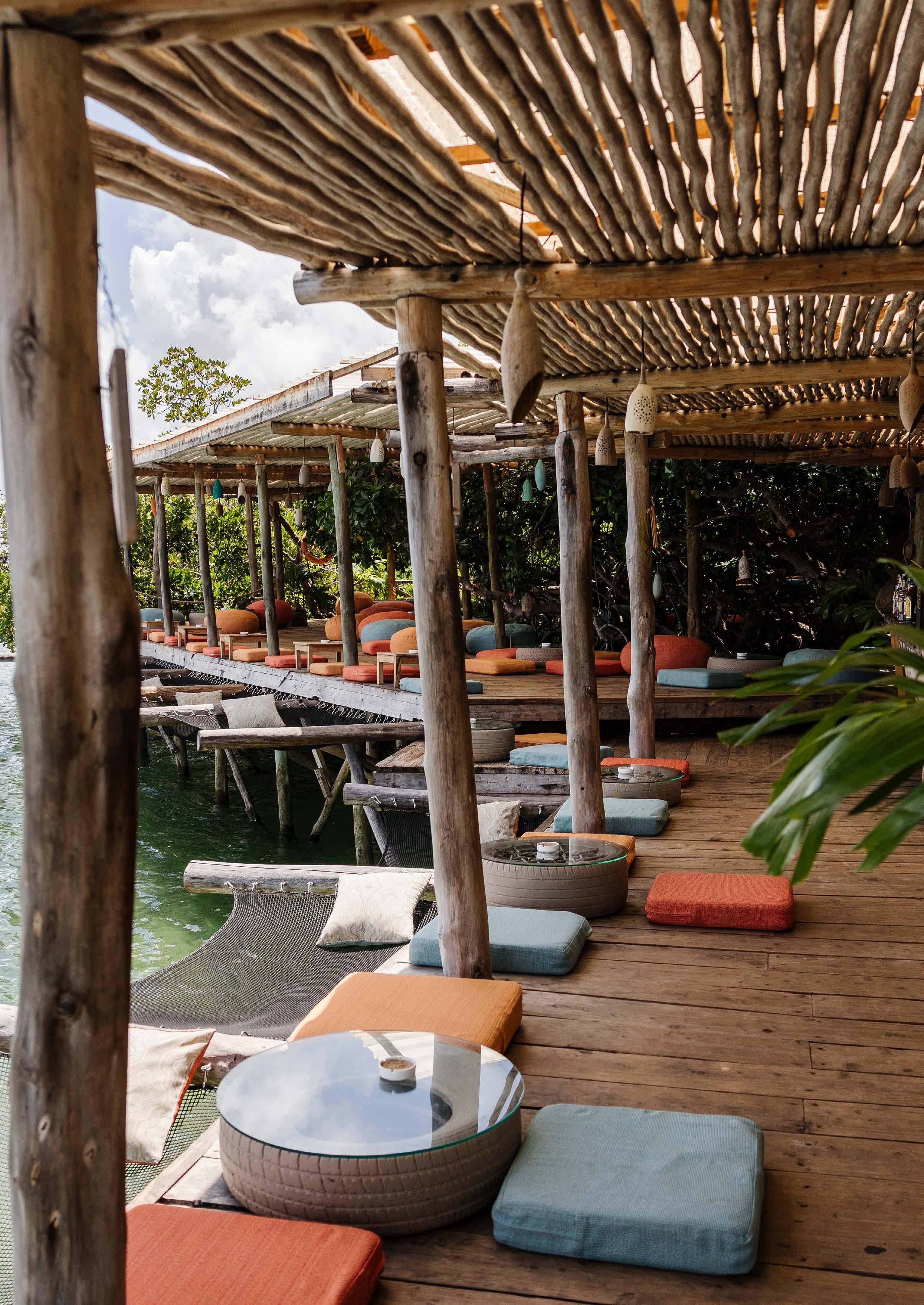
Summer 2020, Covid was in full flow when I, the uninitiated, arrived in Watamu on the Kenyan coast. A fortnight’s escape from the UK and medical school metamorphosed into a whimsical year and a half of beachfront living. As I started to make new international and local friends living in Watamu, I heard whisperings of Lichthaus, an open-air breezy barefootchic bohemian bar suspended at the water’s edge. That December, it hard-launched. Translating from German as lighthouse (pron. L-ikt-haus), the bar is a literal beacon, where creek meets ocean.
Back then, Watamu had an air of the ethereal; wild palms swaying in the untamed kusi winds, halcyon sun-baked beaches crowning the mesmerizingly inviting warm turquoise Indian Ocean, whitewashed beachfront homes embellished with glinting Kitengela glass and, most nostalgically, barely a soul in sight. It was an exacting depiction of perfection; a golden era in time, which Jan Langer, Lichthaus founder, and I agree was infused with magical surrealism. “We were living Watamu’s purest alter-ego, just as she was meant to be,” proffers Jan wistfully. She was harmonious in nature whilst magnetic in her sovereignty; drawing people from far and wide, and clutching them close to her evergreen bosom. “That charismatic appeal may also be behind the seismic success of Lichthaus since,” he ponders, almost questioning it himself.
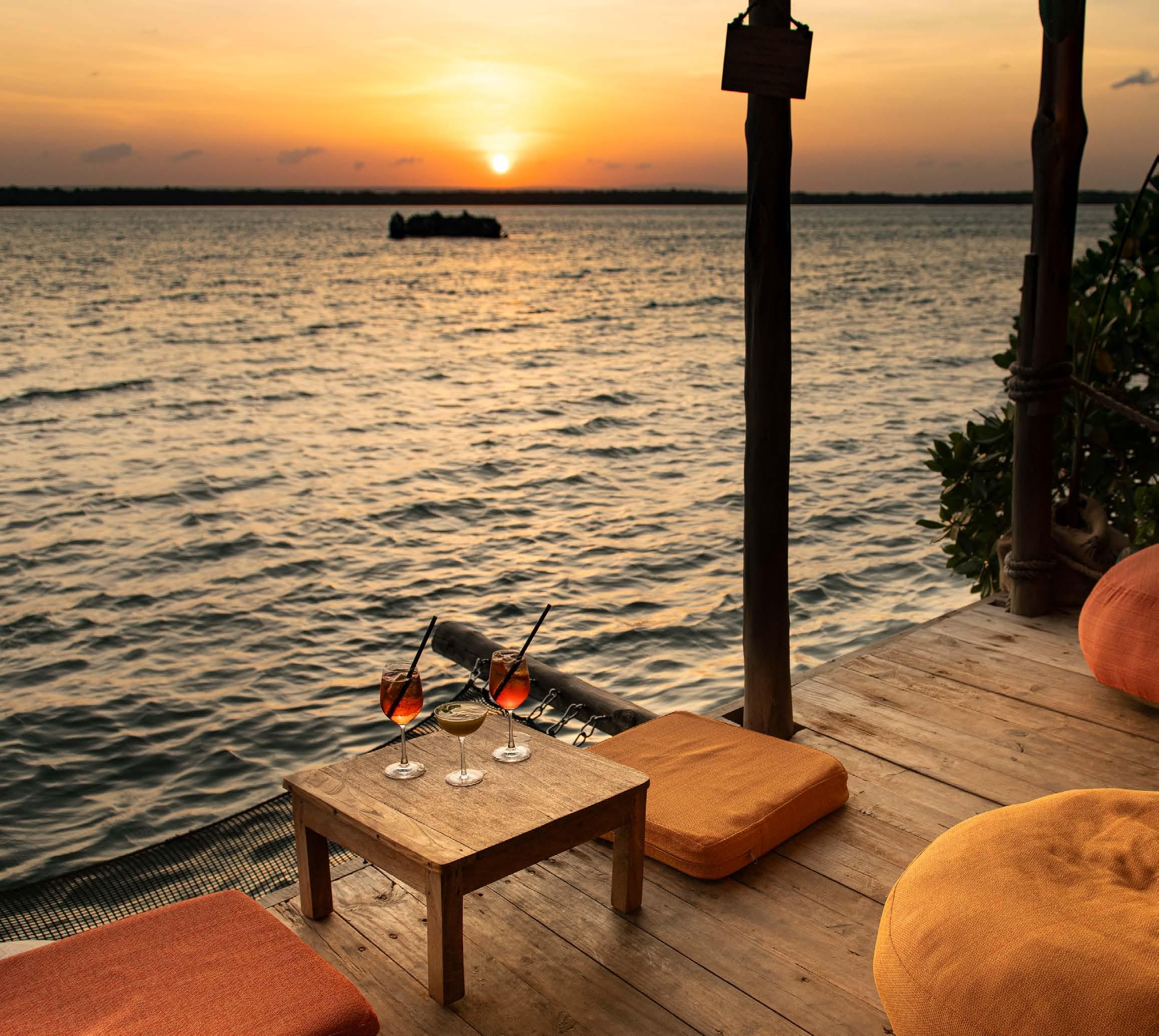
Watamu has an uncanny knack of captivating people, who find freedom here. That freedom is the single most valued ethos behind Lichthaus; now a social icon and cultural movement. It’s where locals and holidaymakers gather to socialise, sunbathe, sip and swim from hammocks suspended above water, particularly to watch the uninhibited fiery East African sun sink into the sea. The kaleidoscopic skies print photos like fine art.
Of Nature…
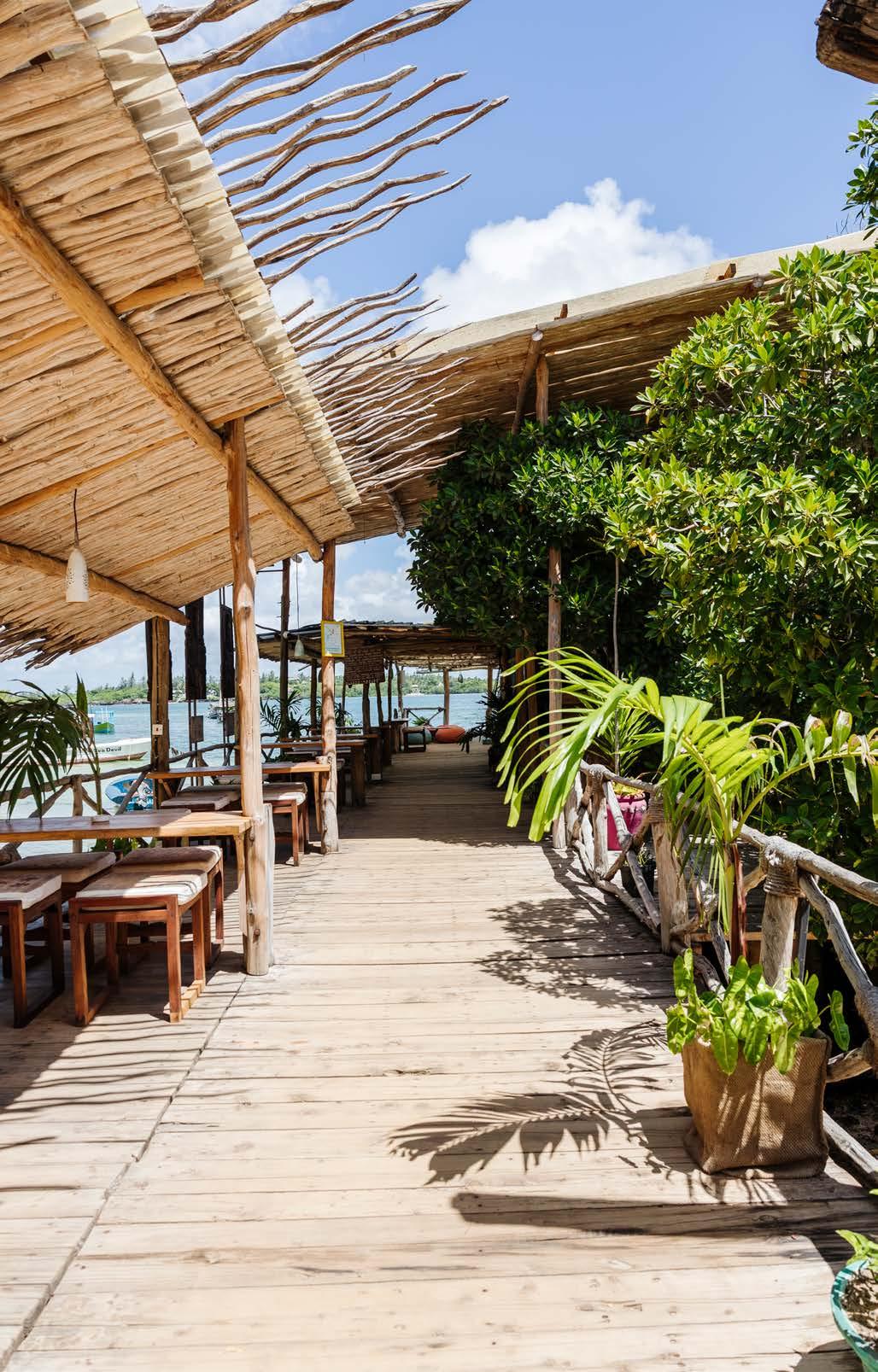
Since inception, Lichthaus has lent a helping hand in translating Mida Creek’s lush backwater mangroves into an epicentre of free-soul vibes and connection with raw
nature. “We are emotion-dealers,” describes Jan. “Nature is our stage. People should connect with the land by hearing ancient tales of the living breathing mangroves from locals. They should mingle with the lush foliage, either drifting through by dhow or simply floating with the tide, delight at monkeys playing on our fringes, see the stars and discover their own alignment, and then touch the water, swim in it, play in it.” Immersion of the senses creates those deeply cherished memories – the guiding philosophy behind experiential travel. Here, the cinematic showdown of nature reigns supreme; a natural milieu for unique experiences.
Humble Beginnings…
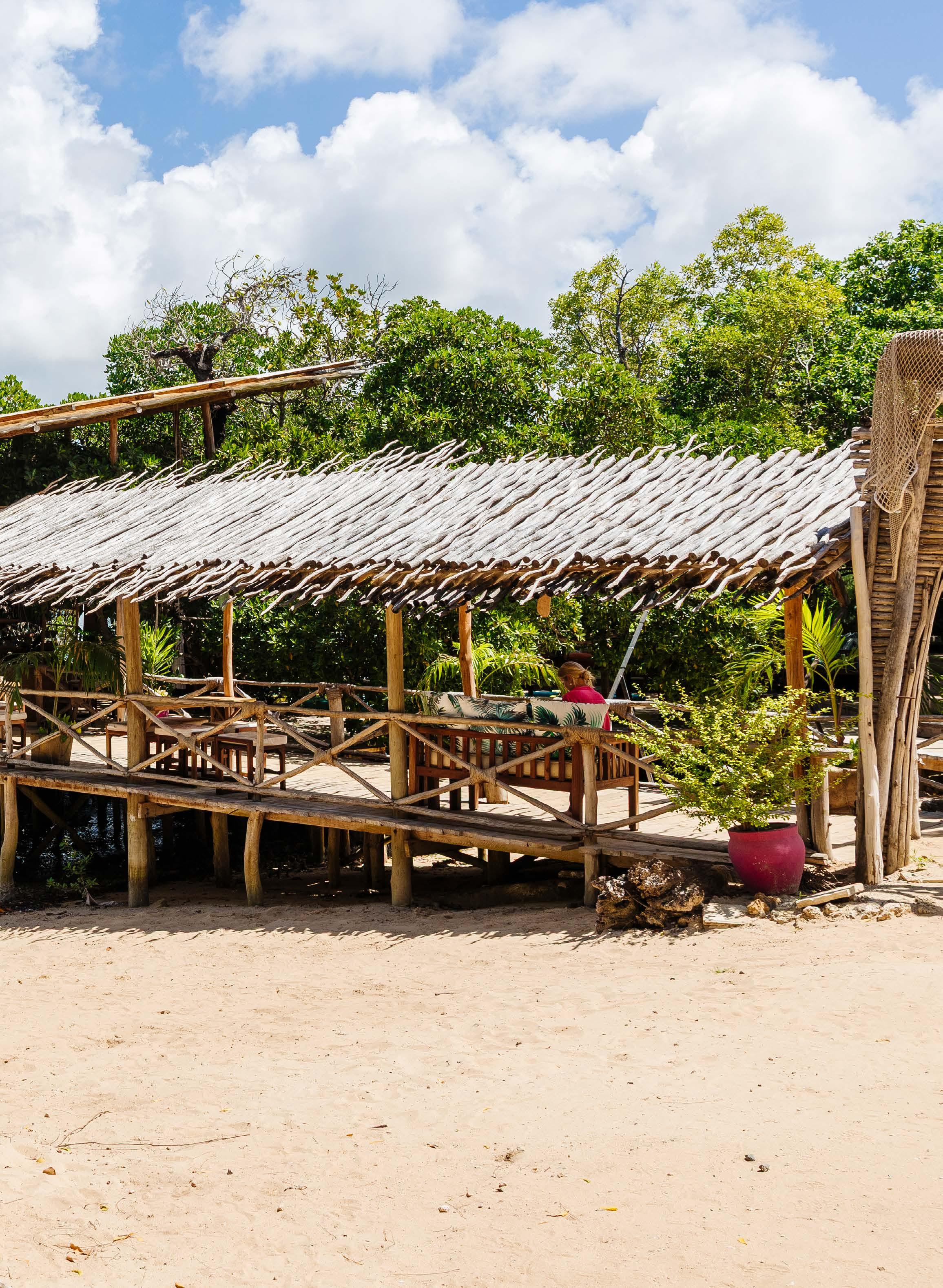
Though, this was all accidental success, admits Jan, since his lightbulb-moment to create the bar, whilst burnt out months in from arriving at his familial inherited land. A rapid one-month turnaround, all-in attitude, and a very modest investment of $13,000 returned within the first fortnight alone; unimaginable success. The concept was simple from the outset – built using upcycled materials or ‘trash’ as Jan describes it, “every aspect was old material like railings, old lamps, car tires, wooden window-sills and photo frames that were being thrown away.” Today, these vibrant Kitenge-clad swatches add the much-loved focal Swahili flair and characteristic charm of Lichthaus; artistic homage to its vivacious Kenyan surrounds."
Of Growth…
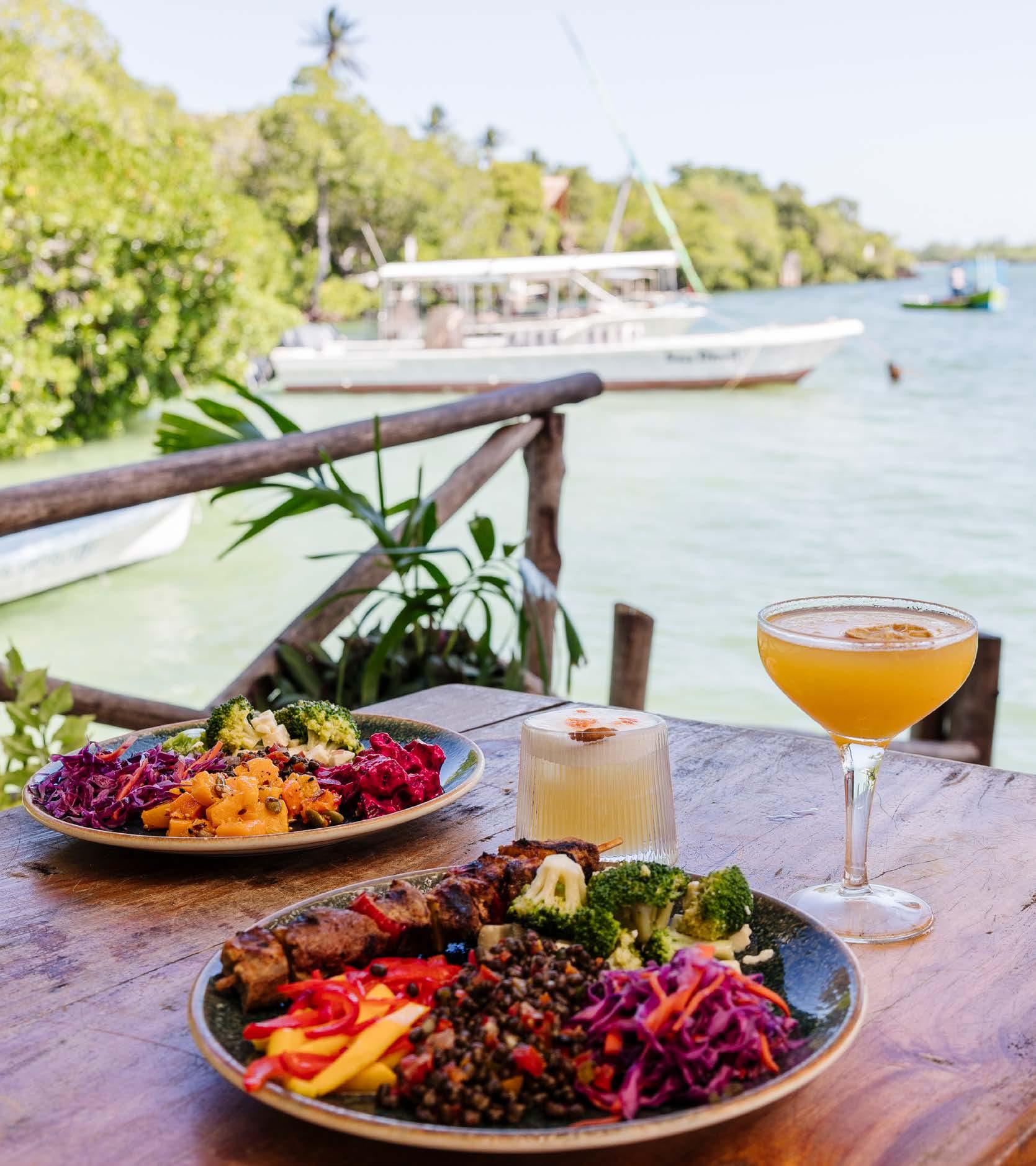
After a few curated cocktails or craft beers in the searing heat and an afternoon salty swim, “nothing stirs the senses greater than the scent of charcoal barbecue with freshlygrilled seafood lingering in the air,” he grins. Rounded off with melodic Afro house tunes, blissful afternoons spill into unforgettable evenings, as I recall all too well, often wondering where the hours vanished. Lichthaus’ colossal success informed a quadrupling in size, “we created more hammocks, bars and spaces intertwined within the mangroves.” From expansive fullfrontal sun-facing vistas, to cute cosy nooks ensconced within bougainvillea and suffused in intimacy, the offering reflects the growing demographic, from multi-generational families to groups of friends, and date nights to solo travellers. Yet, nothing was cut down, moved or changed, “we worked with nature and I think that shows beautifully.”

What is Luxury for Jan?
The freedom to be you, to do what you want, when you want, without worry or stress. The freedom to be curious, experience life, learn from it and create tasteful things. That is me idea of luxury
Shared Humanity…
That leads me to question, who is Lichthaus aimed at? Is there a type or target clientele, I ask? “It’s really for people who share humanity and a core set of values; people who care about themselves, others, where they go, and who enjoy life, want a great experience and who want to do something great in the world,” Jan is assured in this definition.
More Than Just A Gym…
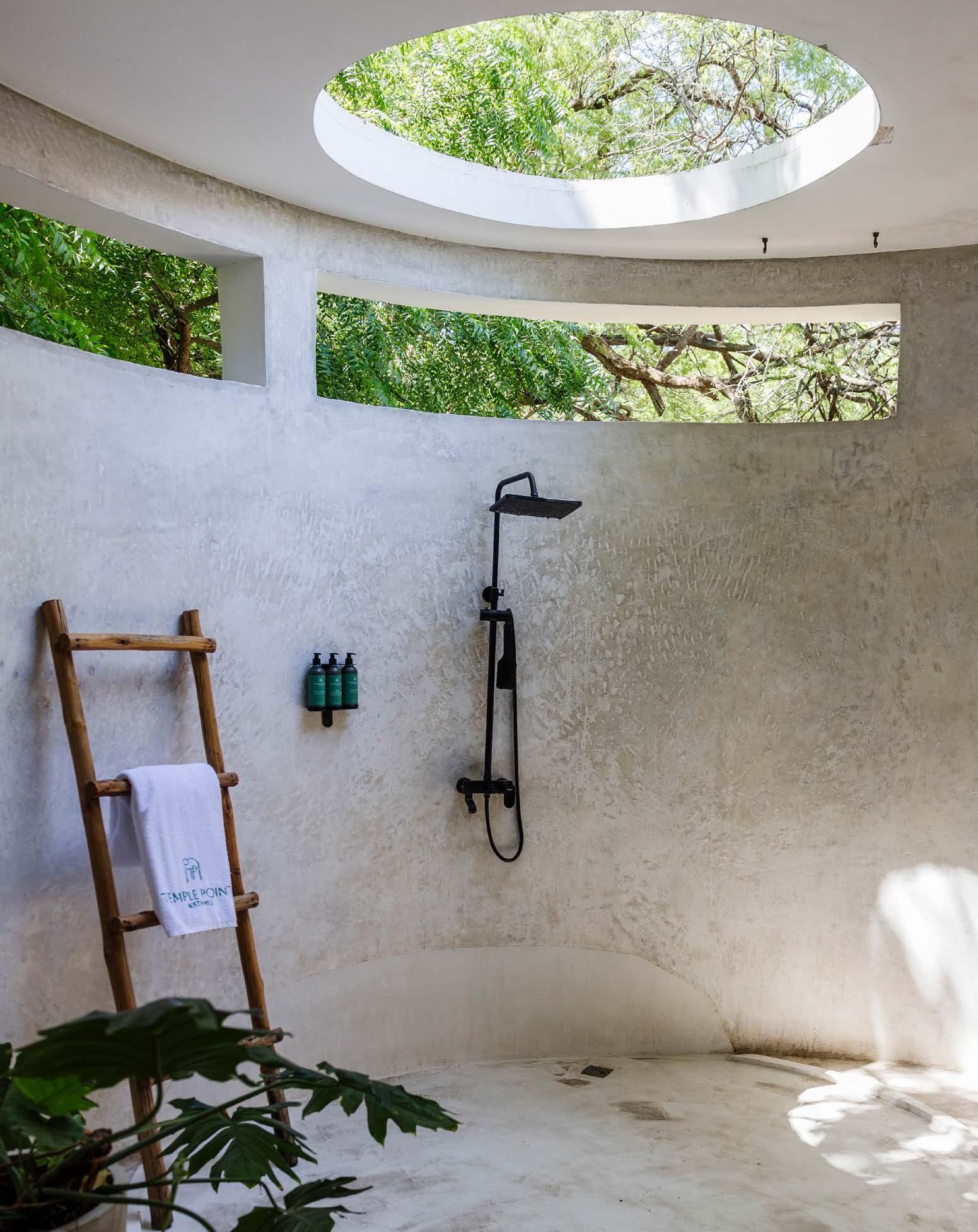
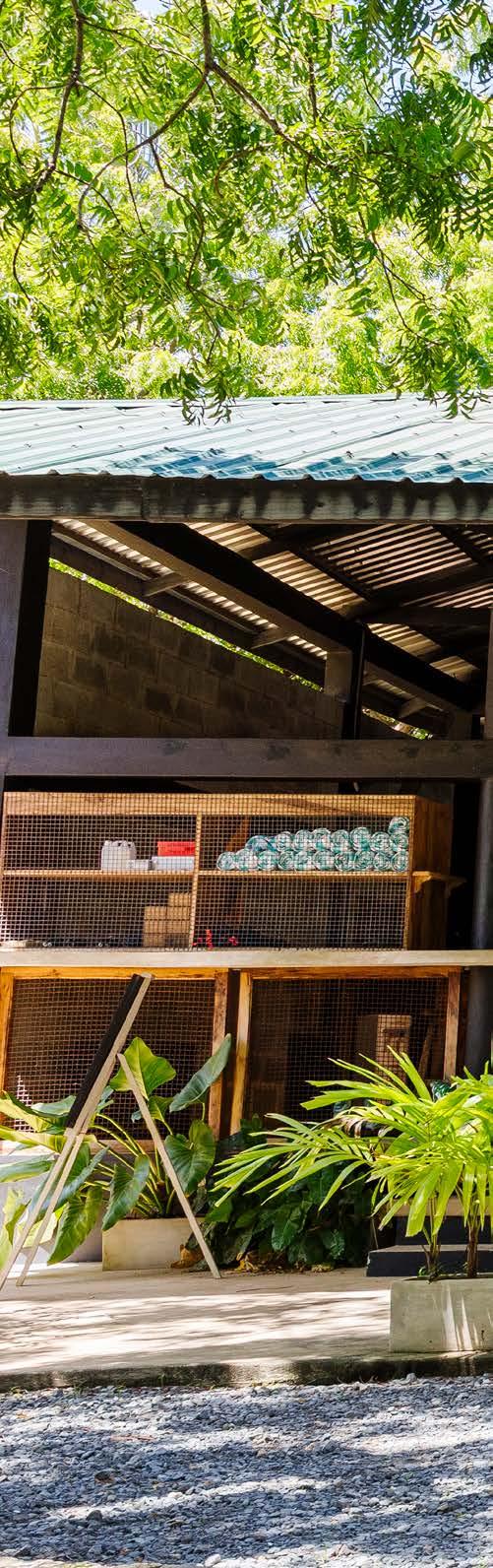
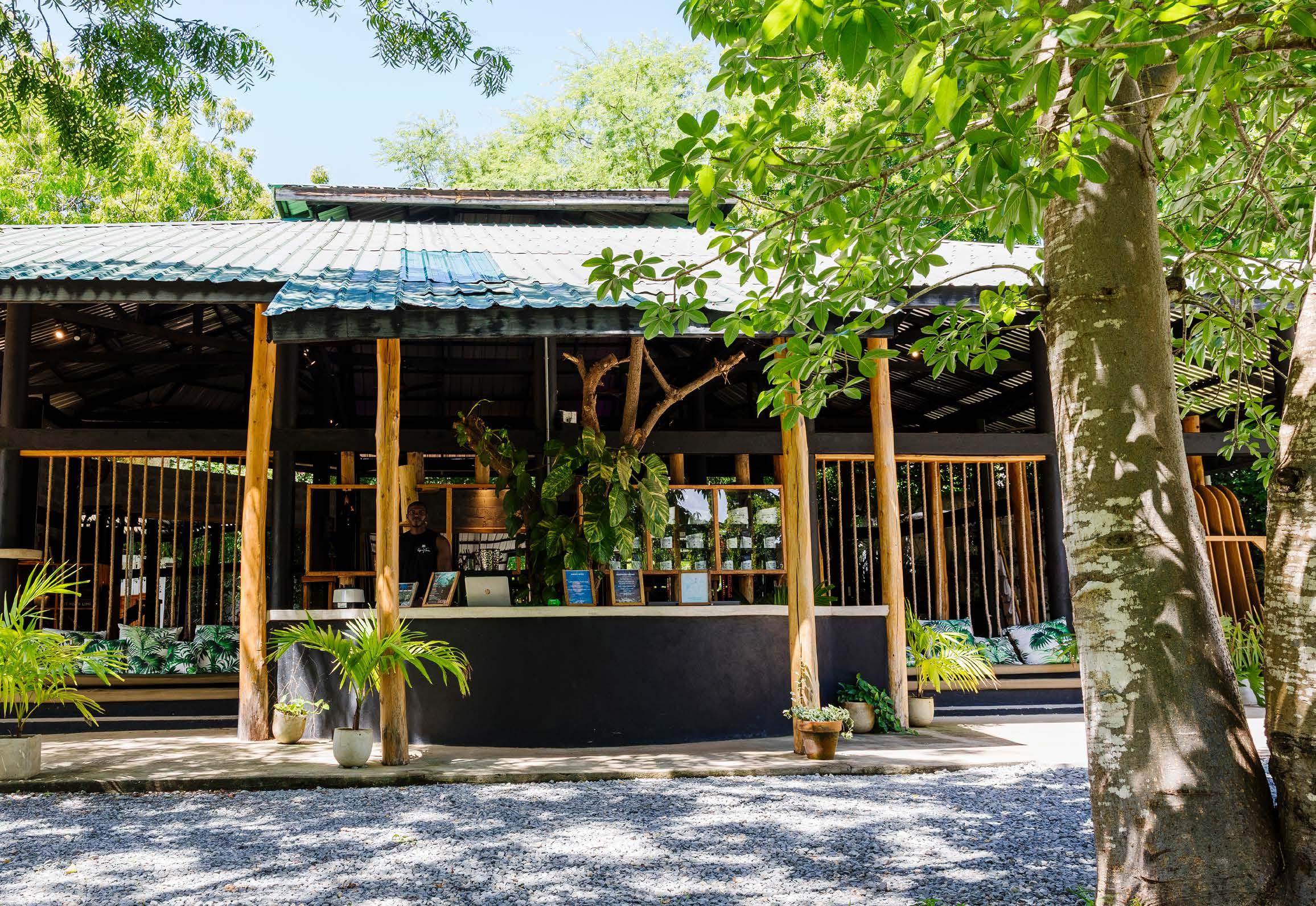
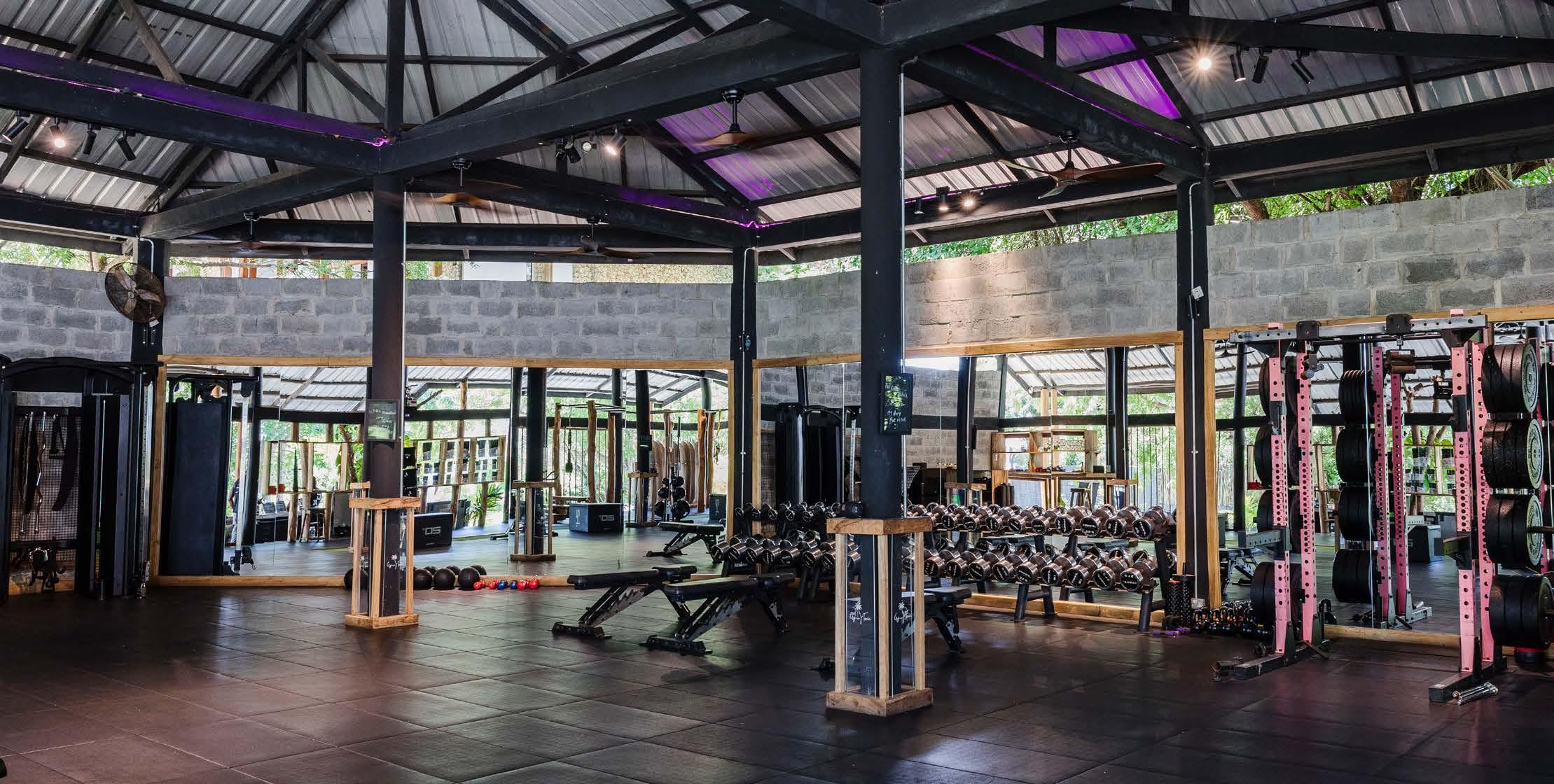
In essence, he created Lichthaus to make his mark within his family’s institution. The stars aligned and it was an instant hit. This boosted his confidence to follow up with Gym and Tonic, a wall-less, aestheticallystriking coastal gym serving the local community with an established and rejuvenating fully-outfitted space to train. Not to mention the gorgeous whitewashed open-air shower suites which extend all that nature in. A balanced roster of group classes, PT and drop-ins, Gym & Tonic has its own unique vibe. “I can let you
in on our grander plans to introduce sauna, ice baths, biohacking and anything that helps get the dopamine highs from being at peak fitness,” Jan details excitedly. “In Watamu, we’re blessed to have the outdoors where we can swim, kitesurf, paddleboard, run on the beach, hike nearby and walk - health really is a way of life here, so we’re adding the icing with this muchneeded wellness space. We want your perfectly-active day to end in an extraordinarily restful night’s sleep of satisfaction.” Hearing the symphonic sounds of the sea as a dedicated backing track, it naturally makes sense.
A bar and a gym enter a space… sounds like the in-line to a good joke, I can’t help but quip. “The two complement each other,” he follows up. “We’re all about balance. With the addition of our bakery, we’re saying, ‘do the workout and eat the cake.’ Life is to be enjoyed fully and consciously. If you’re putting in the effort, enjoy every aspect mindfully, that’s what it’s all about.”
Of The Perfect Day…
Watamu’s enduring bush-and-beach neighbourhood vibe is inimitable, so how would one indulge in the perfect day here? Jan cites core values of discovery, curiosity, and contrast, “perhaps an early morning workout at Gym & Tonic, jump into an ice bath and discover that serotonin high; a moment for yourself, all within nature, then enjoy breakfast at the brasserie, jump onto a kitesurf along the coastline, later walk home and feel great and connected. That evening, join
friends at Lichthaus, jump into the ocean and drift with the tide, hop onto a dhow for dinner of local seafood under starlight. With this much nature, it’s an easier lifestyle. But life’s challenges are also welcomed, to add much-needed contrast and appreciation. I sense he’s hacked life and understands what makes moments matter; the highs and lows, context and texture.
As a tastemaker himself, all eyes are on him to see where he takes this movement and momentum next.
GREEN HEART, KILIFI
A DIFFERENT RHYTHM OF LIFE ON THE Kenyan Coast
INTERVIEWED BY KENNY MANN PHOTOGRAPHY BY NATASHA SWEENEY
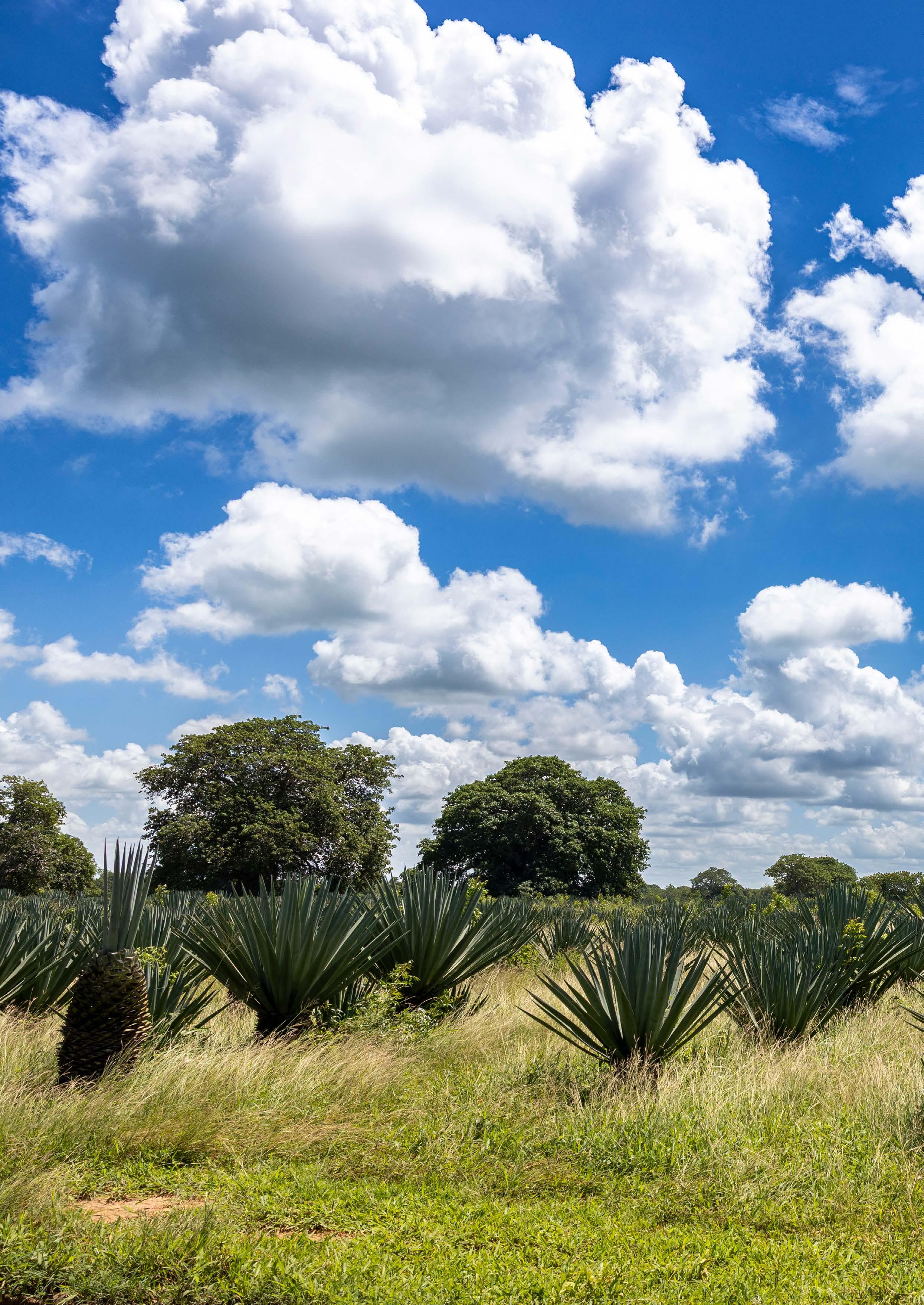
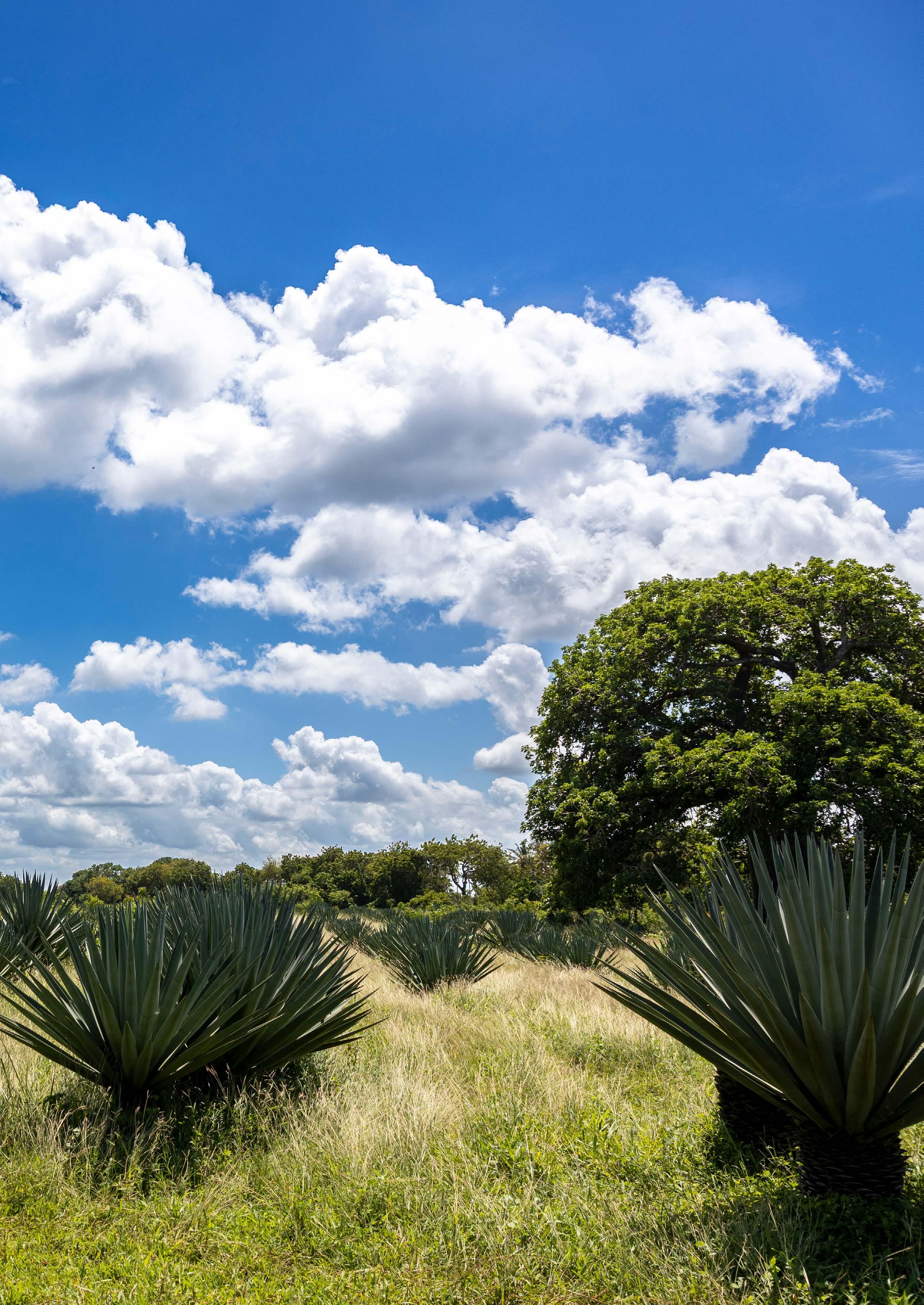
The road into Kilifi sets the tone before you arrive. For miles, you pass through walls of sisal — row after row of grey-green spikes rising from red laterite soil, their fleshy leaves edged with black thorns, stretching toward a sky that feels wider here than anywhere else. The landscape is ancient and unhurried. Then, turning off the tarmac onto a sandy track, baobab trees appear — enormous, silverbarked, their canopies thrown wide like something between sculpture and shelter. You slow down. Not because you have to, but because the place seems to ask it of you.
In cities like Nairobi, London, Paris or New York, life starts at full speed. Phones light up before sunrise. Traffic, meetings, school runs and endless obligations
shape the day, while children spend more time indoors than outside.
At some point, many began wondering whether this way of living still made sense.
Life at Green Heart feels very different.
Tucked between Takaungu Creek and Kilifi Creek, Green Heart has become the center of this movement and is growing into East Africa's first regenerative eco town. Children cycle beneath baobab trees on their way to school. Someone stops for coffee at Food Movement before heading to a workshop nearby. Parents move between lunches, meetings and school pickups mostly cycling. Conversations move naturally between architecture, farming, business ideas and dinner plans. People know one another through daily life rather than formal introductions.
A beautiful scenery of sisal and baobabs surrounding the land that greet you as you drive in
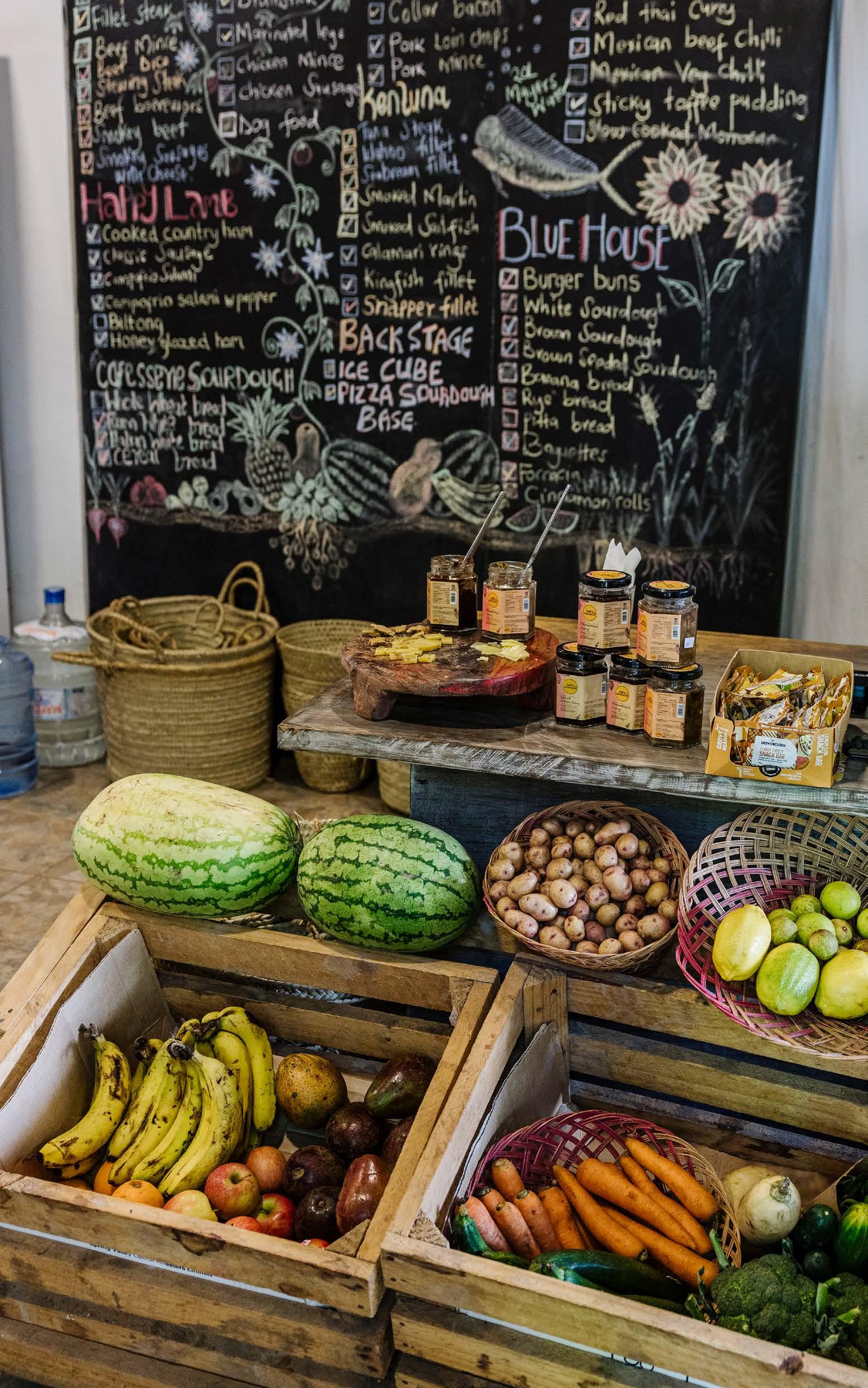
Over the past few years, families and entrepreneurs from Kenya, South Africa, Europe and increasingly the United States have started relocating to Kilifi, drawn not only by the coast itself, but by quality of life, ease of doing business, creative freedom and a way of living where time, work, family and community no longer feel separated from one another. What makes the project stand out is not only the landscape, but the amount of real life already happening within it.
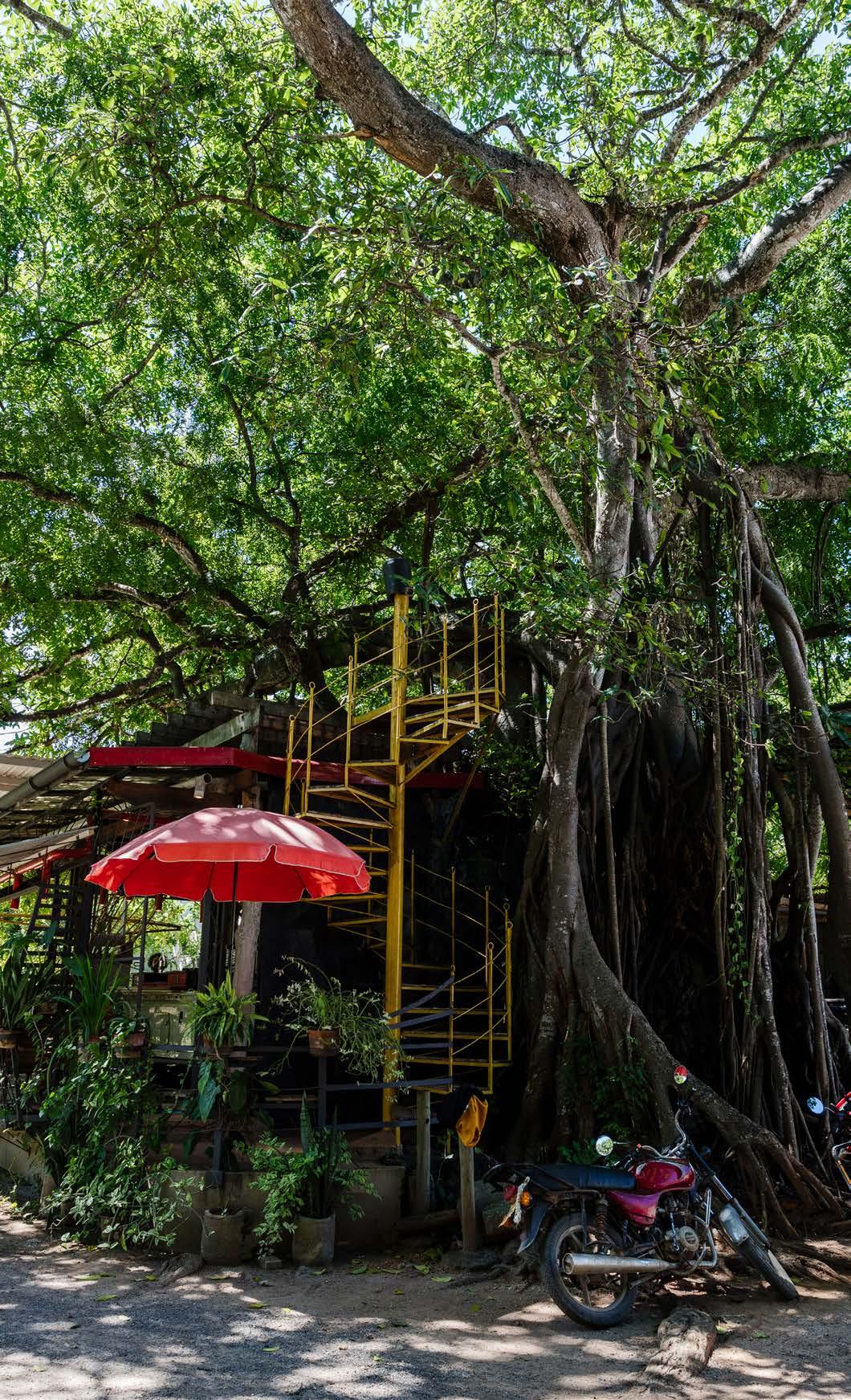
Va Va Voom coffee shop that sits under a huge fig tree (that was once a baobab tree) at The Food Movement.
Butter Bean, the mini mart at food movement that sells fresh produce and home goods from Kenyan Brands.
WHAT IS EPZ?
An Export Processing Zone (EPZ) is a designated industrial area where businesses manufacture goods primarily for export while benefiting from incentives such as tax holidays, duty-free importation of machinery and simplified licensing. In Kenya, EPZs are designed to attract investment, create jobs and support export-focused industries. Companies operating within EPZs must export at least 80 percent of their production. Major EPZ hubs include Athi River, Mombasa and Kilifi, with industries ranging from food processing and textiles to manufacturing and design.
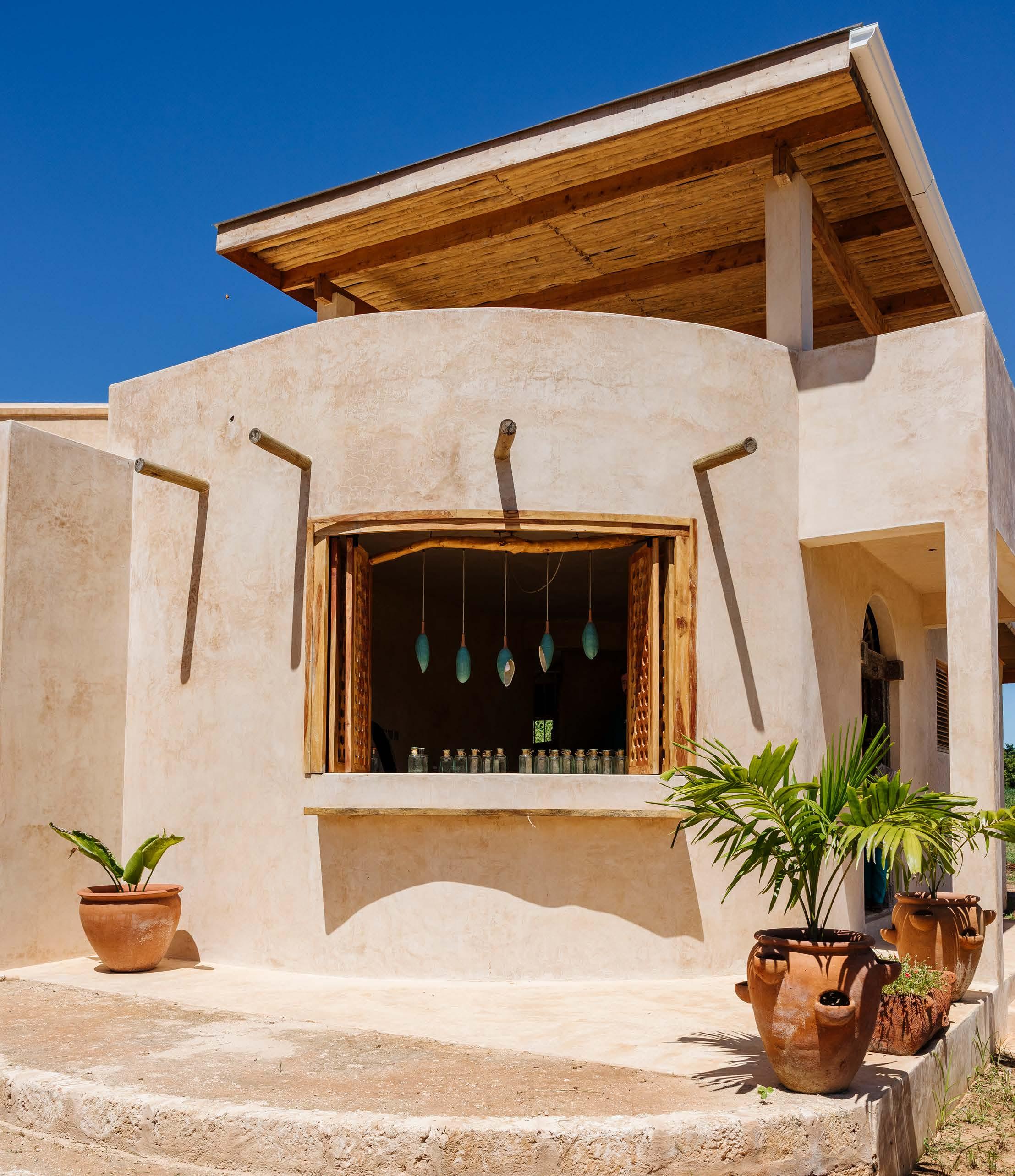
ROHO Distillery at Green Heart’s EPZ.
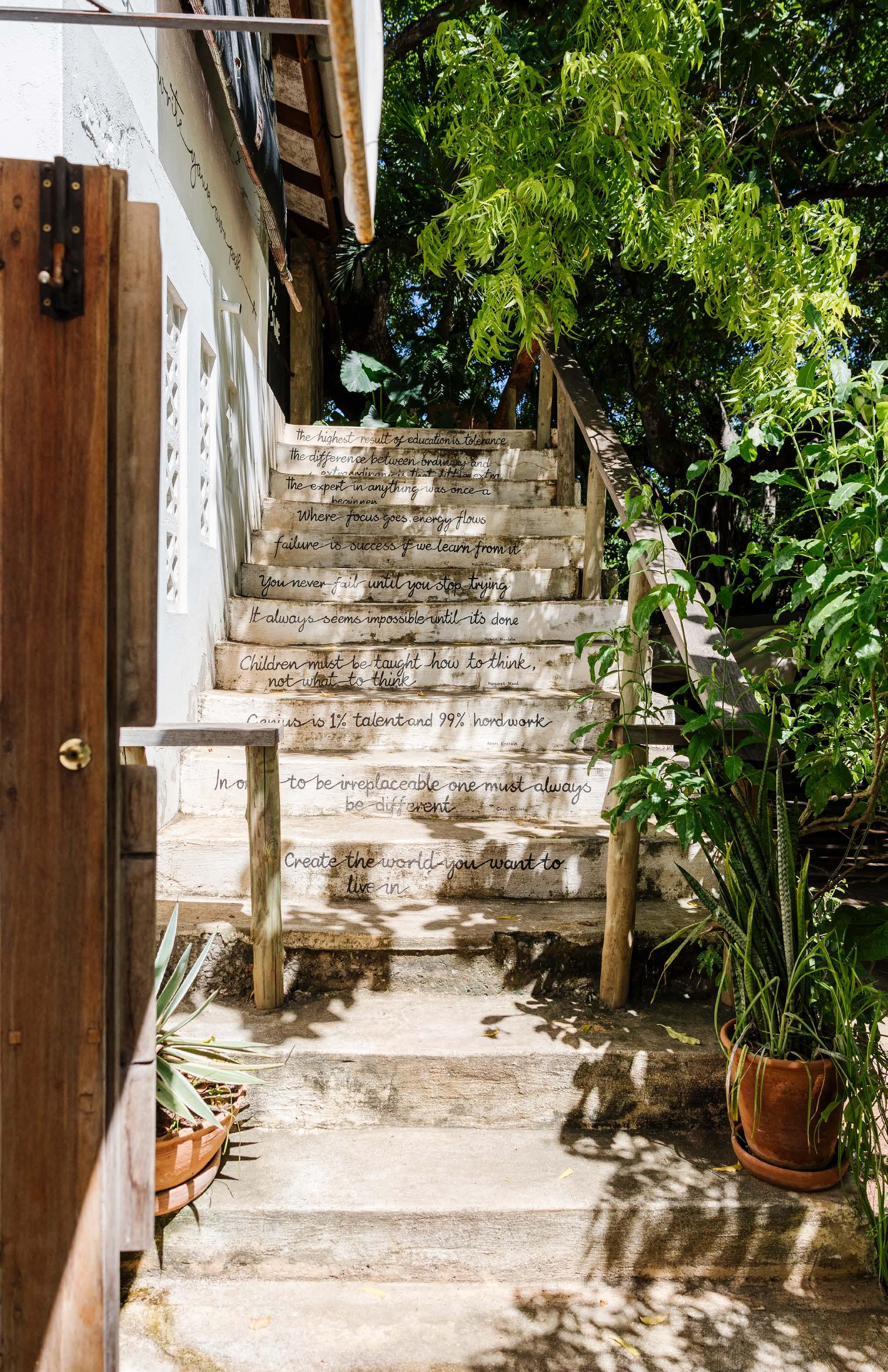
Green Heart functions as a living ecosystem where homes, schools, cafés, creative studios, workshops, production spaces, wellness concepts and independent businesses exist alongside one another. Residents include entrepreneurs, artists, architects, conservationists, digital professionals, young families and long-time coastal residents, creating a community that feels international while remaining deeply connected to Kilifi itself.
Unlike many eco developments centred around retreat or tourism, Green Heart is also a place of business, production and long-term economic activity. What draws many people here is not the idea of slowing down completely, but the possibility of building businesses, raising children and maintaining creativity without splitting life into separate worlds.
At the centre of the town sits The Food Movement, the social heart of Green Heart. Throughout the day, its cafés, communal tables and open spaces fill with residents and visitors moving between meetings, lunches and collaborations over fresh juices, woodfired pizzas, specialty coffee, tropical fruit, seafood and farm-to-table dishes sourced from the surrounding coast and countryside. The building itself reflects the vernacular of the coast — lime-rendered walls in warm ochre and cream, arched doorways, a timber-beamed canopy casting shade over the entrance, terracotta pots of green fronds catching the light. Red laterite earth surrounds it on all sides. Nothing feels precious about it. Around it, the ecosystem continues to grow. Artisan workshops are opening. Creative studios are expanding. Retail spaces, playgrounds and gathering areas are still taking shape, giving Green Heart the feeling of a place that is already functioning as a community rather than a future vision.
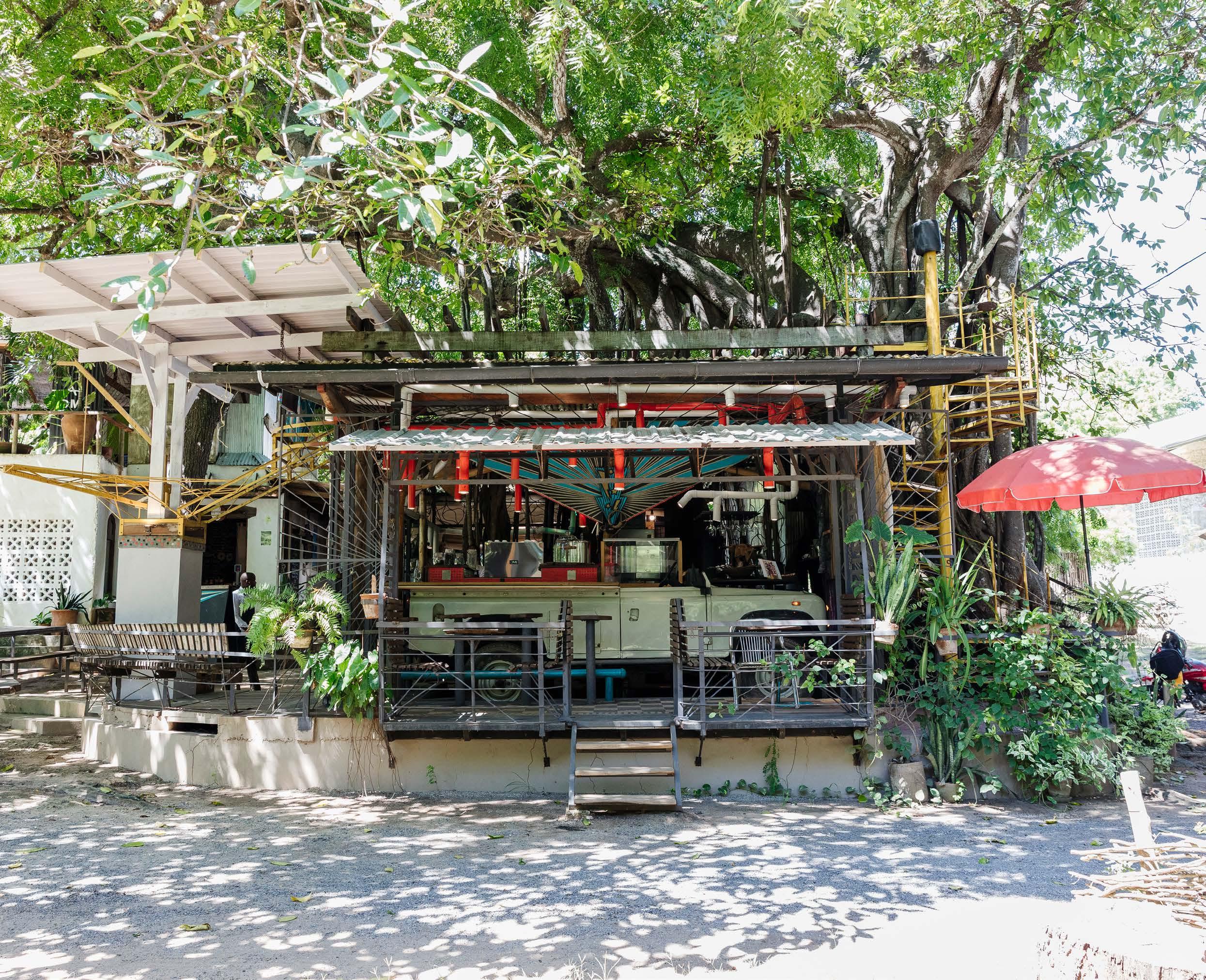
Va Va Voom coffee shop that sits under a huge fig tree (that was once a baobab tree) at The Food Movement.
“Sisal has always belonged to this landscape”
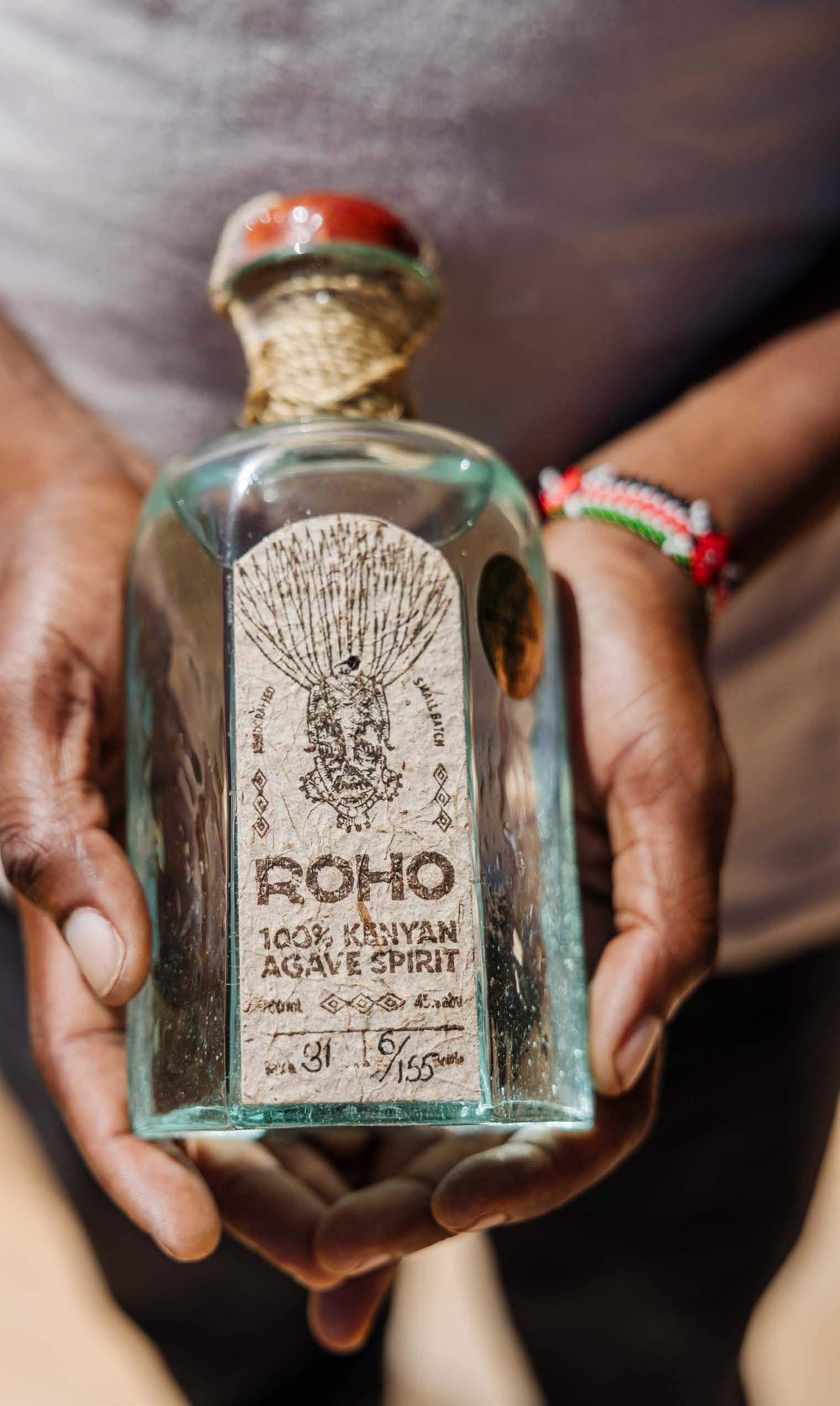
A bottle of the ROHO mezcal, the beautiful glass bottle is made from recycled glass blown at the Green Thing’s Hot Shop.
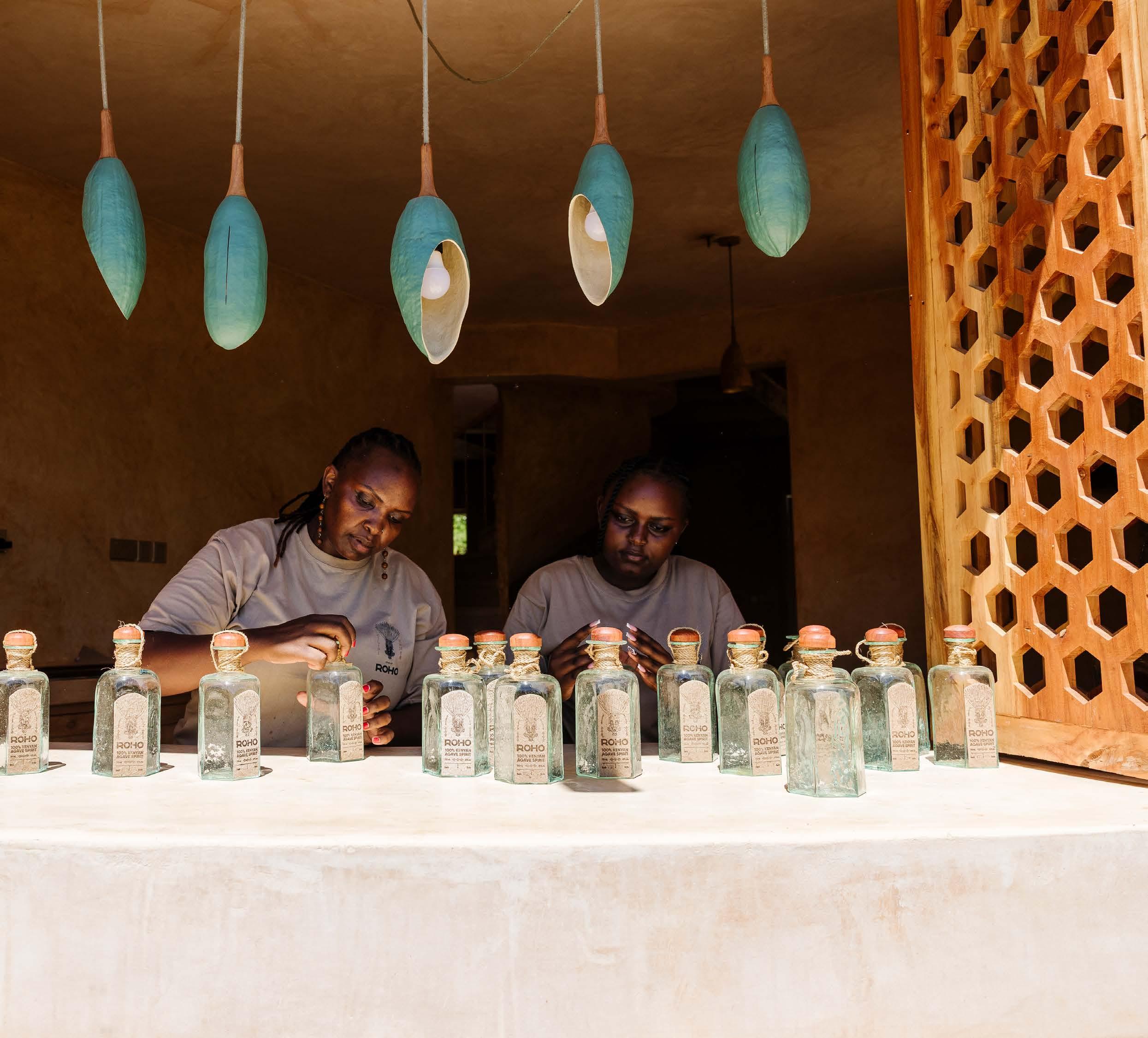
Nothing feels artificial. Creative spaces open to the outdoors. Furniture carries signs of use. Sandy paths replace pavements. Children roam freely between the cafés at The Food Movement, climbing trees and playing on swings, while flexible schedules and welcoming attitudes replace the pressure and formality of city life.
"You naturally end up knowing people through everyday life here," says a resident. "Someone restores your car, someone else designs your house, someone's children become friends with yours. It feels connected in a way that's difficult to force artificially."
That sense of connection goes far beyond business.
People gather for dinners, music nights, workshops and conversations that continue long after sunset. In many modern developments, community exists mainly as branding. At Green Heart, it forms through repeated interaction and shared daily life.
The structure of the town itself supports that rhythm.
Only 30 percent of the land will be developed, while the remaining 70 percent stays green. Running through the centre of Green Heart is the Green Corridor, a 100acre protected landscape where more than 60,000 indigenous trees have already been planted, with more added every week in the rainy season. Walking and cycling paths connect homes, cafés and businesses beneath growing tree cover.
Caroline and Pricilla, the production team at ROHO getting the bottles ready
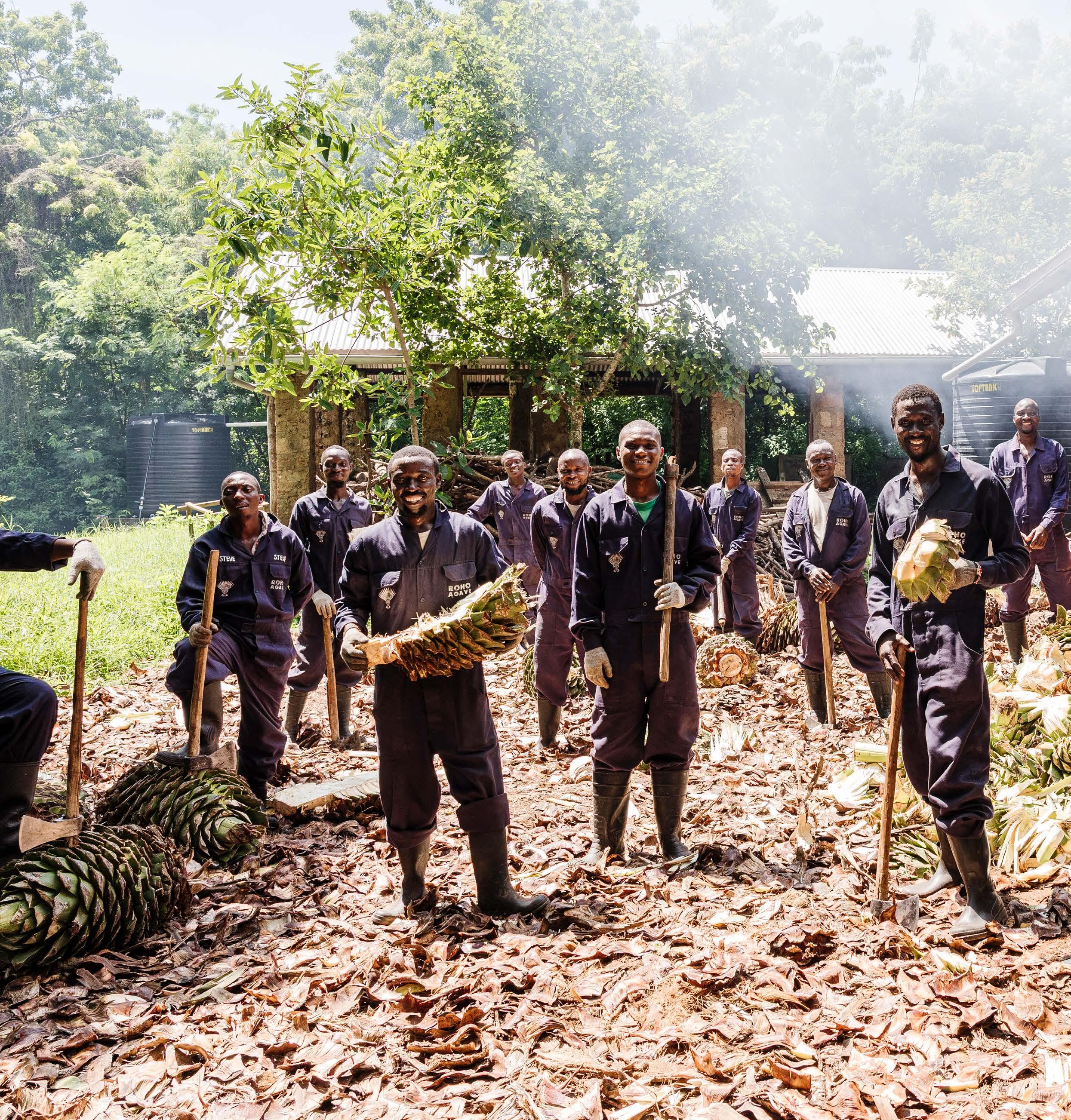
The difference is immediate. The air feels cooler. Cars become secondary to walking or cycling. The landscape itself changes the pace of daily life.
Nearby, Kivukoni International School has become another important part of Green Heart's growing international community. Families moving from other parts of Kenya and abroad increasingly see Kilifi not as a temporary coastal chapter, but as a realistic long-term base for raising children.
The school has grown alongside the families settling in the area. Its new secondary school campus is opening for a simple reason: many parents who relocated to Kilifi no longer want to leave once their children grow older — unwilling to compromise on quality education, they choose to have their children continue at Kivukoni rather than move away. "Children here grow up with a completely different sense of space and independence," says one member of the Kivukoni community. "Families are looking for more outdoor life, more creativity and
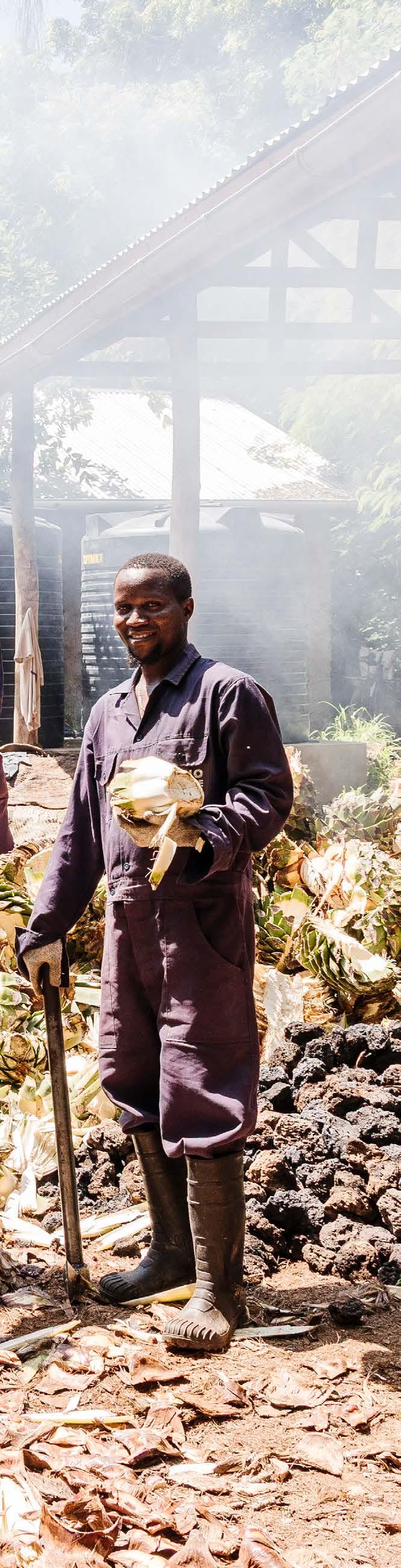
more connection between education and everyday living."
Nestled among mangroves near Takaungu Creek, the school reflects many of the same principles shaping Green Heart itself. Students participate in marine conservation, reforestation and outdoor learning, while the surrounding environment becomes part of everyday education rather than something separate from it. "The idea was to create a place where all of those things could exist together naturally," says CEO and CoFounder Lachie Gordon Athié.
That philosophy becomes especially visible through the businesses operating inside Green Heart itself. ROHO Distillery sits within Green Heart's Export Processing Zone, producing a distilled agave spirit using discarded sisal hearts sourced from the surrounding area — the same sisal that lines every road into Kilifi, long harvested for its fibre and then discarded. The roasting pit is built from volcanic stone brought from Kilimanjaro — dark, dense rock that holds heat for hours as the fleshy sisal hearts caramelise slowly inside, filling the air with something between molasses and smoke.
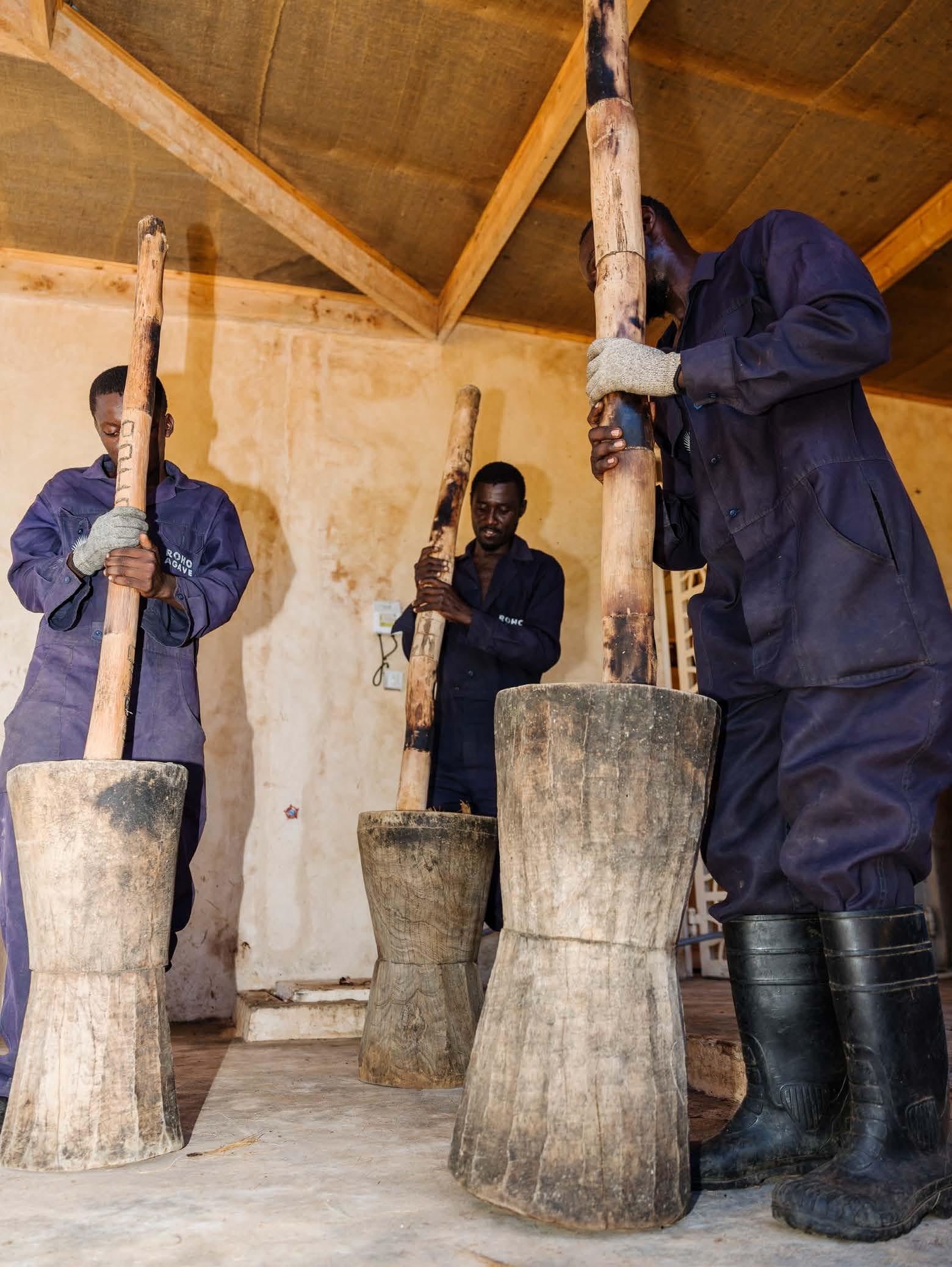
David Kitsao and his team from ROHO pose for a photo at the sisal cooking site.
"Sisal has always belonged to this landscape," says Phil Lowe, founder of ROHO Distillery. "We're simply looking at it differently now."
Lowe first discovered mezcal in a small bar in Tijuana nearly a decade ago and became fascinated by the possibility of creating a Kenyan agave spirit rooted in local sisal production. What followed were years of experimentation and trial and error, eventually leading to the creation of ROHO at Green Heart.
The EPZ adds another layer to the town’s identity. Alongside homes, cafés and creative
studios, Green Heart has also become a base for small-scale manufacturing, exportfocused enterprise and new forms of green business connected directly to the local environment.
ROHO now employs more than twenty Kenyans from Kilifi, many of whom had never encountered agave distillation before joining the project. “This used to be women’s work in the home,” says David Kitsao, who leads the pounding team at the distillery. “Now we pound sisal and we do it without shame. We are proud.”
Hamaji, one of the designer shops that sits at The Food Movement.
“The idea was to create a place where all of those things could exist together naturally”
ROHO’s collaboration with Greenthing, founded by Nelly Gesare Oteki, extends that ecosystem even further. Bottles are produced from recycled glass sourced from Dandora, linking waste collection, craftsmanship and manufacturing into the same circular economy. “In my village, the women were doing most of the house planning,” says Oteki. “Why do people think women cannot run countries? Today, we must demonstrate that women have value.”
Oteki founded Greenthing in Nairobi before becoming part of the Green Heart community herself. She has since bought a plot in the Green Heart Village, Green Heart’s residential neighbourhood, where she plans to build her future home — using sustainable building
methods, solar power and careful husbandry of land that reflect the same values running through everything here.
“I have found everything I need here,” she says. “Sustainable building, solar power, careful husbandry of land, and community.” For Oteki, Green Heart also represents a different relationship between business and people. “Every product label should tell its full story,” she says. “For me, that’s its real value.” Across Green Heart, these kinds of relationships appear constantly. Residents know who designed the furniture in the café, who planted the trees, who restored the old Defender parked outside or who produced the bottle placed on the dinner table that evening.
Green Heart’s CEO and Co-Founder, Lachie Gordon Athié poses for a photo at his home in one of Green Heart’s Neighborhoods.
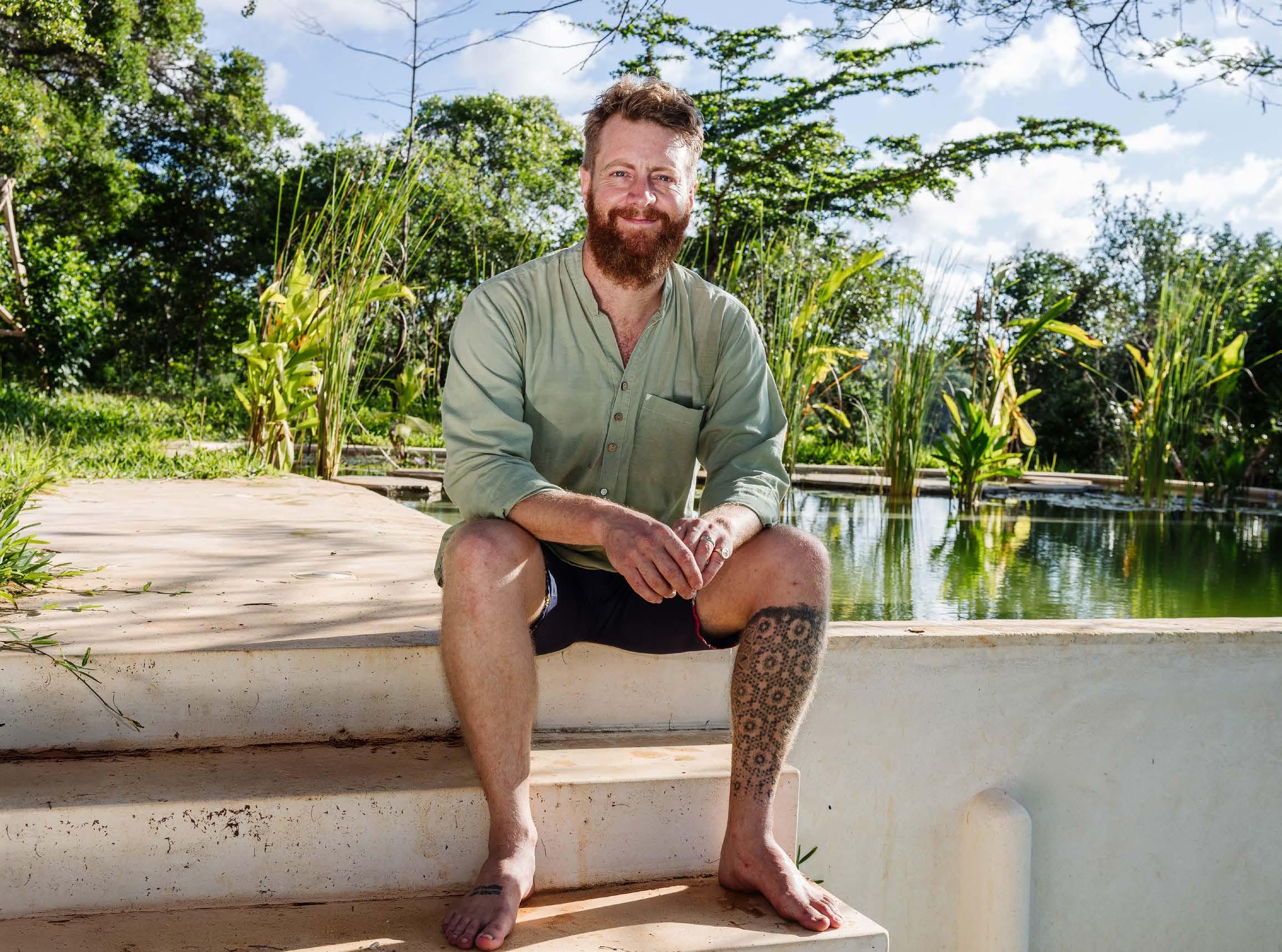
A footbridge connects Green Heart to Beneath the Baobabs, home to Baobab Studio and one of Kilifi’s best-known cultural venues, known for its live music, full recording studio, creative gatherings and openair events beneath the trees. Nearby, The Twisted Fig restaurant serves fresh seafood and coastal-inspired dishes around a baobab believed to be nearly two thousand years old — to sit beneath it in the evening, with the creek catching the last of the light, is to understand something about why people keep choosing to stay.
The landscape remains central to the identity of the town. Baobabs, open spaces and existing vegetation are preserved rather than cleared away to maximise construction. Some homes in the area are built from coral stone — a tradition along this coast stretching back hundreds of years — their thick walls keeping interiors cool even in the height of the day, their texture carrying the marks of the reef from which they came.
Jo Nyagah, Head of Experience at Green Heart, believes this balance between professional ambition and quality of life is part of what continues to attract
people to Green Heart. “The value of building a life at Green Heart is not just about building a home but building a vision,” she says. Green Heart is still growing. Trees continue to be planted every week. New businesses continue to open. More homes, shared spaces, playgrounds and community areas are taking shape across the development. Yet despite that growth, the atmosphere remains personal and human in scale.
Nothing feels frozen or overplanned. The community grows through shared projects, shared space and everyday life. Perhaps that is what Green Heart ultimately offers: not escape from modern life, but the possibility of organising it differently. More time outdoors. More meaningful work. More spontaneous conversation. More independence for children. More connection between people.
In a world shaped by speed, Green Heart offers another way to live. And that is exactly why people are coming.
Find out more about Green Heart by visiting greenheartkilifi.life
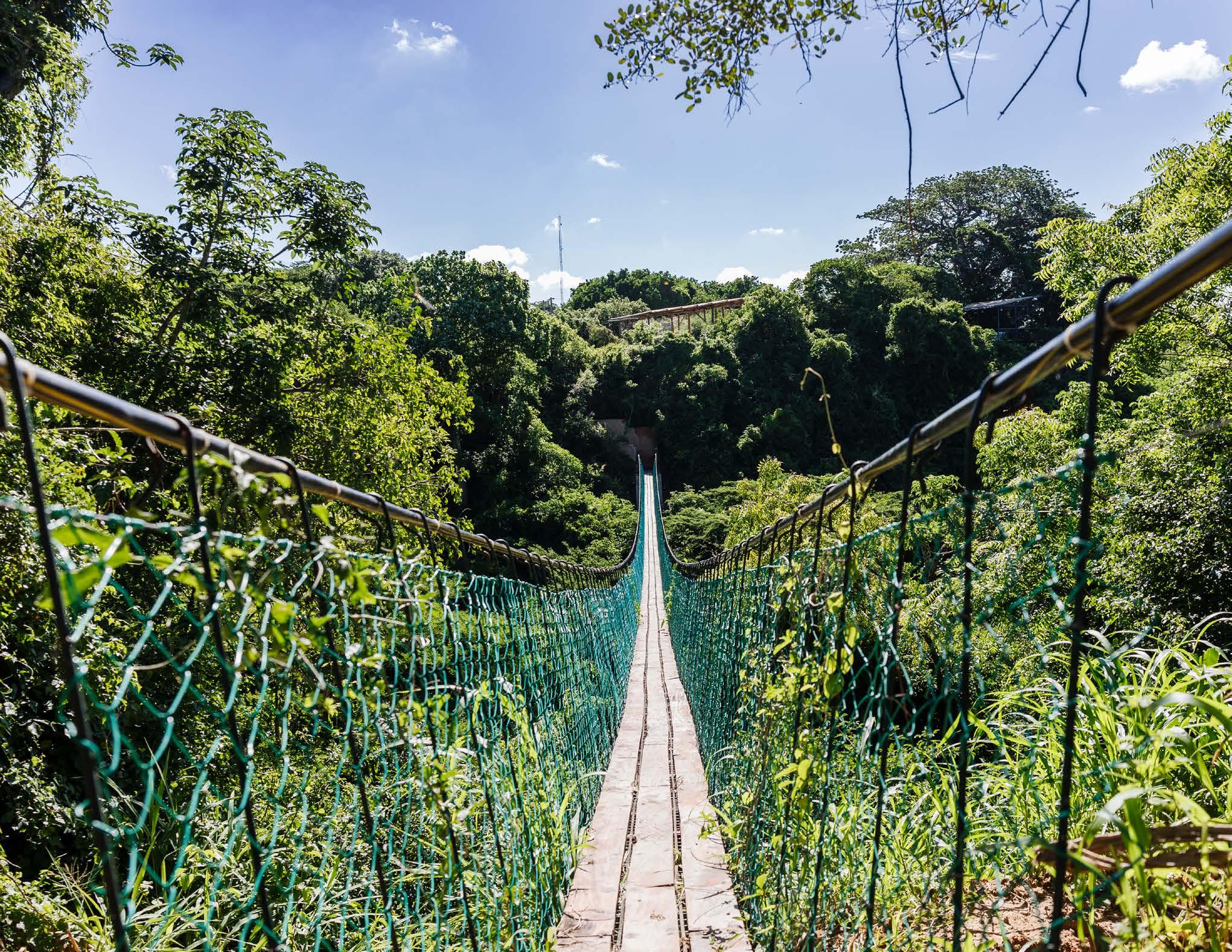
The new footbridge connecting Green Heart to Beneath The Baobabs, home to the Twisted Fig Restaurant and Baobab Studios.

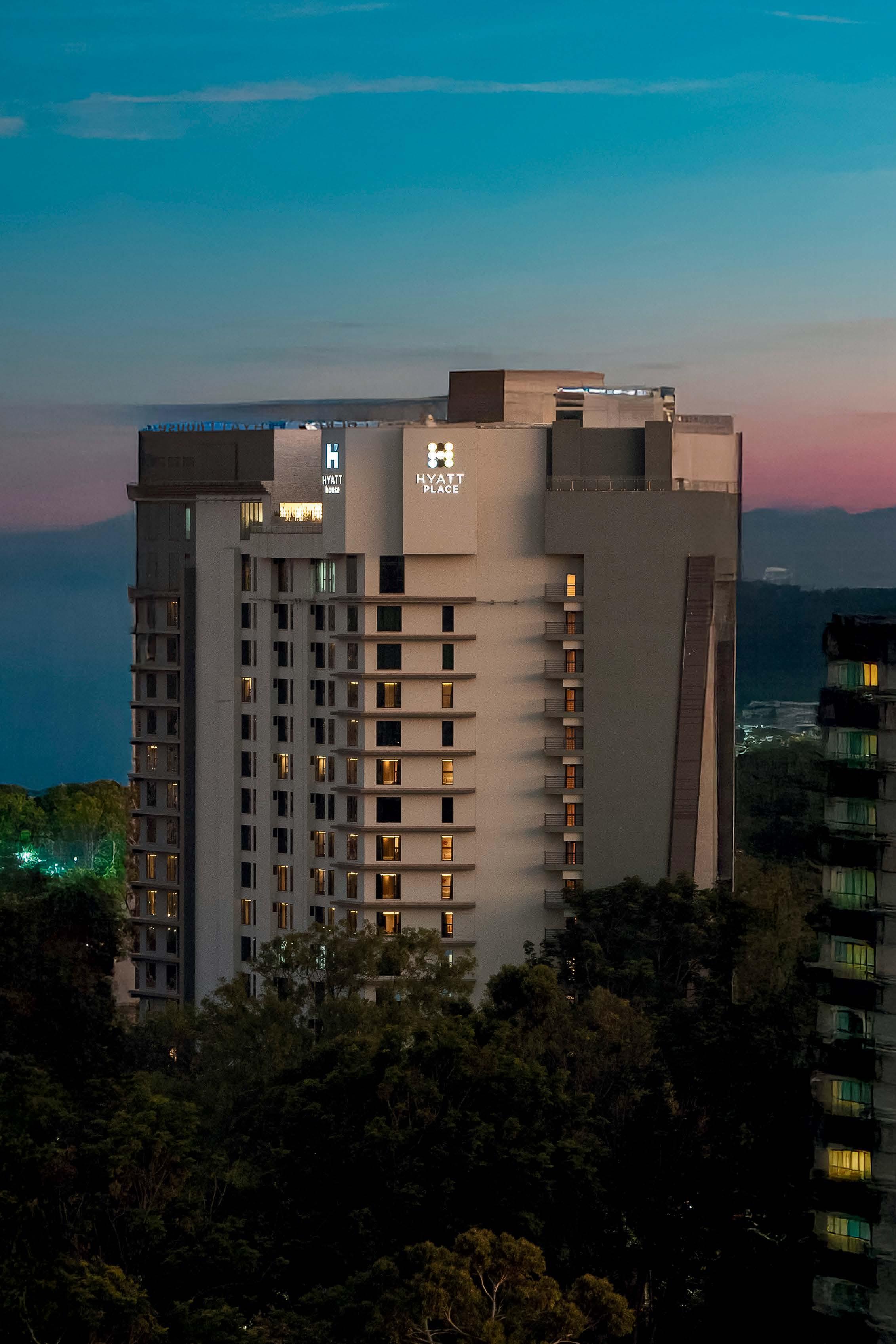

WHERE PARIS MEETS NAIROBI: Inside Shanta Spa
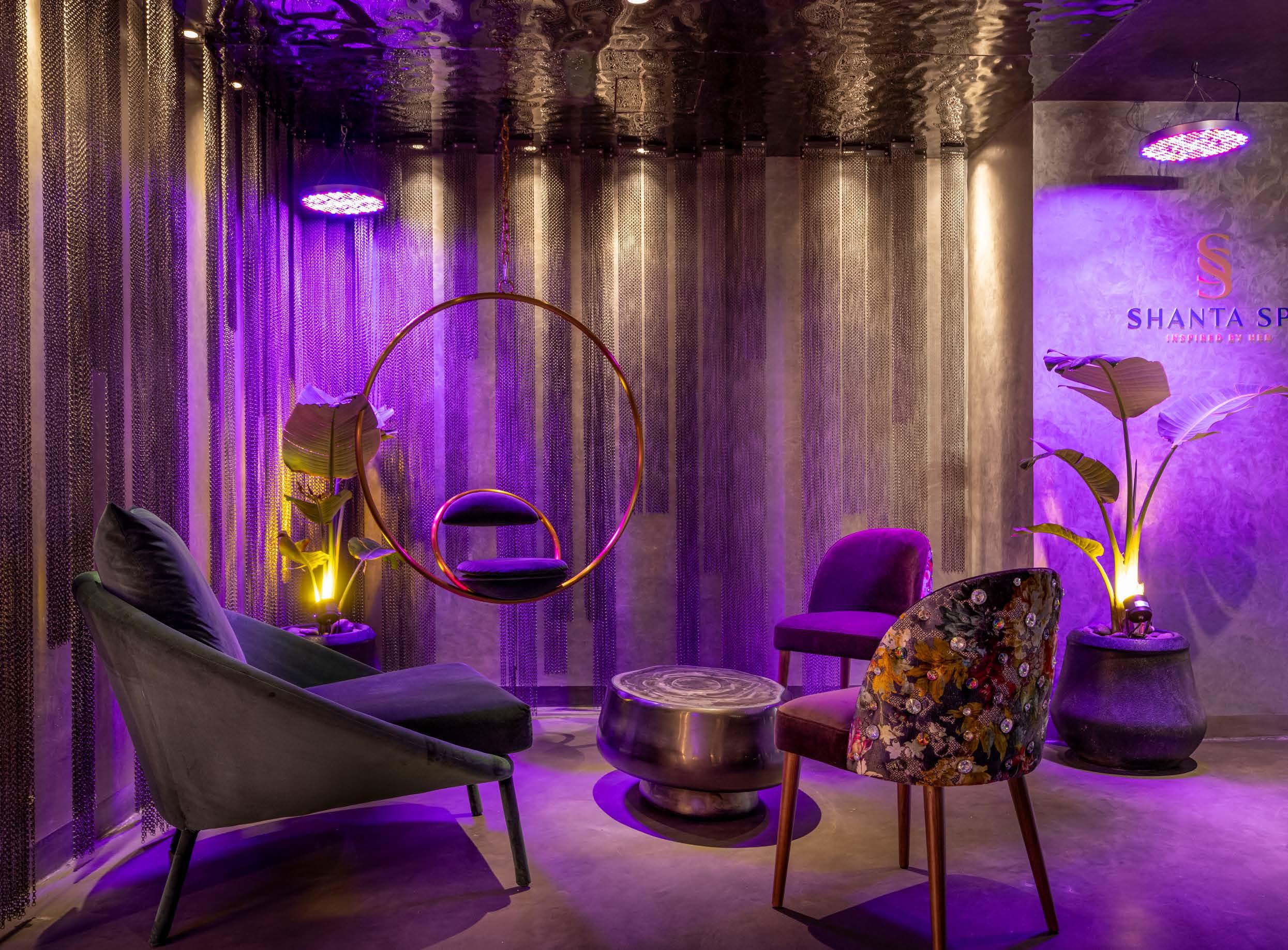
It is a drizzly morning in Nairobi, the kind that softens the city into something greener, calmer, almost cinematic. Rain settles gently over the trees surrounding Gem Forest Hotel Nairobi — MGallery Collection, a hotel that feels less like a business address and more like a retreat hidden inside the city. Seated in the lobby is Jigar Patel, the visionary behind the space, calm and considered in the same way the hotel itself seems to be. Moments later, Sophie Allouche arrives, effortlessly embodying Parisian elegance. As the founder of KOS Paris, she carries the confidence of someone deeply immersed in the world of beauty and wellness.
More than a year after opening its doors, Shanta Spa has established itself as one of Nairobi’s most refined wellness spaces, shaped by the meeting of two worlds: Nairobi and Paris, nature and refinement, ritual and modern luxury.
“Shanta” means peaceful, calm, or tranquil in Sanskrit. The name was chosen in honour of Jigar’s grandmother, whose quiet strength and presence inspired the vision behind the spa.
That sense of warmth and care defines the entire experience. The spa was always intended to be the soul of the hotel, not an afterthought. Every detail, from the natural textures to the grounding atmosphere, reflects a softer and more intentional vision of luxury.
What began as an introduction through the Accor network evolved into something far more aligned. Sophie’s approach to beauty through KOS Paris, botanical, sensory, and deeply connected to nature, found a natural home inside Shanta. Together, the partnership feels less commercial and more instinctive, shaped by a shared appreciation for authenticity, sustainability, and emotional well-being.
Sophie speaks about Nairobi with unusual affection. “Nairobi is vibrant and wild,” she says. “There’s adventure, wildlife, trees, and nature in its purest form. Glamour exists, but this feels grounding.”
For someone who spends her life moving through some of the world’s most luxurious wellness spaces, Kenya offers something different. “It’s not just the landscape,” she explains. “It’s the people. There’s a warmth and kindness here that recentres me.”
WRITTEN BY TANYA IMANI
PHOTOGRAPHY BY DODMAN MIRIKAU
That contrast between Paris and Nairobi sits at the heart of Shanta Spa. Paris brings precision, craftsmanship, and beauty expertise. Nairobi brings stillness, raw nature, and a slower rhythm that feels increasingly rare in modern life. Together, they create a wellness experience that feels elevated without becoming detached from its surroundings.
Jigar believes Nairobi’s wellness culture is evolving rapidly. “The spectrum of beauty is expanding,” he says. “It’s no longer just about appearance. People are looking for balance, mentally, physically, emotionally.
That shift is reflected throughout Shanta. The space unfolds across two floors, surrounded by greenery, softened lighting, and subtle scents that immediately slow the pace around you. It feels less like a traditional spa and more like what Sophie describes as “a retreat”, a third space somewhere between the outside world and yourself.
Among the signature treatments is the Le Jardin Ritual, a facial that travels across continents through its ingredients and techniques: Moroccan prickly pear, Amazonian acai berry, and the sculpting precision of Japan’s Kobido massage. “It’s about connection,” Sophie says. “These small communities growing these ingredients remind us that beauty is a link.”
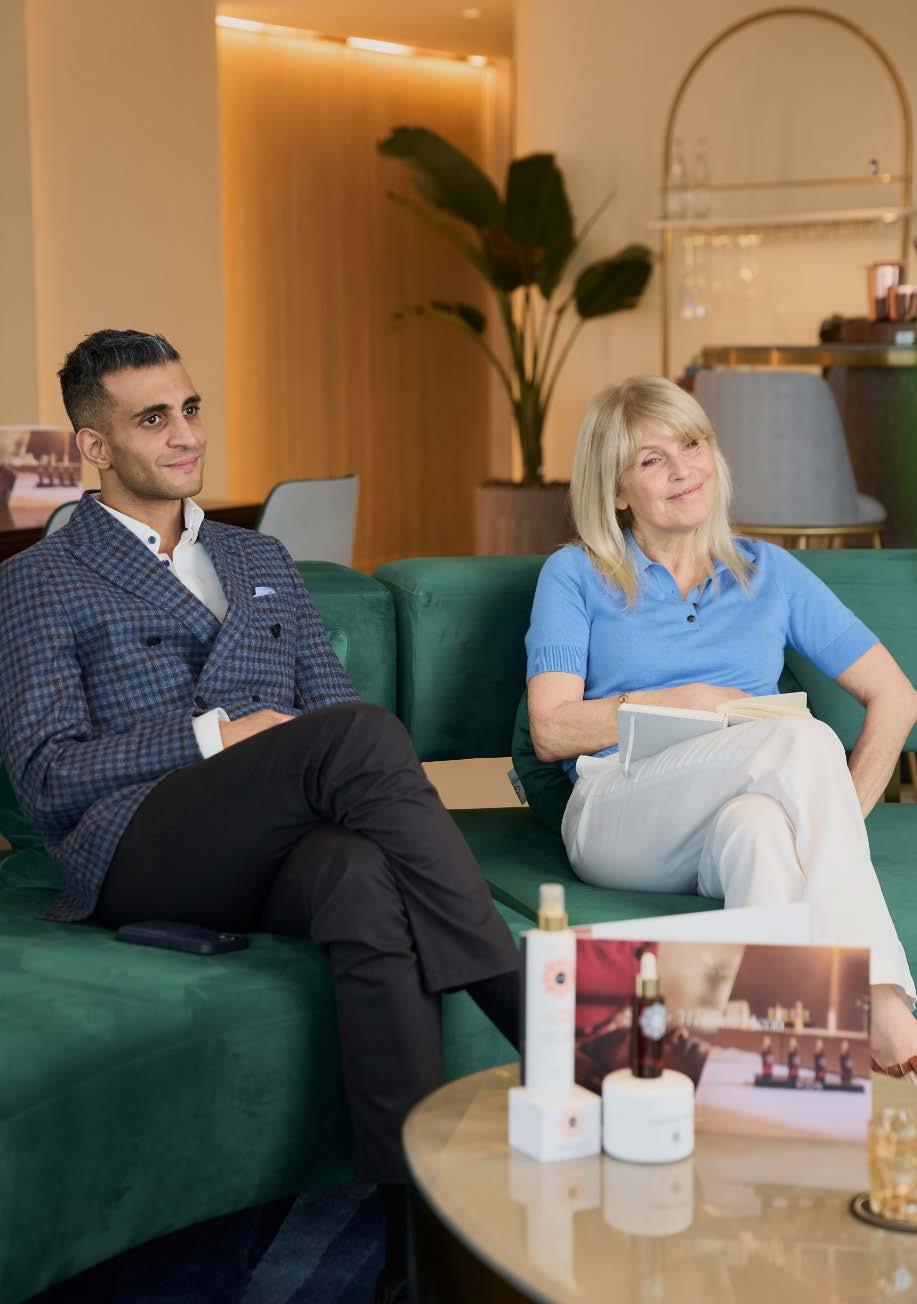
For both founders, beauty is deeply contextual. “Beauty is where you are,” Jigar reflects. It shifts across cultures, environments, and emotions, but the feeling it creates remains universal.
Yet what makes Shanta distinctive is not simply the treatments themselves, but the atmosphere surrounding them. Nothing feels rushed or overly performative. Nature is not used as decoration here; it is fully integrated into the experience. The calm feels genuine.
And perhaps that is the real luxury Shanta offers: not excess, but pause. A rare opportunity to step away from the noise of the city and return, even briefly, to yourself.
“It’s no longer just about appearance. People are looking for balance, mentally, physically, emotionally.”
TEN YEARS AFTER THE BRAZILIAN BUTTOCK LIFT BOOM, KENYA HAS DEVELOPED ITS Own Version
WRITTEN BY KUI MWAI
PHOTOGRAPHY BY DAVID NJUGUNA
From viral magazine covers to operating rooms, the Brazilian butt lift’s legacy has reshaped global beauty standards. In Kenya, a localized version of the procedure is gaining popularity — and redefining what enhancement looks like.
In 2014, Kim Kardashian transcended internet virality with one magazine cover. The infamous Jean-Paul Goude shot, which graced the cover of Paper Magazine in November of that year, featured Kardashian draped in Old Hollywood glamour, holding a sparkly black gown below her exposed behind.
“BREAK THE INTERNET KIM KARDASHIAN,” the headline read. And break it did.
Two years later, the impact of Kardashian’s cover was palpable. Gone were the beauty standards that favored Eurocentric features and thinness — the hallmarks of the early aughts. With that one shot, Kardashian ushered in a new era of beauty that embraced what many considered exaggerated curves, voluminous lips and chiseled, flawless features. Instagram “baddies,” which Her Campus defined as “someone who is confident, always well-dressed, has near-perfect makeup, and isn’t easily messed with,” typically associated with “females and femininity,” quickly became the blueprint, inspiring a plastic surgery boom in the U.S. and around the world.
One particular procedure that grew in popularity was the Brazilian buttock lift. From the early aughts through the 2010s, the operation — which the Cleveland Clinic describes as “a cosmetic fat-transfer procedure that enhances the size and shape of the buttocks without
implants” — became the fastest-growing aesthetic surgical procedure of the decade. Now, while body contouring procedures like BBLs, tummy tucks and others still reign supreme, Western beauty ideals are shifting back toward the aesthetics of the early 2000s. Kenya, however, is moving in a different direction. Dr. Tilman Stasch, founder of Riverside-based Dr. Stasch Clinic & Medispa, a leading Nairobi clinic offering cosmetic, surgical and therapeutic treatments, says that shift points toward what he has coined the “Kenyan buttock lift.”
“The procedure is extremely popular,” Dr. Stasch shares while he’s fittingly on his way to perform a Kenyan buttock lift procedure. He adds, “I perform at least two or three every week.”
Dr. Stasch, who opened Dr. Stasch Clinic & Medispa in 2012, says he developed the procedure after beginning practice in Kenya 15 years ago. “The procedure is fundamentally different from the Brazilian butt lift, which most people will be familiar with,” he explained. While the Brazilian butt lift “enhances the posterior side of the buttocks” and prioritizes “posterior enhancement,” its Kenyan counterpart focuses on a different area. According to Dr. Stasch, many East African women naturally have “anterior posterior buttock projection.”
“However, they do have the so-called ‘hip dips,’” he said, explaining that these are “dimples in the lateral hip area.” It’s an area, he notes, that “East African women want to enhance.”
Love handles, or “excess fat deposits that accumulate around the waistline and hips,” per Healthline, are also manipulated during the procedure.
“With buttock lifts, one can either have silicone implants placed to achieve the desired effect. However, Dr. Stasch says he is ‘exclusively using fat’ to help women achieve a more curvaceous figure. ‘A successful Kenyan buttock lift involves liposuction and liposculpture of the tummy, waistline, back, and other areas where fat tends to accumulate, followed by transferring the harvested fat to areas that need enhancement most — such as the hip dips or other regions of the buttocks,’ he explains.
The localization of the procedure is rooted in patients’ desire for the following: a narrower waistline with a flat tummy; full lateral hips; a “smooth S curve, creating a curvy figure-eight shape”; and a round buttock shape with maximum projection in the mid buttock region — to ultimately help his patients, as Dr. Stasch puts it, “look sexy in a tight dress.”
Like other countries around the world, Kenya is influenced by global beauty trends and standards. And even though the Kenyan buttock lift is rooted in that influence, Dr. Stasch argues it is also connected to traditional cultural truths across Africa. “I think there’s always been a phenomenon of ethnic culture that curvy bodies and large buttocks are signs of fertility and probably also wealth,” he explains.
However, the impact of social media cannot be ignored. Both local and international influencers continue to champion body types that feature “very narrow waistlines and very big buttocks,” and their millions of followers may be encouraging East Africans to adopt a similar aesthetic.
Dr. Stasch disagrees. He says most of his patients come to his practice to “enhance what they already have.” “Compared to other countries like America, where I have been sharing notes with a lot of surgeons who put a lot into the buttocks, most Kenyan women want a kind of moderate volume increase, and it's more about shape than necessarily size,” he explains.
Despite the specifics of the Kenyan iteration, the risks remain as serious as other buttock lift procedures. There have been fatalities linked to buttock lift procedures
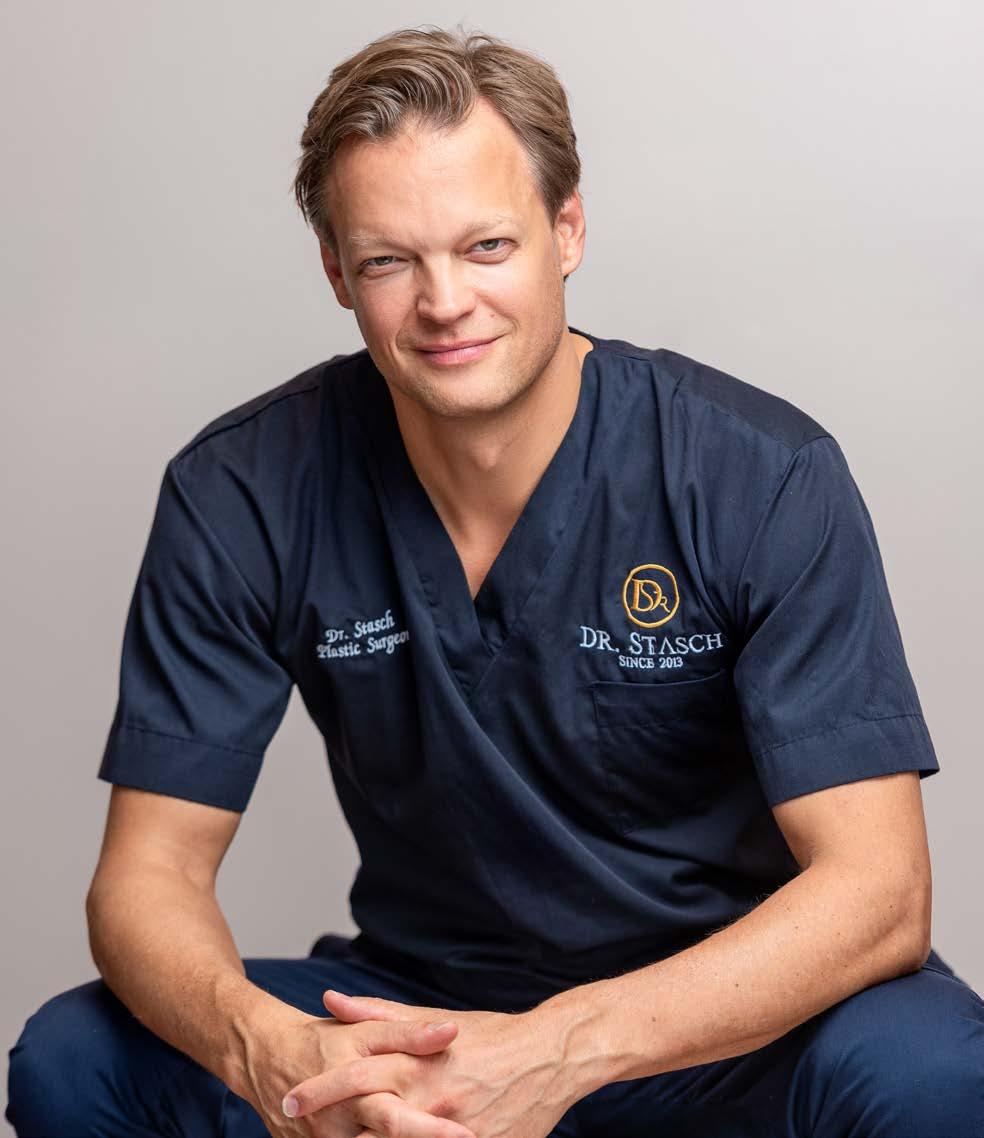
Dr. Tilman Stasch is an internationally trained Plastic, Reconstructive, Aesthetic and Hand Surgeon and the founder of Dr. Stasch Clinic and Medispa, a leading Nairobi Plastic Surgery and Dermatology centre providing a wide range of specialist services, including aesthetic medicine, laser therapies, cosmetic gynaecology, longevity medicine and advanced skin health and wound care.
Website: www.drstasch.com Instagram: @doctilman @drstaschmedispa
around the world, including in Kenya. Dr. Stasch notes that these risks are often tied to procedures performed by underqualified practitioners.
“The reason why people have died is that surgeons have introduced fat into the muscles and injected it either too deep, in the wrong direction, or injected too much fat into the area,” he explains. “That has then led to fat being taken up by the blood vessels, which can lead to fat embolism and clots in the heart and lungs.”
For those interested in the procedure, Dr. Stasch underscores the importance of seeking a practitioner with extensive experience in plastic surgery and buttock lift procedures. He also believes that ensuring patient safety requires honesty about the procedure, recovery, and expectations.
“We never compare one patient with models on Instagram or online,” he says. “We always look at the patient themselves and how best they can look — that really gives us a lot of big smiles and a lot of happy patients.”
HEALTH & WELLBEING
FIND YOUR WILD
Explore Your Ecosystem
Exploring wellbeing through nature, animals and our own inner rhythm.
In a world increasingly driven by urgency, performance and constant stimulation, wellbeing is often reduced to another item on the list. Psychologist Jess invites us to consider a different approach.
Drawing on more than two decades of experience, working at the intersection of people, animals and the natural world, Jess’s Find Your Wild approach explores how curiosity, embodiment and time in nature can enhance wellbeing in a deeply rhythmic and instinctual way.
Here is your invitation to pause, notice and experience.
Fall into step with the space around you And notice.
Take a look around.
Look. Listen. Touch. Smell. Taste.
Can you connect with a sight, a sound or a scent that feels pleasing to you?
As you connect with this experience, how does your body respond?
What are you noticing in your internal world? Simply notice how your body is responding in this moment.
Now let us become curious. Let us explore. Slowly. Intentionally.
Can you follow the sensations in your body while also noticing the world around you?
Through your senses, can you bring these two worlds a little closer together? Noticing your inner and outer worlds.
Gently. Rhythmically. Connecting with the qualities present.
Allowing yourself to feel part of a wider ecosystem. In the natural world, we observe, recognise and celebrate diversity. We accept unpredictability and change.
Water finds its own course, meandering through valleys, cascading over waterfalls, pooling beneath low-hanging trees, swirling around hidden rocks and changing pace with the landscape. At times it is calm and still. At others, full of movement, energy and vitality. Always flowing. Always on a journey.
What if we recognised this as our own human experience?
We weave. We adapt. We skip and stumble through joy, sadness, stillness, expression, numbness, restless thoughts and silence.
What if, instead of managing our wellbeing, we experience our health, our wellbeing and our existence as a journey? One that invites curiosity, adventure, pleasure and intention. One that embraces the full spectrum of being human.
Photograph by Sofia Molinaro
Travelling alongside nature and our animal companions offers a remarkable source of wisdom. We explore our inner and outer worlds, guided by animals and rhythms of the natural world. The ability to adapt and offer our systems a new experience, in ways that are sustainable and lasting, requires full engagement of mind, body and environment.
Wellbeing is more than a mindset. The mind is only one part of who we are. It can easily overlook the subtle messages held within deeply rooted patterns in our bodies.
To access these patterns, immersing ourselves in wild landscapes, observing animals, exploring our own instinctive rhythms and engaging in embodied experiences, guided by a trained professional, can become a gateway to profound and lasting wellbeing.
In a world that often feels overstimulating, fast-moving, isolating and uncertain, we can lose our natural rhythm.
Sometimes it feels as though our foot is permanently on the accelerator.
At other times, it is as though we are moving with the handbrake on.
Often we swing between the two. The result is the same: disconnection. Disconnection from ourselves, from others and from the world around us.
We search for solutions. We are offered an endless buffet of possibilities. We question what works. We try one approach before moving on to the next. Trends evolve. Science advances. Our own needs inevitably change, and so curiosity remains essential.
But beneath all of this lies a foundation. A place where our whole system can function as it was designed to.
A space where we connect with the many shades of life.
We rise with the sun. We eat what nourishes us. We move as our bodies show us how. We rest when rest is needed. We observe.
As we journey through natural landscapes, we also travel through landscapes within ourselves.
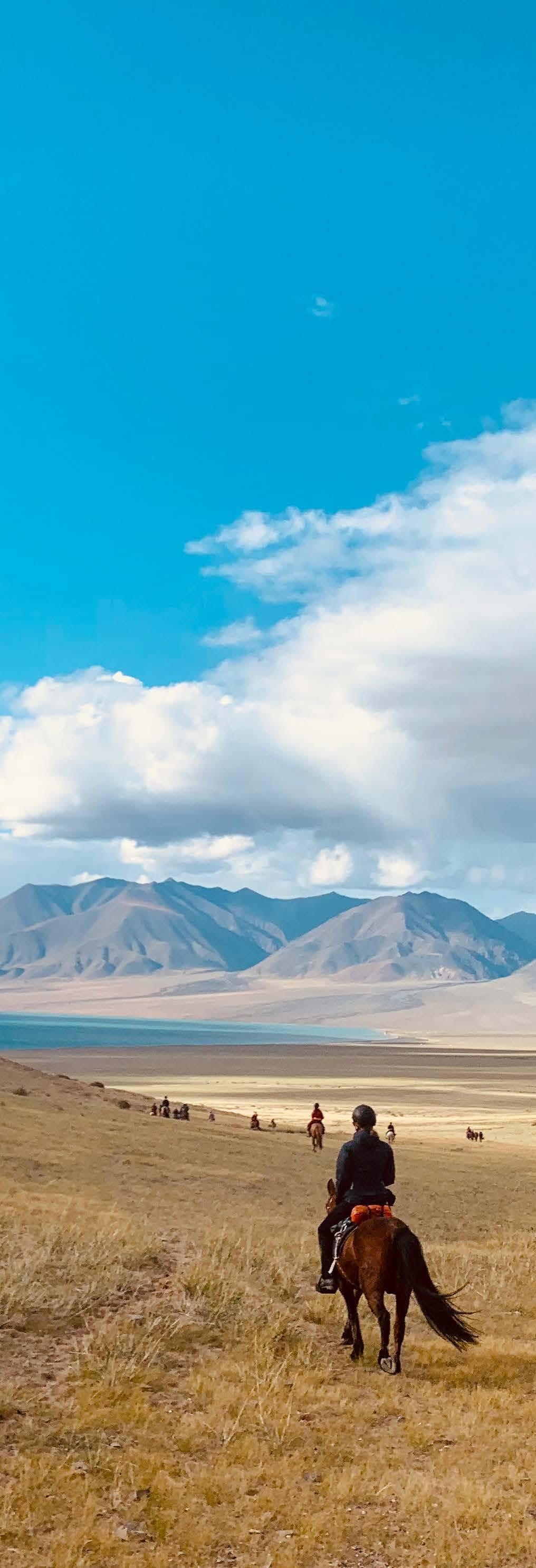
Photograph by Nyambayar Tuya
And along the way, something begins to shift. Perhaps we notice greater fluidity.
Perhaps we experience a new sense of organisation within our bodies.
Perhaps we discover an intuitive rhythm that feels entirely natural.
From this place, we begin to explore what it truly feels like to be human.
On a Find Your Wild journey, we wake to the snorts of horses, the gentle sounds of camels or the clanging of milk churns.
We smell the dust. Feel the earth beneath our feet. Sit quietly as the non-human world awakens around us.
Our bodies gradually settle into the rhythm of the day. As we travel, we pause to quench our thirst. Perhaps an animal offers us something to observe, a lesson waiting patiently to be noticed.
We listen to our bodies.
We move.
We seek shelter when needed and continue when our ecosystem guides us.
We intentionally notice how we adapt to unfamiliar landscapes, offering ourselves the opportunity to experience safety within the unknown.
We laugh.
We share.
We sit together in silence.
And when the journey ends, the exploration continues, supporting gentle integration of our experiences into everyday life.
So, here is your invitation.
As you spend time with these words, as you absorb their meaning and their rhythm.
What do you notice?
And can you embrace it?
Disclaimer: This feature is intended to inspire reflection and promote wellbeing. It is not therapy and should not be considered a substitute for professional psychological or medical care.
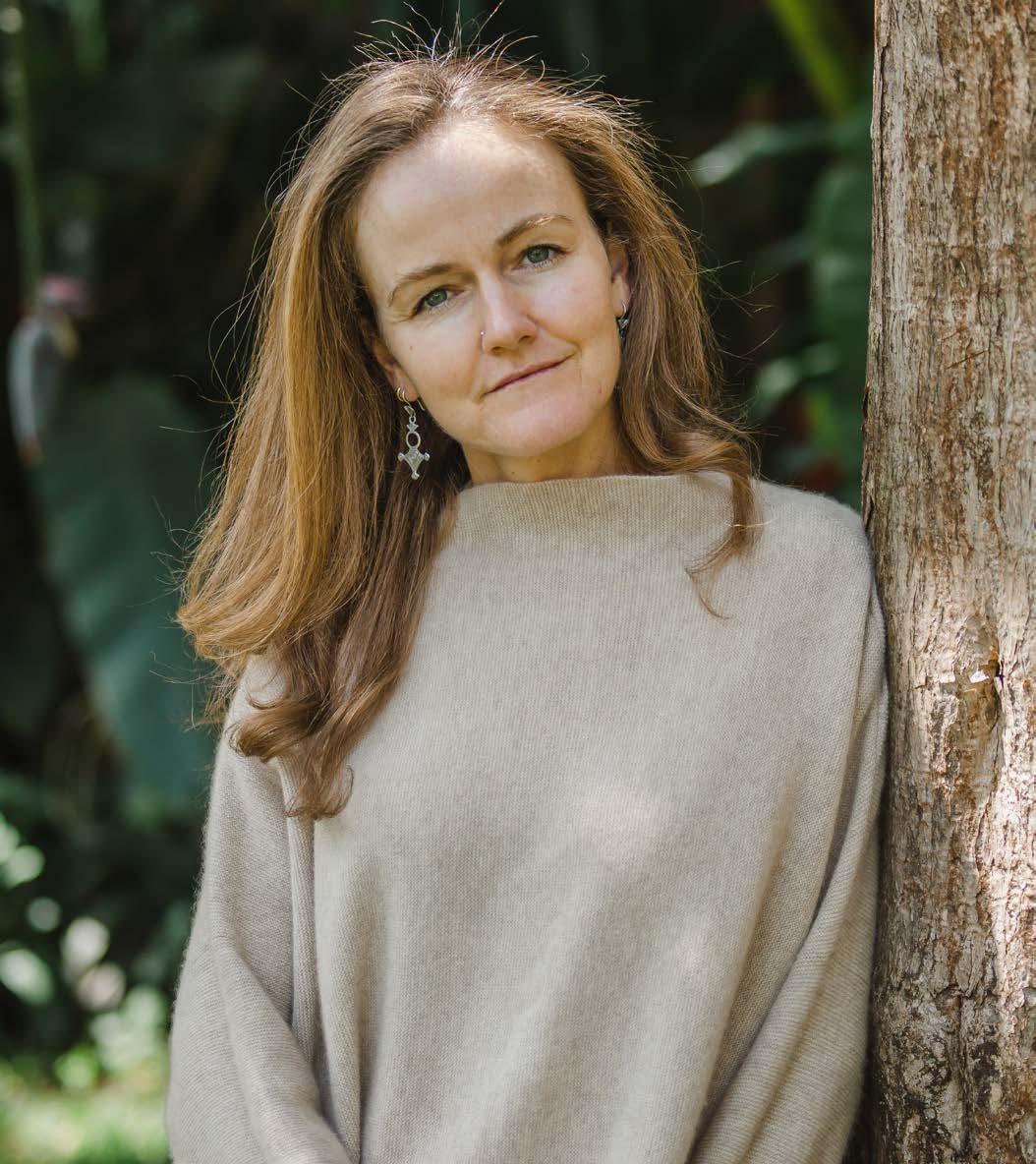
Find Your Wild brings adventure, curiosity and rhythm to the forefront of health and wellbeing, creating safe, intentional and restorative journeys inspired by nature.
An internationally accredited psychologist, Jess has more than 20 years of experience across practice, research and project management. Her work brings together psychology with naturebased, body-based and animal-assisted approaches, recognising the relationship between people, animals and the environment as a powerful foundation for long-term wellbeing.
Jess is an Associate Fellow of the British Psychological Society, an HCPC Registered Practitioner, a member of the Counsellor and Psychologist’s Board in Kenya, and a member of the Kenya Psychological Association.
Raised in Kenya, she is an avid horse rider, free diver, climber, walker, reader and passionate foodie. Her work combines evidence-based practice with genuine curiosity, helping people discover approaches that create lasting change rather than short-term solutions.
About Jess
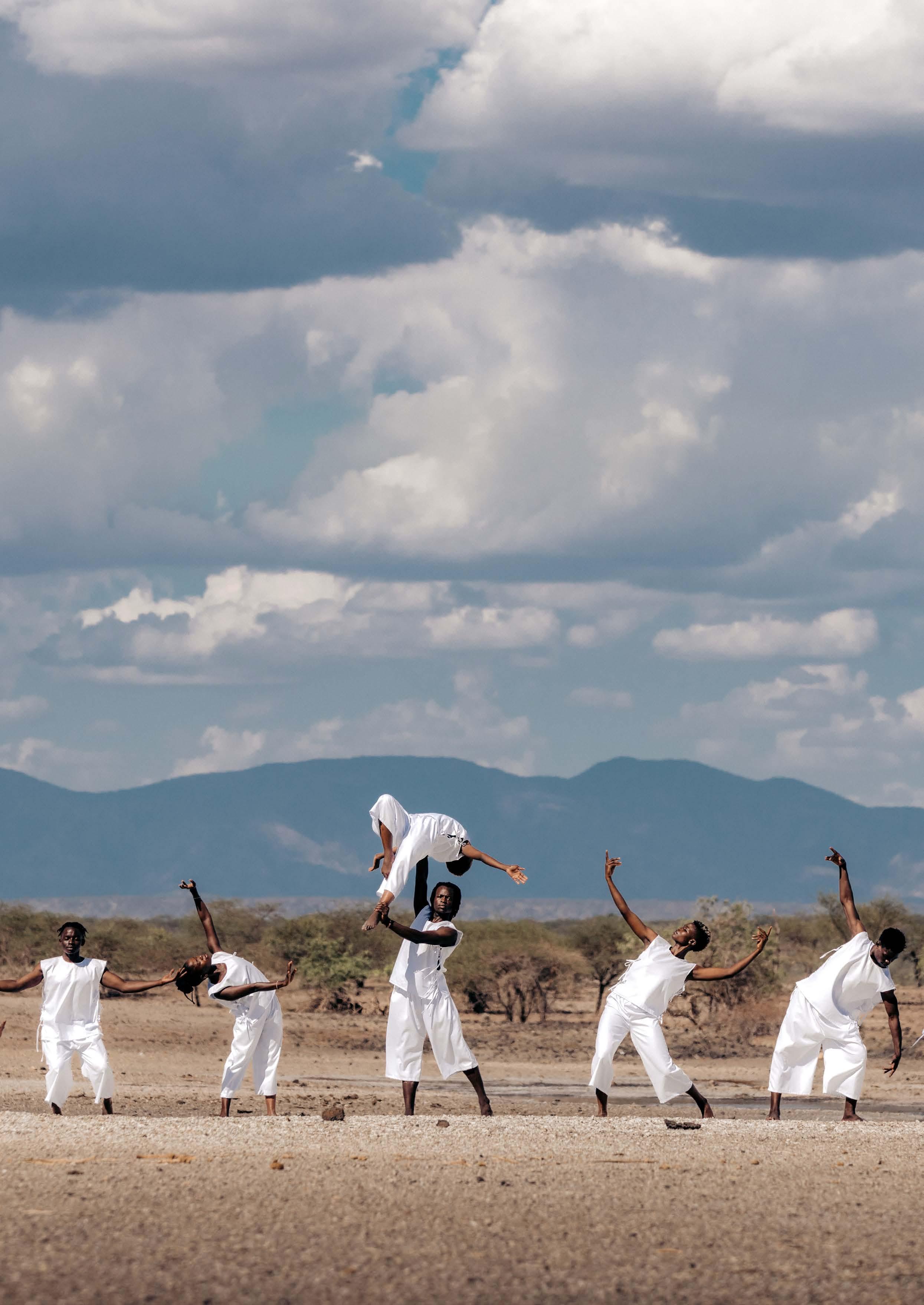
Art & culture LUXURY LIFE KENYA
Origins Dance Company performs Home, a contemporary work exploring belonging through movement. Photograph by Talisa Lanoe.
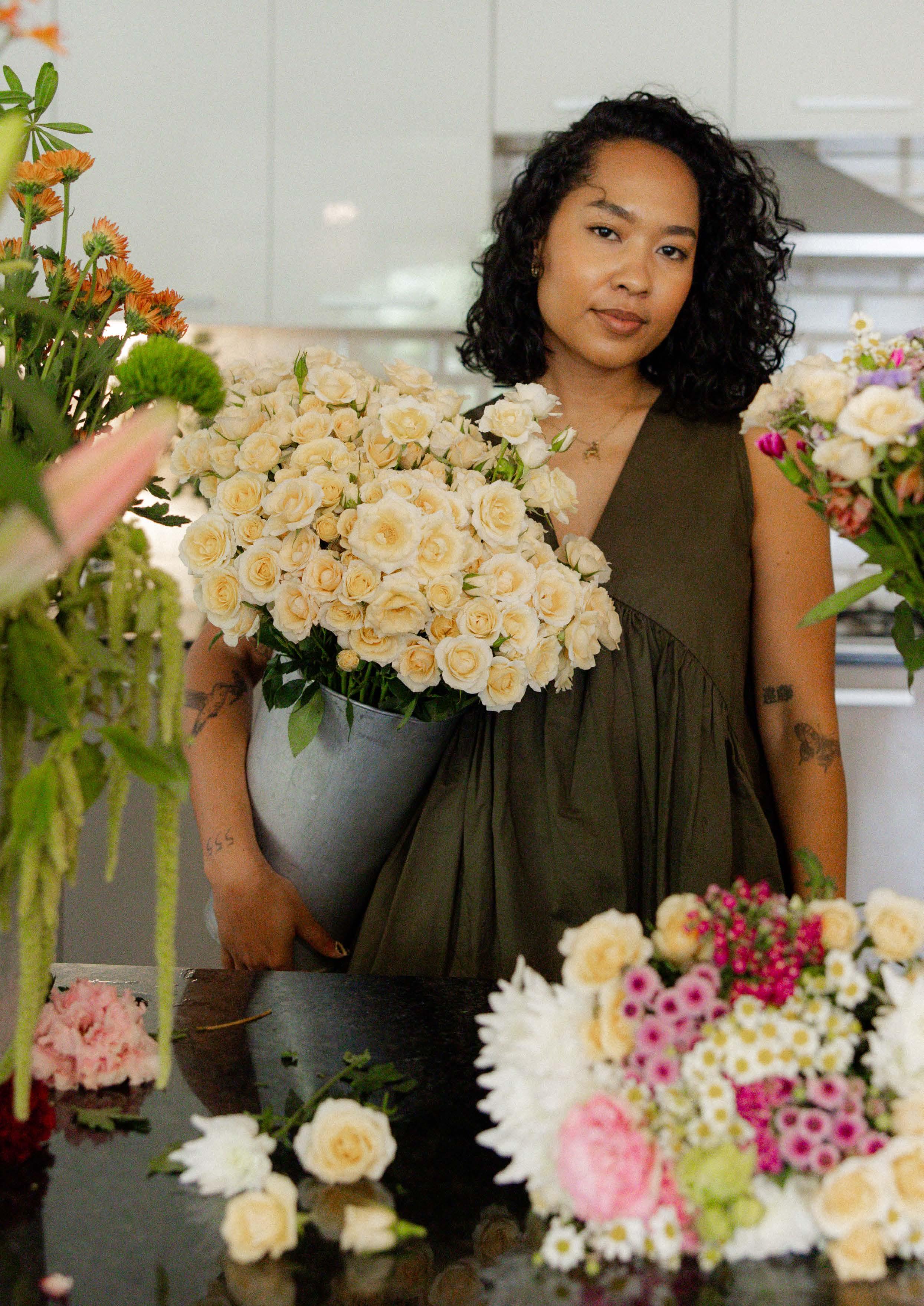

FLORA BY ENDO: The Art of Floral Curation
WRITTEN BY SOPHIE CARREL PHOTOGRAPHY BY ASHTON ALLERT
Beneath a blossoming tree, loose petals floating down with the breeze, I met Yvonne Endo, the founder and face behind Nairobi’s vibrant, contemporary floral brand, Flora by Endo.
The setting felt apt – we spoke about her creative vision, the cultural influences shaping her work, her role in Kenya’s evolving flower market, and her plans to expand the brand into a broader lifestyle portfolio.
KKenya is one of the world’s largest exporters of cut flowers, with more than 200 farms operating across the country. Roses dominate production, leaving much of Nairobi’s traditional floral landscape feeling predictable. Yet a wider variety of flowers are grown locally, often destined for export and rarely seen at home. Determined to change that, Yvonne began sourcing from smaller vendors and city markets, experimenting with what she could find. What started as a creative outlet shared on Instagram quickly became more than just a passion project. “Before Flora, I only ever saw people curating bouquets with roses. Kenya is a huge export market for flowers, but I never saw anyone showcasing the amazing variety we have here.”
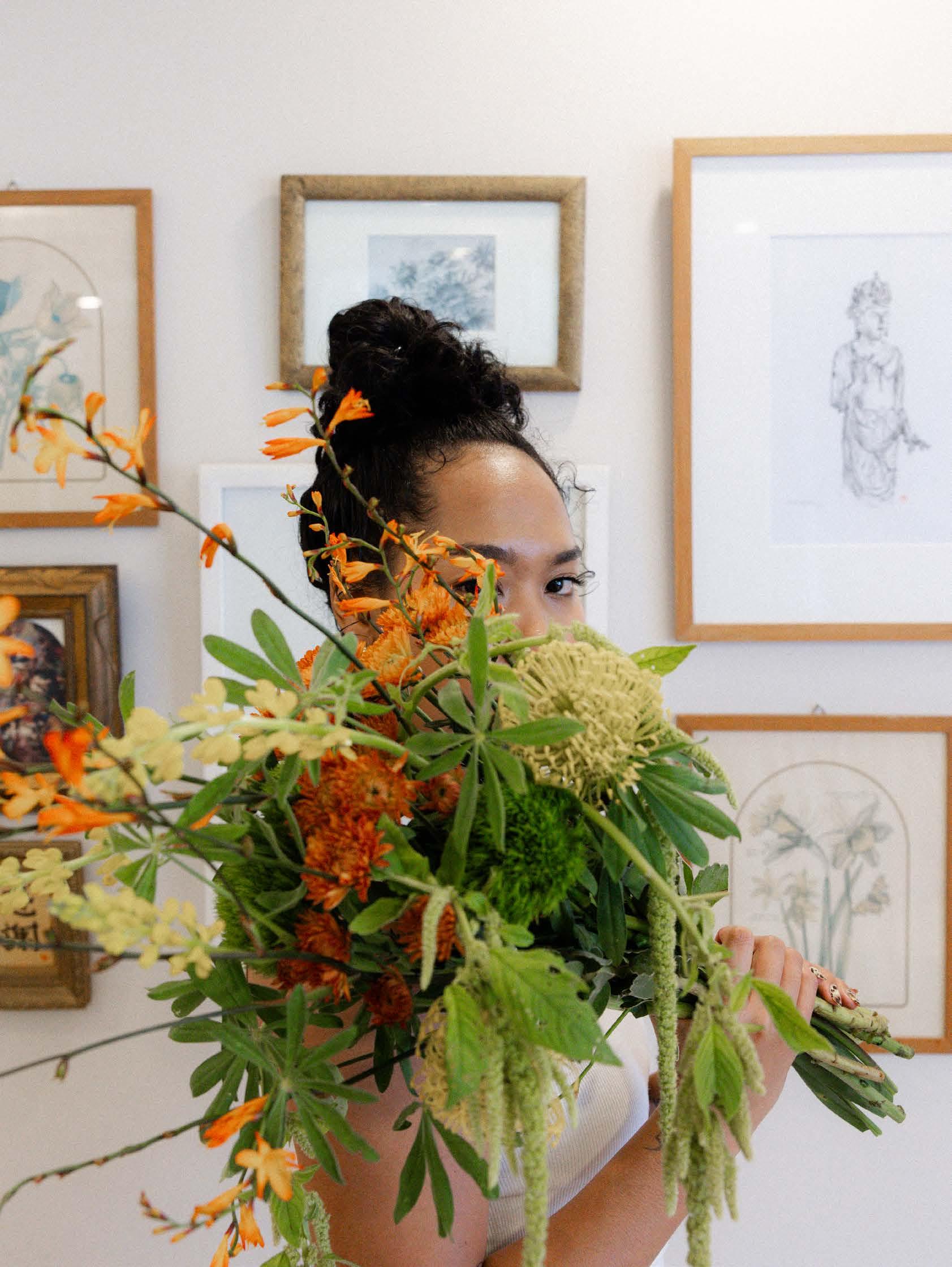
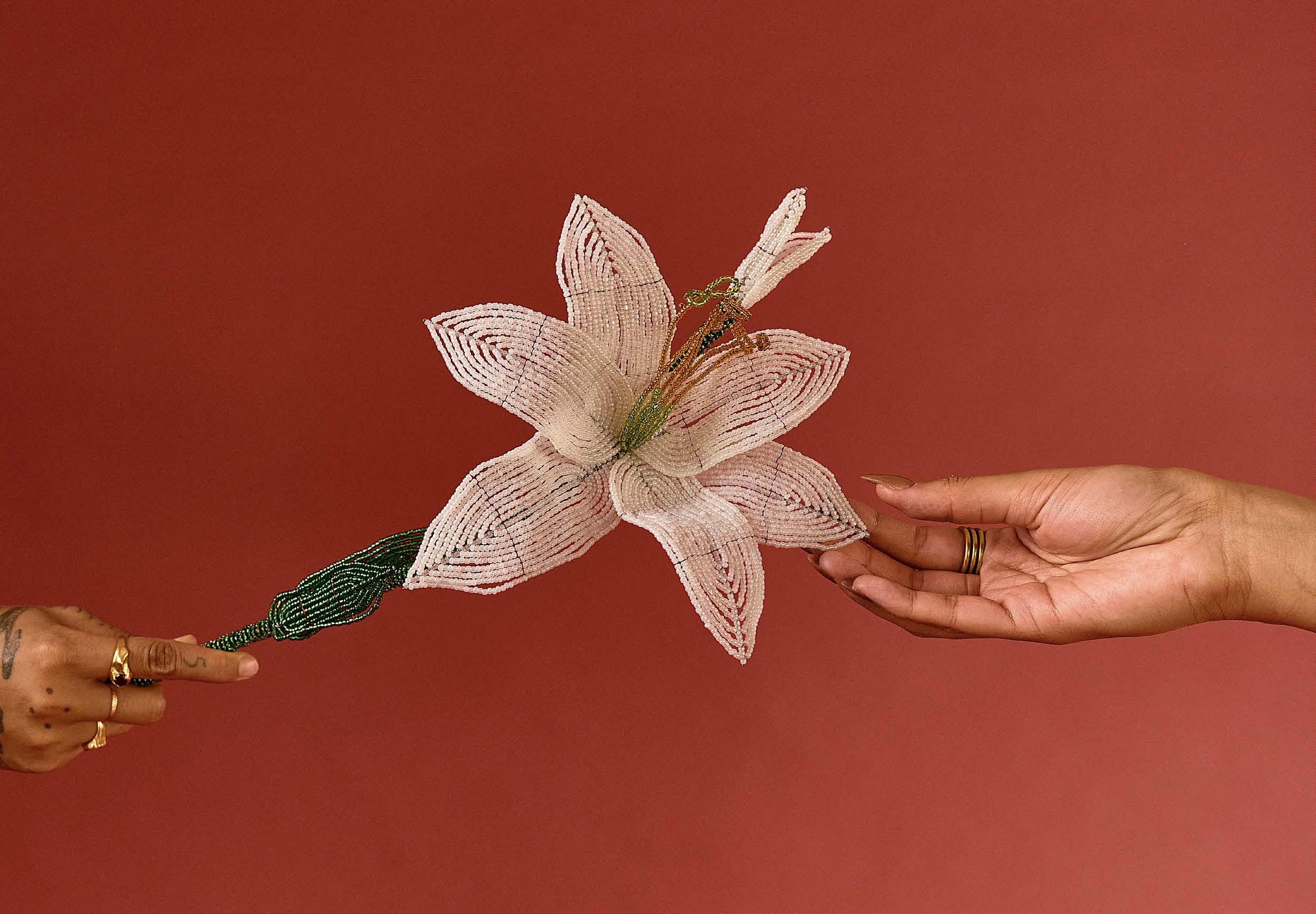
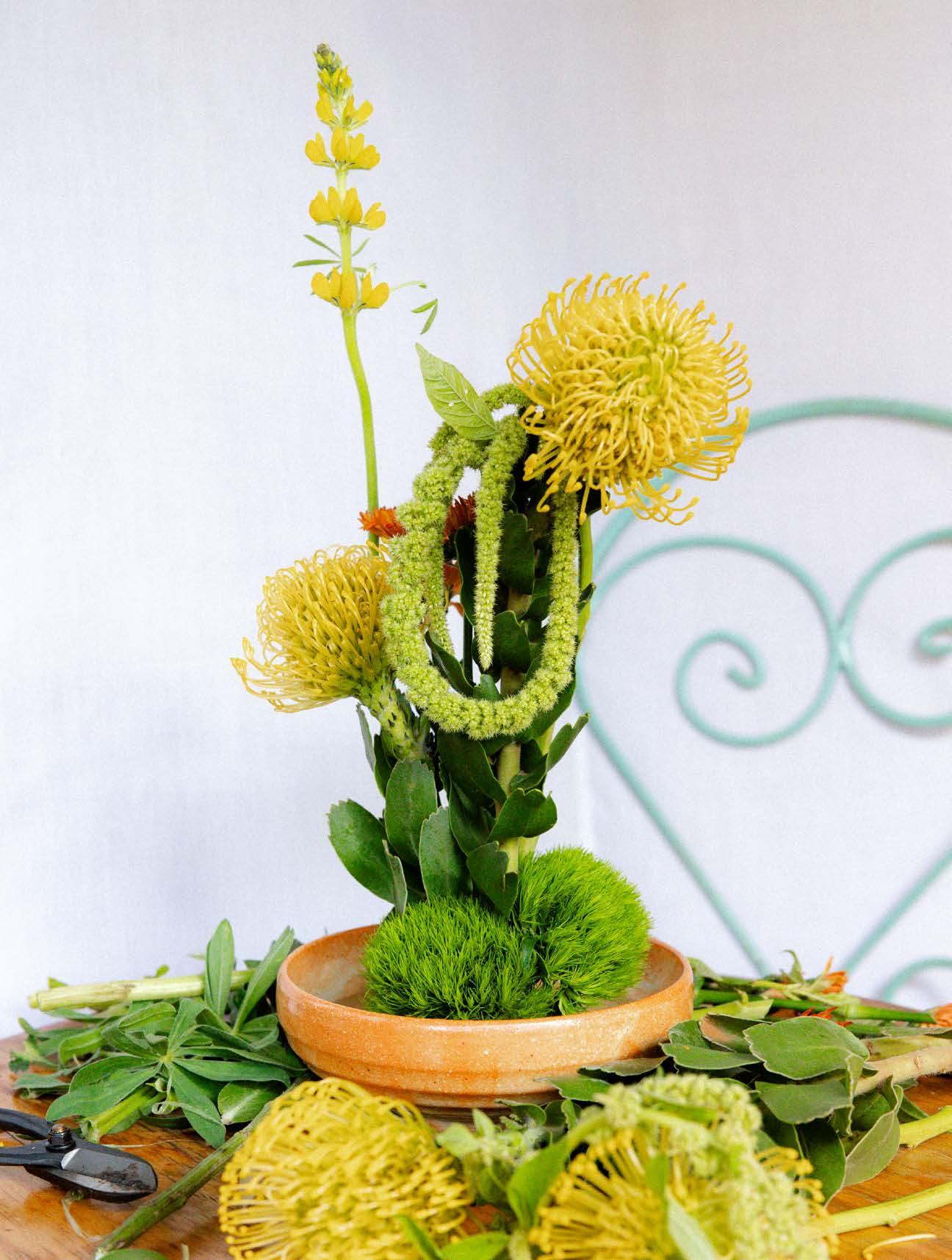
Her creative process is as organic as the flowers she works with. “My weekly drops are really inspired by my mood,” she smiles. “It’s hard to explain, but sometimes I’m just feeling pink, or feeling yellow.” Each bouquet is intentionally intuitive, each arrangement a personal expression.
As her business grew, Yvonne began working directly with local farms. She discovered a significant surplus of discarded flowers that don’t meet strict export standards, and now ensures these overlooked stems are incorporated into her weekly bouquets, giving new life to what would otherwise go to waste.
“ Kenya is a huge export market for flowers, but I never saw anyone showcasing the amazing variety we have here.”
Born to a Japanese mother and Kenyan father, Yvonne draws naturally from both cultures. Her minimalist packaging reflects a distinctly Japanese sensibility, while her growing interest in ikebana introduces a quieter, more sculptural approach to her work, one that embraces asymmetry and negative space. Locally, Flora by Endo has helped cultivate a renewed appreciation for Kenya’s floral diversity, while opening up new opportunities for local farmers and vendors to reach the domestic market.
“I want people to see flowers as an art form,” she says. “Not just as bouquets.”
She describes her style as youthful and playful, qualities reflected in her brand’s visual identity, from its bold colour palette to the illustration of her beloved cat, Chai, at its centre.
Recent collaborations, including partnerships with Lancôme and The Hills, as well as a tablescape for the UN’s International Day of Zero Waste, signal Flora by Endo’s natural evolution beyond floristry and into a broader lifestyle space.
The latest addition to her offering is Forever Flora, handbeaded flower stems made by local artisans. While not a new concept in Kenya, Yvonne reinterprets it through the lens of her own arrangements, experimenting with vibrant, expressive colour.
When she’s not curating for Flora by Endo, she is also one half of Endo Squared, a lifestyle brand she runs with her sister Patti Endo, translating Patti’s artwork into jewellery, leather goods, and homeware. Together, their work forms a quiet dialogue, two practices rooted in storytelling and in finding thoughtful ways to intersect. From distinctive floral arrangements to a thoughtfully expanded lifestyle brand, cut flowers may not last forever, but Flora by Endo is still in bloom.
What is luxury for Yvonne?
Luxury is about creating timeless pieces. I want my curations to remain authentic to me and my creative vision, and not be driven by trends. I want them to always tell my story.
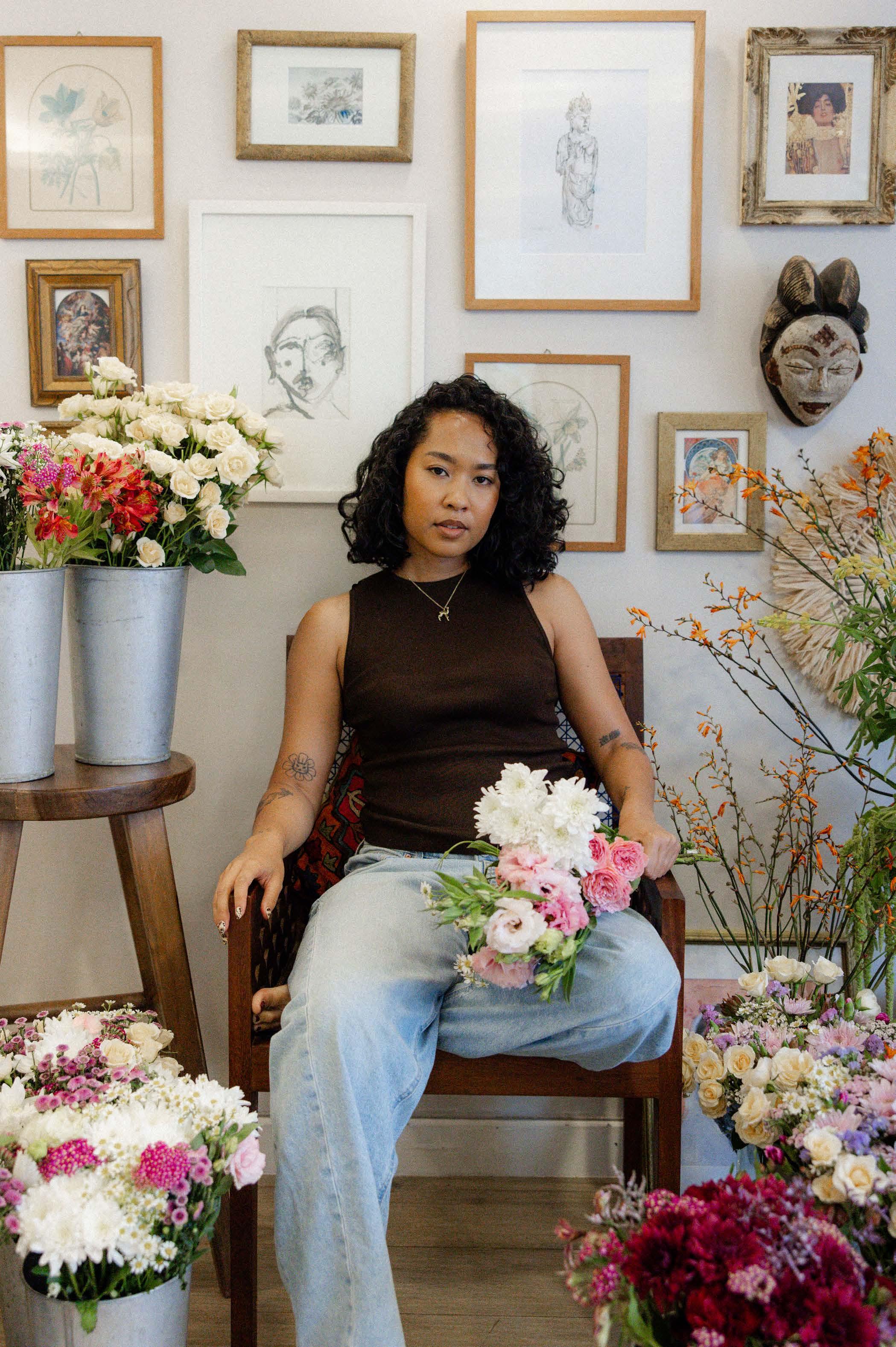
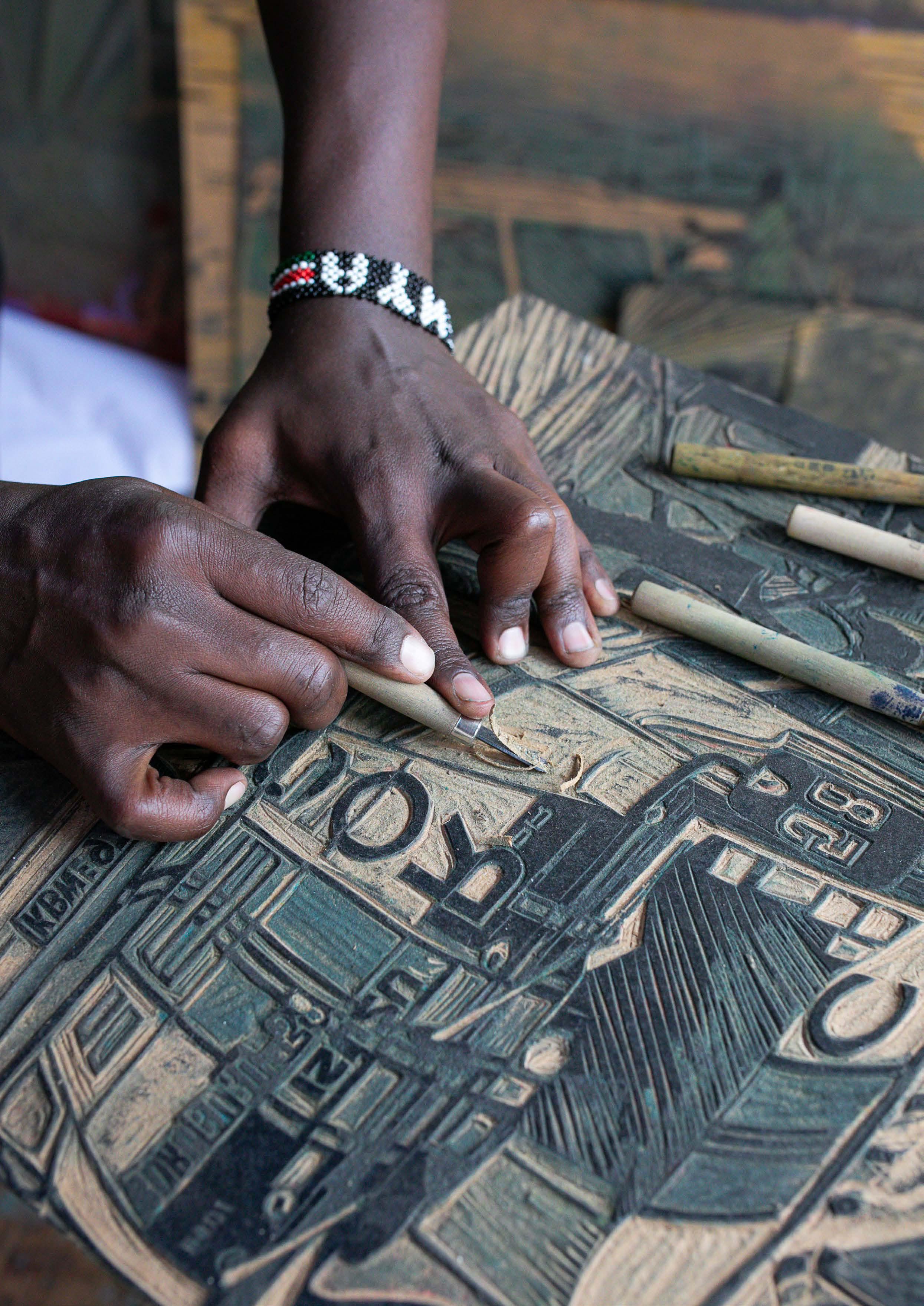
BEHIND THE SCENES WITH Dennis Muraguri
WRITTEN BY KEVIN KARANJA NJOROGE
PHOTOGRAPHY BY ASHTON ALLERT
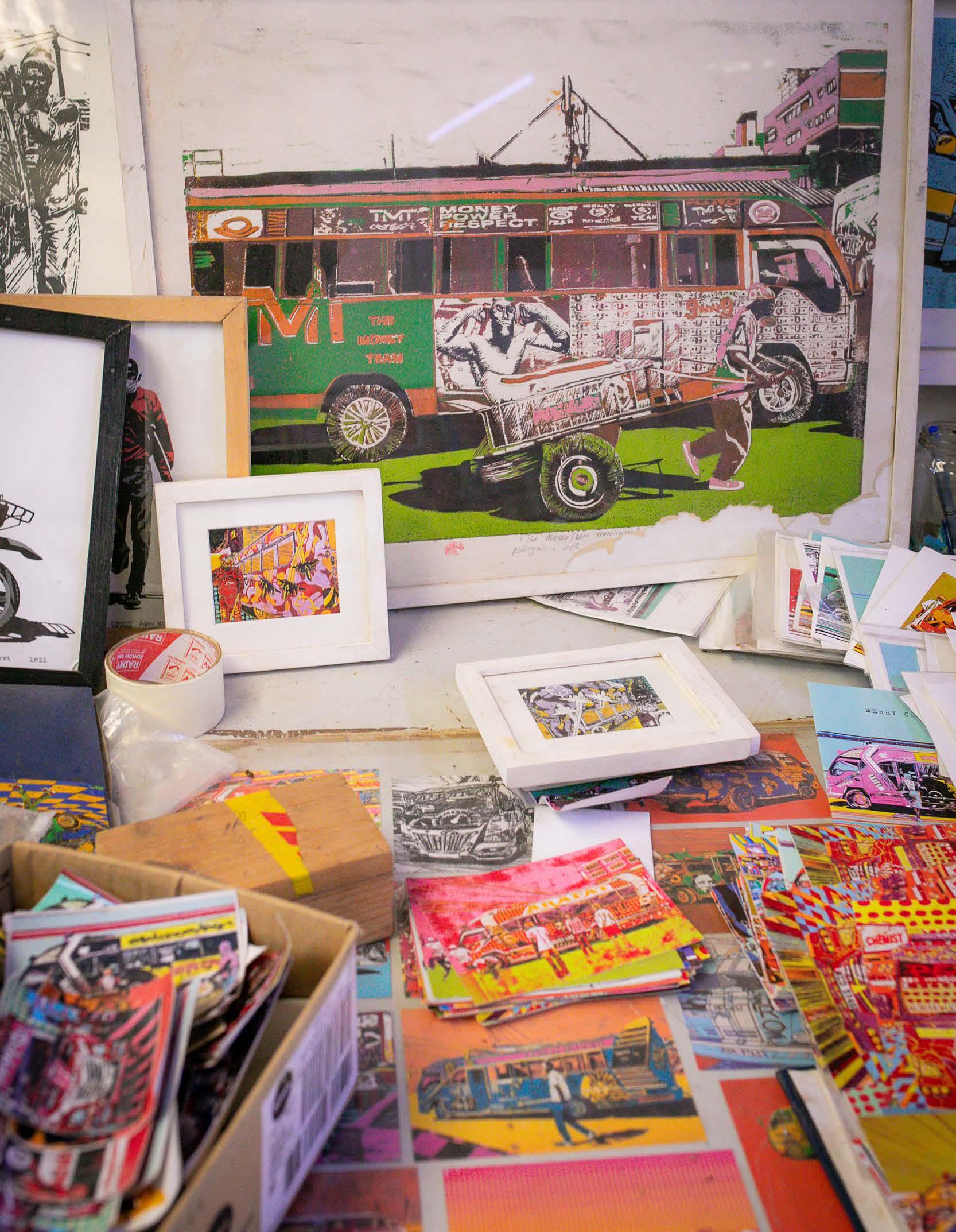
Imeet Dennis at his studio, at the Kuona Artists Collective, formerly Kuona Trust, a creative hub tucked into the busy landscape that is Kilimani. It’s late afternoon after a few rainy days, and the sun feels like a welcome return.
Dennis has been part of Kuona since 2007, and he’s seen both the collective and Nairobi’s wider art community change over the years. He grew up in Naivasha before moving to Nairobi shortly before completing primary school. His first stop was Lang’ata, which at the time had some of the coolest matatus in the city.
Matatus in Kenya are far more than public transport. There are the smaller 14-seater vans and the larger buses, often referred to as nganyas depending on how decked out they are. Back then, Lang’ata was known for its customised matatus with booming speakers, oversized tyres and artworks stretched across their bodies.
Dennis doesn’t think he always knew he would become an artist. He remembers struggling with the structure expected within academic life, especially during secondary school, where he studied Art and Design. He initially joined the Buruburu School of Fine Arts partly because his mother had already paid for it, and
partly because he thought he’d find himself in better company there.
Coincidentally, Buruburu’s matatus were also among the hottest on the scene.
“Back then, it was only artists who attended shows and were seen at galleries,” Dennis says. “They made up the largest part of any audience.”
Things have changed. He notices a growing interest in art spaces from younger generations. “Sometimes, you’ll ask someone if they’re an artist,” he says, smiling, “and they’ll say they’re an art enthusiast.”
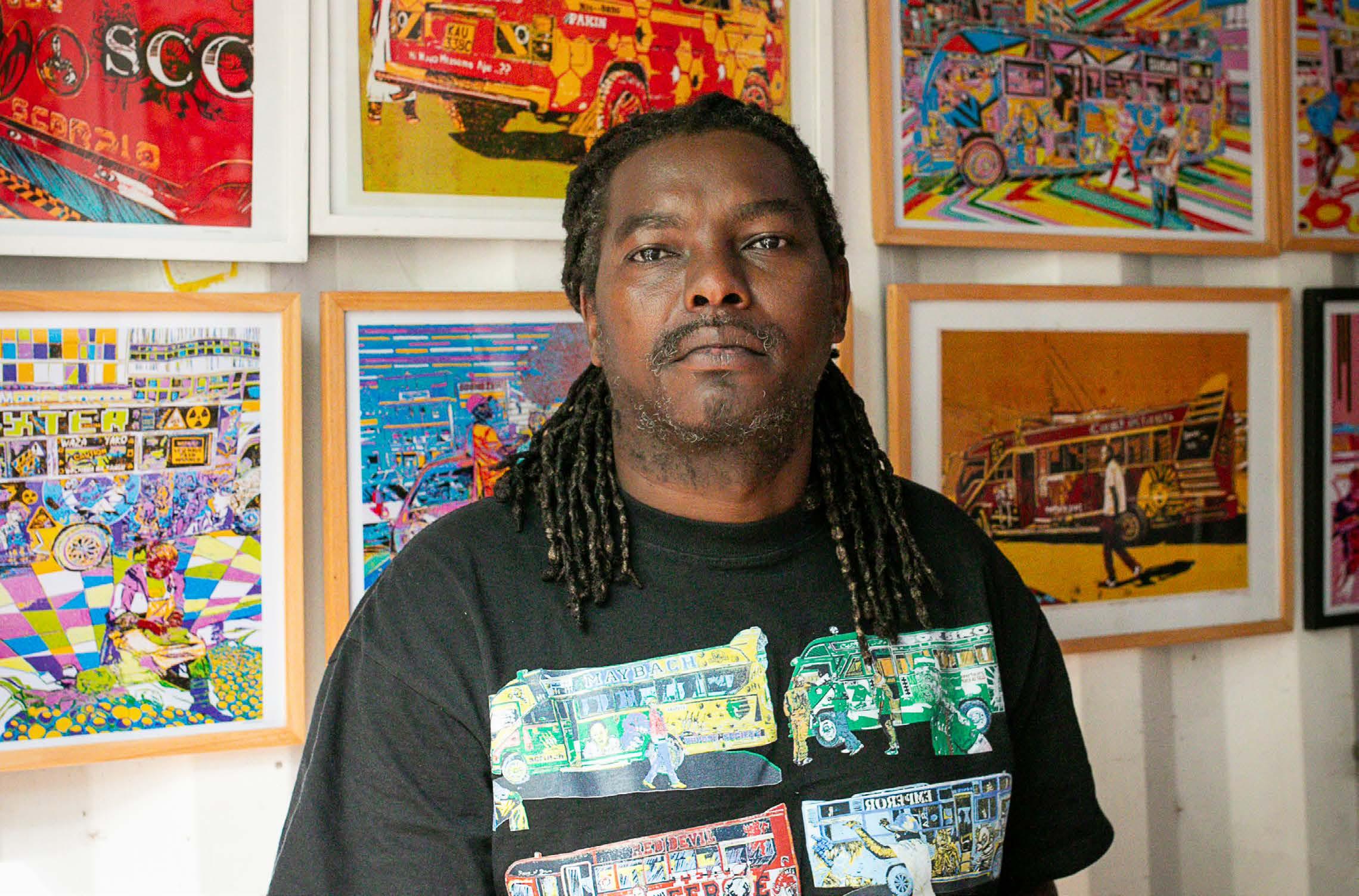
“There’s practice, patience and commitment, but beyond that, there are opportunities that simply find some people at the right moment.”
You feel this sense of community in the way Dennis talks about learning woodprint techniques during a workshop by Peterson Kamwathi in 2008, a medium he’s continued working with since then. It appears again in the stories about matatus, makangas, painters, sculptors and DJs who all seem connected within Nairobi’s creative scene.
When he speaks about his matatu series, his attraction to bright, maximalist colours immediately makes sense. Life in Nairobi demands all the senses at once, and matatus sit somewhere in the middle of that chaos.
The works begin as photographs he takes himself before transforming them into woodprints. He chose woodprint partly because much of the graffiti and imagery found on matatus is similarly created through print based techniques and stencilling.
Alongside the prints, he also creates sculptures using metals, wood and found materials, allowing the pieces to evolve gradually into their final forms.
When I ask him what advice he would give younger artists, his answer surprises me.
“I don’t know,” he says honestly. “I don’t know why it happens for some artists and not for others.”
Of course there’s practice, patience and commitment, but beyond that, there are opportunities that simply find some people at the right moment.
Finally, I ask whether he’s working on anything new.
He smiles.
After taking some time off in 2025 following a large project, he hints at a three-dimensional exploration of matatus and woodprint.
I can’t wait.
Kipchoge Keino leads in the 1500 metres final at the 1970 British Commonwealth Games in Edinburgh, winning gold in a Games and Commonwealth record time of 3 minutes 36.6 seconds, 22 July 1970.
MOHAMED AMIN Champions Through His Lens
In our previous issues, we began a series honouring the legendary photojournalist who showed Africa to the world with honesty, depth and compassion. In this issue, we continue that journey through another remarkable collection from his archive: the sportsmen and women who helped shape Kenya’s story.
For Mohamed Amin, sport was never just about competition. His photographs captured the people behind the achievements — the determination before the start, the emotion at the finish and the pride that followed. From runners and boxers to equestrians, his camera preserved moments that have become part of Kenya’s sporting history.
Many of these faces helped introduce Kenya to the world long before social media and global broadcasts made sporting heroes household names. Through Amin’s lens, they became part of a visual record that continues to celebrate the country’s extraordinary talent and ambition.
As we revisit these photographs, we celebrate not only the champions themselves, but also the man who recognised the importance of documenting them. Together, they tell the story of a nation whose sporting legacy has inspired generations, both at home and far beyond its borders.
Close-up of Kenyan sprinter, Charles Asati during a training session, showing him in focused preparation. Asati was a member of Kenya’s 4×400 metres relay team that won gold at the 1972 Munich Olympic Games.
and Commonwealth record time of 3 minutes 36.6 seconds, 22 July 1970.
Kipchoge Keino leads in the 1500 metres final at the 1970 British Commonwealth Games in Edinburgh, winning gold in a Games
in one of the classic
Horses and jockeys compete
races at Nairobi’s Ngong Racecourse, Nairobi, 1974.
Kenya’s Stephen Muchoki, light flyweight boxer, in a fighting pose wearing gloves & headgear. He won gold at the 1974 Commonwealth Games and became Kenya’s first amateur world boxing champion in 1978. 14 April 1975.
LUXURY LIFE KENYA
The LLK List
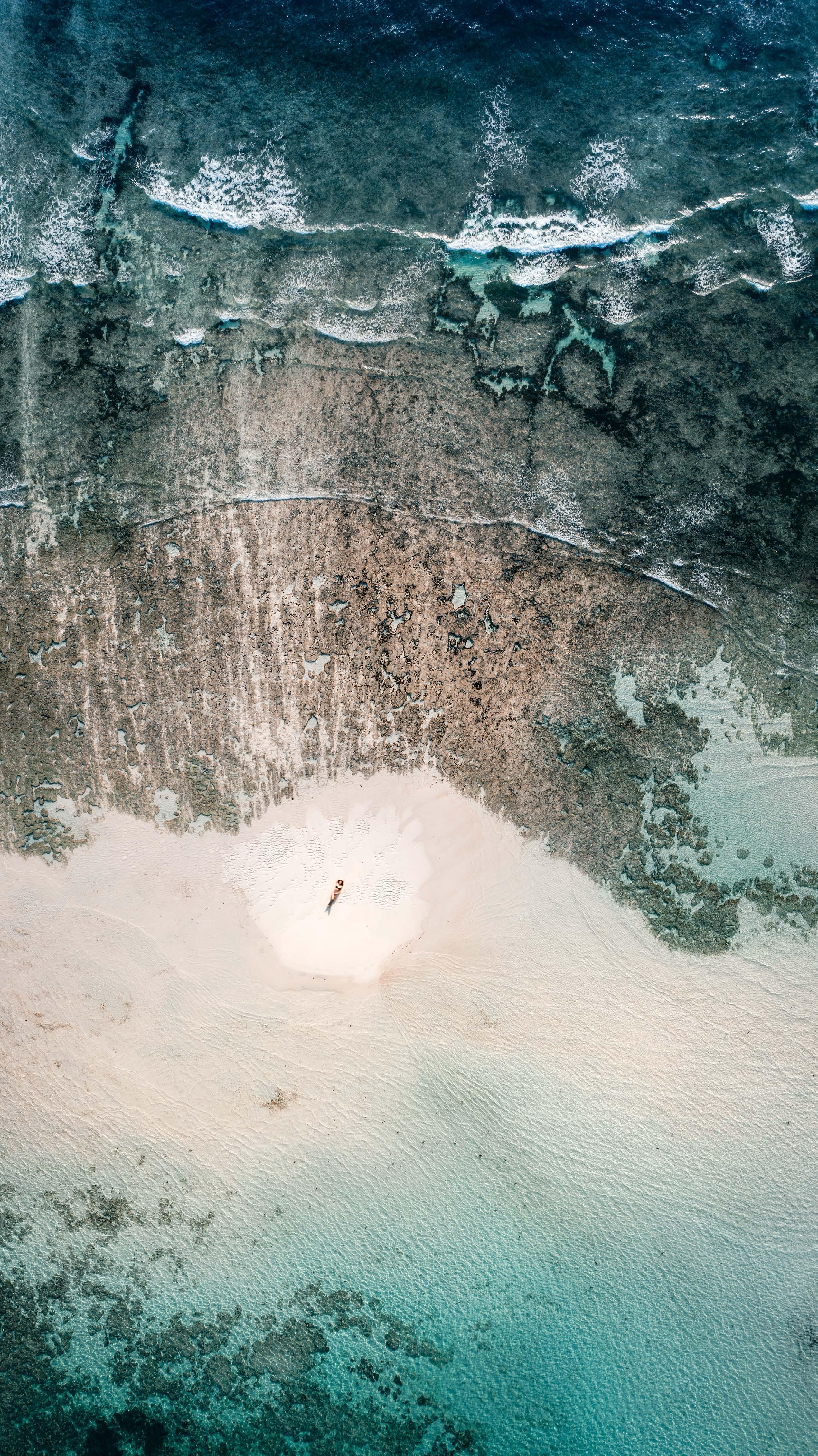
Every issue leaves us with a collection of discoveries we’d love to share. Places worth exploring, flavours worth recreating, books worth reading, and a little inspiration to take with you. Here are a few of our favourites…
THE COAST Curated
TEN EXPERIENCES WORTH SEEKING ALONG KENYA’S COASTLINE
Forget the obvious. Kenya’s coast reveals itself to those willing to slow down, wander a little further and follow the recommendations of locals rather than guidebooks.
From hidden beaches and centuries-old traditions to unforgettable flavours and quiet corners, here is our edit of experiences that deserve a place on your next escape.


Wake Up Early For...
Coffee at Kokkos, Diani
Fishermen returning before sunrise
Snorkelling the reef at Watamu Marine Park
A walk through Mombasa Old Town & A Swahili Breakfast
Yoga at Diani Yoga Barn or Watamu Treehouse
Morning prayers echoing throughout Lamu
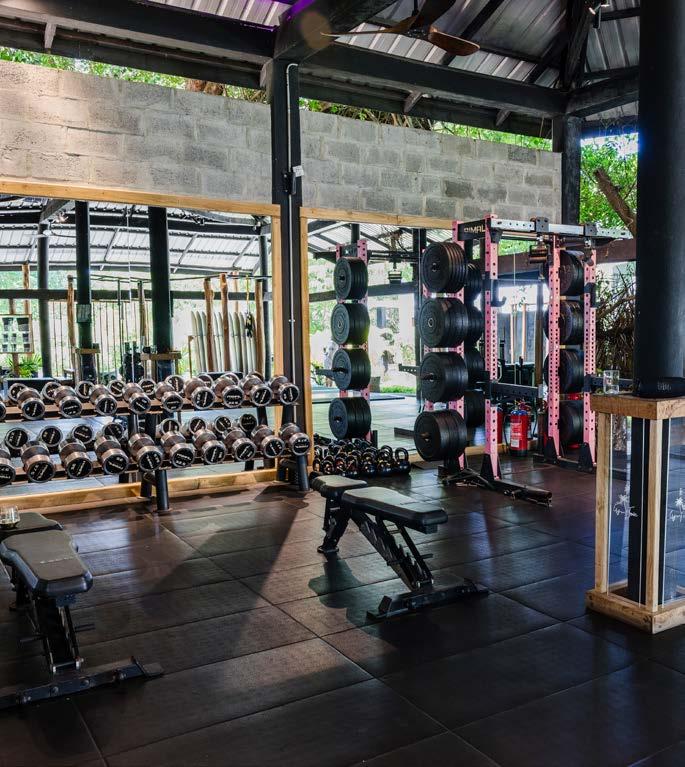
MORNING WORKOUT AT GYM & TONIC
Proper equipment, ocean air, and a session that earns the rest of the day off.

LOOK FOR DOLPHINS OFF SHORE
Boat out early, engine off, and let the pod decide how close it wants to get.
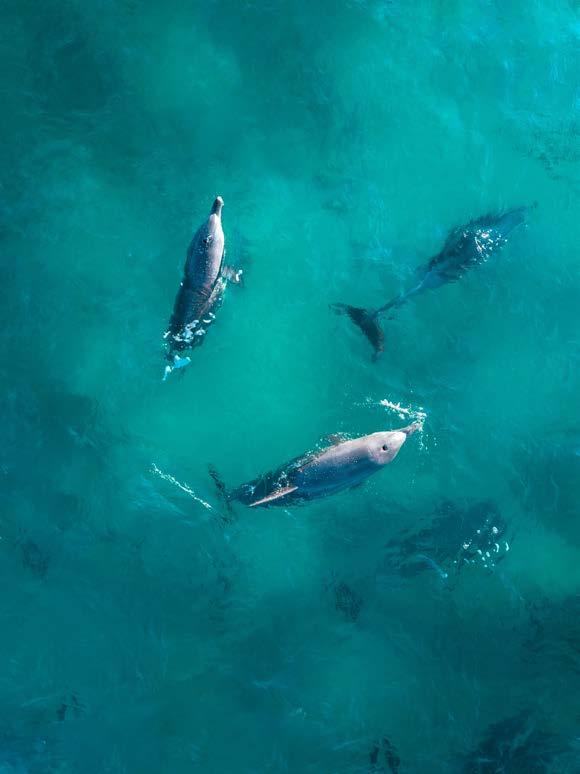
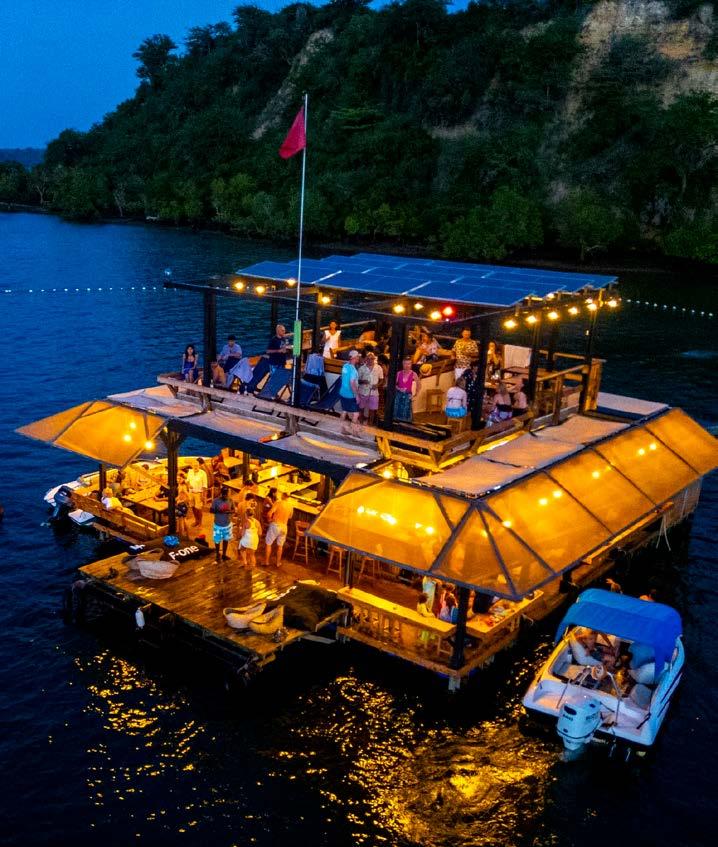

LUNCH AT SALTY’S ON THE CREEK
Fresh catch and feet in the sand — the kind of lunch that turns into the whole afternoon.
Bring home a piece of coast...
• Beaded leather sandals from Lamu’s cobblers
• Hand-hammered Swahili silver
• Batik and woodwork from Bombolulu Market
• A kanga, bought for the proverb
• A stool or tray in reclaimed dhow wood

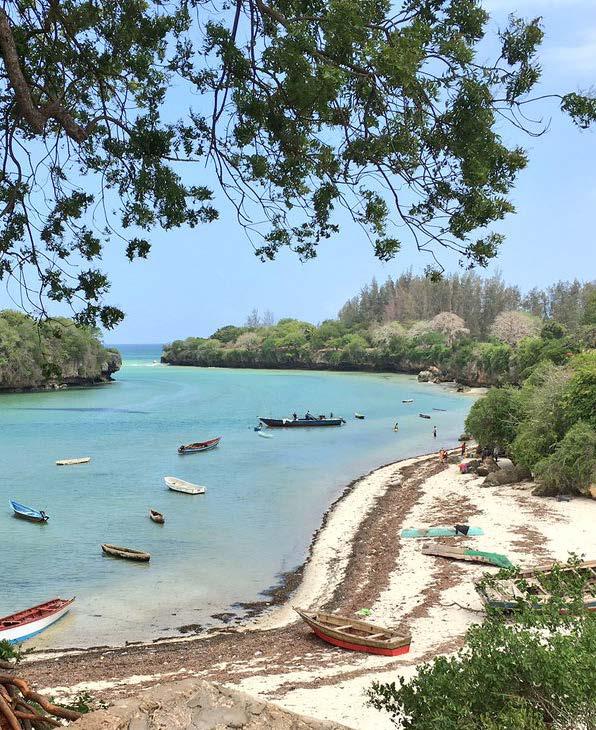
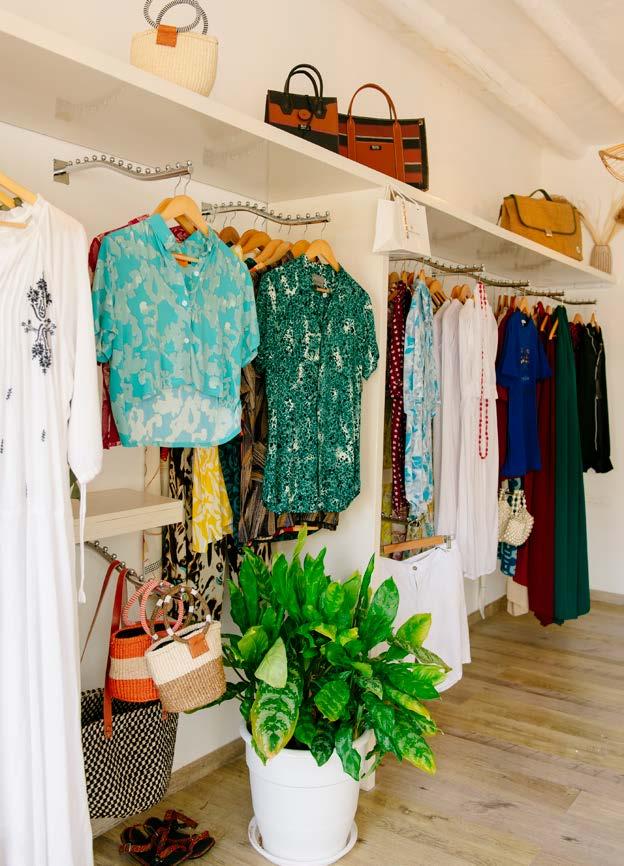
SUNSET DHOW AT KILIFI CREEK
SPEND AN AFTERNOON IN TAKAUNGU
A quiet fishing village down the coast — coral cliffs, a hidden lagoon, and none of the crowd.

DINNER AT TAMARIND
Old-school coastal fine dining, harbour views, and a menu that hasn’t needed to chase trends in decades.
VISIT THE WHITE SHOP
Curated finds, steps from the Billionaire resort in Malindi. The kind of edit that saves you a day of gallivanting for gifts.

Mangroves, tide, and a captain who knows exactly where the light does something worth seeing.
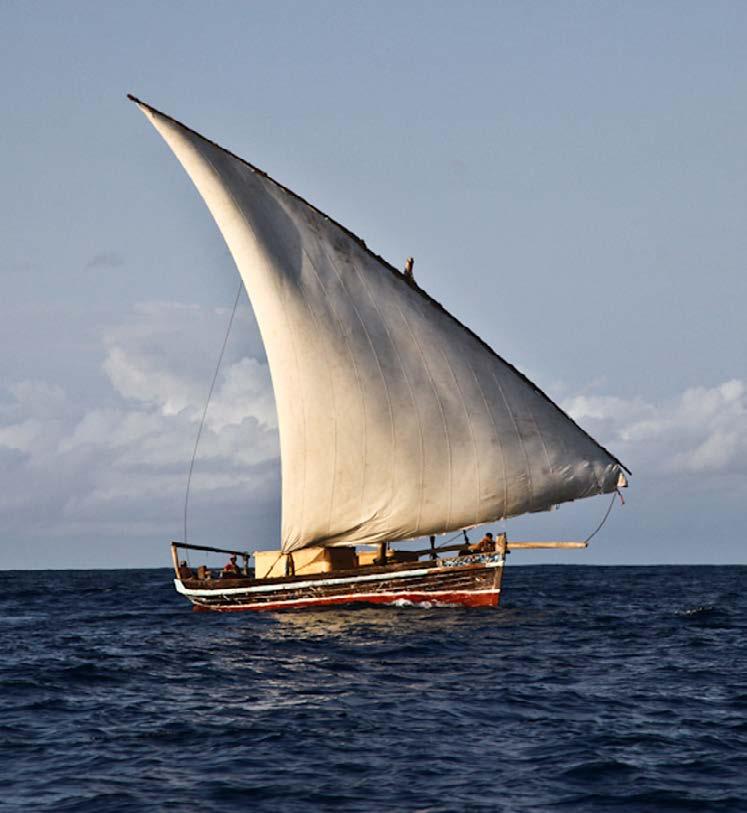
DRINKS AT FUNKY MONKEY
Exactly what the end of a beach day is for.
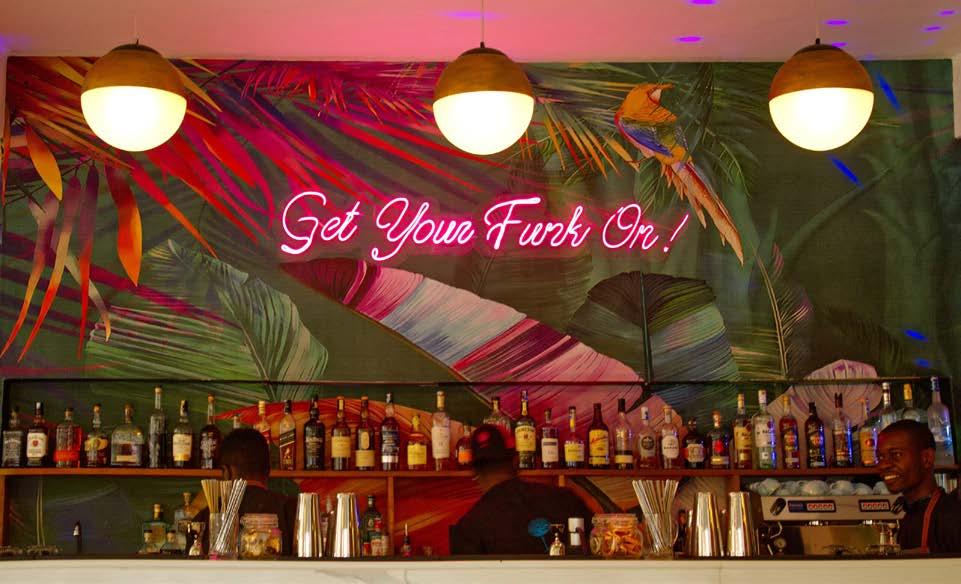


LLK RECIPES
Heather Cuthbert, nutritional therapist, founder of Heather’s Kitchen at Village Market and author of the Nuts About Nutrition cookbook, believes wellness begins with what we put on our plates.
For this issue, she shares her refreshing Rainbow Thai Salad – a colourful recipe bursting with fresh ingredients, vibrant flavours and nourishing goodness that perfectly reflects this edition’s celebration of wellbeing.
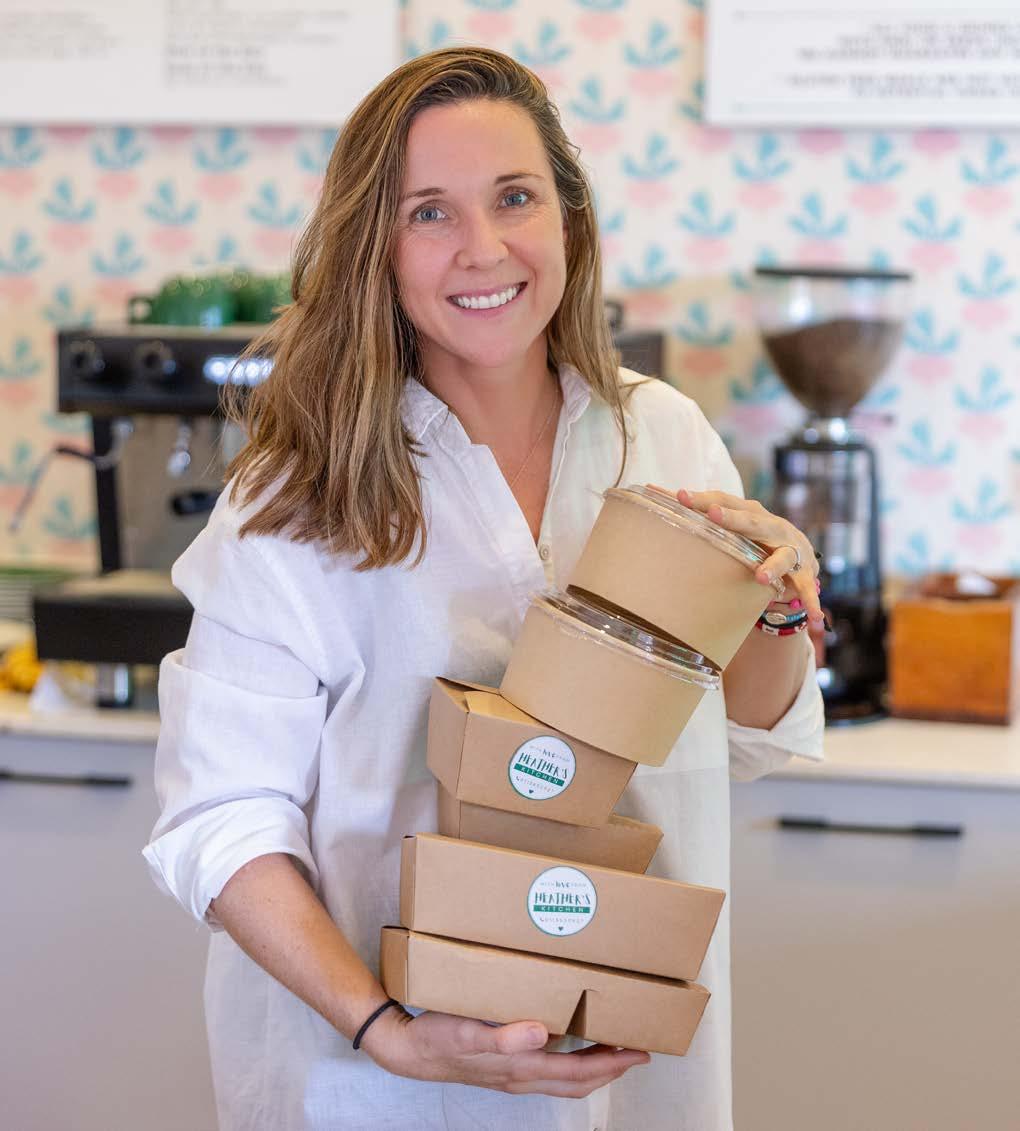
RAINBOW THAI SALAD
Ingredients
Salad:
2 carrots · 1 cucumber · 3 tomatoes (deseeded) · 1 ripe mango · 1 handful fresh coriander (roughly chopped) · 1 tbsp black sesame seeds
Dressing: Juice of 1-2 limes (~1½ tbsp. juice) · ½ tbsp. raw honey 1 tbsp tamari soy sauce · 1 clove of garlic (peeled and minced)
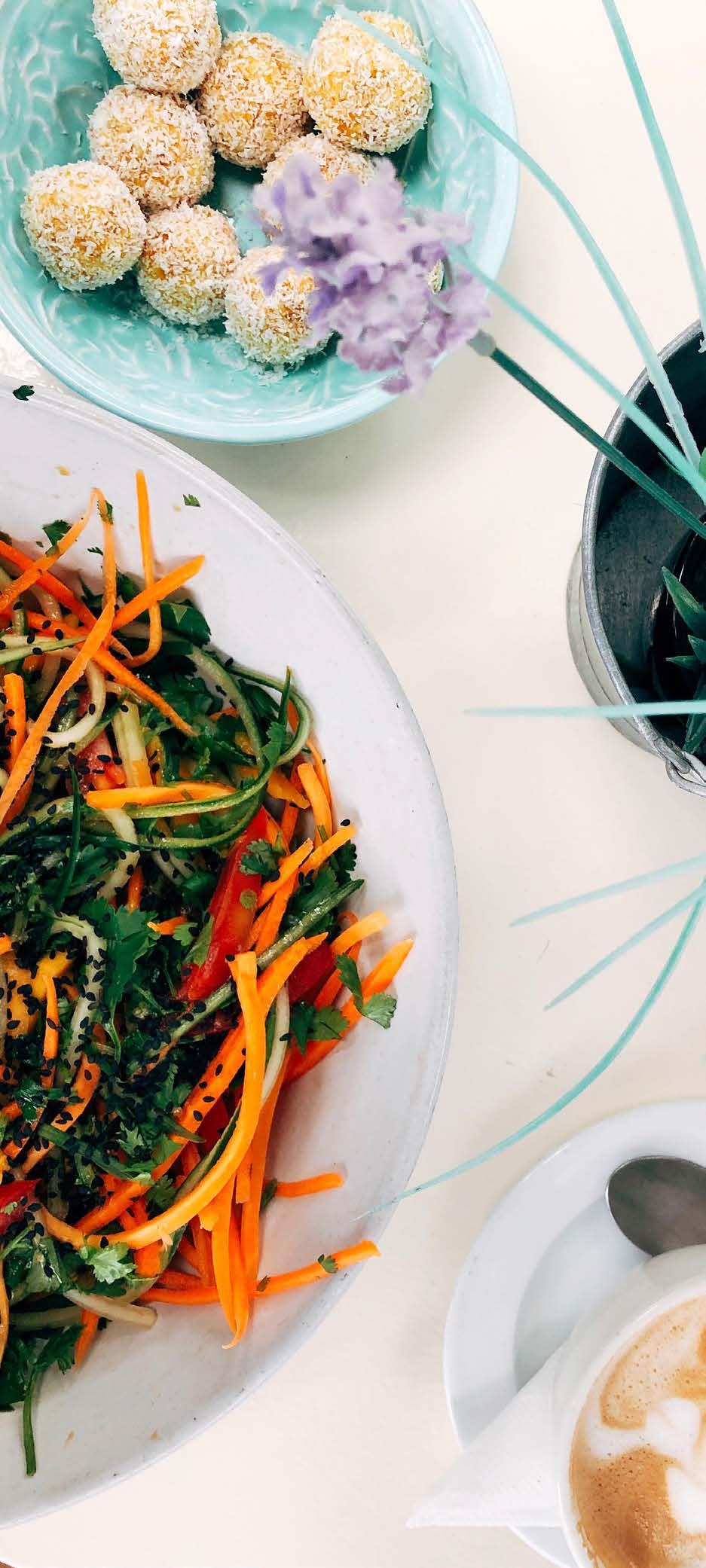
Method
1. Julienne all the vegetables and the mango (a julienne peeler is recommended) and toss together.
2. Mix all dressing ingredients together thoroughly. Dress the prepared salad.
3. Garnish with black sesame seeds and fresh coriander.
LLK READS
ABOUT KENYA, BY KENYANS OR INSPIRED BY KENYA
From unforgettable memoirs and literary classics to extraordinary adventures, these five books reveal Kenya through its history, landscapes and remarkable people.
1. A Grain of Wheat – Ngũgĩ wa Thiong’o
The defining novel of Kenya’s independence. Set in the final days before independence, A Grain of Wheat explores the hopes, sacrifices and betrayals that shaped a young nation. Through unforgettable characters, Ngũgĩ paints a deeply human portrait of a country on the brink of change, creating one of Africa’s greatest literary masterpieces. Why read it: To better understand Kenya’s history through one of its most celebrated voices.
2. West with the Night – Beryl Markham
An unforgettable memoir of adventure and East Africa. Pilot, horse trainer and adventurer, Beryl Markham recounts a life lived against the backdrop of Kenya’s vast landscapes. Written with remarkable elegance, her memoir captures the freedom, beauty and pioneering spirit of a country that continues to inspire travellers and dreamers alike.
coast and the wider Indian Ocean, this beautifully written novel explores identity, family and belonging through the eyes of a young woman discovering her place in the world. Rich in Swahili culture and history, it reveals a side of Kenya often overlooked.
Why read it: A captivating portrait of coastal Kenya, where history, culture and the sea become characters in their own right.
4. Unbowed – Wangari Maathai
The remarkable life of a woman who changed a nation. In her autobiography, Nobel Peace Prize laureate Wangari Maathai reflects on the experiences that inspired the Green Belt Movement and her lifelong commitment to democracy, environmental conservation and women’s empowerment. It is both a personal memoir and the story of modern Kenya.
Why read it: Few books capture the magic of Kenya’s landscapes with such honesty and grace.
3. The Dragonfly Sea – Yvonne Adhiambo Owuor
A lyrical journey along Kenya’s Indian Ocean coast. Set between the Kenyan

Why read it: An inspiring reminder that one person’s vision can transform a country.
5. No Picnic on Mount Kenya –Felice Benuzzi
One of the greatest true adventure stories ever told. During the Second World War, three Italian prisoners of war escaped from a camp near Nanyuki with an extraordinary goal: to climb Mount Kenya before voluntarily returning to captivity. Equal parts humour, endurance and determination, this mountaineering classic has become inseparable from the legend of Kenya’s highest peak. Why read it: Because sometimes the greatest adventures begin with an impossible idea.
THE LLK Zodiac
LUXURY ISN’T WRITTEN IN THE STARS. IT’S WRITTEN IN HOW YOU LIVE.
Forget predictions. At Luxury Life Kenya, we believe your sign says less about your future than it does about your idea of a life well lived. Are you the host who brings everyone together, the collector of beautiful objects, the adventurer chasing hidden destinations, or the tastemaker who instinctively knows what will become the next big thing?
Find your sign, embrace your luxury personality and discover the gift that was made for you.
ARIES
The Pioneer
Aries is always one step ahead. The first to discover a hidden boutique hotel, book a newly opened restaurant or champion an emerging designer before everyone else has heard of them. Bold, energetic and endlessly curious, they don’t wait for opportunities—they create them.
LLK Motto: Go first. The rest will follow.
You’ll probably find them: Planning their next adventure before they’ve finished the current one.
Perfect Gift: A hot-air balloon flight, a luxury weekend escape or a beautifully crafted leather weekender.
TAURUS
The Curator
For Taurus, luxury is found in craftsmanship and comfort. They appreciate handmade ceramics, crisp linen, beautiful fragrances and slow mornings with exceptional coffee. They know that the finest things are often the simplest.
LLK Motto: Quality over quantity. Always.
You’ll probably find them: Creating the perfect table or discovering a new artisan.
Perfect Gift: Handmade homeware, fine cashmere, a signature fragrance or an elegant dinner at a favourite restaurant.
GEMINI
The Connector
Gemini knows everyone worth knowing. They’re the life of gallery openings, book launches and intimate dinners, effortlessly moving between conversations. Their greatest luxury is collecting stories and sharing them.
LLK Motto: Collect stories, not business cards.
You’ll probably find them: Introducing two people who will become lifelong friends.
Perfect Gift: A beautiful coffee table book, theatre tickets or a weekend city break.
CANCER
The Host Home is Cancer’s masterpiece. They create spaces that make people feel welcome, whether through beautifully prepared meals, thoughtful details or simply making everyone feel like family.
LLK Motto: Luxury begins with making people feel at home. You’ll probably find them: Hosting a long Sunday lunch that somehow turns into dinner.
Perfect Gift: Elegant tableware, a luxury candle, fresh flowers or a private chef experience.
LEO
The Icon
Leo has an effortless presence. They don’t need to seek attention—it naturally finds them. Whether attending a gala or walking into a room, confidence remains their finest accessory.
LLK Motto: Own the room. You’ll probably find them: Wearing the piece everyone asks about.
Perfect Gift: Fine jewellery, a bespoke fashion piece or VIP tickets to an unforgettable event.
VIRGO
The Perfectionist Virgo believes beauty lives in precision. Every journey is perfectly planned, every detail considered, every experience thoughtfully curated. Excellence isn’t a goal—it’s simply their standard.
LLK Motto: Excellence is never accidental. You’ll probably find them: Organising an itinerary that somehow includes every hidden gem.
Perfect Gift: Luxury stationery, handcrafted travel accessories or an exceptional wellness retreat.
LIBRA
The Tastemaker Libra has an instinctive eye for beauty. Interiors, fashion, art, flowers—they simply know what works. Their style never shouts; it quietly sets the standard.
LLK Motto: Live beautifully. You’ll probably find them: Rearranging flowers until they look like an editorial shoot.
Perfect Gift: Designer home décor, contemporary art or an elegant afternoon tea experience.
SCORPIO
The Collector Scorpio is drawn to the rare and remarkable. They value authenticity over trends and would rather own one extraordinary object than twenty ordinary ones. Mystery is part of the appeal.
LLK Motto: True luxury whispers. You’ll probably find them: Discovering a hidden antique shop before anyone else.
Perfect Gift: A rare vintage bottle, a collector’s edition book or a bespoke timepiece.
SAGITTARIUS
The Explorer For Sagittarius, luxury means freedom. Remote beaches, mountain lodges, safari camps and destinations few have discovered are where they feel most alive.
LLK Motto: The world is the greatest luxury.
You’ll probably find them: flights with little more than curiosity and a passport.
Perfect Gift: A safari, scuba-diving lessons, luxury luggage or a travel journal.
CAPRICORN
The Visionary Capricorn builds for the future. They admire heritage brands, timeless design and investments that grow in value with every passing year. Success, for them, is beautifully understated.
LLK Motto: Build something timeless.
You’ll probably find them: ambitious idea into reality. Perfect Gift: A luxury watch, fine pen, bespoke briefcase or an investment-worthy piece of art.
AQUARIUS
LLK Motto: Different is beautiful. You’ll probably find them: Trying the newest wellness concept before everyone else.
Perfect Gift: The latest design object, cutting-edge technology or an unforgettable creative workshop.

Pisces finds luxury in imagination. Drawn to oceans, music, art and places that stir the soul, they remind us that the most memorable journeys often begin with a dream.
The Original Aquarius is always ahead of the curve. They embrace innovation, celebrate creativity and discover tomorrow’s trends long before they reach the mainstream.
LLK Motto: Dream beautifully. You’ll probably find them: Watching the sunset from a hidden beach with a good book in hand.
Perfect Gift: An art class, a boutique coastal escape, a beautiful journal or a weekend dedicated to complete relaxation.
Which luxury personality are you? Whether you’re a fearless Pioneer, an elegant Tastemaker or a lifelong Explorer, one thing is certain: true luxury isn’t about following the stars—it’s about following what inspires you.
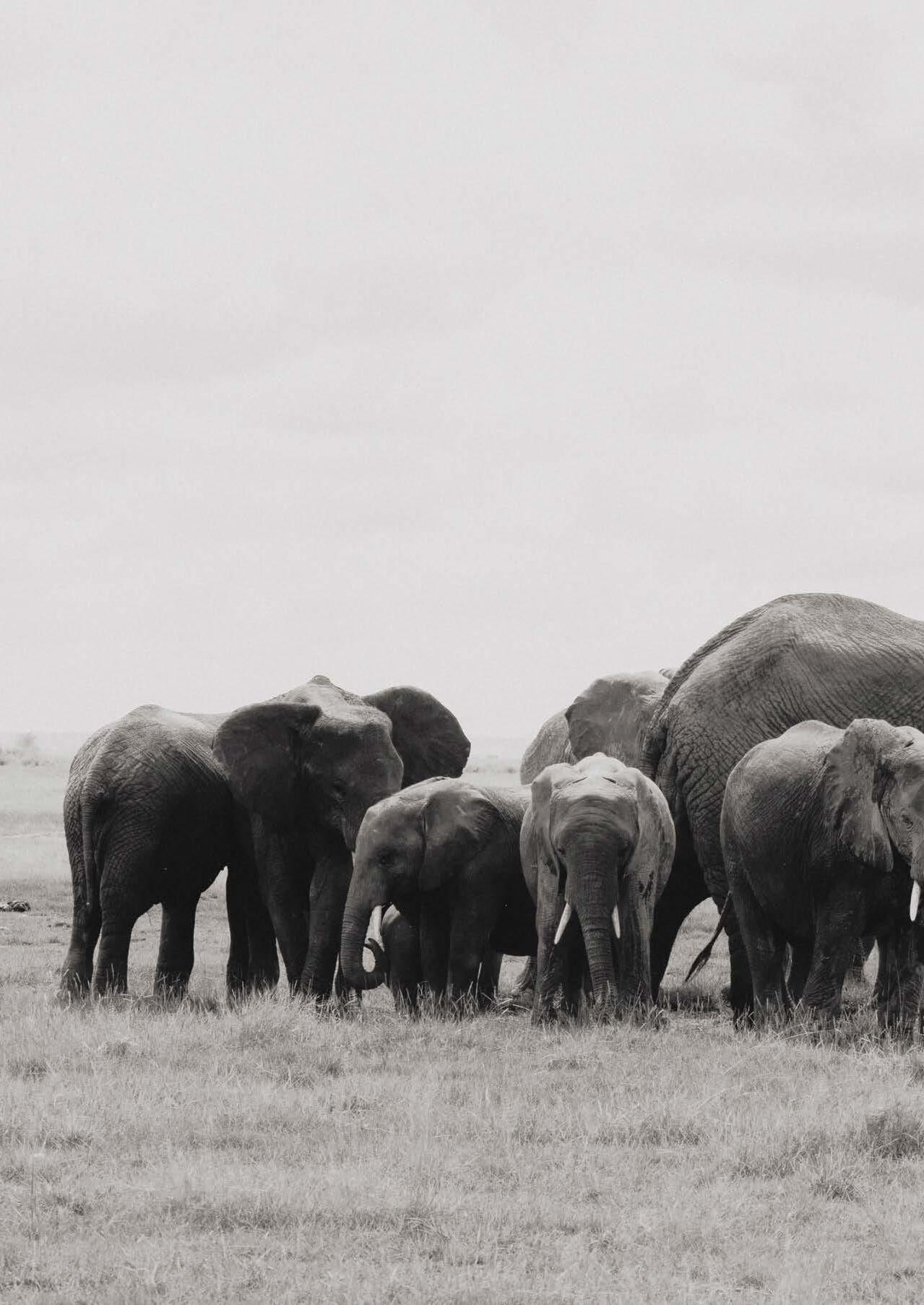
Photograph by Sofia Molinaro