
PhotographbyAnastasiaNane
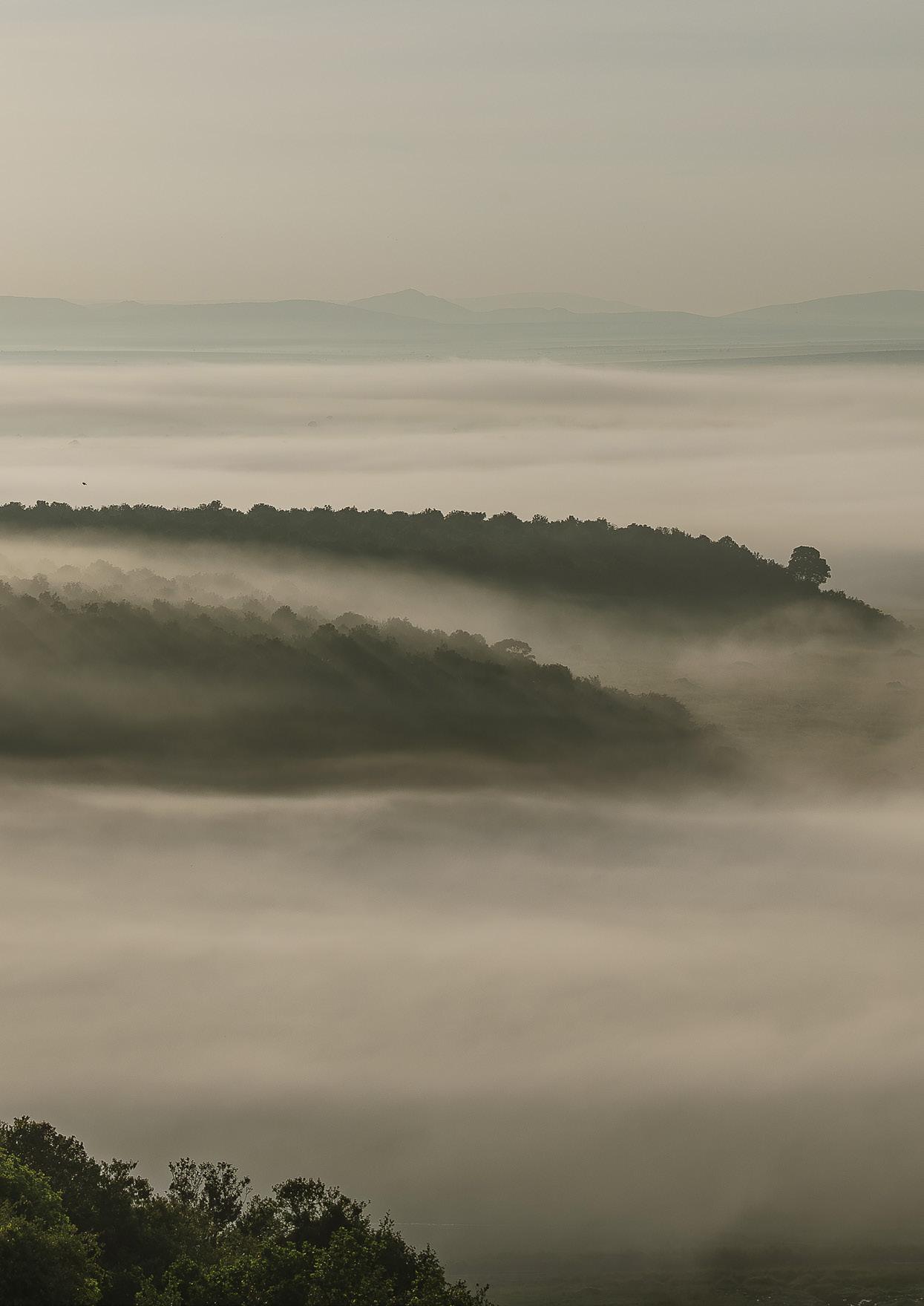
“Theviewswereimmenselywide. Everythingthatyousawmadeforgreatness andfreedom,andunequallednobility.”
— Karen Blixen, Out of Africa (1937)

“Theviewswereimmenselywide. Everythingthatyousawmadeforgreatness andfreedom,andunequallednobility.”
— Karen Blixen, Out of Africa (1937)
Where food meets philosophy—stories of favour, sustainability, and the people behind the plate.
Feature Story: Cultiva Kenya The Incredible Story Behind the Plate.
Where luxury meets purposestories of brands and individuals giving back.
Feature Story: Enanai The Brand That Brought Kenyan Craftsmanship to the World.
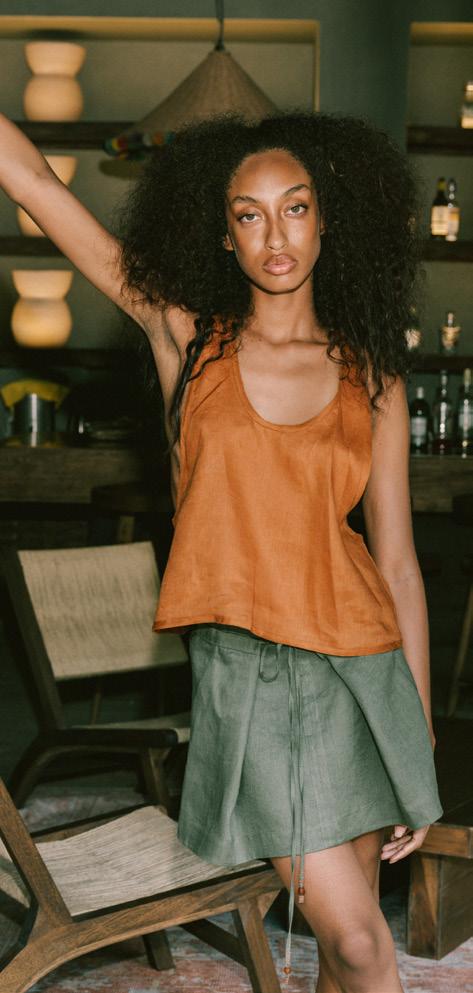
Design, craftsmanship, and the elegance of intentional living.
Feature Story: Elegant Fittings Design Gems Worth Discovering.
An exploration of fashion as expression— bold, refned, and always evolving.
Feature Story: La Oculta A Journey Towards Mindful Fashion always evolving.
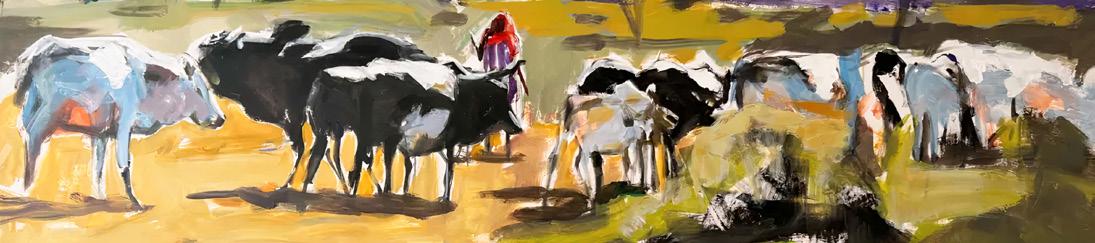
From craftsmanship to cutting-edge care— a deeper look at the beauty of detail.
Feature Story: Jua by Agar The Real Story Behind the Brand.
Editor’s Essay: The Beauty Trend of 2025 Secrets of the Modern Rituals.
Conscious living, modern wellness, and the pursuit of feeling well—inside and out.
Feature Story: Heather’s Kitchen A Taste of Wellness.
Essay: Staying You Saima Irtiza on Authenticity and Professionalism in the Modern World.
Essay: Redefning Luxury in Healthcare Silvia Okamgba’s Perspective.
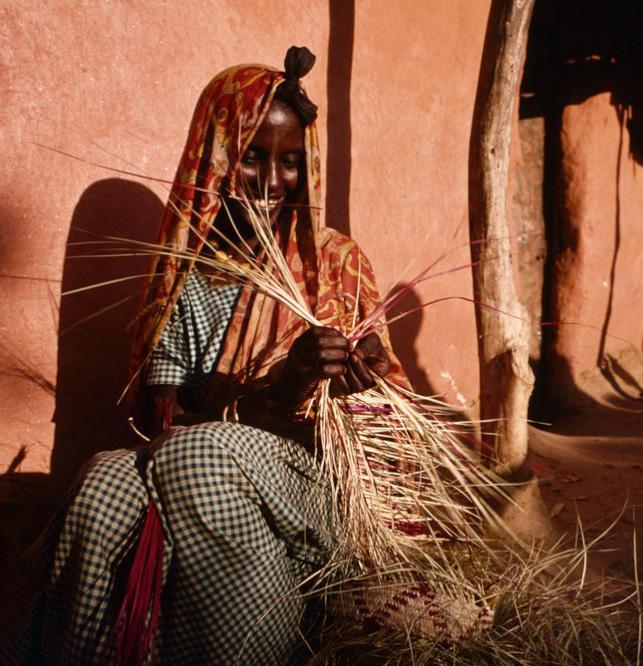
Travel, architecture, and the art of discovering the exceptional.
Feature Story: Kwetu Nairobi, Curio Collection by Hilton Behind the Scenes of Silent Luxury.
Essay: Every Whisper Behind a Family Safari Refections by Nilpa Shah.
Artists, ideas, and moments—both current and eternal—that shape the visual and cultural fabric of our world.
Feature Story: Patti Endo Refections on Inspiration, Art, and Life.
Patrick Kinuthia Refections Through Portraiture.
Mohamed Amin People of Kenya, Through His Lens.
LLK’s Five Essential Reads on Kenya.
Valeria Torner
Ashton Allert
Janki Savla
Anastasia Nane
Yulia Monakhova
Diego Vivas Huaccho
Fred Albert Onyango
Salim Amin
Njeri Muthari
Gyn Narratives
Nilpa Shah
Silvia Okamgba
Saima Irtiza
Catalina Puerta
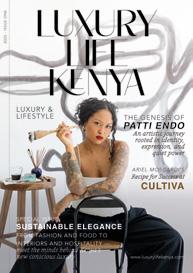
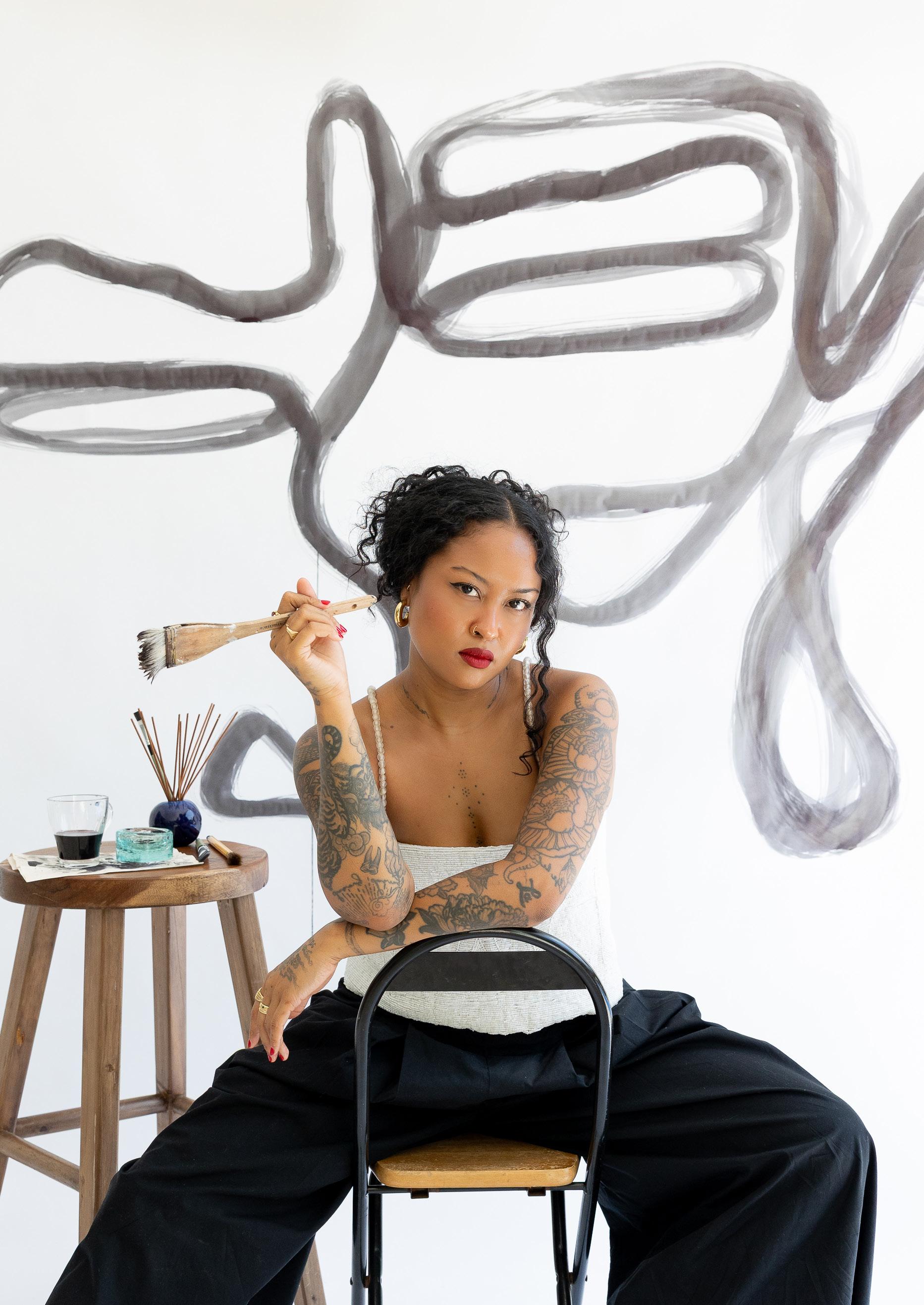
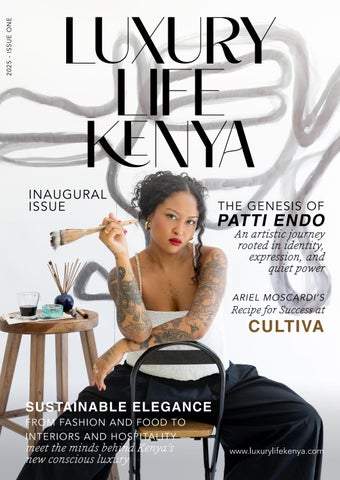
Kenyan artist and model Patti Endo in a sculptural top from La Oculta’s Haute couture collection embodies strength, serenity, and avant-garde elegance. Photographed by Ashton Allert, with production and styling by Anastasia Nane, and make-up by Patti Endo herself, this cover captures the soul of creative expression and the quiet power of self-styling.
Welcome to the inaugural edition of Luxury Life Kenya, a celebration of the finer things in life. When we talk about luxury, our minds often drift towards grandiosity: sparkling jewels, exclusive resorts, or rare art. But the truth is, luxury is a deeply personal experience, one that can be found in the most unexpected moments.
For some, luxury might mean sipping a perfectly brewed cup of coffee while basking in the warmth of the morning sun, savouring the quiet as the world slowly wakes. For others, it might be the indulgence of time—pausing to immerse oneself in art, to explore the flavours of exquisite cuisine, or simply to enjoy a moment of stillness in the fast-paced rhythm of life.
Luxury is broad and limitless, shaped by our individual desires and definitions. It is not confined by price tags but rather defined by experiences that uplift, inspire, and bring joy. Whether it’s a tailored suit, an unforgettable journey through Kenya’s wild landscapes, or the comforting ambience of a beautifully designed space, luxury is what elevates the everyday into something extraordinary.
In this magazine, we delve into this world of diverse luxuries, from the tantalising cuisine prepared by Kenya’s top chefs, to the intricate beauty rituals passed down through generations, to the stunning architecture and art that breathe life into our cities, and the exquisite jewellery that adorns and expresses our individuality. Each page is an invitation to discover how luxury manifests itself here in Kenya — through vibrant experiences, exceptional craftsmanship, and a deep appreciation for the richness of culture and nature. It is our hope that Luxury Life Kenya will inspire you to redefine your own sense of luxury, to seek it out in the places you might least expect, and to savour it in all its forms— big and small.
Here’s to a life well-lived, one beautiful detail at a time.
Warm regards,

Valeria Torner Petaeva Editor-in-Chief
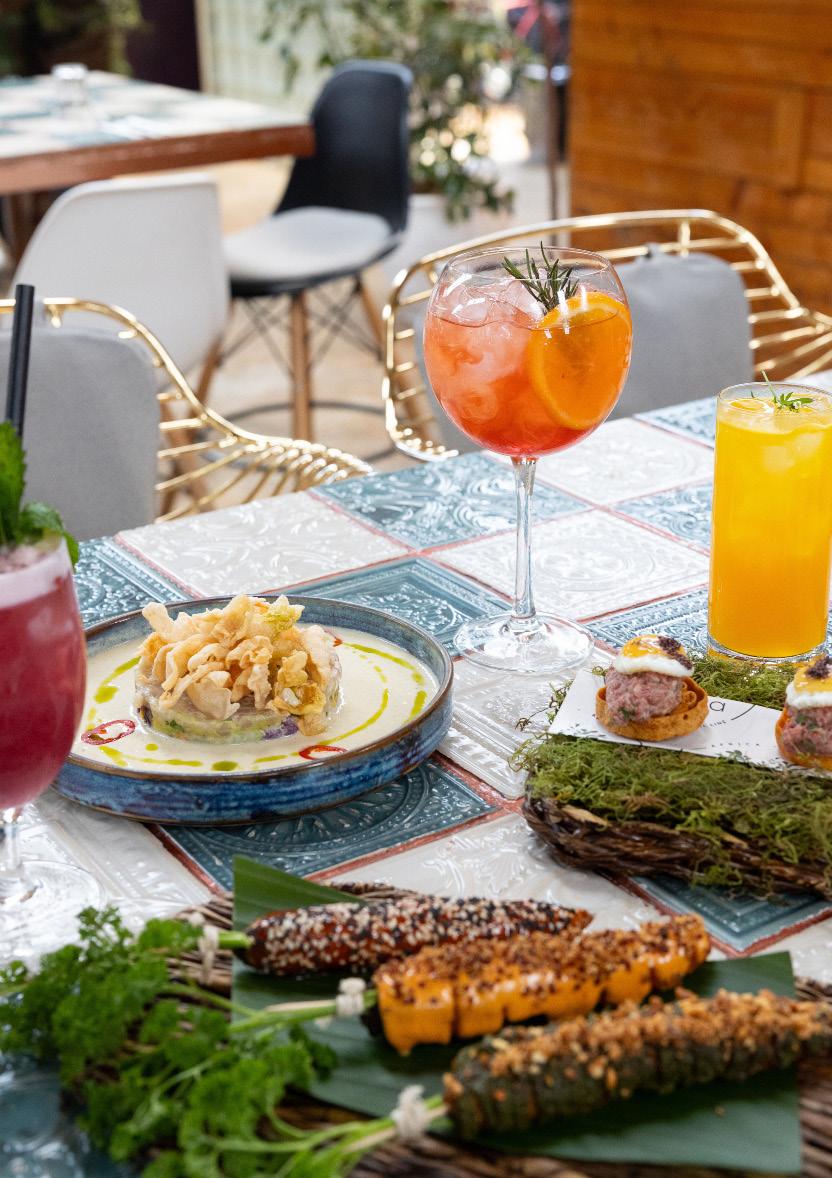
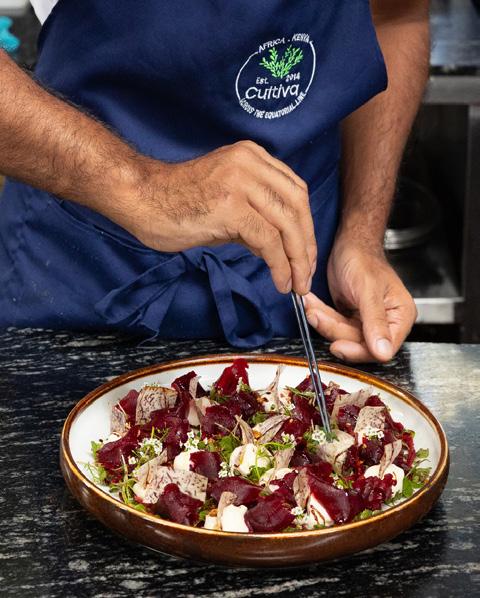
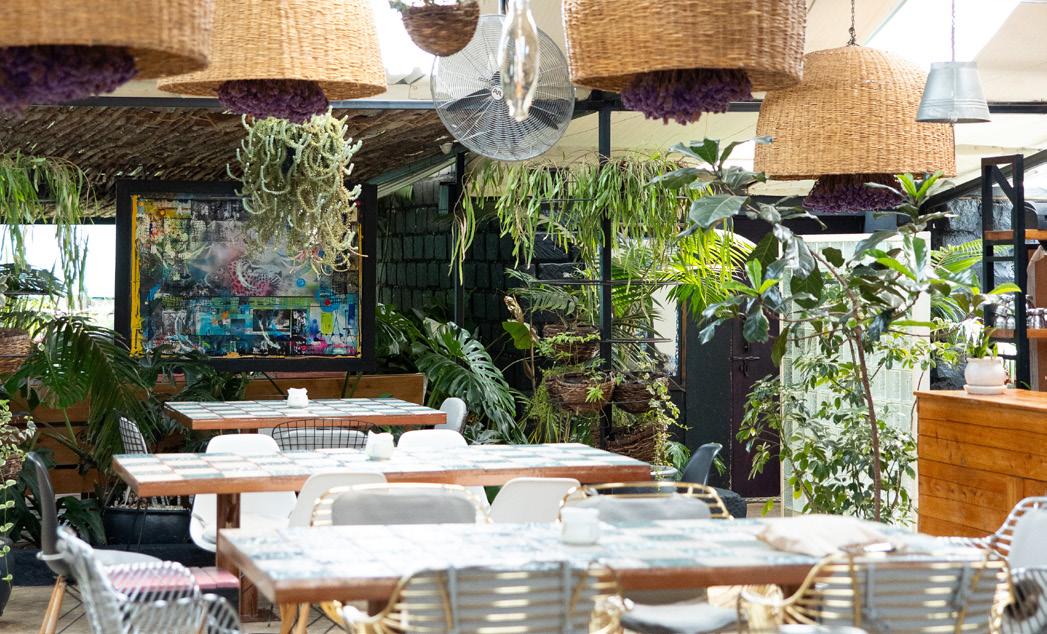
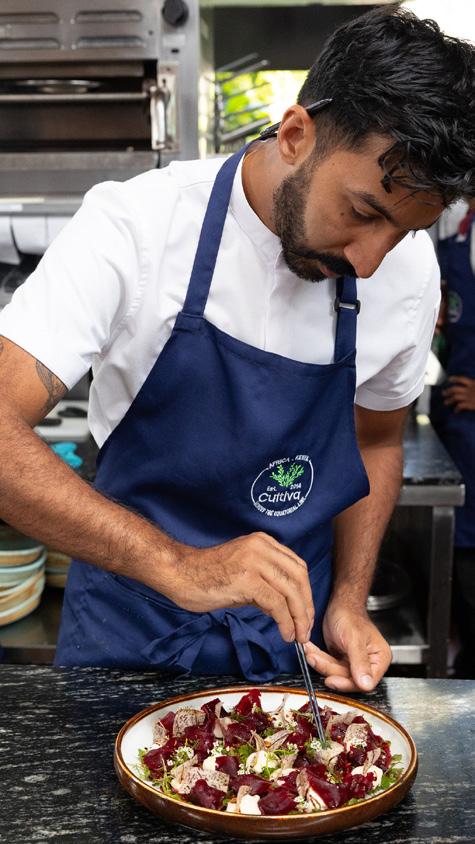
AfterthescenicdrivethroughKaren’squiet roadslinedwithtalltrees,yousuddenlyfind yourselfonamuddy,unpavedroad.There’s norestaurantinsight—nothing,bythelooks of it, you could assume you’re definitely lost, but this is all part of the carefully orchestrated crescendo of emotions by one of Kenya’s most celebrated culinary destinations—Cultiva.
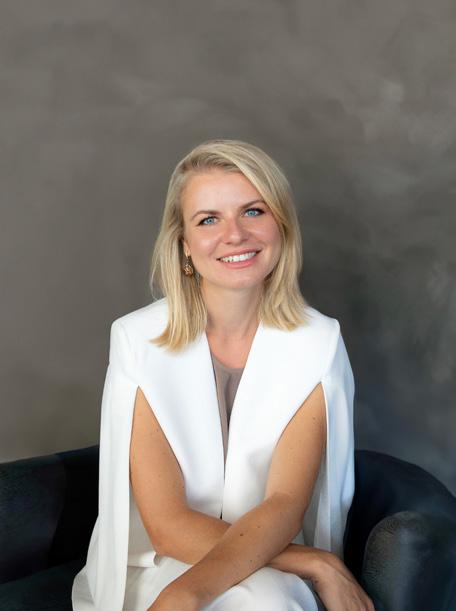
The story of this revolutionary dining experience begins with Ariel Moscardi, an Ecuadorian chef whose journey has created one of Nairobi’s most innovative and sustainable culinary experiences. One December morning, in the middle of the Kenyan summer, we sat down with Ariel, founder of Cultiva Farms in Kenya and Ecuador.
The Origins. Ariel Moscardi grew up in Quito, Ecuador, where his mother’s work as an agronomist profoundly influenced his understanding of food and farming. “I grew up around a lot of agriculture and different
ethnic communities,” he shares. These would all eventually come to influence his culinary art as he discovered himself and his passions.
Ariel’s culinary journey began in his hometown where he worked as a waiter in a restaurant at the age of 16. He watched and tasted the different cuisines the chefs made. Being a part of this creative process inspired him to want to do the same. “I always loved to eat,” he said with a laugh, “so I decided, if I’m going to be a cook, I want to study in a place that represents culinary excellence. I chose Le Cordon Bleu Academy in Mexico City.”
Ariel’s career took off when he joined a Basque-French restaurant as a cook while still in Mexico; an experience that he holds fondly. He later moved on to work with a major hotel chain before joining a franchise by the renowned Peruvian chef Gastón Acurio. Starting as a ceviche maker, Ariel’s dedication and skills saw him rise to the role of managing the first franchise in Mexico.
During one of Gastón’s visits, Ariel had the opportunity to meet him, a meeting that led to offering Ariel a position in Peru. The move immersed Ariel into Peruvian culture and cuisine, where he discovered the country’s rich agricultural traditions, coastal influences, and culinary techniques shaped by Japanese, Chinese, African, and Italian cultures. This diverse culinary experience complemented his formal French training and greatly expanded his gastronomic knowledge.
The job moved Ariel around a lot and after two years in Costa Rica, he moved back to Ecuador. While he was back home and had time to decompress from all the travel, culture and hustle of the kitchens, he knew that his next venture would be in entrepreneurship.
Ariel partnered with a close friend, the two opened a catering business in a small winery that Ariel’s aunt lent them. Ariel took care of the culinary side of things while his friend took care of client management. The duo was unstoppable, the business grew seeing them catering for events of more than 200 people. The business’s success affirmed Ariel’s decision to pave his own path.
“I wanted the catering to stand out—to feel fresher, more vibrant, and colourful. Instead of the usual buffets, which I’ve never enjoyed cooking, we served individually plated dishes. However, serving hundreds of plates in advance often compromised the freshness. This challenge led me to think creatively, inspired by my upbringing with my mother in an agricultural environment. I started exploring ways to grow unique produce that only we could offer.
We began cultivating microgreens and edible flowers, initially inspired by Mexican culinary traditions but adapted for Ecuador. At the time, no one in Ecuador was doing anything similar, especially not for catering. This gave our dishes a distinctive, fresh, and nutritious appeal. We even used seeds from my grandmother’s farm, experimenting with local varieties to create something truly unique.
“EXPERIMENTING TO CREATE SOMETHING TRULY UNIQUE WITH LOCAL PRODUCE.”
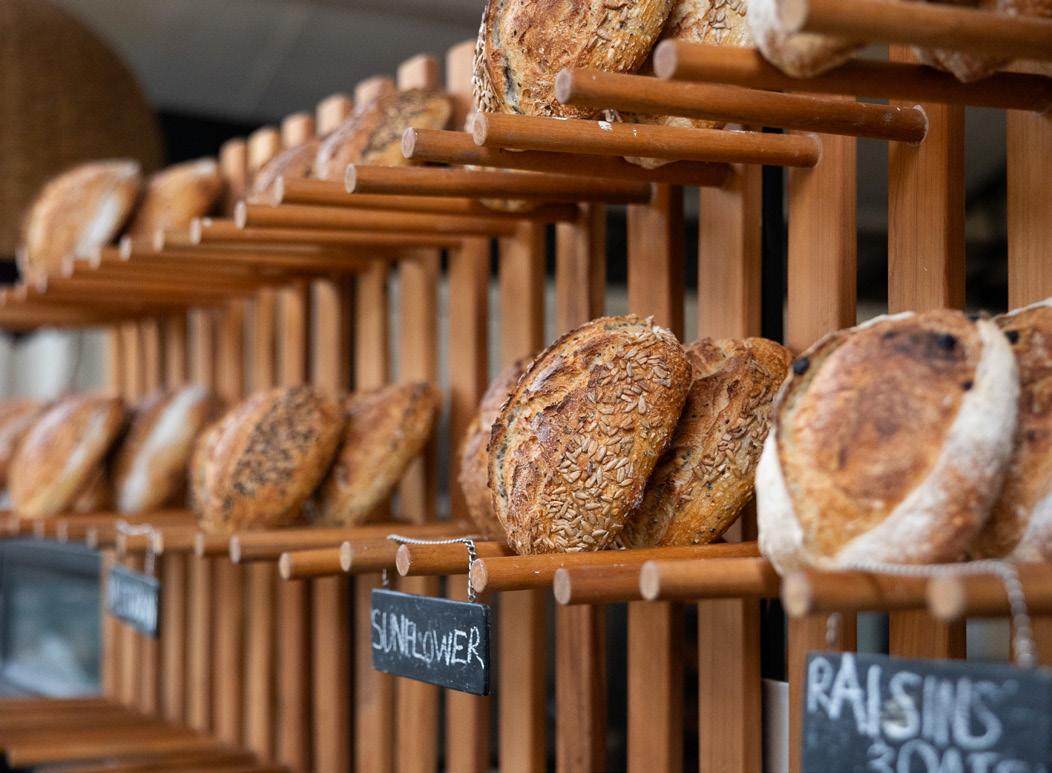
As word spread, our catering gained fame. Eventually, my partner and I realised this could be a business opportunity. We rented a larger piece of land, built more greenhouses, and expanded into farming, which complemented the catering business. And so, in 2014 Cultiva was born in Quito, Ecuador.”
As time went by the catering business expanded into a 16-hectare farm. “It’s a big company now, with a client base across Ecuador,” he says. During this time, he also worked as a private chef on Galapagos boats. “The Galapagos Islands are home to many endemic species,” Ariel explains. This meant he had to fly fresh produce from Quito to the islands to create his dishes. These experiences deepened his connection to sustainability and food production.
Move to Kenya. In 2017, Ariel met Peter Silvester, a second-generation Kenyan and owner of Royal African Safaris, during
one of his private chef engagements on a Galapagos boat. “Peter was fascinated by how I did things, from the technique to the fresh produce from Quito,” Ariel shares. Their friendship grew, and Peter invited Ariel to Kenya to explore opportunities for collaboration. “I was supposed to only come for a month… but I ended up staying for three,” Ariel says. “During this time, Cultiva in Nairobi began to take shape.” Leaving the business in Quito to his partner, Ariel moved to Nairobi.
Cultiva in Kenya. Cultiva began as a pop-up restaurant in 2019, with Ariel transforming a small acre of land into a thriving farm and open kitchen. “We started by posting on Instagram about dim sum pop-ups, and immediately, we were booked,” he recalls. By mid-2019, Cultiva had evolved into a full-fledged restaurant, initially opening four days a week before expanding to six days.
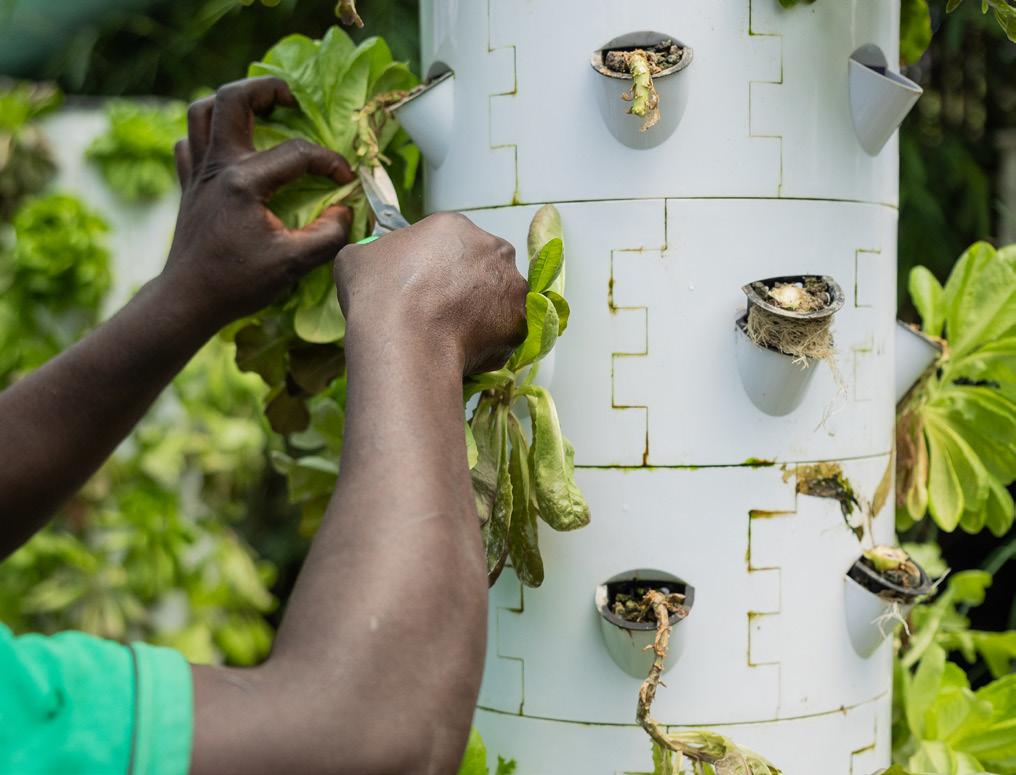
When the pandemic hit in 2020, Ariel’s innovative spirit kept the business afloat. They launched The Weekly Club, a subscription service delivering farm-fresh products and meals across Nairobi. “We were doing 80 to 100 deliveries a day,” he shares. This initiative not only sustained the restaurant but also deepened Cultiva’s connection with its community.
Designing an Experience. “I designed every aspect of Cultiva myself,” he says. From the open plan kitchen to the layout of the on-site farm– every detail. “I didn’t want walls,” he explains. “As a chef, I want to see everything, and I want my guests to feel like they are part of it all. You’ll see people walking through the tables carrying sacks of flour—it’s all part of the artistic vision.”
Cultiva’s design philosophy is rooted in community. Ariel emphasizes that Cultiva isn’t just about him—it’s a team effort. “Everything we do at Cultiva is built by
the people working here,” he says. “We are a collective. From the kitchen to the farm, everyone has a role to play, and their contributions shape what we create.”
“When people come here, it’s not just about the food; it’s about feeling part of something bigger, something meaningful.” This approach includes supporting local producers, mentoring diverse talent, and creating opportunities for growth. “Our strength lies in our community, both inside and outside the restaurant,” Ariel says.
Sustainability at the Core. “If the carrots are small, we’ll still use them,” he explains. “We create dishes around what the farmers can provide.” Sustainability isn’t just a practice—it’s a responsibility. Ariel works closely with producers, adapting a daily menu based on what’s available.
The farm produces all of Cultiva’s fresh produce ensuring that each of the dishes served is a fresh culinary masterpiece. On
top of using traditional methods of farming, the farm has also become a hub of innovation and new technology. “We’re working on hydroponic tomatoes and lettuce,” Ariel shares. The farm has become a research and development hub working on new ways to grow high-quality produce. Cultiva works with other satellite organic farms that feed into the restaurant ensuring the standard is maintained. As the restaurant expands and engages more with the community, Ariel continues to emphasise the value of using the land resource effectively.
For Ariel, Cultiva is about more than just food. “My biggest goal is to transcend,” he says. Through education, mentorship, and community building, he hopes to leave a lasting impact. “We’ve created a culture based on values like adaptability, patience, and initiative,” he explains. “It’s about making better human beings, not just better chefs.”
WrittenbyNjeriMuthari
PhotographsbyAshtonAllert
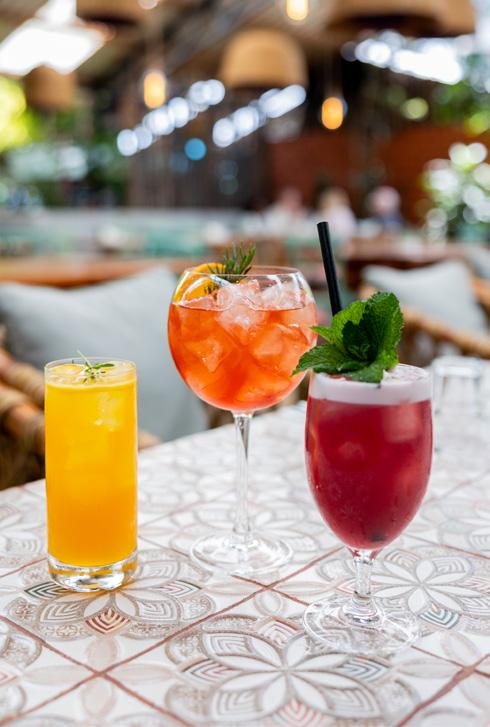
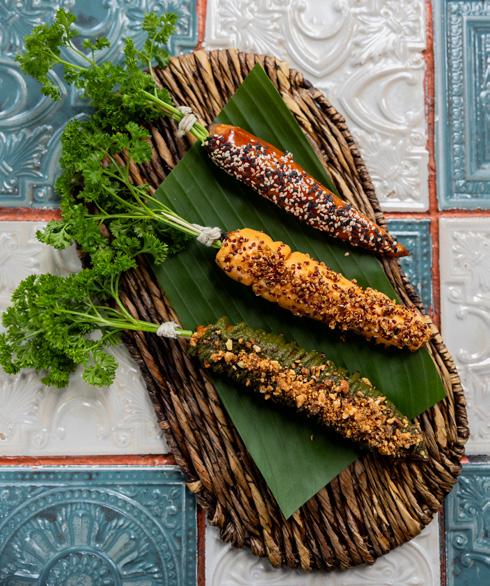
What’s your favourite part of the job?
The creative side of everything—construction, food, service, experiences. I also love organising. I’m good at logistics, and my impatience makes me efficient.
Your idea of happiness—what would it be?
I believe happiness is found in the everyday moments. For me, happiness is having the freedom and space to do what I love. It’s not about achieving a specific goal; it’s about creating a life that allows me to spend time on the things and people I value.
If you could bring an ingredient or dish from Ecuador, what would it be?
A dish I’d love to bring is pachamanca It’s part of our summer solstice tradition, where you dig a hole, layer food inside the hole, including potatoes, maize and more like a pyramid then cover it and head to the fields to harvest. By the time you come back, and uncover the hole, it’s a warm feast for hundreds of people. It’s an incredible celebration of the harvest and community. I’d love to bring that here.
What is the heart of Cultiva’s story?
Cultiva isn’t an industry; it’s like a market in Mexico, where everyone has their role. Cultiva means “cultivate” in Spanish, and we chose this name because we wanted to cultivate awareness, health, community, and connection. It’s not just about cultivating or growing plants; it’s about so much more. Together, we are a collective energy that brings it to life.
WhenyoustepintoaFairmont—whetherit’sthehistoricNorfolk inNairobi,theMaraSafariClubintheMaasaiMara,ortheiconic MountKenyaSafariClubinNanyuki—you’llfindanEnanaiBoutiquewaiting.But its presence extends beyond these storied hotels. Enanai also has locations at CrownePlazaattheJomoKenyattaInternationalAirport,andloungesatMalindi andWilsonairports.
For founder Shalini Sapra Dodhia, the journey began at Four Points by Sheraton Nairobi Airport. “I’ve had that now for six years,” she reflects. “There was nothing like it before. I was already connected with so many artisans and designers, so I thought, why not create a space where people can come, explore, and take home these beautiful pieces?”
The name Enanai has deep roots in Maasai culture. “I pored over Maasai scriptures at the University of Nairobi—translations of Maasai words. That’s where I found ‘Enanai.’ It means softness, gentleness—something akin to a creative interpretation of luxury, since there’s no direct word for it in Maasai,” Shalini explains.
True to its ethos, Enanai curates sustainable brands, with staff trained directly by designers. “For Rosenkrantz, for instance, it’s all about the gemstones—the knowledge
of Tanzanites and Tsavorites, that’s key. Understanding their properties, how they’re formed—that’s what we focus on,” she says.
Enanai’s Community Work. Enanai has carved out its own identity, earning the trust of both clients and collaborators. While many brands seek partnerships, Shalini remains committed to those that uplift communities.
She points to Enanai’s boutique at Fairmont Maasai Mara as a prime example. “We work with the landowners of Enonkishu. Their villages are home to women skilled in beadwork, so we source all our pieces in Mara directly from them and invest in community projects there.”
Beyond supporting local artisans, Enanai is also deeply involved in conservation. At Mount Kenya Safari Club, boutique sales help fund the Mountain Bongo conservancy. Similarly, at Ol Jogi Conservancy in Laikipia,
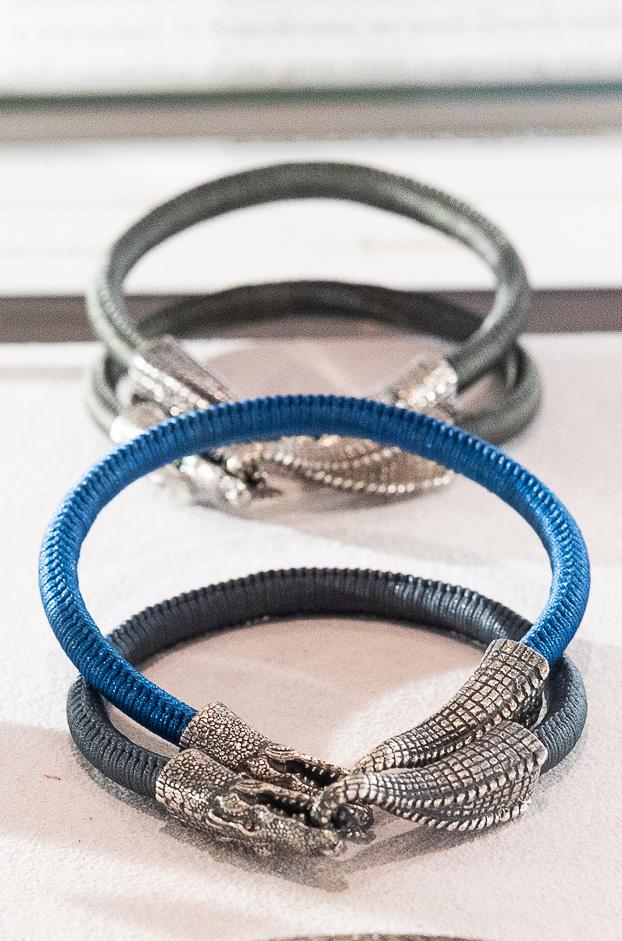
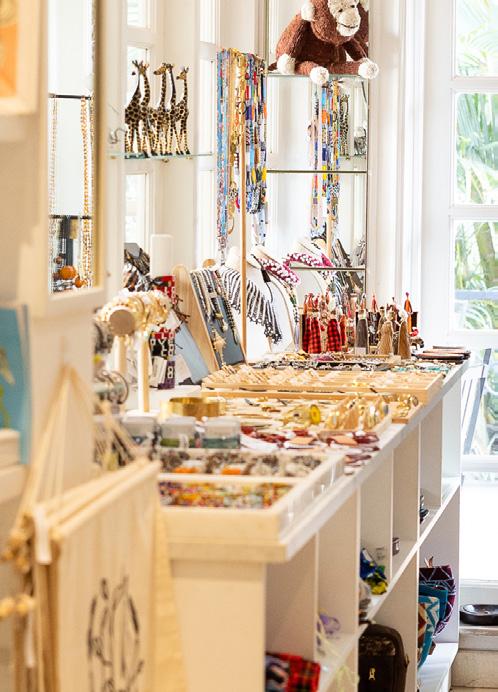
a portion of proceeds sustains the local veterinary clinic—efforts that have provided care for a blind rhino and an orphaned cheetah.
“I PORED OVER MAASAI
SCRIPTURES AT THE UNIVERSITY OF NAIROBI TRANSLATIONS OF MAASAI WORDS.
THAT’S WHERE I FOUND ‘ENANAI.’
IT MEANS SOFTNESS, GENTLENESS SOMETHING AKIN TO A CREATIVE INTERPRETATION OF LUXURY, SINCE THERE’S NO DIRECT WORD FOR IT IN MAASAI.”
Enanai also champions emerging brands, such as Faraji Couture, which specializes in equestrian apparel. “Mount Kenya Safari Club has a horse riding area, and Faraji has created exclusive pieces for us,” Shalini notes. “Really high quality, all Kenya-made. Beautiful.”
Ultimately, the exposure brands gain through Enanai is transformative. Take Ebony, a family-run woodwork business that began by supplying traditional carvings. Today, it crafts bespoke furniture for Fairmont, securing its legacy for generations to come.
Enanai’s Values. Kenya underwent a cultural shift in 2017 with the nationwide plastic bag ban, sparking an ongoing struggle with single-use plastics. Enanai partner Ocean Sole has turned this challenge into an opportunity, collecting ocean rubber and transforming it into animal statues. The brand has struck a chord with Enanai’s clientele, becoming one of its top performers.
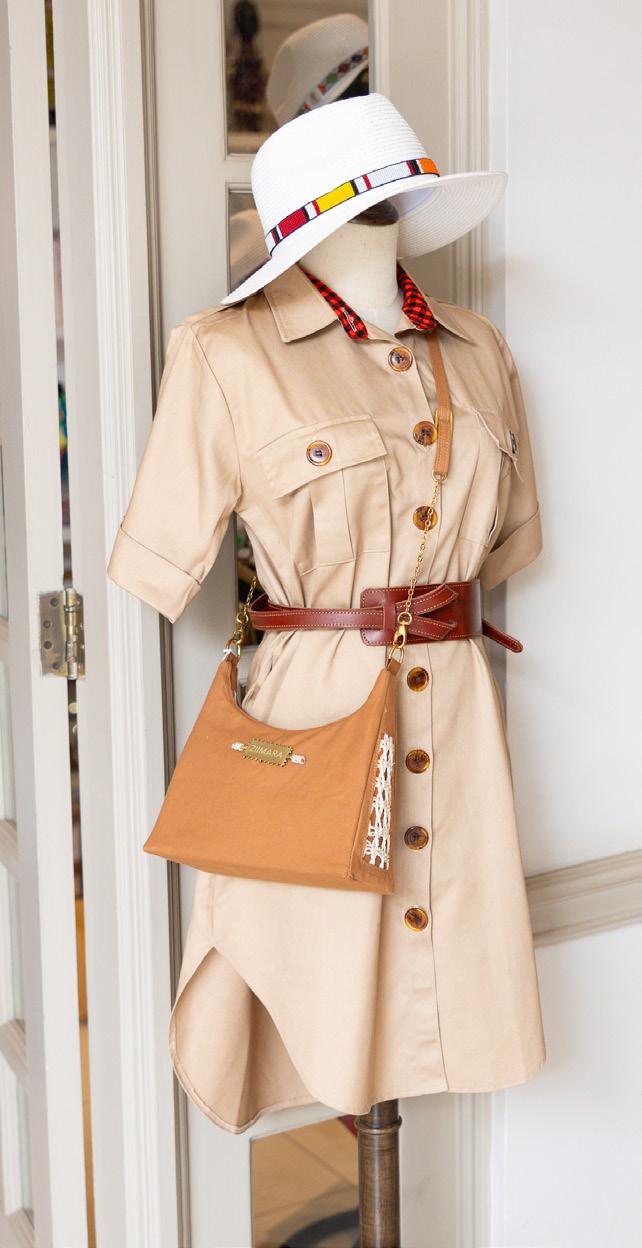
“ULTIMATELY, THE EXPOSURE BRANDS GAIN THROUGH ENANAI IS TRANSFORMATIVE.
FOR EXAMPLE, FAMILY-RUN WOODWORK BUSINESSES THAT BEGAN BY SUPPLYING TRADITIONAL CARVINGS NOW CRAFT BESPOKE FURNITURE, SECURING ITS LEGACY FOR GENERATIONS TO COME.”
Now, Enanai is fully committed to redefining luxury through sustainability, curating pieces that embody this ethos.
The Future of Enanai. Shalini’s vision for Enanai is one of growth and impact. “I’m looking for more locations. I want to expand into Rwanda, Uganda— really, all over East Africa— by partnering with different hotels. This way, we can give our artisans more exposure while also working with local communities on conservation efforts.”
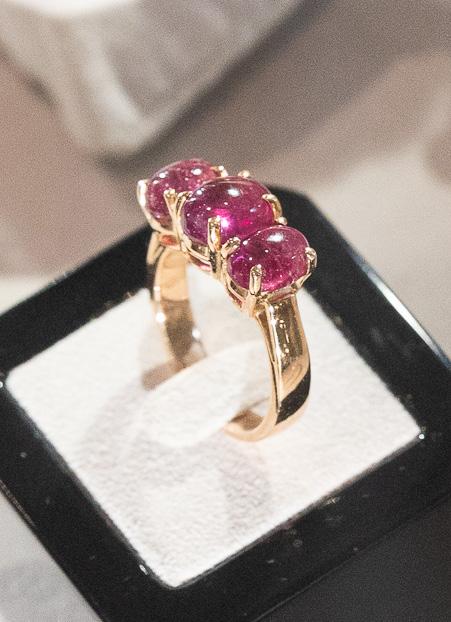

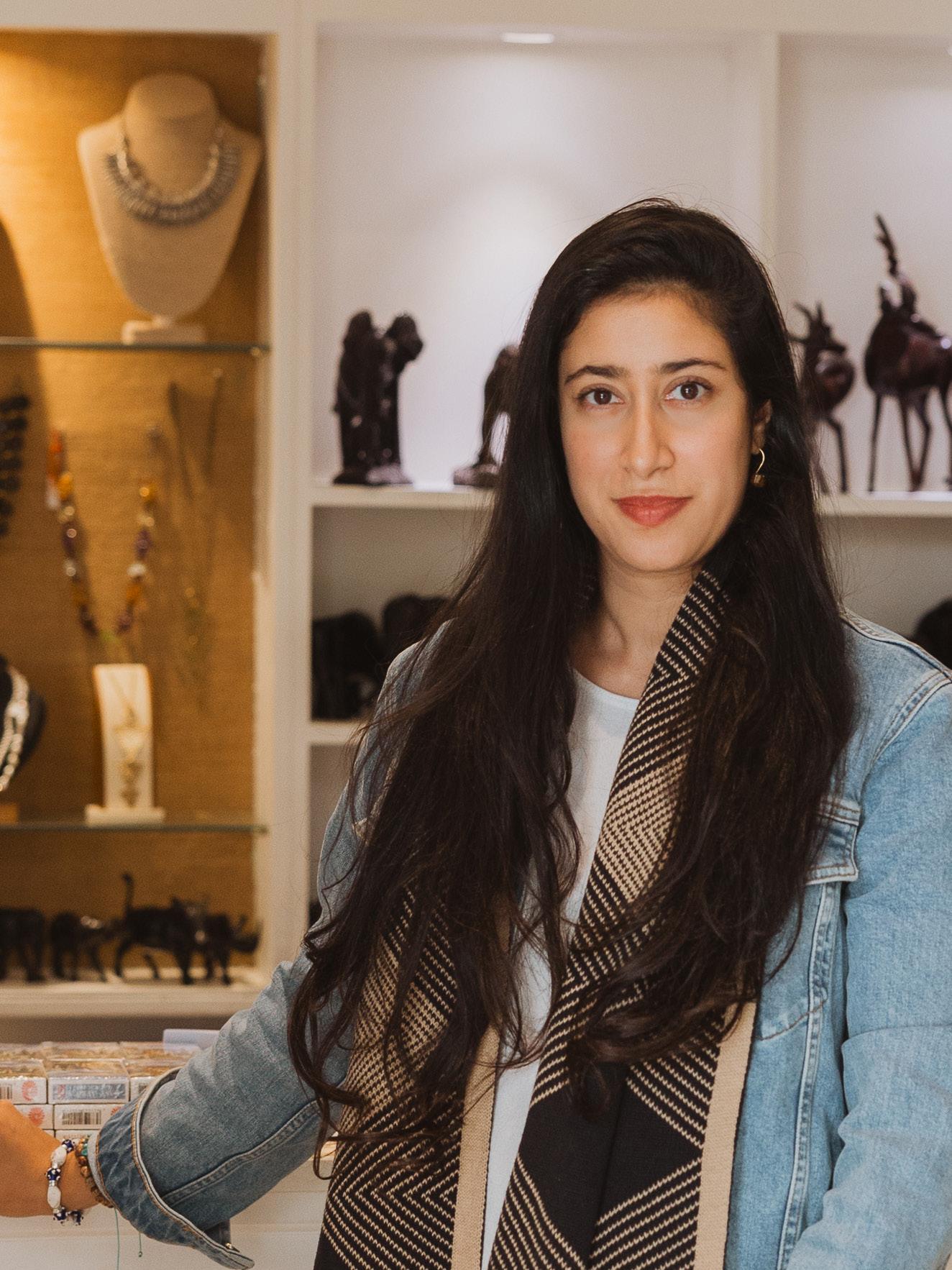
“ENANAI CURATES SUSTAINABLE BRANDS, WITH STAFF TRAINED DIRECTLY BY DESIGNERS.”
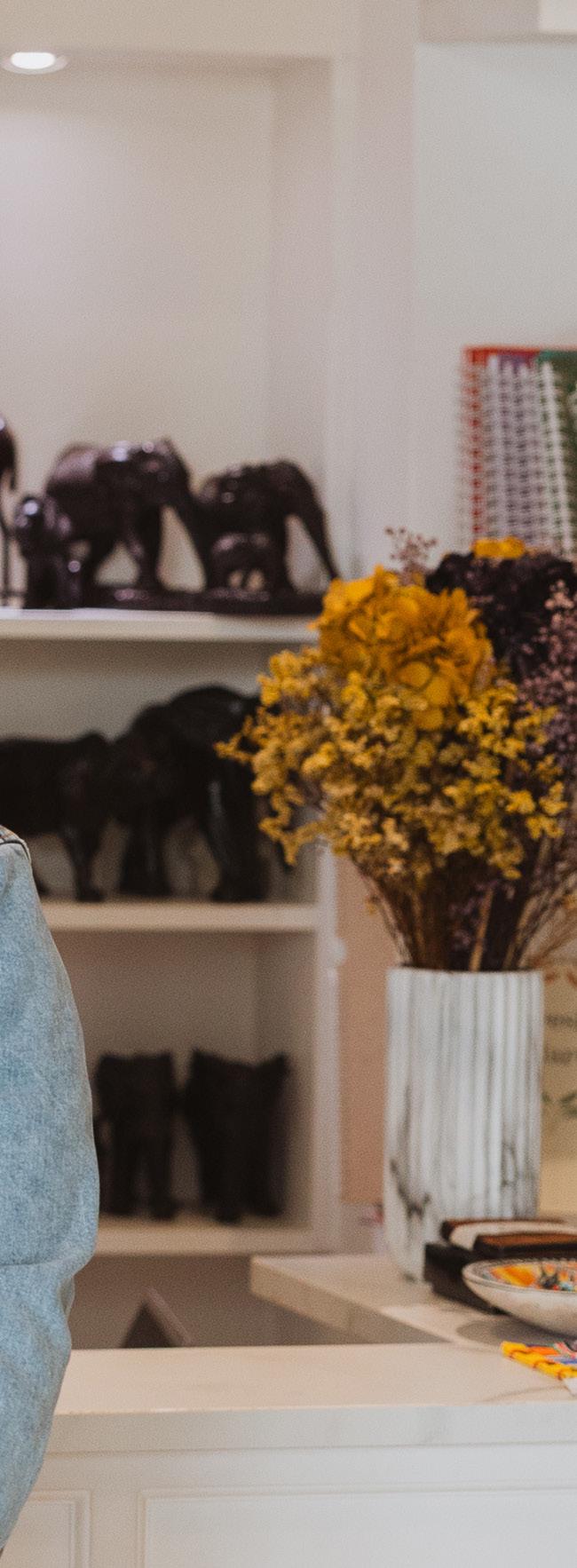
She also plans to establish more lodges in the Maasai Mara and personally create in-house jewelry collections featuring Tsavorites. Beyond fashion, Enanai is stepping into interior design, crafting culturally attuned spaces for offices, hotels, and homes.
As she finishes her coffee, Shalini slips on her minimalist jungle-green Moyo trench coat. Strolling through the hotel lobby, she shares a final thought—she’s planning to host art shows in hotel spaces and collaborate more closely with artists. At Fairmont, for instance, she already has been in conversation with the Tim Brook family alongside prints of some of his work. And in her mind, this is just the beginning.
WrittenbyFredAlbertOnyango
PhotographsbyAshtonAllert
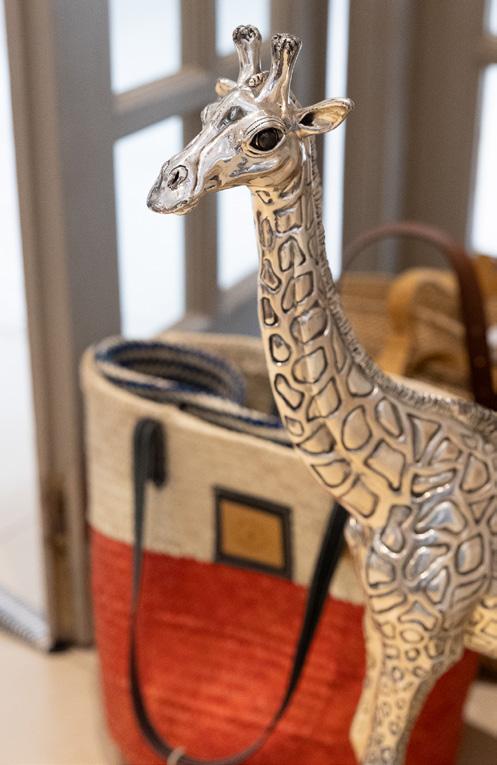
When you stop by the Elegant Fittings offices, you’re met with a utilitarian space— more technician’s workshop than sleek showroom. But as you take in the display fixtures around the office and head toward the back, past the granite kitchen countertops and quartz bathroom vanities, it becomes clear: you’re looking at a company that’s pushing the limits of the local interior design market.
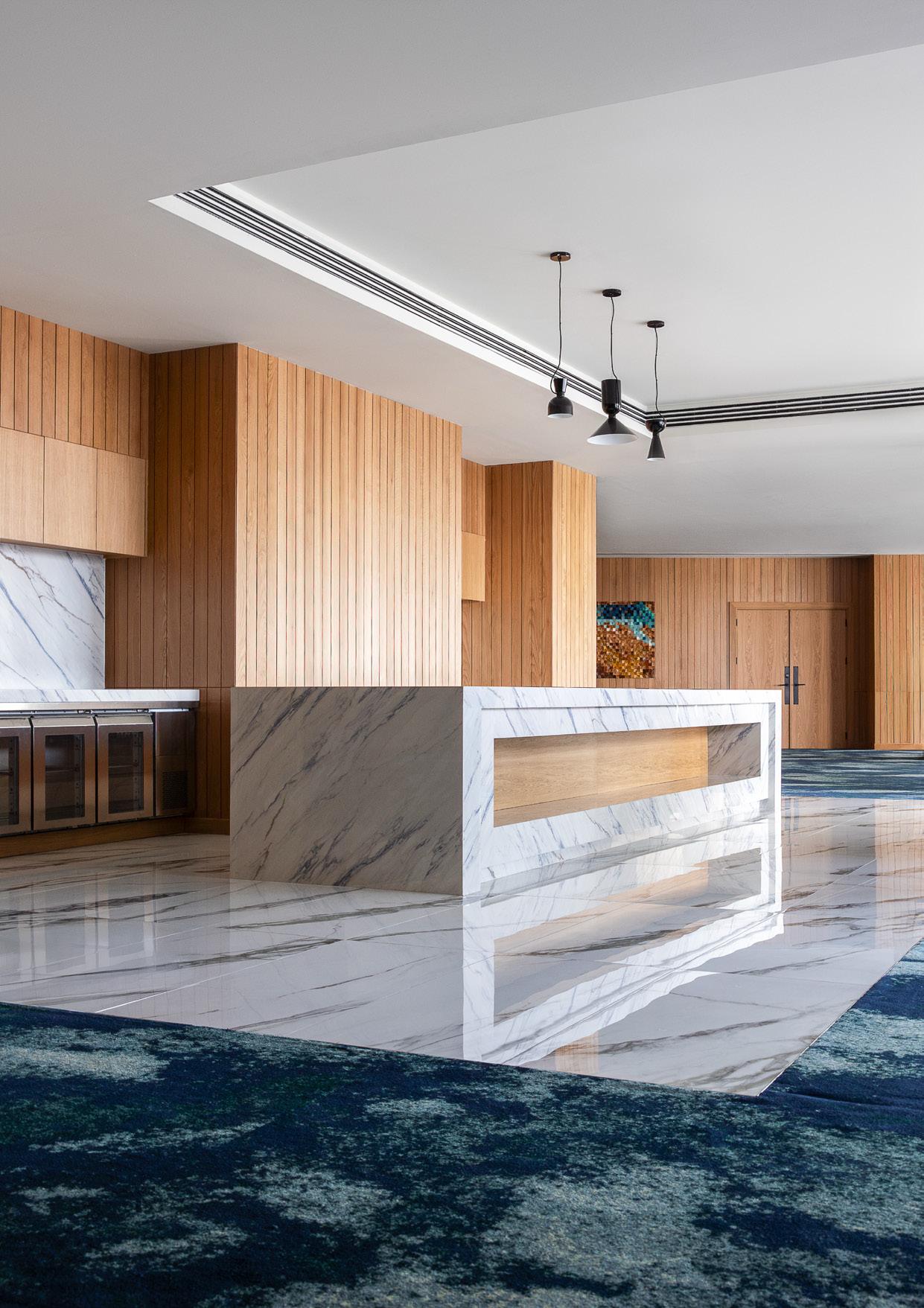
Custom-made worktop in Dekton Trance—a fluid-toned surfacewithasoftbluishveilthataddseleganceandcalm.
The market is starting to take notice of all the hard work Elegant Fittings is putting in. Hotels like Kwetu Nairobi, Four Points, Radisson Blu, JW Marriot Maasai Mara, Ascott Rose and Hyatt Place all bear the sleek grandeur of high-quality stonework. Beyond hospitality, other spaces like Microsoft, Equity Bank, the United States Embassy, and many others have also entrusted their interior design to Elegant Fittings—high standards that management says are only possible because the company gives its technicians room to experiment.
The company began pushing the boundaries of what’s possible with stone when they realized there was a gap in the market for high-end finishes. Nzilani Muia, head of marketing at Elegant Fittings, explained that stones available in a variety of large-format slabs were largely missing from the local market. And the workmanship required to shape those stones into refined, high-quality finishes was also few and far between. For the most part, companies and in-the-know private homeowners who wanted them had to ship in experts from abroad.
as cultured marble. But considering cultured marble is very susceptible to the elements, the need for a more durable stone was born.
Successive exclusive partnerships with Caesarstone Quartz, Sensa Granite, and Dekton suddenly enabled Nicholas to follow through on his ambition—with the right materials to turn any client’s dream into reality. Elegant Fittings then approached architects and interior designers to showcase the superiority of their products, and soon all the big names and firms were recommending them to clients.
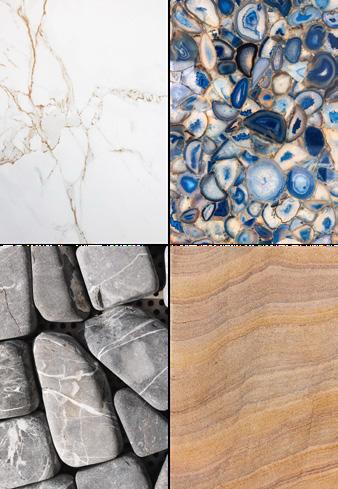
The managing director of Elegant Fittings, Nicholas Njugi, is a firm believer that everyone deserves the best. That’s his ultimate ambition: to make the luxury you’d see in hotels attainable for the people who also want that in their homes. It’s a goal that sounds simple, but in practice, the roots need to go a little deeper for there to be stability.
Nicholas’ initial start was turning dust particles from a quarry into stone that could be used
At their office, they have a welcoming space, with a few awards proudly displayed behind the reception. But at the back, the real magic happens in a workshop where most of the fundis have honed their craft through apprenticeship. The company’s top brass learn their techniques through benchmarking in Europe with Caesarstone and Dekton, but once back home, that skill is refined and tailored to suit Kenyan tastes and styles. That fusion of global technique and local sensibility is what ultimately allowed Elegant Fittings to be so creative and inventive with the Kwetu Nairobi project.
When stone arrives at the workshop, Elegant Fittings—depending on whether it’s for supply or fabrication—has a streamlined process. If it’s for supply, the stone’s quality speaks for itself. But for fabrication, whether the stone is clientsupplied or sourced through them, Elegant Fittings first must send their technicians on-site, whom they fittingly refer to as “stone masters.” These experts take precise measurements,
create templates, and once the stone is cut at the workshop, they then return to assemble it on-site.
Nzilani shared that with their vast experience and influence, the company confidently considers itself “the masters of stone.” It’s hard to argue they haven’t earned that title.
Their mastery has also evolved into sustainable practices. When they first started out at the Enashipai Resort in Naivasha, there was a steep learning curve. Manipulating these expensive stones came at a cost—Elegant Fittings went through a significant amount of material before mastering their process. Now, they make sure no stone goes to waste. Any remnants from their sites are repurposed into vanity sets, towel holders, or miniature furniture—until every last piece is put to good use.
Another goal for Elegant Fittings has been to challenge the long-held perception that Kenyan workmanship is unrefined. In their role as leaders in stone fittings, Nzilani said one of their driving ambitions is to push the industry forward. Elegant Fittings doesn’t take the growing shift toward investing in local stonework for granted.
They credit their rise not only to expertise and consistency but also to their physical presence—an office right on Kiambu Road where clients can walk in anytime for clarification on any project. A level of accessibility that, as Nzilani points out, simply isn’t possible when flying in foreign experts.
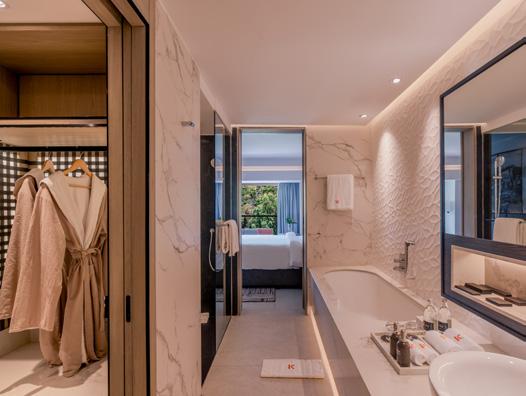
For Elegant Fittings, the clearest showcase of what’s possible is the Kwetu Nairobi project. Nzilani explains that there were simply no limitations on what they could do. No cost or ambition was left unmatched—from the one-of-a-kind swimming pool cladding to the breathtaking bathrooms, which she gracefully describes as a “symphony of white quartz.” At their very best, that’s what Elegant Fittings can achieve.
Looking ahead, the company plans to open a training institute to equip more fundis with the skills to create the exceptional pieces and projects Elegant Fittings is already known for. They consider their stone masters their greatest asset, and as Kenyan craftsmanship gains global recognition, Elegant Fittings hopes to play a pivotal role in shaping and nurturing that talent. Their legacy, they hope, will be proving that Kenyan expertise can compete on the world stage.
Nzilani believes Elegant Fittings is yet to do its best work. It’s clear Elegant Fittings will continue carving history, shaping the belief that beauty can be hewn and polished from this corner of the world and placed on the global stage.

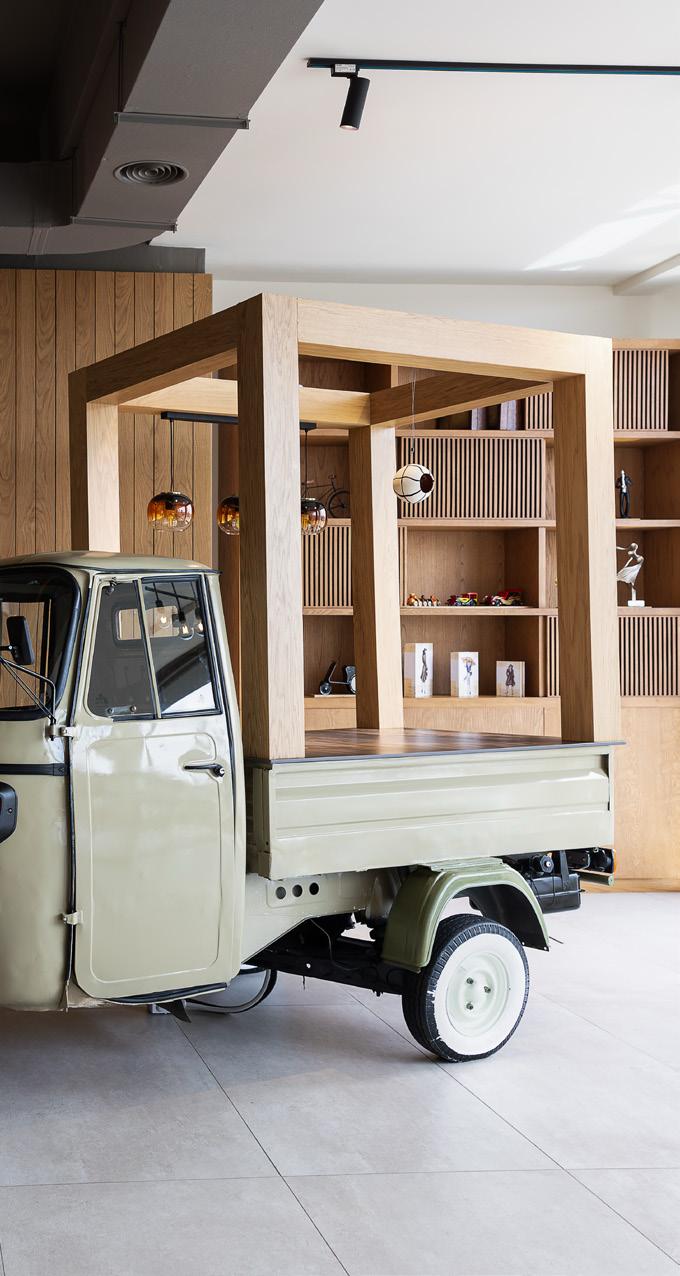
A rust-toned Dekton surface transforms an iconic coastal tuk tuk into a stylish multifunctional station— perfect for serving food, drinks, or even setting up a DJboothforspecialoccasions.
If you could choose any interior or exterior project in the world, what would it be?
I deeply admire the Little Belt Bridge in Denmark. Imagine taking part in a UNESCO project where we bridge one end of the Rift Valley to the other with stone and glass—connecting two escarpments supported by stone. Ideally, that stone would be Dekton because it’s incredibly strong and comes in large sheets. But for now, that’s just wishful thinking.
What’s the most unexpected or creative way you’ve seen stone used in design?
That would have to be Iris van Herpen. She’s a fashion designer who created a stone-fabric dress for the runway. She cut Italian Carrara marble into 0.2mm-thin sheets and attached them to a flexible mesh, mimicking the flow of fabric while retaining the elegance and rigidity of stone. Seeing that on a runway—that was crazy.
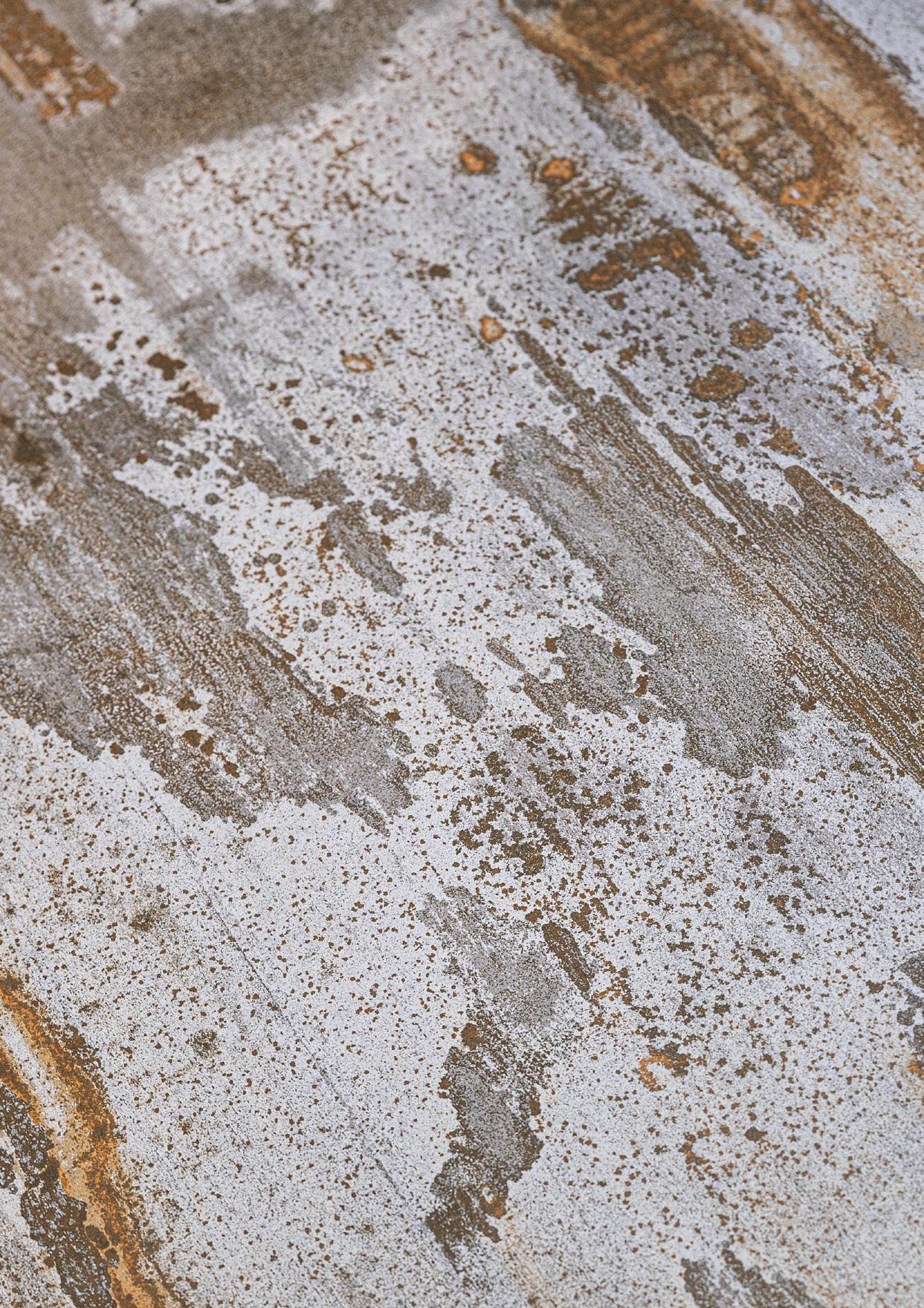
Dekton stone surface in the colour Trilium is heatresistant and perfect for the tuk tuk’s high-traffic role inbusyeventspaces.
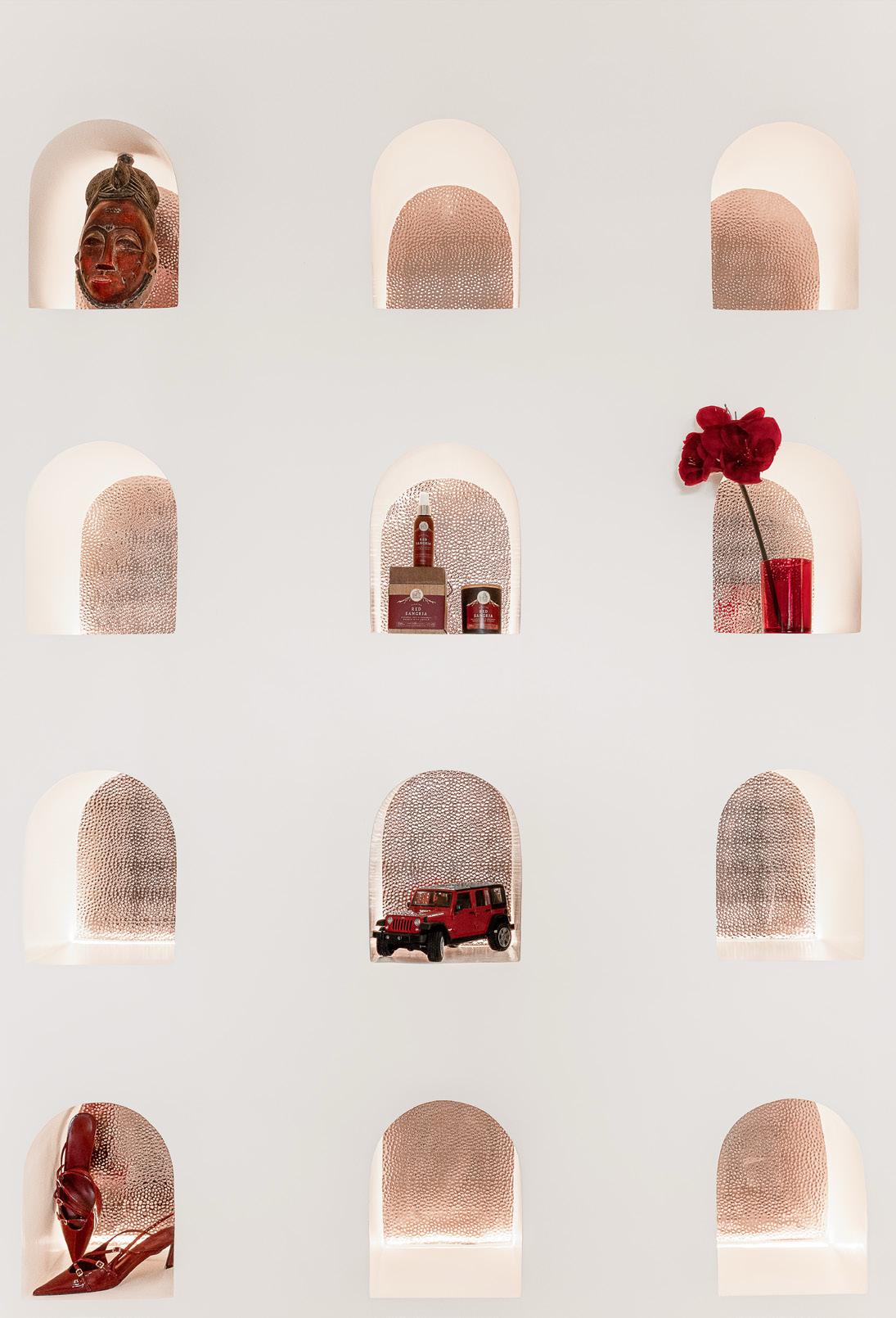
Anentrancewelladronedwitharchedniches,elegantlylinedwith dentedcopperandsoftlyilluminatedforawarm,invitingglow. AfricanMaskfromEnanaiBoutique.Candlesandscents byTheGiftBarn,Kenya.

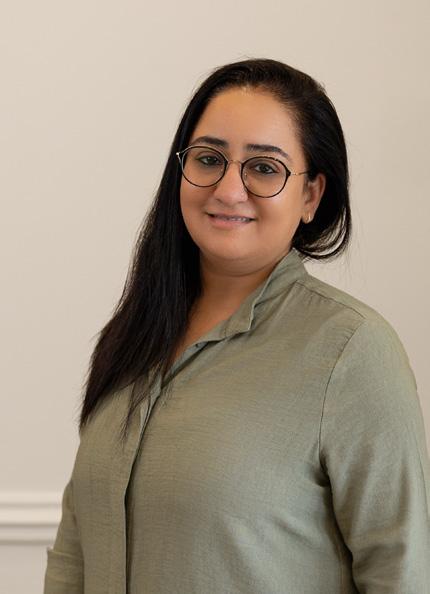
As an interior designer, I am passionate about transforming houses into homes that reflect my clients, dreams and lifestyles. Guided by the principle that form follows function, I create interiors that are not only visually stunning but also practical and harmonious.
Avani Modi Founder of Verve Design
+ 254716901604 vervedesign24@gmail.com

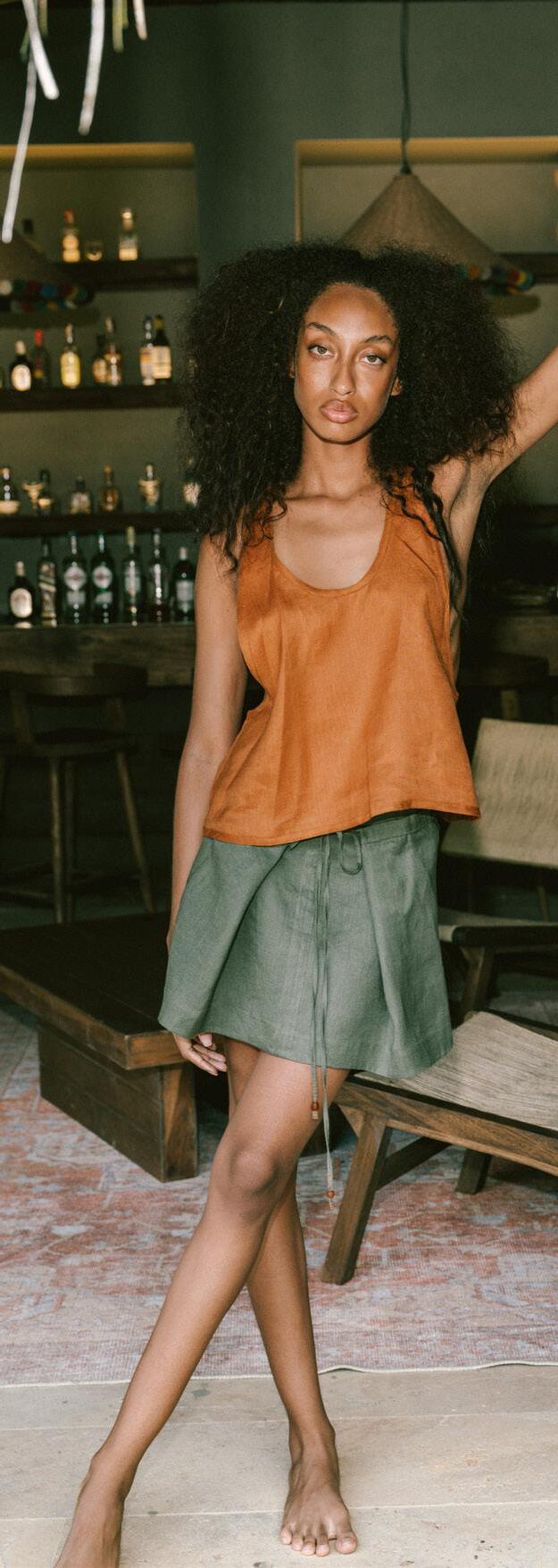
hat if the clothes you wear could do more than just make you look good? What if they could make you feel calm, connected, and aligned with your values? Imagine gliding into a garment that not only appeals to your style but also grounds you—connecting you to something larger than yourself.
At La Oculta, this isn’t just a dream. It’s the essence of what they do. More than fashion, La Oculta is about feeling beautiful, comfortable, and confident in a way that resonates with who you truly are.
At the heart of La Oculta is a family dream. Catalina Puerta’s journey began in an unexpected place. Once working for Colombia’s Ministry of Defence, she led a comfortable and secure life. But deep inside, there was a call for more— something beyond the day-to-day job. She felt the pull to follow her heart and immerse herself in the world of fashion— a world filled with creativity, passion, and meaningful connections.
When the pandemic hit, everything shifted. Catalina returned to her roots, to her family, and found strength in the support of her mother and niece, Sofía. Together, they nurtured the vision of La Oculta, with her husband constantly encouraging her to pursue her dreams.
Though separated by continents, the family’s dedication to La Oculta remains unwavering. Catalina in Naivasha, a town in Kenya known for its natural beauty, Sofía in New York, and her mother in Colombia stay connected through constant video calls, refining designs and nurturing their shared passion.
“Sounds crazy,” Catalina admits, “but it doesn’t matter because it’s my passion, my dream. Now, I find myself working beyond the usual 5 p.m. office hours, fuelled by my passion for La Oculta and its vision, often continuing until 3 a.m., always creating, always dreaming.”
Every stitch and fabric choice reflects their dedication to quality and sustainability. As Catalina shares, “We don’t want to make something disposable. Today’s consumers are looking for meaning in what they buy. They want to invest in pieces that last—so with this in mind, our clothes are designed to be treasured. They become part of your story.”
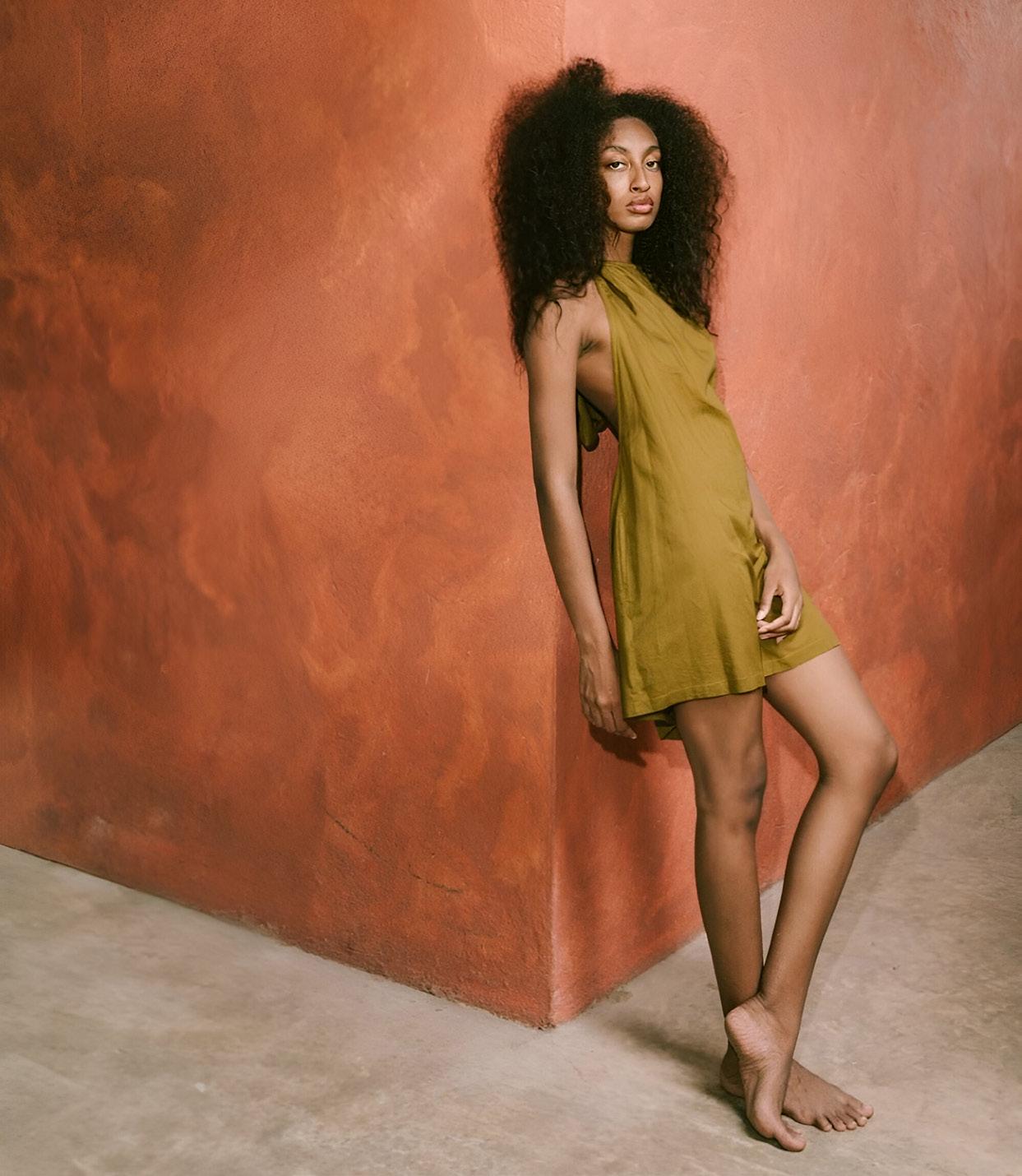
“OUR GARMENTS ARE MEANT FOR PEOPLE WHO VALUE THE IMPORTANCE OF HERITAGE, TRAVEL, AND STORYTELLING.”
What is your favorite La Oculta dress?
The Twiga dress. It’s very La Oculta— simple, easy to wear, yet elegant.
If you could dress any person— living or historical—in La Oculta, who would it be?
Jane Birkin! I know she would have loved La Oculta. It’s so her—natural, spontaneous, just like us. I can just imagine her wearing one of our pieces on a sunny afternoon in Paris.
Are there any artists or cultural influences that have shaped your vision?
We’ve been inspired by James Turrell. He works extensively with light, which is why in our recent collection we’ve incorporated shapes like triangles.
What has been the most difficult part for you?
The storytelling! We have a beautiful story to tell and would love to share it with the world. That’s how you build a brand.
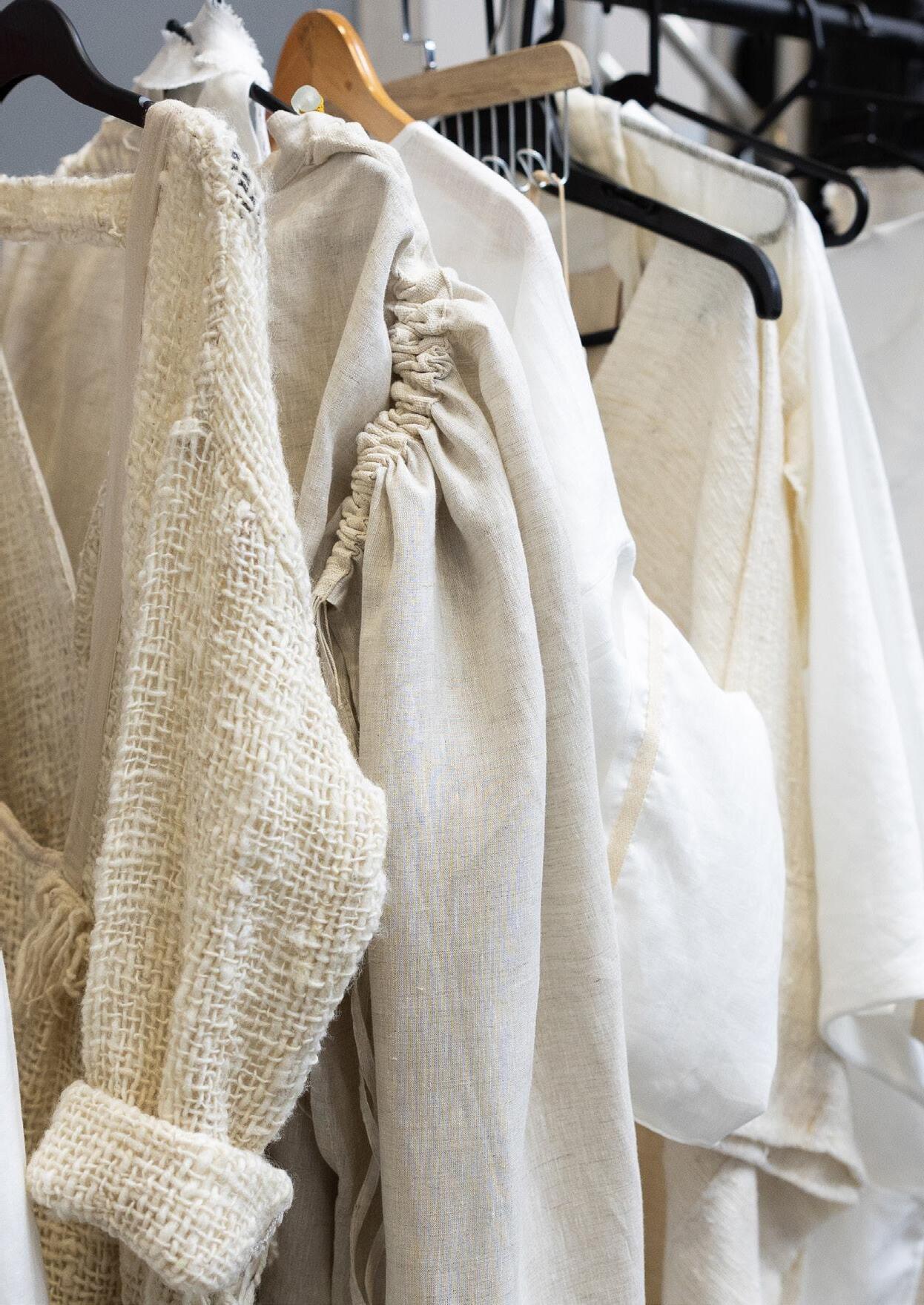
“WE CREATE UNIQUE PIECES FOR FASHION SHOWS, SUCH AS THE NAIVASHA JUMPSUIT, CRAFTED FROM HANDWOVEN WOOL SOURCED FROM LAKE NAIVASHA. OUR PRESENCE AT NAIROBI FASHION WEEK HAS ALSO BEEN A SIGNIFICANT MILESTONE.”
“La Oculta,” meaning “Hidden” in Spanish, holds deep personal and cultural significance. “The name was inspired by my father’s farm, which carried this name—a place steeped in history,” Catalina explains. “Over time, it has evolved to symbolize the hidden beauty woven into every crafted piece of design.”
“La Oculta is for people who seek depth within their choices,” Catalina continues. “Our garments are meant for people who value the importance of heritage, travel, and storytelling.” La Oculta is a hidden treasure that blends elegance with authenticity.
Every piece from La Oculta is a true work of artistry. It’s not just about following trends— it’s about creating something special, designed with both heart and mind.
The materials are sourced from renowned regions: linen from Italy and France, cotton from Burkina Faso, with plans to include fabrics from Ethiopia and Türkiye. These fabrics are chosen not just for their quality, but for the stories they tell. Each artisan woman involved is a master of her craft, ensuring every detail is perfect—from the hand-crafted buttons to the luxurious cotton or linen in each garment.
At La Oculta, sustainability is one of our core values. Luxurious hotel cotton sheets—softened over time—are upcycled and repurposed into high-quality garments, ensuring no fabric goes to waste. Natural dyes gently bring each piece to life, while every residue of fabric is utilized, reducing waste and honoring the planet.
Each garment isn’t just clothing; it’s a symbol of the care and dedication behind every step of the process.
When you wear La Oculta, you are not just investing in a beautiful piece of clothing— you are embracing a solution-driven approach to fashion that cares for the environment, celebrates culture, and values quality craftsmanship.
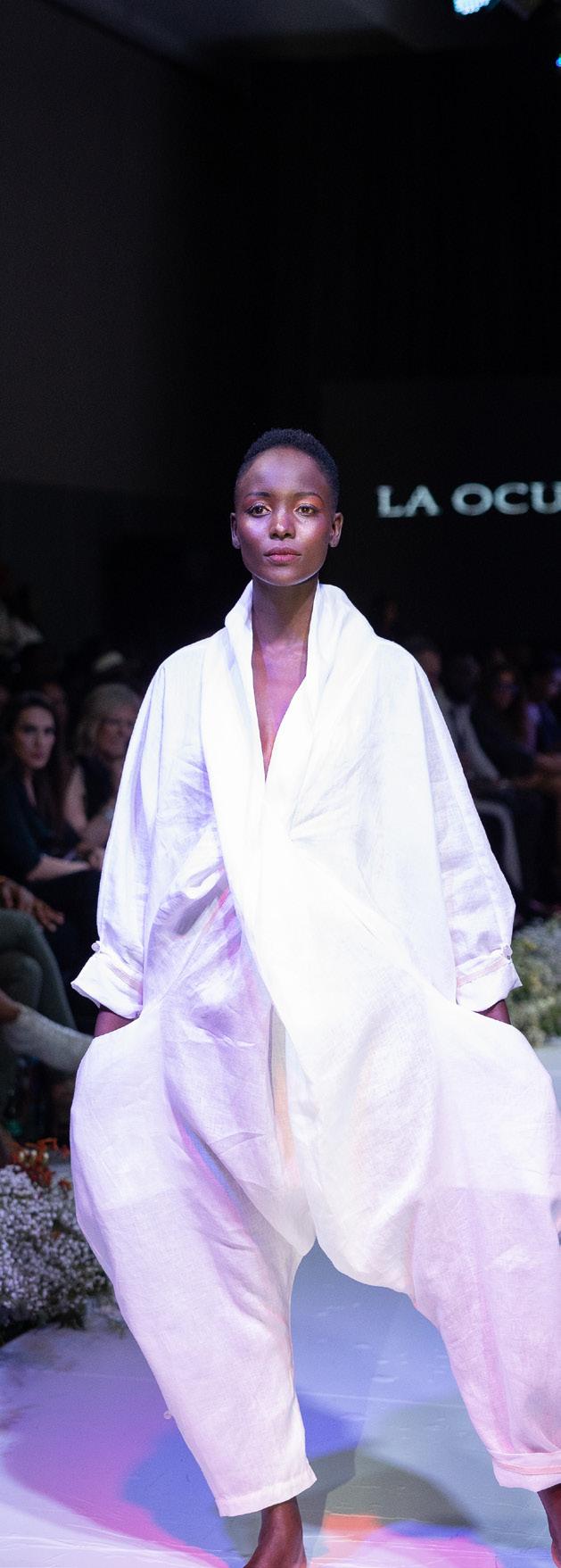
“I WANT PEOPLE TO SEE THAT THE FUSION OF THESE CULTURAL IDENTITIES IS REFLECTED IN OUR DESIGNS THE VIBRANT ENERGY OF THE CARIBBEAN, THE RESILIENCE OF DESERT COMMUNITIES, AND THE RICHNESS OF AFRICAN HERITAGE.”
Special Pieces: The Artistic Soul of La Oculta.
While the label offers classic collections, it also produces limited-edition, handcrafted pieces that elevate the brand’s artistic expression. Currently, 80% of the collection consists of commercial pieces, while 20% are high-couture, one-of-a-kind designs. The vision is to shift toward an equal balance, offering more exclusive garments that stand as wearable art.
“We create unique pieces for fashion shows, such as the Naivasha jumpsuit, crafted from handwoven wool sourced from Lake Naivasha. Our presence at Nairobi Fashion Week has also been a significant milestone. One of our most captivating creations is the Twiga Dress, a best-seller that was reimagined in silk for a runway show in Santo Domingo. It’s a joy to work with such a diverse range of fabrics from all corners of the globe—whether they are from India, Sri Lanka, West Africa, or Kenya.”
Another standout is the Cuboco Blouse, crafted from Burkina Faso cotton. Designed for versatility, it can be worn open at the back or front, doubling as a jacket. This commitment to adaptability ensures that La Oculta’s pieces are not only timeless but also functional and fitting for different occasions.
“Less is more,” Catalina adds. “I want you to pack a La Oculta dress for a two-week trip—something you can wear both to the beach and to dinner, since it’s comfortable yet elegant.”
La Oculta beautifully blends Colombian and Kenyan influences in its designs, drawing from the rich traditions and landscapes of both regions. Catalina explains that the Wayúu tribe in northern Colombia shares striking similarities with Kenya’s Samburu people—both living in arid desert regions with strong cultural ties to their environment.
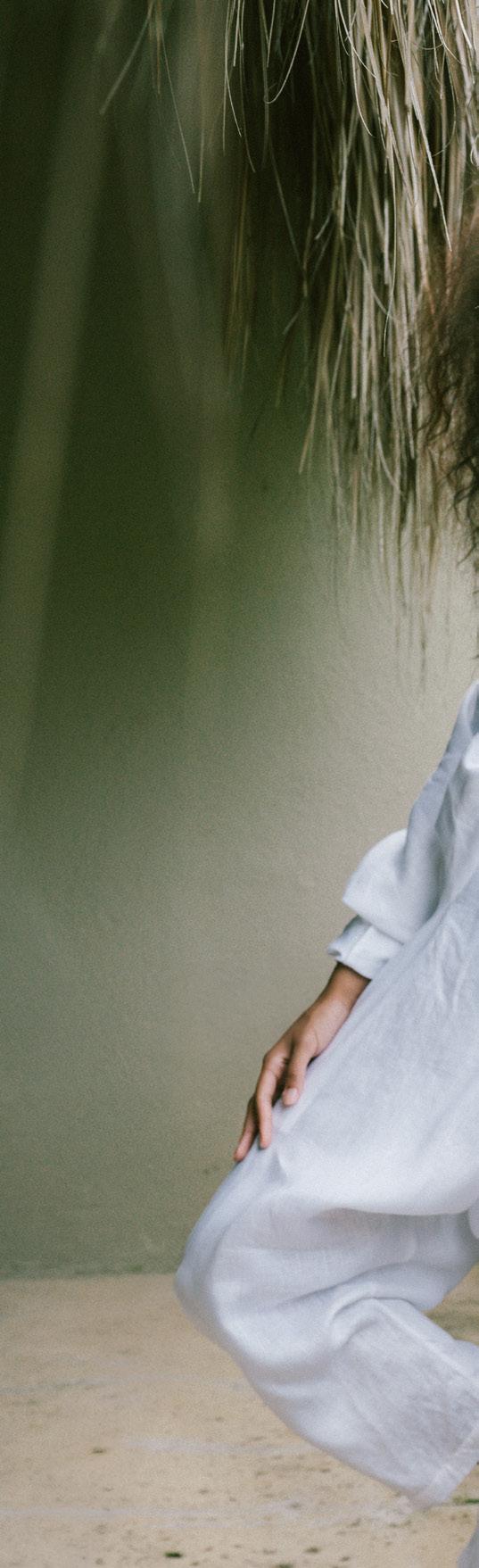
The connection goes deeper, with influences from the Caribbean and the Sahel—that unique stretch of land between the Sahara Desert and sub-Saharan Africa. Catalina reflects on how even those familiar with Caribbean culture may be less aware of the Sahel’s distinct influence—a meeting point between dreamy desert traditions and vibrant storytelling.
“It’s fascinating to explore how these regions connect,” Catalina says. “I want people to see that the fusion of these cultural identities is reflected in our designs—the vibrant energy of the Caribbean, the resilience of desert communities, and the richness of African heritage.”
Through this thoughtful narrative, La Oculta’s creations become more than fashion; they are a tribute to shared histories, blending colours, textures, and depictions that honour both Colombian and Kenyan roots.
Expanding with Purpose: A Global Journey.
As La Oculta grows, the brand is expanding internationally, bringing its hidden beauty to cities like New York, Mexico, Guatemala, and soon, Singapore. This April, La Oculta is opening at Village Market in Nairobi, marking an exciting new chapter in Kenya.
With this expansion, La Oculta remains deeply connected to its roots—committed to quality and preserving the heritage and stories behind each piece. This powerhouse brand has carved a path to embrace the art of slow fashion, making a bold statement by offering garments that resonate deeply. At the same time, it provides the peace of mind that comes with investing in something both meaningful and beautiful.
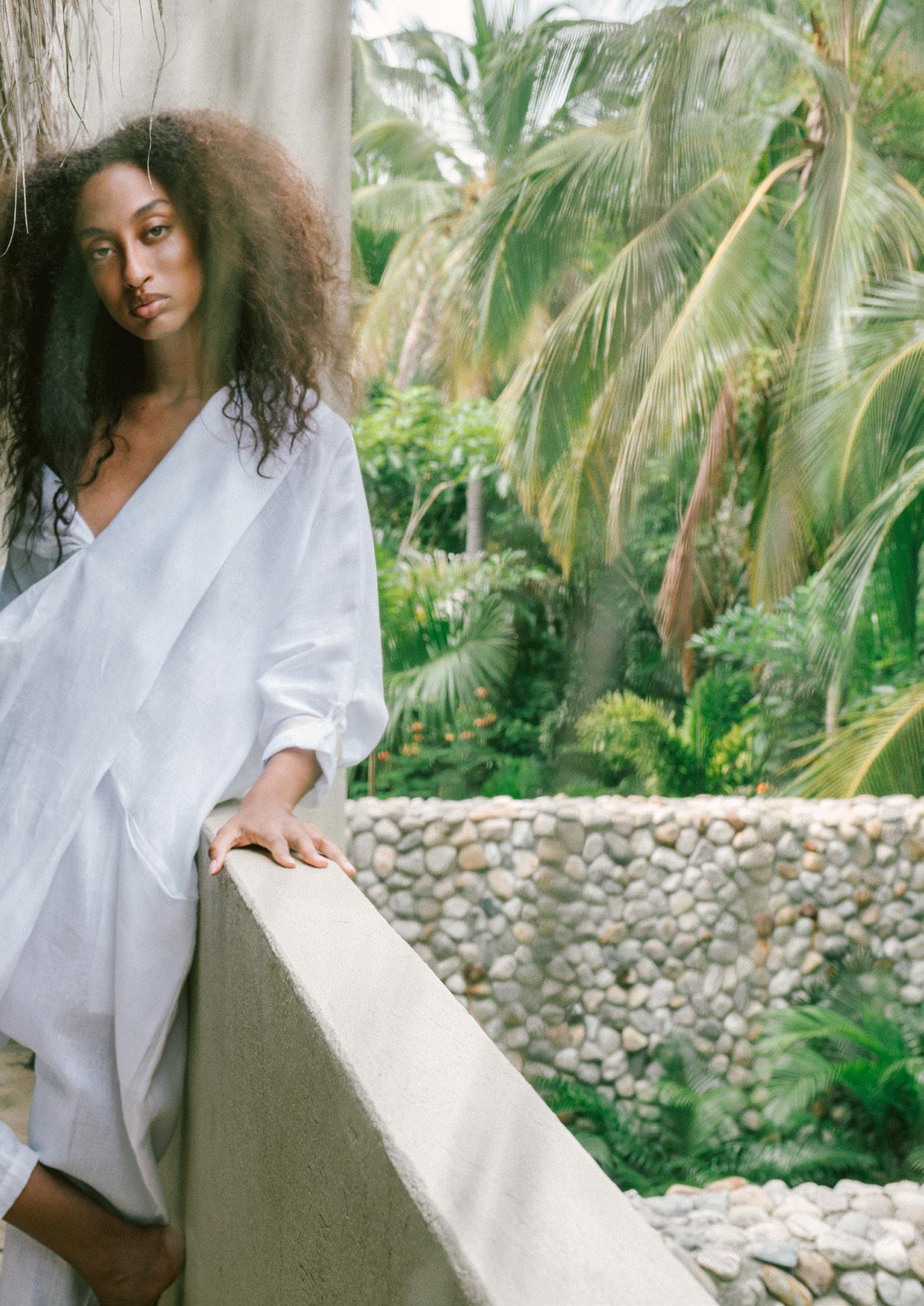
WrittenbyGynNarratives
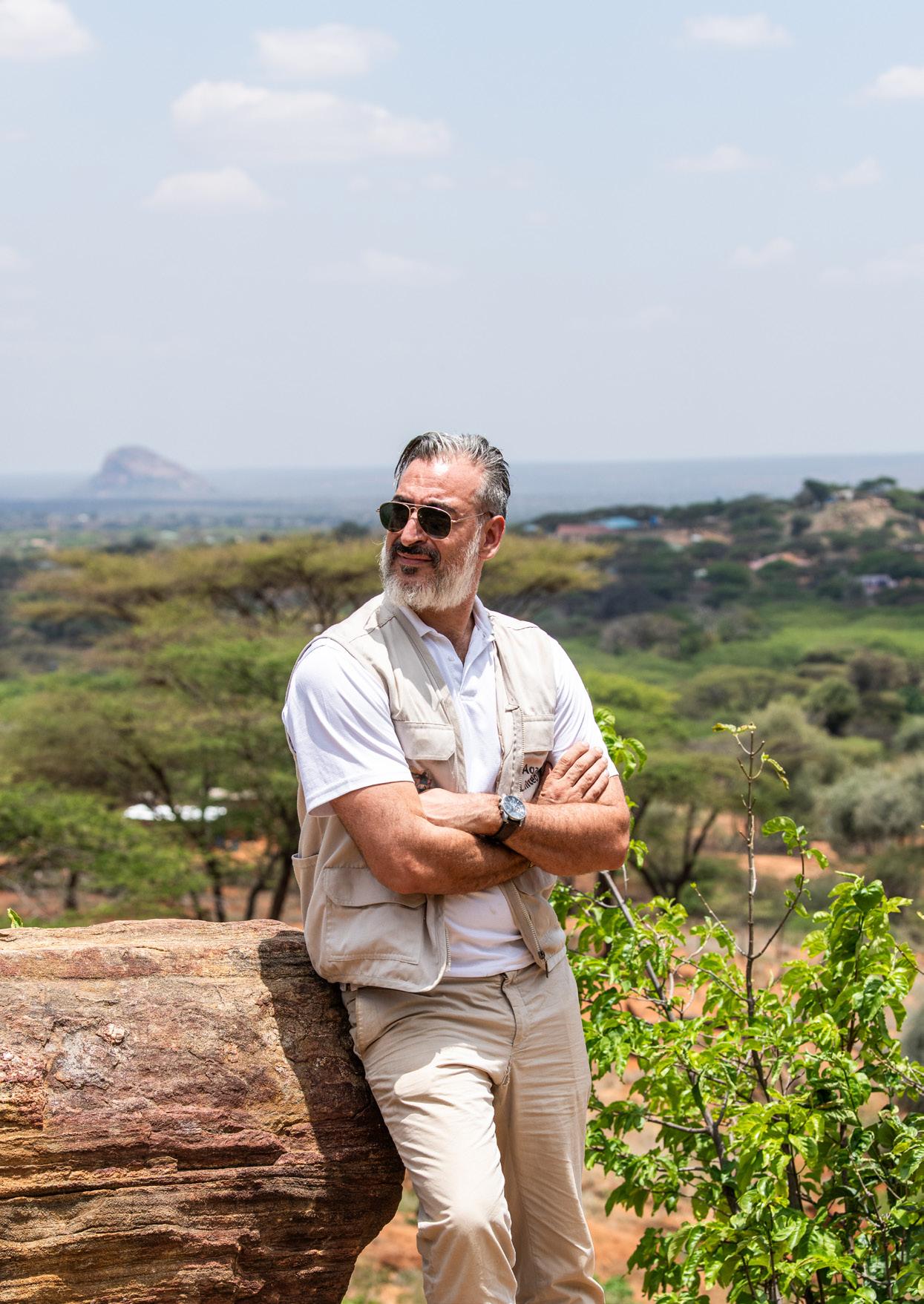
“Iamatotalandabsoluteresultofmyupbringingandaproductofmyparents,” Tommaso Menini, owner and founder of Jua by Agar, describes his childhood growing up in Milan, Italy. “I looked up to my father, who was this charismatic, handsomebusinessman.”Tommaso’sfatherwasaninsuranceagent.Hewatched his father use his public relations skills to build relationships that turned into business opportunities. Equally, his mother was an influence, telling him from an earlyagethatshewasnotraisinganordinaryman.
Just like his father, Tommaso became a charismatic businessman, starting Agar in 2018. Tommaso’s father took him around while he talked to clients. As a result of these seemingly casual talks, his father sold insurance to many of the nightclubs in Milan. “I wanted to be like that.” So, after studying international business in Australia, Tommaso came back to Italy to work with his father. “Ten months in, I could feel that this was not what I wanted to do. So, I told my dad I wanted to go back to Australia.” Tommaso went back to Sydney and worked for a year after his father fully understood and supported his choice.
“While in Australia, I realised that even that was not what I wanted.” With this realisation, Tommaso packed his bags and moved to a remote town in Tanzania, Musoma. He had always had a humanitarian
mind; while at university, he took a double humanitarian major—the only international business student with two humanitarian majors. “The subject that I did the best in, by far, was African politics.” This sparked his curiosity about African history. So, he followed his passions and found an opportunity to do an internship in Tanzania.
Growing up in Milan, Tommaso had a speech impediment; he stuttered. When he was younger, he was often bullied for it. “Eventually, I got too big for the bullies to mess with.” Though the bullies could no longer target him, it did not stop them from bullying others. Tommaso found it hard to sit back and watch, so he used his size to protect other children. As he learnt about African history, he was drawn to the desire to make an impact in Africa’s most remote places.
“THE FIRST TWO WEEKS IN TANZANIA AND IT SEEMED AS THOUGH AFRICA DID NOT WANT ME, AS MUCH AS I WANTED AFRICA.”
The Robbery. “The first two weeks in Tanzania and it seemed as though Africa did not want me, as much as I wanted Africa.” He got salmonella the first week and a bladder infection the next. “After being in Tanzania for a month, being sick, and the internship not working out, I decided to count my losses and go back to Italy to work with my dad.”
“I was not doing well; during this time a Mexican priest took me in and fixed me up. For two weeks, he spread word around that an Italian guy was looking for work.” Nothing had come up, so Tommaso threw in the towel, and so did the priest. At the end of the month, they were both set to travel to Nairobi, Kenya. Tommaso was all packed up to go with the priest and catch a flight home. The night before their departure, Tommaso was watching a football match at a bar. He suddenly got a phone call; the person on the other line told him that there was a white guy on a motorbike going from hotel to hotel looking for him. A little after the call, this guy burst into the bar Tommaso was sitting in. He walked straight up to Tommaso, still with his helmet on, and said, “Are you the italian guy?”
“It looked like a robbery,” Tommaso recalled. “I said yes. He asked me if I could teach. I said, as a matter of fact, I could.” Tommaso was hired on the spot to teach students geography and history. For a term of three months, Tommaso taught students in a local school in Musoma, Tanzania. “That experience confirmed to me that I could work in rural Africa. It made me happy and fulfilled, but I was still a businessman and not a teacher.” After the term, he went back home to tell his dad he had found his vocation.
Now Tommaso’s time at the school was over, and he had to look for other ways to stay in the region. Coincidentally, a friend of his
was leaving an organisation in Kampala, Uganda, to do his MBA. He flew out to Uganda and joined the NGO; there for six months, he learnt the ropes. “Uganda was great; the people treated me with incredible respect while I learnt from them.” After this, he got another job in Karamoja, the North East of Uganda, a dry and remote area. There, he put his business degree to work. He trained the locals to set up different kinds of income-generating activities, from selling spare parts to opening public toilets, you name it.
The Mal d’Africa. A year into his time in Karamoja, Tommaso decided to invest his time in Australia again, to gain residency status. During this time, Tommaso met the mother of his son, a Kenyan. “I had what we call in Italian ‘mal d’Africa’; it cannot be translated, it is sort of like a yearning, but it is used as a nostalgia or heartache for home, sort of like homesickness. My heart was in Africa and I wanted to go back.” Straight after his son Dante was born, they moved to Kenya and back to Africa, where Tommaso felt he belonged.
While looking for work in Kenya to be close to his son Dante, his experience in the arid lands of Karamoja in Uganda landed him a job in Isiolo, a town in North Eastern Kenya. “Working in Isiolo came with its challenges; it was arid, insecure, and had poor infrastructure, but we made it work.” Tommaso, at this time, had learnt a lot from the nomadic tribes and people living in these dry and arid areas of East Africa. For two years, he worked as a programmes coordinator, creating income-generating activities, including capacity building, and other business-related ventures for the community. In those two years, Tommaso saw a lot of potential, and he wanted to be a part of the development.
“At first, in 2017, I invested in someone’s company. Within two months, they had misappropriated two million shillings. I had to count my losses. I had lost all the capital I had, and I didn’t know what to do. I gathered myself and the remaining resources left of the company, got a lawyer, and removed myself from that situation. My mother, who had given part of that money, said to me, ‘Look at this experience as your MBA.’ I took that and ran with it. From this experience, Agar, African Agency for Arid Resources Limited, was born.”
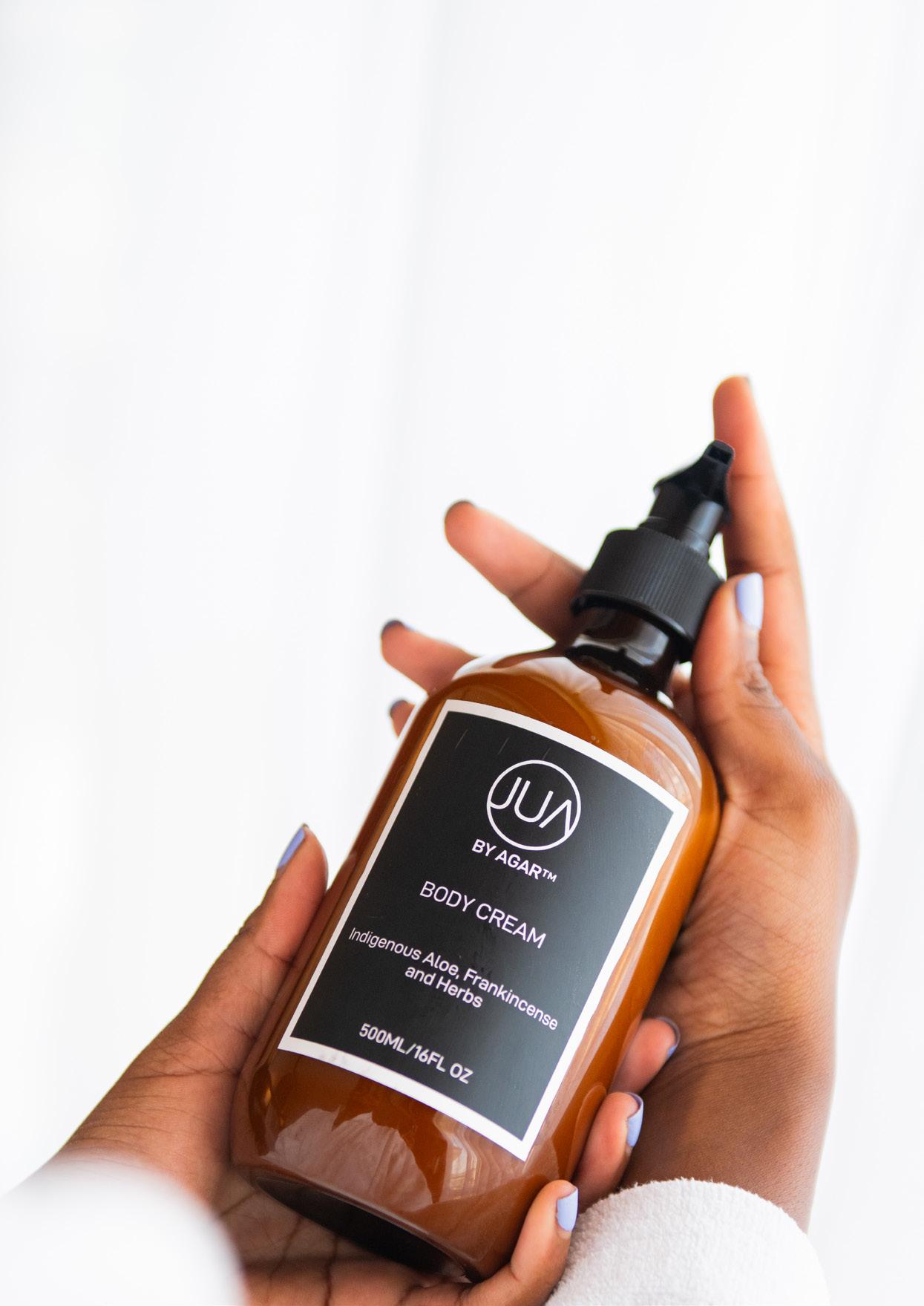
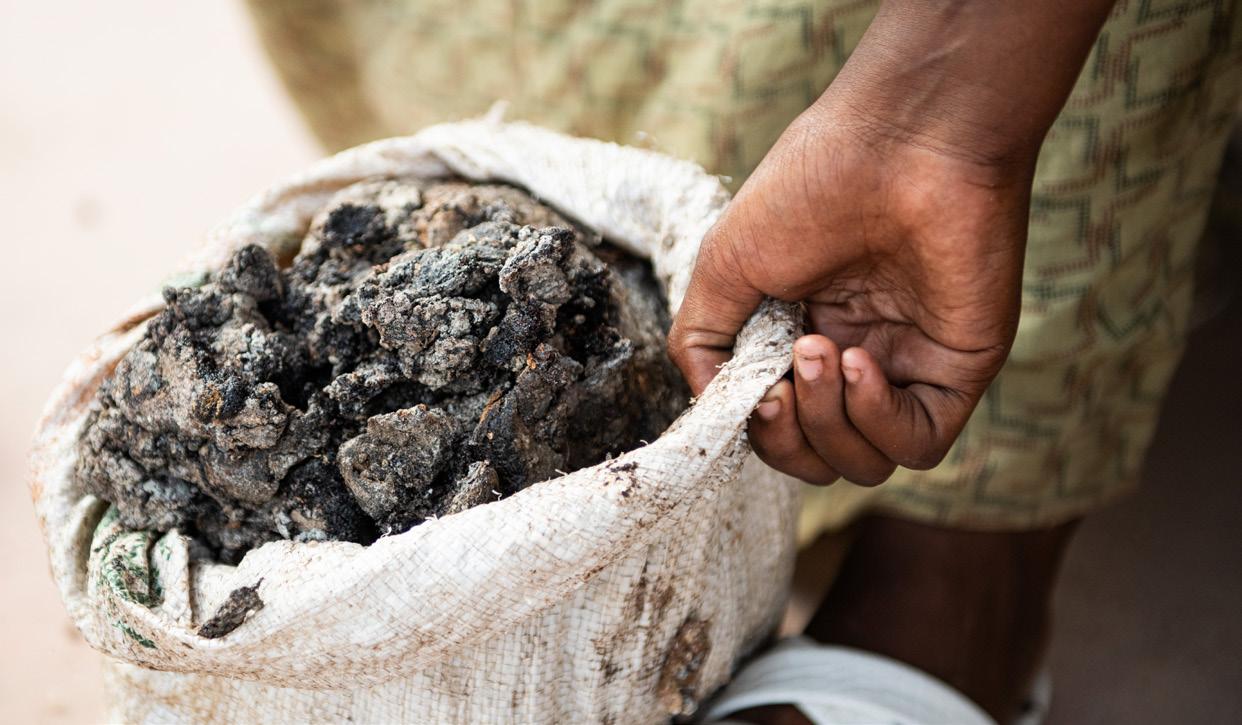
Tommaso had spent years in the arid lands of East Africa learning about the land and the people. In this time, he learnt about the raw materials in the area, gum arabic, frankincense, and myrrh. “I wasn’t going to compete with the locals; they are brilliant and can move anything. We thought that we could be a commodity agency, but we knew we couldn’t win over the Somalis in the area, so we re-strategised.”
Tommaso realised that he could distil the frankincense and myrrh into essential oils, so in 2018, when Agar started, it modelled from only dealing with raw commodities to making essential oils
with frankincense and myrrh, as well as eucalyptus, since it is also available in Kenya. In 2019, we were ready to expand. I pitched my idea to a Japanese investor to export gum arabic and resins, both raw and distilled.
The Not So-Surprise Meet Up. “I used to go to the gym with a friend of mine in Parklands. While we were catching up, he told me that he’d just received funding from a Japanese investor. I immediately asked him how I could do it. He explained that they were extremely private, and the only way they might consider an opportunity was if I just so happened to be at the same place they were meeting later and pitch my idea. That is exactly what we did.” Tommaso was introduced, pitched his idea, and ‘boom’ – the Japanese investor bought the idea, and Agar had its first investor. He gave Agar $150,000.
Tommaso had his lucky first break. He went to the field and set up a network of agents and collectors to allow Agar to expand. By the end of 2019, they had launched their first brand of essential oils. After this, Tommaso applied for grants from the German Embassy and the British Embassy, all of which, even after a few unsuccessful applications, were eventually successful.
“Iusedtogotothegymwithafriendofminein Parklands.Whilewewerecatchingup,hetoldme abouthowhejustgotfundingfromaJapanese investor.IimmediatelyaskedhimhowIcoulddoit. Heexplainedthattheywereextremelyprivateand theonlywaytheycouldthinkofanopportunitywas ifIjustsohappenedtobeatthesameplacethey weremeetinglaterandpitchmyidea. Thatisexactlywhatwedid.”
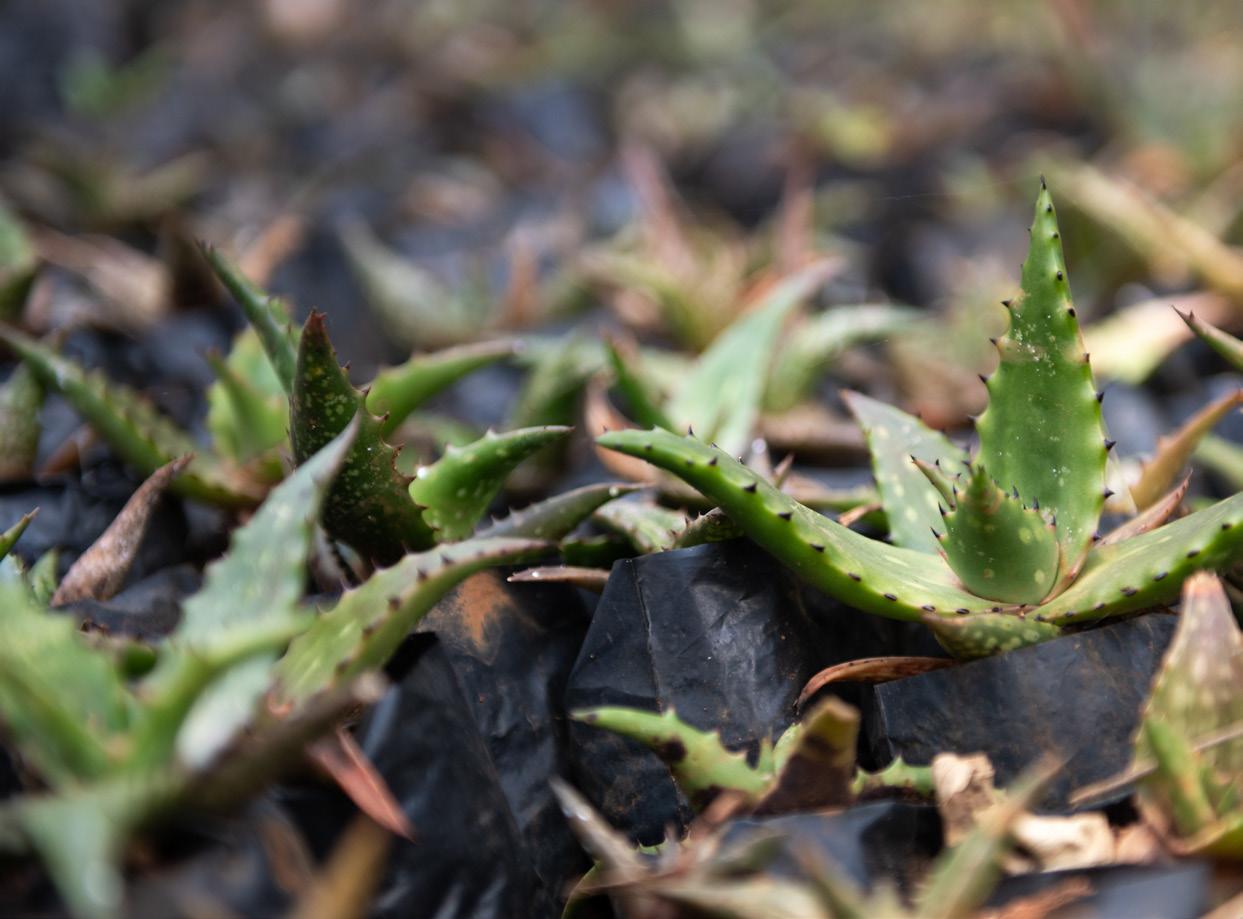
COVID hit businesses hard in 2020, but Agar stayed afloat by selling essential oils to HealthyU. “During this time, we also began to set up Jua’s Aloe division, which has now become so prominent. We started approaching hotels in Nairobi, and in 2022, we secured deals with the Fairmont and Mövenpick hotels, which gave us the push we needed.”
Restoring the landscape. “Jua means sun in Swahili. We named it so because the sun in Samburu and Marsabit rules those areas, and Jua is connected to those lands in the North.” It is hot and dry, and the land seems barren, but this is where Jua’s raw materials come from, and where Jua is investing in the community.
Agar’s principles are empowerment, biodiversity, conservation, sustainability, and landscape restoration. Agar works with NGOs and trusts that collaborate with the
communities, giving them aloe seedlings. The NGOs then empower the pastoralists to grow the aloe. When the aloe is ready, Agar buys from the local farmers. In arid areas such as the North, where the land is dry, aloe can thrive with minimal water and on infertile land. The farmers nurture the aloe for two to three years before Agar returns to purchase their harvest. This model has changed lives in the North. An acre of aloe can bring a farmer about 60,000 to 80,000 Kenyan shillings from selling just the leaves.
“JUA MEANS SUN IN SWAHILI. WE NAMED IT SO BECAUSE THE SUN IN SAMBURU AND MARSABIT RULES THOSE AREAS, AND JUA IS CONNECTED TO THOSE LANDS IN THE NORTH.”
Aloe also works as a land restoration tool. Where the land was once seen as barren, it can now be used to create employment and empower the community. Agar also buys frankincense and myrrh from the locals. In Laikipia and Samburu, Agar purchases aloe leaves and sometimes powder from a group of Maasai women. From these raw materials, Jua creates some of their cosmetic products.
Jua is intentional in supporting local farmers, impacting some of the most remote communities in northern Kenya. There is so much about Kenya that remains unknown, and so much that the North can offer the
world. Jua is ensuring that these resources do not go to waste.
Jua is expanding, aiming not just to bring impact and development through retail, but soon through opening a wellness centre. Jua wants to heal the body using these Kenyansourced ingredients. The experience would give people a feel of Kenya’s lands and the warmth of her sun.
“Even if I wasn’t doing Jua, I would still want to be in development. Maybe in waste management or biofuels – something that would make an impact here in East Africa.”

Tommaso is also passionate about teaching and giving business owners the tools to create successful businesses in Africa. Teaching and coaching on compliance, Tommaso shares skills that he wishes someone had given him when he was starting out.
When Tommaso left Italy for Australia, he was a young man determined to follow in his father’s footsteps, guided by his mother’s wisdom. Few could have imagined that his journey would lead him to some of the most arid and remote places in East Africa. Even fewer could have foreseen the
remarkable impact Jua would have on these communities. “Sometimes, as I lay in bed at night or rest on the couch after a long day, I feel like I’m wasting vital time—time I could use to create more impact, because there’s still so much to do.”
Tommaso describes himself as “a man of purpose,” and one of his greatest motivations is his son, Dante. He specifically requested that this piece be dedicated to him.
WrittenbyNjeriMuthari

Icouldn’t help but wonder... when did effortless beauty become so highmaintenance?
Lately, I’ve noticed a new kind of glow—that fresh, radiant look that somehow manages to feel both understated and completely enviable. The kind that makes you question whether someone’s just returned from a yoga retreat in Lamu or spent the weekend secretly hooked up to a drip of liquid collagen.
“You look amazing!” I’ll say. “Did you do something?”
The best ones always laugh. “Oh, no,” they insist, waving me off. “Just drinking more water.”
Water? Really? Because if that’s true, someone better bottle that stuff and sell it by the litre.
According to Dr. Roua Bennani from Taneet Aesthetic Medicine Clinic in Nairobi, the truth lies in the rise of treatments designed to not look like treatments at all. Forget frozen foreheads and overfilled cheeks—the new aesthetic goal is all about looking like you’ve done absolutely nothing.
“IF PEOPLE CAN TELL I’VE TREATED YOU,” DR. ROUA TELLS ME, “I HAVEN’T DONE MY JOB RIGHT.”
Instead, today’s treatments aremore like quiet background dancers—skin boosters, bio-stimulators, and regenerative therapies that subtly coax your skin into glowing like it’s living its best life. They don’t scream “I had work done!”—they whisper, “I’ve just been sleeping better… or maybe I fell in love.”
The key, Dr. Roua explains, is balance —creating harmony rather than exaggeration. Think of it like contouring for your face, but without the heavy lines and harsh edges.
And those people who seem to glow from within? Chances are they’ve dabbled in treatments designed to improve skin quality rather than chase volume. Polynucleotides, peptides, and amino acids—they sound more like characters from a science fiction novel, but in reality, they’re quietly working behind the scenes to hydrate, tighten, and brighten.
But here’s the real kicker: this ‘natural’ look often requires more effort than we’d like to admit. The perfect “I woke up like this” face? It’s often the result of collagen inducers, microneedling, and the occasional laser session— all meticulously timed and planned.
It’s like spending 45 minutes perfecting that ‘no-makeup makeup’ look—the whole point is to appear like you haven’t tried at all.
And honestly? I kind of love it. There’s something deliciously clever about playing the beauty game without anyone realising you’re even on the field.
So, the next time someone’s skin is looking a little too radiant, just smile knowingly. After all, the best beauty secrets are the ones no one ever confesses to.
WrittenbyValeriaTorner

Dr.
Aesthetic medicine and cosmetic dermatology, Owner of Taneet Aesthetic Medicine Clinic
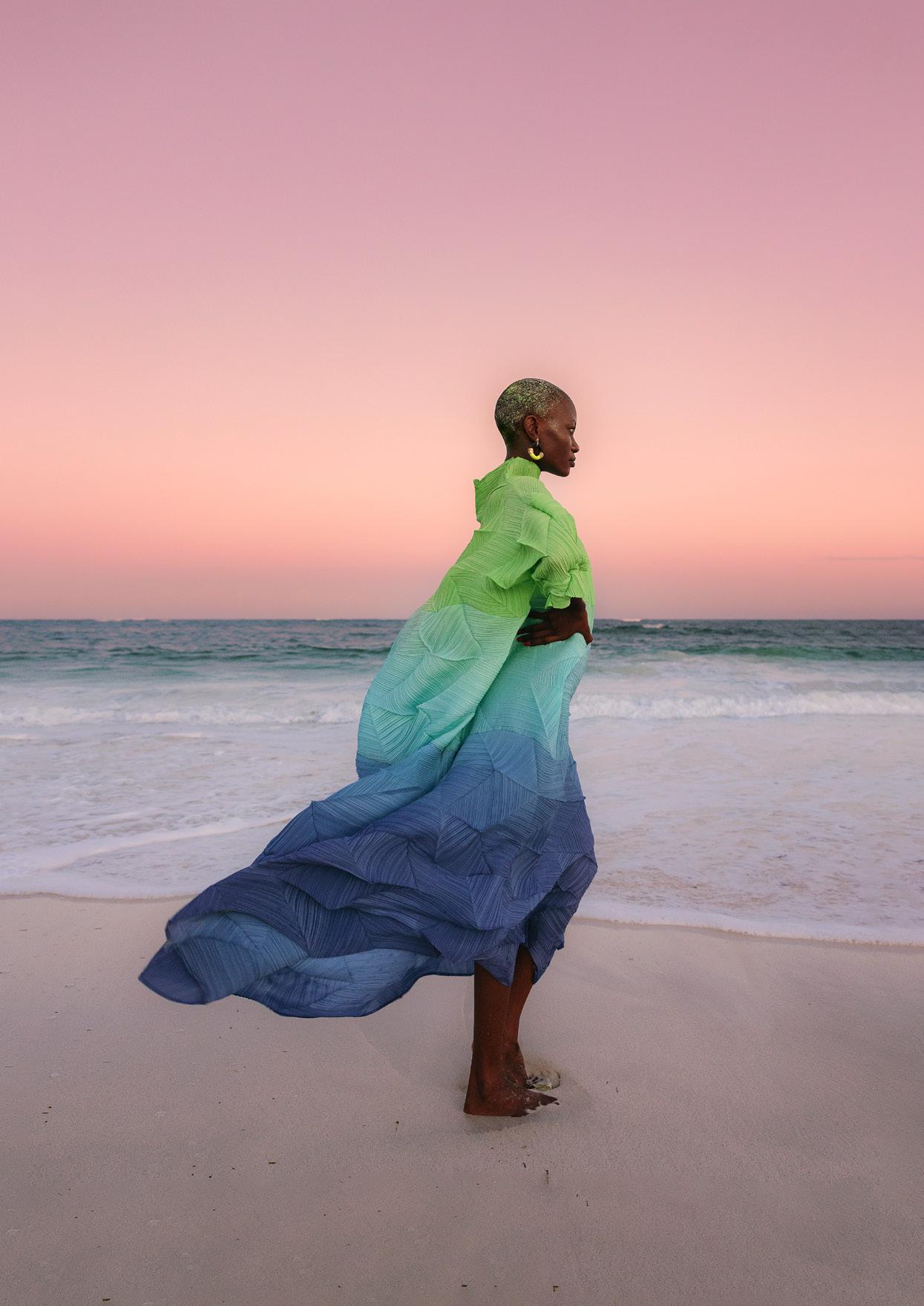
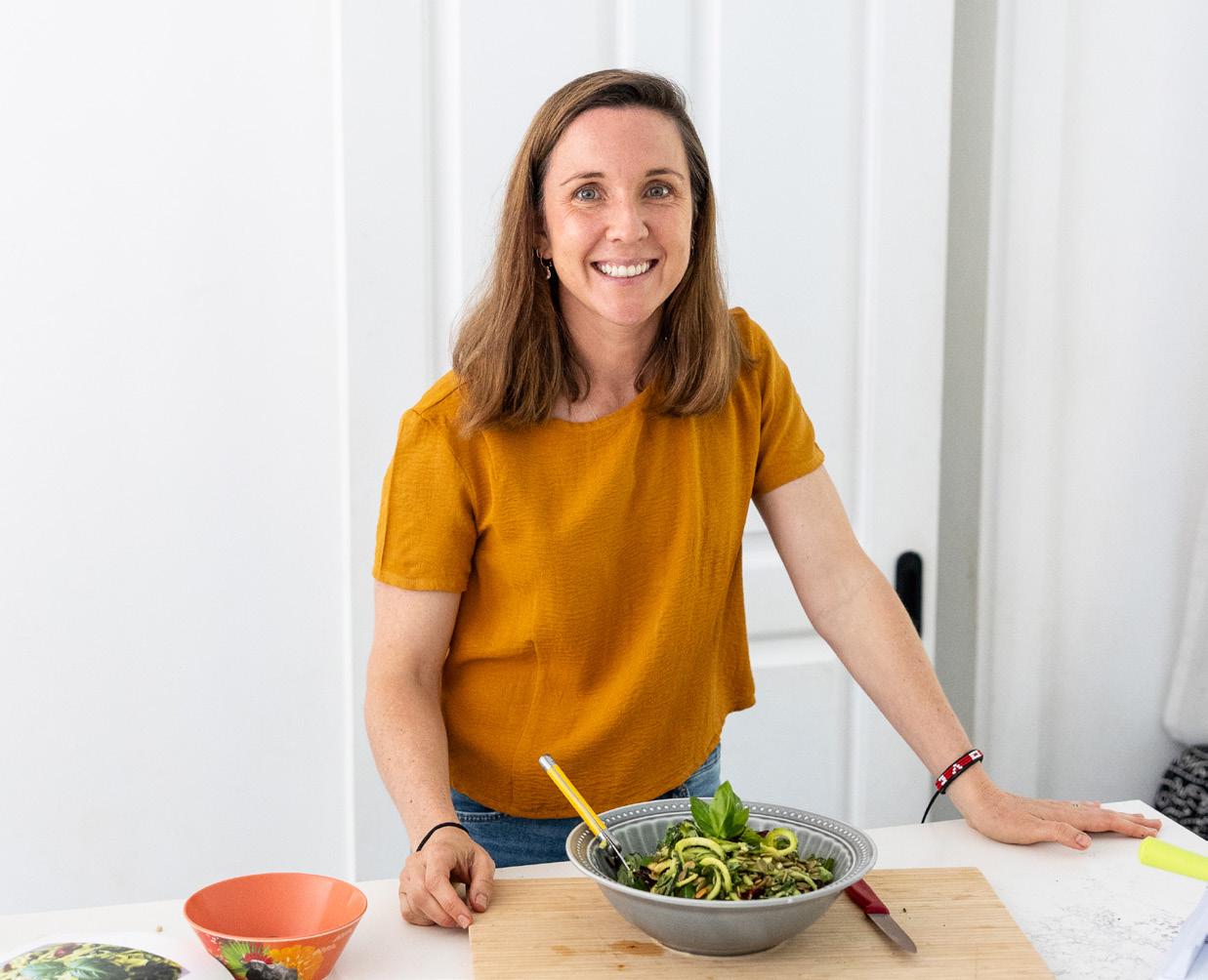
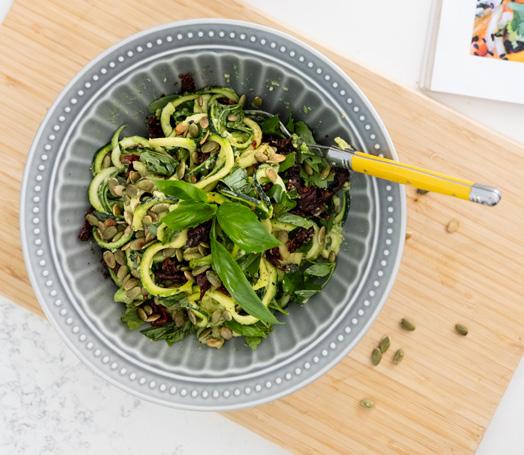
ForHeatherCuthbert,eating once felt like a ‘chore’ as a toddler. Now, she is a renowned nutritionist, cookbook author, andowneroftheeponymous Heather’sKitchenatVillage Market.
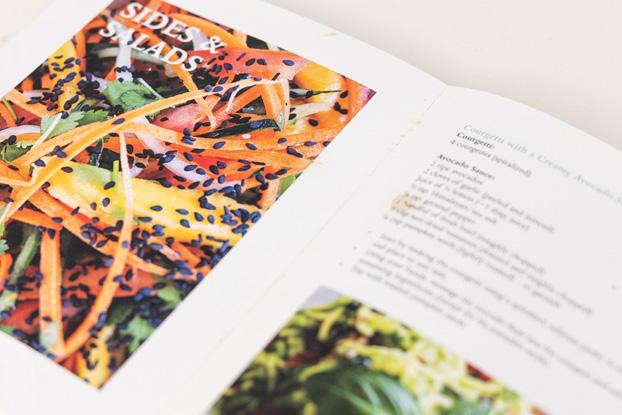
Heather invited us to her residence for a quick lunch as she explained how deeply intertwined her journey into nutrition is with her personal life. As she made courgetti from her famous The Nuts About Nutrition Cookbook, she carefully peeled back the layers of how she grew from a fussy eater into a proud member of both the British Association for Applied Nutrition and Nutritional Therapy (BANT) and the Complementary and Natural Healthcare Council (CNHC).
Everything changed when she had children of her own, particularly while weaning her firstborn. Heather explained, “I took the vegetable-led approach. By combining baby-led weaning and spoon-feeding. This way my kids could see the food and taste it in two different forms. I introduced flavours like spinach, broccoli, and cauliflower. This experience inspired me to help other families create positive eating habits.”
Through her studies and personal experience, Heather firmly believes in fostering a healthy relationship with food early. That includes embracing the fuss. She shared that her daughter didn’t fall far from the tree and soon gave her the same attitude she once had— especially when salmon was served. At this moment, the courgetti is coming together, its aroma filling the air. It’s almost unfathomable that anyone would be fussy about her food. Still, Heather assures, “I took a very laid-back and relaxed approach when it came to the foods my kids didn’t like.”
This is central to Heather’s philosophy. She would never force her daughter to eat salmon, but her long-term strategy was to expose her to it. On salmon night, Heather served her daughter the same plate as everyone else. “She wouldn’t eat it, and I didn’t force her, so she left it on her plate.” Soon, however, her daughter not only tried it but began loving it. Heather shared that children may need up to 15 exposures to a new food before accepting it. She likely was citing a study published in the Journal of the American Dietetic Association by Betty Ruth Carruth, PhD, RD.
However, Heather noted that exposure isn’t the only way to foster a healthy relationship between children and food. She emphasised using children’s curiosity and love for cooking. A healthy relationship with food at a young age reduces the likelihood of eating disorders later in life and decreases the need for a nutritional therapist. Heather’s philosophy is exposing children to food in different ways while also trying to find a way to occasionally grow your own food.
• Make mealtimes a fun, relaxed environment.
• Expose them to all foods.
• Let them help out in the kitchen/at the shops/farmers markets etc.
• Give your kids the same food you’re eating; role modeling is important.
• Eat together as a family.
“I TOOK THE VEGETABLE-LED APPROACH. BY COMBINING BABY-LED WEANING AND SPOONFEEDING. THIS WAY MY KIDS COULD SEE THE FOOD AND TASTE IT IN TWO DIFFERENT FORMS.
Don’t
• Force them to eat anything.
• Use food as a reward/bribe.
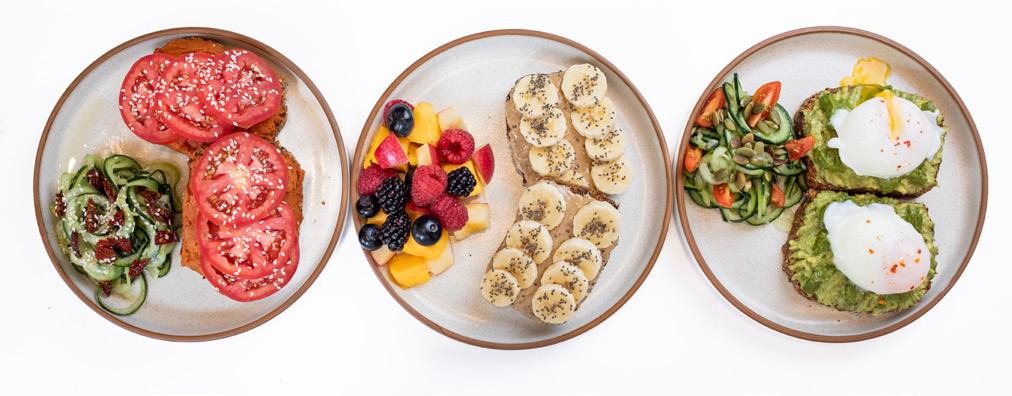
Cooking was Heather’s way into a love for food. In her high school nutrition class, cooking was essential—leading her to pursue food and nutrition in her A-levels. “They had us create meal plans for people with different dietary needs, like anemia. I fell in love with it and found it fascinating,” Cuthbert explained. From that point, her passion for the human body and nutrition only grew.
At Bristol University, she pursued an undergraduate degree in Anatomical Science. At the time, she admits, she was still unsure
which path to take. But once again, her passion for nutrition called to her. She went on to earn a postgraduate degree at the Institute for Optimum Nutrition in London.
“One glove doesn’t fit all in nutritional therapy,” Heather explained. “You have to look at the complete picture, identifying and modifying biochemical imbalances that could be causing dysfunction.”Her passion clearly takes over when she talks about nutrition.
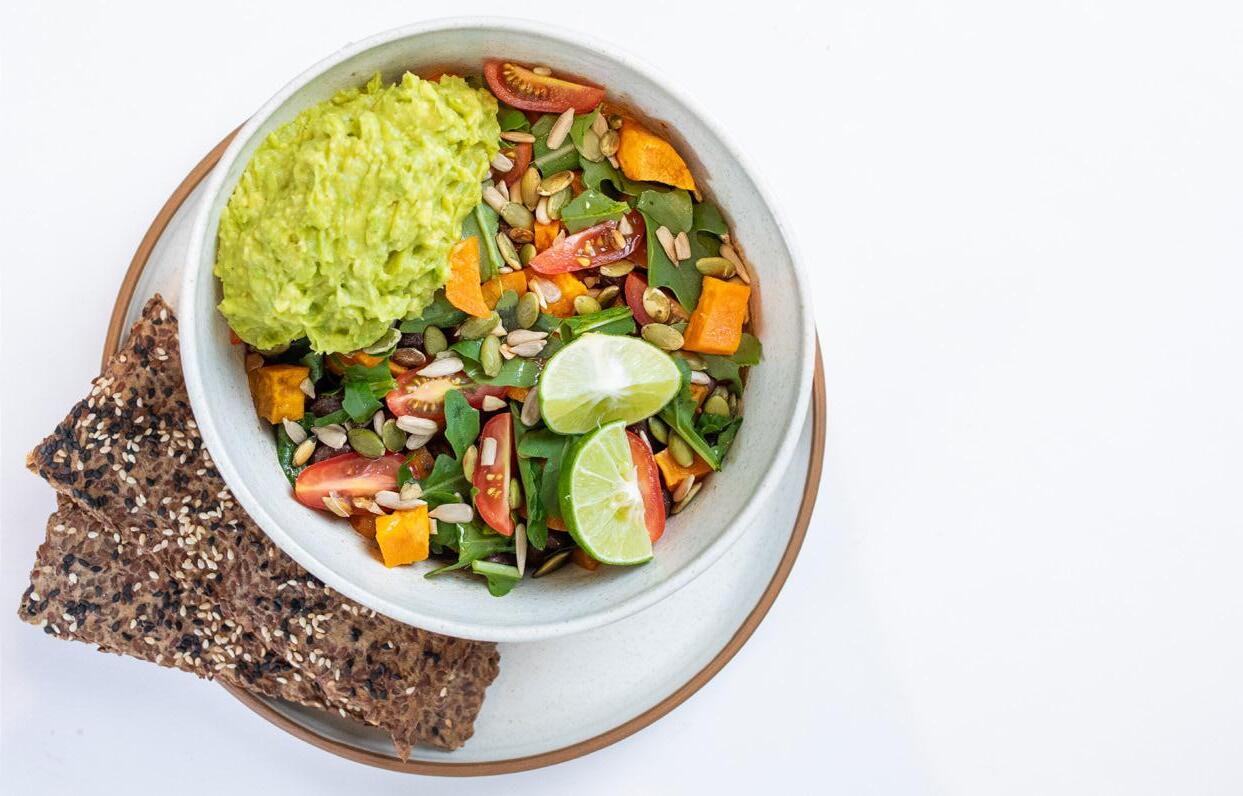
“Oneglovedoesn’tfitall innutritionaltherapy. Youhavetolookatthecomplete picture,identifyingandmodifying biochemical imbalances that could becausingdysfunction.”
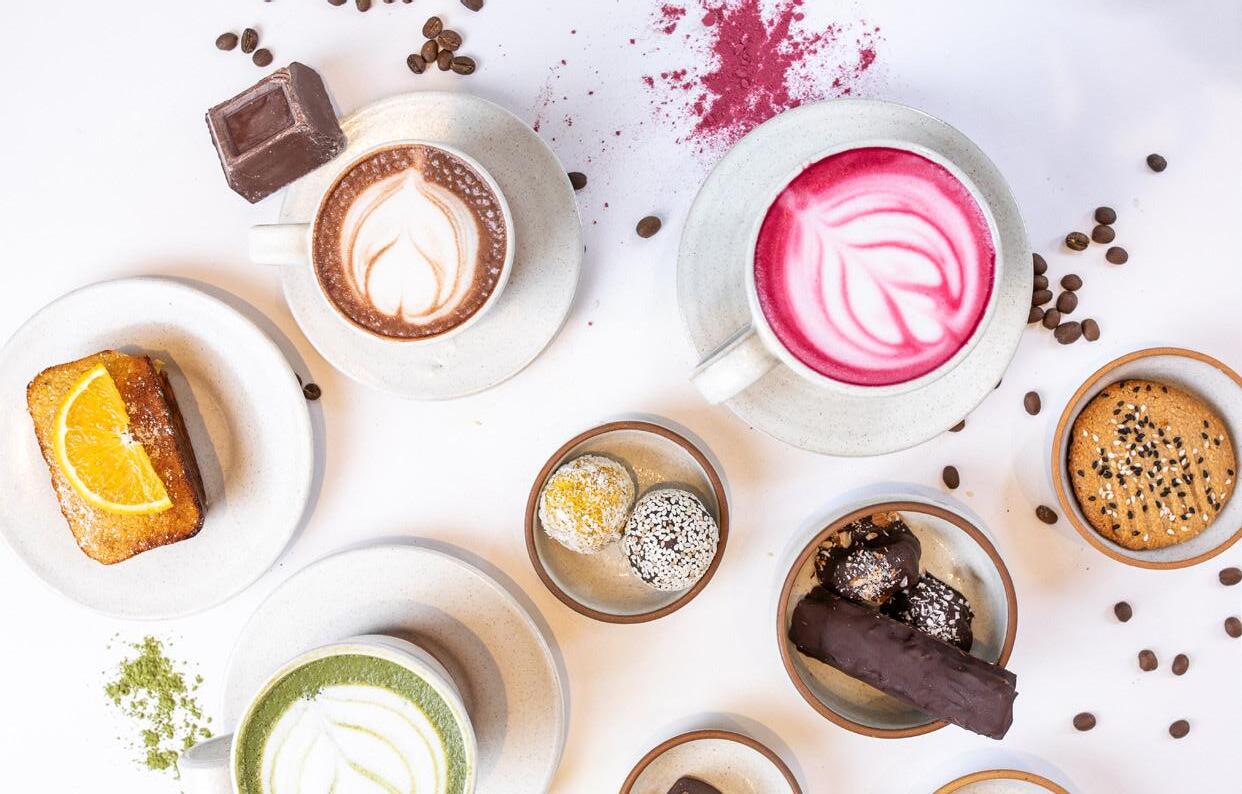
At this stage of her life, she spent time in the kitchen, creating recipes suited to different allergies, intolerances, and imbalances. It was all about developing and experimenting. For those keeping count, this was the mastery stage of learning a craft.
During this time, the idea for Heather’s Kitchen took shape in the back of her mind. All that remained was bringing it to life. Heather considers diet, sleep patterns, lifestyle, and other factors when crafting personalised plans. “It’s not just us,” she explained. “We work with other healthcare practitioners to uncover the full picture, identify the root cause of symptoms, and optimise health.”
“FOOD ISN’T JUST ABOUT TASTE IT’S A FORM OF HEALTHCARE.”
When she finally felt ready to open a café, she chose Village Market. Heather’s Kitchen has now been running for two years. Born and raised in Kenya, Heather always struggled to find restaurants that catered to her dietary needs. Her mission for Heather’s Kitchen—shaped by her own journey—was to create a culinary safe space for everyone.
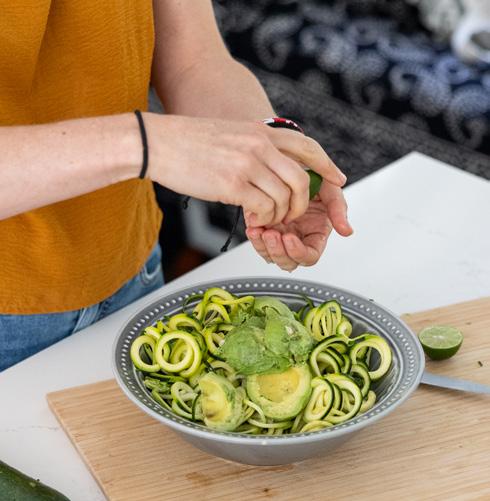
As she served the courgetti, Heather smirked confidently. “There’s a common misconception that healthy food tastes bland, but at Heather’s Kitchen, we’ve made an effort to prove that myth wrong.” Delicious. The menu reflects that philosophy—not just carefully curated to meet dietary needs and pack in phytonutrients, but also plated beautifully and, most importantly, bursting with flavour.
Heather’s passion is simple—bringing health and taste together. To her, food is a form of healthcare. She shared that some meals from her cookbook even helped nurse her back to health at one point. If only all medicine tasted as good as the menu at Heather’s Kitchen.
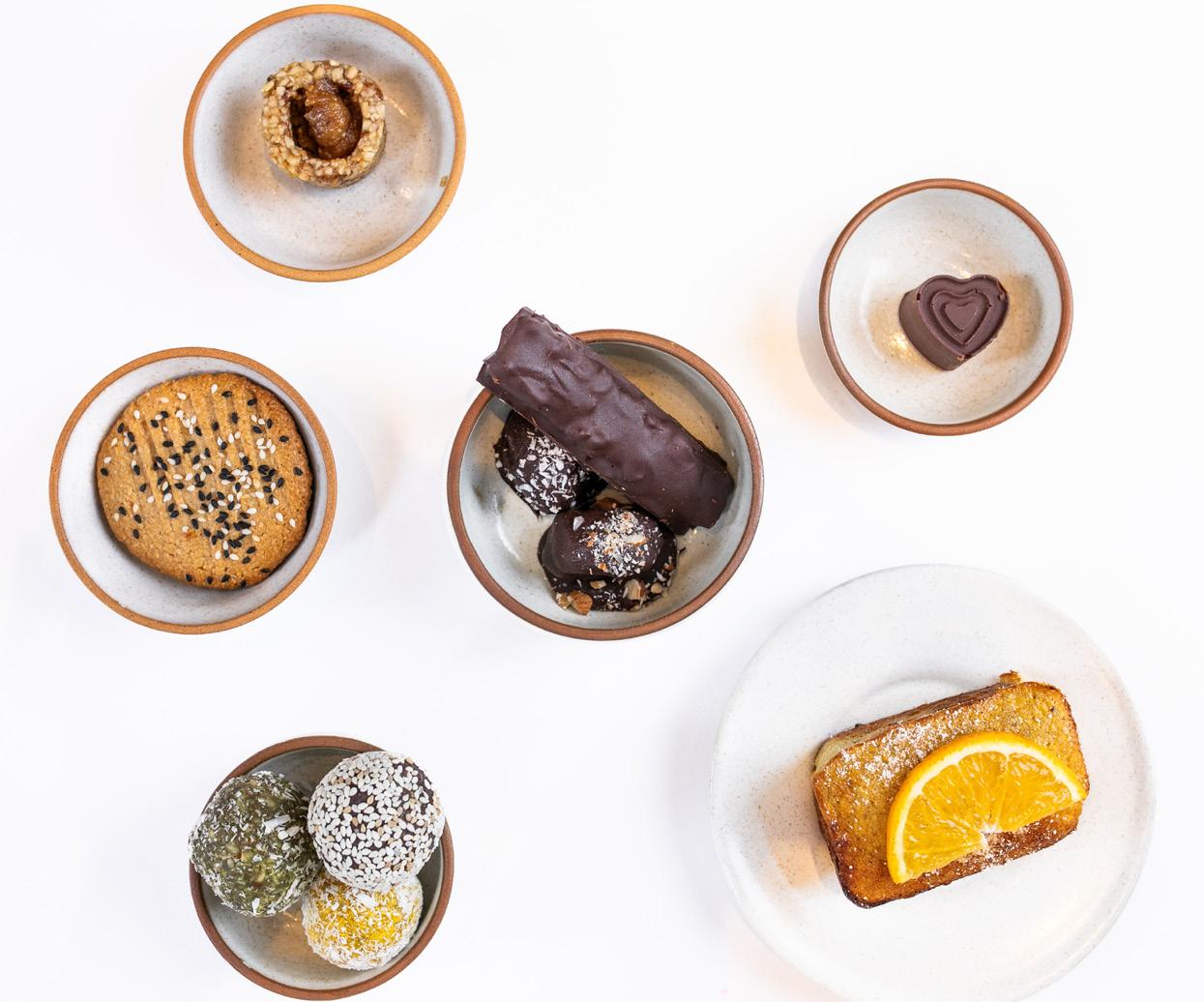
WORD TO THE WISE: WHEN YOU VISIT, TRY ONE OF THE COLOURFUL POWER LATTES, LIKE TURMERIC OR BEETROOT, PAIRED WITH A MATCHA PROTEIN ENERGY BALL.
WrittenbyFredAlbertOnyango
PhotographsbyAshton Allert
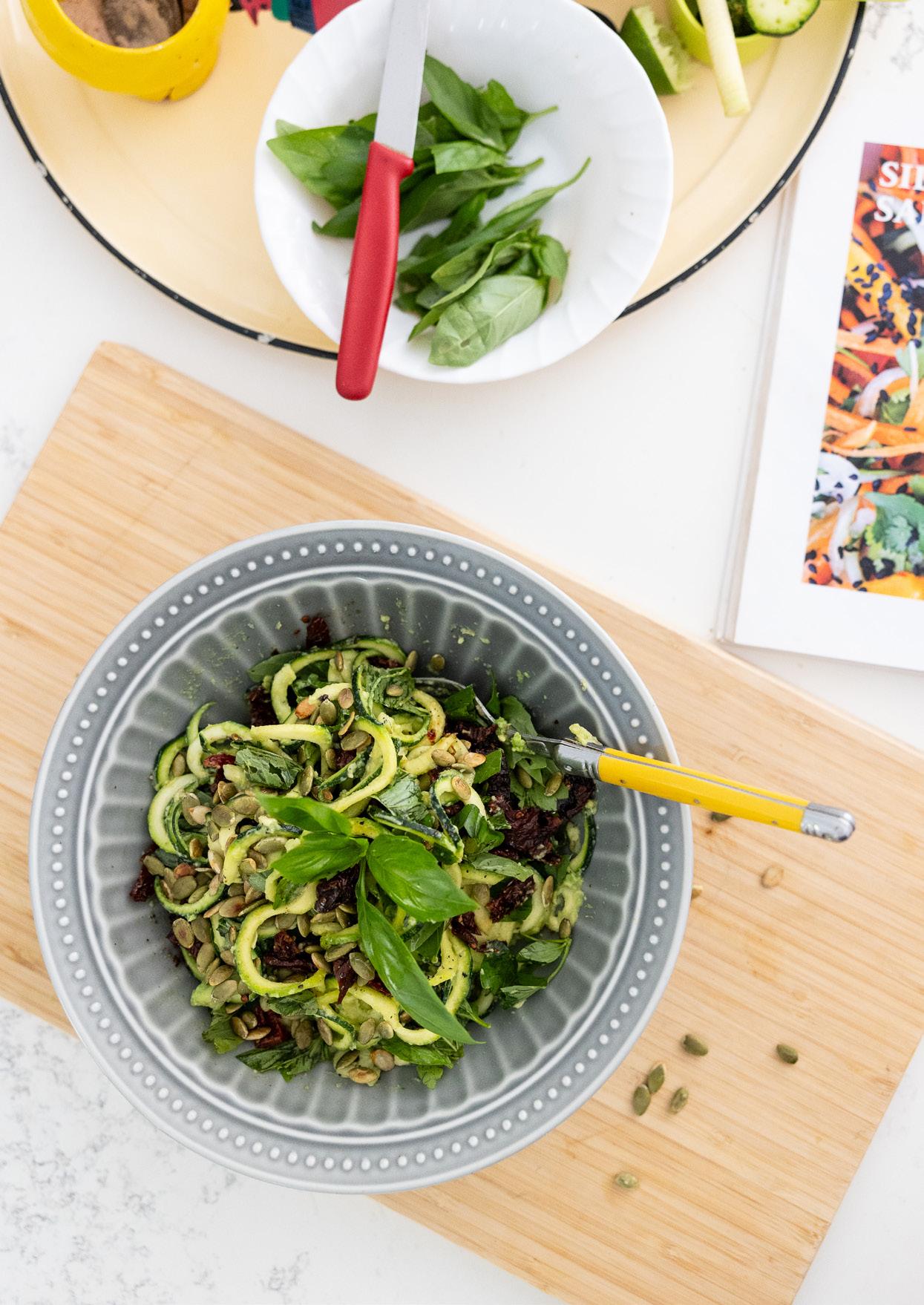
Courgetti:
4 cougettes (spiralized)
Avocado Sauce:
2 ripe avocados
2 cloves of garlic (peeled and minced)
Juice of ½ lemon (~1 tbsp. juice)
½ tsp. Himalayan/sea salt
¼ tsp. ground pepper
1 handful of fresh basil (roughly chopped)
¼ cup sun-dried tomatoes (drained and roughly chopped)
3
¼ cup pumpkin seeds (lightly toasted) - to garnish
• Start by making the courgetti using a spiralizer, julienne peeler or normal peeler and place to one side.
• Using your hands, massage the avocado flesh into the courgetti and add the remaining ingredients (except for the pumpkin seeds).
• Top with toasted pumpkin seeds.
TherewasatimewhenIbelievedbeing “professional” meant editing myself— second-guessingmy instincts,holding back my natural reactions, even filtering my laughter or concealing my frustration. I never truly bought intothatidea,yetIoftenfeltpressured to conform.
For too long, professionalism has beenequatedwithrigidcomposure— never too emotional, never too opinionated, always “just right.” But does that version of professionalism leave room for authenticity? Instead ofviewingprofessionalismasamask, what if we saw it as an opportunity to lead with integrity, confidence, and self-awareness—without erasing ourselvesintheprocess?
Where Does the Pressure to Conform Come From? This perceived need to wear a mask can stem from various influences—some more obvious than others. While these factors may not apply to everyone, they often shape how we navigate professional spaces.
1. Societal Conditioning & Early Socialisation.
From a young age, we absorb messages about what’s considered “appropriate” behaviour. Many of us are taught to be agreeable, to avoid making waves, and to prioritise fitting in rather than standing out. These lessons shape our professional identities long before we enter the workplace.
2. Workplace Culture & Industry Norms.
Different industries have different expectations, yet many still operate under outdated ideas of professionalism—favouring logic over emotion, diplomacy over directness, and conformity over individuality. When certain behaviours are subtly (or explicitly) rewarded, employees naturally adjust to fit the mould.
3. Fear of Career Consequences & Judgment.
Many professionals worry that being too honest, too expressive, or too unconventional may undermine their credibility or limit career growth. When colleagues are penalised for stepping outside the norm, it reinforces the belief that authenticity is risky.
4. Bias & Marginalisation.
Women and other underrepresented groups often face additional pressure to “tone down” aspects of their identity to avoid stereotypes. For example, a woman might feel compelled to appear “assertive but not too aggressive,” or may overcompensate to counter unconscious biases about professionalism.
5. Perfectionism & Imposter Syndrome.
High achievers often feel the need to appear polished and in control at all times. Imposter syndrome can heighten this pressure, convincing people that they must maintain an idealised version of themselves to prove their worth.
If company leaders prioritise image over authenticity, employees will follow suit. When managers fail to show vulnerability or acknowledge their own mistakes, it creates a culture that discourages employees from expressing their true selves.
In environments where people feel safe to express themselves without fear of ridicule or punishment, authenticity thrives. But in workplaces lacking trust, transparency, or inclusivity, employees are far more likely to self-edit to protect themselves.
As professional environments become increasingly global and virtual, individuals may feel pressure to adopt a neutral, universally “acceptable” persona. While this may seem practical, it can dilute spontaneity and individuality in communication.
So, how do we strike the right balance between presenting a polished, corporate-friendly image while still owning who we are with pride?
Authenticity isn’t a fixed state—it’s a practice. Who you were five years ago might not be who you are today, and that’s okay. Instead of chasing a flawless version of “yourself at work,” allow space for growth. The key is ensuring that as you evolve, you’re doing so in a way that feels true to you—not in response to external pressures.
Navigating the workplace as your true self doesn’t mean rejecting professionalism—it means expanding its definition. It’s about showing up with confidence, embracing what makes you different, and recognising that your authenticity can be a powerful asset rather than a liability.
Next time you hesitate before speaking up, second-guess your natural reactions, or soften your edges to fit in—pause. Remind yourself that success isn’t about blending in. It’s about making an impact in a way that’s undeniably, unapologetically you. — WrittenbySaimaIrtiza

“Change can come in small ways.” The words Shreeti Patel shared with us to describe Nairobi’s most culturally ambitious hotel.
Kwetu Nairobi, Curio Collection by Hilton, is a modernist architectural marvel along the forested Peponi Road in Nairobi. At the time of printing, it had been featured in Forbes and Time Magazine, with the latter even naming it one of the “World’s Greatest Places 2024.” Both magazines highlight the esoteric restaurants woven into the fabric of its five blocks, the unique pool, and the calming interior design. The building’s beauty is breathtaking. But when we sat down with the minds behind the hotel, we discovered that its form exists as it does to complement its primary function: marking the entire history and evolution of Nairobi.
Through the time machine of poetic licence, a walk through Kwetu Nairobi’s five blocks can become a sightseeing tour of a day in Nairobi— spanning 130 years. From the entrance, you are welcomed by the first block, Rafiki, where guests are greeted as friends by the aromas of 1893 Brew Bar, one of the hotel’s five restaurants. Running through the spine of the complex is a walkway that winds up the five-building structure, evoking a strangely familiar feeling. As if you have been here before. As if, somehow, this hotel has always been a part of your life.
Yet the idea for this hotel only dates back to 2017. After years of running English Press, a landmark Kenyan printing organisation that’s nearly 80 years old, Kalpan Patel decided to challenge himself in the hospitality industry. Through a series of partnerships, the groundwork for a hotel was laid. But at first, it was simply just that—a hotel.
Hilton executives approached Mr Patel with the prospect of a DoubleTree. An offer he wisely declined. After several visits by Hilton’s Managing Director for Africa and the Middle East, the proposal was revised and upgraded to the prestigious Curio Collection. That was finally up to Mr Patel’s speed.
Kwetu Nairobi emerged at a time when Mr Patel found the region’s then-upcoming major hotels uninspiring. It was conceived to shake up that landscape—to offer guests a sense of belonging. To create an atmosphere and experience that reflect a deep passion for Kenya.
Unlike other hotels with Kiswahili names chosen for aesthetic appeal without thematic relevance, Kwetu Nairobi was not just a name. It was not meant to merely mean something—it was meant to tell something.
“KWETU NAIROBI IS ON ITS WAY TO BECOMING NET-ZERO, MAKING SUSTAINABLE LIVING PART OF EVERYDAY HOSPITALITY.”
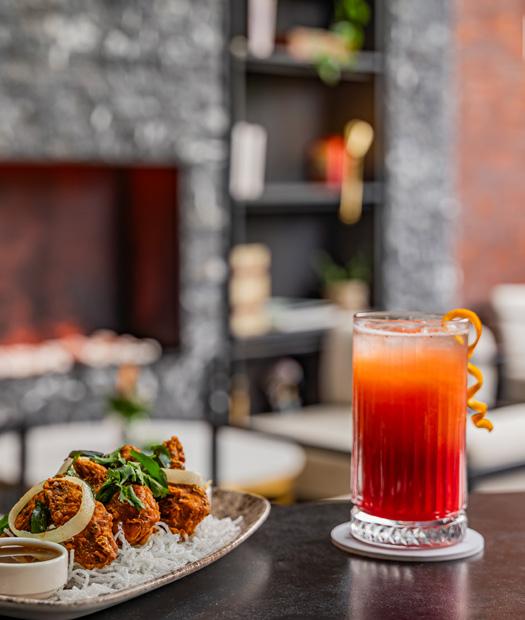
A story. 1893 Brew Bar, for instance, is likely to be seen stamped on environmentally friendly coffee cups carried by guests through the halls of the hotel. Located at the reception near the entrance, 1893 is more than just a café. The name itself is steeped in history—1893 was the year colonial settlers officially reaped their first successful coffee plantation in Kenya, marking the beginning of a golden Kenyan era.
Soon, with coffee established as a cash crop and the newly formed railway station providing a means of transport, the pull toward Nairobi became irresistible. Before long, coffee farms spread into and around Karura Forest, where Kwetu Nairobi stands today.
Kwetu Nairobi is designed to feel personal, as if the property belongs to you. Specific design choices were made from a singular perspective rather than by committee—only such a vision could determine that above the intimate cocktail bar, Zabe, there had to be an Asian-fusion restaurant named Upepo.

“WE DON’T JUST BUY ART WE COLLABORATE WITH LOCAL ARTISTS AND HELP THEM SHOWCASE THEIR WORK ON A GLOBAL STAGE.”
The entire hotel fosters a sense of belonging— not just for the guest but for the hotel itself on the land it occupies. It subtly weaves cultural elements into its identity, making it feel rooted in its setting. Meko, another of the hotel’s restaurants, takes its name from the Kiswahili word for “kitchen.” As you walk through the space, a floating island runs along its spine, punctuated with olive trees illuminated from below. For a local guest, the open structure is instantly familiar, evoking the ancient architectural style of coastal tribes.
The art and cultural elements had to follow suit. Kwetu Nairobi couldn’t just have another ordinary pool. Instead, the pool features a locally sourced white terrazzo floor finish, embedded with fiber optic lights that mimic a starry reflection as evening falls. Just beyond the pool stands an acacia tree, evoking the sensation of
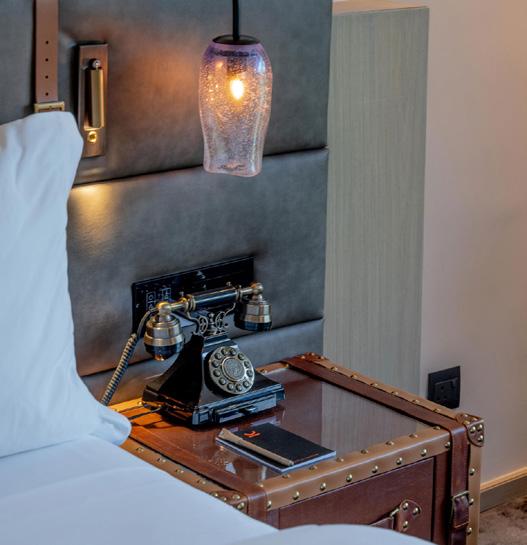
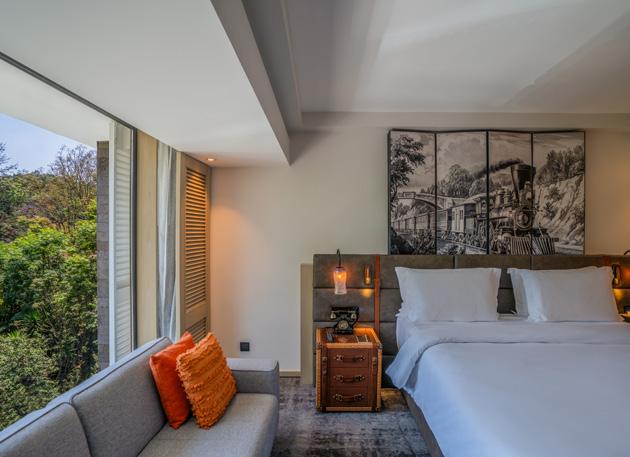
swimming under the stars in Kenya’s arid landscapes and secluded oases, like those along the northern coast. It’s a fitting touch, as Mr. Patel first encountered the terrazzofloor pool design during a vacation in Kilifi.
The development of Kwetu Nairobi is a fascinating story in itself—one that could almost rival the grand narrative the hotel seeks to tell. However, Mr. Patel holds two moments especially dear. The first came during the initial planning stages when they discovered a 16-meter (fivefloor) height difference between the entrance and exit. This presented a significant challenge, particularly in designing a continuous walkway that would seamlessly connect all the blocks. Since the penthouse, located on the fourth floor, required an undisturbed layout, the solution was to create a gently sloping ramp that adjusted its elevation as it passed through each block.
That small adjustment in the interior design gave the entire hotel the feel of a neighborhood—where even the places you don’t visit still feel inviting. Mr. Patel calls the conception of this idea “the magic moment.”
His second point of pride is the back of house, developed at the height of COVID-19 when global hygiene standards were rising. In the hospitality industry, the back of house refers to operational areas such as kitchens and staff facilities, typically hidden from guests. But in this new landscape, Kwetu Nairobi reimagined what a back of house could be. The result was a space so well-designed that they now allow travel agents and guests to take a peek—an unusual level of transparency in the industry. Being a global leader in this regard is something Kwetu Nairobi takes pride in.
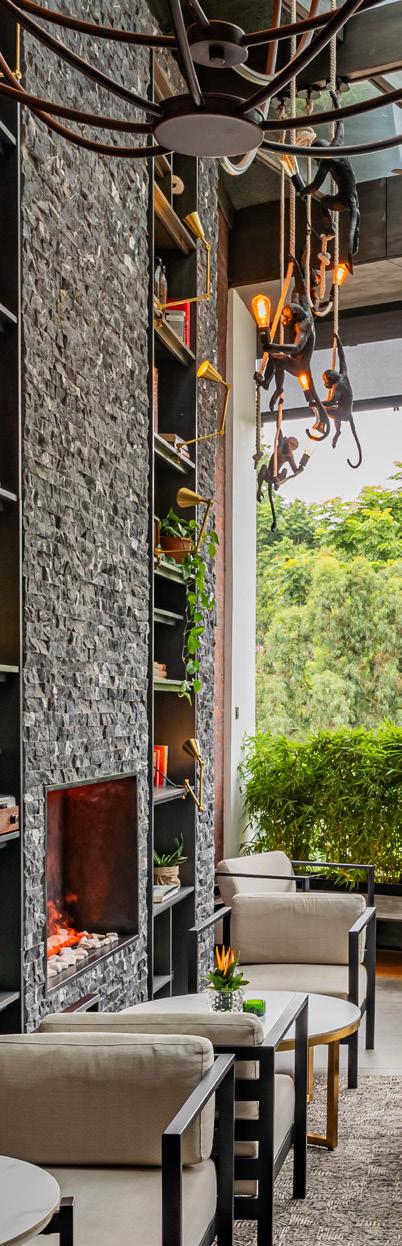
“KWETU NAIROBI SERVES AS A PORTAL TO BOTH THE PAST AND THE FUTURE A BUILDING WITH A SENSE OF PURPOSE.”
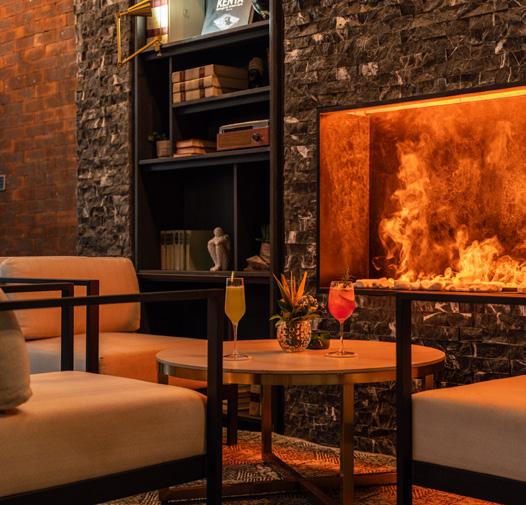
Details like these are what make the hotel feel both lived-in and culturally forward-looking. As guests walk through the blocks, they encounter numerous custom-made elements—from the lavender scent that fills the lobbies to the coffee scrubs uniquely crafted for Kwetu Nairobi. Just like in one’s home neighborhood, guests feel surrounded by cultural nuances that exist only in this space.
The hotel’s art pieces are almost entirely locally sourced. A glance at any random wall might reveal work from one of Kenya’s most celebrated artists stationed at the Kuona Trust or a budding East African talent who has just moved to Kenya and is making a name for themselves from the streets of Diani. But the premium find
is undoubtedly the photography of Mohammed Amin, layered throughout the hotel’s walls, offering a powerful visual narrative of Kenya’s history and evolution.
Mr. Patel explains that he formed a relationship with Mohammed Amin’s family while printing Amin’s biography at English Press. It was then that the family invited the hotel to explore the vast treasure trove of Amin’s work—photographs that chronicle Africa’s story through the defining moments of the 20th century.
Shreeti Patel elaborated on how the artwork reflects the hotel’s commitment to engaging with the local community. She shared that they collaborate with emerging artists, paying them a licensing fee for their work. For many, having their art showcased at the Hilton is a significant milestone. Even the hotel’s pottery is locally sourced—from the same craftsman who made pots for the Patels’ first home back in 1996.
But of course, Kwetu Nairobi isn’t just trying to blend into its surroundings; it must also anticipate global trends and prepare for the gradual yet irreversible shift toward sustainable technology. In this regard, Kalpan is already ahead of the curve. The golf carts shuttling guests from their cars to the hotel blocks are electric.
The switches are digital, and an automated system with sensors adjusts the air conditioning to conserve energy when guests check out. The boilers run on LPG instead of diesel, and wastewater is recycled for cleaning and irrigation.
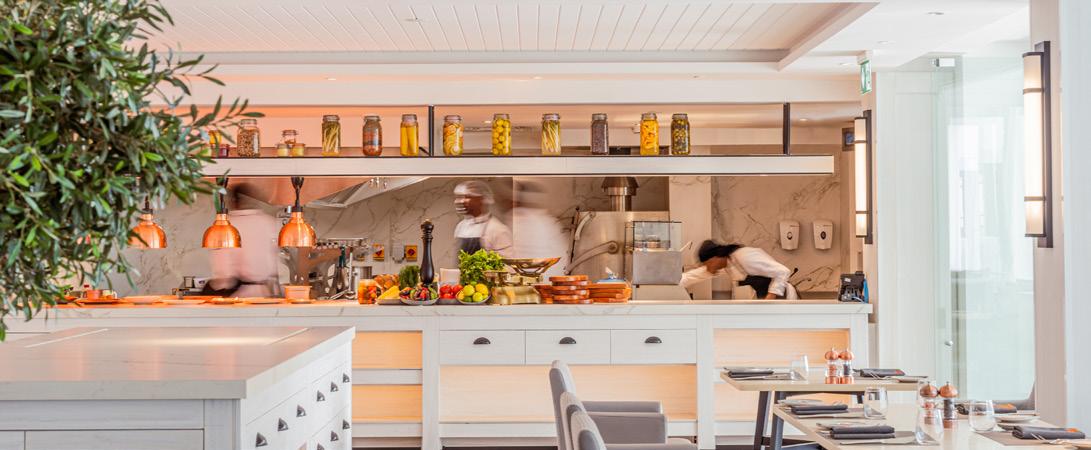
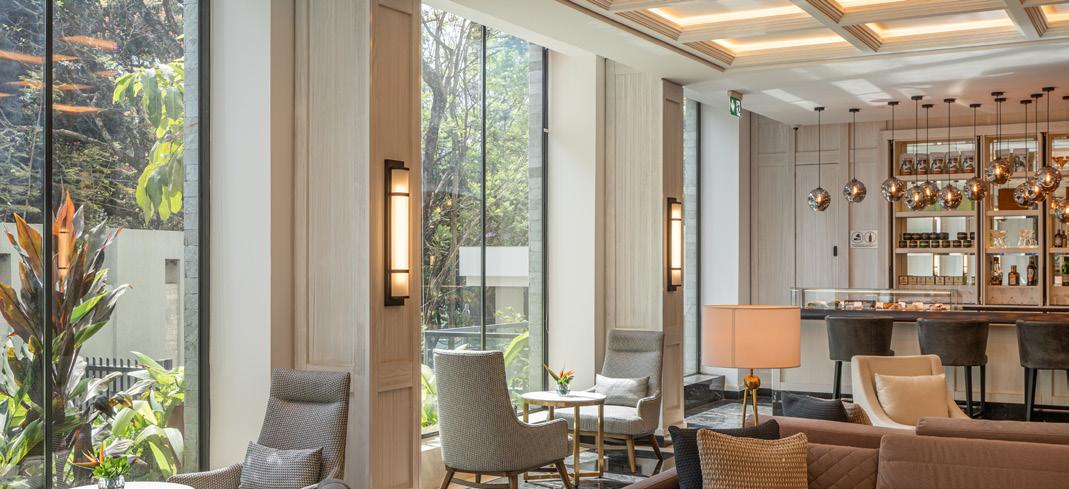
All 102 rooms are maintained remotely by an engineer stationed in another part of the hotel— through a system that is continually refined.
Kwetu Nairobi is committed to achieving netzero status through various conservation and recycling initiatives. Its next major milestone is obtaining certification from the Green Building Association.
At its core, Kwetu Nairobi wants guests to leave with a deeper understanding of culture—the story of the land they’re in. Typically, when visitors engage with Kenya’s upper echelon of hospitality, it’s through brief three-day stays before heading to the Mara or departing the country. Most hotels simply provide a room, which offers little insight into the country’s history and evolution from colonial Africa to the present. It’s also hardly enough to prepare travelers for the immersive experience of encountering Kenya’s wildlife. Kwetu Nairobi aims to do both.
Using a building to encapsulate Nairobi’s cultural history and evolution is an ambitious challenge. Kenya is a culture of movement— places transform, and within a decade, the only thing that might remain unchanged is the name. Demographics shift in even shorter spans, and more precariously, much of Kenyan culture is preserved through oral tradition rather than physical records. For that reason, Kwetu Nairobi was never envisioned as a nostalgic restoration of the past but rather as a dynamic space that reflects both history and progress.
Kwetu Nairobi serves as a portal to both the past and the future—a building with a sense of purpose. Its walls showcase colonialism, migration, and development, sometimes through the keen eye of Mohammed Amin’s photography. Looking ahead, the hotel plans to introduce storytelling sessions for guests seeking a deeper dive into Kenya’s culture. There are also murmurs of a spa in development—and perhaps even a farewell gift, like the now-iconic Kenyan bracelet that went viral at the Paris 2024 Olympics. The management will probably keep tweaking small elements to ensure the hotel better tells our story to all its visitors.
For now, one thing is certain: Kwetu Nairobi now stands alone as the Nairobi hotel of note.
Kwetu Nairobi emerged at a time when Mr.Patel found the region’s then-upcoming major hotels uninspiring. It was conceived to shake up that landscape—to offer guests a sense of belonging. To create an atmosphere and experience that reflect a deep passion for Kenya.
WrittenbyFredAlbertOnyango

Apassionatestorytellerwhoseloveforthewild isevident,NilpaShahsharesheradventures andexperiencesfromKenya’sbreathtavkinglandscapes.
Where the land is vast, the air is crisp, and the only sounds are the whispers of nature; you discover moments that stir your soul. This is the essence of travel—a journey that takes you away from the noise of the world and brings you closer to what really matters: time, connection, and the unspoiled beauty of the earth.
Here, solitude isn’t isolation— it is space. Space to breathe, to think, and to simply be. When the kids are still asleep and the camp is quiet, you find yourself alone, surrounded by nothing but the vastness of the land. The sky blushes with the first light of day, and for a moment, everything feels still. There are no deadlines, no endless hunting for socks that are clearly in plain sight. Just you and a world that feels a thousand miles away from the buzz of daily life. This kind of solitude—luxurious in its silence—is a gift.
As the day unfolds, luxury takes on a new meaning. The first sight of sunrise—it’s soft light creeping over the savannah—is a reminder that some of the most precious luxuries cannot be bought, but must be experienced. As the last rays of the sun stretch across the horizon, casting long nd bathing the land in a warm, golden glow, time seems to slow down. These moments are fleeting, but they’re priceless. They invite you to stop, breathe, and appreciate the luxury of just being.
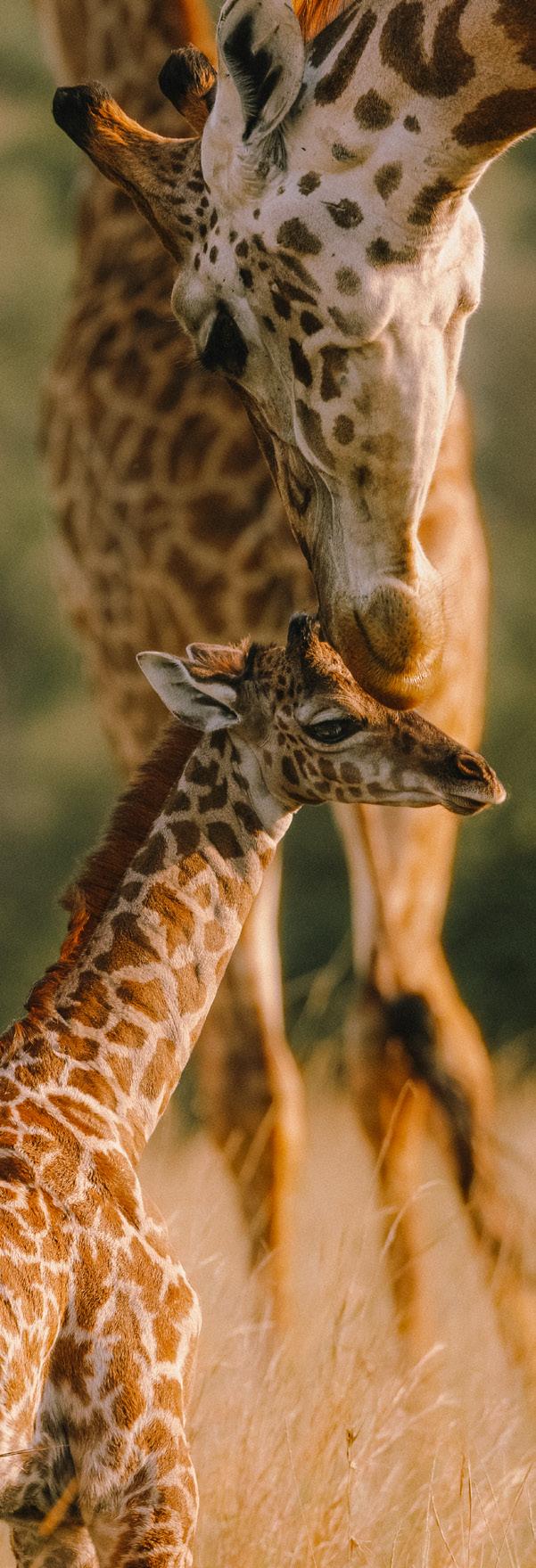
While moments of quiet solitude are the essence of luxury, it’s the vibrancy of the wild that resonates so deeply. The magic of a safari is found in those shared experiences: the loud laughter of the children as they spot their first giraffe. The noisy splashes in the pool. The tantrum from wanting a red and not an orange lollipop. The chatter around a campfire as stories
are told under the African stars. Falling asleep to the roar of the lion. It’s in these moments, the simple joys of being together, that family connections deepen. It’s a kind of luxury you can’t plan for, but it’s the one that stays with you long after the dust has settled.
And then, there are the experiences that transcend the ordinary—where the land itself becomes part of your luxury. Experience guided bush walks as you learn to stay away from safari ants. Watch dung beetles rolling their treasures across the dirt. Take a dip in the infinity pool after long game drives under the African sun. Imagine dining under the stars, surrounded by the sounds of the wild. Feel the universe watching over you. These moments are the epitome of timeless luxury.
At the core of it all, luxury in Kenya is the gift of time. Time to be fully present, to share laughter, to explore, and to connect as a family. It is the luxury of the heart, where memories are made in the quiet moments and the joyful chaos. The magic of the safari stays with you long after the sun sets.
Kenya’s wild heart whispers stories only the untamed land can tell.
WrittenbyNilpaShah PhotographsbyAnastasiaNane

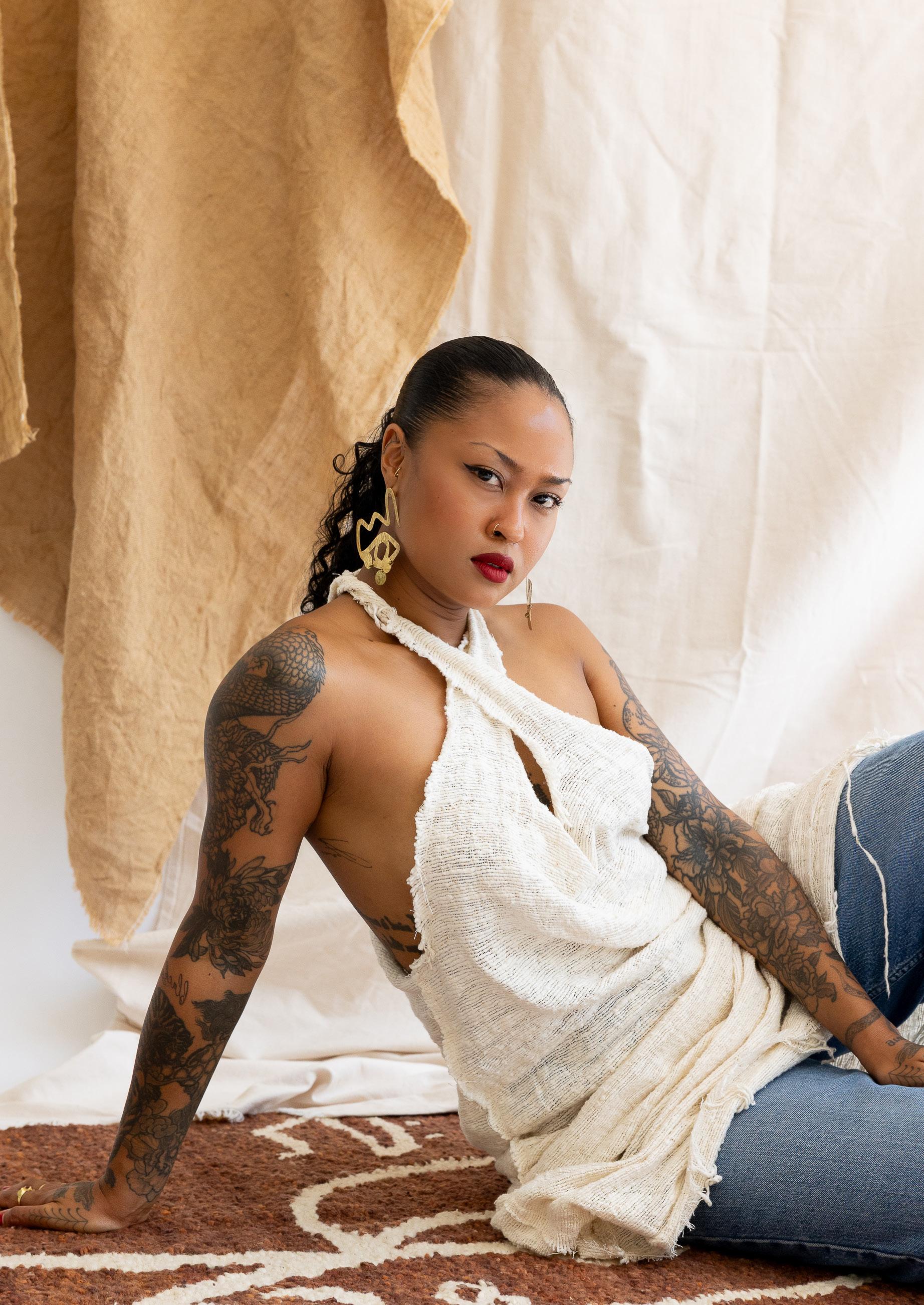
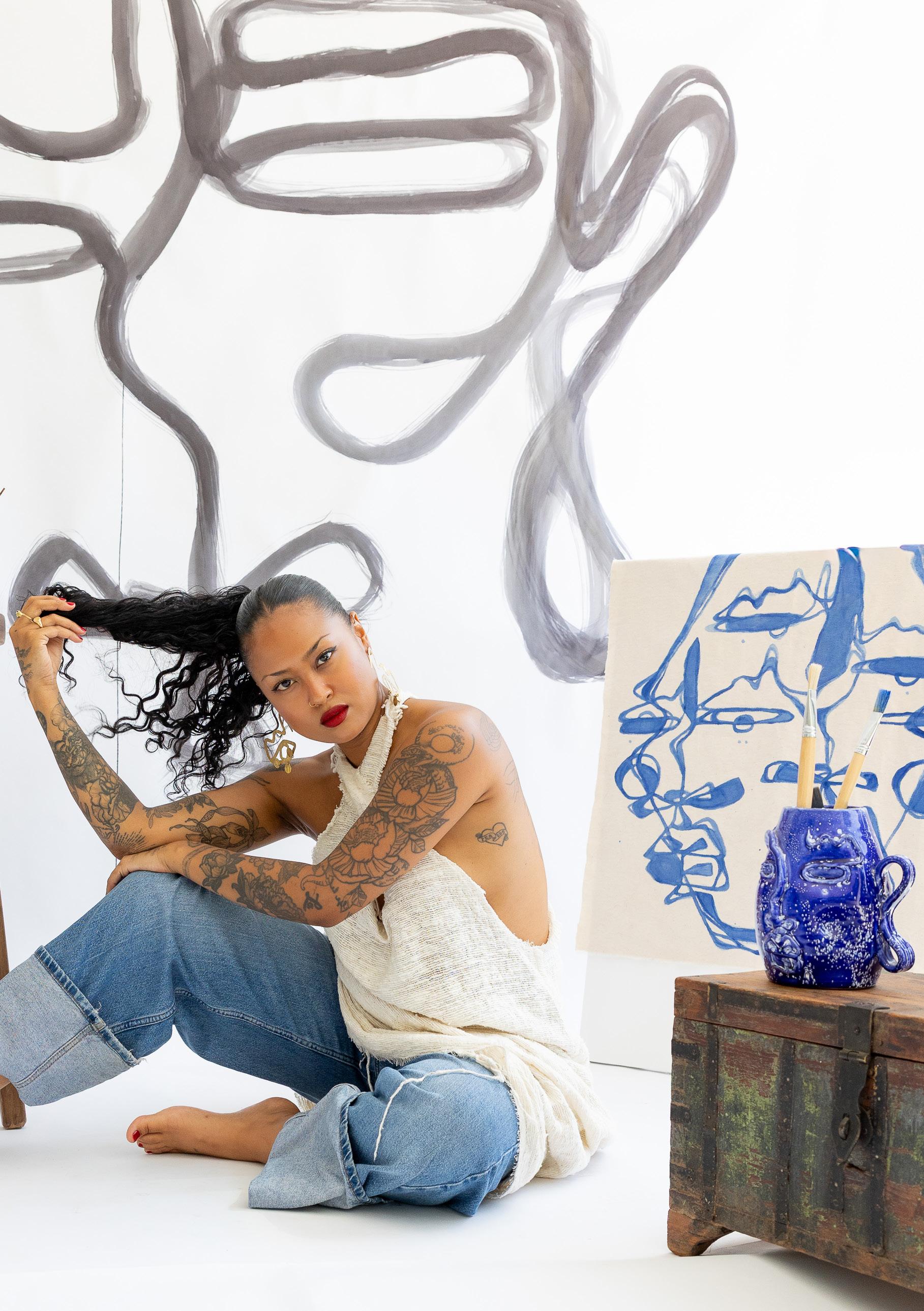
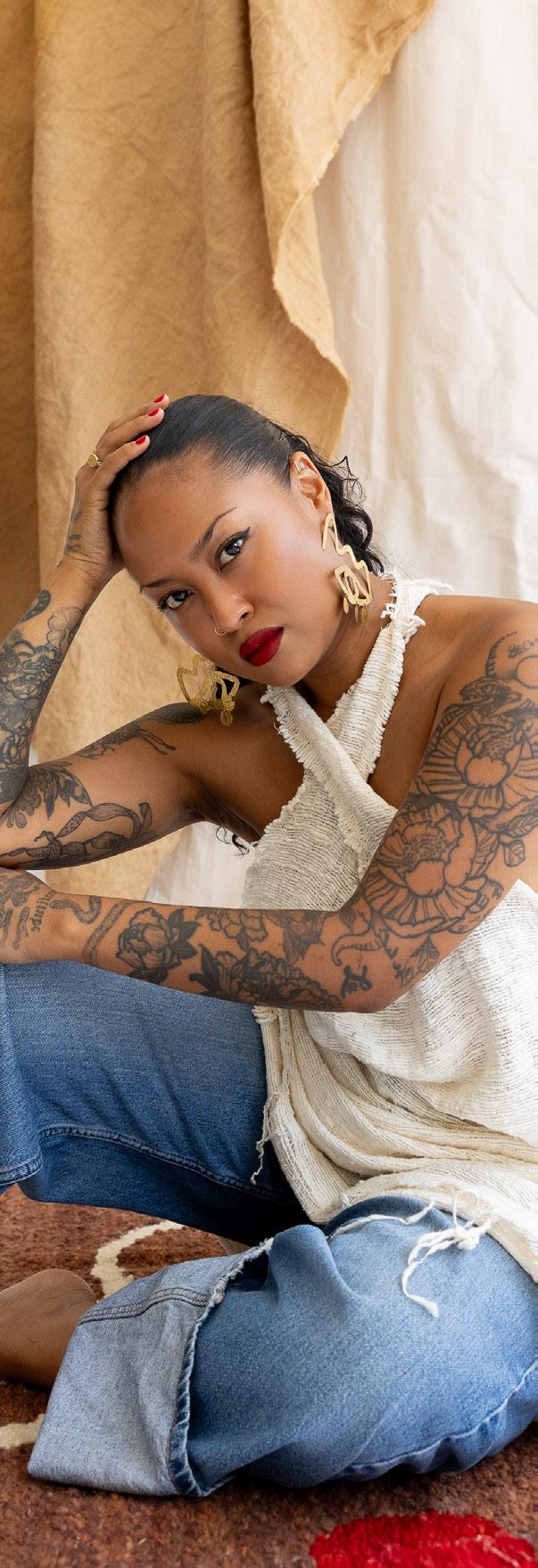
Patti Endo is a Japanese-Kenyan visual artist, born in Tokyo and raised in Nairobi. Influenced by both her Kenyan and Japanese roots, Patti’s work is a representation of herself. We sat down with Patti to talk about her heritage, culture, and art.
Did you always know art was what you wanted to do?
As cliché as it may sound, I have always known I would be an artist. Your purpose and fulfilment come from when you are an artist at heart.
Has ink always been your medium of choice? What else have you dabbled in?
I’ve played around with lots of mediums and ways of creating till I found what connects most to me. I used to paint and use mixed media in my work, but ink has always been my main medium. I also dabble in sculpting with clay for our Endo$ ceramics line.
Why did you choose ink?
I chose Japanese ink in particular because it is the purest form of ink. The purity, depth, draws me to it. I believe it interprets my work and message in a beautiful and delicate way. The fact that it is a technique and medium used within my Japanese culture and family just ties it all together. It is also what feels most grounding and natural to me.

How did growing up in two different cultures shape you into the person you are today?
Growing up, I never truly fit into the norm or societal box. Being from two very different cultures, defining my identity was complex. I learned that no place or person could completely define me. I learned that only I could honor my whole self.
Inwhatwayhashonoringbothyourculturesinspired your artistic style and technique?
I am equally inspired by both cultures. Stylistically, the minimalism and use of traditional Japanese ink and calligraphy paper are inspired by my Japanese roots. However, the abstract continuous line pieces reflect more of my Kenyan roots.
How are you also honoring yourself as an individual through your art?
Though my culture influences my art, the process goes against the traditional norms. Traditionally, you’re meant to avoid creasing the calligraphy paper, but I intentionally create creases. I believe that there shouldn’t be rules when creating and expressing yourself.
Tell us about your creative process:
My work is solely instinctive. I let my ideas flow and avoid being too rigid with direction. Ink is my main and chosen medium. With ink, you need to allow it to flow and create trust within the process, making each mark and stain intentional.
What is the main vision or goal when you create?
My goal is to reflect my truest self in my art and honour that true self. I want to show the vulnerable and raw reality of what it is like to be human through my eyes and inner psyche.
What do you want people to feel when they see your art?
My main aim is for people to feel—feel whatever emotions the art might emit whilst interacting with it as an artist and a human. I cannot control the narrative of what or how people feel; however, if emotions are sparked, then I believe I am doing my job.

Which pieces or body of work do you feel embody who you are the most?
I wouldn’t say there is one specific piece that embodies me as a whole. Identity is such a broad and ever-evolving spectrum to translate into work. I believe each piece is a reflection of every layer of myself and my identity.
However, the ‘Shadow Self’ series and ‘Yin to Yang’ series resonate with me the most. They are reflections of my mental space—those I have evolved from and those I am still growing from.
What sparked Endo²?
At the start of my career, I was always the youngest in the space. I felt the lack of representation as an artist, and I also felt inaccessible to the younger audience. So, Yvonne and I created a brand where art is inclusive and accessible to everyone, regardless of financial status.
What values does Endo² hold?
The majority of the pieces are handmade by me, creating an intimate relationship between creating and purchasing.
Endo² has collaborated with a few brands over the years:
Yeah, we have collaborated with iconic brands like Sandstorm to create exclusive, timeless
PATTI AND HER SISTER YVONNE ENDO MAKE UP ENDO². THE BRAND CAME TO LIFE AT THE BEGINNING OF PATTI’S ART CAREER. ENDO² STARTED WITH SIMPLE APPAREL, THEN HOMEMADE JEWELRY, AND NOW INTRICATE HOMEWARE.
pieces on their leather and canvas bags. We have worked with LilaBare to create a capsule hand-drawn kimono collection.
Apart from apparel, we have also worked with BluSand Tokyo to create organic temporary tattoos. We worked with Jägermeister to recreate their iconic stag and bottle and to create merchandise for the pieces.
Our latest collab is with Arvo jewellers to create handcrafted 18k gold and 925 sterling silver rings featuring our signature red dot, depicted with a locally mined ruby. This collab intertwines our art with jewellery, creating some bespoke pieces.
Collaborating with the right people and brands has created a whole other realm of inspiration and growth. We are a testament to this—we have grown so much both mentally and creatively.
What new projects are on the horizon for your art and Endo²?
I am a strong believer in energy and frequencies, so I don’t want to share too much, but there are some exciting things in the pipeline!
We are so excited to see what other successes come your way!
Thank you so much. Our growth has been very organic, and we are extremely grateful. My sister Yvonne Endo and I are extremely passionate, driven, and particular. We work as a team and push our brand in ways that are authentic to who we are and what we want to put into the market.
All we have achieved so far has only made us more grounded and grateful.
PhotographsbyAshtonAllert StylingbyAnastasiaNane DressedbyLaOculta
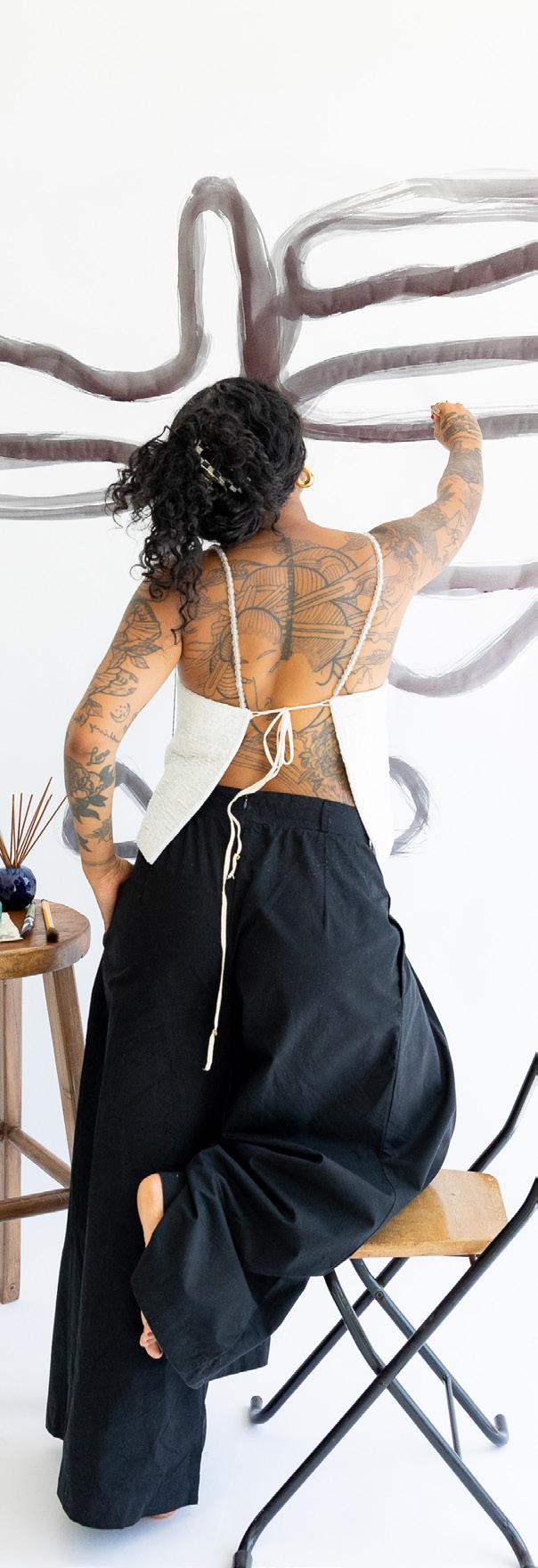
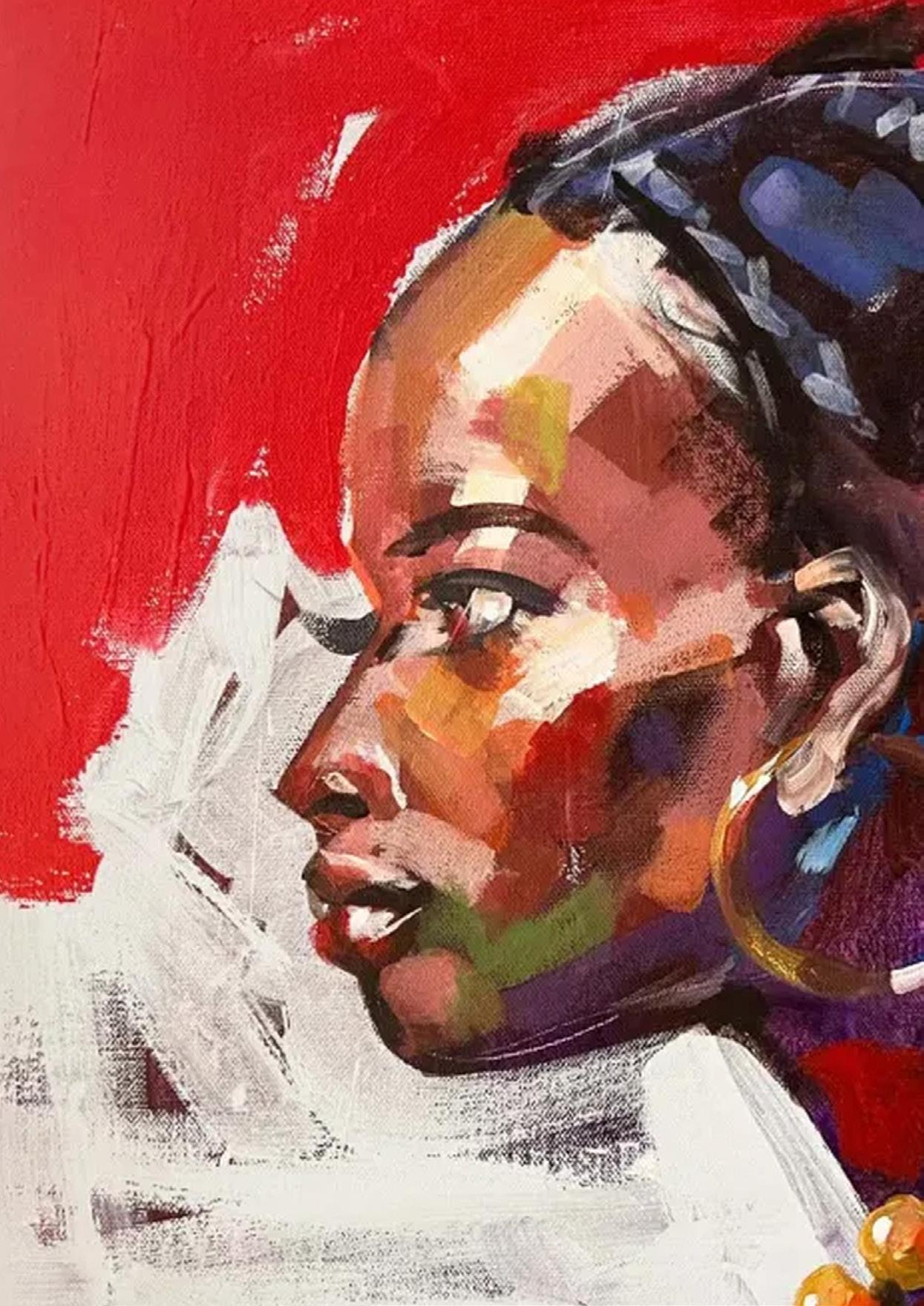
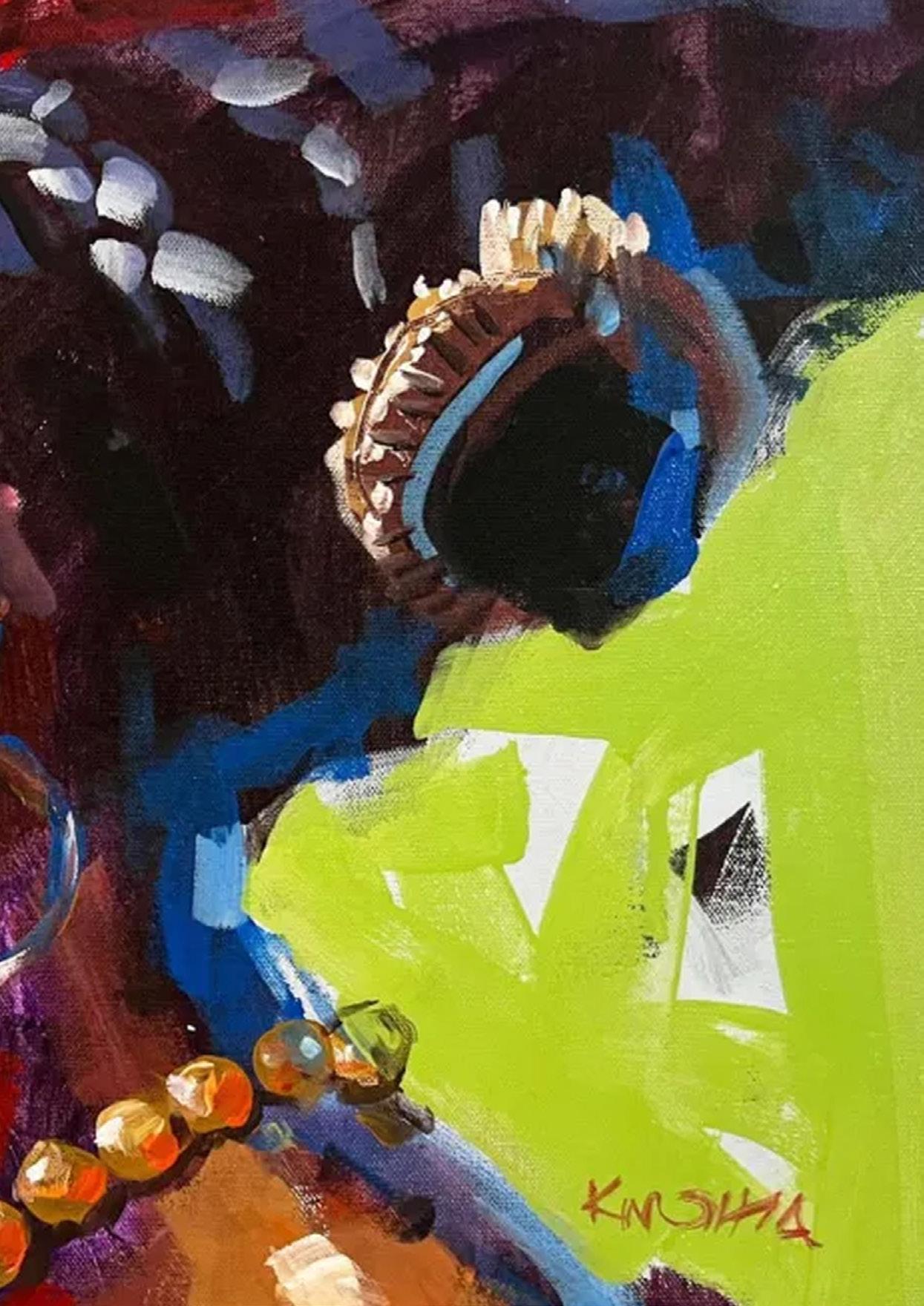
Kenyan artist Patrick Kinuthia’s journey is one shapedbylight,memory,andthequietbeautyof everydaymoments.Trainedasagraphicdesigner, he transitioned to full-time painting in 1997, and his work—spanning landscapes, portraits, and wildlife—has been exhibited internationally. Rootedinobservationandemotion,Kinuthia’sart reflectsbothadeepconnectiontothelandanda constantlyevolvingcreativevoice.
“Iusenaturallight as a storytelling tool. It sets the mood, reveals textures,andgives myworkrhythm.”
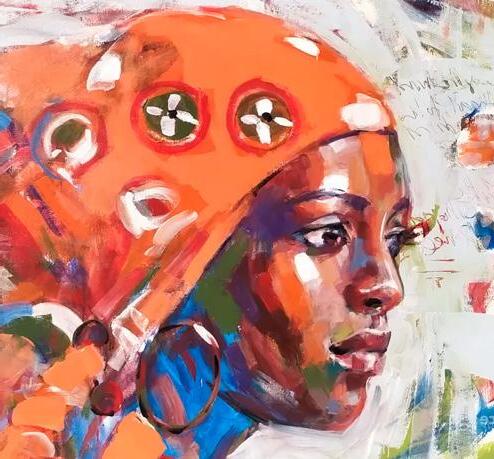
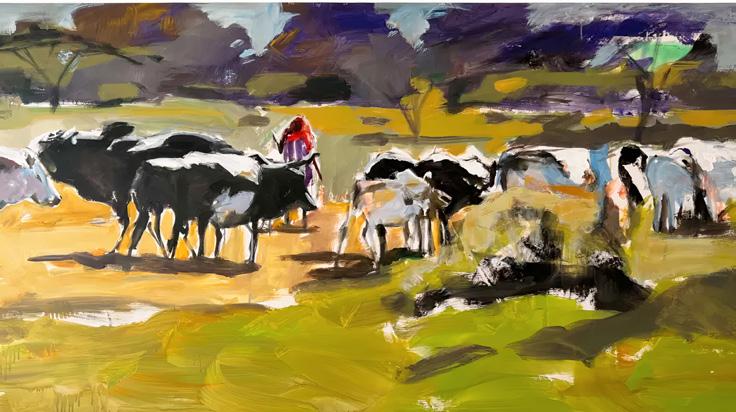
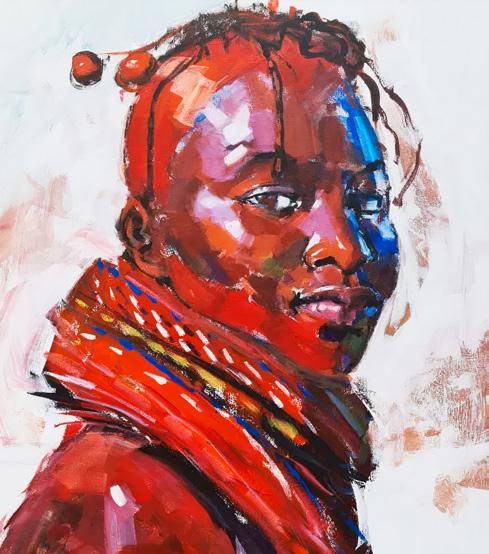
“My interest in art began in childhood. I found a Reader’s Digest with Norman Rockwell’s work in a rubbish heap. That momentsparkedsomethinginme.”
“Landscapes feel most personal to me. Walking, travelling, photography— thosequietmomentsinspiremywork.”
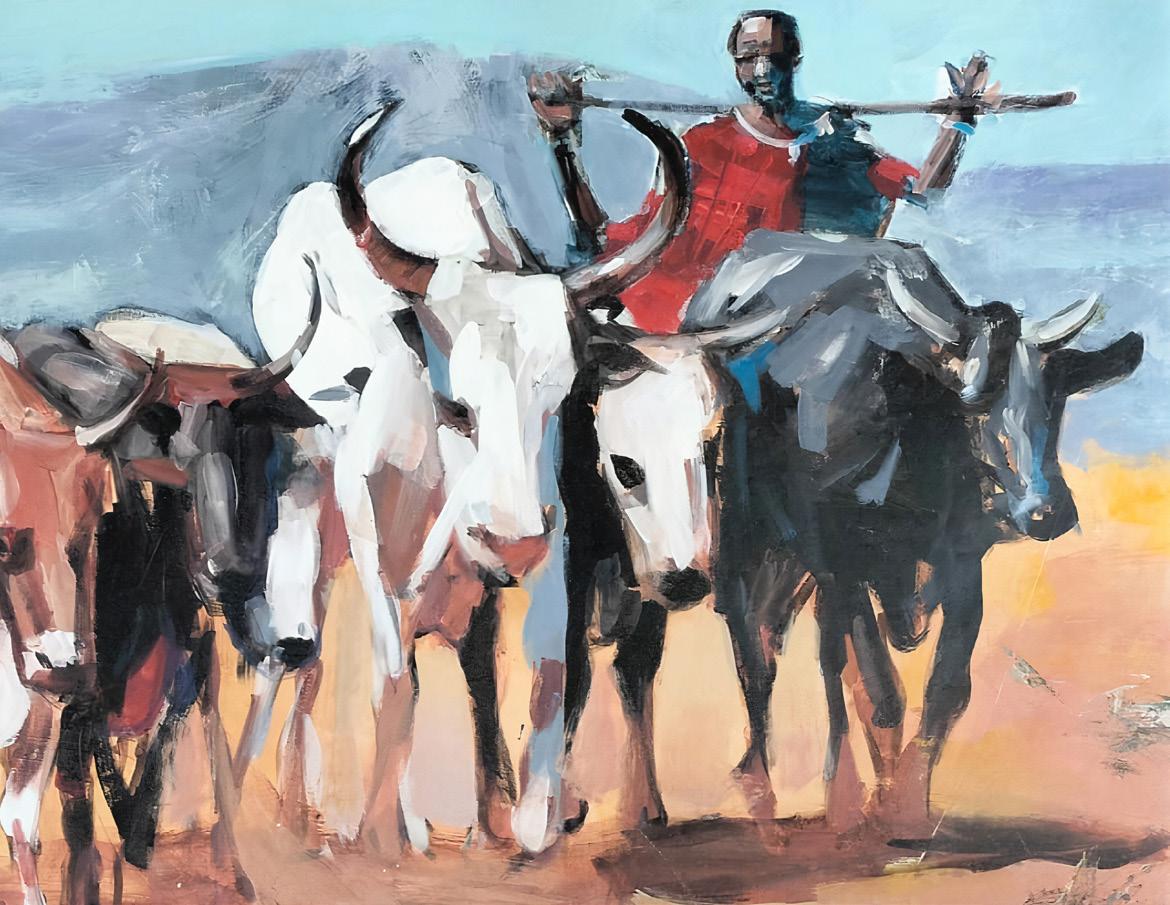
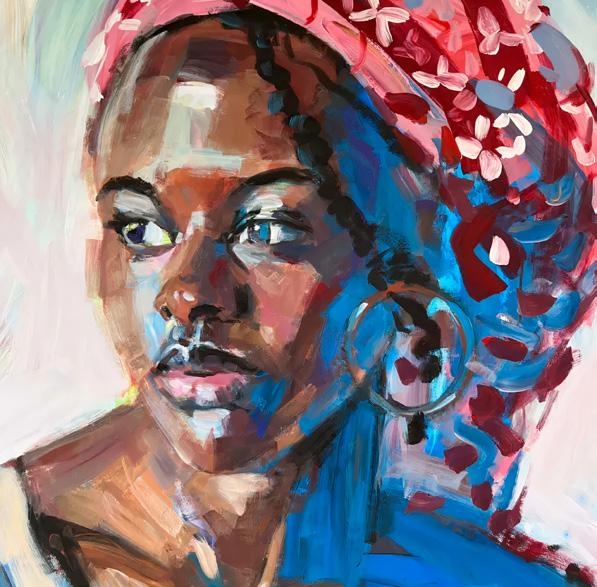
“Myevolutionfromrealismtoimpressionism and contemporary styles reflects my growth—andtheever-changingrhythmof theartworld.”
“This year, I’m excited to exhibit new landscapesalongsideDutchartistMyrna atArdhiGallery.”
“My late dad, a patron of the arts in Nairobi, introduced me to Rafiq, a leadingmuralist.Istudiedunderhimfor fouryears—itshapedeverything.”
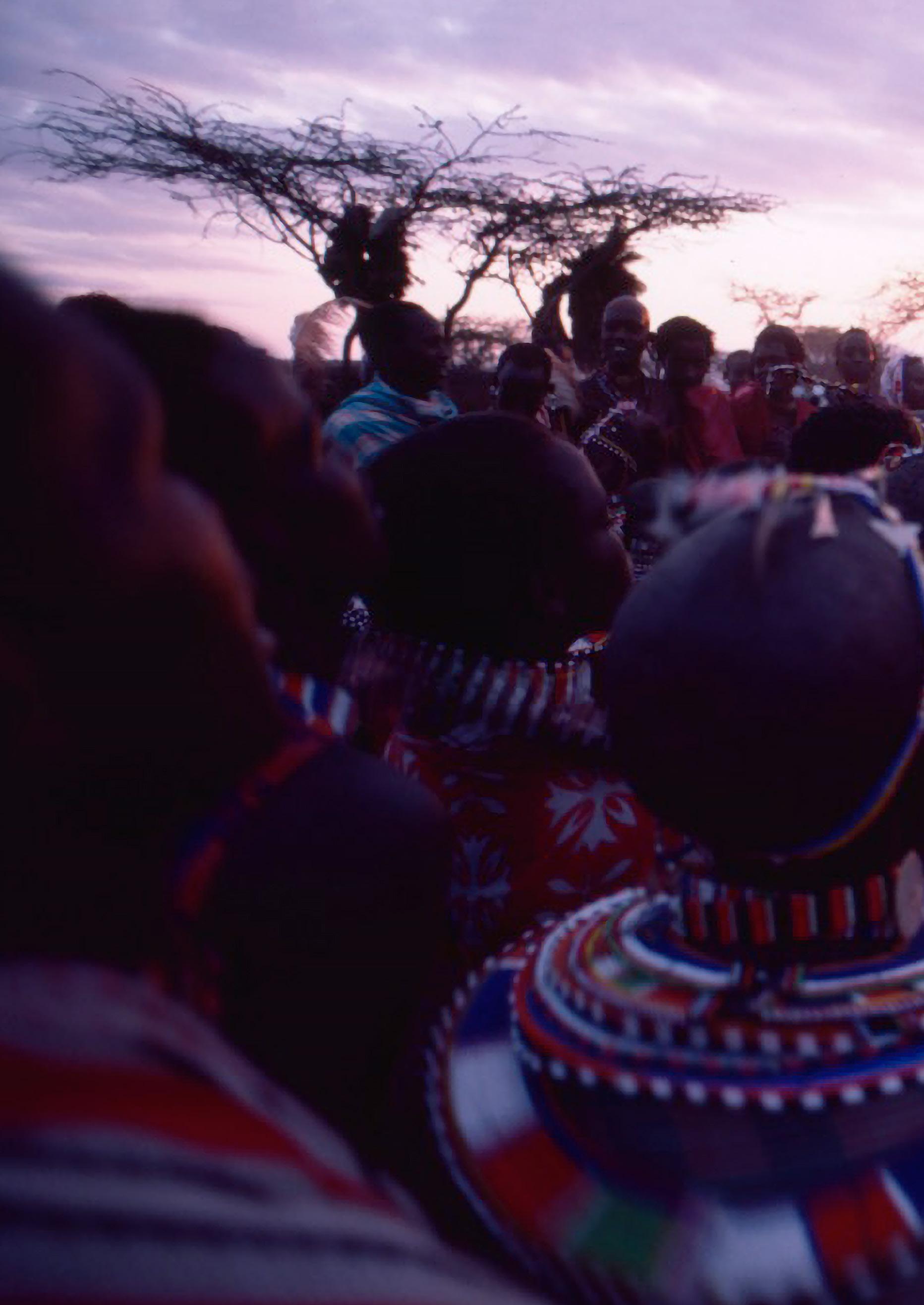
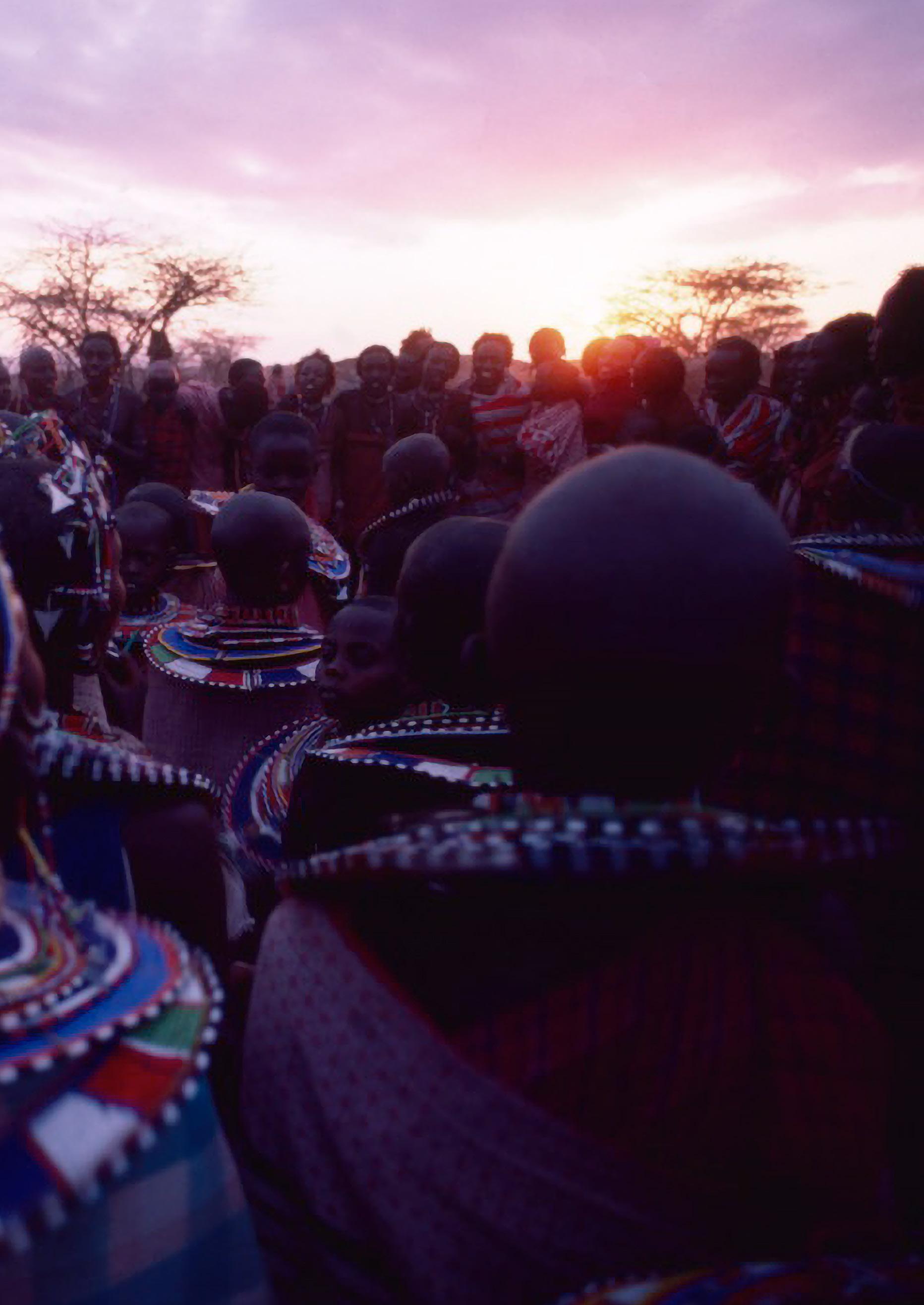
young women during a sunrise ceremony.[1980s]
The scene captures a moment of cultural significance as the young ladiesgatheratdawn.

Silhouetted against the setting sun, El Molo youngsters punt their doum-palm log raft, returning with the day’s scavenged browse for the island’s goats. [1975]
ThescenecapturesapeacefulmomentofdailylifeastheElMoloyouthnavigate thewaters,carryingnourishmentfortheircommunity.

The turmoil of Africa’s emergence into the 20th century has long been the focus of the critical eye of the Western World. From exploration to exploitation; from fear and famine to fame and fortune; from war-torn horror to wildlife wonder; it has all been exposed to the relentless gaze of the international press.
No one has caught the pain and passion more incisively than Mohamed Amin, photographer and frontline cameraman extraordinaire. He was the most famous photo-journalist in the world, making the news as often as he covered it. ‘Mo’ trained his unwavering lens on every aspect of African life, never shying from the tragedy, never failing to exult in the success.
Born in Nairobi, Kenya on 28 August, 1943, the second son of a poor railway worker, Mohamed Amin (“Mo”) was soon faced with racism, an inevitable product of colonialism. He never forgot those underdog years and fought against prejudice the rest of his life.
From the time he acquired his first camera, a second-hand Box Brownie, Mo’s future was determined. Quickly he learned photographic and darkroom skills and was already applying them to commercial use when he went to secondary school in the then Tanganyika. Before he was 20 he was a recognized force as a freelancer in Dar es Salaam and his work appeared in all the Fleet Street national newspapers.
He witnessed and recorded the alternating currents of his beloved continent and beyond, projecting those images across the world, sometimes shocking, sometimes delighting millions of television viewers and newspaper readers. Through the gaze of his camera lens, he showed the world what some were afraid to see and what most
people wished they could ignore. His coverage of the 1984 Ethiopian famine proved so compelling that it inspired a collective global conscience and became the catalyst for the greatest-ever act of giving. Unquestionably, it also saved the lives of millions of men, women and children. He served as both the inspiration and as a catalyst for Band Aid, USA for Africa and Live Aid.
In a career spanning more that 30 years, ‘Mo’ was our eyes on the frontline in every situation and his honest unwavering approach to photojournalism earned him the unconditional respect of both friends and enemies alike. Mo covered every major event in Africa and beyond, braving 28 days of torture, surviving bombs and bullets, even the loss of his left arm in an ammunition dump explosion, to emerge as the most decorated news cameraman of all time.
His chronicling of the remarkable people, cultures, landscapes, flora and fauna of his beloved Continent was not given the same attention as his coverage of major news events, but was arguably more import in documenting the history of sub-Saharan Africa. He published over 75 coffee-table books highlighting the beauty of the Continent.
Mo’s remarkable life was cut tragically short in November 1996 when hijackers took over an Ethiopian airliner forcing it to crash land in the Indian Ocean killing 123 passengers and crew. Mo died on his feet still negotiating with the terrorists.
By any standards, Mo’s life was truly extraordinary; action-packed, full of pain and passion and inseparable from the troubled chronicle of emergent Africa.
Writtenby Salim Amin

A spray of milk from the mouth of an elder bestows a benediction over the squatting ranks of Eunoto graduates. [1980s]
This sacred gesture symbolizes the elder’s blessing, marking the spiritual transition of the young warriors into senior ranks during the Eunoto ceremony. The milk, a symbol of purity and nourishment, signifies the passing of wisdom and strength to the graduates.
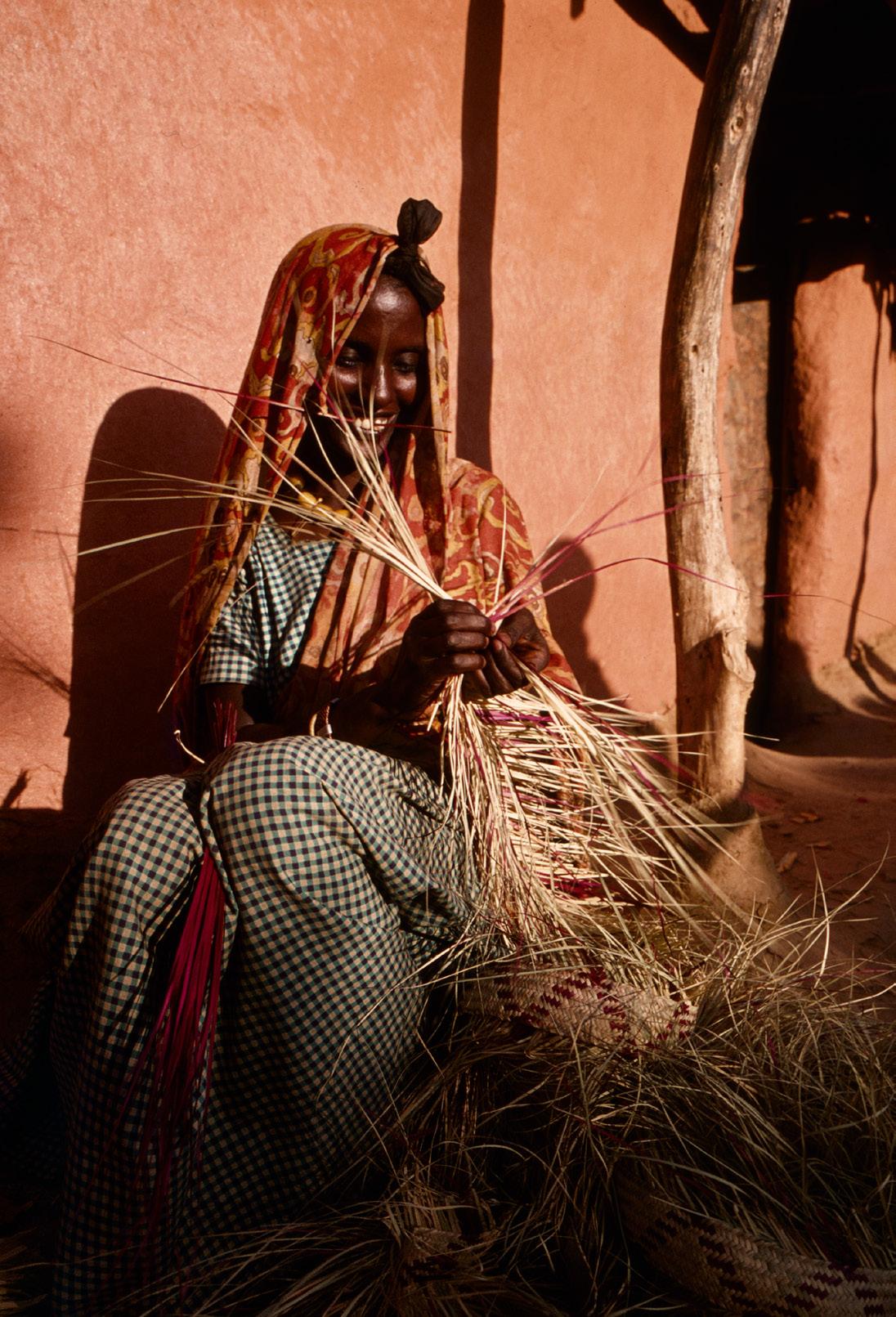
With a smile of concentration, a finely featured Boran woman weaves a sleeping mat from palm fronds in the shade of her home in northern Kenya. [1980s]
This serene moment captures the craftsmanship and dedication of the Boran community. As she carefully weaves the mat, her smile reflects the joy and pride she takes in this traditional practice,showcasingthecommunity’sresourcefulnessandstrong connectiontotheirheritage.
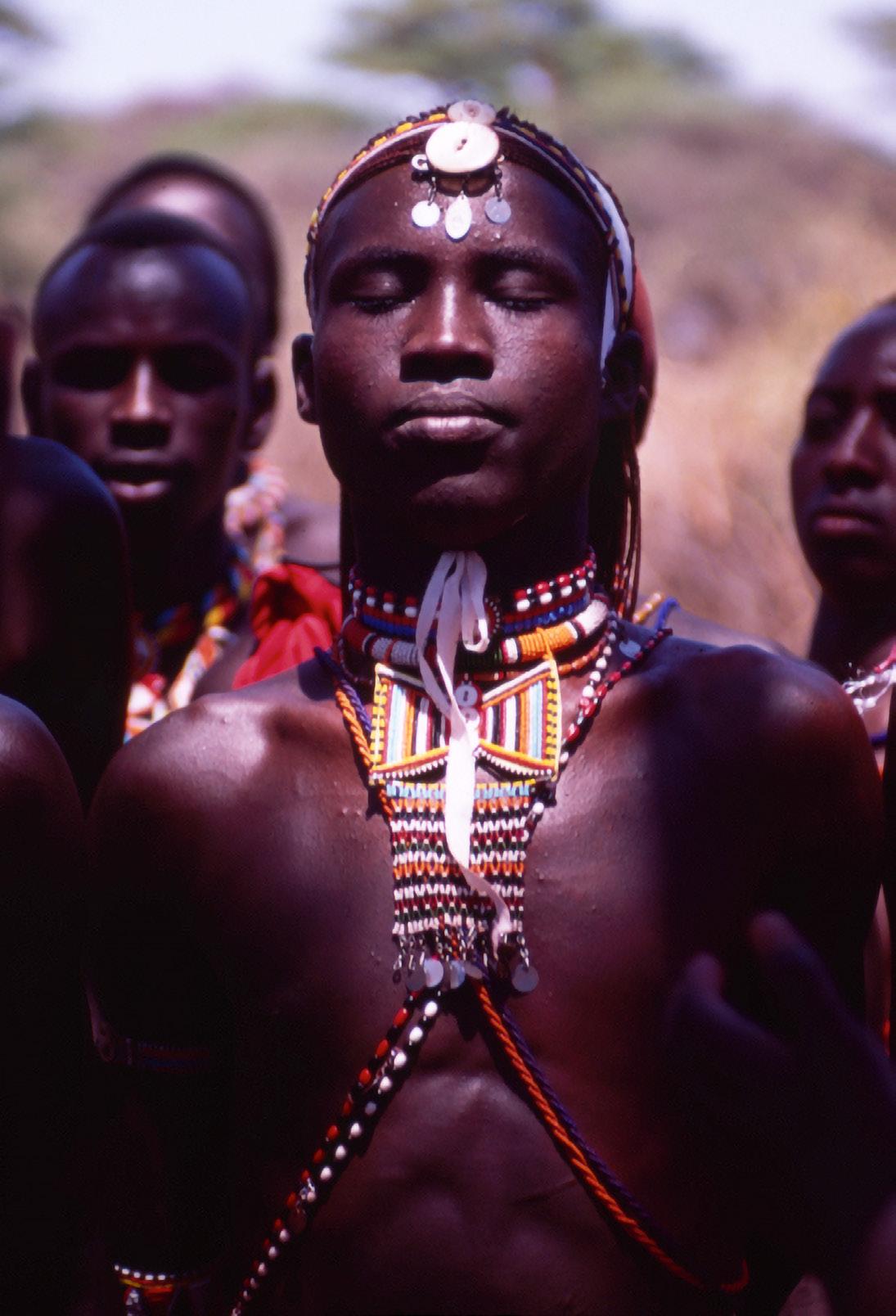
Maasai morans during the Eunoto ceremony. [1980s]
This ceremonial gathering marks a pivotal rite of passageforMaasaiwarriors,knownasmorans,asthey transitionfromjuniorwarriorstoseniorwarriors.Eunoto is a deeply symbolic event involving traditional rituals, songs, and blessings, signifying maturity, readiness for greater responsibilities, and eventual integration into elderhoodwithintheMaasaicommunity.
Maasai warriors performing a traditional jump dance. [1980s]
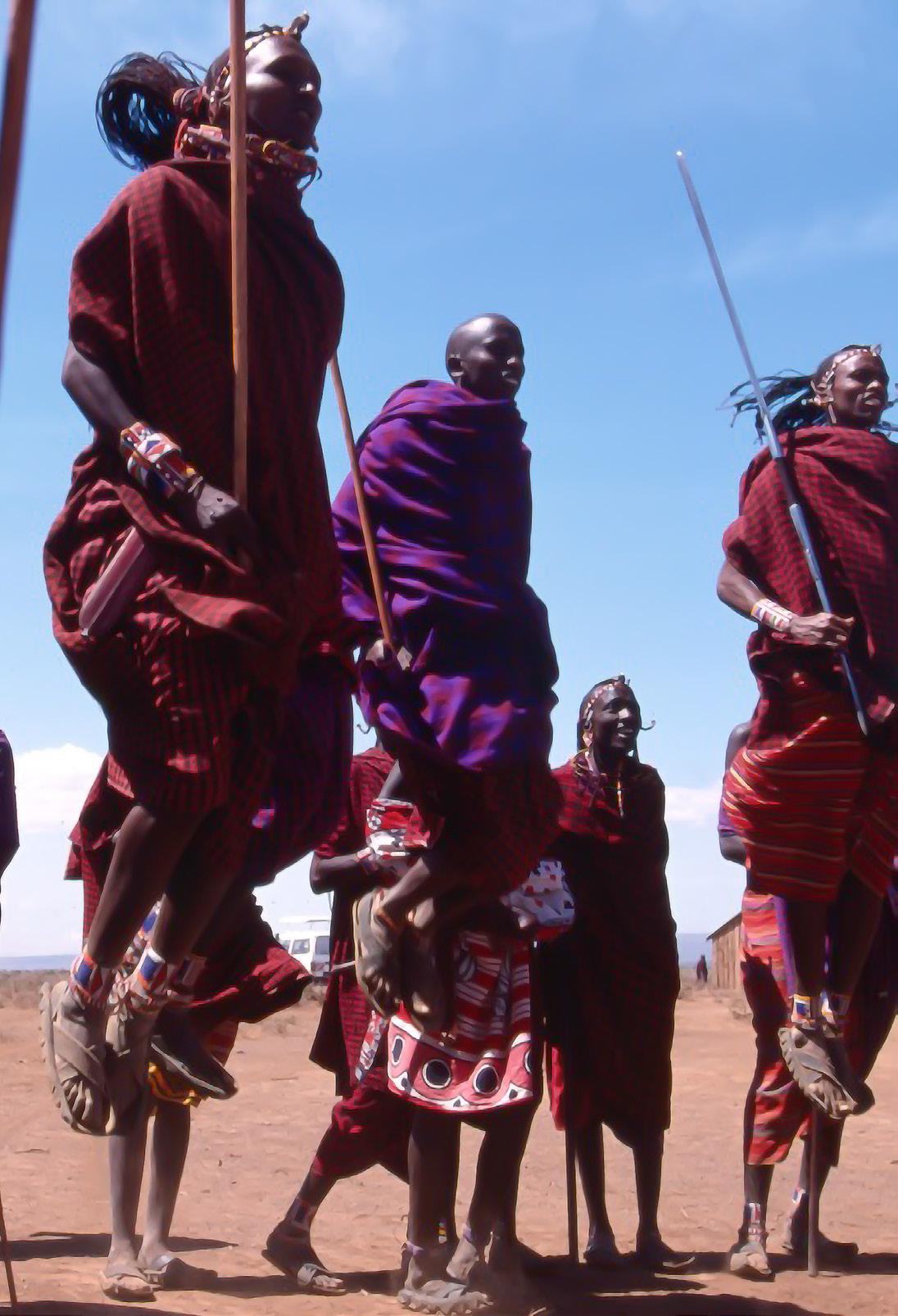
The jump dance, known as adumu, is a vibrant and energeticdisplayofstrengthandagility,whereMaasai warriors leap high into the air as part of a ceremonial performance. This dance is often performed during celebrationsandritesofpassage,symbolizingbravery, endurance,andunitywithinthecommunity.
Well-writtenbookscantakedecades—evenlifetimes—tocraft.Andeventhen,any singlebookcanonlyscratchthesurfacewhenviewedinisolation.Butwiththeright collection,youcanpiecetogetherallthecontextneededtoconnectwithnearlyevery aspectofatopic.So,sincethisisourfirstedition,let’sstartwithanelementallist—a collectionof booksthat,whenconsideredtogether,offeraninitialscopeofwherewebeganandwherewe standasa culture.Ifyou’veneverreadaKenyanbook,thesearethetitlestostart with.
Out of Africa by
Karen Blixen
This one is definitely something you’ve heard of—equally hated and beloved, often for the wrong reasons, but a staple nonetheless. At its core, the book is about grief. Karen loses her husband, her friends, and her beloved coffee farm. In totality, it reads like a eulogy for the failed settler experiment.
It’s hard not to find something to grasp onto in this wistful memoir, especially when you consider that these are the raw emotions of a young woman gradually shedding her naivety. The best part? You can actually read it in her former home, now a museum in Karen.
Jennifer McVeigh
As heralded as Out of Africa is, there’s a blind spot in it. Behind the aristocratic lustre of colonial Kenya, what did their African staff really think of them?
This historical fiction novel opens with 18-year-old Rachel Fullsmith returning to Kenya after six years in the UK with her grandparents, following her mother’s death. Although Rachel is nostalgic for simpler times, the Kenya she returns to in the early ’50s couldn’t be more different: her father has a new, wicked girlfriend; the family farm is falling apart; and the Mau Mau rebellion is beginning to stir in the countryside.
The book is unflinching in its depiction of this dark period in the country’s history. And yet, it still functions as a coming-ofage story. Rachel is still finding herself—stepping into her womanhood in the face of this complex world we all share.
McVeigh perfectly weaves the experience of a country and a young woman growing up. It’s challenging. It’s excruciating at times. And the ending doesn’t even let readers off the hook, leaving some questions deliberately unanswered. Yet thanks to McVeigh’s excellent prose, what
you walk away with is a desire to explore Kenya now that you understand it a little bit more.
Yvonne Adhiambo Owuor is one of Kenya’s finest writers, with a Caine Prize under her belt. To truly grasp this book, you first have to understand her. She cut her teeth in the early 2000s as part of the defiant Kwani? series—a literary movement where a cohort of talented writers challenged the status quo and redefined cultural norms. For a decade, readers waited for her big, glossy, ambitious novel. At times, it seemed like it might never come. Then came Dust.
Trying to fully describe Dust is like trying to sum up War & Peace. Any other novel might crumble under such a comparison, but Dust stands firm. Set against the backdrop of the near-civilwar skirmishes following Kenya’s 2007 post-election crisis, the novel weaves through different characters and timelines, unraveling what it means to be Kenyan— to carry the cultural trauma of a country constantly teetering between stability and calamity.
In its review, The New York Times remarked that within this book, you will find “the entirety of the human experience.”
The only thing Kenyans love more than football is politics. And at times, politicians behave like professional wrestlers—one day a hero, the next a villain.
This book opens at a party celebrating the nation’s newfound independence, and through it, you witness the Odingas, the Kenyattas, and other political dynasties as
they plot and mythologize in the heart of a young nation.

Paired with Dust, it reveals how seemingly innocuous decisions made behind the curtains of power rippled out, shaping the country in ways both profound and tragic.
By the time you finish this, you’ll never watch local news the same way again.
The pantheon of Kenyan literature isn’t all self-serious sociological material. Some authors embrace the casual and the comedic.
Drunk follows a regular guy just tasting success… and alcohol. His love life, family, self-respect, and career all hinge on his ability to balance these two major forces in his life.
The book flies by—you could easily finish it in a day or two. Fittingly, for a story about addiction, it’s nearly impossible to put down. It’s not a perfect book. But it’s charming.
And no other novel has captured contemporary Kenyan middle-class life quite like it.
WrittenbyFredAlbertOnyango

Brand
Social
Campaign
Launch
Magazine