








jewelry designed to be the art you wear N aifeh f i N e J ewelry . com


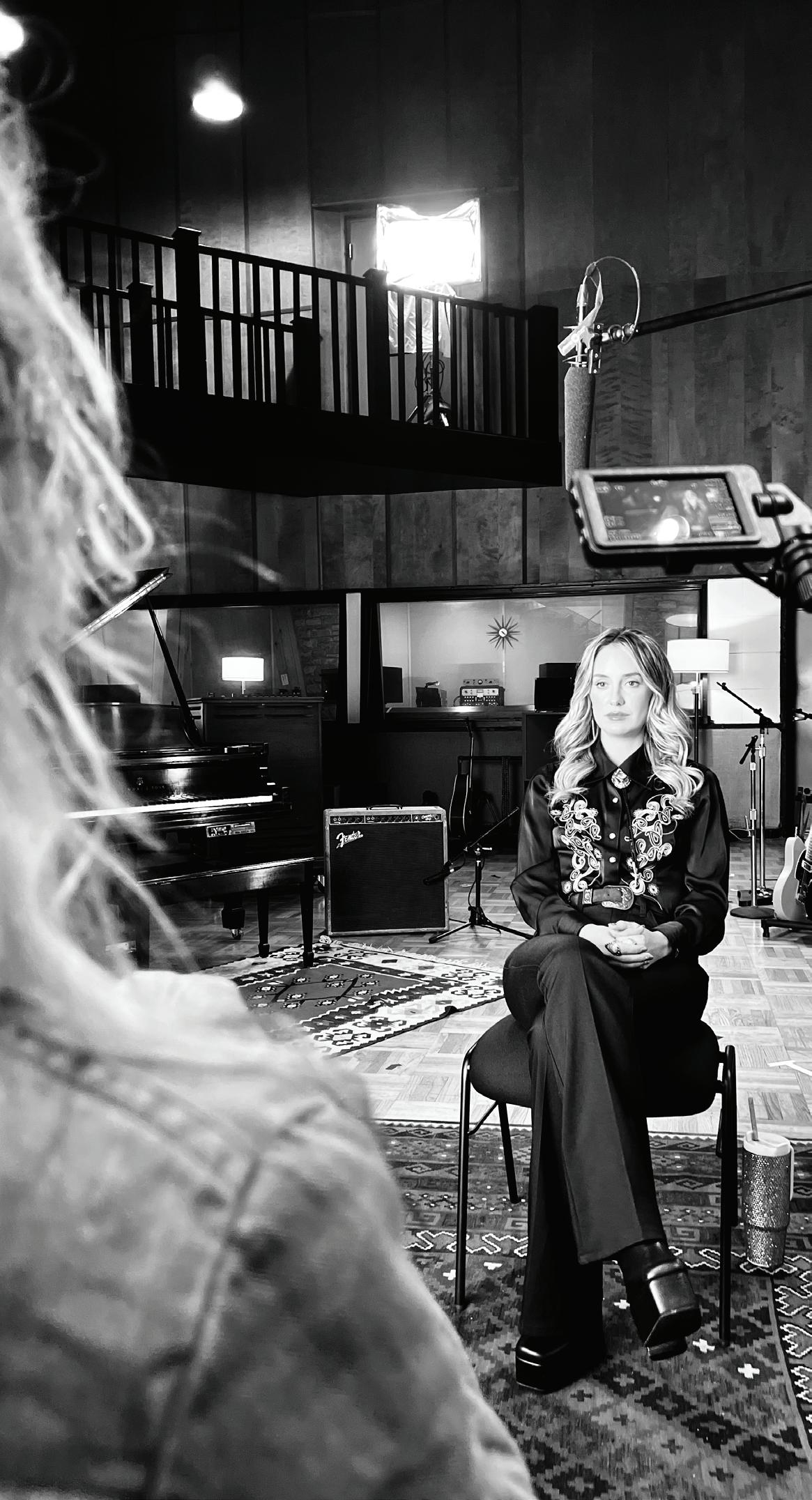
Country powerhouse Lainey Wilson is having a moment, as shown by the new documentary Keepin' Country Cool, which recently premiered at SXSW before hitting Netflix—a project driven by her strong connection with Oklahoma director Amy Scott.
STORY BY ALEXANDRA BOHANNON
From the Baltic Sea shores of Helsinki to Tulsa’s Kendall-Whittier district, the communal pleasures of a sauna experience are habitforming. Time to take the plunge.
STORY BY MEGAN SHEPHERD

Being modern film’s preeminent cinematographer is just one of Roger Deakins’ facets; once he learned what a podcast was, his became a must, and he loves photography most.
STORY BY MICHAEL KINNEY
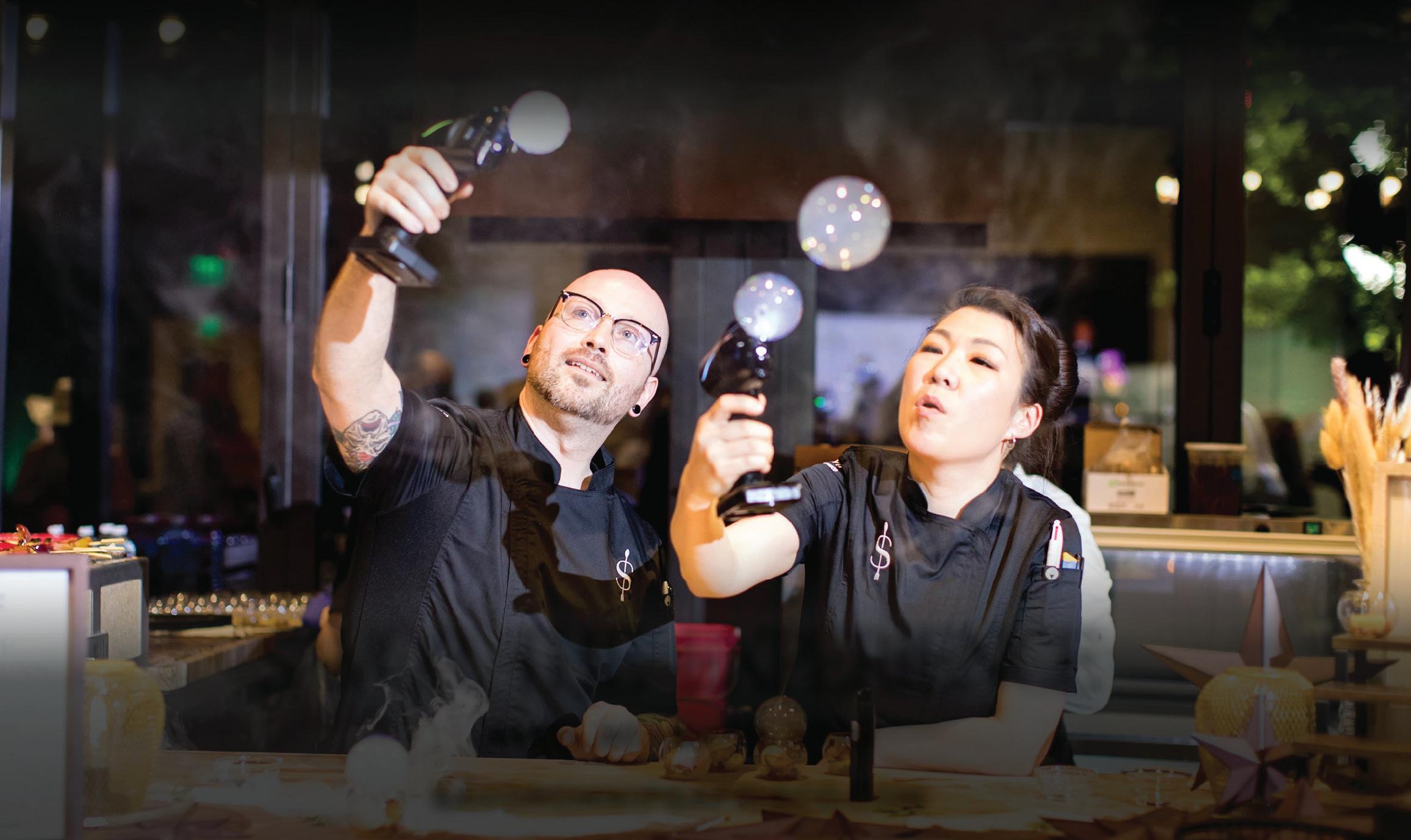
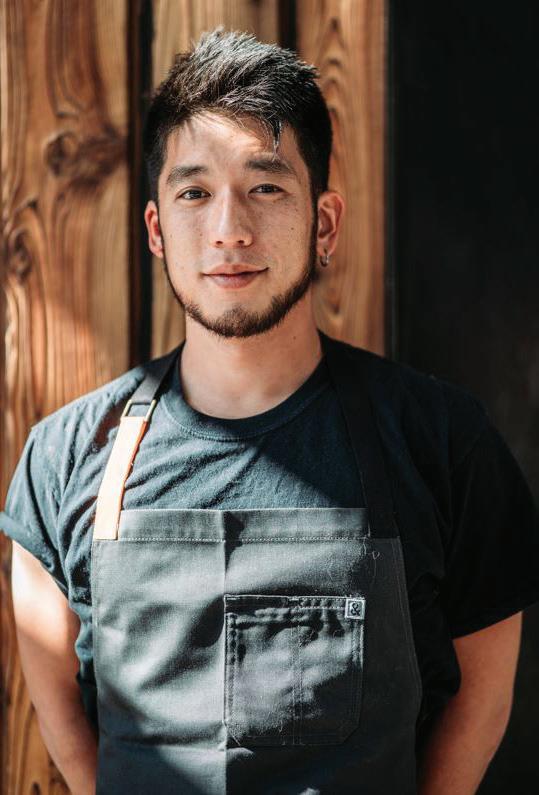
Star OKC chef Kevin Lee is tasting anticipation—it’s almost time to head to Frisco, Texas, to show off his Oklahoma cuisine and reconnect with old friends at SAVOR.
STORY BY GREG HORTON
Fortune favors the bold. Ask Pawhuska’s Ryan RedCorn, whose entrepreneurial risks and penchant for fearless comedy are paying off in vibrant Native storytelling.
STORY BY CRAY BAUXMONT-FLYNN
SXSW fills Austin with even more than music, movies and primo cuisine. Visitors this year feasted their eyes on exquisite fashions from a trio of Indigenous designers.
STORY BY ALEXANDRA BOHANNON



What is it about Oklahoma that makes it such fertile ground for bold, smart, creative businesses? Perhaps our weather is a contributing factor—we all certainly know how to stay calm and ride out a storm. Maybe it’s our natural tendency to help each other out—the Oklahoma Standard is a real, exquisite phenomenon. Whatever the alchemy, Oklahomans are born entrepreneurs, and we adore every one of them. Their stories are exciting. They fearlessly follow their imaginations, making dreams reality.
Take the women behind Folded. Two fashion students, inspired by a chic handbag design from the 1970s, have launched a company making cool clutches and minaudières from vintage magazines and hardware. Their creations are sustainably produced. Writer Kate Frank caught up with the pair, who currently call London home.
Ipanema Law, a Tulsa firm founded by Morgan Ipanema, caters to this remarkable creative business class—founders, freelancers, creatives and chefs. By her way of thinking, offering sound legal support allows dreamers the time and brain capacity to focus on creating at the highest level. Ipanema spoke at the 2026 iteration of SXSW, Austin’s juggernaut of a creative festival. SXSW, hosts “houses,” which are curated pop-up venues around downtown Austin. Luxiere stopped by New Mexico House to meet three Indigenous designers staging a runway show: JG Indie, helmed by Jolonzo Guy-Goldtooth; Sage Mountainflower; and Norma Baker-Flying Horse’s label, Red Berry Woman, whose 2024 Oscars design for model Quannah Chasinghorse drew praise from Anna Wintour. You’ll meet them in Alexandra Bohannon’s story in this edition.
Bohannon also brings us this edition’s cover story. Country music singer Lainey Wilson is the subject of a new documentary, Lainey Wilson: Keepin’ Country Cool, directed by Lawton native Amy Scott. Wilson became an “overnight success” … after 14 years of tenacious work.
Oscar-nominated cinematographer Sir Roger Deakins (not an Oklahoman; yes, THAT Roger Deakins) recently sat down with writer Michael Kinney during a recent trip to Oklahoma. The two talked about his film career, including work on The Shawshank Redemption, O Brother, Where Art Thou? and Fargo, as well as his endeavors in podcasting and photography.
Anita Golden Arnold, our Woman of Influence, has spent more than three decades as executive director of Oklahoma City’s Black Liberated Arts Center. A mathematician and engineer, Arnold ascended the corporate ladder in the 1960s, a time when many corporations unleashed relentless racism—some overt, some covert—against Black job candidates. Arnold broke barriers with her entrée into the ranks of Western Electric. After a career that took her to the highest echelons of corporate America, she returned to OKC, where her groundbreaking work continues.
Ryan RedCorn’s career spans graphic design, visual satire and sketch comedy. He’s profiled in the edition by writer and fellow creative Cray Bauxmont-Flynn. RedCorn’s comedic epiphany occurred at the side of a family member’s death bed where—at his mother’s request—RedCorn started telling jokes to lighten the mood. Spoiler alert: There’s more to this story.
Edition 60 of Luxiere is bursting with creativity and heart. I hope you’ll find joy, inspiration and something new to you within these pages.
Until next time,

STACY D. JOHNSON Publisher, Owner

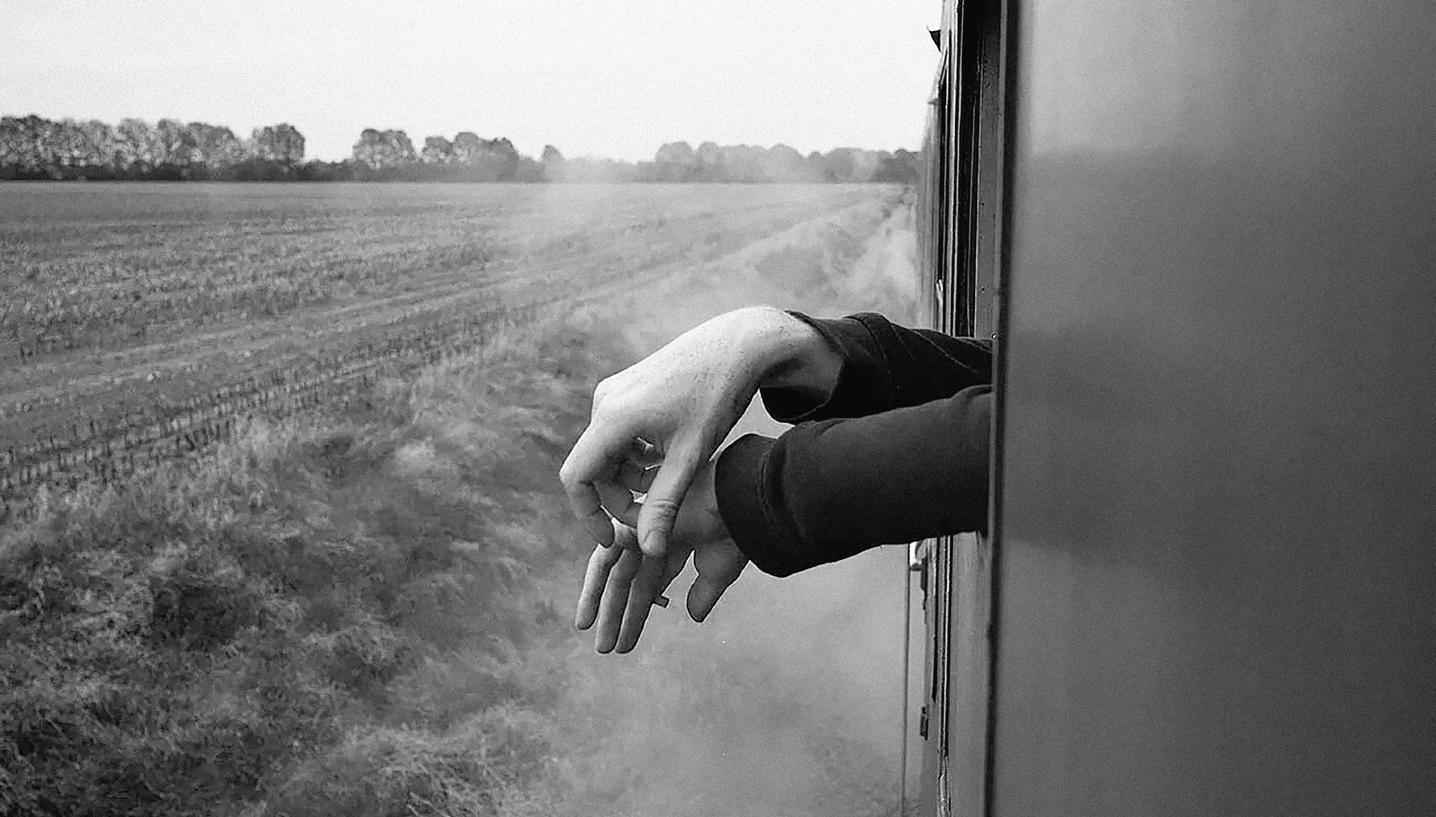
World-renowned and award-winning cinematographer Roger Deakins speaks with Luxiere about his book, podcast and the draw of capturing those "found moments."
OUR CONTRIBUTORS
Each issue of Luxiere represents the combined efforts of an accomplished team of creative Oklahomans. We are pleased to share their work with you, and grateful for the time and talent each has contributed to bringing this publication into being.



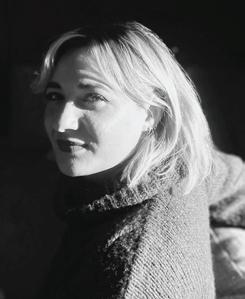


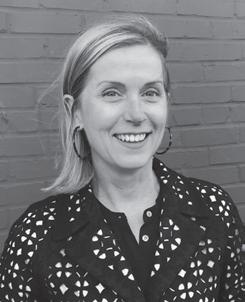
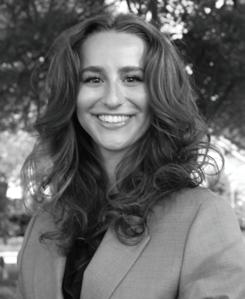

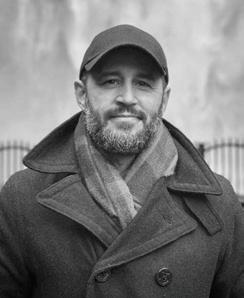
STACY D. JOHNSON Owner/Publisher/Editor in Chief
DESIGN
nvsble.studio
Lainey Wilson performs onstage during the Lainey Wilson: Keepin' Country Cool SXSW Premiere on March 17, 2026 in Austin, Texas.
Photograph by Robin Marchant/Getty Images for Netflix
CORPORATE OFFICE
2123 N Classen Blvd Oklahoma City, OK 73106 www.luxiere.co
Luxiere Oklahoma is published bimonthly, direct-mailed to a curated readership and distributed at select retail locations free of charge for individual use. To request copies, please contact the publisher. For more information, visit www.luxiere.co.
Email: stacy@ luxiere.co Phone: 405.808.1332
Advertising claims and the views expressed in this magazine by writers do not necessarily represent those of Luxiere Magazine. No responsibility is assumed for unsolicited materials. Originals of manuscripts, photographs, artwork or other materials should not be sent to Luxiere Magazine unless specifically requested to do so in writing. Luxiere Magazine is not responsible for the return of any manuscripts, photographs, artwork or other materials submitted. Luxiere Magazine shall have no liability for errors, omissions or inadequacies in the information contained herein or for interpretations thereof. Luxiere Magazine shall have no liability for
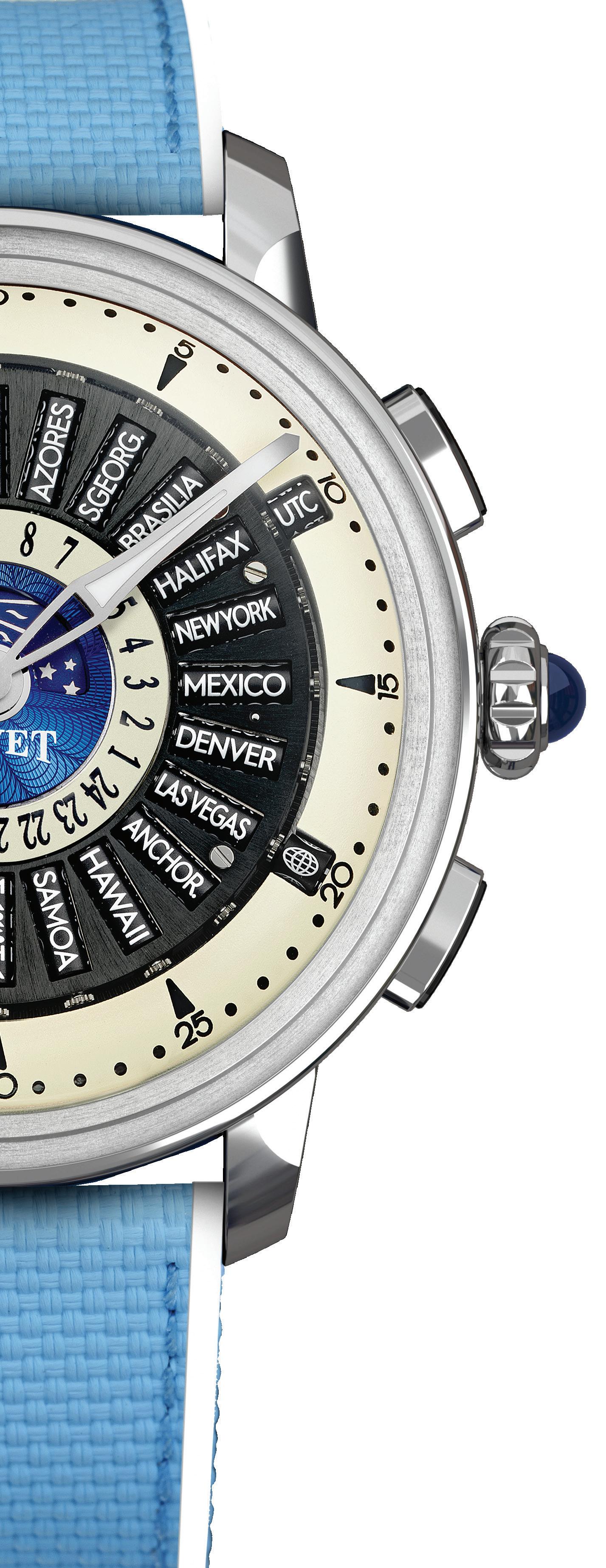
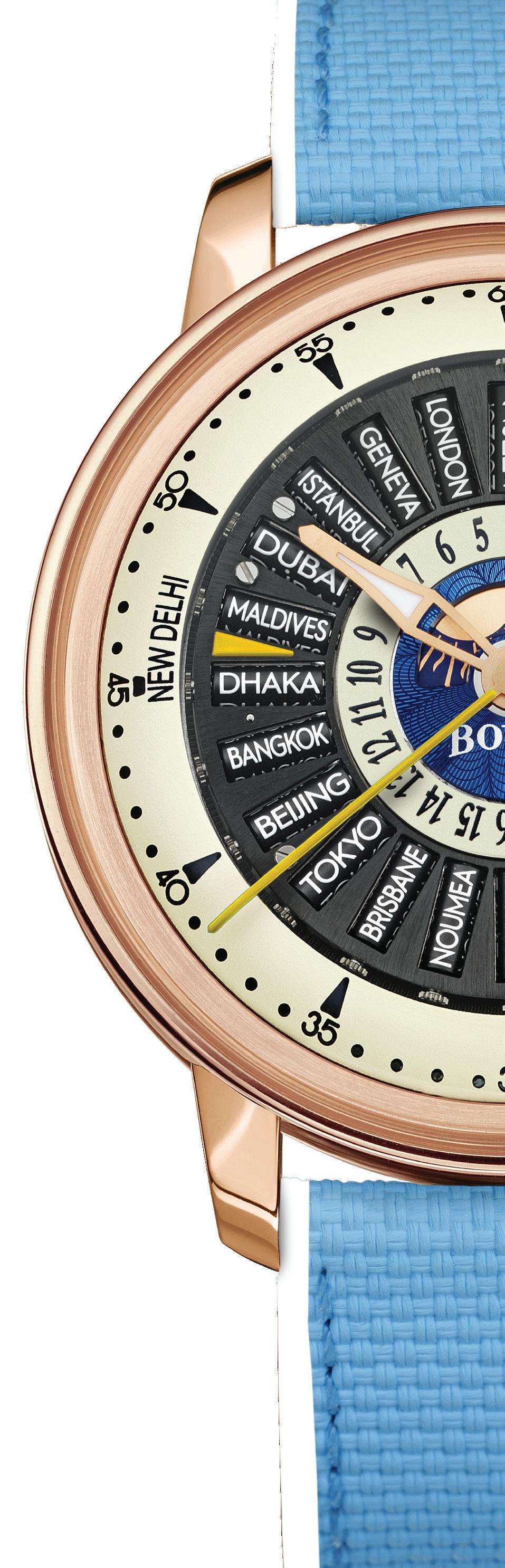
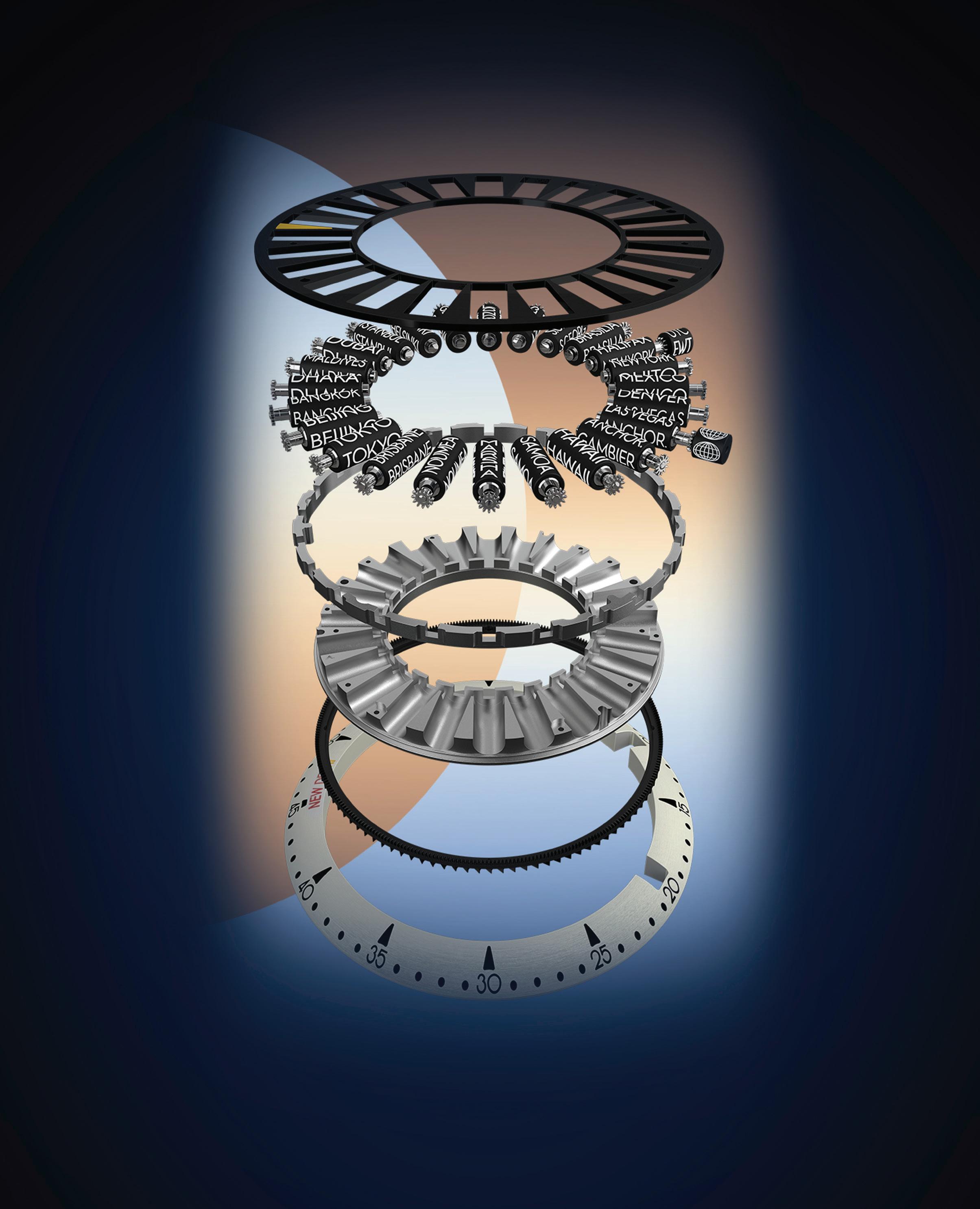
THE BOVET RÉCITAL 30 IN TITANIUM & RED GOLD AVAILABLE AT NAIFEH


How two OU graduates found their brand, Folded, through transformation
STORY
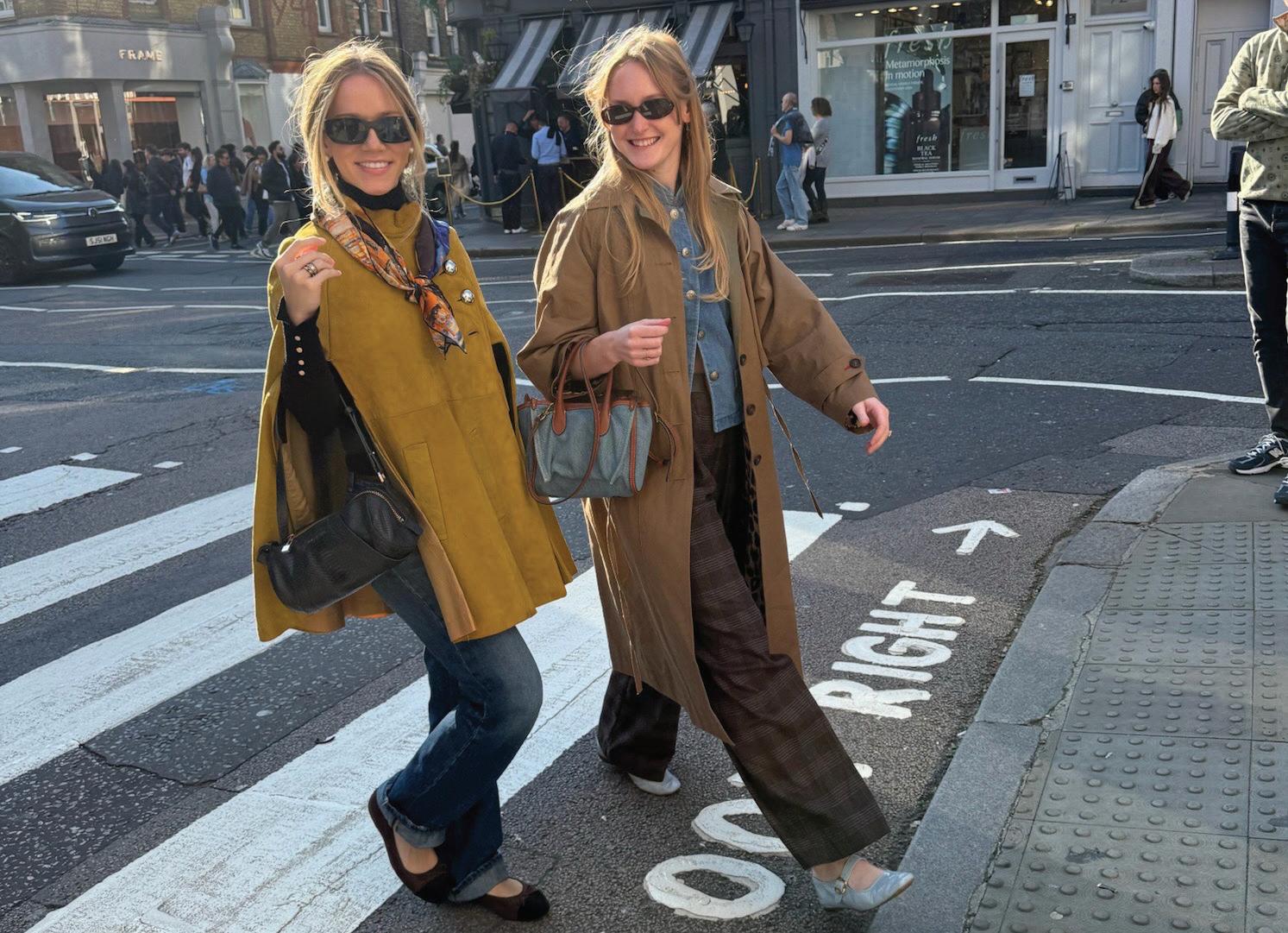
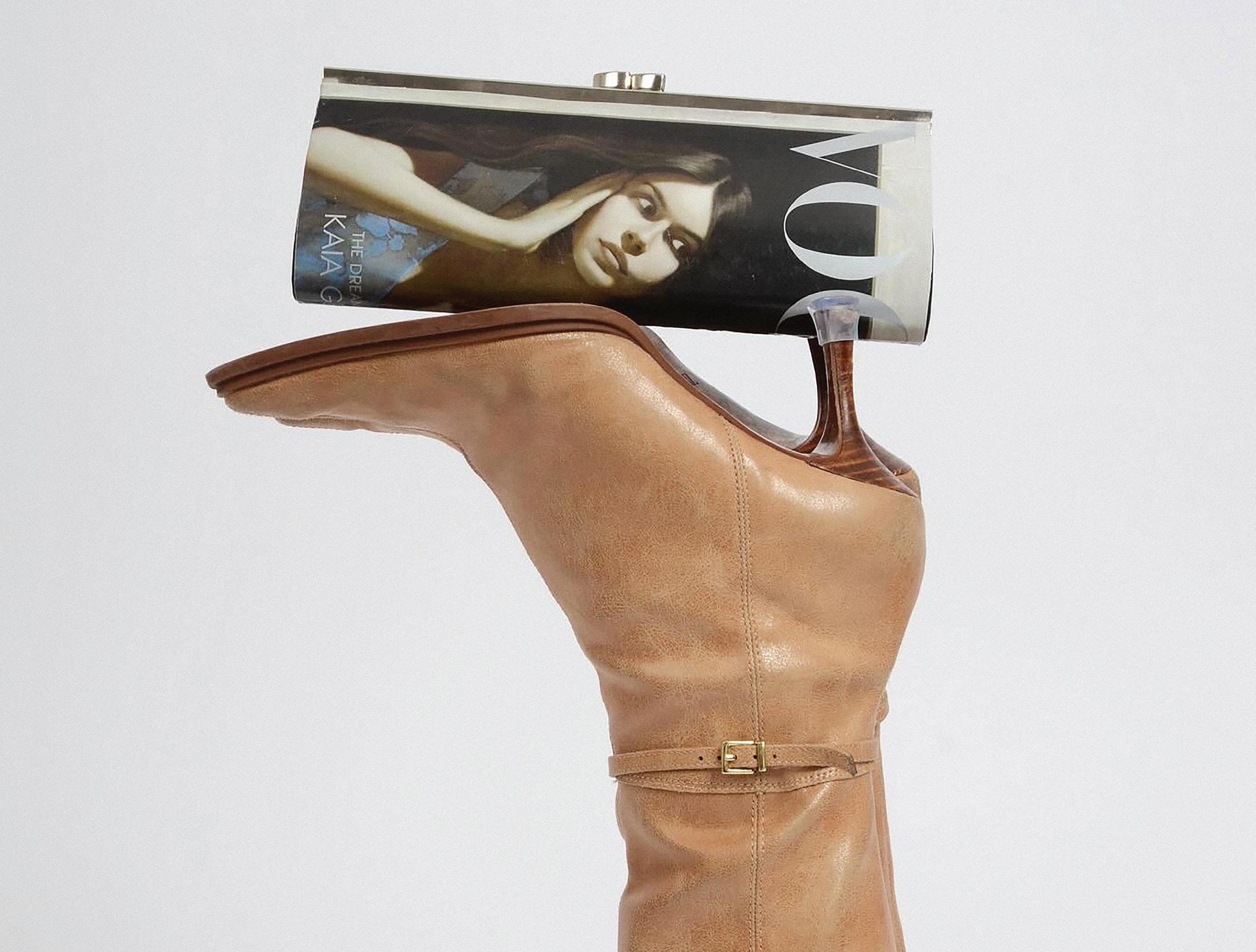
When University of Oklahoma graduates Bell Johnson and Brynlie Grantland first landed in London during a summer study abroad trip, they didn’t expect that it would become the birthplace of their fashion brand. What began as a shared love for fashion and all things editorial has evolved into Folded, a brand transforming vintage magazines into handcrafted clutch bags.
Now graduate students in London, the two OU alumnae are building a business inspired by fashion history and print culture.
For Johnson, who grew up in Norman, her first insight into fashion came from her family, specifically her grandmother. “She always had such a strong sense of style,” Johnson says. Another major influence was her older sister, who attended Parsons School of Design in New York City for fashion communications. Watching her sister pursue a career in fashion helped Johnson imagine a similar path for herself.
“I always looked up to her,” Johnson says. “Seeing her in that world made me realize that I wanted to do something like that too.”
Meanwhile, Grantland, who grew up in Dallas, had long been drawn to creativity and design. “As a kid I always thought I would be a designer,” she says. “I was always interested in art, constantly drawing and painting.”
While at OU, Grantland became involved with The Campus Edit ,
the university’s first student-led fashion magazine, founded in 2024. The experience solidified her confidence that a career in fashion was within reach.
“Working on The Campus Edit showed me I was on the right career path,” she says. “It allowed me to see that there was a real possibility of working in the fashion industry.”
Johnson and Grantland met during a study abroad program through Gaylord College called British Media Studies. The program brings students to London during the summer semester to visit major media outlets and learn about international media culture firsthand.
“The second I landed in London, I felt like I needed to be here. I fell in love with it,” Johnson says.
The experience opened their eyes to the global scale of fashion and media. By the end of the trip, both knew they wanted to return for graduate school. Johnson began researching programs and eventually applied to the University of the Arts London, where she enrolled in the MA Strategic Fashion Marketing program beginning in September. Grantland, equally determined to continue studying fashion, applied to the Vogue College of Fashion’s MA in Entrepreneurship in Fashion and Creative Industries.
“I don’t think I had a second thought,” Grantland says about moving to London.
Today, the two are roommates in addition to being business partners in fashion school.
The idea for Folded emerged in an unexpected way as the roommates were playing MASH, the paper-and-pencil fortune-telling game many people may recall from childhood. As they played, Johnson jokingly proposed a condition.
“I said, ‘If it tells us we’re going to be business partners, then we should,’” Johnson recalls.
Sure enough, the game predicted exactly that. While the moment was lighthearted, it sparked a real conversation. “I was really set on doing some type of creative agency service while we were here,” Grantland says. “Something like creative consulting or social media consulting.”
Both students wanted to take full advantage of their time in London by gaining hands-on experience in fashion beyond the classroom. Grantland describes their partnership as naturally balanced. “I love coming up with ideas,” she says. “Bell is really good at figuring out how those ideas can actually happen.”
The concept for Folded began with a vintage fashion accessory. While reading a British Vogue article, Grantland came across a magazine clutch bag created from vintage magazine covers that became popular in the 1970s. Instantly captivated, she began researching where she could find one.
“They’re really difficult to find,” she says. “Most of them are only available on resale sites and they’re extremely expensive.”
Grantland quickly fell in love with the concept and decided to create one herself. The idea evolved from there. If vintage magazines could be turned into statement accessories, why not build a brand around it?
The brand name came from the product itself—with the clutches resembling folded magazines, Johnson and Grantland began brainstorming names inspired by editorial culture and the physical nature of print media. Eventually, one word stood out: Folded. The name reflects both the structure of the bag and the brand creators’ love for editorial fashion.
“I want to keep the brand as ‘print fashion’ as possible,” Grantland says, emphasizing the importance of editorial history within the fashion industry, as it’s often a lost art in today’s digital landscape.
When launching the brand, Grantland designed the logo and created its Instagram presence early on. “Social media is the easiest way to reach Gen Z quickly,” she says. “So starting on social media felt like a no-brainer.”
Each Folded bag is created using vintage magazines and secondhand materials.The designers intentionally source the bags themselves from secondhand platforms before transforming them into clutches. Every bag differs in shape, clasp and color, meaning no two pieces are identical.
For the founders, the vintage aspect is essential to the brand’s identity. It reinforces the sustainability of the product while also celebrating fashion’s print history. Grantland even transported a suitcase filled with magazines across the Atlantic to fuel the brand.
“When I visited Dallas for the holidays, I brought a whole checked bag of Vogue magazines back to London,” she says.
One of the advantages of building Folded in London has been access to an enthusiastic creative community. “Starting our brand now, we’re very fortunate to be surrounded by people equally interested in fashion,” Grantland says. “Especially print fashion.”
Classmates have become collaborators, helping with photoshoots, styling and promotion. During London Fashion Week, one of Grantland’s classmates organized an event called Rogue Runway, which highlights emerging designers in the city. Folded was featured in the show, with about a dozen models walking the runway carrying the brand’s clutches. The experience gave Johnson and Grantland an opportunity to experiment with creative direction, from selecting models to styling outfits that complemented the bags.
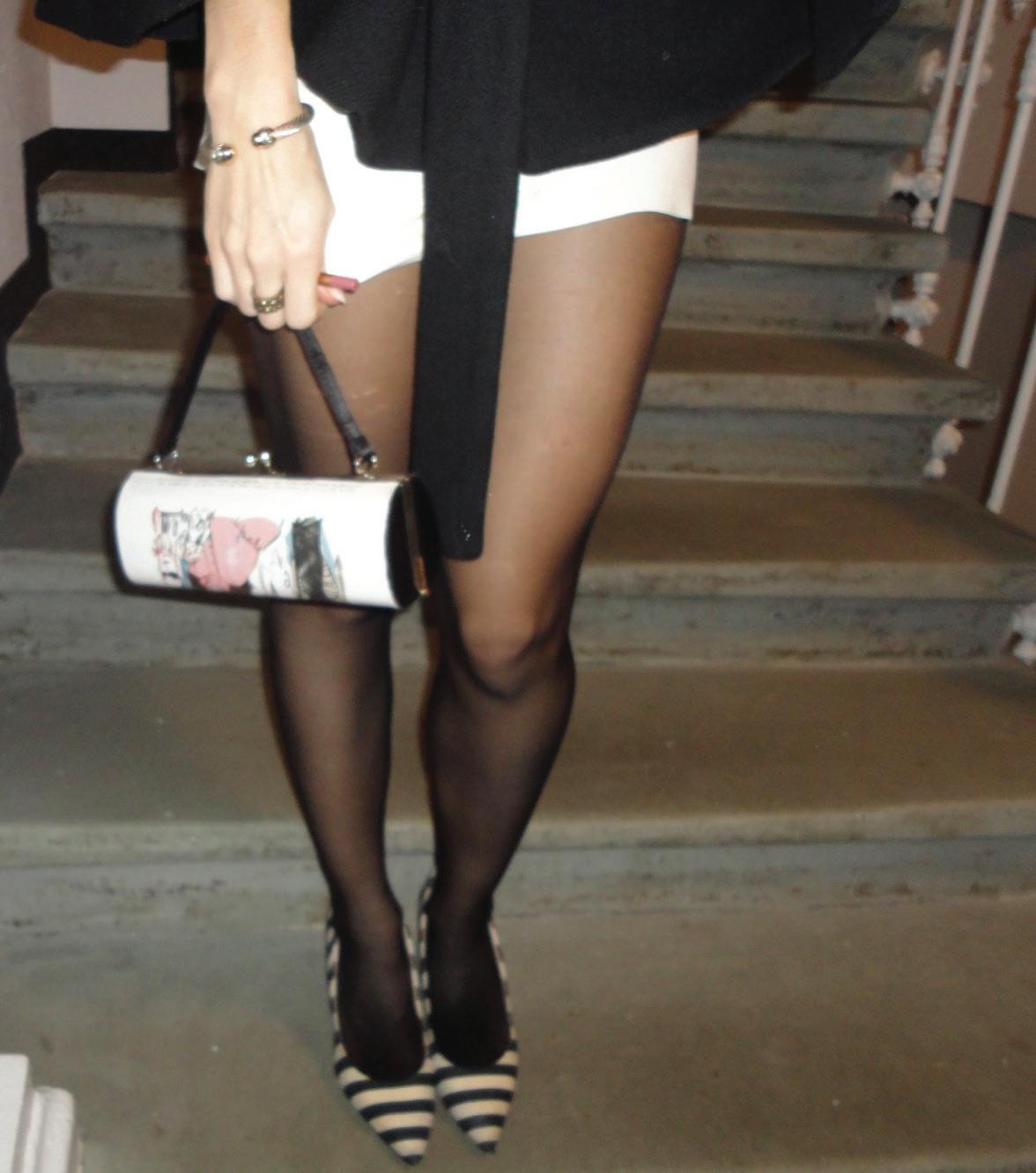
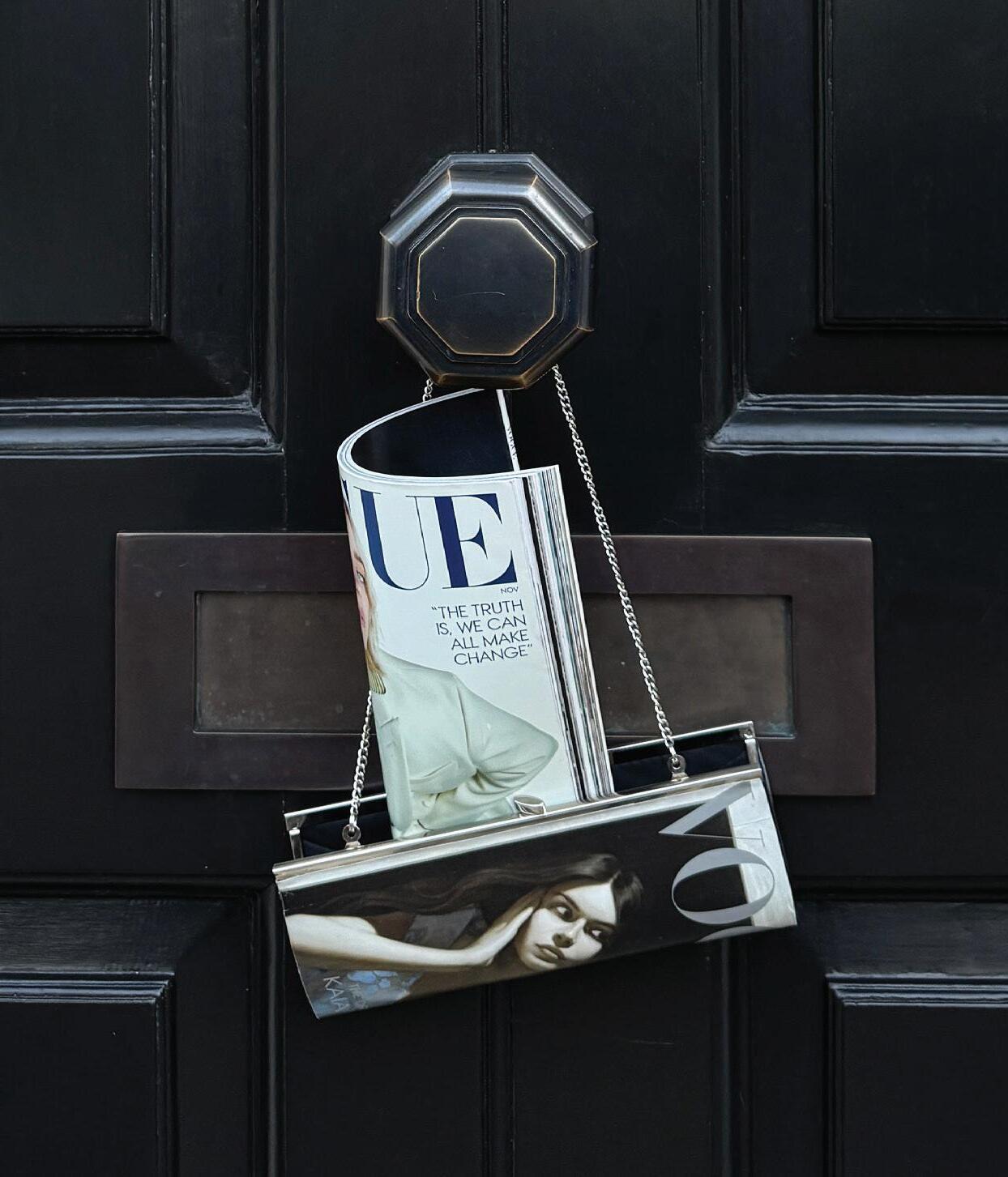
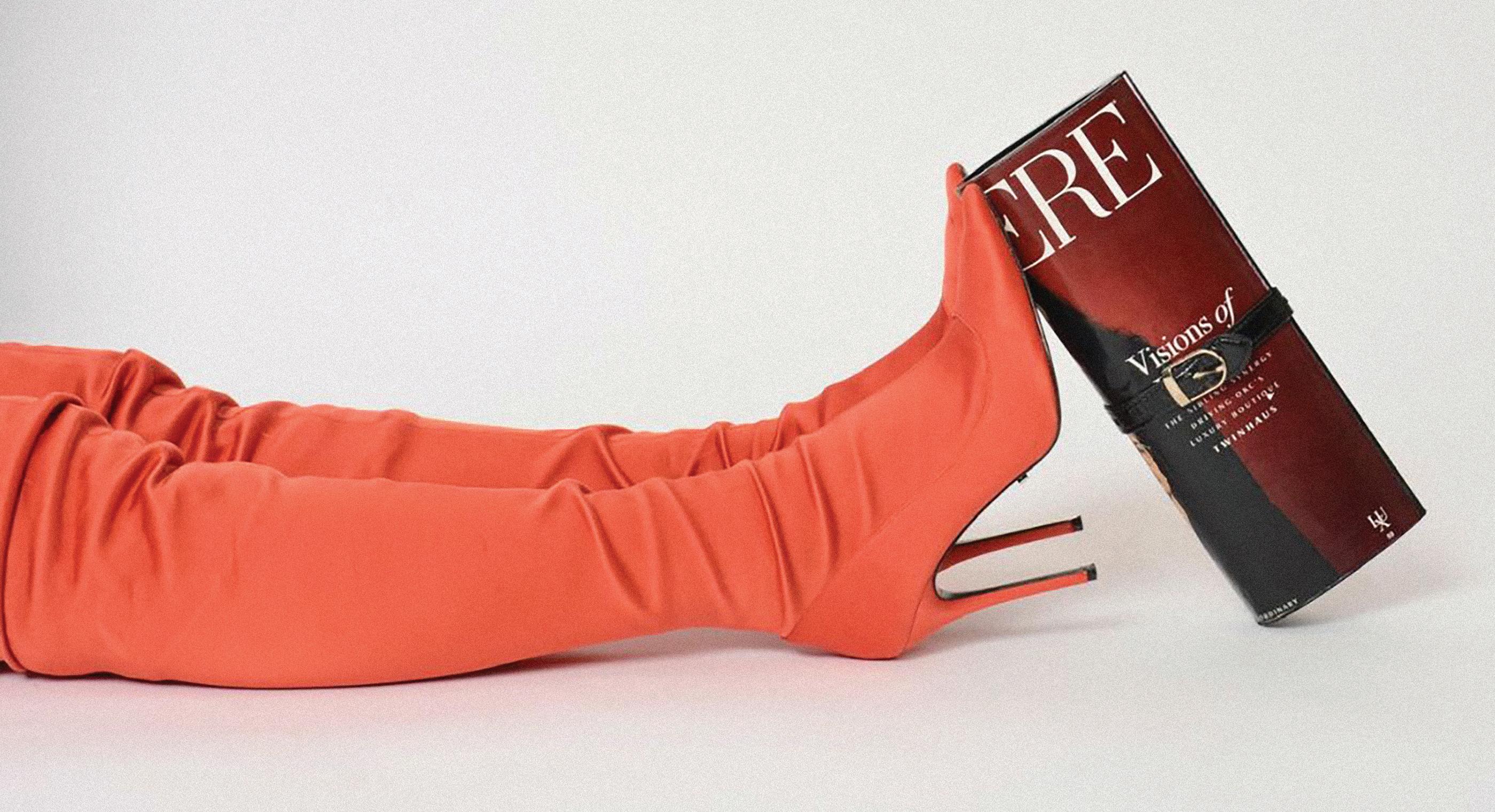
Folded bags are created individually for customers, allowing each piece to feel personal and unique, but the founders are already thinking about expanding their concept. They hope to begin launching themed collections while maintaining the brand’s custom nature. Ideas include seasonal releases, bridal collections and editions made entirely from French fashion magazines.
“I love coming up with ideas. Bell [Johnson] is really good at figuring out how those ideas can actually happen.”
BRYNLIE GRANTLAND
In the long term, the founders hope to see Folded in boutiques, including back in Oklahoma. They even envision designs tailored to regional culture, such as bags made from iconic magazine covers connected to Oklahoma history or styles perfect for college football game days.
“The nice thing about Folded is you can tailor it to anything,” Johnson says. After graduating in September 2026, both founders plan to continue developing the brand while beginning full-time careers in London’s fashion industry.
Despite launching their brand in London, both founders recognize their education at OU’s Gaylord College as having prepared them for success. They credit the school’s curriculum and professors, with an emphasis on the real-world experiences offered within the college. As advertising majors, Johnson and Grantland learned the strategic and creative thinking needed to launch a brand. The British Media Studies program also played a key role in shaping their global perspective.
“Traveling to London really opened our eyes to what’s possible beyond Oklahoma,” Johnson says.
For students back home who dream of working in fashion, Johnson and Grantland emphasize the importance of connection and curiosity.
“Be kind to everyone, because you never know who you’re going to meet,” Grantland says. “Go to every event, go to everything, do it all. People say you can’t do it all, but you can.”
For two Oklahoma graduates building a fashion brand thousands of miles from home, that mindset has already taken them far … and Folded may just be the beginning. •































BY CHRISTINE EDDINGTON
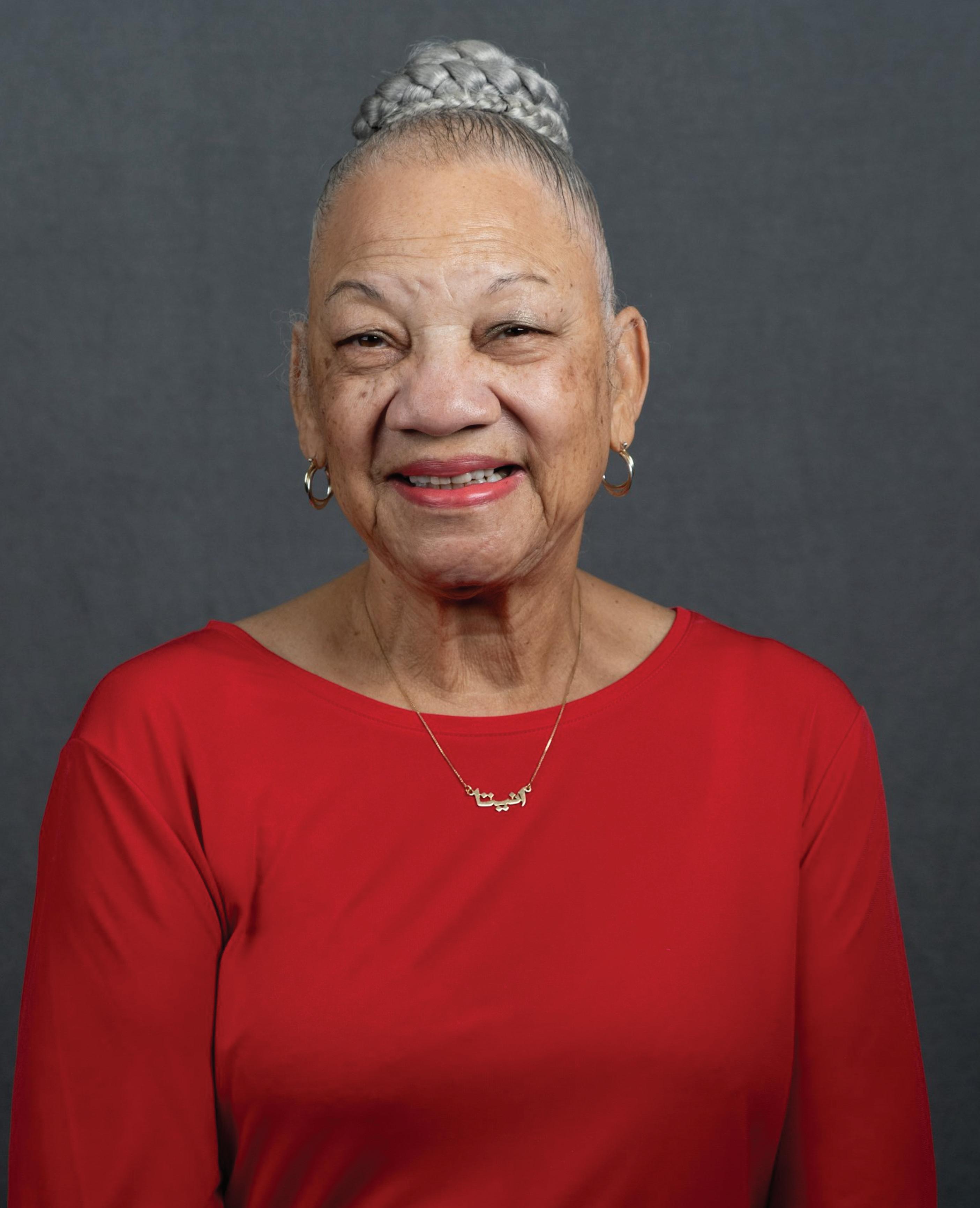
Anita Golden Arnold is an extraordinarily accomplished woman with a powerful intellect. She’s naturally curious, an avid reader and a devoted globe-trotter. Witty. Self-effacing. A great conversationalist. She’s also a cool person, something everyone wants to be, but few truly are. It’s in the way she approaches life decisions, the way she shares a story and the way she gets things done. Arnold’s stories often begin with a little laugh, followed by “I was minding my own business, when …”
For more than 30 years, Arnold has served as executive director for Black Liberated Arts Center, known colloquially as BLAC, Inc. “Our mission is to educate young people, especially. Everybody, particularly young people, in history and in arts,” she says.
How she became executive director is classic Anita Arnold. Years before, she’d made a financial contribution to BLAC, Inc. “I was doing my taxes, and I was going to owe,” she says. It wasn’t just a little. “I knew I would rather give it away.” She called a friend who suggested BLAC, Inc., and Arnold sent a check.
She’d also served on its board of directors. “I was leaving the board when other things opened up. The board asked if I’d serve as executive director,” she says. This was in the mid-1980s, when Arnold had taken early retirement after an impressive corporate career.
The previous director, who’d been with BLAC, Inc. for 20 years, had resigned, and the nonprofit was on shaky financial ground. “There was no money. I started to get us on steady footing.”
Arnold was told at a conference in Austin that if a nonprofit wasn’t working like a business, it would soon be extinct. “I used my business experience and systems thinking. I knew that most things that don’t work in Oklahoma City don’t work because people don’t know ‘how to.’ When you do know how to, things will work.” Her corporate acumen, developed over decades, continues to serve her organization extraordinarily well.
As a Black woman navigating and climbing the corporate ladder in the mid-to-late 20th century, Arnold experienced coded and overt racism. When she was hired at Western Electric, Arnold—who had studied math, engineering and computer science—was offered a position she was clearly overqualified for, on the assembly line. At the time, the company was well known for not hiring Black people. But she was talented and beyond qualified. “I was hired with an apology. They knew I was qualified for much more than their offer,” she says.
Illness kept her home on her first official day of work, and she went to see her doctor. She needed a note verifying that she was ill, and when she said she worked at Western Electric, wheels in the
Black community quickly started to turn. “The Urban League had been trying to break the door open there,” Arnold says. She found the job frustrating but, encouraged by the head of the Urban League, she stuck with it and was eventually promoted to a role in computer support.
“I had a couple of careers with what is now AT&T. I started at Western Electric in Oklahoma City in 1960. It was my first venture into the corporate world, and I was there for nine years,” she says. While there, Arnold completed her education via the company’s tuition program, earning a bachelor’s in production management with a double major in math and computer science from Memphis State University, summa cum laude. For many years she was the only person of color and the only woman in her classes and work assignments.
“It was always just me, the lonely woman of color. It was almost like being the invisible person. The guys would all sit around and have a conversation. I listened and occasionally said, ‘That isn’t going to work.’ But they’d ignore me and sure enough, it didn’t work,” she says. Eventually, the meeting dynamic shifted, and she was asked if she had anything to add. At one point her manager chastised her for being “so hard on the guys.” To which she replied, “Well, that’s who’s in the room.”
About her first departure from the company, Arnold simply says, “I got sick of the racism.” It wasn’t the only job she left for that reason. She’s matter-of-fact about it, saying, “I’d always known that the higher your position the more likely you’ll encounter challenges. I’m always up to a challenge. The key is you’ve got to know yourself.”
Her career also included working for the national office of the U.S. Postal Service, in Washington, D.C. She began work at the Postal Service at the highest level for any woman of color in the United States. In the span of two years, she was promoted to program manager of the real estate and buildings department, becoming the second highest ranking female in the United States Postal Service.
Her corporate career took her around the country and around the world—five of the seven continents. She’s met presidents and kings. She has a group of traveling buddies whose motto is “have bags, will travel.” “I once went to China for 17 days, with $200 in my pocket,” she says. “It was through the Citizen Ambassador Program. If you ask me how I was invited, I don’t know, but I was, so I hustled up the money and went.”
She brought arts integration to Oklahoma with the John F. Kennedy Center’s Partners in Education program, elevating outcomes of schools from the state’s low-performing list. She was first to bring the Smithsonian Institution to Oklahoma City with the 100th anniversary of Duke Ellington exhibit. She served a three-year term on the advisory committee for The Kennedy Center, where she’s been recognized for her service.
Born and raised in Tecumseh, Arnold moved to Oklahoma City to attend Douglass High School, graduating in 1957. In 1984 she was appointed, by the chairman of the Democratic National Committee, to serve on the Democratic Site Selection Committee for the 1988 National Convention in Atlanta, the first and only Oklahoman to do so.
Her speaking engagements have included keynoting the International Conferences of Mayors and the National Urban League Conference. She has conducted numerous workshops locally and nationally. She was a member of the Black Business Council and served on the National Finance Council of the Democratic National Committee. Arnold has met and dined with a gazillion luminaries including Robert Mugabe, Jimmy Carter, Bill Clinton and Nelson Mandela.
If she’s not on a real-life adventure, she travels by book. “In school I loved to read and I love it now,” she says. A student of history, and a lover of adventure, Arnold’s calculus for whether she will do something is straightforward and, frankly, bold: “If it won’t harm me, I’m likely to move forward.” The way she approaches decisions for BLAC, Inc. is similar. “If it looks like it’s for the good, I’ll say yes.” •
THE LUXIERE LIST
Black Liberated Arts Center, Incorporated (BLAC, Inc.) is a 501(c)3 nonprofit, founded in 1969. Each year, it offers Oklahomans a season of music, dance, theater and the Charlie Christian International Music Festival.
Inside the headquarters on Lincoln Boulevard, visitors are greeted by the Deep Deuce and Beyond exhibit, created by Ron Tarver. There’s also a room dedicated to the life and legacy of Christian, an extraordinary American swing and jazz guitarist.
The Center is home to a Black History Library, which is filled with books carefully selected to help visitors understand history. In a recent interview with Oklahoma City’s Channel 5, Arnold offered the reason behind the library: “Some folks say if you don’t know your history, you’re like a tree without roots, and you’ll die.”














































































MIDTOWN OKC
PRIVATE & DUET PILATES SESSIONS SMALL GROUP CLASSES
Trained and taught under Joseph Pilates protégé, Romana Kryzanowska, Carrie Kenneally is Romana Pilates International® Certified for 20+ years.
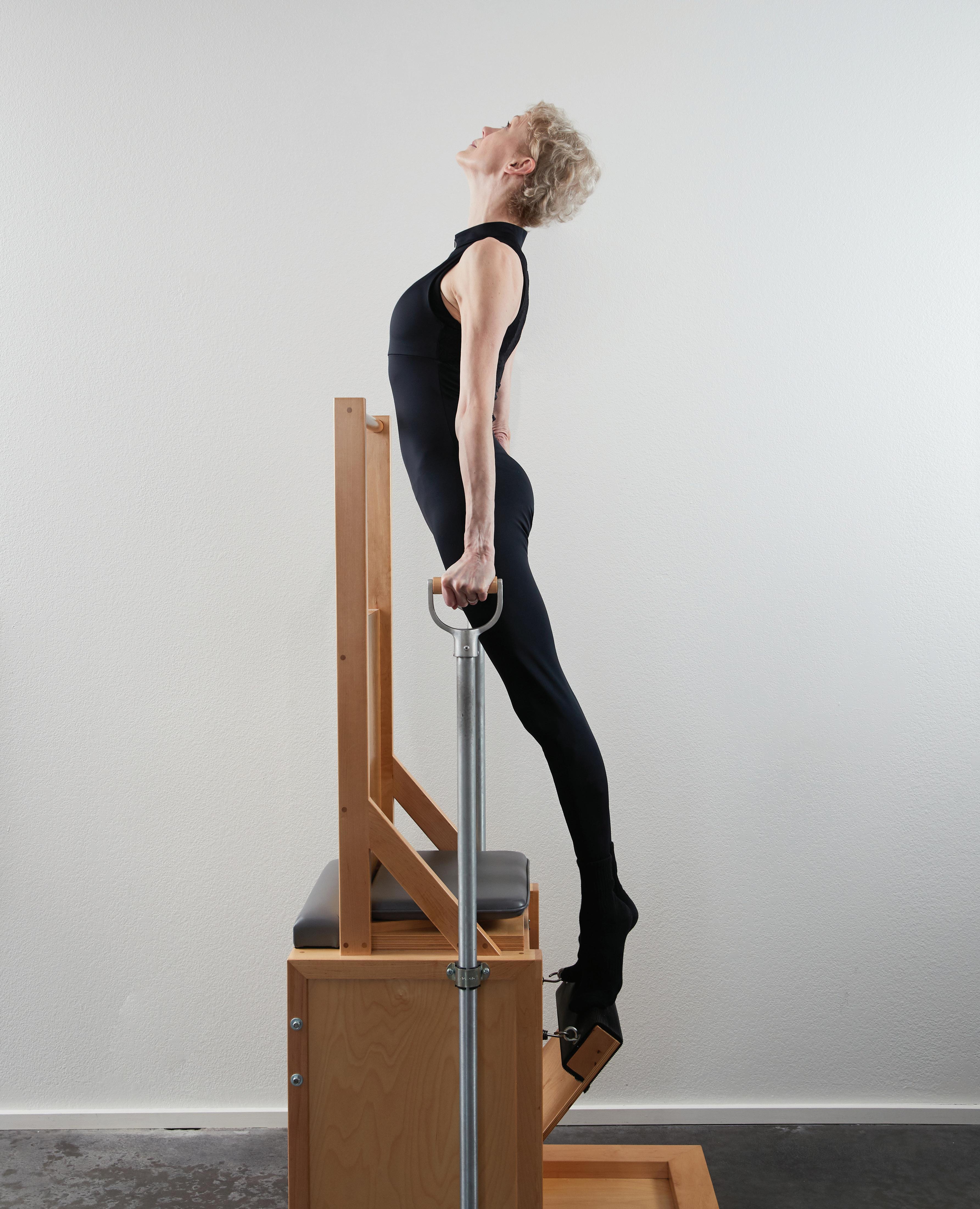
CARRIE KENNEALLY Owner/Instructor

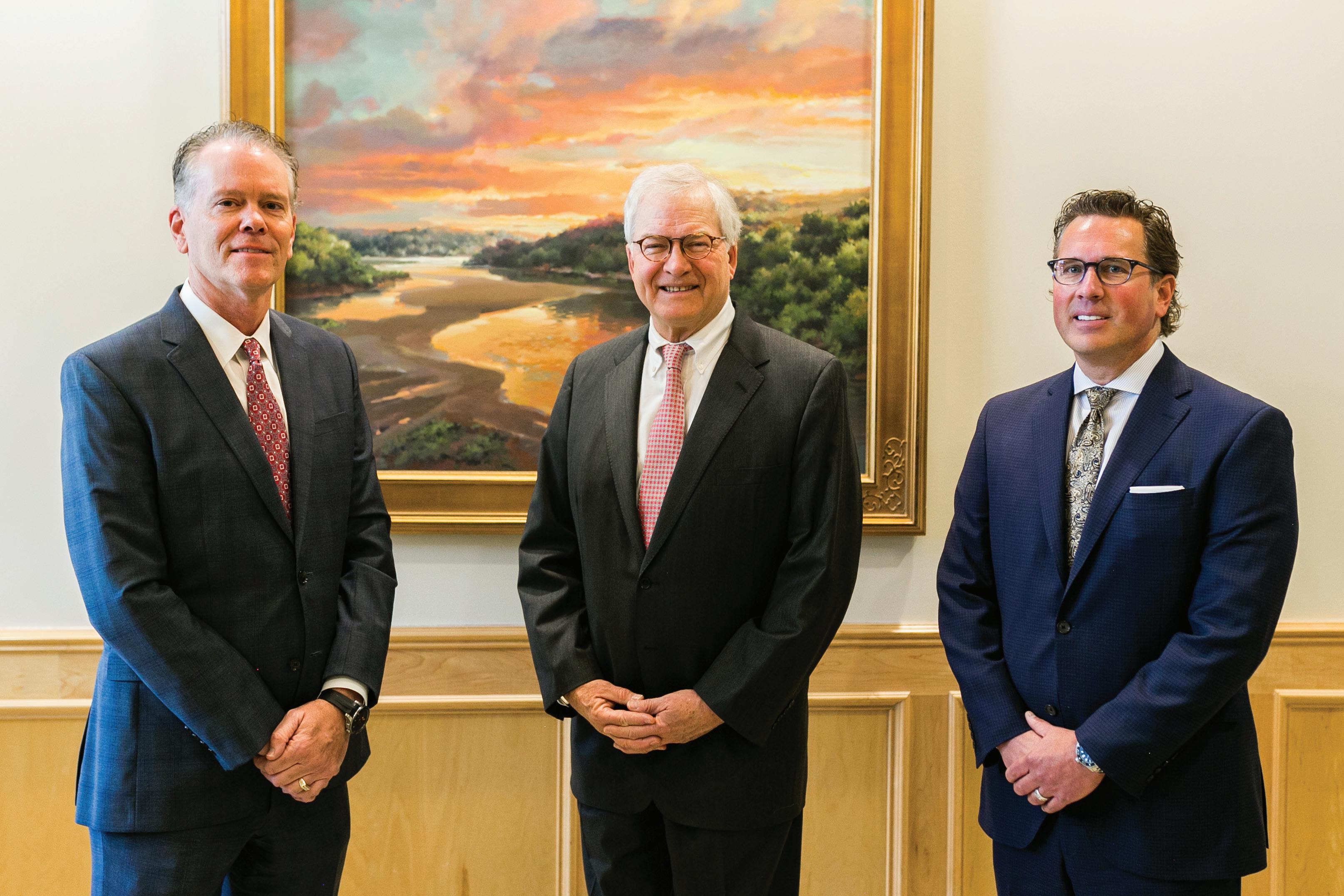
Our Executive Leadership Team has over 100 years of combined banking experience. We will continue to follow the tried and true banking principles that have served us well.


BY MEGAN SHEPHERD
It seems like everywhere you look, there’s a new way to sample sauna socializing in Tulsa: Wolf Mother, an industrial warehouse refabricated into a communal bathhouse in the Kendall-Whittier neighborhood; saunas, hot tubs and cold plunges at Recover in Utica Square; infrared saunas tucked into boutique gyms around town. Sauna culture is booming in the U.S. again, after seemingly falling out of fashion in the 20th century—a casualty of indoor plumbing and an American squeamishness around the idea of a group sweat. Its resurgence owes something to a wellness industry rediscovering the basics, and something to a growing appetite for social rituals that don’t depend on alcohol as their animating factor.
Because that distinction matters. It’s one thing to sit alone in a hot tub and unwind; it’s quite another to sit shoulder to shoulder in a sauna, quietly catching up with a friend or new acquaintance, beads of sweat pooling alongside the two of you like passed conversation. One offers psychic escape, the other presence and connection—the exact conditions sauna and bathhouse cultures were meant to create.
Several years of testing the waters of bathing culture—both as a curious observer and an enthusiastic participant—eventually found me soaking in New York City, where a fondness for bathhouses solidified into something closer to devotion. New York offers a broad, ever-nichifying spectrum to sample: the authentic Russian & Turkish Baths on 10th Street; the Korean spas of New Jersey; and newer arrivals like Othership. The latter quickly amassed a sauna-capped cultlike following for its guided sauna and ice bath experiences, which are explicitly designed to help guests “regulate your nervous system, process emotions and connect meaningfully with other human beings.” Sauna has seeped so deeply into the social fabric of NYC that Brooklyn’s Domino Park transformed into an experiential sauna festival for the entire month of February, comprised of 15 saunas, cold plunges, sound baths, in-sauna hand puppet shows and nightly Aufguss ceremonies led by global sauna masters. At its worst, it felt like an overrun music festival, hundreds of sweaty bodies jostling for a seat before the next Aufguss ceremony hit capacity. At its best, it felt like a total breath of fresh—if thick and hot—air.

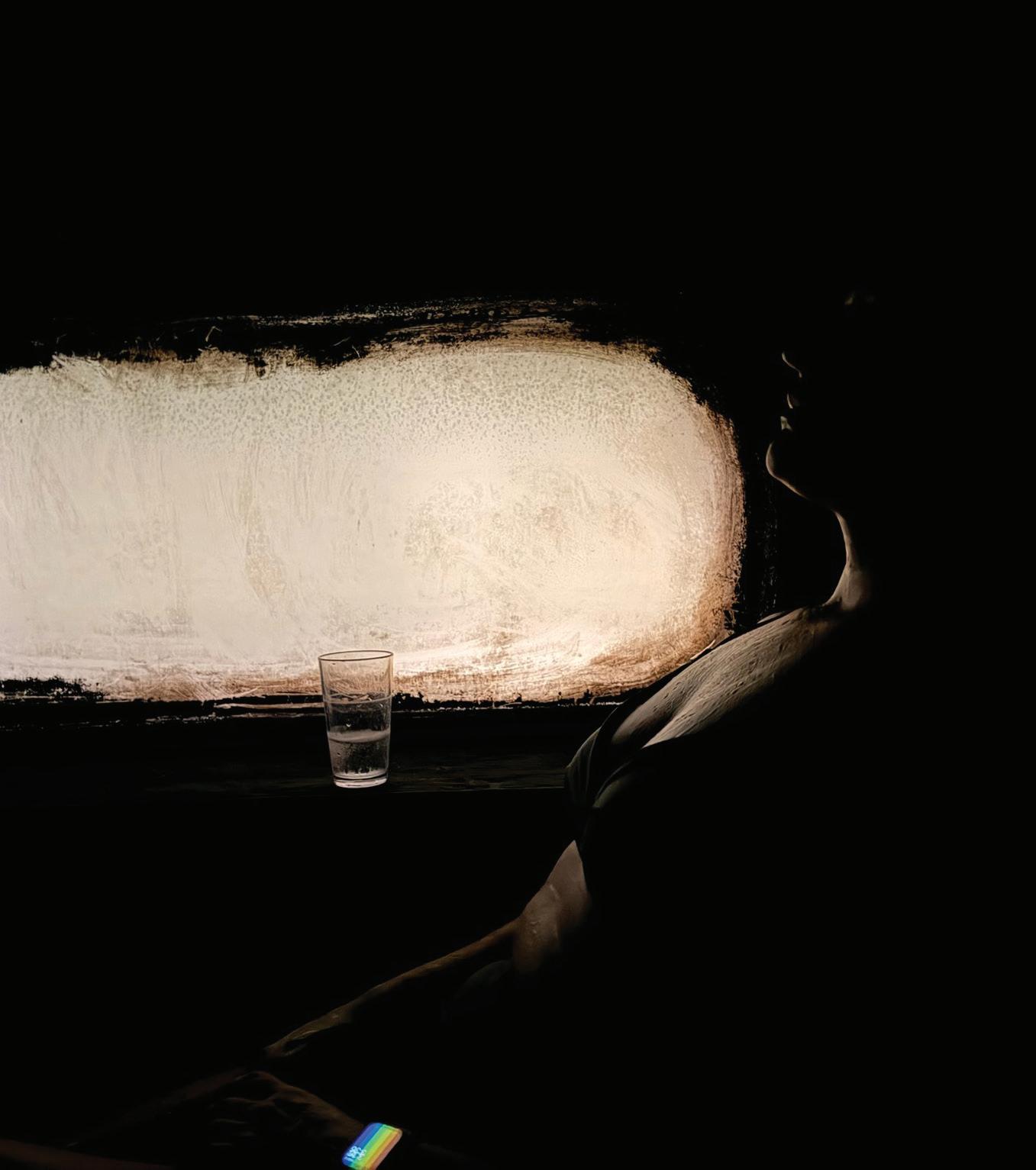
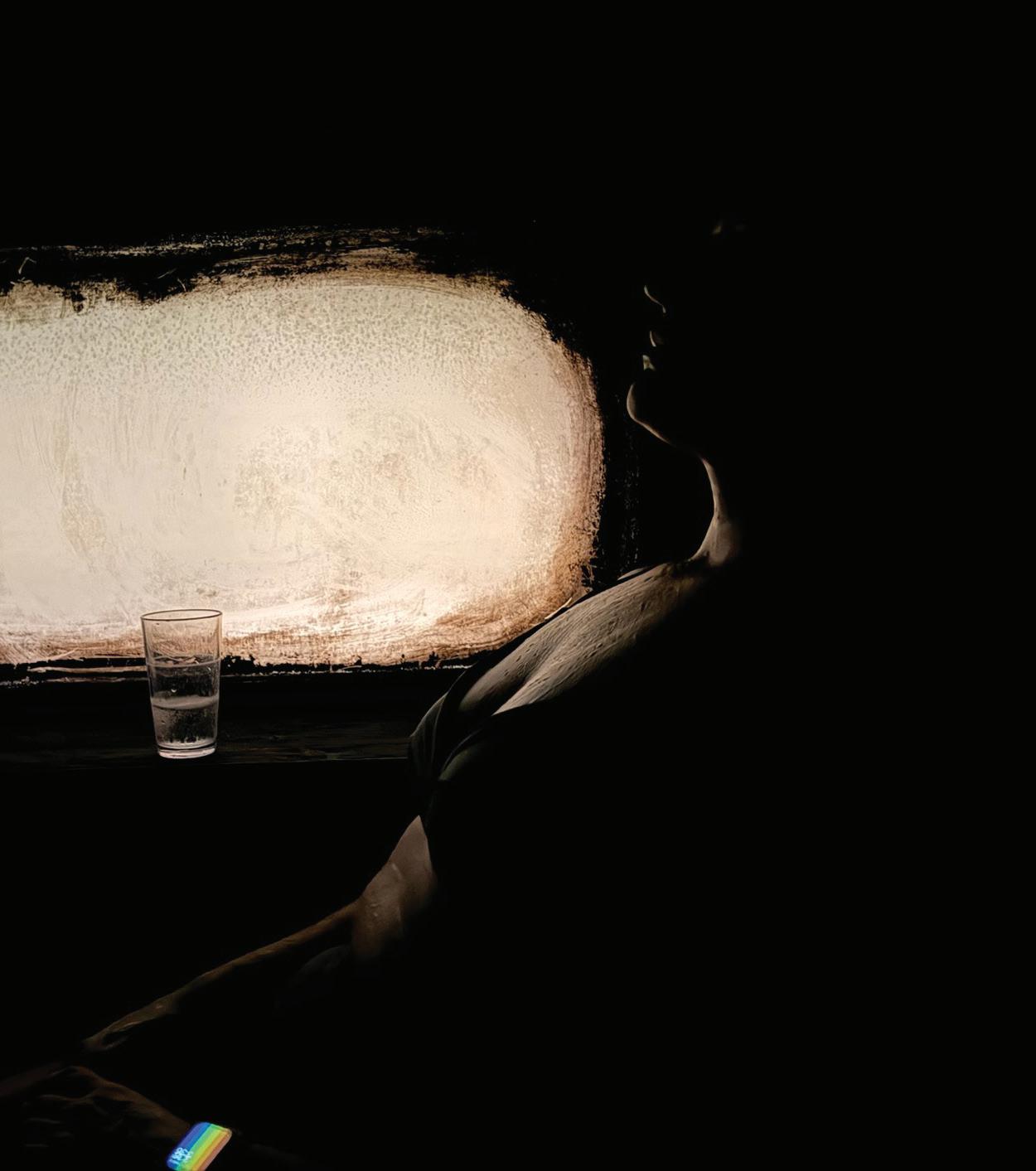
Like so many other fanatics, I’ve built entire trips around the ancient practice of social bathing. In Ojo Caliente, New Mexico—the name meaning “hot eye” as in a warm pool of water—the mineral-rich thermal springs have always felt like a home away from home, perfect for solo healing trips, vision quests and reckonings with oneself. On a trip to upstate New York, a wood-burning sauna beside a cold trout stream offered a lush autumn respite before returning to the chaos of real life. But nowhere have the history, tradition and camaraderie of sauna culture felt more vivid than on a recent pilgrimage with friends to Helsinki, Finland.
In the U.S., a sauna is a welcome upgrade at the gym, but in Finnish culture, it’s a daily ritual; as commonplace as a morning coffee, an afterwork happy hour or even a quick business meeting. For centuries, the sauna (pronounced sow-na) has been the venue for everything from socializing to childbirth. Despite its ancient roots, Finland is considered by many to be the birthplace of modern sauna culture. Two thousand years ago, smoke saunas—known as savusaunas —were heated by building fires beneath piles of stones. Water poured over the hot stones produced löyly : the dense, enveloping steam that gives a sauna its signature heat and sweat. Today, the heat still comes from coals, but also from wood-burning stoves, or even infrared lights—as seen in that $2,000 Costco sauna reel making the rounds on social media.
Our trip ritual went something like this: 15 minutes of sweat with talk, 10 minutes of sweat in silence, and then a however-many-minutesyou-could-stand-it plunge into the frigid waters of the Baltic Sea. Hot tea to warm back up, water to cool back down, local fare and natural wine in the evenings, recounting the revelations that found each of us in the steam.
In Helsinki, public saunas are ubiquitous, but each has its own tone, style and scene. At Löyly, the Baltic stretches out at golden hour—still, silver, vast. Inside, the heat is dense and birch-scented; outside, the cold hits the chest like a wall. The contrast is visceral, almost disorienting. It feels like being on the edge of the world.
Inside Löyly, day-pass guests move between communal smoke saunas and wood-burning rooms, the light seeming to set the mood of each: Brighter saunas hum with multilingual chatter and easy laughter, while the dimmer ones simmer in near-silence, like water on coals. Outside, wind cuts across the sea, broken occasionally by the yelp of someone discovering, for the first time, just how cold cold water can be. On the other side of the building, a Nordic restaurant with sweeping sea views offers a heartier kind of restoration: salmon soup, and the particular relief of sitting down after a long sweat.
If Löyly was our most romantic Finnish sauna experience, Uuni Saari was our most rustic. What it lacks in drama, it makes up for in stillness, and the feeling that you’ve stumbled into one of the city’s most quiet corners. A loose cluster of wood-burning saunas connected by a rock path spills out onto a public sandbar beach, where a wooden dock and steps lead down into the freezing sea. Nearby, an empty boat slip hints at a livelier scene in summer. But in December, there’s nothing here but cold air, still water and the particular peace of somewhere that isn’t trying to be anything more than what it naturally is.
The Finns aren’t picky about their sauna schedules, and it’s as common to sweat in the morning as in the evening. So we began one of our days in the city with an early visit to Allas Pool, a seaside oasis in a harbor just off the city center. Allas has five saunas ranging from 70–90° C, including a panoramic sauna with sweeping harbor views, a heated pool kept at 27° C for year-round swimming and a seawater pool that hovers around freezing—the most bracingly authentic cold plunge in the city’s industrial district.

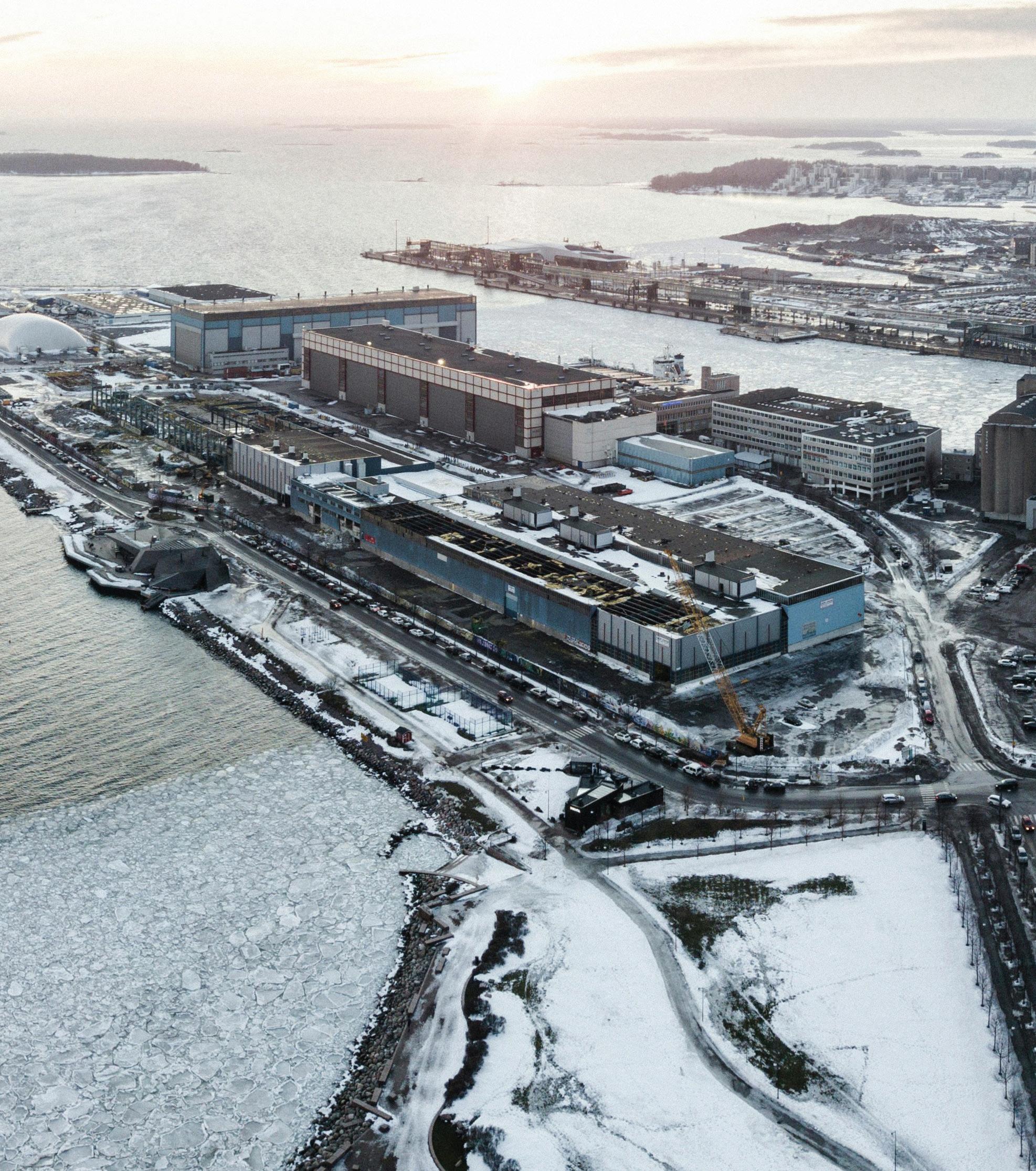
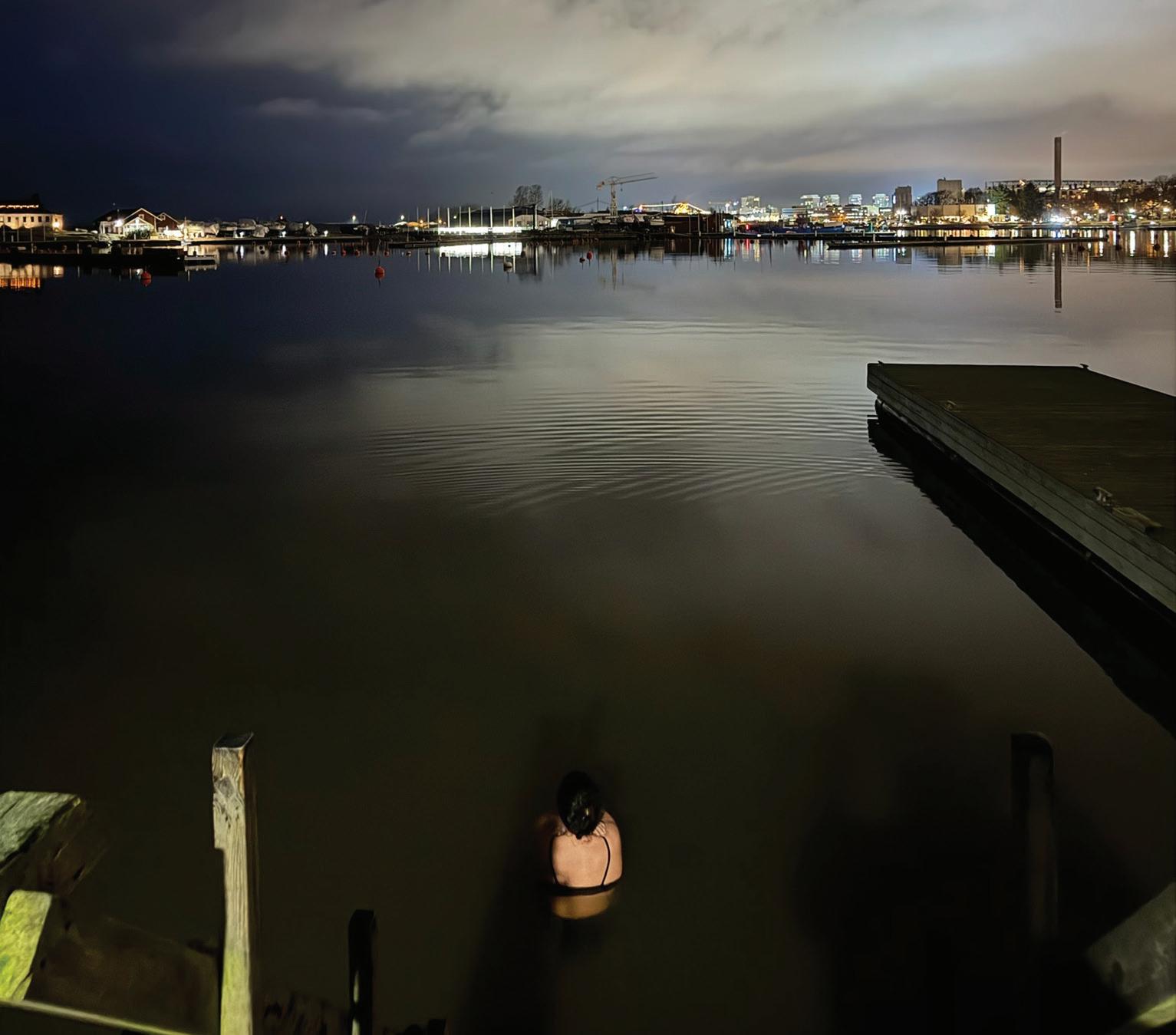

The seawater pool comes equipped with hanging ropes and grab bars along the sides to help swimmers stay submerged. A good goal for beginners: shoulders under and hold for 30 seconds, or until the initial shock passes and breathing steadies … which is, allegedly, when the benefits of cold exposure begin. Neurobiologist Andrew Huberman recommends at least 11 minutes of cold exposure per week; in Helsinki, the promise of a hot sauna on either side makes that target feel almost alluring, as well as achievable.
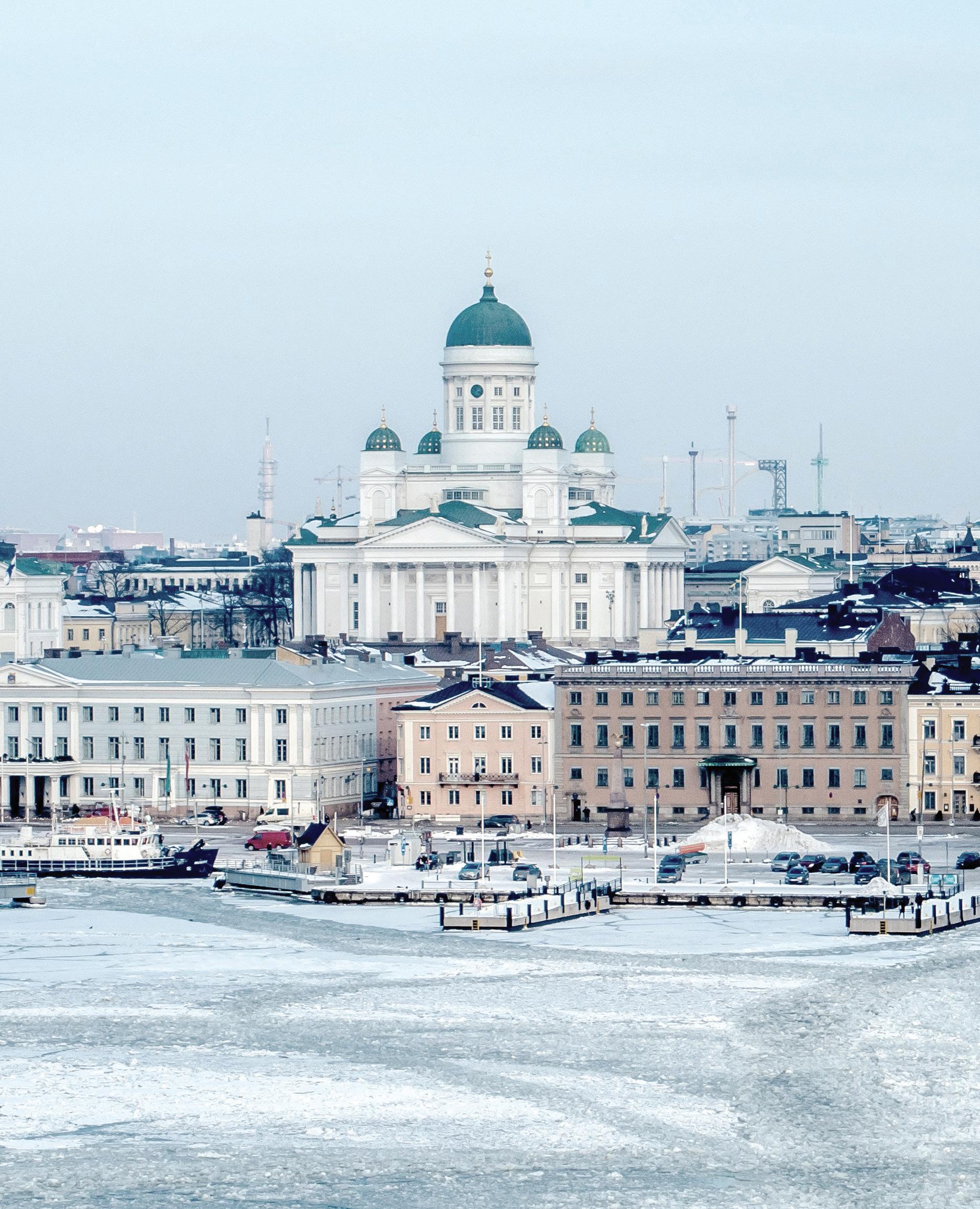
After our morning sauna and plunge session, we warmed up with coffees before setting out through the city past art nouveau facades and historic cobblestones, the pastel pinks and yellows of turn-ofthe-century Helsinki bright against a grey winter sky. We wound down the evening with lohikeitto, more of Finland’s famous, creamy salmon soup, and reindeer steaks that tasted exactly as you’d hope they would this far north.
The streets of Helsinki feel clean, bright, and unhurried—a different kind of immersion from the sauna, but not unrelated. There’s something in the pace of the city that mirrors the ritual: Slow down, be present, let the heat (or the cold, or the quiet) do its work. In Helsinki, you’re never far from your next sauna. And back in Tulsa, if the steam rising from Kendall-Whittier is any indication, neither are we. •
WE DON’T TREAT WHAT WE SEE. WE ANALYZE WHAT OTHERS CAN’T.



Using advanced 3D imaging, we create a digital twin of your face — revealing structure, skin quality, and the earliest signs of aging.
From there, every detail is designed. Nothing is guessed.


We don’t enhance faces. We understand them.
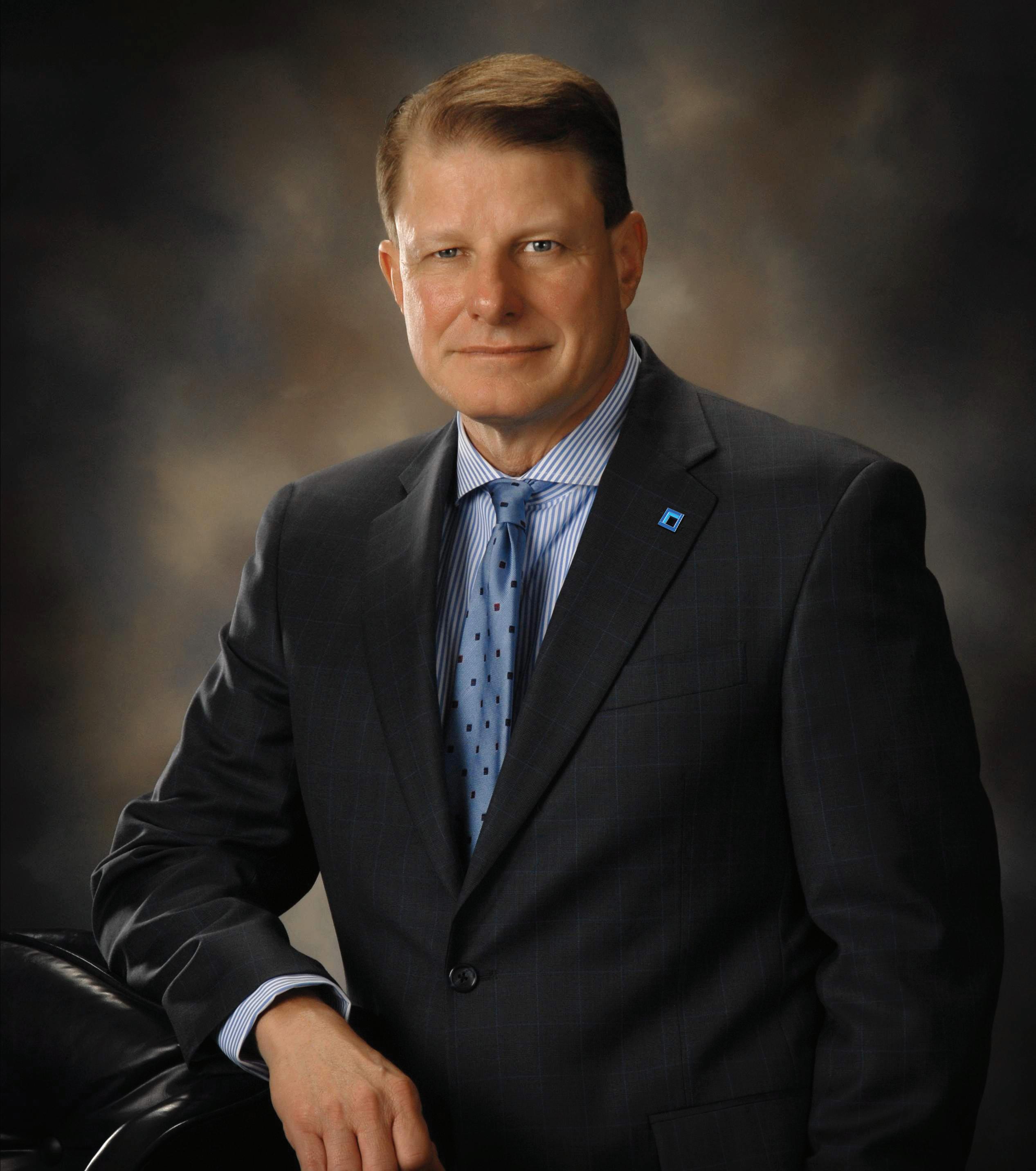
Join us in honoring George Drew, whose 35 years of dedicated service and 19 years of distinguished leadership as President helped shape the legacy of Kirkpatrick Bank. We welcome his continued guidance as Vice Chairman of Kirkpatrick Bancorp, Inc.
For over 55 years, Kirkpatrick Bank has been delivering tailored solutions designed to meet your personal and business goals.
BY MICHAEL KINNEY
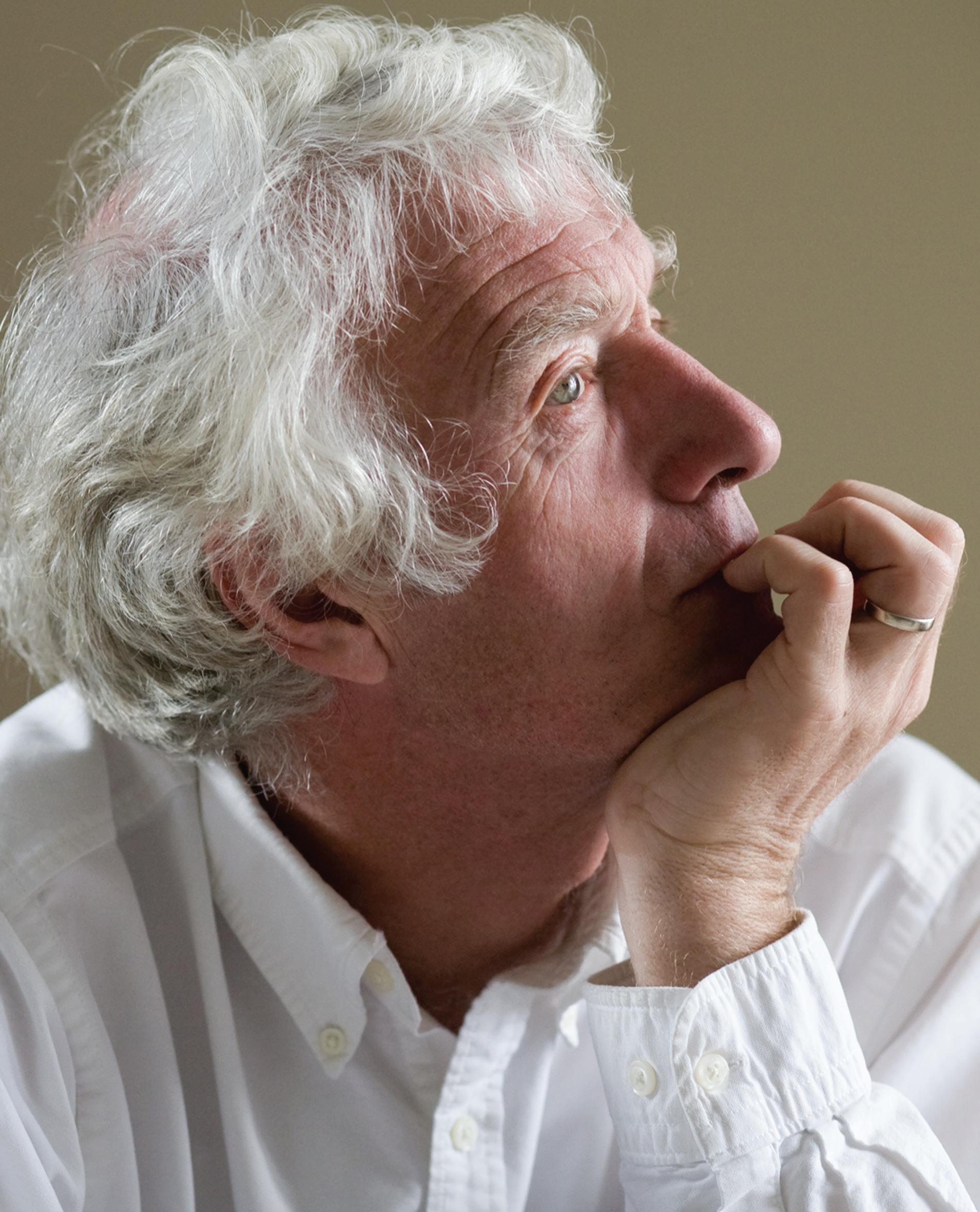
You may not know his name, but if you have been to a movie theater in the past five decades, you more than likely have seen his work. Roger Deakins is responsible for the way moviegoers remember some of the most iconic films in Hollywood history.
As an award-winning cinematographer, Deakins is the person tasked with turning simple scenes from words on a page into a visual masterpiece that has fans talking about it long after they leave the theater. Over his nearly 50-year career, he’s made that happen countless times.
Whether it was the use of color in Blade Runner 2049 or his framing in 1917, Deakins’ work has been studied and imitated throughout 70 films, which have garnered him 16 Oscar nominations for titles such as The Shawshank Redemption, Fargo, Skyfall and O Brother, Where Art Thou?
Yet, when asked to describe the duties of a cinematographer, Deakins didn’t talk about choosing the right camera and lenses or even making sure light catches the best side of an A-List actor. Although he is one of the few people who was made a Commander of the Order of the British Empire and given the honor of knighthood by the Queen of England, he still prefers the title of storyteller.
“The most important thing is storytelling,” Deakins says in an exclusive interview. “It’s not the technique. It’s not producing flashy images. It’s creating images that reflect the story.”
It’s that focus on storytelling that Deakins has carried into the next chapters of his career. The 76-year-old was in Oklahoma in late February to celebrate his half-century in the movie business, but also to highlight the additional titles of author, photographer and even podcaster on his illustrious resume.
Perhaps none of Deakins’ new endeavors was more unexpected than podcast host. He partnered with his wife, Isabella James Deakins, to form the podcast “Team Deakins,” which they describe as an
ongoing conversation about cinematography and the film business. Past guests have included actors Kate Winslet and Jake Gyllenhaal, producer Clayton Townsend, director Steven Soderbergh and composer Nicholas Britell.
With more than 345 episodes under their belts, the success of “Team Deakins” has completely surprised the duo.
“It started out quite different because we were doing some publicity for 1917 and every time after the Q&As, we’d come off the set and then people would come up to us and they were always asking the same questions,” James says. “So, I said to Roger, ‘Well, what if we do a podcast that answers these questions?’ And Roger went, ‘Well, what’s a podcast?’ Because he was not a podcast guy. I’m not particularly either.”
After figuring out exactly what went into creating a podcast, the first “Team Deakins” episode—titled “Beginnings”—went out on April 25, 2020. Since then, it has grown and morphed into something quite different from what they initially expected.
“From starting from a very technical point, we ended up talking to all these people and it became more,” James says. “It became a conversation that people could eavesdrop on and between people that do this and to hear how people approach things, how they’re passionate about it and how they keep their passion in this crazy business. Yeah, it just expanded.”
While “Team Deakins” was creating a unique space in the podcast world, Deakins was also working on his second book, Reflections: On Cinematography. After two years of writing, it hit the bookstands in November 2025.
Much like the podcast, Deakins wanted Reflections to not only provide an inside look at his profession, but also produce something people from all areas of life would be invested in reading.
“I didn’t want it to be a technical book,” Deakins says. “I’m not sure what the publishers wanted; whether they wanted us to sort of tell lots


of stories about actors and stuff in Hollywood, and I didn’t want that either. So, I wanted to be much more personal. It’s a kind of mixture of my career path, I suppose, with some technical information about how I worked on certain films, how I worked with directors on certain films and how certain images came about.”
Unlike movies, for which everything is on a schedule and the work has to be completed by a certain date, Deakins had to get accustomed to the newfound freedom of being a self-employed author.
“I found the biggest problem was to sort of keep it within a reasonable length,” he says. “Because I got so many stories and so many experiences. Thankfully, the publishers were really supportive. It’s bigger than they initially imagined, but it’s still within a price range that we wanted it to be. We didn’t want it to be an expensive coffee table [book], but we wanted it to be something accessible to, you know, a young student or anybody interested in film.”
While Deakins was able to talk about the podcast and book and celebrate his films with the people of Tulsa, the main focus of his trek to Oklahoma was his still photography.
Deakins made the trip to open his photo exhibition Still Light at The Hulett Collection, which features his newest photographs that were added to his print gallery at the Hulett.
“Running parallel to his celebrated career in cinema, the photographs in Still Light are rooted in observation rather than spectacle—quiet moments shaped by light, timing and an attentiveness to place,” says Michael Hulett, owner of the Hulett Collection. “Seen together, the works reveal a consistent visual philosophy grounded in restraint, patience and the expressive potential of the everyday.”
Deakins actually began his career as a photographer before he discovered he could tell stories with documentaries (Zimbabwe, Eritrea— Behind Enemy Lines). That would lead to music videos, big-budget feature films, Academy Awards and world-wide recognition.
However, some 50 years later, Deakins decided to pick up a still camera again to indulge his first passion.
“For many years, I didn’t really carry a camera,” he says. “I felt it was just too much of a distraction. And I don’t take photographs when I’m actually working. “
He did make an exception back in 2014 while working on a film in New Mexico.
“When I was shooting Sicario, we got shut down one day because these thunderstorms came through and they deemed it too risky for the crew to be shooting in that weather,” Deakins recounts. “I got in my car and drove to this location I knew to wait for a photograph. I wanted to get a photograph with a bolt of lightning hitting this bar that I knew out in the middle of nowhere. And sure enough, I got there, I waited for about an hour with my finger on the trigger and this bolt of lightning came down. I got this photograph of a bolt of lightning hitting this bar. And it’s not often I have a photograph in my mind, but that was one I deliberately went to find.”
Instead of a sound stage or a big movie set, Deakins finds everyday life the best setting for his current photography projects. When visiting different cities and countries around the world, he tends to get up early and walk around alone with just a camera in his hands.
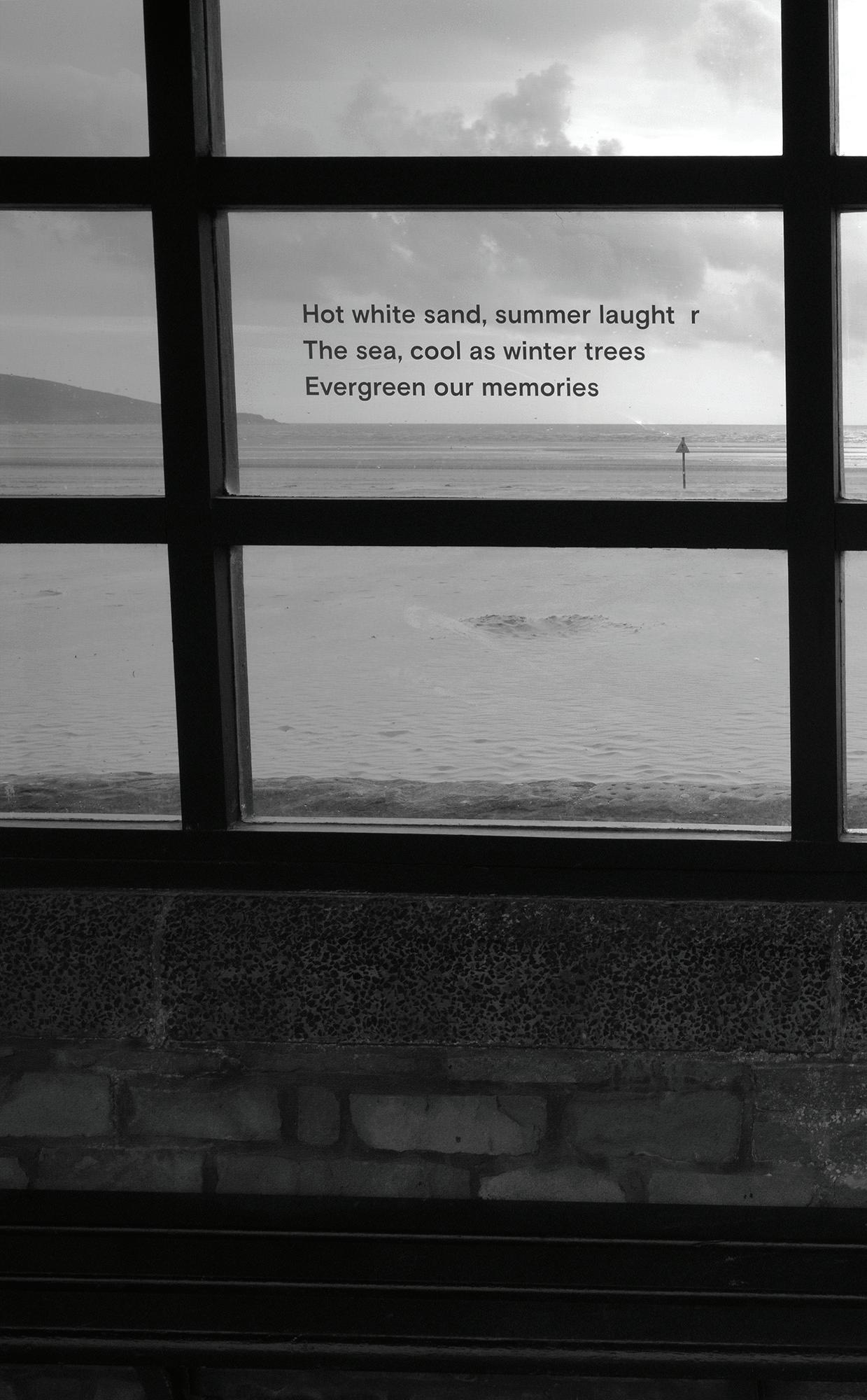
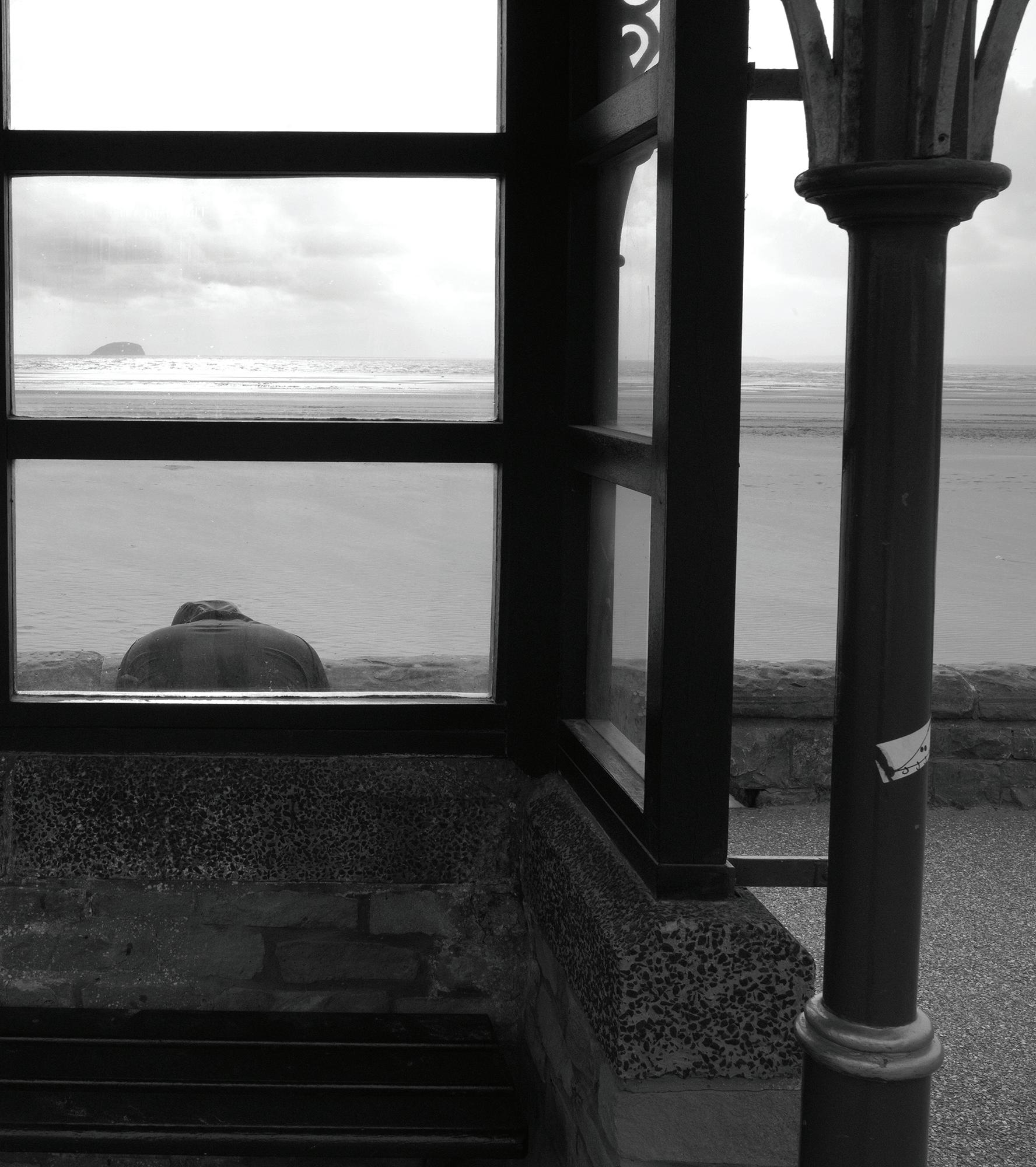
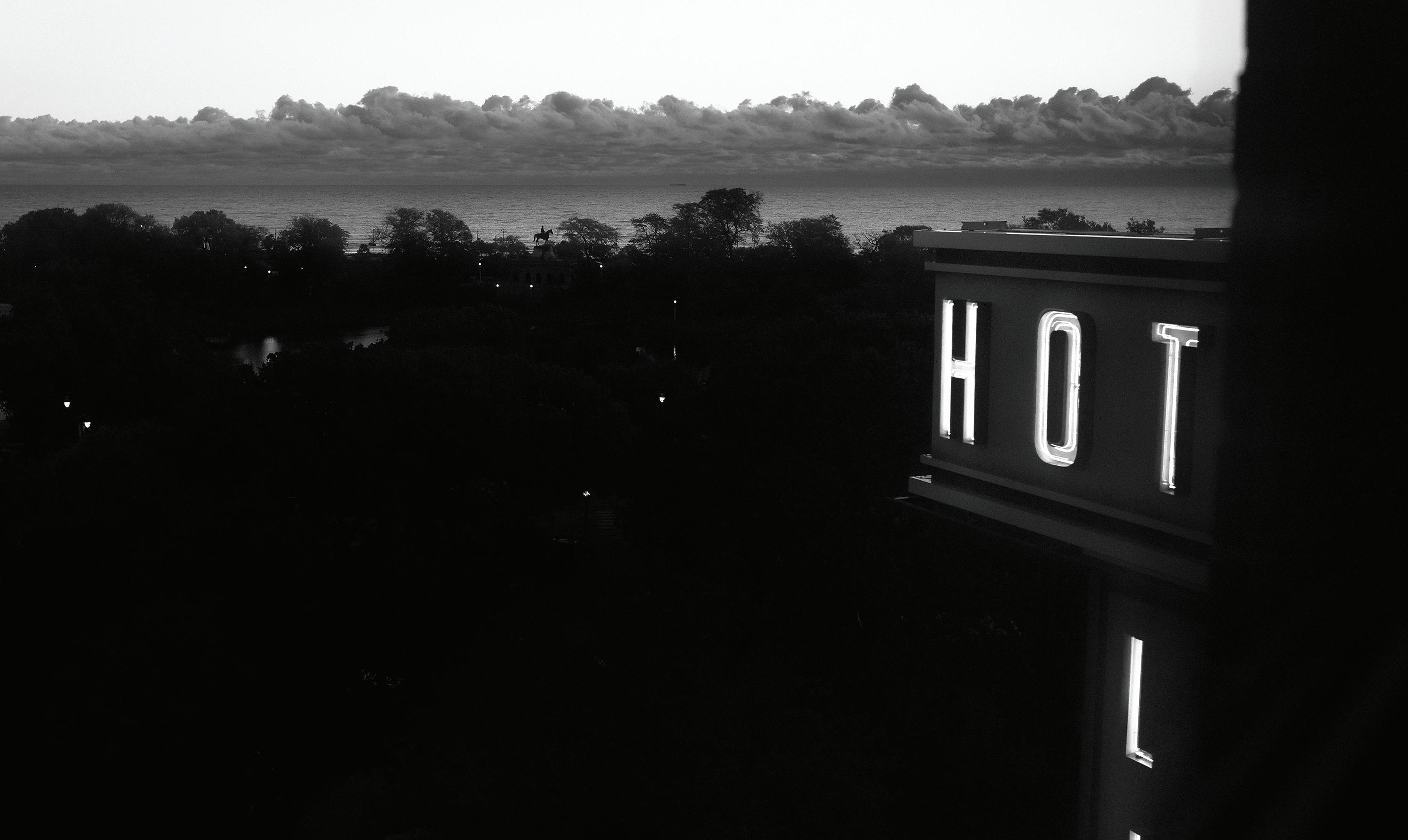
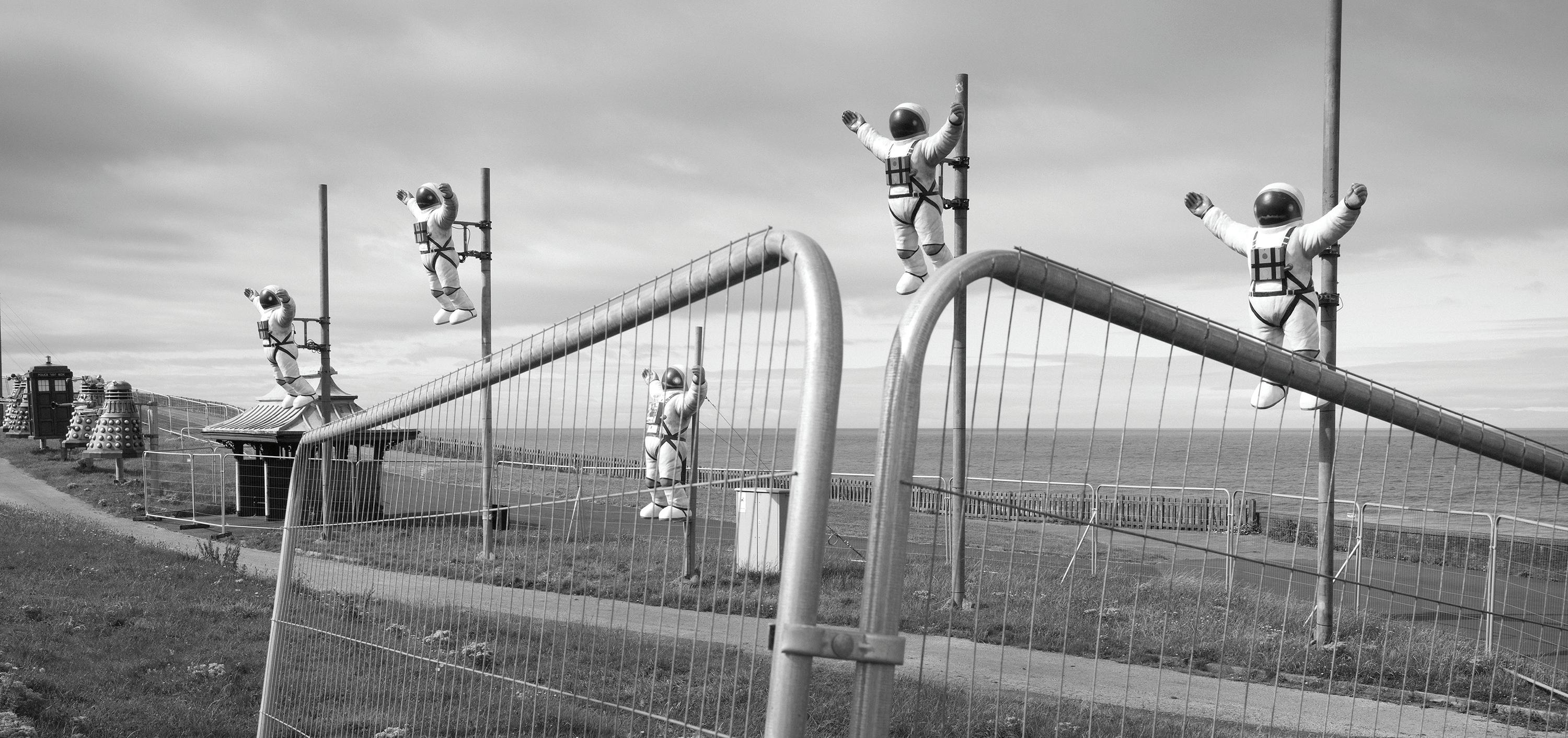
“They’re very minimal,” Deakins says of his work. “They’re all street photography. They’re all just found moments, but they oftentimes have a sense of irony and humor. And they’re also kind of lonely, really, I suppose. They’re kind of empty and spare and often quite melancholy—I’m drawn to those kinds of photographs.”
His print collection includes titles such as “The Last Pandas,” “Evergreen Memories,” “Half Board” and “The End.” Using black and white film primarily, his images are meant to make the viewer think about what they are looking at.
“I can take photographs, as James says, that are kind of funny,” Deakins says. “But I do like the photographs that are kind of reflective. It’s often somebody in a funny situation, but I’m not poking fun of them. I hope I’m not. I’m kind of celebrating the oddness of life, really.”
He was able to combine his new and old endeavors when “Team Deakins” had celebrated Magnum photographers Harry Gruyaert and Alex Webb as guests. Both had been idols of his.
“We talked to them about their process taking stills and their career, and both of them had actually started doing a bit of film work,” Deakins explains. “But neither of them liked the fact that on a film you have to collaborate with a lot of people and there’s usually a director sort of saying, ‘Well, I want it this way’ or whatever. And they both said, ‘We like our freedom and we like to be able to take the picture we want to take.’”
Despite the success and awards he has garnered in the film industry, the lauded cinematographer finds the work he does with still photography even more gratifying. He is still telling stories, but they are his stories.
“I’ve got to say, I get more satisfaction from my still photographs,” Deakins says. “Maybe I always have. I just love making images. But there’s something so personal about the still photographs I take; even if nobody else likes them, it doesn’t matter. They say something to me.” •
“I’ve got to say, I get more satisfaction from my still photographs. Maybe I always have. I just love making images.”
ROGER DEAKINS
It would be difficult to find anyone who has made more of a mark on filmmaking than Roger Deakins. With more than 70 feature films to his credit, the cinematographer has been at the heart of some of the most important films of the past half-century.
But even more than wanting to talk about his films such as Barton Fink, The Man Who Wasn’t There or Sicario (to name just a few), I wanted to know which films inspired Deakins and his wife, Isabella James. What movies they consider to be a must-watch was something I had to find out.
As expected, the responses did not disappoint. As someone who considers himself a cinephile, their answers were not what I was expecting. Anyone who could film the chilling coin flip scene in No Country for Old Men was definitely going to have some eclectic choices.
1. 1984 (Michael Radford)
“I think everybody should read Moby Dick , for one. And everybody should read 1984. (George) Orwell’s 1984. And they probably should all see the film 1984, that I actually worked as a cinematographer on.”
2. Army of Shadows (Jean-Pierre Melville)
“I think everybody should see a film called Army of Shadows, which is about the French resistance based on true events. I think everybody should see any and all of Andrei Tarkovsky’s films for a start, you know.”
3. Come and See (Elem Klimov)
“They should see a film called Come and See, about the Second World War in Belarus. And it’s actually a story that actually the director partly experienced.”
4. The Wild Bunch (Sam Peckinpah)
“Everybody should see The Wild Bunch. It’s a great movie, you know. Love it, love it, no doubt.”
5. Don’t Let’s Go to the Dogs Tonight (Embeth Davidtz)
“This year, there was a movie that came out that might be controversial, but it was Don’t Let’s Go to the Dogs Tonight. Just a little film. Simple film, but really moving.”
6. The Seed of the Sacred Fig (Mohammad Rasoulof)
“I think last year, the film that we both loved most, actually, was The Seed of the Sacred Fig. I thought that was a wonderful movie.”
7. “Das Boot ”
“We’ve gone back because they did a movie, Das Boot, but they did it from a television show. So we go back and we see the television show because it allows the characters to develop more. And at the very end, and you’re with the Germans and these people, and at the very end, they get bombed and you feel horrible. And then you realize, ‘Wait a minute, I’m rooting for Nazis.’ It’s very, very sad.
“I remember when my father saw it. My father had been in the war. He said when he saw it, when the end came up and the docks the submarine was in were being bombed and these people being killed, he said, ‘I don’t know what to think. I mean, they’re the Germans and I fought against them for four years. But I feel really bad.’ Which … really said a lot because [he] was very anti-German. So, I mean, I think that’s good just because it makes you see another side. That’s what film can do.”
8. “Edge of Darkness”
“We recently saw an old—because we were talking with the director, because we see all these things before we talk to people—but an old BBC television series called ‘Edge of Darkness.’ And it just showed you how minimal you can be to tell a story and have shots that you don’t really know why they’re there, but they’re making you feel something. And so it was really good.”


BY GREG HORTON EVENT PHOTOS PROVIDED BY SARA KAUSS PHOTOGRAPHY
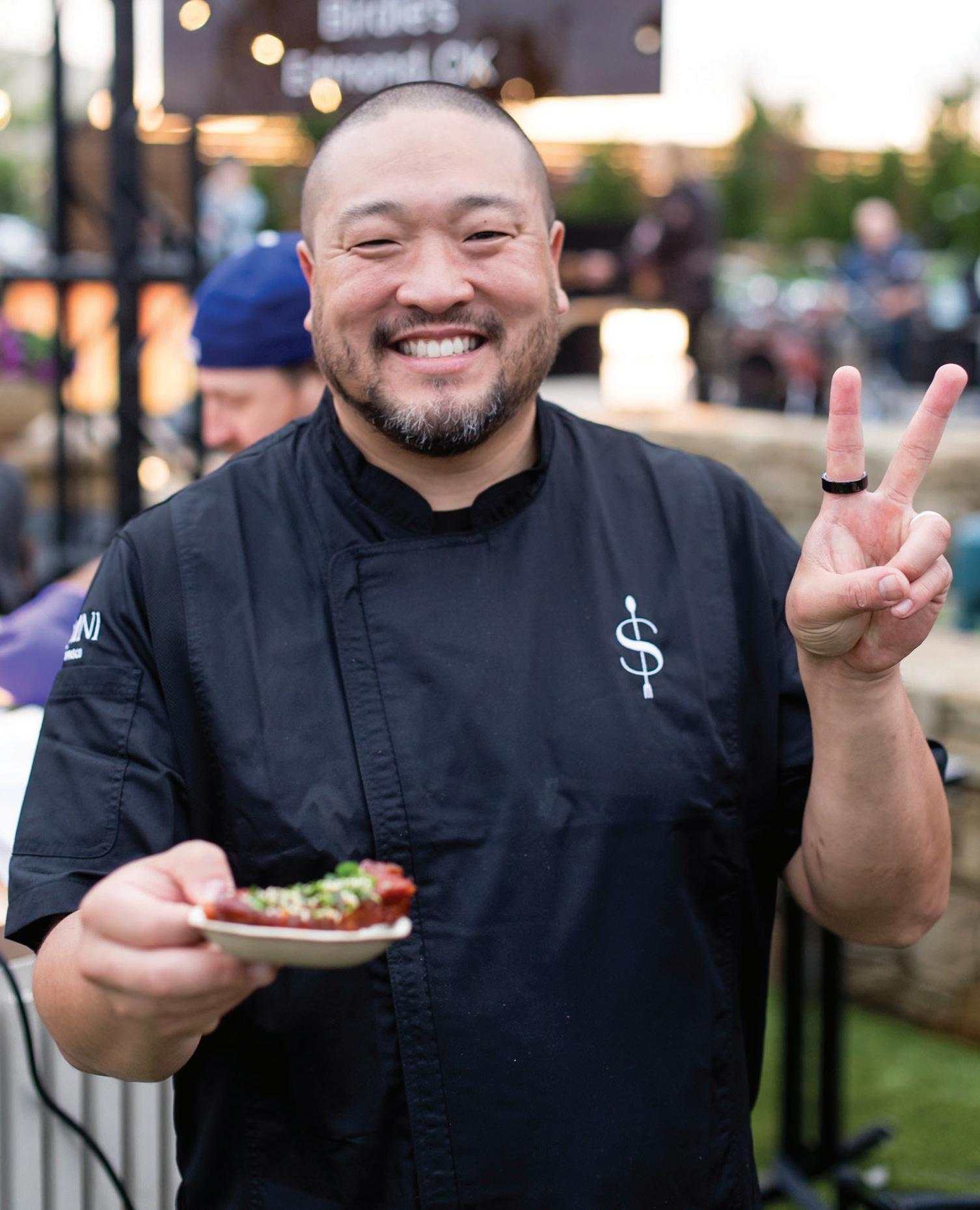
Chef Kevin Lee remembers the feeling of standing in front of a roomful of people, looking for any available seat just so he could have his lunch and avoid the near-paralyzing awkwardness of being the new kid at a new school.
“My father was an engineer and had severe ADHD, so we moved around a lot,” Lee says. “I grew up all over—Korea, Oklahoma, Connecticut and Tacoma (Washington)—so I remember that school cafeteria moment well. I hated it when I was a kid, but now I see the benefits.”
Fear of the crowd isn’t really an issue for Lee anymore. He’s a Food Network darling, celebrity chef and owner of two of Oklahoma City’s best restaurants, Birdie’s and Maht. He competes regularly on food competitions, handles promotional interviews, makes commercials and still finds time to work the tables at his OKC hotspots when he’s not filming elsewhere. If any awkwardness remains, you can’t read it on his face. He’s comfortable in front of a camera, and seems to thrive on competition.
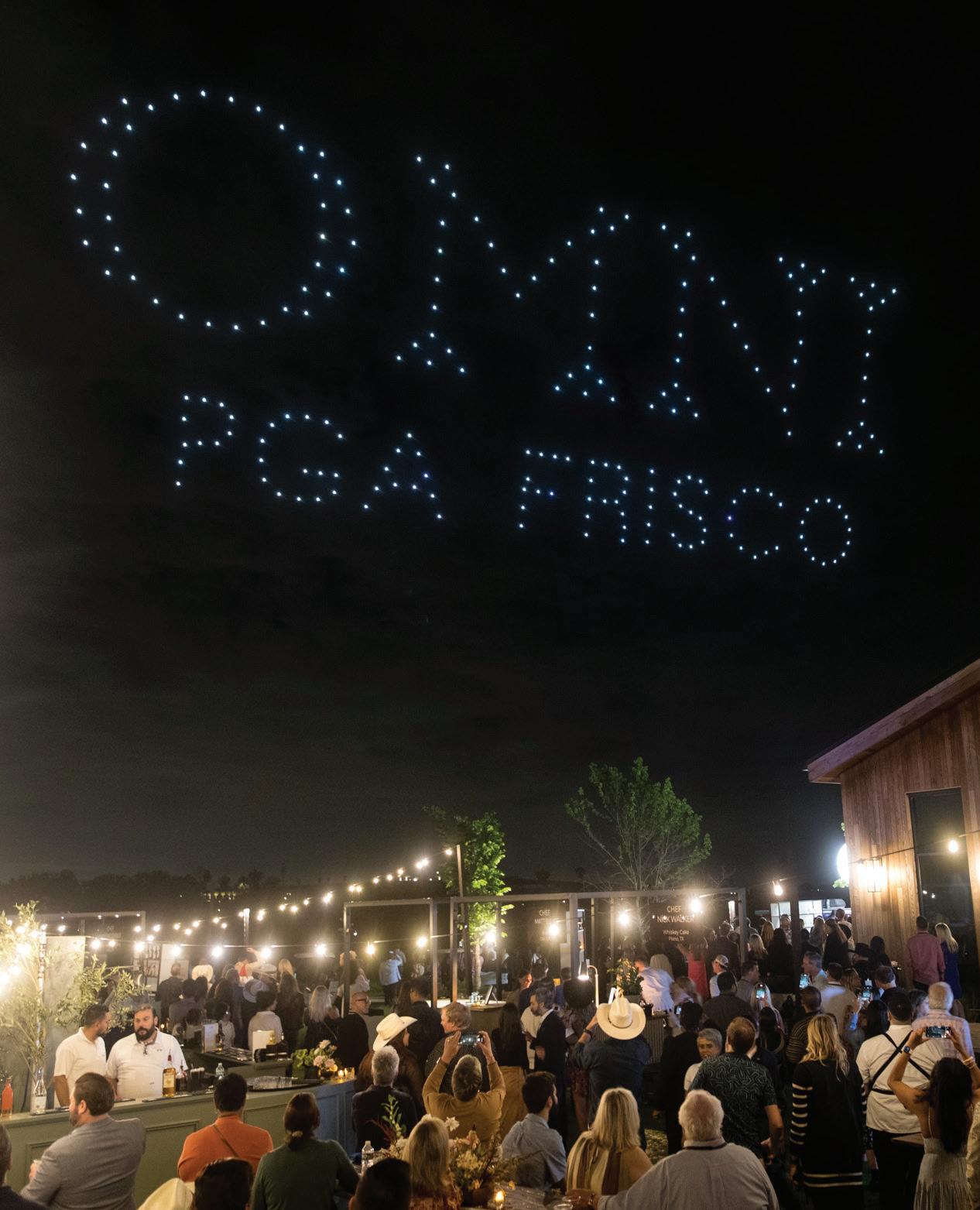
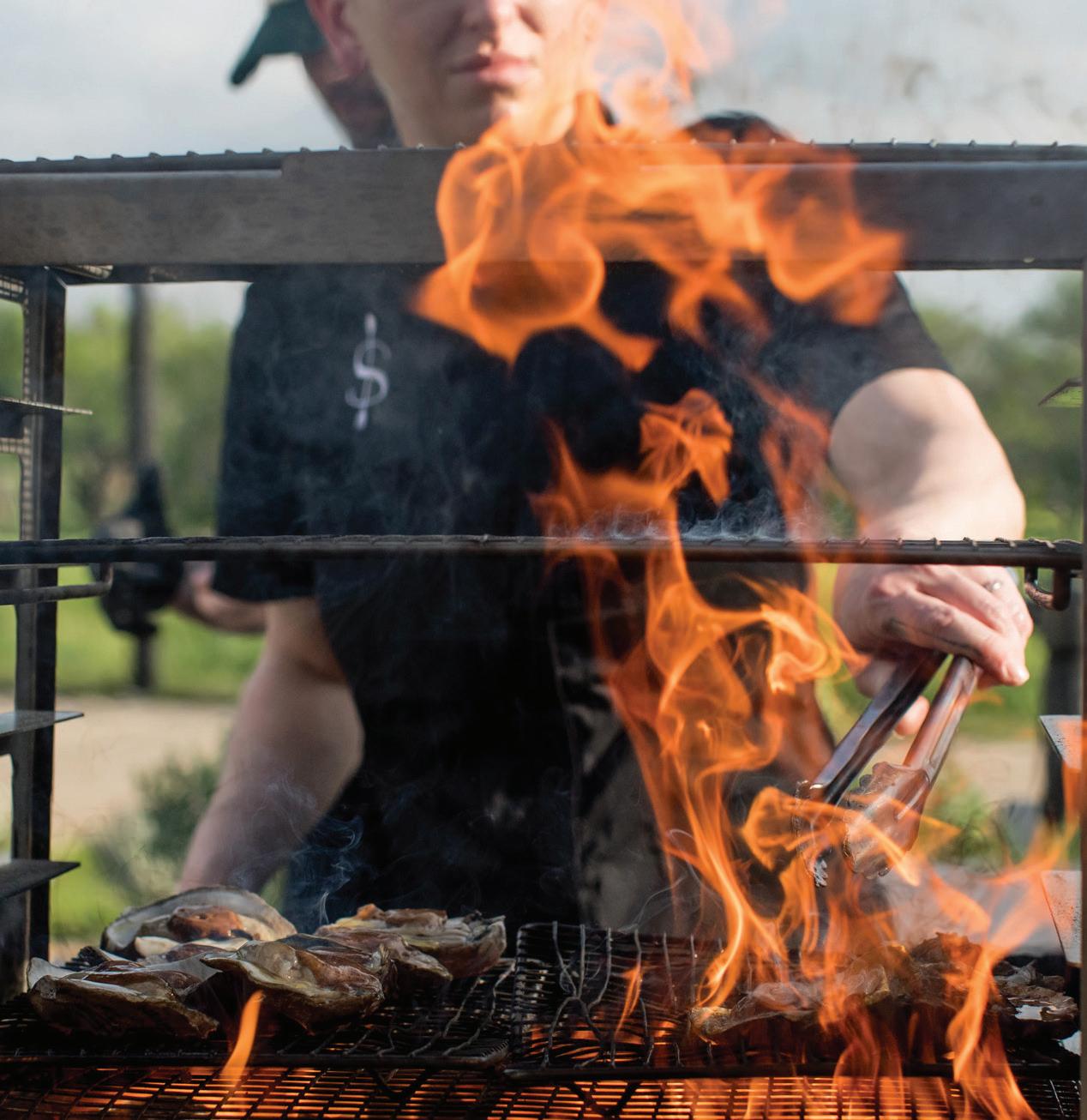
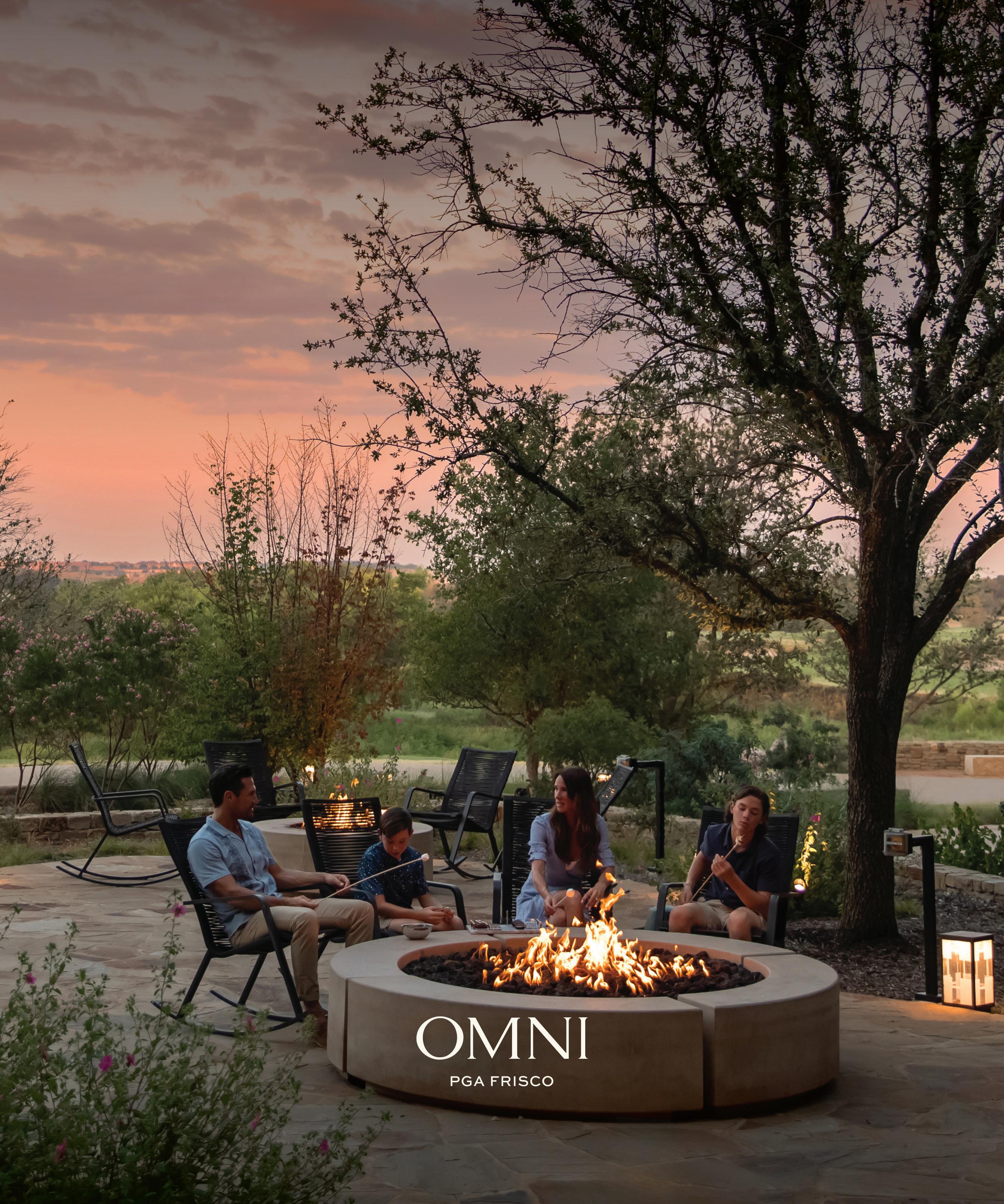
In May, Lee will join more than three dozen chefs at the Omni PGA Frisco Resort in Frisco, Texas, for SAVOR, a four-day culinary event, featuring food, wine, cocktails and golf, as well as an impressive lineup of hospitality luminaries like Elizabeth Blau, Master Sommelier Erik Elliott and an internationally famous collection of “Top Chef” and Food Network alumni. A grand tasting will provide guests an opportunity to sample food by and interact with chefs like Lee, Tiffany Derry, Shota Nakajima, Dean Fearing, Gabe Erales and Esther Choi. Gus Tejeda, the director of sales and marketing for Omni PGA Frisco, said an event like SAVOR was on his mind three years ago when he was in the pre-opening phase of the resort. “The question was what event could we create that could bring attention to our premier resort and all it has to offer—something that includes food, drink, golf and music?” Tejeda says. “We have 660 acres with unique venues and beautiful views, so we wanted an event that could bring this place to life.”
SAVOR was the answer, and the first year was a remarkable success, earning attention from media around the country, including a writeup
in Forbes magazine. Lee participated in the inaugural event, and said he’s looking forward to returning to Frisco.
“It’s a world-class resort,” Lee says. “I was partnered with Kurt Russell for the golf tournament, and that was a fun day. They’ve changed the golf a little this year to save time, so we won’t be doing a full tournament. But I love the chance to interact with my peers, hardcore Food Network fans and guests at these events. On shows like ‘Tournament of Champions,’ I get a chance to work the crowd, but most competitions aren’t like that, so I enjoy these events where I get to meet people.”
Night one of the event is limited to 150 guests, but the Fork & Fire Grand Tasting on Friday, May 1, is the first large chef event, and Tejeda said they’re expecting 500 or more guests for the food festival atmosphere. Saturday’s SAVOR Grand Tasting will be a combined food and beverage event with chefs inside and outside. Tejeda said they’re shooting for 1,500 guests that night.
One of the featured chefs is Shota Nakajima, a “Top Chef Portland” alum who was one of the three finalists that season. His connection to Oklahoma City, which is relatively recent, is directly and indirectly related to Chef Lee. Nakajima talked to Luxiere from his home in Seattle.
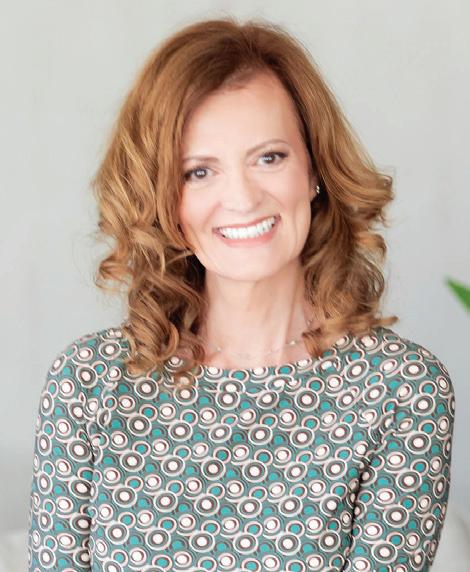
“I met Kevin at a food event, and we’ve become friends,” he says. “We talk every week. His chef de cuisine at Maht is my former sous chef, Kazumichi Nakahara. I love these events because you develop relationships, as with Kevin, that are as long-lasting and important as relationships I have with my local peers. I probably talk to Kevin and ‘Top Chef’ friends more than I talk to local chefs.”
That reality is pretty common, actually; it’s something you hear from chefs regularly. They are so busy running restaurants and often raising families that they seldom have time to move around a city to support their peers’ restaurants. The large events and television competitions give them a chance to hang out and build friendships with peers of comparable talent and following, who just happen to live hundreds or thousands of miles away.

Nakajima said he enjoyed the SAVOR event last year and is looking forward to this year: “The resort is a bit secluded, and you get a chance to be immersed in the environment. But really, I love these events because everyone from the chefs to the organizers are relentless dreamers, and I want to hang around people like that as often as I can. It takes so much to get to the level of a lot of these people, and I want to spend time with dreamers, ambitious and talented people.”
Tejeda said he and his team have worked hard to build diversity into the event, and not just in the expected ways. “We want diversity in the food and personalities,” he says. “We look for up-and-comers, established chefs, tried and true food, and this year’s list is even better than last year.”
The Friday night event will be the most intimate experience for a large group, according to Tejeda. The comparatively small number means more time to meet and interact with chefs face to face, something both Nakajima and Lee enjoy.
“There is this dynamic at these events where people come by for a taste, and then we start a mini-conversation, and then they come back for seconds and thirds, and so the conversation becomes something more than a mini version. You get to know the people and get great feedback.”
As for Lee, he’s going to do what he does best. “The POV of my food is diversity, because that was my upbringing. I want to bring the diverse flavors together into a great dish. Last year, I did the gochujang sticky ribs from the Birdie’s menu. This year I’m doing a kimchi pancake hush puppy with yuzu ranch (he’s an Okie, y’all) and smoked trout roe.”
Tickets for the event are on sale at the SAVOR Omni PGA Frisco Resort website, savoromnipgafrisco.com. •
There are over 100 symptoms listed with a tick-borne illness and many people don’t even recall having had a tick bite! Some practitioners feel like this is a silent epidemic and advances are slow. The classic “bull’s eye rash” that is described as the hallmark sign of a tick-borne infection is rare and unfortunately, the random symptoms associated with a tick-borne illness get dismissed.

Because testing is expensive and not covered by insurance, diagnosing these issues can be a challenge. So, for a very limited time we are offering two tickborne testing panels to anyone who is curious for the first 10 callers. You do NOT have to be our patient and there is no obligation after the review.

BY ALEXANDRA BOHANNON
Lainey Wilson didn’t become a country music superstar by accident. While the 33-year-old musician was born to be a legendary voice in country music, she wasn’t born into the country music industrial complex — she had to work for it, and work hard
As she points out in her documentary Lainey Wilson: Keepin’ Country Cool, premiering April 22 on Netflix, “I’ve been here 14 years. So a 14year overnight success, if you want to call it that.”
When Wilson and her team set about the task of selecting a director to document this whirlwind chapter in her life, she wanted someone who understood what it took to get here. Enter award-winning documentary director Amy Scott, who has the skills to pull off a film that’s as large as Wilson’s voice and as infectious as her stage presence.
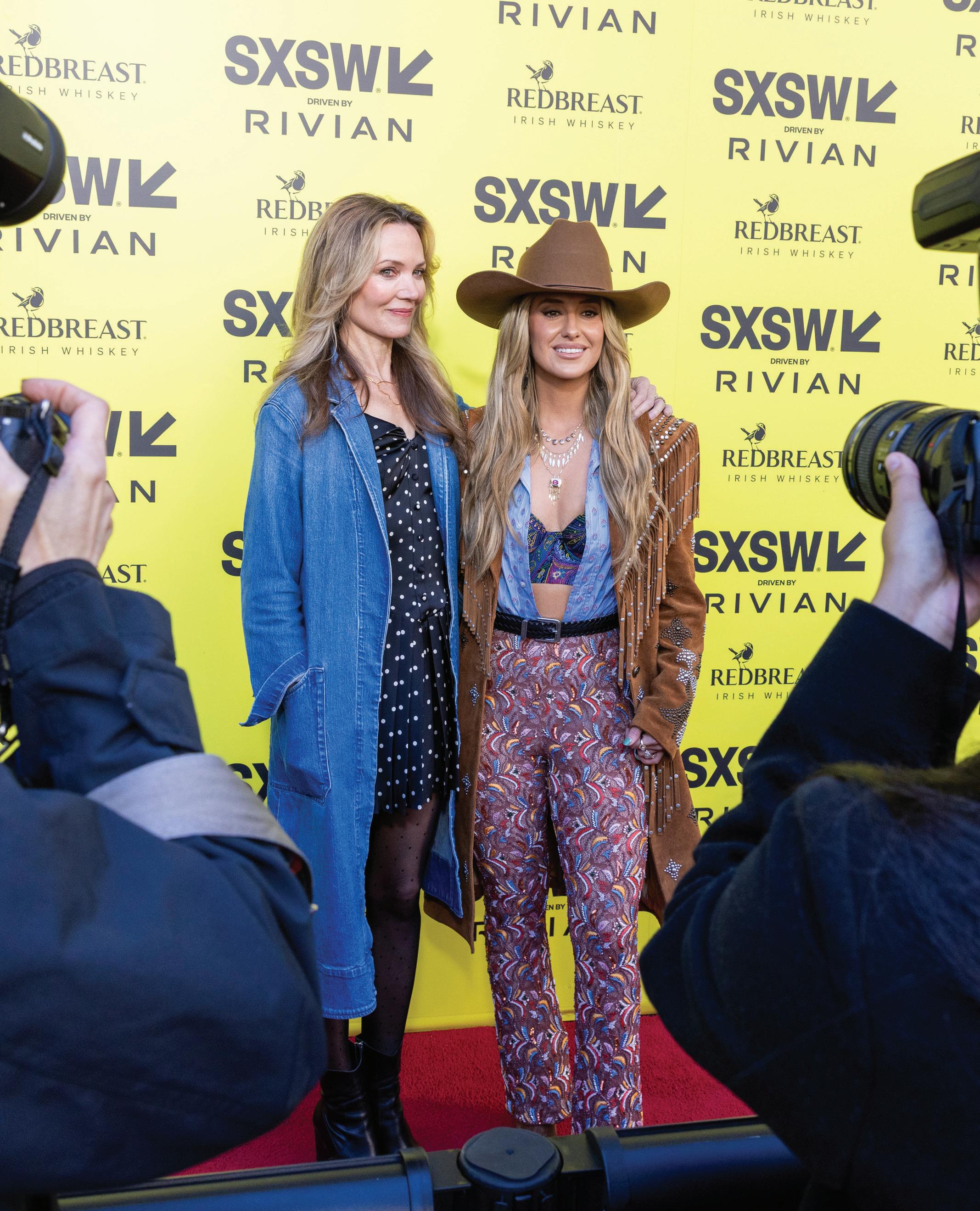
“I pulled back the layers, and Amy Scott, the director, did a great job at getting down to those layers. I was like, ‘Dang, she’s my therapist. I feel like I need to Venmo her!’” says Wilson in an exclusive red carpet
interview with Luxiere from the film’s world premiere at SXSW on March 17.
“I knew that she also had worked really hard in her business. Both our industries are male-dominated, and to see how hard she’s had to work to be where she’s at, I think she understood how hard I’ve had to work to be where I’m at, and so we had this mutual respect for each other.”
Scott also noted commonalities between their respective career and creative journeys.
“She’s from a small town in the middle of Louisiana. She did not come from a trust fund. She did not come from a major metropolitan city. She did not come from the coasts,” says Scott in an exclusive interview with Luxiere
“I felt like, ‘Oh, I know her.’ I’m from a similar place, you know. I’m from Lawton, Oklahoma. My parents were public school educators. You’ve got to work for it. You’ve got to work for everything you do, like double time, but anything is possible.”
“I felt like, ‘Oh, I know her.’ I’m from a similar place, you know …. You’ve got to work for everything you do, like double time, but anything is possible.”
AMY SCOTT
Though Wilson may have the country vocal chops in the lineage of Dolly, Reba, Martina and Miranda, she wouldn’t have risen to where she is today without her tenacious work ethic and bona fide grit, which Keepin’ Country Cool explores in detail.
“I come from a family of wheelers and dealers. My dad always, and my mom too, they’re just wheelin’ and dealin’,” says Wilson from the stage of the Paramount Theater during her post-premiere Q&A at SXSW.
“When you grow up on a farm, you see your parents get up every single day and bust their tail to make a living to provide [...] And so that’s just really how I have treated this career.”
It feels apt for Wilson to compare her career to her childhood on the family farm in Baskin, Louisiana (population: 158). Farming is hard work, but it is also rooted in patience. As the documentary explores, Wilson lived in a Flagstaff bumper pull camper trailer in the studio parking lot of her producer and mentor, Jerry Cupit, for years. After assembling her full-time band — it’s a rarity in this industry to not just use session musicians — she continued to grind, but at least this time she wasn’t alone.
Scott also could relate to Wilson’s creative community; she’s made five documentaries with her friends at Shark Pig Studios. As Keepin’ Country Cool was largely shot in cinéma vérité, a filmmaking philosophy that drops audiences into the moment rather than explaining it, she ran it with a very small crew. Often, it was only Scott, director of photography Jonathon Narducci on A Cam, and producers Jonathan Lynch and Brian Morrow running sound and shooting b-roll on 16mm film. This streamlined crew followed Wilson nimbly across tour stops in the Southeast, Vegas and California, and captured candid moments behind closed doors.
“There’s a direct parallel,” comments Scott on the similarities between Wilson’s band and her crew. “We have talked about it. She’s like, ‘Look at you, you’ve got your band just like I’ve got my band.’ They are the reason that I can even pull this stuff off.”
Case in point: Scott and her team received over 50 hours of archival footage from Wilson’s parents, starting with Lainey in utero through her teenage Hannah Montana impersonator years and her pre-superstardom Nashville-era. Scott and her editor Matt Thiesen and her team at MakeMake waded through the tapes.
“We spent months watching them, just hoping to catch a glimpse of something,” says Scott, noting that Wilson is the most documented subject of any of her films. “I think her parents, because they knew that she was destined for greatness, I think they just always filmed her along the way, and so that’s the documentarian’s dream.”
This archive served as the bedrock of Keepin’ Country Cool; an honest and vulnerable look at a country music singer who Scott describes as “the real deal,” someone who is authentically herself, regardless of whether the camera is on or off.
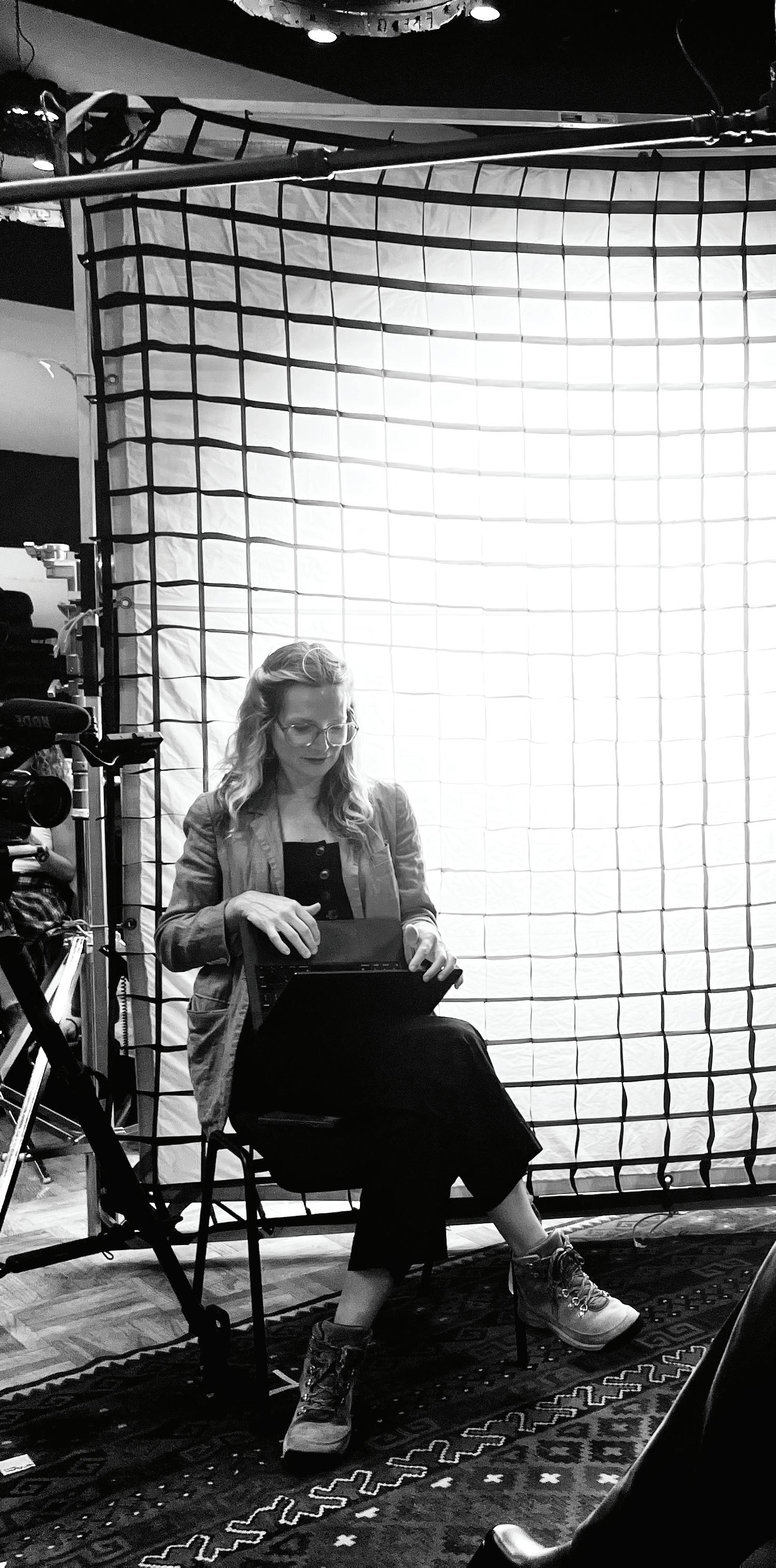
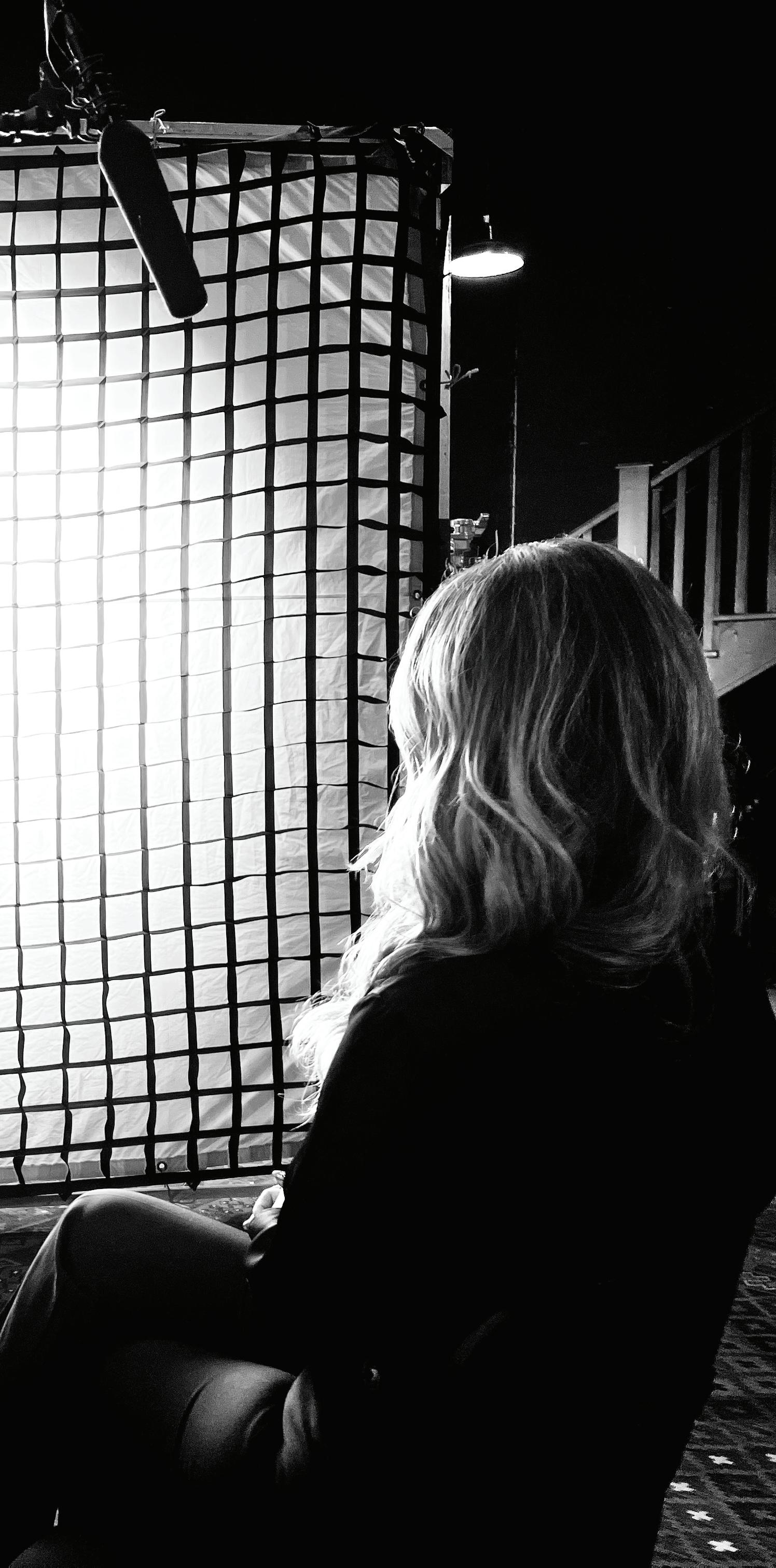
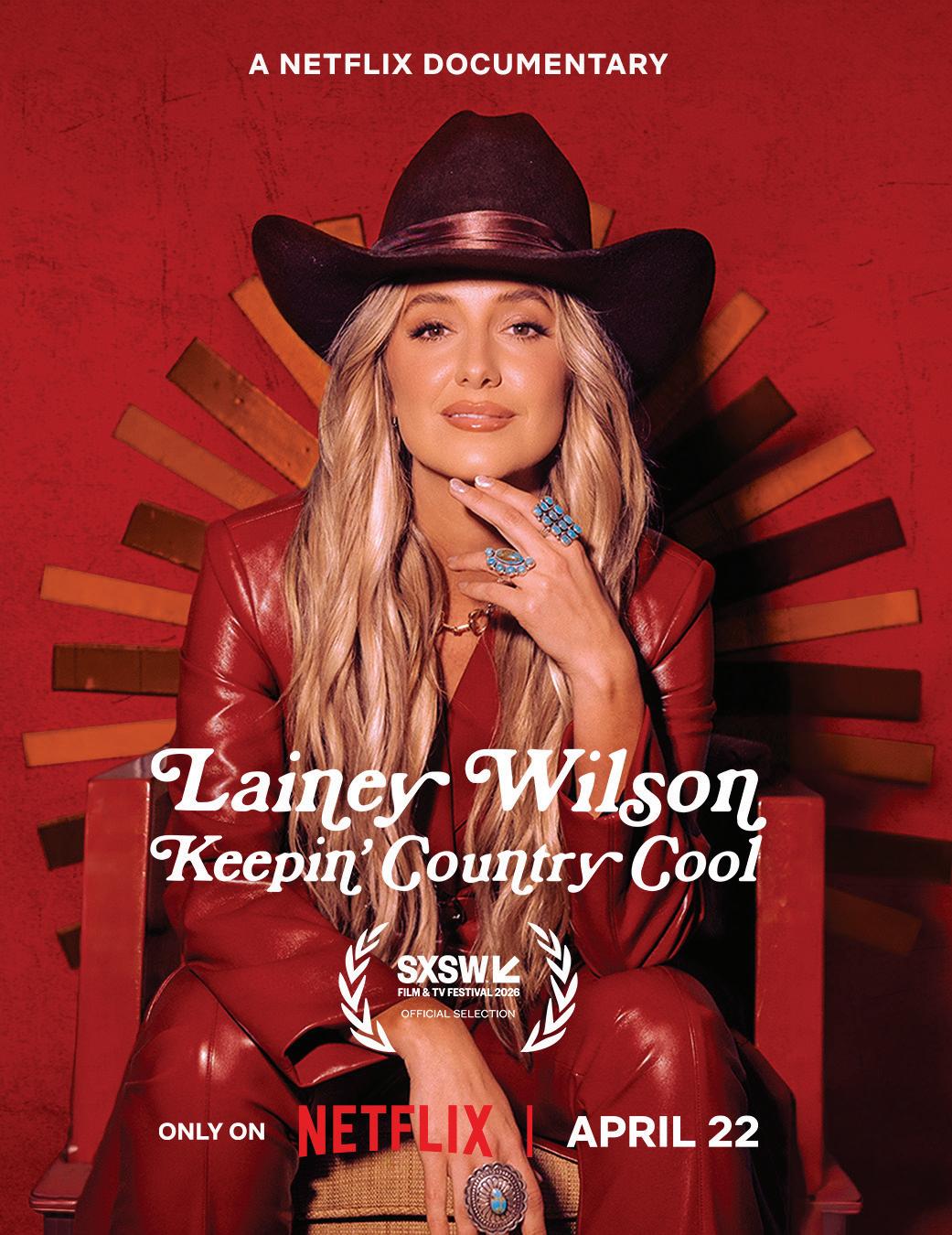
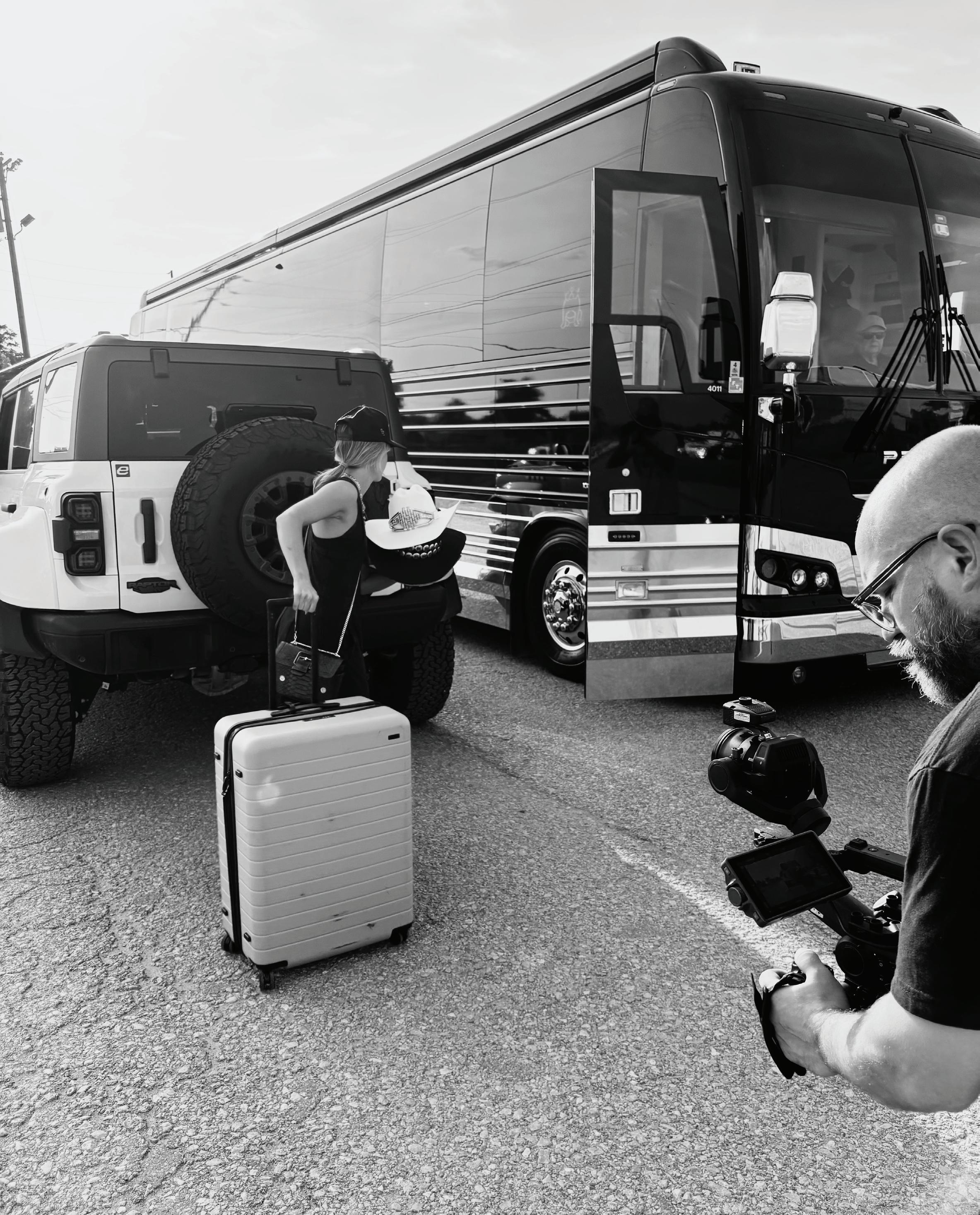
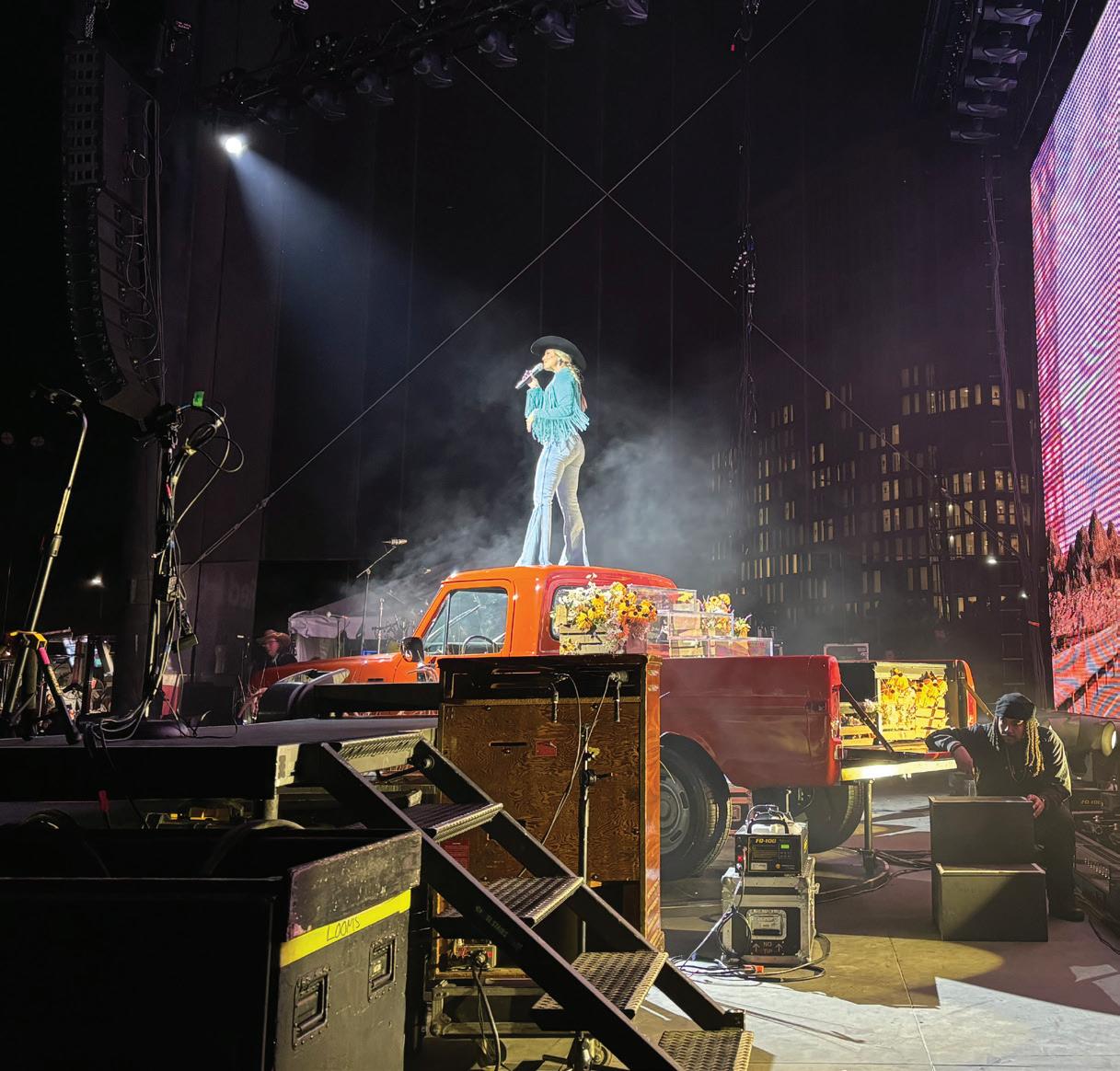
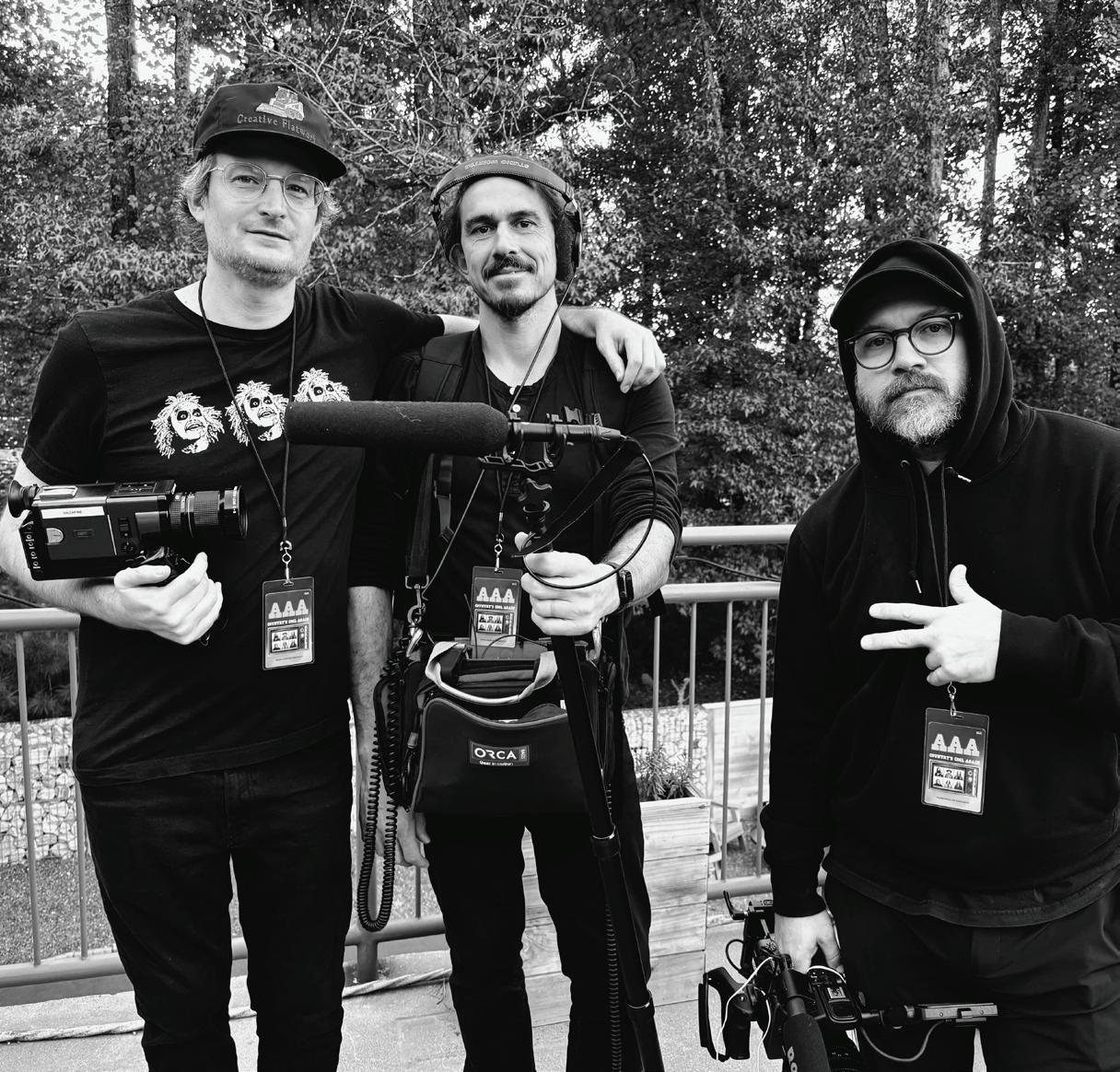
Scott’s team, in tandem with Wilson’s personal photographer Erick Frost, captured raw, vulnerable moments for Keepin’ Country Cool. In the doc, Wilson is incredibly honest about the emotional and physical toll of fame; her desire for motherhood and a family; and what keeps her grounded so she can keep writing songs.
“I was raised the way where you fall off a horse, you get back up, you like, knock the dirt off, and get back on and ride. I think this documentary shows that side of me, but I also think it shows a side of me that I just have not showed people,” says Wilson. “It’s a scary thing being vulnerable, but what I’ve learned even just through my songwriting is there’s a lot of strength in being vulnerable and showing that side.”
When production started in October 2024, Scott and her crew decided to edit the documentary during production, a generally more expensive decision but a smart choice for this film. Working through post-production while collecting new footage gave the crew clarity on the documentary’s overall direction and what coverage they still needed to tell Wilson’s unfiltered story.
So when Netflix acquired the film, Scott noted how elated she and her team were about the opportunity to share it. She also noted how filmmaker-friendly the streaming platform was while they finished the edit toward the end of 2025.
“They changed hardly anything, but it was more that they just elevated it,” says Scott about working with Netflix. “They saw how special it was, and they knew, like, ‘Okay, we want this.’ And then they helped us through the finishing.”
When the completed documentary was accepted into SXSW as one of the festival’s headlining films, it was a full-circle moment for Scott, who had been a fan of the festival for most of her life; she had been coming to SXSW in both a music and filmmaking capacity for at least 20 years.
“I hung around touring bands in my twenties and we used to go and play SXSW. We played some parking lot showcases,” says Scott. And then kind of transitioned into the film stuff. [This] was the second time I’ve gone with a film having its world premiere.”
But the film’s premiere wasn’t just about the red carpet glitz and the VIP parties at a prominent festival for Scott. Reconnecting with Wilson, her band and her family at the festival after months apart was an incredibly special moment.
“We got to know her really well, but we really got to know Duck [Wilson’s fiancée]. We became very close with her band. So it was like seeing all my old friends from the road,” says Scott. “There’s a relationship that you build on the road with people, and so then when you see them, like, they’ll be my friends for life. It’s like the sweetest thing in the world.”
It’s all about the people, which is another parallel between Scott and Wilson’s perspectives. When asked what it meant to “keep country cool,” Wilson said it was just as much about community as it was about carrying a musical legacy.
“What I hope people see from this is that the country community that I come from are people who just welcome you with open arms and take people in — the kind of people who give you the shirt off their back,” says Wilson. “And I think that’s pretty cool.” •
on April 22. To learn more about Lainey Wilson, follow her on Instagram
also follow director Amy
was produced by Teton Ridge Entertainment,
on Instagram at @amyelizscott . Lainey Wilson: Keepin’ Country
Studios, and MakeMake in association with Shark Pig Studios.
As Oklahoma’s first board-certified dermatologist and fellowship-trained laser and cosmetic surgeon, Dr. Kimberly Jerdan wants you to reach your skin, hair, and nail health goals from a comprehensive medical and aesthetic approach. Specializing in general, surgical, and aesthetic dermatology needs, Dr. Jerdan is trained in skin of color and sees patients of all ages.
Call today for your consultation.








Providing quality tax and financial guidance to individuals and businesses since 1996.
Founded in 1996, Regier & Associates is a public accounting firm comprised of a team of highly qualified professionals from various backgrounds who bring a wealth of knowledge and experience from public accounting and other professions. Our firm provides tax compliance and planning services, in addition to bookkeeping, compilations, reviews, and other attestation projects. We strive to provide personalized services with the highest level of quality to our clients.
BY CRAY BAUXMONT-FLYNN
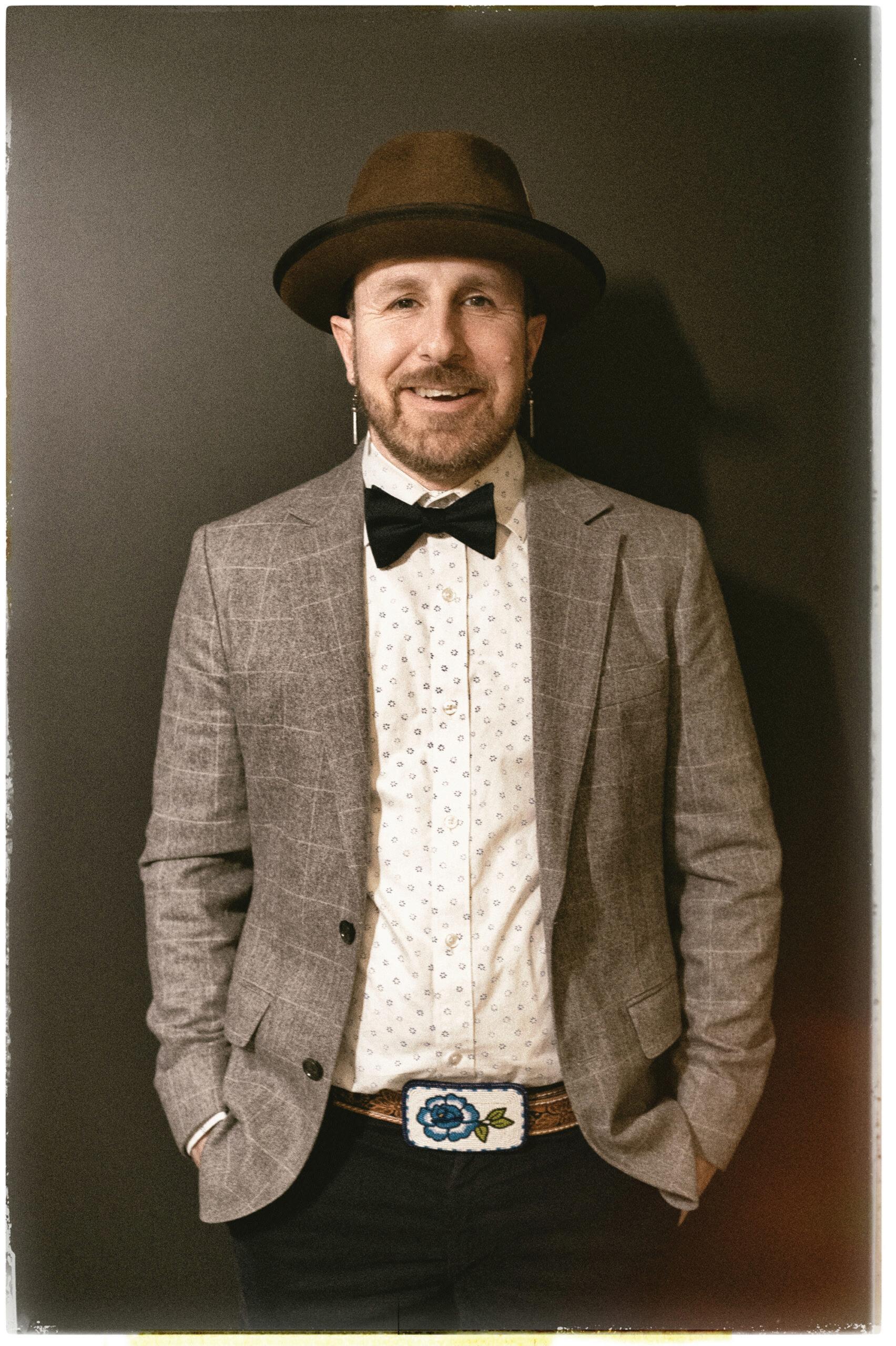
Ryan RedCorn was born into a family of preachers, politicians and salesmen—“which are basically the same job,” he jokes. In that kind of environment, humor isn’t optional. It’s oxygen.
“When you’re born into a disposition and everybody around you is using it, it just becomes the water that you tread in,” he says. Public speaking, reading a room, holding attention … these weren’t learned skills so much as inherited survival tools. Watching elders command crowds from pulpits and podiums taught him early that voice matters. The question was not whether he’d be heard; it was how.
That instinct—part performance, part protection—would grow into something much larger: a career spanning graphic design, viral satire, international advertising, independent film and television writing. Along the way, RedCorn would help redefine Indigenous comedy through sketch comedy group the 1491s, launch Buffalo Nickel Creative from Pawhuska, Oklahoma, and carve out space for Native storytelling that refuses both stereotype and sentimentality.
At the center of it all is a deceptively simple philosophy: Make the thing. Don’t wait for permission.
RedCorn’s relationship to humor sharpened in moments most people would find unbearable. As a teenager, he walked into a hospital room
where his uncle lay battling brain cancer. His mother nudged him to tell some jokes; lighten the mood.
So he did what came naturally; he roasted his uncle.
It was awkward. It was tense. It worked.
That moment clarified for RedCorn the fundamental truth that humor can puncture fear. It can break pressure when grief threatens to swallow a room whole. In Osage community life—where teasing, wit and sharp observation are woven into daily interaction—comedy is connective tissue rather than escape.
His grandfather gave white dignitaries the same “Indian name” every time, smiling as they thanked him solemnly. The translation? “Big wind and no rain.” The joke was layered, playful, pointed. It revealed something about performance, ego and who gets to define meaning.
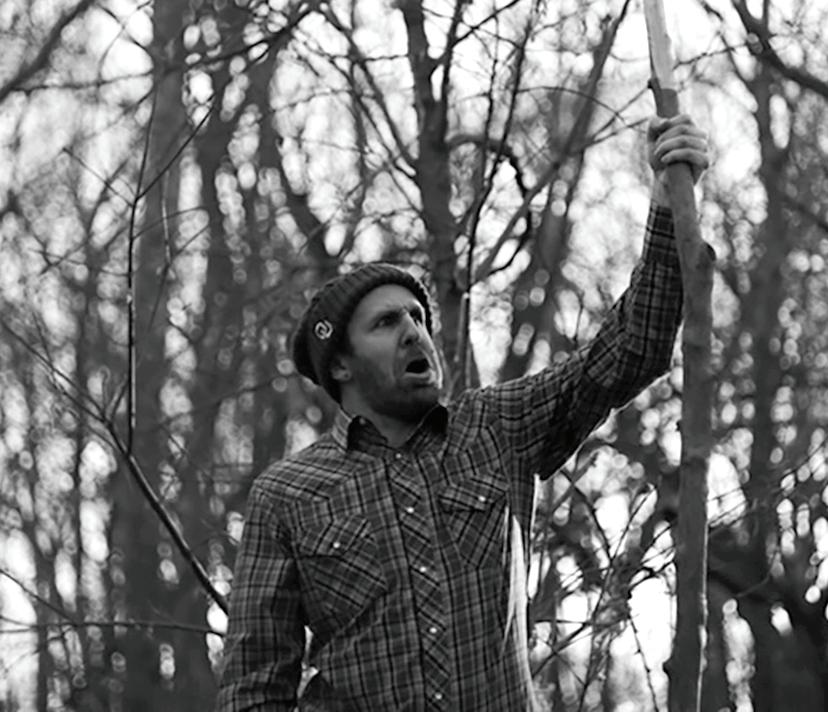
This tradition of humor-within-truth became the backbone of RedCorn’s creative worldview. It’s also what fueled the 1491s—the Native comedy collective he co-founded alongside Sterlin Harjo, Dallas Goldtooth, Bobby Wilson and Migizi Pensoneau.
“We were just sick of crying Indians,” RedCorn says.
At film festivals, he watched Indigenous films stack trauma upon trauma. While catharsis has its place, he noticed a lack of laughter,
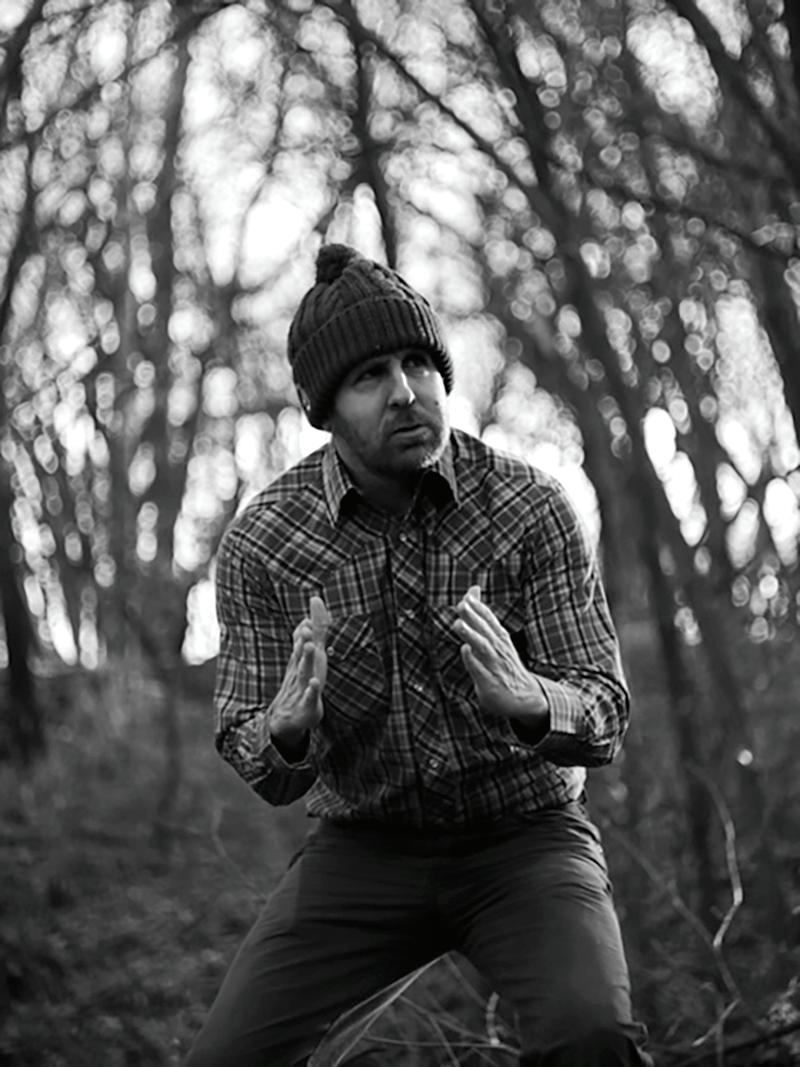
joy and irreverence. So the 1491s went the other way. If the dominant narrative was despair, they made satire. If the room demanded solemnity, they sharpened their knives.
Their videos—absurd, biting, culturally fluent—traveled into dorm rooms and reservation houses alike. Native students far from home binge-watched sketches that made them feel seen. The group was making comedy and at the same time exporting community and a reminder that Native identity is not singular, tragic or frozen in sepia.
Humor, in RedCorn’s hands, is both shield and scalpel.
And the future humorist’s creative confidence began young, in garages and backyards. He and his father built things from scratch: basketball goals out of two-by-fours, additions onto the house, roofs in Oklahoma heat. If you needed something, you made it. That mindset translated directly into entrepreneurship.
After graduating with a graphic design degree—“six and a half years,” he laughs —he applied to dozens of firms. Only one offered an interview. It didn’t hire him.
So he started a T-shirt company instead.
Within six months, he was selling thousands of dollars a day. His designs landed in Urban Outfitters, on MTV, even on Conan O’Brien. The traditional career path evaporated, as he had hit his 20-year goal in half a year.
But success didn’t pull him toward Los Angeles or New York. It pulled him home.
People told him there were no jobs in Pawhuska. He moved back anyway. E-commerce untethered him geographically, so why not run an agency from Osage country?
At the time Buffalo Nickel Creative was born, most Indigenousfocused advertising was handled by non-Native firms. The results were a predictable stream of dreamcatchers, Papyrus fonts and vague “tribal” graphics with no cultural specificity. RedCorn and his HoChunk partner, Joseph Brown Thunder, offered something radically simple: understanding.
Every community has its own patterns, language, tone. “Make it look like they made it,” RedCorn says, not like you did. While that might sound like activism disguised as design, it was good business. Serve the client. Reflect their identity accurately. Don’t impose yours.
The work spoke for itself.
To outsiders, RedCorn’s career can look fragmented—ad executive, comedian, screenwriter, filmmaker. But for him, these are different tools serving the same purpose: translation. Comedy allows difficult truths to slip past defenses. Advertising teaches clarity and audience awareness. Film demands structure and patience.
When he enrolled in an MFA in screenwriting at the Institute of American Indian Arts, it was curiosity, as well as stress testing. He wanted to know if he could do it.
Formal training gave him structure. He already had instinct, concept generation, rhythm. What he lacked was long-form architecture— how to hold 90 minutes of story without collapsing.
That discipline paid off. The 1491s were commissioned by the Oregon Shakespeare Festival. Their play became the highest-grossing production of its season, later traveling to Yale and New York. He wrote for “Reservation Dogs.” He is currently developing a documentary on Osages and a heavy metal Western set in northeast Oklahoma.
“I had a lot of meat and no sausage casing,” he jokes about his early writing. The MFA gave him the casing.
But the through-line remains consistent: Don’t wait for someone to validate your voice. If you believe you can do it, get ready and do it.
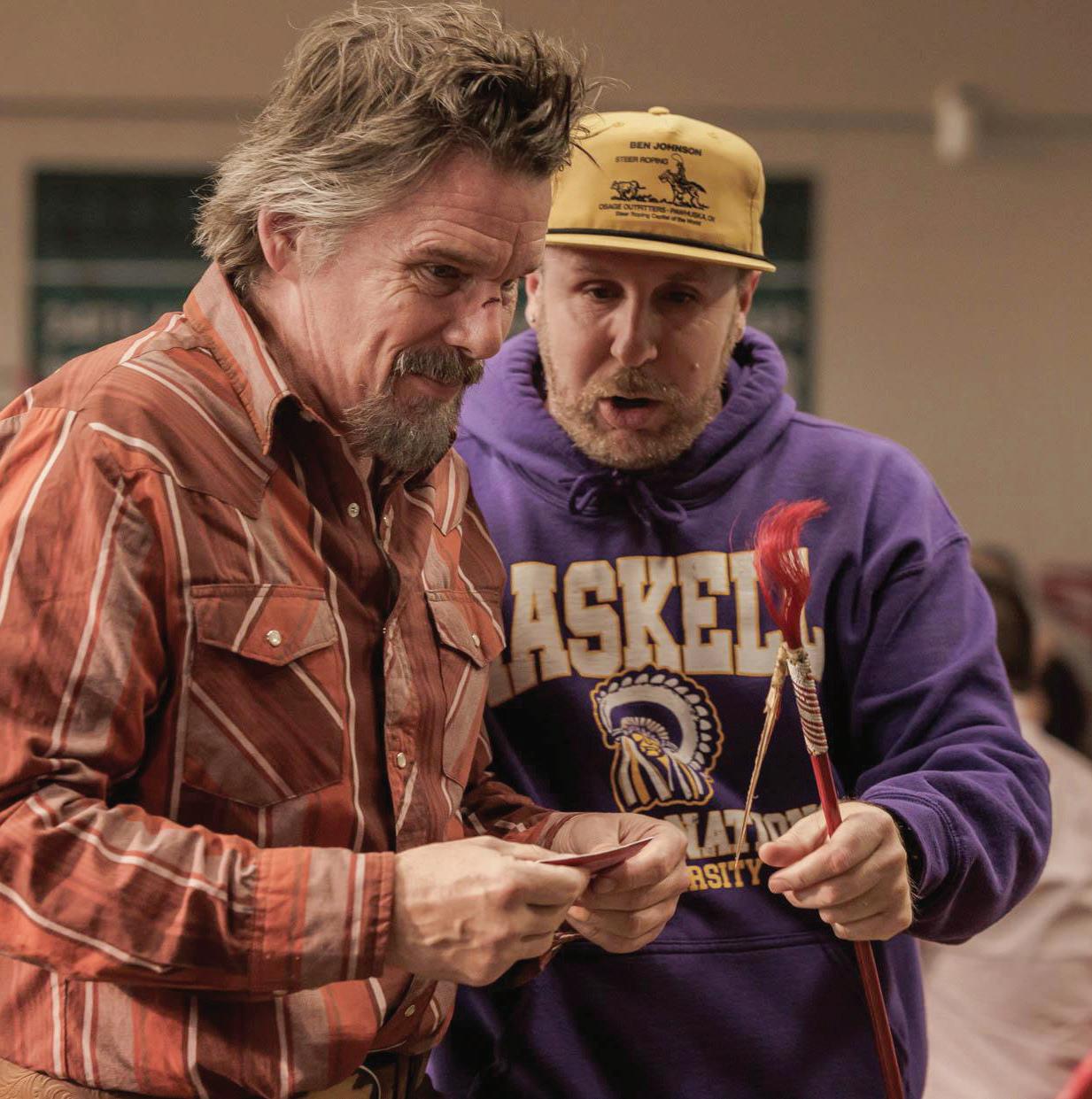
RedCorn is the father of three daughters. Parenthood, he said, sharpened his worldview and shifted his priority. He placed his daughters ahead of himself—his task is to ready them for a world he did not inherit.
He embedded them in Osage community life: language, ceremony, responsibility. His eldest now serves as the current Osage princess.
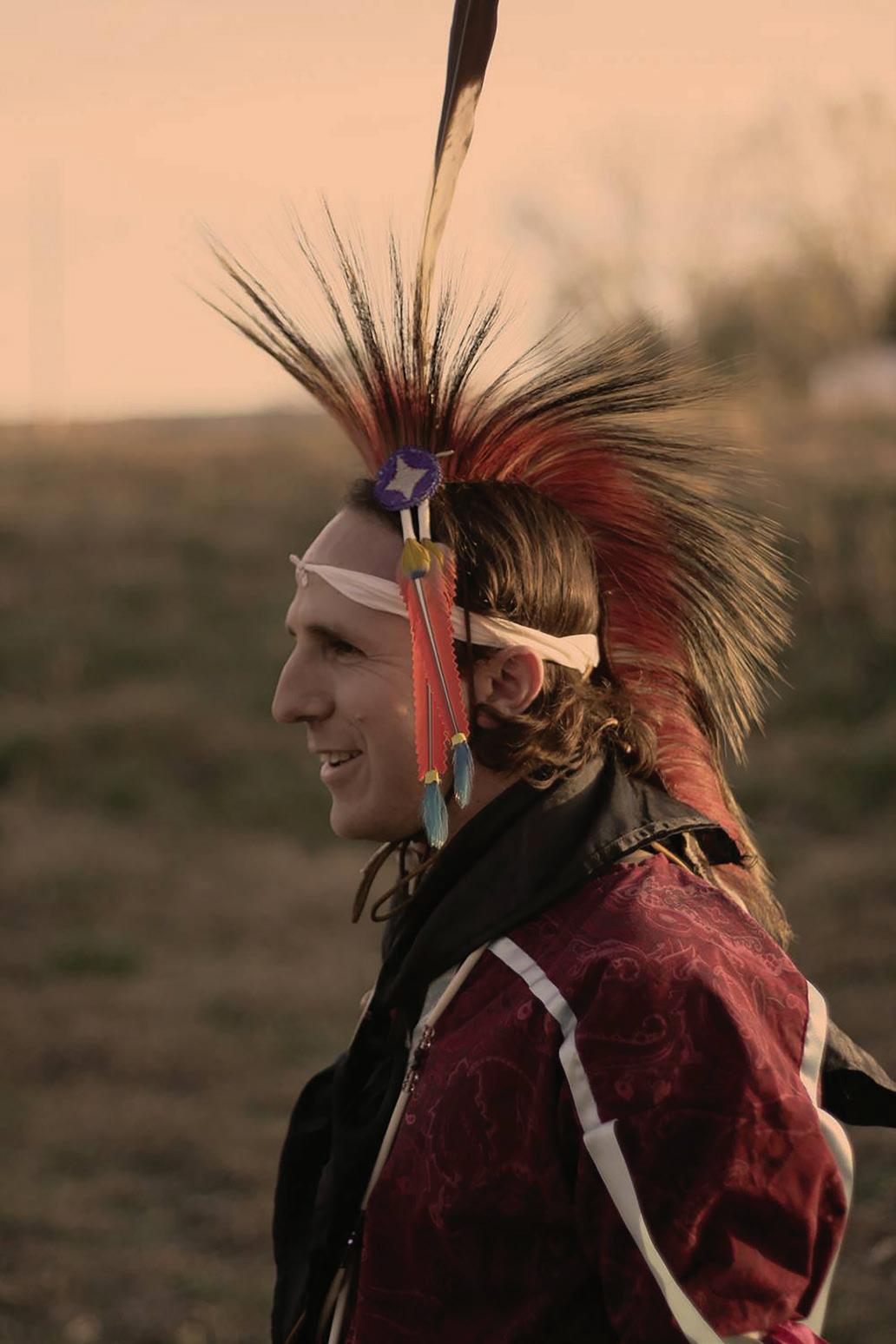

He worries less about whether they’ll be brilliant and more about whether they’ll be grounded.
“I’m not worried about them being stupid,” he says. “I’m more worried about them being sad.”
In Pawhuska, his daughters inherit irreplaceable community infrastructure: people who will feed you when your house burns; show up without being asked; bury you when you die.
“You have to put in more than you take out,” he says. That principle governs economies, relationships, ecosystems—and art. The idea is simple. The execution is lifelong.
As a younger artist, RedCorn reacted to the news cycle, the outrage, the absurdities of the moment. Now, his focus has shifted toward evergreen ideas—stories that outlive headlines.
“When the world gets so crazy, it becomes very difficult sometimes to concentrate and make art,” he reflects. The solution is scale, not
silence. Create worlds. Develop characters. Build narratives that hold complexity—anger, joy, grief, absurdity—without collapsing into one note. Life is not flat. Comedy cannot be perpetual. Grief cannot be total. Human emotion is layered, and in that layering lies Indigenous storytelling’s power.
Humor can cut. It can comfort. It can destabilize authority—like the court jester speaking truth to the king. But it cannot be the only register. A creative life demands range.
When asked what advice he would give Native creatives who feel outside expected paths, RedCorn doesn’t hesitate.
“Don’t ask for permission,” he says.
There are cultural spaces where listening is required and speaking out of turn carries meaning. But art is not one of those spaces. If you have something to make, make it. If it’s a poem, a film, a shirt, a sketch—make it.
Some people will love it. Some won’t. That’s irrelevant.
“If you’re somebody who makes something, you’ll finish making this thing and then you’ll make something else … and you’ll just continue to do that until they bury you.”
In a media landscape still learning how to see Indigenous creators as people beyond stereotypes, RedCorn stands as proof that expansion does not require relocation. You can run an international agency from Pawhuska. You can write for major television while raising daughters in Osage country. You can build comedy from community values rather than apology.
And when asked for final words, his answer cuts through everything: “Take care of yourself. It’s rough out there.”
Humor, film, advertising … these are tools. But care—of self, of community, of culture—is the foundation. Ryan RedCorn doesn’t wait for permission. He builds the thing he needs. And in doing so, he builds space for others to do the same. •

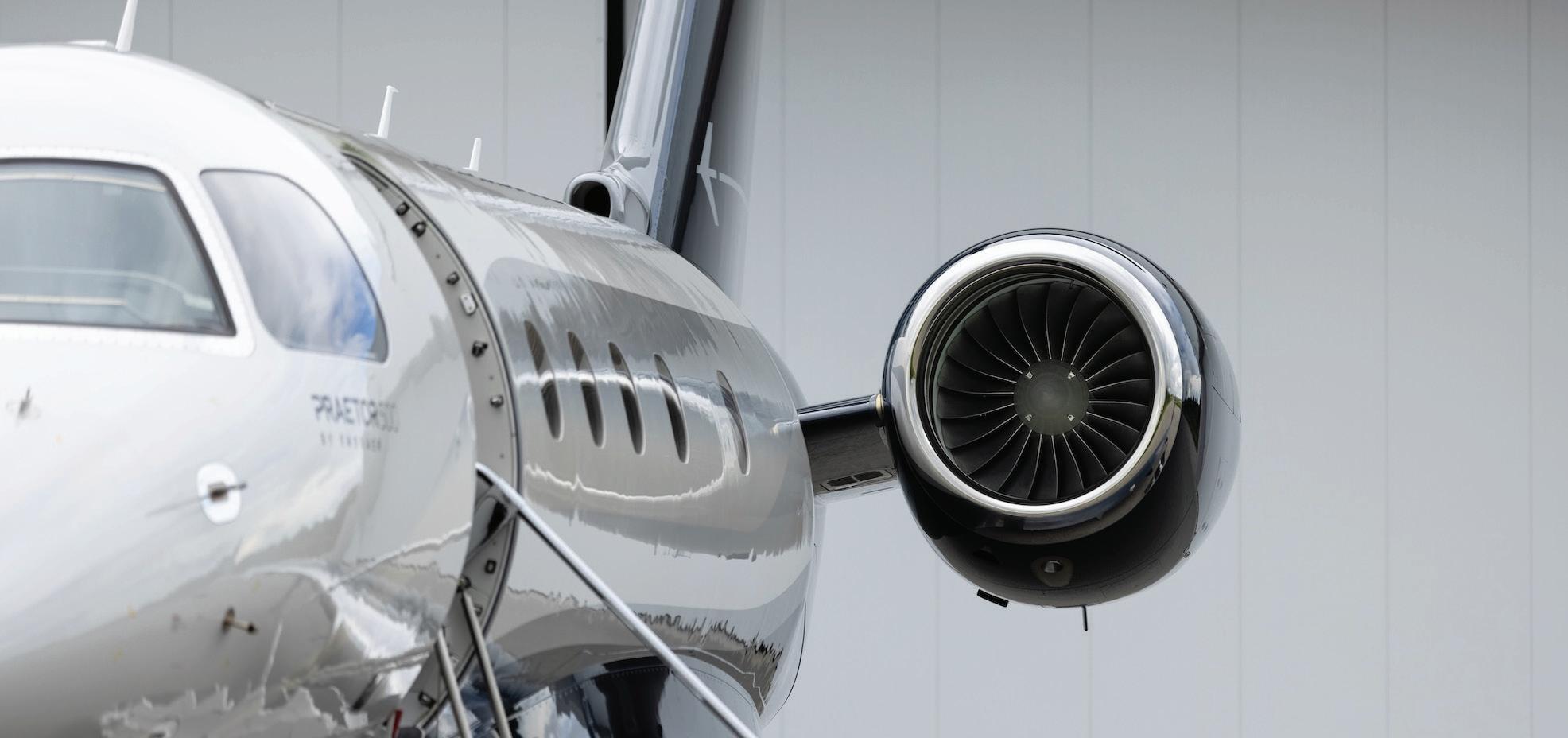







At Tern Jet Sales, every transaction is backed by deep industry knowledge, global perspective, and a team that puts your goals first.
50+ Years of Experience
Proven expertise across every facet of aviation
8+ Team Members A dedicated team working on your behalf
15+ Transactions a Year Consistent results in a dynamic market
7+ Languages Spoken Global reach with personalized communication Start
Whether buying or selling, trust a team that delivers with precision and integrity.

BY ALEXANDRA BOHANNON PHOTOGRAPHY BY ALEX DUERO
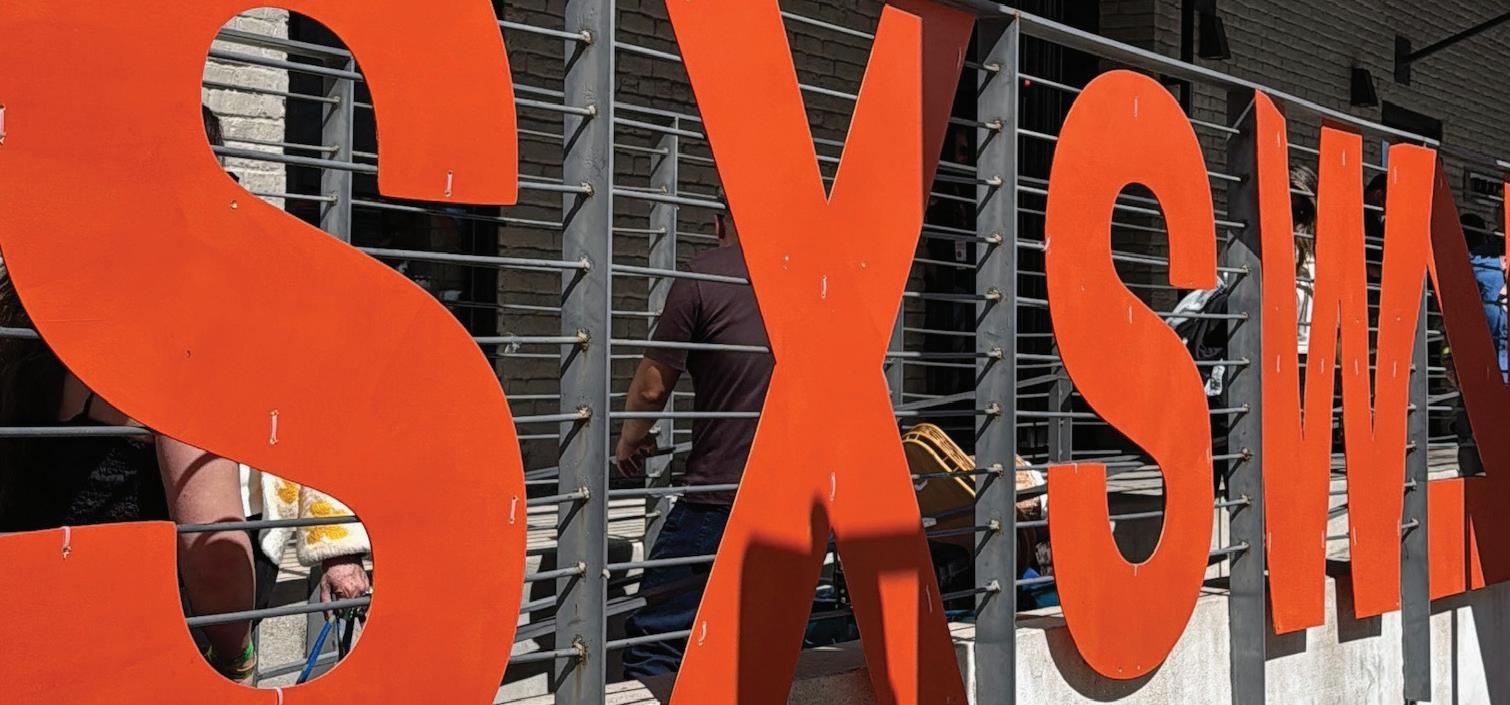
Throughout SXSW, March 12-18, badgeholders experienced the power and excitement of the Texas-sized conference and celebration from the main festival footprint. But, if they were curious enough to venture off the beaten path, they could stumble on a doorway to someplace else while still deep in the heart of Austin.
Each year, the international music, film and innovation festival plays host to “Houses,” venues that showcase the creativity, culture and cuisine of places across the globe. Countries like Germany, Japan and Poland had houses. So did the state known as the Land of Enchantment—New Mexico.
On Monday, March 16, New Mexico House kicked into high gear with a full day of innovative programming. After a day of invigorating panels on topics like energy, film production and entrepreneurship,
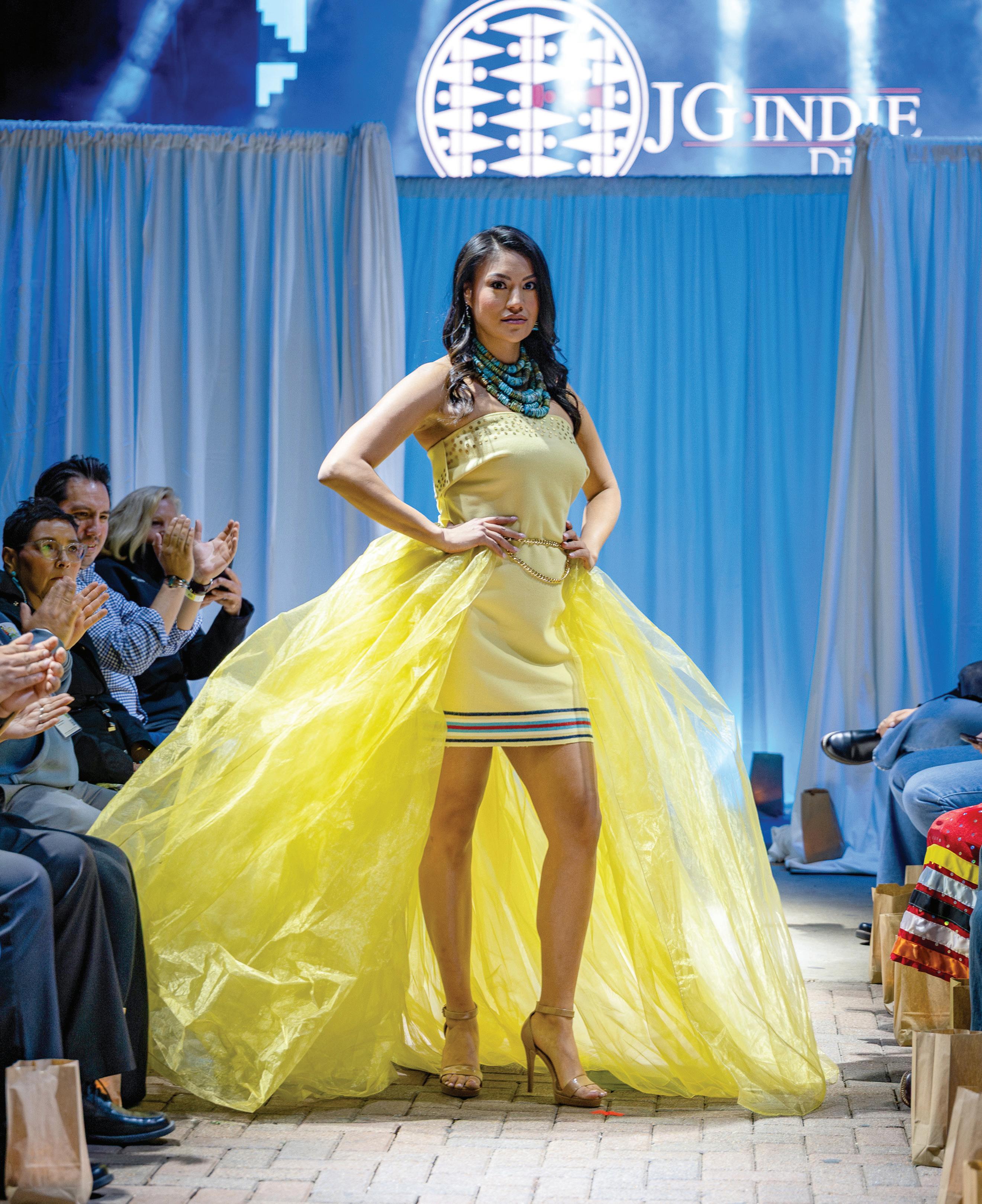
the House transformed into a celebration of Indigenous art and culture, offering a runway presentation celebrating three prolific and award-winning Indigenous designers.
Sage Mountainflower, one of the presenting designers, said it’s an “exciting” time to be an Indigenous designer because of the contrast of where American society has been since colonizers came to the continent.
“I grew up knowing that it was shameful to be Native American, it was shameful to be Indian, you know?” she says. “So being able to bring it out in this venue, this whole idea of it is exciting because it shows our resilience.”
To further showcase the artistic abilities of Indigenous people across the country, the three designers selected all Indigenous models to wear these Native fashions with pride.
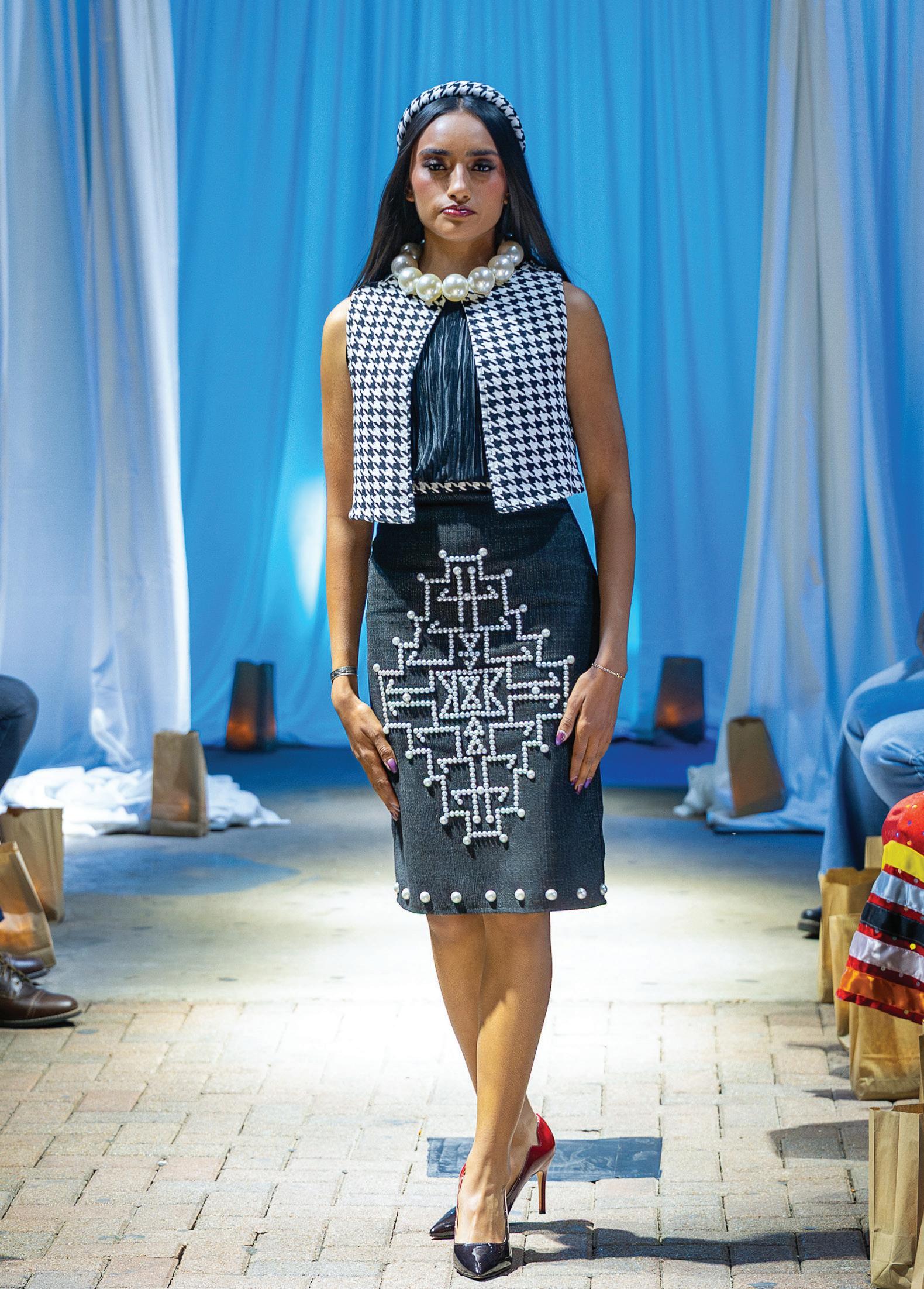
“I label myself as an urban Indigenous designer,” says Jolonzo GuyGoldtooth, who blends his Diné (Navajo) heritage with contemporary and international influences in the way he designs, drapes and constructs clothing for his brand JG Indie.
His perspective on the traditional women’s Chanel suit, one of his 14 looks presented during the New Mexico House fashion show, exemplifies his design philosophy. Audiences see typical elements of this garment: tweed, jacket and pencil skirt. Where things diverge are pearl motifs set into the skirt. On the front of the skirt is a traditional design called Two Grey Hills sourced from Navajo rug weaving. When the model, Miss Three Crosses Anistacia Aragon, turns around on the runway, viewers see another repeating triangular pearl motif on the back of the skirt framing the zipper to represent the spine.
“A concept that I like to show within my work is strong Indigenous women,” says Goldtooth on his other creative influences. “We have our aesthetic, our designs, but where I get my knowledge and my wisdom specifically is that relationship and that strong love for the women within my culture.” As it was his grandmothers who taught him how to sew, it’s only fitting now that he honors their legacy in every garment he touches.
Goldtooth has presented his fashions at the inaugural Indigenous New York Fashion Week and is signed on with Teton Trade Cloth by Lenape, a textiles and heirloom goods brand, which is headquartered in Bartlesville. You can find and follow Goldtooth on his website at jgindie.com or Instagram at @jg_indie.
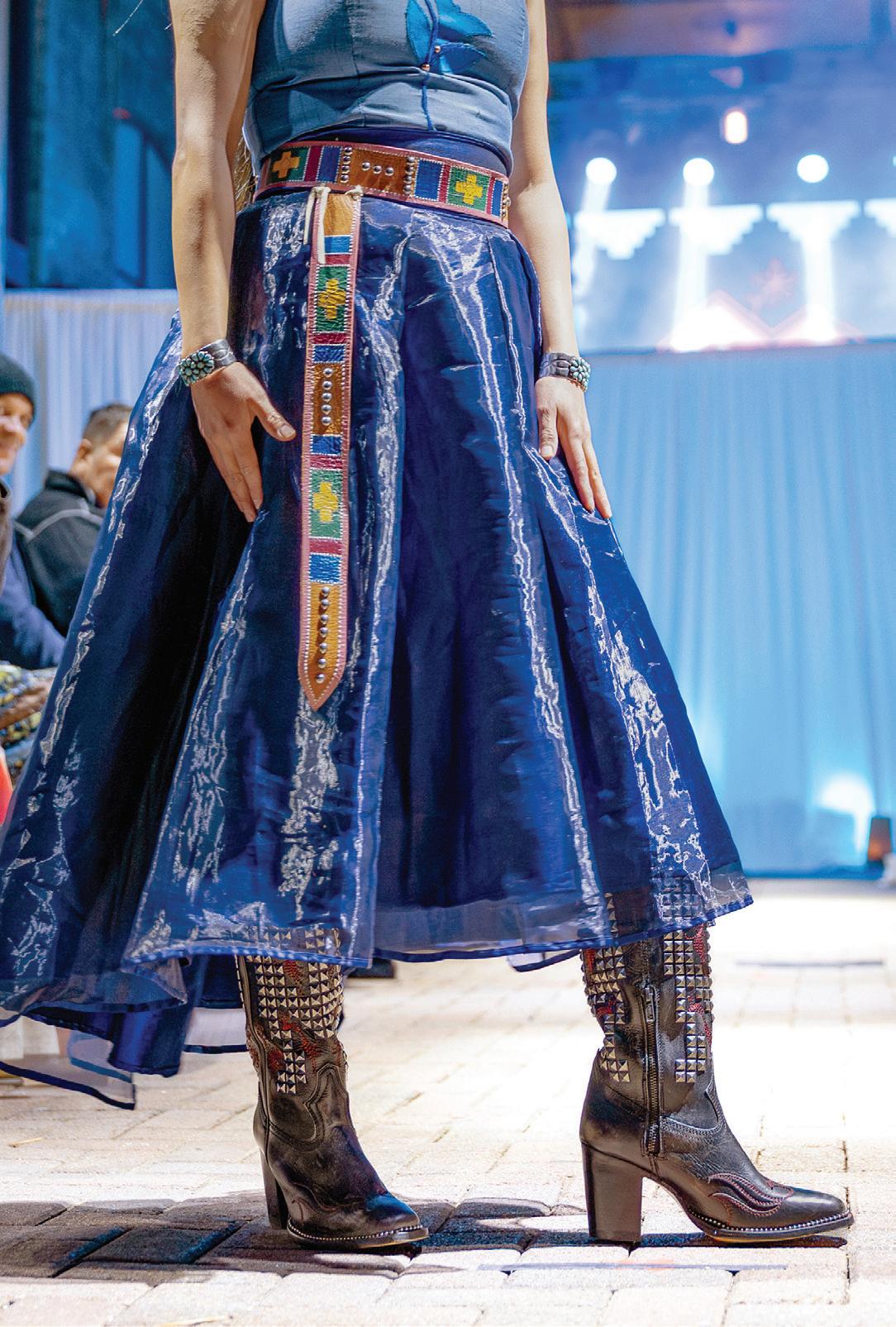
Sage Mountainflower, of Ohkay Owingeh, Taos Pueblo and Diné (Navajo) heritage, had been making and beading her children’s powwow and ceremonial garments for 32 years, but didn’t start working as a fashion designer until 2018. The collection she presented at New Mexico House—Indigo Threads—was all made from recycled, upcycled and raw denim.
“The geology really played into this collection. Older rock is in layers, so that’s why you have different layers of color,” explains Mountainflower on how the landscape she observed at Estudio Corazón, an artist residency program at Ghost Ranch in New Mexico, inspired the collection.
Mountainflower carries a deep commitment to her community, feeling called to return home with the knowledge and experiences she’s gathered in the world and share them with her village. She likens this process to taking traditional dances out into public spaces— performing, refining and workshopping them—then bringing them back home once they’ve been fully shaped and strengthened.
“[The community] don’t get to come to shows like this. They don’t get to travel like I do. So whatever I take out, I’ll bring what I can to the bubble,” says Mountainflower. “Because if we take out a dance, we have to ask for it, and then when we finish the dance, then we have to bring it back in, right? So then that’s like before I take it out, say my prayers and come here. Now, when I go home, you know it’s gonna travel back with me, but then I have to share it with my community.”
Mountainflower has presented her prolific work during New York, Milan and Paris Fashion Weeks and has been the subject of a microdoc by international tech brand Square. You can find and follow her on Instagram at @sagemountainflower.
Before the Red Berry Woman runway presentation, Native dancers of all ages filled the space with movement and energy. This vitality was carried into the collection, too, as the leading color of every design was a vibrant pink, including the outfit worn by the collection’s designer Norma Baker-Flying Horse.
Baker-Flying Horse is an enrolled member of the Hidatsa of the Mandan Hidatsa Arikara (TAT) and a member of the Dakota Sioux and Assiniboine tribes. She designed the dress of activist Alice Brownotter for the stage of the 2018 Oscars and model Quannah Chasinghorse for the 2024 Oscars Red Carpet (a gown Anna Wintour described as one of her favorites of that year’s ceremonies), and received a Visual Arts Cultural Recognition Emmy in 2023—to name some notable accomplishments. Her brand, Red Berry Woman, has graced international runways and fashion weeks.
Baker-Flying Horse, who grew up in Oklahoma and Alaska before settling in North Dakota, said her artistic inspiration traces back to her family.
“It goes back to who I was taught by; it was by my grandmother. She taught me to bead, and the designs that she taught me to do were Dakota Sioux designs,” says Baker-Flying Horse, who also noted that the designs can tell stories. “Anytime I’m designing something, these designs come to mind; it’s all I think about.”
Baker-Flying Horse also points to her grandmother as giving her the life advice that has gotten her to the level of success she has now.
“I don’t really have plans, because my grandma said not to do that. You’re not supposed to plan anything. It won’t work out. So I never have, and it’s gotten me this far. I’m just gonna follow the momentum, whatever, wherever I go.”
You can find and follow Baker-Flying Horse on her website at redberrywoman.com or on Instagram at @red_berry_woman.
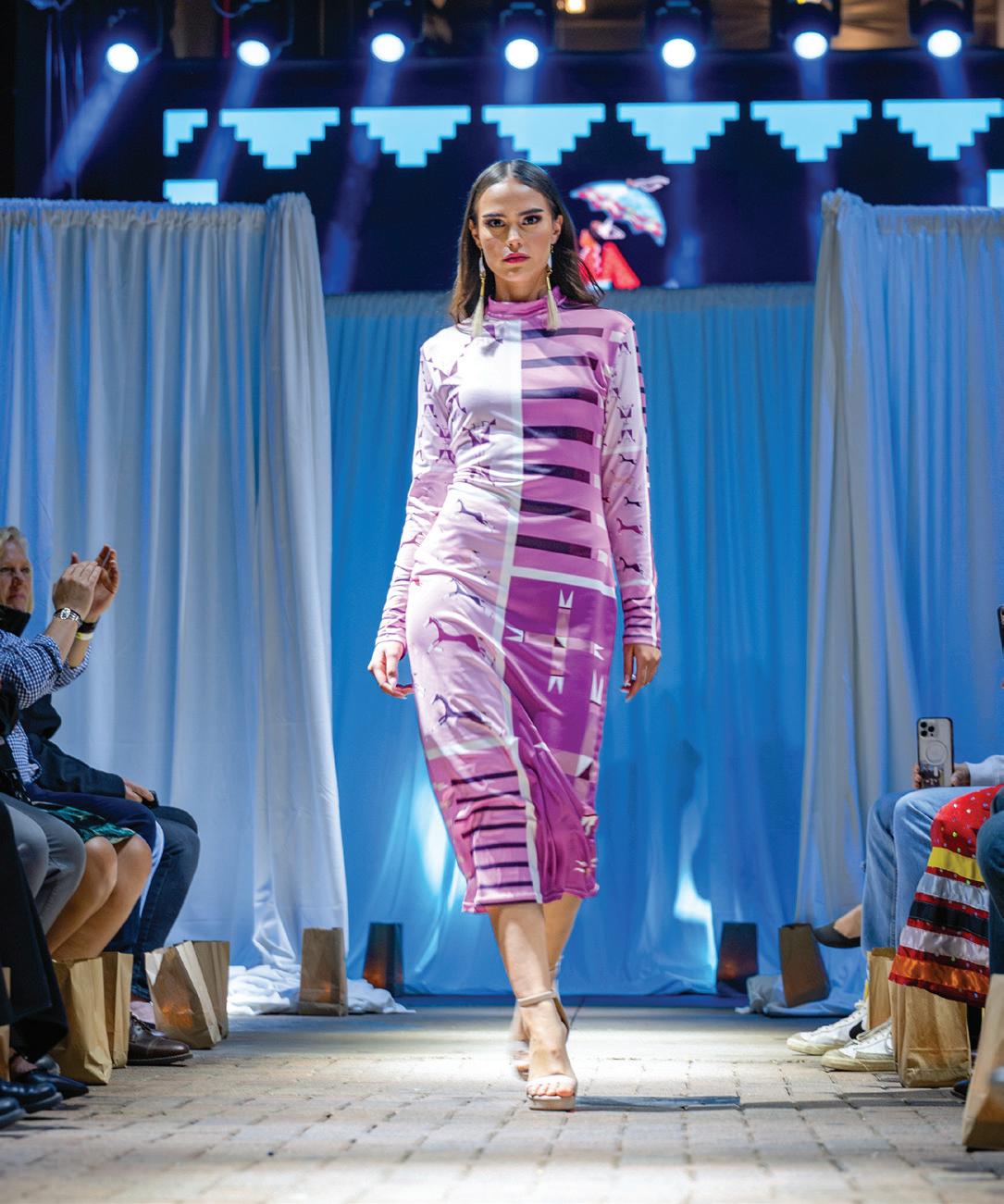
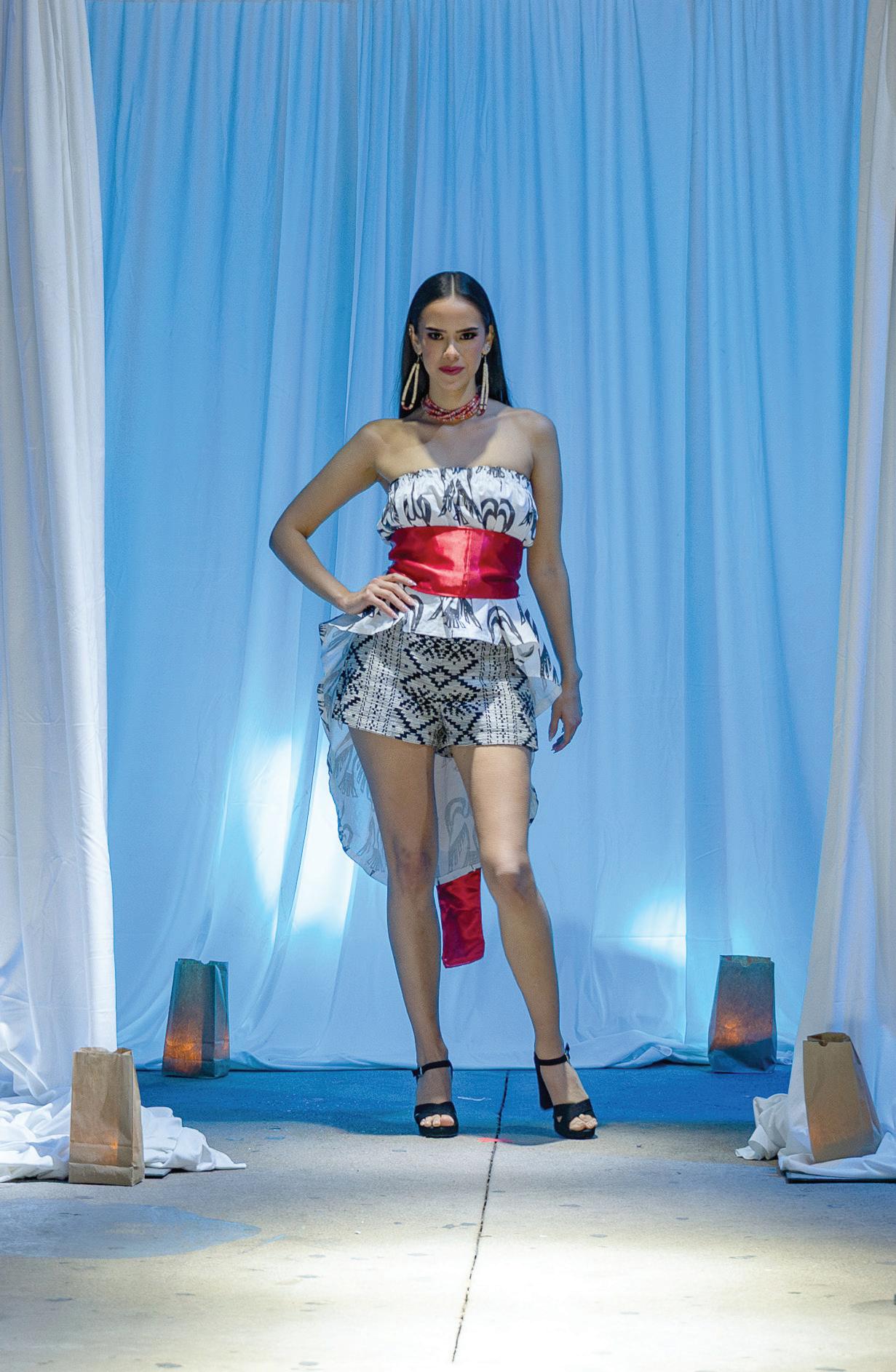
As part of the runway presentation, New Mexico House selected a surprise celebrity model to join the catwalk. Ashley Callingbull, a citizen of the Enoch Cree Nation, has a prolific modeling, acting and public speaking career and was the first Indigenous woman to win Miss Universe Canada in 2024. Callingbull noted the importance of what organizations like New Mexico House are doing for Indigenous artists through this runway presentation.
“It’s really empowering,” says Callingbull, who is also a First Nations activist. “It’s powerful to wear all Indigenous designs. Being an Indigenous person, and the fact that we’re being seen and represented, and we’re in these spaces showing that Indigenous people are rising—it’s really powerful. It’s representation that matters.” •
BY ANDREA SCHULTZ
Tulsa-based firm Ipanema Law is breaking down barriers to legal representation for the creative class in Oklahoma and beyond.
“We primarily work with founders, creatives, freelancers and growing brands across hospitality, wellness, design, media and consumer products. Locally, that includes TJ Woodberry of Silk Salon and Poppi’s Spa; Tulsa-based artist Tyler Thrasher; Milton Perry of Super Secret Donuts; and John Pierce of Coffee at Heirloom and his newest venture that is in development, as well as clients nationwide,” says Morgan Ipanema, founder and managing attorney behind the boutique firm.
Morgan, an alum of the University of Oklahoma College of Law, and her husband, Bernardo, created their business out of a shared vision to reimagine what legal partnership can look like: “The legal world is so not meant for creatives, and it’s so gate-kept,” explains Morgan as she mentions some of the pain points they often see while working with a diverse range of creative entrepreneurs. “The whole structure that’s meant to support these people is already inaccessible.”
That’s where Ipanema comes in. “We like being in the back corner, and being a part of your whole project,” Bernardo says. “We want to be a part of your whole journey as you progress through business, whether it be your first business that we set up with you until you’re selling that one and you’re buying another one, or you’re creating five more down the line.”
Finding sound legal support allows you the time and the brain capacity to focus on creating at the highest level, rather than having the stress of running the structure of an entire business entity simultaneously. “We like to be that strategic partner as well. It’s not just the basic, boring legal work. It is about having someone in your corner that can help set that up.”
Morgan adds that, “it’s about having that foresight for businesses. Being a partner with us builds that relationship so that we’re involved in all of your ventures as you’re growing.”
“Partnership” is the best word to describe their approach to offering legal services, including a membership-based model. The way society views traditional work is evolving, and gone are the days of dusty suits and transactional lines of communication. Operating a mission-driven business themselves, they understand the grit it takes to break out of the mold to pursue your own path. Bernado reflects back to the moment when they realized that they wanted a different future for themselves: “We started our own business to get our time back. We want our time, we want to spend it with each other, with our daughter, doing the things we love to do.”
“That was the biggest draw for us,” emphasizes Morgan. Starting their business just a month after having their daughter, they quickly realized the traditional way of work was no longer serving them as a family. “I was like, ‘I can’t build up my business with him gone, and
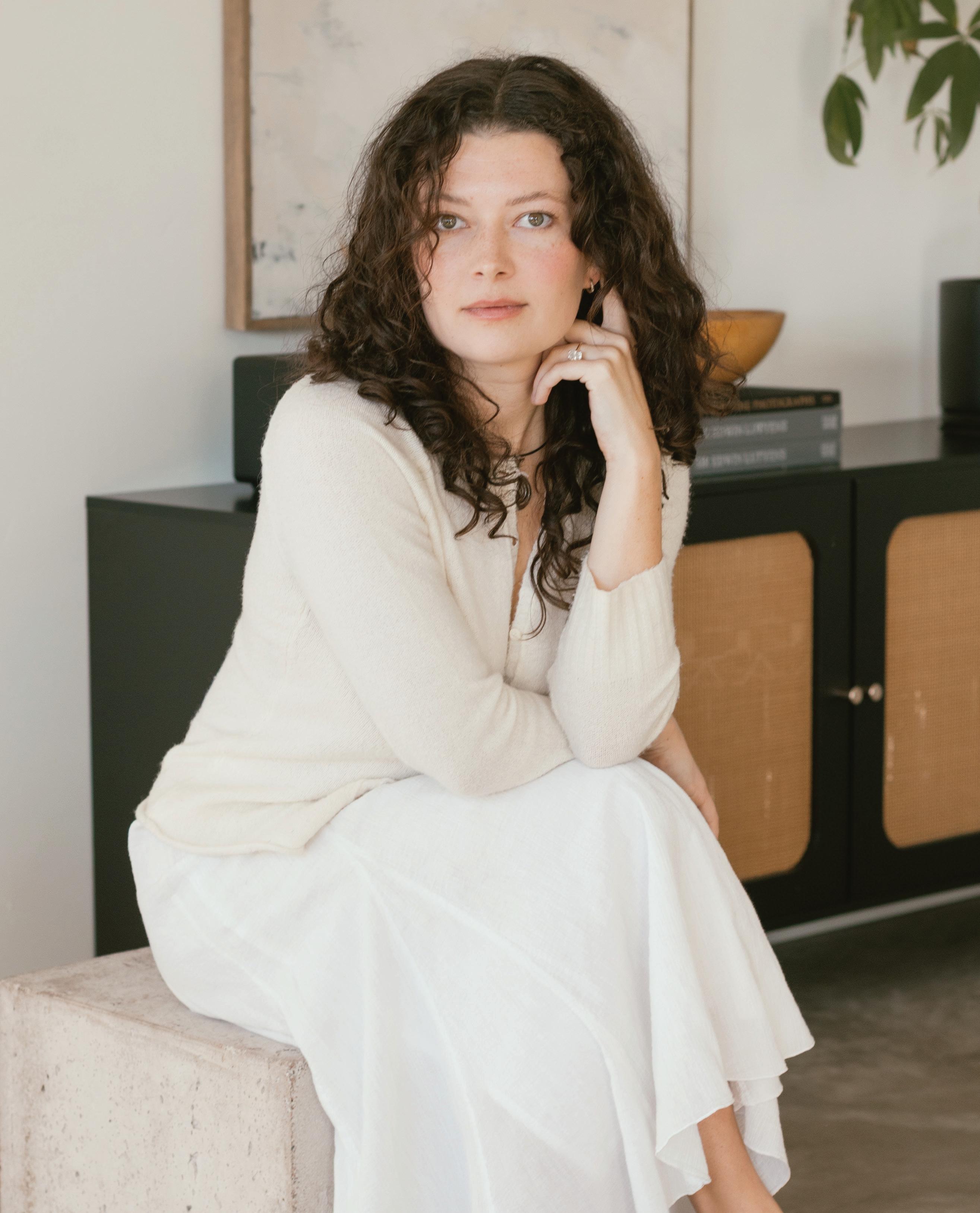

“Accessibility is the main goal; giving entrepreneurs the confidence to actually grow and sustain. We want them to be the entrepreneurs, and we’ll take care of the legal side.”
MORGAN IPANEMA
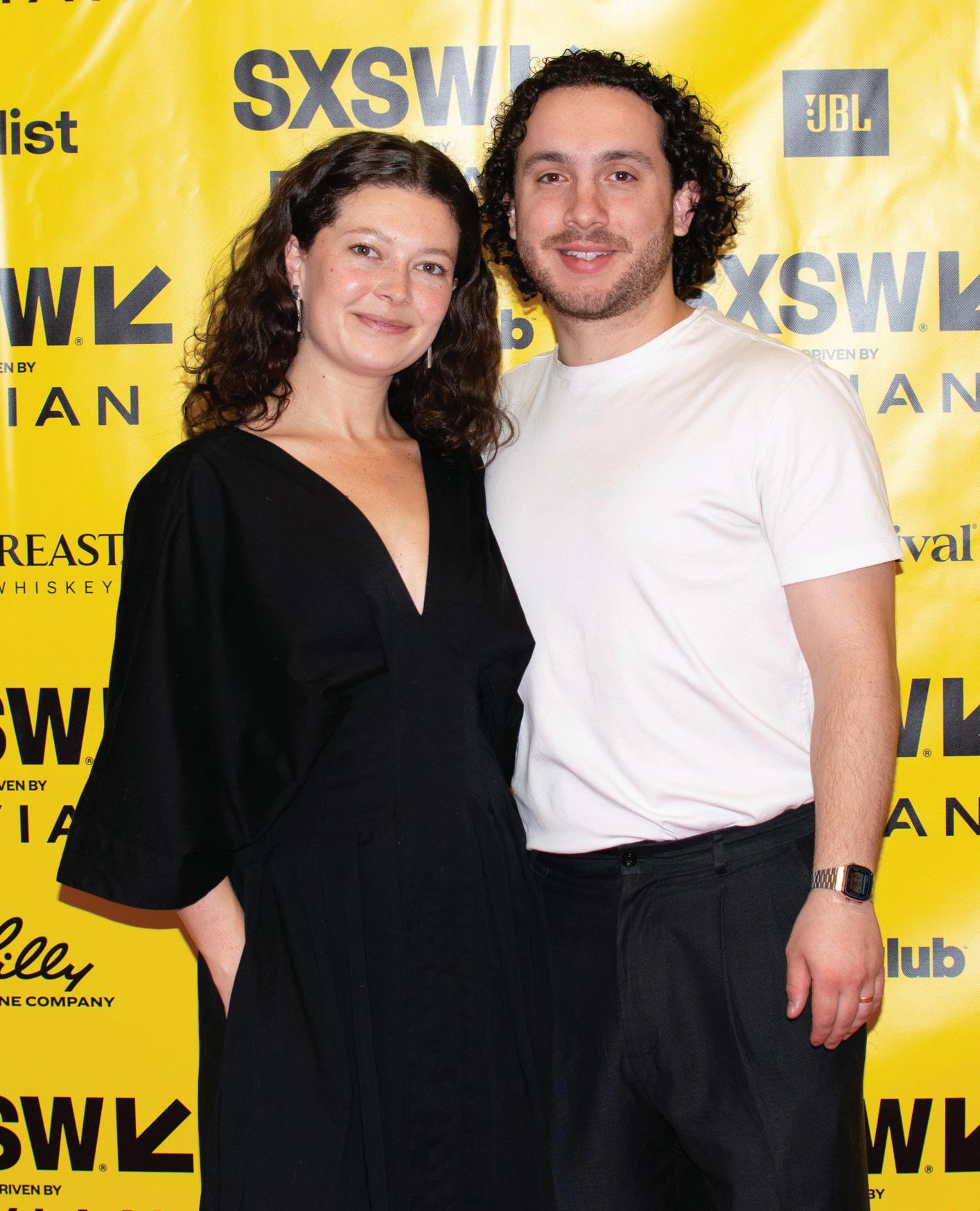
how does this make sense?’ We would literally be paying somebody to be able to go work. It’s kind of crazy. So how do we restructure this to prioritize our family, our life—and do it on our time?”
Starting their own business together seemed to be the only option for them to offer the kind of work they were passionate about without having to sacrifice the things most important to them.
“In those first few months it was hard because we had no clients. We went from having [full-time] jobs to starting at zero. Luckily that storm passed, but, yeah, it was quite a leap,” Bernardo says. “But I think you have to take those leaps or you’re never gonna see the other side. It was a jump off a bridge.”
Their confidence in starting their own firm was grounded in Morgan’s career thus far as an attorney. “I did have some clients when I was working at my previous law firm. So I was building clients there, and then also just connecting with the community.”
After gaining clients across their first year operating Ipanema Law, doors began to open for more opportunities to connect with like-minded creatives looking for legal counsel from an attorney who understood their needs and point of view. One of those opportunities was the ability to speak at SXSW in Austin, Texas, on March 14 of this year. That morning Morgan led a session titled “Legal 101 for Startups & Creative Entrepreneurs” to share foundational legal knowledge “from choosing the right structure to safeguarding your brand and client relationships.” This session aimed to provide “women-led startups, creatives and freelancers the tools to grow confidently—without the legal overwhelm.”
Through strategic networking at conferences like SXSW, their client base outside of Oklahoma now makes up roughly 70% of their business. “Once you get that one client, then you’re opened into their network if you provide good work.
“A lot of our clients just come through relationships. It’s not social media or ads or anything; it’s through relationships, and so building those authentic relationships in places with ideal clients, like those in the wellness community, those in food and beverage, those in the innovative Tulsa creative spaces and now in Austin creative spaces as well.”
Finding their niche in this industry has revealed the lack of resources that most entrepreneurs have until it’s too late. “Everybody seems like they are looking for a lawyer. They just don’t know where to start or who to start with, and it’s an expensive process to figure that out. That’s the hardest thing with legal. People are scared to invest on the front end, but fixing the mistakes and what you can potentially lose on the back end is so much more.”
One of the key points that Morgan emphasized in her session was that “the two people as a business owner you should be investing in are an attorney and an accountant. Those two will save you so much headache and so much money. I know it feels like an investment, but it will pay for itself tenfold.”
This passion for protecting the time, money and intellectual property of her clients is also another reason for creating her own firm. “A lot of people don’t talk to their attorney because they’re worried it’s going to be too expensive. So the membership model keeps that relationship more like a circle than like a back-and-forth transaction.”
A modern problem requires a modern solution. Ensuring you have the proper legal infrastructure in place for your business shouldn’t be as intimidating as we’ve been taught to believe.
“Accessibility is the main goal; giving entrepreneurs the confidence to actually grow and sustain. We want them to be the entrepreneurs, and we’ll take care of the legal side.” •



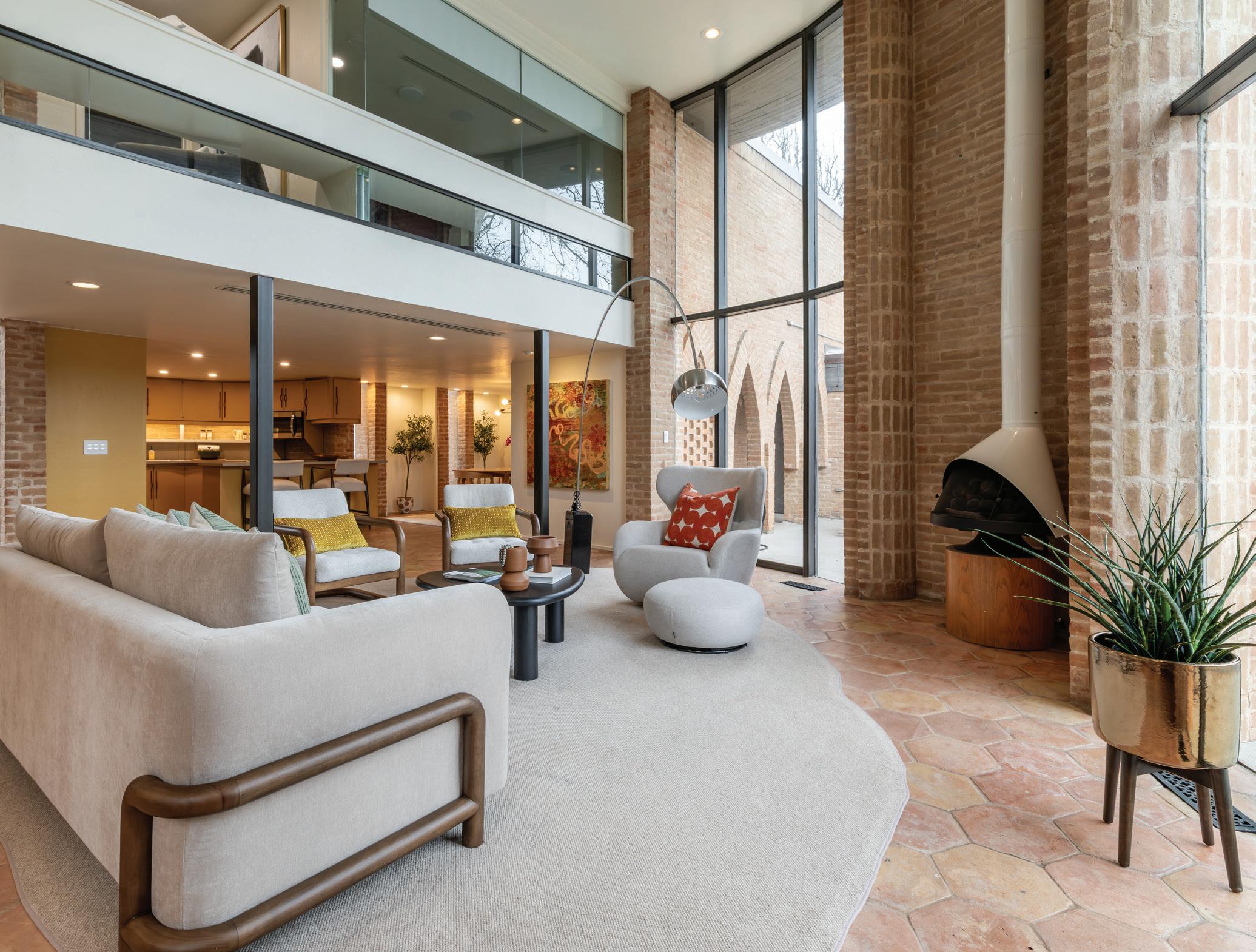
3 BEDS | 3 BATHS | 3,187 SQFT | $899,000
Tucked into the highly desired Quail Creek neighborhood and just steps from the renowned golf course, this striking mid-century modern home is a rare architectural gem that perfectly blends timeless design with exceptional outdoor living. Defined by tall ceilings, expansive glass windows, & clean mid-century lines, the home feels like stepping into a beautifully preserved time capsule—ready for its next chapter.
LISTED BY CHARLI BULLARD ENGEL & VÖLKERS



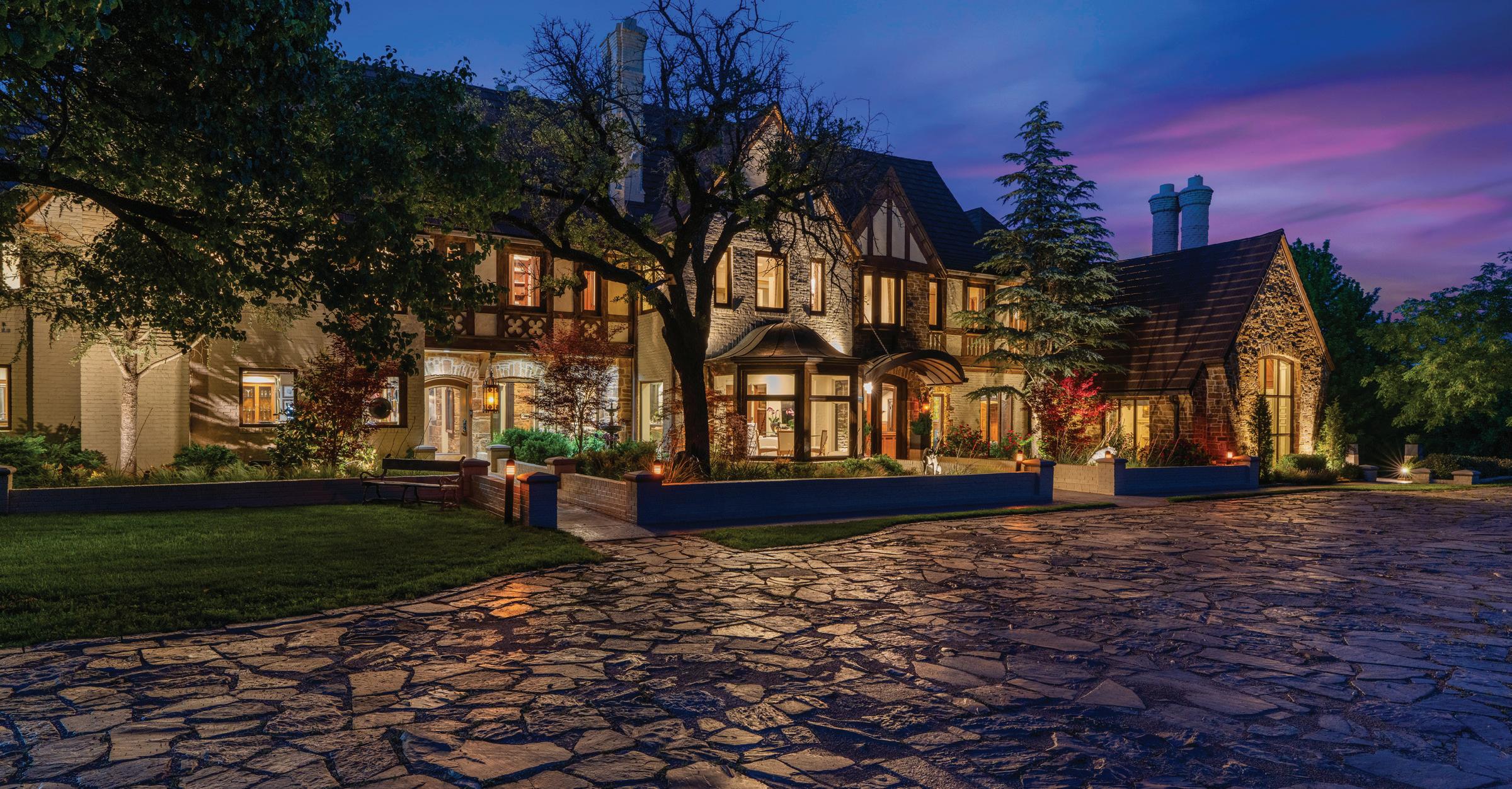
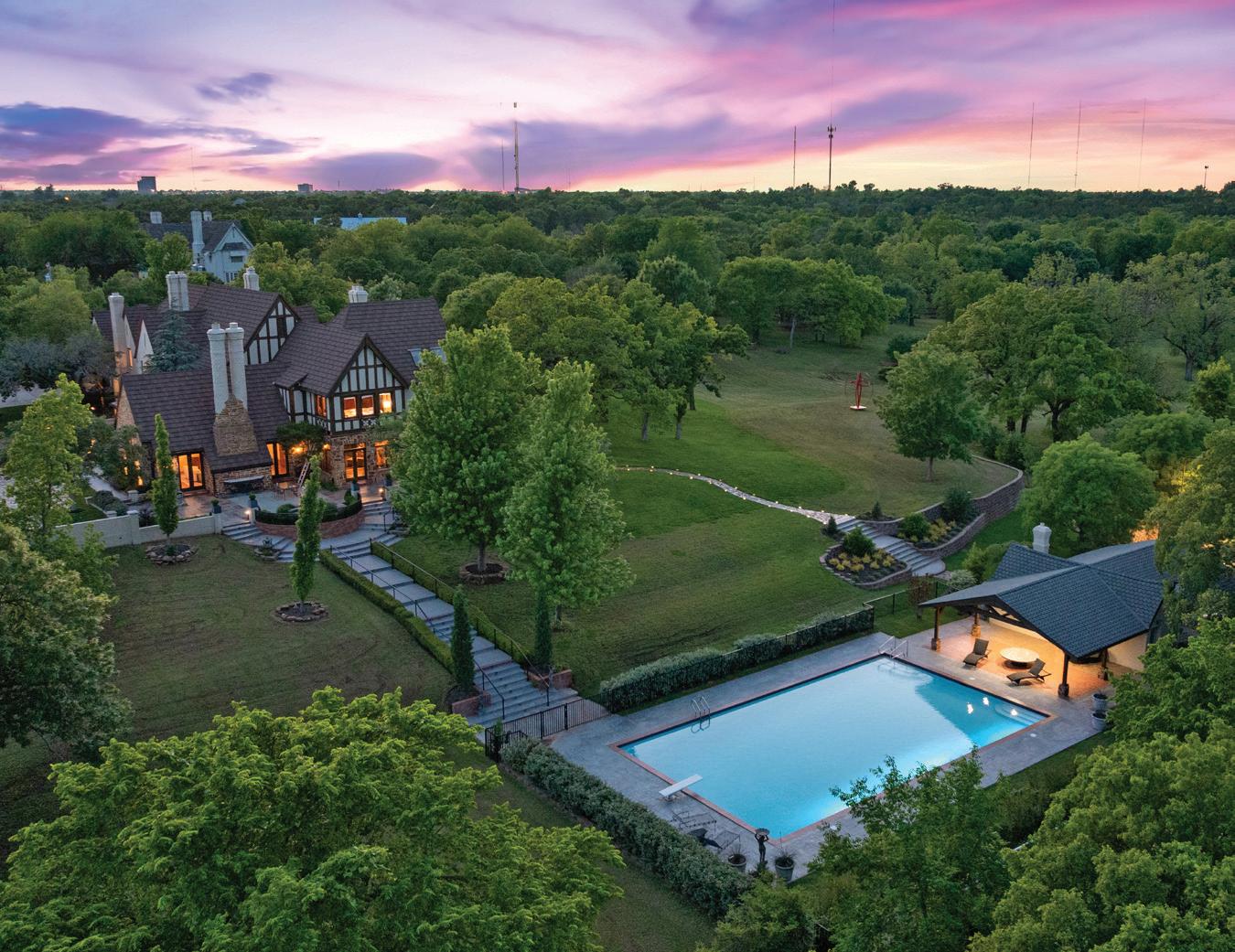








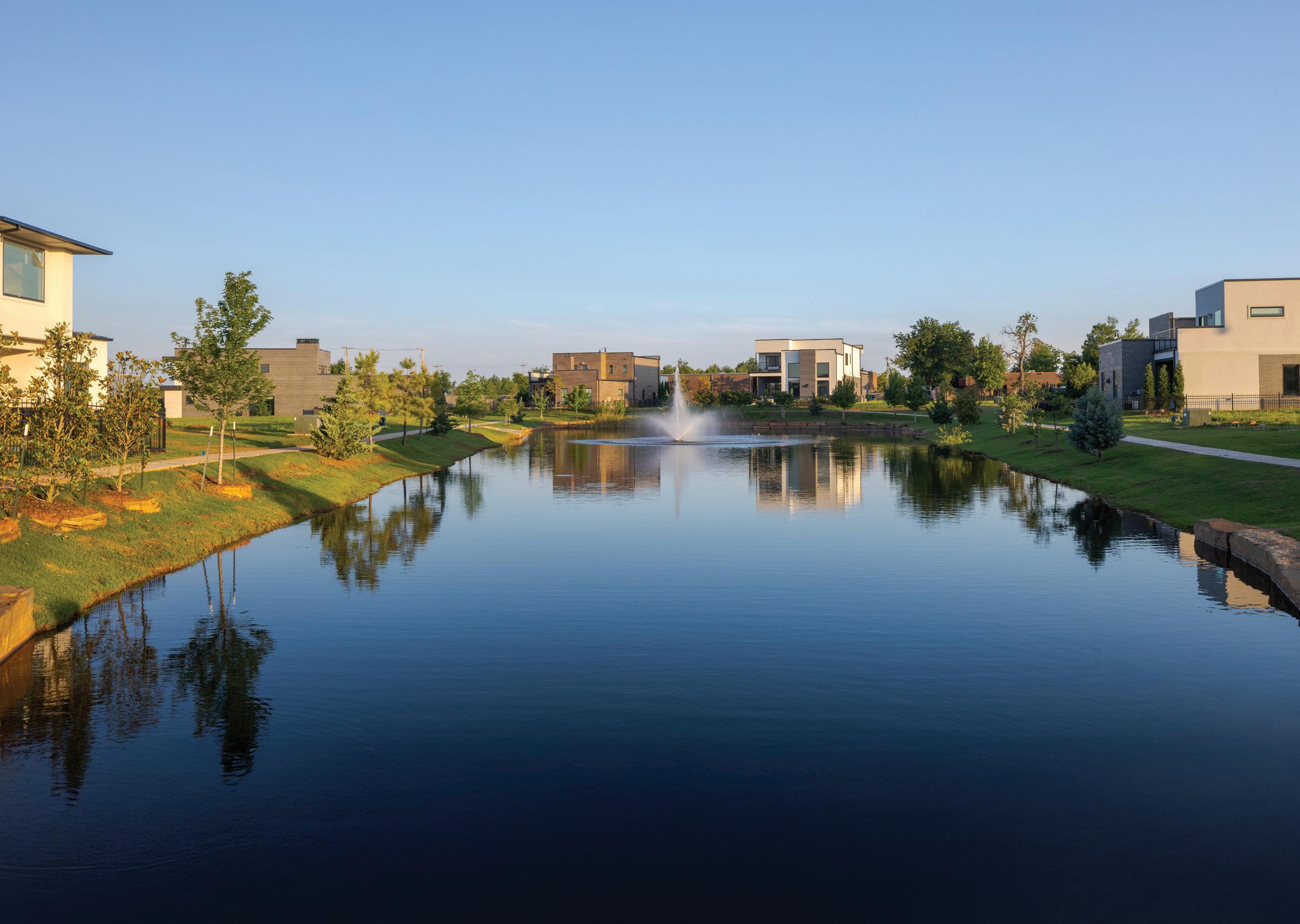


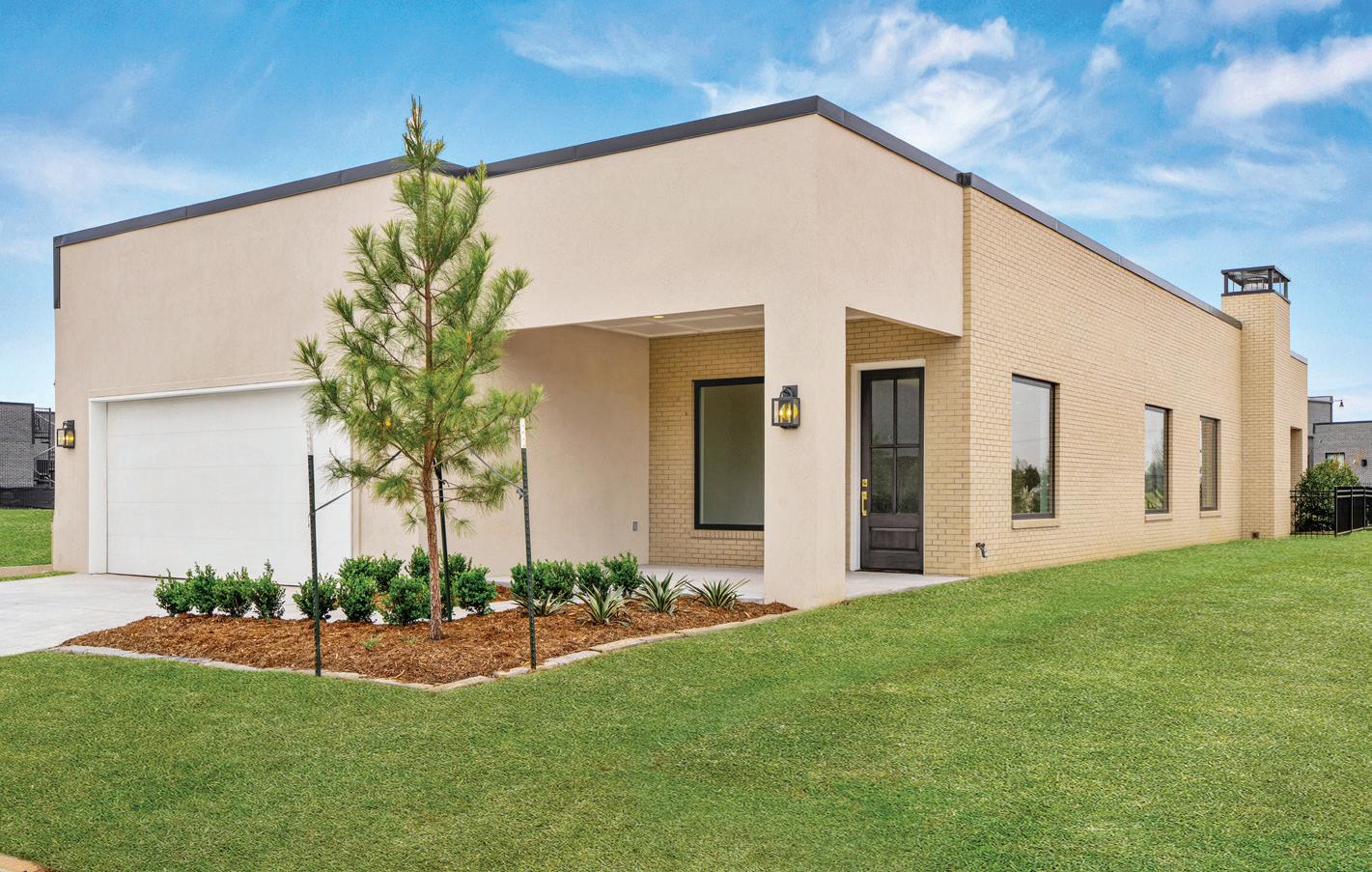
ilshire Point is a fast-growing gated community on the eastern edge of Nichols Hills featuring boutique office sites, the neighborhood restaurant & bar “74,” wildlife and water features, and much more. Located only 1 mile from Broadway Extension and less than a mile from Nichols Hills Plaza, Wilshire Point is perfectly positioned for both work and play. This HOA-run, maintenancefree community offers the highest quality homesites at affordable prices, perfect for singles, professionals, and empty-nesters! But there are only 14 lots left and this best-kept secret won’t be a secret for long, so come and tour one or all of our 3 spec homes and see for yourself!



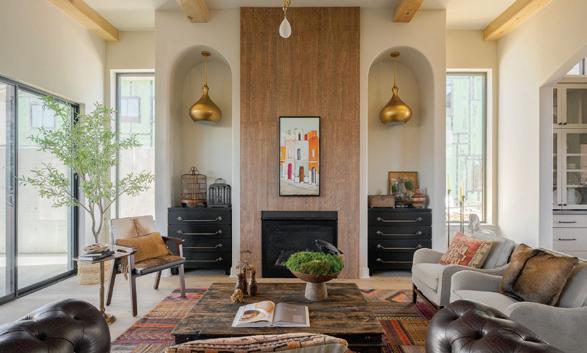

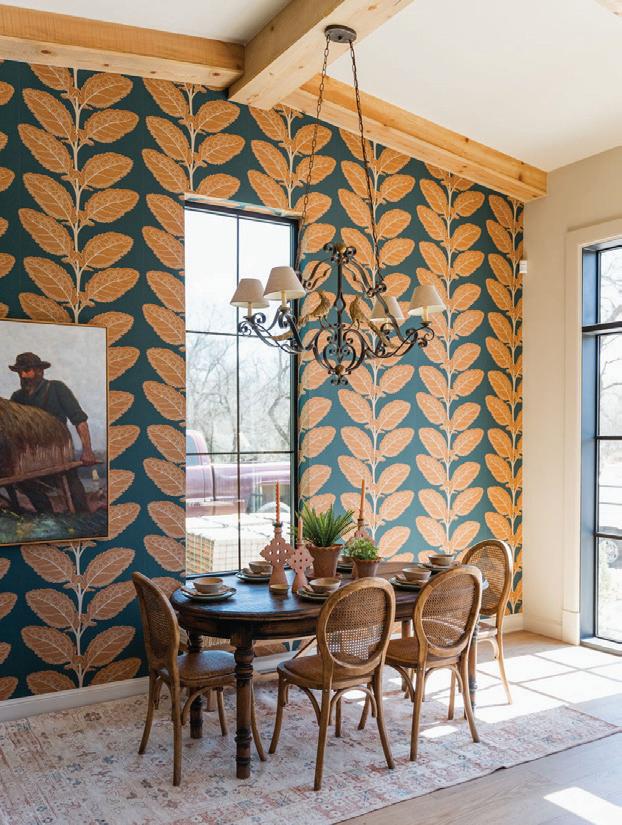


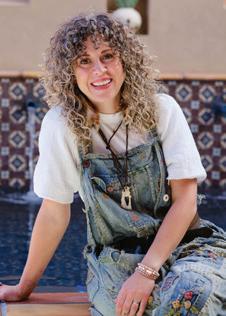






Two masterfully built homes by Byrd Building showcase the pinnacle of luxury and versatility within the serene community of The Villas at Ashton Grove, a luxury home community celebrated for its tranquility, natural beauty, and serene surroundings.
Each home features two primary suites on the main level, offering unparalleled comfort and flexibility for multi-generational living, hosting guests, or simply enjoying a more adaptable lifestyle. Inside, beautifully curated living spaces unfold with high-end finishes, timeless architectural details, and a seamless blend of sophistication and warmth. Blending luxury, elegance, and thoughtful design, these homes offer a lifestyle that is both polished and deeply comfortable, a rare opportunity in the most desirable communities in Northwest Norman.

5


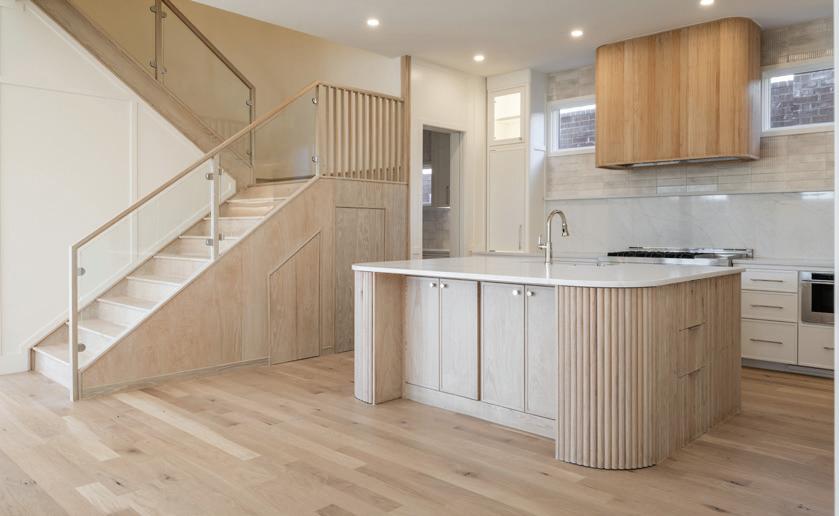
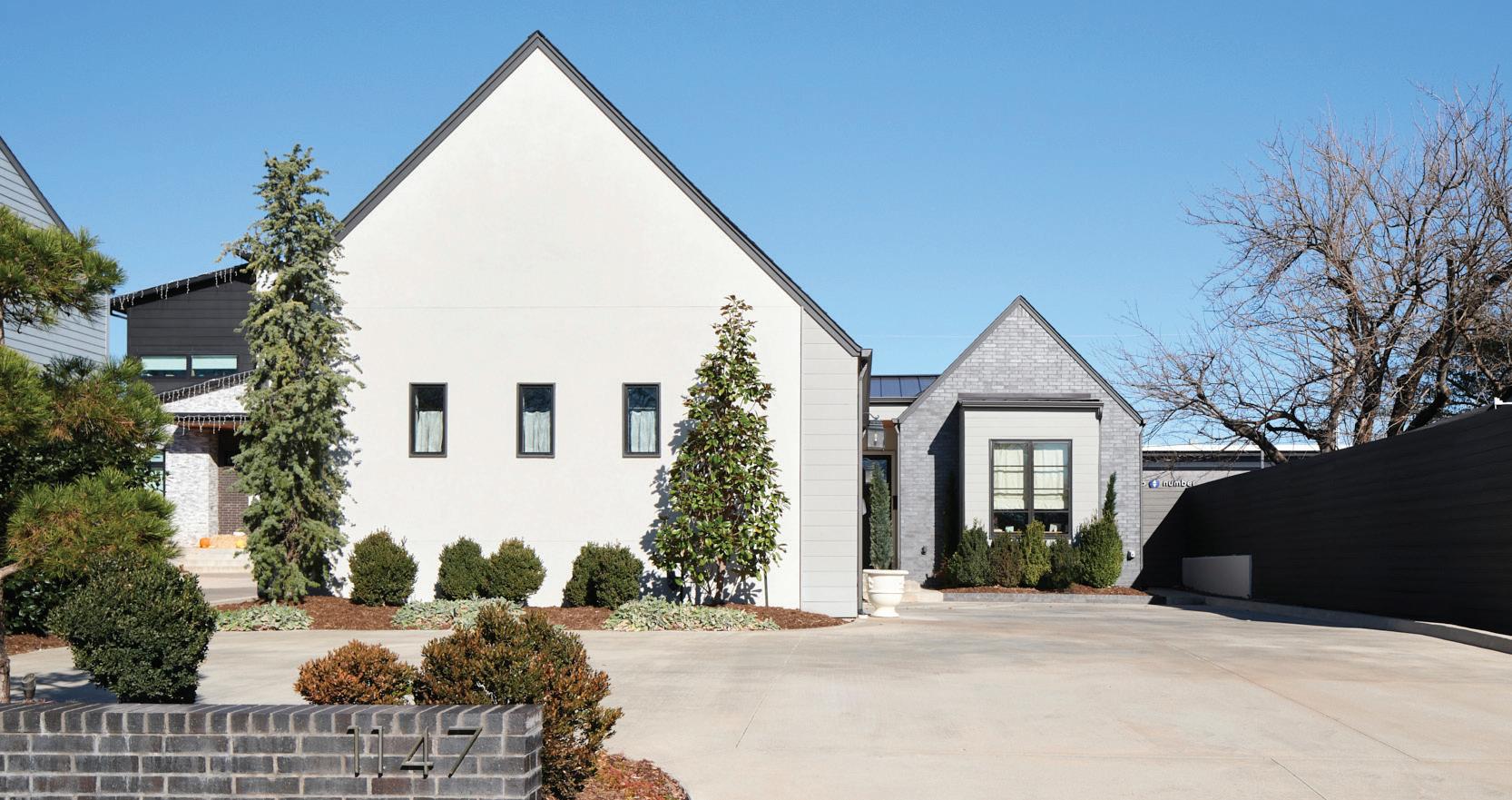
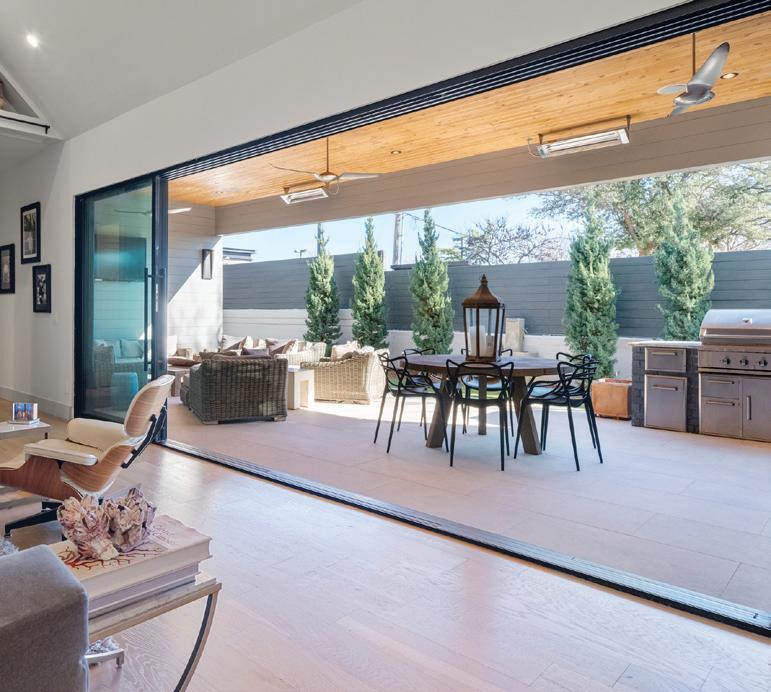



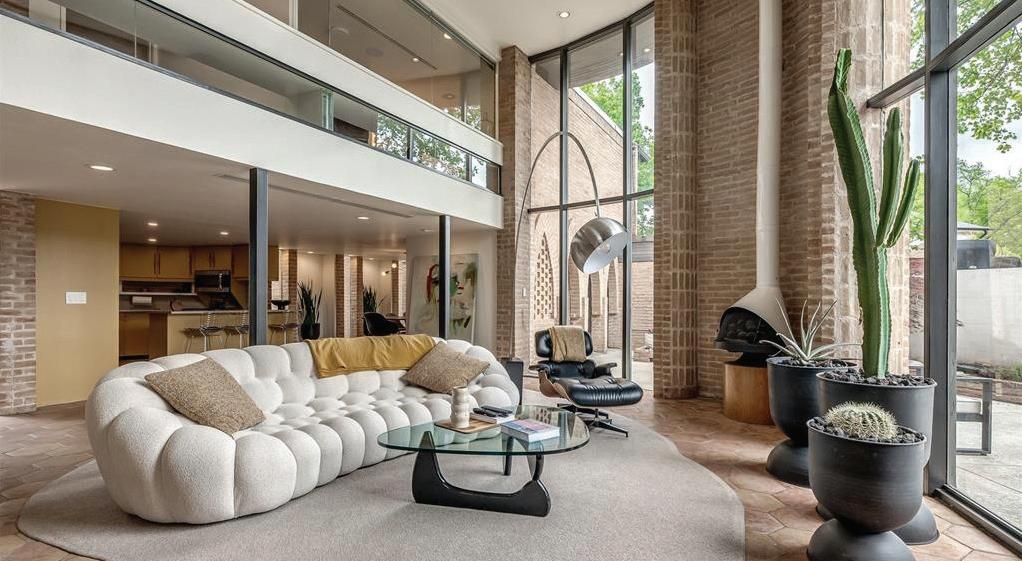










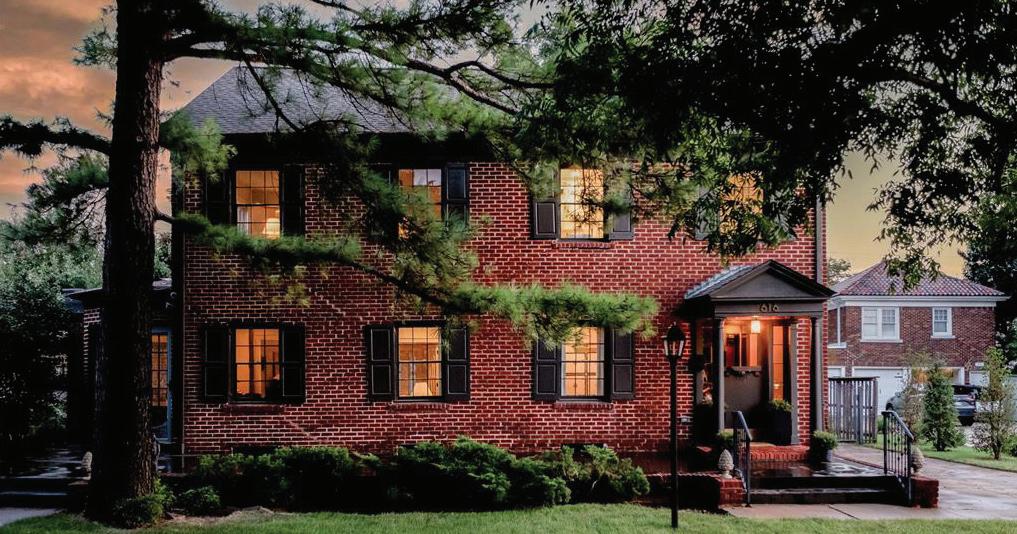




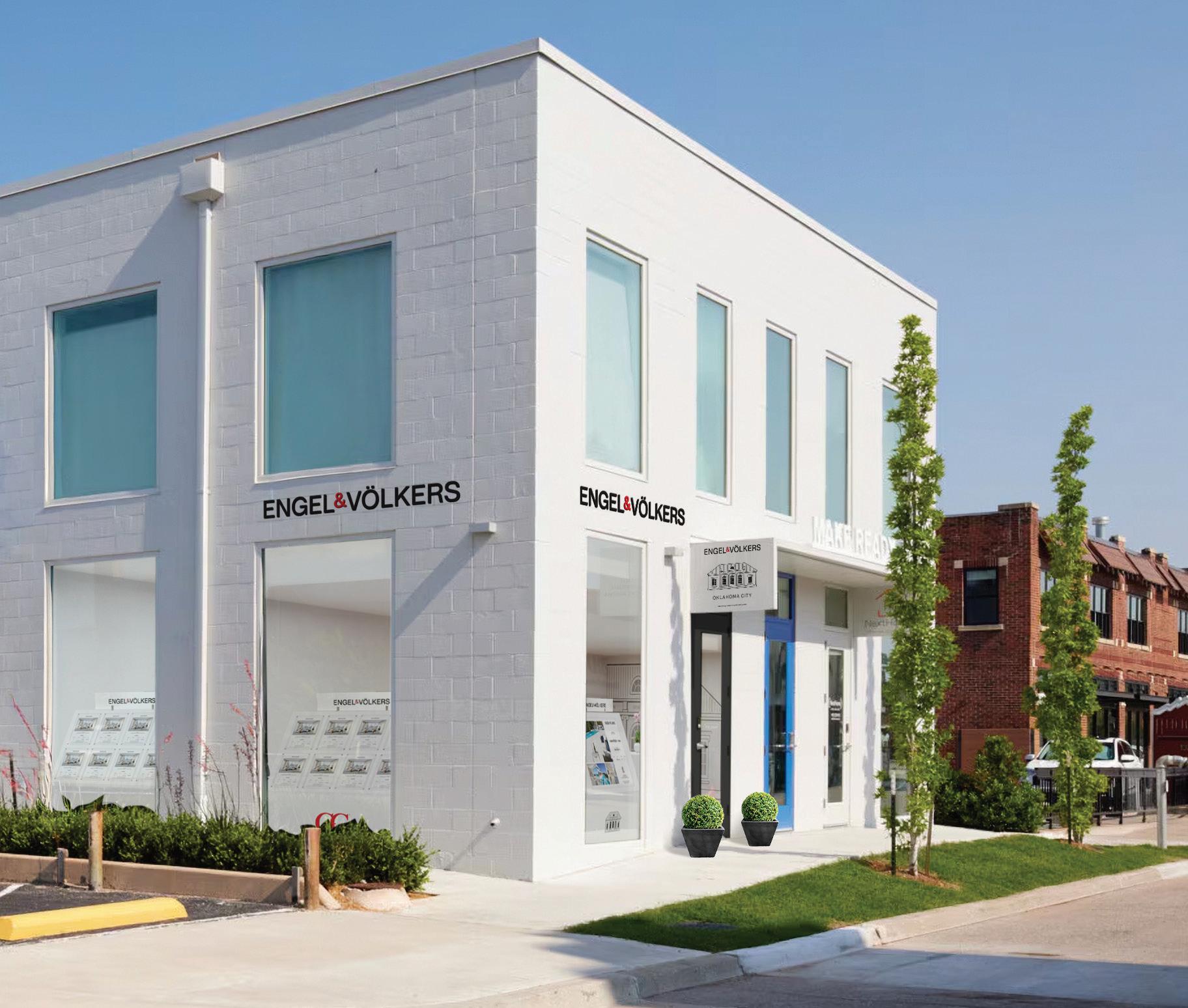
Engel
Rooted
We