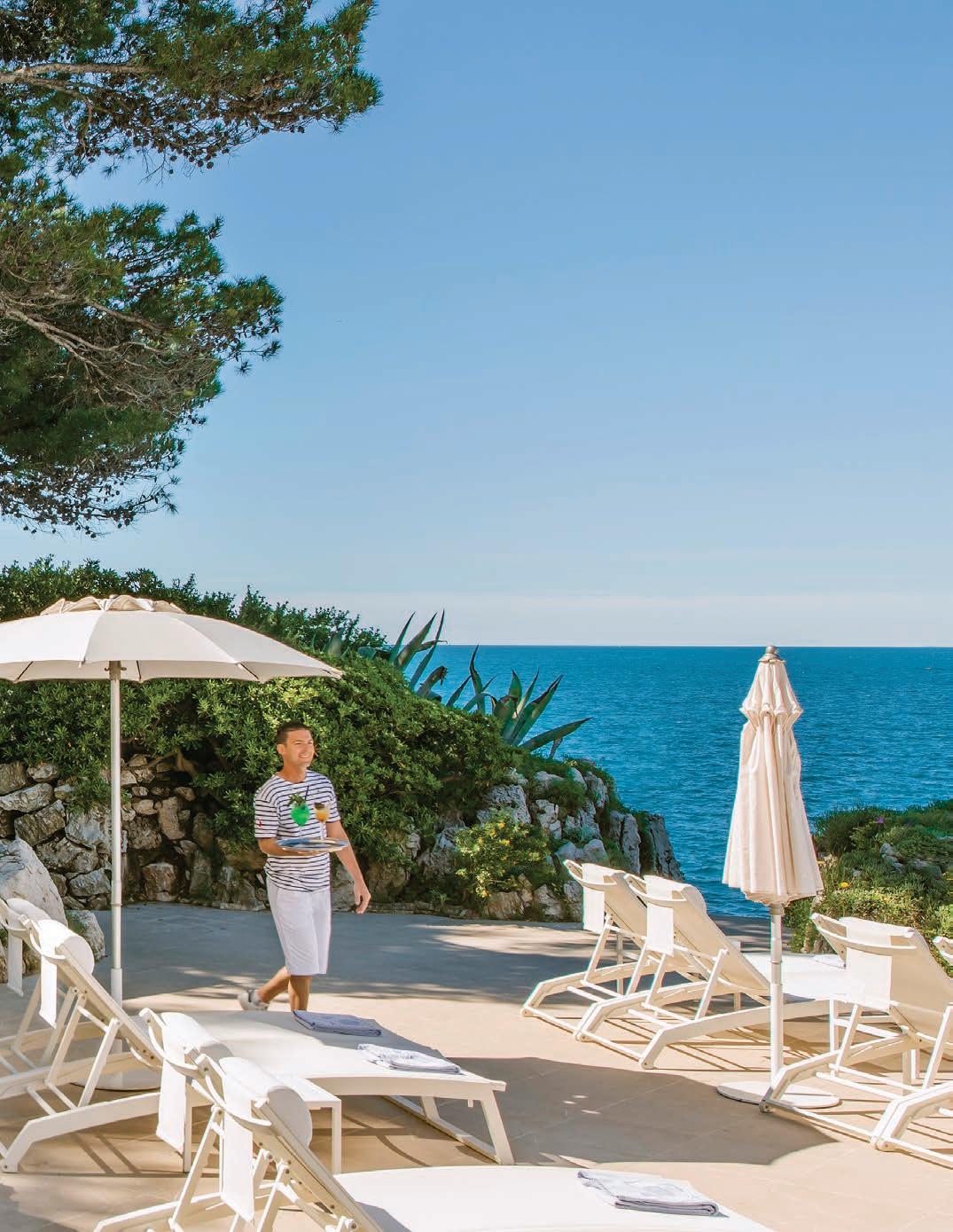
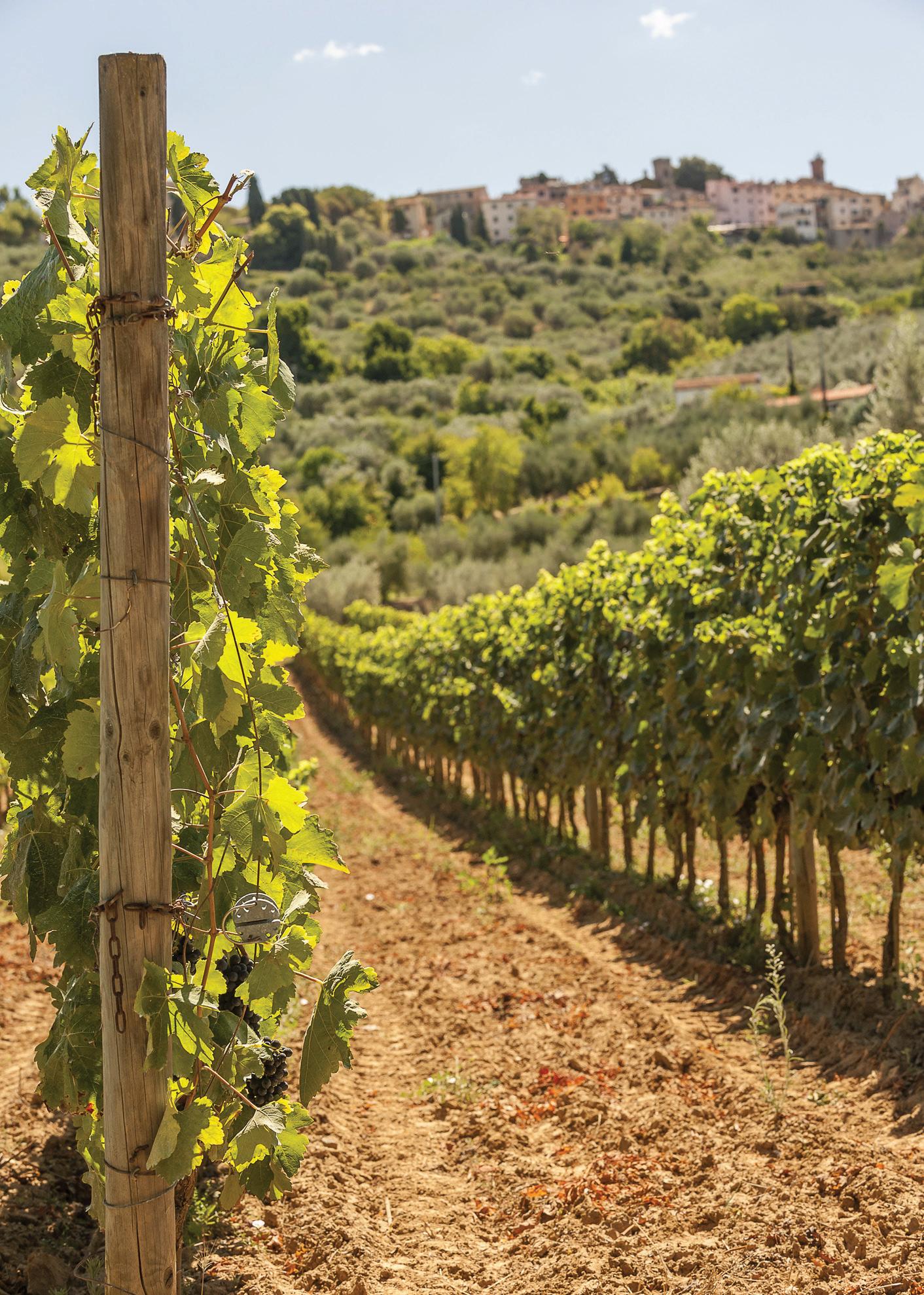
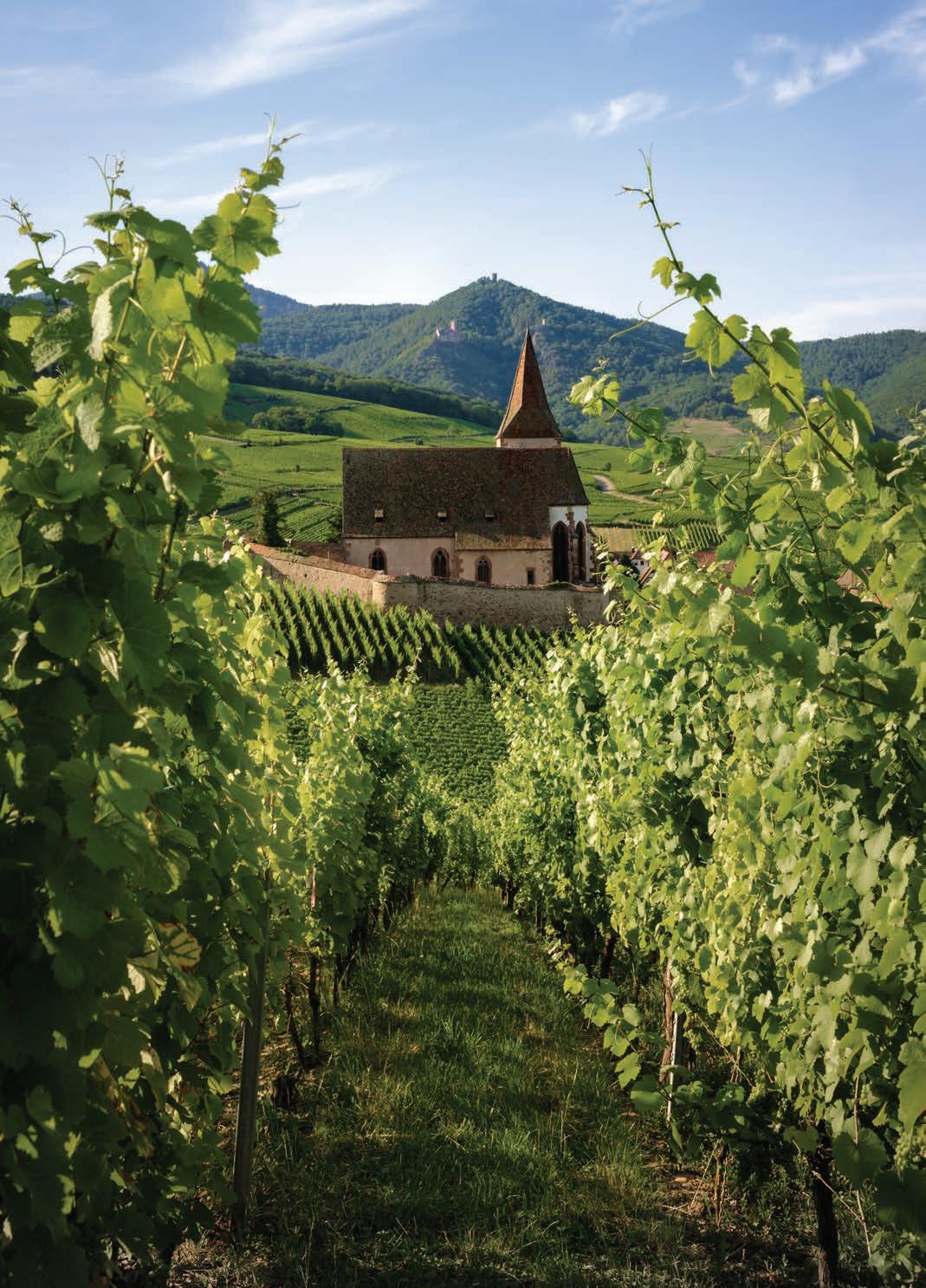
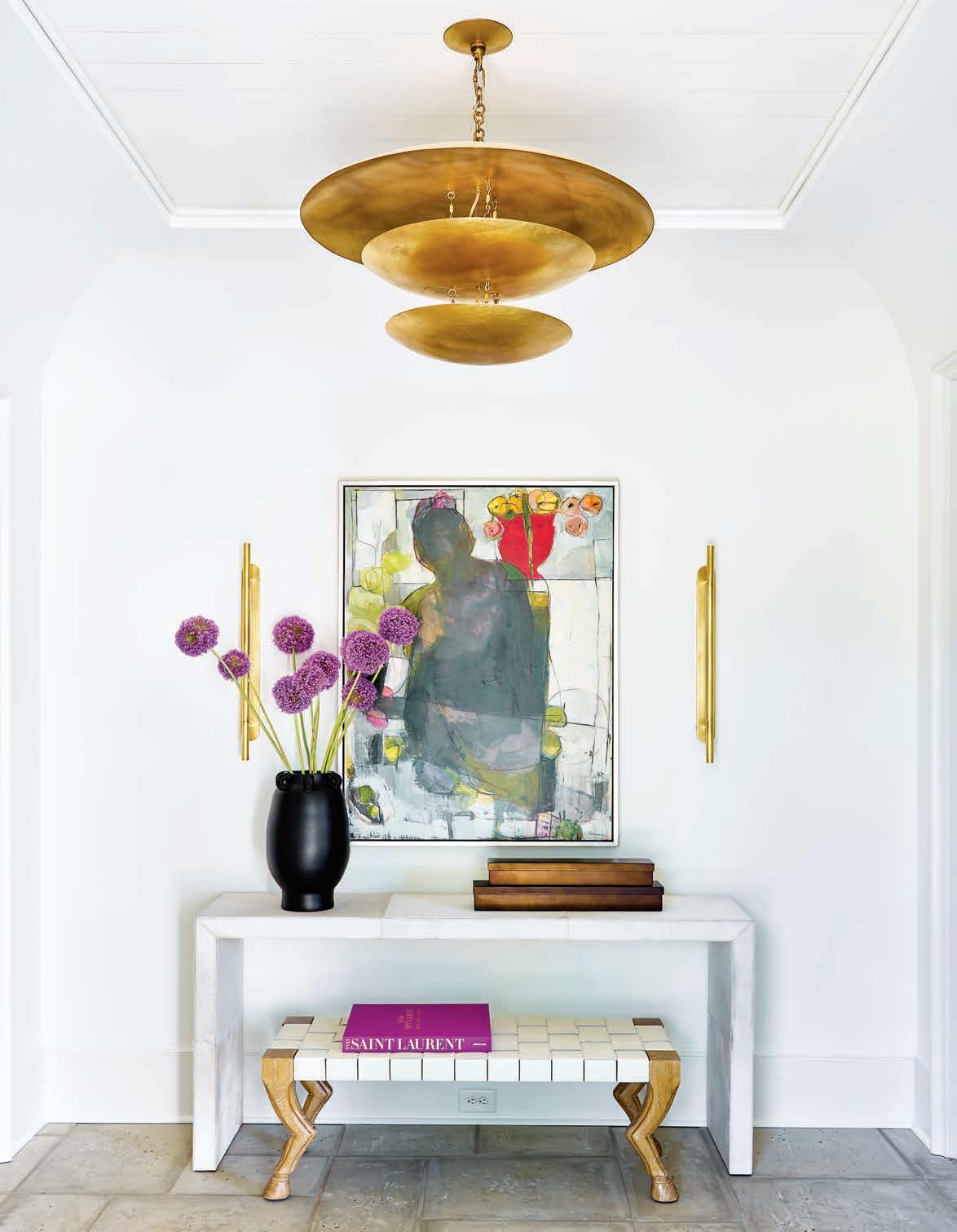
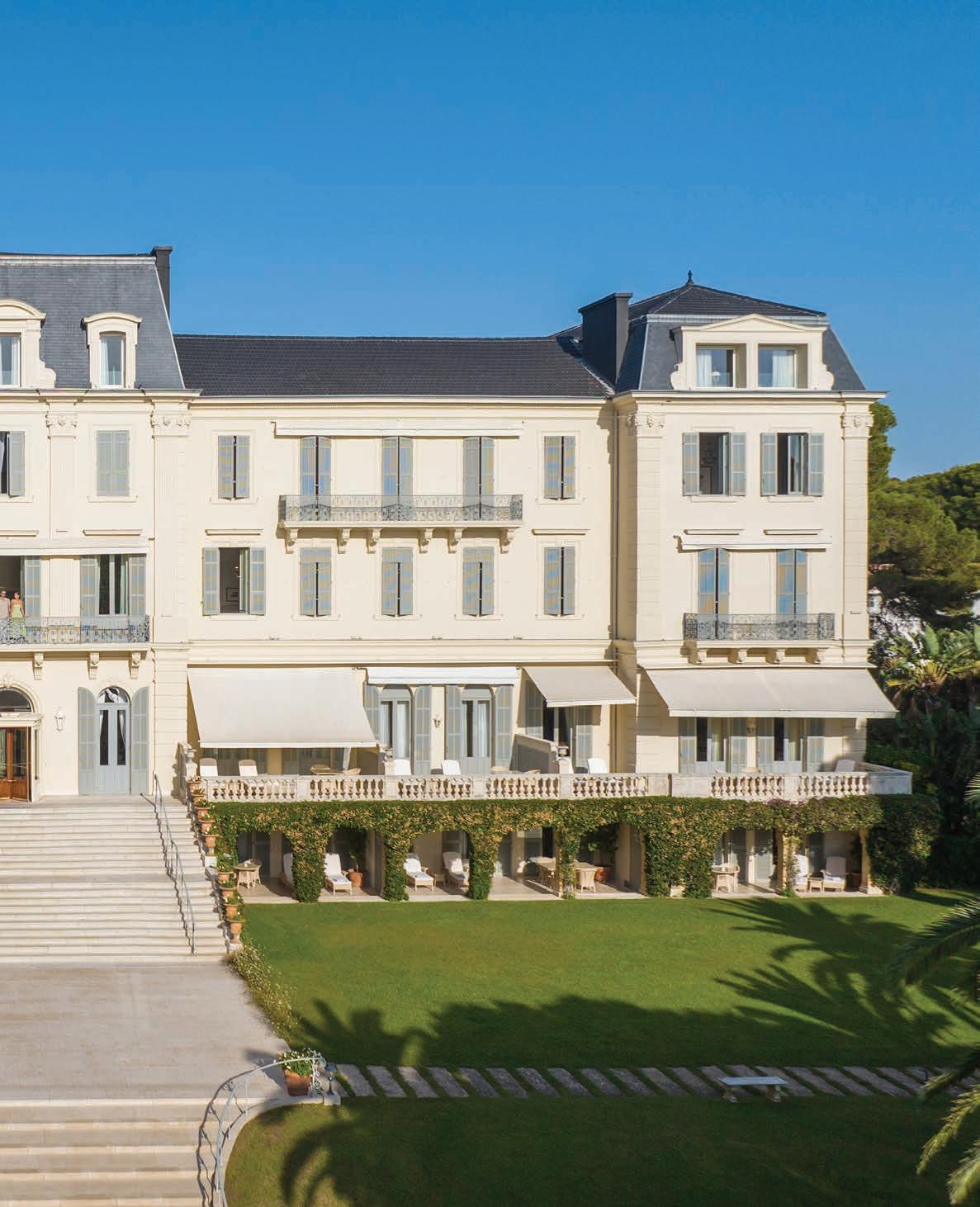
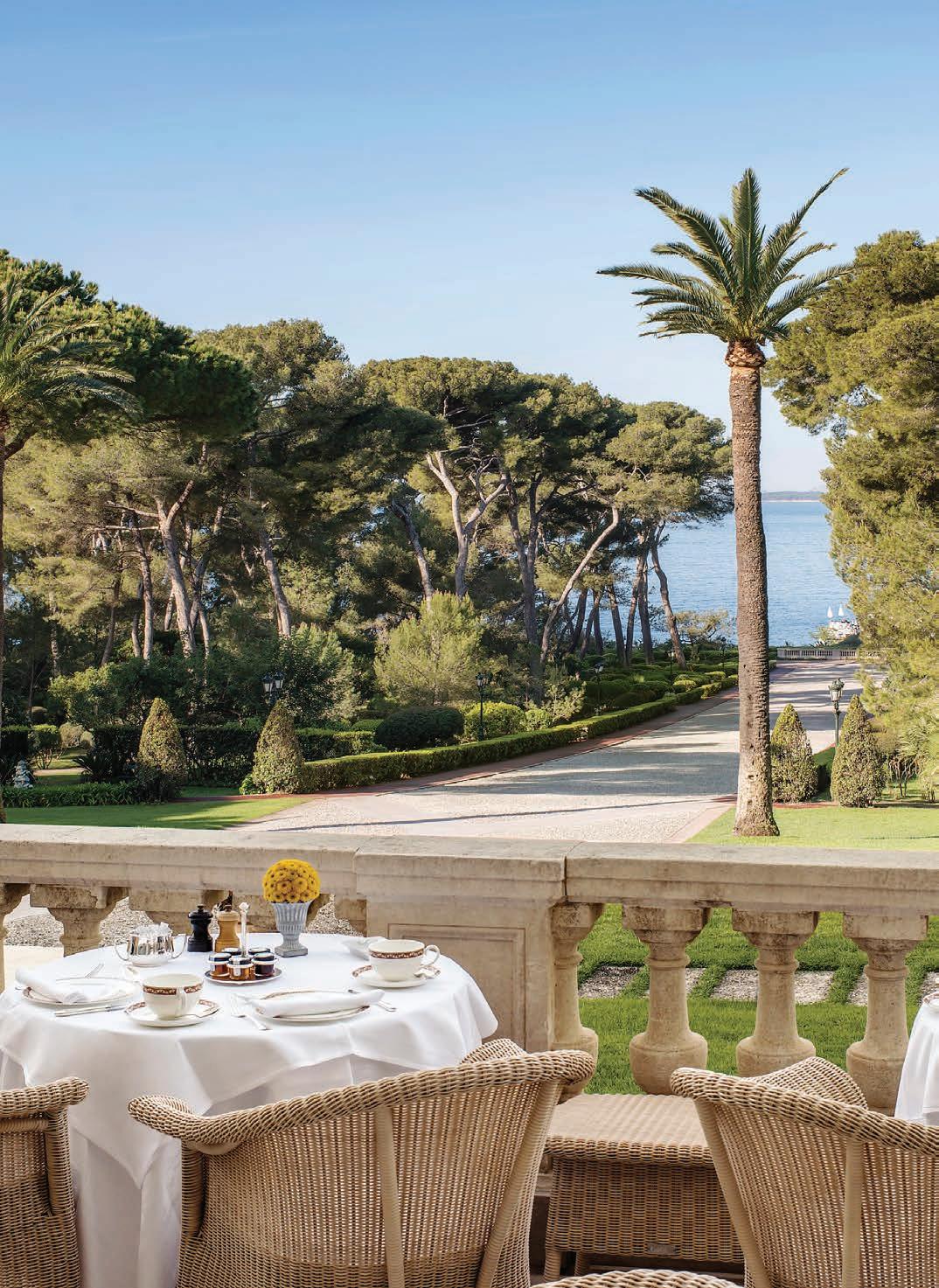
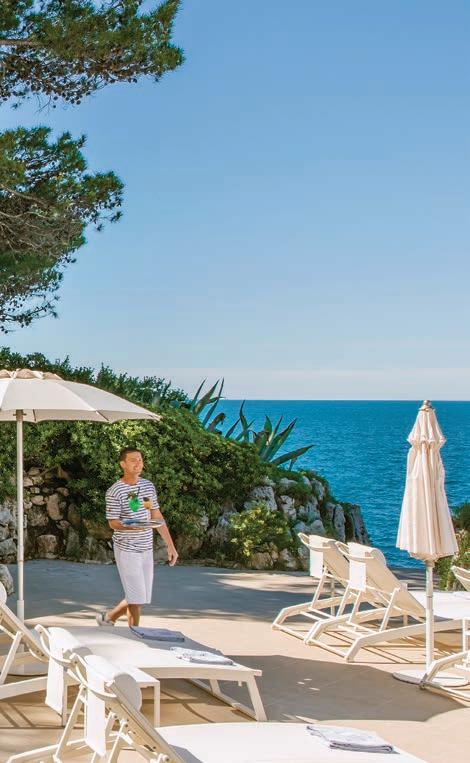
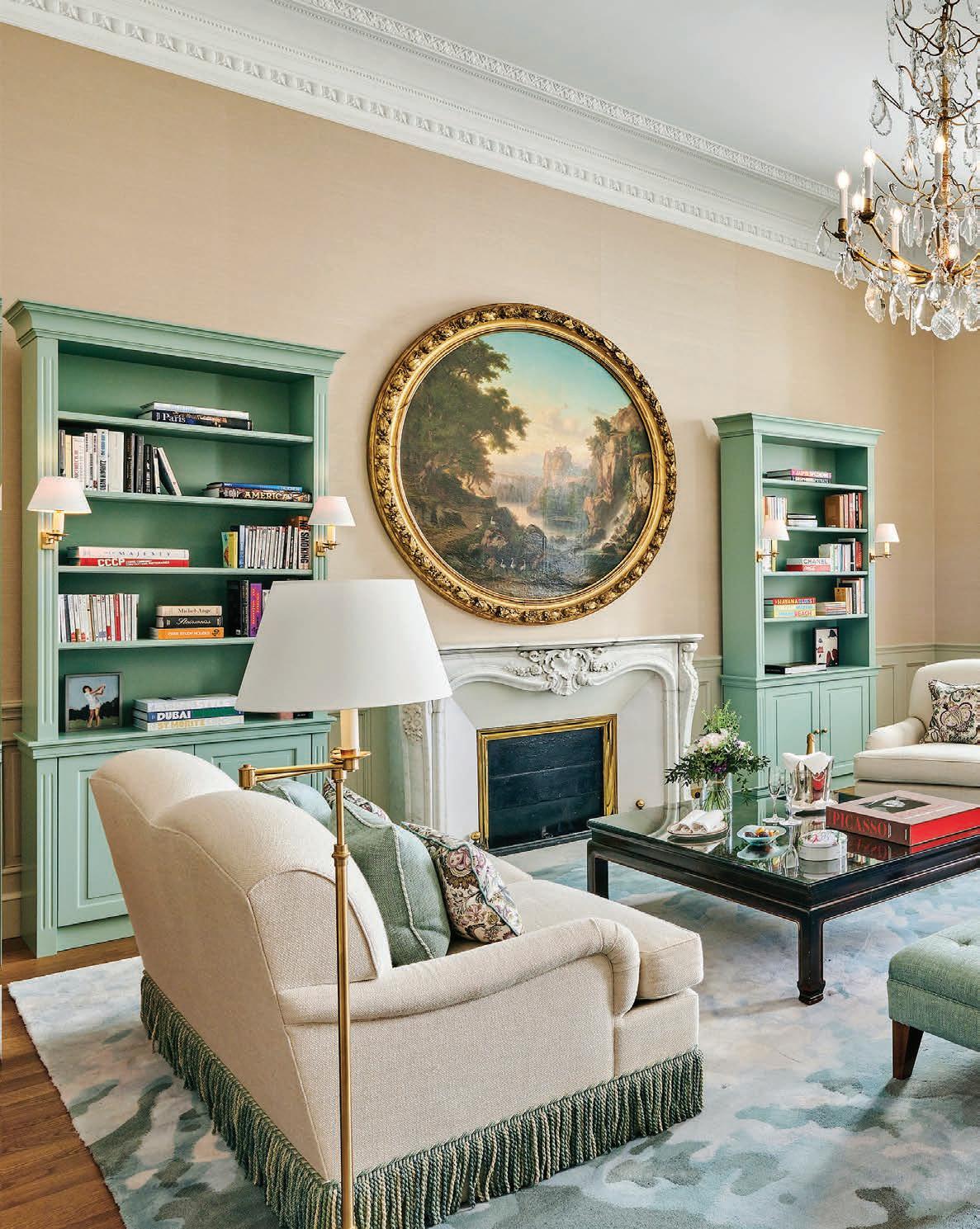
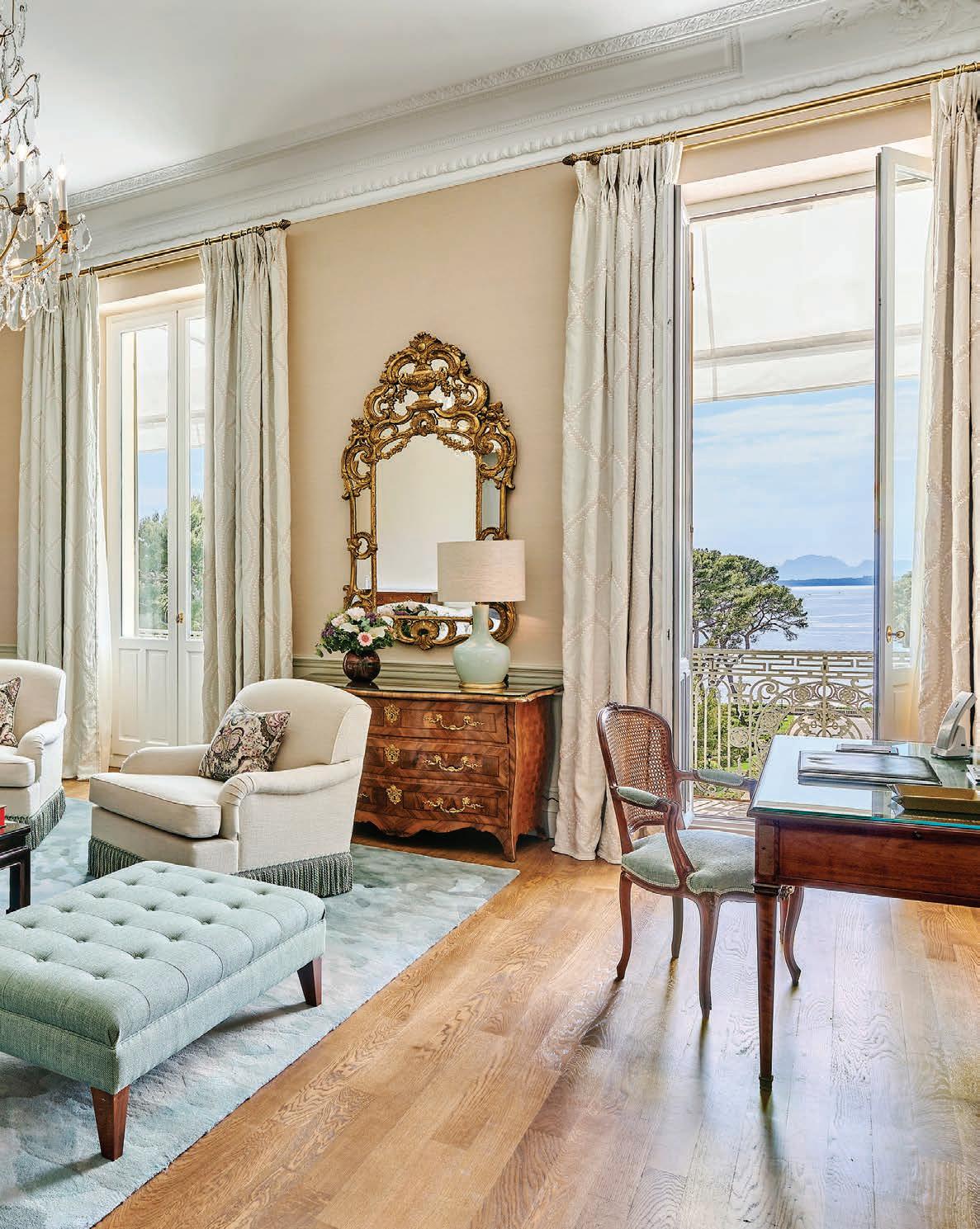
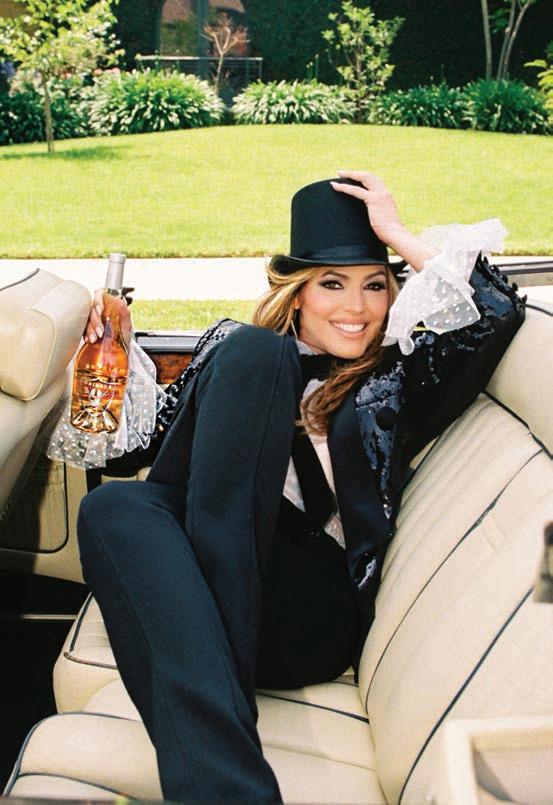
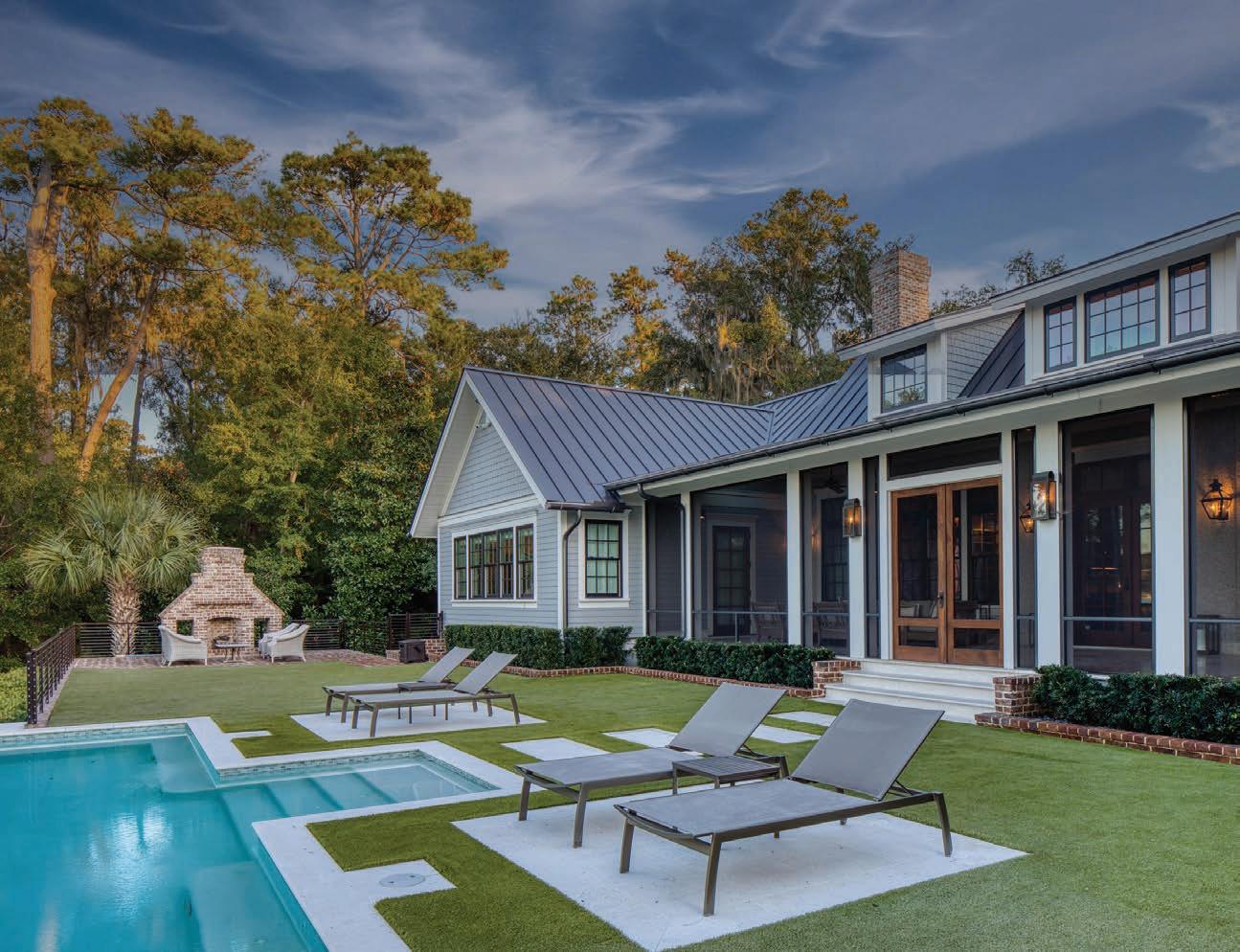
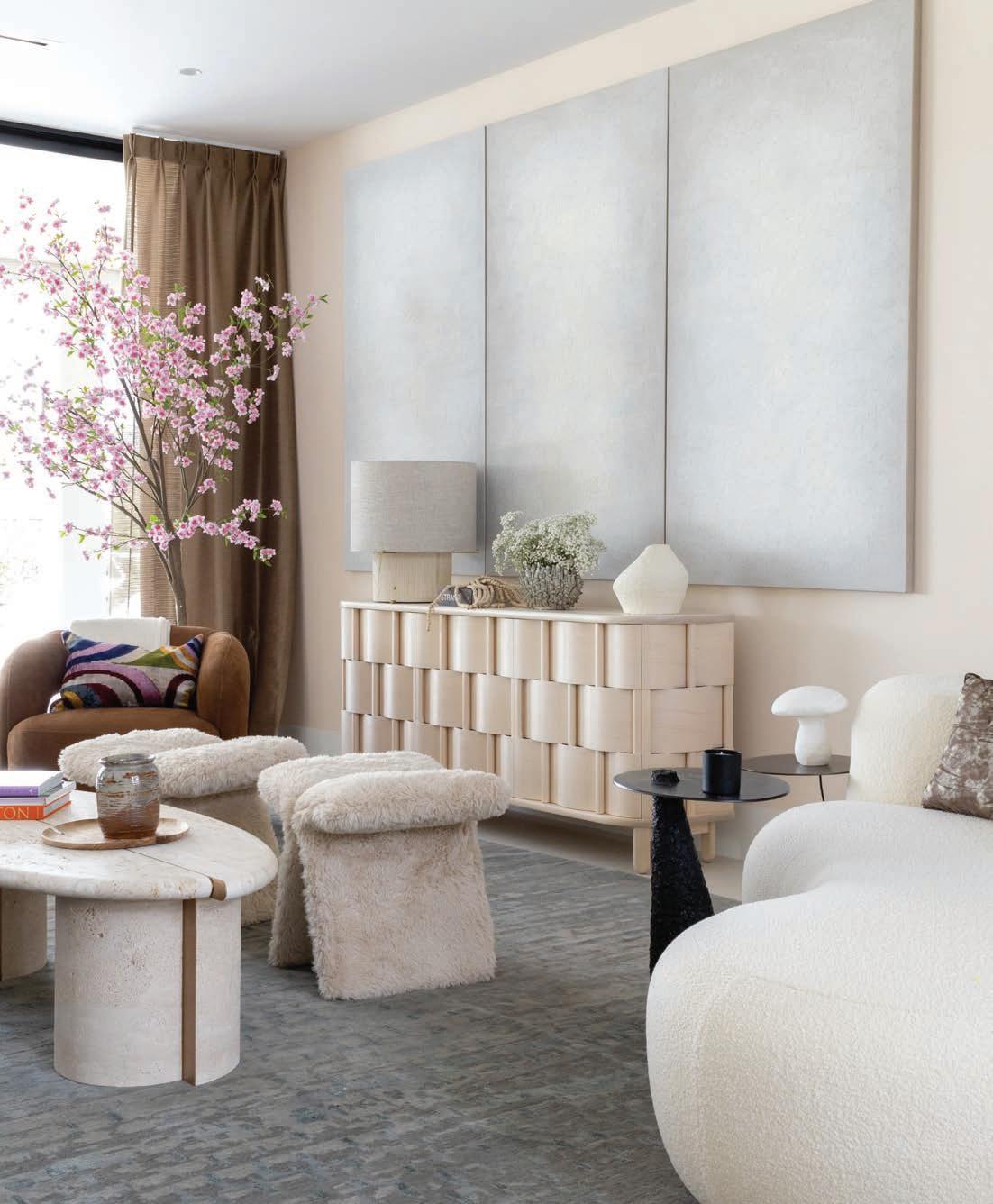
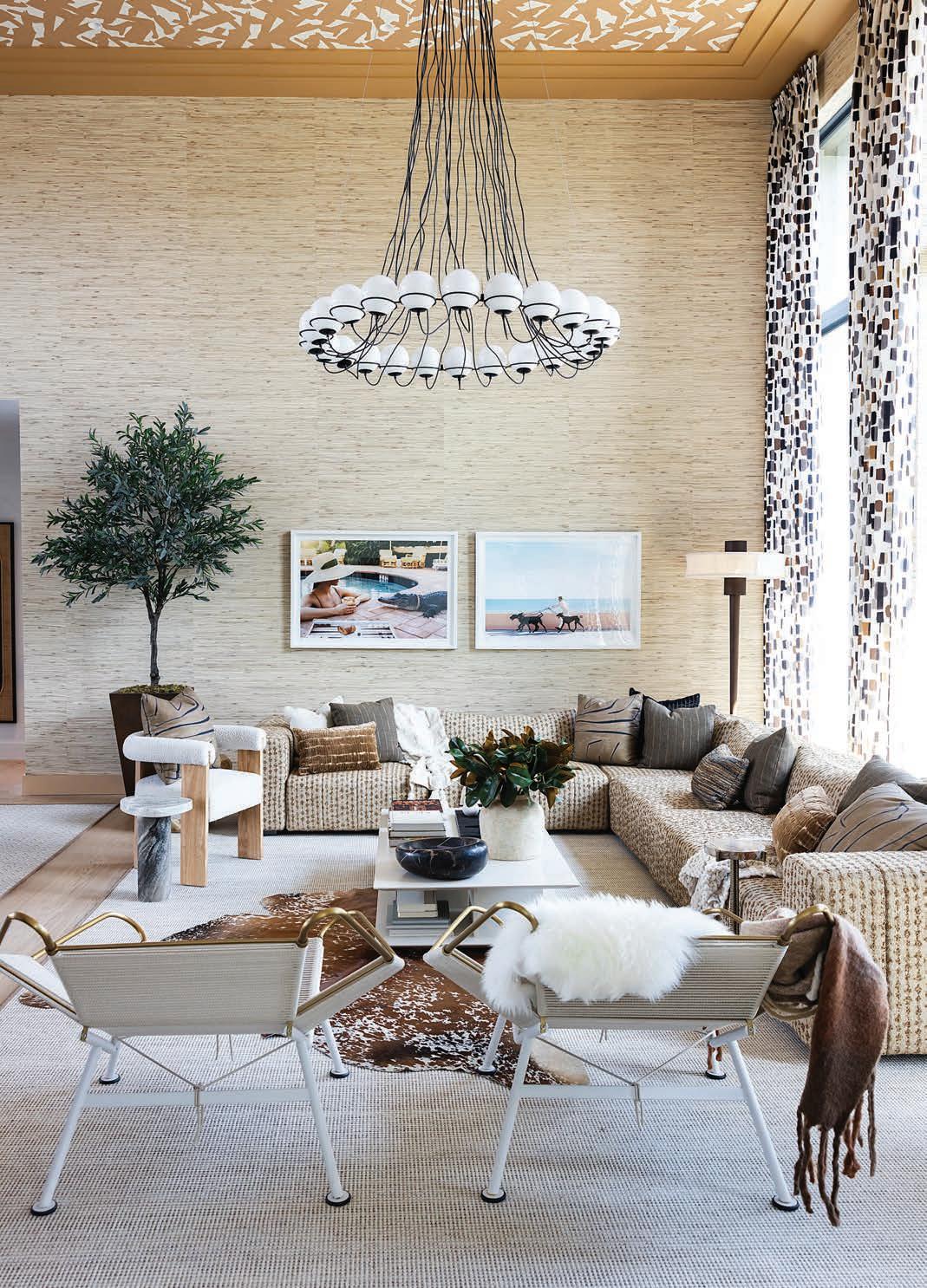
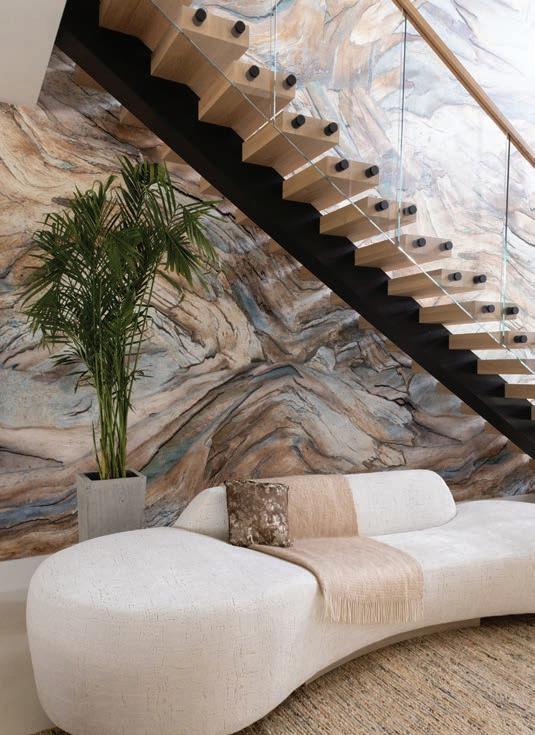
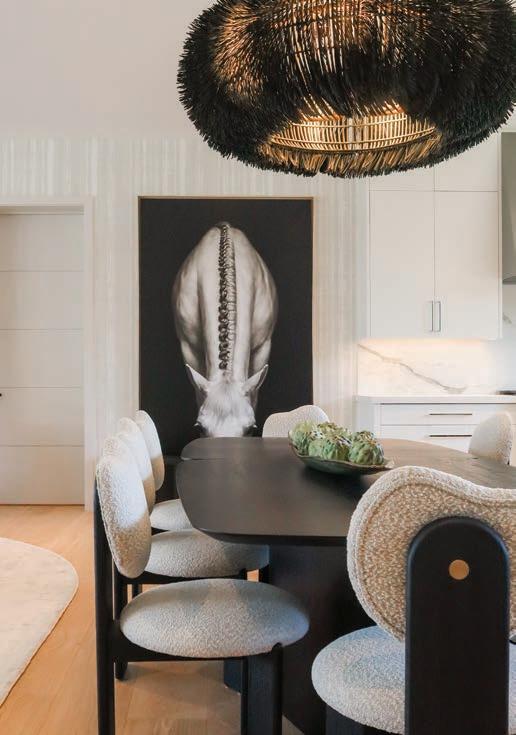
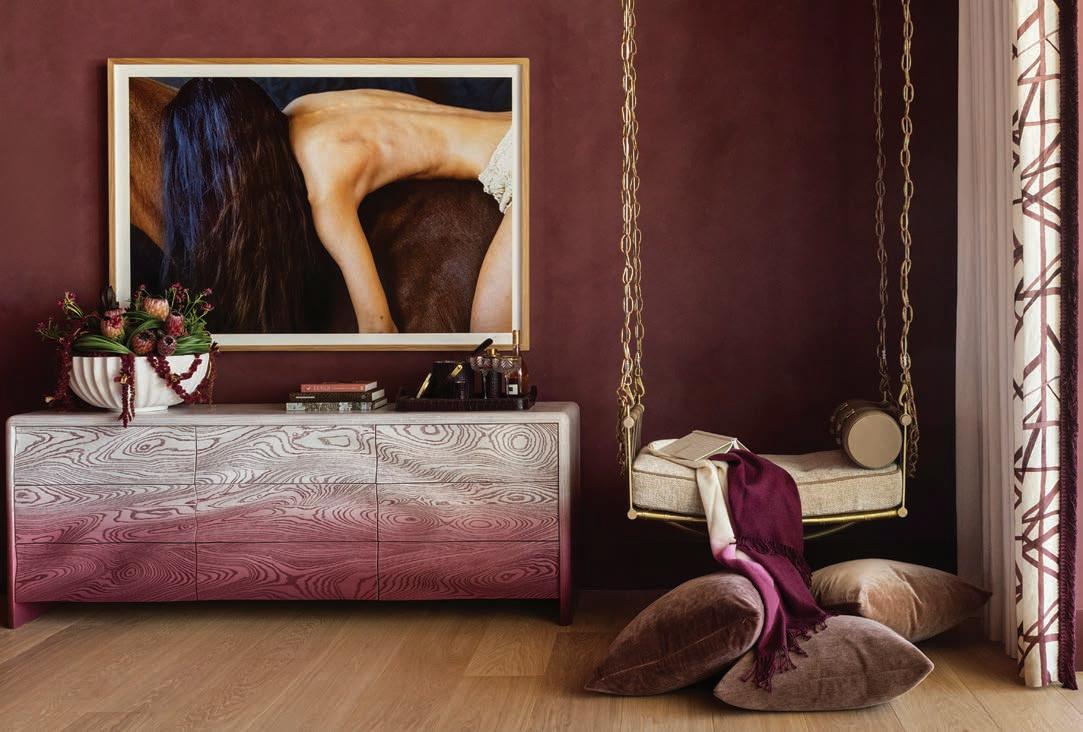
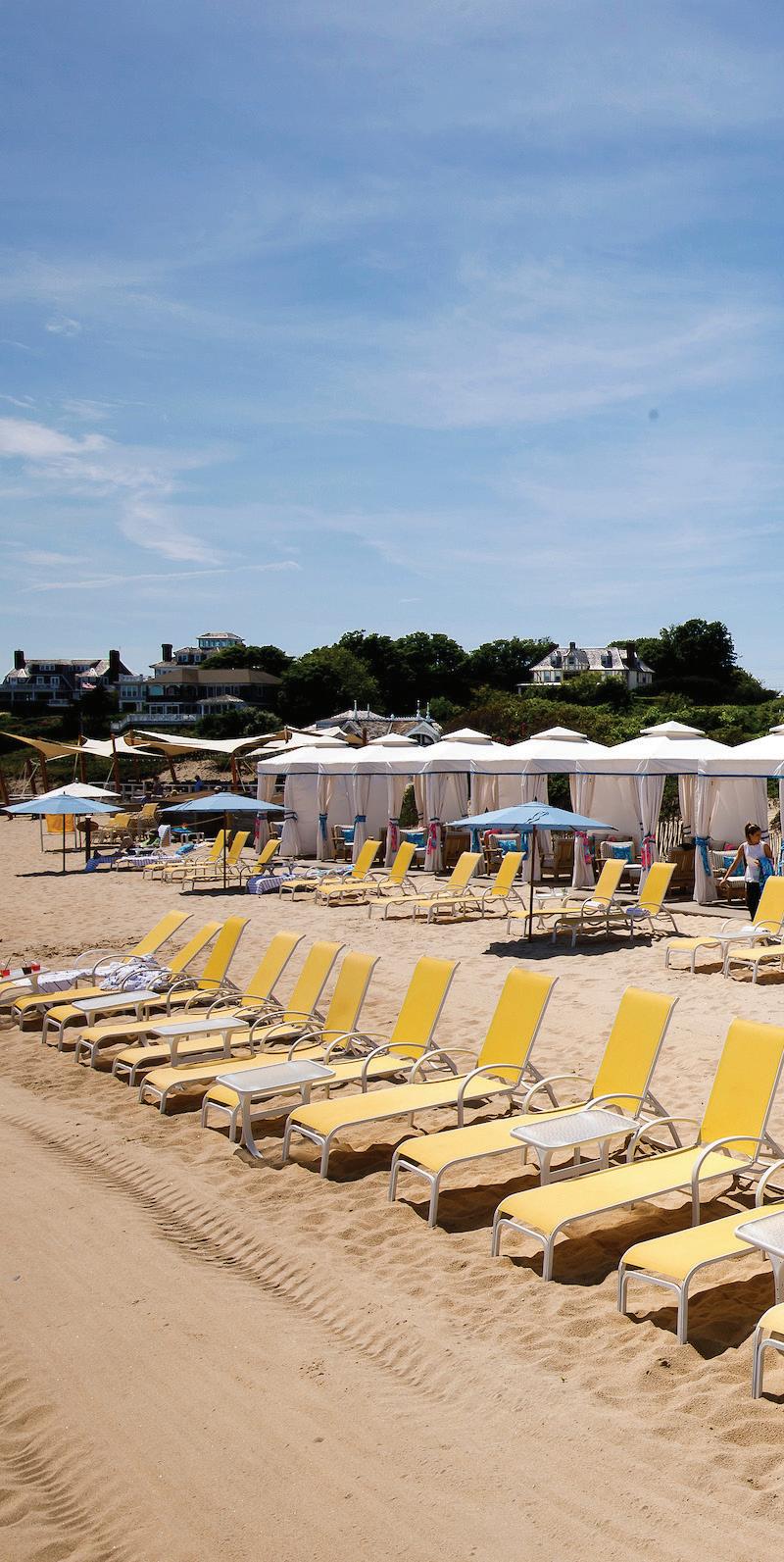
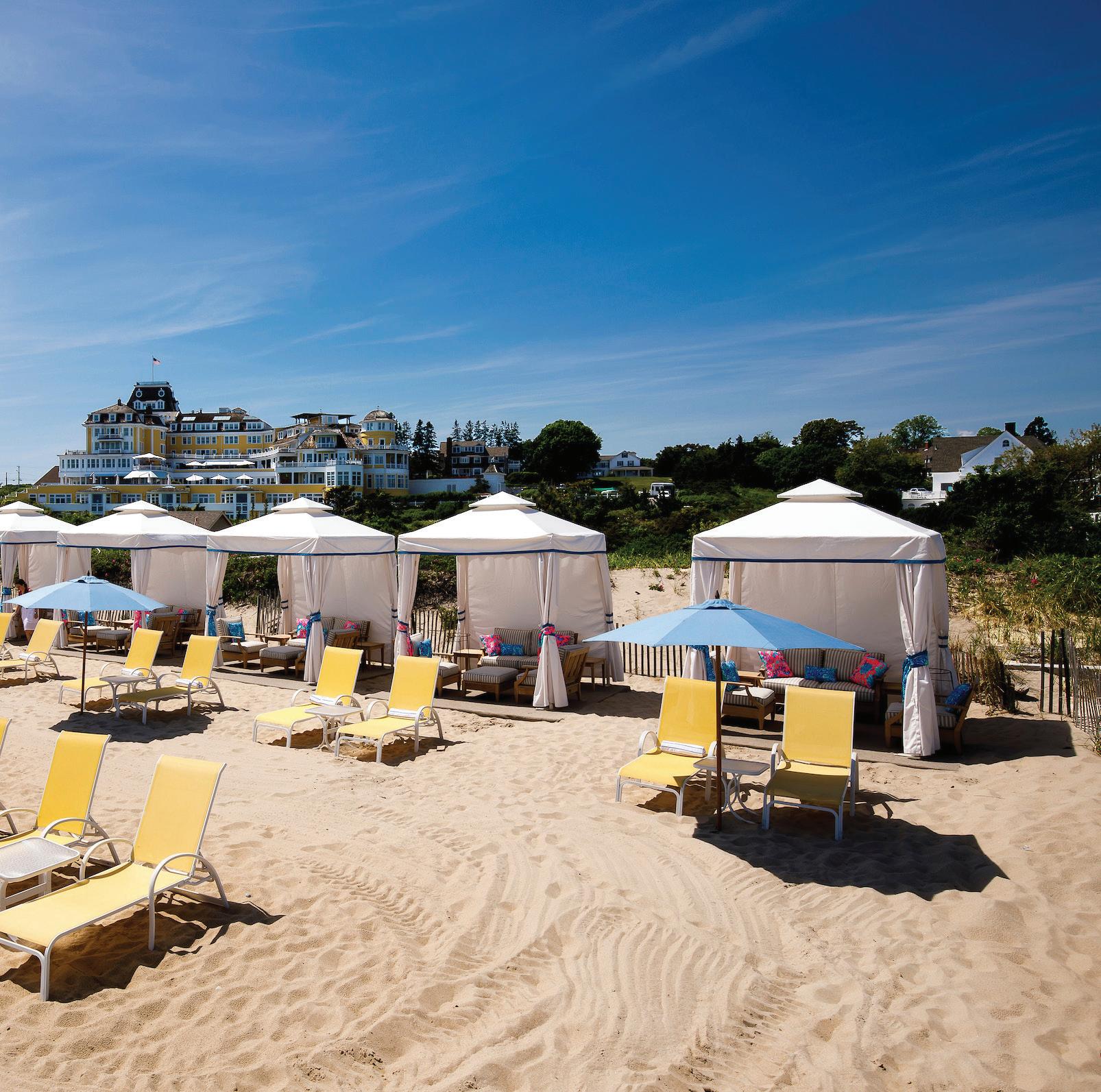
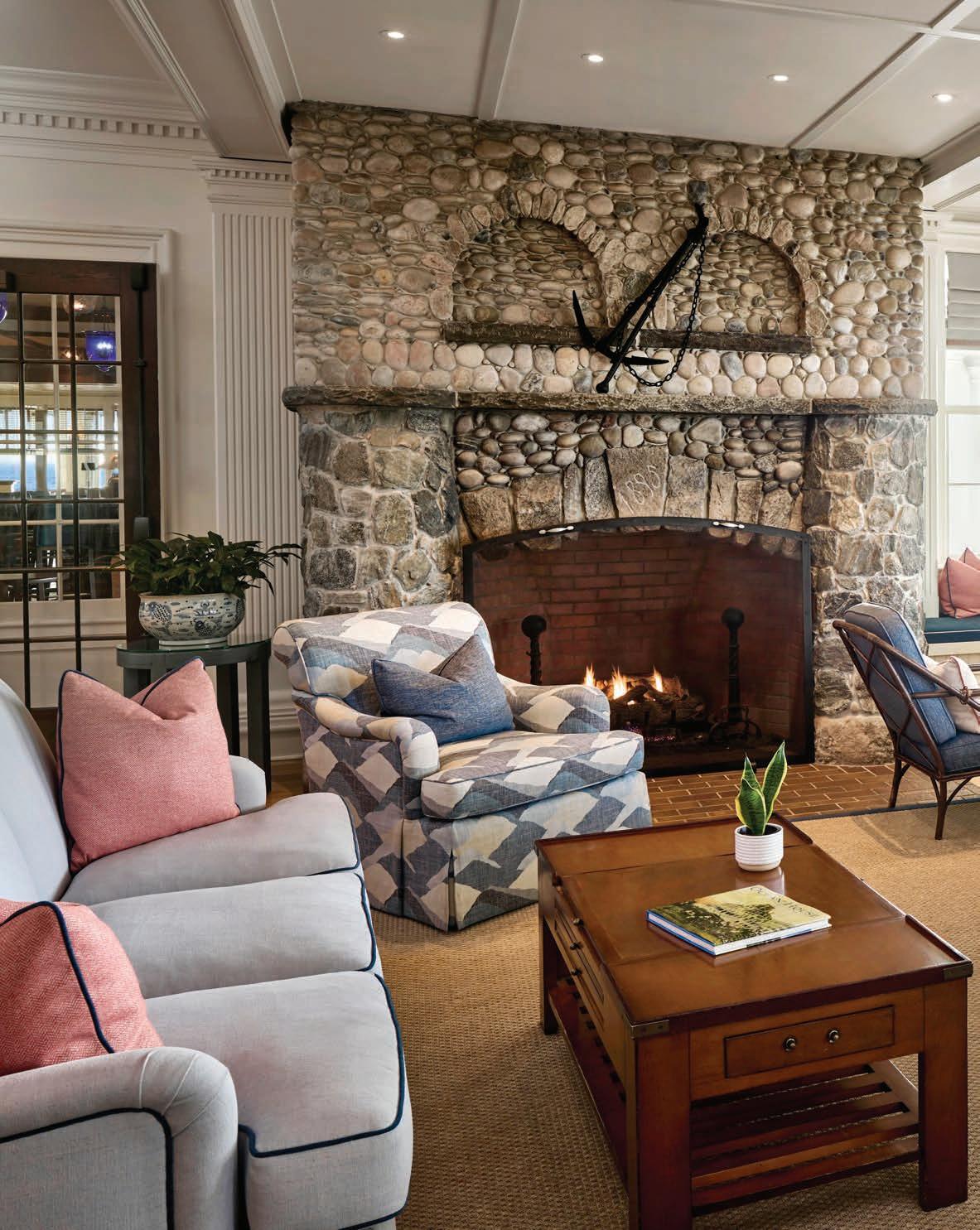
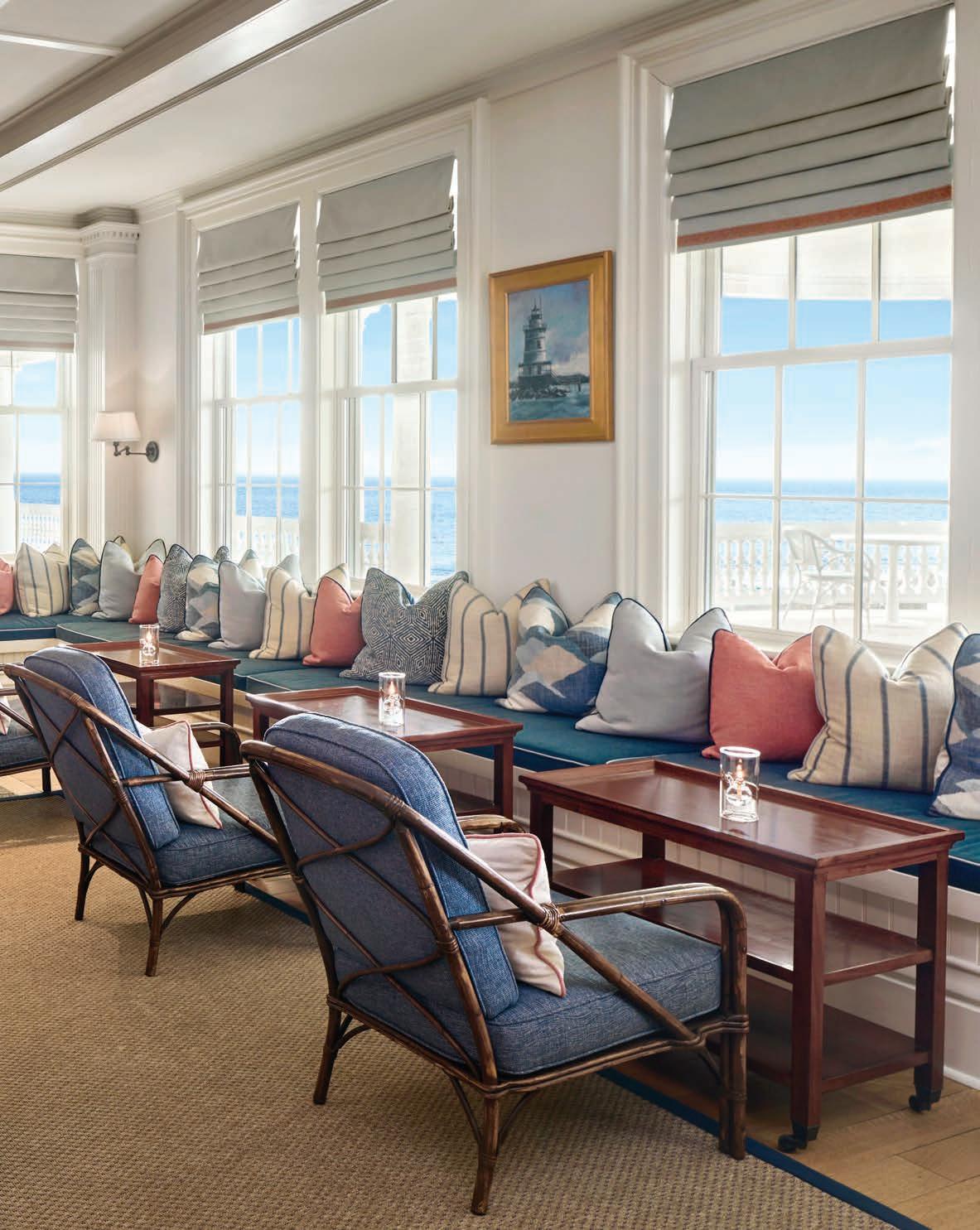
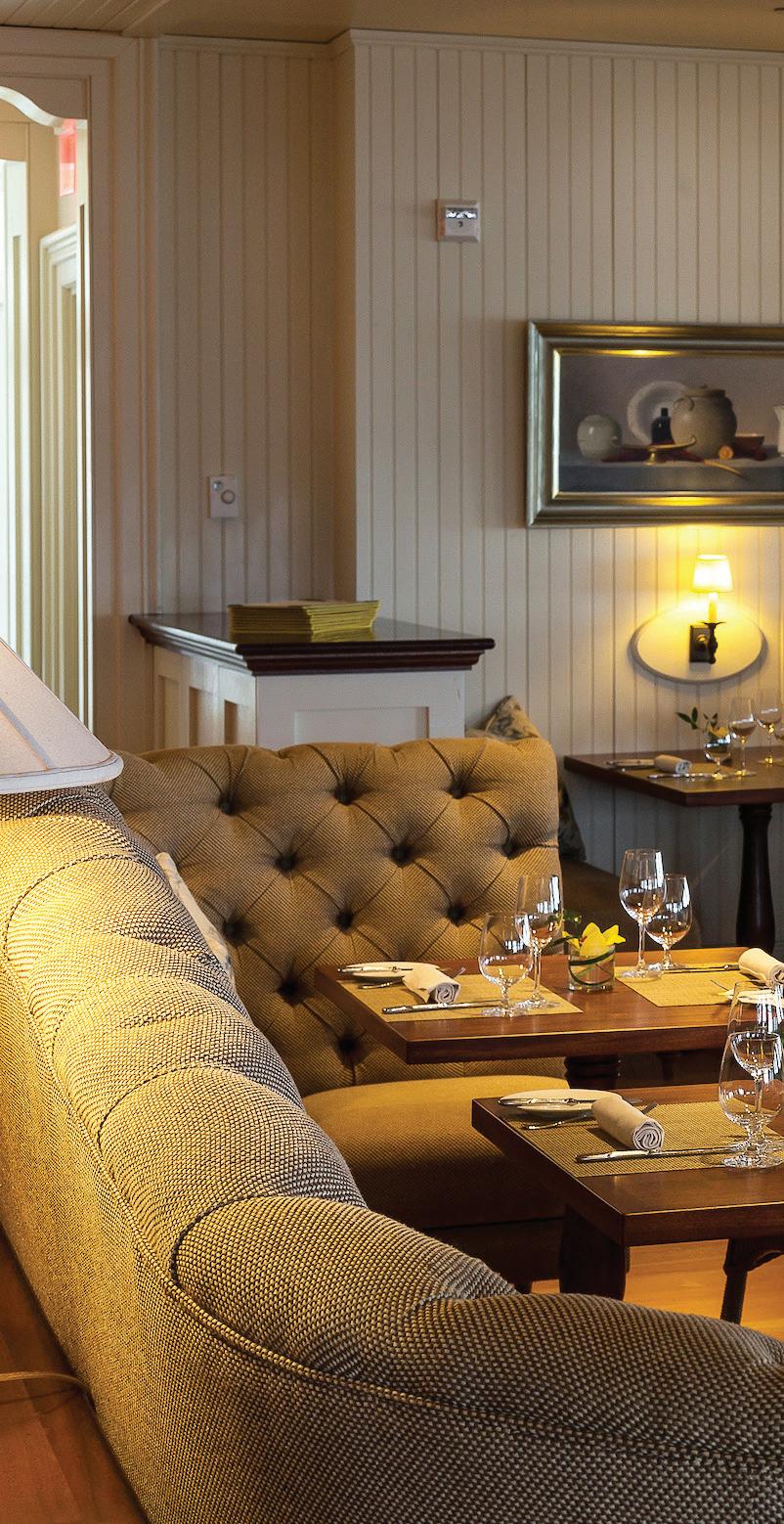
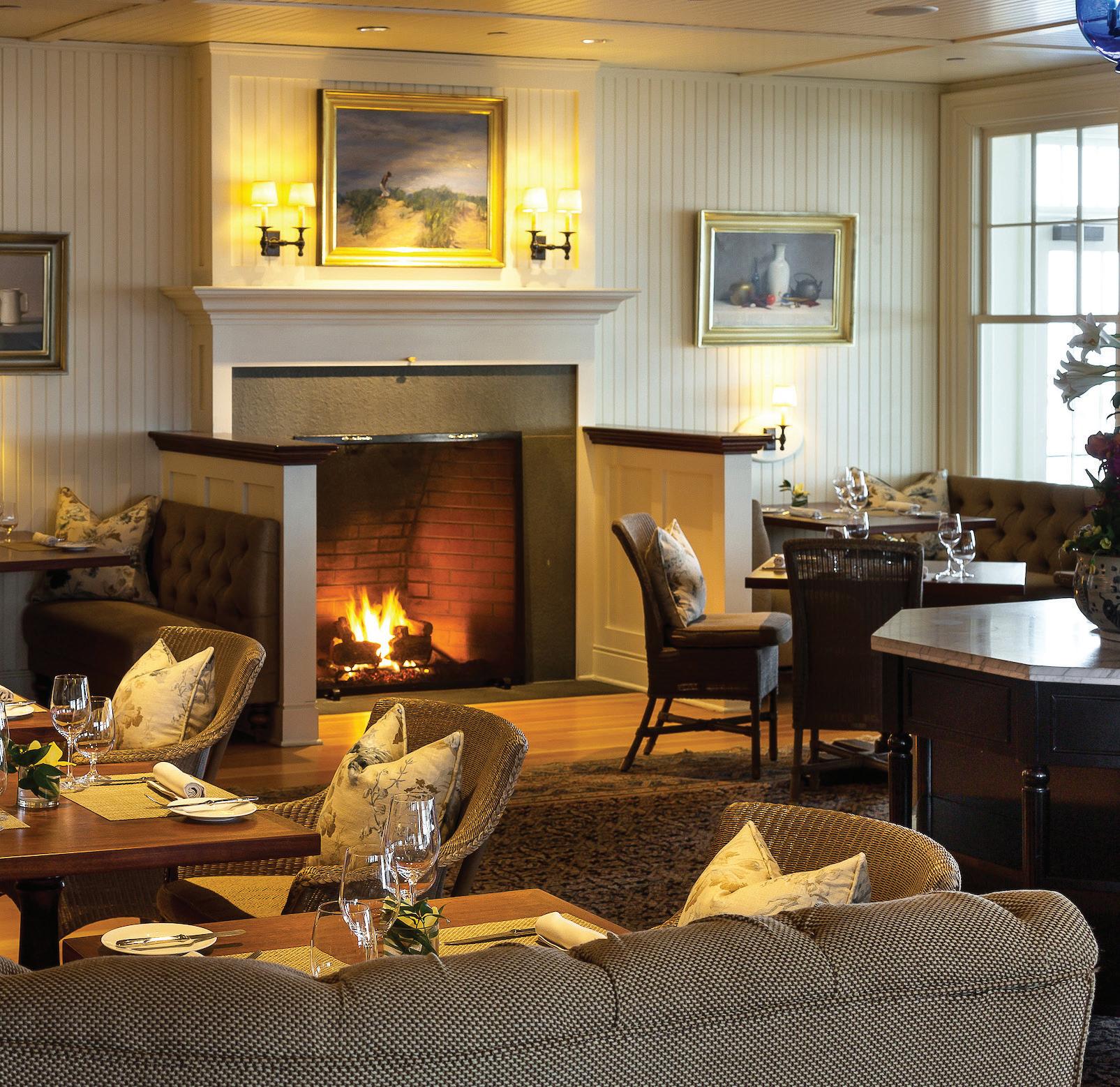
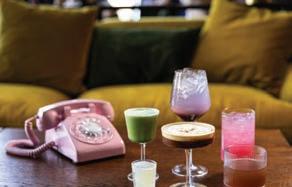
Discover a reimagined coastal destination with beautifully redesigned rooms and suites, inspired oceanfront restaurants and bars, and more. 833.917.1333
EAST HAMPTON’S MOST BEAUTIFUL BED & BREAKFAST
WHERE HISTORY MEETS INDULGENCE
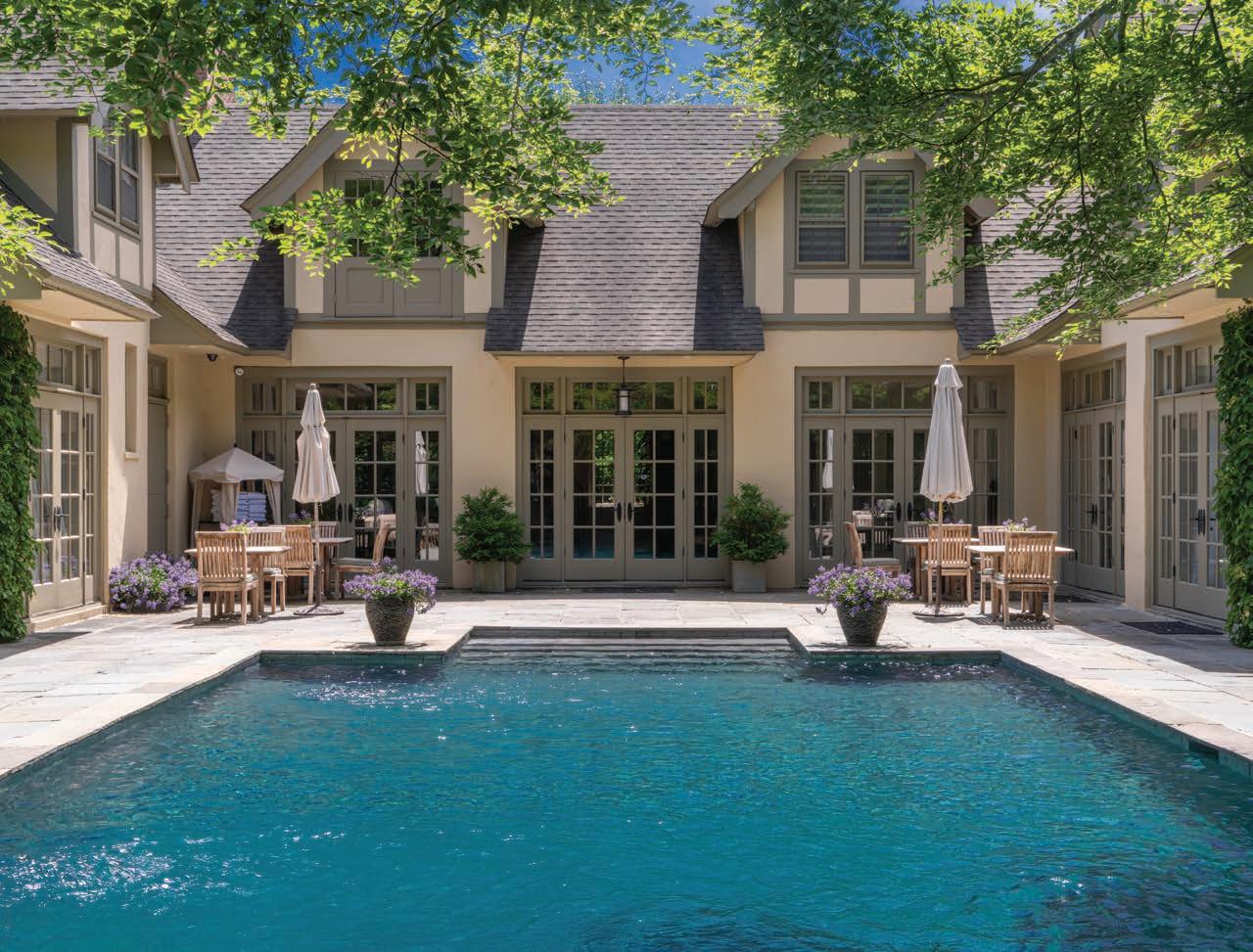
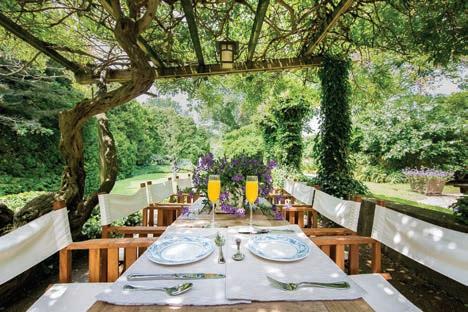
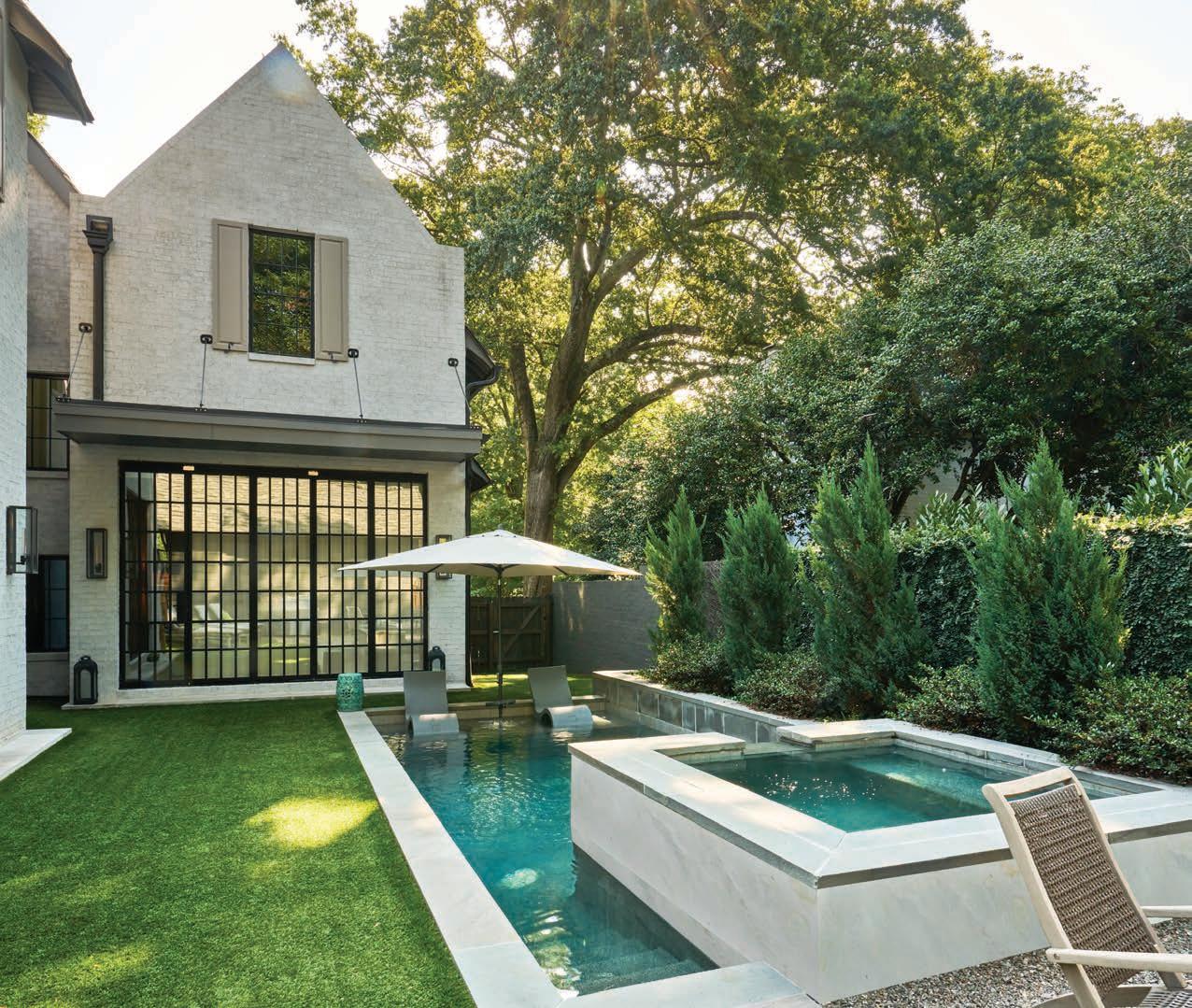
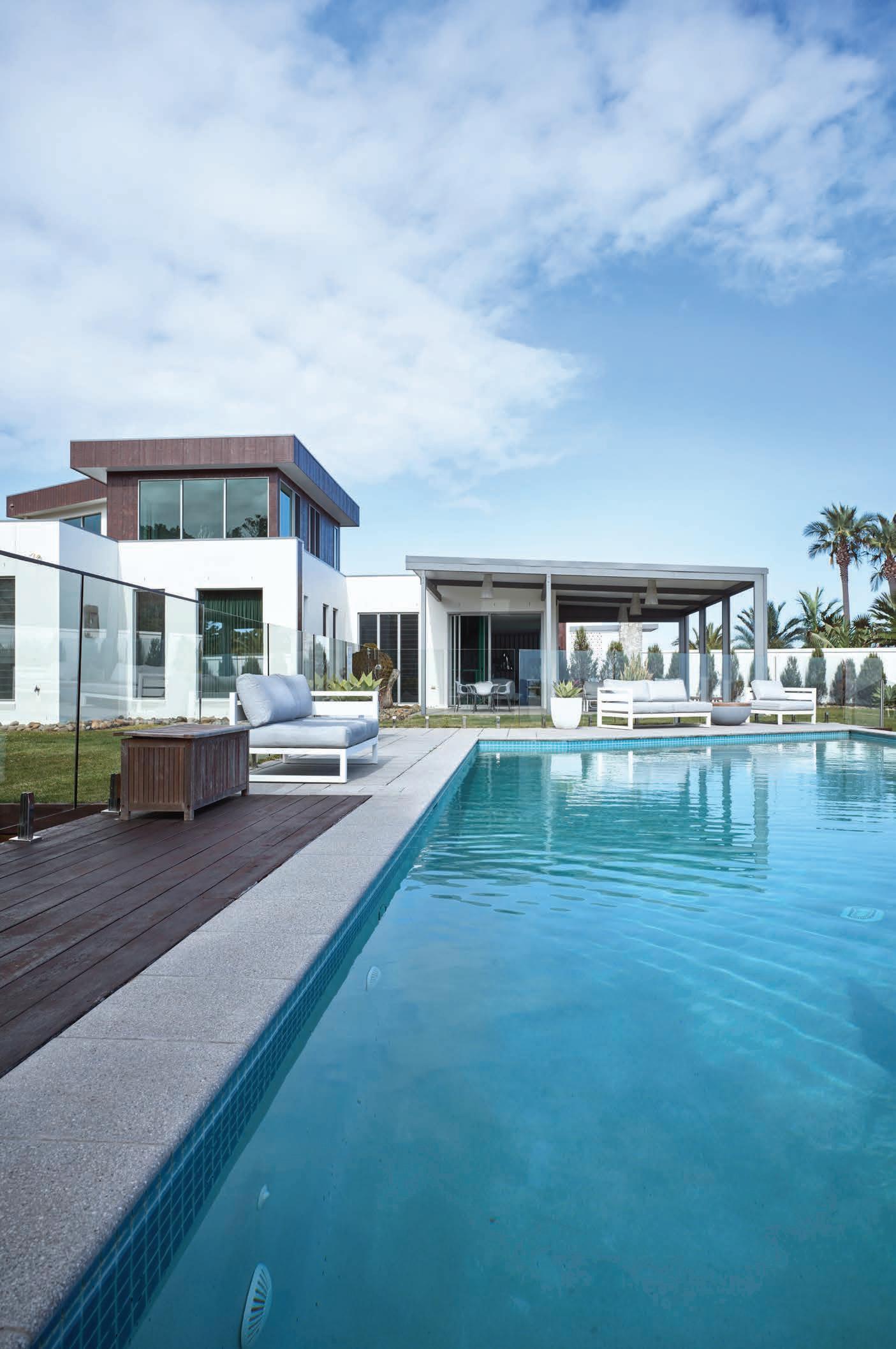
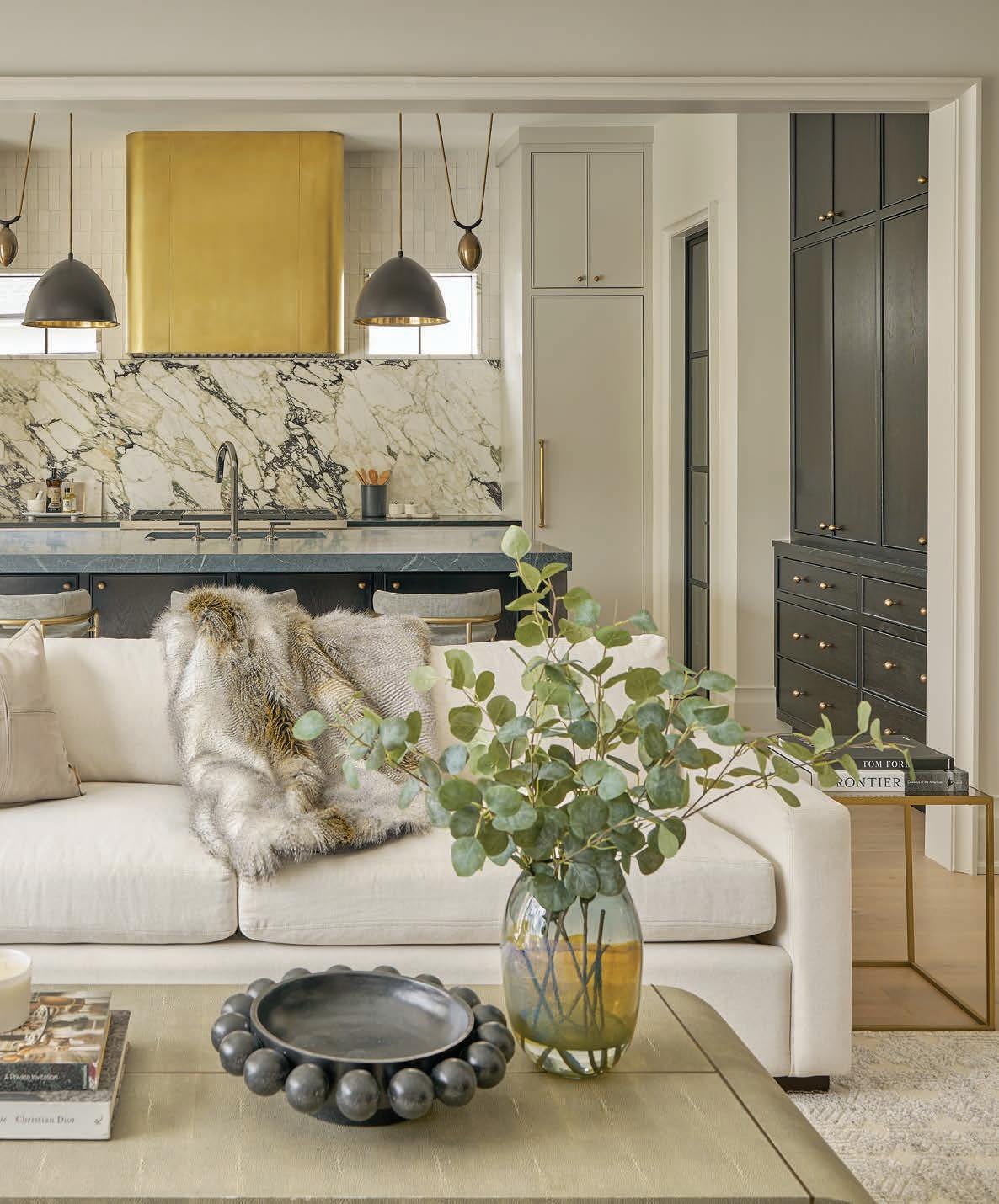
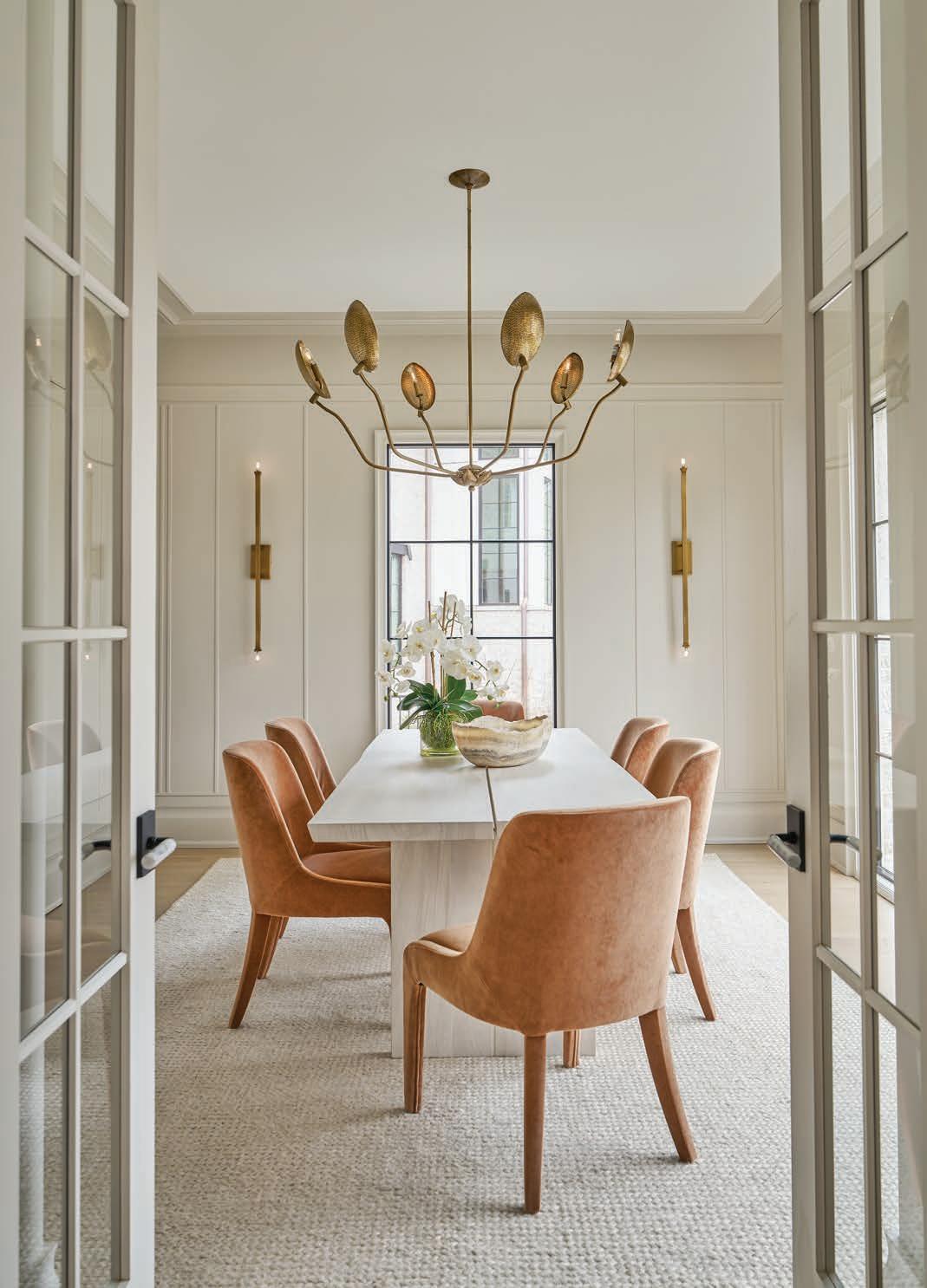
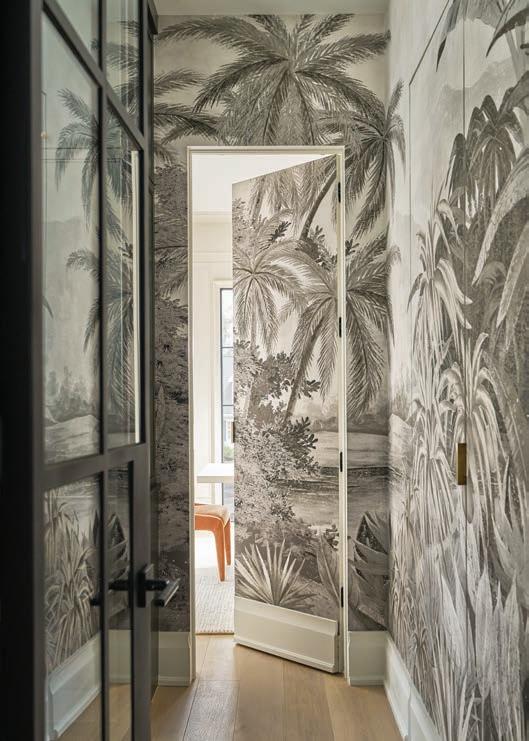
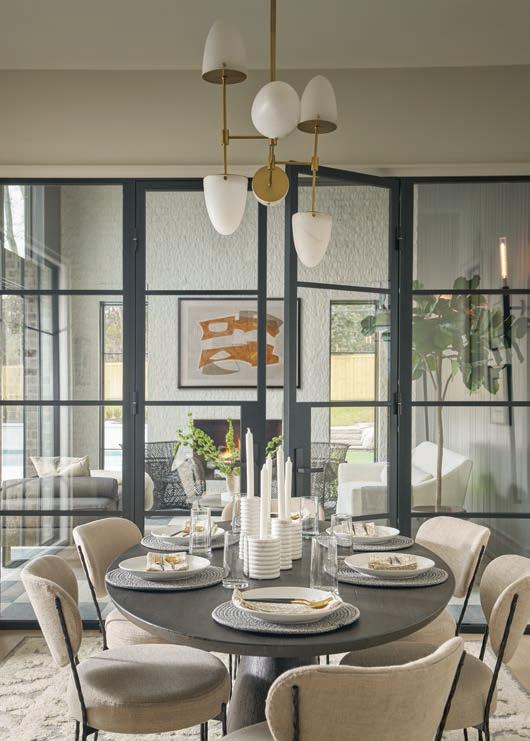
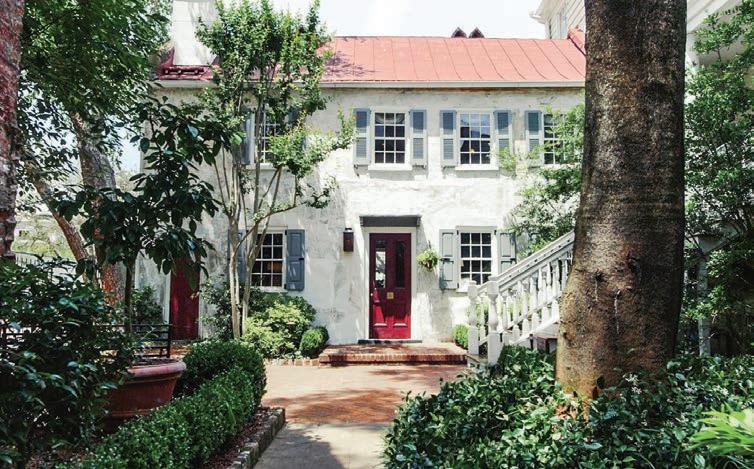
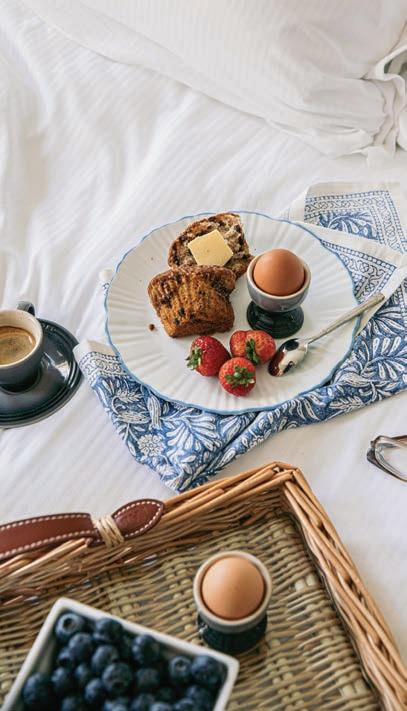
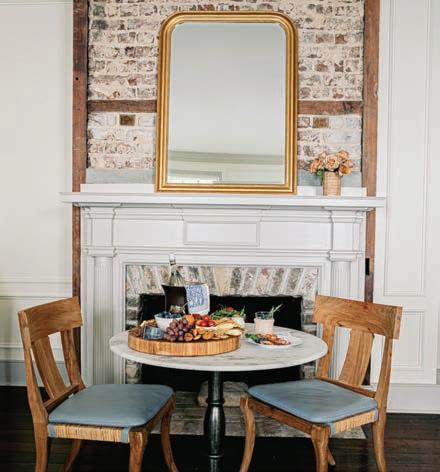
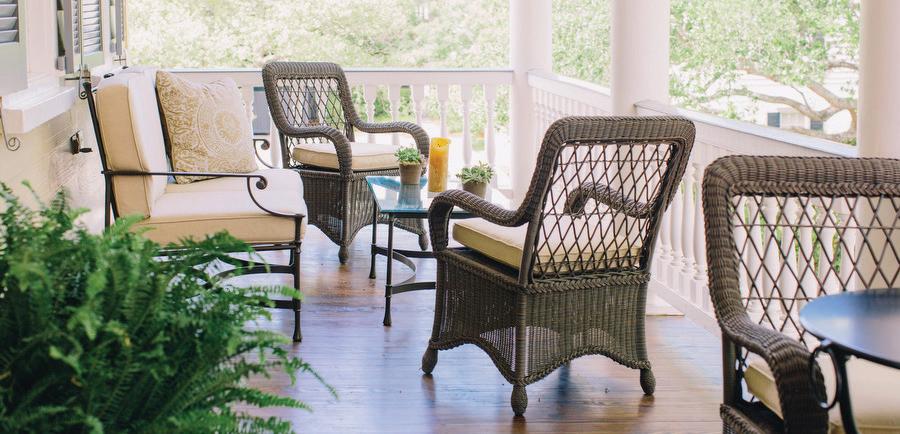
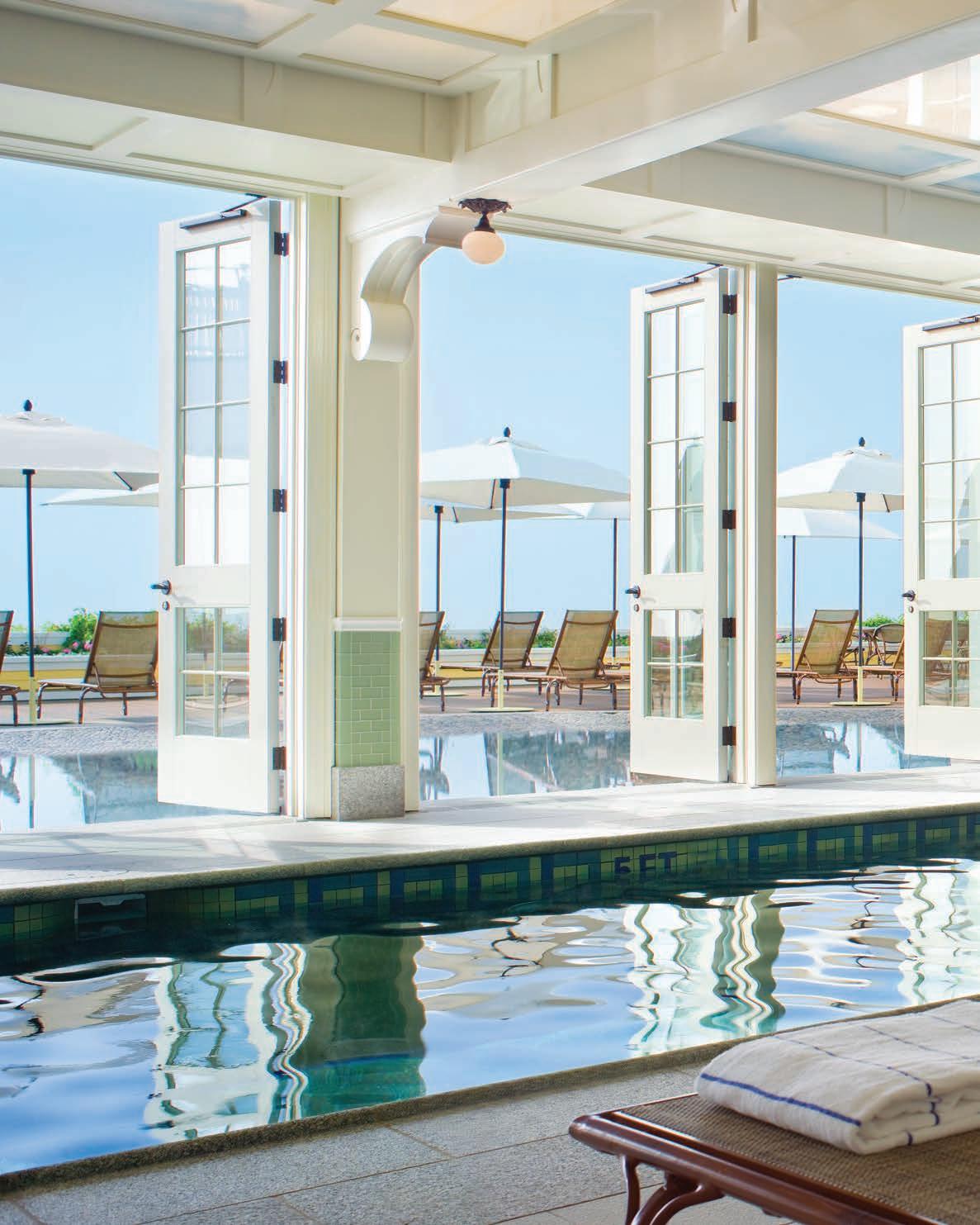
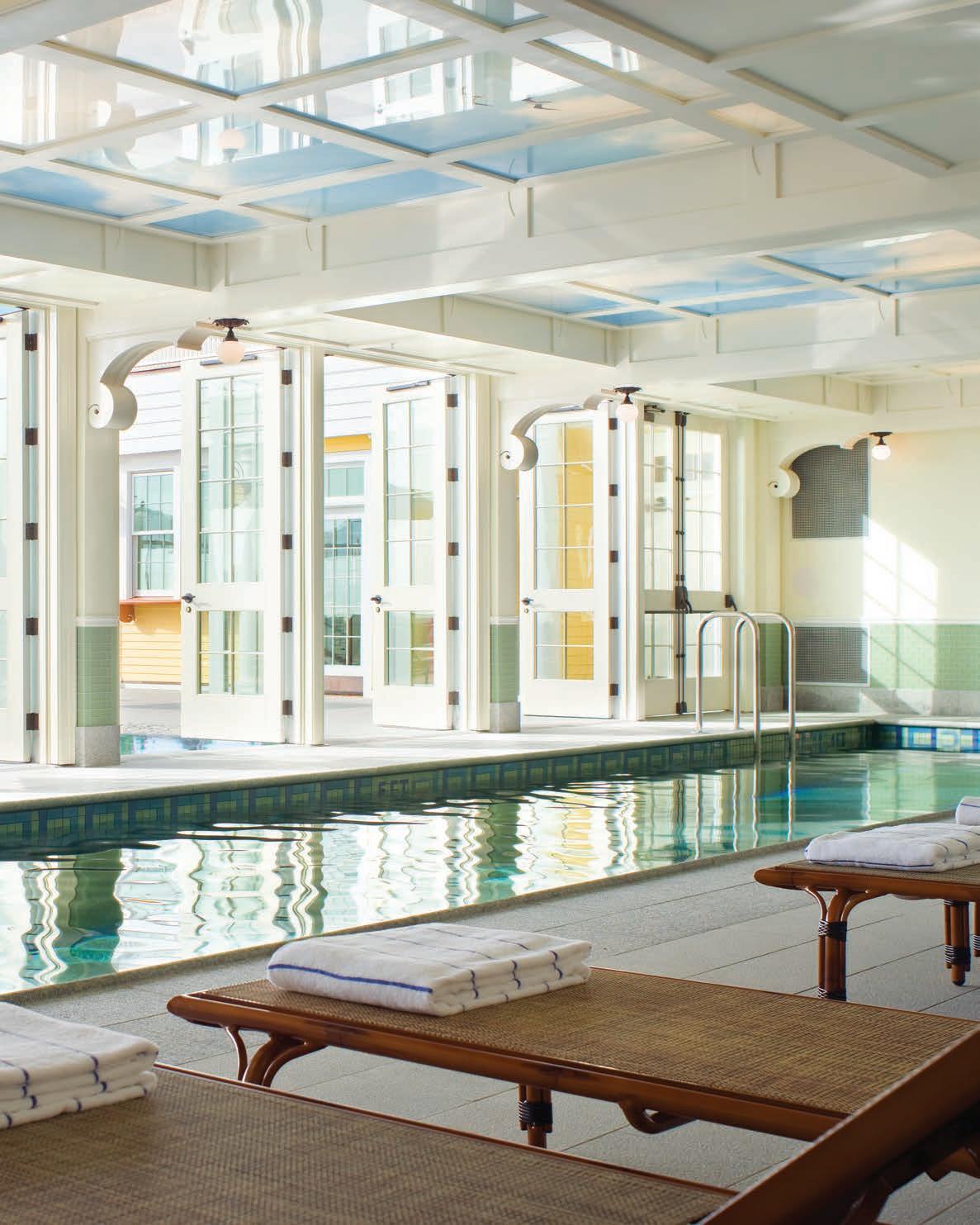
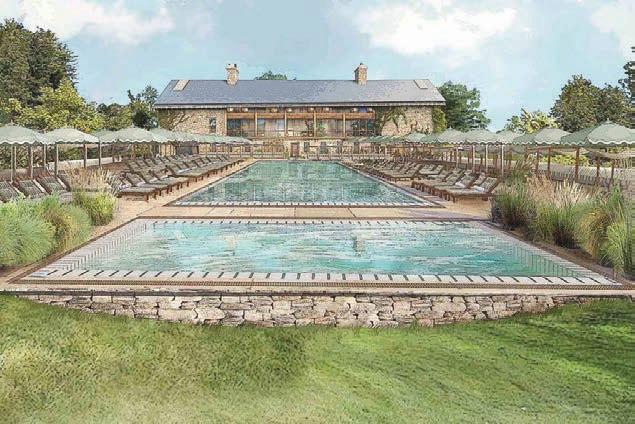
Step beyond the ivy-covered walls and discover a retreat like no other. From sunlit breakfasts beneath a wisteria canopy to languid afternoons by the sparkling pool, The Baker House 1650 is a celebration of timeless elegance and modern comfort. Nestled in the heart of East Hampton Village, this award-winning English manor invites you to unwind in beautifully appointed rooms, rejuvenate in the tranquil spa, and savor every moment of your escape. Come experience why The Baker House 1650 is consistently named one of the East End’s most enchanting destinations. Reserve your stay today. www.bakerhouse1650.com
DELAMAR SOUTHPORT
YOUR NEXT WELLNESS RETREAT
Explore our new curated packages— to transform, renew and restore
REST & RESTORE
Inspired by the rise of sleep tourism and restorative travel, Rest & Restore at Delamar is a sleep-focused wellness escape featuring a serene premium room or suite and a calming turndown ritual with aromatherapy, a shower soother, pillow mist, sleep mask, and a plush Delamar robe to take home—all thoughtfully curated to promote deep rest, relaxation, and renewal.
SCAN HERE to explore our wellness packages
THE CAUDALIE X DELAMAR PACKAGE
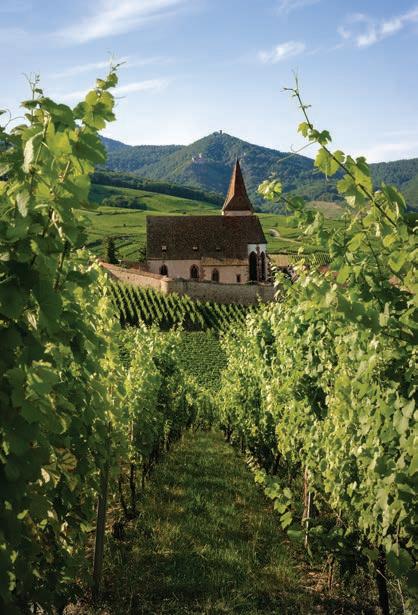
Enjoy a luxurious two-night escape featuring a special Caudalie welcome gift, your choice of a 60-minute Premier Cru Anti-Aging Facial or Vine Body Wrap with Dry Brush Energizing, and a seasonal 3-course farm-to-table dinner at Artisan, with the option to elevate the experience further with a bottle of wine from Caudalie’s renowned Bordeaux vineyard.
DELAMAR BRAIN OPTIMIZATION & WELLNESS PACKAGE
Elevate your well-being with a curated two-night escape at Delamar Southport featuring a personalized functional medicine consultation with Dr. Brian Uss and a Brain Health program led by Caroline Mazza, thoughtfully designed to support cognitive function, balance, clarity, and overall vitality through an integrative mind-body approach.
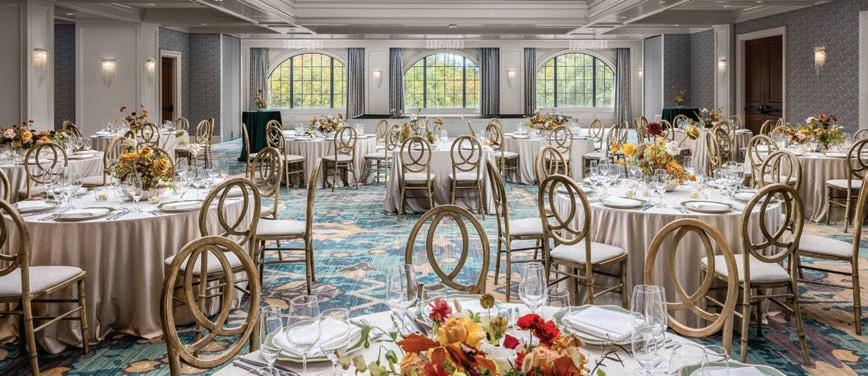
MEETINGS REIMAGINED
Inspiring. Collaborative. Elevated.
SCAN HERE to learn more about our meeting and event spaces as well as our buyout options.
DISTINCTIVE BUSINESS EVENTS
• Custom curated team building experiences
• Mixed use meeting capabilities & technology
• Award-winning restaurants & dining experiences
• Elevated spa treatments at select locations
• Perfectly sized boutique hotels for exclusive use
• Charming & culturally diverse locations
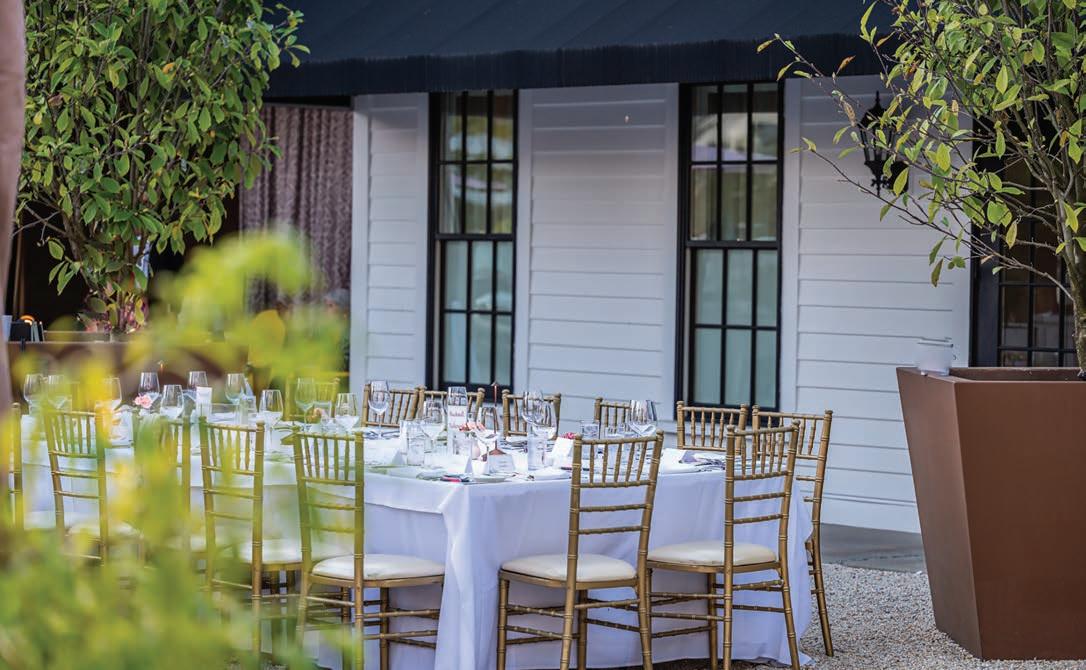
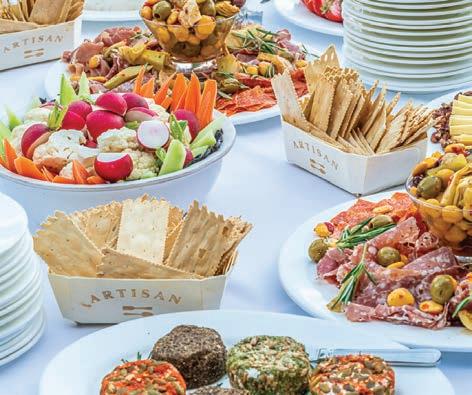
ARTISAN SOUTHPORT COURTYARD
NOTES
Objects, rituals, ideas, and discoveries shaping the season.
24 — THE POUR
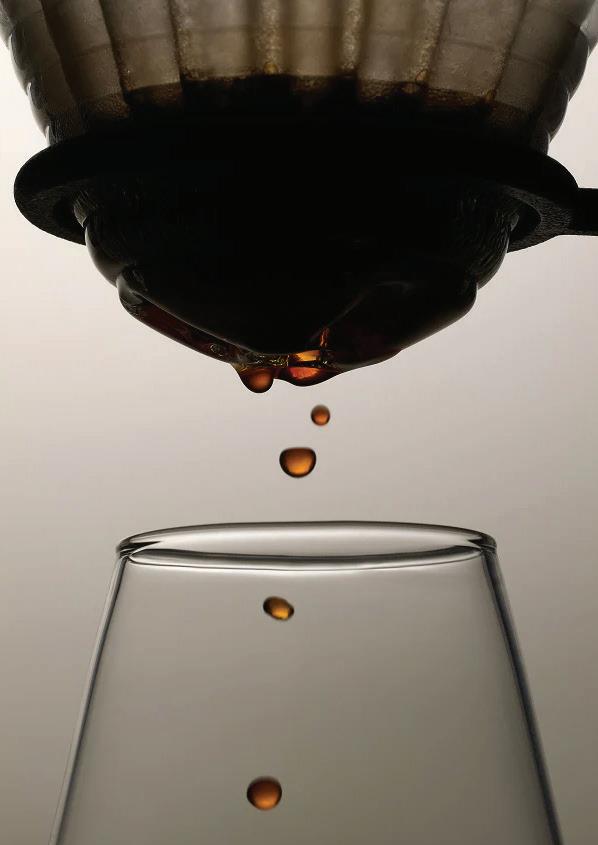
Black Ivory coffee and the luxury of slowing ritual into art.
26 — THE FLIGHT
Inside Otto Aviation’s Phantom 3500 and the future of intelligent travel.
28 — THE ICON
The Persol 714 and the enduring appeal of understated design.
STYLE
Fashion, objects, and the evolving language of modern elegance.
34 — THE RIVIERA EDIT
Crochet textures, solar fragrance, and Mediterranean glamour reimagined.
35 — COURTSIDE
Pleated knits, retro trainers, and the return of polished sport dressing.
BEAUTY / WELLNESS
The products, rituals, and philosophies redefining modern well-being.
36 — SALTWATER SKIN
Sunlit beauty, restorative body care, and the products defining summer now.
38 — INSIDE THE IMMUNE SYSTEM
A deeper look at T cells, nutrition, and the body’s hidden intelligence.
41 — THE NEW ENERGY EQUATION
Rethinking focus, fuel, and metabolic clarity.
ESSAY
42 — THE BROKEN BOTTLE
What defines value in modern wine culture and the bottles worth knowing.
FEATURES
50 — INDIA HICKS
On Warmth, Reinvention, and the Art of Living Fully
Inside a life shaped by beauty, imperfection, island rituals, family, and emotional truth.
60 — SIMON PORTE JACQUEMUS
The Architect of Endless Summer
How the designer transformed nostalgia, the South of France, and cinematic fantasy into one of fashion’s most influential worlds.
69 — HOTEL DU CAP-EDEN-ROC
The Place Summer Returns To
For generations, the legendary Riviera hotel has existed as more than a destination, but a ritual of summer itself.
79 — SANDRA TAYLOR
On Mastery, Memory, and the Discipline of Taste
From Hollywood to the world of elite wine culture, Sandra Taylor reflects on reinvention, expertise, and the psychology of taste.
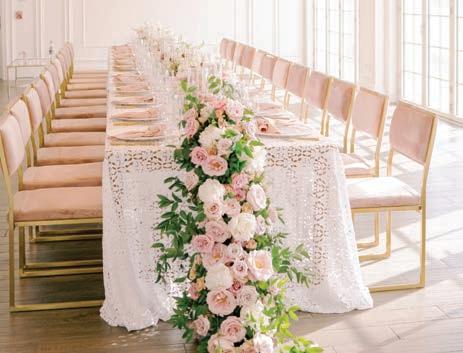
Your Love Story is Now
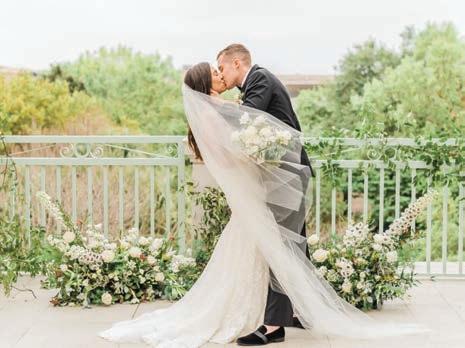
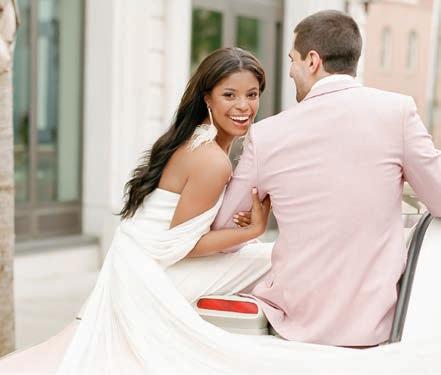
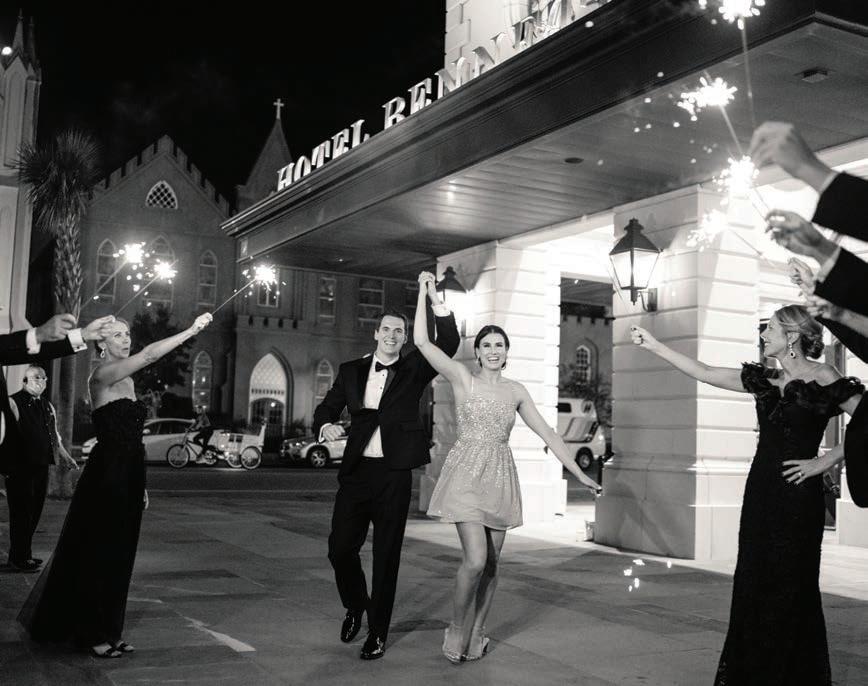
No two love stories are ever the same. This one is yours and it's perfect. Our Charleston charm, bespoke spaces, and impeccable service set the stage with every detail addressed and every desire fulfilled. This is where your forever begins.
HOME
86 — HOLIDAY HOUSE WELLINGTON
Where immersive interiors meet philanthropy and cultural connection.
94 — THE EMOTIONAL ARCHITECTURE OF HOME
CULTURE
Design, conversation and the people shaping how we live now.
104 — BEDSIDE READING
107 — THE POWER OF FOOD
How dining became one of the most emotional forms of modern gathering.
112 — TWO COURTS
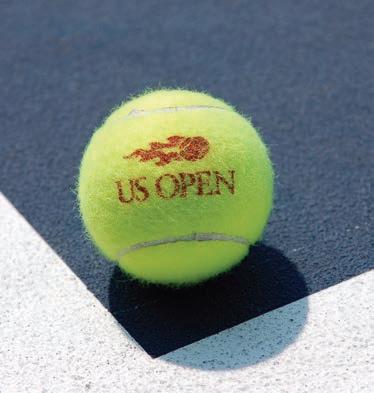
Sport, status, and the evolving culture surrounding modern tennis.
ESCAPE
119 — INSIDE OCEAN HOUSE
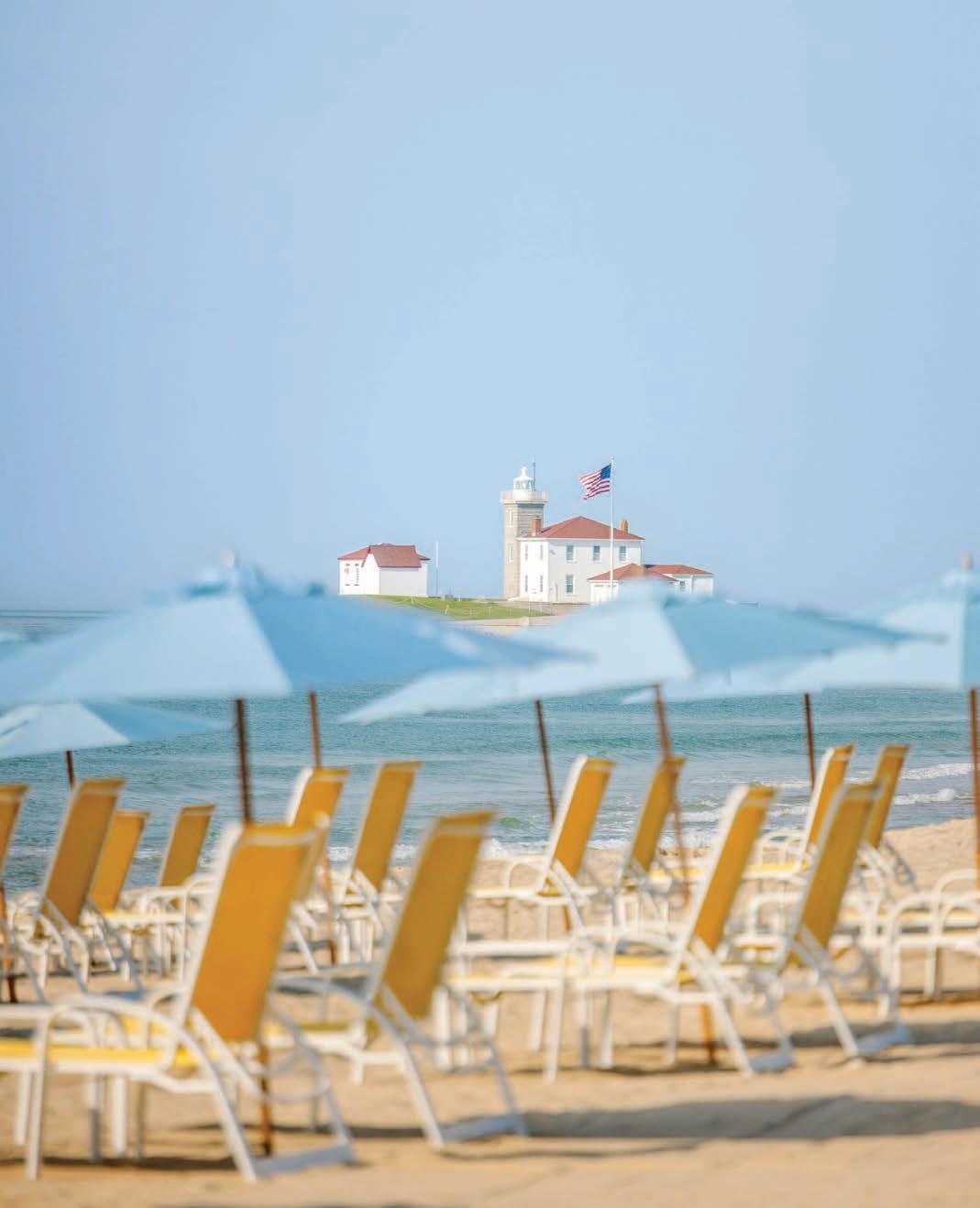
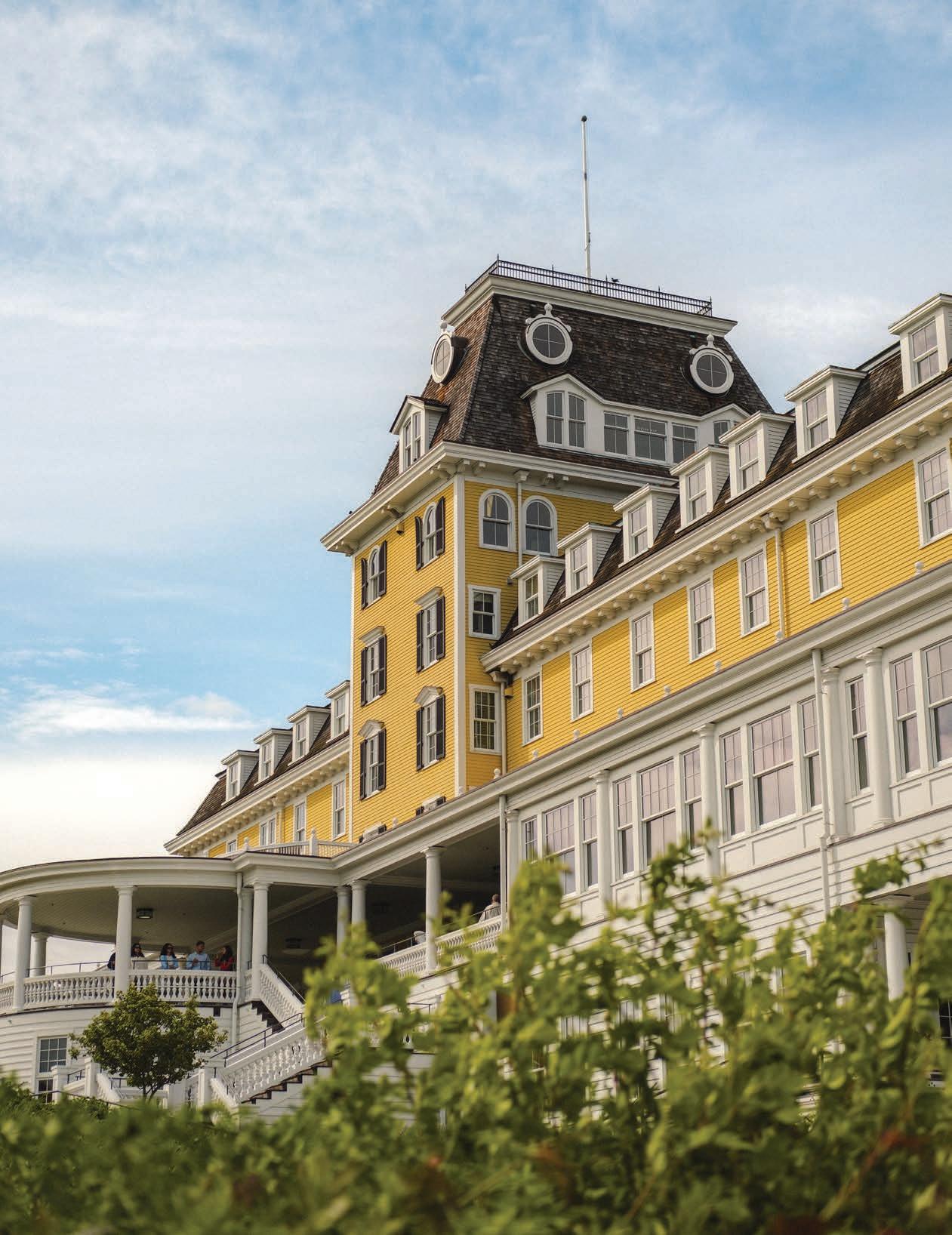
Where New England restraint meets modern coastal luxury.
TASTE
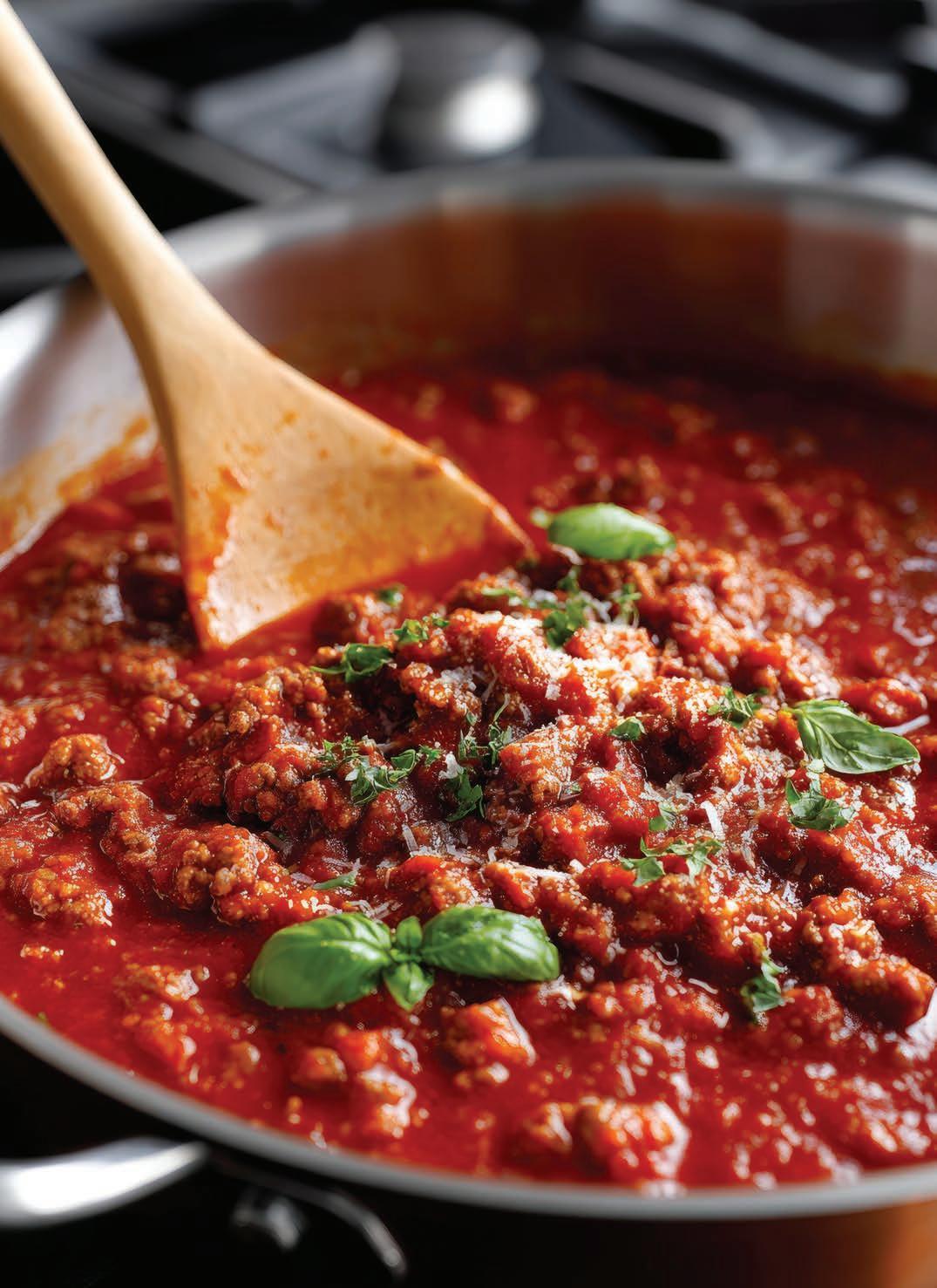
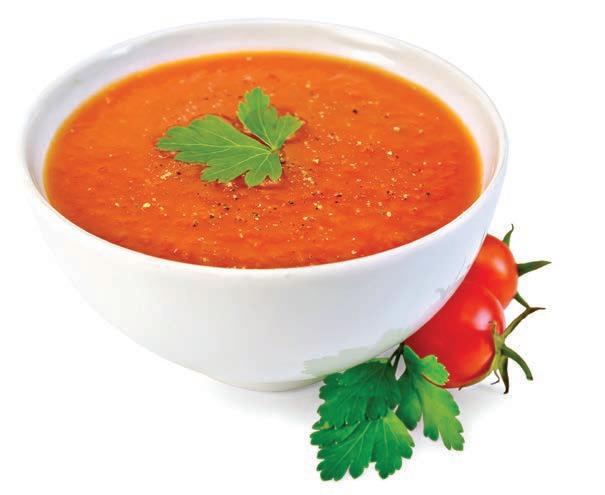
130 —THE INGREDIENT: TOMATO
Why the simplest ingredient continues to define summer tables.
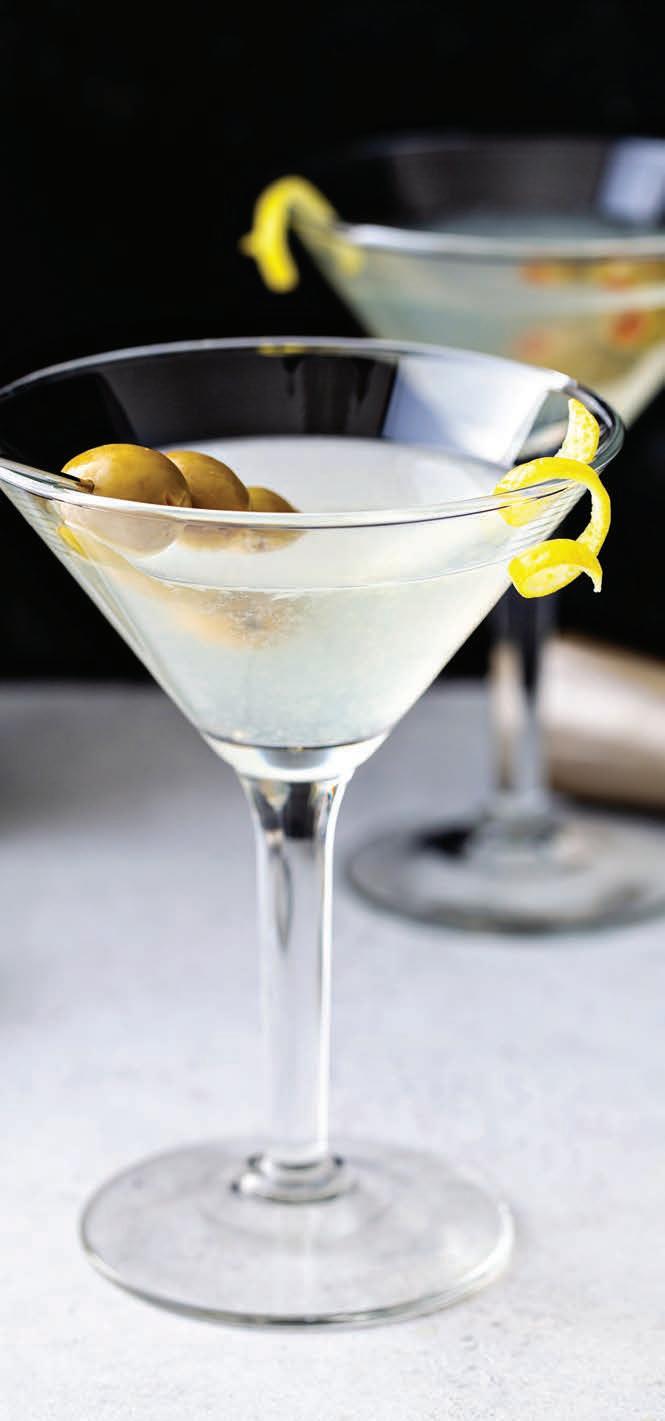
133 — THE MARTINI
The ultimate symbol of timeless sophistication.
V CITIES
Charlotte & the Carolinas
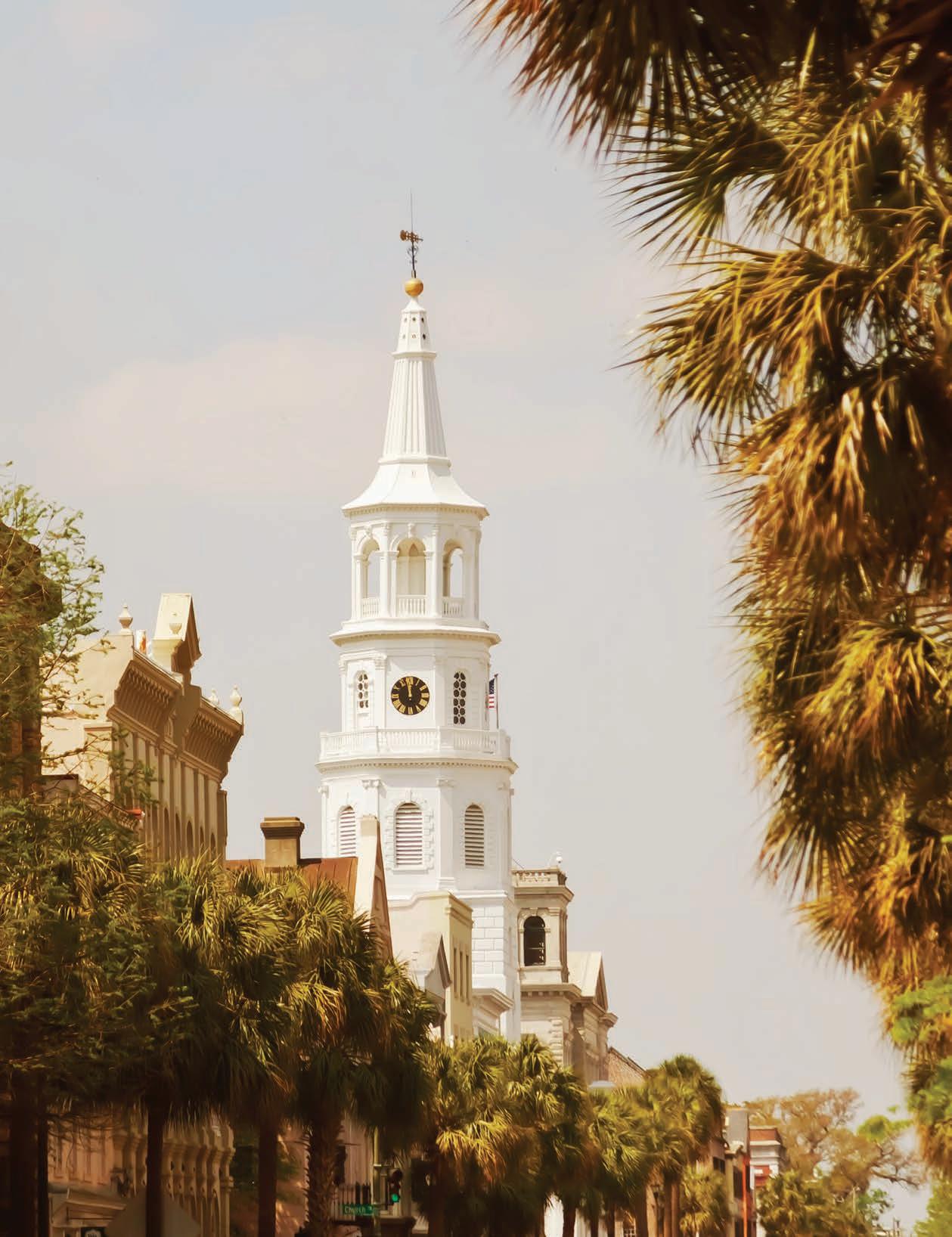
Charleston & The Low Country CT. Gold Coast
The Palm Beaches
New York
VIVANT
EDITOR IN CHIEF, FOUNDER
Colleen Guilfoile Richmond
ART DIRECTOR
Kim Hall
DIRECTOR OF DIGITAL MEDIA & BRAND OPERATIONS
Taylor Freeze
SALES & OUTREACH COORDINATOR
Abigail Cleary
CULINARY EDITOR
Marci Moreau
BOOK EDITOR
Jane Ubell
CONTRIBUTING BEAUTY EDITOR
Margot Richmond
EDITORIAL ASSISTANT
Morgan Richmond
EDITORIAL CONTRIBUTORS
Marci Moreau
Taylor Freeze
Vivian Ashcroft
Norah Lawlor
Sharon Jane
Sarah Wragge
EDITOR AT LARGE
Margaret Bastick Luce
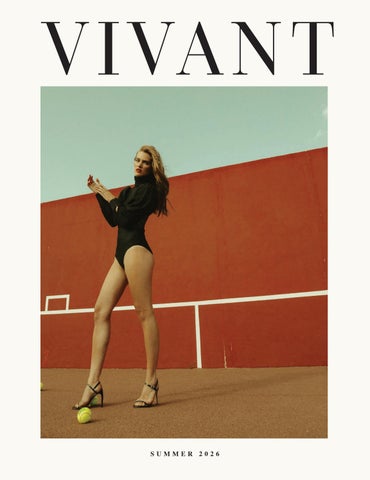
Cover image Rex Yu Photography
We love to hear from our readers, send press releases, inquiries, or comments to Colleen@VIVANT.media. Also, give our Instagram page a follow at @VIVANTpublications For advertising information, contact VIVANT at colleen@VIVANT.media
VIVANT Magazine is published quarterly by VIVANT LLC. Reproduction in any manner, in whole or in part, is prohibited without the express written consent of VIVANT Magazine. Material contained herein does not reflect the opinion of the publisher or its staff. VIVANT Magazine does not knowingly accept false or misleading advertisements or editorial. VIVANT Magazine reserves the right to edit all materials for space and clarity and assumes no responsibility for accuracy, errors, or omissions. Articles and photographs are welcome and may be submitted to our offices for review.
Send all submissions to: Colleen@VIVANT.media
THREE DECADES OF LUXURY HOME CRAFTSMANSHIP
A Note from the Editor
Summer has always been about more than a season.
It is a mood. A rhythm. A way of moving through the world with greater ease, curiosity, and presence. It lives in salt air and late dinners, in tennis whites at golden hour, in long mornings by the water and homes designed not simply for beauty, but for living well within them.
This issue of VIVANT is shaped around that spirit.
Throughout these pages, we explore a more intentional vision of modern living, defined less by excess and more by atmosphere, vitality, craftsmanship, and emotional connection. From the return of polished sport dressing and Riviera-inspired glamour to restorative wellness, thoughtful interiors, and destinations that invite genuine pause, this issue reflects the evolving ways we seek meaning, beauty, and balance in everyday life.
There is also a quiet sense of escape woven throughout the issue.
At Ocean House, timeless hospitality meets the enduring romance of the American seaside, reminding us that some places still understand the art of slowing down. In our feature with India Hicks, she reflects on warmth, reinvention, family, and the beautifully imperfect nature of living authentically, offering a perspective that feels increasingly rare in a culture so often centered around performance and perfection.
Elsewhere, our Icons stories examine the objects, rituals, and ideas that continue to endure not because they demand attention, but because they possess substance, permanence, and identity. Whether through design, travel, wellness, or style, the people and places featured throughout this issue share a common philosophy: living well is ultimately about how life feels.
Founder & Editor-in-Chief
What continues to inspire me most about VIVANT is the remarkable community surrounding it: readers, creatives, designers, partners, and contributors who continue to value thoughtful storytelling, beauty with substance, and the enduring power of print in an increasingly distracted world.
This magazine was created to offer something increasingly rare: a place to pause, gather inspiration slowly, and reconnect. I hope this issue stays with you long after the season ends.
VIVANT
VIVANT
The Most Expensive Cup
There are rituals we repeat without question— until someone decides to take them further than expected.
Coffee has always been one of them. But in the hills of northern Thailand, it has been reimagined into something altogether more deliberate.
Not as a habit, but as a process shaped by time, environment, and an unlikely collaborator. Black Ivory coffee begins with Thai Arabica cherries grown at altitude and selected at peak ripeness. From there, the process diverges. The cherries are fed to elephants living in a sanctuary setting, where they are consumed alongside a natural diet of grasses, bananas, and tamarind. What follows is not a technique so much as a transformation. As the cherries pass through the digestive system, enzymes break down the proteins in the beans—the compounds largely responsible for bitterness in coffee. It is a slow process, often taking anywhere from 15 to 30 hours, and one that cannot be accelerated or standardized. The beans are then carefully recovered, washed, and dried by hand. At every stage, yield is reduced. It takes approximately 30 to 35 kilograms of raw cherries to produce just one kilogram of finished coffee, with much of the material lost naturally along the way.
Production is intentionally limited. Annual output is measured not in tons, but in hundreds of kilograms— dependent on harvest conditions, recovery rates, and the rhythm of the animals themselves. It is not a supply chain designed for scale. It is one designed for patience. The result is a coffee defined less by intensity and more by absence. Bitterness is markedly reduced. Acidity softens. What
remains is a cup that reads differently—layered, rounded, often described in terms closer to fine spirits than traditional coffee: cocoa, malt, warm spice, a lingering sweetness that settles rather than asserts. Its rarity has placed it among the most expensive coffees in the world, with prices reaching into the thousands per kilogram. But it is rarely encountered in that form. More often, it appears quietly—served in select
hotels and private settings, presented as an experience rather than a commodity. There is, too, a broader context. The project operates in partnership with local communities, with a portion of proceeds supporting elephant care and mahout families. What could easily be reduced to novelty is instead structured as something more considered, an intersection of agriculture, environment, and livelihood.
But the interest here is not simply the process, or even the rarity.
It is the idea that something as familiar as coffee can still be reconsidered, pushed beyond efficiency, beyond repetition, and into something closer to intention. A ritual slowed down. Examined. Refined to its furthest edge
In a culture that often equates luxury with scale, the most compelling expressions tend to move in the opposite direction. Toward reduction. Toward rarity. Toward the quiet pursuit of doing something differently, simply because it can be.
Even, it seems, in a morning cup.
photos courtesy Black Ivory Coffee
A New Altitude
There is a particular moment in aviation when progress stops looking incremental and begins to feel architectural—when the shape itself suggests a different way of thinking.
The Phantom 3500, developed by Otto Aerospace, belongs to that category. At first glance, it appears unfamiliar. No visible windows. A smooth, uninterrupted fuselage. A silhouette that feels closer to a concept than a finished aircraft. That impression is intentional.
The aircraft is built around a single idea: laminar flow. In simplest terms, air moves cleanly across the surface of the plane rather than breaking into turbulence, reducing drag and improving efficiency. It is a concept long understood, but rarely executed at scale. Here, it defines everything, from the aircraft’s form to the absence of traditional windows.
The result is a quiet recalibration of performance. The Phantom 3500 is designed to cruise above 50,000 feet,
beyond most commercial traffic and weather, at speeds approaching Mach 0.8, with a projected range of approximately 3,500 nautical miles. It sits within the range of larger, more established jets—but with a markedly different ambition.
Fuel consumption is where that ambition becomes most apparent. By reducing drag across the entire airframe, Otto Aerospace aims to significantly lower fuel burn compared to comparable aircraft, with corresponding reductions in operating costs and emissions.
Inside, the absence of windows is replaced with something more considered. High-resolution digital displays are designed to project real-time exterior views, creating a panoramic environment that is less about replication and more about control—light, perspective, and atmosphere adjusted with intention rather than dictated by structure.
What emerges is not simply a new aircraft, but a different definition of luxury in motion. Less about scale or excess, more about intelligence, efficiency as refinement, not compromise.
Because the future of flight may not be about going faster or farther. It may be about moving differently.
Images by Otto Aviation
The Pair That Stayed
There are objects that follow trends, and then there are those that follow people.
The Persol 714 belongs firmly to the latter.
First introduced in the 1960s, the design was not intended to become iconic. It was engineered with a specific purpose in mind: to fold. A practical solution, allowing the frame to collapse neatly into a pocket without compromising its structure. Precision hinges, handcrafted acetate, and a detail-driven approach that prioritized function over statement. It was only later that it found its way into something else entirely.
When Steve McQueen wore the 714 in The Thomas Crown Affair, the sunglasses became less about design and more about presence. Effortless, composed, slightly removed. The kind of confidence that doesn’t require reinforcement. What followed was not reinvention, but continuity.
Each pair is still handmade in Italy, taking days to produce, with multiple stages of polishing and assembly. The signature arrow at the temple remains unchanged—a small, deliberate mark that signals craftsmanship rather than branding. Even the folding mechanism, once purely functional, has become part of its identity.
Over time, the 714 has appeared in different places, on different faces, across different decades. It has adapted without ever really changing. A rare balance.
Because the appeal of the 714 is not in what it adds, but in what it allows. A frame that sits between visibility and restraint. Present, but never insistent.
In a culture that often pushes toward definition, the most enduring objects tend to do the opposite. They leave space. The rarest objects are not the ones that demand attention. They are the ones that become inseparable from the people who wear them.
At Chelsea Lane & Co., every project is approached as a story in the making. With Palm Beach’s most extensive collection of designer wallpapers and fabrics, the showroom is a destination for those who value interiors with depth and character. Clients experience expert guidance, whether visiting in person, meeting virtually, or accessing the mobile library. Each detail is thoughtfully managed, ensuring a seamless journey from first inspiration to final installation.
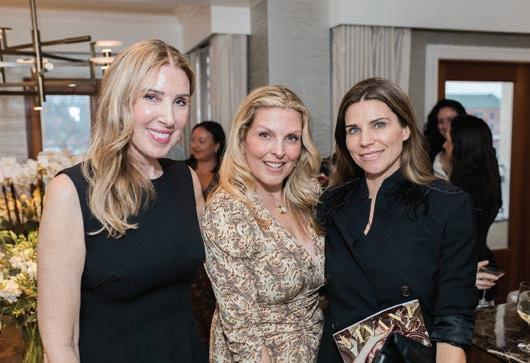
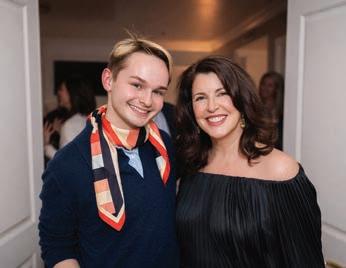
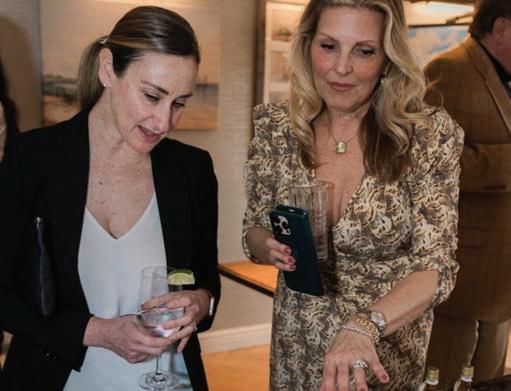
VIVANT SALON
An evening with Gingham & Gable Interior Design
DELAMAR GREENWICH HARBOR
“Design is not just what we see— it's how a space makes us feel.” Thank you
to our guests for an unforgettable evening.
EDIT
STYLE THE RIVIERA
ASSOULINE ST. TROPEZ SOLEIL
Few places in the world have mastered the art of glamour quite like St. Tropez, captured through the sun-drenched PAGES OF THE ICONIC Assouline volume. assouline.com
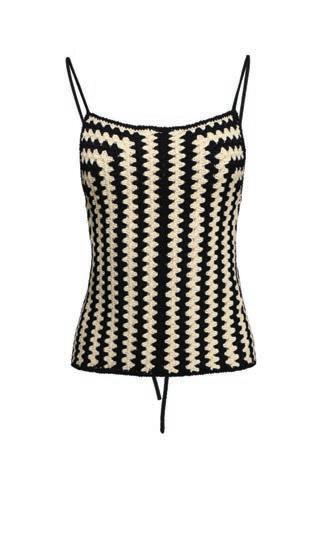
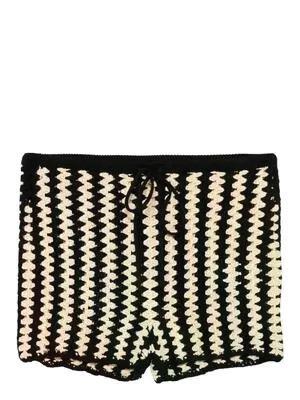
MALENE BIRGER DORIA SET
True to the aesthetic legacy of Malene Birger, the Doria set embraces relaxed sophistication, with monochrome crochet evoking timeless Mediterranean chic. fwrd.com
SAINT LAURENT OVAL SUNGLASSES
Their minimalistic shape allows them to complement any look, from crochet swimwear to silk headscarves. ysl.com
BOTTEGA VENETA ONE PIECE SWIMSUIT
Timeless and classic, this one piece captures understated elegance that is sophisticated by day and seductive by sunset. bottegaveneta.com
Champagne at noon, salt on the skin, nowhere to be until sunset.
By Margot Richmond
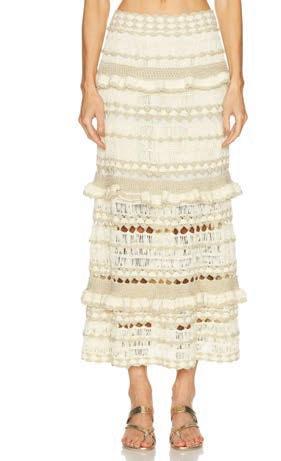
ZIMMERMAN WANDERLUST CROCHET MIDI SKIRT
The perfect mixture of artisanal luxury and timeless coastal style, the Wanderlust skirt is perfect for an afternoon gathering but also effortless enough for barefoot moments by the water. zimmerman.com
JEFFREY CAMPBELL
BAZAAR SANDAL
The contrast of rich black against the gold hardware gives the silhouette an elevated edge, paired with oversized linen or the sleek black Bottega Veneta one piece, the sandal instantly grounds any look perfectly. revolve.com
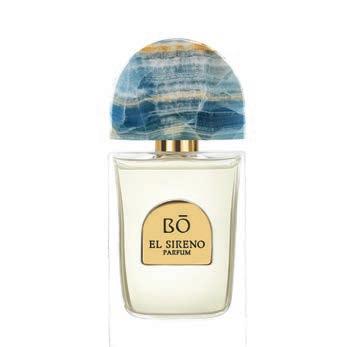
BŌ EL SIRENO PARFUM
The invisible finishing touch. Described as an aquatic potion from the deep sea, the fragrance perfectly captures the magnetic duality of Mediterranean summers. houseofbo.co
SAINT LAURENT SMALL SHOPPING CROCHET BAG
A balance of Saint Laurent’s signature Parisian sharpness with a touch of coastal flair feels designed for afternoons spent wandering seaside markets and marina promenades along the Côte d’Azur. ysl.com
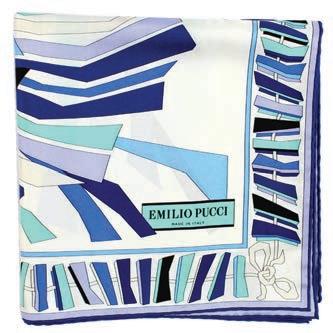
PUCCI PRINTED SILK SCARF
The kind of accessory that instantly evokes the golden age of glamour. Originally embraced by jet-set icons in the 1960s, the silk headscarf remains one of the Riviera’s most timeless style signatures. pucci.com
COURREGES SPORTS POLO LONG DRESS
Styled with leather slides, oversized sunglasses, and a soft knit draped over the shoulders, this look is effortlessly versatile, perfect for an afternoon match, a terrace lunch, or an understated evening by the coast. fwrd.com
BOTTEGA VENETA DROP AVIATOR SUNGLASSES
In the world of elevated sportswear, accessories are what define the mood and Bottega Veneta’s Drop Aviators are the perfect touch of retro to add to any outfit. The oversized aviators channel a subtle ‘70s influence, while the black detailing keeps any look clean and refined. bottegaveneta.com
KATE BARTON ILLUSION LAYERED KNIT SET
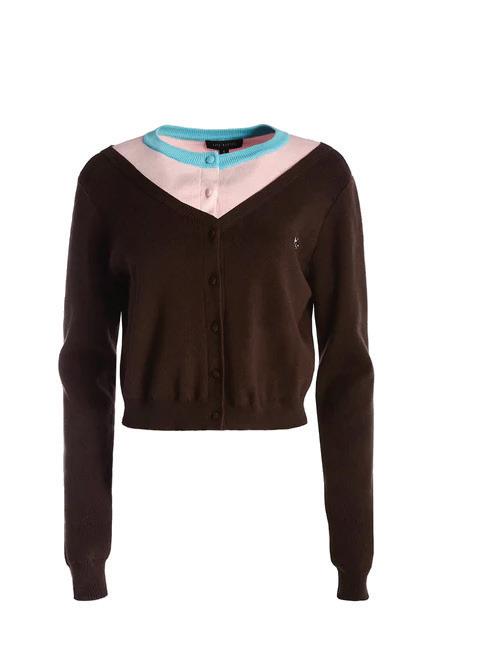
Emerging designer Kate Barton continues to redefine contemporary femininity with this set that feels perfectly aligned with the mood of modern club dressing. The look delivers a take on classic prep that is subtly subversive. fwrd.com
COURTSIDE
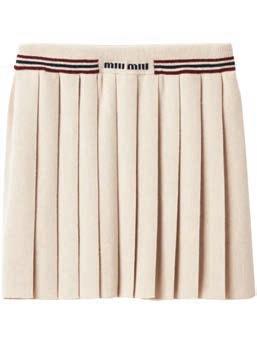
MIU MIU PLEATED CASHMERE SKIRT
Luxury today is defined less by excess and more by the quiet confidence of exceptional pieces. The Miu Miu cashmere skirt embodies this with effortless elegance that is undeniably chic. miumiu.com
Pleated knits, retro trainers, and the return of polished sport dressing
By Margot Richmond
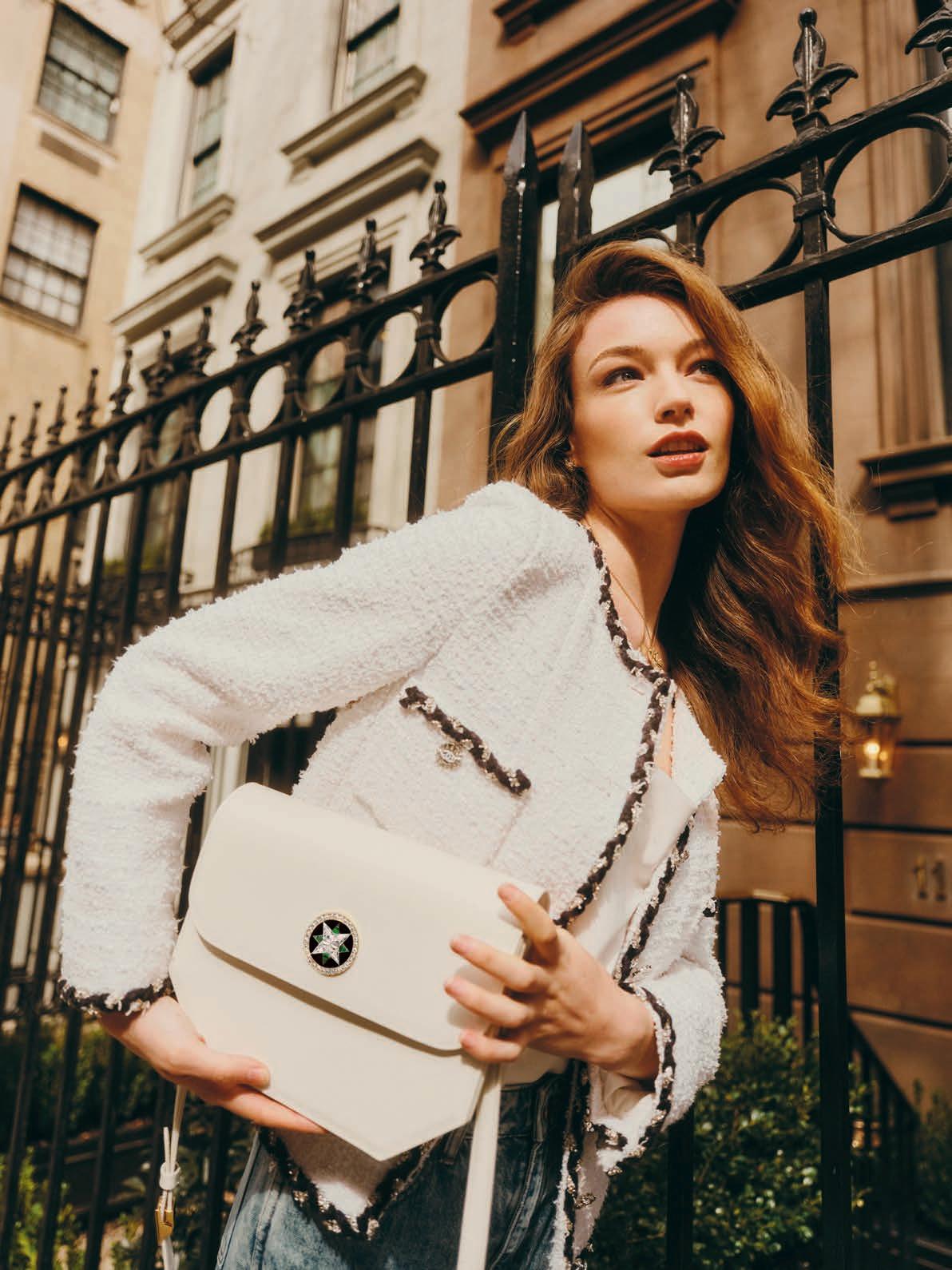
CHANEL SPORTS LINE MINI CROSSBODY BAG
This is Chanel at its most contemporary. Sporty, elegant, and designed for a lifestyle always on the move, it is the accessory that sharpens every look. chanel.com
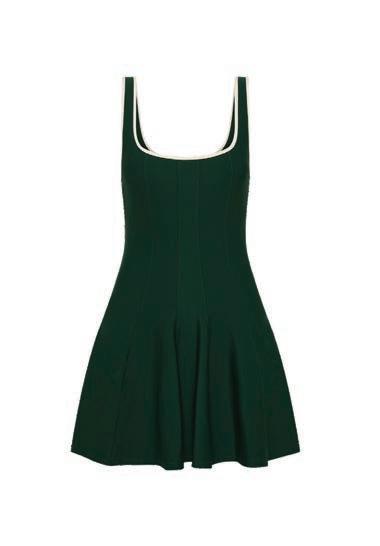
THE UPSIDE RACQUET MAXINE MINI DRESS
The lightweight fabric and clean lines allow the dress to transition seamlessly from active moments to leisurely afternoons, reflecting the growing demand for wardrobes that move fluidly through every part of the day. It’s sporty and sophisticated, a nod to the new era of elevated activewear. theupside.com
BARRICADE SNEAKER ADIDAS BY
STELLA MCCARTNEY
Originally rooted in high performance tennis footwear, the Barricade Sneaker is reimagined through Stella McCartney’s distinctly refined lens. The sneaker gives off polished versatility that extends far beyond the court. revolve.com
TORY BURCH PERFORMANCE
JERSEY V-NECK
TENNIS DRESS
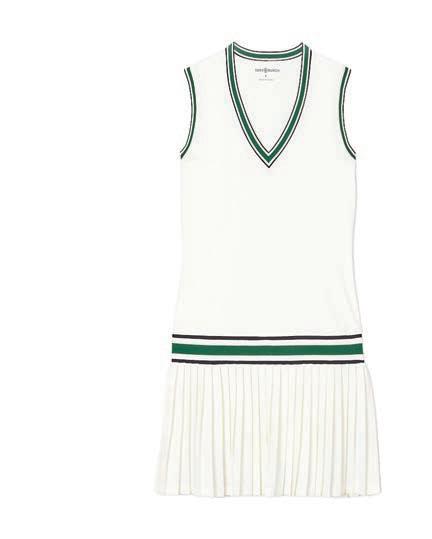
Proof that modern sportswear has evolved far beyond functionality. Styled with retro trainers, ribbed socks, and oversized sunglasses, the look channels a sophisticated take on athletic dressing rooted in classic American sportswear. Perfect for an afternoon court side, poolside, or in the city. toryburch.com
525 AMERICA VOLLEY SWEATER SET
This set brings an iconic interpretation of sporty leisurewear, blending vintage athletic references with the relaxed sophistication that defines the season. 525america.com
TIMEBEAM Depuff & Glow Set: Think bronzed, sculpted, just back from the Riviera skin. This everyday duo helps smooth, contour, and awaken your natural glow while instantly refreshing tired skin. The cooling formulas leave the complexion looking lifted, luminous, and subtly sunlit — the kind of effortless radiance that feels more postyacht afternoon than overly perfected beauty. timebeam.com
SALTWATER SKIN
Sunlit skin, solar fragrance, restorative body care, and the products defining summer now.
DIOR Solar The Self-Tanning Drops: Infused with hyaluronic acid and fine pearlescent pigments, the finish feels fresh, glossy, and impossibly chic — like skin after a long day in the sun, finished with oversized sunglasses and a linen cover up. The lightweight serum melts into skincare for a believable warmth that looks more beach bronze than traditional self-tan, leaving skin hydrated, radiant, and softly illuminated with a natural Riviera-inspired glow
Vacation” Shimmer Oil SPF 30: The “black tie” of sunscreen. The finish is luminous, delivering golden-hour skin while the SPF keeps skin protected beneath the glow. Think bronzed shoulders, slicked-back hair, and skin that looks expensive in the sun. Lightweight and glossy without feeling heavy, the oil catches the light beautifully across the body for that effortless summer finish. vacation.inc
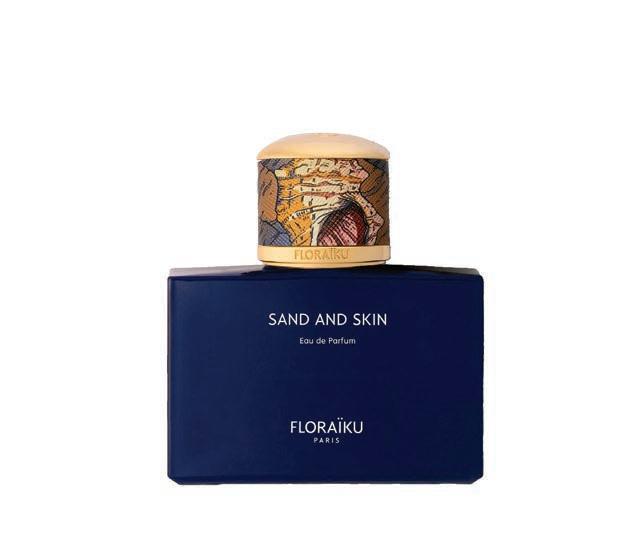
Floraiku Paris Sand and Skin: Like the essence of endless summer bottled into a fragrance, Sand and Skin captures the feeling of salt air, warm skin, and sun-drenched afternoons along the shore. Creamy Madagascar vanilla melts into notes of benzoin and soft ylang-ylang, creating a scent that feels both sunlit and sensual. The warmth lingers beautifully on the skin, evoking the feeling of golden evenings by the sea long after sunset.
Tom Ford Soleil Bronzing Powder: The silky, second-skin formula melts seamlessly into the complexion, creating soft matte dimension that mimics real sun rather than heavy contour, making every look feel warmer and endlessly summer-ready. The finish is refined and natural, adding subtle depth and warmth that feels polished, effortless, and unmistakably vacation-inspired. tomfordbeauty.com
BEAUTY
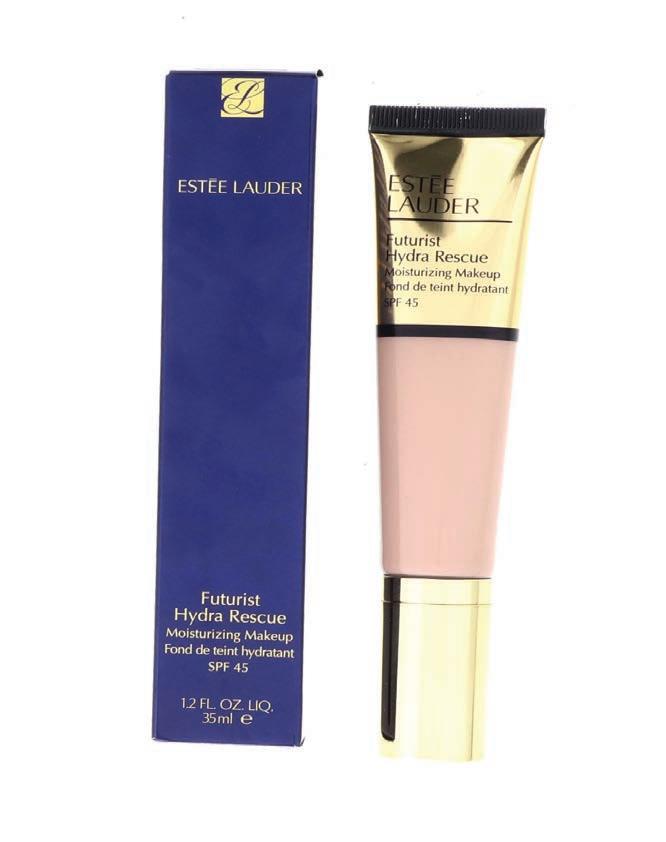
Estée Lauder Futurist Hydra Rescue Moisturizing Foundation SPF 45: For skin that looks hydrated, and fresh from a day in the salt air, this foundation delivers the ultimate summer skin finish. The lightweight formula melts into the complexion with breathable, radiant coverage that feels more like skincare than foundation, leaving behind skin
Dr. Barbara Sturm Body Essentials Set: For skin that feels as good as it looks after a long summer day by the water. Designed to exfoliate, nourish, and deeply hydrate, the formulas revive dull, sunexposed skin while enhancing that healthy, post-ocean radiance. The collection leaves skin silky, restored, and luminous — capturing the effortless glow that comes from days spent outdoors in the summer air. drsturm.com
INSIDE THE IMMUNE SYSTEM: Feeding the Cells That Protect Us
By Marci Moreau
There is a moment when the body knows it is under attack, often long before we do. When something goes wrong, the body begins doing what it was designed to do—protect us.
At the center of that response are T cells, some of the most powerful defenders we have. Because in many ways, these are the true superstars of the immune system, and they deserve far more of our attention than they receive.
And here’s what makes them even more remarkable. What we don’t often realize is this: long before they are called into action, they are being shaped, every single day, by how we live, and most importantly, by the food we eat.
T cells are a type of white blood cell, part of what is known as the adaptive immune system, the branch of immunity that learns, remembers, and evolves. They originate in the bone marrow, but what makes them even more powerful is what happens next… They leave. Traveling through the body, they make their way to the thymus gland, a small, often overlooked organ where they are trained to recognize what belongs in the body and what does not. The thymus gland is the T cell’s namesake, and it is here that they learn what to protect, what to fight, and what to leave alone.
If the immune system is a defense network, T cells are both its
greatest strategists and fiercest protectors. Some coordinate the response. Some seek out and destroy infected or abnormal cells.
Others regulate the system, making sure it doesn’t overreact. And some remember—holding onto the imprint of past threats so the body can respond faster the next time.
When a virus or harmful pathogen enters the body, it doesn’t go unnoticed. Helper T cells begin by signaling that something is wrong, activating other immune cells and directing the response. Killer T cells follow, identifying and destroying infected or abnormal cells.
And then, a portion of these cells become memory T cells, carrying all this information forward. The body learns. It adapts. It becomes stronger. In this way, the immune system is not just protection, it becomes a database of everything the body has encountered.
In recent years, to develop more effective treatments, and in attempt to lessen the impact of medical treatments, researchers in the growing field of cancer immunotherapy have begun focusing more on teaching the body how to defend itself. Scientists studying T cells and other lymphocytes are exploring ways to retrain and reactivate the immune system, helping these cells recognize threats and respond more effectively.
It offers hope, not only in the possibility of helping the body fight disease more effectively, but also in supporting the body through the physical toll that treatment can bring.
And while these therapies belong in the hands of medicine and science, the principle behind them offers something important for all of us to consider: the body is constantly responding to the environment we create for it. Which means the choices we make, including the food we eat, matter more than we think. And perhaps, through those choices, we can better support the body’s natural ability to respond, protect, and heal.
Take garlic, for example. Garlic contains sulfur compounds, including allicin, which have been studied for their role in supporting immune signaling and helping regulate inflammation. When we eat garlic, those compounds interact with pathways connected to immune communication, helping create an environment where T cells can respond more effectively.
Or consider fermented foods like yogurt and kefir. These foods help nourish beneficial gut bacteria, and those bacteria, in turn, help train immune cells, including T cells.
With nearly 70 percent of the immune system residing in the gut, the body is in constant conversation with what we consume, while the microbiome—trillions of bacteria living within us—plays a critical role. A diverse, balanced microbiome helps train T cells to respond appropriately: to attack when necessary, and to stand down when not.
inflammation can create an internal environment where the immune system struggles to function clearly. In that state, T cells may become less effective, slower to respond, or more likely to misfire. And when the system loses balance, it loses precision.
Which is why the foods we eat every day matter more than we think. Not because there is a single “superfood” that holds all the answers, but because the consistency of how we nourish ourselves may help shape how these cells function over time.
But just as food can support the immune system, it can also challenge it. Highly processed foods, excess sugar, and chronic
We tend to think of immunity as something that shows up only in moments of illness. But in truth, it is being shaped quietly, every single day. The good news is that every time we eat, we have another opportunity to help build a stronger foundation for health.
There really is a whole world of health within us, one we are only beginning to understand. And the more we learn to nourish and support it, the more we strengthen one of the most powerful forces we have.
FOODS THAT HELP SUPPORT
T CELL FUNCTION
FOOD
Garlic & Onions
Leafy Greens
Yogurt, Kefir & Fermented Foods
Olive Oil
Fatty Fish
Mushrooms
KEY NUTRIENTS & COMPOUNDS
Organosulfur compounds, allicin, quercetin
Folate, vitamins A, C, and K, polyphenols
Probiotics, beneficial bacteria
Monounsaturated fats, polyphenols
Omega-3 fatty acids, vitamin D
Beta-glucans, selenium, vitamin D
Turmeric & GingerCurcumin, gingerols
Ginger Tea
Gingerols, shogaols, antioxidants
Dandelion Root
TeaPolyphenols, prebiotic compounds, antioxidants
Culinary Herbs (oregano, rosemary, thyme, basil)
Berries & Citrus Fruits
Nuts, Seeds, Beans & Lentils
Polyphenols, flavonoids, volatile oils
Vitamin C, flavonoids, anthocyanins
Zinc, selenium, fiber, plant protein
HOW THEY SUPPORT T CELLS & IMMUNITY
Support immune cell signaling and help regulate inflammation and oxidative stress
Help support immune cell production and cellular protection
Nourish the gut microbiome, which helps train and regulate T cell responses
Helps reduce chronic inflammation and supports healthy cellular communication
Help regulate inflammatory responses and support balanced immune activity
Support communication between immune cells and help activate immune defenses
Possess anti-inflammatory properties that may help support immune resilience
Helps regulate inflammation and oxidative stress, creating a healthier environment for immune cell function
Traditionally used to support digestion and nourish the gut environment connected to immune health
Help support cellular protection and immune resilience
Help protect immune cells from oxidative stress and support immune signaling
Support gut health and provide nutrients important for T cell maintenance and immune balance
THE NEW ENERGY EQUATION
Rethinking how we fuel the mind
By Sarah Wragge Founder & Chief Nutritionist, Sarah Wragge Wellness
There was a time when energy was measured in output—how much we could do, how long we could sustain it. Today, the conversation is shifting toward something more refined: mental clarity.
In my work, I see more and more clients beginning to connect how they feel cognitively—focus, memory, overall clarity—with what’s happening metabolically in the body. This aligns with a growing body of research exploring the relationship between insulin resistance and long-term brain health, particularly as it relates to aging and cognitive decline.
At the center of this conversation is a simple but powerful idea: the brain is capable of using more than one source of fuel.
Under typical conditions, the brain relies primarily on glucose. However, during periods of reduced carbohydrate availability—such as fasting, exercise, or certain dietary patterns—the body begins to produce ketones. These compounds are created in the liver through the breakdown of fats and can serve as an alternative energy source.
In practice, this is where medium-chain triglycerides, or MCTs, often come into the conversation. Found in higher concentrations in coconut oil and palm kernel oil, MCTs are absorbed and metabolized more quickly than other fats, making them a readily available source for ketone production.
While research into MCTs and cognitive performance is still evolving, some studies have explored their potential to support aspects of memory and mental processing, particularly in certain populations. In clinical settings, they are often used as part of a broader strategy focused on metabolic support.
For those looking to incorporate them more simply, small additions—like coconut oil or MCT oil in coffee or a morning smoothie—can be an easy place to start. As with any nutritional approach, responses are individual, and consistency tends to matter more than intensity.
There is no single solution when it comes to supporting brain health. Sleep, movement, and overall nutrition all play essential roles. But what continues to stand out is how foundational metabolic health is to how we think, feel, and function each day.
One of the reasons ketones are so interesting is that they readily cross the blood–brain barrier, allowing them to be used by brain cells for energy. This metabolic flexibility is an area of increasing interest, particularly when we look at individuals who may not be using glucose as efficiently.
In that sense, energy is no longer just something we push for—it’s something we can begin to understand and support more intentionally.
And often, that begins with how we choose to fuel the body— and the mind.
sarahwragge.com | @sarahwraggewellness
By CLAUDE CAMILLERI Edited and adapted by VIVANT
THE Broken BOTTLE
What You’re Really Paying For— And the Wines You Were Never Meant to Taste. It begins, as most things in Europe do, quietly.
Claude Camilleri is the co-founder of the European Vineyards Opportunities Fund (EVOF), a Luxembourg based Private Equity Fund acquiring distressed premium wine estates across France, Spain, Italy, and Portugal. evof.eu
AVINEYARD YOU WILL LIKELY NEVER VISIT. Fifteen hectares in the Rhône, perhaps, or a family estate in the Languedoc. Third generation. Organic, maybe. The kind of place where the rows are known by memory, not by map, and where a bad frost in April can undo a year’s work before the season has properly begun.
The bottle they produce may one day arrive on a table in London, New York, Amsterdam, or the Hamptons—poured into a glass, admired briefly, and priced far beyond what they ever received for it. A system in which everyone is paid, in one way or another, except, notably, the person who made the wine itself.
And yet what most people do not realize is this: of what you are about to pay, only a fraction reaches the producer. In many cases, just 20 to 30 percent of the final price ever returns to the estate that grew the grapes, made the blend, and assumed the risk. The rest is absorbed along the way—by agents, importers, distributors, retailers, taxes, logistics, and the accumulated weight of a system that still behaves as though access were scarce and distance impossible.
For all the romance that surrounds wine—the ritual, the provenance, the quiet prestige—it remains one of the most structurally distorted luxury products in the world.
This is not, to be clear, a story about villains.
Every link in the chain was built to solve a real problem. Export agents created access. Importers handled compliance. Distributors managed local relationships. Retailers curated, stored, sold, and educated. These layers once made sense. In many ways, they were essential. But systems built for one era often remain intact long after the conditions that justified them have changed.
A bottle that leaves a small European estate at $6 may reach a retail shelf at $18 to $22. In a restaurant, that same bottle may appear at $40 to $60, sometimes more. By then, the price bears almost no resemblance to the value received by the person who made it. Not because the wine has become more meaningful in transit, but because each hand it passes through takes its margin before it reaches the glass.
“Of what you are about to pay, only a fraction reaches the hands that made it.”
Of every $20 spent on a bottle at retail, roughly $5 may reach the producer. Of every $40 spent in a restaurant, that number often remains almost exactly the same.
The person pouring the wine rarely knows who made it. And the person who made it rarely benefits from its success. That is the quiet absurdity at the center of the modern wine business.
“The problem is not the consumer,” says Claude Camilleri. “It’s the system between the producer and the glass.”
For decades, that system was justified by complexity. Cross-border compliance was cumbersome. Logistics were fragmented. Market access depended on gatekeepers. If a small producer in France wanted to reach a customer in the Netherlands, Germany, or Sweden, there was no practical path except through layers of intermediaries. But the world has changed.
Technology has replaced distance. Digital logistics have replaced much of the friction. Compliance infrastructure, once accessible only to large operators, is beginning to be consolidated and shared. Consumers have also changed. They are more comfortable buying directly. More curious about origin. More willing to seek out what
feels specific, limited, and real. And yet the commercial architecture of wine still largely rewards scale over distinctiveness. Which is why so many of the wines that survive the system are not necessarily the most interesting ones. They are simply the most scalable.
“Great wine was never meant to be scaled —it was meant to be found.”
THE WINES YOU NEVER SEE
That may be the most important part of the story. The loss is not only economic. It is cultural.
Because the wines that never make it to market at all—the ones that remain local, unseen, unexported—are often the wines worth finding. Small-estate bottles from obscure appellations. Wines made in quantities too limited to interest a distributor. Wines with no marketing budget, no polished sales deck, no multinational route to market. Just character. Precision. Place.
These are not mass wines. They were never meant to be. And in many cases, they disappear from broader view not because they lack quality, but because they do not fit the system built to sell them.
A commercially sophisticated producer with strong retail relationships may still find ways to make the model work. A bottle can appear in a major merchant, move at volume, and benefit from efficiencies a smaller estate could never replicate. But that is the exception. For the thousands of producers without those relationships, without those volumes, without those budgets, the traditional chain is not an elegant route to market. It is a narrowing mechanism.
It determines not simply what gets sold, but what gets seen. Great wine was never meant to be scaled. It was meant to be found.
Direct-to-consumer wine is often described as a trend. It is not. It is a correction.
What it offers is not merely convenience, but realignment. When a producer can sell more directly—whether through a dedicated platform, shared compliance infrastructure, or a modern fulfillment model—the arithmetic begins to shift. Layers fall away. The producer earns more. The consumer often pays less. And, perhaps most importantly, the relationship between the estate and the drinker is restored.
The bottle begins to make sense again. This does not mean the barriers are imaginary. Wine is still an excise product. VAT still matters. Shipping remains delicate and expensive. Temperature control is non-negotiable. Cross-border rules remain uneven and, at times, stubbornly archaic. One of the reasons this transformation has taken so long is that the infrastructure required to support it has been too fragmented, too expensive, or too complicated for smaller producers to manage alone.
But that is precisely why the shift matters now. The question is no longer whether these barriers exist. It is whether they still
“
The wine that never reaches your glass is often the wine worth drinking. ”
justify the system that has grown around them.
Increasingly, they do not. As shared compliance models emerge and logistics become more sophisticated, what once required an entire chain can begin to be handled by a single modern platform. The effect is not theoretical. It means the producer can keep more of the final value. It means the consumer can discover wines that would never have reached them otherwise. And it means the economics of wine begin, at last, to favor the wine itself.
Once you understand what sits behind the bottle, you begin to look at wine differently.
You begin to ask different questions. Not only what is this? but how did it get here? Not only why is it expensive? but who is actually being paid? Not only is this a good bottle? but is this the best bottle that could have reached me—or simply the one the system allowed through?
Luxury, in its truest sense, has never been about markup alone. It is about proximity to what is rare, excellent, and undiluted. In wine, that increasingly means looking past the familiar shelf, the safe label, the bottle that has been made legible for mass distribution. It means understanding that the most interesting wines are often the least visible ones.
The wine that never reaches your glass is often the wine worth drinking.
And perhaps that is the real fracture in the bottle—not that wine has become expensive, but that too much of what we pay has been separated from what we value. We think we are buying craftsmanship, place, patience, and inheritance. Too often, we are paying for distance, structure, and accumulated margin. Once you see that clearly, a bottle of wine becomes more than an object of taste. It becomes a question of access. And the future of fine wine may belong not to the loudest labels or the widest distribution, but to the producers whose work has remained, until now, just out of reach.
V
Of Place & Belonging
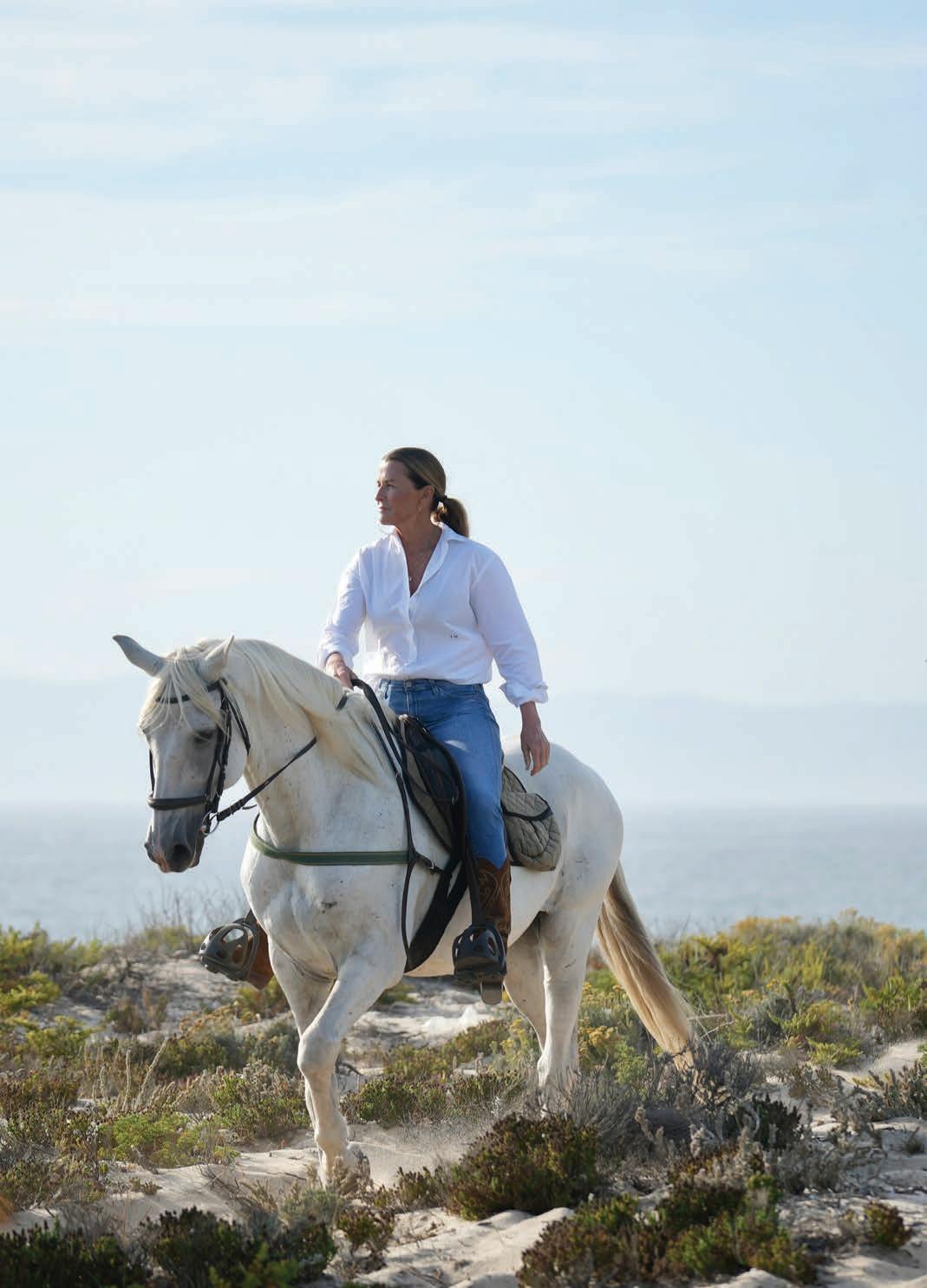
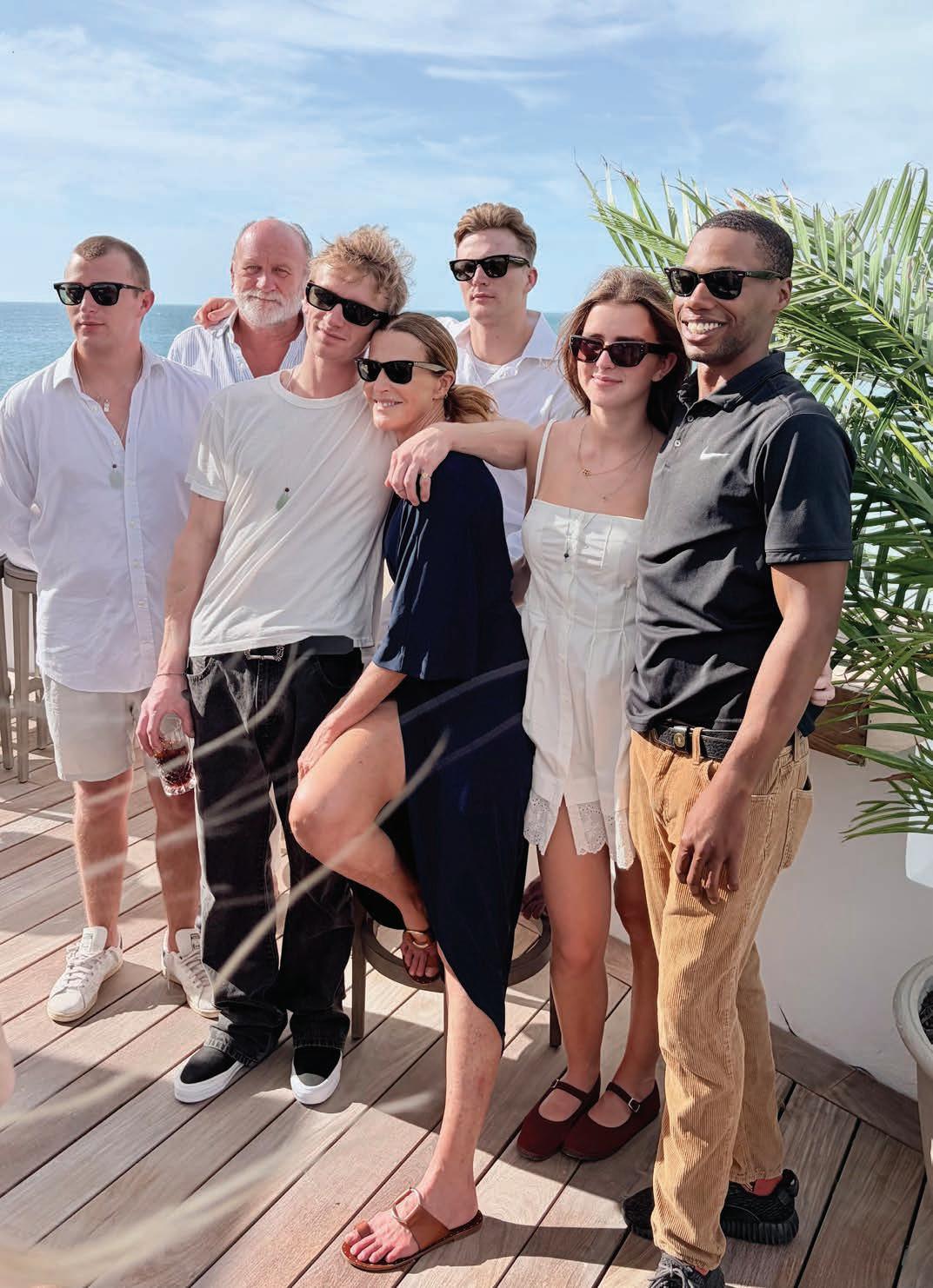
India reflects on warmth, reinvention, and the beautifully imperfect art of living fully.
Beneath the mythology of island life and heritage is a philosophy rooted in authenticity, curiosity, family, and emotional truth rather than status or perfection. Through conversation, design, and philanthropy, India reveals what it means to live with intention—and heart.
photography by Sophia Taylor
INDIA HICKS
On Warmth, Reinvention, and the Art of Living Fully
By Colleen Guilfoile Richmond
What makes certain people iconic is rarely perfection. It is coherence. A life that, despite its contradictions, somehow feels entirely inhabited. That may be why India Hicks remains so compelling.
“THE MOST INTERESTING CHAPTER SHOULD NEVER BE THE ONE THAT ALREADY HAPPENED.”
During my conversation with India what became immediately striking was not the mythology surrounding her — the royal lineage, the famous surname, the island life so often projected onto her, but how resistant she seems to mythology itself. For someone who has spent much of her life observed publicly, she speaks with remarkable clarity about the difference between image and reality.
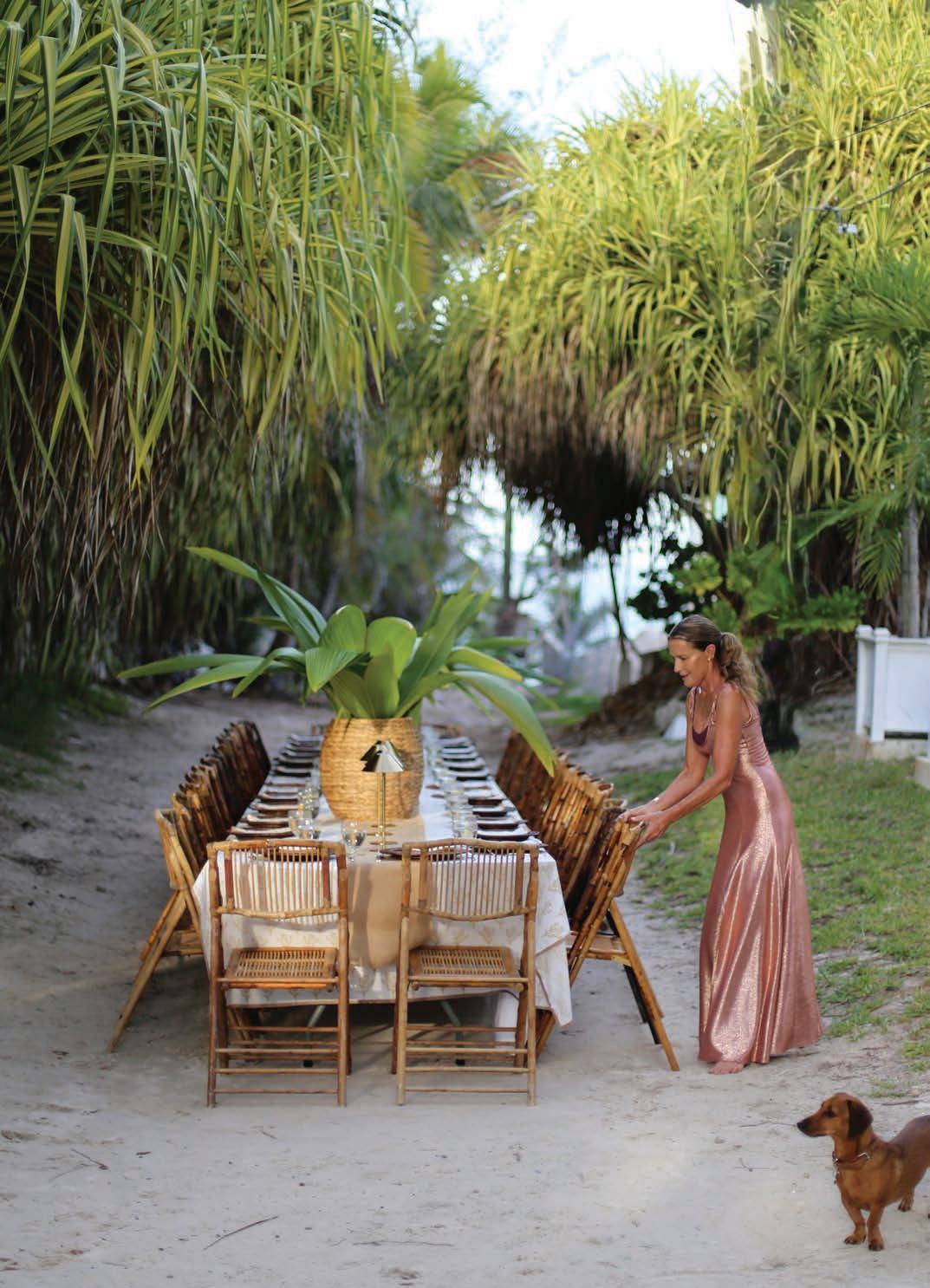
At first glance, the visual language surrounding India feels cinematic: barefoot dinners under palms, weathered terraces overlooking the sea, layered interiors lit by candlelight, linen curtains moving in the salt air, crowded tables filled with stories and sun-faded beauty. But what emerges underneath is something far more interesting than aesthetics alone. Not a performance, but a philosophy.
“I think people mistake ease for strategy now because we live in such a curated age,” she says. “I’ve never wanted a house preserved like a museum, with children tiptoeing through it. I love perfection but I’d rather have warmth than cold perfection every time.”
That distinction may explain why Hicks continues to resonate across generations. What she has built feels less like a lifestyle brand and more like a fully inhabited world, one rooted not in perfection, but participation.
She describes a well-lived day not through achievement, but atmosphere: tea before the rest of the house wakes, snoring dogs nearby, salt air moving through open windows, and lists that are “wildly unrealistic.” Ideally, the evening ends outdoors, with too many people crowded around a table and at least one story becoming funnier each time it is retold.
There is romance to the life she has created, certainly, but Hicks is also quick to dismantle the illusion people often associate with island living.
“Paradise still requires admin,” she laughs.
photography by Brittan Goetz
photography by Joseph Montesinos
The reality, she explains, is often dominated not by sunsets and bougainvillea, but by generators, termites, hurricanes, plumbing disasters, delayed shipments, and frantic searches for extension cords before guests arrive. Island life, she says, is beautiful precisely because it is constantly demanding. Things decay, rust, warp, blow away, and grow wildly. The best homes respond to that reality rather than fighting it.
And perhaps that honesty is part of what makes her so trusted. In an era where so much of lifestyle culture feels performative, India remains deeply human. Her homes are layered with history but never precious. She speaks about spaces the same way she speaks about people, with affection for their imperfections.
“The most interesting houses evolve slowly,” she says. “They gather layers, stories, imperfections, and traces of the people inside them. A house should absorb life, not resist it.”
The object she says tells the most honest story about her own life is her terrace table, scarred, imperfect, overused, and constantly crowded with flowers, palm fronds, family, Pomegranate tablecothes, and conversation. “Nearly every meaningful conversation from my island life has happened around this table,” she says.
Throughout our exchange, India returned repeatedly to the idea of engagement, fully entering life rather than simply observing it.
“Some people move through life just watching it happen,” she says, “while others really throw themselves into it.”
That spirit appears to shape everything she touches: her homes, her business, her philanthropy, her family life, even her understanding of taste itself. It is a philosophy she explores further in her forthcoming book, India Hicks: Entertaining, with a Side of Chaos, arriving this September, where gracious living is presented not as perfection, but as an art rooted in authenticity, spontaneity, and connection.
Exposure matters, she believes. Curiosity matters more. She speaks about her father, legendary designer David Hicks, whose influence reshaped interiors for a generation. But what she remembers most is not simply his eye, but his conviction. “He taught people that rooms should have personality, wit, tension, and surprise.”
Conviction, in fact, may be the quiet throughline of her entire life. When did she stop caring whether people approved of how she lived? “Later than I should have,” she admits candidly. Age, loss, and motherhood, she says, eventually force you to understand that if you spend your life seeking approval, you never fully arrive inside your own life. There is also steel beneath the softness.
For all the ease associated with her world, India speaks openly about the discipline required to create an identity outside inherited structures. Though she grew up surrounded by historic moments — including serving as a bridesmaid at Princess Diana’s wedding — she refuses to let the past become the defining chapter of her life.
“
A house should absorb life, not resist it. ”
“
The most luxurious things are often the simplest — good food, good sheets, good company, and enough time to enjoy them. ”
“Eventually you face forward,” she says, “or you spend the rest of your life introducing yourself through old stories.”
Then comes the line that lingered with me long after our conversation ended:
“The most interesting chapter should never be the one that already happened.”
It is a philosophy that feels increasingly rare now, particularly in a culture obsessed with nostalgia, preservation, and performance. India seems far more interested in reinvention, usefulness, curiosity, and emotional truth than status or spectacle.
In fact, when asked what people should stop pretending matters, her answer is immediate: “Status.”
Likewise, the most overrated marker of luxury? “Excess,” she says. “Too much space, too much stuff, too much showing off. The most luxurious things are often the simplest — good food, good sheets, good company, and enough time to enjoy them.”
That perspective has only deepened through her humanitarian work with Global Empowerment Mission and disaster relief efforts. After hurricanes and humanitarian crises, she says, life becomes stripped quickly down to essentials: water, shelter, dignity, safety. Those experiences permanently recalibrate your understanding of what matters.
Asked what philanthropy taught her that success never could, she answers simply:
“That usefulness is more sustaining than recognition.”
In many ways, that sentence may explain India Hicks more than any biography ever could.
Because what makes her influential is not simply aesthetics, heritage, or even the extraordinary world she has built around herself. It is that beneath all of it, she remains remarkably grounded in substance, in family time, conversation, memory, service, humor, and the beautifully imperfect act of living fully.
And perhaps that is what an icon actually becomes with time.
Not someone the world merely watches.
But someone whose way of living quietly changes how others want to live too.
photography by Sophia Taylor
Simon Porte JACQUEMUS
SHave you ever dreamt being young and sunburned in the South of France—falling head over heels in love with someone impossibly beautiful, running with new friends along the Côte d’Azur, through lavender fields, and ending the day with lemon ice cream… or perhaps a bubbly glass of champagne? That is what Jacquemus transmits - especially during the Summer…
By: Sharon Jane | @itssharonjane
image COURTESY OF David Luraschi AND JACQUEMUS FT LA BOMBA
“The world of Jacquemus is one of endless summer: summer love, sun-kissed skin, diving into the Mediterranean, and a carefree spirit shaped by the slow rhythms of rural French life.”
There is something enchanting about the rolling lavender fields of Provence, the sparkling sapphire sea of the Côte d’Azur, and the whispering wheat fields of the French Vexin Regional Natural Park—a kind of reverie for the South of France that Jacquemus captures and reimagines, collection after collection. Visually inspiring and moving, Simon Porte Jacquemus never fails to create some of the most breathtaking runway environments for his just as visually inspiring collections. Simon has consistently and successfully created the perfect harmony where location and collection coexist, where one amplifies the other for an experience that is both memorable and emotionally charged—as well as viral.
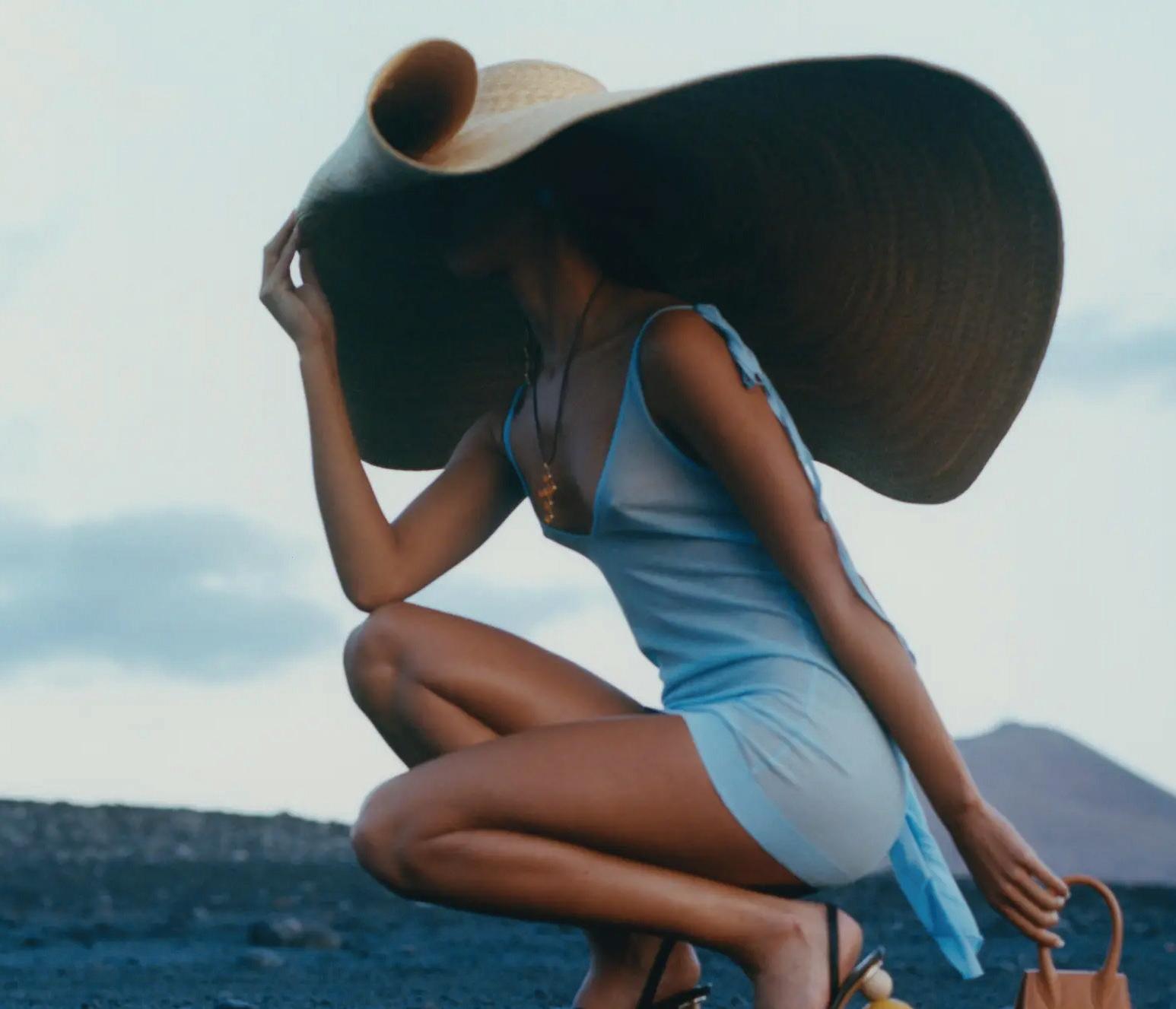
You have most likely come across a viral Jacquemus moment at least once—whether it was the micro “Le Chiquito” bags seen all over social media, influencers snapping shots within a Provençal lavender field for Jacquemus’s 10th-year anniversary show, or perhaps when the giant straw wide-brim hats, known as Le Chapeau Bomba, had a major moment from the notorious SpringSummer 2018 collection. Jacquemus, as a label, continues to grow steadily in popularity since Simon knows exactly what the cool kids in fashion want—a moment that is both Instagrammable and viral, yet nostalgic and timeless. How did he come across the secret recipe to stand out above all the noise? Simon is a connoisseur of cool himself. He is always simply and unapologetically himself, unafraid to wear his heart on his sleeve, especially when it comes to his bittersweet youth.
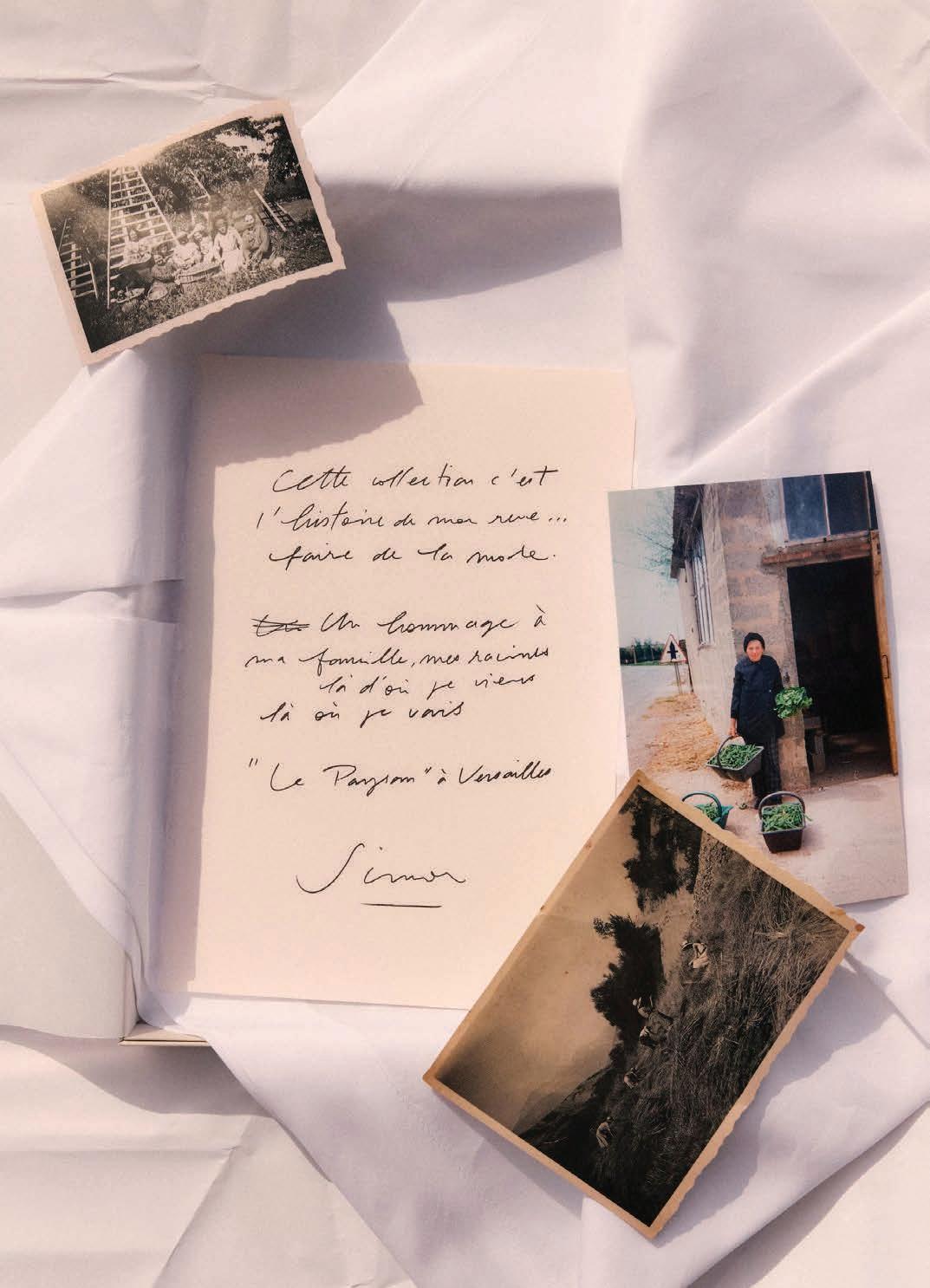
Growing up in the South of France near Marseille, Simon Porte Jacquemus was raised by parents who were both farmers. He developed a natural sensitivity to landscape, simplicity, and beauty. He always makes sure to remind us how much his youth in the countryside influences his design choices, which was especially seen in his 2026 Spring-Summer collection, Le Paysan
Photo courtesy of JACQUEMUS
Photo courtesy of JACQUEMUS
At 19 years old, he moved to Paris to pursue his love for fashion—but this excitement was extremely short-lived since his mother (and #1 supporter) passed tragically in a car accident only a month after his move. Simon honored his mother by continuing to pursue his passion and created his own fashion label, Jacquemus, named in honor of his mother after her maiden name.
Simon caught the eye of the fashion industry when he presented his third collection, L’usine, in a Tokyo showroom. This collection was viewed by Rei Kawakubo, founder of Comme des Garçons, along with her husband Adrian Joffe. They felt something very strongly distinct, original, and fresh in what Jacquemus designed—so much so that Adrian later offered Simon a job at the Comme des Garçons store on Rue du Faubourg Saint-Honoré in Paris. This also led to Jacquemus being sold at the Tokyo Dover Street Market, which marked the beginning of the label’s journey to commercial success. This chapter became a very vital one for his design career since he learned so much about the fashion industry, and it allowed him to finance his collection presentations at Prêt-à-Porter Paris Fashion Week.
Simon Porte Jacquemus made his official debut in October 2012. He went on to gain industry recognition by winning awards such as the LVMH Prize for Young Designers in 2014 and the Special Jury Prize at the 2015 LVMH Prize for Young Fashion Designers. Jacquemus was increasingly gaining industry recognition, but the label truly exploded into existence in 2017 with the debut of the viral micro bags known as Le Chiquito. As soon as Rihanna was seen wearing the bag in 2017, that added gasoline to the wildfire. It is unquestionable the kind of impact Rihanna holds when it comes to trend-setting. Simon shortly after presented the Spring-Summer 2018 La Bomba collection. La Bomba, led by the larger-than-life wide-brim straw hat, became an even more viral success, which further cemented Jacquemus’s media presence and relevancy. Jacquemus notoriously became the staple Mediterranean it-girl brand.
The world of Jacquemus is one of endless summer: summer love, sun-kissed skin, diving into the Mediterranean, and a carefree spirit shaped by the slow rhythms of rural French life—the nostalgia of youth, untouched and glowing. In an industry often weighed down by intellectualism and severity, Jacquemus arrives as a breath of fresh air—playful, instinctive, and effortlessly witty. Simon exists as a quiet contradiction: never forced, never trying too hard—a refusal to conform. Surreal proportions meet sun-warmed sensuality, all infused with an unmistakable joie de vivre. And with his genius for marketing, Jacquemus always knows how to stay relevant through clever humor and emotionally charged nostalgia. Undeniably, Simon knows how to make you laugh and cry, giving his brand a very humanistic sentiment that many luxury fashion consumers see other labels lacking.
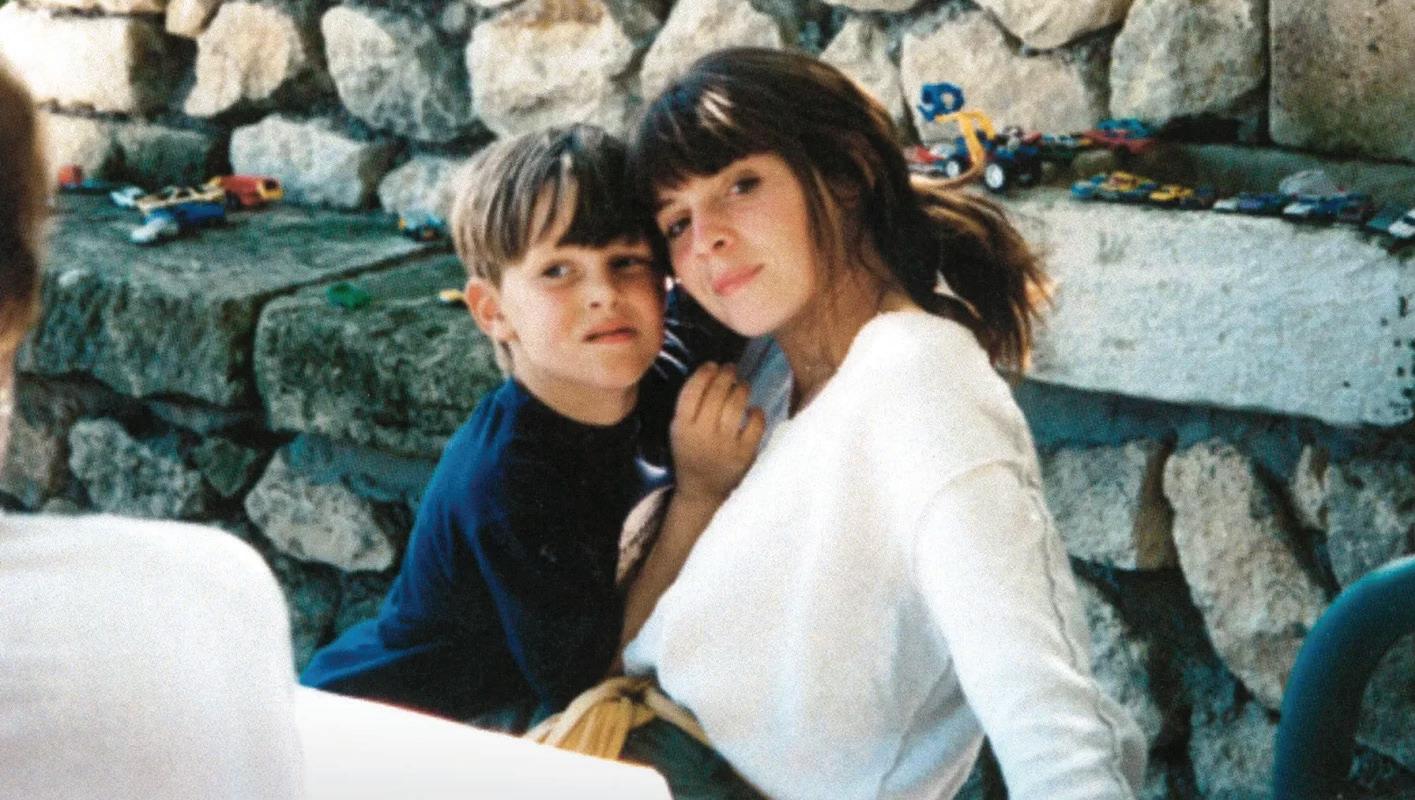
from glamobserver.com Jacquemus with his mother
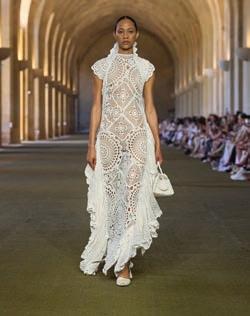
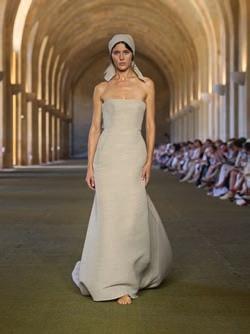
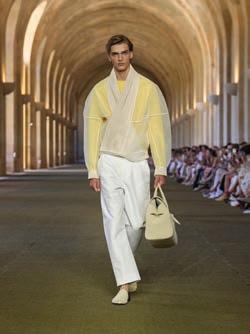
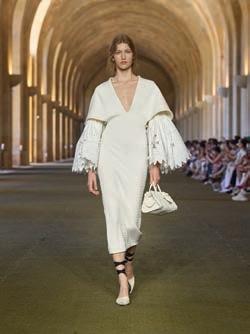
For this summer, we can refer to the latest Spring-Summer Jacquemus collection, Le Paysan This collection offers a vision of what summer will become: a study in texture and restraint—linen, air, and movement—rendered in a palette of creamy whites, sheer pinks, invigorating yellows, summer sky blues, and classic blacks. Simplicity becomes the ultimate form of elegance. This collection is a love letter to Simon’s roots and farmer upbringing, going back to where it all began—even honoring his great-grandmother, Claire Jacquemus. In the form of presentation, you can transparently see where Simon’s heart is, deeply feeling where, in memory, he longs to remain. Featuring durable linen and leather pieces, delicate sheer silhouettes, tablecloth-inspired details, witty harvest-themed accessories such as leather leeks and garlic bag charms, and more—and with the bag inspired by and named after his mother at the center, Le Valérie—this collection is a tender balance of past and present, where rustic heritage meets refined modernity, and everyday objects are elevated into symbols of memory, emotion, and enduring, sun-soaked elegance.
From hot pink runways cutting through lavender fields in Provence, to Jennie Kim descending the sculptural steps of Casa Malaparte along the coast of Capri, and to witnessing an endearing homage to Simon’s rural upbringing under golden lighting at the L’Orangerie at the Palace of Versailles— Jacquemus certainly knows how to stop time, capture everyone’s attention, and authentically embody the Mediterranean way of life. Apart from being a creative genius and moving storyteller, Jacquemus wears his heart on his sleeve, never forgetting to honor the women who inspired his love for fashion— like his beloved maman and his first-ever brand ambassador, his grandmother, Liline Jacquemus.
image - SHOJI FUJII JACQUEMUS
HOTEL DU CAP-EDEN-ROC
The
Place Summer Returns To
PERCHED AT THE EDGE OF CAP D'ANTIBES FOR OVER 150 YEARS, THIS LEGENDARY HOTEL IS MORE THAN A DESTINATION-IT IS A RITUAL OF SUMMER ITSELF.
By Viviane Ashcroft
There is a particular moment that happens at Hotel du Cap-Eden-Roc that people who have stayed there know instantly. It is usually late afternoon.
The light begins to soften across the rocks below the Eden-Roc pool. Lunch has stretched longer than intended. Someone orders another glass of rosé almost absentmindedly. The Mediterranean turns from sapphire to silver-blue while wooden tenders arrive quietly below the cliffs carrying guests back from long lunches in Cannes or afternoons drifting along the Riviera.
Some destinations are discovered. The Iconic Hotel du Cap is inherited.
And suddenly, without announcement, the entire world seems to slow to the rhythm of the sea.
That feeling, more than the history, glamour, or extraordinary setting, may be the real reason generations continue returning to Hotel du Cap-Eden-Roc.
Because while many legendary hotels impress, very few become emotionally permanent.
For more than 150 years, the property has existed as one of the great rituals of summer itself. Not merely a hotel, but a world people return to repeatedly across decades and generations, a place stitched into memory with unusual precision. First swims before breakfast. Long lunches beneath umbrella pines. Bare feet crossing cool stone floors after long afternoons in the sun. Aperitifs timed perfectly to the changing Riviera light.
Some destinations are discovered. The Iconic Hotel du Cap is inherited.
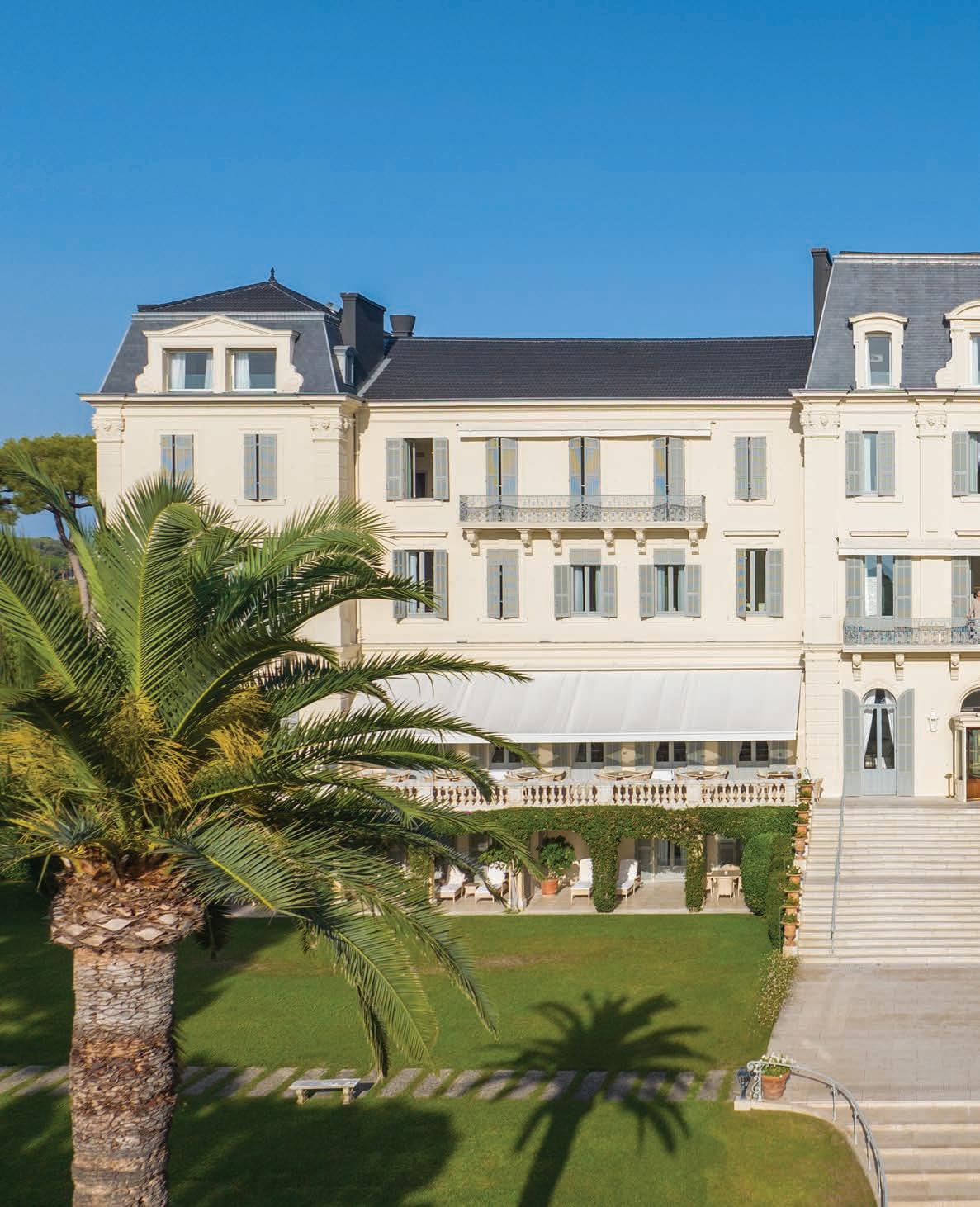
Perched at the southern edge of Cap d’Antibes between Nice and Cannes, the hotel occupies one of the most extraordinary positions on the French Riviera. The original villa opened in 1870 as a writers’ retreat called Villa Soleil, designed intentionally for artists and intellectuals seeking privacy and inspiration away from the social pace of nearby cities. Over time, the property evolved into something larger: the unofficial center of Riviera tradition.
Fitzgerald lingered nearby during the golden years of the Côte d’Azur. Picasso painted along this coastline. Slim Aarons helped immortalize the visual language of Riviera leisure, shaping the way generations would come to imagine Mediterranean glamour and summer itself. During Cannes Film Festival season, the hotel transforms once again into one of the world’s most discreet social stages — where cinema, fashion, art, and international society move quietly through terraces and sea-facing suites with almost choreographed ease.
And yet somehow, despite its cultural lore, the hotel never feels performative. That is its magic.
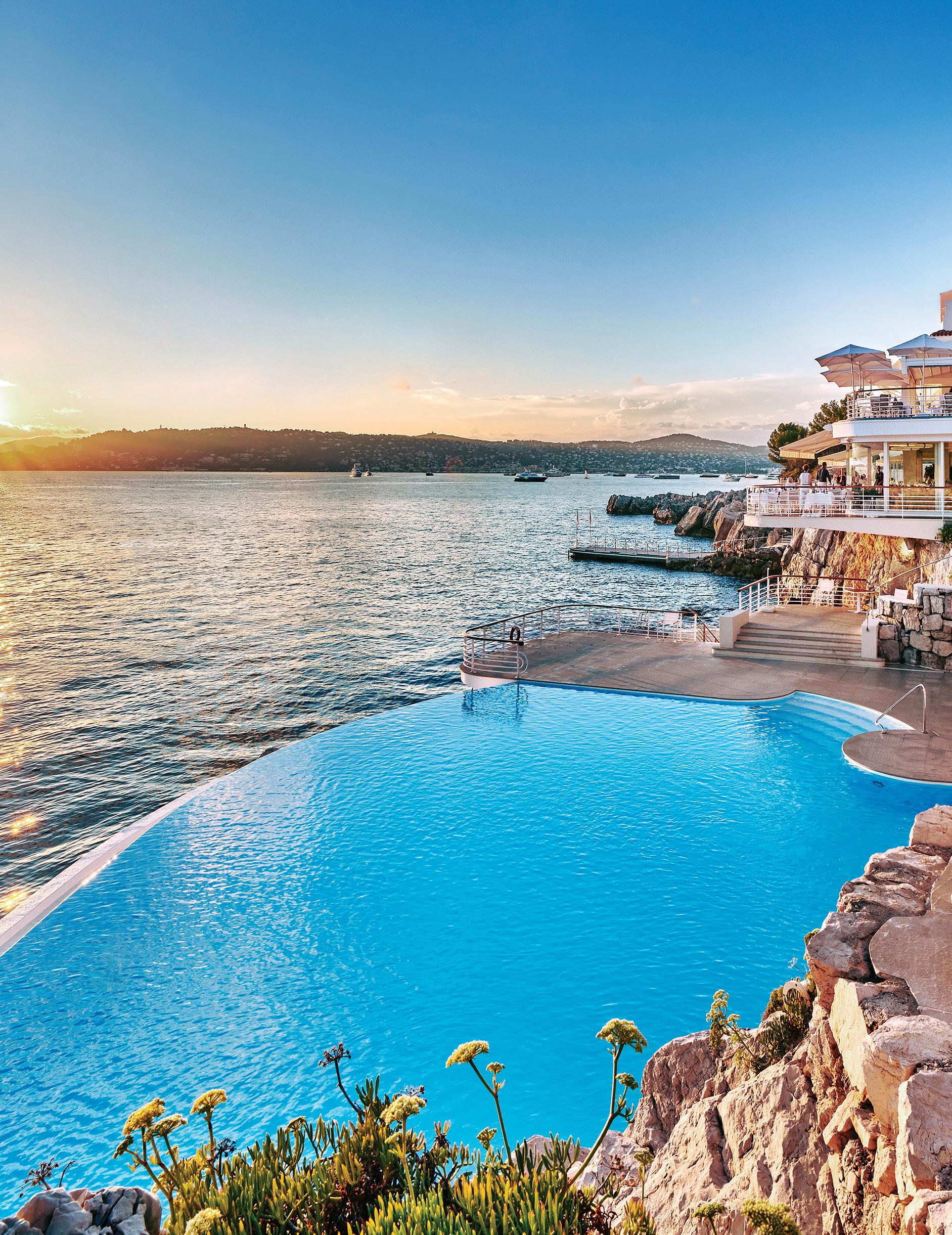
Unlike so many modern luxury destinations designed to constantly reinvent themselves, Hotel du Cap-Eden-Roc understands the power of continuity. The property has evolved carefully over time, but never at the expense of its identity. The famous seawater infinity pool carved directly into the rocks remains one of the most iconic in the world. The whiteand-blue loungers remain perfectly Riviera. The gardens still carry the scent of pine, citrus, jasmine, and salt air drifting in from the sea.
Nothing feels overly polished. Nothing feels trend-driven. Nothing feels temporary. And perhaps that restraint is precisely what makes the hotel feel increasingly relevant now. In a world obsessed with novelty, Hotel du Cap represents permanence.
Guests do not come here searching for spectacle alone. They come searching for recognition, the feeling of stepping back into a world that still understands slowness, discretion, and the quiet choreography of summer.
A particular table overlooking the water at Eden-Roc Grill. The ritual of arriving by boat beneath the cliffs below the hotel. Morning walks along the coastal path before the Riviera heat settles in. The quiet glamour of white jackets moving through sunlit terraces carrying silver trays at precisely the right pace. Familiar staff remembering exactly how you take your coffee years later.
Luxury here has never been loud. It exists in timing. In discretion. In knowing what does not need to be changed.
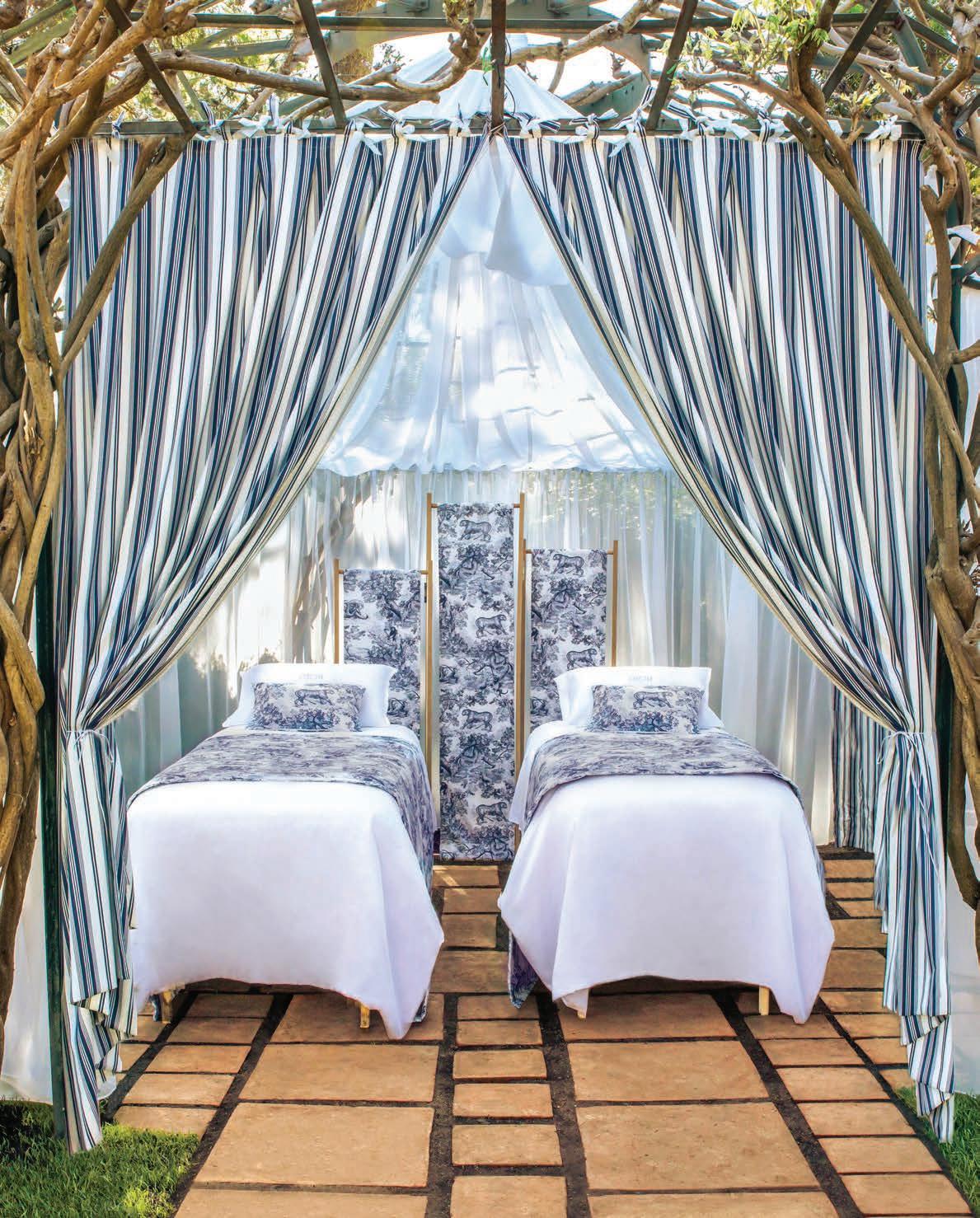
Even the hotel’s additions feel deeply connected to this philosophy. Hidden among Aleppo pines and rose gardens, the Dior Spa Eden-Roc feels less like a modern wellness destination and more like a continuation of the property’s larger rhythm — restorative, understated, deeply tied to landscape and atmosphere rather than performance.
That distinction matters. Because what Hotel du Cap-Eden-Roc offers is increasingly rare in modern hospitality: emotional consistency. People return because the hotel still feels exactly like itself.
Not frozen in time, but somehow protected from the cultural exhaustion of overexposure, speed, and constant reinvention. The world outside changes constantly. Trends come and go. New destinations rise and fade with algorithmic speed.
But here, summer remains wonderfully recognizable. Long lunches become dinner.
Conversations stretch unexpectedly late. The sea continues reflecting the same pale gold light across the rocks each evening just before sunset. And for a moment, people remember what leisure once felt like before it became content.
Perhaps that is why Hotel du Cap-Eden-Roc continues to endure not simply as one of the world’s great hotels, but as one of the last true symbols of eternal summer.
Not because it chases relevance. But because it never needed to.
Images courtesy of HOTEL DU CAP-EDEN-ROC
On Mastery, Memory, and the Discipline of Taste
SA ND RA
TAYLOR
by COLLEEN GUILFOILE RICHMOND
photography by SANDA LOWE @sandraloweart produced by LUVNGRACE @vernardluvngrace Co produced by Steven Robertson@stevenrobertsonart & Colli Christante :@in_and_through_worlds_of_colli
Roar—low, constant, building. Seventy thousand people moving in unison, the energy rising and collapsing in waves. But behind a private suite door, something quieter—and far more deliberate—takes hold. A cork is eased from a bottle. Glasses are poured.
A conversation begins—not about the score, but about origin, structure, time.
This is not how anyone expects to experience an NFL stadium. And yet, this is exactly where Sandra Taylor has built her authority. Before wine, Sandra Taylor was already a known presence.
Raised in Westchester County, New York, she came of age in a world that rewarded visibility. By the 1990s, she had become one of the most recognizable poster models in the country, a Playboy cover star, and a fixture of an era defined by being seen. Hollywood followed.
Roles in films like The Princess Diaries, Under Siege 2: Dark Territory, and Valentine’s Day placed her inside a system built on recognition—where proximity to the spotlight often mattered more than permanence. It was a world that knew how to look, but not always how to listen.
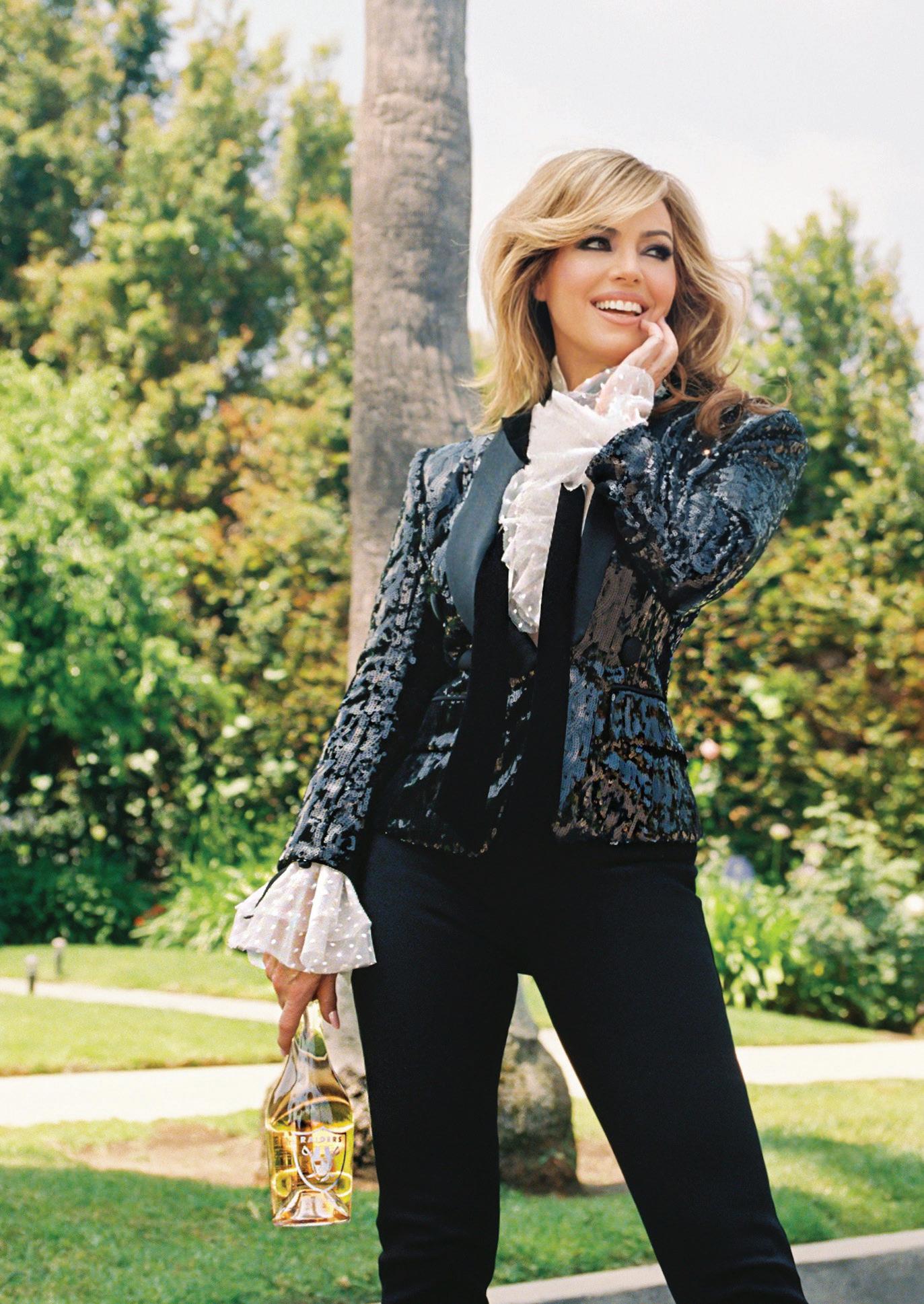
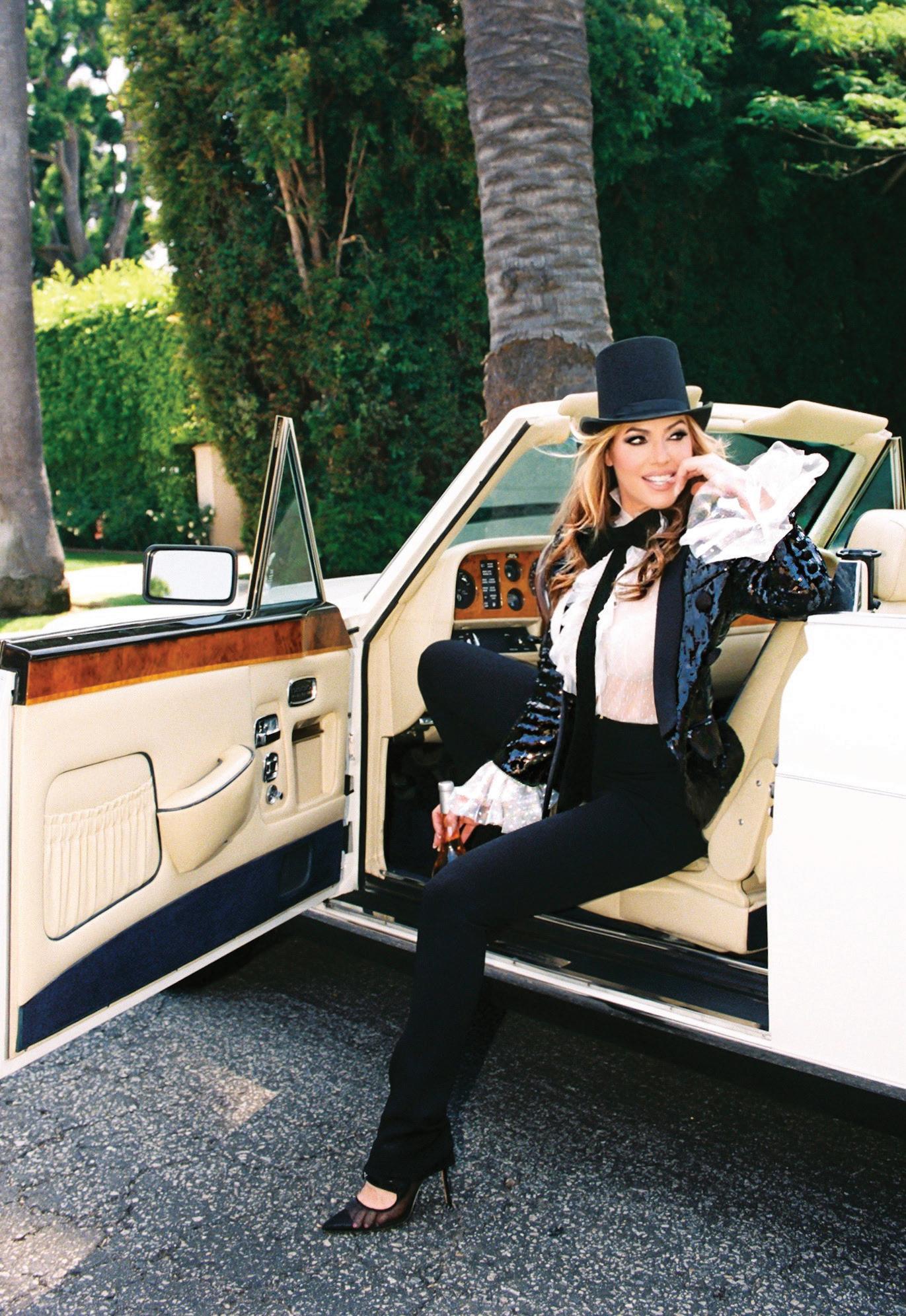
Today, Taylor operates in an entirely different arena. She is the Executive In-House Sommelier for the Las Vegas Raiders at Allegiant Stadium, overseeing the wine program for private suites, curating selections, and leading tastings for an elite clientele. She also serves as a Chief Ambassador for the Waldorf Astoria Beverly Hills, extending her work into one of the most refined hospitality environments in the country.
Her world now is defined not by visibility, but by
expertise. What reads as reinvention—actress, model, sommelier—is something more exacting. Because nothing about what she does now is casual. Wine, at this level, is not aesthetic. It is not lifestyle. It is study. Relentless, technical, ever-changing study.
To enter the world of sommeliers is to commit to constant recalibration. Regions shift. Climate alters harvests. Producers evolve. What you knew last year may no longer hold. There is no arrival point. Only staying current, or falling behind. She chose to stay.
Long before the stadium, there was a stockroom in downtown Los Angeles. Eight-hour shifts. Inventory counts. Service requirements that were not optional, but foundational. “I took that job on purpose,” she says. “You don’t get certified without service.”
So she did the work most people avoid. Day classes. Night classes. Multiple institutions.
Doubling down on knowledge until it became instinct. “I double-dipped. I wanted all of it.”
That’s the part people don’t see. The hours. The repetition.
The discipline behind what now looks effortless. And yet, she never approached wine the way many in the field do. Where others leaned into technical mastery alone, she understood something equally critical: knowledge without translation is useless.
“I can bring a bottle of Barolo to life,” she says. “I can take someone to Piedmont without them ever leaving the room.” That ability—to carry information and deliver it—is rare. It’s also why what she’s built works.
Because placing a sommelier inside an NFL stadium is, on paper, illogical. The environment is built for speed, noise, and consumption—not nuance. But she didn’t change the environment. She elevated the expectation inside it. “I knew some people didn’t understand the difference between Champagne and Prosecco,” she says. “So I started there.” Not with complexity. With clarity. And then she built outward.
Presentation by presentation. Conversation by conversation. Refining not just what she said—but how people received it. By the end of a single game day, the experience had evolved.“That’s how it grows,” she says. “From the questions.”
What she does now is often described as performance. It is—but not in the way people assume.“Yes, it’s the Sandy Show. But it’s also preparation.” Every outfit planned. Every pairing intentional. Every detail considered.
Because in her world, credibility isn’t just what you know. It’s how you carry it. There is also a misconception about taste, that it is subjective, instinctive. It isn’t. Not at this level. “Good taste means knowing when something isn’t good enough.” It’s restraint. Discernment. The refusal to accept mediocrity simply because it’s available.
And that standard doesn’t come from preference. It comes from exposure. From having tasted enough, studied enough, compared enough to know the difference—immediately.
Her proudest moment reflects that. Not the stadium. Not the program. The rosé.
Developed alongside one of the most respected winemakers in the world, built with intention—Grenache for structure, Syrah for depth, Viognier for the nose. Trial. Error. Precision. And then, the moment that matters: He chose her blend over his own. “That’s when I knew.” Not that she had arrived—but that she belonged.
From film sets to cellars to stadium suites. Not reinvention. Refinement. A narrowing toward something more exact. More earned. And more respected. “To be valued for what I know,” she says, “after years of being valued for how I looked… that changes everything.”
Luxury, in her world, has shifted. It is no longer visual. It is emotional. Experiential. Precise. A perfectly timed pour. A pairing that lands exactly as it should. A moment that lingers because it was understood.
“It’s like a symphony,” she says. “When it’s right, you feel it.” And then, everything changed.
In the California wildfires, she lost her home— completely. A life built over decades, gone. “It’s something you can’t explain,” she says. But even there, the throughline remained. Community. Connection. The people who showed up.
“The Raiders became my family,” she says. “I didn’t feel alone.” There’s a tendency to think of transformation as becoming someone new. But Sandra Taylor’s story suggests something more exacting. That mastery is not about reinvention. It is about recognition—of what you’re capable of, and the discipline required to live up to it.
Inside the stadium, the noise never stops. But in the spaces she shapes, something else happens. Attention sharpens. Conversation deepens. Time slows. Not because the environment changed. But because she did. That is her authority. Not performance. Not presence alone. But the discipline to master something difficult, and the instinct to make it feel effortless.
the bench
Handcrafted elegance. Sumptuous virtuosity.
Instantly elevate your entryway or stage tomorrow’s outfit at the foot of your bed. Our gorgeous upholstered bench is completely handcrafted in Vermont using all-natural materials.
HOME
campion platt
photo: Carrie Weidner
THE NEW LANGUAGE OF ESCAPE
Inside Holiday House Wellington, where immersive interiors redefine the emotional experience of luxury living.
There is a noticeable shift happening in the world of interiors.
For years, luxury design centered around perfection, rooms polished to such precision they felt almost untouchable. Spaces designed to impress rather than invite. Increasingly, however, the most memorable interiors are moving in another direction entirely. Softer. More layered. More emotionally intuitive. Today, the rooms that resonate most deeply are the ones that allow us to exhale.
That evolution quietly unfolded throughout Holiday House Wellington 2026, the celebrated philanthropic designer showhouse’s first-ever Florida presentation, held
within Farrell Estates Wellington at Palm Beach Polo & Country Club. Long associated with Manhattan and the Hamptons, Holiday House arrived in Wellington with an energy uniquely suited to the landscape itself—sunwashed, equestrian, elegant, and deeply connected to the growing conversation around intentional living.
Founded by designer and breast cancer survivor Iris Dankner to benefit the Breast Cancer Research Foundation, Holiday House has become one of the design world’s most anticipated cultural gatherings, blending interiors, architecture, philanthropy, and community through the work of leading designers from across the country.
Krista + Home
Room Name The Libation Lounge, Photography by Eve Greendale
HW Interiors
Photographer: AmandaJames
campion platt
photo: Carrie Weidner
photo: EDH
Hannah Brooke Design photo: Michal Ignition Bobrowski with Luxhunters Productions
Jessica Gersten DesignRoom Name : Meditation RoomL
Photography: Carrie Weidner
This season, however, what lingered most was not simply the beauty of the rooms themselves, but the feeling they created collectively.
Across two neighboring residences, designers explored a richer language of living—spaces layered in sculptural forms, handwoven textures, smoked bronze, velvet, limewash, stone, softened lighting, and organic materials that blurred the line between interior design and atmosphere itself.
As an editorial partner and sponsor of Holiday House Wellington, VIVANT joined the season-long celebration of design, culture, and philanthropy through a shared appreciation for spaces that shape not only how we live, but how we gather, restore, and connect.
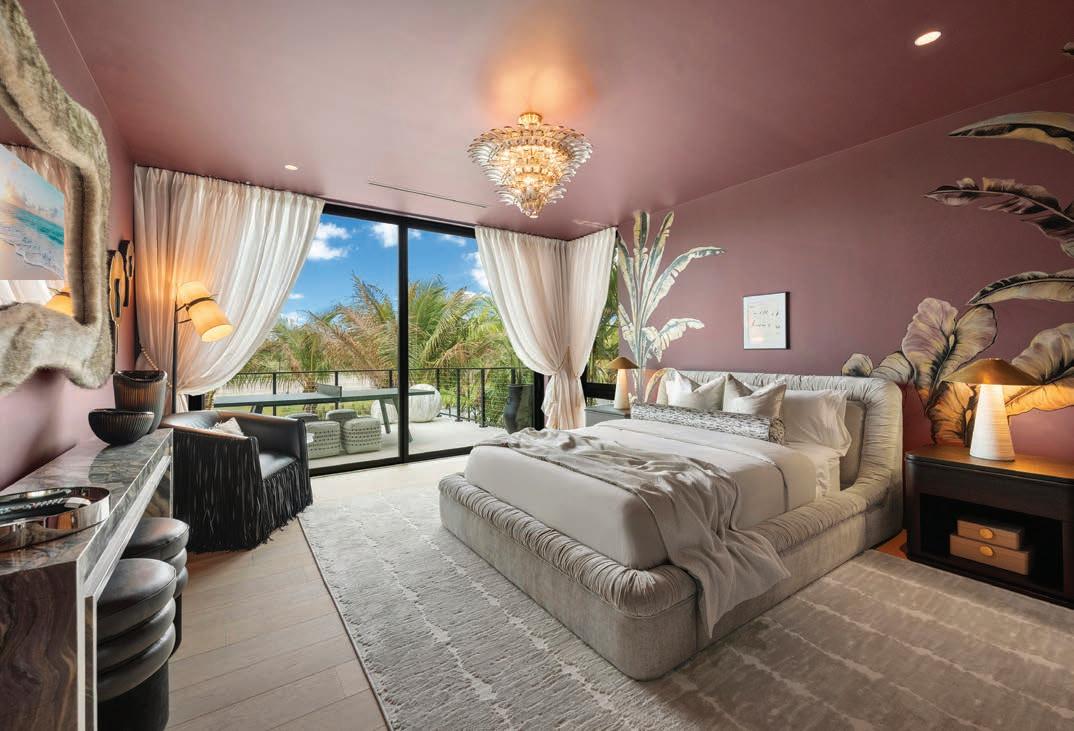
Some rooms enveloped visitors in saturated color and cinematic mood. Others embraced restraint, grounding the senses through tactile simplicity and quiet materiality. Yet throughout the homes, a common thread emerged: the strongest interiors were not necessarily the loudest. They were the rooms that slowed the eye instead.
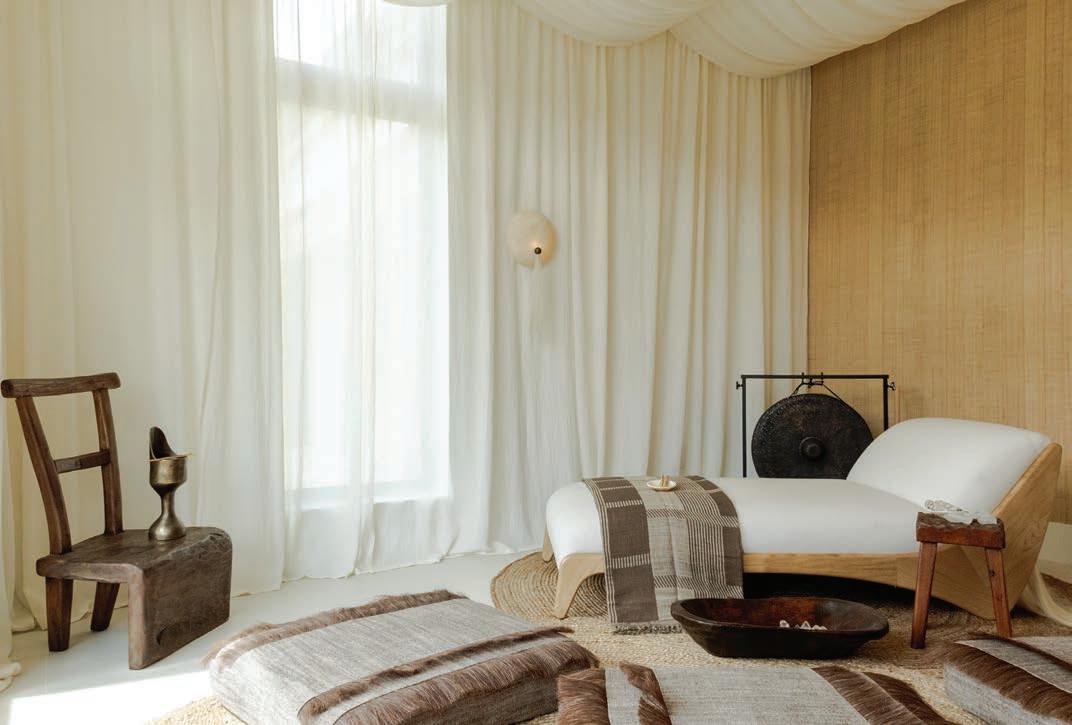
Within the meditation room, draped ceilings softened the architecture while primitive wooden forms, woven textures, gauzy linen, and low ceremonial seating encouraged stillness and grounding. The space explored wellness not as aesthetic trend, but as atmosphere, a tactile, sensory environment rooted in calm, ritual, and restoration.
One of the most compelling spaces came from Campion Platt, whose globally inspired salon layered rich textures, sculptural forms, and collected objects into a room that felt both worldly and deeply intimate. The interiors carried the quiet confidence of a well-traveled retreat—sophisticated without feeling overly designed, refined without losing warmth.
What made Holiday House Wellington particularly successful was its understanding of contrast. Drama and restraint. Glamour and softness. Sculptural modernism and organic imperfection.
“The strongest interiors were not necessarily the loudest. They were the rooms that slowed the eye instead.”
In one dramatic plum-toned suite, walls saturated in merlot and aubergine hues created an atmosphere that felt almost transportive. Sculptural upholstery, layered velvets, brushed brass, and richly textured finishes transformed the room into something between a private club, couture dressing room, and cinematic retreat. The effect was immersive rather than decorative—a space designed less around objects and more around feeling.
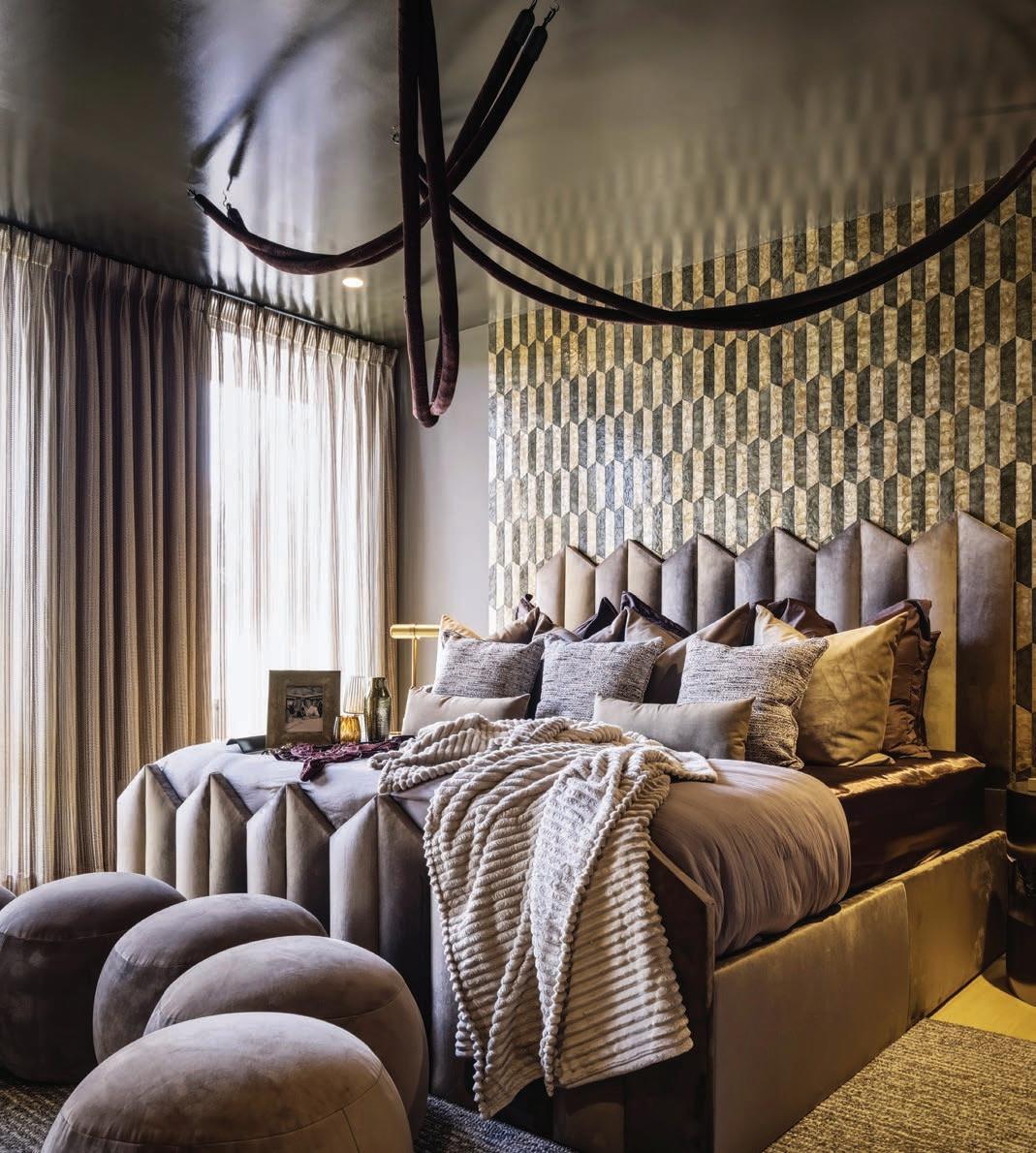
Nearby, another suite interpreted luxury through shadow and restraint. Bronze-toned walls, geometric textures, smoked mirrors, sculptural lighting, and suspended velvet forms introduced a darker, more architectural mood. Despite the richness of materiality, the room remained remarkably disciplined, allowing negative space and softened lighting to become part of the design language itself. Elsewhere, the emotional rhythm shifted entirely.
Throughout the homes, designers resisted the temptation toward excess, instead creating spaces that felt layered, intentional, and deeply lived-in.
There was also an unmistakable connection to Wellington itself.
Unlike many traditional showhouses, where interiors can sometimes feel disconnected from place, these rooms reflected the emotional rhythm of equestrian living—the balance of refinement and ease, polish and earthiness, discipline and escape. References to the equestrian world appeared subtly throughout the homes: tactile leathers, saddle-inspired tones, organic woods, collected textures, and a quiet sense of movement woven into the spaces without ever becoming thematic.
That restraint gave the interiors longevity.
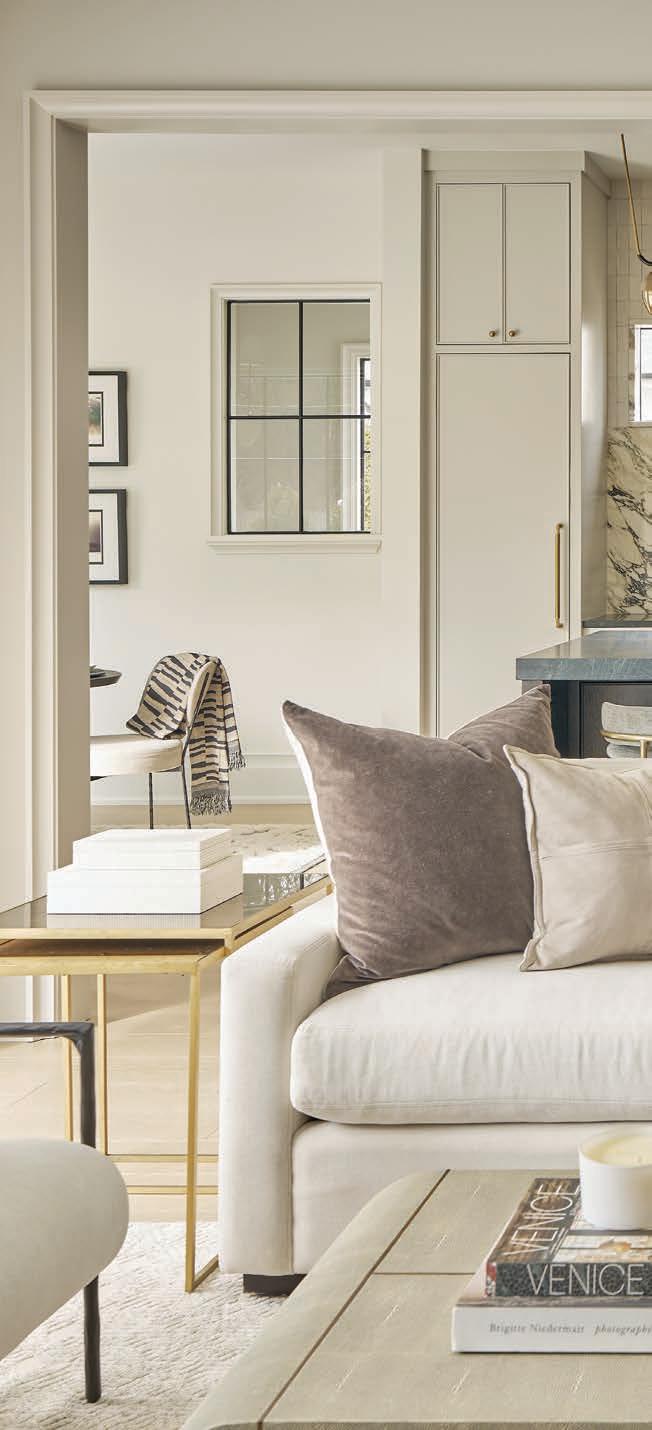
Increasingly, the future of luxury design may have less to do with what a room contains and more to do with what a room allows us to feel once we enter it. Spaces that soften the pace of modern life. Spaces that invite stillness. Spaces that feel personal again.
Not simply beautiful interiors. But immersive ones. Not decoration. Presence.
John Ryan & Wendy Lynn Interiors
Photography: CoastalRealEstateMedia
PARTICIPATING DESIGNERS
Arhaus x Baylee Deyon Design • Assure Interiors + Veatrium • Brandusa Niro • Campion Platt • Ciuffo Cabinetry • Coletivo de Arquitetos + Natuzzi Italia • DandyLion • Eichholtz L.I. + Tlina Design • Eisen Design House • Frampton Co • Hannah Brooke Design • HW Interiors • ID Creations • Interiors by John Ryan & Wendy Lynn Interiors • Janus et Cie • Jessica Gersten Design • Krista + Home • Laure Nell Interiors • Lynn Biase Design • Margarita Bravo • ML Interiors NYC • Nikki Levy Interiors • Radoni Interiors
Holiday House Wellington benefitted the Breast Cancer Research Foundation and was presented within Farrell Estates Wellington at Palm Beach Polo & Country Club. VIVANT proudly partnered with Holiday House Wellington 2026 in support of design, philanthropy, and community.
HOW EXCEPTIONAL HOMES Actually Function
INSIDE THE NEW STANDARD OF THE MODERN HOUSEHOL D
By Viviane Ashcroft
There was a time when success inside the home was measured by what could be seen. Square footage. Formal dining rooms. Grand entrances. The visible markers of arrival.
Today, the definition has changed. The most sophisticated homes are no longer simply designed beautifully. They function beautifully. Quietly. Seamlessly. Almost invisibly.
The modern household now operates less like a residence and more like a private hospitality experience. Calm, anticipatory, deeply personalized, and intentionally orchestrated behind the scenes. Not rigid. Not performative. Simply effortless. That effortlessness, however, is rarely accidental. In exceptional homes across the country, a new standard of domestic life has emerged — one defined not only by design, but by the
people behind the scenes who allow life to function with ease, precision, and discretion. Because increasingly, the true marker of modern living is not excess. It is ease.
The ability to arrive at a home that already understands you. Fresh flowers replaced before they fade. A refrigerator quietly stocked before a weekend arrival. Children’s schedules coordinated without friction. A dinner that unfolds gracefully without the host ever appearing to manage it.
The most exceptional homes today are not necessarily the loudest ones. They are the ones where nothing feels complicated. In many ways, this evolution mirrors what has happened within hospitality itself. The world’s finest hotels no longer compete solely on opulence. They compete on intuition. On personalization. On anticipating needs before they are spoken aloud.
Private households are evolving in much the same way. Particularly among multi-residence families, entrepreneurs, public figures, and globally mobile households, the operational demands of modern living have become increasingly complex. Homes are no longer singular places. They are ecosystems spread across cities, seasons, schedules, and lifestyles.
A family may move from Manhattan to Nantucket, from Palm Beach to the mountains, from school calendars to social seasons, all while attempting to preserve a sense of continuity and calm. That continuity often depends on the people behind the scenes.
The role of private staffing has expanded dramatically in recent years, moving beyond the traditional perception of household help into something far more nuanced. Estate management. Lifestyle coordination. Childcare expertise. Culinary operations. Wellness support. Executive assistance. Full household oversight. The modern household team now operates more like a carefully assembled executive staff. And discretion has become its defining language.
“A truly exceptional household runs on trust, intuition, and emotional intelligence.”
In a culture increasingly driven by visibility, true sophistication still values privacy. The most trusted professionals within these homes are often the least visible, individuals who understand that excellence is measured not by presence, but by anticipation.
“A truly exceptional household runs on trust, intuition, and emotional intelligence,” says Starla Smith-Voluck of Household Staffing. “The goal is never simply to fill a role. It’s to create harmony within the way a family lives.” A perfectly run household should never feel managed. Only understood.
This is where Household Staffing has quietly become an essential resource within the architecture of contemporary living.
Known for connecting households with exceptional domestic professionals, the firm approaches staffing less as recruitment and more as lifestyle alignment. Rather than simply filling roles, the process is centered on understanding the rhythm, expectations, and culture of each household.
Because no two homes operate the same way. A family with young children across multiple residences requires something entirely different from a retired couple balancing philanthropy, travel, and seasonal entertaining. A principal who values formal service differs greatly from one who prioritizes warmth and informality.
Chemistry matters. Trust matters. Emotional intelligence matters. Technical qualifications are only the beginning. The best placements understand not simply how a home runs, but how it wants to feel. And perhaps that is what distinguishes exceptional homes most of all: the emotional atmosphere they create. Not perfection. Not formality. But peace.
The ability to reclaim time, attention, and presence within increasingly accelerated lives has quietly become one of the most meaningful forms of modern wealth. A well-run home creates space for connection. For family dinners that do not feel rushed. For weekends that actually restore. For entertaining that feels joyful rather than logistical.
In this sense, staffing is no longer merely operational. It is lifestyle infrastructure.
And as modern living continues moving away from excess toward intentionality, the homes that resonate most deeply may not be the ones with the grandest entrances, but the ones that allow life to unfold with the greatest sense of ease.
Because ultimately, the finest homes are rarely defined by what is seen first. But by what is felt. HouseholdStaffing.com
The Emotional Architecture Of HOME
By Colleen Guilfoile Richmond
Blevins
The difference is rarely scale or excess. More often, it is something quieter, proportion, atmosphere, warmth, and the subtle feeling that every detail has been considered not only for how it looks, but for how it allows people to live.
That philosophy defines this latest residence by Grand Custom Builders.
Designed with an understated Parisian glamour, the Charlotte home balances sophistication with an ease that feels increasingly rare in modern luxury design. Rich millwork, Cristallo stone, Calcutta marble, brass detailing, steel-framed doors, and softly layered textures create moments of depth and contrast throughout the interiors, while the overall atmosphere remains calm, inviting, and deeply livable.
Photography by Michael
“There’s enough moodiness in some of the smaller spaces to create interest,” the project’s designer Jenna Jackovich explains, referencing intimate moments like the dramatic scullery wrapped in mural wallpaper, the hidden wine room, and the dark-toned coffee station quietly tucked into the floor plan. “But we still wanted the home to feel comfortable and easy to live in.”
That balance between refinement and warmth ultimately defines the entire project.
The experience begins immediately upon entry. A substantial pivot door opens into a layered sequence of spaces designed to create curiosity before revealing the larger living areas beyond. Subtle architectural detailing, carefully framed sightlines, and jewel-box moments of contrast prevent the entrance from feeling transitional. Instead, the home reveals itself gradually.
At the center of the design is the kitchen, which became both the emotional and material anchor for the residence. The warmth and movement within the stone selections informed much of the palette throughout the home, allowing each space to feel connected without becoming repetitive. “The stone tells the story,” she says. “It gives me the roadmap for the rest of the house.”
Beyond aesthetics, many of the home’s most luxurious details are the ones visitors may never consciously notice. Engineered flooring eliminates creaks underfoot. Insulated stair construction softens movement throughout the house. Hidden doors require precision installation, while custom inset cabinetry and steel architectural elements add another layer of craftsmanship beneath the beauty.
“These are the things people feel subconsciously,” she explains.
And perhaps that is the true distinction between a home that simply looks beautiful and one that feels complete.
Because the design vision was carried through every phase, from architectural collaboration and material selection to furnishings and final staging, the residence possesses a rare sense of cohesion. Nothing feels accidental. Every detail contributes to the same emotional language.
The result is a home that feels both elevated and deeply personal: sophisticated without being formal, luxurious without feeling excessive, and designed not simply to impress, but to support the way people truly want to live today.
Even before officially reaching the market, the home sold privately, a reflection of how today’s most compelling residences balance grandeur with warmth, craftsmanship with livability, and architectural scale with a genuine sense of home.
www.grandebuilders.com
Campion PLATT
The Internationalism of Wellington
By Margaret Bastick Luce
For this year’s Holiday House, Campion Platt set out to capture something larger than decoration: the evolving identity of Wellington itself.
“There’s a completely different energy happening here now,” Platt says. “Wellington has become an international community in a way people are only beginning to understand.”
For decades, Palm Beach embodied a distinctly traditional vision of American luxury — polished, inherited, and rooted in old-world sensibilities. Miami, meanwhile, carried a different identity, historically tied to tourism before evolving into a global luxury destination.
Today, however, South Florida is undergoing another transformation driven by international wealth, shifting lifestyles, and a growing desire for space, privacy, wellness, and quality of life outside traditional metropolitan centers.
According to Platt, Wellington sits at the center of that evolution. Once defined almost exclusively by equestrian sport, Wellington has quietly emerged as one of the country’s most compelling intersections of international culture, modern luxury, and design-conscious living. Seasonal residents and homeowners now arrive from Europe, Asia, South America, and major U.S. cities, creating a community that feels increasingly global in both taste and perspective.
Platt’s Holiday House room, aptly titled The International, reflects that shift. Rather than embracing classic Palm Beach motifs or decorative formality, the space takes a more layered and contemporary approach, combining clean architectural lines, refined textures, nuanced materials, and restrained sophistication influenced by both European and Asian design philosophies.
“There’s a commonality among the people here,” Platt explains. “They come from all over the world, but they share a lifestyle centered around horses, travel, design, and an
understanding of quality.”
That international perspective has long shaped Platt’s own work. Alongside designing hospitality spaces and residences, he has spent years developing custom furniture and cultivating relationships with artisans and manufacturers throughout Asia. His work often balances American innovation with the disciplined restraint associated with Japanese and Asian design traditions — spaces where beauty and functionality coexist effortlessly.
“I’ve always been drawn to design that feels purposeful,” he says. “Things should be beautiful, but they should also make sense.” For Platt, Asian influence is less about ornamentation and more about philosophy: simplicity, proportion, usability, and emotional calm. He believes those sensibilities resonate strongly with a new generation of luxury clients who increasingly value subtlety over excess.
At the same time, he sees America’s creative strength as its freedom from rigid historical constraints. “One of the reasons American design does so well is because we’re constantly reinventing ourselves,” he says. “We’re not as burdened by centuries of tradition, so we innovate more freely.”
That balance between international influence and American reinvention is precisely what Platt believes makes Wellington so exciting right now. As Florida continues attracting global entrepreneurs, investors, creatives, and equestrian families seeking a different kind of lifestyle, Wellington is evolving into something entirely its own — less formal than Palm Beach, more relaxed than Miami, and increasingly influential on the international luxury stage.
For Platt, Holiday House became an opportunity to visually express that transition. “This wasn’t about creating a room for me,” he says. “It was about creating a room that reflects what Wellington is becoming.”
“Wellington is evolving into something entirely its own.”
CULTURE
BEDSIDE READING’S BEST BOOKS OF THE SUMMER!
Summer starts with a story you can’t put down. Our curated “Best Books of the Summer” collection is designed for pure escape—pageturning fiction, inspiring memoirs, feel-good reads, and immersive audiobooks perfect for poolside lounging, beach days, or quiet moments in between. Whether you have five minutes or five hours, these are the books guests reach for when they want to unwind, reset, and get lost in something great.
"One book changed my life and my business. Which book will do that for you?"
--Jane Ubell-Meyer, Founder
Jane Ubell-Meyer, founder, Bedside Reading
A
NOVEL BY KIMBRA DRAKE
Ella Nilsen never knew her parents or how her mother died. After her grandmother’s death, she inherits a remote cottage in Lyngør, Norway, where locals guard painful secrets. As Ella searches for answers, she meets boatbuilder Leif, whose own grief is tied to the island’s past
A DANGEROUS FRIENDSHIP
A NOVEL BY ROBIN MERLE
After her divorce, twenty-nine-year-old Tina is drawn to Spike, a seductive woman who seems fearless and untouchable. What begins as adventure and reinvention pulls Tina into a dangerous world of power, sex, wealthy men, and hidden secrets. A darkly witty thriller about obsession, betrayal, survival, and a friendship that may ultimately destroy her.
BedsideReadingAudiobooks.com
Here’s what they’re reading at Acqualina Resort & Residences On The Beach, Sunny Isle Beach, FL…
NOT WHAT IT SEEMS (THE SAVANNAH SERIES BOOK 5)
A NOVEL BY LISA
JACKSON
#1 New York Times bestselling author Lisa Jackson returns with a Southern Gothic thriller set in Savannah and Lowcountry Georgia. Crime writer Nikki Gillette and her husband, Detective Pierce Reed, race through Spanish moss, swampy marshes, and rising danger to expose an obsessive killer with a mysterious method.
A JOYFUL WAY OF BEING: REDISCOVERING CREATIVE
EXPRESSION
IN THE MIDDLE OF LIFE
BY BRITTMARIE EKSELL
A Joyful Way of Being invites readers at midlife to embrace creativity as a path to joy, self-discovery, and deeper meaning. Through real-life stories and a step-bystep creative process, the book encourages exploration over perfection, helping readers connect with color, texture, movement, and the artistic medium that speaks to them.
THE CAPTAIN & HIS CREW BY MEREDITH NEWMAN (CHILDREN’S)
Climb aboard and sail away on an adventure with The Captain & His Crew. A maritime expedition awaits, but be sure to look out for whales, treasure and maybe even pirates! I bid you fair winds and following seas.
THE PERMISSION MISSION: RECLAIMING THE POWER TO TRUST YOUR OWN VOICE BY DR. CINDY MCGOVERN (WOMEN & BUSINESS)
The Permission Mission is a wake-up call for women who have silenced themselves through compliance, over-apologizing, and shrinking to fit expectations. Dr. Cindy McGovern offers a roadmap to challenge old beliefs, own your worth, set unapologetic boundaries, and stop waiting for permission to become who you already are.
ALWAYS HUNGRY: HOW I LOST THE WEIGHT AND FOUND MYSELF A MEMOIR BY JANE MCGUINNESS
Jane McGuinness’s darkly funny memoir traces her dysfunctional childhood in outback Australia, recovery from emotional eating, and life after leaving her marriage. Raising three children abroad, returning to grad school, transforming her health, hiking the Camino, traveling through Greece, and surviving Tinder, Jane searches for herself with sharp wit.
RISING STAR: BOOK ONE IN THE RISE AND FALL OF DANI TRUEHART SERIES
BY MICHELE KWASNIEWSKI
After a brilliant audition, Dani is thrown into the music industry with former ’80s pop icon Martin Fox as her guardian. Moving into her new manager Jenner Redman’s Malibu compound, Dani faces isolation, pressure, family strain, and industry conflict as her debut album and future stardom risk falling apart.
TRAPPED BY BELLA OLSON
(MAGICAL FANTASY FICTION FOR CHILDREN)
In her debut novel Trapped, eleven-year-old author Bella Olson introduces Ava, a young inventor captured by the evil Dr. Heynis. With clones, laser traps, shark pools, riddles, time machines, new friends, an emergency BLT, and a dancing chicken named Rocco, Ava learns bravery, self-discovery, and why being weird is cool.
JUST
MY LUCK
A NOVEL BY LENA HENDRIX
Bestselling author Lena Hendrix returns to small-town coastal Michigan with a spicy, emotional lakefront romance. In this grumpy/sunshine workplace love story, unexpected sparks build into a slow burn when a single mom proposes a marriage of convenience to save her boss’s brewery.
Here’s what they’re reading at The Benjamin Royal Sonesta, NY, NY
Here’s what they’re reading at Sonesta Resort Hilton Head, SC
Here’s what they’re reading at Andaz Miami Beach Resort & Spa, FL…Here’s what they’re reading at Sonesta Ocean Point Resort, St. Maarten
Here’s what they’re reading at Kimpton Marlowe Hotel, Cambridge, MA Here’s what they’re reading at the Waldorf Astoria Monarch Beach Resort & Club, Dana Point, CA
Here’s what they’re reading at the The Charles Hotel Harvard Square, Cambridge, MA
BEDSIDE READING
Here’s what they’re reading at Hyatt Regency San Francisco, CA
LAST BITE
A NOVEL BY
AMY S. PEELE
A warm and witty Chicago tale packed with comfort food, Cubs baseball, fierce friendships, and the joy of a well-timed second act. It will appeal to readers who enjoy smart, character-driven stories; fans of Fannie Flagg, Janet Evanovich, or Maria Semple will feel right at home here.
FALLING INTO A GOOD LIFE
A MEMOIR BY
LAUREL RICHARDSON
After surviving a catastrophic fall that left her with devastating injuries, Laurel Richardson rebuilds her life through rehabilitation, resilience, and unexpected community. Moving into a senior independent living residence, she discovers friendship, purpose, and authenticity. Falling Into a Good Life is a moving memoir about survival, aging, reinvention, and creating joy after profound loss.
Here’s what they’re reading at Sonesta Denver Downtown, CO
GREATER EXPECTATIONS
A NOVEL BY ANGELA TERRY
Allison James is finally thriving with a successful nonprofit-focused business and a loving coffeehouse-owner boyfriend. But after her mother’s heart attack, Allison decides she’s ready for motherhood. Her partner isn’t so sure. As doubts, loss, and heartbreak shake her world, will she discover the possibility of something greater?
Here’s what they’re reading at Sonesta Fort Lauderdale Beach, FL
WE ARE AS GODS: A SURVIVAL GUIDE FOR THE AGE OF ABUNDANCE BY STEVEN KOTLER AND PETER H. DIAMANDIS (TECHNOLOGY AND TRANSFORMATION) In We Are as Gods, Peter H. Diamandis and Steven Kotler explore humanity’s godlike powers through AI, gene editing, terraforming, robotics, longevity, and consciousness. As abundance grows, they argue our inner resilience, wisdom, humility, creativity, and meaning must evolve too, turning exponential change from chaos into creation.
what they’re reading at the The Canoe Place Inn and Cottages, Hampton
DEAR MISSING FRIEND
BY
SUSAN MCGUIRK
NY
Dear Missing Friend by Susan McGuirk tells the story of Irish immigrant Catherine McGuirk in 1840s America through letters. Torn between her seafaring husband, who leaves for the Gold Rush, and a wealthy former suitor, Catherine pursues love, ambition, independence, and her dream of becoming a governess in Manhattan.
Bedside Reading helps authors get their books discovered through experiential placement, reviews, bestseller campaigns, and editorial recognition—designed for visibility that lasts.
Here’s
Bays,
Here’s what they’re reading at the The Marker Union Square, San Francisco, CA
The Power of Food
How Food Shapes Culture and Who We Become
By Marci Moreau
I’ve come to believe the kitchen is an anthropologist’s dream. Because at the table, we don’t just share food—we inherit culture. The values we hold, the traditions we keep, the way we gather, celebrate, comfort, and connect with one another often begins there.
And food is often what carries that culture from one generation to the next.
Long before we have words for identity or tradition, food is already shaping us. Through our meals, our rituals, and all the customs passed down without ever being explained, it becomes part of who we are.
It begins subtly—through the way a favorite recipe is prepared, who sits where at the table, or whether we linger or rush, share or eat alone. But over time, it becomes something much more.
The foods we eat—and how, where, and with whom we eat them, don’t just reflect culture. They shape it.
If culture lives anywhere, it lives in the details of how we eat, and in the food that fills our tables.
I grew up in a big Italian family where the table was never just a place to eat—it was the stage where food, family, and culture came together. There were always a lot of people around the table, outnumbered only by the food itself.
It was where everything happened. Meals weren’t rushed, and they weren’t optional. You showed up. You stayed. You passed the bread. You listened and you shared. Because time at the table was sacred. And food, even more so.
It was never just a meal. Our kitchens were a sanctuary, and the food at the heart of it all. A place where stories were
told, where lives were shared, and where you learned not just how to cook, but how to live. And there are certain foods that are specific to culture, foods that don’t just feed you, but bring you back.
For Italian families, it’s often the sauce. One whiff, and you’re there again. Sitting in your grandmother’s kitchen. The air thick with something simmering on the stove, something that took time, and something that meant you belonged.
I still remember the smell of fresh parsley, picked from the garden and snipped with kitchen shears directly into the pot.
As my grandmother cut the leaves, she told me stories of my great-grandparents’ life in Italy.
Her family was from a small village in Italy—Pacentro— tucked into the mountains of Abruzzo, where food wasn’t just prepared, it was grown, gathered, and shared. Life centered around what the land provided, and meals were built around whatever the land could give them.
As we waited for the sauce, my grandmother would make something small for my grandfather, to eat, he always needed a little something before the meal. She called them “belly buttons,” a dish she had grown up with as a little girl. To me, they were just soft, round dumplings, lightly coated in sauce with just a hint of sweetness. I had no idea they were chicken livers, served so nothing from the chicken ever went to waste.
Not exactly what most eight-year-olds would choose for a snack, but I never thought twice about it. I would sit with him and share them, focused on his stories. Listening. Laughing. Reaching for one more.
But that’s the thing about food, you don’t always understand the significance in the moment.
As we ate, I learned about my grandfather’s family. How they relied on their garden to feed themselves. How nothing was wasted. Why canning mattered, not as a trend, but as survival. Food wasn’t just prepared, it was preserved, respected, stretched, and always shared. And more than anything, I learned that sharing food was a communal, cherished act. It was how you welcomed people. How you showed love and loyalty to your family and friends. If someone eats with you, they are your people. And you don’t turn your back on one of your own.
Without realizing it, that’s how culture was passed down to me. And what I have come to understand over time is that this isn’t unique to any one family, or even one culture. It’s universal.
In Italy, where my roots trace back, that same sense of togetherness holds. Sunday sauce starts early. Pots simmer for hours. Multiple generations move in and out of the kitchen, tasting, sharing, talking. The meal is just as much about the time spent together as it is about what’s served.
In Japan, food reflects something different, yet equally meaningful. Think of a simple bowl of rice, grilled fish, and pickled vegetables-fresh, balanced and nothing more
than what’s needed. Or the quiet ritual of a tea ceremony, where nothing is rushed. Food becomes a practice in presence.
In Mexico, food becomes a way of remembering. During Día de los Muertos, families prepare the foods their loved ones once enjoyed-tamales, pan de muerto, and place them on ofrendas. It’s how they remember and honor.
In India, food is layered, both in flavor and meaning. A thali brings everything together on one plate—lentils, vegetables, rice, bread—each one adding something different. Meals are often eaten with hands, connecting you directly to the food and to the moment.
And in France, there’s a real respect for the experience itself. Lunch isn’t rushed, it’s a pause in the day. Bread is bought fresh, cheese is chosen with care, and wine is poured simply because it belongs there. It’s a reminder that food is meant to be enjoyed, not just eaten.
None of these approaches are the same, yet all of them reveal the same truth: food shapes culture. It moves with people, across borders and generations. It adapts, shifts, and evolves, while still holding onto something essential. Immigration, innovation, and necessity reshape what ends up on our plates, and in doing so, reshape culture itself.
Which means food is not just something we consume-it is something we live. Not just nourishment, but a way of understanding who we are and where we come from.
Because culture doesn’t live in history books. It lives in the food we make, the food we share, and the food we carry forward.
There are traditions all over the world, each with their own flavors, but all of them hold the same power to shape who we are. It connects us to where we come from, and often, to one another.
Because in the end, food is not just part of culture. It is how we become it.
CLASSIC, meet CONTEMPORARY; TRADITIONAL, say “hey there” to SOUTHERN CHIC.
Whether traveling on business or for pure indulgent R&R, Zero George delivers Charleston’s premier boutique hotel experience.
When guests at our award-winning Zero George Hotel kept telling us they wish they could stay longer—much longer—we listened. Now, in addition to our hotel, we proudly offer the Residences at Zero George—luxury that entices you to linger. Five exquisitely designed private residences available for up-to-twelve month extended stays, with all the indulgence and amenities of a boutique hotel at your fingertips. Live like a local, luxuriate like a guest.
THE TWO COURTS OF Summer
Wimbledon and the US Open—where tennis sets the stage, and everything else is the point.
By Viviane Ashcroft
Every summer, two tournaments quietly take over the cultural calendar: the Wimbledon Championships in London, held each year from late June into early July, and the US Open in New York, which arrives at the end of August and carries into early September.
On paper, they are simply two of the four Grand Slams. In reality, they operate as two very different social systems—each revealing as much about the audience as the athletes.
Wimbledon, founded in 1877, is the oldest tennis tournament in the world, and it behaves like it. The rules are not suggestions. Players wear white—nearly entirely, by design. Strawberries and cream, served since the late nineteenth century, remain the signature ritual, with more than 190,000 portions consumed over the course of the fortnight. Centre Court holds just under 15,000 spectators, yet remains the most coveted seat in tennis.
Access here is not bought. It is extended—or more often, inherited— and everyone there understands the difference. Even “The Queue,” where thousands still line up overnight for same-day tickets, reinforces the illusion that access is democratic. Each day, roughly 500 Centre Court tickets are released this way. It feels open, but it is simply controlled differently.
The Royal Box is less about celebrity than it is about recognition. The most powerful seats are often the ones no one photographs, occupied by people who don’t require introduction. The real conversations happen away from the cameras—in private gardens, in members’ enclosures, over long lunches that outlast the matches themselves. This is not where status is created. It is where it is quietly confirmed.
On court, the story continues, but in the same language. Carlos Alcaraz, a back-to-back Wimbledon champion in 2023 and 2024, brings a new generation of athleticism to grass, while Jannik Sinner, currently ranked world No. 1, continues to refine his game on a surface that rewards instinct over power. Novak Djokovic, with seven Wimbledon titles, remains a perennial contender, his presence alone a reminder of the tournament’s continuity across eras.
“Wimbledon is the one you dream about as a kid. It’s the one that feels different,” Roger Federer once said. He holds a men’s record eight Wimbledon titles, while Martina Navratilova leads all players with nine ladies’ singles titles. Wimbledon has mastered something few modern institutions manage: making exclusivity feel like tradition rather than strategy.
The behavior follows. Phones stay down, not out of etiquette, but because looking distracted in the Royal Box is its own kind of signal. Conversations remain measured. Even the applause has a rhythm—polite, contained, never spilling too far beyond the moment. No one appears to be trying, which is precisely the point. At Wimbledon, trying too hard is the fastest way to be noticed, and not in the way you want.
On the women’s side, recent champions like Marketa Vondrousova and Elena Rybakina have demonstrated how precision and composure define success on grass, while world No. 1 Iga Swiatek continues to pursue full command of the surface. “Grass is about instinct. You don’t have time to think,” Serena Williams once said—a sentiment that applies as much to the audience as it does to the athletes.
Nothing here needs to change to remain relevant. That is the real power move.
By the time Wimbledon fades in mid-July, the season has already begun to shift. The tone loosens. The structure softens. Attention moves outward. What begins in London with restraint ends in New York with visibility. And that transition is not subtle—it’s immediate.
If Wimbledon is defined by composure, the US Open is built for impact.
Established in 1881 but transformed in the modern era, the US Open is the most commercially powerful tournament in tennis. The introduction of night matches in 1975 permanently altered its identity, turning sport into primetime spectacle. Today, Arthur Ashe Stadium seats nearly 24,000 people—the largest venue in the sport—and the tournament draws more than 750,000 attendees across its two weeks each year.
“Wimbledon
is tradition.
New York is chaos—in the best way.”
On a late-summer evening in late August or early September, it often feels like all of them are watching each other as much as the match. By the second set of a night match, the cocktails are stronger, the volume is higher, and the energy of the crowd becomes part of the experience.
“New York is electric. The crowd gives you energy you don’t feel anywhere else,” Coco Gauff has said. Her 2023 US Open win cemented not only her athletic status, but her place as a cultural force extending beyond the court. Here, subtlety is optional.
The crowd reacts. Music plays. People arrive after the first serve and leave before the final point—not necessarily out of disinterest, but because the match exists within a broader social rhythm. The experience is expansive, layered, and constantly in motion.
Courtside is its own ecosystem. Many of the best seats are controlled by brands and agencies, quietly deciding who is visible and when. Timing your arrival is strategic. No one important walks in at the beginning—and everyone pretends that isn’t intentional. Half the room is watching the match. The other half is watching who just walked in, and deciding if it matters.
If Wimbledon rewards understatement, the US Open rewards presence.
Players mirror that energy. Aryna Sabalenka’s power game thrives in a stadium built for scale. Daniil Medvedev, a former champion, continues to excel on hard courts, while Novak Djokovic’s dominance—spanning 24 Grand Slam titles, including multiple US Open wins—cements his place in the sport’s modern hierarchy.
“You don’t just play the opponent—you play the crowd,” Djokovic once observed, a statement that feels particularly true in New York.
Historically, the US Open has belonged to players who command attention as much as they win titles. Serena Williams, with six US Open championships, defined an era there. Before her, icons like Jimmy Connors, Pete Sampras, and Roger Federer each left their mark—not just through victories, but through presence.
At the US Open, the question is not just who is winning. It is how the moment feels while it’s happening.
And this is where the difference between the two tournaments becomes unavoidable.
Wimbledon is where you go when your place is already understood—or when you want people to think it is. The distinction is subtle, but everyone there can tell. The US Open is where you go when being seen matters more than being known— and where, for a few nights, that trade-off feels worth it.
“Every Grand Slam has a personality,” Andy Murray once said. “Wimbledon is tradition. New York is chaos—in the best way.” Neither is better. But they are not interchangeable.
Most people gravitate toward one instinctively. The few who understand both know how to move between them—when to arrive early and stay late, when to say less and when to be visible, when to let the room define you and when to define yourself within it.
If you’ve been to both, you already know which one feels like you. Because the difference isn’t the tennis—it’s how the tennis is experienced.
At Wimbledon, the match remains the center of gravity. Every detail surrounding it—tradition, etiquette, setting—exists to frame the sport at its highest level. It is a place where the game is respected in its purest form, and where those who understand it best often say the least.
At the US Open, the energy expands outward. The tennis is still world-class—arguably at its most electric—but it shares the stage with the atmosphere around it. The crowd becomes part of the match. The night becomes part of the narrative.
Both are deeply serious about the sport. That’s what allows everything else to exist around them.
Some come for the tennis and stay for the experience. Others come for the experience and leave with a deeper appreciation for the tennis. The best spectators understand that the two are not in conflict—they are what make these tournaments endure.
Because in the end, it’s not that the tennis is secondary. It’s that everything around it reveals why it matters.
The perfect island escape awaits.
Bermuda may feel like another world, but this idyllic getaway is just a two-hour flight from the East Coast. With wide-open spaces, pink-sand beaches and turquoise waters, Bermuda is ready to safely welcome you to her shores.
ESCAPE
THE OCEAN HOUSE
Watch Hill, Rhode Island
There are hotels that become popular, and then there are hotels that become part of the American summer imagination.
By Colleen Guilfoile Richmond
Perched high above the Atlantic in Watch Hill, Rhode Island, Ocean House has occupied that rare space for more than 150 years. The iconic yellow Victorian hotel feels deeply tied to a disappearing kind of coastal elegance, one rooted not in performance, but in ritual, tradition, and return.
The first thing I noticed arriving at Ocean House was how little it felt like a modern resort. There was no sense of spectacle or excess. Instead, the property carries the kind of quiet confidence that only comes with history. The yellow facade rises above the bluff almost exactly as it did generations ago, overlooking the Atlantic with the kind of presence that immediately explains why families have returned here for decades.
Originally opened in 1868, shortly after the Civil War, Ocean House quickly became one of the East Coast’s most beloved seaside retreats. During the late nineteenth and early twentieth centuries, Watch Hill emerged as a summer destination for prominent families from across the Eastern Seaboard seeking cooler ocean air, privacy, and a slower rhythm along the Atlantic. Ocean House became central to that world, a gathering place for long seaside summers filled with croquet on the lawn, veranda cocktails, sailing excursions, and dinners overlooking the Atlantic.
But what makes Ocean House particularly fascinating is not simply its history — it is the fact that it still exists at all.
By the early 2000s, the original structure had fallen into significant disrepair. Entire sections of the building were no longer usable, and plans emerged to demolish the hotel entirely. Local preservationists fiercely opposed the loss of what had become the last remaining Victorian-era beachfront hotel on mainland Rhode Island. What followed became one of the most ambitious preservation projects in modern hospitality.
Under the ownership of Charles and Deborah Royce, the property underwent a meticulous reconstruction and reopened in 2010. Rather than creating a contemporary reinterpretation, the Royces focused on restoring the hotel to the spirit and architectural integrity of its early twentieth-century height while discreetly integrating modern comforts beneath the surface. Original details were salvaged whenever possible, from fireplaces to millwork proportions, preserving the emotional character of the property rather than simply recreating its appearance.
That sense of continuity is what makes staying here feel different.
The guestrooms and suites are elegant without feeling overly designed, layered with marble baths, custom furnishings, plush linens, and in many cases fireplaces and private terraces overlooking the water. My own room felt residential in the best possible way, as though I had arrived at a private coastal estate rather than a traditional hotel.
And then there is the art.
One evening before dinner, I wandered through the property and unexpectedly found myself completely immersed in the hotel’s art collection. What many guests do not expect upon arrival is that Ocean House houses one of the most significant private hotel art collections in the country. The Royces, longtime collectors, transformed the property into something closer to a living gallery dedicated to the glamour, wit, and leisure culture of the late nineteenth and early twentieth centuries. At the center of the collection is Ludwig Bemelmans, the famed illustrator behind the Madeline books.
The Bemelmans Gallery at Ocean House contains the largest permanent private collection of his work on public display in North America, including original sketches, hotel drawings, murals, and illustrations connected to his life working at the Ritz-Carlton in New York.
The connection feels particularly fitting here. Bemelmans spent much of his career illustrating the elegance — and absurdity — of hotel society life. His celebrated “Farewell to the Ritz” series, displayed throughout Ocean House, captures hospitality from the perspective of those working quietly behind the scenes. Perhaps most extraordinary are the restored fresco murals from Bemelmans’ Paris bistro, La Colombe. After the restaurant closed, the murals were removed from the walls and stored for years in the French countryside before Deborah and Charles Royce traveled to France to acquire and restore them for Ocean House.
The result is a hotel where art is not confined to a single room. It unfolds quietly through corridors, lounges, staircases, and intimate corners, becoming part of the emotional atmosphere of the stay itself.
On my first morning, yoga began just after sunrise in the movement studio overlooking the Atlantic. By the time class ended, the coastline had shifted from gray to soft blue and the entire property was only beginning to wake. Later, at the Forbes Five-Star Ocean & Harvest Spa, the saltwater lap pool overlooked the ocean while steam drifted quietly through the relaxation rooms. The spa feels grounded in stillness rather than spectacle
But perhaps the most memorable experience during my stay unfolded underground.
At the Center for Wine & Culinary Arts, I attended a South African wine tasting that unfolded more like an intimate dinner party than a traditional tasting. As the sommelier guided guests through the vineyards, regions, and stories behind each bottle, the chef created a distinct pairing for every wine, bringing another dimension to the experience— the kind of atmosphere Ocean House understands so well: refined, intimate, and never rigid.
Dinner afterward at COAST carried that same balance. The restaurant’s Forbes Five-Star distinction is evident in the precision of the cuisine, but what lingered most was the atmosphere itself: candlelight reflecting against the windows, the ocean just beyond the terrace, a dining room that feels elegant without trying too hard.
The following afternoon, oysters arrived at the Verandah Raw Bar overlooking the Atlantic while sailboats moved quietly through the distance. Nearby, guests settled into beach cabanas, played croquet on the lawn, or boarded the restored 1937 yacht Aphrodite, once frequented by luminaries including Shirley Temple, Fred Astaire, Nelson Rockefeller, and President Roosevelt.
What Ocean House ultimately preserves is not simply architecture, but a certain rhythm of summer, one shaped by long lunches, ocean air, and evenings that stretch effortlessly late. There is an intentional slowness to the property. People linger longer at dinner. Morning coffee stretches into hours. The ocean becomes part of the rhythm of the day rather than simply the view. That may be why Ocean House continues to endure while so many grand hotels become trapped between nostalgia and reinvention.
Images courtesy of the Ocean House
ARRIVE WITH SOMETHING EXTRAORDINARY
READY-TO-SERVE CRAFT COCKTAILS
TASTE
Ingredient TOMATO
By Marci Moreau
Few ingredients define the kitchen the way a tomato does.
But in the summer, it becomes something more. To me, the tomato is a measure of a good summer—the simplest way to know if you’ve caught the season at the right moment.
A good tomato means there was enough sun and enough time. It means something was grown close enough to be picked when it was ready, and that someone waited for just the right moment. People and nature are synchronized, and all is right in the world.
And you know this the second you take that first bite—when it’s sun-warmed, fully ripened, and tastes the way it’s supposed to.
At their peak, tomatoes are soft, juicy, and alive with flavor. But out of season, they’re something different altogether. It’s one of the few ingredients that doesn’t pretend. A tomato tells the truth immediately.
My father understood this long before I did. Every summer, without fail, he would reach for the ripest tomato he could find. He had a great eye and always
picked tomatoes still warm from the sun. I’d watch him take a bite and say, “This is the only way to eat a tomato.” Then he’d toss me my own.
It wasn’t just about taste. It was about understanding the rhythms of nature—knowing when something was ready, and why it needed to be waited for. There were always life lessons learned as we ate.
In our home, tomatoes weren’t just part of the meal; they benchmarked the summer season. By late summer, counters were filled with them, their scent filling the kitchen and signaling it was time to slice them, serve them with a drizzle of olive oil and a sprinkle of salt, slowly cook them down into sauce, or quarter them and toss them into a summer salad.
The truth is, in the kitchen, tomatoes don’t need much. At their best, they carry a dish on their own—bright and acidic when raw, deeper and more complex when cooked. A little salt, good olive oil, handpicked basil, and maybe some fresh burrata and Italian bread are usually enough. When the ingredient is right, you don’t need to do much to it.
Botanically, the tomato is a fruit. But in the kitchen—and even legally—it has long been treated as a vegetable, a distinction that dates back to an 1893 Supreme Court case that classified it that way for taxation. It’s a small detail, but it says something important. The tomato doesn’t sit neatly in one category, and it doesn’t need to. It is versatile enough to move between worlds, adapting to whatever we need it to be. Over time, I have learned even more about the tomato’s foundation in science. Tomatoes are rich in lycopene, a powerful antioxidant associated with heart health and reduced inflammation. Interestingly, that lycopene becomes more
available when tomatoes are cooked—another example of how simple preparation can deepen both flavor and function. What we’ve always done instinctively in the kitchen often has a biological reason behind it.
Tomatoes are now available year-round, but a word of culinary caution: a tomato in January might look the part, but it rarely delivers the experience—at least for our East Coast friends. A real tomato, one grown in the sun and picked at the right moment, doesn’t need to prove itself. It just is. And when you taste it, you know you’ve caught the summer exactly as it was meant to be.
ROASTED SUMMER TOMATO SOUP
The tomato does most of the work here. At the height of summer, when it’s fully ripened and full of flavor, very little is needed to bring it together. A quick roast deepens its sweetness, while ginger, turmeric, and a touch of Parmigiano add warmth and body— proof that when an ingredient is right, simplicity is enough.
INGREDIENTS
• 3 lbs ripe summer tomatoes, halved
• 1 small red onion, sliced
• 4 cloves garlic
• 1 small carrot, peeled and chopped
• 2 teaspoons fresh ginger root, chopped
• 1 teaspoon fresh turmeric root, chopped
• Olive oil
• Sea salt and freshly cracked pepper
• Fresh basil
• Fresh parsley
• Splash of red wine vinegar or lemon juice
• Freshly grated Parmigiano Reggiano
METHOD
Roast the tomatoes, onion, garlic, and carrot at 400°F with olive oil, salt, and pepper until softened and lightly caramelized, about 30–40 minutes. Transfer to a blender with ginger, turmeric, basil, and a small handful of Parmigiano. Blend until completely smooth, allowing the texture to become naturally creamy. Finish with a splash of vinegar or lemon juice and adjust seasoning. Serve warm or at room temperature with a drizzle of olive oil and a sprinkle of fresh basil and parsley.
The MARTINI Everyone Orders in August
Why summer’s most iconic drink is no longer the spritz
By Viviane Ashcroft
Every summer develops its own drink. There are years defined by rosé. Others by the spritz—bright orange glasses lining European terraces and East Coast beach clubs alike. But lately, something sharper has reclaimed its place at the table. Clear. Cold. Precise.
The martini has returned.
Not the oversized versions once associated with steakhouses and excess, nor the brightly colored variations that briefly dominated social media. The martini of now is colder, cleaner, and more restrained. Served properly chilled, often with a twist, sometimes dirty, always intentional.
And in August, it appears everywhere.
At sunset in Nantucket. Across dinner tables in the Hamptons. In dim hotel bars along the Amalfi Coast. At outdoor restaurants in Charleston where the humidity clings to the glass before the first sip. The martini has become the drink of late summer because it reflects the mood of the moment itself: elegant, unfussy, slightly nostalgic, and impossible to rush.
Part of the appeal lies in its confidence.
A martini does not try to be refreshing in the obvious way summer cocktails often do. There is no crushed fruit, no umbrella, no elaborate garnish competing for attention. It asks very little beyond quality, temperature, and proportion. When made properly, it feels architectural in its simplicity.
Which may explain why it resonates so strongly right now. Taste has shifted away from excess and toward refinement. The modern idea of luxury no longer lives in
complication; it lives in clarity. A perfect white shirt. Linen softened by salt air. Tomatoes in peak season. A hotel with restraint. The martini belongs to this world naturally. Even the ritual surrounding it feels cinematic.
The quiet sound of ice against a shaker. The condensation forming instantly on the stemmed glass. Olives resting at the bottom like punctuation. The first sip arriving cold enough to briefly stop conversation altogether.
And unlike trend-driven cocktails, the martini carries cultural permanence. It survives every era because it adapts without losing its identity. Gin or vodka. Twist or olive. Dirty or nearly transparent. Each variation says something subtle about the person ordering it.
Perhaps that is why it feels especially suited to August. By then, summer has matured. The energy of June has softened. Reservations begin later. Skin has browned slightly from the sun. Everyone is less interested in spectacle and more interested in atmosphere. The martini fits this stage of summer perfectly because it requires presence. It is not a drink designed for speed or distraction. It is a drink designed for lingering.
And maybe that is the real reason it continues to define the season. Not because it is fashionable again, but because it represents something increasingly rare: the pleasure of slowing down long enough to savor the evening before it disappears.
Some drinks belong to a trend. Others belong to a time of year.
The martini belongs to August.
The August MARTINI
A martini should feel cold, clean, and effortless — the kind of drink that arrives just as the light begins to fade.
INGREDIENTS
• 2 ½ oz premium gin or vodka
• ½ oz dry vermouth
• Ice
• Lemon twist or Castelvetrano olives
Optional:
• A small splash of olive brine for a dirtier martini
METHOD
Fill a mixing glass with plenty of ice. Add the gin or vodka and dry vermouth. Stir slowly for about 30 seconds until thoroughly chilled and slightly diluted.
Strain into a frozen martini glass.
Finish with either:
• a lemon twist expressed over the surface of the drink, or
• two olives resting at the bottom of the glass.
Serve immediately.
VIVANT Notes
• The glass matters. Keep it in the freezer beforehand.
• Good ice changes everything. Large, hard cubes dilute more slowly.
• In August, many prefer a slightly dirtier martini at sunset and a cleaner, twistforward martini later in the evening.
• The best martinis are rarely overcomplicated.Temperature and balance are what people remember.
V-CITIES
A curated guide to the restaurants, openings, hotels, shops, and cultural moments shaping the places we call home.
CHARLOTTE
CHARLESTON & THE LOW COUNTRY
CONNECTICUT GOLD COAST
PALM BEACH & MIAMI
NEW YORK & THE HAMPTONS
PLOT TWIST: PLAZA MIDWOOD’S NEWEST PAGE-TURNER
Plaza Midwood has always embraced the eclectic, but its latest resident, Plot Twist, is bringing a decidedly sophisticated chapter to the neighborhood’s social scene. Nestled in a charming corner alongside fellow women-owned boutiques Trope and Wiloe, this dualconcept destination is a dream for those who believe the best stories are shared over a drink. By day, it’s a sun-drenched sanctuary for the caffeine-inclined, offering a quiet, curated atmosphere perfect for getting lost in a new novel. By night, the vibe shifts seamlessly as the espresso machine cools down and the wine glasses come out, transforming the space into an intimate lounge where the conversation flows as easily as the natural pours.
What makes Plot Twist a true standout is its unapologetic focus on community and the “slow living” movement. The interior is a masterclass in cozy-chic—think warm wood tones, floor-toceiling bookshelves, and plush seating that practically begs you to stay for a second round. It’s a space designed for discovery, whether you’re browsing their hand-picked literary selection or exploring a rotating list of unique, small-batch wines and craft cocktails. In a city that often feels like it’s moving at warp speed, Plot Twist offers a much-needed pause.
SKY-HIGH SOPHISTICATION
Charlotte’s skyline is getting a dramatic new silhouette with Queensbridge Collective, the trophy mixed-use development bridging the gap between Uptown and South End. This isn’t just another construction project; it’s a $700 million masterstroke of urban design that feels like a love letter to the “big city” lifestyle. Anchored by two soaring towers—the luxury residential Vivian and the mixed-use 1111 South Tryon—the project is a high-gloss sanctuary of glass, steel, and curated greenery. It’s the ultimate playground for the modern cosmopolitan, featuring a multi-level podium packed with over 30,000 square feet of retail and a central public plaza designed for people-watching at the highest level.
The crown jewel of the summer 2026 season is the arrival of Guard and Grace, the Michelin-recommended powerhouse taking over a massive, light-drenched space with a 10thfloor rooftop terrace. Imagine tucking into wood-fired wagyu and world-class oysters while overlooking a 650-foot panoramic view of the Queen City—it’s the definition of “elevated fun.” Between the high-fidelity sound systems of the onsite bars and the seamless connection to the Carson light rail stop, Queensbridge Collective is more than just a destination; it’s a lifestyle pivot. Whether you’re moving into one of the 700+ designer residences or just heading up for a sunset cocktail, this is where Charlotte’s new “Softer Era” meets high-octane luxury.
NEW OPENING SKIMS AND CARTIER IN SOUTHPARK MALL
Charlotte’s luxury retail scene is reaching new heights as SouthPark prepares to welcome both SKIMS (summer 2026) and Cartier (spring 2027) , two powerhouse brands set to bring even more fashion and glamour to the city’s most iconic shopping destination. Kim Kardashian’s wildly popular SKIMS is expected to draw crowds with its signature blend of elevated basics, sleek loungewear, and cult-favorite shapewear, marking another major moment in Charlotte’s growing influence on the national fashion map. At the same time, legendary French jeweler Cartier is opening its first standalone boutique in the Carolinas, bringing timeless diamonds, iconic watches, and Parisian sophistication to SouthPark’s luxury wing. Together, the two arrivals signal a new era for Charlotte style one where high fashion, celebrity-driven brands, and global luxury houses are transforming SouthPark into one of the Southeast’s most exciting retail destinations.
SIZZLING REFINEMENT ARRIVES AT THE RITZ-CARLTON
The arrival of Bourbon Steak at the Ritz-Carlton is more than just another restaurant opening; it is a sophisticated shift in the city’s culinary landscape. While the Queen City is no stranger to high-end grills, James Beard Award-winning Chef Michael Mina is introducing a level of culinary theater that feels entirely fresh. Instead of the traditional, dimly lit mahogany corners of yesterday’s steakhouses, this flagship concept brings a modern, high-energy polish to Uptown.
The magic starts with a process that sounds like a secret and tastes like an indulgence— the butter-poach. Long before a steak meets the wood-fired grill, it is slow-bathed in herbed, organic butter. This ensures that by the time the flame kisses the meat, the texture is consistently tender and the flavor is deeply locked in. It’s a signature Mina move that turns a standard ribeye into something closer to silk.
The experience is designed to be tactile and interactive from the moment you sit down. Rather than a standard bread basket, guests are greeted with a signature trio of duck fat fries, each paired with a unique dipping sauce to set a decadent tone. The menu continues this momentum with tableside preparations, including a world-renowned tuna tartare mixed right before your eyes with ancho chili and sesame oil. It’s a nod to the era of grand dining, updated for a crowd that appreciates both craft and charisma.
Expected to debut in 2026, the space will serve as a versatile anchor for the city, equally suited for a high-stakes lunch or a late-night pour of a rare, small-batch bourbon. The bar program is particularly ambitious, aiming to house one of the most curated collections of spirits in the region. As our skyline continues to grow, Bourbon Steak arrives as a definitive statement on the city’s evolving taste, proving that the best way to celebrate the future is with a perfectly charred crust and a very cold martini.
Image Credits : Bourbon Steak
THE FAIRWAY OF PURPOSE: INSIDE SWING FOR A CAUSE
There is a specific magic that happens on a golf course at 8:00 a.m.—a blend of crisp air and shared anticipation. But for those gathered for Swing for a Cause, the energy carries a weight far more significant than a scorecard.
Founded in 2024 by Travis O’Connor, the tournament was born from a desire to turn a passion for sports into a vehicle for service. The heart of the event belongs to the Lamb Foundation of NC, an organization dedicated to supporting individuals with intellectual disabilities. The mission became personal the moment Richard White of the Foundation stood on the green to accept the inaugural donation, transforming a simple fundraiser into a powerful human story.
The day is a curated blend of sport and philanthropy. Following a morning of practice rounds and putting contests, players tee off at 9:00 a.m. for a round that culminates in a celebratory check presentation and raffle. It is a high-energy atmosphere that has quickly outgrown its roots; what started with a small circle of friends has expanded into a community-wide movement.
Looking ahead, the goal is to raise $7,000+ at the fall event in 2026 and inspire a new generation to lead with purpose. Ultimately, Swing for a Cause proves that when we gather for a shared mission, we do more than play a game—we build a community that looks out for its own, one swing at a time.
Whether through playing, hole sponsorships, or direct donations, your support drives this mission forward. Register at: swing-for-a-cause. perfectgolfevent.com.
CHARlotte
CHARLOTTE & THE CAROLINAS
OYSTER SHELLS & SALT AIR
The Lowcountry’s oyster scene just gained a permanent home for brine-obsessed locals with the opening of The Brinery on Johns Island. Brought to life by the team behind Barrier Island Oysters, this isn’t just a raw bar; it’s a direct-to-consumer outpost that cuts the distance between the tide and your table. The space captures an authentic, salt-of-the-earth energy that feels right at home on the island, offering a relaxed environment to tuck into a tray of their signature Sea Clouds. Whether you’re a lifelong oyster enthusiast or just looking for a true taste of the Carolina coast, The Brinery is the essential new stop for anyone who prefers their seafood served with a side of sea breeze.
looking to add a little extra personality to their rotation.
CHIC & SHARED:
THE SISTER SHOP
If you thought King Street couldn’t get any cuter, think again. Beau & Ro founder Sara Rossi has expanded her fashion footprint with Sister Shop, a punchy new neighbor right next door to her flagship. While the original boutique is your go-to for timeless leather bags and classic apparel, Sister Shop is its vibrant, slightly rebellious sibling. The space is a total mood, bursting with bold colors, globally-inspired prints, and a curated selection of female-founded brands that bring a fresh, eclectic energy to the Charleston shopping scene. It’s the ultimate “it-girl” destination for anyone
The vibe here is all about discovery and the power of the “Sister Brand” collective. Think of it as a revolving door of creative collaborations, featuring everything from artisanal accessories to statement-making home decor that you won’t find anywhere else. It’s light, bright, and perfectly designed for those who love to shop with a story in mind. Whether you’re popping in to find a one-of-a-kind gift or treating yourself to a dress that practically screams “vacation mode,” Sister Shop delivers that perfect mix of high-end curation and pure, unadulterated fun. Consider it your new favorite excuse to spend a Saturday afternoon on the peninsula.
PETALS & PERKS: THE BLOOM & BEAN BUZZ
Forget your basic coffee run; Bloom & Bean Flower Cafe has officially turned Mount Pleasant’s caffeine scene into a full-blown floral fantasy. This spot trades the minimalist “white box” coffee shop vibe for a lush, maximalist escape where the espresso is strong and the stems are even stronger. It’s the kind of place where the air smells like a mix of high-end roasted beans and fresh-cut peonies, instantly curing any case of the Mondays. With sun-soaked corners and an “organic modern” aesthetic that’s practically begging to be photographed, it’s less about a quick caffeine fix and more about catching a vibe that feels like a chic holiday.
The real draw is the effortless blend of a boutique florist and a craft espresso bar. You can watch your barista pull a perfect shot while you scout the stem bar for something sculptural and romantic to take home—because why settle for just a latte when you can leave with a bundle of ranunculus? Between the botanically infused specialty drinks and the curated flower wraps, it’s the ultimate Lowcountry destination for anyone looking to romanticize their daily routine. Bloom & Bean isn’t just a shop; it’s an experience that proves everything, from your morning brew to your workspace, is better with a little bit of bloom.
Images by : Karolina Heald & John Rector
PALMA DAY CLUB
Charleston’s social scene is turning up the heat this summer with the arrival of Palma Day Club - Charleston, the highly anticipated open-air destination bringing Montauk-style pool culture and high-energy hospitality to the Lowcountry. Inspired by the wildly popular Palma experience out East, the new day club blends sun-soaked afternoons, internationally known DJs, luxe cabanas, craft cocktails, and effortless coastal glamour into one chic waterfront-inspired escape. Set to become the city’s ultimate daytime hotspot, Palma is redefining Charleston weekends with a vibe that feels equal parts Miami, Tulum, and Hamptons getaway. From stylish poolside lounging to sunset dance sets, the club promises a fresh new era of elevated daytime entertainment for Charleston’s fashion-forward crowd.
PALM BEACH
CHARLOTTE & THE CAROLINAS
CHARLESTON & THE LOW COUNTRY
CIPRIANI OPENS NEW CAFE IN COCONUT GROVE
Luxury hospitality icon Cipriani is bringing a fresh taste of elegance to Coconut Grove with the opening of its newest café, adding another chic destination to Miami’s dining scene. Blending the brand’s signature Italian sophistication with the laid-back charm of the Grove, the café is expected to become a go-to spot for espresso dates, stylish lunches, and sunset aperitivos. With sleek interiors, classic menu favorites, and an effortlessly upscale atmosphere, the new opening continues Cipriani’s expansion across South Florida while giving locals a fashionable new place to gather.
Excitement is building in Wellington as plans for a dynamic new marketplace center promise to bring a fresh wave of energy, style, and convenience to the community. Designed as a modern hub for shopping, dining, and social connection, the highly anticipated development will blend upscale aesthetics with the relaxed sophistication that has become synonymous with Wellington living. Featuring a curated mix of boutique retailers, trendy cafés, wellness concepts, and chef-driven restaurants, the marketplace is expected to create a vibrant destination where residents and visitors can spend entire afternoons exploring, gathering, and unwinding. Beyond its retail appeal, the new center is also being celebrated for its focus on community and lifestyle. Beautiful outdoor walkways, landscaped green spaces, and inviting communal areas are planned to encourage everything from weekend strolls to family-friendly events and evening meetups. As Wellington continues to grow and evolve, the marketplace represents a new era for the area one that embraces both luxury and local charm while creating a lively centerpiece for the town’s future. With anticipation already spreading across the community, the project is poised to become one of Wellington’s most talked-about new destinations.
NEW NICKLAUS FAMILY PRIVATE CLUB UNVEILING A NEW MARKETPLACE CENTER IN WELLINGTON PALM BEACH
NOKOSI: A Nicklaus Family Club, a private golf and lifestyle destination rising on the site of the former Sherbrooke Golf & Country Club in central Palm Beach County, was recently launched by Jack Nicklaus, his family, and TWG Global. Jack Nicklaus personally developed the newly remodeled golf course at the center of NOKOSI. A key component of the
member experience will be wellness and performance, with programs intended to enhance golf and promote vitality at every stage of life. With an 18-hole course created by Jack himself, NOKOSI is one of the few clubs truly owned by the Nicklaus family, in contrast to usual Nicklausdesigned courses. A dedicated Health, Wellness, and Longevity Center will center the site while construction is ongoing, and a preview play is expected in late 2026. Photos courtesy of nokosi.
SOHO HOUSE OPENING 250 ACRE RETREAT IN UPSTATE
Luxury members club Soho House is bringing its signature blend of style, exclusivity, and countryside charm to Upstate New York with the debut of its sprawling 250-acre retreat in the Hudson Valley. Set among rolling landscapes and restored historic buildings in Rhinebeck, the highly anticipated escape promises a serene yet sophisticated getaway complete with luxury accommodations, wellness spaces, scenic trails, and elevated dining experiences. Inspired by the iconic Soho Farmhouse concept in the U.K., the new destination is poised to become a chic weekend haven for creatives, tastemakers, and city dwellers looking to unplug in style. With its blend of rustic elegance and modern luxury, the retreat marks an exciting new chapter for Soho House’s growing presence in the U.S. hospitality scene. Expected to open in 2027, Photo courtesy of Soho House.
NYC NEW MEMBER CLUB
STYLUS
A new era of downtown exclusivity is arriving in New York City with the debut of Stylus, the highly anticipated members club redefining what luxury social spaces can look and sound like. Set inside a transformed historic
building on the Lower East Side, Stylus is less about velvet-rope nightlife and more about immersive culture, elevated design, and cutting-edge acoustic experiences. The chic new “acoustic salon” blends architecturally stunning listening rooms, intimate performance spaces, curated wellness experiences, and chef-driven dining into one ultra-exclusive destination for creatives, tastemakers, and music lovers alike. With interiors that feel equal parts futuristic sanctuary and downtown art house, Stylus is already generating buzz as one of the city’s most exciting new cultural openings—offering a fresh, sensory-driven take on the modern members club.
Photo courtesy of O’Neill Rose Architects,
GREENWICH THE NEXT CHAPTER ON THE AVENUE
This spring, RH Estates is set to open inside the former Ralph Lauren building at 265 Greenwich Avenue, bringing new life to one of the avenue’s most recognizable addresses. The limestone property has remained one of downtown’s most closely watched vacancies since Ralph Lauren’s departure, making RH’s arrival feel significant not simply for retail, but for Greenwich itself.
The move marks RH’s third Greenwich location, joining its historic Post Office showroom and RH Outdoor nearby. Early reports suggest the new concept will include dining alongside furnished rooms and residential design spaces, continuing the company’s approach of presenting the home as a fully realized point of view rather than a traditional showroom.
For Greenwich Avenue, the opening feels aligned with the direction the town has quietly been moving for years. Fashion increasingly sits beside interiors, cafés, galleries, and destination restaurants, creating a street shaped as much around lifestyle and gathering as shopping alone.
The building itself also carries a certain familiarity for longtime residents. Before SaksWorks and Ruby & Bella’s, the address was closely associated with Ralph Lauren and a particular era of Greenwich Avenue retail. RH’s arrival introduces a different sensibility, but one equally rooted in architecture, atmosphere, and the idea of home.
In many ways, the opening reflects what Greenwich continues to do well: evolve carefully. Even as new brands arrive, the avenue still feels residential, walkable, and distinctly local — qualities that remain increasingly rare in luxury retail corridors.
Image courtesy of RH
Your Hamptons Summer Guide 2026
By Norah Lawlor
This Summer the atmosphere in the Hamptons is all about celebrations with America’s 250th Anniversary of independence and national events such as the US Open Golf Tournament this June. Whilst there are probably more than 250 ways to enjoy the Hamptons this summer season, here are among the most exclusive guest lists to be on, where you can go and where you can make the most difference helping to raise money for worthwhile causes, enjoy summer dinners and cocktails, see spectacular performances, and dance the night away…
THE LISTS TO BE ON…
Enjoy a summer of Cabaret produced by Donna Rubin and Josh Gladstone –Hamptons Summer Songbook by The Sea - live at LTV Studios. Among the Broadway Greats that the line-up this season includes are Norm Lewis (June 28th), Ann Hampton Callaway (July 11th), Klea Blackhurst & Billy Stritch (July 18th), Eric Yves Garcia & Maria Abous (July 25th), Eric Comstock & Barbara Fasano (August 1st), KT Sullivan, Mark Nadler, Christine Pedi & Stephanie Pope (August 22nd) and Donna McKecknie (August 29th). For tickets and further details please visit https://bit.ly/3PYmNz2.
For those looking to add a dose of heritage to the summer season, the Southampton History Museum offers an engaging window into the architecture, culture, and stories that shaped the village. Its annual Halsey House Gala returns on Friday, July 3rd, 2026, from 5:30pm to 8:00pm. at the historic Halsey House & Garden, with Jean Shafiroff and Mary Slattery serving as gala co-chairs. The museum’s mission of preservation
and education makes it an essential cultural stop for visitors who want to experience the Hamptons beyond the beach. https://www.southamptonhistory.org/hhg
The South Fork Natural History Museum and Nature Center, better known as SOFO, remains one of the Hamptons’ most meaningful destinations for families, nature lovers, and supporters of environmental education with celebrity supporters including Liev Schreiber, Jeff Corwin, Susan & David Rockefeller, Dick Grasso, Ronald Lauder, Jill Zarin, and Alex Guarnaschelli. Based in Bridgehampton, the museum offers programming that connects visitors to the natural world of the East End, while its 37th Annual Summer Gala on Saturday, July 11th, 2026 once again promises to be one of the season’s important philanthropic gatherings, with VIP reception and dinner programming extending through the evening. This year’s honorees will include Bernadette Castro, Fabien Cousteau, Louise & Stephen Pesce, and Jean Shafiroff. www.sofo.org
Photo Credit: LMG Images
Bradford Rand and his team at RAND Luxury will be hosting their invitation-only Annual Hamptons Concours D’Elegance event on Saturday, August 1st, 2026 bringing together over $100m of classic and contemporary cars with a special emphasis on the Ferrari and Porsche marques at the estate of Kenneth and Maria Fishel in Bridgehampton benefiting Southampton’s Animal Shelter and SOFO. Some of the event sponsors include Morgan Stanley, Ferrari of Long Island, Louis XIII by Rémy Martin, Rendezvous Films, Manhattan Motorcars, Barnes Yachting, Apollo Jets, Aston Martin of Long Island, Augustine Jewels, and Ryan Friedman Motorcars. www.randluxury.com
NYC Second Chance Rescue will host its 5th Annual Hamptons Benefit the August 8th weekend, at a private estate in Bridgehampton. This year’s benefit supports NYC Second Chance Rescue’s mission to save the most vulnerable animals, particularly large breed dogs and those in urgent need of life-saving medical care. Last year’s event honored animal advocate Christine Evangelista and a special musical performance by Robin Thicke. www. nycsecondchancerescue.org
The Hamptons’ most anticipated literary traditions returns on Saturday, August 8th, 2026, when the East Hampton Library presents its 22nd Annual Authors Night fundraiser. Widely regarded as one of the most popular and celebrity-studded events of the summer calendar, Authors Night brings together 100 authors across genres for an evening of book signings, conversation, and private dinners held in their honor including Mom’s Book of Wisdom by Norah Lawlor. Beginning with the Authors cocktail party reception under a grand tent at Herrick Park, it remains a perennial highlight for book lovers and social season regulars alike. www.authorsnight.org
WHERE TO DINE…
Southampton Social Club returns for its 16th summer in the Hamptons with a renewed “Be More Social” vision while remaining at the heart of the East End’s social scene. Led by restaurateur Ian Duke, its celebrated Supper Club continues to evolve with experiential dining, live music, and dynamic entertainment. A new kitchen team and chef bring a refreshed menu, paired with a cutting-edge cocktail program featuring refined classics and highly Instagrammable non-alcoholic creations. Nightly Happy Hour at the outdoor bar, al fresco dining, private cabanas, and exclusive private event opportunities, including U.S. Open clubhouse experiences, complete the summer appeal.
256 Elm Street, Southampton, New York
T: 631.287.1400
www.southamptonsocialclub.com
Union Burger Bar, led by Ian Duke, continues to redefine American comfort food in the Hamptons with a modern take on classic favorites. Known for its gourmet burgers—led by the Double Truffle Smash Burger, The Mac Attack, and the CBD—the restaurant pairs premium ingredients with a lively, welcoming atmosphere. Standout offerings also include its signature shakes, from indulgent boozy creations like the Sweet Kentucky Caramel to over-the-top classics like the Cookie Monster Guests can enjoy weekly programming such as Taco Tuesdays, Trivia Nights, and Bingo, along with outdoor dining on the patio and lawn. Featuring a private event space accommodating up to 200 guests and a prime location at Bowden Square at the entrance to the Village of Southampton, Union Burger Bar remains a go-to destination for dining, gatherings, and summer nights in the Hamptons.
40 Bowden Square, Southampton NY 11968
T: 631.377.3500
www.unionburgerbar.com
WHERE TO SLEEP…
For those seeking one of the East End’s most refined, Award-wining properties to stay this summer, The Baker House 1650 remains the standout Hamptons address. An historic East Hampton property pairs old world charm with an elevated boutique experience, offering private grounds, distinctive guest rooms, one-of-kind spa facility in the Hamptons, and a coveted village location that makes it ideal for a summer escape. The Baker House delivers the sort of intimacy, privacy, and elegance that continues to attract guests looking for a more polished alternative to the larger resort scene. For those looking for a refined hostess gift, a stylish keepsake, or a little piece of East Hampton luxury to take home, the Baker House boutique offers a thoughtfully edited shopping experience. www.bakerhouse1650.com
LIFE’S LITTLE LUXURIES…
Mariebelle Chocolates – The Perfect Hosting Gift
Woman-owned MarieBelle New York is a world-renowned luxury chocolate company celebrating their 25th anniversary this year. The fine art edibles are hand-made at their factory in Brooklyn NY with retail locations throughout New York City and Japan. The flagship store in New York’s Soho District offers chocolate lovers a sumptuous shopping experience. Whether it is the Signature artisanal ganache, lavish truffles and bars, or their custom chocolates with personalized art – the name MarieBelle is synonymous with everything that is refined, beautifully designed and decadent. www.mariebelle.com
Marina St. Barth – Get the Look for Summer Chic
Marina St. Barth infuses the Hamptons with the relaxed elegance of Saint Barthélemy, and this year are celebrating their 20th Anniversary. The brand is now nestled in a new store in Southampton, alongside their Palm Beach and Naples, Florida locations. Available online and at boutiques across these destinations, the brand offers a carefully curated selection of resort wear from global designers alongside its own label. Each piece blends effortless style with quiet luxury, perfect for sun-drenched days and coastal evenings. www. marina-stbarth.com
Top Secret Spa – At the Baker House 1650
The Baker Spa feels like one of the Hamptons’ best kept wellness secrets: an intimate, award-winning retreat designed for just two people at a time, where privacy and calm take center stage. Guests can reserve the entire spa for a deeply personal escape and unwind with access to a heated countercurrent pool, hydra Jacuzzi soaking tub, eucalyptus steam shower, private changing room, and treatment services including massage and facials, all within a serene, design-forward setting that blends historic character with modern luxury. Adding to its distinct appeal, the spa also features Luzern Labs skincare, bringing a clean, high-potency Swiss alpine element to the experience and reinforcing its reputation as a discreet oasis for restoration in East Hampton. www.bakerhouse1650.com/the-baker-spa
SUMMER READS…
Mom’s Book of Wisdom: Timeless Advice from My Mother & Yours By
Norah Lawlor
There is a familiar moment that arrives with age, sometimes quietly, sometimes mid-sentence: you hear your mother’s voice coming out of your own mouth. The book gathers essential lessons passed down through generations, the kind that shape how people handle disappointment, choose resilience, show up for family and keep moving forward when life becomes complicated and captures that universal experience and turns it into a warm, practical collection of guidance meant to be returned to again and again.
The hardcover release will be available April 28th, 2026, published by Hatherleigh Press and distributed by Penguin Random House is currently available for pre-order on amazon. https://amzn.to/4229srW
Successful Philanthropy: How to Make A Life by What You Give
By Jean Shafiroff
This inspirational book by philanthropist, TV host, author, human rights and animal advocate, Jean Shafiroff encourages aspiring philanthropists to build the fulfillment of giving into their lives. Drawing from her experiences in philanthropy, the volunteer fundraiser, leader and spokesperson authored the practical guide to modern giving, Successful Philanthropy: How to Make A Life by What You Give to empower all individuals to get involved in the act of charitable giving. Now in its second printing, the book is available in select bookstores and from Barnes & Noble and Amazon in hardcover and paperback. www.jeanshafiroff.com/author