














PUBLISHER
Colleen Guilfoile
Richmond VP OF SALES & MARKETING
Wendy R. Packer
EDITORIAL OPERATIONS COORDINATOR
Taylor Freeze
ART DIRECTOR Kim Hall
DELAMAR VP OF SALES & MARKETING Jackie Kosiba
DELAMAR DIRECTOR OF PR & MARKETING Erin Kenning
ADVERTISING SALES
13777 Ballantyne Corporate Park Suite 210 Charlotte, N.C. 28277
203-561-5086 colleen@vivant.media
DELAMAR is published twice a year by VIVANT Media Group. All rights reserved. No part of this document may be reproduced without written consent from the publisher.
DELAMAR assumes no responsibility for the material contained herein and does not reflect the opinion of the publisher or its staff. DELAMAR Magazine does not knowingly accept false or misleading advertisements or editorial. DELAMAR Magazine reserves the right to edit all materials for clarity and assumes no responsibility for accuracy, errors or omissions. Articles and photographs are welcome and may be submitted to our offices to be reviewed.


EDITOR-IN-CHIEF
Colleen Guilfoile
Richmond
CONTRIBUTING WRITERS
Marci Moreau
Georgette Gouveia
Vivian Ashcroft
Katelyn Rutt
Meryl Moss
CONTRIBUTING PHOTOGRAPHERS
Tina Sommers
Michael Biondo
Kaitlin Parry
Hicham Amaaou
Photography by: awesnap.com
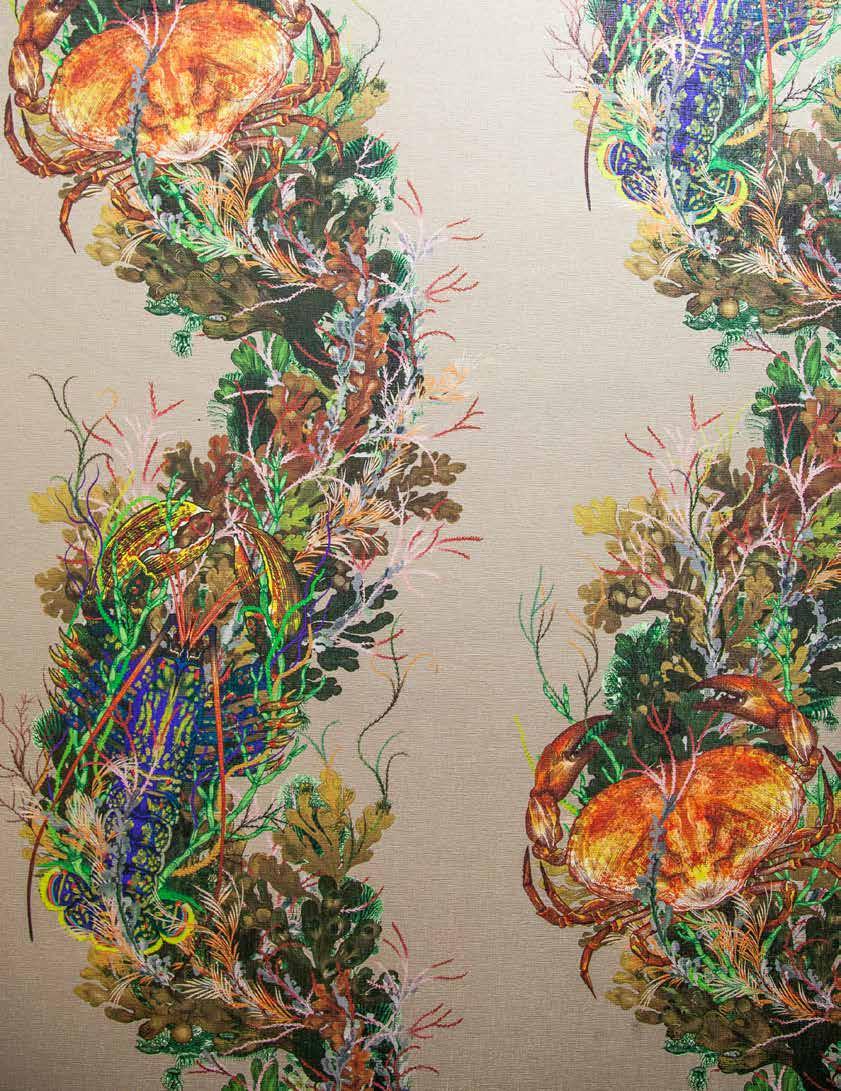
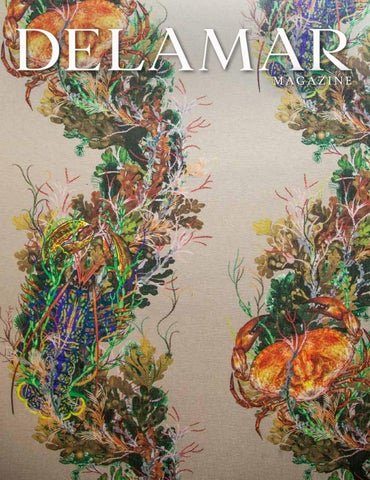
Cover Photo: Timorous Beasties wallpaper in the lobby of Delamar Mystic, which boasts a bespoke crab and lobster motif.
Photography by Tina Sommers
Published by
Colleen Richmond colleen@vivant.media Vivant.media
Gary Blaustein






18 Thoughtfully curated experiences designed to elevate a stay—from romantic escapes and babymoon retreats to cultural partnerships and private waterfront adventures across the Delamar collection.
24 A celebration of objects crafted with enduring beauty and intention. This issue explores a modern coach-built Speedster inspired by Porsche heritage, the limited-edition Riva Cento yacht, and the return of Krigler’s legendary Lovely Patchouli 55 fragrance.

29 SUN-STACKED — sculptural gold cuffs, diamond bangles, and luminous pieces designed to capture the light of the season.



30 A HOME AWAY FROM HOME — Delamar Southport General Manager Mariya Sytnyk on building a culture of familiarity, care, and genuine guest connection
36 THE LONG GAME OF SKIN — the Swiss cellular science behind Valmont skincare and the philosophy guiding the spa experience at Delamar.
38 ELEVATE WITH ELEVAI — Advanced exosome-based skincare arrives at Delamar, introducing one of the most forward-thinking regenerative treatments in modern aesthetics.
40 THE FUTURE OF WHOLE-PERSON WELLNESS —How DNA-based nutrition and epigenetic science are reshaping our understanding of health, revealing how food, environment, and biology work together to shape long-term wellbeing.
52 DINING CONFIDENTIAL — A look inside Artisan at Delamar Southport, where refined French-inspired cooking and an effortless sense of occasion define the experience.
58 THE FARMHOUSE FEAST — Seasonal ingredients from Connecticut’s leading growers celebrate the power of local food, where peak harvests, thoughtful farming, and simple preparation create meals rooted in place.
62 A PLACE TO STAY—ALL SEASON LONG — Inside Gabriele’s of Westport, a restaurant that has quietly become a local institution—where confident cooking, familiar faces, and an enduring sense of occasion keep guests returning year after year.
66 ECHOES ALONG THE SOUND — As America marks its 250th anniversary, Connecticut’s coastline revisits its pivotal role in the Revolutionary War through exhibitions, historic sites, and cultural programs across the region.

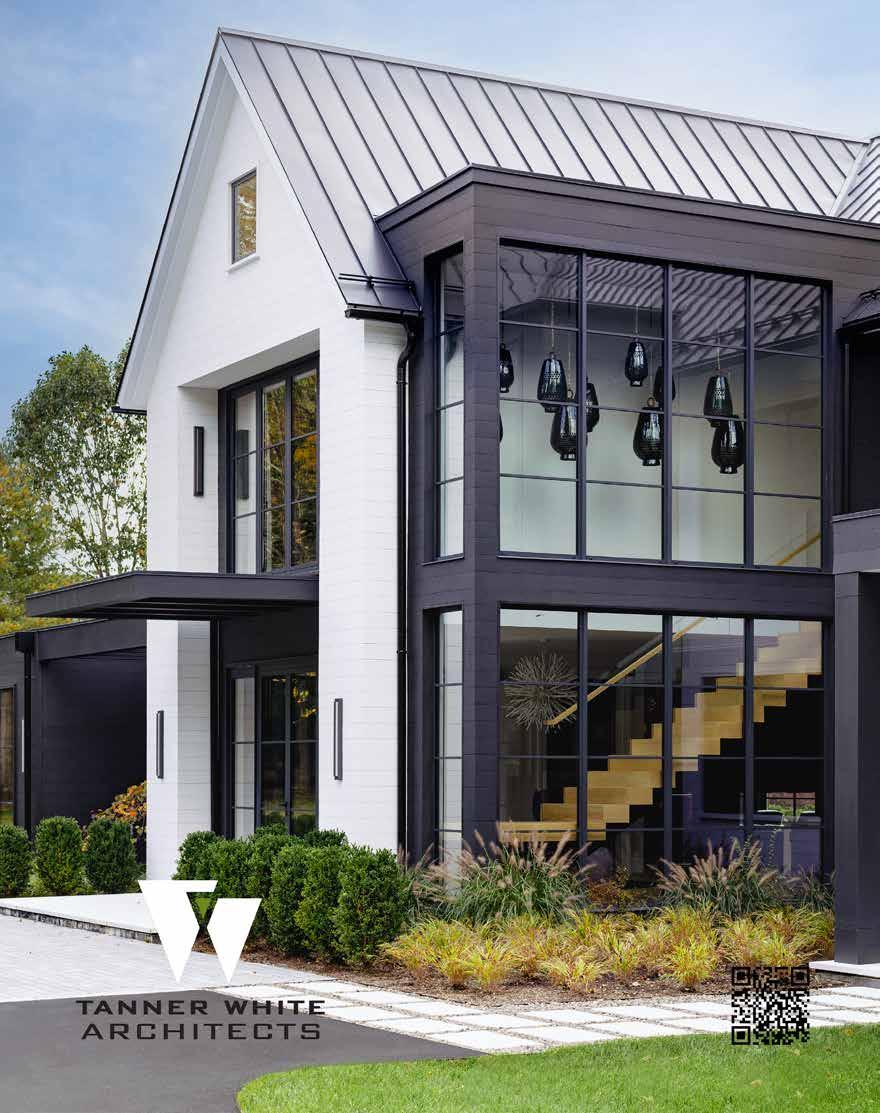
72 A HOUSE ON THE HORIZON — Set amid open farmland, this contemporary ranch by Tanner White Architects allows architecture and landscape to unfold in quiet conversation.
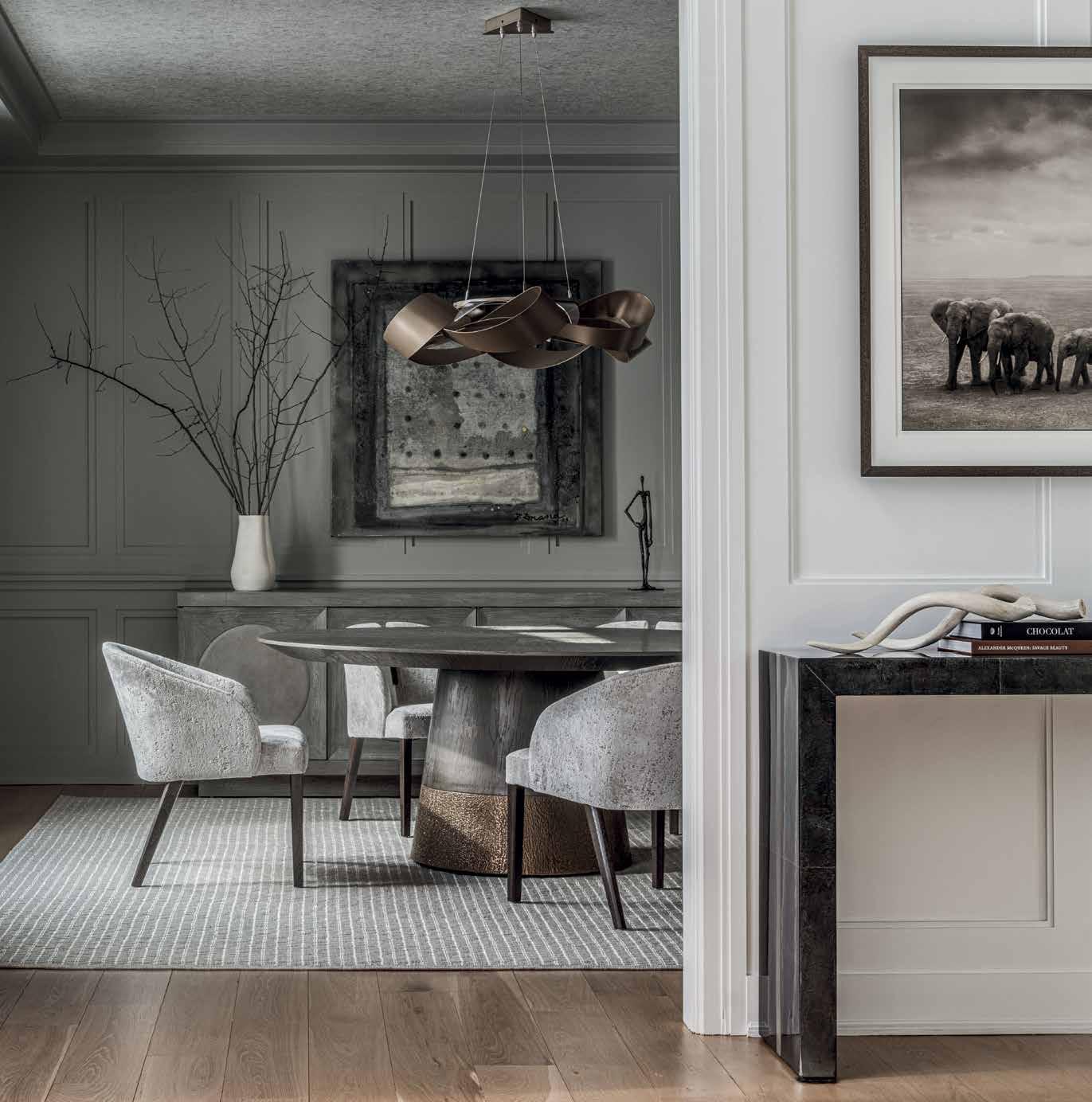
80 WHERE ART LIVES — Stephanie Rapp Interiors designs a Westport home around a collector’s eye, creating a refined living environment where art and everyday life coexist beautifully.
92 JOAN LUNDEN ON REINVENTION, RESILIENCE, AND LIVING BEYOND THE SCRIPT — In a candid conversation, the pioneering journalist reflects on her new memoir, personal reinvention, and the lessons learned from a life lived both on and off camera.
96 THE ART OF FEELING AT HOME — Inside The Happy Home, designer Ariel Okin’s new book exploring interiors shaped by memory, personality, and the quiet layers that turn a house into a home.
102 A MANSION OF HER OWN — A forthcoming biography uncovers the mysterious life of Alice Delamar—the reclusive heiress who quietly supported some of the twentieth century’s most influential artists.
TRAVEL
106 EASE, ELEVATED — At Azura in Bermuda, oceanfront terraces, turquoise water, and effortless island rhythm create a refined escape just a short flight from the East Coast.
112 48 HOURS IN MYSTIC — A coastal escape where maritime history, exceptional dining, and riverfront charm unfold around a stay at Delamar Mystic.






GREENWICH 5 Riverside Lane
121 GUEST BOOK— A look inside the gatherings, celebrations, and memorable evenings that brought the Delamar community together.
WESTPORT 292 Post Road East JLROCKS.COM
In 1999, Mallory turned a lifelong dream into reality by founding Greenwich Hospitality Group (GHG), bringing his passion for art, architecture, and personalized service to the world of luxury hotels and restaurants. Today, GHG owns and operates a distinctive portfolio of boutique hotels, awardwinning restaurants, and luxury spas in Connecticut and Michigan, united by a refined aesthetic and an unwavering commitment to thoughtful hospitality.
Mallory’s vision came to life with the creation of Delamar Hotels, beginning with Delamar Greenwich Harbor, followed by Delamar Southport, Delamar West Hartford, and the addition of Delamar Traverse City in 2021—GHG’s first venture beyond New England. Most recently, in 2025, the group proudly opened Delamar Mystic, a tribute to Mallory’s maritime roots, and Delamar Westport.
Charles Mallory continues to shape Greenwich Hospitality Group with entrepreneurial vision and a passion for innovation. A former board member of the Mystic Seaport Museum, and current board member of Shelburne Museum and the William Pitt Foundation, Mallory remains closely connected to the arts, history, and the communities where his hotels reside.


Delamar Hotel Collection proudly celebrates America’s 250th Anniversary in Connecticut—the Constitution State. Each hotel offers a gateway to the landmarks, culture, and stories that shaped the nation, inviting guests to explore history through curated, luxury stays.
DELAMAR GREENWICH HARBOR
• Bruce Museum
• Bush Holley House
• Greenwich Harbor 250th Celebration
• Greenwich Historical Society
• Putnam Cottage/Knapp Tavern Museum
• Wings Air Helicopter Tour of NYC and Statue of Liberty
DELAMAR SOUTHPORT
• Fairfield Museum and History Center
• Fairfield University Art Museum
• Pequot Library Association
DELAMAR WESTPORT
• Minute Man Monument
• Westport Country Playhouse
• Westport Museum for History and Culture
DELAMAR WEST HARTFORD
• Blue Black Square
• Mark Twain House & Museum
• New Britain Museum of American Art
• New England Air Museum
• Noah Webster House
• Stowe Center for Literary Activism
• Wadsworth Atheneum Museum of Art
DELAMAR MYSTIC
• Fort Griswold Battlefield State Park
• Mystic River Bascule Bridge
• Mystic Seaport Museum
• Stonington Historical Society



A preserved airstrip and vintage hanger with rustic charm and historical elegance bordered by the tidal marshes of Wequetequock Cove, traces its agrarian roots to the founding of Stonington in the mid-1600s.


Created for expectant parents savoring a meaningful pause before what comes next, the Blissful Babymoon Escape offers a restorative stay centered on comfort, calm, and connection. Set within the serene surroundings of Delamar Greenwich Harbor, the experience is designed to feel nurturing from arrival to departure.
Thoughtful in-room touches await, including chocolate-covered strawberries, refreshing still water, and pregnancy-safe Caudalie spa samples selected for gentle indulgence. A travel-sized Tubby Todd kit introduces clean, trusted baby essentials—an elegant nod to what lies ahead. Each day begins unhurriedly with a breakfast credit, while a dedicated dining allowance invites a relaxed meal at the hotel restaurant. A late checkout ensures the stay concludes as peacefully as it begins.
Calm, considered, and quietly celebratory, the Blissful Babymoon Escape is a gentle expression of luxury—designed for rest, reflection, and savoring the moment before life’s next chapter.
Available at Delamar Greenwich Harbor | Southport | West Hartford | Mystic | Westport.
Immerse yourself in New England’s rich maritime history with a visit to Mystic Seaport Museum, the nation’s premier maritime museum. Set along the waterfront, the livinghistory village brings seafaring traditions to life through historic ships, restored buildings, and thoughtfully curated exhibitions that celebrate America’s maritime past.
As a guest of Delamar Mystic, complimentary access to the museum is included—simply stop by the front desk to receive your wristband. Wander the docks, explore iconic vessels, and experience the craftsmanship, stories, and rhythms that shaped New England’s coastal legacy.

Informative, immersive, and uniquely local, a visit to Mystic Seaport Museum offers a meaningful connection to the region—an experience that deepens every stay at Delamar Mystic.

Designed for couples who appreciate quiet luxury and unhurried time together, A Little Romance Retreat is a refined escape where every detail is thoughtfully arranged. Set within the elegant surroundings of Delamar Greenwich Harbor, the experience begins with a beautifully appointed overnight stay, a bottle of chilled champagne awaiting arrival, and indulgent chocolate truffles to savor.
Soft rose petals in blush or white set the tone, while a generous dining credit invites an intimate evening at the hotel restaurant, known for its warm, inviting ambiance and thoughtfully crafted cuisine. A late checkout allows the morning to unfold slowly, extending the sense of ease.
To complete the experience, couples receive a curated guide to local dining, spa moments, and romantic experiences—an insider’s touch that transforms a stay into a lasting memory. Seamless, elegant, and quietly indulgent, this is romance the Delamar way.
Available at Delamar Greenwich Harbor | Southport | West Hartford | Mystic | Westport.
Your Delamar room key unlocks complimentary access to MoCA CT in Westport, a dynamic center for contemporary visual art, live music, and cultural programming. Dedicated to sparking curiosity and creative dialogue, MoCA offers thoughtprovoking exhibitions and performances that connect art, community, and conversation—extending your stay beyond the hotel and into the cultural fabric of the region.


Experience Mystic from the water with an exclusive private yacht charter curated in collaboration with Mystic Seaport Museum. From historic vessels to elegant yachts, each intimate cruise offers a refined and unforgettable way to explore the region’s storied shoreline and maritime heritage.
Available seasonally from May through October, charters accommodate up to six guests, creating a private, leisurely escape perfectly tailored to your coastal stay.
To learn more or book your charter experience, please visit our front desk or call 860.980.1919.
Mystic
Immerse yourself in Hartford’s rich literary legacy with this exclusive two-night experience designed for lovers of culture and history. Pages From the Past invites guests to trace the footsteps of American literary icons through guided and self-guided explorations of the city’s most storied landmarks.
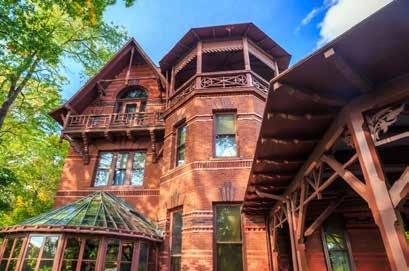
The package includes a curated welcome gift, daily breakfast, and a refined three-course dinner inspired by the favorite dishes of celebrated authors. Highlights include visits to the Mark Twain House & Museum and the Stowe Center for Literary Activism, along with a contemplative walk following Wallace Stevens’ daily route— marked by engraved granite stones featuring verses from Thirteen Ways of Looking at a Blackbird. A 1 p.m. late check-out completes this thoughtful and timeless escape.
West Hartford
A refined fusion of wellness and indulgence, the Caudalie x Delamar Package is a thoughtfully curated retreat designed to restore both body and spirit. Hosted at Delamar Southport, this exclusive offering invites guests to slow down and embrace the art of intentional self-care.
The stay begins with a luxurious two-night accommodation and a special welcome gift from Caudalie, setting a serene tone from the moment of arrival. Guests are then invited to select one of two signature spa rituals: a rejuvenating 60-minute Premier Cru Anti-Aging Facial or an invigorating 60-minute Vine Body Wrap with dry-brush energizing—each designed to leave skin refreshed, radiant, and renewed.

Evenings unfold with a seasonal three-course farm-to-table dinner at Artisan, where locally inspired cuisine takes center stage. For a final indulgent touch, guests may enhance their stay with an optional bottle of wine sourced from Caudalie’s celebrated Bordeaux vineyards.
Effortless, restorative, and quietly luxurious, the Caudalie x Delamar Package offers a rare opportunity to retreat, recharge, and reconnect—where wellness meets the understated elegance of the Delamar experience.
Available at Delamar Southport and Delamar West Hartford.


In the world of fine automobiles, few shapes stir the imagination quite like an open-top Porsche from the 1950s. The proportions, the restraint, the quiet confidence of design over decoration. It is that enduring appeal that inspired Stärke Motor Company to unveil the second generation of its retro-inspired Speedster—a car that looks as though it belongs on a sun-washed coastal road in another era, yet drives with the precision and confidence of today.
Based in Missouri, Stärke has built a reputation as a
modern coach builder for collectors who value authenticity without sacrificing usability. The new Gen 2 Speedster is their most accomplished expression yet. At first glance, its silhouette recalls the classic Porsche 356 Speedster, with flowing fenders, upright headlights, and a low, purposeful stance. But this is not a reproduction. Each exterior panel has been re-engineered using advanced 3D scanning and computer-aided design, resulting in a hand-crafted aluminum body that fits seamlessly over a contemporary platform.

That modern foundation comes from the Porsche 718, giving the Speedster a thoroughly current driving experience. Steering, suspension, braking, and structural integrity all benefit from Porsche’s latest engineering, allowing the car to deliver a level of refinement and confidence that vintage models simply cannot match. The result is a rare balance: the romance of a mid-century sports car paired with modern performance.

Powertrain options are drawn directly from Porsche’s current lineup, allowing owners to tailor the experience to their preferences. Choices range from turbocharged flat-four engines to the highly regarded naturally aspirated 4.0-liter flat-six, offering exhilarating performance while remaining approachable for everyday driving. Buyers may choose between a traditional manual transmission or Porsche’s PDK dual-clutch system, depending on whether they prefer analog engagement or effortless precision.
Inside, the experience continues to bridge eras. The cabin retains the simplicity and intimacy that made early Speedsters so appealing, while discreetly incorporating
modern comforts. Heated seats, climate control, airbags, and integrated safety systems are woven seamlessly into the design, ensuring the car feels as suitable for a relaxed weekend escape as it does for a special evening drive. This is not a machine meant solely for display—it is designed to be driven and enjoyed.
Each Gen 2 Speedster is built to order, with clients working closely with Stärke to personalize finishes, colors, wheels, and interior details. No two cars are exactly alike, reinforcing the sense that this is less a production vehicle and more a commissioned piece of functional art. Pricing reflects that exclusivity, placing the Speedster firmly in the realm of discerning collectors who value craftsmanship, individuality, and thoughtful design.

At a moment when the automotive world is rapidly evolving, the Stärke Speedster offers a different kind of progress. It celebrates beauty, balance, and the pleasure of driving—not by looking backward, but by carrying the best of the past forward. For those who believe great design endures, it is a reminder that some stories are worth revisiting, especially when they are told with such care.
Photos by Stärke Motor Company
There are yachts that impress, and then there are yachts that endure. The kind that feel inevitable the moment you see them—as though they’ve always existed, waiting patiently for the right moment to arrive. The Riva Cento, unveiled in late 2025 with deliveries beginning in 2026, belongs firmly in the latter category.
Created to mark a century of Riva craftsmanship, the Cento is not a reinvention nor an exercise in excess. It is a
distillation. A quiet, confident expression of what Riva has always done best: elegance in motion, restraint in luxury, and beauty shaped by heritage rather than trend.
Conceived as a limited-edition open yacht for true collectors, only twelve examples of the Cento will ever be built. That rarity is intentional. This is not a yacht designed to populate marinas—it is designed to belong to a select few who understand that the most powerful luxury is discretion.


At just under forty feet, the Cento’s proportions feel perfectly resolved. Long, low, and unmistakably Riva, its silhouette recalls the golden age of Italian motor yachting, yet nothing about it feels nostalgic. Instead, it feels timeless—where past and present meet without compromise.
The exterior palette reinforces that philosophy.
Owners may choose a deep, lustrous metallic black that heightens the yacht’s sculptural lines, or a refined light grey aluminum that feels architectural and modern. In both cases, the form itself is allowed to speak.
Step aboard and the Cento reveals its true soul.
Ribbed leather upholstery nods subtly to classic Italian grand touring cars. Lacquered mahogany surfaces catch the light as the yacht moves. Chrome accents gleam— never loudly, always deliberately.
The cockpit is designed not just for travel, but for living. A generous C-shaped lounge invites long afternoons on the water, while a convertible table transitions effortlessly from dining to sunbathing. An electro-hydraulic bimini offers shade when needed,
disappearing entirely when the sky calls for openness.
At the stern, the Cento’s most elegant gesture emerges: a hydraulically lowered transom that becomes a private beach at sea level. Mahogany steps descend directly into the water, flanked by built-in sun loungers that transform the aft deck into an intimate floating terrace—an invitation to linger.
Below deck, the atmosphere is calm and unexpectedly luminous. Thoughtfully placed windows and skylights illuminate a refined interior complete with a compact galley, a beautifully finished bathroom with separate shower, and a convertible forward lounge—making spontaneous overnight escapes feel effortless.
Performance, too, is handled with restraint. The Cento delivers exhilarating speed when called upon, yet it is happiest at a graceful cruise, cutting across the water with composure. Stabilization ensures calm whether underway or at anchor, reinforcing that this yacht was designed for pleasure, not performance theatre.
If a scent could tell a story, Lovely Patchouli 55 would unfold slowly, like a well-lived novel — one marked by intimacy, restraint, and quiet confidence rather than spectacle. It is a fragrance that has always resisted trends, and that resistance is precisely what has allowed it to endure.
Originally introduced in 1955, Lovely Patchouli 55 was a bold departure from the floral-centric women’s fragrances of the time. Rooted in earthy patchouli, with warmth and complexity from amber, leather, red fruits, vanilla, and subtle spices, its composition was both sophisticated and quietly magnetic — a scent that belonged as much to confident women as to men.
Jacqueline Kennedy’s affinity for this perfume helped cement its mystique. According to Krigler lore, she frequently favored Lovely Patchouli 55 during her time in New York, making it a personal signature and a quiet rebellion against the expected — much like her enduring style.
For decades, the scent existed more as legend than commodity — known among collectors and connoisseurs, rarely encountered, and never overexposed. That rarity is part of what makes its recent return so compelling. In early 2026, Krigler reintroduced Lovely Patchouli 55 as a Classic Extrait de Parfum, offering a more

concentrated and refined expression that honors the original composition while deepening its presence and longevity. This relaunch is intentionally restrained. Only 200 bottles have been produced, each housed in a handcrafted crystal flacon and accompanied by a leather travel case. There is no stated end date, only the quiet understanding that once this limited edition is gone, it will not be repeated in this form. The fragrance is meant to be collected, lived with, and revisited.
What makes Lovely Patchouli 55 especially resonant now is its refusal to conform to seasonal expectations. In a landscape dominated by fleeting releases and trend-driven notes, this scent feels grounded and assured. It is well suited to evenings, travel, and moments of presence.
It is an object of continuity — a bridge between past and present, memory and modernity. Like the most enduring hotels, tables, and places, it invites you not to consume it quickly, but to return to it, again and again.

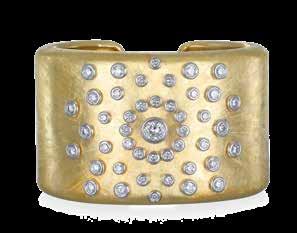
18 KARAT GOLD DIAMOND SUNBURST CUFF Bracelet fayekim.com

SOLID GOLD LINK BRACELET- JL ROCKS jlrocks.com
Golden layers made for long days, late dinners, and wrists that catch the light at every turn. From sculptural cuffs to diamond-dusted bangles, this season’s stack is effortless, radiant, and endlessly wearable.


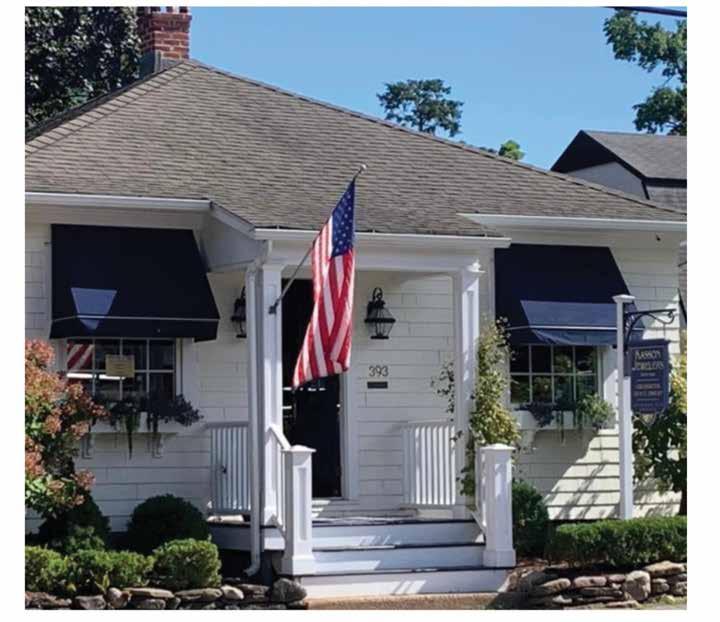
UNEEK ALEXANDRIA COLLECTION BEZEL CLASP BANGLE kassonjewelers.com
BANGLE IN 18K GOLD WITH DIAMONDS kassonjewelers.com

18 KARAT GOLD DIAMOND WHEEL BRACELET fayekim.com
GABRIEL & CO. 14K YELLOW GOLD BUJUKAN OPEN CUFF BRACELET WITH DIAMOND BAGUETTES Nagijewelers.com


CHANNEL SHANNON FLEXI BANGLE jlrocks.com
At Delamar Southport, many guests return not just for the beautiful waterfront setting or refined comfort of the hotel, but for something increasingly rare in hospitality — familiarity. They are greeted by faces they recognize, by staff who remember their preferences, and by a feeling that their stay is personal rather than transactional.
Much of that atmosphere traces back to General Manager Mariya Sytnyk, whose steady leadership and thoughtful approach have helped shape the culture of the hotel for more than a decade.
Originally from Ukraine, Mariya joined the Delamar family in 2010. What began as a professional opportunity quickly grew into something deeper. Over the years, the company has become, as she describes it, “more than just a job — it feels like family.” That sense of connection now informs how she approaches both hospitality and leadership.
Before moving to the United States, Mariya had not worked in the hospitality industry. Yet the principles that define great service — care, attentiveness, and the ability to anticipate a guest’s needs — quickly resonated with her. Over time, she discovered that hospitality at its core is about understanding people and creating environments where they feel comfortable and welcomed.
Those values are evident throughout Delamar Southport. The hotel has developed a loyal following of returning guests, many of whom visit year after year. Familiar faces greet them at the front desk, small preferences are
remembered, and the overall experience feels thoughtfully personal.
“It’s that home-away-from-home feeling,” Mariya explains. “Guests appreciate being welcomed by people who know them and genuinely care about their experience.”
Creating that consistency begins with the team. Like many hospitality environments, Delamar Southport is powered by a diverse international staff representing many cultures, languages, and life experiences. Mariya believes that diversity strengthens the hotel’s culture.
“No matter someone’s role, we can always learn from one another,” she says. “Working together and supporting each other helps us create great experiences for our guests.”
Over the years, she has watched many members of her team grow not only professionally but personally as well. She has celebrated milestones alongside them — marriages, children, new homes, and college graduations. Those shared experiences have helped transform the workplace into something more meaningful.
“For many of us,” she says, “this has become our home away from home.”
“ True luxury comes from genuine and sincere human interaction
— making guests feel welcomed, recognized, and cared for ”
That sense of belonging naturally extends to the guest experience. While technology continues to evolve rapidly within the hospitality industry, Mariya believes the most valuable element of luxury remains deeply human.
“Technology can enhance efficiency and convenience,” she says, “but true luxury comes from genuine and sincere human interaction.”
For her, thoughtful service, personal connection, and the ability to make someone feel truly cared for remain the defining qualities of exceptional hospitality.
Outside the hotel, Mariya finds balance in the simple rhythms of everyday life. Much of her free time is spent cheering on her son at baseball games — moments that bring her great joy. She also enjoys spending time outdoors, walking, gardening, and visiting the beach whenever she can.
Those same qualities — patience, attentiveness, and appreciation for people — shape her leadership style. And at Delamar Southport, where guests often return season after season, they are part of the reason the hotel feels less like a destination and more like a place that remembers you.

Celebrate your love with a Micro Wedding at Delamar—where timeless elegance meets effortless sophistication. Designed for couples who value intimacy and intention, our thoughtfully crafted packages transform your special day into a beautifully personalized experience. From refined culinary moments to impeccable service and romantic surroundings, every detail is handled with care. Gather your closest loved ones and let us create a celebration that feels meaningful, elevated, and entirely your own.












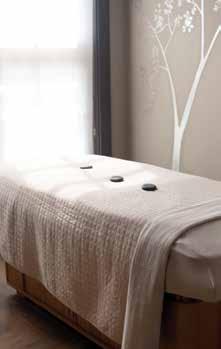
By Colleen Guilfoile Richmond

In luxury skincare, true results are rarely rushed. They are built through precision, patience, and an unwavering respect for the skin’s natural intelligence. That philosophy defines Valmont, the Swiss cellular cosmetics house revered for its methodical, science-driven approach to skin health. Rather than chasing instant transformation, Valmont works quietly and deliberately at the cellular level, strengthening skin over time so that radiance feels natural, not manufactured. This way of thinking aligns seamlessly with the ethos at The Spa at Delamar, where skincare is approached as both
indulgence and care. For Mrs. Georgette Mallory, bringing Valmont into the Delamar spa experience was about far more than adding a luxury brand to the menu. “My basic beauty philosophy is to encourage people—especially women—to care for themselves,” she explains. “The spa is about pampering, but it’s also about health. Skin is a living organism. It needs to be fed.”
“ Great skin isn’t rushed— it’s supported.”
Valmont’s formulations reflect that belief in nourishment at the highest level. Crafted with some of the finest-quality collagen available, a unique peptide configuration, and even pure Swiss glacial water, the products are designed to support the skin’s natural functions rather than override them. Yet it was not only the science that resonated. Valmont’s family-owned heritage struck a personal chord. Founded by a husband-and-wife team, the brand’s story mirrored the spirit behind the Delamar hotels themselves— carefully built, deeply personal, and rooted in long-term vision. Mrs. Mallory recalls her first Valmont facial in Lausanne, near the historic Swiss health clinic that once drew figures like Charlie Chaplin. “I loved the legacy,” she says. “I loved that it was Swiss. And I loved how the products felt—the texture, the scent, the glide. You can actually feel them activate on your skin.”
That sensory experience is only part of what guests discover. Valmont’s cellular philosophy centers on enhancing the skin’s own ability to renew and repair. Rather than focusing solely on surface concerns, the products work deeper, nourishing the skin with advanced ingredients such as Valmont’s signature Triple DNA complex. This powerful formulation delivers intense hydration, supports cellular regeneration, provides antioxidant protection, and offers natural UV defense—benefits that build resilience over time.
The results, however, are immediately visible. Guests often emerge from Valmont facials with what Delamar estheticians describe as “glass-like” skin—luminous, smooth, and visibly
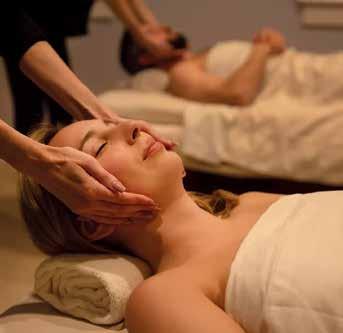
refreshed. These treatments have become favorites for guests preparing for special occasions, events, or simply seeking a more elevated facial experience. What sets Valmont apart is that the glow does not disappear overnight. Its active DNA and RNA molecules have exceptional affinity with the skin, helping to strengthen and stimulate cells in a way that many guests report lasting up to three weeks after a single treatment.
Personalization is central to the experience at Delamar. Each esthetician undergoes ongoing training directly with Valmont to ensure every treatment is precisely matched to the guest’s needs. The facials themselves are highly technical, incorporating specialized lymphatic massage techniques and exact application methods designed to maximize absorption and results. Technique and timing matter as much as the products themselves, transforming each facial into a carefully choreographed ritual.
This adaptability makes Valmont particularly well-suited to a hotel spa environment, where guests arrive with vastly different concerns. Some are jet-lagged, others stressed, dehydrated, or adjusting to new climates. Valmont’s high-performance, resultdriven formulations allow therapists to recalibrate skin quickly while maintaining a sense of calm luxury. The experience feels restorative without ever feeling aggressive.
Certain products consistently stand out during treatments. Guests frequently remark on the airy, effervescent feel of the Bi-Falls cleanser, the versatility of the Prime Renewing Pack—used both as a daily moisturizer and an intensive mask—and the immediate plumping effect of the Regenerating Collagen Mask, formulated with medical-grade collagen for results that can be felt instantly. Many choose to take these rituals home, extending the benefits well beyond their stay.
Guiding guests beyond the treatment room is an essential part of the Delamar approach. Estheticians focus on personalization, simplicity, and consistency, recommending home care rituals based on what was addressed during the facial—whether hydration, lifting, brightening, or repair—and explaining how each step supports the skin’s natural renewal process.
For those new to Valmont, the most meaningful introduction begins not at the counter, but on the treatment table. A facial with a trained Delamar esthetician allows the skin to be properly analyzed and the ritual to be tailored from the first touch. It is an invitation to slow down, to invest in skin health rather than shortcuts, and to experience luxury as something that endures— quietly, beautifully, and over time.
By Colleen Guilfoile Richmond
Luxury wellness has entered a quieter, more powerful era—one defined not by excess, but by precision. At Delamar Hotels, innovation has never been about spectacle. It has always been about discernment. The right partnership. The right ingredient. The right moment. That philosophy now moves beneath the surface— literally—with the introduction of Elevai, an advanced exosome-based treatment available in only one hotel setting in the country.
This is not a facial designed for fleeting glow. It is not a trend designed for social media. It is science, refined. Exosomes represent one of the most compelling frontiers in regenerative aesthetics. Often described as microscopic “messengers,” these stem cell–derived particles help cells communicate more effectively. Over time—through age, environmental stress, travel, sun exposure, and the quiet accumulation of life—this cellular communication slows. Skin becomes less balanced. Recovery takes longer. Radiance fades.

“ This is not wellness as indulgence— it is wellness as intelligence. Exosomes don’t force change; they activate the skin’s own intelligence to repair, regenerate, and restore. ”
Topical exosomes work differently than traditional treatments. Rather than simply polishing the surface, they support the skin’s own renewal process—encouraging it to repair, regenerate, and restore itself at a cellular level. The result is not a dramatic overnight transformation, but something far more sophisticated: improved tone, smoother texture, enhanced elasticity, and a sense of vitality that looks authentic because it is.
“Exosomes are especially helpful for clients healing after injury, surgery, or more invasive procedures,” explains Debbie, Lead Esthetician at Delamar Southport. “They support the skin’s natural renewal process at a time when it needs intelligent guidance.”
What distinguishes Elevai within this category is its source and purity. The treatment utilizes ethically sourced human umbilical cord stem cells—known as Cell Zero Exosomes™— recognized for their biological potency and close compatibility with human skin. Unlike exosomes derived from fat, platelets, or plants, these early-stage cells offer a cleaner, more active profile, supporting visible results through enhanced alignment with the skin’s natural signaling pathways.
In an industry crowded with promises, this is innovation grounded in credibility.
Delamar is currently the only hotel in the United States offering this treatment—a distinction that speaks less to exclusivity for its own sake and more to intention. “Being the only hotel in the country to offer Elevai represents a significant milestone for Delamar,” says Melanie Blynn, Area Spa Director. “It reinforces our commitment to innovation, elevated guest experiences, and thoughtful curation. We are not simply a place to stay—we are a destination for distinctive, best-in-class wellness experiences.”
Exclusivity at this level also signals trust. Leading luxury skincare brands partner selectively. To be chosen as the sole hotel setting for such a specialized treatment underscores Delamar’s reputation for excellence, training standards, and refined execution.
But who is it for?
“At some point in everyone’s skincare journey, they will be looking for a treatment like this,” says Jessica, Spa Supervisor in Southport. Guests experiencing rosacea or hyperpigmentation often notice meaningful improvement. Those focused on slowing the visible progression of aging find it equally compelling. It appeals to individuals who value discretion, efficacy, and longterm skin health over quick fixes.

The treatment can be experienced as a powerful enhancement to a single session—ideal for guests seeking accelerated recovery and visible refinement. Yet its philosophy extends beyond the treatment room. Elevai’s at-home formulations combine nanoencapsulated growth factors, advanced peptides, and high-quality skincare ingredients designed to support ongoing rejuvenation. With consistent daily use, skin becomes healthier, more balanced, and visibly more resilient.
Results vary depending on individual skin condition and commitment, but certain concerns—like rosacea—may respond more quickly than others. What remains consistent is the approach: measured, intelligent, and cumulative.
Introducing a treatment of this caliber aligns seamlessly with Delamar’s broader vision of understated luxury. Here, luxury is not defined by extravagance, but by intentionality. Every addition to the wellness portfolio undergoes a deliberate evaluation: Does it align with the brand’s philosophy? Is it backed by efficacy and credibility? Will it still feel refined a year from now?
“We are not trend-driven—we are quality-driven,” Blynn notes. “If something enhances the guest experience in a meaningful way and meets our standards of excellence, then it belongs here.”
This partnership with Elevai signals more than a new menu offering. It reflects the future direction of Delamar’s wellness program: forward-thinking, results-driven, and deeply integrated into the overall guest journey. It positions the spa not simply as a retreat from daily life, but as a place where advanced science and serene hospitality coexist.
Wellness, in this new era, is not indulgence for indulgence’s sake. It is precision. It is restoration. It is intelligence.
By Marci Moreau
For a long time, wellness has been shaped by trends, buzzwords, and rigid rules about how we should live. It’s often been reduced to programs, protocols, and the pursuit of perfection.
But the future of wellness looks different. It’s more personal. More grounded. And, to me, far more powerful. We are finally arriving at that sweet spot, where our stories and science come together creating a stronger framework for optimal well being. Here health is understood not as a checklist, but as something deeply individual.
Whole-person wellness recognizes that health is shaped not only by our biology, but by our experiences, our environments, and the choices we make every day. No two bodies respond in exactly the same way. Our genetic makeup matters but not in the deterministic way we once believed.
Today, one of the most promising tools in whole-person wellness is DNA-based nutritional analysis.
Rather than prescribing a one-size-fits-all approach, nutritional DNA insights help illuminate how an individual’s body processes key nutrients, responds to certain fats and carbohydrates, manages inflammation, and detoxifies environmental exposures.
This information offers context, and a clearer understanding of how food can be used more intentionally to support the body’s natural strengths and vulnerabilities.
When combined with high-quality ingredients, sustainable food systems, and mindful lifestyle choices, nutritional DNA analysis becomes a powerful guide,
helping people move beyond trends and toward nourishment that truly works with their biology.
This is great news because for years, genetics were treated as destiny. What you inherited was simply what you got.
But research now tells a different story. We have more influence over our health than we once thought. Our genes are not fixed instructions; they’re responsive. They listen. And one of the most powerful signals they receive comes from food.
If the idea that food can influence how our genes behave sounds surprising, nature offers a remarkably powerful example.
Inside a beehive, worker bees and queen bees are genetically identical. Yet they live dramatically different lives. Worker bees labor constantly and live only a few weeks. The queen bee lives for years and has the capacity and strength to create an entire colony.
Interestingly, the difference isn’t genetics. It’s food.
Queen bees are fed royal jelly, while worker bees consume nectar and pollen. Royal jelly doesn’t just provide energy, it activates specific genetic pathways that shape the queen’s anatomy, physiology, and longevity.
This has become one of the most widely cited examples of epigenetics; the science of how external factors, including food, influence which genes are turned on or off.
Of course, human biology is more complex, but the principle holds. What we eat matters not just as fuel, but as information, shaping how our bodies function over time.
This understanding couldn’t be more important right now.

With PFAS and other so-called “forever chemicals” increasingly present in our environment, the quality of our food matters more than ever. We can’t control every exposure. But we can choose foods that support detoxification, strengthen resilience, and help the body do what it was designed to do.
If food is one of the primary signals shaping our health, then how it’s grown matters. What it contains, and what it doesn’t, matters. Our food must do more than fill us. It must support repair, resilience, and long-term well-being.
In a very real way, we need our food to be the royal jelly. We need our food to be the strongest most powerful source of nourishment to support the best expression of our biology, food that works with us, not against us.
Whole-person wellness is about understanding how our environment, our genes, and the food we eat interact every day, over a lifetime. Armed with that knowledge, we can move beyond trends and rules, and feed our bodies the cleanest ingredients that best support our unique genetic blueprint.
THIS IS WHERE THE FUTURE OF WHOLE PERSON WELLNESS IS GOING.
Toward cleaner, more sustainable ingredients. Toward food that works with our individual biology. Toward health that is resilient, personal, and finally, truly powerful.
Raw honeycomb contains enzymes, polyphenols, and trace nutrients that are often lost in processed honey. Combined with highquality olive oil, this vinaigrette supports antioxidant activity, digestion, and metabolic balance, with a quite nod to royal jelly metaphor and all our Queen Bees. Makes about 3/4 cup.
• 1 tablespoon raw honeycomb (cut from the comb)
• 2 tablespoons raw apple cider vinegar
• ½ teaspoon Dijon mustard
• ¼ teaspoon sea salt
• Freshly cracked black pepper, to taste
• ½ cup high-quality extra virgin olive oil
• Juice and rind of 1/2 lemon
• 1/2 teaspoon freshly grated ginger root
• 1/2 teaspoon freshly grated turmeric root
Place the honeycomb in a small bowl and gently mash it with a fork to release the honey. Whisk in the vinegar, lemon juice, lemon rind, mustard, ginger root, turmeric root, salt and pepper.
Slowly drizzle in the olive oil while whisking continuously until emulsified. Taste and adjust seasoning as needed. Drizzle over any of your favorite greens like arugula or radicchio, roasted vegetables, or shaved fennel. Let it sit for a few minutes before serving so the flavors fully bloom.

Marci Moreau partners with GenoPalate, a science-based nutritional DNA analysis company, to help individuals better understand how their unique genetic makeup interacts with food. This partnership reflects her belief that informed, personalized nutrition is a cornerstone of whole-person wellness. To purchase you own DNA analysis use my discount code MARCIMOREAU.
Inspiring. Collaborative. Elevated.


SCAN HERE
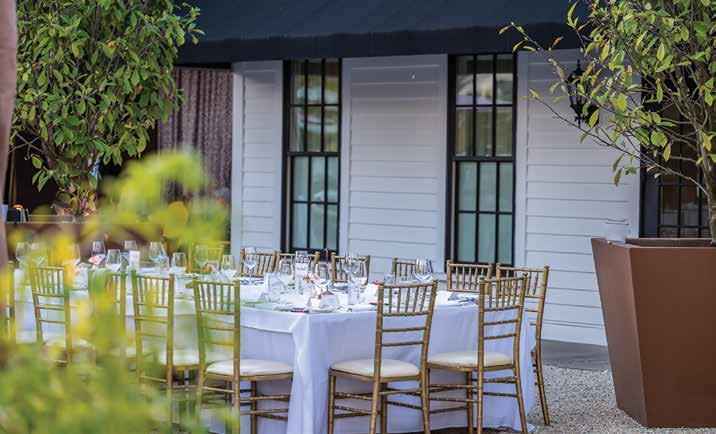
Explore the variety of meeting spaces we offer across our hotel collection
• Custom curated team building experiences
• Mixed use meeting capabilities & technology
• Award-winning restaurants & dining experiences
• Elevated spa treatments at select locations
• Perfectly sized boutique hotels for exclusive use
• Charming & culturally diverse locations
The Greenwich psychic and spiritual worker, renowned for her celebrity and Wall Street clientele in Manhattan, shares the story behind her divine gifting.
By Katelyn Rutt
Unlike most vocations that require the honing of new skills, Janet Lee’s foray into the world of psychic and spiritual work was incredibly innate.
“I am a born-gifted psychic with an Indian background,” Lee says. “My entire family has the ability to look into a person’s past, present, and future and help them shed light on troubling issues in their life. My grandmother was a hands-on healer, my mother was a borngifted psychic with vision, and I have the divine ability of both gifts.”
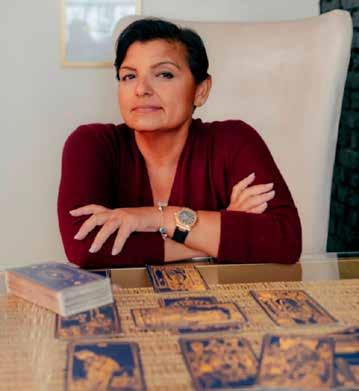
This dual-ability, Lee says, is very unique in the industry. It’s arguably what brought her from northern Connecticut to Greenwich decades ago—a charming area she has now called home for nearly 25 years.
“I was approached by Saks Fifth Avenue to do a promotion,” Lee says. “They asked me to come in and do psychic readings for any $100 purchase at the Lancôme counter, so I came across to Greenwich.”
On the morning of the promotion, the line zig-zagged and Lee was booked with readings for most of the day.
“The second request I got from Saks Fifth Avenue was to return and work for Chanel, doing readings for each $500 purchase,” Lee says. “Once again, the line wrapped around the corner of the store. In the third conversation I had with Saks Fifth Avenue they said, ‘Janet, can
Timothy Leary
you please be our VIP psychic for the store?’”
From that moment forward, the “Greenwich Psychic” was born. Lee worked at Saks Fifth Avenue every weekend, prompting her to eventually open her own shop on Greenwich Avenue where she could specialize in psychic and spiritual work.
Since then, Lee’s psychic work has expanded to include a luxurious office suite in Manhattan where she conducts most of her readings for her Wall Street clients. Both of her office spaces blend luxury with comfort and feature a home-like atmosphere.
“In a typical reading, people will come in, sit down, and I will do most of the talking,” Lee says. “The reading starts by going through a person’s past, present, and future. Most of the time, the reading concentrates on the mind and heart, what’s going on in the present, and healing any broken parts.”
Confidentiality is highly important to Lee, who has a list of highprofile clients she guards carefully. No matter the client or the unique struggles they bring to Lee, the psychic finds deep fulfillment in her calling.
“When they enter, clients are broken and hopeless,” Lee says. “After working with me, we’ve picked up all of the pieces and put them together again. Clients always leave feeling whole and happy.”
Greenwich Psychic | 203.500.7459
Two convenient locations: 424 W. Broadway, New York, NY 10012 | 50 Greenwich Ave., Greenwich, CT 06830 serenityhouselife@gmail.com
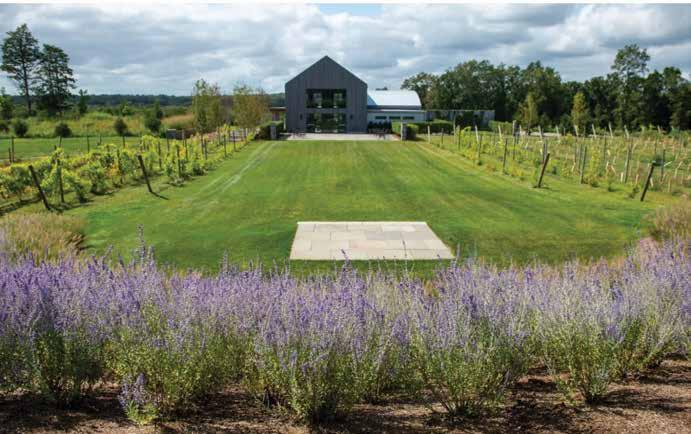


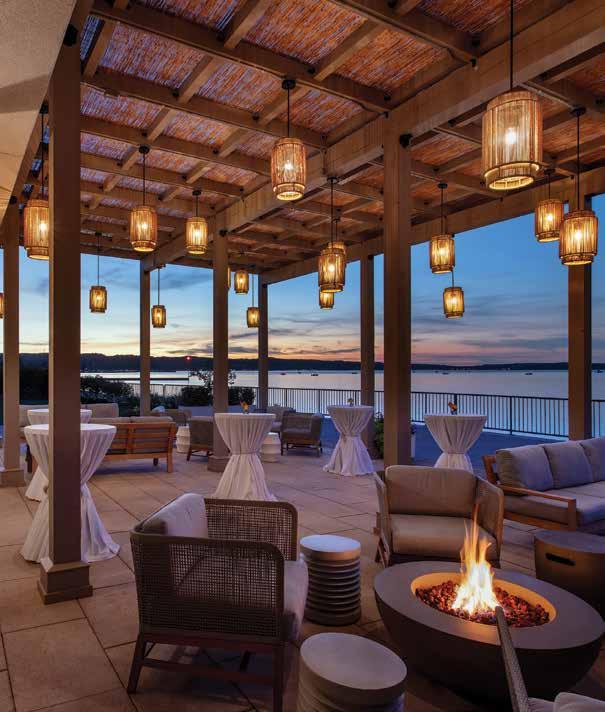




EXCLUSIVE NEIGHBORS RATE for our Connecticut, New York, New Jersey, Rhode Island, and Massachusetts neighbors! Scan QR code to learn more.
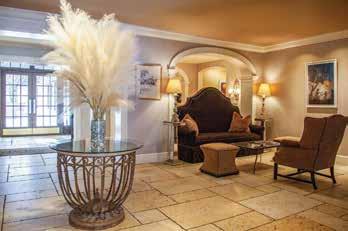

VISIT OUR AWARD-WINNING CONNECTICUT
Founded by Charles Mallory, Delamar Hotel Collection features hand-selected, one-of-a-kind locations near Connecticut’s most vibrant cultural destinations. Each hotel offers guests unparalleled access to the very best of our state—along with award-winning spas and celebrated restaurants.


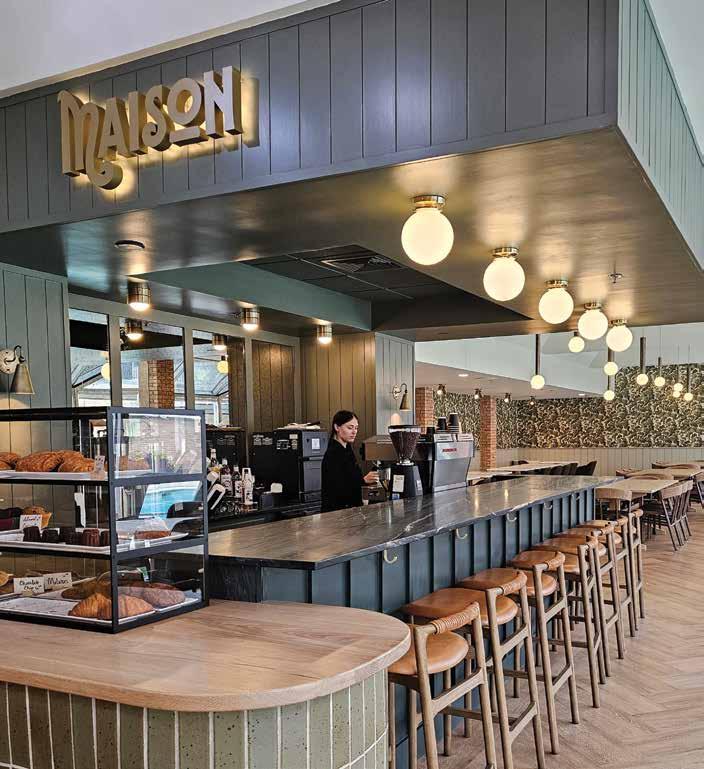

Introducing Maison—our new all-day café designed for every moment. Start your morning with artisan pastries from The Mill and locally roasted Panther Coffee. Swing by for fresh, seasonal grab-and-go bites, or ease into the evening as Maison transforms into a relaxed lobby bar. Whether you’re passing through or settling in, Maison is your go-to spot to unwind, refuel, and feel at home.






By Viviane Ashcroft
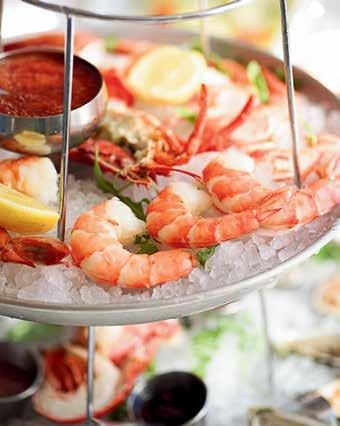
Some restaurants feel good while you’re there. Others stay with you long after you’ve left. Artisan belongs to the latter.
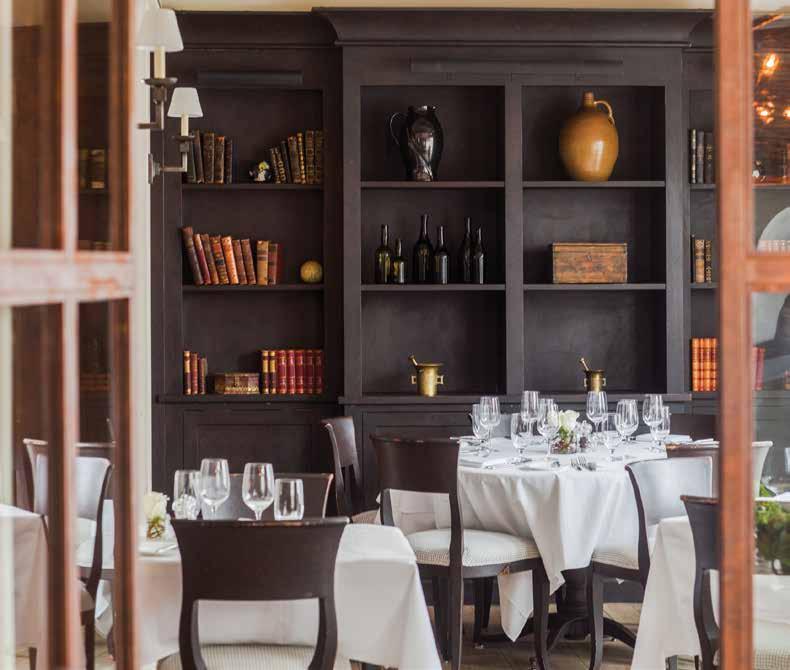
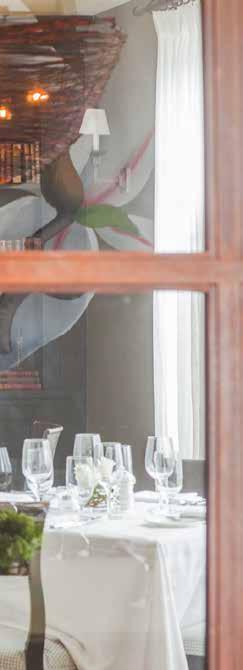
Tucked inside Delamar Southport, Artisan has become the kind of place people quietly build into their routines—where locals return again and again, and hotel guests quickly realize there’s no reason to dine anywhere else that evening.
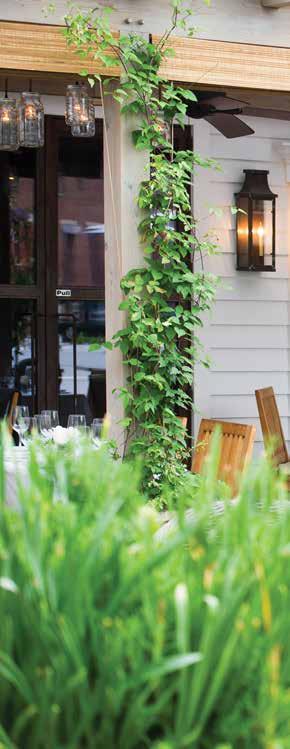
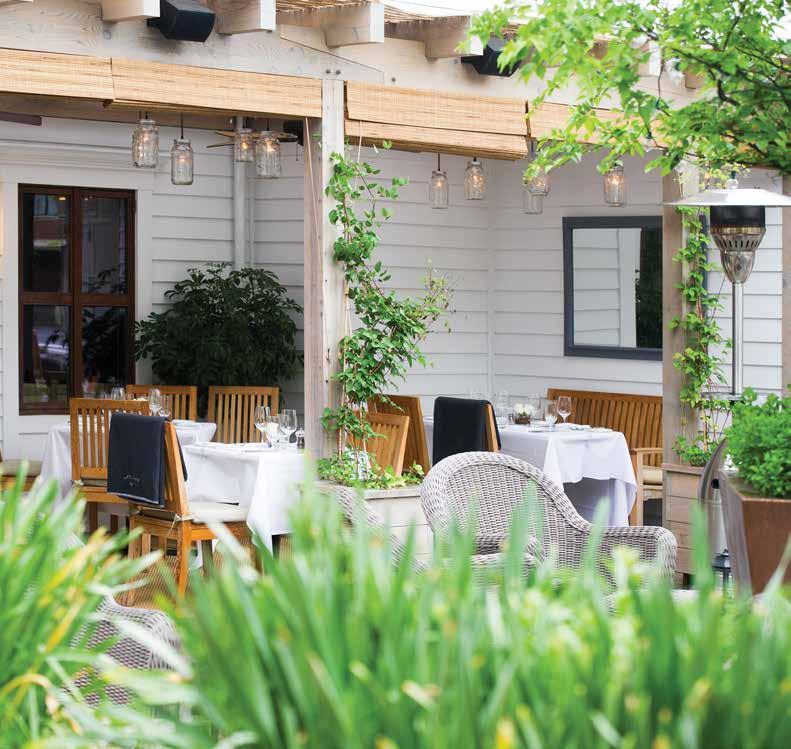
The room draws you in immediately. As daylight softens, candlelight takes over, conversation settles into an easy hum,
and the pace of the evening slows in the best possible way. Coats come off. Glasses are poured. The atmosphere feels intentional without being self-conscious—elegant, warm, and unforced.
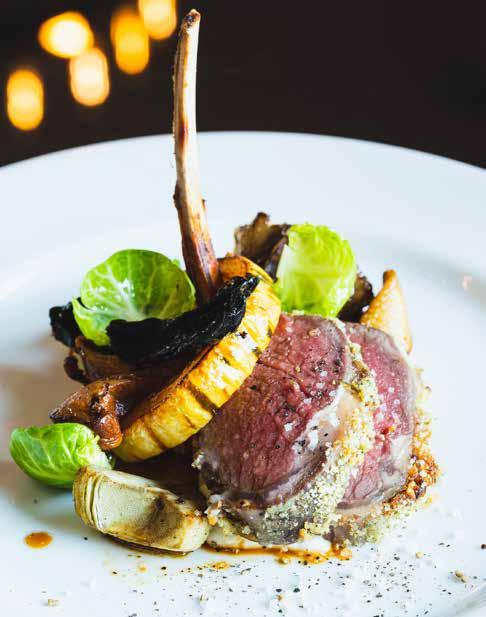
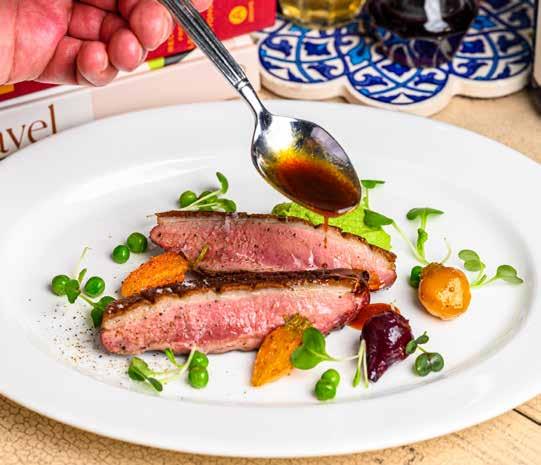
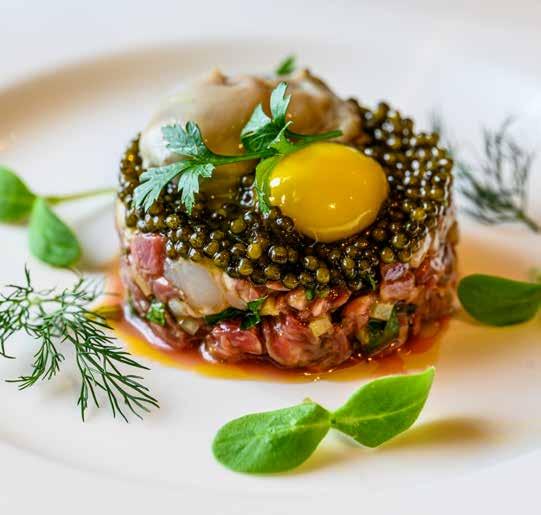
The menu mirrors that same confidence. Rooted in classical French technique, Artisan’s cooking is precise without being precious. Early courses are clean and thoughtful, sharpening the appetite rather than competing for attention. Nothing arrives overworked. Nothing feels excessive. It’s food designed to be enjoyed, not decoded.
Then the mains arrive—and this is where the restaurant truly wins you over. Proteins are cooked exactly as they should be, supported by sauces that are rich but disciplined, familiar yet quietly elevated. Each plate feels deeply satisfying without ever tipping into heaviness. You don’t just appreciate the cooking—you relax into it.
What makes that consistency so compelling is the intention behind it. Under the culinary direction of Executive Chef Frédéric Kieffer, who oversees kitchens across the Greenwich Hospitality Group, Artisan operates with a sourcing philosophy that values seasonality, restraint, and responsibility. Ingredients are chosen carefully, menus evolve naturally, and the kitchen resists trend in favor of longevity. You can taste the confidence that comes from
knowing exactly what kind of restaurant this is—and what it refuses to be.
Service completes the experience. Timing feels intuitive. Plates arrive hot. Wine glasses are refreshed quietly, often just before you realize they need it. The staff understands that great hospitality is felt more than noticed, allowing the table to become the focus rather than the room itself.
And then there are the dishes that linger in your mind—like Artisan’s summer seafood chowder. Finished tableside and built on fresh clams, peak-season corn, white wine, and herbs, it manages to be both comforting and refined. It’s the kind of dish that makes you pause mid-conversation, take another spoonful, and realize you’re already planning your next visit.
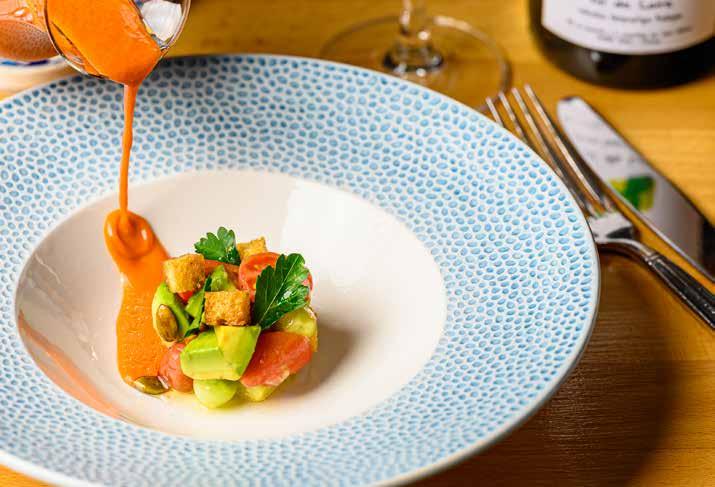

Dessert, here, is not an afterthought—it’s the final impression, and it’s treated with the same care as every course before it. Under the direction of Corporate Pastry Chef Alexander McClenaghan, Artisan’s desserts strike a rare balance between discipline and delight. Rooted in classical French technique yet inspired by seasonality and place, they are restrained in sweetness, elegant in execution, and quietly memorable.
McClenaghan’s philosophy centers on creating desserts that feel personal rather than performative—using peak-season fruit, fine chocolates, and thoughtful textures to evoke comfort and familiarity with just enough surprise. Some arrive with a subtle tableside flourish; others simply invite you to slow down and savor the moment. They don’t interrupt the evening—they complete it.
By the time dessert plates are cleared, most guests aren’t ready to leave. Another drink is ordered. Conversation lingers. Reservations are mentally bookmarked for the weeks ahead.
That’s the real mark of Artisan. It’s not a restaurant you try once. It’s a restaurant you adopt.
In a dining landscape obsessed with novelty, Artisan offers something far more compelling: food you trust, service you feel, and evenings that unfold exactly the way you want them to.
You don’t leave thinking, that was good.
You leave thinking, when can I come back?
This dish captures everything Artisan does well: seasonality, restraint, and deep respect for ingredients. Fresh clams, peak-summer corn, aromatic herbs, and a carefully built broth come together in a chowder that’s rich without heaviness and elegant without losing its soul.
Served tableside in the restaurant, it’s a signature worth seeking out—and a perfect expression of the kitchen’s philosophy.
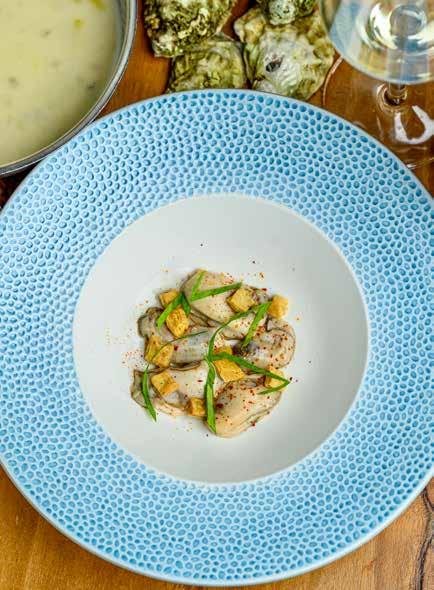
Serves 6–8
Ingredients
• Butter
• Celery, onion, and fennel (mirepoix)
• Leeks and garlic
• All-purpose flour
• Clam juice
• Fresh summer corn (kernels removed)
• White wine, Noilly Prat, and a splash of Ricard
• Heavy cream
• Fresh thyme
• Fingerling potatoes
• Fresh chopped clams
• Optional seasonal seafood (oysters, crab, shrimp, scallops)
• Chives, preserved lemon, fennel crackers (to serve)
Vegetables are gently rendered in butter without color, allowing their natural sweetness to develop. Flour is cooked briefly to form a light roux, followed by wine, aromatics, and clam juice. Cream, potatoes, and thyme are added and simmered until tender. Fresh clams are folded in at the end to preserve their delicacy. Seasonal seafood and vegetables are warmed separately and added just before serving, finished with chives and preserved lemon. Served with fennel crackers.
By Marci Moreau
There is a particular kind of luxury in eating locally and it begins close to home.
Food grown nearby has the freedom to ripen fully in the field, harvested at its natural peak rather than according to a shipping schedule. It travels fewer miles, retains more flavor, and arrives at the table with its vitality intact.
Because it is picked closer to maturity and spends less time in transit or cold storage, it preserves higher levels of key nutrients, vitamin C in berries, folate in leafy greens, antioxidants in tomatoes. Greens are brighter. Berries are sweeter. Dairy tastes fresher and naturally sweet.
Beyond taste and nutrition, local sourcing strengthens soil health, preserves farmland, supports multigenerational growers, and builds resilience within our regional food system. Shorter supply chains reduce environmental strain and elevate the quality of the food on our tables.
And when those ingredients are gathered thoughtfully,
arranged simply, shared intentionally, they become something more than a meal. They become a farmhouse feast: a table shaped by season, sustained by community, and rooted in place.
This is the power of food in action, nourishment that extends far beyond the plate.
One of the greatest advantages of sourcing locally is access, not just to the ingredient, but to the people who grew it.
At a farmers market or local farm stand, you can ask how the tomatoes were cultivated and whether the strawberries were picked that morning. You can talk about how the soil was nourished, whether animals are pasture-raised, and what practices are used to preserve both the land and the integrity of the food itself.
These conversations matter because when we understand how something is grown, especially when thoughtful, sustainable methods are involved, it deepens our appreciation for the food and the care behind it.
That context is important, particularly when it comes to organic certification. The process is complex, time-consuming, and often financially burdensome, especially for small farms.
Many Connecticut growers follow careful, sustainable, and chemical-conscious practices but may not carry formal certification. Knowing your farmers allows you to understand how they grow, what they use, and why they make the choices they do.
When we know our growers, we become informed participants rather than passive consumers. And something else happens: food tastes different when you know its story, and it becomes much more powerful, and this may be one of the greatest luxuries of all.
In Connecticut, each ingredient has its moment. When we pay attention to what is truly at its peak, even the simplest meal becomes something extraordinarily powerful.
Asparagus arrives first alive with the energy of new beginnings. Shaved raw into ribbons or roasted gently with sea salt, it reminds us that the season is an opportunity another chance. Fiddleheads appear briefly, their tight green coils unfurling for only a few weeks. Lightly blanched and sautéed with butter and lemon, they carry a clean, woody brightness and are definitely worth waiting for.
Tender greens and pea shoots follow, and are mineral-rich and vibrant, waking up our body after a long winter.
Strawberries are the first true taste of summer. They are naturally sweet, proving that when food is grown well and picked at the right time, it needs nothing added.
Fresh chèvre, artisan cheeses, and local dairy products deliver the kind of nourishment that makes a any meal feel whole.
Heirloom and native tomatoes take center stage. heavy in the hand, imperfect in shape, and impossibly flavorful. Thick slices, torn basil, olive oil. salt and pepper, eaten alone, or on any artisan bread, is pure summer perfection.
Sweet corn, picked at peak, or late August Silver Queen, needs only a brief burst of heat. Eaten on the cob with butter and salt, or cut from the cob and tossed with herbs, it carries the sweetness of long summer days.
Zucchini and summer squash follow in abundance. Grilled simply, shaved raw into salads, folded into warm pasta with garlic and olive oil, or stuffed with meats, veggies and fresh herbs, they embody generosity because there is always so much to share.
Zucchini blossoms, are summer’s prized possession, gently stuffed and crisped, reminding us that some of the most beautiful ingredients are also the most ephemeral.
Peaches arrive sun-warmed and fragrant, their juices running down your wrist and Blueberries follow, deep indigo and powerful, one of the richest in antioxidants and natural sweetness.
Folded into yogurt, scattered over greens, or baked into rustic tarts, they hold both nourishment and nostalgia.
Herbs weave through it all, basil, thyme, lemon balm, parsley, oregano, rosemary~they brighten, lift, and bring personality to every plate.
Each ingredient appears precisely when it should and disappears just as intentionally, gracing us with a true gift of seasonality.
Across Connecticut’s shoreline and inland farmland, growers shape this rhythm with care, bringing each harvest forward only when it is ready, not sooner, not later.

A farmhouse feast is not about excess. It is about intention. It begins with timing, by choosing what is ready rather than what is perpetually available. Seasons matter, and so do origins.
When we cook from what is harvested nearby, we reduce distance, between field and fork, farmer and family, season and plate. The ingredients carry less travel and more story. They reflect the soil beneath our feet and the climate that shapes them.
Connecticut’s agricultural landscape is defined by farmers and artisans who cultivate with care, preserving open land, protecting soil health, and bringing ingredients to harvest at their natural peak.
Arethusa Farm — Bantam
Award-winning dairy known for exceptional milk, butter, and artisanal cheeses. Their pasture-based approach produces richness that anchors the summer table with elegance.
Sport Hill Farm — Easton
One of Connecticut’s oldest certified organic farms, growing vegetables with a soil-first philosophy that predates modern food trends. Their commitment to organic cultivation reflects a deep respect for land and long-term sustainability.
Riverbank Farm — Roxbury
Certified organic produce grown with thoughtful crop rotation and regenerative practices, yielding vibrant greens and seasonal vegetables.
Gilbertie’s Herb Gardens — Westport
A multi-generational herb grower supplying basil, thyme, lemon balm, and edible flowers that elevate even the simplest plate.
There is something deeply grounding about knowing strawberries belong to June and tomatoes to August. About waiting for peaches instead of demanding them in winter. Seasonality teaches patience and it restores a natural rhythm of life.
The finest meals begin long before the kitchen. They begin in the soil and they end around a table where the season is tasted fully. In that moment, when ingredients are honored and the table gathers those we love, we experience the power food holds: to nourish the body, to strengthen community, and to root us more firmly in place.
And that is how to build a Powerful Farmhouse Feast.
A community-rooted bakery known for thoughtfully crafted breads and pastries, offering the kind of daily staples that make seasonal meals feel both grounded and generous
Mystic River Farm — Mystic
Seasonal vegetables and heirloom tomatoes shaped by coastal soil and careful stewardship.
Warrups Farm — Redding
Stone fruit and vegetables grown with respect for land and season, delivering peaches that taste unmistakably of August.
One of Connecticut’s oldest family farms, bridging generations from spring blossoms to late-summer peaches and corn.
Pasture-raised lamb, poultry, and eggs that bring integrity and depth to the farmhouse table.
Organic greens cultivated with sustainable practices, supplying vibrant lettuces and specialty crops.
Artisan loaves crafted through traditional fermentation, bringing the kind of bread meant to be torn by hand and shared to every farmhouse feast.
By Colleen Guilfoile Richmond
There’s a moment—often just as the light begins to soften—when the doors open at Gabriele’s of Westport and the evening stretches out ahead of you. The Garden Room hums gently. Glasses catch the last glow of the sun. Inside, the dining room settles into its familiar rhythm: confident, unhurried, and unmistakably assured.
In a coastal town where restaurants can feel as fleeting as the season itself, Gabriele’s has mastered a quieter art: staying power. Tucked just behind the Westport Country Playhouse, it isn’t chasing trends or reinventing itself every spring. Instead, it has built something far more enduring— trust.
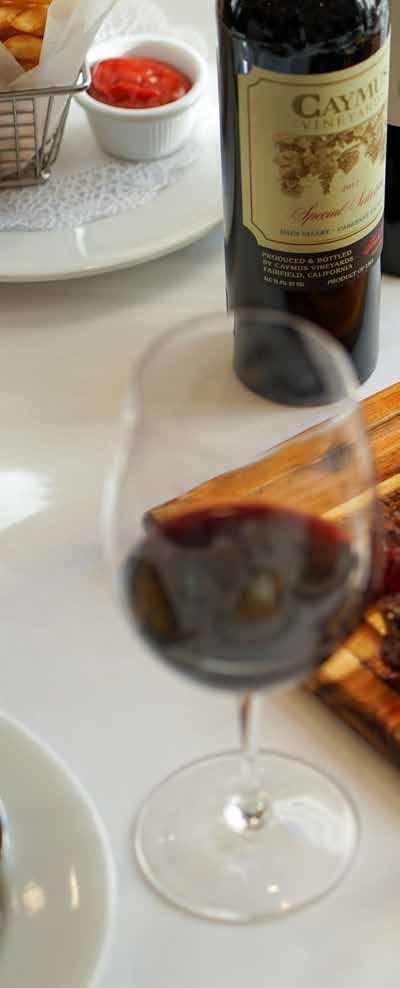
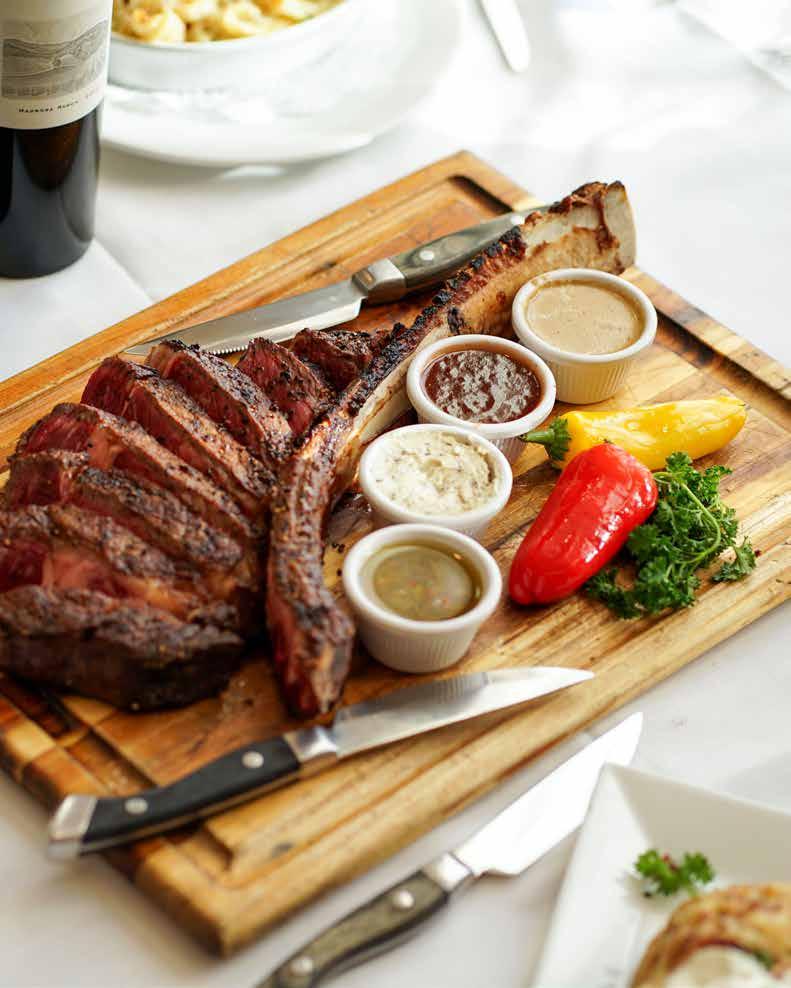
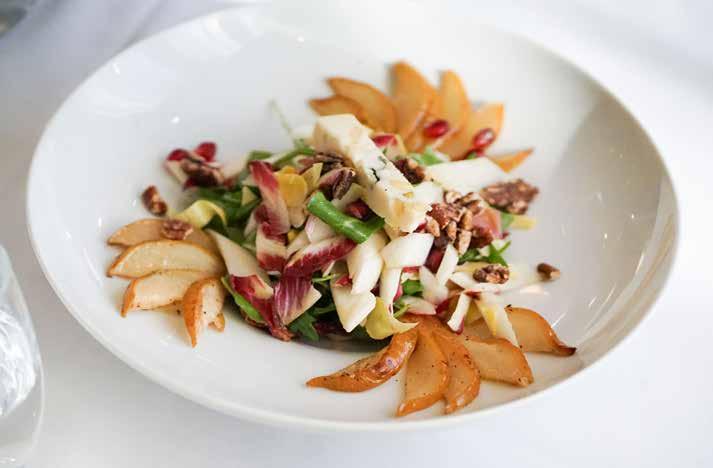
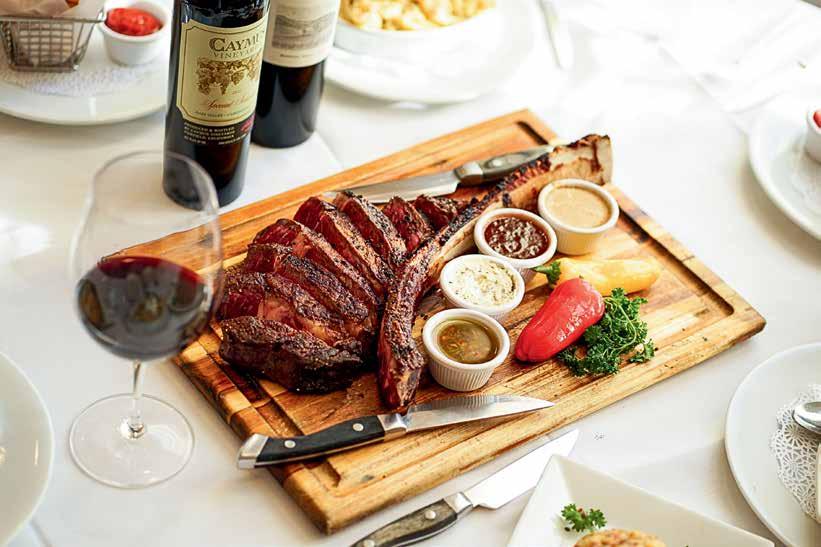
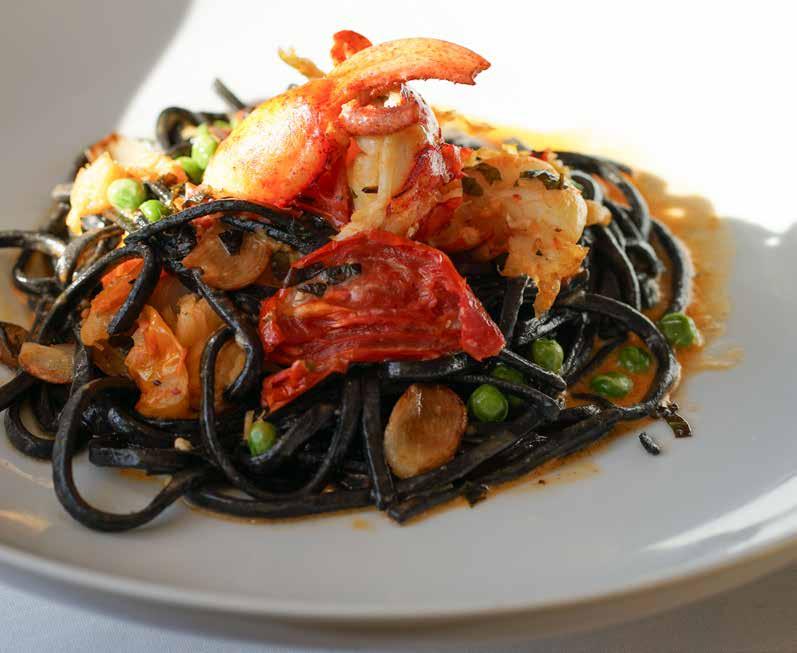
Regulars often describe it as three restaurants in one: Italian, steakhouse, and seafood. It’s a rare versatility that ensures no one at the table ever has to compromise. One guest may begin with handmade pasta rooted in tradition, another might order pristine fresh fish, while a third leans confidently into a perfectly dry-aged Prime steak. The chef personally hand-selects every cut of beef, while long-standing relationships with trusted purveyors ensure seafood, cheeses, and local microgreens arrive at their peak. The result is consistency without rigidity—evolution without trend-chasing.
Yet what truly keeps guests lingering isn’t only what’s on the plate. It’s what surrounds it.
The room evokes the timeless elegance of a classic New York dining room: rich wood, chandeliers that cast a flattering glow, and grandfather booths that invite conversation to unfold at its own pace. In the Fireplace Room, a rare wood-burning hearth adds warmth in cooler months, while the Garden Room offers a lighter, more open energy as evenings grow longer. Every space feels intentional, designed not for spectacle but for memory-making.
And then there are the rituals.
A valet who greets returning guests by name. A server who remembers an allergy without consulting notes. A birthday acknowledged sincerely—never theatrically—with the restaurant’s signature dessert tower and a song that feels personal rather than performative. Every celebration, whether a graduation, anniversary, retirement, or posttheater supper, is treated with thoughtful care. It is no accident that Gabriele’s has become known as a place where life’s meaningful moments are marked.

Much of that assurance comes from longevity. Some members of the team have been part of Gabriele’s rhythm for more than 35 years. Managers and valets have become fixtures in guests’ lives. The restaurant’s legacy stretches back to 1982, with diners who once frequented its Greenwich location now returning in Westport with grown children of their own. Preferences are remembered. Favorite tables are quietly prepared. Familiarity is never forced—it is earned.
On a full night, the energy tells the story. The room feels vibrant yet refined, polished but never stiff. Guests lean into conversation and allow the evening to unfold, confident they are in capable hands. From public figures seeking discretion to local families celebrating milestones, everyone is received
with equal grace. The experience feels elevated, yet entirely at ease—like stepping into a dining room that already knows you.
In an era increasingly defined by digital menus and automated service, Gabriele’s has doubled down on the human touch. Hospitality here remains an art form—lived in, practiced, and deeply personal. Being a constant in an ever-changing town means treating every guest as family and ensuring that each return feels effortless.
And perhaps that is the real luxury.
Gabriele’s doesn’t rush you out the door. It invites you to stay—one more course, one more story, one more reason to come back.
As the U.S. celebrates 250 years, Connecticut revisits its pivotal role in the nation’s founding.
By Georgette Gouveia
On summer evenings along Long Island Sound, it’s easy to forget how contested this coastline once was. The water is calm, the light soft, the harbor welcoming. Yet 250 years ago, these same shores were filled with uncertainty — with fear carried on the wind and cannon fire echoing across the water.
In the story of the American Revolution, Connecticut is often overlooked. But for those who lived along its coast, the war was never distant. It was heard. It was felt. It arrived by sea.
“Ground Zero.” That’s how Kathy Craughwell-Varda, senior curator of the Greenwich Historical Society, describes Connecticut’s “little understood” role in the American Revolution. While the conflict formally began with the Battles of Lexington and Concord in April 1775 and ended with the British surrender at Yorktown in October 1781, life along Revolutionary-era coastal Connecticut was defined by something more intimate — and more terrifying.
“Lost in the story,” Craughwell-Varda explains, “is how daunting it was to live here during the Revolution.”
It’s an oversight that Craughwell-Varda and other local curators and historians have begun to address through a slate of exhibits, performances, programs and events. Those efforts will
reach a visible high point this summer when the Netherlands’ 160-foot tall ship Oosterschelde sails into Greenwich Harbor and docks at the Delamar Greenwich Harbor as part of New York City’s International Parade of Tall Ships. Its arrival brings the story of the Revolution back to the water — a fitting reminder that for coastal Connecticut, the war was shaped as much by the sea as by events on land.
The Greenwich Historical Society set the stage last year with Greenwich During the Revolution: A Frontier Town on the Front Lines, an exhibition that explored the challenges faced by the town’s diverse communities and earned the CT League of Museums Award of Merit in 2025. The story continues this spring with Fashioning America: 200 Years of Greenwich Style, tracing the evolution of identity and expression through dress. Nearby, the Fairfield University Art Museum is examining the American flag as both symbol and provocation in For Which It Stands…, an exhibition that spans more than a century of artistic response — from Italian Day, a 1918 work by Cos Cob Art Colony painter Childe Hassam, to pieces by Jasper Johns, Faith Ringgold and Robert Rauschenberg. The show is part of the university’s America 250: The Promise and Paradox initiative, which reflects on the ideals — and contradictions — of the American experiment.

What began as an argument with the British Parliament over equality and respect quickly hardened into a political struggle with King George III — one in which the Patriots would risk everything in a zero-sum contest of liberty or defeat.
It was a brutal story of violence and resolve, resilience and courage. The region suffered deeply, and the outcome was far from certain. In September 1776, shortly after British forces took control of New York, as much as a quarter of the city burned to the ground. When the British finally departed in November 1783, they left behind a city in ruins.
And yet, like the nation it would help shape, New York rose again — a future cosmopolis fueled by its port and by the economic vision of its native son, Alexander Hamilton.
To its north, wealthy Westchester County — called the “Neutral Ground” for the difficulty the Patriots and British each had in holding its challenging terrain, as the Battle of White Plains in 1776 attested — became a gutted no man’s land of skirmishes, espionage and raids. Residents were terrorized by both the pro-Patriot Skinners gang and the pro-British Cow Boys, a pejorative term that marked the first appearance of “cowboy” in the American lexicon, said Stephen Paul DeVillo, author of four books on local history, including The Battle of White Plains and Westchester County in the American Revolution: A Neutral Ground
In The American Revolution: An Intimate History, the companion to Ken Burns’ documentary series, Geoffrey C. Ward writes of Timothy Dwight, a Continental Army chaplain and future president of Yale, who never forgot what he saw there: “The unhappy inhabitants were exposed to the depredations of both armies…They feared everybody who they saw and loved nobody.”
And yet, out of this traumatized wasteland came some of the key contributions to the Revolutionary cause. They included the 1780 capture near Tarrytown of British Major John André, who was carrying plans for West Point that might have struck a fatal blow to liberty, as well as the fateful 1781 decision made at the Odell House in Greenburgh. There, French Gen. Rochambeau persuaded George Washington, commander in chief of the Continental Army, to abandon an attempt to retake New York and instead trap British forces at Yorktown — a move that would end the war.
The situation was no brighter across the border in Fairfield County, gateway to patriotic New England, where Greenwich sent money to aid Boston during the British blockade of the city. Months later, starving residents could hear the unsettling cannon fire from the Battle of White Plains, Craughwell-Varda said.
Local sea captains turned privateers captured nearly 500 British ships. But Great Britain — primarily a naval power that built its empire “from the sea out rather than the sea in,” DeVillo noted — would not let that stand, destroying the supply depot in Danbury on April 25, 1777.


Two days later, in the Battle of Ridgefield, 700 Connecticut militiamen — under such generals as Benedict Arnold, a brilliant and charismatic field commander who had not yet betrayed the Patriot cause — took a heroic stand against 1,800 British soldiers fighting their way back to the sea. Though the British would burn Fairfield and Norwalk in 1779, they would never again attempt a Connecticut invasion, freeing the militia to play a key role in the turning point of the war: the Patriot victory at Saratoga.
Fairfield and its strategic location along Long Island Sound would also prove vital as Patriots gathered intelligence from the Long Island–based Culper Ring, Washington’s spy network.
In telling the story of a revolution that gave rise to a new nation built on democratic ideals, local leaders have emphasized the importance of remembering contributions often overlooked — those of women, Native Americans, and enslaved and free Black Americans, many of whom fought on both sides in pursuit of advantage for themselves and their communities.
The more we learn about history, Craughwell-Varda said, the better equipped we are to grapple with its inconvenient truths. Only about a third of colonists supported breaking with Great Britain. A third or fewer remained loyal to the Crown.
The rest stayed neutral — including pacifist groups such as the Quakers — while others, like David Bush, the largest land and slaveholder in Greenwich, played both sides and suffered consequences from each. Though his businesses declined, his property was left intact. Others were not so fortunate and were driven out.
Craughwell-Varda understands those who hesitated or refused to join the Patriot cause.
“It was not a simple choice,” she said. “You were picking a side with a makeshift army and a general who rarely won battles.”
Yet the Patriots were determined to be the last men standing. In examining why the British ultimately lost a war they should have won on paper — including the decisive intervention of France — Craughwell-Varda said one factor cannot be underestimated: the will of people to defend a land and a home they alone knew and loved. Leaders forget this at their own peril.
The Revolution, she added, “is a reminder: ‘What do you value? What does America mean to you?’”
That conversation continues.
The American Revolution, Craughwell-Varda said, remains an unfinished story.

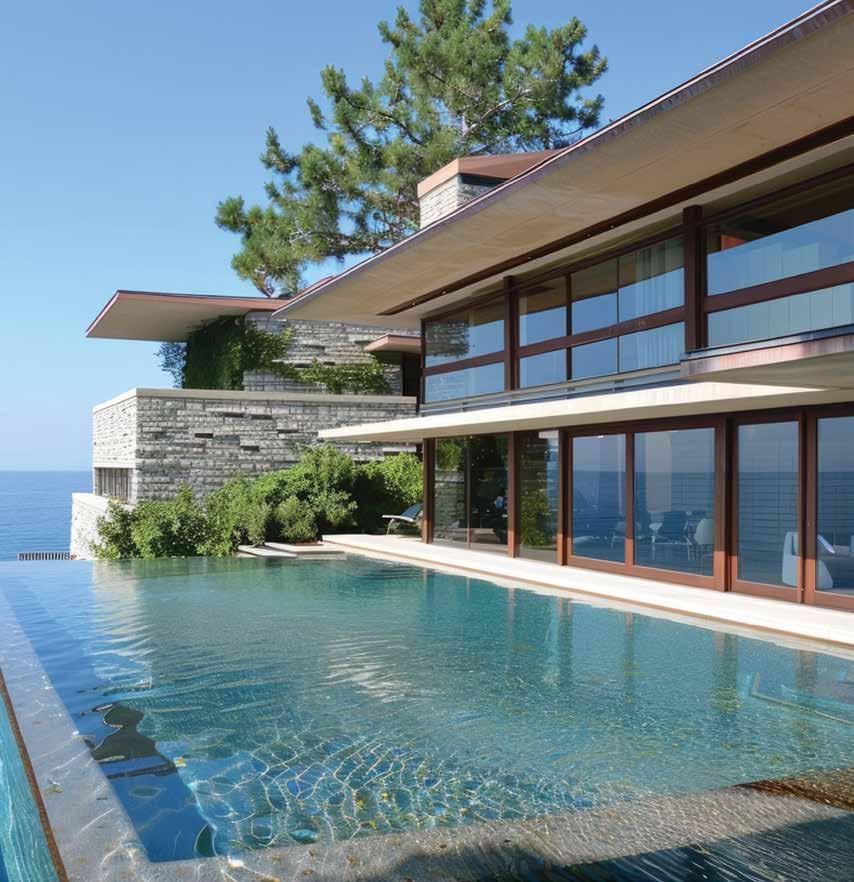
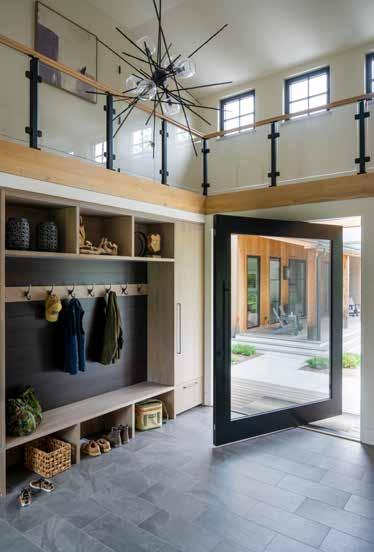
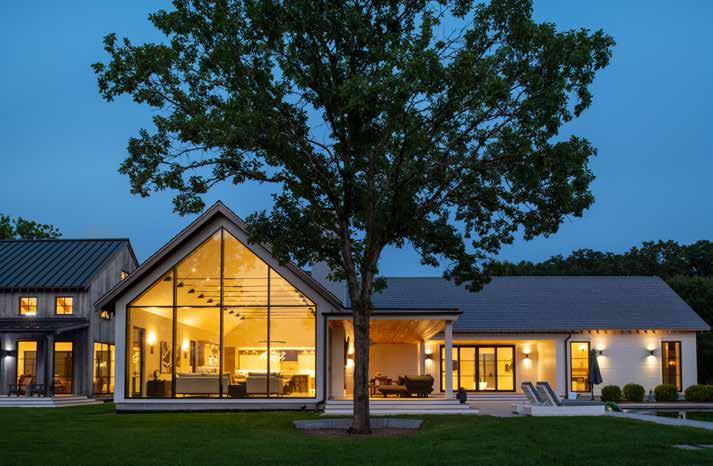
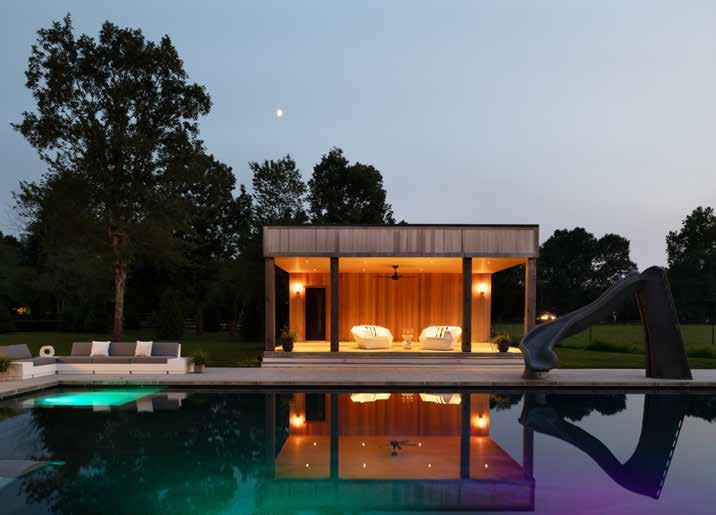
Designed by Tanner White Architects, this contemporary ranch house quietly frames the surrounding farmland.
By Colleen Guilfoile Richmond
Set amid hundreds of acres of open farmland, this quietly striking home feels less like a statement imposed upon the landscape and more like a natural extension of it. The property unfolds toward a broad horse pasture that stretches beyond the house, creating a setting where architecture and horizon exist in quiet conversation.
Designed by architect Tanner White of Tanner White Architects, the home embraces its surroundings rather than competing with them. With such an expansive canvas to work with, the design was conceived as a long, linear composition—a series of structures that feel as though a historic ranch house had been thoughtfully expanded and renovated over generations. Its low horizontal profile mirrors the openness of the fields, allowing the architecture to settle gently into the land.
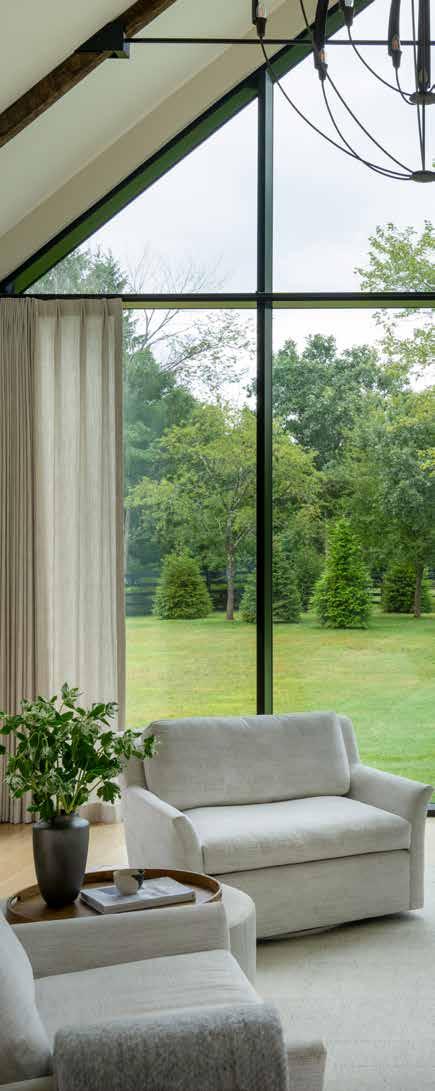

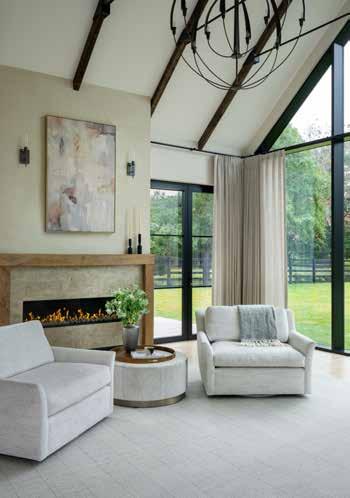
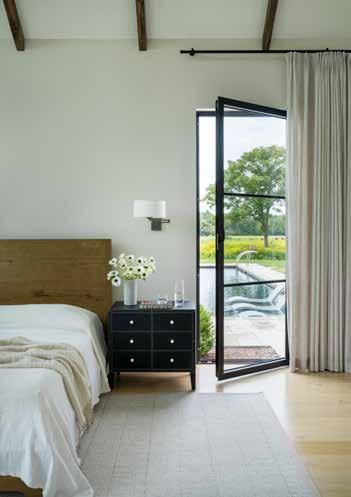
The entire home is oriented toward the pasture so the landscape becomes part of everyday life. Because the structure takes on a slender, elongated form, nearly every room captures sweeping views across the fields and toward the horses beyond.
The decision to design the house as a single story reinforces this quiet relationship with its surroundings. A one-story home naturally recedes into the landscape rather than dominating it. Natural materials further soften the transition between architecture and environment, creating a seamless dialogue between house and land.
As one moves through the home, it becomes clear that the placement of windows and sightlines was carefully considered. Rather than simply providing light, the openings act almost like curated frames for the scenery outside. Walking through the house feels somewhat like
moving through a gallery, where each room reveals a new composition of landscape and light.
“Every window becomes another piece of art—each view revealing a different mood and composition.”
Morning light washes softly across the pasture, midday views stretch endlessly across open fields, and by evening the horizon becomes a quiet backdrop as the sun settles across the land.
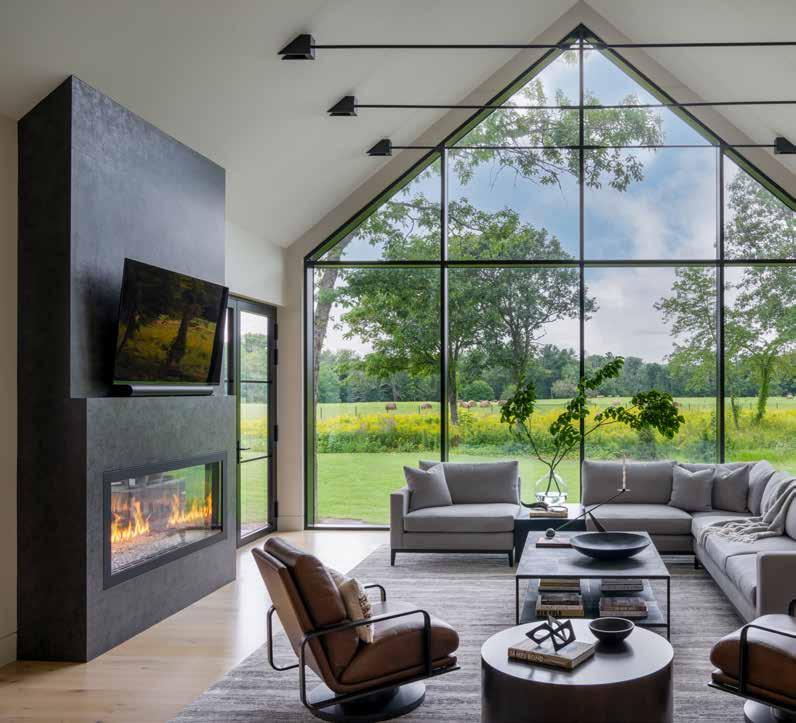
While these expansive views are immediately noticeable, some of the most important design decisions operate more quietly. Proportion played a central role in shaping the experience of the home. Upon entering—whether through the mudroom or the main entrance—visitors are greeted by the tallest space in the house, a dramatic double-height volume that creates a powerful sense of arrival.

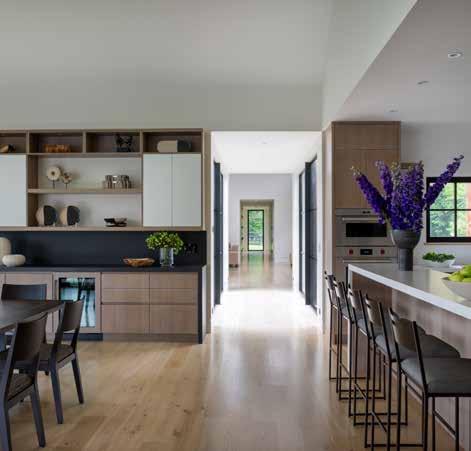
Beyond this moment of vertical drama, the scale begins to shift. Bedrooms and bathrooms were intentionally designed with lower ceiling heights to encourage warmth and intimacy, while the family room and kitchen strike a balance between openness and comfort.
In many ways the house was conceived as a storyboard of volumes and views, each space carefully composed to create a distinct experience while maintaining a natural flow throughout the home.
That flow also reflects the rhythm of daily life. Like traditional farmhouses that evolved around routine and movement, circulation through the home responds naturally to changing light and activity. Morning begins in quieter spaces filled with soft light, while central gathering areas remain connected to the open landscape throughout the day. By evening, the house becomes a place of gathering as the surrounding fields settle into dusk.

At first glance, the home reads as rustic and grounded, yet beneath its warmth lies a carefully considered architectural precision. White describes his work as an exploration of the tension that can emerge when seemingly opposing ideas come together.
“My greatest interest in architecture lies in the tension that emerges when two seemingly opposing styles are brought together,” he says. “That friction—when handled thoughtfully—can create spaces that feel dynamic, layered, and alive.”
In this home, rustic materials and the familiarity of farmhouse traditions interact with clean modern lines and carefully balanced proportions. The result is a design that feels both timeless and contemporary.
This approach was also essential in ensuring the house would remain relevant for decades to come. Rather than designing around fleeting trends, the project was guided by a concept that has existed for centuries: homes that evolve naturally over time through additions and renovations.


“Originality doesn’t grow old—trends do,” White reflects.
For the homeowners, the ultimate measure of the project is not the architectural concept but the feeling the house creates at the end of the day. White imagined the moment when the front door closes and the outside world fades away.
“I hope when the door closes behind them, their busy life closes with it.”
Inside, the pace of life slows. The architecture gently directs attention outward—to the land, the shifting light, and the quiet presence of family gathered together.
Surrounded by fields and horizon, the home fulfills the vision behind its design: a place where architecture frames the landscape rather than competes with it, allowing daily life to unfold naturally within its setting.
PHOTOGRAHY: Sabrina Cole Quinn
INTERIOR DESIGN: Briar Design
BUILDER: Jensen Hus
LANDSCAPE DESIGN: Paul Maue Associates Landscape Architects www.tannerwhitearchitects.com


By Viviane Ashcroft
When a well-traveled couple returned to Connecticut after years abroad, they weren’t looking simply to renovate a home—they wanted to create a place where their life’s collection of art could truly live. The result is Gallery Chic, a striking 10,000-square-foot Westport residence reimagined by Stephanie Rapp Interiors as both a sophisticated home and an immersive backdrop for an extraordinary collection.
Rather than treating the house like a traditional gallery, designer Stephanie Rapp approached the project with a more nuanced vision: to design a warm, livable environment where art and daily life coexist naturally. The challenge was balance—allowing the clients’ extensive collection of paintings and sculpture to take center stage without making the space feel formal or museum-like.
To achieve this, Rapp began by rethinking the architectural canvas itself. The home was completely resurfaced, with new hardwood flooring installed throughout along with updated wall and ceiling treatments that subtly define each space while maintaining visual flow. Custom built-ins and refined millwork unify the interiors, while updated hardware adds a layer of quiet sophistication.
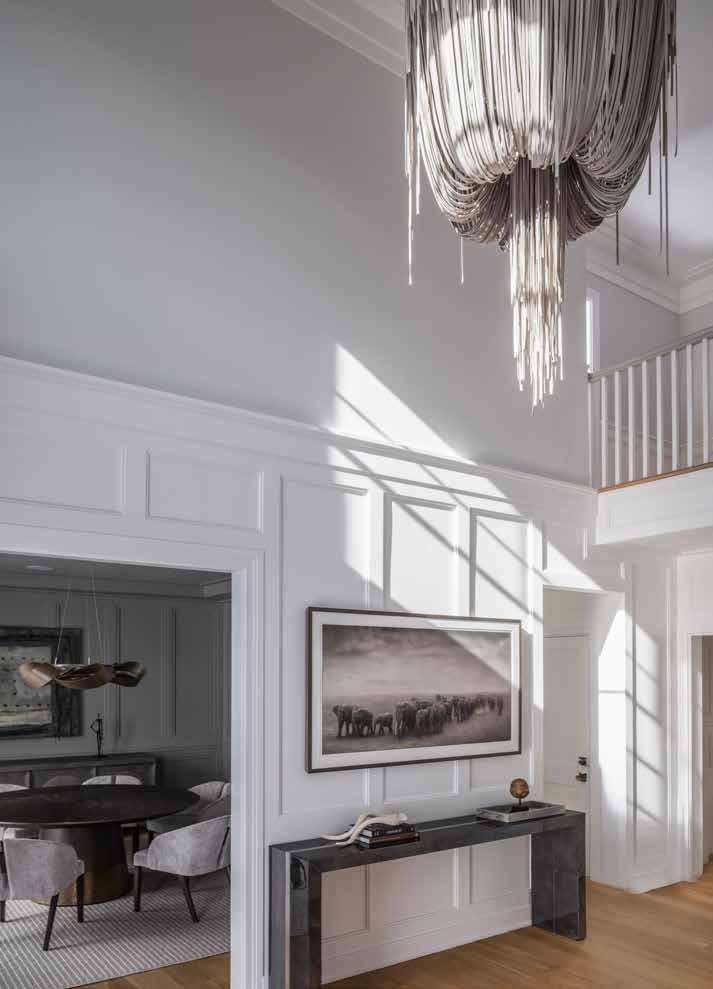
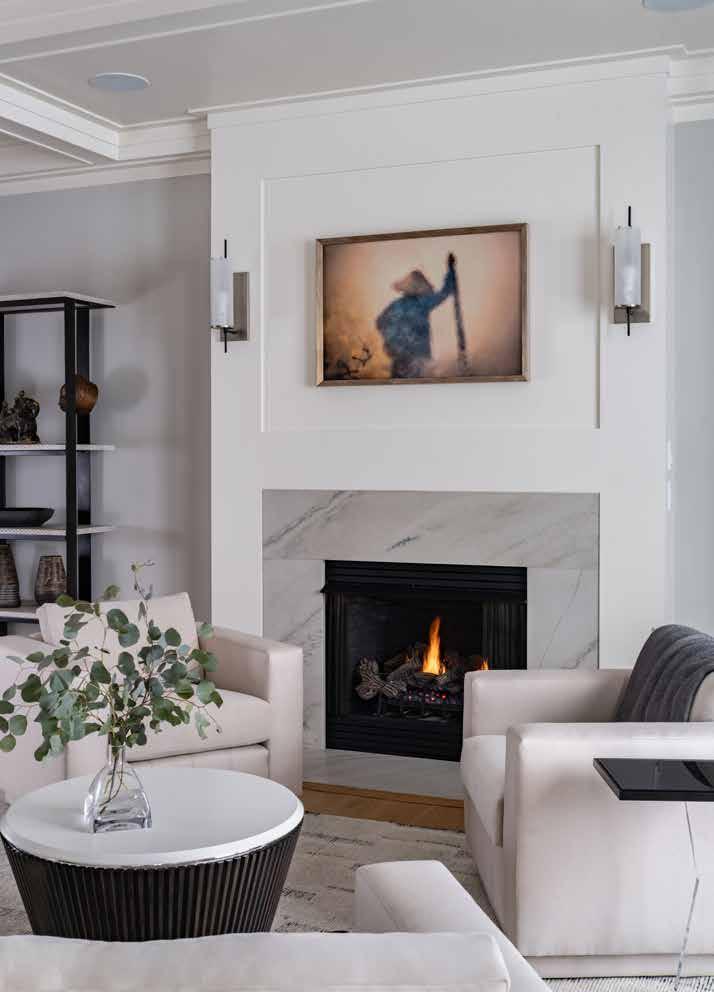



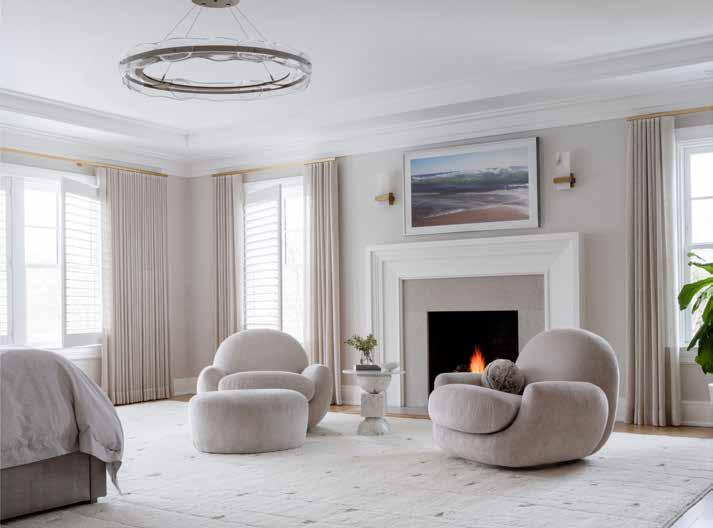

With the architecture refreshed, the interiors were designed almost like a curated exhibition—yet one that feels effortlessly livable. Sight lines and viewing angles were carefully planned so artwork reveals itself gradually as you move through the house. A neutral palette of warm tones and tactile materials creates a calm, textured backdrop that allows each piece in the collection to shine.
In the entry, guests are greeted by a dramatic suede chandelier from Ngala, its cascading leather strands echoing the textures found throughout the home’s artwork and sculpture. The statement piece immediately sets the tone for a house where artistry is woven into every detail.
In the living room, a striking Julian Opie mosaic anchors the space and visually connects adjoining rooms, acting as both focal point and bridge within the home’s open layout. Throughout the residence, thoughtful lighting and layered materials—from textiles to wood finishes—ensure the interiors feel inviting rather than austere.
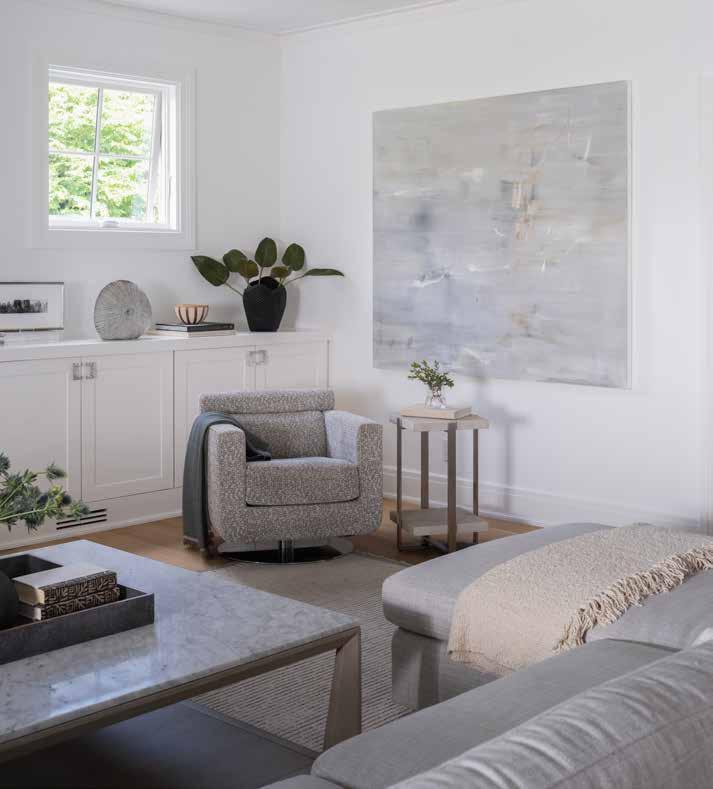
The result is a home that celebrates art without ever feeling like a gallery. Instead, it feels personal, expressive, and deeply considered—a place where every piece tells a story, and where design quietly supports the collection it was built to honor.
For Rapp, that harmony between architecture, interiors, and art is what defines the project. Gallery Chic proves that when a home is designed around the things its owners truly love, beauty isn’t just displayed—it becomes part of everyday life. stephanierappinteriors.com
Handcrafted elegance. Sumptuous virtuosity.
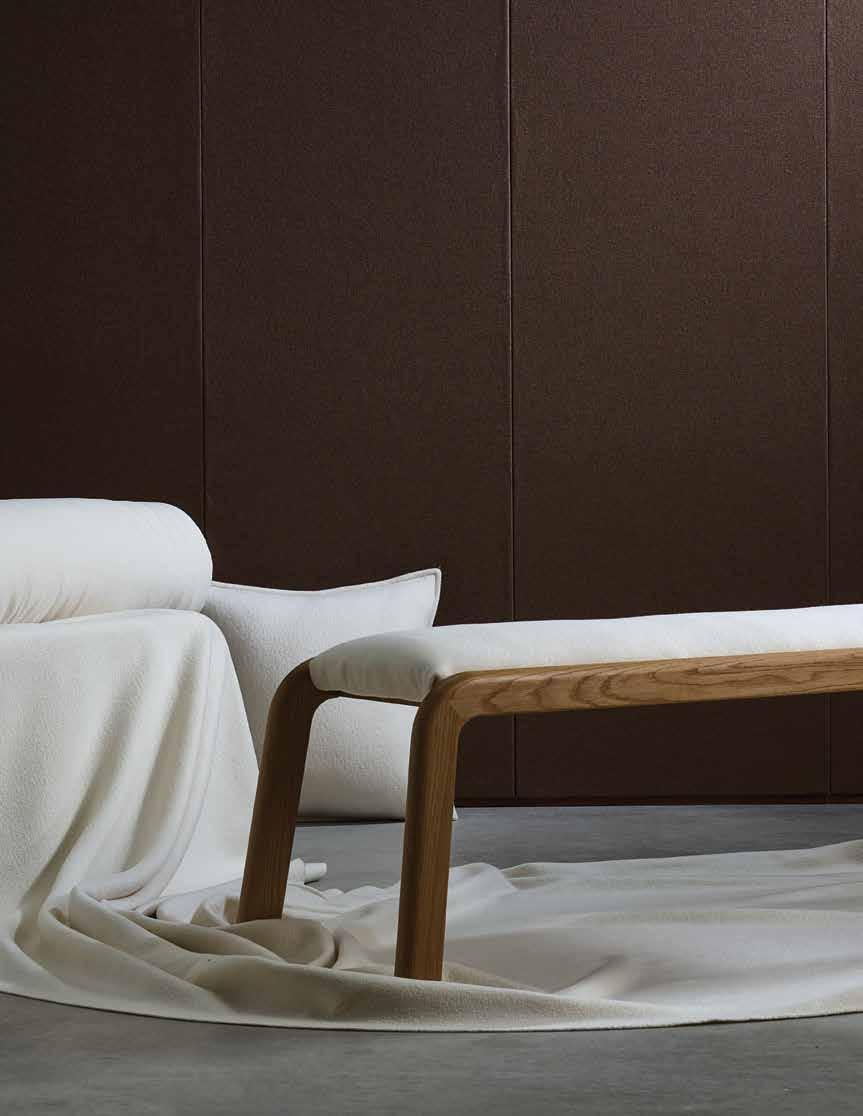
Instantly elevate your entryway or stage tomorrow’s outfit at the foot of your bed. Our gorgeous upholstered bench is completely handcrafted in Vermont using all-natural materials.
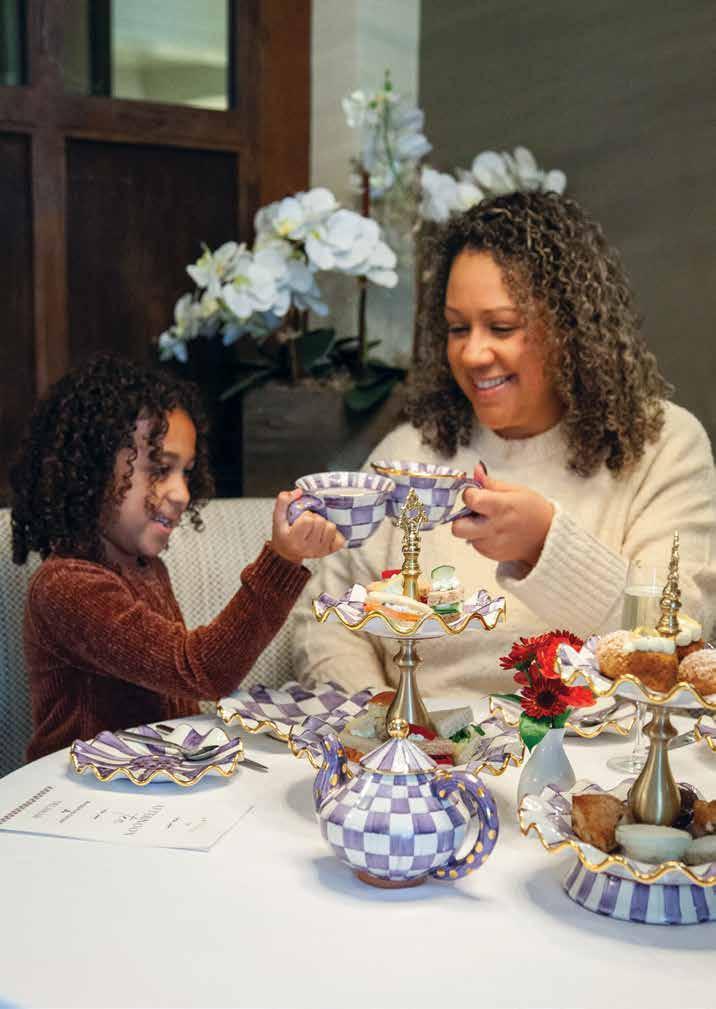



Artisan West Hartford partnered with the New England Ballet Theatre (NEBT) for a special Afternoon Tea experience celebrating NEBT’s winter performance, The Fantastic Toyshop.

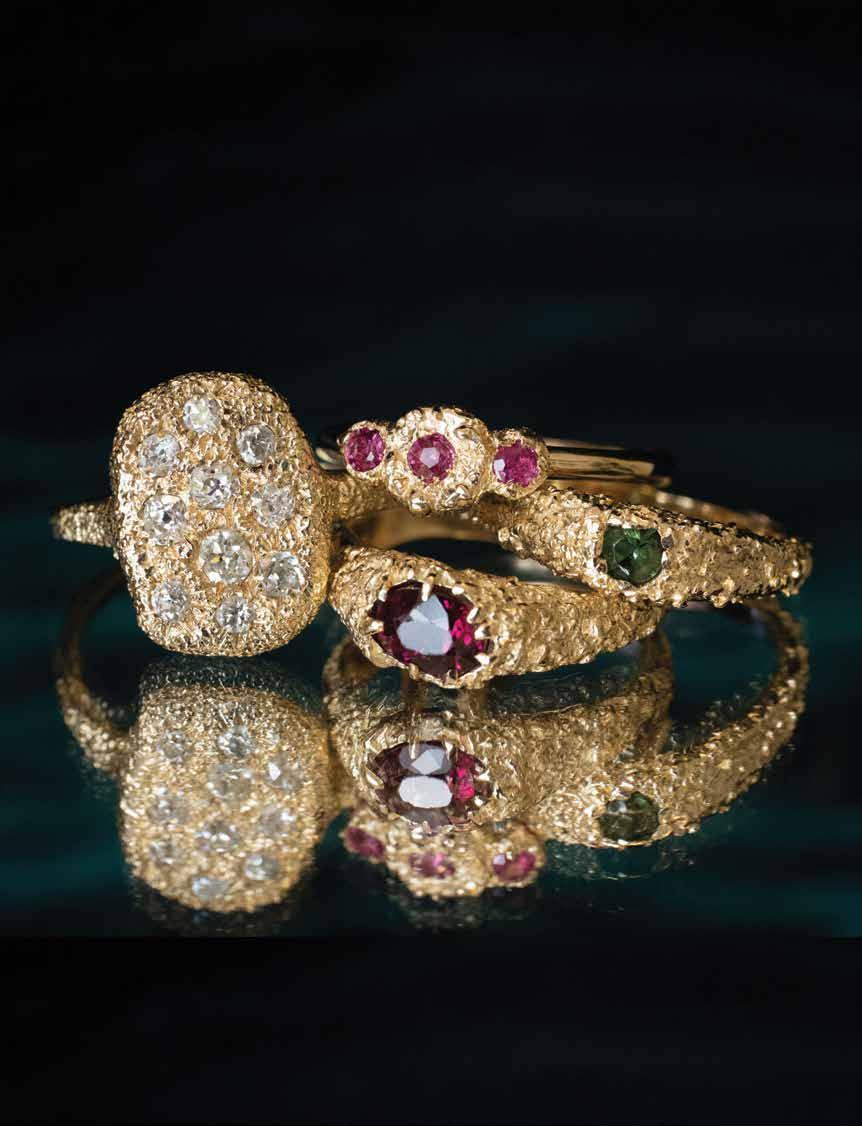
By Meryl Moss
For decades, America was greeted each morning by Joan Lunden, a pioneering journalist whose warmth and intelligence helped redefine broadcast television. Her new memoir, Joan: Life Beyond the Script, reveals a story far richer than what many think they know from her decades as a public person. In this candid conversation, Lunden reflects on reinvention, health advocacy, caregiving, and the courage to evolve at every stage of life.
Lunden says the decision to write the memoir came from a desire to share what happens off camera. “People saw the polished moments,” she explains, “but life is shaped by the experiences we navigate privately — the pivots, the risks, and the unexpected challenges. I wanted to talk about what growth really looks like.”
Breaking into national television in 1980 as co-host of Good Morning America marked one of those defining pivots. At a time when women were still carving out space in broadcast journalism, Lunden understood the responsibility that came with visibility. “There weren’t many examples of women balancing career and family in the public eye,” she
says. “Every decision felt like it carried weight, not just for me but for the women watching.”


That awareness guided her through milestones that quietly expanded cultural expectations — including bringing conversations about working motherhood into mainstream media. Yet her most transformative chapter came decades later, when she was diagnosed with breast cancer in her sixties.
“Cancer strips away any illusion of control,” Lunden reflects. “It forces clarity about what matters.” By choosing to share her diagnosis publicly, she hoped to normalize conversations around women’s health and encourage proactive care. The experience deepened her sense of purpose, shifting her focus toward advocacy and education. “If my visibility could help even one woman feel less alone or more informed, it was worth it.”
Another powerful thread in the memoir centers on caregiving — specifically her experience supporting her aging mother. Lunden describes caregiving as both humbling and illuminating. “So many families navigate this without preparation or support,” she says. Her advocacy efforts, including testimony before Congress
to expand protections for caregivers, stem from a belief that this life stage deserves broader recognition. “Caregiving isn’t peripheral — it’s central to how we honor our families and ourselves.”
Throughout the memoir, reinvention emerges as a recurring theme. Lunden rejects the notion that personal evolution has an expiration date. “We tend to write scripts for our lives — what we think success should look like, what timing is ‘right,’” she says. “But the most meaningful chapters often begin when we step beyond those expectations.”
Ultimately, Joan: Life Beyond the Script is less about celebrity and more about agency — the willingness to meet change with openness and courage. Lunden hopes readers come away feeling empowered to author their own next chapter. “Life is rarely linear,” she says. “But every turn carries an opportunity to redefine who we are and what matters most.”
For Lunden, living beyond the script isn’t a departure from purpose — it’s where purpose is found.

Meryl Moss is the founder of Meryl Moss Media Group, a publicity, marketing and social media promotion company that has been helping authors reach readers through media exposure, speaking engagements and engaged audiences for more than three decades. Meryl is also the founder of BookTrib.com, a robust platform for book lovers and authors.

THE BOOK EDITORS WHO UNCOVER GEMS FOR THOUSANDS OF READERS SHARE SOME OF THEIR FAVORITES

by Ariel Okin
By Colleen Guilfoile Richmond

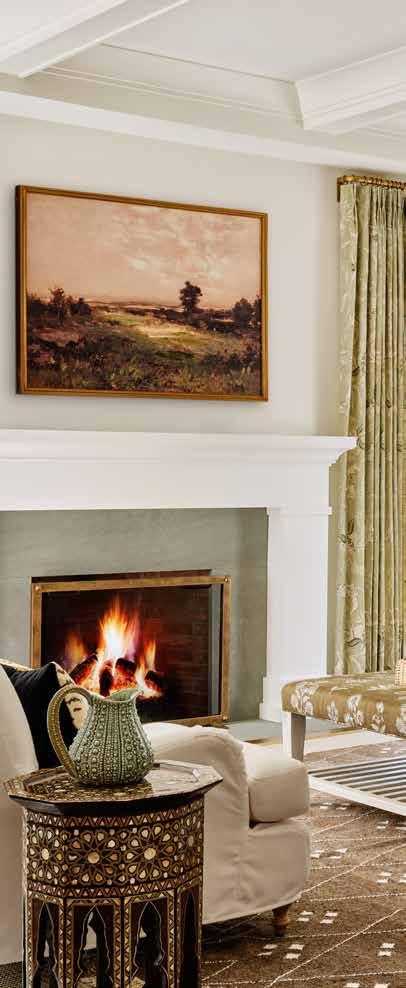
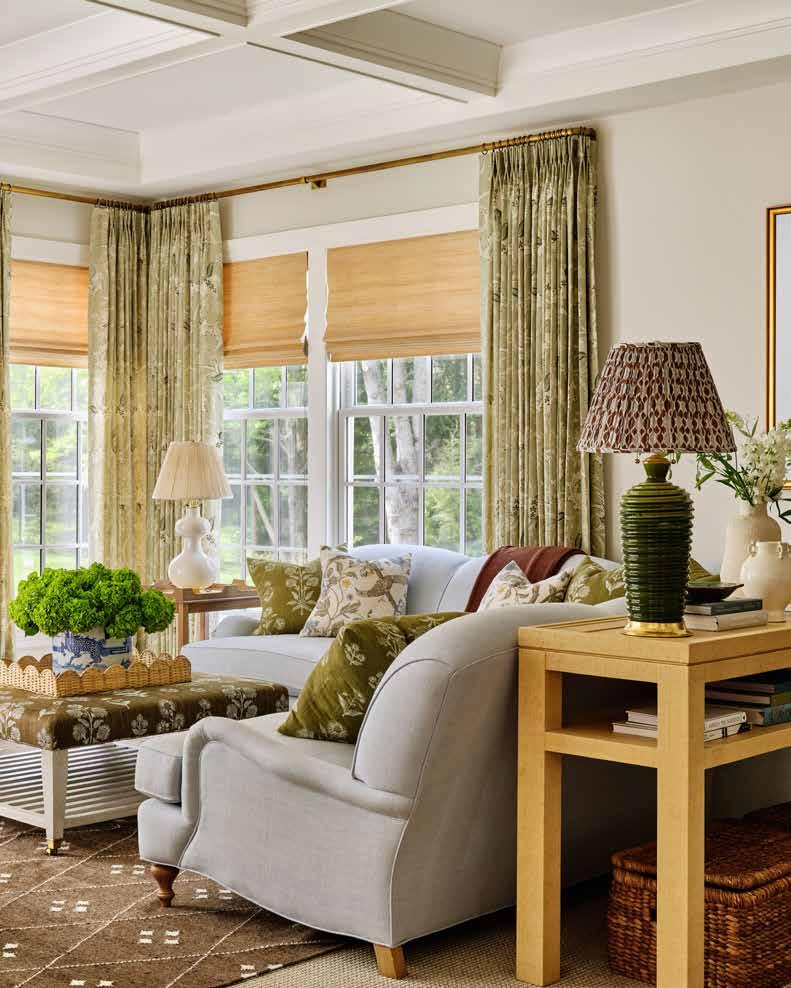
There’s a moment that happens in truly great homes — often before you can name why.
It’s not about perfection or polish, nor about chasing a trend or a look. It’s the feeling that someone lives here. That stories have unfolded in these rooms. That joy, memory, and meaning are layered quietly into the walls.
That moment is precisely what Ariel Okin has built her design philosophy — and her first book, The Happy Home — around.
In the book, Okin invites readers inside a collection of interiors that feel deeply personal, thoughtfully composed, and unmistakably lived-in. From a relaxed Southampton retreat to a classic New Canaan residence, from Palm Beach elegance to a Park Slope townhouse — and including Okin’s own New York home — the spaces span geography, architecture, and lifestyle. What unites them is not a signature look, but a shared sense of warmth and authenticity.
For Okin, this belief was formed long before her design career began. She traces it back to the house she grew up in — a home shaped not by trends or resale value, but by sentiment. Her parents, both deeply nostalgic, filled their spaces with objects collected over time: artwork, pottery, old family photographs, small trinkets with no monetary value but enormous emotional weight. Each piece served as a reminder of people loved, places visited, and memories made. Watching them preserve these fragments of family history — framing black-and-white photos of greatgrandparents, collecting art simply because they loved it — taught her what it truly means to make a house feel like a home.
“They weren’t decorating for effect,” Okin reflects. “They were weaving our family story into the house over time.”
That philosophy carries through every page of The Happy Home. Rather than presenting interiors as finished statements, Okin emphasizes layering — not just of textiles and finishes, but of history, personality, and memory. Rooms feel richer when inherited pieces live alongside new ones. Spaces feel grounded when beauty and function coexist naturally. And homes feel joyful when they reflect how people actually gather, read, rest, and grow.

What makes the book especially compelling is that Okin writes it herself. In addition to her interiors practice, she is a seasoned design journalist, and the duality of those roles gives the book its distinctive voice. Designing, she explains, is an intuitive, creative flow. Writing requires stepping back — synthesizing, analyzing, and reverseengineering the emotional decisions behind each space. The process allowed her to articulate her ethos with clarity, transforming instinct into insight.
That clarity reinforces one of the book’s most refreshing ideas: a home is never truly finished. As people evolve, so do their spaces. Interests shift. Collections grow. Life leaves its mark. To expect a home to remain static is to deny the very thing that makes it meaningful.
“As long as someone is living in a house,” Okin says, “it’s never done.”
Including her own New York home in the book made that truth especially personal. Seeing it through the lens of publication revealed just how deeply sentimental her style truly is — a trait inherited from her parents and grandmother. Many of the objects that take pride of place are family gifts or pieces discovered for their patina and story. What matters most isn’t what the objects are, but how they make her feel and the memories they carry.
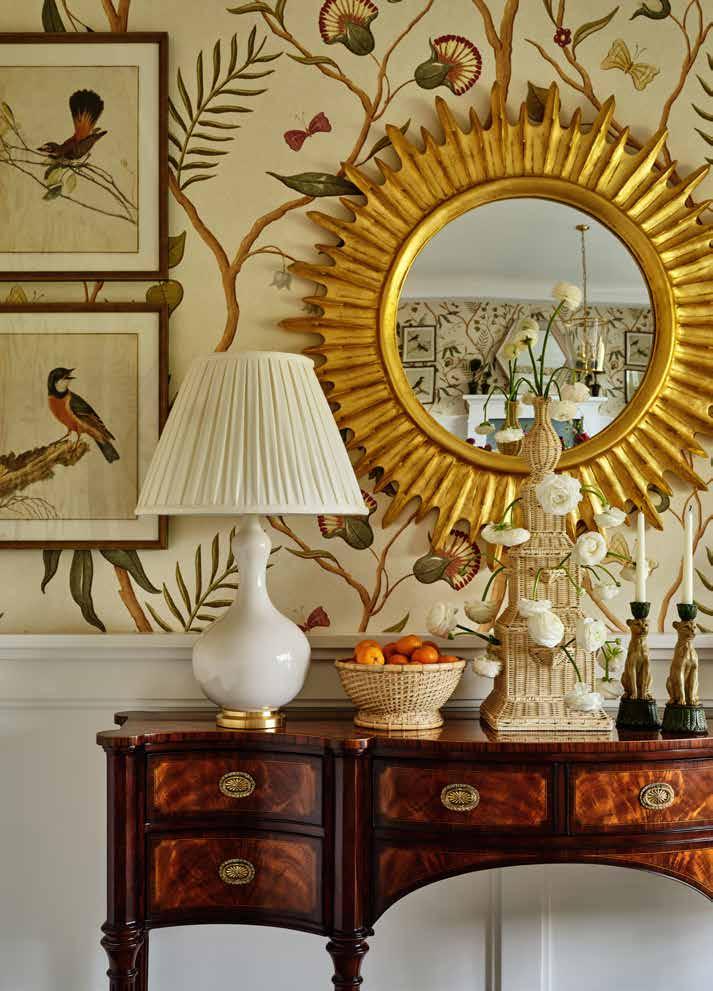
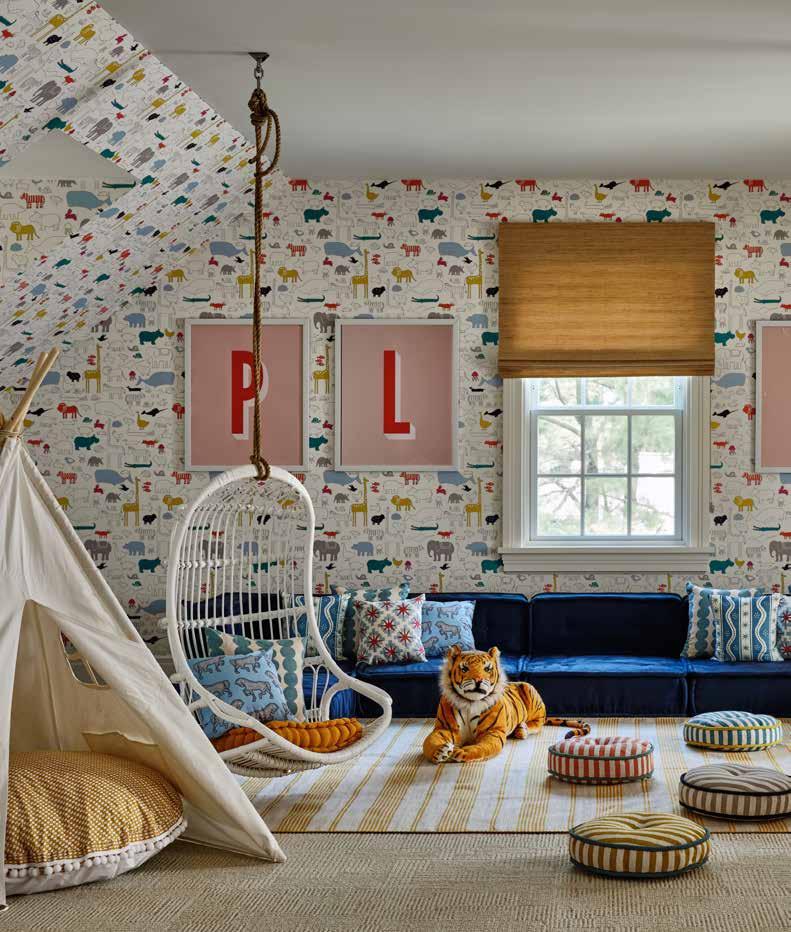
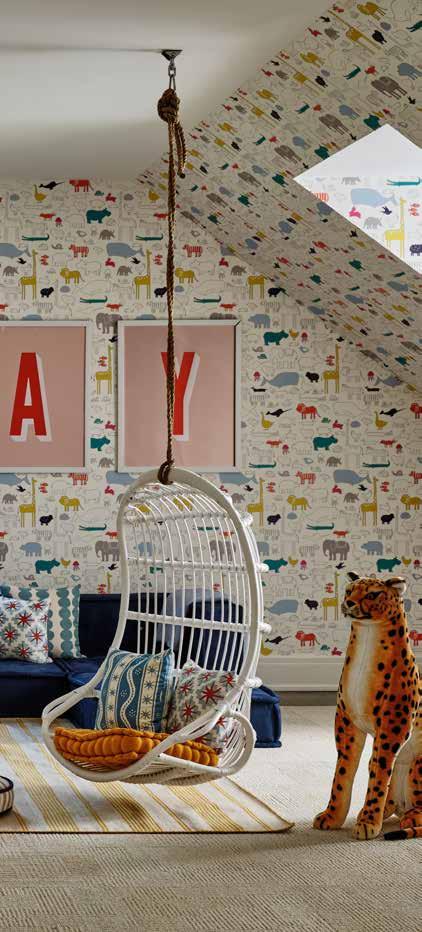
That same reassurance extends to her clients and readers alike, particularly those who worry their homes don’t feel “designed enough.” Okin’s advice is simple: let it breathe. Give it time. When you stop chasing how a house should look and start paying attention to what you’re genuinely drawn to, the layers come naturally. The goal isn’t perfection — it’s comfort, ease, and emotional resonance.
If there’s one idea Okin hopes readers take from The Happy Home, it’s this: authenticity is the foundation of good design. Leaning into who you are — not just in your home, but in your life — leads to spaces that feel grounding, joyful, and deeply personal.
In a design world often obsessed with what’s next, Ariel Okin gently brings us back to what lasts: meaning, memory, and the quiet joy of spaces that feel unmistakably our own.
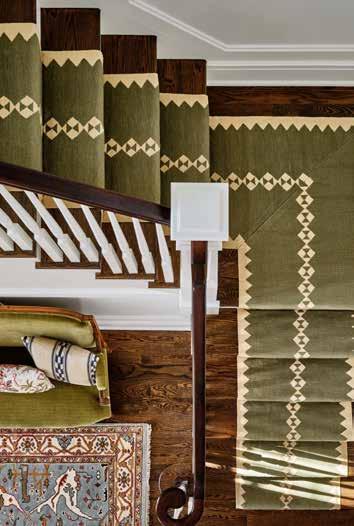
(Releasing October)
For readers drawn to the gilded intrigue of Vanderbilt and The Last Castle, this forthcoming biography uncovers the hidden life of Alice Delamar—an heiress who quietly shaped twentieth-century culture while fiercely guarding her privacy.
In 1918, at just twenty-three, Alice Antoinette Delamar inherited her father’s vast mining fortune, reportedly becoming one of the wealthiest women of her time—and almost immediately, one of the most scrutinized. The press wanted answers: Would she take over her father’s estate? How would she spend her money? And, most insistently, whom would she marry?
Rather than step into society’s spotlight, she retreated behind the gates of secluded, tree-covered estates, creating private worlds where artists, writers, dancers, and visionaries gathered far from scrutiny. She built Stonebrook, her secluded estate in Weston, Connecticut, a wooded refuge where creativity flourished beyond the reach of society pages. She also maintained residences in Palm Beach, Paris, and New York City, dividing her life among places that offered both beauty and anonymity. Within these carefully guarded worlds, Delamar became an unlikely fairy godmother to twentieth-century artists—hosting, supporting, and protecting figures such as Vladimir Nabokov, Salvador Dalí, George Balanchine, Ludwig Bemelmans, Isamu Noguchi, and Eva Le Gallienne. Entry into her orbit required loyalty and discretion; exile, when it came, was often sudden and final.
After encountering Delamar as a tantalizing aside in a biography of La Gallienne, Nona Footz was captivated. Who was this woman who appeared everywhere and nowhere at once—and what was she hiding? Footz spent the next decade following Delamar’s trail through archives, attics, and farflung cities, searching for a rumored manuscript and listening closely to the memories of those who had once belonged to Delamar’s inner circle.
What emerged is both a richly detailed portrait of a reclusive millionairess and a meditation on legacy itself—on how the dead continue to shape the living, and how secrets, carefully kept, echo across generations.
A Mansion of Her Own arrives this October—just in time for long evenings, layered histories, and the pleasure of uncovering a life lived deliberately out of view and we can’t wait to read it.

“ She created private worlds where art, loyalty, and secrecy coexisted. ”
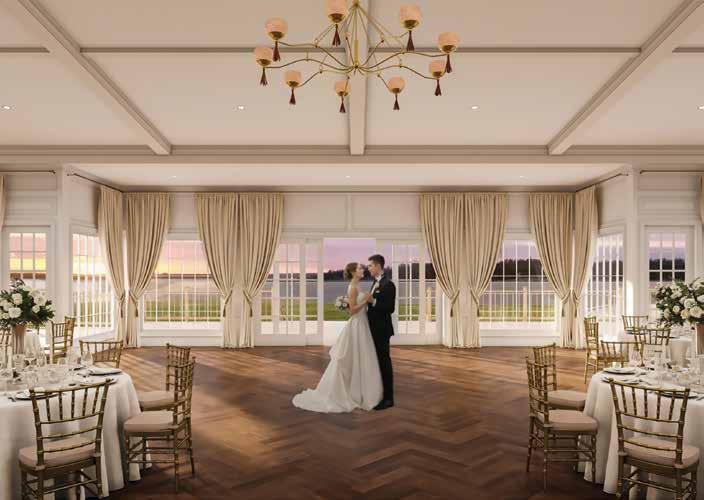
Call Christine Hussey at 203.227.0002 WEDDINGS &
The Inn at Longshore is a timeless New England waterfront venue, gracefully set along Connecticut’s Gold Coast in Westport—just one hour from New York City. Framed by floor-to-ceiling windows, the space captures sweeping views of Long Island Sound, creating a breathtaking coastal backdrop for weddings, galas, and milestone celebrations alike. Now booking 2027 weddings.

260 Compo Rd South I Westport, CT 06880 I Innatlongshore.com

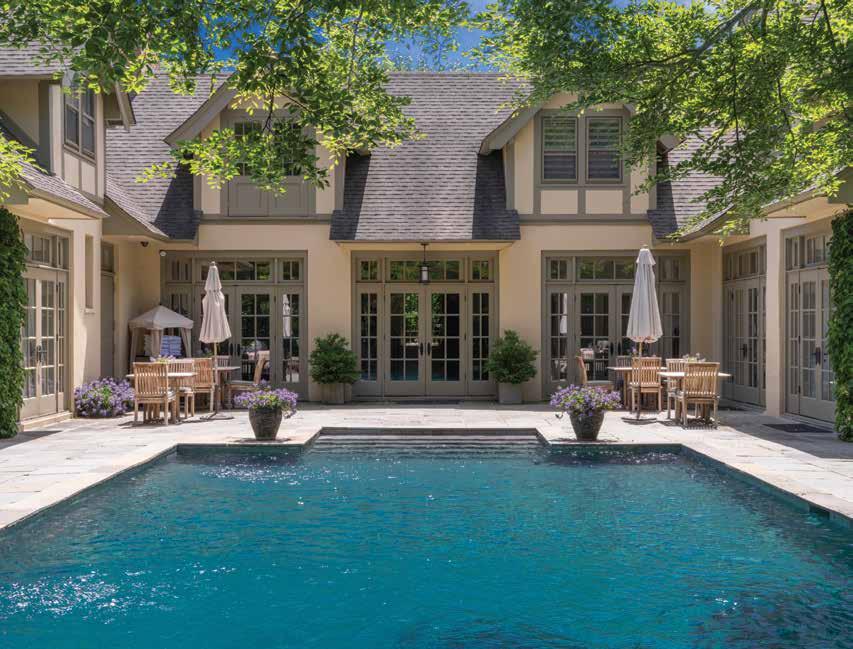
Step beyond the ivy-covered walls and discover a retreat like no other. From sunlit breakfasts beneath a wisteria canopy to languid afternoons by the sparkling pool, The Baker House 1650 is a celebration of timeless elegance and modern comfort.
Nestled in the heart of East Hampton Village, this award-winning English manor invites you to unwind in beautifully appointed rooms, rejuvenate in the tranquil spa, and savor every moment of your escape. Come experience why The Baker House 1650 is consistently named one of the East End’s most enchanting destinations. Reserve your stay today.
WHERE OCEANFRONT
LUXURY MEETS EFFORTLESS ISLAND RHYTHM, AND EVERY VIEW FEELS LIKE YOUR OWN PRIVATE WORLD.
By Colleen Guilfoile Richmond



Bermuda has a way of catching you off guard, not because of its beauty (that’s a given), but because of its ease. You can leave the East Coast after breakfast and be swimming in turquoise water by lunch. With direct flights from Charlotte and Westchester, this Atlantic gem is one of the most effortless escapes from the U.S., and yet, when your driver winds along the coastal road to Azura, it feels a world away.
Perched high above the South Shore cliffs, Azura doesn’t shout its presence, it whispers it. White terraces spill toward the sea, palms sway lazily in the breeze, and the Atlantic unfurls endlessly below. It’s quiet, modern, and transportive, the kind of place that makes you exhale before you realize you were holding your breath.
Days at Azura follow a rhythm that feels like instinct. Mornings begin with coffee on your private terrace as the ocean shifts through shades of impossible blue. A dip in the saltwater ocean pool leads naturally to a long, lazy lunch by the Terrace Pool and Bar. Time moves differently here, slower, softer, sweeter.
The one-bedroom ocean-view suite we stayed in captures that same balance of ease and refinement. Airy and sun-washed, it feels like your own private villa, complete with a full kitchen, living room, and a terrace that seems to hover above the sea. Slip into the crisp linens after a swim, and you’ll understand why guests always add “just one more night.” Thoughtful touches, Malin + Goetz bath amenities, Nespresso coffee, and the resort’s fill-the-fridge service make it feel like home, only better.



As the sun sets, all paths lead to SURF, the resort’s restaurant led by Chef Douglas Sisk, former personal chef to five U.S. presidents. After decades of cooking for the White House and abroad, he brings a globally refined touch to the island. His menu, Mediterranean meets island soul, is both elegant and generous. The fourcourse chef’s table dinner is a must: tuna ceviche, osso buco, perfect wine pairings, and a finale of decadent desserts that remind you what pleasure tastes like. With a little notice, this can be booked year-round.
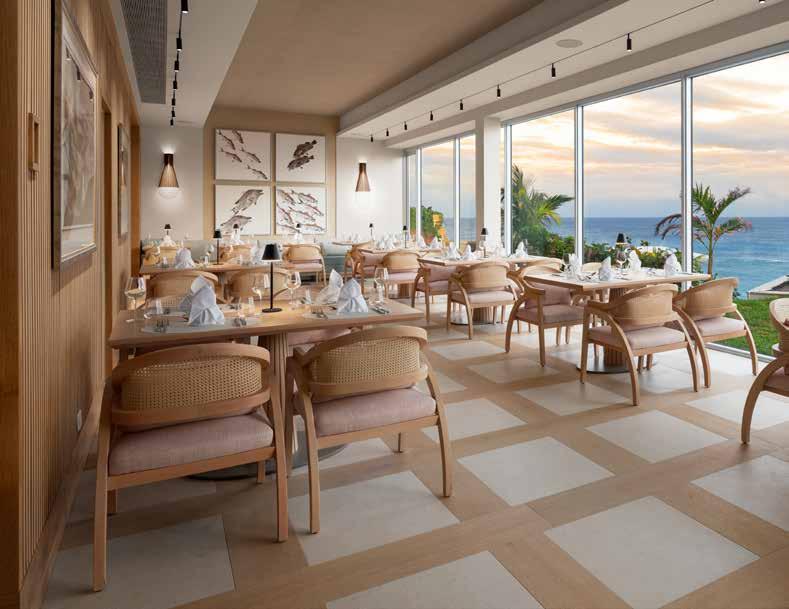
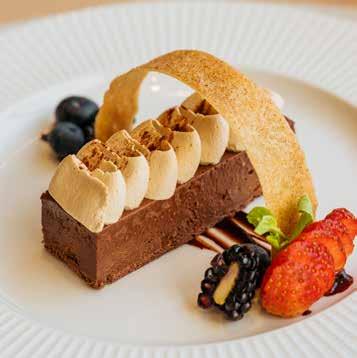
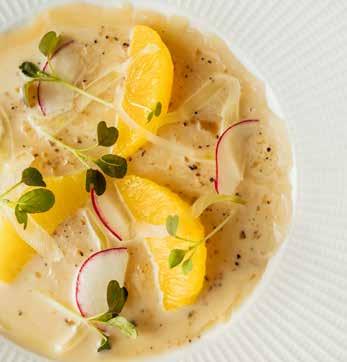
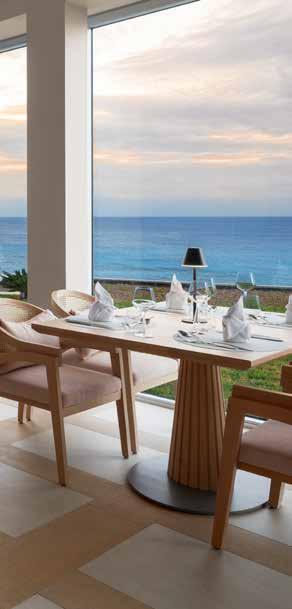
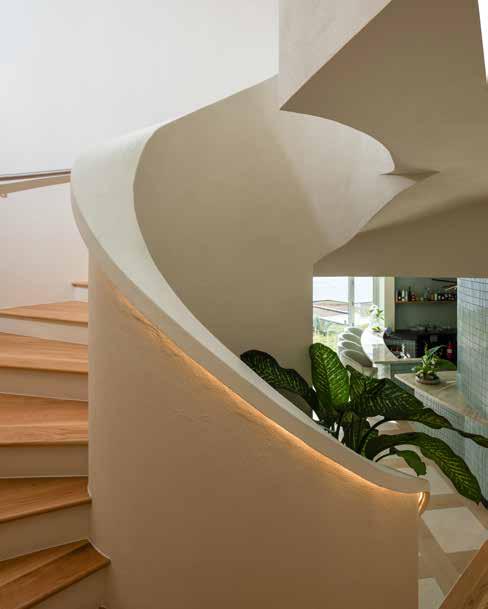
Step beyond the resort and Bermuda deepens its spell. The island’s nine parishes unfold like watercolor postcards, pastel cottages, winding lanes, and more than 150 churches, some older than the nation itself. Bermuda’s story began with pure chance: the Sea Venture, an English ship bound for Virginia, wrecked on the reefs in 1609. Its crew became the island’s first settlers, writing home about a paradise worth keeping. The island’s name was inherited from the Spanish explorer Juan de Bermúdez, who first charted it but never came ashore. In St. George’s, St. Peter’s Church, the oldest continuously used Anglican church in the Western Hemisphere, still holds that history in its cedar beams.
What makes Bermuda so special isn’t just its beauty, it’s the way it suspends you between worlds. Close enough to
be spontaneous, yet far enough to quiet everything that came before you landed. The people are gracious without pretense, the pace, unhurried but polished. Golf courses roll toward the sea, trails dip to hidden coves, and the light, that crystalline Atlantic light, softens everything it touches.
Back at Azura, the design mirrors the island’s mood, modern lines, open air, and views that seem to follow you everywhere. For families, couples, or solo travelers, it’s both a sanctuary and a springboard, a place to rest between swims, stories, and sunsets. Accommodations range from one to three bedrooms, and the staff feel like old friends.
Leaving feels like waking from a beautiful dream. You promise yourself you’ll return, not just for the views or the food, but for that rare feeling Bermuda gives so easily, of being exactly where you’re meant to be.


Where heritage is woven with salt air, culinary mastery, luminous art, and the quiet magic of rivers meeting sea.
By Colleen Guilfoile Richmond
You arrive at Delamar Mystic in that golden stretch between day and dusk, when the river seems to hold its breath and the town glows in reflected light. This isn’t a hotel that merely sits in Mystic — it carries the town’s story in its bones. Walls in the public spaces are adorned with nautical pieces drawn from the personal collection of Charles Mallory, a descendant of the 19th-century shipbuilder whose family helped shape the region’s maritime legacy. Everywhere you look there are echoes of sails and sea lore: oyster traps repurposed as lighting fixtures, deck prisms that capture and disperse light like soft memories, even a vintage rowing scull suspended above La Plage’s dining room, on loan from the neighboring Mystic Seaport Museum. It’s a quiet dialogue between past and present you sense before you know why.
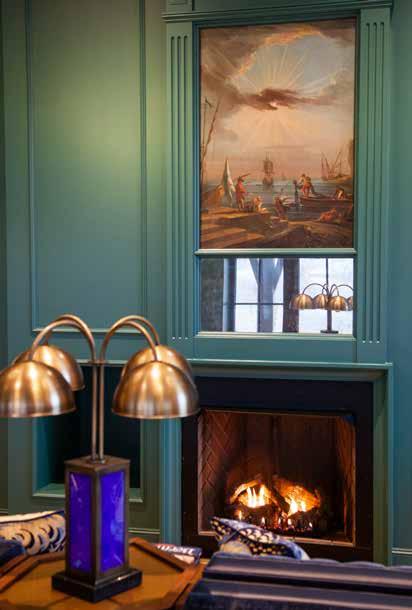
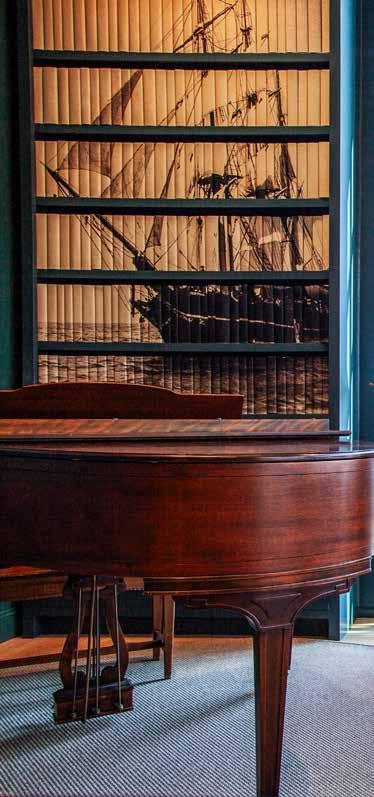
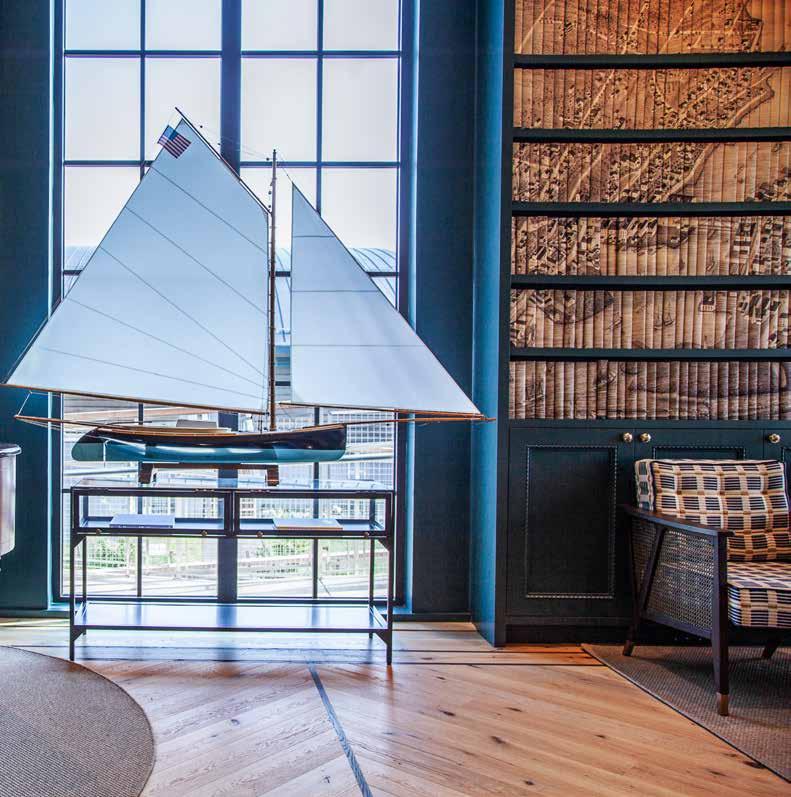
Inside your room, the world falls away — crisp linens, warm woods, and unparalleled views of the Mystic River feel like a private retreat. From some suites you can see Elm Grove Cemetery’s Victorian stones, where Charles Mallory’s ancestors rest among local icons, a reminder that history here isn’t a museum — it’s living.
Come evening, you wander over to La Plage, Delamar’s own restaurant, where the menu marries French technique with the sea’s daily offerings — and spirited local influence — in dishes that taste like this coast narrated on a plate. Later, a short stroll to the Mystic River Bascule Bridge turns into a local ritual: the bridge lifts with graceful inevitability, boats slip through, and visitors and residents alike pause to watch the river write its story on the darkening water.
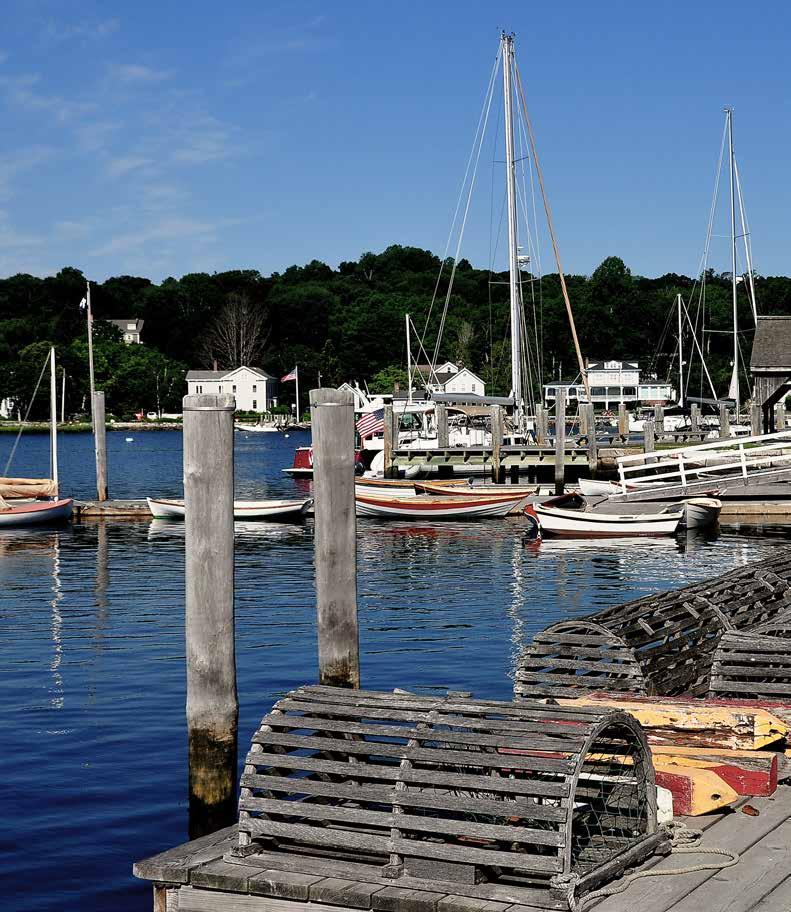
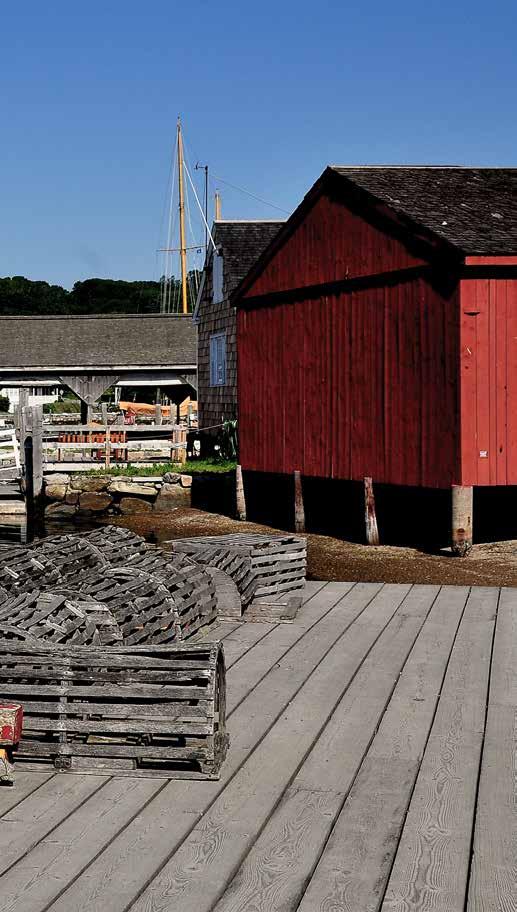
Sunrise in Mystic feels like a secret only the river knows. With coffee in hand, you choose your morning with intention — maybe a hearty, inventive breakfast at Toast & Tonic, or a simple grab and go pastry and espresso at Lighthouse Bakery. With that first sip and bite, the town begins to unfold. Down the street, must stop in boutiques like RiverLane and Adore entice you into worlds of curated finds, while the iconic Black Dog General Store — an emblem of New England coastal life — tempts you with cozy sweaters and mugs that seem to whisper “bring me home.” Amid the treasure of downtown stands Kitch Mystic, a haven for kitchen lovers, join a cooking class or shop its shelves brimming with cookware, artisan spices, and the promise of meals that feed both body and imagination.
The real secret of Mystic lies beyond its downtown heartbeat — in the places where land breathes into sea. Just a few miles from this historic river town is Bluff Point State Park, a protected peninsula of shaded trails and open coastal edges where quiet paths lead you to views that seem too beautiful to name. Alternatively, cross just east of Mystic into Watch Hill, Rhode Island, where Napatree Point Conservation Area unfurls as a slender, mile-and-a-half walk into the Atlantic. The beach stretches forward like a quiet invitation, ocean on one side, Little Narragansett Bay on the other. Wind moves freely here, reshaping sand and thought alike, and with every step your footprints feel temporary—etched, then softened, then gone. It’s the kind of walk that slows your breathing and sharpens your senses, a place so elemental and unspoiled you find yourself walking farther than planned, reluctant to turn back.

Dinner in Mystic doesn’t just feed you — it moves you. In the heart of historic downtown, The Shipwright’s Daughter stands as a testament to that truth. Led by James Beard Award-winning chef David Standridge, who in 2024 became the first Connecticut chef in nearly two decades to receive that honor and placed the restaurant on The New York Times list of America’s 50 Best Restaurants. This is coastal dining rendered with heart, depth, and intention.
Here, seafood isn’t merely presented — it’s honored. Standridge’s philosophy is rooted in tide-to-table connection: he works directly with local fishermen and farmers, letting the changing bounty of the sea and land shape menus that sing of season, place, and community. Each plate tells a story of where the ingredient came from — and why it matters — making every bite not just delicious, but thoughtful. Guests rave about everything from creatively composed small plates to perfectly cooked entrées that feel at once familiar and astonishing.
Afterward, head to Port of Call for cocktails that echo the town’s maritime spirit — a blend of precision, creativity, and ease that feels like the perfect capstone to the night. If music calls you, Milestone offers live rhythm and warmth, luring night owls into laughter and lingering conversations long after dinner.
Sunday dawns slowly. Whether you circle back to a favorite breakfast spot or simply sit by the river with a pastry and coffee in hand, there’s a feeling of quiet fulfillment in the air. If time allows, a visit to the Mystic Seaport Museum deepens the story even further — historic vessels, shipyards, and hearths that echo with the rhythms of centuries past. To stand among them is to feel the pulse of Mystic’s soul, a blend of saltwater, wood, wind, and human endeavor.
It isn’t just one place, dish, or view — it’s the stories behind them. It’s maritime heritage preserved in art and architecture. It’s the way river light paints every evening golden. It’s the thrill of a Chef whose dishes have earned national recognition and transformed a small downtown street into a destination. And it’s the whisper of footsteps on a beach that seems to stretch forever into the horizon. Mystic isn’t merely a weekend escape. It’s a narrative — and you’ve just lived its most enchanting chapters.
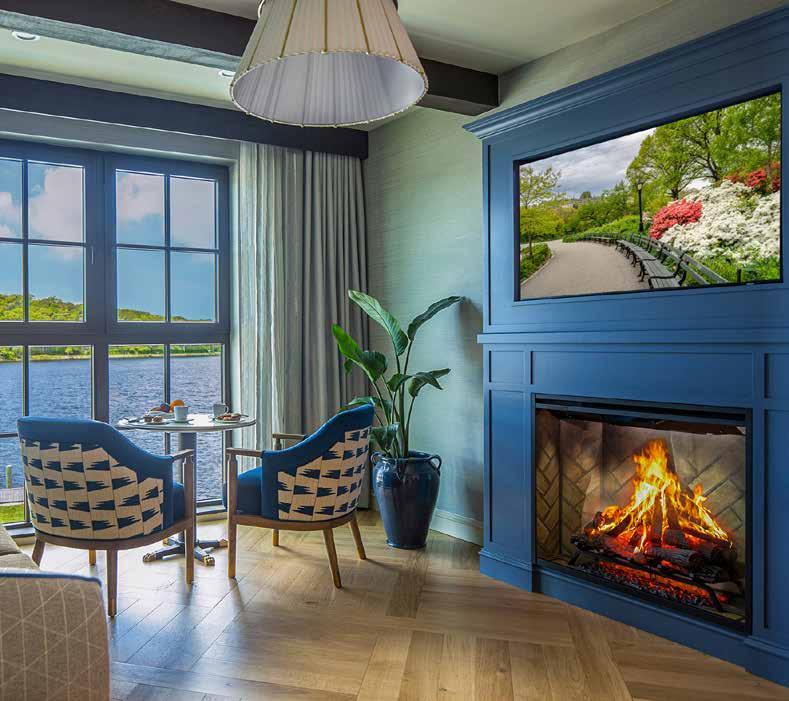






Friends of the Delamar Hotel Collection gathered to celebrate the opening of Delamar Westport, the newest addition to the luxury boutique hospitality group. Local tastemakers, business leaders, and members of the design community toasted the debut of the highly anticipated property, which brings refined European-inspired hospitality to the heart of Westport.
Guests enjoyed cocktails, light bites, and an early look inside the beautifully designed hotel, whose interiors include spaces created in collaboration with fashion designer Christian Siriano. With elegant rooms, vibrant dining at Dandelion, and thoughtfully curated design throughout, Delamar Westport has quickly become one of Westport’s most stylish new gathering places. Photography by: awesnap.com



This past fall, Delamar Traverse City partnered with Hampton Water to host a vibrant Pink Weekend takeover benefiting the Munson Cancer Foundation. Overlooking the sparkling waters of Grand Traverse Bay, guests gathered for a series of spirited events supporting breast cancer research and patient care in Northern Michigan.
The weekend featured a lively Pink Pool Party, an elegant dinner at Artisan with a silent auction including an autographed Jon Bon Jovi guitar, and a celebratory Bubbly Brunch to close the festivities. With the hotel illuminated in a radiant pink glow and Hampton Water touches throughout the property, the weekend reflected Delamar’s signature blend of hospitality, community, and purpose.


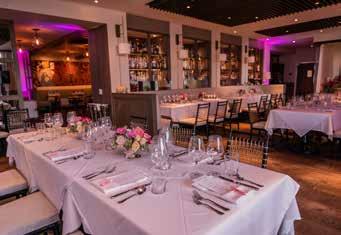
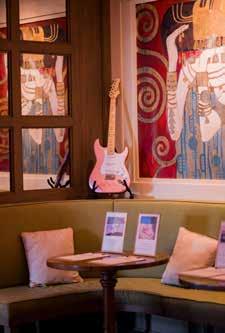
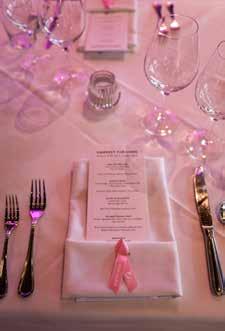
Guests across the Delamar Hotel Collection recently gathered for an evening of connection and purpose in support of pulmonary fibrosis awareness and research.
At the center of the initiative was a signature cocktail created especially for the occasion—“Sip for a Change.” Crafted with vodka, butterfly blue pea tea, lavender syrup, fresh lemon, and a splash of seltzer, the vibrant drink became an instant conversation starter. Its striking color transformation symbolized hope, progress, and the promise of change.
Served throughout participating Delamar restaurants, the cocktail offered guests a simple yet meaningful way to contribute, with a portion of proceeds dedicated to supporting pulmonary fibrosis research and treatment efforts.
The evening also featured a ticketed gathering and silent auction, where guests and supporters came together to further the cause. Through the generosity of attendees and the Delamar community, the event helped raise meaningful support while bringing greater awareness to the fight against pulmonary fibrosis.
Through thoughtful hospitality and community engagement, Delamar once again demonstrated how shared experiences— whether around a table, a cocktail, or a common cause—can bring people together and inspire impact.

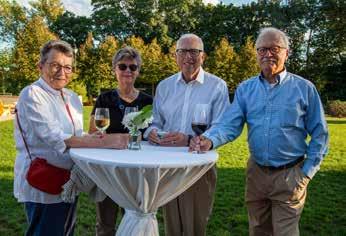





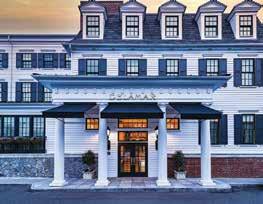
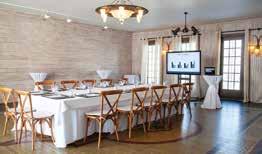


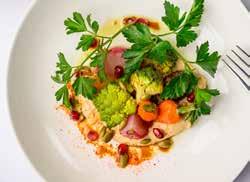

RANKED TOP 10 HOTELS IN NEW ENGLAND BY TRAVEL + LEISURE’S WORLDS BEST AWARDS 2025
Take over Delamar Southport—a private boutique hotel experience designed for executive retreats, leadership off-sites, and invitation-only celebrations. This is a rare opportunity to claim the entire 46-room property as your own. Enjoy exclusive access to all guest rooms, meeting spaces, Artisan Restaurant, courtyard, and spa—paired with curated culinary moments, welcome receptions, and dedicated on-site support. With complimentary breakfast, meeting space, AV credit, and elevated touches throughout, your program unfolds seamlessly in an elegant, distraction-free New England setting.

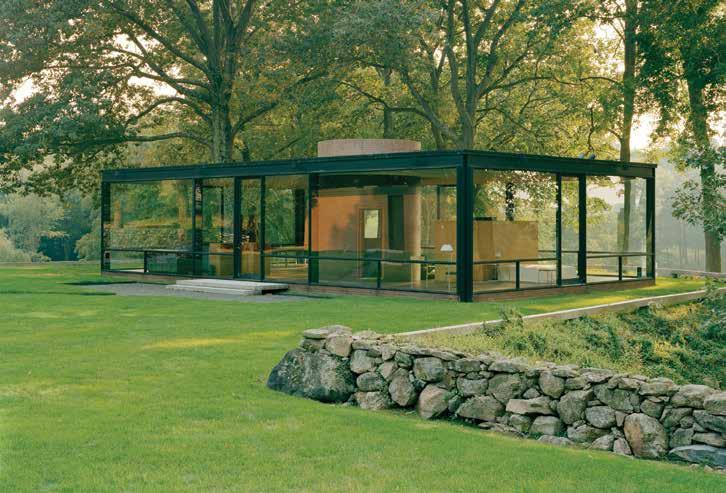


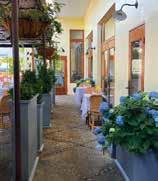
Set sail in effortless style along the stunning Greenwich coastline with an exclusive Barton & Gray Mariners Club charter, available for Delamar Greenwich Harbor guests from May through October. Step aboard your private yacht, sip champagne as the harbor breeze drifts by, and experience a level of coastal luxury reserved for a select few.

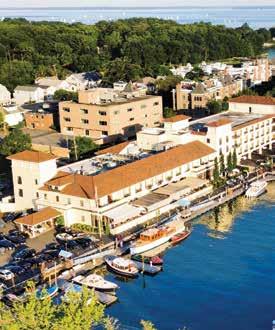
Reserve your slip at Delamar Greenwich Harbor and enjoy more than 500 feet of private dockage, accommodating sail and motor yachts up to 180 feet. Our full-time dock attendants provide seamless assistance, with water service and up to 100-amp, 3-phase 208 electrical hookups available for your convenience. Guests docking at our Greenwich marina enjoy full access to the hotel’s spa and fitness center.



Since 1898, we have been helping customers celebrate life’s moments with natural diamonds, stunning jewelry, fine Swiss watches, and unique gifts for the home, all wrapped in our signature gold box. Whether you’re looking for something extraordinary for yourself or the perfect gift to give. Let our professionally trained diamond experts show you the difference. Visit us in-store or online at LBGreen.com.
Where Every Box Has a Story™