MAGAZINE


WHY PRIVACY IS THE NEW STATUS SYMBOL
WHERE STORIES ARE SERVED: INSIDE VILLA MAYA’S QUIET, CULINARY MAGIC
HOW TO PLAN A LUXURY ESCAPE WITHOUT OVERPLANNING
SPOTLIGHT: JUNO SIX SEATS. COMPLETE
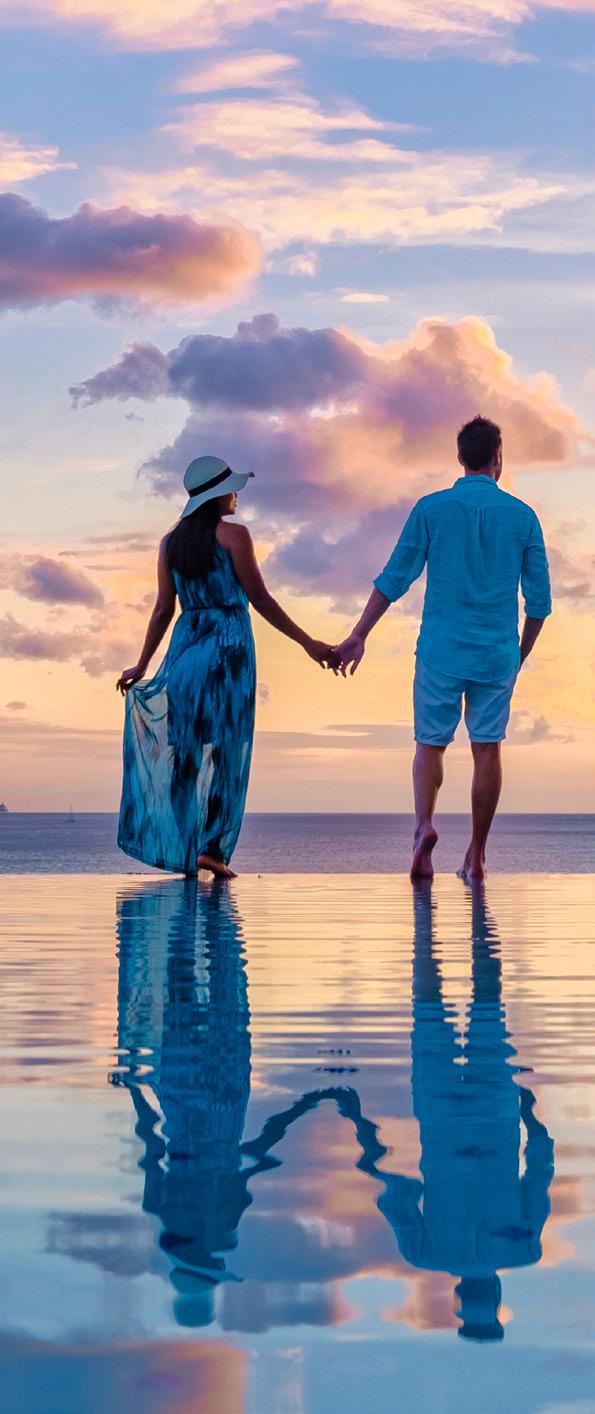

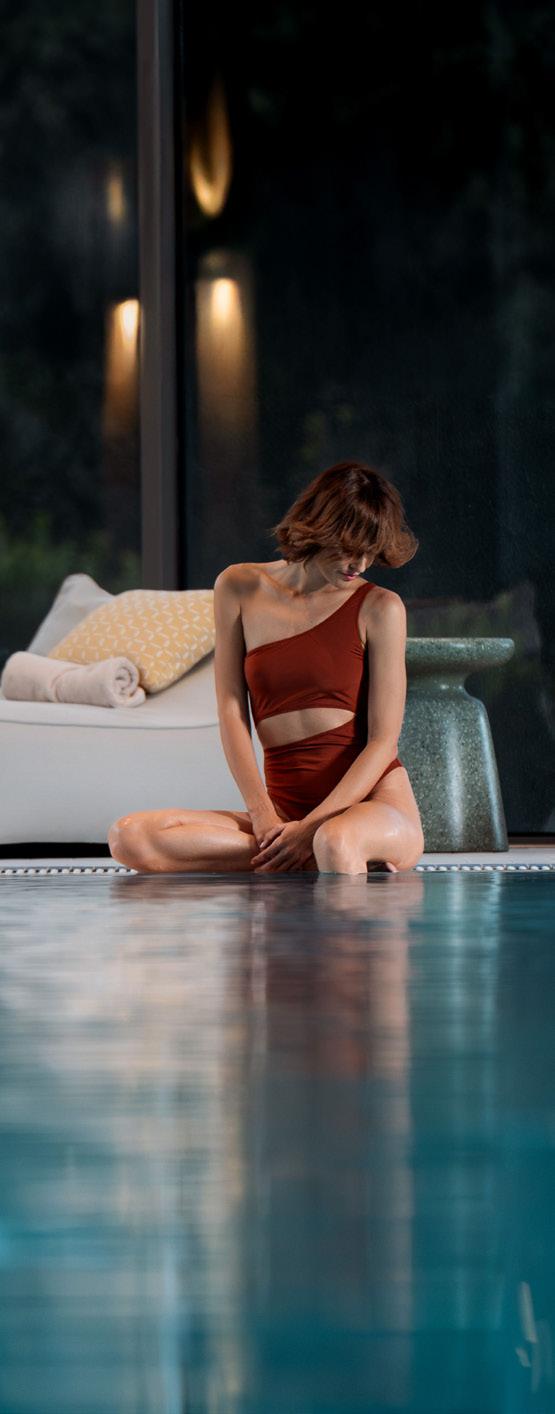
WHY PRIVACY IS THE NEW STATUS SYMBOL
For decades, luxury was loud.
It announced itself through grand hotel lobbies, sweeping staircases, overflowing champagne towers and destinations designed to impress — and to be seen. The world’s most coveted travel experiences were once defined by visibility: who was there, where they stayed, and how exclusive the guest list appeared to be.
But something has shifted.
In 2026, luxury has grown quieter — and far more personal.
Today’s most discerning travellers are no longer chasing attention. They are seeking absence. Absence of crowds. Absence of schedules. Absence of interruption. In a hyperconnected world that never truly switches off, privacy has become the ultimate form of privilege.
Not because it is rare — but because it is deeply restorative.
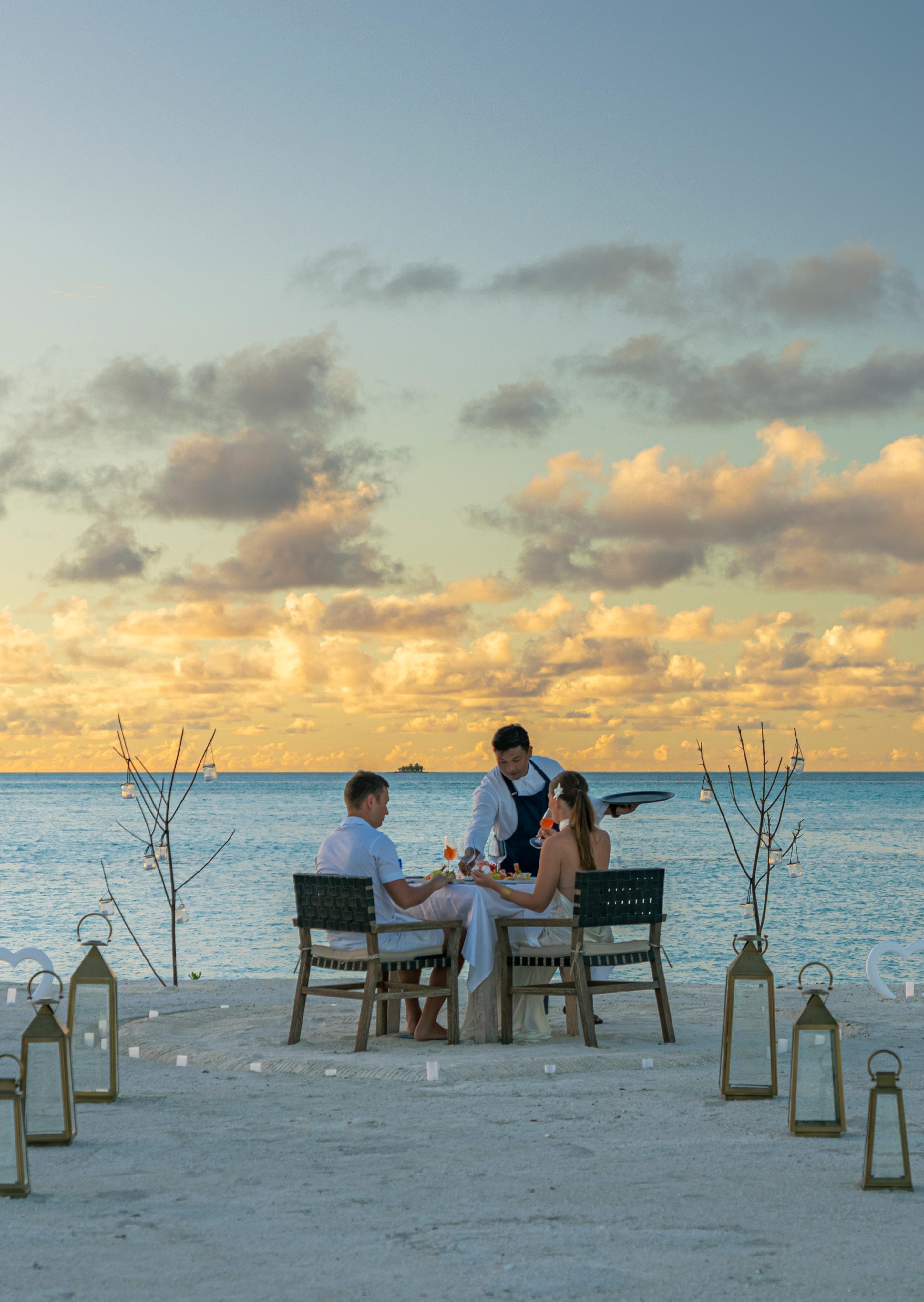
THE QUIET REBELLION OF
MODERN LUXURY
Luxury travel has always reflected the values of its time. Where once excess symbolised success, modern luxury mirrors a different desire: control over one’s space, time, and emotional energy.
The rise of privacy as a status symbol is not about hiding — it is about choosing when and how to engage.
High-net-worth travellers today are rejecting the performative nature of travel. They are less interested in destinations that photograph well and more drawn to experiences that feel good. Places where mornings unfold slowly. Where service is intuitive rather than intrusive. Where silence is not an absence, but a luxury in itself.
This shift has been accelerated by several cultural changes:
*The fatigue of constant digital exposure
*Overcrowded “mustsee” destinations
*A renewed appreciation for mental wellbeing
*A desire for deeper, more meaningful connections
In response, luxury has scaled down — not in quality, but in size.
SMALLER SPACES, GREATER SIGNIFICANCE
One of the most noticeable changes in premium travel is the move away from mega-properties toward intimate environments.
Boutique hotels, heritage residences, private villas, adultsfocused resorts and refined hideaways are flourishing. These spaces offer something increasingly rare: the feeling of being genuinely looked after without being observed.
In smaller properties, guests are not room numbers. Staff recognise rhythms, preferences and moods. Service becomes personal rather than procedural.
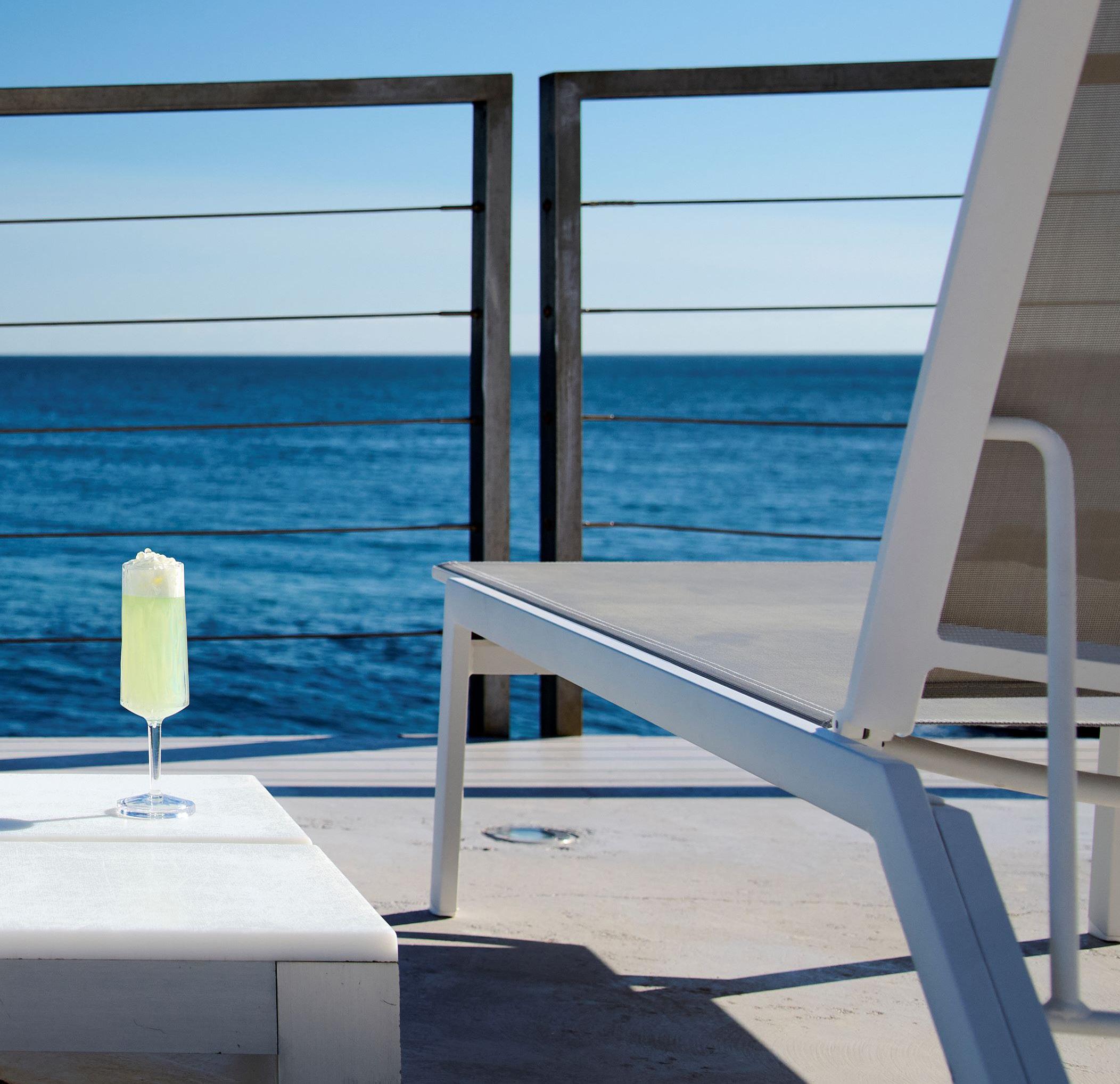
A quiet cliffside hotel overlooking the Atlantic, such as Portugal’s Farol Hotel, exemplifies this evolution. Here, luxury is not expressed through scale, but through atmosphere — uninterrupted ocean views, discreet service, and the freedom to experience a destination
without external noise.
Privacy, in this context, is not isolation. It is intentional closeness — to the setting, to oneself, and often, to the person beside you.
WHEN EXCLUSIVITY BECOMES EMOTIONAL
True exclusivity in 2026 is not about limited access — it is about emotional resonance.
The most coveted experiences are those that create a sense of intimacy, whether shared between partners, family members, or even solo travellers reconnecting with themselves.
In destinations like Interlaken, where historic properties such as Hotel Royal St. Georges MGallery blend heritage with serenity, privacy is found not in seclusion alone, but in pace. Snowdusted mornings, quiet walks along alpine paths, evenings warmed by conversation rather than entertainment schedules.
These moments cannot be replicated through luxury upgrades or VIP access. They are created through space — physical and mental.
Privacy allows travellers to be present. And presence, increasingly, is the most valuable currency of all.
AS LUXURY EVOLVES, SO TOO DOES SERVICE.
Where once attentiveness meant constant interaction, today it means restraint. Knowing when not to appear. Anticipating needs quietly. Allowing guests to exist without disruption.
This philosophy is powerfully
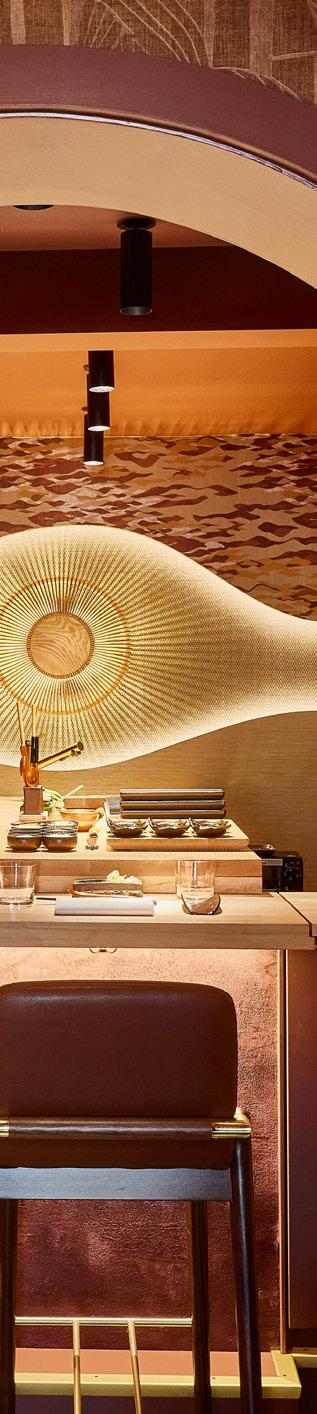
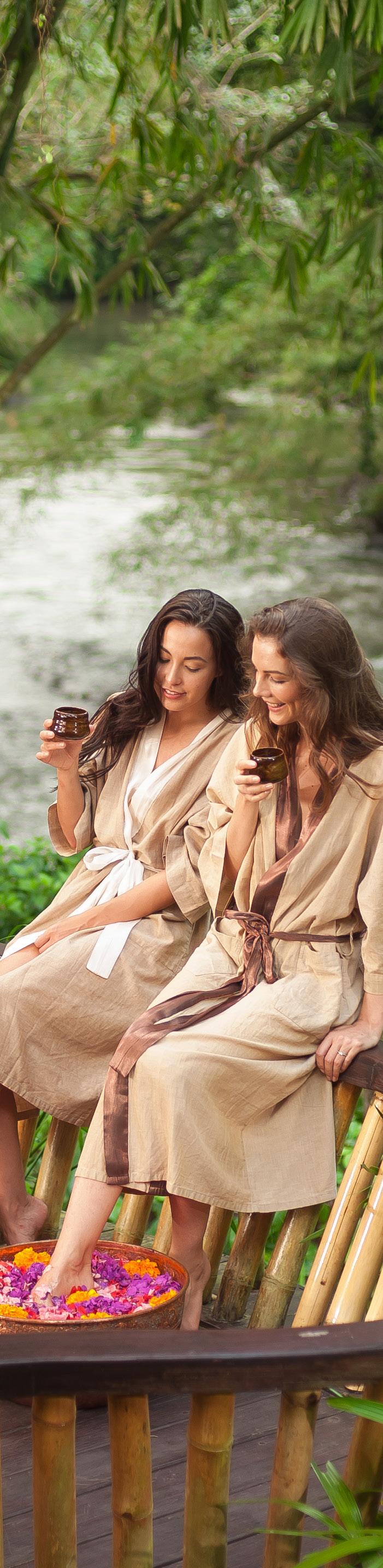
expressed in modern wellness sanctuaries — places designed not for performance, but for personal transformation. At destinations such as the Healing & Wellness Sanctuary at Fivelements Retreat Bali, privacy is not an added amenity; it is the foundation of the experience itself.
Set along the sacred Ayung River and immersed in jungle stillness, Fivelements invites guests into a deeply introspective environment rooted in ancient Balinese healing traditions. Here, wellness unfolds gently — through individual rituals, personalised therapies, and moments of silence that feel as intentional as any treatment.
In these spaces, wellness in 2026 is no longer a social activity.
It is deeply personal.
Guests are increasingly seeking:
* Private treatment sanctuaries
* Individualised healing journeys
* Unhurried, intuitive rituals
* Space to disconnect, without explanation
The shift reflects a broader understanding: restoration cannot occur when one is being observed.
True healing, like true luxury, requires privacy — not as isolation, but as permission. Permission to slow down. To listen inward. To exist without performance.
PRIVACY AS THE ULTIMATE ROMANTIC LUXURY
Nowhere is the desire for privacy more evident than in romantic travel.
Couples are moving away from bustling honeymoon hubs toward quieter destinations that allow intimacy to unfold naturally. Adults-only resorts, secluded beaches and understated elegance are replacing once-iconic party hotspots.
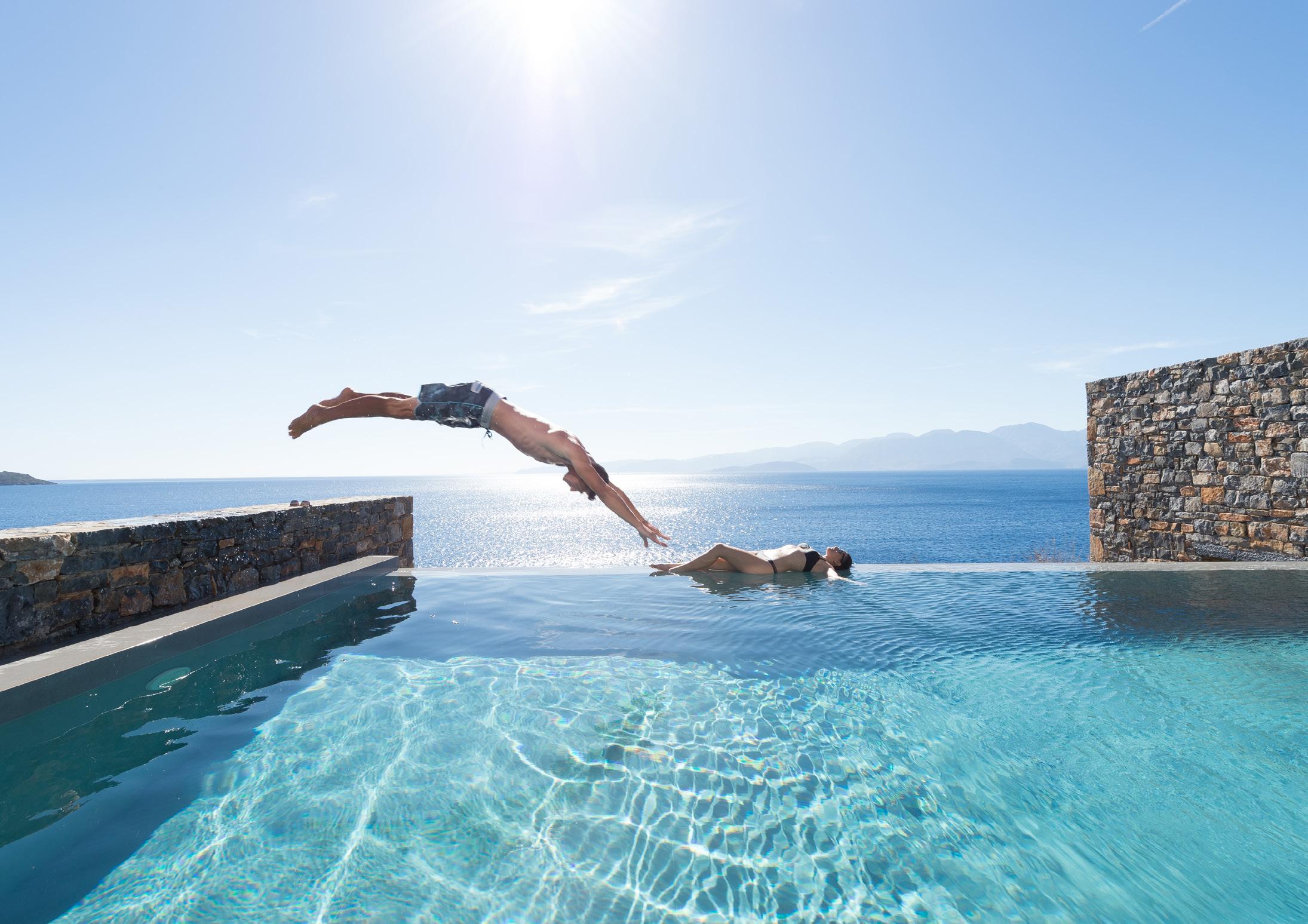
In Greece, properties such as Aquila Elounda Village offer a refined alternative to crowded islands. Here, romance is not staged. It emerges through sunset dinners without noise, mornings overlooking the Aegean, and the rare pleasure of feeling unhurried.
In these environments, couples are not performing romance — they are living it.
THE PSYCHOLOGY BEHIND THE SHIFT
The desire for privacy is not simply a trend; it is psychological.
In everyday life, individuals are constantly accessible. Messages arrive instantly. Notifications compete for attention. Even leisure time is documented and shared.
Travel, once an escape, began to mirror this intensity.
Privacy reclaims what has been lost: autonomy.
When travellers choose quieter spaces, they regain control over:
* Their schedule
* Their social exposure
* Their emotional bandwidth
This autonomy is profoundly luxurious.
It allows people to feel safe enough to relax — and relaxation, in today’s world, is rare.
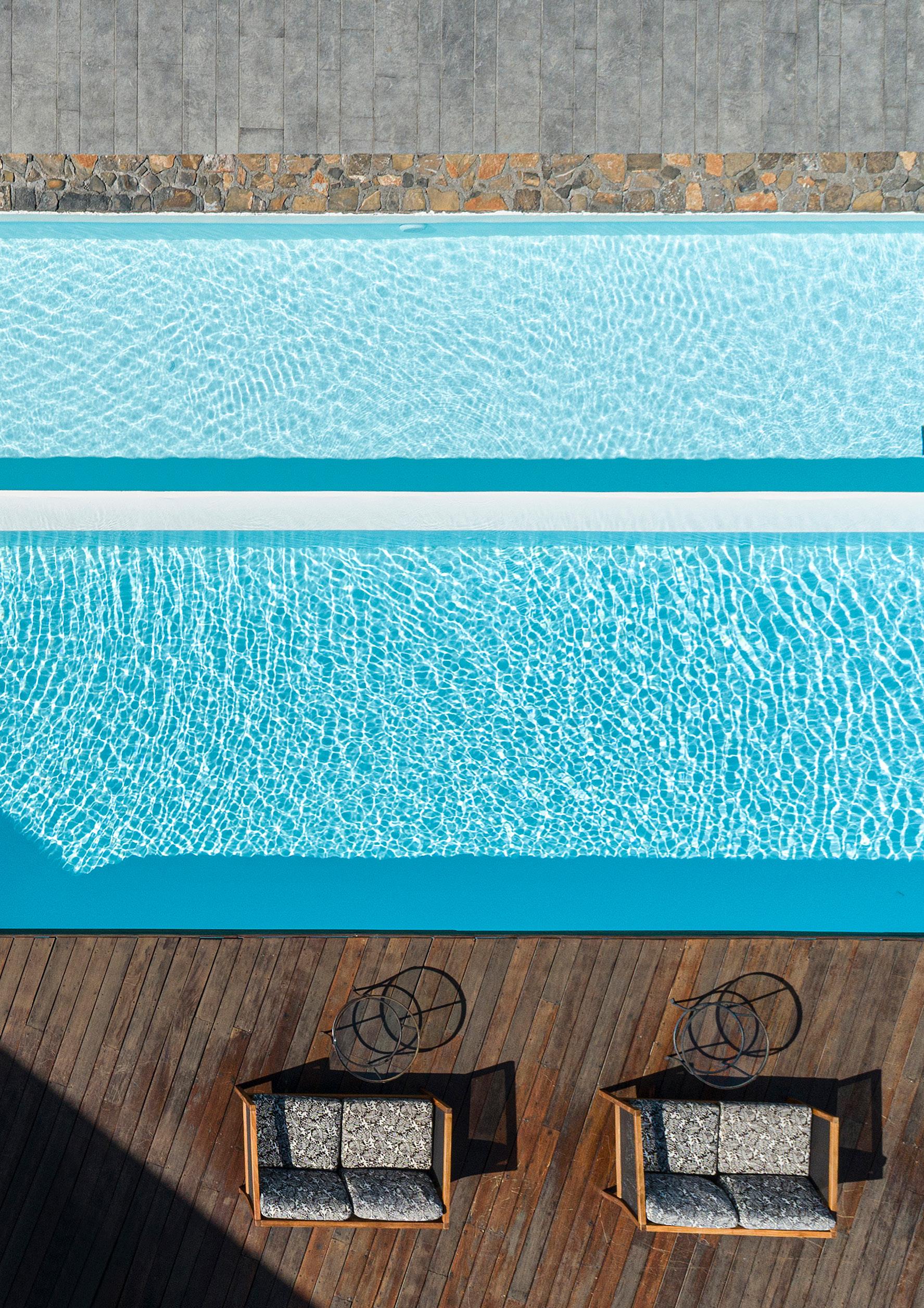
A NEW DEFINITION OF STATUS
This year, status is no longer measured by where you were seen — but by where you were left undisturbed.
The most luxurious travellers now ask different questions:
* Will I be able to switch off?
* Will I have room to breathe?
* Will this experience feel personal?
They are choosing destinations that respect boundaries, properties that value restraint, and experiences that allow life to unfold naturally.
Privacy has become a form of quiet confidence. A signal that one no longer needs validation from visibility.
Because true luxury no longer demands attention.
It simply offers peace.
WHERE STORIES ARE SERVED: INSIDE VILLA MAYA’S QUIET, CULINARY MAGIC
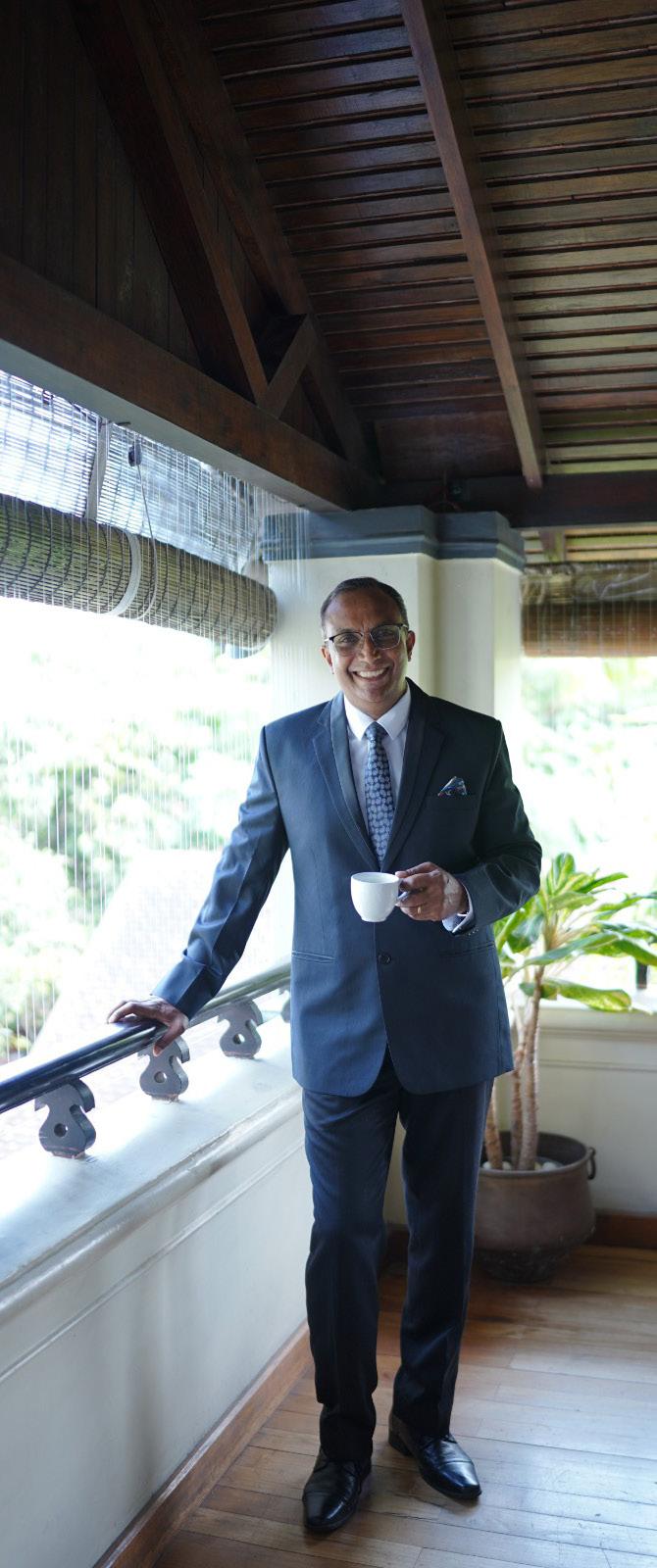
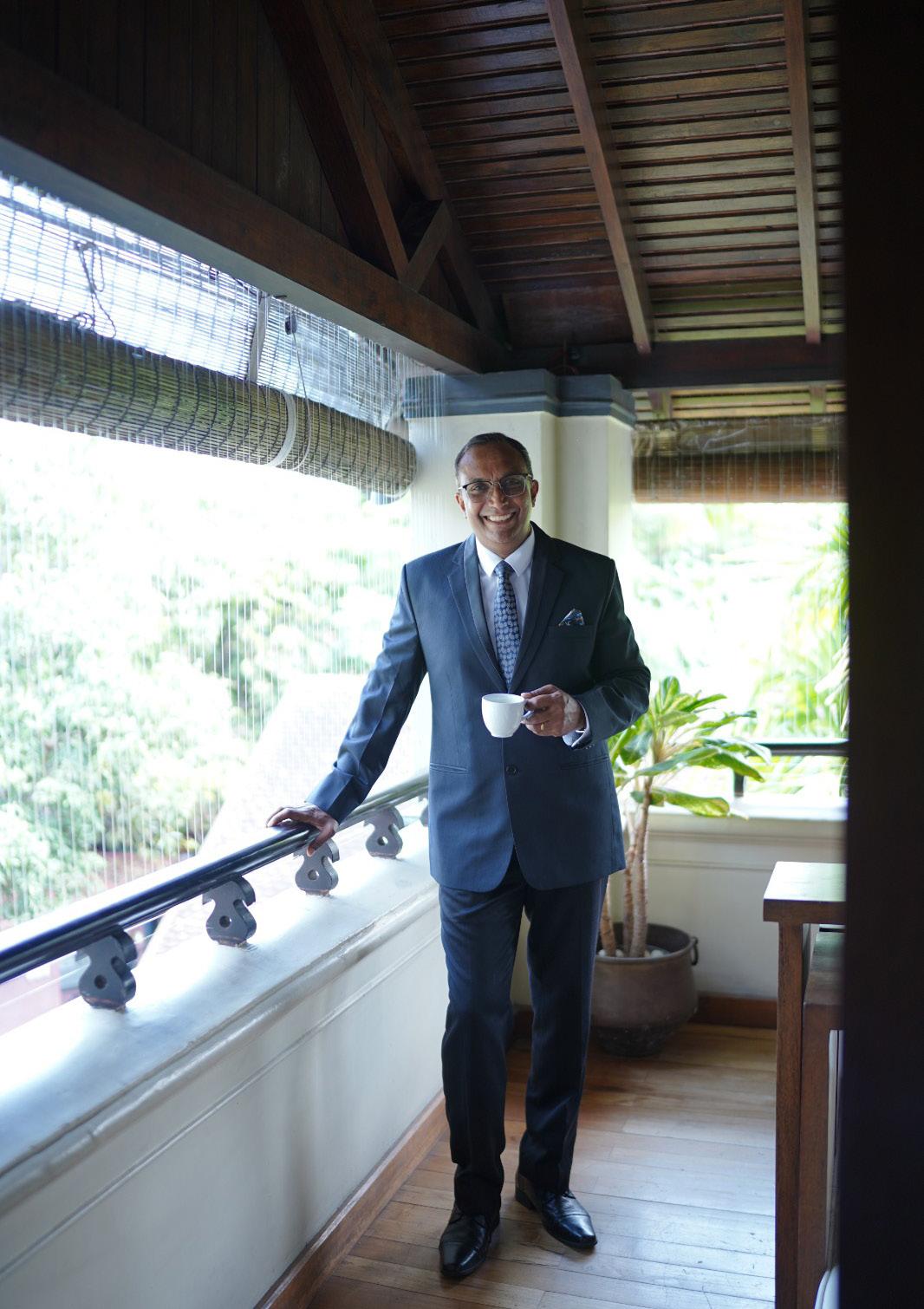
An intimate conversation with Sashi Jacob, Executive Vice President of Villa Maya
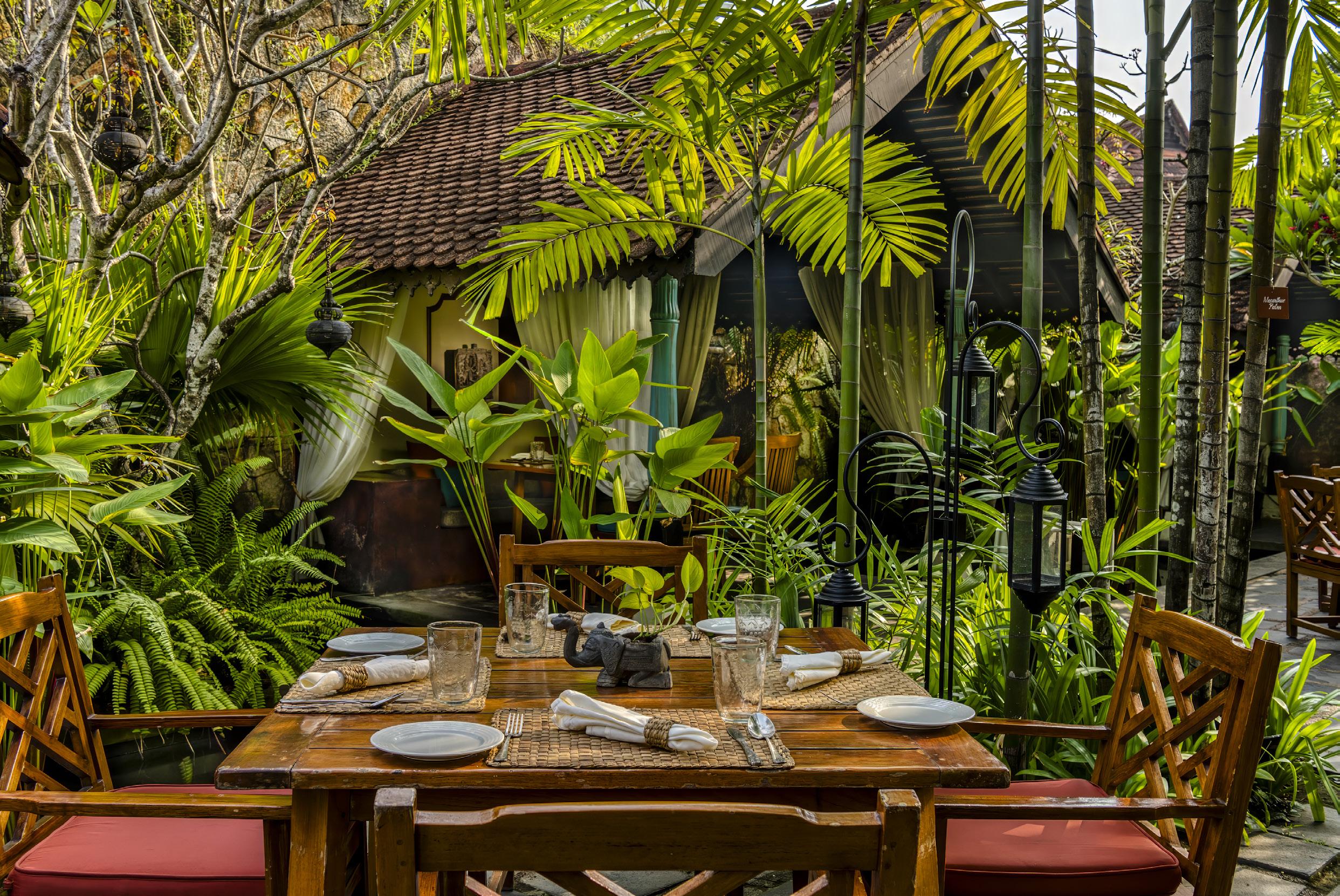
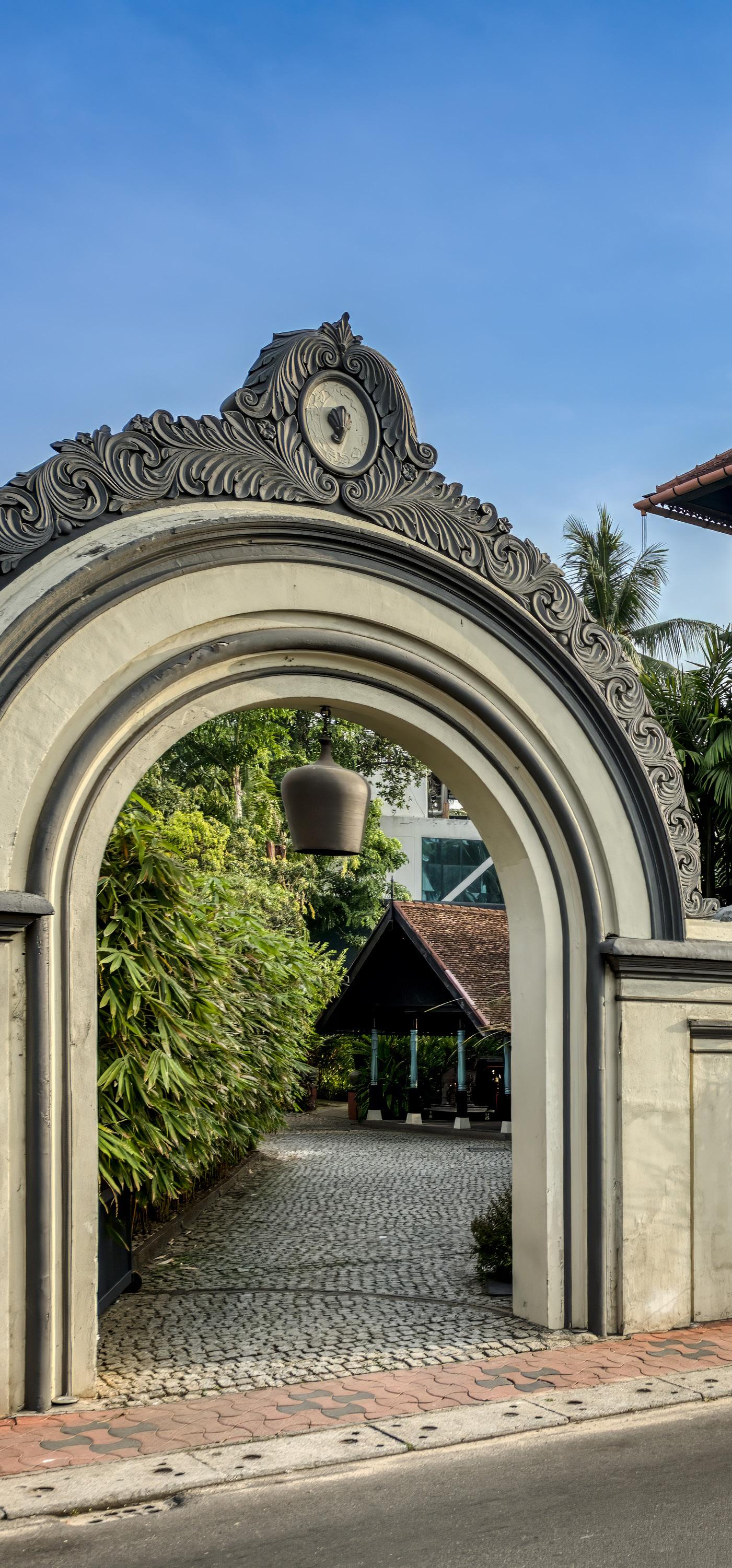
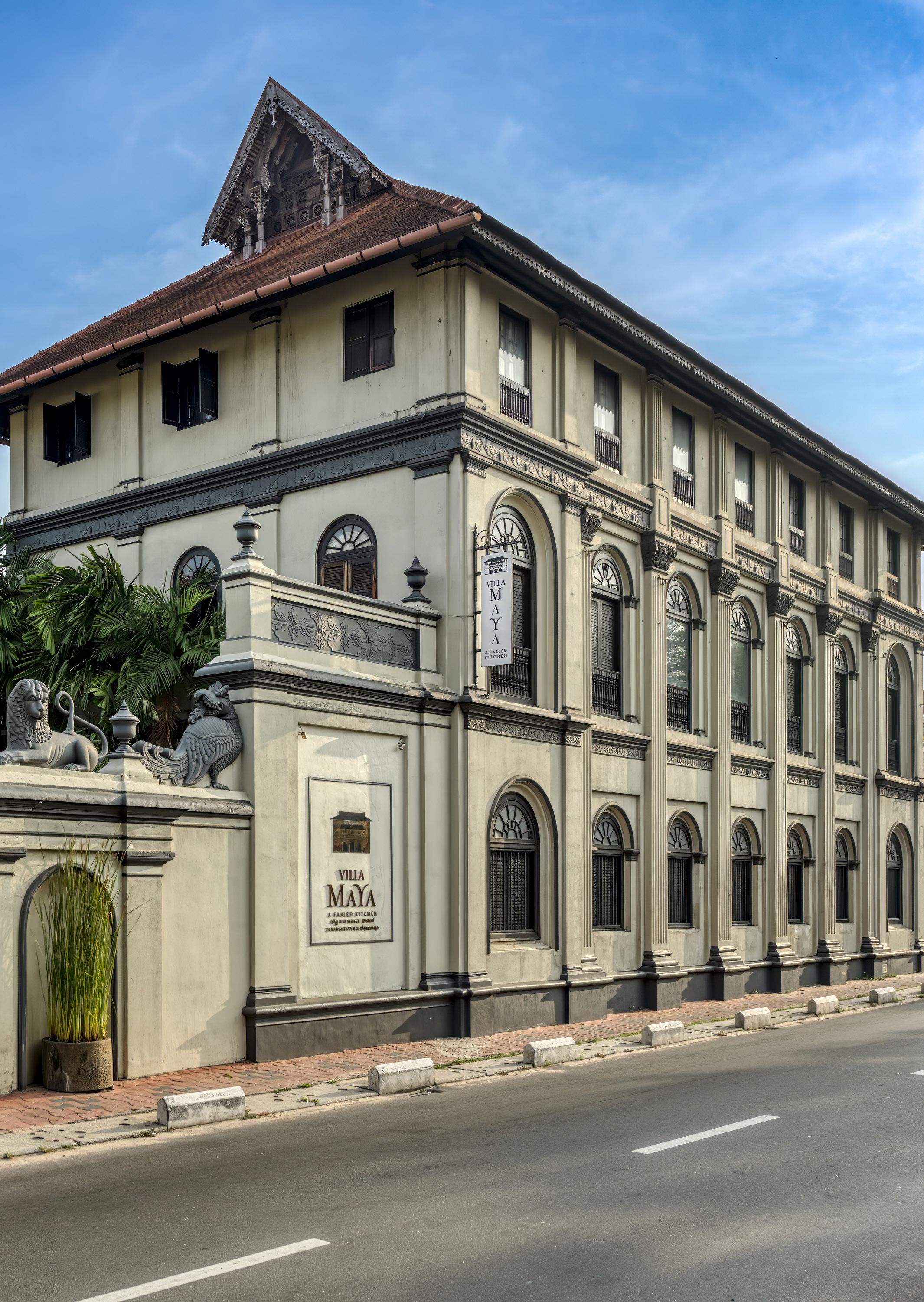
Set within the historic walls of Arumana Ammaveedu, Villa Maya is not simply a restaurant — it is a living narrative. Often described as “a fabled kitchen,” the space invites guests into a world where heritage, memory, and imagination quietly intertwine. Rooted in Kerala’s rich cultural and culinary legacy, Villa Maya offers an experience that feels deeply personal, intentionally unhurried, and profoundly atmospheric.
For The Intimacy Issue, we spoke with Sashi Jacob, Executive Vice President of Villa Maya, about storytelling through cuisine, the power of subtle luxury, and how history, place, and flavour come together to create something timeless.
Villa Maya is described as “a fabled kitchen,” rooted in the idea that Maya is an illusion. What does this philosophy mean to you, and how does it shape the guest experience?
Villa Maya is often described as a fabled kitchen because our philosophy goes far beyond food, it’s about storytelling and emotion. With over 300 years of history, Arumana Ammaveedu, now Villa Maya, carries a deep sense of nostalgia and cultural memory. Our vision has always been to thoughtfully blend the past with the present.
This philosophy reflects in every aspect of the guest experience. From the architecture and interiors to the recipes, service style, and even the smallest details, everything has a connection to history and a story behind it. Guests don’t just dine here; they step into a living heritage space where tradition is preserved but presented in a contemporary, refined manner.
At Villa Maya, we aim to create an experience that feels timeless, where the warmth of the past meets the comfort and elegance of the present, leaving guests with a sense of connection, authenticity, and lasting memories.
Your menu draws inspiration from cultures that historically traded with Kerala, including India, Morocco, and Italy. How did this concept come to life, and why was it important to reflect Kerala’s global culinary history?
The menu is deliberately designed to reflect Kerala’s deep historic ties with global spice trade routes. For centuries, Kerala was a central hub connecting India with the Middle East, Europe, and beyond. Villa Maya draws from this legacy by blending local flavours with culinary influences from regions historically linked through spice commerce.
Rather than offering only traditional local dishes, we curate cuisine that intertwines Kerala’s aromatic spices with influences from Italy, Morocco, and broader Indian traditions — representing the cross-cultural exchanges enabled by the spice routes.
Each dish is intended to tell a story of cultural exchange, showcasing how spices such as black pepper, cardamom, cloves, and cinnamon travelled and transformed global cuisines. The result is not just a meal, but a “culinary journey”, an immersive experience where flavours, aromas, and presentation transport guests across time and place.
The setting, architecture, art, and cuisine seem to exist in quiet harmony. How do you ensure that each element complements rather than competes with the other?
Our menu is a thoughtful composition of traditional dishes, time-honoured cooking techniques, and refined presentations, brought together to create a cohesive gastronomic journey. Each element is designed to offer guests a deeply personal and immersive dining experience, where heritage, craftsmanship, and storytelling take centre stage.
What role does storytelling play in your cuisine, from the origin of ingredients to the way dishes are presented and served?
Storytelling is central to the Villa Maya experience; it’s woven into every moment, not just the food on the plate.
From the first welcome, guests are immersed in a narrative of heritage and tradition. The traditional namaskar sets the tone, grounding the experience in age-old Indian hospitality. The menu itself reads like a storybook, with each dish inspired by ancient recipes and regions connected through the spice trade.
Presentation is equally narrative-driven. The plating and visual elements carry strong ancient influences, evoking a sense of history and authenticity rather than modern theatrics. Even small rituals, such as the finger bowl, are thoughtfully designed and served in an elegant, traditional manner that recalls classical dining customs.
At Villa Maya, storytelling transforms service into an experience. It connects guests emotionally to the food, the culture, and the history behind every detail, making the meal not just something they taste, but something they remember.
Luxury today is increasingly defined by intimacy rather than opulence. How do you interpret modern luxury within the context of Villa Maya?
At Villa Maya, modern luxury is defined by restraint, intention, and emotional connection rather than excess.
Our menu is a carefully curated composition of traditional flavours, time-honoured techniques, and refined presentation. Each element is designed to feel personal and immersive, allowing heritage, craftsmanship, and storytelling to take precedence.


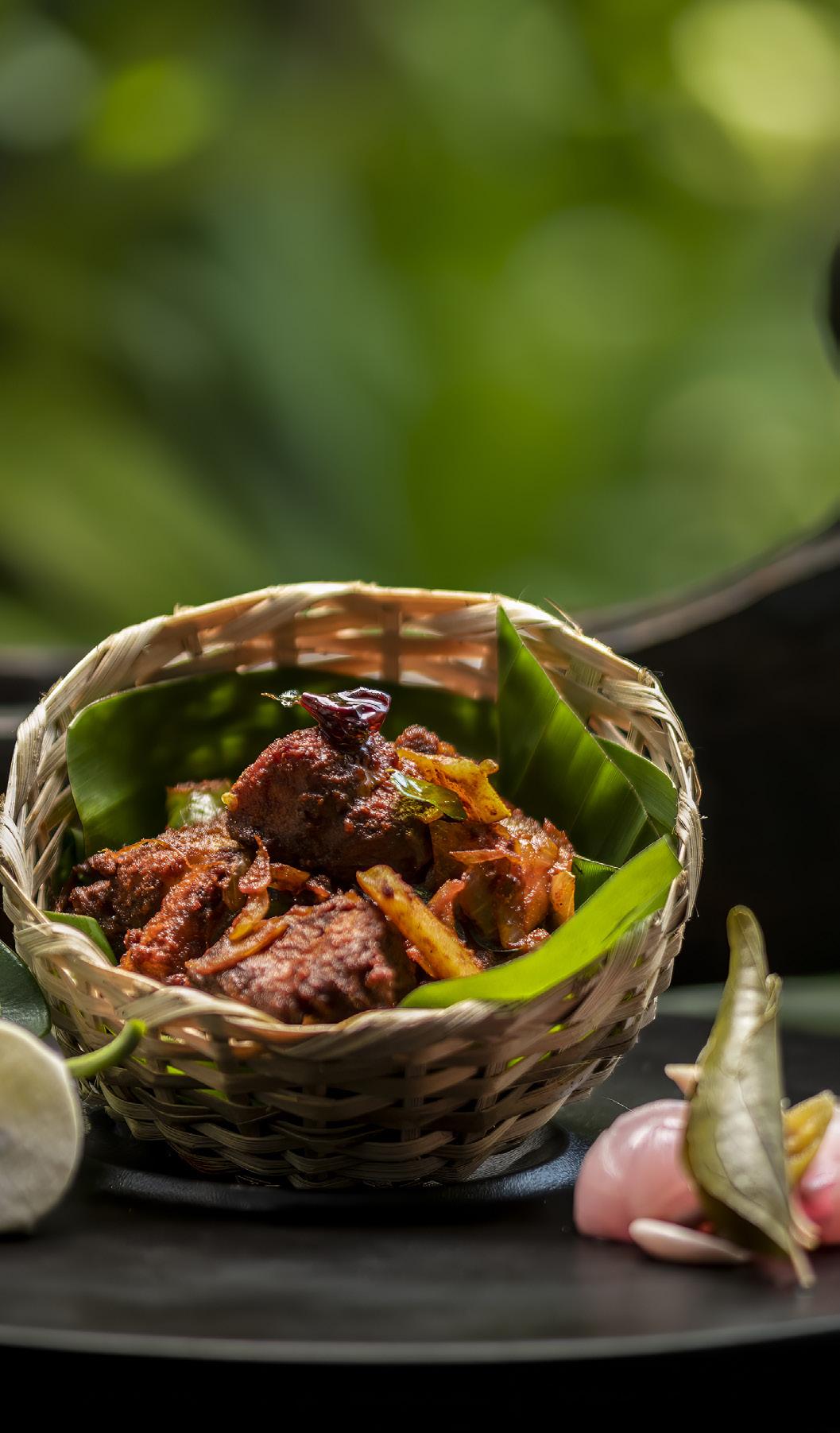
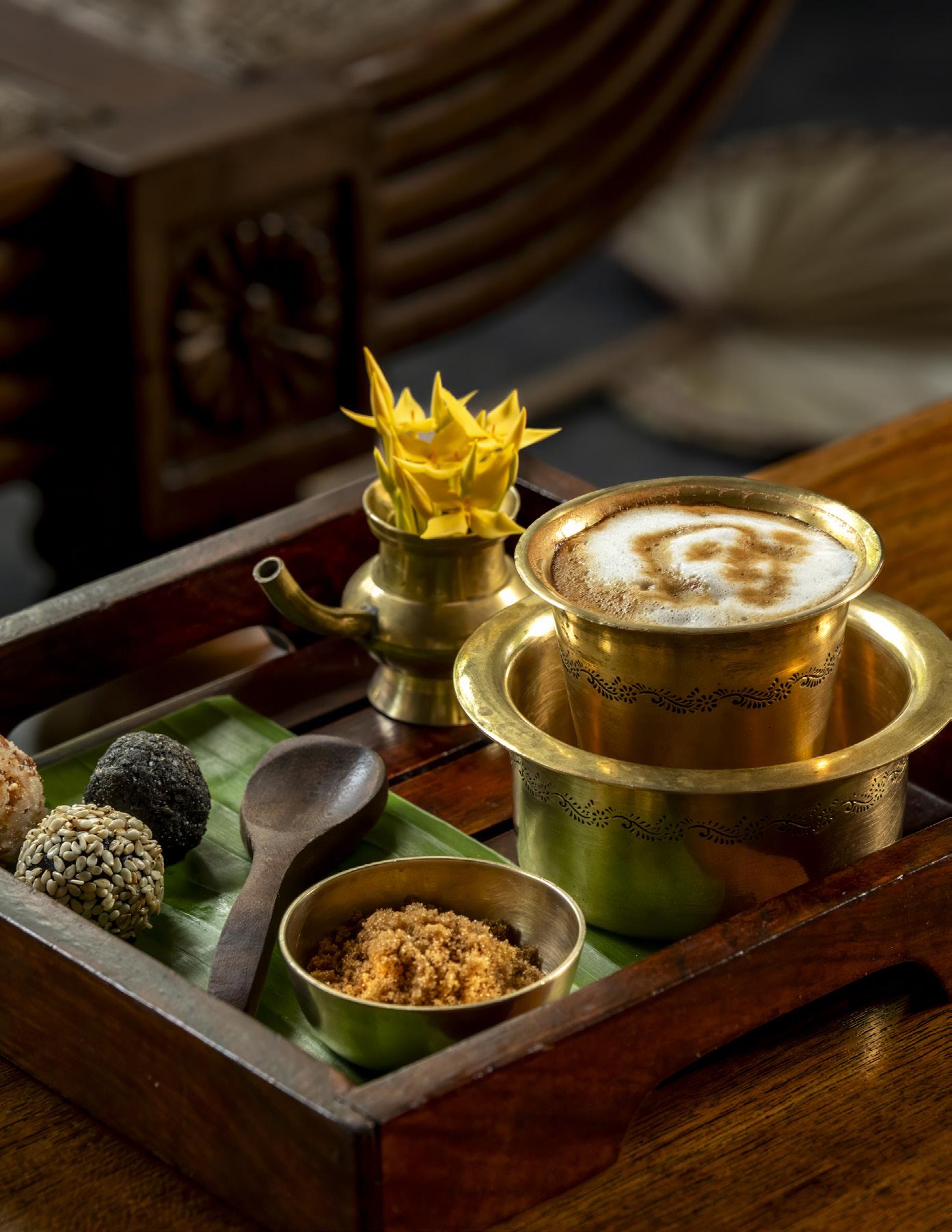

True luxury, for us, lies in creating moments that feel meaningful, unhurried, and quietly memorable.
Food is often deeply tied to memory. Are there particular dishes or culinary traditions at Villa Maya that are especially meaningful to your team?
Many of our signature dishes carry deep emotional significance for our team because they are rooted in memory, place, and storytelling.
Our tender coconut broth is a great example—it’s something truly unique to Villa Maya. It reflects our creative approach to innovation while staying rooted in Kerala’s culinary identity, drawing out the pure essence of coconut in a way that feels both familiar and new.
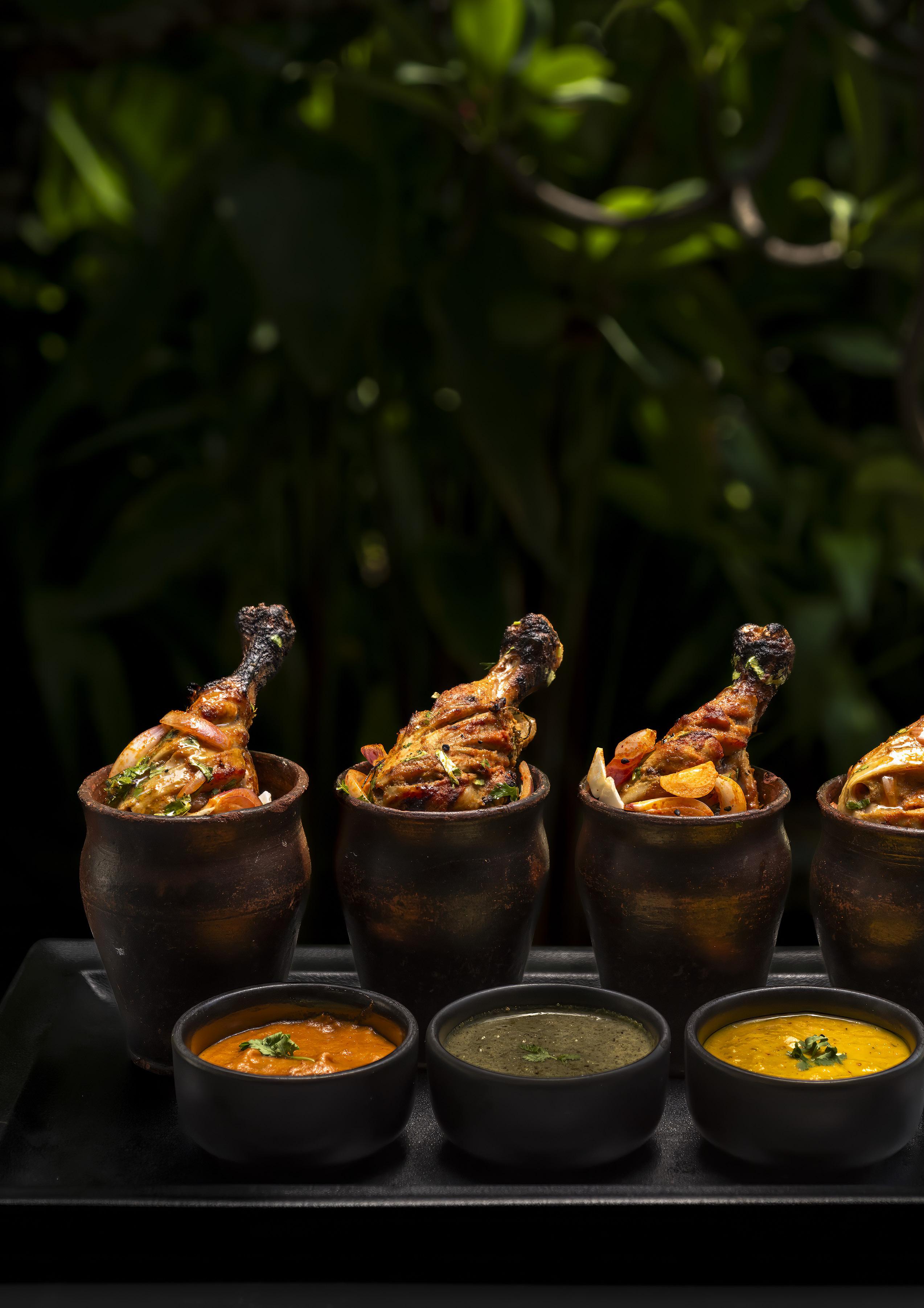
Another dish close to our hearts is the spice box, where kebabs are served in six distinctive flavors inside a traditional spice box. This presentation allows us to connect the spices that form the backbone of our everyday cooking with carefully crafted kebabs, creating a dialogue between tradition and contemporary technique.
Reaching Erachi chuttu idichathu is especially evocative of the past. It’s an ancient preparation of sun-dried meat that is pounded and served with raw mango and coconut. For us, it represents a time-honoured cooking method reinterpreted with a modern sensibility, while still respecting its origins.
Dishes like these embody what Villa Maya stands for—honouring memory, culture, and tradition, while allowing creativity and evolution to shape how those stories are told on the plate.
Kerala is known for its rich culture, spices, and rhythm of life. How does the destination itself influence the soul of Villa Maya?
The destination shapes the soul of Villa Maya through its deep sense of balance, where nature, culture, and time move in harmony. The water bodies, the monsoon rains, the scent of spices in the air, and the slow, intentional rhythm of life all influence how Villa Maya breathes and welcomes its guests.
This influence is reflected in every detail: from the architecture that respects heritage and openness, to the cuisine rooted in local flavors and seasonal ingredients, and the unhurried pace that encourages guests to pause, reflect, and reconnect. Kerala’s philosophy of living well, mindfully, sensorially, and in tune with nature, flows naturally into the Villa Maya experience, making it less a destination to visit and more a feeling to carry with you long after you leave.
Looking ahead, how do you see Villa Maya evolving while staying true to its heritage, philosophy, and sense of quiet magic?
Villa Maya’s evolution will be a careful balance between honouring its heritage and embracing thoughtful innovation.
The essence of the villa—its connection to nature, its celebration of artistry and craftsmanship, and its quiet, contemplative magic—will remain at the core of every decision. Future developments may include subtle enhancements in comfort and sustainability, as well as new experiences that deepen guests’ connection to local culture.
At the heart of it all is a commitment to authenticity: any evolution will feel organic, never forced, ensuring that the Villa Maya continues to offer a sense of wonder and timelessness, while quietly embracing the possibilities of tomorrow. The magic isn’t in grand gestures, it’s in the thoughtful, deliberate care that allows
each guest to feel transported, restored, and connected.
In a world increasingly drawn to noise and spectacle, Villa Maya stands apart — a place where luxury whispers rather than shouts. Through storytelling, heritage, and intentional intimacy, it offers something rare: an experience that lingers long after the final course. As Sashi Jacob reminds us, true magic is found not in excess, but in meaning — quietly, beautifully preserved.
HOW TO PLAN A LUXURY ESCAPE WITHOUT OVERPLANNING
For years, we were taught that the perfect trip was one meticulously planned.
Flights aligned to the minute. Restaurant reservations secured weeks in advance. Itineraries colour-coded and saved offline “just in case.” Every day accounted for. Every moment optimised.
Somewhere along the way, travel became another form of productivity.
But luxury travel is quietly rewriting that narrative.
True luxury today isn’t about fitting everything in — it’s about giving yourself permission to slow down.
Because the most meaningful moments rarely happen on schedule.
WHEN PLANNING BECOMES PRESSURE
Overplanning often begins with good intentions. We want to make the most of our time, especially when travel is precious. Yet the result is often the opposite.
Rigid itineraries leave no space for:
* lingering conversations
* unexpected discoveries
* spontaneous detours
* rest
Instead of anticipation, we feel pressure. Instead of romance, we feel urgency. And instead of connection, we watch the clock.
When every hour is accounted for, there is no room for magic.
Luxury, at its best, has never been about doing more. It has always been about feeling more.
THE RISE OF INTENTIONAL EMPTINESS
One of the strongest travel movements shaping 2026 is the idea of intentional emptiness — the conscious decision to leave parts of a journey unscheduled.
Not because of lack of preparation, but because of trust.
Trust in the destination.
Trust in the rhythm of the place. Trust in yourself to know what you need in the moment.
Intentional emptiness allows a trip to breathe. It creates space for mornings that unfold slowly, afternoons that drift without agenda, and evenings guided by instinct rather than reservations.
This is where luxury now lives — in flexibility.
CHOOSE ONE DESTINATION — AND STAY WITH IT
Perhaps the most liberating decision a traveller can make is choosing one destination instead of five.
In the past, travel was about accumulation — ticking cities off a list, moving constantly, proving how much ground had been covered.
In contrast, modern luxury favours immersion.
Staying longer in one place allows you to:
* understand local rhythms
* wake without urgency
* return to familiar spaces
* feel a quiet sense of belonging
A hotel becomes a home base rather than a stopover.
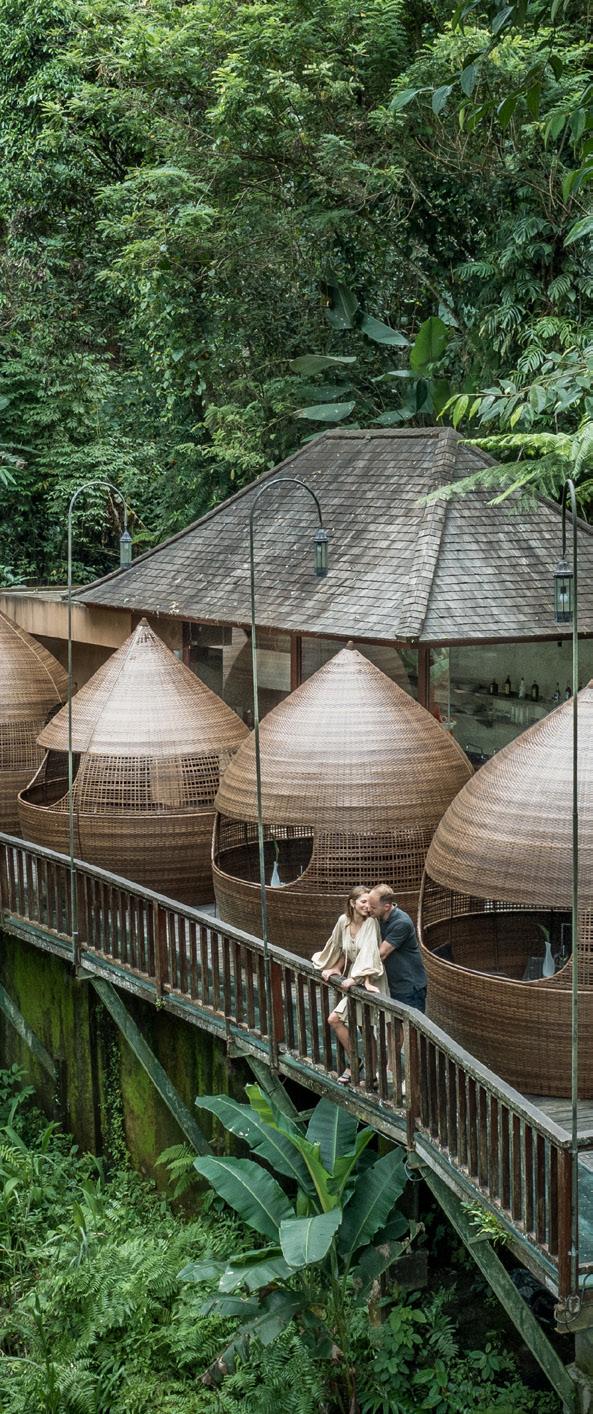
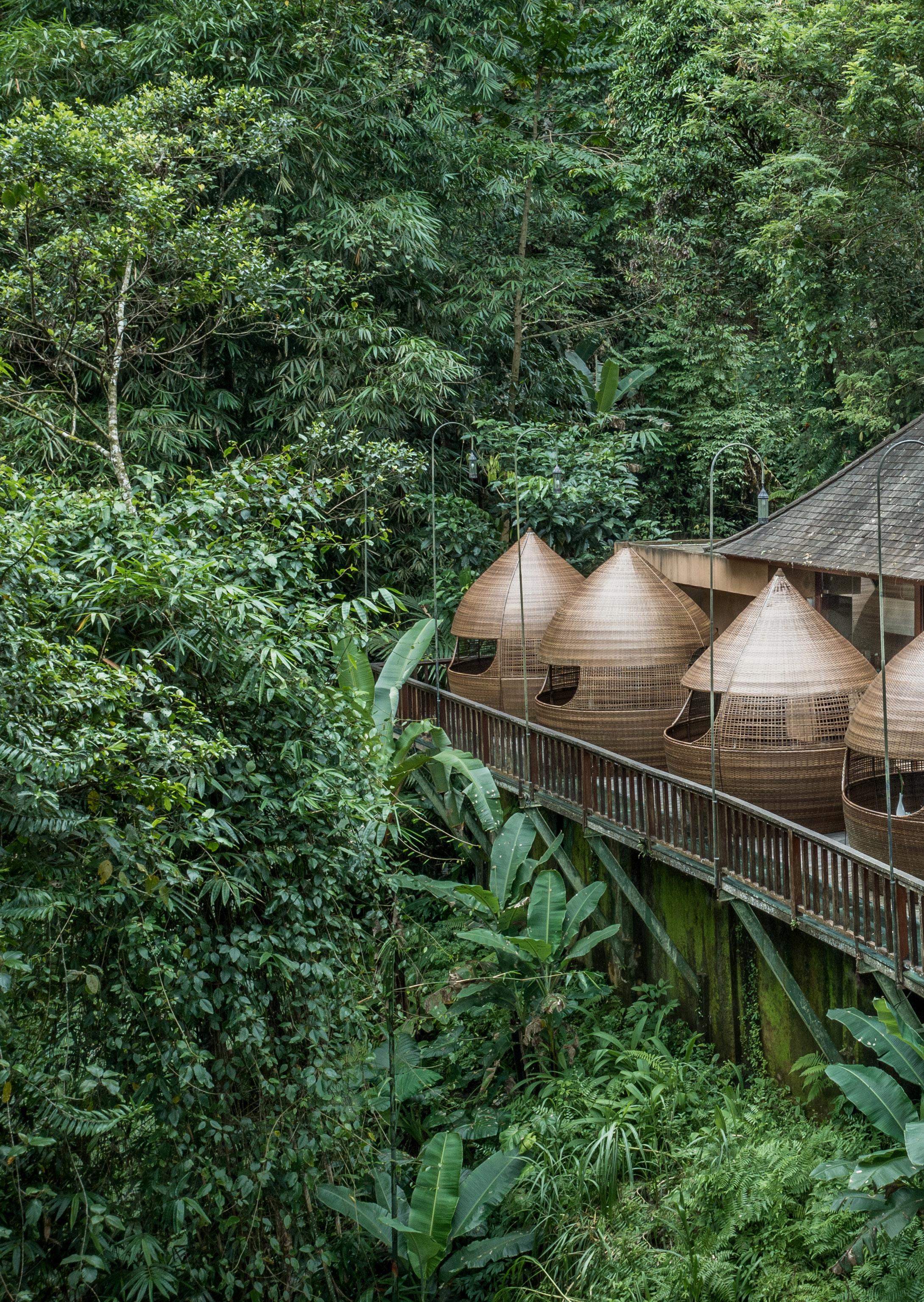
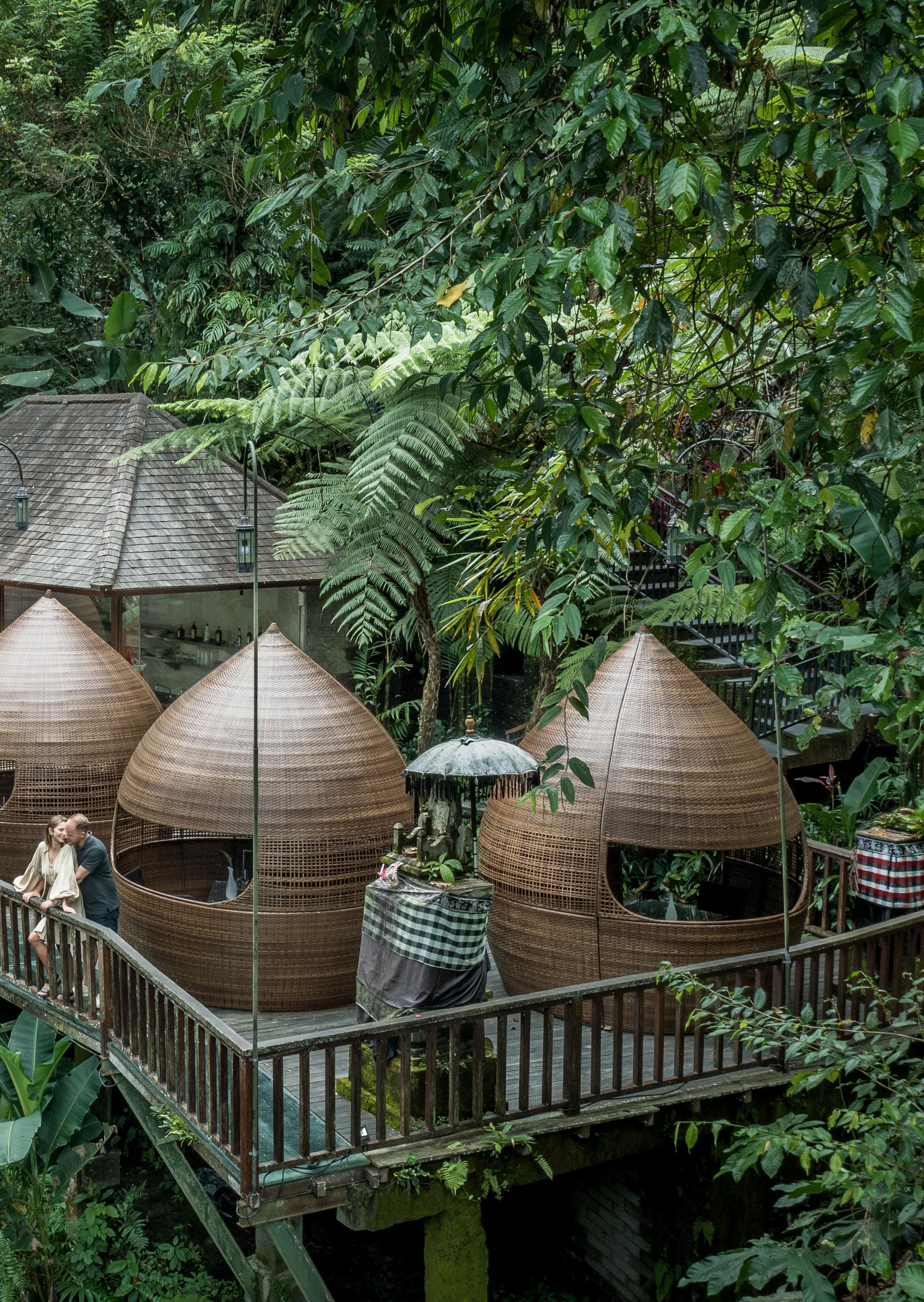
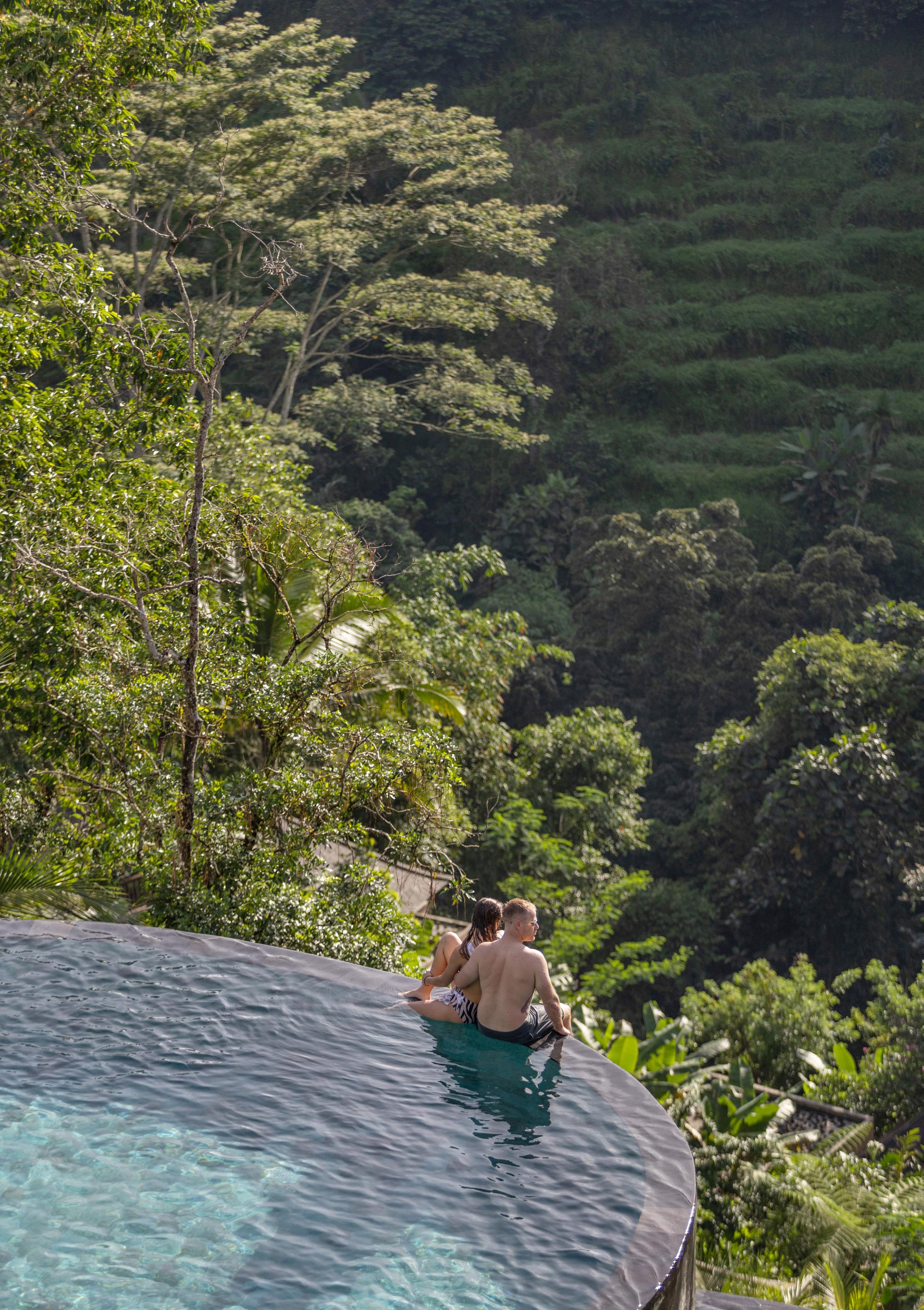
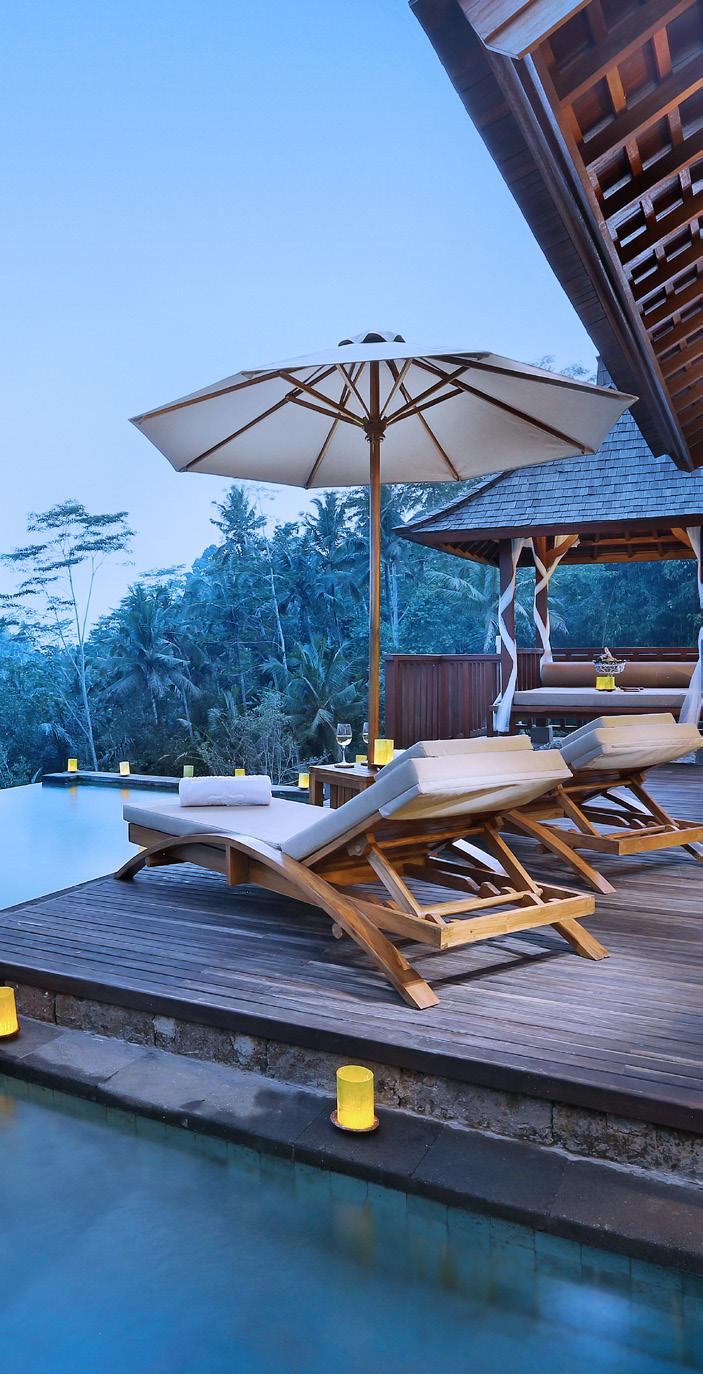
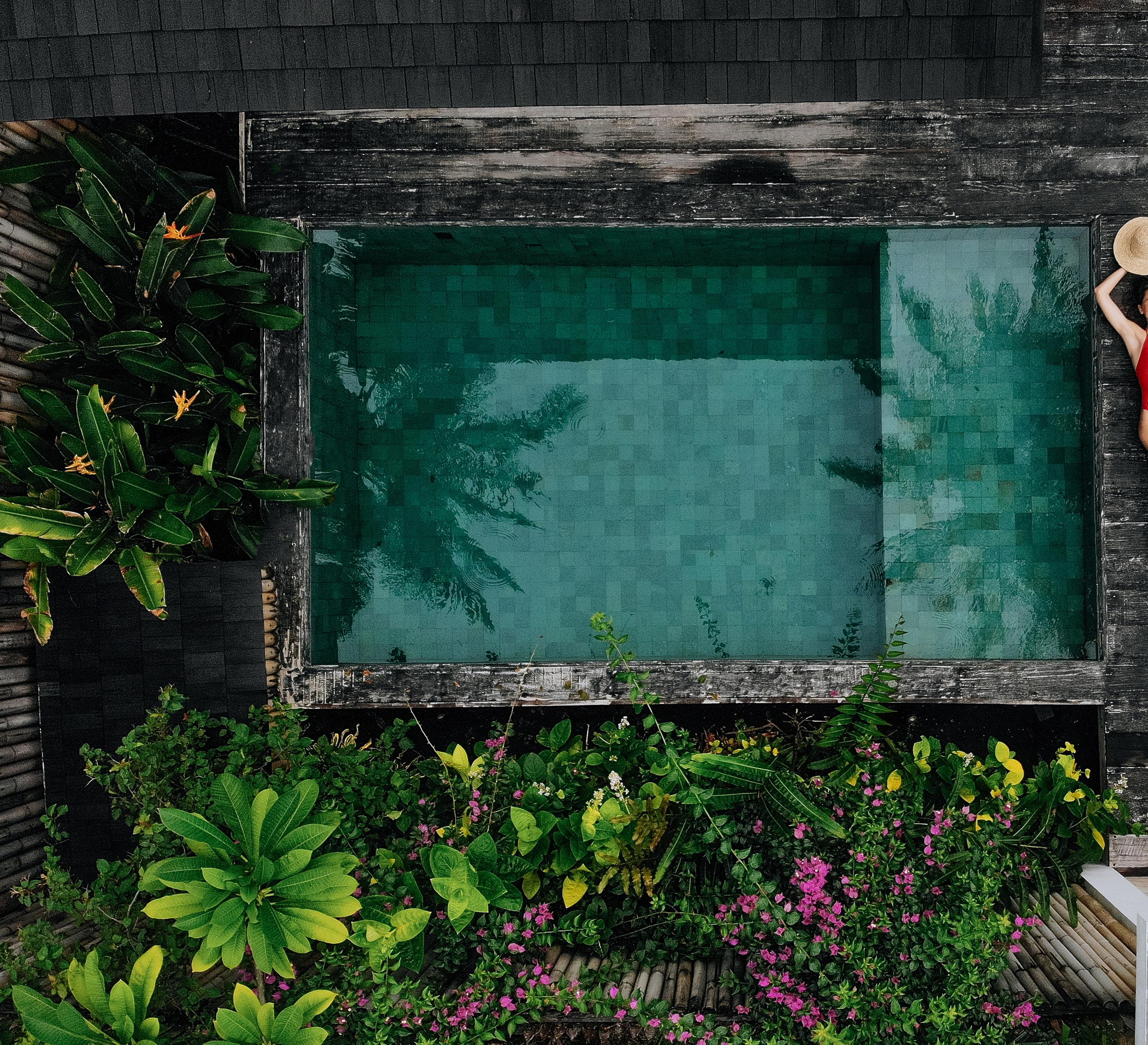
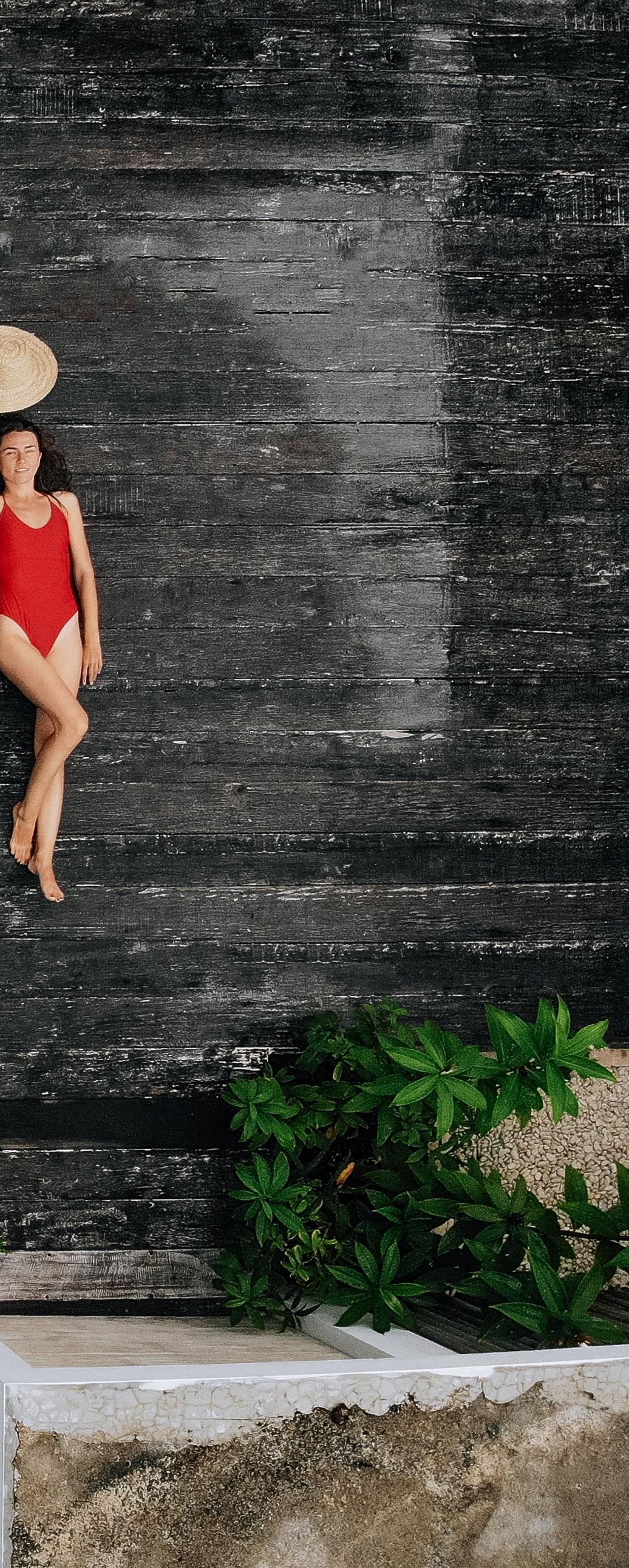
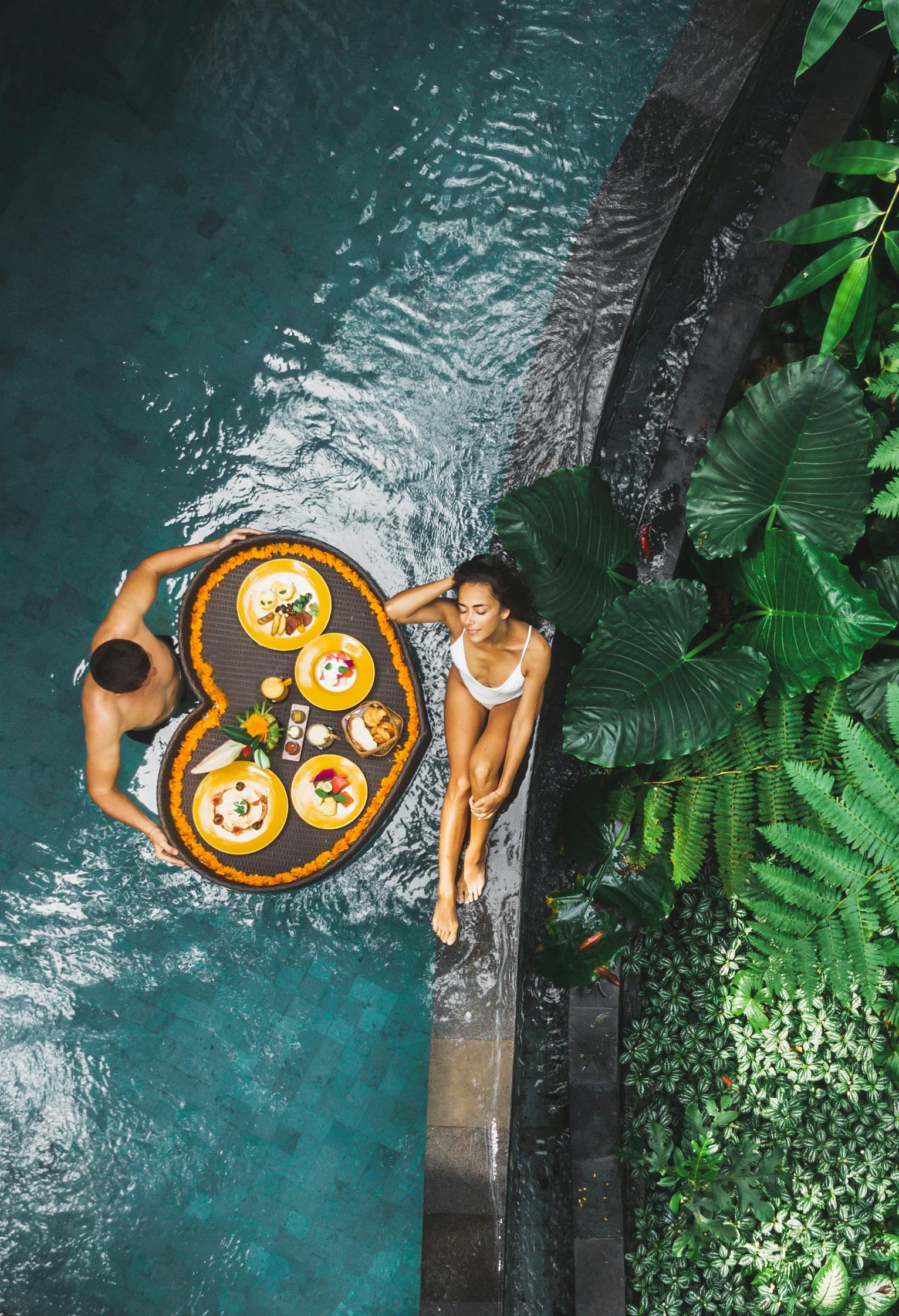
Properties such as The Kayon Jungle Resort in Bali embody this philosophy effortlessly. Perched above the flowing Uwos River and enveloped by jungle stillness, the resort invites guests to slow their pace almost instinctively.
Here, mornings unfold with mist rising through the valley. Afternoons drift between private pools, shaded terraces, and moments of reflection shaped by nature rather than schedules. There is no pressure to leave, no urge to fill the day — only the gentle sense that staying is enough.
In places like this, travel stops being directional.
It becomes experiential.
DESIGN AROUND MOOD, NOT MAPS
Instead of asking, “What should
we see?”
Luxury travellers are now asking, “How do we want to feel?”
Calm. Romantic. Restored. Inspired.
Designing a trip around mood changes everything.
A coastal escape may prioritise ocean air, walkable surroundings, and long lunches that stretch into afternoon light. A countryside retreat might invite slow mornings, open windows, and nowhere particular to be.
When travel is guided by feeling rather than geography, days no longer demand direction. They unfold naturally — shaped by weather, energy, and intuition.
Mood-based travel removes urgency. It replaces obligation with ease. And in doing so, it returns luxury to its most essential form: freedom.
THE BEAUTY OF SLOW MORNINGS
Perhaps nothing defines an unoverplanned escape more than a slow morning.
No alarms.
No departure times. No pressure to “start the day.”
Luxury mornings begin with natural light, unhurried coffee, and conversations that stretch beyond breakfast. They allow the body to wake on its own terms.
These moments are rarely memorable because of what happens — but because of how they feel.
When mornings are left open, the day becomes expansive.
ONE MEANINGFUL
EXPERIENCE PER DAY
Instead of packing days with activities, many seasoned travellers now choose one meaningful experience per day — and let everything else unfold naturally around it. It might be:
* a scenic train journey
* a private wellness ritual
* a long lunch
* a quiet hike
* a sunset moment
The rest of the day remains intentionally undefined.
This approach creates balance. It provides structure without pressure, intention without intensity.
It also allows the experience to be fully absorbed — not rushed through as part of a checklist.
LET LOCALS LEAD THE WAY
Another hallmark of effortless luxury is knowing when to step back and let local expertise guide the experience.
Concierges, hosts, and local teams often know far more than any guidebook — from hidden dining spots to the best time to visit a viewpoint or when a place is at its quietest.
Rather than arriving with fixed plans, travellers are increasingly choosing to ask simple questions:
* Where do you like to eat?
* When is this place most beautiful?
* What would you do if you had one afternoon?
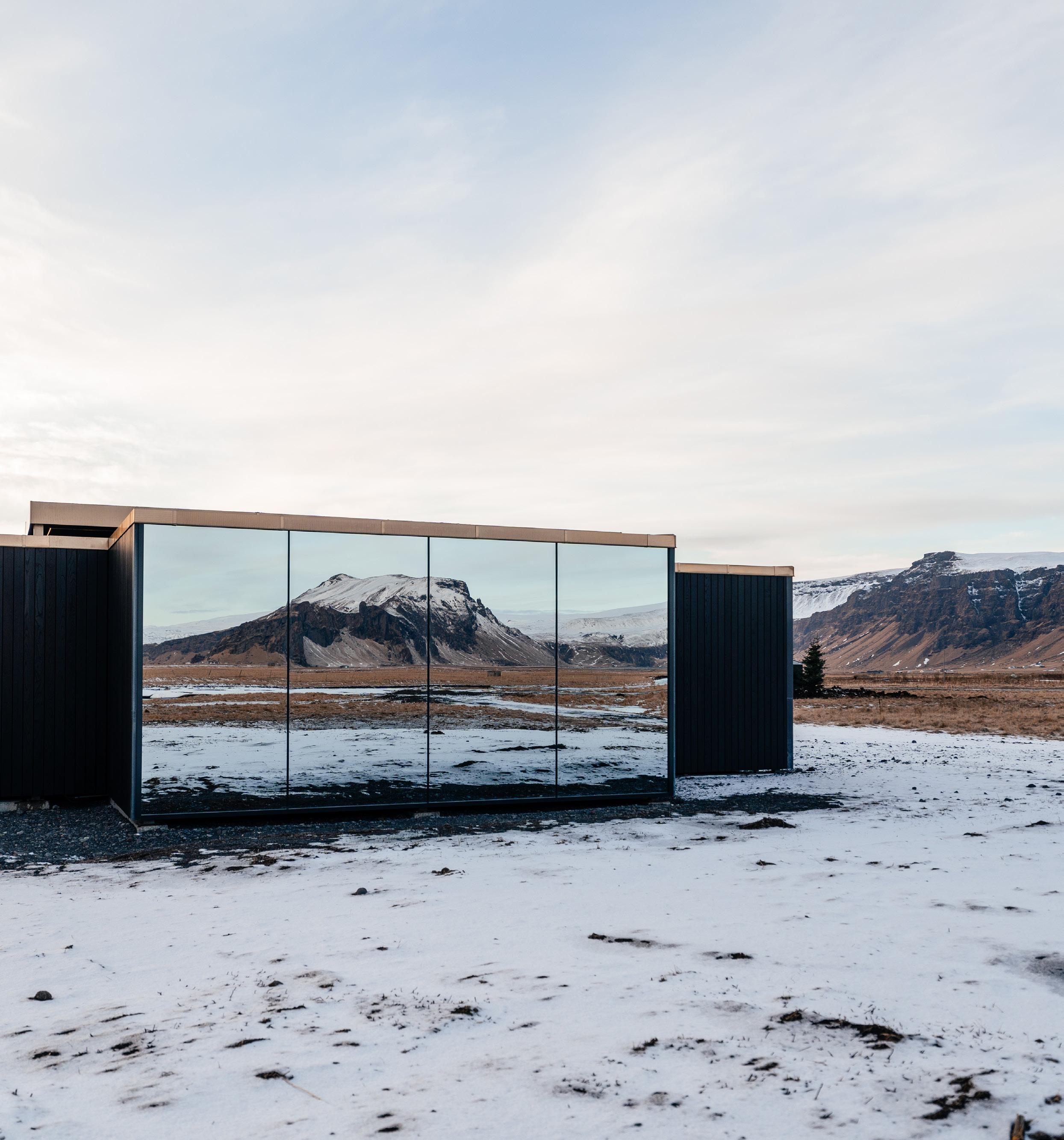
Properties such as UMI Hotel in Iceland exemplify this philosophy. With its breathtaking setting along the rugged south coast and its minimalist, nature-driven design, UMI doesn’t invite guests to do — it invites them to be. The local team beautifully balances guidance and freedom, pointing visitors toward quiet coves, perfect light for a slow hike, or a secluded rock to watch the ocean breathe at dusk.
They remind us that some of the best moments are not booked — they’re discovered.

UNSTRUCTURED AFTERNOONS AND THE LUXURY OF WANDERING
Afternoons, perhaps more than any other time of day, benefit from freedom.
Without plans, travellers wander. They notice details. They pause. They sit longer. They stumble upon moments that could never have been scheduled.
Unstructured afternoons allow a destination to reveal itself naturally.
A quiet street. A gallery you didn’t know existed. A second coffee simply because it feels right.
These are the moments people remember long after the journey ends.
SPONTANEITY AS THE FINAL LUXURY
The ultimate reward of not overplanning is spontaneity.
The ability to say yes — or no — in the moment.
To stay longer. To change direction.
To follow curiosity.
Spontaneity restores a sense of play to travel, something often lost in adulthood.
And in a world governed by deadlines, spontaneity feels extraordinarily luxurious.
A NEW WAY OF TRAVELING WELL
Planning will always have its place. But the most fulfilling journeys now strike a different balance — thoughtful preparation paired with generous freedom.
Because luxury is not about controlling every detail.
It is about creating space for life to happen.
When you travel without rushing, without overplanning, and without pressure, you allow moments to unfold naturally — and those moments, unforced and unscripted, become the ones that stay with you.
In the end, the most beautiful itineraries are not written in advance.
They’re written as you go.
SPOTLIGHT
JUNO
SIX SEATS. ONE CHEF. COMPLETE TRUST.
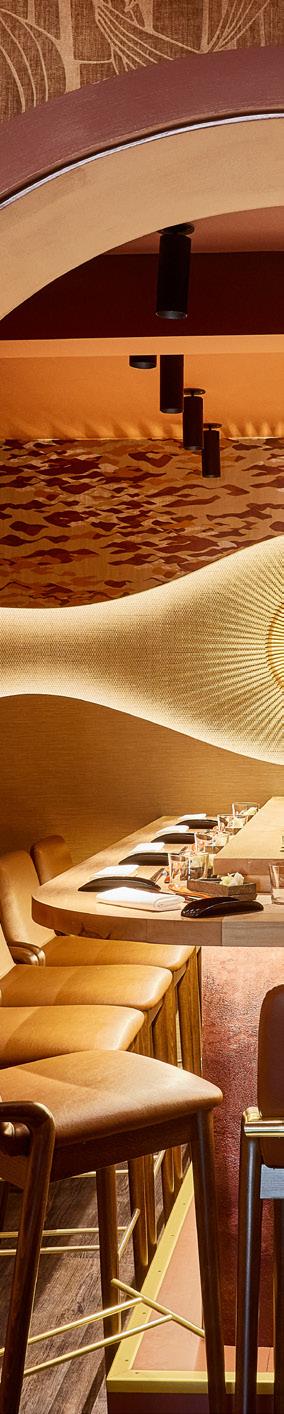
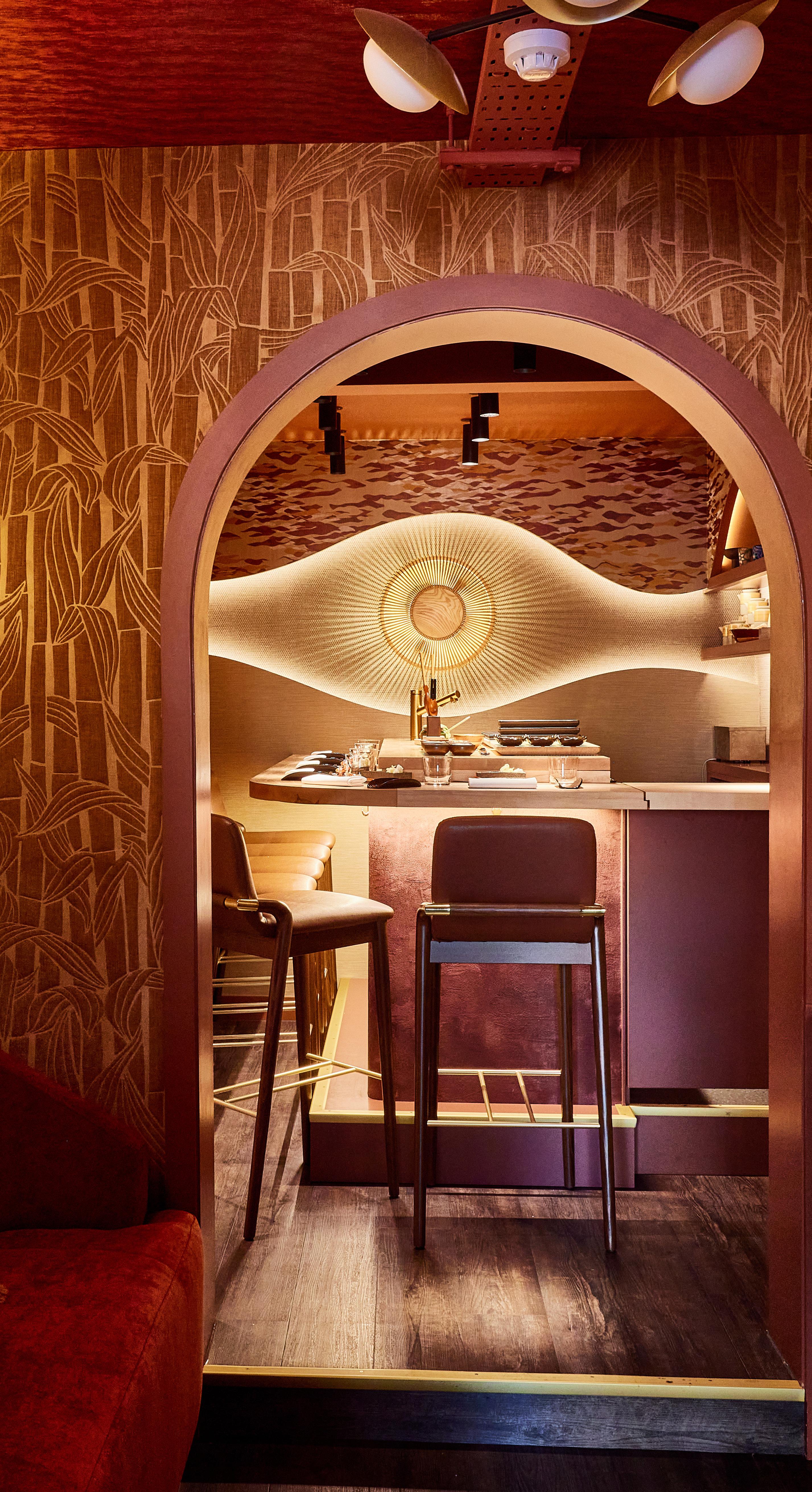
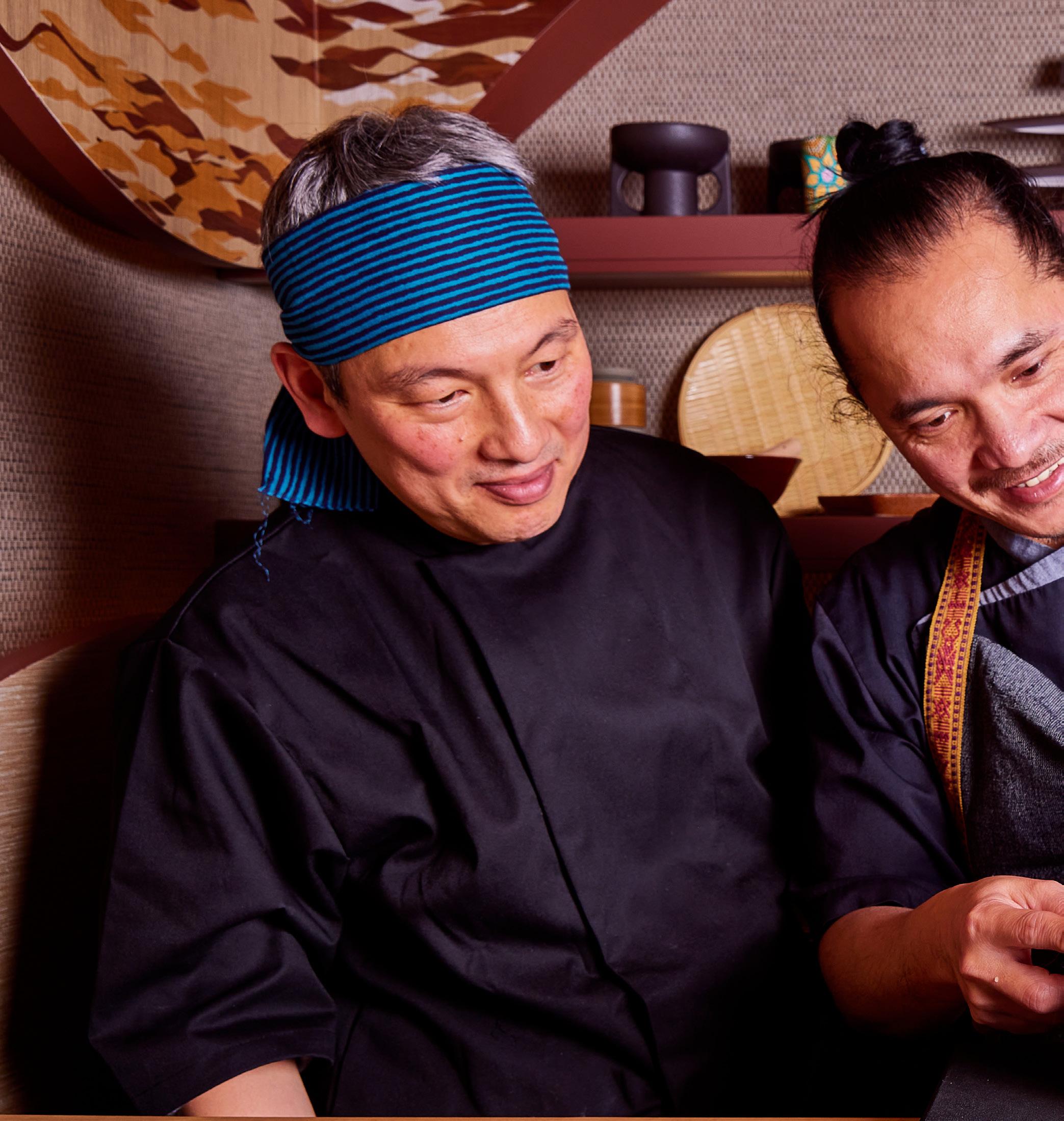
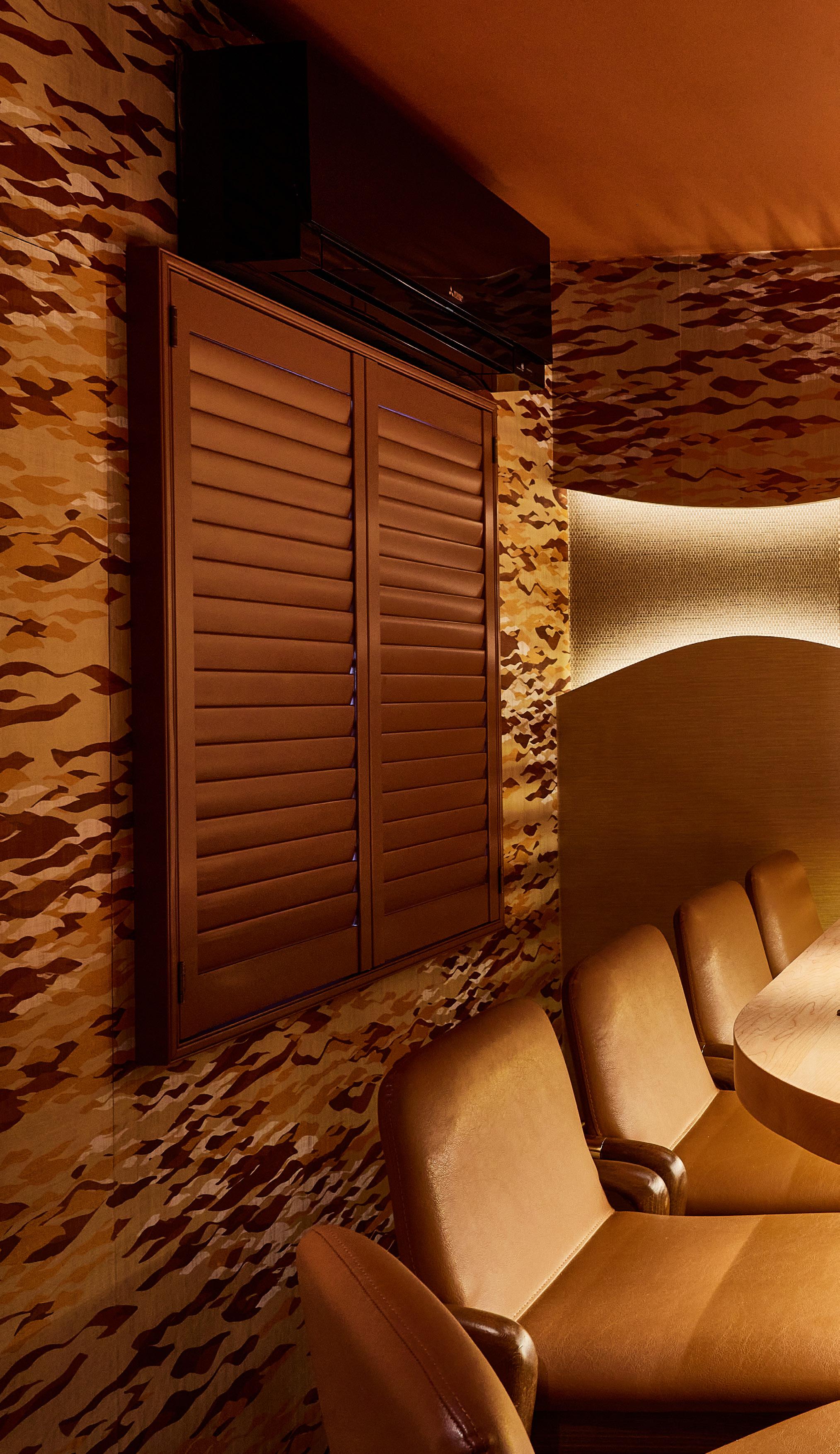
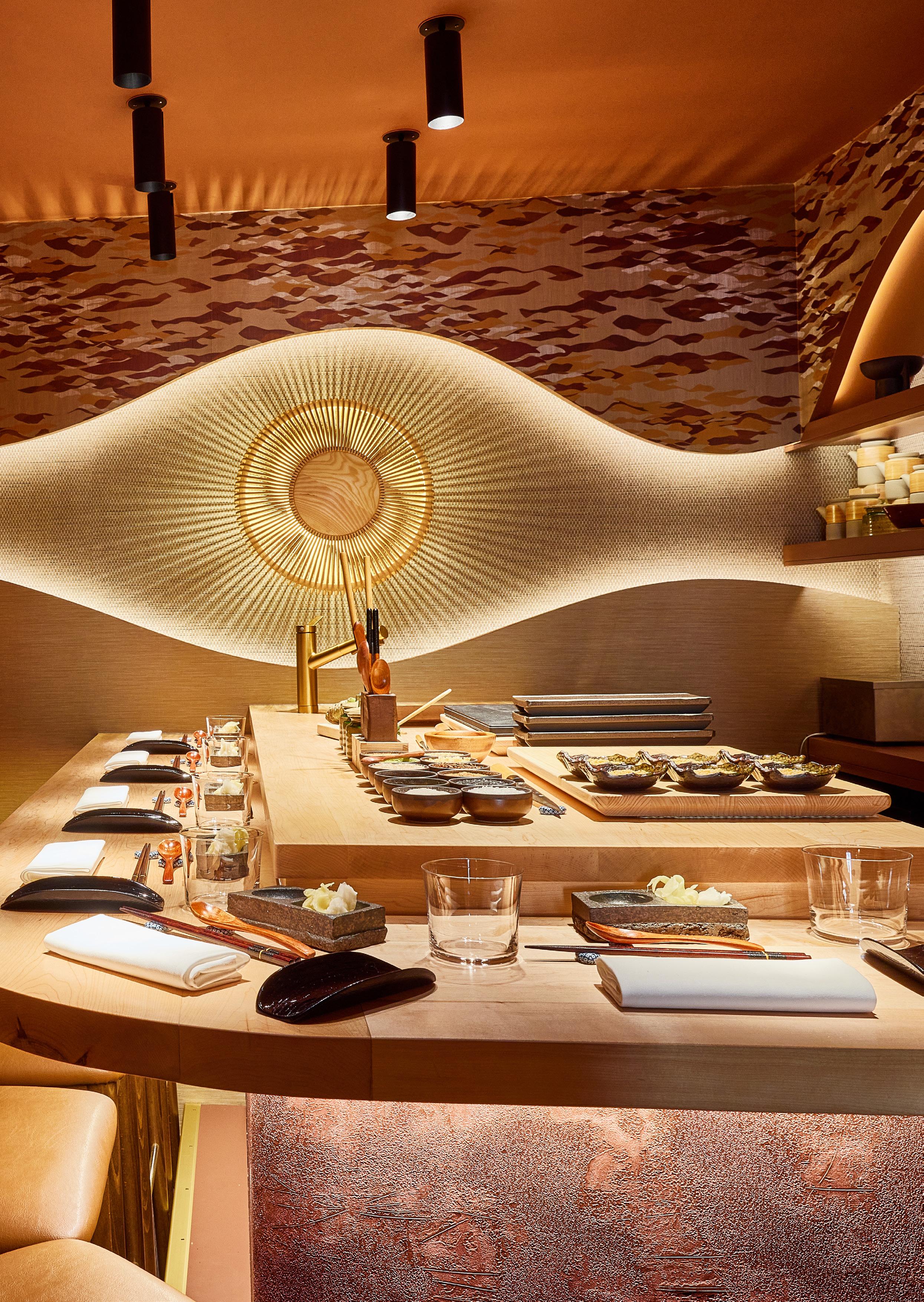
In the heart of Notting Hill, behind an unassuming entrance within Los Mochis, lies one of London’s most intimate dining experiences — JUNO Omakase.
With just six seats, JUNO redefines exclusivity not through spectacle, but through closeness. This is a restaurant designed for presence. For conversation. For the rare luxury of giving oneself over entirely to the moment.
At JUNO, there is no menu.
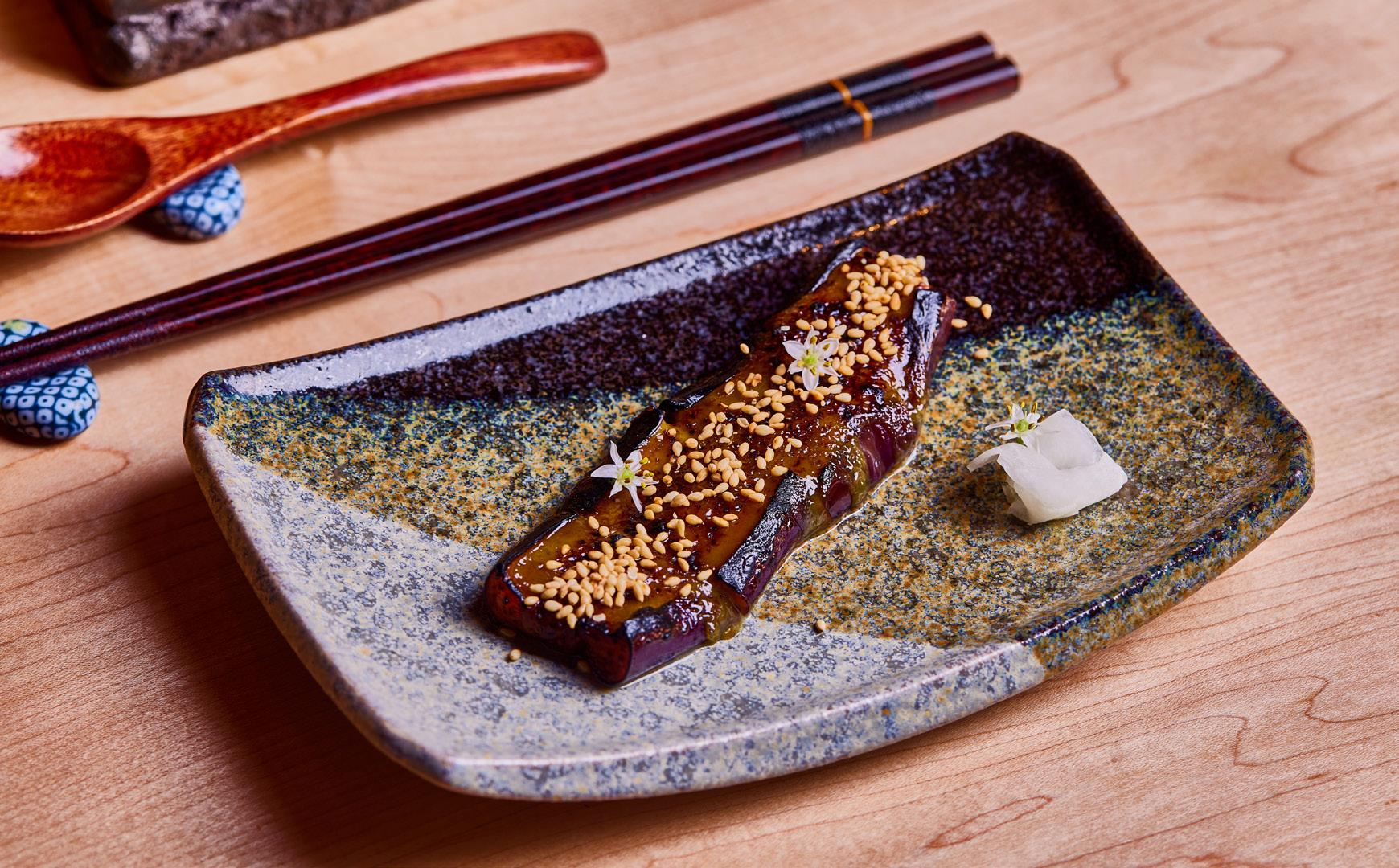
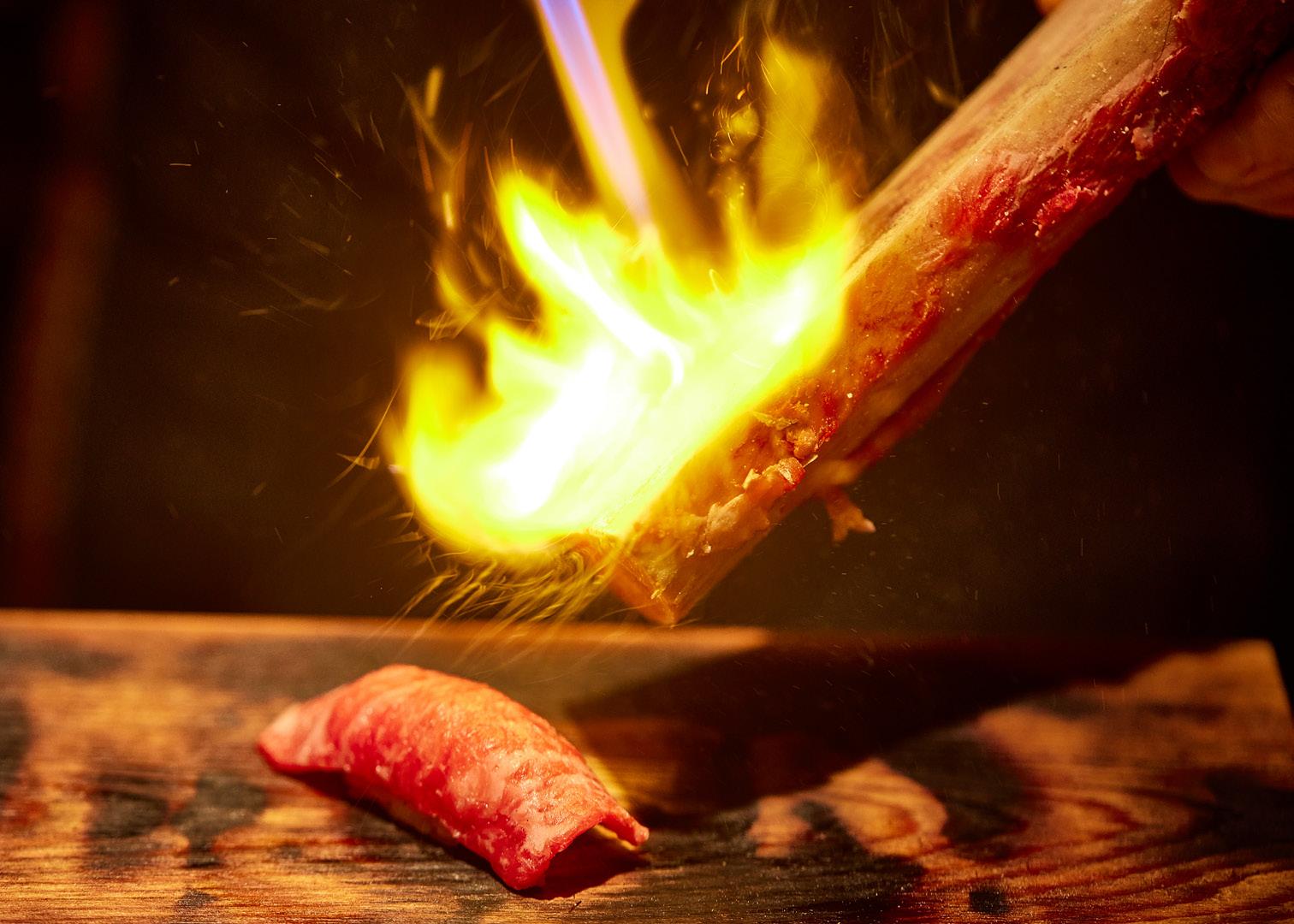
The experience begins with a simple philosophy rooted in Japanese tradition: omakase — “I leave it up to you.” Guests are invited to place their trust fully in the chef, allowing each course to unfold naturally, guided by instinct, seasonality, and creativity.
It is a form of dining that requires surrender — and in doing so, creates something deeply personal.
Where Oaxaca Meets Osaka
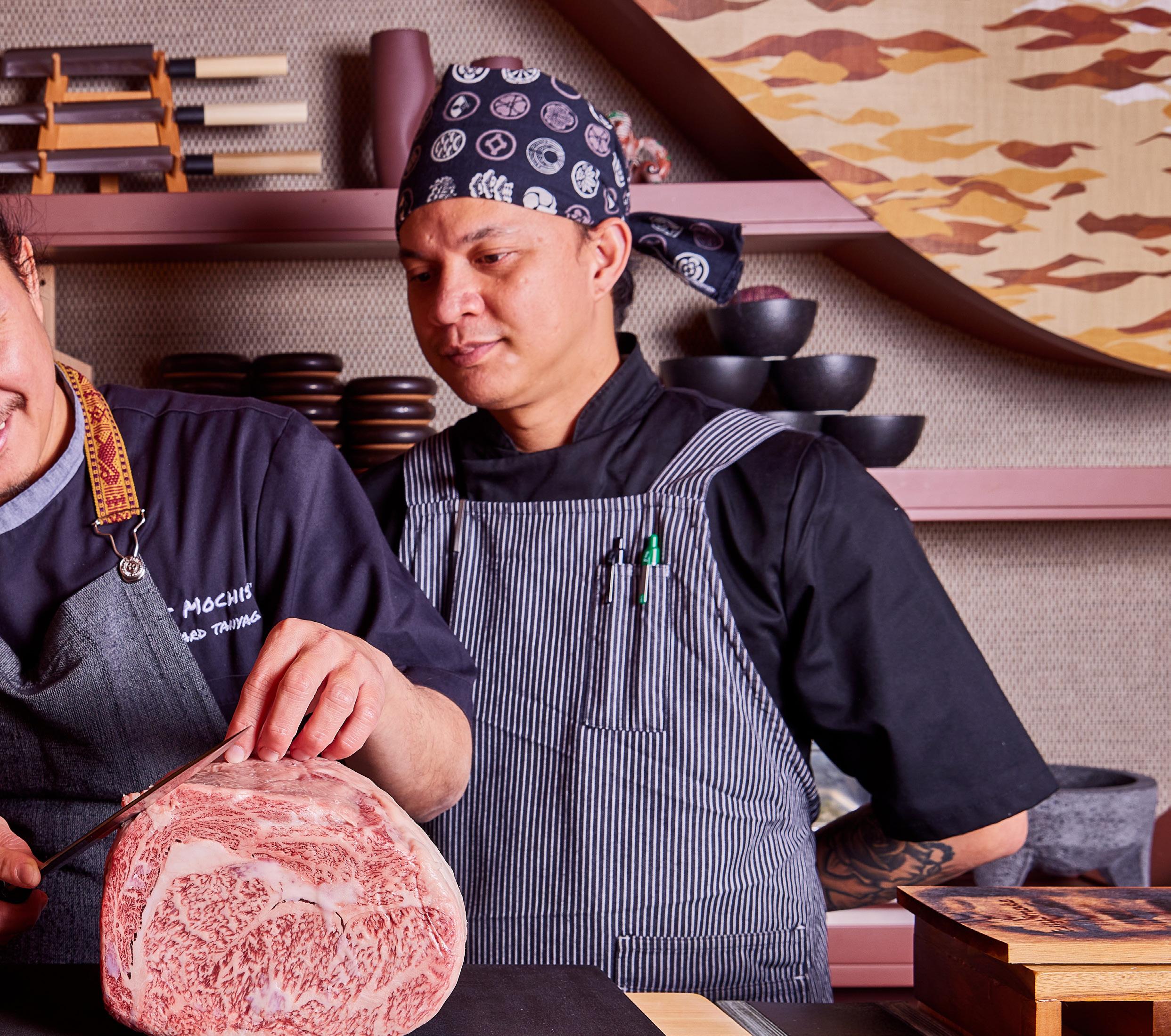
Under the direction of Executive Chef Leonard Tanyag, JUNO pushes the boundaries of what omakase
can be. While inspired by Japanese culinary heritage, the experience is infused with bold Mexican influences, drawing unexpected connections between two rich food cultures.
Across 15 carefully composed courses, flavours move fluidly between continents. Precision meets playfulness. Tradition meets innovation. Each dish arrives as a quiet revelation — thoughtful, expressive, and deliberately unrepeatable.
Paired alongside the cuisine is a curated beverage journey led by a dedicated sommelier, offering refined wine, sake, and agave pairings that mirror the menu’s cross-cultural dialogue.
The result is a dining experience that feels immersive rather than indulgent — one that unfolds slowly, encouraging guests to stay present with every course.
Intimacy as the Ultimate Luxury
JUNO’s power lies in its scale.
With only six guests seated at a time, the atmosphere becomes almost ceremonial. There is no background noise competing for attention. No distractions pulling focus away from the food or the people sharing the table.
Instead, conversation flows naturally. Questions are welcomed. Stories are exchanged. The boundary between guest and kitchen gently dissolves.
In a city defined by pace, JUNO offers stillness.
It is dining stripped back to its essence — chef, craft, and connection — a format perfectly aligned with the evolving language of modern luxury.
A February Experience
For the February issue, JUNO embodies intimacy in its most contemporary form. Not grand gestures, but meaningful proximity. Not performance, but trust.
It is a reminder that romance does not always require candlelit rooms or sweeping views. Sometimes, it exists in something far more subtle — six seats, shared anticipation,
SPOTLIGHT

and the quiet pleasure of being fully present.
Recognised as Best Unique Dining Experience in Europe for 2025, JUNO stands as one of London’s most distinctive culinary addresses — a destination where exclusivity is measured not by access, but by attention.
At JUNO, every detail is intentional.
Every course is fleeting.
And every moment is meant to be felt — not rushed, not repeated, simply experienced.
SPOTLIGHT
ROMANTIC & QUIET ESCAPES TRENDING THIS VALENTINES DAY
Romance was once loud. It glittered beneath city lights, posed across candlelit tables, and unfolded according to reservation times and curated itineraries. For years, love was expected to perform — beautifully framed, carefully planned, endlessly documented.
But this Valentine’s season, romance has softened.
It no longer announces itself. It whispers.
Across the global travel landscape, couples are stepping away from spectacle and toward something more meaningful. The desire is no longer
to impress — but to connect. To slow time. To be present. To choose places where intimacy unfolds naturally, without crowds, without pressure, without interruption.
These are journeys shaped not by checklists, but by feeling.
In 2026, the most romantic escapes are not defined by how much there is to do — but by how little must be done at all.
From snow-covered villages to remote islands, from vineyard valleys to vast wilderness, these are the quiet, intimate destinations redefining romance this Valentine’s Day.

ZERMATT, SWITZERLAND — ALPINE STILLNESS & SHARED SILENCE
In the mountains, time behaves differently.
Days feel longer. Sounds soften. Movement slows to a deliberate pace. In winter, especially, the world seems gently held — wrapped in snow and silence.
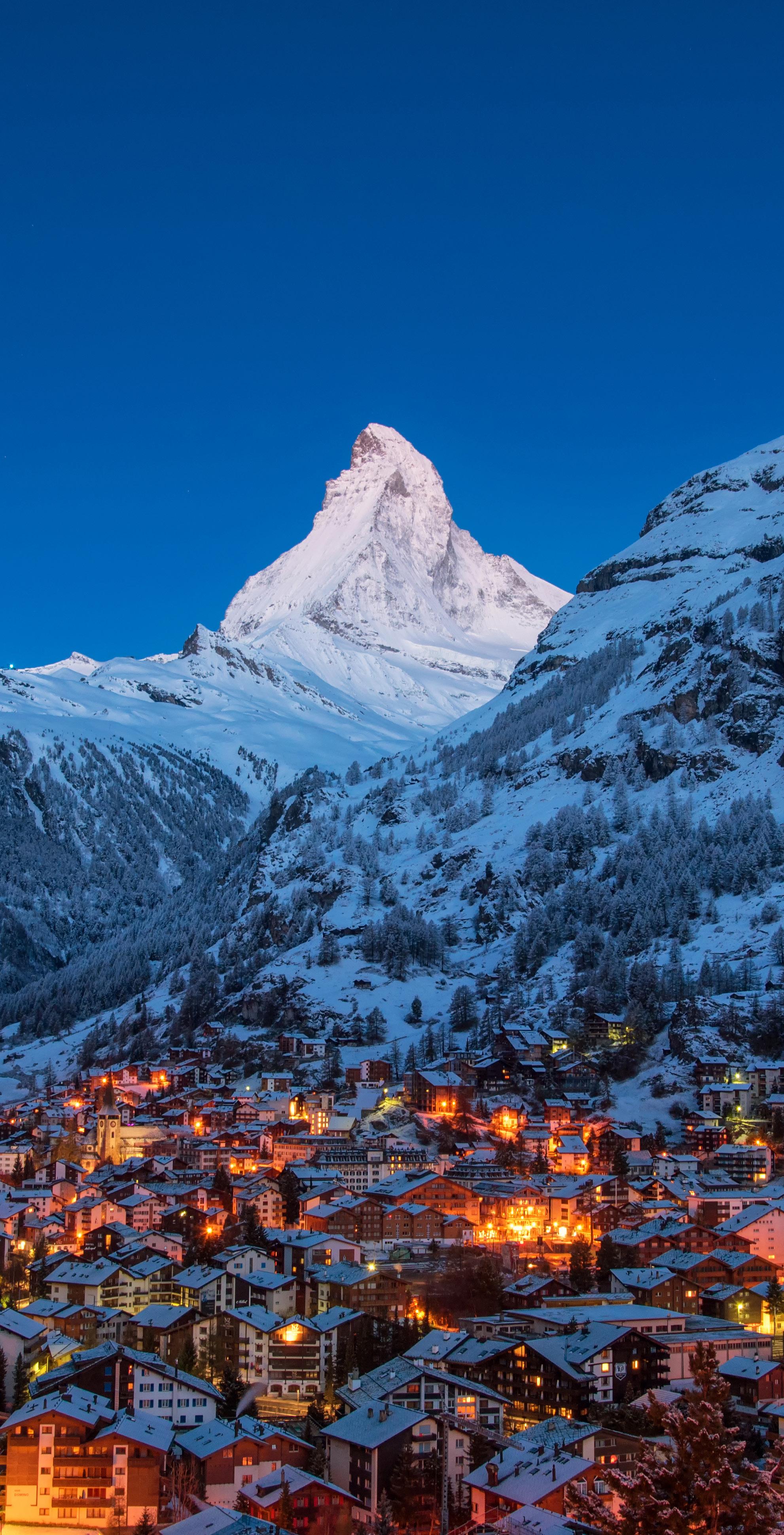
Zermatt, at the foot of the Matterhorn, embodies this rhythm perfectly. A car-free village surrounded by soaring peaks, it offers couples an environment where togetherness comes naturally. There is no rush here, no noise to compete with conversation.
Mornings begin slowly — frost tracing windowpanes, coffee warming cold hands. Days unfold through quiet walks, panoramic train rides, or simply sitting side by side watching clouds drift past mountains older than memory.
There is something deeply intimate about cold climates. People draw closer. Fires replace distractions. Silence feels comfortable rather than awkward.
Romance in Zermatt is not dramatic.
It is steady.
It lives in shared scarves, lingering dinners, and evenings shaped not by plans, but by mood. Here, couples rediscover one of love’s simplest luxuries: uninterrupted time.
ZANZIBAR MOVES TO THE RHYTHM OF THE TIDE.
The air is warm and fragrant with clove and sea salt. The days stretch lazily, ungoverned by clocks or commitments. Life unfolds slowly, beautifully, inevitably.
February — often overlooked — is one of the island’s most romantic moments. The crowds thin, the beaches widen, and the atmosphere softens into something deeply personal.
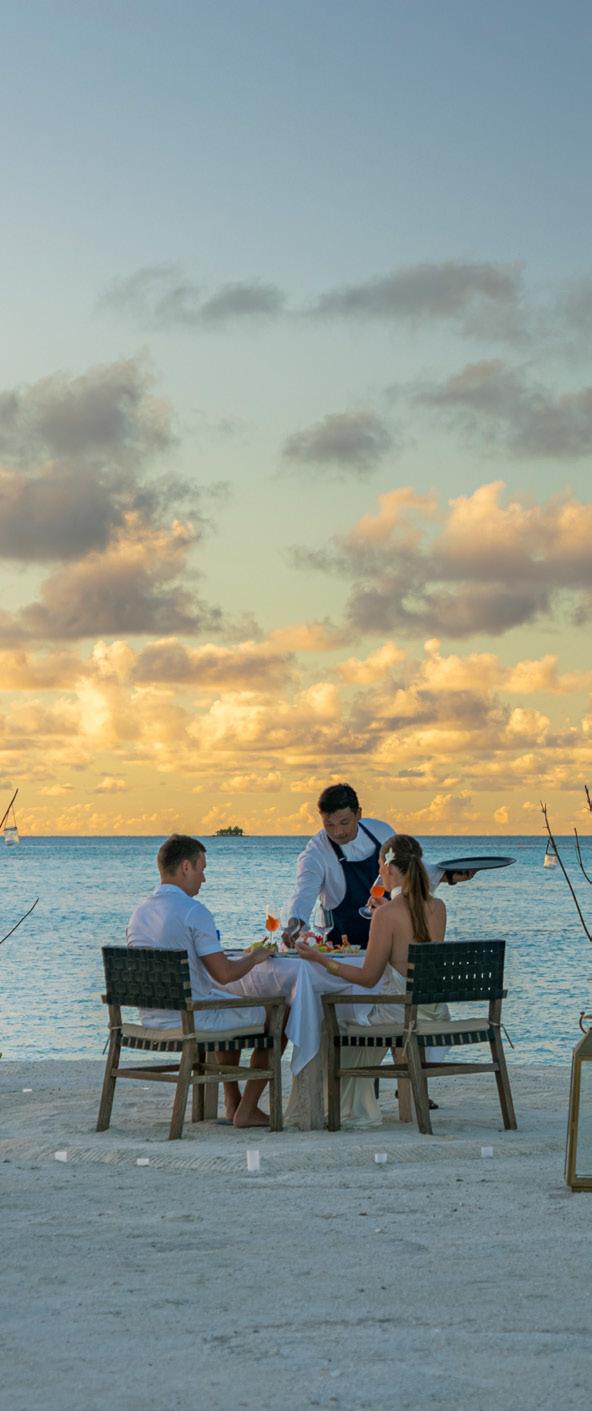
This is Zanzibar at its most intimate: barefoot mornings, early swims before breakfast, afternoons drifting beneath palms, and evenings illuminated by candlelight rather than screens.
At The Mora Zanzibar, this unhurried rhythm is embraced rather than structured. Spacious surroundings, open horizons, and a natural flow between beach, dining, and relaxation encourage couples to linger — to let moments unfold instead of chasing them.
Romance here feels effortless. Conversations linger longer. Laughter carries easily. Even silence feels companionable.
Zanzibar doesn’t demand excitement. It offers ease.
And in that ease, connection deepens.
Couples leave remembering not what they did — but how they felt: lighter, closer, unhurried.
QUIET GREECE — LOVE BEYOND THE POSTCARD
There is a quieter Greece few travellers ever meet.
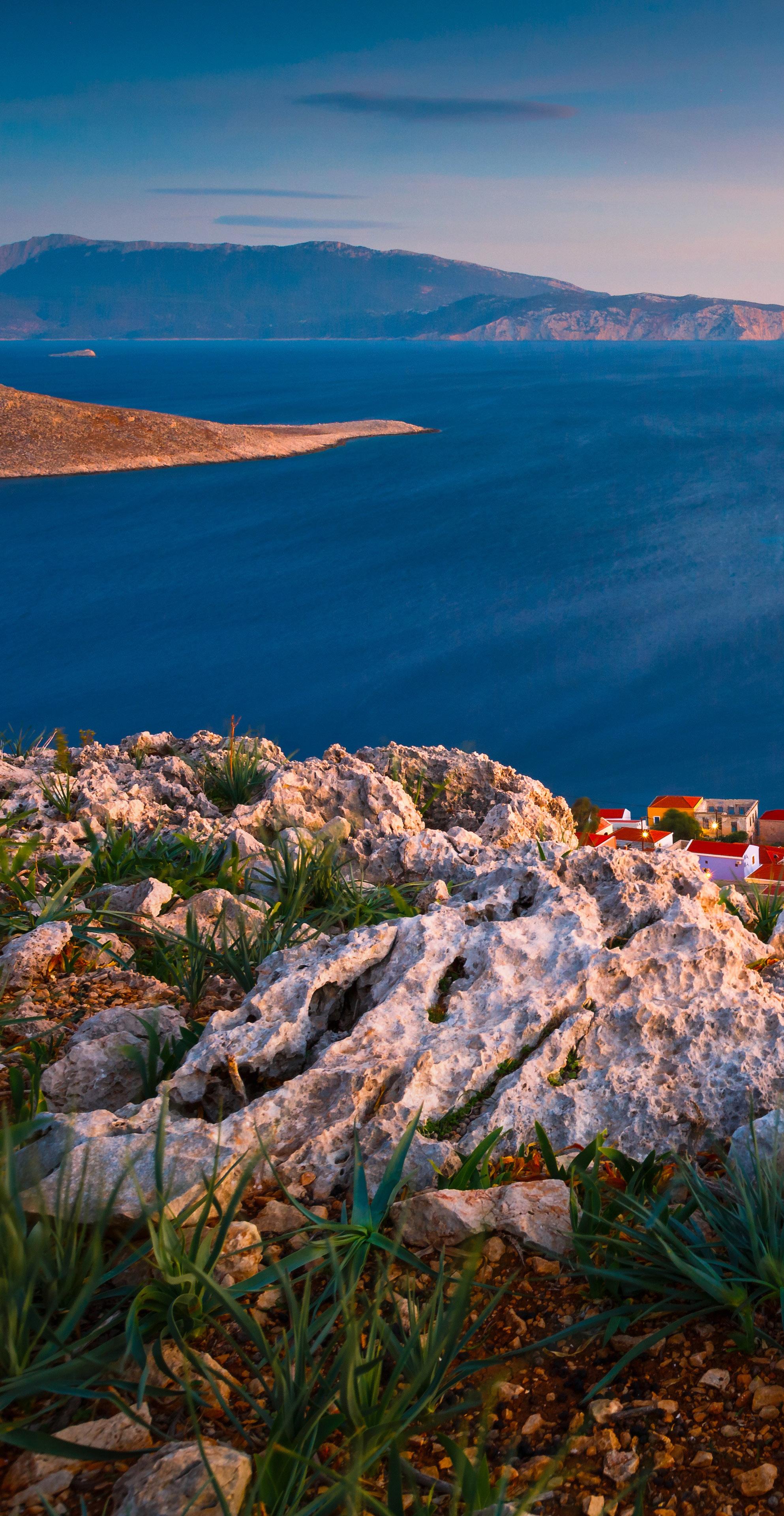
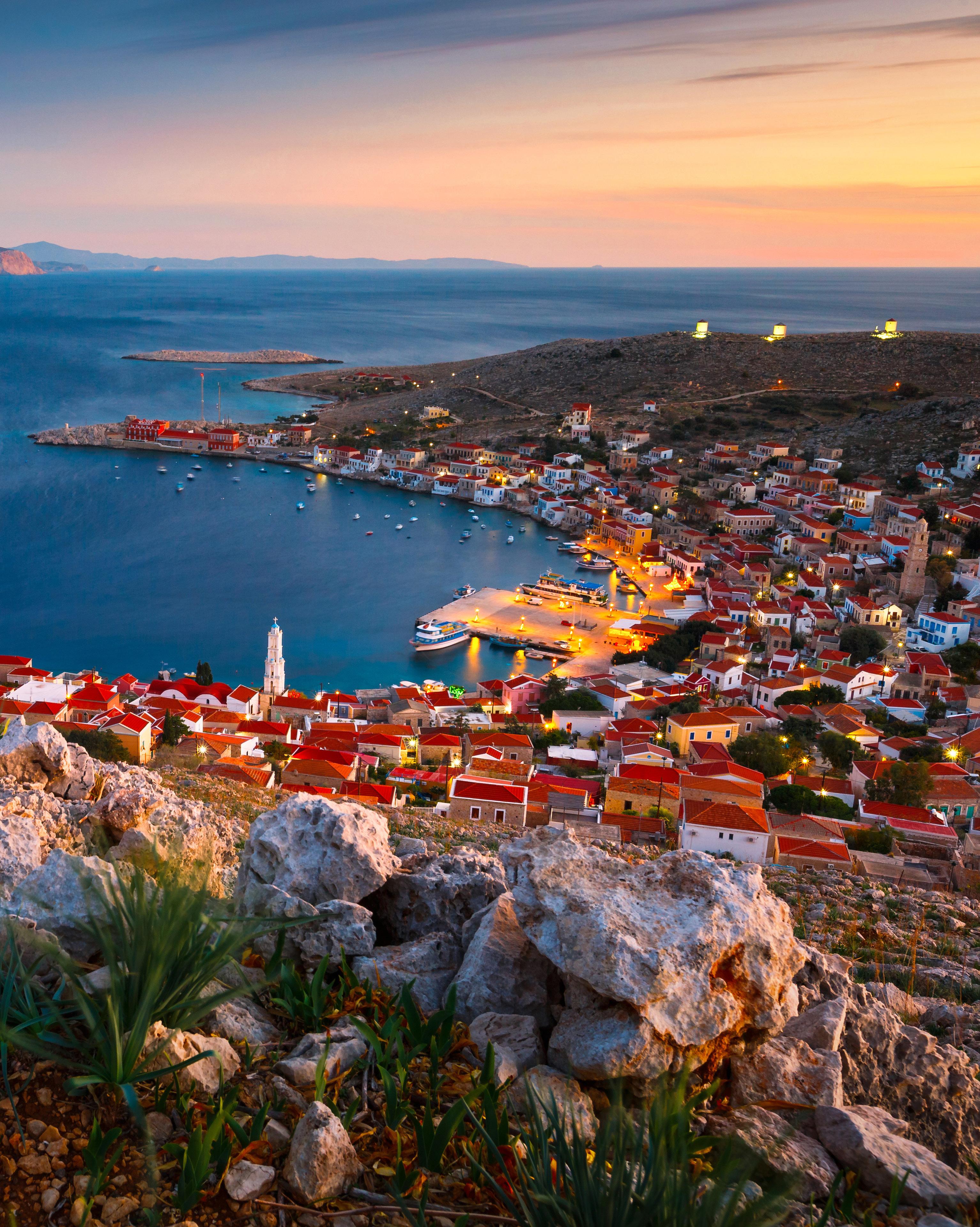
Beyond the famous islands and headline sunsets lies a gentler rhythm — one shaped by small harbours, pastel villages, and days guided more by light than itinerary.
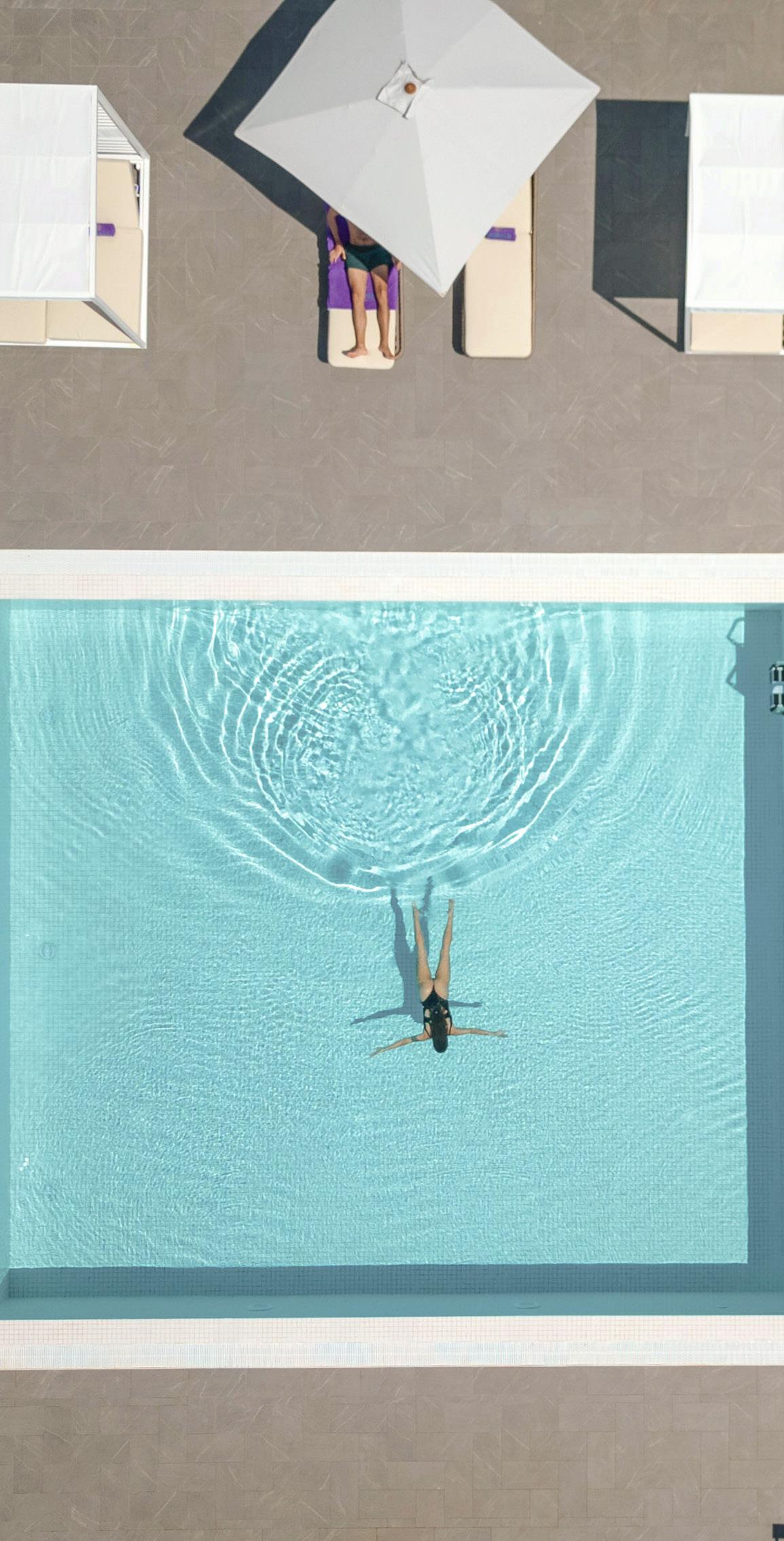
On lesser-known islands such as Halki, time feels wonderfully unimportant. There are no crowds competing for views. No urgency to capture the moment. Just calm turquoise water, stone paths warmed by the sun, and tavernas where dinner lasts as long as conversation does.
Here, couples wander without direction. They swim when the sea calls. They return to the same table night after night — not out of habit, but affection.
Romance unfolds quietly in these places. In peaceful morning swims. In sunset walks along empty promenades. In the comfort of recognising faces and being welcomed back with a smile.
This is not Greece designed for performance.
It is Greece lived.
A place where love is not rushed, not curated, not shared — only felt.
For couples seeking intimacy without interruption, these lesser-known islands offer something increasingly rare: privacy, authenticity, and the freedom to simply be together.
BOTSWANA — WILDERNESS FOR TWO
If romance has a purest form, it may exist in the wild.
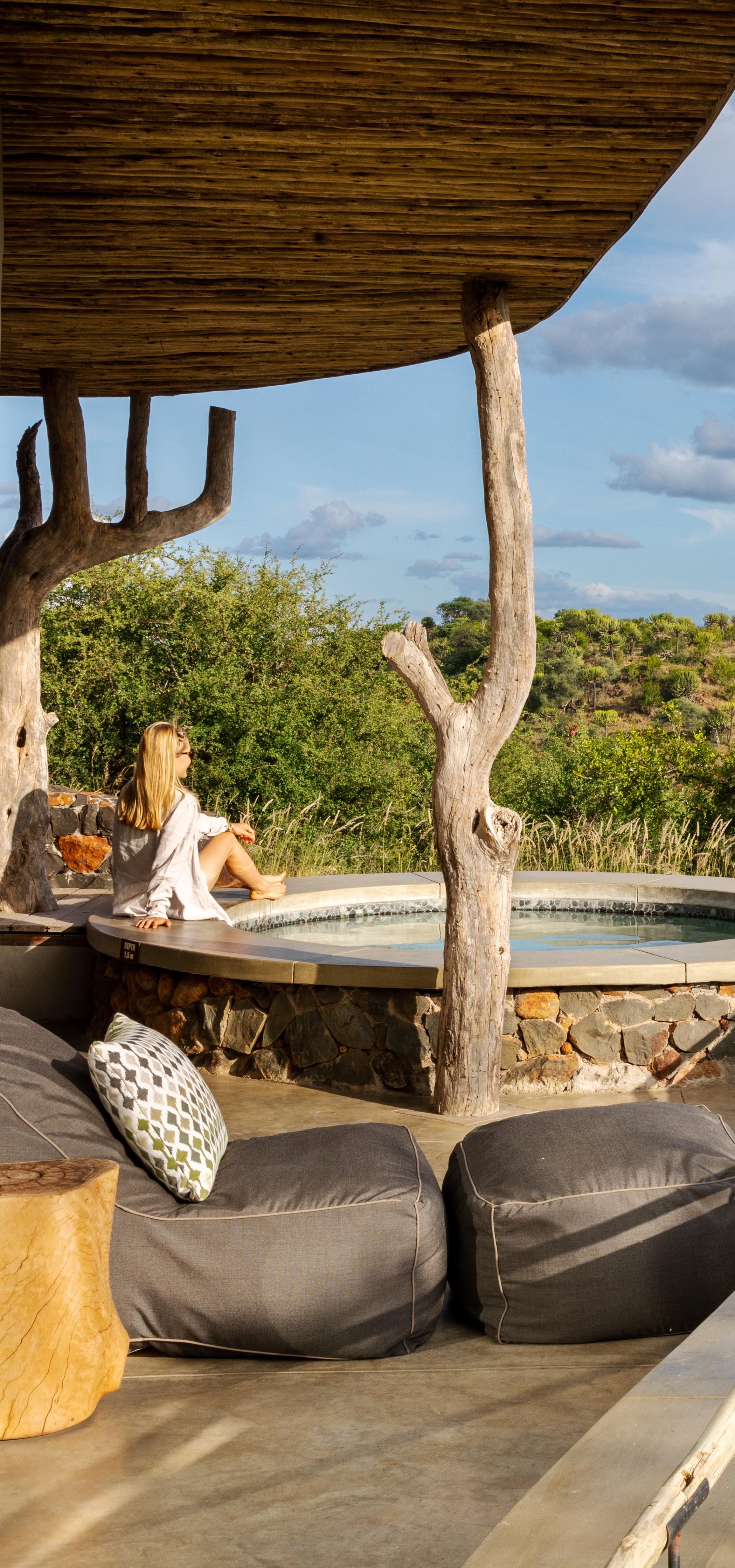
In Botswana’s vast landscapes, silence stretches endlessly. There are no crowds. No schedules beyond sunrise and sunset. No distractions louder than birdsong or the distant call of wildlife.
Days begin gently. Evenings close beneath skies dense with stars. Between them unfold moments that feel almost sacred — elephants crossing open plains, the hush of dusk settling across the land, the world slowing as night approaches.
At Euphorbia Mashatu, this sense of intimacy is deeply embedded in the experience. Set within one of Africa’s most unspoiled wilderness regions, the lodge offers profound privacy — where encounters with nature feel personal, unhurried, and entirely your own.
Here, shared wonder creates a rare kind of closeness.
There is something profoundly bonding about witnessing the natural world together — moments that cannot be staged or replicated. Experiences that belong only to those present.
In the wilderness, love strips itself of artifice.
There is no performance. Only presence.
And in that presence, connection deepens beyond words.
CAPE WINELANDS, SOUTH AFRICA — VINEYARDS & UNRUSHED MOMENTS
Few places understand slow romance quite like the Cape Winelands.
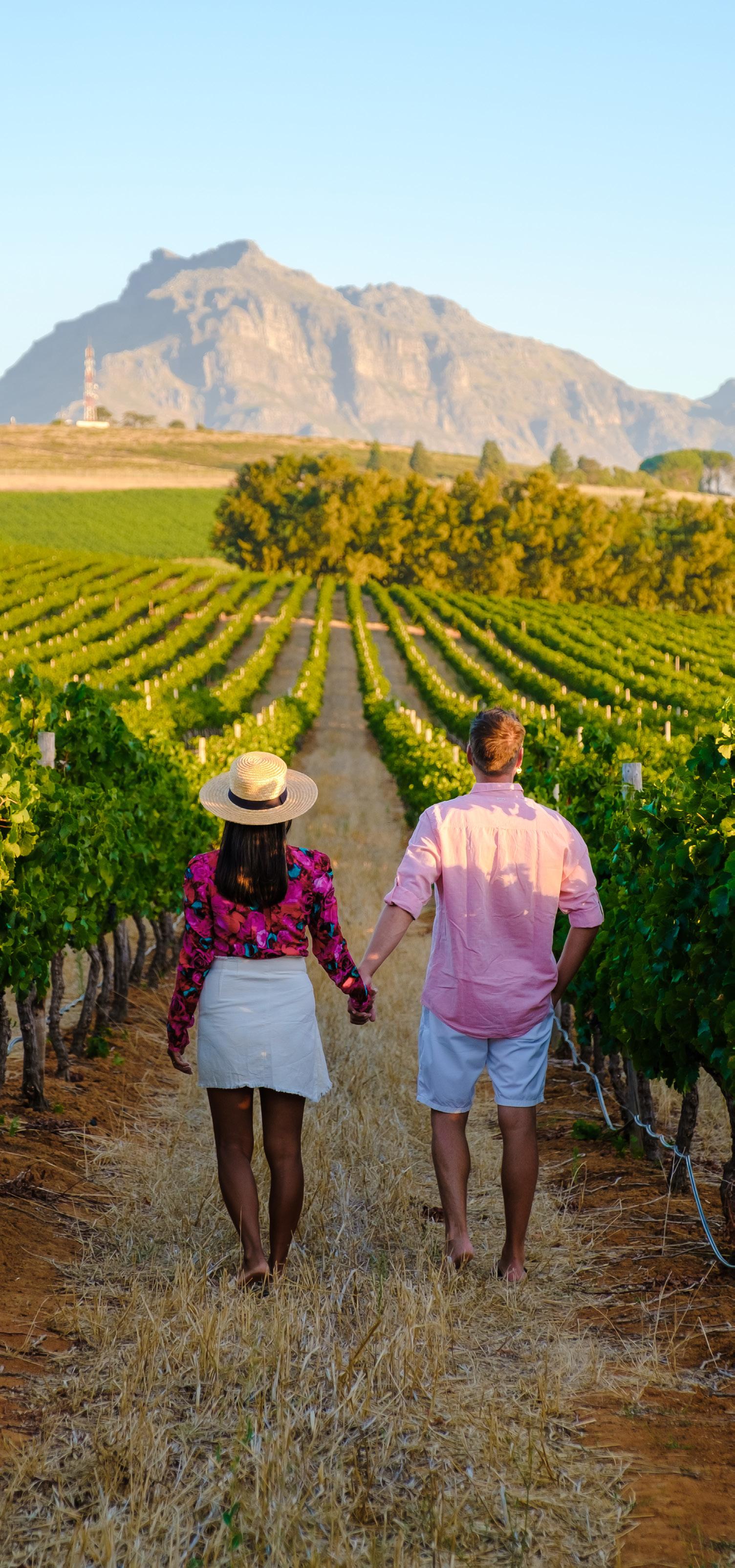
Rolling vineyards stretch toward distant mountains. Country roads wind gently between historic estates and quiet towns. Life unfolds at a pace dictated by sunlight and season rather than schedule.
This is a destination made for Valentine’s escapes — not dramatic, but deeply atmospheric. Days drift between tastings and long lunches. Evenings glow with fireplaces, fine food, and conversation that lingers well past dessert.
The Winelands invite couples to linger rather than explore aggressively. There is no need to chase experiences; they arrive naturally.
It is the romance of shared bottles. Of sunset walks through vines. Of mornings without alarms.
Here, intimacy is cultivated slowly — like wine itself — deepened through time, patience, and presence.
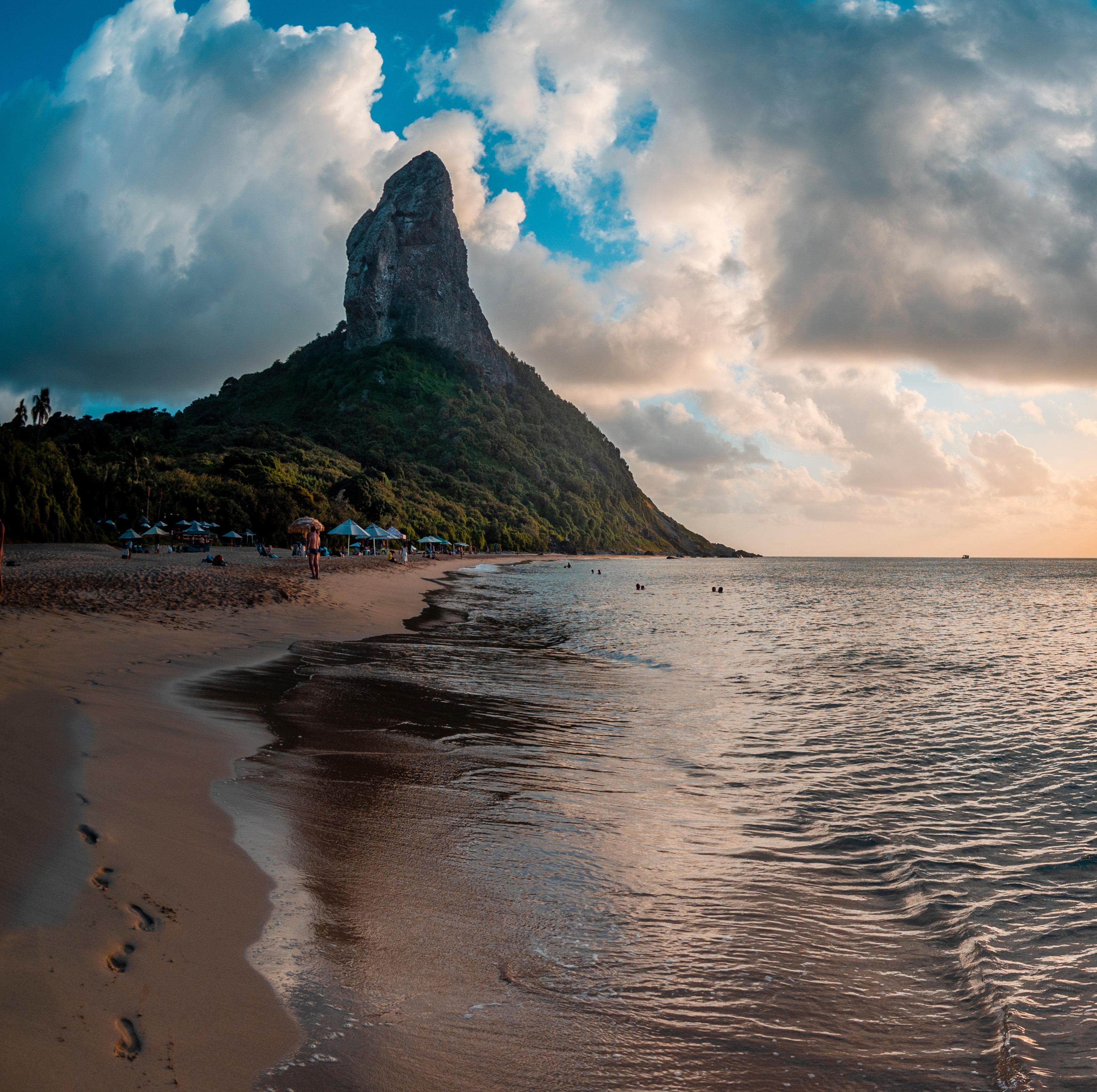

FERNANDO DE NORONHA, BRAZIL — UNTOUCHED ISLAND BLISS
Some places feel like secrets.
Fernando de Noronha, an offshore archipelago off Brazil’s northeast coast, is one of them. Protected, remote, and astonishingly beautiful, it remains untouched by mass tourism — a rarity in modern travel.
Beaches curve endlessly, framed by volcanic rock and turquoise water. Coral reefs shimmer beneath the surface. Nights unfold beneath vast skies alive with stars.
There are no crowds here. No urgency. No noise.
Days revolve around swimming, walking, and simply being together. Time dissolves. Conversation flows easily. Silence feels welcome.
For couples, Noronha offers a kind of romance that feels almost cinematic — not because it is dramatic, but because it is rare.
A place where the outside world disappears.
Where love feels uncomplicated again.
THE NEW SHAPE OF ROMANTIC TRAVEL
What unites these destinations is not geography — but philosophy.
In 2026, romance is no longer about escaping everyday life through excess. It is about returning to what matters most.
Connection. Stillness. Time together without interruption.
Couples are choosing:
* fewer destinations
* quieter settings
* deeper experiences
They are seeking places that allow them to listen — to the
world, and to one another.
Luxury, in this new era, is not defined solely by indulgence. It is defined by emotional resonance.
By how a place makes you feel long after you leave.
Because when the noise fades, something beautiful remains.
A conversation. A shared silence. A memory formed not by effort, but by ease.
And in those moments — unplanned, unhurried, and deeply human — romance no longer needs to shout.
It simply whispers.

LOVE, SOLITUDE & THE RISE OF SOLO INTIMACY TRAVEL
For much of modern travel, intimacy has been portrayed as something shared.
A table for two. A room designed for couples. A moment validated by togetherness.
Yet intimacy has always existed in another form — quieter, less visible, and often overlooked.
It appears in solitude. In stillness. In the rare moments when nothing is required of us except presence.
As travel becomes more intentional and less performative, a growing number of travellers are rediscovering the value of being alone — not as escape, but as connection. Not as loneliness, but as clarity. In 2026, solitude itself has become a form of luxury.
This is not the solitude of retreating from the world. It is the solitude of returning to oneself.

REDEFINING INTIMACY BEYOND ROMANCE
For generations, intimacy in travel has been framed almost exclusively through romance. Honeymoons, anniversaries, couple escapes — experiences designed around shared emotion and mutual discovery.
But modern travellers are expanding this definition.
Intimacy today is increasingly understood as emotional closeness — not only with another person, but with place, with time, and with self. It is the sensation of being fully present in one’s surroundings, undistracted and unobserved.
Solo intimacy travel does not reject romance. It simply widens the lens.
It acknowledges that connection can be found in a quiet breakfast enjoyed alone, in the rhythm of walking without destination, in the luxury of silence after years of noise.
For many, these moments feel more restorative than any shared itinerary ever could.
THE LUXURY OF BEING UNOBSERVED
One of the most subtle shifts in high-end travel is the desire to be unseen.
Travellers are no longer seeking attention or recognition — they are seeking relief from it. From constant visibility. From expectations. From the pressure to narrate every experience.
Being unobserved has become deeply appealing.
Private villas, discreet boutique
hotels, intimate lodges, and spa sanctuaries are increasingly valued not for grandeur, but for discretion. For the ability to arrive without announcement and exist without interruption.
In these spaces, time behaves differently.
Mornings unfold slowly. Meals stretch without agenda. Evenings arrive without urgency. Without conversation if one does not wish it. Without explanation if one prefers silence.
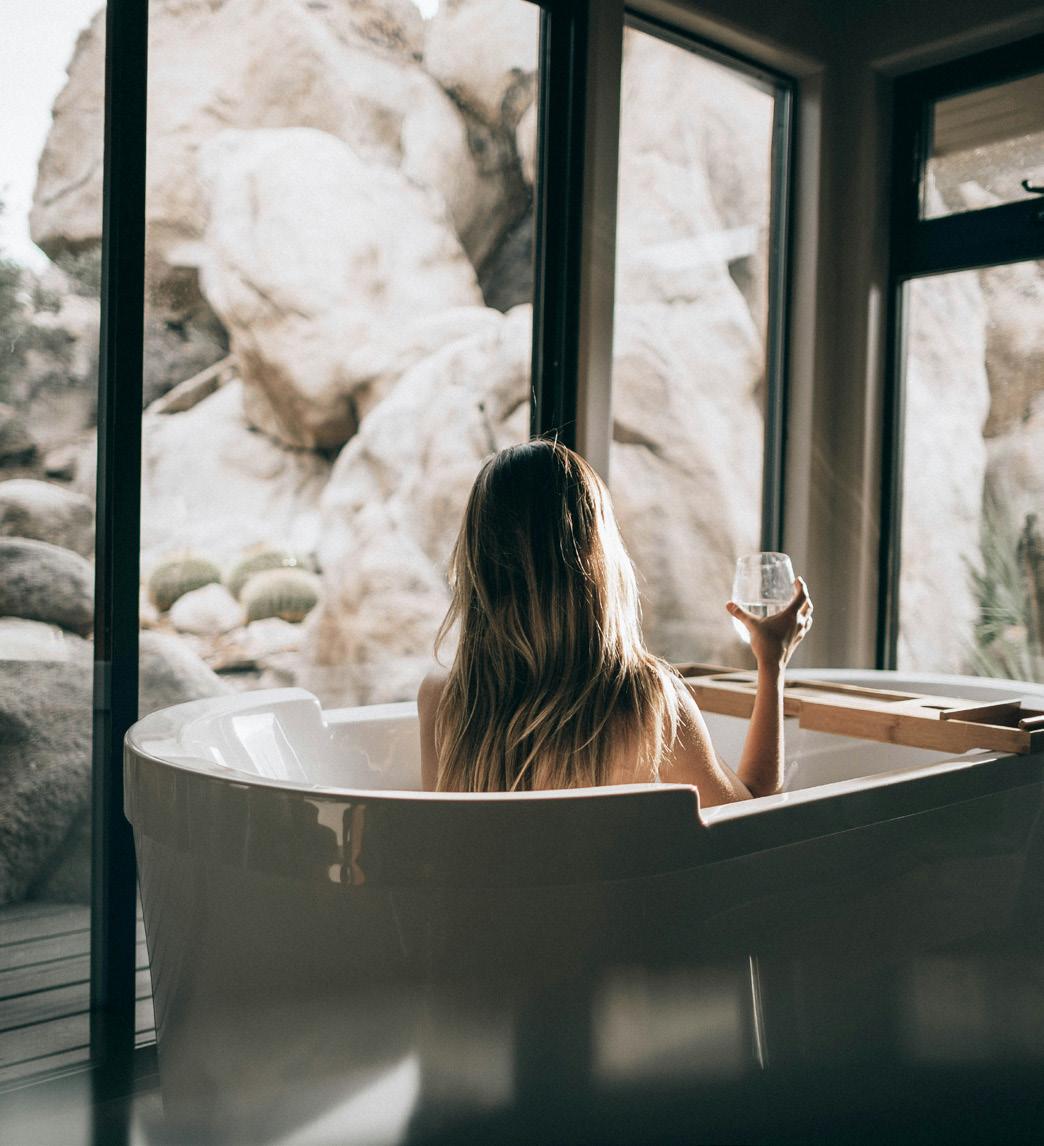
This form of luxury does not impress — it protects.
SOLO RITUALS AS EMOTIONAL CARE
Within this new intimacy, rituals take on greater meaning.
A private spa treatment becomes not indulgence, but grounding. A solo dining experience becomes an act of confidence rather than compromise. An early swim or late-night walk becomes a moment of private belonging.
Where once solo travellers were offered convenience, they are now being offered consideration.
Restaurants create spaces where dining alone feels natural rather than conspicuous. Wellness programmes are designed for introspection, not performance. Experiences unfold gently, without forced interaction.
These moments are not designed to fill time.
They are designed to honour it.
In choosing solitude, travellers
are not opting out of connection — they are choosing a deeper, quieter version of it.
THE EMOTIONAL GEOGRAPHY OF TRAVEL
When travelling alone, attention sharpens.
Colours appear richer. Sounds feel closer. Emotions surface more honestly. Without conversation to distract or schedules to negotiate, the relationship between traveller and destination becomes immediate.
Place is no longer background. It becomes companion.
A coastline observed in silence can feel more intimate than any shared sunset. A city explored slowly can reveal itself more generously when nothing is rushed.
In these moments, travellers often discover that intimacy does not require narration. It requires awareness.
This is why solo intimacy travel
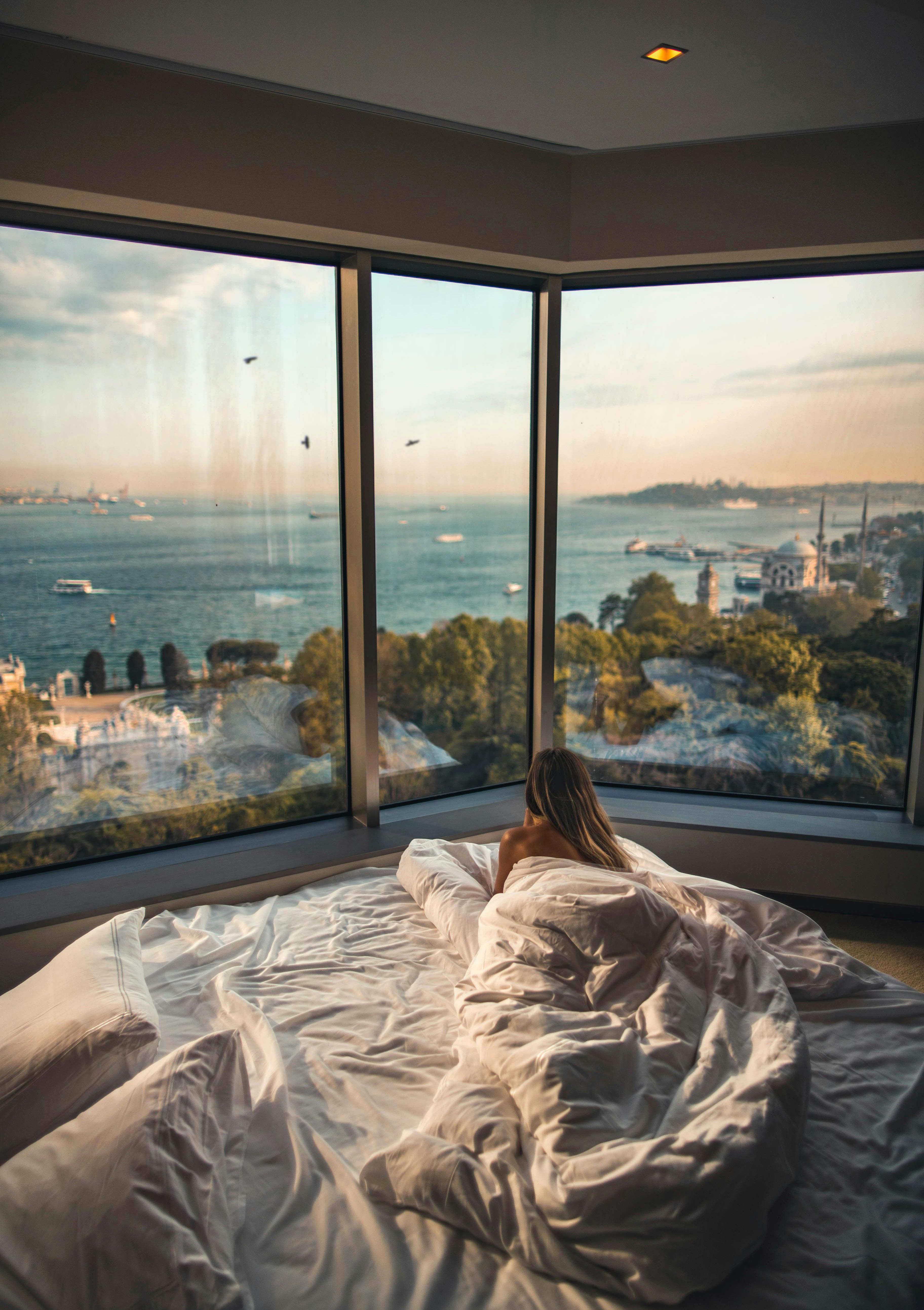
resonates so strongly in this moment — it restores a sense of emotional geography. A feeling of knowing where one stands, not only physically, but internally.
CHOOSING SOLITUDE WITHOUT APOLOGY
Perhaps the most powerful aspect of this movement is its quiet confidence.
There is no justification required for travelling alone. No narrative of empowerment or independence needed to legitimise the choice.
It is simply a preference.
A recognition that intimacy can be deeply personal. That rest does not always come from company. That reflection sometimes requires space.
For many travellers, particularly those navigating demanding careers, constant connectivity, or emotionally full lives, solitude offers balance rather than absence.
It is not about withdrawing from love — but renewing the capacity for it.
A SOFTER ENDING
As this issue explores love in its many forms — romantic, sensory, emotional — solo intimacy travel offers a gentle closing note.
It reminds us that intimacy does not begin with another person.
It begins with awareness. With stillness. With the courage to be present without distraction.
Whether shared or solitary, the most meaningful journeys are those that allow us to feel — deeply, honestly, and without performance.
And sometimes, the most profound connection we rediscover along the way is the one waiting quietly within ourselves.
IN THE NEXT EDITION... BODY,
MIND, PLACE
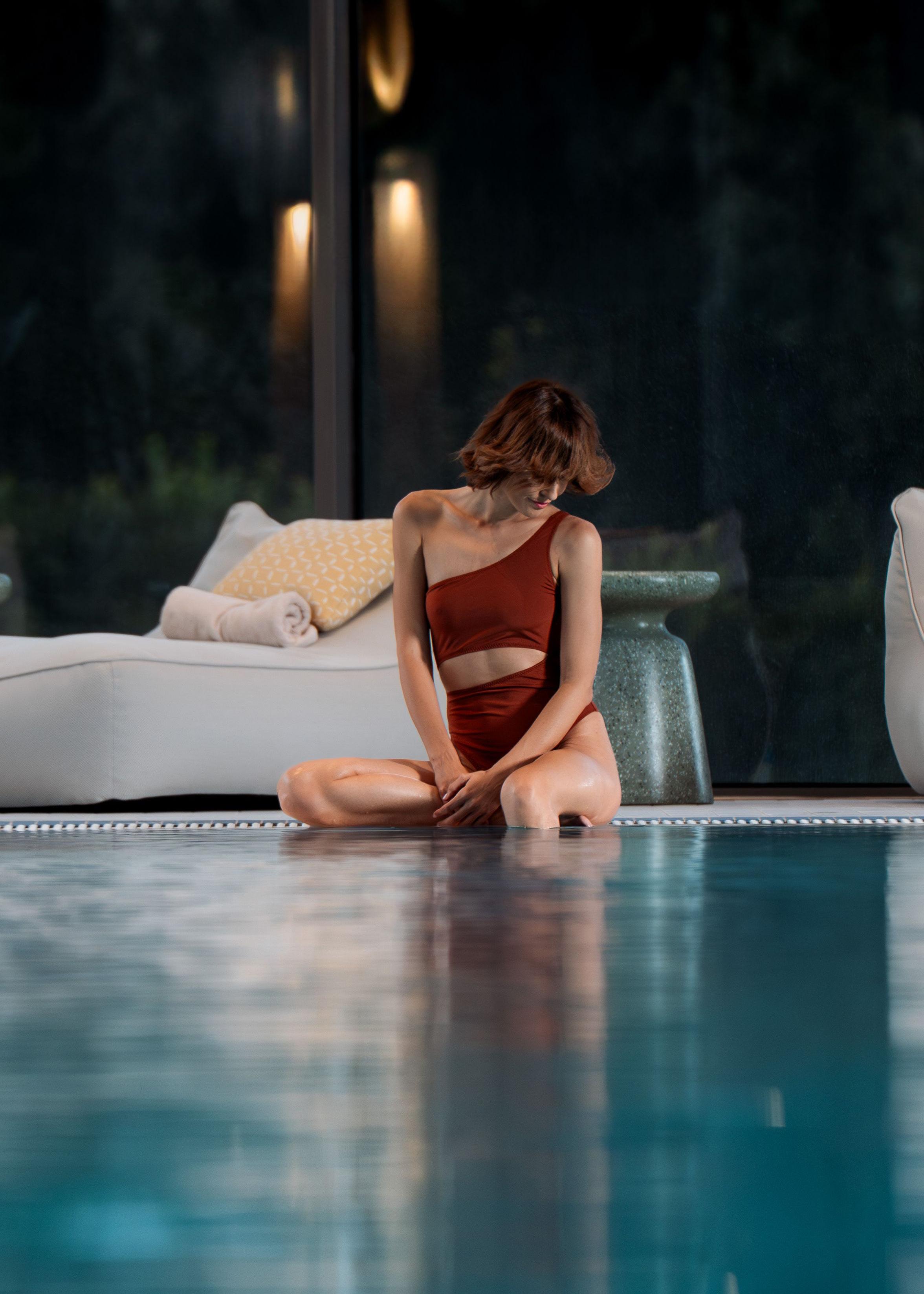
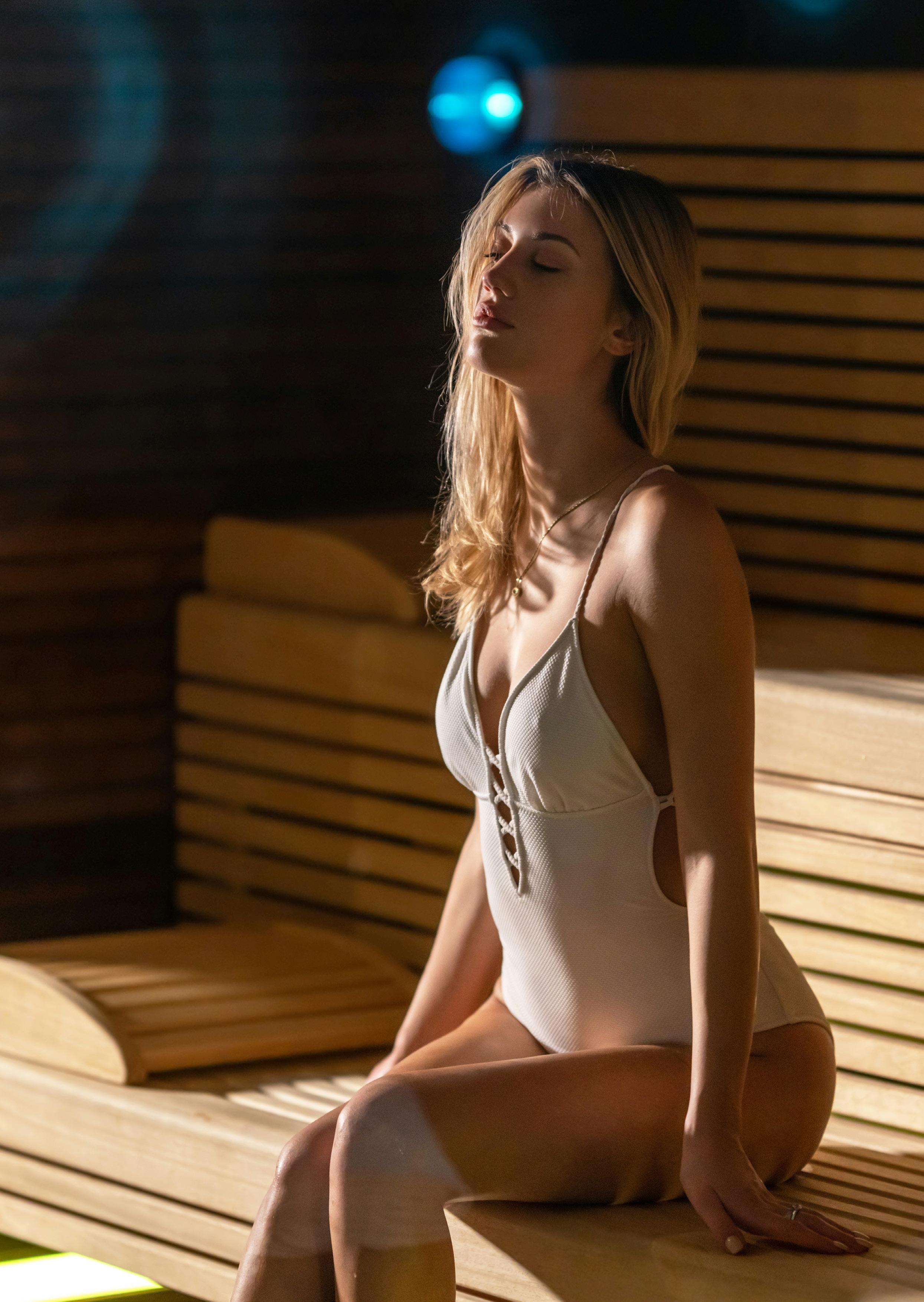
In our next edition of LUXE Travel Magazine, we explore the new language of wellness — where body, mind and place align, and travel becomes a way of living well, not escaping life.
TO OUR COLLABORATORS