MAGAZINE


GENERAL MANAGER
OF PULLMAN RIGA OLD TOWN
Dear Readers,
Travel doesn’t need another list.
Over the past few years, we’ve noticed a quiet shift in the way people move through the world. Not louder, not trend-driven, but more considered. Fewer destinations. Longer stays. More returns. Less urgency to “see everything,” and more desire to feel something real.
This issue grew out of that observation.
The Anti-Bucket List isn’t about rejecting ambition or curiosity. It’s about questioning the idea that travel must always be maximised, documented, and completed. It’s about the luxury of staying longer than planned, returning without obligation, and letting places unfold in their own time.
The stories that follow explore destinations that reward patience, properties that act as bases rather than spectacles, and experiences that feel richer when they’re not rushed or ranked.
We hope this issue encourages you to travel with fewer expectations and more room to be surprised.
Aike-Marié Editor, LUXE Travel Magazine
THE ANTI-BUCKET LIST
WHY TRAVEL WITHOUT A CHECKLIST IS THE NEW LUXURY
There was a time when planning a trip meant circling places on a paper map. Not because they were famous, but because someone you trusted had once been there — or because the name sounded good when you said it out loud.
Somewhere along the way, travel became a task.
Cities were reduced to bullet points. Experiences were ranked, saved, screenshot, scheduled. The joy of discovery was quietly replaced by optimisation: how many places, how quickly, how visibly. We began travelling with lists not to guide us, but to complete us.
And yet, for all the efficiency, something thinned out.
Bucket lists promise fullness. In reality, they flatten. They compress places into highlights and moments into proof. They reward movement over immersion, novelty over understanding. When every trip is about what’s next, very little has time to settle.
The irony is that many travellers already sense this, even if they haven’t named it yet. The fatigue. The sameness. The strange feeling of having “been” somewhere without ever really arriving.
Luxury, in its quietest and most evolved form, has begun to respond.
THE PROBLEM WITH SEEING EVERYTHING
Bucket lists are not inherently wrong. They’re born from curiosity, aspiration, and wonder. But when followed too closely, they turn travel into a performance, for ourselves as much as for anyone watching.
When every destination comes pre-packaged with must-sees and perfect angles, there’s little room left for interpretation. The trip becomes about recognition rather than revelation. You recognise the view. You recognise the street. You recognise the café, because you’ve already seen it a hundred times.
The question shifts from what is this place? to did I get it right?
This mindset leaves little space for boredom, repetition, or the small, unspectacular moments where places actually reveal themselves. The walk you take twice. The bar you return to without planning. The day with no agenda that somehow becomes the one you remember.
Bucket lists encourage us to move on too quickly, just as places are beginning to open up.
STAYING LONGER IS THE QUIET REBELLION
A noticeable shift is underway. Not loudly, not trend-driven, but steadily.
Travellers are staying longer. Not everywhere. But somewhere.
They’re choosing fewer destinations and giving them more time. They’re returning to cities they’ve already “done.” They’re repeating neighbourhoods, restaurants, even daily routines. Morning walks. Familiar cafés. Even favourite hotel rooms.
This kind of travel doesn’t photograph as well. But it lives better.
When you stay longer, the urgency fades. The pressure to extract value dissolves. You stop asking what the city can give you and start noticing how it moves. You begin to recognise faces. You understand the pace. You sense when the city inhales and exhales.
Luxury, here, isn’t about access, it’s about permission. Permission to linger. To repeat. To do less without feeling like you’re missing out.
Ironically, this slower approach often delivers more. More texture. More memory. More feeling.
THE RICHNESS OF THE UNRANKED
There is a reason certain places feel richer than others, and it has very little to do with how popular they are.
Non-trending destinations don’t perform. They don’t explain themselves immediately. They require attention rather than consumption. And in return, they offer something increasingly rare: space to form your own relationship with them.
In cities not dominated by expectation, travellers aren’t trying to match an image. They’re free to notice what’s actually there. The way locals use public space. The rhythm of the week. The way time stretches differently on a Tuesday than a Saturday.
These places often reward return visits. The second time feels better than the first. The third feels familiar in a way that’s quietly satisfying.
You don’t “tick them off.” You absorb them.
This is where travel stops being about acquisition and starts becoming personal.
PRESENCE IS THE NEW PROOF
For years, the value of a trip was measured by evidence. Photos. Posts. Stories. Location tags.
But a counter-desire is emerging: the wish to experience something without immediately translating it. To be present without narrating. To travel without constantly stepping outside the moment to document it.
This doesn’t mean rejecting technology or visibility altogether. It means no longer letting them lead.
Presence is slower. Less efficient. Harder to quantify. And infinitely more luxurious.
When you’re not trying to capture the moment, you notice more of it. When you’re not rushing to the next highlight, you feel the weight of the one you’re in. When you stop performing travel, you start inhabiting it.
This is where memory deepens, not through spectacle, but through familiarity.
WHY THIS MATTERS NOW
The Anti-Bucket List is not about travelling less ambitiously. It’s about travelling more intentionally.
It’s about choosing depth over breadth. Return over conquest. Staying over seeing. It’s about trusting that the best moments often happen off-schedule, and that the most meaningful trips don’t always look impressive from the outside.
In a world that constantly asks us to prove where we’ve been, choosing not to is a radical act.
Luxury, today, is not about having more options. It’s about needing fewer.
And perhaps the greatest privilege of all is this: to leave a little room unplanned and allow a place to meet you where you are, not where you were told to stand.


THE LUXURY OF EASE IN A CITY OF QUIET DISCOVERY
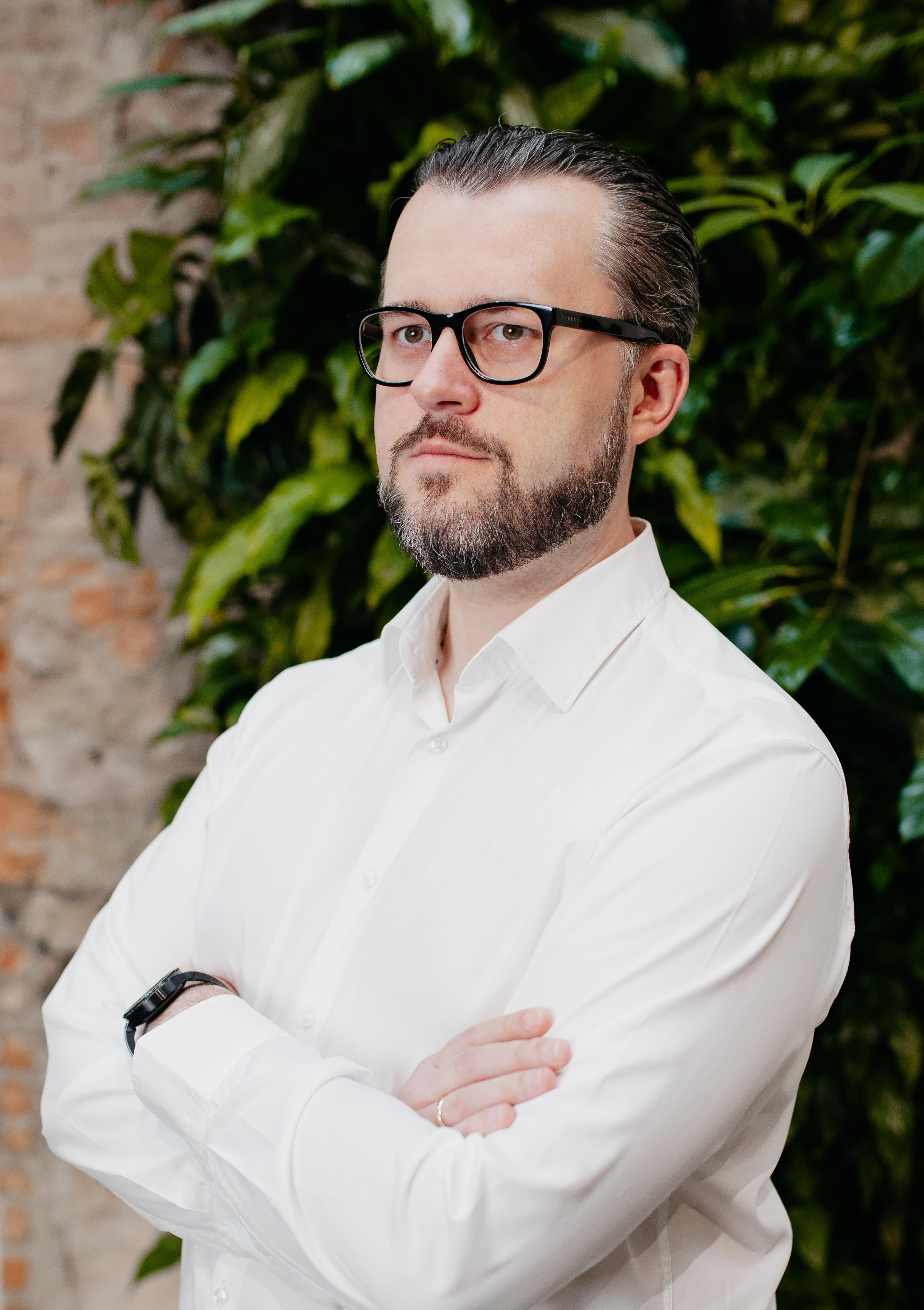
A conversation with Paweł Pańczak, General Manager of Pullman Riga Old Town
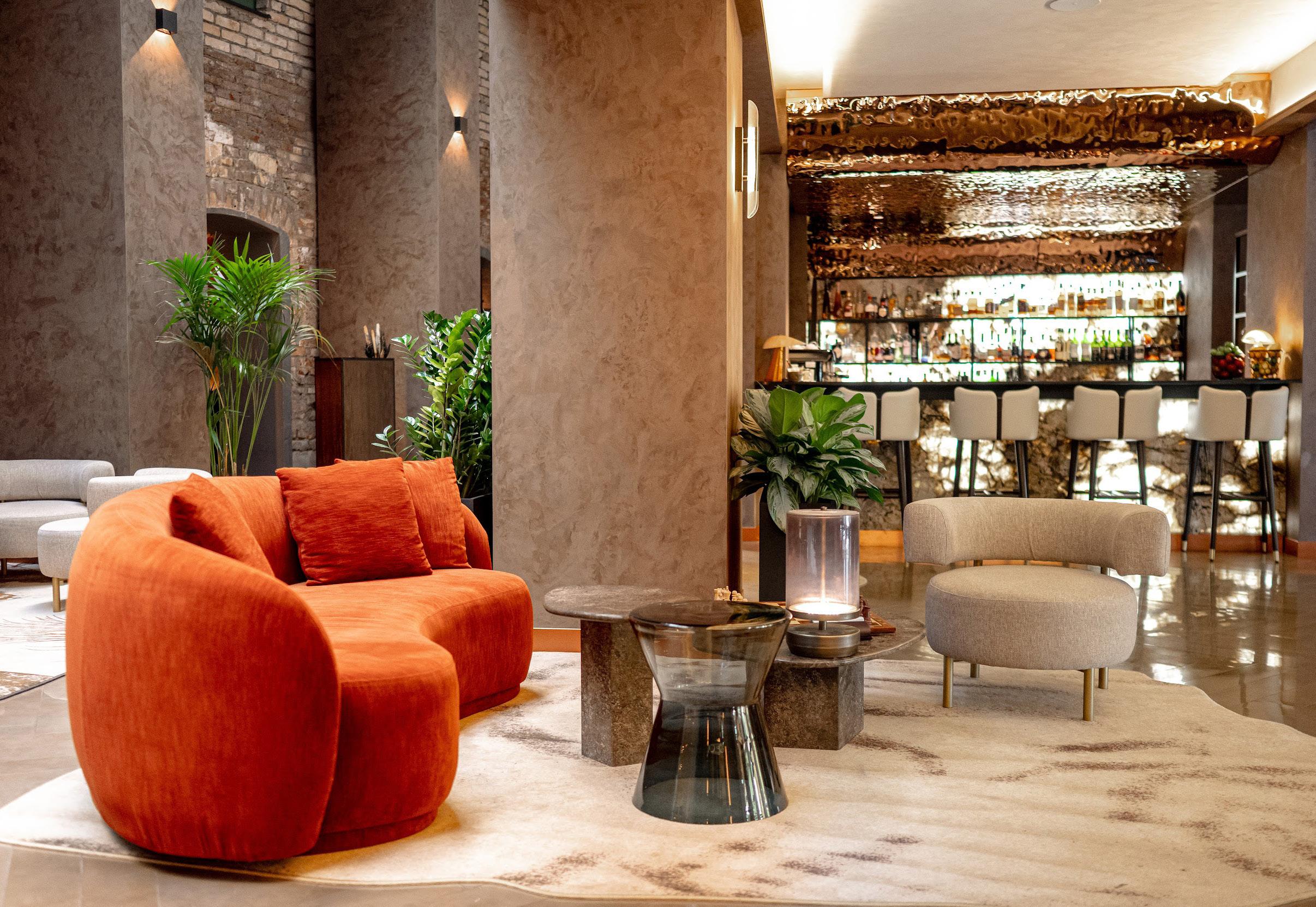
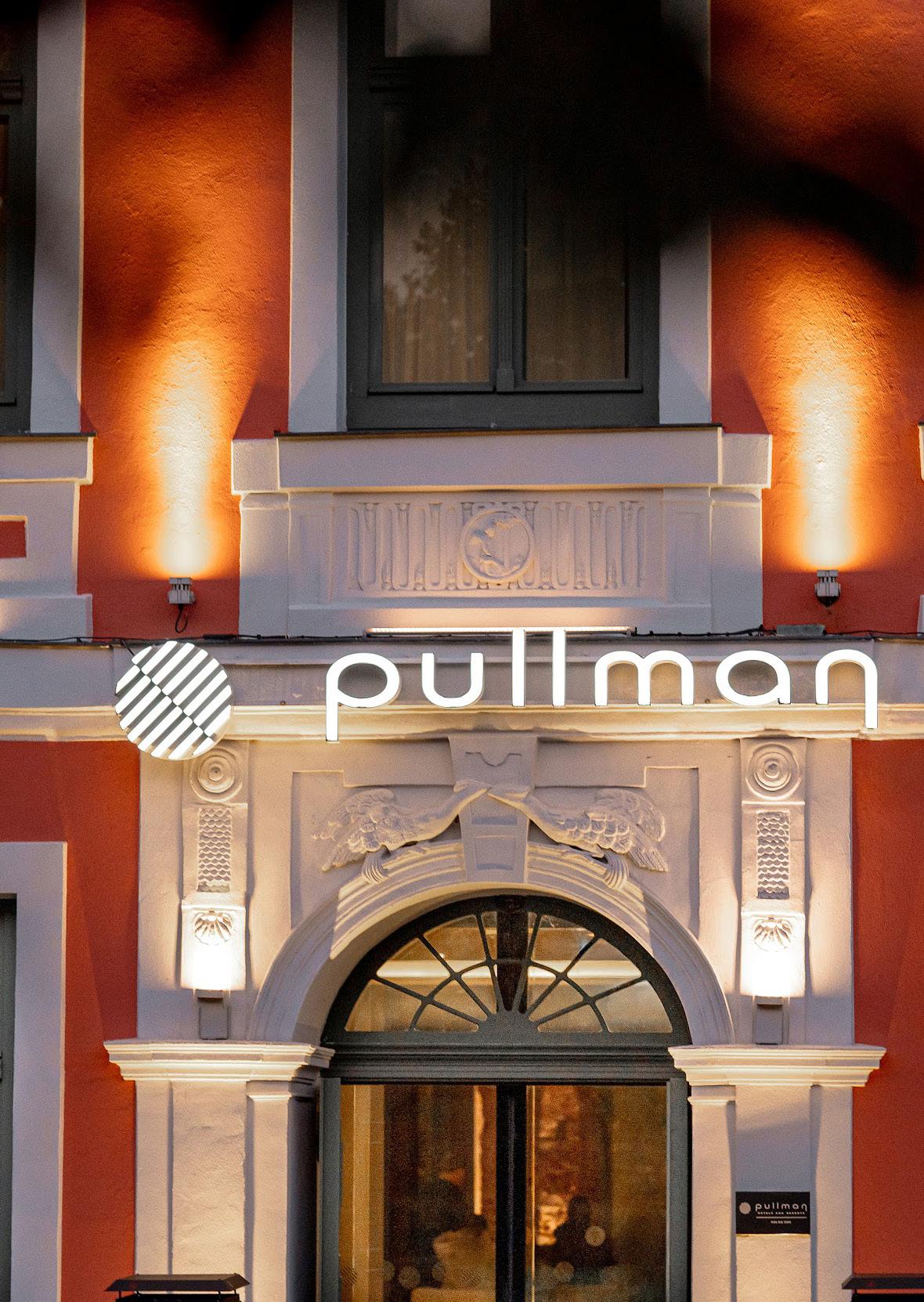
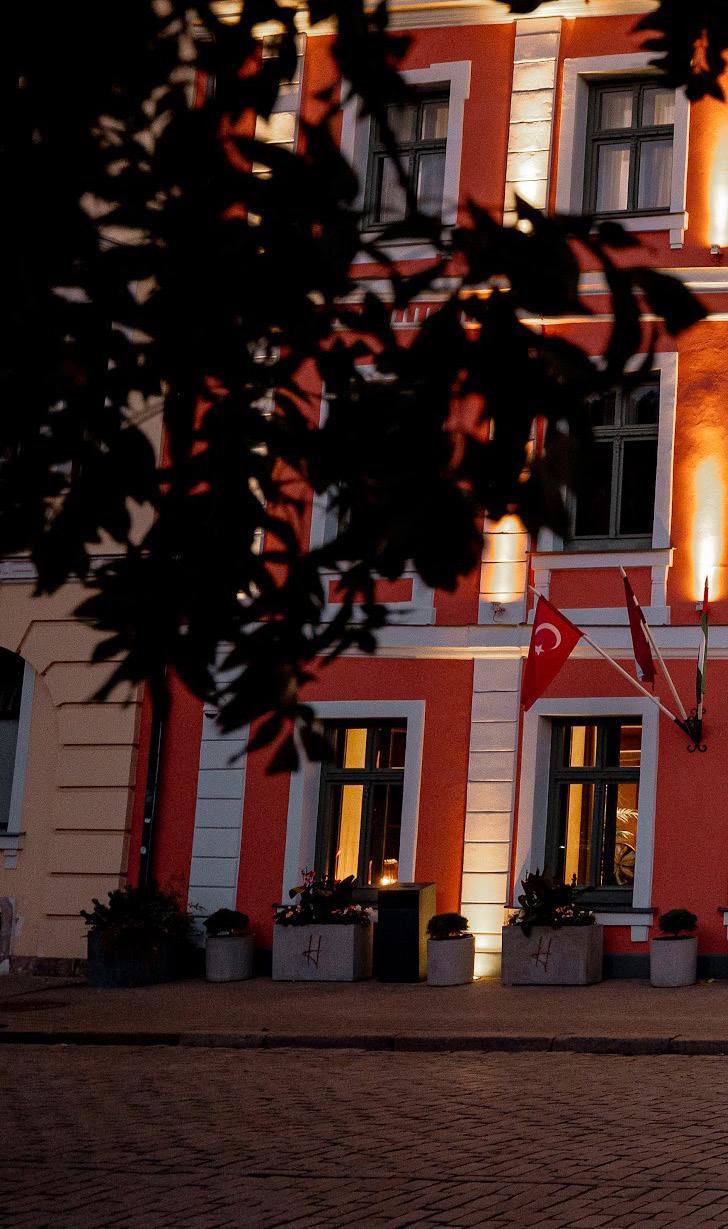
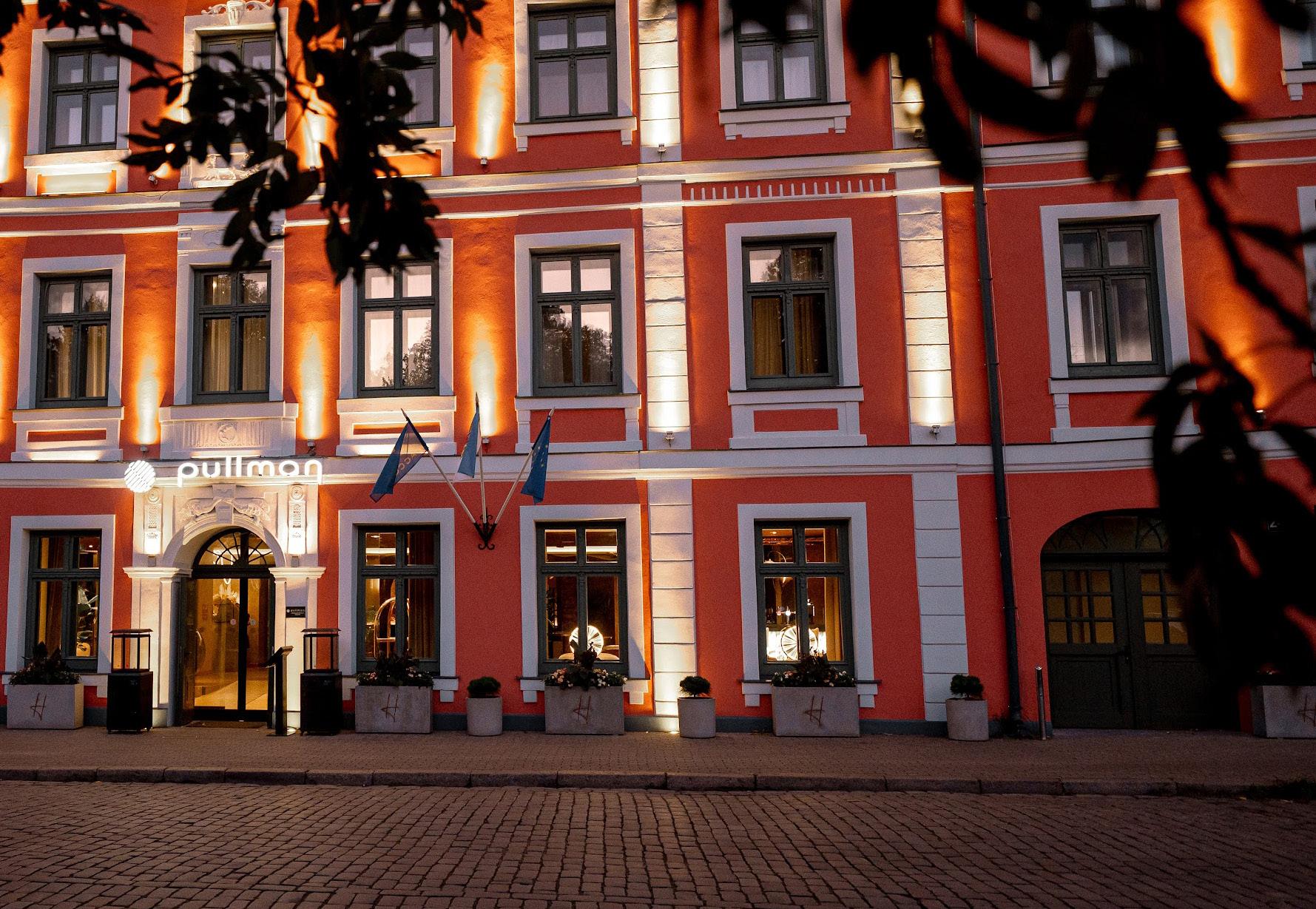
Set within a restored 18th-century building in the heart of Riga’s Old Town, Pullman Riga Old Town offers a refined balance between heritage and contemporary travel. Following its recent renovation, the hotel reflects a philosophy that prioritises intuitive service, sustainability, and a sense of calm presence.
General Manager Paweł Pańczak brings a thoughtful perspective shaped by decades in luxury hospitality. In this conversation, he reflects on how Riga reveals itself slowly, why modern travellers are redefining luxury through rhythm and routine, and how the most meaningful service is often the least visible.
Before becoming General Manager of Pullman Riga Old Town, what moments or decisions in your career most shaped the way you now define luxury hospitality?
Over the years, I’ve learned that real luxury isn’t about gold leaf or expensive materials; it’s about anticipation. Early in my career, I realised that the most powerful moments occurred when a team member noticed a guest’s small habit — such as the specific way they take their coffee — and had it ready before they even asked.
At Pullman Riga, I define luxury as the luxury of ease. We are set in a beautiful 18th-century building, but our approach is modern: it is about being seamless and intuitive so the guest doesn’t have to think about the “how” — they can simply enjoy the “now.”
Pullman Riga Old Town sits in a city that isn’t always on the first-time traveller’s checklist — yet guests who come often stay longer or return. What do you think Riga offers that reveals itself slowly rather than instantly?
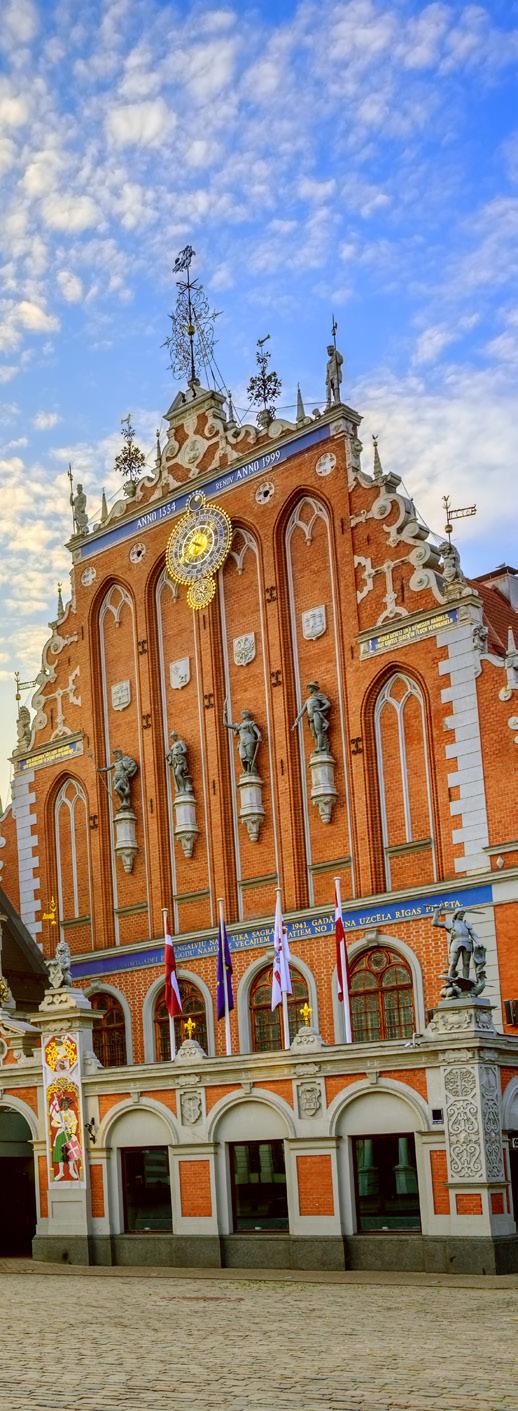
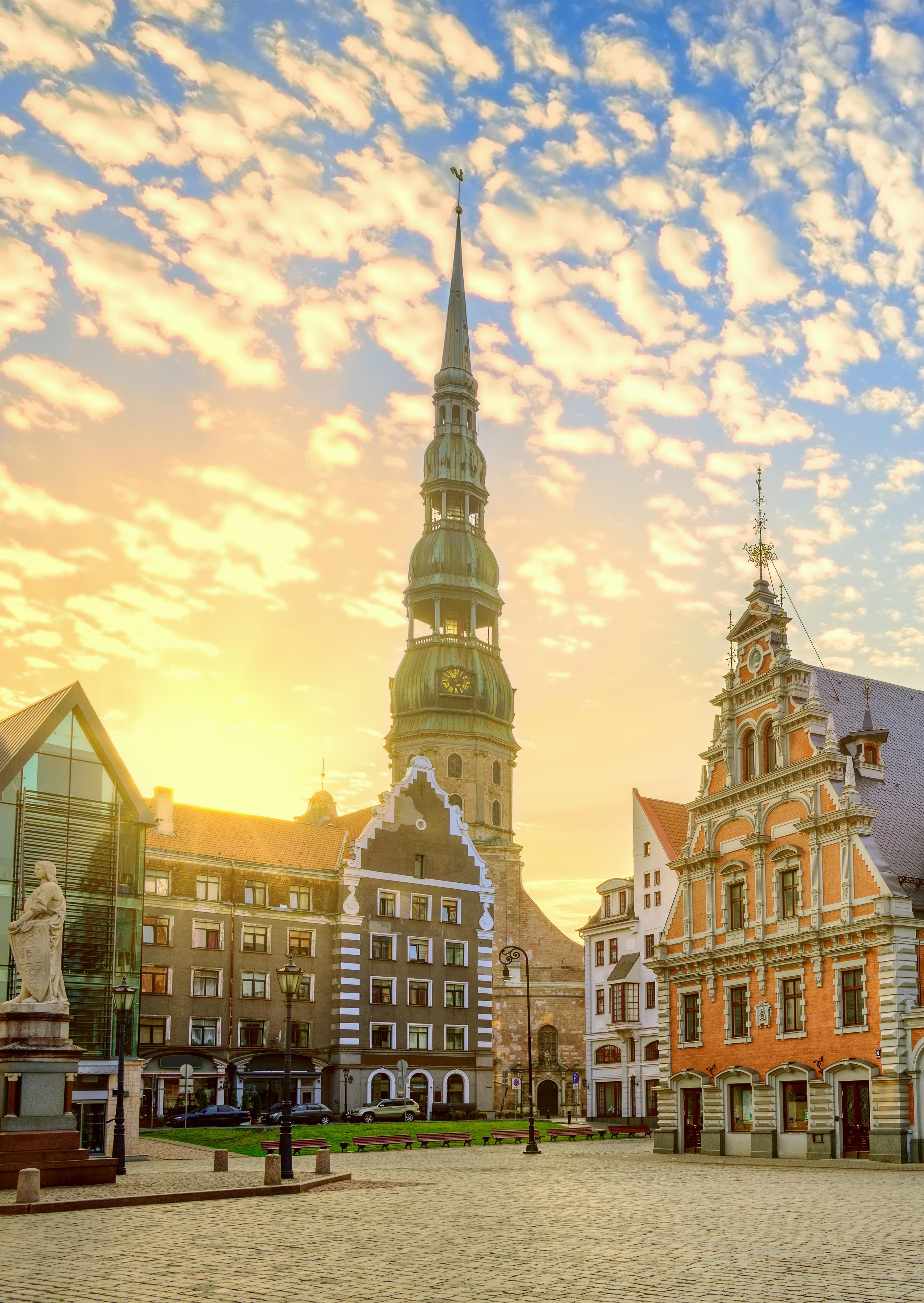
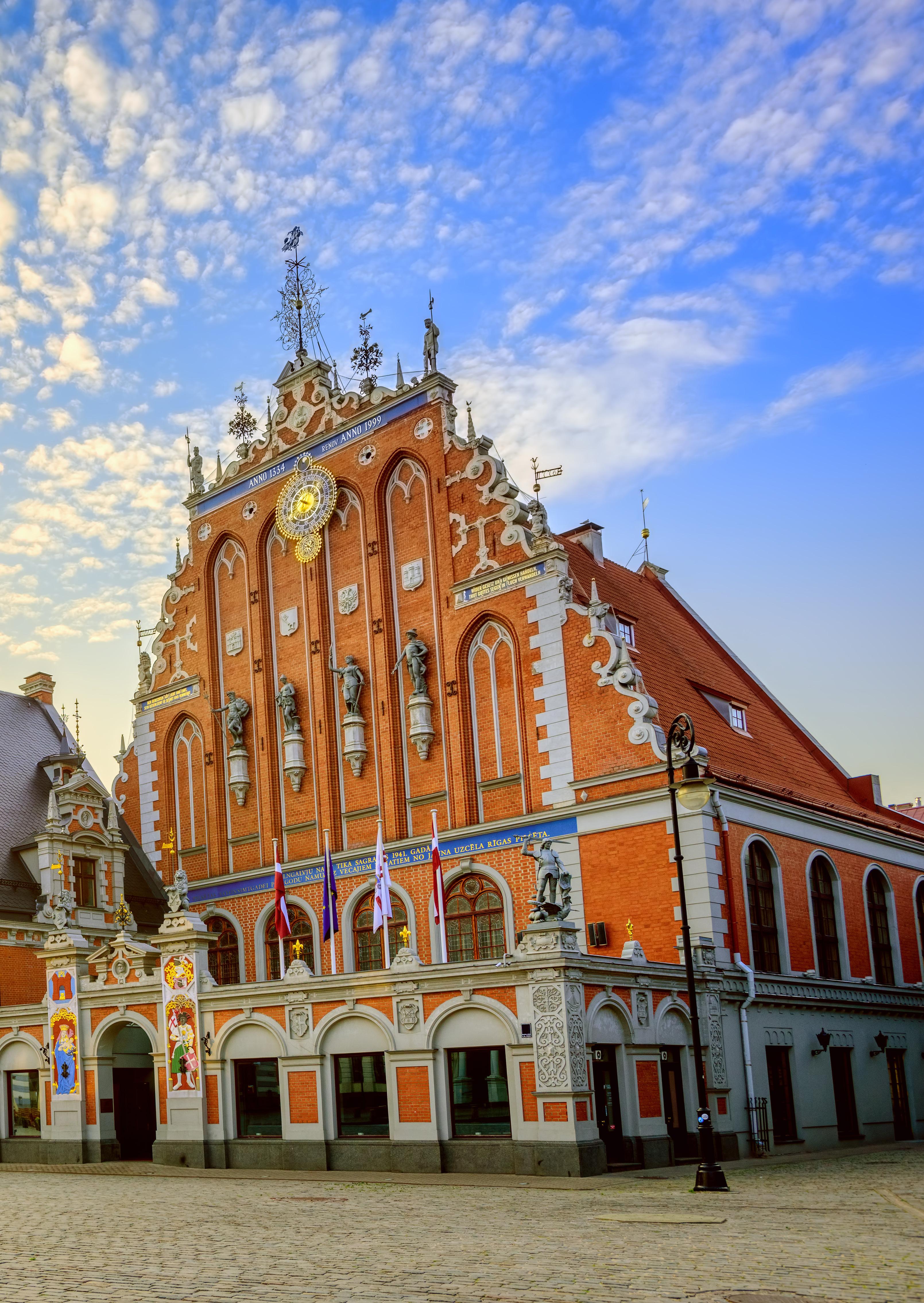
Riga is a city of layers. On the surface, you see Art Nouveau façades and church spires, but its true charm lies in its rhythm. It’s the Quiet Centre, where buildings tell stories dating back to 1789, or the way light falls across Bastejkalns Park just outside our front door.
Riga invites unhurried discovery. Guests stay longer because they realise they don’t just want to see the city — they want to live it: finding hidden courtyard cafés or exploring the local art scene. It is a capital that does not shout for attention; it quietly earns it.
How has guest behaviour changed in recent years? Are you seeing more travellers prioritising rhythm, routine, and longer stays over traditional sightseeing?
Absolutely. We’ve moved away from the “checklist” traveller. Today, our guests are often balancing work and life. They might be here for a meeting, but they stay an extra few days to work from our atrium or use our 19-metre pool.
They prioritise well-being over transit. They want a morning run through the park, a “Greener Breakfast” with local Latvian honey, and a productive afternoon in a space that feels like a home, not just a hotel room. They aren’t looking to escape their life; they’re looking to live it better while they travel.
The hotel occupies a historic 1789 building, yet has been fully reimagined for contemporary travel. How do you personally approach the balance between preserving heritage and evolving with modern expectations?
For us, the building’s history provides the soul, but it should never be a constraint. We treat the 18th-century architecture as a canvas for contemporary life.
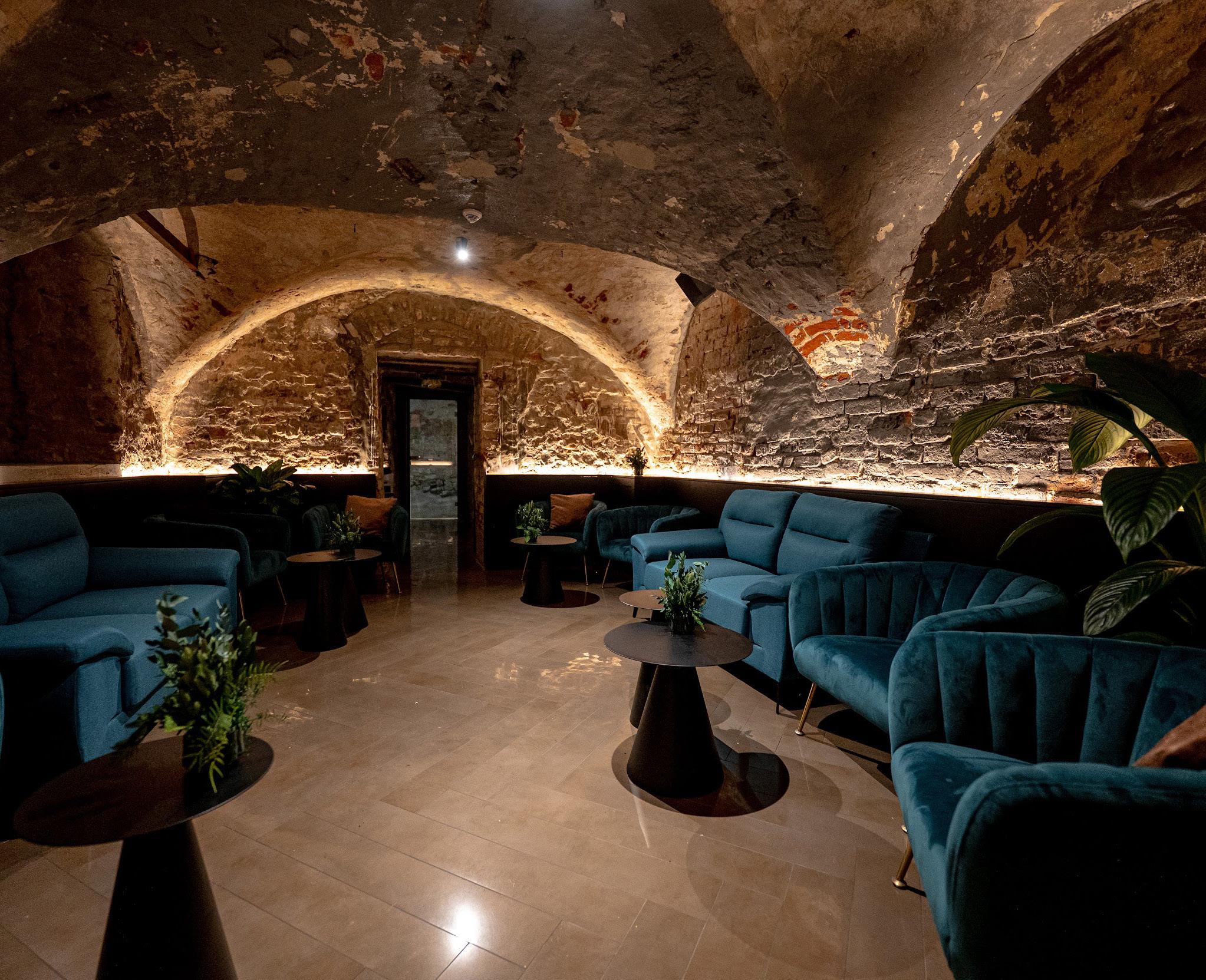
My approach is “heritage restyled”. We preserve original brickwork and the neoclassical façade because they give the place its character, while layering in the substance: seamless technology, minimalist design, and high-end comfort. Guests should not have to choose between historic atmosphere and modern sleep quality — the contrast is what makes the experience unique.
In a world where many travellers feel pressure to document every moment, how do you think hotels can create environments that encourage presence rather than performance?
At Pullman, we focus on progress — and you cannot move forward if you are always behind a lens. After our 2025 renovation, we emphasised the luxury of ease: making everything so seamless that guests simply enjoy the moment.
We have created spaces where guests can connect, work, or recover at any time — from productive mornings in the atrium to restorative sessions in the pool. When a hotel feels like a home and anticipates your needs — even having your coffee prepared exactly as you like it — you stop performing and start living.

Sustainability is increasingly expected rather than exceptional. As a Green Globe Certified property, how do you ensure responsible practices are integrated quietly into daily operations without becoming performative?
As a Green Globe Certified property, responsible practices are embedded in our daily operations: energyefficient systems, careful water management, waste separation, and thoughtful sourcing from local Latvian suppliers. These are standards, not marketing messages.
What makes it work is our team. When colleagues understand why sustainability matters, it becomes part of everyday decision-making — from housekeeping to the kitchen — rather than a visible initiative.
For guests, it feels seamless. We focus on greener choices that feel like an upgrade, not a compromise — local Latvian honey
at breakfast, or smart technology managing energy behind the scenes. Sustainability should be consistent, measurable, and quietly integrated — and that is exactly how we approach it.
From a general manager’s perspective, what do repeat guests value most — and what do they rarely talk about, but deeply notice?
Repeat guests value recognition above all else. It is the feeling of coming home, where the team remembers their favourite room or how they take their morning coffee.
What they rarely mention — but deeply notice — is consistency. They notice that the lobby scent is exactly as they remember, or that the floorboards in the historic 1798 wing retain their comforting character. They notice the quiet details: frictionless check-in and a team that
anticipates needs before a word is spoken.
It is this invisible service that builds the strongest loyalty.
If a guest were to spend an unplanned extra day in Riga, how would you suggest they experience the city — not as a visitor, but as someone briefly living there?
I would tell them to leave the map in the room.
Start the morning with a slow walk through Bastejkalna Park right outside our door, just watching the city wake up. Then, head to the Central Market—not just to look at the architecture of the old Zeppelin hangars, but to buy some seasonal berries or local rye bread like a resident would.
Spend the afternoon in the Quiet Center, looking up at the Art Nouveau carvings, and then find a small, “non-touristy” cafe
to simply sit and read for an hour. To live in Riga is to appreciate the stillness and the small, highquality details of daily life.
End the day with a glass of local birch juice or a craft beer in a courtyard in the Old Town, just breathing in the Baltic air.
In an era when luxury is often equated with excess, Paweł Pańczak’s philosophy feels refreshingly grounded. At Pullman Riga Old Town, luxury is not defined by spectacle, but by ease — a seamless experience that allows guests to slow down, settle in, and connect with a city that reveals itself gently over time.
Like Riga itself, the hotel rewards presence over performance, rhythm over urgency, and discovery over display. And perhaps that is the most modern luxury of all: the freedom to simply be where you are.
WHY THE BEST TRIPS AREN’T ON INSTAGRAM
There was a time when travel photography meant waiting.
Waiting for film to be developed. Waiting to see whether the light had held. Waiting to remember.
Now, the image arrives before the experience has settled. We document in real time. We assess in real time. We share in real time. And in doing so, we sometimes leave before the place has had a chance to speak.
The relationship between visibility and travel has
quietly reshaped how we move through the world. Not dramatically. Not maliciously. But measurably.
We choose what will translate.
We prioritise what photographs well. We navigate toward what has already been seen.
The result is not that we travel less meaningfully, but that we travel more consciously aware of being seen.
And that awareness changes everything.
WHEN TRAVEL BECAME A PERFORMANCE
Instagram didn’t invent beautiful places. It simply accelerated consensus.
Within hours, a viewpoint can become iconic. A café can become a pilgrimage site. A hotel corner can become more famous than the city it sits in. And once something has been widely seen, we arrive already knowing what it should look like.
Expectation is no longer personal, it’s collective.
This isn’t inherently negative. Visibility has opened doors to places that may once have been overlooked. It has democratised discovery. But it has also created a subtle pressure: to experience places correctly.
To stand where others stood. To frame what others framed. To confirm what has already been confirmed.
In this model, travel becomes less about encounter and more about verification.
THE PROBLEM WITH RECOGNITION
Recognition is satisfying. It reassures us that we’ve arrived somewhere significant.
But recognition rarely leads to revelation.
The places that linger longest in memory are often not the most photographed ones. They are the cities where you wandered without agenda. The hotel where you
returned earlier than planned because it felt right. The neighbourhood café where no one was performing, including you.
Quieter places age better in memory because they are not anchored to a single image.
They evolve as you do.
A city like Riga, for example, does not overwhelm on arrival. It reveals itself in layers. From the cobbled calm of the Old Town to the green stretches of Bastejkalns Park, its rhythm feels measured rather than theatrical.
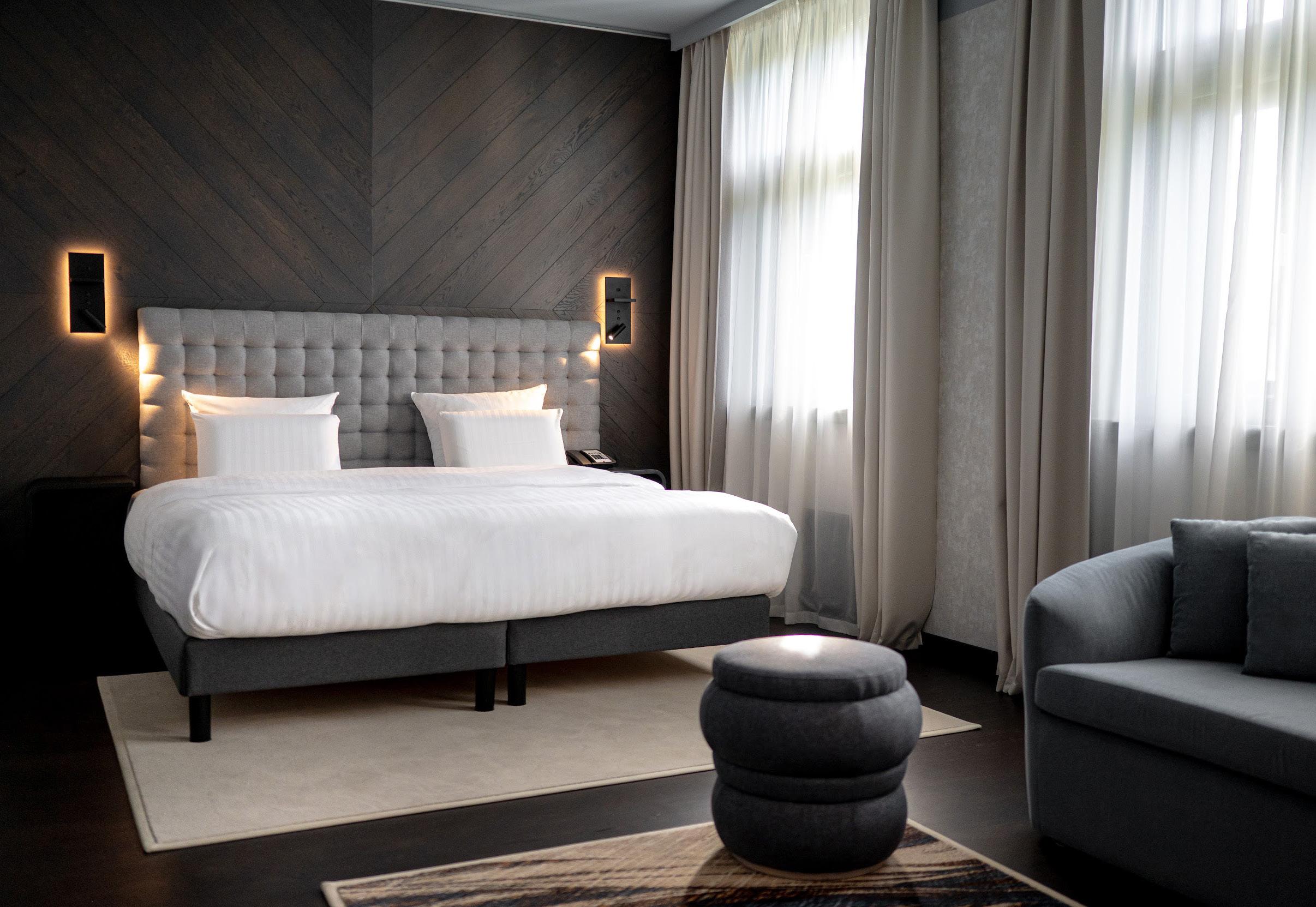
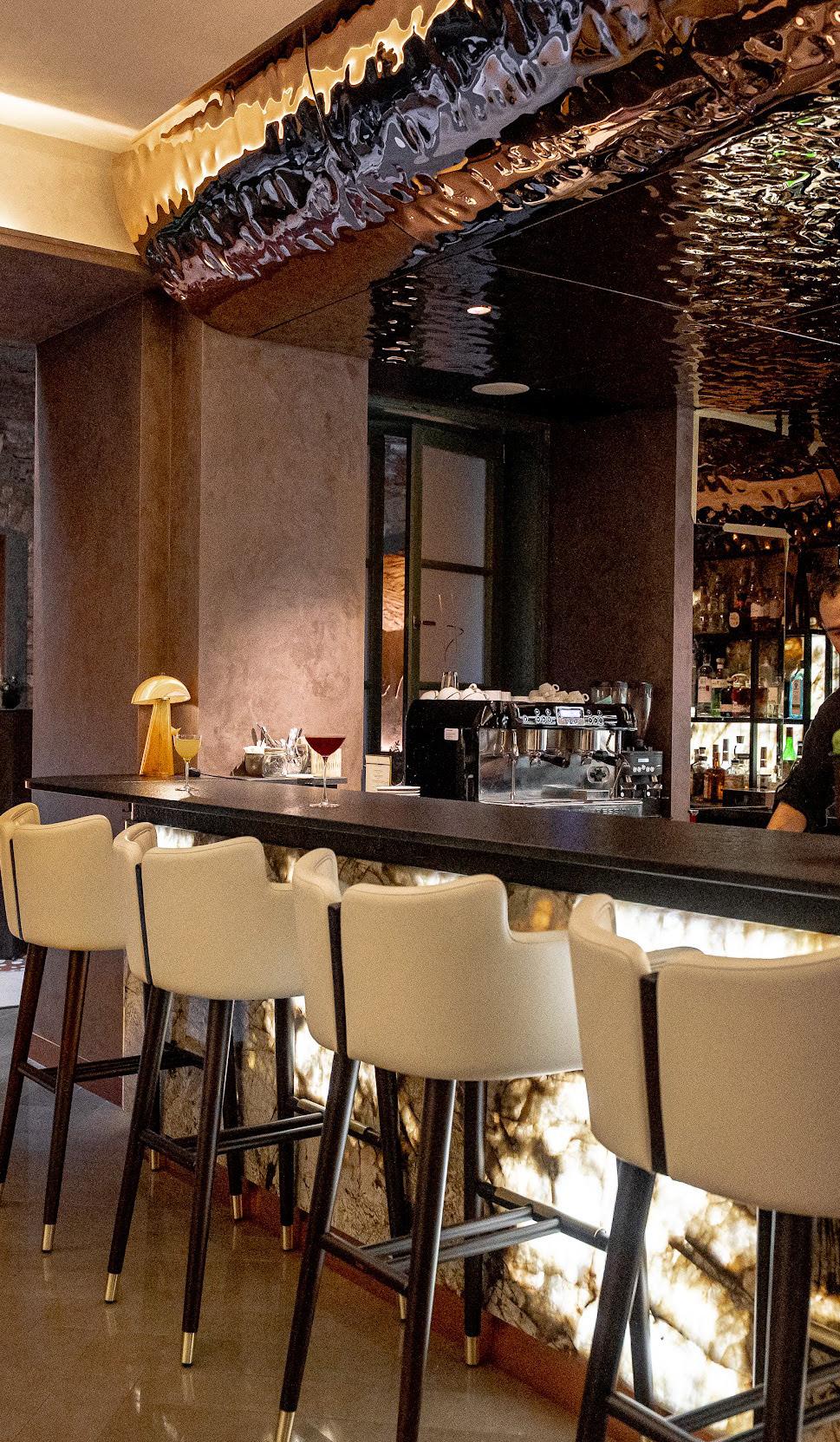
Staying at a property like Pullman Riga Old Town, housed within a restored 1789 building and fully reimagined for contemporary travel, places you directly within that rhythm. Steps from the Presidential Palace and Parliament, the hotel offers proximity without urgency. Its 151 rooms and suites balance heritage with modern clarity, while the seventh-floor Fit&Spa Lounge, with its 19-metre indoor pool and panoramic views across the park, encourages pause rather than spectacle.
It is not a hotel that demands documentation. It functions as a base, a place to return to after wandering without a checklist.
And that distinction matters.
Because when a hotel positions itself as a beginning and an end (rather than a backdrop) it changes how a city is experienced.


THE CITIES THAT REWARD PATIENCE
Some destinations resist instant understanding. They do not compress easily into a single image or caption.
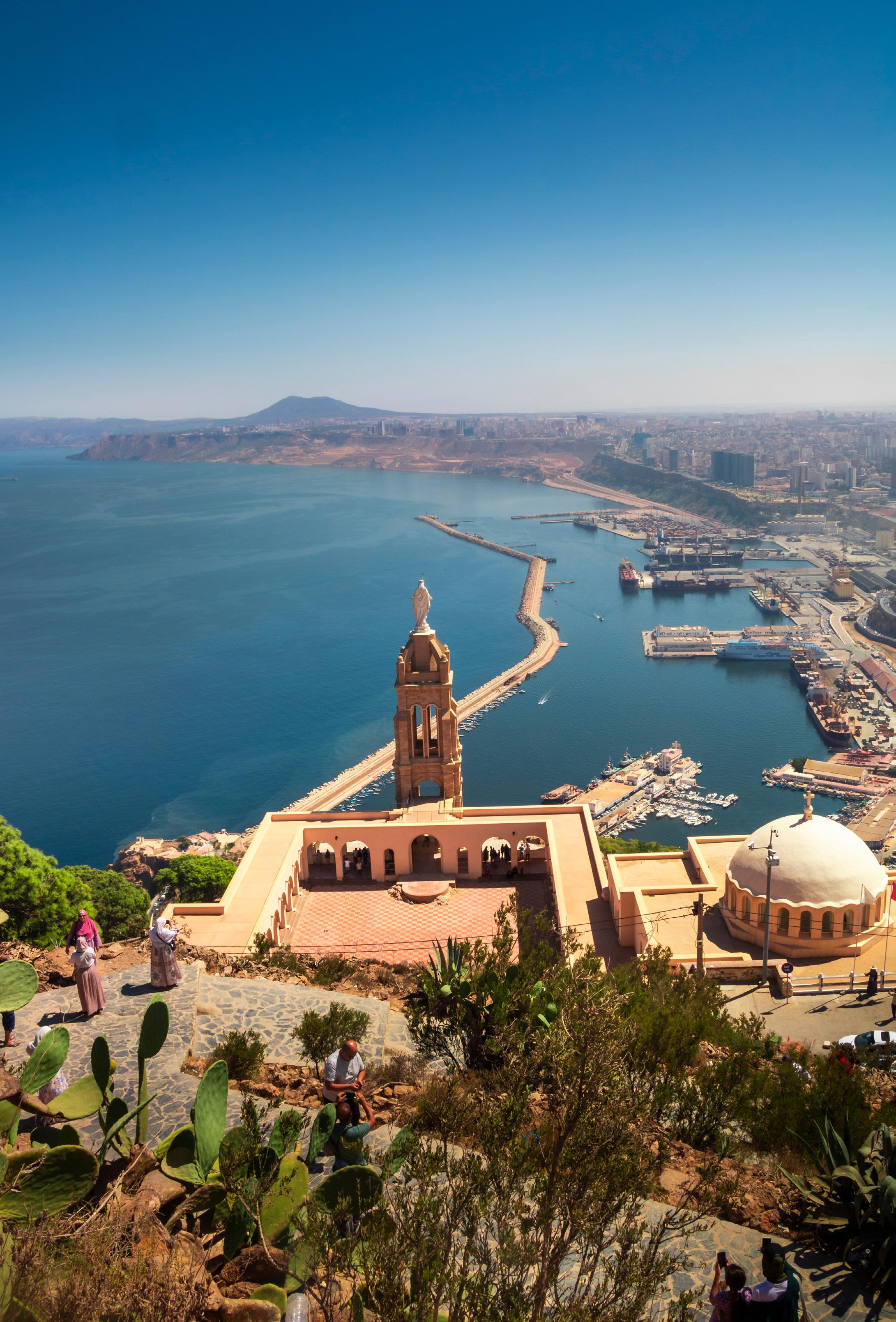
Oran is one of them.
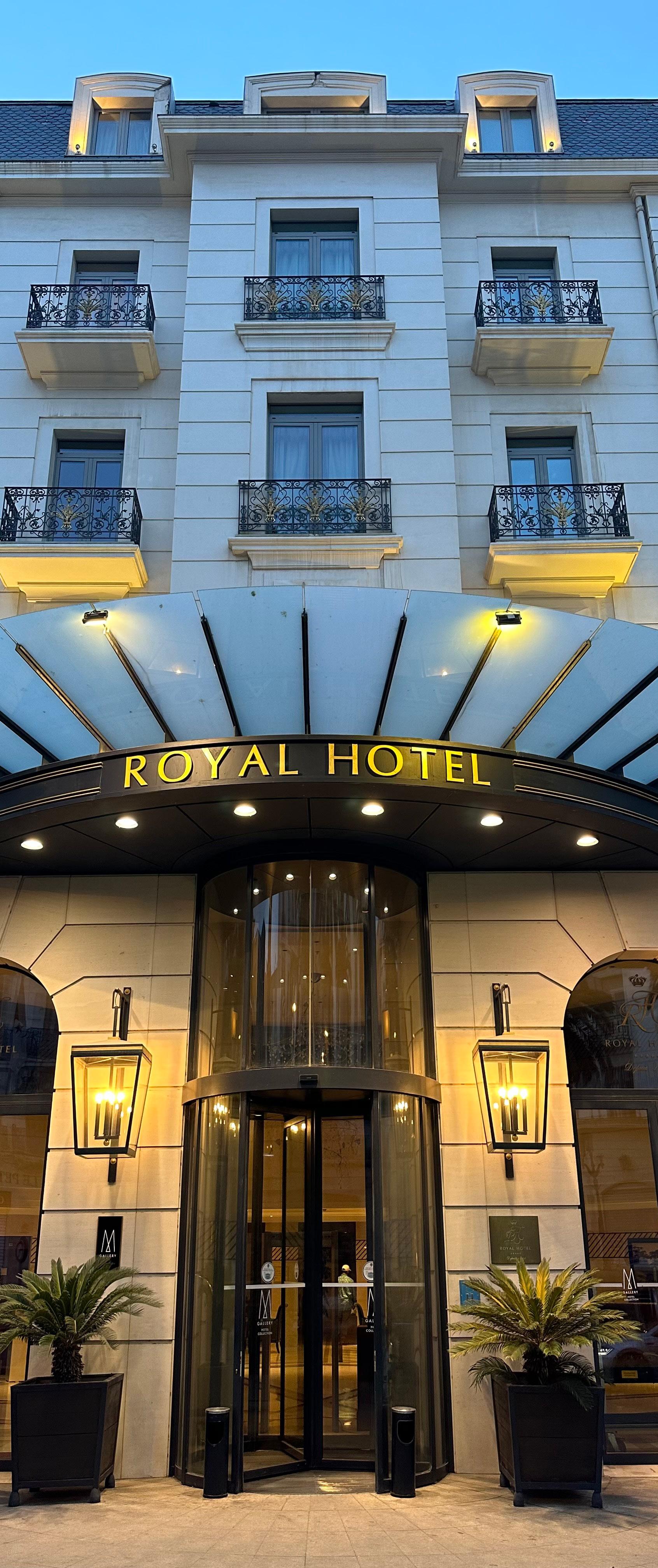
The Royal Hotel Oran –MGallery Collection has stood in the heart of the city since 1920, a historic palace woven into the memory of its residents. Located in the city centre and within walking distance of the waterfront, it offers access not to spectacle, but to continuity.
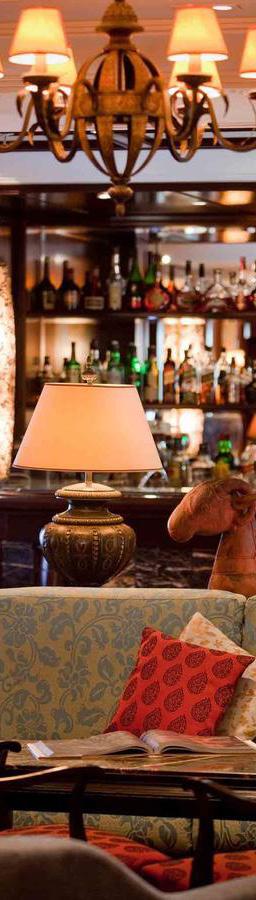
Carefully renovated with respect for its original character, the hotel carries antique furnishings, Orientalist artworks, sculptures, and paintings that reflect Algeria’s layered heritage. It feels less like a curated “moment” and more like an archive you inhabit.
Oran does not unfold through a single viewpoint. It reveals itself in conversation, in architecture, in the quiet dignity of buildings that have witnessed decades of change. Staying in a property like the Royal Hotel Oran invites a different kind of engagement — one that prioritises presence over proof.
There is little incentive here to rush.
And without rush, perception sharpens.
THE JOY OF THE UNPHOTOGRAPHED
Some of the most defining travel moments are visually unremarkable.
The second morning in a city when you no longer check directions.
The evening walk taken without intention.
The decision to skip a landmark and sit instead.
These are not Instagram moments. They are interior ones.
When we are not preparing to capture something, our senses recalibrate. We listen more carefully. We notice texture. We allow conversations to extend. Time feels less compressed.
Hotels that understand this subtle shift often create environments where experience precedes exposure. At Pullman Riga Old Town, sustainability practices, from energy efficiency to waste reduction, operate quietly in the background, certified yet unobtrusive. At the Royal Hotel Oran, historical preservation is not aesthetic performance; it is continuity made tangible.
In both cases, the emphasis is not on spectacle but on substance.
And substance does not demand constant translation.
WHAT HAPPENS WHEN NO ONE IS WATCHING
There is a freedom in travelling where you are not measuring the moment against its future visibility.
When no one is watching, you linger longer. You ask different questions. You choose differently. You allow yourself to return.
You may revisit the same café three mornings in a row. You may take the longer route through a park simply because it feels good. You may spend an afternoon at the hotel pool, not because it will impress anyone, but because you have nowhere else to be.
The 19-metre pool overlooking Bastejkalns Park. The ornate corridors of a 1920 palace in Oran. The quiet rhythm of streets not designed for viral fame.
These are not absences of experience. They are concentrations of it.
AFTER THE IMAGE
None of this suggests abandoning photography or social media altogether. Images are powerful. They preserve and inspire. But perhaps the most luxurious shift we can make is this:
To let the experience lead, and the image follow, if it must.
The best trips are rarely the most visible ones. They are the ones that rearrange your sense of pace. The ones that draw you back rather than send you onward. The ones that feel richer the second time.
They are not defined by how many places you saw.
They are defined by how fully you were there.
And sometimes, the most meaningful proof of travel is the part you never posted at all.
HOW TO FIND A DESTINATION BEFORE IT GOES VIRAL
The instinct to be “first” is overrated.
By the time a destination trends, it has already shifted. Infrastructure adapts. Angles get standardised. Expectations arrive before you do.
Finding a place before it goes viral is not about secrecy or superiority. It’s about timing. And timing has less to do with algorithms than with attention.
The most rewarding destinations are rarely undiscovered. They are simply under-amplified.
The question, then, is not how do you find somewhere no one has been?
It’s how do you recognise somewhere before everyone is looking at it the same way?
LOOK FOR DEPTH, NOT NOISE
Hype moves quickly. Depth accumulates slowly.
If a place’s primary online presence is a single viewpoint, a single café, a single aesthetic moment, it may already be flattening. Viral destinations often compress into recognisable frames.
Longevity, by contrast, reveals itself through layers.
Ask:
* Does the city have residential neighbourhoods people genuinely live in?
* Are there institutions (museums, markets, parks) used by locals as much as visitors?
* Is there rhythm beyond the weekend?
Cities that endure are not built around attention. They are built around life.
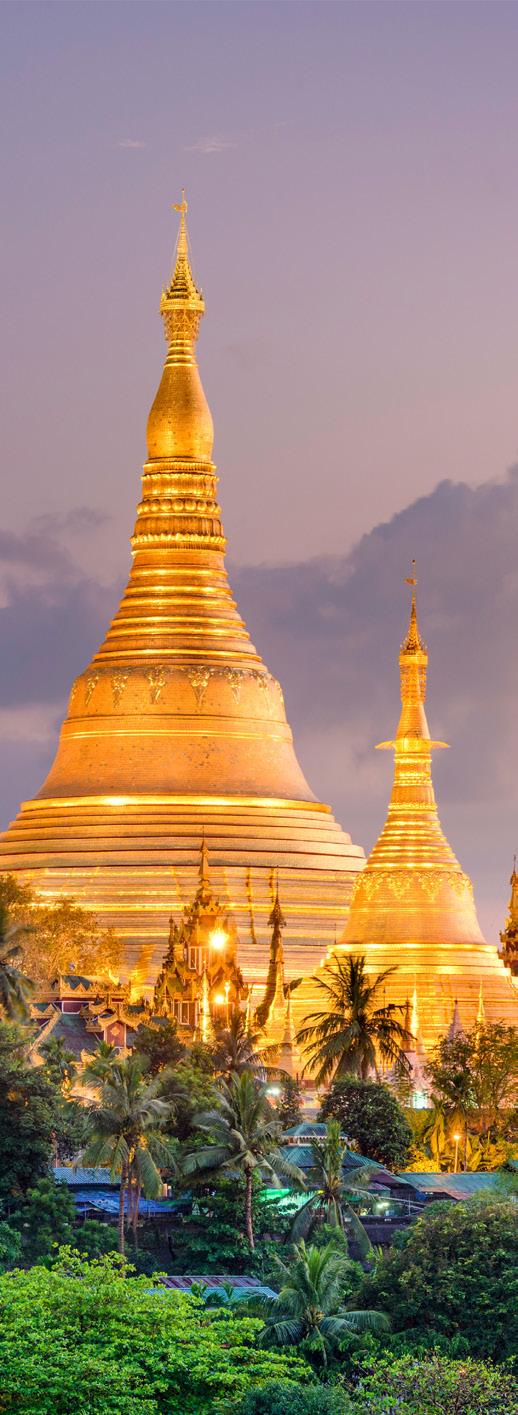
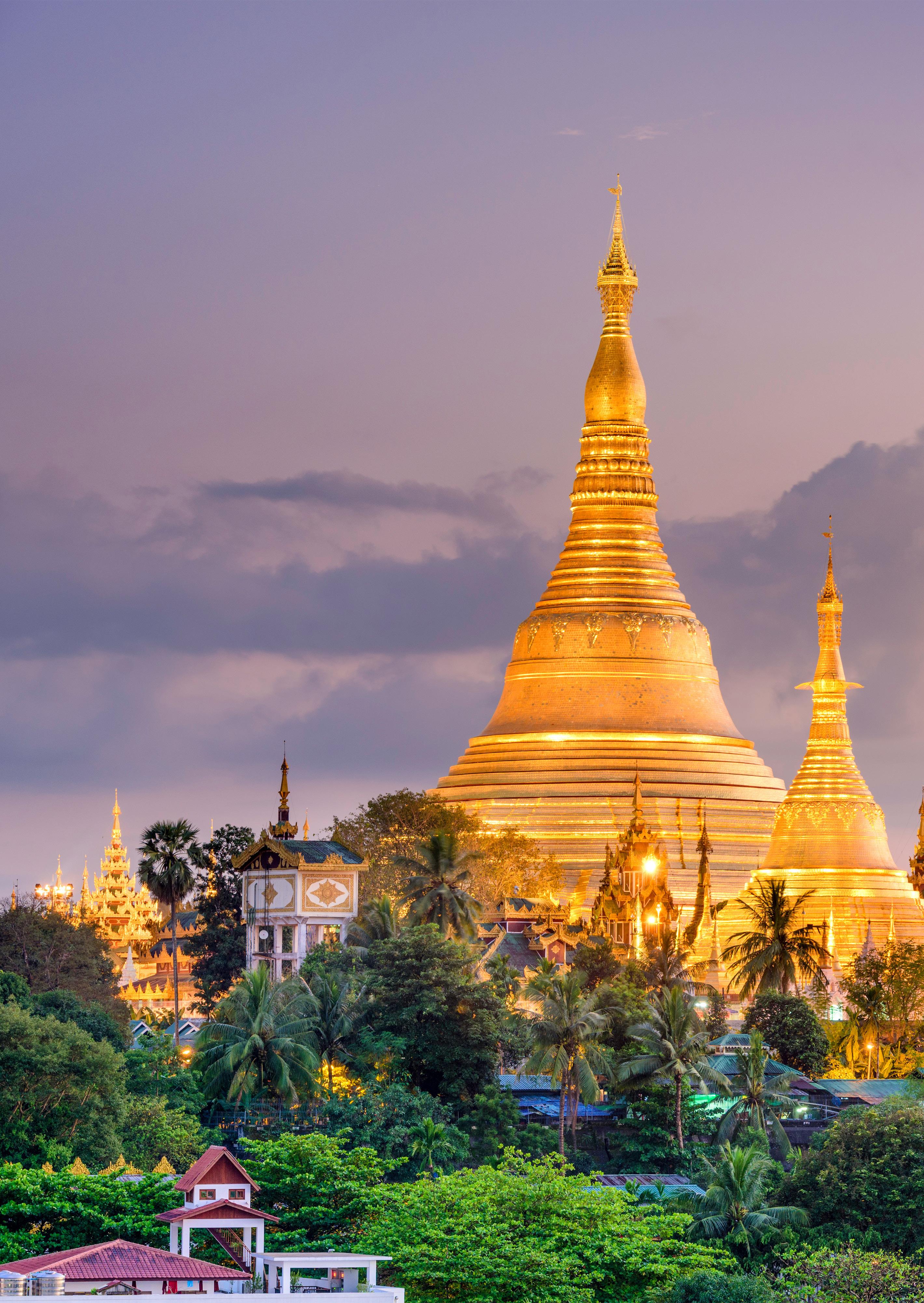
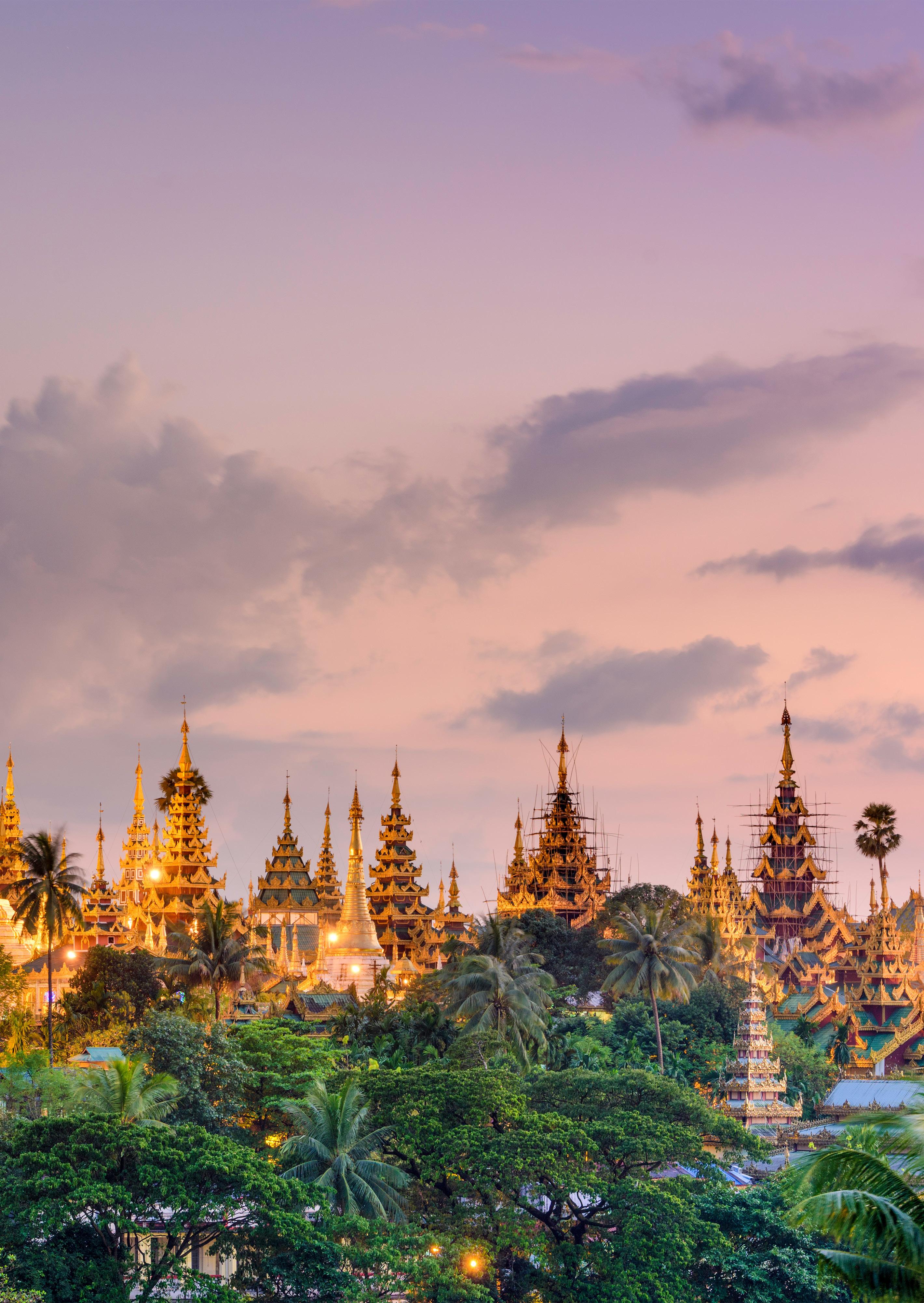
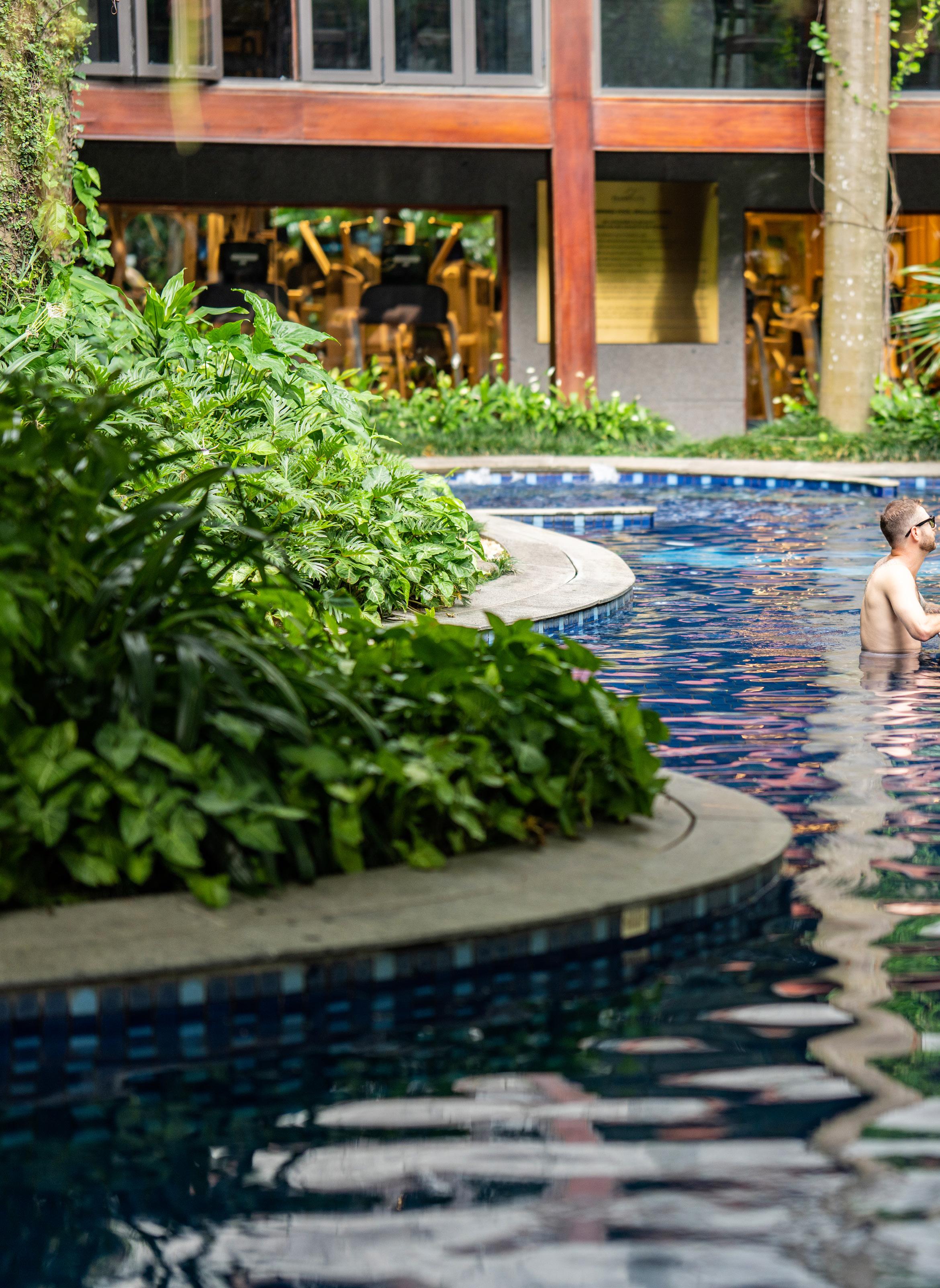
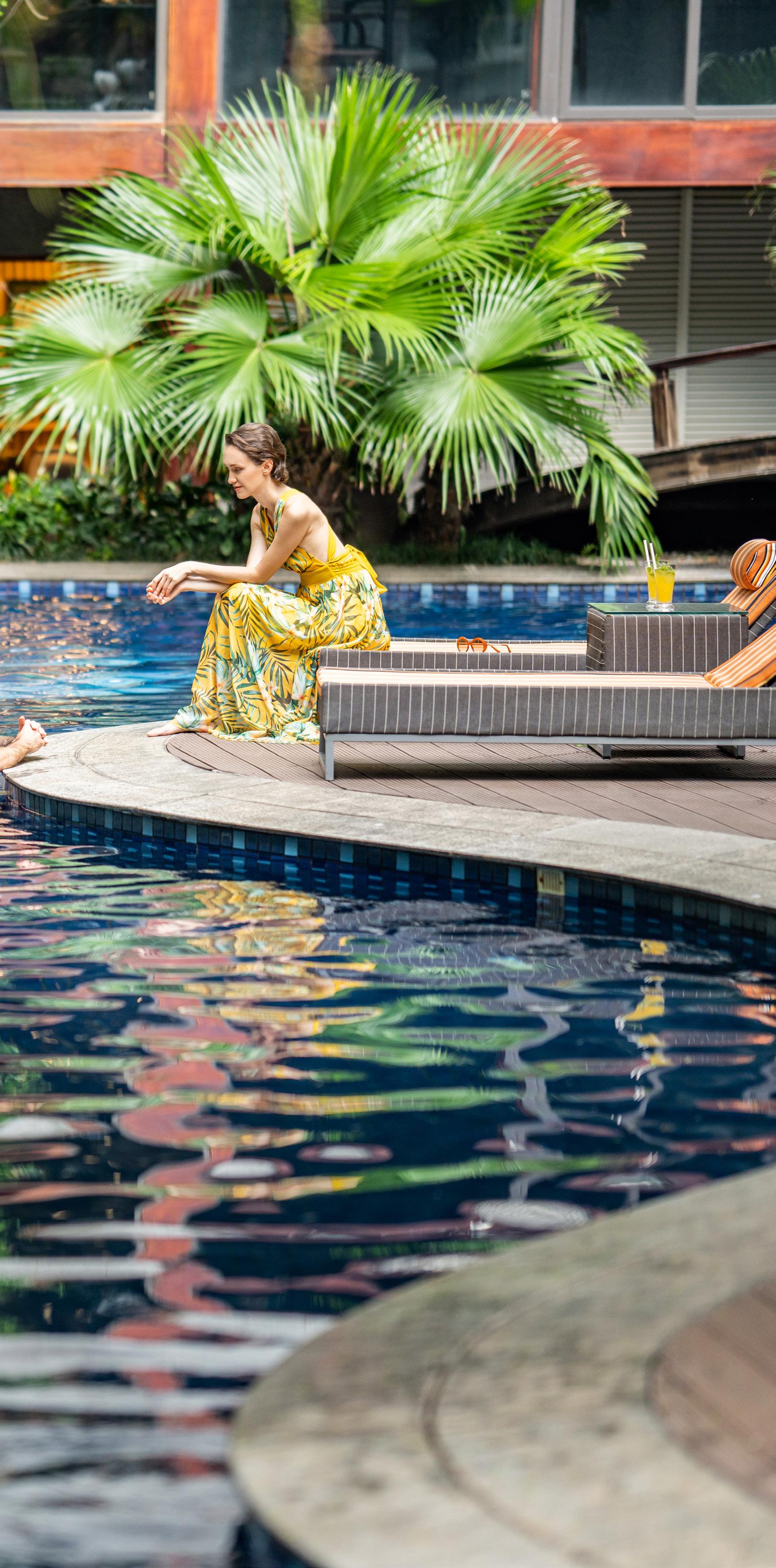
Yangon, for example, rarely dominates trending travel lists, and that is part of its appeal. Its skyline is anchored not by spectacle alone, but by presence: the gilded silhouette of the Shwedagon Pagoda rising over the city, the expanse of Inya Lake catching light at different hours of the day.
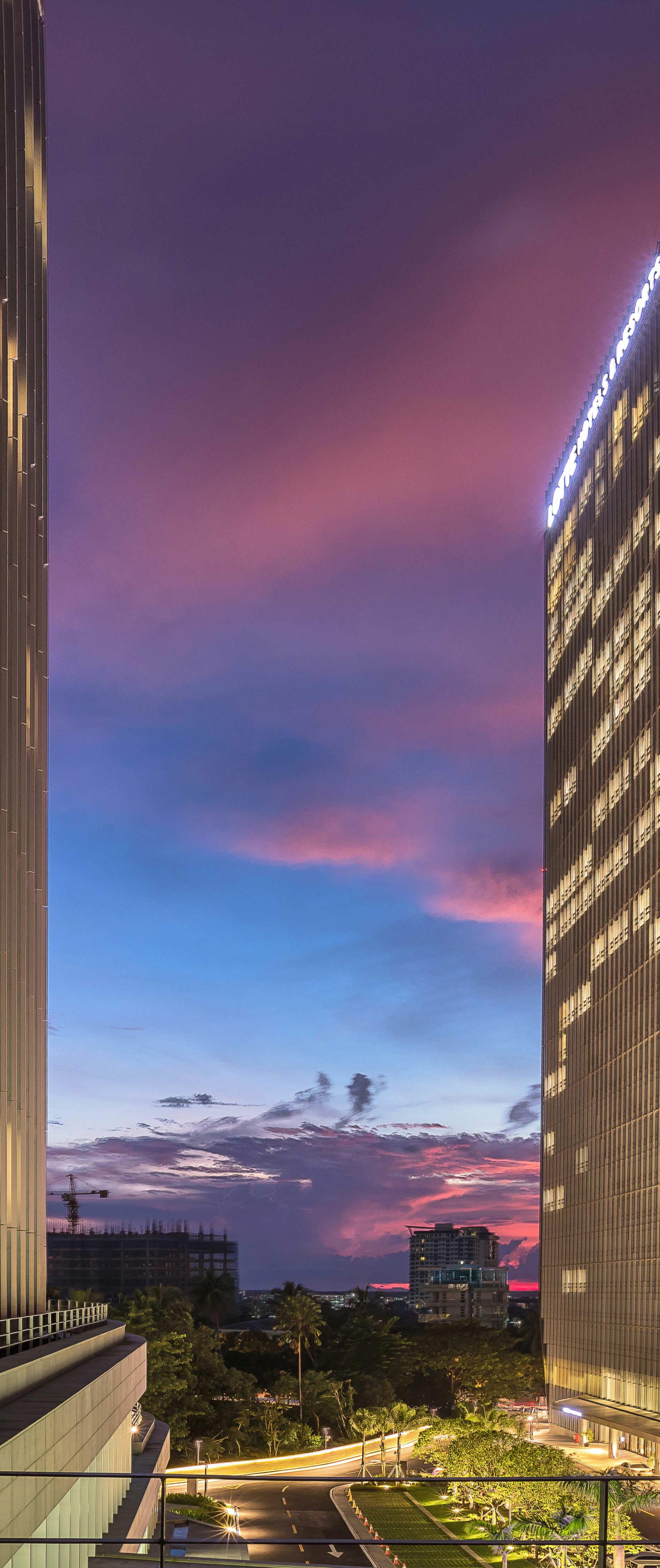
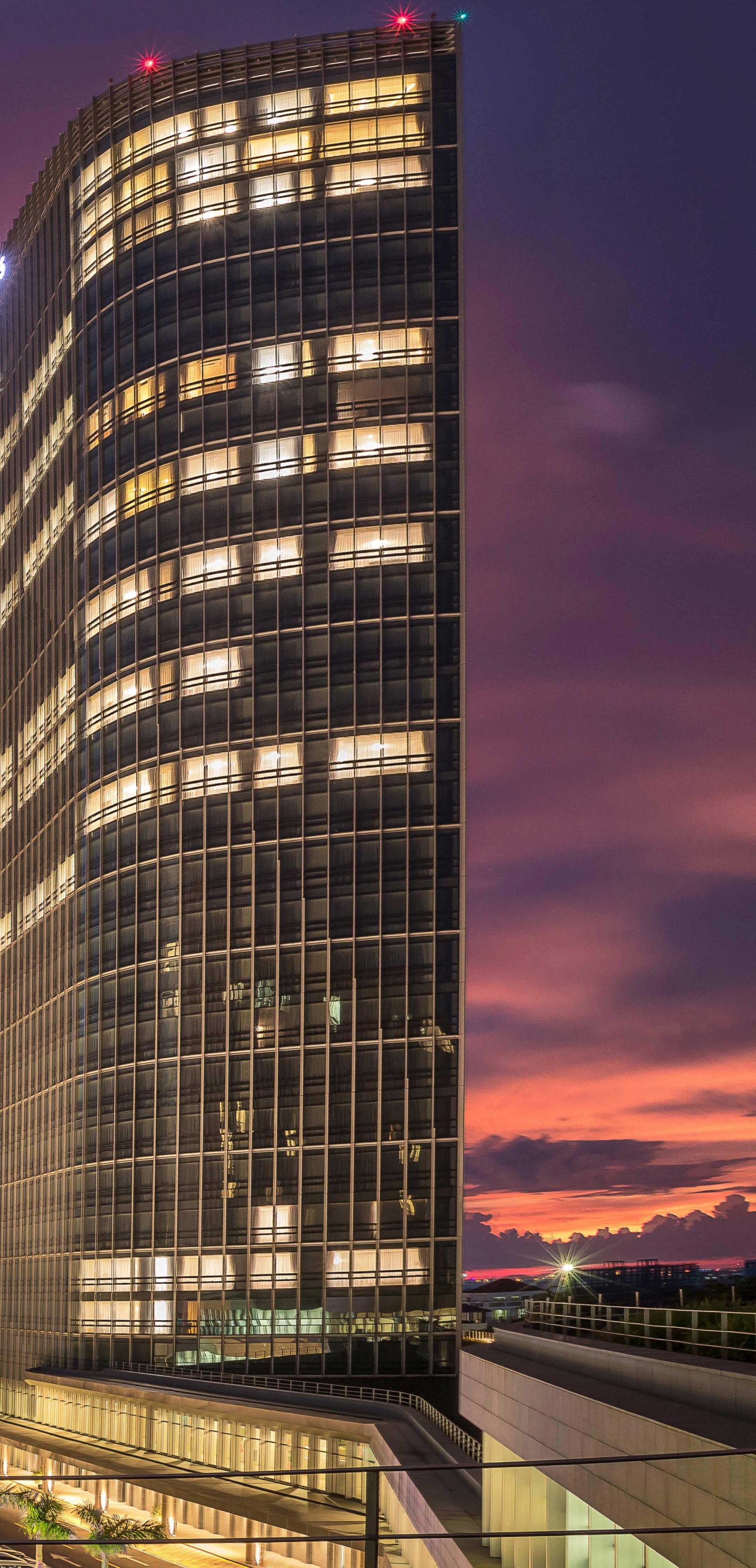
Staying at LOTTE HOTEL YANGON places you directly within that duality. Located on the banks of Inya Lake, with views stretching toward both water and pagoda, the hotel feels anchored rather than performative. Its infinity pool overlooks the lake; its spa, fitness centre and business facilities reflect a property designed to serve both international travellers and local life.
It is not positioned as a novelty. It is part of the city’s ongoing narrative.
That distinction, between spectacle and substance, is often your first signal.
FOLLOW WHERE PEOPLE STAY, NOT JUST WHERE THEY VISIT
Another way to identify longevity: examine where people choose to live temporarily.
Short-term tourism chases landmarks. Long-stay travellers choose neighbourhoods.
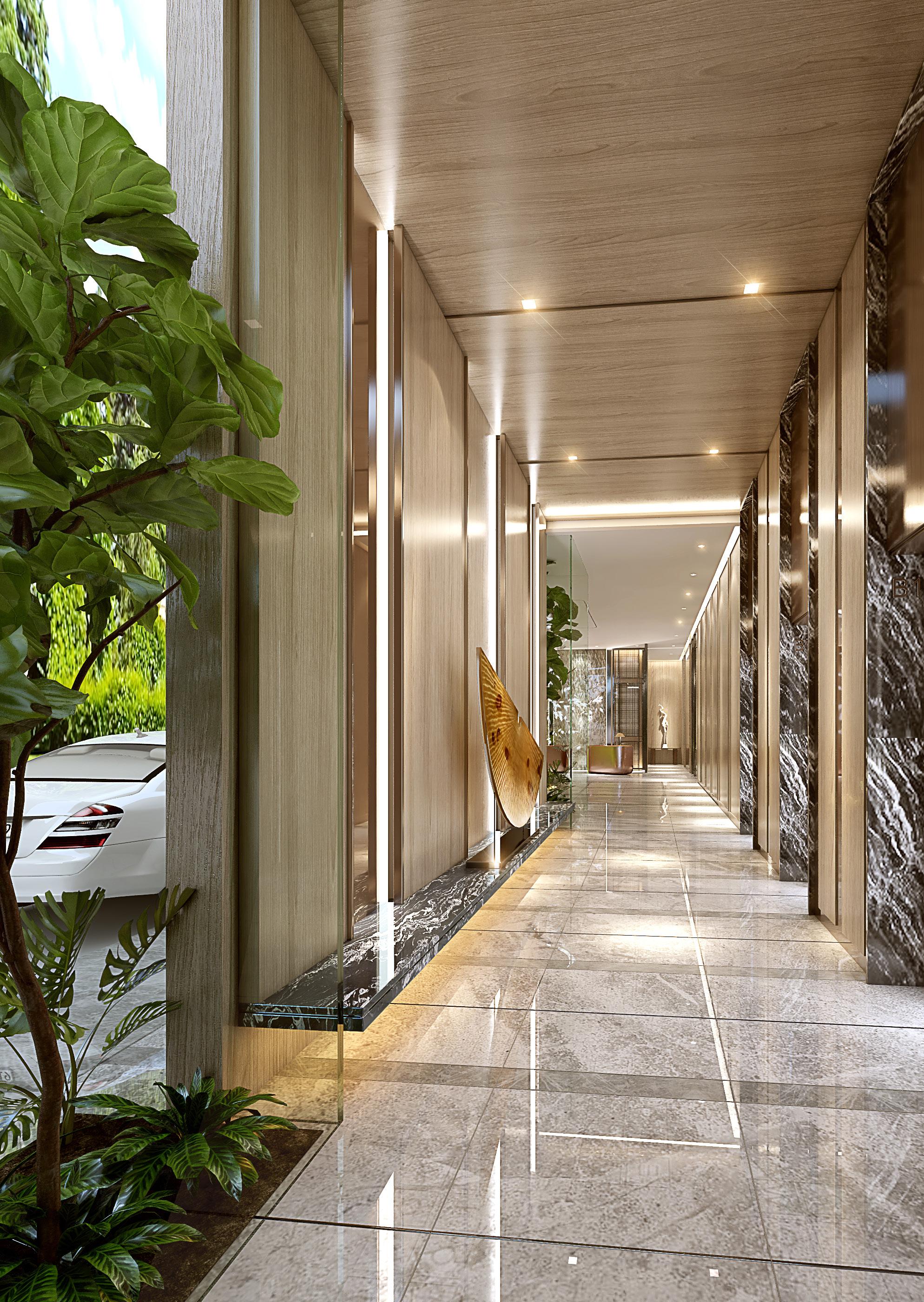
Fraser Suites Hanoi offers a useful lens here. Overlooking scenic West Lake in the Tay Ho district, a residential area known for its mix of expatriates and locals, it sits deliberately outside the immediate intensity of the Old Quarter. Just a 10-minute drive from the historic centre, it allows access without immersion fatigue.
The property comprises 280 fully furnished serviced residences, from studios to duplex apartments across two tower wings. Tower A carries a quieter, classic interior language; Tower B, opened in 2021, introduces a more contemporary feel. With kitchens, living areas, and space to settle in, the architecture encourages rhythm over rush.
This matters.
When a property is built for weeks rather than nights, it changes how you engage with a city. You grocery shop. You repeat restaurants. You learn the shape of the lake at different times of day. You use the gym, the pool, the steam room — not as indulgence, but as routine.
Destinations that support this kind of living tend to age well.
Because they are not consumed. They are inhabited.
NOTICE INFRASTRUCTURE BEFORE ATTENTION
Virality often follows infrastructure, not the other way around.
Before a city trends, look at:
* Are there high-quality hotels opening quietly?
* Are international brands investing?
* Are restaurants evolving beyond tourist menus?
* Is there evidence of long-term planning?
When established hospitality groups invest in places like Yangon or Hanoi’s West Lake district, they are not betting on a single season. They are reading patterns, economic, cultural, regional, that extend beyond the current social cycle.
The presence of a comprehensive property like LOTTE HOTEL YANGON, with its infinity pool, spa, business centre, shuttle services and extensive guest facilities, signals belief in sustained demand, not fleeting curiosity.
Likewise, the evolution of Fraser Suites Hanoi into a lifestyle and dining hub, complete with an all-day restaurant serving both Singaporean Hainanese chicken rice and Vietnamese classics like bun cha and cha ca, reflects a property designed to serve
community, not just passing visitors.
Infrastructure whispers before attention shouts.
CHOOSE PLACES THAT INVITE RETURN
Perhaps the clearest indicator that a destination has longevity is this: Would you return without needing to see something new?
Trending destinations are often checklist-driven. Once the iconic image is captured, the incentive to revisit diminishes.
Places built around atmosphere, however, draw you back.
Yangon’s appeal lies not only in its landmarks, but in its atmosphere, the way the light shifts across Inya Lake at dusk, the way religious architecture coexists with colonial remnants and contemporary development. Hanoi’s Tay Ho district offers lakeside walks, neighbourhood cafés, and a pace distinct from the Old Quarter’s energy.
In both cases, accommodation functions as a stabilising force. A lakeside hotel with panoramic views. A serviced residence overlooking water, embedded in daily life. These are not addresses chosen for novelty. They are chosen for sustainability, personal sustainability.
The destinations that last are the ones that don’t exhaust you.
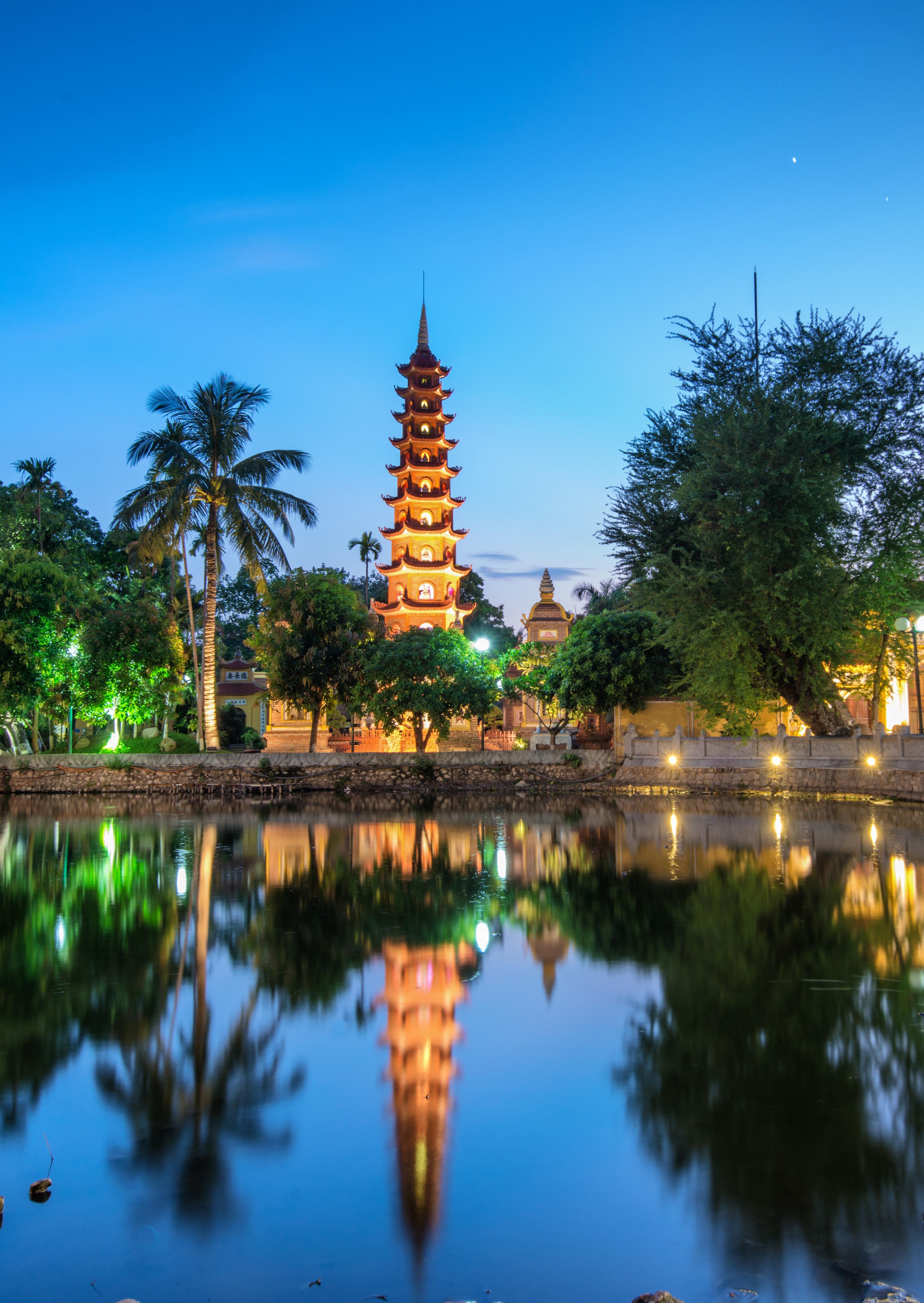

BE EARLY, NOT FIRST
There is a difference.
Being first implies discovery. Being early implies recognition.
You are not searching for untouched corners of the world. You are looking for places on the cusp of wider attention, where infrastructure exists, cultural depth is intact, and identity has not yet been flattened by consensus imagery.
Often, this means turning slightly away from the obvious.
Instead of asking, “Where is everyone going?” Ask, “Where are people building something lasting?”
Instead of chasing a headline destination, consider:
* A lakeside district rather than a historic core.
* A capital city not currently trending but rich in layered history.
* A property designed for long stays rather than weekend snapshots.
The reward is subtle but significant. You experience a place before it has been over-explained.
THE LONG VIEW
Virality is immediate. Longevity is cumulative.
Destinations that reward patience, cities like Yangon or neighbourhoods like West Lake in Hanoi, do not depend on a single season of attention. They are structured for continuity. Their hotels are built for repeat guests. Their districts support daily life.
When you travel with the long view in mind, you begin to prioritise differently. You seek depth over drama. Routine over rush. Addresses that anchor rather than amplify.
And often, by the time a place finally trends, you will have already known it, not as a headline, but as a lived experience.
That is the quiet advantage of being early.
Not first. Just aware.
RESTAURANTS YOU DON’T PLAN A TRIP AROUND, UNTIL YOU DO
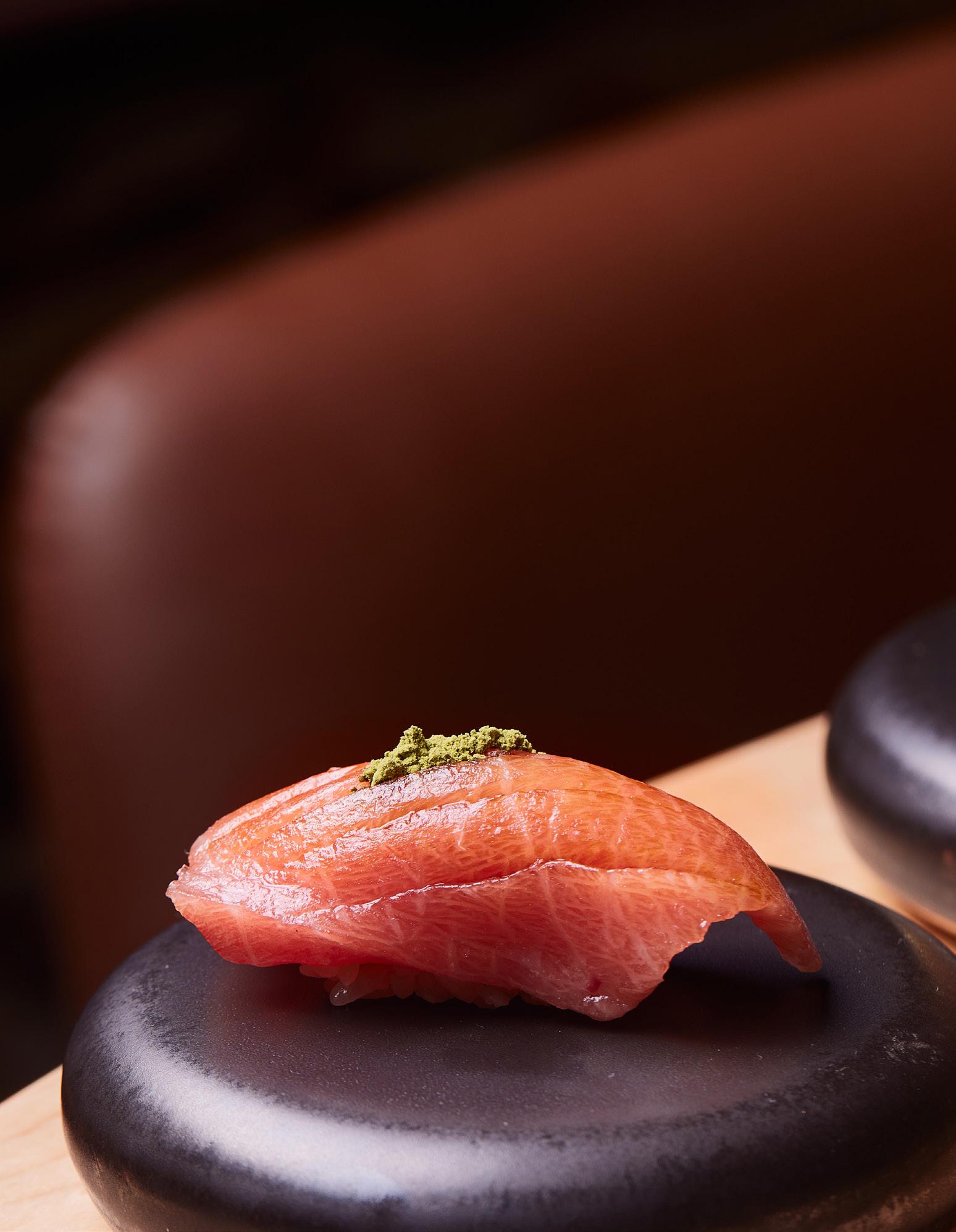
There are restaurants you research.
And then there are restaurants you return to.
The first kind is booked weeks in advance, plotted neatly into itineraries, circled in guidebooks. The second kind is remembered differently. You don’t speak about them immediately. You don’t post them in real time. You think about them later, mid-flight, mid-winter, midconversation, and realize they have quietly rearranged your future travel plans.
You didn’t go for them.
But you will go back because of them.
This is not about destination dining as spectacle. It is about ritual. Familiar tables. The comfort of being recognized. The understated confidence of places that do not need to perform.
Some restaurants are worth repeating, not documenting.

JUNO
Some dining rooms are hidden because they are small.
Others are small because they choose to be.
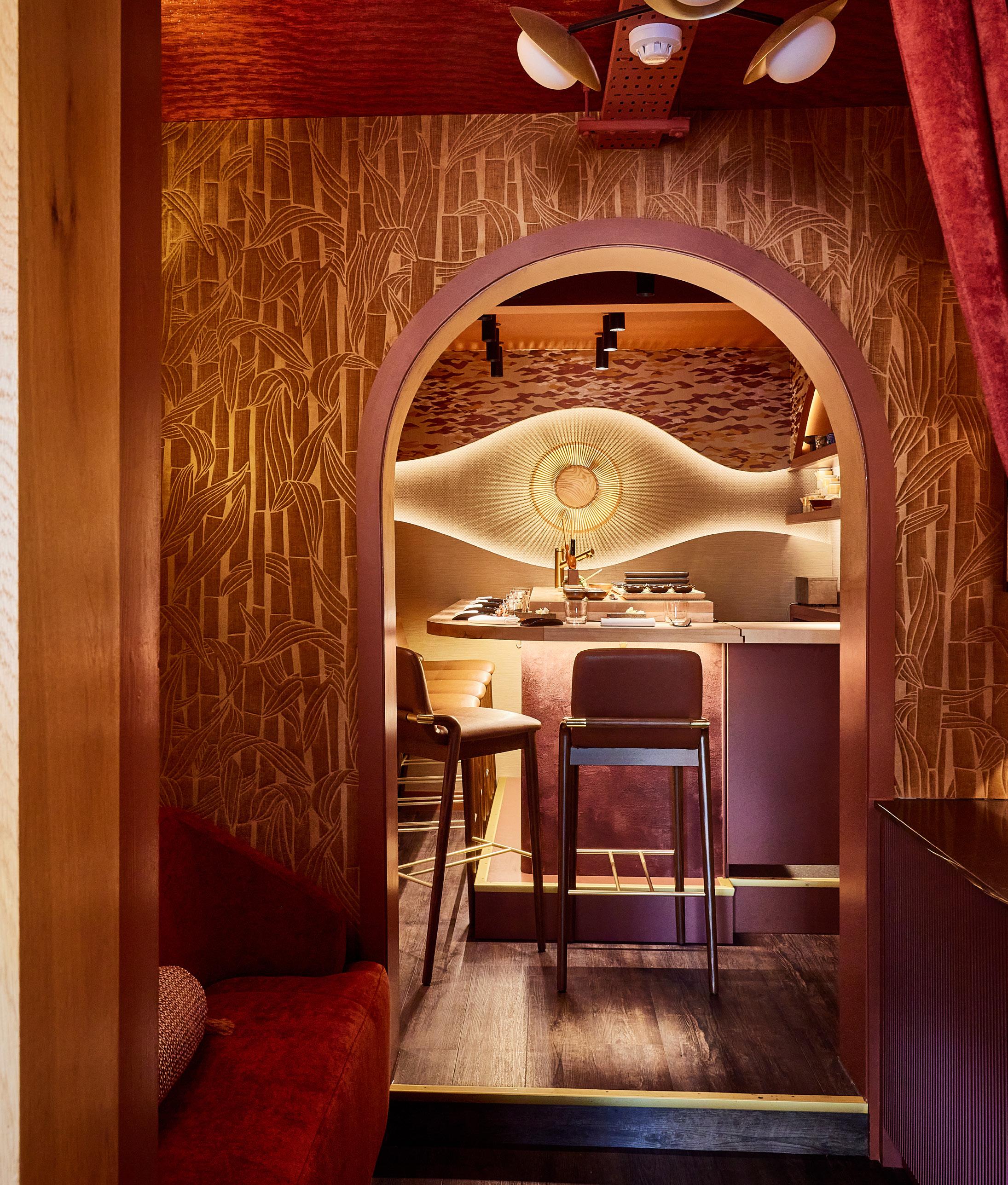
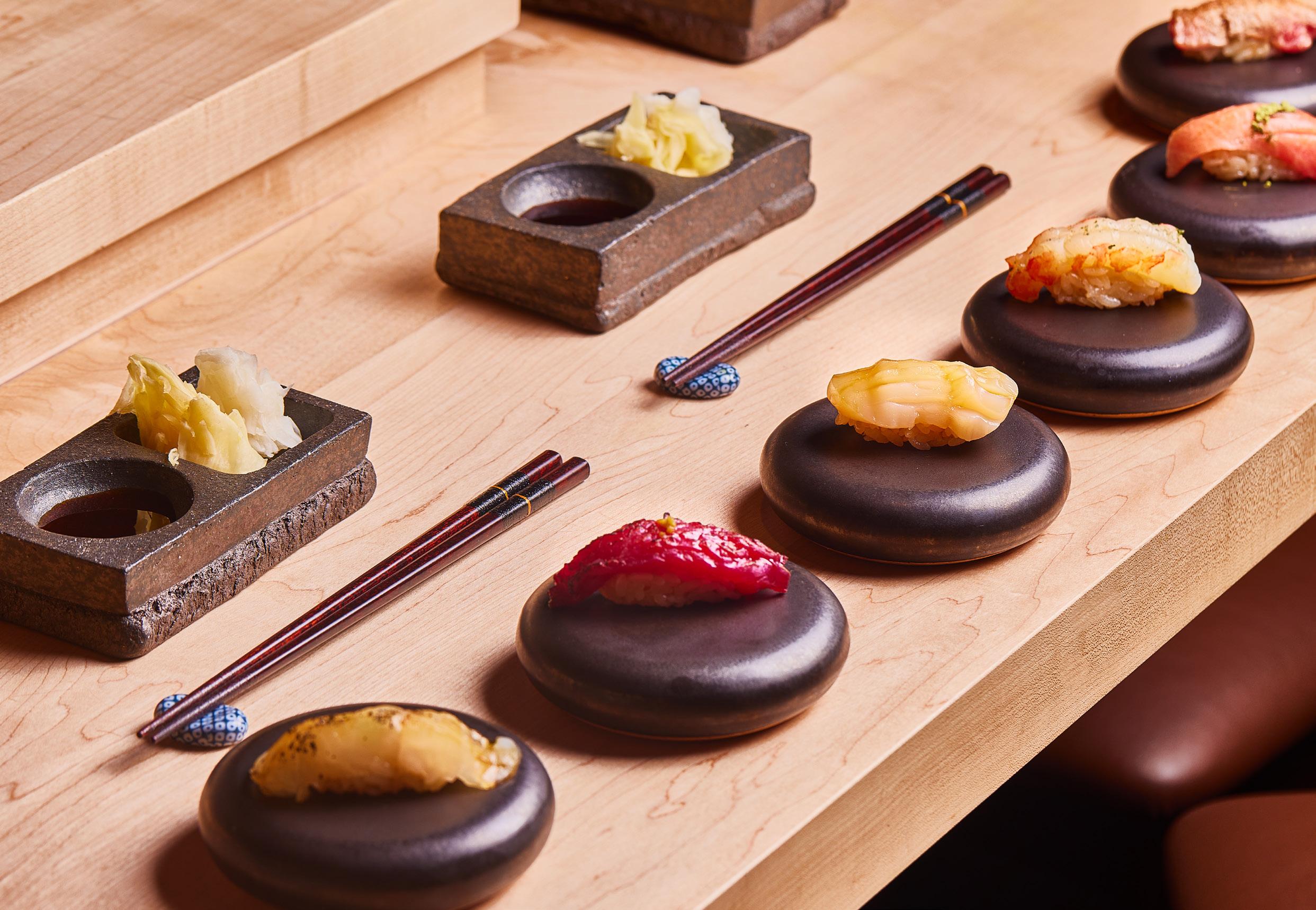
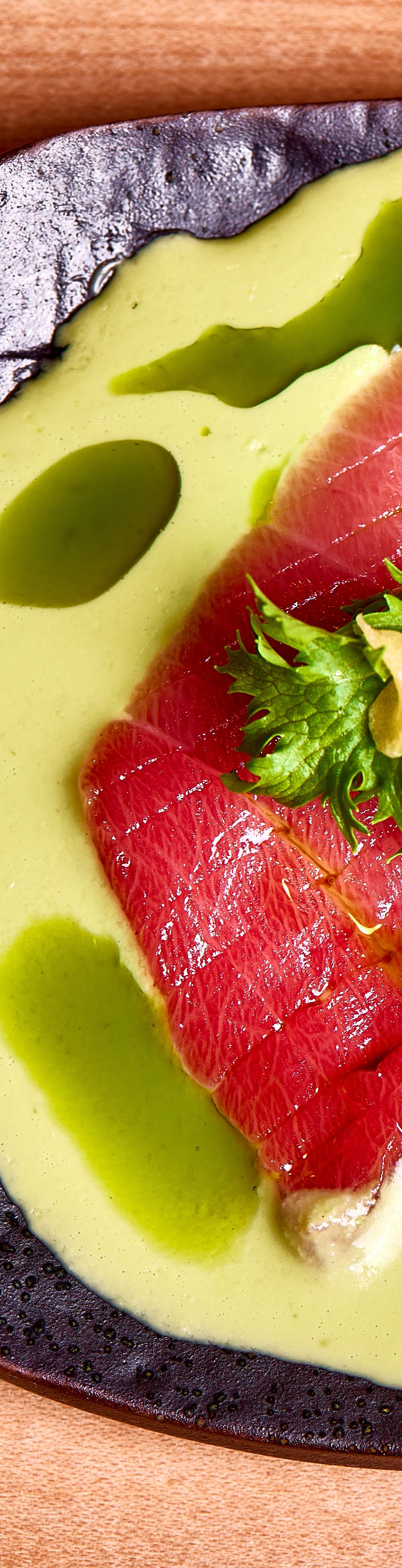
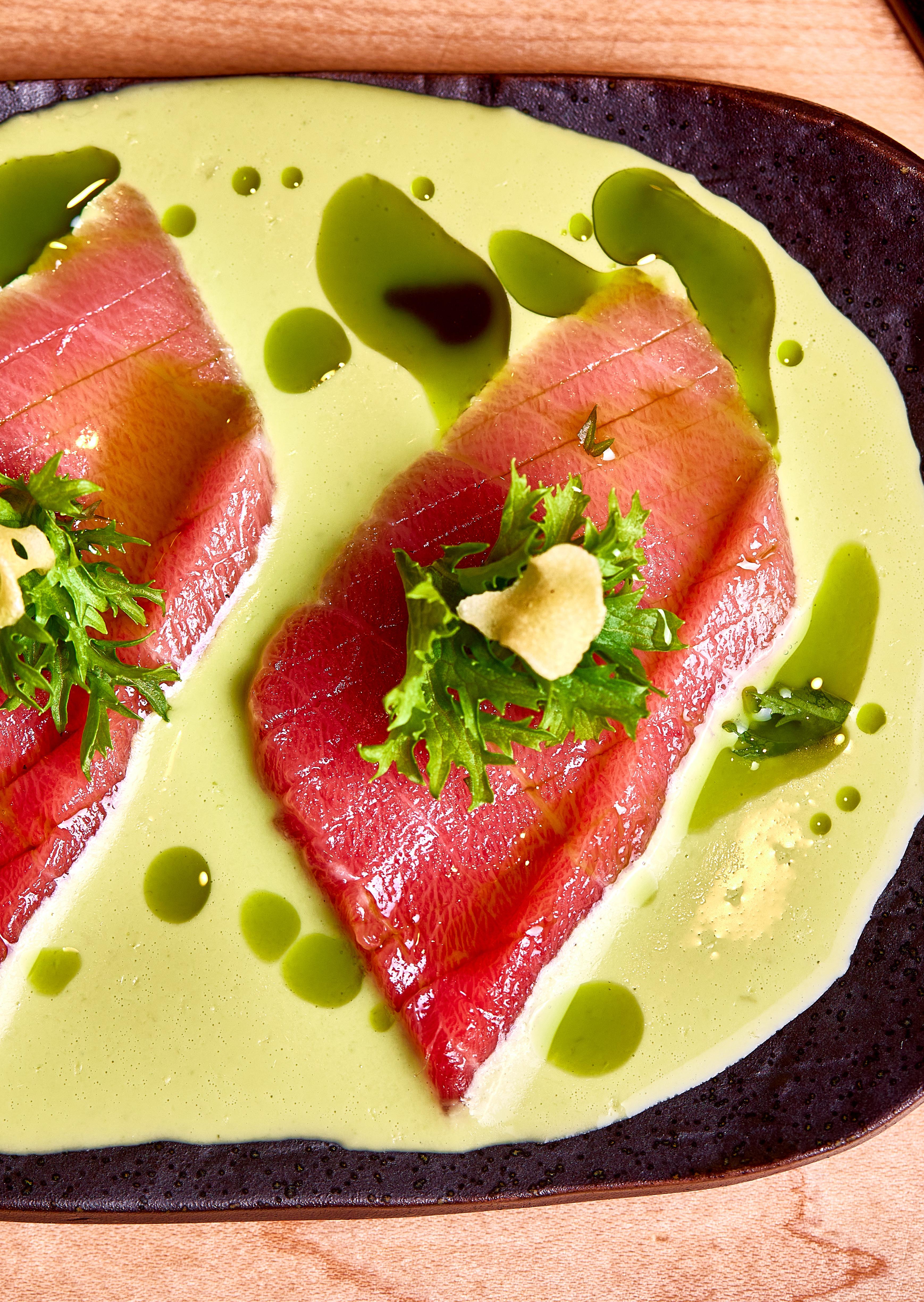
Inside a discreet space within Los Mochis Notting Hill, Juno Omakase seats only six guests. No menu. No substitutions. No performance beyond precision.
“I
leave it up to you.”
It is a philosophy that requires trust, and rewards it.
Executive Chef Leonard Tanyag crafts 15 creative courses that travel from Oaxaca to Osaka, blending Japanese tradition with a restrained Mexican influence. A dedicated sommelier curates wine, sake, and
agave pairings with equal care.
JUNO is not loud. It is not expansive. It does not compete for attention. The intimacy of six seats transforms dinner into something closer to ceremony. Conversation softens. Movement slows. Courses arrive with deliberate pacing.
You do not stumble into Juno. You are invited.
And yet, for all its exclusivity, it does not ask to be mythologized. It exists as a counterpoint, proof that repetition does not require scale. That exclusivity can feel warm rather than austere.
You may not plan a trip to London solely for those six seats.
Until you do.
Because once you have entrusted an evening to a chef’s hands, and felt fully looked after, it becomes difficult to accept anything less.
SOMEWHERE YOU WON’T TAG
A Local Favourite
Every city has one.
The restaurant with no publicist. The table without a waiting list, because only those who know, know. The place your hotel concierge mentions quietly, after asking how long you are staying.
It may not appear on awards lists. It may not have perfectly composed lighting. But the room hums with familiarity. The staff greet returning guests by name. The menu changes slightly, but never dramatically.
Perhaps it is a family-run trattoria tucked into a side street. Or a seaside grill where the catch is announced verbally, depending on the morning’s boat. The chairs may not match. The plating may not be sculptural.
But the olive oil is excellent. The bread is warm. The pacing is intuitive.
You go once because someone you trust suggested it.
You go again because you trust it now.
These are the restaurants that anchor return travel. Not because they are
rare, but because they are reliable. They ask nothing of you. No performance. No documentation. No proof.
And when you begin planning your next trip, you don’t say, “I want to see more.”
You say, quietly, “I want to go back there.”
THE QUIET SHIFT
The restaurants that change travel habits rarely announce themselves.
They are not spectacles. They do not require pilgrimage, at least not at first. They simply offer something so precise, so assured, that repetition feels inevitable.
JUNO does it with trust and intimacy. The unnamed favourite does it with familiarity.
None demand to be the reason for a trip.
But slowly, almost imperceptibly, they become one.
And when dining turns into ritual, return travel stops feeling like repetition.
It feels like continuity.
THE LUXURY OF NOT LEAVING WHEN DEPARTURE FEELS PREMATURE
There is a particular kind of luxury rarely advertised. It is not a suite category.
Not a spa ritual.
Not an upgrade.
It is the quiet decision to stay.
The most memorable journeys are not always the ones packed with landmarks or movement. They are the ones that disrupt your departure. The ones where the final morning feels unfinished. Where the return flight feels slightly mistimed.
Extending a stay is rarely dramatic. It happens subtly, after the second unhurried breakfast, after a late afternoon that slips into evening without structure, after realizing you have stopped checking the time.
Certain cities, and certain properties within them, create precisely this effect.
LISBON, PORTUGAL
Hyatt Regency Lisbon
Lisbon does not demand urgency.
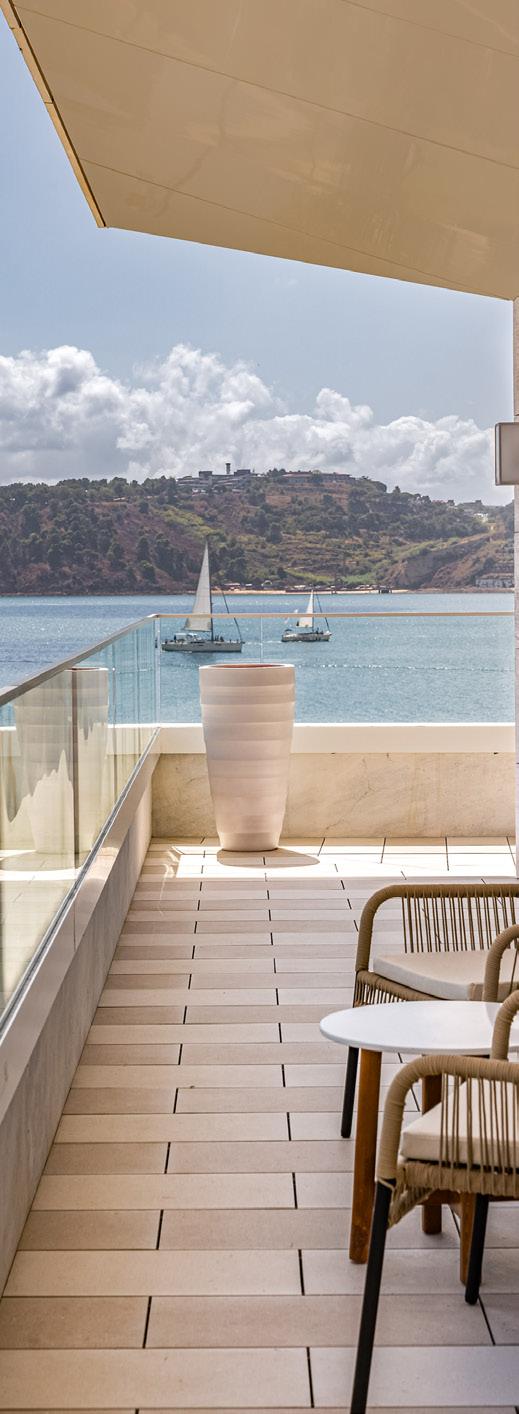
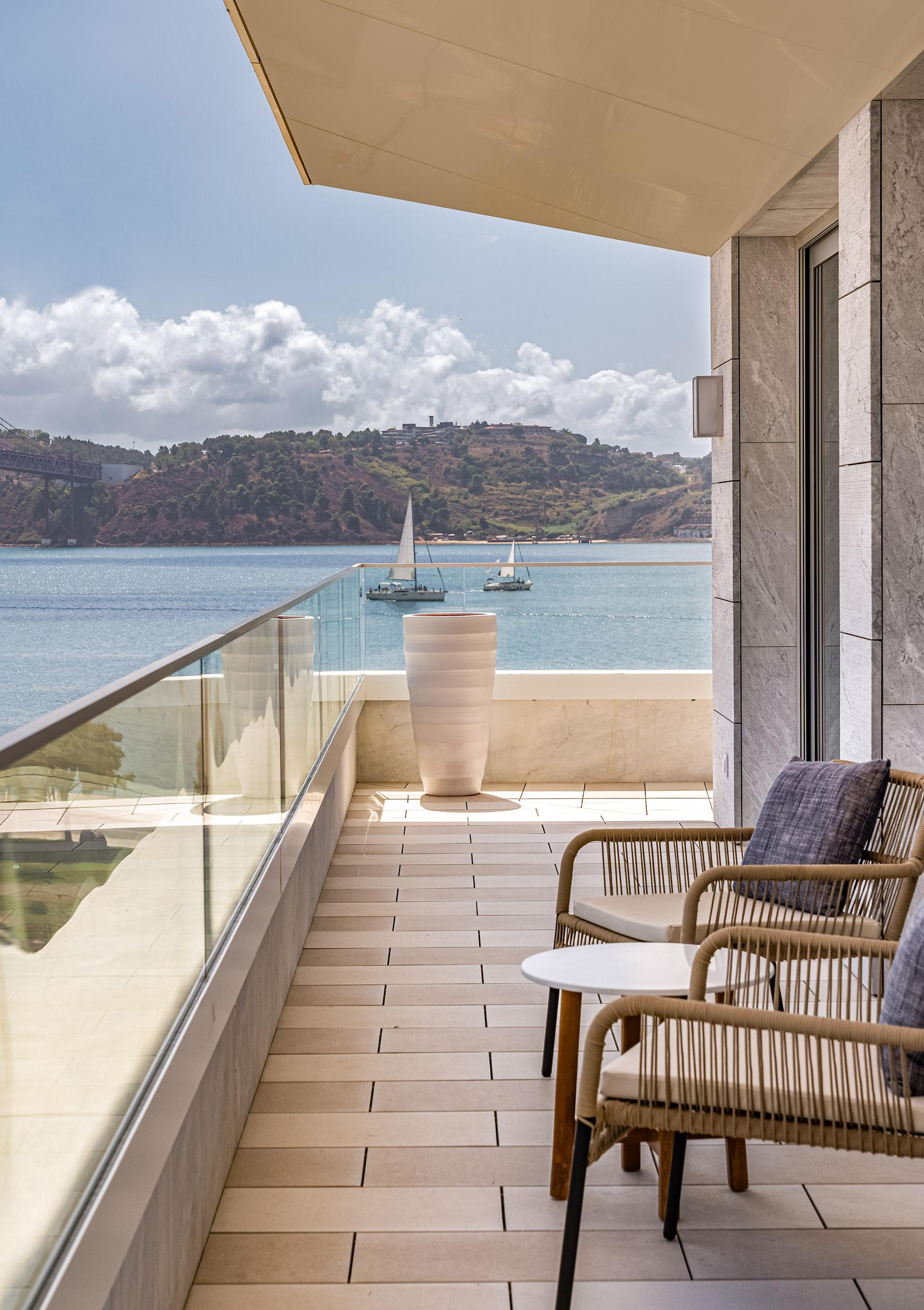
Along the Tagus River, light stretches generously across the day. Mornings feel open-ended. Evenings dissolve slowly into gold. It is a city that feels composed rather than compressed.
Hyatt Regency Lisbon mirrors this atmosphere. Located in the Belém district, the hotel offers 204 modern, fully furnished rooms and suites, some with balconies overlooking the river. The design is spacious and restrained, contemporary without distraction.
What shifts a short visit into a longer one is not spectacle, but comfort. The on-site spa, managed by Serenity – The Art of Well Being, introduces a different tempo to the day. A treatment becomes an anchor. A session at Active by Serenity, the hotel’s state-of-the-art gym, creates rhythm without rush. Personalized wellness programs encourage continuity rather than indulgence.
By the second afternoon, schedules loosen. By the third morning, the idea of leaving feels slightly inconvenient.
Lisbon does not persuade you to stay. It simply makes departure feel premature.
KRAKÓW, POLAND
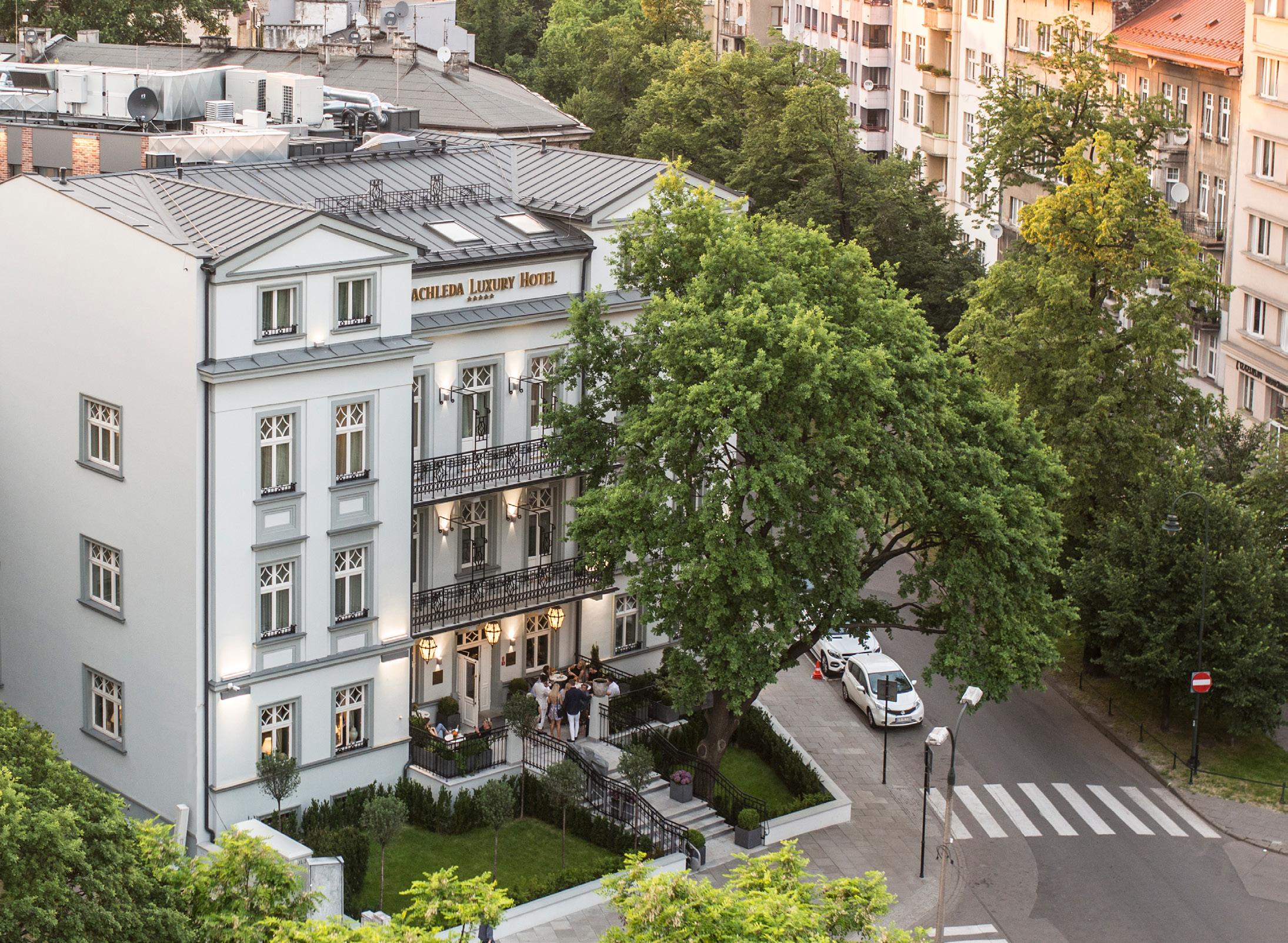
Bachleda Luxury Hotel Kraków MGallery
Some cities reveal themselves gradually. Kraków is one of them.
Beyond its historic façades and quiet courtyards lies a texture that rewards patience, early morning walks through nearly empty streets, evenings when the city’s architectural details seem illuminated from within.
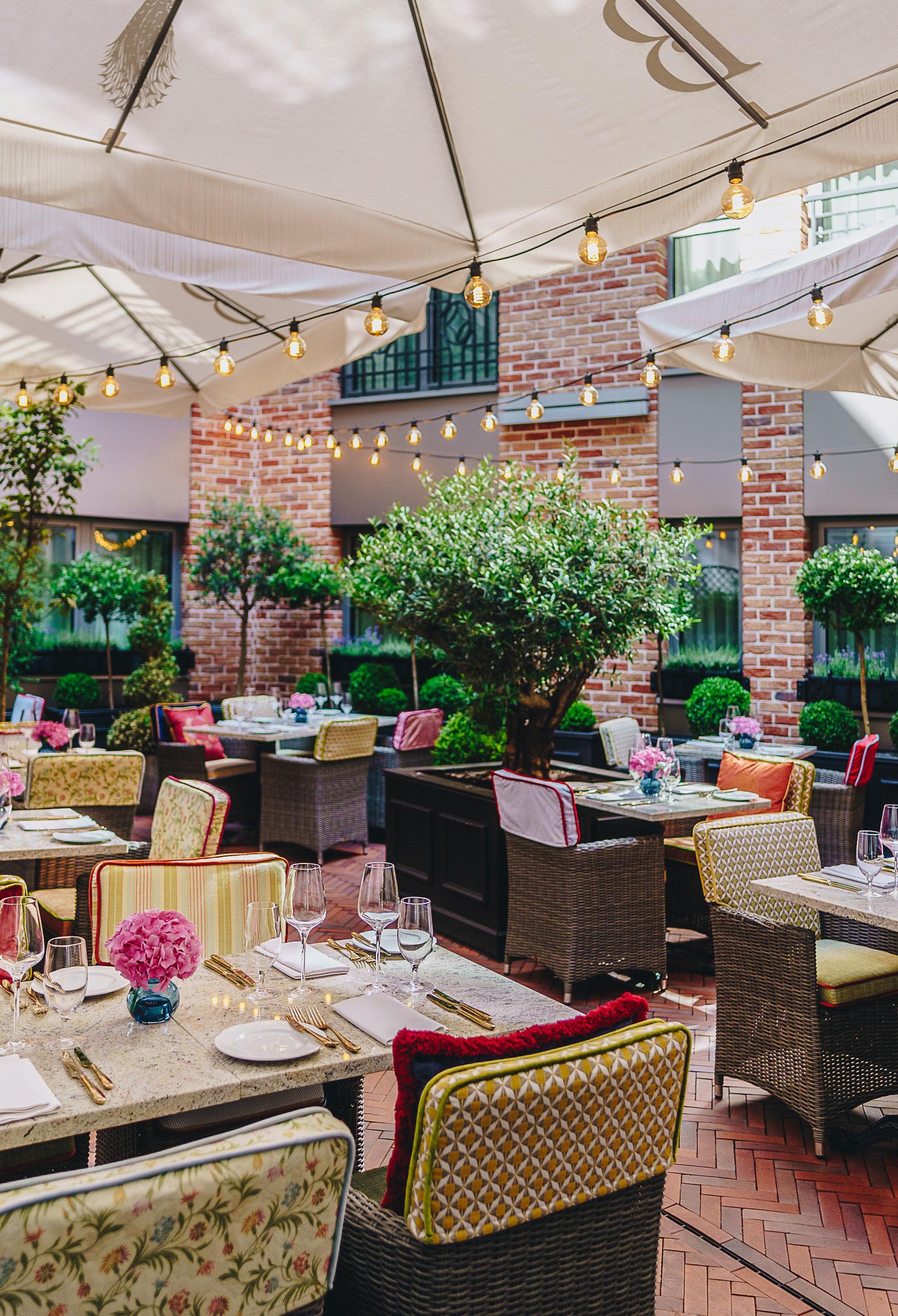
Bachleda Luxury Hotel Kraków MGallery occupies a 19th-century building just minutes from the Main Market Square and Wawel Royal Castle. Designed in
homage to Kraków’s Art Deco heritage, the interiors are richly composed: marble mosaics, golden ornamentation, crystal chandeliers, fireplaces that soften the edges of long evenings.
Yet the atmosphere is not ostentatious. It is enveloping.
The swimming pool, restaurant, and bar become extensions of the stay rather than amenities to be checked off. Mornings begin slowly. Evenings linger beneath soft light. The hotel does not rush you toward the city; it allows you to return to it at your own pace.
By the time departure approaches, Kraków feels incomplete, not because it overwhelms, but because it unfolds.
BODRUM, TURKEY
Cape Bodrum Luxury Hotel & Beach
Bodrum is often associated with momentum, yet along the turquoise waters of the Aegean Sea, there exists a quieter alternative.
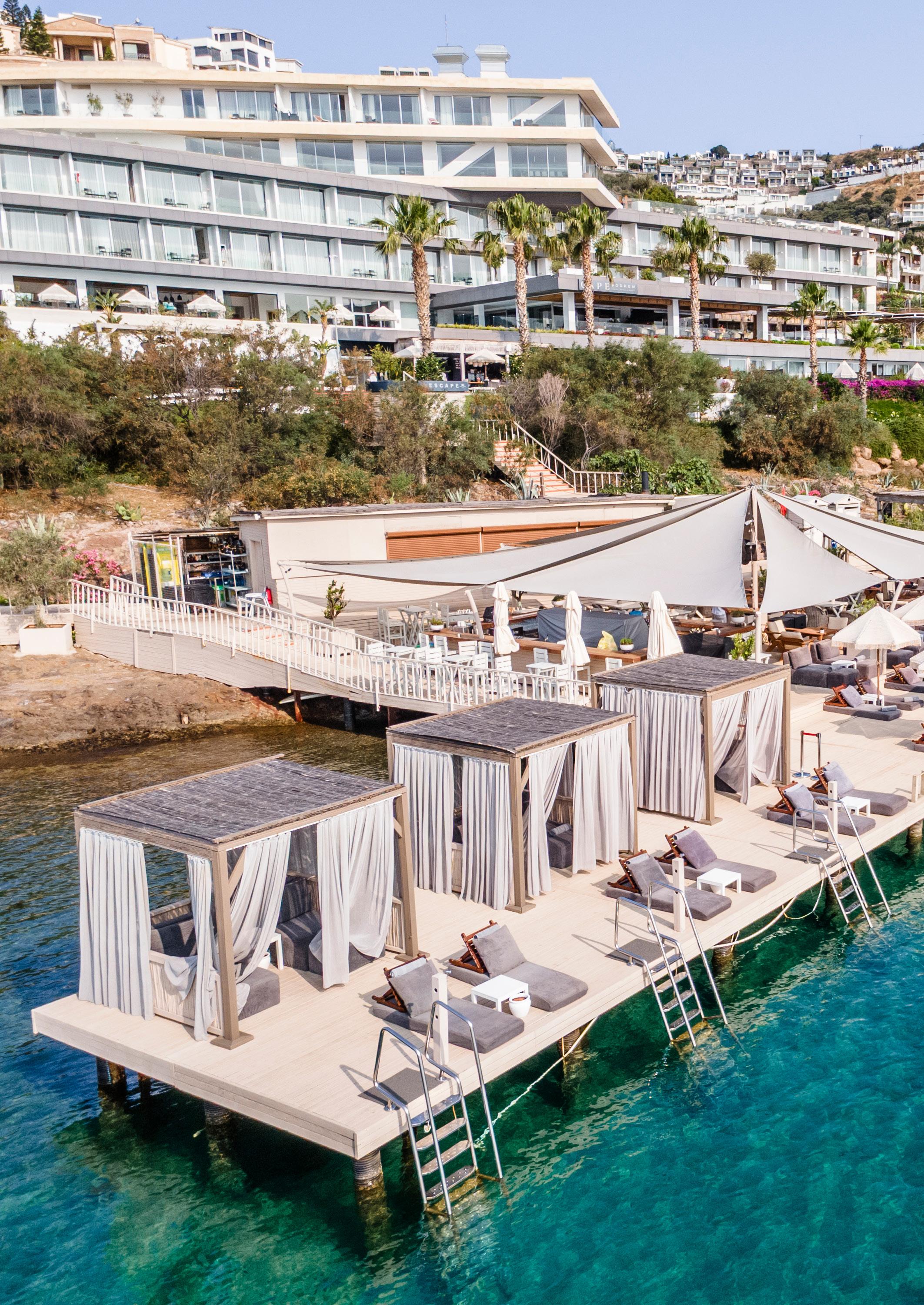
Cape Bodrum Luxury Hotel & Beach is positioned above the coastline, offering 109 rooms and suites, including a private villa. Among them, 53 rooms and 29 suites provide direct swim-up access, creating an effortless connection between room and water.
The infinity pool extends toward the horizon. The private beach remains composed and pristine. At BluWell Spa, wellness is approached with calm precision, while sports facilities and tailor-made services support comfort without excess.
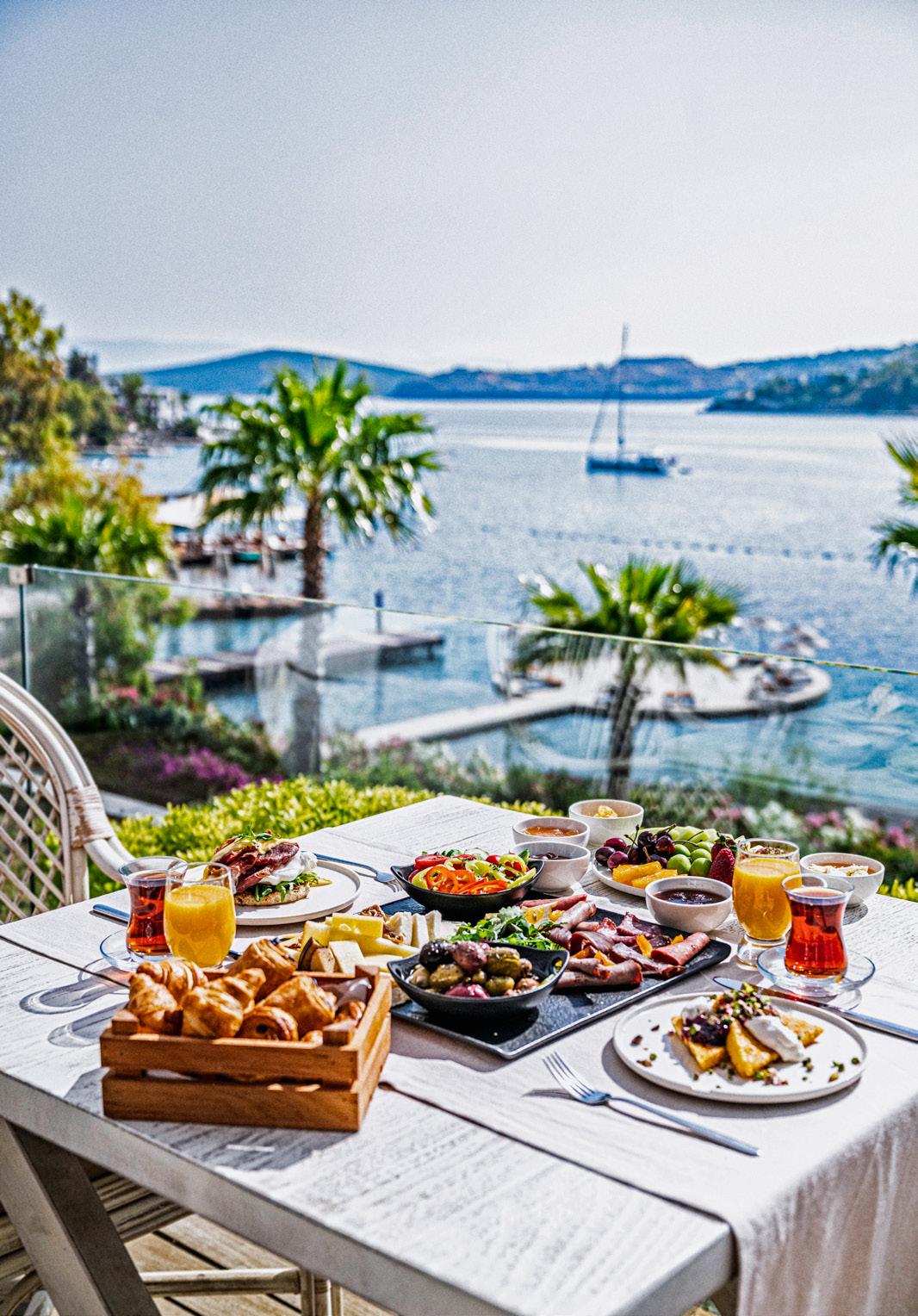
Days here slip easily into one another. Breakfast becomes unhurried. Afternoons stretch across water. Evenings settle at Escape Beach & Lounge or the Artisan Café without agenda.
It is not the high-energy version of Bodrum. It is
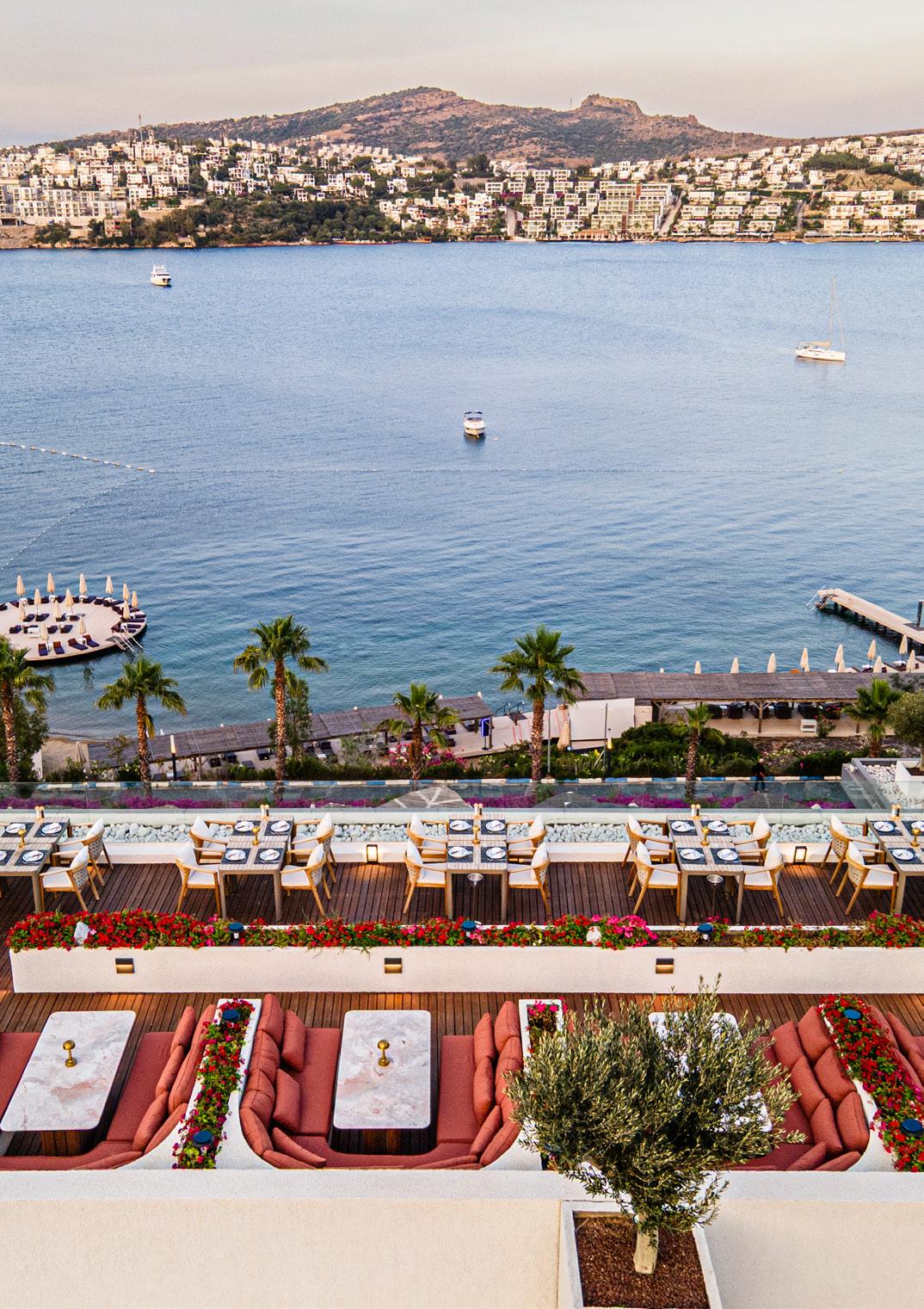
the considered one.
When departure day arrives, it often feels misplaced, as though it interrupts something still unfolding.
And that, perhaps, is the clearest indicator of a stay well chosen.
Closing Reflection
Luxury is often defined by what is added, more space, more service, more access.
But sometimes it is defined by what you remove:
The fixed departure. The rigid schedule. The need to move on.
The cities that matter most are not always the loudest. They are the ones that make you pause before confirming your return.
And in that hesitation, that quiet reconsideration, travel becomes less about arrival and more about staying.
PLACES WE’D HAPPILY GO BACK TO
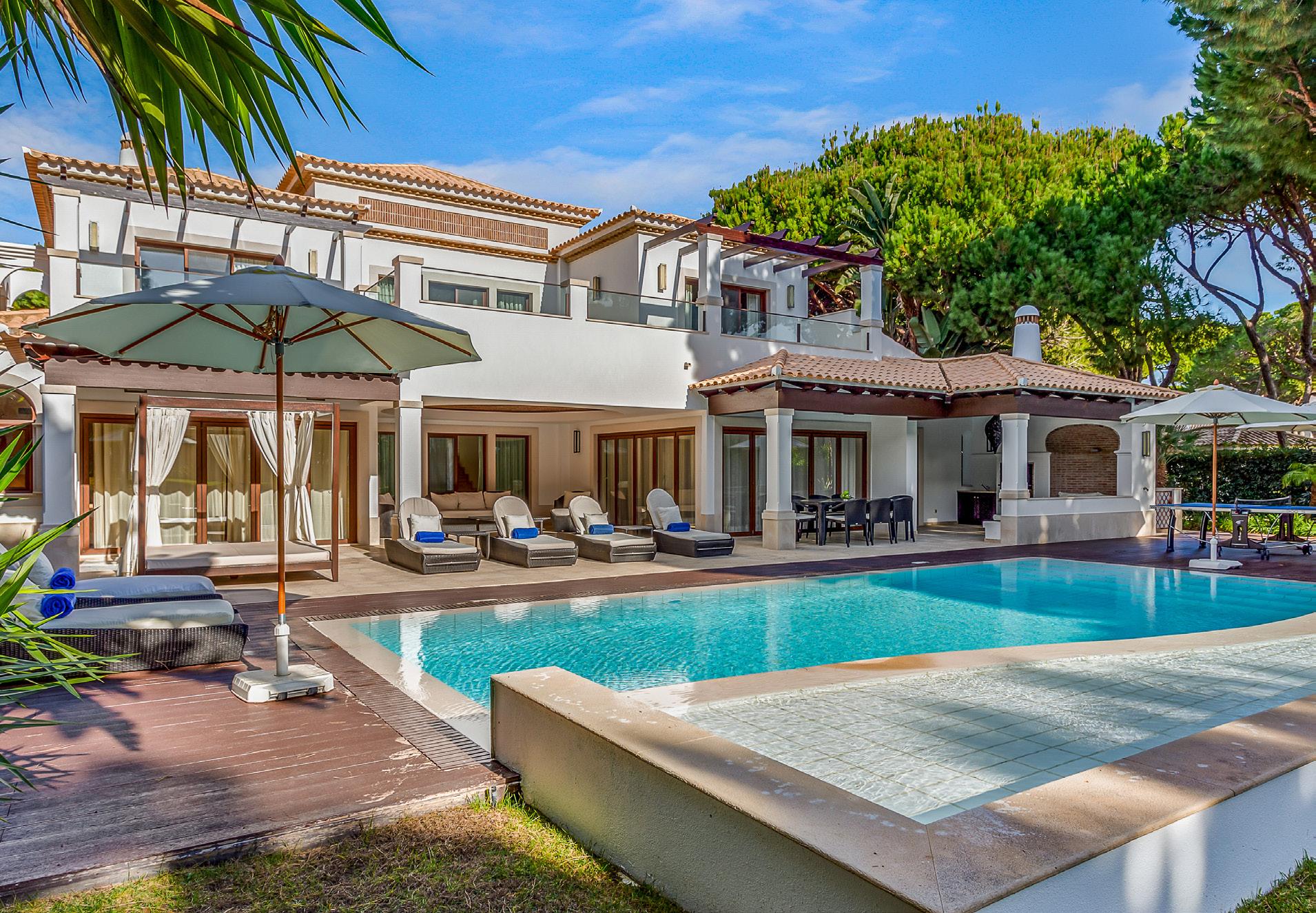
PINE CLIFFS, A LUXURY COLLECTION RESORT, PORTUGAL
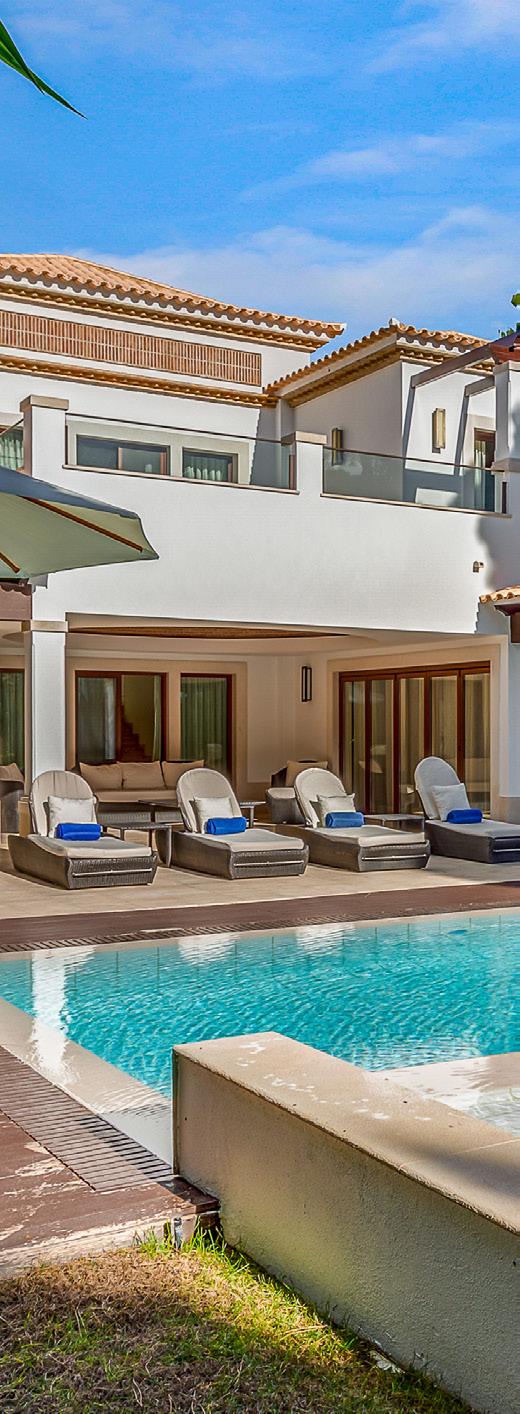
Perched above the honeyed cliffs of southern Portugal, Pine Cliffs feels less like a discovery and more like a tradition waiting to begin. Overlooking the wide sweep of the Algarve coastline, the resort has the rare quality of being expansive yet intimate, a place where days unfold slowly and predictably, in the best possible way.
Mornings begin with Atlantic light filtering across terraces. Afternoons drift between sea and spa, between shaded pathways and long, unhurried lunches. The fully integrated resort, encompassing hotel rooms, residences, and ocean suites, allows guests to shape each stay according to season and stage of life. There is golf when you want movement, a spa when you want stillness, and beaches that seem designed for lingering rather than posing. What makes Pine Cliffs magnetic is not novelty, but reliability. The cliffs remain. The horizon remains. The rhythm remains. It is the kind of place families return to across years, where couples mark anniversaries, where routines gently reassemble themselves. The true indulgence here is not excess, but continuity, knowing exactly how the afternoon light will fall, and welcoming it again.
Some hotels are memorable for reasons that are subtle, not showy. They are not defined by spectacle or trend, but by rhythm, comfort, and the quiet assurance that a return visit will feel just as right as the first. These are the spaces that quietly invite you to stay a little longer, return a little sooner, and make a city feel like a home away from home.
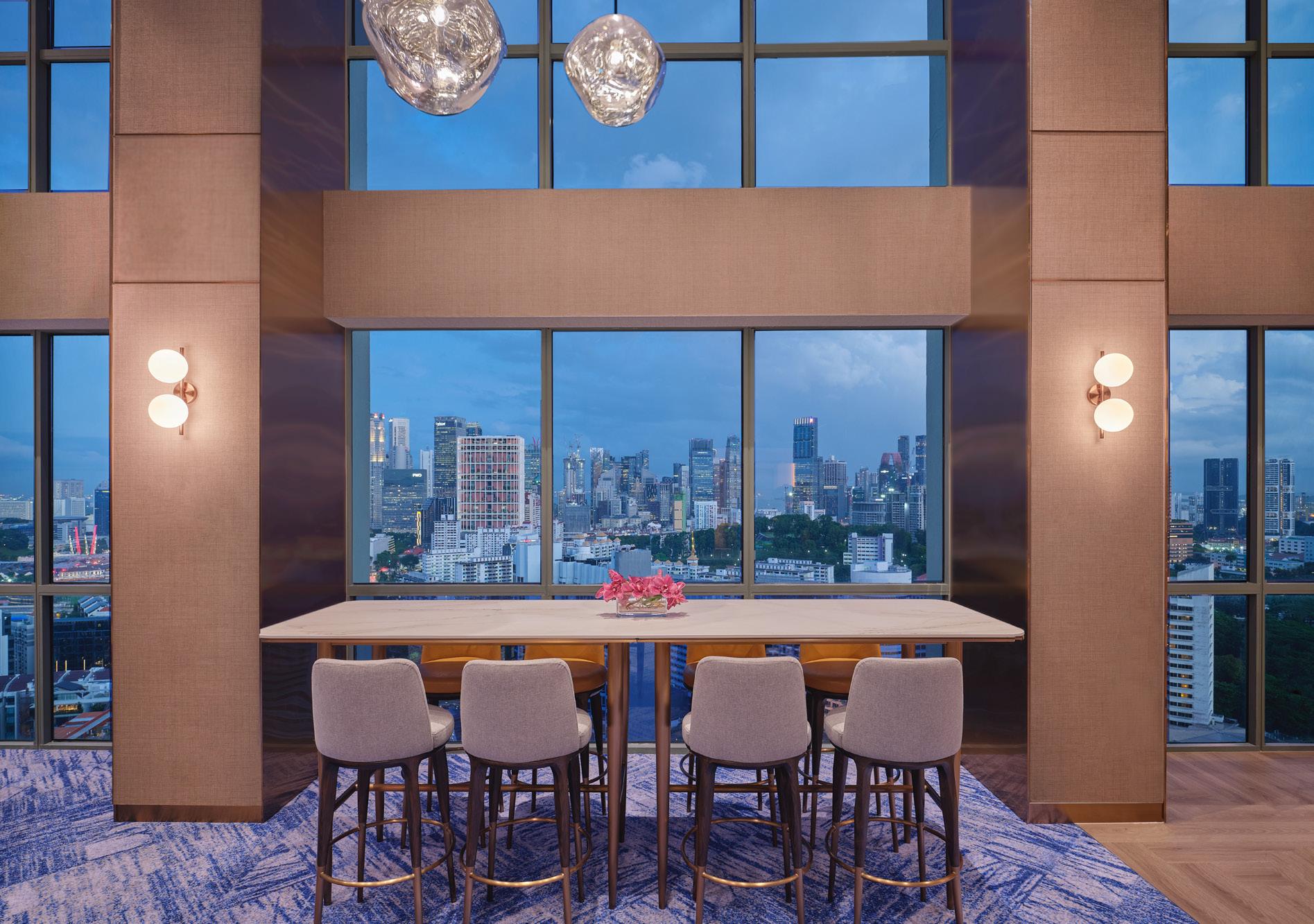
GRAND COPTHORNE WATERFRONT HOTEL, SINGAPORE
Nestled along the Singapore River, Grand Copthorne Waterfront Hotel pairs contemporary design with understated assurance. Its rooms and eco-conscious serviced suites are designed for travellers who value ease over extravagance, familiarity over reinvention.
The facilities are comprehensive yet composed: a 24-hour gym, pool, jacuzzi, yoga sessions, and quiet wellness corners encourage self-care without ceremony. Its location offers proximity without urgency, Clarke Quay, Orchard Road, and the Central Business District are within reach, yet the riverfront setting creates a subtle buffer from the city’s intensity.
For those who return to Singapore often, this is the kind of address that requires no deliberation. You know the view. You know the route back from dinner. You know how the morning will unfold. In a city defined by momentum, Grand Copthorne offers the steady comfort of repetition.
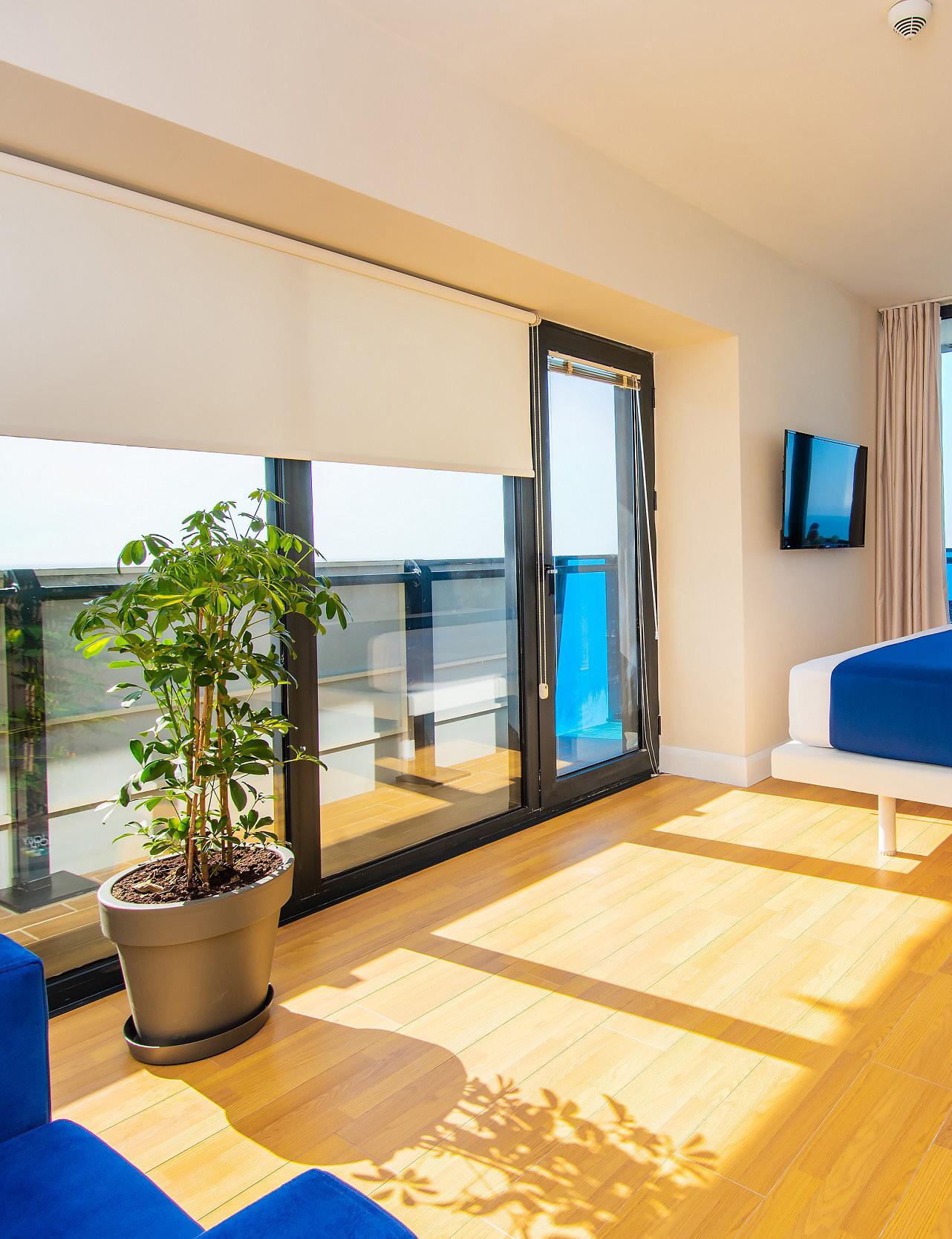
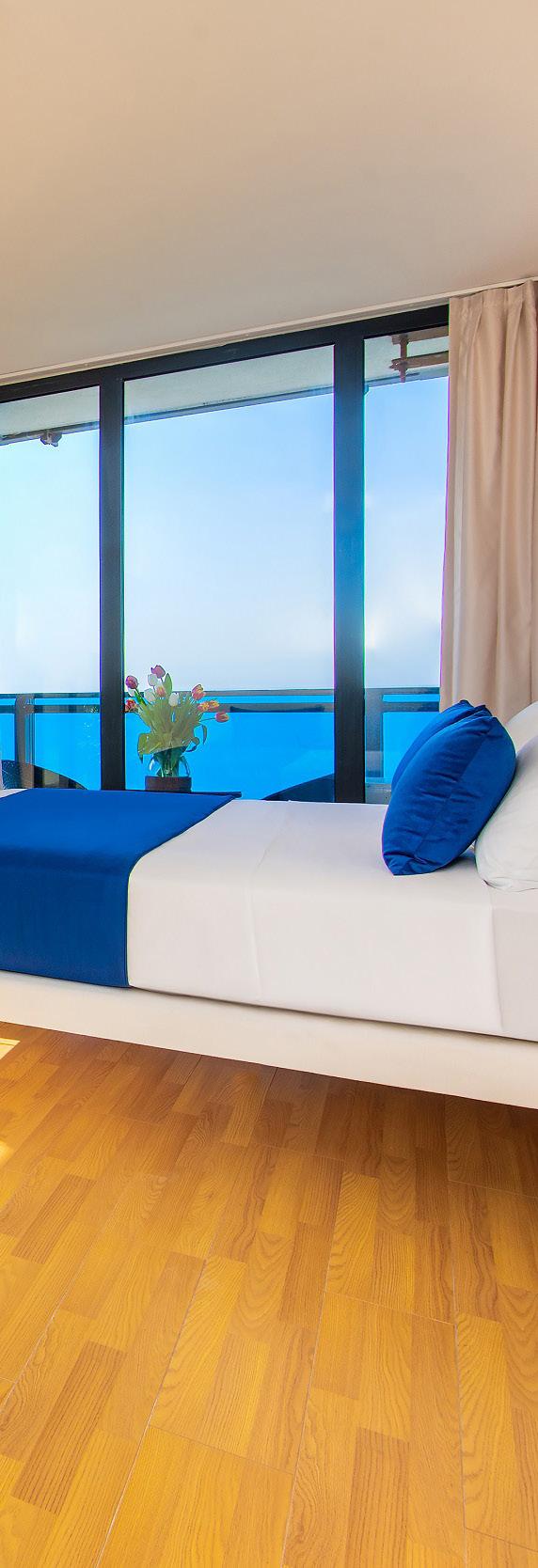
ORBI CITY HOTEL, GEORGIA
In Batumi’s dynamic urban core, Orbi City Hotel redefines the apartment-hotel concept with modern interiors and flexible living spaces designed for both brief visits and extended stays. Expansive windows frame the Black Sea coastline, while interiors combine functionality with calm efficiency.
What lingers here is not grandeur but ease. Mornings arrive with the sound of waves; evenings close with the sun dissolving into the horizon from a private balcony. The experience feels intuitive rather than orchestrated, a place that adapts to your rhythm rather than dictating one.
Orbi City does not compete for attention. Instead, it earns loyalty quietly. It is the kind of property travellers return to because it works, because it allows life to continue seamlessly within it.
THE QUIET ALLURE OF REPEAT TRAVEL
These addresses share a defining quality: they are not consumed in a single visit, nor are they measured by spectacle alone. They reward the traveller who chooses repetition over novelty, ritual over reinvention.
Whether it is the Atlantic calm of the Algarve, the composed riverfront of Singapore, or the Black Sea horizon of Batumi, each offers something quietly magnetic: the assurance that coming back will feel natural.
Because sometimes the greatest luxury is not discovering somewhere new, but knowing exactly where you will return.
IN THE NEXT EDITION...
MADE, NOT MANUFACTURED
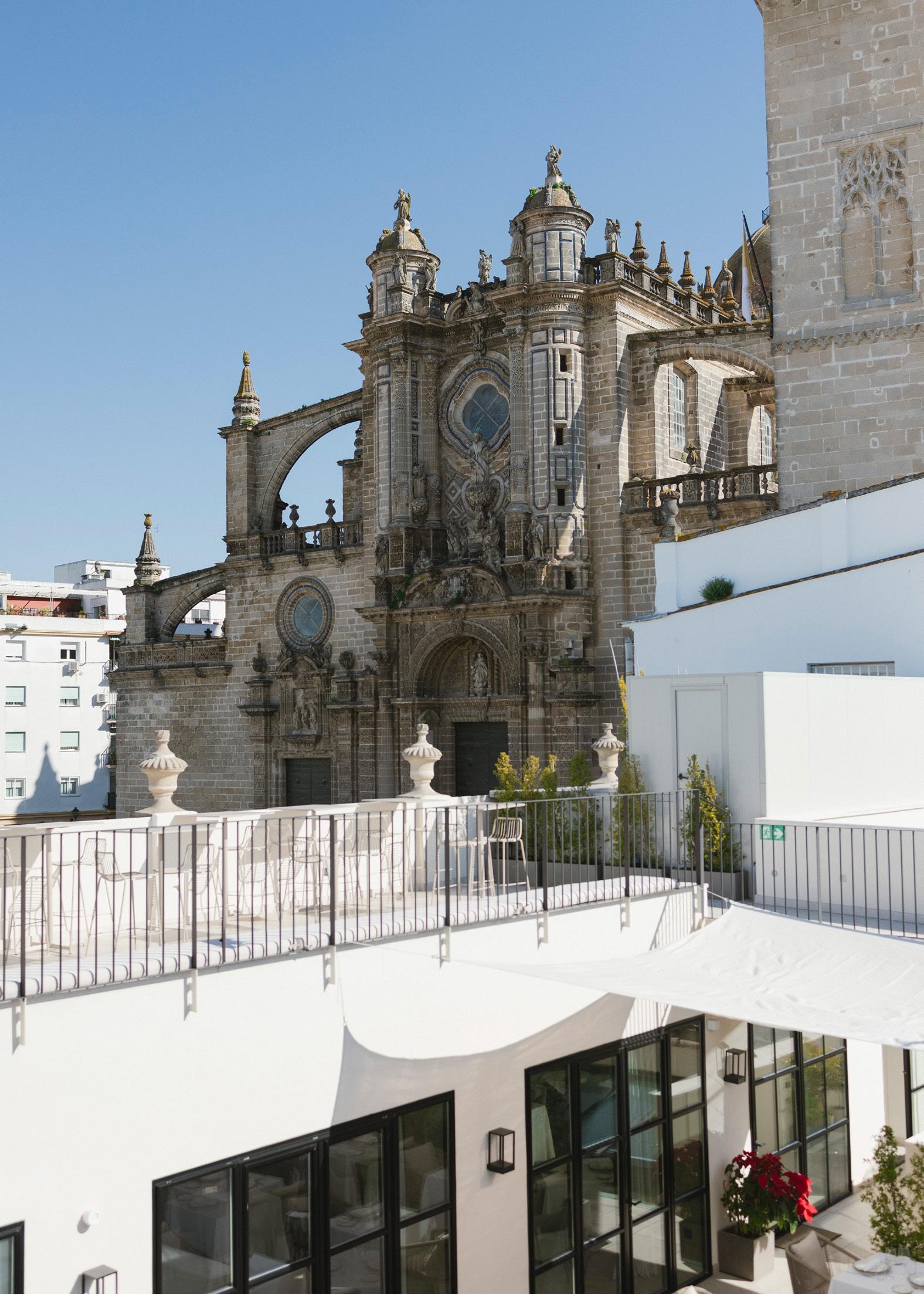
In our next edition of LUXE Travel Magazine, we uncover the heart of travel: the artisans, chefs, and cultural custodians shaping experiences that feel truly made, not manufactured.
TO OUR COLLABORATORS