MAGAZINE

HOW TO SPOT AUTHENTIC EXPERIENCES VS PERFORMATIVE CULTURE
DESTINATIONS SHAPED BY PLACE: HERITAGE, LANDSCAPE & CULTURAL IDENTITY

INTERVIEW
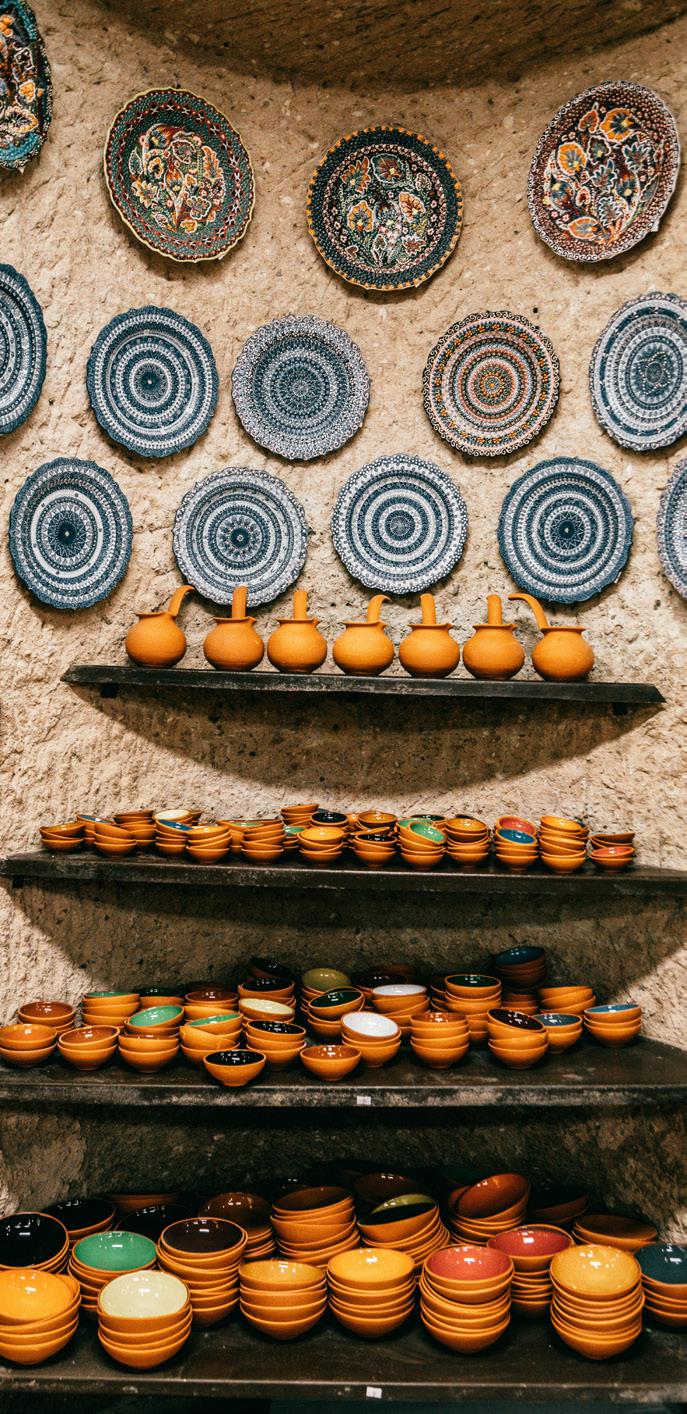
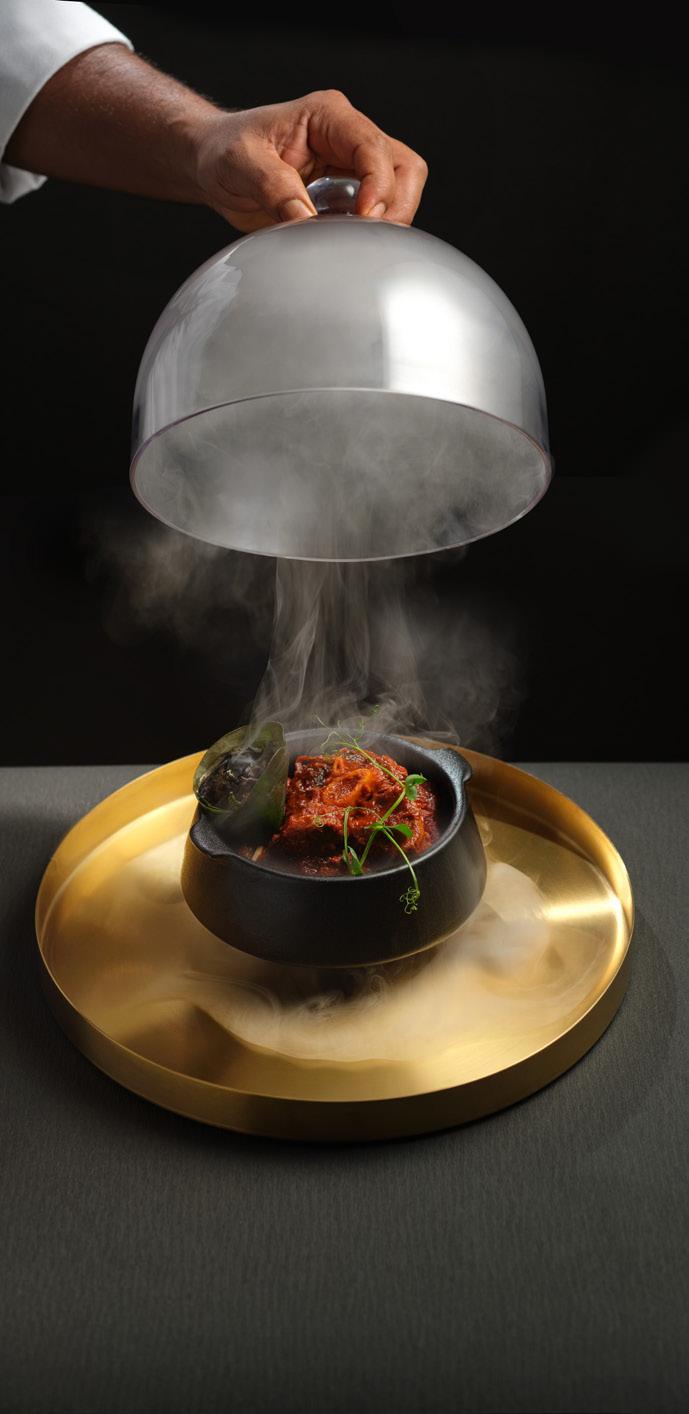

HOW TO SPOT AUTHENTIC EXPERIENCES VS PERFORMATIVE CULTURE
A TRAVELLER’S GUIDE TO RECOGNISING WHAT IS REAL, RESPECTFUL, AND ROOTED IN PLACE
In an era where travel is curated for the camera and cultural encounters are packaged for convenience, authenticity has become both a promise and a performance. Markets are styled for photographs, rituals are condensed into timed spectacles, and traditions are often presented without context. Yet beyond the staged moments and polished itineraries, genuine cultural exchange still exists, lived in kitchens, workshops, neighbourhood streets, and landscapes shaped by generations.
For the modern traveller, the question is no longer where to go, but how to recognise what is real. Authentic experiences are not defined by exclusivity or spectacle; they are shaped by continuity, community, and meaning. Learning to distinguish between cultural preservation and cultural performance transforms travel from passive observation into respectful participation.
WHAT AUTHENTIC CULTURAL EXPERIENCES FEEL LIKE
True cultural encounters are rarely theatrical. Instead, they feel grounded, human, and unscripted.
They are rooted in daily life
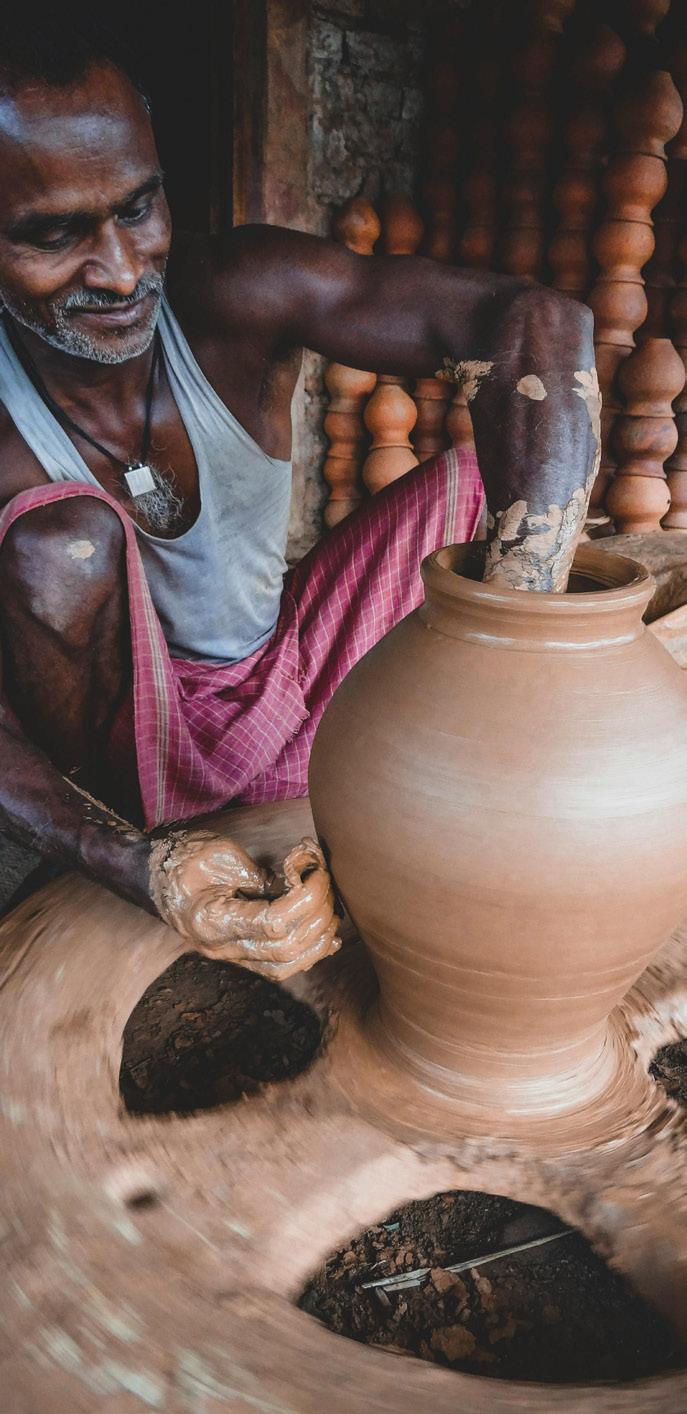
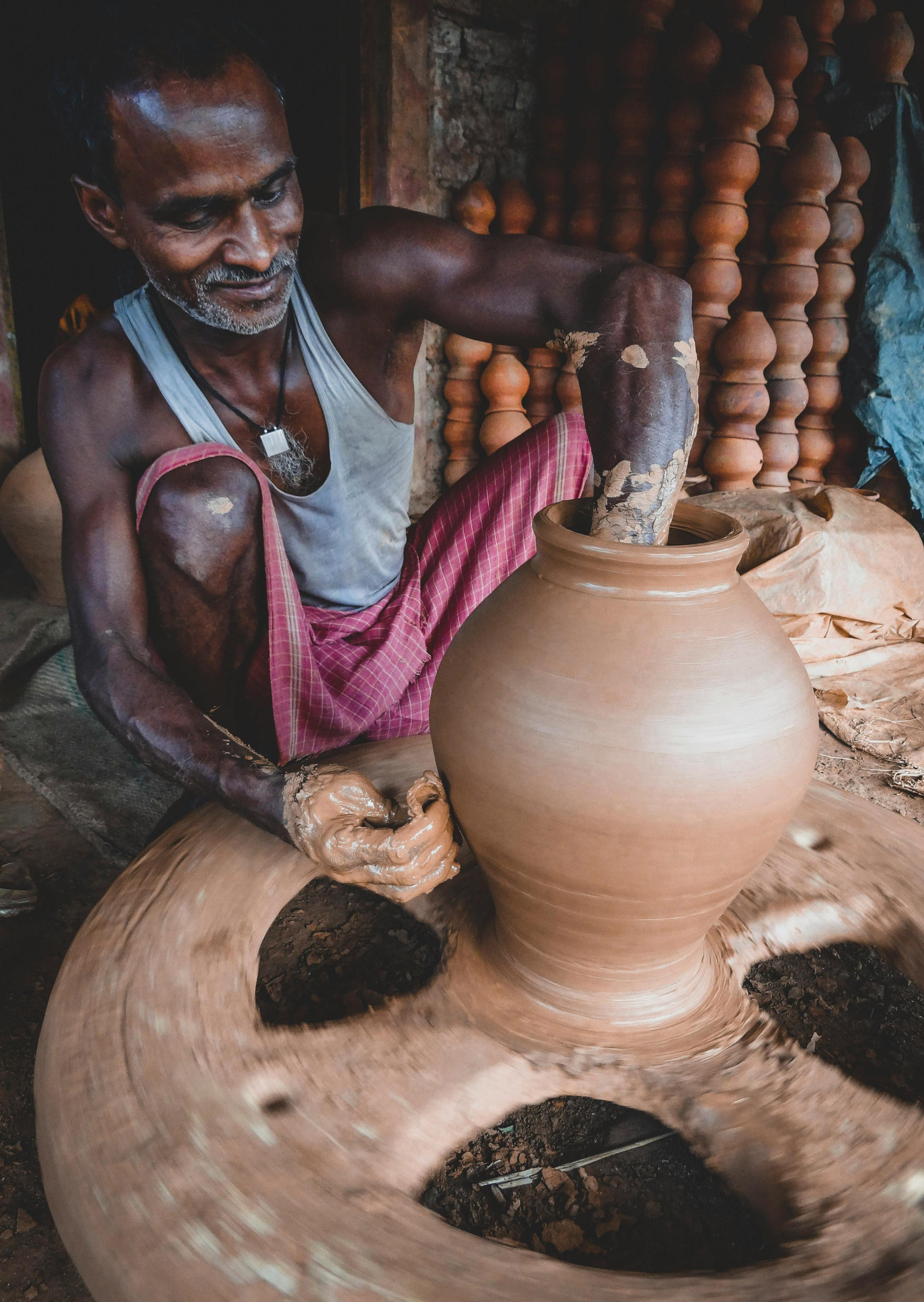
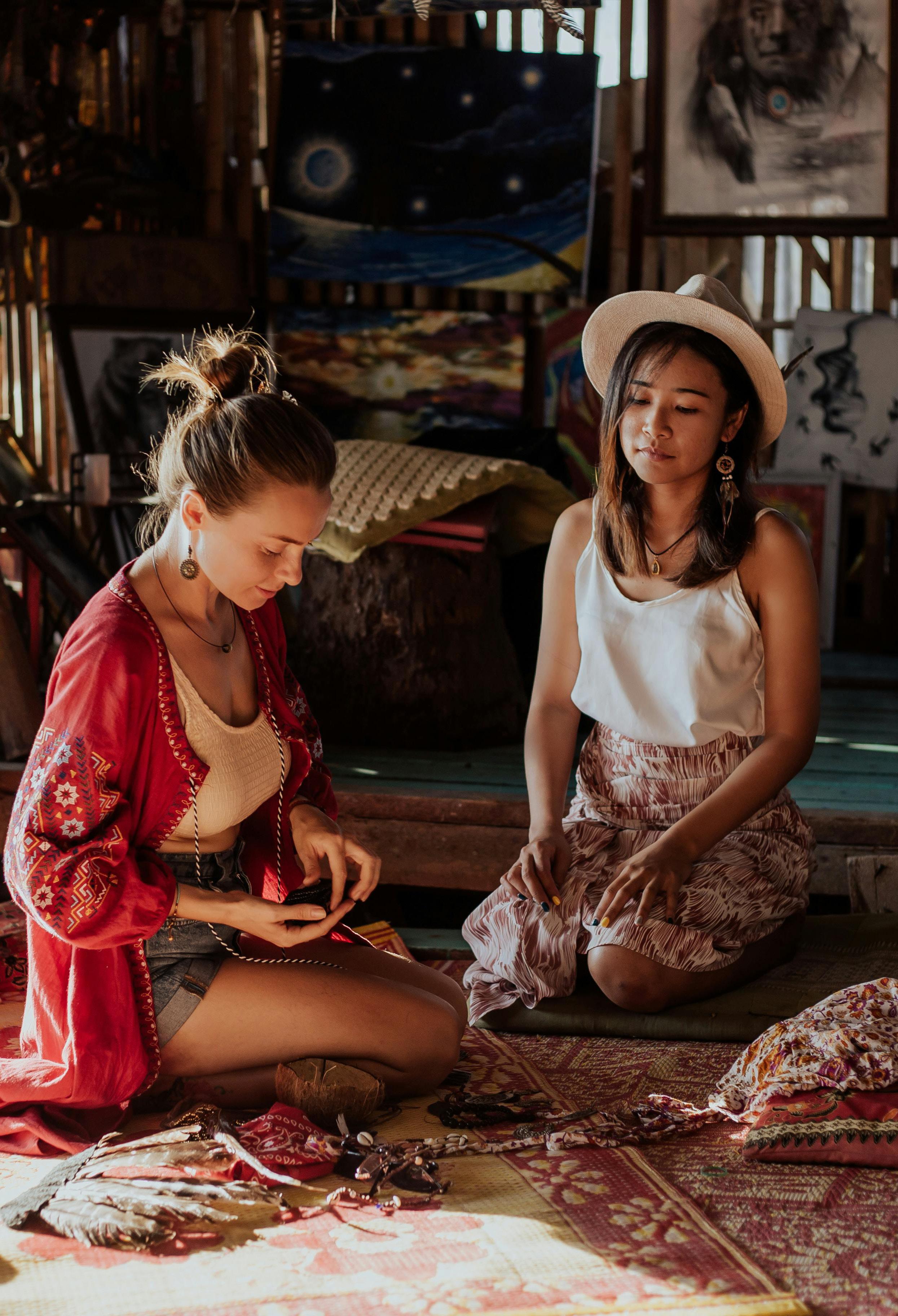
Authenticity often lives in ordinary moments, a baker shaping dough before sunrise, a fisher mending nets at the harbour, a grandmother explaining the herbs in a family recipe. These are not performances; they are continuations of lived tradition.
They prioritise participation over presentation Rather than watching from a distance,
travellers are invited to engage tasting, learning, listening, and contributing. The exchange feels reciprocal rather than transactional.
They honour continuity and context
Authentic experiences carry stories. Whether expressed through food, craft, music, or architecture, they are connected to place, history, and identity.
They support local livelihoods
When experiences are community-led, revenue flows back into the people preserving the culture, sustaining traditions for future generations.
THE SUBTLE SIGNS OF PERFORMATIVE CULTURE
Performative culture is not always intentionally deceptive. Often, it emerges when traditions are simplified, repackaged, or adapted to meet visitor expectations. Recognising these signs helps travellers make more thoughtful choices.
Over-choreographed experiences
If an encounter feels timed, staged, or repeated on a rigid schedule for rotating tour groups, it may prioritise efficiency over authenticity.
Loss of context
When cultural rituals or practices are presented without explanation, history, or meaning, they risk becoming spectacle rather than heritage.
Homogenised souvenirs and mass production
Crafts that appear identical, factory-made, or disconnected from regional identity may signal commercial replication rather than artisanal tradition.
Communities positioned as props
If local people appear as backdrops for visitor entertainment rather than active hosts and storytellers, the interaction lacks mutual respect.
QUESTIONS MINDFUL TRAVELLERS SHOULD ASK
Cultivating curiosity is one of the most powerful tools for recognising authenticity. Before booking or participating, consider:
* Who leads this experience, locals or external operators?
* Does the activity support the community directly?
* Is the tradition explained, contextualised, and respected?
* Are group sizes small enough to allow meaningful interaction?
* Would this practice exist if visitors were not present?
The answers often reveal whether an experience is rooted in cultural continuity or constructed primarily for tourism.
WHY AUTHENTICITY MATTERS MORE THAN EVER
Choosing authentic experiences is not simply a matter of preference; it is a form of stewardship.
Cultural preservation
When travellers support genuine traditions, they help safeguard languages, techniques, rituals, and culinary heritage that might otherwise disappear.
Community empowerment
Local ownership ensures that tourism strengthens economies without eroding identity.
Environmental sustainability
Authentic practices often reflect generations of environmental adaptation and stewardship, promoting more sustainable ways of living.
Deeper human connection
Meaningful exchange fosters empathy and understanding, reminding travellers that culture is lived, not displayed.
FROM SPECTATOR TO PARTICIPANT
Authentic travel is not about rejecting tourism infrastructure altogether; rather, it is about choosing encounters that prioritise respect, reciprocity, and cultural integrity. It requires slowing down, asking questions, and valuing substance over spectacle.
In doing so, travellers move beyond curated performances and into genuine human exchange, where stories are shared across tables, traditions are carried forward through hands and memory, and places reveal themselves not as attractions, but as living communities.
The most meaningful journeys are not those that show us the world, but those that allow us to understand it.

DESTINATIONS SHAPED BY PLACE:
HERITAGE, LANDSCAPE & CULTURAL IDENTITY
In a world where luxury is often measured by scale, gloss, or exclusivity alone, the most enduring escapes are those defined by place, culture, and human touch. They are destinations that tell a story long before guests arrive, where the environment, heritage, and the hands that shape every detail come together to create experiences that
feel both personal and timeless. This month, we explore three properties that exemplify this philosophy: Hotel Sidonia in Spain, Hyatt Regency Kotor Bay Resort in Montenegro, and Hansar Samui Resort and Spa in Thailand. Each illustrates how location, history, and culture shape not just a stay, but a memory.
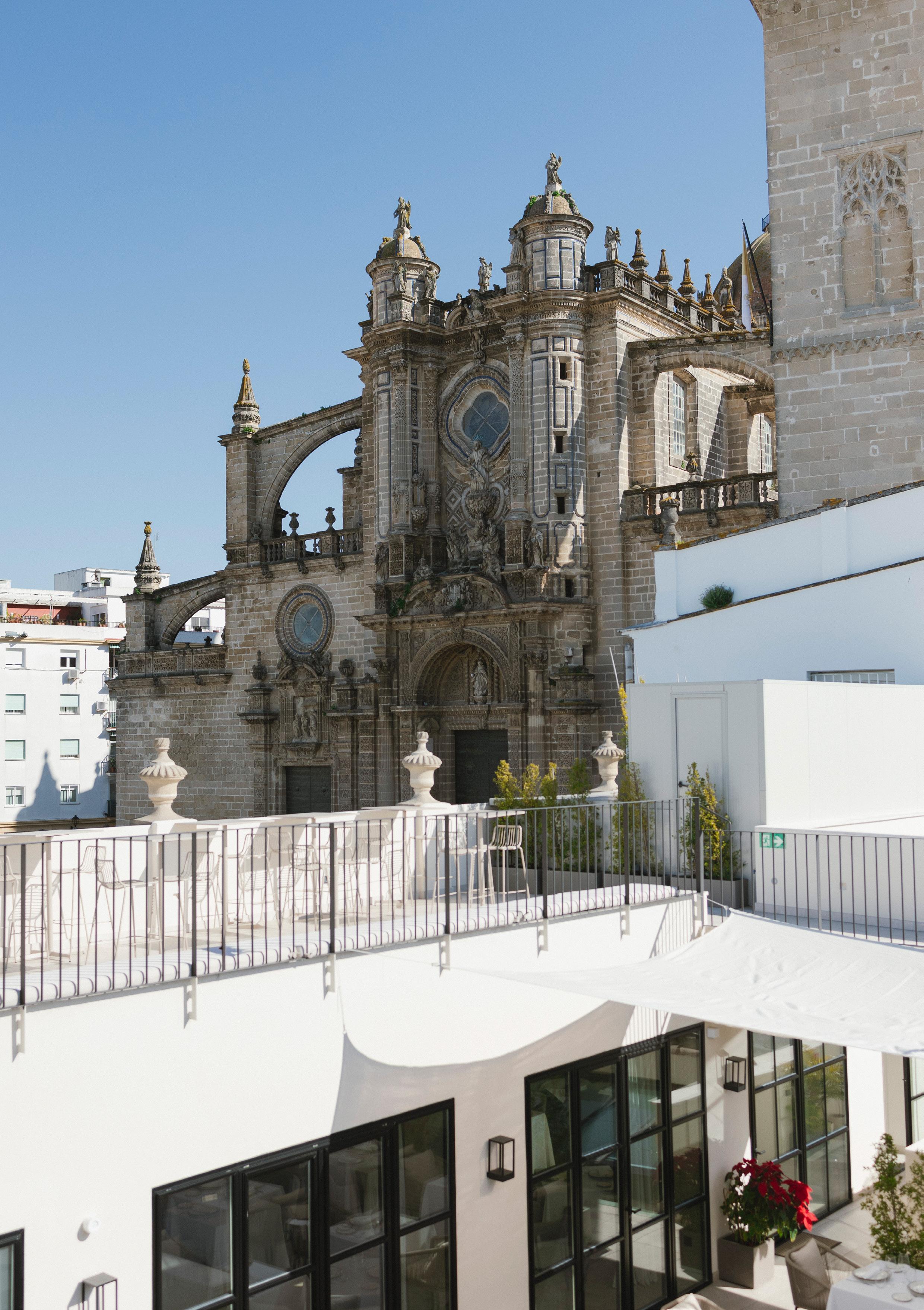
HOTEL SIDONIA — JEREZ DE LA FRONTERA, SPAIN
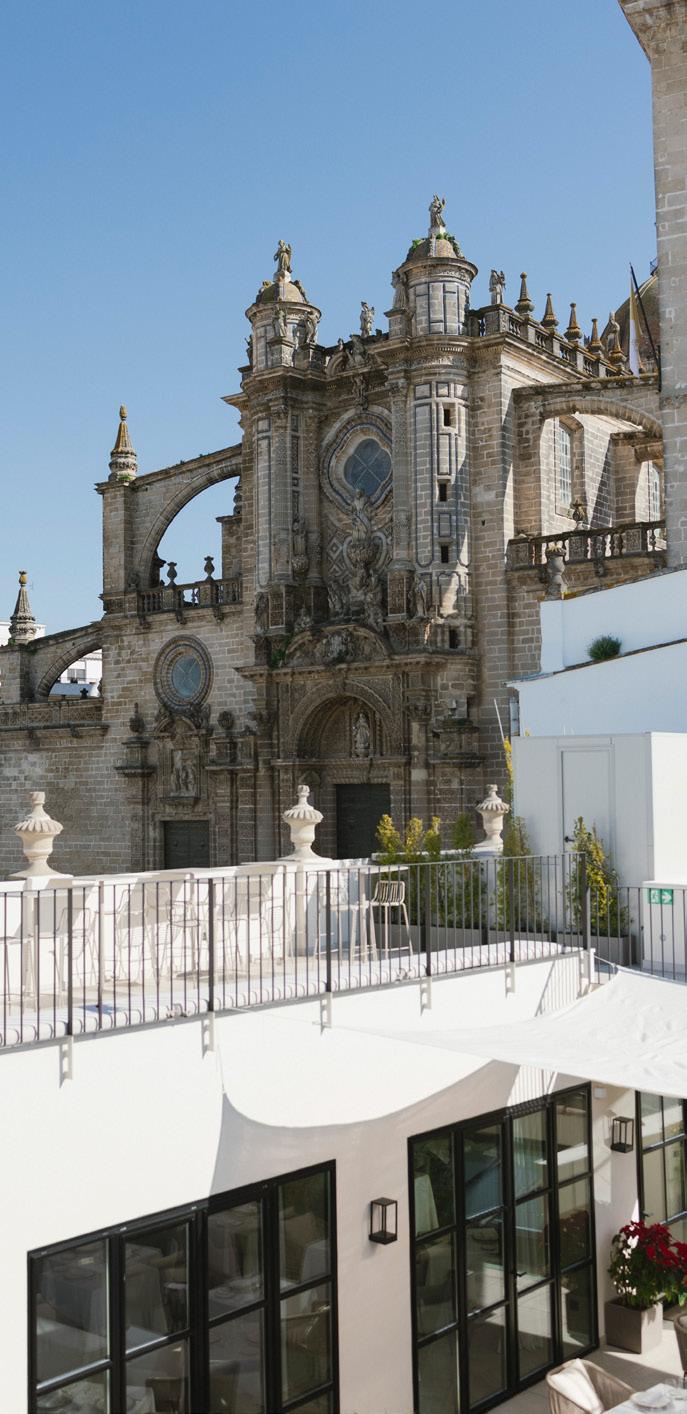
Nestled in the heart of Jerez de la Frontera, a city famed for its wine, equestrian tradition, and flamenco heritage, Hotel Sidonia embodies the harmony between history and contemporary luxury. The property itself occupies a historic bourgeois house, meticulously restored to preserve its original character while introducing modern design elements that enhance comfort and elegance. This is a hotel that honors its past without allowing it to dictate the guest experience. Every detail speaks to a balance of authenticity and thoughtful refinement.
With only nine exclusive rooms, Sidonia offers a sense of intimacy rarely found in even the most celebrated urban hotels. Each space is designed in a distinct style, enabling guests to select an ambiance that suits their mood, from quietly romantic to grandly elegant. The architecture, furniture, and decorative details act as subtle storytellers, echoing centuries of Spanish
craftsmanship. Here, guests are reminded that luxury is as much about human touch and cultural continuity as it is about opulence.
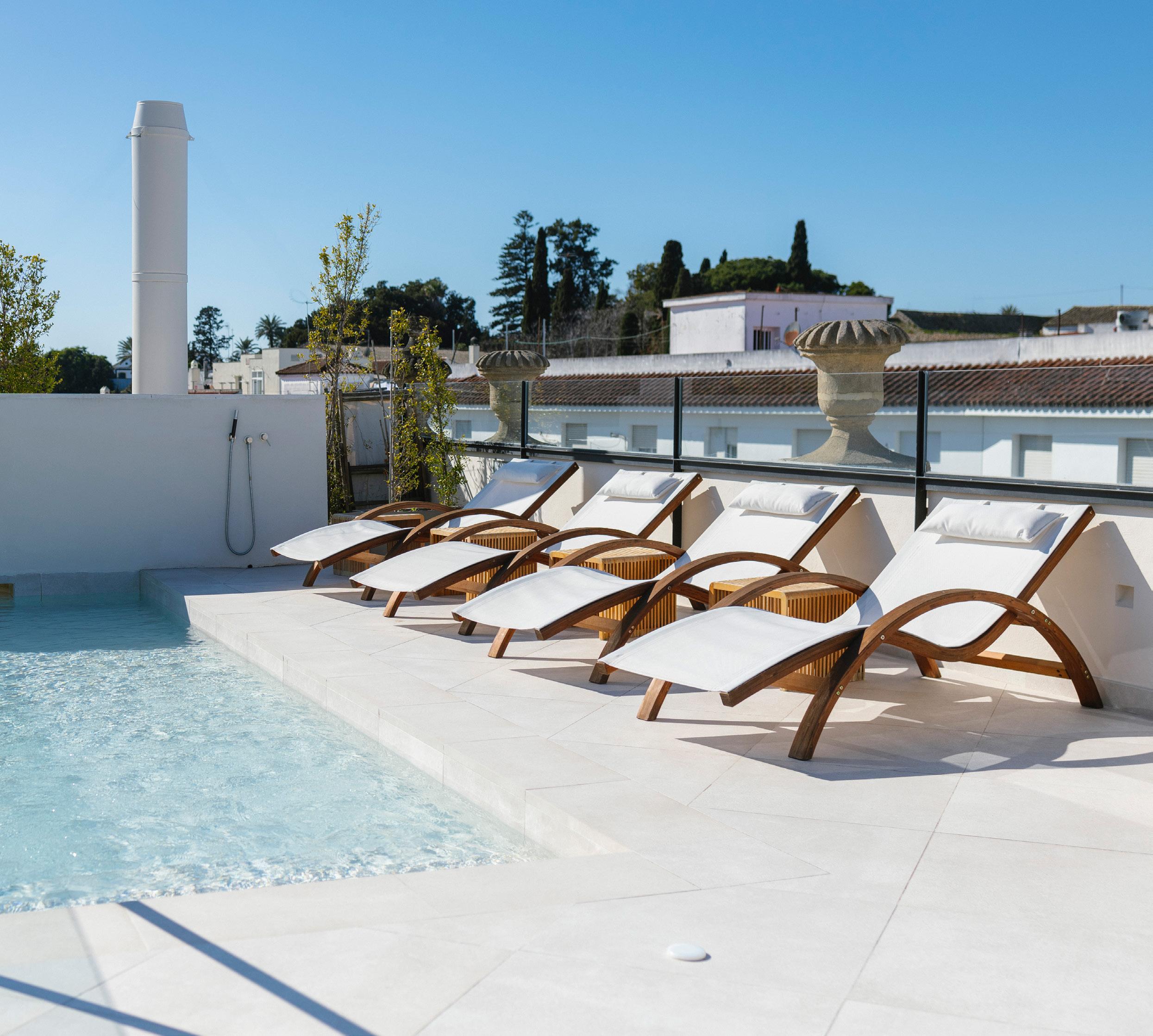
Beyond its rooms, Hotel Sidonia offers a fully equipped gym and indulgent spa services, allowing visitors to integrate wellness and relaxation into their stay. Private parking and discreet service ensure convenience without detracting from the charm of the city’s historic streets. For travelers who seek more than a hotel, Hotel Sidonia provides a gateway into Jerez itself, its museums, wineries, and plazas are all within easy reach, encouraging a pace that feels intentional rather than hurried.
At Hotel Sidonia, heritage is not static; it is experienced through the curated layering of design, service, and local culture. Guests find themselves walking through spaces where history is palpable, yet entirely welcoming, an authentic reflection of what it means to live well in a city shaped by centuries of artistry and tradition.

HYATT
REGENCY KOTOR BAY RESORT
— MONTENEGRO
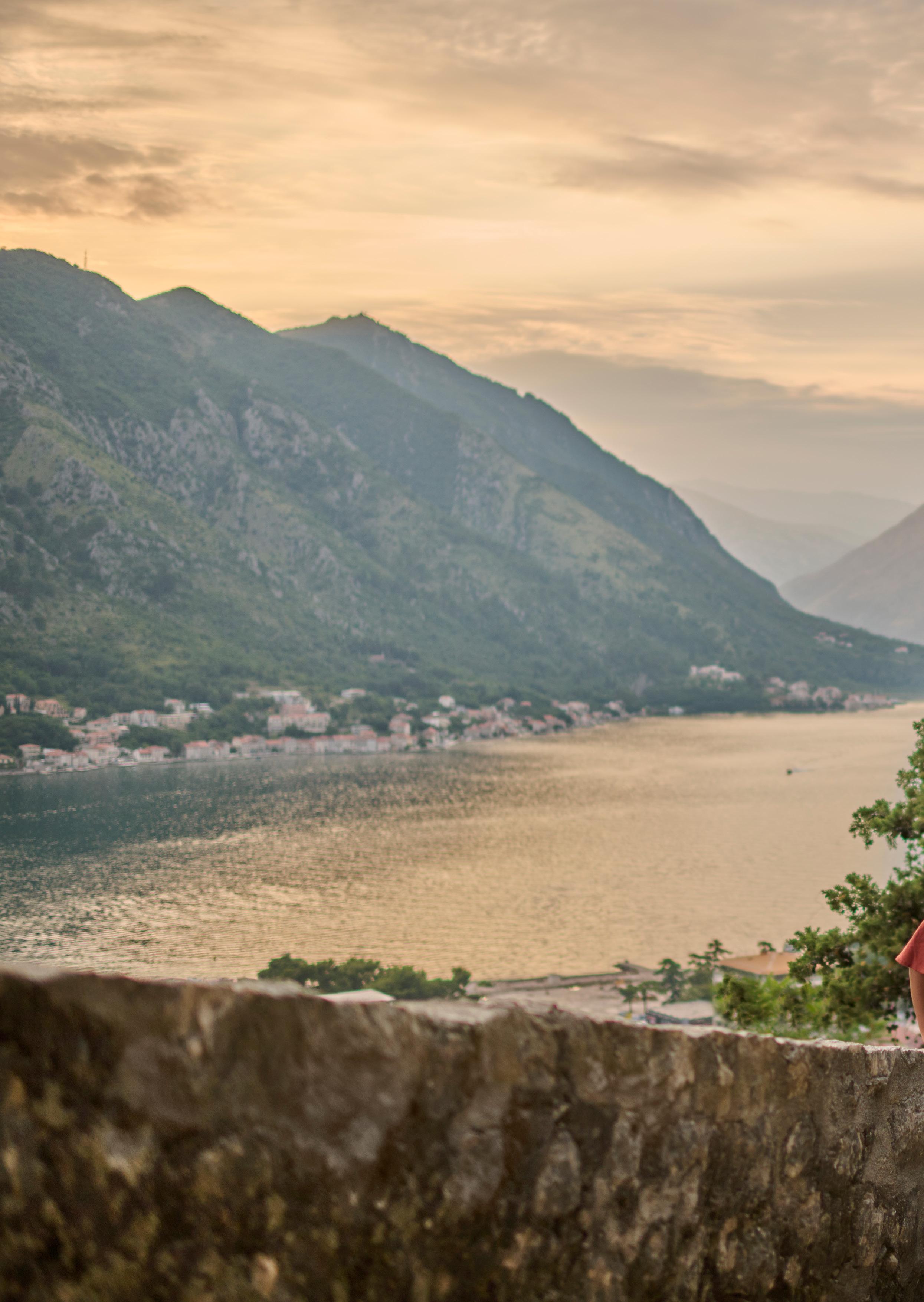
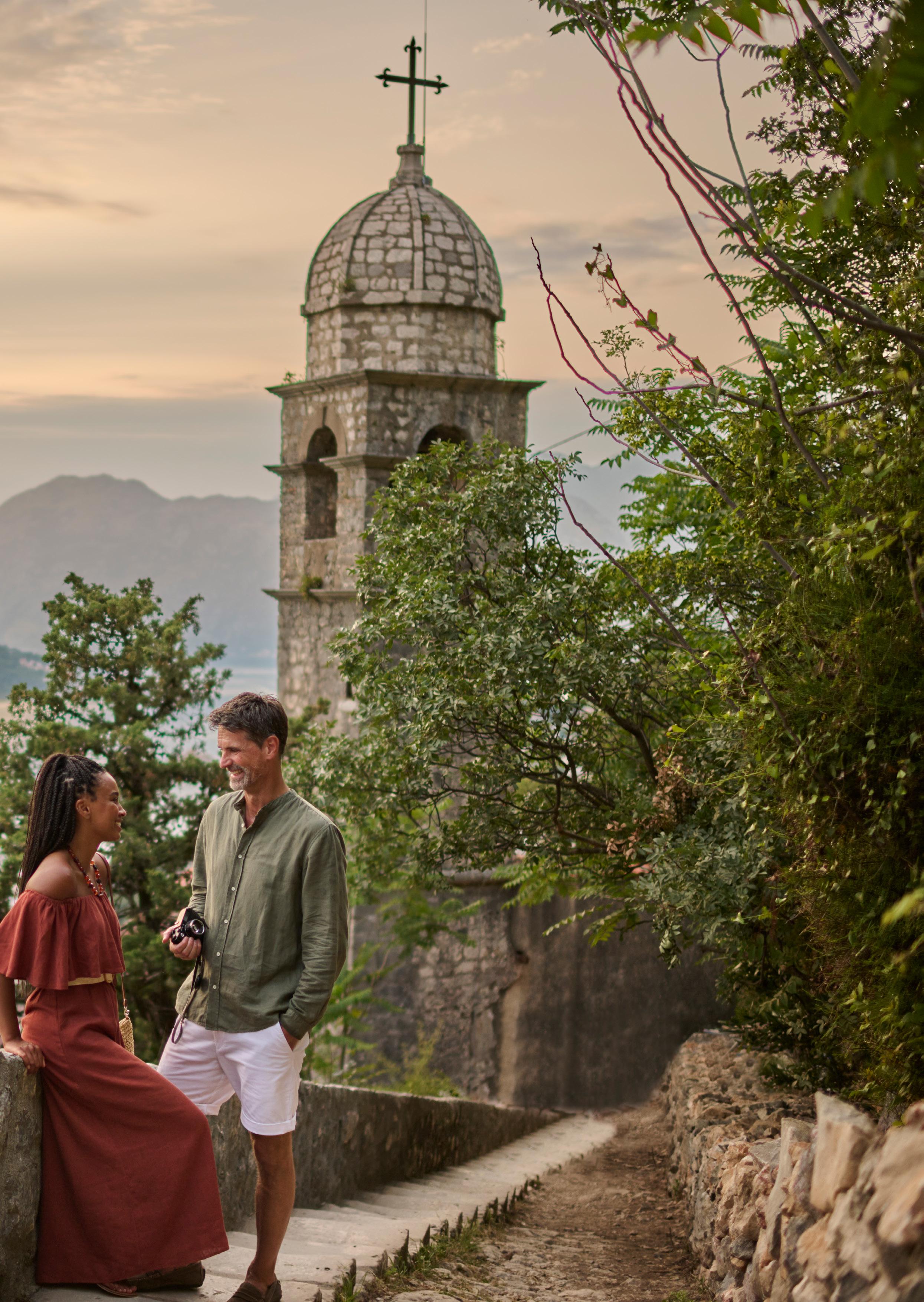
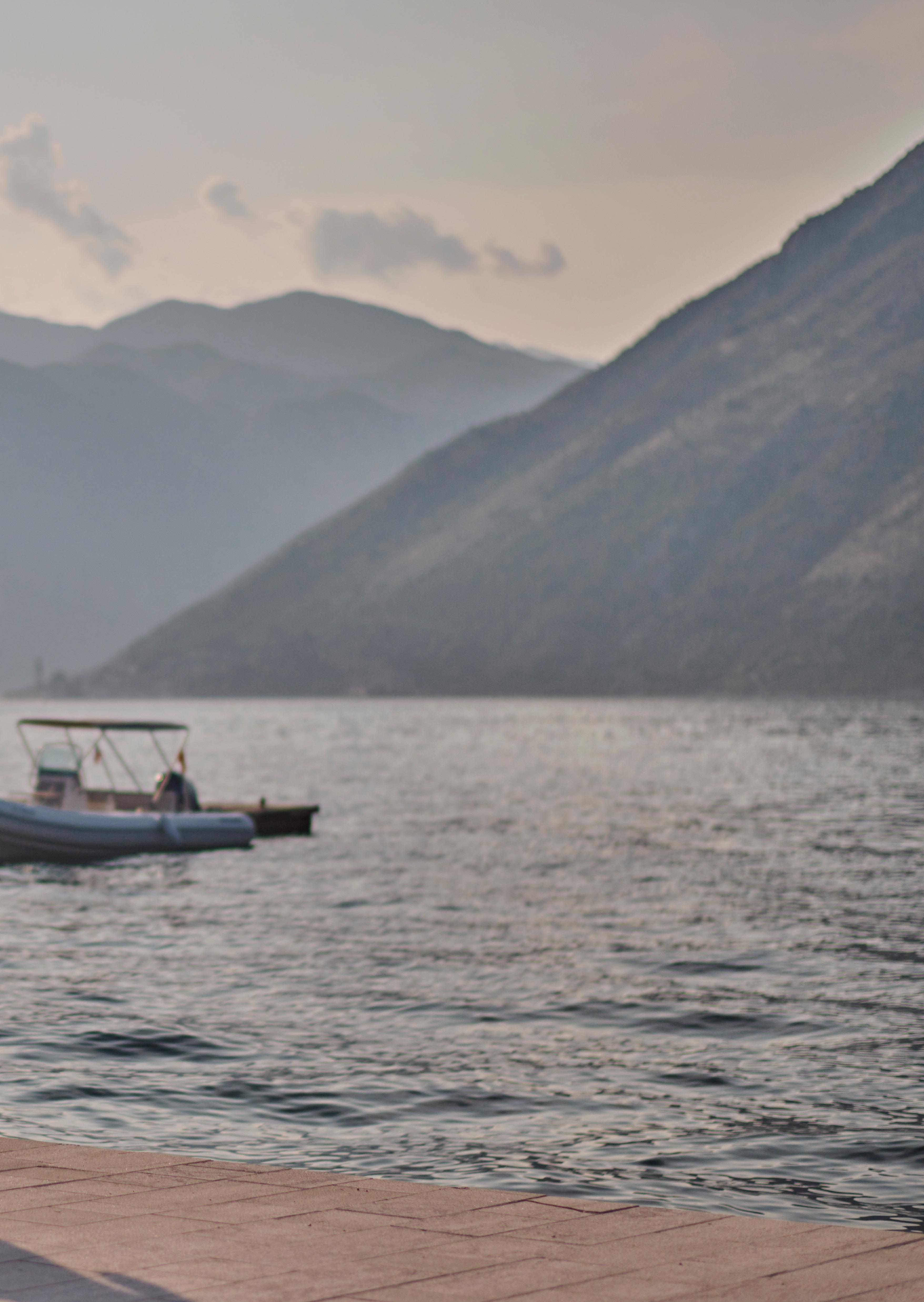
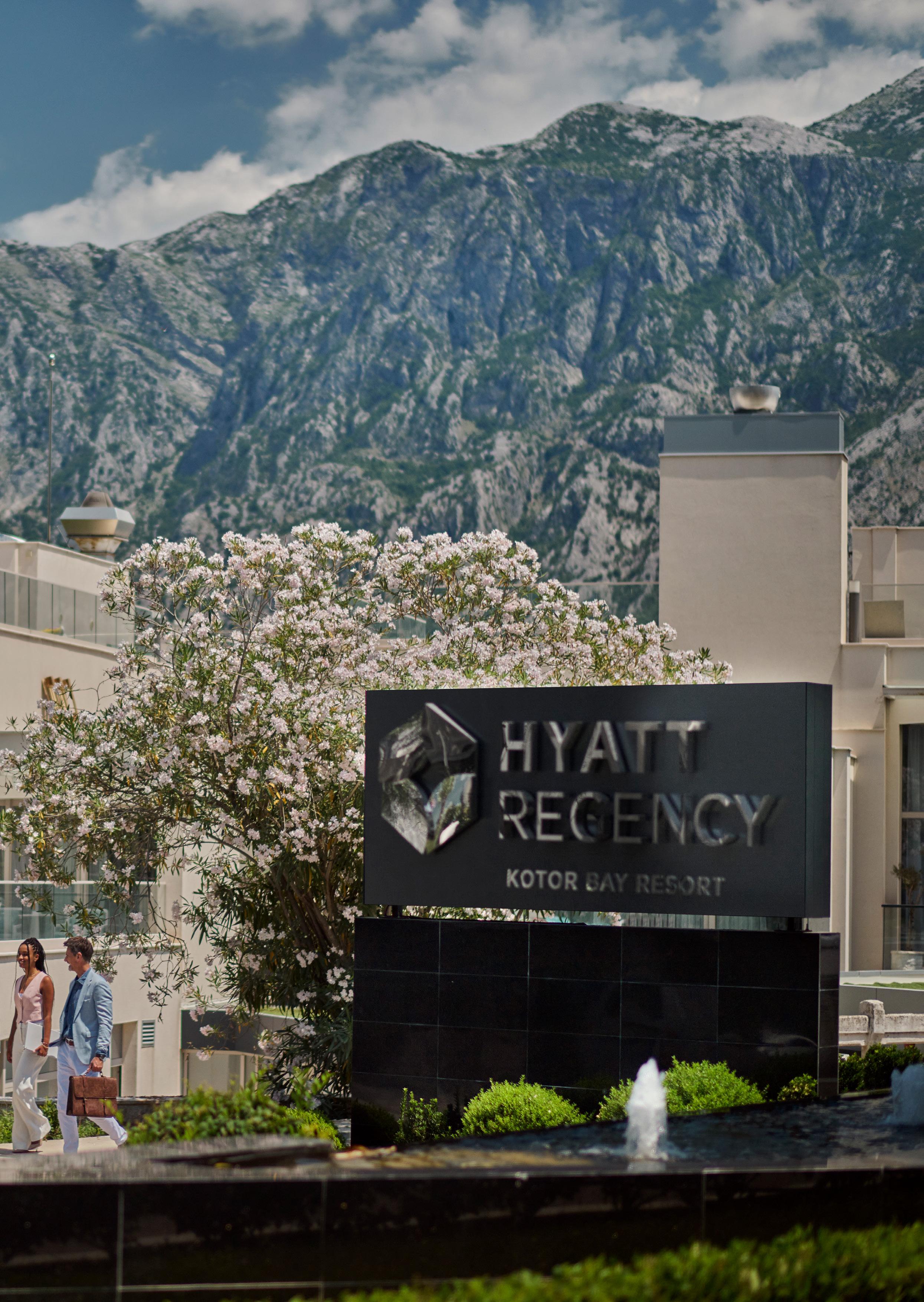
Travel northward along the Adriatic coast, and the Bay of Kotor reveals itself: a UNESCO-protected wonder where jagged mountains plunge into calm, clear waters, medieval villages cling to the cliffs, and history whispers through stone streets. It is here that Hyatt Regency Kotor Bay Resort emerges as a modern haven that honors the drama and serenity of its surroundings.
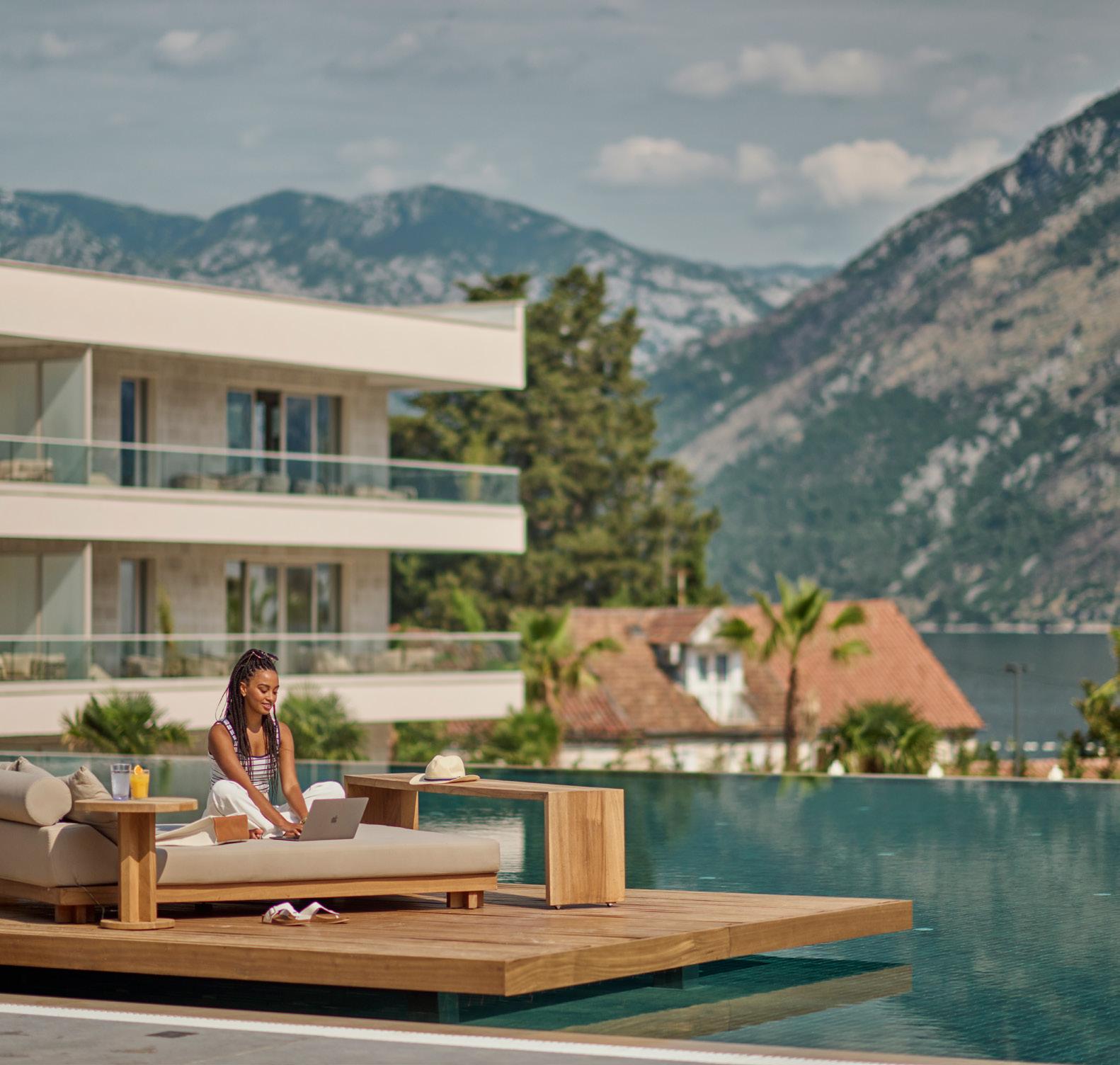
The resort’s 252 contemporary rooms and suites are designed to maximize this connection. Many offer private balconies with sweeping views of the bay, where the water shimmers like glass beneath the mountains. Inside, the interiors are a study in restrained elegance, contemporary finishes paired with warm tones and natural materials ensure a seamless flow from indoor comfort to outdoor spectacle. Every detail reinforces the dialogue between human design and the magnificence of the landscape.
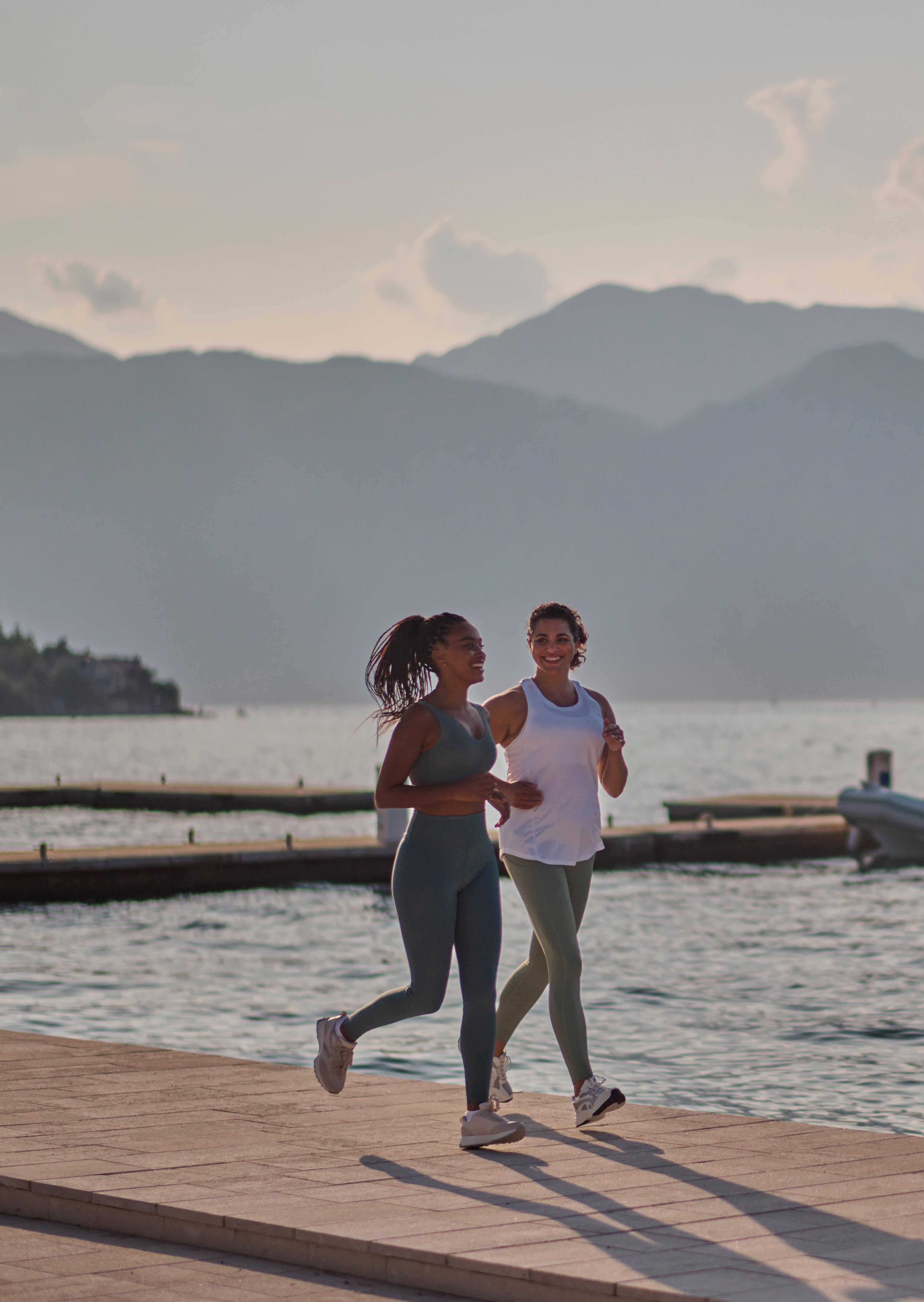
Guests at Hyatt Regency Kotor Bay find themselves immersed in both relaxation and discovery. The resort offers a tranquil spa and wellness programs, encouraging a restorative experience shaped by the quiet rhythm of the Adriatic. Dining at the Lighthouse and Blue Restaurants combines local ingredients with international flair, further rooting the stay in regional culture. Whether enjoying a quiet beachfront moment, a sunset cocktail, or a curated wellness treatment, visitors are continuously reminded that the landscape is as integral to luxury as any suite or service.
What distinguishes Hyatt Regency Kotor Bay is not merely its location or its architecture, but its ability to interpret culture and geography for the guest. The history of Montenegro and the Bay of Kotor permeates the experience subtly yet powerfully, in the design of the rooms, the flow of public spaces, and the careful attention to the rhythm of daily life here. Guests are not simply observing the place; they are participating in its ongoing story.

HANSAR SAMUI RESORT AND SPA
— KOH SAMUI, THAILAND
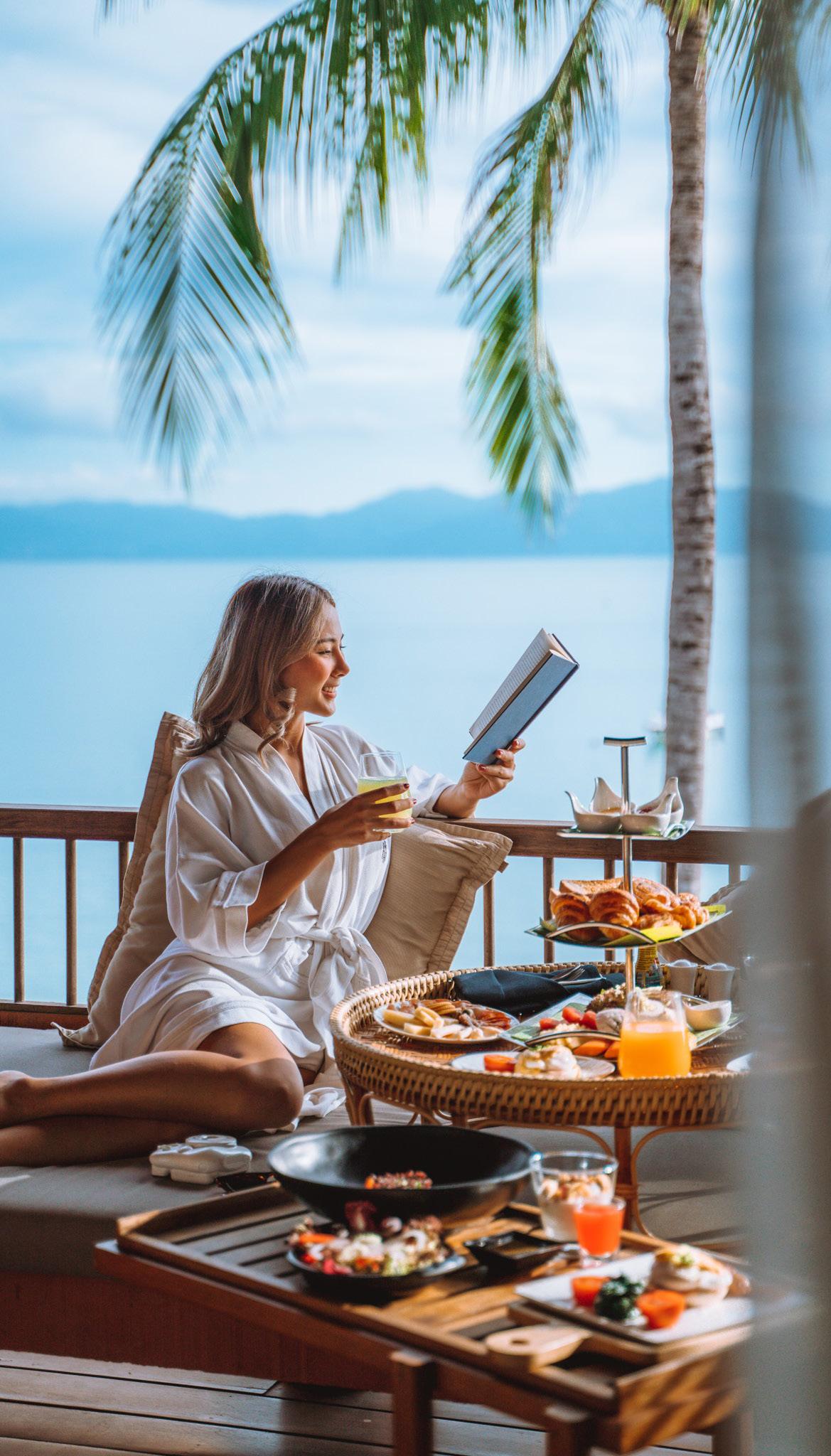
On Thailand’s eastern coast, where palm-fringed beaches meet azure waters, Hansar Samui Resort and Spa offers a different perspective on luxury: one that is human, intimate, and infused with local culture. The name “Hansar” translates to happiness and joy, a philosophy reflected in every aspect of the guest experience, from staff interaction to design and culinary offerings.
The resort’s rooms are open-plan yet intimate, featuring teak floors, terrazzo bathrooms, and locally sourced textiles. The Sea View XL room exemplifies Hansar’s approach to understated luxury: a fourposter bed, freestanding bathtub, and expansive balcony overlooking the bay invite quiet indulgence, while design choices echo the island’s cultural and natural heritage. Every detail feels intentional, creating spaces that encourage reflection, connection, and comfort.
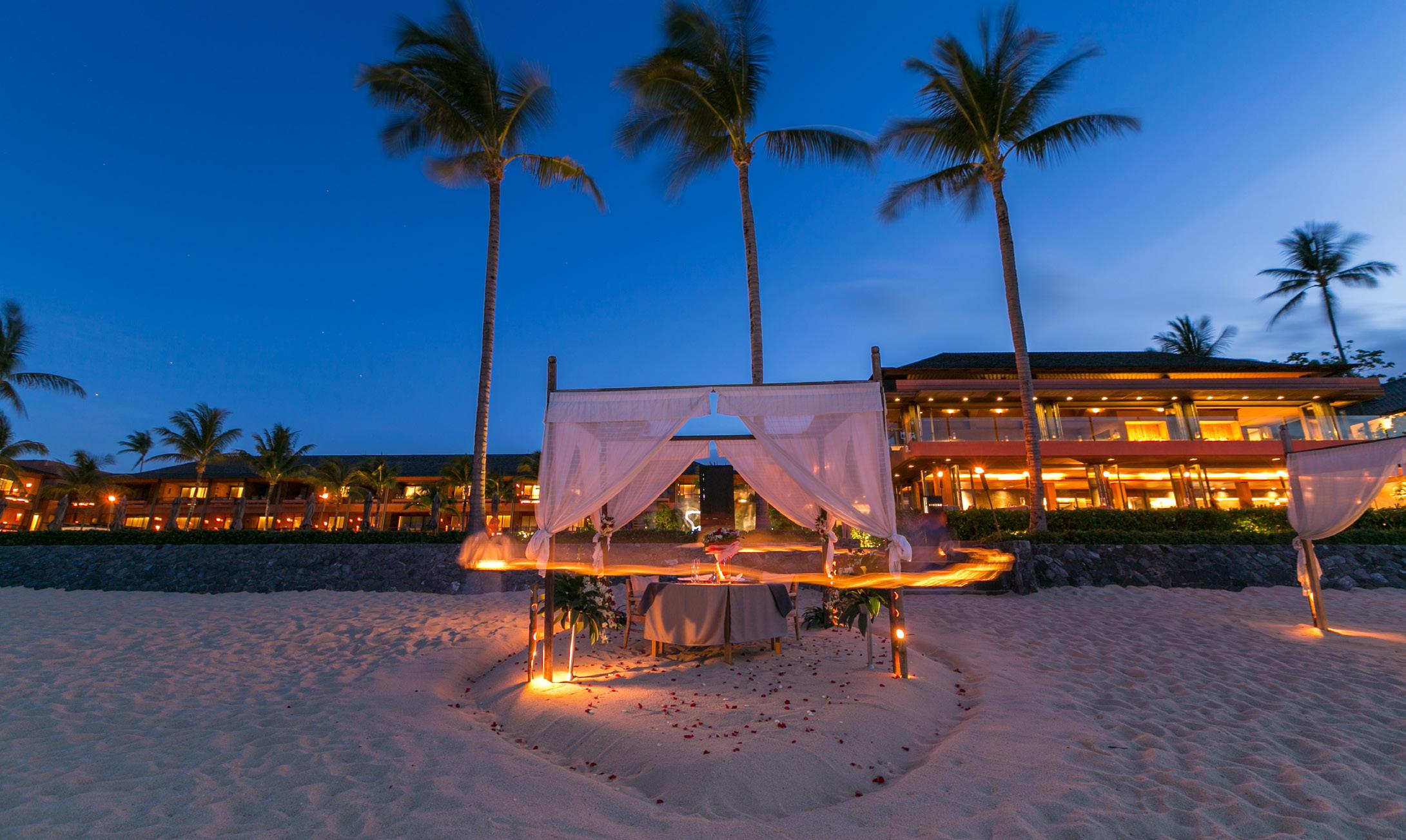
Dining at Hansar Samui continues this theme of place-informed experience. Guests can enjoy FrenchMediterranean cuisine alongside traditional Thai dishes at the beachfront
H-Bistro, savoring the way local ingredients and culinary techniques tell the story of the island’s culture. Sunset cocktails at the elevated Chill Lounge offer panoramic views of Bophut Bay, merging gastronomy with scenery to create sensory memories that linger long after the stay ends.
Wellness and activity are seamlessly integrated. Guests may paddleboard along the bay, snorkel in the turquoise waters, or explore the spa for treatments that combine traditional Thai techniques with modern wellbeing approaches. The resort’s staff, consistently praised in guest reviews for warmth and attentiveness, embody the philosophy of human-scale hospitality, ensuring that luxury is as much about care and connection as it is about amenities.
What makes Hansar Samui exceptional is its cultural authenticity expressed at every level. From the architectural choices and interior textiles to the cuisine and wellness offerings, the resort interprets the local environment in a way that feels genuine, immersive, and profoundly restorative. It is not just a place to stay; it is a reflection of the island’s rhythm, people, and traditions, inviting guests to inhabit a slower, more connected pace of life.
A SHARED PHILOSOPHY ACROSS THREE DESTINATIONS
While Hotel Sidonia, Hyatt Regency Kotor Bay, and Hansar Samui differ vastly in geography and style, they share a fundamental principle: luxury is rooted in authenticity and place.
Sidonia demonstrates that even in a historic city, a small boutique property can embody cultural heritage and thoughtful design.
Hyatt Regency Kotor Bay illustrates how a landscape, its mountains, waters, and history, can shape every dimension of the guest experience.
Hansar Samui shows that intimacy, human warmth, and culturally informed design can transform a beachfront stay into a fully immersive journey.
Across all three, the common thread is respect for human and natural context. Guests are invited to engage with
the soul of a place, rather than a standardized version of luxury. Every room, service, and experience acts as a conduit, connecting visitors to the history, culture, and environment that define the destination.
LUXURY REDEFINED
In these destinations, the measure of excellence is no longer only in marble countertops or star ratings. It is in the authenticity of the experience, the story embedded in the architecture, the care in culinary craft, and the thoughtfulness of service. Luxury becomes experiential, narrative-driven, and deeply human, a counterpoint to the fast, performative travel that dominates social feeds.
Here, travelers leave not with souvenirs alone, but with memories infused with culture, landscape, and craft, proof that the most meaningful journeys are those shaped by place and people, not by trends or checklists.

MADE BY PLACE: LEADING WITH PURPOSE IN KOTOR BAY
A CONVERSATION WITH HANS PRINS ON AUTHENTICITY, LANDSCAPE, AND THE EVOLVING MEANING OF LUXURY
Set against the dramatic meeting point of mountain and sea, Hyatt Regency Kotor Bay Resort offers more than just a striking location — it presents a perspective on luxury shaped by place, people, and purpose.
In this conversation, General Manager Hans Prins reflects on his journey through hospitality, the emotional resonance of Montenegro’s UNESCOprotected Bay of Kotor, and the responsibility of creating experiences that feel authentic rather than constructed. His insights reveal a philosophy grounded not in spectacle, but in respect — for culture, for landscape, and for the quiet power of genuine connection.
What first drew you to a career in hospitality, and what experiences along the way ultimately led you to your role at Hyatt Regency Kotor Bay Resort?
When you come from culinary arts, a path toward hospitality leadership is a natural evolution for those of us who believe in constant development and the pursuit of excellence. You can
choose to go deep in one direction, or if you are a knowledge and experience chaser, as I am, you expand in every direction the industry offers. Either way, you are reaching for the stars. Whether those happen to be Michelin stars or the stars of an extraordinary destination is, in the end, a matter of semantics. What remains constant is this: delivering exceptional experiences is your product, your purpose, and your art.
I was based in Croatia before Montenegro, a country that has established itself firmly on the global luxury travel map. Montenegro is a natural transition from there: familiar in its Adriatic spirit, yet entirely its own world. European, Mediterranean, new, yet old. It is wilder, more layered, and, given the significant difference in size, in many ways more boutique and more surprising. I thrive on challenge, so the prospect of a new country, a new hotel, and a new chapter was something I simply could not refuse. I had been watching Montenegro and its striking beauty for some time. When Hyatt Regency Kotor Bay Resort entered as a possibility, the decision was straightforward.
Your career has brought you to Montenegro’s UNESCOprotected Bay of Kotor. How has working in culturally and geographically distinctive destinations shaped your approach to hospitality leadership?
Every hotel is different, not only because of the destination it represents, the facilities it provides, or the experiences it curates, but because every team is distinctive. When I immerse myself in a new culture, I do not turn solely to history books, points of interest, legends, poetry, and music, though all of these matter. I spend time with people. I listen to their stories and follow their passion. That, for me, is true cultural immersion.
It is not only local colleagues who shape that understanding. Those who have come from entirely different corners of the world and made this place their home often offer the most vivid and generous perspectives.
When you arm yourself with that knowledge, respect, and genuine understanding of a destination, your role is to apply experience and lead with everything you know. The Bay of Kotor — with its UNESCO-protected coastline, layered history from Illyrian to Venetian to Ottoman, and the extraordinary character of the Montenegrin people — has already begun to shape how I lead here. Every destination, every resort, and every day contributes to the leader you are becoming. Each place deserves its own approach.
Kotor Bay is a place of striking natural beauty and layered history. What makes this destination emotionally distinctive for you, and how do you translate that feeling into the guest experience?
I fall in love. I explore, research, listen, and discover all those particular things that make a destination unique, until they have me completely. When you fall in love with a place, when you genuinely respect and cherish your team, and when you work wholeheartedly with all stakeholders to continuously develop the product, you have the formula.
Then, no deliberate translation is needed. You simply radiate that energy and love, always wrapped in professionalism and service. Guests feel it immediately. They may not be able to name it, but they feel it.
The Bay of Kotor, with its mountains dropping into the still Adriatic and centuries of civilisation woven into its stone, offers an extraordinary canvas for that feeling.
This month we explore the idea of “Made, Not Manufactured.” In your view, what distinguishes authentic luxury from something that feels staged or overly curated?
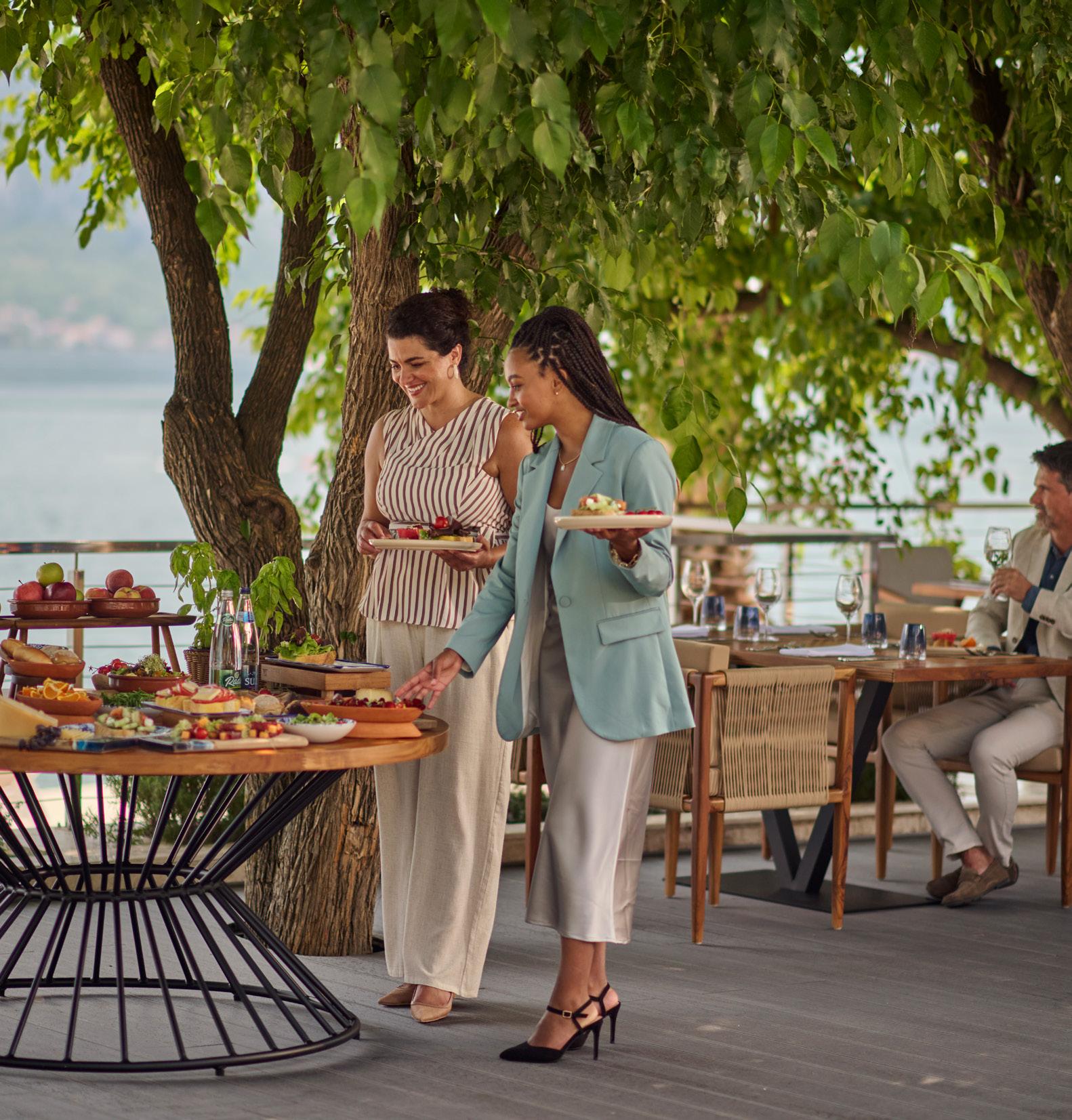
A wildflower that belongs to this landscape. A cat sunbathing on warm stone, entirely unbothered. A crisp glass of Vranac, Montenegro’s own, on a breezy evening on your terrace. Montenegro’s famous Njegus prosciutto, aged cheese, and sun-ripened figs. A genuinely prepared dish that carries centuries of tradition in a single bite. A view undisturbed by the ambitions of developers. A smile from a member of staff that is unmistakably real. A sunrise hike on Vrmac. A sunset swim in the bay.
This is true luxury. It is not manufactured, because it cannot be. It is the art of recognising what is most extraordinary about a place and uplifting it with care
and intention. At Hyatt Regency Kotor Bay Resort, the destination itself is the greatest luxury we offer, our role is simply to recognise it and elevate it.
As part of a globally recognised brand, how do you balance Hyatt’s standards with the individuality and spirit of this unique destination?
Hyatt is centred on care, genuine human care, and among its core values, wellbeing holds a foundational place. That is no coincidence. Wellbeing is also the foundation of this resort. The Vrmac Health & Wellbeing Retreat de’ Mar, our medicalgrade programmes, Spa Soul, and the healing qualities of the bay’s unique microclimate all reflect what Hyatt stands for at its best.
The Hyatt Regency brand does not compete with the individuality of Kotor Bay, it aligns with it seamlessly. When your focus is on personalised hospitality, when every interaction is shaped by genuine attention to who your guest is and what this place can offer them, then conveying the spirit of Kotor Bay becomes natural in every moment of the operation.
Operating within a UNESCOprotected area carries a profound responsibility. How does the resort approach environmental stewardship and the long-term preservation of the Bay?
Montenegro, at a state level, is working toward meaningful longterm improvements, supported by global stakeholders and a growing range of sustainability initiatives, though recycling infrastructure still presents real limitations. We do not wait for the ecosystem to catch up, we lead where we can and aim to set an example worth following.
In practical terms, we have implemented solar panels, participate in beach clean-ups, significantly reduced single-use plastics, and apply water and energy conservation standards throughout the property, including LED lighting and lowflow fixtures. Our food philosophy is firmly rooted in local sourcing, our menus celebrate Montenegro’s culinary heritage with fusion dishes that bring international influences to bear on exceptional local ingredients, rather than the revers.
From a design and biodiversity perspective, we expand thoughtfully into our natural surroundings, prioritising native planting, fauna protection, and environmental practices that protect rather than compete with the landscape. Education is equally important, sustainability is woven into how we communicate with guests and partners, because awareness is where meaningful change begins.
What has been the most rewarding aspect of leading a property in a destination as distinctive as Kotor Bay?
I have been in this role for only a matter of months, so I can say this with complete honesty: at this moment, each day is its own reward. What has the strongest hold on me is the sheer totality of what this place offers, the breathtaking surrounds, the richness of the destination but with a boutique flair due to the size, and the remarkable realisation that virtually anything a discerning guest could imagine. A perfect holiday, an unforgettable event, a wellness journey, a wedding at the water’s edge is with reach, right here. Very few resorts in the world can make that claim. To lead such a property, in such a place, with such a team, is a privilege I do not take lightly.
Looking ahead, how do you see luxury evolving in destinations like Montenegro — and what role will authenticity and cultural integrity play in that evolution?
Montenegro has developed significantly over the past decade in terms of luxury offerings, and that trajectory will only accelerate as investment, infrastructure, and international recognition continue to grow. The arrival of globally recognised brands confirms what many of us have long believed, the potential here is extraordinary.
However, brands that endure, and destinations that earn their place on the global luxury map, are those that place authenticity and cultural integrity at the centre of what they do. Luxury properties exist in abundance around the world. Without the local lifestyle, culinary traditions, music, people, and even the particular quality of light over the bay at dusk, they are simply beautiful shells. With these elements, they become irreplaceable.
Montenegro’s greatest advantage is that it still has all of this in abundance. The responsibility of every luxury operator here is to protect and celebrate it, not replace it with something more convenient or familiar. That is the only way forward.
In a world where luxury can so easily be replicated, Hans Prins offers a quieter, more enduring perspective — one rooted in authenticity, stewardship, and emotional connection. At Hyatt Regency Kotor Bay Resort, luxury is not constructed, but revealed — shaped by landscape, guided by culture, and brought to life through people. It is a reminder that the most meaningful travel experiences are not manufactured, but deeply, unmistakably made.
WHY LOCAL MATTERS MORE THAN EVER
Luxury travel is shifting from spectacle to substance, and at its heart lies a simple truth: place matters because people matter.
For decades, global luxury travel prioritised consistency, prestige, and polished perfection. Marble lobbies looked similar across continents, menus echoed familiar favourites, and experiences were designed to feel comfortably universal. Today, however, a profound shift is reshaping traveller expectations. Discerning travellers are no longer searching for the same experience in different locations, they are seeking connection, authenticity, and a sense of belonging that can only come from engaging with the local.
To travel well in 2026 is not simply to arrive somewhere beautiful. It is to understand where you are, who shapes the place, and how your presence contributes to its future.
THE SHIFT FROM GLOBALISED LUXURY TO LOCAL MEANING
Modern luxury travellers are increasingly motivated by meaning rather than display. They want to know:
* Who crafted this space?
* Where does this food come from?
* How does this experience support the community?
* What stories live beneath the surface?
This shift reflects a broader cultural awakening. In an era of mass production and digital sameness, locality has become rare, and rarity defines luxury.
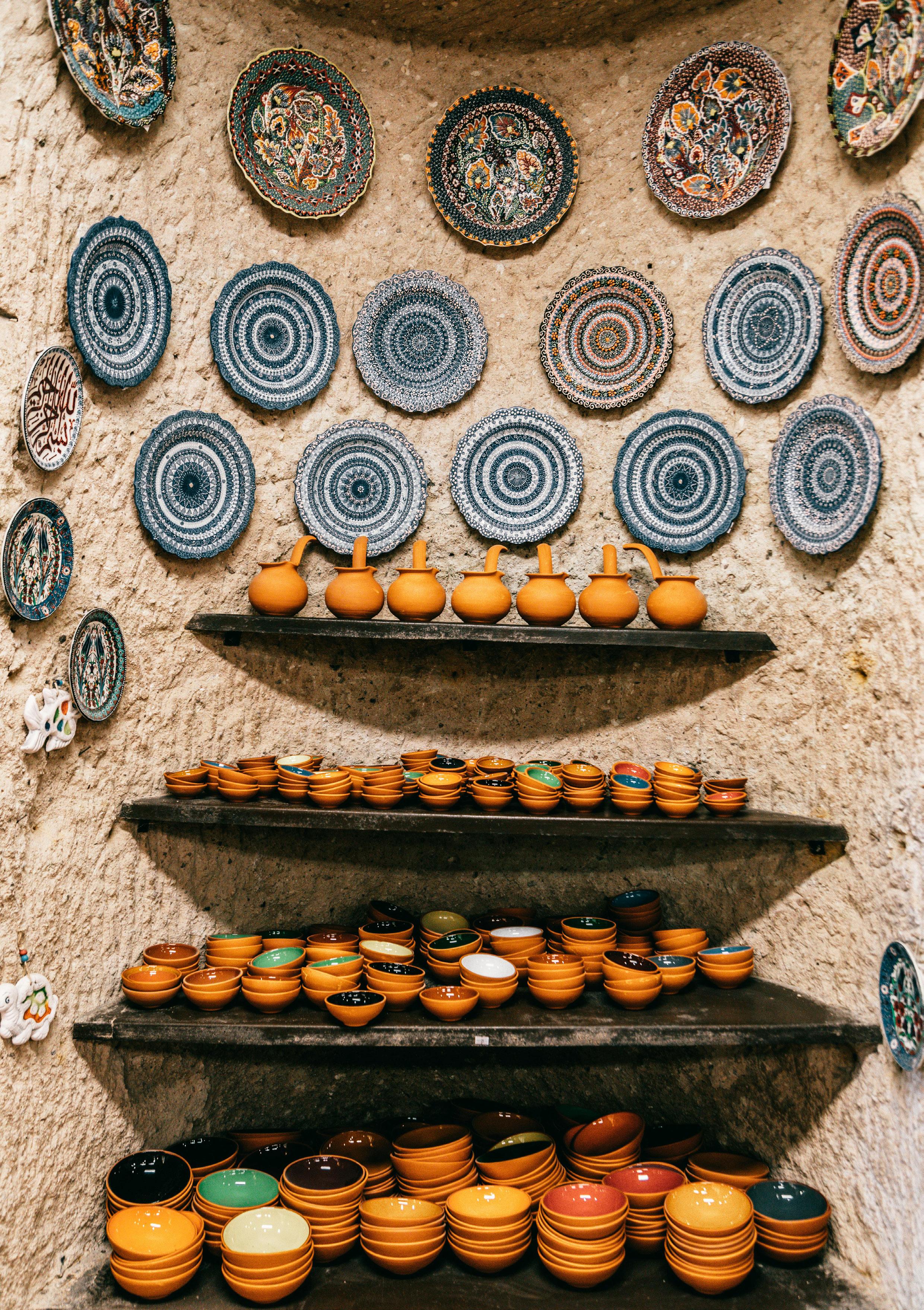
Local craftsmanship, regional ingredients, cultural traditions, and community knowledge offer something no global brand standard can replicate authenticity rooted in place.
LOCAL ECONOMIES
SUSTAIN CULTURAL CONTINUITY
Choosing local is not a trend, it is a lifeline.
When travellers support locally owned businesses, artisans, farmers, and guides, their spending circulates within the community. This economic participation helps sustain:
* traditional crafts and skills
* regional agriculture and food heritage
* independent cultural institutions
* community livelihoods
* heritage preservation efforts
Without this support, many cultural traditions risk fading under the pressure of
globalisation and mass tourism.
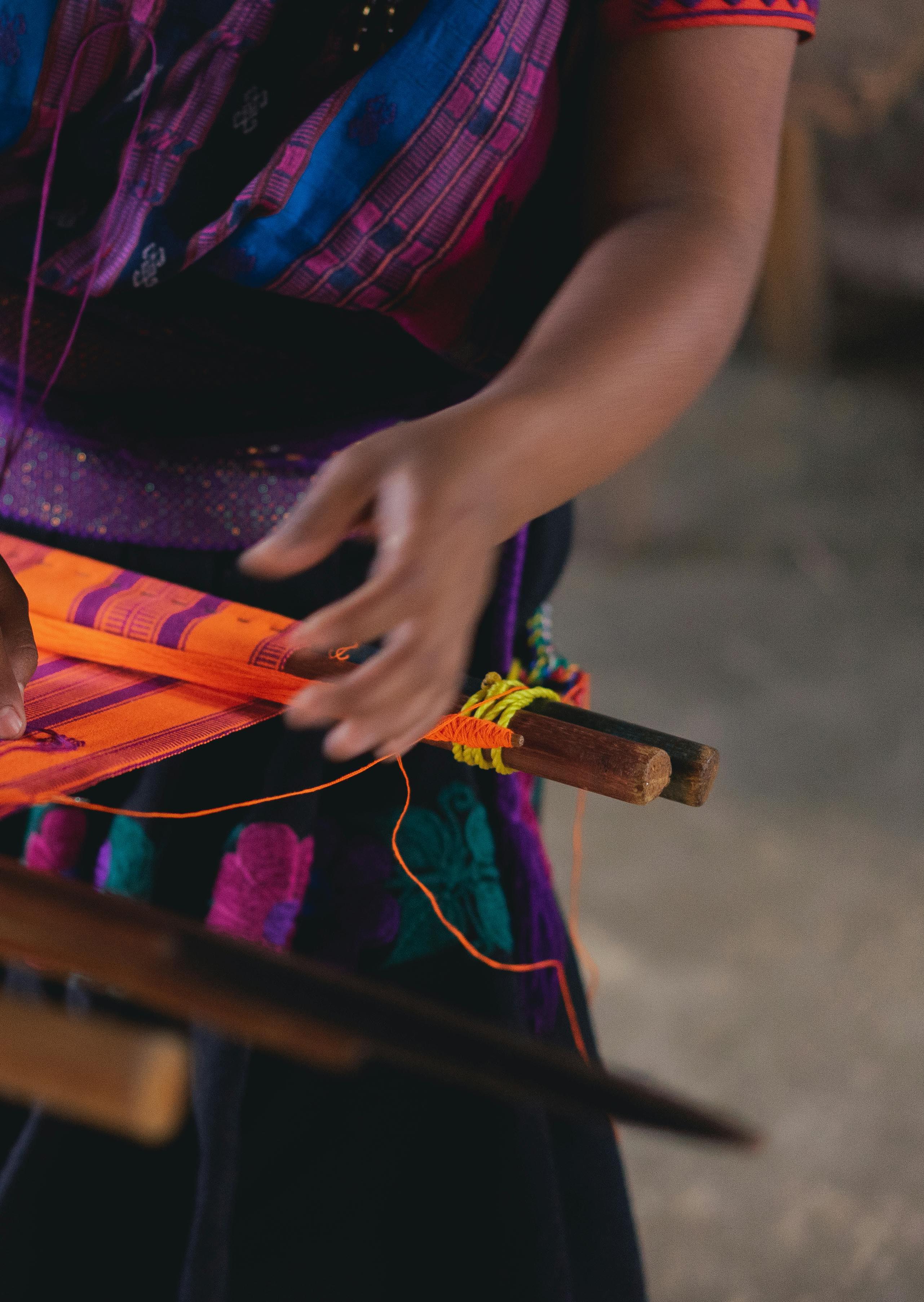
A handwoven textile, a regional cheese, a locally guided walking tour, these are not souvenirs or activities. They are threads in a living cultural fabric.
CULTURAL IDENTITY LIVES IN EVERYDAY PRACTICES
Authenticity does not reside in monuments alone. It lives in daily rituals:
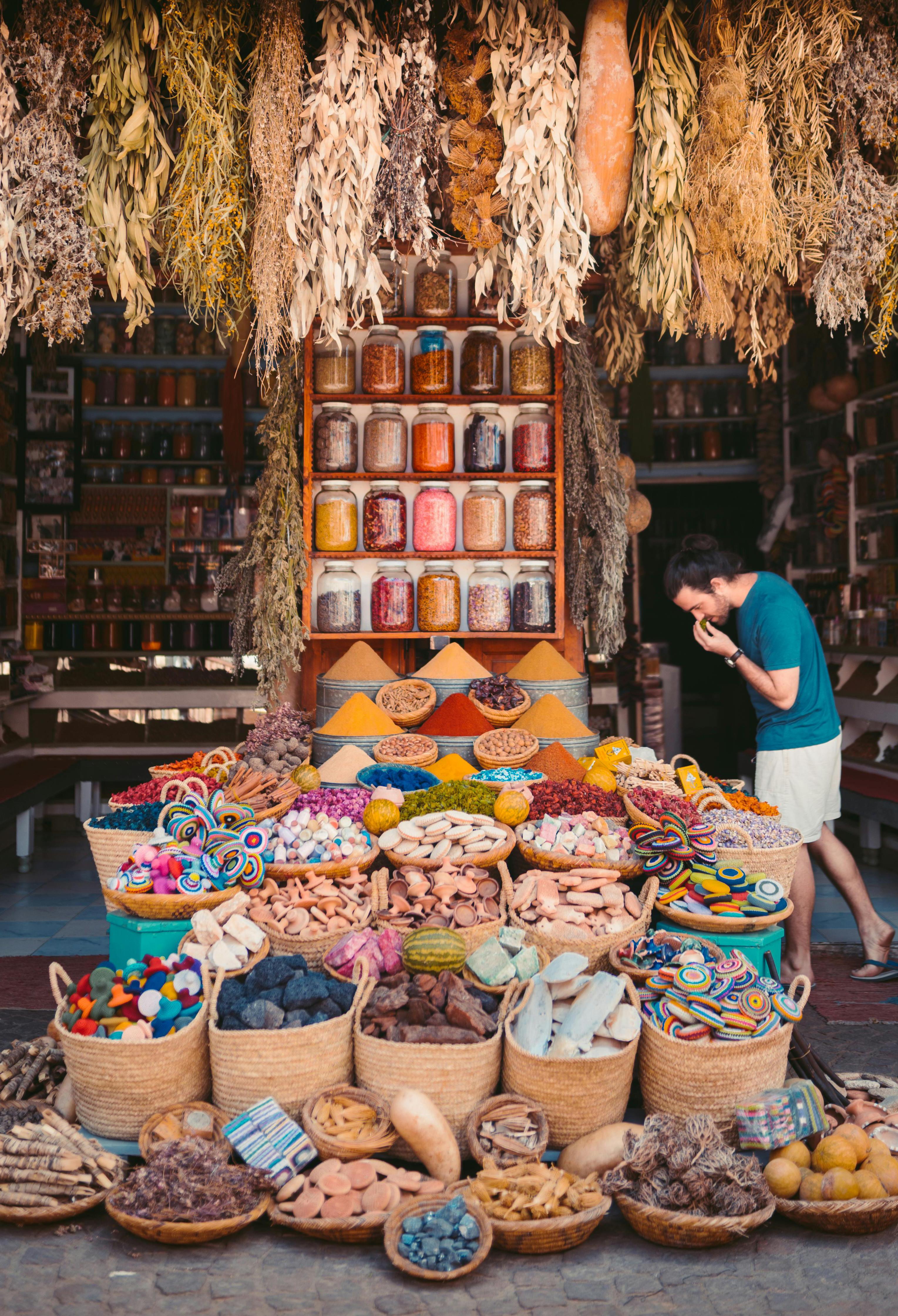
* morning markets preparing for the day
* fishermen returning with the tide
* family recipes passed through generations
* artisans shaping materials using ancestral techniques
* music, language, and storytelling traditions
When travellers engage with these living expressions respectfully and with curiosity, they move beyond observation into meaningful exchange.
The result is not performance, but participation, a moment of shared humanity that transcends language and geography.
ENVIRONMENTAL STEWARDSHIP BEGINS AT THE LOCAL LEVEL
Local communities are often the most committed stewards of their environments. Their livelihoods, heritage, and futures are directly tied to the landscapes around them.
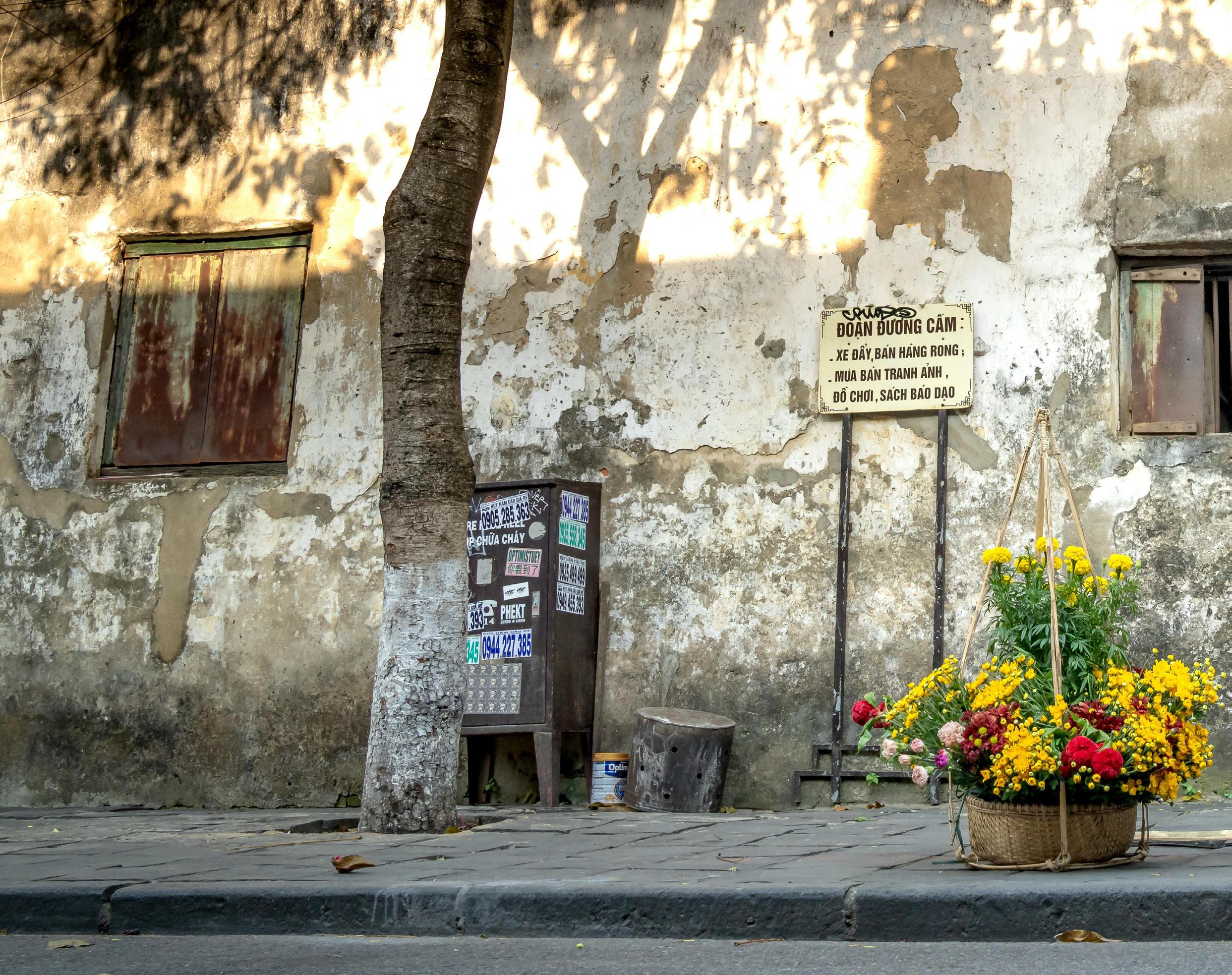
Supporting local operations frequently means supporting:
* sustainable fishing and farming practices
* preservation of natural ecosystems
* traditional land management methods
* low-impact tourism initiatives
* conservation-led experiences
By choosing locally rooted experiences, travellers help reinforce environmental responsibility and long-term ecological balance.
THE DIFFERENCE BETWEEN LOCAL PRESENCE AND LOCAL INTEGRATION
Not all experiences labelled
“local” are genuinely embedded in community life. True local integration goes beyond aesthetics.
Surface-level localisation may include:
* decorative cultural motifs
* staged performances for tourists
* imported ingredients presented as regional
* generic souvenirs marketed as handmade
Genuine local integration includes:
* partnerships with local producers and artisans
* regionally sourced ingredients and seasonal menus
* employment and leadership
from within the community
* preservation of architectural heritage
* authentic cultural storytelling
Discerning travellers increasingly recognise the difference, and seek the latter.
WHY LOCAL EXPERIENCES CREATE DEEPER MEMORIES
Psychologists have long noted that memory is strengthened by emotion and sensory engagement. Local experiences stimulate both.
The aroma of spices in a neighbourhood kitchen, the texture of handwoven fabric, the cadence of a regional dialect, the rhythm of traditional music, these
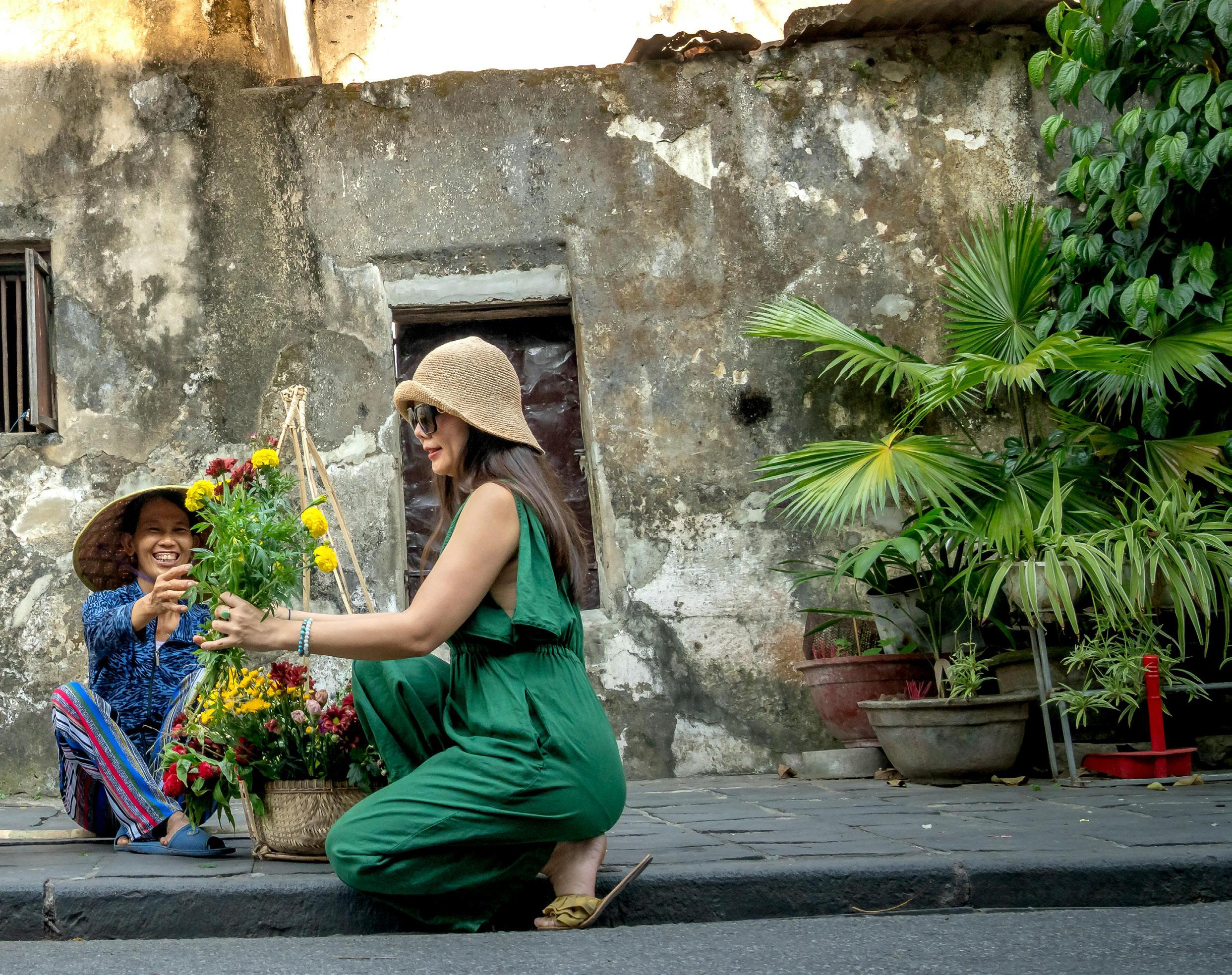
impressions linger long after photographs fade.
Travellers may forget a luxury suite’s thread count, but they remember the baker who shared a morning ritual, the artisan who explained her craft, or the fisherman who described the tides.
Meaningful encounters create enduring memory.
HOW TRAVELLERS CAN SUPPORT LOCAL MEANINGFULLY
Supporting local communities does not require grand gestures. Small, conscious choices create meaningful impact.
Choose locally owned businesses
Boutique hotels, independent restaurants, and community-run experiences ensure revenue benefits residents directly.
Eat regional and seasonal cuisine
This supports local farmers, fisheries, and culinary heritage.
Buy handmade, not massproduced
Authentic crafts preserve skills and provide sustainable livelihoods.
Hire local guides
They offer cultural insight while strengthening community economies.
Respect customs and traditions
Cultural awareness demonstrates appreciation and fosters mutual respect.
Travel slower and stay longer
Time allows for deeper engagement and reduces environmental strain.
LUXURY AS CONNECTION, NOT CONSUMPTION
True luxury is evolving from accumulation to connection.
It is found in:
* conversations that expand understanding
* places that retain their identity
* traditions that continue because they are valued
* landscapes protected through stewardship
* experiences shaped by human hands
Local engagement transforms travel from passive consumption into meaningful exchange.
A FUTURE SHAPED BY CONSCIOUS CHOICES
The future of luxury travel will not be defined by uniform perfection, but by distinct identity. Destinations that retain their cultural integrity, protect their heritage, and empower local communities will offer the most meaningful experiences.
Travellers play a role in shaping that future.
Every choice (where to stay, what to eat, what to purchase, who to support) influences whether cultures flourish or fade.
To choose local is to choose continuity.
To choose local is to choose authenticity.
To choose local is to ensure that the places we love remain alive for generations to come.
And in a world increasingly defined by sameness, there may be nothing more luxurious than that.

DINING AS CULTURAL PRESERVATION
Food as Heritage • Recipes as Memory • Dining as Storytelling
In an era when global menus and fleeting trends dominate dining culture, the most meaningful culinary experiences are those rooted in memory, ritual, and cultural continuity. Food, at its most powerful, is more than sustenance or spectacle, it is a living archive of migration, tradition, and identity. Recipes passed through generations, spices carried across continents, and techniques refined over centuries form a language that communicates history without words.
Across the world, a growing number of restaurants are reclaiming this role of cultural custodianship, ensuring that culinary traditions evolve without losing their essence. Dining becomes an act of preservation, a bridge between past and present, and a way for guests to engage with culture in its most intimate form. At
SanSara, Sale e Pepe, and Karibu Restaurant, cuisine is not simply served, it is narrated, remembered, and celebrated.
THE MEMORY WITHIN SPICE AND RITUAL
To understand food as cultural preservation is to recognise that recipes are repositories of memory. They tell stories of trade routes and empires, of colonisation and resilience, of celebration and survival. A single dish may carry the imprint of geography, climate, religion, and social ritual, evolving through time while maintaining its cultural core.
Dining spaces that honour these traditions do more than replicate heritage dishes; they interpret them with respect and intention. The result is a culinary experience that feels timeless rather than nostalgic, alive rather than staged.
SANSARA, SINGAPORE
The Flow of Tradition and Contemporary Expression
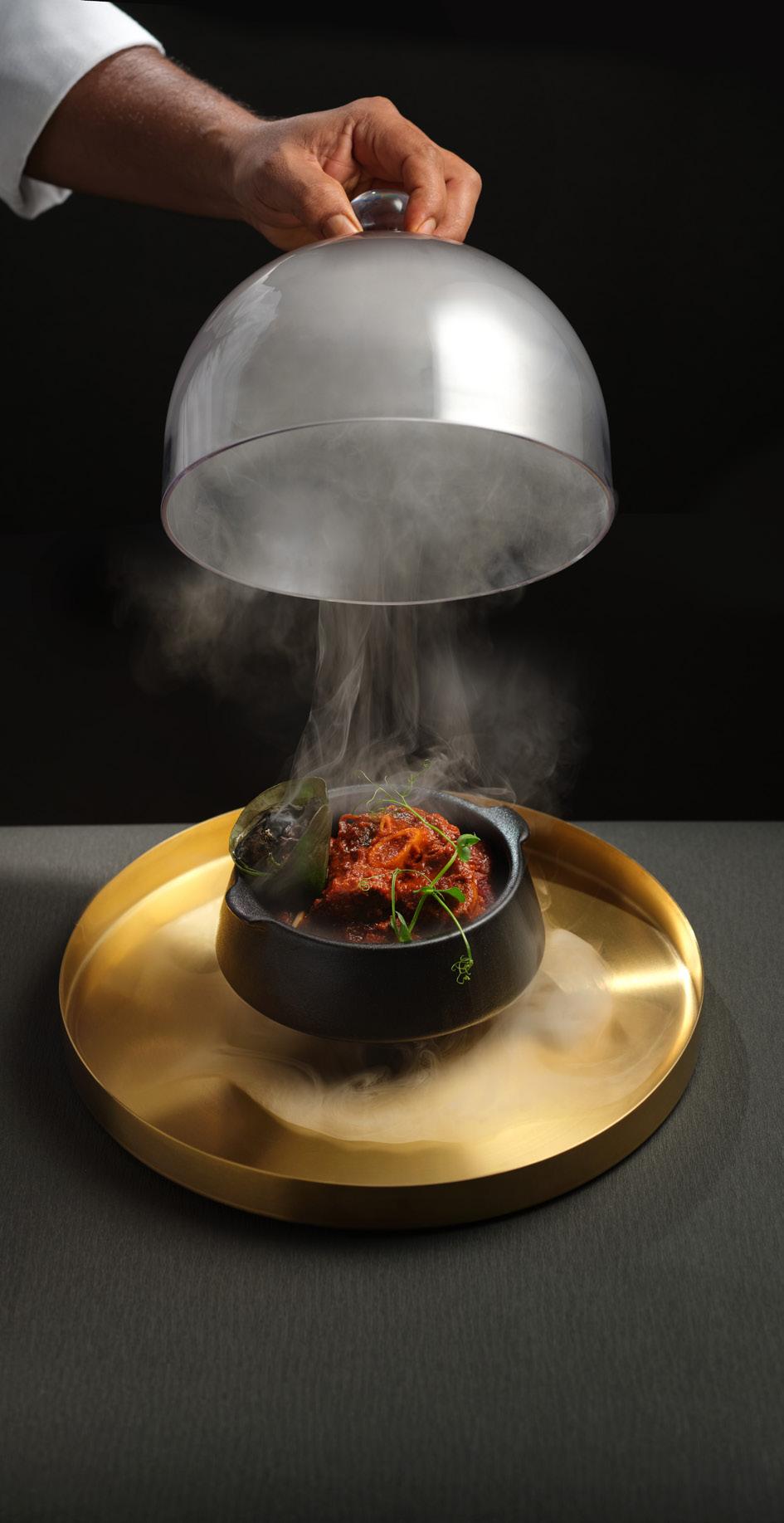
At SanSara, located within the Grand Copthorne Waterfront Hotel Singapore, cuisine unfolds as a journey through the culturally rich culinary traditions of North India. Inspired by the Sanskrit concept of flow, the restaurant’s philosophy reflects the continuous evolution of culture, never static, always in motion.

Under the stewardship of Master Chef Pannalal Nath, SanSara presents an elegant interpretation of North Indian gastronomy that balances authenticity with contemporary finesse. Seasonal menus highlight the distinctive culinary traditions of different North Indian states, allowing guests to experience the
diversity and depth of a region shaped by centuries of cultural exchange.
This rotating focus ensures that each visit offers a new narrative. One menu may explore the robust flavours of Punjab, while another reveals the subtle aromatic complexity of Awadhi cuisine. The result is not a static representation of Indian food, but a dynamic reflection of its living heritage.
The restaurant’s interiors echo this sense of cultural grace and depth. Rich textures, refined detailing, and an atmosphere of understated elegance provide a backdrop that enhances the storytelling nature of the cuisine. Dining becomes an immersive experience, one that connects guests not only to flavours, but to traditions shaped across generations.
At SanSara, the act of eating becomes an exploration of history, spirituality, and cultural continuity. Each dish speaks to lineage and evolution, demonstrating how tradition can be honoured while remaining relevant in a modern culinary landscape.


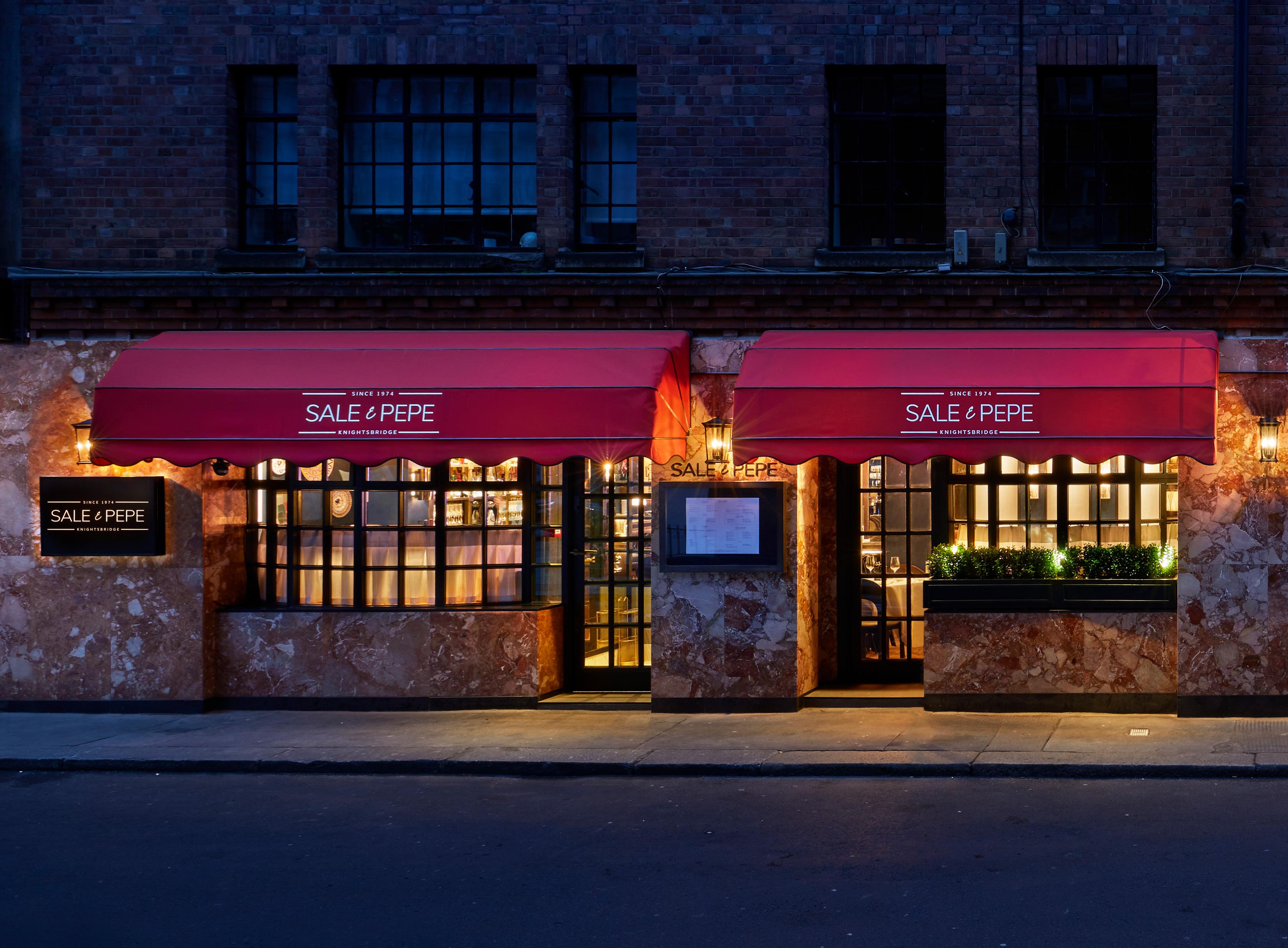
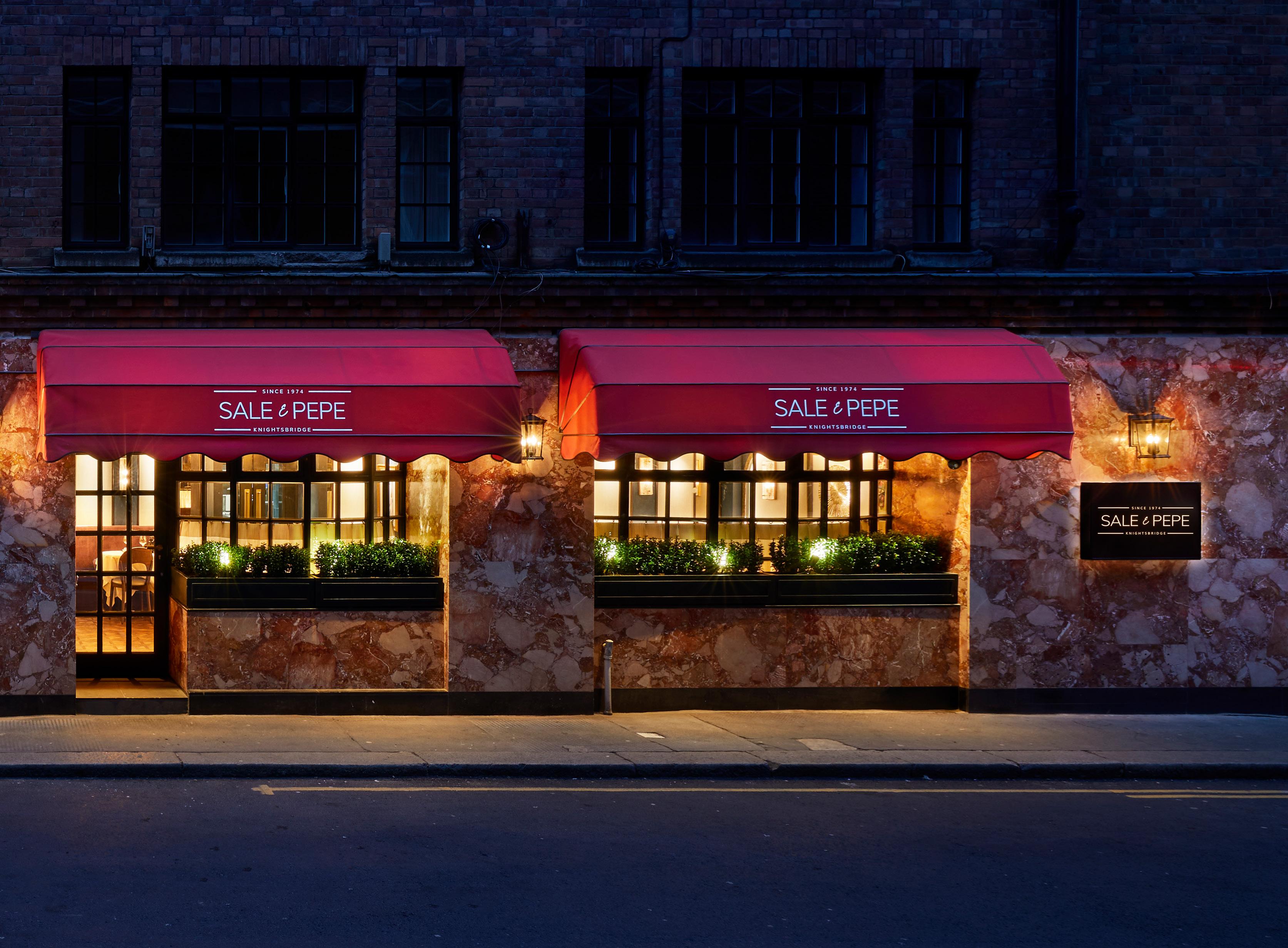
SALE E PEPE, LONDON
Italian Culinary Heritage in the Heart of the City
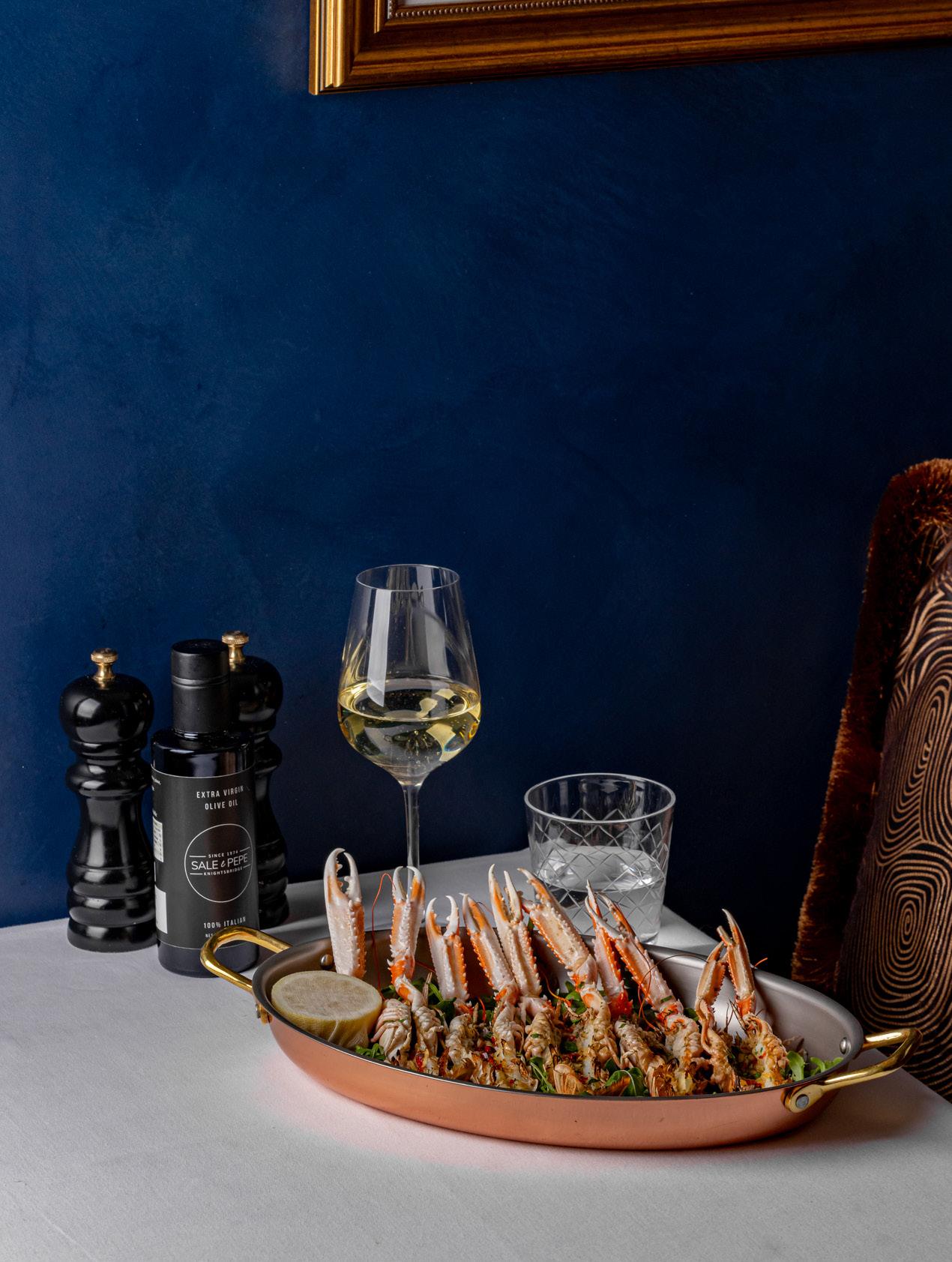
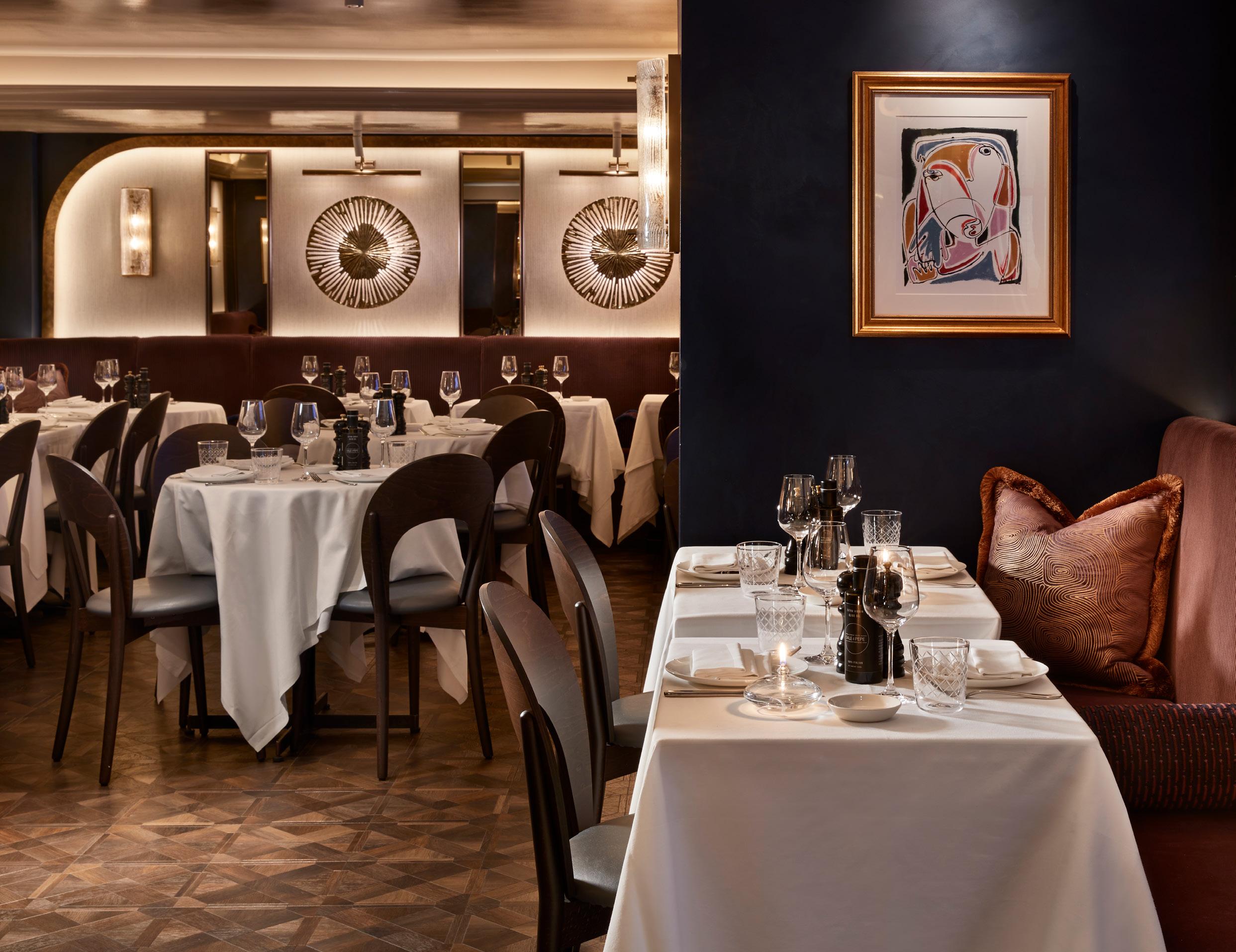
Since opening in 1974, Sale e Pepe in Knightsbridge has stood as one of London’s most enduring culinary institutions. For five decades, it has welcomed generations of guests, from royalty and artists to theatregoers and devoted locals, becoming a place where Italian culinary heritage is both preserved and celebrated.
In a city defined by constant reinvention, Sale e Pepe remains anchored in tradition. Its menu features modern Italian classics
crafted with the finest ingredients and seasonal produce, reflecting the regional diversity and culinary integrity of Italy itself. The dishes are not designed to chase trends; they honour a lineage of techniques refined through centuries of family kitchens and regional traditions.
Central to the restaurant’s philosophy is the Italian famiglia tradition of sharing. Meals are designed to evoke conviviality and connection, echoing the social rituals that define Italian dining culture. Plates are passed, stories are shared, and the pace of the meal invites presence rather than haste.
The experience is further enriched by an exceptional wine program and a curated cocktail selection that bridges old-world charm with contemporary tastes. Together, they evoke the spirit of la dolce vita, not as an aesthetic, but as a lived philosophy rooted in pleasure, hospitality, and human connection.
Sale e Pepe’s longevity is itself a testament to the power of culinary tradition. It demonstrates that authenticity, when preserved with integrity and care, does not age, it deepens.
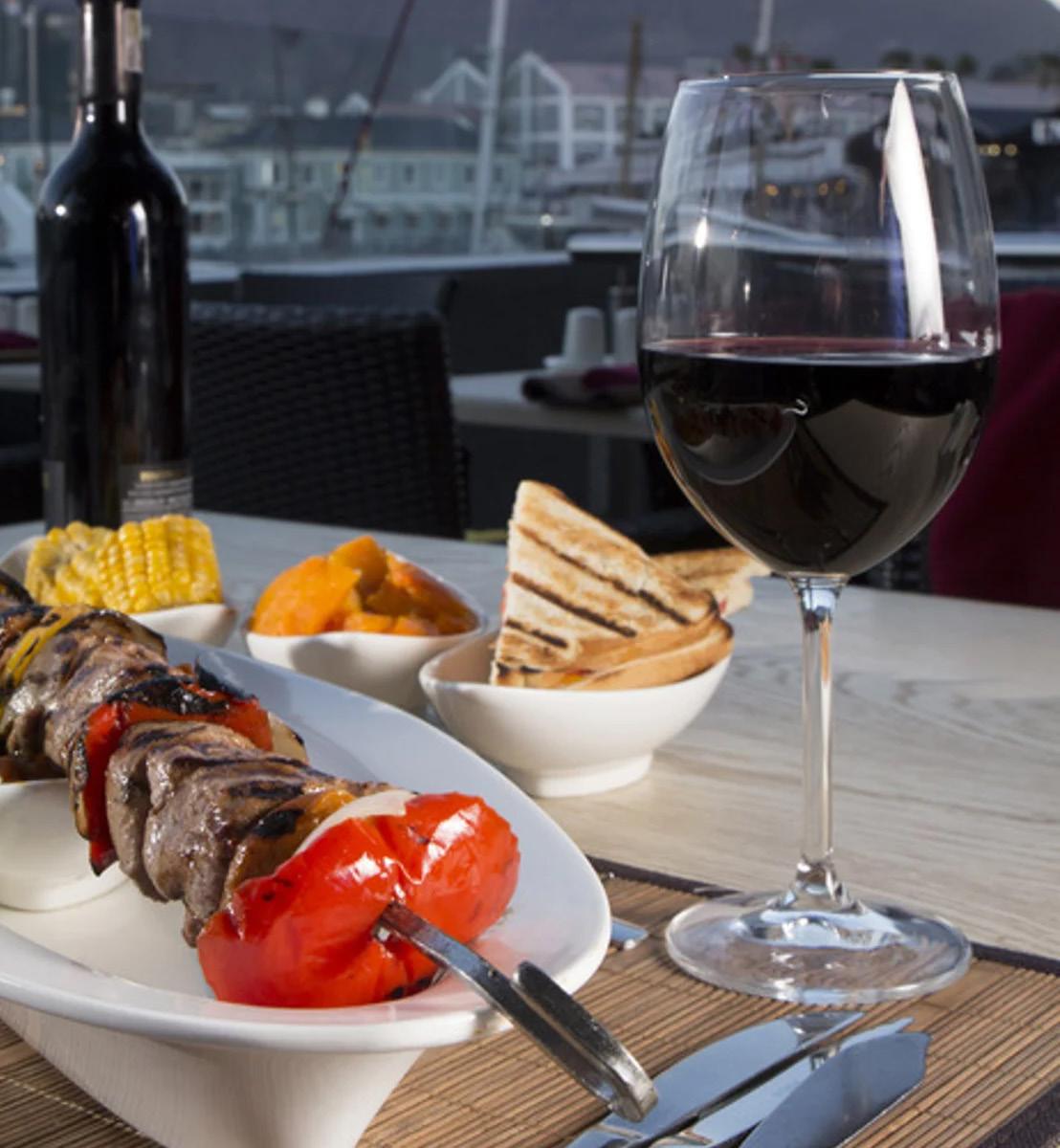
KARIBU RESTAURANT, CAPE TOWN
A Culinary Expression of South Africa’s Cultural Mosaic
Set between the dramatic presence of Table Mountain and the vast blue expanse of the Atlantic Ocean, Karibu Restaurant offers a dining experience that reflects the cultural richness and diversity of South Africa. Here, cuisine becomes an encounter with heritage, storytelling, and the rhythms of a nation shaped by many influences.
Karibu invites guests to experience the vibrant flavours of South Africa within a setting that blends African ambiance with refined hospitality. The menu celebrates indigenous ingredients and culinary traditions while acknowledging the layered cultural influences that define South African cuisine today.
Dining at Karibu is described as a “theatre of dining,” a
phrase that captures the immersive quality of the experience. Guests are not merely served a meal; they are introduced to the textures, aromas, and stories that shape regional culinary identity.
An extensive wine program reinforces this sense of place. The restaurant offers selections from both emerging and established Cape wine estates, alongside rare vintages stored in temperature-controlled cellars. This dedication to South Africa’s viticultural heritage complements the cuisine, creating a holistic expression of regional culture.
The experience at Karibu is both sensory and cultural. It invites diners to encounter the rugged beauty of Africa, the warmth of its hospitality, and the richness of its culinary traditions, all within a refined setting that honours the past while embracing the present.

DINING AS STORYTELLING
What unites these three culinary destinations is their commitment to preserving culture through food. Each restaurant acts as a storyteller:
SanSara narrates the evolving heritage of North Indian cuisine through seasonal exploration and refined technique.
Sale e Pepe preserves Italian culinary tradition through authenticity, hospitality, and the ritual of shared dining.
Karibu Restaurant celebrates South Africa’s cultural diversity through indigenous flavours and regional wines.
Together, they demonstrate that food is one of the most powerful ways to experience culture. It transcends language, engages the senses, and fosters connection.
THE FUTURE OF CULINARY LUXURY
As travellers increasingly seek meaning and authenticity, dining experiences rooted in heritage and cultural identity are becoming central to the definition of luxury. The value lies not in novelty alone, but in depth, in understanding the origin of ingredients, the history of techniques, and the cultural significance behind each dish.
These restaurants remind us that culinary luxury is not about excess; it is about continuity, craftsmanship, and cultural respect. When food preserves heritage and tells stories, dining becomes more than a meal, it becomes a memory, a connection, and a bridge between worlds.
In the end, the most memorable dishes are those that carry a sense of place, a lineage of tradition, and the unmistakable imprint of human hands.
IN THE NEXT EDITION... THE OUTDOOR RENAISSANCE
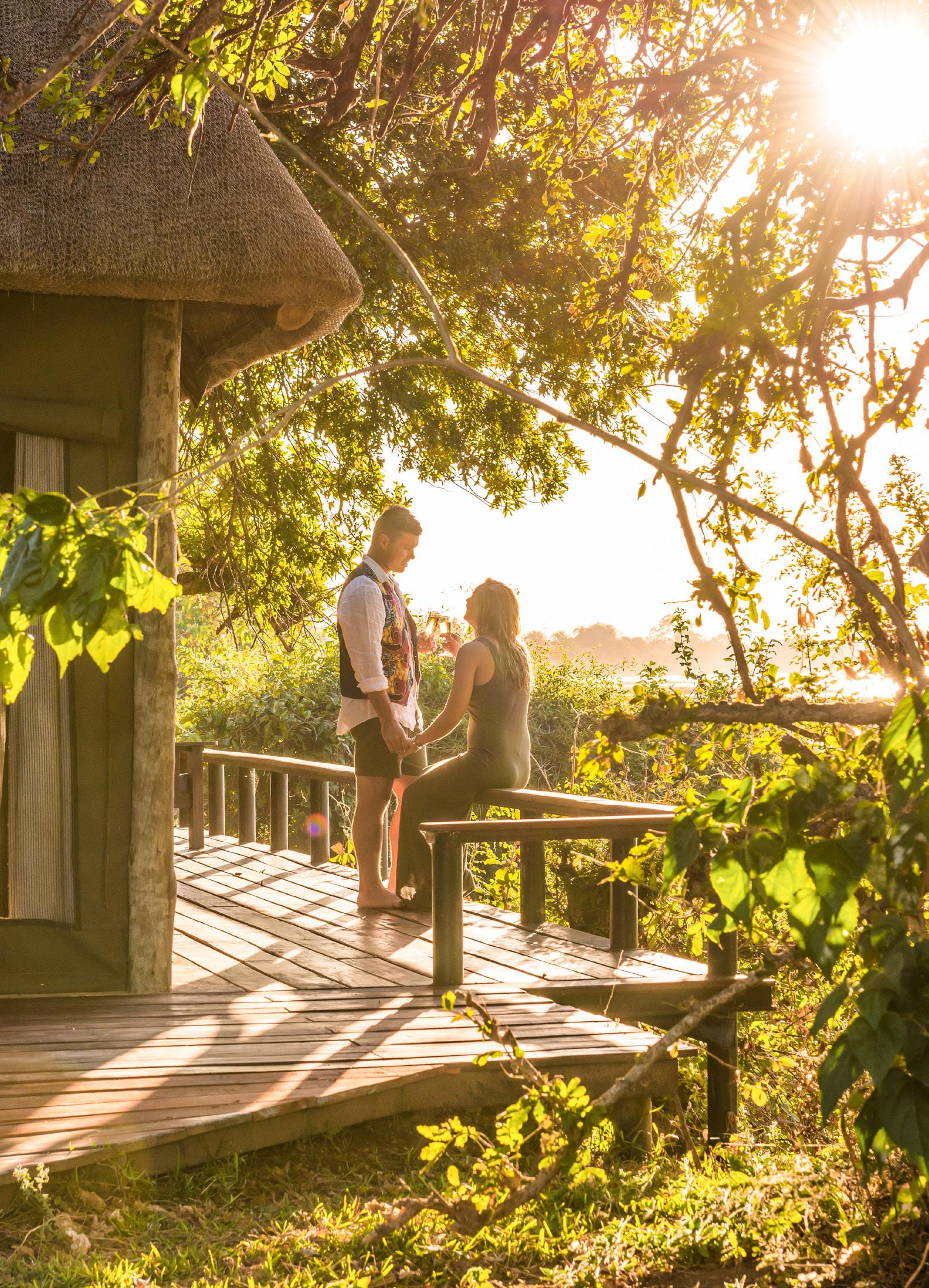
In our next edition of LUXE Travel Magazine, we step into The Outdoor Renaissance, where wild landscapes meet refined comfort, and a new era of luxury invites travellers to experience safaris, mountains, and remote coastlines without surrendering ease, elegance, or sustainability.
TO OUR COLLABORATORS