Design rarely exists in isolation. At its most meaningful, it becomes a conversation—between past and present, maker and audience, material and memory. Across this issue, we explore how creativity continues to evolve through these exchanges, revealing new ways of understanding luxury, craftsmanship, and contemporary culture.
What emerges is a shared pursuit of connection. Sometimes it is deeply personal, expressed through objects that carry stories across generations and transform adornment into a repository of memory. Elsewhere, value is being redefined through a growing appreciation for provenance, rarity, and enduring significance, reflecting a more thoughtful approach to collecting and ownership.
This dialogue between heritage and reinvention extends into fashion and visual culture. Established legacies are revisited through fresh perspectives, where archival references gain renewed relevance and iconic imagery continues to shape contemporary narratives. At the same time, collaborations rooted in restraint and simplicity demonstrate how design can achieve impact through clarity rather than excess, creating objects and experiences that feel both timeless and distinctly current.
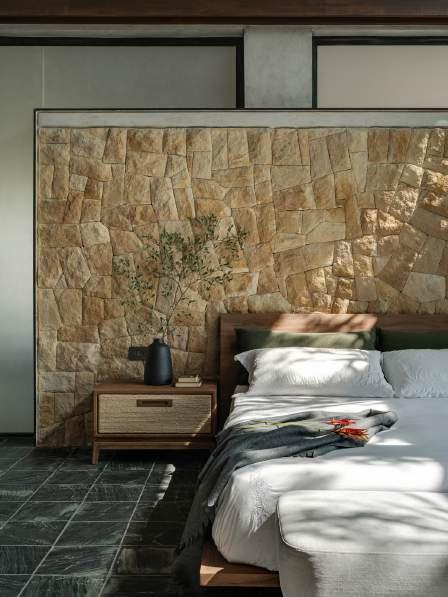
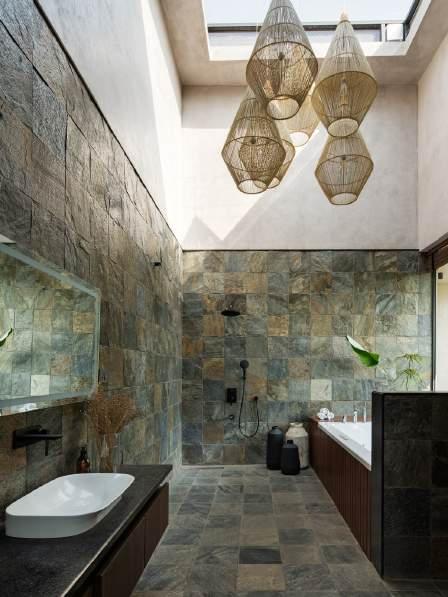
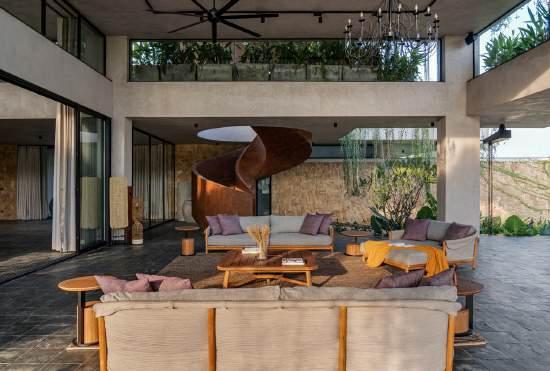
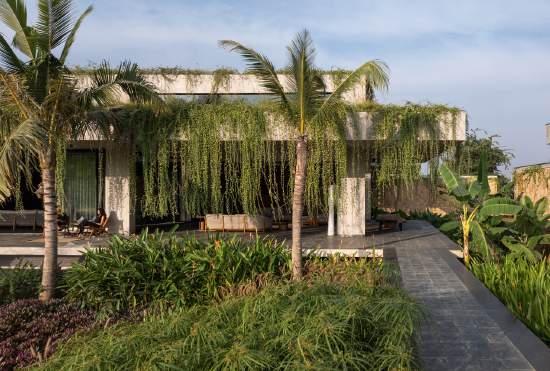
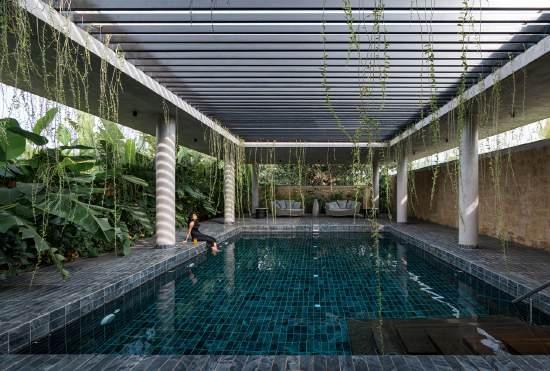
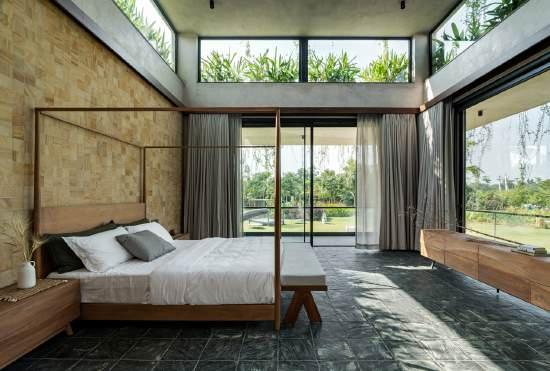
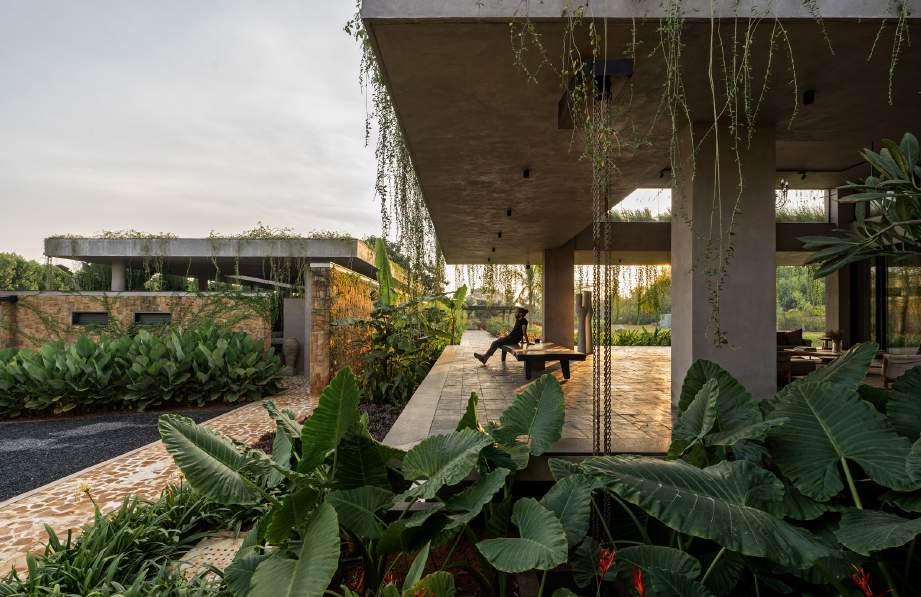
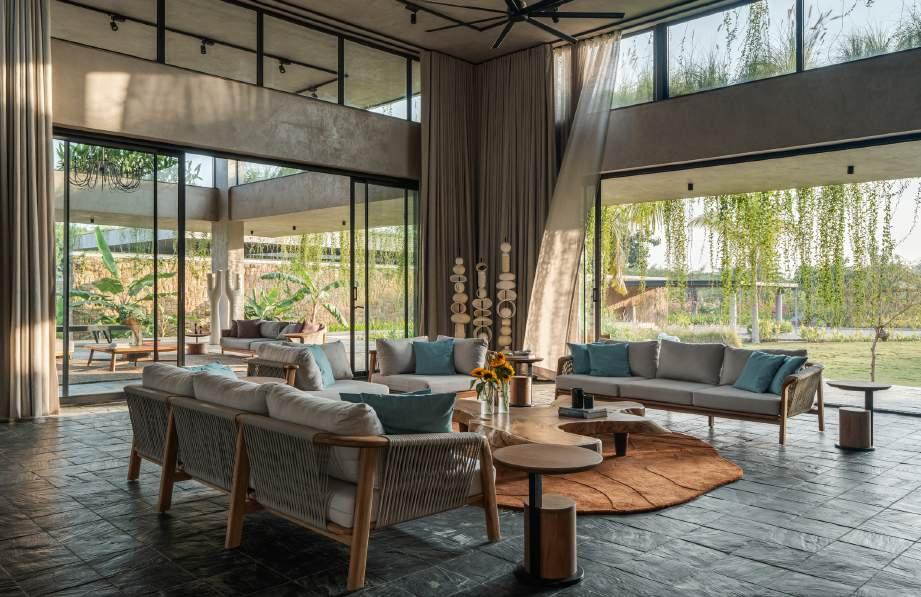
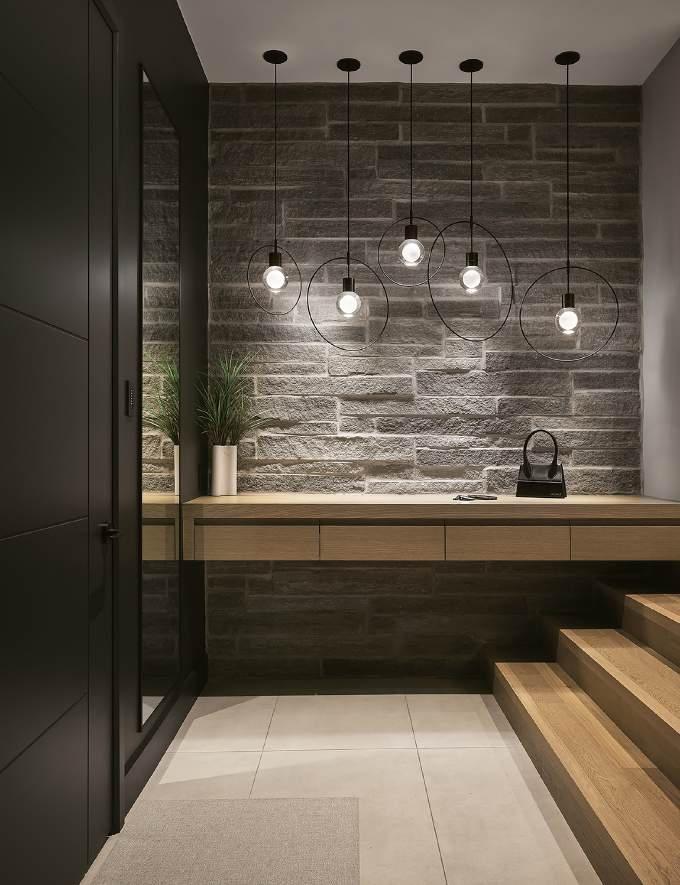
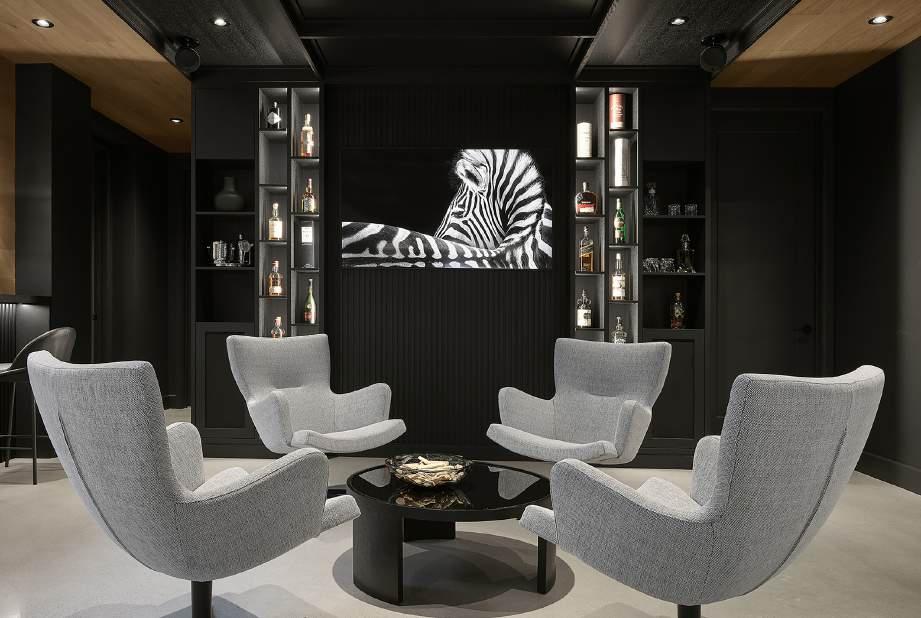
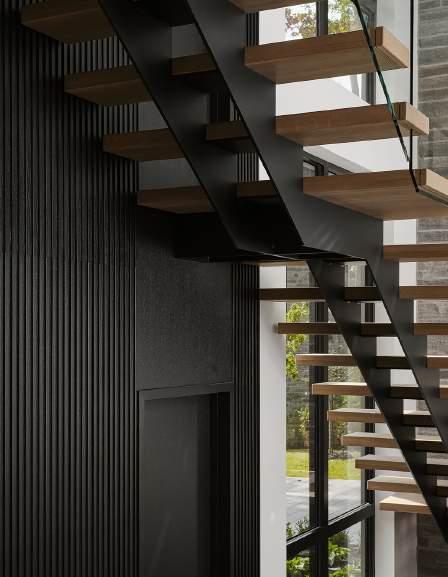
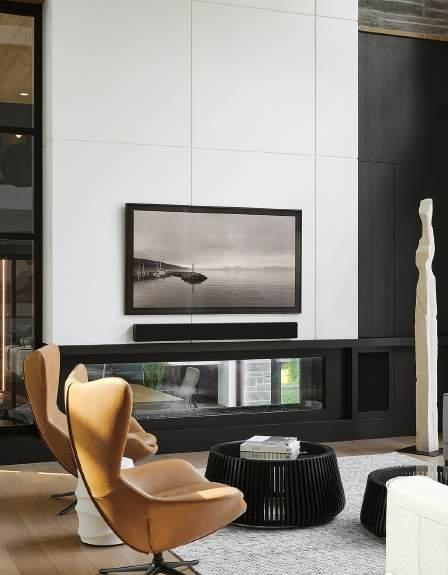
A similar sensibility can be found in the environments we inhabit. Increasingly, architecture and hospitality are moving beyond aesthetics alone to foster a deeper relationship with wellbeing, nature, and human experience. Spaces are conceived not merely as destinations but as immersive ecosystems where context, materiality, and atmosphere work together to create a sense of belonging. Whether through restorative retreats, residences shaped by their natural surroundings, or experiences that encourage discovery and connection, design is becoming more attuned to the rhythms of contemporary life.
Throughout these pages, we also encounter a growing appreciation for intentionality. From carefully crafted environments to limited-edition objects defined by precision and restraint, there is a clear shift away from spectacle towards substance. The emphasis is not on novelty for its own sake, but on creating lasting value through thoughtful design decisions and meaningful narratives.
Together, these stories reveal a broader movement within the creative world—one that celebrates continuity while embracing change. They remind us that the most compelling design is not simply about what we see, but about what we feel, remember, and carry forward. In an era defined by constant transformation, it is these enduring connections that continue to give design its relevance, resonance, and lasting power.
RINI MUKKATH rini@luxecode.in
Insta handle: @luxecodemagazine
RAKESH
Editor: RINI MUKKATH
CrEativE HEad: ALOYSIUS DSOUZA
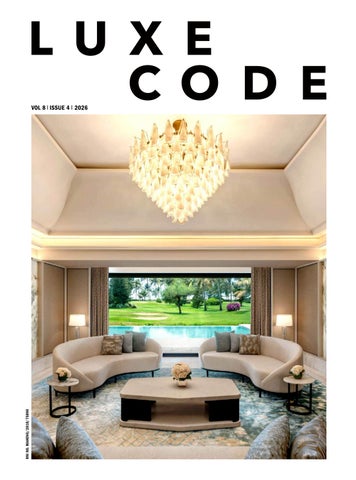
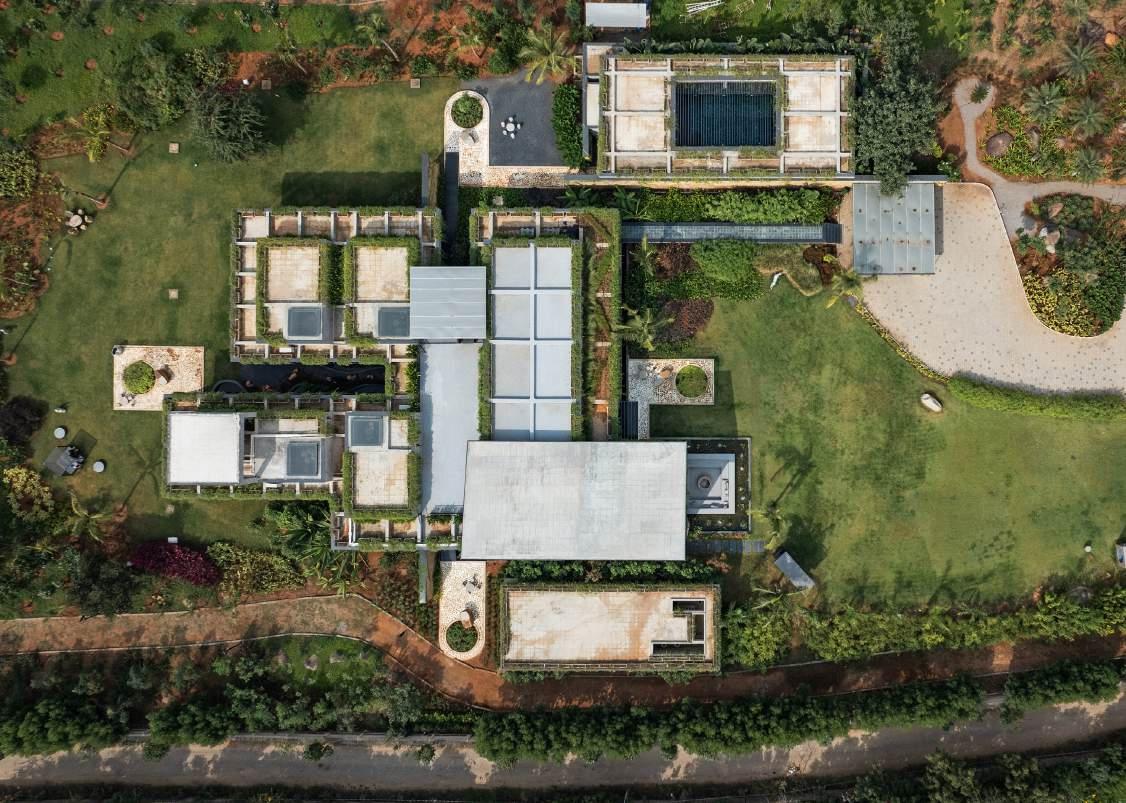
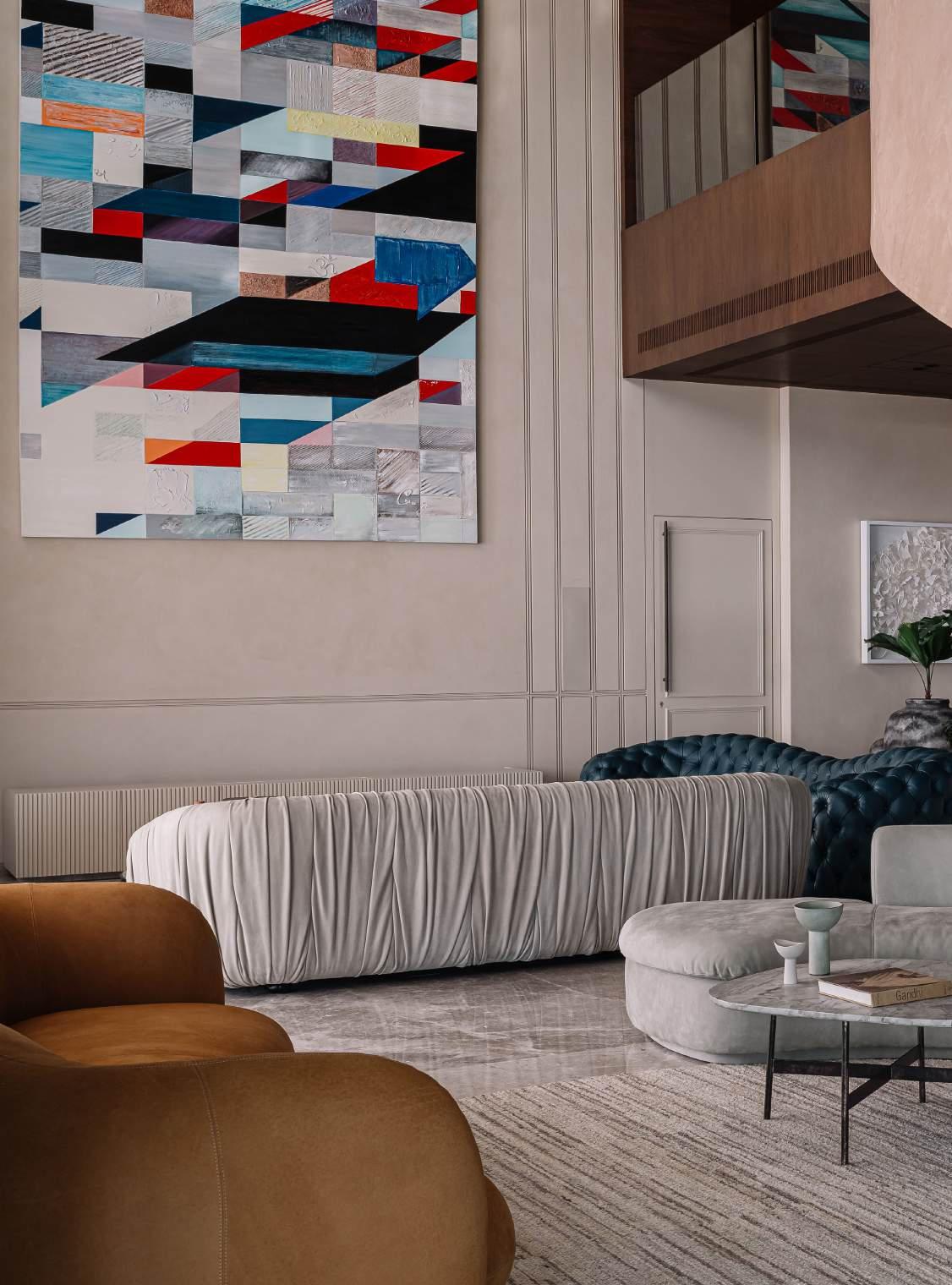
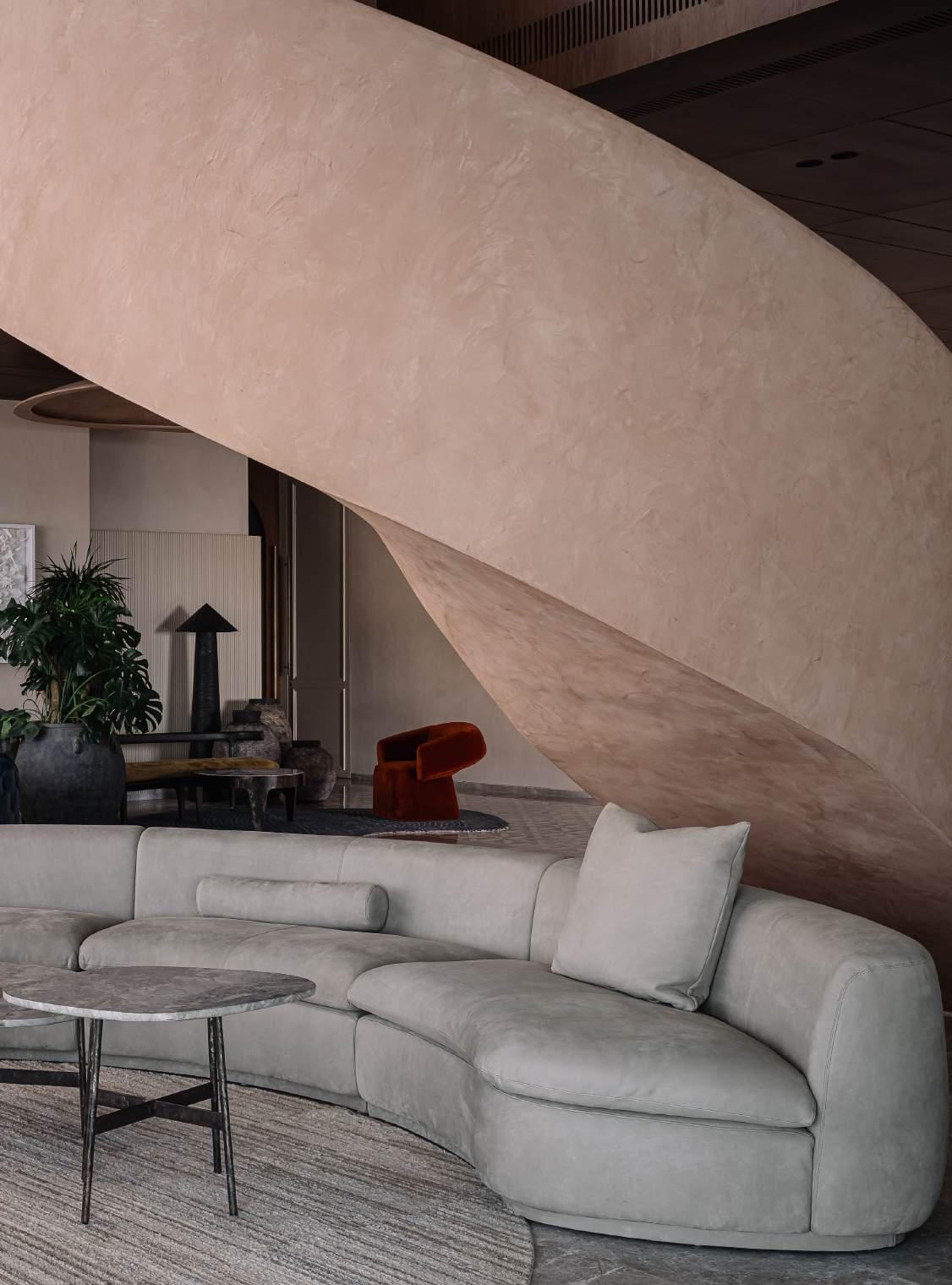
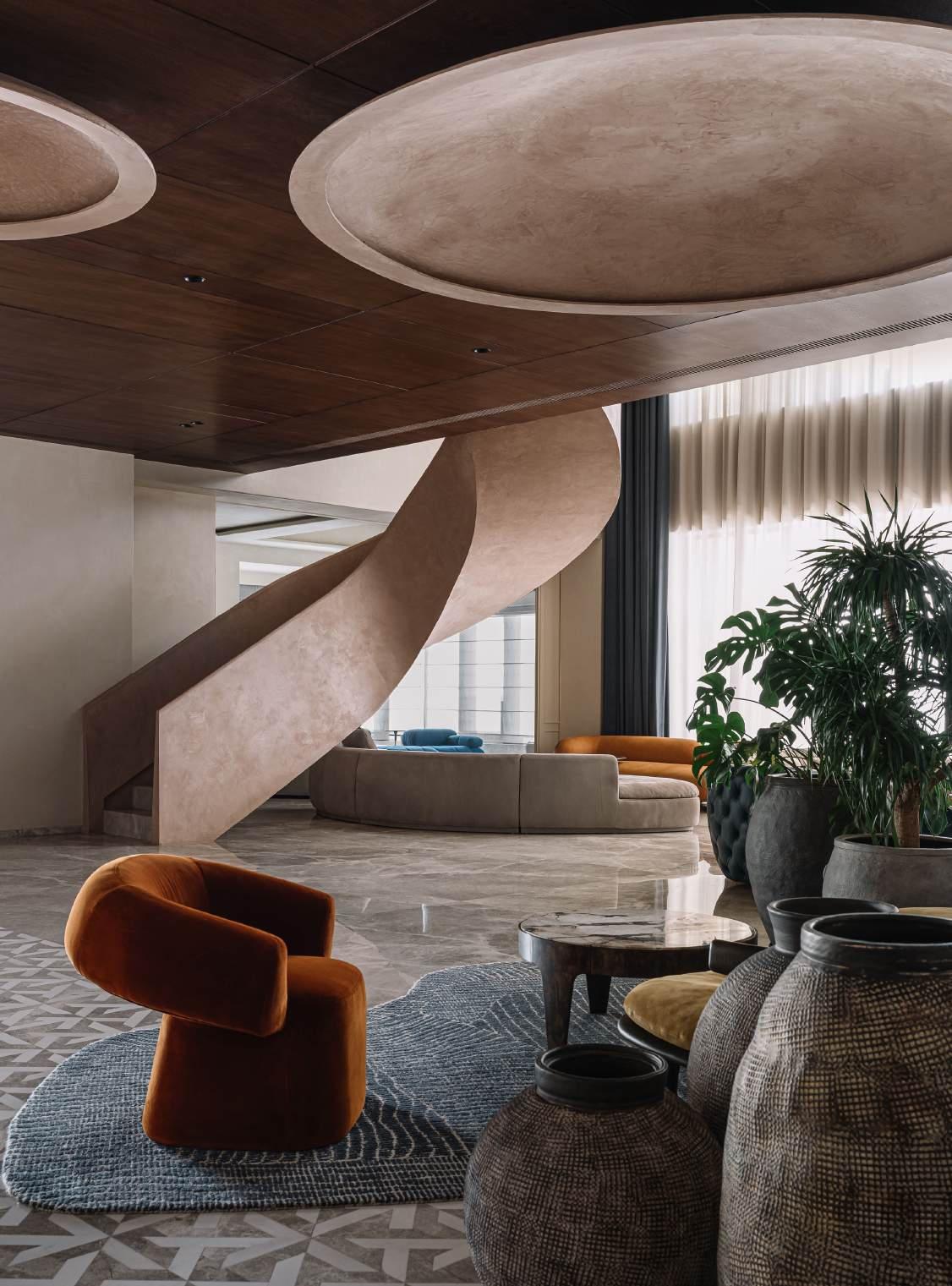
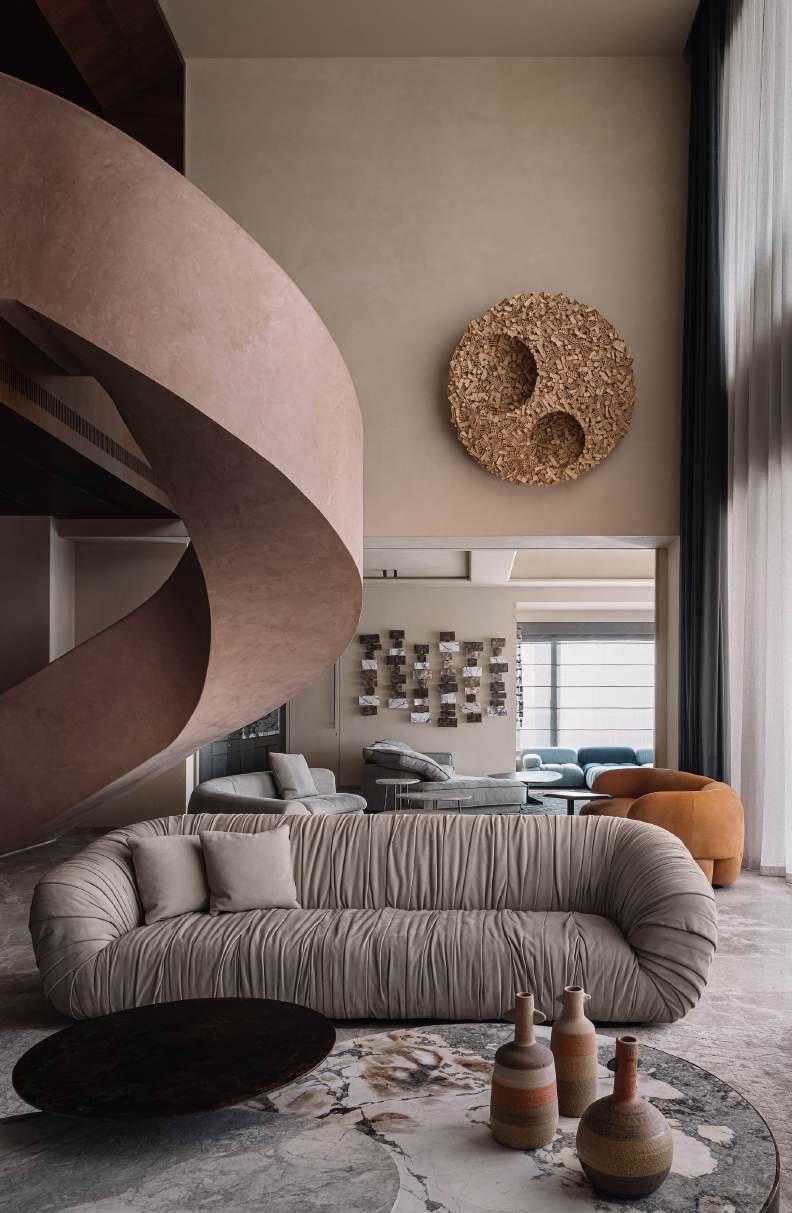
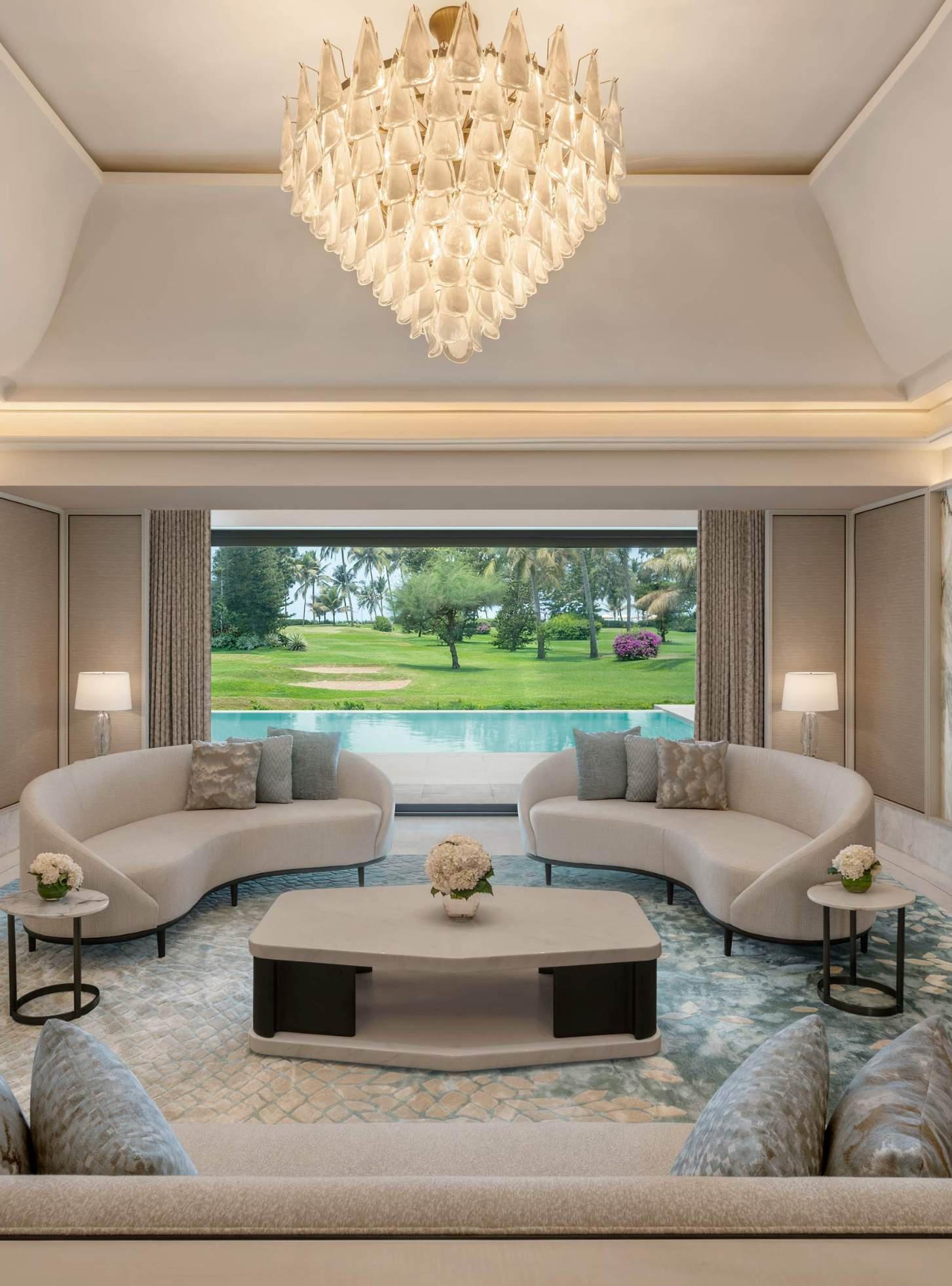
On the cover - Presidential Villa, The St. Regis Goa Resort
Printed
YOGITA
AGRAWAL on behalf of WARE INNOVATIONS LLP, RAGHUVANSHI MILL COMPOUND, NEXT TO ADDRESS HOME, SENAPATI BAPAT MARG, LOWER PAREL, MUMBAI 400 013
14-29
PEOPLE
16 A DIALOGUE ACROSS DECADES
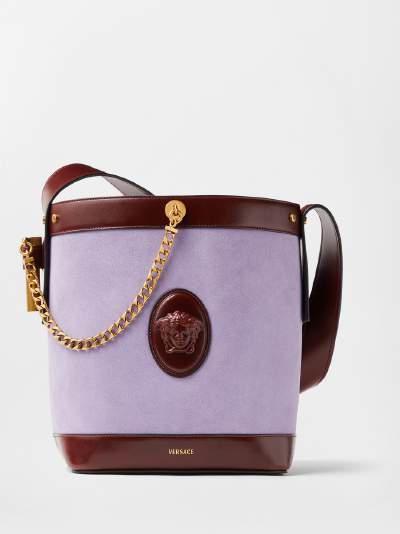
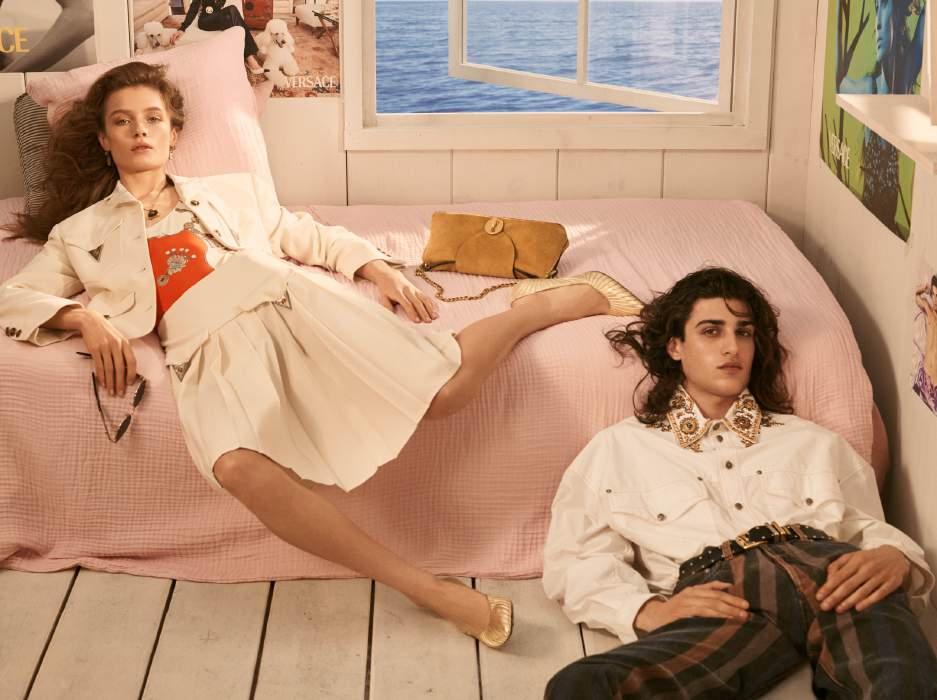
Versace’s La Vacanza 2026 campaign revisits the House’s iconic visual legacy, bringing together archival references, contemporary talent, and the enduring image-making power of Steven Meisel.
20 STUDY IN RESTRAINT
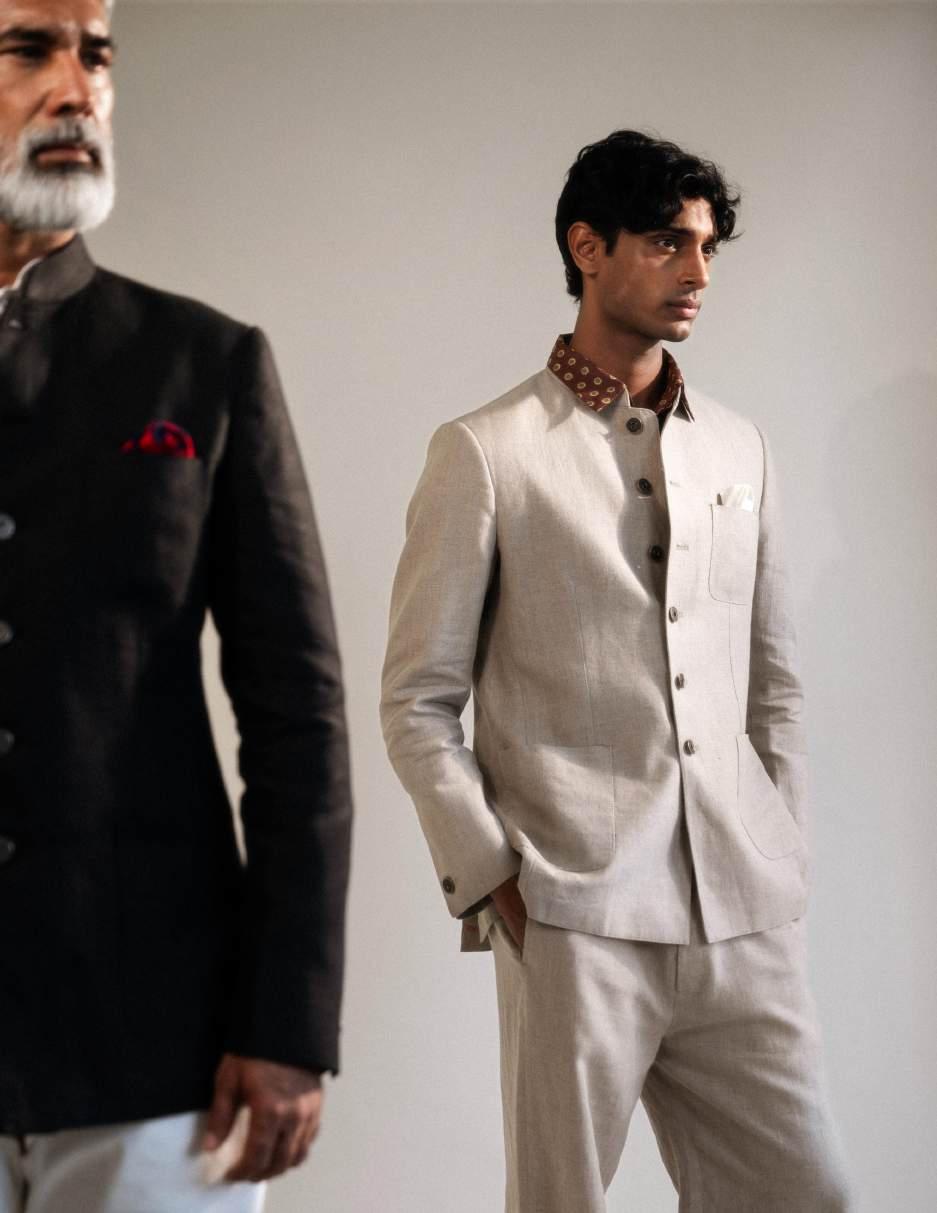
Nicobar and designer Rajesh Pratap Singh unite for a collection that brings together thoughtful menswear and refined home accents through a shared language of craft, simplicity, and modern Indian design.
24 THE NEW GEMSTONE ECONOMY
India’s luxury gemstone market is evolving beyond adornment, driven by investment-led buying, provenance-focused collecting, and a new generation of globally informed connoisseurs.
26 JEWELLERY AND MEMORY
Farah Khan Ali unveils her flagship boutique in South Mumbai’s Fort district, an immersive 1,100 sq. ft. heritage space where jewellery, architecture, and storytelling converge into a quietly experiential world of design.
28 A JOURNEY IN EVERY GLASS
At Four Seasons Hotel Bengaluru, The Wine Studio transforms wine appreciation into an immersive exploration of culture, craftsmanship, and connection.
30- 65
PLACES
32 SENSITIVE DESIGN
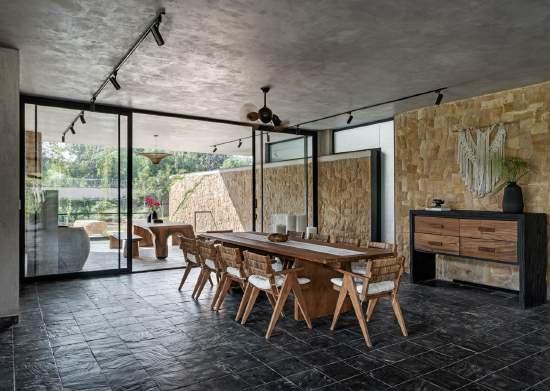
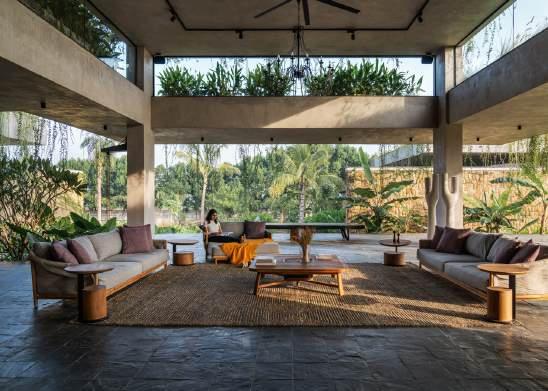
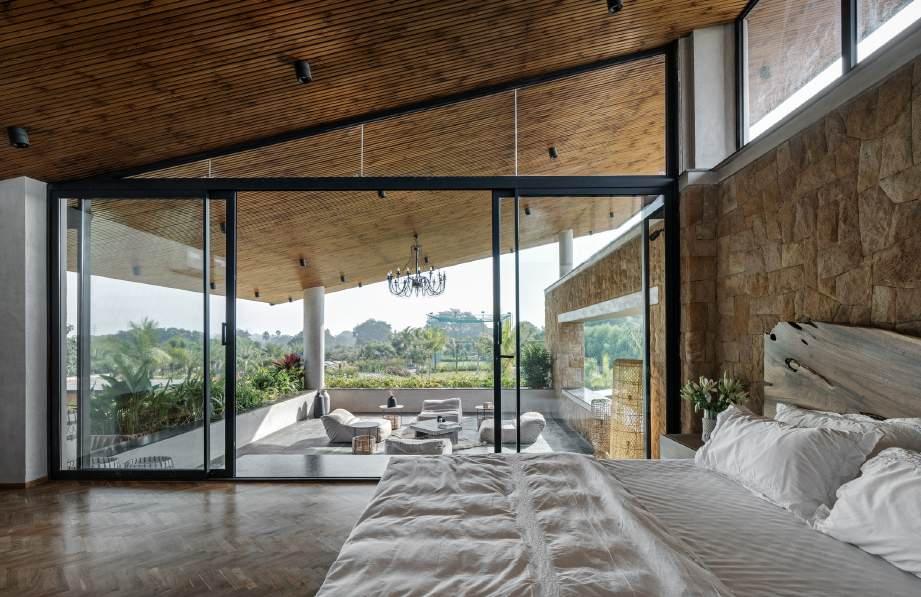
Architecture firm 23 Degrees Design Shift’s work is shaped by context, materiality, and nature.
40 DYNAMIC LIVING
reD Architects crafts a warm, contemporary duplex above Mumbai
48 FOREST DIALOGUE
Entre Quatre Murs shapes a 7,700-square-foot residence in Mirabel where architecture, materiality, and landscape exist in quiet conversation
54 ELEVATED HOSPITALITY
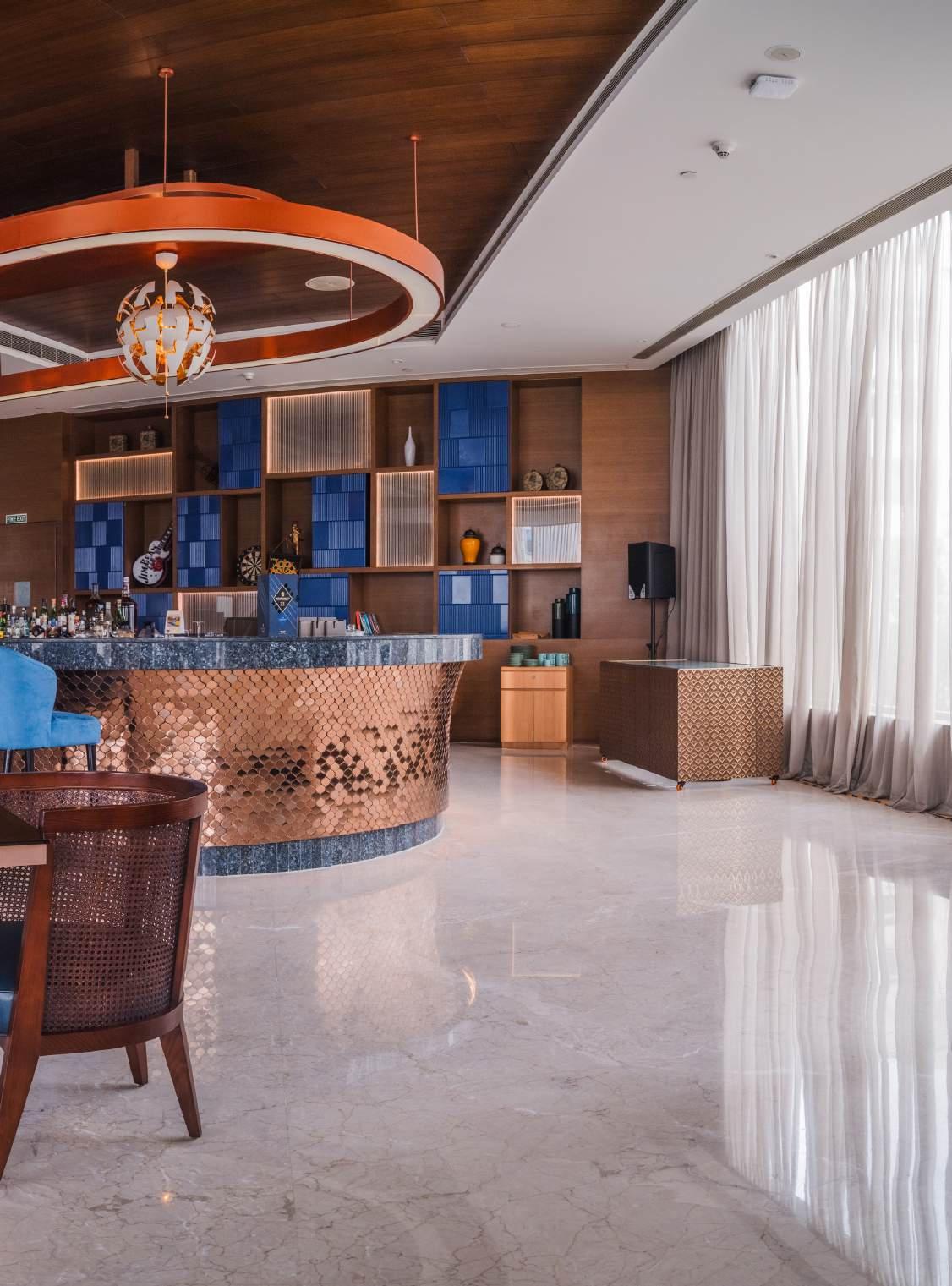
Novotel Vijayawada Varun combines contemporary luxury, world-class amenities, and versatile event spaces to offer one of Andhra Pradesh’s most distinguished hospitality experiences.
58 LUXURY AT A SLOWER PACE
The St. Regis Goa Resort brings together lagoonside serenity, bespoke hospitality, and immersive experiences across 49 acres of South Goa’s coastal landscape.
66-71
ART
68 KERALA SANCTUARY
The Faizal E. Kottikollon-founded wellness brand introduces a design-led retreat where India’s healing traditions, clinical science, and contemporary hospitality converge for a global audience seeking integrated wellbeing.
72-79
THINGS
74 THE COLOUR OF TIME
Hublot expands its Essential series with the Spirit of Big Bang Essential Taupe, a limited monochrome release defined by restraint, precision, and the brand’s annual ritual of design exclusivity.
PEOPLE
A DIALOGUE ACROSS DECADES
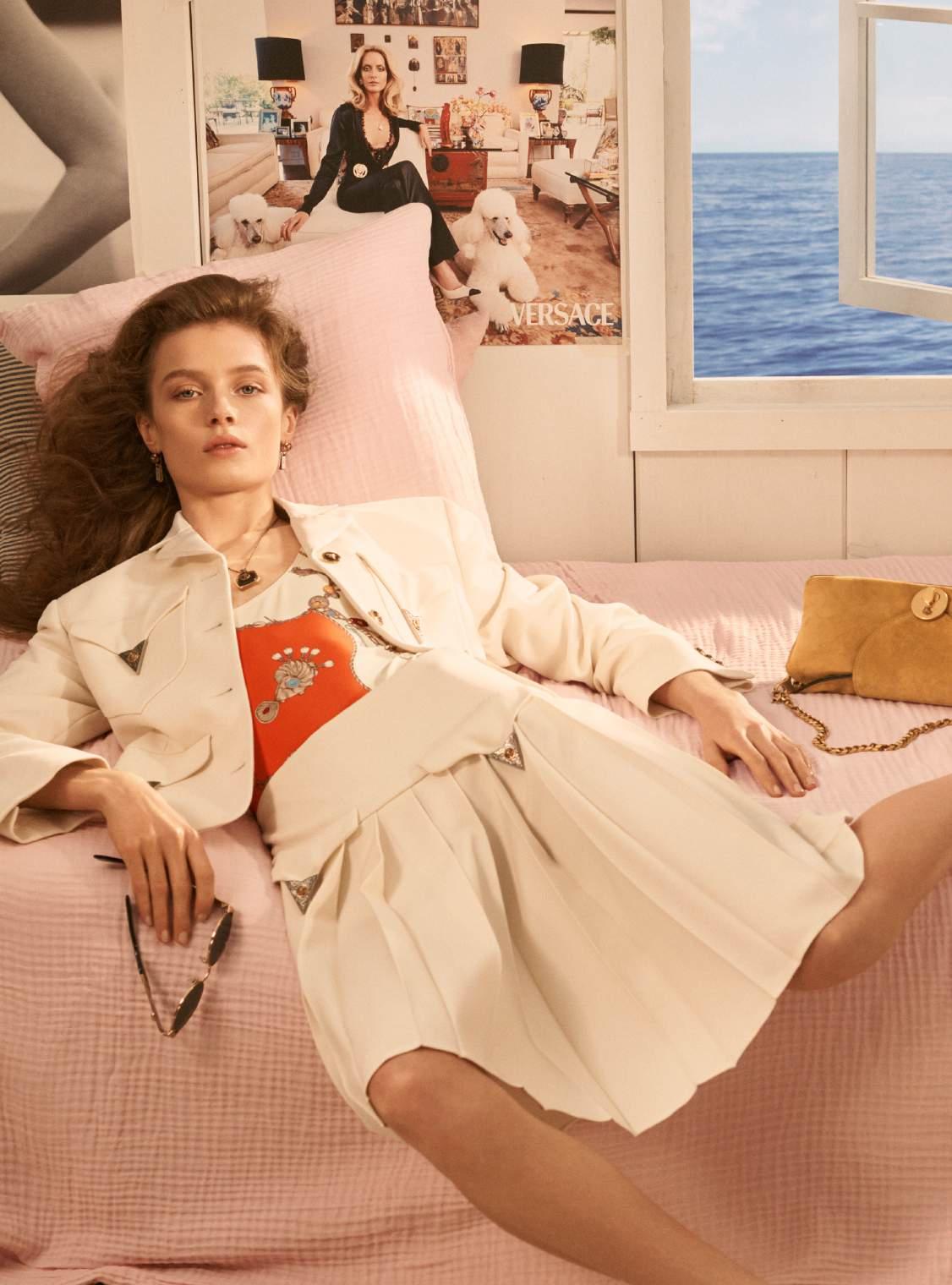
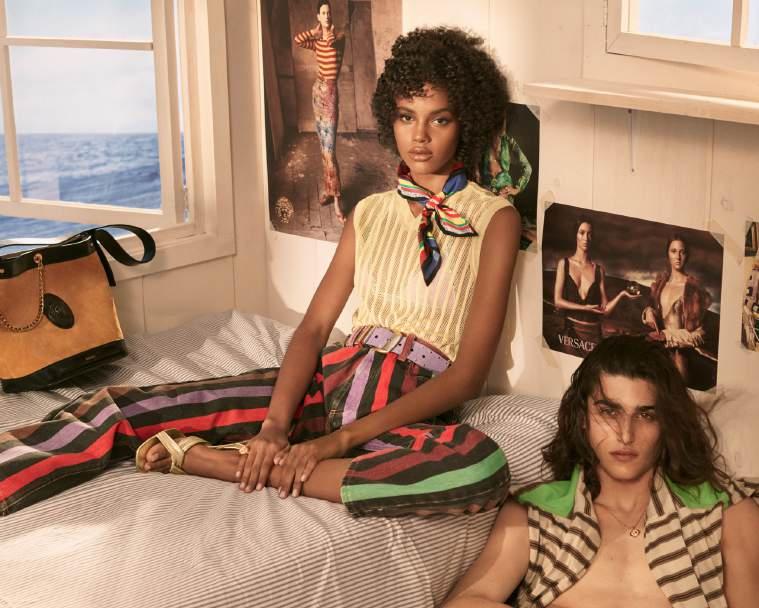
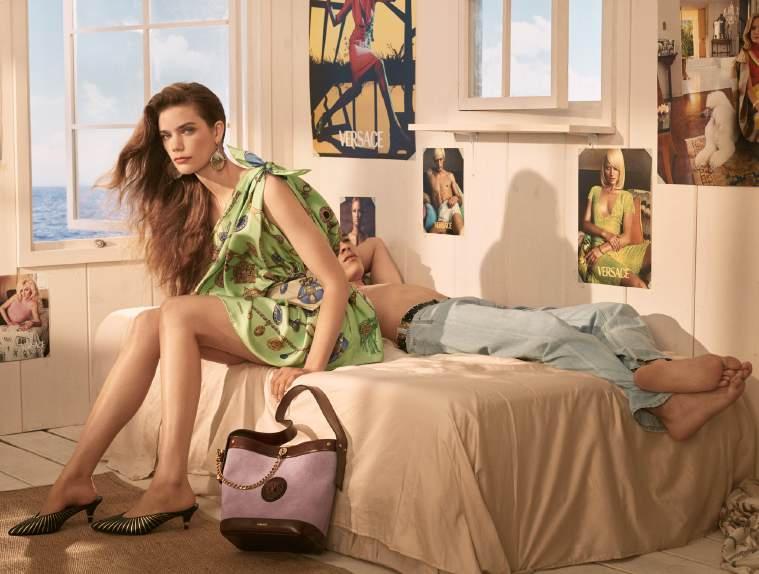
Versace’s La Vacanza 2026 campaign revisits the House’s iconic visual legacy, bringing together archival references, contemporary talent, and the enduring image-making power of Steven Meisel.
Photos by Steven Meisel / Art + Commerce
Versace has never been a brand that simply follows fashion. For decades, it has shaped cultural imagery through campaigns that have become as recognisable as the collections themselves. With Versace Obsessed, the new campaign for La Vacanza 2026, the House turns its gaze inward, revisiting the visual language that helped define generations of fashion while reasserting its relevance for a new era.
Photographed by Steven Meisel, whose collaborations with Versace have produced some of fashion’s most memorable images, the campaign unfolds as a conversation between past and present. Rather than relying on nostalgia, Versace Obsessed explores the enduring influence of the House’s visual identity, demonstrating how its codes continue to resonate across generations.
The campaign is staged through a series of intimate bedroom settings where contemporary faces coexist with the icons that shaped Versace’s legacy. Walls are layered with archival campaign imagery photographed by Meisel between 1993 and 2004, transforming the spaces into personal shrines to fashion history.
These visual references function not as retrospectives, but as evidence of Versace’s lasting cultural impact and its continued ability to inspire desire.
At the centre of the narrative is a new generation of talent engaging directly with the imagery that defined the House’s golden era. The result is a compelling exchange between memory and reinvention, reinforcing the idea that Versace’s influence extends beyond individual collections into the broader visual culture of fashion itself.
REVISITING THE HOUSE ARCHIVE
This dialogue with the past extends seamlessly into the La Vacanza 2026 collection.
Drawing from the extensive Versace archive, the collection reinterprets some of the House’s most recognisable signatures through a contemporary lens. Familiar motifs and silhouettes are revisited with renewed energy, creating a wardrobe that feels both rooted in heritage and distinctly current.
The collection embraces the contrasts that have long defined Versace’s aesthetic identity. Structured tailoring is paired with
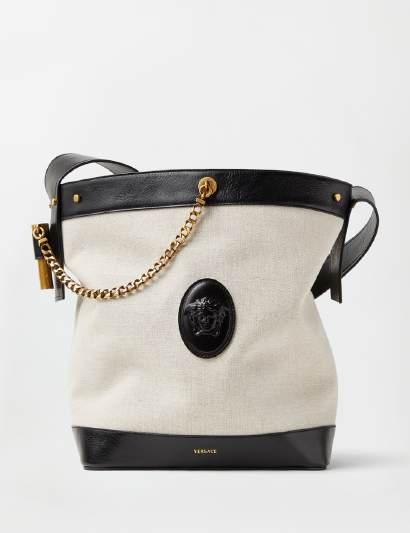
fluid silk, couture references intersect with streetwear influences, and luxurious materials are balanced by an unmistakable sense of ease. Denim shirting, printed silk separates, vivid tailoring, and black leather accented with gold hardware all reinforce the visual vocabulary that has become synonymous with the House.
Rather than reproducing the past, the collection demonstrates how Versace continues to evolve its codes while preserving their essential character. It is an exercise in reinterpretation rather than replication, allowing heritage to inform innovation without becoming constrained by it.
THE POWER OF FASHION IMAGERY
Few luxury houses have understood the cultural power of imagery as instinctively as Versace. Throughout its history, the brand has cultivated a visual universe that extends beyond fashion photography into the realms of celebrity, art, music, and popular culture.
The partnership between Versace and Steven Meisel remains one of the most influential creative relationships in fashion history. Together, they helped define an era of image-making that transformed campaigns into cultural moments, establishing a visual standard that continues to influence contemporary fashion communication.
In Versace Obsessed, that legacy becomes the subject itself.
The campaign acknowledges the role that imagery has played in shaping the House while simultaneously proving that its visual language remains as compelling today as it was decades ago.
A LEGACY REIMAGINED
Founded by Gianni Versace in 1978, the House has consistently championed individuality, confidence, and self-expression. Across fashion, interiors, fragrance, and hospitality, Versace has built a world defined by bold creativity, Italian craftsmanship, and an unwavering commitment to personal freedom.
These values continue to inform the brand’s contemporary identity. The tension between classicism and innovation, sensuality and strength, restraint and excess remains central to the House’s appeal, allowing it to evolve while remaining unmistakably Versace.
With Versace Obsessed, the brand demonstrates that heritage is most powerful when it remains active rather than static. By bringing archival imagery into conversation with contemporary perspectives, Versace reaffirms its place within fashion’s ongoing cultural narrative.
The result is a campaign that feels both reflective and forward-looking, celebrating a legacy built on unforgettable images while proving that the House’s influence remains firmly rooted in the present.
STUDY IN RESTRAINT
Nicobar and designer Rajesh Pratap Singh unite for a collection that brings together thoughtful menswear and refined home accents through a shared language of craft, simplicity, and modern Indian design.
Photos by Nicobar
Some collaborations emerge from opportunity. Others feel like a natural extension of two distinct yet closely aligned design philosophies. The collaboration between Nicobar and Rajesh Pratap Singh belongs firmly to the latter.
Rooted in a shared appreciation for restraint, material integrity, and contemporary Indian living, the collection brings together Nicobar’s relaxed approach to everyday design with Rajesh Pratap Singh’s disciplined understanding of construction and form. The result is a thoughtful capsule spanning menswear and home furnishings, united by a commitment to clarity, functionality, and enduring craftsmanship.
At its core, the collection champions design that favours intention over excess. Clean silhouettes, tactile materials, and carefully considered details replace ornamentation, creating pieces that feel quietly confident rather than overtly expressive. Across both fashion and interiors, the collaboration explores how thoughtful design can seamlessly integrate into everyday life.
REIMAGINING THE MODERN INDIAN WARDROBE
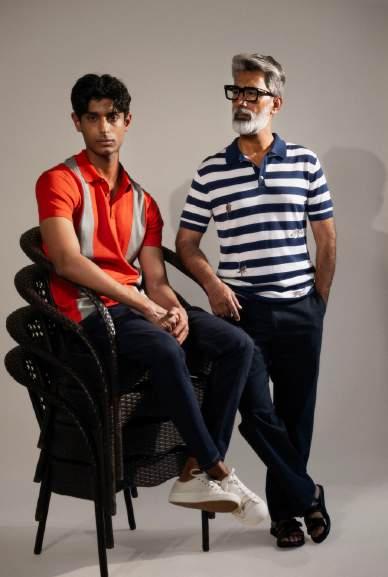
The apparel collection reflects the evolving lifestyle of the contemporary Indian man, one that moves fluidly between work, travel, leisure, and social occasions.
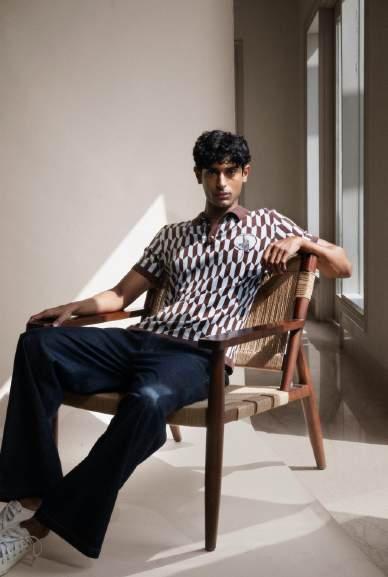
Bandhgalas, travel jackets, bib-front shirts, polos, and Jodhpur trousers form the foundation of the collection. Designed with versatility in mind, the garments transition effortlessly from daytime wear to evening engagements while maintaining a sense of ease and refinement.
Drawing inspiration from the precision of military tailoring, the relaxed sophistication of 1970s travel culture, and the enduring relevance of classic menswear, the collection is anchored in an indigo-led palette complemented by understated neutrals and subtle patterns.
Materiality plays a central role throughout. Denim, cotton, and linen have been selected for their durability, breathability, and comfort, reinforcing the collection’s emphasis on longevity. Signature details such as selvedge spines, graded pin-tucks, and
custom monogrammed buttons introduce moments of craftsmanship that reveal themselves gradually rather than demanding immediate attention.
BRINGING FASHION PRINCIPLES INTO THE HOME
Extending beyond apparel, the collaboration introduces a collection of soft furnishings that translate the same design principles into domestic spaces.
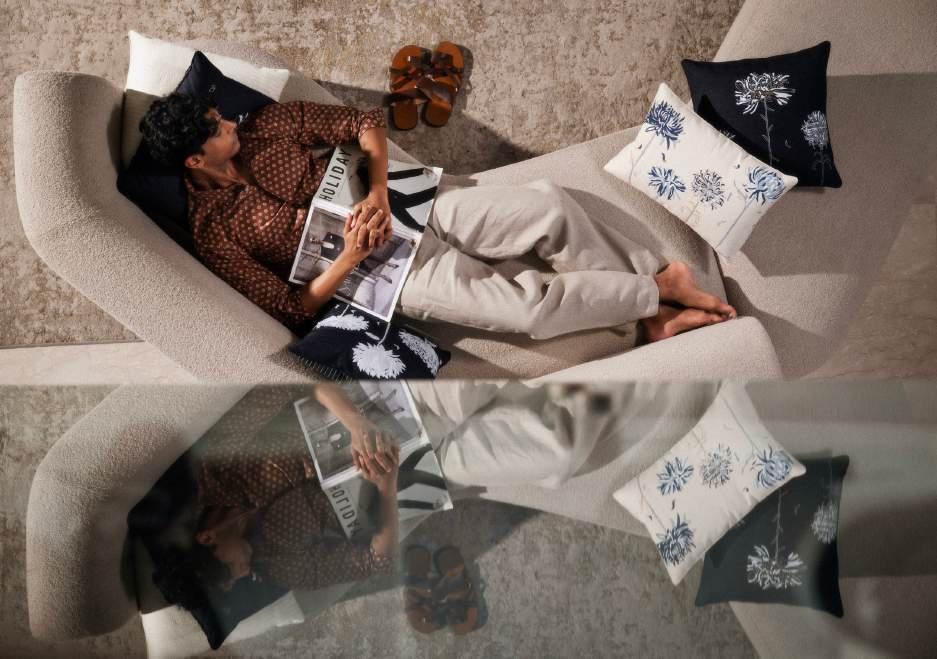
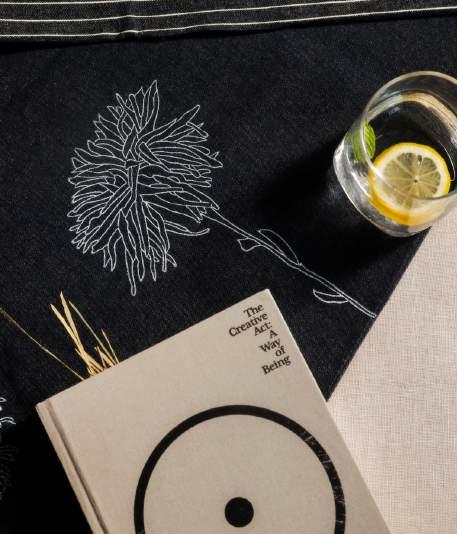
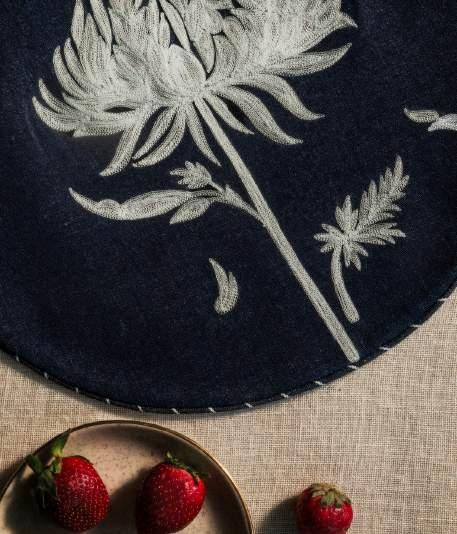
Indigo denim becomes a recurring motif, reimagined through cushions and textile pieces crafted using authentic denim machinery. Hand block-printed chrysanthemum patterns introduce rhythm and movement, while chain-stitch embroidery and subtle metallic accents add layers of texture and depth.
Solid ivory cushions featuring Rajesh Pratap Singh’s signature pin-tuck detailing reinforce the collection’s architectural sensibility, demonstrating how surface treatment can create visual interest without relying on embellishment.
The result is a home collection that feels tactile, understated, and deeply considered. Rather than dominating a space, the pieces are designed to settle naturally into their surroundings, enriching interiors through materiality and craftsmanship.
A SHARED DESIGN PHILOSOPHY
The collaboration succeeds because it is built on common ground.
For Nicobar, the partnership reflects a longstanding commitment to creating products that balance beauty with utility and heritage with contemporary relevance. For Rajesh Pratap Singh, it represents an extension of a design philosophy that has
defined his work for decades.
Among India’s most respected designers, Singh has consistently pursued a process of refinement, stripping away the unnecessary to reveal the essential. His work is recognised for its precision, structural clarity, and distinctive use of pin-tucks that function as architectural interventions rather than decorative flourishes. Clean lines, disciplined construction, and a focus on proportion have become hallmarks of his practice.
These values align naturally with Nicobar’s own design language, which draws inspiration from travel, cultural exchange, and a distinctly modern interpretation of Indian living. Together, the two brands have created a collection that feels less like a collaboration and more like a conversation between parallel philosophies.
DESIGNED TO ENDURE
What ultimately distinguishes Nicobar x Rajesh Pratap Singh is its refusal to chase trends. Instead, the collection focuses on permanence, celebrating materials, techniques, and forms that improve with time and use.
Across apparel and interiors alike, the pieces embody a quieter approach to luxury, one rooted in craftsmanship, utility, and thoughtful design. They are designed not for fleeting moments, but for everyday living, revealing their value gradually through wear, experience, and familiarity.
In an era increasingly defined by excess, Nicobar and Rajesh Pratap Singh offer an alternative perspective: one where simplicity becomes a form of sophistication, and where design finds its greatest expression in what is intentionally left unsaid.
THE NEW GEMSTONE ECONOMY
India’s luxury gemstone market is evolving beyond adornment, driven by investment-led buying, provenance-focused collecting, and a new generation of globally informed connoisseurs.
Photos by Rhea Poddar Loyalka, Founder, Creative Director, Deshya by Ma Passion
There is something almost mysterious about the way India has always understood gemstonesnot merely as ornaments, but as language. A ruby gifted at a wedding speaks of protection, and an emerald worn at court once signalled diplomatic alliance. For centuries, the subcontinent sat at the crossroads of the world’s most coveted mineral trade, and today, in 2026, that relationship is being renegotiated in ways that are at once deeply traditional and startlingly modern.
The Indian gemstone market, for long a sleeping giant by contemporary luxury standards, has woken up. Industry analysts place the coloured gemstone sector on a compound annual growth trajectory of between 8 and 11 percent through the late 2020s — a figure driven not by nostalgia, but by a confluence of new money, shifting aesthetics, and a growing appetite among wealthy Indians to hold assets that are simultaneously beautiful and financially durable.
FROM ADORNMENT TO ASSET
If recent years have established one thing clearly, it is that provenance has become non-negotiable in the upper tiers of the Indian market. Laboratories such as the Gübelin Gem Lab and GIA have long been respected globally, but their reports are now demanded as standard practice by discerning Indian collectors — not simply for resale assurance but as a mark of seriousness. Buying a significant sapphire without a credentialed origin report is increasingly seen as an act of recklessness.
This insistence on documentation has had a secondary effect: it has begun to flush poorly certified stones out of the premium tier. Independent gemological consultants, a vocation hardly acknowledged in India ten years back, currently run flourishing practices throughout Mumbai, Delhi and Bengaluru, assisting investors who understand exactly what they need and will never accept anything less.
THE 2026 AESTHETIC
What is changing, perhaps most fundamentally, is the investor’s mindset. For much of the twentieth century, gold dominated the Indian conception of wearable wealth-portable, liquidated easily and emotionally resonant. Gemstones occupied a subordinate role, prized within jewellery but rarely considered standalone stones of value. That calculus has begun to shift.
Amidst global economic instability and the thinning returns of traditional investments, a class of affluent Indian collectors, largely urban-dwelling, globally schooled, and open to alternative markets, has begun viewing rare gemstones through the same lens as the West, which is fine art or rare vintages. Significant unheated Burmese rubies, Colombian emeralds, and Kashmir sapphires have seen their values soar over the last ten years, with several examples commanding many times their initial prices at global auction houses.
This is not speculative fever. It is the belated alignment of India with a global conversation long underway in Geneva, Hong Kong and New York. What distinguishes the Indian iteration is its particular cultural texture. Buyers here are not purchasing abstracted commodities; they are purchasing stones with provenance, with story, with the expectation that the piece will one day be passed on.
THE PROVENANCE IMPERATIVE
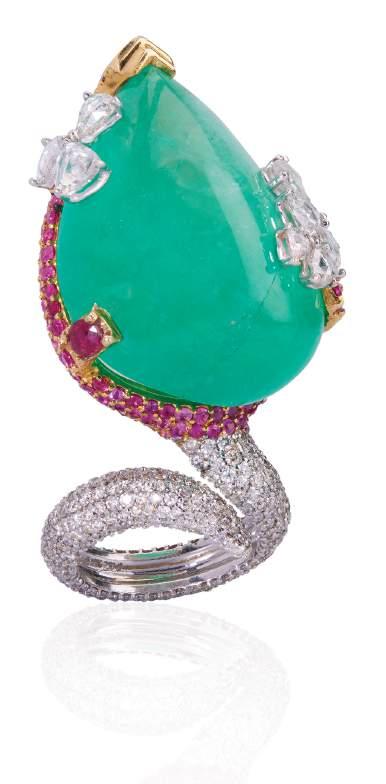
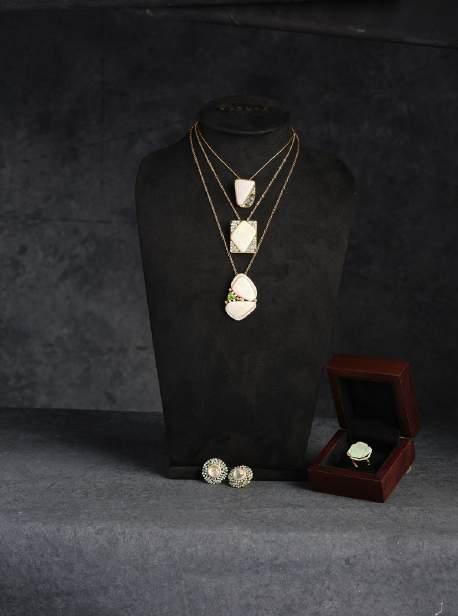
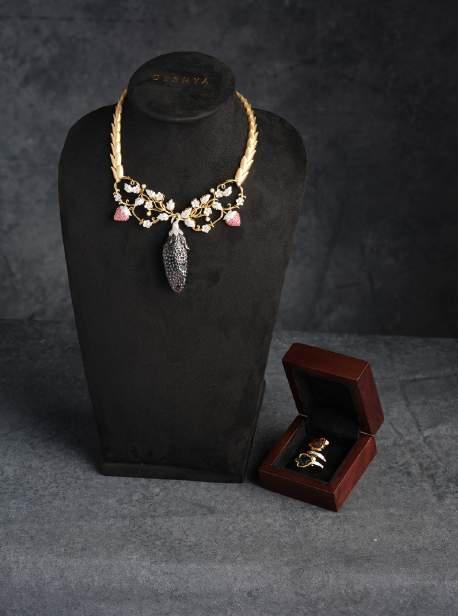
Several under-currents are visible in the present market. There is a marked return to cabochon cuts, smooth, unfaceted stones with an archaic, almost talismanic quality appearing across both heritage Indian jewellery houses and younger independent designers. Collectors are shifting their focus to spinels. Once overlooked, these stones are now prized for their vivid pinks and blues, offering a rare high-clarity alternative to rubies at a far more budgetfriendly price. Paraíba tourmalines are distinguished for their striking, neon blue-green shades and maintain their prestige by securing massive premiums. Simultaneously, Colombian emeralds are undergoing a subtle revival within Indian luxury jewellery, as their rich tones align perfectly with the country’s historic design sensibilities.
LOOKING FORWARD
What emerges is a market in sophisticated transition. The Indian collector of 2026 is more informed, more demanding, and more internationally fluent than any previous generation. They want beauty, certainly, but they also want integrity, in sourcing, in certification, in the relationship between seller and buyer. The era of asymmetric information, in which a seller could rely on a buyer’s unfamiliarity, is closing. What opens in its place is something more interesting: a market defined by genuine connoisseurship, where the finest stones find their most deserving custodians. In that sense, at least India is returning to itself.
JEWELLERY AND MEMORY
Farah Khan Ali unveils her flagship boutique in South Mumbai’s Fort district, an immersive 1,100 sq. ft. heritage space where jewellery, architecture, and storytelling converge into a quietly experiential world of design.
Photos by Farah Khan Ali
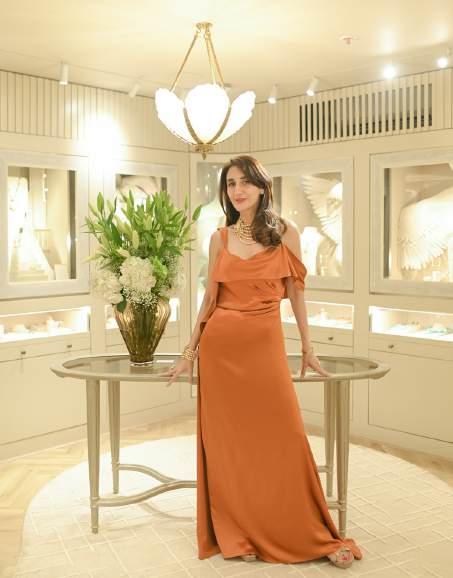
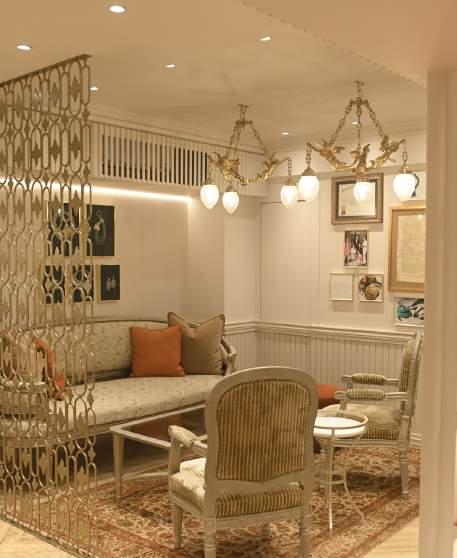
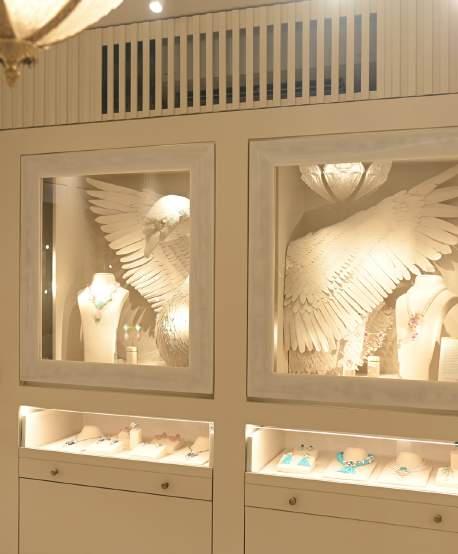
In the heart of South Mumbai’s historic Fort precinct, Farah Khan Ali introduces her flagship boutique, marking a significant milestone in her three-decade journey in fine jewellery. Located within the restored heritage structure of Chemco House, the 1,100 sq. ft. space is conceived as an immersive design environment where jewellery is experienced as narrative, emotion, and form rather than simple adornment. Framed in the brand’s signature apricot-amber palette and softened by subtle floral accents, the boutique unfolds as a quiet sanctuary within the city. The atmosphere is intimate and carefully controlled, allowing light, texture, and proportion to shape the visitor’s perception. Jewellery remains central, revealed gradually through spatial rhythm and considered display. The boutique extends Farah Khan Ali’s creative language into architecture, merging sculptural presentation with layered materiality and emotional storytelling. Every surface is deliberate, every transition measured, creating an environment that feels closer to a gallery than a conventional retail space.
A SPATIAL LANGUAGE OF EMOTION AND CRAFT
For Farah Khan Ali, the boutique represents an evolution of her design philosophy, where jewellery is inseparable from memory and narrative.
“I wanted to create more than a boutique, a world where design, craftsmanship, and story could be experienced in their fullest expression,” she says. “Every detail has been considered to allow the jewellery to breathe and speak for itself. The space is meant to evoke intimacy and wonder, where light, texture, and atmosphere guide the visitor through each collection like a gallery of emotions.”
This approach positions the boutique as an experiential journey. Jewellery is not displayed in isolation but encountered through shifting atmospheres, reinforcing its emotional and personal resonance.
INTERIORS DEFINED BY RESTRAINT AND ATMOSPHERE
The interiors balance old-world romanticism with contemporary
refinement. A palette of soft champagne, ivory, and warm sand establishes a calm foundation, while silken lacquered finishes, sculptural forms, and layered lighting introduce depth without visual excess.
Designed in collaboration with Studio Nineteen, led by founder Usama Patel, the space translates Farah’s vision into architectural language.
“When we began discussing the boutique, it was clear this needed to feel closer to a gallery of jewels than a store,” says Patel. “We approached it through gentle layering, where tone, texture, and motif guide the experience. The Aayat motif subtly informed the spatial rhythm, lending the boutique a sense of structure and quiet continuity.”
The result is an environment that is immersive yet restrained, allowing the jewellery to remain the focal point while the architecture quietly supports its presence.
COLLECTIONS FRAMED AS NARRATIVE
Within this carefully composed setting, Farah Khan Ali presents some of her most significant collections, each given room to unfold its own story.
Zarine – The Golden One stands as a deeply personal tribute to her mother and first muse, Zarine Sanjay Khan. The collection draws on symbolic animal forms, romantic floral references, and Victorian-inspired silhouettes, expressed through a palette of morganite, kunzite, emerald, ruby, tanzanite, and amethyst, set in 18kt gold and diamonds.
“This collection is a tribute to my mother,” says Farah. “It is for a woman who believes jewellery is meant to be lived in, to gather memories and become part of who she is.”
Alongside it, The Rose explores themes of memory, romance,
and renewal. Crafted in 18kt gold and rose gold, it draws inspiration from Mughal gardens and Renaissance art, translating botanical forms into contemporary jewellery that balances delicacy with strength.
A
DESIGNED ENVIRONMENT
OF SYMBOLISM
Every detail within the boutique contributes to a wider sensory narrative. Angel chandeliers cast a soft glow across sculptural displays, while dragonfly-inspired lighting and floral interventions introduce moments of visual poetry. A central triangular installation, adorned with birds and botanical motifs, anchors the spatial composition.
A private lounge offers a more intimate environment, defined by brass mesh detailing inspired by the brand’s Aayat motif, sculptural seating, and layered illumination. Nearby, a Wall of Memories traces Farah Khan Ali’s creative journey while honouring her mother’s influence, grounding the boutique in personal and generational legacy.
REDEFINING THE JEWELLERY EXPERIENCE
With this flagship, Farah Khan Ali redefines the jewellery boutique as an experiential space shaped by emotion, memory, and design discipline. It moves beyond transaction to become a site of encounter, where jewellery is revealed slowly and meaningfully.
Here, beauty is not immediate but unfolding. Conversation, atmosphere, and material become part of the experience, allowing each piece to be absorbed rather than simply viewed.
In doing so, the boutique establishes itself not only as a retail destination, but as a contemplative space where jewellery, architecture, and storytelling exist in seamless dialogue.
A JOURNEY IN EVERY GLASS
At Four Seasons Hotel Bengaluru, The Wine Studio transforms wine appreciation into an immersive exploration of culture, craftsmanship, and connection.
Photos by Four Seasons, Bengaluru
Words
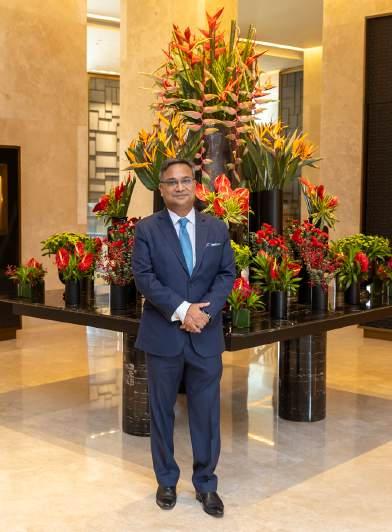
: Biswajit Chakraborty, General Manager, Four Seasons Hotel Bengaluru
Wine’s relationship with humanity predates many of the rituals that define contemporary dining. Long before it found a place in elegant stemware and curated tasting menus, wine was woven into mythology, commerce, and cultural exchange. It travelled ancient trade routes, appeared in sacred ceremonies, and inspired generations of poets and storytellers. Across centuries and continents, it has remained one of the world’s most enduring social companions, capable of turning an ordinary gathering into a memorable experience.
This enduring appeal lies not only in what is poured into the glass, but in what happens around it. Wine encourages conversation, invites reflection, and creates opportunities for connection. It asks people to slow down, savour the moment, and engage more deeply with one another.
Across the globe, wine cultures continue to preserve traditions that speak to this sense of continuity. In Georgia, among the world’s oldest winemaking regions, grapes are still fermented in underground clay qvevri, a practice that has endured for thousands of years. The process reflects a philosophy rooted in patience, intuition, and respect for craft. Similar shifts are emerging elsewhere, including India, where wine appreciation is evolving beyond consumption toward a more considered and experiential engagement with the category.
Today’s wine enthusiasts are increasingly interested in understanding the stories behind what they drink. Concepts such as terroir, once reserved for connoisseurs, have entered wider conversations, encouraging drinkers to explore how geography, climate, and soil shape a wine’s character. Whether it is the complexity of a Burgundy or the bright freshness of an Indian Chenin Blanc, these discoveries add depth to the experience without diminishing its accessibility.
The journey often extends naturally to food, particularly
cheese, one of wine’s most celebrated companions. Thoughtful pairings reveal how texture, acidity, and flavour interact to create new dimensions on the palate. An aged cheddar alongside a structured red or a creamy brie paired with a crisp white becomes more than a pairing. It becomes an exercise in appreciation, encouraging diners to slow down and engage with every element of the experience.
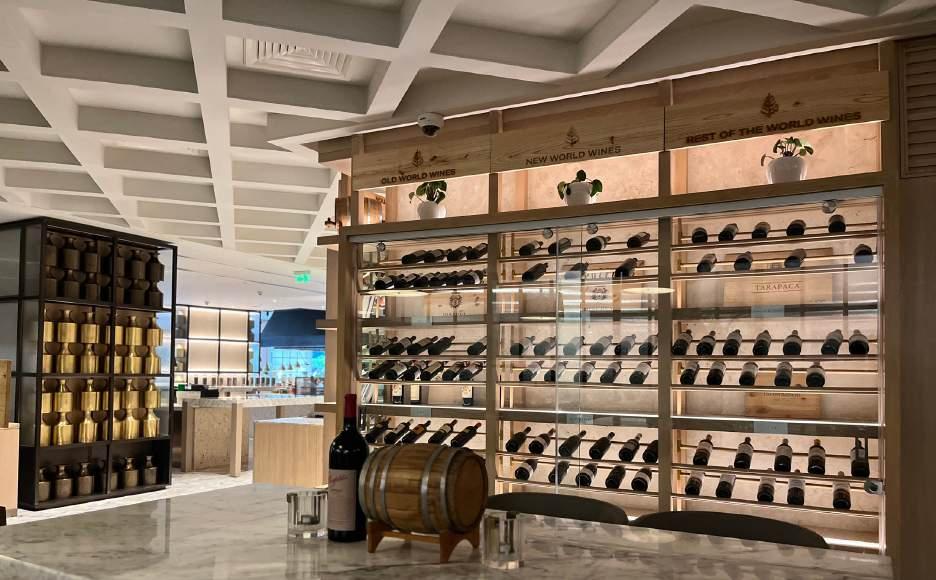
This growing appetite for discovery has inspired a new generation of hospitality experiences centred on learning, exploration, and storytelling. At Four Seasons Hotel Bengaluru, this philosophy finds expression through The Wine Studio, an intimate destination dedicated to the worlds of wine, culture, and craftsmanship.
Conceived as an immersive environment for both seasoned collectors and curious newcomers, The Wine Studio offers guests an opportunity to move beyond labels and vintages to uncover the narratives that shape each bottle. Through monthly themed tastings, curated pairings, and sommelier-led experiences, visitors are invited to explore wine through the lens of geography, tradition, and human connection.
Designed with flexibility in mind, the space adapts effortlessly to a variety of occasions, from private celebrations and intimate gatherings to educational sessions and corporate events. More than a venue, it serves as a platform for conversation and discovery, reflecting the growing desire for experiences that are as meaningful as they are memorable.
Ultimately, wine’s enduring appeal lies in its ability to create moments of pause. It encourages people to linger, to listen, and to connect. In a world that often moves too quickly, the simple act of sharing a bottle remains one of the most timeless expressions of hospitality. And perhaps that is why the best evenings are rarely remembered for the wine alone, but for the conversations, connections, and stories that unfold around it.
PLACES
SENSITIVE DESIGN
Architecture firm 23 Degrees Design Shift’s work is shaped by context, materiality, and nature.
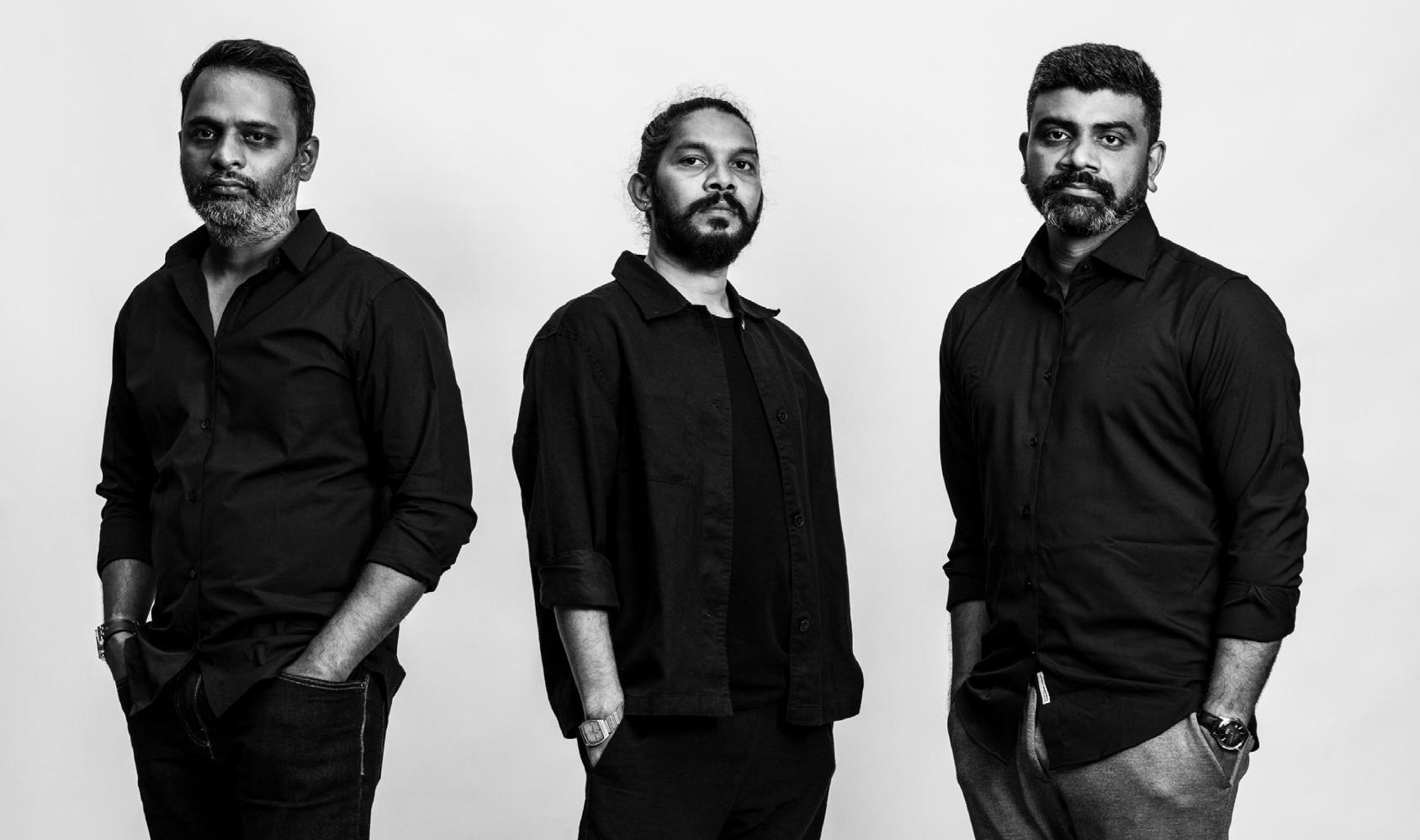
Founded in Hyderabad in 2010, 23 Degrees Design Shift (23DDS) has established itself as a practice distinguished by its thoughtful approach to architecture, interiors, and spatial design. Led by principals Ar. Srikanth Reddy, Ar. Neelesh Kumar, and Ar. Raghuram, the studio works across a diverse portfolio that spans private residences, farmhouses, hospitality destinations, restaurants, breweries, bars, and commercial workplaces.
At the heart of the practice lies a commitment to creating architecture that responds meaningfully to its context. Rather than imposing a singular design language, 23DDS approaches each project as a unique opportunity to engage with its environment, users, and material conditions. This sensitivity to place has become a defining characteristic of the studio’s work, earning recognition through prestigious accolades such as the ID Honours for Hospitality Awards and features across leading national and international design publications.
The studio’s name itself reflects its design philosophy. Inspired by the Earth’s axial tilt of approximately 23.5 degrees, a subtle shift responsible for the changing seasons, shifting light conditions, and the rhythms that shape life on the planet, 23DDS embraces the idea that even the smallest interventions can have a profound impact. This principle informs a design methodology rooted in observation, adaptation, and a deep respect for natural systems.
Materiality plays a central role in the studio’s architectural expression. Every project begins with a careful understanding of how materials can shape both experience and performance. Natural textures, earthy tones, and regionally sourced materials are frequently employed to create spaces that feel grounded
and authentic. Rather than serving as decorative elements, materials become active contributors to form, atmosphere, and function, reinforcing the studio’s belief that architecture should be experienced through touch as much as sight.
Nature remains an integral collaborator throughout the design process. Across projects, the studio seeks opportunities to preserve existing vegetation, maximise natural light, and harness passive ventilation strategies. These interventions not only reduce environmental impact but also foster healthier and more comfortable environments for occupants. The result is architecture that engages in a continuous dialogue with its surroundings, allowing built and natural elements to coexist seamlessly.
A defining characteristic of 23DDS’s work is its exploration of spatial openness and continuity. The studio often develops architectural forms through linear expansion, creating environments that feel expansive, fluid, and visually connected. Generous proportions, layered volumes, and carefully choreographed transitions establish a sense of movement that unfolds naturally across a project. Whether designing an intimate family residence, a hospitality destination, or a large-scale commercial environment, the studio consistently prioritises flow, scale, and spatial clarity.
This emphasis on experiential design is balanced by a rigor-
ous understanding of functionality and performance. Every project is guided by a clear methodology that integrates aesthetics, environmental responsiveness, and user experience, ensuring that architecture remains both visually compelling and deeply practical.
Over the past decade, 23 Degrees Design Shift has cultivated a body of work that reflects an evolving yet consistent vision. Through context-driven thinking, material sensitivity, and a strong connection to nature, the Hyderabad-based practice continues to shape spaces that are contemporary, enduring, and intrinsically connected to the world around them.
DYNAMIC LIVING
reD Architects crafts a warm, contemporary duplex above Mumbai
Photography -Ishita Sitwala
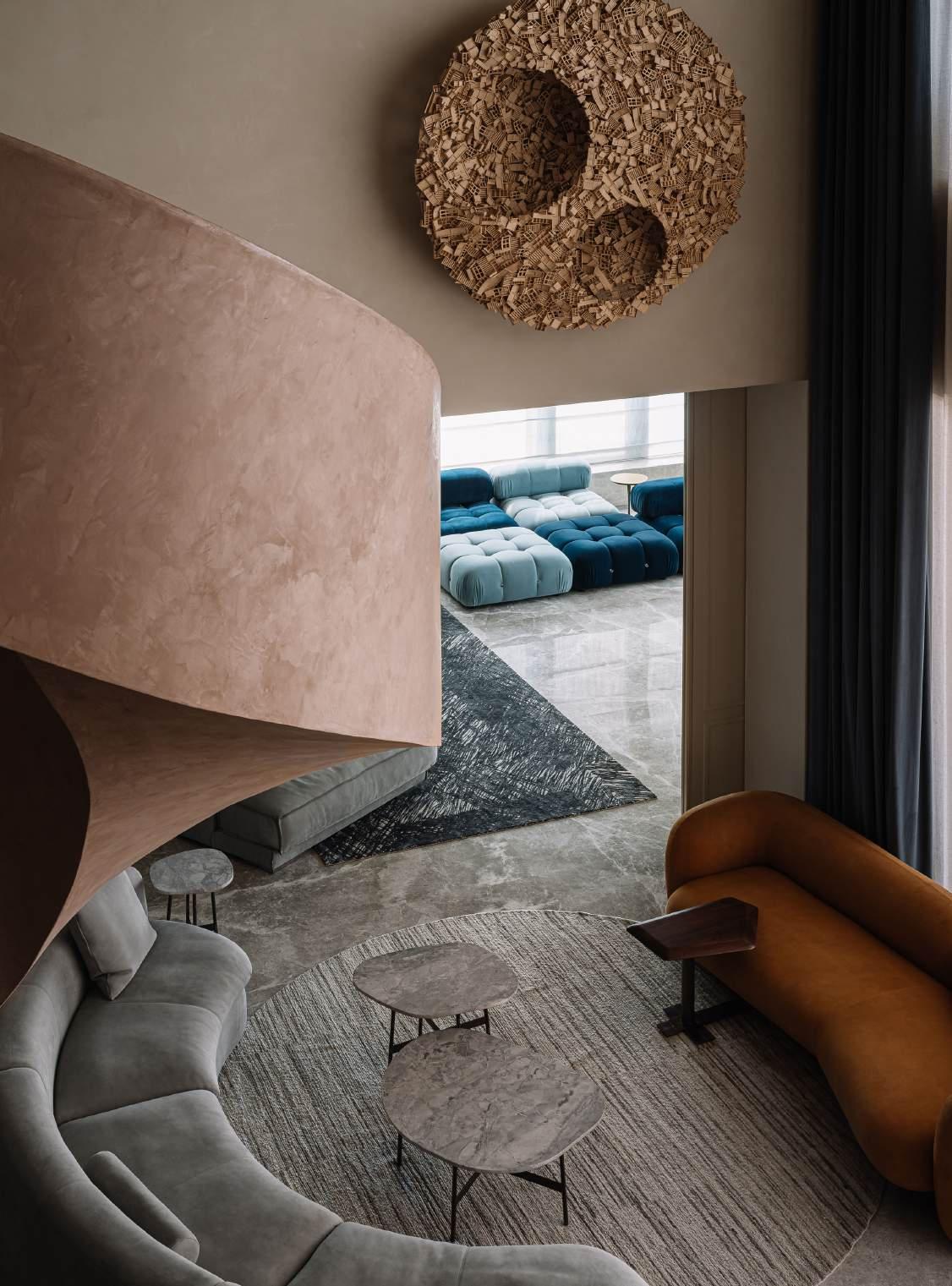
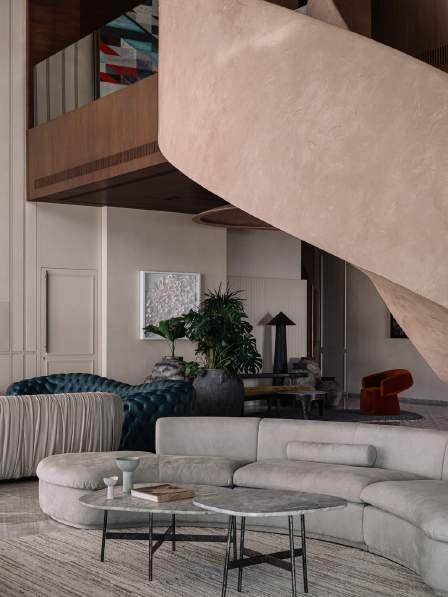
Set high above the dynamic cityscape of Worli, this 11,000 sq. ft. duplex reimagines contemporary urban luxury through a thoughtful balance of warmth, functionality, and refined craftsmanship. Designed for a young family, the residence embraces expansive volumes, tactile materials, and carefully considered spatial interventions that elevate everyday living.
The journey begins at the entrance, where an informal lounge offers a relaxed introduction to the home before opening into a dramatic formal living area. Defined by a soaring doubleheight volume, the space achieves a sense of grandeur while maintaining intimacy. Instead of conventional partitions, lush indoor planting subtly separates the two zones, preserving visual continuity while creating distinct experiences within the open plan.
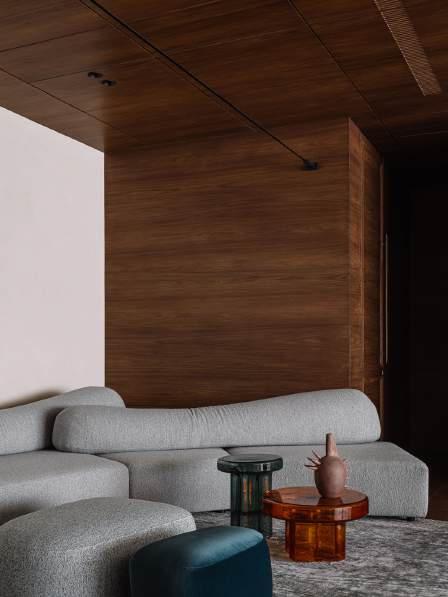
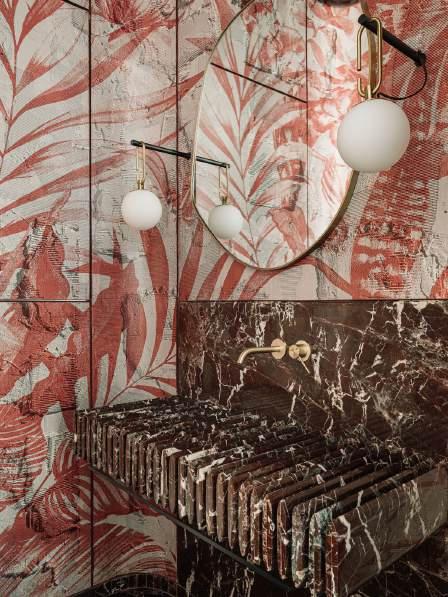
A patterned stone inlay stretches across the living room floor, extending beyond its original footprint to become a defining design gesture. Above, the first-floor structure is wrapped in warm veneer, creating the illusion of a floating box suspended within the larger volume. This architectural language continues through the dining corridor and powder room, establishing a seamless visual rhythm throughout the home.
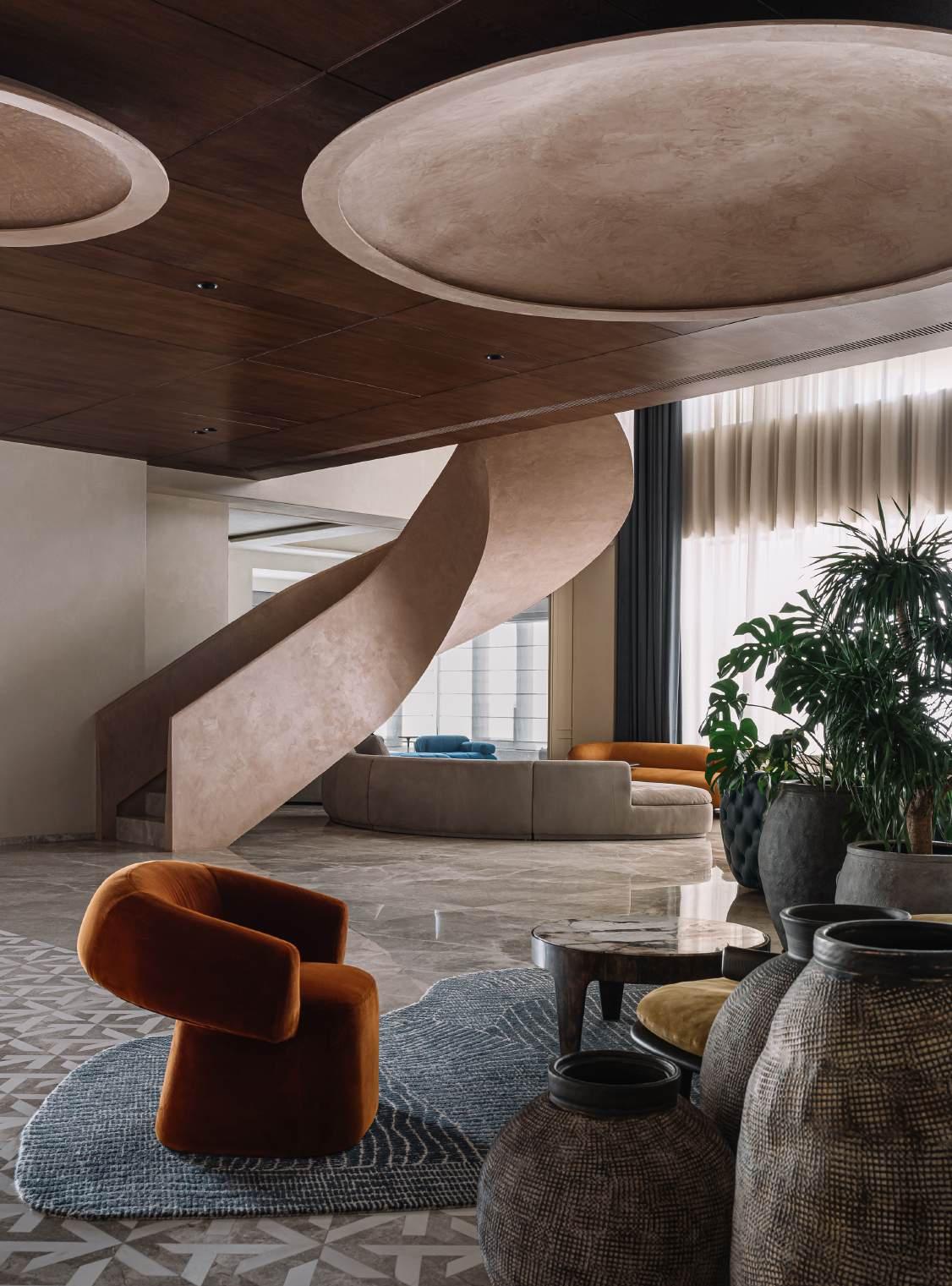
One of the project’s most intelligent interventions is the staircase. Conceived with both efficiency and elegance in mind, it begins within the single-height volume before rising into the double-height space. The solution eliminates the need for an additional structural cutout while transforming the staircase into a sculptural focal point.
Adjacent to the living area, a versatile den functions as both a screening room and a private bar. Sliding doors allow the space to open completely, seamlessly extending the living area during larger gatherings. The dining room presents a more immersive experience, centred around a monolithic marble dining table set against tribal-inspired wallpaper and enveloped by rich wood panelling across the walls and ceiling.
A compact study doubles as a library, where wooden mouldings and characterful wallpaper evoke a sense of timeless sophistication.
The lower level houses two distinct bedrooms, each tailored to its occupant’s needs. The first, designed for the client’s mother, embraces a classical aesthetic enriched with marble and wood detailing. A generous walk-in wardrobe and luxurious bathroom reinforce the room’s elegant character. The second bedroom functions as a flexible guest suite, incorporating a
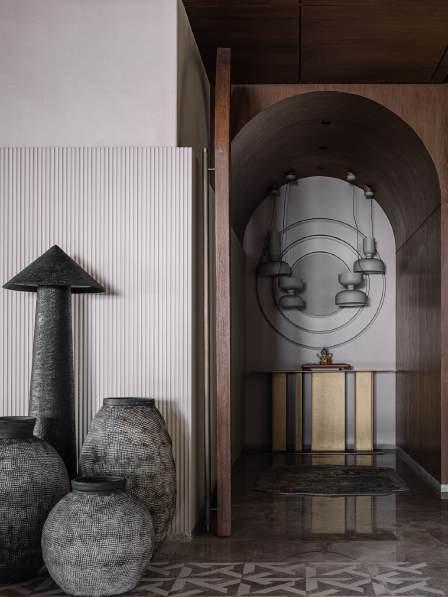
custom Murphy bed that allows the room to transition effortlessly between lounge and sleeping space. Nearby, a restrained and thoughtfully detailed mandir offers a tranquil retreat within the home.
Upstairs, a secondary lounge provides a more intimate setting for entertaining. Rich dark wood tones create a sense of warmth and depth, while a linear David Groppi light installation anchors the space. A custom-designed games cabinet is discreetly integrated into the architecture, maintaining the room’s clean visual language.
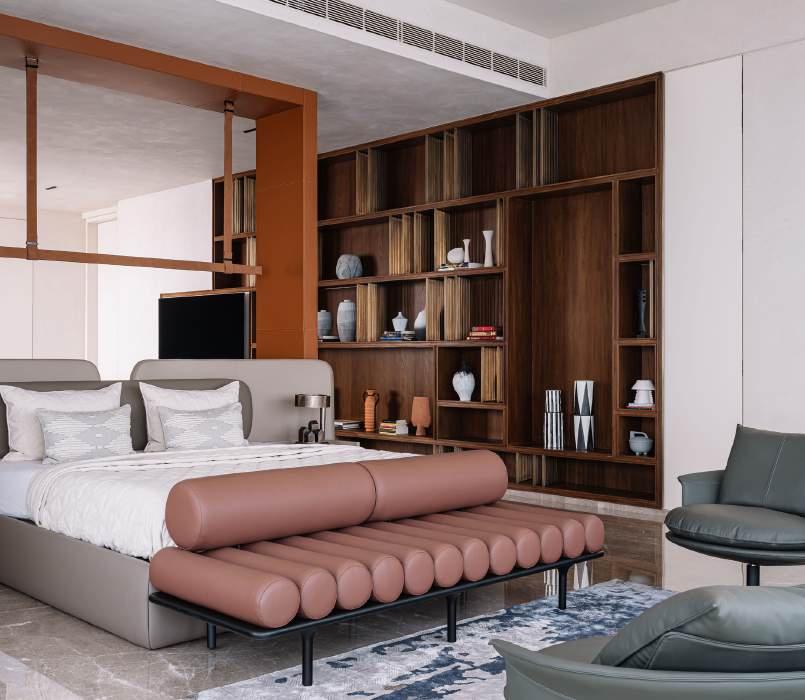
The master suite represents one of the home’s most transformative interventions. Originally configured as two separate bedrooms, the space has been reimagined as a single expansive retreat encompassing a private lounge, study area, and integrated library. A floating leather desk in shades of orange and brown acts as a subtle threshold between zones, complementing the warm veneer finishes that wrap the room.
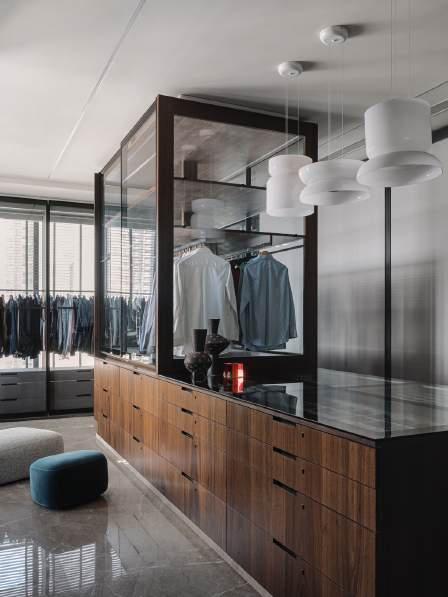
The walk-in wardrobe has been designed with equal attention to detail. A full-height glass display showcases the owner’s collection of handbags, while transparent wardrobes allow natural light to permeate the space. At its centre, a custom island provides additional storage, with further cabinetry extending above to maximise capacity without compromising openness.
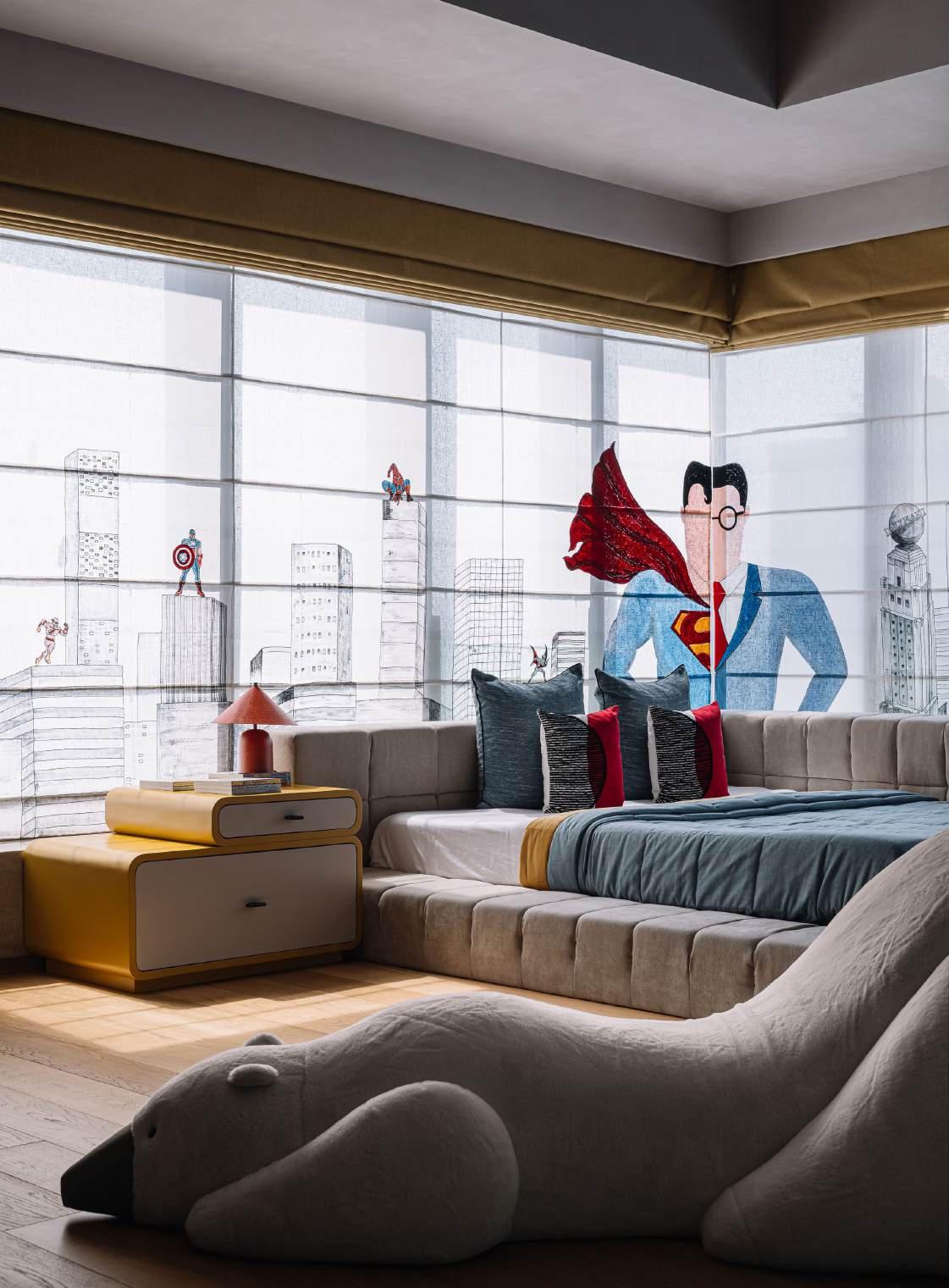
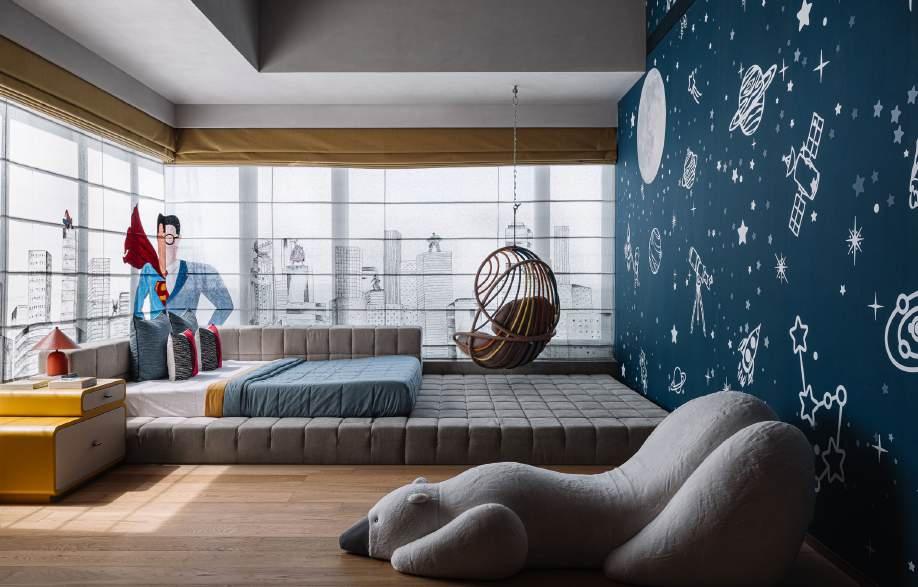
On the opposite side of the upper floor, the children’s suite introduces a playful counterpoint to the home’s refined material palette. Framed by expansive ocean views, the suite includes a generous play area designed to evolve alongside its young occupants.
One bedroom features an oversized cushioned bed, a 20-footlong bunk platform, a hammock, a rock-climbing wall, and a pegboard system with moveable shelving. The result is an environment that encourages creativity, movement, and exploration. The adjoining nursery is connected through a thoughtfully designed dual-bathroom arrangement. Two independent bathrooms are linked by a shared jacuzzi, creating a unique balance between privacy and shared family rituals.
Playful details continue throughout the suite, from penny tiles finished with coloured grout to floating vanities, fluted glass wardrobes, and statement ceilings rendered in shades of burnt orange and green. Together, these elements create spaces that feel imaginative yet sophisticated.
Throughout the residence, layered materials, fluid transitions, and carefully crafted details establish a home that is both bold and deeply personal. The result is a contemporary family residence that responds effortlessly to modern living while offering a timeless expression of luxury high above Mumbai’s skyline.
FOREST DIALOGUE
Entre Quatre Murs shapes a 7,700-square-foot residence in Mirabel where architecture, materiality, and landscape exist in quiet conversation
Photography - Maxime Brouillet
Set along the edge of a wooded site in Mirabel, Québec, Du Corail Residence by Montreal-based design and architecture studio Entre Quatre Murs explores a simple yet enduring question: how can a home become part of its landscape rather than merely occupy it?
Developed over four years, the 7,700-square-foot family residence is conceived as an extension of its surroundings, responding to the site’s topography, natural light, and forested character with remarkable restraint. Rather than asserting itself against nature, the home embraces a quieter architectural language, one that prioritises openness, continuity, and a deep
connection to place.
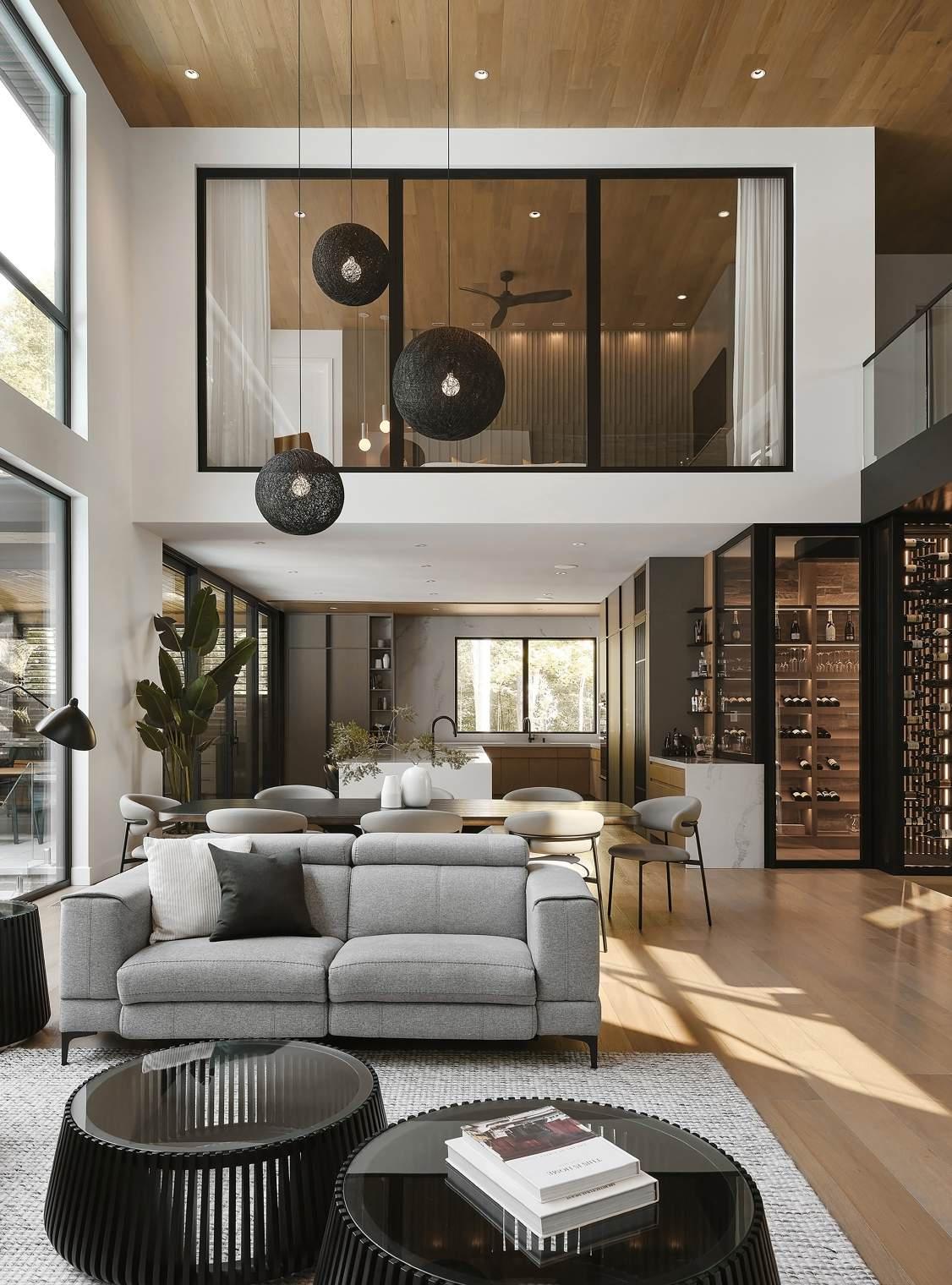
The residence unfolds across three carefully orchestrated levels. At its highest point, a mezzanine functions as a private retreat, elevated above the main living areas and framed by views into the surrounding tree canopy. Below, a fully realised lower level accommodates guest suites, recreational spaces, and the family’s teenage quarters. Benefiting from the site’s natural slope, these spaces enjoy an unexpected sense of openness and daylight.
At the centre of the home, the expansive main floor brings together the kitchen, dining, and living areas within a seam-
PLACES
less open-plan environment. Floor-to-ceiling glazing dissolves boundaries between interior and exterior, allowing natural light to shape the atmosphere throughout the day. Here, light becomes an architectural material in its own right, animating surfaces and reinforcing the home’s connection to its environment.
A sculptural staircase anchors the residence vertically. Suspended between the three levels and enclosed by a minimalist glass balustrade, it introduces a sense of lightness while preserving uninterrupted visual connections throughout the home. More than a circulation element, it serves as the architectural spine around which daily life unfolds.
Materiality plays an equally important role in establishing the project’s identity. Natural stone extends from exterior façades into interior spaces, creating a continuous dialogue between architecture and landscape. Warm timber surfaces appear throughout floors, ceilings, and bespoke millwork, echoing the surrounding forest while introducing texture and warmth. Together, these materials reinforce the home’s biophilic character and support a design approach rooted in longevity and authenticity.
Environmental considerations are woven into the architecture through passive solar strategies, natural ventilation, and an orientation that maximises daylight while responding intelligently to seasonal conditions. The result is a residence that feels both contemporary and inherently connected to its setting.
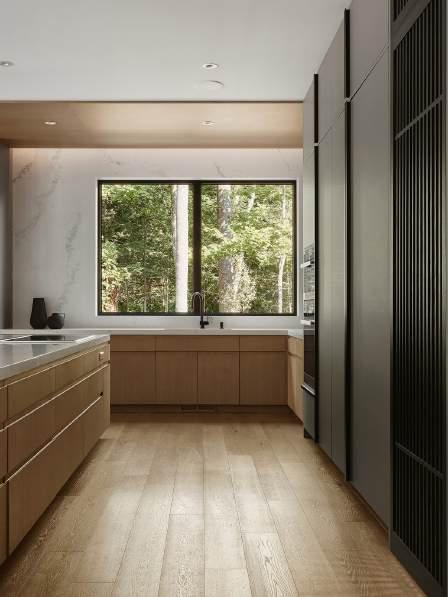
One of the home’s most distinctive features emerges within the kitchen. Designed in close collaboration with the owners, the space combines pale grey cabinetry, natural wood finishes, and luminous quartz surfaces. A fully glazed corner wine cellar acts as a sculptural focal point between the kitchen and dining area, transforming wine storage into an architectural statement. Presented almost like a private library, the collection becomes part of the visual composition of the home.
Throughout the residence, bespoke craftsmanship defines the experience of each space. Custom dressing rooms, integrated furnishings, tailored vanities, and carefully calibrated lighting systems were developed specifically for the needs and routines of the homeowners. Every detail reflects an ongoing dialogue between designer and occupant, resulting in interiors that balance beauty with functionality.
For Entre Quatre Murs, the project embodies a broader philosophy. The studio views interiors not simply as aesthetic compositions but as frameworks designed to support the lives that unfold within them. At Du Corail Residence, architecture becomes a medium through which everyday experiences are elevated, creating a home that is as intuitive as it is refined.
Subtle in expression yet rich in spatial intelligence, Du Corail Residence demonstrates how thoughtful design can foster a profound sense of belonging. It is a residence that listens carefully to its landscape, responds sensitively to its inhabitants, and ultimately reveals the enduring power of architecture rooted in place.
ELEVATED HOSPITALITY
Novotel Vijayawada Varun combines contemporary luxury, worldclass amenities, and versatile event spaces to offer one of Andhra Pradesh’s most distinguished hospitality experiences.
Photography - Novotel Vijayawada Varun
PLACES
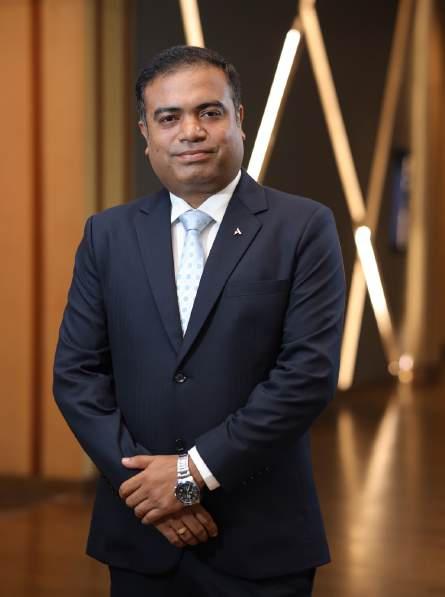
Manish Pathak , hotel Manager, novotel vijayawada varun
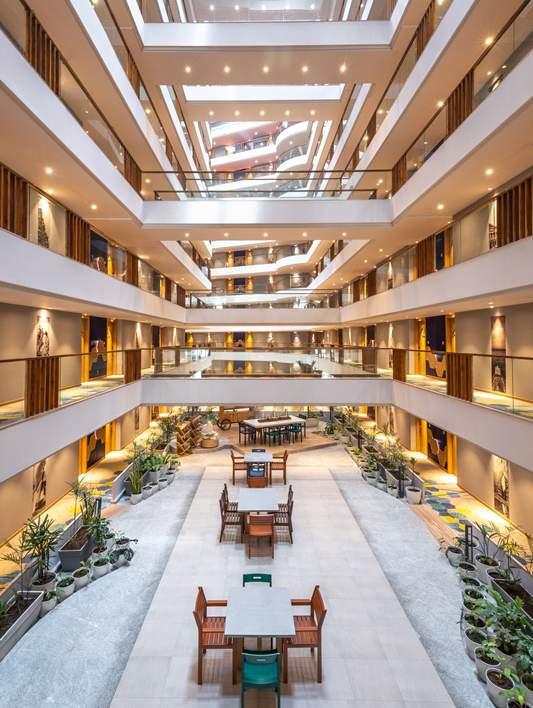
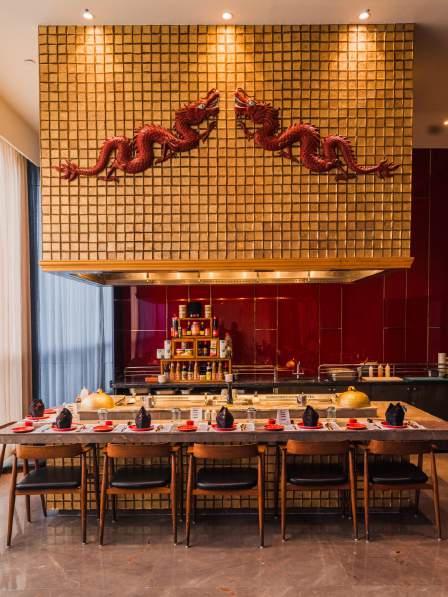
Positioned in the heart of Vijayawada, Novotel Vijayawada Varun has established itself as a landmark destination for business travellers, leisure guests, and families seeking a refined hospitality experience. As the city’s first and only international five-star deluxe hotel, the property brings together contemporary accommodation, diverse dining experiences, wellness offerings, and expansive event facilities under one roof.
Overlooking the vibrant urban landscape of Vijayawada and located near the banks of the Krishna River, the hotel serves as both a gateway to the city and a destination in its own right. Its strategic location provides convenient access to key commercial districts, cultural landmarks, and transportation hubs, making it equally suited to corporate travel and leisurely escapes.
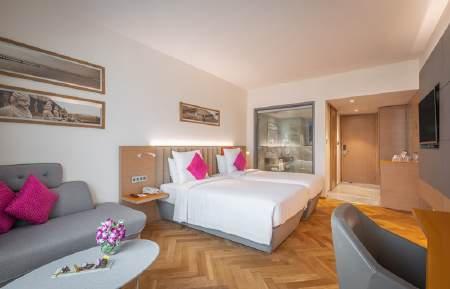
The hotel features 233 thoughtfully designed guest rooms and suites, each characterised by clean contemporary aesthetics, generous proportions, and modern conveniences. Bright, spacious interiors are complemented by a range of in-room amenities, including high-speed internet connectivity and carefully curated comforts that cater to the needs of today’s traveller.
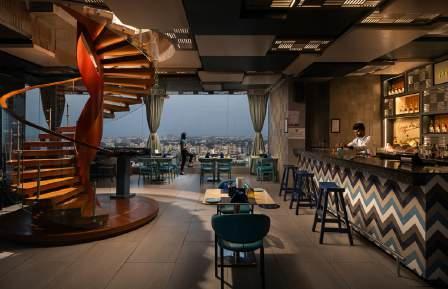
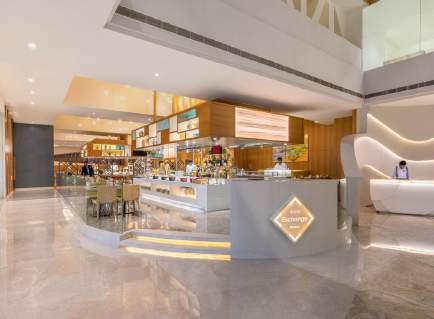
Beyond accommodation, Novotel Vijayawada Varun has become one of the city’s most sought-after culinary destinations. Its collection of restaurants and lounges offers a diverse range of dining experiences, bringing together regional flavours and
international cuisines within elegant and welcoming settings.
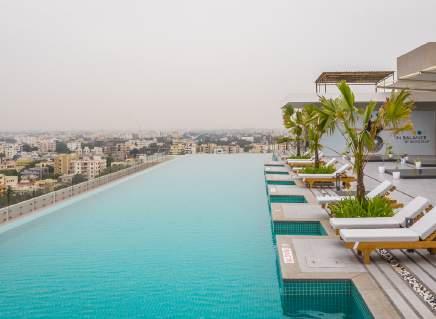
Wellness and recreation form an integral part of the guest experience. An infinity swimming pool offers panoramic views across the city, while the spa provides a tranquil retreat designed for relaxation and rejuvenation. Together, these spaces create opportunities for guests to unwind and recharge amid the energy of urban life.
The property is equally recognised for its extensive event and banquet facilities. From intimate celebrations and social gatherings to large-scale weddings, conferences, and corporate events, the hotel offers a range of flexible venues supported by experienced hospitality professionals. Attention to detail, personalised service, and seamless execution have made it a preferred venue for some of the region’s most significant occasions.
At the heart of Novotel Vijayawada Varun’s offering is a commitment to creating memorable experiences through thoughtful service and contemporary comfort. Whether visiting for business, leisure, or celebration, guests are welcomed into an environment where convenience, luxury, and hospitality come together effortlessly.
As Vijayawada continues to evolve as a commercial and cultural centre, Novotel Vijayawada Varun remains a defining presence within the city’s hospitality landscape, offering a sophisticated destination that reflects both international standards and local warmth.
PLACES
LUXURY AT A SLOWER PACE
The St. Regis Goa Resort brings together lagoon-side serenity, bespoke hospitality, and immersive experiences across 49 acres of South Goa’s coastal landscape.
Photography - St. Regis Goa
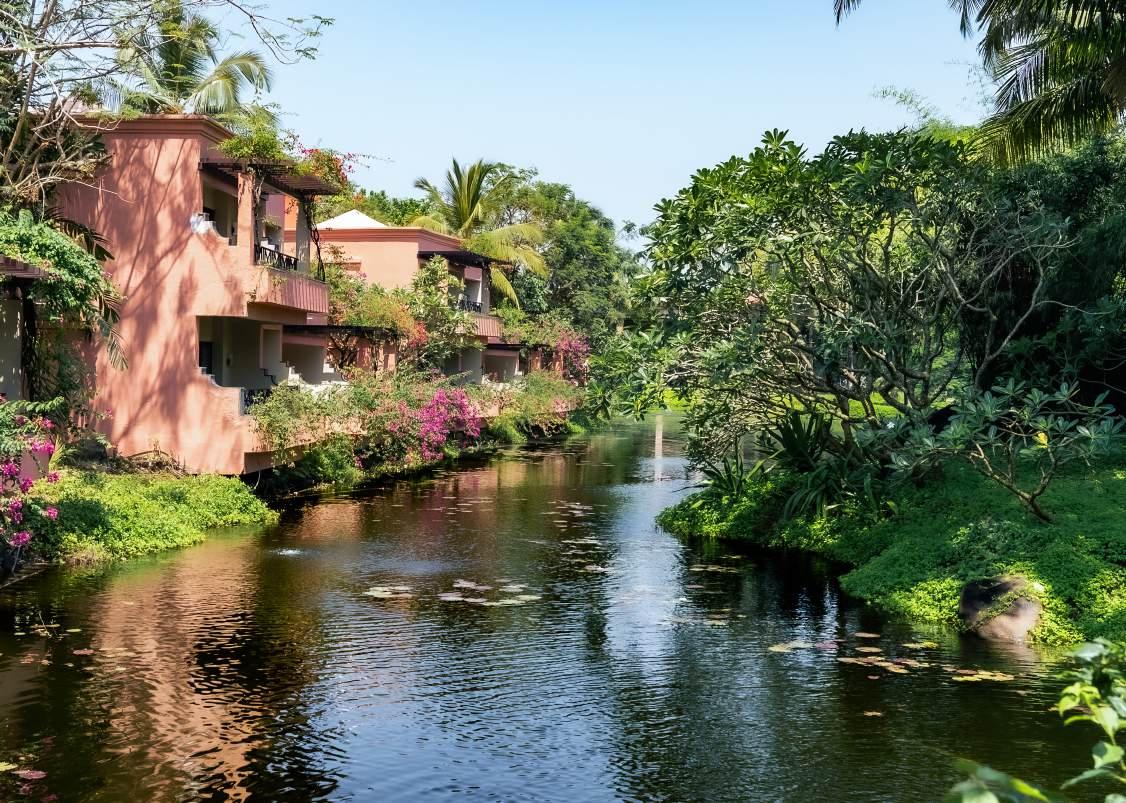
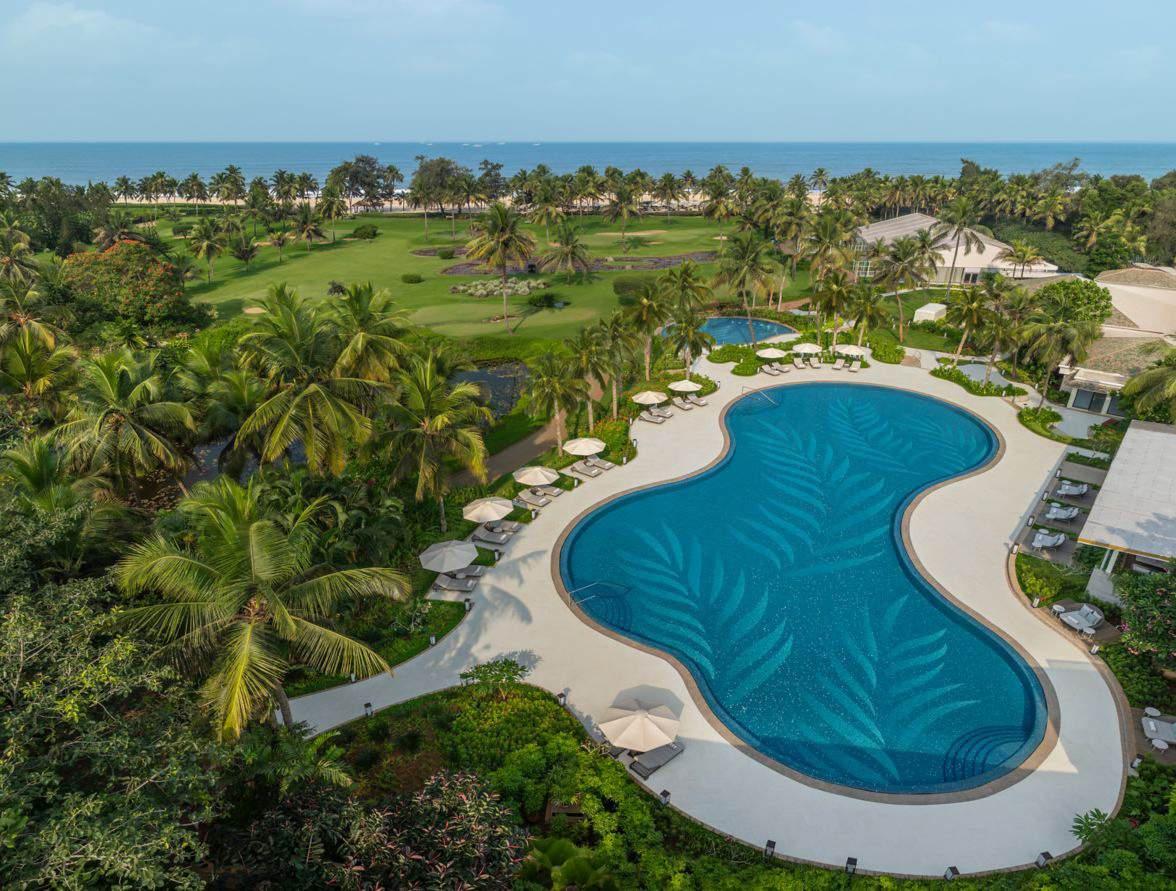
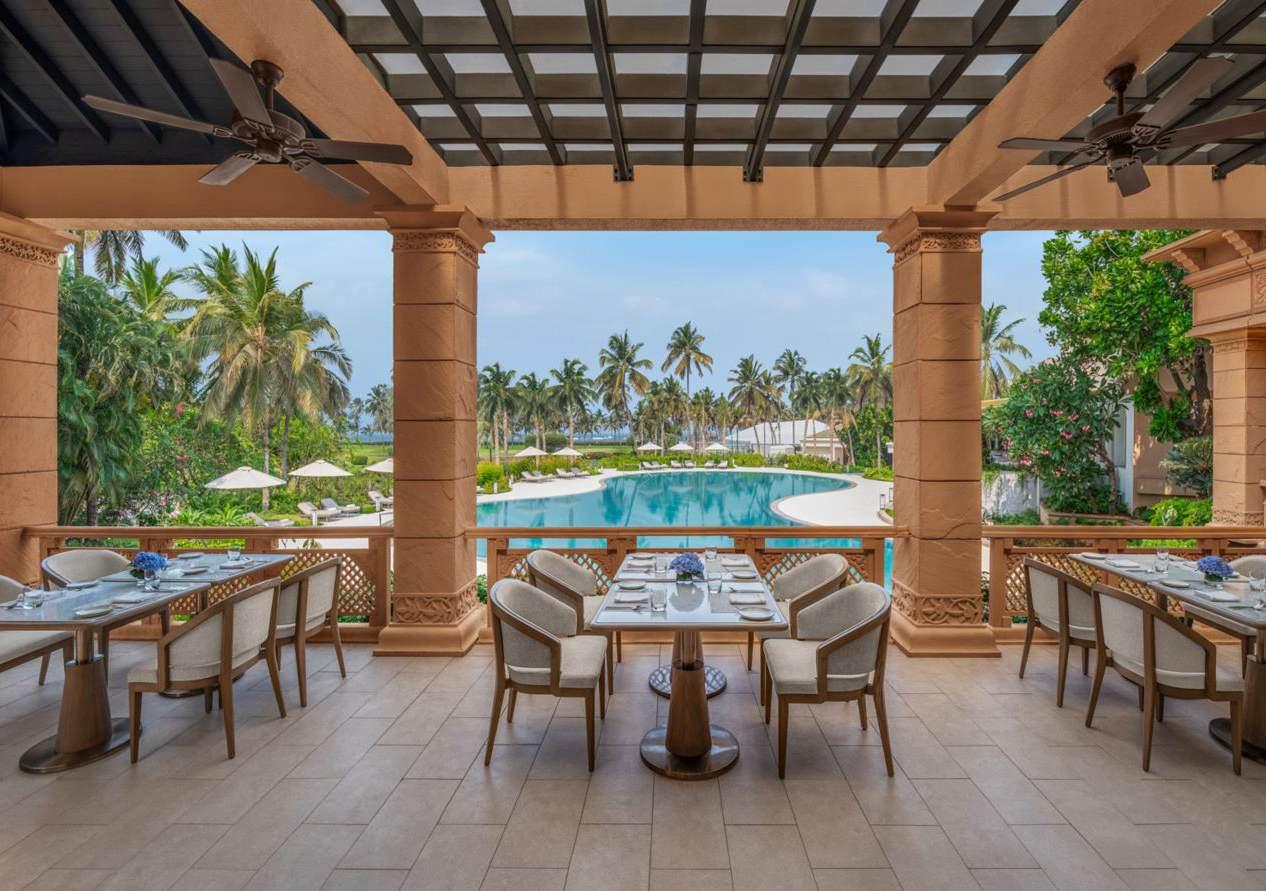
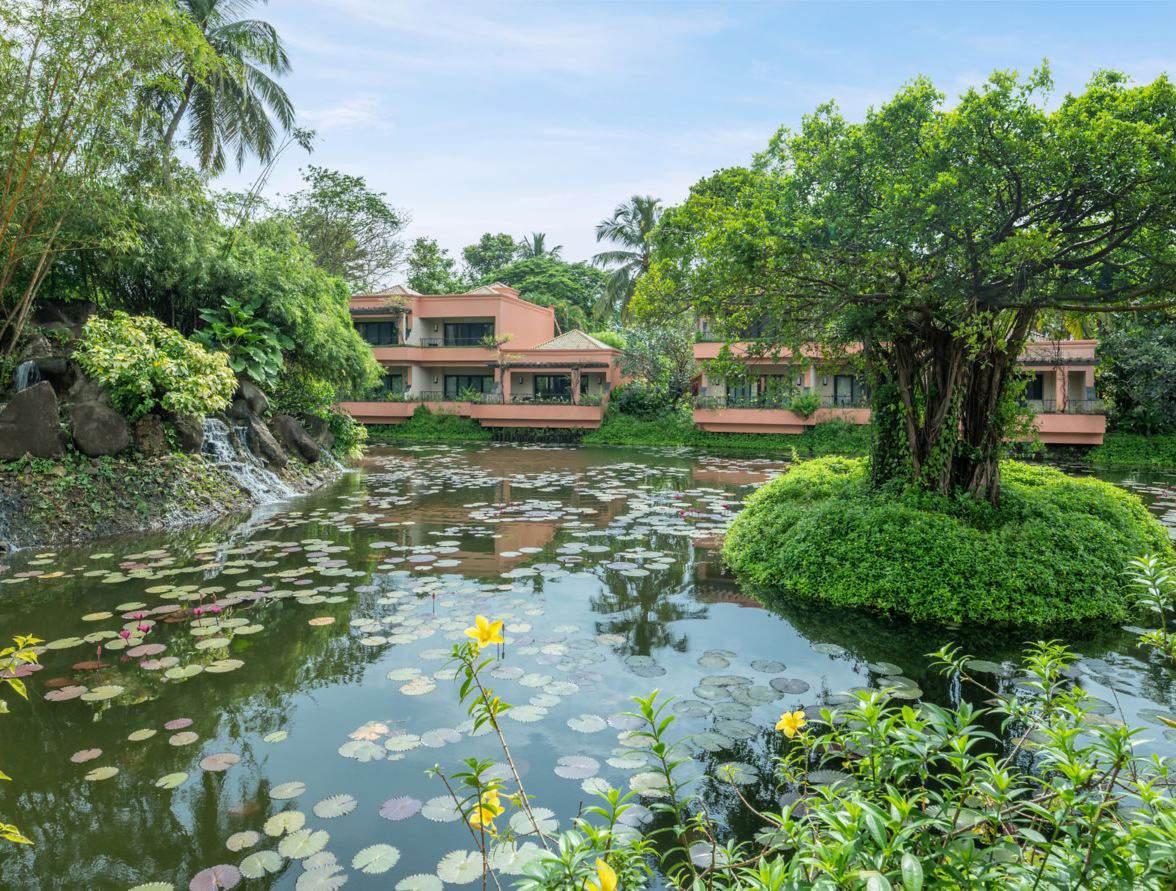
Set along the tranquil shores of Cavelossim in South Goa, The St. Regis Goa Resort offers a distinctly refined interpretation of luxury hospitality. Spread across 49 acres of lush coastal terrain, the resort is defined by expansive lagoons, tropical gardens, and a setting that embraces the slower, more contemplative rhythm of South Goa.
Rather than relying on spectacle, the resort’s appeal lies in its atmosphere. Waterways reflect the changing sky, palm-lined pathways lead to secluded corners of calm, and the nearby Sal River creates a natural backdrop that shapes the guest experience. Here, luxury is expressed through space, privacy, and a sense of effortless ease.
A RESORT INSPIRED BY PLACE
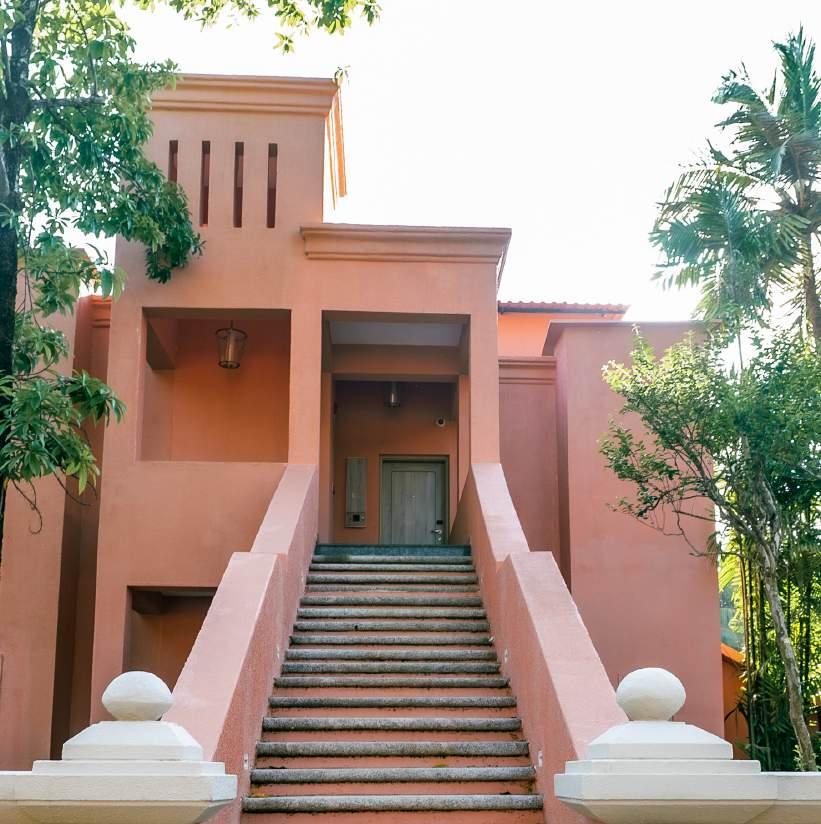
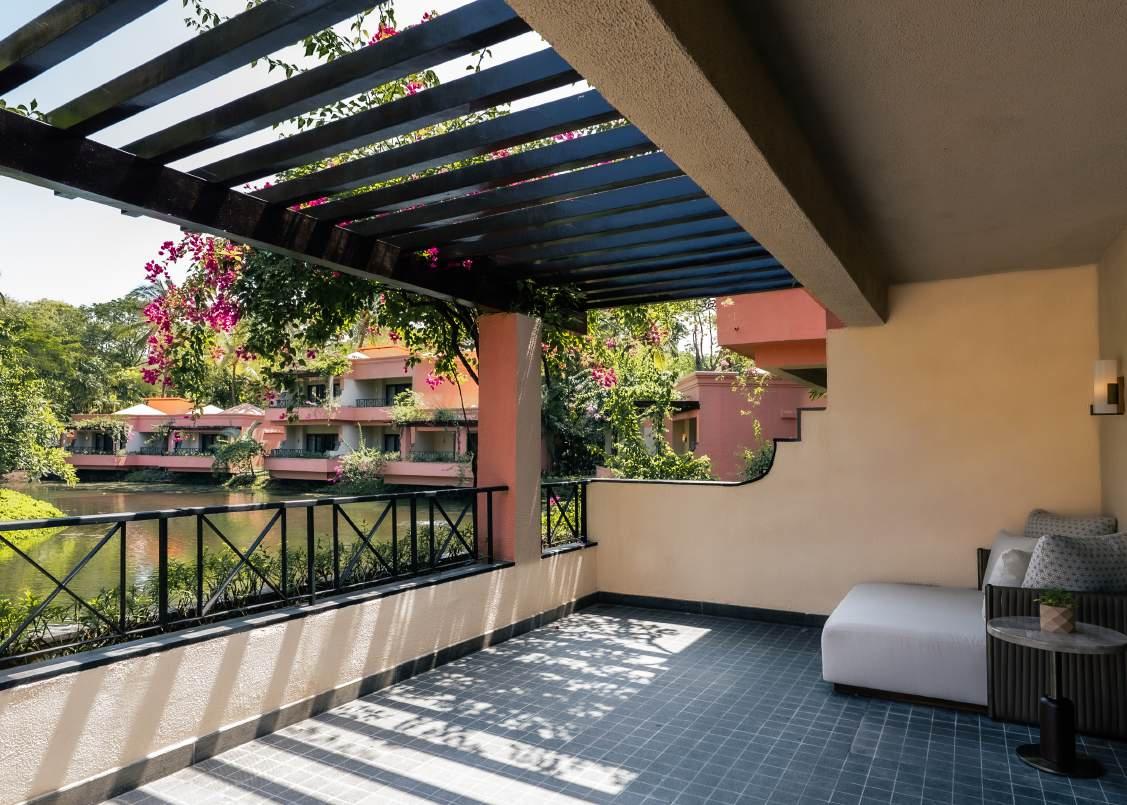
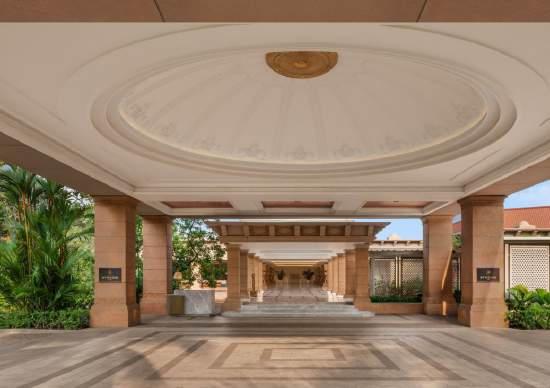
The architecture draws from both contemporary design principles and Goa’s Indo-Portuguese heritage. Clean lines, terracotta accents, natural textures, and open courtyards establish a dialogue between built form and landscape. Throughout the property, indoor and outdoor spaces merge seamlessly, creating an environment that feels connected to its surroundings.
While North Goa is known for its vibrant social scene, Cavelossim offers a quieter alternative. The St. Regis Goa Resort embraces this distinction through thoughtfully designed spaces that encourage guests to slow down and engage with the destination on a deeper level. Verandahs bathed in
natural light, hammock-lined coconut groves, private villas, and lagoon-side retreats create an atmosphere of understated sophistication.
CONTEMPORARY LUXURY MEETS RESIDENTIAL COMFORT
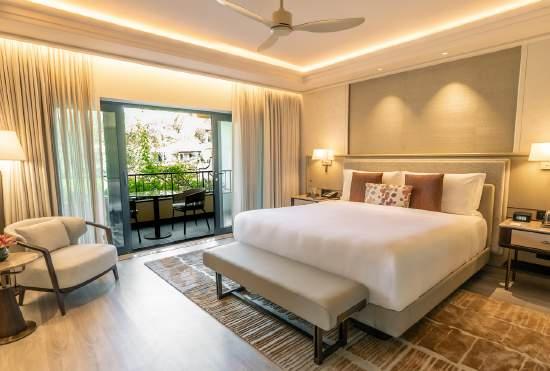
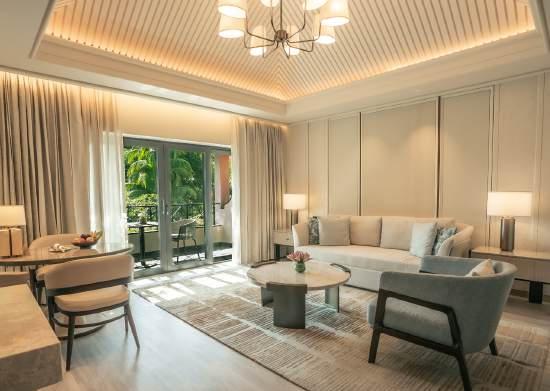
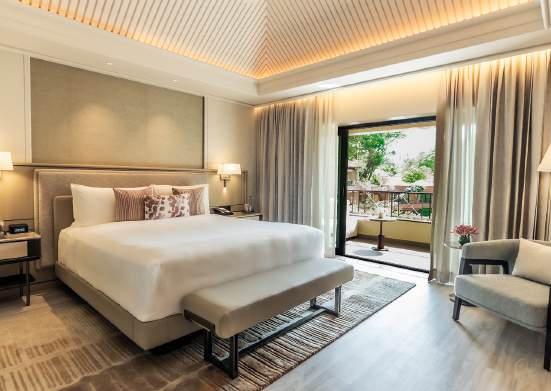
Accommodation at the resort is designed to evoke the feeling of an elegant contemporary beach residence. Spacious guest rooms and suites feature soft neutral palettes, bespoke furnishings, natural materials, and expansive layouts that prioritise comfort and relaxation.
Private terraces overlooking lagoons, landscaped gardens, and the golf course extend the living experience outdoors, allowing guests to immerse themselves in the surrounding landscape. The result is a sense of privacy and tranquillity rarely found within large-scale resort destinations.
For travellers seeking an elevated experience, the resort’s suites and villas offer additional exclusivity through generous living areas, dedicated lounges, expansive outdoor spaces, and enhanced personalised service. Signature St. Regis Butler Service remains central to the experience, ensuring every stay is tailored with precision and discretion.
CULINARY JOURNEYS ACROSS CULTURES
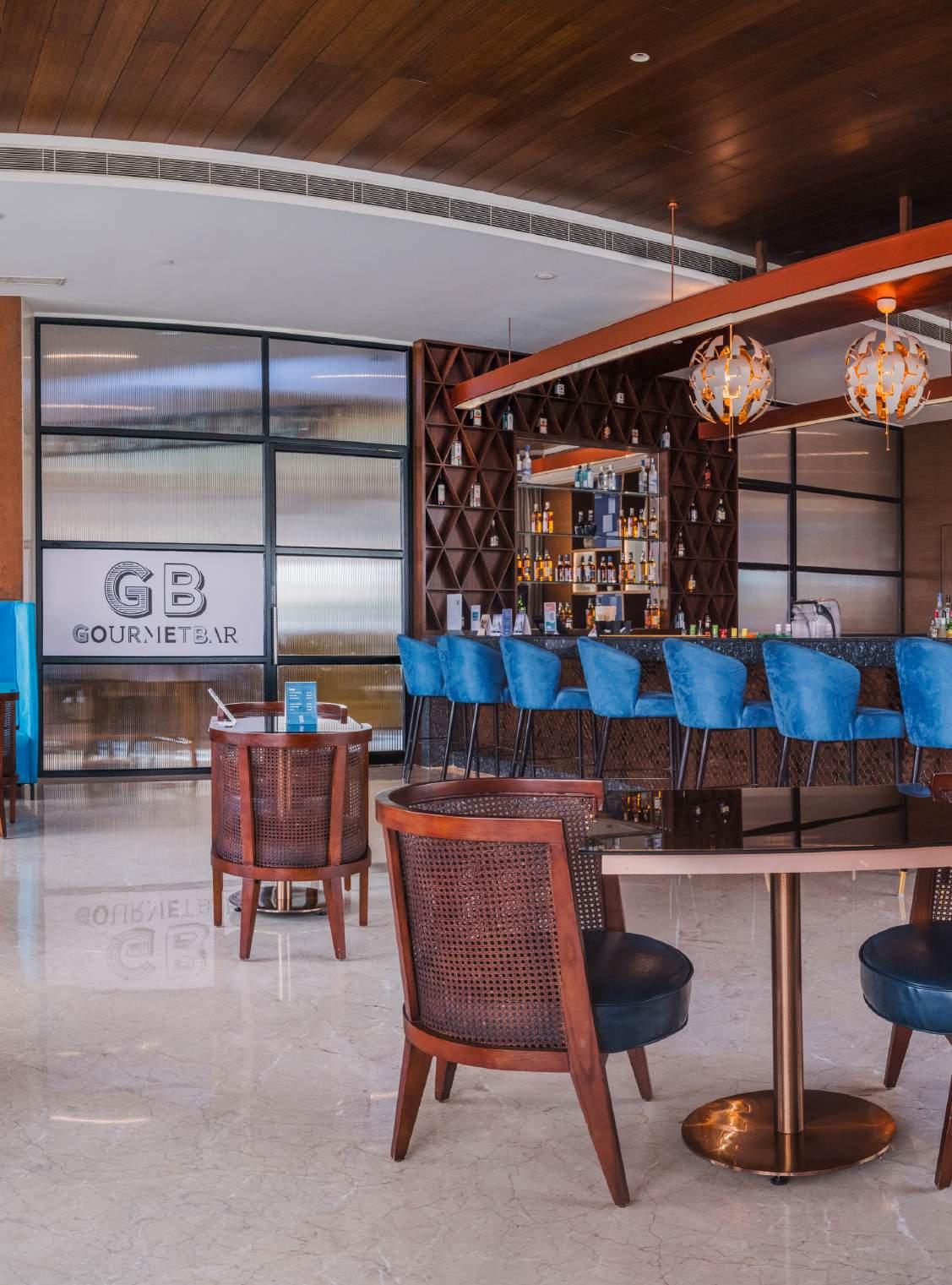
Dining at The St. Regis Goa Resort reflects the diversity of both its destination and its international clientele.
Miri, the resort’s all-day dining venue, combines global culinary influences with local Goan flavours in a setting overlooking the signature swimming pool. The space transitions effortlessly from relaxed breakfasts to atmospheric evening dining experiences.
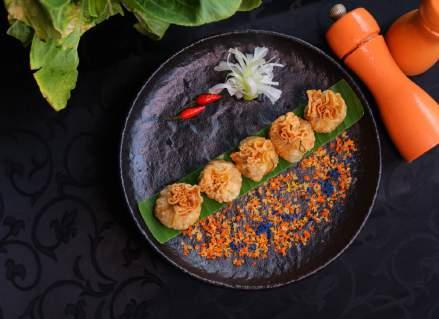
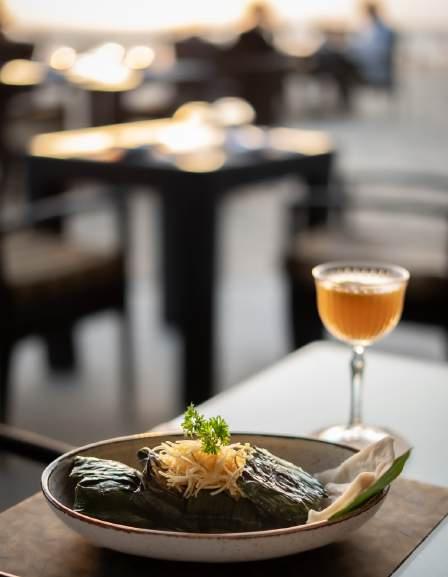
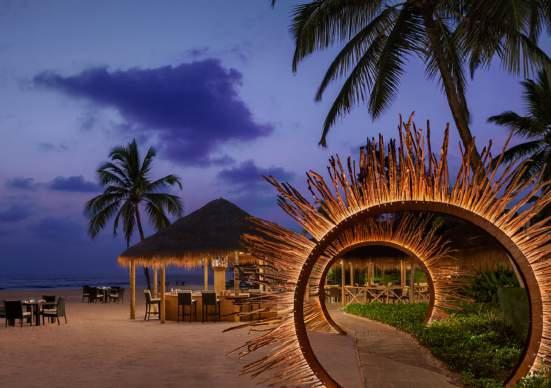
At Susegado, the beachside grill and bar, coastal-inspired cuisine takes centre stage. Drawing influence from India’s shoreline regions, the restaurant pairs fresh flavours with signature cocktails served against the backdrop of the Arabian Sea.
Riverside presents a refined Pan-Asian dining experience along the banks of the Sal River. Its serene setting and carefully curated menu offer guests an opportunity to explore the culinary traditions of East Asia through a contemporary lens.
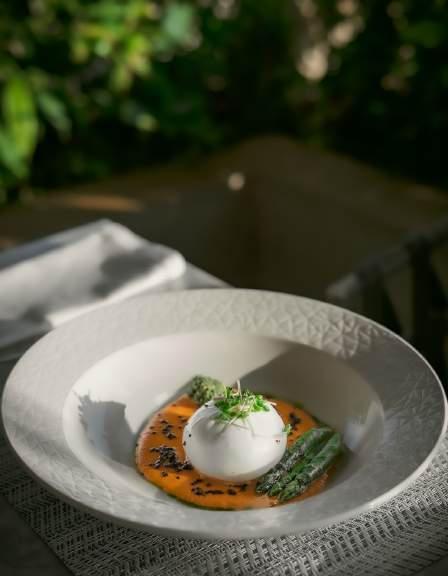
Oliveto brings the warmth and authenticity of an Italian trattoria to South Goa. Surrounded by lush greenery and intimate outdoor seating, the restaurant celebrates classic Italian cooking with a focus on simplicity, quality ingredients, and timeless flavours.
For more ceremonial moments, The Drawing Room hosts afternoon tea and the celebrated St. Regis Champagne Sabrage ritual, a tradition rooted in the brand’s heritage and performed
at sunset as a daily celebration of craftsmanship and occasion.
WELLNESS SHAPED BY THE LANDSCAPE
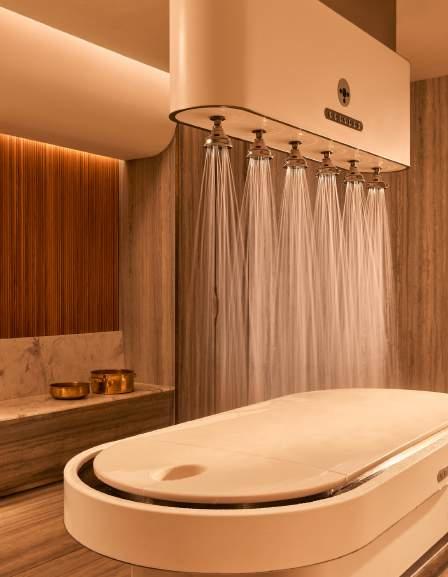
The resort’s approach to wellness is deeply informed by its natural surroundings. The spa offers a carefully curated menu of treatments inspired by Ayurveda, indigenous botanicals, and contemporary therapeutic practices, creating experiences centred on restoration and renewal.
Outdoor wellness experiences further strengthen the connection between guests and the landscape. Sunrise yoga sessions, guided nature walks, and meditation by the lagoons encourage a slower pace of travel, while the resort’s expansive swimming pool and modern fitness facilities provide opportunities for recreation and rejuvenation.
A DISTINCTIVE GOLF EXPERIENCE
One of the resort’s defining features is its scenic 12-hole par-3 golf course. Framed by lagoons, tropical vegetation, and open fairways, the course offers an experience that combines leisure, sport, and natural beauty.
Designed to appeal to both experienced golfers and newcomers, the course introduces a unique recreational dimension
rarely found within luxury resorts in the region.
CURATED EXPERIENCES AND MEANINGFUL MOMENTS
Beyond its physical setting, The St. Regis Goa Resort distinguishes itself through a collection of carefully curated experiences designed to create lasting memories. Guests can enjoy private beach dinners, sunset picnics by the river, cocktailmaking sessions, immersive wellness journeys, and culinary experiences that celebrate Goa’s rich cultural heritage.
Families are equally considered through discovery-led activities that allow younger guests to engage with the destination in meaningful and memorable ways.
These experiences are not designed as standalone activities, but as opportunities to foster connection, exploration, and personal discovery.
THE PRESIDENTIAL VILLA: THE RESORT’S MOST EXCLUSIVE RETREAT
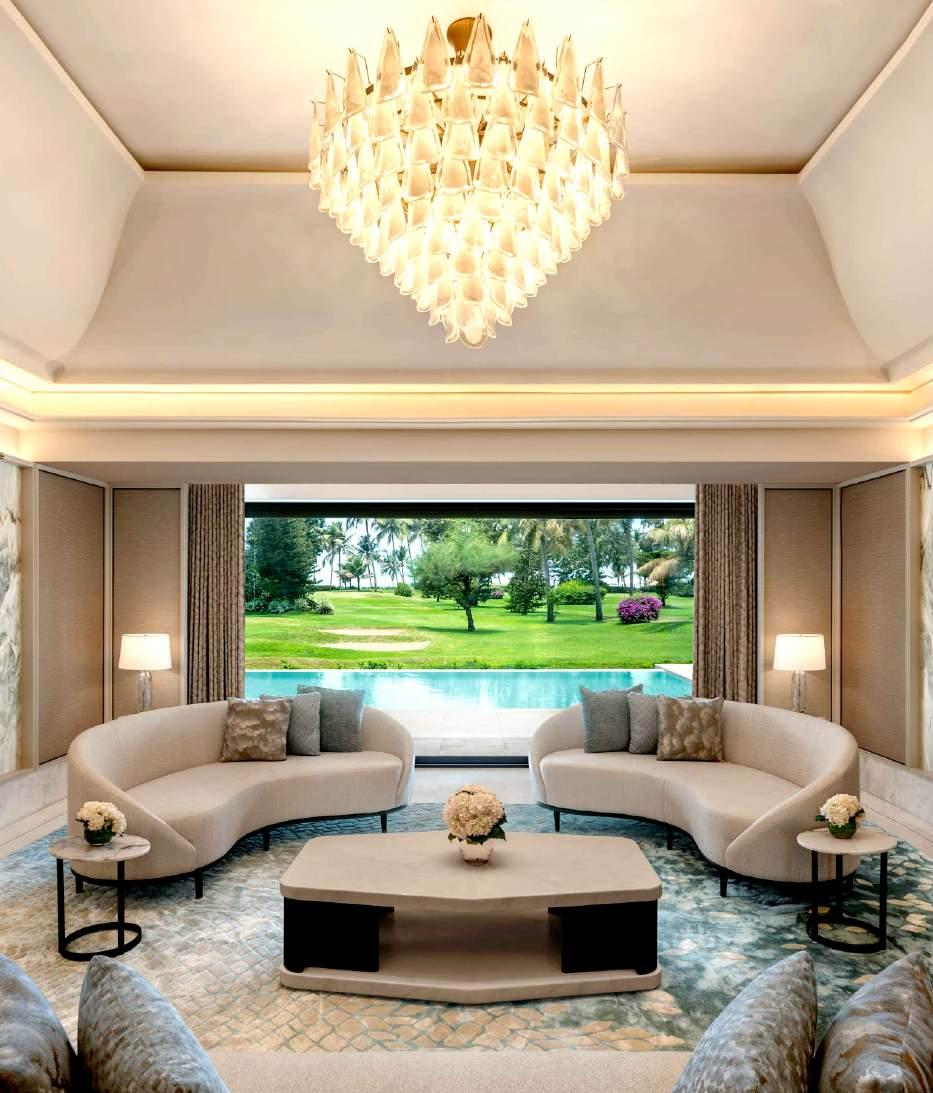
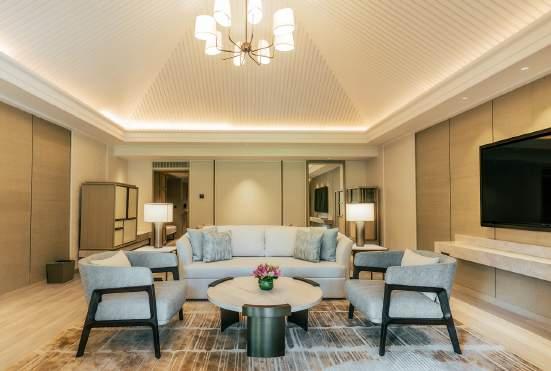
Representing the highest expression of luxury at the resort, the recently renovated Presidential Villa offers an exceptional private sanctuary spanning more than 670 square metres. Designed with a focus on contemporary elegance and residential comfort, the villa features a grand entrance foyer, expansive living and dining areas, a private kitchen, and three
luxurious bedrooms, including a palatial primary suite opening onto a secluded patio.
Travertine marble flooring, bespoke furnishings, and carefully curated interiors create an atmosphere that balances timeless sophistication with modern refinement. Additional amenities include a private gym, an in-villa spa suite, a dedicated butler pantry, and an expansive frangipani-lined terrace complete with a lap pool and direct access to the secluded Manor Beach.
Supported by the resort’s signature Butler Service, the Presidential Villa delivers an experience of privacy, exclusivity, and personalised hospitality at the highest level.
A DESTINATION DEFINED BY EXPERIENCE
At its core, The St. Regis Goa Resort is less about accommodation and more about creating a sense of place. Through its landscape, architecture, dining, wellness offerings, and intuitive service, the resort invites guests to experience Goa through a lens of quiet luxury and thoughtful discovery.
In a hospitality landscape increasingly defined by excess, The St. Regis Goa Resort offers something more enduring: the opportunity to slow down, reconnect, and experience one of India’s most sophisticated coastal destinations at a pace that feels entirely its own.
ART
KERALA SANCTUARY
The Faizal E. Kottikollon-founded wellness brand introduces a design-led retreat where India’s healing traditions, clinical science, and contemporary hospitality converge for a global audience seeking integrated wellbeing.
Between 1–3 May 2026, tulåh Clinical Wellness marked a defining moment for India’s emerging leadership in global wellbeing with the unveiling of its flagship sanctuary in Kerala. Conceived under the theme “From India to the World,” the three-day gathering welcomed an influential circle of global tastemakers, business leaders, cultural icons, and pioneers shaping India’s voice on the world stage.
The landmark unveiling brought together distinguished guests including Sajjan Jindal and Sangita Jindal, Tarun Tahiliani, Nadir Godrej and Dr. Rati Godrej, Dr. Naresh Trehan, Dr. Amit Anand, Urvashi Khemka, Mariam Ram, and other prominent leaders across business, culture, medicine, and philan-
thropy. Positioned at the intersection of ancient wisdom and advanced clinical science, tulåh introduces a new paradigm of integrative wellness, one rooted in India’s healing heritage yet designed for a global audience seeking deeper, more personalised pathways to longevity, restoration, and human connection.
Over three immersive days, guests experienced tulåh’s signature philosophy through bespoke wellness journeys, transformative therapies, and thoughtfully curated cultural programming. Every detail from culinary storytelling and artisanal collaborations through to musical performances reflected the central narrative of India sharing its most profound traditions with the world through a contemporary lens.
Photo courtesy: tulåh Clinical Wellness
Evenings unfolded through evocative cultural performances featuring Kerala-based collectives Shanka Tribe, the Bonny Abraham Ensemble and Jupiter Springs culminating in a special performance by Grammy-recognised sitarist Asad Khan, whose music became a resonant expression of the event’s spirit — deeply Indian, yet universally moving. In partnership with Greenara, tulåh unveiled one of the world’s tallest wellness-integrated waterfalls; a dramatic 23-metre installation designed as a symbolic threshold for renewal and recalibration upon arrival.
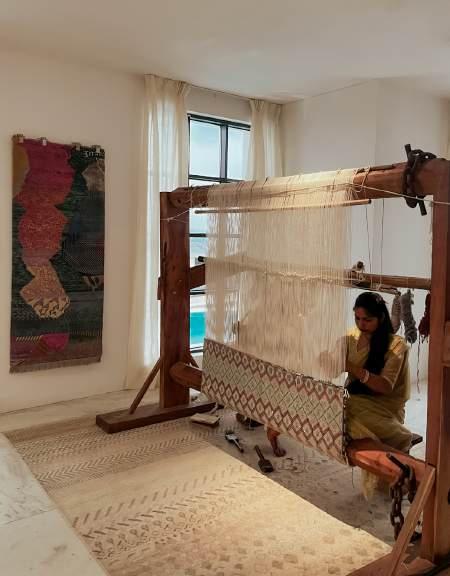
The sanctuary experience was further elevated through collaborations with Jaipur Rugs, whose artisans brought live weaving traditions into the space, Mauli Rituals, who created bespoke skincare and self-care rituals for guests, and Pepper House, which curated a refined retail experience celebrating Indian craftsmanship and design. More than a launch, the gathering signalled the arrival of a new global wellness movement emerging from India; one grounded in integration, community, science, culture, and conscious living.
It represented a first-of-its-kind convergence of influential voices across industries, united by a shared curiosity around
mind-body-energy alignment and the future of human wellbeing. The unveiling concluded with a personal address from Faizal E. Kottikollon, Co-Founder and Chairman of tulåh, who described the sanctuary not simply as a destination, but as a lasting home for restoration, reflection, and belonging for those seeking deeper wellbeing.
Reflecting on the experience, Aditi Premji, Chairperson of the Wipro Foundation, shared: “Even in my limited time there, many of us realised how beneficial an integrated wellness system can be — that rare combination of ancient wisdom and modern science in a space that truly feels like home.” As tulåh looks ahead, the Kerala sanctuary marks the beginning of a broader global ecosystem.
Plans include urban wellness hubs, integrative health programmes, and at-home care experiences designed to extend tulåh’s philosophy beyond destination wellness and into everyday life. With its inaugural unveiling, tulåh positions itself not only as a sanctuary but as a new global expression of Indian wellness, quietly luxurious, deeply rooted, and internationally resonant.
For more information, please visit: www.tulah.life
THINGS
THE COLOUR OF TIME
Hublot expands its Essential series with the Spirit of Big Bang Essential Taupe, a limited monochrome release defined by restraint, precision, and the brand’s annual ritual of design exclusivity.
Photo courtesy: Hublot
With the introduction of the Spirit of Big Bang Essential Taupe, Hublot continues to refine one of its most distinctive contemporary narratives. Now in its fifth volume, the Essential series has evolved into an annual moment of anticipation for collectors, built around a simple yet rigorous premise: one colour, one design, released once a year, exclusively online.
This latest chapter extends Hublot’s exploration of monochrome design language, following earlier interpretations in Essential Grey and Essential Taupe. Each release exists as a self-contained expression, available only in a limited edition and never to be repeated in the same form. It is both a beginning and an endpoint, reinforcing the idea of rarity as a defining principle.
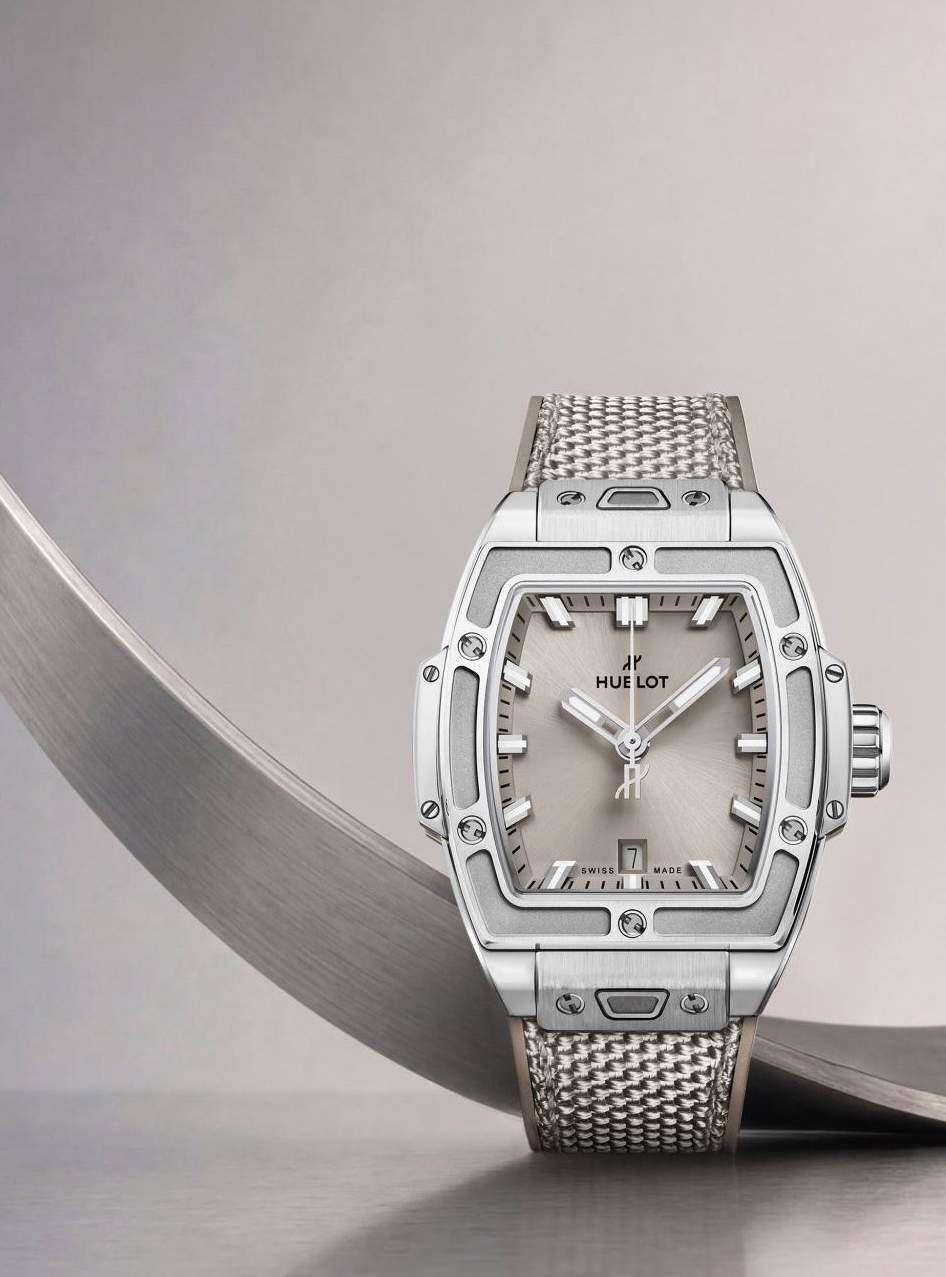
The Spirit of Big Bang Essential Taupe marks a significant evolution within the series, introducing for the first time a diamond-free 32 mm execution in the Spirit of Big Bang line. This refinement underscores the Essential philosophy at its most reduced and intentional, where material, proportion, and tone carry the full weight of expression.
The design continues Hublot’s exploration of taupe as a contemporary neutral. Soft yet architectural, the colour is applied across both dial and strap, creating a unified visual language that emphasises balance and restraint. As with all Essential editions, each timepiece is delivered with interchangeable straps, allowing for subtle shifts in expression while maintaining a consistent design core.
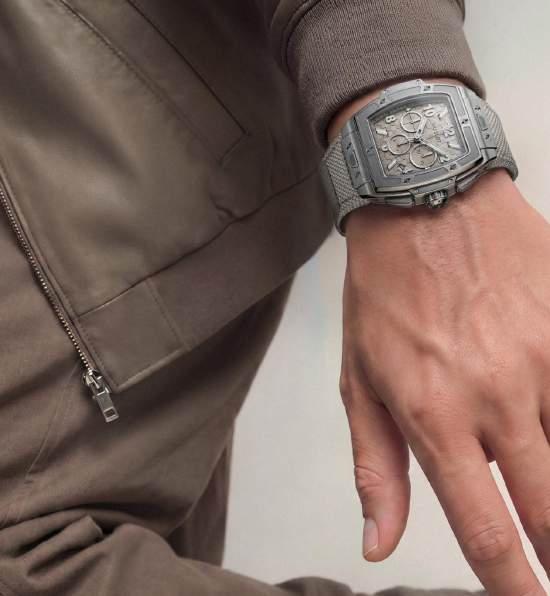
The 42 mm model, crafted in satin-finished and polished lightweight titanium, introduces a reworked dial surface
THINGS
defined by a carbon-stamped geometric pattern. Alternating brushed and polished squares create a layered, three-dimensional effect that enhances depth while remaining visually controlled. This approach echoes Hublot’s ongoing experimentation with texture and light, previously explored in the Spirit of Big Bang Coal Blue unveiled during LVMH Watch Week in Milan.
Beneath its surface, the watch is powered by the HUB4700 self-winding skeleton chronograph movement, offering a 50hour power reserve. It reflects Hublot’s continued commitment to technical performance paired with architectural design language.
The 32 mm version presents a more refined interpretation of the same aesthetic direction. Crafted in satin-finished and polished stainless steel, it features a sunray taupe dial and is pow-
ered by the HUB1120 self-winding movement with a 40-hour power reserve. Significantly, this is the first Spirit of Big Bang in 32 mm to be executed without diamonds, marking a deliberate shift toward minimalism and pure form within the collection.
Across both models, the Essential Taupe continues Hublot’s exploration of controlled repetition and disciplined variation. Each edition remains strictly limited to 200 pieces per model, reinforcing its status as a collector-led release defined by scarcity and intent.
Available exclusively through Hublot’s digital platform, the Spirit of Big Bang Essential Taupe also carries the brand’s extended 5+5 warranty programme, offering up to ten years of international coverage. In doing so, Hublot positions the Essential series not only as a design exercise in restraint, but as a long-term dialogue between time, material, and collectability.
Airtport Showroom Plot No. 2099 Western Express Highway, Vileparle (E) Mumbai- 400099. T : +912226150120
WORKS : E-7, RIICO Industrial Area, Abu Road - 307026, Rajasthan- India. T: +91 2974 294792
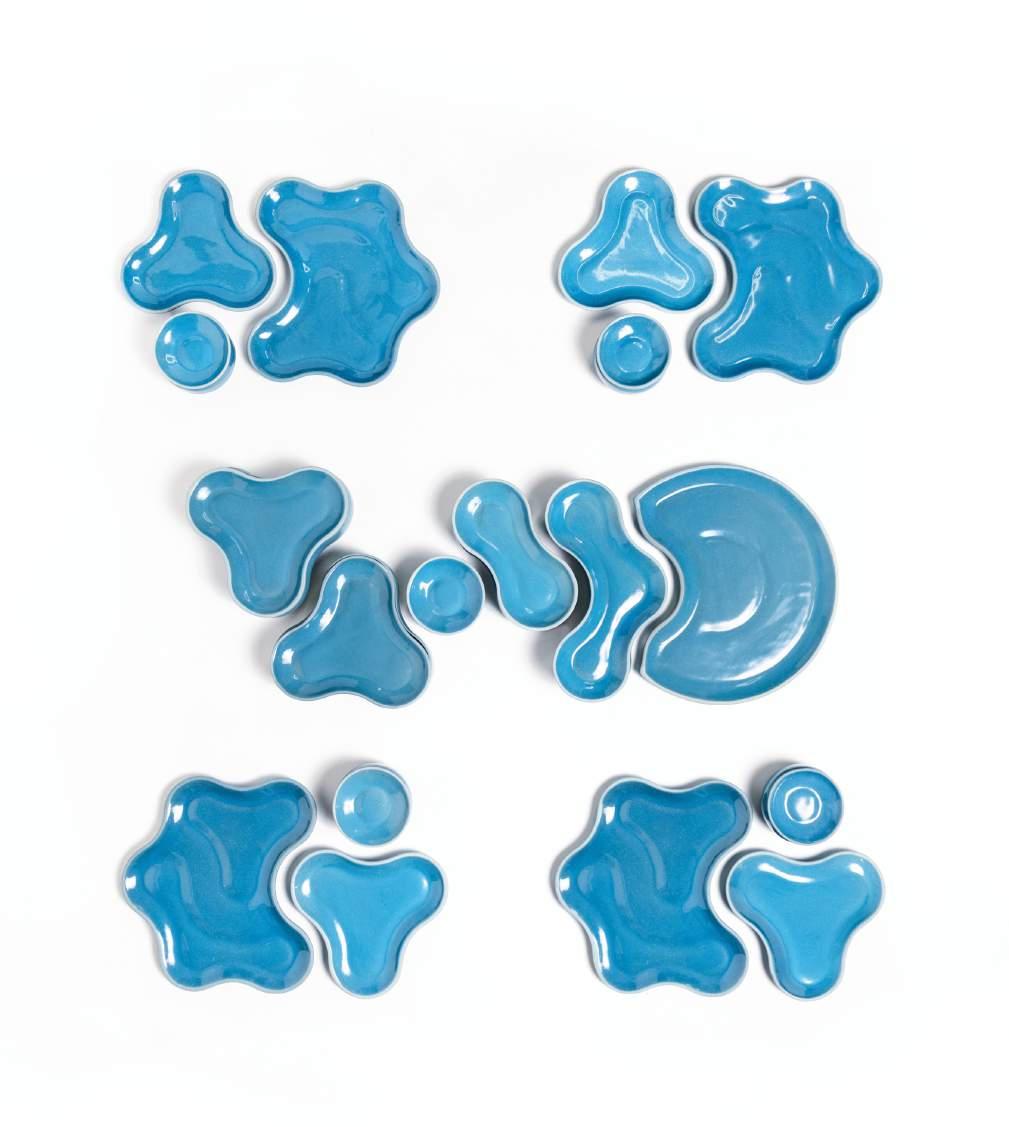
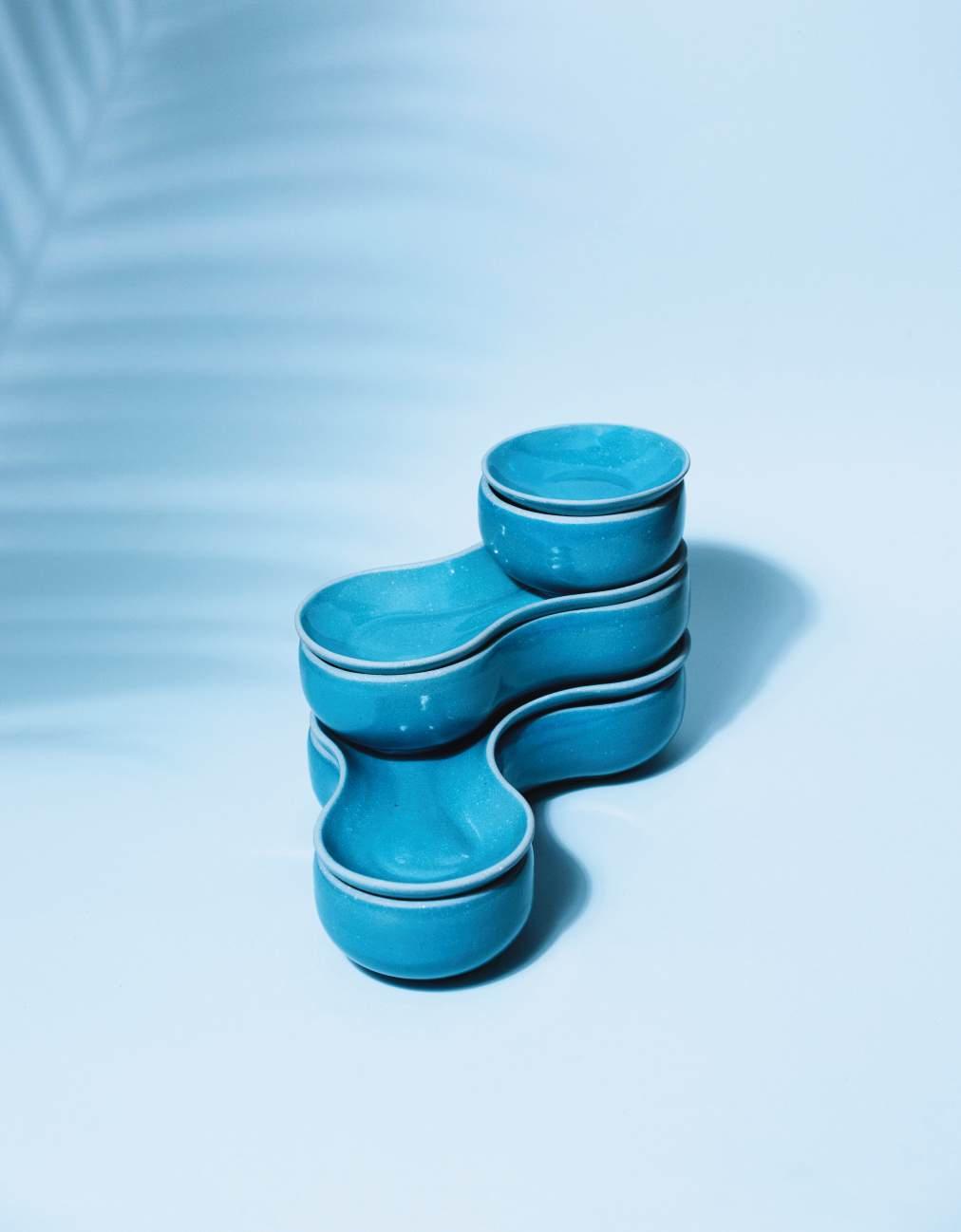
What if you could stack your dinnerware to make a sculpture?
Pivot transforms your table into a canvas. Stack vertically for drama or arrange horizontally in rhythm. Designed for play and built for versatility, it invites you to reimagine the art of setting the table.
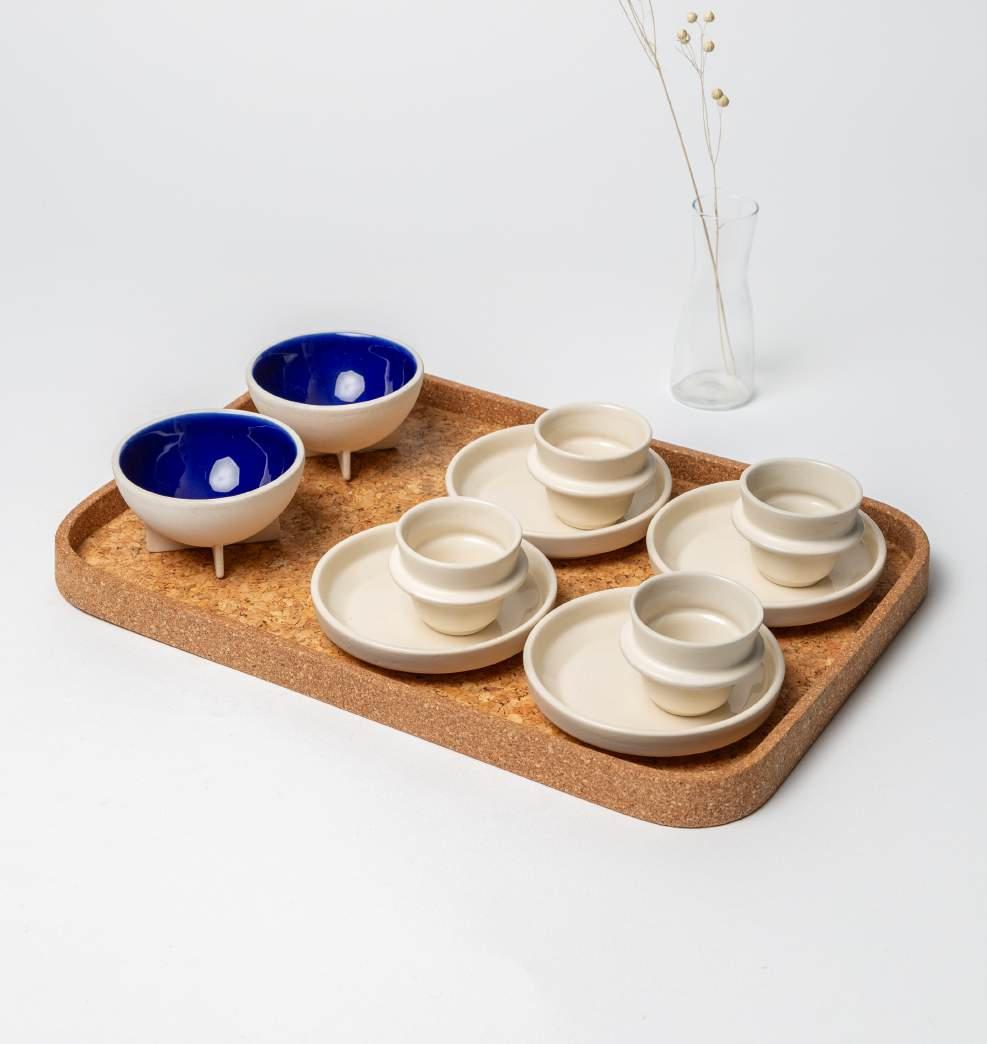
Tableware for Modern Homes!
Ware Innovations, a Mumbai-based design house and table decor brand, that is reimagining the things that surround us ever yday.