

WELCOME TO MEWS NEWS SPRING 2022
Here we are again, inspired by the glimmer of longer days, daffodils and the first new buds of spring.
From Marlon
Lloyd Malcolm
Sales
Director
marlon@lurotbrand.co.uk
020 7590 1976
Edited by Amanda Sharpe

The London property market is also enjoying this transitional period, buyers have a spring in their step and sellers are ready for a new move in the coming months. Rental properties are in short supply and prospective tenants are as active as newborn lambs, which means landlords have a golden window of opportunity.
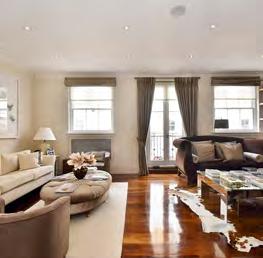
Now is the time to dust off the garden furniture, freshen up the décor and get your home or rental investment into shape for this new season; setting the mood to appeal to the right people. Chilly April days may mean the heating should be left on, log burners and candles litall of this will add to the homely feel. On a sunny day, let the fresh spring air inside, open up the windows and doors to the garden or terrace, and give planters and window boxes a refresh with pretty spring flowers. There are some elements that can really boost your property sale - excellent photography done on a bright clear day, which reflect the property in a realistic way. Ideally, a little home staging goes a long way to convince a buyer or tenant that this is a place where they can imagine themselves happily living and relaxing.
As we are celebrating our 50 years in business, Lurot Brand’s founder and Chairman, Antoine Lurot takes centre stage in our ‘One-to-One’ interview and reflects on how the mews has made a meteoric rise as a much-loved London home. ‘LB Loves...’ takes us on a guided tour of our personal favourite mews and reveals a few secrets along the way. Mews authority, Martyn John Brown evaluates the evolution of the basement in mews. As always, we’ve included a gorgeous sample collection of mews properties for sale and rent, which may get you pondering, so if anything you see spurs you into action, do drop by or give us a call.
Just as we begin to embrace a new season and one with far less Covid restrictions, one cannot ignore the very different emotions affecting people across Eastern Europe. Many are now homeless and not since World War II has the world seen so many forced to flee their homeland as refugees. It is a very sobering thought and at a time of crisis like this, it really does bring home the importance and emotional connection we have with our own homes.

INDEPENDENTS’ DAY ZOE DARE HALL
Property Freelance Journalist of the Year 2021, International Property Journalist of the Year 2021, Lifestyle & Interiors Journalist of the Year 2021 (Property Press Awards)

The return to the city is fuelling high demand for houses in London. But vendors need to be careful which agent they choose…
No one expected Covid to be knocked off the top of the news agenda quite so suddenly and for a different type of global catastrophe to take over. Just as London was starting to regain its old spirit, and the property market had a certain giddiness caused by huge pent-up demand and short supply, along came a new reason to stop in our tracks and take stock of our priorities.
After more than five years of uncertainty since the EU referendum and then the pandemic, the war in Ukraine has sent some buyers and vendors scuttling back to the fence to which they had become accustomed.
Not all, though. Property is occasionally just a luxury, but usually it’s a necessity. Speculative browsers have disappeared for now. But serious buyers - those who need or really want to move, including many families who have held off from moving throughout the pandemic, unable to find anything to buy - are out in force, fuelling bidding wars, paying over asking price figures and trying to beat the competition by looking off-market.
In some senses, it’s party time for vendors. But they need to keep their wits about them. While buyers have their eye fixed firmly on the prize – the property – and may not be overly concerned about which agent is marketing it, vendors could find which agent they choose to use makes the difference between having an extra 10% in their pocket, or not – or between their property selling or staying put.
Particularly, in a niche market which mews houses are, there is a growing chasm between how corporate agents versus specialist agents deal with their clients – the vendors - thinks Marlon Lloyd Malcolm, Sales Director at Lurot Brand. The corporates are the big, often very well-respected brands, “but that doesn’t always mean they will get the best price for their clients. It takes more than global offices and marketing
across portals. It takes building a relationship, trust and networking ability,” says Lloyd Malcolm, whose record-breaking sales since the start of the year – some at 25% or more above the street’s average price per square foot - include houses in Bayswater’s Bathurst Mews and Lancaster Mews, and Laverton Mews in Earls Court. So far in 2022, Lurot Brand have seen at least 60% of their new listings and price reductions result in competitive bid scenarios.
It’s telling, too, that while shortage of stock is a general theme across the prime London market, Lurot Brand has 48% more listings compared with 2020, and 17% more than pre-pandemic. “Many vendors come to us off the back of dealing with more corporate agents. They know their property is special and it needs a certain type of buyer – and we know more of that type of buyer than any other agent,” Lloyd Malcolm adds. “Quite a few vendors throughout the pandemic haven’t been able to sell. Simply advertising a property on an internet portal and waiting for a nicely-spoken graduate to get a lead from Rightmove won’t work.”
While a brasher kind of estate agency is coming into play among some new companies seeking to emulate the American realtors’ model of hard sell and high stakes marketing
techniques (think helicopters in the driveway and models in the pool) in return for high commissions, there’s also an emerging culture change among many traditional London corporate agencies, Lloyd Malcolm comments. “Many are being bought up by finance companies and run by numbers. Even the great, highly-regarded brands are focused more on transaction volumes and less on getting the best price for their clients.”
Where independent agencies excel is in honing an area of expertise, whether it’s a particular street, or a certain type of property. Increasingly, highly experienced agents disillusioned by the blinkeredness of the numbers game are migrating away from the corporate agencies to join specialist firms, brokers or indeed set up shop on their own. “In hard times, especially, independent agents can capitalise on the expertise they have in a certain sector of the market. We’ve been part of that wave,” says Lloyd Malcolm, who adds that having a view across the whole of their market, rather than “siloed offices” across London, gives firms like Lurot Brand greater expertise at valuations.
“A corporate agent based on Old Brompton Road might get one or two mews houses a year, so they will base their knowledge of prices on a blend of all sorts of different
STATISTICS FOR MEWS SOLD BY LUROT BRAND IN 2021
97%
Of asking price achieved on average. Up 2 percentage points compared to 2020 %
48%
Increase in transaction volumes from 2020
property types. If, like us, you have circa 20 mews on sale in just the South Kensington office and 48 around Hyde Park, you gain a much more accurate version of the market value of a mews specifically, and you can provide the right advice to the vendor, such as whether they should sell or wait for another offer.”
Since the pandemic began, there has been a rush among families for large London houses with big gardens, but demand has returned to other sectors too, buoyed by a return to London as a financial hub and workplace again. “People are looking forward to being back in the office, and they’re the sort of middle and senior managers who can afford to buy a central London property,” says Lloyd Malcolm.
Most mews hunters are owner occupiers. Some have bought country houses in the last year or so, but grown slightly bored of full-time rural life, “so they’re looking for a mews house as Monday to Thursday accommodation when they’re in London to see shows and friends. There’s a huge
48%
More available mews listings compared to 2020 and 17% more compared to pre-pandemic levels
25%
Record sale of the year achieved 25% more £/sq.ft. than similar properties on the street
catchment of buyers who consider a mews a useful base,” Lloyd Malcolm comments.
In two recent cases, clients sold their mews houses, only to do a U-turn. “One sold up to buy a big pile in Oxfordshire, but then realised prices in the countryside had doubled and they prefer living in a mews after all. The other sold their mews for £5.25m in late 2020 and now wants to buy it back again for £1m extra. They’ve clearly invested their money cleverly in the meantime.”
Though not all buyers are quite as easy, Lloyd Malcolm adds that the buyers Lurot Brand deal with are attracted to their agency because they already want a mews house, or at the very least, are interested in a mews house. Therefore, instead of having to convince them into these special properties like other agents, they can spend their time improving the buyer’s perception of value for these properties. Needless to say, this is probably the reason why Lurot Brand hold the record price for mews sales in every postcode across prime central London.
RIDE THE RENTAL ROLLERCOASTER hold on to your investment in a tricky market

Mollie Swallow
Lettings Director
mollie@lurotbrand.co.uk 020 7479 1996
Cast your mind back to 1971, when Antoine Lurot took over the estate agency business we know in 2022 as Lurot Brand. Back then, the company was very active in the lettings market. Not long after, Antoine made mews properties the focus of the business and soon property sales really started to take off in 1986. In fact, the company became so busy, that juggling both sales and the lettings department simultaneously became tricky and eventually, the lettings side of the business was dropped.
Luckily for Lurot Brand, shortly before the sales market turned in June 1988, someone in the business had decided to resurrect the lettings side. This turned out to be a prophetic move as Lurot Brand was far better placed to tackle the sudden surge in demand for rentals in Prime Central London when it happened.




This is by no means the only example of how Lurot Brand has had to be something of a chameleon in all its years of trading, to anticipate and deal with the dramatic shifts that can strike the residential market in Prime Central London. As we travel through the different years, we can see this pattern unfolding, when the rental market tanked in 2006. However, after the big crash in 2008, we saw a revival in the fortunes of the rental market, with rental properties achieving record prices across the capital, and up until recently, this has continued.
Fast forward to 2020, when the unforeseen impact of Covid-19 across the world, triggered a mass exodus of Londoners moving to the country. This caused rental prices to plummet to levels not seen in years.





Now that life is returning to a new normal and an increasing amount of people begin to move back to London, 2022 is mirroring the demand that we experienced in the years 1988 and 2008. There has been an influx of enquiries from renters moving back to the city and prices are once again on the up. We now have a situation where there is just not enough stock to meet demands.
For those savvy landlords, who listened to the advice of their agent, took a pragmatic view and kept hold of their rental investments, and accepted a lower rent for a period of 12-24 months, some agreeing to a reduction as much as 40 per cent, their patience has reaped the rewards. This year we have already
achieved records prices in several mews streets. To have achieved some of these high levels of rent is extraordinary, given that traditionally, the first quarter is well known as the quietest period of the year for any lettings business.
And the moral of the tale… the best advice I can give to a landlord, is to stick with the tricky times. History always repeats itself and whilst the market will undoubtedly experience poor rental values that might not be ideal for a year or two, in the end, prices do bounce back and, if history has taught us anything, they can very possibly increase.
ONE-TO-ONE WITH
ANTOINE LUROT Founder & Chairman - Lurot Brand
THE BEST OF TIMES AND WORST OF TIMES
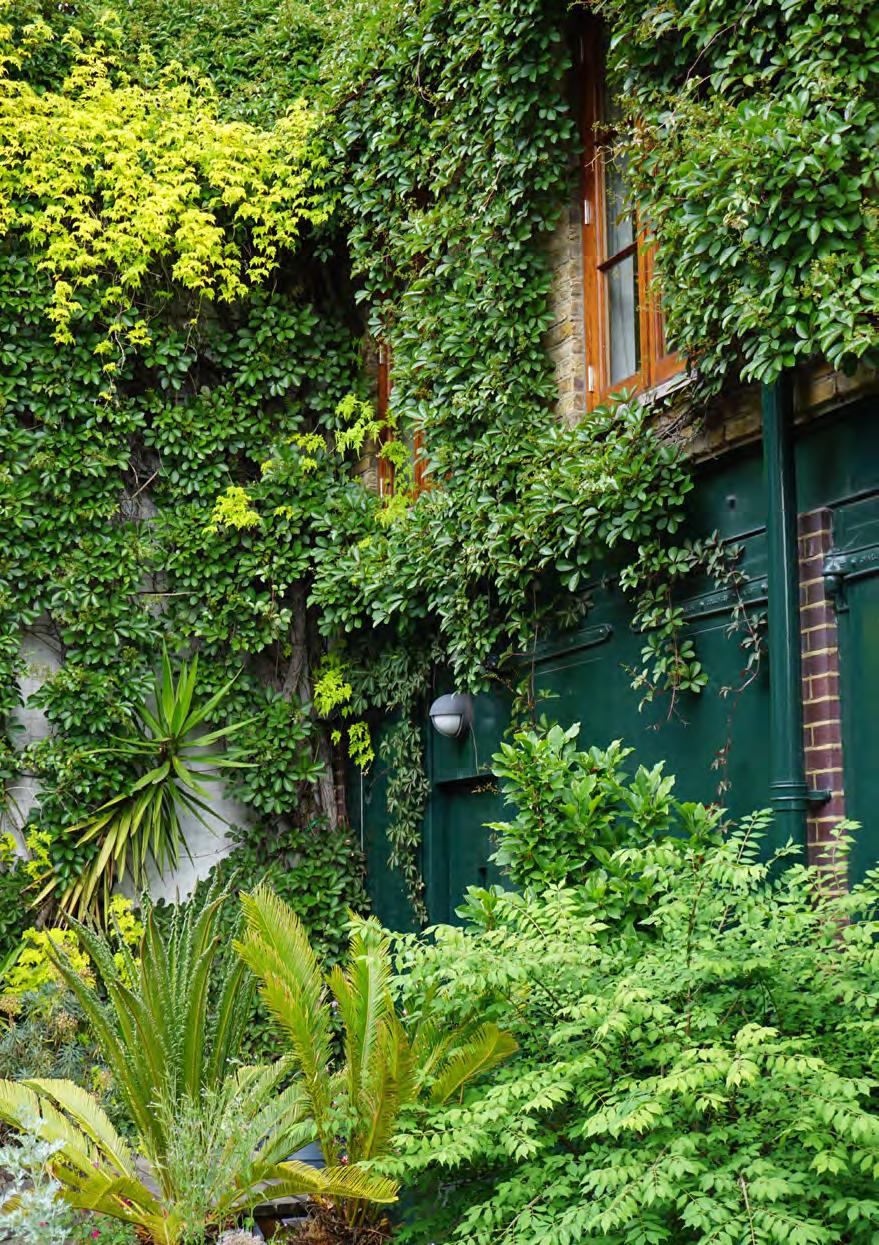
There have been many entrepreneurs who have built their empires from their mews

Over half a century you become somewhat inured to a crisis.
There have been a few since Lurot Brand came into existence – but the toughest time? Was it the crash in 1987 or 2007? No... It was without doubt, two years after taking over the business in 1973, when I sat with a candle on my desk during the three day week. With rubbish piling up in the streets and unrest everywhere, it felt as though the end of the world was nigh. In those days inflation was 17 per cent and tax at 98 per cent on unearned income. They were the scariest of times. Nothing that followed has come close to those terrifying years for a young man who had taken the plunge to run a business two years earlier.
But as sun follows rain, so the boom time came in the 1980’s. Our best ever year was 1988 when stamp duty was 1% and we had done our bit to make mews homes trendy and desirable.
Initially, we were like other agencies, selling all types of property around central London. But it was thanks to my love of rallying that
over the 70’s and early 80’s I saw a vast array of London mews as they were the home to commercial garages. Mag wheels in one mews – suspension modifiers in another, electrical circuitry in the third. As I loitered around waiting for my beloved cars to be fixed, I was able to poke around these largely undiscovered and unappreciated streets. One of the first mews we sold was in Queen’s Gate Place Mews for circa £39,000 in the first half of the 70’s - which today would set you back around £3,950,000 - and before long, someone had christened me ‘King of The Mews’. Time to live up to this title I thought.
So, driven by a love of these unique and quirky parts of London, I realised that here was an opportunity to differentiate the business and become specialist in all things mews. Astride my quirky and fashionable Honda Monkey-Bike I visited, logged and photographed all the mews in central London, around 750 mews streets, home to well over 8,000, increased over the years to approximately 12,000 houses. All these years later, we’re still the only agents that focus solely on these homes which have gone from being broadly ignored, to now being massively desirable. Being at the sharp end of mews living over the last five decades has been exciting and intriguing. Great art has emanated from

the likes of Sir Jacob Epstein, Francis Bacon, Agatha Christie, Dame Lucie Rie, William Golding, Andrew Lloyd Webber and Germaine Greer, who have been inspired by the work/live space. Similarly, there have been many entrepreneurs who have built their empires from their mews, for example, Richard Branson’s Virgin empire operated from Vernon Yard. Sport and celebrity mixed as racing drivers including Sir Stirling Moss, James Hunt, Peter Gethin, Eddie Irvine and Jenson Button and many others, most of whom I got to know well, began their love affair with mews homes because they could house their cars and themselves at the centre of London’s beating social heart.
The uniqueness and individuality of these homes afford a quiet sanctuary in the heart of central London, so inevitably they have attracted some eccentric owners and some scallywags. The colourful characters, their homes and their stories have provided many a backdrop to films and television programmes. Love Actually, Layer Cake, Scandal, Four Weddings and A Funeral, McMafia, The Protectors, The Avengers, Hard Day’s Night – these are a flavour of some of the works that featured mews and which had a happy knock-on effect on the awareness and demand of mews homes.
But it’s not all famous faces and being ready for my ‘close up’. We have worked hard to ensure that we have retained our position as the number one mews agency.
We have always sought to push the boundaries, improve the profession and above all, provide our vendors and landlords with the best possible service.
SOME OF OUR FIRSTS
In 1981, we were co-founders of ARLA, The Association of Residential Letting Agents, because we thought that cowboys were best consigned to the wild west, not the London letting market.
In 1992, we also joined forces with other prime agents to form Central London Estate Agents - CLEA, to create The London Magazine, from which stemmed Prime Location, to help promote London living as well as properties.
In 1979, we introduced a ground-breaking new idea – floorplans. It’s seemingly unimaginable now that people didn’t have a record of the layout of the property they were about to invest in and today, they are an essential part of property particulars. One drawing saves a thousand words –the immediacy of the visual made a huge difference and went on to spawn an entire sub-industry in its own right.

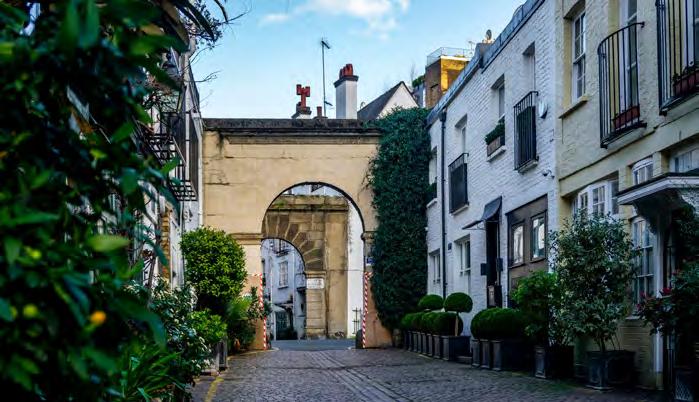
But the first that made the greatest impact was the introduction in 1984 – the year of the siege at the Libyan Embassy - of valuing and describing properties via £s per sq.ft. This is now a standard measurement tool, but back in the 1980’s this was brand new to the UK market – but something that I had seen in my dealings in France. Introducing this method of offering values has become ubiquitous – though abused by many agents and some vendors. Indeed, nowadays there are some that rely too excessively on this valuation. Clearly, there are good square feet and bad square feet – you can’t live in the airing cupboard yet, unscrupulous agents will talk these numbers up.
Indeed, my bug bear with the way estate agency has evolved over the years is the ‘BS’ factor. Of course, in the early days of Lurot Brand we, like all others, used adjectives liberally and I would like to think, eloquently. The florid language and overblown descriptions were knocked on the head in 1991, but it’s the invidious practices that have proliferated that continue to make my blood boil. Ridiculous valuations to win the business harm the vendor as well as the agent; convoluted website Ts and Cs that provide revenue, information and data that a user might not choose to share unless they were duped into doing so. I still marvel that people who are about to entrust their largest asset to a firm of estate agents often take an agent on
face value and don’t do any research into their operating practices or track record. Regrettably, we often find those who have been duped, come to Lurot Brand after being disappointed. We are always happy to help and be scrutinised from the outset. Sadly, often the damage has already been done.
Perhaps one of the biggest influences on our business that we weren’t in control of, but that we embraced, was the launch in 2000 of the first property portal –Rightmove. Immediately, it meant that the larger agencies who could boast a network of national and international offices no longer had an advantage. From the comfort of our own mews offices, we could showcase to the world these quintessentially British homes – suddenly we too could boast a worldwide presence.
What would I have done differently with the benefit of captain hindsight… well I might not have bought the fleet of Citroen DS3 company cars (and the Golf with the brake lights that kept breaking were a definite no – no) – or invested in Apple Mac computers for the business because we kept being burgled as a result… and had I had more liquidity back in the 1970’s, I might have invested in some of the wonderful properties that would now be worth very decent money. But would I have changed anything major - absolutely not. It really has been the Best of Interesting Times...
EVERCHANGING MEWS BACK TO BASEMENTS IN
MEWS PROPERTIES
In celebration of our involvement with Lurot Brand the ECM articles in 2022 will focus on one of the most significant physical changes that has affected London’s mewsthe development of basements.
Over the last 15 years, basement extensions have been something of a ‘property trend’, which has affected the mews considerably. This article and following three will consider these effects in detail.
To begin with, let’s look at basement development and consider if such work is still viable.
WHY ARE MEWS BASEMENTS CONSTRUCTED?
If you can’t go up then you must go down. In the development cycle of a mews, once the possibilities of all above ground development have been exhausted; the only option is to dig down deep below.
There’s no doubt that there are pros and cons when it comes to this type of mews development, ranging from technical issues, what can go wrong, preventative action to mitigate the possibility of damage, and how to deal with any damage that should occur.
TYPICAL MEWS CASE STUDIES
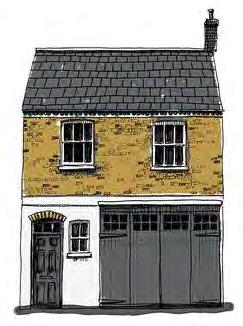
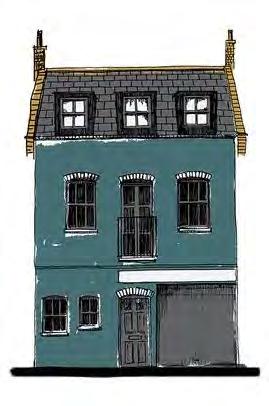
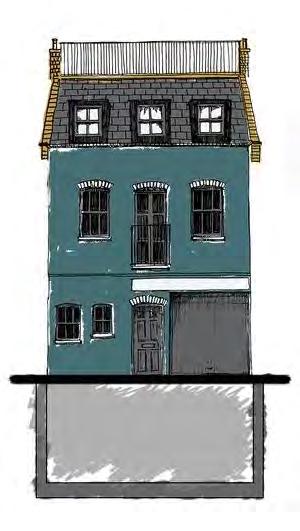
Mansard Roof
Roof terrace
Developing basements is one of the three types of development activity that typically occur in mews as they evolve to meet the demands of their owners’ ever-changing lifestyles.
The most demanding mews development works are basement extension (PHASE 3 works shown below). Dreaded by most neighbours, who worry about the likelihood of long days of noise, dust and disturbance blighting their quiet enjoyment of mews life.
Basement extensions bring their own unique problems to developments as ground conditions come into play and influence what may be done under the property, and how it will impact on adjoining properties.
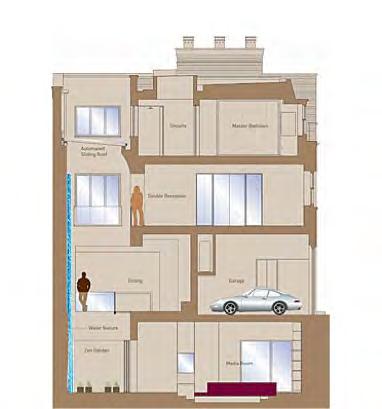
Basement excavations in mews are often considered to be like icebergs because of the size and significance of what is below the surface and the issues associated with them can be considered similarly.
PHASE 1
ALTERATIONS TO ORIGINAL MEWS
Typical original mews property
• Low rise conventional construction with brickwork walls and timber floors and roof structure.
• Note equine proportions are different to human properties of remodelled mews.
• Variety of internal works can be undertaken and will probably involve internal floor levels being altered.
SECTION THROUGH MEWS WITH SINGLE BASEMENT ADDED (BELOW THE GARAGE) – when viewed in section a rear light well, although it brings in light, can be seen as a permanent obstruction as it reduces the useable space on all floors, not just in the basement.
PHASE 2
MEWS ROOF EXTENSION
Mews with remodelled elevation and new internal floors
• Entrance often moved to centre.
• Changes to fenestration; Juliet balcony.
• Carriage doors replaced with smaller garage doors.
• Mansard roof added.
PHASE 3
MEWS BASEMENT EXTENSION
Phase 2 remodelled mews further extended
• Roof terrace and basement structure below, requiring underpinning all round and new reinforced concrete basement structure to resist ground pressure.
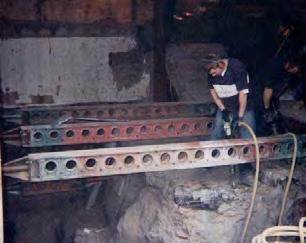
SITE EXCAVATIONS – digging out works can begin when the perimeter walls are underpinned and temporary support work is in place. The horizontal props shown above replace the ground floor, which had braced the perimeter walls; the floor slab can then be broken out to allow the ground level to be reduced.

LIGHTWELL
AT
REAR
OF BUILDING (two years later) - It takes a long while to progress to the finished article from the commencement of the site excavations shown above.
ROOMS
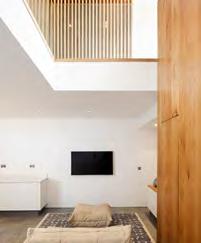
OFF THE LIGHT WELL - the light well opens up the layout and brings light to all levels; it does, however, impinge on space and all adjacent areas are compromised in some way.
There has been a significant increase in this subterranean development over the last two decades.
Much of it has been in relation to mews properties which, due to their size, construction, location and tenure, can hugely benefit from the addition of a large room or rooms underneath.
The trend first became common in the early 2000’s and in mews began with modest single basements. This quickly morphed into double basements and then, where possible, was extended to the full foot print of the house and garden.
Initially, planners appeared unable to process these applications effectively, but due to the growing agitation from aggrieved neighbours, they became more resolute in their decision making. Today, looked at from the developers’ perspective, the ‘golden days’ of basement development are probably behind us (those were the less regulated days when double and even triple depth basement digs were allowed). Basement works are still possible, but the stance taken by local authorities and the
estates have made their construction more restricted and complicated.
LUROT BRAND offer their opinion on whether mew basements remain a viable proposition?
Marlon Lloyd Malcolm believes, “that over time the viability of basements has changed and now feels that to some degree, such developments have moved out of favour and generally speaking, are less desirable than a decade ago.”
There are a number of reasons for this:
• Declining novelty value - basements are no longer novel and do not offer the same quality of space - rooms without a view or windows can only be valued at 25-50% compared with ground accommodation day-lit and ventilated. Other options are now given more consideration.
• Size of mews footprint - the viability of a basement depends on the size of the ground floor footprint. As a rule of thumb, areas less than 500 square feet are not
viable, as too much of the potentially useable space is taken up by the stairs and circulation areas as well as any light well. Basements greater than 1000 square feet can accommodate light wells, service areas and stairs more easily.
• Disproportionate descending appealextending downwards without creating useable rooms for sleeping and living, which may lack enough natural light and air, has limited appeal for buyers. Whilst the basement space can be used for gyms or multimedia rooms, it cannot be used for bedrooms. Adding a double basement depth can provide extensive additional square footage, but may not appeal to the buyers.
• Best basement extension optionif there is any external space available, the best option is to use this for a light well, although this is rarely possible.
• Construction problems - basement works are most economic and the basements are most quickly formed where walls have already been built by neighbouring developments. Unfortunately, this can be problematic because the quality of the wall structure underpinning is not always adequate. Faced with this, the works could prove slow and not financially worthwhile.
• Dismissed by developers - developers have lost their appetite for basements as they are aware of the potential problems, making it difficult to negotiate favourable costs. The majority of new basement excavations are undertaken by property

owners who have different criteria and tend to pay more than a developer would.
• The present value of planning permission - previously it made sense for sellers to obtain planning permission for a basement development to enhance the price of the property before putting it on the market. However, now the cost of obtaining planning permission is very high. Any application will now need a full architect’s design, engineer’s design, substantiating calculations, design and access statement, heritage statement, basement impact appraisal, construction management plan, and so on.
This will not attract a developer and whilst it may attract a private owner, they are unlikely to want to pay a premium for this.
• Alternative scheme of worksby contrast Mansard roof extensions give better quality space and they would achieve 75-80% of the value of the ground floor space.
• Basement construction costsbasement digs typically cost £500-£600 per square foot. Accordingly only areas such as Mayfair and Belgravia, which would achieve £2000-£2500 per square foot on sales value would be possible in the current climate.
When it comes to evaluating whether a mews basement is a worthwhile proposition, it’s absolutely essential to obtain a feasibility study by an expert and to assess on a site by site basis.
Further advice about London Mews
This article was written by Martyn John Brown MRICS, MCIOB, MCABE, MARLA, MISVA of Everchanging Mews - www.everchangingmews.com who is a Chartered Surveyor specializing in Mews and Flats.
Everchanging Mews is owned and run by Martyn John Brown who provides professional surveying advice –For Surveys, Valuations and Party Wall matters contact: info@everchangingmews.com or call Martyn on 0207 419 5033.
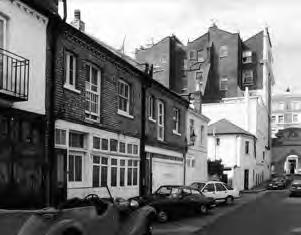

LB LOVES… MEWS
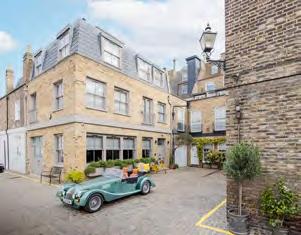

It’s our 50th anniversary edition of Mews News and we wanted to celebrate our own top magnificent mews of all time.
When we think about living in a mews – as well as the special community, it’s about glamour, history and great stories that swirl around so many of the mews and their previous owners – Michael Caine, James Hunt, Agatha Christie, Christine Keeler, Francis Bacon, Sean Connery, Dame Margot Fonteyn to name but a few.
So, we’re taking you on a personal guided tour of our favourites past and present.
QUEEN’S GATE PLACE
MEWS SW7
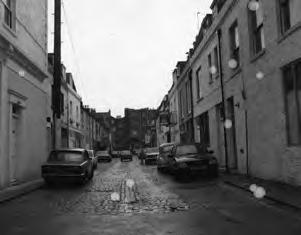
A traditional cobbled mews built between 1866 and 1869, located just off Queen’s Gate Place and accessed via a famous Grade II listed archway. This mews is opposite London’s finest classic car showroom, Fiskens – a mecca for car enthusiasts. Formerly the home of Madonna and Guy Ritchie and director Lord David Puttnam, this is a mews loved by Oscar winners and Hollywood film stars.
It is rumoured that Queen’s Gate Place Mews is where Apple, the computer company’s name was inspired, while Steve Jobs resided with a friend in one of the mews down the street.
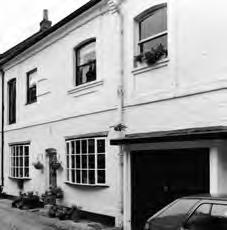
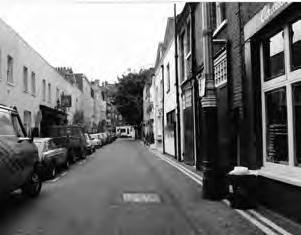
2.3.4.
DALEHAM MEWS NW3
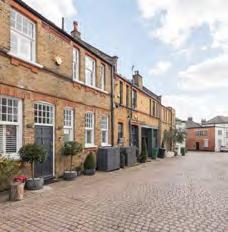
Belonging to Belsize Park’s Conservation area, it is undisputedly a very beautiful place to live; the winding cobbled street feels more like a village than mews. Actor Sean Bean moved here back in 1998. Behind the charming period façades, many of the properties’ interiors have been cleverly and deceptively converted into spacious, smart, light-infused homes.
KINNERTON STREET SW1
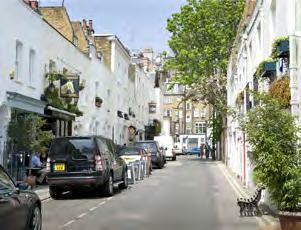
This mews street can confidently boast one of London’s best pubs – The Nags Head, a relaxed tavern and for fine dining there’s Petrus by Gordon Ramsey at Number 1.
ST. LUKE’S MEWS W11
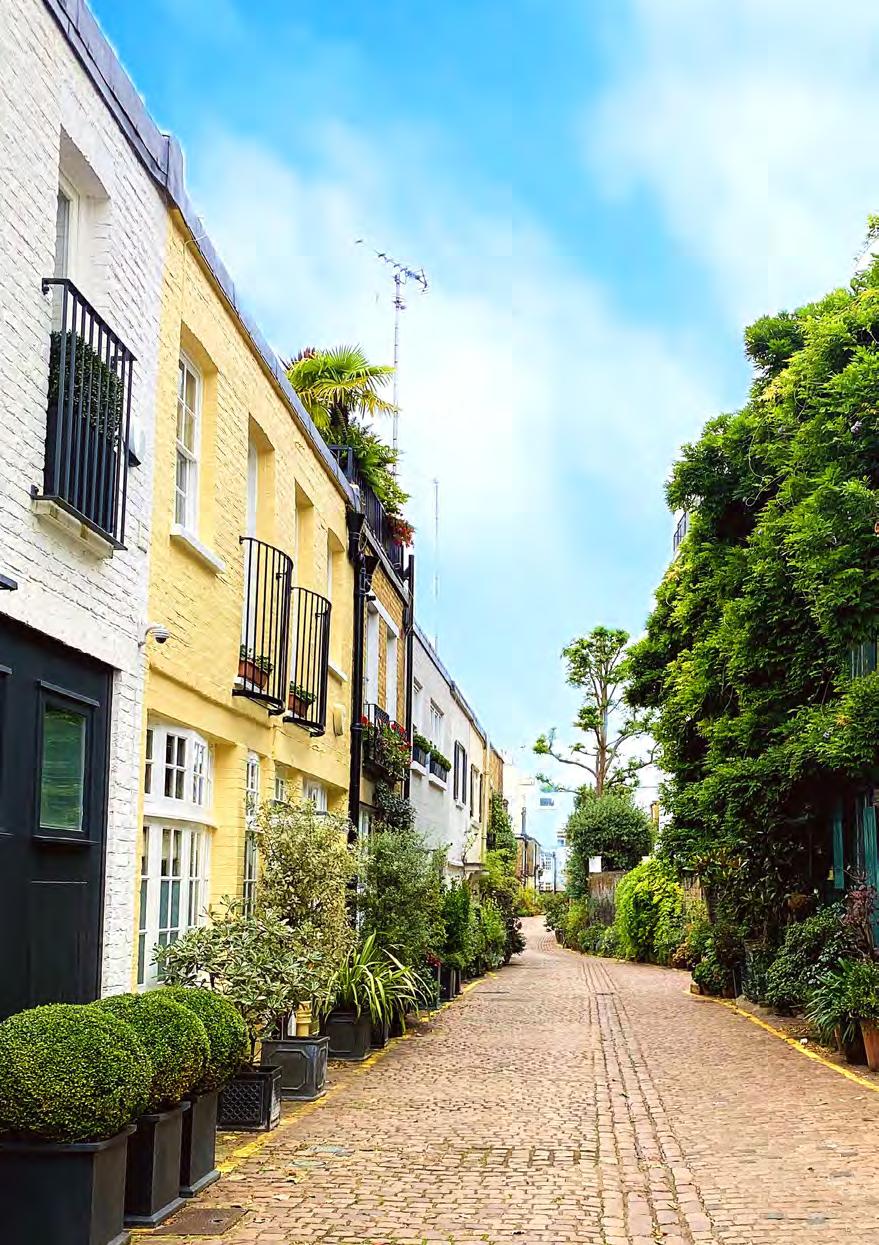
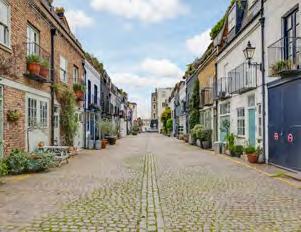
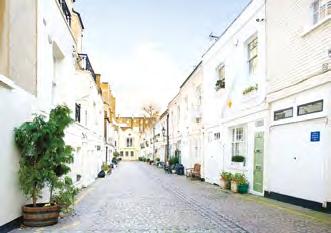
Lights, camera, action – the scene in the film Love Actually was shot on a doorstep in this Notting Hill mews, where Mark makes his doorstep confession and has been immortalised as Keira Knightley’s mews home in the same film. There is a sign that hangs outside one ‘pink’ house, offering some intriguing clues about the street’s recent history. It reads “Love Actually” – please give £1 per camera for charity”. Instagrammers love both the cinematic connections and the iconic Victorian street lamps, wrought iron balconies and brightly painted façades that adorn this community fun-filled mews.

HORBURY MEWS
W11
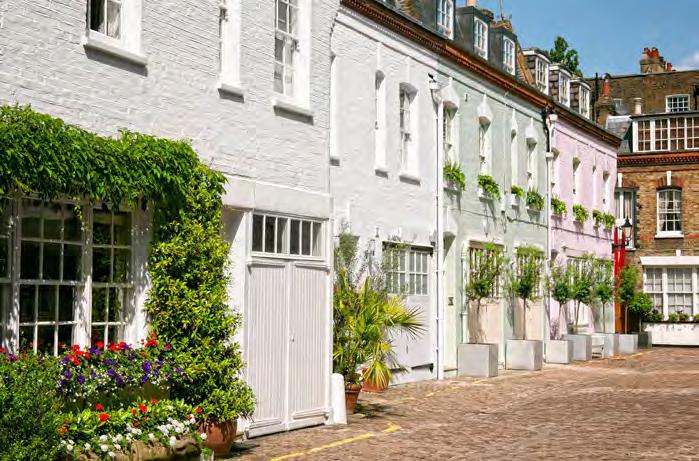
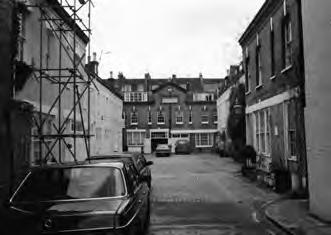
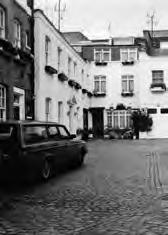
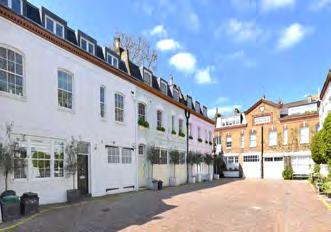
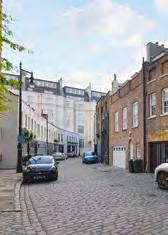
Located in what has to be one of our favourite parts of London – Notting Hill and always regarded as the ‘posh’ mews back when mews were less glamorous and more functional. This mews is built in a distinctive T-shape. We love the huge sign at the end of the mews, with the date depicting some of the mews history. A lovely feature is how the end houses retain their original Victorian honey brickwork, whilst the rest have been painted in pretty pastel hues.
STANHOPE MEWS SOUTH
SW7
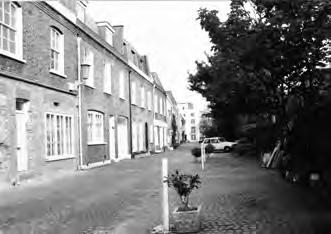
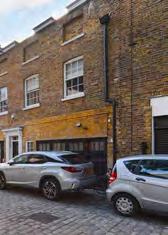
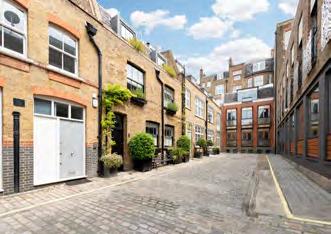
Built in a pretty cobbled cul-de-sac between Stanhope Gardens and Hereford Square, it’s everything a mews should be and more - super pretty pastel painted façades, bedecked with pots and planters full of flowers and foliage. Conveniently close to the excellent Hereford Arms. Number 11 was used as the home of Harry Hart, portrayed by Colin Firth in the 2014 Movie ‘Kingsman’.
Close to great independent shops, cafés and restaurants, this mews is handy for both South Kensington and Gloucester Road underground stations.


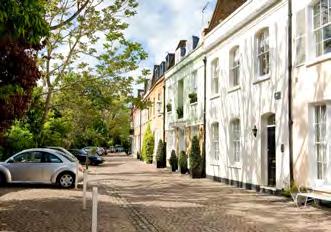
7.8.9.
WILTON ROW
SW1
Located in a quiet and private cul-de-sac, this desirable Belgravia address is within walking distance of one of London’s most desirable ‘villages’, just off Marylebone Lane. An easy stroll takes you to the most amazing bars, restaurants and shops, and The Ivy will even deliver to your door! Just off Wilton Crescent, equidistant between Knightsbridge tube and Hyde Park Corner.
It’s reputed that every September, the ghost of an army officer from the Duke of Wellington’s Regiment visits The Grenadier public house in Wilton Row. He was flogged after being found guilty of cheating at cards. The beating was meant to teach the man a lesson, but was so severe that sadly he died as a result.
BENTINCK MEWS W1
Today period houses occupy this secluded culde-sac, just off Marylebone Lane with plenty of bars, restaurants and boutiques nearby. Hard to believe that back in 1861-62, architect Augustus E Hughes built St James’s Roman Catholic School buildings for boys and girls, which at the time had separate entrances. The three storey building and small playground were latterly rebuilt with shops, warehouses and offices at the turn of the 19th Century.
LENNOX GARDENS MEWS SW1
A private road situated right next to one most exclusive garden squares in Knightsbridge, made up of modern looking mews houses, including lots of pretty coloured ones. Used to be home to Toto’s restaurant and ‘rumour has it’ that Adele and former husband Simon Konecki once bought a mews for £5.65m.
Selling or renting your property?
We reach over 11,000 physical mews addresses and over 6,000 mews enthusiasts online with digital and print copies of Mews News.
Showcase your property here to reach an audience that trusts our expertise in all things mews.
020 7590 9955
www.lurotbrand.co.uk
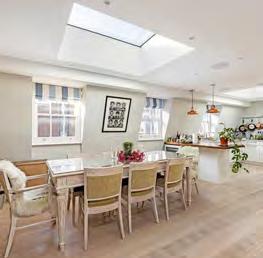
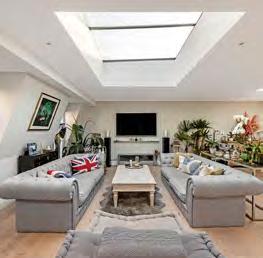
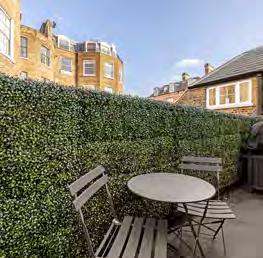
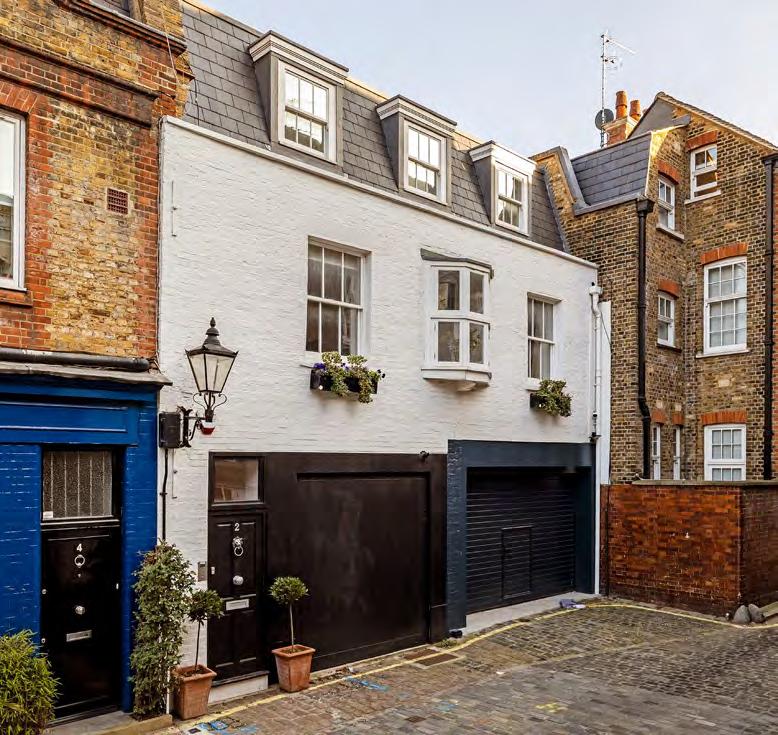
W1G
• Leasehold 902 Years
• 3 Bedrooms
• 3 Reception Rooms
• 4 Bathrooms
• Garage
• 2175 sq.ft.
£5,000,000
BATHURST MEWS
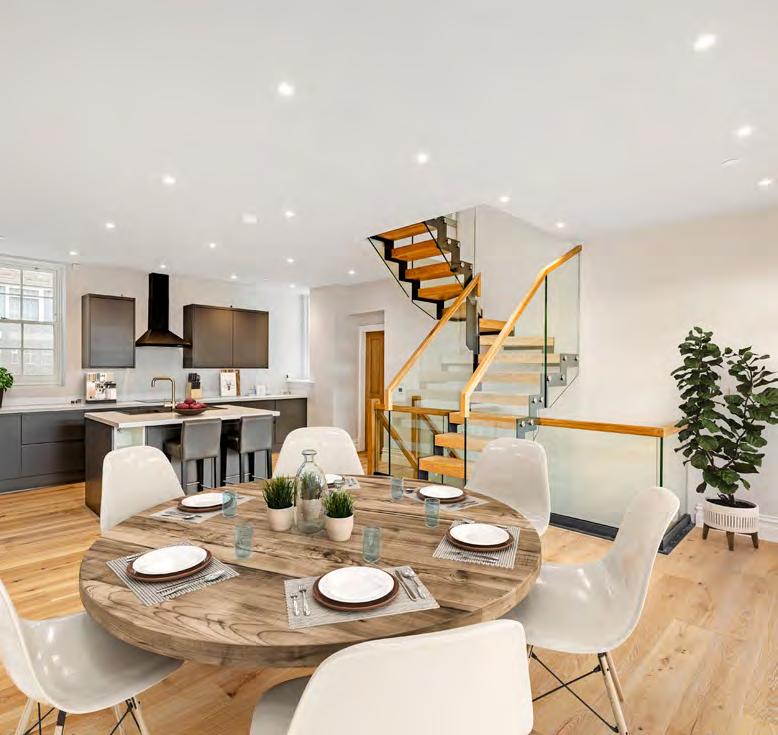
£4,000,000
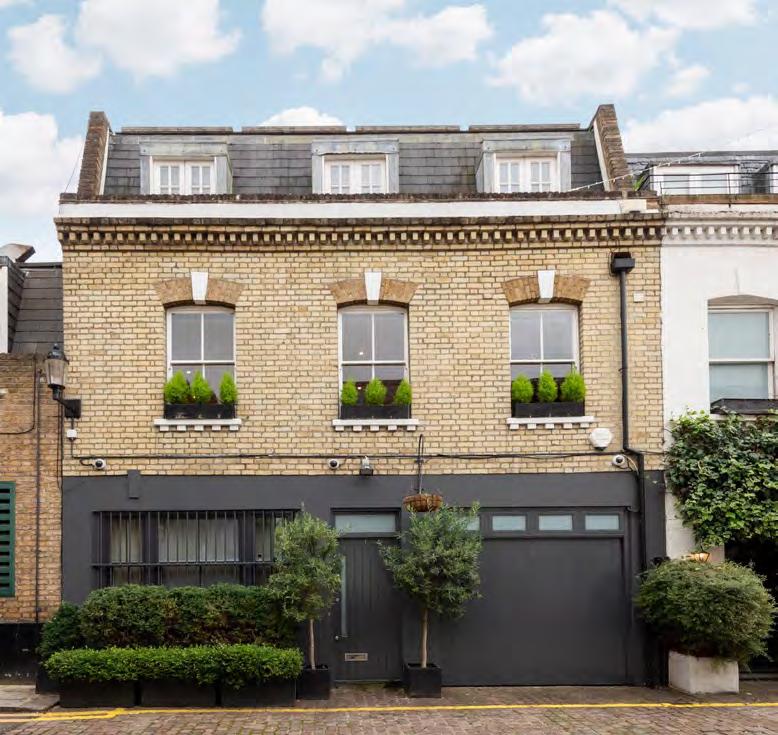
• Freehold
• 4 Bedrooms
• 2 Reception Rooms
• Separate Kitchen /Dining Room
• 4 Bathrooms
• Utility Room
• 2 Balconies
• 2161 sq.ft.
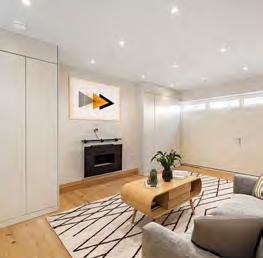
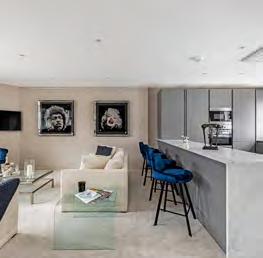
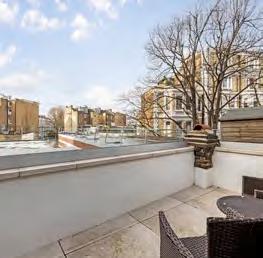
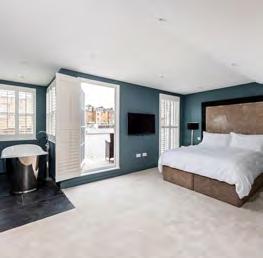
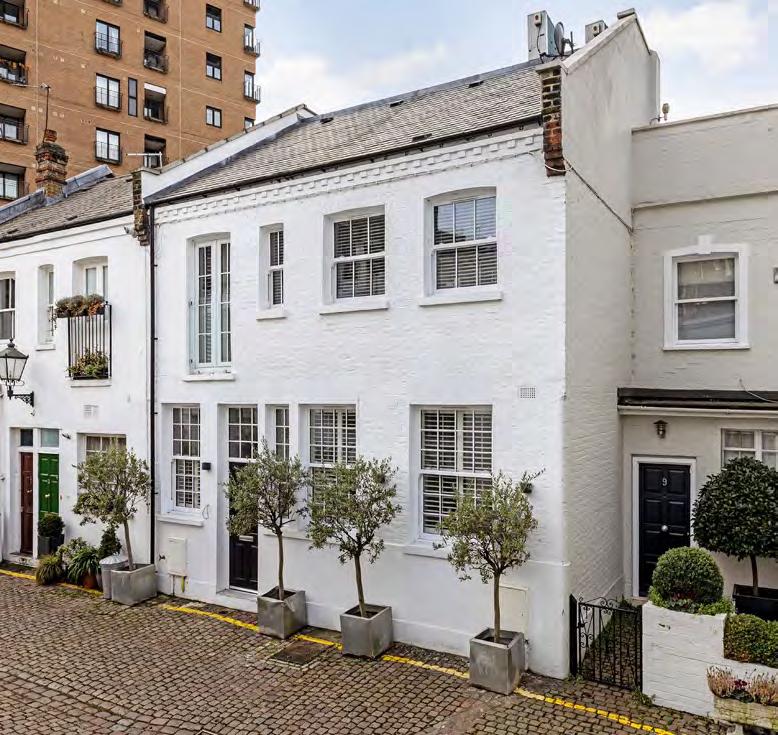
• Freehold
• 4 Bedrooms
• 1 Reception Room
• 4 Bathrooms
• Roof Terrace
• 1669 sq.ft.
£2,750,000
SPEAR MEWS
£2,600,000
• Freehold
• 3 Bedrooms
• 1 Reception Room
• 2 Bathrooms
• Garage
• 1905 sq.ft.
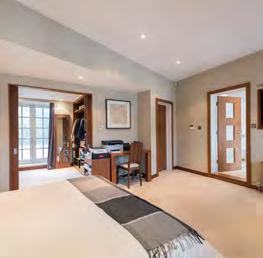
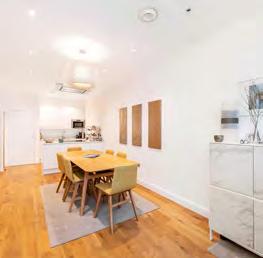
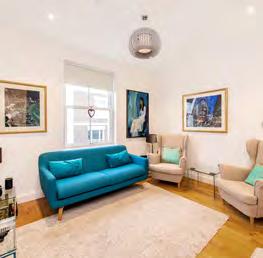
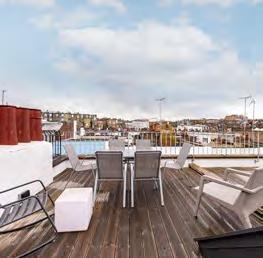
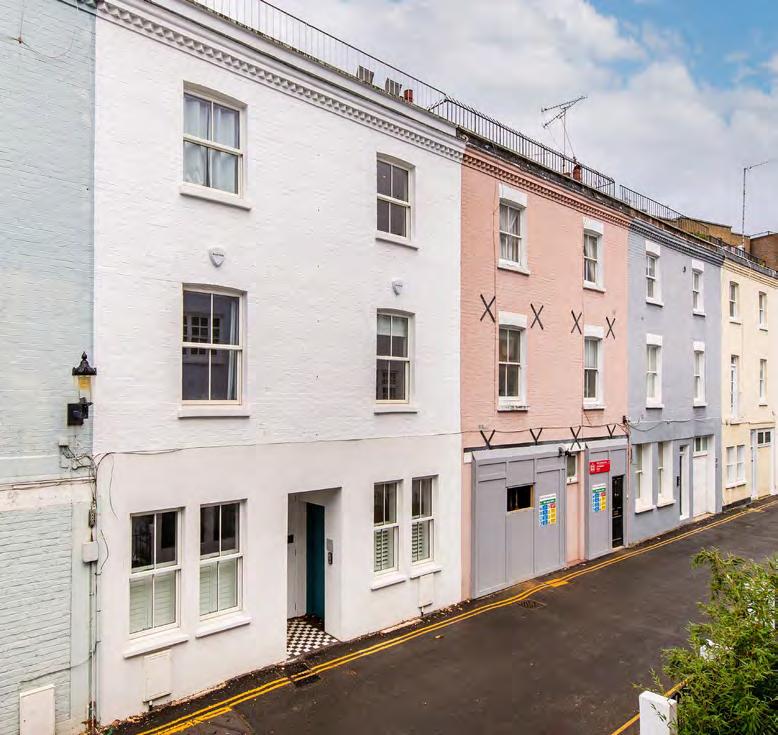
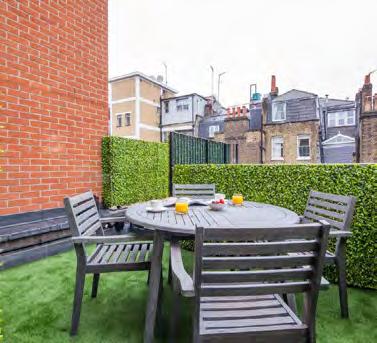
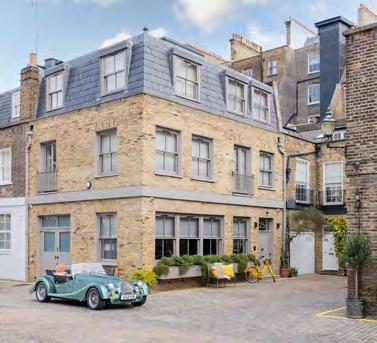
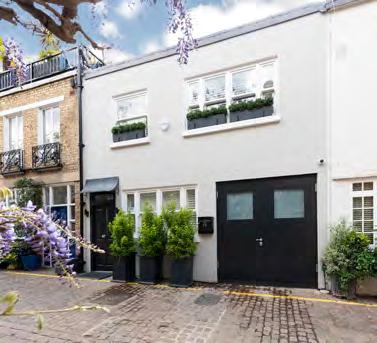
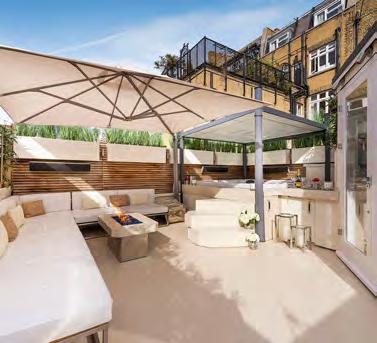
W2 • £3,950,000
PRINCES MEWS
Freehold • 4 Bedrooms • W2 • £3,000,000
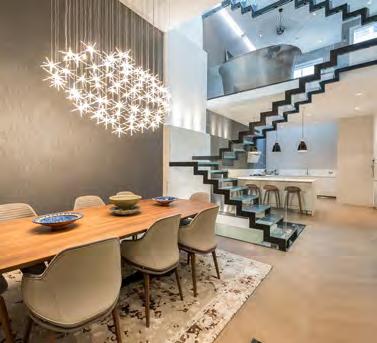
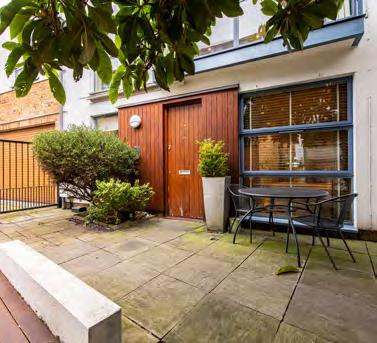
W11 • £1,800,000
DUNWORTH MEWS
CRAVEN HILL MEWS
• Freehold • 5 Bedrooms
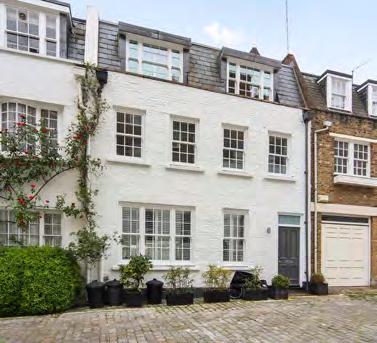
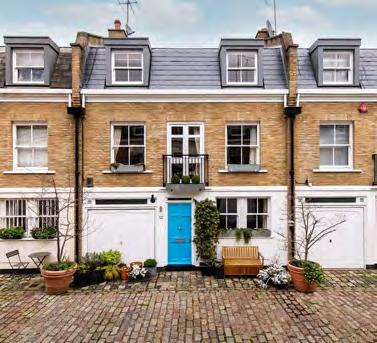
Share of Freehold • 2 Bedrooms • W9 • £1,750,000
ELNATHAN MEWS
• Freehold • 3 Bedrooms
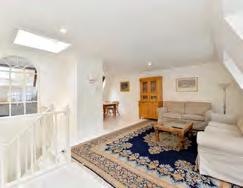
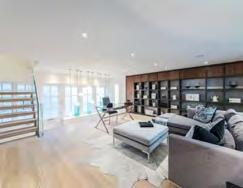
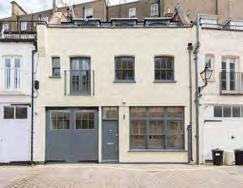
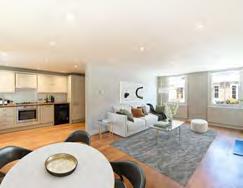
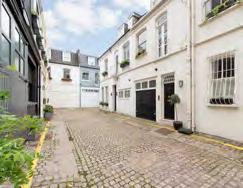
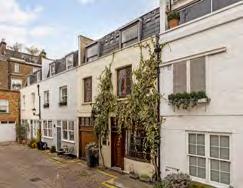
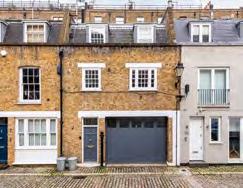
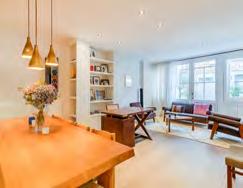

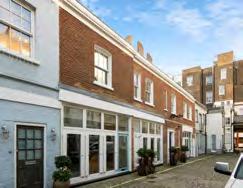
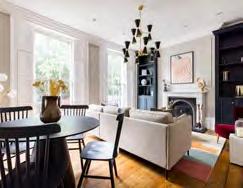
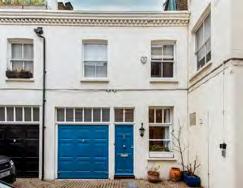

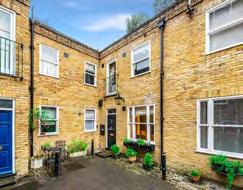
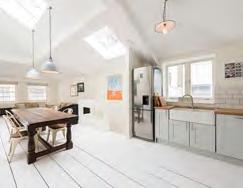
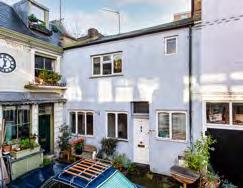
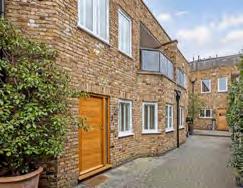
SW7 • £3,700,000
PETERSHAM MEWS
Freehold • 3 Bedrooms •
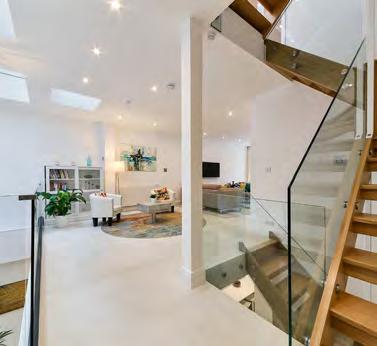
W2 • £3,250,000
LANCASTER MEWS
• Freehold • 3 Bedrooms
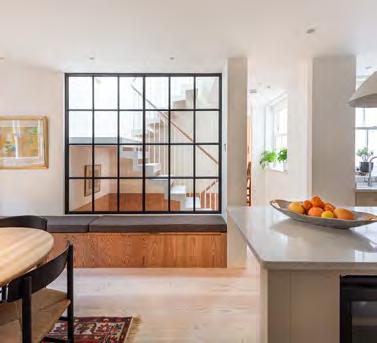
RECENTLY SOLD
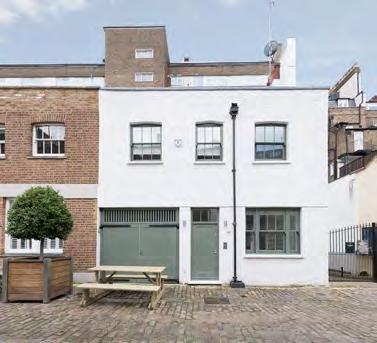
W2 • £2,500,000
BATHURST MEWS
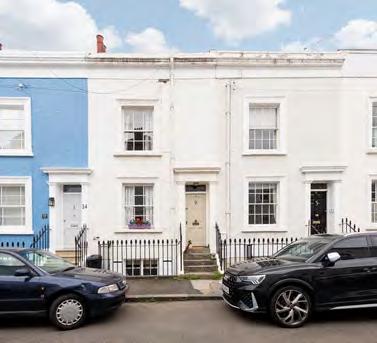
SW10 • £1,450,000
BILLING STREET
Freehold • 2 Bedrooms • And several others...
• Freehold • 2 Bedrooms
W1U
BINGHAM PLACE
£5,000 pw
• 3-4 Bedrooms
• 2 Reception Rooms
• 4 Bathrooms
• Patio
• Roof Terrace
• Long Let
• 3097 sq.ft.
ENNISMORE MEWS
£2,600 pw
• 4 Bedrooms
• 2 Reception Rooms
• 5 Bathrooms
• Unfurnished
• Long Let
• 2260 sq.ft.
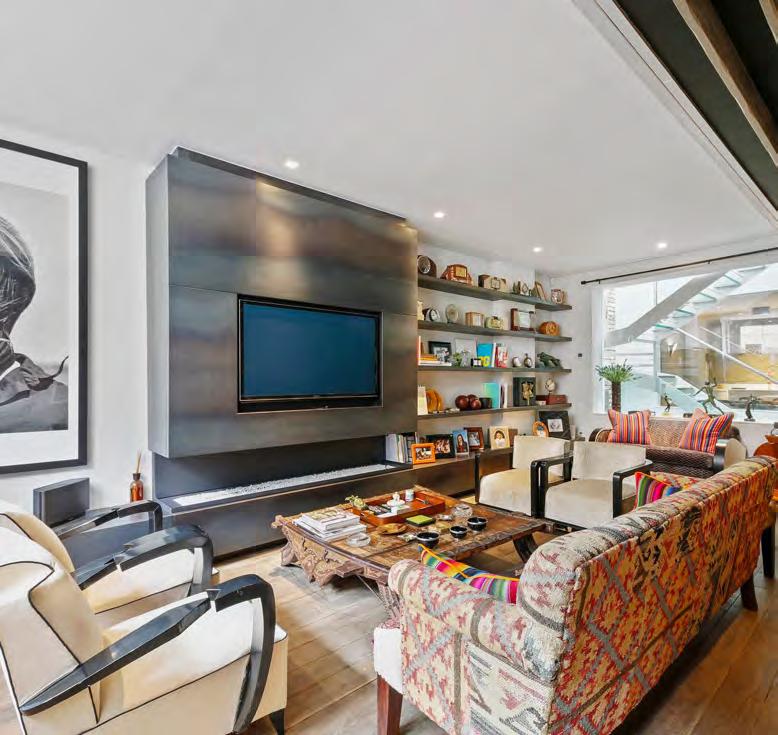
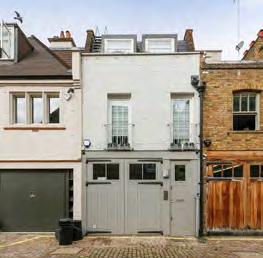
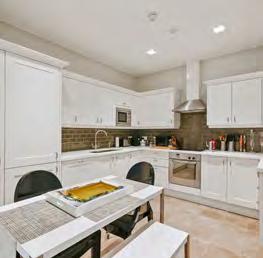
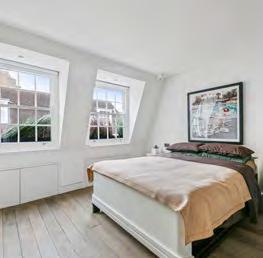
QUEEN’S GATE MEWS
£1,250 pw
• 3 Bedrooms
• 1 Reception Rooms
• 2 Bathrooms
• Unfurnished
• Long Let
• 1173 sq.ft.
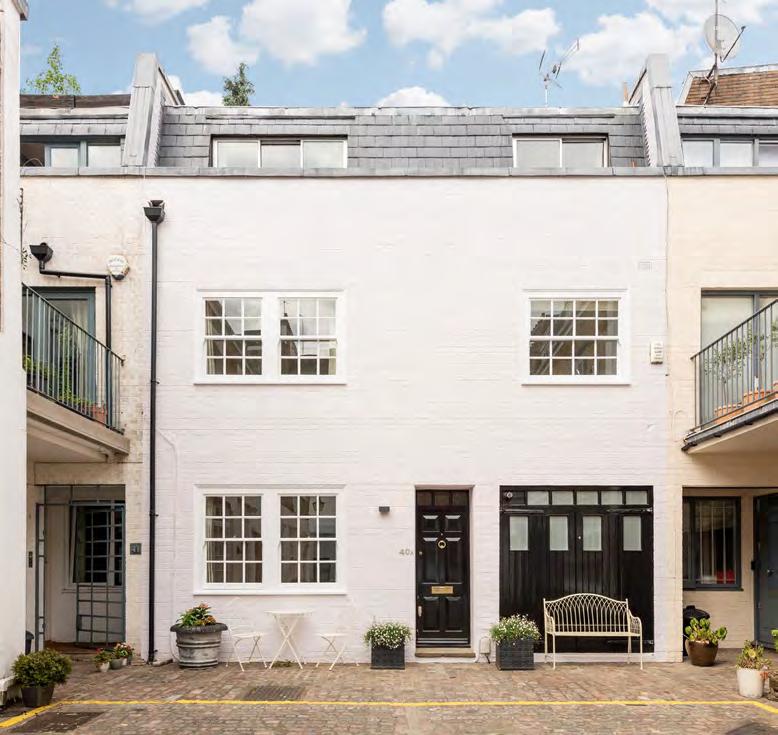
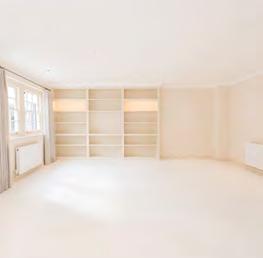
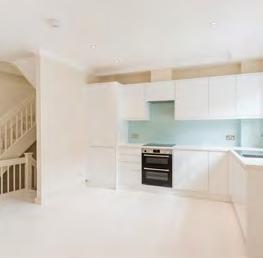
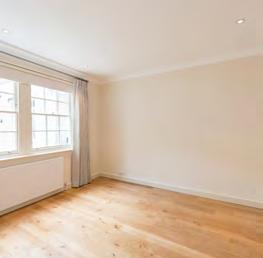
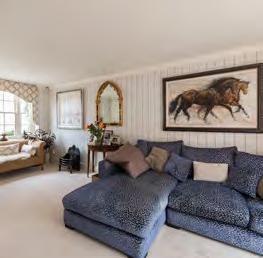
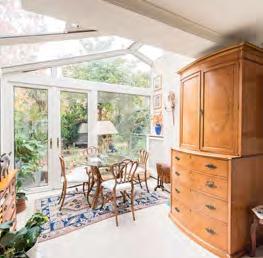
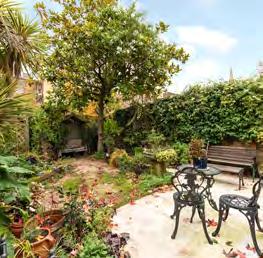
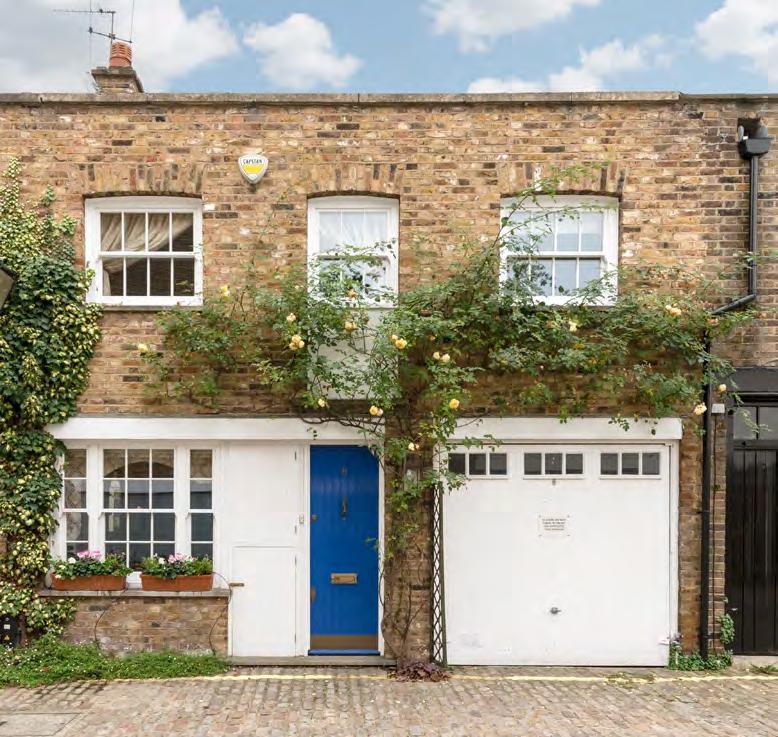
• 2 Bedrooms
• 1 Reception Room • Garden • Garage • Long Let • 1082 sq.ft.
COLBECK MEWS
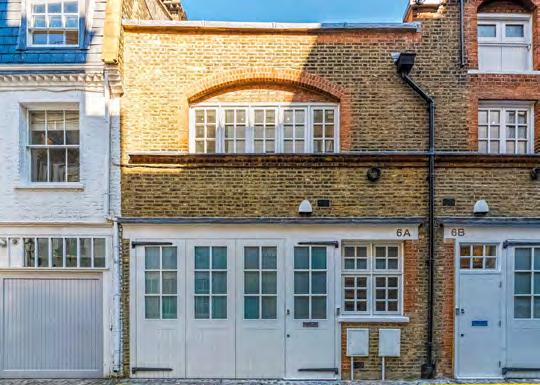
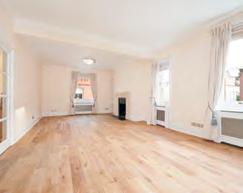
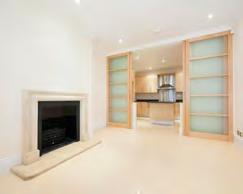
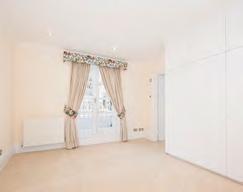
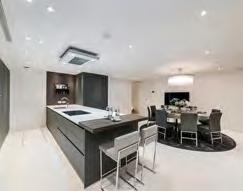
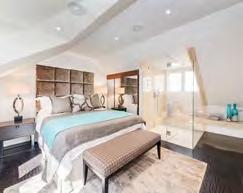
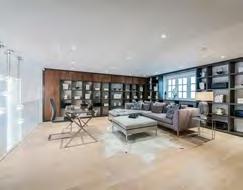
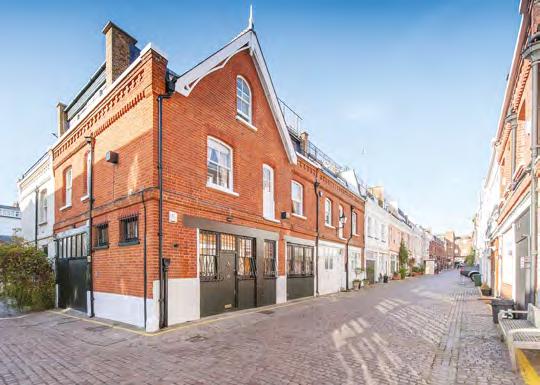
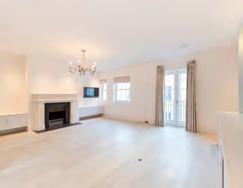
SW7
ROLAND WAY
£1,895 pw
• 3 Bedrooms • Long Let
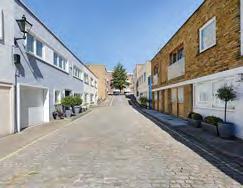
W2
GLOUCESTER MEWS
£895 pw
• 2 Bedrooms • Long Let
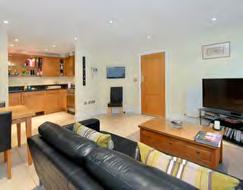
W2 CONDUIT MEWS
£800 pw
• 3 Bedrooms • Long Let
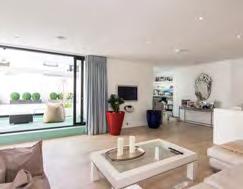
SW5
HESPER MEWS
£1,495 pw
• 3 Bedrooms • Long Let
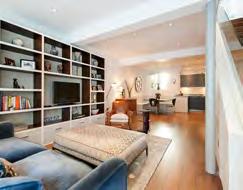
W2
BATHURST MEWS
£875 pw
• 2 Bedrooms • Long Let
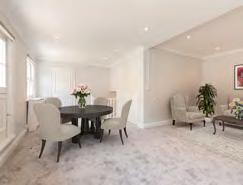
W2 SOUTHWICK MEWS
£775 pw
• 3 Bedrooms • Long Let
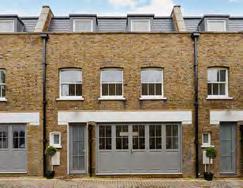
W2
RAINSFORD STREET
£1,100 pw
• 3 Bedrooms • Long Let
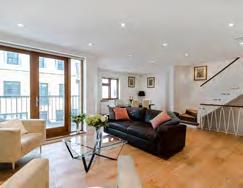
W2
LEINSTER MEWS
£875 pw
• 3 Bedrooms • Long Let
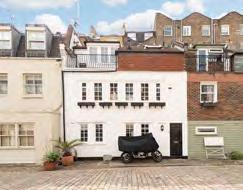
W2 UPBROOK MEWS
£650 pw
• 2 Bedrooms • Long Let
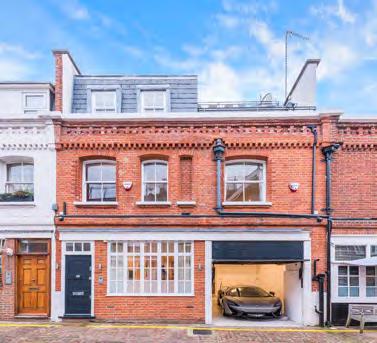
W8 • £1,500 pw
ADAM & EVE MEWS
3 Bedrooms • Long Let •
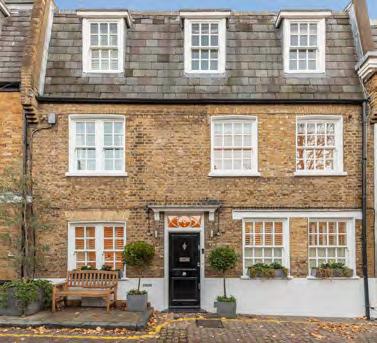
W11 • £1,450 pw
LADBROKE WALK
• 3 Bedrooms • Long Let
RECENTLY LET
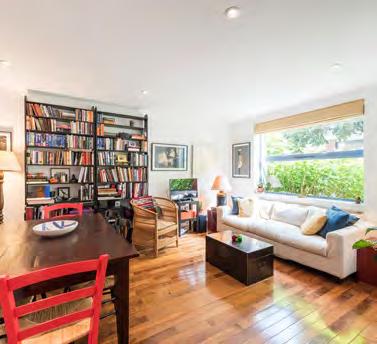
W11 • £875 pw
DUNWORTH MEWS
3 Bedrooms • Long Let •
W2 • £875 pw ARCHERY CLOSE
• 2 Bedrooms • Long Let
And several others...
THE LAST WORD IN MEWS