
PATIENT STORIES
READ INSPIRING STORIES FROM THE LUPUS COMMUNIT Y SUPPORT IS MORE THAN IMPORTANT. IT ’S NECESSARY.
PATIENT NAVIGATOR CORNER THERE’S NO “I” IN LUPUS, ONLY US
7 WAYS TO BUILD A SUPPORT SYSTEM
CULTIVATING A STRONG CIRCLE OF SUPPORT



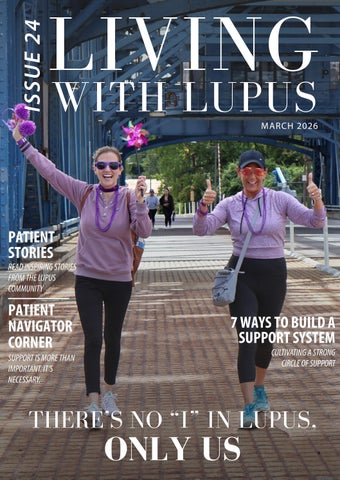
PATIENT STORIES
READ INSPIRING STORIES FROM THE LUPUS COMMUNIT Y SUPPORT IS MORE THAN IMPORTANT. IT ’S NECESSARY.
PATIENT NAVIGATOR CORNER THERE’S NO “I” IN LUPUS, ONLY US
7 WAYS TO BUILD A SUPPORT SYSTEM
CULTIVATING A STRONG CIRCLE OF SUPPORT
Greetings!
I am glad to be back from my bereavement leave. I want to say thank you to all who sent cards and prayers my way. I am not ready to talk about my enormous loss of my beloved husband, Bill. We will save that for another day. I will say this new journey in life is far more traumatic than I could have imagined, and I will ask for your continued support and love. This is a road not yet traveled, and I know I will need navigation. But for today, I want to talk about living with uncertainty. This has been my greatest challenge, whether being diagnosed with multiple autoimmune diseases or now with the loss of my husband.
Let’s consider the overwhelming level of uncertainty that currently plagues many of our personal lives, especially when living with chronic illnesses like lupus, and the world at large. The term “uncertainty” is most often understood as the result of limited or partial knowledge of a situation or life event, making it difficult to control, plan for, or predict the outcome. It may even paralyze us from responding effectively or appropriately.
I am not telling you anything you do not know. I’ve lived with lupus for decades, and living with the uncertainty has been a constant struggle. I am just trying to define it for you. Living with prolonged uncertainty can cause distress and negatively affect our mental, emotional, and physical well-being. We are fearful of healthcare costs and coverage. The financial challenges concern those of us with health issues. Not knowing what will be covered is stressful.
While a certain amount of uncertainty, disappointment, loss, and change is a natural and unavoidable part of life, in recent years, these events have escalated enormously. We lived through a global pandemic threatening our health, wellbeing, and way of life; endured significant economic and personal financial upheaval and uncertainty; experienced worldwide political, cultural, and social turmoil; were exposed to unpredictable violence in our communities and global wars; and faced extreme weather patterns and natural disasters.
As human beings, we are by nature programmed to seek safety, and our brains are designed to scan for threats. Without sufficient information, we may succumb to distortions in our thinking, such as assuming the worst, jumping to conclusions, and adopting what-ifs and worst-case scenarios that can impair our ability to problem-solve and take action. We might overestimate threats and underestimate our ability to handle them. Just the challenges we face at our physicians’ offices, if we can even get to them, because the shortages of physicians who treat lupus are on the rise, and getting appointments is a huge issue.
Each person is different in how much uncertainty they can tolerate in life. Some of this is due to our individual level of resilience, ability to keep things in perspective, current emotional state, and co-existing stressors that interfere with or influence our tolerance, and past life experiences. Unfortunately, the recent, unprecedented level of uncertainty in our world has put many of us in a continuous crisis mode, leading to stress, anxiety, panic attacks, negative emotions and depression, excess worry, fear, and rumination, a loss of personal efficacy and belief that things are out of our control, depleted emotional and physical energy and a change in how we conduct our daily work and personal lives.
We are understandably concerned about the uncertainty of things in life such as safety in our communities; steady employment; the ability to care for ourselves and our families, pay essential bills, rent/mortgage, or student loans; saving for education and future living expenses; finding affordable health insurance and medical care; having control over what happens to our bodies; the effect of international war and terrorism on our life and families; choosing government leaders we can trust to act in our best interest; and the impact of devastating weather patterns.
Despite these stressors, there is an opportunity for personal growth and benefit as we face the unexpected in life - we can learn to adapt, overcome challenges, and build resilience, becoming stronger people.Those who are successful in this effort tend to keep things in a realistic perspective, remain calm, and focus all their effort on what really matters and what they can do in spite of uncertainty, making the best decisions at the time. They avoid insisting on perfection and instead accept realistic, reasonable solutions. I did not say any of this is easy. It is very hard, especially when we are emotionally and physically challenged.
What can we do? Whatever it is, we do it together. I have always said the word lupus is our path. It does not have an I in it, but it does have an us. Us... together.
When you share common ground and empathy with your peers and those around you, it creates an enormous sense of peace. Here at the Chapter, we have intentionally built a community that offers opportunities for education, support, empathy, social activities, and essential resources. This support network is designed to help you feel connected and understood as you navigate the challenges of living with lupus. Our small but mighty staff provides a wealth of resources and assistance to help you on your lupus journey. You do not have to go through this experience alone; a dedicated team is here to offer what you need.
Data shows that most people tend to rely on their family for the support and care they need, which is wonderful. However, it is important to be mindful of the pressures and potential unintentional hardships that this reliance might place on loved ones. I encourage you to also engage with the support and care available through our Foundation, so that your family members are not overwhelmed and can find balance in their own lives. Caregivers are an important topic, and we will discuss them more at another time.
Today, I want you to know that I live with uncertainty every day, and I manage it because of the community we have built here at the Chapter. I invite you to join us so you can become an integral part of your own - and others’ - success stories as we navigate our world of lupus in these uncertain times. It is about “us.”
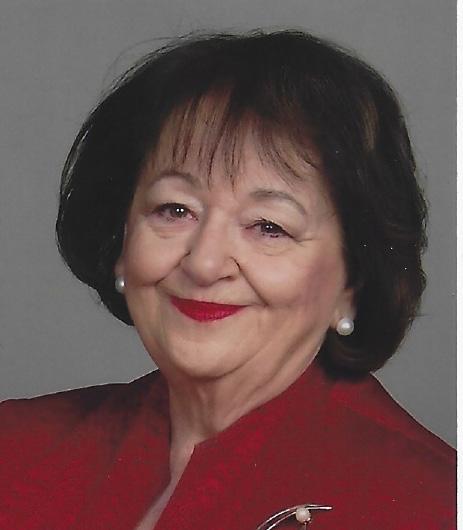

Suzanne Tierney President & CEO
Lupus Foundation of America, Greater Ohio Chapter
CONTENTS
Pg. 1-2 A Letter from Suzanne
Pg. 4-5 Patient Navigator Corner: March 2026
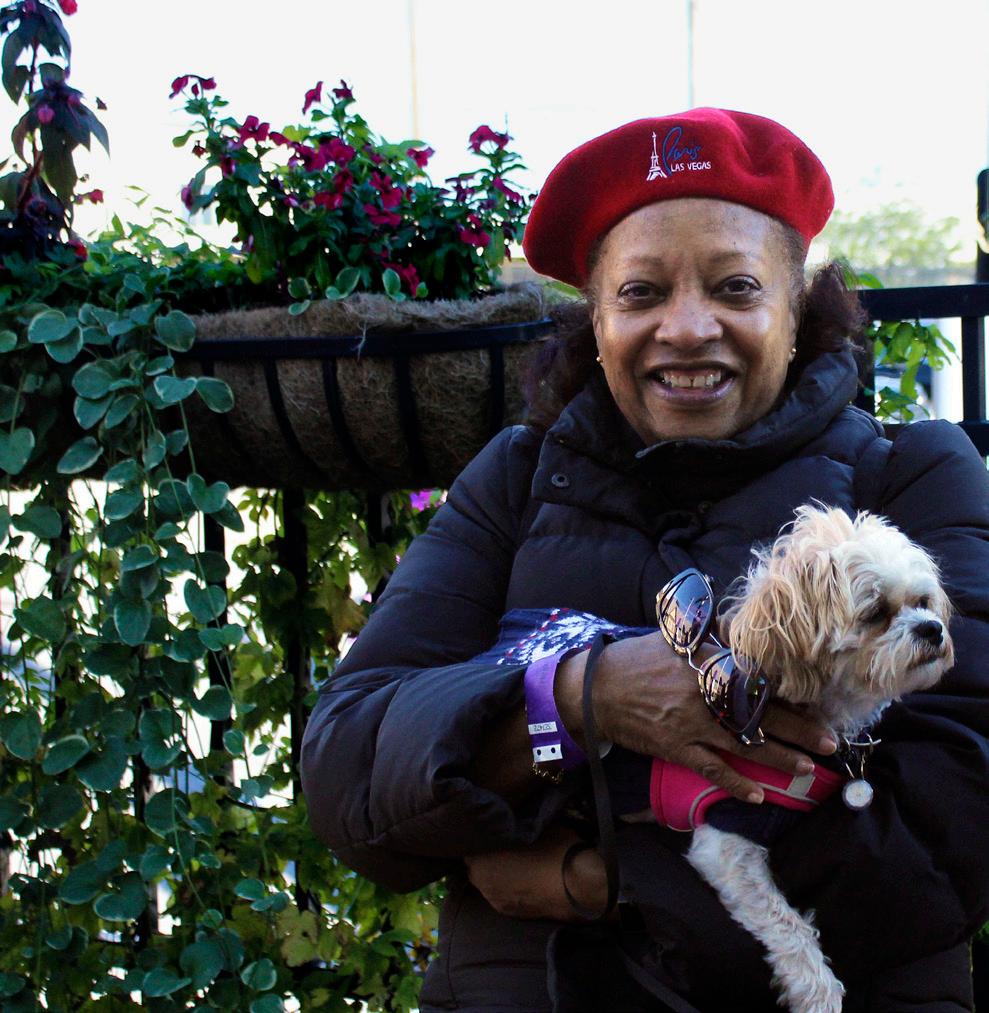
Pg. 6-9 Patient Story: Rosalind Jones
Pg. 10-12 Patient Story: Barbara Waddy
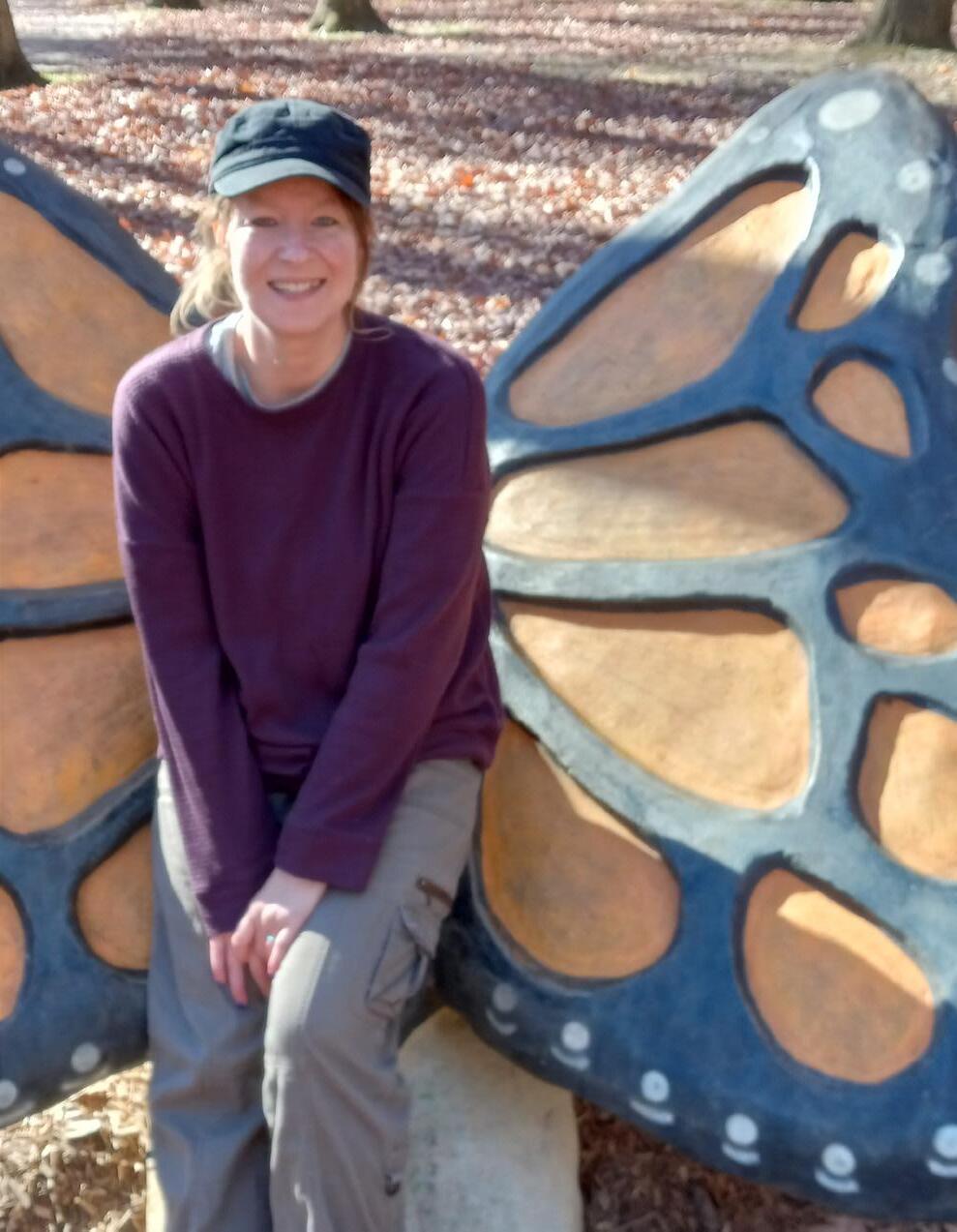
Pg. 13-15 Patient Story: Cat Liptak
Pg. 16-19 Research & News
Pg. 20-23 7 Ways to Build the Support System You Need to Cope with Lupus
Pg. 24 GSK Biologics Article
Pg. 25 Blog & Podcast
Pg. 26-27 Get Involved & Ways to Give
Pg. 28-29 Could You Have Lupus?
Pg. 30 Staff Page 2023 13 -15 Patient Story: Cat Liptak 7 Ways to Build the Support System You Need to Cope with Lupus 6-9 Patient Story: Rosalind Jones 1012 Patient Story: Barbara Waddy



The Importance of Support When Living With Lupus
Lupus is more than a diagnosis - it’s a journey that affects every part of life. Whether you’re newly diagnosed, managing symptoms, or caring for someone you love, having emotional and practical support makes a meaningful difference in your health and well-being. That’s where support truly matters - not just medically, but personally. In this issue of “Living With Lupus,” we are examining all the many different types of support available, from physical and mental wellness to family and spiritual support.
One very essential type of support that we provide at the Lupus Foundation of America, Greater Ohio Chapter is the support group. Although we have a number of support groups throughout the state, very few lupians and caregivers take advantage of this significant resource.
A support group is a safe, welcoming space where people living with similar experiences come together to share, listen, learn, and encourage one another. In the context of lupus, support groups bring together individuals and caregivers who understand, first-hand, the challenges that come with this unpredictable autoimmune disease. These groups may meet in person, or online, and can include facilitated discussions, social connections, education, and mutual help.
Attending a support group can have a profound impact on your lupus journey - here’s how:
1. Emotional Support and Understanding
Living with lupus can feel isolating. In a support group, you meet
others who “get it” - they understand fatigue that doesn’t go away, unpredictable flares, and the emotional toll of chronic illness. Simply knowing you’re not alone can lift a heavy emotional weight.
2. Shared Knowledge and Practical Tips
From managing symptoms to navigating doctors’ appointments, support group members often share strategies that have helped them in real life. These practical insights can complement your medical care and give you new ideas for daily living.
3. Encouragement and Hope
Support groups are places of encouragement. Hearing others’ stories of resilience and progress can inspire hope, even on difficult days. Support from those who have “been there” can empower you to face your own challenges with renewed confidence.
If you’re caring for someone with lupus, support groups can be just as valuable for you. Caregiving brings its own emotional and physical demands, and connecting with others in your role can help prevent burnout, reduce stress, and provide new ways to care for yourself while you care for your loved one.
At the Lupus Foundation of America, Greater Ohio Chapter, you’ll find a range of support groups designed to meet diverse needs across the region. These groups
offer regular opportunities to connect with others living with lupus and those who support them. We provide call-in, virtual, in-person and hybrid (both in-person and virtual) support groups to meet your individual needs. For a full list of support groups and events hosted by the Greater Ohio Chapter, visit the Events Calendar on the chapter website: https://www.lupus.org/ ohio/eventscalendar
Support isn’t an extra - it’s essential. Whether you’re living with lupus or caring for someone who is, connecting with others through support groups can offer comfort,
practical advice, understanding, and encouragement. These connections help transform what can feel like an individual battle into a shared journey with others who walk a similar path.
If you have questions, want help finding a group near you, or need guidance navigating lupus resources, don’t hesitate to reach out to the Greater Ohio Chapter office: call (440) 717-0183 or toll-free 1 (888) NO-LUPUS (1-888-6658787), or email info@lupusgreaterohio.org. Our team is here to support you every step of the way.


Life is like sitting down at a card table. You never know what hand you are going to be dealt. Some get what you would call a winning hand, while others are not so lucky and have to contend with the cards stacked against them. Ironically, you can get dealt a good hand and still lose. Yet a savvy player could take that perceived bad hand and finesse it into a victory. Living with lupus has shaped my life in ways I never expected. It is not something you can see just by looking at me, yet it affects nearly every part of my daily routine. Lupus is more than a diagnosis. It is much more.
Before lupus became part of my life, I did not think much about my health. I was happy just being a teenager, swimming every day and running around my neighborhood. When my first symptom “butterfly rash” appeared, I thought it was sunburn, because I was swimming every day. I thought that me being fatigued was due to me playing and swimming all day long in the
hot summer sun. The symptoms were confusing and frustrating. Not having clear answers was one of the hardest parts. When my legs and arms were constantly hurting I knew something was wrong, but I did not yet have a name for it.
One of the most difficult aspects of living with lupus is dealing with
By Rosalind Jones
its unpredictability. I may wake up feeling strong and motivated, only to be drained of energy hours later. Pain and fatigue can make me cancel plans or slow down when others expect me to keep going. This can be isolating, especially when people do not fully understand invisible illnesses. Most of my family
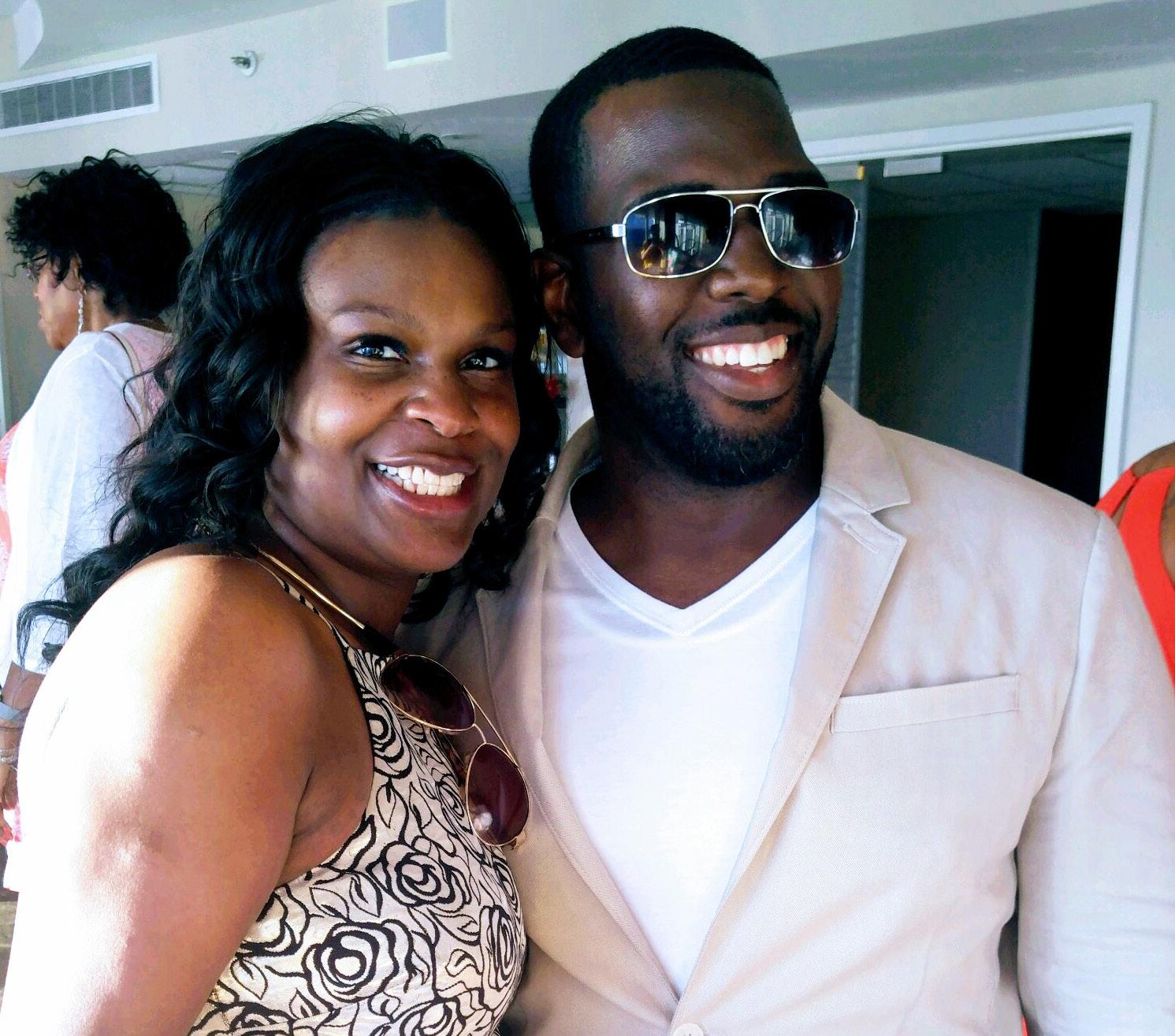
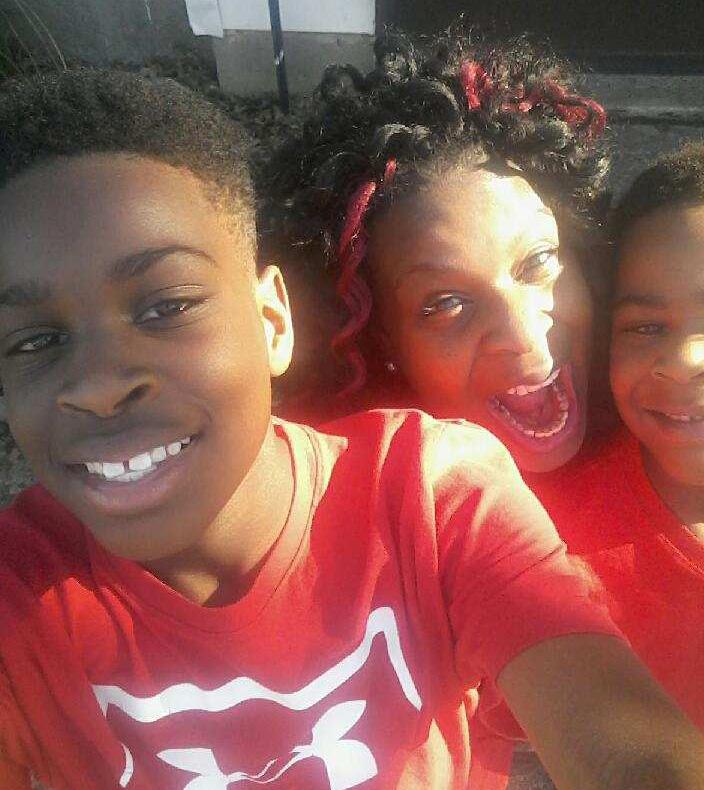
and close friends know that I have lupus, so they are understanding. They accept when I need to rest; they don’t judge when I need to cancel at the last minute.
I was determined not to allow lupus to dictate my destination. A University of Cincinnati Children’s Hospital social worker named Ms. Jenkins connected me with the Bureau of Vocational and Rehabilitation (VR). BVR suggested that I go to vocational school and get a job in medical coding. However, I had different plans, and I wanted to go to college. I wanted to become a social worker like Ms. Jenkins. I told BVR that I wanted to go to college. After going back and forth with BVR, they said they would help me go to college anywhere in Ohio.
I enrolled at Wright State. BVR paid
for my tuition, room and board, and books. My lupus took a turn for the worst. I developed TTP (Thrombotic Thrombocytopenic Purpura), a serious illness, and I needed to be admitted to ICU. The doctor told me not to get pregnant because they weren’t sure if I could carry the baby term without my lupus flaring up. After a long stay in the hospital, I transferred to the University of Cincinnati. I pushed myself and graduated in the Spring of 2002 with a degree in Social Work.
I got married in the Fall of 2002 after I graduated and wanted to start a family. My doctor told me that now was the time to get pregnant because they had made some strides with lupus and pregnancy. I went back to school in 2003 to obtain my Master’s Degree
in social work. At my master’s degree ceremony, I was proudly six months pregnant! I studied and eventually became a Licensed Independent Social Worker with Supervision (LISW-S). I started my career working with youth, but eventually became a Drug Treatment Counselor. I provided individual therapy, treatment plans and group therapy.
After living with lupus for 24 years, my medicine stopped working for me. My rheumatologist told me to stop taking it and would get a new drug that was approved for lupus. He called the insurance company and they said that the medicine was an “off label” for systemic lupus and declined the request. Meantime, I was not taking medicine to control the Lupus and it started attacking my heart. My heart sent a blood clot to my brain, and I had a stroke. The doctors could see the blood clot on the MRI; but my Lupus had flared up, and I needed to get my lupus under control before they could give me the clot
“I was determined not to allow lupus to dictate my destination.”
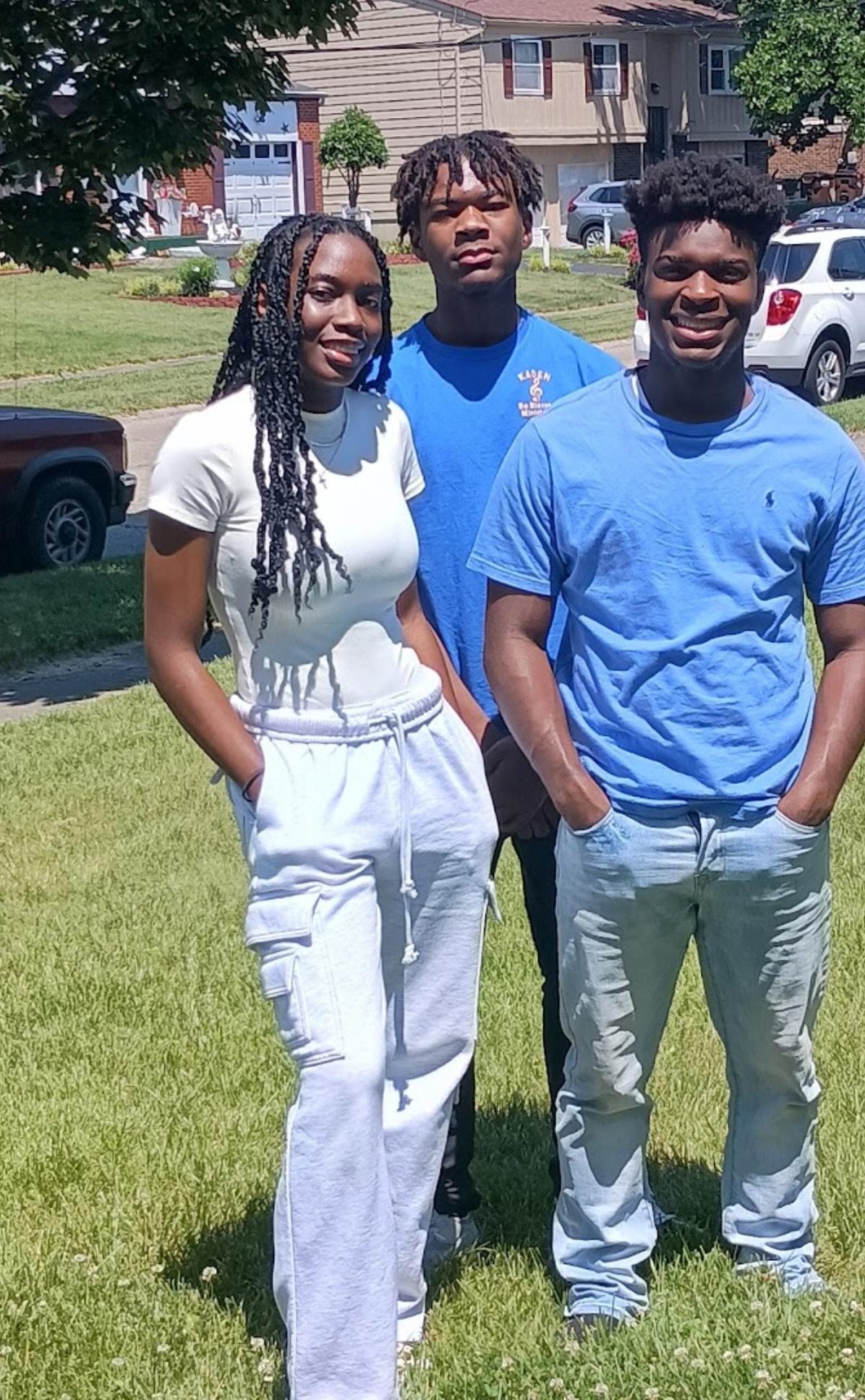
busting medicine. They started treating my lupus so I could tolerate the clot busting medicine and not bleed out. While I was at home I had a stroke. I don’t recall much from that day, but I remember being at the hospital thinking why can’t I catch a break!
When I woke up, I could not talk. Only sounds. I was so confused and scared. My mom told me that I had a stroke. I had to look forward to years of doctors appointments, physical therapy, occupational therapy, and speech therapy. I was just focused on getting back to my job as a mental health therapist.
I started treatment some time in June 2018. A second round of grueling doctors appointments, PT, OT, and speech therapy was on Mondays, Wednesdays, and Fridays for 45 minutes. In the meantime, I was fired from my job. It was devastating. In December 2018, I had open heart surgery to repair my heart valve. For the next couple
of years this was my routine. I was getting better slowly.
After 4 years of demanding speech therapy, I was able to go back to some form of work. I contacted BVR because I knew what they had done for me in the past. They provided me with a computer, a
printer, and a speech recognition software program to assist me with note writing. They also sent me a tech to train me on how to utilize the program.
I began doing part-time virtual counseling from home. I completed PT, OT and speech for years,
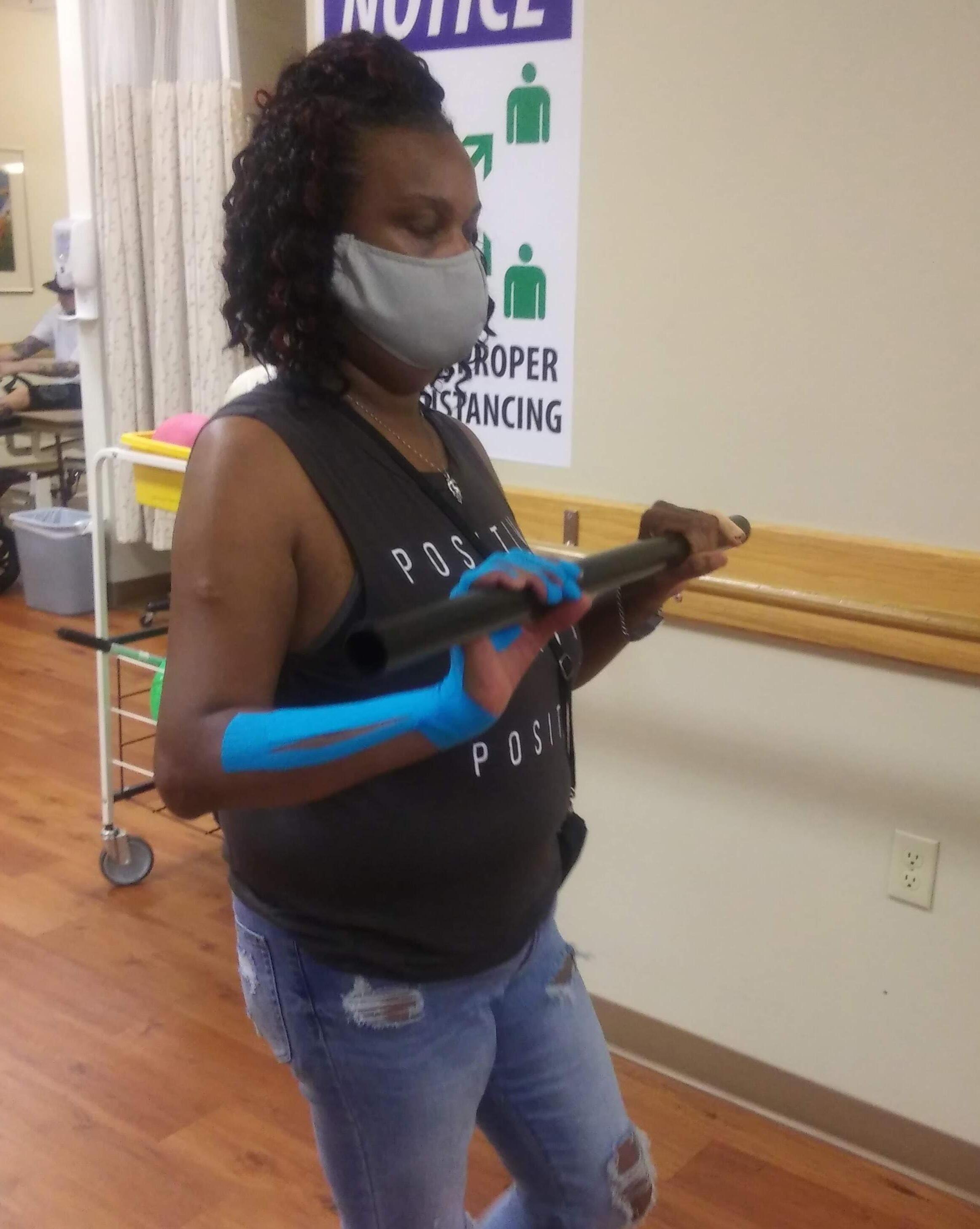
“Lupus is unpredictable, and that uncertainty can be really challenging. It’s all about managing what you can, adapting, and finding support where you can.”
with little breaks in between. Finally, the insurance ended, but my OT therapist said that she had a friend who was opening up a gym in Hamilton, OH called “Neurofit.” They specialize in helping people that had a stroke without insurance or whose insurance ended. I set up an appointment with the owner Amy. She was so nice and compassionate. We clicked right away. She had 2 boys like me, and her husband used to teach at my son’s school! Later, Amy hired an OT named Olivia, and we hit it off right away too. She was new-
ly married and ready to hit the ground running.
Rita with the Lupus Foundation of America, Greater Ohio Chapter started to give me Uber rides to Neurofit. She worked with me for about 3 or 4 yrs. I continued to make progress. Meanwhile, I extended my hand out to Rita because I wanted to counsel people with Lupus because I could relate to the patients. First, she told me to complete new patient education. I completed the class and look forward to counseling patients who
had lupus and/or a stroke.
Lupus is unpredictable, and that uncertainty can be really challenging. It’s all about managing what you can, adapting, and finding support where you can.
Hebrews 11:1 - “Now faith is the substance hoped for the evidence of things not seen. Although I can’t always see the victory , I choose to walk by FAITH.” Blessings, Rosalind.

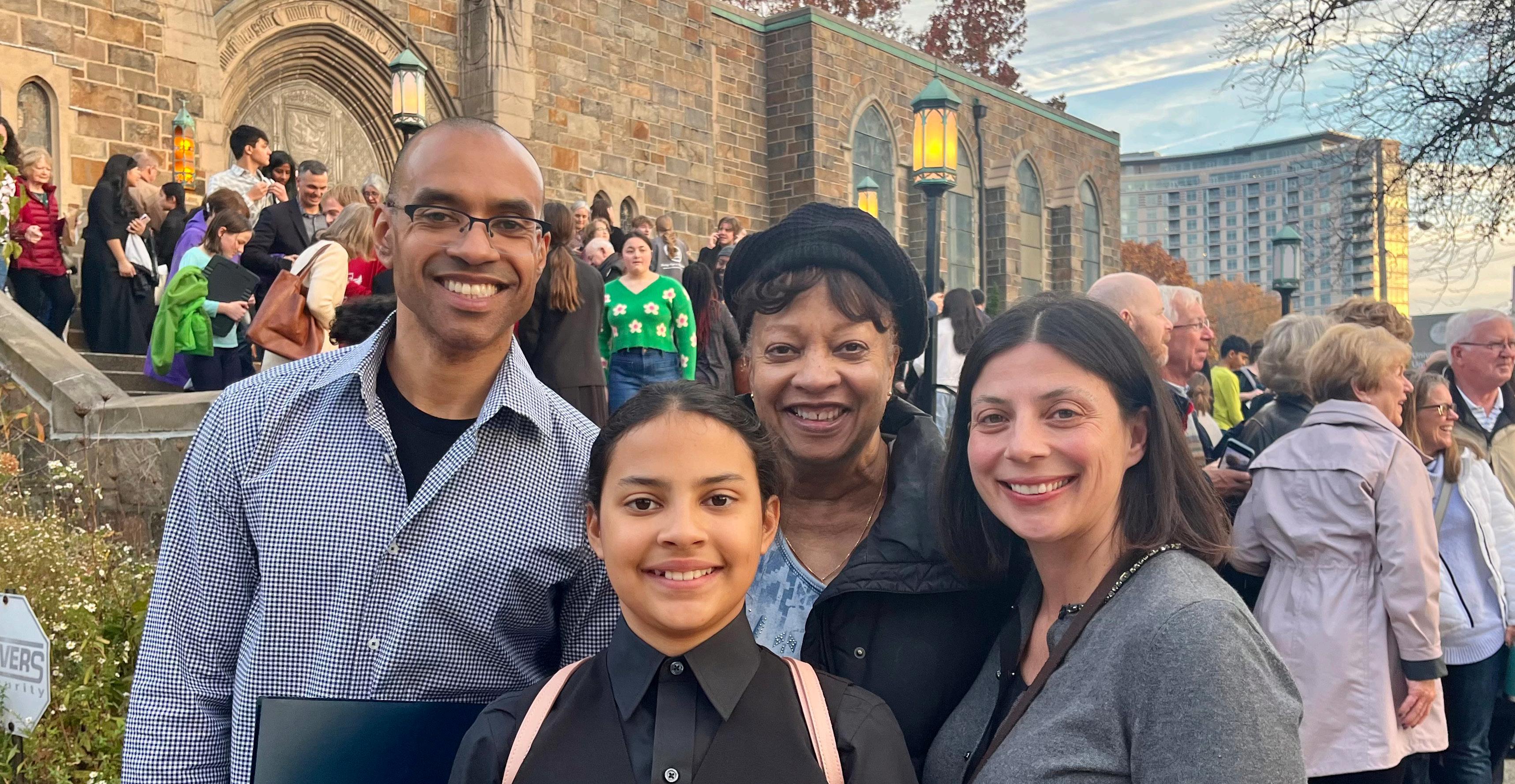
My “journey with lupus” began when I woke up in the hospital with a strange man standing in a white coat telling me I had a strange disease called lupus. I never knew anyone that had lupus and had only heard of it in passing.
My memory of the first few months is minimal. It was full of endless medications, constant mechanical sounds that kept me awake at night, and pain - a constant pain that never went away. This was the first time that I had absolutely no control over my life. It was frightening to lie on the bed barely able to move and realize that if there were a fire, all I could do was lie in the bed and wait for the fire to consume me because I could not get up to save myself. The reality
of that thought was truly sobering. The doctors were in and out of the room, scheduling different tests that didn’t appear to me to be helping. While in a discussion with my doctor, I finally asked him, “Are you actually telling me that my organs are shutting down and you don’t think you can do anything to stop it?” He paused, and said “yes.” I asked if he could at least stop the pain. I was told no, he couldn’t do that because he would not be able to tell if the medications were working. But in all of the treatments that I was given by the medical staff, there was one treatment that the hospital could not provide. It was the non medical treatment that only friends and family can give. The human element of love and support.
By Barbara Waddy
The effect of love and support cannot be underestimated. It gives a type of strength and hope that helps the patient keep the positive attitude that they will survive. The love and support that my family and friends gave to me was the one thing that kept me from giving up. I was a person that rarely got colds and worked out in the gym five days a week. So, why was I dying in the hospital? All of a sudden, I felt someone holding and rubbing my hand, softly saying I was going to be okay. I wasn’t sure where I was, didn’t know why I felt worse than I had ever felt in my life, but I did recognize the voice and knew he would not let anything hurt me. So I went back to sleep comfortably. When I finally became fully conscious, I realized
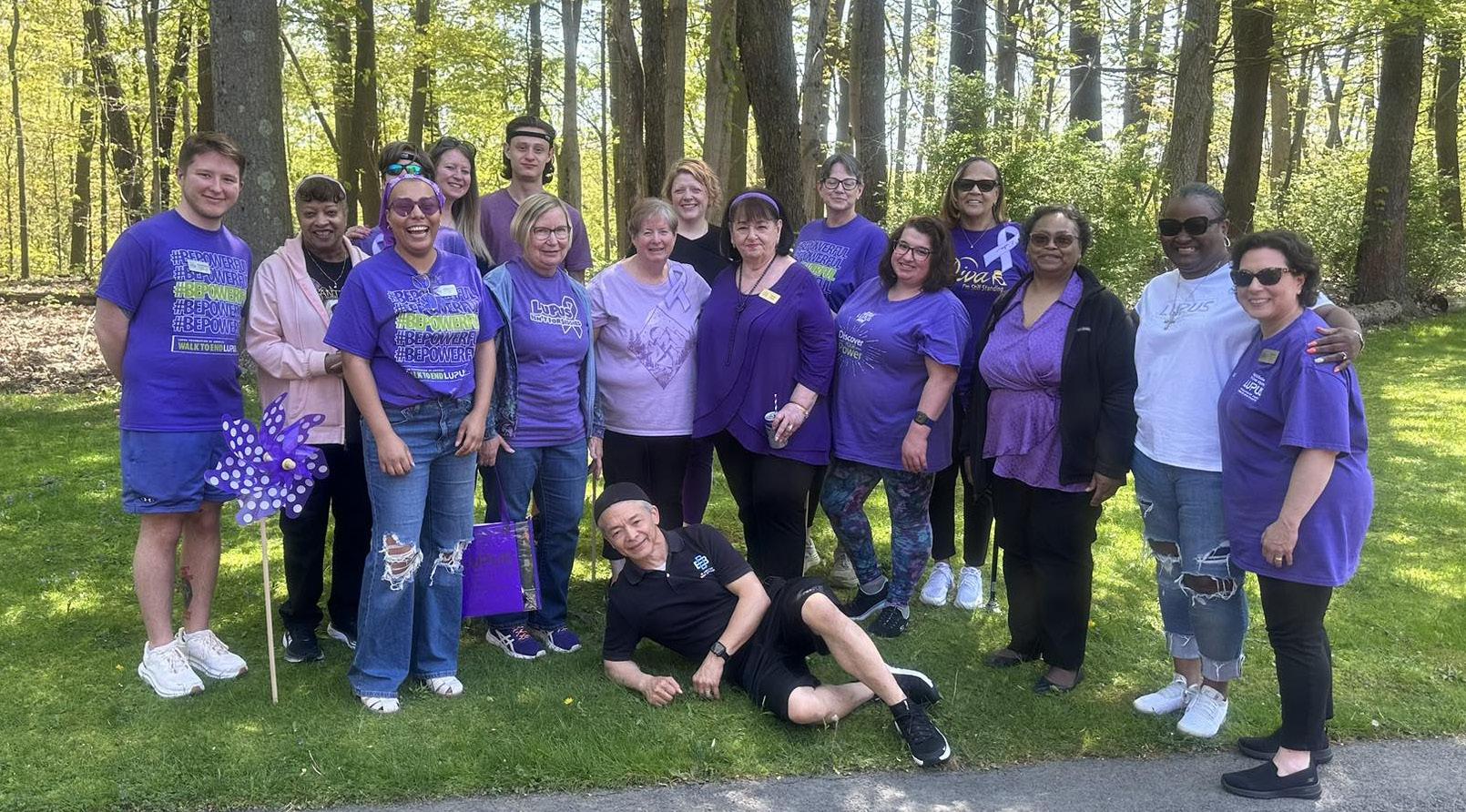
that my friend was coming every day faithfully after work to sit with me and give me words of encouragement.
My children both lived out of state, and they would not have known I was ill had my friend not called them both. He also made sure my house was secured. I looked up one day and saw my son standing at the door to my room talking with the doctor. It was very comforting to see my son in a position of authority and so knowledgeable. One of my complications with
this disease is lupus fog. Knowing that my son was overseeing my medical treatment meant that I could relax, because it was difficult to keep my conversations with the doctor organized in my mind. Every morning my nurse made a point to tell me that my son had called to check on me. My daughter did the same thing. All of a sudden, there she was, and she was able to stay longer. I completely forgot about financial matters; and my daughter stepped up and took over without my asking, and everything continued to flow. My
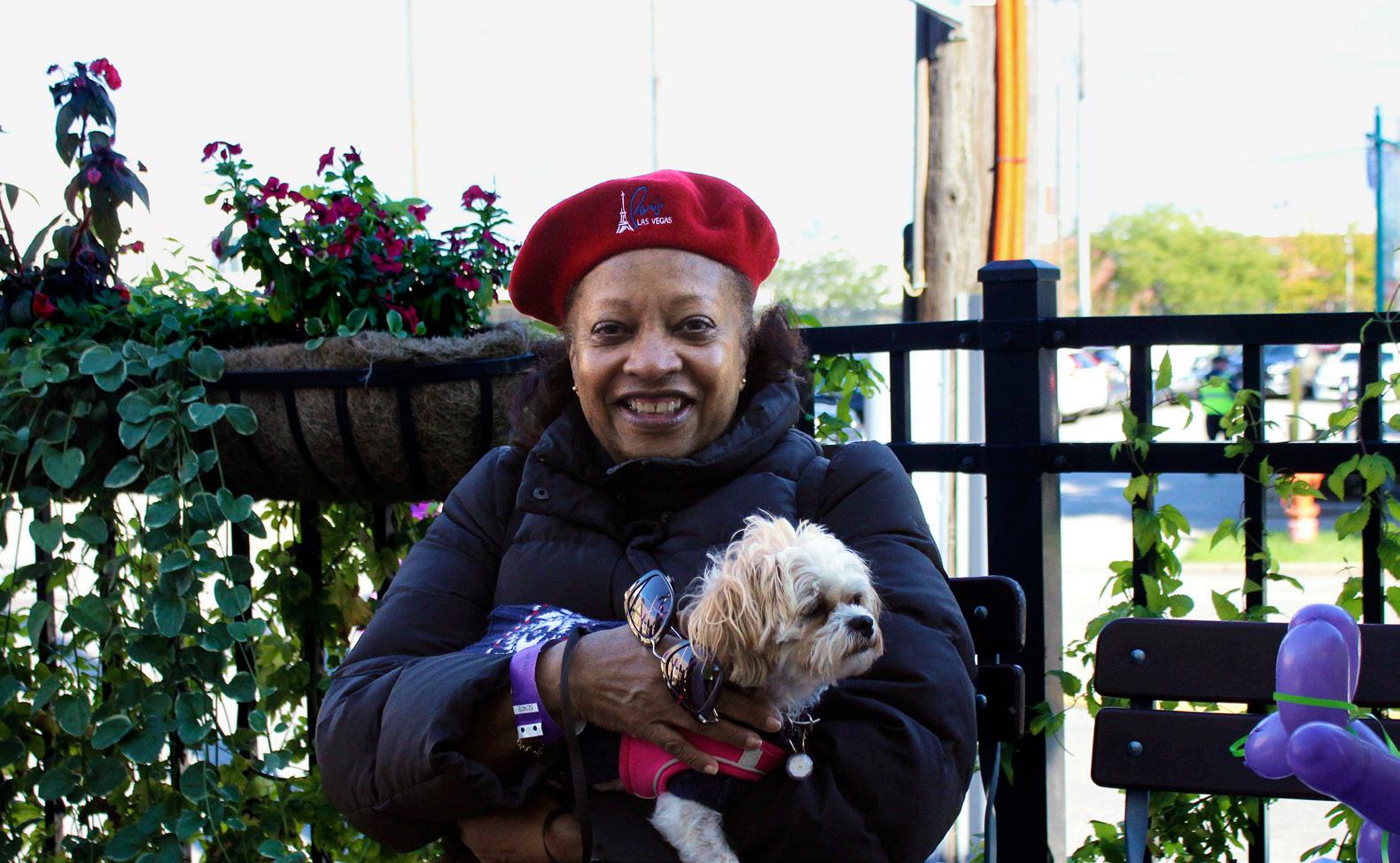
children have always been a great source of pride for me. They were taking care of all of my needs before I even knew what those needs were myself. To know that I was
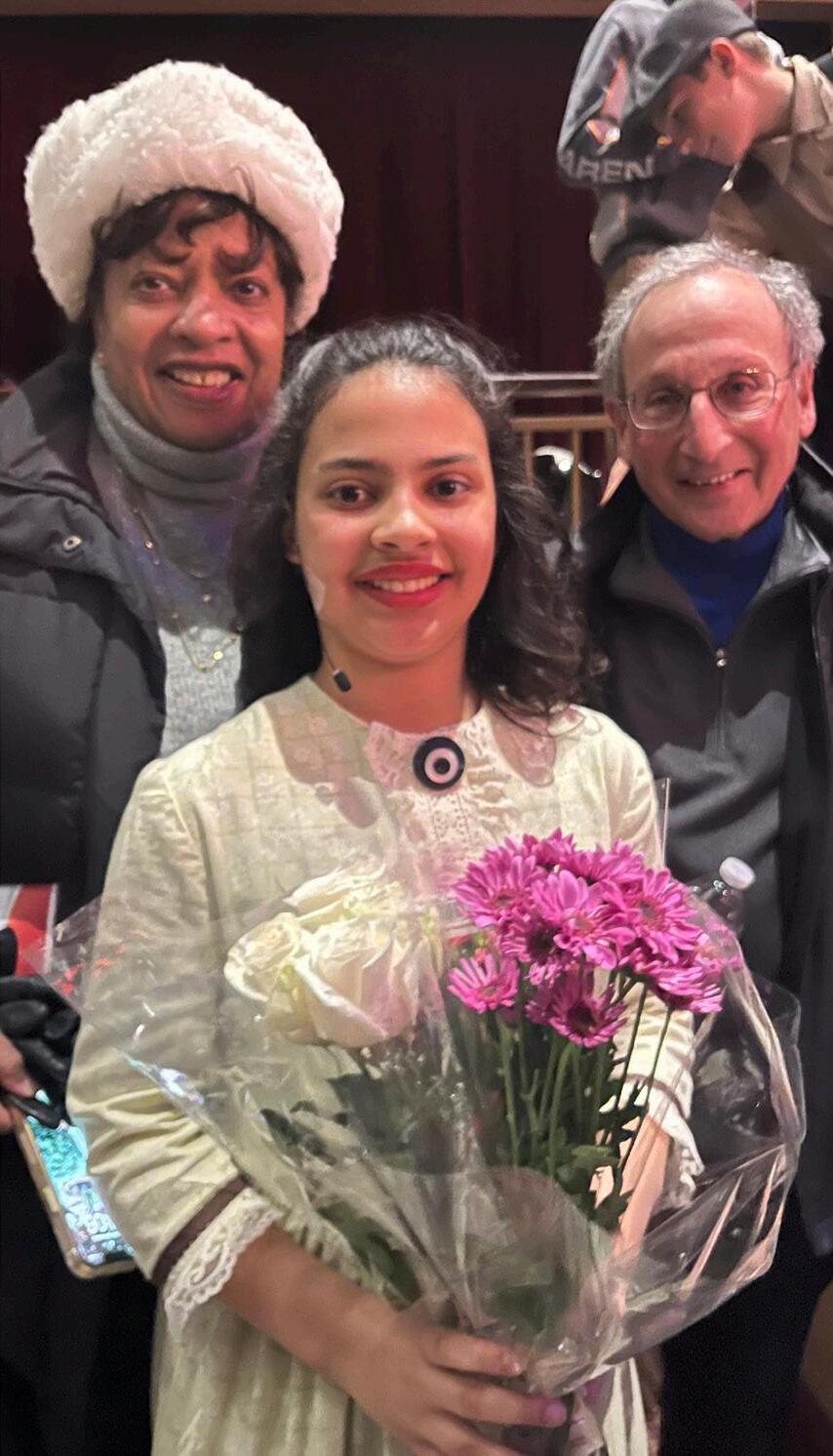
not “out of sight and out of mind” to my children made my heart feel good. As the weeks ticked by, my friend was still there every day after work. He also acted as a liaison with my children because ICU does not have phones. Even now I get a call from him every morning to be certain that I haven’t passed out on the floor.
I left ICU with a mystery. Everyday someone came and rubbed my left cheek and said “I was going to make it. That I would be okay.” I could not make out her face for certain, but she was roughly the same height, color, and size as one of my daughter’s friends who attended Case Western Medical School. So, that was who I thought she was. She only stayed a few moments. But those moments meant so much to me. I looked for her to come every morning; and when she did, I felt as if I had been
given a happy pill. After she left, all I could think about was that she cared enough to come and encourage me for a moment. It wasn’t until I left the hospital and was in rehab months later, while talking to my then rheumatologist along with my daughter, that I realized that it was her, my rheumatologist, and not my daughter’s friend, who came in the morning. I was so very grateful that I was able to tell her how much that simple act meant to me. I was so grateful.
She did not even think that I was aware of what she was doing. We were all there in tears because she realized how much that simple act meant to me, and I was able to say thank you to her for taking an extra step. That little act of kindness meant the world to me.
Life is often at a fast pace. But we should take the time to remem-
ber that the things we do and the things we say can have a profound effect on someone’s life. Kindness affects the receiver and the giver.
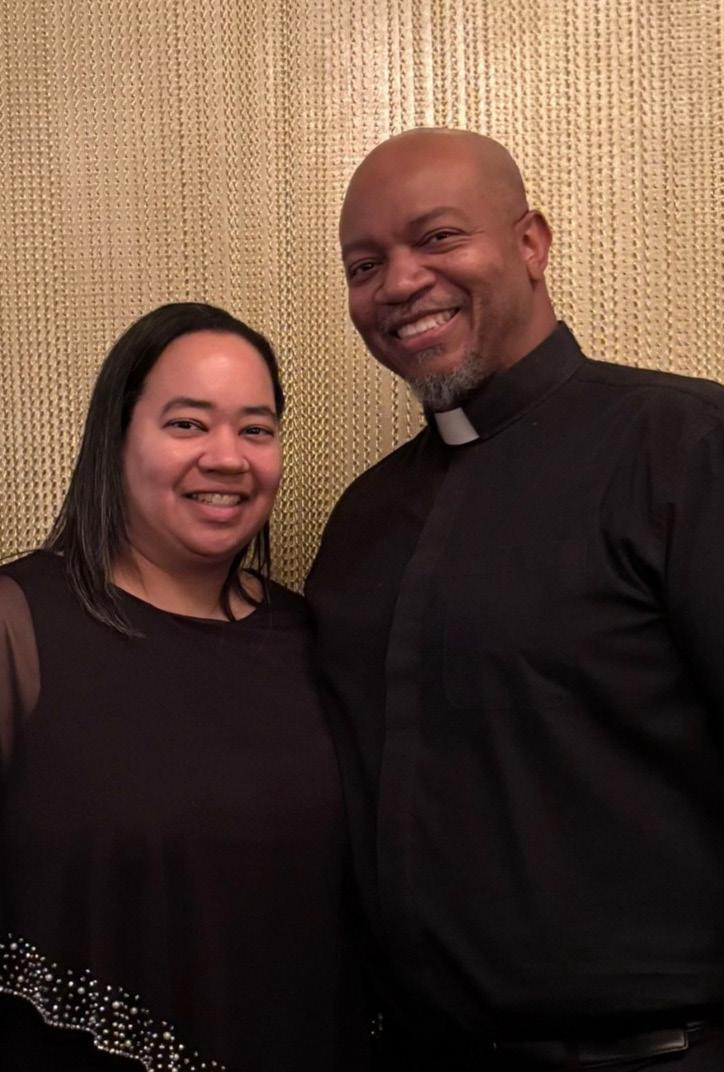
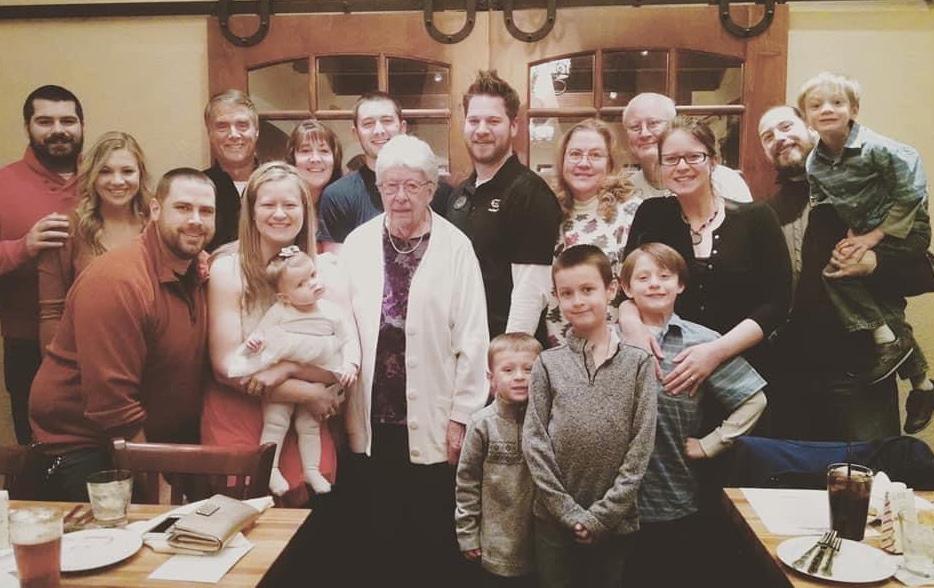
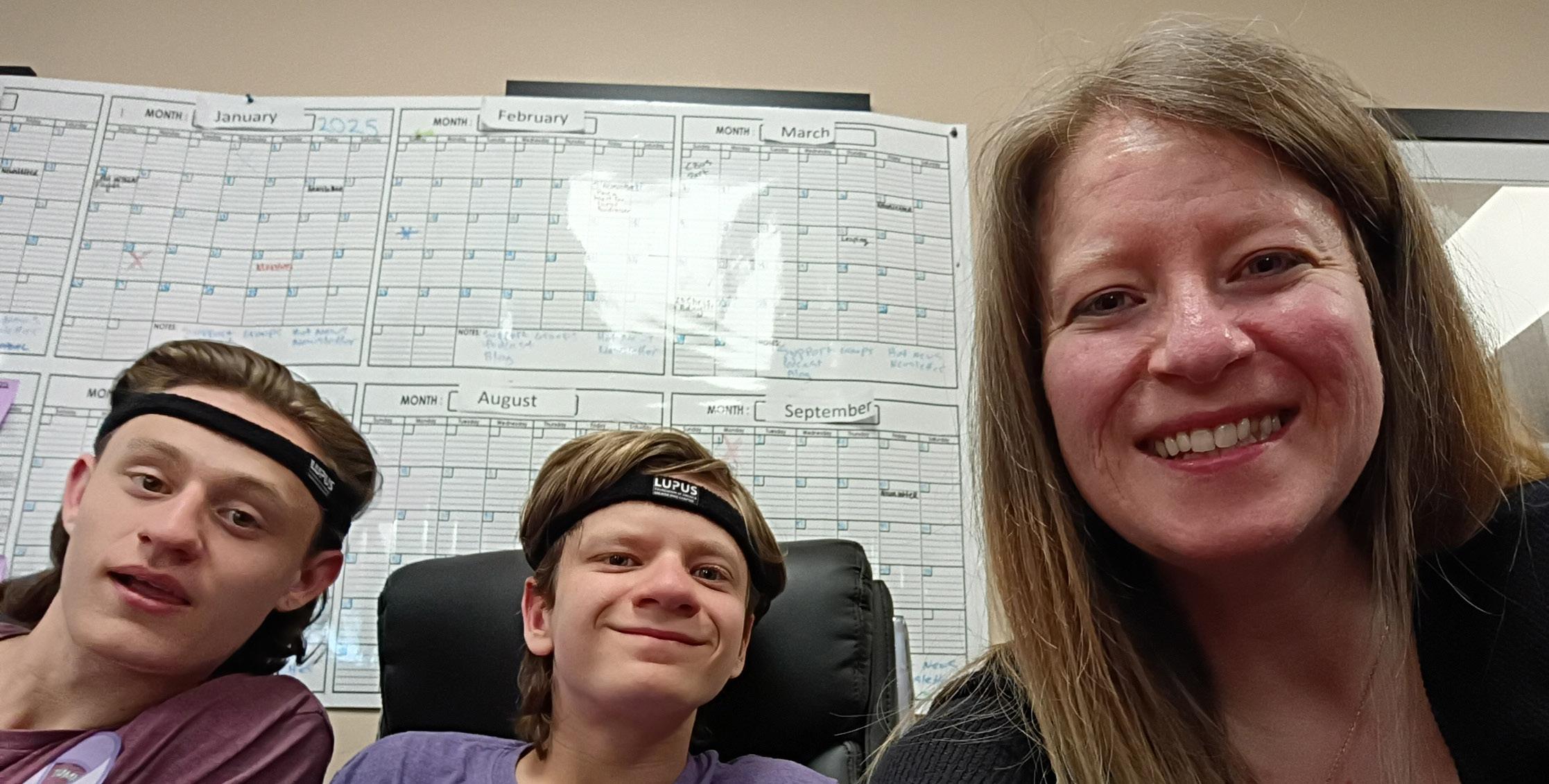
I was officially diagnosed with lupus in 2005, but like many people living with this disease, the diagnosis was not a surprise - it was confirmation. Confirmation that the pain I had carried for years was real. Confirmation that there was a reason my body felt different from everyone else’s.
Looking back, lupus had been quietly shaping my life long before anyone put a name to it.
I was diagnosed during one of the most stressful seasons of my life. I was only 19 years old and had just moved 45 minutes away from my parents’ home. Everything was new: a new school, a new job, a new roommate, and a life far from the people who had always been my safety net.
At that point, I had already started
seeing a rheumatologist because I was simply exhausted from living with daily pain. Arthritis was my first loud warning sign, though pain had been a familiar companion for as long as I could remember. I have a twin sister who never experienced the symptoms I did. While my sister and brother ran and played, I was often curled up in a ball, ribs aching from costochondritis. I always knew I was different - I just didn’t understand why my body hurt so much.
By Cat Liptak
Within three months of moving out, I woke up one morning and noticed that one of my legs was significantly more swollen than the other. The swollen leg turned out to be a deep vein thrombosis (DVT). I was hospitalized for a week and treated with heparin. During that hospital stay, doctors also discovered that my kidneys were
compromised. My rheumatologist - whom I deeply respect for both his skill and humility - admitted that lupus was outside his expertise and referred me to a specialist who understood the disease more deeply.
That referral led me to MetroHealth, where I came under the care of Dr. Ballou. Over the next year, I was in the emergency room or hospitalized nearly once a month, battling recurring infections and complications - cellulitis, pericarditis, pleuritis, even shingles. I was terrified and profoundly lonely. Lupus is isolating, especially when you’re young and few people around you truly understand what your body is doing.
It was my mom who found the Lupus Foundation of America, Greater Ohio Chapter. She brought
me to my first meeting, and from that point on, my entire familyand my boyfriend at the time, who is now my husband - came with me. During the time at the support group we would sit together and cry. Every month seemed to bring a new medical crisis, a new story I never wanted to tell but felt compelled to share. We didn’t know how to stop the cycle of sickness, but for the first time, we were surrounded by people who understood. The Lupus Foundation of America, Greater Ohio Chapter became a place where I felt seen, validated, and less alone.
About a year after my diagnosis, doctors scheduled a kidney biopsy to determine the best course of treatment. I was diagnosed with stage 1 kidney disease and started on immunosuppressants. Through all of this, I handled things better than I might have expected— confused, scared, and lonely, yes, but grounded by the sense of belonging I found within the lupus community.
I was also told something that shattered my heart: I should not try to have children. I was warned
that miscarriage or stillbirth was likely. That grief settled quietly into my spirit, even as I learned to manage my illness.
Three years passed, and I entered a medically induced remission. During that time, I found out I was pregnant.
Fear immediately followed joy. I wasn’t just afraid for myself - I was terrified for this tiny life growing inside me. My doctors were cautiously optimistic. We adjusted medications and prayed the remission would hold. I gave myself daily blood thinner injections, which became more difficult as the pregnancy progressed and the dosage increased. Physically, I was considered “healthy,” but emotionally, the fear of loss never left me.
Then the day came. I went into labor naturally, and after just four hours and no medication - I delivered a perfect, healthy baby boy. It felt nothing short of miraculous.
My husband was my rock throughout this entire journey. He supported me in countless ways - through
his faith, dedicated research, encouragement, and unwavering love. Most importantly, he led me toward a relationship with God, a foundation that would ultimately change everything.
After my first child, I remained in remission for another three and a half years. Then life shifted again. A devastating death in our family shook us deeply, and soon after, I learned I was pregnant with our second child. I was thrilled - but by eight weeks, I was in the worst pain of my life. For three weeks I couldn’t eat or sleep and lost too much weight. Doctors struggled to find the cause until I finally saw a pain management specialist who administered trigger-point injections. The relief was almost instant. The pain, he explained, was caused by severe inflammation.
The pregnancy progressed well until around 30 weeks, when we discovered our baby had stopped growing. There were concerns about Down syndrome and other complications. By 32 weeks, I couldn’t keep food down. My lupus doctor ran tests and quickly
discovered I had developed preeclampsia. The baby needed to be delivered immediately.
Because he was breech, I underwent an emergency C-section. My lab results were alarming - doctors diagnosed me with HELLP syndrome (severe pre-eclampsia characterized by hemolysis, elevated liver enzyme and low platelet count) as well. My son entered the world weighing just 2 pounds, 14 ounces. He was pure joy, a miracle wrapped in fragility. He spent three weeks in the hospital. I spent two, as complications from the surgery emerged.
I was later diagnosed with CAPS (Catastrophic Antiphospholipid Syndrome) and required plasma pheresis treatment. I was terrified. That season marked the beginning of a deep depression. I felt isolated, afraid, and spiritually empty. At home, everything felt like it was unraveling. My firstborn struggled with intense tantrums. My newborn suffered night terrors. I was drowning in depression, and my husband was battling his own demons.
One day, when I was at my lowest, my husband and children had
drawn pictures to cheer me up. Interestingly, my husband’s picture contained a Bible verse that changed my life:
“Be joyful always, pray continually, give thanks in all circumstances.”
(1 Thessalonians 5:16–18)
In that moment, I felt a peace I had never felt before. My sadness turned to joy, my grief turned to gratitude, and my soul was overcome with comfort. It was at that point I realized I was not just fighting a physical battle, but a spiritual one.
And so, together, we repented, leaned into God, and chose to stand against the devil’s attacks. What followed was a profound transformation - from chaos to peace, from darkness to light, from survival to freedom.
Since then, my husband has faced health struggles of his own, giving him a deeper understanding of what life with chronic illness truly means. It has drawn us closer and strengthened our reliance on God in every aspect of life.
Over the past decade, lupus has continued to challenge me. I’ve battled Raynaud’s, restless legs syndrome, severe infections, cellulitis, a hysterectomy, blood and iron transfusions, and countless other hurdles. But through it all,
even though the struggles didn’t disappear, my fear, anxiety, and depression was no longer controlling my life.
The difference between the “old me,” who fought desperately to stay positive, and the “new me,” who continues to fight with courage, is faith. Faith in God. Faith in community. Faith in the purpose found even in suffering. Lupus has taken much from mebut it has also revealed strength I never knew I had. Through faith, family, and the unwavering support of the Lupus Foundation of America, Greater Ohio Chapter, I continue to walk forward - grateful, hopeful, and determined to keep fighting.
To anyone living with lupus and walking through dark or uncertain moments, my prayer is that you would encounter the hope that can only be found in a relationship with Jesus. When your body feels weak and your spirit is weary, may you know that He sees you, holds you, and has purpose for your life beyond this season. I pray that His peace would meet you in the middle of the pain, that His strength would carry you when yours runs out, and that you would be reminded - even in the darknessthat His light has not left you. Your story is not over, and with God, hope is always still alive.

Inside Lupus Research (ILR): Disease Management News (Lupus Foundation of America)
A new study exploring the investigational therapy, Zorpo-cel, met its primary safety and secondary efficacy endpoints in people with progressive and treatment-resistant systemic sclerosis (SSc), idiopathic inflammatory myopathies (IIM) and systemic lupus erythematosus (SLE). Zorpocabtagene autoleucel (Zorpo-cel, also known as MB-CART19.1) is an autologous CD19 CAR-T cell product designed to target B cells in people with autoimmune diseases.
The Phase 1/2 CASTLE (CAR-T cells in systemic B cell mediated autoimmune disease) basket trial consisted of 24 participants (10 with SLE, 9 with SSc and 5 with
IIM) with highly active, severe and treatment-resistant autoimmune diseases. Participants had a median age of 39 years, a disease duration of four years, all having discontinued prior immunosuppressive therapy before receiving a single infusion of Zorpo-cel (following standard lymphodepleting chemotherapy). CASTLE’s primary safety outcomes included the rate of cytokine release syndrome (CRS) and immune effector cell-associated neurotoxicity syndrome (ICANS), and secondary clinical efficacy outcomes were disease-specific clinical remission or response criteria at 24 weeks. The one-time treatment of Zorpo-cel led to drug-free remission within the 24-week study period. Additionally, all participants remained free of glucocorticoids and any other immunosuppressive treatment during the entire 24-week observation period.
The CASTLE study provides important new insights into CD19 CAR-T cell therapy in autoimmune disease and paves the way for future pivotal studies of Zorpo-cel. More research is needed to learn if T-cell engagers targeting B cells and plasma cells can reset the immune system and enable sustained drugfree remission, as seen with CAR-T cells. Continue to follow the Lupus Foundation of America for updates on lupus drug developments.
Learn more about CAR-T cell therapy for treating lupus: https://bit. ly/4cizopI
This post was published here: https://bit.ly/3MekJBs

Inside Lupus Research (ILR): Treatment News (Lupus Foundation of America)
The U.S. Food and Drug Administration (FDA) has granted Biogen’s investigational drug, litifilimab, Breakthrough Therapy Designation for the treatment of cutaneous lupus erythematosus (CLE, a chronic autoimmune skin disease). This designation is given only to therapies that show early promise for serious conditions and signals the FDA’s commitment to speeding up their development and review. This announcement marks a significant milestone for the lupus community, as there are currently no targeted treatment options for CLE on the market.
Litifilimab (also known as BIIB059) is a first-in-class, humanized IgG1 monoclonal antibody designed to target immune cells involved in driving lupus-related inflammation. In Biogen’s Phase 2 LILAC study, participants with CLE who received litifilimab experienced reductions in skin disease activity compared to those who received a placebo. These results formed the basis for the FDA’s Breakthrough Therapy Designation, recognizing the benefits of the drug beyond current treatments, which often focus only on managing symptoms rather than addressing the disease itself.
Further research is currently underway in Biogen’s Phase 3 AMETHYST study, with data expected
in 2027. The Lupus Foundation of America (LFA) has supported litifilimab trials through LFA POINT, a web-based training site designed to coordinate the training and testing for clinical instruments in the assessment of people with lupus. Continue to follow the LFA for updates on lupus drug developments.
Learn more about lupus and the skin: https://bit.ly/4bKGIKK
This post was published here: https://bit.ly/4003PcS
Inside Lupus Research (ILR): Disease Management News (Lupus Foundation of America)
In a new study, researchers examined herbal supplements with immune-activating properties that could trigger or worsen autoimmune skin conditions, such as in people with cutaneous lupus erythematosus (CLE) or systemic lupus erythematosus (SLE). They identified 227 distinct herbal supplements that could trigger skin flares. Among these, 15 herbs had the strongest immune-activating effects across human, animal, and in-vitro studies.
Researchers reviewed data from more than 11,800 studies, of which 469 met study inclusion criteria. The15 herbs with the most robust evidence for immunostimulatory effects included: alfalfa, ashwagandha, astragalus, chlorella, echinacea, garlic, ginseng, green tea extract, Indian mulberry, liquorice, mistletoe, reishi mushroom, skullcap, spirulina and tinospora. These herbal supplements are frequently marketed for ‘immune support’ and were associated with inflammation-inducing mechanisms, including increased cytokine production and immune pathway activation.
More research is needed to understand the biological effects and risks of herbal supplements in people with autoimmune skin diseases. However, this study may help healthcare providers discuss the risks of particular herbal supplements with patients who have autoimmune skin conditions, such as CLE or SLE. Talk to your doctor before making any changes to your treatment. Learn more about lupus and the skin: https://bit. ly/4bKGIKK
This post was published here: https://bit.ly/4rcWN0s


Inside Lupus Research (ILR): Treatment News (Lupus Foundation of America)
The U.S. Food and Drug Administration (FDA) issued a complete response letter requesting additional information from AstraZeneca regarding the Biologics License Application (BLA) for subcutaneous (SC), self-administration of Saphnelo (anifrolumab). AstraZeneca has submitted the requested information and is working with the FDA to move the application for SC Saphnelo as quickly as possible. A decision on the updated application is expected in the first half of 2026.
In January 2026, AstraZeneca reported positive results from a Phase III TULIP-SC clinical trial,
showing a statistically significant and clinically meaningful reduction in disease activity with SC Saphnelo in adults with systemic lupus erythematosus (SLE). The safety profile observed with SC Saphnelo was consistent with the known clinical profile of Saphnelo administered as an intravenous infusion.
In the 52-week study, 56.2% of study participants receiving Saphnelo experienced a significant reduction in lupus disease activity at week 52 compared to 37.1% of participants who received the placebo. Results were measured by the British Isles Lupus Assessment Group-based Composite Lupus Assessment (BICLA). In pre-specified secondary and exploratory endpoints, 29.0% of participants tak-
ing Saphnelo achieved remission and 40.1% achieved low disease activity by week 52. SC Saphnelo was well tolerated, with the frequency of overall adverse events balanced between the Saphnelo and placebo groups, SC Saphnelo is approved in the European Union and is under regulatory review in other countries, including the United States and Japan.
Continue to follow the Lupus Foundation of America for updates on lupus drug developments.
Learn more about Saphnelo: https://bit.ly/4r7w7ON
This post was published here: https://bit.ly/4rNn4m6

This article is adapted from an article originally published on the Lupus Foundation of America’s website: https://bit.ly/4rhcRxS
Whether you have lupus or are a caregiver to someone with lupus, a strong support network is critical to maintaining optimal health and keeping the normal stresses of life in check. Just as it takes a medical team to manage lupus, living well with lupus requires a team of people who offer support — emotional, physical and spiritual. We offer seven steps to help you build and grow your social support network. Once your network is in place, you’ll find it to be invaluable day to day and through the years.
1. Know the dangers of isolation
It’s easy to be overwhelmed when you’re managing a chronic disease like lupus, or when caring for someone else. This is when it’s most important to reach out to your support network. The dan-
gers of isolation may start small, but a lack of interaction with others can negatively affect your health and well-being over time.
Spending time alone is not the same as being isolated. Alone time is sometimes a good thing. Being isolated, however, is not.
Francine Rosenberg, Psy.D., of the Morris Psychological Group in New Jersey tells us that “People who have more social support tend to fare better both physically and emotionally. It’s important for people to express that they have been feeling really lonely or unsupported.”
A chronic illness like lupus can be isolating for many reasons. You can become isolated if you don’t understand or know anyone else who has the disease. You can also feel
isolated if you have always been healthy until lupus developed. This can affect your social life, work or even school.
Being assured that you are a valuable member of society and that you matter to the people in your life will help you feel more secure. Using daily positive affirmations can help, too. One of the affirmations people with chronic illnesses often state is:
“I have this disease, but it doesn’t have me.”
2. Reach out
Research shows that getting the help you need (known as “perceived social support”) improves your quality of life, whether you have lupus or you’re a caregiver. A strong support team will have people who can help in different
ways. However, it’s not necessary, or likely, that everyone in your support network can meet all of your needs. The important thing is that you can count on these people when you need them.
The individuals who make up your support network can include:
Family members: A lupus diagnosis affects the whole family. You may find that cousins, aunts, uncles, siblings and your spouse will empathize and naturally step up into the role of supporter.
Neighbors: People in your neighborhood often can provide a home-cooked meal during a stressful time, or they can simply be a nearby source of comfort.
Coworkers: The people you work with can help by being empathetic about your situation. You may need to telecommute, take a leave of absence or use flex time, which will require the cooperation and support of your colleagues.
Lupus support group members: People in this network have knowledge about lupus and can offer strategies and suggestions based on their experience.
Medical team: If you’re a caregiver, your loved one’s providers and office staff, social workers, and other professionals will probably understand what you are going through and can be supportive of your caregiving role.
Therapist or counselor: It’s important that you have an outlet for your emotions. Check to see if mental health services are included in your employer’s health coverage. If not, look for free services in your community.
Teachers and school professionals: When you are caring for a child with lupus, keep his or her teachers, school counselor, and school nurse informed and let them know how they can help.
3. Set up several types of support
“The first part of putting together your support network is really identifying what you need,” says Dr. Rosenberg. “Define what you think will fill that void, and explore all the different opportunities that may be available.”
Know the different types of support to rely on.
Life with lupus can be emotionally challenging. Having people to help you talk through problems or support you through rough spells is essential. The people you rely on for emotional support should:
• Listen to you.
• Believe you and believe in you, and care about you unconditionally and nonjudgmentally.
• Help you stay strong in the face of an incurable, invisible illness, or as you help a loved one facing health challenges.
• Be there for you in an emergency.
Eliza F. Chakravarty, M.D., M.S. with the Oklahoma Medical Research Foundation in Oklahoma City says, “As much as possible, families should talk to each other about how they’re feeling. It’s okay to be frustrated. It’s okay to be annoyed. It’s part of life with lupus.
Physical activity benefits the body and mind. But it’s also important not to overdo exercise. Experts can assist you in finding the right balance and advise you on what types of activities are safe and beneficial, given your abilities. In addition to the medical team that manages lupus, seek out people who can:
• Provide expertise in physical health (physical therapists, fitness instructors).
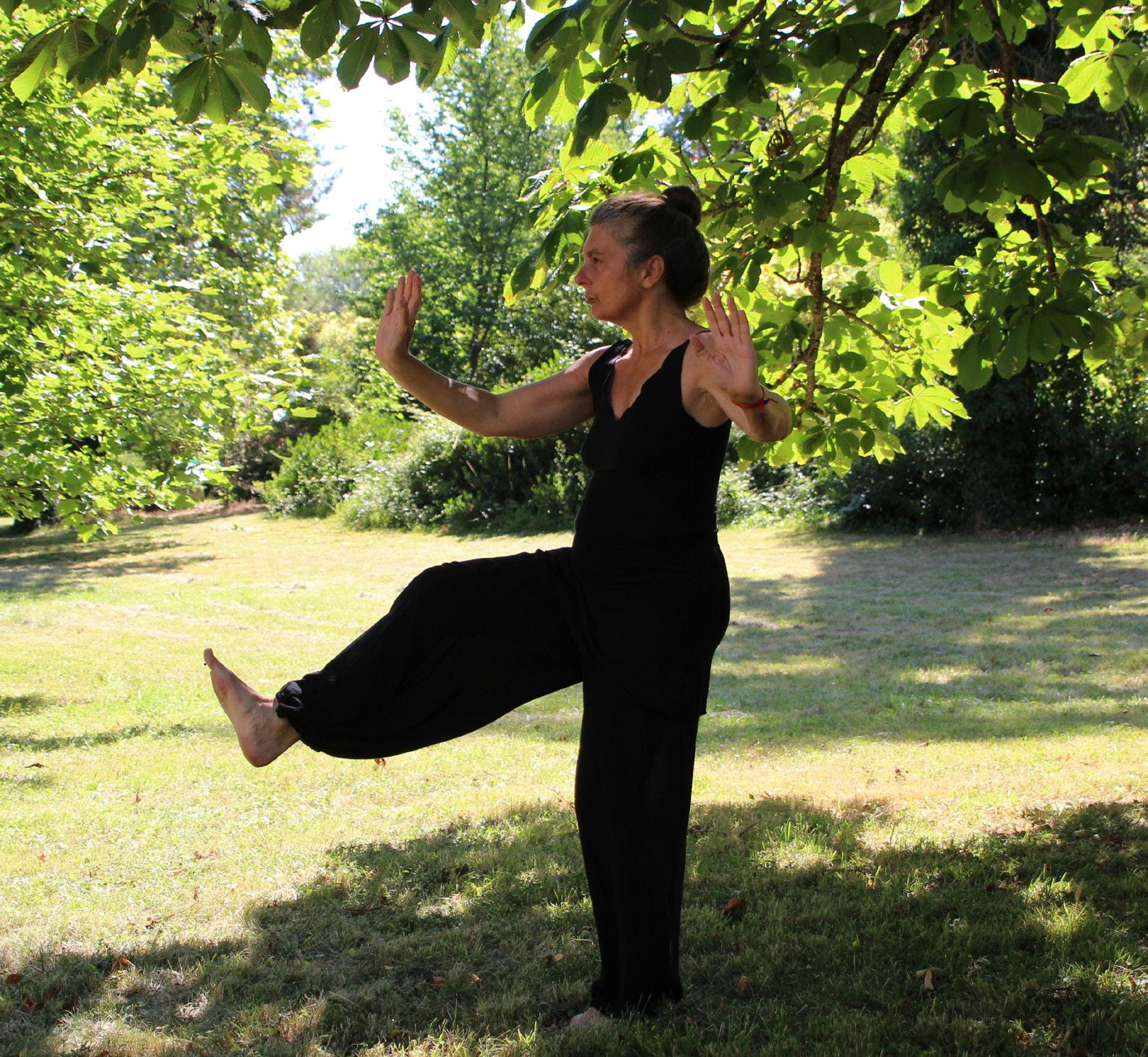
• Provide expertise in mental wellness health (massage therapists, yoga or tai chi instructors, psychotherapists).
Your social support team can pitch in to tackle basic tasks of daily life that you may find difficult because you are feeling fatigued or overwhelmed. People on your team could:
• Serve as advocate (at doctor’s appointments, with the insurance company)
• Serve as an advocate (at doctor’s appointments, with the insurance company).
• Help with daily chores (dog walking, prescription pickups, organizing fun activities).
• Lend a hand at work (contribute hours to a sick leave bank, share job duties, fill in during an emergency, commute by ride-sharing).
• Give financial guidance (an accountant or a financial adviser).
Dr. Rosenberg advocates seeking social support through an in-person group model. Such groups help people see that others have the same problems. Support group members can:
• Suggest new ways of coping with problems
• Help you feel less isolated
• Discuss the issues you face openly and without judgment.
“The biggest benefit of getting involved in a lupus support group is that you’re all there for a common reason. Everybody has experienced something similar and can understand what you are going through, and that in turn helps you feel less alone,” Dr. Rosenberg explains.
Managing your own or a loved one’s lupus while also taking care of a family can pile on stress. Your support team can help keep family life on track. Look to your team to perform these tasks:
• Assist with child care (rides to and from school, babysitting, carpools to extracurricular activities).
• Help with meal preparation (grocery shopping or preparing frozen portions for later use).
Spiritual support can help buffer some of the stress and negativity that arises from living with lupus and from caregiving, and it can bring a greater sense of meaning to one’s life. Members of your spiritual support team can provide:
• Instruction in meditation, guided imagery, or deep breathing exercises.
• Self-help strategies via books, webinars, or support groups
By asking for help, it may feel like you are giving up your independence, but most people want to help. Although they may not completely understand what you’re going through, they want to be supportive. It is important to understand how to make your


needs known to people who can assist you. Learning to ask for help, and learning to accept help that is offered, will get easier over time.
Dr. Rosenberg explains that “Not everybody has the skills to seek out support, especially if you’re a little socially shy. If it feels awkward to make a request, it may require practice initiating certain conversations.”
Knowing what you need help with, and having a list of people you think would be good matches for those roles, will make each ‘ask’ much easier. Next to people’s names, put their strengths: what they like to do and what they do well.
Tap into people’s skills. For example, if your co-worker is a whiz at finding bargains, ask her to help you with your holiday gift list. Give her some gift ideas and a budget for each person, and make sure it’s okay to reimburse her later.
Be specific with your request. Does your best friend love to cook? She may be thrilled to try out some new recipes on you! Being specific is more effective. Say, “Would you be able to make a casserole for our family supper this Friday?” instead of, “Could you cook something for me sometime?”
Try arranging a barter exchange. Perhaps you can babysit for a family member in exchange for help with insurance paperwork, or
organize closets in exchange for yard work. Think creatively!
5. Connect
Dr. Chakravarty suggests, “When you connect with others, you’re thinking and talking about something that’s not your health. I’m not saying to completely ignore that, but we don’t want it to consume your whole life. We want you to think of yourself as a person who happens to have lupus, rather than that your whole existence is as a lupus patient.”
You can get started by getting connected with a Greater Ohio Chapter Support Group! Our support groups provide people with lupus and their loved ones a safe and understanding space to share experiences, find emotional support, and discuss ways to manage the disease.
You can also connect with Rita Piccin, Lead Patient Navigator, and the rest of the team at the Greater Ohio Chapter, to help you identify local resources, understand financial aid programs, and provide emotional or educational support. Let’s explore together how we can lighten your load and strengthen your support.
6. Share
You’ll probably find that you share different aspects of what you’re going through with different people. That’s why it’s so helpful to have a variety of people to talk with and places where you can
speak and be heard.
People’s emotions are very complicated when they’re dealing with chronic illness. Regular meetings with an objective person, such as a trained counselor or therapist, can be very helpful. You may also want to engage with people who understand lupus and know what you’re going through.
Dr. Chakravarty recommends, “Over time with any given relationship within your support system, you gradually increase the amount that you share.”
7. Volunteer
Volunteerism offers social support benefits because helping others can make you feel better about life in general. One good option is volunteering for a Lupus Foundation of America chapter or a support group.
Think about the social causes you are passionate about and the skills you have to offer. Check out an organization’s website for volunteer opportunities, or call the local office and ask how you can help.
“There is research to support that helping others who have a similar problem that you have is very validating,” Dr. Rosenberg tells us.
Above all, remember: A strong social support network will help you to stay connected — with family, with friends, with community.
Medications Used to Treat Lupus



There are many medications used to treat lupus. Examples include antimalarials, like hydroxychloroquine and chloroquine, steroids, and immunosuppressants like Mycophenolate mofetil (CellCept), Azathioprine (Imuran), Methotrexate (Trexall), Cyclophosphamide (Cytoxan) and Voclosporin (Lupkynis) Other therapies




If you would like to share your story, or have a topic you think would benefit lupus patients, contact our show’s producer Alex by email: alex@lupusgreaterohio.org
Check out our channel: @lupusgreateroh
Our blog, Lupus Night Light, is a place where we share stories and practical advice from patients that they have learned along their lupus journeys. You will find stories of triumph, hardship, and everything in between. It is meant to be a cathartic journey for both the contributors and readers alike.

Stay up-to-date on everything we’re doing by joining our mailing list. You will receive a monthly newsletter, support group reminders, Walk to End Lupus Now® updates, research news, and more. Sign up now: lupusgreaterohio.org/stay-informed
Text “NOLUPUS” to 833-4490800, complete your contact information, and be sure to opt in to receive important lupus updates directly to your mobile device.
Join us on our social media platforms to stay connected: lupusgreaterohio.org/stay-informed/ get-social
Instagram.com/lupusgreaterOH
Facebook.com/lupusgreaterOH
Twitter.com/lupusgreaterOH
One-year: $25 Lifetime: $200 lupusgreaterohio.org/get-involved
Do you have an idea to support the mission? Give us a call at the office to discuss and plan your own fundraising activity to benefit the LFA, GOC. Here are a few examples of virtual events that people have coordinated in the past: Pampered Chef Party, Online Auction, Charity Video Game Tournament.
If you are interested in hosting a third-party event, reach out to us for our official guidelines and an application.
Each year, the National Lupus Advocacy Summit brings together the lupus community to pursue a collective vision of a world without lupus. In addition, we help to ensure
there is a cohesive voice heard in Washington, D.C. that ensures the lupus agenda is at the forefront of the legislature. This year’s National Lupus Advocacy Summit will take place May 4-6, 2025 in Washington, DC. If you are interested in participating, please visit lupus.org for more information.
We invite you to register to be a lupus advocate in Ohio. Our current initiative is to keep lupus in the state budget for the new biennium. Much of the educational and support programming produced by the LFA, GOC over the past two years has been a direct result of the funding provided by the state of Ohio and the Ohio Department of Health. It is imperative that we let Ohio’s leadership know the importance of keeping lupus in the public health agenda. lupusgreaterohio.org/ get-involved/advocate
Traditional
• Checks
Please make checks payable to the Lupus Foundation of America, Greater Ohio Chapter, and mail them directly to:
12930 Chippewa Road, Brecksville, Ohio 44141.
• Credit Card + PayPal
Fill out the online donation form or call the office.
• Facebook Fundraisers
• Instagram Stories
In Honor of
• Memorial Donation
• Tribute Donation
• Employer Matching Gift Program
Ask your employer if they match charitable contributions made by their employees.
• Combined Federal Campaign CFC #51890
• Stock or Other Securities
• Life Income Plans Pooled Income Fund Charitable Remainder Trusts
• Creating Healthier Communities CHC #9963
• United Way Campaigns
• Donatestuff.com
Schedule a donation pickup of your gently used goods and pick the LFA, GOC as your charity.
• Leave a Bequest
You can include the LFA, GOC in your will to support the mission beyond your lifetime.
• Give the Gift of Life Insurance
Name the LFA, GOC as a sole or partial beneficiary.
• RaiseRight.com
Buy a gift card, book a trip, or make an online purchase to support the LFA, GOC.
For more information on ways to give, please visit: lupusgreaterohio.org/get-involved/donate or call our office at 1 (888) NO-LUPUS.
Lupus is a chronic autoimmune disease that causes inflammation in various parts of the body. The disease can range from mild to life-threatening. Ninety percent of those diagnosed with lupus are females between ages 15 and 44, but lupus also occurs in men, older people, and children. Lupus can be very hard to diagnose because symptoms vary from person to person, can come and go, and can mimic symptoms of other illnesses. is important to know the symptoms of lupus and to know if you are at risk for this disease. Here is a simple test to help you. Read each question and answer it in terms of your current AND past health.
Have you had a seizure or convulsion?
Have you had unexplained confusion that lasted more than an hour?
Have you had unexplained fever higher than 100º F/38º C for more than a few days that was not due to infection?
Heart
Have you felt chest pain while taking deep breaths?
Have you had a stroke or heart attack?
Have you been told you have protein in your urine?
Have you had swelling in your legs and ankles on both sides at the same time?
Have you been told you have anemia, low white cell count, or low platelet count?
Have your fingers and/or toes become pale or red or blue, or felt numb or painful?
Have you had blood clotting problems or a miscarriage?

If you have had any symptoms like these, especially if you have had several, talk to your doctor about lupus. Early diagnosis and proper medical care are the best ways to manage lupus.
Please turn over this page for more information.
Have you had sores in your mouth or nose that lasted more than five days?
Have you developed irritation or dryness in your eyes or mouth for more than a few weeks?
Have you had unexplained weight loss or abdominal pain or tenderness when your belly is touched?
Have you had stiff, tender, and swollen joints that feel worse in the morning?
Have you had extreme fatigue and weakness for days or weeks at a time, even after plenty of sleep?
Has your skin broken out after being in the sun, but it’s not a sunburn?
Have you had redness or rash across your nose and cheeks in the shape of a butterfly?
Have you had sores on your skin that would not heal?
Have you had sudden, unexplained hair loss?

Ohio Chapter Programs Available:
Let's Talk About It Webinar Series
Living with Lupus Magazine
Lupus Night Light Blog
My Lupus Living Room Podcast
Patient Navigator Program
Educational Summits & Classes
Support Groups
Local State Advocacy

The Lupus Foundation of America is the only national force devoted to solving the mystery of lupus, one of the world’s cruelest and devastating diseases, while giving caring support to those who suffer from its brutal impact. Through a comprehensive program of research, education, and advocacy, we lead the fight to improve the quality of life for all people affected by lupus. Contact the LFA or a chapter that serves your area to find out how you can become involved in our mission and how we can help you.
Suzanne Tierney, CEO/President Suzanne@lupusgreaterohio.org
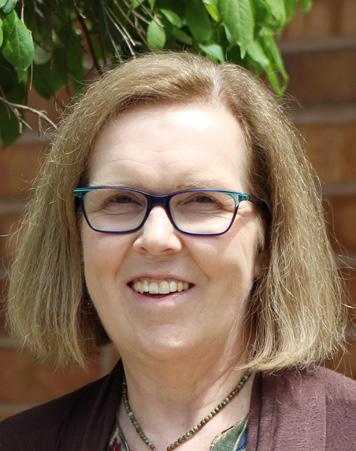
Kathy Holmes Finance Manager
Kathy@lupusgreaterohio.org
I was diagnosed with lupus in 1989 and joined the Lupus Foundation of America, Greater Cleveland Chapter the same year. I have been able to grow with the organization, as it became the LFA, GOC. Knowing how important it was to have somewhere to turn when I was first diagnosed is what motivates me to do all I can to help our chapter continue in our mission. Being in remission for the past 20 years has enabled me to take an active part in the growth of our chapter.

help lupus patients for years to come.
I have spent the last 30 years dedicated to the lupus patients in Ohio. The goal is to provide a better quality of life until a cause or cure for lupus is found. My passion is providing programs to empower those affected by lupus so that they will have a better journey with lupus through education and emotional support. Lupus does not have to be a lonely, miserable, and misunderstood illness. My goal is to provide my chapter with the tools and resources to provide such services to all those in the state of Ohio.
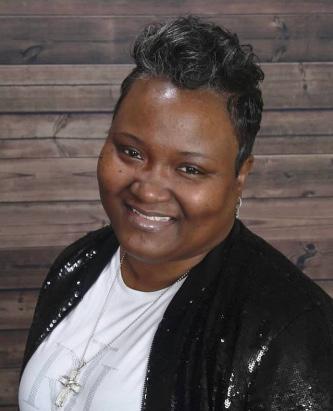
Community Outreach Coordinator
Aletha@lupusgreaterohio.org
two wonderful sons, they are the reason I fight lupus daily. I share my story everyday hoping that it might help or encourage someone else on their journey. I try to leave lupus patients with these thoughts and that is keep your environment positive in all aspects and do what you can

Rita O. Piccin, BS, ND, RN Lead Patient Navigator /Outreach Coordinator
Rita@lupusgreaterohio.org
I am a caring, collaborative, and resourceful nursing professional with over 30 years of experience in a variety of roles. I have a BS in Biology and French from John Carroll University and a Doctor of Nursing degree from Frances Payne Bolton School of Nursing at Case Western Reserve University. I am passionate about giving effective and empathetic customer service and education to patients, caregivers, families, colleagues and community organizations. I am honored to be a part of the LFA,GOC and dedicated to providing education, support, and resources to lupus warriors.
Chris Milazzo Communications Coordinator
Chris@lupusgreaterohio.org
Helping others has always been one of my greatest passions. After graduating from SUNY Oneonta with a degree in Media Studies, I knew I wanted to use my degree to do good. Being able to work for the LFA, GOC has been one of the most rewarding experiences in my career so far. It brings a smile on my face knowing that the work I do is able to help the lupus community of Ohio, and I hope to continue being a helping hand for the community.
Thank you for reading Ohio’s Lupus Magazine! For the most up-to-date information from the world of lupus. Please visit us at www.lupusgreaterohio.org.
Lupus Foundation of America, Greater Ohio Chapter 12930 Chippewa Road, Brecksville, OH, 44141
Phone: (440) 717-0183 Toll-free: 1 (888) NO-LUPUS