In an increasingly complex society, the value of education increases through lifelong learning. Demand for attractive higher education programmes continue to exceed supply.
We are Lumi
Statement from the CEO
Key financial and operational figures
Alternative performance measures
Board of Directors’ report
IFRS consolidated financial statements
Lumi Gruppen AS financial statements
Independent Auditor’s report
Corporate governance
Alternative performance measures (APM) – definitions
We are Lumi
Lumi Gruppen is one of the leading private education providers in Norway, with a clear purpose: expanding access to education and enabling academic and professional progress.
Lumi operates across three key segments
offers flexible university college programmes designed to enhance career opportunities and professional development
prepares students for higher education by supporting improved readiness and performance in upper secondary examinations
Oslo Nye Fagskole (ONF) is a newly established online vocational college, offering programmes within technology and health segment.
With a history dating back to 1989, the Group serves thousands of students each year through a flexible and career-oriented education model designed to meet the evolving needs of learners and the labour market.
Oslo Bergen
Drammen
Stavanger
Tromsø
Trondheim
Fredrikstad Tønsberg
Kristiansand
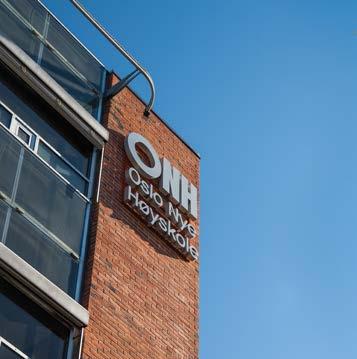
Oslo Campus – Oslo Nye Høyshole
Students choose Lumi to strengthen their academic foundation, progress in their studies or improve their career opportunities. Through its portfolio of education services, Lumi supports students at different stages of their educational journey.
Lumi’s strategy is anchored in flexible, career-relevant education that can be combined with work and other commitments. Flexibility enables students to access education, complete their studies and improve their academic and professional prospects.
Lumi operates in markets supported by structural demand for lifelong learning and professional upskilling. By focusing on quality, relevance and scalable learning formats, Lumi aims to support strong academic and professional outcomes for its students while creating sustainable value over time.
We are Lumi – delivering flexible education and real progress for our students and stakeholders.
Nina Vesterby, CEO
Flexible education, real progress, solid results
In 2025, Lumi Gruppen delivered strong financial performance, with revenue growth above 12% and adjusted EBIT growth of 49%, while continuing to develop our flexible, technologyenabled offering in response to demand for real and measurable progress. Our education offerings remain aligned with evolving educational trends and the needs of the labour market.
We provide excellent teaching methods, structured learning pathways, and technology to improve employability and academic attainment, creating value for students and employers and at the same time supporting a scalable and attractive business model.
With a history dating back to 1989, Lumi Gruppen serves thousands of students each year. Some are finishing high school, some are pursuing their first degree to enhance their career prospects and older students are returning to study, fulltime or parttime, to acquire new skills and remain relevant. The common denominator is that our students get access to flexible technologyenabled studies with very high student satisfaction.
Our 2025 financial results validate this strategy, with improved profitability in both segments. The private university college Oslo Nye Høyskole continued its longterm profitable growth. Sonans, which offers private candidate exam preparation courses for high school, demonstrated profitable growth after implementing measures to increase operational efficiency and improve margins.
This strong financial foundation gives us the flexibility and capacity to accelerate growth initiatives. With improved earnings and cash generation, we are wellpositioned to invest in study programs, digital platforms and people.
Our main strategy is to pursue profitable organic growth, while at the same time having an active M&A agenda to complement our portfolio and accelerate strategic execution. In 2025, we acquired Realfagshjelpen, a small studentbased provider of 1:1 tutoring and academic support services for Stem subjects.
Towards the end of the year, we also announced the acquisition of Edrupt AS, the company behind the EnkelEksamen platform, a digital learning provider offering online video courses and AIenhanced learning tools that help students improve their academic performance and achieve exam success. The business is both profitable and growing rapidly, with revenue growth of 20% and an EBIT margin of 26% in 2025, further strengthening our digital capabilities.
Moving forward, we expect the digitalisation trend to continue. The balance between physical and online interactions will vary from student to student and from programme to programme, but an increasing share of our interactions with students will take place online. At the same time, developments in AI are expected to enhance the learning experience and support more personalised and scalable delivery of education. Lumi Gruppen is actively positioning itself in this area and will continue to prioritise investments in AIenabled learning solutions.
This digial shift supports a scalable, flexible and capitallight business model, enabling operating leverage and contributing to higher margins over time, as demonstrated by the Group’s performance in 2025.
Whether we use physical or digital channels, our offering will be only as good as the people who develop and deliver our services. Therefore, I would like to thank our employees for their strong commitment and execution throughout the year. Their efforts underpin both our educational impact and our financial performance.
In 2026, we will continue to develop our highquality brands into a comprehensive offering that supports people at various stages of their development, from preparation and admission through degrees and further learning later in their careers. This development supports the Group’s consolidated financial ambitions, as communicated at the Capital Markets Day in March 2025, of delivering up to doubledigit growth and EBIT margins above 20%.
Lumi Gruppen
508
2 Acquisitions
Oslo Nye Høyskole
125
895
311
Numbers in MNOK Sonans
197M
72
15
Key financial and operational figures
Alternative performance measures
Board of Directors' report
Lumi Gruppen is a leading online education player in the Norwegian education market.
The Group comprises the parent company, Lumi Gruppen AS ("the Company"), and its subsidiaries: Lumi Services AS, Sonans Privatgymnas AS (Sonans), Oslo Nye Høyskole AS (ONH), ONH Education AS (ONHE), Oslo Nye Fagskole AS (ONF), Oslo NF AS, Ekko Digitale AS and Realfagshjelpen AS. The operating segments within the Group are ONH (including ONHE and ONF) and Sonans (including Realfagshjelpen). The Company is headquartered together with Sonans at Pilestredet 56, Oslo.
The largest operating segment in the Group is Oslo Nye Høyskole (ONH), a university college offering master’s programmes, bachelor’s programmes, annual programmes, and single-subject courses in psychology, health, social sciences, and business and administration. All programmes are available online, with a selection also offered on campus in Oslo.
Sonans provides high-quality teaching in high school subjects for private candidates, with a significant online platform in addition to campuses across Norway.
Oslo Nye Fagskole (ONF) offers practical, online programmes in technology, design, and digital innovation, preparing students to meet industry demands.
Realfagshjelpen AS offers tutoring and academic support in STEM subjects, helping students strengthen their skills and achieve better learning outcomes.
ONH Education facilitates student transfers to partner universities abroad, primarily focusing on studies in medicine and physiotherapy.
Lumi Services AS organises shared services such as IT, HR and finance on behalf of the operating segments. This arrangement allows for better resource utilisation across segments, resulting in a cost-efficient provision of those functions and services.
The year in brief, strategy and outlook
Lumi Gruppen’s vision - flexible education and real progress - reflects the Group’s commitment to increasing access to education while enabling strong academic and professional outcomes. In 2025, this vision guided both operational execution and strategic decisions.
Operational performance and financial development 2025 was a year of profitable growth and strategic progress for Lumi Gruppen, as the Group strengthened its position as a focused provider of flexible, technologyenabled education. Total income increased by 12.5% year-on-year to NOK 507.7 million, and adjusted EBIT increased to NOK 89.5 million (17.6% margin), compared with NOK 60.1 million (13.3% margin) in 2024. The development reflects sustained momentum in Oslo Nye Høyskole (ONH), stabilising market conditions in Sonans and cost discipline across the Group.
ONH remained the primary growth engine in 2025. Growth was driven by sustained demand for flexible higher education, continued expansion of the online programme portfolio and scaling of existing programmes. The segment delivered revenue growth of 16.1% year-on-year to NOK 311.1 million, while adjusted EBIT increased to NOK 72.0 million (23.2% margin), reinforcing its position as the Group’s key earnings contributor.
Sonans delivered revenue growth in 2025 following a period of declining volumes in earlier years. Segment revenue increased by 7.2% year-on-year to NOK196.6 million, supported by rising enrolment and the effects of restructuring and cost optimisation measures implemented in 2025 and in prior periods. Adjusted EBIT improved to NOK 28.8 million (14.7% margin), demonstrating the scalability of the adjusted operating model.
Cash flow generation strengthened during the year, and the Group maintained a disciplined capital structure. Non-recurring items primarily related to restructuring initiatives, transaction costs and the establishment of a long-term incentive programme.
Strategic positioning
Lumi Gruppen aims to strengthen its position as a focused provider of flexible, technology-enabled education. The Group’s strategy is centred on continued
growth in higher education through ONH, improved profitability in Sonans, and the development of complementary education services across the portfolio. From 2026, this includes expanding the EnkelEksamen course platform across additional channels and continuing to scale the vocational offering through Oslo Nye Fagskole (ONF).
Following strong performance in 2025, the Group maintains its financial ambitions for the 2026/27 academic year. Oslo Nye Høyskole (ONH) targets continued double-digit revenue growth with adjusted EBIT margins of 25–30%. Sonans targets moderate revenue growth with adjusted EBIT margins above 15%. Oslo Nye Fagskole (ONF), currently in an early growth phase, targets revenues of approximately NOK 50 million within four years with margin levels comparable to ONH. The Group expects to update its mediumterm ambitions, including EnkelEksamen, in its interim reporting during 2026.
Strategic initiatives in 2025
A key strategic priority in 2025 was to strengthen the Group’s digital capabilities and broaden its education portfolio.
In the first half of the year, the Group completed the acquisition of Realfagshjelpen AS, a specialist provider of tutoring services in STEM subjects. The business has been integrated into the Sonans segment and expands the Group’s offering within supplementary education.
In the second half of the year, Lumi Gruppen signed an agreement to acquire 100% of the shares in Edrupt AS, the company behind the EnkelEksamen platform, a profitable and scalable provider of digital learning solutions. The acquisition strengthens the Group’s digital capabilities and complements its existing portfolio of education services. Over time, EnkelEksamen is expected to support commercial synergies across the Group, enhance the student offering and contribute to the further development of digital learning solutions. The acquisition also broadens the Group’s revenue base and represents an additional platform for future growth.
Through these initiatives, Lumi Gruppen has further diversified its education offering and strengthened its positioning within flexible and technologyenabled education.
Outlook
At year-end, revenue development for the 2025/26 academic year was tracking within the communicated range, while adjusted EBIT was developing ahead of expectations. Given the Group’s intake cycle, a vast majority of revenues for the academic year is secured early, providing good visibility for revenue and earnings development in 2026. In combination with the Group’s strategic positioning and underlying market dynamics, the Board therefore considers Lumi Gruppen well positioned to achieve its communicated financial ambitions for the 2026/27 academic year.
Financial review1
Total income for the Group increased by 12.5% in 2025, reaching NOK 507.7 million (NOK 451.4 million). The development reflects sustained growth momentum in Oslo Nye Høyskole (ONH) and stabilising market conditions in Sonans.
Total operating expenses, excluding depreciation and amortisation, for the Group amounted to NOK 388.6 million (NOK 351.2 million), representing an increase of NOK 37.4 million compared with the prior year. Of this increase, approximately NOK 11 million relates to higher non-recurring expenses. Higher personnel expenses, driven by both inflation and an increase in the number of FTEs during the year, together with higher technology expenses and increased credit loss expenses, explain the development. Credit loss expenses were higher primarily due to the absence of a non-recurring gain from the sale of a collection portfolio in the prior year and an update to the expected credit loss (ECL) model, which resulted in higher provisions.
Total operating expenses in 2025 include NOK 17.7 million in non-recurring items related to a restructuring in Sonans completed at the end of the year, including termination of lease contracts amounting to approximately NOK 9 million, as well as transaction expenses related to M&A of approximately NOK 6 million and the establishment of a long-term incentive programme for management of approximately NOK 1.5 million. The corresponding amount for non-recurring items in 2024 was NOK 7.1 million.
The operating profit (EBIT) for the Group was NOK 71.4 million (NOK 53.0 million), while profit
1 Last year in brackets
before tax was NOK 37.4 million (NOK 18.3 million). The solid increase in EBIT was driven by revenue growth, combined with a more stable and disciplined development in expenses and scale effects, resulting in improved operating leverage.
Total investment in fixed assets for the Group in 2025 amounted to NOK 6.9 million (NOK 11.6 million), primarily related to the new campus for ONH and replacement of office equipment. Additionally, the Group invested in new educational programme offerings, reported as intangible assets in 2025, with a total of NOK 9.8 million (NOK 7.4 million in 2024 and NOK 22.5 million when including the asset purchase of Ekko in 2024).
Total cash and bank deposits as at 31 December 2025 for the Group amounted to NOK 39 million (NOK 69 million). The year-end typically represents a seasonal low point for the Group’s cash balance, as most student payments are received at the beginning of the year and in the early second half of the same year. The Group has a revolving credit facility (RCF) of NOK 70 million, which covers working capital requirements during the year. The Group’s liquidity situation was considered sufficient as at 31 December 2025.
Cash flow from operations for the Group was positive at NOK 61.9 million (NOK 85.4 million). The decrease was primarily driven by working capital movements, including the absence of collection portfolio sales, as well as higher lease payments related to new ONH premises.
Current liabilities as at 31 December 2025 accounted for 64.6% (23.7%) of the Group’s total liabilities. As the remaining maturity was less than 12 months at the balance sheet date, the interest-bearing debt has been classified in full as current. Please refer to the section Events after the balance sheet date for further information regarding the Group’s financing. During the second half, the Group repaid subordinated loans to related parties totalling NOK 26.0 million, excluding accrued interest.
The Group’s financial position is satisfactory, including its ability to meet short-term debt obligations at their due dates.
Total assets for the Group at year end stood at NOK 1 048 million (NOK 1 084 million), with an equity ratio of 49.6% (45.4%) as at 31 December 2025.
In the opinion of the board, the income statement, balance sheet and notes presented give a true and fair view of the Company’s position and profit from activities in 2025.
The Board of Directors is not aware of any other matters relevant for assessing the Company besides what is stated in this annual report.
Segment reviews
All comments in the segment review refer, unless otherwise stated, to the period from 1 January 2025 to 31 December 2025, compared to the corresponding period from 1 January 2024 to 31 December 2024.
OSLO NYE HØYSKOLE (ONH)
ONH sustained strong growth momentum in 2025, delivering double-digit revenue growth and an improved EBIT margin. Compared with 2024, cost development stabilised, resulting in scale effects and improved operating leverage, reflected in a lower share of personnel expenses relative to revenue. Growth continues to be driven by both the scaling of existing programmes and the development of new programmes. While margins may fluctuate with investment levels from year to year, they are expected over time to remain within the range communicated in the Group’s financial ambitions.
ONH surpassed 4,500 students in 2025, up from around 4,000 in the prior year. At the start of the year, a new, modern and well-equipped campus was opened in central Oslo, strengthening its appeal and attracting more prospective campus students.
ONH has applied to NOKUT for institutional accreditation, aiming to obtain self-accreditation rights. A decision is expected during 2026, which would enable faster and more flexible development and launch of new programmes. Looking ahead, ONH will continue to focus on volume growth through programme expansion, strengthened marketing and branding, and further development of its technology-enabled education platform.
ONH Financials
For the year, revenue reached NOK 311.1 million (NOK 267.9 million), representing a 16.1% increase. Growth was primarily driven by the scaling of existing
programmes, new online programme launches and a higher share of recurring revenues from multi-year programmes.
Total expenses amounted to NOK 219.3 million, compared to NOK 194.7 million in the prior year. Higher personnel expenses, driven by both inflation and an increase in the number of FTEs during the year, together with higher lease expenses related to the new campus and increased marketing expenses, explain the development. Total expenses included non-recurring items totalling NOK 1.5 million in 2025, compared with NOK 1.0 million in the prior year.
Operating profit (EBIT) reached NOK 70.5 million, up from NOK 55.8 million the prior year, resulting in a margin of 22.7%. Adjusted EBIT reached NOK 72.0 million, up from NOK 56.8 million in the prior year, resulting in a margin of 23.2%.
SONANS
The private candidate market developed more steadily during the year, which had a positive impact on Sonans, supporting gradually improving enrolment trends and more stable revenue development.
Following operating model adjustments implemented in recent years, including further restructuring measures
completed at the end of 2025, Sonans now operates with a leaner and more scalable cost structure. The focus during the year remained on operational efficiency and profitability as market conditions gradually stabilised.
Sonans continues to maintain a strong position in the private candidate market, supported by a broad academic offering and one of the largest online preparatory course portfolios in Norway. Student satisfaction levels remain consistently strong, reflecting the Group’s continued focus on quality and academic outcomes.
Sonans Financials
For the year, revenue reached NOK 196.6 million (NOK 183.3 million), representing an increase of 7.2%, reflecting stabilising market conditions and renewed growth in the private candidate market.
Total expenses amounted to NOK 151.0 million, up from NOK 136.6 million in the previous year. Higher personnel expenses, mainly driven by inflation, together with increased credit loss expenses, explain the development. Total expenses included non-recurring items totalling NOK 8.8 million in 2025, compared with NOK 1.2 million in the prior year. Excluding these items, underlying expense growth was approximately 4%, compared with unadjusted growth of 10.5%.
Operating profit (EBIT) reached NOK 20.0 million, up from NOK 17.7 million in the prior year, resulting in a margin of 10.2%. Adjusted EBIT reached NOK 28.8 million, up from NOK 18.9 million in the prior year, resulting in a margin of 14.7%.
Market development and market drivers
The education market in which Lumi Gruppen operates remains resilient and structurally attractive, supported by long-term demand for education, upskilling and flexible learning solutions. Overall market conditions continue to provide a solid foundation for development across the Group’s segments.
Oslo Nye Høyskole (ONH) continues to benefit from its strategic focus on flexible and online education, which aligns with ongoing shifts in student preferences towards digital and hybrid learning formats. This trend is particularly evident among adult learners and career changers, expanding ONH’s addressable
market. Supported by a strong reputation and an established position within multidisciplinary higher education in Norway, ONH is well positioned for continued development within the online segment.
The announced acquisition of EnkelEksamen further strengthens Lumi Gruppen’s digital capabilities by adding a profitable and scalable digital education platform to the portfolio. EnkelEksamen is expected to support commercial synergies across the Group, enhance the student offering and contribute to continued development of digital learning solutions. The acquisition also broadens the Group’s revenue base and represents an additional growth platform for Lumi Gruppen.
For Sonans, market conditions have stabilised following a period of shifting market dynamics influenced by labour market developments. The private candidate market is now developing more steadily, supporting a gradual improvement in volumes and profitability. Sonans remains well positioned within its segment, with a continued focus on operational efficiency and disciplined growth initiatives. EnkelEksamen is expected to add synergies by introducing a more affordable, lower-priced offering in the private candidate market.
Overall, Lumi Gruppen operates in a supportive and evolving education market. The Group aims to pursue continued development through ONH, leverage digital capabilities across the portfolio and further strengthen profitability within Sonans. Continued monitoring of regulatory and macroeconomic developments remains important to ensure adaptability and long-term value creation.
Regulatory issues
The Group does not receive any direct public funding and therefore operates purely on a commercial basis. However, regulations in the education market may impact business operations and hence the demand for the Group's educational services.
Oslo Nye Høyskole (ONH)
Capacity constraints at NOKUT (the Norwegian Agency for Quality Assurance in Education) have over time resulted in delays in the approval and accreditation process, affecting the launch of new programmes for all market players without institutional accreditation, including ONH and ONF. While the situation has improved somewhat for university colleges like ONH, delays continue to affect ONF and have slowed the scale-up of the vocational initiative. If these constraints persist, they may negatively impact future growth prospects for ONF.
ONH has applied to NOKUT for institutional accreditation, aiming to obtain self-accreditation rights. A decision is expected before the end of April 2026, or during 2026 at the latest, which would enable faster and more flexible development and launch of new programmes without reliance on NOKUT’s programme approval process.
Sonans
Following the work of the Admissions Committee (Opptaksutvalget) and a consultation process, the government has decided on changes to the admission rules for higher education in Norway. The reform aims to simplify the admission system and place greater emphasis on applicants’ upper secondary school results.
The most significant changes include the removal of most additional ranking points (tilleggspoeng), such as age points and other points previously used to improve applicants’ ranking. In addition, minimum grade requirements for certain programmes, including nursing and teaching, have been removed.
The reform also includes changes to the quota system for admission to higher education. A larger share of study places will be allocated to the quota for first-time applicants applying with their original upper secondary school diploma, without additional points or exam retakes. The quota system changes are expected to be implemented from the 2026/27 academic year.
The reform does not introduce restrictions on the private candidate scheme or on the number of times exams can be retaken. However, the increased share of study places allocated to first-time applicants may shift parts of the target group for private candidate education towards somewhat older students seeking to improve their ranking after completing upper secondary school.
The changes are not expected to affect the underlying demand gap for higher education, as the number of study places remains unchanged. As long as demand exceeds available capacity, many applicants will continue to need to improve their ranking to gain admission.
Programme development
The Group continued to develop new courses and programmes in 2025, with the majority of development costs attributed to ONH. In 2025, NOK 9.8 million in development costs were capitalised, compared to NOK 7.4 million in 2024. In addition to ordinary programme development costs in 2024, the acquisition of Ekko Digitale AS and Ekko Digitale Fagskole AS were included and classified as asset purchases.
Events after the balance sheet date
In December 2025, Lumi Gruppen signed an agreement to acquire 100% of the shares in Edrupt Holding AS, the company behind the EnkelEksamen platform. The transaction was completed in early February 2026, and Edrupt is consolidated in the Group’s financial statements from the closing date. The acquisition strengthens the Group’s digital capabilities and complements its existing education offering.
In January 2026, the Group signed an amendment to its financing agreement, which included an increase in the capex facility from NOK 70 million to NOK 100 million, as well as an option to extend the financing agreement by two years, from the second half of 2026 to the second half of 2028. The option to extend was exercised in March 2026.
There have been no other material events after the reporting period that might significantly affect the annual consolidated financial statements for 2025.
Going concern
The annual financial statements are prepared under the assumption of a going concern. The Group has prepared a liquidity budget covering the next twelve months. The liquidity budget ensures that the Group can meet its obligations when due. The Group has a revolving credit facility (RCF) of NOK 70 million (see note 20), which was undrawn as of 31 December 2025. This facility was increased to NOK 100 million in January 2026.
Management monitors liquidity and working capital, and has good visibility of seasonal fluctuations, which reduces the risk of any unexpected shortage of funds.
Liquidity risk management, a liquidity budget with sufficient headroom, combined with the available liquidity reserves, substantiates the going concern assumption.
Business risk
The Group’s key markets have historically been relatively stable, as demand for education is generally less sensitive to economic cycles than many other sectors.
In recent years, the private candidate market has experienced periods of lower demand, partly influenced by a strong labour market. The market has since shown signs of stabilisation which continued for the 2025/26 intake. Sonans remains one of the leading providers of private candidate education in Norway and is well positioned within this market.
Looking ahead, the Group sees continued growth opportunities within both ONF and ONH, with ONH continuing to expand and gain market share. However, as described in the regulatory section, capacity constraints at NOKUT (the Norwegian Agency for Quality Assurance in Education) have resulted in longer approval and accreditation processes for new programmes. These delays affect all higher education institutions seeking programme approvals, including ONH and ONF, and may impact the timing of future programme launches and related growth opportunities.
Financial risk
The Group is exposed to various financial risks, particularly interest rate risk. Overall, financial risk
remains moderate, with sufficient headroom for the leverage covenant and other terms outlined in the current financing agreement. The Group actively monitors its financial risk and is exploring options to further strengthen its financial position.
Market and operational risk
The Group operates in a competitive market characterised by evolving technologies, changing learning formats and shifting student expectations. Demand for education may also be influenced by broader economic conditions and labour market developments.
The Group mitigates market and operational risks through a diversified education portfolio, high student volumes across programmes and continued investment in digital learning solutions adapted to changing market needs. The Group’s scalable digital learning platforms and flexible study formats support the ability to adapt to changing demand and delivery models.
Demand for higher education remains strong in Norway, and Lumi Gruppen is one of the leading providers of private education. The Group’s focus on flexible and career-relevant education, combined with continued development of its programme portfolio and digital learning infrastructure, supports its ability to respond to competitive and technological changes in the education market.
Credit risk
Credit risk, representing the potential for students to default on tuition fee payments, amounted to NOK 53.9 million as of 31 December 2025, compared with NOK 23.4 million for the Group in 2024. As the receivables portfolio relating to the academic year 2024/25 was not sold, the expected loss rates for the oldest ageing categories have been increased to reflect higher expected credit losses on older overdue balances when such receivables are retained rather than sold. Other current receivables mainly consist of prepaid expenses.
The Board of Directors monitors credit risk closely. The Group has implemented credit control procedures, including measures such as ID verification, credit
assessments, and the use of external service providers for invoicing and collection.
Liquidity risk
The Group’s liquidity is considered satisfactory, and available cash provides sufficient liquidity to meet operational needs and finance investments. The Group ensures adequate liquidity by managing cash flow forecasts and closely monitoring cash inflows and outflows.
In addition to cash flow from operations, the Group's liquidity position is secured through a credit facility with Nordea. As at 31 December 2025, the Group’s revolving credit facility (RCF) of NOK 70 million remained undrawn.
Corporate social responsibility and ESG
The Group's approach to sustainability is primarily Social (S)-oriented, considering the nature of the business. However, Environmental (E) and Governance (G) aspects are becoming increasingly important, and the Group is committed to supporting development together with customers and suppliers.
In 2022, the Transparency Act entered into force, making it mandatory for certain Norwegian companies to conduct due diligence assessments on human rights in value chains. The reports for 2025 will be published on www.oslonh.no and www.sonans.no, respectively, no later than 30 June 2026.
OUR ALIGNMENT AND CONTRIBUTION TO THE UN SUSTAINABLE DEVELOPMENT GOALS
The United Nations' Sustainable Development Goals (SDGs) are a fundamental part of the Group’s operations and strategy. The SDGs are a global call to action to end poverty, protect the planet, and ensure that all people enjoy peace and prosperity. The 17 goals and 169 targets encompass the social, economic and environmental dimensions of sustainable development, providing an internationally agreed framework to build an inclusive, sustainable, and resilient future for people and the planet.
KEY SDGS FOR THE GROUP
Healthy work environment (SDG 8)
Providing safe and healthy working conditions for its employees is a priority for Lumi Gruppen. The Group has a direct and indirect ability and responsibility to minimise the risks of health issues, etc. The Group's Code of Conduct covers various areas such as human rights, gender equality, business ethics, supplier relationships, labour standards and environmental responsibility. The Group is committed to being an employer of choice and conducts employee surveys at least once a year to gauge employees’ engagement and satisfaction.
Business ethics and integrity (SDG 8)
The Group has zero tolerance for corruption. The Group does not operate in any countries with a higher perceived corruption risk according to the Corruption Perception Index (CPI).
Quality education (SDG 4)
Ensuring inclusive and equitable quality education and promoting lifelong learning opportunities for all is key to the Group’s strategy. Norway has one of the world’s best education systems, with tools in place to ensure that everyone has equal access to higher education. At the same time, society still faces several challenges related to a lack of key competencies. The digital shift, increased focus on climate change, and an ageing population require an enhancement of knowledge. As a result, society needs more people to partake in higher education and continuing education.
Lumi Gruppen ensures that people receive the right education at the right time. By providing this service, we reduce the risk of unemployment and a lack of qualified workers. We strive to ensure that our education programmes are of the highest quality and that our students reach the goals they have set for themselves.
Lumi facilitates lifelong learning through flexible education and contributes to ensuring that society has a workforce for the future.
Climate impact management (SDG 13)
Although the Group does not actively measure its emissions, it sets reduction targets in relation to travel costs and the use of paper. The Group also aims to include requirements for landlords in new lease agreements to commit to measures that will contribute to reduced energy use.
Environmental reporting
The Company's activities or the activities of the companies in the Group have limited negative environmental impact.
Personnel
During 2025, the Group had an average of 363 employees, performing 219 full-time annual equivalents. In comparison, there were 363 employees and 223 full-time annual equivalents in 2024. The working environment is considered good, with ongoing improvement measures, particularly focusing on workplace facilitation through continuous assessment for enhancement.
Health
In 2025, the Group recorded a total sick leave of 3.8%, compared to 5.0% in 2024. There were no reported accidents during the financial year 2025.
Equality
The Group aims to establish a workplace where full equality between women and men is realised. The personnel handbook applicable to the Group explicitly prohibits discrimination in all aspects of working conditions. Management works to ensure gender-neutral treatment concerning salary, promotions and recruitment.
The Group’s ethical guidelines emphasise fostering a discrimination-free work environment based on religion, colour, gender, age, national or ethnic origin, or disabilities.
Of the Group's 363 employees, 192 are women. Top management consists of two women and two men. The
shareholder-elected board consists of three men and two women.
Salaries for all employees have been scrutinised, revealing that, on average, men earn higher salaries than women across all categories. However, in categories such as principals and administration, women have higher average pay than men, while men earn more in other categories.
A gender equality report, as per paragraph 26a of the Equality and Anti-Discrimination Act, has been prepared and made available on the Group's website, www.lumigruppen.no. The report provides relevant data on gender equality within the Group, outlines efforts to identify discrimination risks, and details strategies for improving gender equality.
Management and board
In October Madelene Stolpe was appointed managing director of Sonans, effective from January 2026. Ms Stolpe joins Sonans from her position as Senior Vice President of Business Improvement at Altera
Infrastructure, where she has led significant digital and operational transformation initiatives since June 2021. Prior to this, she served as Chief Information Officer and held senior leadership roles in strategy and digitalisation for Oslo municitality.
Insurance
The Group and Lumi Gruppen have liability insurance for the board and Executive Management, covering indemnity for financial loss arising from personal managerial liability, including personal liability for the Company's debts resulting from any claims initially made against the Company.
Shareholder relations
As of 31 December 2025, Lumi Gruppen had a share capital of NOK 24 374 564 allocated to 58 034 676 shares with a face value of NOK 0.42. At the end of 2025, the Group held 193 814 treasury shares, with a closing price of NOK 18.0. The Company had 305 shareholders, with the 20 largest shareholders representing 93.5% of the shares. The largest shareholder held a 60.1% stake.
Parent company—Lumi Gruppen AS
Lumi Gruppen AS is the holding company for the Group's legal entities. The shares of the Company are admitted to trading on Euronext Growth Oslo under the ticker “LUMI”. The parent company, Lumi Gruppen AS, has two employees. Lumi Gruppen AS' operating profit for the year was NOK -15.0 million (compared to NOK -21.1 million). The net financial result for the year was NOK 63.2 million in 2025 (NOK 20.1 million), mostly derived from income from subsidiaries. Profit before tax ended at NOK 48.2 (NOK -1.0 million).
PROPOSAL FOR ALLOCATION OF PROFIT FOR THE YEAR
The Board of Directors will propose to the general meeting the following allocation of profit for the year in the parent company Lumi Gruppen AS for 2025:
Profit for the year (in NOK 1 000): 37 627
Transferred to other equity (in NOK 1 000): 37 627
Oslo, 15 April 2026
Approved by the Board of Directors and Management
Rob Woodward Bente Sollid Ashkan Senobari Fred Lundqvist Chair
Henriette Grønn Nina Vesterby CEO
Consolidated statement of profit or loss
Consolidated statement of comprehensive income
Consolidated statement of financial position
Oslo, 15 April 2026
Approved by the Board of Directors and Management
Rob Woodward
Bente Sollid Ashkan Senobari Fred Lundqvist Chair
Henriette Grønn Nina Vesterby CEO
Consolidated statement of cash flow
Notes to the consolidated financial statements
1 General information
Lumi Gruppen AS (the Company), is the parent company of the Lumi Group (the Group) and is a limited liability company incorporated and domiciled in Norway, with its head office at Bislett, Oslo. The shares of the Company are admitted to trading on Euronext Growth in Oslo, Norway with the ticker “LUMI”.
The Group is a leading player in the Norwegian education market. The Group consists of the parent
2 Basis of preparation
The consolidated financial statements of the Group are prepared in accordance with IFRS® Accounting Standards as endorsed by the European Union (EU) and Norwegian authorities and effective as of 31 December 2025. The Group also provides disclosures as specified under the Norwegian Accounting Act (“Regnskapsloven”).
The financial statements are prepared on a historical cost basis, except for certain financial instruments, which are measured at fair value. Preparation of the financial statements requires management to make estimates and
3 Material accounting policies
The following descriptions of accounting principles apply to the Group’s 2025 financial statements, including all comparative figures. Specific accounting principles are described in the relevant notes.
Foreign currency transactions
Currency gains or losses are included in financial income or financial expense, respectively.
Government grants
Government grants are recognised as income in the statement of profit or loss.
New pronouncements not yet adopted
In April 2024, the IASB issued IFRS 18 Presentation and Disclosure in Financial Statements, which will replace IAS 1. IFRS 18 is effective for annual reporting periods beginning on or after 1 January 2027 (early adoption permitted). The Group does not expect IFRS 18 to have a significant impact on recognition and measurement. The standard is expected to affect the presentation of the statement of profit or loss through revised structure and required subtotals, and to introduce enhanced disclosure
company Lumi Gruppen AS and its subsidiaries Lumi Services AS, Sonans Privatgymnas AS (Sonans), Oslo Nye Høyskole AS (ONH), ONH Education AS (ONH E), Oslo Nye Fagskole AS (ONF), Oslo NF AS, Ekko Digitale AS and Realfagshjelpen AS. The operating segments in the Group are Sonans and ONH, where ONH consists of ONH, ONH E and ONF and Sonans segment includes Sonans and Realfagshjelpen.
assumptions that affect amounts reported. Actual results may differ. Rounding differences may occur between the financial statements and the note disclosures.
The Group financial statements are presented in NOK. All entities in the Group have NOK as their functional currency and there are no foreign exchange differences upon consolidation.
These consolidated financial statements are prepared on a going concern basis.
requirements for management-defined performance measures (MPMs). As the Group uses performance measures such as EBIT and Adjusted EBIT, it expects to provide additional disclosures in accordance with IFRS 18. The Group is currently assessing the detailed presentation and disclosure impacts of IFRS 18; no significant impact on the Group’s profit, equity or cash flows is expected. None of the other issued but not yet effective accounting standards, amendments or interpretations are expected to have a significant effect on the Group’s financial reporting.
Critical estimates and significant judgments
Material exercise of judgment and estimates relate to the following matters:
Estimation uncertainty: Valuation of goodwill, see note 7
Judgement: Extension options in lease contracts, see note 9
Estimation uncertainty: Loss accrual for trade receivables, see note 15
4 Revenue from contracts with customers
The Group earns revenue by providing educational services, which are delivered both on campus and online. Services are delivered over time to the campus students and the online students who buy a course with unlimited access to the course content in the contract period.
Educational revenue is earned over time (not at a point in time) and is allocated throughout the academic year as services are delivered.
Specification of revenue and income
Invoicing for educational services is carried out at the start of each school semester. Invoices sent in the autumn semester are in some instances for both the semester and for the entire academic year fees. This results in recognition of deferred revenue, presented as a contract liability in the statement of financial position. This contract liability is always current, as the revenue will be earned within a maximum of nine months from the invoice date.
5 Segments
The Group has identified its segments as Sonans and Oslo Nye Høyskole, the first consisting of Sonans and Realfagshjelpen and the latter consisting of ONH, ONH
The segment information is presented below
6 Employee benefit expense
Specification of employee benefit expenses
Education, and ONF. Realfagshjelpen is consolidated from 1 July 2025.
OSLO NYE HØYSKOLE
Remuneration to the CEO and the Board of Directors
No loans or securities have been granted to the CEO, chair or other related parties. Nina Vesterby was appointed as the new CEO, succeeding Erik Brandt, effective August 2024. Bonus to the CEO is based on the achieved EBITDA for the academic year compared to budget and qualitative performance compared to the targets set. Bonus paid out to the CEO in 2025 for the academic year 2024/2025 amounted to NOK 1 324 337 (2024 NOK 283 824). The CEO is entitled to 12 months’ salary if the employment contract is terminated.
During 2025, the Chair of the Board provided services to the Group that were outside the scope of the ordinary responsibilities of the Chair. As compensation for these additional services, the Chair received
7 Goodwill
At 31 December 2025 and 2024, goodwill is related to acquired subsidiaries, and the cash generating units are identified as Sonans and Oslo Nye Høyskole.
Additions 2025
Lumi Services AS purchased 100% of the shares in Realfagshjelpen AS in July 2025, and Realfagshjelpen AS is consolidated into the Group's financial reporting
separate remuneration in addition to the Board fee. The additional compensation paid in 2025 amounted to NOK 226 thousand.
Pensions
The Group is obligated to follow the stipulations in the Norwegian Mandatory Occupational Pensions Act. The Group's pension scheme adheres to the requirements, as set in the Act. The Group has a defined contribution scheme which covered a total of 263 full-time equivalents in 2025 (280 in 2024). The defined contribution scheme is financed from the Group's operations. The Group’s payments are recognised in the consolidated statement of profit or loss as an employee benefit expense for the year to which the contribution applies.
from 1 July 2025 onwards. Realfagshjelpen AS is reported as part of the Sonans segment. Consideration transferred amounted to NOK 5.2 million. A purchase price allocation has been performed and no separately identifiable intangible assets were recognised. Goodwill of NOK 5.1 million has been recognised, representing the residual amount after recognising the fair value of identifiable net assets acquired.
at 31 December 2024
at 31 December 2025
Accumulated at 31 December 2024
at 31 December 2025
Impairment test 2025
Goodwill was assessed for impairment on 31 December 2025 for CGUs Sonans and Oslo Nye Høyskole. No impairment is recognised in 2025 for either segment as a result of the impairment test performed.
With respect to the impairment testing made for the goodwill allocated to the CGU Sonans, the DCF is based upon the assumption that the private candidate market will continue to normalise and eventually return to levels closer to historical student volumes. Further, implemented and planned cost reductions will continue to have an impact during the coming years since these measures include changes in operations that are not temporary in nature. And lastly, Sonans will continue to develop its educational offering, and this will also include commercial aspects that will reduce the impact of migration across channels. The DCF is based on the budget for the school year 25/26 and prognoses are made for the following five school years. The prognosis period takes into account growth in prices, salaries and other costs between 2.0% and 2.5%. Payroll cost increases proportional to the increase in student volumes (primarily campus), as student volumes (at campus) drive the number of classes and teacher FTEs. For online courses, higher student volumes do not require a proportional increase in personnel expenses, reflecting a scalable delivery model. The prognosis set by management shows a return closer to historical levels of EBITDA for Sonans given a return of the private candidate market towards historical levels combined with implemented cost measures in Sonans. Impairment testing has indicated no existing impairment requirements for goodwill.
Key assumptions with the measurement of value in use (enterprise value)
Measurement of the enterprise value for the CGUs is most sensitive for the following assumptions:
Discount rate
The discount rate is based on a weighted average cost of capital methodology (WACC). The nominal discount rate is based on the Group’s estimated capital cost measured as the weighted average of the costs for the Group’s equity and debt. The WACC considers the interest rate of the debt, the risk-free interest rate, the debt-to-totalassets ratio, risk premium and an equity risk premium. Beta and debt ratio are based on an average of the applied industry group and a peer group.
Growth rates
Growth rates applied in the impairment testing for goodwill are based on management's expectations for market developments. Based on available information and management's market expertise, the expectation is a slight increase in growth rate over the coming years with a flat and moderate growth when calculating the terminal value in the DCF model. Management expectations are based on historical trends and publicly available industry analyses. As is the case with expectations with an element of uncertainty, there can be a need for adjustments to the estimates in future periods.
The following key assumptions were used for the value-in-use calculations for CGU Sonans and ONH at 31 December 2025:
WACC (after tax) 11.6% (11.2% at 31 December 2024)
Terminal growth rate 3.0% (3.0% at 31 December 2024)
9 Leasing
The Group leases are primarily office and school buildings and office equipment.
Interest rate
Lease payments are discounted using the interest rate implicit in the lease. If that rate cannot be readily determined, which is generally the case for the Group’s leases, the leasing entity’s incremental borrowing rate is used.
To determine the incremental borrowing rate, Lumi: Uses, where possible, recent third-party financing received by the entity as a starting point, adjusted to reflect changes in financing conditions since thirdparty financing was received, Uses a build-up approach that starts with a risk-free interest rate adjusted for credit risk for leases held by Lumi, which does not have recent third-party financing, and Makes adjustments specific to the lease, e.g., term and security.
The average interest rate applied to new leases in 2025 was 7.44%. The weighted average interest rate for lease contracts at 31 December 2025 was 7.36%(2024: 7.19%).
Significant new leases and disposals
Despite entering into several new lease agreements during 2025, Sonans’ total lease liability decreased
compared with the previous year, primarily reflecting improved lease terms, including shorter contract durations. During the year, Sonans entered into new lease agreements for the campuses in Tromsø, Fredrikstad and Stavanger, totalling NOK 6.5 million in additions. Sonans also entered into new agreements replacing expired agreements for the same locations in Kristiansand, Tønsberg and Drammen, totalling NOK 4.5 million. Index adjustments to existing leases amounted to NOK 4.2 million of 2025 additions.
Sonans entered into a new sublease agreement in Trondheim, amounting to NOK 0.8 million, reducing the right-of-use asset and increasing the sublease receivable. Disposals related to index regulations of sublease agreements, increasing sublease receivable, amounted to NOK 1.8 million. Disposal relating to termination of the old lease agreement in Tromsø amounted to NOK 4.9 million.
ONH had no significant additions or disposals in 2025.
Significant lease options
The ONH lease for Adamstuen contains options for two plus two years that have not been recognised.
10 Property, plant and equipment
11 Other operating expenses
The entities in the Group are not entitled to deduct VAT on costs incurred; hence all operating expenses include VAT.
12 Financial items
Financial income includes interest earned on bank accounts and other interest-bearing financial assets and interest on sublease receivables. Financial expense includes interest expense on interest-bearing liabilities to shareholders and financial institutions, and interest expense on lease liabilities. Foreign currency exchange gains and losses are immaterial.
13 Taxes
All Group companies are in the same Norwegian tax regime and are allowed to offset deferred tax assets and liabilities, which has resulted in a net deferred tax asset in 2025 and 2024 for the Group. Tax losses carried forward relate only to Norwegian entities. Due to this, there is no time limit related to when the tax losses may be utilised.
14 Earnings per share (EPS)
The Group does not hold any financial instruments or share options that would have a dilutive effect on EPS; basic and diluted EPS are therefore the same amount. The calculations of earnings per share from operations attributable to the ordinary equity holders of the Company are based on the following net profit/loss (-) and share data:
15 Trade receivables
Trade receivables are financial assets initially recognised at their transaction price and subsequently measured at amortised cost. Trade receivables are reviewed for impairment on an ongoing basis using an expected credit loss model (ECL). The Group manages trade receivables with the objective of collecting the contractual cash flows during the academic year. The Group's primary strategy for overdue and uncollected receivables is to sell portfolios at the end of the academic year, subject to receiving an acceptable offer. Receivables that are not sold in a given year are retained and typically reoffered for sale in the following year, while collection activities continue.
The Group applies the simplified lifetime approach to measuring expected credit losses (ECL) which uses a lifetime expected loss allowance for all trade receivables. Expected loss rates are based on historical payment profiles and customer contracts. Most of the Group's revenue is invoiced at the beginning of each school semester with receivables due mid-September and endJanuary. Trade receivables are grouped into ageing categories and the expected loss rates assigned to each overdue category reflect the Group's ability to collect the
receivables. Separate ECL models have been developed for Sonans and ONH with expected credit losses by ageing category. The credit-loss percentages are shown in the tables below.
The ECL models applied at 31 December 2025 are calibrated primarily using historical loss rates based on invoices transferred to debt collection (Sonans: 2018–November 2024; ONH: 2020–November 2024). In 2024, the Group changed its invoicing service provider. As the new provider currently has limited historical data, the Group has not expanded the calibration dataset for the ECL models. Management has, however, performed a reasonableness assessment of the existing ECL models against receivables and collection data available from the new provider (including payment profiles and observed loss experience) and concludes that the assumptions and outputs of the models remain broadly consistent with the new data.
As the receivables portfolio relating to the academic year 2024/2025 was not sold, the expected loss rates for the oldest ageing categories have been increased to reflect
higher expected credit losses on older overdue balances when such receivables are retained rather than sold.
Basis for the loss allowance for Sonans and ONH
The ageing category “more than 40 days” reflects that, on average, a receivable is transferred to debt collection 41 days after its due date.
1 Excluding Realfagshjelpen
2 Excluding ONH Education
Movements in the loss allowance for expected credit losses for the Group
16 Other receivables and prepaid expenses
Prepaid expenses mainly consist of prepaid costs related to insurance and licences.
17 Financial assets and financial liabilities
Categories:
FAAC - Financial Assets at Amortised Cost
FVTPL - Fair Value Through P&L
FLAC - Financial Liabilities at Amortised Cost
Investments in shares
Investments in shares is a financial asset comprised of immaterial (both as a per cent of shares outstanding and kroner amount) holdings in non-listed entities. Investments in shares are originally recognised at fair value at the amount of the purchase price paid to acquire the shares and are subsequently recognised at fair value.
18 Share capital and shareholder information
Hanover Active Equity Fund III controls the majority of the shares in Lumi Gruppen AS, with an ownership of 34 899 970 shares (60.1%) through the nominee accounts The Bank of New York Mellon SA/NV and Euroclear Bank S.A./N.V. Lumi Gruppen AS has not purchased or sold own shares in 2025.
19 Interest-bearing liabilities
Current and non-current liabilities to financial institutions are financial liabilities, primarily bank loans, and are recognised initially at fair value and subsequently at amortised cost using the effective interest rate method to measure interest expense on the loans. The liabilities to financial institutions at the balance sheet date are loan facilities from Nordea.
The current loan agreement with Nordea has the following terms:
The loan is arranged as two term loans, Term Loan A (“TLA”) of NOK 20 million (originally NOK 50 million) and Term Loan B (“TLB”) NOK 200 million
Current revolving credit facility (“RCF”) of NOK
70 million
TLA and RCF margin range from 300 bps to 450 bps
TLB margin range 350 bps to 500 bps
Biannual instalments to TLA of NOK 7.5 million until termination date
Termination date 15 August 2026
The covenant profile is set as follows:
Covenant (NIBD / EBITDA) 3.0x in Q1 and Q3, and 4.0x in Q2 and Q4 to account for seasonal working capital fluctuations.
The covenant is tested quarterly. At 31 December 2025, the leverage ratio was 1.9. The ratio is calculated based on NGAAP (excluding IFRS 16) and including adjustments of EBITDA from non-recurring items, capped at a maximum of 15%. The leverage ratio is calculated as total net debt, excluding the subordinated loan, divided by EBITDA.
As the termination date of the loan agreement with Nordea is 15 August 2026, the entire loan is classified as a current liability as of 31 December 2025.
In January 2026, the Group signed an amendment to its financing agreement, which included an increase in the capex facility from NOK 70 million to NOK 100 million, as well as an option to extend the financing agreement by two years, resulting in a new maturity in the second half of 2028. The option to extend was signed in March 2026.
On 17 November 2023, Lumi Gruppen signed a new unsecured subordinated loan agreement for loan financing in the amount of NOK 52 million provided by Lola Bidco AS, securing the repayment of NOK 50 million to Nordea. The loan was entered into on an arms-length basis and with terms in line with the Nordea Term Loan Facility A. As a consideration for the loan, an annual interest rate was charged, subject to adjustments to ensure that the interest rate payable under the loan agreement corresponded to the interest rate that would have been payable if the loan had remained outstanding under (and added to) the Nordea Term Loan A Facility (the facility with the lowest margin across the Nordea Facilities) for the same period. In April 2024 the first repayment of the Lola Bidco loan of NOK 26 million plus accrued unpaid interest of NOK 1.9 million was converted into equity by issuing a total of 2 793 243 new shares to Lola Bidco AS. In July 2025, the Group repaid the remainder of the loan. The total amount repaid was NOK 26 million, in addition to accrued interest as of the payment date of NOK 3.0 million.
For additional information see note 20 – Financial risk management for maturities of liabilities to financial institutions.
20 Financial risk management
The most significant financial risks which affect the Group are credit risk, liquidity risk and market risk related to interest rate risk, described further below. All Group companies are Norwegian entities with a functional currency of NOK.
RISK
Market risk - interest rate risk
Credit risk
Liquidity risk
EXPOSURE ARISING FROM
There is little to no Group exposure to foreign exchange currency gains and losses. Management performs continuous evaluations of these risks and related processes established to manage them within the Group.
Borrowings with floating interest rates
Cash and cash equivalents, trade receivable
Current and non-current liabilities
Risks related to the Group's financial situation
Loan
obligations
The Group has a loan facility where requirements are set for the financial condition and actions (covenants) for the Group and/or a Group company, such as maximum leverage requirements, dividend restrictions and change of control provisions. The change of control provisions gives the lender an option to terminate the loan facility agreement. Further, as security for its loan obligations, the Group has provided guarantees, pledged its shares in several subsidiaries, its material operating assets and monetary claims under certain intra-group loan agreements in favour of the relevant finance parties. No guarantee can be given that the Group will meet all covenants at any time, or that the finance parties will waive one or more to avoid a breach. This can mean that loan repayments are accelerated by the finance parties who can force a refinancing or sale of property, or otherwise enforce its pledges, to cover the loan. Net debt is also used as part of the assessment for financial covenants compliance (leverage ratio), see also note 19
Interest rate fluctuations
A high proportion of the Group's debt is bank debt and will thus be exposed to interest rate fluctuations. Periods of rapid increases in interest rates will entail a negative impact on the Group's valuations of cash flows and underlying assets and results. The outlook for the long-term interest rate paths will also affect the value development of the portfolio return investors can expect.
Liquidity risk
There is a risk that cash flows fluctuate, and that the Group fails to assess and monitor the funds needed for its operations and there is also a risk that the Group will not have sufficient cash flow and liquidity to finance its
MEASUREMENT
Cash flow forecasting sensitivity analysis
Aging analysis credit ratings
Rolling cash flow forecasts
operations and future growth as well as for the payments of its debt as they fall due. If the Group's operating income is not sufficient to service its current or future indebtedness, the Group may be forced to take actions such as reducing or delaying its business activities, acquisitions, investments, or capital expenditures, selling assets, restructuring, or refinancing its debt or seeking additional equity. There is a risk that the Group may not be able to implement any of these remedies on satisfactory terms, or at all.
Going concern
The annual financial statements are prepared under the assumption of a going concern. Despite economic challenges over the last years, both the Company and the Group maintain a stable financial position with adequate liquidity and access to credit facilities to support ongoing operations. Cost-saving measures and strategic initiatives have been implemented to enhance profitability and ensure long-term sustainability. Additionally, the Company and the Group are actively monitoring market conditions and implementing appropriate strategies to mitigate risks.
The Group has prepared a liquidity budget covering the next twelve months. The liquidity budget ensures that the Group can meet its obligations when due. The Group has a revolving credit facility (RCF) of NOK 70 million, which was undrawn as of 31 December 2025.
Management monitors liquidity and working capital, and has good visibility of seasonal fluctuations, which reduces the risk of any unexpected shortage of funds. Liquidity risk management, a liquidity budget with sufficient headroom, combined with the available liquidity reserves, substantiates the going concern assumption.
The Board of Directors and managing director believe that there is no material uncertainty regarding the Group’s ability to continue as a going concern.
Maturities of financial liabilities
Future debt arrangements could limit the Group's liquidity and flexibility
Any future debt arrangements could limit the Group's liquidity and flexibility in obtaining additional financing and/or in pursuing other business opportunities. Further, the Group's future ability to obtain bank financing or to access the capital markets for any future debt or equity offerings may be limited by the Group's financial condition at the time of such financing or offering, as well as by adverse market conditions related to, for example, general economic conditions and contingencies and uncertainties that are beyond the Group's control. Failure by the Group to obtain funds for future capital expenditures could impact the Group's results, financial condition, cash flows and/or prospects.
Credit risk
The Group’s credit risk arises from cash and cash equivalents as well as outstanding receivables.
Trade receivables: The risk of financial loss due to the non-payment or delayed payment from students is a significant risk in the Group’s operations. To mitigate
this risk, the Group has implemented measures in the operating entities. The measures are targeted based on the nature of the business. For Sonans these measures include credit policies and credit assessments. For ONH the key elements of the process include credit policies and admission requirements. The majority of students receive funding from Lånekassen, which ensures financing for the students and reduces credit risk for the Group. The Group does not have significant credit risk associated with a single counterparty, but the aggregated credit risk is higher due to the large volume of students invoiced. The Group is continuously monitoring credit exposure as part of the risk management strategy.
Cash and cash equivalents: The counterparties for the Group’s cash deposits are large banks which are solid. The Group assesses that there are no material credit risks associated with these deposits.
Capital management
The Group’s objectives for capital management are to ensure that it maintains sufficient free liquidity with regards to cash and cash equivalents to support its
business and obligations as well as having sufficient flexibility to invest in attractive investment opportunities. The Group manages its capital structure considering changes in economic and actual conditions, and the development in the Group’s underlying business. To
21 Related parties
Balances and transactions between the Company and its subsidiaries, which are related parties to the Company, have been eliminated on a consolidated basis.
On 17 November 2023 Lumi Gruppen entered into a NOK 52 million loan agreement with shareholder Lola Bidco AS. The loan was entered into on an arm's-length basis and with terms in line with the Nordea Term Loan Facility A. NOK 26 million of this loan was converted to equity in 2024, the remaining NOK 26 million was repaid in July 2025. Refer to note 19 for further details
manage seasonal liquidity fluctuations, the Group has a revolving credit facility of NOK 70 million available. The Group’s equity ratio was 49.6% at year-end 2025 and 45.4% at year-end 2024.
on the loan agreement between Lumi Gruppen and Lola Bidco AS.
Transactions and balances with shareholders in the table below are transactions and balances with Lola Bidco AS or Hanover Active Equity Fund III. Lola Bidco AS holds 24.8% of Lumi Gruppen AS' shares. Hanover Active Equity Fund III controls Lola Bidco AS and has a direct ownership of 35.3% of the shares in Lumi Gruppen AS, making the total ownership 60.1%.
During 2025, the Chair of the Board provided services to the Group that were outside the scope of the ordinary responsibilities of the Chair. As compensation for these additional services, the Chair received separate remuneration in addition to the Board fee. The additional compensation paid in 2025 amounted to NOK 226 thousand.
There are no other significant related party transactions for Lumi Gruppen in 2025 or 2024.
22 Unearned revenue
Unearned revenue consists of pre-paid tuition fees, and these fees are non-refundable for the students.
23 Statement of cash flow
The Group uses the indirect method to present cash flows from operating activities. Interest paid, interest and dividends received are included in cash flows from operating activities.
For the purpose of the consolidated cash flow statement, cash and cash equivalents comprise the following on 31 December:
Changes in liabilities arising from financing activities:
Changes in liabilities arising from leasing
Liabilities from financial institutions
Liabilities from shareholders
24 Contingent liabilities and commitments
There are no contingent liabilities or commitments as of 31 December 2025.
25 Events after the reporting period
In January 2026, the Group signed an amendment to its financing agreement, which included an increase in the capex facility from NOK 70 million to NOK 100 million, as well as an option to extend the financing agreement by two years, resulting in a new maturity in the second half of 2028. The option to extend was signed in March 2026.
In December 2025, Lumi Gruppen entered into an agreement to acquire 100% of the shares in Edrupt Holding AS, the company behind the EnkelEksamen platform. The transaction was completed in early February 2026, and Edrupt will be consolidated in the Group’s financial statements from the closing date. The acquisition of Edrupt Holding AS is a non-adjusting event after the reporting period.
The total enterprise value was agreed to a maximum of NOK 150 million, corresponding to an equity value of up to NOK 157.6 million, subject to customary deductions for any potential leakage. The consideration is payable in cash, of which NOK 71.7 million was paid at closing. The remaining consideration consists of earn-out payments and outperformance consideration contingent on the achievement of certain profitability targets for the academic years 2025/2026 and 2026/2027, respectively.
At the date of approval of these financial statements, the initial accounting for the acquisition has not been finalised. In particular, the purchase price allocation, including the determination of the fair value of identifiable assets acquired and liabilities assumed, and the resulting goodwill, remains preliminary. Accordingly, further disclosures relating to the business combination cannot yet be provided.
Between 31 December 2025 and the resolution of these annual financial statements, there have not been any other events that have had a material impact on the Group’s result in 2025 or the value of the Group’s assets and liabilities on 31 December 2025.
Lumi Gruppen AS financial statements
Lumi Gruppen AS statement of profit or loss and comprehensive income
Lumi Gruppen AS statement of financial position
Oslo, 15 April 2026
Approved by the Board of Directors and Management
Rob Woodward Bente Sollid Ashkan Senobari Fred Lundqvist Chair
Henriette Grønn Nina Vesterby CEO
Lumi Gruppen AS statement of changes in equity
Lumi Gruppen AS statement of cash flow
Lumi Gruppen AS Notes to the financial statements
1 General information
Lumi Gruppen AS (the Company), is the parent company of the Lumi Group (the Group) and is a limited liability company incorporated and domiciled in Norway, with its
2 Basis of preparation
The financial statements of the Company are prepared in accordance with the Accounting Act section 3-9 and the regulation for simplified application of International Financial Reporting Standards (“simplified IFRS”) issued by the Ministry of Finance 7 February 2022.
The financial statements are prepared on a historical cost basis. Preparation of the financial statements requires management to make estimates and assumptions that affect amounts reported. Actual results may differ.
3 Significant accounting policies
Principles for recognition and measurement are in accordance with IFRS, and the policies are applied as described in the consolidated financial statements, except as specified in the regulation for simplified IFRS.
The option in the regulation for simplified IFRS which the Company has utilised in recognition and measurement and which differs from the consolidated financial statements is:
4 Employee benefit expense
Salaries include remuneration to the Board of Directors. For remuneration to the CEO and the Board of Directors, see note 6 in the consolidated financial statements.
Pensions
Lumi Gruppen AS has a defined contribution scheme which covers two full-time equivalents in 2025 (two in
head office at Bislett, Oslo. The shares of the Company are admitted to trading on Euronext Growth in Oslo, Norway with the ticker “LUMI”.
Rounding differences may occur between the financial statements and the note disclosures.
The functional currency of the Company is the Norwegian krone (NOK).
The Company's financial statements are prepared on a going concern basis.
Dividends and group contribution
Dividends and group contributions are recognised in accordance with the Accounting Act, which entails that dividends and group contributions are recognised in the reporting period to which they relate.
2024). The defined contribution scheme is financed from the Group's operations. Payments to the pension scheme are recognised in the statement of profit or loss as an employee benefit expense for the year to which the contribution applies.
5 Property, plant and equipment
6 Operating expenses
Lumi Gruppen is not entitled to deduct VAT on costs incurred; hence all operating expenses include VAT.
7 Related parties
ITEMS AT 31 DECEMBER
1 Presented within other operating expense
On 17 November 2023 Lumi Gruppen entered into a NOK 52 million loan agreement with shareholder Lola Bidco AS. The loan was entered into on an arm's-length basis and with terms in line with the Nordea Term Loan Facility A. NOK 26 million of this loan was converted to equity in 2024, the remaining NOK 26 million was repaid in July 2025. Refer to note 19 in the consolidated financial statements for further details on the loan agreement between Lumi Gruppen and Lola Bidco AS.
Transactions and balances with shareholders in the table above are transactions and balances with Lola Bidco AS or Hanover Active Equity Fund III. Lola Bidco AS has an ownership share of 24.8% in Lumi Gruppen AS. Hanover Active Equity Fund III controls Lola Bidco AS and has a direct ownership of 35.3% of the shares in Lumi Gruppen AS, making the total ownership 60.1%.
During 2025, the Chair of the Board provided services to the Group that were outside the scope of the ordinary responsibilities of the Chair. As compensation for these additional services, the Chair received separate remuneration in addition to the Board fee. The additional compensation paid in 2025 amounted to NOK 226 thousand.
There are no other significant related party transactions for Lumi Gruppen AS in 2025 or 2024.
8 Financial items
Financial income includes interest earned on bank accounts and other interest-bearing financial assets, and group contribution from subsidiaries in the Group. Financial expense includes interest expense on interest-bearing liabilities to shareholders and other interest-bearing liabilities. Foreign currency exchange gains and losses are immaterial.
10 Subsidiaries
Services AS
Owned by subsidiaries
Sonans Privatgymnas AS
Oslo Nye Høyskole AS
Education AS
Nye Fagskole AS
NF AS
Digitale AS
AS
Lumi Services AS holds 100% of the shares in Sonans Privatgymnas AS, Oslo Nye Høyskole AS, Oslo Nye Fagskole AS, Oslo NF AS, Ekko Digitale AS and Realfagshjelpen AS. Oslo Nye Høyskole AS holds 100% of the shares in ONH Education AS.
Lumi Services AS purchased 100% of the shares in Realfagshjelpen AS in July 2025. Ekko Digitale Fagskole AS merged with Oslo Nye Fagskole AS in December 2025.
11 Financial assets and financial liabilities
Categories:
FAAC - Financial Assets at Amortised Cost
FLAC - Financial Liabilities at Amortised Cost
Investment in subsidiaries
Investment in subsidiaries is recognised using the cost method. In accordance with the cost method, the investment is recognised at historical cost less any impairment. Group contributions to subsidiaries are recognised as part of cost of investment.
12 Other receivables and prepaid expenses
Prepaid expenses at 31 December 2024 mainly consist of prepaid fees to majority shareholder Hanover Active Equity Fund III.
13 Interest-bearing liabilities and financial risk management
The most significant financial risks affecting the Company are liquidity risk and market risk related to interest rate risk, described further below. Management performs
continuous evaluations of these risks and related processes established to manage them within the Group. See note 20 in the consolidated financial statements for details. Maturities of
14 Contingent liabilities and commitments
Lumi Gruppen AS has no contingent liabilities and commitments as of 31 December 2025.
15 Events after the reporting period
There are no events after the reporting period to be disclosed.
To the General Meeting of Lumi Gruppen AS
Independent Auditor’s Report
Opinion
We have audited the financial statements of Lumi Gruppen AS, which comprise:
the financial statements of the parent company Lumi Gruppen AS (the Company), which comprise the statement of financial position as at 31 December 2025, the statement of profit or loss and comprehensive income, statement of changes in equity and statement of cash flows for the year then ended, and notes to the financial statements, including a summary of significant accounting policies, and
the consolidated financial statements of Lumi Gruppen AS and its subsidiaries (the Group), which comprise the consolidated statement of financial position as at 31 December 2025, the consolidated statement of profit or loss, consolidated statement of comprehensive income, consolidated statement of changes in equity and consolidated statement of cash flows for the year then ended, and notes to the financial statements, including material accounting policy information.
In our opinion
the financial statements comply with applicable statutory requirements,
the financial statements give a true and fair view of the financial position of the Company as at 31 December 2025, and its financial performance and its cash flows for the year then ended in accordance with simplified application of international accounting standards according to section 3-9 of the Norwegian Accounting Act, and
the consolidated financial statements give a true and fair view of the financial position of the Group as at 31 December 2025, and its financial performance and its cash flows for the year then ended in accordance with IFRS Accounting Standards as adopted by the EU.
Basis for Opinion
We conducted our audit in accordance with International Standards on Auditing (ISAs). Our responsibilities under those standards are further described in the Auditor’s Responsibilities for the Audit of the Financial Statements section of our report. We are independent of the Company and the Group as required by relevant laws and regulations in Norway and the International Ethics Standards Board for Accountants’ International Code of Ethics for Professional Accountants (including International Independence Standards) (IESBA Code), and we have fulfilled our other ethical responsibilities in accordance with these requirements. We believe that the audit evidence we have obtained is sufficient and appropriate to provide a basis for our opinion.
Other Information
The Board of Directors and the Managing Director (management) are responsible for the information
does not include the financial statements and our auditor’s report thereon. Our opinion on the financial in the Board of Directors’ report. The other information comprises information in the annual report, but
In connection with our audit of the financial statements, our responsibility is to read the Board of statements does not cover the information in the Board of Directors’ report.
Directors’ report. The purpose is to consider if there is material inconsistency between the Board of Directors’ report and the financial statements or our knowledge obtained in the audit, or whether the Board of Directors’ report otherwise appears to be materially misstated. We are required to report if there is a material misstatement in the Board of Directors’ report. We have nothing to report in this regard.
Based on our knowledge obtained in the audit, it is our opinion that the Board of Directors’ report
is consistent with the financial statements and
contains the information required by applicable statutory requirements.
Responsibilities of Management for the Financial Statements
Management is responsible for the preparation of financial statements that give a true and fair view in accordance with simplified application of international accounting standards according to the Norwegian Accounting Act section 3-9, and for the preparation and true and fair view of the consolidated financial statements of the Group in accordance with IFRS Accounting Standards as adopted by the EU, and for such internal control as management determines is necessary to enable the preparation of financial statements that are free from material misstatement, whether due to fraud or error.
In preparing the financial statements, management is responsible for assessing the Company’s and the Group’s ability to continue as a going concern, disclosing, as applicable, matters related to going concern and using the going concern basis of accounting unless management either intends to liquidate the Group or to cease operations, or has no realistic alternative but to do so.
Auditor’s Responsibilities for the Audit of the Financial Statements
Our objectives are to obtain reasonable assurance about whether the financial statements as a whole are free from material misstatement, whether due to fraud or error, and to issue an auditor’s report that includes our opinion. Reasonable assurance is a high level of assurance, but is not a guarantee that an audit conducted in accordance with ISAs will always detect a material misstatement when it exists. Misstatements can arise from fraud or error and are considered material if, individually or in aggregate, they could reasonably be expected to influence the economic decisions of users taken on the basis of these financial statements.
As part of an audit in accordance with ISAs, we exercise professional judgment and maintain professional skepticism throughout the audit. We also:
identify and assess the risks of material misstatement of the financial statements, whether due to fraud or error. We design and perform audit procedures responsive to those risks, and obtain audit evidence that is sufficient and appropriate to provide a basis for our opinion. The risk of not detecting a material misstatement resulting from fraud is higher than for one resulting from error, as fraud may involve collusion, forgery, intentional omissions, misrepresentations, or the override of internal control.
obtain an understanding of internal control relevant to the audit in order to design audit procedures that are appropriate in the circumstances, but not for the purpose of expressing an opinion on the effectiveness of the Company's and the Group's internal control.
evaluate the appropriateness of accounting policies used and the reasonableness of accounting estimates and related disclosures made by management.
conclude on the appropriateness of management’s use of the going concern basis of accounting and, based on the audit evidence obtained, whether a material uncertainty exists
related to events or conditions that may cast significant doubt on the Company's and the Group's ability to continue as a going concern. If we conclude that a material uncertainty exists, we are required to draw attention in our auditor’s report to the related disclosures in the financial statements or, if such disclosures are inadequate, to modify our opinion. Our conclusions are based on the audit evidence obtained up to the date of our auditor’s report. However, future events or conditions may cause the Company and the Group to cease to continue as a going concern.
evaluate the overall presentation, structure and content of the financial statements, including the disclosures, and whether the financial statements represent the underlying transactions and events in a manner that achieves a true and fair view.
obtain sufficient appropriate audit evidence regarding the financial information of the entities or business activities within the Group to express an opinion on the consolidated financial statements. We are responsible for the direction, supervision and performance of the group audit. We remain solely responsible for our audit opinion.
We communicate with the Board of Directors regarding, among other matters, the planned scope and timing of the audit and significant audit findings, including any significant deficiencies in internal control that we identify during our audit.
Oslo, 14. April 2025
KPMG AS
Jørgen Hermansen State Authorised Public Accountant
(This document is signed electronically)
Corporate governance
Lumi Gruppen’s corporate governance is based on the Company’s Articles of Association and the Company’s values as resolved by the Board of Directors with the aim of realising the Company’s long-term goals, and to ensure progress and control.
Through sound corporate governance, the Company aims to build trust and ensure sustainable operations and financing of its business.
BOARD OF DIRECTORS
The Board of Directors of the Company shall annually revise and oversee the overall strategy and business plan for the Company and approve the annual budget for the next year.
The Board of Directors has established a separate audit committee and a compensation committee.
RESPONSIBILITIES OF THE BOARD OF DIRECTORS
Decide on general business and management principles of the Company.
Decide on strategy and risk policies of the Company. Supervise the performance of the Company, the Executive Management and secure the proper organisation of the Company.
Review the Company’s financial position, capital resources and reporting on financials and performance.
Appoint the CEO.
The Board of Directors will convene at least six times per year.
EXECUTIVE MANAGEMENT
The Executive Management is responsible for the day-today management of the Company in accordance with the instructions provided by the Board of Directors, among others comprising:
Manage the Company’s business and operations and develop strategies to be approved by the Board of Directors.
Implement the strategy for the Company and execute on investments and divestments.
Develop the organisational structure of the Company and allocate resources.
Drive and monitor the performance of the Company. Prepare internal and external financial reporting.
Establish internal policies and procedures for relevant topics, such as finance, IT, etc.
Oversee risk management and internal control.
Report to the Board of Directors.
RISK MANAGEMENT AND INTERNAL CONTROL
The framework for the internal control and risk management of the Company is structured with the aim of allowing the business to be run in a way that is healthy, proper and consistent with the following objectives:
a. Internal control: to assure that all company policies and standards are up to date, communicated and implemented.
b. Risk management: to identify and manage essential risks related to the execution of the Company’s strategy and operations, and to demonstrate that the Company actively manages risks in order to deliver the best possible service to customers, protect the value of the business, safeguard future earnings and reduce costs associated with risk events.
The responsibility for the quality and appropriateness of the Company’s internal control and risk management rests with the Board of Directors, while the Executive Management is responsible for identifying and analysing material risks, and for the general development of the system. The Executive Management shall further provide the Board of Directors with reports on exposures and the utilisation of the framework on a continuous basis.
Alternative performance measures (APM) - definitions
The Group reports its financial results in accordance with IFRS accounting principles as issued by the IASB and as endorsed by the EU. However, management believes that certain Alternative Performance Measures (APMs) provide management and other users with additional meaningful financial information that should be considered when assessing the Group’s ongoing performance. These APMs are non-IFRS financial measures and should not be viewed as a substitute for any IFRS financial measure.
Management, the Board of Directors and the long-term lenders regularly use APMs to understand, manage and evaluate the business and its operations. These APMs are among the factors used in planning for and forecasting future periods, including assessing compliance with financial covenants. Alternative Performance Measures reflect adjustments based on the following items:
Adjusted EBITDA
Adjusted EBITDA is a measure of EBITDA adjusted for certain extraordinary items affecting comparability, referred to as Non-Recurring items in this report. The Group has presented this APM because it considers it to be an important supplemental measure to understand the leverage ratio of the Group.
Adjusted EBITDA margin
Adjusted EBITDA divided by total revenue.
EBIT
EBIT is a measure of earnings before deducting net financial items and taxes. The Group has presented this APM because it considers it to be an important supplemental measure to understand the overall picture of profit generation in the Group’s operating activities.
Adjusted EBIT
Adjusted EBIT is a measure of EBIT adjusted for certain extraordinary items affecting comparability referred to as Non-Recurring items in this report. The Group has presented these APMs because it considers them to be important supplemental measures to understand the underlying profit generation in the Group’s operating activities.
Adjusted EBIT margin
Adjusted EBIT divided by total revenue.
Net debt
Current and non-current borrowings for the period (excluding property lease liabilities recognised under IFRS 16) less cash and cash equivalents for the period. Net debt is a non-IFRS financial measure, which the Group considers to be an APM, and this measure should not be viewed as a substitute for any IFRS financial measure. The Group has presented this APM as it is a useful indicator of the Group’s indebtedness, financial flexibility and capital structure because it indicates the level of borrowings after taking into account cash and cash equivalents within the Group’s business that could be utilised to pay down the outstanding borrowings. Net debt is also used as part of the assessment for financial covenant compliance.
Leverage ratio
Net debt divided by last twelve months Adjusted EBITDA before impact of IFRS 16 (equals adjusted NGAAP EBITDA).
Capital expenditure
Capital expenditure (capex) is a measure of total investment in the period both in the operations and in development of new business. Capital expenditures consist of both maintenance capex and development capex, and the source of capex is the Statement of cash flows.