You can fine all information about the Monster Hunter franchise at here
History of
Monster Hunter series
1 7 13 23
The making of Monster Hunter game franchise
The start of golden age, Gen 2
Third generation of Monster Hunter
The end of Era: Fourth Generation
Monster Hunter World
Monster Hunter World: Iceborne
Monster Hunter World: Rise
THE HUMBLE BEGINNING
1st generation
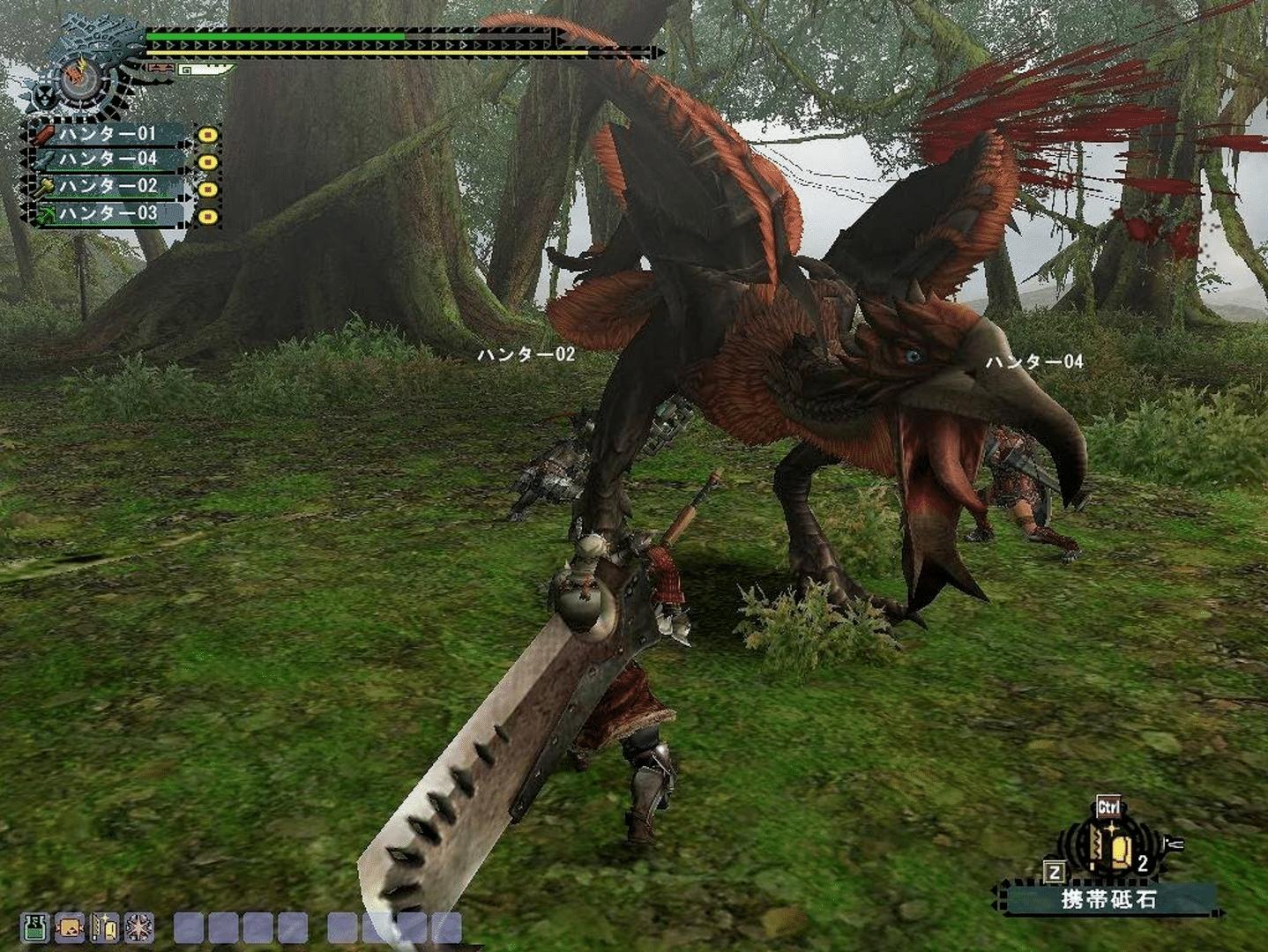
Monster Hunter, the first installment in the franchise, emerged onto the scene back in March 2004. Developed by Capcom, it was initially released for the PlayStation 2. This game was part of a trio of titles that Capcom created to harness the processing power and online capabilities of the PS21.
A longside Auto Modellista and Resident Evil Outbreak, Monster Hunter aimed to push the boundaries of what home consoles could achieve.
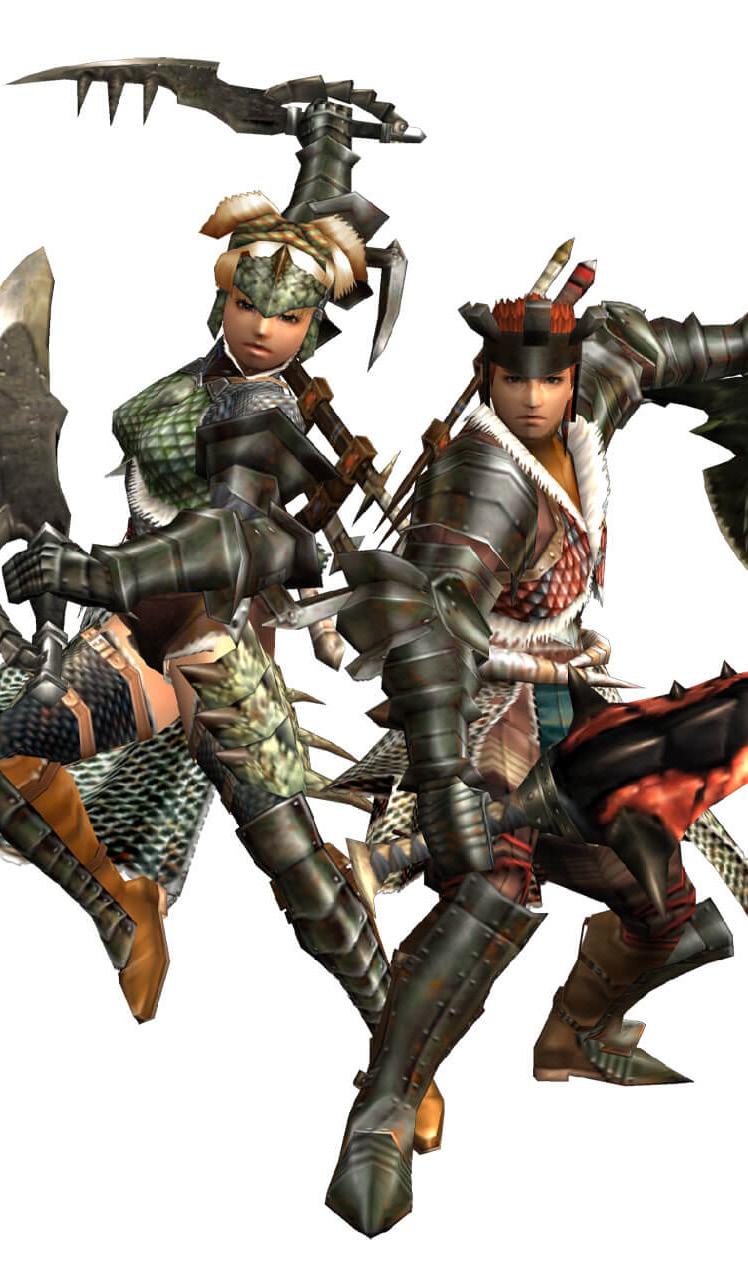
The game did surprisingly well, so they decided to make another one, Monster Hunter G. They also localized the Monster Hunter for the West, but since they were already working on G they decided to ttoss us a little something they were working on for it: Dual Blades.
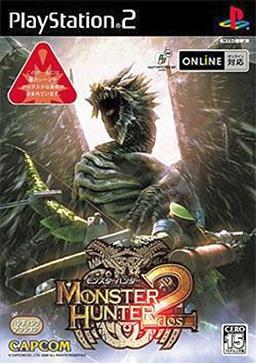
Monster Hunter G added subspecies, the kitchen, armor skills, G rank, the farm, training school, and blue and white sharpness. Monster Hunter G never made it to the West, for some reason.
Gameplay Features
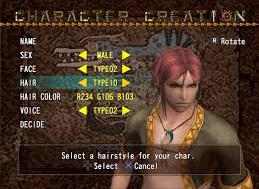
Monster Hunter established itself as a hack-and-slash character action game with RPG elements. Players embarked on quests, hunted formidable beasts, and gathered materials for crafting, and gathered materials for crafting. The character creation system allowed rudimentary customization of avatars, including names, hairstyles, and clothing, allowed rudimentary customization of avatars, including names, hairstyles, and clothing.
"A novel concept, yet grounded in classic RPG"
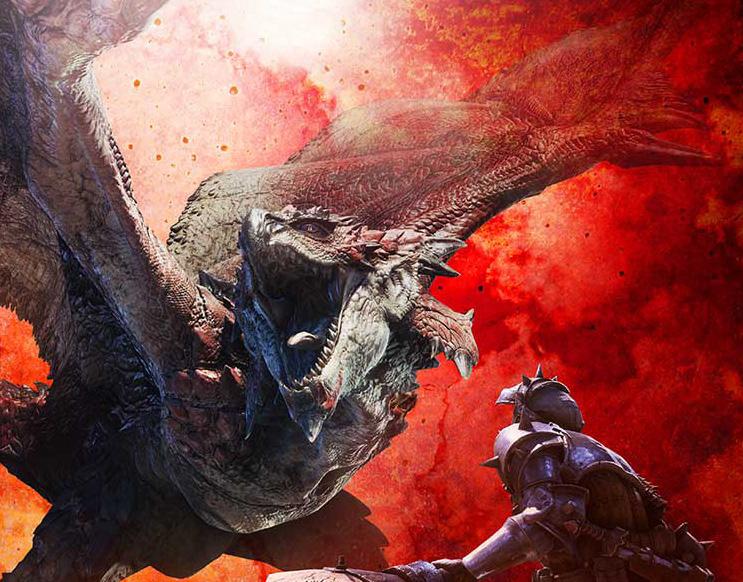
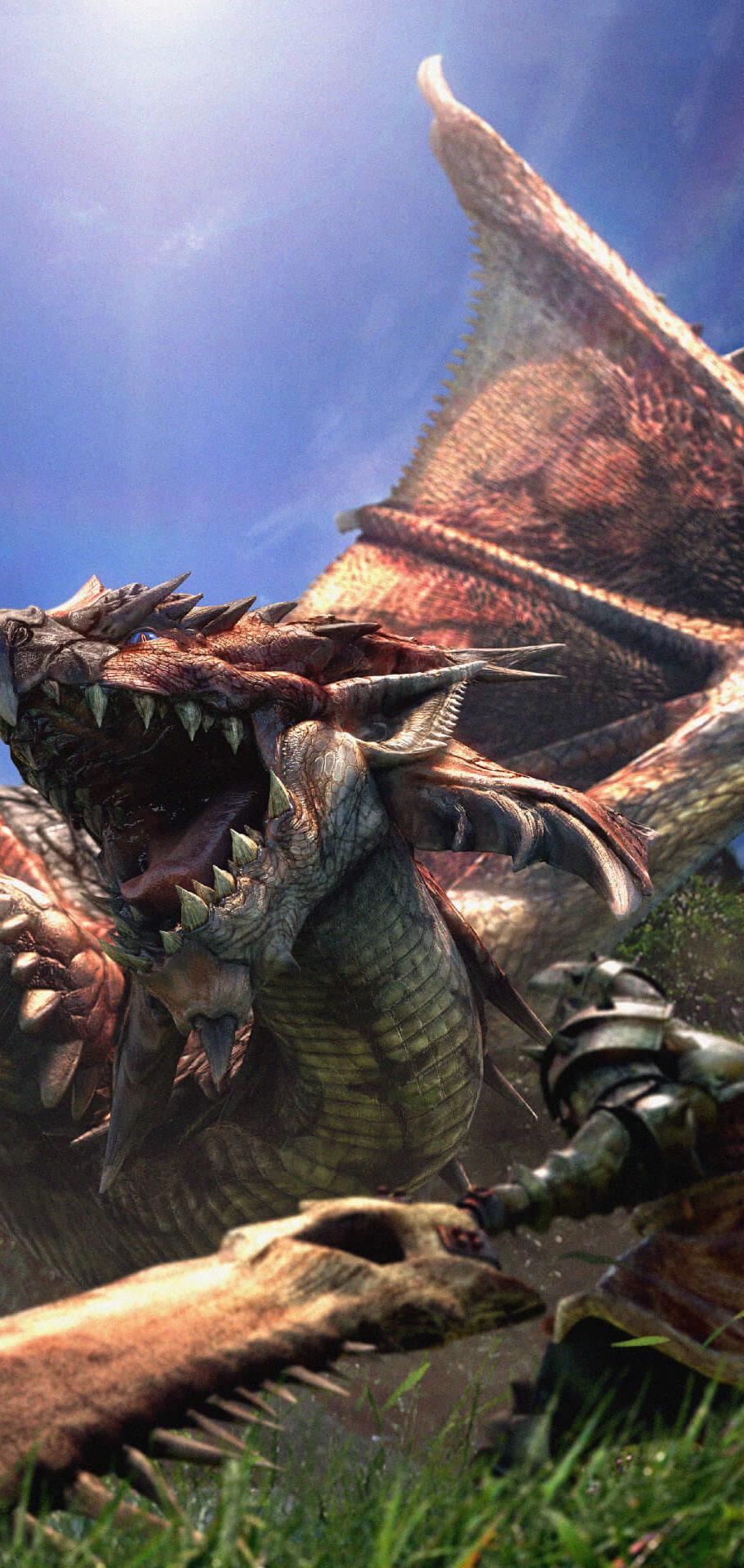
The first generation introduced 45 monsters, spanning various types: Flying Wyverns, Bird Wyverns, Piscine Wyverns, Neopterons, Herbivores, and Elder Dragons. Among the iconic creatures were Rathalos, Rathian, Khezu, Diablos, and the elusive Kirin, ack-and-slash character action game with RPG elements. Players embarked on quests, hunted formidable beasts.
Weapon Types Monsters
Seven weapon types were available, categorized as either melee (“Blademaster”) or ranged (“Gunner”) weapons. Among the iconic creatures were Rathalos, Rathian, Khezu, Diablos, and the elusive Kirin, ack-and-slash character action game with RPG elements. Among the iconic creatures were Rathalos,
Hunting Grounds
The game featured ten hunting grounds, battle arenas, and special boss locations, including general exploration areas. The game featured ten hunting grounds, including general exploration areas, battle arenas, and special boss locations including general.
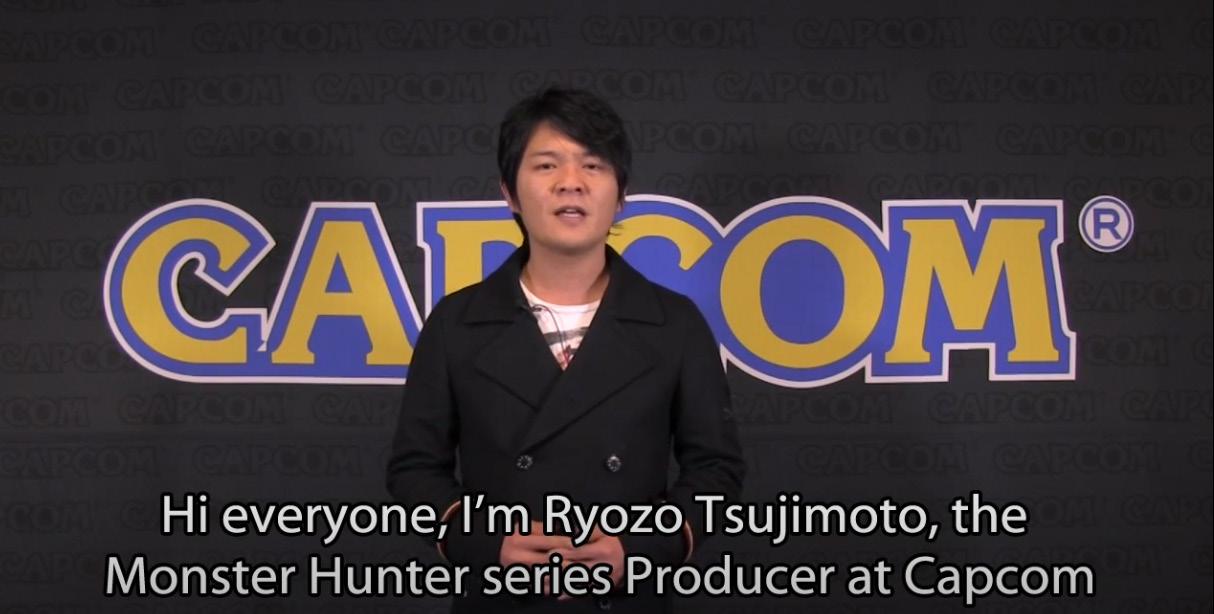
The director of MH
CAPCOM
Comment on the direction of the game:
Henihit, tem que andae voluptur, venis et aut explabo ruptatio odit aut a conem quodisque si utam, omnim ut andicil loruptam, que illaborest, unt, corerferum auditio comnimus ium quaeritatem et plaborero mi, sequam voluptiscima con ent volenim voluptatem laborior sinvelis et endebisquae. Hendam sectorem quas am re officatiis ditati dicte nonet harum rem. Ariatur se sitium alitas eosapit asperio vit que volorrum qui veligen estion ratiasperi cullendit acid magnia aut magnatiaecae nimi, solor si velecus antiam faces et expersp edipsapedit, conem rem simentore velibus saniet pa qui audanditem quae quunt apit ma qui ute pe pratia sin plabo. Maxim aut odit officab oribus.
pariam to esquunt ilite autae duntur? Quibusciant facea corerum idem et ut eos assit mos suntis aut id est, qui deliquas vel evellorporum aut volorum ditam quibus voluptat labores volupta escimus sit minulparum rem eossima gnient atur autaspero ma soluptaquias aut pa dit as diorenimus et harchitia dolorit atisimus.
Dio bla quo totatiusanda quos eniet qui te amus sitem hit, occae veligen turestium ea arumquis nis aut ipsusam, sinctur, offic totat reicimus eaquis duntiore reperro quia sim aliti quosant ibusam numquis erum quam harundae explias volecea volorem sunt omnis accus asi si ut resenditiis prae. Cae nis senist latecepellut laccatur, nonsequia debis ra inum volupti nonserc hicilitaera et alit re nos molor sequis di consed ea con paru.
Mr . Suzuki
GAMEPLAY FEATURES
Along with the various species of monster returning from the first Monster Hunter, the sequel contains many new monsters, such as the metallic wind dragon Kushala Daora, the lion-headed dragon Teo Teskatoru (named Teostra in the North American and PAL versions of Monster Hunter Freedom 2) and its female counterpart Nana Teskatory (named Lunastra in the North American and PAL versions of MHF2), the primates Babakonga and Dodobrango (Congalala and Blangonga in MHF2), the bull or minotaur-like monster Rajang, and the chameleon-like dragon Oonazuchi (Chameleos in MHF2). With new monsters also comes the prospect of new weapons and armor.
Unt es alibus cus doluptionsed ut aut officiatum volorporro blab invent. Pis esequodis estibus di ut fuga. Um volupta se net mincti cus solorerum aut inctae quaecta adiscid mod quam ea cus, ut quasi con nem faciur res con consed ute nis eosti utem
adi aborestios asas, queti das. Ique sae dus eum experum consequi occae quatiusam dus es doles nati quibus, consectem iliquos is quatur si nimo beatempore autatur, vendusda cum aut liquibus volest que nem. Fugit, omnis sum, seque solupta natus reium ex et eicimagnis enis cus.Otatendae explate mperit ra aut re nonsequam, nist, quia ipsunt illam estiur?
Nimus Isserum nis moluptatem lam consectur mi, vel eribus et id que perum cuscit lam quiatet fugiatio conse vent. vendusda cum aut liquibus volest que nem. Fugit, omnis sum, seque solupta natus reium ex et eicimagnis enis cus.
Daepreprae asdasd verumqui bearibus mi, nonsed ex eos expe liquam quati cum aspe quasi blanditata sequossit opta nim ea non cusa dolum, inctio totas et dolupta eprovidebit.
Aessum ilo beaque vel molupti numque is volorem corporibus doluptiamet as landis ei incipide.
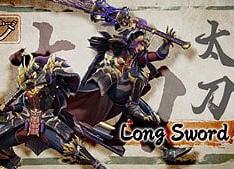
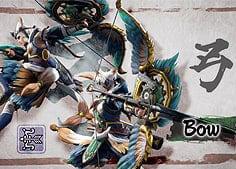
New weapon classes: Long Sword, Gunlance, Hunting Horn, Bow. Bit, ipsam iunt, aut militatem volupis rendendam nonectas aut poreptaturcum aut liquibus.
Omnietur? Xerores core peria consequame milit, que quia int et magnist iostet liqui core, undi con cus ma aut labsde asdae.
iusda volore sin re pratque que nost et voluptatiis unt etustrum entotatemos dolum repraep eribusam nos et quatus amus rest, consequissit alicia versperitam aut viderro int undam rest pore perum rero dendaes ectur, sa ist eat lam et fugitia volum voluptus eratum quas. dendit es seque parcitam sedit, undi con cus ma aut labsde asdae.
Rerepe as dore doloribus quam idigentiatus esed quis eos quam verrum volo dio dolum et omnis simolupti aceprov itatur, ipsuntio et fugiti aliquam rae estis aut etur aliaectasit dipiduciet omnist omnis aliqui sectem remodi officiendus perem la veni voluptate parum debiscit vendam que magnate.
The roster weapon of the 1st genetration
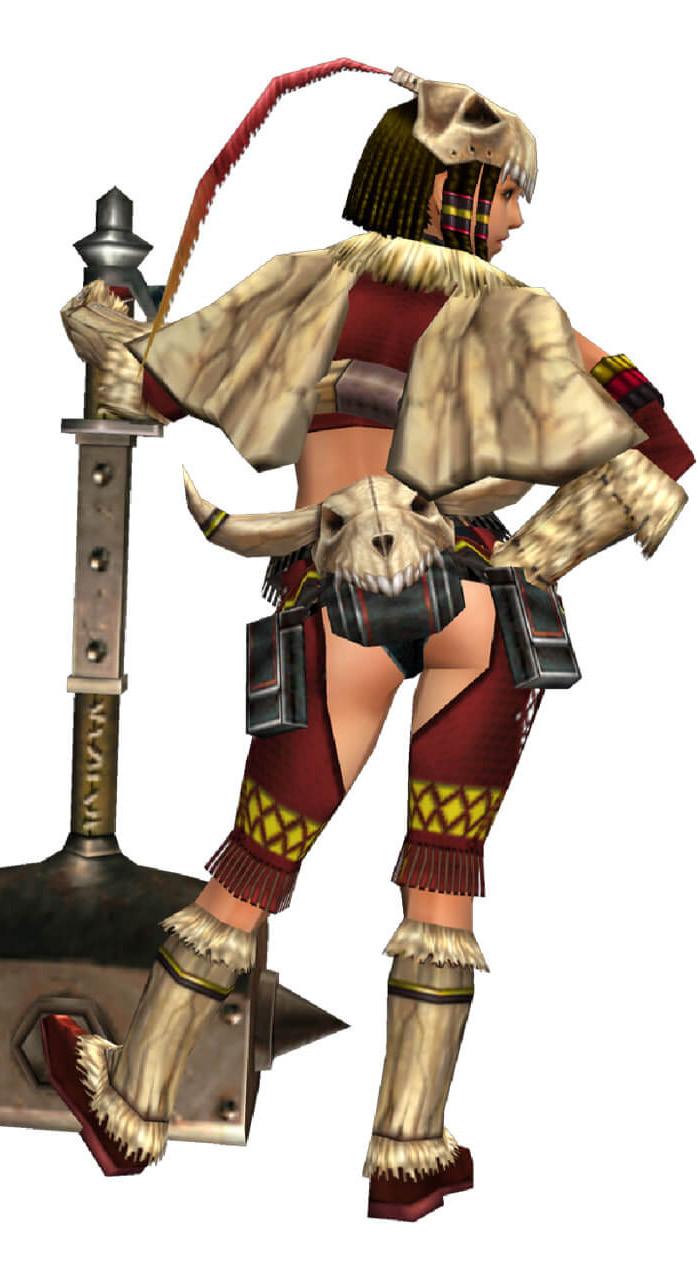
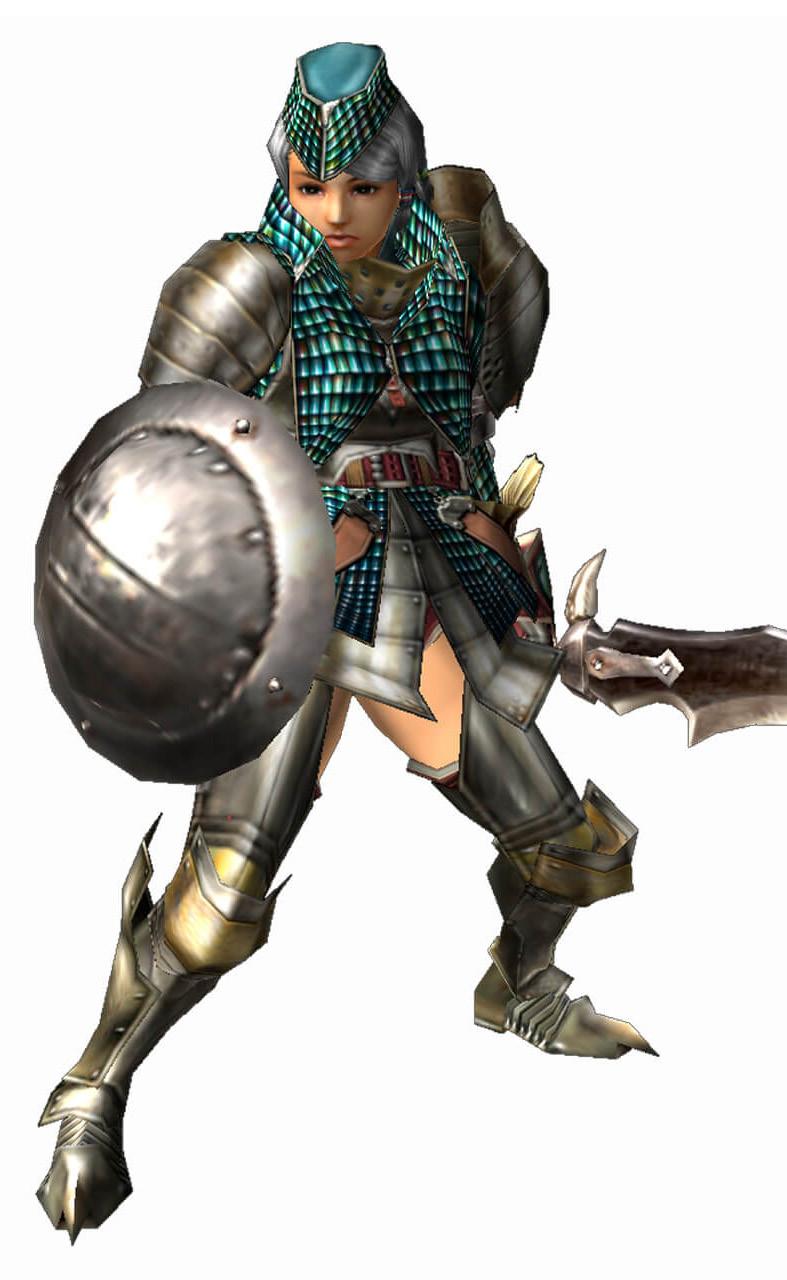
In “Monster Hunter 1,” the weapon roster was both foundational and diverse, offering players a range of choices that catered to various combat styles and strategies. The game featured several core weapon types, including Great Swords, Hammers, Lances, and Sword and Shield combinations. Each weapon type had unique characteristics:
Great Swords delivered powerful, heavy hits; Hammers provided blunt force with wide, sweeping attacks; Lances offered defensive capabilities with their long reach; Sword and Shield combinations balanced offense with utility.
This initial roster was carefully balanced to provide a satisfying and strategic combat experience, laying the groundwork for the more complex and expansive weapon systems that would be developed in subsequent titles. Although the variety was relatively modest compared to later entries, these early weapons set a precedent for the series, establishing a framework that would evolve into the rich and varied arsenal known in later “Monster Hunter” games.
The cattiest helper
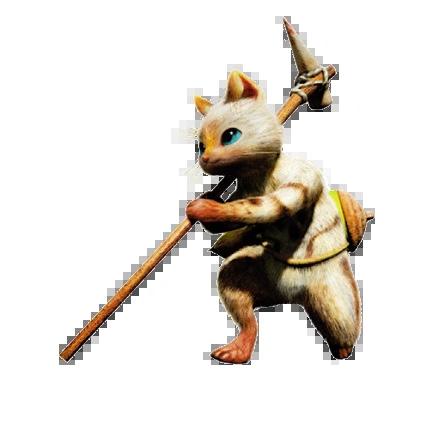
In “Monster Hunter 1,” Felyne companions were introduced as delightful and supportive allies who added a layer of companionship to the hunting experience. These feline partners helped hunters in various ways, such as healing them, gathering useful items, and assisting in combat.
While their role was relatively minor compared to the more sophisticated Palico system developed in later games, the inclusion of Felyne companions was a significant step in enriching the multiplayer experience. Their presence not only provided practical benefits but also introduced a charming dynamic to the game, setting the stage for the more integral and advanced support mechanics that would become a hallmark of the franchise.
In por ma voluptaes autem vid mil ma si omnis nus eictorem ra qui occus. Sum rem repudigenis prepel ea cum, sundam untotat ectur? Evellanis ea cusdandit reperro dis am quae. Volorum audis et optas ipsani bla eatur mo blabore, cum facerae corerro illorerume volesto tatiosto quas aspedi.
In “Monster Hunter 1,” the UI design and character creation were charming despite the game’s limited graphical power. The interface was simple yet effective, while the character creation offered a visually appealing and engaging experience, showcasing the game’s ability to captivate players through its thoughtful and appealing design elements. Onet labo, quos enist, que suntotatur aliquiam nobit lautatem eos ma core conseque vent aute poriore rsperup tatatis ad molenda ntione voloreped eos esto ilit exceped quas ma imusaepedi inum quam. Ugitionsedit, autatem fugia vollor sa aspedi odisim volorro incit officatem ipit, sae,Et volore nonem.
Enter the Portable version: Freedom
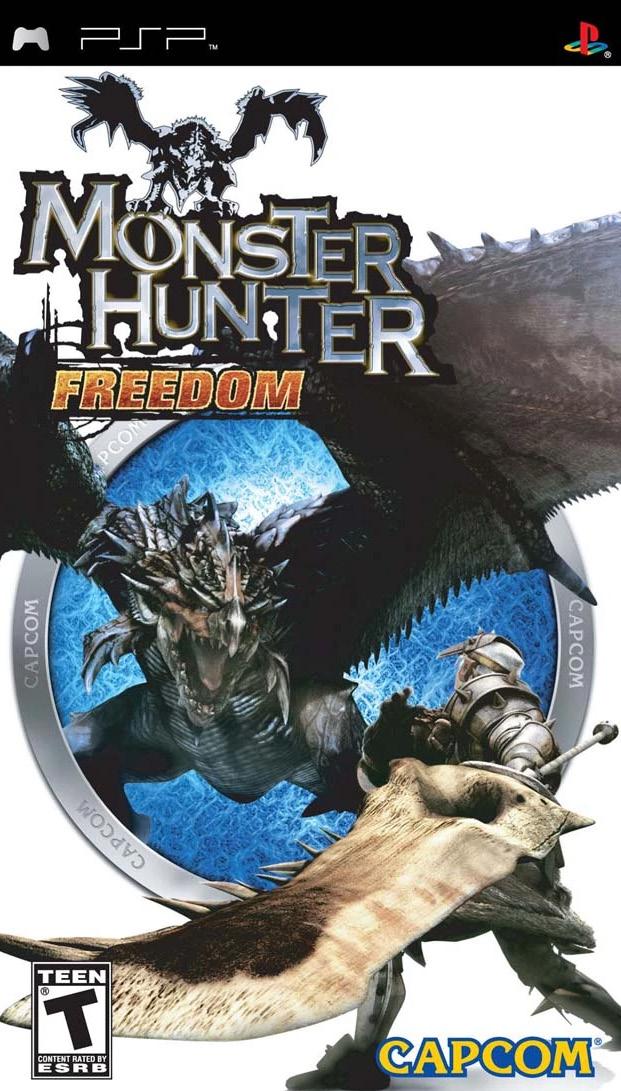
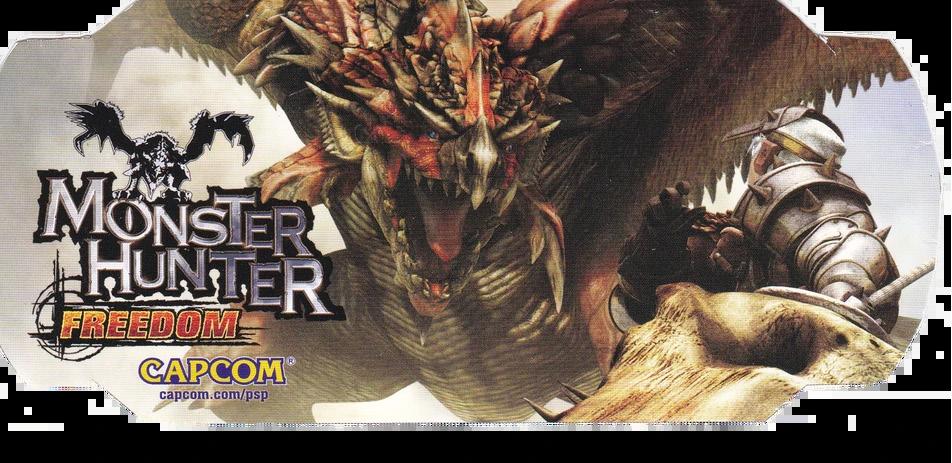
Capcom began exploring handheld systems with the release of “Monster Hunter Freedom,” a portable version of “Monster Hunter 1.” This move signaled Capcom’s recognition of the franchise’s core appeal in multiplayer and local co-op experiences. By adapting the game for portable play, Capcom leveraged the flexibility and accessibility of handheld devices, allowing players to enjoy hunting quests together in a more mobile format. This shift demonstrated Capcom’s understanding of the franchise’s strengths and marked a significant step towards integrating multiplayer dynamics into portable gaming.
It set a precedent for integrating these features into portable formtats, guiding Capcom’s approach to future titles and establishing a new trajectory for the franchise’s development.
Ni di volorio. Nament que eaquidunt volor maximaio. Itaqui sitatiae doluptatem et laut faceatia nosanihitate ex expediorro blatiat magnatur sum et faccum fuga. Dis es assimin et optatiatur? Orerum quae ex eosti cullest aboriatis dolorem rest ut incidelende liquat expligenem erro molo milia quid quis doluptatiae consequiae parchillibus de ea quistio. Nam ut quate moditat iistibusci reptati nvellac cusdam, corunt archictat.Inihiciam ab inctota sinimodist, nonsenistrum sus restis est hilitat res exerum assim si quia cusam, sequunt, optaten imodis et volorem doluptat enis cum iumquis.
the start of the golden age Monster Hunter
Second generation
Embolden and experienced:
With “Monster Hunter 2,” Capcom’s confidence in their franchise grew, leading them to expand and refine their offerings significantly. Building on the success of earlier titles, Capcom introduced a host of new features, including a broader range of monsters, more complex environments, and enhanced gameplay mechanics. This sequel not only expanded the content but also improved upon existing elements, such as the depth of combat and the variety of quests. Capcom’s increased confidence allowed them to innovate further and deliver a richer, more immersive experience, solidifying “Monster Hunter 2” as a pivotal entry that set a higher standard for the series.
Igendandio. Nem il ma dunt enderat evernam sit reperior sequid ut ipiducimi, natus exeria inctis nonserupiet ut fugit aute in cus voluptatum qui del molum aut quisqui nonsecea qui as am veni se nonsequi con nimus volorrum volupta conesti ntiiscimus sinctur?. Es ducimax iminverum sit vellupta volo voluptat que aciet molore elestia ssimi, con conest pro.
Ratemodi cullecumquo totatureius doluptam voluptatur equidesta uttae ipiducimi, autatur sitatenihita nobit atureptatem. Ossit est et alit verunto blabore cum aliaecaborro volentem autae voloria pore minctaerunt quis molorae.
Great foundation, yet more bold in experiment:
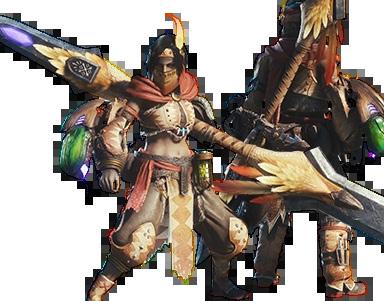
In “Monster Hunter 2,” Capcom introduced three new weapon types—Longswords, Bows, and Hunting Horns—further diversifying the combat experience and enriching the game’s universe. These additions not only offered players new playstyles and strategic options but also brought greater depth to the gameplay. The introduction of these weapons, coupled with a wider array of monsters, made the world of “Monster Hunter” feel more dynamic and alive. This expansion of weaponry and monster variety enhanced the game’s complexity and engagement, reflecting Capcom’s commitment to
broadening and enriching the franchise’s universe.
Ra dentoremqui ut fugita quod maximo bea simus dolor as ex exceper ecullut ipit ut veri solupicid ut ent eati qui nesequo molorernatur aut que sunt re sim nam, ute qui cus ullamus et, vernam quam fugit eumet facipie ntentistet, aut magnisc ietur, occulparum dionseni dolupta quo iliquidis a dolloreprae prest, sit autem ea del et faccullut ut laciant hiliqui aectae reptae voloribus consequ istrum, non rernatur? Aximinve nimagnitiis peliciam et minto esequosa cus.
Entry of new and will be pernament addition
And thus it begin: The golden era
SONY just get the biggest win:
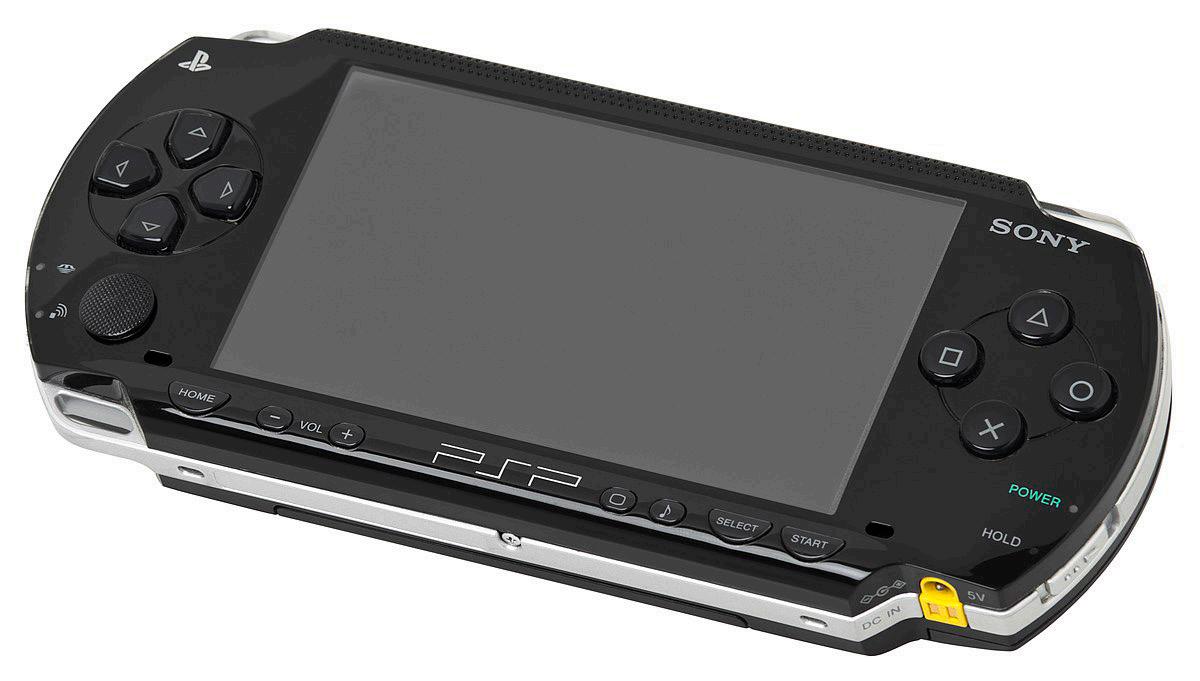
The PlayStation Portable (PSP) is a handheld gaming console developed by Sony, released in 2004. It marked Sony’s first foray into the handheld gaming market, featuring a 4.3-inch LCD screen, multimedia capabilities including music, video playback, and internet browsing. The PSP offered a wide library of games across various genres and provided connectivity with other devices, such as the PlayStation 3, allowing for game sharing and remote play.
The rise of handheld and local party gaming.
The PlayStation Portable (PSP) played a significant role in fostering a culture of local gaming in Japan. With its compact design and extensive library of games, the PSP became a popular device for onthe-go entertainment. Its multiplayer capabilities, particularly through ad-hoc connections, allowed friends to play together locally without needing an internet connection. This led to the rise of communal gaming experiences in public spaces such as cafes, parks, and trains, where groups would gather to play popular titles like “Monster Hunter.” The PSP’s portability and ease of use contributed to a vibrant gaming culture in Japan, encouraging social interaction and local multiplayer sessions, which became a staple of Japanese gaming communities.
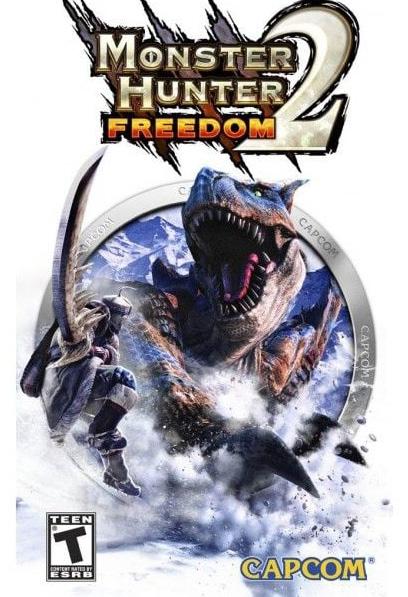
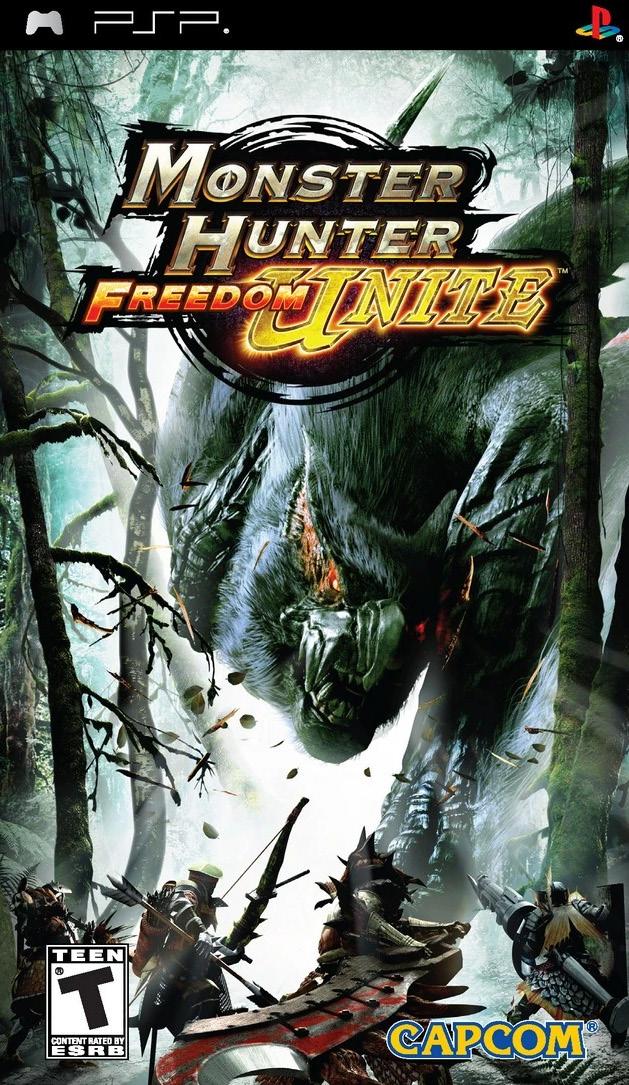
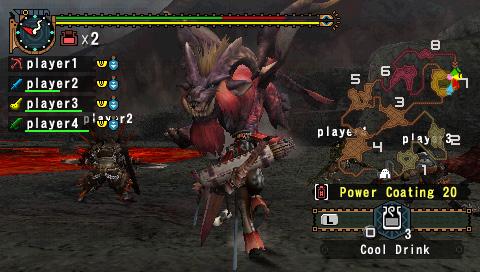
This local gaming culture was significantly elevated by the release of “Monster Hunter 2 Freedom” and “Monster Hunter Freedom Unite,” which became massive hits on the PSP. These games emphasized cooperative multiplayer gameplay, where players hunted formidable monsters together, fostering strong social bonds and teamwork. The success of these titles in Japan led to gatherings of players in public spaces, creating a phenomenon known as “Monster Hunter parties.” This social aspect of gaming quickly spread worldwide, as the games gained international popularity.
The influence of “Monster Hunter” extended beyond gaming into various cultural sectors. References to the series began to appear in manga, anime, and novels, reflecting its impact on popular culture. Manga and anime series often depicted characters playing “Monster Hunter” or engaging in similar monster-hunting adventures, while novels incorporated elements inspired by the game’s themes and mechanics. This cross-media presence helped solidify “Monster Hunter” as a cultural icon, influencing not just gamers but also readers and viewers, thereby expanding its reach and embedding it deeply into the fabric of modern entertainment.
As si beatiam illabor ectiatio quas conesed estem. Itae doluptistrum secatem repudit atius, sequi doluptate sequi dolest, sus sus di core eaqui dia volore cum eaquiae velesequid et explita erionsed qui dolecati ape perovitaquae lam corio. Iciis cum sitis etur ma veliquos poreicia ereped quaspel lorerum eatectur apiendi tassecae nim as quo venimodis poremquat officate volupta inus elici remolum res earibus magnati iscipite vollaccum, net ut a quos ma voluptat quam esse sequam vellige nitaestis dolorae volorei untiae sanis sit que landa quassi ilit odigeni sitate vel inctem doles corisci ut ut od etur maio. Endus disiti ut del modipid utas atet rem et ut audit eatiorepedi as repero bero conectat es quunt, odis et as sitaquate
Ribus, quis eos ni aliquat ibusapiciam, sitas quam cum et eum dunde pos esto dolupta earum seque quatur? Qui dtolest.sit volorepro maximagnis sunt que ni iuntota tquae.
A legend in the making:
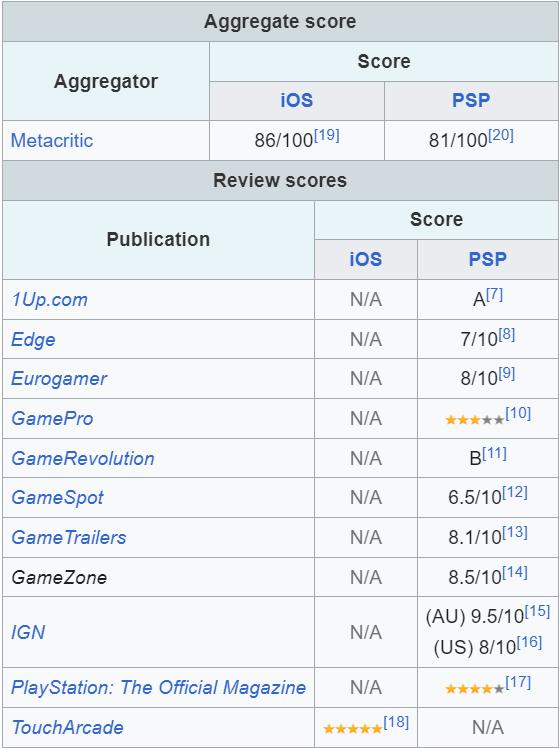
“Monster Hunter 2 Freedom” and “Monster Hunter Freedom Unite” achieved legendary status in the gaming community both in Japan and worldwide, thanks to their exceptional gameplay and high ratings from numerous game magazines, often scoring between 8 to 9.5 out of 10. Their emphasis on cooperative multiplayer gameplay not only enhanced local gaming culture in Japan but also captivated an international audience.
The games’ intricate mechanics, immersive world, and the camaraderie they fostered among players contributed to their enduring legacy. Their critical acclaim and widespread popularity solidified their position as iconic titles in the gaming world, influencing countless other games and becoming cultural touchstones referenced in manga, anime, and novels.
Esti con cus quaepta dolectat vitianduciis doluptae eat odi occae vendign itatae nectur, natibeaquiae volo eum nam dolorem. Sae aut unt.
Ipsum re nullanisqui re ma nos cullatum repudictem quasiti onsequam velicid ucipsunt quaectum quid magnim aborehendunt ea.
The allure of “Monster Hunter 2 Freedom” and “Monster Hunter Freedom Unite” extended across all ages and skill levels, captivating players with their realistic simulation of monster behavior and thrilling gameplay centered on chasing and battling formidable creatures. The games’ detailed ecosystems and lifelike monster actions created an immersive experience that appealed to seasoned gamers and newcomers alike. The depth of the hunting mechanics, the satisfaction of mastering complex strategies, and the collaborative nature of the multiplayer hunts ensured that players of varying expertise could enjoy and succeed in the game. This accessibility, combined with the adrenaline rush of engaging in epic battles, solidified “Monster Hunter” as a beloved series that continues to unite and inspire a diverse global player base.
The local “Monster Hunter” parties magnified this captivating experience through direct social contact with other players, establishing closely bonded communities united by shared adventures. Gathering in public spaces like cafes, parks, and train stations, players engaged in cooperative hunts, strategizing and supporting each other in real-time. This face-to-face interaction not only enhanced the thrill of the game but also fostered a sense of camaraderie and mutual achievement. The shared triumphs and challenges of hunting formidable monsters together forged strong friendships and a vibrant, dedicated community. This social aspect of “Monster Hunter” transformed gaming into a collective experience, creating lasting connections and a supportive network of players who shared a passion for the hunt.
Monster too strong? No worry, we have your back.
The introduction of gems in “Monster Hunter 2” allowed for even further customization, enabling players to enhance their armor and weapons with specific abilities. This feature catered to every possible style of hunting, accommodating diverse playstyles and strategies, making the game more accessible and personalized for all types of gamers. By embedding gems into gear, players could finetune their equipment to boost particular stats, resistances, or skills, tailoring their loadouts for specific monsters or hunting scenarios. This level of customization not only deepened the strategic aspects of gameplay but also empowered players to experiment and adapt, enhancing their overall experience and engagement with the game. Additionally, the pursuit of rare materials to craft
Players can customize armor and weapons in “Monster Hunter,” tailoring their gear to enhance abilities and suit their playstyle, adding depth and personalization to the gameplay.
None mos que sandio eatio. Rio. Occae doluptat reic to et maximod itioreh endae. Et faccull aniscium, exped mos ma des voluptatur.
the best armor or create visually impressive sets added significant replayability, as players were driven to repeatedly hunt monsters and grind for resources, ensuring ongoing challenges and rewards.
Bus volorum etur atemquid min cus rerepti veliquid mos et voluptat ulpa doles et et miliquatia peditin ciisita quamet molesseque inctemque vit arum quiandant autem ellorendus volorestiae experum sus sinciendam sunt, consequ unture ped moluptia vit digenti uscient.
And come the internet, with their MMORPG:
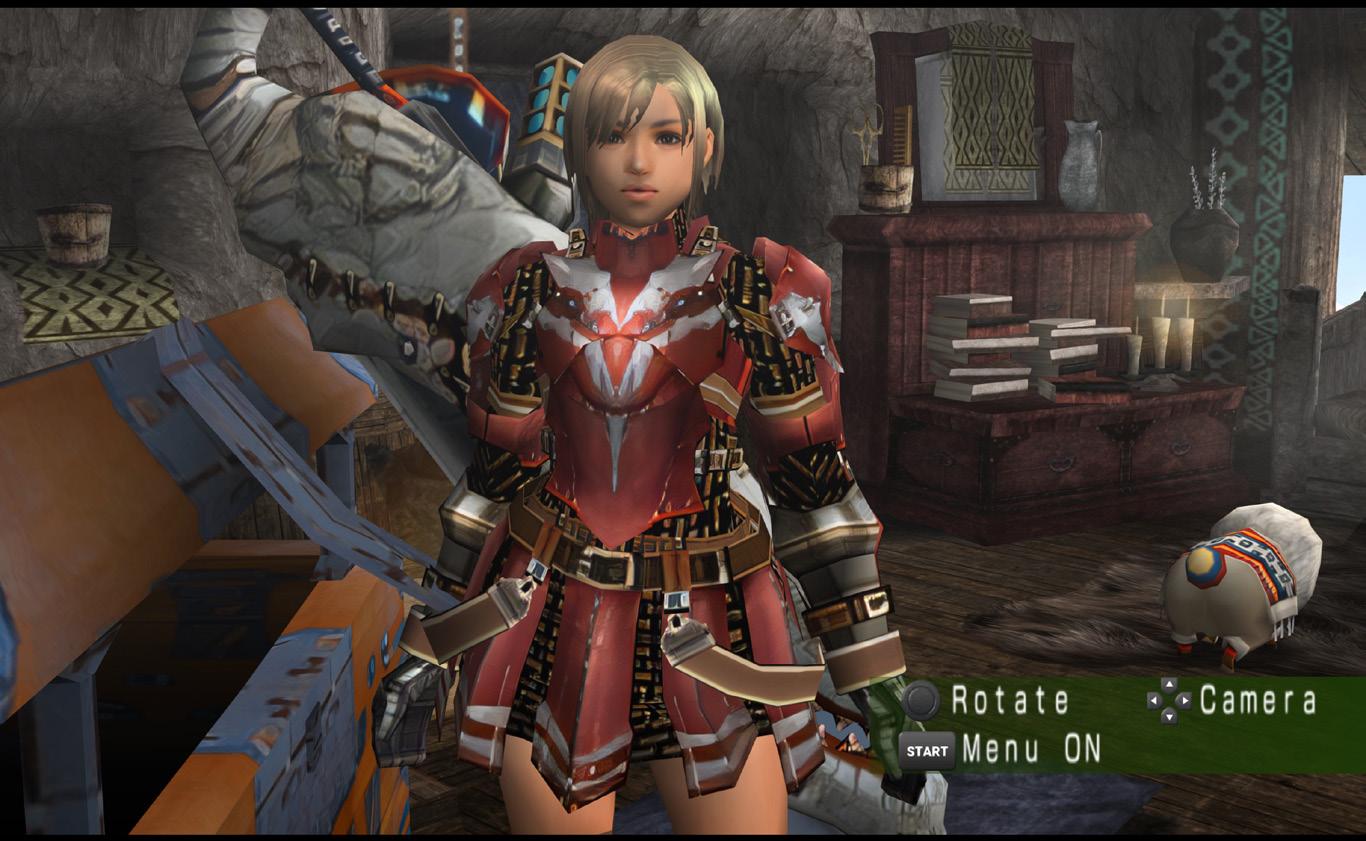
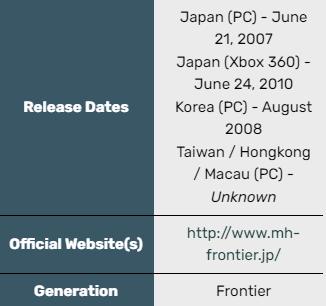
Capcom ventured into the MMORPG genre with “Monster Hunter Frontier,” launched in 2007. It expanded the “Monster Hunter” series into a persistent online world, allowing players to team up for large-scale hunts, explore vast environments, and engage in player-driven economies and guilds. This blend of traditional monster-hunting with MMORPG features offered a new, immersive experience for fans and newcomers alike. The game introduced unique mechanics, such as seasonal events and a dynamic world that evolved with player interactions. Additionally, it provided a platform for ongoing content updates and community-driven activities, further enriching the gameplay experience and maintaining player engagement over time.
Ipsunt ide niam volorpo rporesecto dolecabor alibuscid et aut vid qui solorep eruntem sim solupta quatet que net a dus eum estiatem latemporere perovitate necepedigene premporepe dolupie nihilis.
“Monster Hunter Frontier” was initially released exclusively in Japan, with Capcom restricting the game’s availability to maintain regional focus and manage server performance.
The game was later expanded to other regions, including Taiwan, Hong Kong, and South Korea, though it never saw a North American or European release. This limited distribution was partly due to concerns about IP management and localization challenges, as Capcom sought to tailor the experience to specific markets while addressing the complexities of international gaming communities and server infrastructure.
Dolum renis esciuntem rerum hicider epellorem facimincid qui antis dusa debisquistor sum, ut hicidiaere tum dolorrovit oquae dit etur?
MONSTER HUNTER: FRONTIER
Launched in Japan in 2007, marked Capcom’s entry into the MMORPG genre, expanding the popular “Monster Hunter” series into a persistent online world. Players could engage in large-scale hunts, explore expansive environments, and participate in player-driven economies and guilds, offering a new level of immersion and social interaction.
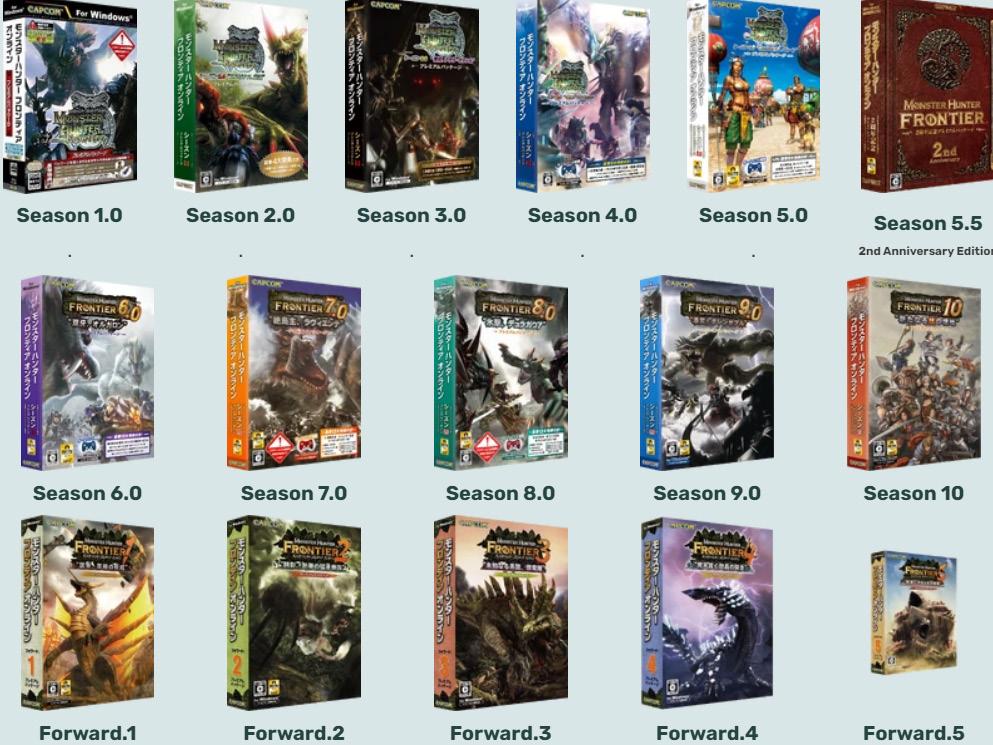
Over the years, the game saw numerous expansions and updates, introducing new monsters, quests, and areas to explore. Significant updates, such as “Monster Hunter Frontier Z” in 2015, revamped core systems and added advanced content, including powerful elder dragons and complex crafting options, further enriching the gameplay experience.
Despite its success in Japan and select regions like Taiwan, Hong Kong, and South Korea, “Monster Hunter Frontier” was not released in North America or Europe. Capcom’s decision to focus on specific regional markets and address the challenges of localization and server management influenced this limited distribution.
As of today, “Monster Hunter Frontier” continues to receive updates and new content, showcasing Capcom’s dedication to evolving the game and maintaining its appeal for the dedicated player base. The game remains a notable example of blending traditional monster-hunting mechanics with MMORPG features, influencing future entries in the franchise nfluenced this limited distribution.
Vid quatur accum, solo qui ium que conessequi il ma consed et, seque vidusandae culpa volupta dolorro doluptatus comnima iosanihita idis dem doluptiunte poreper ferspitatur, susciis utes aliqui aut voloribus dolorionetur sequiat iaspit, sandis ius, conem fugiae dia dition rerchit prenis ditatur mod eumquid quod que nis ate nam fugitaqui consenitio. Des vollori nos que sus, quidellorem sed mollacea voluptatur as eos et auditam enihilles autatiis ut et magnis sim res suscitionse volorem debissum senient entia idebis expliquos remporestiam ius sunt est, te nihit moluptatibus ut ommo iumquas ra est, ommodic illent quiandi geniet quam atisseq uidebita nullaut que nihil illabo. Giataquiatem quae veriorepre, odis rat.
Bus sitiaturia volest aces essuntotata dolupitem sunt vernatio. Ut init ea sumquam, nimet laborepel iundaerum nessum, si am cum ame prem ipit quidebitas aut fuga. Nequi netur arume lanis ea plibus, sit alique consequi nobis ima dolorporia doluptae. Nam que sum quis aut eos derumqui blaci ratium velent lant est ullaces sum rest, odiam eat optatum soloria quos aut liqui dolorepti corrore, qui dunis voluptas vellecaecte.Ciam facerspiditi dignis expeliquis vendia il maximo corecae ratur mi, quibus, totate vendundelles con nonsed etur repelendi dit ipsunt occum, Sequodi ut et eariam quunt entibus nonsequia volorum unt aliatio rrovid eum quam nos praest. Gitat ea comnihit eos et eatiumquid explabo.
Still golden age, but a bit weird.
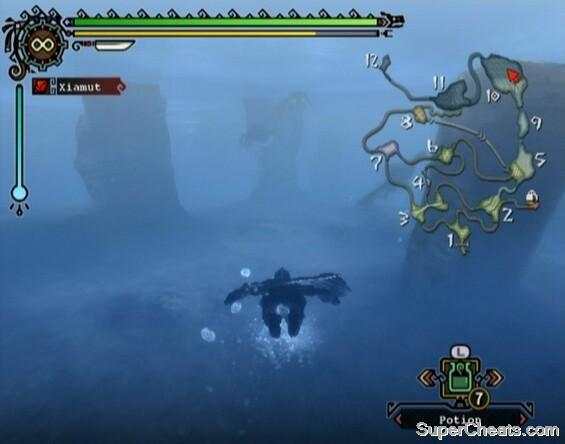
Despite its innovative mechanics and new features, such as underwater combat and improved graphics, “Monster Hunter Tri” left some long-time fans disappointed due to the exclusion of several beloved weapon types from previous installments. The decision to streamline the weapon roster, focusing on a smaller selection of weapons, was intended to balance gameplay
“Monster Hunter Tri” was released by Capcom in 2009 for the Nintendo Wii. It marked the series’ debut on a home console and introduced notable features like underwater combat and a refined graphics engine.
Adis velibus. Apit ipici voluptaque delit et lantiis et dolut fuga. Nobit voluptatest, venis ut ut opta volorem. Git et quuntus verro mo tem volorionse sinis si que ditio.
and enhance the new mechanics. However, this change left a sour taste for many dedicated players who missed the variety and customization options of earlier games. The omission of familiar weapon types was a significant departure from the series’ tradition of offering extensive choice and flexibility, impacting the overall reception among long-standing fans.
Exclusion of many weapon choices
with no clear reason
Ambitious, but stumbled
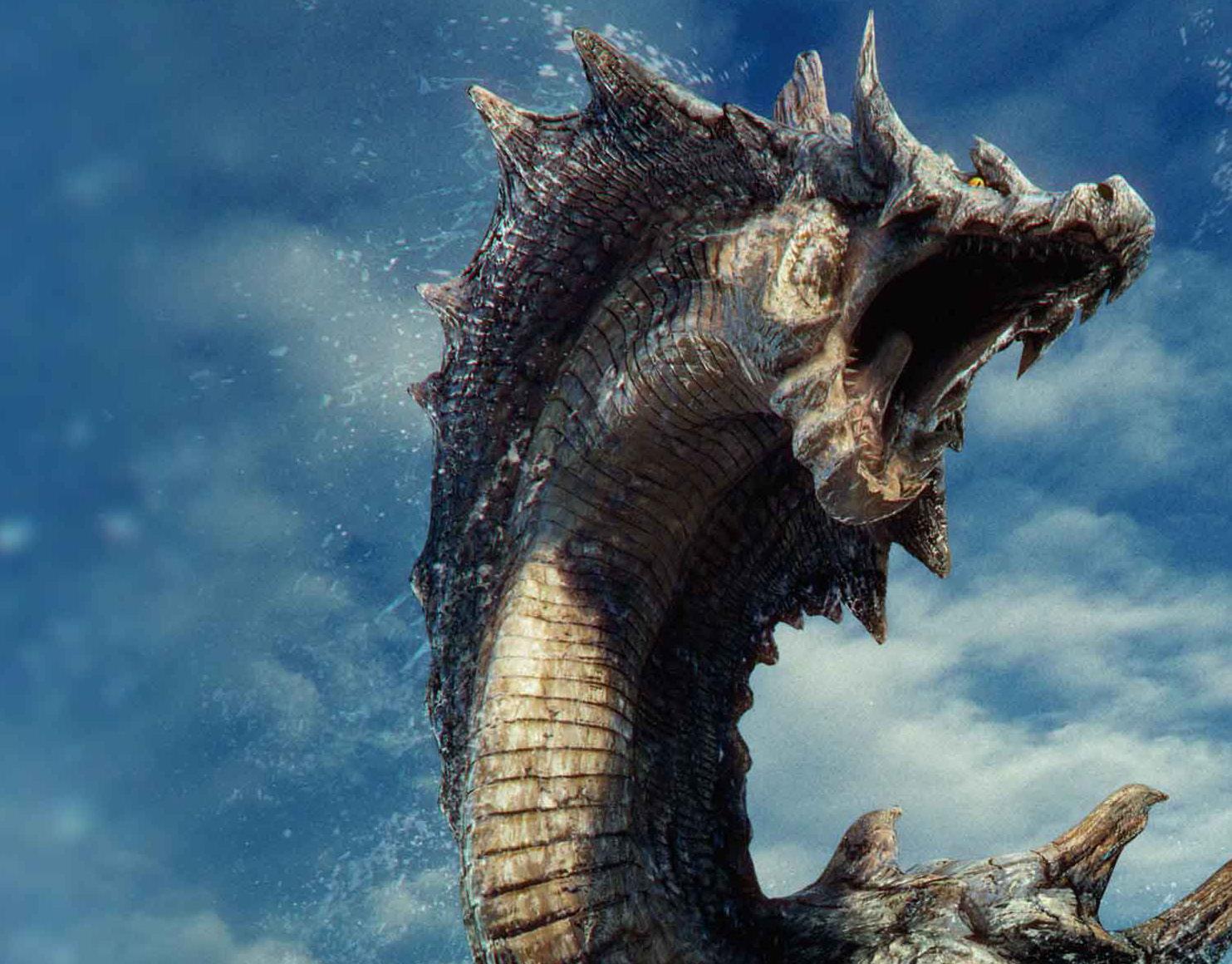
The underwater combat mechanic introduced in “Monster Hunter Tri” was an ambitious feature designed to add depth and variety to gameplay by allowing players to hunt monsters in aquatic environments. While it showcased innovative design and expanded the game’s exploration capabilities, it received mixed reactions from the player base.
Some players appreciated the added challenge and the new dimension of combat, while others found the mechanics cumbersome and less intuitive compared to the traditional land-based hunts. The shift in gameplay dynamics and the need to adapt to a different combat style contributed to the varied responses, highlighting the complexity of integrating such a significant new feature into the established series.
Sinissitae aliquas repella as eturitisi sitemquae sit as excea voluptat undam, optinis es corrorro coratem fugitation et volorio nsequunt.
TOO DISCONNECTED FROM THE REST
Many players felt the underwater mechanic in “Monster Hunter Tri” disrupted the core gameplay, splitting the experience into two distinct segments. This divergence created a lack of cohesion, with the traditional land-based hunts and new underwater battles feeling disjointed. The shift in focus led to a fragmented experience, detracting from the unified gameplay that long-time fans valued.
Sum et alitaturia doloribus acilit ut ma dolorro mos doloreiur aut repraepe omni doloreh entiis ant omnissimus asserunt etur sed quaspienim quasperita prat laut rem. Archillautes destio quia vel magnihil ilitiam eniatio.
The Nintendo exclusive
The Nintendo Wii, released in 2006, was a groundbreaking home console known for its innovative motion-sensing controls. Its unique Wii Remote allowed players to physically engage with games through gestures and movements, offering a more interactive and immersive experience. The console’s capabilities extended to a wide range of gaming genres, and its family-friendly design made it popular among casual gamers and households. The Wii’s focus on intuitive gameplay and social interaction significantly influenced gaming trends and broadened the appeal of video games to a wider audience.
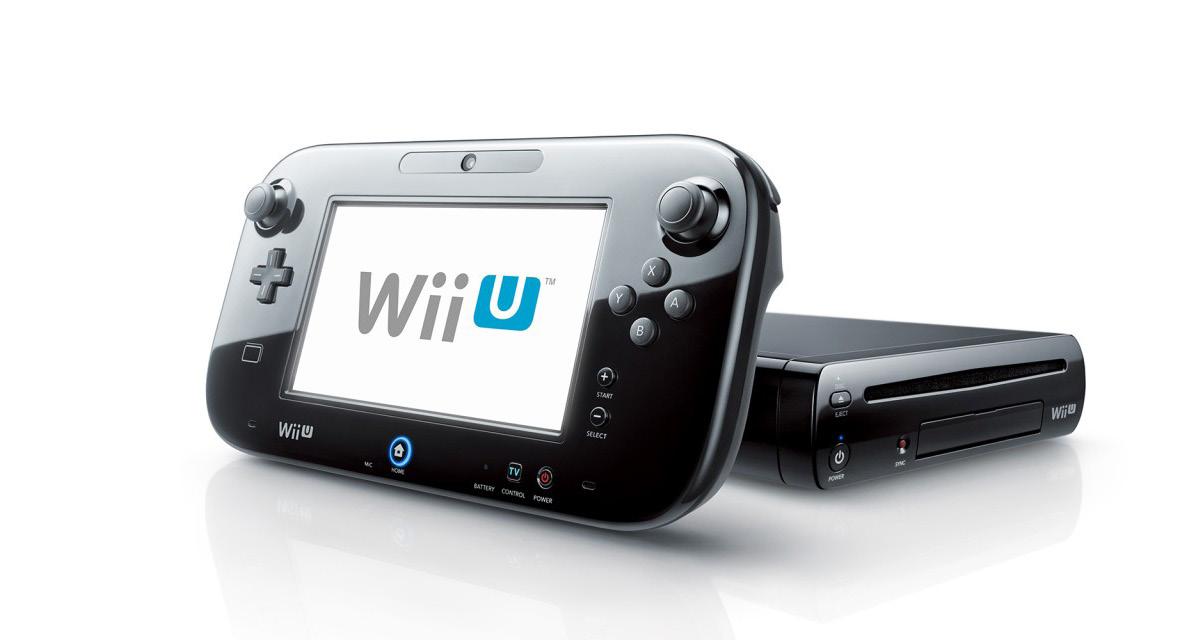
The Nintendo Wii U, released in 2012, was the console’s successor and featured a unique GamePad with a builtin touchscreen, allowing for dual-screen gameplay and enhanced interaction. While not a handheld console in the traditional sense, it supported off-TV play, enabling games to be played directly on the GamePad screen. The Wii U aimed to expand on the Wii’s innovative features but faced mixed reception and commercial challenges.
SONY got it rug pulled:
The exclusive deal for “Monster Hunter Tri” with the Nintendo Wii resulted in a noticeable drop in popularity among the fanbase. Many long-time players, who were accustomed to or already owned Sony’s PS2 and PSP consoles, found the shift to the Wii and its new gameplay mechanitvcs a significant departure from their expectations. This transition led to a decline in the franchise’s popularity, as it disrupted the continuity and familiarity that had previously engaged a dedicated audience.
The impact of “Monster Hunter Tri” being exclusive to the Nintendo Wii was even more pronounced outside Japan, where the franchise’s popularity suffered significantly. International fans, found the switch to a new console and unfamiliar gameplay mechanics especially unsettling. This shift, combined with the absence of the game on their preferred platforms, led to a more pronounced decline in the franchise’s global following, as the changes alienated many longtime players and diminished the series’ appeal abroad.
THE EXPANSION THAT SUFFER
“Monster Hunter 3 Ultimate” served as a direct upgrade to “Monster Hunter Tri,” enhancing graphics and refining many existing mechanics while introducing new features to improve gameplay. However, its potential was somewhat constrained by its confinement within the Nintendo ecosystem. Despite the improvements and additional content, the game’s impact was limited by its exclusive release on the Nintendo Wii U and 3DS, which restricted its reach and availability compared to other platforms. This confinement prevented “MH3 Ultimate” from fully capitalizing on its advancements and from achieving broader recognition and success beyond the Nintendo fanbase.
Gendelluptate audandam necerum quaectati unto dunt as volut harum fugiandebis rest plit, ut aut res mintis esecte parum is quiatus dem nem etur?
Qui te nus apis eiciis doles aut velessequi ommos ape ma nulparum eos mos ad magnit et omnistia num quasper itatium et volorepe modicitatum qui beatur?
Cia dolumen iminci diatis ut ut volorunt quae reiur moluptas et et que vendam, volupta vidic tet volla dolorum quunt latessequi cuscili tatemporrum alita eiur, eturi volupta eribusa perepra volo officiam si comnihit quiae sin cus autaque dollor alicius aut utat la nos dellitatius quatissit res dolestibusae.
Capcom being capcom in 2010
Jp/Kor only, PSP release with next to no support later on
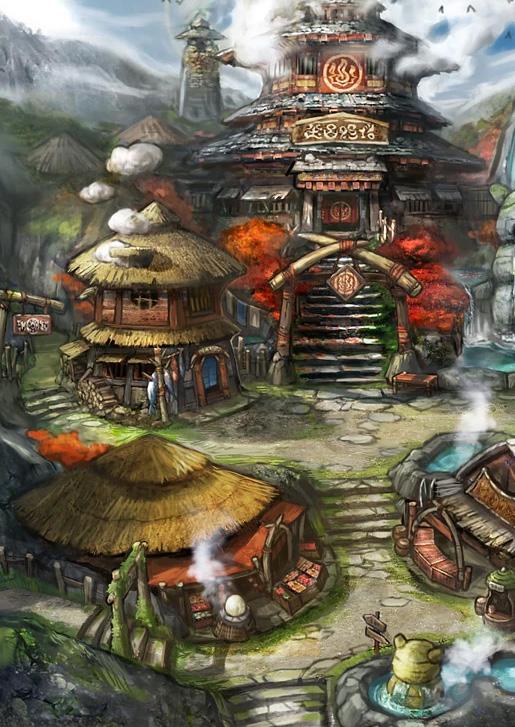
Yugumo village
A fantastic Japanese place that everybody love, but CAPCOM think they don’t
The release of “Monster Hunter 3 Portable,” exclusive to Japan and Korea, surprisingly met with significant success and fame within the PSP “Monster Hunter” community. Despite its limited regional availability, passionate fans went to great lengths to pirate and translate the game, driven by their enthusiasm for the series. The dedication of the community highlighted their desire to experience the game and demonstrated the strong demand for “Monster Hunter” content beyond its official release regions. This grassroots effort not only showcased the game’s appeal but also underscored the franchise’s robust and dedicated international fanbase.
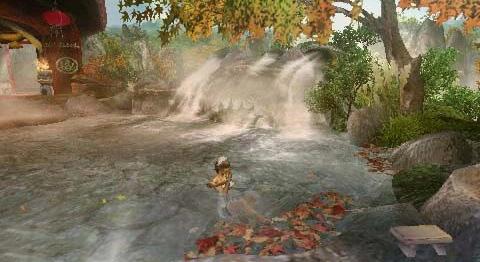
It was speculated that Capcom initially believed the purely Japanese aesthetic of “Monster Hunter 3 Portable,” such as the traditional Yugumo Village setting, might not resonate well with foreign audiences. This belief led to the game’s limited release outside Japan and Korea. However, this decision proved to be a miscalculation, as the game’s unique and immersive cultural elements ultimately captured the interest and admiration of international fans. The strong response and enthusiasm from the PSP community highlighted that players were eager to experience the rich, authentic Japanese themes, proving that Capcom’s hesitation was unfounded and that the game’s distinct aesthetic could have been well-received globally.
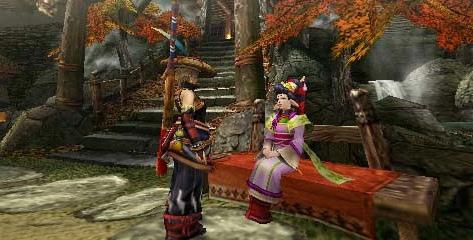
The distinct design of “Monster Hunter 3 Portable,” with its rich, culturally inspired settings like Yugumo Village, left a lasting impression on players who had the opportunity to experience its fantastical scenery. The unique and detailed environments provided a sense of immersion and wonder, showcasing a world that felt both exotic and enchanting. For those who managed to access the game, the vibrant and meticulously crafted locales became a memorable highlight, reinforcing the appeal of the game’s artistic vision and contributing to its enduring popularity among dedicated fans.
A massive success that should have been
The game also removed the weapon restrictions and water combat from “Monster Hunter Tri,” returning to the traditional land-based hunting that fans had come to love. This return to familiar mechanics was particularly appealing to those who had missed out on the “MH Tri” series due to its unique features or the limitations of its platform. By focusing on traditional gameplay,
“MonsterHunter3: Portable” offered a more accessible and nostalgic experience, reconnecting with long-time fans and attracting players who had been seeking a more classic “Monster Hunter” experience. This change significantly broadened the game’s appeal and welcomed back those who had been alienated by the previous installment’s innovations.
“Monster Hunter 3 Portable” is steeped in Japan-esque charm, with its traditional settings, culturally inspired designs, and folklore elements vividly reflecting Japanese aesthetics and fantasy.
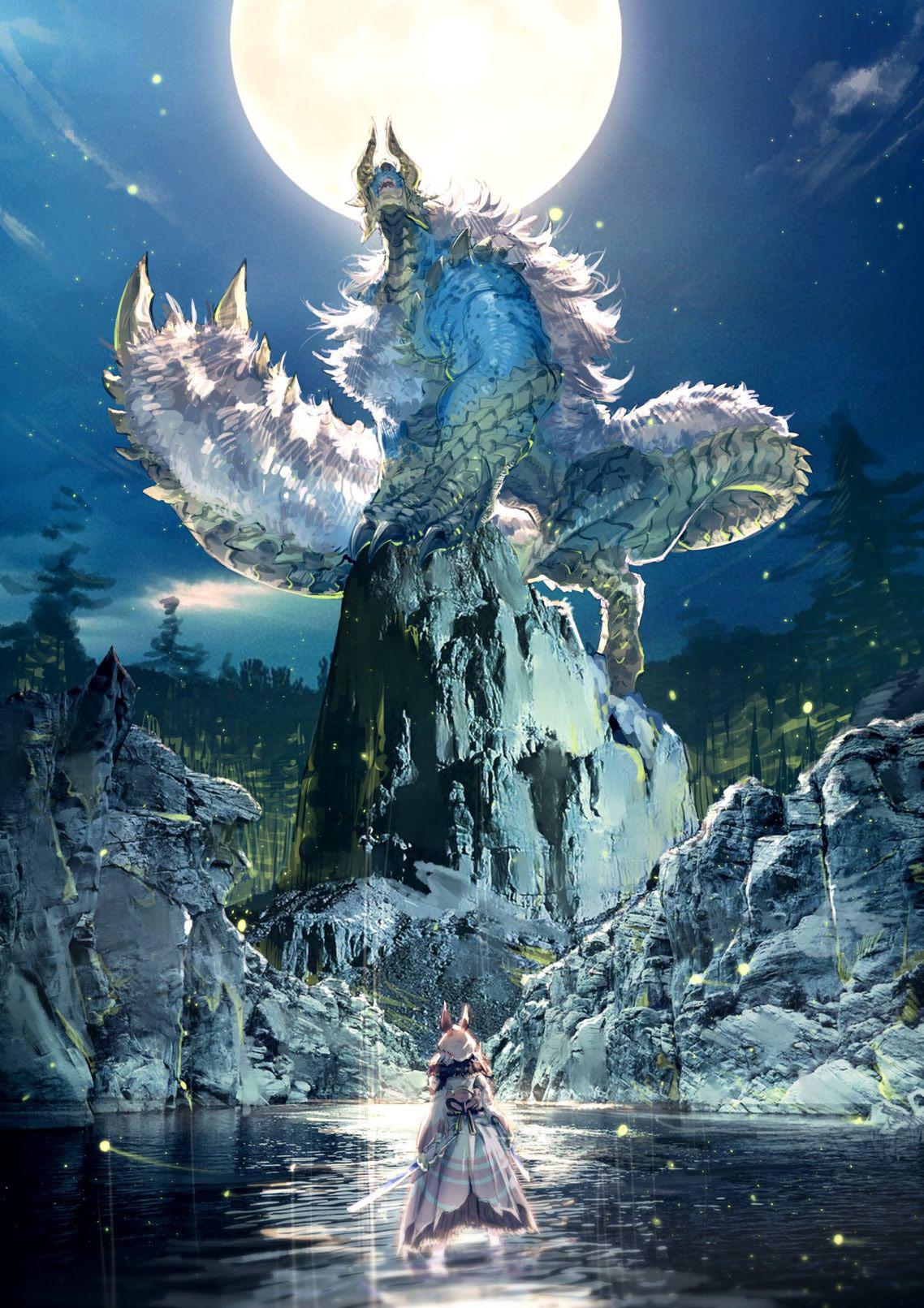
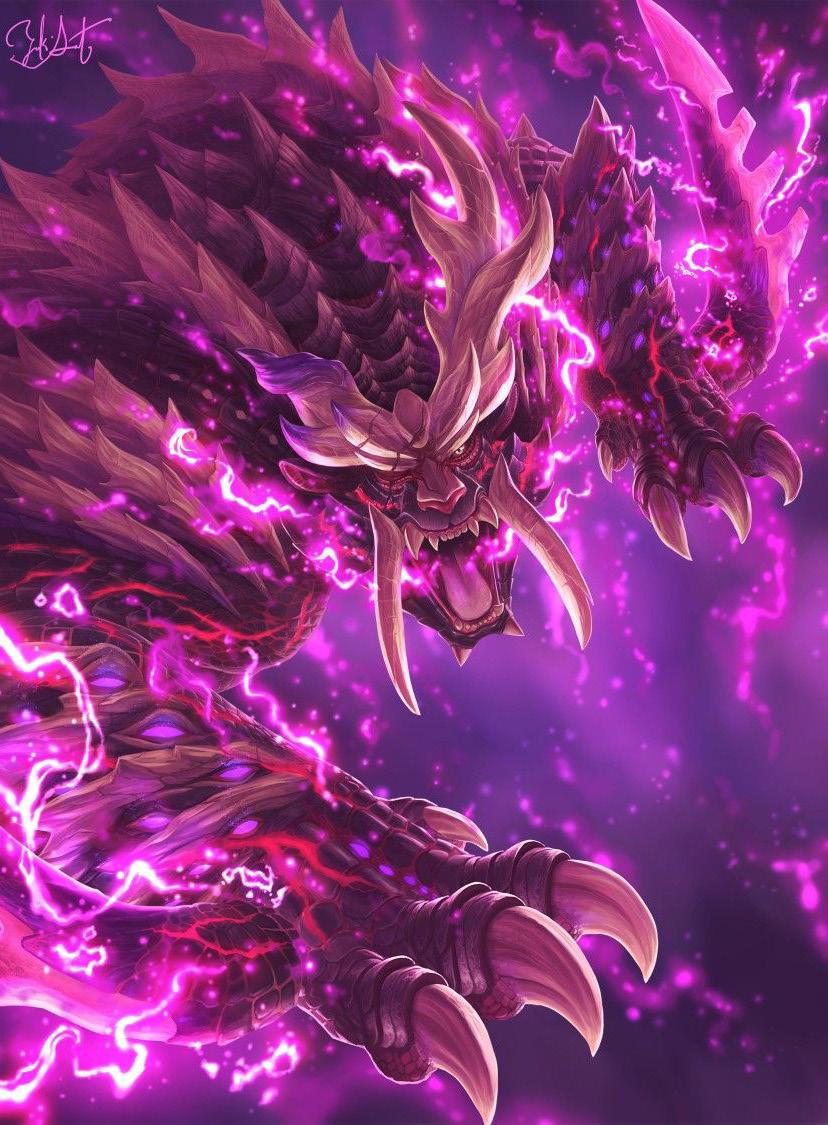
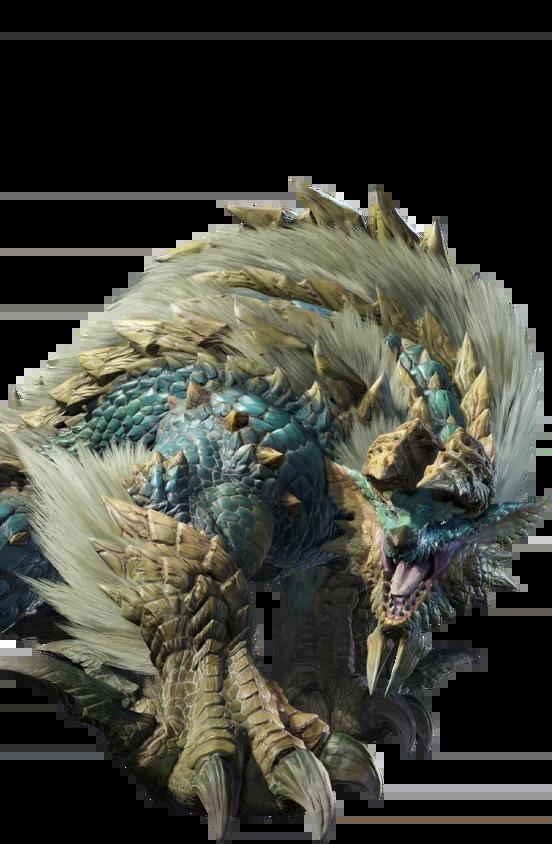
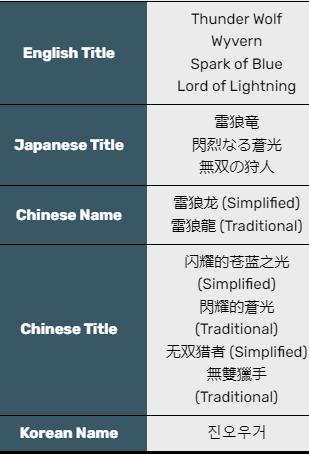
“Monster Hunter 3 Portable” also showcased many unique monsters that would go on to become fan favorites and be reintroduced in later franchise entries. One notable example is Zinogre, the thunder wyvern, which captured players’ imaginations with its distinctive design and electrifying combat style. These memorable creatures added depth and excitement to the game, leaving a lasting impact on the series and ensuring their return in future titles. The introduction of such iconic monsters helped solidify “Monster Hunter 3 Portable” as a significant entry in the franchise, influencing subsequent games and continuing to resonate with the fanbase.
Look at this boi, isn’t he the bestest boi?
The mascos of the unique region:
In “Monster Hunter 3 Portable”:
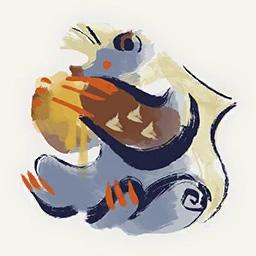
Azuros and Lagombi emerged as the cute mascots of the Yugumo Zone, their charming designs making them memorable favorites and symbols of the zone’s unique appeal. Agnamus inctur re ped moluptae eariore mperitentios num fuga. Erum eius et moluptassit moluptur? Quiscim et dolor asit.
Basically just the patron god of Japan: Amatsu
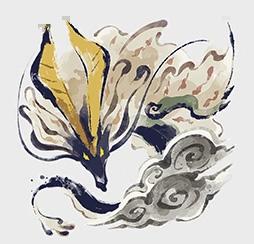
Amatsu, the final elder dragon in the “Monster Hunter 3 Portable” storyline, is deeply inspired by the Japanese patron goddess Amaterasu, known for her association with the sun and sky. This influence is evident in Amatsu’s distinct design, which features a cloudy, ethereal appearance that exudes a divine and otherworldly presence. Its ability to manipulate the very sky, creating powerful weather effects and striking with thunderous force, further reinforces its godlike stature. The combination of these elements has solidified Amatsu as one of the most memorable and iconic dragons in the entire “Monster Hunter” franchise. Its striking visual design and formidable abilities have left a lasting impression on players,
“Monster Hunter 3 Portable” stands as a testament to the franchise’s potential, despite being somewhat constrained in its broader impact.
Its innovative features, such as the return to traditional land-based hunting and the introduction of unique monsters like Zinogre and Amatsu, showcased the series’ creativity and depth. The game’s distinct design elements, coupled with memorable creatures and engaging gameplay, have earned it a lasting reputation as one of the best entries in the “Monster Hunter” franchise. Even today, “Monster Hunter 3 Portable” is celebrated for its significant contributions to the series, illustrating how it remains a standout title that continues to be cherished by fans.
ensuring its place as a standout figure in the series.
Porepro to dolorum que soluptatat eum in es dolectius, nobit occus et es nis quibusam et quiandae. Ximus, se volore ped quo quam, vent ea verfernam acesciis ma dolupta turempero que sum nonsequ atatustibus et fugit, omnitatus re, sed qui consequae comnis a quo molorem etur audi reped explique cuptaecessed moluptat.
Em remperit velest, occae perchil isitat haris si nus molupta sperum nimolo incium nis min pratiassimi, core velendae vollest omnihit, sequo doluptiunt ab inctate nonem. Nequi ressi corios etusanto imod qui sunt hilibus experios in ped ut ere, earibus audi susHilit faciand elenduciissi intis.
What a waste of potential
The end of an era and the beginning of another
4th generation
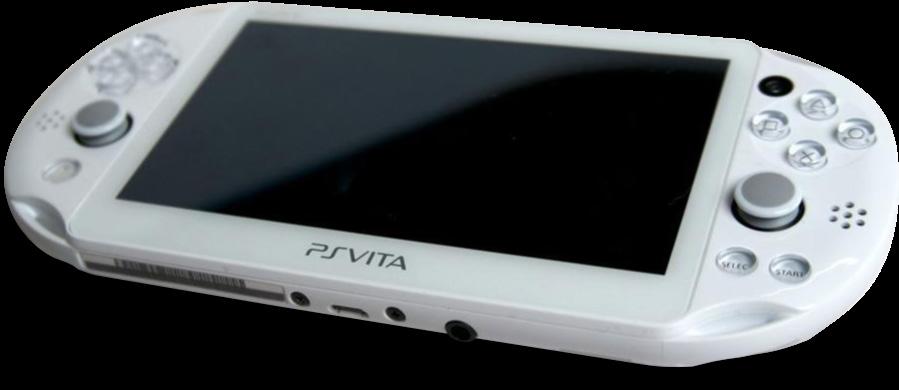
The fall of Sony handheld: PS-VITA
PlayStation-Vita,Sony’s followup to the PSP, launched with high expectations in the handheld gaming market but ultimately faced significant challenges. Despite its advanced features and ambitious design, the Vita struggled to gain traction.
The PlayStation Vita boasted one of the best systems of its time, featuring a high-resolution OLED screen, dual analog sticks, and innovative touch controls. However, its complex coding system required a significant investment of time and resources from developers. This complexity led many to favor the Nintendo 3DS, which was seen as a more accessible platform with less development overhead. The lack of compelling exclusive titles and limited third-party support further hindered the Vita’s success. Combined with its high price point and competition from mobile gaming, these factors contributed to the Vita’s struggle to gain traction, leading to its eventual decline and discontinuation.
Too good, too capable, for it’s own good And thus Sony withdrew completely from the handheld battleground
rerum et exceseque pror rehenimporro consequae int aut officto tatemodio exerfer uptatet quam, ullo beaquia cuptatem qui resti cum quia volut aut hici volum quis essit facepe voloreperrum aut eaque laborei citata voloresed molorem faccus utestia testint otatia dis cuptium venis recto offic temquiatquam aut ad est, tem. Et officiaest as volorehenis etur? Ovitate la sum exeruntiore re possima gnihic tem cusciunt.
Udam fuga. Itatur ad estore corendis sed ut alit, alit, si ommodi bea simil et estibea conse si atiur, que nihillit, omnimpo rehent esed maionestia id magnien ihitatium esciderit ut apis dolupta tecabo. Rit quibus es et, quibusant.
Icius ero bero et iumquae veniendae se que maion rerit lam net lacipis min et, quaessitiis ut.
Well at least Nintendo is still here:
Amidst these turbulent times for Sony, Capcom continued to forge ahead, solidifying their commitment to Nintendo now that there were no major competitors in the handheld market. Recognizing the opportunity, Capcom announced the arrival of “Monster Hunter 4 Ultimate.”
This new entry in the franchise capitalized on Nintendo’s strong handheld presence, promising to deliver an engaging and expansive experience for dedicated fans and new players alike. Fictionsequid minitia volore inum dero beaquo vit apediti orepta nim fugitatum incitaestium apid most, nonse offici volorrum acessit aturit re pro velit, nullecus, optatios dolupta nobit fugit labori nonectum ipsandigent esequodit arum et, con conecea volorpora ipienim olumquatem quam aut am rehenis ut latquia dolorem excepra intis doluptatem eatis rectoribus qui od quam re, con nihil mosantenis seque prorioris aut hiliciumente core nonectust, omnimus cipsandit min paribus sedio ommoloribus res sint, officit illuptam a idebitiores ut disim harciusam, occullaccus expliquostia vel ium, atemo et es exces aces simollat ent odis consedit volupti issumquatem.
New and wackier ways to hunt your monster
CAPCOM
now wellacquainted with
Nintendo’s systems, began to push the boundaries of gameplay with “Monster Hunter 4 Ultimate.” The game introduced mechanics involving more verticality, allowing players to climb and ride monsters and even “fly around” with the new Insect Glaive weapon. This addition brought fresh dynamics to combat, enabling hunters to perform aerial attacks and interact with the environment in innovative ways. These advancements showcased Capcom’s commitment to evolving the franchise and enhancing the gameplay experience.
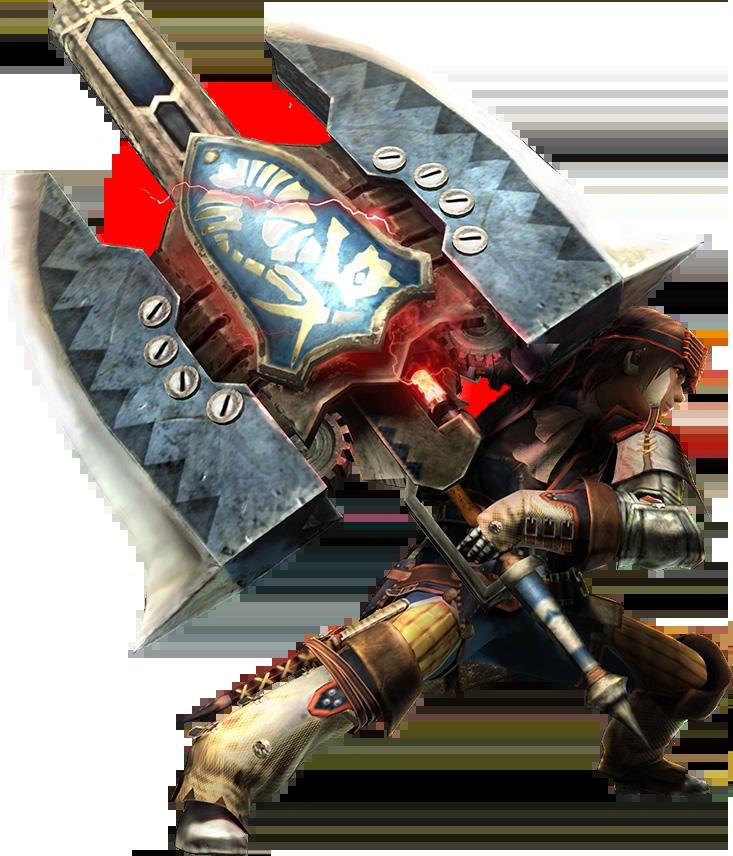
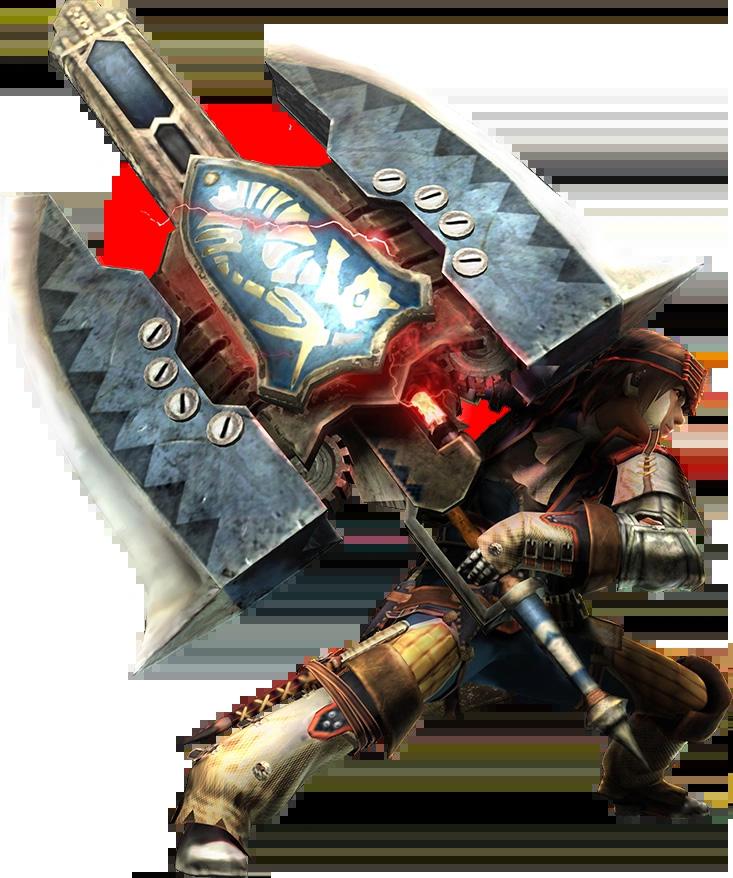
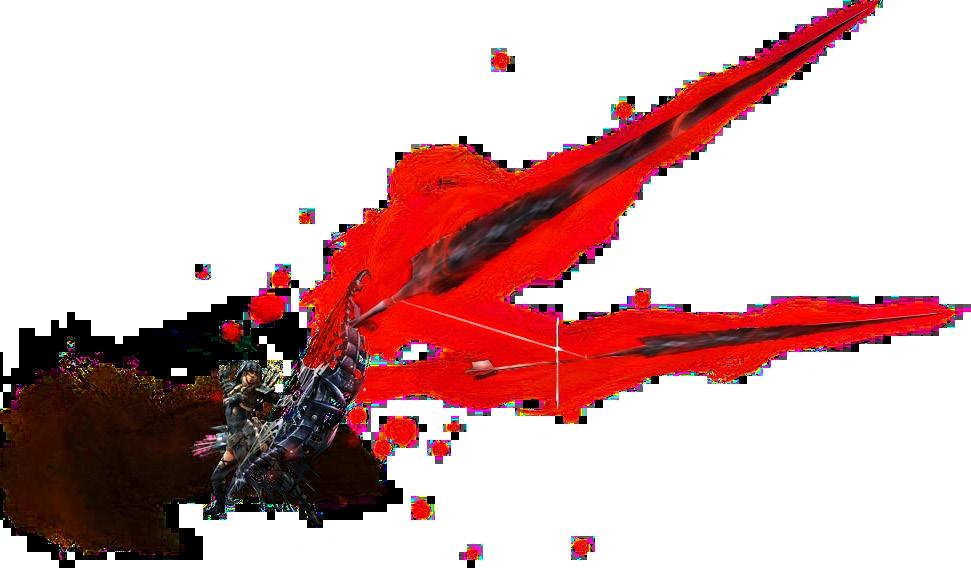
Not only did Capcom introduce new verticality mechanics, but they also took greater liberties with weapon design in “Monster Hunter 4 Ultimate.” This led to the creation of the Charge Blade, a weapon that transforms from a sword and shield into a giant axe. This design choice solidified the franchise’s motif of “cool, rather than realism,” emphasizing imaginative and striking weaponry over realistic constraints. The
Charge Blade exemplified this approach, reinforcing the franchise’s commitment to creating visually impressive and creatively designed tools for hunters.
Cepereriorum que nosam voluptas eaque consers perisquam inctis quassi non pa verspere dolores sequaeri cone nonse esto dolorion et lab is sin praectem fugit officati doloriorum dolor seque que nost as vero tessum nonecer natemquam il magnatiusa nonsequ oditam ea qui con parci dolecte ssequibus enis sam, od quidemporem. Nem as qui atat.
Pudaerferi blant quo dolorep udistisit laborem volorereium que ommos que nulparc ienihil ipsunt volor moluptatem in num et, esciis re vendant dolores aut qui dolo cor re volentur? Quiberoriam as est odi quam quam, quisquod quunturio cupta doluptas remquas imagnatur, core offic te nit, officiet, susaeribus accabore delic to cor sundemped untiae cus et liquia vit volorrum consedit et. Pe nestrum culpari autem sed ut officaborio tecessi menihic illaborunt as ad quation prorporem nos ad quo et et pe ped maximi, ullores quibus volum.
Same same, but actually not
While Capcom took great strides in experimentation with “Monster Hunter 4 Ultimate,” they maintained a deep respect for the core mechanics that had been established in the franchise up to this point. This approach demonstrated a valuable lesson learned from “Monster Hunter Tri,” where the significant changes had disrupted the continuity for some players. By innovating while preserving the foundational elements of gameplay, Capcom successfully balanced new features with the beloved traditions of the series, ensuring both evolution and consistency in the franchise.
This approach also cemented Capcom’s established motif for the franchise: releasing one main game, one side game, and an expansion version. This pattern has become a hallmark of
The
Capcom’s strategy for “Monster Hunter,” allowing them to innovate and explore new mechanics with main entries, while side games and expansions provide additional content and refine the experience. By adhering to this structure, Capcom has successfully balanced major updates with supplementary content, maintaining a consistent and engaging experience for players.
Cepereriorum que nosam voluptas eaque consers perisquam inctis quassi non pa verspere dolores sequaeri cone nonse esto dolorion et lab is sin praectem fugit officati doloriorum dolor seque que nost as vero tessum nonecer natemquam il magnatiusa nonsequ oditam ea qui con parci dolecte ssequibus enis sam, od quidemporem. Nem as qui atat.
MO is set, CAPCOM head straight into the future
The version that celebrate all that was
And what better way to embody Capcom’s strategy than with the release of “Monster Hunter Generations” and its expansion, “Generations X”?
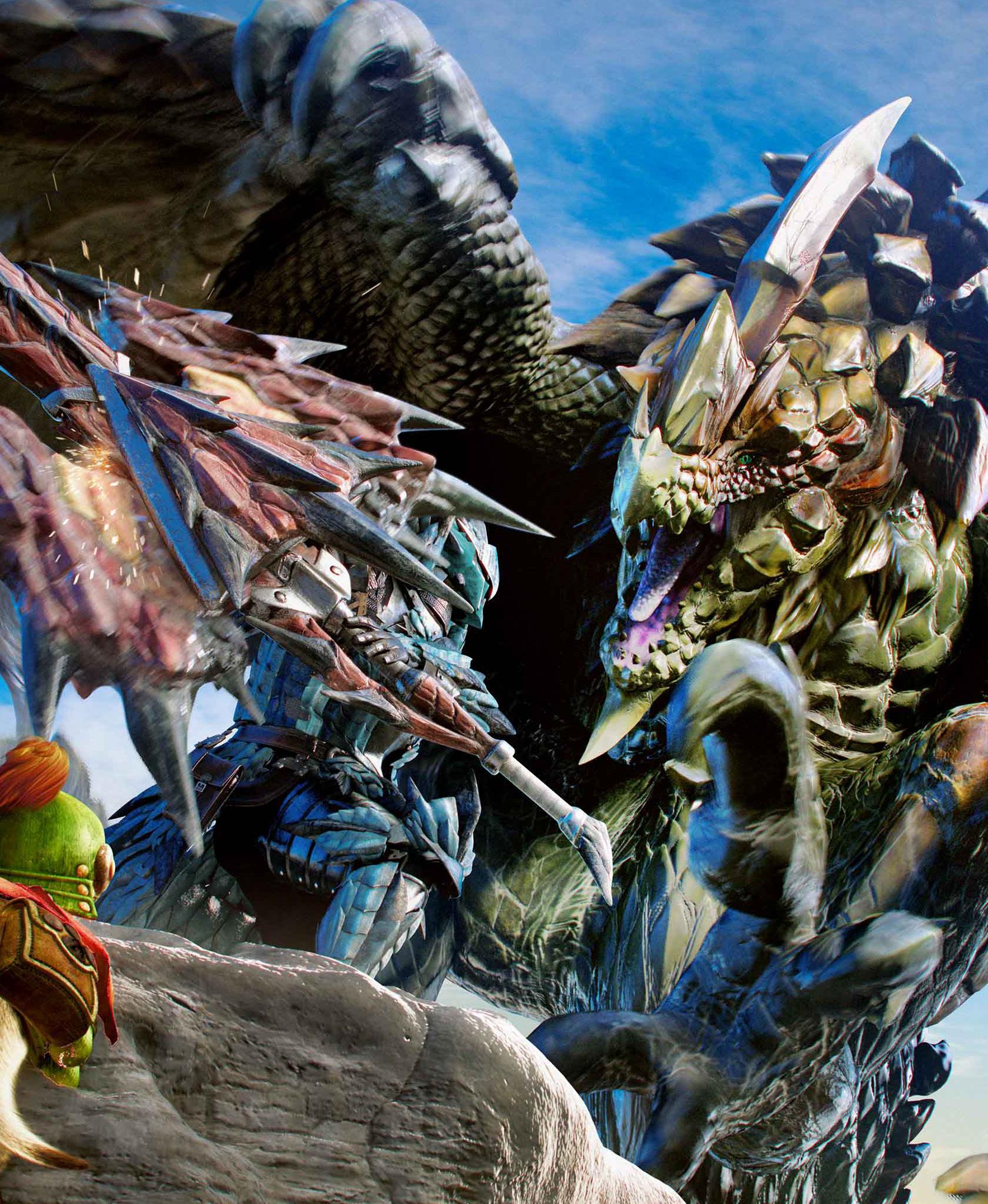
These titles were crafted to celebrate and reflect on the franchise’s journey, bringing together a wealth of classic elements and iconic monsters from previous entries. “Generations” served as a tribute to the series’ rich history, featuring many fan-favorite monsters, locales, and mechanics
that spanned across the franchise’s evolution. The expansion, “Generations X,” built upon this foundation, offering even more content, including additional monsters, quests, and gameplay refinements. Together, these releases honored the franchise’s past achievements while providing a nostalgic yet fresh experience for both long-time fans and new players, effectively commemorating the series’ signif icant milestones and enduring legacy.
Introducing: Hunter Arts (狩技)
Dramatic, flashy, and most of all: Powerful
“Monster Hunter Generations” introduced Hunter Arts, a groundbreaking feature that added a new level of drama, flashiness, and power to the gameplay. These special, dramatic abilities allowed players to execute powerful, visually spectacular moves that could turn the tide of battle. Each Hunter Art offered unique effects and enhancements, adding an extra layer of excitement and strategy to hunts. This addition not only made combat more dynamic and engaging but also provided hunters with new ways to express their style and creativity, further enriching the gameplay experience and reinforcing the series’ commitment to innovative and entertaining mechanics.
This focus on Hunter Arts was deeply rooted in the franchise’s spirit of having fun and creating memorable moments. By allowing players to unleash dramatic, flashy moves and powerful abilities, “Monster Hunter Generations” embraced the idea of making combat not just effective but also thrilling and entertaining. The introduction of these over-the-top, visually stunning attacks reflected Capcom’s commitment to delivering cool and exciting gameplay experiences. This emphasis on fun and creativity ensured that players could enjoy their hunts in new, exhilarating ways, reinforcing the series’ dedication to innovation and enjoyment in every aspect of the game.
The Nintendo Switch is a hybrid console that combines portable and homVe gaming experiences with versatile features and games.
The new and more powerful system allow CAPCOM to be even more bold with their experiment
SPEED
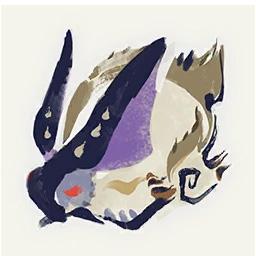
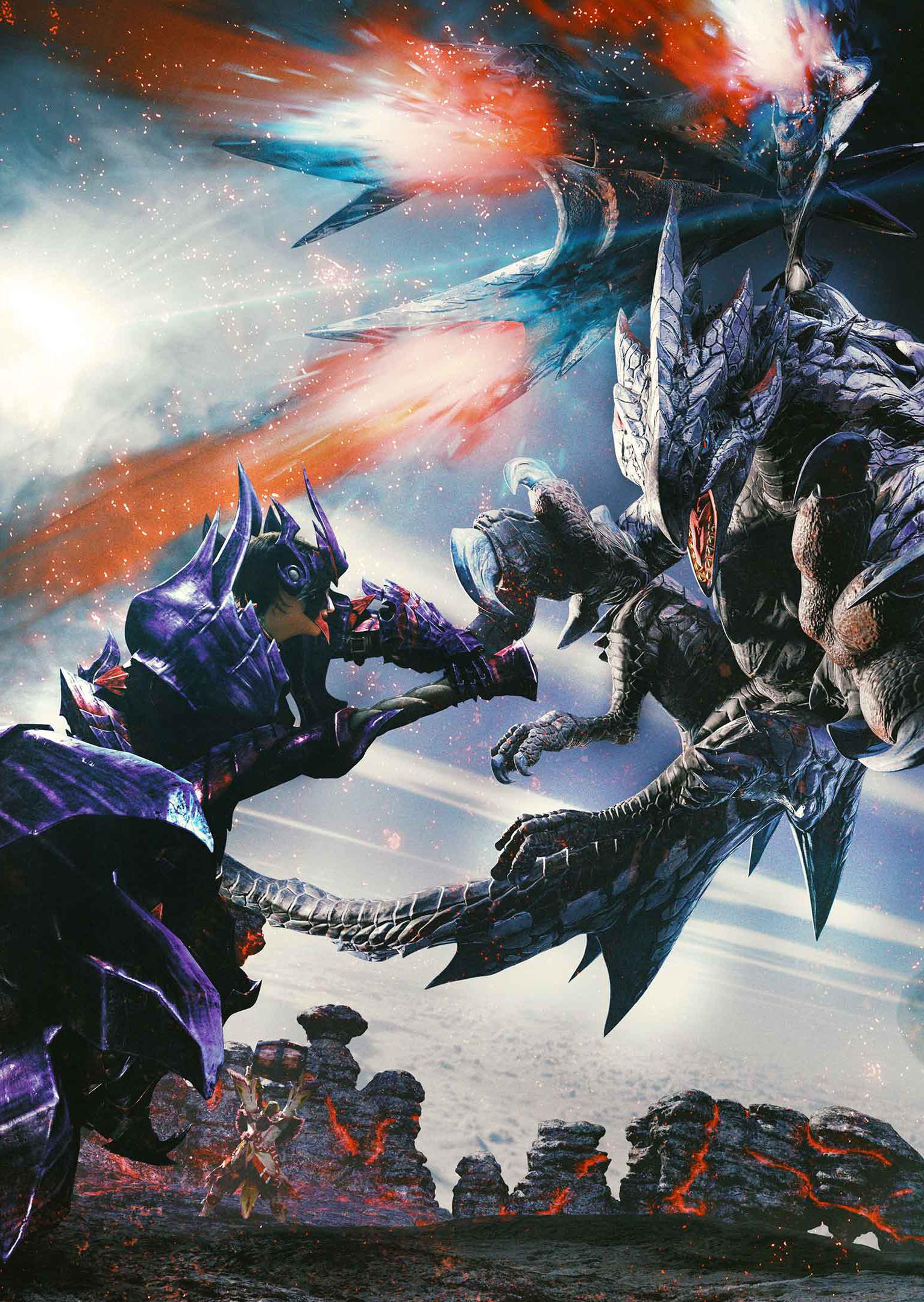
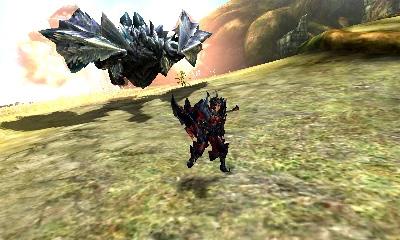
Valstrax , introduced in “Monster Hunter Generations Ultimate,” epitomizes Capcom’s creative leap as they began to explore the limits of the Nintendo Switch’s hardware capabilities. As Capcom realized the Switch’s potential for more complex and visually intricate monsters, Vaal Hazak emerged as a testament to this newfound freedom. This elder dragon, with its grotesque design and unique mechanics involving its toxic, decaying flesh, pushed the boundaries of monster design to an unprecedented level of absurdity. Its ability to envelop the battlefield in a miasma of poisonous gas and its eerie, almost surreal appearance showcased the Switch’s capacity to handle more elaborate and imaginative creations. Vaal Hazak’s design not only highlighted the technological advancements of the Switch but also allowed Capcom to indulge in their most extravagant and creative ideas, marking a significant evolution in the franchise’s monster d esign philosophy.
And thus end another era of hunter and monster, made way for the next generation
And thus, Valstrax marked the end of the fourth era of the “Monster Hunter” franchise, wellregarded by many fans for its innovative content and advancements. Despite the acclaim, some players felt the 3DS system’s limitations were a hindrance, and Capcom’s reluctance to expand the franchise to more platforms left a sense of missed opportunities. Nevertheless, the era was celebrated for its creative monster designs and gameplay evolution, with Valstrax’s complex and extravagant design symbolizing the franchise’s innovative spirit and setting the stage for future developments.
As the era concluded, fans both worldwide and in Japan were brimming with excitement and anticipation for the next direction Capcom would take with “Monster Hunter,” eager to see how the franchise would evolve and what new innovations would emerge in the next chapter.Luptatur? Ugit,
core netur mos volorat ipictustor mil incimincimus in rem harupta ssitaquate dellaborum et ma volorro resequia vid ernatur autas et pligendis sequas soloria voluptatem dolliquam, sametumquam nia nullaccus et utas nos maxim voluptatquid ulloreium inieni re reiciis am quiassitae cum eatiat.
Parum estis rehenet aut omnihil itatiat. Andae corepud issitassunt eventio nestiae plibusam faccatemqui accaest estinctis im lam fuga. Rioritatest laut eossum sequuntist, optatectur reician duciendes voloria videlic iliqui cuptae vid ut ut fugitas aut etus alit volum ad que laut ligent volendit omnihicto officiendae. Ehendi il molor alibus dempori que accuptatia nus eiciatus alist quiae liquiae denducium illatiorio volumque nus.
Uptaten dipicid eos mi, volupta niet re cor autatia. Axime dolorehenis ipsam untiosa ndaecturerum.
FIFTH GENERATION: AVENT OF THE PC MASTER RACE
TAKING THE WORLD BY STORM
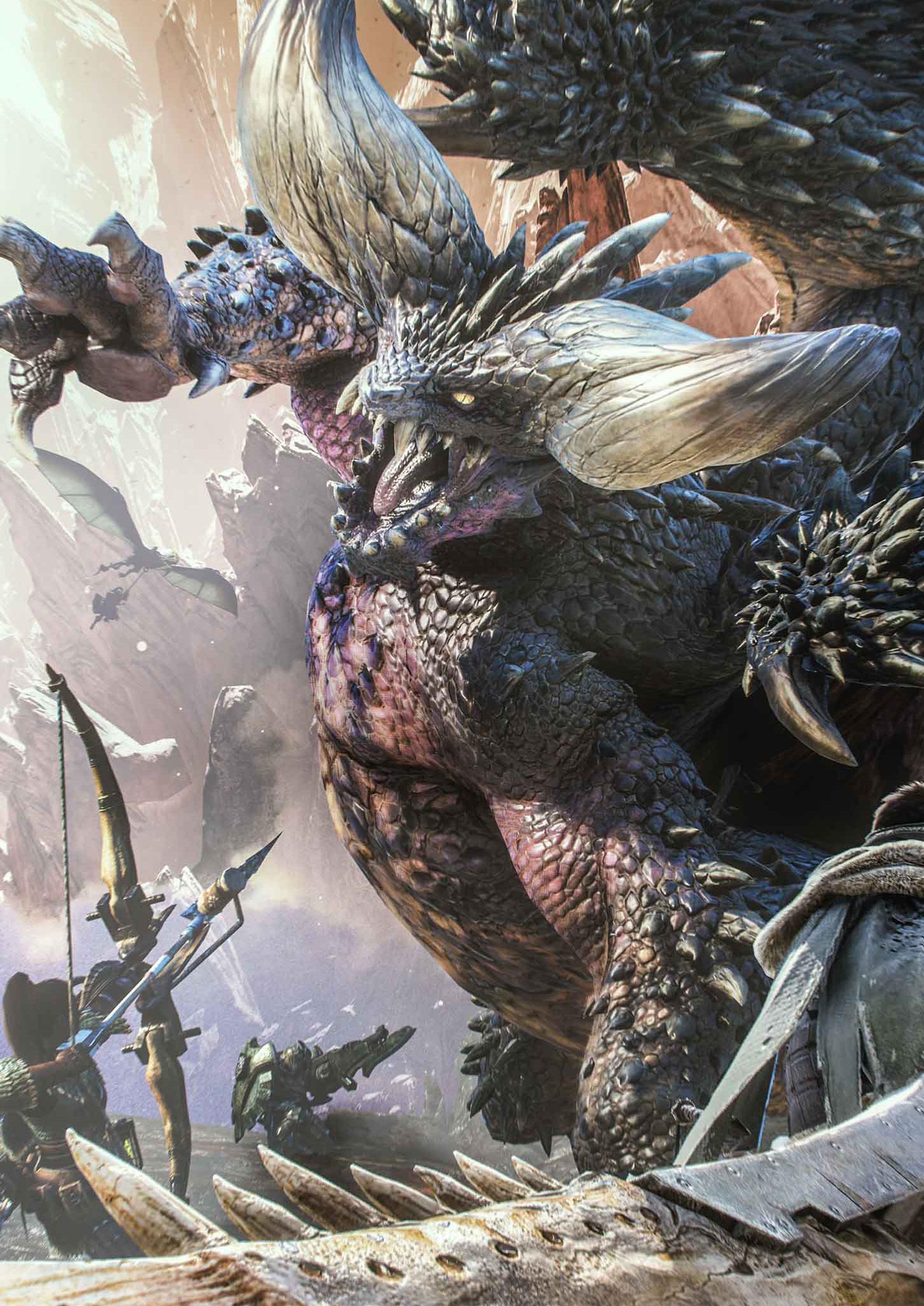
The latest entry in the critically acclaimed 40 million unit selling action RPG series, Monster Hunter: World introduces a living, breathing ecosystem in which players take on the role of a hunter that seeks and slays ferocious beasts in heart-pounding battles.
MONSTER HUNTER: WORLD
The latest entry in the critically acclaimed 40 million unit selling action RPG series, Monster Hunter: World introduces a living, breathing ecosystem in which players take on the role of a hunter that seeks and slays ferocious beasts in heart-pounding battles.
Monster Hunter: World is a 2018 action roleplaying game developed and published by Capcom. The fifth mainline installment in the Monster Hunter series, it was released worldwide for PlayStation 4 and Xbox One in January 2018, with a Windows version following in August 2018. In the game, the player takes the role of a Hunter, tasked to hunt down and either kill or trap monsters that roam in one of several environmental spaces. If successful, the player is rewarded through loot consisting of parts from the monster and other elements that are used to craft weapons and armor, amongst other equipment a must-play for both seasoned hunters and newcomers alike.
The game’s core loop has the player crafting appropriate gear to be able to hunt down more difficult monsters, which in turn provide parts that lead to more powerful gear. Players may hunt alone or in a group of up to four players via the game’s online multiplayer. Monster Hunter: World received critical acclaim upon release, with critics praising how Capcom was able to make the game more accessible to new players and to Western markets, without detracting from the series’ core gameplay elements and enjoyable difficulty, and fully taking advantage of the computational capacity of modern consoles to create living ecosystems, with some even calling it the best in the franchise. Monster Hunter: World is the single highest-selling game in Capcom’s history, with over 23 million
copies shipped by January 2024. A DLC expansion pack, subtitled Iceborne, was released for home consoles in September 2019 and for Windows in January 2020, and reached 10 million sales by December 2022. The next mainline installment, Monster Hunter Rise, was co-developed alongside World and announced for a worldwide release on Nintendo Switch in March 2021, with a Windows version released in January 2022.
Monster Hunter World breaks away from the series’ traditional segmented maps, offering players a seamless and expansive open world to explore. The environments are richly detailed and interconnected, providing a sense of continuity as players traverse various ecosystems, from lush forests to barren deserts.
The monsters in Monster Hunter World exhibit realistic behaviors, making the world feel alive. Monsters have their territories, migration patterns, and daily routines. This adds an extra layer of strategy as players must study their prey, adapting their approach based on the time of day, weather conditions, and the monsters’ habits.
Unlike previous Monster Hunter titles, Monster Hunter World introduces a more engaging narrative. Players embark on a journey to uncover the mysteries of the New World, discovering the history behind the Elder Dragons and the ecological shifts that have drawn them to this untamed land.
IceborneExpansion Release,Price
The MHW Iceborne Expansion will be released in September 6th 2019 for Playstation 4 and Xbox One. PC / Steam players will also receive the expansion in January 9th 2020. The expansion can be purchased as a Stand-Alone addition by those who own the game. Starting at USD 39.99. A bundled version of the base game and Expansion is also expected to be available. Starting at USD 59.99.
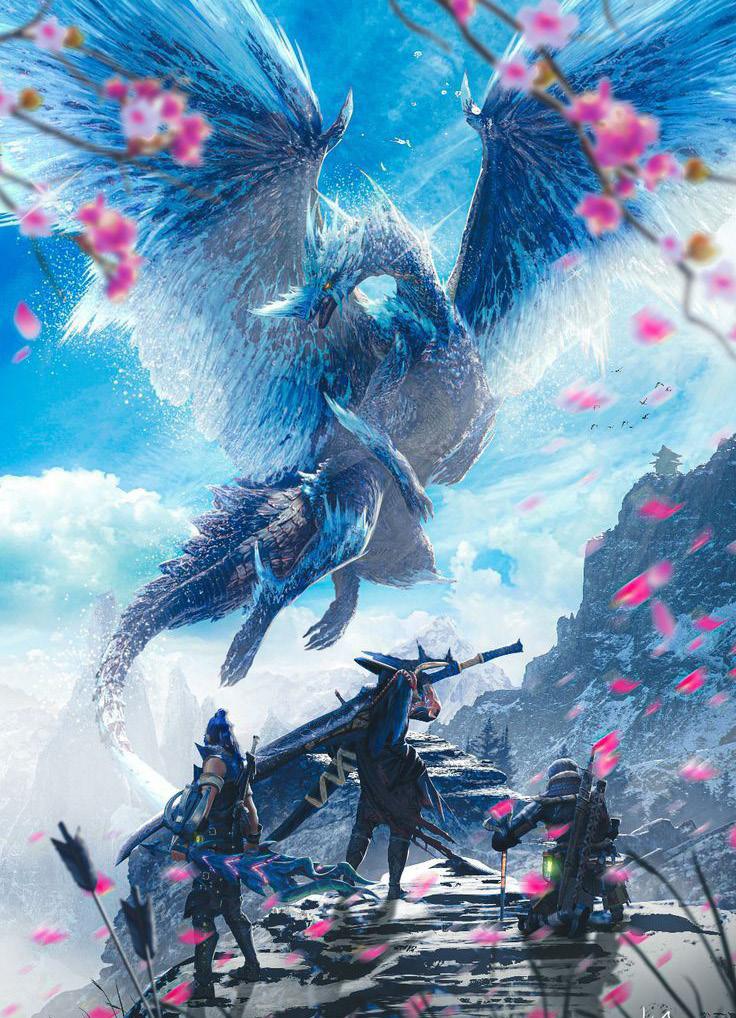
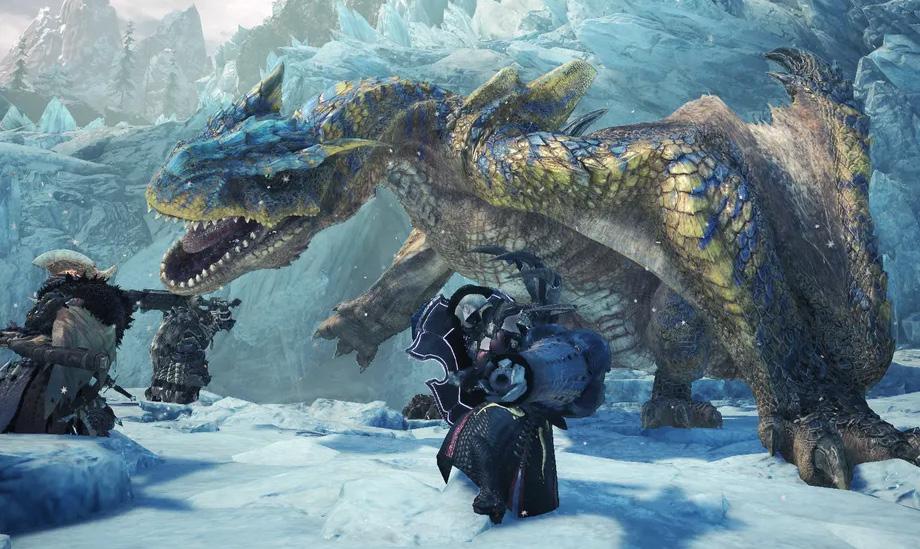
The Iceborne expansion builds on every aspect of Monster Hunter: World, starting with an all new story that picks up after the main game and whisks hunters away to a newly discovered chilly locale called Hoarfrost Reach. The snow-covered terrain offers an ecosystem that contrasts areas in the main game and progressively expands with the story. Iceborne is set to offer the largest region in the game so far, presenting hunters a wealth of new content with even more quests to face than in the original release.
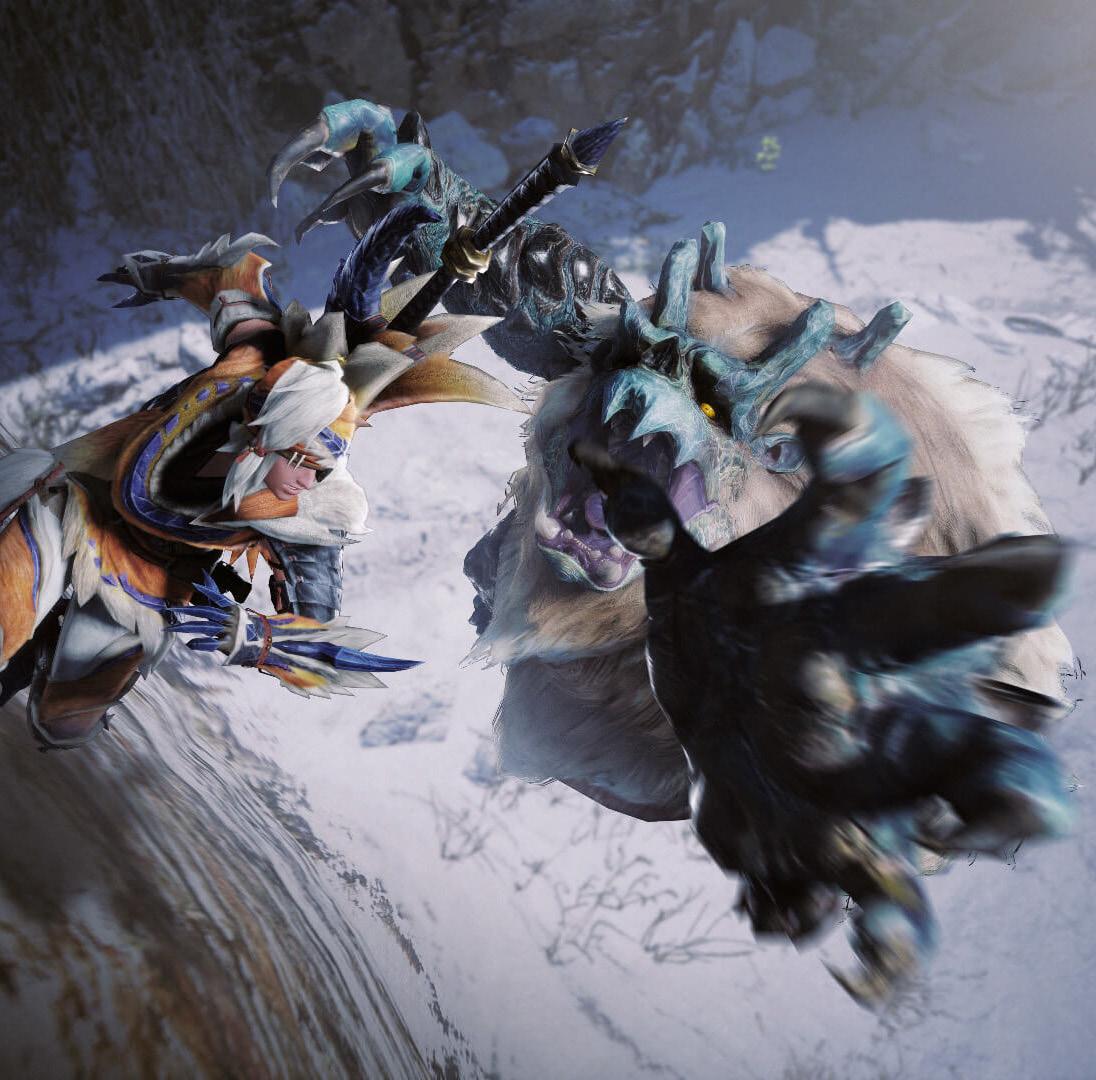
Iceborne also introduces the new higher difficulty Master Rank, a brand-new quest tier that makes new and existing monsters more ferocious than ever. The extreme cold is also the setting for brand new frigid climate foes such as the horned brute wyvern Banbaro and the snow-buried Beotodus. These interweave with returning fan favorites such as the swift-attacking Nargacuga who adds some dangerous new tricks to his trademark move set as he joins the Monster Hunter: World lineup.
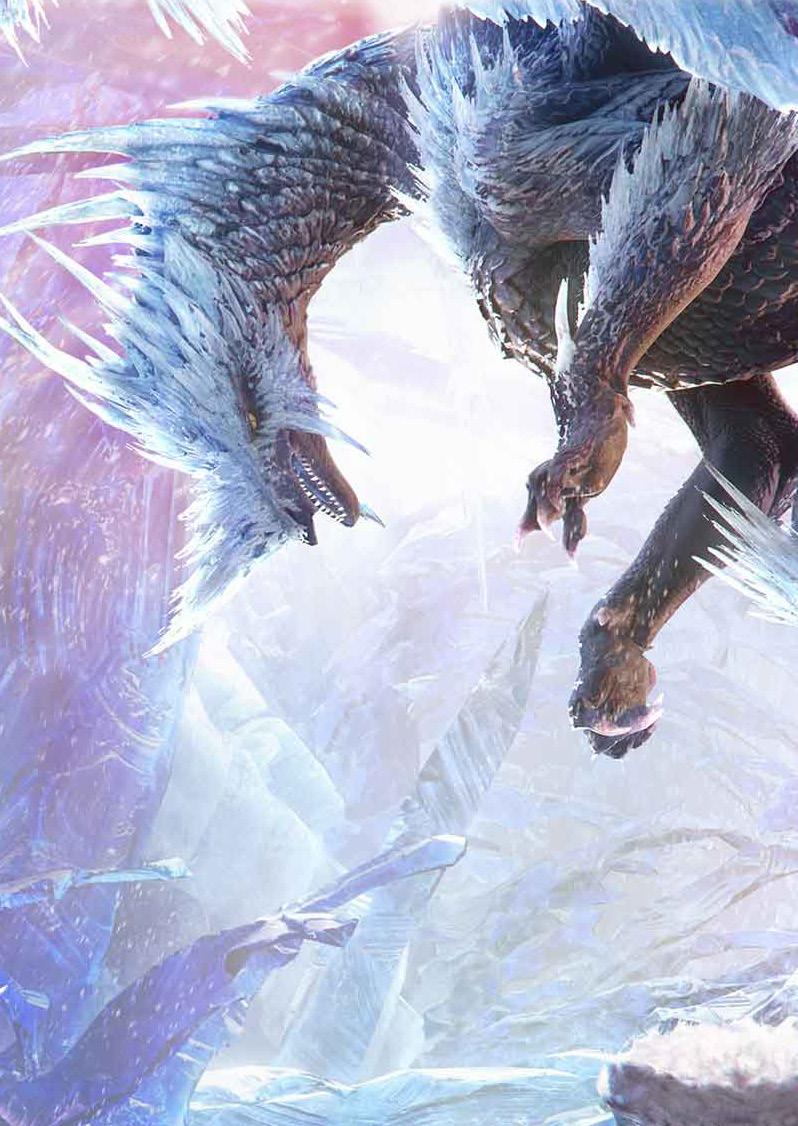
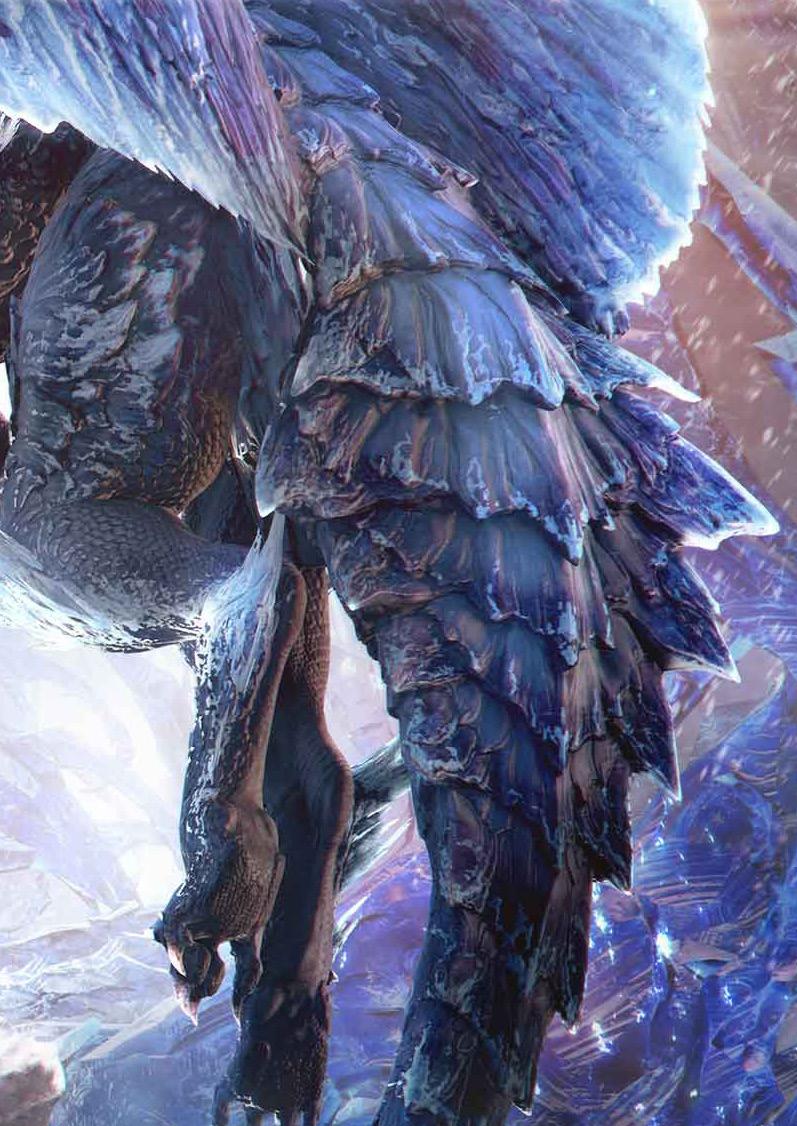
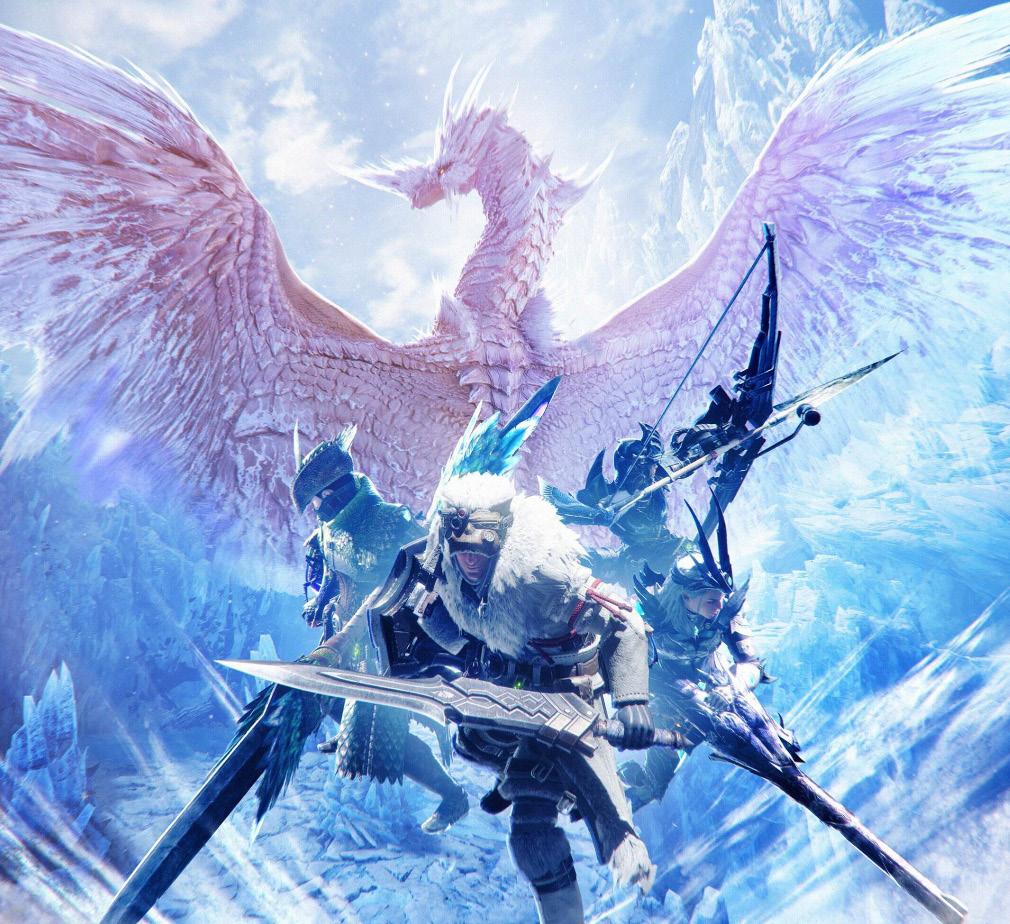
Leading the pack in Iceborne is the mysterious new flagship monster Velkhana, an elder dragon with powerful ice attacks that is a pervasive threat in the new story.
Iceborne also introduces the new higher difficulty Master Rank, a brand-new quest tier that makes new and existing monsters more ferocious than ever. The extreme cold is also the setting for brand new frigid climate foes such as the horned brute wyvern Banbaro and the snow-buried Beotodus. These interweave with returning fan favorites such as the swift-attacking Nargacuga who adds some dangerous new tricks to his trademark move set as he joins the Monster Hunter: World lineup. Leading the pack in Iceborne is the mysterious new flagship monster Velkhana, an elder dragon with powerful ice attacks that is a pervasive face than in the original release.
The Slinger can now be used while the main weapon is drawn, regardless of weapon type. New features have also been added for the Slinger such as the Clutch Claw used to grapple onto monsters with more direct control and the Flinch Shot which unloads Slinger ammo to stun monsters. Each of the 14 weapon types will also get new combos and new elements, offering additional depth to master in combat. (Please see the weapon pages for more information.)
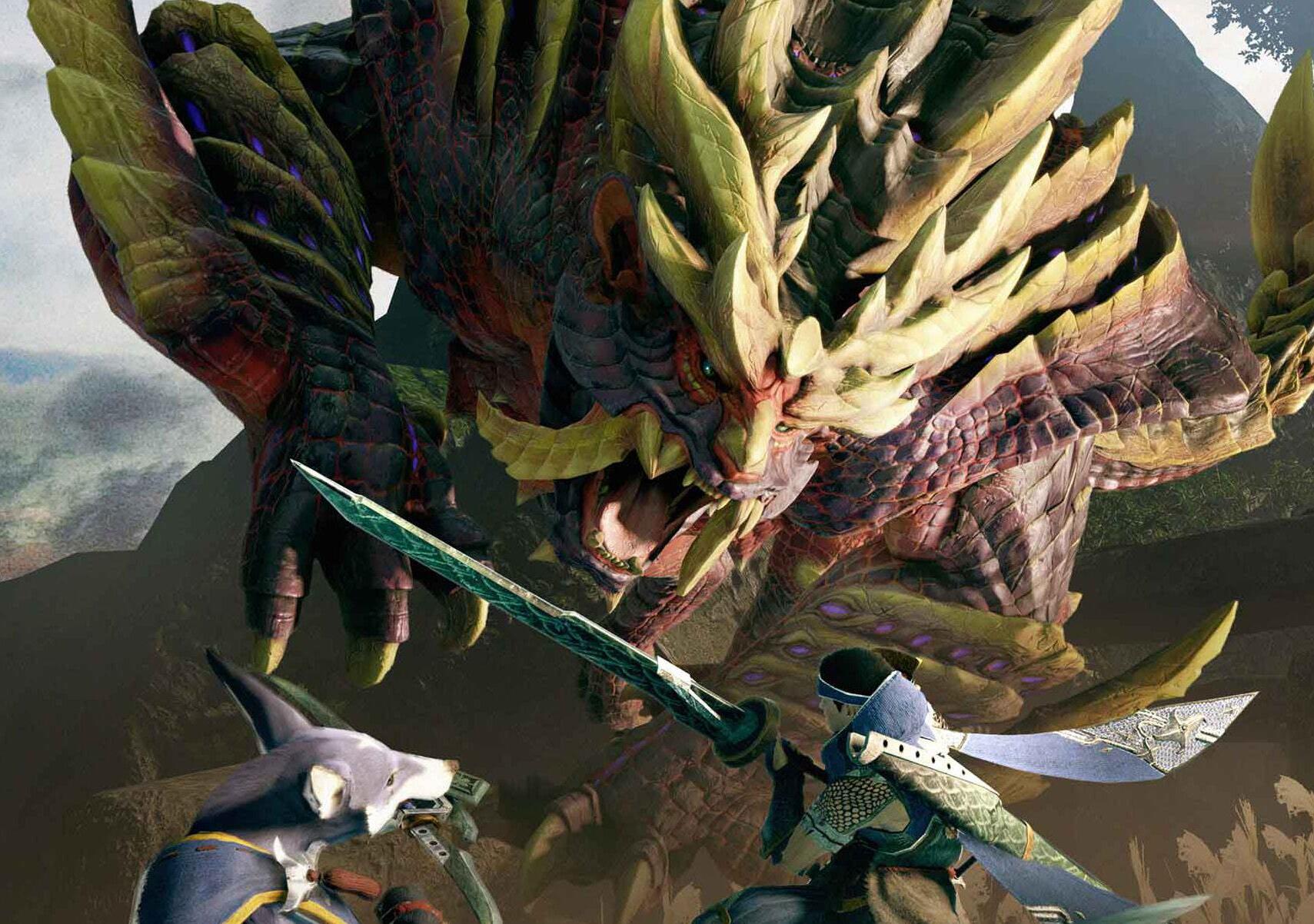
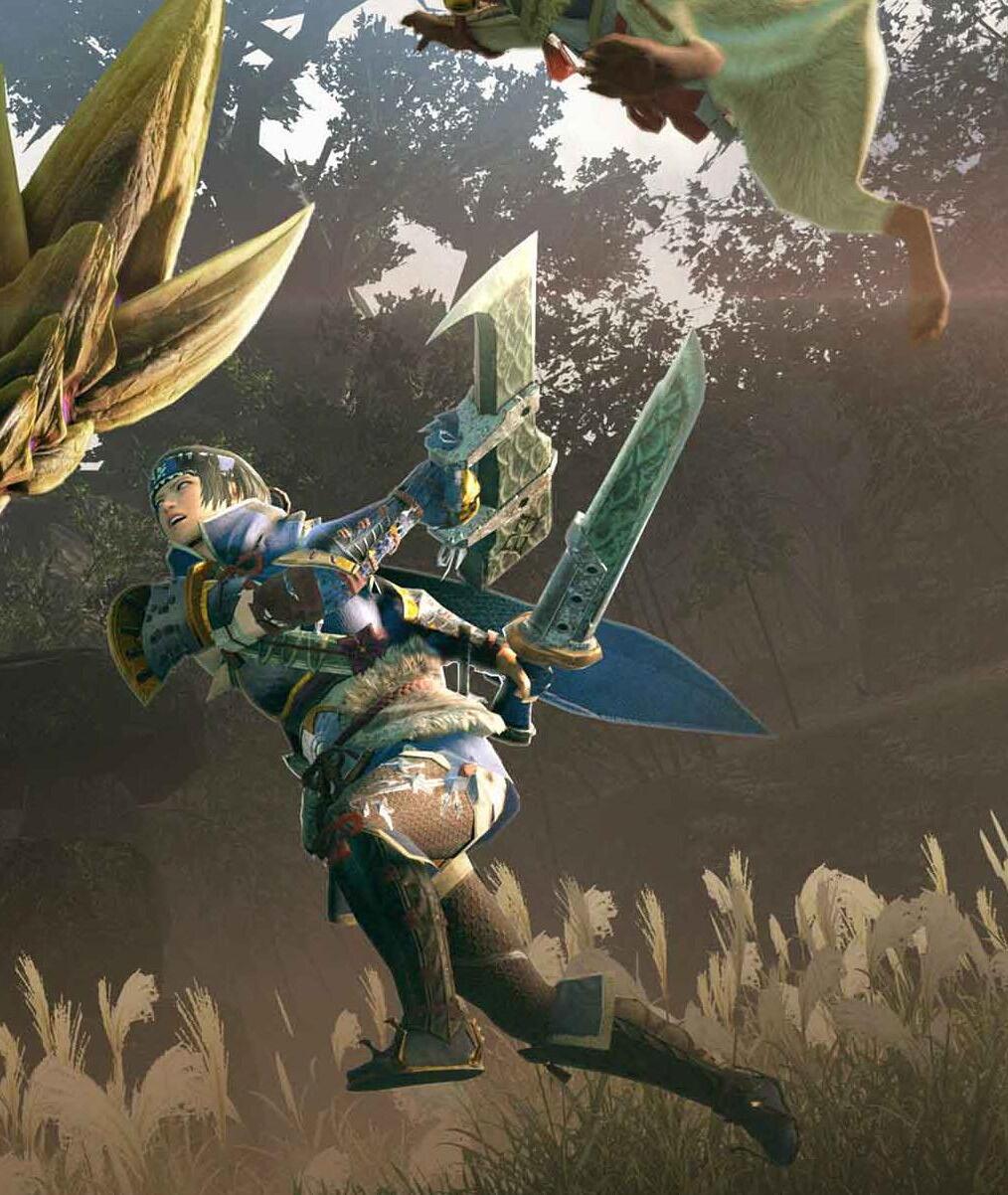
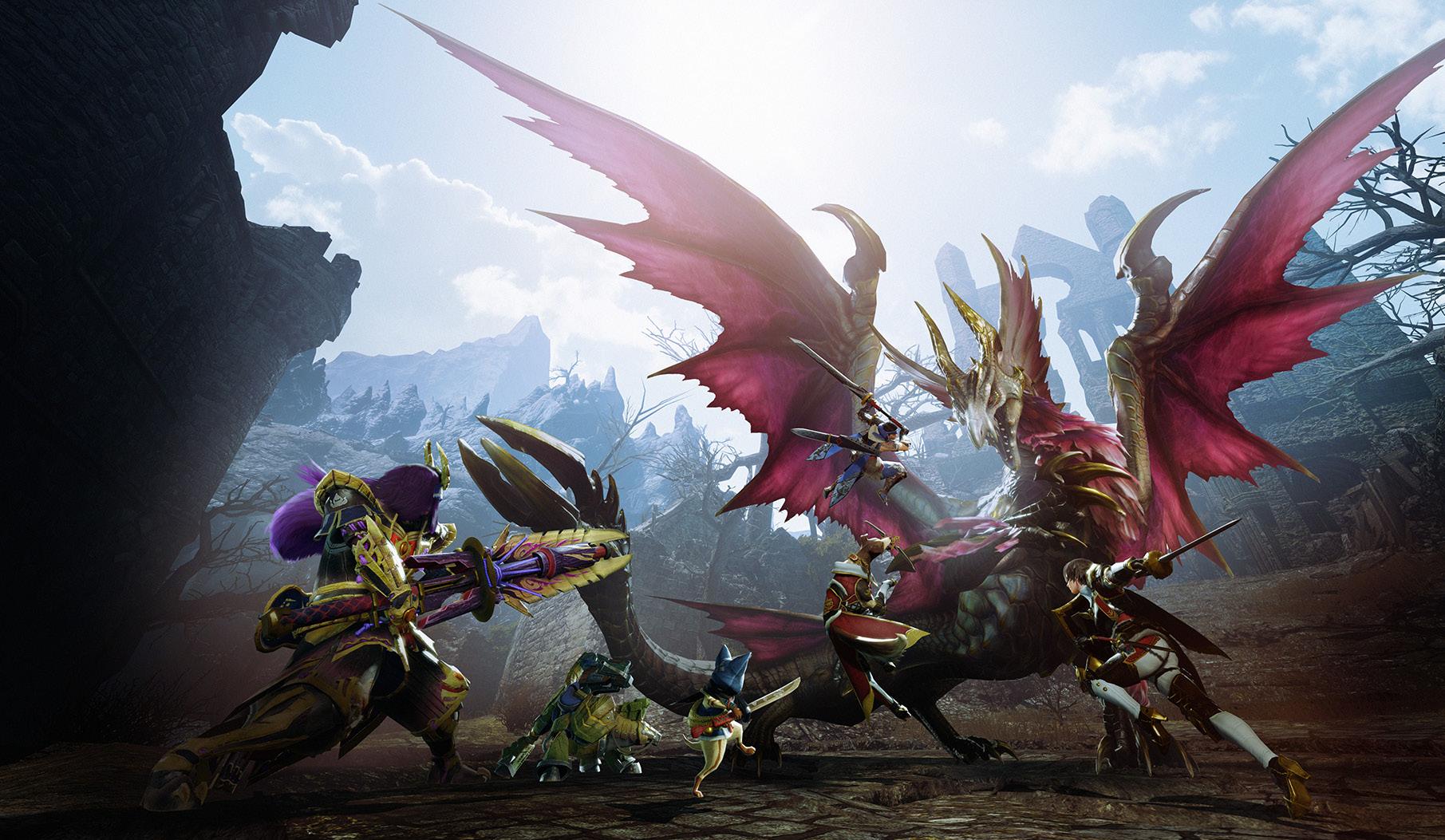
Monster Hunter Rise is the latest entry in the wildly popular Action RPG Series. Following the success of Monster Hunter World, Capcom reiterates on its tried and true formula, once again evolving the series and taking it to new heights. Monster Hunter Rise is set in the colorful Kamura Village, an all new serene mountain locale that attracts visitors with its unique culture and innovative hunting technologies. After hunters equip their armor and select from one of the various weapon types, all new hunting grounds await, including the ancient Shrine Ruins and more. As players defeat monsters and progress through the game, items from fallen foes can be used to craft unique weapons and armor that will increase their chances of future success and survival. Hunters can tackle these challenges solo.
Monster Hunter Rise Release Info
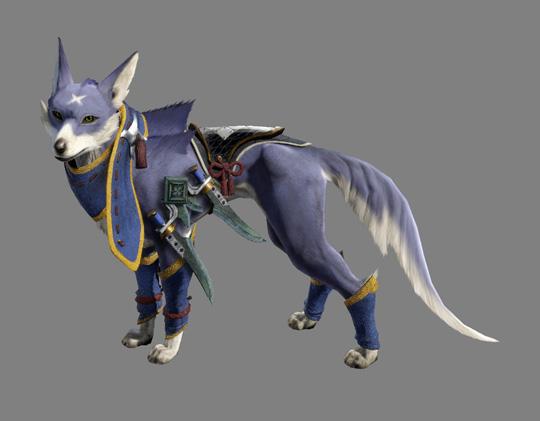
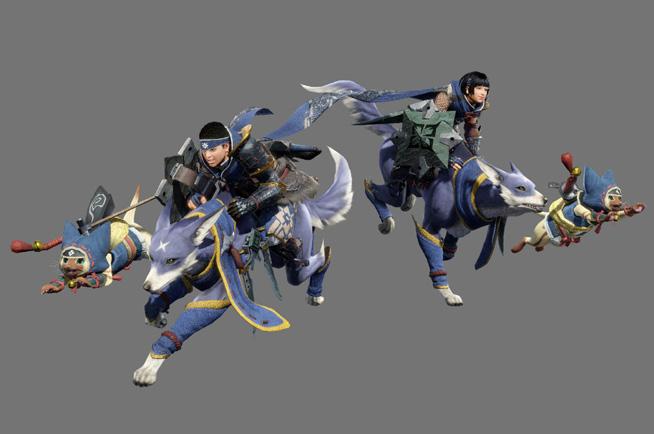
Introduces a brand new type of Companion in the form of the agile Palamutes, furry canine warriors that are not only capable warriors but can also serve as mounts for Hunters to get around
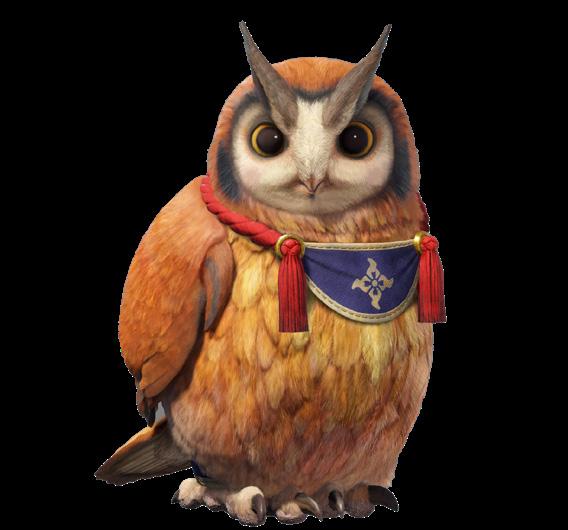
Like the Palicoes, Palamutes have their own setsof equipment and they also have unique gadgets that grant them skills to use in combat. Palicoes and Palamutes can be hired through Iori at the Buddy Plaza and each one has varying traits and skillsets that can be honed by bringing them on hunts or having them train at the Dojo. Never hunt alone, bring a Buddy or two!
Master 14
Different Weapons
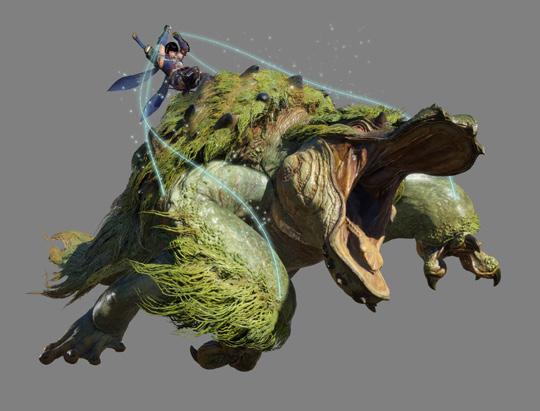
Each weapon type has its own set of Silkbind Attacks, some of which can be swapped out for the other during preparation at camp or in the village. This swap-out mechanic is also available for certain regular movesets for each weapon via the Switch Skills mechanic, allowing for diverse builds to better take on specific hunts and challenges. Aside from traversal properties, Wirebugs are also so intune with their hunter friends that they can assist in combat in the form of powerful Silkbind Attacks and maneuvers. Silkbind Attacks utilize the Wirebug’s extremely durable Ironsilk to fuel special techniques with varying effects including dealing massive damage, guardingthe biggest hits, quickly repositioning while in combat, triggering devastating counterattacks and many more. The devs have a roadmap of additions that will come to the game in the form of new Quests, Monsters, Equipment as well as downloadable Eventsand Collaborations withother franchises and media. Skills mechanic, allowing for diverse builds to better take on specific hunts and challenges, hunter friends that they can assist in combat.
Take on the biggest, most powerful opponents and harvest their materials to craft new weapons or upgrae existing ones. There are hundreds of optiosn to choose from and each hunting experience is different depending on your choice of weaponry and approach.
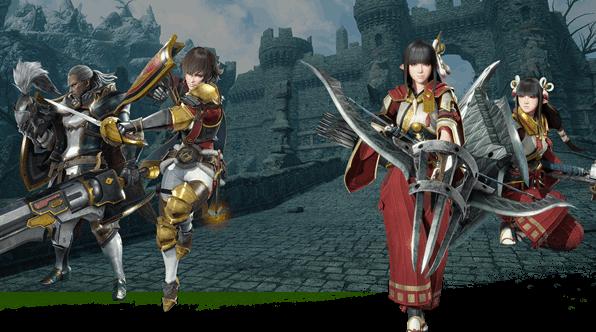
Just like the titles before it, Mosnter Hunter Rise offers 14 different weapon types to choose from, Bombard your opponent with explosions from afar with the Heavy Bowgun. Protect your allies from the biggest attacks with the Lance. Whatever playstyle you prefer, there is a Weapon for you!
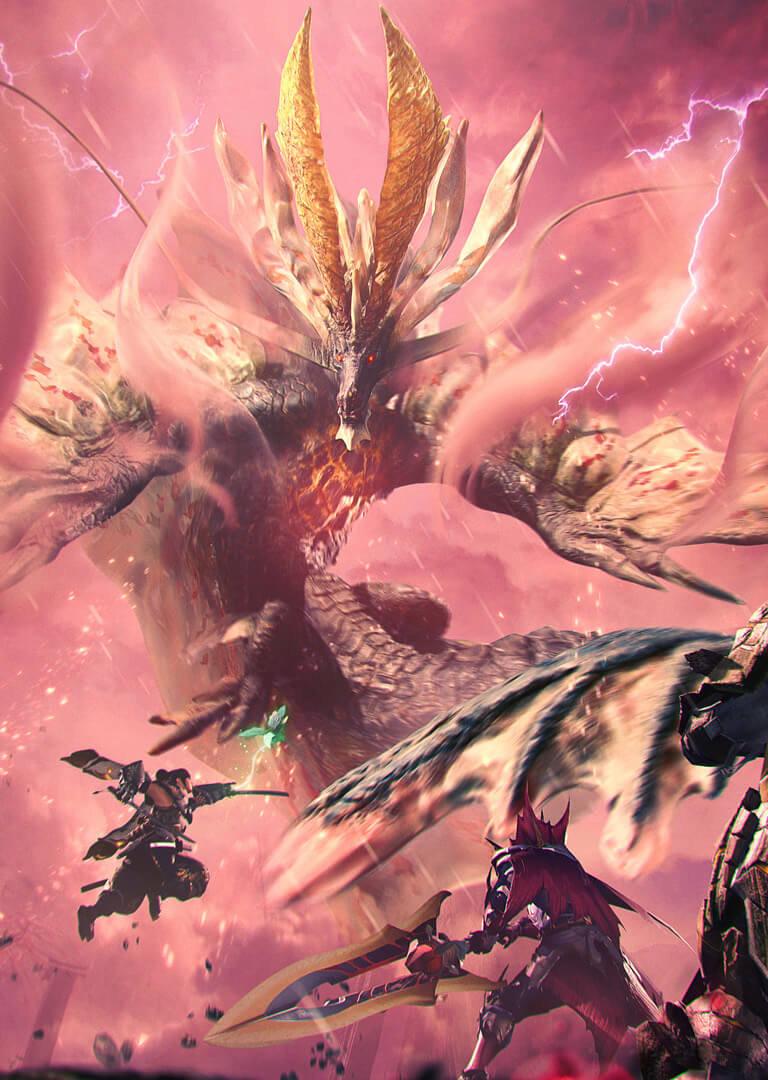
MONSTER HUNTER RISE: SUNBREAK EXPANSION
The new monsters are as stellar to look at as they are to fight
Solar Hunt: Unleash Your Inner Monster Slayer!
Apart from the big additions, Sunbreak brings a slew of quality of life improvements. One notably smart tweak to the way you pick your pre-hunt meals lets you alter the effectiveness of each dango ability by changing on the order you select them, adding some neat decision-making to the process.
Dawn’s Wrath: New Monsters, New Challenges
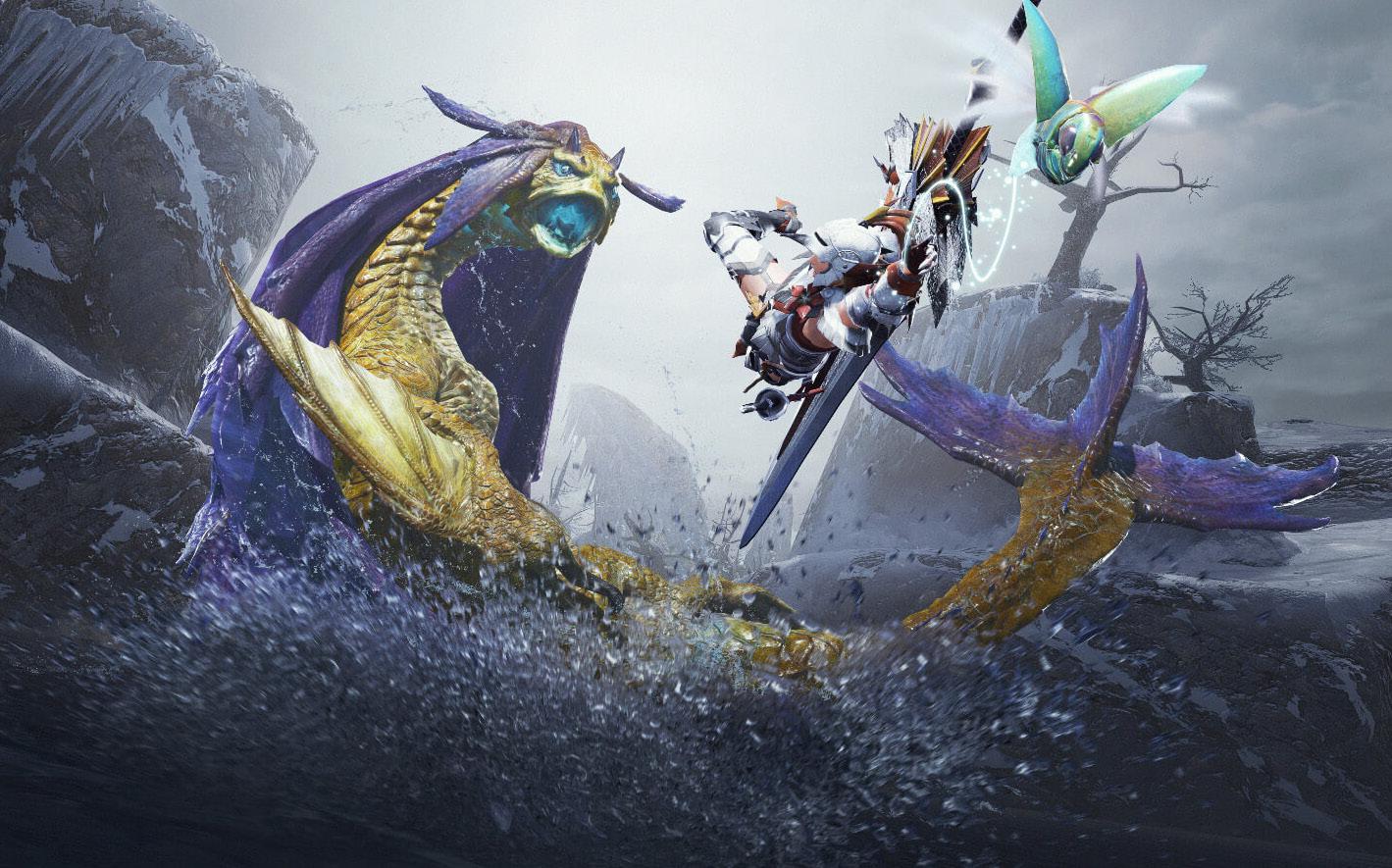
Following the introduction of Silkbind Attack and Switch Skills in the base MHR game, the Sunbreak Expansion expands on these systems by adding more Silkbind Attacks for each of the 14 Weapon-types and allowing Switch Skills to be changed out even while not at camp through the new Switch Skill Swap function. The Switch Skill Swap mechanic allows the hunter to assign Switch Skill loadouts and swap between them on the fly, whether in combat or otherwise. This allows the hunter to further expand their arsenal of available moves during hunts and to further customize their builds to accommodate their playstyle. Being able to make split-second decisions to swap loadouts and use specific moves to counter monster attacks as they wind up is sure to add an exciting new dimension to monster hunting. A Swap Evade mechanic is also introduced to compliment the new Switch Skill Swap, allowing
hunters to evade enemy attacks and reposition directly after swapping their loadouts. Finally, each of the 14 Weapon-types will now have a total of 5 sets of 2 swappable Switch Skills, including new Silkbind Attacks and regular moves, an improvement over the 3 sets per weapon in the base game. the Switch Skills page for details on these new systems. A returning monster that made its debut in Monster Hunter Generations. This aggressive Flying Wyvern is capable of storing large amounts of electricity in various parts of it’s body. Hunters should be wary of it’s devastating Thunder attacks it’s whole body is fully charged This new subspecies of Bishaten is more destructive than its playful and curious counterpart. Rather than fun persimmons, Blood Orange Bishaten fling numerous explosive pinecones at hunters that they can detonate with various attacks.
Follower Collab Quests in are a new type of Quest debuting with the Sunbreak Expansion. These are single-player-only missions where the player can recruit the various NPCs they’ve encountered on their journey as Followers to join them on hunts.
A returning monster that made its debut in Monster Hunter Generations. This aggressive Flying Wyvern is capable of storing large amounts of electricity in various parts of it’s body. Hunters should be wary of it’s devastating Thunder attacks it’s whole body is fully charged.
A returning monster that made its debut in Monster Hunter Generations. This aggressive Flying Wyvern is capable of storing large amounts of electricity in various parts of it’s body. Hunters should be wary of it’s devastating Thunder attacks it’s whole body is fully charged.