Anthrax deer vaccine research shows promise
By Craig Nyhus Lone Star outdoor newS
Researchers with the Caesar Kleberg Wildlife Research Institute and at Texas A&M University believe anthrax should receive more attention, especially when it devastates deer populations.
Last year, Dr. Walt Cook, of Texas A&M’s College of Veterinary Medicine & Biomedical Sciences, shared information on initial studies being performed on an anthrax vaccine for deer. A vaccine, known as the Sterne strain, has been around for 85 years and used in cattle. However, it has to be administered in an injection followed by a booster, a method not feasible for wild deer.
Dr. Jamie Benn, Assistant Professor of Research at CKWRI’s Patton Center for Deer Research, initiated the laboratory and animal studies for the project with the goal of developing an oral vaccine that would be effective in wild deer and mentored another A&M Department of Veterinary Pathobiology Ph.D. student, Chase Nunez, to continue the project.
Initial results are promising from their joint research done on a private ranch with a breeding facility and with collaborators at the Caesar Kleberg Wildlife Research Institute, Benn said.
“With whitetails, we started with six groups and tested two different doses and three formulations of the vaccine to measure the immune response in the deer,” she said.
The oral vaccines, held in a gellike substance, were encapsulated
Please turn to page 17
Volume 19, Issue 17
Jugging the Rio Grande
Canoer mixes Lower Canyon trip, fishing
By Craig Nyhus tar outdoor newS
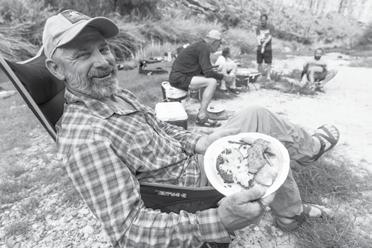
Bill “Polecat” Stafford has been canoe racing for decades, and he uses a unique method to bring in some catfish for dinner. On a recent excursion to the Rio Grande River’s Lower Canyon, downstream from Big Bend National Park, as part of a group of 15, Stafford showed his fishing method.

“I’ve been doing that section of river since 1979,” said the 67-year-old, who lives on the Guadalupe River near Cuero.
“Occasionally we would run into fisherman in flatbottomed boats with jet motors, and they had drop lines out along the canyon walls. I asked them and learned from them.”
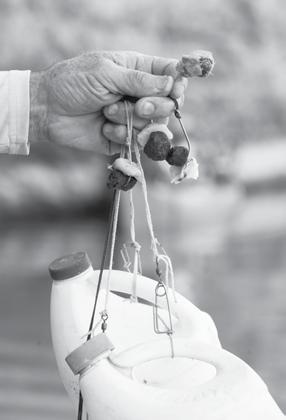
Stafford throws simple plastic jugs, with nothing more than 12 to 18 inches of line, a hook and some bait, into the fast-moving water before the canoeing begins.
“I throw them in swift water and let them get swept downriver,” he said. “They eventually end up in deep holes.”
Stafford has used cut bait, live bait, chicken blood, dough bait and punch bait — whichever is working best.
“It’s a good and easy way to fish,” he said. “The jugs settle in the deep water — that’s where the fish are.”
On the six-day, five-night, 83-mile excursion, Stafford brought in several nice cats.
“Right before we broke camp in the morning, I would bait them out,” he said. “I threw about 25 out at a time above the rapids where we were. It might be 45 minutes to an hour before we head downriver. The jugs are scattered everywhere — the ones with fish are moving and
Please turn to page 19
Power plant reds schooling
By Nate Skinner
For Lone
Star outdoor newS

When it comes to redfish, most anglers turn their attention to the coast. Calaveras Lake and Braunig Lake both hold red drum, and the fish are schooling in open water stretches of both power plant reservoirs.
Capt. James Bray, owner and operator of Lone Oak Adventures, has been spending most of his time on Braunig Lake
recently, where he said the redfish bite has been hot and heavy.
“The small cold fronts that we keep getting tend to slow the action down for a day or so, but for the most part, the reds have been pretty consistent,” Bray said. “Most of the fish are in fairly large schools out in open water.”
Bray has been using a downrigger system while trolling to keep his anglers hooked up with red drum.
Freshwater Fishing Report Page 10
Game Warden Blotter Page 12
“We are trolling large soft plastic swimbaits in dark color patterns,” Bray explained.
“The fish have been suspended about 17 to 20 feet below the surface in about 30 to 40 feet of water. Most of the redfish that we are catching are in the 6-pound range, but we are also landing a handful each day that are weighing in at 10 to 15 pounds.”
Bray uses side-scan and down-scan electronics to locate schools of reds.
Please turn to page 15
April 28, 2023 Texas’ Largest Hunting and Fishing Newspaper Since 2004 Time Sensitive Material • Deliver ASAP PRSRT STD US POSTAGE PAID DALLAS, TX PERMIT 3814 FISHING INSIDE CONTENTS
HUNTING
wardens (P. 4)
join ranks at same time.
Heroes Page 14 Sun, Moon & Tides Page 16 Saltwater Fishing Report Page 21 Datebook Page 22 Classifieds Page 22 Early nests, record eggs (P. 4) Bobwhite clutch has 27 eggs. Brothers become
Twins
After the spawn (P. 8) Bass changing behavior.
Schooling on the flats (P. 8) Redfish in big bunches.
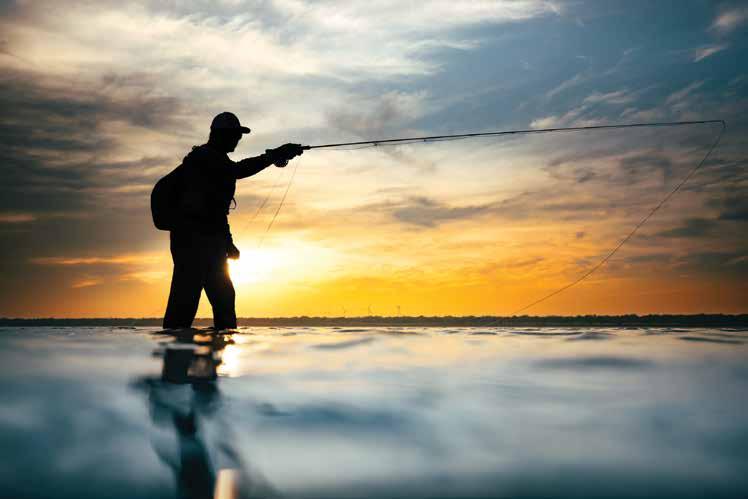
On an 83-mile canoe trip on the Rio Grande, Bill Stafford drifted juglines to catch catfish to feed the crew.
Photo by Erich Schlegel, for Lone Star Outdoor News.
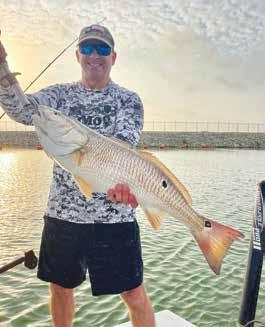
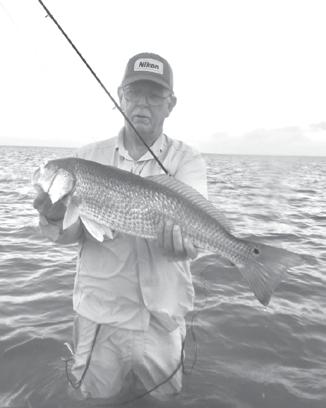
Jason Lyndon landed this red drum while trolling in open water on Braunig Lake with Capt. James Bray. Photo from James Bray.

Page 2 April 28, 2023 LoneOStar Outdoor News LSONews com
FROM WORK TO PLAY

WHATEVER YOUR ADVENTURE IS, WE'VE GOT YOU COVERED.


2 1 1 4 U S - 8 4 G O L D T H W A I T E , T X 7 6 8 4 4 ( 8 5 5 ) 6 4 8 - 3 3 4 1
F I N D Y O U R N E W R I D E A T H O F F P A U I R
Early quail nests
HUNTING
Where did the specklebellies go?
Quail researchers at the Rolling Plains Quail Research Ranch in Roby received a mid-April surprise. They found a nest with 27 eggs in it, and another with 22.
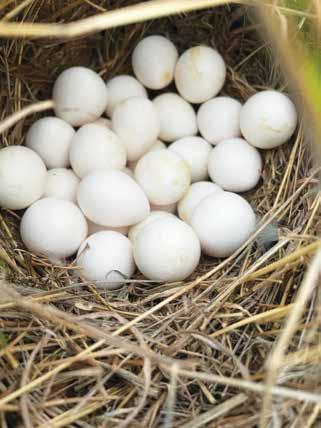
Adam Vonderschmidt, senior technician at RPQRR, said the ranch’s previous record was 22 eggs in a nest in 2016.
There was more good news, coming at a time when there hasn’t been much good news for several years.
Initially, they found five nests, Vonderschmidt, labeled the “nest technician” at the ranch, said. On the most recent check on April 20, they found three more for a total of eight active nests.
Nesting data information from 2010 to the present will be part of Vonderschmidt’s master’s thesis at Oklahoma State University.
“I do a lot of nest searches,” he said.
The nest discoveries came earlier than usual, and the location of the nests got the attention of ranch staff.
“Both the 27-egg and the 22-egg nest were located in Caucasian Bluestem, an exotic, old-world bluestem,” Vonderschmidt said.
The timing of the nest discoveries was another surprise.
“Before this year, the earliest bobwhite nest discovered was on April 19, and the earliest scaled quail nest was on April 18,” Vonderschmidt said.
What were the reasons for earlier nesting than usual?
“The rainfall and forage conditions are about the same as last year,” Vonderschmidt said. “It did get warmer faster this year than last.”
The flurry of nesting activity despite poor conditions could be due to another factor.
“We began testing broadcasting supplemental feed about a year ago as part of a six-year experiment,” said
Please turn to page 5
Study indicates shifting pattern
By Craig Nyhus Lone Star outdoor newS
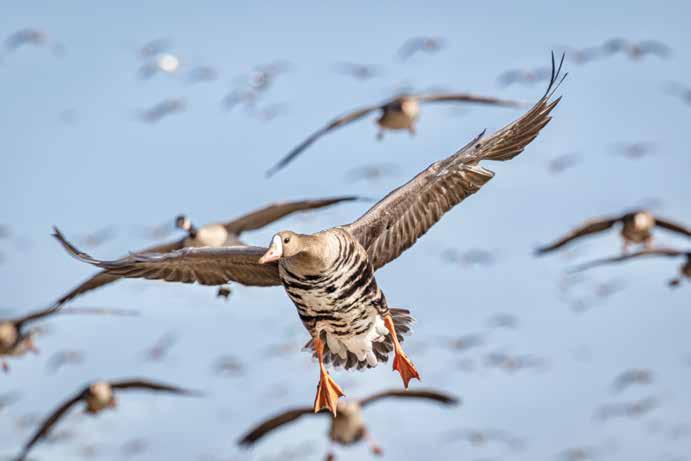
Researchers at the University of Arkansas at Monticello confirmed what many Texas coastal goose hunters have suspected for years. The winter distribution of greater white-fronted geese has shifted to the northeast. The study, “Distribution shifts of wintering midcontinent greater white-fronted geese,” published in the Journal of Wildlife Management, studied banding data and winter surveys regarding specklebellies in the Central and Mississippi Flyways from 1974-2018.
Look-alike wardens
By Nate Skinner
For Lone Star outdoor newS
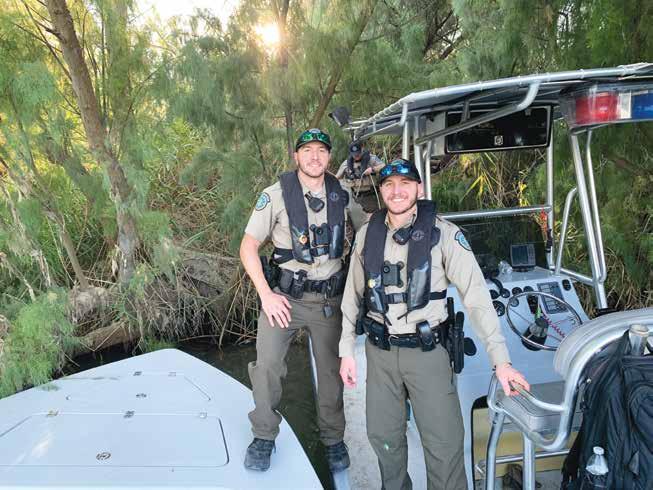
Twin brothers Austin and Dustin Shoemaker grew up hunting and fishing together, playing on the same sports teams and hanging out with the same group of friends. Today, they both serve as Texas game wardens.
The brothers attribute their passion for the outdoors as a major factor for why they love their jobs. This began at an early age in East Texas, where they grew up just outside of Nacogdoches. Both said their earliest outdoor memories of hunting and fishing with their dad and grandpa occurred
around ages 6 and 7.
“We spent almost every weekend of our childhood in the outdoors,” Dustin said. It wasn’t until later in life that the brothers decided they wanted to become game wardens.
“I was a senior in high school when I really took interest into what being a game warden might entail,” Austin said. “One of my teachers had a husband who was a warden, and he did a presentation for our class. Afterwards, I was able to talk to him more about his job. He gave me some advice, told me that I would need a college degree and also told me to reach out when I was ready to participate in some ride-
alongs.”
The results revealed a two-stage shift in the distribution of winter band recoveries occurring following the 1994-1995 season and the 20092010 season.
Callie Moore, the lead researcher, identified three distinct time areas: The historical era (1974–1995), the transitional era (1995–2010), and the current era (2010–2018), when patterns in midwinter waterfowl survey counts were consistent with changes in winter band recovery distributions.
According to the study, the geese have shifted their core winter distribution nearly 750 kilometers (466 miles) northeast over the last five decades from the Gulf Coastal Plain to the Mississippi Alluvial Valley (the nation’s largest floodplain, covering
more than 24 million acres across portions of Arkansas, Illinois, Kentucky, Louisiana, Mississippi, Missouri and Tennessee).
Changes in rice production are thought to be the main reason for the shift, although the study said such significant shifts across the entire range of a species have rarely been documented.
“Waterfowl respond to environmental conditions, but usually at the margins and in search of new resources,” the study said.
Overall numbers of white-fronted geese have increased by four times since the mid-1970s, to a total of 2.6 million adults. The geese historically wintered in freshwater marshes, prairies and rice fields along the Gulf
Please turn to page 21
That really got Austin’s wheels turn ing. He and Dustin went on to pursue and obtain degrees at Stephen F. Aus tin State University. After graduating, Austin reached out to his high school teacher’s husband, who was still serv ing as a game warden.
“I started riding with him and other local game wardens in multiple East Texas counties, fell in love with the idea of the job, and decided I would apply,” Austin said. “I made it all the way to the final selection stage for the 62nd Class, but ended up not getting selected.”
When it came time to apply for the 63rd Class, Austin applied again, and
Page 4 April 28, 2023 LoneOStar Outdoor News LSONews com
Please turn to page 20
Lone Star outdoor newS
A record number of quail eggs, 27, were found in a nest at the Rolling Plains Quail Research Ranch. Photo from RPQRR.
Coastal marshes are holding fewer white-fronted geese, as the birds have shifted their migration patterns to the north and east, where rice fields are more abundant. Specklebellies in the northwestern parts of the state come from different parts of Alaska, and their wintering patterns are being studied. Photo by Justin Hill.
Twin brothers, Austin, left, and Dustin Shoemaker became Texas game wardens in 2020. Austin serves in Galveston County and Dustin serves in Polk County. Photo from Austin Shoemaker.
Texans receive conservation awards
A Texas nonprofit and a Texan each received a 2023 Wetland Conservation Achievement Award from Ducks Unlimited. The awards are given to individuals and organizations for making outstanding contributions to the conservation and restoration of North America’s wetlands and waterfowl.
Tim Cooper received the award for a Federal Agency Employee. Cooper is the manager of the Texas Chenier Plain National Wildlife Refuge Complex.
DU said Cooper’s efforts help develop solutions, explain needs to varied audiences and secure funding and permitting for implementing the Salt Bayou Restoration Plan, a $100 million conservation project underway throughout the Complex.
The Galveston Bay Foundation received its award for Local/Private Conservation. The foundation works with DU on shoreline breakwater projects, waterbird nesting islands and beneficial dredging projects in the greater Galveston Bay. The foundation participates in everything from conservation education to land protection and habitat restoration from sub-tidal reefs to native prairie. —DU
Nesting bobwhites
Continued from page 4
Rolling Plains Quail Research Foundation’s interim Executive Director Dale Rollins. “All of the nests recorded this year came from “fed” pastures.”
Rollins said it was too early to say the supplemental feed is the reason, but when five nests were discovered, he called it “an intriguing start.” Then, when three more were found, he felt it could be more indicative of a trend.

The 27-egg nest likely came from more than one hen, Vonderschmidt said.
“Quail can be notorious nest dumpers,” he said. “I’ve seen scaled quail eggs in a bobwhite’s nest, and vice versa. This nest probably came from two hens. The hen I was tracking was the dumper. Then I spotted the nest. The eggs were stacked.”
How is a hen going to incubate 27 eggs?
Vonderschmidt estimated the hen would hatch about half of the eggs. Rollins agreed.

“She may have bitten off more than she can chew,” he said.
Both quail researchers said 2023 could be another year of challenges for birds to raise chicks.
“We need rain to produce insects soon,” Rollins said.
Vonderschmidt said he is beginning to see some grasshoppers.
“I saw my first one this week,” he said. “And we have a small cold front coming that might bring some rain. But the last two storms have missed us by less than a mile.”
Despite concerns with the overall outlook for the nesting season, Rollins was happy with the nesting news.
“We’ve been in the quail doldrums since 2018,” he said. “We take good news whenever it comes.”

LSONews com LoneOStar Outdoor News April 28, 2023 Page 5

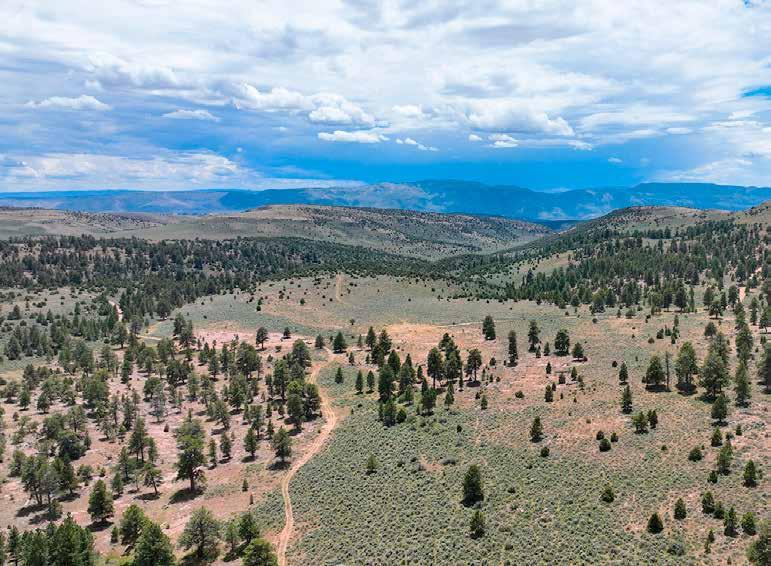
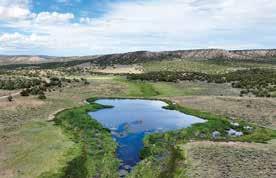
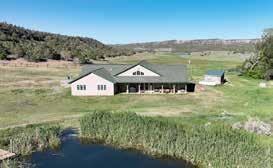
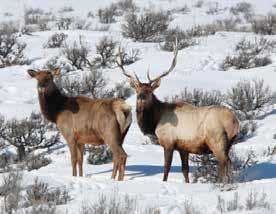

Page 6 April 28, 2023 LoneOStar Outdoor News LSONews com HallandHall.com | 800.829.8747 JUNE 8TH • 10AM MT Frontier Station, Inc | 277 Ranney St, Craig, CO 81625 Offered in 12 Tracts and Combinations Auction Moffat County, CO Colorado Hunting Ranches 6,417± Deed Acres • 16,983± BLM Acres • 639± State Lease Acres Tracts 1-7 Tracts 8-12 • 3,724.2± deeded acres and 14,678± BLM acres • Excellent trophy elk, mule deer, and pronghorn hunting • Demonstrated history of producing elk scoring in excess of 370” Boone and Crockett • Located on Colorado’s GMU 2 • 2,403± square foot home, with attached 741± square foot three-bay garage • Four spring-fed trout ponds with fish up to 26” and seven pounds • Twenty-five minutes west of Maybell, CO • One hour and fifteen minutes west of Craig, CO • One hour and thirty-five minutes west of Yampa Valley Regional Airport and FBO in Hayden, CO • Two hours from Steamboat Springs • 2,693.3± Deeded acres and 2,305± BLM acres • Over 3 miles of Lay Creek • Excellent hunting for Mule Deer, Pronghorn Antelope and Migrating Elk • Located in Colorado’s GMU 3 • Ideally suited for nearly year-round cattle grazing In cooperation with INFORMATION DATES: Thursday, May 11th 10am -12noon Thursday, May 25th 10 am -12 noon, 2 pm – 4 pm Visit HallandHall.com for locations.
LSONews com LoneOStar Outdoor News April 28, 2023 Page 7
Corky lures getting new twists
By Robert Sloan
For Lone Star outdoor newS
Steve Brown is definitely following in his father’s footsteps. His father, Paul, brought the Corky name to anglers in 1974, and it’s still one of the top-selling lures on the Gulf Coast.
For the past few years, Steve has taken over the production of Corky lures with some knew designs and colors.
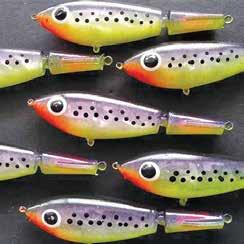
“Dad sold the lures out of our garage here in Houston,” said Steve. “I went to work helping to make the lures when I was 10. The lure business became a family tradition. I preferred making lures to mowing yards.”
In 2018, Steve began making the lures full-time.
“Dad is retired and living in Lake
Postspawn bass patterns emerging
By Nate Skinner For Lone Star outdoor newS
The largemouth bass spawn is winding down on many popular South and Central Texas lakes, and anglers are beginning to find more and larger fish pulling out over offshore structure. Plenty of bass are still being caught up shallow, most of which are smaller “buck” bass.
The rate at which trophy-sized fish are being caught may be de-
creasing; however, good-sized bass are still being landed by those putting in the time on the water.
In East Texas, guide Chance Burton has been catching heavier bass out deep and smaller fish shallow on Sam Rayburn Reservoir.
“Brush piles in 15-20 feet of water have been producing good numbers of 3- to 4-pound bass, with the occasional 5-pounder mixed in,” Burton said. “There’s
still plenty of smaller fish up shallow around buck brush in 3-4 feet of water. Wacky rigs and Texas rigs have been drawing the most strikes.”
Burton said the deeper fish are on the move quite a bit.
“There’s definitely more of a consistent bite up shallow, but when you find a school over the brush piles out deep, the action can be excellent,” he explained.
Central Texas guide Travis Cockerham said Stillhouse Hol-
low Lake has been affording some solid bites.
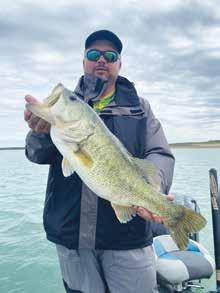
“There are quite a few fish holding in 8 to 12 feet of water around isolated grass patches,” Cockerham said. “Most of these bass are eating crawfish, so lures with color patterns that imitate a crawfish have been drawing the most strikes. Chatter baits, spinner baits and crankbaits are all producing right now.”
Cockerham said if you can find an isolated patch of grass that is
Please turn to page 18
Reds in big bunches on the flats
By Robert Sloan one Star outdoor newS
With the tides warming up into the mid 70s, big schools of reds have been moving up on the flats and gorging on small baitfish and mullet. For the past few weeks it has not been unusual for guides to put their clients on schools of 50 to 100 reds.
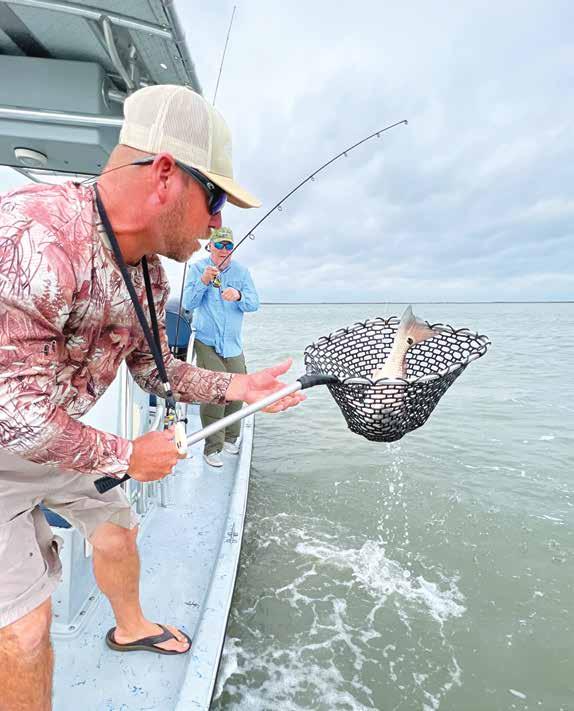
“A lot of the reds I’ve been seeing are about 15 to 18 inches long,” said Port O’Connor guide Jeff Coffey. “I was out about a week ago and we came up on three big schools of tailing reds. The water was about a foot deep and gin clear. We left the dock right at dawn and got on a backwater lake that had been holding a good number of reds. We got there right as a major fishing time was beginning. Our timing was perfect. The bite lasted for right at an hour and shut down after that.”
Coffey has been using both spoons and soft plastics to catch the reds. But the goto lure recently was a small spinner bait that moved though the grass without getting hung up. The key was to wake the spinner on the surface.
“The main thing is to be able to make a long cast,” he said. “When you have that many reds in shallow clear water, they are
Bow fishermen land record alligator gar
By Nate Skinner
For Lone Star outdoor newS
real spooky.”
The guide also carries a good pair of binoculars to spot the tails from a long way off, and watches for gulls holding over tailing reds.
“I try to cover a lot of areas on the back water lakes,” Coffey said. “The more water I can cover the more reds we will see. One other thing that I do a lot of is to drift-fish. These are spooky fish and even a trolling motor will spook them.”
Some of the best water holding reds can be found along the Matagorda Island shoreline several miles east of the Port O’Connor jetties. Vic Randazzo runs a shallow skiff and spends a lot of time on the shallow flats. He has been fishing this area of the coast for more than 40 years. He uses a trolling motor at times. But when the reds are in the clear water, he’ll use a push pole with one person on the polling platform and one angler on the bow.
“We use a variety of lures,” Randazzo said. “A 1/8-ounce weedless silver or gold spoon can be deadly. You can work it over and through scattered grass holding on the surface.”
He also throws a soft plastic rat tail Assassin rigged on a 1/16-ounce jighead.
“That type of tail allows the jig to dart
Please turn to page 15
Charles, Louisiana,” he said. “He always loved to fish and hunt, and also had a pretty good fur trapping business on the side. During the 60s and 80s he worked full time at Hobby Airport and was with the Federal Aviation Department for years. He worked in the tower and more
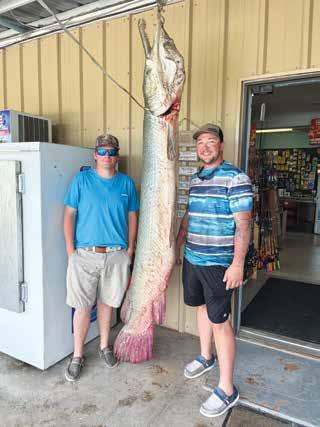
What do waterfowl guides do during the off-season? They go bow fishing, of course. At least that’s what hunting guides Waylon Johnson and Tyler Welch like to do in their spare time. During a recent trip to Lake Corpus Christi, they successfully harvested two mas sive alligator gar. One measured 6 feet, 9 inch es, and the other shattered the existing bow fishing waterbody record for alligator gar. The beast measured 8 feet, 2 inches, and weighed a whopping 196 pounds.
TPWD’s listed bow-fishing lake record for alligator gar on the lake, also known as Lake Mathis, is 188 pounds. Both Johnson and Welch said they had no idea their day spent on the water would come to a close in such a wild fashion.
“We started our day bow fishing for carp, and had a lot of success,” Welch said. “After
Page 8 April 28, 2023 LoneOStar Outdoor News LSONews com FISHING
Please turn to page 21 Please turn to page 17
Tommy Whited landed this largemouth while fishing the edge of an isolated grass patch with a chatter bait on Stillhouse Hollow Lake.
Photo by Travis Cockerham.
Redfish are being found in schools along the middle coast. Capt. Jeremy Griffis landed this red for Steve Hudson near Rockport. He was using cut mullet near a muddy shoreline where the fish were cruising. Photo by David J. Sams, Lone Star Outdoor News.
Although the original Paul Brown Fishing Lures company was sold, the right to make Corky lures was not. His son, Steve, continues making the lures with some new modifications. Photo by Robert Sloan, for Lone Star Outdoor News.
Waylon Johnson, left, and Tyler Welch landed this monster alligator gar while bow fishing on Lake Corpus Christi. The gar is unofficially the new waterbody record for Lake Corpus Christi, weighing in at 196 pounds and measuring 8 feet, 2 inches. Photo from Wayne Johnson.
Tackle Town owner dies
Alton Voigt, the owner and operator of Rockport’s Tackle Town since 2002 and Northwest Tackle in San Antonio from 1982-2003, died April 11 at the age of 76.

Born in San Antonio in 1946, Voigt found a love for the great outdoors and baseball. According to his family, his most cherished accomplishment was the success and notability of Rockport Tackle Town, an icon of Rockport since 1977, that he obtained and grew to be a favorite business of coastal anglers from across the country.
—Staff report
Giant limits on Toledo Bend
Ben Milliken, of New Caney, lapped the field at the Bassmaster Open at Toledo Bend that finished April 15.

Milliken won with 77 pounds, 14 ounces, topping the next competitor, Trey McKinney, by 10 pounds, 9 ounces.
Milliken collected a first-place cash prize of more than $52,000. The win also secured him a berth in the 2024 Bassmaster Classic.
Despite being a YouTube star with more than a half-million people following his fishing exploits, Milliken is new to tournament fishing.
Milliken led wire-to-wire after his 29 pound, 8-ounce limit on Day 1 was the heaviest of the tournament.
Milliken fished an area locals call the Indian Mounds. He fished clay points throughout the area in about 6 or 7 feet of water, throwing a variety of altered glidebaits, ranging
Stunz named head of HRI
from 7 to 15 inches in length, and natural in color to match the forage bass were eating.

“In the afternoon when the sun got out, I’d see these bigger dots show up on the LiveScope,” Milliken said of his activity on Days 1 and 2. “They were big gizzard shad, and when that collides with the big bass moving out offshore, things can get pretty crazy on that big glidebait.
“I caught a 7-pounder and then an 8-pounder, and I knew that was the program I wanted to go with.”
McKinney, of Carbondale, Illinois, won $25,274 for his second-place finish.
McKinney fished jigs and crankbaits in shallow water for most of the tournament.

Brett Cannon, of Willis, finished third with 56 pounds, 14 ounces, winning $17,840.
—B.A.S.S.
Dr. Greg Stunz was named the Senior Executive Director of the Harte Research Institute for Gulf of Mexico Studies at Texas A&M University-Corpus Christi. Stunz has served as HRI’s Interim Senior Executive Director since November 2022.
Stunz joined HRI in September 2007 as one of the founding chairs. He also is HRI’s Chair for Fisheries and Ocean Health, Director of the Center for Sportfish Science and Conservation at HRI, and a Texas A&M University System Regents Professor.
Previous directors included Dr. David Yoskowitz, Larry McKinney and Robert Furgason.

Stunz is often sought out to address governmental, academic, and private sector groups on topics ranging from projections of red snapper population recovery to the future of sportfishing in the Gulf of Mexico. He has served on multiple local and national boards and committees including Chairman of the Gulf of Mexico Fishery Management Council, the Texas Sea Grant Advisory Committee and the Texas Parks and Wildlife Department Coastal Resources Advisory Committee.
—HRI
Jordon returns to winner’s circle
Longtime Texas pro angler Kelly Jordon came back from fourth place to win the Tackle Warehouse Invitationals Stop 3 at Lake Eufala with a final-day total of 22 pounds, 9 ounces, the largest limit in the tournament. Jordon won $83,500 for the win with his final total of 57 pounds, 3 ounces.
Jordon, of Flint, concentrated on a couple of subtle areas in 3-6 feet of water.
“It’s a secondary point that has rock on it, that’s outside of sand,” he said of his best spot. “You wouldn’t know there’s a rock point, I looked for it, a lot of Google Earth – I found several deals like that.”
Jordon used a Lucky Craft Fat CB BDS 2 crankbait and a 1/2-ounce vibrating jig with a Lake Fork Live Magic Shad. On the final day, he started on his best spot, “I knew there were big fish there, that I could catch 20 pounds,” he said. “The wind was ripping, and there were giant waves rolling in.”
Drew Gill, of Mount Carmel, Illinois, finished second with 54 pounds, 5 ounces, followed by Ron Nelson, of Berrien Springs, Michigan, with 52 pounds, 4 ounces.
—MLF
FISHING REPORTS FROM THE GUIDES

Cedar Creek
Guide Lane Palmer of dfwoutdoors.com reports that crappie fishing has been about as good as it gets right now. Anglers should focus on shooting jigs under main-lake docks or vertical jigging around brush piles in 8-12 feet of water. The best jig now is a white and chartreuse soft plastic on a 1/16-ounce head.
Fork

Guide Marc Mitchell of lakeforkpro.com reports that the bass bite has been slow this week with lots of fish trying to finish spawning. He said sight-fishermen can do well, but those who don’t sight-fish should focus on secondary points with Carolina rigs using flukes in white or shad patterns. Points are holding prespawn and postspawners and occasionally shad are spawning there as well. Wind is a plus. The best depth is 2-7 feet.
—LSON
LSONews com LoneOStar Outdoor News April 28, 2023 Page 9 Winner Spotted startournament.org ccatexas.org By entering the CCA TEXAS STAR you have a chance to win a 2023 FORD F-150 XLT SuperCab, Boats, Prizes, Scholarships and more! PHOTOS ARE FOR REPRESENTATIONAL PURPOSES ONLY HOUSTON $ 1, 0, 0 In Prizes and Scholarships YOUR CHANCE TO WIN UP TO 18 BOATS · 5 TRUCKS · 5 UTVS and $325, 0 IN SCHOLARSHIPS A MEMBERS AGES 6-17 FISH STAR FR ! PHOTO COURTESY OF MAC ELLIOTT May 27-Sept 4 Two Ta ed Redfish Divisions, Inshore Division, O shore Division, Guides Division and Youth Scholarship Divisions 27-Sept Two Redfish Divisions, Inshore Division, O shore Division, Guides Division and Youth Divisions
Alton Voigt
TEXAS FRESHWATER FISHING REPORT
ALAN HENRY: Water clear; 63 degrees; 11.31’ low.
Largemouth bass are good on soft plastics and live bait. Crappie are good on minnows and jigs.
AMISTAD: Water lightly stained; 66 degrees; 49.00’ low. Largemouth bass are good on Texas-rigged worms, creature baits, swimbaits and top-waters. Catfish are good on cheese bait and liver.
ARLINGTON: Water lightly stained; 65 degrees; 0.70’ low. Largemouth bass are fair to good on soft plastics. Catfish are good on prepared baits.
ARROWHEAD: Water lightly stained; 62 degrees; 6.01’ low. Crappie are good on minnows. Catfish are excellent on fresh cut shad and punch bait.
ATHENS: Water clear; 68-71 degrees; 0.34’ high. Largemouth bass are good on flukes, jigs and Carolina rigs. Crappie are fair on jigs and minnows.
AUSTIN: Water clear; 75 degrees; 0.67’ low. Largemouth bass are fair on white jerkbaits around docks, small swimbaits and crankbaits. Crappie are fair on minnows.
B.A. STEINHAGEN: Water stained; 67 degrees; 0.42’ low. Largemouth bass are fair on chartreuse spinner baits, frogs and white swim jigs. Catfish are slow.
BASTROP: Water clear; 75 degrees. Largemouth bass are good on finesse worms and square-billed crankbaits.
BELTON: Water lightly stained; 63 degrees; 14.54’ low. Crappie are fair to good on small slabs. White bass are good on live shad and chartreuse slabs. Blue catfish are fair drifting gizzard shad or carp. Channel catfish are good on prepared baits.
BOB SANDLIN: Water stained; 65-70 degrees; 0.08’
low. Largemouth bass are fair on chatter baits, finesse worms and top-waters. Crappie are good on minnows under a slip cork. White bass are good on slabs. Catfish are good on cheese bait.
BRAUNIG: Water slightly stained, 71 degrees. Largemouth bass are fair in reed beds on soft plastics and crankbaits. Red drum are good on shrimp, crawfish and cut shad.
BRIDGEPORT: Water slightly stained; 65 degrees; 8.47’
low. Largemouth bass are fair to good on top-waters and soft plastics. Crappie are good on minnows and jigs. White bass and hybrids are fair on slabs. Catfish are fair on cut shad.
BROWNWOOD: Water slightly stained; 65-70 degrees; 8.98’
low. Largemouth bass are good on top-waters, jigs and crankbaits. Crappie are good on jigs and minnows. White bass are good on crankbaits and small swimbaits. Catfish are fair on cut bait.
BUCHANAN: Water lightly
stained; 70 degrees; 18.78’
low. White bass are excellent on swimbaits, top-waters and live bait. Striped bass are good trolling live bait. Crappie are good on chartreuse jigs.
CADDO: Water stained; 60 degrees; 1.62’ high. Largemouth bass are fair to slow on finesse worms. White bass are good in creeks on lipless crankbaits.
CALAVERAS: Water slightly stained; 69 degrees. Largemouth bass are slow. Red drum are good on shrimp, crawfish and live talapia. Channel and blue catfish are fair on cut bait.
CANYON: Water clear; 71 degrees; 12.07’ low. Largemouth bass are good on Texas rigs and wacky rigs.
CEDAR CREEK: Water stained; 65-71 degrees; 0.26’ low. Largemouth bass are fair on top-waters and spinner baits. Crappie are excellent on jigs and minnows. White bass and hybrid stripers are good on silver slabs.
CHOKE CANYON: Water stained; 69-72 degrees; 24.14’ low. Largemouth bass are good on green/pumpkin soft plastics and spinner baits. White bass are good on small crankbaits. Catfish are fair to good on cut bait and stink bait.
CONROE: Water stained; 69 degrees; 0.19’ low. Largemouth bass are good on crankbaits, spinner baits and Texas-rigged worms. Crappie are good on jigs. Hybrid striped bass are good on swimbaits and live bait. Catfish are very good on punch bait and cut bait.
COOPER: Water lightly stained; 67 degrees. Crappie are good on jigs and minnows. Catfish are good drifting cut shad.
CORPUS CHRISTI: Water stained; 70 degrees; 3.88’ low. Largemouth bass are good on top-water frogs and dark soft plastics. Crappie are good on live minnows and blue/white jigs. Catfish are good on cheese bait, cut shad, soap baits and worms.
EAGLE MOUNTAIN: Water lightly stained; 67 degrees; 3.49’ low. Largemouth bass are fair on crankbaits. White bass are good on small spinner baits. Crappie are good on minnows and jigs. Blue catfish are good on cut bait.
FAIRFIELD: Water stained; 68-74 degrees. Largemouth bass are good on swim jigs, Texas rigs, spinner baits and chatter baits. Crappie are good on minnows. White bass are good on crankbaits and silver jigging spoons. Catfish are fair on cut bait.
FALCON: Water stained; 68-75 degrees; 39.96’ low. Largemouth bass are good on
soft plastics and crankbaits. Crappie are good on small jigs and live minnows. Catfish are good on small cut bait and prepared baits.
FAYETTE: Water clear; 73 degrees. Largemouth bass are excellent on on shad crankbaits and crawfish plastics. Catfish are fair on punch bait and chicken liver.
FORK: Water stained; 55-62 degrees; 1.21’ low. Largemouth bass are slow to fair on Carolina rigs and spinner baits. Crappie are fair on hand-tied jigs.
FT. PHANTOM HILL: Water stained; 66 degrees; 7.52’ low. Largemouth bass are fair on top-waters and soft plastics. Catfish are good on cut bait.
GRANBURY: Water lightly stained; 62-70 degrees; 1.79’ low. Largemouth bass are good on creature baits and top-waters. Striped bass are good on live bait. Crappie are good on jigs and minnows. Blue and yellow catfish are fair on cut bait.
GRANGER: Water lightly stained; 66 degrees; 0.04’ high. Largemouth bass are good on buzzbaits and white spinner baits. Crappie are slow. Blue catfish are good on shad and soap baits. Yellow catfish are good on trotlines with live perch.
GRAPEVINE: Water clear; 60-65 degrees; 0.94’ high. Largemouth bass are fair on soft plastics. Crappie are fair to good on minnows. White bass are excellent on swimbaits.
HOUSTON COUNTY: Water stained; 63-68 degrees; 0.09’ high. Largemouth bass are good on swim jigs, Texas rigs and spinner baits. Crappie are good on minnows. Catfish are fair on cut bait.
HUBBARD CREEK: Water stained; 66 degrees; 8.12’ low. Crappie are fair on minnows. Catfish are fair on cut carp and big cut gizzard shad.
JOE POOL: Water clear; 66 degrees; 0.22’ high. Largemouth bass are good on Texas-rigged crawfish, creature baits and swim jigs.
LAKE O’ THE PINES: Water stained; 60-65 degrees; 0.41’ high. Largemouth bass are fair on chatter baits and finesse worms. Crappie are good on minnows under a cork. White bass are slow. Catfish are good on cheese bait.
LAVON: Water lightly stained; 60 degrees; 0.02’ high. White bass are good on paddle tail swimbaits and white slabs with a jig tied above.
LBJ: Water stained; 68 degrees; 0.28’ low. Crappie are good on chartreuse jigs and live minnows. Catfish are fair on punch bait.
LEWISVILLE: Water lightly stained; 60 degrees; 0.03’ high. White bass are good on slabs, jigs and live bait. Hybrid stripers are slow. Catfish are good on cut shad and chicken
LIMESTONE: Water clear; 68-74 degrees; 2.87’ low.
Largemouth bass are good on swim jigs, Texas rigs, spinner baits and chatter baits. Crappie are good on minnows. Catfish are good on cut bait.
LIVINGSTON: Water stained; 70 degrees; 0.04’ high. White bass are good trolling slabs and jigging. Catfish are good on punch bait.
MARTIN CREEK: Water slightly stained; 70 degrees; 0.01’ low. Largemouth bass are good on swimbaits, finesse worms and crankbaits. Crappie are good on minnows and jigs.
MEREDITH: Water stained; 60 degrees; 55.40’ low. Largemouth bass are good on minnows and artificials. White bass are good on curly tailed grubs. Walleye are good to excellent on minnows and artificials. Catfish are slow.
MILLERS CREEK: Water stained; 65 degrees; 5.99’ low. Largemouth bass are fair on soft plastics and crankbaits. Crappie are fair on minnows and small jigs. White bass are good on roadrunners and slabs. Catfish are fair on cut bait and cheese bait.
NACOGDOCHES: Water clear; 67-72 degrees; 0.19’ low. Largemouth bass are good on soft plastics and creature baits. Crappie are good on minnows.
NASWORTHY: Water slightly stained; 65 degrees; 1.06’ low. Largemouth bass are fair on white chatter baits and flipping soft plastics. Crappie are good on chartreuse jigs. Catfish are good on cut bait and stink bait.
NAVARRO MILLS: Water stained; 70 degrees; 0.06’ low. Largemouth bass are slow. Crappie are good on small slabs.
O.H. IVIE: Water stained; 68 degrees; 24.70’ low. Largemouth bass are good on soft plastics. White bass are fair on live bait and crankbaits. Crappie are good on minnows. Catfish are good on live bait.
OAK CREEK: Water lightly stained; 64 degrees; 11.98’ low. Largemouth bass are good on soft plastics and imitation crawfish. Crappie are good on minnows and jigs. White bass are fair on shad spinner baits. Channel catfish are slow.
PALESTINE: Water lightly stained; 65 degrees; 0.17’ high. Largemouth bass are good on finesse worms and big-eyed spinner baits. Crap-
pie are fair to good on jigs or minnows. White bass are very good on spoons. Catfish are good on cut bait and worms.
POSSUM KINGDOM: Water clear; 66-69 degrees; 5.55’ low. Smallmouth bass are good on Ned rigs. Striped bass are good on live bait and top-waters. White bass are good on white slabs and small jigs. Catfish are fair on cut shad.
PROCTOR: Water stained; 66 degrees; 9.62’ low. Largemouth bass are slow. White bass are slow. Blue catfish are fair on shad and cut bait.
RAVEN: Water clear; 65 degrees; 0.00’ low. Largemouth bass are slow. Crappie are fair on live minnows.
RAY HUBBARD: Water lightly stained; 67-69 degrees; 0.20’ high. White bass are good on small spinner baits and slabs. Crappie are fair on jigs and minnows. Catfish are good on cut shad and punch bait.
RAY ROBERTS: Water stained; 68 degrees; 0.38’ high. White bass are excellent on small spinner baits and swimbaits. Crappie are fair on jigs and minnows. Catfish are fair on cut shad and punch bait.
RICHLAND CHAMBERS: Water clear; 6265 degrees; 1.74’ low. White bass and hybrids are good on slabs and jigs. Crappie are fair on minnows. Blue and channel catfish are good on punch bait.
SAM RAYBURN: Water stained; 68 degrees; 1.03’ high. Largemouth bass are good on jigs, soft plastics and crankbaits. Catfish are good on cut bait and stink bait.
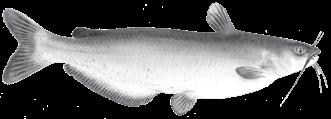
SOMERVILLE: Water slightly stained; 66 degrees; 0.01’ low. Largemouth bass are fair to good on spinner baits and shad crankbaits. Crappie are good on minnows, jigs and worms. White bass are good trolling spoons and ghost minnows. Catfish are excellent on jug lines baited with shad or chicken breasts.
SPENCE: Water stained; 63 degrees; 45.63’ low. Largemouth bass are good on soft plastics. White bass are fair on jigs. Catfish are good on juglines with live and cut bait.
STILLHOUSE HOLLOW: Water lightly stained; 66 degrees; 13.25’ low. Largemouth bass are fair on dark soft plastics. Catfish are good on trotlines with live bait and June bugs.
TAWAKONI: Water lightly stained; 62 degrees; 0.20’ high. Largemouth bass are good on Carolina-rigged lizards, finesse worms and spinner baits. White bass and hybrids are good on swimbaits and slabs. Crappie are good on minnows and jigs. Catfish are very good on prepared
n Guide reports Page 9
n Saltwater reports Page 21
baits. TEXANA: Water stained; 69 degrees; 0.10’ low. Largemouth bass are fair on soft plastics and spinner baits. Crappie are good on minnows and jigs. Catfish are good on punch bait and cut bait.
TEXOMA: Water stained; 61 degrees; 1.33’ low. Largemouth and smallmouth bass are fair to good on live shad and swimbaits. Striped bass are good on top-waters and swimbaits. Crappie are good on minnows under a cork. Catfish are fair on cut shad and prepared bait.
TOLEDO BEND: Water stained; 62-67 degrees; 1.14’ low. Largemouth bass are good on large swimbaits, spinner baits and soft plastics. Crappie are good on minnows and jigs.
TRAVIS: Water lightly stained; 62-69 degrees; 42.86’ low. Largemouth bass are fair on top-waters and square-billed crankbaits.
TWIN BUTTES: Water stained. 62 degrees; 23.47’ low. Crappie are fair on minnows. Channel catfish are fair on cheese bait.
TYLER: Water stained; 66 degrees; 0.20’ high. Largemouth bass are good on soft plastics. Crappie are good on jigs and minnows. Catfish are good on chicken liver and nightcrawlers.
WACO: Water stained; 66 degrees; 11.34’ low. Largemouth bass are fair on soft plastics. Crappie are good on jigs. Catfish are slow.
WALTER E. LONG: Water stained; 63 degrees; 1.00’ high. Largemouth bass are good on finesse worms and crawfish imitations.
WHITNEY: Water lightly stained; 66 degrees; 5.79’ low. Striped bass are very good on Alabama rigs, live shad and shiners.
WORTH: Water lightly stained; 67 degrees; 2.66’ low. Largemouth bass are fair on finesse worms and crankbaits. White bass are good on small spinner baits. Crappie are good on minnows and jigs. Catfish are good on cut shad.

WRIGHT PATMAN: Water lightly stained; 68 degrees; 1.62’ low. Largemouth bass are fair on top-waters. Crappie are fair on minnows and jigs. Catfish are fair on nightcrawlers and cut bait.
—TPWD
Page 10 April 28, 2023 LoneOStar Outdoor News LSONews com
Ice-fisherman tries Texas pier
By Tony Vindell For Lone Star outdoor newS

An avid ice-fisherman from Michigan switched his attention to coastal fish on a trip to South Padre Island.
Joe Denardo, on a trip with his wife, Tylre, and her parents, fished from the north jetty, on the surf and went aboard a headboat for red snapper.
The three outings resulted in zero fish. Not giving up, Denardo tried fish ing from the edge of the Port Isabel Fishing Pier.
Fishing from 8-11 p.m., he spotted speckled trout circling the live shrimp he was using for bait. He hooked sev eral, including a 17-inch and a 23inch fish they took to a restaurant that cooked his catch the next day.



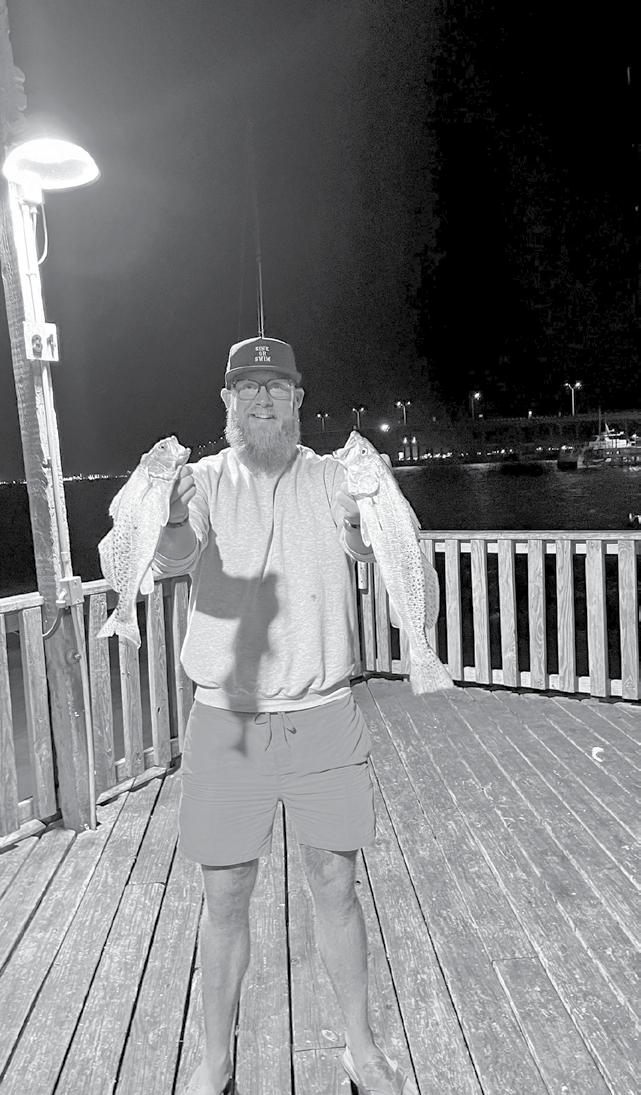
Denardo noticed the fish swimming under the lights.
Near his hometown of Traverse, the Michagander fishes both through the ice and in a number of area lakes.
“I fish off the ice about a dozen times a year,” he said. “It’s a completely different kind of fishing but you learn to love it after a

LSONews com LoneOStar Outdoor News April 28, 2023 Page 11
www. doa lures.com Made in USA C.A.L. 5” Swim Bait C.A.L. 4” Shad Tail C.A.L. 3” Shad Tail C.A.L. 4” Jerk Bait C.A.L. 5.5” Jerk Bait C.A.L. Paddle Tail C.A.L. Curl Tail
Joe Denardo caught these two keeper speckled trout from the Port Isabel Fishing Pier. Photo by Tony Vindell, for Lone Star Outdoor News.
NO SUCH THING AS A DAY OFF
During the archery only deer season, a Coke County game warden received a call from a local rancher who believed his neighbor was hunting deer with firearms. The warden, who was enjoying his day off, left his home and headed to the ranch. Once there, he set up a concealed area where he could observe any illegal hunting. Just after sundown the warden heard a high-powered shot and bullet hit about 500 yards from his position. About a minute later, he heard another shot and hit. The warden waited for another hour and a half, then made his way into the ranch to investigate. At the camp, two men and one woman were finishing up quartering two white-tailed does. Both men admitted to shooting the deer and showed the warden the high-powered rifles they used. Both men produced hunting licenses with no tags removed and no harvest logs completed. The quartered deer were also missing proof of sex, which was later discovered in a ravine behind the cabin. The warden recovered both deer.
HOOP NETS FOR QUICK CATS
Along the Neches River, Trinity
GAME WARDEN BLOTTER


DEER MEAT FOR SALE
A local landowner called a game warden regarding the selling of deer meat on a popular social media platform. The warden investigated and discovered posts online offering the sale of whitetail deer meat from a local ranch. The warden called the suspect at the number listed but they did not answer. The warden texted and pretended to be a person interested in buying as much meat as offered. The suspect responded and eventually agreed to sell approximately 85 pounds of deer meat for $700. The warden and the suspect agreed to meet at a predetermined time and location. When he arrived, the suspect was not surprised to see the warden. He admitted that he thought he might have been walking into a trap. He blamed his wife for putting the post on social media and getting him in trouble. The warden opened two coolers full of processed and packaged deer meat that read, “Venison – Not for Sale.” The warden seized the meat and issued citations for offering to sell game meat, several tagging violations and operating a hunting lease without a license.

and Angelina County game wardens traveled up and down the river checking for hoop nets. They located a hoop net containing about 22 catfish. Due to weather conditions, the wardens concluded the fisherman may check the net later that evening. They built a blind to observe if the fisherman returned, while other wardens parked their patrol vehicles and waited. Approximately 40 minutes later, the team in the blind heard a truck pull up and park on the opposite side of the river. The men exited the ve-
hicle, grabbed a pre-baited net and threw the net into the river. The net resembled the one found 50 yards away. Wardens on both sides of the river contacted the surprised men. Multiple citations for illegal means and methods were filed.
DUCKS IN THE DUMPSTER
An employee with a mobile home park contacted Harrison County game wardens to report 18 ducks thrown in the park dumpster. Following a lead from the property manager, wardens identified and lo-
cated the suspect. After conducting a field interview, a full confession was obtained. The suspect confessed he attended a guided duck hunt and at the end of the hunting trip, two other hunters gave their ducks to the suspect without a wildlife resource document. Following the hunt, the suspect threw the ducks in the bed of his truck, traveled to Lubbock for another hunt the next day and returned home. At home, the suspect no longer felt like cleaning the ducks and decided to throw them in the
SPONSORED BY:



park dumpster. Multiple citations and warnings were issued for failing to keep ducks in edible condition, possession of ducks without a wildlife resource document, over daily bag limit of lesser scaup and over the possession limit.
THREE BAGS OF CORN FOR DUCKS
During the Christmas holidays, Liberty County game wardens received a tip of an unusual amount of shooting coming from a particular area. Upon arrival, the wardens discovered the area was heavily baited with corn and there were signs of recent hunting. They monitored the area continuously over the following days and weeks until the hunters returned to hunt again. The wardens issued citations to several hunters for hunting waterfowl over a baited area. During an interview with one of the subjects, he admitted that 150 pounds of corn was placed to attract the ducks.
REPORT ILLEGAL HUNTING AND FISHING ACTIVITY FOR A REWARD OF UP TO $1,000. CALL OPERATION GAME THIEF AT (800) 792-4263



Page 12 April 28, 2023 LoneOStar Outdoor News LSONews com
RUGER.COM/AMERICANRIFLE AN AMERICAN LEGEND We ship anywhere in the continental United States. Call for Quantity Discounts on select feeders. Feeder Capacity Determined by corn weight. 830.426.3313 Hondo, TX 120 Hwy 173N 830.334.3323 Pearsall, TX 1845 Business I-35N 830.931.2215 Rio Medina, TX 10195 FM 2676 Mon-Fri: 8-5:30 Sat: 8-5:00 Closed Sunday 600# STAND & FILL BROADCAST FEEDER WITH CORN SHIELD www.mummesinc.com For prices and information call 1-800-221-6398 or visit us online at www.mummesinc.com Follow the Mumme’s Facebook page for info on the latest items and special sales!

LSONews com LoneOStar Outdoor News April 28, 2023 Page 13 There’s nothing like being out in nature. It’s where you can forget about the everyday, while reintroducing you to yourself. And the one thing that could make all this even better, is owning the land you enjoy so much. So, if you would like a plot of land to hunt, fish, or do any other outdoor activity, Capital Farm Credit is here for you. We have the knowledge, guidance and expertise in acquiring recreational land with loans that have competitive terms and rates. Which is helpful because it’s time you reconnect to the land, and to the person you see in the mirror every day. To learn more, visit CapitalFarmCredit.com. 877.944.5500 NMLS493828 It’s land where you can lose, and find, yourself 15827-CFC-2023-Q2-BrandLevel-FindYourself-LonestarOutdoorNews-10.5x15.5.indd 1 4/6/23 2:49 PM





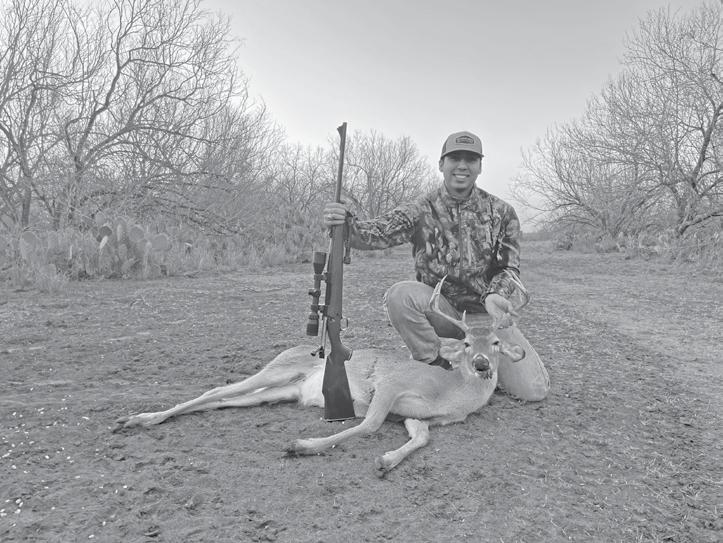
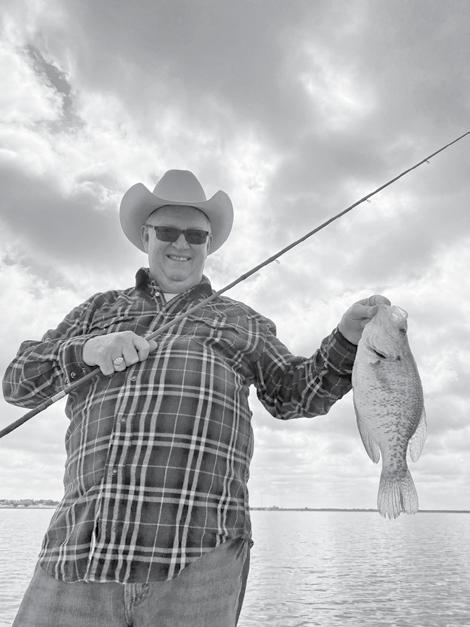
Page 14 April 28, 2023 LoneOStar Outdoor News LSONews com SHARE AN ADVENTURE n Want to share hunting and fishing photos with other Lone Star Outdoor News readers? Email them with contact and caption information to editor@ lonestaroutdoornews.com. Highresolution original jpegs only. Mail prints to Heroes, Lone Star Outdoor News, P.O. Box 551695, Dallas, TX 75355. HEROES
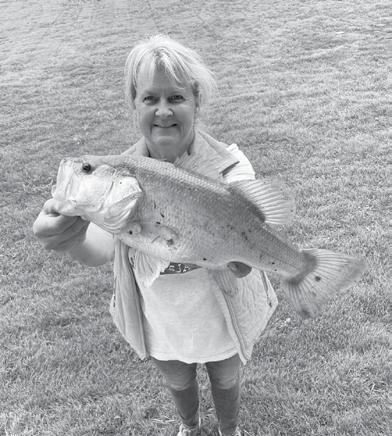
Susan Meyer caught this bass in her farm pond near Pleasanton. She was casting a blue/chartreuse crankbait.
(361) 774-2442 O U T F I T T E R S BLINDS & FEEDERS, DEER CORN, PROTEIN, ACCESSORIES, DELIVERY & SETUP AVAILABLE V I S I T C 4 R A N C H O U T F I T T E R S I N C O R P U S C H R I S T I 5 0 0 1 A l l e n P l a c e C o r p u s C h r i s t i , T X 7 8 4 1 1
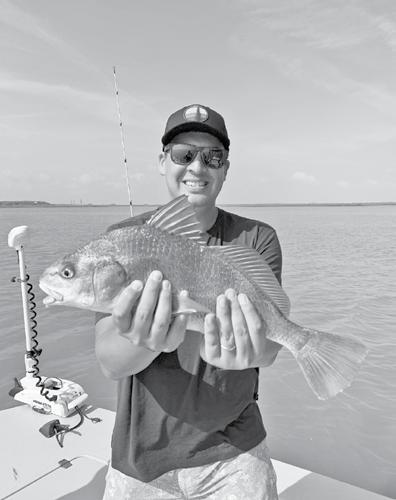
Pepe Rios, of Lima, Peru, enjoyed a day of fishing the bay near Port Aransas.
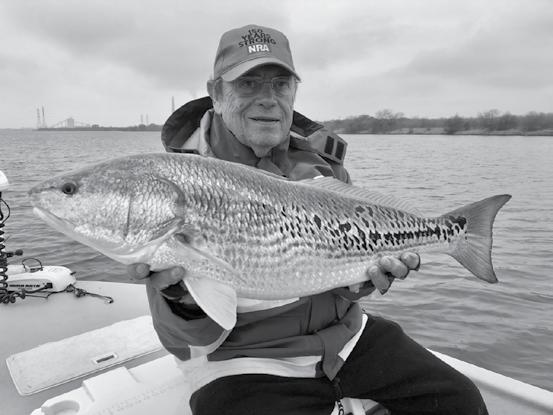
Mike Elley landed this large red drum with 70 spots while fishing on Braunig Lake with Capt. James Bray.
News Foundation in 2014, but was unsuccessful. Last season, he
Jacky Briscoe shallow brush piles on Cedar Creek Lake.
Fishing Braunig, Calaveras
Continued from page 1
FIND A PREMIER FUSION THERMAL DEALER NEAR YOU fusionthermal.com
Able's Sporting Goods
Huntsville |936-295-5786
Ally Outdoors
Midland |432-203-3661
Alpine Range
Fort Worth |817-478-6613
Apache Rifle Works
Comfort |830-995-3894
Ark-La-Tex Guns & More
Gilmer |903-680-4867
Athena Gun Club
Houston |713-461-5900
BPS Outfitters
Sherman|903-892-2227
BTO Range & Training Center
Conroe|936-588-3333
Burdett and Son Outdoor College Station |979-695-2807
Carroll's Gun Shop
Wharton |979-532-3175
Clay Shooters Supply Dallas |214-347-4913
Collectors Firearms
Houston |713-781-1960
Defender Outdoors Fort Worth|817-935-8377

Dury's Guns
San Antonio |210-533-5431
East Texas Pawn
Lufkin |936-639-3322
Fehner & Son
Gonzales |830-672-3710
Field & Streams Sporting Goods

San Angelo |325-944-7094
Fun Guns
Waco |254-755-0080
Gordy & Sons Outfitters
Houston |713-951-0100
Guard & Defend Firearms
Silsbee |409-201-9468
Hootens
Emory |903-473-8788
Johnny's Sport Shop
Eagle Lake |979-234-3516
Magnolia Hunting Supply
Magnolia |281-766-1045
McBride's Gun
Austin |512-472-3532
McQueeney Gun Club
New Braunfels |830-609-8891
Modern Pawn & Gun
Corpus Christi |361-993-9390
Mumme's
Hondo |830-426-3313
North Texas Piggin Products
McKinney |214-837-1994
Oakwood Outfitters
Oakwood |903- 545-2825
Oasis Outback
Uvalde |830-278-4000
Outdoorsman
San Angelo |325-947-8859
Parker County Gibson Products
Weatherford |817-594-8711
Ray's Hardware & Sporting Goods
Dallas |214-747-7916
Riflegear
The Colony |972-292-7678
SK ARMS
Flowermound |972-628-6200
Midland|432- 704-5127
Sportsman's Finest
Austin |512-263-1888
Spring Guns & Ammo
Spring |281-288-7000
Superior Outfitters
Longview |903-212-2200
Tyler |903-617-6141
Texan Guns and Gear
Stephenville |254-965-9099
Texas Gun Experience
Grapevine|817-285-0664
Texian Firearms

Houston|346-775-8363
Trinity Armory
Cleveland|281-659-2800
Wings & Whitetails
Carthage|903-693-6129
Xtreme Guns & Ammo
Richmond|832-363-3783
“Once you find them, they are usually moving pretty fast, and can be tough to keep up with at times,” he said. “You really have to find a happy medium between staying on the fish and disrupting the schools, because you can spook them if you don’t approach them the right way.”
Bray said he tends to see a lot of redfish sporting multiple spots on the power plant lakes.
“I had a customer catch and release a redfish the other day that had a total of 70 spots, which was a combined count from both of its sides,” Bray said. “It was a beautiful fish.”
There also are some fish hanging out across the flats and along the banks up shallow.
“We aren’t getting a ton of bites up shallow yet, but the ones that we are catching are pretty large,” Bray said.
When fishing the banks, flats and shallows, Bray prefers to cast jigs, spoons, swimbaits and lipless crankbaits.
Clayton Roth decided to try his hand at catching some power plant lake redfish recently, and made a quick trip to Braunig Lake.
“I just focused on fishing structure along the bank, as if I was targeting bass,” Roth said. “Jigs and soft plastics produced a decent amount of bites. Most of the redfish I caught were between 18 and 25 inches.”
Guide Raymond Esckilsen has been targeting schools of redfish on Calaveras, where he said the fish are suspended in open water about 15-25 feet below the surface.
“Chasing schools while trolling has been producing the best results lately,” Esckilsen said. “When they are feeding, we are getting a lot of double hook-ups.”
Most of the reds have been from 20-26 inches, with some pushing 30 inches or more in the mix.
“The bite is pretty steady right now, and we are catching reds anywhere from 5 to 15 pounds,” he said.
Redfish schooling
Continued from page 8
and dive faster than a swim jig or paddle tail,” Randazzo said.
A lot of fishermen prefer to wade the flats. But Randazzo said that can be difficult in a lot of places that reds like to feed. They especially like areas with grass which is why a lot of anglers are using a D.O.A. PT-7 top-water lure. It’s the most weedless top-water you can use when chasing reds that will often be seen moving through the grass looking for crabs and finger mullet.
“Wading in the mud is no fun,” Randazzo said. “That’s why I have a boat that can float very shallow and is very quiet when poled. The push-pole allows me to move up to spooky reds, and I can then position the angler on the bow to make a good cast a few feet in front of a target fish.”
Coffey said the number of reds on the flats will be good until the water starts to get hot and they move to deeper water, usually around the first week of June.
LSONews com LoneOStar Outdoor News April 28, 2023 Page 15 36” height 400 lb. cap. 42” height 600 lb. cap. 42” height 1000 lb. cap. Shown with Pistolero 42” height 600 lb. cap. • 3 gravity-flow protein tubes • Directional corn spinner with eliminator plate • “The Timer” battery & solar panel incuded • 400, 600 & 1000# cap. HALF-BACK DUALLY Capacity is split evenly: ½ corn & ½ protein 903.734.4210 • 888.900.0304 • e-mail: rickmeritt@yahoo.com Half-Back Gravity flow Xt Half-Back reGulator Half-Back Gravity flow H alf -B ack S erie S 3 models - in 3 sizes: 400#, 600# and 1000# capacities: Half-Back Gravity Flow is the shortest. Half-Back Gravity Flow XT is 6” taller allowing for more antler clearance. Half-Back Regulator lets you control how much feed is dispensed at your specified times. cHooSe from 360º Spinner or piStolero Directional TOP GUN Heavy Duty Corn FeeDer • High Output Solar Power Panel mounted on top with Timer Box inside a REINFORCED VARMINT CAGE • 600 & 1000# cap. BUILT RIGHT the First Time to Last a Lifetime! Seeallourranchandhuntingproducts!Contactusforacatalogor browseonlineatoutbackfeeders.comorkickinbackkreations.com Low ProFiLe SPinner FeeDer spreads up to 360o • Can be placed on a pier, dock, bank or in truck bed • 24” tank diameter holds 175# floating fish feed or 300# corn • 54” tall & 3’x3’ at base • Works equally well with all types of fish feed, corn or milo “SHare-KroPPer” FiSH FeeDer Low ProFiLe DireCtionaL FeeDer spreads heavier feed out to 50’ in a 20’ wide pattern OUTBACK DELIVERS MAXIMUM QUALITY! to your ranch! CP GRAVITY FLOW PROTEIN FEEDER • 1000, 2000 & 3000# cap. CF CORN FEEDER with Solar Powered Timer • 600, 1000, 2000 & 3000# cap. Get outBack’S maXimum Quality in tHeSe Smaller SizeS “BaBy-BaCK”SerieS very Low ProFiLe FeeDerS • 360o corn distribution or up to 50 feet in one direction via Outback’s “Pistolero” directional unit • 400, 600 & 1000# capacities Built witH priDe in america witH top Quality american materialS & craftSmanSHip
Page 16
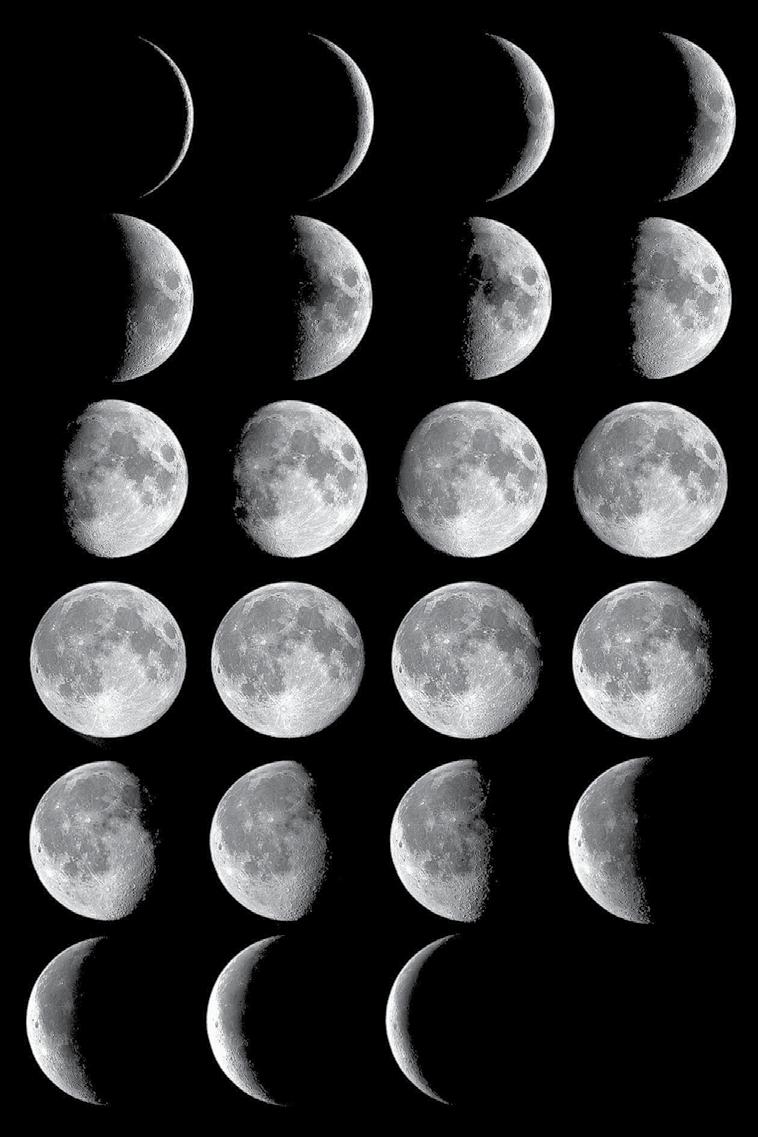
Texas Coast Tides Sabine Pass, north Galveston Bay entrance, north jetty Freeport Harbor Port O’Connor Nueces Bay High Island San Luis Pass East Matagorda Port Aransas South Padre Island Date Time Height Time Height Time Height Time Height Apr 28 4:47 AM 0.45L 1:50 PM 1.65H 7:17 PM 1.46L 10:19 PM 1.49H Apr 29 5:54 AM 0.53L 2:05 PM 1.61H 8:19 PM 1.17L Apr 30 12:49 AM 1.37H 6:54 AM 0.61L 2:16 PM 1.57H 8:03 PM 1.00L May 1 1:51 AM 1.49H 7:45 AM 0.71L 2:25 PM 1.53H 8:15 PM 0.77L May 2 2:43 AM 1.62H 8:30 AM 0.83L 2:33 PM 1.51H 8:36 PM 0.53L May 3 3:30 AM 1.76H 9:13 AM 0.96L 2:39 PM 1.49H 9:04 PM 0.28L May 4 4:14 AM 1.89H 9:55 AM 1.10L 2:43 PM 1.50H 9:35 PM 0.05L May 5 4:58 AM 2.00H 10:35 AM 1.25L 2:47 PM 1.52H 10:11 PM -0.14L May 6 5:44 AM 2.07H 11:15 AM 1.39L 2:53 PM 1.58H 10:50 PM -0.27L May 7 6:33 AM 2.08H 11:54 AM 1.52L 3:05 PM 1.64H 11:34 PM -0.34L May 8 7:29 AM 2.04H 12:34 PM 1.63L 3:22 PM 1.71H May 9 12:23 AM -0.32L 8:36 AM 1.97H 1:22 PM 1.69L 3:44 PM 1.73H May 10 1:19 AM -0.24L 9:55 AM 1.89H May 11 2:21 AM -0.10L 11:10 AM 1.82H May 12 3:31 AM 0.09L 12:03 PM 1.76H 6:32 PM 1.38L 8:38 PM 1.39H Legend: Major=2 hours. Minor=1 hour. Times centered on the major-minor window. For other locations, subtract 1 minute per 12 miles east of a location, and add 1 minute per 12 miles west of a location. 01 Mon 2:48 8:58 3:09 9:19 06:39 07:57 02 Tue 3:24 9:34 3:45 9:55 06:38 07:58 03 Wed 4:01 10:11 4:22 10:33 06:37 07:58 04 Thu 4:40 10:52 5:03 11:15 06:36 07:59 05 Fri 5:25 11:38 5:50 ----- 06:35 08:00 06 Sat 6:17 12:03 6:44 12:30 06:34 08:00 07 Sun 7:15 1:00 7:44 1:29 06:34 08:01 08 Mon 8:19 2:04 8:49 2:34 06:33 08:01 09 Tue 9:26 3:11 9:57 3:42 06:32 08:02 10 Wed 10:34 4:18 11:04 4:49 06:31 08:03 11 Thu 11:38 5:23 ----- 5:53 06:31 08:03 1:33a 11:58a 12 Fri 12:13 6:23 12:37 6:50 06:30 08:04 2:18a 1:07p 11 Thu 11:44 5:29 ----- 5:58 06:31 08:14 1:47a 11:56a 12 Fri 12:18 6:29 12:42 6:56 06:31 08:15 2:30a 1:08p 11 Thu 12 Fri Date Apr 28 Apr 29 Apr 30 May 1 May 2 May 3 May 4 May 5 May 6 May 7 May 8 May 9 May 10 May 11 May 12 Date Time Height Time Height Time Height Time Height Apr 28 4:30 AM 0.39L 1:48 PM 1.66H Apr 29 5:53 AM 0.51L 2:12 PM 1.59H 8:10 PM 1.18L 11:39 PM 1.28H Apr 30 7:03 AM 0.62L 2:28 PM 1.51H 8:18 PM 1.02L May 1 1:44 AM 1.37H 7:56 AM 0.76L 2:36 PM 1.45H 8:32 PM 0.83L May 2 2:55 AM 1.50H 8:46 AM 0.91L 2:36 PM 1.42H 8:49 PM 0.60L May 3 3:55 AM 1.65H 9:45 AM 1.07L 2:35 PM 1.42H 9:11 PM 0.35L May 4 4:47 AM 1.81H 10:56 AM 1.23L 2:40 PM 1.44H 9:40 PM 0.11L May 5 5:33 AM 1.96H 11:57 AM 1.37L 2:49 PM 1.48H 10:13 PM -0.10L May 6 6:20 AM 2.08H 10:51 PM -0.28L May 7 7:13 AM 2.14H 11:32 PM -0.38L May 8 8:20 AM 2.17H May 9 12:16 AM -0.40L 9:28 AM 2.16H May 10 1:07 AM -0.33L 10:28 AM 2.10H May 11 2:07 AM -0.18L 11:27 AM 2.01H May 12 3:17 AM 0.03L 12:18 PM 1.88H Date Apr 28 Apr 29 Apr 30 May 1 May 2 May 3 May 4 4:57 AM 1.43H 11:14 AM 1.11L 2:09 PM 1.16H 9:36 PM 0.27L May 5 5:57 AM 1.55H 10:11 PM 0.10L May 6 6:57 AM 1.64H 10:51 PM -0.03L May 7 8:06 AM 1.70H 11:37 PM -0.10L May 8 9:30 AM 1.73H May 9 12:29 AM -0.12L 10:58 AM 1.74H May 10 1:28 AM -0.09L 12:04 PM 1.71H May 11 2:31 AM 0.00L 12:48 PM 1.65H May 12 3:40 AM 0.14L 1:13 PM 1.54H Date Time Height Time Height Time Height Time Height Apr 28 3:45 AM 0.39L 1:12 PM 1.76H Apr 29 4:48 AM 0.51L 1:38 PM 1.65H 8:22 PM 1.12L 11:25 PM 1.22H Apr 30 6:12 AM 0.63L 1:53 PM 1.53H 8:18 PM 1.00L May 1 12:59 AM 1.33H 7:28 AM 0.75L 1:56 PM 1.41H 8:16 PM 0.83L May 2 2:09 AM 1.48H 8:28 AM 0.89L 1:52 PM 1.31H 8:20 PM 0.62L May 3 3:13 AM 1.65H 9:37 AM 1.03L 1:50 PM 1.25H 8:33 PM 0.39L May 4 4:14 AM 1.83H 11:13 AM 1.16L 1:48 PM 1.22H 8:54 PM 0.16L May 5 5:07 AM 2.01H 9:23 PM -0.05L May 6 5:55 AM 2.14H 10:00 PM -0.21L May 7 6:47 AM 2.21H 10:46 PM -0.32L May 8 7:53 AM 2.24H 11:37 PM -0.36L May 9 9:13 AM 2.23H May 10 12:34 AM -0.32L 10:19 AM 2.19H May 11 1:40 AM -0.21L 11:13 AM 2.10H May 12 2:52 AM -0.04L 11:55 AM 1.95H Date Time Height Time Height Time Height Time Height Apr 28 7:07 AM 0.24L 5:59 PM 0.58H Apr 29 7:49 AM 0.25L 5:47 PM 0.55H Apr 30 8:24 AM 0.28L 4:49 PM 0.52H 10:56 PM 0.45L May 1 2:15 AM 0.46H 8:57 AM 0.33L 4:00 PM 0.51H 10:38 PM 0.39L May 2 3:57 AM 0.48H 9:32 AM 0.40L 3:30 PM 0.52H 10:52 PM 0.33L May 3 5:19 AM 0.51H 10:14 AM 0.48L 3:05 PM 0.54H 11:18 PM 0.27L May 4 8:58 AM 0.56H 11:11 AM 0.56L 2:46 PM 0.58H 11:49 PM 0.22L May 5 2:38 PM 0.64H May 6 12:25 AM 0.19L 2:48 PM 0.69H May 7 1:05 AM 0.19L 3:18 PM 0.74H May 8 1:51 AM 0.20L 3:56 PM 0.78H May 9 2:44 AM 0.22L 4:35 PM 0.80H May 10 3:48 AM 0.25L 5:10 PM 0.81H May 11 5:00 AM 0.27L 5:35 PM 0.79H May 12 6:09 AM 0.30L 5:34 PM 0.75H Date Time Height Time Height Time Height Time Height Apr 28 7:04 AM 0.27L 6:14 PM 0.93H Apr 29 7:56 AM 0.33L 6:20 PM 0.86H Apr 30 8:41 AM 0.41L 5:59 PM 0.77H May 1 9:28 AM 0.52L 4:57 PM 0.70H 11:11 PM 0.56L May 2 5:48 AM 0.69H 10:37 AM 0.64L 2:56 PM 0.68H 11:01 PM 0.42L May 3 7:50 AM 0.79H 11:14 PM 0.29L May 4 9:06 AM 0.91H 11:39 PM 0.17L May 5 9:59 AM 1.00H May 6 12:11 AM 0.07L 10:53 AM 1.06H May 7 12:51 AM 0.00L 12:03 PM 1.10H May 8 1:37 AM -0.03L 2:23 PM 1.11H May 9 2:32 AM -0.03L 3:49 PM 1.13H May 10 3:35 AM -0.01L 4:45 PM 1.12H 4:48 AM 0.04L 5:28 PM 1.07H May 12 6:00 AM 0.10L 5:50 PM 0.98H Date Time Height Time Height Time Height Time Height Apr 28 3:40 AM 0.39L 3:56 PM 1.18H Apr 29 4:46 AM 0.48L 3:54 PM 1.09H Apr 30 6:02 AM 0.57L 1:47 PM 1.02H 8:16 PM 0.88L May 1 12:14 AM 1.00H 7:08 AM 0.66L 1:19 PM 0.99H 8:08 PM 0.74L May 2 1:42 AM 1.04H 8:02 AM 0.76L 1:11 PM 0.99H 8:20 PM 0.58L May 3 3:05 AM 1.11H 8:55 AM 0.88L 1:10 PM 1.01H 8:42 PM 0.40L May 4 4:12 AM 1.20H 9:59 AM 1.01L 1:07 PM 1.06H 9:11 PM 0.23L May 5 5:10 AM 1.28H 9:45 PM 0.09L May 6 6:09 AM 1.35H 10:26 PM -0.02L May 7 8:59 AM 1.38H 11:13 PM -0.09L May 8 10:48 AM 1.44H May 9 12:05 AM -0.12L 11:53 AM 1.45H May 10 1:00 AM -0.10L 12:58 PM 1.43H May 11 1:56 AM -0.02L 2:03 PM 1.35H May 12 2:56 AM 0.10L 2:41 PM 1.24H Date Time Height Time Height Time Height Time Height Apr 28 3:25 AM 0.28L 2:12 PM 1.49H Apr 29 4:31 AM 0.44L 2:27 PM 1.40H Apr 30 5:42 AM 0.60L 2:07 PM 1.31H 8:15 PM 1.04L May 1 12:30 AM 1.19H 6:53 AM 0.78L 1:35 PM 1.24H 7:50 PM 0.88L May 2 1:58 AM 1.31H 7:59 AM 0.94L 1:19 PM 1.21H 7:58 PM 0.66L May 3 3:15 AM 1.46H 9:08 AM 1.10L 12:59 PM 1.20H 8:19 PM 0.42L May 4 4:22 AM 1.59H 8:47 PM 0.17L May 5 5:24 AM 1.70H 9:20 PM -0.07L May 6 6:29 AM 1.77H 10:00 PM -0.26L May 7 7:50 AM 1.81H 10:45 PM -0.40L May 8 9:25 AM 1.84H 11:37 PM -0.46L May 9 10:44 AM 1.85H May 10 12:34 AM -0.43L 11:46 AM 1.82H May 11 1:35 AM -0.32L 12:34 PM 1.74H May 12 2:40 AM -0.12L 1:03 PM 1.61H Date Time Height Time Height Time Height Time Height Apr 28 10:38 AM 0.26L 8:44 PM 0.95H Apr 29 11:12 AM 0.33L 8:26 PM 0.91H Apr 30 11:28 AM 0.41L 7:38 PM 0.88H May 1 11:11 AM 0.50L 7:16 PM 0.87H May 2 2:39 AM 0.59L 7:50 AM 0.61H 10:27 AM 0.59L 6:00 PM 0.88H May 3 2:33 AM 0.48L 5:17 PM 0.94H May 4 2:40 AM 0.36L 5:08 PM 1.02H May 5 2:56 AM 0.24L 5:04 PM 1.10H May 6 3:24 AM 0.15L 5:03 PM 1.18H May 7 4:12 AM 0.09L 5:19 PM 1.23H May 8 5:19 AM 0.07L 5:51 PM 1.25H May 9 6:33 AM 0.06L 6:34 PM 1.25H May 10 7:45 AM 0.07L 7:19 PM 1.22H May 11 8:51 AM 0.09L 7:55 PM 1.17H May 12 9:47 AM 0.14L 8:15 PM 1.09H
TEXAS SUN, MOON AND TIDES
Giant gar
Continued from page 8
spending about three hours doing that, we decided that we would go look for bigger fish.”
They made their way into a backwater area and quickly realized that it was loaded with huge alligator gar.
“They were all just kind of floating motionless, below the surface,” Welch said. “Some of the smaller ones in that spot were still every bit of 5 feet long.”
The stretch of water was pretty shallow, so Johnson and Welch decided to get out of the boat and stalk the fish on foot.
“We watched these fish for a while, and finally, Johnson picked one out and took a shot,” Welch said. “That fish ended up measuring 6 feet, 9 inches, and it took some time to get it in the boat.”
After loading the gar in the boat, Welch spotted another group of fish and stalked toward them to get a closer look.
“I noticed a pretty large gar, but I could only see about half of its body,” Welch said. “It looked fairly wide, so I asked Johnson to come take a look at it. At about the time he made it to where I was standing,
the gar came up to the surface, revealing at least three more feet of its body that I hadn’t seen. I was in awe of its size.”
Welch took his shot, and the rodeo was on. Johnson quickly came to his side to give him a hand.
“It was absolute chaos for a few minutes, but it all worked out and we were able to get the monster gar into the boat,” Johnson said. “We had to basically idle the rest of the way back to the dock due to the combined weight of the two big fish.”
Johnson and Welch weighed the fish at the Tacklebox Baitshop and RV Park in Mathis.

“We had some folks that were passing by on the highway stop and give us hand, after they saw us struggling to bring the fish to the scale,” Johnson said.
The two filleted each gar and shared the meat with friends and family.
“It was an adventure I’ll never forget,” Welch said. “I’m hoping to find a taxidermist that can create a replica mount of the 196-pound brute.”
Anthrax research
Continued from page 1
in a coating which not only keeps the bacteria alive in the gastrointestinal tract long enough, but provides the proper amount of vaccine to get the desired immune activity in the animal.
“Our idea is that with this oral anthrax vaccine, we can get it into a bait of some sort and then easily vaccinate these animals,” Benn said. “The formulation that we’re using is the same live strain of bacteria from the current commercial vaccine put into a gel-like substance.”
While the immune response in the deer was promising, it’s only the first step in the process.
“The next step is to get our vaccine into bait and get the bait flavorful so it will be eaten by the deer,” she said.
Benn’s previous work showed that sprinkling the vaccine over food, a method tried by livestock owners, is ineffective.
Nunez continued the project in whitetails and in axis deer, and expanded the research to look at alternative methods ranchers can use to prevent anthrax.
“We have to fine-tune how to make the oral vaccination process work better,” Benn said. “And Chase is also looking at the effectiveness of darting deer with the commercial vaccine.”

Regardless of findings, getting to an approved anthrax vaccine for deer will take time.
“A commercial application would need to be approved by USDA (United States Department of Agriculture),” Benn said. “We get approval for research with controlled experiments. But human vaccines can take 20 to 30 years, with animal vaccines taking less time. The more data we have before
then, the better.”
Benn said reporting and public support are the two main keys going forward.
“No one wants to talk about anthrax,” she said. To get funding and reasons to do research, more cases need to be reported. When one animal is tested from a ranch, tens to hundreds of others are lost. We need that information to show this is an issue we need to work on.
In Texas, Benn said suitable areas for anthrax outbreaks include a triangle from Ozona to Uvalde to Eagle Pass, but there are many more, and not just in Texas.
“Then you go straight north through the country,” Benn said. “That includes part of the Texas Panhandle, where there was an outbreak in 2020-2021, all the way up to Montana.”
An outbreak in the Edwards Plateau in 2019 may have been responsible for the deaths of more than 10,000 deer, Benn said, but minor outbreaks often go unnoticed or unreported.

“If you assume the economic value for each animal was $1,000, which is probably extremely low given the number of exotic species on some of the ranches, you’re looking at an economic loss of $10 million in just a few months,” she said. “And given the problems with reporting cases, it could be significantly higher than that.”
The human element cannot be ignored either. Since all mammals are susceptible to anthrax, with grazing animals most susceptible, human exposure, although rare, can result from animal exposure.
“Once contracted, mammals die quickly, usually within a few days,” Cook said.
LSONews com LoneOStar Outdoor News April 28, 2023 Page 17
LONE STAR OUTDOOR PUZZLER

Solution on Page 22
INDUSTRY
Vanderbrink to lead Vista
Vista Outdoor Inc., the parent company of 41 outdoor brands, promoted Jason Vanderbrink to Chief Executive Officer of Sporting Products.
U.S. reps for ZeroTech
ZeroTech Optics announced World Wide Buy Group as its product representatives in the U.S.
Alsen joins Buck Knives
Buck Knives hired Rick Alsen as its national accounts manager.
Adrian promoted at Godfrey Marine
Godfrey Marine promoted Doug Adrian to the role of Vice President and General Manager for Godfrey and Hurricane.
Position at Urge Media
Urge Media is seeking a national sales manager.

Ritchie moves to Hornady marketing team
Longtime employee Matt Ritchie was named the marketing operations coordinator at Hornady.
Biggers named marketing head
Ed Brown Products hired Dave Biggers as its sales and marketing director.
Orion hires Hutchings
Mike Hutchings joined Orion Wholesale as director of business development.
Huk, Nomad execs named
Marolina Outdoor, the parent company of Huk Performance Fishing and Nomad Outdoor, hired Dean Rurak as Chief Executive Officer and Bill Ferreira as Sr. Vice President of Sales & Merchandising.
Hybrid trout species
7) Ammo brand 9) One of the sunfish 11) One of the shorebirds 13) Rabbit-hunting dog breed 14) Type of turkey call 15) One of the Great Lakes
DOWN
2) The turkey’s weapons
3) One of Leopold’s five tools
5) Fishing TV host
6) The young turkey hen
8) Rifle brand
10) Sinker type
11) Gainesville’s county
12) State small mammal
13) Spinner bait brand
14) Safari destination
18) Command for dog to stop
19) Texas mountain range
20) Winner of PCQC’s Lifetime Sportsman of the Year
21) A creature bait
22) One of the cats
24) The male elk
25) The female red stag
27) Jim Wells County’s seat
29) An African game species
30) Rodent called The Whistle Pig
Junction’s county
40) One of the setters
31) East Texas lake
32) Shotshell brand
33) Hunting boot brand
FOR THE TABLE
*email LSON your favorite recipe to editor@lonestaroutdoornews.com.
Bacon and cheese wild turkey
2 pounds boneless, skinless wild turkey
breast
1/2 cup Dijon mustard
1/2 cup honey
1 1/2 tsps. vegetable oil
1/2 tsp, lemon juice
1/2 tsp. salt
1/2 tsp. pepper
1 tsp. dried parsley
4 tbsps. unsalted butter, divided
2 cups fresh mushrooms, sliced
3/4 cup shredded cheddar cheese
8 bacon strips
Slice turkey breast into serving size portions, about 3 inches thick and 5-7 inches long. Place into a glass or plastic food storage container. In a small bowl, combine mustard, honey, oil, and lemon juice. Cover and refrigerate half of the
After the spawn
marinade. Pour the other half of marinade over the turkey, making sure it is coated on all sides. Refrigerate for at least 2 hours or overnight. Place turkey in a strainer to strain off excess marinade. Season turkey with salt, pepper, and half of parsley. In a large skillet over medium heat, melt 2 tbsps. butter. Brown the turkey on all sides. Transfer turkey to a greased baking dish. In the same skillet, sauté mushrooms in 2 tbsps. butter until tender. Spread the remaining marinade evenly over the turkey. Add mushrooms and top with cheese. Place bacon strips in a crisscross pattern over the turkey breasts. Bake at 375 degrees uncovered for 20-25 minutes. Remove from oven and sprinkle with remaining parsley to garnish.
—Ohio DNR
Continued from page 8 loaded with crawfish and perch, there’s a pretty good chance for there to be plenty of largemouths nearby.
“Most of these bass are in the 4- to 7-pound range,” Cockerham said. “I’ve seen a couple over 8 pounds and one pushing 10 pounds recently.”
Cockerham also has been spending some time on Belton Lake, where he said there are a ton of 2- to 3.5-pound bass feeding consistently in the shallows.
“The shad spawn is in full force on Belton right now,” he explained. “Walking baits, spinner baits, swim jigs, top-water baits, and anything that mimics a shad will produce plenty of bites.”
The bass are chasing shad along the banks of Belton Lake early in the mornings.
“Later in the day they are pulling out to
stage in areas around timber in 3 to 4 feet of water,” Cockerham said.
On Lake Falcon, guide Jimmy Steed said the water level has risen significantly recently, which has scattered the fish.
“Even with the recent change in water level, the bite has remained fairly consistent in 10 to 12 feet of water near rocky points and ledges,” Steed said. “Crankbaits and shaky heads have been doing to the trick.”
Most of the fish his anglers have been catching have been ranging from 3 to 4 pounds.
“We are seeing some larger fish pushing 7 to 8 pounds mixed in,” he said. “The consistency of strikes from larger fish has tapered off some since the spawn ended; however, you just never know when that next big bite might take place.”
Page 18 April 28, 2023 LoneOStar Outdoor News LSONews com
Puzzle by Craig Nyhus, Lone Star Outdoor News
New Mexico’s turkey 4)
ACROSS 1)
28)
32)
34)
36)
16) Trout species 17) Town hosts famous chili cook-off 23) Turkey-hunting state 25) One of Texas’ ports 26) An African wild cat
BBQ capital of Texas
La Grange’s county
Moore County’s seat 35) Cross between white and striped bass
Hill Country lake 37) Also called Jim Chapman Lake 38) The Texas plastic worm 39)
Drifting jugs
jerking around.”
Stafford said the early morning drifts are the best, and this trip was no exception.
“The biggest one was about 7 pounds, and there were several other nice ones,” he said. “The big ones can pull the jug completely under.”
He wasn’t the only angler on the trip.
“Another guy had hellgrammites,” Stafford said. “He fished with a rod and reel and caught several nice blue cats.”
Stafford is no stranger to canoe racing, which came in handy on the stretch of river with significant rapids. He’s finished the Texas Water Safari, named “The World’s Toughest Canoe Race” that runs from San Marcos to Seadrift, 30 times.
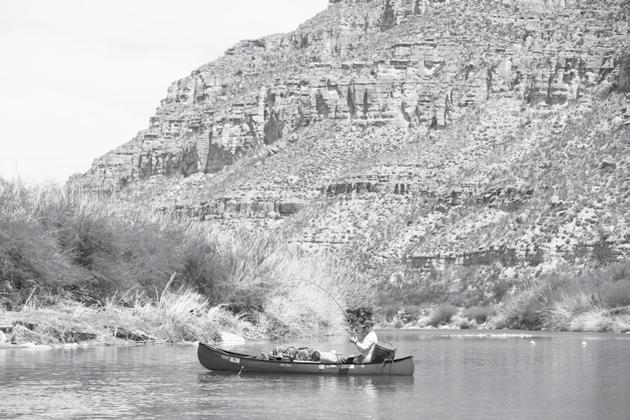
“There were 15 of us and eight boats,” he said. “I love the Lower Canyon, there are several rapids that could be Class III, and one that can be Class IV if the water is way up.”
Canoe racing is where the nickname “Polecat” came from.
“It started a long time ago,” Stafford said. “Most people have nicknames — no one out there knows my real name.”
Drifting juglines provides an added bonus to a lengthy and taxing canoe trip.

“We had a few fish fries,” Stafford said.
“I think that’s the only reason they ask me to go on these trips. I’m one of the older guys.”
Losing a few jugs is part of the deal.
“Sometimes you get past them and can’t get back, or they get stuck in the cane along the banks,” he said. “I don’t like to lose them, and usually I can retrieve them, but I lost a few. But someone will find them and use them.”
The trip also had other bonuses.
“We saw a couple of bears,” Stafford said. “I had never seen them there before. There were two mamas with cubs on the Texas side.”

EARLY BIRD ENTRIES

April 1-July 15
Open to all hunters with a Texas hunting license to harvest a Eurasian Collared Dove with a TDHA band on its leg. Every band reported provides data for the TDHA Eurasian Collared Dove research project.

LSONews com LoneOStar Outdoor News April 28, 2023 Page 19
Double your EARLY BIRD CHANCES Enter by May 31
1
Continued from page
Photos by Erich Schlegel, for Lone Star Outdoor News.
WASHINGTON, D.C. Firearms industry economic impact up
The total economic impact of the firearm and ammunition industry in the United States increased to $80.73 billion in 2022 from $19.1 billion in 2008, a 322-percent increase, while the total number of full-time equivalent jobs rose to 393,696 from approximately 166,000, a 136-percent increase in that same period, according to a report released by the National Shooting Sports Foundation.
On a year-over-year basis, the industry’s economic impact rose to $80.73 billion in 2022 from $70.52 billion in 2021. Total jobs increased by 17,877 in the same period, to 396,696 from 375,819.
The firearm and ammunition industry paid more than $7.48 billion in business taxes, including property, income and sales-based levies. An additional $1.15 billion was paid in federal excise taxes, which directly contributes to wildlife conservation.
—NSSF
NEVADA
Pope & Young records
At its 33rd Biennial Convention in Reno, Pope & Young recognized 13 new world record animals and presented a total of 180 awards for the largest animals harvested with archery equipment.
The 13 world records recognized were:

Nontypical Columbian Blacktail Deer Velvet
Angelo Nogara Sonoma County, California
Central Canada Barren Ground Caribou Velvet Rodney Cockeram
Humpy Lake, Northwest Territories
Deer
Woodland Caribou Velvet
362 1/8
Daniel Welker
Bergeo, Newfoundland
Typical Columbian Blacktail Deer Velvet
150 3/8
Gregory Wing
Marion County, Oregon
Tule Elk Velvet

257 5/8
Jim Wondzell
San Luis Obispo County, California
Typical Mule Deer Velvet
218 2/8
Bowdy Gardner
Kane County, Utah
Mountain Caribou Velvet
432 2/8
J. Dean Bodoh
O’Grady Lake, Northwest Territories —P&Y
KANSAS
State-record crappie
Bobby Parkhurst, of Topeka, broke a nearly 60-year-old state record by catching a 4.07-pound crappie out of Pottawatomie State
Fishing Lake No. 2 on March 5. Parkhurst used a minnow for bait.
The previous state record for crappie, at 4.02 pounds, was set in 1964.
INTERNATIONAL MANITOBA, CANADA
Permit required for waterfowl hunting

After rumors of changes circulated among waterfowl hunters, Manitoba Natural Resources and Northern Development officially announced new licensing requirements for foreign resident migratory bird hunters in the province beginning with the 2023 hunting season.
Under the new regulations there will be three categories of foreign resident licenses: 1) a seven-day permit for freelance hunters issued via a drawing, 2) a legacy migratory gamebird license for grandfathered property interest holders, and 3) a seven-day permit purchased through a licensed Manitoba outfitter.
Hunters who want to go to Manitoba and hunt on their own this fall will need to apply via the e-licensing portal between June 15 and July 15. For the 2023 hunting season, all hunters who apply via the portal within the proper time frame will receive a license, but the license will be limited to one seven-day period during the season. There will be no overthe-counter migratory gamebird licenses sold. Another portion of the regulation change reduces the number of outfitters licensed to guide waterfowl hunters in Manitoba by approximately 50 percent. Hunters who will be utilizing their services will purchase a license through the outfitter.

—Delta Waterfowl
Warden brothers
Continued from page 4
so did Dustin.
“Austin told me stories from his ridealongs and it just seemed like something I might really be interested in,” Dustin said. “I started doing ride-alongs too, and decided to apply to become a game warden with my brother. I saw how close he got to making it on his first try and felt like we could both really do this, especially by pushing and encouraging each other.”
The brothers both graduated from the academy and became Texas Game Wardens with the 63rd Class. Austin is currently serving in Galveston County, while Dustin is serving in Polk County.
Dustin said he really likes the public safety aspect of being a game warden.
“It’s important to me to protect the public that recreates across our state’s outdoor resources,” he explained. “Boating safety is a big focus of mine during peak boating and fishing seasons, and it’s just something I’m
very passionate about. I’ve worked many boating accidents, and my hope is that I can help prevent as many as possible from happening in the future.”
Austin said what he likes the most about being a game warden is that it keeps him in the outdoors.
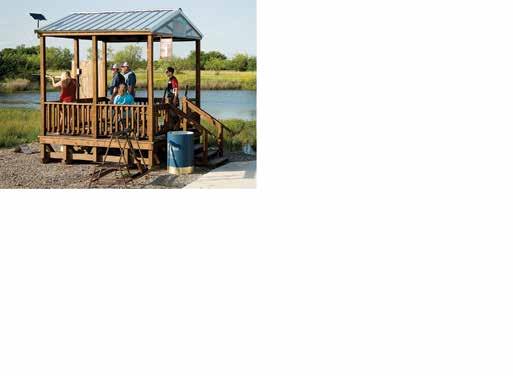
“My brother and I both grew up loving the outdoors, and thats a huge reason why we both ended up choosing to become game wardens,” he elaborated. “I really like protecting our state’s outdoor resources so that future generations can enjoy them.”
Both brothers have experienced running into the same folks in the outdoors, despite the nearly 100 miles between the counties where they serve.
“You would be surprised how many people I have had interactions with in Polk County that my brother has also interacted with in Galveston County,” Dustin said. “It really is a small world.”
Page 20 April 28, 2023 LoneOStar Outdoor News LSONews com NATIONAL
157 3/8
384 4/8
109 7/8
Island,
Chuck Adams 117 7/8
Island, Alaska Tule Elk 336 1/8 Eric Bethune
County, California Canada Moose Velvet 168 0/8
Peterson
Mountain, Alberta Typical Coues Deer Velvet 115 4/8 James Stewart Santa Cruz County, Arizona Quebec Labrador Caribou Velvet 387 4/8 Kyle Johnson Lake King, Quebec
Typical Sitka Blacktail
Velvet Chuck Adams
Kodiak
Alaska Nontypical Sitka Blacktail Deer Velvet
Kodiak
Mendocino
Travis
Limestone
—KDWP
TEXAS SALTWATER FISHING REPORT
SABINE LAKE: 71 degrees. Speckled trout are good on Carolina-rigged live shrimp, shrimp under a popping cork and swimbaits. Redfish are good on live shrimp on the flats.
BOLIVAR: 70 degrees. Redfish are fair on Carolina-rigged mullet, shad and crab.
TRINITY BAY: 70 degrees. Speckled trout and redfish are fair on soft plastics and live shrimp under a popping cork.
WEST MATAGORDA BAY: 68 degrees. Speckled trout are good on shrimp under a popping cork and top-waters. Redfish are slow.
PORT O’CONNOR: 68 degrees. Redfish are good on croaker and live shrimp in the washouts. Black drum are fair on dead shrimp. Speckled trout are good on croaker.
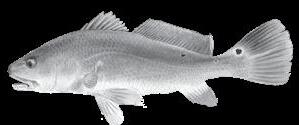
ROCKPORT: 69 degrees. Speckled trout are good on top-waters, soft plastics and suspension baits. Redfish are good on scented plastics, top-waters and live bait.
PORT ARANSAS: 75-78 degrees. Speckled trout, redfish and black drum are fair drifting with live shrimp under a popping cork.
EAST GALVESTON BAY: 71 degrees. Speckled trout are good wading with soft plastics, shrimp under popping corks and top-waters. Redfish are fair along grass line on shrimp under a popping cork.
WEST GALVESTON BAY: 73 degrees.
Speckled trout are good wading with artificial lures and live bait. Redfish are fair on shrimp under corks.

TEXAS CITY: 72 degrees. Speckled trout are good at the Galveston jetties on live shrimp. Redfish and black drum are fair on shrimp under a popping cork.
FREEPORT: 70-73 degrees. Speckled trout and redfish are good on live shrimp under a popping cork. Flounder are good on scented plastics.
EAST MATAGORDA BAY: 68 degrees. Speckled trout are good wading shorelines with top-waters or drifting with live shrimp under a popping cork. Redfish and black drum are slow.
Corkys 2.0
Continued from page 8
To keep things going, Steve started his company, Steve’s Lures in 2018.
“It’s a specialty company where we make custom-made Corkys,” Steve said. “I move most of my lures over the internet. We have an online store that has turned out to be a good business. I spend about 99 percent of my time making lures and filling orders.”
Some anglers might wonder how Steve can make lures, since L&S Bait Company, also known as MirroLure, bought the line of original Corkys.
“But we retained the Corky name,” Steve said. “Mirrolure can market them any way they want to, and so can I. So, everybody is happy.”
Making one custom lure from beginning to end takes up to three days, and Steve is set up to make 100 lures per run.
“It’s a long, drawn-out process,” he said. “But I really enjoy the work. And our lures are still very popular.”
Some of the more popular styles are still
CORPUS CHRISTI: 75-78 degrees. Speckled trout are fair on shrimp under a popping cork. Redfish and black drum are fair along the banks on live shrimp.
BAFFIN BAY: 67 degrees. Speckled trout and redfish are good on top-waters, scented plastics and live shrimp under a popping cork.
PORT MANSFIELD: 69 degrees. Speckled trout are fair to good on top-waters and ball tails. Redfish are fair on soft plastics.
SOUTH PADRE: 70 degrees. Speckled trout are good on live shrimp under popping cork. Redfish are good on shrimp under a popping cork and cut mullet. —TPWD
the Paul Brown Original, Paul Brown Fat Boy and the Paul Brown Devil, along with the Paul Brown Soft-Dine, and there are new offerings.
Steve makes a lot of custom Corkys, in a lot of new colors and names like Super Corky D, Red Shad Big Bug Eye, Peanut and Soft Super Devils.
“It’s a lot of fun,” Steve said. “I run a oneman operation and stay real busy. But I try to take the time to make Corky’s in new colors and designs. And I get a chance to meet lots of people that have some really good stories about using our lures. I heard a lot of them while working a booth at the recent Houston fishing show.”
Steve said a new hit is in a new color, called Slime Time.
“It’s chartreuse and black with black specks, clear eyes and is rigged on two treble hooks,” he said. “And one of the spring favorites is a broken-back Corky. One thing we have done is to add black spots to a number of the lures. Fishermen really like those.”
Specks shifting
Continued from page 4
Coast region of Texas and southwestern Louisiana.
Beginning in early 1980s, rice production in Texas began a long-term decline. Specklebellies, being early migrators in fall, gain a competitive advantage over other goose species for acquiring waste grain (rice). The birds’ historical winter diet was wetland plants and tubers from freshwater marshes in coastal regions.
While rice production declined in Texas and southwestern Louisiana, it increased to the north and east. The average counts of white-fronted geese in Texas declined from an average of 305,000 in 1980 to 26,238 in 2017-2018, while Arkansas numbers increased from 21,670 to 296,913.
The study examined 10,437 hunter-harvested band recoveries, most coming from

Texas, Louisiana and Arkansas.
“The greater white-fronted geese appear to have taken advantage of abundant food resources,” the study concluded. “The core winter distribution has shifted out of Texas into the MAV, and in Louisiana has shifted northward — a shift from coastal regions to rice-dominated landscapes.”
Goose hunters in northwest Texas areas like Haskell and Knox City may be taken aback, as they continue to see good and increasing numbers of white-fronted geese in their hunting fields.

Dr. Douglas Osborne, who co-authored the study, explained.
“Those birds are likely breeding in the inland Alaska region, not the north slope of Alaska and Canada, and they aren’t the midcontinent population,” he said.

$150
Looking for a day of shooting that’s not your average day at the range? Texas Hunt Co has just what you need...a good ol’ Texas Prairie Dog Hunt! These are probably the most fun hunts we have on offer! We’ve got enough prairie dogs to keep you shootin’ til you—or your barrel—need a break! Ask about our large group rates and bring your friends and family for a day of sun, guns, and fun! Contact us now to book your Texas Prairie Dog Safari Adventure!


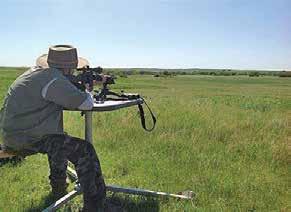

info@txhuntco.com


LSONews com LoneOStar Outdoor News April 28, 2023 Page 21
SINCE 1960 U s e d a n d n e w f i r e a r m s a m m u n i t i o n k n i v e s a n d o p t i c s f o r a l l o f y o u r h u n t i n g s h o o t i n g a n d p e r s o n a l p r o t e c t i o n n e e d s B U Y I N G , S E L L I N G A N D T R A D I N G G U N S 123 Carroll Rd, Wharton, TX 77488 (979) 532-3175 howdy@carrollsgunshop.com F o l l o w u s c a r r o l l s h u n t i n g f i s h i n g C a r r o l l ' s G u n S h o p
806-786-4976 806-335-0051
PERSON/DAY (3 hunter minimum) Lodging & meals available at extra cost
Like & follow us on & ADVENTURE!! Any caliber .17 HMR to .50BMG!!!!
TEXAS PRAIRIE DOG SAFARI
or less kept the planes from crashing.”
APRIL 29
DUCKS UNLIMITED
Mineral Wells Dinner
VFW Hall 2399 (940) 452-6728 ducks.org
COASTAL CONSERVATION ASSOCIATION
Redfish Bay Banquet
Aransas Pass Civic Center (713) 636-4222
ccatexas.org
MAY 3
DUCKS UNLIMITED
West Houston Banquet
Cheateau Crystale (713) 471-8854
ducks.org
MAY 4
DELTA WATERFOWL
Aggieland Banquet
Texas A&M Memorial Student Center Ballroom deltawaterfowl.org
DUCKS UNLIMITED
DUX Kick-off Party and Raffle Night Trinity River Distillery
Fort Worth ducks.org
COASTAL CONSERVATION ASSOCIATION

San Antonio Banquet Freeman Coliseum Expo Hall (210) 289-8821 ccatexas.org
MAY 5-7
DUCKS UNLIMITED

DUX Expo
Texas Motor Speedway, Fort Worth duckexpo.com
MAY 6
DSC FOUNDATION
Annual Gala Union Station Wolfgang Puck (972) 980-9800 biggame.org
MAY 11
DUCKS UNLIMITED Galveston Banquet Galveston Water & Light Community Center ducks.org
COASTAL CONSERVATION ASSOCIATION Austin Banquet Palmer Events Center (713) 626-4222 ccatexas.org
NATIONAL WILD TURKEY FEDERATION

Lone Star Longbeards Banquet
Brazos Center, Bryan (979) 219-0286 nwtf.org
DUCKS UNLIMITED Comal County Banquet New Braunfels Civic Center (210) 215-5573 ducks.org
MAY 11-13
SHALLOW SPORT OWNERS TOURNAMENT South Padre Island shallowsporttournament.com
MAY 16
DUCKS UNLIMITED Northeast Tarrant County Dinner Colleyville Center (817) 946-7452 ducks.org
For home or office delivery, go to LSONews.com, or call (214) 361-2276, or send a check or money order to the address below. Lone Star Outdoor News, ISSN 2162-8300, a publication of Lone Star Outdoor News, LLC, publishes twice a month. A mailed subscription is $35 for 24 issues. Newsstand copies are $3, in certain markets copies are free, one per person. Copyright 2023 with all rights reserved. Reproduction and/ or use of any photographic or written material without written permission by the publisher is prohibited. Subscribers may send address changes to: Lone Star Outdoor News, P.O. Box 551695, Dallas, TX 75355 or email them to editor@lonestaroutdoornews.com.


Puzzle solution from Page 18

TEXAS TROPHY WHITETAILS
Axis, Blackbuck, Hogs Free range whitetail and exotic hunts in Sonora, TX www.HuntTexasWhitetails.com (717) 512-3582
C4 RANCH - WHITETAIL & EXOTIC HUNTS

Cull, Management & Trophies up to 300” Duval County, TX
High Fenced & MLD Managed 10+ Years Vernon Carr (361) 774-2442
USYF GUN/OUTFITTER/ FISHING/HUNTING SHOW
El Campo, TX Civic Center April 29-30, 2023
USCguns.com
Vendors Wanted uscguns@gmail.com or (815) 599-5690
AXIS HIDES Tanned axis hides Axis pillows / gbroach@ktc.com (830) 896-6996
PATAGONIA ARGENTINA
RED STAG HUNTS
100% free range
5 day guided hunts, luxury lodging and meals.
Trophy and management packages available. (210) 748-9392
WHITETAIL + HOGS Brush country whitetail bucks! Doe, management bucks and hog hunts
All-inclusive guided hunts zacatehunts.com (325) 446- 6716
NEED ARCHERY RANGE? www.TexasArchery.info

DOS HERMANOS RANCH
Trophy Whitetails & Exotics
On 4000 acres near San Angelo, TX doshermanosranch.com
Jake at (208) 477-9065
EXOTICS + WHITETAIL Several species Trophy and meat hunts Owner guided Very reasonable Let’s have fun! (325) 475-2100
QUAIL HUNTING
Guided-Self Guided-Training 700 yard RANGE PoetryShootingClub.com (214) 728-2755
DUVAL COUNTY South Texas Dove Hunting 65 acres, Lodging RV Power Available Huntershilton.com for more info (361) 244-0544 or (361) 443-9330
ANTLERS WANTED Buying all species, all conditions. Looking for large quantities Call Del (830) 997-2263
DEER HUNTERS
Used Deer Blinds for sale 4x6 fiberglass with 10-foot towers Three available, $1850 each
Used feeders also available Text for photos Located 1 hour north of Abilene (214) 695-2950
TDHA - JOIN TODAY Texas Dove Hunters Association TexasDoveHunters.com (210) 764-1189



CLASSIFIEDS (PER WORD) $1
FISHING
PORT ARANSAS FISHING GUIDE SERVICE
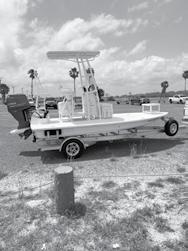
Wade Fishing / Fly Fishing / All Lure Light Tackle Fishing Special Services to Wounded Warriors / Veterans / Make A Wish Foundation / Charities / New Fishers / Wkly & Monthly Charters (361) 765-7000
CRAPPIE. CATFISH. SANDBASS. STRIPER. Guided Hunts and Offshore Adventures. www.DFWOutdoors.com Call Capt. Lane Palmer
BAY FISHING 6 Hour Trip from $275 Port Isabel, TX (956) 551-1965
Excellent condition Stored indoors, Fully equipped and ready to go as is $5,599.00 rustynailranch7599@outlook.com (903) 390-5466
LIKE NEW 2014 NEWWATER showroom condition, stored indoors, 9 ft. T-Top, Front & rear casting platforms, Raised Console, Livewell, 90 HP Yamaha 4 stroke motor, less than 40 hrs. Located in Port Mansfield. Make an offer. Call Capt. Steve (956) 492-8472
THE CHIMNEY BOX OUTDOOR FIREPLACE
Great for your hunting camp or backyard Keeps smoke out of your face. New $1,500, asking $800 (214) 695-2950
Page 22 April 28, 2023 LoneOStar Outdoor News LSONews com
DATEBOOK
CLASSIFIEDS HUNTING MISC
A PHOTO/LOGO
ALL BOLD LETTERS $15 2 ISSUE MINIMUM
2 EASY OPTIONS: CALL THE OFFICE (214) 361-2276, OR E-MAIL: LSONACCT@GMAIL.COM
ADD
$25
23FT FORMULA CUDDY CABIN DEEP V I/O
at (817) 266-9811 Advertising: Call (214) 361-2276 or email editor@lonestaroutdoornews.com to request a media kit. For home delivery subscriptions www.LSONews.com (214) 361-2276
Executive Editor Craig Nyhus Managing Editor Lili Keys Design Editor C2-Studios, Inc. Copy Editor Carl Ellis Operations Manager Mike Hughs Billing & Accounts Payable Lea Marsh Website Bruce Solieu National Advertising Mike Nelson Founder & CEO David J. Sams FLAGS 4 TEXAS, LLC Everything U. S. MADE 20’ HD, Anodized Aluminum, Telescoping Pole (95 MPH Wind Rating10 year Warranty) 4’ x 6’ Nylon American Flag, with Embroidered Stars 3” Gold-Colored Aluminum Ball $499 Free Shipping 10% Discount for Active or Retired Military and First Responders billy@flags4texas.com (706) 804-0949
The best-selling HK pistol just got even better. All HK VP9 pistols now include the following upgrades.


• 17-round magazines replace previous 15-round versions
• Improved iron sights, with high-visibility front sight and clean black rear
• Optional optics-ready mounting system
If you’ve been thinking about upgrading to an HK, now is the time.
Visit
A Place to Shoot
San Antonio, 210-628-1888
Abilene Indoor Gun Range
Abilene, 325-698-4224
Able Ammo
Huntsville, 936-295-5786
AJC Sports
Clute, 979-265-4867
Ally Outdoors
Midland, 972-332-3700
Alpine Shooting Range
Ft Worth, 817-478-6613
Americana Arms, LLC
Beeville, 361-362-3673
Apache Rifle Works
Comfort, 830-995-3894
Athena Gun Club
Houston, 713-461-5900
Boyert Shooting Center
Katy, 281-693-4867
Buck & Doe’s Mercantile, LLC
San Antonio, 830-980-3637
Burdett & Son Outdoor Advntr College Station, 979-695-2807
C.A.C Tactical South Lake, 888-211-8191
Caroline Colt Company LLC
Abilene, 325-232-7501
Caroline Colt Company LLC
Abilene, 325-232-7501
Carroll’s Gun Shop
Whaton, 979-532-3175
Carter’s Country #2
Houston, 713-461-1844
Carter’s Country #3
Pasadena, 713-475-2222
Carter’s Country #4
Houston, 281-879-1466
CDNN Sports
Abilene, 800-588-9500
Champion Firearms College Station, 979-693-9948
Collectors Firearms
Houston, 713-781-5812
Danny's, Inc.
McAllen, 956-687-4692
Defender Outdoors, LLC
Aubrey, 817-935-8377
DFW Gun Range
Dallas, 214-630-4866
Dury's Gun Shop
San Antonio, 210-533-5431
Fun Guns
Waco, 254-755-0080
Glick Twins
Pharr, 956-787-429
Grabagun.com
Coppell, 972-552-7246
Guard/Defend Firearms
Beaumont, 409-201-9468
Guns Warehouse LLC
Cedar Park, 512-986-7330
Hoss Arms
New Braunfels, 830-609-8891
Jess Briley Manufacturing
Houston, 713-932-6995
$849
John Doe Investigations, LLC
Lewisville, 214-773-0129
Kirkpatrick Gun & Ammo
Laredo, 956-723-6338
Marksmen Firearms One, LLC
Mansfield, 817-453-8680
McBride's Guns
Austin, 512-472-3532
Misson Ridge Range & Academy
San Antonio, 210-504-9000
Mister Guns LLC
Plano, 214-901-7429
Modern Pawn & Guns
Corpus Christi, 361-993-9390
Nagel's Gun Shop, Inc.
San Antonio, 210-342-5420
Nardis Gun Club
San Antonio, 210-369-9199
Omaha Outdoors
Rosenberg, 713-703-4648
Past & Blast Antiques & Firearms
Whitesboro, 903-564-5444
Primary Arms
Houston, 713-344-9600
Ranger Firearms of Texas Inc.
San Antonio, 210-822-4867
Ray's Hardware & Sporting Goods
Dallas, 214-747-7916
Red’s Indoor Range - North
Pflugerville, 512-251-1022
RifleGear.com
Plano, 949-292-7678
SK Arms
Midland, 432-704-5127
Sharp Shooters Knife & Gun Inc
Lubbock, 806-791-1231
Southwestern Firearms, Inc.
Midlothian, 972-617-7056
Sportsman's Finest
Austin, 512-263-1888
Sportsman Outfitters
Longview, 903-759-0638
Spring Guns & Ammo
Spring, 832-299-1950
Superior Outfitters
Tyler, 903-592-4006
Superior Outfitters
Longview, 903-212-2200
Texas Gun Club
Stafford, 832-539-7000
Texas Gun Expierence
Grapevine, 817-285-5664
Texas Gun Shop
San Angelo, 325-949-0020
The Arms Room
Dickinson, 832-226-3248
Weby Corp
Arlington, 800-851-9329
Xtreme Guns & Ammo
Richmond, 832-363-3783
VISIT WWW.HK-USA.COM
LSONews com LoneOStar Outdoor News April 28, 2023 Page 23
IT’S TIME FOR AN UPGRADE
to Learn More!
706-568-1906
Your Local Texas HK Premium Dealer
www.hk-usa.com •
pistols have easy to change backstraps and side panels for a personalized fit. 27 custom-fitted grip combinations are possible.
VP
THERMAL HUNTING
AVENGER 40
WAVE12 384 Sensor
9+ Hour Runtime
MSRP: $4099
AVENGER 55XR
WAVE12 640 Sensor
7+ Hour Runtime
MSRP: $5989

Fusion Thermal Exclusive Features

Micro Click Focus Leave the Collars to the Dogs
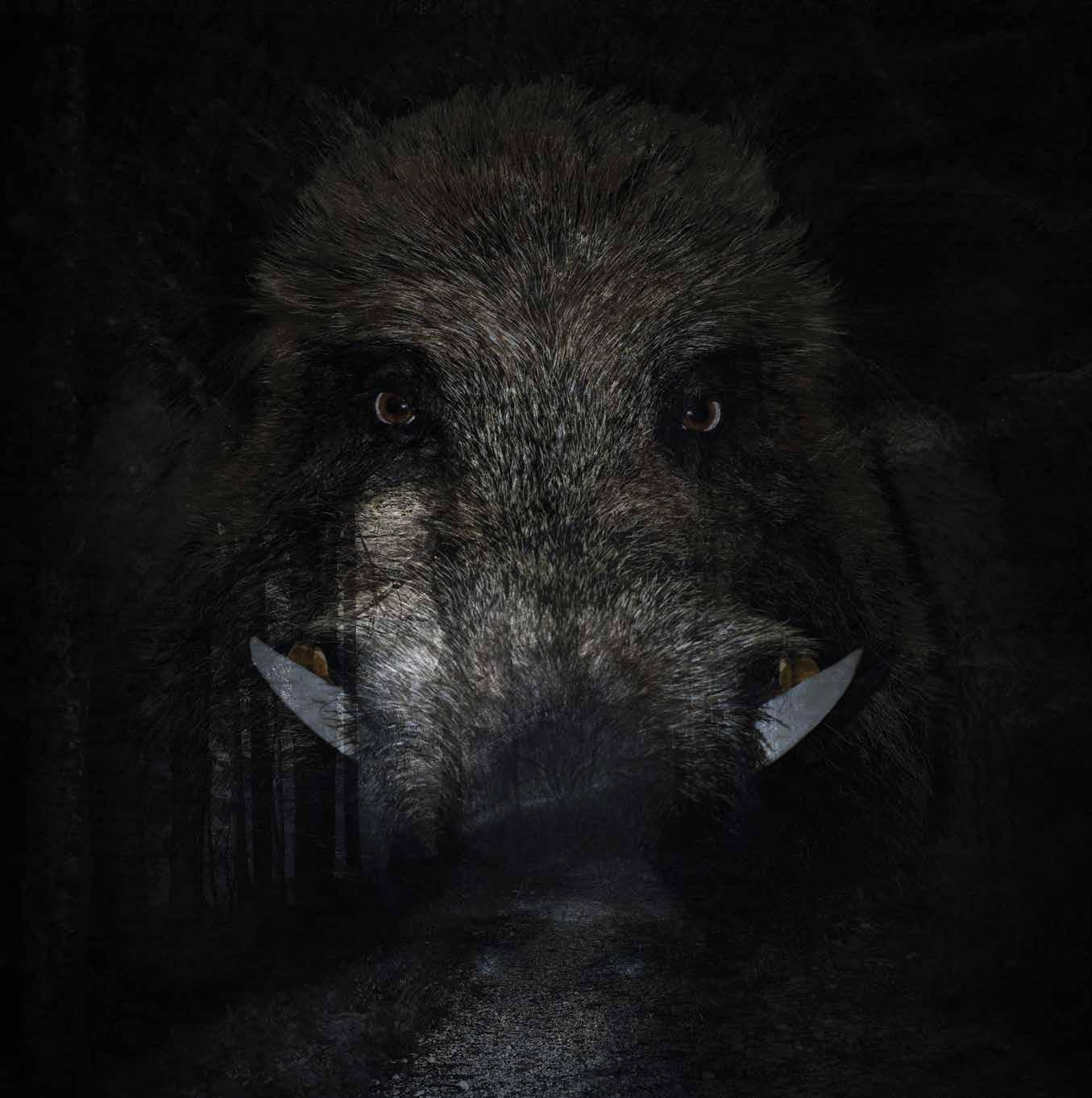
Getting your target into focus quickly and easily is a must, and you won’t find a better system than our Micro Click Focus. Our tactile focus knob is conveniently located on top of the front lens, and unlike the dog collar design used by our competitors you won’t need to perform a circus act just to focus your scope. Plus, you’ll always get your best shot as the micro click adjustments put you on the perfect focus point every time.
ARCLIGHT Ultra HD Germanium Lens
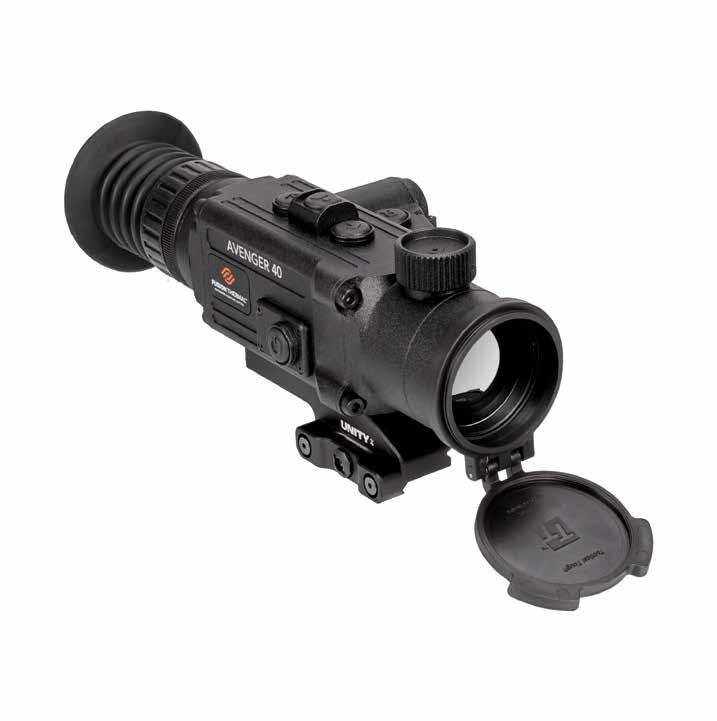
High Purity for Maximum Energy
The single most expensive component of a well-crafted thermal is its germanium lens. If you skimp here, you’re not even in the game. Our high purity ArcLight Ultra HD Germanium Lens is the crowning jewel of our technology package. It perfects the task of collecting and funneling infrared energy into the thermal sensor unhindered by distortion. This clean transition results in an infrared energy dump that unleashes the full potential of our WAVE thermal sensor delivering a user experience well beyond expectations.
KISS (Keep It Simple Stupid) Menu Industry’s Easiest Menu System
We think you’re really going to like our menu; it uses words, English words. Written for Americans by Americans. That’s why we called it KISS. You’ve heard the phrase, and at Fusion Thermal it’s the reason we can make the industry’s boldest statement: Our operating system is so easy to use you’ll likely never read the instructions.
T3 Control System
Don’t Let Your Fingers Get Lost in the Dark
Our highly intuitive three button control system with center tower makes using your scope simple and easy. Every command is at your fingertips, and the Center Tower evenly splits the control panel, so you’ll never be confused about what button you’re going to press. We thought this a particularly good idea since you’ll be using it in the dark most of the time.
WAVE Thermal Sensor Same Money, Better Performance
Is it possible for one thermal scope to dramatically outperform everything else in its class? Yes, so don’t make the mistake of shopping by specifications alone or you just might get burned. Our WAVE thermal sensors push the limit of what is technically possible and set the standard for image quality, ruggedness, and long life. So, before you plop down your hard-earned cash make sure you do a side-by-side to any similarly priced competitive alternative. We think you’ll find the difference to be clearly obvious.
XGEN Alloy Housing
Plastic is for toys. Metal is for tools. It’s a fact, thermals produce heat, and heat is the enemy of all thermal devices. If you don’t get the heat out operational performance will degrade, and long-term internal damage is a certainty. Our XGEN (Next Generation Alloy Body) shields your expensive investment in a metal clad of armor, and our high-end AL6082 Conductive Structural Alloy displaces heat at an astounding 71,900% better than plastic. You don’t think of your thermal as some cheap plastic toy. Why should it be built like one?
Game-changing simplicity. Industry leading runtime. Onboard video, photo and HD audio recording. Meet the new AVENGER from Fusion Thermal.
Available at fine retailers all across the Great State of Texas
