
TPWD proposed mountain lion reporting regulations receiving pushback
By Mike Bodenchuk
Texas Parks and Wildlife Department is proposing new reporting requirements for mountain lion mortality that will affect all trappers, mountain lion hunters and anyone who happens to get the unique opportunity to shoot a mountain lion in Texas.
Following a 2022 petition by mountain lion advocates and the 2023 Mountain Lion Stakeholder Working group report to the commission, the department has been working to reduce mountain lion mortality. In 2025, the department recommended and the commission adopted regulations prohibiting trappers from allowing a live mountain lion to be in a trap for more than 36 hours. That regulation effectively establishes a trap check interval for persons trapping any predator.
TPWD, in proposing the regulations, has discounted voluntary reporting which has been ongoing for less than a year. The new regulation, currently open for public comment, requires anyone who kills a mountain lion to report the incident to TPWD through the department’s website or through an app. The report will not require property specific information but rather requires the county of take.
Rio Grande cichlids provide fun action in rivers, urban areas
By Cory Byrnes For Lone Star outdoor newS
Now that rainbow trout season is closing out, anglers are turning their attention to another unique fish in the Hill Country.
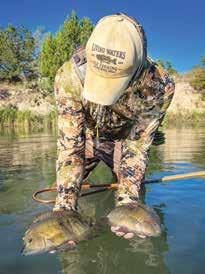
Especially popular with light-tackle and fly-fishermen, the Rio Grande cichlid (perch) population has grown to a size that can be targeted, even in cities.
“They are also available in a lot of places that are
By Nate Skinner For Lone Star outdoor newS
Periods of calm for safely navigating the offshore waters of the Gulf have been few and far between lately.
Many offshore anglers have been ready to roll out past the jetties but gusty, springtime winds and strong currents have made that difficult.
Those who have been able to head out when short periods of calm seas have occurred have been rewarded with good fishing. Vermilion snapper, lane snapper, swordfish, blue runner, tuna, and a variety of grouper have all been in the mix, and a variety of tactics and baits have been producing.
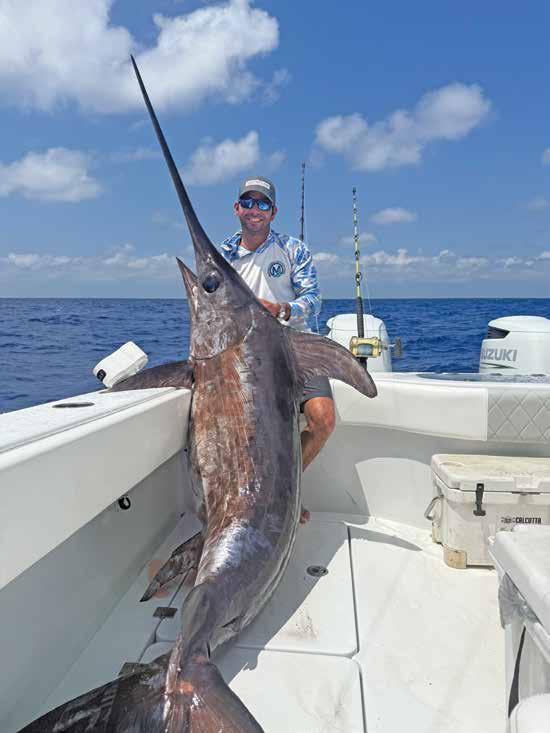
Nathan Zuniga, a deckhand for Reel Rush Charters out of Matagorda, said they have been targeting swordfish in 1,500 to 1,650 feet of water about 70 miles offshore. They recently landed five swordfish over the course of two days when short windows with ideal conditions occurred. The largest fish weighed about 180 pounds.
“The best bite took place in the middle of the day,” Zuniga said. “Bump trolling canyons was the ticket, and we were using eels rigged with a squid skirt, along with large squid.”
Zuniga said the swords seemed to prefer eel baits over the squid. They were focusing on stretches of water that were holding plenty of baitfish.
According to the folks at Galveston Party Boats, Inc., they were able to take advantage of a window of calm conditions recently and ran offshore three days in a row in their 85-foot catamaran New Buccaneer. On the first day, 59 anglers landed 323 vermilion snapper, 4 lane snapper, 27 blue runners, and a mangrove snapper.
During the next 12-hour deep sea fishing trip, 86 anglers landed 860 vermilion snapper, which is the full legal limit of 10 fish per
more urban. Especially around San Antonio,” said Chris Johnson, owner of Living Water Flyfishing.
“They are really popping off right now on the San Marcos River. It doesn’t really come down to location as much as it does timing.”
Johnson and his clients typically target the prespawn fish in May.
“You’re catching them on the front end of the spawn when they are actively feeding up for spawn,” he said.
On the Nueces and Medina rivers, Johnson and his clients are targeting likely spawning areas.
“Now you should start seeing activity where they are actively looking to pair up a little bit,” John-






DSC’s new CEO sets the record straight
By Conor Harrison Lone Star outdoor newS
Despite a tumultuous few years, Dallas Safari Club is looking forward these days with a new CEO and an increasingly positive outlook with a 2028 return to Texas for its annual Convention in their sights.
Russell Stacy took over as CEO late last year after the former
CEO was let go after less than a year on the job. Stacy, a former board member, president of DSC Foundation and Convention chair, stepped easily into the role due to his familiarity with the organization.
A Louisiana native and longtime DSC member and volunteer, Stacy is DSC through and through, positioning him well to lead the organization to Atlanta in 2027 and then back to Texas and Dallas thereafter.
“When I was about 30 years
old, I came with a buddy one year to DSC,” Stacy said. “I was hooked. I bought a few things, including a Life Membership. Then I went to Houston and Reno and did the same thing. I landed here in Dallas because it felt more inclusive. DSC members get to vote for their board leadership. It’s all about involvement, and the hallmark of DSC is our volunteerism and hospitality.”
Stacy was part of the search for a new Convention home in
February 2023, when City of Dallas representatives told DSC they couldn’t host a show the size of the DSC Convention. In May 2023, the search was on.
“It was a very secret search, and if I could do anything over, it would be to bring membership and exhibitors more into the process,” Stacy said.
The City of Dallas confirmed they told DSC they had to move.
“There have been rumors that DSC was lapsing in their efforts to keep the show in Dallas, when
5.6

By Nate Skinner
Lone Star outdoor newS
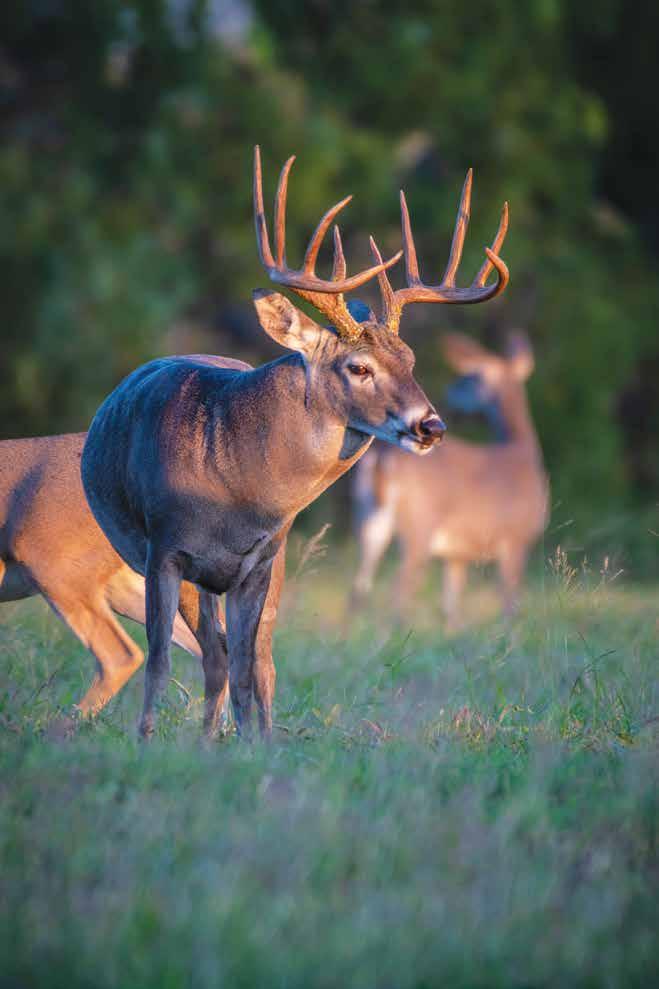
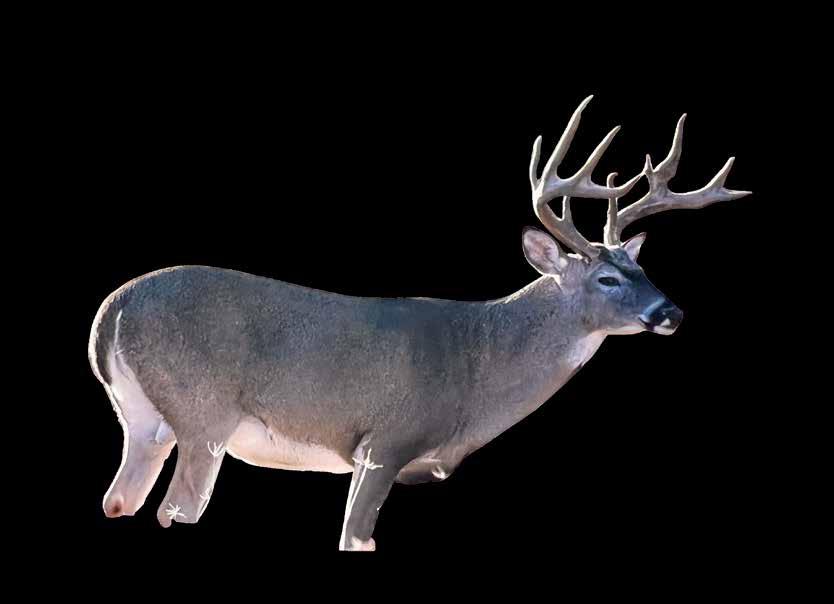
Have you ever found yourself driving down the highway, spotted a herd of deer, and then thought, “I wonder how many whitetails there are in Texas?”
The number of white-tailed deer in the state has been continually increasing in recent years. Compared to historical levels, deer numbers in the Lone Star State are reaching new heights.
According to the White-tailed deer Program Leader for TPWD, Blaise Korzekwa, the 2025 estimate for the statewide white-tailed deer population was 5.6 million deer. This represents an increase of about 600,000 from the 2024 estimate. Korzekwa said in 2023 the statewide population was estimated at about 4.7 million deer.
“We have definitely experienced an upward trend in our whitetail population numbers in the last few years,” Korzekwa said. “The statewide population is currently approaching numbers that could represent an all-time high for Texas.”
Korzekwa said the statewide white-tailed deer population has seen minor increases and decreases in the past decade due to periods of good or poor fawn production resulting from rainfall levels. Overall, he said deer numbers in Texas have been on a steady incline in comparison to what they were 20 years ago, when the population was hovering around 3.5 to 4 million white-tailed deer.
“The steady increase in whitetails across Texas is largely due to the significant increase in landowners that are managing their properties specifically for deer hunting purposes,” Korzekwa said. “We are also seeing more and more folks purchase land specifically for deer hunting and other recreational or hunting related activities, rather than for livestock. So, we are continually seeing an increase in the amount of acreage on the landscape that is being managed for white-tailed deer, year after year.”
There has also been a tremendous amount of brush encroachment in areas across Texas over the past several decades, according to Korzekwa. This, in turn, has created more favorable habitat for white-tailed deer, and less favorable habitat for species like bobwhite quail.
He gets it from his mom
Researchers studying wild turkey DNA and genetics for different color
By Nate Skinner For Lone Star outdoor newS
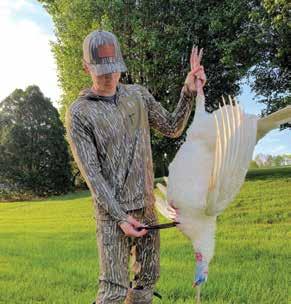
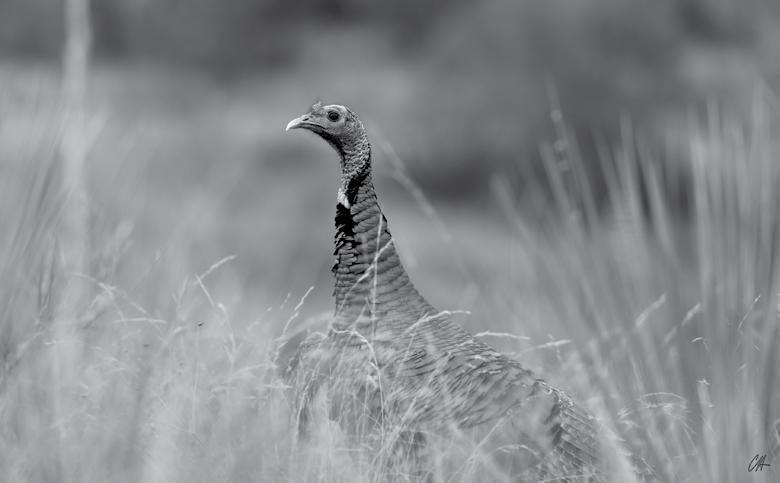
Like humans with different hair color, wild turkey populations with different colored feathers can thank genetics. Biologists are studying these genetics in wild turkey populations to determine where the traits come from and how they can help researchers monitor overall population health and reproductive viability.
Phil Lavretsky is the director of the Population and Evolutionary Genetics
Lab, also known as the Lavretsky Lab, at the University of Texas at El Paso, where an ongoing study focused on wild turkey DNA and genetics, coined wildturkeyDNA, is taking place.
The Lavretsky Lab has partnered with Dr. Mike Chamberlain, the National Wild Turkey Federation distinguished professor at the University of Georgia School of Forestry and Natural Resources and founder of the Wild Turkey Lab. The NWTF, Ducks Unlimited, and the Low Country Game Bird Foundation are conducting research to determine if turkey possess genetics from domestic birds, or if they are 100% wild.
“This research began after Chamberlain and I had a conversation about the
various and unique types of plumages we were seeing in turkeys being harvested across the country,” Lavretsky said. “We basically wanted to figure out if these birds might be some sort of domesticated cross or hybrid turkey, or basically the product of a wild turkey breeding with some sort of domesticated turkey at one point in time.”
Lavretsky said the study began during last year’s turkey season, when they gathered about 100 samples from odd-looking birds that were thought to be from the various subspecies of wild turkey found in the USA.
“After we started getting samples in, we quickly realized just how complex turkey genetics are,” Lavretsky said. “This is
Three Texas Game Wardens were recognized for their service and contributions to conservation law enforcement at recent Texas Parks and Wildlife Commission meetings.
Guadalupe County Game Warden Dusty Jansky was named the 2026 Shikar-Safari Club International Texas Officer of the Year.
Jansky, a 2018 graduate of the 62nd Texas Game Warden Academy, began his career in Starr County before transferring to Aransas County and from there, to his current duty station. He is known for his strong work ethic, adaptability and commitment to serving both his county and the broader mission of TPWD. He consistently supports complex investigations, often working alongside local, state and federal partners to bring cases to resolution.
Kendall County Game Warden Josh Sako was named the 2025 National Wild Turkey Federation’s Texas Wildlife Officer of the Year.
Sako, a 2020 graduate of the 63rd Texas Game Warden Academy, began his career on the upper Texas coast in Jefferson County where he worked a wide range of saltwater enforcement cases and contributed significantly to water safety operations. His later transfer to the Hill Country, first to Gillespie County, then to his current duty station, expanded his enforcement focus to deer and turkey regulations, although his work spans a wide range of responsibilities, from natural resource enforcement to public safety and search and rescue operations.
Trinity County Game Warden Randy Watts was named the 2025 Southeastern Association of Fish and Wildlife Agencies Texas Officer of the Year.
Watts began his career with TPWD in the Wildlife Division, working at the J.D. Murphree Wildlife Management Area in Port Arthur before attending the 56th Texas Game Warden Academy. Since his graduation in 2011, Watts has served the citizens of Trinity County and the state of Texas for more than a decade. He is recognized for his proactive approach to enforcement, leadership in the field and commitment to the mission of conservation law enforcement.


By Mike Bodenchuk
Fur prices, at least for some furbearers, are up and interest in trapping is increasing in Texas.
The Texas Trappers and Fur Hunters Association held its Spring Rendezvous in Childress April 24 and 25. Interest was strong among attendees, with vendors from across the country selling equipment and trappers sharing trapping advice and methods.
While the market for some fur, such as raccoons, remains weak to nonexistent, other species, such as bobcats and, surprisingly, skunks is strong. With prime Texas bobcats bringing $50$150 and striped skunks reportedly averaging $40 or more, interest in trapping is increasing.
In addition to bobcat and skunk demonstrations, the TTFHA hosted educational demonstrations on topics such as beaver removal, protecting ground nesting birds from predation, proper use of snares in wildlife management, the proper use of lures and more. “Online” for trappers means on the trapline, and participants could accompany experienced trappers in the field to see where they set traps and how different sets were placed.
Over 20 vendors of trapping supplies attended as well, selling new and used traps, fur handling equipment, lures and bait, predator calls, knives and other outdoor paraphernalia. The TTFHA offered merchandise as well as memberships and a sampling of furs were available for purchase.
As a family-friendly event, there are crafts, games and contests available for all age groups. A general membership meeting is held at each Rendezvous where those in attendance learn of emerging issues. A fund-raising auction is held every Rendezvous, and friendly but fierce competition makes the auction fun. At Childress, one pecan pie sold 4 times!
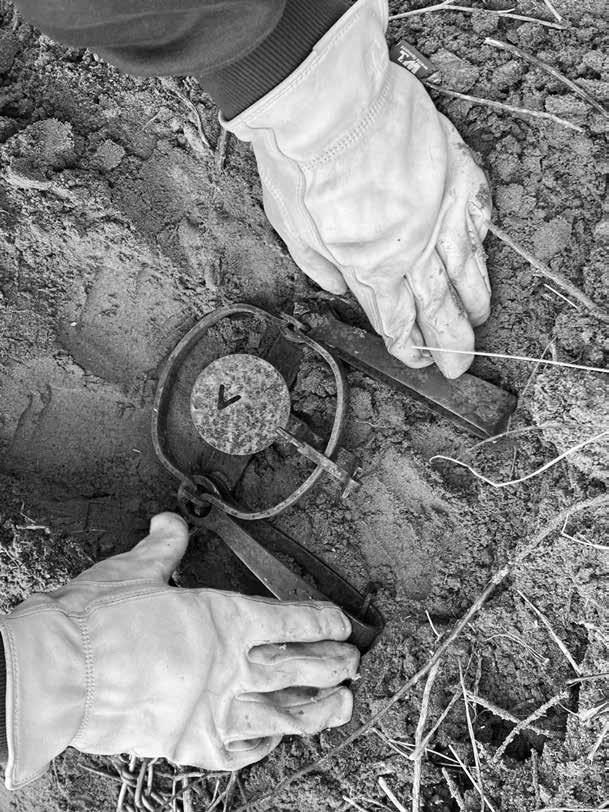
The TTFHA also partnered with the Texas Sheep and Goat Raisers to host a two-day trapping training near San Angelo. This is the fifth annual event that has moved around the Hill Country aimed at teaching livestock producers how to protect their livestock. Focused on predator management, trapping and snaring are critical for sheep and goat producers. About half of the participants at the training were private trappers who help the producers meet their objectives.
Even with weak fur markets, trapping remains a valuable skill as trappers help landowners meet wildlife management objectives. Many trappers ply their skills at damage management trapping, targeting coyotes, bobcats, raccoons, beavers and other nuisance wildlife.






Continued from page 4
“Hunters and land managers today are also significantly more knowledgeable about white-tailed deer management than they were decades ago,” Korzekwa said. “There’s more information readily available to folks about deer and habitat management than ever before, thanks to decades of studies and research.”
Korzekwa said he expects the long-term population trend for white-tailed deer in Texas to continue to increase.
“Of course, we will see some ups and downs due to ebbs and flows in fawn production from year to year, but overall, the future for whitetailed deer in the Lone Star State looks very bright,” Korzekwa said.
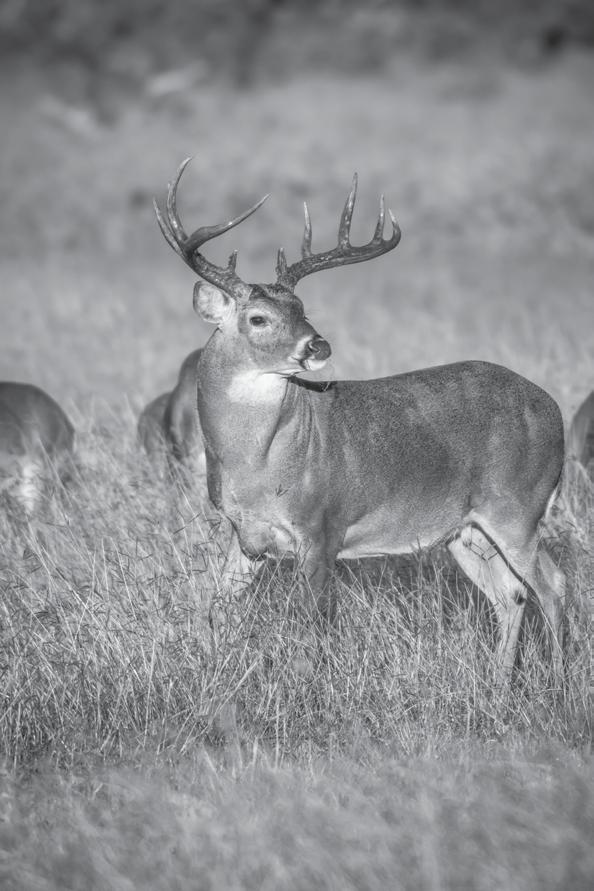
According to the Texas A&M Natural Resources Institute, survey data indicated that white-tailed deer hunters and supporting landowners contribute $9.6 billion annually to the Texas economy. This further confirms where Texans are focusing their attention and efforts when it comes to land use, making it no secret as to why whitetail numbers continue to increase.

Some confusion occurred this spring turkey season in Texas with the cost of nonresident tags and exactly which tags were needed to legally hunt birds for hunters coming from out of state.
According to TPWD’s hunting media spokeswoman Lerrin Johnson, nonresident turkey hunters have to purchase a nonresident general hunting license for $315, plus an additional Upland Game Bird Endorsement stamp for $7, totaling $322 before taxes.
Legislation passed last spring simplified license options for nonresident hunters from five license options to two. However, the simplification came with a higher cost.
Nonresident hunters hoping to harvest any legal bird or game animal, including wild turkey, will need to purchase a nonresident general hunting license.
“The 5-day nonresident hunting license is no longer valid for turkey hunting in Texas,” Johnson said. “The $126 non-resident spring turkey only license ended last year (during the 2024/25 season). Out-of-state hunters will have to purchase the general nonresident license plus endorsement.”
Public land hunters will need the Annual Public Hunting permit for an additional $48, as well.
One unique aspect for nonresidents, however, is the ability to shoot more than one gobbler. Most counties allow up to four birds to be taken annually.





By Cory Byrnes For Lone Star outdoor newS
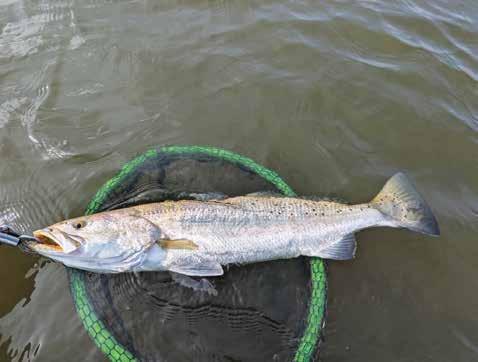
Anglers are reporting that the trout are back and the quality of fish has been excellent.
“Trout fishing has been excellent,” said Captain Abby Webster with Texas Legend Charters. “Just lots of numbers and a
By Nate Skinner
For Lone Star outdoor newS
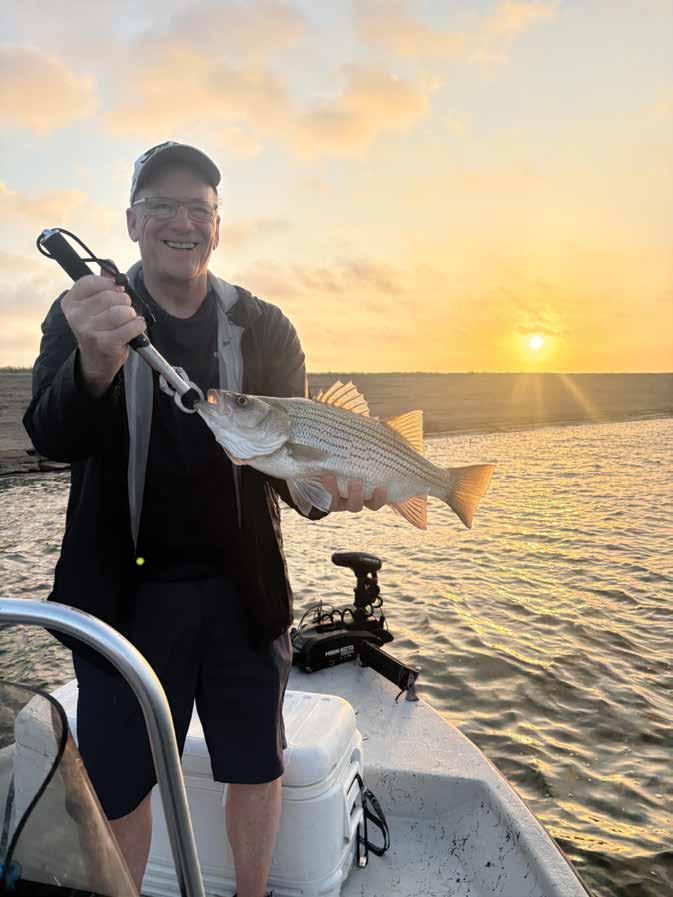
Fishing guides and anglers have been taking advantage of fast and furious action from schools of stripers, hybrids and sand bass across the state’s inland lakes. With the shad spawn in full force on many lakes, the fish are gorging on baitfish in the shallows. Schools have also been consistent over deeper structure, as well.
Lake Fort Phantom Hill fishing guide Capt. Elliott Peters said the shad spawn is taking place right now, and hybrids and sand bass are chasing them up in shallow water in depths ranging anywhere from 1 to 7 feet. According to Peters, the action in the shallows persists until about mid-morning, and then the fish pull out a little deeper in 8- to 15feet of water.
“Various soft plastics and grubs rigged on a jig head, along with just about any lure presentation with a blade on it, will catch hybrids and sandies right now,” Peters said. “Top-water baits will work, too, especially when the fish are boiling on the surface and chasing shad.” Peters said both hybrid stripers and white bass have been mixed in together in the same stretches of water, feeding on schools of shad. Most of the hybrids have been in the 17- to 22-inch range, while the sand bass have been 13 to 16
inches on average.
“The sand bass and hybrids are really on the move and chasing bait,” Peters said. “Covering water has been the key, as these schools of fish never seem to stop moving. You can find them just about anywhere you see bait activity along the surface.”
Fishing guide J.D. Cunningham said the hybrid stripers on Richland Chambers Reservoir have been chasing shad along the banks during the morning hours.
“With the shad spawn taking place right now, most of the fish are in 5- to 10-feet of water feeding aggressively at sunrise,” Cunningham said. “Live shad has been our bait of choice, and the bigger the bait, the better. Limits of hybrids in the 20- to 22-inch range have been the norm.”
Cunningham said the morning hours have definitely held the most consistent action, and most of his angler groups are landing their limits of hybrids within the first hour of each morning trip.
“You have to find the bait to catch them right now,” Cunningham said. “They are constantly cruising and chasing shad.”
Live bait fished in 25- to 30-feet of water around main lake humps and slopes has been producing some bites during the afternoon hours, according to Cunningham. He said windy banks during the late evening hours have also been good.
Cunningham said the white bass bite has also been consistent on chartreuse slabs fished in 20- to 30-feet of water.
Please turn to page 15
lot of oversized trout.”
Webster and her clients have been keying on reefs and structure in 2- to 7-feet of water.
A mixture of shell and mud and structure is mainly what I am fishing right now,” she said.
“Wherever there is bait. Keep moving and you will find them.
Once you do, there will be more in the area.
Some days are different than others. I pulled up to one spot, and it was just dumb. I was done in about 15 minutes, with a couple of oversized fish.”
Webster said she is hitting many spots and taking several good fish from each.
“Realistically, for what I am fishing, I’m pulling two or three solid fish off a spot and then I am bouncing to the next,” she said.
Anglers should target fishing during the tides with the incoming tide being the most productive for Webster lately. Most of her fish are coming off a popping cork with live shrimp. Artificials have been productive, as well.
By Cory Byrnes For Lone Star outdoor newS
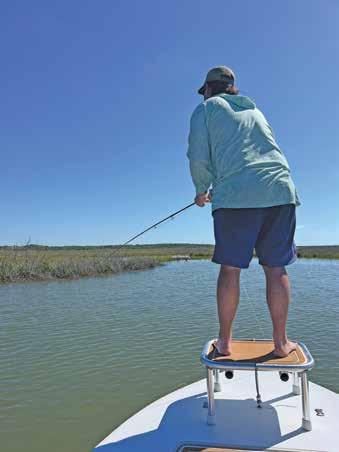
Up and down the Texas coast, anglers report that redfish are starting to school up shallow.
In Galveston’s West Bay, the fishing has been consistent according to Kyle Smith with Texas Kayak Angler Guide Service.
“We haven’t been seeing them in the shallows before, but that’s changed for us this week, and we are now seeing better numbers up
shallow,” Smith said. “This time of year can be a little tricky.”
Smith and his clients have been targeting the transitional zones and structure in the marsh lakes.
“Anywhere where water is moving in and out from two different bodies of water and structure,” Smith said. “If I am not finding them in those transitions, I am going to drift over shell.”
Anglers might even catch a few trout in the mouth of these lakes.
“They have been a happy bycatch for us,” Smith said.
Top-water lures have been very productive lately with paddle tails
and popping corks tied for second.
“Now that we have our muddy water back, I like to use darker colors like Texas Roach,” Smith said. As water temperatures continue to rise, Smith has seen the fish have a more predictable pattern, and he will continue to stay back in the marsh targeting these redfish.
In Port Aransas, the fishing has also been good.
“Over the last few weeks, we’ve kind of been in a classic springtime pattern,” said Tom Pennington with Port Aransas Flyfishing
By Cory Byrnes For Lone Star outdoor
The annual shad spawn has kicked off, and the catfish bite has turned on.
On Lake Livingston, the fish ing has been pretty good.
“As long as the shad run is good, the catfish bite is pretty good,” said Charlie Ridley with Fish On Fishing Guide Service. “Get you some shad when they get up on the banks early in the morning. Then just get on a bank where the wind is blow ing against.”
He and his clients are target ing 3- to 5-feet of water using Carolina rigs.
“What you’re looking for is the wind-blown side. I think the wood bulkhead is the best, but rock has also been good,” Ridley said. “If you’re fishing over rock, I recommend using a cork. That bite is pretty fast and pretty quick early in the morn ing. It will be 2-4 hours at the most. They’ll be right behind the bait.”
The fishing has been so good on Lake Tawakoni that you can’t keep them off your line, Tony Pennebaker with Thundercove Guide Service reported.
“It has been as good as I have ever seen it,” he said. “This time of year, for the shad spawn, it has been outstanding.”
Pennebaker and his clients have been using cut shad and perch.
“I mostly use cut shad. Some cut perch when I catch them,” he added. “Santee and Caro lina rigs have been the most productive rigs lately.”
Target 1- to 5-feet of water against the wind-blown bank.
“The lake has come up some, so up in the button willows has been good too,” Pennebak er said. “Once you find them, you won’t have to move. You can just anchor up until they wear you out. I haven’t fished past noon. We leave them biting a lot.”
On Eagle Mountain near Fort Worth, the catfish bite has been good. Chad Ferguson with North Texas Catfish Guide Service said it’s typical spring fishing.
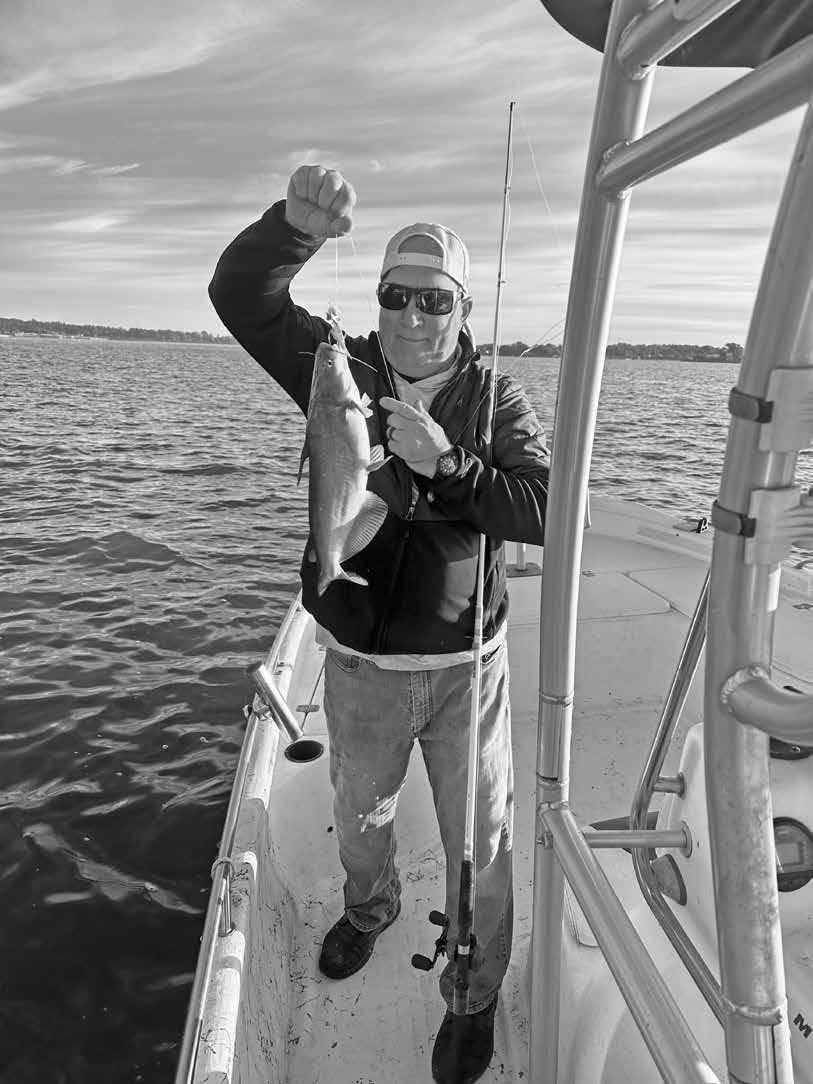
“It’s pretty easy,” Ferguson said. “We have been finding them in 5 feet or less of water, chasing bait. They just kind of move around and follow the bait.” However, recently, anglers have had to fight the wind to really get on them.
By Tony Vindell
For Lone Star outdoor newS
Catching and reeling in a big redfish is quite a thrill, even for the most experi enced angler.
It’s an electrifying moment when a pole bends hard, particularly during surf fish ing.
Anglers from the beach usually drop their rods into a holder, often a piece of PVC dug down into the sand, before the waiting game begins.
Such was the case for 13-year-old Aiden Vandenack. The Laguna Vista youngster re cently hooked and reeled in a fish he will cherish for years to come.
During a May 3 fishing trip with family members and friends, Vandenack brought a fish out of the water that he couldn’t believe. It was a 24-inch-long redfish that beat about a dozen other fish caught by the adult anglers, who were wade fishing about 4 miles north of Beach Access 6 on South Padre Island.
Among the fish caught were several hard heads, small whiting and some undersized red drum. Vandenack’s fish, however, was the trip’s highlight.



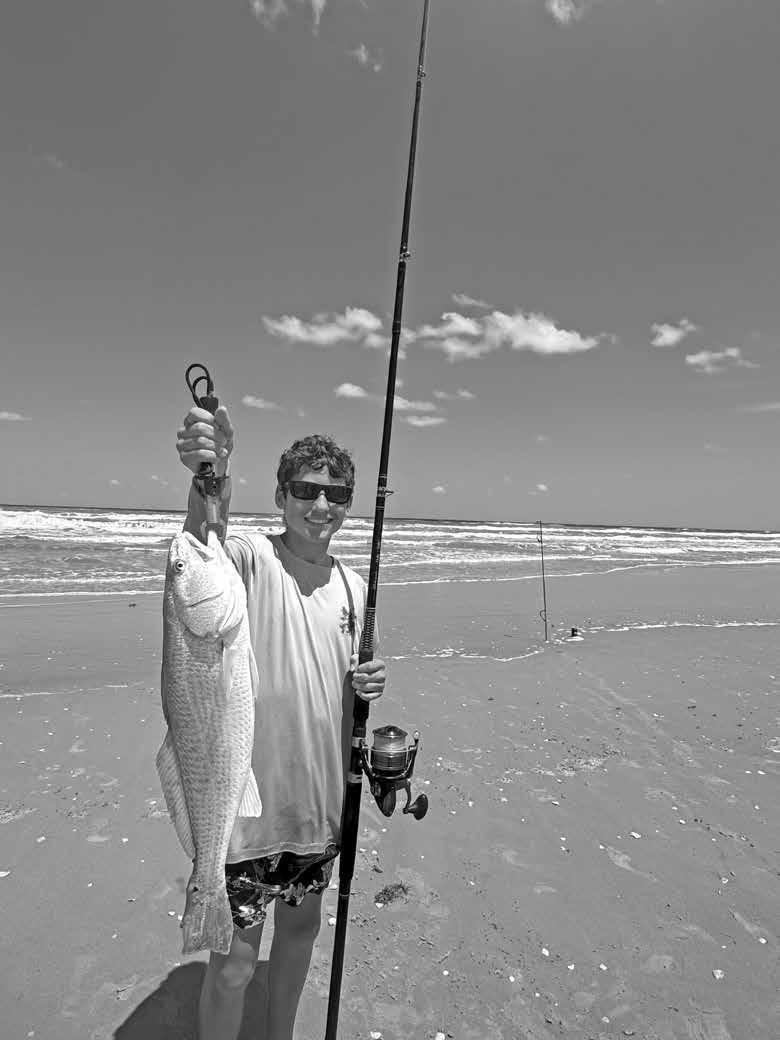
“I have caught fish before,” Vandenack said, “but this is my biggest one ever.”
Each of the seasoned anglers rushed to give him high fives, of which the eighthgrader enthusiastically responded.
His mom, Karen, and dad, Tommy, were extremely pleased watching the boy catch the “big kahuna.”
“It was awesome,” Karen said. “It was quite a thing to watch him.”
Dad Tommy said the boy has caught some fish before, though much smaller ones, including whiting, catfish and a few trout.
But a nice redfish is one of a kind for the young Vandenack.
“It put up a good fight,” he said. “What a fish.”














Continued from page 8
“I have been throwing the Pavlov shrimp scampi with an 8-ounce salty head jig,” Webster said.
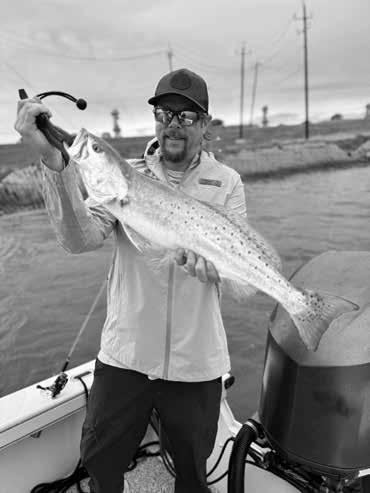
In Matagorda Bay, the trout fishing has also been good, Capt. Fern Gonzales of Gon Get’Em Guide Service reports.
“There are a bunch of solid trout between the 15- to 20-inch range and a few of them going over,” Gonzales said. “We have been targeting these fish in 4 feet of water over scattered shell and on the flats depending on the tide. We are wade fishing up on the flats throwing into the ledges.”
He is fishing with mostly artificial baits like a Spook in bone color. He said walking the dog over top of the ledges has been productive but be ready for a big blow-up. Paddle tails and corks with Voodoo shrimp have also been productive. Don’t be afraid to move around a bit.
“There has been a lot of traffic in there,” Gonzales said. “Be patient, run your drift, and then move to the next spot.”
Gonzales will find a likely spot to wade fish or drift when the traffic allows him to find the fish.
In Galveston Bay, large trout brought to hand have been better than past years, according to Jonathan Hua with One Last Cast Podcast.
“It has been consistent,” he said. “We are having a lot of these fronts come through. Between these fronts, it has been a pretty good spring bite. The grass has been growing a little bit better, so they are starting to come back. It’s slowly getting back to normal.”
Hua has been fishing and keying on the transition zones.
“I am working areas that are 10 feet coming up to 2.5 feet and just working that drop-off,” Hua said.
Three-inch croaker have produced the best quality fish for Hua.
“I fish them on a traditional croaker rig,” Hua said.
He prefers the medium croaker on a 4/0 hook. The smaller bait seems to have a better hook-up ratio. Top-waters and suspended baits have also been productive during the early morning when the tide is coming in across the sandbars.
“I should be fishing grass flats typically by now; this is what I would be doing,” Hua said. “You don’t leave fish to find fish. Once you catch in a spot, begin working through it with a fine-tooth comb. With these higher tides, it seems the fish are staying where they are at.”
Continued from page 1
son said. “Look for fish emerging from cover like undercut banks, trees, and rocks along the bank.”
The Rio Getter and the Rio Bandito have produced the most and best quality fish for Johnson and his clients.
“If you have those two patterns in your box, you will be fine,” Johnson said.
Rio Grande cichlids are the only cichlid native to the United States.
Originally only found in the Lower Rio Grande, translocation efforts have expanded their range to the Colorado, San Marcos, and Llano rivers, along with many of the creeks and tributaries that feed them.
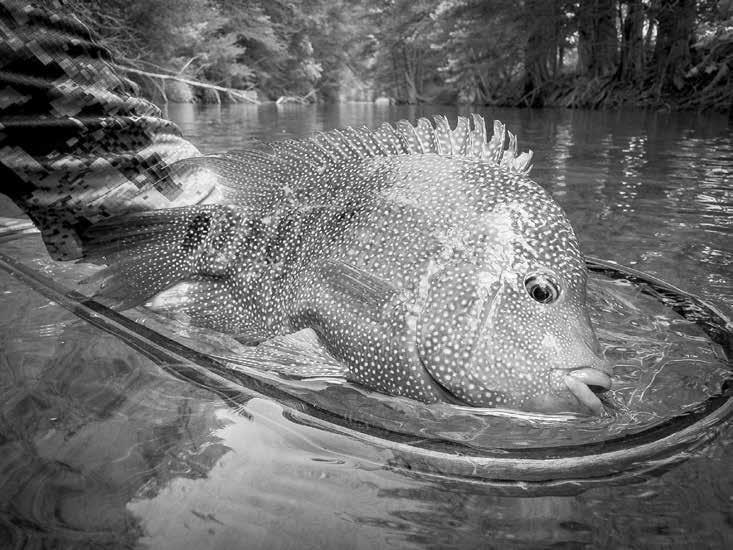
Anglers should target cichlids defending their nests and the larger fish will be guarding fry.
“When they are guarding their fry, they change their diet,” Johnson said. “This will make the fishing tougher for those trophy-sized cichlids through the heat of summer. The younger fish will stay on invertebrates all year long.”
On the Llano River, the fishing for cichlids has been extremely good, according to Heath Wooten with WaterTied Outfitters. He and his clients are targeting moving water.
“Right now, as the water is warming up, I am looking for water that has good flow and good oxygen. It’s moving a lot of food through that area,” Wooten said. “A lot of times, I am finding them at the end of a riffle.”
He and his clients are using a technique called swinging flies.
“It’s when you cast out and allow the fly to swing through the water column naturally,” Wooten said. “We are using small streamers, small Woolly Bugger-style flies, and small carp-style flies. You want smaller flies that are heavy that get down.”
A gold sparsely tied Woolly Bugger and the Rio Bandito have been very productive for Wooten and his clients.
“A small gold Woolly Bugger seems to be doing really good here right now,” he confirmed.
As the cichlids start to spawn, Wooten and his clients haven been transitioning to looking for them to be on beds in sandy, rocky areas.
“They’re going to get out of the heavy, fast-moving water,” Wooten said. “I am using the same pattern flies.”

Continued from page 8
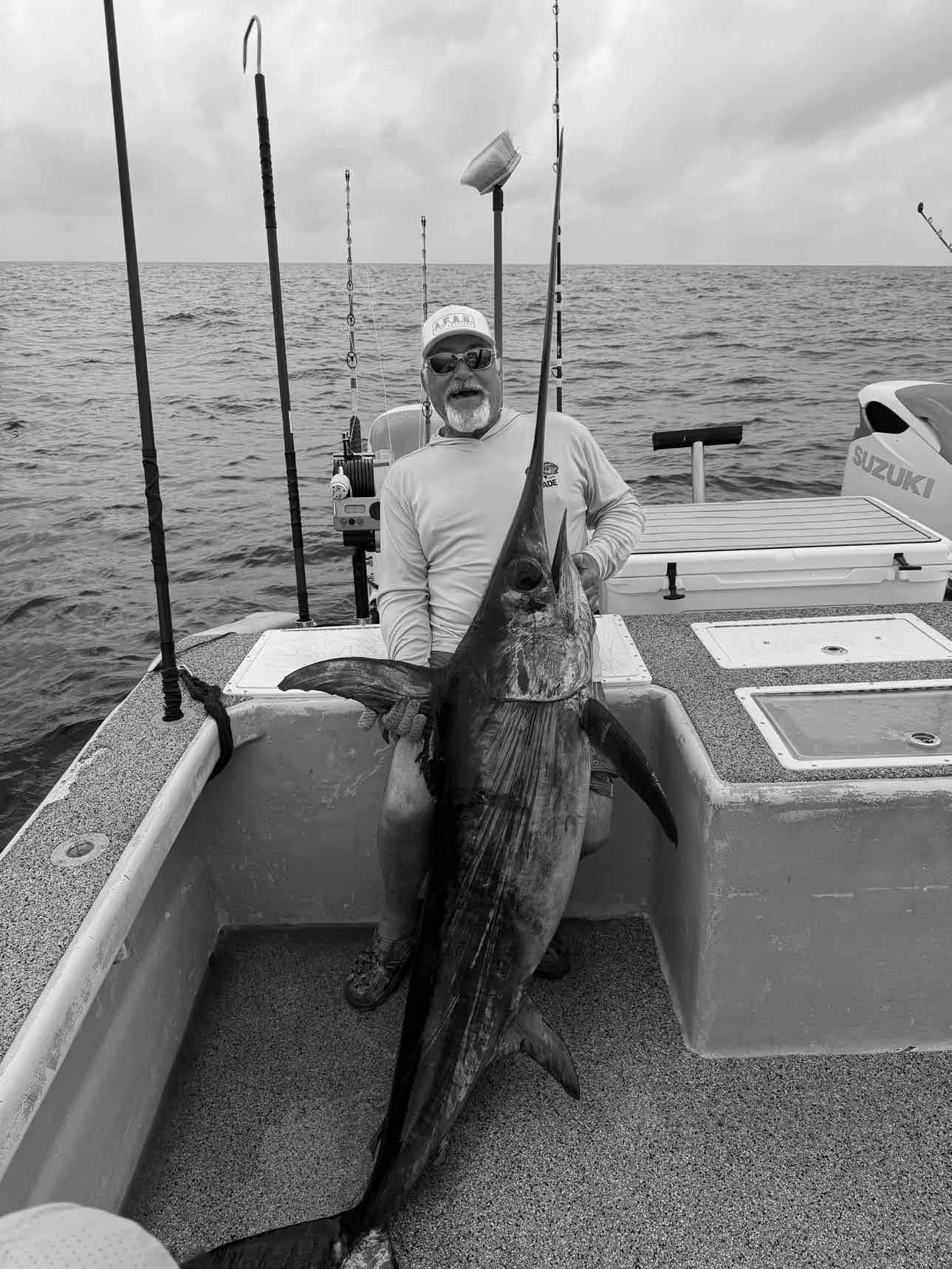
person. They also hauled in 4 lane snapper, 12 blue runners, and a scamp grouper from the depths.
On the third day, 69 anglers aboard the New Buccaneer boxed their full limit of vermilion snapper. A strawberry grouper also hit the deck of the party boat, along with 39 blue runners and two lane snapper.
All of the fish caught during the three days were found in 120 to 200 feet of water over wrecks and other structures about 50 to 70 miles offshore. Chunks of squid and sardines dropped down to the bottom did the trick.
Kyle Taubert recently went on a 60-hour offshore fishing trip out of Port Aransas Fisherman’s Wharf on their party boat called the Scat Cat, when a window of light winds prevailed. He said they landed limits of yellowfin tuna and vermilion snapper, along with plenty of blackfin tuna.
Guide Service. “The fish have been really confused between these smaller cold fronts we’ve had.”
Some days, he and his clients find them drawing the edges in really skinny water. Other days, they have been back out over the grass flats.
fish,” Pennington said.
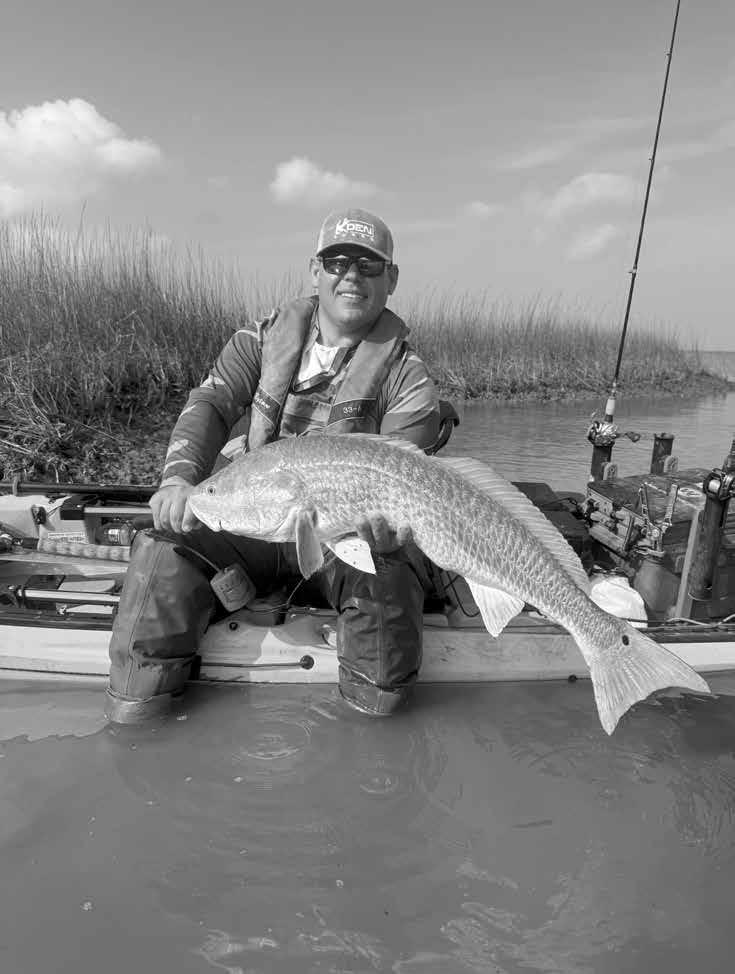
The classic Texas coastal scene has been making for some exciting and visual fish for him and his clients.
“We found fish ganged up and tailing over the sand in 6 inches of water,” he said.
Most of his clients’ fish have come off crab and shrimp patterns in black and purple on cloudy days and more natural colors on the clear days.
“When the fish are podded up, we have been targeting them with shrimp or redfish patterns,” Pennington said. “For the singles, I have had more success with crab patterns. I recommend that you keep a couple of rods rigged and ready to go.”
Anglers should look to target the early morning bite more and more over the coming days.

By Chuck Uzzle, for Lone Star Outdoor News
SABINE LAKE
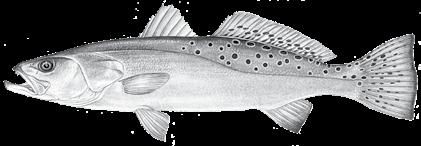
• Speckled trout and redfish are good
• Schooling activity has increased in the mid lake area where oversized redfish are grouped up in good numbers
• Speckled trout have been solid along the Louisiana shoreline on soft plastics under Coastal Corks and swimbaits
• The live bait bite at the jetty is good for redfish, black drum, and sheepshead.
GALVESTON/TRINITY
• Runoff from recent rains will have minimal effect on fishing
• Fishing is good in both bays
• Lots of solid fish up shallow
• Water clarity is still holding good along the protected shorelines
• KDen soft plastics with chartreuse tails rigged on 1/8-ounce jig heads are producing both speckled trout and redfish
• Bolivar surf has been good when the wind allows
EAST MATAGORDA
• Speckled trout in the 4-pound class being caught while drifting shell in 5- to 6-feet of water on Bass Assassins and Hogies
• Keeper trout have been consistent over shell reefs on Berkley Gulp fished under rattling corks
WEST MATAGORDA
• Good numbers of trout on shell reefs in 2- to 5-feet of water on live shrimp and white Gulp shrimp under Coastal Corks
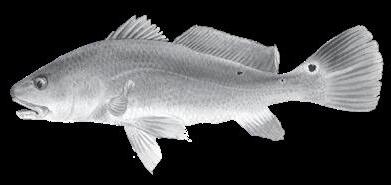
• Redfish are fair to good in the back lakes and marshes on white Gulp shrimp under popping corks and on smaller root beer/chart tail and pearl/chart tail paddle tails on 1/8-ounce heads
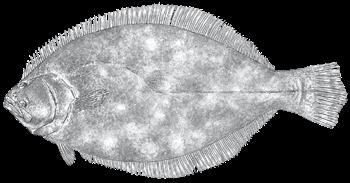
• Flounder are also showing up on windy sides of back lakes on plastic shrimp fished under corks
• Drum have been fair to good on shrimp under popping corks on shallow shell in West Matagorda
ROCKPORT
• Recent cool fronts and the addition of much needed rain will make fishing inconsistent for a short period until the clarity returns
• Reds are fair on cut mullet and crab near deeper breaks
• Speckled trout bite is below average due to water clarity
• Live shrimp under popping corks has been the most consistent pattern.
BAFFIN BAY
• Redfish along the shorelines are good as high water moved bait into the grass
• Speckled trout have been good with many fish over the 20-inch slot being caught in 2- to 3-feet of water and deeper
• Top-water plugs over sandy bottom have been catching fish
• Several speckled trout in the 7- to 9-pound class have been caught recently by waders targeting bigger rafts of mullet
• Dark colored soft plastics and sub surface lures are enticing bites
By Vivian Leopold, for Lone Star Outdoor News
FALCON
• Water level is 42.74 feet below full pool at 21.4% full
• Surface temps are about 76 degrees, water stained
• Bass up to 7 pounds are still shallow and good on spinnerbaits in the bushes, but no top-water action according to Jimmy Steed of Lake Falcon Guide Services
• Catfish action is strong with trophy fish in the 25- to 50-pound range
• Large and smallmouth bass are shallow on rocky banks early with top-water and crankbaits, then deeper later in day with crankbaits and soft plastics.
SAM RAYBURN
• Water level is 8.16 feet below full pool at 70.9% full due to ongoing dam maintenance operations that began June 2025
• Water temps are about 69 degrees; muddy water and cool fronts may slow the bite
• Shallow bass are feeding on shad with deeper bass targeting main lake ledges and drains
• For white bass, jigging spoons, minnows and crankbaits are effective
• Crappie are transitioning to brush and timber
• Catfish are active in deeper water and creek channels
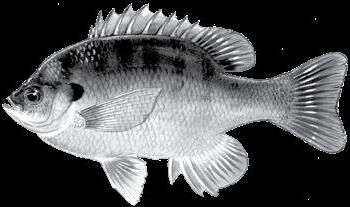
• Bluegill and redear sunfish can be found in high numbers, especially for youth and inexperienced anglers
• Water level is 69.05 feet below full pool at 30.5% full; The low lake level exposes hazards and there is partial boat ramp accessibility
• Water temps are about 80 degrees, water is fairly clear
• Fish shallow early, then move deeper and target structures – points, ledges and creek mouths
• Top-water bite is just starting to turn on
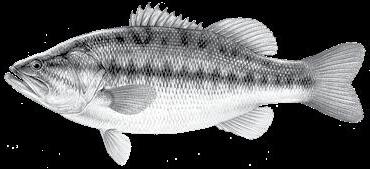
• Largemouth bass are good on jerkbaits, crankbaits, soft plastics and jigs
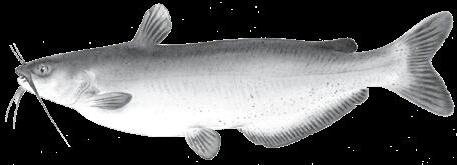
• Best on slip sink or Carolina rig with popular baits around rocky ledges and main river channel flats in 20 feet of water, with some shallower on muddy timberlined flats
TEXOMA
• Water level is 0.33 feet below full pool at 100% full
• Water temps are around 72 degrees, clear water
• Striped bass are fair but inconsistent, best in 10 to 30 feet on points and structures using swimbaits or Alabama rigs
• Look for larger stripers under birds feeding on shad
• Catfish are productive below the dam, river mouths, channels and docks; drift medium to large cut baits near the bottom; dse cut shad and punch baits in 15-25
feet of water.
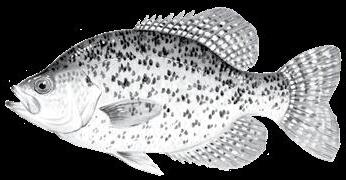
• Crappie are consistent in 10 to 20 feet on minnows, jigs, hair jigs and caddis flies around brush piles, coves, docks, points and standing timber
• Striped bass are fair on slabs and small crankbaits
• White bass are good on slabs, small crankbaits and minnows
• Crappie are fair on live minnows in the trees up Devil’s River
• Catfish are consistent in 4- to 20-feet of water on shrimp, cheesebait and nighcrawlers over baited holes
O.H. IVIE
• Water level is 19.4 feet below full pool at 46.9% full
• Water temps are around 74 degrees, clarity stained to slightly stained
• The lake is still producing 13+ pound largemouth bass in 2026 with current bite good to very good
• Bass are moving from shallow to mid-depth (2 to 15 feet) during spawn/post spawn transition
• Use deep-diving crankbaits, swimbaits, chatterbaits and soft plastics on points, brush and flats near spawning areas
• Crappie are slow to fair, better at night, moving off shallows to deeper brush 15 to 25 feet on minnows, jigs around submerged timber
• Catfish are slow; try up rivers or shallows with cut bait
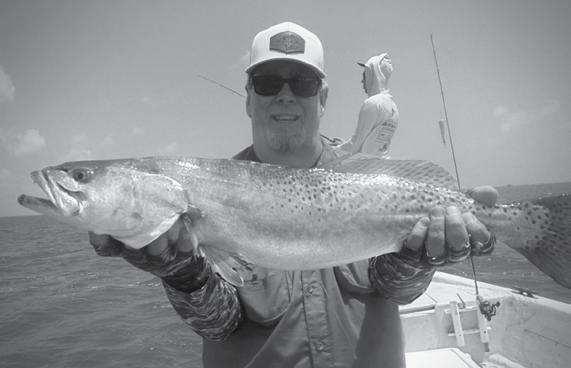
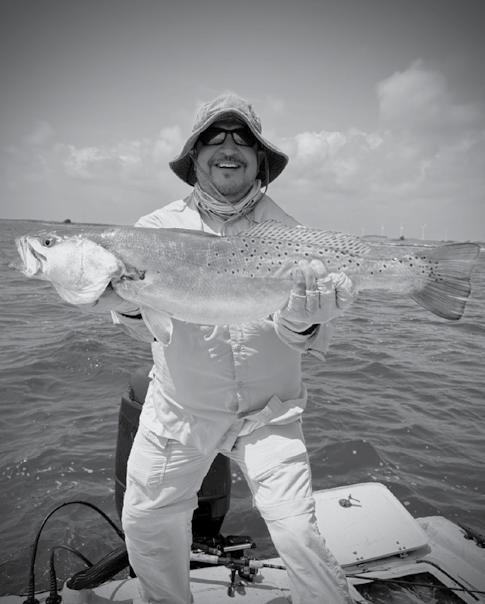
A group of LSON readers were fishing the Greater San Antonio Builders Association fishing tournament on Saturday April 25 in the Upper Laguna Madre near Baffin Bay with Capt. Noe Garvza.
The group hit an area that got hot over a 2-hour period of time.
“We caught nothing but fat trout between about 19 and 27 inches,” said Chris Lindsey. “We limited on slot limit and also had eight oversized, with two over 26.5 inches — extremely fat trout.”
Pictured is Adam Sanchez of San Antonio with a 27 3/4 -inch trout.
Photos from Chris Lindsey.



THE LONE STAR OUTDOOR NEWS FOUNDATION CREATES HUNTING AND FISHING OPPORTUNITIES FOR PEOPLE EAGER TO PLUNGE HEADFIRST INTO THE OUTDOORS BUT LACKING THE OPPORTUNITY.




















n


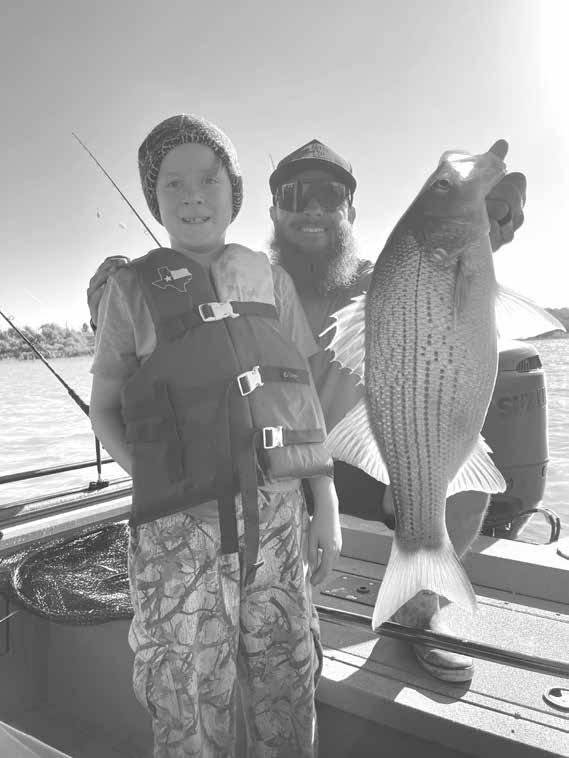
Most of the sandies have been in the 12- to 14-inch range.
Lake Whitney fishing guide Blake Stritz said the stripers have been schooling in the shallows on out to about 35 feet of water. He said banks with cliff faces and bluff faces along the south end of the lake have held some good shallow-water action.
“The stripers seem to use the cliffs and bluffs along the bank to corner and surround schools of shad during the early morning hours,” Stritz said. “Oftentimes, there are birds working over these fish when they are feeding up shallow.”
Stritz said main lake humps, ledges, and flats have been holding good numbers of stripers later in the day. Whether he’s been fishing shallow or deep, live bait has been producing the most strikes, with the majority of the stripers measuring in the 22- to 25-inch range.
“We are also catching a ton of white bass on slabs right now,” Stritz said. “Schools of sand bass have consistently been feeding in 20- to 40-feet of water around humps, points, and drop-offs. A lot of these fish have been in the 14- to 16-inch range.”






16
18
7:21 1:04 7:54 1:37 06:26 08:08 7:49a 10:51p
19 Tue 8:33 2:16 9:05 2:49 06:26 08:09 8:57a 11:50p
20 Wed 9:43 3:27 10:13 3:58 06:25 08:09 10:08a NoMoon
21
10:48 4:34 11:16 5:02 06:25 08:10 11:19a 12:39a 22 Fri 11:45 5:33 ----- 5:58 06:24 08:11 12:26p
Safari Club International and the National Brotherhood of Hunters announced a strategic partnership aimed at expanding access, increasing participation, and strengthening the future of hunting and conservation through broader engagement and inclusion.
This association reflects a shared commitment to ensuring that the traditions of hunting and the principles of sustainable-use conservation are accessible to a wider and more diverse community of participants.
By aligning their efforts, SCI and NBH will create pathways for individuals to connect with the outdoors, gain access to resources, and participate in conservation-driven hunting experiences.
Through this collaboration, NBH members will have the opportunity to experience SCI membership benefits and resources at no initial cost during their first year of participation. Following the inaugural year, participating members may continue their SCI membership through standard annual dues.
—SCI
A contentious battle between two firearm giants seems to be coming to an end. Sturm, Ruger & Company, Inc. announced it has entered a Strategic Cooperation Agreement with Beretta Holding S.A., the company’s largest shareholder. The agreement reflects a shared commitment to long-term value creation, constructive engagement, and stability for Ruger’s shareholders, employees, customers and industry partners.
Under the terms of the agreement, Ruger is expected to allow Beretta Holding to increase its investment to up to 25% of the company’s outstanding shares. The minimum partial tender offer price shall be $44.80 per share in cash – which represents a 20% premium to the company’s 60-day volume-weighted average share price prior to Beretta Holding’s tender offer announcement. Such tender offer has not yet commenced and will be subject to applicable regulatory approvals.
In connection with this increased investment, Beretta Holding will have the right to nominate up to two independent directors following the 2026 Annual Meeting of Shareholders and regulatory approval. At that time, the company will temporarily expand the board. The nominees will be subject to Ruger’s Nominating and Governance Committee process and qualification criteria.
As part of the agreement, Beretta Holding has committed to a three-year standstill, during which it will not, among other things, initiate or support any proxy contest or similar action. Over that period, Beretta Holding will also vote its shares in alignment with the Ruger Board’s recommendations on all matters (except in cases where leading independent proxy advisory firms, ISS or Glass Lewis, issue an adverse recommendation or in certain extraordinary transactions not involving Beretta Holding).
Additionally, Beretta Holding has withdrawn its director nominations for the 2026 Annual Meeting of Shareholders and only Ruger Board-recommended candidates will be up for election at the meeting.
—Sturm Ruger
Continued from page 5
“That is a miss,” someone said. “I did not hear the ka-whump.”
But the men emerged out of the dark and one of them said, “We got one.”
They hopped on the 4-wheeler and went to get the small pig, which weighed around 50 pounds — perfect eating sized.
“Now the fun will start,” said another one. “You shot it, you clean it.”
Mario “Kat” Rodriguez, the ranch owner, said that wasn’t the first feral hog taken at the ranch at nighttime.
“We have lots of hogs,” he said. “They are there.”
Meanwhile, Hasenauer could not hide how thrilled he was for getting a hog — his first one in more than 30 years.
“Wow,” said the 58-year-old man. “First time I shot a rifle since high school.”
Continued from page 1
Also required are the “species of harvest” (obviously mountain lion), date of harvest, method of take and “measure of effort (the amount of time devoted to the take activity resulting in harvest)”.
Additionally, within 60 days, the person who harvested the lion shall submit a “biological sample” consisting of an unbroken premolar tooth and a patch of dry tissue at least 5mm by 5mm in size.
Mountain lions are classed as a nongame species in Texas, with no closed season or bag limit. Unlike western states with public land, Texas has no mountain lion population objective. Landowners with bighorn sheep populations, domestic sheep or goats or who intensively manage to produce mule deer will remove lions when conflict occurs. The new regulations will affect these landowners, as well.
Failure to complete both requirements will constitute a misdemeanor crime. TPWD can also seize any lion taken outside of the regulation.
Reaction across the state was swift from many hunters and trappers when the public comment period was announced. The post on Lone Star Outdoor News’ Facebook page garnered more than 150 comments over the weekend. The majority were against any new regulations on mountain lions.
“It is a pattern,” said Scott Coleman. “First, you register it, then they regulate it,


then they take it away, then only the people who do it illegally do it, then we all suffer because of the government involvement. All the while, we have to pay taxes to people to implement the measures, while the wildlife never benefits.”
However, several posters did argue that the state asking for mandatory reporting was a reasonable request.
“TPWD are by statute the regulatory agency of Texas natural resources, which includes all wildlife,” wrote Monty Martin. “Texas is the only state that lions are a non-game species and can be taken (by) any means. There is no limit and no season. All you need is a legal hunting license. The state wanting to know where, and what sex a lion is killed is sound managment and conservation practice.”
Mountain lions are common in the Trans-Pecos region, but they also exist in the Panhandle and in South Texas, with the occasional cat showing up in East Texas. Most of the lions harvested outside of the Trans Pecos are opportunistically taken. In South Texas, most of the mortality is by deer hunters who see a lion while sitting in a blind.
A link to submit comments can be found at LSONews.com. Comments can be submitted through May 27.



Solution on Page 22

2. Responsible management of species
4. Famous Texas bass lake
7. Name for a type of baitfish reproduction period
8. Best time of year to catch a big bass
9. Hunters hope for a big one to follow
10. Parasitic arachnids
13. Offshore fish attraction method
15. Billfish's delight
16. Non-native freshwater panfish
19. Excellent gamefish bait
20. More active at night
23. Man-made structure to protect channels
25. Also called a ling
26. Type of catfish
27. Fuzzy antler tissue
28. Size range to keep a fish
31. Popular oil rig species
34. Submerged aquatic plant
35. Type of hunting where you lie in wait
36. Used to connect tackle
37. Deep water prized species
1. Thoroughly working an area
3. Common type of bass lure
5. Protected inland water route
6. Huge river fish in Texas
11. Eats rabbits, rodents and squirrels
12. Offshore anglers seat
13. Captains use these to drift
14. Animals heading north and south
17. Inshore anglers target these
18. West Texas native species
21. Served fried, steamed and raw
22. Another name for a male turkey
24. Western state specialty
26. What white-tailed deer eat
29. Best table fare
30. Regrow every year
32. The art of stealing game
33. Way to steer in shallows
34. Saltwater catfish
1 tsp. oil
1⁄2 tsp. paprika
1⁄2 tsp. freshly ground black pepper
1⁄4 tsp. granulated garlic/garlic powder
1⁄4 tsp. salt (adjust to your taste)
1 1⁄2 tsp lemon juice
2 flounder fillets
1 lime/lemon wedge to serve fish with (optional)

In a bowl, mix oil, paprika, black pepper, garlic, salt, and lime or lemon together. Pat fillets dry. Using a brush, apply marinade to both sides of fish. Heat a nonstick pan to medium heat. Spray the pan with oil. (If you're using a stainless steel pan, make sure to add a little bit of extra oil.) Place the fish and cook for 1 to 1 min 30 seconds on one side. Do not touch the fish or try to move it. Then flip and cook the other side for about 1 - 1 minute and 30 seconds or until the fish is cooked through.
WATCHTOWER Defense appointed Jordan Davis as chief executive officer to lead strategic direction and growth initiatives. Davis, formerly chief growth officer at WATCHTOWER Firearms, will focus on consumer products and market expansion from the company's new state-of-the-art facility in Tomball.
Superior Outfitters searching
Superior Outfitters, one of Texas's largest shooting sports retailers, is seeking to expand its footprint through new store openings and strategic acquisitions of existing firearms businesses. The company invites interested dealers facing market challenges to discuss potential opportunities.
Blaser Group announced the appointment of Josh McBrayer as chief executive officer of its U.S. operations. In his new role, McBrayer will oversee the company’s portfolio of premium brands, including Blaser, Mauser, J.P. Sauer & Sohn, John Rigby & Co., Liemke Thermal Optics, and Minox Optics.
Dead Air Silencers announced that Cris McRae, formerly of Magpul Industries Corp, joined as senior product manager for accessories.
The Houston Safari Club Foundation announced the return of Angi McCarthy as director of administrative services. With over 20 years of accounting and customer relations experience, McCarthy will support the organization's operations and strengthen its commitment to excellence in service and stewardship.
Faxon Firearms is hiring a full-time CNC lathe operator for the second shift at their Fairfield, Ohio facility. The position requires six months of similar experience, mechanical aptitude, and the ability to read blueprints.

1 pound venison backstrap or round steaks sliced into 1/4inch strips
Salt and ground black pepper
3 Tbsps. olive oil
1 Tbsp. butter
16 ounces cremini mushrooms, sliced thick
1 onion, thinly sliced
2 garlic cloves, minced
1/4 cup dry white wine
1 cup chicken stock, (venison or beef stock work)
1 cup heavy cream
2 tsps. fresh thyme leaves
tsp. chopped fresh rosemary
3 Tbsps. chopped fresh parsley
1 Tbsp. Dijon mustard
1/2 cup sour cream
12 ounces egg noodles
Heat the olive oil in a deep-sided skillet over high heat. Once the oil starts to smoke lightly, add the venison. Season with salt and pepper. Sear on one side until nicely browned. Remove the meat from the pan and set aside. Lower the heat to medium-high. In the same skillet, add the mushrooms. Cook for 3 to 5 minutes or until browned. Once browned, season with salt and pepper. Add one tablespoon of butter to the pan. Add the onions and cook for 2 to 3 minutes while stirring. Add the garlic and cook for one minute.
Pour in the wine and cook until nearly evaporated. Scrape and brown bits with a spoon to incorporate. Add the one
tablespoon of flour and stir until incorporated. Slowly pour in the heavy cream and whisk until the flour is smooth. Bring the cream to a simmer and then add the stock. Add the thyme and rosemary to the pan and bring the mixture back to a slow simmer. Simmer the sauce until it has slightly thickened, about 5 to 10 minutes.
Remove from the heat. Whisk in the sour cream and Dijon mustard. Fold in the cooked meat and fresh parsley. Season to taste with salt and black pepper. Let meat rest in the sauce for around three minutes to heat through before serving.
—Staff reports
another gun rack; we wanted to eliminate the barrier between the hunter and the hunt.”
Snyder said he spent months upon months testing and perfecting the patented, fully adjustable, dual mounting sling system that would fit almost any vehicle.
“We didn’t cut any corners on materials, and we take immense pride in the fact that every component on our products is 100% American made,” Snyder said. “I’ve been able to partner with leather artisans that understand the heritage of the craft and have been doing it for generations. Our products only incorporate the fullest grain hides, and they are made to outlast the vehicle or truck our customers install them in.”
Snyder said South Texas Slings is a Texas-based company that builds gear for people who are passionate about the time they spend out in the field.
“We aren’t just manufacturing and selling a gadget or a piece of leather,” he said. “We are providing peace of mind that your gear is protected, and that it can be quickly and quietly accessed the very second you need it.”
South Texas Slings currently offers leather gun rack systems made from a variety of hides, including water buffalo hides, American bison hides, and genuine double Culatta bull hide. They also offer a leather bow sling in their product lineup, which allows bow hunters to secure their bow to the back of the front seat of their truck or vehicle, eliminating the need for a bulky bow case.
“We will be adding a new collection of premium leather options for our slings in the coming months, as well,” Snyder said.
Snyder said they also have a new lineup of slings in the works that will give customers an opportunity to secure and easily access just about any type of gear bag, travel bag, backpack, handbag, or purse.


“We realized quality protection should not stop at the ranch gate,” Snyder said. “Whether it’s a suppressed rifle on your way to a hunt, or it’s a leather handbag on the way to dinner, our mission is to protect the investment of our customers. We are excited to offer this new lineup of products in the future.”
Hunting and the outdoors are a valuable part of Snyder’s roots. His love for the outdoors began at a young age, and he is passionate about offering hunters and outdoorsmen and women functional and durable products that will ultimately enhance and improve their outdoor experiences.
“I’d like to acknowledge the support we have received from SCI, Texas Trophy Hunters, and DSC, and all they have done to help us spread the word about our products to hunters and outdoor enthusiasts,” Snyder said. “South Texas Slings would not be where it is today without their support.”
For more information about South Texas Slings and their products, visit stsslings.com.
The Dr. Bob Speegle Outstanding Hunting Achievement Award recognizes the profound contributions of the hunter and is given solely for outstanding achievements in big game hunting, which are essential to wildlife conservation.
Completed applications must be received by May 15 to be eligible for the award at the following Convention.
For questions and forms, please contact Awards Coordinator Crystal Allison at crystal@biggame.org.
There are several collections and criteria acceptable for this award, such as the collection of the North American 29, the DSC African 32, and the collection of any 12 of the sheep of the world. Additional accomplishments in conservation or education are not considered for this award.






TPWD continues to collect data for managing the state and federal red snapper season in coastal waters. Starting this year, the agency is partnering with Mississippi State University and the four other Gulf state agencies (Alabama, Florida, Louisiana and Mississippi) on a new “disCARD” study to collect information on reef fish caught and released offshore.
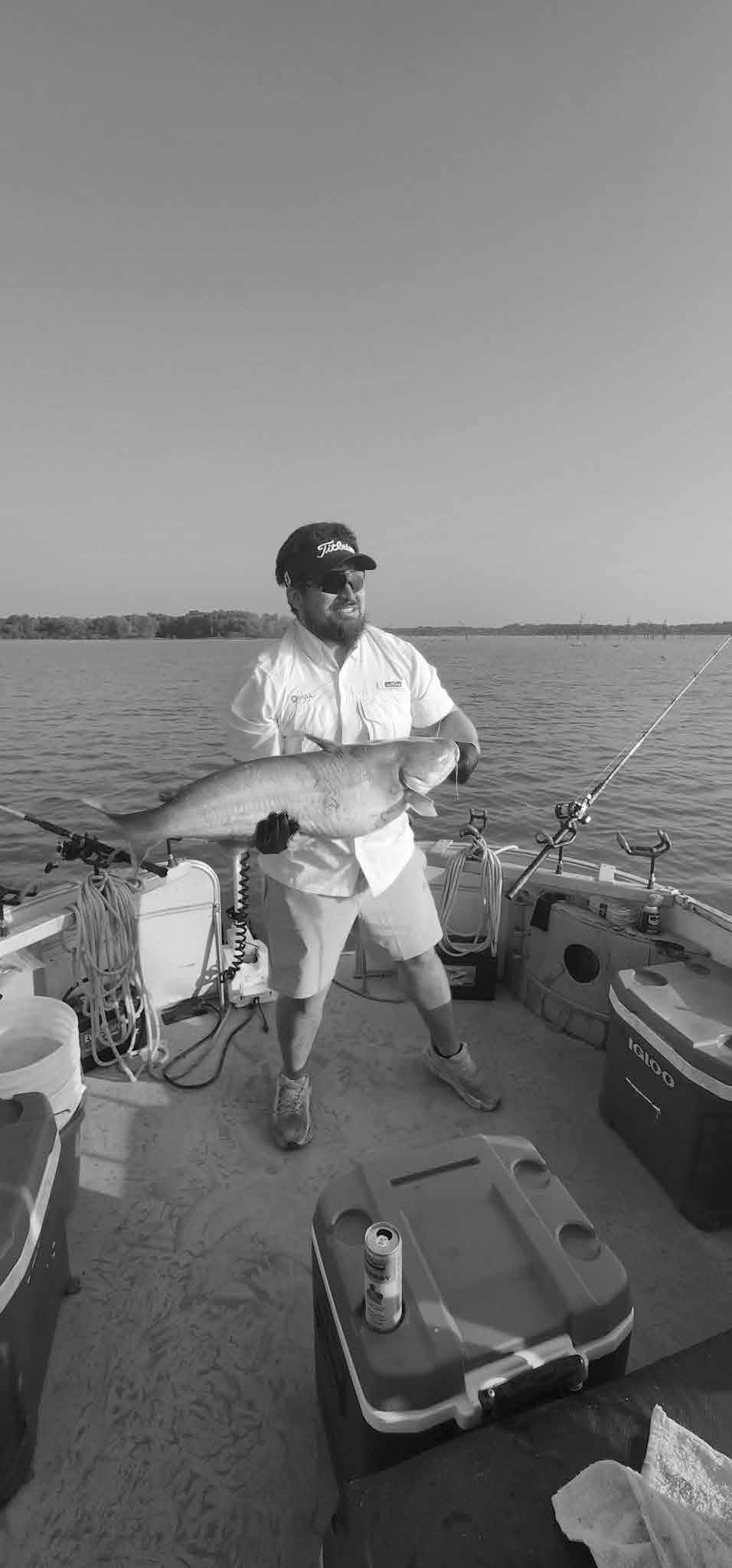
This study will rely on saltwater anglers submitting data collected while fishing on cards that TPWD will distribute at certain boat ramps. The “disCARD” project will take place in the Galveston, San Antonio, and Lower Laguna Madre Bay systems for the next 18 months.
This data will be utilized as part of ongoing assessments to help determine the sustainable harvest levels for important species like red snapper.
“The disCARD study represents a new opportunity for anglers to directly help gather more accurate data for better fishery management,” said Hanna Bauer, a program coordinator for the DisCARD study and Policy and Education Team lead for TPWD’s Coastal Fisheries Division. “Fish released by private anglers offshore has been a data gap in Texas and we are excited to begin to fill those gaps with real information.” —TPWD
The private recreational angler red snapper season in federal waters will open May 22 rather than the typical June 1 opening. This change was made so anglers can enjoy coastal fishing and include the Memorial Day holiday.
“As always, our goal is to give Texas anglers as many days as possible to fish in federal waters for red snapper while still maintaining our traditional yearlong fishery in Texas state waters,” said Robin Riechers, Texas Parks and Wildlife Department Coastal Fisheries Division director. “State management in recent years has allowed us to have longer seasons and this year we have included the opening before Memorial Day to give that opportunity over the holiday weekend as well.”
Red snapper fishing is open year-round in Texas state waters, and Gulf states have the unique benefit of managing state bag and size limits of the red snapper fishery. Bag and size limits for federal and state waters will remain unchanged. Regulations for red snapper in federal waters consist of:
• Two fish per person per day with a 16-inch minimum size limit.
• Red snapper caught in federal waters count as part of the state bag limit of four fish.
• No more than two red snapper per person can be in possession while in federal waters.
Regulations for red snapper in state waters:
• Four fish per person per day with a 15-inch minimum size limit.
• No more than four red snapper per person can be in possession in state waters while fishing.
The TPWD Coastal Fisheries Division will provide public notice of the private recreational season closing date before the state’s allotted catch limit has been reached. The federal charter for hire season is managed by the National Oceanic and Atmospheric Administration and will still open June 1.
—TPWD
World Bass Enterprises announced that NFL Hall of Fame wide receiver Randy Moss will serve as the ambassador of its inaugural “The Champions” tournament – an elite world bass fishing championship featuring a record-setting purse of $3.25 million, the largest in the sport’s professional history.
“The Champions,” which will be held outside of Nashville on Old Hickory Lake at Sanders Ferry Park in Hendersonville, Tenn., from Oct. 28 – Nov. 1, will feature a field of 50 anglers comprised of the top 25 anglers from the biggest bass fishing organizations in the world, including Major League Fishing’s Bass Pro Tour.
An avid angler and lifelong bass fisherman, Moss will team up with WBE ahead of “The Champions” to raise the profile of the sport of bass fishing and amplify an event that will include a $1.25 million payout to the winning angler – the biggest monetary prize ever awarded to a winner of a professional bass fishing tournament.
—WBE
The National Archery in the Schools Program marked a significant milestone with the Bass Pro Shops and Cabela's Outdoor Fund, surpassing $1 million in grants invested in youth archery, outdoor education, and conservationfocused programming.
"This support allows NASP and our state partners to place archery equipment directly into schools," said NASP Vice President Jeff Rawlinson. "That first experience with a bow often becomes a student's first step toward conservation, outdoor recreation, and a lifelong appreciation for the natural world."
With the continued support of the Bass Pro Shops and Cabela's Outdoor Fund, NASP will remain focused on expanding access to archery in schools, serving millions of students, and helping educators provide inclusive, impactful outdoor education experiences.
—NASP
Anglers along the South Atlantic coast are celebrating as the Trump administration announced the issuance of exempted fishing permits to Florida, Georgia, South Carolina and North Carolina. The permits advances Congressional Sportsman's Foundation and state-led efforts to improve red snapper management and expand recreational access and will now be used to manage recreational seasons in 2026. These state-led pilot programs will test improved recreational data collection and management strategies providing better information and enhancing public access to the fishery.
South Atlantic red snapper has been a source of intense frustration among anglers for years. After being closed to harvest in 2010, public adherence to severe conservation measures succeeded in putting the stock on track to rebuild nearly 20 years ahead of schedule. However, extensive flaws in the federal recreational data system led to the continuation of harsh restrictions on recreational seasons, which have been limited to a handful of days at most for 15 years. A groundswell of support for state-led alternatives from governors,
attorneys general, members of Congress, state legislators, and state fisheries experts began when federal managers indicated those restrictions on recreational harvest would not only remain in effect in perpetuity but could also be expanded to closures to all bottom fishing.
A Montana man who was recently sentenced to fines and jail time will spend most of the 2026 fall hunting season in the Fergus County Detention Center after his conviction for poaching a trophy mule deer buck in central Montana.
Hyatt Voy was sentenced in the Tenth Judicial District Court in Lewistown to four years with the Department of Corrections, with all time suspended except for 102 days, along with additional fines and $8,000 restitution and a seven-year suspension of hunting, fishing and trapping privileges in Montana and 48 other member states of the Interstate Wildlife Violator Compact.
During the 2024 general hunting season Voy, a realtor working in the Lewistown area, used his real estate license to gain access to a ranch property and potential real estate listing the owners were attempting to sell. During a visit to the property, Voy killed a trophy mule deer buck without landowner permission. Wardens responded to a complaint from the landowner, and Voy later admitted to the crime.
—MFWP
Arkansas hunters interested in pursuing the state’s largest big game animal can apply for a limited hunting permit draw from 8 a.m. May 1 through 11:59 p.m. June 1 at the AGFC's licensing site under the "Special Hunt Permits" tab.
Fifteen permits (Five either sex and 10 antlerless) will be available for public draw through online applications this season. All elk permits will be drawn at the 27th Annual Buffalo River Elk Festival in Jasper, scheduled for June 26-27. Winners will be notified via email and phone once the draw is concluded. Three additional on-site permits (one either sex and two antlerless) will be drawn at the festival. Only people who attend the festival in person will be eligible for the on-site permit drawing. Only Arkansas residents may apply for an Arkansas public land elk hunting permit.
—AGFD
Ducks Unlimited announced the passing of acclaimed wildlife artist and conservation advocate David Maass, who died Wednesday, April 29, at the age of 96.
Born Nov. 27, 1929, in Rochester, Minnesota, Maass rose from humble beginnings as a largely self-taught artist to become one of the most respected and influential figures in nature art. Over a remarkable six-decade career, he built a legacy defined by extraordinary craftsmanship, an unmatched understanding of light, and a deep reverence for the natural world. Maass maintained a close and enduring relationship with Ducks Unlimited. He was named DU Artist of the Year five times, in 1974, 1988, 2004, 2013 and 2016, and served as a featured artist at the organization's Great Outdoors Festival in Memphis.
—DU
TPWD staff is urging the TPWD Commissioners to adopt a new mandatory reporting system for mountain lions in the state. The proposed amendment would a create new subsection to require a person who takes a mountain lion to report the take within 24 hours via the department’s website or mobile application.
The public can submit comments on the TPWD website on all proposals until 5 p.m. on May 27.
According to TPWD, “staff seeks adoption of the proposed amendment to rules governing mountain lions. The proposed amendment would establish harvest reporting requirements for mountain lions.
Under Texas Parks and Wildlife Code section 67.002, Texas Parks and Wildlife Department (TPWD) is required to develop and administer management programs for nongame wildlife, which may include conducting scientific investigations and surveys of nongame species for better protection and conservation. In November 2025, the Mountain Lion Research and Monitoring Plan was presented to the Texas Parks and Wildlife Commission (Commission) … Staff recommends that the Commission adopt a mandatory harvest reporting requirement for mountain lions to enable accurate population estimation.”
A link to submit comments can be found at LSONews.com.
Staff seeks adoption of an open season on public hunting lands for the 2026-2027 season, and authorization for specific public hunting activities on units of the state park system for the 2026-2027 season.
TPWD staff recommends that the Commission adopt the following motions:
Motion 1: “The Texas Parks and Wildlife Commission authorizes an open season on public hunting lands to run from September 1, 2026, to August 31, 2027.”
Motion 2: “The Texas Parks and Wildlife Commission authorizes the public hunting activities described in Exhibit A to take place on units of the state park system.”
Go to the public comment section on the TPWD website for a full list of the parks the above motion would cover.
The Gulf Council relies on advice from fishermen and other constituents to gain a better understanding of what's happening on the water. They would like to know what anglers and outdoorsmen have noticed about the Gulf ecosystem in recent years to help understand how it's impacting coastal fisheries.
The council is particularly interested in ecosystem issues affecting fisheries that may include environmental problems, habitat concerns, species interactions, changes in the distribution or abundance of fish, or any other unusual ecosystem patterns anglers have observed.
These fishery ecosystem issues will help to shape the Gulf Fishery Ecosystem Plan, which is a non-regulatory document developed by the Council to explore how to inform management decisions with ecosystem-based information.
Please submit your responses at the Gulf Council website. Search for “Fisherman Feedback Tool for Fishery Ecosystem Issues.”
Responses are due by May 31.
The 2022 DESCEND Act requires all commercial and recreational anglers to possess a venting tool or a rigged descending device on their boat while fishing for reef fish in federal waters. TPWD also requires all commercial and recreational anglers fishing in state waters to use a venting tool or rigged descending device for reef fish exhibiting signs of barotrauma. Research shows that properly releasing reef fish, such as red snapper, helps reduce mortality.
—TPWD
NOAA Fisheries has announced federal waters from 9 to 200 nautical miles off Texas will close to shrimp trawling 30 minutes after official sunset, local time, on May 15, 2026, corresponding to the time Texas closes its state waters to shrimp trawling.
The shrimp fishery is closed annually off Texas to allow brown shrimp to reach a larger and more valuable size prior to harvest, and to prevent waste of brown shrimp that might otherwise be discarded due to their small size.
Each year, the Texas closure ranges from 45 to 60 days.
Texas will re-open state waters to shrimp trawling based on sampling projections of when brown shrimp will reach a mean size of 112 mm, and when maximum duration ebb tides will occur.
NOAA Fisheries will re-open federal waters off Texas when Texas re-opens its state waters. Historically, the re-opening has been on or about July 15.
a competitive show ended up taking the dates originally held under contract for them,” wrote D Bradley Kent, senior VP of Visit Dallas. “While on the surface it appears to be a linear set of occurrences, it was in fact a long time after we had helped connect DSC leadership to other cities, and eventually landing the show in Atlanta. The subsequent timeline change in the (demolition) project left the space available after DSC made its plans.”
Atlanta has already hosted two Conventions in 2025 and earlier this year.
DSC has one more year to host its Convention in Atlanta before moving to Houston’s George R. Brown Convention Center in 2028 for two years (Jan. 27-30, 2028; and Feb. 15-18, 2029) before the Convention returns to Dallas in 2030.
According to correspondence from Visit Dallas VP Jennifer Bumbalo, DSC has contracted and confirmed dates with the Kay Bailey Hutchison Convention Center for the following times:
• January 10-13, 2030
• January 9-12, 2031
• January 8-11, 2032
• January 6-9, 2033
Additional dates have been confirmed through 2036 at the KBHCC.
“All major events for the upcoming DSC Convention will be held at the newly constructed KBHCC Dallas, marking a significant milestone in the city’s commitment to hosting world-class gatherings,” Bumbalo wrote. “In addition to the currently contracted dates through 2036, Visit Dallas has proactively secured future dates for the DSC Convention through 2040, reinforcing our long-term commitment to this valued partnership.”
Stacy said the clear timeline and getting back to Texas are important to himself and the members.
“DSC is stabilizing,” he said. “The inaugural Summer Show was a resounding success. Atlanta in January was a much better show than the previous year, and we will build on that success in Atlanta in 2027. Just a little bit longer, and we will turn our focus on returning to Texas and ultimately back home in Dallas. There is so much good going on right now. The organization is moving into a very positive time.”
Throughout the changes, one thing that did not falter was the organization’s commitment to granting money to worthwhile conservation causes around the world.
“Following a tough year in terms of raising money at our Convention, we still gave more than $3 million in grants,” Stacy said. “That is very significant. Through DSC, DSC Foundation and its recently launched Global Care Fund, DSC has never wavered in its commitment to our mission. We are still providing meaningful dollars to further our mission. We pride ourselves on our fiscal responsibility.”
Stacy said the organization is debt free and positioned well to carry on its mission of education, advocacy and conservation into the future.
The City of Dallas agrees.
“In appreciation of our long partnership with DSC, we will have the show back in Dallas in January 2030,” Kent said. “They were in a tough situation having to move, something neither of us wanted, but at the time was necessary. We look forward to welcoming (them) back.”

MOBILE SPORTING CLAYS FOR HIRE!

TEXANS ARCHERY CLUB
Network of Archery Ranges For One Membership! TEXASARCHERY.INFO

Corporate, Parties! Sales/Service all Traps! 40+ Years Experience! (817) 999-1395 RIO GRANDE PIPE/ RENO
HUNTING CAMP FOR LEASE
Between Rocksprings and Del Rio
3 Bedroom Cabin 4 blinds One year lease (612) 723-1323
BIOLOGIST 4 HIRE, LLC.
Fish & Wildlife Habitat Consulting, 1-D-1 Wildlife Agriculture Valuation, Conservation Land Assessment & Management Plans, Drone Mapping Services. Chad E. Simmons USDA NRCS TSP B-19-22936 chad@biologist4hire.com (972) 837-0392
MAY 14
TEXAS TROPHY WHITETAILS Axis, Blackbuck, Hogs Free range whitetail and exotic hunts in Sonora, TX HuntTexasWhitetails.com (717) 512-3582


FLOATING CABIN
Permit for Sale
Tide Gauge Bar Baffin Bay 42’x17’x12’ Serious Inquires Only (713) 254-8166

361 FISHING
Get the Texas saltwater fishing app (iOS) that has it all. Bite times, top 5 spots right now, real-time weather and local intel from guides. Focused on artificial and fly, use the app to determine where to go, when to go and what to throw to increase your fishing success. Free trial to get started. 361FISHING.COM

COASTAL CONSERVATION ASSOCIATION
Katy Banquet Palacio Maria, Katy (713) 591-8550 ccatexas.org
COASTAL CONSERVATION ASSOCIATION Greater Woodlands Banquet The Blue Magnolia ccatexas.org
MAY 15
DUCKS UNLIMITED Hill Country Dinner Hill Country Bliss, Bertram (512) 806-5855 ducks.org
MAY 15-16
BABES ON THE BAY FISHING TOURNAMENT Rockport-Fulton (361) 205-0182 babesonthebay.com
MAY 16


MAY 23
TEXAS WILDLIFE ASSOCIATION FOUNDATION
THYP Huntmaster Training Long Acres Ranch, Richmond (210) 826-2904 texas-wildlife.org
MAY 29
DUCKS UNLIMITED
Matagorda Chapter Banquet Bay City Civic Center (979) 216-6818 ducks.org
MAY 30
ROCKY MOUNTAIN ELK FOUNDATION
Houston Big Game Banquet Houston Distributing Center (832) 655-3180 rmef.org
JUNE 5
DSC EAST TEXAS CHAPTER Chapter Banquet Nacogdoches Civic Center etscmembership@gmail.com

DSC CENTRAL TEXAS CHAPTER Chapter Banquet Comanche Trace, Kerrville instagram.com/dsc_central_texas_chapter
TEXAS DOVE HUNTERS ASSOCIATION 2026 Sporting Clays Shoot National Shooting Complex (210) 764-1189 texasdovehunters.com
DUCKS UNLIMITED
Tyler DU Sporting Clays Shooting Competition 5H Shooting Sports, Frankston (817) 789-1051 ducks.org

JUNE 5-7
SKEETER OWNERS TOURNAMENT Lake Fork (817) 439-3274 Basschamps.regfox.com
JUNE 18
ROCKY MOUNTAIN ELK FOUNDATION East Texas Chapter Banquet Rose Garden Center, Tyler (573) 694-6081 rmef.org
JULY 9-11
TEXAS WILDLIFE ASSOCIATION

Wildlife 2026 Annual Convention JW Marriott, San Antonio Hill County Resort (210) 826-2904 texas-wildlife.org
HOT Cash out every Tuesday @10 am Atascosa Livestock Exchange Pleasanton Hauling Available Call (210) 289-7698

For home or office delivery, go to LSONews.com, or call (214) 361-2276, or send a check or money order to the address below. Lone Star Outdoor News, ISSN 2162-8300, a publication of Lone Star Outdoor News, LLC, publishes twice a month. A mailed subscription is $35 for 24 issues. Newsstand copies are $3, in certain markets copies are free, one per person. Copyright 2026 with all rights reserved. Reproduction and/ or use of any photographic or written material without written permission by the publisher is prohibited. Subscribers may send address changes to: Lone Star Outdoor News, P.O. Box 551695, Dallas, TX 75355 or email them to editor@lonestaroutdoornews.com.
Advertising: Call (214) 361-2276 or email editor@lonestaroutdoornews.com to request a media kit.





likely a result of all the translocations that had been done over the years between subspecies of wild turkey in the United States, in efforts to supplement or restock populations in certain areas where the birds were becoming scarce. But what we are also picking up, is that the way we did things, or perhaps other dynamics like loss of habitat, appears to be resulting in a lot of inbreeding. And now we want to know what is actually happening out there, and how we can better inform conservation actions.”
The ongoing study has ramped up its sample gathering process during this spring’s turkey season. According to Lavretsky, they have currently gathered approximately 1,000 additional samples from turkey all over the country, including 150 or more from Texas. His hope is that by the end of this spring, they will have gathered a total of 2,000 samples or more.
Lavretsky said the samples they are receiving have been from state agencies or donated by hunters. State agencies have been providing blood samples from birds they have captured for monitoring, and hunters have been providing tongue samples of turkeys they have harvested through the wildturkeyDNA project.
“Our goal now has become to not only get samples of birds with odd plumage, but rather to gather as many samples from birds from every state with wild turkey,” Lavretsky said. “We really want to take a hard look at what types of turkey are actually inhabiting the landscape across the United States.”
Lavretsky said determining the types or subspecies of wild turkey that are being found in specific areas across the country could help state agencies better manage turkey populations and their habitat.
“Different subspecies of turkey have different needs,” Lavretsky said. “If we can determine what types of turkey we have in different places, then we can better reconnect and manage these populations, to ensure the future of these awesome birds.”
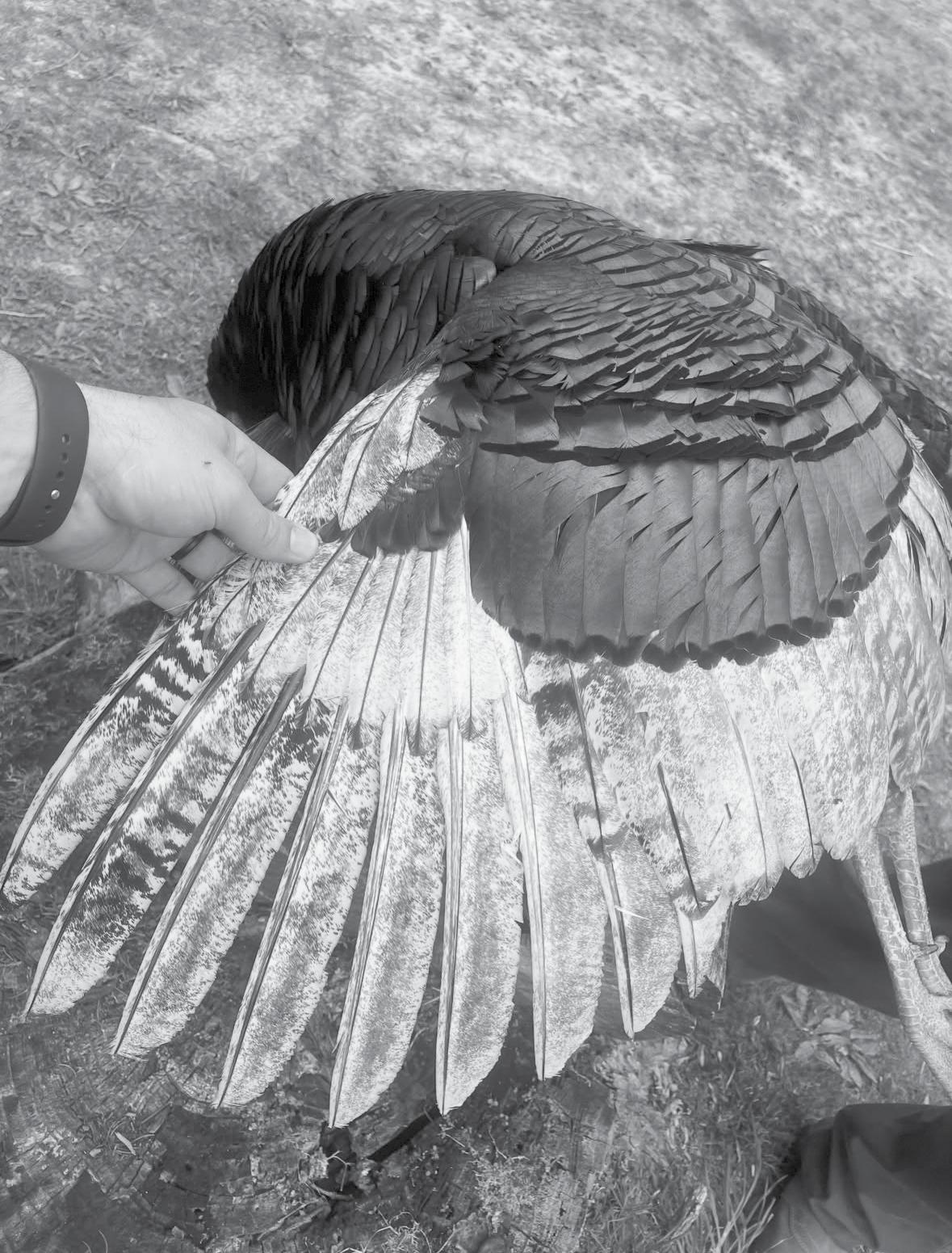
One interesting discovery that has been made during the study’s research so far, is that turkey containing white feathers, feathers lacking pigment, or smoke-phase and red-phase birds, are evidence of high inbreeding within a specific area’s population of birds.
“The majority of white birds or smoke-phase birds that we have received samples of have actually been genetically wild birds,” Lavretsky said. “This could be an indicator of the health of specific populations of turkey, which could basically point to a lack of genetic diversity for that specific group of birds.”
The Lavretsky Lab at UTEP and its partners are conducting an ongoing study that is taking a hard look at the genetics from turkey across the country to determine if they are in fact 100% wild. Photos from wildturkeyDNA.