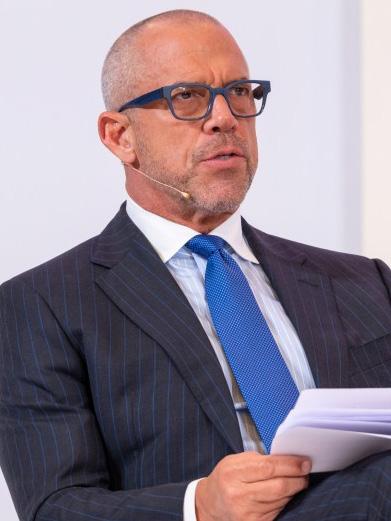
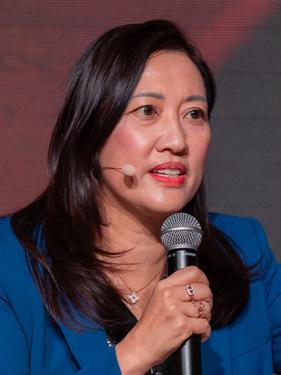
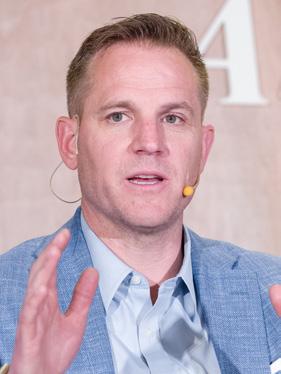
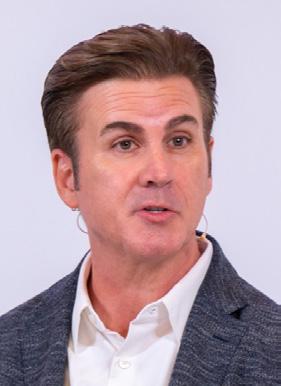
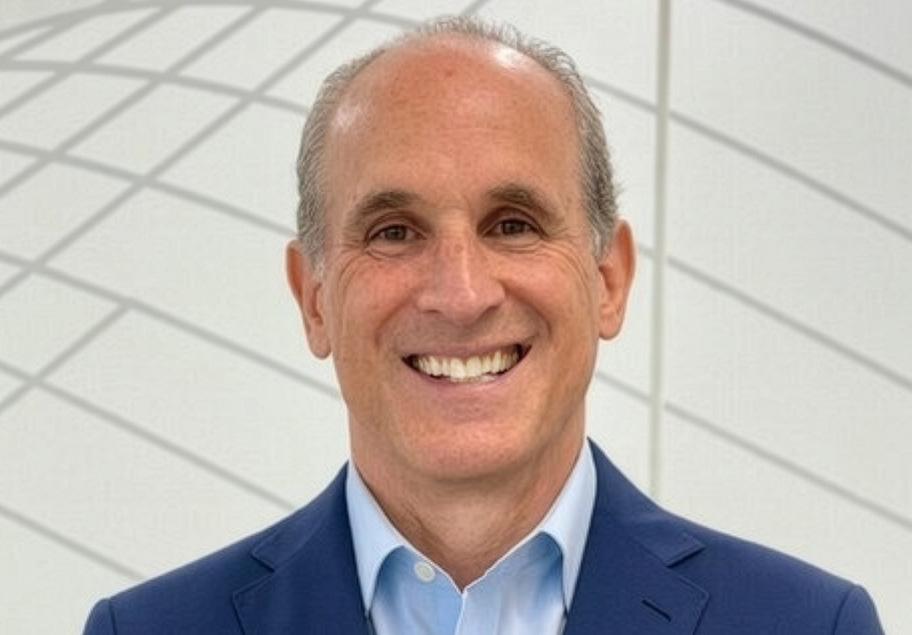
Sr. Director of Market Intelligence, Contributing Author
Kelly Williams
Subscriptions & Enterprise Sales
(LSI)
714 847 3540 tel/fax email: info@ls-intel.com
Vol. 2, No. 11
November 2025
Created by LSI, The Lens leverages LSI’s deep industry relationships and proprietary market intelligence to help executives like you build lasting medtech companies. Start your Individual, Group or Enterprise-Wide subscription today!
Scan QR Code to activate your subscription.
The Lens is published monthly and available in print and electronic formats. Copyright 2025 by Life Science Intelligence, Inc. All rights reserved. Editor takes care to report information from reliable sources and does not assume liability for information published. Interested in subscribing? email to: info@ls-intel.com Interested in advertising? email to: kelly@ls-intel.com
Letter from the Editors
Dear Readers,
As 2025 rounds the corner and the fervor around automation reaches new heights, one theme continues to rise above the noise: people power progress. When you’re building, backing, or operating in medtech, you know it’s the ideas, the leadership, and the persistence of people that fuel the machine.
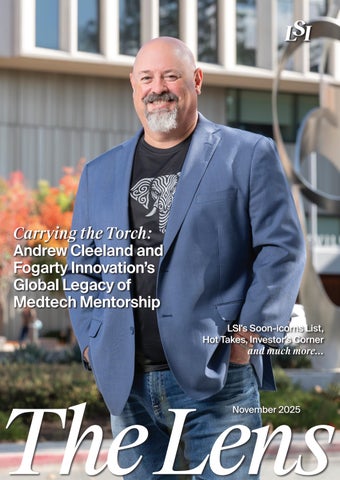
That’s why we’re proud to feature Andrew Cleeland on the cover of this edition. In leading Fogarty Innovation, Andrew carries forward a global legacy of mentorship, education, and impact that is reshaping how innovation happens. From billion-dollar exits to “building the builders” of tomorrow, his journey reflects the kind of leadership we need now more than ever.
Andrew is a longtime leader at LSI Summits, and last month we had the privilege to join his team at the inaugural Thomas J. Fogarty Innovation Prize Gala in San Francisco. LSI was proud to support this celebration of purpose-driven progress. If you’re looking for a story that gets to the heart of what matters in medtech innovation, you’ll find it in these pages.
In this edition, we also spotlight two remarkable innovators: David Carey, CEO of Preceptis Medical, and Oliver Keown, Founder and CEO of Oath Surgical.
David’s mission is simple, but significant. Move a high-volume pediatric procedure from the OR to the ENT office. With the Hummingbird TTS, he’s offering families a safer, faster, and less traumatic experience. He told us about his own daughter’s post-anesthesia recovery that makes his purpose all the more real.
Oliver’s approach is bold. He’s not just layering tech on broken infrastructure. He’s rebuilding surgical care from the ground up. By aligning AI, automation, and surgeon-led surgical centers under one platform, Oath is proving that high-quality care can also be fast, efficient, and affordable. As he told us, “We’re rebuilding the system itself.”
These two innovators reflect something deeper about this community. Before Preceptis, David joined the LSI ecosystem during his time at Pristine Surgical. Before Oath, Oliver represented Intuitive Ventures at past LSI summits. Both return now under new banners, because they continue to find real value here—and because they give back. They are the kind of leaders who show up, share what they’ve learned, and raise the bar for everyone around them. They don’t just benefit from the community. They help define it.
This month’s Power Moves section also reflects the people-first theme. From Eric Fain joining Berlin Heals to Bradford Wood signing on at DeepSight, these leadership shifts go beyond titles. They are deliberate choices by smart people to tackle tough problems with clarity and courage.
This ecosystem moves forward because people choose to show up, evolve, and build. Whether that means stepping into a new role, launching a new venture, or coaching the next generation, progress is both personal and collective.
Thanks for being part of this community.
Scott Pantel Chief Executive Officer, LSI Editor-in-Chief
Henry Peck Chief Business Officer, LSI Editor-in-Chief
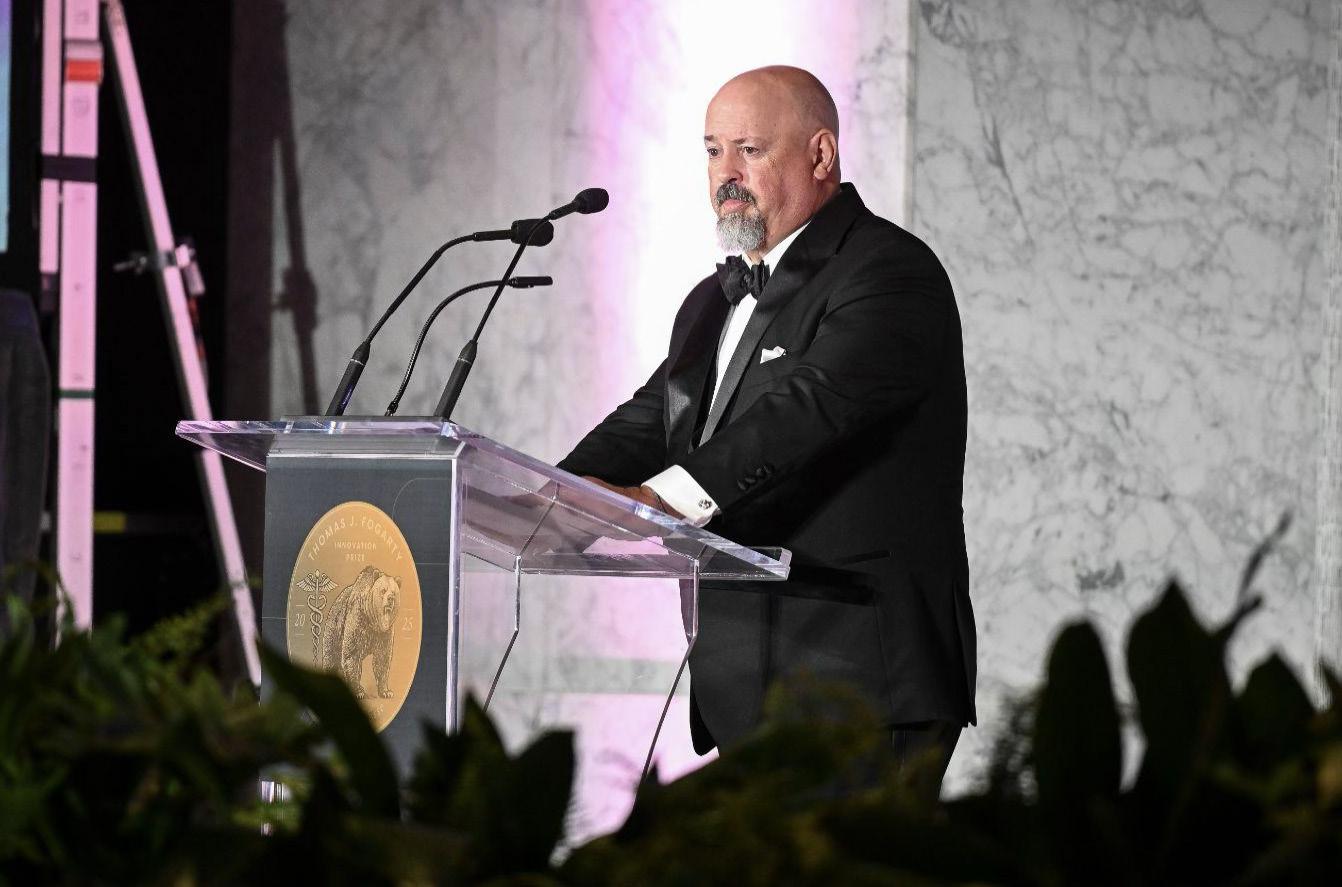
Allan Will, Director of Fogarty Innovation, onstage at the inaugural Thomas J. Fogarty Innovation Prize Gala, October 24, 2025
(Source: Fogarty Innovation/Rod Searcy)
Hot Takes: Compelling Quotes from Industry Thought Leaders
Need fresh inspiration for your medtech company as we navigate Q425? We’ve gathered insights from some of our LSI alumni thought leaders to help you stay ahead.
“There’s nothing more powerful than having a bureaucrat have a family member as a patient to really understand the power of healthcare and the barriers built around it.”
— Joe Mullings, Chairman & CEO, The Mullings Group
LSI Europe ‘25 Keynote by Amira Romani, Senior Vice President Innovation Strategy and Ecosystem at Siemens Healthineers AG
“One has to be very adaptable in terms of being a leader here in Asia. Coming in with rigidity is not going to work.”
Vy Tran, President of Asia Pacific Japan, Siemens Healthineers
LSI Asia ‘25 Keynote: Touchpoints that Matter: Building Health Systems for the Next Billion Patients
“You can sit down at any institution and in 15 minutes know whether the people working at that institution care. It’s not complicated. The very first thing you should look for is whether people care. It’s hard to make people care, and it’s easy to break the bond between the company and their caring.”
— Gary Guthart, PhD, Executive Chair of the Board of Directors, Former CEO, Intuitive Surgical
LSI USA ‘25 Keynote with Gary S. Guthart, PhD, CEO and Member of the Board of Directors at Intuitive
“These hospital systems are not going to give you the next opportunity to change something. You’ll think, I’ll reduce the cost of care, but they don’t think about it like that. If they don’t get revenue to that hospital, they are not going to look at that technology.”
“It drives me a little crazy when I get a pitch deck that says that this is going to cure generalized anxiety, insomnia, Alzheimer’s disease, and so on. Pick something, go deep, and do it well.”
— William Marks, MD, Chief Medical Officer, General Partner, & Co-Founder, Nexus NeuroTech Ventures
LSI Europe ‘25 Panel: Mind the Gap: Funding Emerging Neurotech
LSI Europe ‘25 Panel: The Future of Early-Stage Medtech Investing: A Global Outlook
“On a percent growth basis, Asia is the region that’s growing the fastest for sure. Half the world’s population is in Asia. It is where the future of Intuitive is.”
— Glenn Vavoso, SVP and President, Asia Pacific, Intuitive
LSI Asia ‘25 Signature Series: From Local Insights to Global Impact: Advancing Medtech in Asia Pacific
Power Moves
Celebrating recent leadership shifts and other announcements and accolades impacting our global LSI Alumni medtech community.
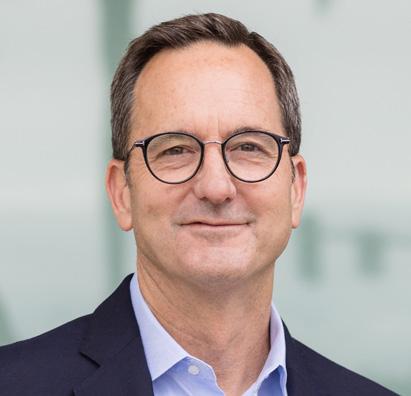
Berlin Heals has named Dr. Eric Fain to its Board of Directors as the company continues to advance its implantable cardiac microcurrent (C-MIC) therapy for chronic heart failure toward market introduction. Fain brings more than 35 years of experience in the global cardiovascular industry, including past roles as Group President at St. Jude Medical and Abbott, and current President and Chief Executive Officer of Procyrion
The appointment strengthens Berlin Heals’ board as the company imple-
ments a less invasive C-MIC design that will greatly expand the targeted patient population. Fain’s experience leading high-profile cardiovascular device programs and commercializing implantable technologies is expected to support the company’s transition into its next phase of growth.
DeepSight Technology has named Bradford Wood, MD, former Founding Director of the NIH Center for Interventional Oncology and Chief of Interventional Radiology, as Vice President of
Strategic Partnerships. Dr. Wood brings decades of experience as a pioneer in interventional radiology, interventional oncology, and image-guided minimally invasive therapies.
At DeepSight, Dr. Wood will oversee strategic collaborations with hospitals, research institutions, and industry partners to accelerate the adoption of the company’s NeedleVue systems and future imaging platforms. His appointment strengthens DeepSight’s leadership team as it advances toward commercialization and broader clinical adoption.
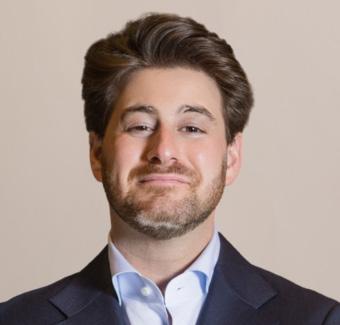
Ibex Medical Analytics has appointed Dan McSweeney as Chief Revenue Officer, bringing more than 25 years of experience as a healthcare technology executive with a strong track record of driving the integration of imaging, decision support, advanced visualization, and AI into clinical practice. McSweeney has held leadership roles at GE HealthCare, Wolters
Erin Fain (Source: LinkedIn)
Bradford Wood (Source: LinkedIn)
Kluwer Health, TeraRecon, and, most recently, R1 RCM
The appointment supports Ibex’s next phase of growth for its clinicalgrade AI-powered solutions for pathology. Ibex is the first and most widely deployed AI-powered platform in the field, used by pathologists worldwide to enhance diagnostic accuracy, reduce turnaround times, and streamline pathology workflows.
Innitius has welcomed Maria Nyåkern, PhD, to its Board of Directors as the company advances its mission to transform obstetric care through AI-powered diagnostics. Nyåkern is a medtech entrepreneur and regulatory strategist with over 20 years of experience in European medical devices. She founded ÅKRN Scientific Consulting, led it through its acquisition by NAMSA in 2022, and now heads Nyåkern Nexus Investments, supporting science-driven innovation in medtech and AI-enabled healthcare.
A recognized expert in EU MDR, clinical evidence generation, and AI in healthcare, Nyåkern serves on ISO committees (14155 and 18969) as well as the Scientific Advisory Group on AI in Healthcare. Her appointment strengthens Innitius’ clinical and regulatory foundations as the company prepares for broader adoption of its CerviSense platform.
Qaelon Medical has named Marylise Boutros, MD, FRCSC, FACS, to its Scientific Advisory Board as the company advances its platform for real-time surgical leak detection and advanced insufflation. A leading colorectal surgeon and internationally recognized researcher at Cleveland Clinic Florida, Dr. Boutros brings deep expertise in minimally invasive colorectal care, multicenter clinical research, and clinical guideline development.
Dr. Boutros is recognized as a leading authority on how the surgical community understands, classifies, and reports anastomotic leaks. Her leadership in building robust research infrastructure and executing high-impact clinical trials will help guide Qaelon’s clinical strategy as it aims to become the new standard of care for leak detection and localization in GI and colorectal procedures.
of Strategy & Business Development to support the commercial scale-up of the Kaleido insulin patch pump system. The hires follow the company’s $85 million Series D round and bring nearly four decades of combined experience in diabetes device commercialization, market access, and business strategy.
Baxter previously served as Vice President and General Manager at Dexcom, where she launched and scaled Dexcom’s UK and Ireland business to over $200 million in annual revenue. Little joins from Medtronic Diabetes, where he led payor strategy, valuebased care initiatives, and large-scale commercial partnerships. Together, their expertise will support ViCentra’s expansion across Europe and into new markets.
magAssist has appointed Steve Motes as Chief Executive Officer of its U.S. operations, signaling the company’s strategic push toward international expansion. Motes brings more than 25 years of leadership experience in the medical device industry, with a strong track record in global sales, marketing, and executive management in cardiovascular and other high-technology segments. Most recently, he served as President and Chief Executive Officer of CardioSight, and previously held senior leadership positions at Abbott, Edwards Lifesciences, Medtronic, and Dräger Medical
His appointment aligns with magAssist’s mission to grow its presence in the U.S. cardiovascular market and scale its portfolio of life-support technologies, which includes extracorporeal and percutaneous ventricular assist devices, ECMO systems, and organ care platforms. Motes’ expertise in navigating regulatory pathways and building commercial strategies will be key to advancing the company’s next phase of global growth.
ViCentra has appointed Karen Baxter as Senior Vice President of Sales, Europe, and Jay Little as Vice President
Dan McSweeney (Source: IBEX Medical Analytics website)
Maria Nyåkern (Source: LinkedIn)
Jay Little (Source: LinkedIn)
Steve Motes (Source: LinkedIn)
Karen Baxter (Source: ViCentra website)
Select Medtech Industry Financings and Deals
October 2025, by Date Announced
Expected stock purchases of $25.2 million from a closing on Sept. 16, $4 million from a closing by Oct. 15, and a possible $63 million from new short-term series J preferred investment options if exercised in full.
Capital (led), Senvest Management, LB Investment, strategic corporate investor participated in an oversubscribed Series B financing round.
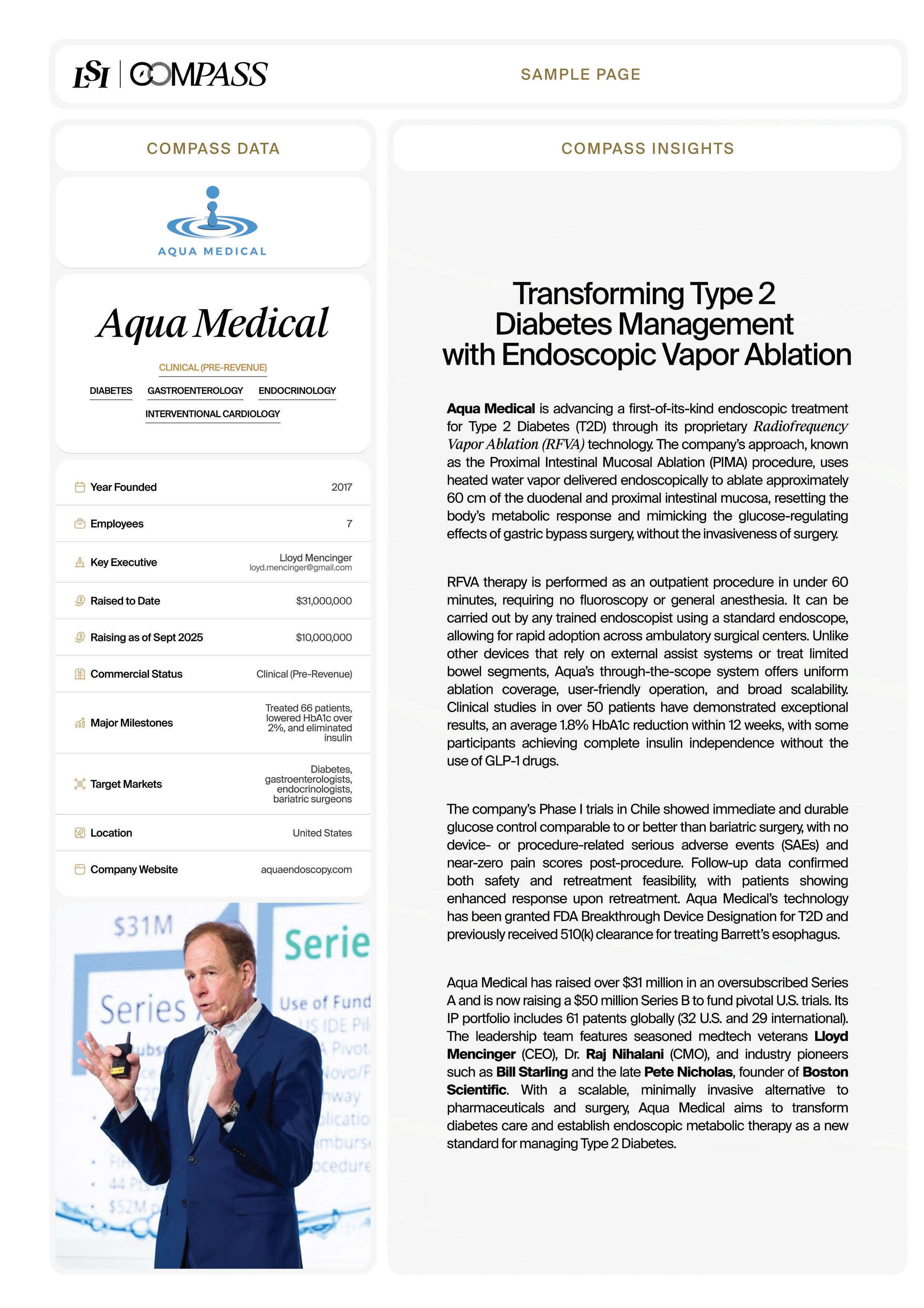
Powered by proprietary insights from LSI Europe, LSI Asia, and LSI USA, Compass gives you access to thousands of private company profiles and presentations you won't find anywhere else. Company
ABK Biomedical Series D
Embolic microspheres and delivery system for the peripheral vascular treatment of various disorders
$35M
Adagio Medical Other Catheter for pulmonary vein isolation and ablation of non-PV targets in AFib treatment $50M
Hyperfine Other Portable brain MRI system
J.P. Morgan Life Sciences Private Capital (led), F-Prime, Santé Ventures, Eight Roads Ventures, an undisclosed major medical device company 10/14/2025
Private placement of $19 million in upfront proceeds with up to $31 million extra if investors exercise pre-funded warrants in full for cash 10/15/2025
Public offering of 14 million shares of Class A common stock at $1.25 per share 10/17/2025 Nalu
HistoSonics
Adaptyx Biosciences Seed
Non-invasive, imageguided sonic beam technology for solid tumors
Real-time, continuous sensing of small molecules and proteins
$250M Existing investor syndicate (led), Thiel Bio, Founders Fund 10/17/2025
Personalizable simulation software for pre-op preparation for heart disease patients NA Medtronic 10/21/2025
Computer vision and machine learning algorithms to process video data from ORs
Portfolio of therapeutic solutions for cardiovascular disease, hypertension, and other indications
Cost-effective interventional devices for minimally invasive treatment of PAD
Autonomous surgical robots for diagnostic and interventional endoscopic procedures
$8M
$30M
Bek Ventures (led), LDV Capital, Tiny Supercomputer Investment Company, Balnord, Thornapple River Capital, Joe Mullings, Mati Staniszewski
Terumo - termination of distribution deal & right of first refusal with $10M upfront & another $20M through non-voting preferred stock
10/23/2025
10/28/2025
$28M S3 Ventures (led), Endeavour Vision, other existing investors 10/29/2025
$3.4M
*Currency converted to $USD for data consistency (11/6/2025 exchange rate)
Dr. Fred Moll (led), TurboStart (led), Rajput Association of North America (RANA), the Indian Institute of Technology (IIT) Alumni Association of North Texas, the Maharana Association of North America
10/30/2025
Cover Story
Carrying the Torch: Andrew Cleeland and Fogarty Innovation’s Global Legacy of Medtech Mentorship
Helmed by CEO Andrew Cleeland, Fogarty Innovation is carrying forward the legacy of Thomas J. Fogarty, MD, by nurturing the next generation of medtech innovators. Blending mentorship, education, and collaboration, and fresh off of its newly announced merger with the Cardiovascular Research Foundation and the awarding of the first Thomas J. Fogarty Innovation Prize, the organization has become a catalyst for global, purpose-driven medtech innovation. Cleeland’s own personal journey from a working-class childhood in Australia to leading billion-dollar startups and now guiding a global nonprofit reflects the same values at the heart of Fogarty Innovation and his deeply human approach to coaching innovators.
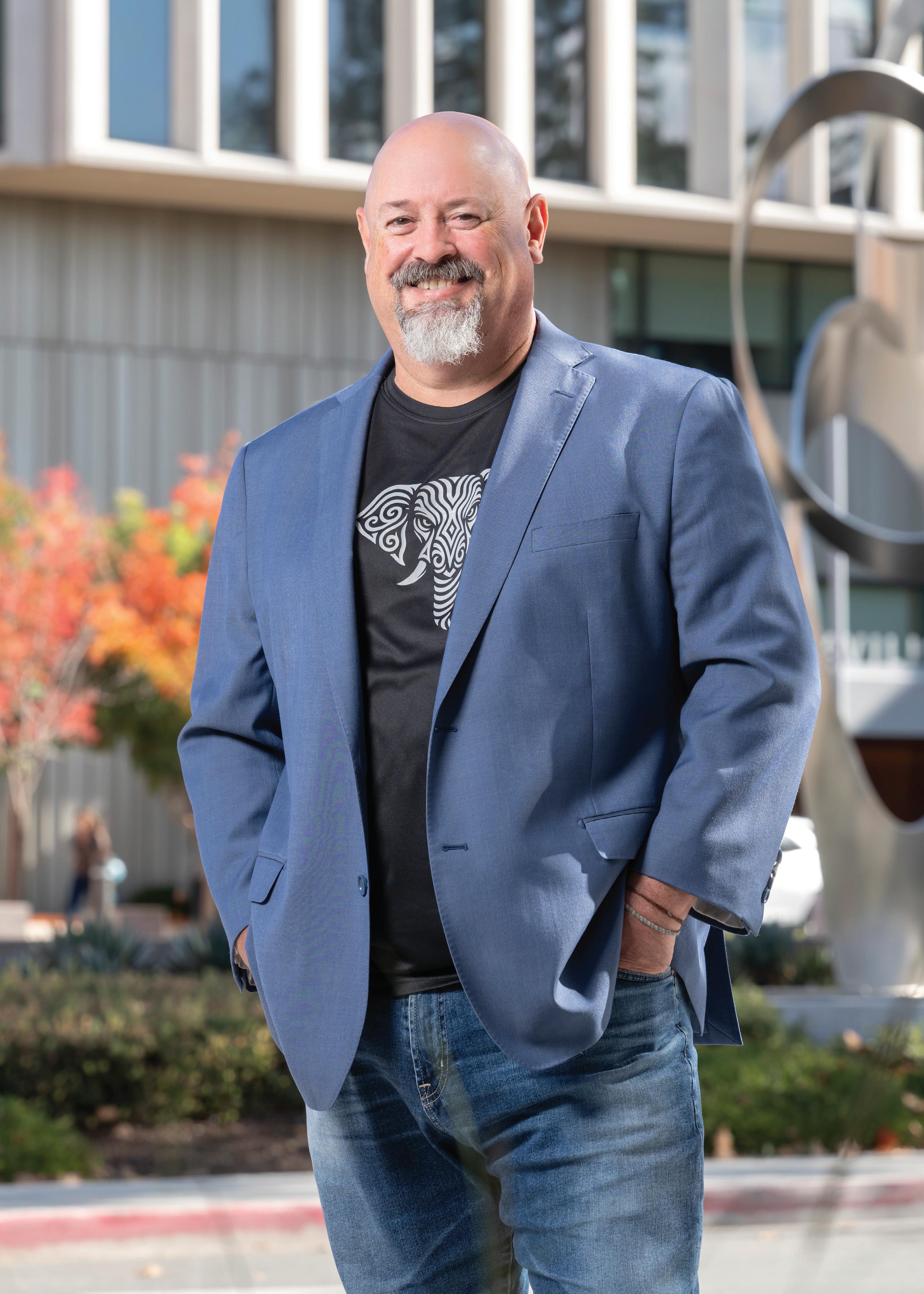
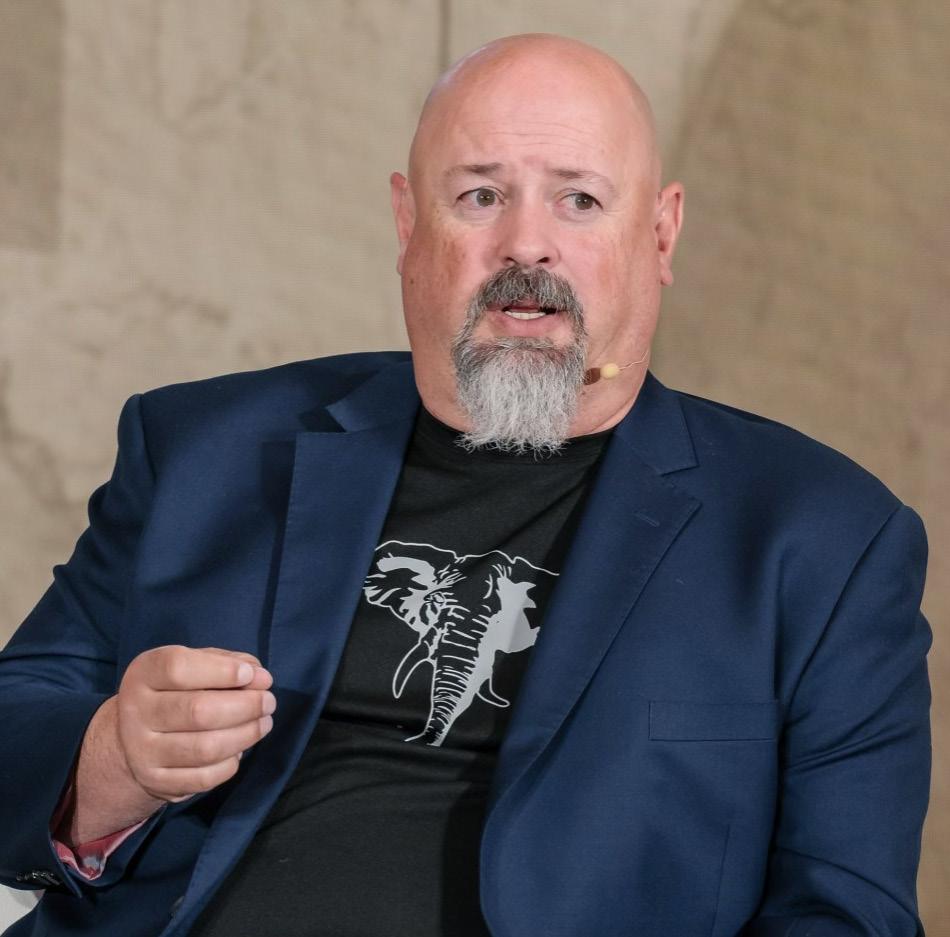
Andrew Cleeland (Source: Fogarty Innovation/Rod Searcy)
When you walk into Fogarty Innovation’s offices in Mountain View, CA, you can feel the pulse of invention. The walls tell stories of prototypes that became lifesaving devices, of startups that grew into category-defining companies, and of founder Thomas J. Fogarty, MD, the pioneering surgeon, inventor, and entrepreneur whose balloon embolectomy catheter and dozens of other revolutionary inventions launched the minimally invasive surgery era and forever changed patient care. However, Dr. Fogarty’s impact goes far beyond his vast contributions to medical science. He inspired a transformational culture of mentorship, courage, and a “patient first”-focused community that is nurturing the next generation of medtech leaders.
At the center of that culture today is Andrew Cleeland, Fogarty Innovation’s CEO and one of today’s most influential medtech leaders. A native of Melbourne, Australia, Cleeland learned early the value of grit and teamwork, raised by a single mother who taught him and his brother to meet challenges head-on. His values and life philosophy were also greatly influenced by sport. As an Australian Rules Football player, he discovered leadership and resilience, the ability to keep driving forward, no matter how many times you are knocked down.
“Sport teaches you everything about building teams and leading under pressure,” he says. “It’s where I first learned that character matters as much as skill.”
That mindset carried him across the world and into the heart of medtech innovation. After earning his degree in biophysics and beginning his medtech career reviewing devices at the Australian Therapeutic Goods Administration, he followed an opportunity to Denver, CO. There, he joined Telectronics, an Australian company best known for its role in developing the pacemaker. As Cleeland describes, he probably didn’t realize it at the time, but this move exemplifies a classic element of his personal and professional mindset: think big, set audacious goals, and act boldly.
“It was one of those moments when you just have to leap,” he says. “You can’t know how it’s going to turn out, but you know you’ll regret not trying. It was meant to be a two-year U.S. rotation, but 30 years later, I’m still here.”
What followed were audacious leaps that culminated in billion-dollar exits. After Telectronics, Cleeland accepted a management role at Baxter Healthcare’s Novacor division, and later as vice president of clinical and regulatory affairs at Bay Area startup Radiant Medical. In these positions, he learned about the interplay between vision and execution. He moved on to serve as CEO of Ardian, which pioneered the use of renal denervation to treat hypertension. Ardian was acquired by Medtronic in 2011 in a transaction valued at over $1.3 billion, which, at the time, was the largest medical device acquisition ever for a pre-revenue medical device company.
Cleeland then took on the role of CEO at Twelve, a startup in the emerging transcatheter mitral valve replacement space. Several years after he joined, this company was also acquired by Medtronic in a transaction valued at $458 million. At both Ardian and Twelve, he learned how to turn visionary science into transformative outcomes.
Yet Cleeland’s pride isn’t in the valuations. “What I’m most proud of are the teams we built,” he says. “Those companies became families. Seeing people from those days now leading their own startups. That’s the real legacy.”
After back-to-back triumphs in the startup world, Cleeland faced a different kind of question: How do you give back to an industry that has given you everything? And he realized, what if his next chapter isn’t about building a company, but about building builders?
A Coach at Heart
His answer came in 2017, when the opportunity arose to lead Fogarty Innovation. But his first reaction was hesitation.
“I said, ‘I had never even thought about working at a nonprofit.’” But after sketching out with a close friend what Fogarty could become, the idea sparked a new sense of purpose. “It hit me. This is how I can have real, meaningful impact and give back to an ecosystem that’s been so generous to me,” he says.
The CEO role has allowed him to channel his experience into mentoring the next generation of founders.
That purpose drives everything at the organization’s headquarters on the El Camino Hospital campus in Mountain View, CA.
“When I stepped out of the world of medtech startups and into the nonprofit world at Fogarty Innovation, I had a specific goal in mind: to grow an organization that would leverage the experience of a veteran team to shape individuals, advance technologies, and grow companies,” says Cleeland.
“Working at Fogarty gives me the ability to influence the ecosystem and give back in a meaningful way,” he tells The Lens. “It’s the most rewarding thing I’ve ever done.”
“Working at Fogarty gives me the ability to influence the ecosystem and give back in a meaningful way. It’s the most rewarding thing I’ve ever done.”
“I’ve been lucky to have mentors who believed in me before I believed in myself,” he continues. “Now it’s my turn to do that for others.”
He encourages founders to measure success not just by valuations but by impact. “When you help a patient, you help their family and their community. That ripple effect is the real return,” he says.
Inside Fogarty’s walls, Cleeland’s coaching philosophy runs deep. “One thing is that I remind teams to take care of themselves,” he says.
He speaks from experience. “When I was a first-time CEO, I was so focused I forgot to look after myself. There’s a cost to that. You have to protect your own humanity.”
Under Cleeland’s leadership, Fogarty Innovation’s model has evolved far beyond its origins as an incubator. “We used to talk about three pillars: incubation, education, and alliances. But they’re not really pillars,” Cleeland says. “They’re integrated. Each one supports the other.”
“When you help a patient, you help their family and their community. That ripple effect is the real return.”
Incubation remains core. With 23 companies in its portfolio, Fogarty provides coaching, resources, and access to a network of investors and strategics. But education and collaboration are where the organization has multiplied its impact.
Fogarty’s 24-member team includes 17 seasoned coaches, averaging more than 30 years of experience each, and a combined track record of over $8 billion in investor returns before joining the organization.
“Everyone here was chosen for their shared values,” says Cleeland. “We’ve all been through the battles. We have
the scars. And we all want to give back in a meaningful way.”
Last year, Fogarty hosted more than 10,000 participants across its educational programs, earning a Net Promoter Score of 94. “That tells me people aren’t just attending,” Cleeland says. “They’re recommending us. They’re finding real value.”
“We’re not professional teachers,” he adds. “We’re engineers, clinicians, and operators who are sharing what we’ve learned the hard way.”
But Cleeland considers himself a coach first. “I coach our young companies, and I coach our people,” he says.
It’s a subtle distinction, but an important one. Fogarty Innovation doesn’t “mentor” its startups in the typical sense. As Cleeland explains, mentoring is a phone call every few months. Coaching, on the other hand, means rolling up your sleeves and working alongside founders daily to help them navigate the emotional, strategic, and financial complexities of turning an idea into a device that changes lives.
“Coaching is helping people look up from the next milestone and see where they really want to go,” he says.
“We’re not professional teachers. We’re engineers, clinicians, and operators who are sharing what we’ve learned the hard way.”
And, one important theme recurs in every conversation with Cleeland: listening. “Whether you call it coaching or friendship,” he says, “a good listener listens twice as much as they talk.”
It’s a skill he emphasizes to his teams and even his children. “We tend to assume we know what someone’s going to say. You're not going to pick up the small signals that the person is sending if you're thinking about your own response. There's always time."
Andrew Cleeland onstage at the inaugural Thomas J. Fogarty Innovation Prize Gala, October 24, 2025 (Source: Fogarty Innovation/Rod Searcy)
Humanizing the System:
Working with FDA and Beyond
Cleeland described that one of Fogarty Innovation’s most influential initiatives began with a challenge from longtime collaborator Jeffrey Shuren, MD, who led the FDA's Center for Devices and Radiological Health for 15 years. Frustrated by industry complaints, Shuren famously told Dr. Fogarty, “If you think you can do better, help us do it.”
The result was the FDA Fellowship Program, launched in 2015, in which agency representatives, including reviewers, scientists, branch chiefs, and division directors, spend time at Fogarty Innovation learning how startups actually operate. The relationship has proven to be beneficial for both sides:
The FDA better understands the challenges inherent in device development, and Fogarty Institute entrepreneurs better appreciate the reasons behind the steps required in the regulatory process, according to a Fogarty Innovation release.
“What we’re doing is humanizing early-stage medtech,” Cleeland explains. “We’re showing regulators that companies are made up of engineers and scientists trying to do the right thing, and showing startups that the FDA is made up of the same kind of people.”
During COVID, when travel halted, the fellowship morphed into virtual webinars. Cleeland expected 50 attendees, but in one, nearly 800 signed in. “At one point, half of CDRH was in our session,” he jokes. “I told colleagues, if you couldn’t reach FDA that day, it’s because they were on with us.”
With 64 fellows having come through the FDA Fellowship Program to date, the successful model has now expanded internationally, with educational partnerships in Singapore and interest from Japan and Ireland. “If one person leaves our program with a single insight that makes their process safer or faster, we’ve done our job,” Cleeland says. (Read more about the program on the Fogarty Innovation website, at https://www.fogartyinnovation.org/ what-we-do/elevate/.)
A Global View: Connecting Innovators Across Continents and Cultures
Cleeland’s global reach, spanning board roles with Saluda Medical,
Coach’s Rules: Andrew Cleeland’s Playbook for Building Innovators
At Fogarty Innovation, Cleeland is known as much for his coaching philosophy as for his leadership pedigree. Decades of building teams, guiding startups, and walking alongside founders have shaped his approach to developing not just companies, but people.
Here are the guiding principles that define his playbook, illustrating equal parts grit, grace, and generosity:
1. You Get Hit, You Get Up Every innovator faces setbacks. “Being hit is just part of the game,” he says. “What matters is how you respond.” Whether in sports or startups, resilience is the first rule.
2. Listen Twice as Much as You Talk True coaching, he says, starts with listening. “You can’t hear the small signals if you’re thinking about your own response. Listen, think, then respond.”
3. Team Before Self; But Don’t Forget Self
“Team before self doesn’t mean the exclusion of self,” he
reminds founders. “If you burn out, you can’t lead anyone.” Selfcare, reflection, and perspective aren’t indulgences, they’re necessities.
4. No Excuses, No Gossip, No Negativity
“A toxic team can destroy a company faster than anything,” says Cleeland. His mantra: Be constructive, not corrosive. “Support your teammates. Give tough love on a foundation of unconditional love.”
5. Keep the End in Mind Borrowing from The 7 Habits of Highly Effective People (by Stephen Covey), Cleeland urges innovators to lift their gaze
beyond the next milestone. “It’s not just about the next fundraise or prototype, it’s about the impact you want to have.”
6. Build on Foundations, Not Pedestals
“Every device builds on those who came before,” he says. “The Fogarty balloon led to stents, which led to valves, which led to transcatheter mitral. None of us innovate in isolation.”
7. Always Find, or Make, a Way
On his office wall hangs a motto inspired by his love of history: Aut inveniam viam aut faciam: “I’ll either find a way or make one.” For Cleeland, it’s both a challenge and a promise.
Zenflow, MMI, and Francis Medical, and advisory positions with Longitude Capital and Arboretum Ventures, has shaped his conviction that medtech innovation transcends geography. “Innovation doesn’t stop at borders,” he says. “Our patients are everywhere, and so must be our ideas.”
“Innovation doesn’t stop at borders. Our patients are everywhere, and so must be our ideas.”
That vision took on new scale this October, when Fogarty Innovation announced a strategic merger with the Cardiovascular Research Foundation (CRF). The partnership combines Fogarty’s early-stage incubation expertise with CRF’s global leadership in cardiovascular research and education, establishing Fogarty as CRF’s West Coast Innovation Hub.
“We’re excited to join forces with CRF,” Cleeland said in the merger announcement. “Together we can scale our impact globally, giving entrepreneurs a larger stage, stronger resources, and a faster path to delivering transformative care.”
The merger unites two missions devoted to advancing patient-focused innovation through education and collaboration. Under the new structure, Fogarty’s influence will extend upstream to nurture early inventors, while CRF’s reach will accelerate clinical adoption and access.
“This is how we unite ecosystems,” Cleeland continues. “By connecting discovery with delivery, and making sure ideas born in one country can help patients everywhere.”
“We’ve built our community over nearly 20 years. CRF has built theirs over 30 years. Now we’re linking them, and the effect will be exponential,” he tells The Lens.
The partnership also furthers a mission that Cleeland accepted when he took the helm at Fogarty: the profound responsibility of stewarding Dr. Fogarty’s remarkable legacy.
“Our partnership with CRF not only advances my vision for Fogarty Innovation and for our industry, it also safeguards our future and ensures that Tom’s curiosity, determination, and refusal to accept the status quo will continue to inspire innovators for decades to come.”
Cleeland notes that, importantly, Fogarty will remain Fogarty. “From our home on the El Camino Health campus, and now as CRF’s West Coast Innovation Hub, we will continue to coach entrepreneurs and startups across clinical specialties, produce practical educational programs that enrich the medtech community, and work with our alliance partners to strengthen the early-stage innovation ecosystem.”
Also in October, Fogarty Innovation celebrated its focus on the power of medtech innovation to improve the lives of patients everywhere in an epic way, with the inaugural Thomas J. Fogarty Innovation Prize. At a sold-out black tie gala in San Francisco, the team behind the FARAPULSE Pulsed Field Ablation (PFA) System was announced as the winner. More than 300 medtech, venture, academia, healthcare, and local government leaders attended the celebration. (See the upcoming December issue of The Lens for an article spotlighting FARAPULSE and Fogarty Innovation’s vision for the Fogarty Prize looking into the future.)
Carrying the Torch for a Purpose-Driven Future
In an industry defined by disruption, Andrew Cleeland’s leadership stands out for its constancy of purpose. “Devices save lives,” he says. “But it’s the people behind them who change the world.”
Cleeland often reminds his teams that every breakthrough rests on the work of others. “Everything we build is on someone’s shoulders,” he says. “The Fogarty balloon catheter led to stents and transcatheter valves. Those, in turn, led to what we’re doing today in mitral and renal technologies.”
Those beliefs anchor Fogarty Innovation’s next chapter. The merger with CRF expands its reach, but its essence
remains: mentorship, empathy, and relentless optimism. For Cleeland, true success is measured not in valuations but in people: the students, fellows, and founders who walk through Fogarty’s doors uncertain of what’s possible and leave believing they can make a difference.
“The next generation of innovators will be different,” he says. “They’re thinking about equity, access, and sustainability. Our job is to give them the skills and the courage to tackle all of it.”
Cleeland sees promise in digital health, AI, and home-based care as levers for expanding access while addressing systemic challenges such as an aging population and workforce shortages.
“The wave is coming,” he says. “More people will need care, fewer people will be available to deliver it, and resources will be tighter. We have to move care from hospital to home wherever possible.”
In closing, Fogarty Innovation’s story is, at its core, a relay. Dr. Fogarty built the foundation. Andrew Cleeland carries the torch. And now, innovators shaped by that same culture of curiosity and care are preparing to take the next leg.
Dr. Fogarty, although not in the office as often, still shapes the culture profoundly. “When Tom walks through the halls, you feel it,” Cleeland says. “He’s charismatic, brilliant, and utterly fearless about challenging the status quo.”
And his mantra, that there’s always a better way, remains a cornerstone. “It’s about courage,” Cleeland says. “Courage to push back against the norm, to find another path.”
Cleeland still keeps books that Dr. Fogarty gave him on his desk, including The No Bullshit Rules. “That’s Tom,” he laughs. “He doesn’t suffer fools. He gets to the heart of a problem with surgical precision.”
Cleeland often returns to a favorite quote from Mahatma Gandhi that has guided him since his earliest days: “A small body of determined spirits fired by an unquenchable faith in their mission can alter the course of history.”
“That’s what we are here, a small body of determined spirits,” he says, smiling. “And we’re just getting started.”
(Source: LSI Europe ‘24)
Andrew Cleeland—CEO, Fogarty Innovation
Andrew Cleeland has spent more than three decades shaping the global medtech landscape. A native of Melbourne, Australia, he began his career at the Therapeutic Goods Administration before moving to the U.S. to join Telectronics. He later held leadership roles at Baxter and Radiant Medical, and as CEO of Ardian and Twelve, guided both companies to landmark acquisitions by Medtronic valued at more than $1.7 billion combined.
Today, as CEO of Fogarty Innovation, Cleeland channels that experience into building the next generation of innovators. Known for his belief that “innovation is a team sport,” he leads with a mix of humility, mentorship, and mission-driven clarity.
He also currently serves on the board of four venture-funded companies: Saluda Medical, Zenflow (chairman), MMI (chairman), and Francis Medical (chairman). He also holds advisory positions at the toptier venture capital firms, Longitude
Capital and Arboretum Ventures. At a global industry level, he has been invited to serve on multiple initiatives, including the UCSF-Stanford Pediatric Device Consortium, the Medical Device Innovation Consortium, and the Singapore government’s Medtech Catapult.
Away from work, he draws inspiration from sport, family, and a personal motto that sums up his approach to leadership: “Think big, act boldly, and always lead with purpose.”
Market Dive
Neurovascular Devices for Hemorrhagic Stroke
Hemorrhagic strokes remain among the deadliest cerebrovascular events, demanding swift intervention and increasingly sophisticated tools. While incidence rates are declining in developed regions, evolving product portfolios and expanded treatment access are accelerating growth globally, particularly in Asia. Driven by procedural innovation and adoption of minimally invasive techniques, the neurovascular device market for hemorrhagic stroke is entering a new phase of expansion.
Steady Incidence Meets Expanding Access
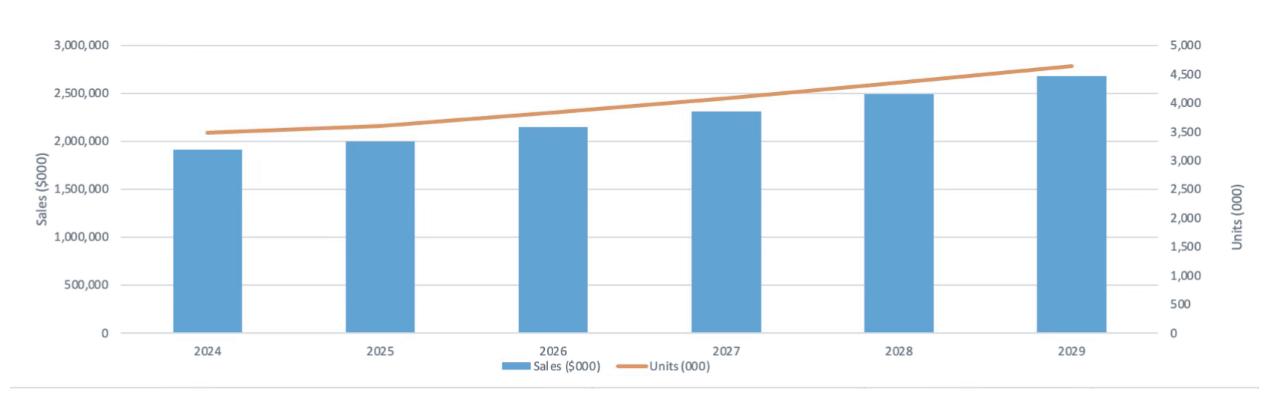
Hemorrhagic strokes occur when a blood vessel ruptures inside the brain, and treatment depends on the size and location of the hemorrhage. In developed markets, prevention efforts have reduced overall stroke incidence, but emerging markets continue to see growth due to stable risk factors and aging populations. Adoption of neurovascular devices for treatment of hemorrhagic stroke, particularly Penumbra’s device and other stent devices for aneurysm closure, is expanding faster than incidence rates. Unit volume is forecast to grow at 5.9% annually through 2029, with sales projected to climb from $1.91 billion to $2.68 billion at a CAGR of 7.0%.
While most of the revenue growth is volume-driven, price increases are contributing meaningfully at an annual rate
of 1.0%. Innovations in delivery systems, embolization materials, and aneurysm treatment devices are steadily raising the average selling price, which is projected to increase from $550 to $578 per unit by 2029.
Penumbra’s Artemis Neuro Evacuation Device continues to draw attention following results from the MIND IDE study. Although the trial ended early and was therefore unable to demonstrate a difference in the primary endpoint, exploratory analysis showed significant improvement for patients with moderate to large volume supratentorial intracerebral hemorrhage (ICH) at 30 days, compared to medical management alone, for both deep and lobar
hemorrhages. The findings suggest a viable path forward for neuro-navigation-assisted evacuation tools.
New Devices Target Aneurysm Complexity
Penumbra also recently launched the ACCESS25 Microcatheter, a single-lumen medical device designed to aid physicians in accessing the neurovasculature for the delivery of Penumbra’s advanced .020” coil platform. Its compatibility with existing Penumbra platforms and feedback from clinicians highlight its role in improving packing density and procedural efficiency.
Elsewhere, Stryker’s Contour device gained traction following interim data from the CONTRA study. The device’s cup-like design avoids contact with the aneurysm dome, and early results from ruptured aneurysm cases indicate promising occlusion rates with low rebleeding risk.
Global Neurovascular Devices for Hemorrhagic Stroke Market Forecast: by Sales, Unit Volume, and ASP Trends, 2024-2029
Source: LSI Market Intelligence
Strategic Partnerships and Collaborations
Stryker and Siemens Healthineers have teamed up to co-develop a robotic system for neurovascular intervention, with a focus on hemorrhagic and ischemic stroke. The collaboration will leverage Siemens Healthineers’ expertise in imaging and robotics and Stryker’s portfolio of neurovascular hardware, aiming to streamline workflows and reduce procedure times in time-critical scenarios. The move signals a future where real-time image guidance, robotics, and implantable therapies converge on a single integrated platform.
Meanwhile, Terumo Neuro launched the Aneurysm Treatment Alliance across EMEA, a physician engagement platform that elevates awareness of its hemorrhagic portfolio and promotes cross-regional collaboration. With com-
Global
prehensive portfolio access, the initiative is designed to foster dialogue around best practices while supporting broader procedural consistency. The Alliance reflects growing industry recognition of the value of structured physician networks in improving clinical outcomes.
Looking Ahead
As device portfolios evolve and treatment strategies grow more sophisticated, the market for neurovascular devices for hemorrhagic stroke is on track to outpace procedural growth. With a steady stream of product launches, deeper physician engagement, and emerging robotic platforms, competitive dynamics are shifting. In the years ahead, high-performing access tools, advanced embolization materials, and integrated procedural ecosystems will shape a market increasingly defined by precision and speed.
Neurovascular Devices for Hemorrhagic Stroke Market Share, by Supplier, 2024
LSI "Soon-icorns": Emerging Startups
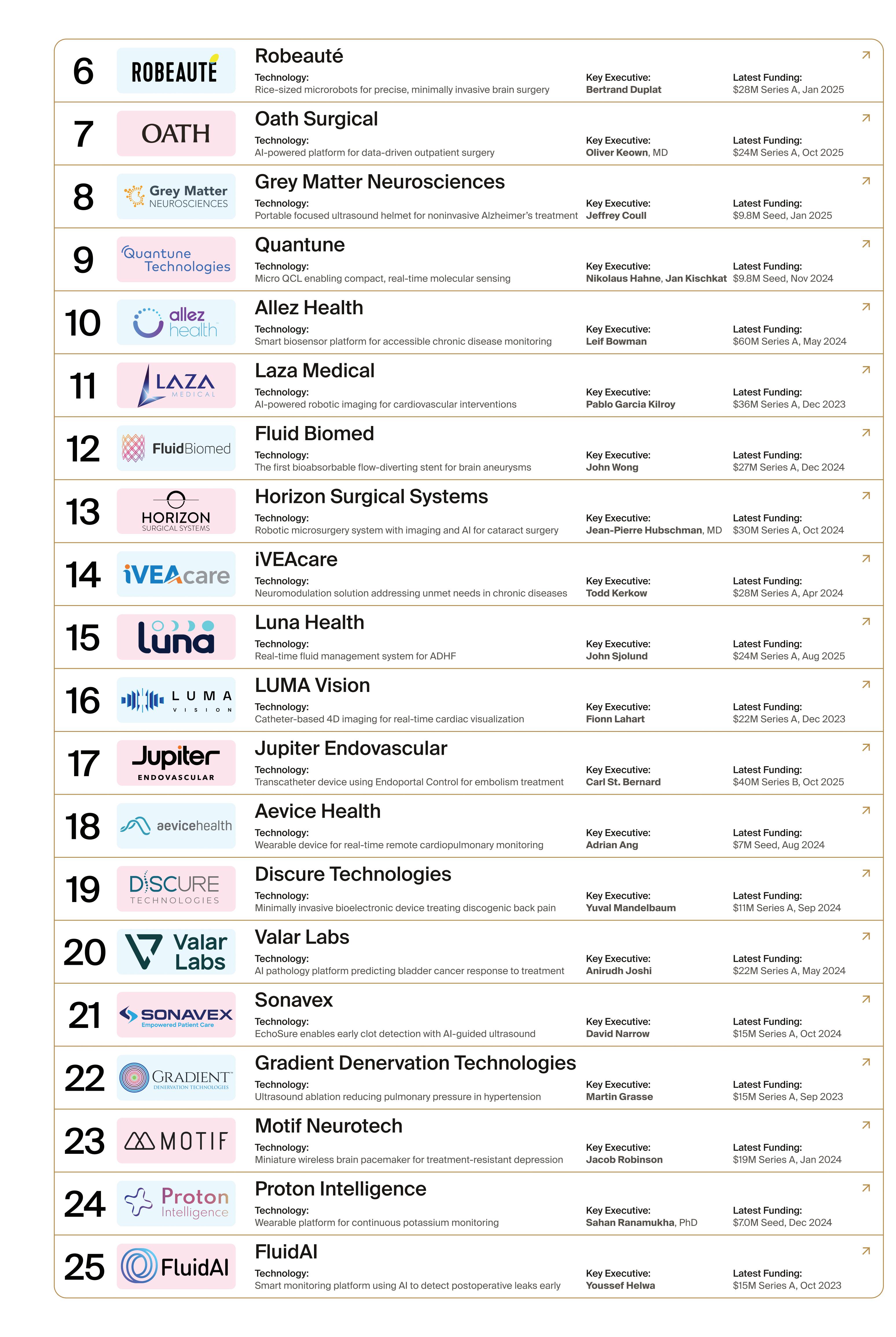
The list contains early-stage medtech startups making fast progress, attracting attention after their initial institutional financing rounds, and on the path to breakout success. View detailed profiles for all 25 emerging startups inside Compass.
Medtech Pulse Check, by the Numbers
Every week, LSI’s Market Intelligence team tracks key shifts, deals, and signals shaping the global medtech landscape. In October, the data told a story of strategic focus and resilience. While deal volume slowed through Q3, capital concentration held steady, with investors favoring later-stage rounds. Meanwhile, Johnson & Johnson announced a significant portfolio realignment with the spinout of its orthopedics business, and Boston Scientific continued its acquisition streak with the $533 million purchase of Nalu Medical.
As 2025 enters its final stretch, Q3 data from LSI’s Compass platform shows that medtech fundraising slowed in deal count but remained stable in total capital raised. The quarter closed with an estimated $2.28 billion raised, excluding M&A and IPO transactions. When including those, total financing reached $8.8 billion, signaling that
investor activity remains solid despite macroeconomic headwinds. Fundraising totals stayed relatively consistent across the first three quarters of 2025: $3.41 billion (Q1), $2.44 billion (Q2), $2.28 billion (Q3).
However, the total deal count fell sharply. The number of funding rounds dropped from 137 in Q2 to 83 in Q3, marking a 39.4% decline quarter over quarter. Factors contributing to this dip include front-loaded capital deployment earlier in the year, interest rate uncertainty, and the U.S. government shutdown, which recently ended. Many investors also appear to be reserving capital for existing portfolio companies rather than new early-stage plays.
Despite the slowdown in volume, the deals that did close were larger. Later-stage funding from Q2 to Q3 increased 31%, while early-stage (Seed,
Series A) funding fell 65%. The average deal size rose 30%, from $23.4 million in Q2 to $30.4 million in Q3.
The market continues to prioritize companies with strong clinical data, regulatory progress, and clear commercialization paths. Investors are consolidating around proven winners instead of spreading capital across multiple early-stage ventures.
As in Q2, cardiovascular companies led the funding race. Notable rounds included Reprieve Cardiovascular ($61 million), InspireMD ($58 million), CroíValve ($14.7 million), and Berlin Heals ($5 million).
Surgical robotics also maintained momentum, with continued confidence in both maturing platforms and new entrants. Key rounds included Ronovo Surgical ($67 million) and AiM Medical Robotics ($8.1 million).
A particularly significant transaction was the $458 million build-to-buy deal between Olympus and Revival Healthcare Capital, signaling growing interest from strategics in structured acquisitions that balance innovation access with capital efficiency.
Johnson & Johnson Reshapes Its Portfolio
In one of the year’s most notable strategic realignments, Johnson & Johnson MedTech announced it will spin out its orthopedics business, creating a new pure-play orthopedics company. This follows a broader wave of portfolio restructuring across medtech as large strategics refocus on highgrowth markets and divest mature or slower-growth segments.
J&J’s orthopedics division generated $9.2 billion in revenue in 2024, accounting for the largest share of the $54 billion global orthopedics market. Despite its size, growth has lagged behind the broader market. In 2024, J&J’s orthopedics segment grew 2.4% year over year, compared to the 4.3% growth of the global orthopedics market, according to LSI projections.
This performance contrasts sharply with faster-growing sectors like cardiovascular, which expanded 6.3% between 2023 and 2024 and continues to capture increasing investment and strategic attention.
The orthopedics market has become inseparable from the surgical robotics race. Robotic platforms are increasingly used as competitive moats by implant manufacturers, locking surgeons into proprietary implant ecosystems.
Analyst estimates show:
• J&J’s VELYS: ~500 systems installed
• Stryker’s Mako: ~2,700 systems installed
• Zimmer Biomet’s ROSA: ~2,000 systems installed
In comparison, Stryker’s orthopedic business has outpaced the market:
• 2022: $7.6 billion
• 2023: $8.4 billion (+10.5%)
• 2024: $9.1 billion (+8.3%)
Stryker’s aggressive robotics strategy continues to drive its expansion, and if trends hold, it is projected to surpass J&J as the orthopedics market leader in 2026.
For J&J MedTech, this move sharpens its focus on six high-growth areas: oncology, immunology, neuroscience, cardiovascular, surgery, and vision. The spinout allows its orthopedics division to operate with greater agility, free to pursue robotics innovation and procedural specialization.
Boston Scientific Strengthens Its Neuromodulation
Portfolio
Boston Scientific’s acquisition of Nalu Medical marks its third acquisition of 2025, reinforcing its position in the rapidly expanding neuromodulation market. The transaction, valued at $533 million in upfront cash for remaining equity, extends Boston Scientific’s reach into the high-growth peripheral nerve stimulation (PNS) segment.
According to LSI’s Market Intelligence forecasts, the global implantable neuromodulation market is valued at $6.1 billion and dominated by three primary segments:
• Spinal Cord Stimulation (SCS) for chronic pain management
• Deep Brain Stimulation (DBS) for neurological conditions and movement disorders
• Sacral Nerve Stimulation (SNS) for incontinence
These account for about 90% of global implantable neuromodulation sales. While SCS and DBS remain the
largest segments, both are growing at less than 5% CAGR, slower than the overall global medtech market’s 6.6% CAGR.
In contrast, PNS is surging. LSI projects that the PNS segment will expand at a 18.9% CAGR in the U.S. over the next five years.
Nalu’s miniaturized, battery-free neurostimulation system is designed to deliver both SCS and PNS therapy through a micro-implantable pulse generator powered externally. Since its 2019 launch, Nalu has generated over $120 million in cumulative revenue and achieved 6,000 permanent implants.
Annual revenue growth has been steady:
• 2021: $10 million
• 2022: $22 million (+120%)
• 2023: $33 million (+50%)
• 2024: $47 million (+42%)
By 2024, PNS accounted for 89% of Nalu’s total revenue, reflecting both clinical adoption and payor momentum.
Clinical outcomes have also been compelling:
• 87% of patients reported more than 50% pain relief
• 36% reported over 80% pain relief
• 22% reduction in total pharmacy costs
• 31% of patients eliminated opioids
• 50% reduction in total medical costs one year post-implant
The acquisition complements Boston Scientific’s earlier purchase of Axonics, a leader in SNS technologies. Boston Scientific’s neuromodulation revenues have shown consistent growth:
• 2022: $917 million
• 2023: $976 million (+6.4%)
• 2024: $1.1 billion (+13.3%)
With both Axonics and Nalu now under its umbrella, Boston Scientific is positioned to compete more aggressively with Abbott and Medtronic in implantable neurostimulation markets.
LSI projects U.S. PNS procedures to grow 16% annually between 2024 and 2029, with continued improvements in clinical outcomes and payor support fueling adoption. Nalu’s combination of strong fundamentals, reimbursement traction, and capital efficiency makes it a model for next-generation neurostimulation companies.
Hemorrhagic Stroke Procedures by
Country, 2023–2030
This forecast accompanies our Market Dive: Neurovascular Devices for Hemorrhagic Stroke, which starts on page 20.
This month, to accompany our Innovator Spotlight on Solenic Medical, we detail the latest LSI Market Intelligence data on the global, Asian, European, and U.S. forecast volume for knee replacement procedures.
United States
United Kingdom
LSI’s Global Surgical Procedure Volumes (SPV) Tracker provides trusted coverage of 300+ diagnostic and therapeutic procedures across 37 countries. Scan QR code to request a demo:
LSI’s SPV Tracker includes these geographies: Argentina, Australia, Belgium, Brazil, Canada, Caribbean, Chile, China, Colombia, Costa Rica, Denmark, Dominican Republic, Finland, France, Germany, Guatemala, India, Italy, Japan, Malaysia, Mexico, Netherlands, New Zealand, Norway, Panama, Poland, Russia, Singapore, South Africa, South Korea, Spain, Sweden, Switzerland, Thailand, Turkey, United Kingdom, and the United States.
Outpatient Procedure Markets in the U.S., by Type, 2024–2031
This forecast accompanies our LSI Alumni Innovator Spotlight: Oath Surgical’s Dr. Oliver Keown, which starts on page 38.
This month, to accompany our Innovator Spotlight on Solenic Medical, we detail the latest LSI Market Intelligence data on the global, Asian, European, and U.S. forecast volume for knee replacement procedures.2024 2025
Total U.S. Procedures
Largest by Volume of Procedures
LSI’s Global Surgical Procedure Volumes (SPV) Tracker provides trusted coverage of 300+ diagnostic and therapeutic procedures across 37 countries. Scan QR code to request a demo:
*Data does not include Stereotactic Radiosurgery, as all procedures are done in an outpatient setting. Furthermore, Orthopedic and Spinal surgeries are separate categories.*
LSI Alumni Innovator Spotlight: Preceptis Medical’s David Carey
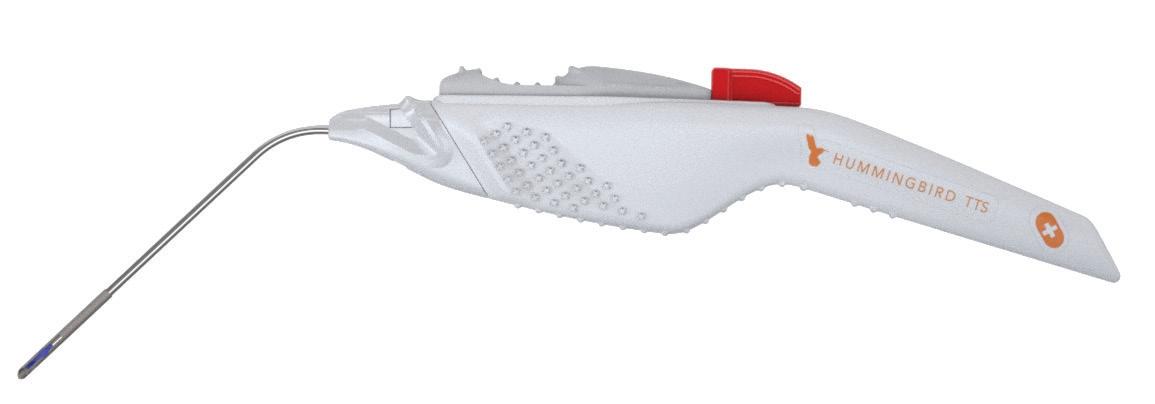
Preceptis Medical is moving a high-volume pediatric procedure out of the operating room and into the ENT office with the Hummingbird Tympanostomy Tube System (TTS). CEO David Carey explains how office-based ear tubes can reduce stress for families, ease ASC bottlenecks, and expand access to care as the company is raising a Series D to scale its commercial efforts.
Changing the Workflow
David Carey has spent more than two decades building and scaling medtech businesses, including leadership roles at Stryker and Medtronic. He stepped in as CEO of Preceptis Medical to solve a workflow problem he knew well from observing traditional pediatric ear tube cases. “Throughout my career, I’ve always sought out problems to fix. I’ve enjoyed being on the front end of everything from drug-eluting stents to robotics. For me, it’s about the idea of
changing a way of doing things, changing a workflow,” he said. “This was a very interesting and novel device to disrupt a procedure that needed it.”
Why Move Ear Tubes to the Office?
Preceptis was founded by a pediatric anesthesiologist who saw the imbalance of 40 to 60 minutes of operating room setup and teardown for a five-minute procedure. Carey put it simply: “He saw an opportunity to make things more efficient and more family-friendly.” The
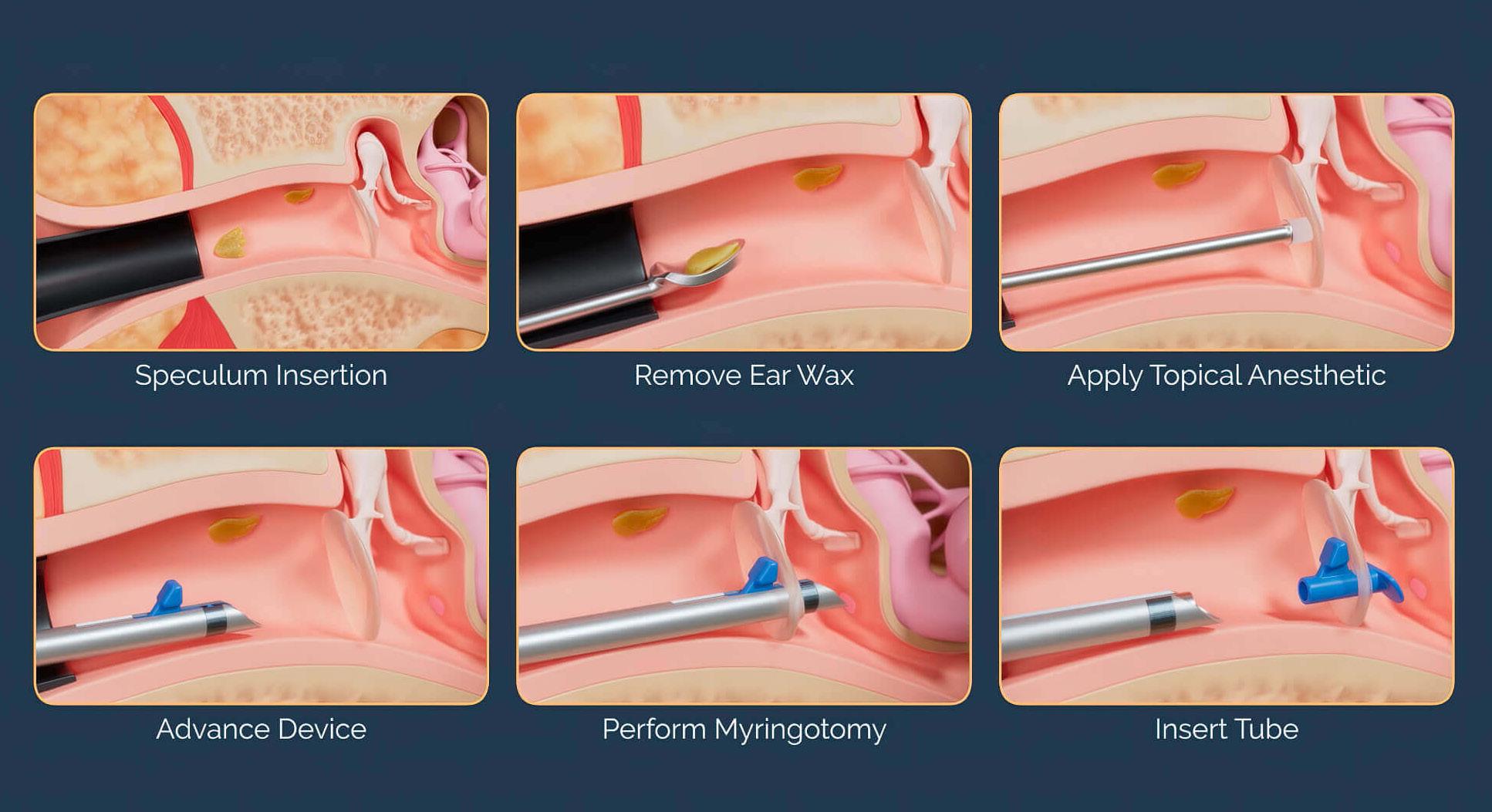
Hummingbird Tympanostomy Tube System (TTS) lets ENTs complete bilateral tube placement in minutes in the office with a topical anesthetic and without general anesthesia, while parents remain with their child.
Carey is careful to frame the move as optionality, not a rebuke of the OR. “We want to provide optionality for the ENT,” he said. “There are many circumstances where an office-based procedure is preferable.” That balance matters for families, ENTs, and health systems that are managing ASC backlogs and competing priorities for block time.
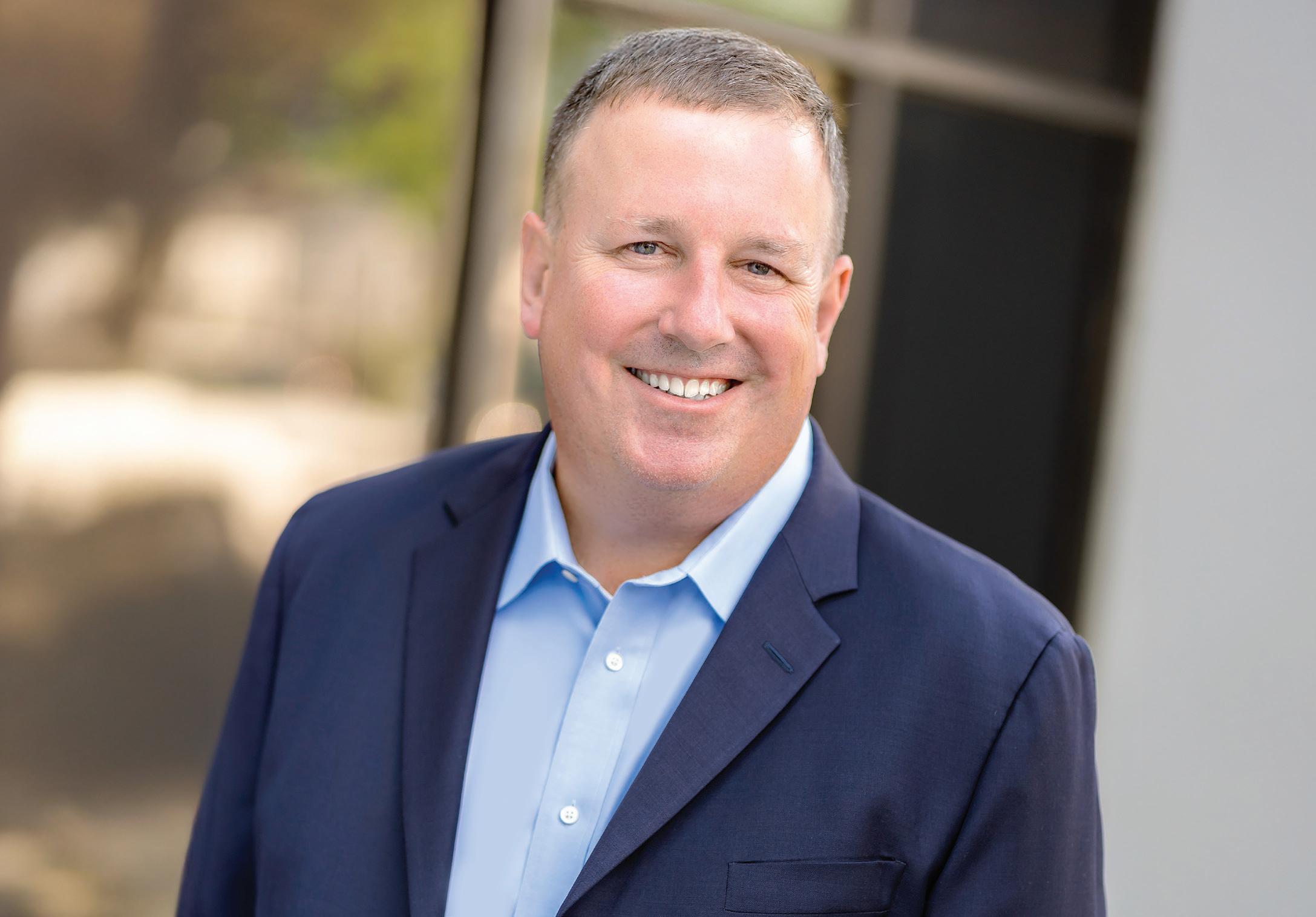
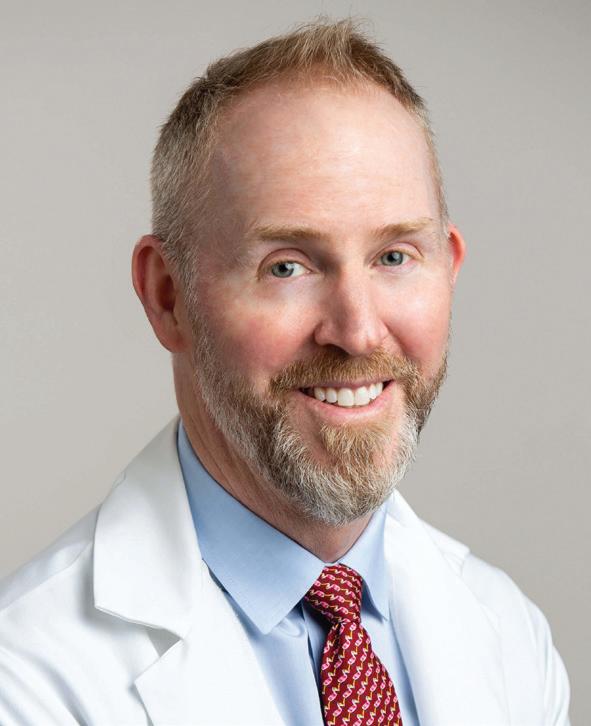
David Carey (Source: Preceptis Medical)
Parents and Pediatricians Are Driving Demand
The procedure addresses two realworld pain points that parents and pediatricians talk about often: avoiding the risk of general anesthesia when it is not necessary and getting timely care when ASCs are backed up. “Parents are very involved in the pursuit of our general anesthesia-free option,” Carey said. “In fact, 6,000 parents a year use our website to find a surgeon that offers Hummingbird.” He added that pediatricians increasingly look for ways to limit repeated exposure to anesthesia in very young children while also avoiding frequent antibiotic use when possible.
Carey also spoke about the family experience after anesthesia. He noted
emergence delirium, which can leave children disoriented and confused for a short period after they wake up, and shared a personal moment: “My own daughter had this coming out of an ear tube case, where for 20 minutes, she was inconsolable and did not know who we were, which I will never forget.”
“6,000 parents a year use our website to find a surgeon that offers Hummingbird.”
Studies estimate that emergence delirium occurs in roughly half of pediatric patients following anesthesia, a challenge that highlights the growing interest in minimizing its use. At the same time,
(Source:
Preceptis Medical)
a national shortage of anesthesiologists continues to strain hospital and ASC schedules, creating further incentive to shift low-risk procedures like ear tube placement into the office setting.
“My own daughter had [emergence delirium] coming out of an ear tube case, where for 20 minutes, she was inconsolable and did not know who we were.”
Access and Equity
“The procedure is very quick,” Carey said. “Parents are with the child the entire time as opposed to having to sit in a waiting room, making it less traumatic for the children.” Thousands of procedures have been performed to date in the United States.
Moving care to the office can make treatment more approachable for Medicaid families, who are disproportionately affected by delays and out-of-pocket costs tied to facility and
(Source: Preceptis Medical)
What Parents Have to Say
“Our son recovered immediately, and he was awesome for the rest of the day. The procedure was easy on my child and easy on me as a parent.”
— Amanda, Mother of Barrett
“We got Hummingbird ear tubes for my son, and it was a no-brainer to do the same when my daughter needed tubes. We would do it again for our third child.”
— Chelsea, Mother of Tucker
anesthesia fees. “Half of the children that need ear tubes are in Medicaid families, but there’s a large disparity in actual treatment,” Carey said. “By moving the procedure to the office, we reduce the time and costs associated with the OR, and that makes it more approachable.”
The Reimbursement Unlock
Effective January 1, 2025, CMS introduced HCPCS code G0561 for in-office pediatric tympanostomy procedures performed with devices like Hummingbird. The code streamlines billing and clarifies payment pathways, which helps ENTs adopt the office workflow and helps payors avoid facility and anesthesia costs. Carey said the foundation is strong, with existing CPT coverage for tube placement and the new add-on code that supports pediatric office cases.
Commercial Traction
Preceptis completed a limited market release to refine onboarding and workflow. The company reports growing interest from ENTs across practice types, strong pull from parents and pediatricians, and expanding coverage across commercial and Medicaid plans. The team cites thousands of completed cases, a simple five-minute workflow, and improving
“No need for general anesthesia and arguably more important, no need to ask our toddler to fast before the procedure was completed! It was also much less expensive than traditional ear tubes.”
— Devon, Father of Charlotte
practice economics for ENTs as drivers of adoption.
With early product-market fit in hand, Carey is focused on scale. “The hard work of de-risking the product and the opportunity is largely done. Now the scaling and getting that commercial engine revved is where it’s at for us,” he said.
Preceptis is raising a Series D to expand the sales team and invest in market development. “Our market research shows that 88% of pediatricians say they will move their ear tube referrals to a provider offering officebased procedures,” he noted.
A Better Workflow for Surgeons and Families
Carey emphasizes that office ear tubes are not a blanket replacement for the OR. Some children will still be best served in the operating room, and ENTs make that call. The goal is flexibility, faster access, and a much better experience for families.
He offered a simple example that captures the difference in time and disruption: a child arrived for ear tubes at 7:30 in the morning and left at 7:45 to go to daycare. The same case in an ASC might have consumed a full day and a half for the child and caregivers. For Carey, that’s the kind of meaningful workflow change that benefits everyone, from the surgeon and staff to the parent and patient.
“Couldn't have been more amazed at how quick this procedure was. This has been a true life saver.”
— Leanne, Mother of Elaina
In Practice: The Hummingbird Impact
“The Hummingbird has transformed how we offer and manage ear tube placement in children in Arkansas. It is a fast and safe alternative to placing ear tubes under anesthesia by making it possible to perform procedures efficiently in the clinic. Parents from around the state have requested the procedure to reduce anesthesia exposure and improve access. It’s now routine for PCPs and audiologists to request this for the care of their patients.”
— Gresham T. Richter, MD, Professor and Vice Chair, Department of Otolaryngology–Head & Neck Surgery, University of Arkansas for Medical Sciences
LSI Alumni Innovator Spotlight: Oath Surgical’s Dr. Oliver Keown
After years of investing at the cutting edge of medtech, Oliver Keown launched Oath Surgical to rebuild surgery from first principles. Now backed by $35 million and expanding across the U.S., his company is proving that a surgeon-led, AI-powered model can deliver faster, safer, more affordable care, at scale.
A Founder With a Front-Row View of the Future
Before launching Oath Surgical, Dr. Oliver Keown spent over a decade at the intersection of medicine, venture
capital, and surgical innovation. As the founder and leader of Intuitive Ventures, he built the $250 million multi-fund platform from the ground up, establishing a new corporate innovation engine for Intuitive Surgical, the company behind da Vinci robotic surgical systems.
“I was sitting on the shoulder of a giant looking out at the future of surgery,” Keown said. “I saw how digital and AI were upending the market…but I also saw the huge challenges: rising costs, fragmentation, inefficiencies. I recognized a gap in the market to really take a bold swing and reinvent the system.”
Oliver Keown, Founder and CEO of Oath Surgical (Source: Oath Surgical)
He continues to support Intuitive Ventures as a Venture Partner, but in late 2023, Keown made the leap from investor to founder once again, this time to transform the system itself.
Reinventing the System, Not Patching It
Most surgical technology startups build a device or a digital layer. Oath Surgical is building an entirely new operating system. Its vertically integrated model combines proprietary AI software, a growing network of surgeonowned surgical centers, and valuebased care infrastructure, all under a unified platform called OathOS. “We’re not just layering technology on top of a broken system; we’re rebuilding it from the ground up,” said Keown.
“We’re not just layering technology on top of a broken system; we’re rebuilding it from the ground up.”
OathOS spans every phase of the surgical journey, from referral to recovery, embedding automation and
intelligence throughout. AI scribes support documentation, automated tools streamline workflows, and real-time multi-modal data powers outcomes tracking and payor alignment.
“We’re building an end-to-end operating system that begins with the point of referral and continues through recovery, powered by AI and anchored by our own surgical centers,” Keown explained.
High-Tech Surgery, Surgeon-Led Design
Oath’s model is anchored in its growing network of premium outpatient surgical centers, including sites in Portland and Beaverton, Oregon. These centers are designed for same-day, minimally invasive complex procedures across specialties, including gynecology, urology, orthopedics, podiatry, plastics, general surgery, ENT, bariatrics, pain, GI, and oncology, with more programs to follow.
Oath surgical centers are deeply aligned with quality-vetted surgeons. “Our model is surgeon-led,” Keown said. “Our surgeons are partners in our surgical centers. They’re aligned with us economically and strategically, and that creates a powerful foundation for quality and growth.”
“[Oath surgeons] are aligned with us economically and strategically, and that creates a powerful foundation for quality and growth.”
This alignment, underpinned by technology, enables Oath to go beyond clinical excellence. It unlocks value-based surgery at scale, with:
• Up to 80% cost savings compared to hospital-based procedures
• <0.25% complication rates across complex surgeries
• 98.5% patient satisfaction
• Same-day discharge, with patients recovering in days, not weeks or months
The Future of Surgery Is Outpatient
As hospitals struggle with cost pressures and fragmentation, outpatient surgery is surging. But many ambulatory
Source: Oath Surgical
Source: Oath Surgical
surgical centers (ASCs) lack the digital infrastructure or clinical breadth to meet this moment.
Keown sees Oath as a new kind of ASC platform: one that’s built to scale complex, multispecialty care and serve as a bridge for medtech innovation.
“The ASC landscape today isn’t structured to be a partner to medtech,” he said. “We want to change that. Oath seeks to be that partner with high-quality, value-oriented medtech innovators, where we can prove ROI, partner with surgeons, and deliver measurable outcomes.”
With real-time data capture, integrated workflows, and direct alignment with surgeons and payors, Oath provides an ideal testbed for medtech companies looking to validate outcomes and accelerate adoption.
From Stealth to Scale
Since coming out of stealth in May 2025, Oath has moved fast:
• $35 million raised to date, including a recent $24 million Series A led by FPV Ventures and McKesson Ventures
• Two surgical centers launched in Oregon and more under development
• 150+ Oath surgeons and a national network of 25 affiliated centers
• Partnerships with value-based care organizations and commercial payors
With Series A funding in hand, Oath is expanding into new markets and specialties, including a bold push into surgical oncology, a multi-billion-dollar segment projected to grow 15% annually over the next decade.
“The shift of complex care out of hospitals is inevitable,” said Keown. “But it won’t happen by chance. It takes a new kind of system: high-tech, surgeon-led, and aligned across patients, providers, and payors. That’s what we’re building at Oath.”
“Surgery is at a turning point, and we’re building the system it needs to evolve.”
Looking Ahead
Oath plans to continue scaling its multispecialty footprint across the U.S. by the end of 2025, with a growing catalog of AI-enabled programs and partnerships.
And for Keown, the vision is as clear as ever: a national, distributed alternative to hospital-centric surgery that delivers faster, safer, and more affordable high-quality care.
We’re rearchitecting the surgical care system around how it should work in 2025 and beyond,” he said. “Digitally integrated. AI-powered. Surgeon-led.”
(Also see Oath Surgical in the LSI "Soon-icorns" list on page 25.)
Spotlighting capital partners who continue to drive innovation across medtech
LSI Alumni Milestones: Recently Announced Wins
Celebrating the accomplishments of a few of the many bright stars in our LSI presenting company and speaker alumni community.
Be sure to check out presentations from these and many other innovative companies from our recent LSI events, available exclusively in our Compass platform
Access Vascular
Access Vascular announced that the FDA has cleared a new anti-thrombogenic indication for its HydroMID and HydroPICC catheter lines. The updated labeling acknowledges the devices’ proprietary MIMIX hydrogel material as reducing the risk of thrombus formation on catheter surfaces. The cleared products include the single-lumen HydroMID and both single- and dual-lumen HydroPICC catheters.
MIMIX Technology forms a molecular-level barrier along the catheter’s external surfaces and internal fluid pathways. In vitro studies show reduced thrombus accumulation and occlusion, without the use of drug coatings. These are the only FDA-cleared, drug-free peripherally inserted central catheters (PICCs) and midline catheters (MIDs) indicated as anti-thrombogenic. Access Vascular emphasized the potential for safer vascular access without the risks associated with heparin or drug elution.
Adagio Medical
Adagio Medical has completed enrollment in its pivotal FULCRUM-VT study evaluating the vCLAS Cryoablation System for the treatment of monomorphic ventricular tachycardia (MMVT). vCLAS is based on Adagio’s proprietary ultra-low temperature
cryoablation (ULTC) technology and has received FDA Breakthrough Device Designation. The study enrolled 208 patients across 20 U.S. and Canadian centers and will support a premarket approval (PMA) application. Enrollment was completed in just 11 months, a pace attributed to both the clinical need for a purpose-built VT ablation technology and the positive early experiences with ULTC at the top VT ablation programs participating in the study.
James Biggins, Founder, President, & CEO (Source: LSI Europe ‘23)
Todd Usen, President & CEO (Source: LSI USA ‘25)
FULCRUM-VT is the first U.S. IDE study for a VT-specific ablation technology to reach full enrollment. The study’s primary efficacy endpoint is six-month freedom from recurrent MMVT without new or increased dose of pre-ablation antiarrhythmic drugs. Adagio’s vCLAS is already CE Marked for MMVT in Europe and other select geographies, while remaining investigational in the U.S. PMA submission is anticipated by year-end 2026.
Berlin Heals
Berlin Heals has completed enrollment in its first-in-human CMIC-III study evaluating a less invasive approach to implanting its CMIC cardiac microcurrent therapy device. Designed to be implanted by cardiologists in an outpatient catheterization lab setting, the approach could expand access to Berlin Heals’ novel treatment for heart failure. Topline safety data from the Phase I study are expected in 2026 and will be submitted for presentation at a major cardiology congress.
This milestone builds on previous trials of the surgical version of the device, including the CMIC-I first-inhuman study and CMIC-II randomized controlled trial, which demonstrated improvements in cardiac function. The company is preparing for a pivotal FDA IDE trial through the Breakthrough and TAP programs to support regulatory and reimbursement approvals. Additional studies to expand indications and clinical evidence are also planned.
CAPS Medical
CAPS Medical has received FDA Breakthrough Device Designation for its PlasmaSure System, a non-thermal, minimally invasive plasma ablation platform for the treatment of low- to intermediate-risk non-muscle invasive bladder cancer (NMIBC). The technology
enables highly selective tumor removal through cystoscopes without damaging healthy tissue, offering a potential alternative to traditional transurethral resection procedures that require hospitalization and general anesthesia.
In a first-in-human clinical study, PlasmaSure demonstrated a durable complete response with no adverse events across approximately 70 treated tumors. CAPS aims to transform tumor ablation into a simple, office-based procedure, reducing risks and costs while improving access to care. The company is preparing for pivotal trials and U.S. commercialization and is expanding the platform into other solid tumor indications, including lung, gastric, esophageal, and prostate cancer, among others.
Distalmotion
Distalmotion has received its third FDA 510(k) clearance for the DEXTER Robotic Surgery System, expanding its use to total benign hysterectomy, oophorectomy, salpingectomy, and other gynecologic procedures. This follows prior clearances for inguinal hernia repair and cholecystectomy.
The latest clearance includes an enhanced version of the DEXTER system designed to streamline setup, improve workflows, and optimize instrument performance. With over 2,000 global procedures completed, including 250 hysterectomies in Europe, DEXTER
continues to expand its clinical footprint across general, gynecologic, colorectal, and urologic surgery. Distalmotion is also advancing new gynecology trials, including SPARO and REAL-M.
Field Medical
Field Medical announced the publication of six-month outcomes from the VCAS trial in Circulation, marking a major milestone for the company’s FieldForce Ablation System, a next-generation pulsed-field ablation (PFA) platform designed for ventricular tachycardia (VT). The study demonstrated 82% freedom from recurrent VT/VF or ICD therapy and a 98% reduction in arrhythmia burden, with no therapy-related complications. Results were also presented as a late-breaking trial at the 2025 International VT Symposium.
With FDA Breakthrough Device Designation and participation in the FDA’s TAP Pilot Program, Field Medical is advancing toward a pivotal trial in VT and exploring additional applications in atrial fibrillation (AFib). The FieldForce system uses proprietary FieldBending technology to deliver high-voltage, short-pulse electric fields, enabling precise, transmural lesion creation in challenging scarred ventricular tissue.
GT Medical Technologies
GT Medical Technologies announced interim results from the ROADS trial confirming that GammaTile provides significantly superior tumor control compared to the current standard of care for patients with newly diagnosed, operable brain metastases. In the randomized, multi-center study, GammaTile reduced the risk of tumor recurrence or death by more than 50%, with patients living longer without tumor
John Brumfield, CEO (Source: LSI USA ‘25)
Ilan Uchitel, Co-Founder & CEO (Source: LSI USA ‘25)
Greg Roche, CEO (Source: LSI USA ‘25)
Steven Mickelsen, Founder & CTO (Source: LSI Europe ‘25)
regrowth and experiencing fewer radiation-related brain changes.
By delivering immediate, targeted radiation directly into the surgical cavity at the time of tumor removal, GammaTile closes critical treatment gaps associated with post-op stereotactic radiation. The approach ensures therapy begins when microscopic cancer cells are most vulnerable, improving surgical bed control without increasing safety concerns. With brain metastases affecting up to 40% of cancer patients, these results position GammaTile as a promising advancement in local treatment for operable brain tumors.
Innitius
Innitius has received CE Marking for CerviSense, its diagnostic platform designed to assess cervical tissue stiffness and support clinical decision-making in obstetric care. The approval enables commercial rollout across Europe and confirms compliance with EU regulatory standards for safety and performance. CerviSense is an operator-independent intravaginal probe and software solution that provides real-time, reproducible measurements of cervical stiffness, a key parameter in managing preterm birth risk and induction of labor decisions.
Validated through studies in Spain, the United Kingdom, and Germany, CerviSense integrates into routine obstetric workflows and delivers actionable
data to improve maternal and fetal outcomes. Innitius is advancing a multi-center clinical program to expand clinical evidence and indications while preparing regulatory pathways in additional markets, including the U.S. The company, based in Bilbao, Spain, is currently raising a Series A round to support broader commercialization and regulatory milestones.
Methinks AI
Methinks AI has received FDA clearance for Methinks CTA Stroke, expanding its AI-powered stroke detection platform to include CT Angiography (CTA) imaging. The software demonstrated 98.2% sensitivity and 91.6% specificity in detecting large vessel occlusions (LVOs), including more distal occlusions up to MCA-M2. This builds on the earlier FDA clearance for Methinks NCCT Stroke, which detects LVOs and intracranial hemorrhages using only non-contrast CT (NNCT), making stroke detection more accessible in both high-end and low-resource hospital settings.
Together, the NCCT and CTA modules create a comprehensive stroke triage platform that integrates seamlessly with hospital systems, including PACS and Microsoft Teams, to facilitate realtime collaboration and faster treatment decisions. Methinks AI is now poised to enter the U.S. market, offering its full stroke triage suite to hospitals and stroke centers nationwide to improve detection, streamline care, and expand access to timely stroke treatment.
Orchestra BioMed
Orchestra BioMed has announced the first patient enrollments in the U.S. IDE pivotal trial for its Virtue Sirolimus AngioInfusion Balloon (Virtue SAB), a first-of-its-kind, non-coated drug-eluting balloon system. The Virtue Trial is the first head-to-head randomized study in the U.S. comparing a sirolimus-eluting
balloon to a paclitaxel-coated balloon (AGENT) for the treatment of coronary in-stent restenosis (ISR), a complication that affects an estimated 100,000 patients in the U.S. each year. Virtue SAB is designed to deliver a large liquid dose of the company’s proprietary extended-release sirolimus formulation, SirolimusEFR, through a microporous AngioInfusion Balloon.
Backed by FDA Breakthrough Device Designation for coronary ISR, small vessel disease, and below-the-knee peripheral artery disease, Virtue SAB aims to overcome limitations of drugcoated balloons by optimizing drug dosing, delivery, and bioavailability without surface coating. The trial is expected to enroll 740 patients across up to 75 U.S. sites, with enrollment completion currently planned for mid2027, and supports Orchestra BioMed’s broader vision of advancing innovative, high-impact therapies through strategic partnerships and rigorous clinical validation.
Oxford Medical Products
Oxford Medical Products has published the results of a randomized, double-blind, placebo-controlled pilot trial of its novel hydrogel for weight loss, Sirona, in the journal Obesity. The study showed that participants taking Sirona consumed approximately 400 fewer calories per day compared with placebo and achieved up to 13.5% total body weight
Pau Rodríguez, CEO & Board Member (Source: LSI Europe ‘24)
David Hochman, Founder, CEO, & Chairman (Source: LSI USA ‘24)
Camilla Easter, CEO (Source: LSI USA ‘24)
Rubén Molina, Co-Founder & CEO (Source: LSI Asia ‘25)
Per Langoe, CEO (Source: LSI USA ‘24)
loss at just 24 weeks. Among individuals with class I obesity, average total body weight loss reached 6.4% at 24 weeks. The product demonstrated excellent safety and tolerability, with no serious adverse events and 95% adherence to dosing.
Sirona is a novel gastro-retentive, dual-network polymer that has been developed for weight management. Taken orally as a pill, the hydrogel swells rapidly in the stomach, where it remains before breaking down and passing naturally. The publication marks a key milestone in Oxford Medical Products’ mission to provide safe, effective, and affordable solutions for healthy weight management at scale.
Pulse Biosciences
Pulse Biosciences has enrolled the first patient in its NANOCLAMP AF study, evaluating the company’s proprietary Nanosecond Pulsed-Field Ablation (nsPFA) system for the treatment of AFib during concomitant cardiac surgery. The FDA granted investigational device exemption (IDE) for the nsPFA Cardiac Surgery System in September, following its earlier Breakthrough Device Designation. The first successful procedure was completed at St. Helena Hospital in California, with additional sites, including two outside the U.S., slated to join the trial.
The system uses non-thermal nsPFA technology to deliver continuous, linear, transmural ablations while minimizing the risk of collateral tissue damage. The NANOCLAMP AF study is being led by Dr. Matthew Romano, national principal investigator and professor of cardiac surgery at the University of Michigan.
Remedy Robotics
Remedy Robotics has partnered with Mission Thrombectomy, a global
clinician-led initiative of the Society of Vascular and Interventional Neurology, to expand access to robotic stroke intervention. The partnership designates Remedy as Mission Thrombectomy’s exclusive robotics partner and will support the global rollout of the company’s remotely operable Remedy N1 System. With a reach spanning more than 100 countries, Mission Thrombectomy aims to accelerate access to endovascular thrombectomy.
Unveiled earlier this month, the N1 system is the world’s first remotely operable endovascular robot. It combines proprietary hardware with AI-enabled software to enable faster, safer intervention across distances, whether across the room or across the globe. This new collaboration builds on Remedy’s recent partnership with the Australian Stroke Alliance and positions the company alongside innovators like Stereotaxis and Microbot Medical in the growing endovascular robotics space.
Samay
Samay has entered a partnership with Chiesi Farmaceutici to co-develop AI algorithms for detecting small airway disease (SAD), an early indicator of chronic obstructive pulmonary disease (COPD). The collaboration includes an initial pilot study, with results expected by April 2026, and aims to improve early diagnosis before abnormalities appear on standard spirometry. Samay’s Sylvee wearable chest sensor
uses AI-powered analytics and acoustic resonance to detect and measure air trapped in the lungs to help monitor COPD patients.
The partnership comes one year after Samay, led by founder and CEO Dr. Maria Artunduaga, became the first Latin American startup to win the MedTech Innovator competition. Headquartered in California with operations in Colombia, the company plans to launch Sylvee in Colombia in 2028 ahead of FDA clearance. With revenue-generating R&D deals already underway, Samay is positioning itself as a key innovation partner for strategics looking to advance respiratory diagnostics.
Vektor Medical
Vektor Medical has secured CE Marking for its vMap system, bringing its non-invasive arrhythmia mapping technology to the European market. vMap uses AI to transform standard 12-lead ECG data into 3D arrhythmia source maps in under a minute, offering physicians rapid, actionable insights before and during ablation procedures. The system has already been used in over 2,000 procedures across 30 U.S. hospitals and is designed to improve ablation outcomes and reduce procedure times.
The CE Mark certification opens access for hospitals and electrophysiology labs across the EU to adopt vMap as part of a data-driven approach to arrhythmia care. Designed to complement existing EP lab technologies and workflows, vMap offers a scalable solution to support faster, more targeted treatment decisions. The milestone also positions Vektor Medical to accelerate global adoption of its platform, especially as demand grows for tools that enhance pulsed-field ablation and other novel approaches to cardiac arrhythmia management.
Robert Krummen, CEO (Source: LSI USA ‘25)
Paul LaViolette, CEO & Co-Chairman (Source: LSI USA ‘25)
Maria Artunduaga, Founder & CEO (Source: LSI USA ‘24)
David Bell, Co-Founder & CEO (Source: LSI USA ‘25)