



In celebration of the 30 year anniversary of Rutland Ospreys we have teamed up with Bare Kind and their fabulous designers to launch a brand new pair of Osprey socks!
Available to purchase from Lyndon Visitor Centre, come down on our first day of the season from March 2 and bag yourself a pair. nd
10% of profits from the sales of these socks are donated back to the charity.
So put your best foot forward and pay us a visit!
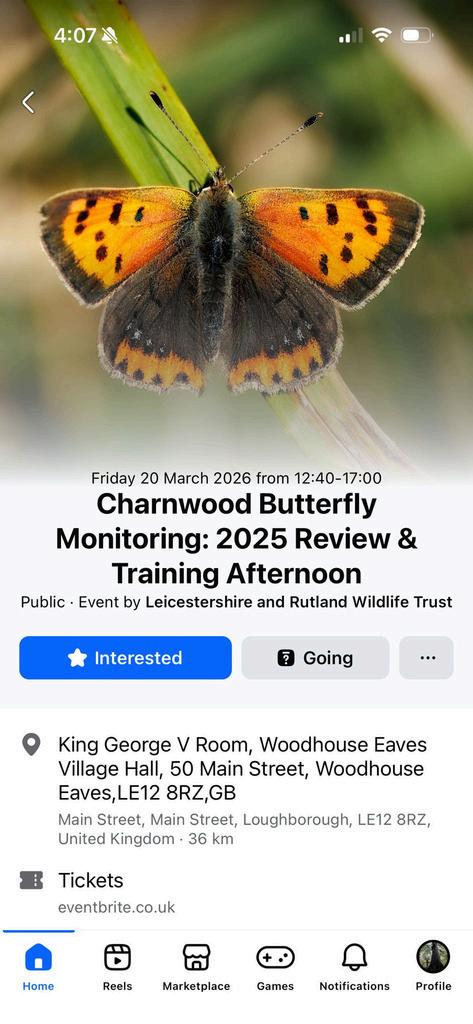
Join us for an afternoon dedicated to butterfly conservation and recording within Charnwood and the wider Leicestershire and Rutland area.
We will discuss the importance of butterfly monitoring, alongside a review of the 2025 season from the County Butterfly Recorder and Charnwood Butterfly Monitoring Volunteers. The session will also include a refresher on identifying butterfly species and an introduction to surveying techniques for those interested in getting started.
Whether you are an established recorder or looking to contribute for the first time, this is an opportunity to catch up on recent findings, refine your ID skills, and connect with the local recording community.
Book your free place here!

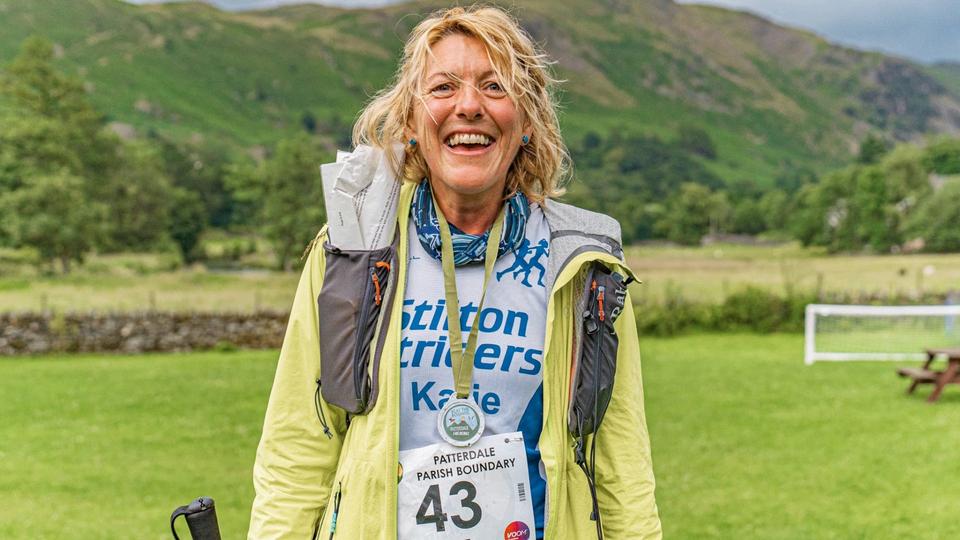
Continuing on from our successful 'Rock4Nature' fundraiser night, Katie will be taking on her own challenge- attempting the Northern Traverse, a 190mile trail with 21500ft of climb covering the Wainwrights Coast to Coast route at the end of March She will have 5 days to complete the event so averaging 40 miles per day, starting at St Bees on the Cumbria Coast, traversing through the hilly fells of The Lake District, onto the Yorkshire Dales then Yorkshire Moors before finishing at Robin Hoods Bay on the North Yorkshire Coast. Her training is well under way not only for time on feet but also for the extensive kit bag she will have to carry, including lots of Pork Pie and Cheese!
If you would like to support Katie on her challenge bymaking a donation, please visit her Just Giving page by clicking here
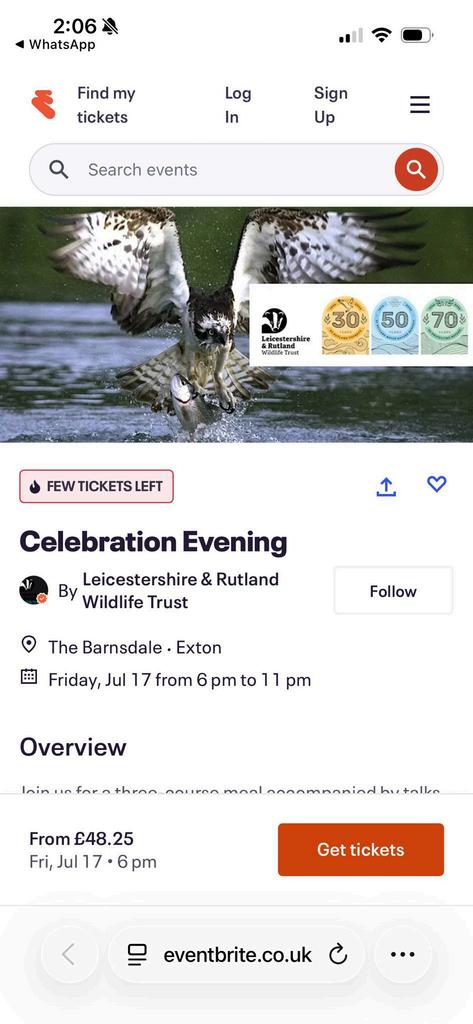
Tickets are selling quickly for our triple anniversary celebration evening!
Join us to celebrate 30 years of the Rutland Ospreys, 50 years of Rutland Water Nature Reserve and 70 years of Leicestershire and Rutland Wildlife Trust.
On what promises to be an evening to remember, you will enjoy a sumptuous threecourse meal, talks from Osprey expert and founder of The Osprey Leadership Foundation, Dr Tim Mackrill and Leicestershire and Rutland Wildlife Trust’s Senior Species and Recording Officer Tim Sexton, and the chance to win some wonderful raffle prizes (£5 per ticket), including an experience day for two at The Barnsdale.
To book tickets follow the link here.
A special one-off event to celebrate our triple anniversary year; 70 years of Leicestershire and Rutland Wildlife Trust, 50 years of Rutland Water Nature Reserve and 30 years of Rutland Ospreys.
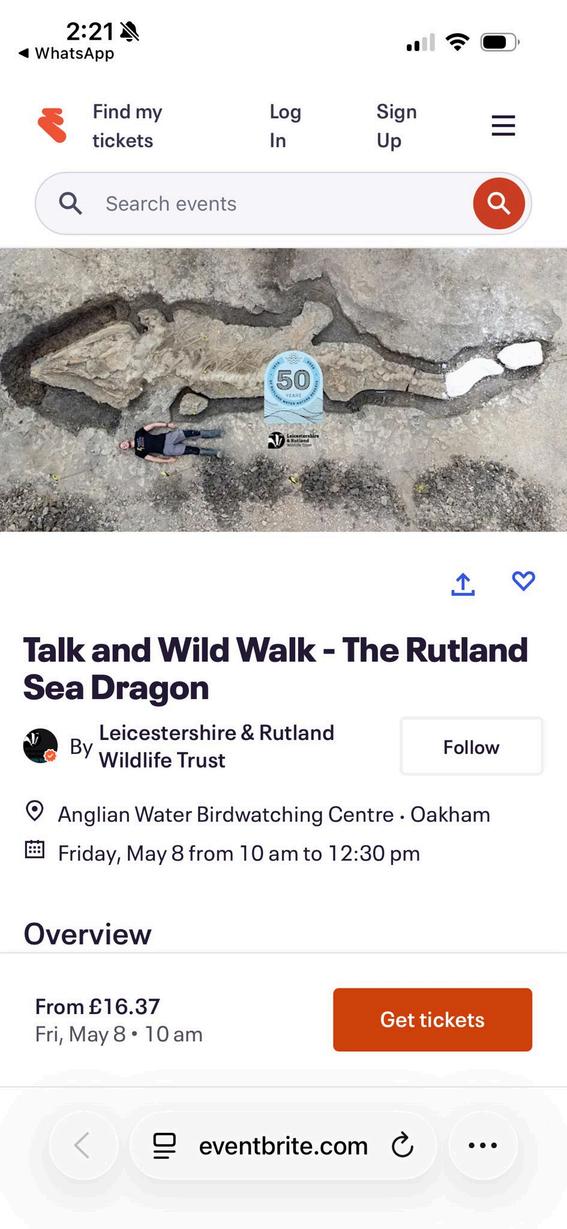
Hear about the discovery of the Rutland Sea Dragon from Joe Davis, Head of Nature Reserves, who discovered the amazing fossil, followed by a guided walk to lagoon 4 to look over the area (from a distance) where it was discovered
To buy tickets head to the page here.
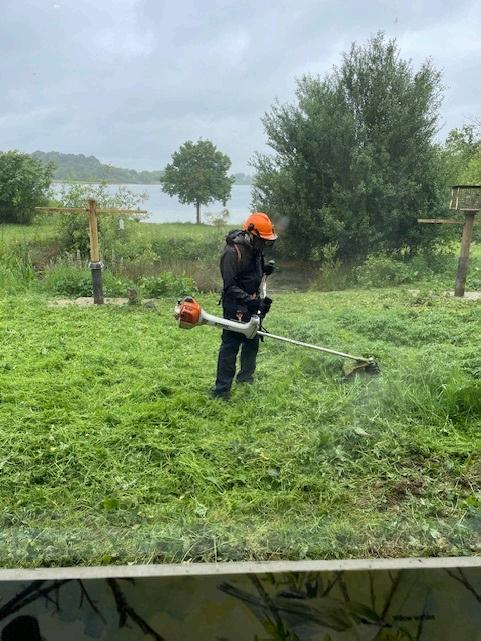
Hand Arm Vibration Sydrome is irreversible damage caused to the nerves in people's hands. It can be brought about by prolonged used of hand held power tools. We are required to protect our staff and volunteers from such things.
If you find you get tingling in you hands or fingers more than a few seconds after using power tools as part of your work with us we need to know about it.
We also need to know if you have a preexisting condition. Please contact volunteering@lrwt.org.uk if this effects you or if you have any questions.
Thanks!
Fancy helping run some events at Lyndon?
This year we are looking at holding more events around the Lyndon Visitor Centre and we would love it if you wanted to help.
We are looking for volunteers to help with events such as Otter Walks, Badger Watches, Bat walks, Moth Mornings and many more
If youre interested and would like to know more, please email ewillmott@lrwt.org.uk
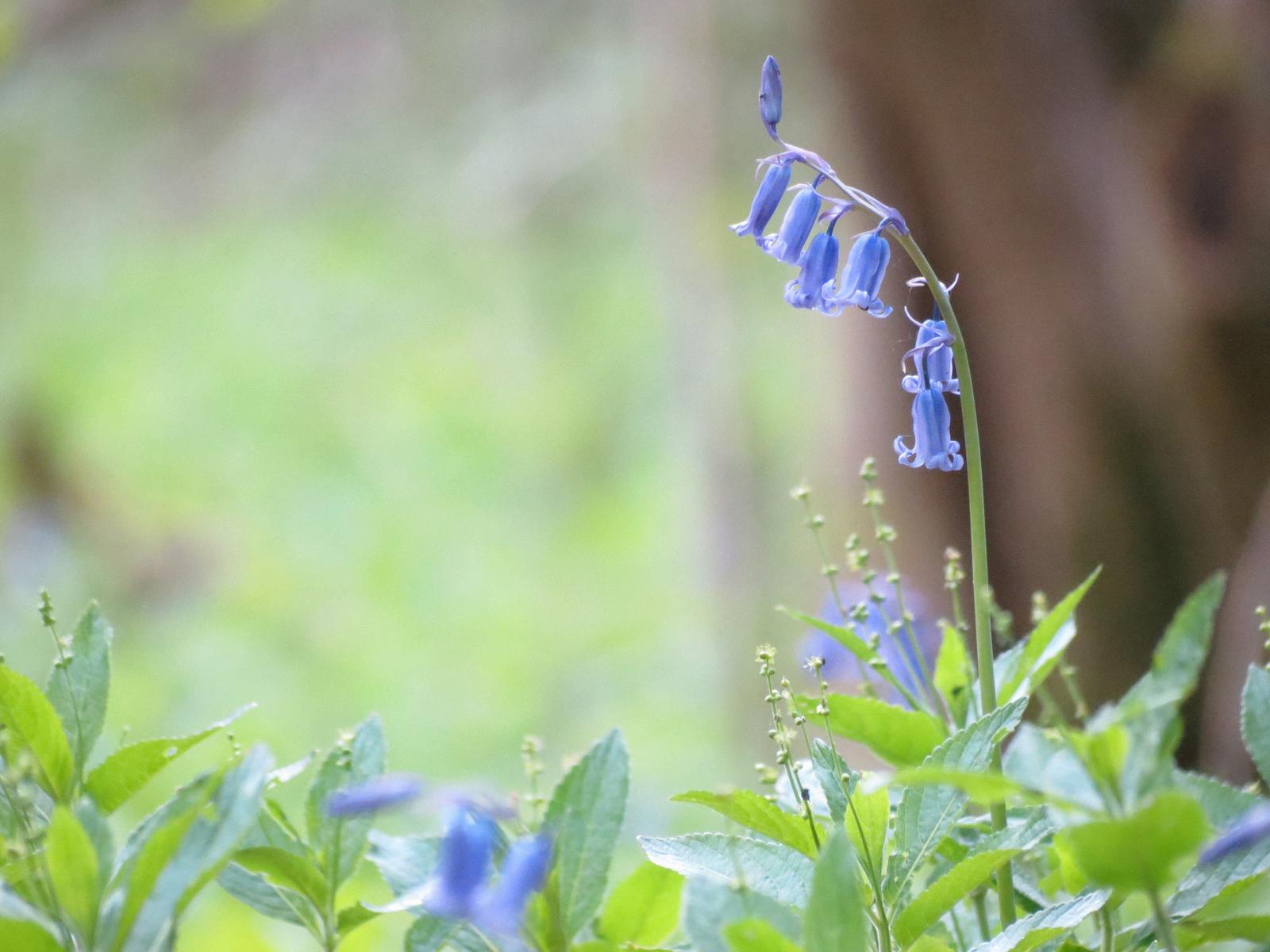
luebell Walk at Launde Park Woodegacy Event
On April 16 and 17 we are holding wo legacy events which involve a wonderful walk through a sea of luebells under the ancient canopy f Oak, Ash and Birch. th th
fterwards, we’ll enjoy a tea and offee break as we discuss how the enerous gifts left in a Will will play a ital role in protecting and reserving nature and wildlife in eicestershire and Rutland for your amily and future generations
We are looking for one more olunteer to help us with this event.
you would like to volunteer or now more, please email smith@lrwt.org.uk
REMEMBERING JENNY HARRIS
Many of you knew and worked with our former colleague and volunteer, Jenny Harris, who sadly died last year. There will be two walks this summer, organised by the Rutland Natural History Society, in Jenny’s memory at two of her favourite reserves.
Saturday 16th May, 10.30am.
Merry’s Meadows Nature Reserve.
See beautiful green-winged orchids and more delightful spring flowers
To book, contact Linda Biddle (07749636919)
Meet: Grid ref: SK937157.
W3W: rewriting.hardens.ground
Saturday 20th June, 11.00am.
Wymondham Rough Nature Reserve.
A walk to see the butterflies and wildflowers on the ancient meadow.
To book, contact Linda Biddle (07749636919).
Meet: Grid ref: SK831174.
W3W: reclaimed. behaving.digit
Fellow volunteers are very welcome to join us there to remember Jenny and enjoy the beautiful wildflower array that Jenny herself would have managed, when she was responsible for these nature reserves during her career with the Trust. Please contact Linda Biddle to book a place.
Funds raised
At Jenny’s memorial in November, a collection was taken and the final amount raised was £1073. This money will be split between the local bat group and Leicestershire & Rutland Wildlife Trust, meaning Jenny’s legacy will continue to support native wildlife through many of your generous donations, thank you
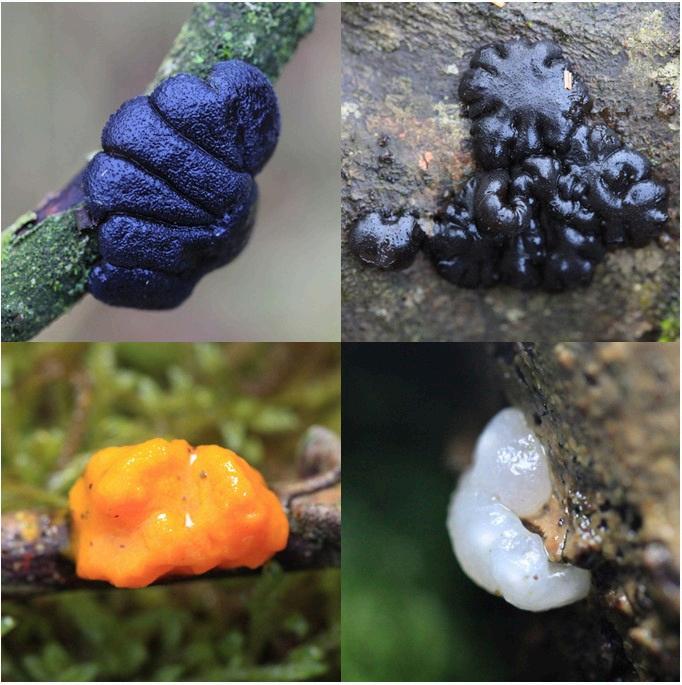
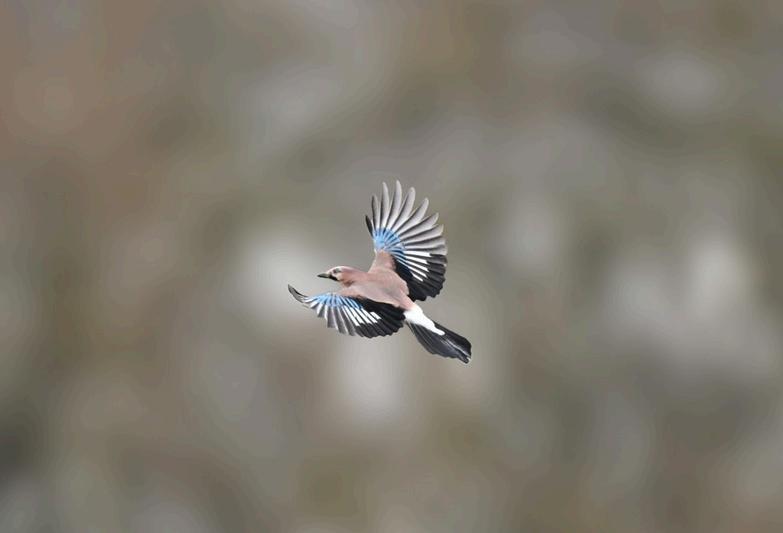
A selection of photographs taken accross Leicestershire and Rutland Wildlife Trust reserves by volunteers
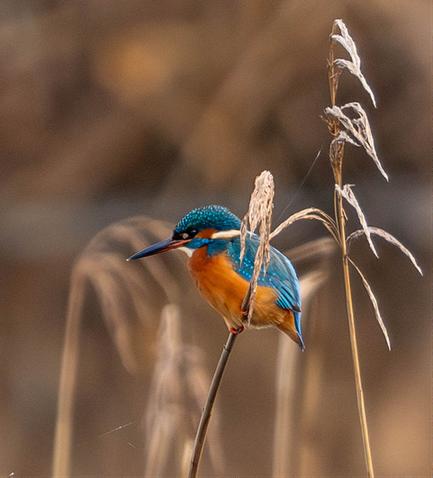
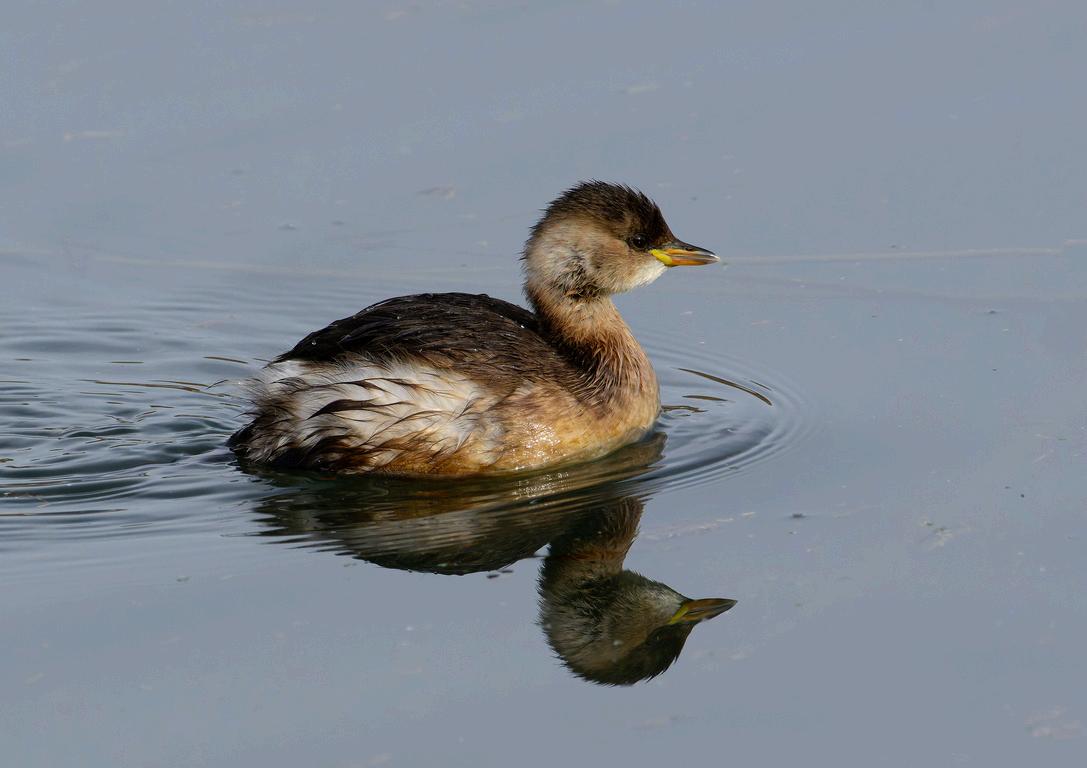
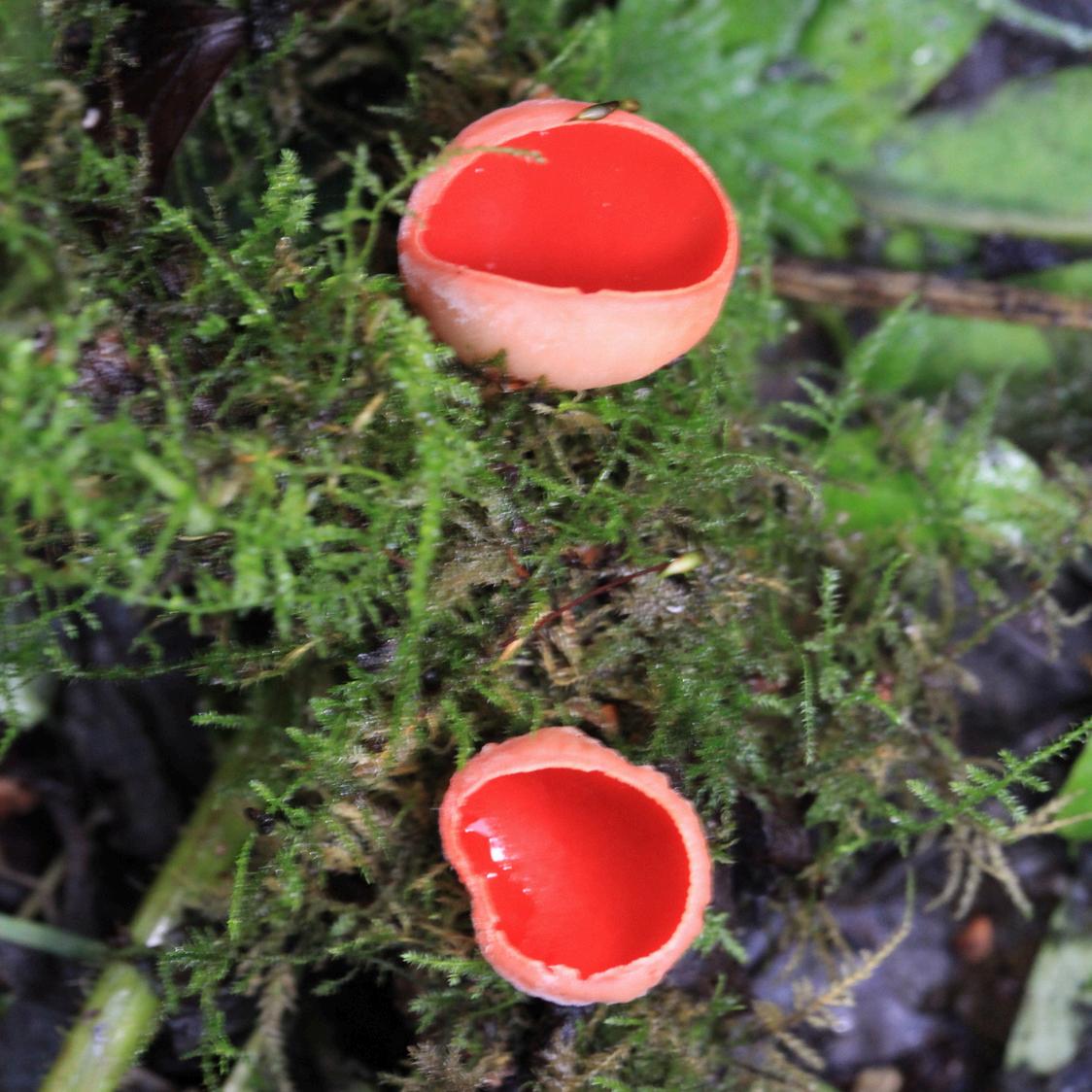
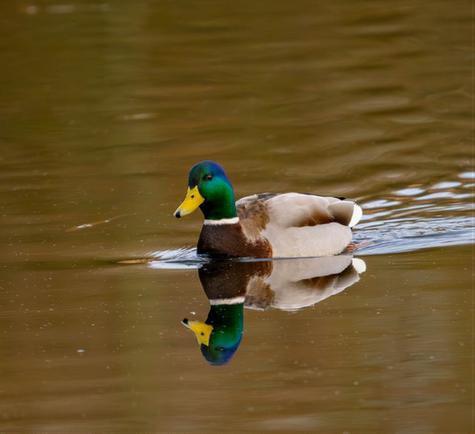
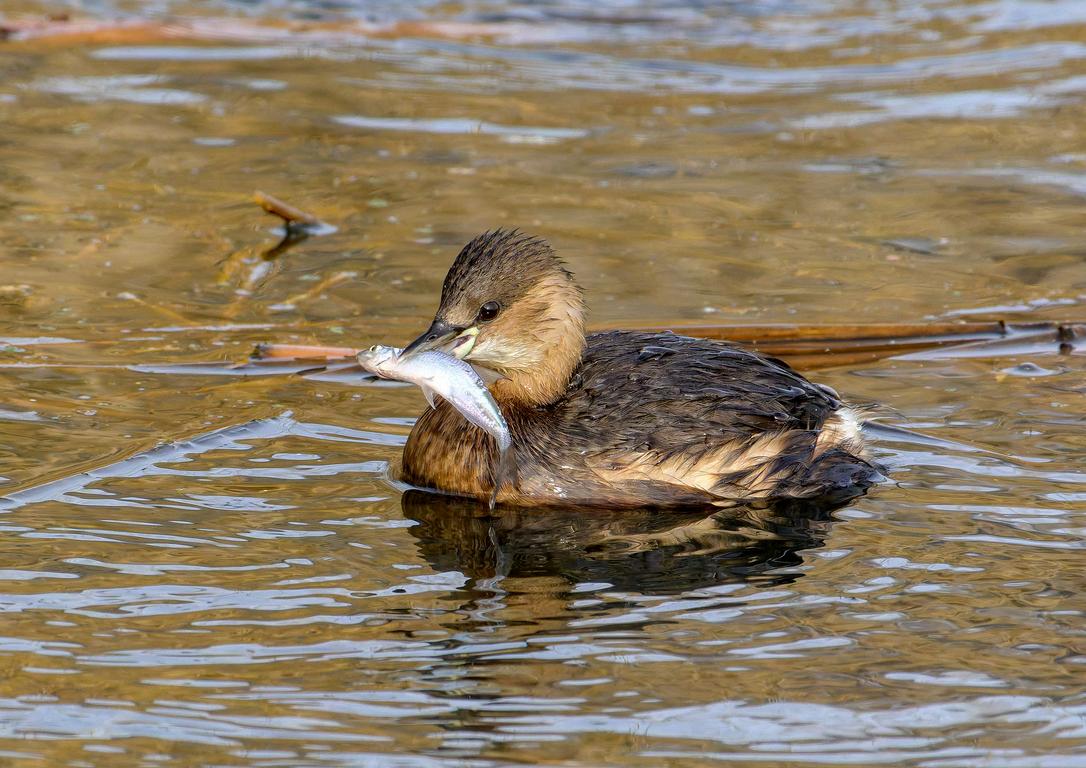
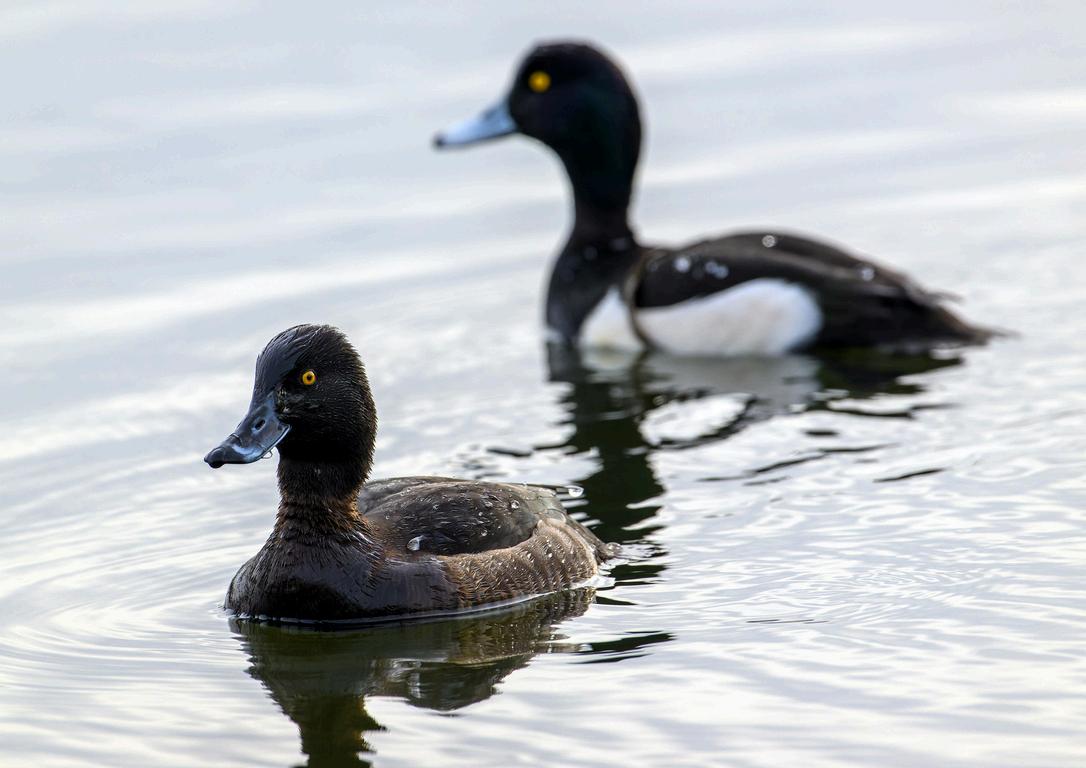
A selection of photographs taken accross Leicestershire and Rutland Wildlife Trust reserves by volunteers
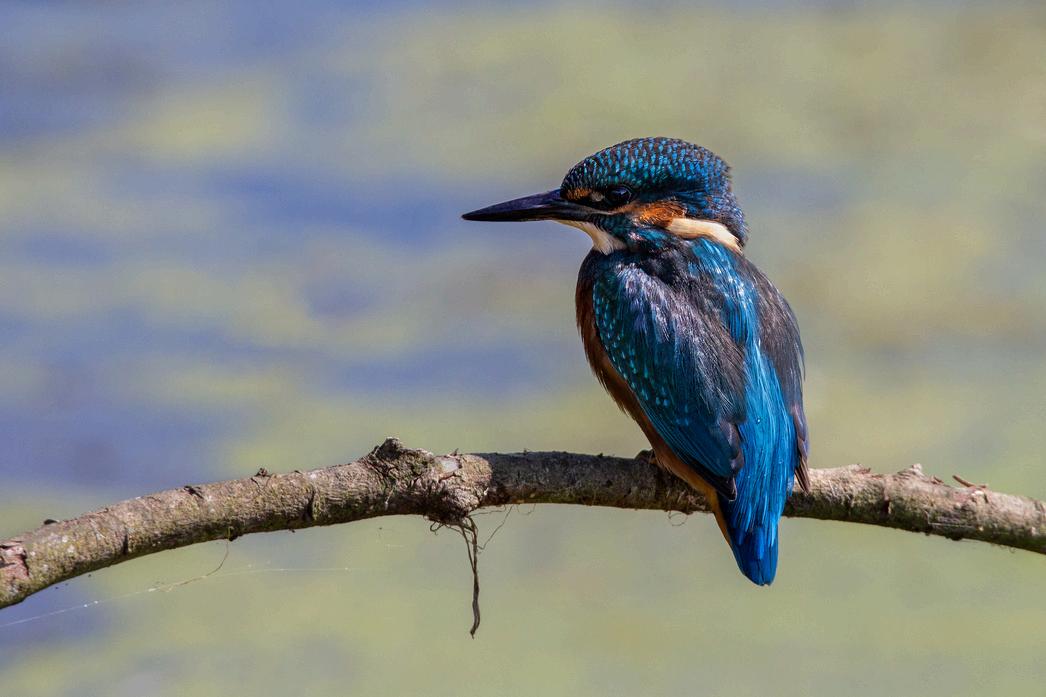

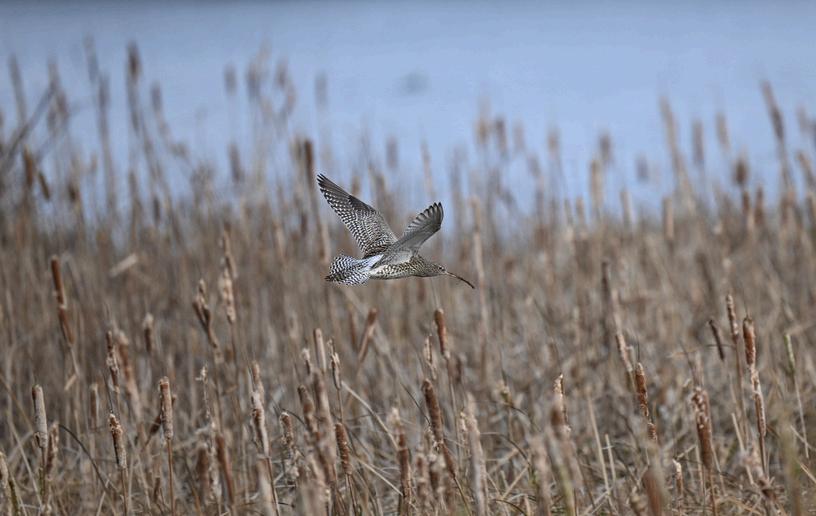
BETH FOX
ASSISTANT SPECIES AND RECORDING OFFICER
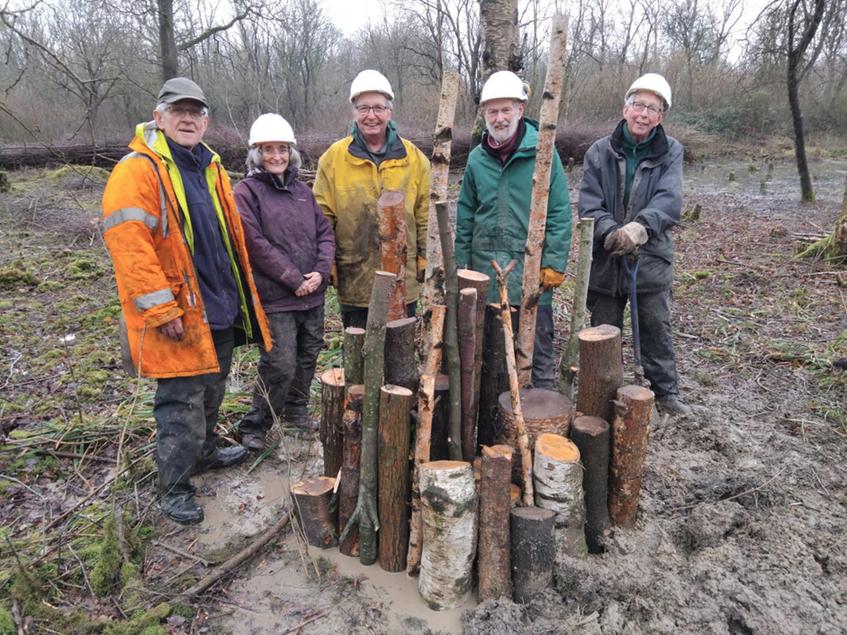
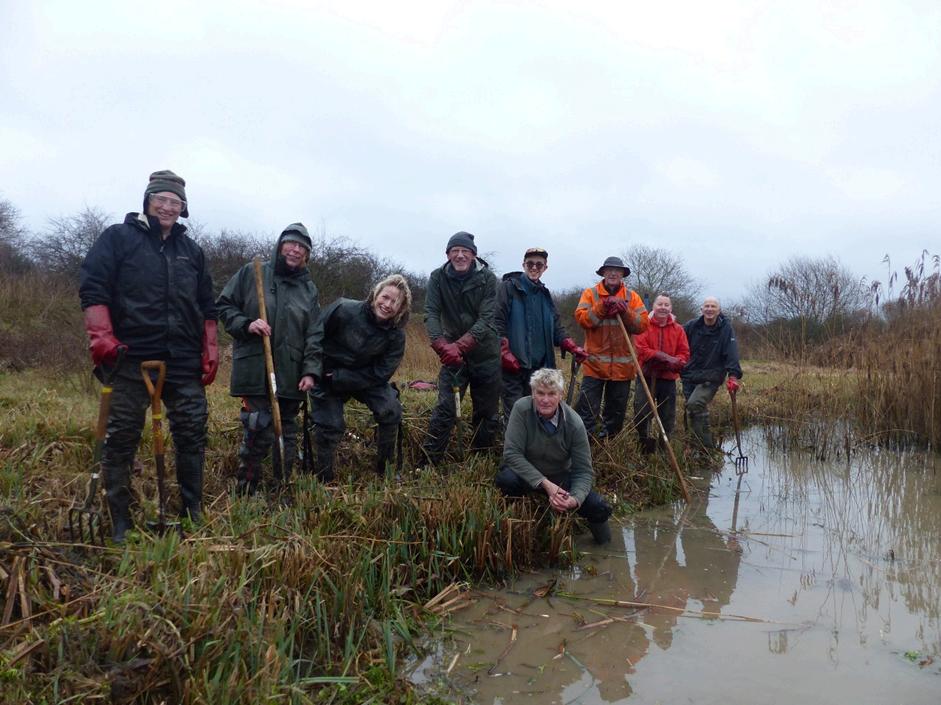
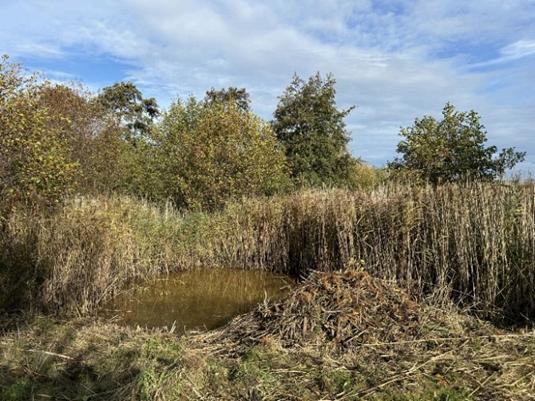
There are over 30 ponds dotted about Rutland Water, a mix of both permanent and temporary, and this winter ten have had a major clear out. In the natural lifespan of a pond (which would be around 150 years), vegetation, silt, and leaf litter would gradually build up allowing more wetland trees such as willow and alder to take root before the pond itself eventually disappears. For our ponds on the reserve, we would like to maintain them so that they remain stable, halting the process known as ‘succession’ where habitats change over time. Around 70% of the UK’s ponds have been lost over the past 100 years and so it is important to conserve these biodiverse habitats.
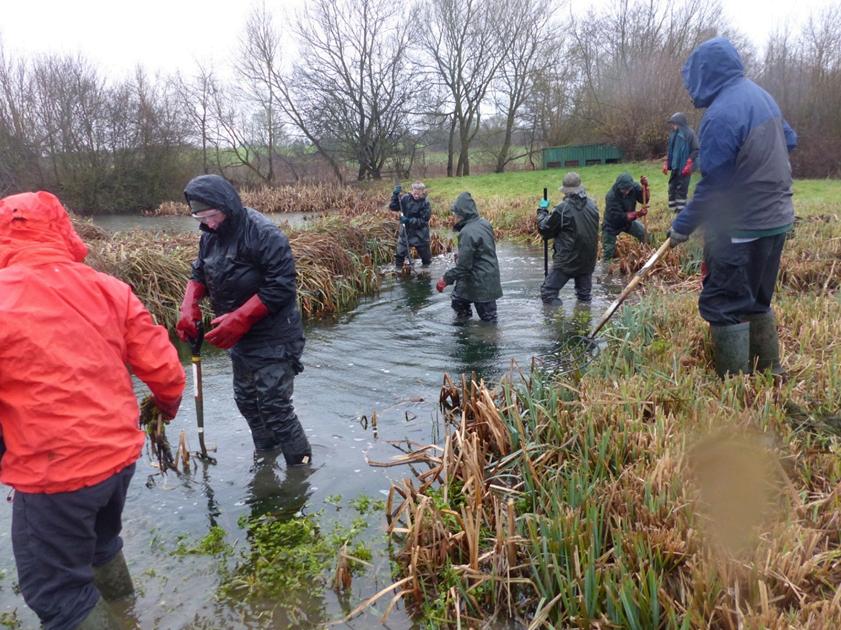
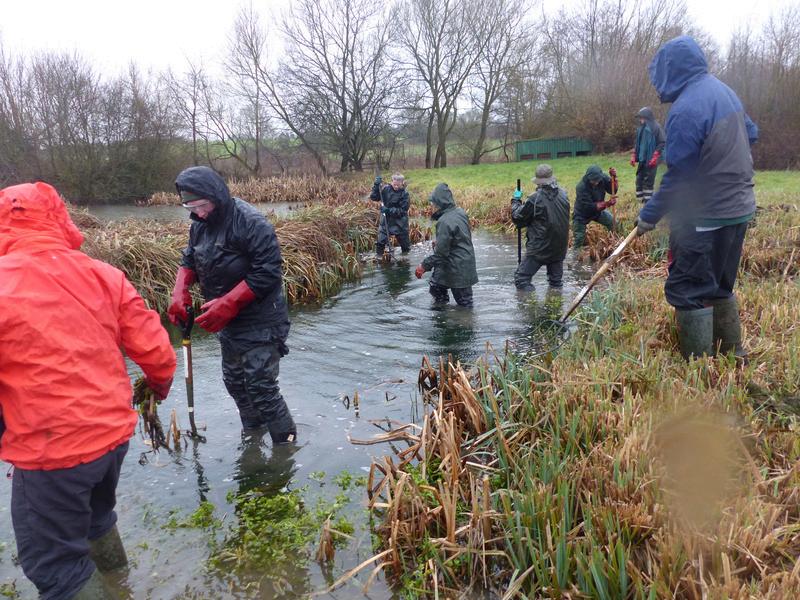
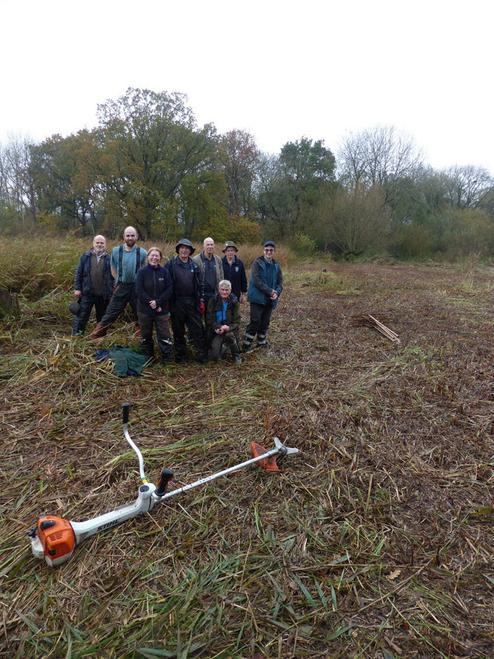
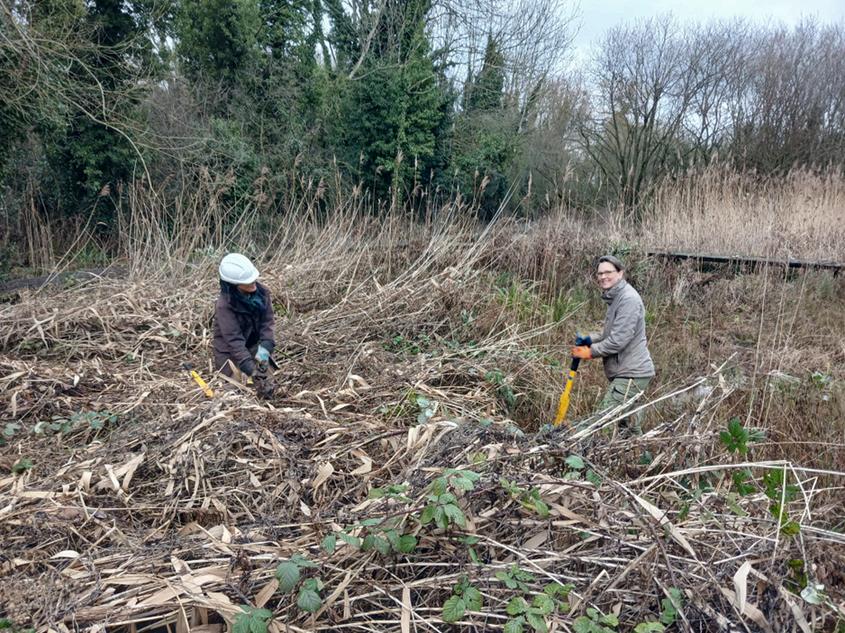
The work carried out over winter has mainly been to remove much of the aquatic and woody vegetation, opening the ponds back up again.
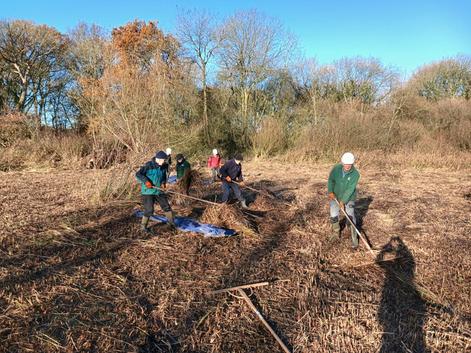
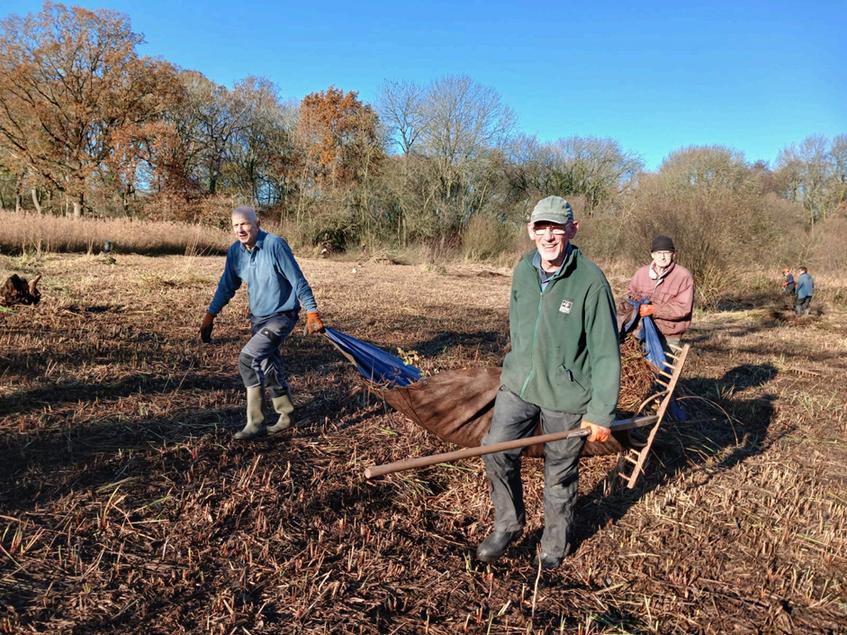
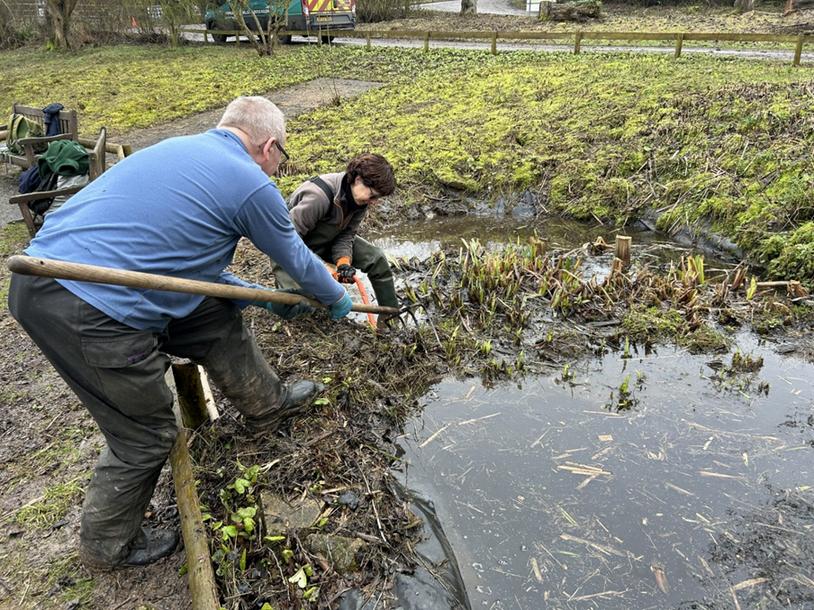
Water-soldier, Reed-mace, Bogbean, and Common Reed had nearly taken over in a few of the ponds, so around 80% has been removed where they were starting to choke the pond This proved to be quite tricky where vast mats of roots had taken hold, but it will now allow other aquatic plants the chance to colonise once more. Any vegetation that was taken out of the pond has been left on the side for a few weeks to allow the pond creatures to make their way back to the water. After this, the vegetation is moved away from the pond so that excess nutrients do not build up as it breaks down.
Around the edges, much of the willow and alder that had started to encroach have also been removed. As the trees get bigger, the amount of sunlight a pond receives greatly reduces, and over time gradually cause the pond to drain through increased leaf litter silting up the pond. Removing them also allows other emergent vegetation to take hold around the edges Only one side of a pond was cleared so that so that there was still some partial shade (as trees around the edge can be an important feature in certain habitats) and also means that levels of sunlight were not so drastically changed that the creatures and plants in the pond could not adapt.
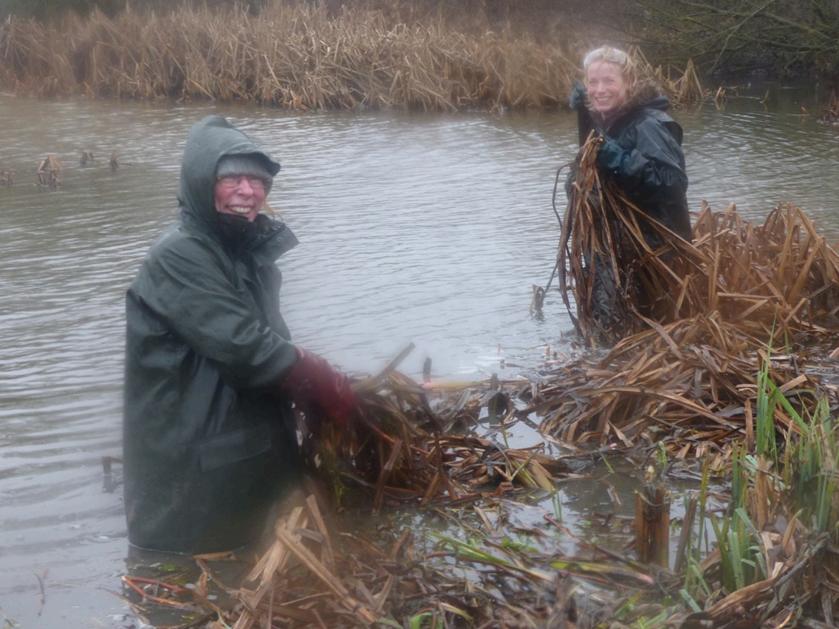
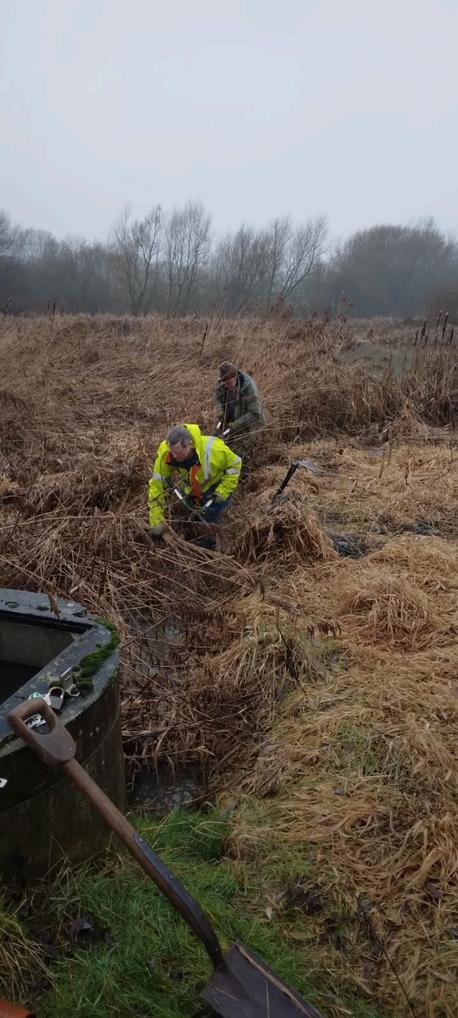
Lyndon Visitor Centre Pond – interesting methods were devised to remove the vegetation that had become too thick and heavy to pull out
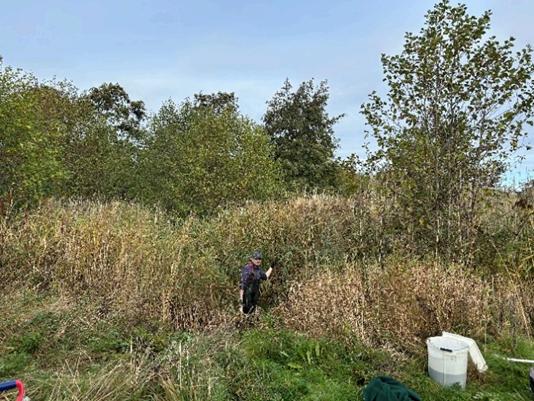
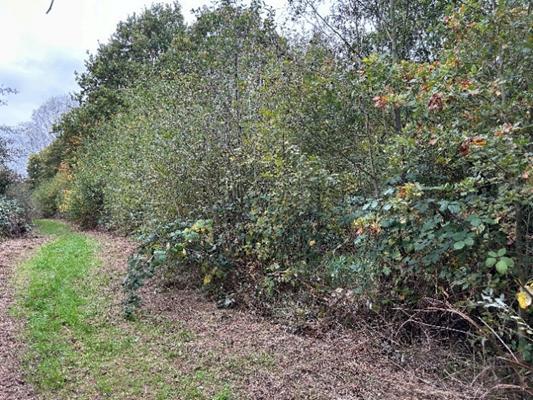
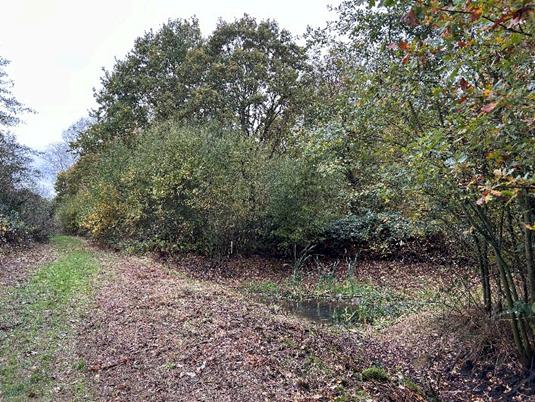
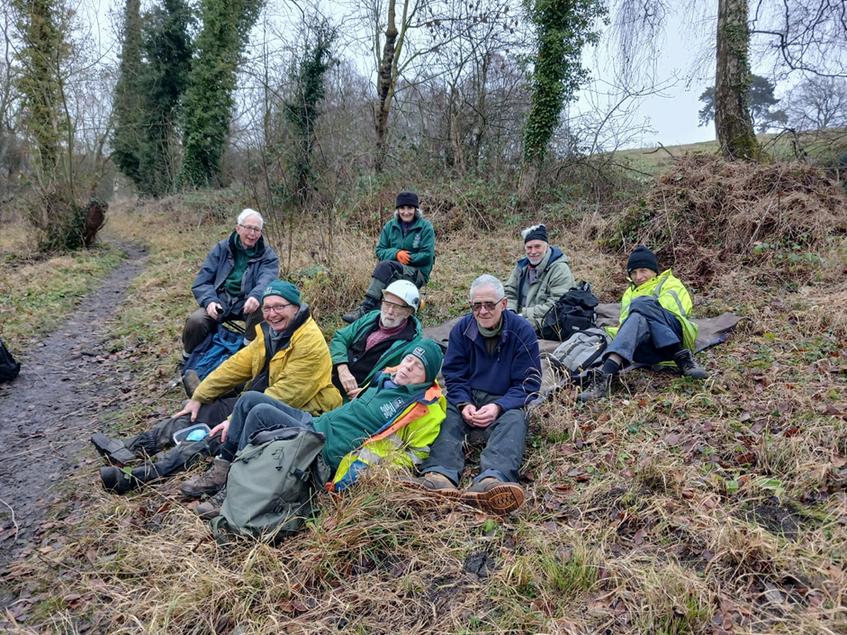
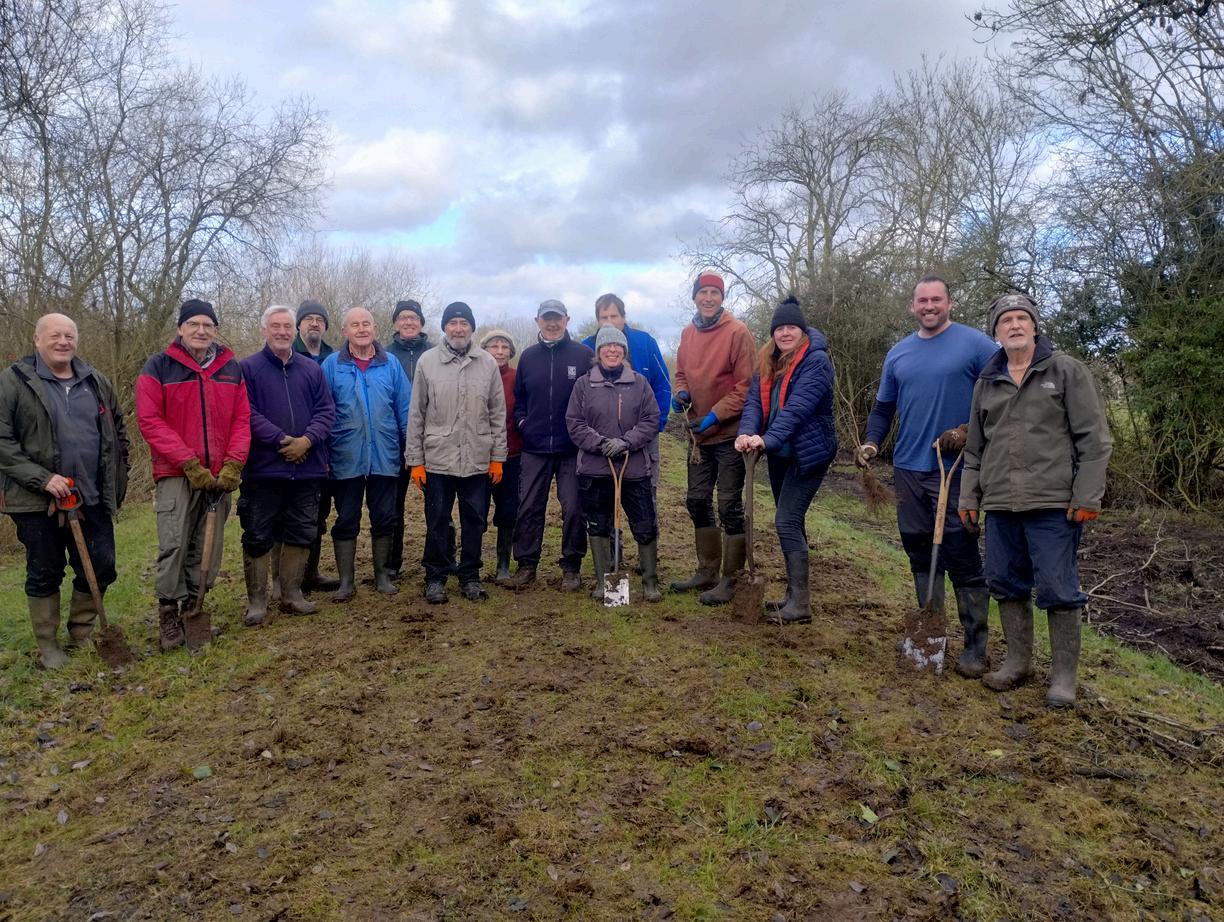
Thank you to those volunteers who helped to clear the ponds this winter – getting incredibly wet and muddy in the process!
RYAN MELVIN RUTLAND ASSISTANT RESERVE OFFICER
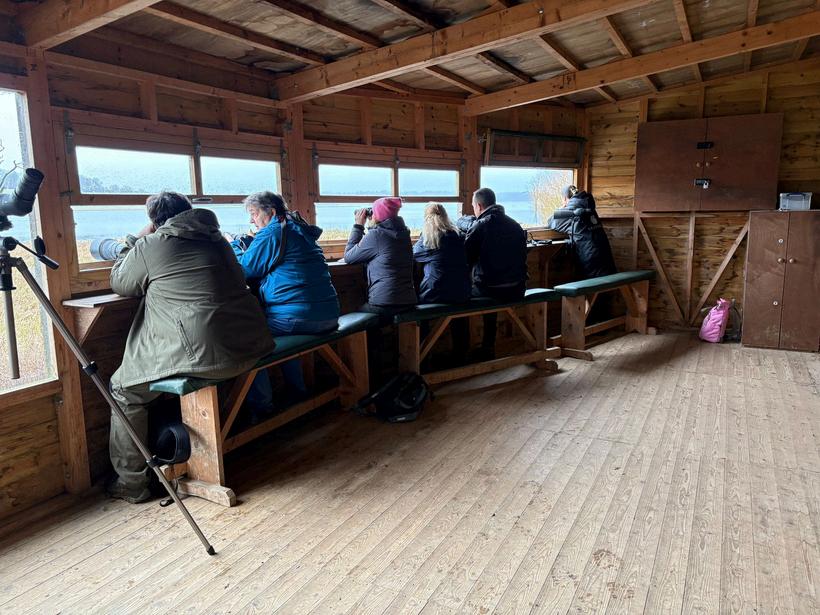
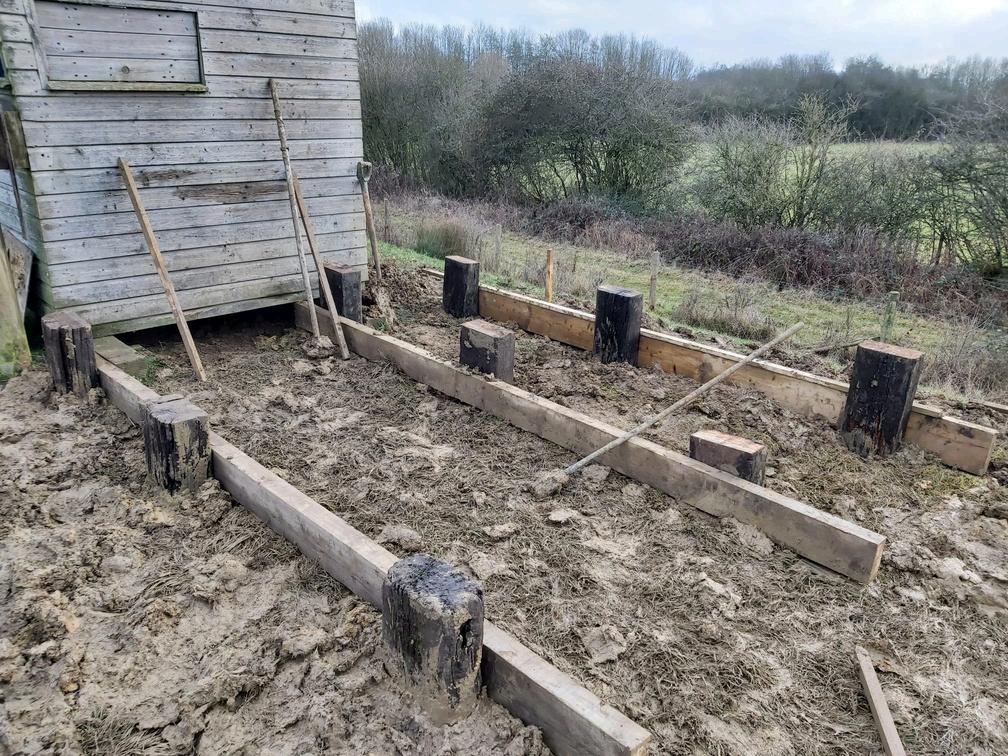
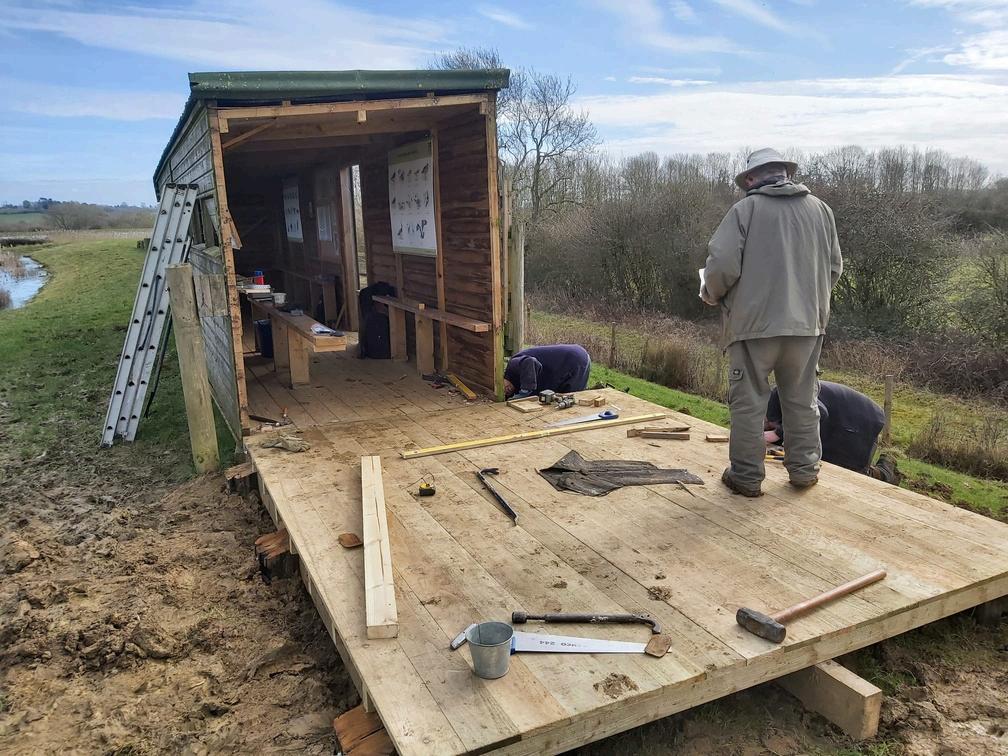
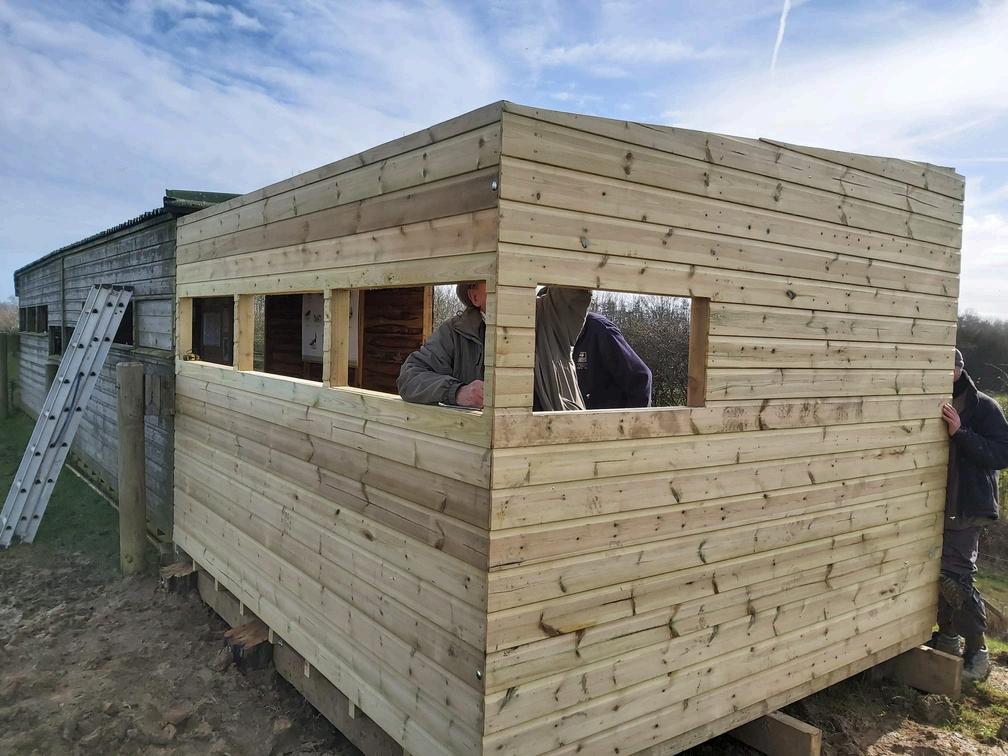
Ahead of the ospreys returning to Rutland Water, the hide team have been busy working on an extension of Dunlin hide we're hopeful that the pair that started building a nest on Lagoon 4 will breed this year! If they do, Dunlin hide will be the closest view of osprey on the whole reserve, so we expect a lot of foot traffic. Progress has been going well despite poor weather, dodgy timber, and escaping sheep
With the foundations laid and the new walls (mostly) up, there's just the roof and interior to sort before we can call it finished we're now in a race against the ospreys, and we hope to get it all finished before they return!
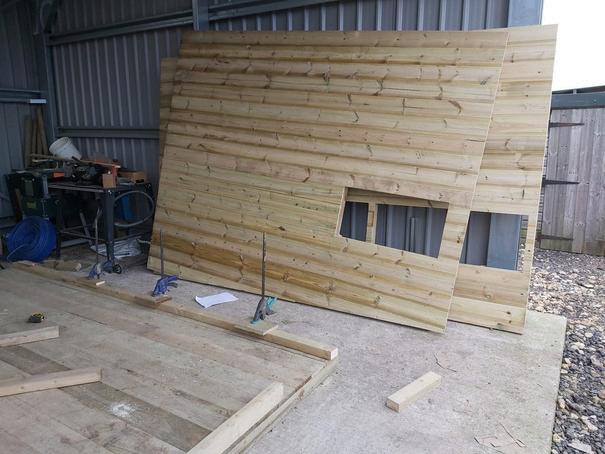
In addition to providing more room to view the osprey platform and the rest of Lagoon 4, the hide extension will feature an interpretation board about the Rutland Sea Dragon which was excavated from the lagoon a few years ago. We'll be installing an 'X marks the spot' post on the lagoon so visitors can look out of the hide and see exactly where it was found
RICK
WILSON
INFORMATION ASSISTANT
Here at the Lyndon Visitor Centre, we're very much looking forward to the 2026 season, especially after what seems like a very lengthy period of inclement weather. Amazingly, it has already been six months since our incredible Ospreys left on migration, but it's time to keep a close eye on our live Manton Bay nest camera and scan the skies for their return to the Rutland Water Nature Reserve. Maya and her breeding partner for the last 10 seasons, 33(11), will hopefully both find their way back but, even before they do, there has been some exciting news from Africa about one of last year's UK chicks with a Rutland connection.
Hatched in 2025, at a new nest site in Northamptonshire, 8R3 has been spotted twice during February down in Africa - once in The Gambia and then again in Senegal, a few days later This is rather impressive for such a young bird, given that the two areas are about 300km apart His parents are 3AY from Rutland and 5H1, the first chick from the nest at Poole in Dorset. Ringed by Tim Mackrill and Sam Ryde last year, it was noted at the time that 8R3 was the smallest of the brood, so it is wonderful news to know that he has survived his first migration and reached an excellent wintering area. Given that males tend to return, after two years, to areas close to their point of origin, could we see him here in 2027?
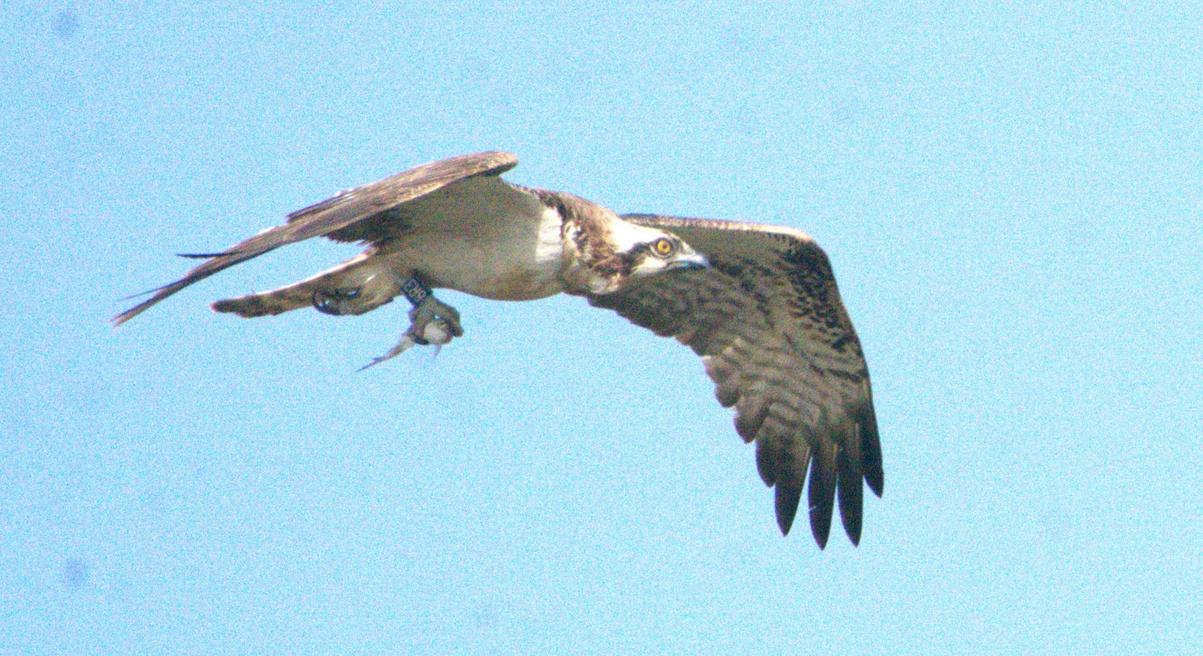
On a similar train of thought, after the news that all three 2023 Manton Bay chicks returned successfully to the UK last year, will we see our sole 2024 Manton Bay chick, 1R0 back in the area this year? We'll be sure to keep you updated on any sightings.
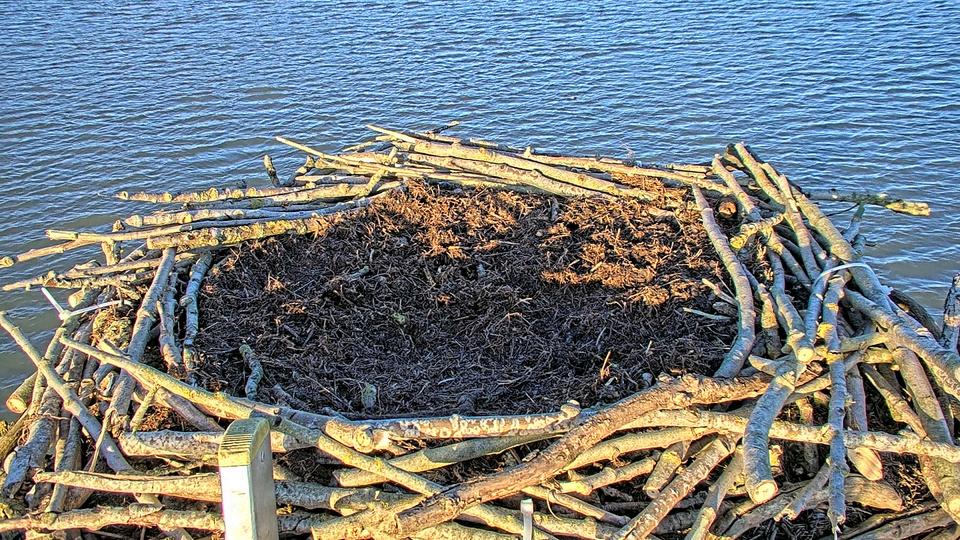
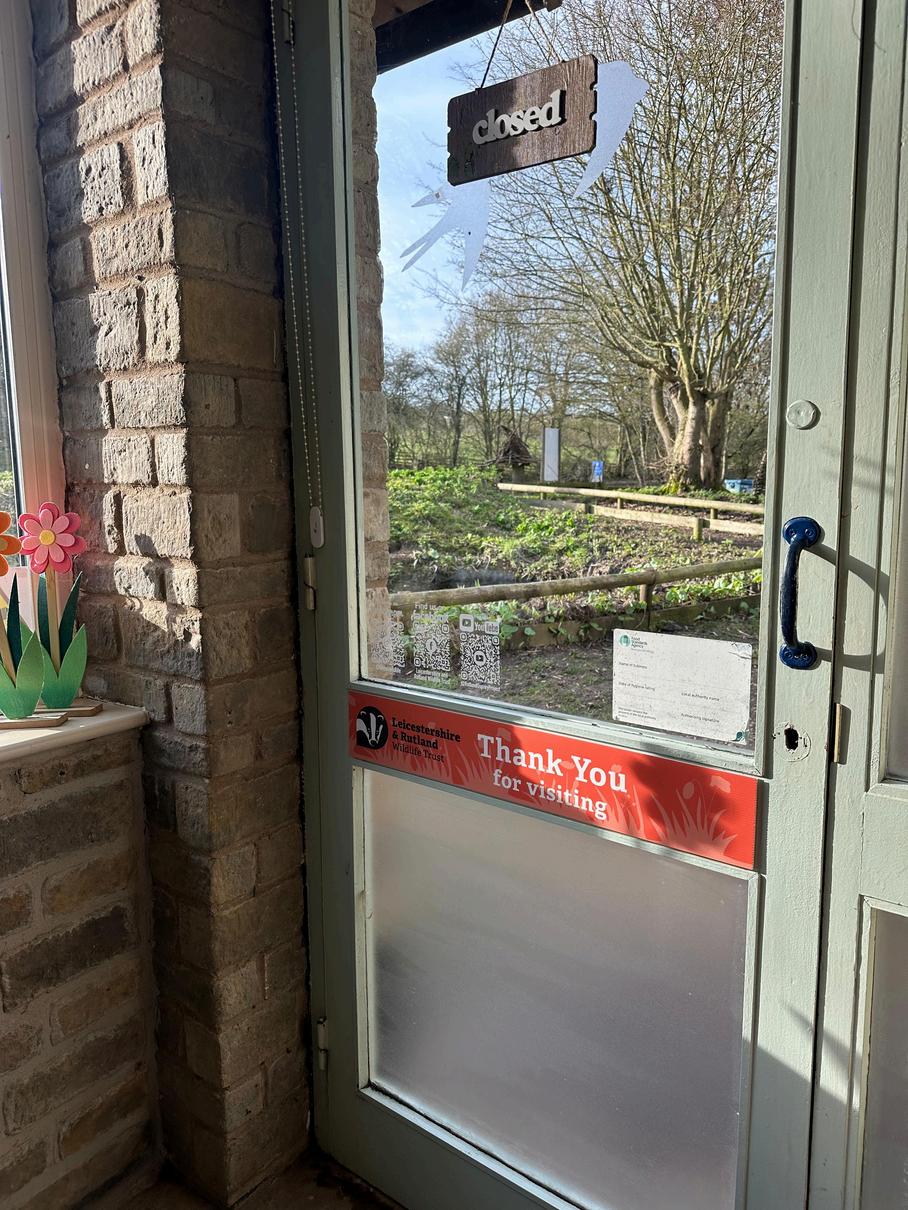
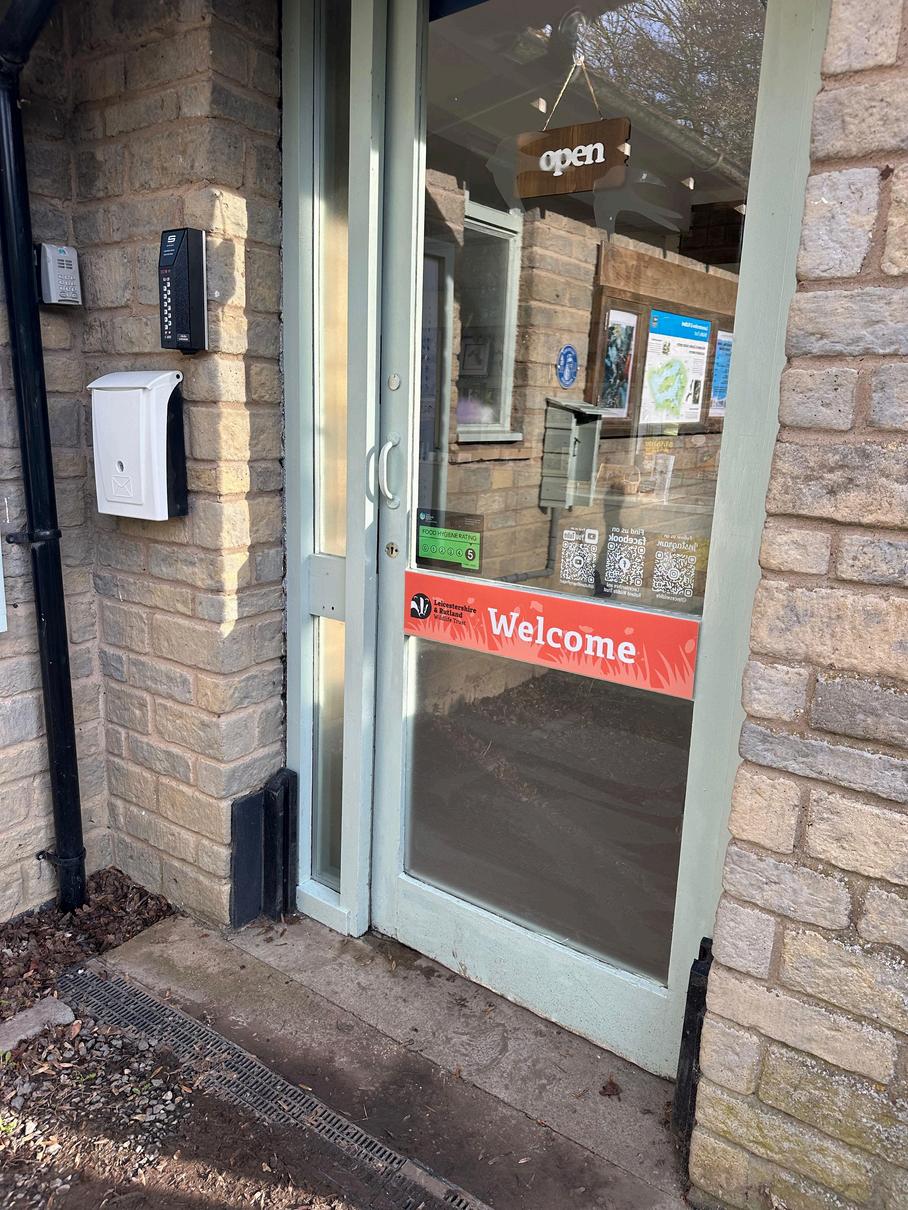
Whilst we wait for them to come back, our Lyndon Visitor Centre reopened on Monday 2nd March The team at Lyndon has been busy getting the centre ready for the upcoming season and you’ll notice a few changes to the look and layout There is also a new camera set up on the nest at Manton Bay, with a new Pan, Tilt and Zoom (PTZ) camera installed for close-ups and the wide-angle camera has been given a good clean too, with both now providing much-improved imagery.
With plenty of activities planned for the season, including Otter Watch, Bat Walk and many familyfriendly special events, we're very much looking forward to welcoming everyone through our door and onto the Reserve.
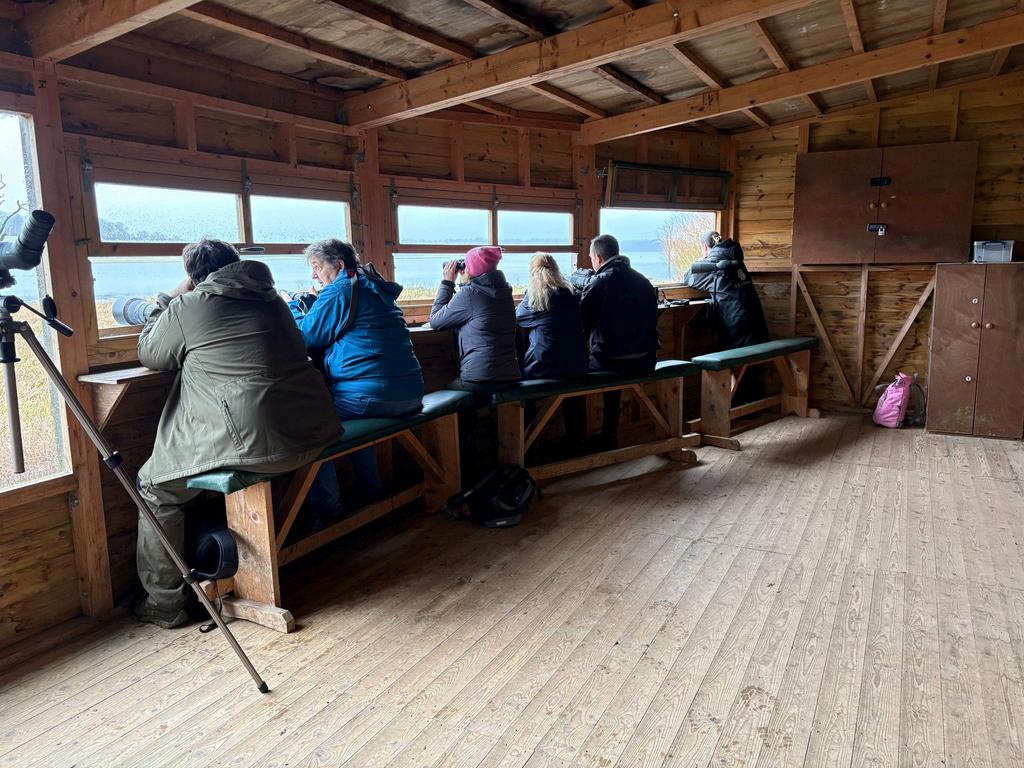
PAIGE FERRIER VOLUNTEER COORDINATOR
Its been a busy few months prepping the Lyndon Visitor Centre ready for opening With two new staff members, Eden Willmott, Visitor Centre and Events Officer and Rick Wilson, Information Assistant, we have been busy cleaning and prepping ready for the season ahead. Its still a work in progress but thank you for all of your patience with the new team.
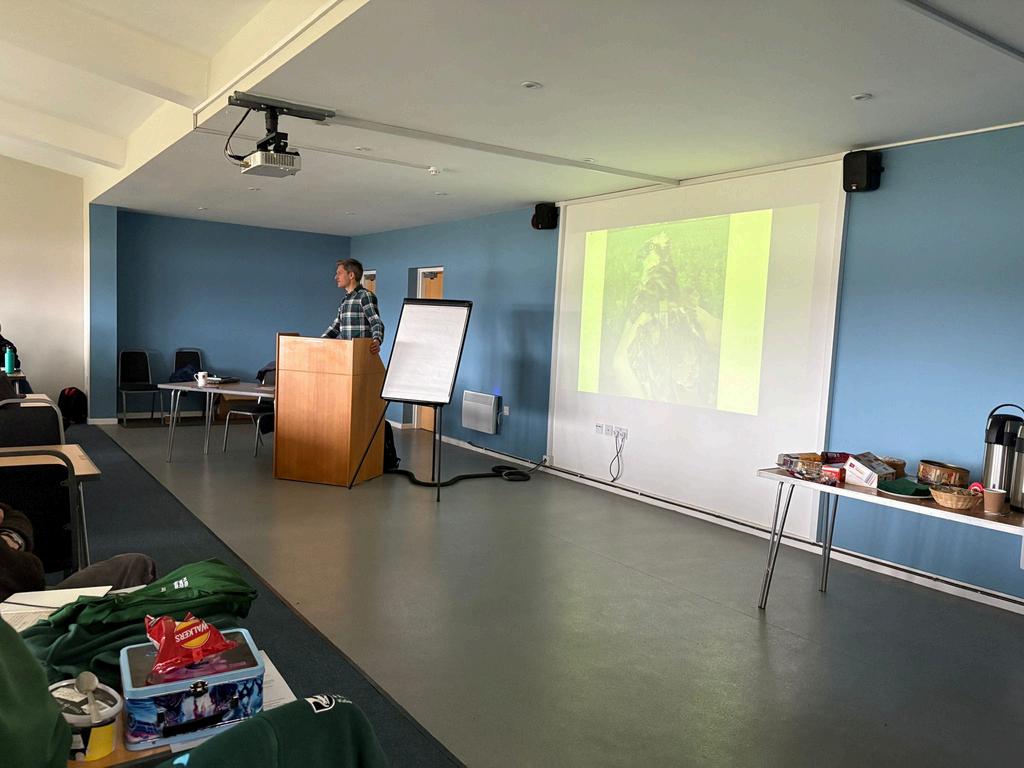
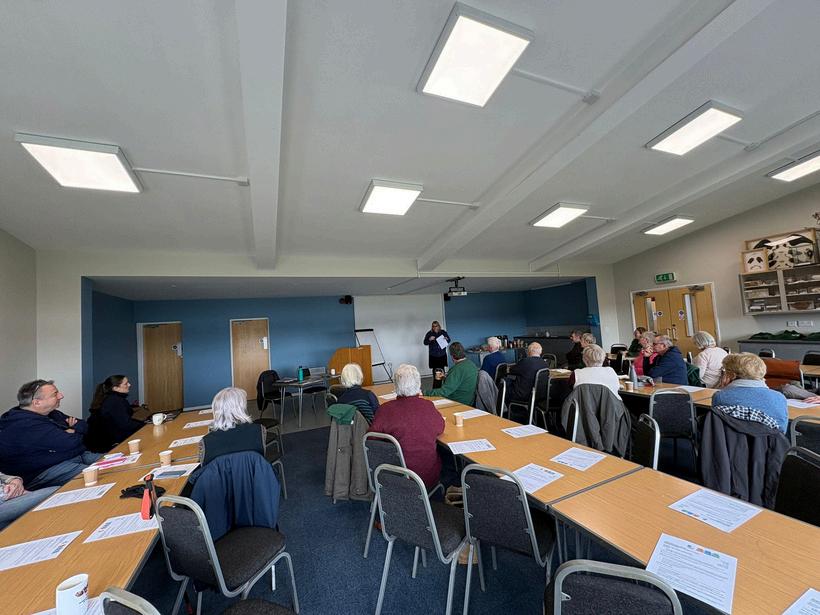
We have also met for the Visitor Centre Volunteer and Osprey Volunteer pre-season meet where we heard fab updates from Tim Sexton and Tim Mackrill about the Osprey season ahead and an update from Joe Taylor about membership.
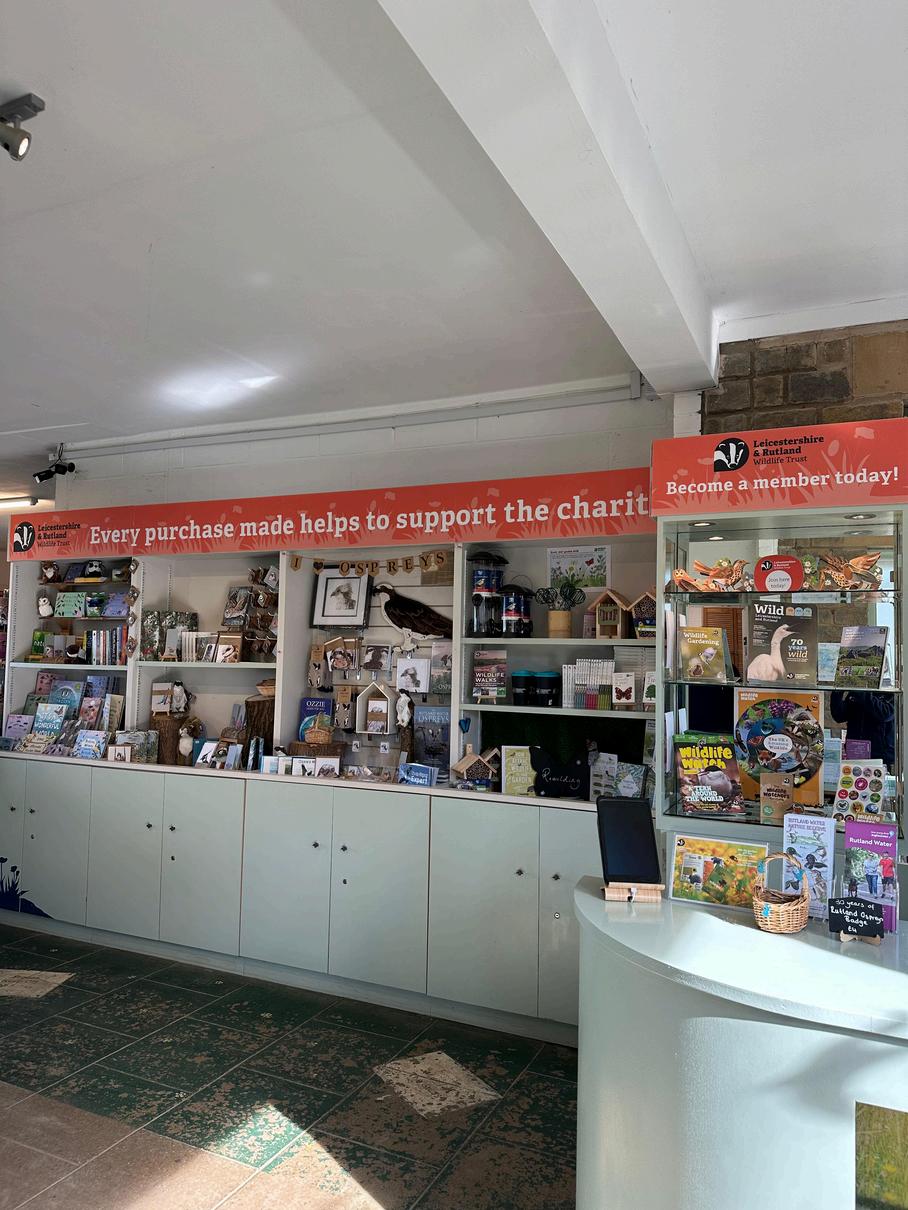
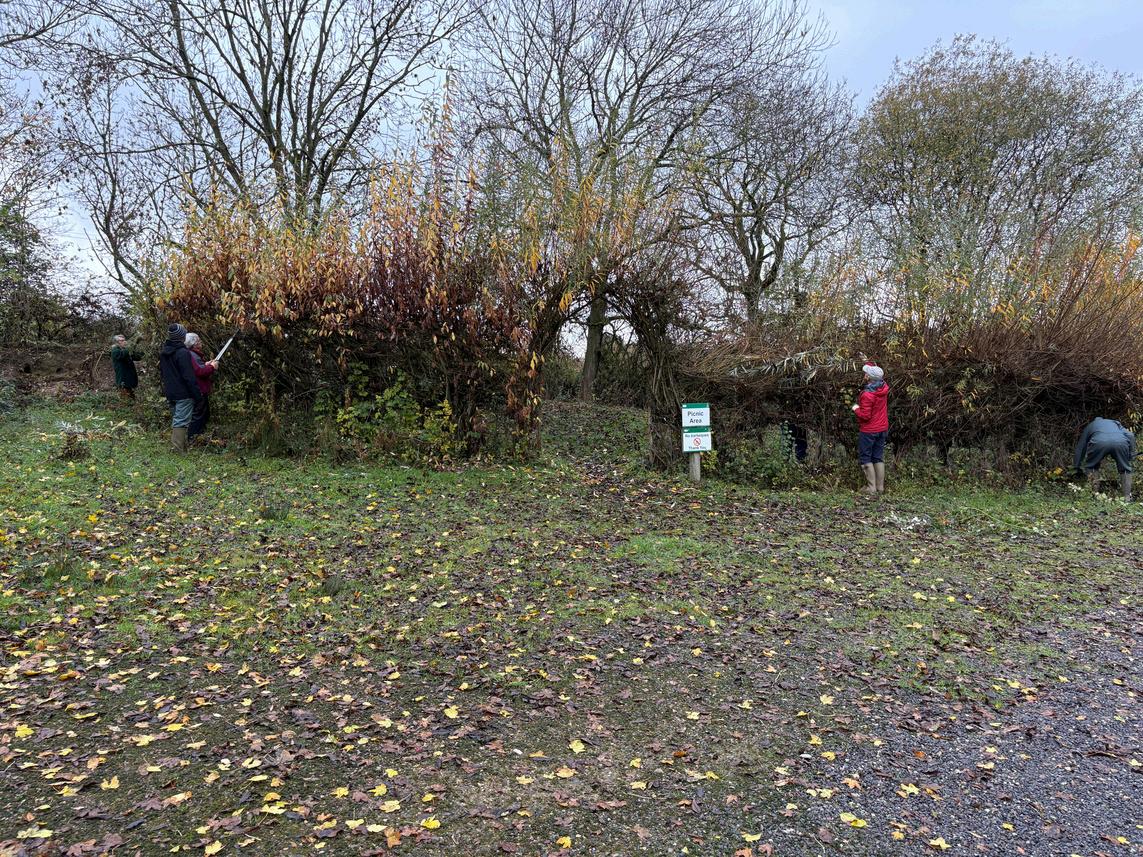
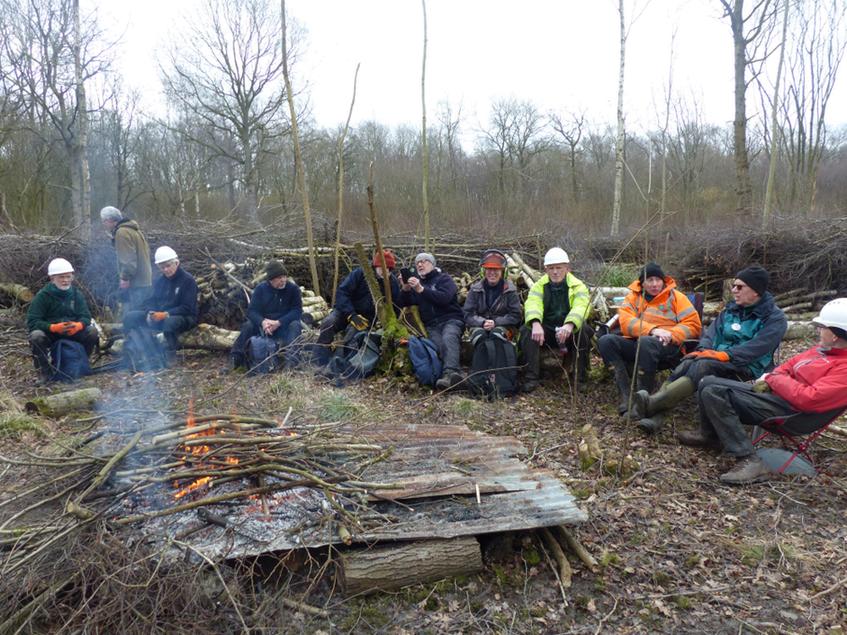
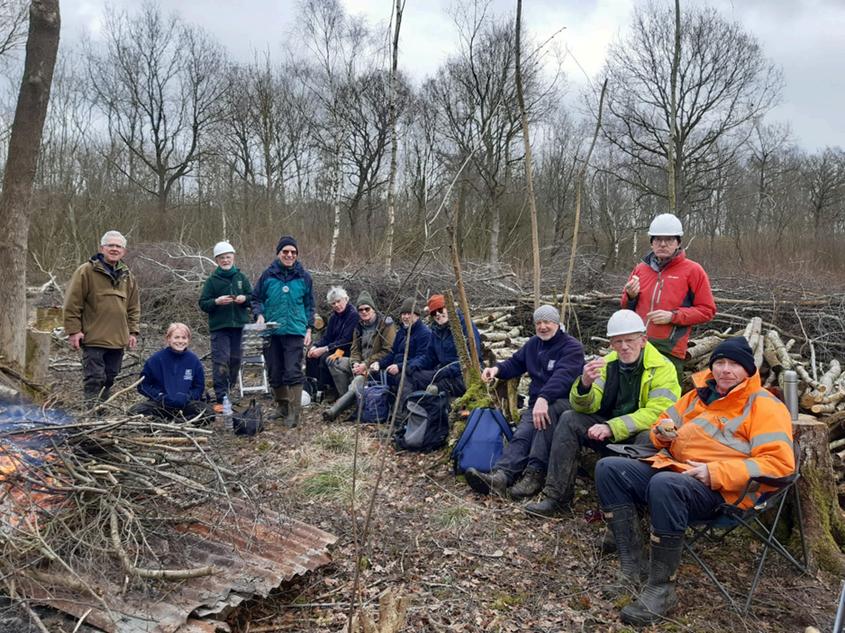
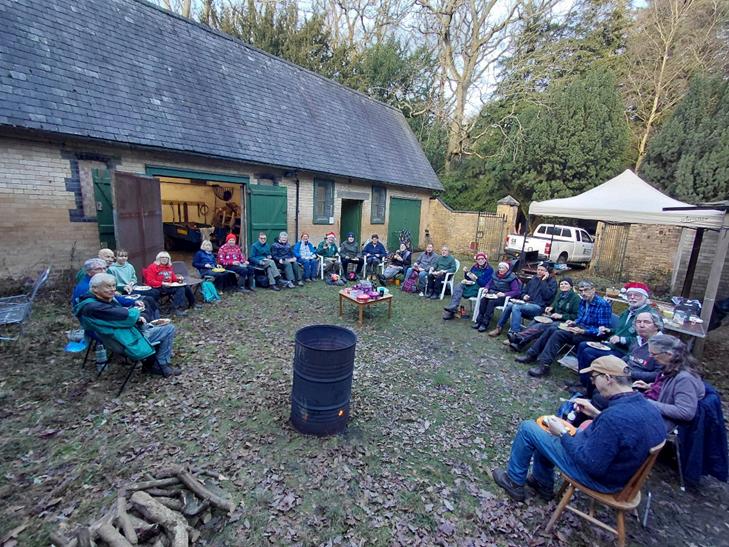
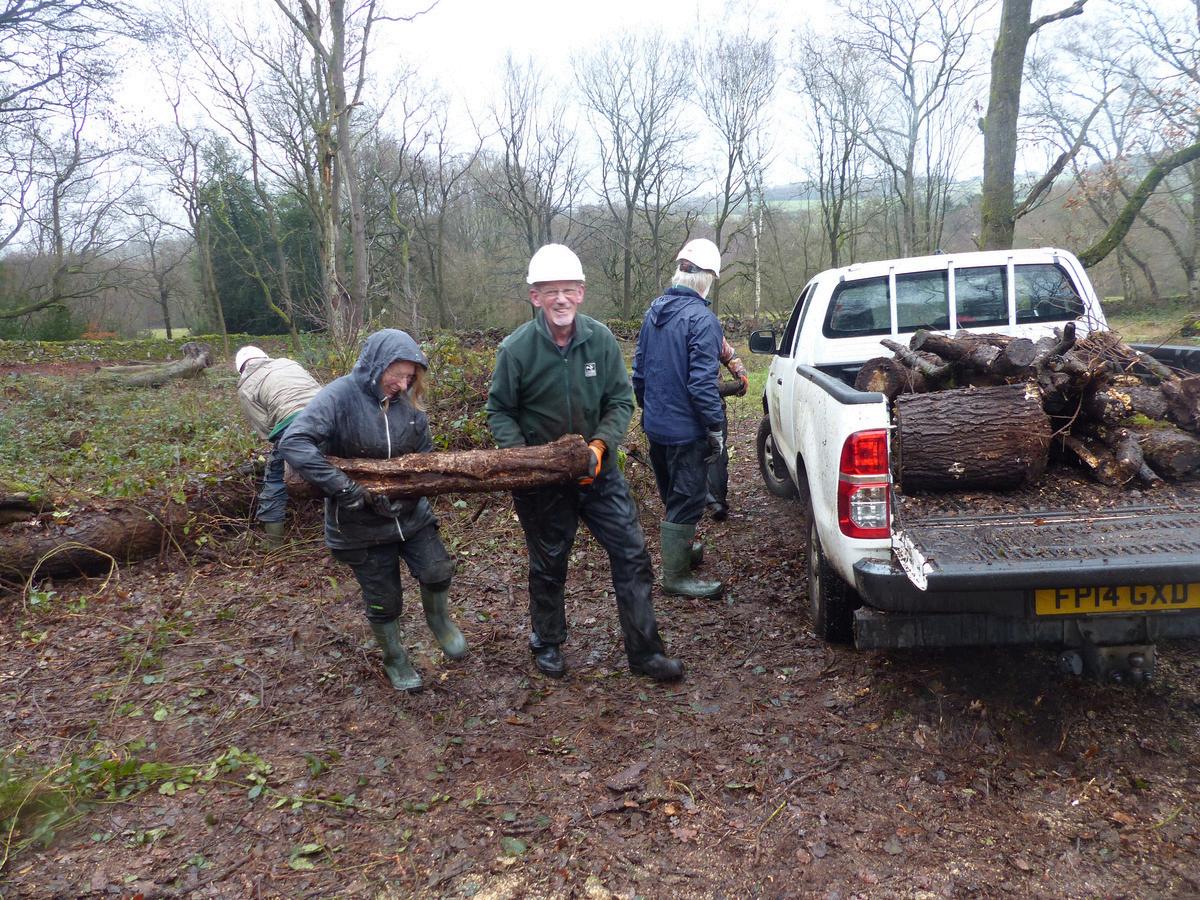
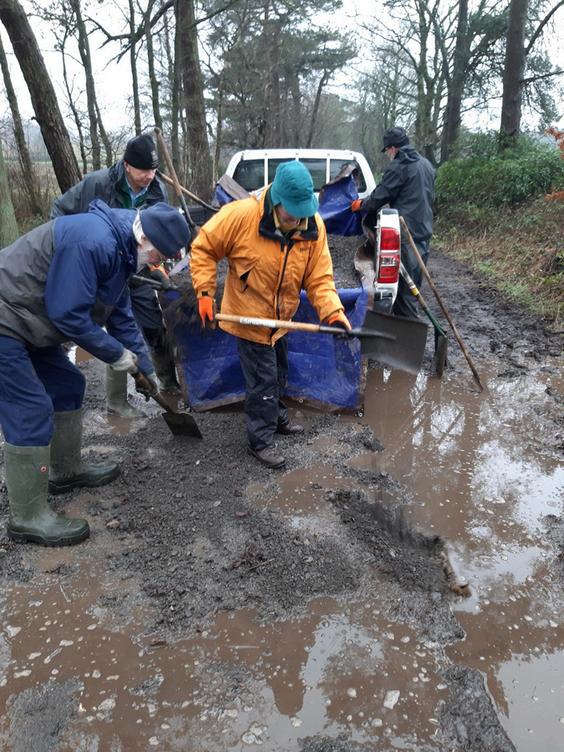
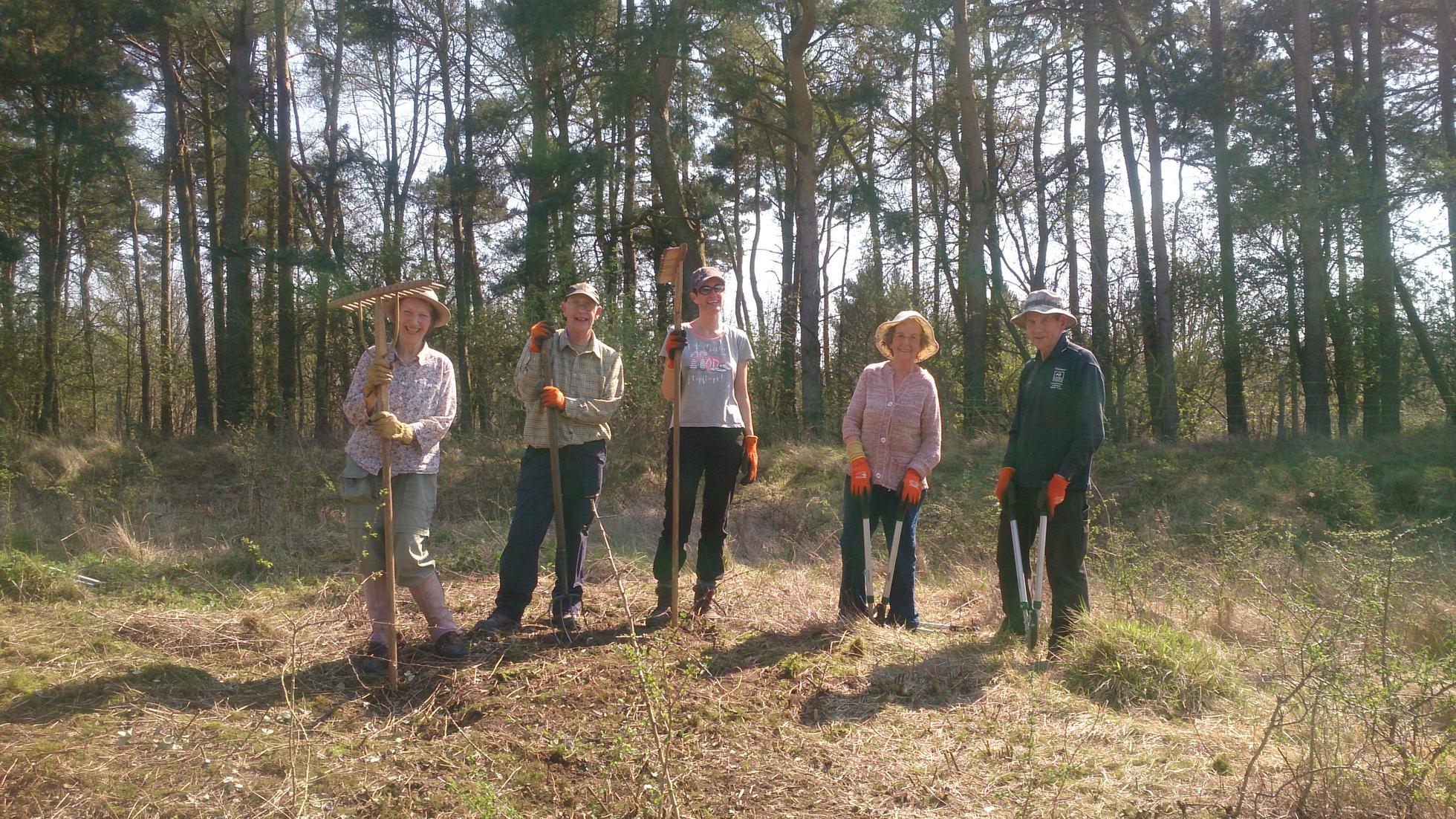
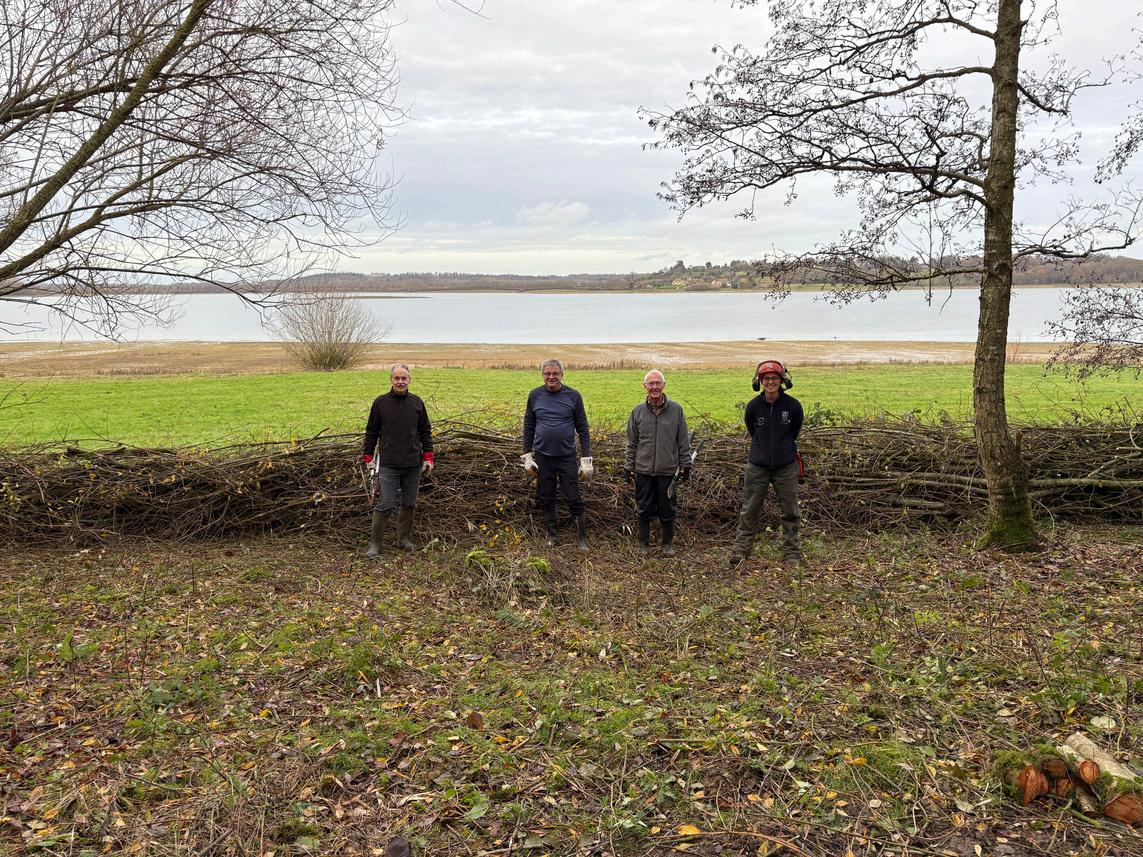
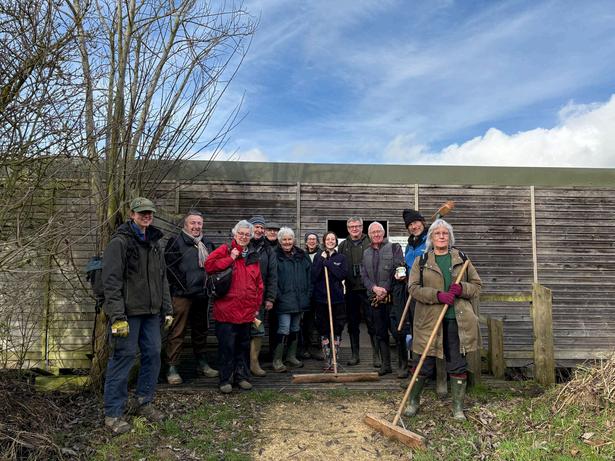
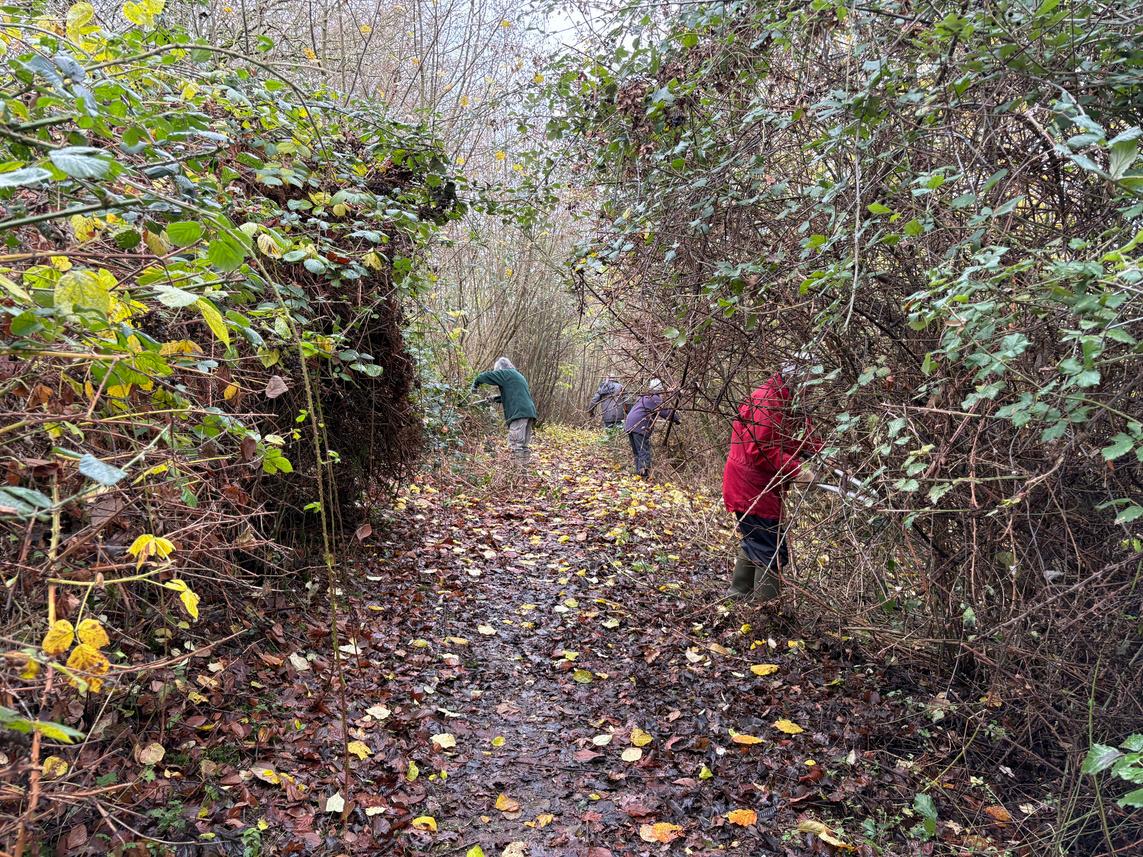
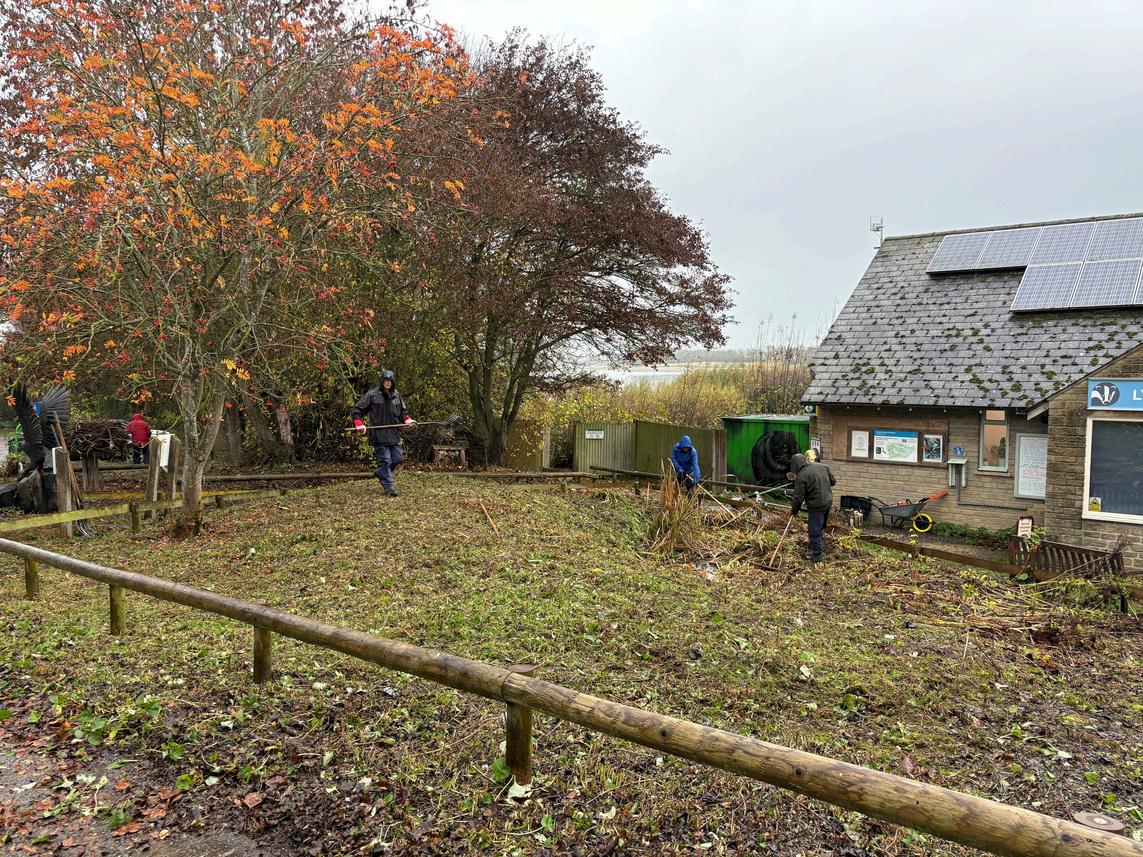
Since December we have also had a few Osprey Winter Work Parties. A big thank you to all of the volunteers who have come out to help around Lyndon, espcially on the really rainy days!
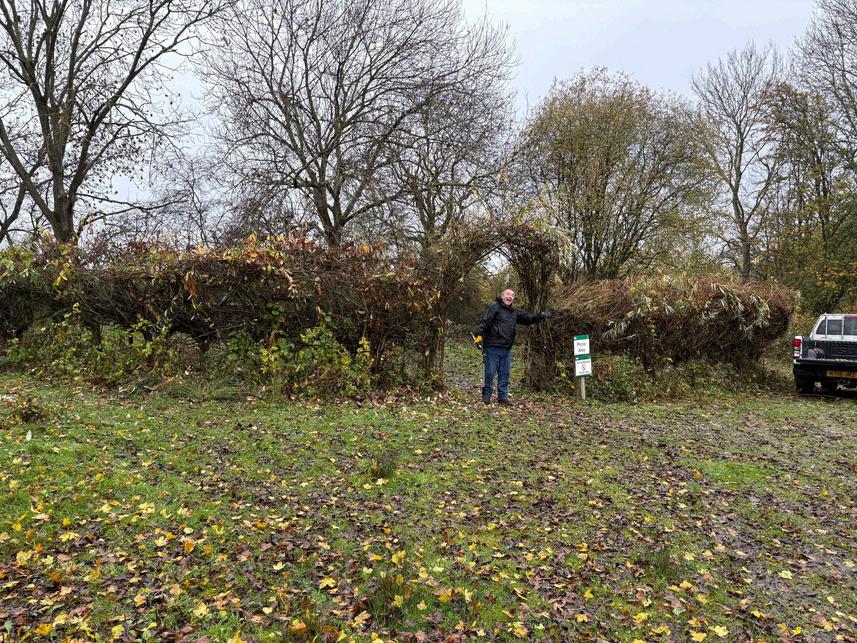
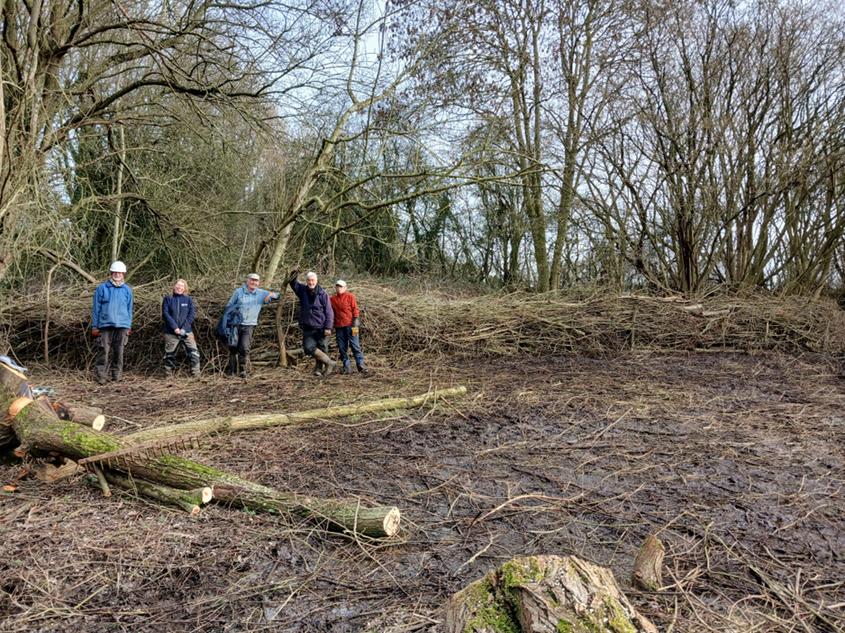
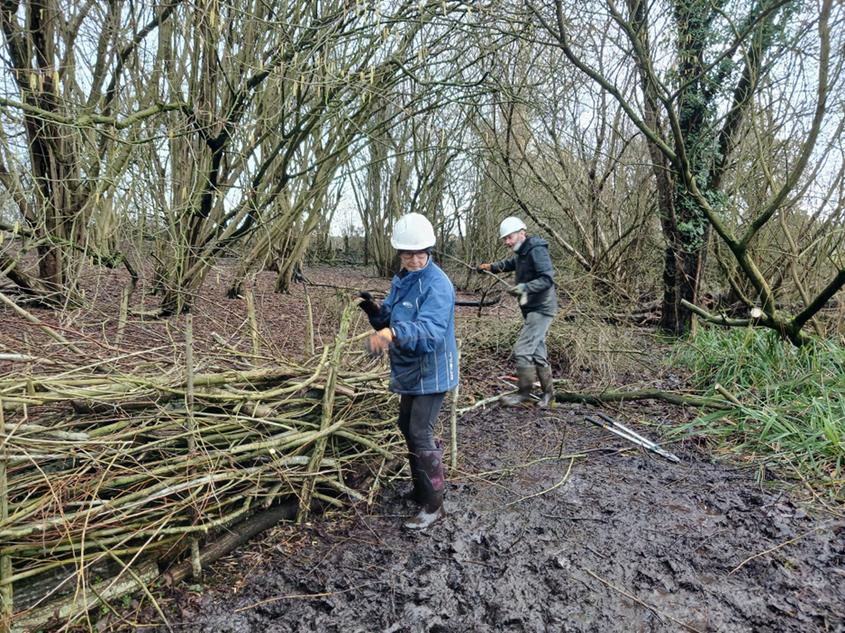
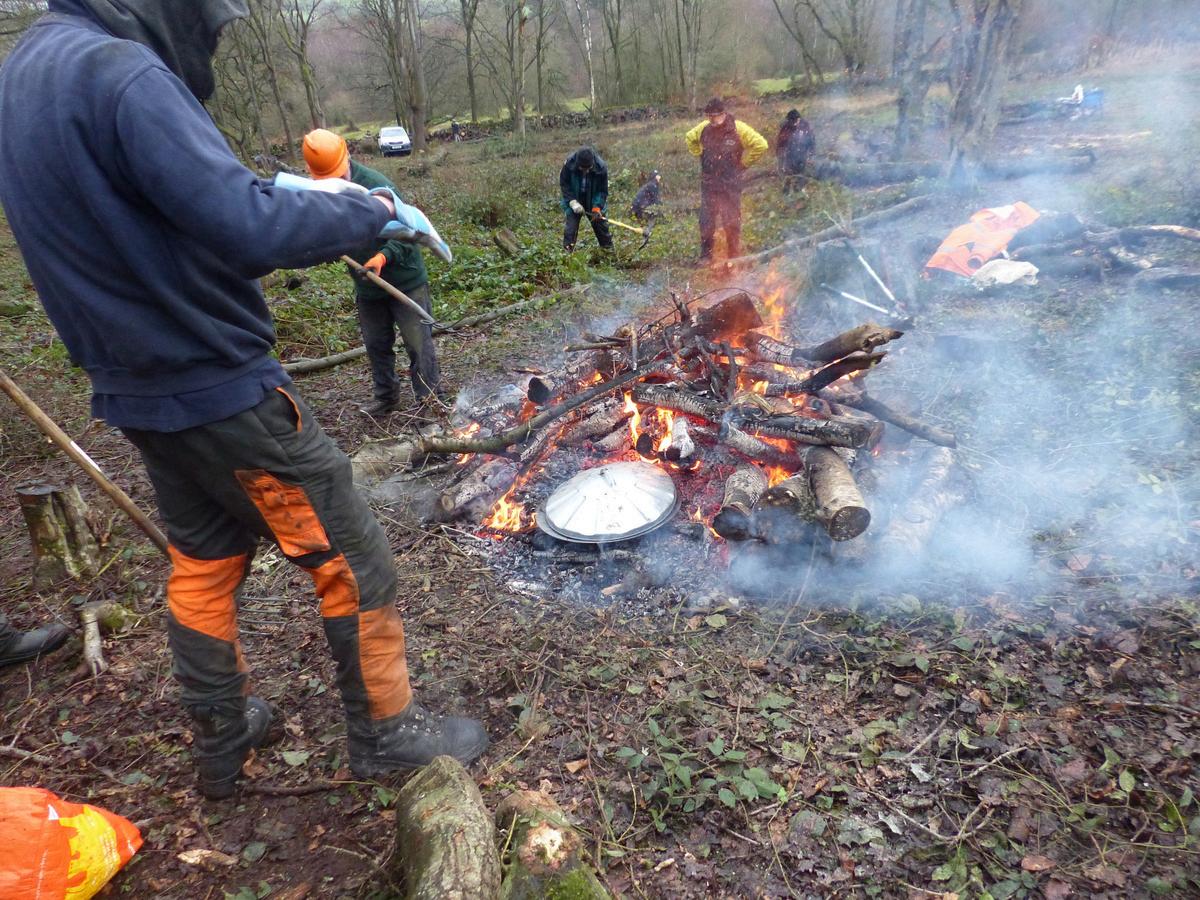
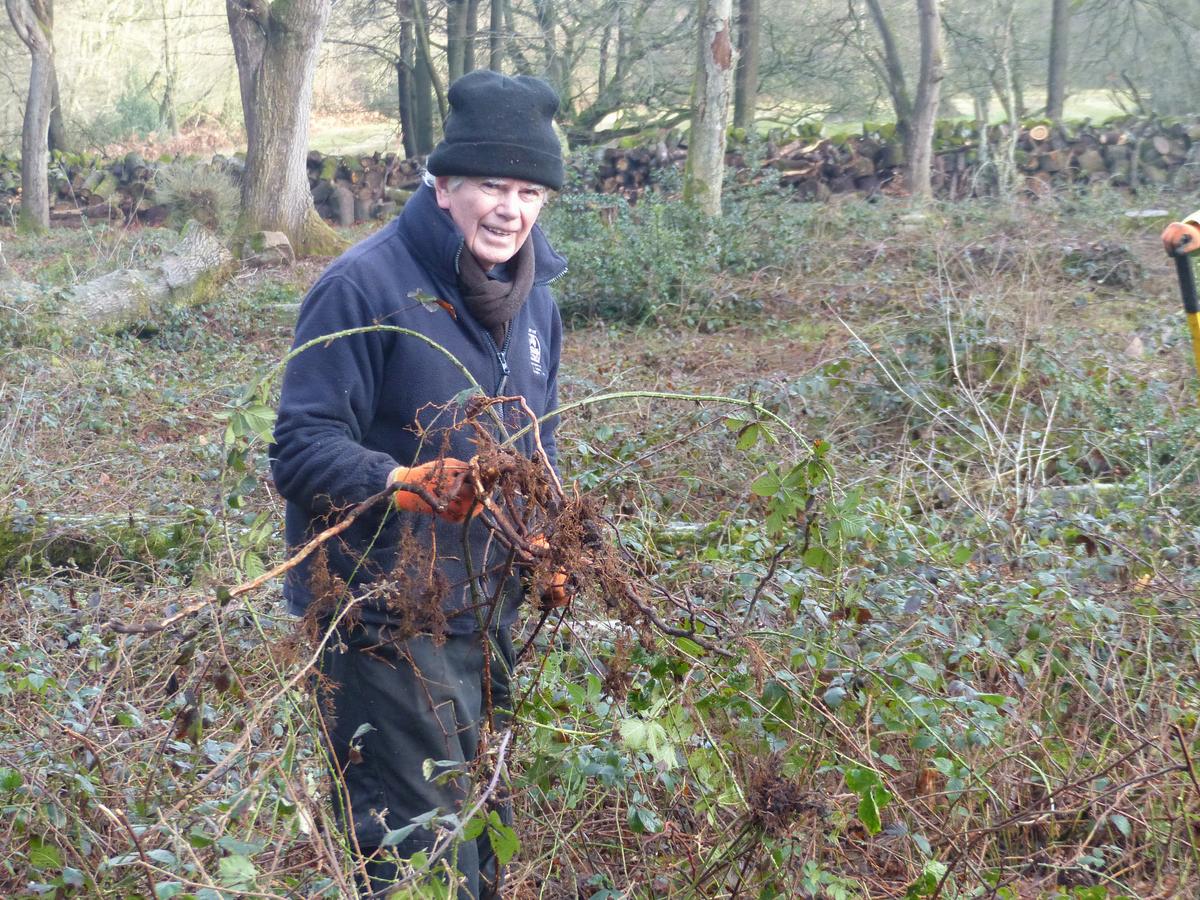
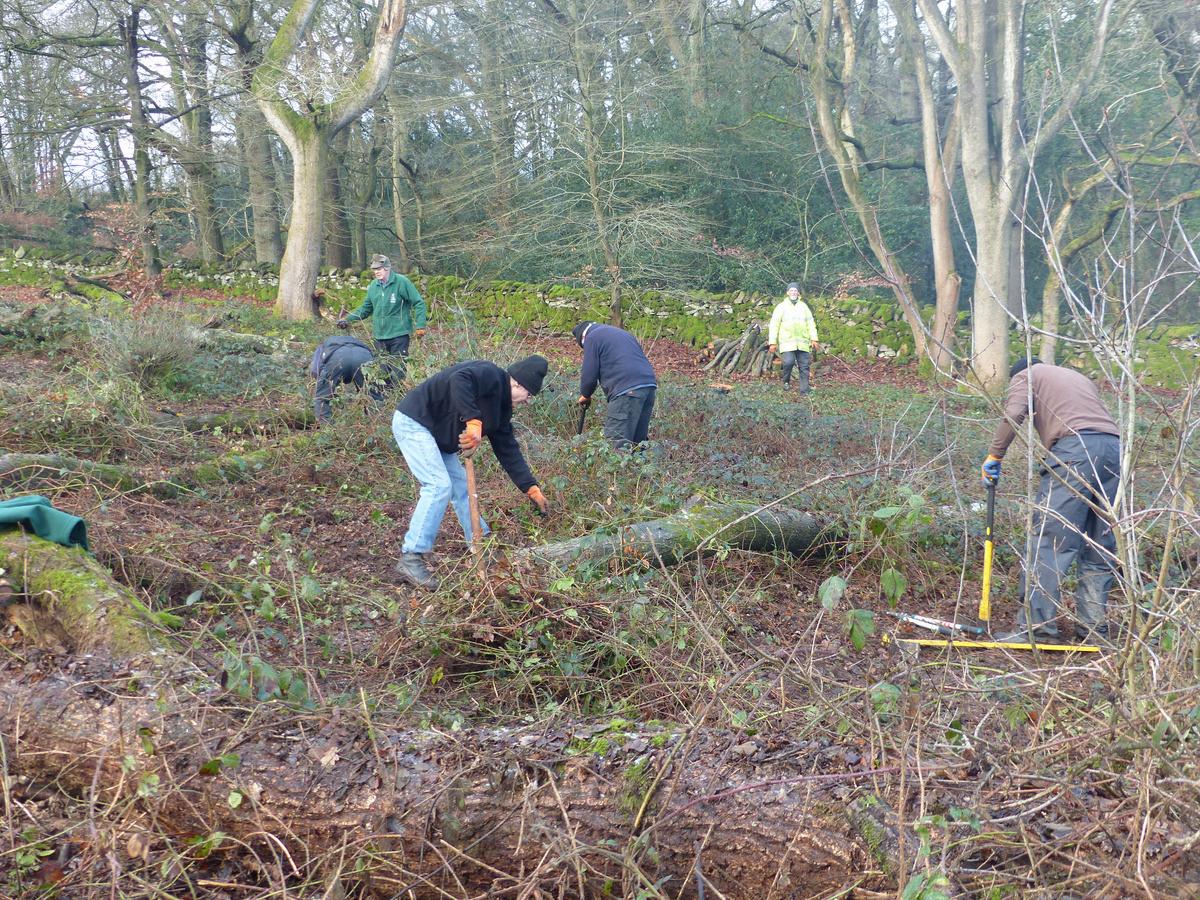
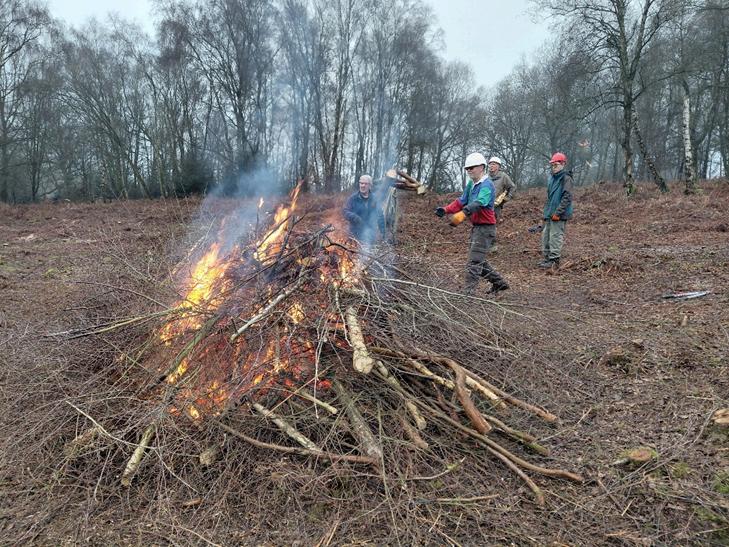
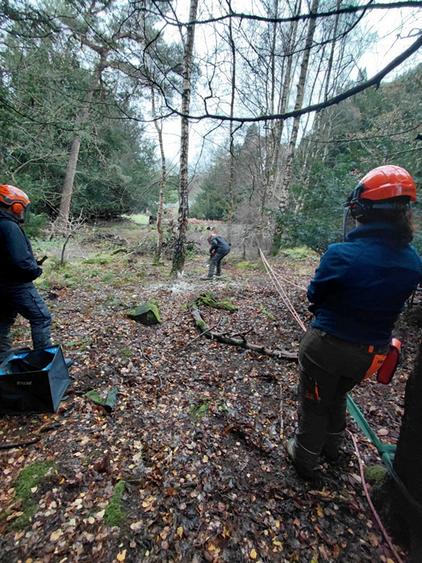
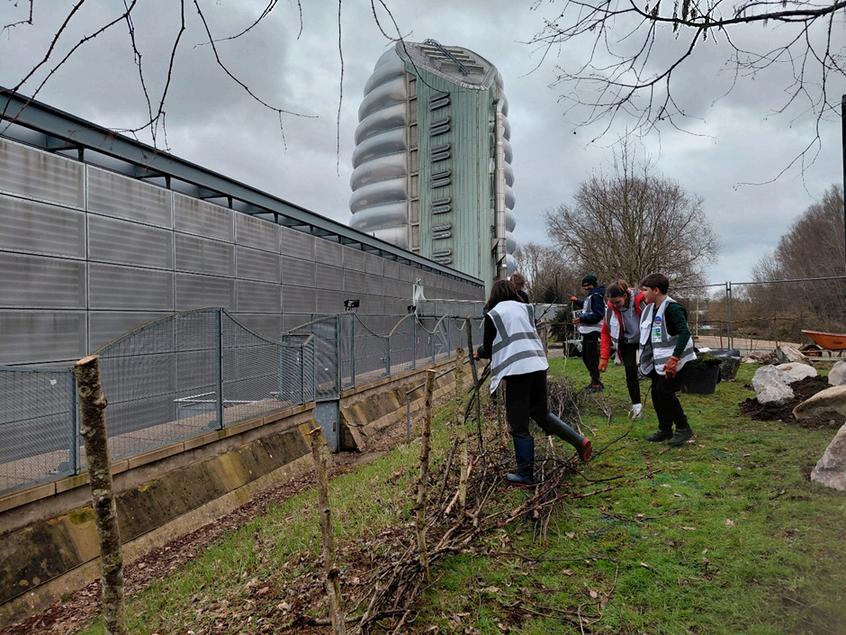
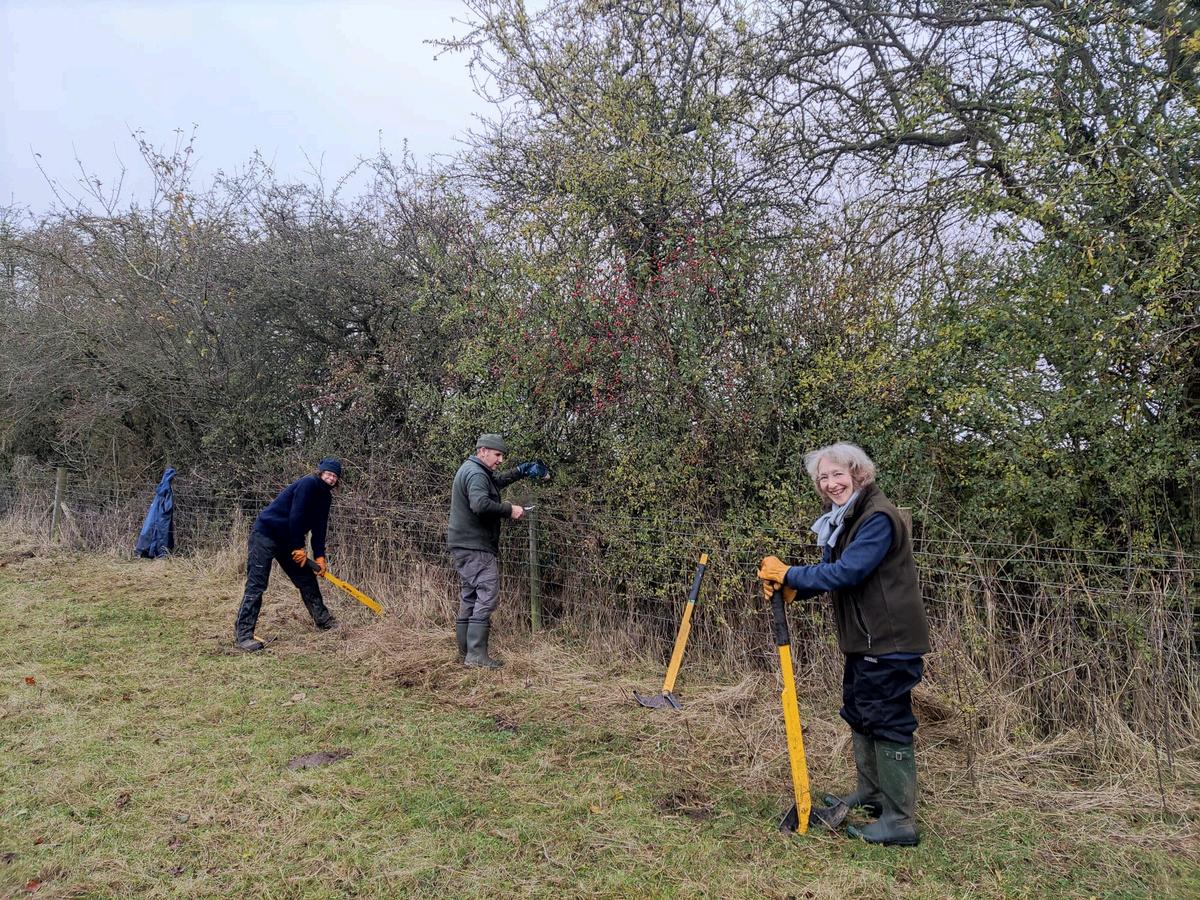
We have been busy willow weaving the picnic area, clearing bramble from the car park and the path up to swan hide, working on the coppice block, making a dead hedge and cleaning the hides.
JULIETTE COLAÇO-FOURNIER EAST ASSISTANT RESERVES OFFICER
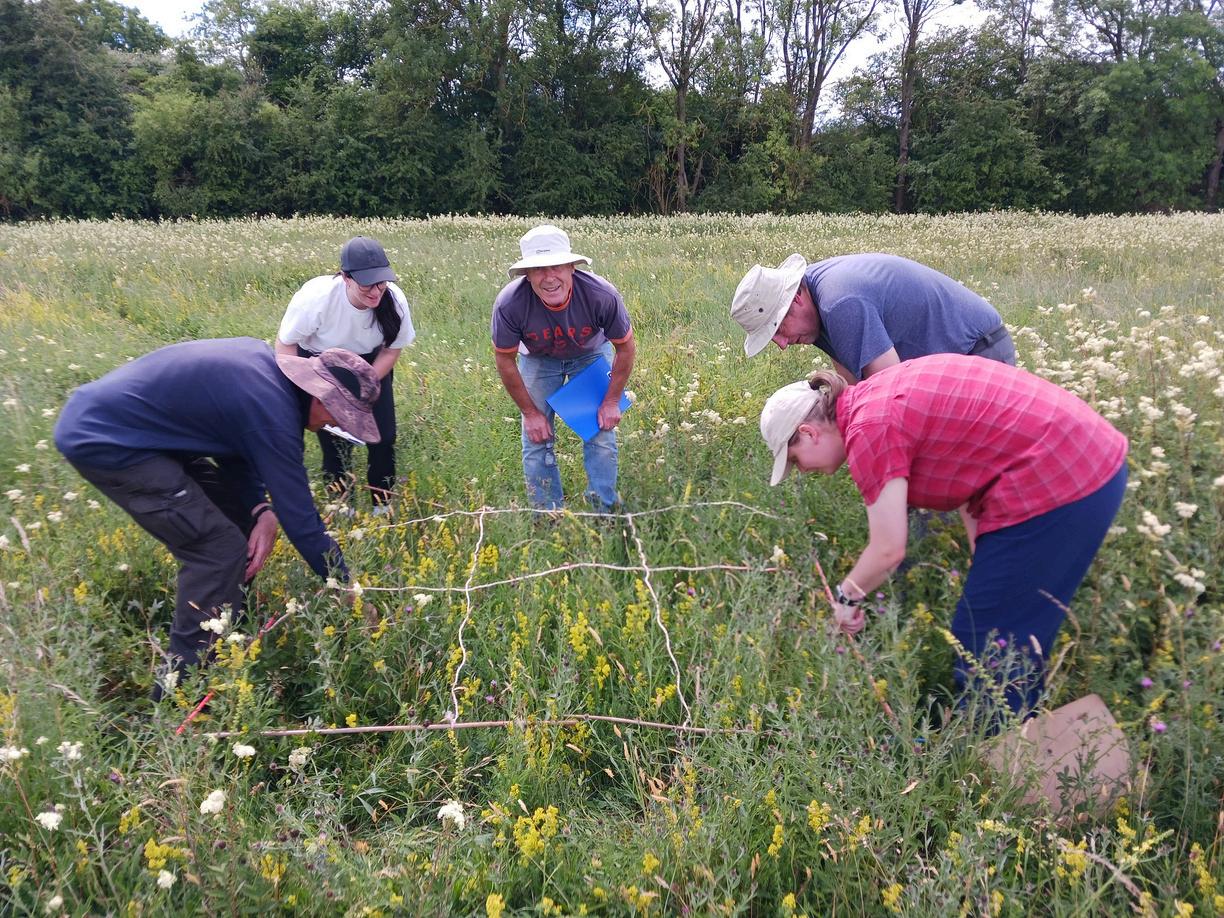
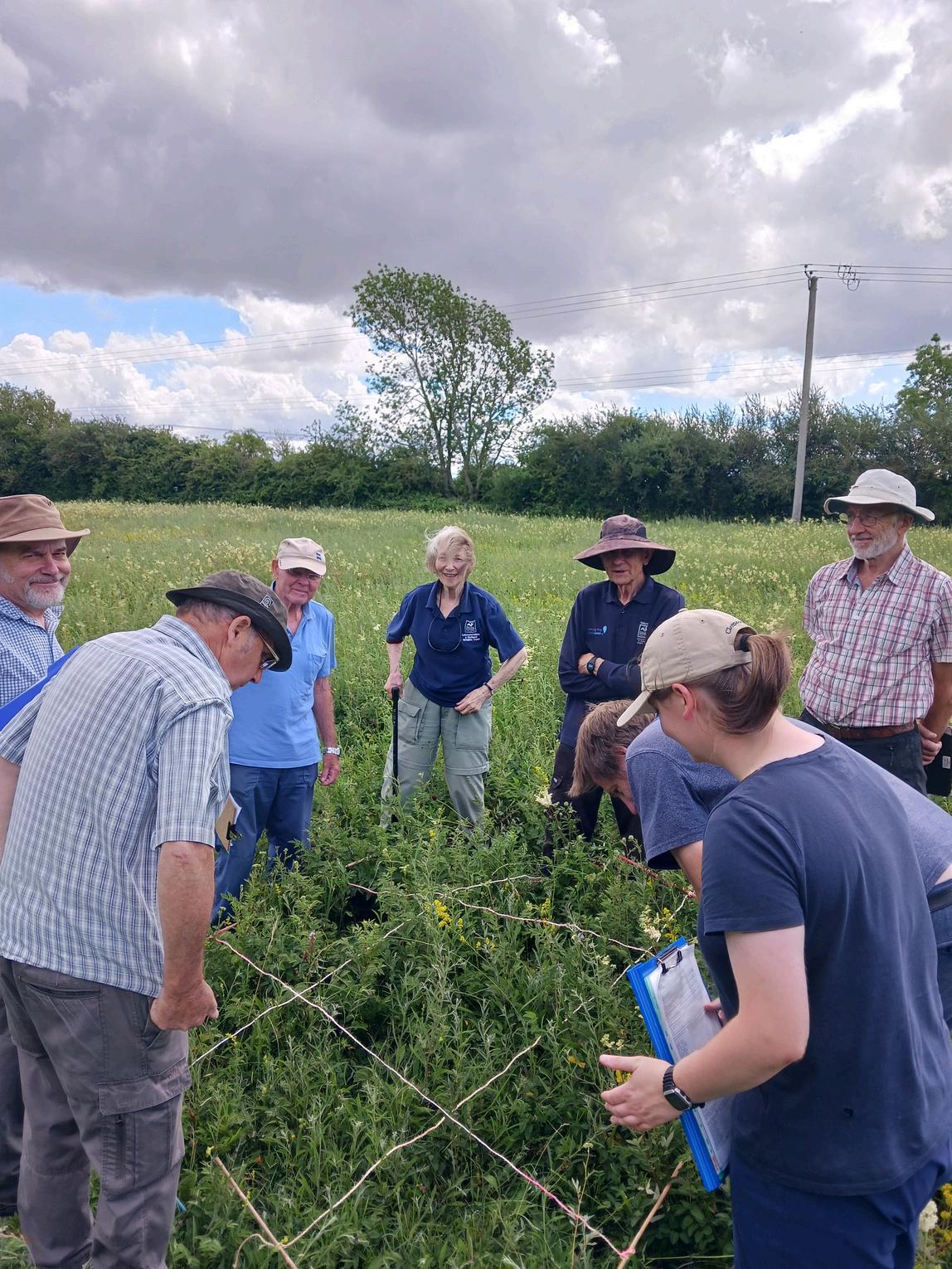
It feels like it's a been a long winter and we are very much looking forward to milder, longer and perhaps even sunnier days. Spring and summer, as well as all our infrastructure and maintenance work, mean survey time. Over the last couple of years, we have been increasing the number and type of surveys we carry out on our sites. These include surveys of and for fungi, reptiles, ponds, butterflies and botany. The surveys, as well as being an enjoyable activity, give us a better understanding of the biodiversity and health of our sites. A few highlights from our surveys last year include:
Training up volunteers to survey our grasslands
Reptile surveys set up at Ketton Quarry with Adder, Grass Snake and Viviparous Lizard all recorded
Reptile surveys set up at Ketton Quarry with Adder, Grass Snake and Viviparous Lizard all recorded
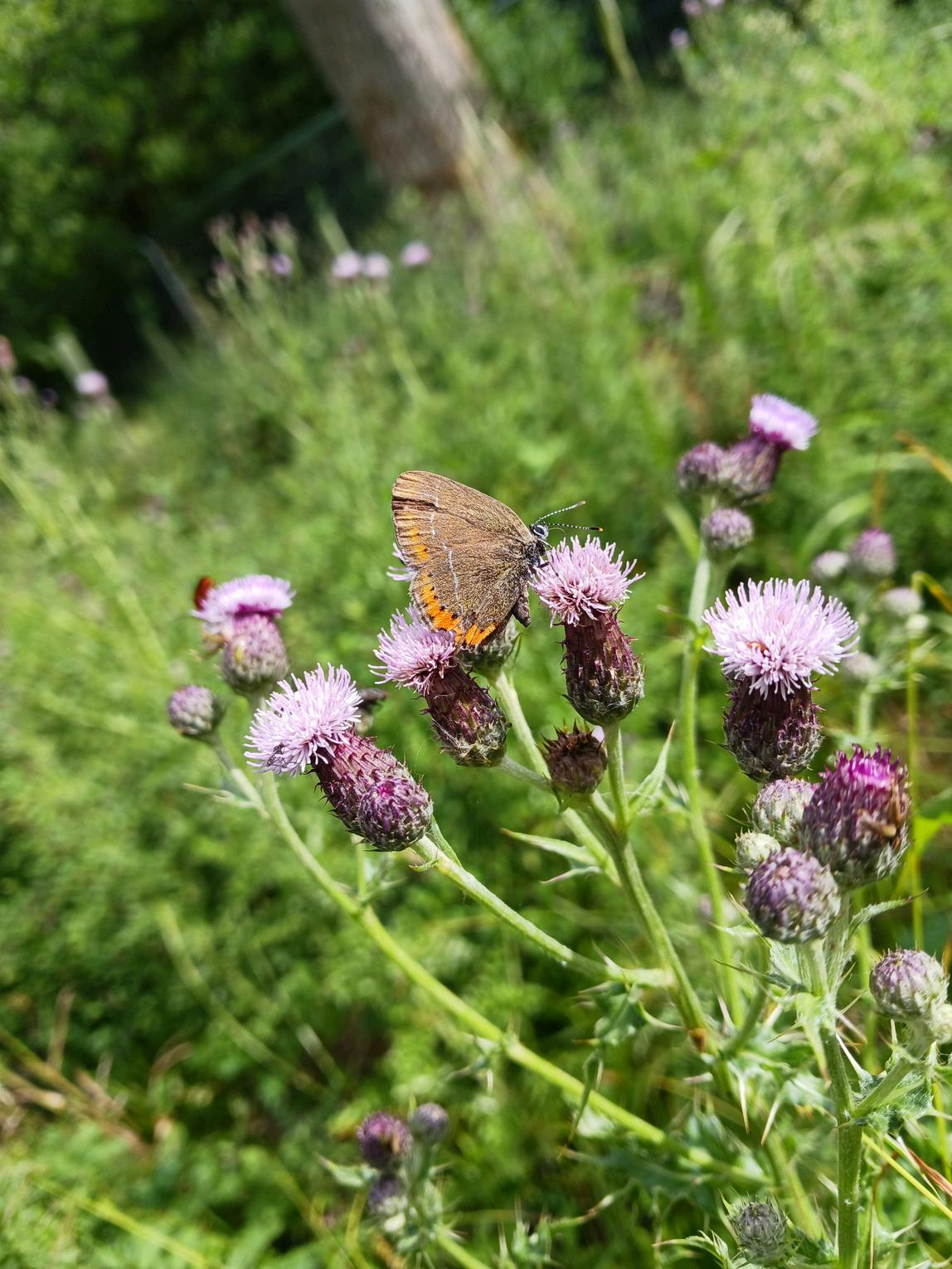
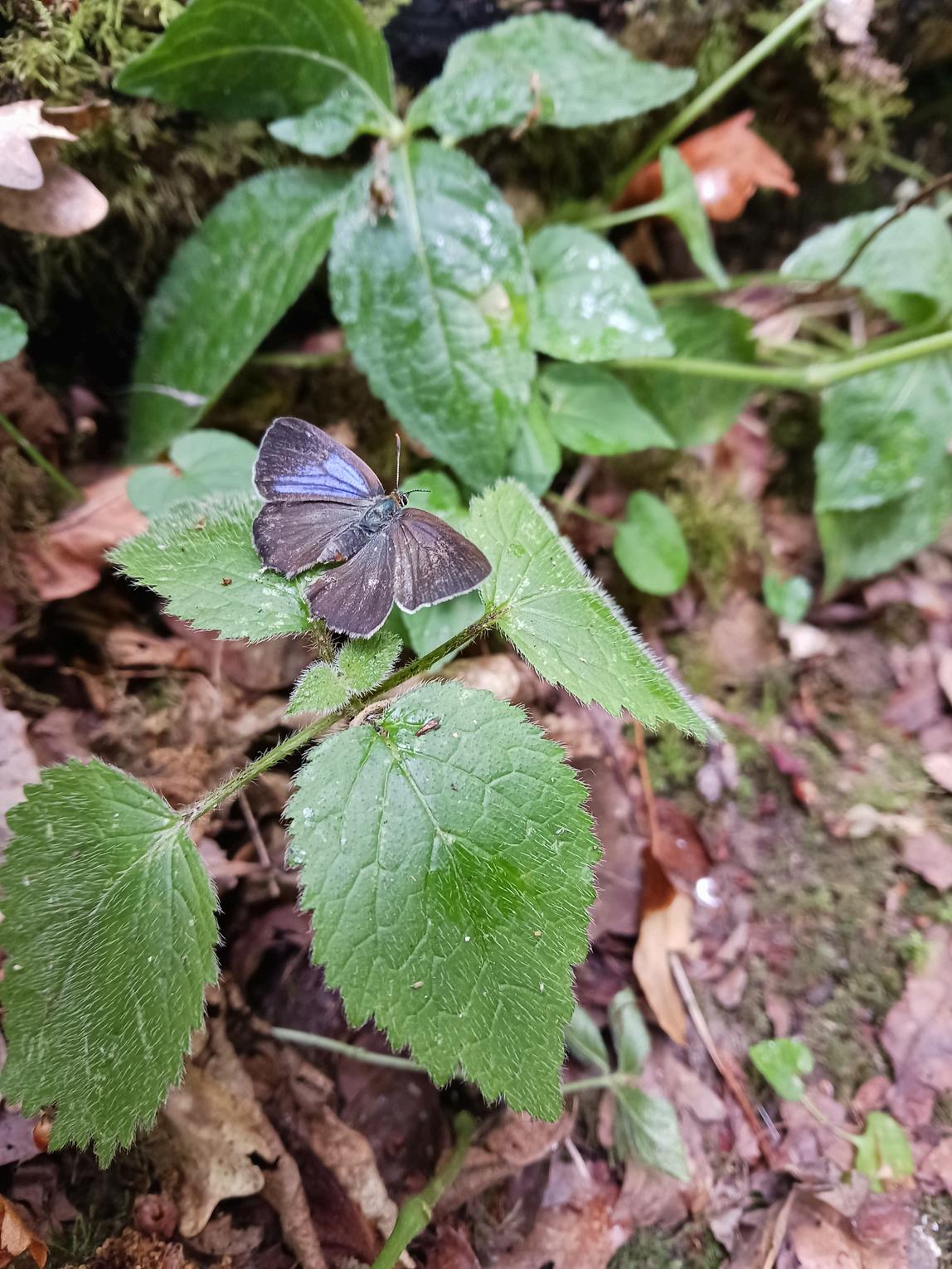
Launde Park Wood had the second highest total number of butterflies recorded (2812) throughout transects in Leicestershire and Rutland
Maple Piercer moth recorded at Cribb’s Meadow
A new butterfly transect set up at Launde Big Wood
A variety of waxcaps found at Coombs Meadow, including Oily, Snowy, Parrot and Crimson
Glowworms recorded at Stonesby Quarry and a whopping 86 females recorded on one night at Ketton Quarry
26 species of butterfly recorded at Cribb’s Meadow (including Dingy Skipper)
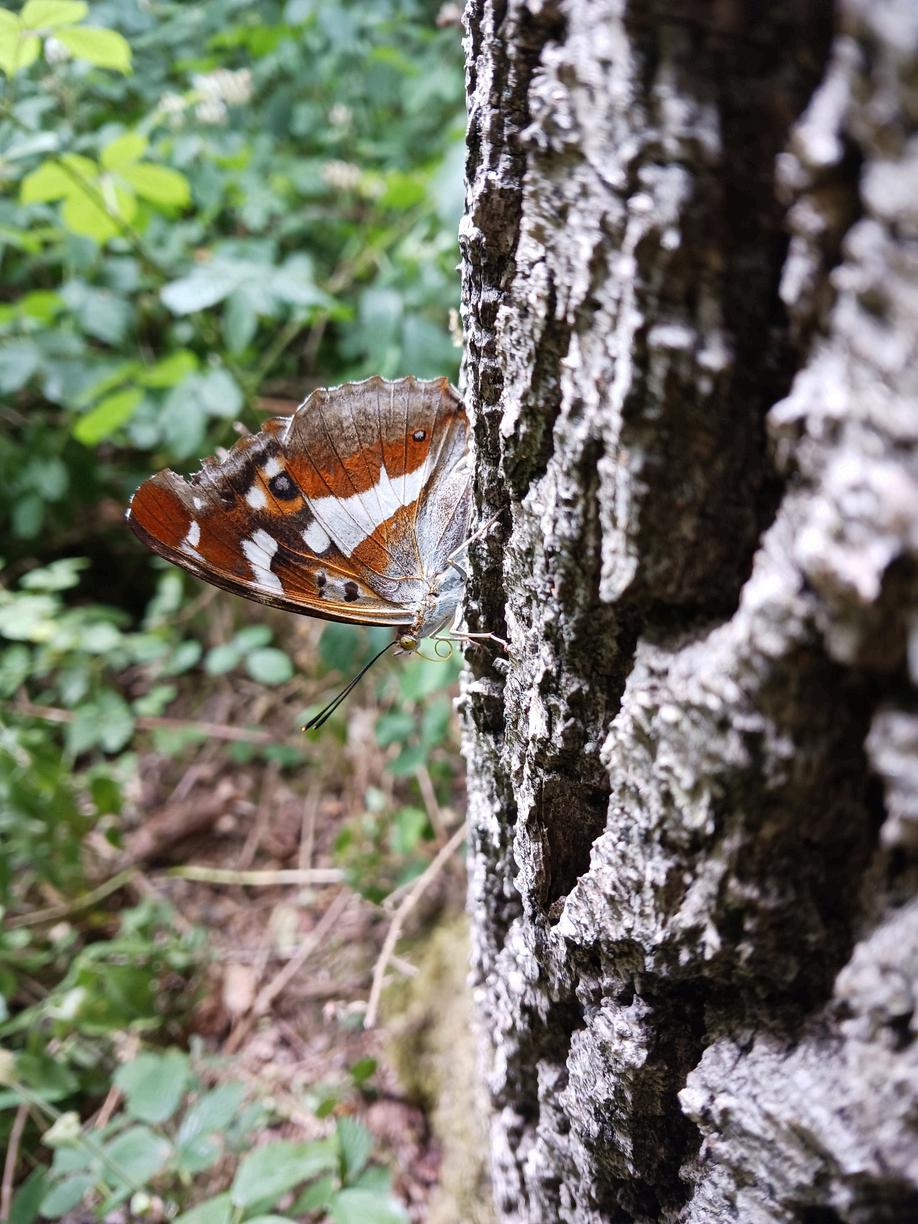
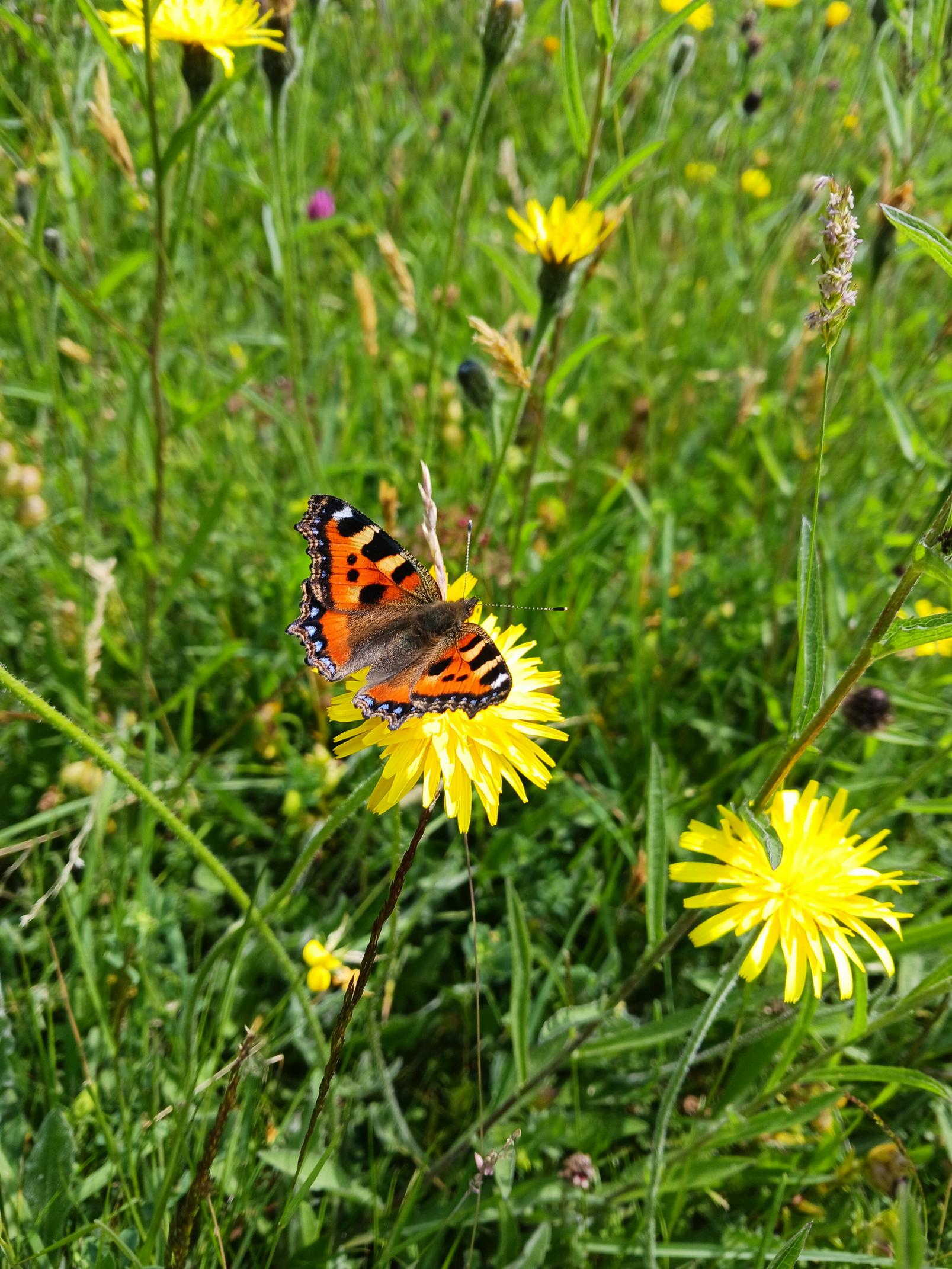
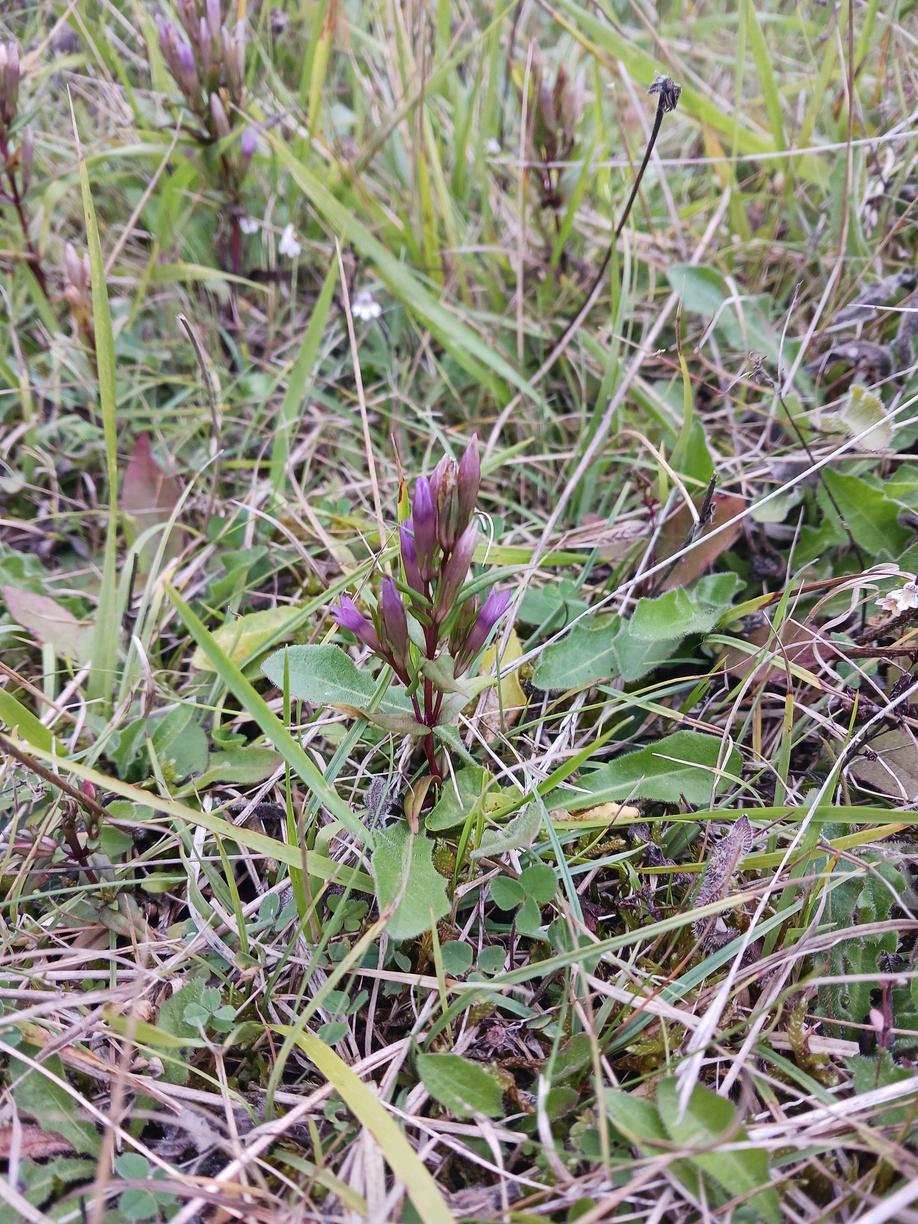
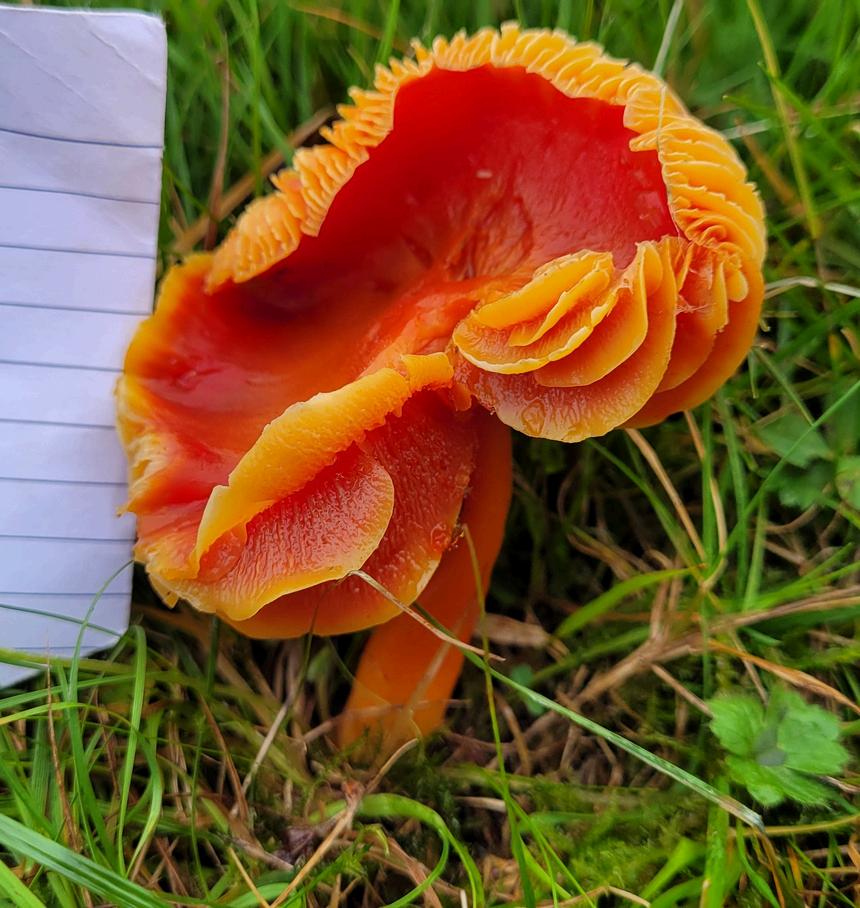
This year, with our newly trained volunteers, we will continue to survey our grassland sites, and we will be running training for reptile and butterfly transects for anyone who is willing and able to survey our sites. If any of these opportunities are of interest to you, please do let us know via email (sbedford@lrwt.org.uk or jcolaco@lrwt.org.uk).
As well as formal surveys, we always appreciate informal sighting reports from you when you are out and about enjoying our nature reserves Please do feel free to send us your photos and records or use NatureSpot to regularly record what you have found.
CHRIS HILL WEST RESERVES OFFICER
In mitigation for burying 11KV power lines at our Mountsorrel and Rothley Marshes nature reserve, National Grid donated over £1000 towards the purchase of trees and shrubs.They found it was more cost effective to direct drill and place large twinwall pipes under the River Soar than to dig up neighbouring roads
We are planting in an area that doesn’t have much in the way of tree cover and will look great in a few years’ time.
The Green Place and Gordon Fergus from Sileby generously donated £700, enabling us to purchase a selection of native British trees and shrubs.
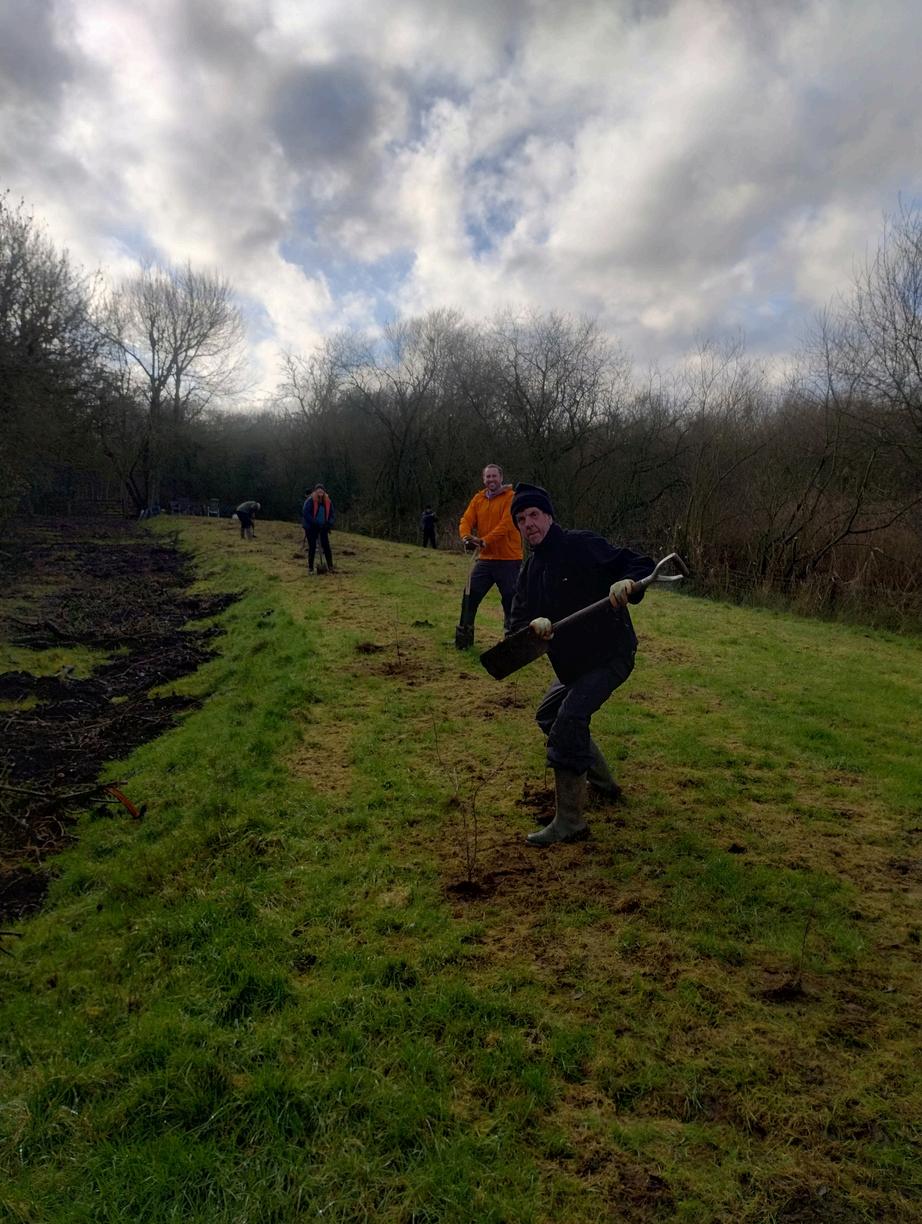
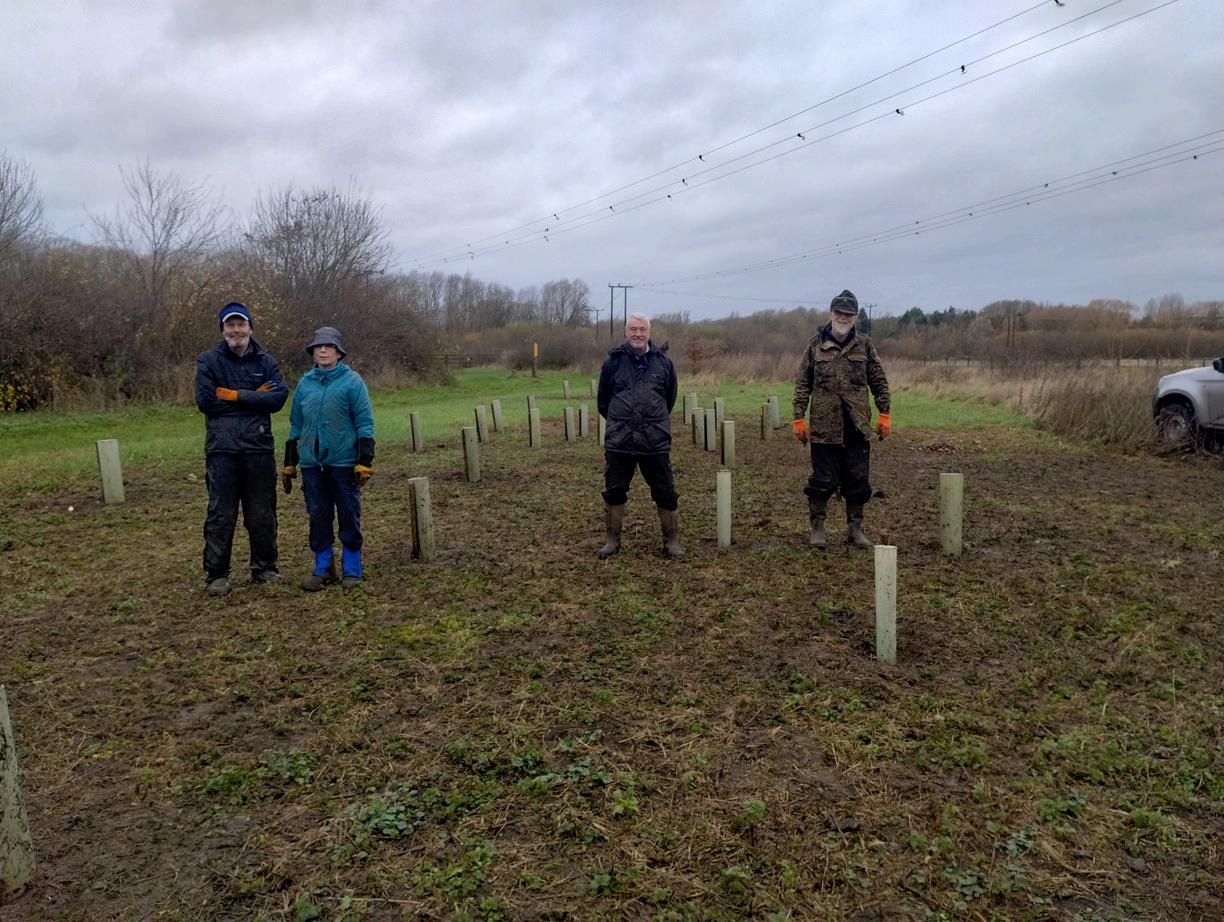
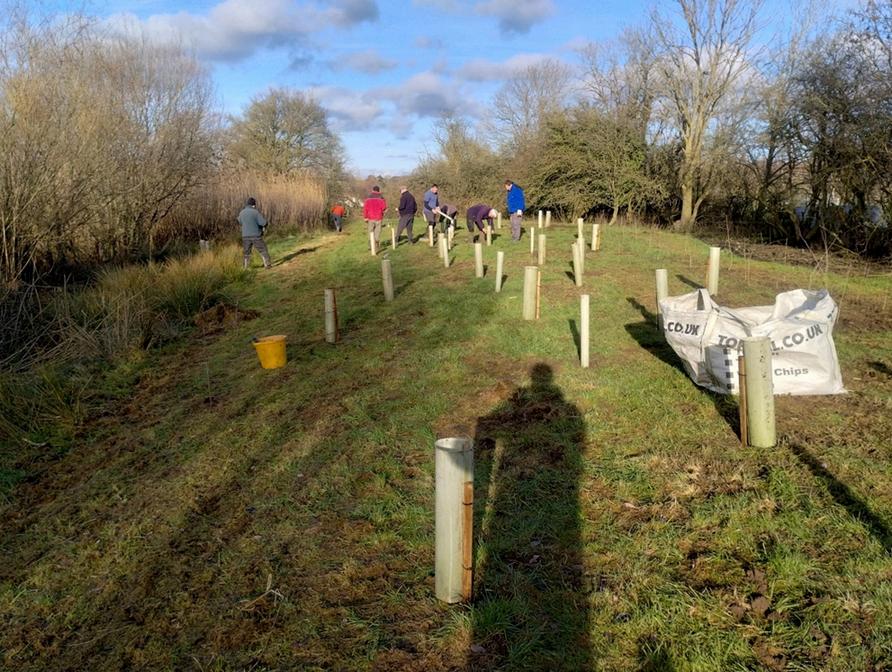
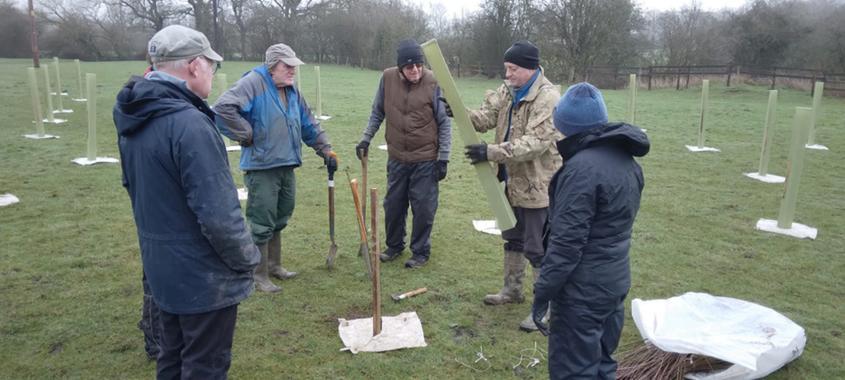
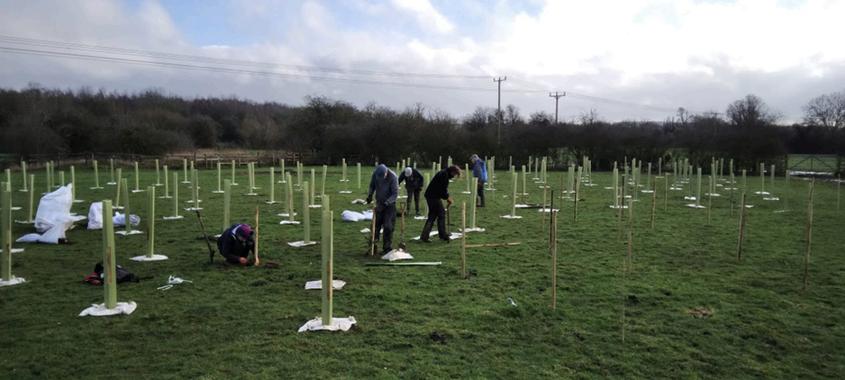
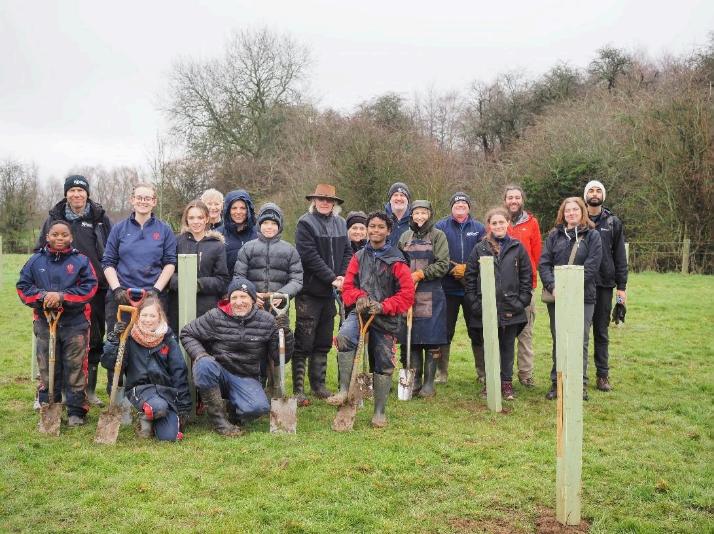
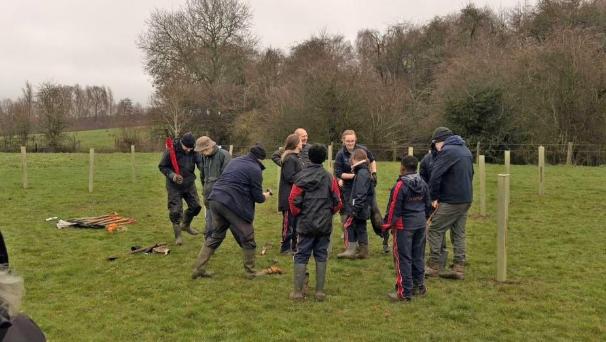
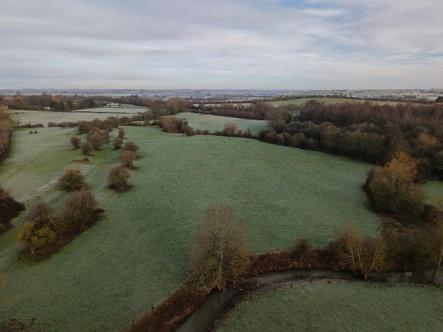
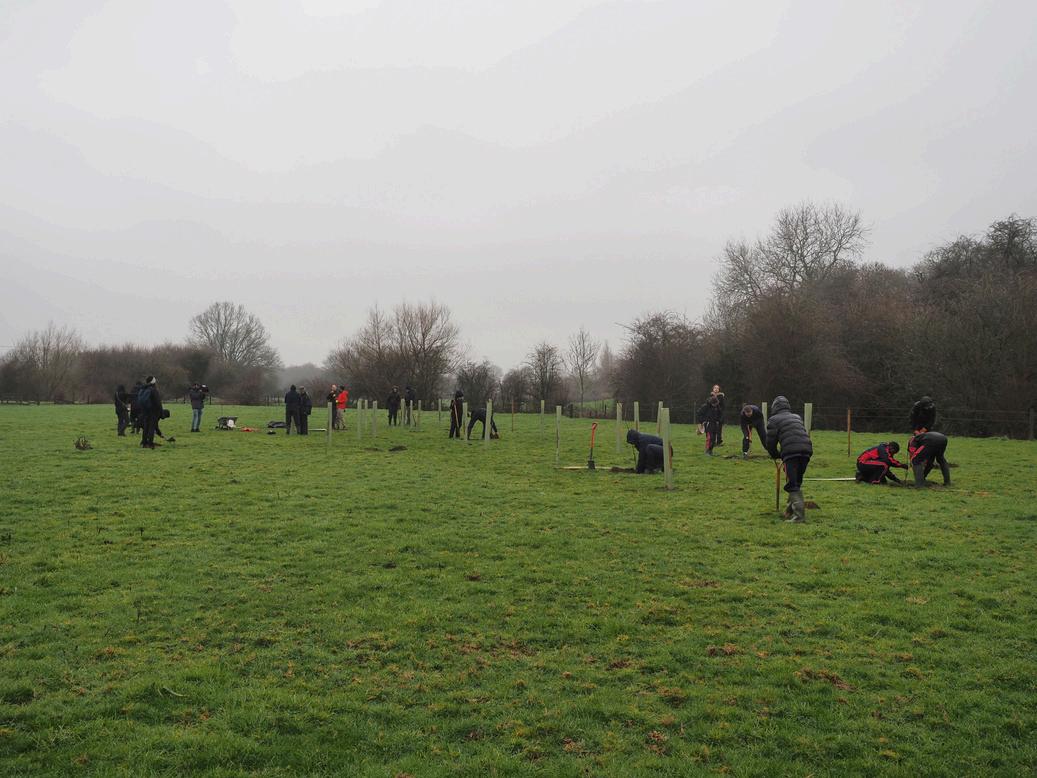
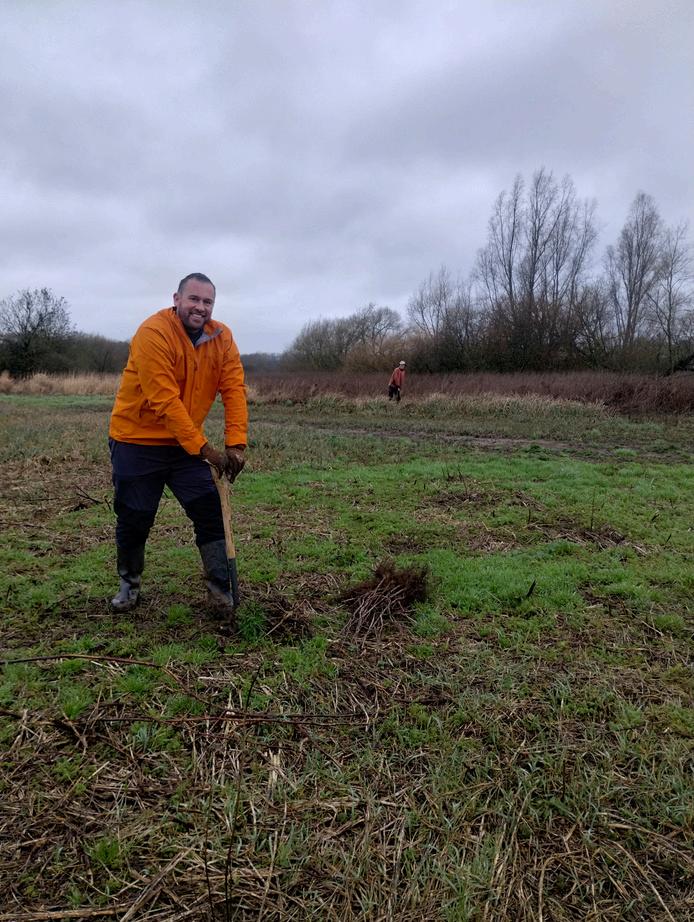
An impressive number of Volunteers took part in a busy day of planting on a small piece of land to the east of Brook Close at Cossington Meadows For twenty years, the adjacent landowner has been grazing this with his flock of sheep. Unfortunately, this management technique does not align with our conservation objective at Cossington Meadows.
We could have left this patch of land to regenerate naturally but due to the fertility of the soil in this location, nettles would quickly flourish and become the dominant vegetation for years to come
Oaks on top of the mound along with hawthorn, blackthorn, buckthorn, field maple, hazel and crab apple.In the wetter ground at the toe of the slope are native black poplar and alder.
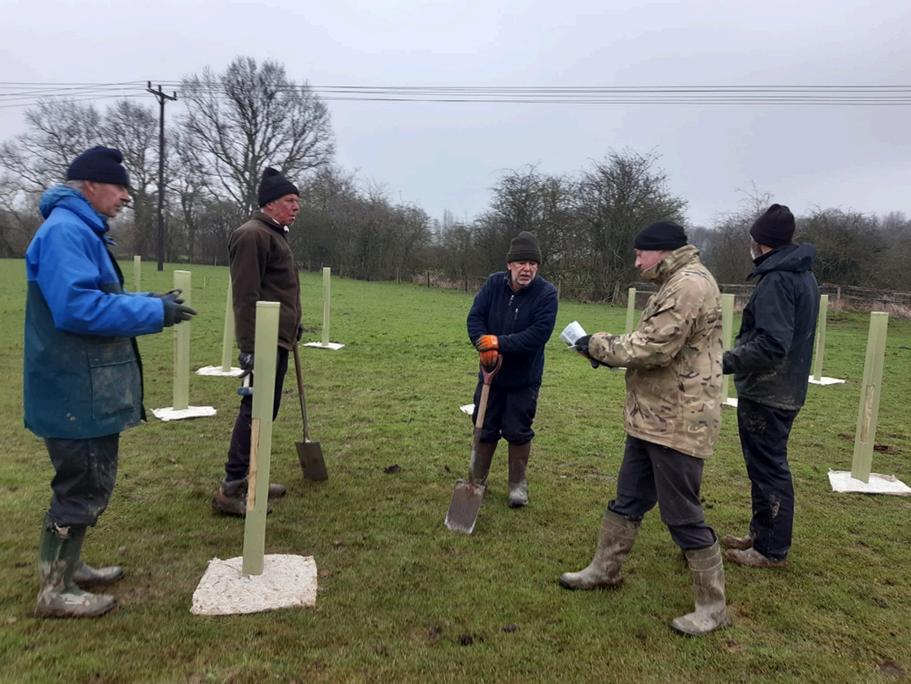
Most of the trees were protected by tree tubes as deer numbers have increased on the reserve and tubes will enable me to spray nettles around the base of the sapling
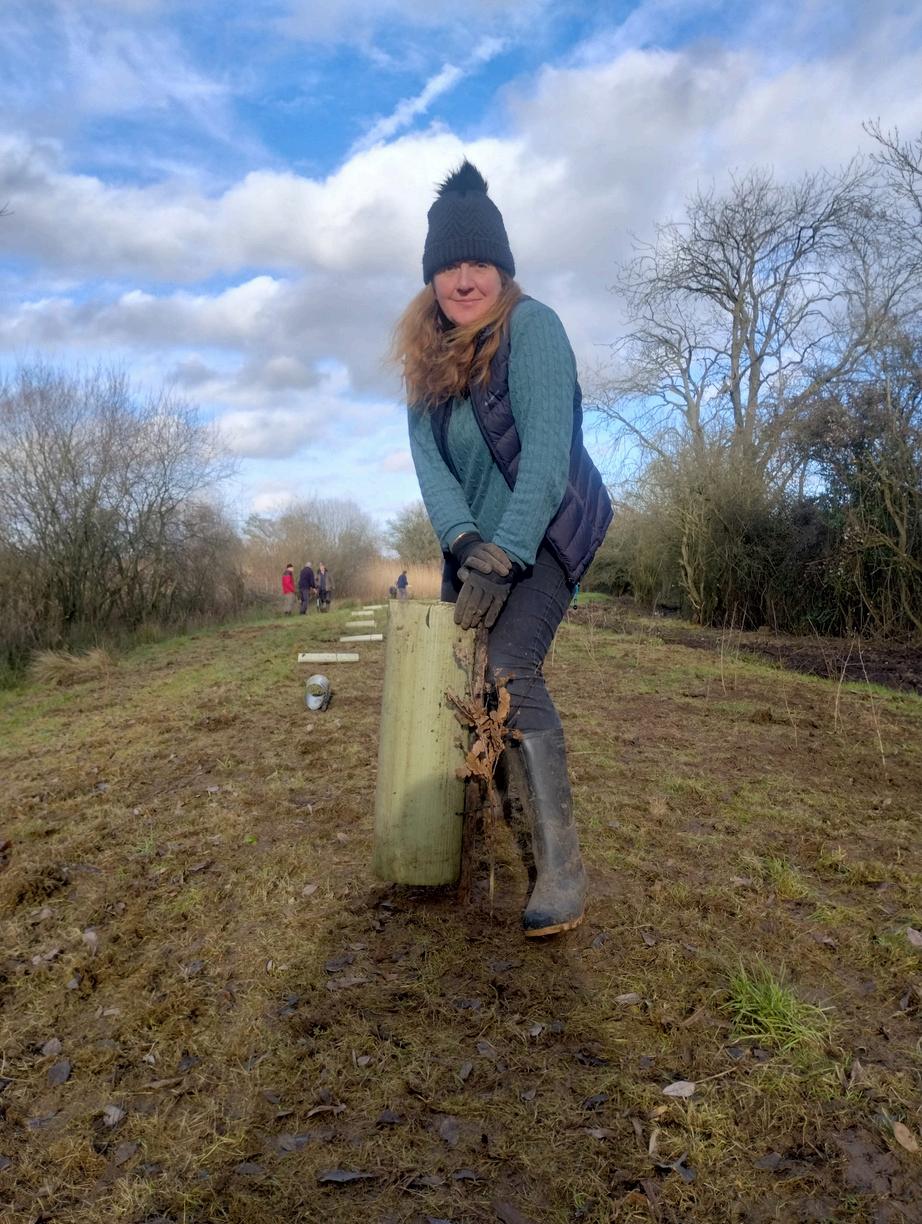
A smaller number of trees were planted in Plover Meadow at Cossington These trees were also protected by tree tubes to enable spraying in the spring