


The latest news and highlights
Passionate, caring, vital. Just three of the many plaudits used in tribute to Jenny Harris since she passed away suddenly of a short illness on 13th October 2025. Jenny’s work and legacy are integral to the story of Leicestershire and Rutland Wildlife Trust. Joining our organisation in 1976 at the very beginnings of Rutland Water Nature Reserve, Jenny was secretary to Tim Appleton’s manager role for ten years What followed that post was a succession of roles – both paid and unpaid - that undoubtedly help to shape and support the nature conservation of the two counties in a meaningful and invaluable way
Until her retirement in 2017, Jenny looked after the limestone grassland quarry reserves at Bloody Oaks, Ketton and Stonesby and the meadows at Cribb’s Meadow, Wymondham Rough, Wymeswold and Holwell. Following retirement, she was back out working with the same team of volunteers she had previously managed, as a volunteer herself
Her favourite reserves to volunteer were all places that allowed her to indulge her love of botany.
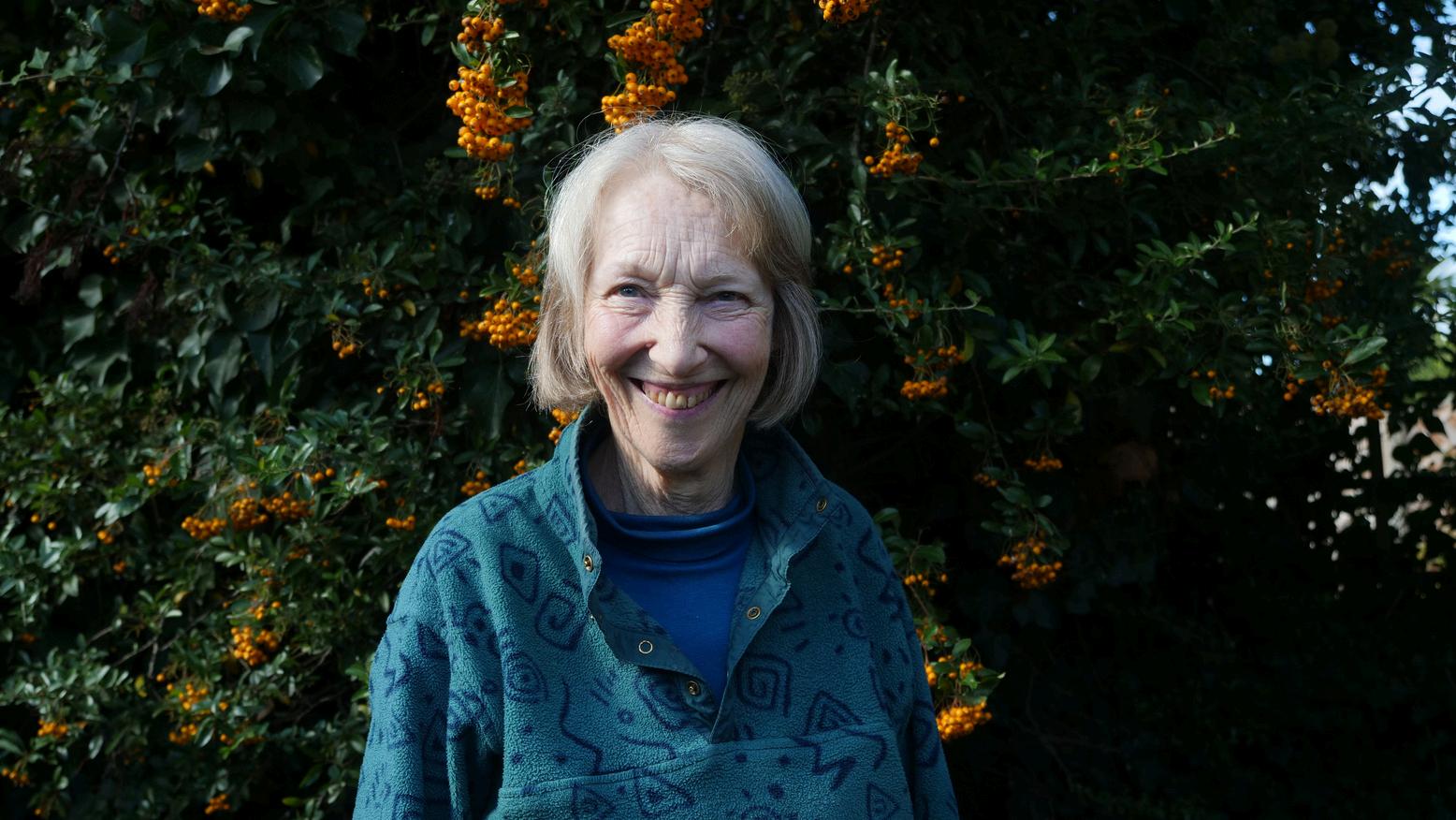
In an interview with Jenny in the Summer 2022 issue of WILD she recalls just one of thousands of her wildlife experiences: “My best day out of the year was at Merry’s Meadow. We’d just finished counting 5,000 green-winged orchids in Cow Pasture Close and were reorganising ourselves beside a thick brambly hedge when we heard a peculiar sound. It was a nightingale clearing its throat and then bursting into song! Nobody had heard a nightingale there before. The bird stayed for some time singing its heart out. It really was a spine-tingling moment.”
We cannot remember Jenny without mentioning bats; for decades, she dedicated her life to bat protection, and rehabilitated hundreds of bats after injury. Part way through a volunteering session, she would often take a “bat call” on her phone, drop everything and drive out to remote places to rescue a bat. In fact, just a few days before she passed away, her last act for her beloved local wildlife was to release a bat back into the wild after rehabilitating it at her home, which became something of a bat hospital.
One of Jenny’s favourite things to do was to lead a guided walk whether that was for the Trust, the bat conservation group or for Rutland Natural History Society, of which she was a key member for nearly 50 years Jenny was passionate about communicating the importance of wildlife and once said: “We need to have heroes who can inspire us to be part of their work. It’s exciting even to be a small cog in the organisations looking after wildlife.” and through her tireless work, she became one of those heroes herself. A sincerely passionate and dedicated individual; Jenny will be deeply missed by all who knew her

You may remember that for Volunteers Week, The Wildlife Trust offered a discount on their online shop for volunteers, well good news, its now permanent!
Head to https://thewildlifetrustsshop.com/ to start shopping. All you need to do is use code WILDVOL20 when you checkout.
Happy Shopping!

Give the gift of nature this Christmas! By giving this gift membership you will be supporting the vital work we do to protect wildlife and wild places across Leicestershire and Rutland. It's the gift that keeps on giving!
Please note the last delivery date is Friday 19th December 2025, therefore we will need to receive the membership by midnight on Thursday 18th December 2025 to ensure delivery by Christmas.
Find out more by heading to our website here- https://www lrwt.org uk/christmasgift-membership
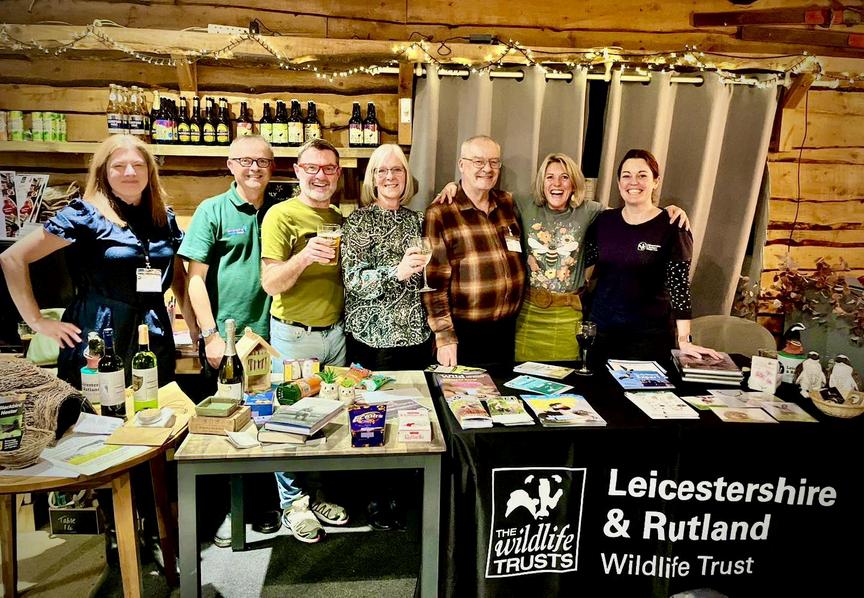
We were recently approached by our friends at The Grange who, as their charity of the year, wanted to hold a fundraiser for us Rock4Nature was an evening of great music, fun and fabulous food and a massive thank you to volunteers Simon and Steve for supporting us on the night.
The Grange have raised nearly £2000 for us so far, amazing!
If you want to get involved and volunteer at any events, please email Paige on pferrier@lrwt.org uk
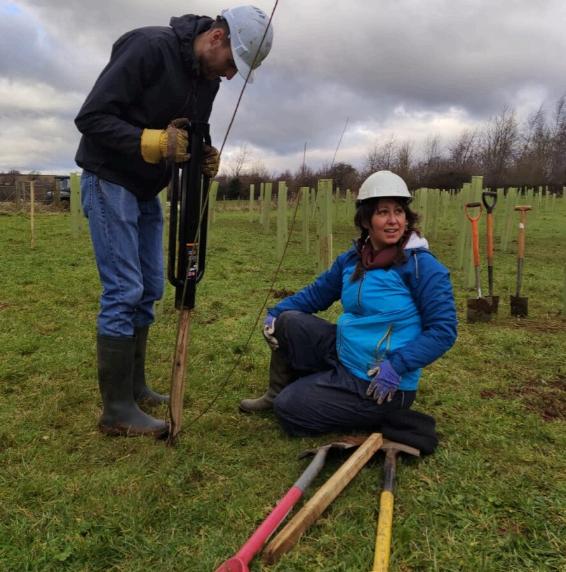

Goodbye and Good luck Fee!
Fee Worton, Community Engagement Officer left the Trust at the end of December after 5 fab years with us. In Fees most recent role she has been working on the Restoring the Soar project which you can read more about here.
We will all miss Fee deeply and wish her all the best in her new role
Our very own Tim Sexton, Senior Species and Recording Officer, recently did an interview with Rutland Pride Magazine talking about the work we do here in Rutland.
He also talks about our big anniversaries coming next year. 70th anniversary of the Leicestershire & Rutland Wildlife Trust, 50 years of Rutland Water's Nature Reserve and 30 years of The Rutland Osprey Project.
Click here to read the full article on Rutland Pride Magazines website.

Hosted by Leicestershire County Council on behalf of the Local Nature Recovery Strategy with support from NatureSpot and the Leicestershire & Rutland Wildlife Trust.
Expect a day of insightful talks, presentations and display stands about local wildlife and conservation initiatives in our area, with opportunities for people to get involved.
Saturday, February 28, 2026 · 10am - 4pm GMT
Click here to get your ticket and find out more.
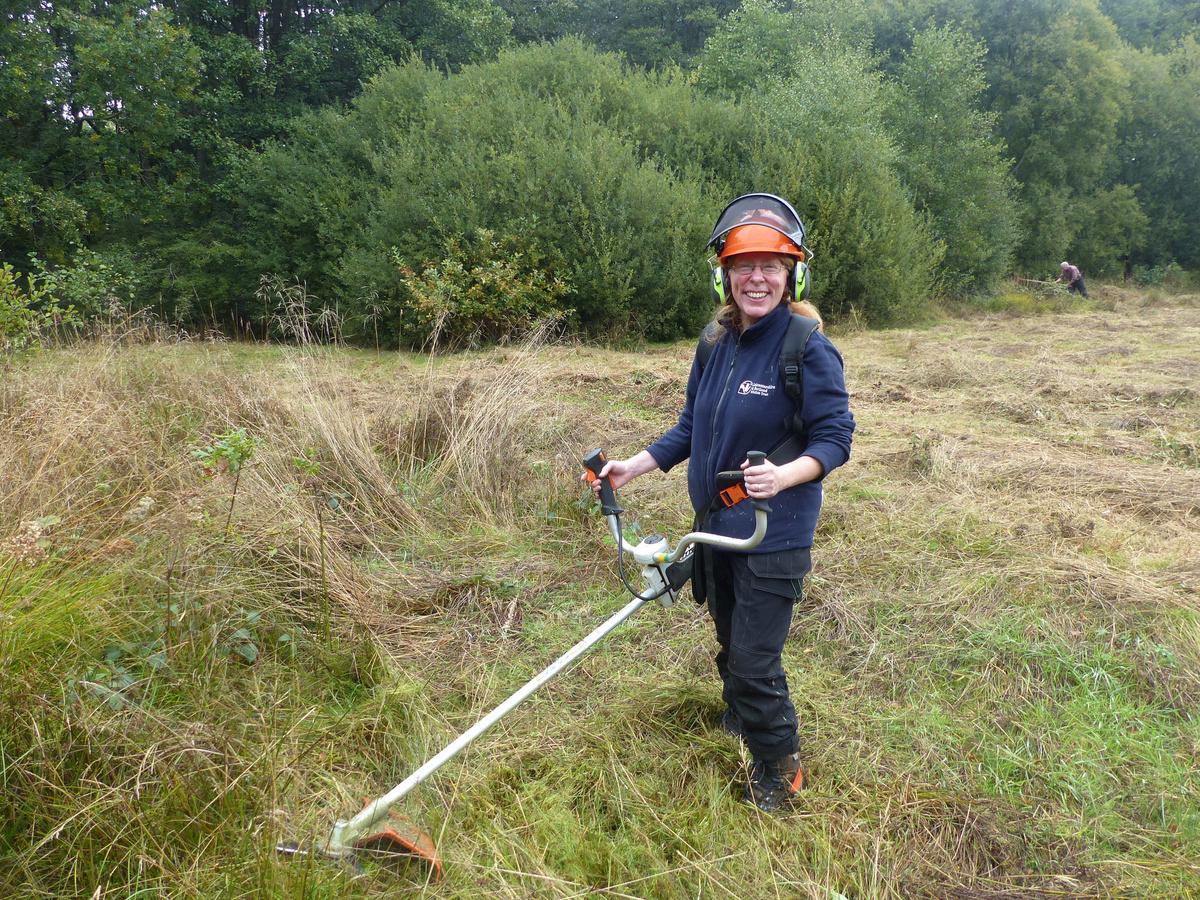
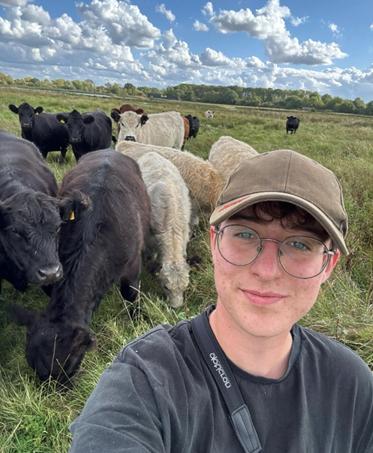
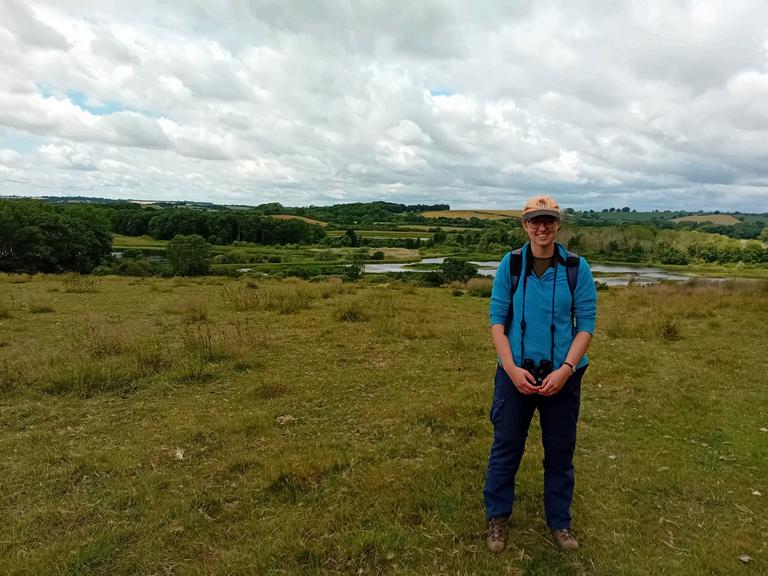
Welcome to our new trainee reserve officers!
Helen Case- West TRO
I have previously worked in various places including civilian roles at Leicestershire Police I've also worked in a solicitors, chiropractors and a physiotherapist clinic. I also had a stint training as a teaching assistant in a primary school. More recently, I have volunteered at Bradgate Park and Mount St Bernard Abbey and thoroughly enjoyed both. A few months ago,I completed my two year course at Brooksby College as a mature student in Countryside and Environmental Management. I am very much looking forward to getting stuck in at the west conservation sites across Leicestershire - I never realised there were so many!
I am particularly interested in woodland management and anything ‘tree’. Woodlands are where I feel most at home and would like to learn more in this area for sure
Josh Kirk - Rutland TRO
I have been studying Earth and Environmental Science at Lancaster University and am doing this traineeship as a placement between my 2 and 3 years of study. In my free time I enjoy caving, wild swimming, and taking my dog hiking I am from an arable farming background and currently spend my weekends working on a Christmas tree farm! nd rd
I am really enjoying my time getting stuck at Rutland Water and have learnt a lot over the past few months- from hedge laying and livestock management to felling trees and species ID. I look forward continuing to work with our dedicated volunteer teams and further developing my skillset.
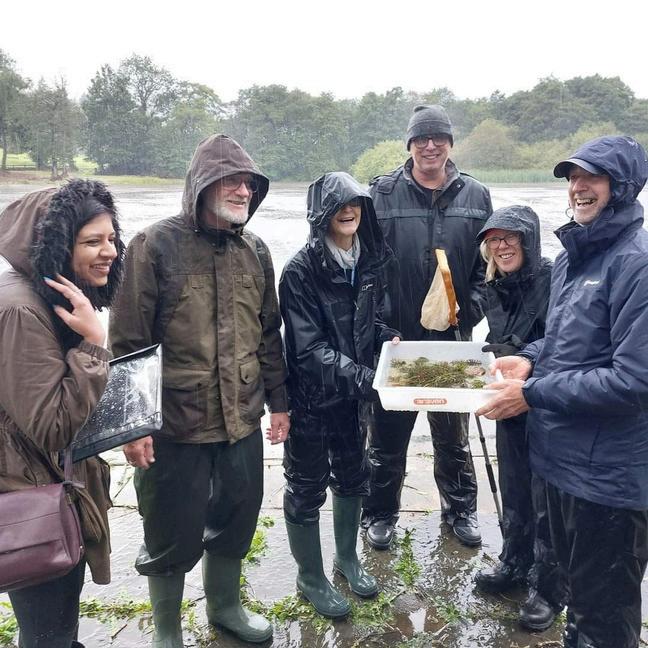
Last summer I graduated with a zoology degree from the University of Glasgow I was interested in working in the conservation sector and this traineeship seemed like a good opportunity for developing the relevant skills and experience. I am now 5 months in and so far I’ve been involved with a range of tasks around the reserve, including fencing, path work and cutting back vegetation; as well as taking part in surveys like aquatic invertebrate sampling with the species recording team. I’ve enjoyed getting to know the volunteers who work with us on the different tasks throughout the week.
I’m looking forward to the rest of the traineeship and getting the chance to develop my skills further
Coombs Meadows – a story of digging
Sarah Bedford - Senior Reserves Officer -East
Nestled in the Vale of Belvoir, in the heart of rural Leicestershire, the sleepy village of Stathern currently has a population of less than 1000 people. Lately, focus on one of its former residents and a flurry of different types of activity going on at our very own Coombs Meadow Nature Reserve just outside the village has brought it into the spotlight.
Over the last few years, the site of Coombs Meadows has been of interest to a group of historians known as the Field Detectives (FDs), looking for evidence relating to Colonel Francis Hacker. Hacker was a parliamentarian soldier during the English Civil Wars (1642-1651) and one of Oliver Cromwell’s most trusted soldiers and confidants. During the trial of Charles I, Hacker was one of the officers specially charged with the custody of the King. He was one of the three officers to whom the warrant for the King's execution was addressed, he was present on the scaffold, supervised the execution, and signed the order to the executioner. Charles I’s death warrant was then kept at Hacker’s house in Leicestershire for over 11 years before Hacker was himself executed by Charles II in 1660.
On the hunt for Stathern Hall, one of the homes of “King Killer” Colonel Francis Hacker, the FDs requested permission to carry out various archaeological investigations at the nature reserve Coombs Meadows is not a protected site and there is, therefore, some freedom to allow for this sort of activity on the nature reserve, providing there is no disturbance to wildlife and the ground is returned to its original state. Under specific conditions, Leicestershire & Rutland Wildlife Trust granted permission to the FDs to carry out metal detection activities in the Pill Box field of the nature reserve in the hopes of finding artefacts that dated back to the 17th Century, proving Hacker did indeed live at a property on the hill where the nature reserve is now located.
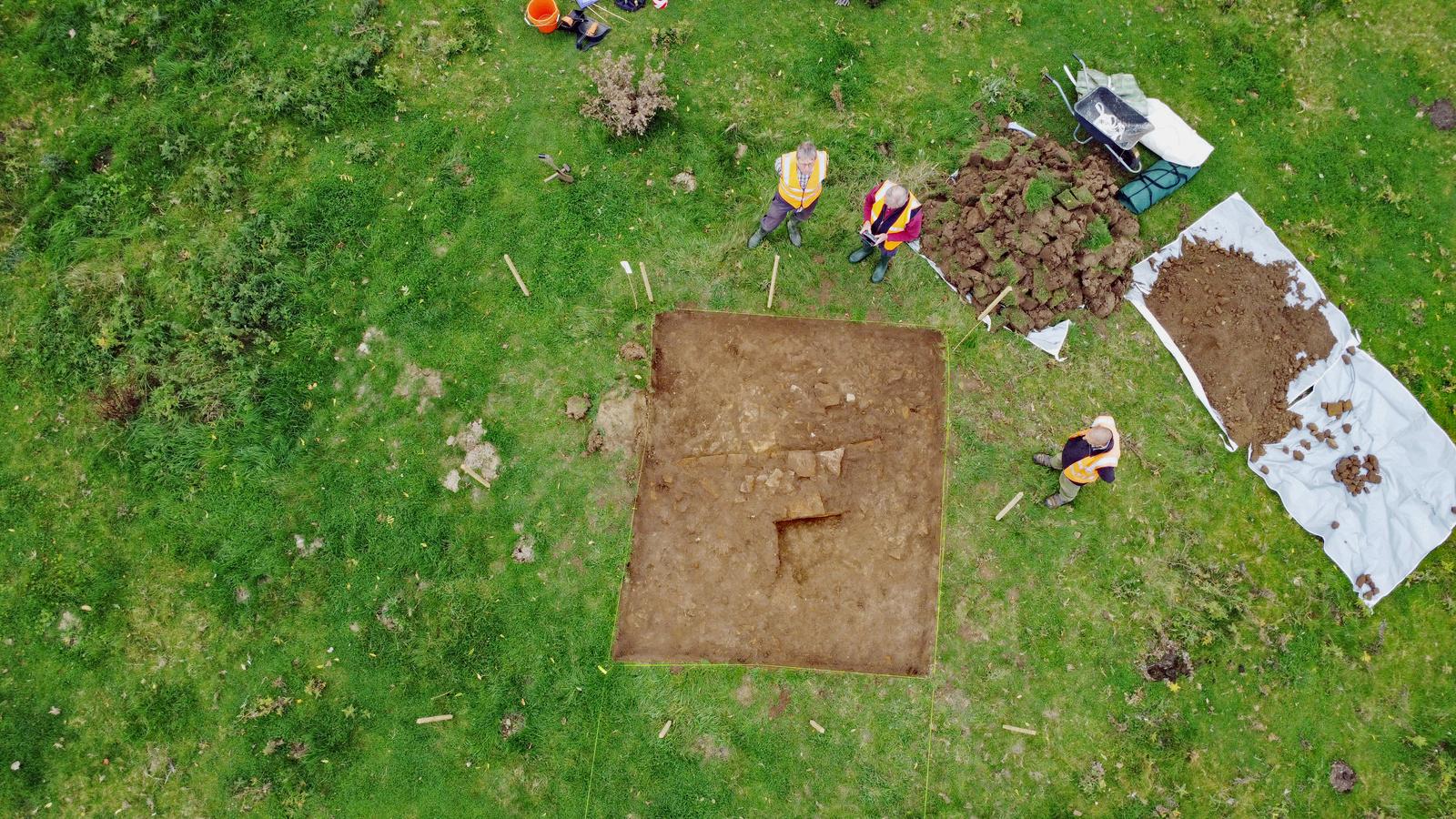
The investigation was carried out in March 2025 and sadly revealed mostly plastic hair combs, buttons, coins and various pieces of farming paraphernalia. No Hacker-specific artefacts were retrieved. The only piece that could have been of his time was a single musket ball dating from anywhere between 1550 and 1800. Initial disappointment did however give way to a window into an even older world. A tool, thought to be a type of awl (a pointed hand tool used for making holes in materials like leather, wood, or cloth) was discovered.
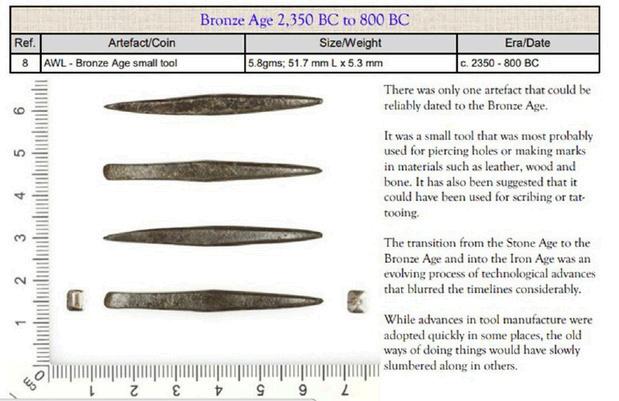
Dating from the Bronze Age, this tool could have been made anywhere between 2350BC and 850BC. Not connected to Hacker but a very exciting find nevertheless, showing human activity in this landscape for over 2000 years.
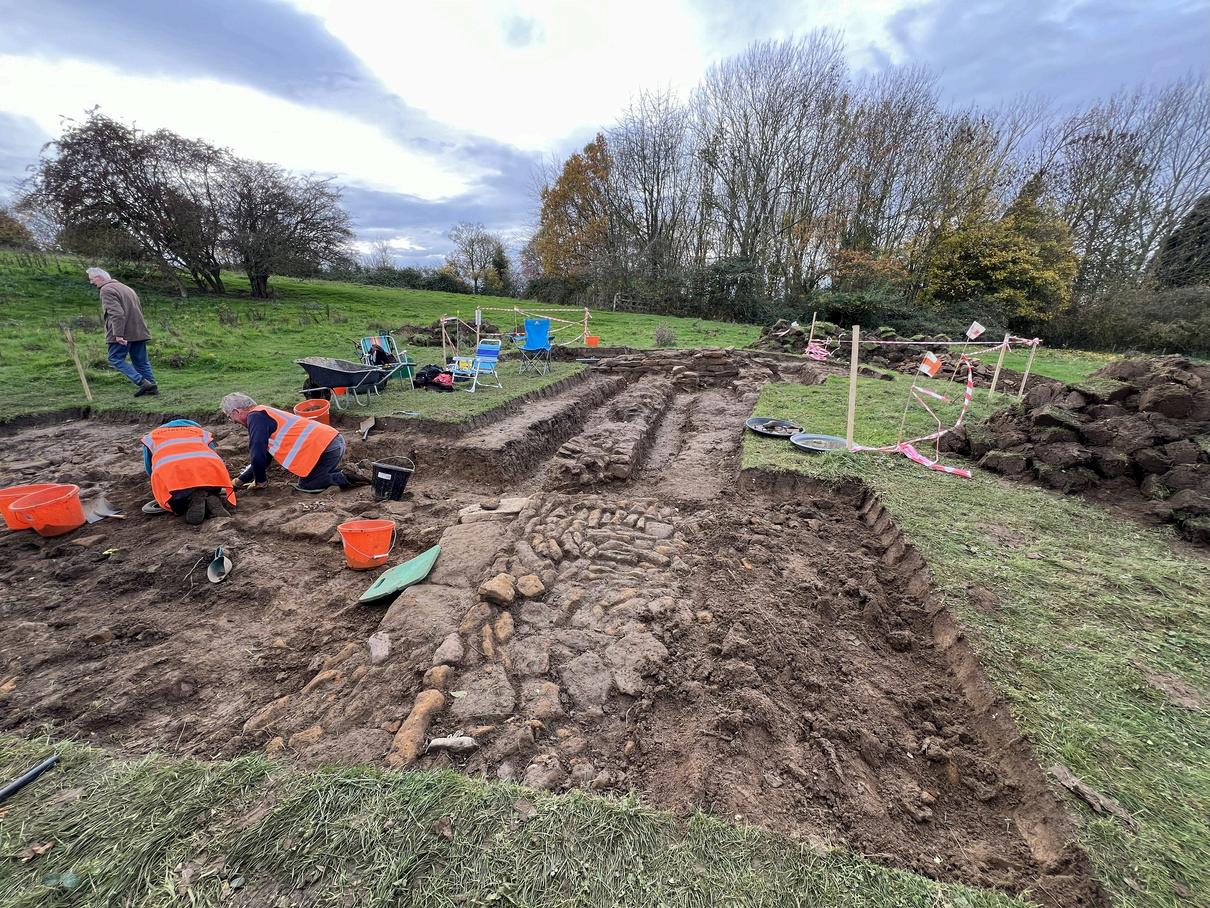
Undeterred from the lack of physical artefacts from Hacker’s time, the FDs again approached the trust and asked for permission to try and find the foundations of Stathern Hall itself, which had been hinted at in previous studies of the landscape from both 2001 and 2005. Revisiting this dig in October and November of 2025, the FDs spent nearly 80 hours in their newly dug trenches, uncovering various walls and a mysterious track
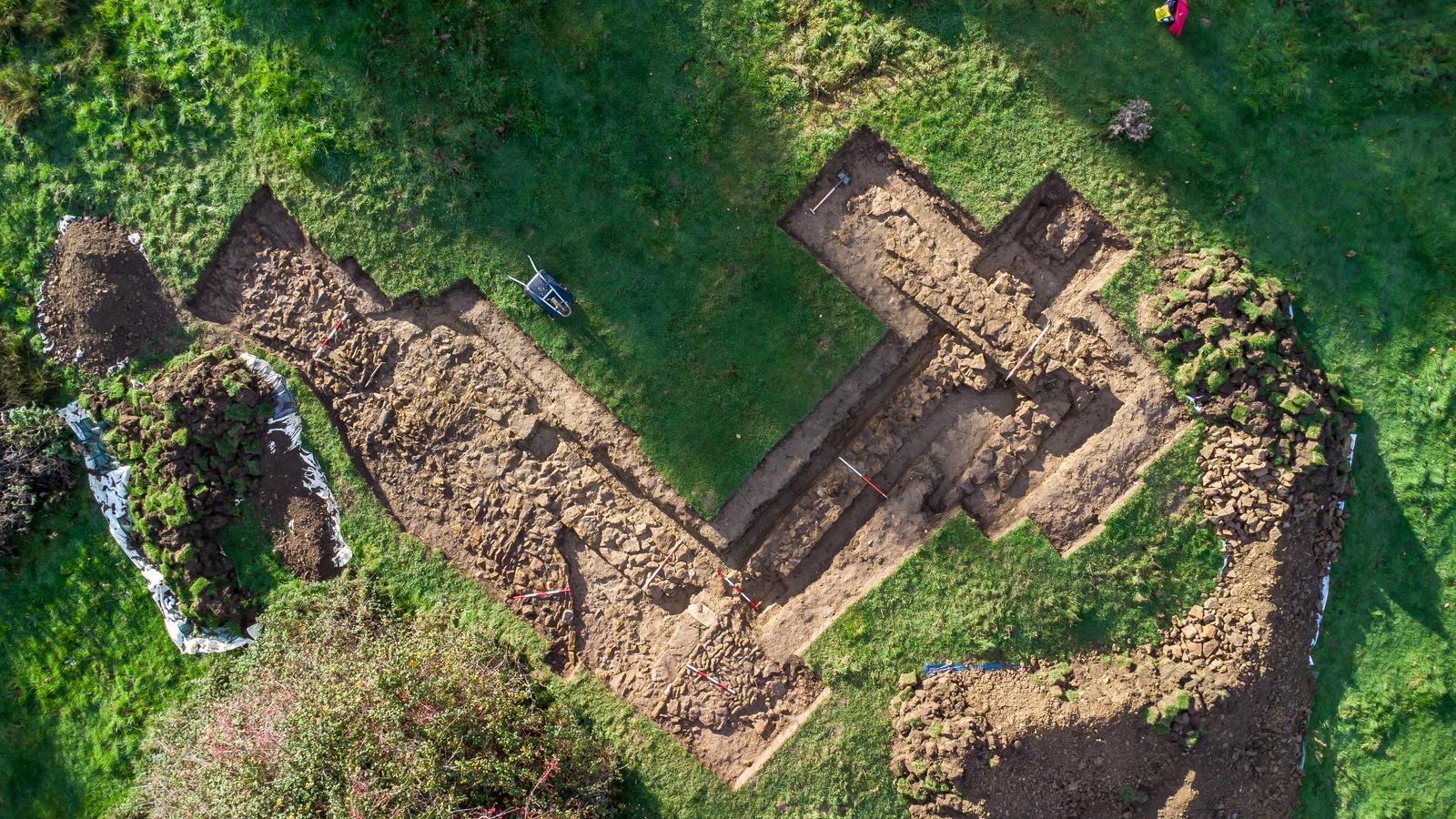
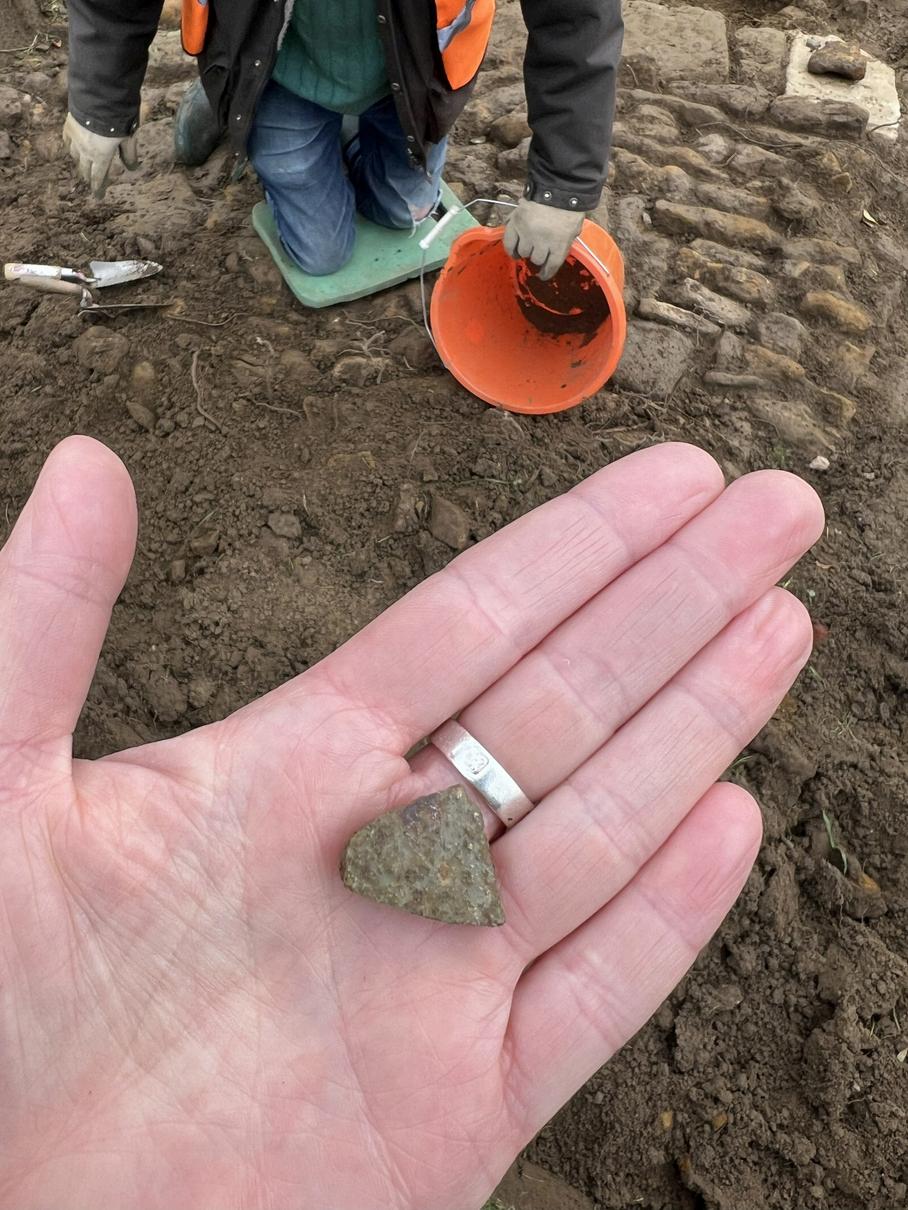
Very little dateable evidence was found but at last one piece of green glaze pottery was unearthed and dated between the 12th and 14th Century, well before Hacker’s time. This all adds to the theory that these fields have already been mined extensively for historical artefacts. Initial speculation for the wall and track remains that were uncovered is that instead of being a manor house or even a humble family home, the lack of dateable evidence may point toward it being an agricultural building of some kind.
The FDs have yet to write up their report but if their discoveries unearth a more exciting story, an update will feature in a future volunteer newsletter For now, the mystery of whether Colonel Francis Hacker and his family once lived on what is now Coombs Meadows remains unsolved, and the nature reserve will be returned its original state.
A side benefit of the Field Detective’s eager digging is that they removed a hefty amount of loose stone from the trenches. The intention is that this stone will now be used for nature, by finding a place on the reserve to build a hibernaculum: a winter shelter for various creatures including reptiles, amphibians, bats and other small mammals.
And whilst all this digging was going on by the FDs, LRWT volunteers were doing some serious digging of their own. Coombs Meadows has two watercourses running through it and they lead down toward the village of Stathern, at the foot of the hill. Heavy rainfall in the last two years has seen the area around the church flood repeatedly and the local flood warden requested that some work be done on the nature reserve to try and mitigate the effects of increased water flow.
East Team volunteers got stuck into building a leaky dam, a flood management technique similar to the work of a beaver! Leaky dams slow the flow of water without stopping it completely. The digging out of pool areas and gathering of logs and branches to create the dam itself was all a sticky, muddy, messy task and all our volunteers needed hosing down at the end of the work party. If effective, the dam will have slowed the water enough that by the time it reaches the village, some 700m downhill, it will have less damaging impact and be able to travel through existing drainage systems more effectively.
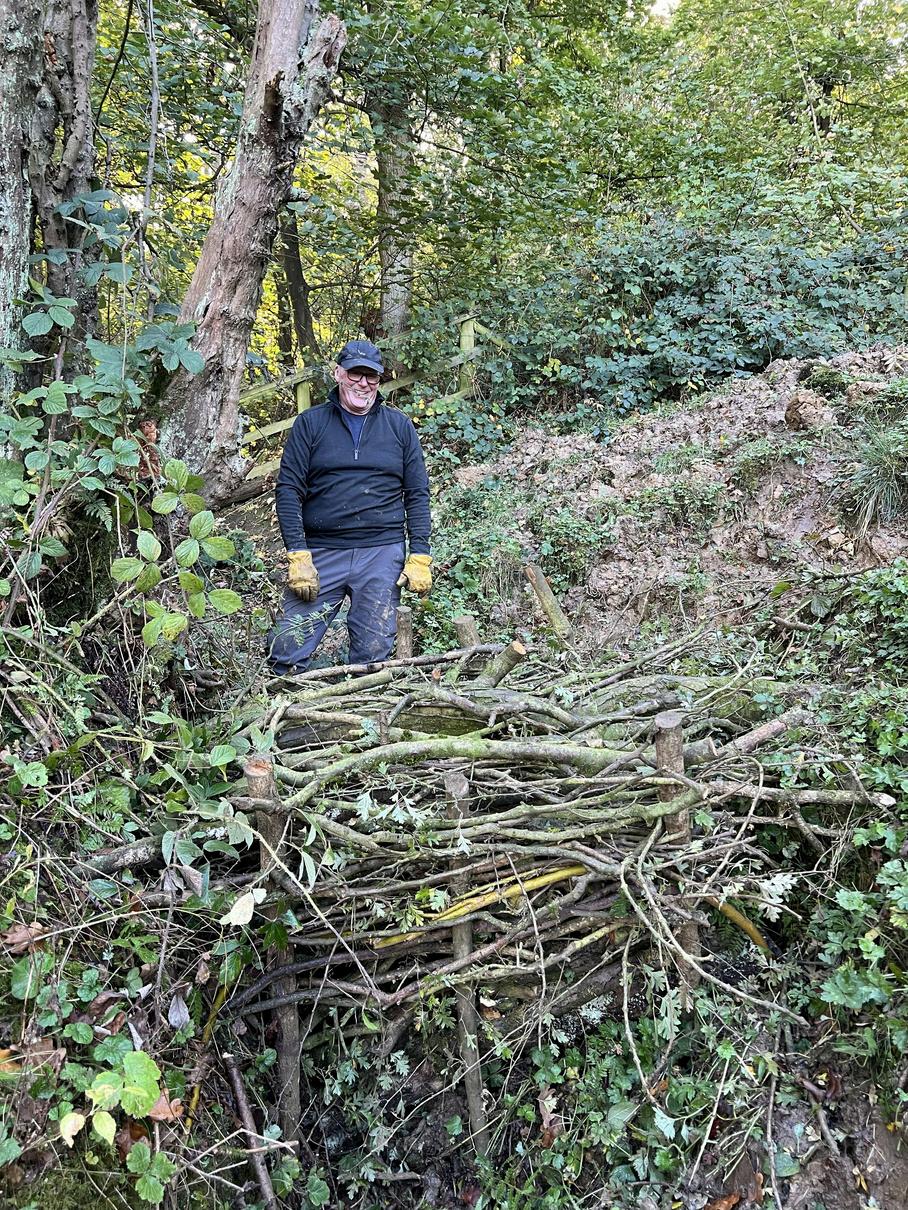
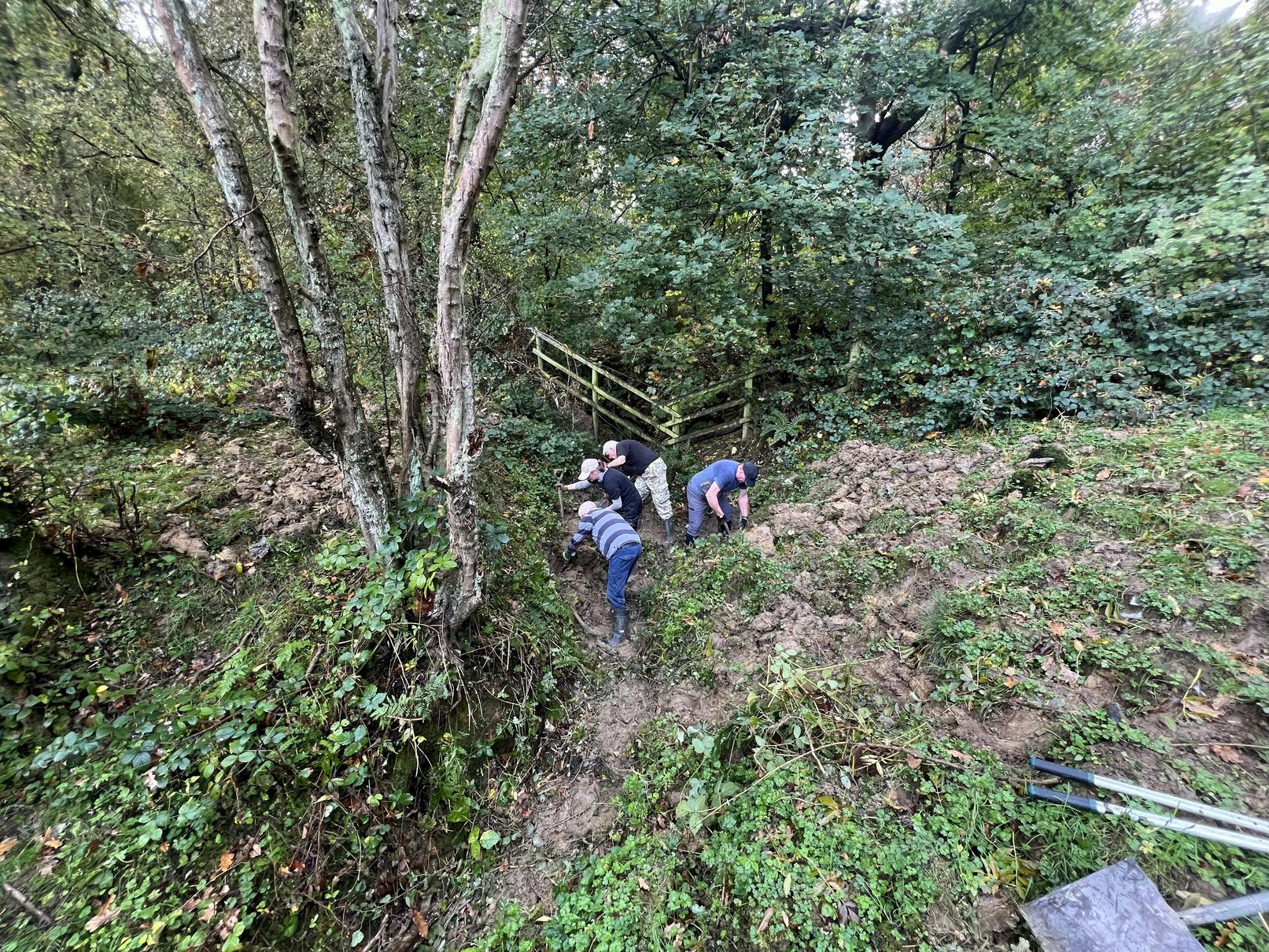
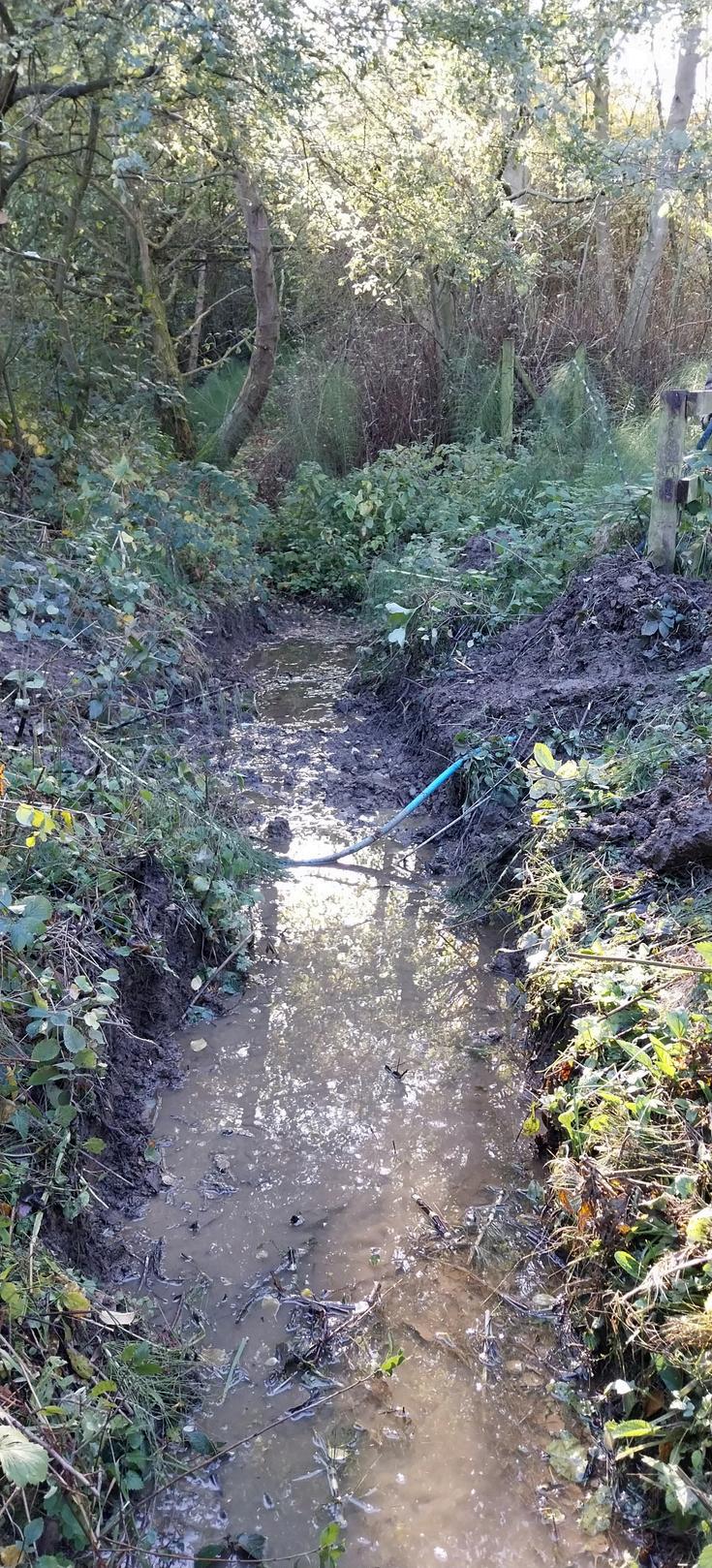
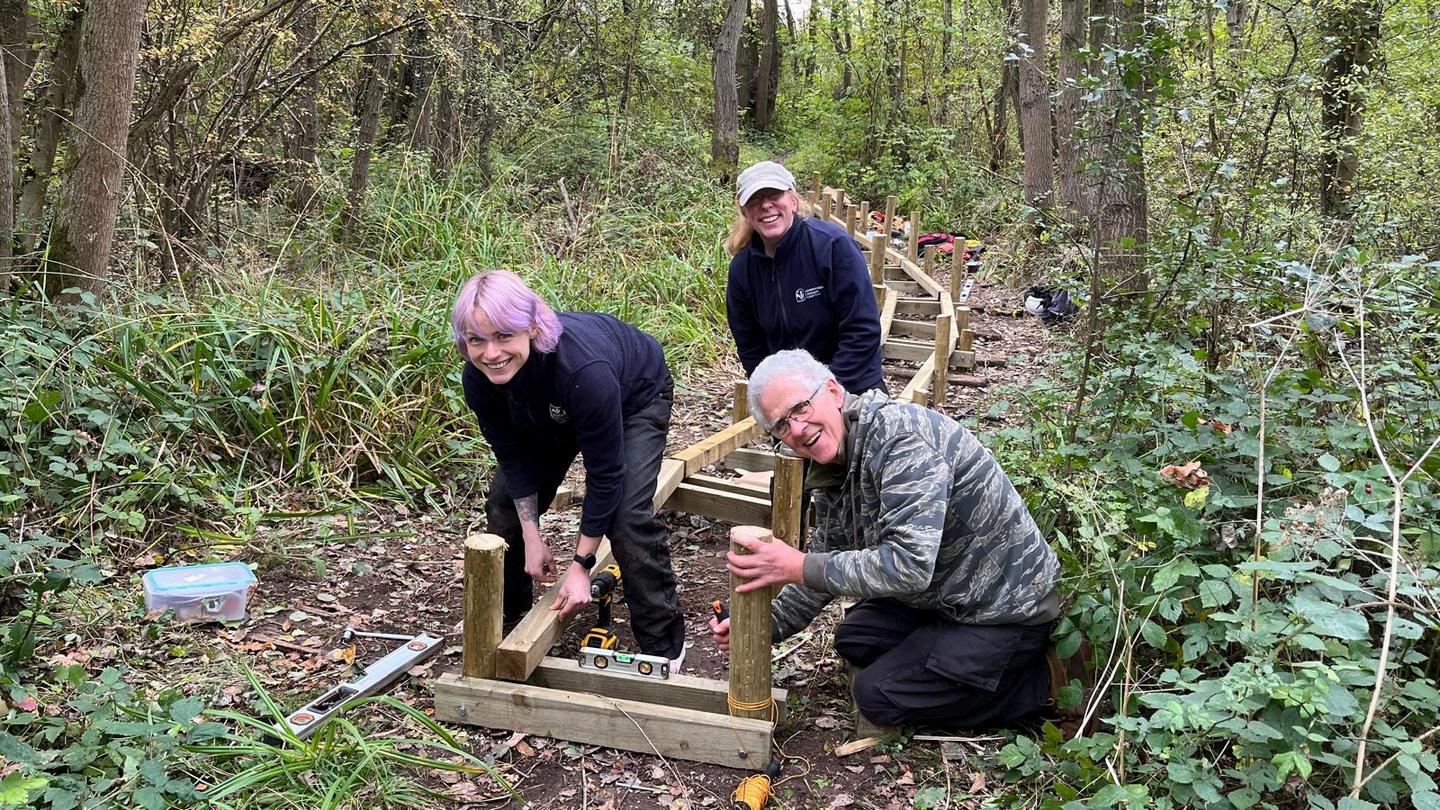
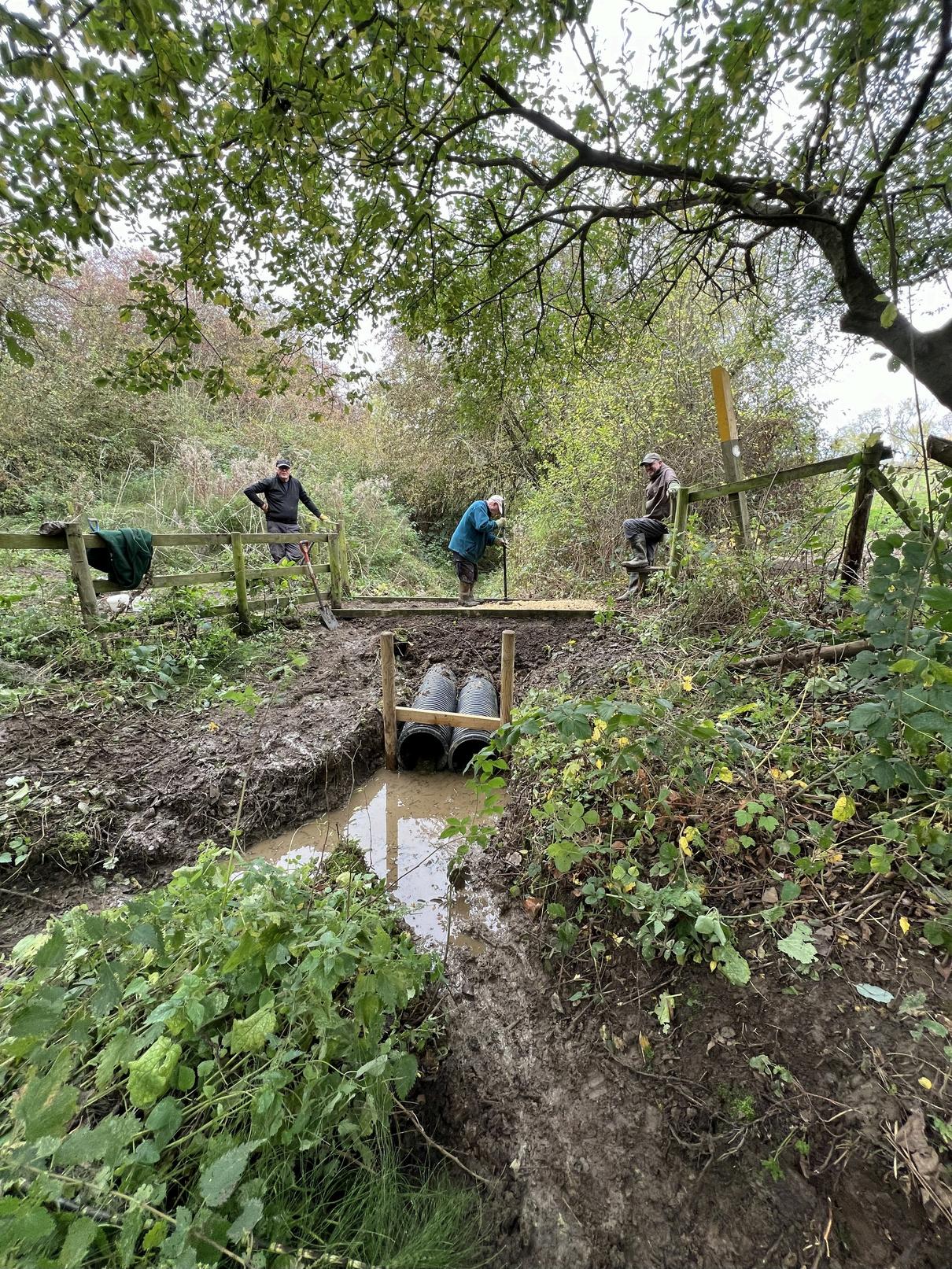
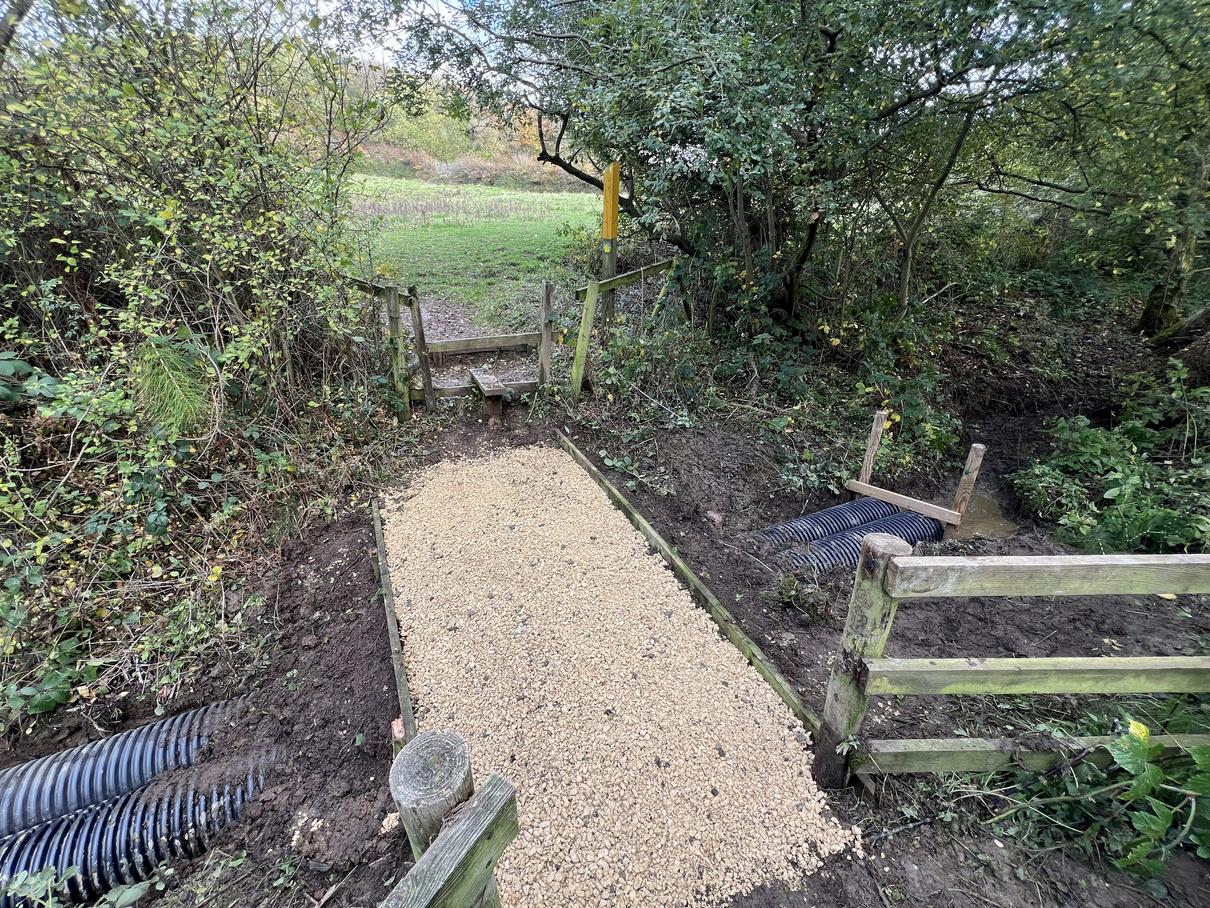
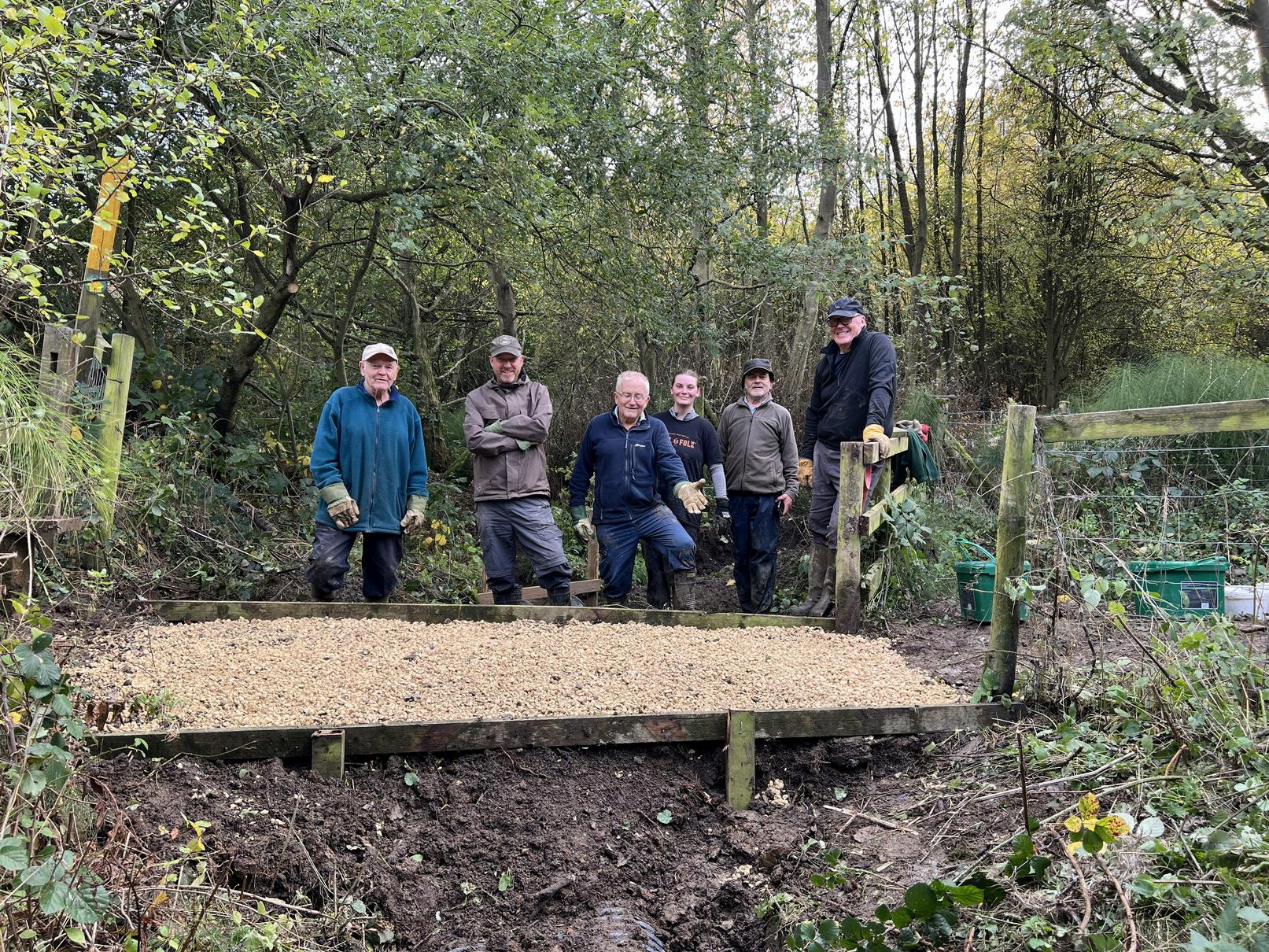
Simultaneously and a little further downstream on the reserve, one of the bridges across the public right of way had recently collapsed. As the leaky dam was being carved out by one intrepid team, other industrious volunteers were removing rotten sleepers, digging out extra spaces for water to pool and installing a culvert. That makes it sound easy; far from it! More sticky mud to be removed, enormous pipes to be transported down the steep slopes of the reserve and buckets of limestone to be carried, laid and tamped. The team worked tirelessly to get the culvert in place and restore the public right of
As promised in my article in the last newsletter, I can now share the final totals for our Sand Martin colonies this year. Many thanks to all the volunteers who have helped with the monitoring and data entry of the last 6 months. A total of 760 chicks fledged from the 2 artificial nest banks this year. This is an improvement on last year when 517 fledged but still short of pre-bird flu totals where over 1000 chicks fledged. Things are moving in the right direction though so hopefully over the coming years the colony will return to its former strength.
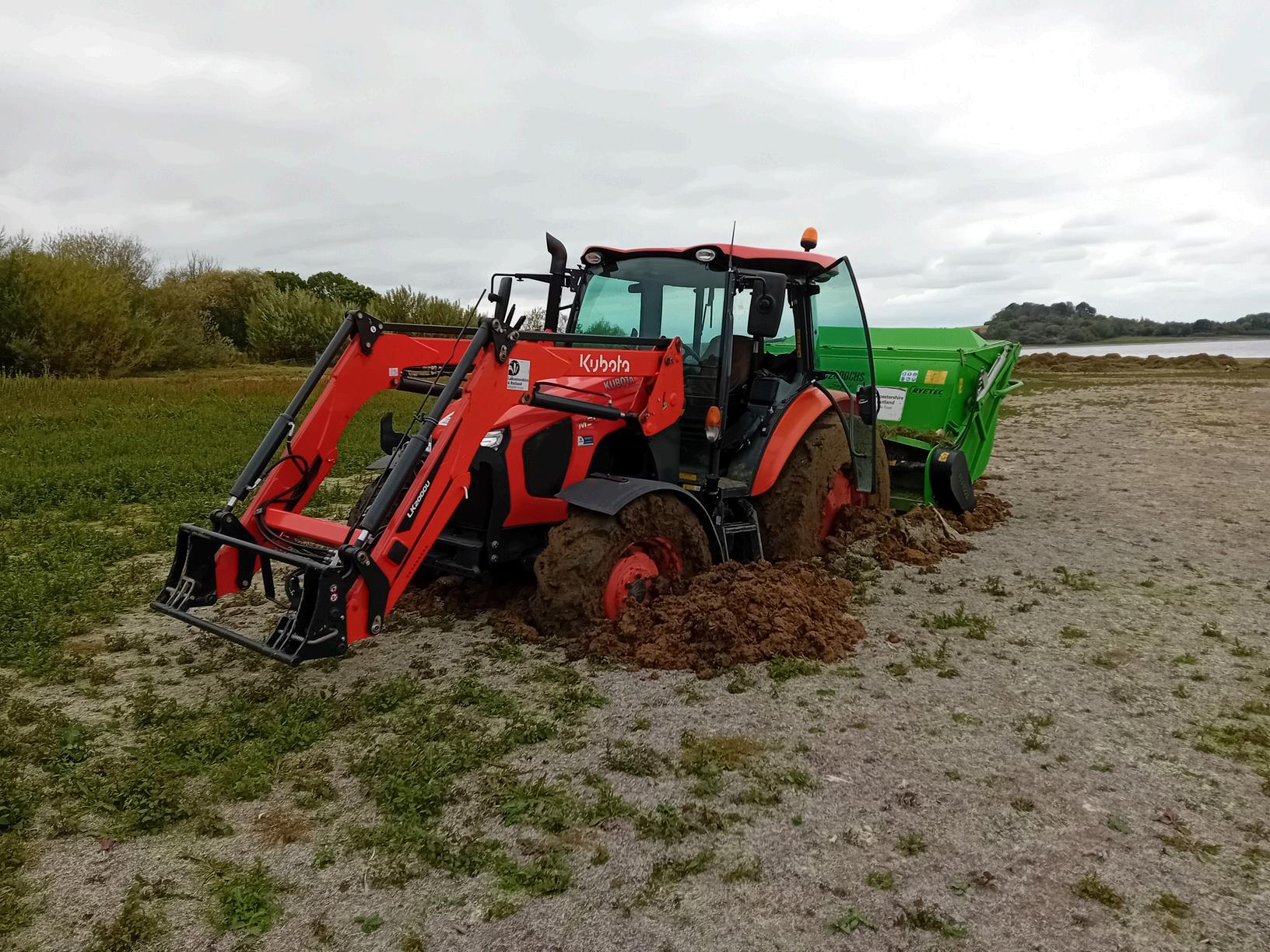
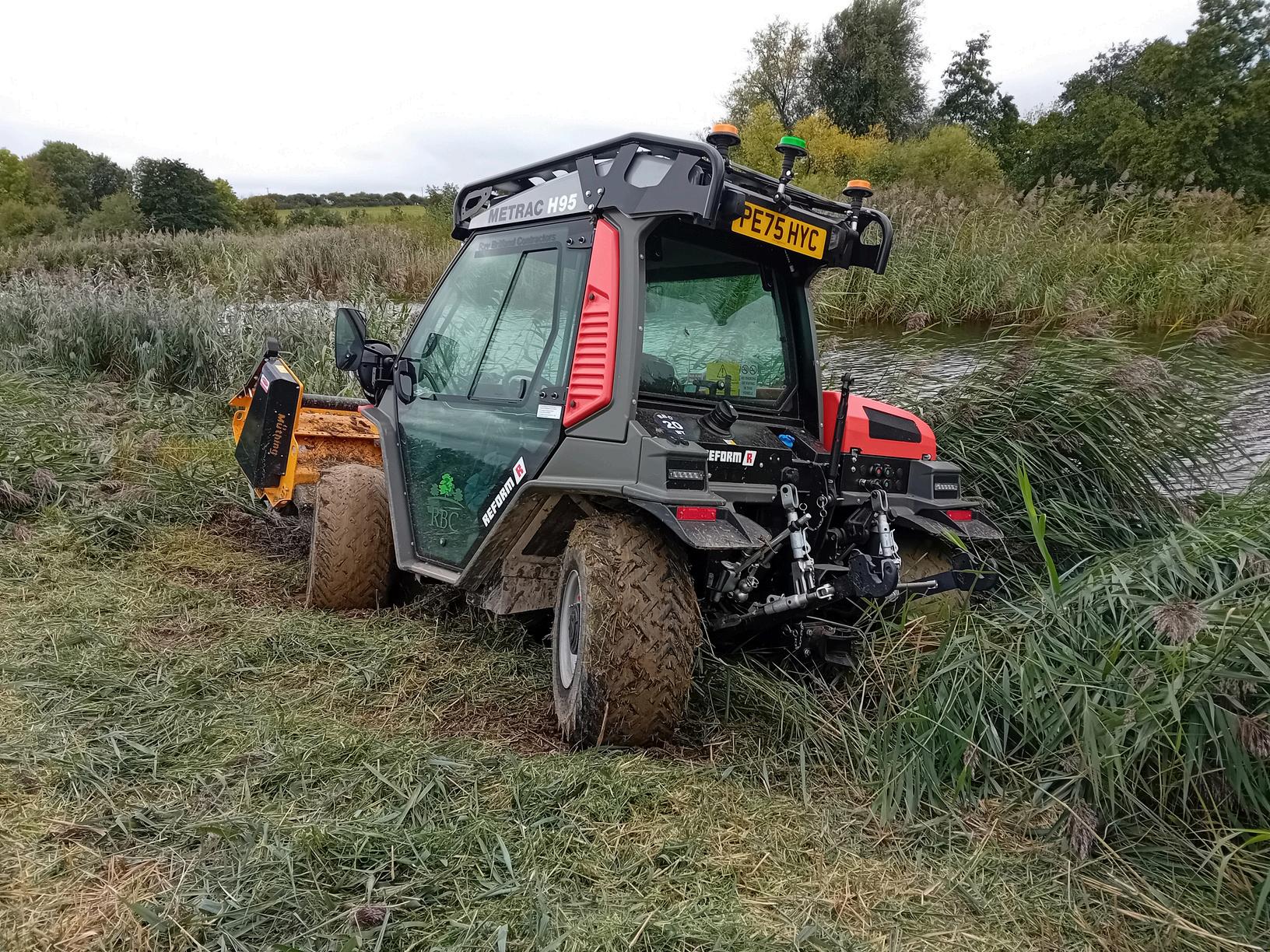
With the onset of autumn/winter, this only means one thing at Rutland Water: getting volunteers stuck in the mud! More specifically it means cutting islands to provide a safe area for the wintering waterfowl to rest but the only way to get to them is to put on (leaky) waders and walk over to the islands, heavily laden with tools Somehow, even with drought conditions, we managed to break our own record and get 4 different volunteers stuck in the mud! It’s not just volunteers getting stuck as I also managed to get the tractor stuck on the shoreline at Lyndon while attempting to take a short cut between meadows and Paul got stuck in a specialist mower on one of the Lagoon 8 islands after getting a little too close to the edge! I am pleased to say all volunteers and machinery were successfully rescued.
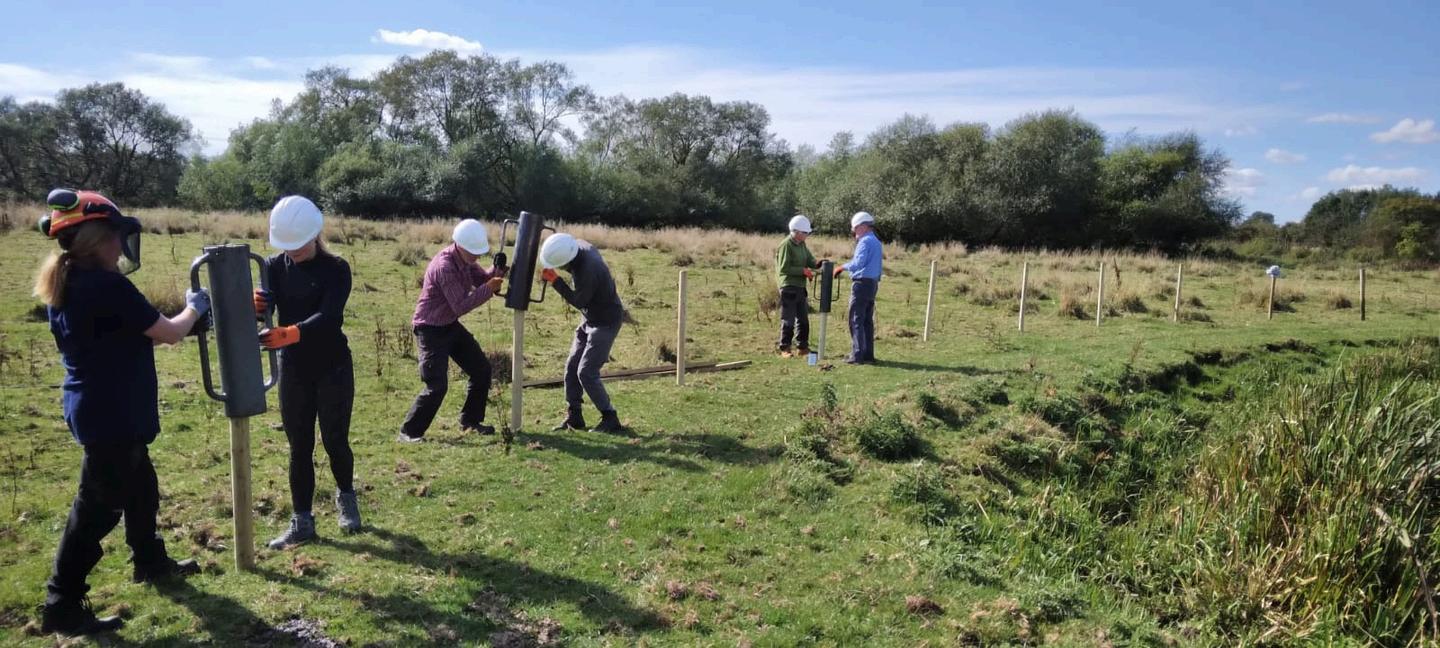
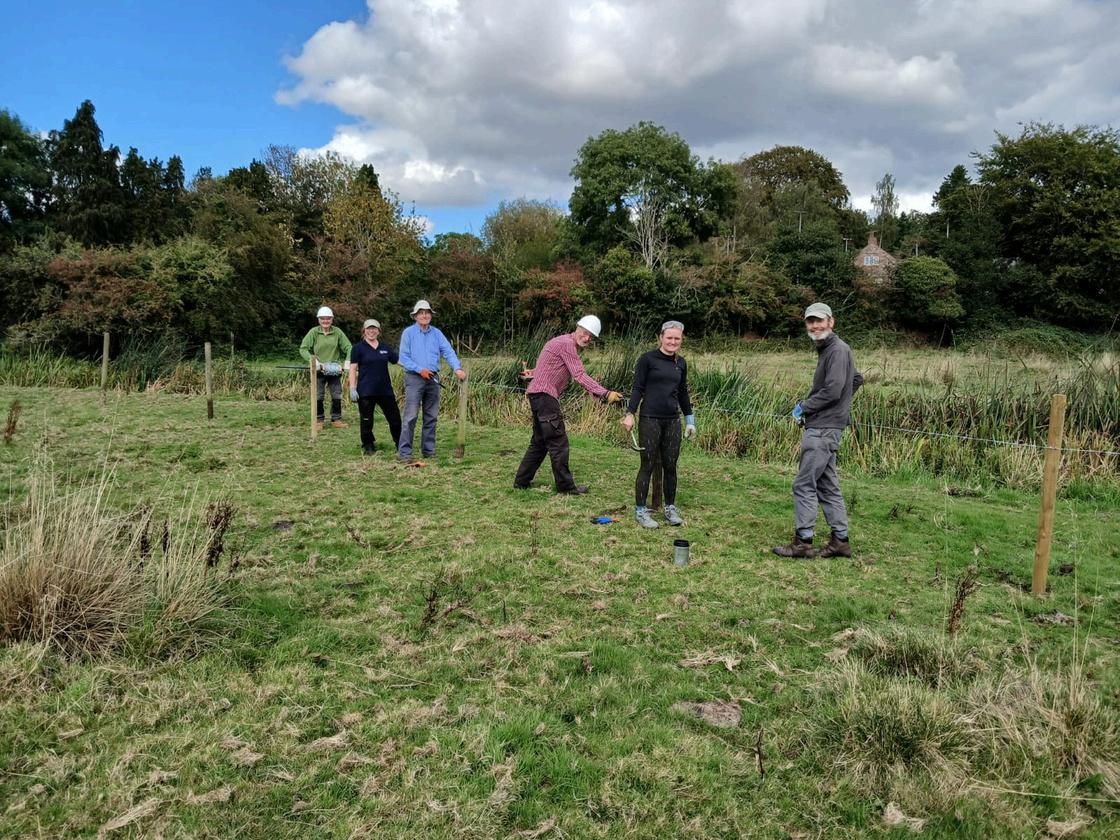
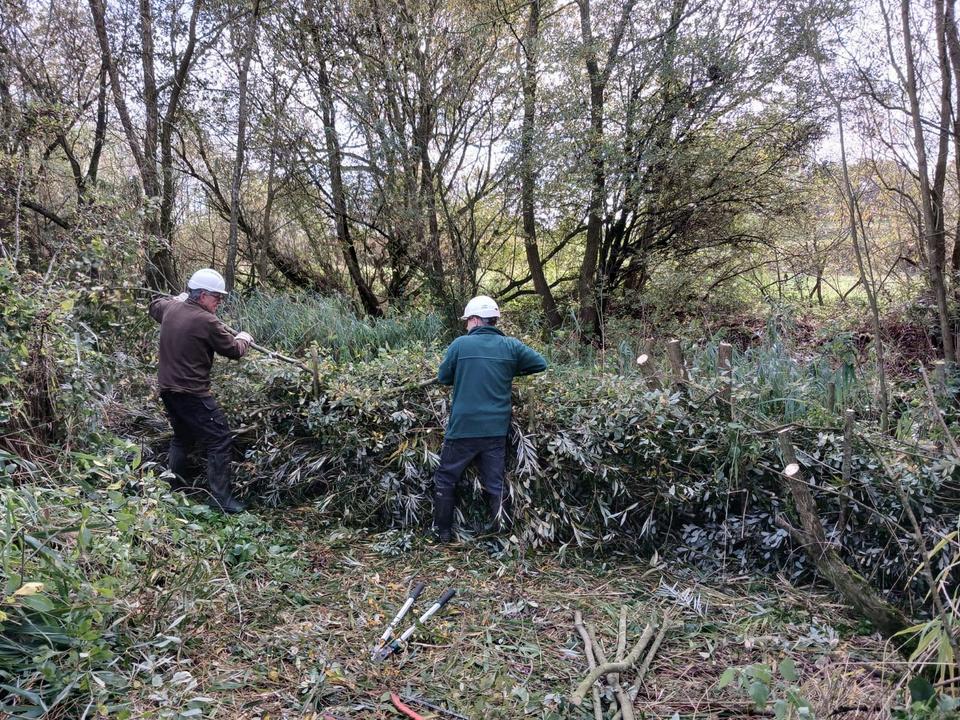
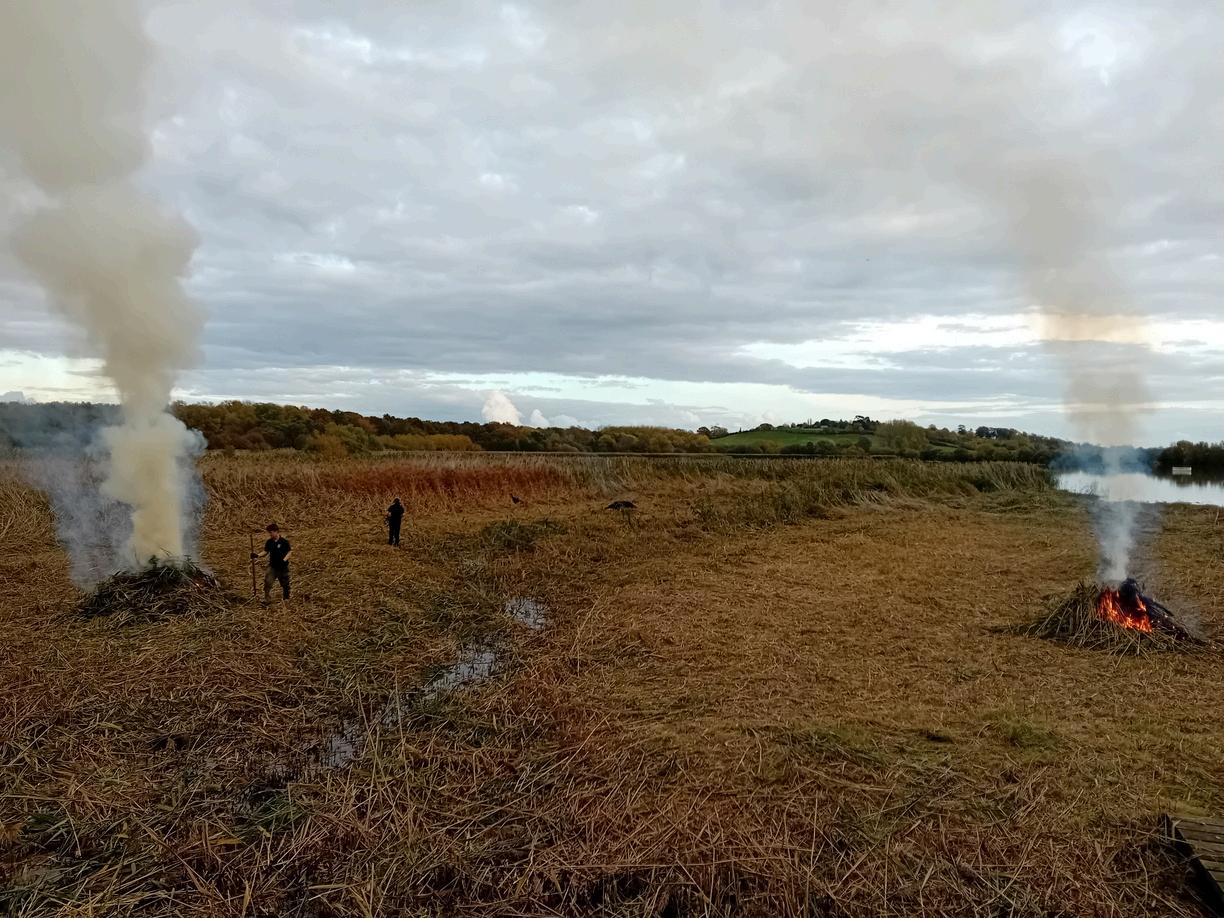
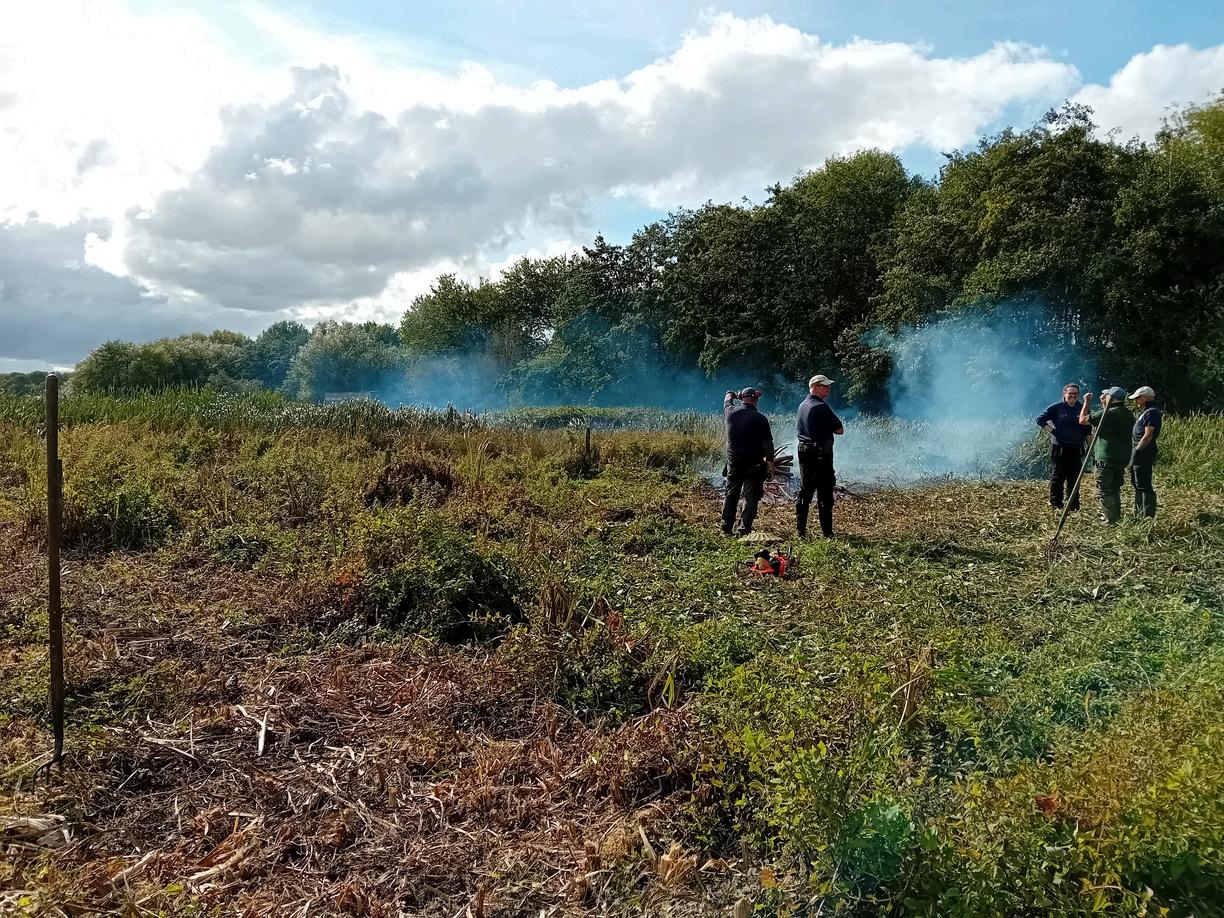
The cows are still proving to be escape artists, so a fair bit of time has been spent repairing and upgrading fencing, especially around Manton Bay. Thanks to Bill and Stella of the Wednesday team for helping me with this. Once islands have been cut, we move on to scrub control, a never-ending process, in a wetland habitat. So far volunteers have spent time clearing willows from encroaching into a reedbed at Heron Bay and removed some willow that was blocking the view from Bittern hide. The reedbed in front of the hide was also cut as was a further block of reed on lagoon 3. This regenerated the reedbed and should provide more favourable habitat for species like Marsh Harrier and Bittern.
The low water levels on the main reservoir are still attracting in the birdlife. Several Green Sandpipers are still being seen, and these may now overwinter on site. Recent colder weather has brought in more Redwings and Fieldfares to the hedgerows and wintering wildfowl numbers are building rapidly. The reed cutting on lagoon 3 also attracted at least 4 Jack Snipe which were showing very well from Shoveler hide for a while in October. A smaller version of the common Snipe, they can be identified by their constant bobbing motion. With over 19,000 birds on site, there is plenty to see!
Beth Fox
For the past two years, an exciting project has been mapping distribution of the small mammal populations at Rutland Water Nature Reserve using camera trap tunnels. As the initial aim of this project was to gather more records of the elusive Water Shrew, this has so far focused primarily on the wetland habitats around the reserve. The use of the camera trap tunnels are themselves a relatively novel technique where they hold a major advantage over the more traditional and invasive live-trapping methods. As the camera tunnels pose no welfare risks to the animals, they do not need to be checked regularly.
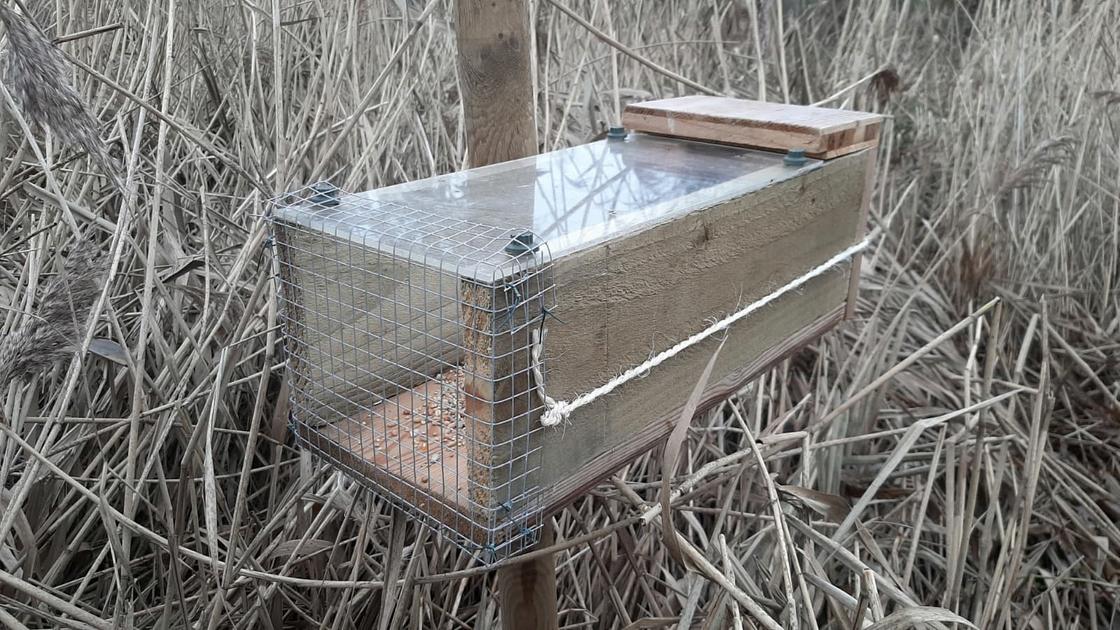
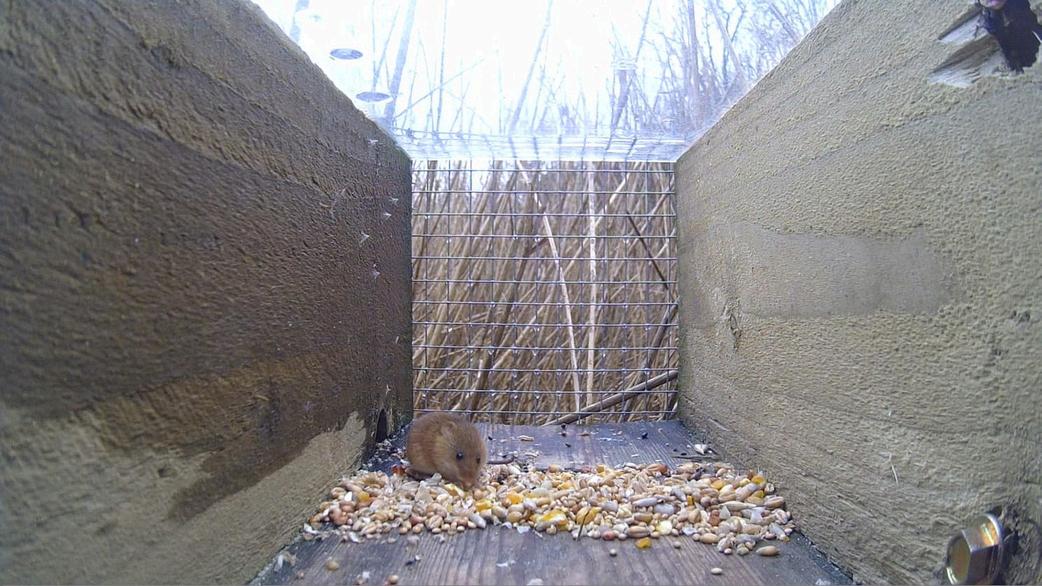
The camera trap tunnels are made of wood, with a Perspex roof to allow for extra light into the tunnel At one end, a hinged compartment houses a camera trap which was specially modified by Blu-Tacking a 58mm HAMA 4+ close-up filter onto the lens (essentially like adding reading glasses to the camera) which allowed for close-range images to be taken. The boxes were baited with a handful of bird seed (to attract mice), half a handful of casters (fly-pupa, to attract shrews), and a handful of apple chunks (to attract voles). A small bowl for the bait was routed at the optimum distance from the camera trap to ensure the animals would be in focus on the camera. Five camera trap tunnels were made to use at each location.
A total of 28 locations were used around the Egleton and Lyndon Nature Reserves, with the five boxes spread around at each location to ensure the habitats were evenly covered. The tunnels were left for one week, then rebaited and left for a further week. All of the images were reviewed, recording details on the species observed, frequency of visits, and the date and time of each camera activation The small mammals that were identified and focused on throughout this project are Harvest Mouse (Micromys minutus), Wood Mouse (Apodemus sylvaticus), Bank Vole (Myodes glareolus), Water Vole (Arvicola amphibius), Field Vole (Microtus agrestis), Common Shrew (Sorex araneus), Pygmy Shrew (Sorex minutus), Water Shrew (Neomys fodiens), and Brown Rat (Rattus norvegicus).
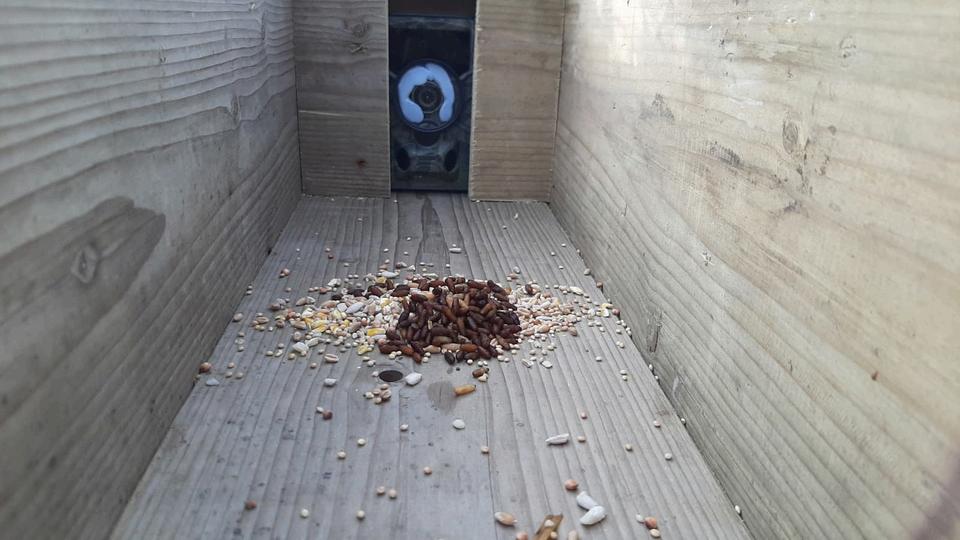
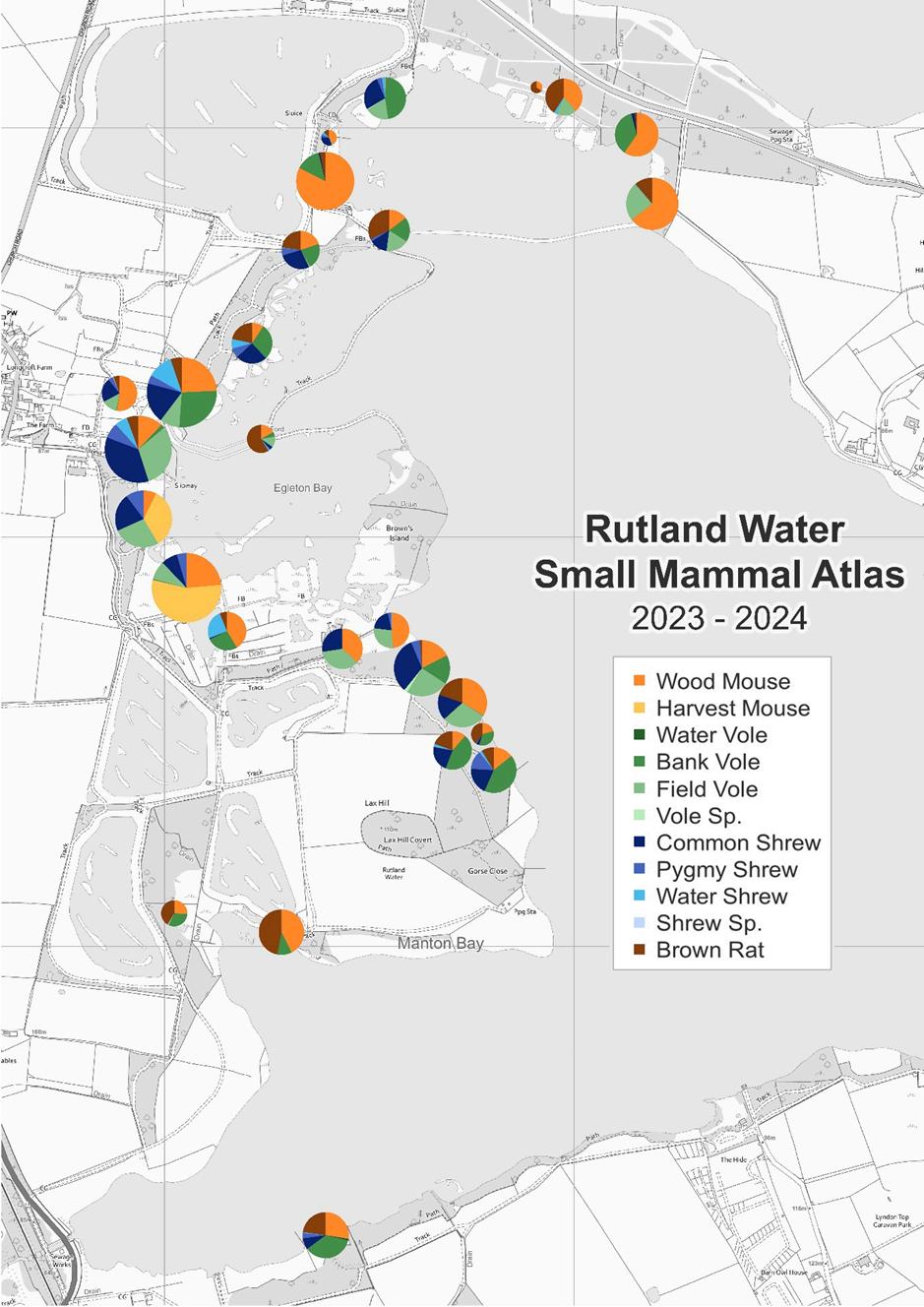
In total, nearly 100,000 images were taken on the camera traps, amounting to 7770 records of small mammals. The map shows the species distribution around the reserve with each pie chart representing the central point at each location and are scaled to represent the sample size. The greatest amount of activity was centred around the Wet Meadow, an area of tussocky vegetation that we manage with our cattle Other areas where there are higher amounts of activity were of similar habitat; dense areas of vegetation such as the reedbeds Mice were the most abundant of the small mammal groups around the reserve (making up 37% of the camera triggers), followed by voles (29% of camera triggers), shrews (22% of camera triggers), and finally Brown Rats (12% of camera triggers).
Wood Mice were the most abundant species across the reserve, found at all except one of the locations. Interestingly at the one location where they were not found was one of only two locations where Harvest Mice were found. We know through past nest surveys that Harvest Mice are found in all of the reedbeds around the reserve, so this was unusual that they were not being recorded through the tunnels. From what we were seeing it appeared that whilst Wood Mice were around, the Harvest Mice would not go near the camera trap tunnels Following this result, one of the tunnels was adapted by placing a 13mm wire mesh on the front – the idea being that only the small Harvest Mice would be able to enter the tunnels which worked! We have since recorded Harvest Mice in the tunnels in
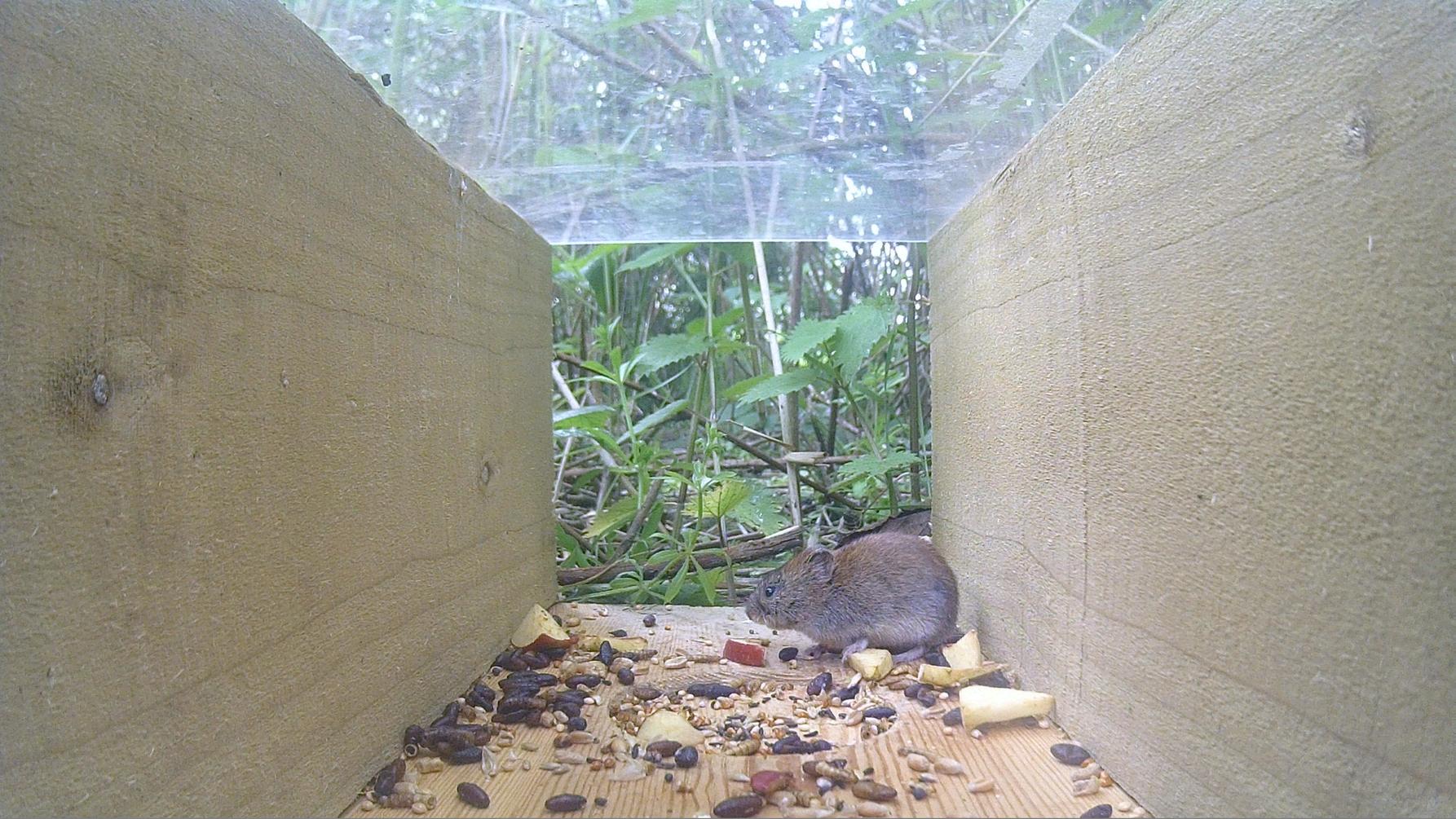
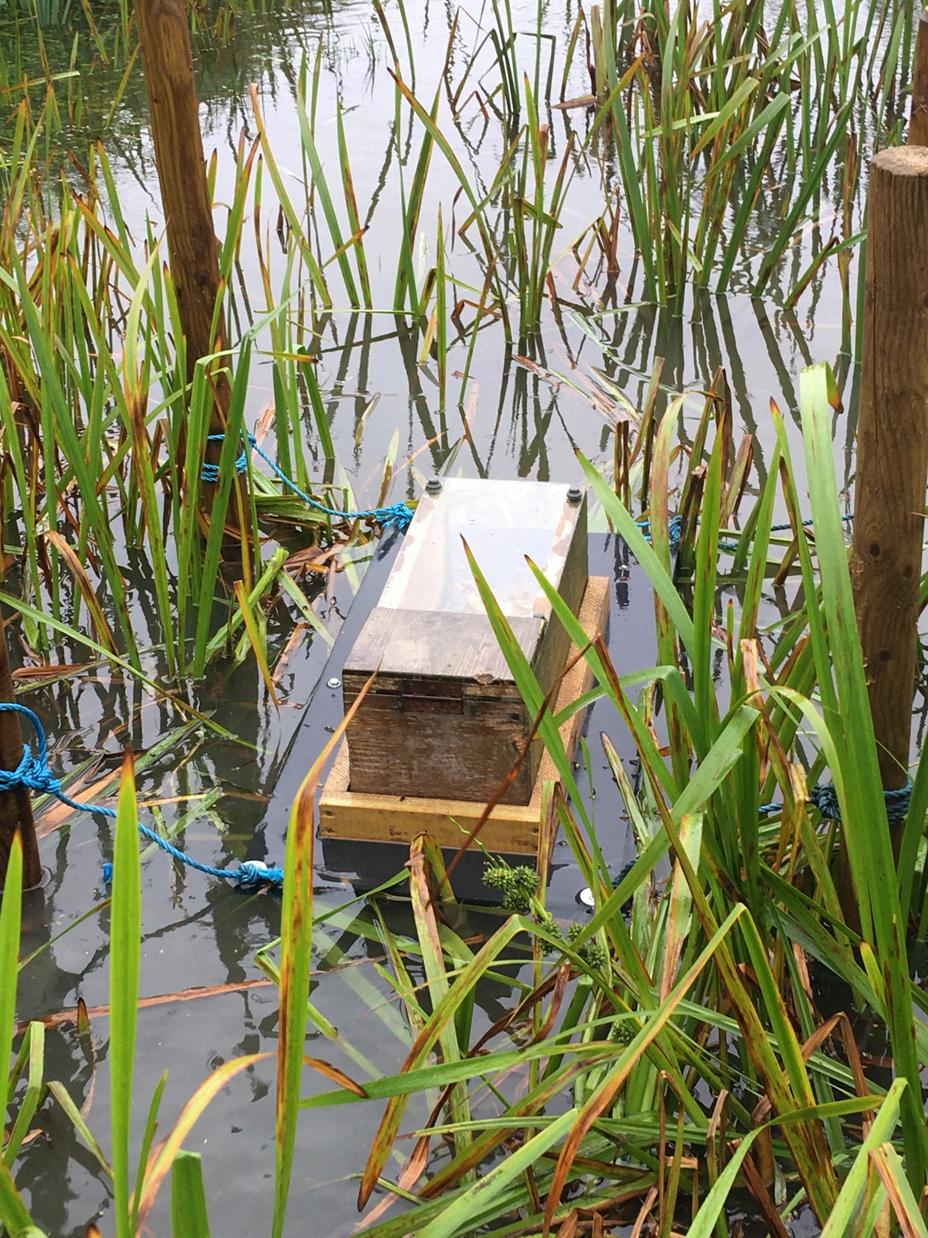
Bank Voles were the most common of the voles, seen in 20 of the 28 locations, mainly in areas with taller vegetation such as the reedbeds. There were only slightly less Field Voles, and these were recorded mostly in locations of more tussocky and scrubby vegetation, such as around the back of Lax Hill. During the first year of using this method no Water Voles were recorded, even in areas we knew they were present, and so we built a floating raft to house one of the camera trap tunnels. This proved to be successful, and on its first deployment a Water Vole was caught on camera in the tunnel!
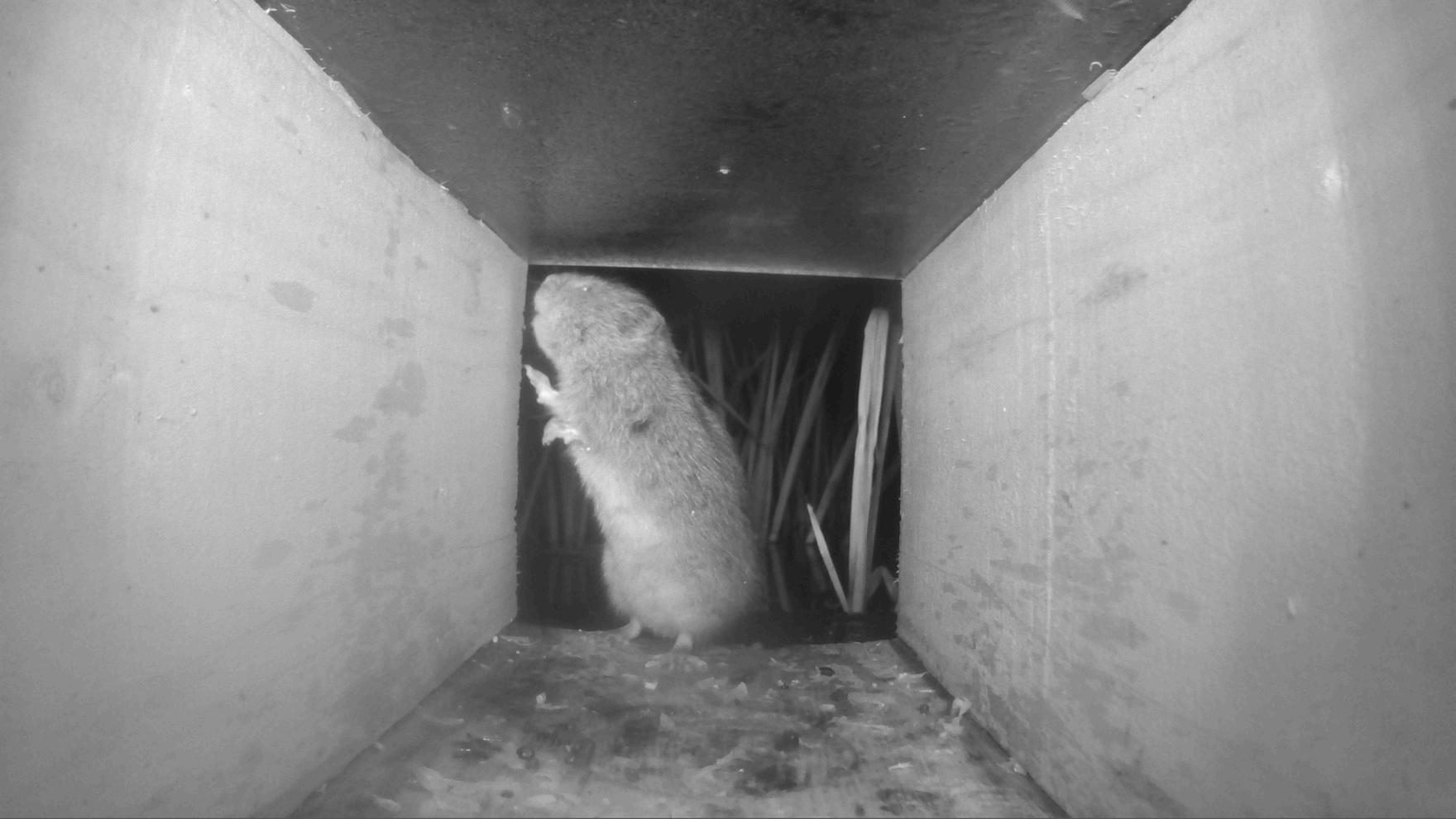
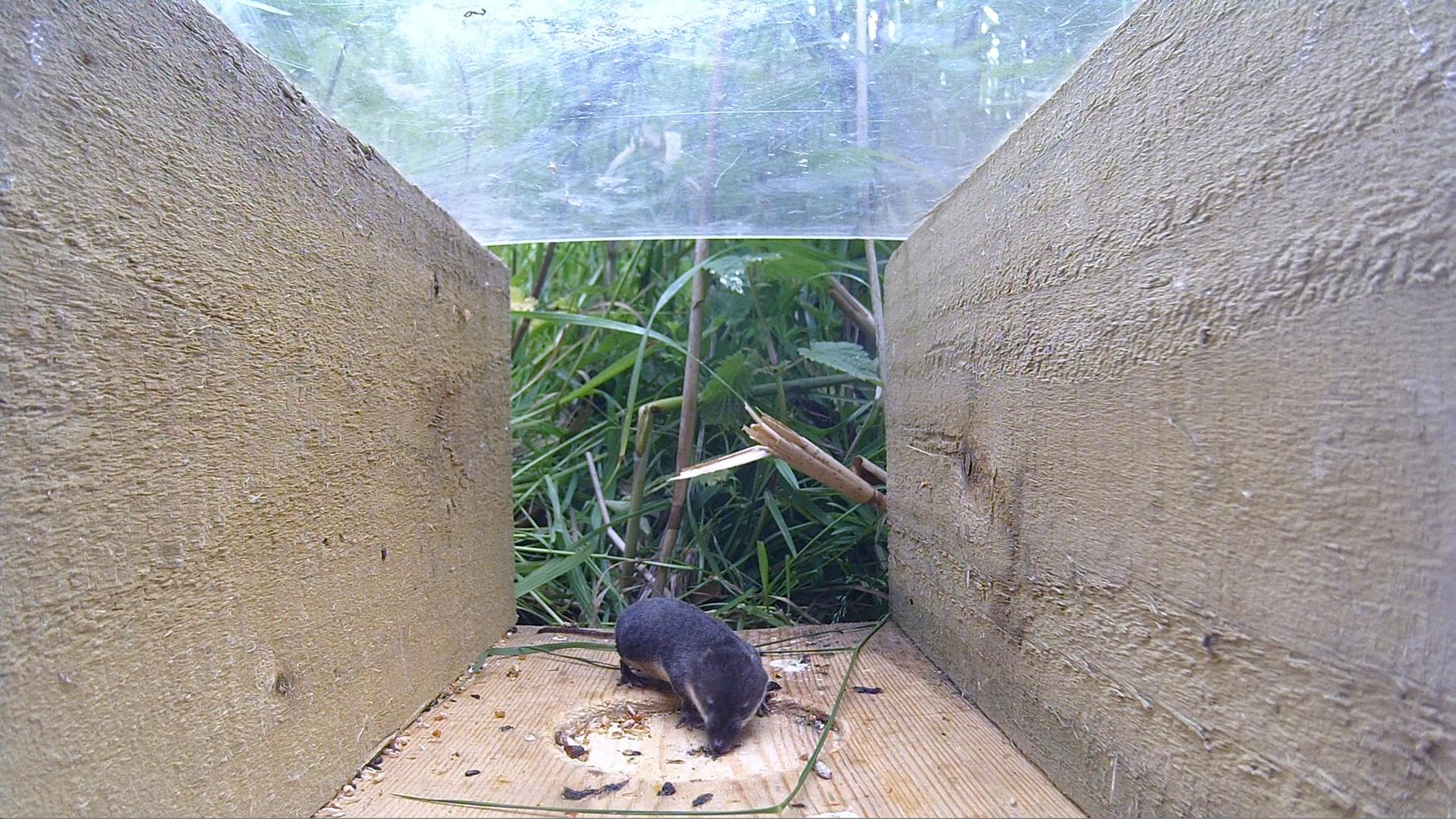
Shrews overall were the third most common of the small mammal groups, however, Common Shrews made up the bulk of these records and were found at 23 of the 28 locations. Pygmy Shrews and Water Shrews were found across the reserve, although in a much lower abundance.
Brown Rats were found in 22 of the 28 locations around the reserve. Despite them seeming to be abundant in certain locations, they did not seem to put off other small mammals from entering the tunnel. They were also found to readily swim across to the floating raft.
From all of these records, we also had some interesting behavioural observations that certain species were more likely to ‘share’ the camera tunnel space Wood Mice were found to be the most social, followed by Harvest Mice, Brown Rat, and finally Bank Voles Interestingly, animals did not enter the tunnel if a different species was present – so they would only share with animals of the same species
Prior to this work being carried out, there were only 551 small mammal records for the whole of Leicestershire and Rutland (of which over half of these records were of Water Voles following their reintroduction at Rutland Water in 2011), and so the 7770 records that this project alone has generated in just two years is an enormous addition. This project continues to go on and is now moving its focus away from the wetland areas and into the Woodlands to build up this atlas of small mammals around the reserve. With many thanks to Anthony and Linda Biddle, and Stephen and Donnie Smalley for their work and dedication to this project!
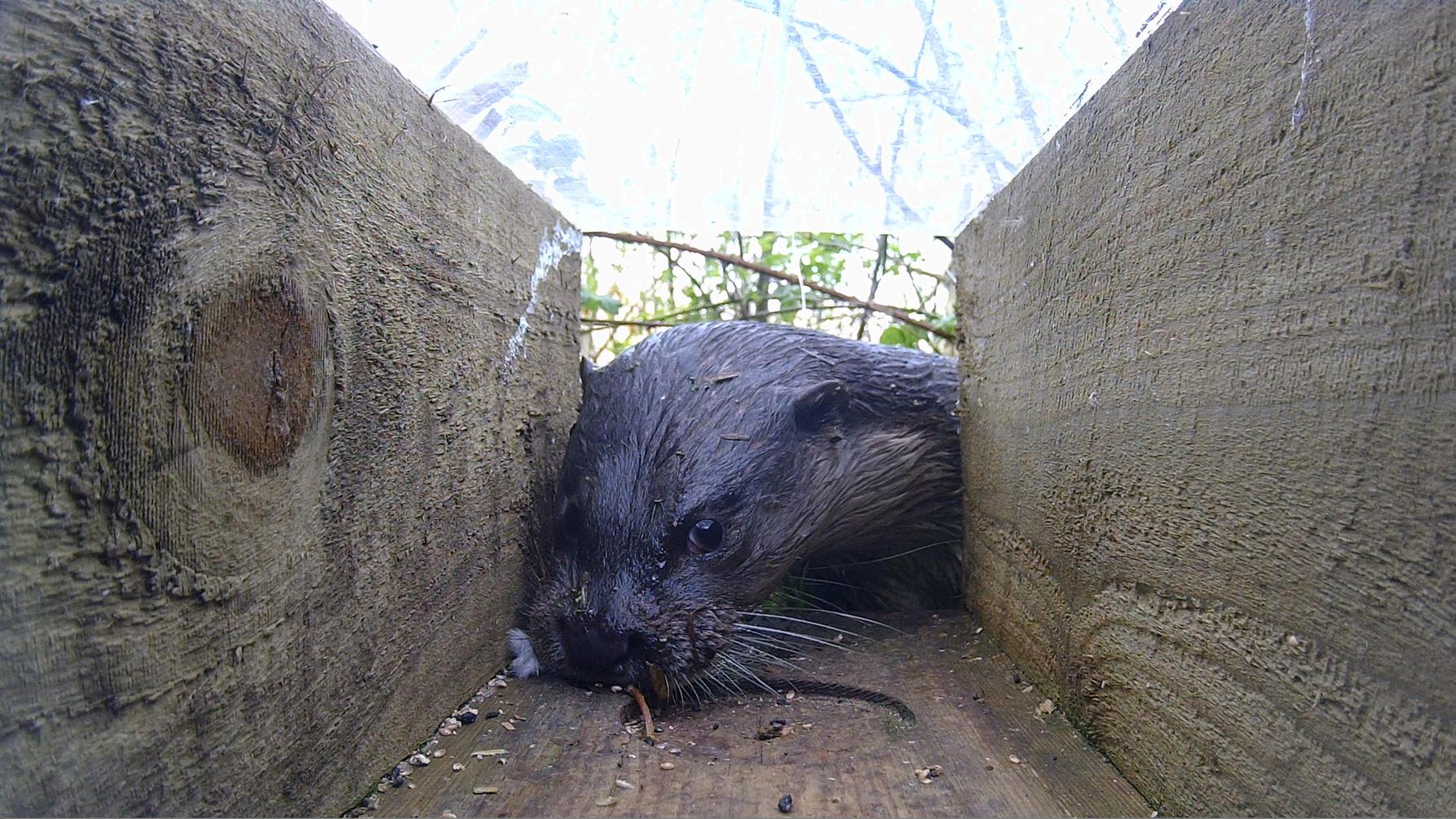
It wasn’t just small mammals that were recorded – an Otter had a good look around
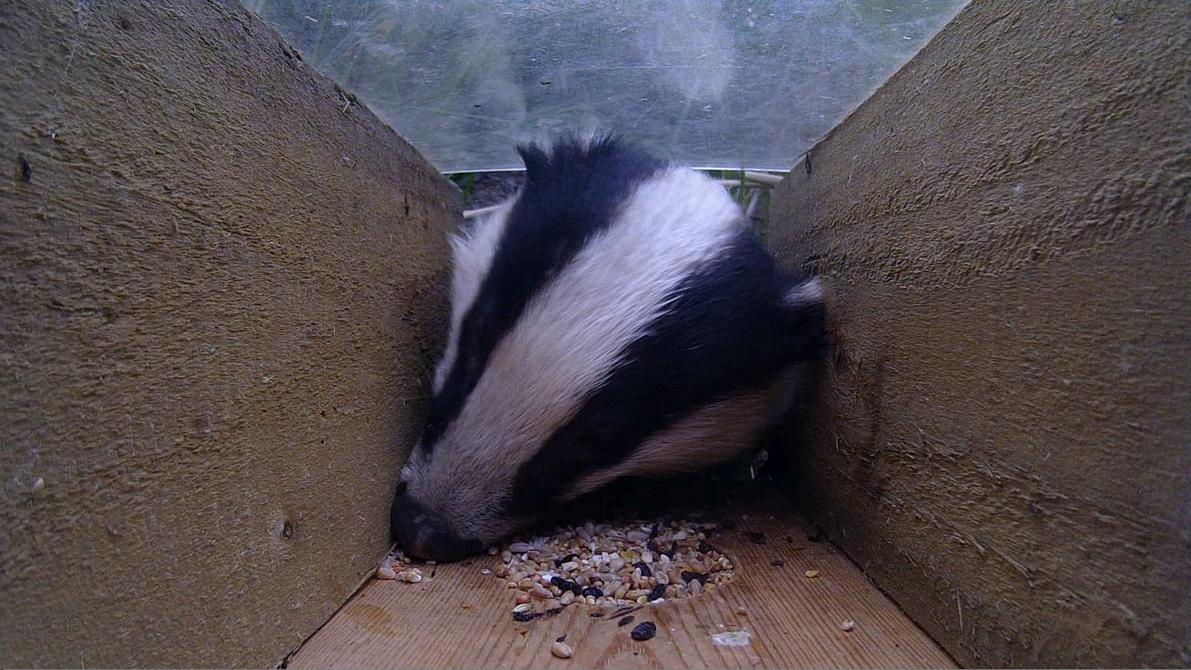
This Badger thought it was just about small enough to squeeze in
Paige Ferrier Volunteer Coordinator
For this newsletter I wanted to give you an update about what’s been happening over at Lyndon Visitor Centre. As you know, Matt Scase left the trust at the end of September, meaning we are on the look out for a new Visitor Centre and Events Officer, so watch this space! We also said goodbye to Elizabeth, who was the Information Assistant on a seasonal contract, I'm sure you will agree with me when we say we miss them lots
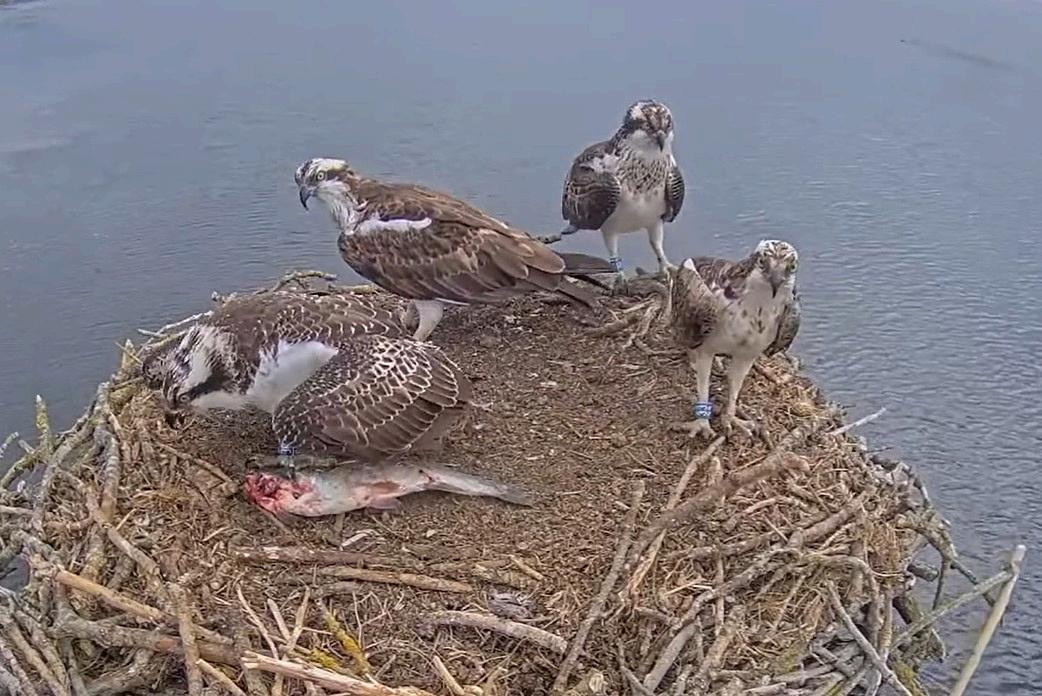
Before Lyndon closed for the year, we also said goodbye to the Manton Bay Ospreys. This year, Maya and 33 hatched 4 eggs (3R5, 3R6, 3R7 and 3R8), 3 of which successfully left for migration. The first juvenile left for migration on 20th August. Ten days later, her sister, 3R7, was last seen. This left 3R8 as the final juvenile to leave, departing on 5th September, the same day that Maya was last spotted in the area. 33(11) stuck around for a few days longer, but on 9th September, he too left for his winter migration down to West Africa
Across the greater Rutland area, there were eleven successful breeding pairs this year, with 31 chicks fledging from across those nests. This is the highest number of fledged chicks to date since the project began. And, to top it off, marked the 300th chick, 7R4, that has been ringed since the project began. The translocation project began in 1996, working to bring back Ospreys as a self-sustaining breeding population in central England, after they were persecuted to local extinction in the nineteenth century Since then, 300 chicks have been ringed across the greater Rutland area, showing that successful nature recovery programmes are possible
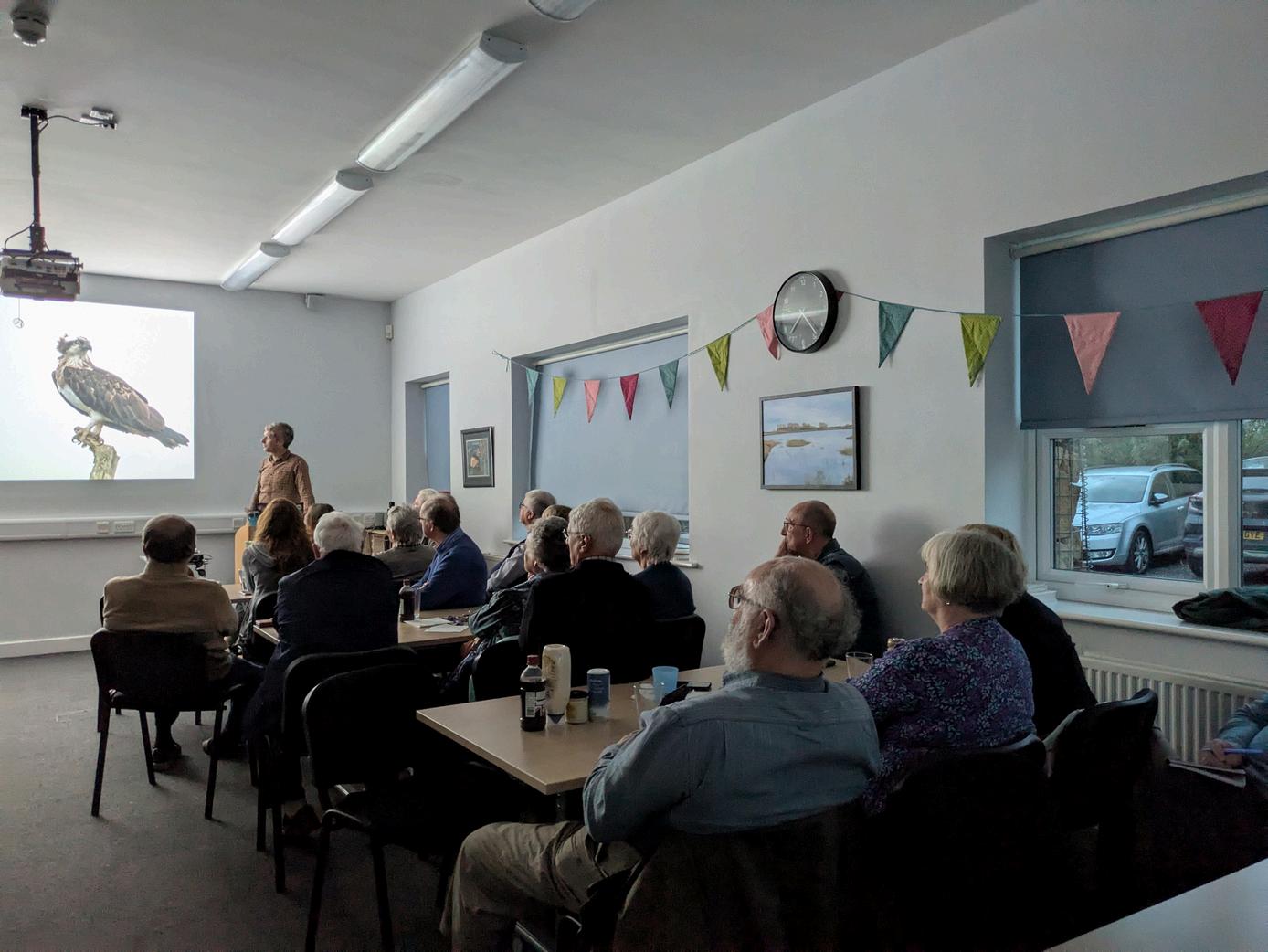
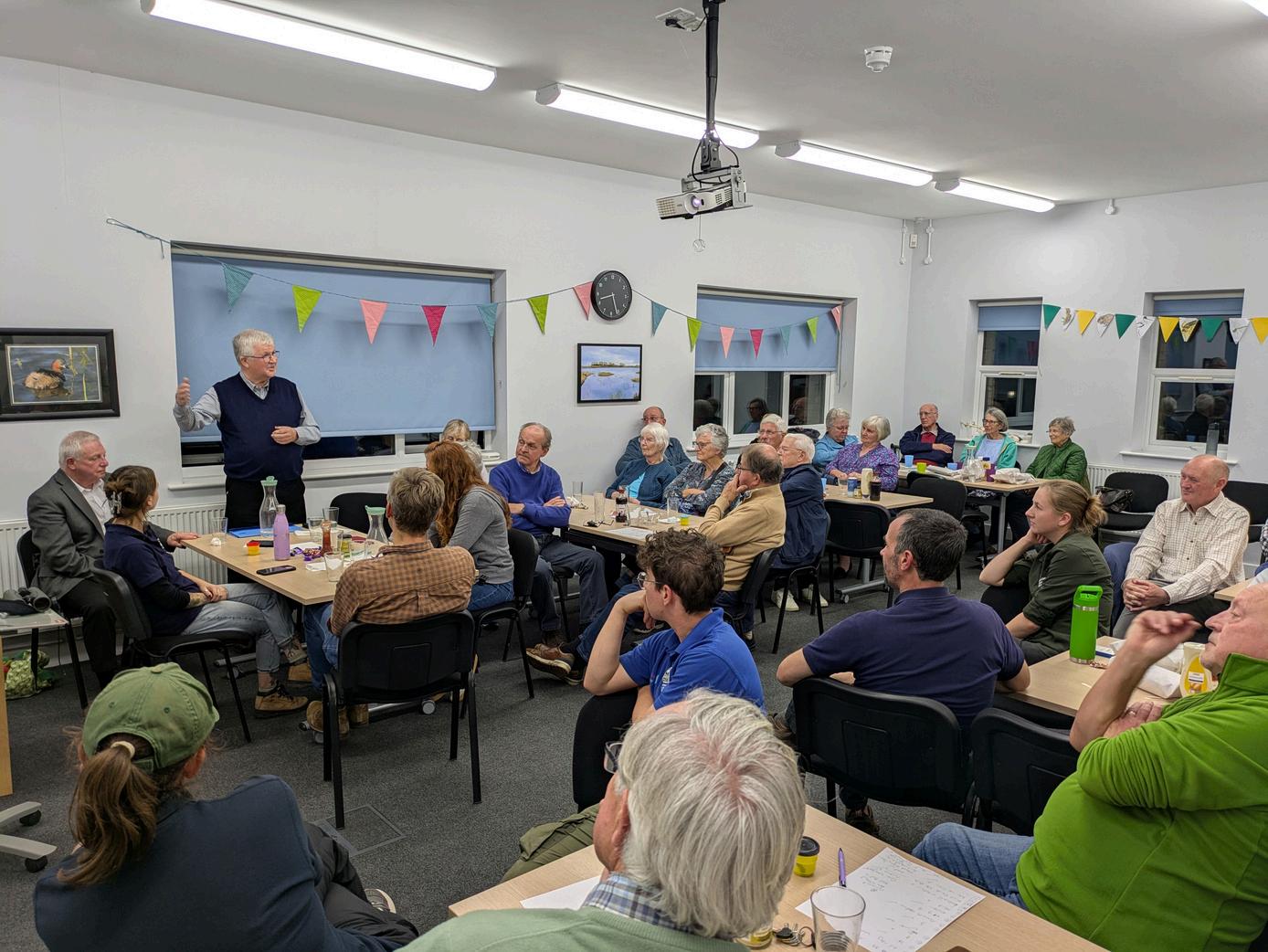
We couldn't do what we do without everyone's support, especially from our volunteers! You all go above and beyond to support the Osprey Project and we couldn't be more thankful! To say thank you, we organised an Osprey Social which included updates from Tim Mackrill, Tim Sexton and Elizabeth Hare and of course we cant forgot the great quiz that Elizabeth made (still feel cheated by the playdough round) and the Chippy Tea!
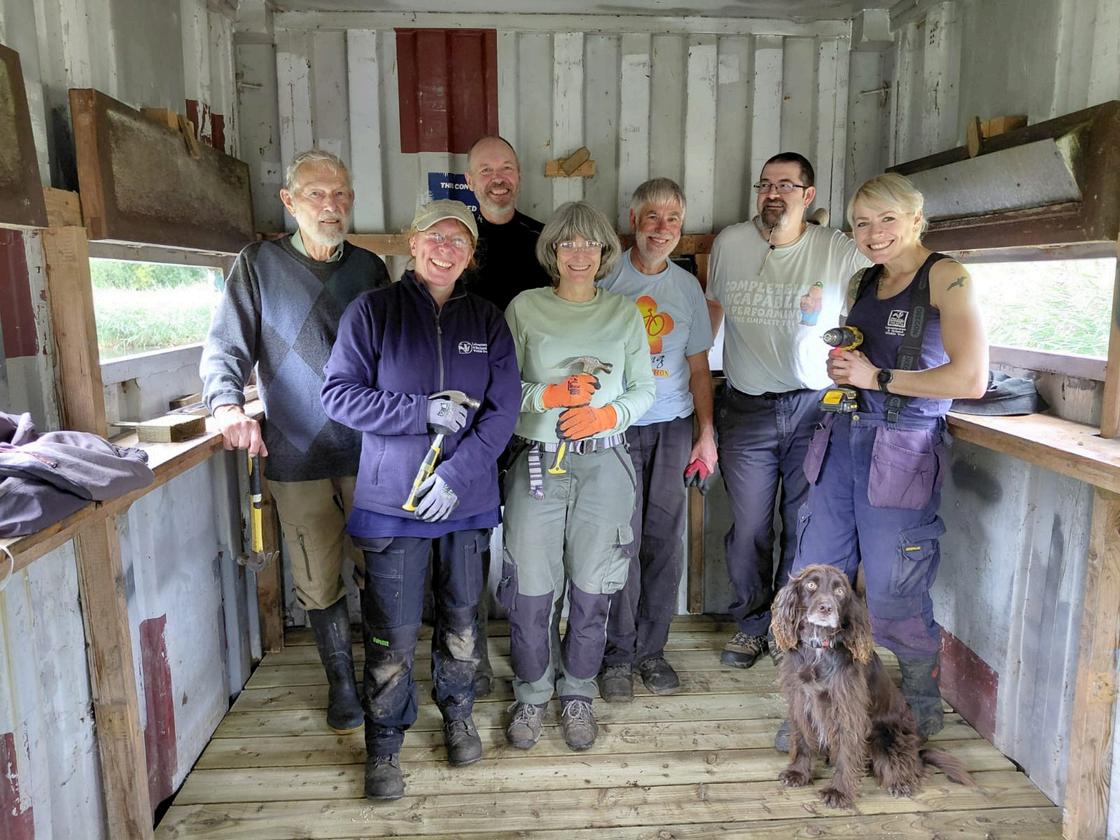
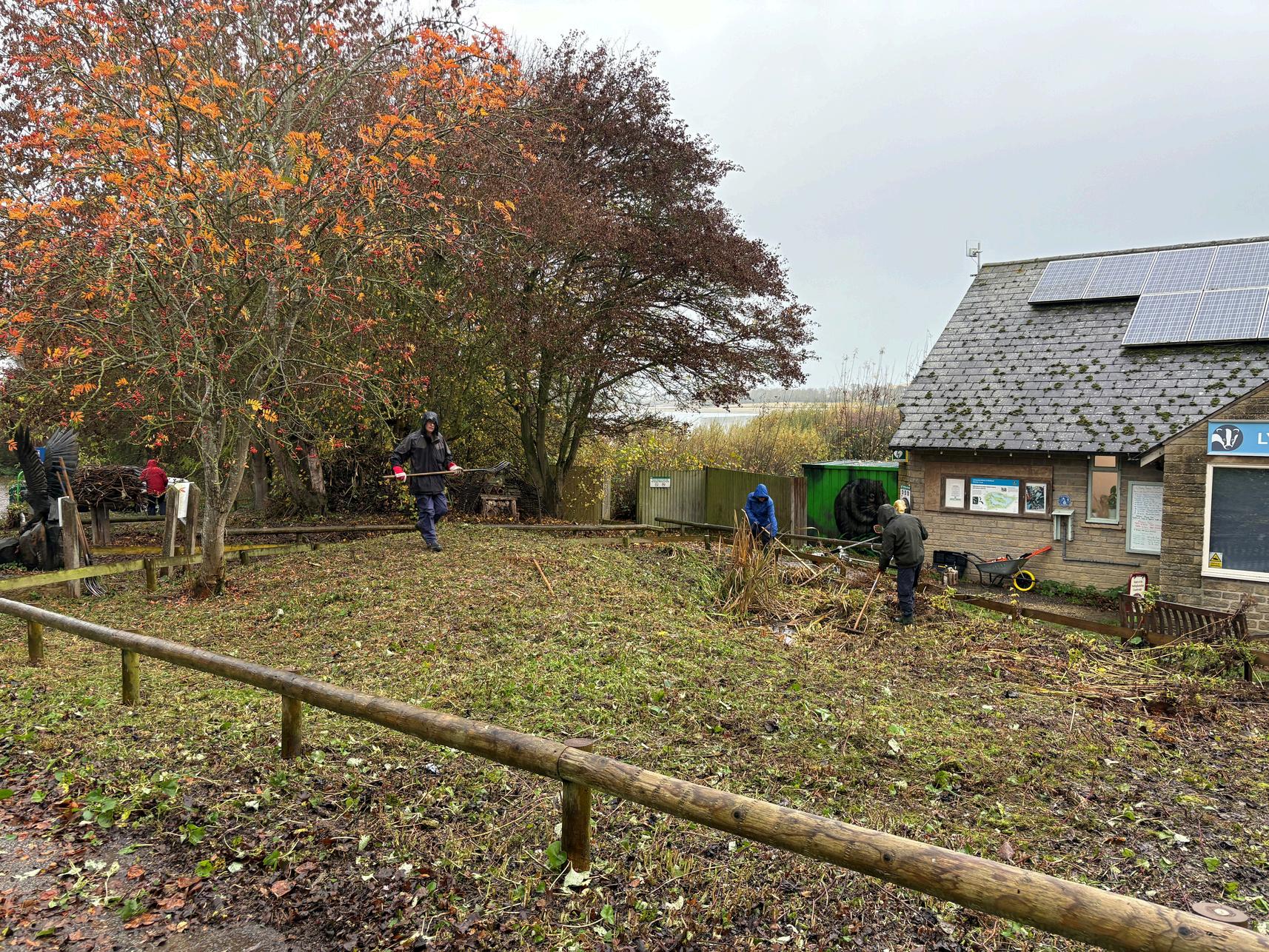
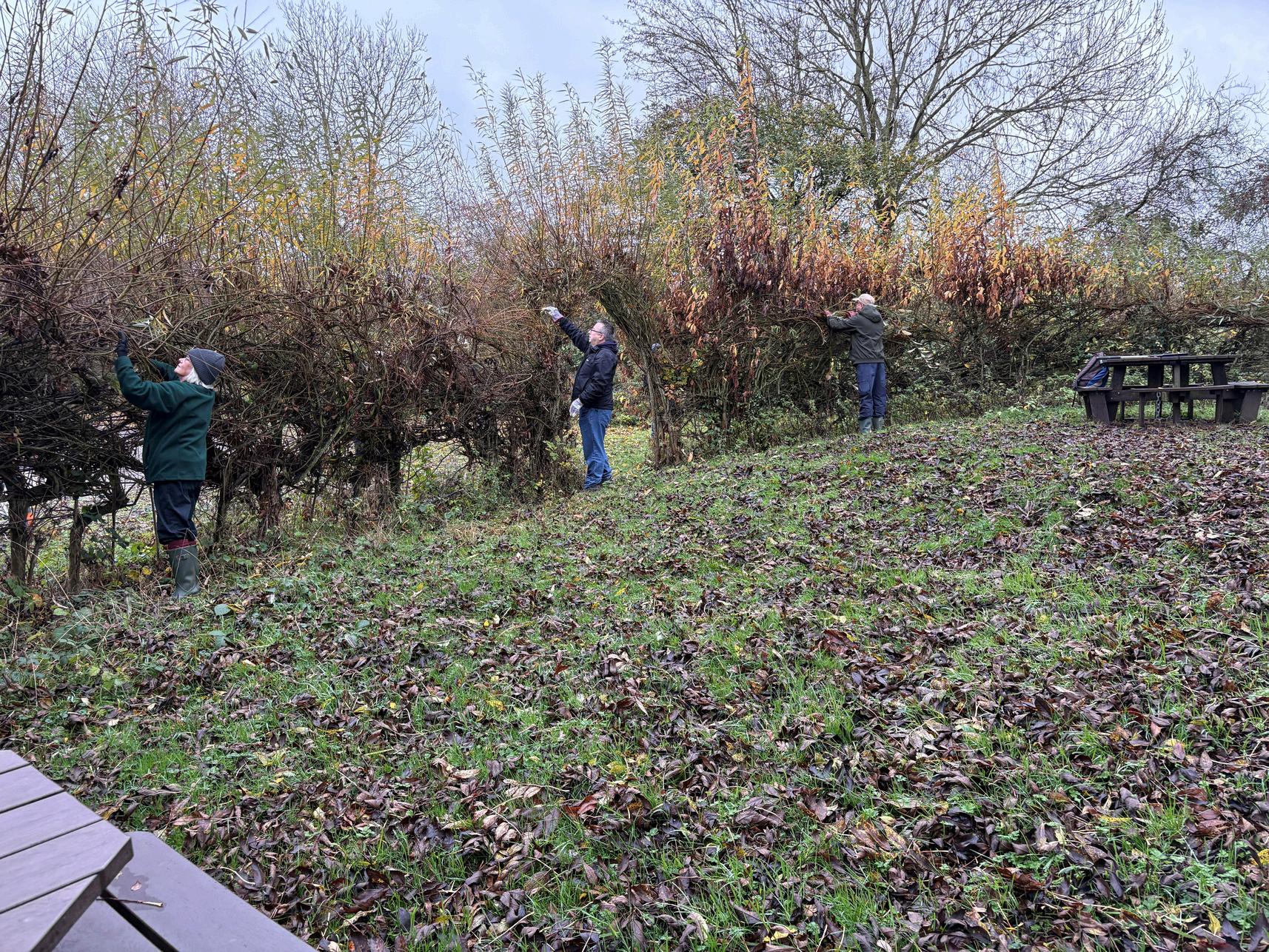
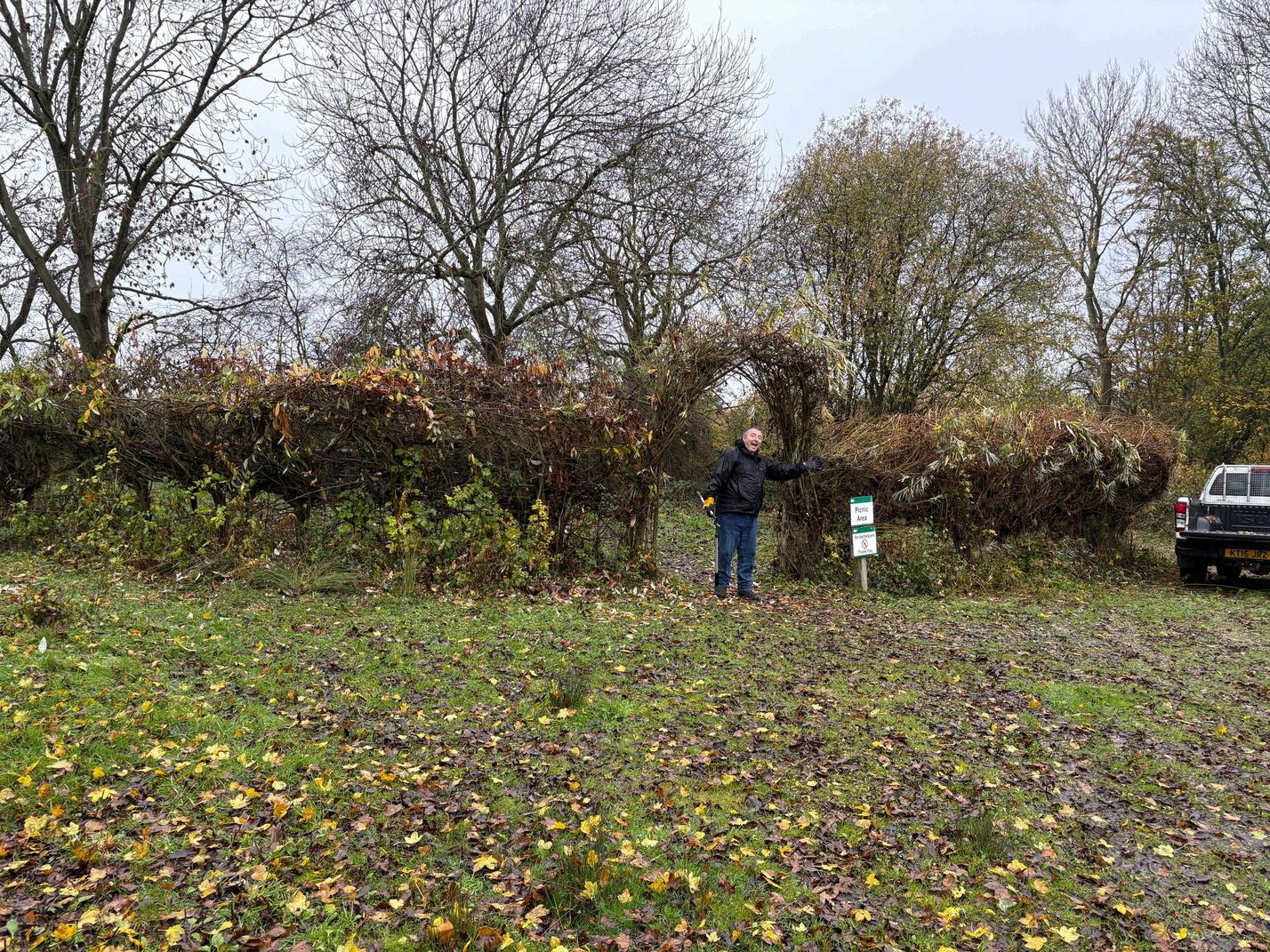
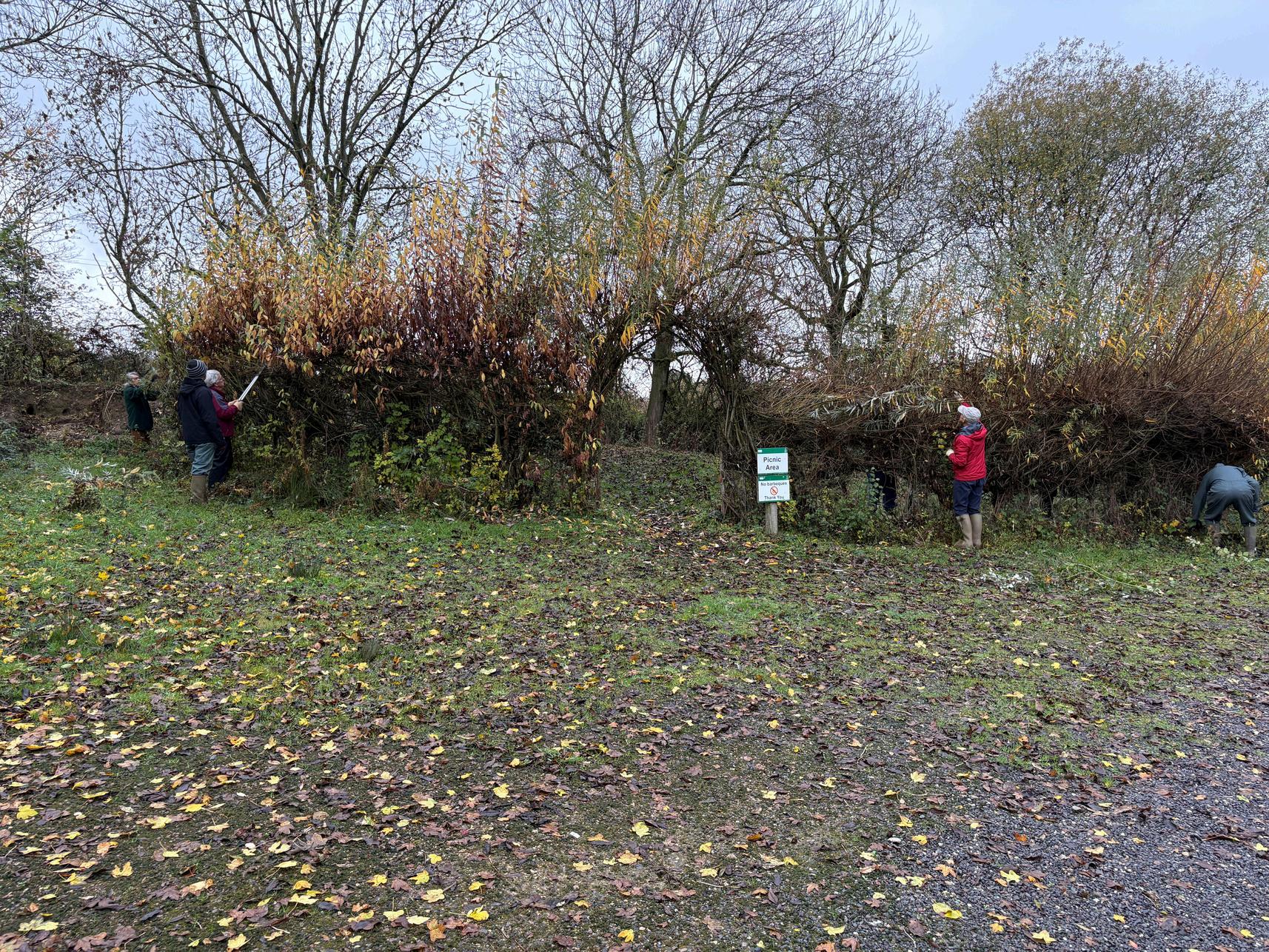
Although the centre is closed, a group of us went back in November for the first Osprey Winter Work Part of the year. We tackled the picnic area willow and done some weaving, we mowed and raked out the front of the centre and did some cutting back along the path and in the car park. This was all accomplished on a very wet day! Thank you for all being so fab and sticking it out even when the heavens opened and thank you to Gail for making some yummy cupcakes
Chris Hill
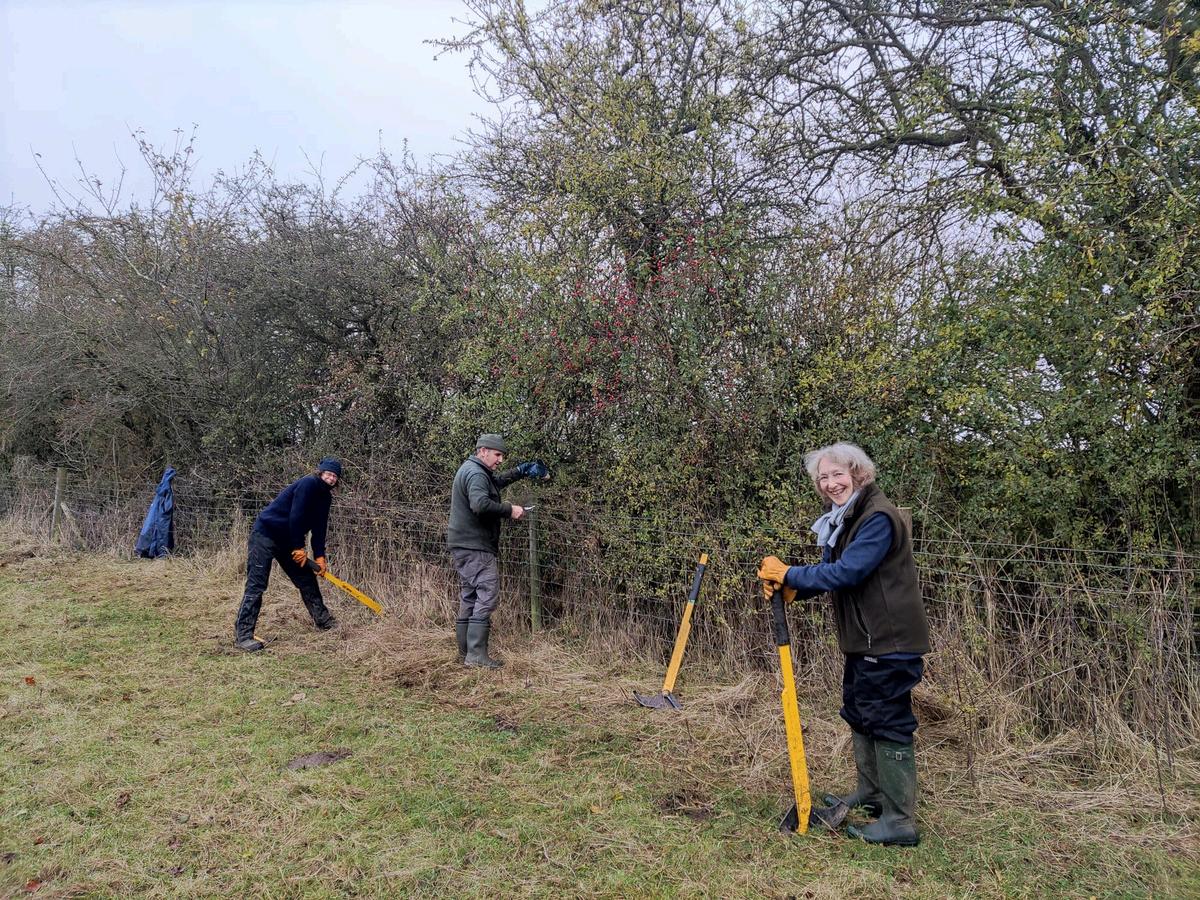
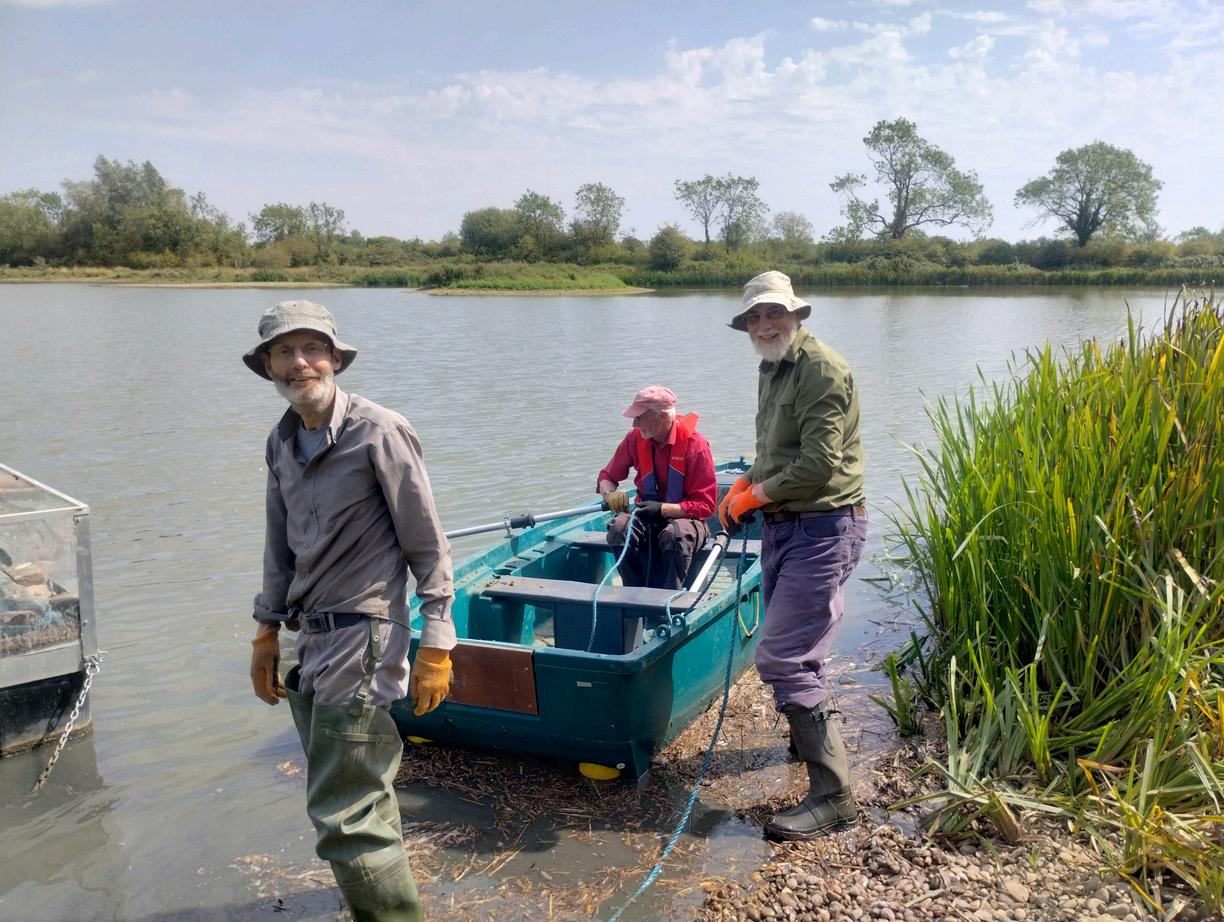
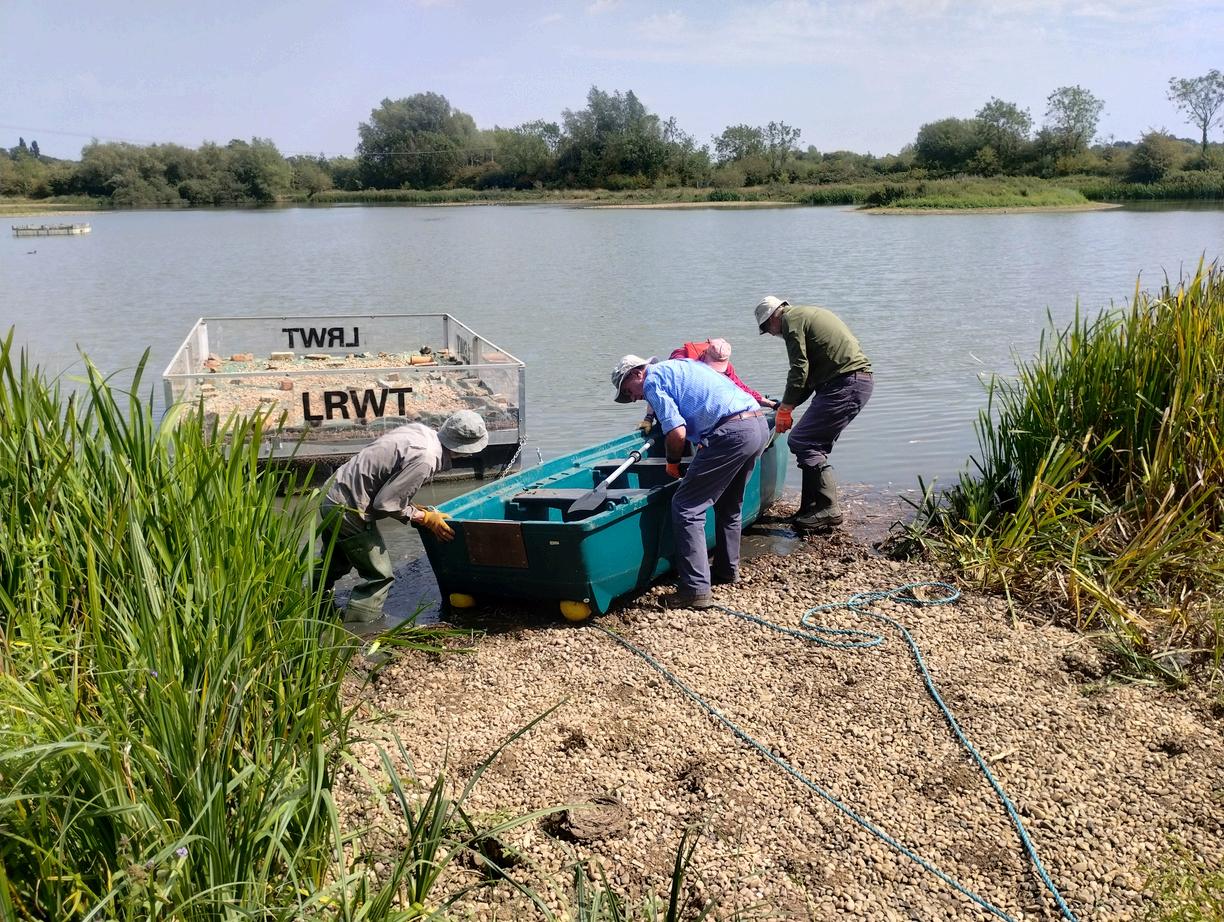
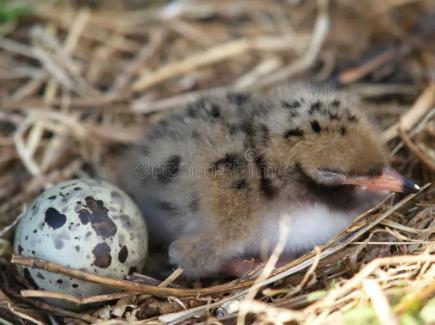
Ideal conditions for messing about on the water. The Tuesday Team headed up to Hobley Lake at Cossington Meadows to get the tern rafts ready for winter. Dirty gravel is replaced with clean and covered with tarps. These will then be removed in April the following year, exposing shiny fresh stone for the terns and B. H. Gulls to lay their beautiful, mottled eggs all over. If anyone can invent a way to toilet train, please let me know.
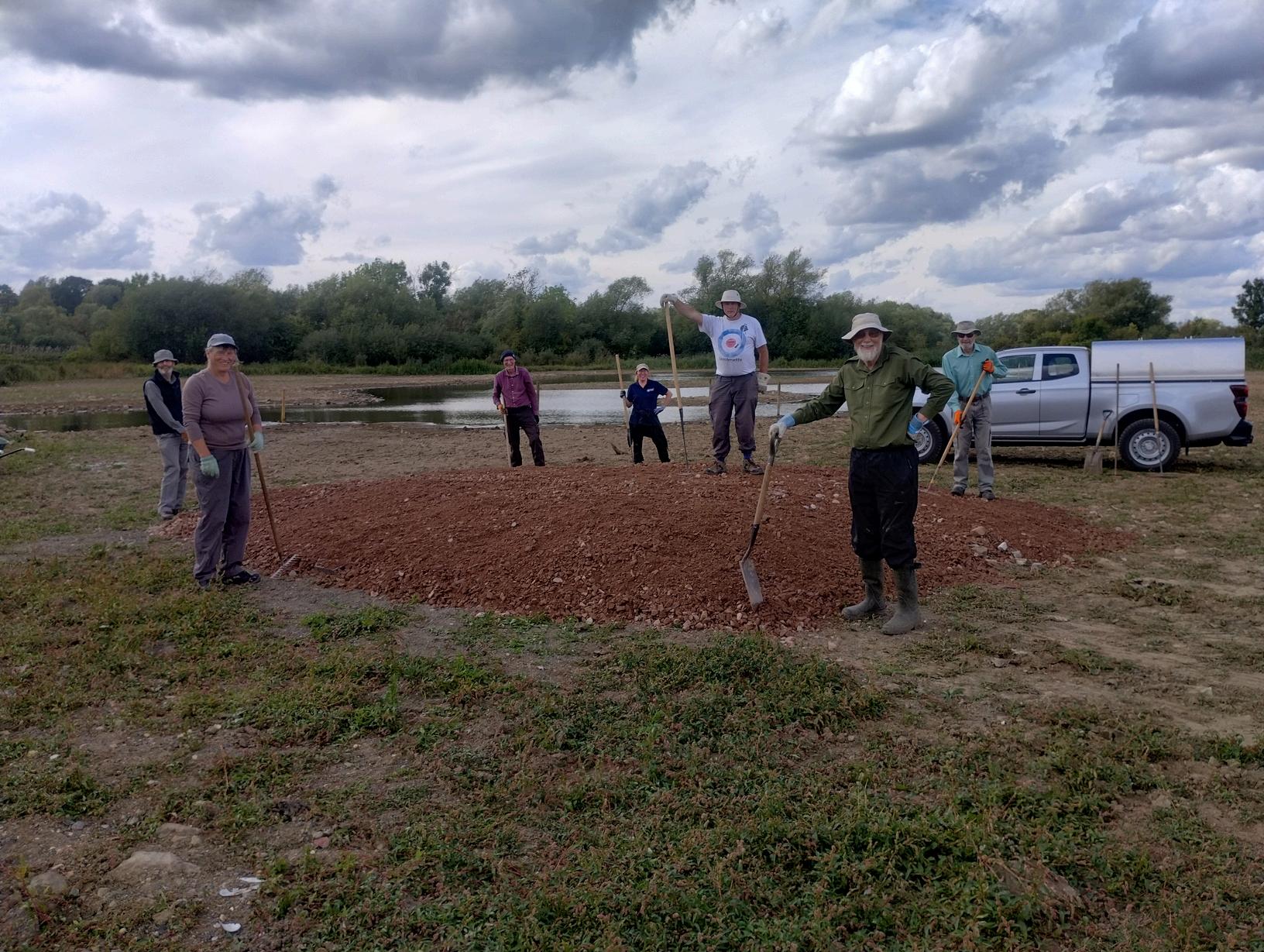
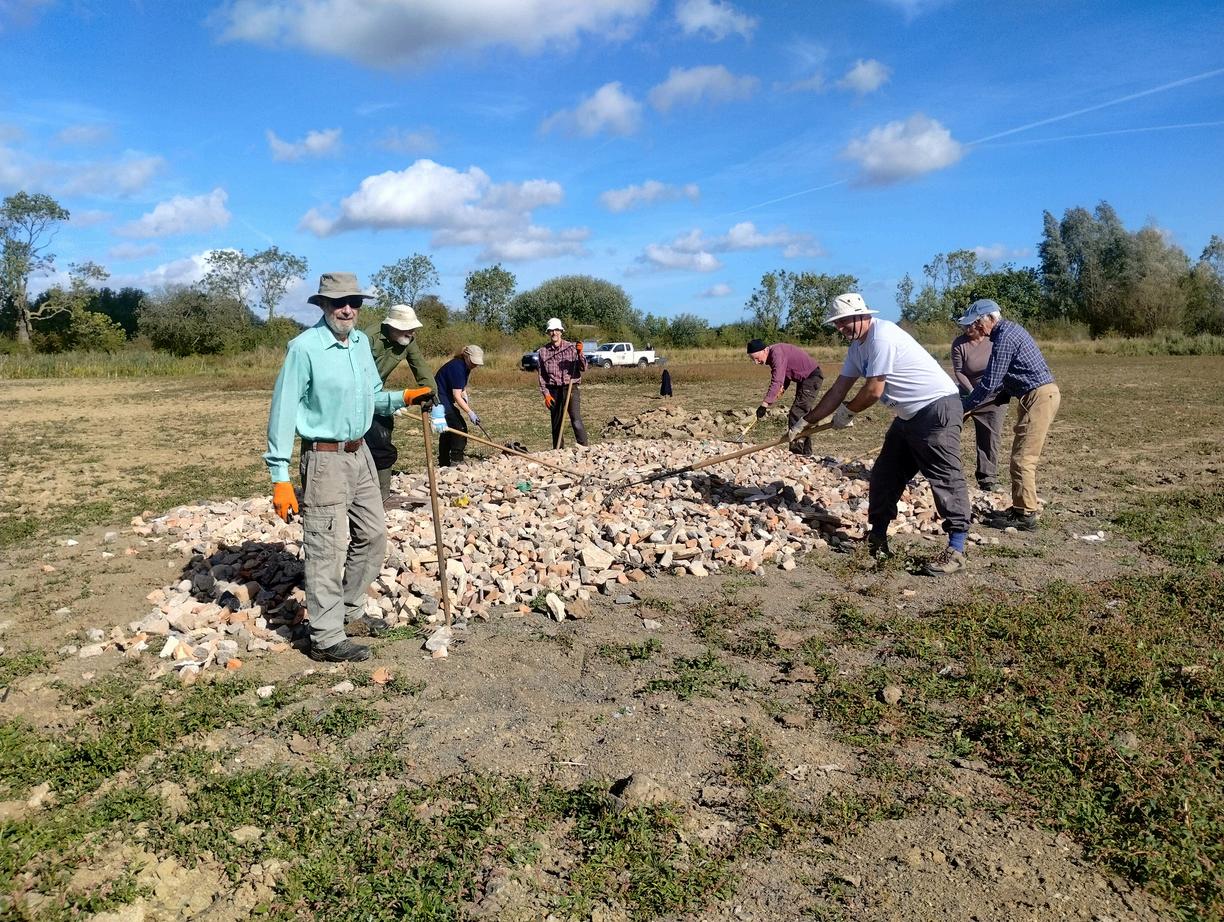
Staying at Cossington, but moving south by a hundred metres, we created a second island for the birds in Upper Marsh. During drought years, water levels drop considerably, enabling us to work in areas that are normally submerged. 9 tonnes of 6F2 (recycled hardcore) were delivered in the morning giving us time to get to work with the rakes before the afternoons delivery of Type 1 (crushed granite). If you visit the reserve in the winter, head up to Upper Marsh and see how many wetland birds (or cattle) you can spot on the new island.
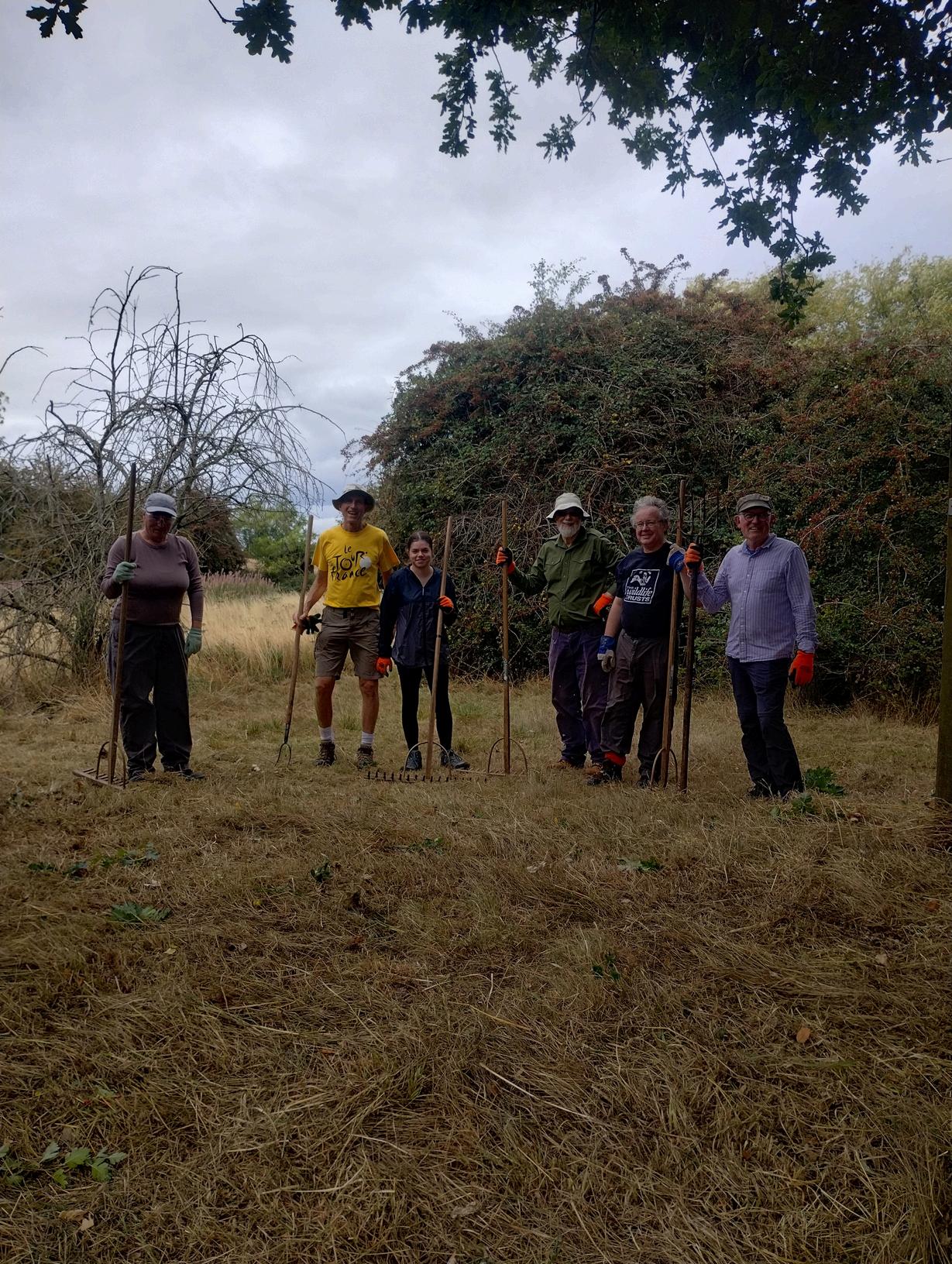
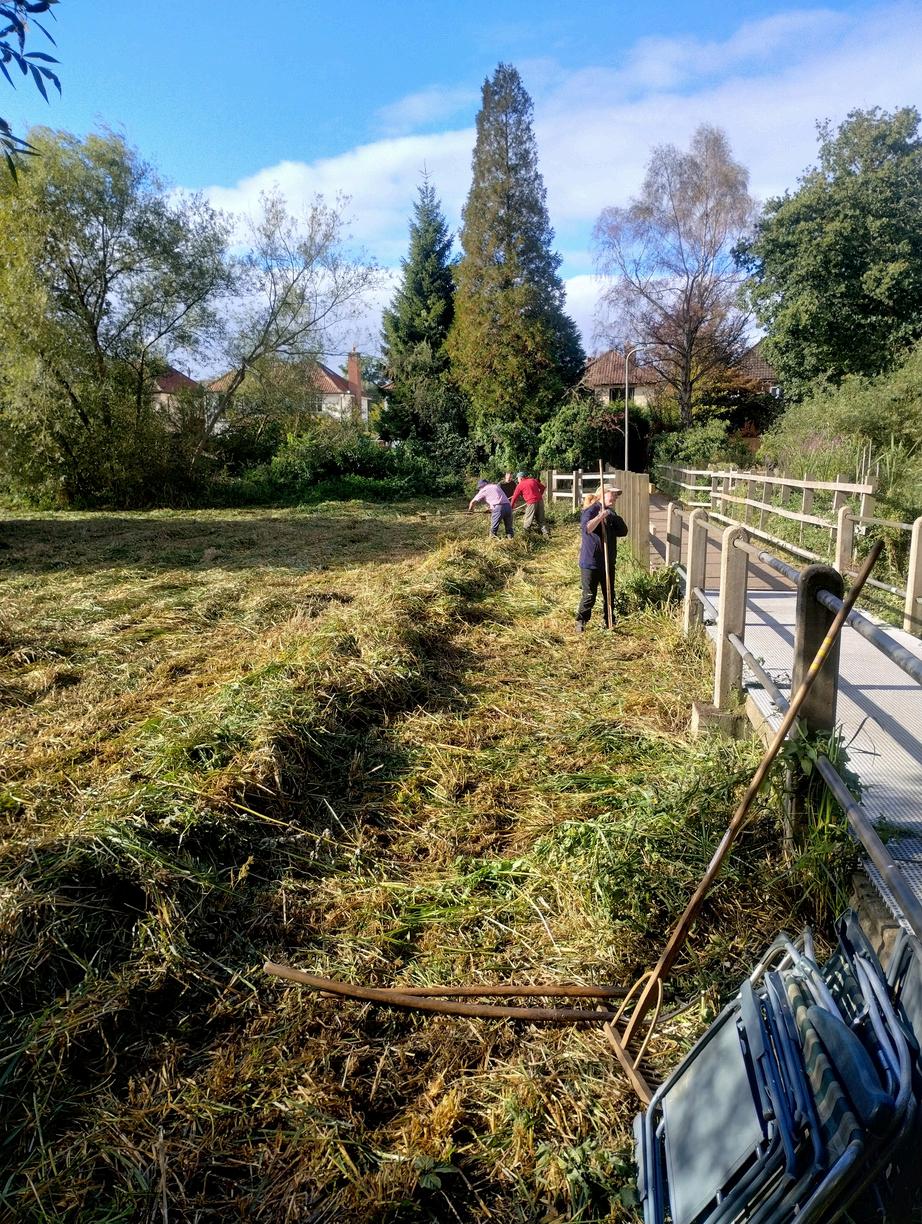
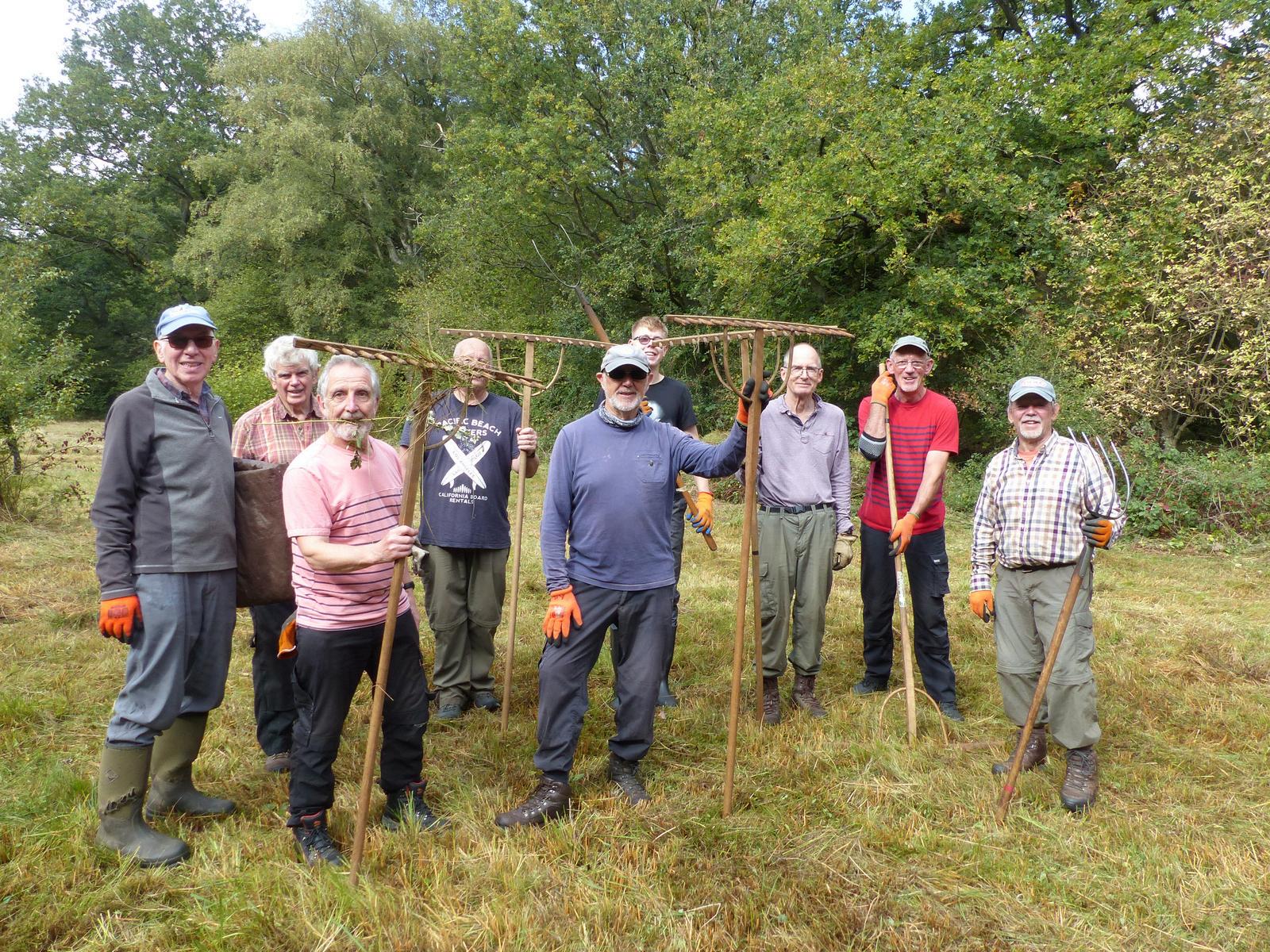
Picturesque Miles Piece had its annual cut and rake session. Not a lot to say, but we did find some good patches of lady’s bedstraw and a wasps nest by the main entrance.
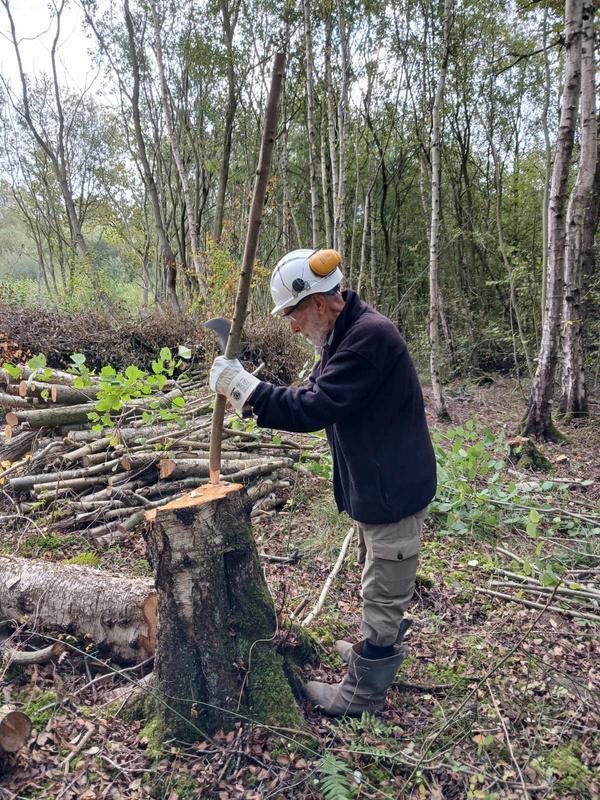
Again, the annual cut and rake was undertaken at Tom Longs Meadow in Quorn. Worryingly, balsam has increased markedly at this reserve Unfortunately, this diverts valuable time away from other valuable tasks such as coppicing the willows and fencing repairs.
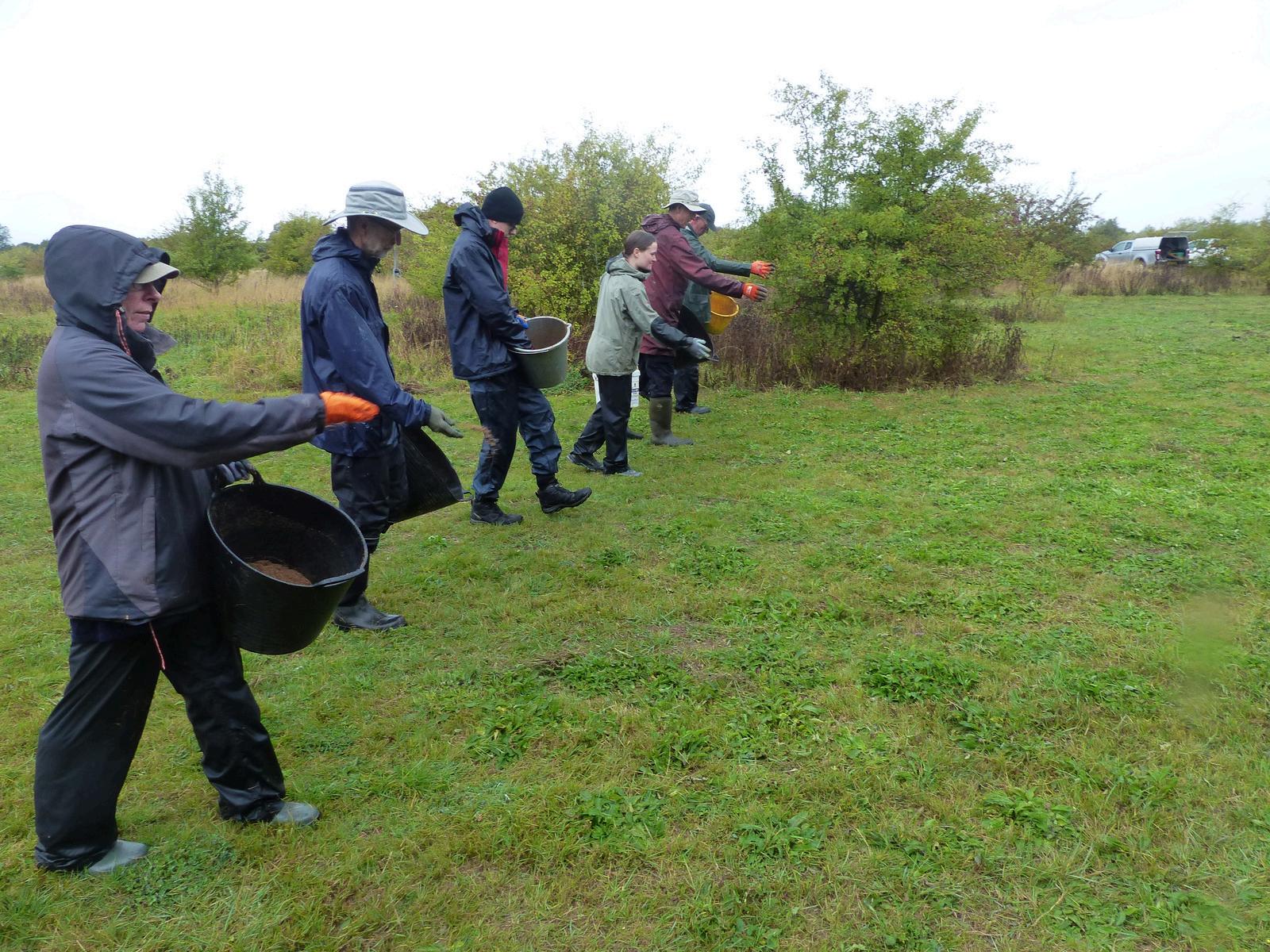
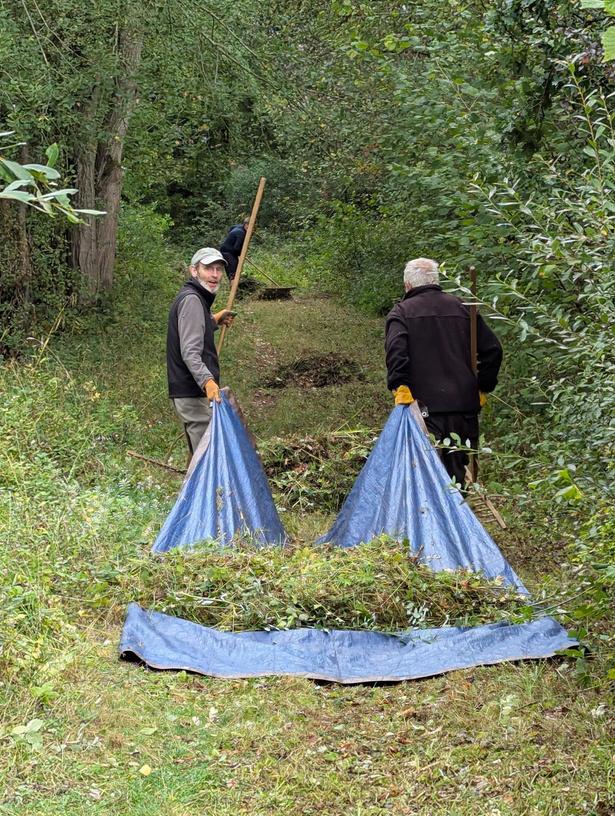
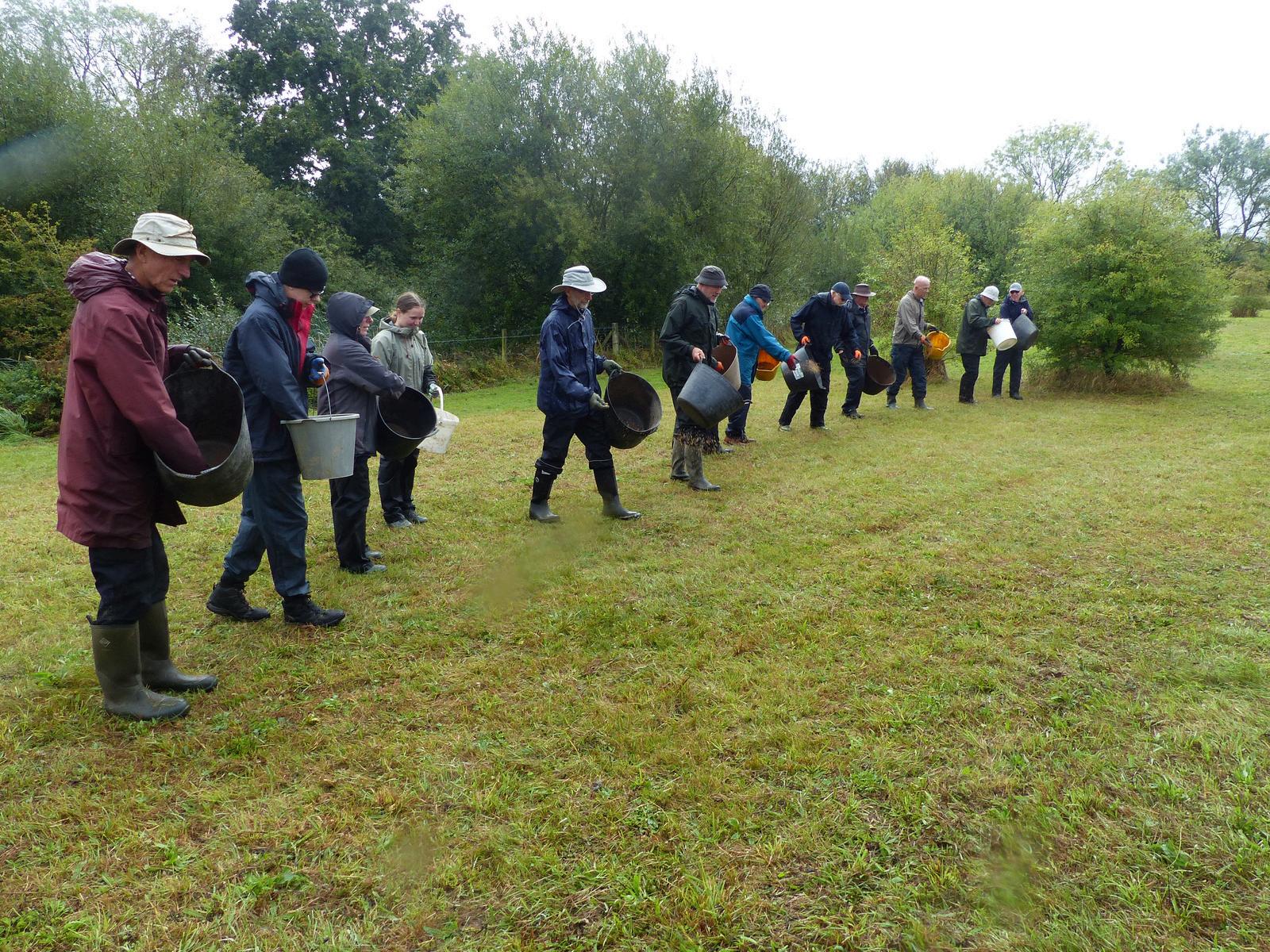
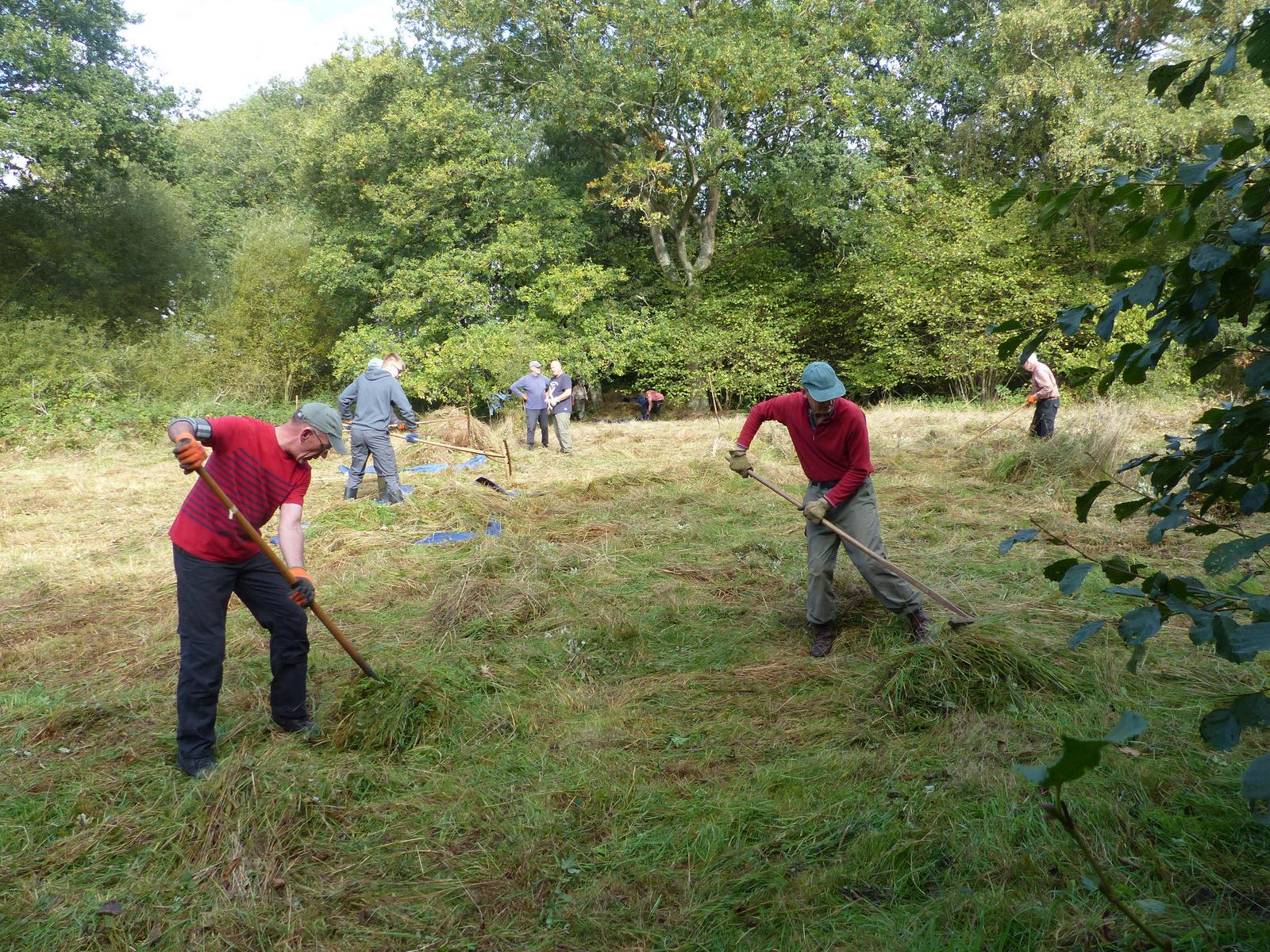
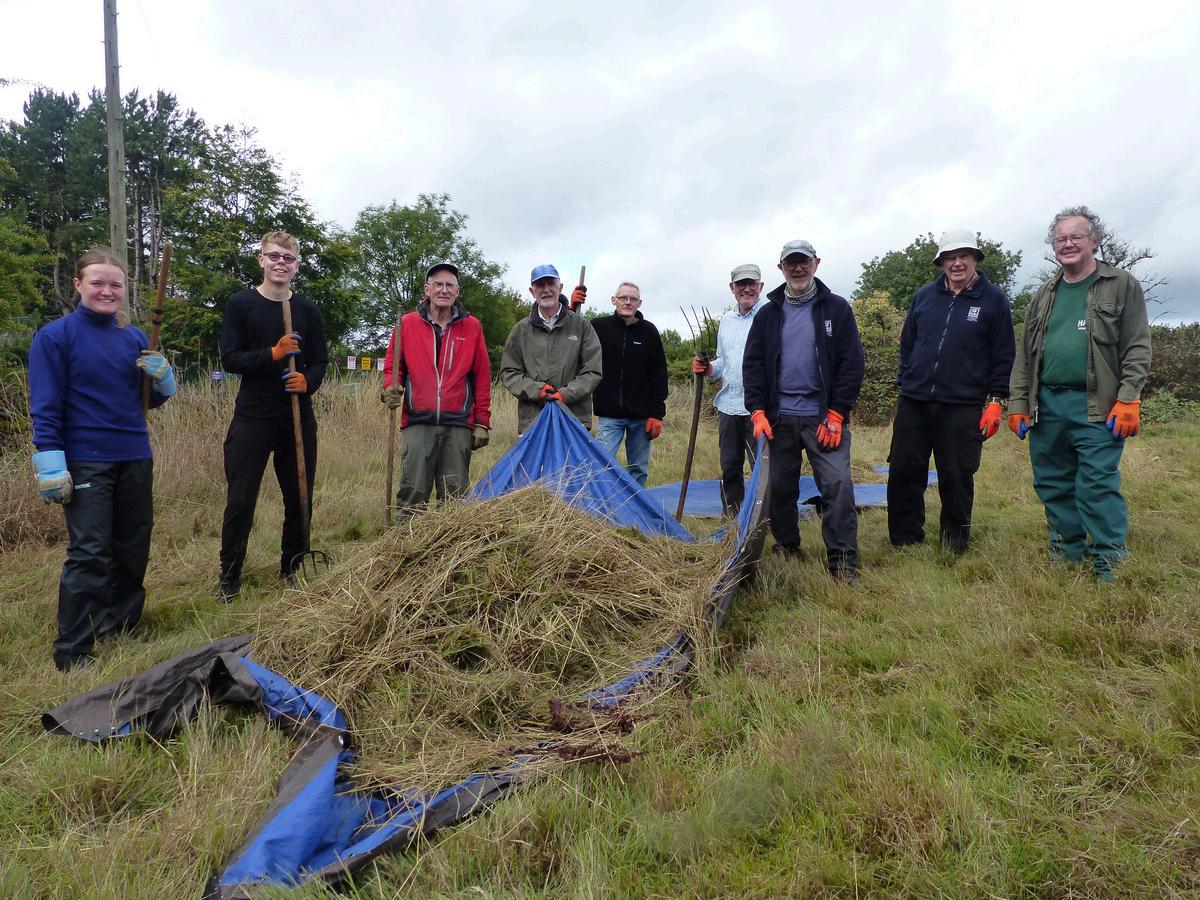
September had us heading back to Cossington Meadows. The Wednesday gang helped with raking the arisings from Swan Meadow’s wildflower area Piles of hay located on the margins of a temperate pond will attract egg laying grass snakes also After the hard graft that is raking comes the part that everyone enjoys (even in the drizzle) and that is the seed sowing I have been collecting seed over the year from various sites and after mixing with damp sand, we walked in lines scattering it onto the ground. Species include yellow rattle, cat’s ear, betony, devil’s – bit scabious, pepper saxifrage, lady’s bedstraw, bird’s - foot trefoil, agrimony, cowslip, goat’s beard and knapweed. We are now at the stage of transferring green hay from this meadow onto other parts of the reserve. Apart from being visually attractive, insect abundance is noticeably higher in the meadow than in the adjacent species poor grassland.
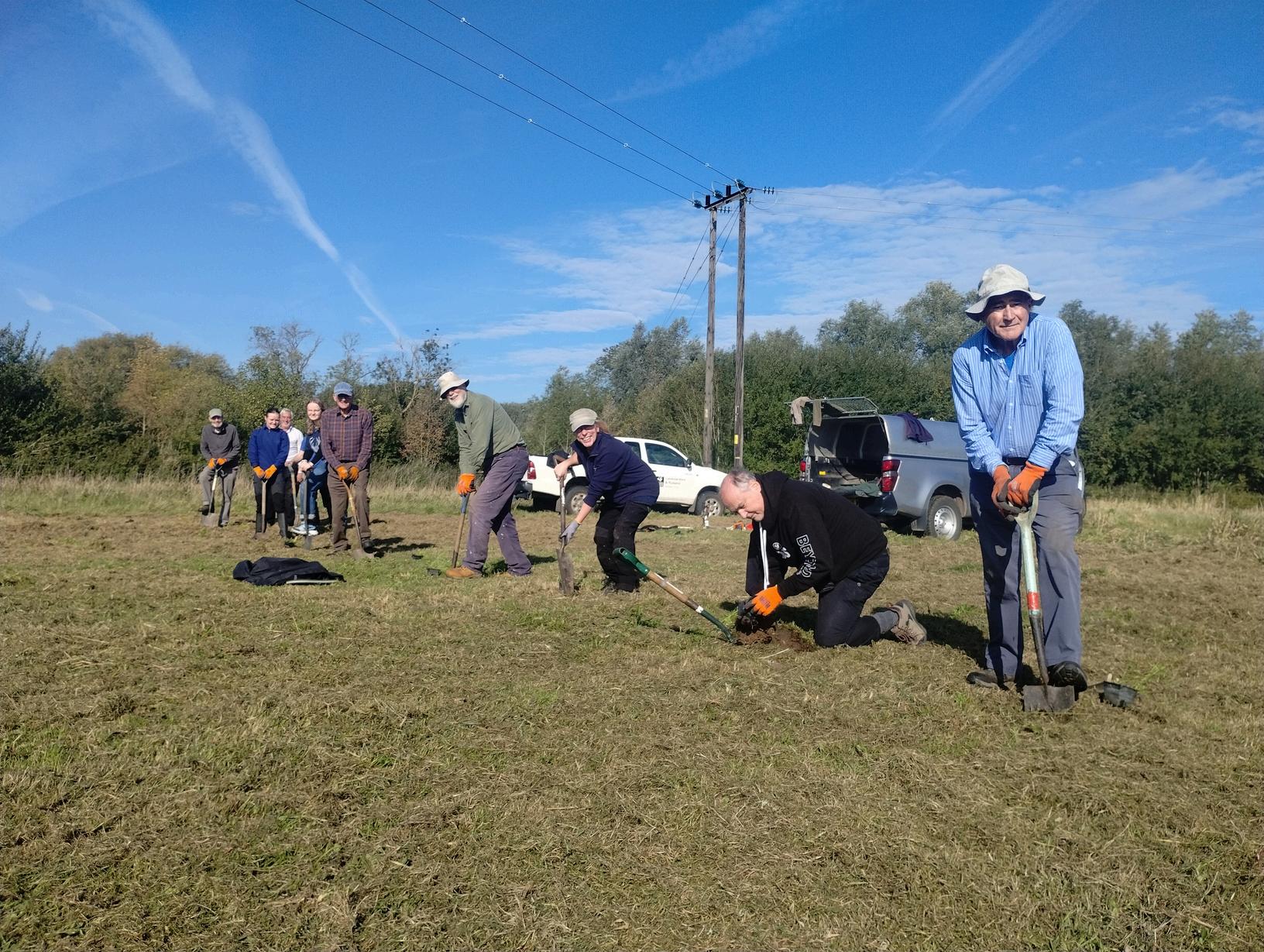
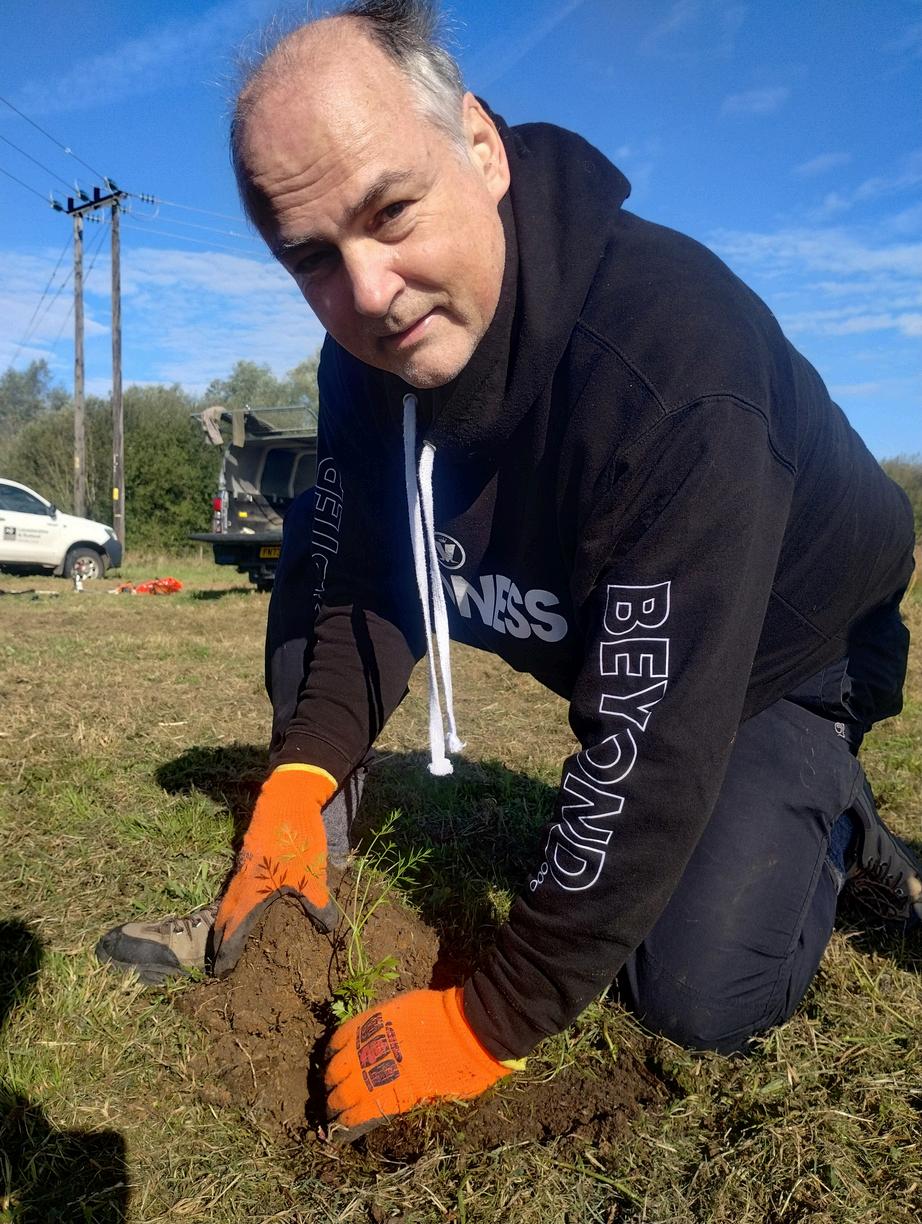
Again, at Cossington, Tuesday team were hard at work randomly planting home grown pepper saxifrage. I’m hoping these will thrive in the damp floodplain soil in Plover Meadow and eventually go on to self-seed. Pepper saxifrage (member of the carrot family) would have once been common in lowland Leicestershire but due to changes in land use, it is only found at a selection of sites (usually nature reserves).
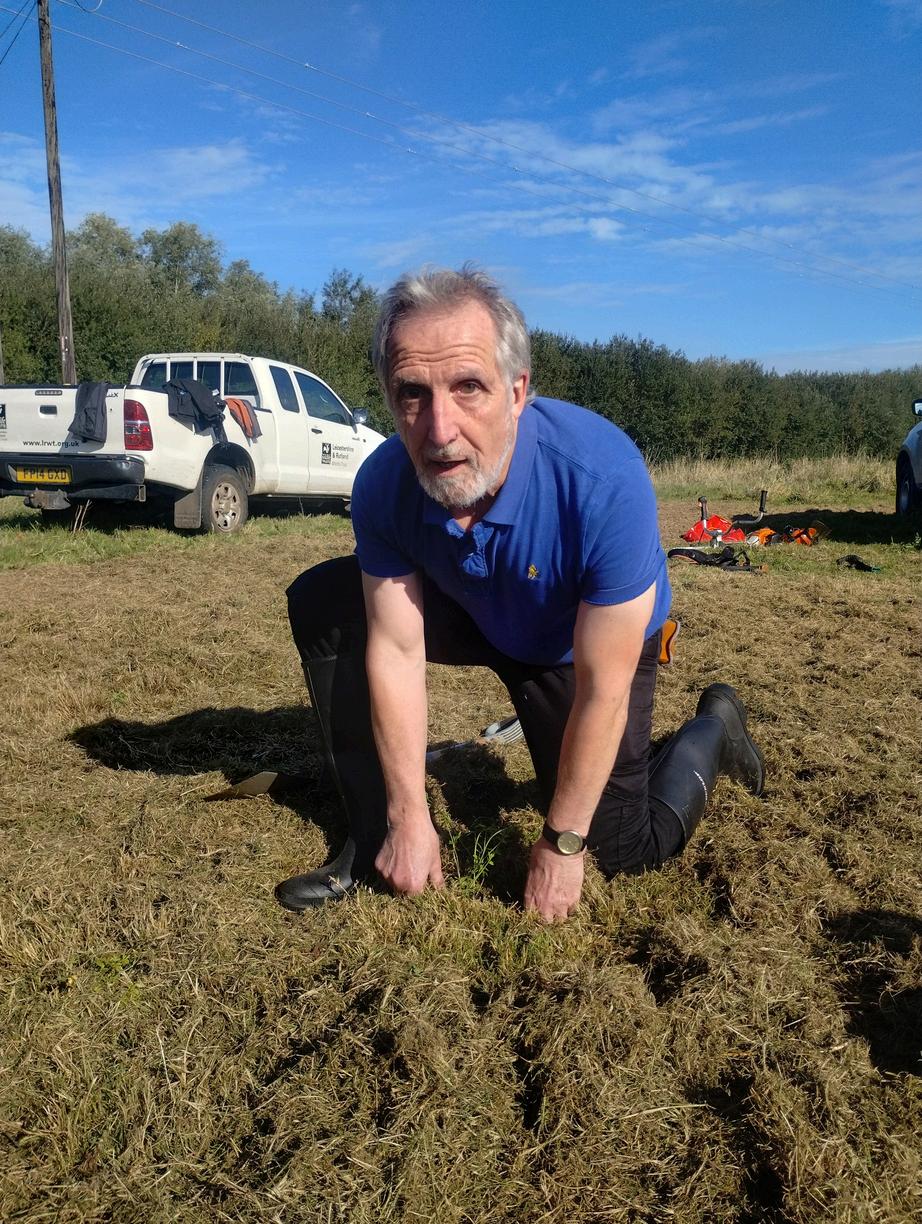
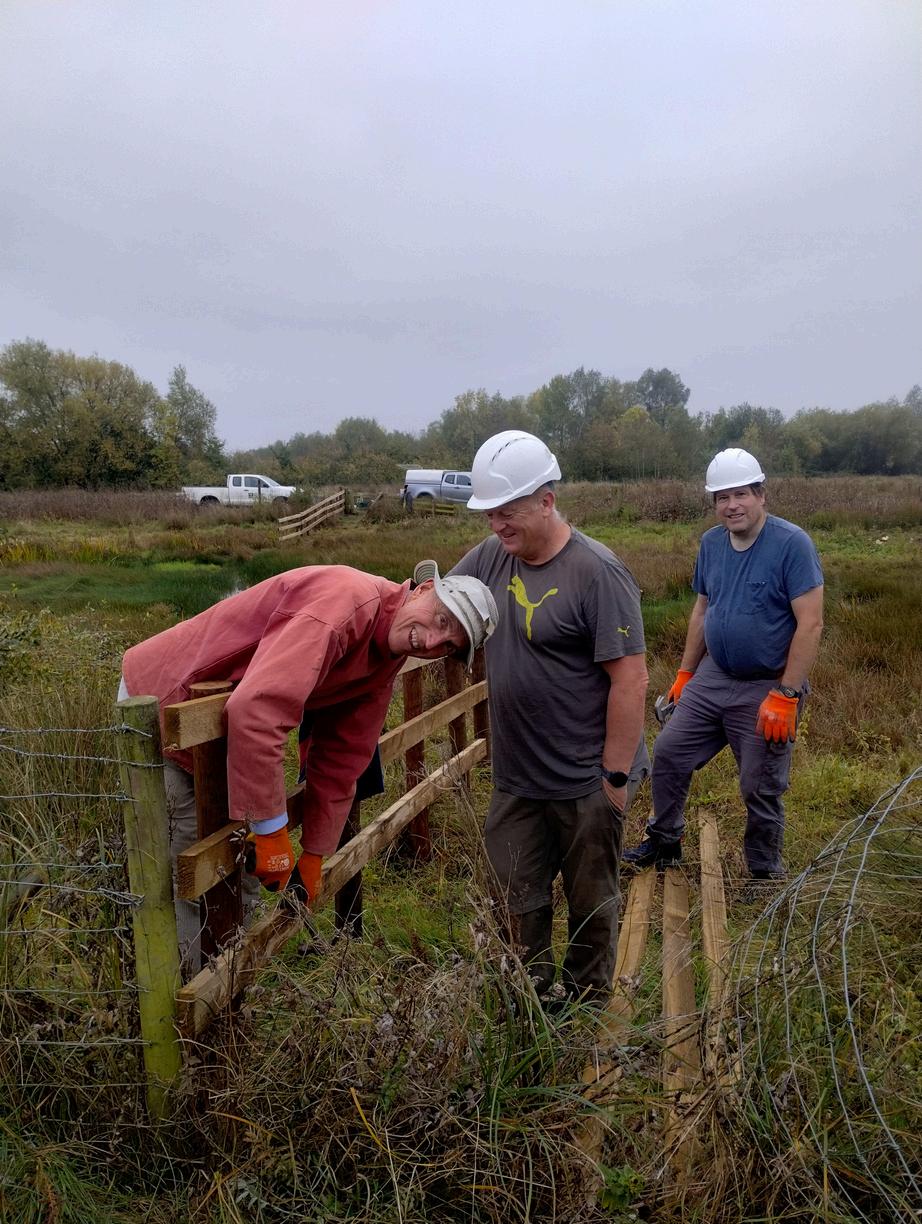
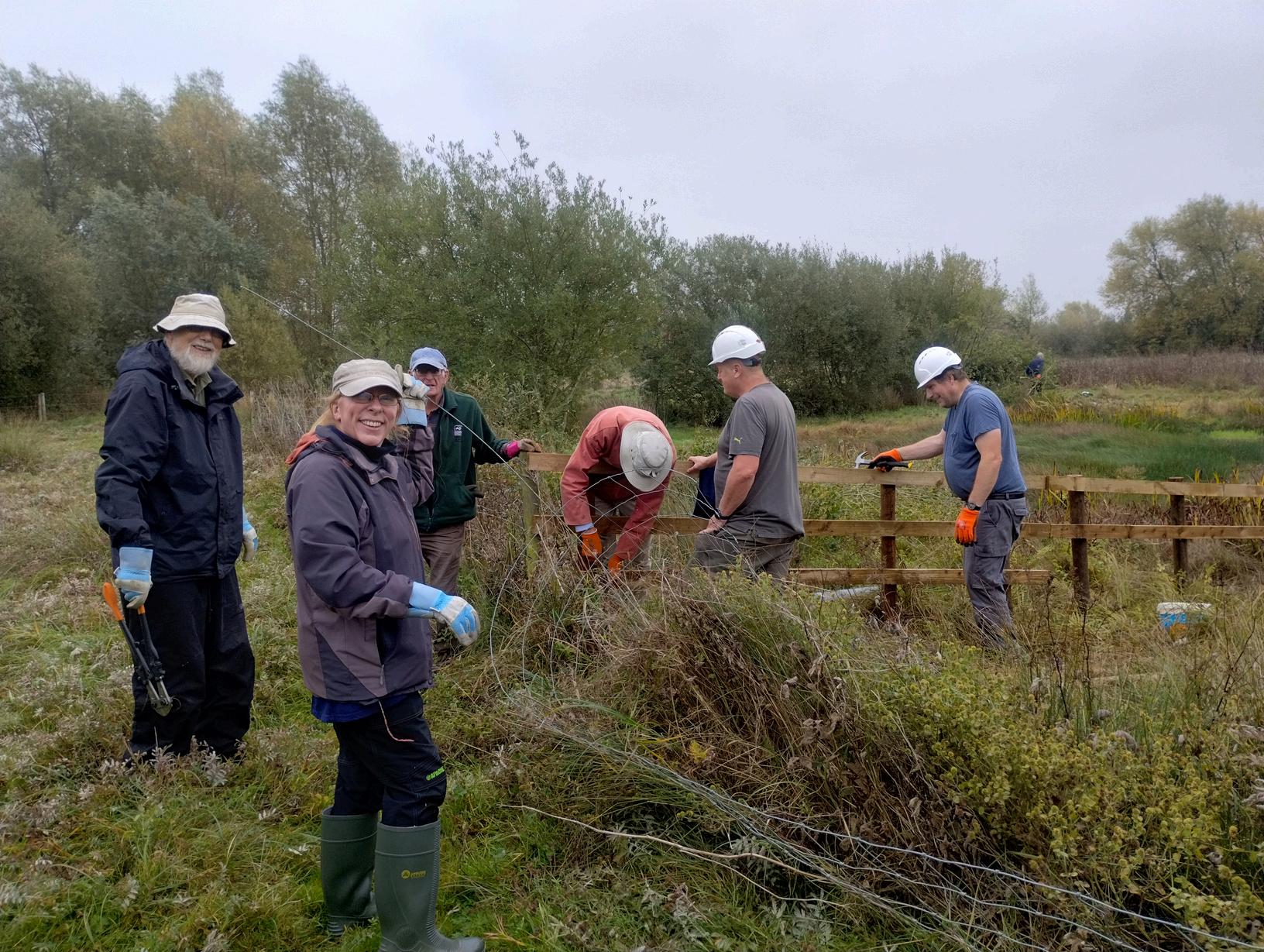
Hobley East pond at Cossington had us removing old fencing and erecting new post and rail to allow cattle, for the first time, to graze the margins. When the ponds in Hobley Meadows were dug in the mid – noughties, I fenced them off to allow the margins to establish naturally. Twenty years on, the time has come to let the beast in and do their thing. Light poaching is the desired aim, allowing species such as round – fruited rush (Juncus compressus) to spread.
Andy Neilson Senior Reserves Officer - West
It’s been a busy few months out on the Charnwood sites! All seasons are busy, but the change between our summer work and our winter work is very stark, and it’s always a case of getting the summer work done as quickly as possible so our autumn is spent doing autumn things and not catching up with the grassland management!
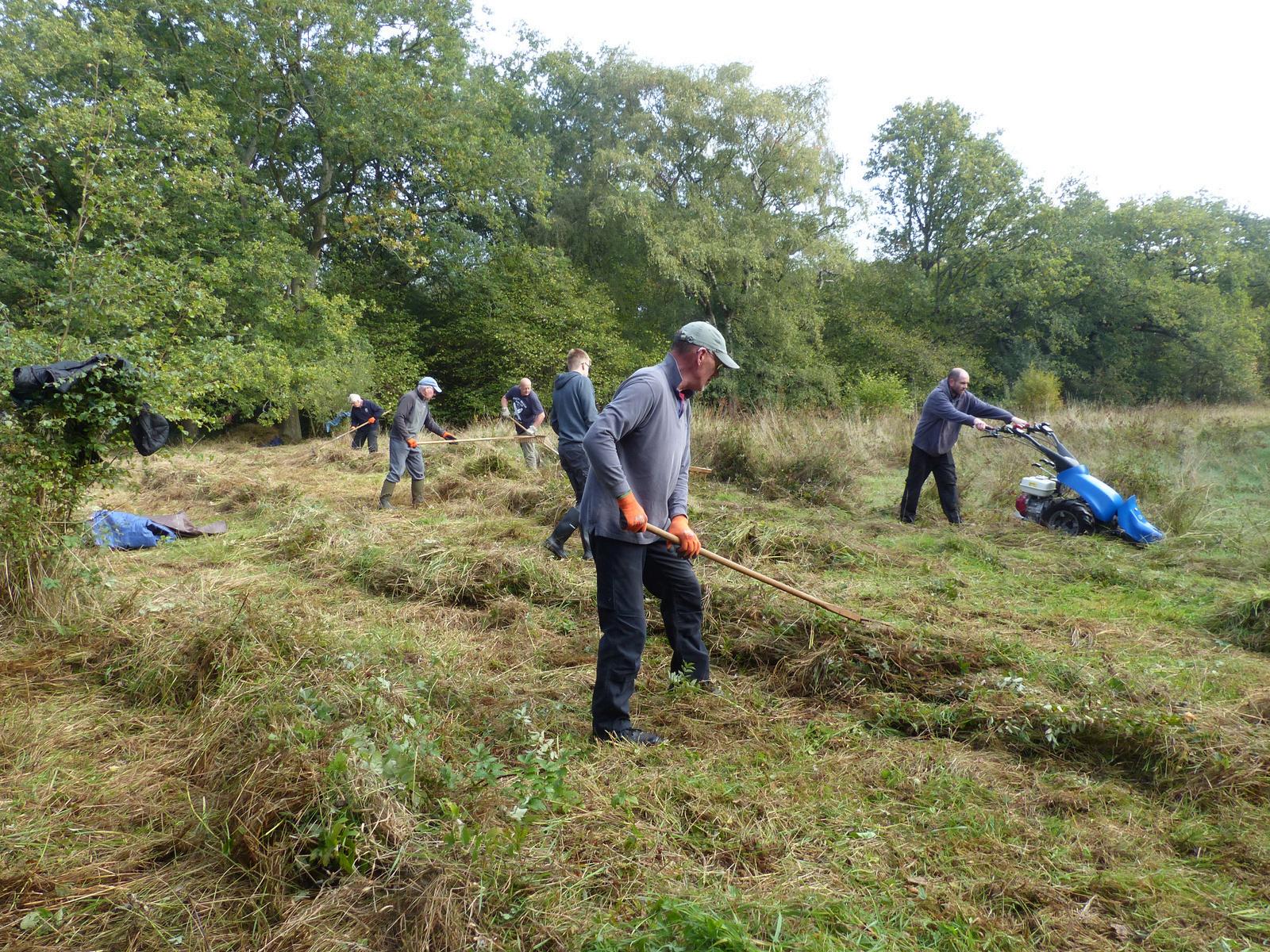
September was very much a grassland focus – after finishing our bracken pulling initiatives characteristic of the summer months out on the heaths, the teams got to work at Ulverscroft and Altar Stones getting the sites we’ve been unable to graze this year mown, using our boneshaker powerscythe to great effect! Various bits of Charnwood Lodge were mown/scythed too, and our friendly farmer Andrew had the cut and collect machine mowing the larger grassland parcels across the Charnwood sites too.
Once the grasslands had all been chopped, October’s focus was largely on Colony Reservoir at Charnwood Lodge. Due to the drought conditions this summer, Colony sadly dried out, but this left an ideal opportunity to get out there and do some management work now there was no water in it.
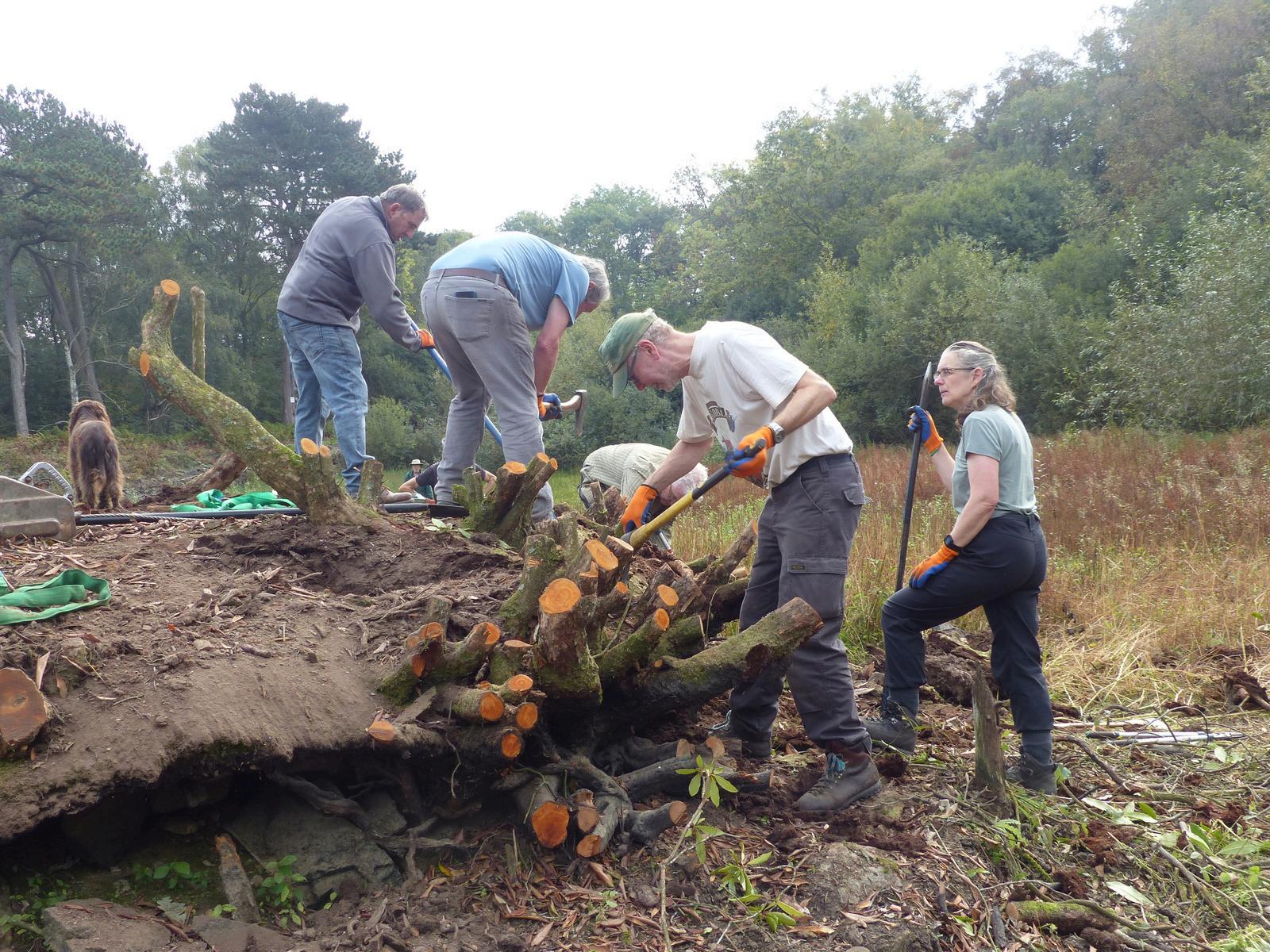
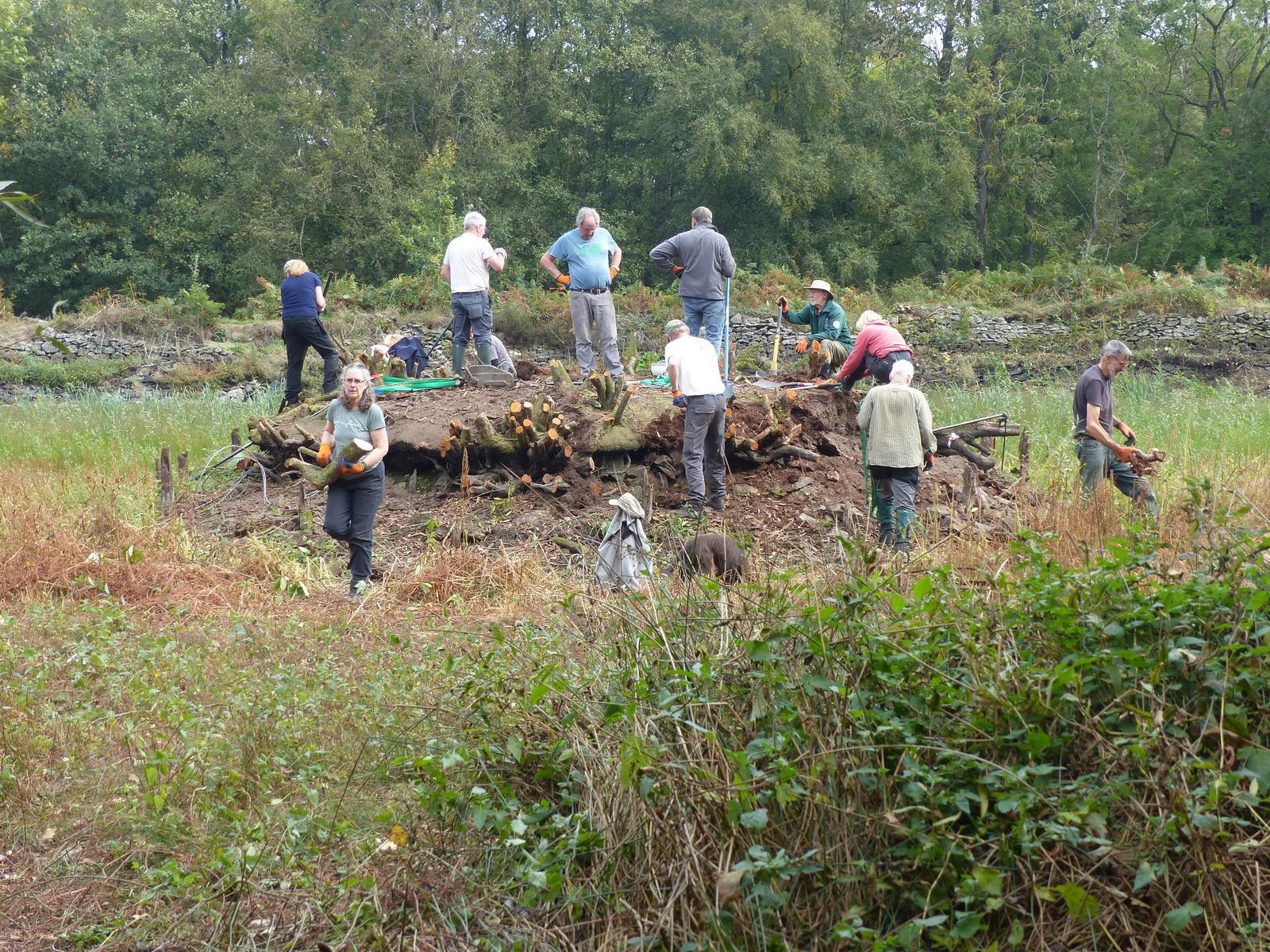
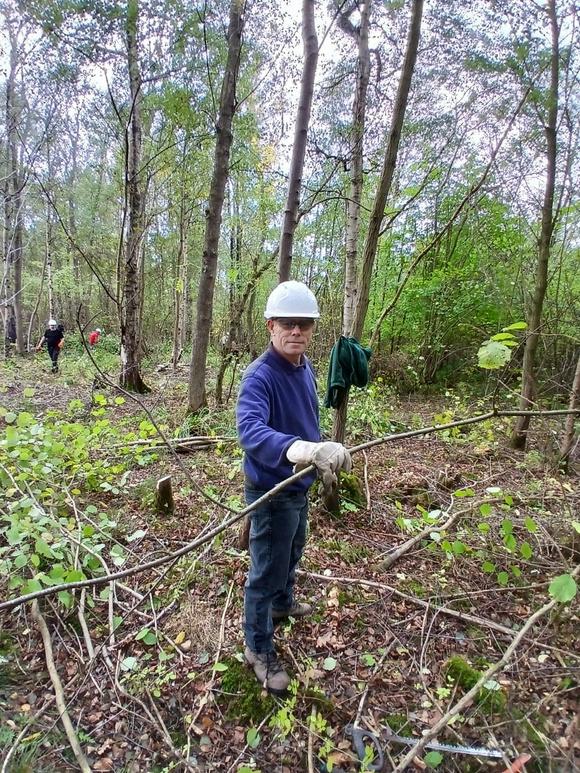
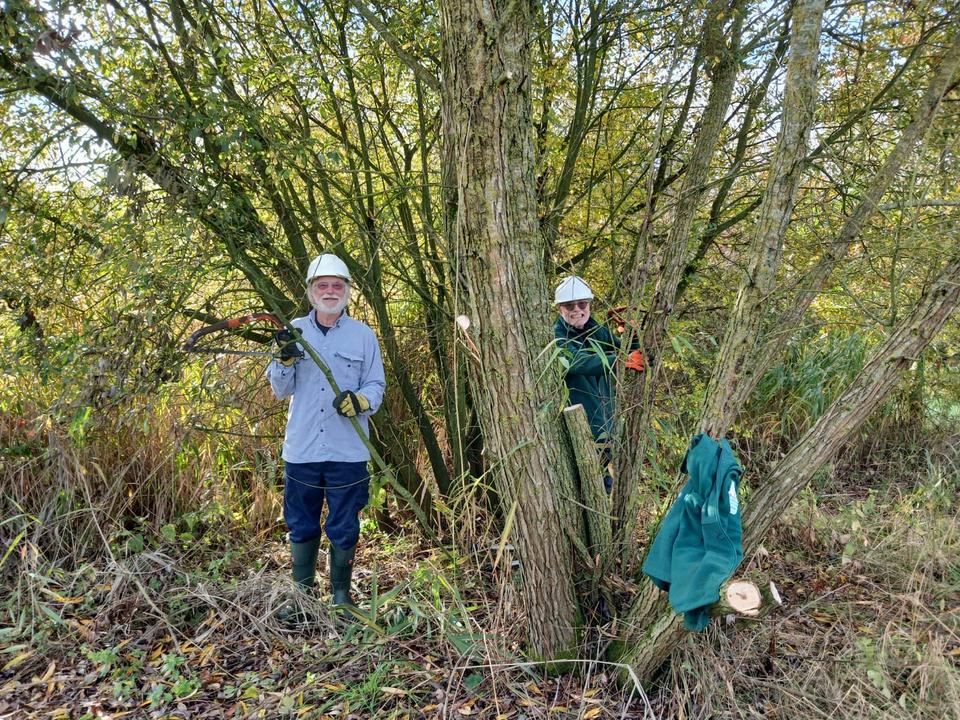
A first on the agenda was removing the rhododendron-covered island that had been annoying me for several years since I took on the reserve – rhody is not the best plant conservation-wise, and a whole island full of it was cause for concern! Luckily, I have introduced the Charnwood volunteers to the magical power of the Tirfor winch, which has been put to excellent use removing the rhody stumps once we’ve cut away all of the brash.
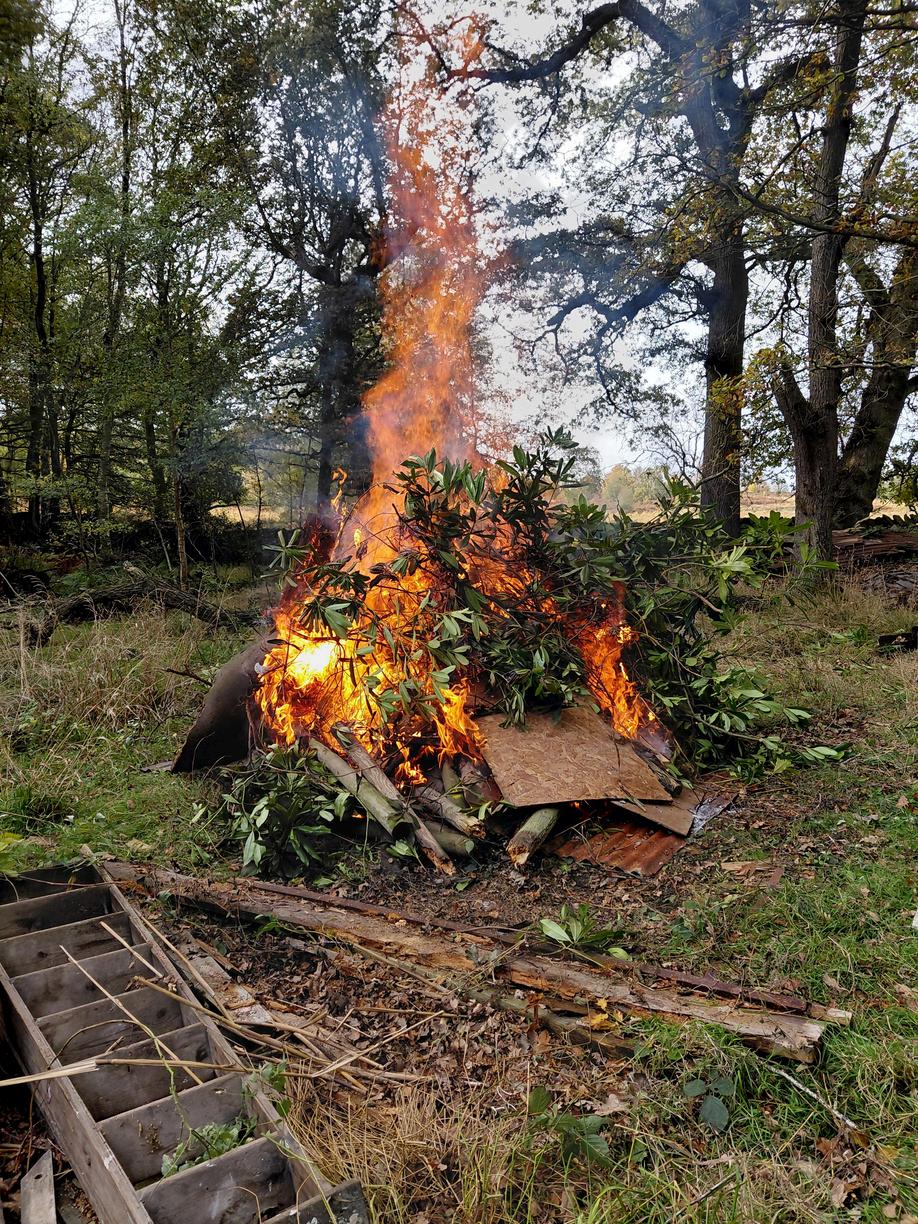
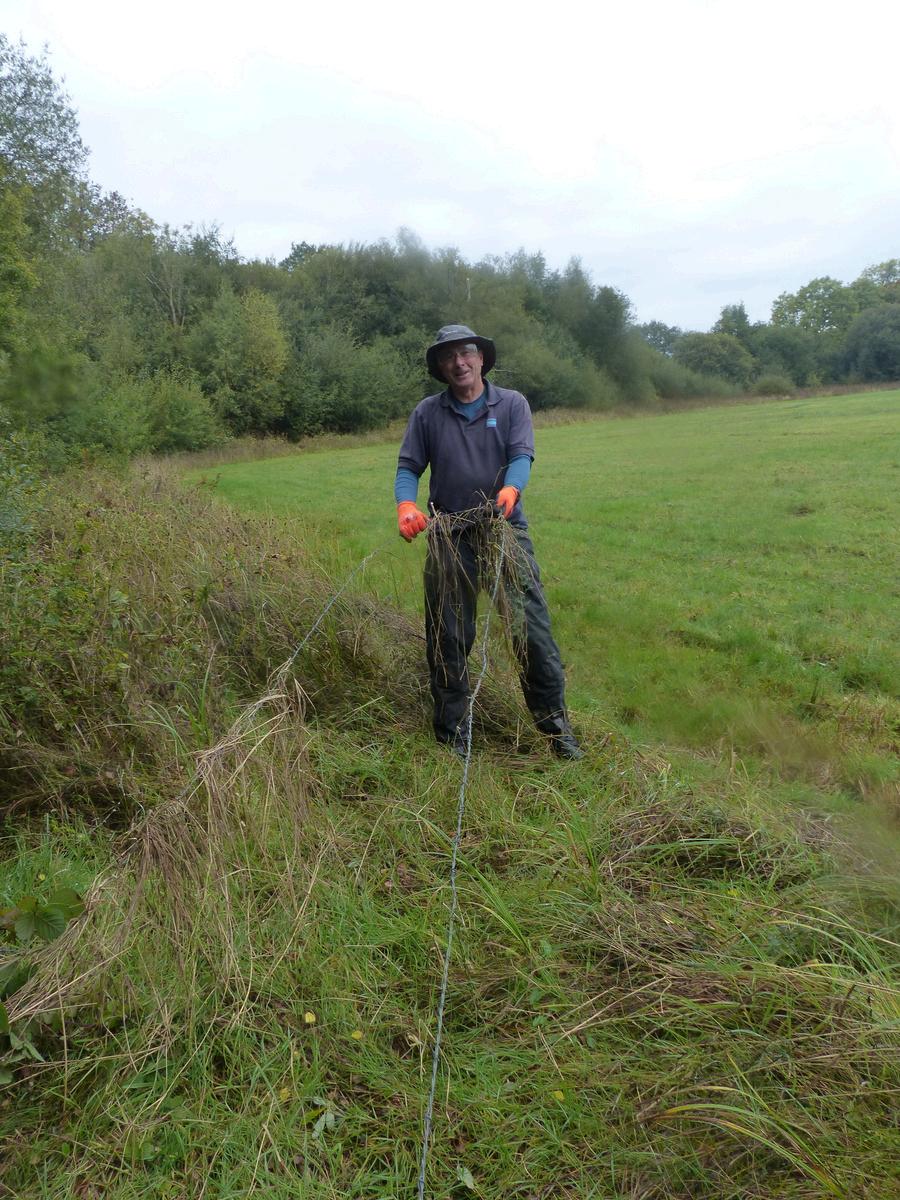
It's also been an ideal opportunity to clear the reservoir bank of encroaching willow, which will open up the views nicely for visitors when there’s a bit of water back in it, and also reduce the risk of the willow roots undermining the reservoir bank!
One emerging issue from the drought had been the several-thousand willow seedlings that have started growing in the soft mud of the reservoir bed – to stop this area of open water becoming a willow forest moving forwards we embarked on a rigourous willow-pulling operation which turned out to be completed just in the nick of time before the November rains filled the reservoir back to 100% capacity. It was incredible really. In the space of 10-days the reservoir went from bone-dry to completely full again.
The harvest mice that had found the reservoir bed very much to their liking (we found three nests whilst pulling the willow) will find the new conditions somewhat less suitable I think.
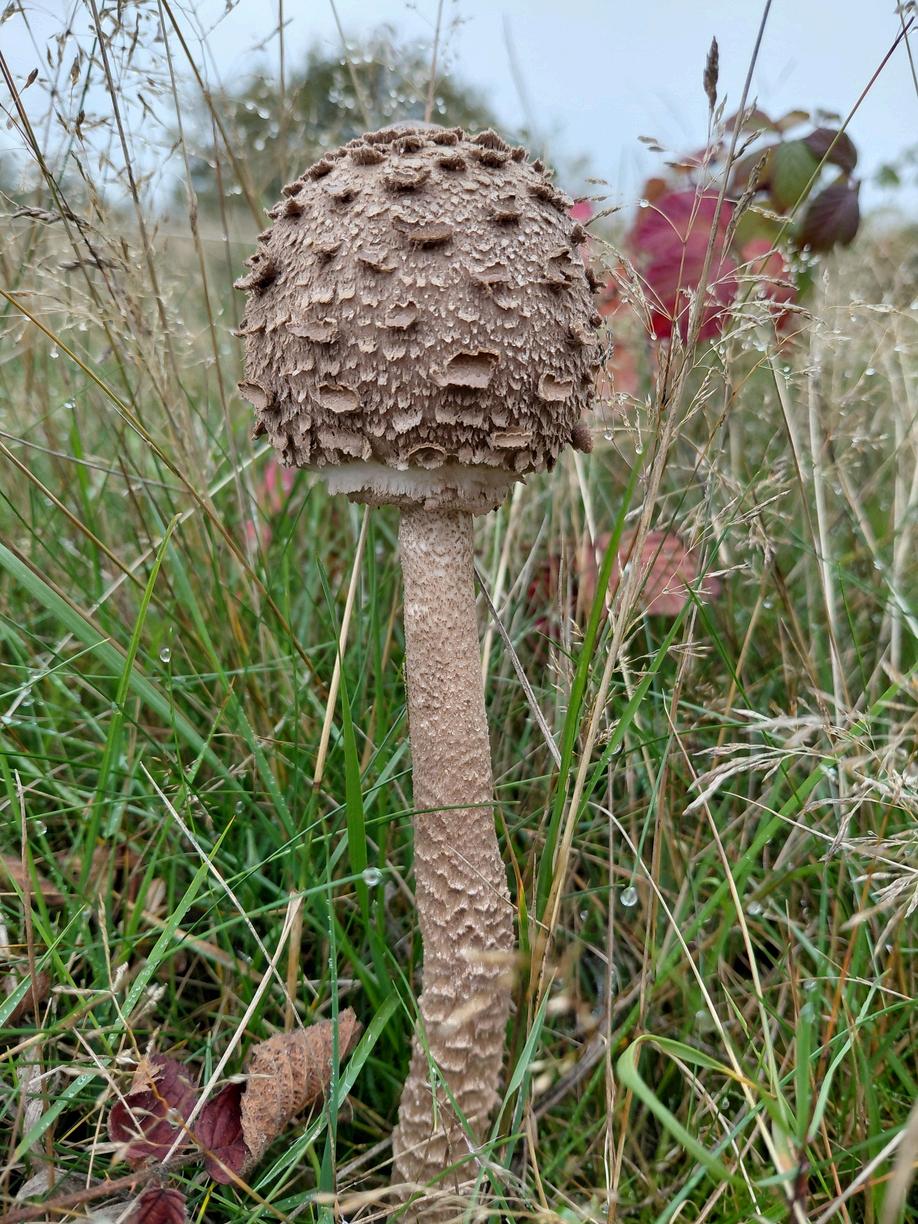
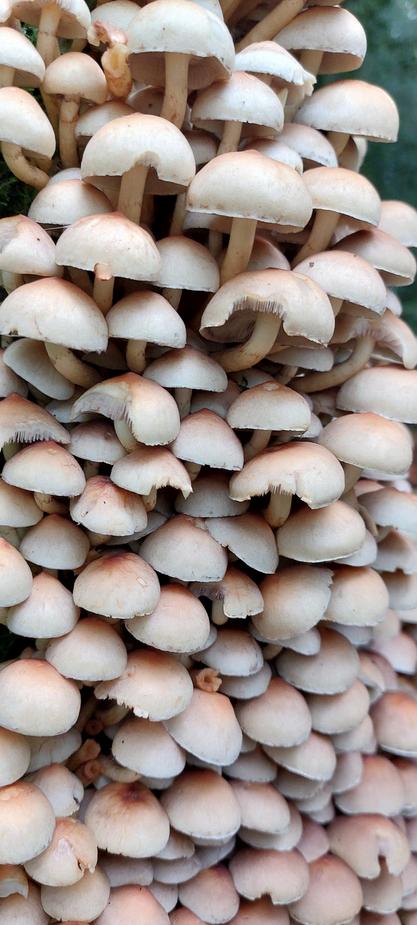
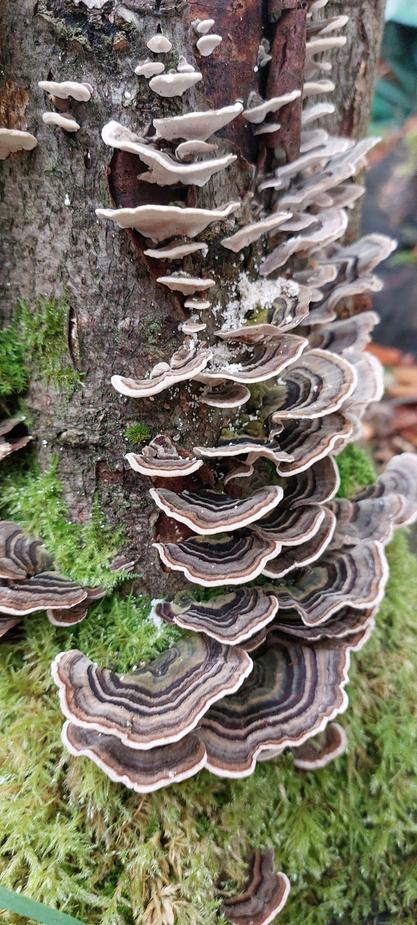
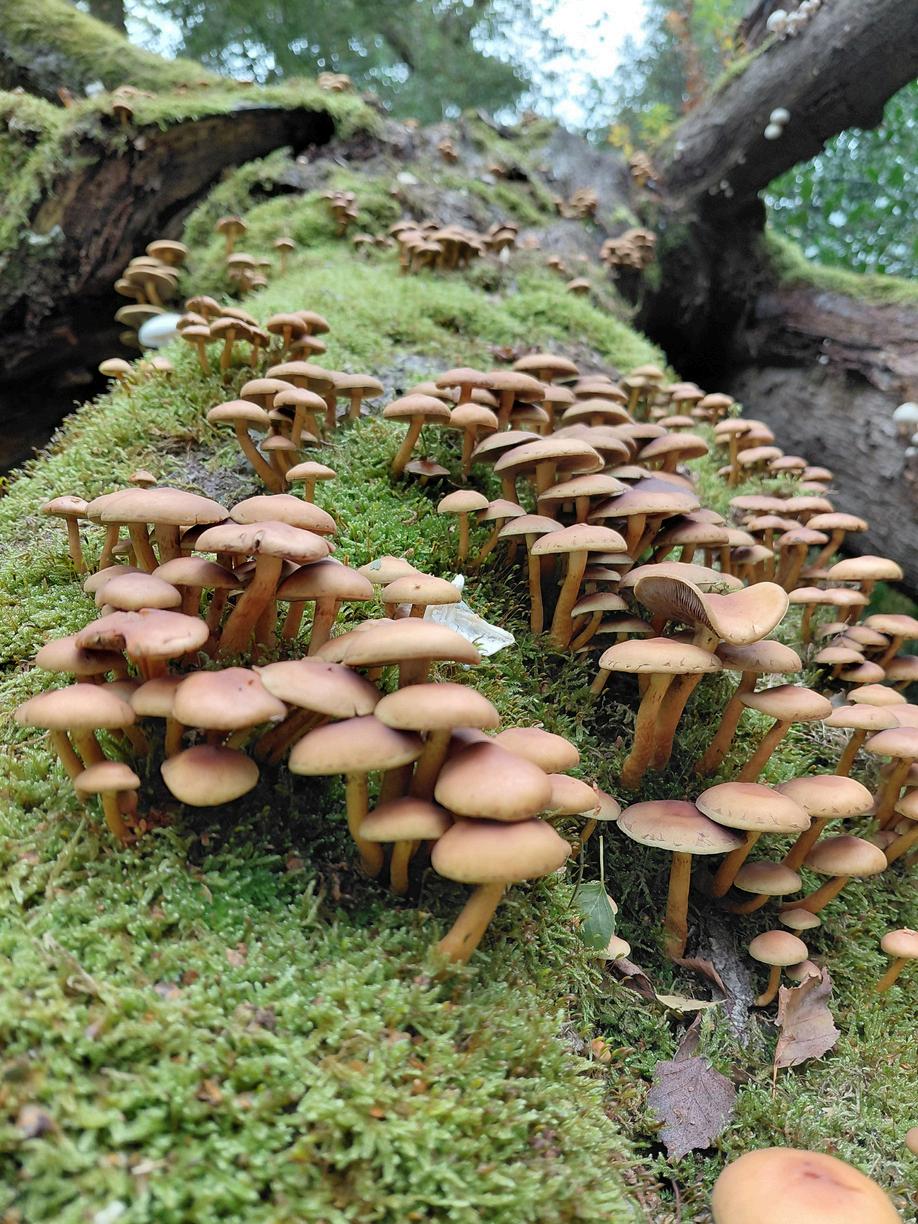
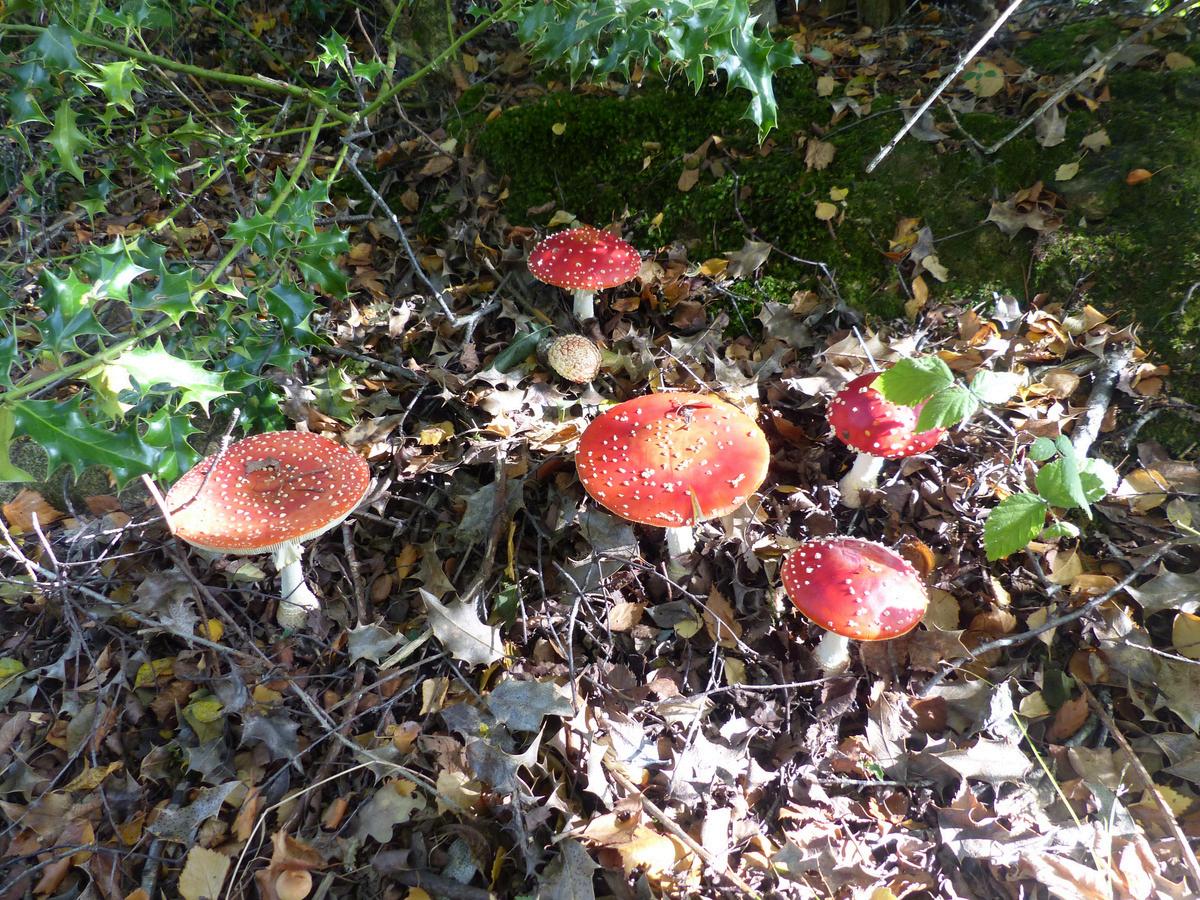
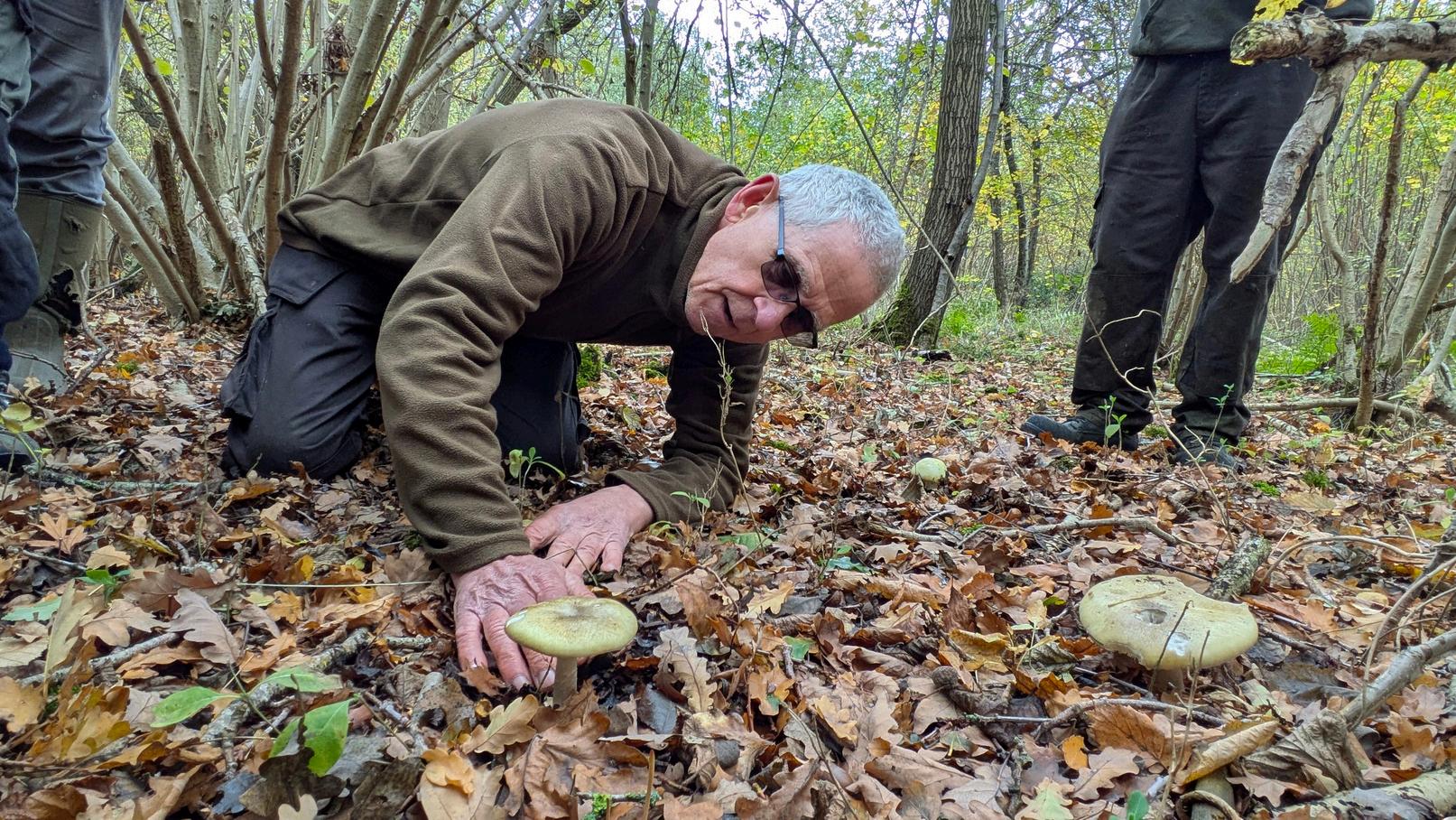
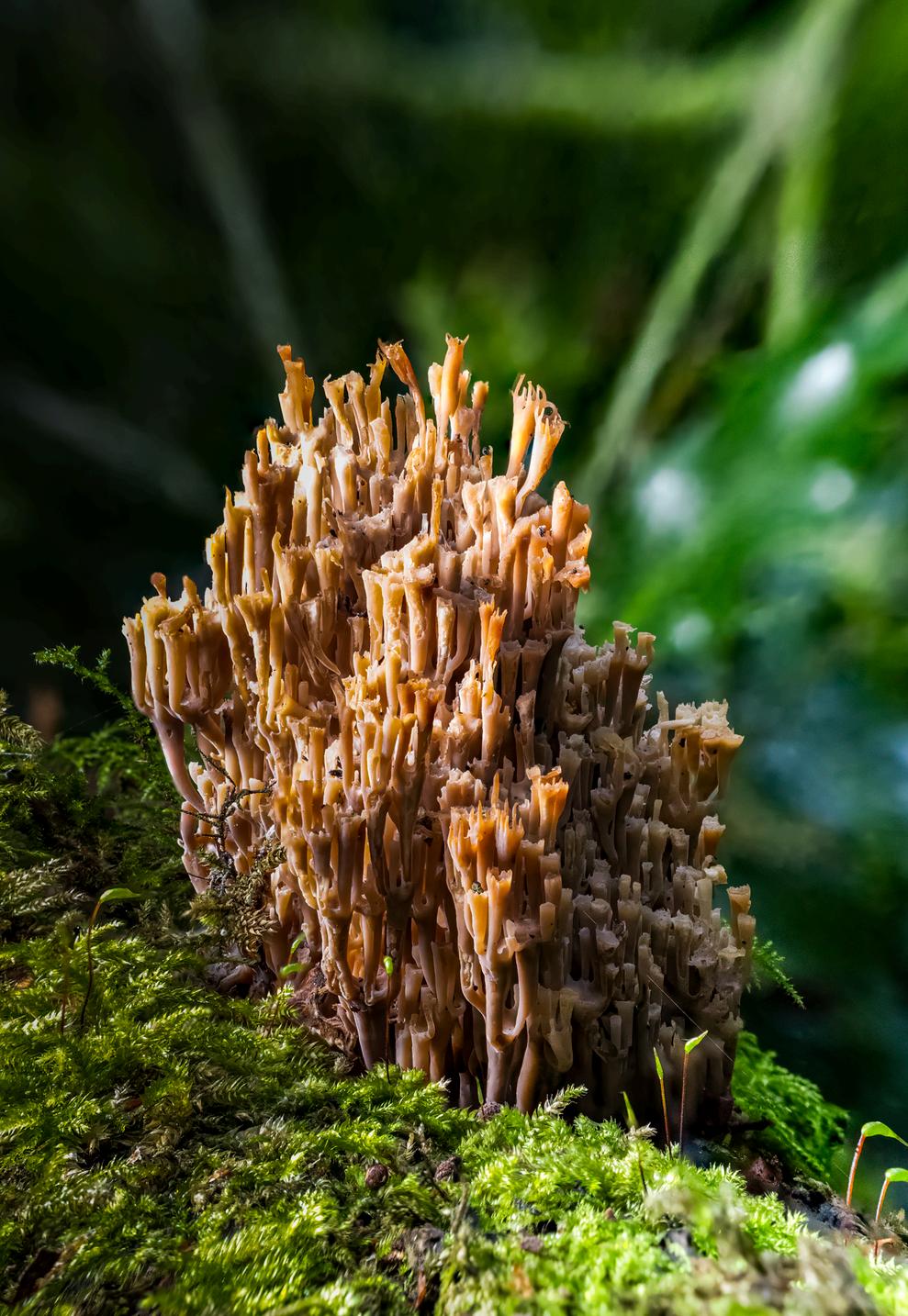
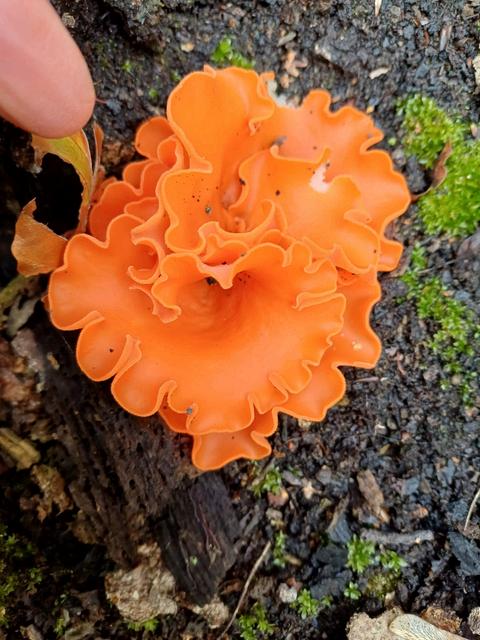
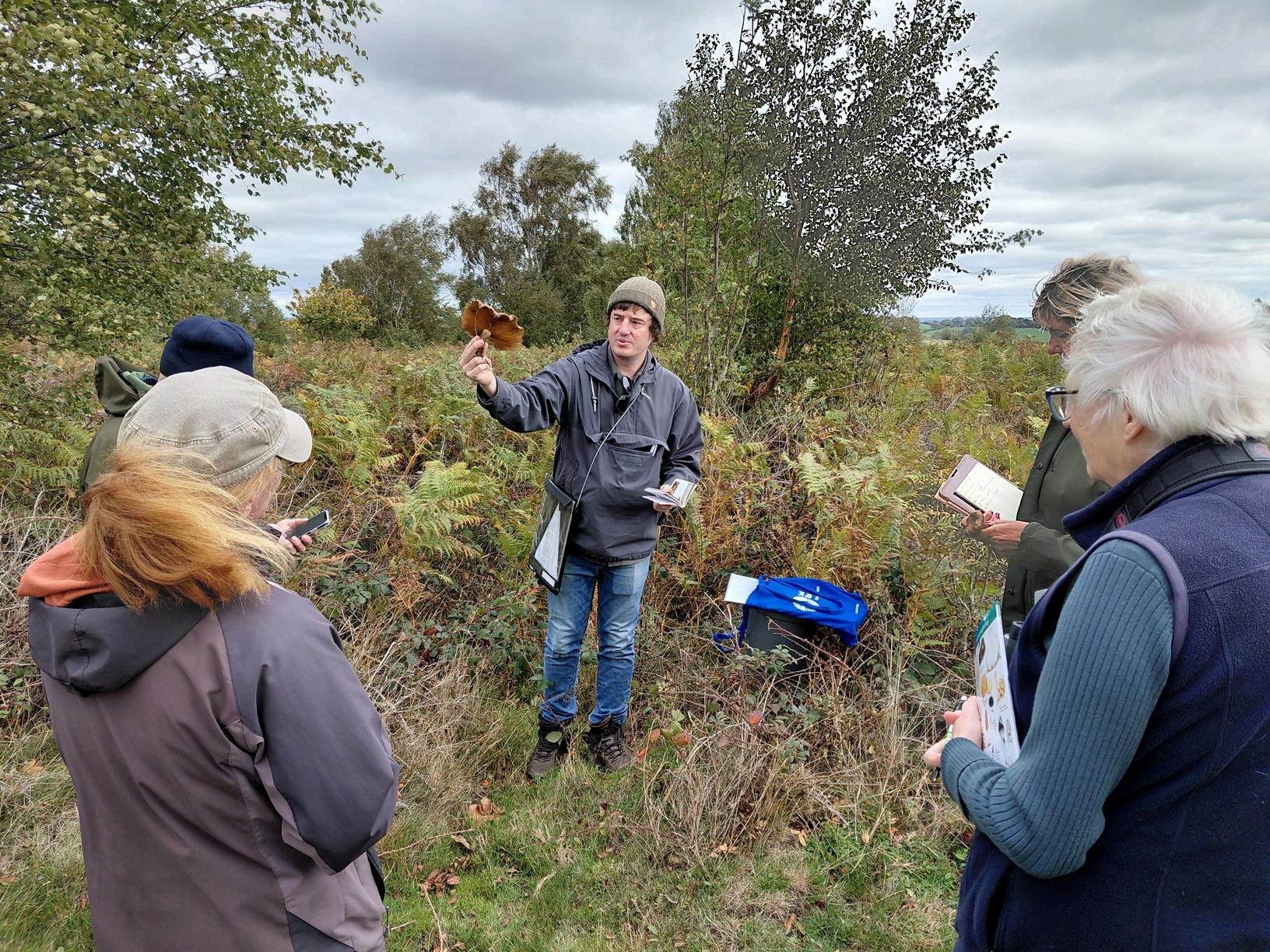
In wildlife news fungi has definitely dominated the headlines on my sites in recent times, not least the discovery of the very rare (first record for L&R) candelabra coral fungus at Charley Woods by the L&R fungi group – what a find! The heathland sites are always smothered in fungi at this time of year, a magnificent fungi walk led by Ben at Charnwood Lodge was very much a highlight for me – fungi is an area I’d like to learn a lot more about!
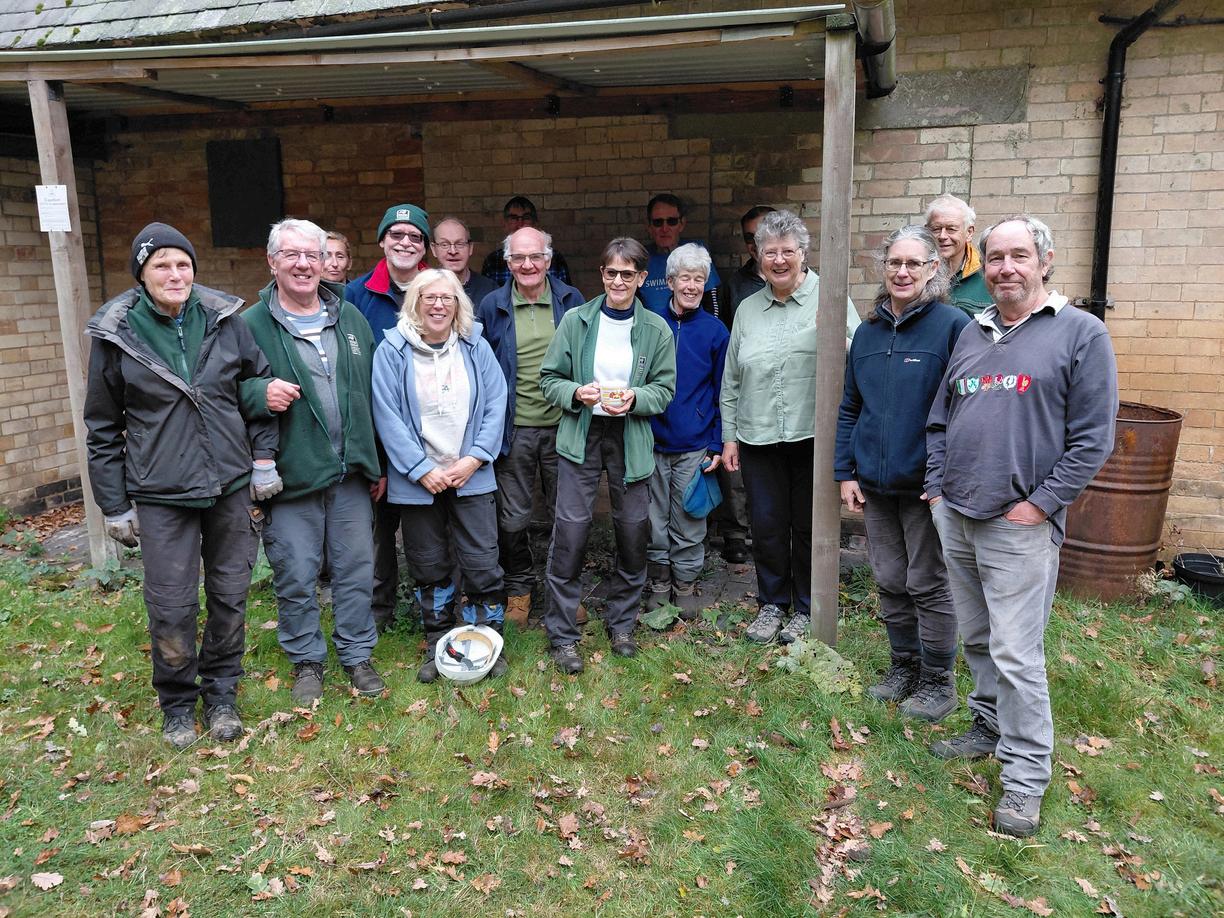
And finally, I’ll take this opportunity to wish one of our long-standing volunteers, Lindsi Donovon, all the very best with her new life over in the States. I’ve been working on this side of the Trust since 2018, and Lindsi has been ever-present during this time, contributing hugely not only to our habitat management work, but also our recording activities across our reserves and the wider countryside Equally at home knee-deep in a muddy ditch or keying out a rare species of grass, Lindsi’s skills and positive nature will be sorely missed. You’ll always be welcome out with us Lindsi, so don’t be a stranger if you ever come back!