
Saturday, July 18, 2026, at 7 PM
The Cleveland Orchestra
Semyon Bychkov, conductor
DMITRI
Violin Concer to No. 1
SHOSTAKOVICH in A minor, Op. 7 7 (1906 –1975)
I. Nocturne
II. Scherzo
III. Passacaglia
IV. Burlesque
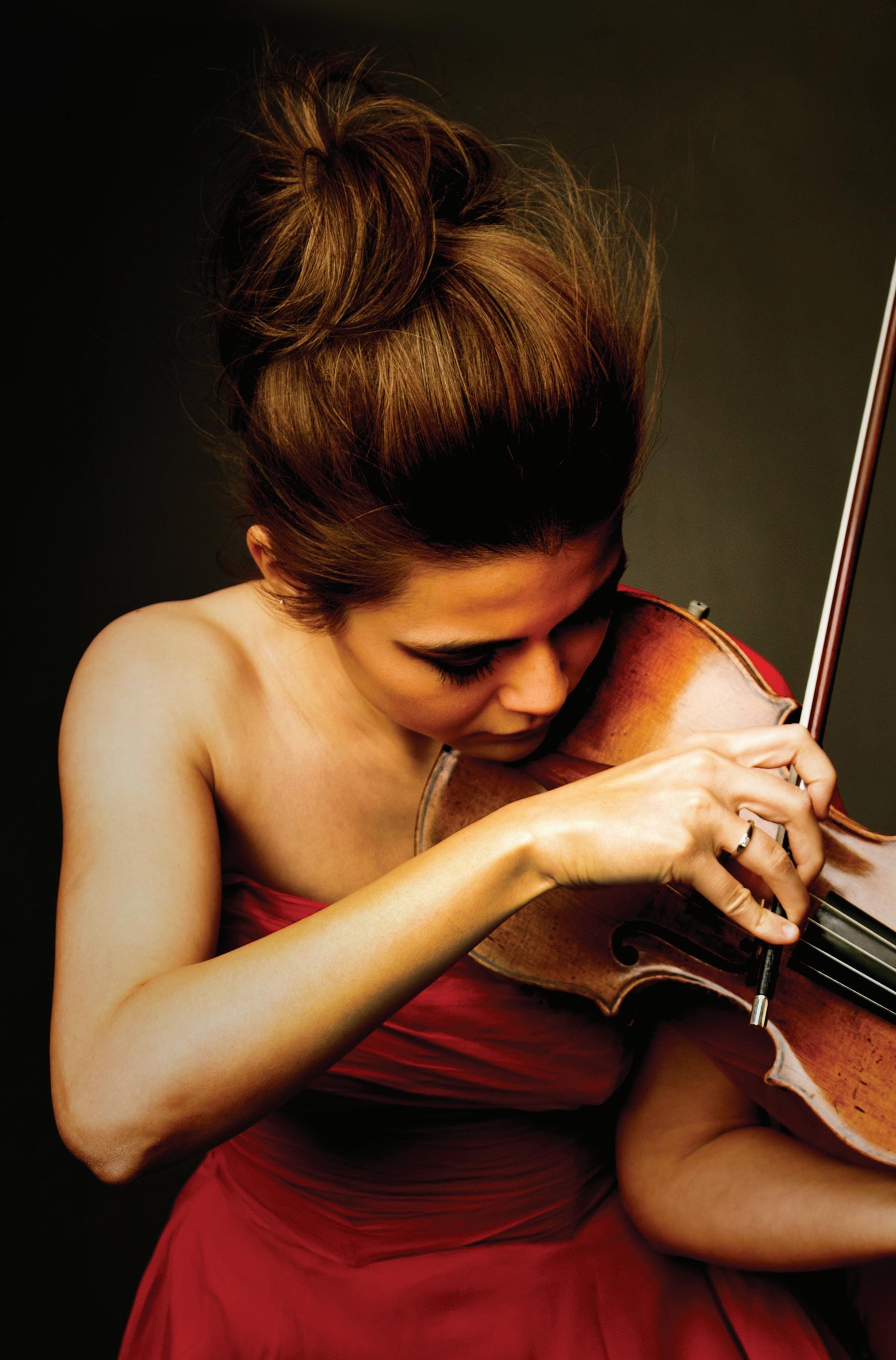
Karen Gomyo, violin
35 minutes
JOHANNES

Symphony No. 4
BR AHMS in E minor, Op. 98 (1833 –1897)
I. Allegro non troppo
II. Andante moderato
III. Allegro giocoso
40 minutes
IV. Allegro energico e passionato
Total approximate running time: 1 hour 35 minutes
Semyon Bychkov’s performance is generously sponsored by James and Marguerite Rigby.
Tonight ’ s per formance is dedicated to Dr. Ben H. and Julia Brouhard in recognition of their generous suppor t of music .















Johannes Brahms and Dmitri Shostakovich came from vastly different worlds and produced vastly different oeuvres, but they are united in their ability to overcome notable challenges to become defining musical voices of their times.
For Brahms, it was crippling self-doubt and the looming presence of Beethoven’s nine monumental symphonies that kept him toiling away at his own First Symphony for over two decades. On top of that, he found himself on the conservative side of the so-called “War of the Romantics,” criticized by composers like Liszt and Wagner for writing music dictated by form rather than storytelling.
For Shostakovich, it was ever-changing Soviet censorship that had him oscillating between national favorite and blacklisted composer throughout the 1930s, ’40s, and ’50s. Similar to Brahms, he had to contend with criticism of “formalism” in Soviet music — and the ensuing suppression of works without a didactic social message.
While these obstacles greatly shaped each composer and his works, they did not prevent either from living full lives with prodigious musical outputs.
Once Brahms finished his first torturous symphony, the next three followed quickly, with more confidence and individuality. The Fourth Symphony combines a level of intellectual depth and creative inventiveness that shook off the specter of Beethoven once and for all. Shostakovich never let his public standing affect his rate of composition, instead choosing to put pieces “in the drawer” until the political climate improved. His First Violin Concerto, performed tonight by Karen Gomyo, was one such piece. He began writing it in 1947 as Op. 77, but when it was finally premiered in 1955, it was released as Op. 99 (the original opus number was later restored in his catalog).
Tonight’s concert, then, might be heard as the musical embodiment of the adage “good things come to those who wait.”
— Ellen Sauer Tanyeri
Ellen Sauer Tanyeri is The Cleveland Orchestra’s Archives & Editorial Assistant and is a PhD candidate in musicology at Case Western Reserve University.
by Dmitri Shostakovich
B O R N : September 25, 1906, in St . Petersburg
D I E D : August 9, 1975, in Moscow
COMPOSED: 1947– 48; revised 1955
WORLD PREMIERE: October 29, 1955, by the Leningrad Philharmonic and Yevgeny Mravinsk y, with violinist David Oistrakh
CLE VEL AND ORCHESTR A PREMIERE: July 7, 198 4, at Blossom Music Center, with Vladimir Ashkenaz y conduc ting and Boris Belkin a s solois t
ORCHESTR ATION: 3 flutes (3rd doubling piccolo), 3 oboes (3rd doubling English horn), 3 clarinet s (3rd doubling ba ss clarinet), 2 ba ssoons , contraba ssoon, 4 horns , tuba , timpani, percussion (tambourine, tam-tam, x ylophone), 2 harps, celesta , and strings, plus solo violin
DUR ATION: about 35 minutes
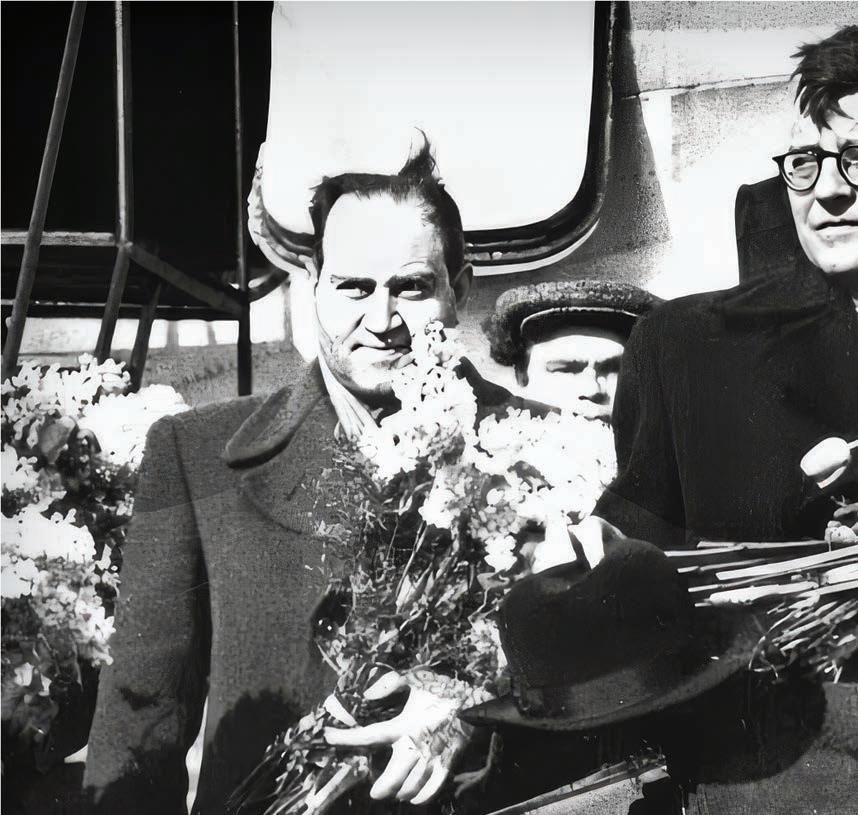
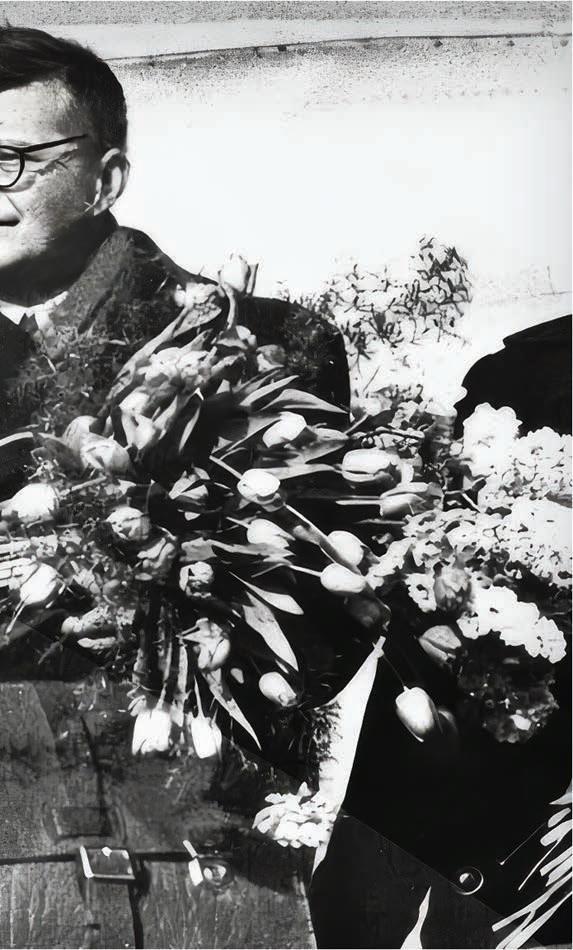
NEARLY EXACT CONTEMPORARIES, DMITRI SHOSTAKOVICH AND DAVID OISTRAKH (1908 –74) shared a lifelong f riendship. Shostakov ich wa s a brilliant and expressive composer who wa s forced to spend much of his career duck ing and dodging the capricious st ric t ures of Stalin’s regime. Oist rak h, on the other hand, wa s a celebrated Sov iet v iolinist with special dispensat ion to t ravel internat ionally, but his coveted posit ion wa s never theless tenuous because of his Jewish heritage.
In May 1947, the t wo men per formed Shostakov ich ’ s Second Piano Trio with cellist Miloš Sádlo at a concer t in Prague. Inspired by Oist rak h ’ s musicianship, Shostakovich began work on his First Violin Concer to shor tly thereaf ter, incorporat ing k lezmer themes into the fast movements as a nod to his talented friend. His progress on the work, however, wa s soon interr upted by the Zhdanov Doc t rine.
Andrei Zhdanov, secretar y of the Central Commit tee and a long time Shostakovich cr it ic, ex tended his res t r ic t ive cult ura l policies to composers in 194 8 w ith the publication of “On Muradeli’ s Opera The Great Friendship. ” This decree at tacked “ formalism” music for music’s sake, without a par t y message and af fec ted many leading composers, Khachaturian, Prokofiev, and Shostakovich chief among them. In the fa llout , Shos t a kov ich found himself black lis t e d for the b e t t er pa r t of a yea r, losing work a nd f r iends b efore St a lin int er vene d on his b eha lf in 1949.
The First Violin Concer to was one of a handful of works composed in this period that Shostakov ich wa s forced to abandon in light of the scr ut iny. These composit ions
lef t “ in the drawer ” included other serious works with Jewish themes like the Four th St ring Quar tet and the song cycle From Jewish Poetr y. The
First Violin Concer to wa s not dusted of f unt il 1955, t wo years af ter Stalin’s death, when it wa s premiered in Leningrad by Oist rak h himself.
D e spit e f ly ing in the face of ever y thing Z hda nov ha d p er mit t e d, the L ening ra d premiere wa s t remendously well-re ceive d . Two months lat er, Ois t ra k h broug ht the concer t o t o Ca r neg ie Ha ll, a lso t o g reat accla im ma rk ing a monument a l thawing of Soviet-US relat ions, and an impor t a nt s t ep in Shos t a kov ich ’ s int er nat iona l re cog nit ion a s a composer.
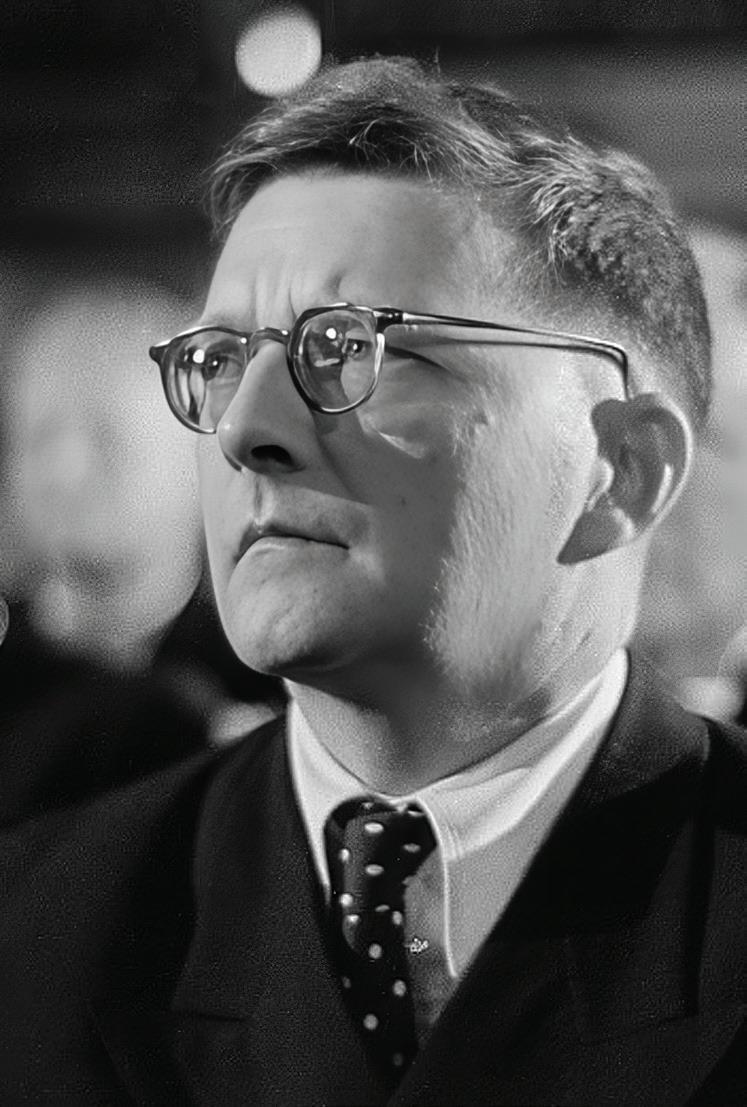
In 196 7, Shostakovich dedicated his Second Violin Concer to to Oist rak h, a s well as his Violin Sonata the following year. This musical friendship endured until Oistrakh ’ s death in 1974, less than a year before Shostakov ich himself pa ssed.
With four movement s, the First Violin Concer to is perhaps more sy mphony than concer to, but the movement s themselves char t new formal territor y altogether. The Nocturne opens not with violin solo or orchestral exposition, but with an ominous bass and cello line f rom which the soloist emerges, plodding and melancholy.
Af ter this tor t ured, eerie movement , the Scherzo feels bit ingly sarca st ic. It is in this movement that we f irst hear Shostakov ich ’ s musical signat ure: D –E f lat– C –B (D –S– C–H in German notation, for Dmitri Schostakowitsch). The frenetic dance opens with the woodwinds and soloist t rading of f a rapidly slithering mot ive and cra ss interjec t ions. A common t rope in Shostakov ich ’ s orchest ral writ ing, the percussion sec t ion leads the charge in carnivalesque interjec t ions.
T he Pa s saca g lia of fer s a cha nce for the solois t a nd audience t o re cover follow ing this breathle s s t our- de -force A s in the Noc t ur ne, the ba s se s t a ke the lea d w ith a rep eat e d pat t er n that underlays the whole movement . T he v iolin soa r s over

this halt ing ba ssline with melodies that , for once, resound with hope. The movement slowly disapp ea r s t o a reverent close, a s the ba s sline fa de s away. But the solois t continues playing, with an extended cadenza that grows in speed and intensit y before cat apult ing int o the op ening t impa ni s t roke s of the f ina l Burle sque.
Twirling violin and clarinet lines in this final movement bear perhaps an even clearer Jewish influence than the Yiddish-sounding strains in the Scherzo. The implacable energ y of this movement is f ueled by a persistent pulse, somet imes on the beat , somet imes on the of f beat , forever driv ing to the close. Compared to the imposing propor t ions of the Noc t ur ne a nd Pa s saca g lia , this impish da nce s w irls t o a da z zling f inish b efore we can even get our foot ing

Scan the QR code to learn about The Cleveland Orchestra’s 1969 recording of Brahms’ s Double Concer to, featuring David Oistrakh.

by Johannes Brahms
B O R N : May 7, 1833, in Hamburg
D I E D : April 3, 1897, in Vienna
COMPOSED: 1884 – 85
WORLD PREMIERE: October 25, 1885, with the composer conducting
CLEVELAND ORCHESTR A PREMIERE: April 9, 1925, led by Music Director Nikolai Sokoloff
ORCHESTR ATION: 2 flutes (2nd doubling piccolo), 2 oboes, 2 clarinets, 2 bassoons, contrabassoon, 4 horns, 2 trumpets, 3 trombones, timpani, triangle, and strings
DUR ATION: about 40 minutes
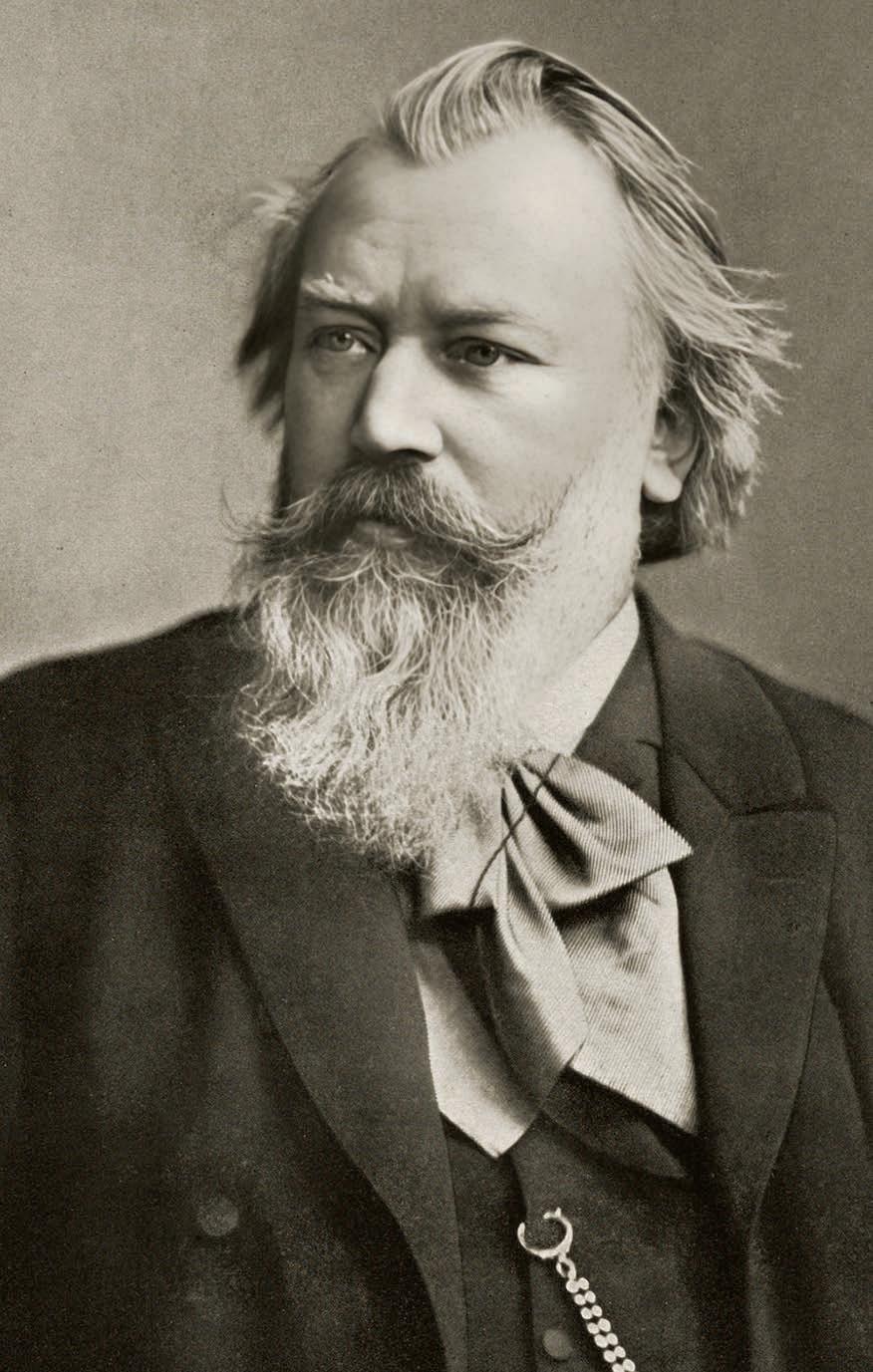
JOHANNE S BR AHM S HIMSELF ACKNOWLEDGED THAT HE DEL AYED COMPOSING a sy mphony unt il af ter he wa s 40 out of respec t for Bee thoven’ s great set of nine and f rom a fear of being found want ing in comparison with his might y predecessor.
W hen he f inally resolved to write a sy mphony, Brahms had Rober t Schumann’ s sy mphonies sounding in his ears a s st rongly a s Beethoven’s which is why a similarit y can be heard bet ween the opening of Schumann’s Four th and the way in which Brahms began his First . W hen we reach the f inale of Brahms’s First , though, we encounter an unmistakable echo of the choral f inale of Beethoven’s Ninth. “A ny fool can see that , ” wa s Brahms’s dismissive comment .
Once he had given one symphony to the world, it was easier for Brahms to embark on its successors. The rest followed more rapidly, within nine years. The Second followed ver y soon af ter the First , and the Four th appeared within t wo years of the Third.
There is a higher level of dissonance and tension in the Four th Sy mphony than in most of Brahms’s music but a s always with this composer, it is per fectly judged, and balanced by faultless craf t and an abundant melodic gif t .
The symphony was first per formed in Meiningen, a small town in central Germany that wa s brief ly of great impor tance in the musical world thanks to the leadership of Hans von Bülow and Richard Strauss. The t wo persuaded Brahms in 1885 to grant them the f irs t per for mance of his lates t sy mphony, which would be a safe haven f rom the f ick le audiences of Vienna , especially a s Wagner-mania swept across Europe.
Brahms does not dev iate f rom his Cla ssical inheritance in this symphony ’ s formal s t r uc t ure a broad, subs t ant ial f irs t movement precedes a ly rical slow movement , a jocular scherzo, and a strong, a sser tive finale. As usual, Brahms shows lit tle interest in
the more color f ul ins t r ument s that mos t composers were delight ing in at that t ime no English horn, bass clarinet, tuba, or harp. He does, however, ask for a contrabassoon in the la st t wo movement s to enrich the ba ss, and a piccolo for the third movement, where he also ventures into the percussion section with a ver y un-Brahmsian triangle. And, although he clung to the old-fashioned natural horns, not the valved variet y then in universal use, he writes for the horns with infinite master y.
The f irst movement ’ s gracef ul opening theme, with it s drooping thirds, weaves through the whole movement . A nd Brahms’s writ ing for st rings had never been so rich a s here. The main cont ra st in this movement is rhy thmic, for t riplet f igures keep int r uding. By the end of the movement , however, the power f ul drive of the original 4/4 pulse is unstoppable.
A pair of horns declare the opening of the slow second movement with a misleadingly forcef ul gest ure. For this is the tenderest of slow movement s, rich in complex harmony and smooth melody. The clarinet is especially favored, and the second subject (first heard in the cellos) is one of Brahms’s greatest inspirations, intensified each time it returns
T he scher zo third movement brings out the heart y hiker in Bra hms , a nd the t r ia ng le s i g n a l s a b r e ez in e s s t h at we ra rely f ind in his music . T he slower middle sec t ion is all too brief, a s if Brahms an avid walker wa s in a hurr y to get back to his vigorous exercise.
For the last movement, Brahms broke with convention and composed a passacaglia (although he did not call it that), a Baroque form in which a shor t harmonic sequence is repeated many t imes in elaborate variat ion. This is the moment
the t rombones have been wait ing for, and they lay down the eight f irm chords that def ine the sequence, borrowed f rom the f inal movement of J. S. Bach ’ s cantata Nach dir, Herr, verlanget mich (For Thee, O Lord, I Long ). The challenge for Brahms a s it wa s for Bach is not to have the music get st uck in the home key. His eight-bar outline is heard 30 t imes in wonder f ully invent ive variat ions, but it escapes brief ly f rom E minor to ta ste the nec tar of E major following a desolate f lute solo. The ret urn to E minor sounds like a formal recapit ulat ion of the beginning, with st rong wind chords, but it simply heralds a st irring cont inuat ion of the variat ions, unt il the symphony, in musicologist Donald Francis Tovey’ s memorable words, “storms to it s t ragic close.”
Hugh Macdonald
Hugh Macdonald is Avis H . Blewet t Professor Emeritus of Music at Wa shing ton Universit y in St Louis He ha s writ ten books on Beethoven, Berlioz, Bizet , and Scriabin, a s well a s Music in 1853: The Biography of a Year.
S u n day, Ju ly 2 6 B l o s s o m
An evening to benefit The Cleveland Orchestra’s summer home. TWO fe stive summe r par tie s & a conce r t w ith Idina Menz el .

A dinner party complete with seasonal summer cocktails, parking & Pavilion tickets. clevelandorchestra.com/soiree

Proud presenting sponsor of the Blossom Summer Soirée:
A cocktail party with hors d’oeuvres, unlimited spritzes, parking & L awn tickets. clevelandorchestra.com/spritz

Presented in collaboration with:
Mr. Richard K. Smucker Young Professionals of TCO
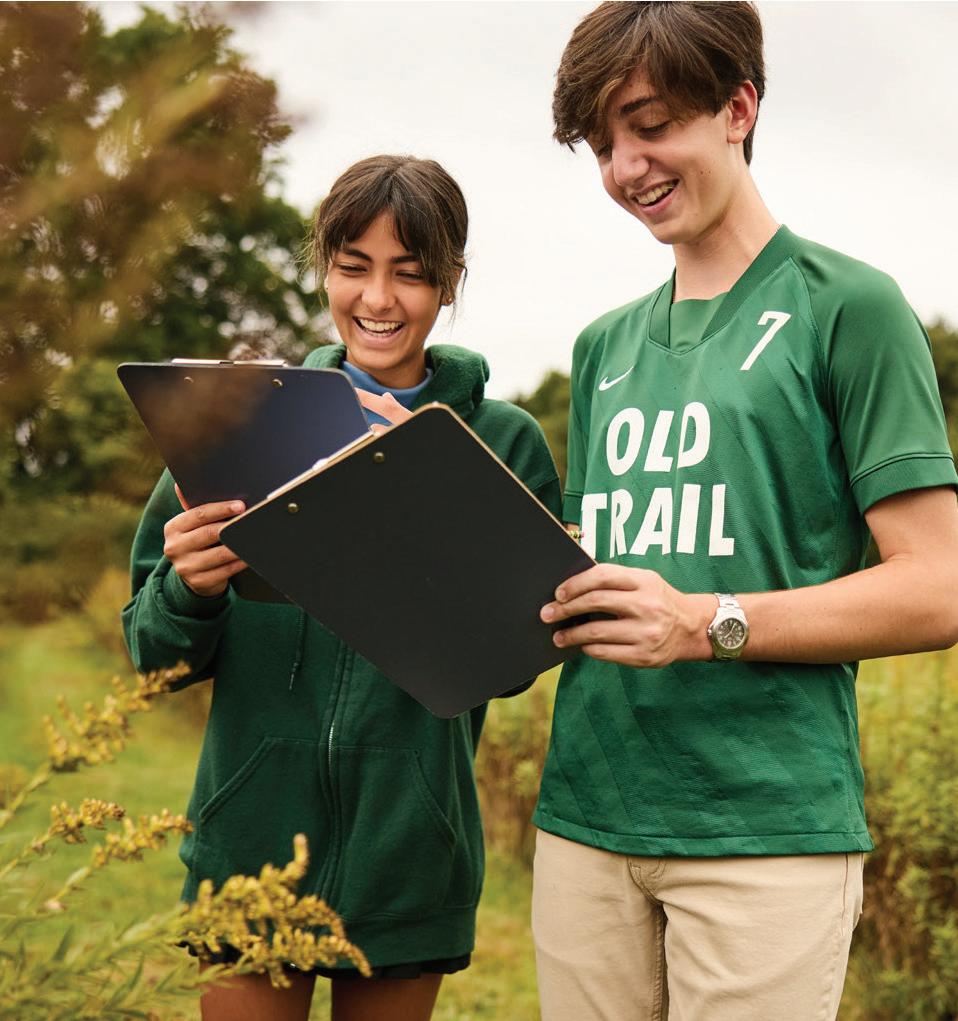


The best classrooms have no w alls. Learning happens differently when students extend their studies beyond the classroom and into the natural world


O F F V I N E th e
STAN HYW ET HALL & GAR D E N S
July 31 • 5:30–8:30 PM
Experience an all-inclusive summer evening of fine wines and artisanal pairings from the region’s premier purveyors. Enjoy live music, sample curated vintages, and take home your favorite bottle | stanhywet org





































conduc tor
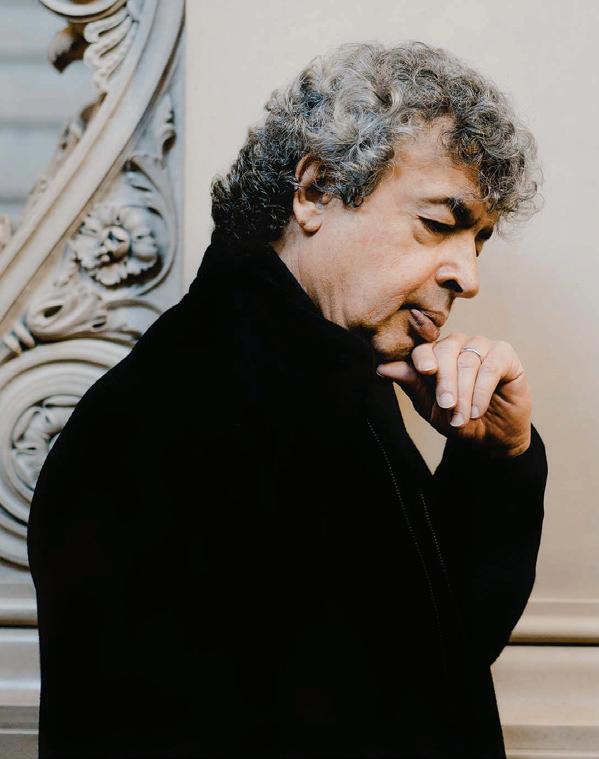
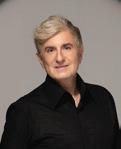
S emyon B yc hkov ’ s t enure a s chief conduc t or a nd music dire c t or of the Cze ch Philha r monic Gramophone’ s 2024 Orchest ra of the Year wa s init iated with concer t s in Prague, London, New York, and Wa shing ton, DC, celebrat ing the 100 th anniversar y of Czech independence. This pa st sea son, alongside subscript ion concer t s in P ra g ue, Bychkov t oure d w ith the orche s t ra to Taiwan, Japan, Korea , Aus t ria , Italy, Germany, Lu xembourg, Sweden, and Finland. In spring 2026, Pentatone released the complete cycle of Mahler sy mphonies recorded with the Philharmonic over the pa st 8 sea sons.
Bychkov brings a unique combinat ion of innate musicalit y and rigorous pedagog y to a reper toire that spans four cent uries. He is a f requent guest with the leading international orchestras and opera companies and has recorded extensively with the Berlin Philharmonic, Bavarian Radio Symphony Orchestra, Concer tgebouworkest, Philharmonia Orchestra, London Philharmonic Orchestra, Orchestre de Paris, and WDR Symphony Orchestra Cologne, among others.
This season, Bychkov conducted a new production of Tchaikovsk y ’ s Eugene Onegin at the Paris Opera and returned for concer ts with the Concer tgebouworkest, Leipzig Gewandhausorchester, Orchestra dell’Accademia Nazionale di Santa Cecilia, Berlin Philharmonic, and New York Philharmonic
In common with the Czech Philharmonic, Bychkov ha s one foot f irmly in the cult ure of the Ea st and the other in the West . Born in St . Petersburg, he emigrated to the United States in 1975 and is now ba sed in Europe. In 1989, Bychkov ret urned to the former Sov iet Union a s principal guest conduc tor of the St . Petersburg Philharmonic, and the same year wa s named music direc tor of the Orchest re de Paris. In 1997, he wa s appointed chi ef conduc tor of the WDR Sy mphony Orchest ra Cologne, and in 1998, chief conduc tor of the Dresden Semperoper.
Bychkov holds honorar y t itles with the BBC Sy mphony Orchest ra and the Royal Academy of Music. He wa s named Conduc tor of the Year by the International Opera Awards in 2015 and by Musical America in 2022
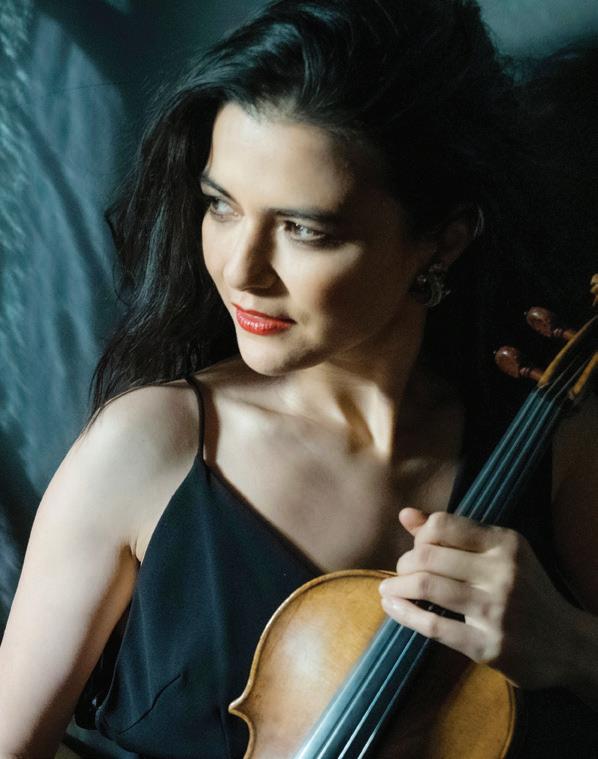
Karen Gomyo possesses a rare abilit y to captivate and connec t int imately with audiences throug h her de eply emot iona l a nd hea r t felt per formances. With f lawless command of the instrument and an elegance of expression, she is one of today’s leading violinists.
Highlight s of Gomyo’s 2025 –26 sea son included ret urns to the New York Philharmonic, New World Sy mphony, Nat ional Sy mphony Orchest ra Taiwan, Orchest ra dell ’Accademia
Na zionale di Santa Cecilia , Resident ie Orkest , and Helsingborg Symphony Orchest ra She a l s o m a d e d e b u t s w i t h t h e S W R Sy m p h onie orche s t er St ut tgar t , Tonkünstler-Orchester Niederösterreich, Malaysian Philharmonic, and Hyogo Per forming A r t s Cent re Orchest ra . O ther recent highlight s include debut s with the Gewandhausorchester Leipzig, Tok yo Met ropolitan Orchest ra , and Czech Philharmonic, a s well a s ret urns to the Dalla s Sy mphony Orchest ra , Chicago Sy mphony Orchest ra , and Orchest re Philharmonique de Radio France.
As a pa ssionate chamber musician, Gomyo ha s per formed with ar t ist s such a s Leif Ove Andsnes, James Ehnes, Susan Graham, and Ismo Eskelinen, with whom she recorded the duo album Carnival on BIS Records. She is also a champion of the nuevo tango music of Piazzolla, having collaborated with Piazzolla’s longtime pianist and tango legend Pablo Ziegler In 2021, she relea sed A Pia zzolla Trilog y (BIS Records), recorded with the Orchest re Nat ional des Pays de la Loire and guitarist Stephanie Jones.
Each sea son, Gomyo feat ures a work writ ten by a liv ing composer. She gave the US premieres of Samy Moussa’ s Adrano with the Pit t sburgh Sy mphony Orchest ra , Mat thia s Pint scher’ s mar ’eh with the Nat ional Sy mphony Orchest ra , and Xi Wang’ s YE AR 2020 with the Dalla s Sy mphony Orchest ra and Tine Thing Helse th. In 2018, she per formed the world premiere of Samuel Adams’ s Chamber Concer to with members of the Chicago Sy mphony Orchest ra .
Born in Tok yo, Gomyo began her musical career in Mont real and New York . She st udied under the legendar y pedagogue Dorothy DeLay at The Juilliard School before cont inuing her st udies at the Indiana Universit y Jacobs School of Music and the New England Conser vator y. She also st udied privately in Vienna with Heinrich Schif f.






Fra nz Wel s er - Mös t Music Dir e c tor K E LV I N S M I T H FA M I LY C H A I R
FIRST VIOLIN S
Joel Link
CONCERTMASTER
Blossom-Lee Chair
Elizabe th Faye t te FIRST ASSOCIATE
CONCERTMASTER
Virginia M Lindseth, PhD, Chair
Jung- Min Amy Lee
ASSOCIATE CONCERTMASTER
Gretchen D and Ward Smith Chair
Zhan Shu
ASSISTANT CONCERTMASTER
Clara G and George P Bickford Chair
Stephen Tavani
ASSISTANT CONCERTMASTER
Dr Ronald H Krasney Chair
Wei- Fang Gu
Drs Paul M and Renate H Duchesneau Chair
Kim Gomez
Elizabeth and Leslie Kondorossy Chair
Chul- In Park
Harriet T and David L Simon Chair
Miho Ha shizume
Theodore Rautenberg Chair
Jeanne Preucil Rose
Larry J B and Barbara S Robinson Chair
Alicia Koelz
Oswald and Phyllis Lerner Gilroy Chair
Yu Yuan
Patty and John Collinson Chair
Isabel Traut wein
Trevor and Jennie Jones Chair
Katherine Bormann
Paul and Lucille Jones Chair
Analise Handke
Gladys B Goetz Chair
Genevieve Smelser
SECOND VIOLIN S
Stephen Rose*
Alfred M and Clara T Rankin Chair
Eli Mat thews1
Patricia M Kozerefski and Richard J Bogomolny Chair
Ja son Yu2
James and Donna Reid Chair
Sonja Bra aten Molloy
Carolyn Gadiel Warner
Elayna Duitman
Ioana Missit s
Jef frey Zehngut^
Kathleen Collins
Be th Woodside
Emma Shook
Dr Jeanette Grasselli Brown and Dr Glenn R Brown Chair
Yun -Ting Lee
Deborah L Neale Chair
Jiah Chung Chapdelaine
Liyuan Xie
Gawon Kim
Dus tin Wilkes- Kim
Wesley Collins*
Chaillé H and Richard B Tullis Chair
Gare th Zehngut 1^
Charles M and Janet G Kimball Chair
Stanley Konopka 2
Mark Ja ckobs
Jean Wall Bennett Chair
Lisa Boyko
Richard and Nancy Sneed Chair
Richard Waugh
Lembi Veskime t s
The Morgan Sisters Chair
Eliesha Nelson^
Anthony and Diane Wynshaw-Boris Chair
William Bender
Thomas Lauria and Christopher Lauria Chair
Mark Kosower*
Louis D Beaumont Chair
Richard Weiss 1
The GAR Foundation Chair
Charles Bernard2
Helen Weil Ross Chair
Br yan Dumm
Muriel and Noah Butkin Chair
Tanya Ell
Thomas J and
Judith Fay Gruber Chair
Ralph Curr y
Brian Thornton
William P Blair III Chair
David Alan Harrell
Mar tha Baldwin
Dane Johansen
Marguerite and James Rigby Chair
Paul Kushious
BAS SES
Ma ximilian Dimof f *
Clarence T Reinberger Chair
Charles Paul1
Mary E and F Joseph Callahan Chair
Derek Zadinsk y 2
Mark Ather ton
Thoma s Sperl
Henr y Peyrebrune
Charles Barr Memorial Chair
Charles Carle ton
Sco t t Dixon
Brandon Ma son
HARP
Trina Struble*
Alice Chalifoux Chair
FLUTES
Joshua Smith*
Elizabeth M and
William C Treuhaft Chair
Saeran St . Chris topher
Jessica Sindell2^
Austin B and Ellen W Chinn Chair
PICCOLO
Mar y Kay Fink
Anne M and M Roger Clapp Chair
OBOES
Frank Rosenwein*
Edith S Taplin Chair
Corbin Stair
Sharon and Yoash Wiener Chair
Jef frey Rathbun 2
Everett D and Eugenia S McCurdy Chair
Rober t Walters
ENGLISH HORN
Rober t Walters
Samuel C and Bernette K Jaffe Chair
CL ARINETS
Afendi Yusuf *
Rober t Marcellus Chair
Rober t Woolfrey
Victoire G and Alfred M Rankin Jr Chair
Daniel McKelway2
Rober t R and Vilma L Kohn Chair
Amy Zolo to
E- FL AT CL ARINET
Daniel McKelway
Stanley L and Eloise M Morgan Chair
BAS S CL ARINET
Amy Zolo to Myrna and James Spira Chair
BAS SOON S
John Clouser*
Louise Harkness Ingalls Chair
Gare th Thoma s
Catherine Van Handel2
Sandra L Haslinger Chair
Jonathan Sher win
CONTR ABAS SOON
Jonathan Sher win
HORN S
Nathaniel Silberschlag*
George Szell Memorial Chair
Michael Mayhew§
Knight Foundation Chair
Jesse Mc Cormick- Stepp
Rober t B Benyo Chair
Hans Clebsch
Richard King
Meghan Guegold Hege^
Gay Cull Addicott and Robert R Cull Chair
TRUMPETS
Michael Sa chs*
Rober t and Eunice Podis Weiskopf Chair
Ja ck Sut te
Lyle Steelman 2^
James P and Dolores D Storer Chair
Michael Miller
Mar y Kay Fink
With sincere gratitude to the musicians of The Cleveland Orchestra for their in-kind contributions suppor ting communit y programs and securing funding oppor tunities.
CORNETS
Michael Sa chs*
Mary Elizabeth and G Rober t Klein Chair
Michael Miller
TROMBONES
Brian Wendel*
Gilber t W and Louise I Humphrey Chair
Richard Stout
Alexander and Marianna C McAfee Chair
Sha char Israel2
BAS S TROMBONE
Luke Sieve
EUPHONIUM & BAS S TRUMPET
Richard Stout
TUBA
Ya suhito Sugiyama*
Nathalie C Spence and
Nathalie S Boswell Chair
TIMPANI
Pe ter Nichols2
Mr and Mrs Richard K Smucker Chair
PERCUS SION
Marc Damoulakis*
Margaret Allen Ireland Chair
Thoma s Sher wood
Tanner Tanyeri
Pe ter Nichols
KE YBOARD IN STRUMENTS
Carolyn Gadiel Warner
Marjory and Marc L Swar tzbaugh Chair
LIBR ARIAN
Michael Ferraguto* Joe and Marlene Toot Chair
ENDOWED CHAIRS CURRENTLY UNOCCUPIED
Sunshine Chair
Otto G and Corinne T Voss Chair
Rudolf Serkin Chair
CONDUCTORS
Chris toph von Dohnányi †
MUSIC DIREC TOR L AURE ATE
Taichi Fukumura
ASSISTANT CONDUC TOR
Elizabeth Ring and William Gwinn Mather Chair
James Feddeck
PRINCIPAL CONDUC TOR & MUSICAL ADVISOR OF THE CLE VEL AND ORCHESTR A YOUTH ORCHESTR A
Sidney and Doris Dworkin Chair
Lisa Wong
DIREC TOR OF CHORUSES
Frances P and Chester C Bolton Chair
* Principal
§ Associate Principal
1 First Assistant Principal
2 Assistant Principal
^ Alum of The Cleveland Orchestra Youth Orchestra
† In Memoriam
This roster lists full-time members of The Cleveland Orchestra The number and seating of musicians on stage varies depending on the piece being performed
Seating within the string sections rotates on a periodic basis
The Cleveland Orchestra, under the leadership of Music Director Franz Welser-Möst since 2002, is widely recognized a s one of the world ’ s leading ensembles. Praised by The New York Times a s “America’s Finest, ” the Orchestra is renowned for it s v ir t uosit y, elega nce of sound, a nd cha mb er-like musica l f lex ibilit y. In his 25th a nd f ina l sea son a s Music Dire c t or, Welser-Möst concludes a transformative par tnership that has been marked by exceptional ar tistic ambition, growing international recognition, and deep communit y connection.
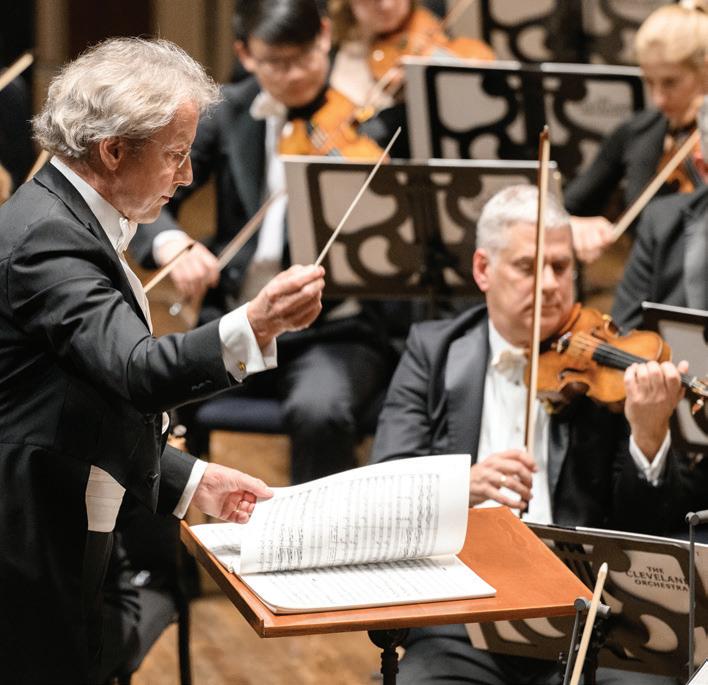
During his tenure, the Orchestra has achieved major institutional milestones, including g roundbrea k ing re sidencie s at the Musik verein in V ienna the f ir s t by a n A mer ica n orchestra and at the Adrienne Arsht Center in Miami. In 2023, The Cleveland Orchestra launche d the a nnua l Jack , Joseph a nd Mor t on Ma ndel Op era & Huma nit ie s Fe s t iva l, presenting acclaimed opera productions alongside ar t exhibits, communit y events, and civic conversations.
Through concer ts, broadcasts, recordings, tours, and digital initiatives, The Cleveland Orchest ra reaches an ever-growing audience around the world. It s in-house recording label and st reaming plat form, Adella .live, capt ure and share per formances f rom the Welser-Mös t era while int roducing new generat ions of fans to the Orches t ra ’ s ar t is t r y.
Founde d by Adella Pren t is s Hughe s, T he Clevela nd Orche s t ra gave it s inaug ura l concer t in D e cemb er 1918 . O ver more tha n a cent ur y, it ha s g row n int o a t rea sure d communit y ins t it ut ion, enr iching lives through music, educat ion, and a deep commitm e n t t o N o r t h e a s t O h i o. To day, m
Orches t ra concer t s each year. From it s year-round home at Severance Music Center t o it s summer sea son at Blos som Music C ent er in Cuya hoga Va lley Nat iona l Pa rk , the Orches t ra cont inues to ser ve audiences across the reg ion.
Seven Music Directors Nikolai Sokolof f, Ar tur Rodziński, Erich Leinsdorf, George Szell, Lorin Maazel, Christoph von Dohnányi, and Franz Welser-Möst have shaped the ensemble’s distinctive musical identit y and celebrated “Cleveland sound.” Welser-Möst ’ s tenure a s the longest-ser v ing Music Direc tor in Cleveland Orchest ra histor y stands a s a defining chapter in that evolution.


@ClevelandOrchestra @clevelandorchestra @CleveOrchestra @cleveorch
JUL 25
R ACHMANINOFF’S SYMPHONIC DANCES
Kevin John Edusei, conductor
Mark Kosower, cello with the Kent Blossom Chamber Orchestra
KODÁLY Dances of Galánta
MARTINŮ C ello C oncer to No. 1
R ACHMANINOFF Symphonic Dances







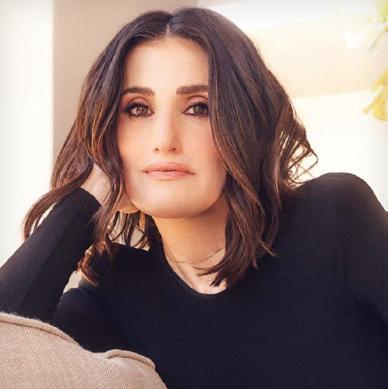
JUL 26 AN EVENING WITH IDINA MENZEL
Andy Einhorn, conductor
Idina Menzel, vocals

AUG 1
AUG 8
THE VOICES THAT CHANGED MUSIC
Lucas Waldin, conductor
Capathia Jenkins, vocals
Ryan Shaw, vocals
AUG 15

PROKOFIEV’S ROMEO & JULIET
Tabita Berglund, conductor
Simone Lamsma, violin
SIBELIUS Finlandia
SIBELIUS V iolin C oncer to PROKOFIE V Suite No 2 from Romeo and Juliet
AUG 20
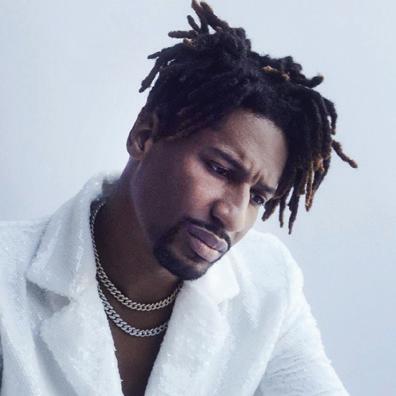
JON BATISTE WITH THE CLEVELAND ORCHESTR A
Jonathan Taylor Rush, conductor

Jon Batiste, vocals and piano 2026
SCHUMANN’S SECOND SYMPHONY
Kazuki Yamada, conductor Blossom Festival Chorus
TAKEMITSU Dreamtime
STR AVINSK Y Symphony of Psalms
R. SCHUMANN Symphony No 2


AUG 22
R AVEL’S
PIANO CONCERTO IN G
Antonello Manacorda, conductor
Nelson Goerner, piano
The Cleveland Orchestra Youth Chorus
DEBUS SY Prelude to the Af ternoon of a Faun
R AVEL Piano C oncer to in G
DEBUS SY Noc turnes
R AVEL Suite from Mother Goose
AUG 23
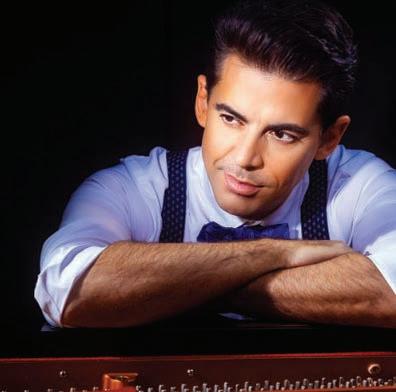
COLE PORTER: LET’S MISBEHAVE

Steven Reineke, conductor
Tony DeSare, vocals and piano
AUG 29
SUMMER IN VIENNA
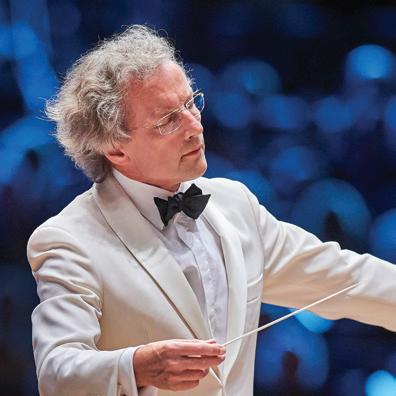
Franz Welser-Möst, conductor
R . STR AUS S Introduc tion and Finale to Daphne
MOZ ART Symphony No. 3 4
J STR AUS S , JR Over ture and Ballet Music from The Carnival in Rome
J . STR AUS S , JR . Entr ’ ac te from A Night in Venice

J STR AUS S , JR Bauern-Polka
JOS STR AUS S Friedenspalmen Walzer
J . STR AUS S , JR . Quadrille from The Gypsy Baron
SEP 4 – 6


PRESENTED BY SEASON PARTNER

THE MUSIC OF JOHN WILLIAMS
Sarah Hicks, conductor








MOVIE NIGHT PRESENTER

Aubrey Logan, trombone and vocals
John Manzari, tap dancer and vocals


FAMILY ENGAGEMENT PARTNER















Gues t s w ith Pav ilion seat s who arrive af ter the s t ar t of the concer t may be a sked to wait out side the Pav ilion unt il the f irs t convenient pause in the music, af ter which our ushers w ill help you to your seat s
Gues t s on the L aw n may br ing their ow n chairs, but g ues t s w ith high-backed chairs that obs t r uc t others’ v iews may be a sked to relocate to the rear of the L aw n. Rent al chairs are available for a fee of $10 per evening. Tent s, f lags, balloons, or other s t r uc t ures that might obs t r uc t v iews or present a ha zard are not allowed. Open f lames are also prohibited.
Audio recording, photography, and videography a re not a llowe d dur ing p er for ma nce s at Blossom. Photographs and videos can only be taken when the per formance is not in progress. As a cour tesy to others, plea se silence all elec t ronic dev ices prior to the s t ar t of the concer t .
All Blossom Music Festival events are presented in a smoke-free environment Smoking or vaping are not allowed any where on the grounds or in buildings once you have entered through the ticket gates A smoking area is available outside the gates in a designated area of Park ing Lot A
In the event of severe weather, a coordinated campus-w ide aler t w ill be issued. Gues t s and s t af f w ill be direc ted to safet y by venue staf f and the public address system. Download T he Clevela nd Orche s t ra a pp or v isi t clevelandorches tra .com/weather for weather updates and more informat ion.
Free t ram ser v ice bet ween the park ing lot s and Smith Pla za and the Pav ilion is available on a cont inuous ba sis before and af ter each concer t . The ADA Van Ser v ice can pick up at the Main Gate w ith ser v ice to the Tram Circle.
Visit our Informat ion Center, hos ted by the Blossom Friends of The Cleveland Orches t ra , inside the Main Gate on Smith Pla za

For more information and direct links to download, visit clevelandorchestra .com/visit/ tco-app or scan the QR code with your smartphone camera . Available for iOS and Android on Google Play and at the Apple App Store . T H E C L E V E L A N D O R C H E S T R
Explore upcoming concerts , purchase and access your tickets , receive performance updates , and more .

The Clevela nd O rche s tra is grat eful t o the se or ga nizations for their ongoing generous supp or t of The Clevela nd O rche s tra : Nationa l Endowment for the A r t s , the St at e of O hio a nd O hio A r t s C ouncil, a nd t o the re sident s of C uya hoga C ount y through C uya hoga A r t s a nd C ulture
© 2026 The Cleveland Orchestra and the Musical A r ts Association Program books for Cleveland Orches tra concer t s are produced by The Cleveland Orches tra and are dis tributed free to at tending audience members
EDITORIAL
Kevin McBrien, Editorial & Publications Manager, The Cleveland Orches tra k mcbrien@clevelandorchestra .com
Ellen Sauer Tanyeri, Archives & Editorial Assistant, The Cleveland Orches tra
DESIGN
Judy Baraba s, Red Swing Creative ADVERTISING
Live Publishing Company, 216 -721-1800 PLE ASE REC YCLE
















Every so often you reach a moment that demands an important conversation. When it arrives, Glenmede is ready with sophisticated wealth and investment management solutions delivered with the personalized service you deserve. glenmede.com