Define want to be. who you
Define want to be. who you
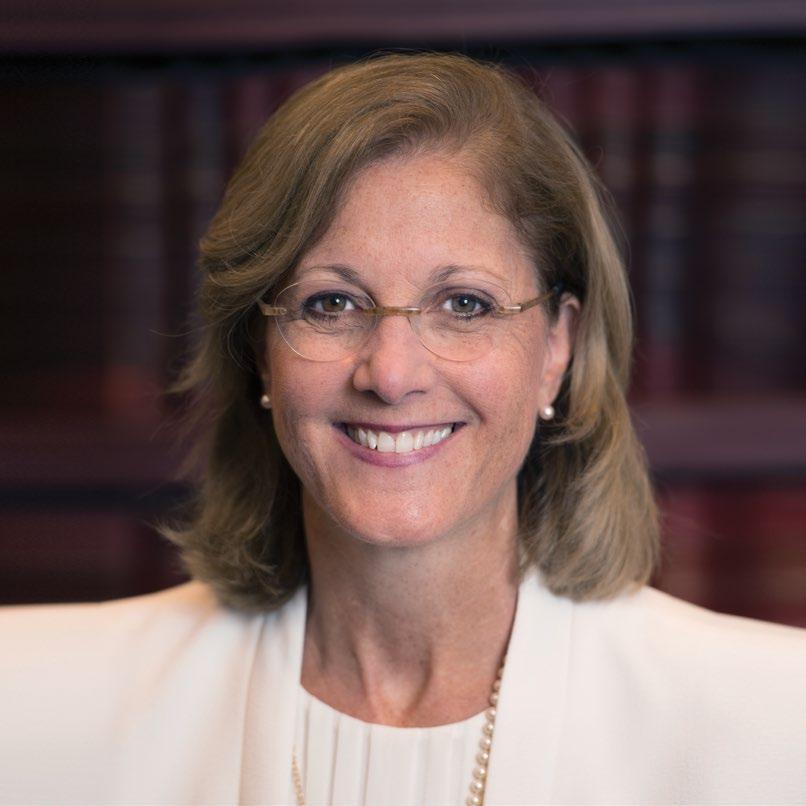
As a proud native New Orleanian and Loyola Law graduate, I know that our school embodies the soul of our city. Here, you become part of a close-knit community that knows you, supports you, and challenges you to grow.
At Loyola University New Orleans College of Law, we recognize that the strength of our legal system lies in embracing different perspectives, backgrounds, and experiences. We’re not only developing skilled legal professionals—we are educating future leaders.
The opportunities at Loyola Law allow you to make real change. Today, we have students who are working to protect coastal wetlands, advocating for underserved communities, and providing legal services to refugees. Others are studying innovative business practices, tackling complex tax policies, or researching how emerging technology will shape the future of legal services. All are engaged in work that reflects the Jesuit value of magis, Latin for “more,” which calls on us to strive for excellence in all that we do.
Here, you’ll “learn by doing” from some of the nation’s top scholars. Starting in your first semester, you will gain foundational legal research, writing, and oral advocacy skills. In your third year, you’ll have the opportunity to represent clients under the supervision of experienced clinical faculty. When I walk the
halls, I see professors discussing papers and exams with students, partnering with students to support our varied student organizations, and practicing with members of our nationally ranked moot court and trial advocacy teams.
Our commitment to experiential learning extends beyond the classroom. Our students complete competitive externships across the nation, participate in study abroad programs, and partner with their peers and community advocates to create their own grassroots organizations. Having served as a judge for 16 years, I am confident that our graduates leave us prepared for the practice of law and prepared to lead their communities as advocates trained in the Jesuit tradition of academic excellence and service to others.
In these pages, you will discover the many ways in which Loyola Law will fuel your passions, jump start your career, and help you on your path to defining your best self. But these pages can only say so much about what happens on our campus. I invite you to come visit us. Sit in on a lecture. Embrace the many adventures that the city of New Orleans has to offer. The opportunities are limitless.
Whether you’re a lifelong resident or a first-time visitor, welcome home!

Dean and Judge Adrian G. Duplantier Distinguished Professor of Law
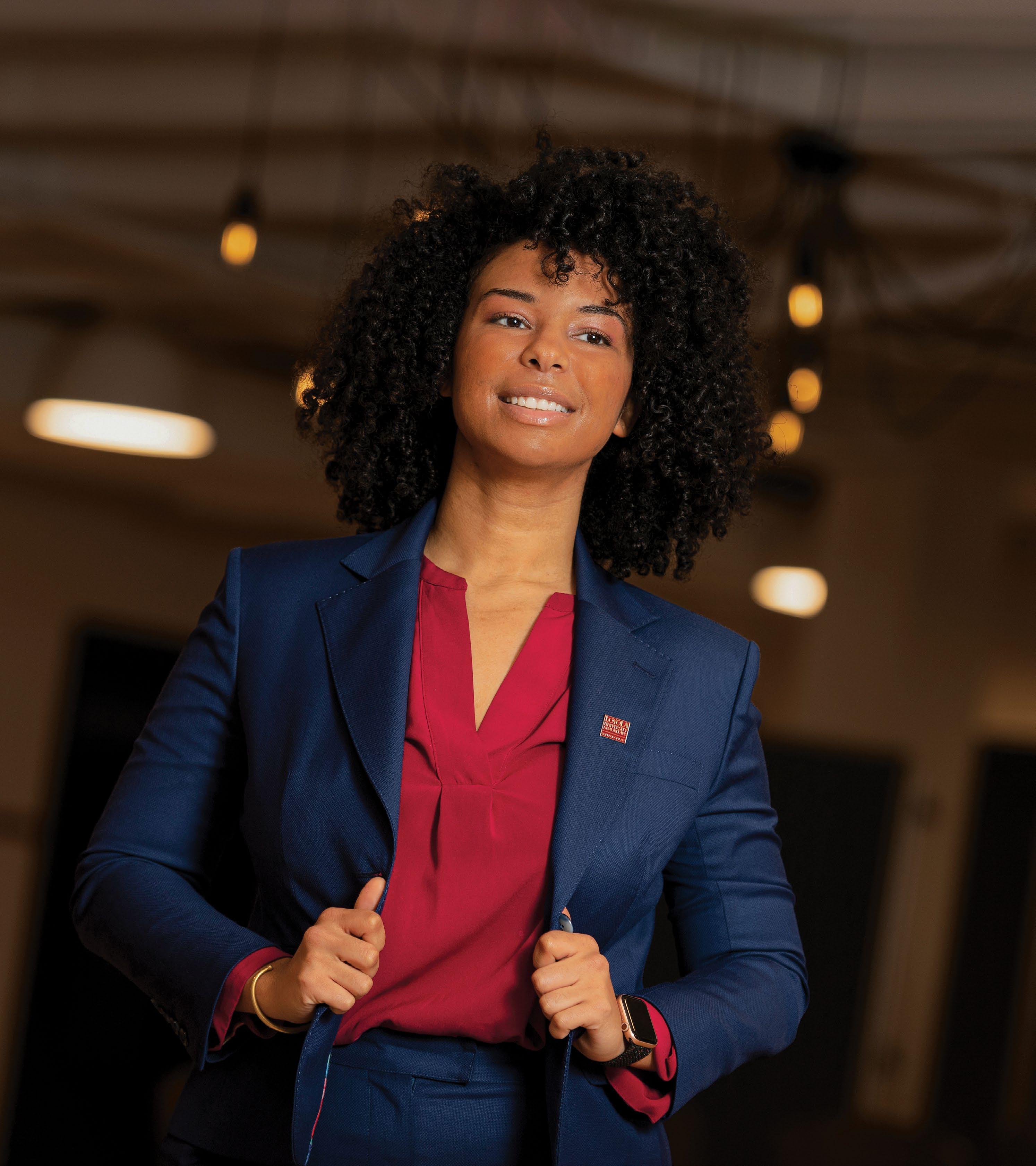
At Loyola University New Orleans College of Law, our students are more than just academic overachievers— they’re creative. Thoughtful. And they strive always for fairness and justice.
Whether they are organizing startups, drafting policies to protect our wetlands, or accessing public benefits for low-income clients, Loyola students use their law degrees to make the world better. Our programs are designed to fit the unique needs of our students. We offer both a common law and a civil law curriculum – preparing students to practice law anywhere in the world.
Students in our evening program earn their law degrees while working full time. Dual degree programs combine legal expertise with knowledge in business, public administration, or urban and regional planning. In just one additional semester, law students can earn an LLM with concentrated studies in environmental law, health law & administration, or a customized field of study.

EDUARDO CHAMAH NICOLAS, 3L
I chose Loyola Law because when I came to visit and tour, I felt very comfortable and at home when I spoke with faculty and students. I enjoy the small class sizes because I feel less intimidated than I think I would in a large room full of students. The city of New Orleans gives students the opportunity to learn about culture, diversity, and justice in a manner that goes much further than the classroom.
ASHLEY WHITE, JD ‘25

OF STUDENTS IDENTIFY AS LGBTQ+
32
639 STATES REPRESENTED including Puerto Rico
TOTAL JD STUDENTS
34 % IDENTIFY AS MINORITIES
74 MAJORS FROM 162 UNDERGRADUATE UNIVERSITIES
One of the most important aspects of Loyola’s Jesuit education is experiential learning. Our students work with real clients and try real cases before they even graduate.
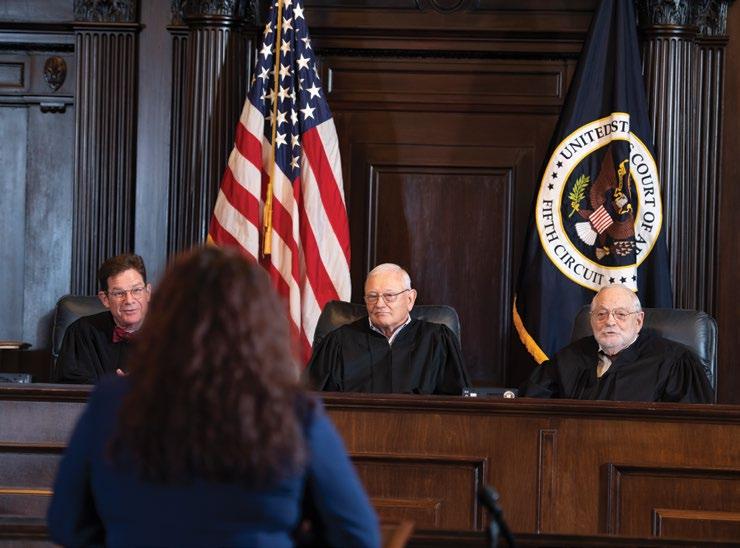
They’ve helped prosecute and defend cases in Orleans and Jefferson parishes. They’ve argued appeals in the Fourth and Fifth Circuit Courts of Appeal and the Supreme Court of Louisiana. They’ve represented clients before the Department of Justice’s Immigration Courts, Immigration Appeals Courts, and the Department of Homeland Security. They’ve acted as court-appointed lawyers representing children, and they’ve fought on behalf of workers before the National Labor Relations Board. They’ve advocated for environmental justice. When our students graduate, they leave with the real-world experience they need to start their careers.

Professor Andrea Armstrong is a leading national expert on prison and jail conditions and is certified by the U.S. Department of Justice as a Prison Rape Elimination Act auditor. Her scholarship focuses on the constitutional dimensions of prisons and jails, specifically prison labor practices, the intersection of race and conditions of incarceration, and public oversight of detention facilities. In 2019, Professor Armstrong received a significant grant to examine the effects of incarceration on health service use in Louisiana, and in 2023 was named a MacArthur Fellow.
Judges, lawyers, and clients value graduates who are able to put the law they have learned into action. Moreover, research shows that we understand concepts more deeply when we critically think about and use them. We provide students with opportunities to use the legal doctrine and practice the skills they learn about—from written and oral advocacy skills.

Professor Mary Garvey Algero has been a leader in the Lawyering Program for many years, focusing on legal research, legal analysis, and legal communication skills. Dean Algero created and teaches the Advanced Legal Writing course, she teaches skills courses on scholarly writing, and she incorporates experiential exercises into her civil procedure course. She is the author of “Louisiana Legal Research,” co-author of “Federal Legal Research,” and author of several scholarly articles.
In the first year, students research, write, and advocate for clients in simulations as part of the Lawyering Program. By the third year, students have the opportunity to work on actual cases through the law clinic so that they are ready to enter the legal profession upon graduation.
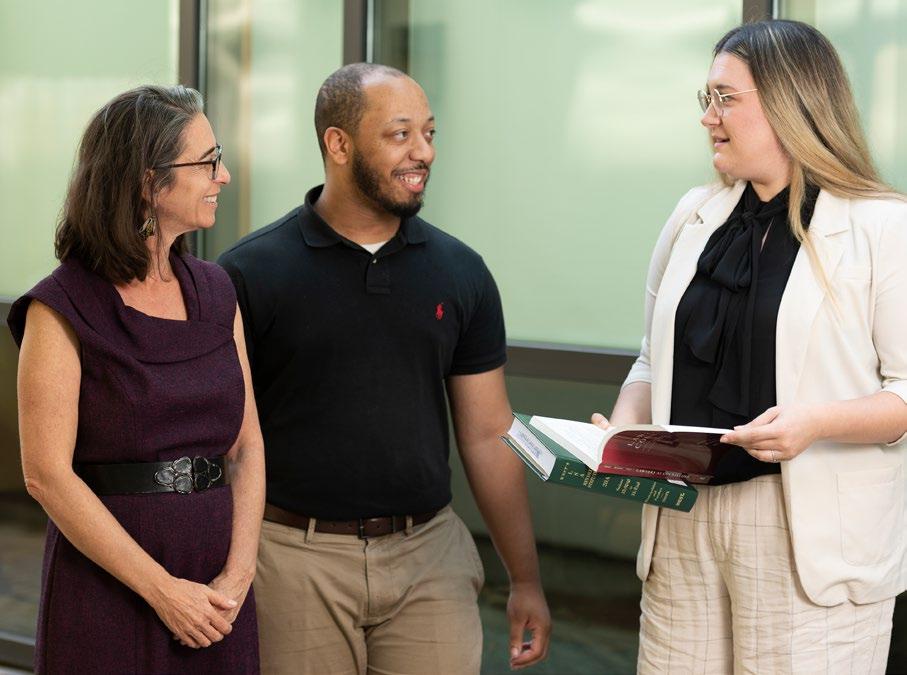
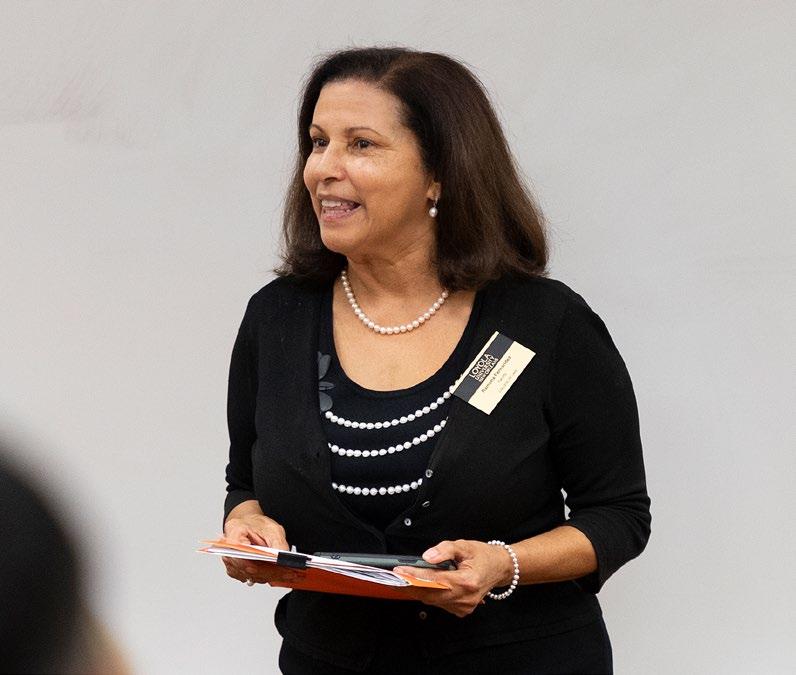

Building on Loyola Law’s rich tradition of advocacy, students develop and sharpen their skills, from the early stages of writing and negotiation, through mediation or arbitration, and pre-trial, trial, and appellate practice.
Loyola’s exciting entrepreneurship course allows students to gain hands-on experience working with local startup ventures. Working in pairs, students assist with a variety of contractual needs and help entrepreneurs form business entities and draft ownership agreements.
In the policy lab, students craft legislation, practice lobbying skills, and use media strategies to advance environmental protection.
Externships give students the opportunity to combine classroom learning with real legal practice. Students earn course credit while placed with judges, government agencies, and legal nonprofits across the region.
The Community-Based Research Lab allows students to learn how to identify a specific topic’s legal and regulatory components, conduct research, and design an advocacy strategy and theory of change. This experience will teach students how to engage in democratic change processes and apply legal skills to community based problems.
In the Stuart H. Smith Law Clinic, third-year law students practice under the supervision of experienced clinic faculty. Student practitioners act as the lead attorney on cases.
Explore a variety of topics, or concentrate on your passion in one of our areas of study:
• ADMIRALTY AND MARITIME LAW*
• CONSTITUTIONAL LAW
• CRIMINAL LAW
• CORPORATE / BUSINESS / FINANCE LAW
• ENVIRONMENTAL LAW*
• ENTERTAINMENT LAW
• FAMILY LAW
ACADEMIC SUCCESS AND BAR EXAM PREPARATION
• HEALTH LAW*
• IMMIGRATION AND CITIZENSHIP LAW AND PRACTICE*
• INTELLECTUAL PROPERTY AND TECHNOLOGY
• INTERNATIONAL LAW*
• LABOR AND EMPLOYMENT LAW
Loyola strives to support students from the moment they enter law school through studying for their bar exam. Professors teach specialized courses and provide individualized assistance to all students. Upon graduation, Loyola remains closely connected to alumni and provides extensive guidance in both the summer and winter to ensure success on any bar exam.

• LITIGATION PROCEDURE AND ALTERNATIVE DISPUTE RESOLUTION
• PROPERTY AND ESTATE PLANNING LAW
• PUBLIC INTEREST LAW
• SOCIAL JUSTICE*
• TAX LAW*
• TECHNOLOGY AND ENTREPRENEURSHIP*
* certificate of concentration option
LOYOLA HAS MORE THAN 20 DIFFERENT STUDENT ORGANIZATIONS INCLUDING:
• Black Law Student Association
• Cannabis Law Student Association
• Catholic Law Student Society
• Environmental Law Society
• Evening Law Students Association
• Federal Bar Association
• Federalist Society
• First Generation Law Students Association
• If/When/How Reproductive Justice
• International Law Society
• The Lambda Law Alliance
• Latinx Law Student Association
• Law Students for Accessibility
• Maritime Law Society
• National Lawyers Guild
• Phi Delta Phi
• Plaintiff Advocates Society
• Society of Law and Technology
• Sports and Entertainment Law Society
• Student Bar Association
• Women’s Law Student Association


New Orleans is one of our nation’s most international cities. Its distinct history has fostered a blend of cultural and legal traditions, laying the foundation for the College of Law’s robust international and comparative law courses. Through our summer study abroad programs, students can gain a more holistic appreciation and understanding of law by immersing themselves in the legal systems and cultures of Vienna, Austria and Spetses, Greece.

We’ve been living social justice for a hundred years.
It’s kind of our thing. It’s who we are.
Our commitment to service comes from a Jesuit vision that treats our strengths as sacred trusts loaned to us so we can use them to serve others.
We find that our training, our knowledge, and our skills are at their best when we use them to make a positive impact on the world.

The law touches every facet of society; the nation needs diverse and innovative leaders to solve tomorrow’s problems.
It’s our mission to create an inclusive community where students from diverse backgrounds feel welcomed and supported to pursue their passions and help create a more just and equitable world.
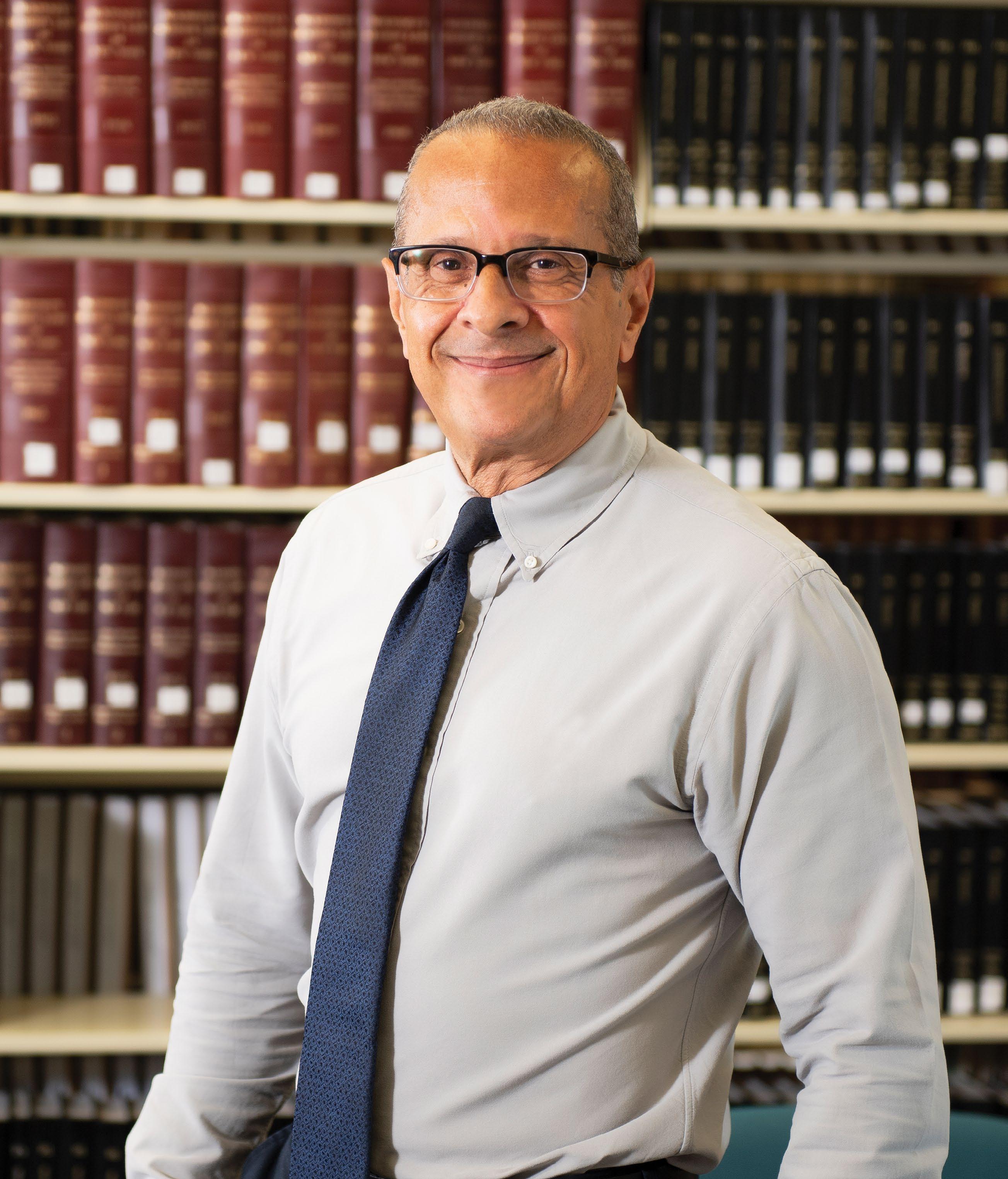
BLAINE LECESNE , JD
COLUMBIA LAW SCHOOL
Professor LeCesne (left) serves as the College of Law’s Associate Dean of Mission and Identity. Dean LeCesne works closely with law faculty and students, as well as Loyola’s Office of Equity and Inclusion, to create and expand diversity-focused programming and to promote a university-wide commitment to inclusive excellence.
The people you meet here, the ones who will help shape your knowledge of the law and what you’ll do with it, will push you further than you thought possible. Our faculty are champions of justice, incredible litigators, and accomplished experts in their fields who will guide you toward the start of your career — and inspire you every day.
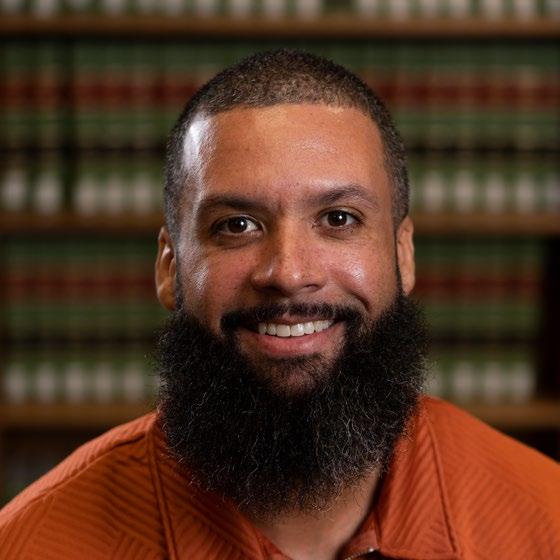
SETON HALL UNIVERSITY SCHOOL OF LAW
Professor Snowden joined the Loyola University New Orleans College of Law faculty in 2023 after being the Louisiana Director of the Vera Institute of Justice and a public defender in New Orleans. His work centers around criminal justice reform and systemic biases in the legal system. He has received the Nation’s Best Advocate award from the National Bar Association and was recognized by the New Orleans Federal Bar Association as a Camille F. Gravel Public Service Awardee. At Loyola, he teaches in the areas of constitutional law, criminal law, and trial skills.
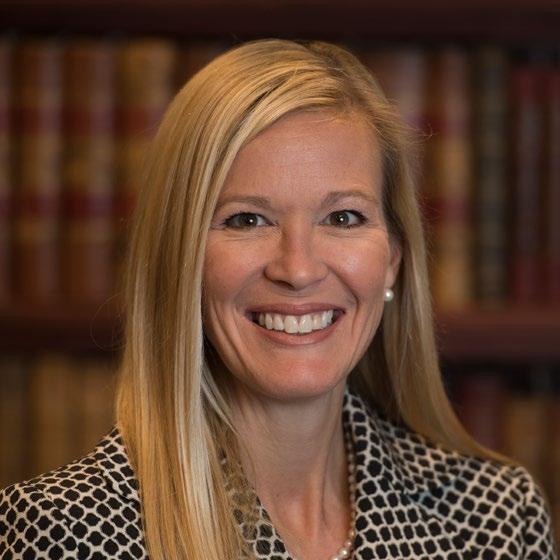
MONICA HOF WALLACE, JD
LOYOLA UNIVERSITY NEW ORLEANS COLLEGE OF LAW
Professor Wallace is the Dean Marcel Garsaud, Jr. Distinguished Professor of Law. She is an expert in the areas of family law, successions, donations and trusts, and community property and recently co-authored the first-ever Louisiana Family Law Treatise. She has also lectured on Family Law for BARBRI. Professor Wallace also designed, developed, and fundraised for the Loyola Advocacy Center, over which she served as director at its inception. In 2025, she was awarded the Distinguished Professor Award by the Louisiana Bar Foundation.
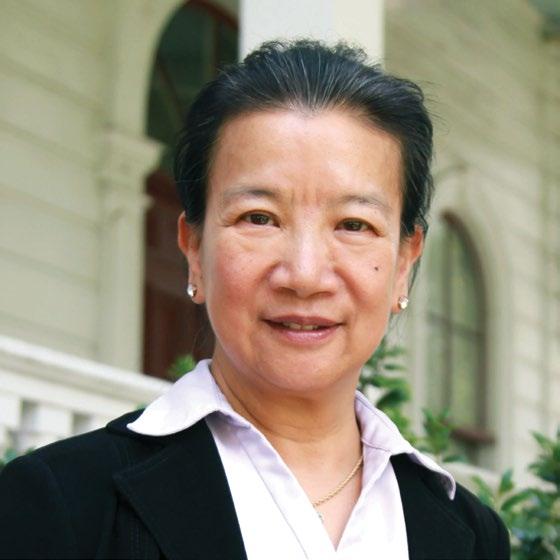
BOSTON UNIVERSITY SCHOOL OF LAW
Professor Leonhard was awarded a Fullbright Scholarship for her research project in China during the 2019-2020 year. Working with the Institute of Legal History, China University of Political Science and Law in Beijing, she is researching ancient Chinese dynastic contract law issues, focusing on the Tang Dynasty. Professor Leonhard teaches Contract Law, Sales, Secured Transactions, and Pretrial Litigation. Her scholarship focuses on examining contract law issues in a cross-cultural context as well as the impact of behavioral economics research on common law contract law.
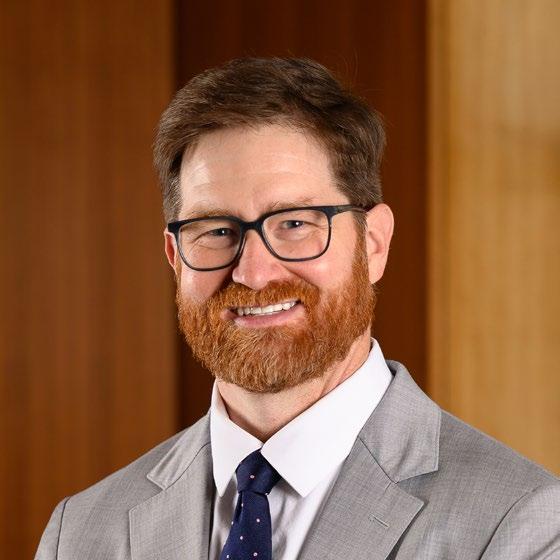
TULANE UNIVERSITY LAW SCHOOL
Professor Allums is a leading expert in maritime law, having worked extensively on litigation for the Deepwater Horizon disaster for 10 years in the United States District Court for the Eastern District of Louisiana. He has also practiced maritime law at the law firm of Liskow & Lewis. At Loyola, he teaches courses in maritime law and federal civil procedure and is the faculty advisor for the Loyola Maritime Law Journal.
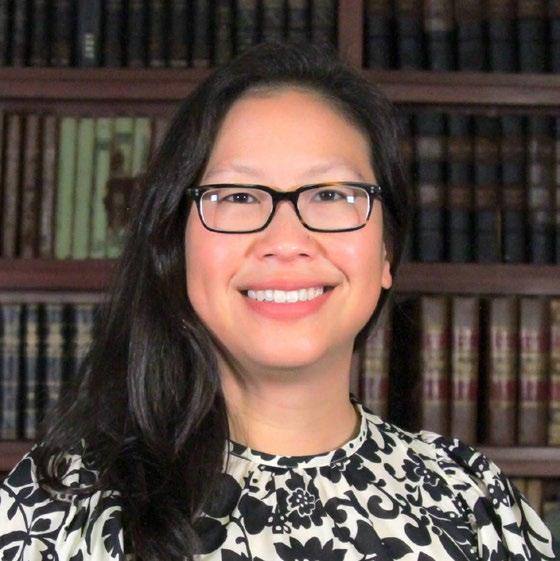
GEORGE WASHINGTON UNIVERSITY LAW SCHOOL
Professor Tuchinda’s areas of scholarship include childhood trauma, education and disability law, and health justice. Prior to Loyola, she served as the Director of the Juvenile and Special Education Law Clinic at the University of the District of Columbia’s David A. Clarke School of Law, where she also received an LLM in Clinical Education, Social Justice, and Systems Change. She also has an LLM in Advocacy from Georgetown University Law Center and an MD from Johns Hopkins University School of Medicine. She currently serves as the academic director of the health law program at the College of Law.
For more information on our faculty’s work experience and academic achievements, visit law.loyno.edu/faculty
Our commitment to service is rooted in the Jesuit tradition of becoming “men and women with and for others.” In the Gillis Long Poverty Law Center and in our Law Clinic, students gain practical experience while serving the legal needs of low-income members of our community.
Access to legal services can transform lives. For 30 years, the College of Law has supported students committed to serving the legal needs of the poor through paid internships and fellowships.
In the Stuart H. Smith Law Clinic, third-year law students practice under the supervision of experienced clinic faculty in areas including immigration, family, civil litigation, criminal defense, child welfare and domestic violence, disability justice, and youth defense.
The Law Clinic is a hands-on academic course that allows law students, in their final year, to practice law under the supervision of a clinic faculty member. Law students gain a range of practical lawyering skills as they represent low-income clients and serve the community in diverse practice areas. Clinic faculty are leading experts and advocates in various justice lawyering areas and work closely with law students in this capstone experiential course.

In addition to serving as Clinic Professor and Director of the Law Clinic and Center, Davida Finger has also been named a Fulbright Specialist, which allows her to partner with international host institutions to help develop community justice curricula, clinic programs, and experiential learning opportunities around the world.
You
Loyola Law’s evening JD program maximizes flexibility without sacrificing the academic rigor and personalized attention we’re proud to offer every student at Loyola. The evening program combines two evenings of in-person learning with asynchronous online coursework that can be completed from anywhere, on any schedule. Over the summer, students may choose to take a fully asynchronous schedule. The program can be completed part time in just four years.
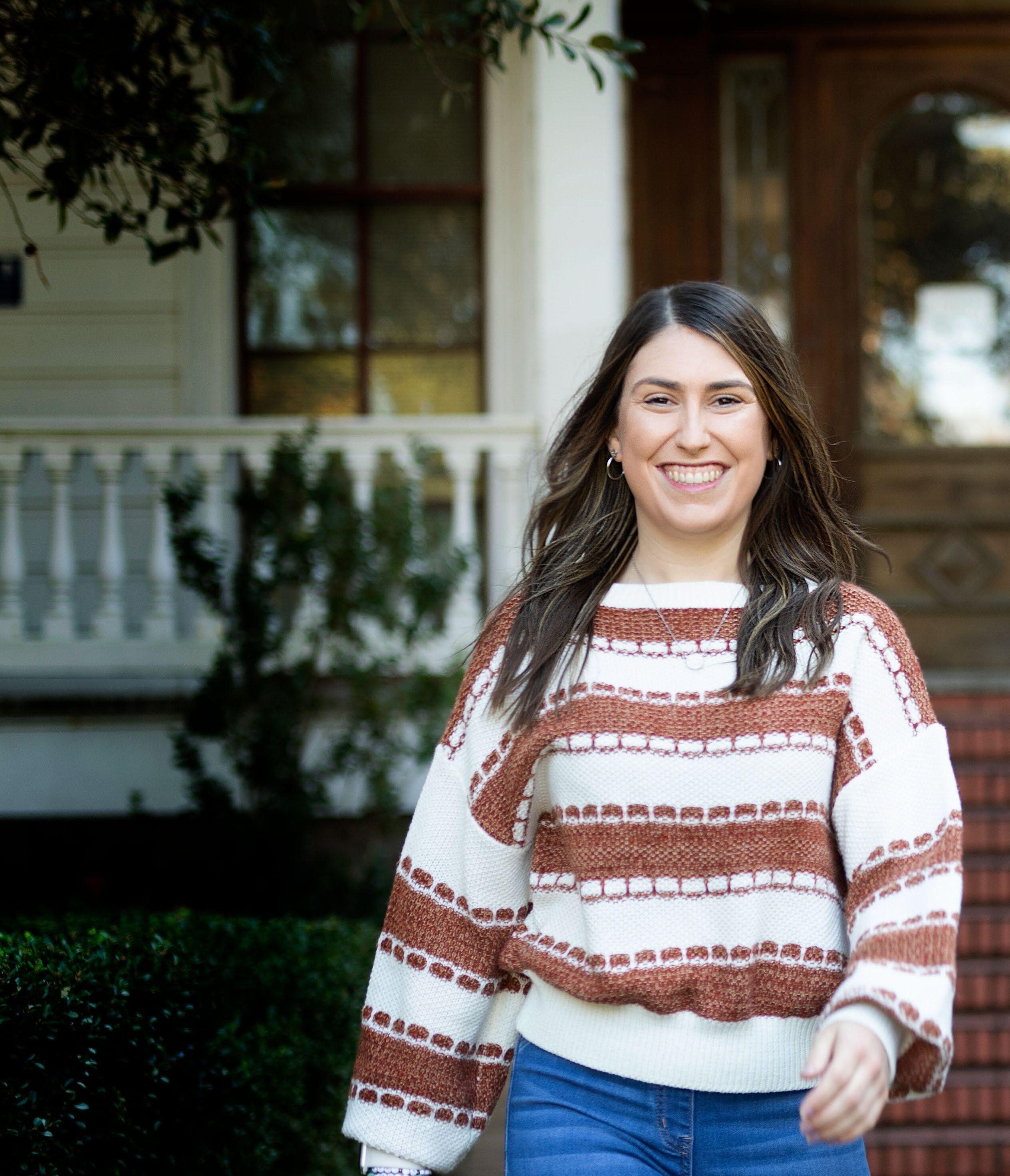
I chose to attend Loyola for my undergraduate degree because of Loyola Law. I love how the evening program lets me succeed on my own time. This program gives me flexibility while still letting me take advantage of all of the resources and opportunities Loyola has to offer.
KATHRYN MANNING, 2L
The evening JD program has allowed me to not only maintain my identity, but to grow as a person. Taking three classes per semester gives me the opportunity to really dive deep into the material for each course, and I appreciate how the program allows me to create a school-life balance.
KAITLYN MANNING, 3L
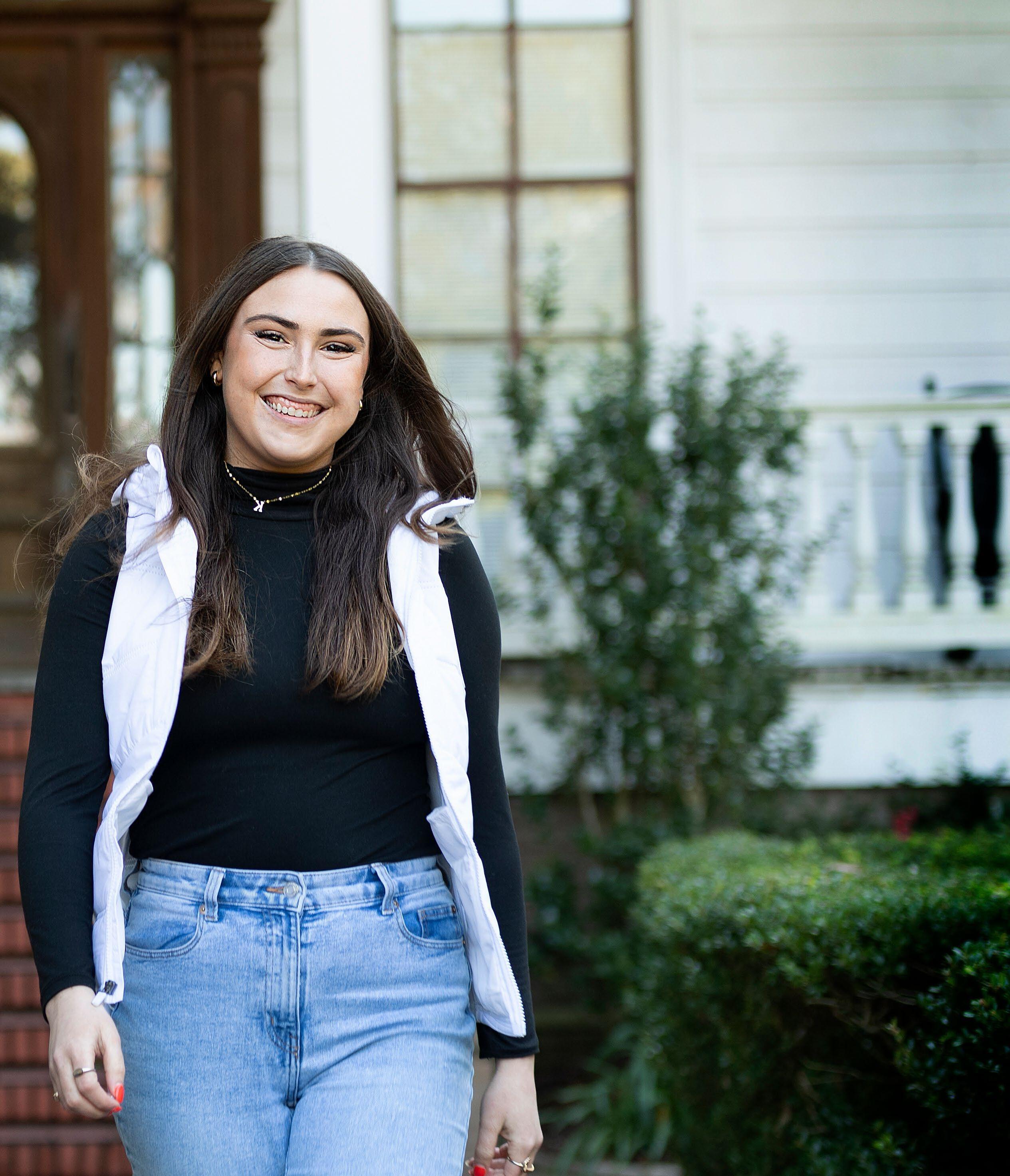

I believe Loyola’s greatest resource is its faculty, hands down. Every encounter I have had, whether it is with a professor, the Academic Success office, the Career Services office, or the library, has been very welcomed, informed, and has kept me on the path towards success.

For many reasons, Loyola has always felt like home. Ultimately, Loyola was the obvious choice for me because I knew it was a place I could not only be myself but also grow, with the immense help of my professors, into the person for others that I wanted to become.
It’s where dining out is a religious experience. Where jazz was born and lives on. Where the wonder of Mardi Gras lasts all year long. Voted as one of the top five big cities in America by Conde Naste, young professionals and families are flocking to New Orleans.
New Orleans is a major center for the federal and state judicial systems, including the Louisiana Supreme Court and U.S. Fifth Circuit Court of Appeals. A number of national and regional law firms have offices in New Orleans, as do many large, medium, and boutique Louisiana-based law firms. The city is brimming with lawyers, judges, and market leaders who are eager to be your mentor.
Sample more than 30 James Beard Awardwinning chefs and restaurants throughout the city all before graduation!
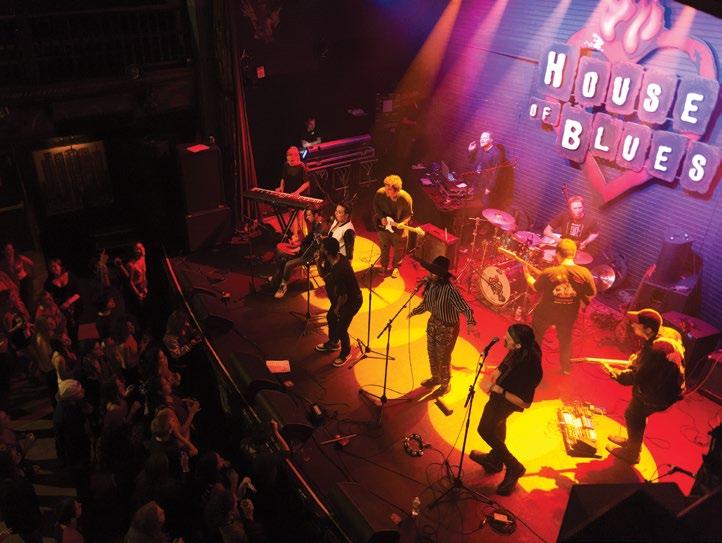
There’s no shortage of great music in New Orleans. Our fabled festivals include Essence Festival, New Orleans Jazz and Heritage Festival, and French Quarter Festival.
Action-packed sports events entertain you all year—from the Allstate Sugar Bowl to the Crescent City Classic 10K. Fly your flag for the Saints (football), Pelicans (basketball), Jesters (soccer), and the Loyola Wolf Pack.
From Uptown’s grand mansions to the French Quarter’s intricate balconies to the Marigny’s shotgun houses, each New Orleans neighborhood has its own architectural flavor and slice of history.




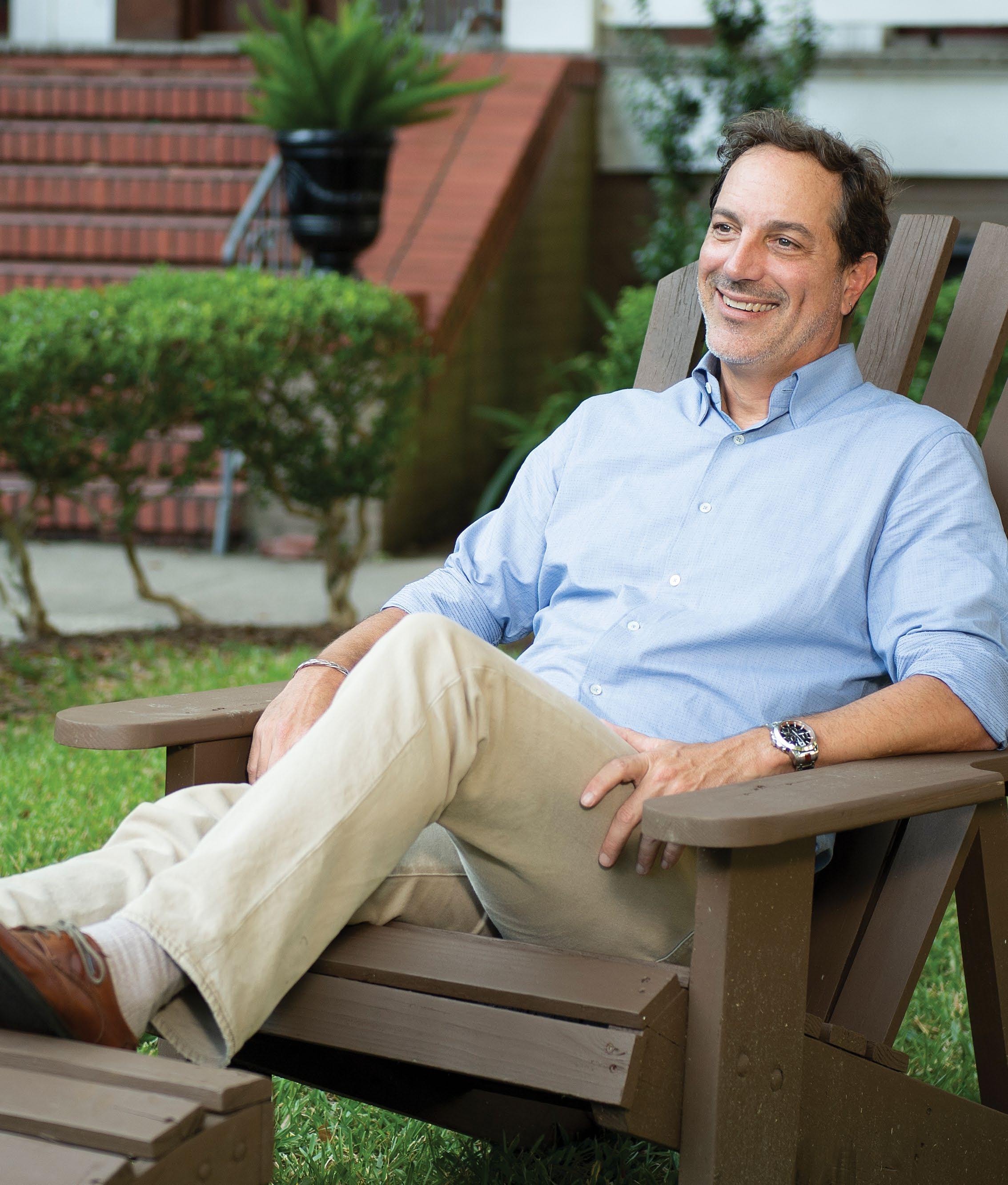
Professor Robert Verchick is a national expert in environmental regulations and climate change. He served in President Obama’s administration as Deputy Associate Administrator for Policy at the U.S. Environmental Protection Agency. He recently published The Octopus in the Parking Garage: A Call for Climate Resilience , which won the 2023 Choice Outstanding Academic Title from the Association of College and Research Libraries.
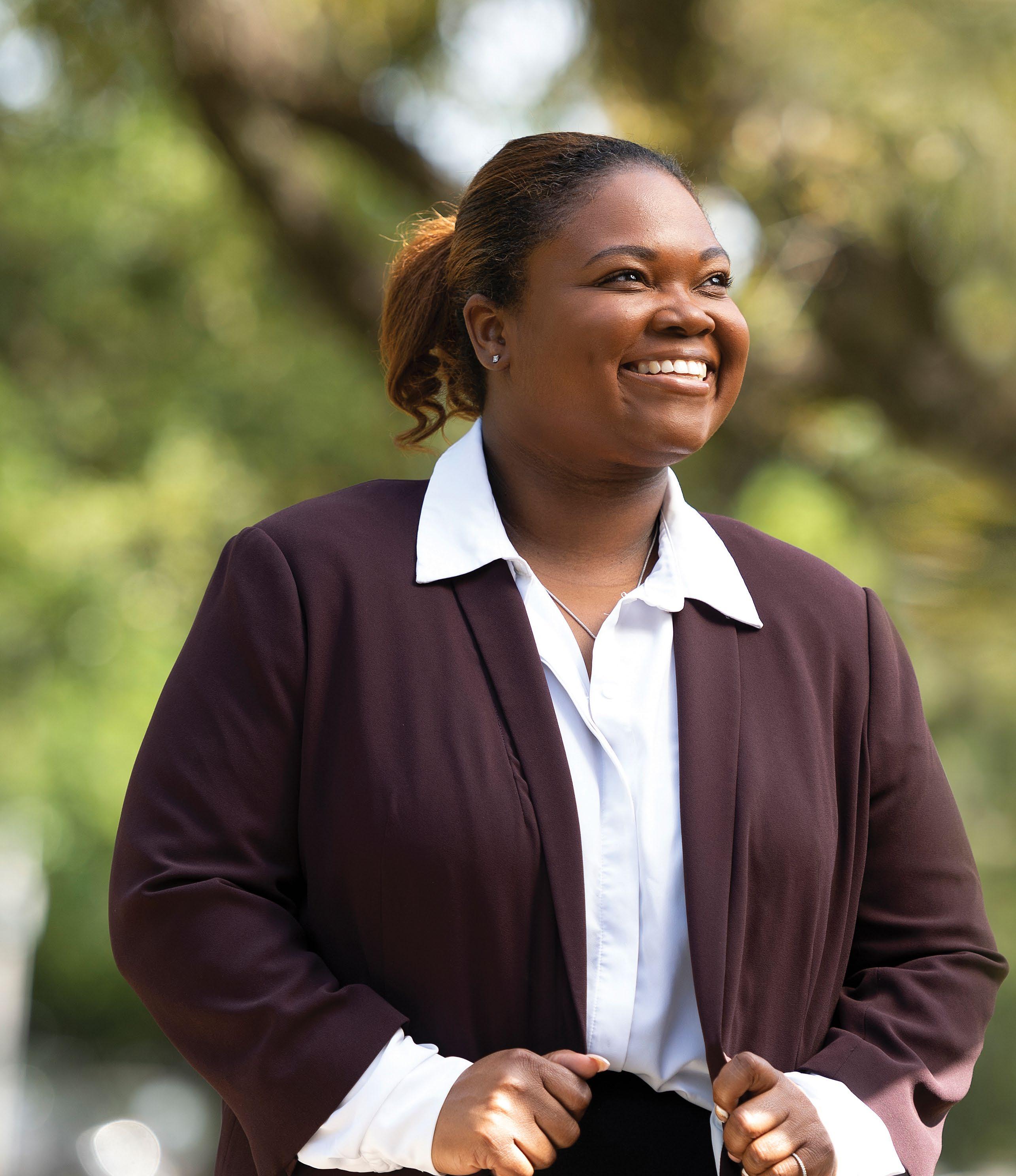
When you’re thinking about a law school, you want it to be good enough where you’re going to learn the law, but you also want to develop the type of advocate and the person that you’re going to be while you’re learning the law. You can only do that through having interactions, or practicing, or jobs, or talking to your professors, and Loyola sets you up to do that in every way that they can.
MORENIKE ERINKITOLA, JD ’23
Our community is vibrant and diverse. We want to help you find your own path. We offer full- and part-time programs, including the opportunity to work full-time while attending classes in the evening.
Loyola Law offers programs that help our students manage the costs of a legal education:
IGNATIAN LAW SCHOLARS
The Ignatian Law Scholars Program recognizes particularly promising members of the entering law school class, whose applications reflect the Jesuit commitment to academic excellence and service to others. Scholars receive a renewable Dean’s Scholarship and are assigned mentors to help with the transition to law school and practice.
DEAN’S SCHOLARSHIPS
Dean’s Scholarships are renewable merit-based awards offered to incoming, first-year students. All Dean’s Scholarship recipients are eligible for scholarship renewal.
LOYOLA LAGNIAPPE
In keeping with the New Orleans tradition of giving lagniappe (LAN-yap), a little something extra for good measure, Loyola Law awards one-time scholarships to first-year students who earned an undergraduate degree from Loyola University New Orleans.

SUMMER INTERNSHIPS
Gillis Long Poverty Law Center places Loyola Law students in paid public interest internships. Interns may earn up to $7,500 for work in non-profit organizations that provide free civil legal services and up to $6,000 for work in non-profit organizations that provide free criminal legal services to underserved populations.
Tuition and fees for the 2025-2026 school year: FULL-TIME $55,024 PART-TIME $41,278 AVERAGE SCHOLARSHIP AWARDED TO 2025 ENTERING CLASS $28,200 OF 2025 ENTERING CLASS RECEIVED SCHOLARSHIPS 80%