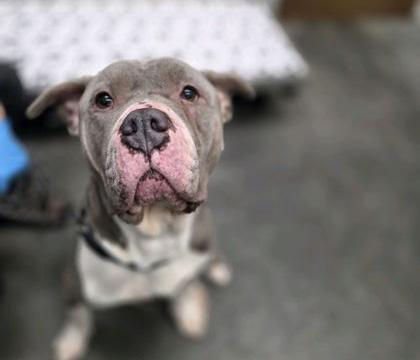
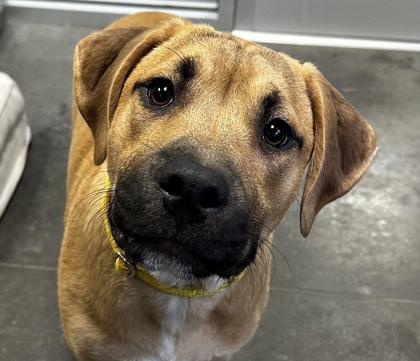
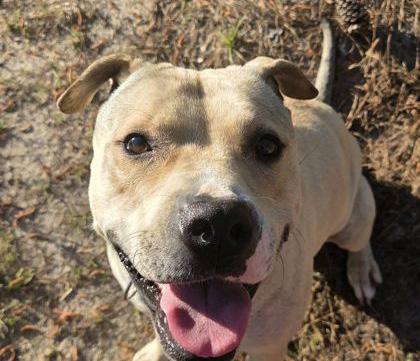
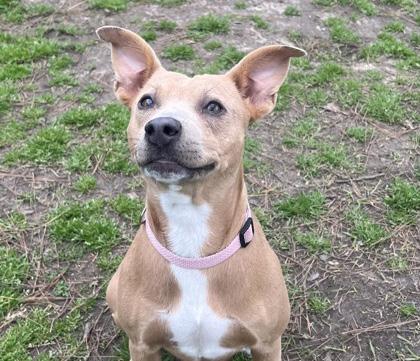
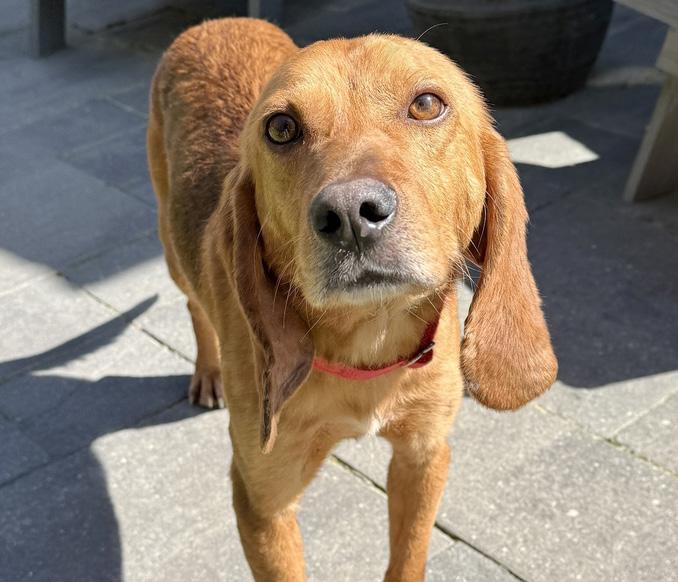
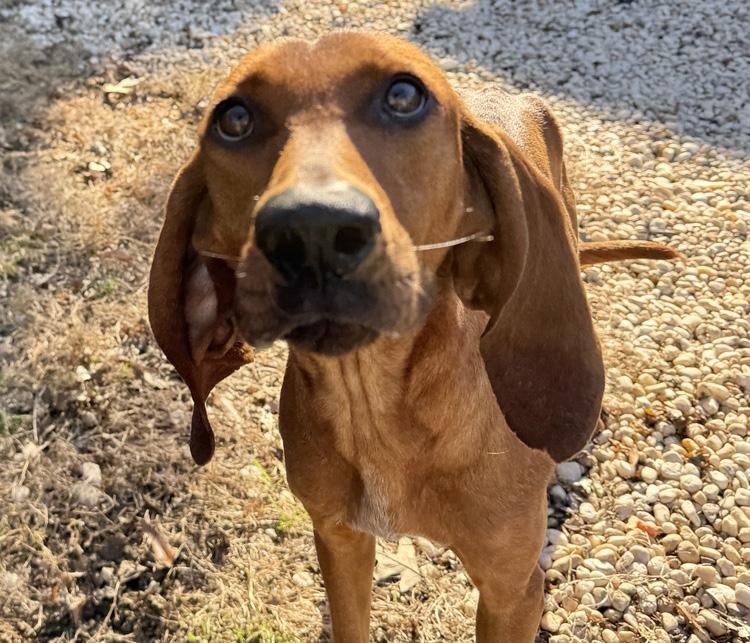
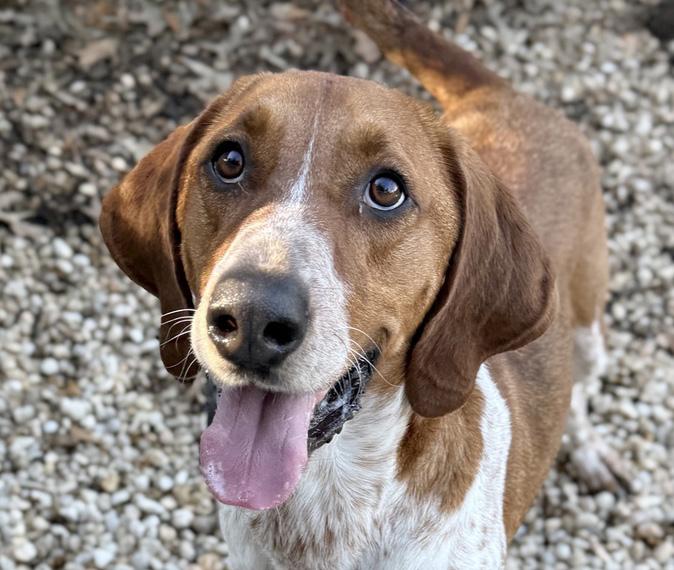
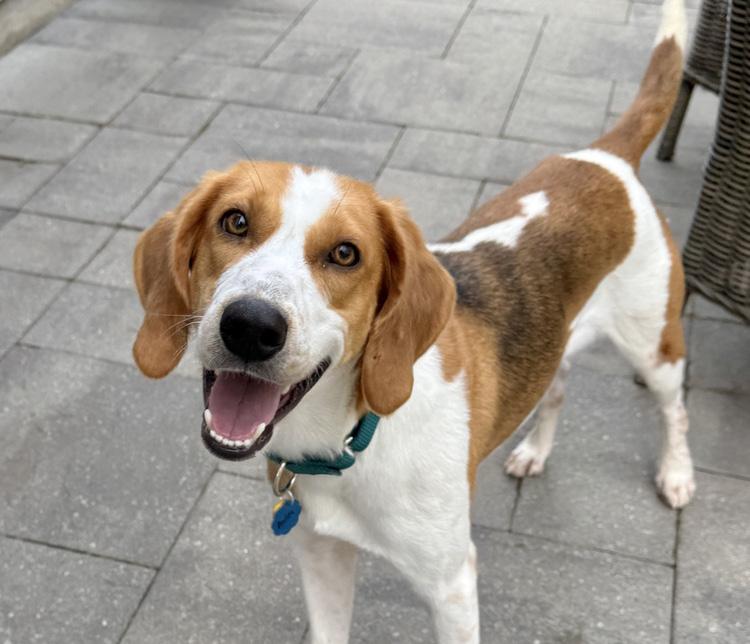
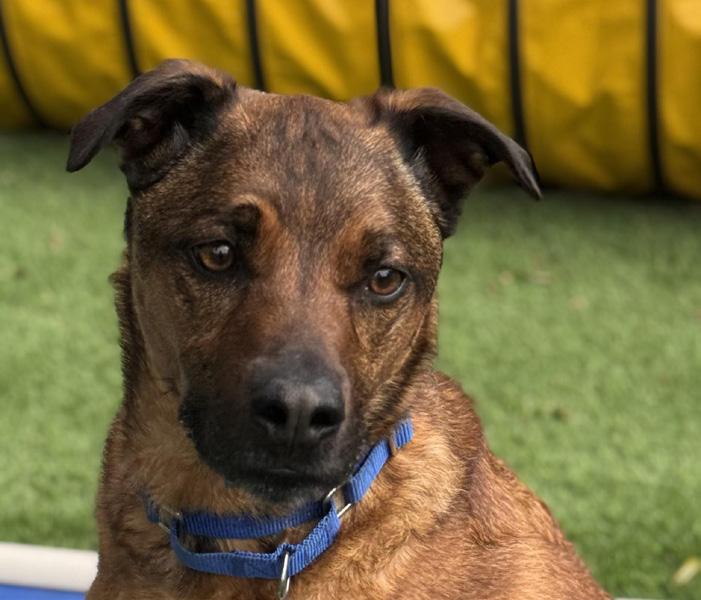
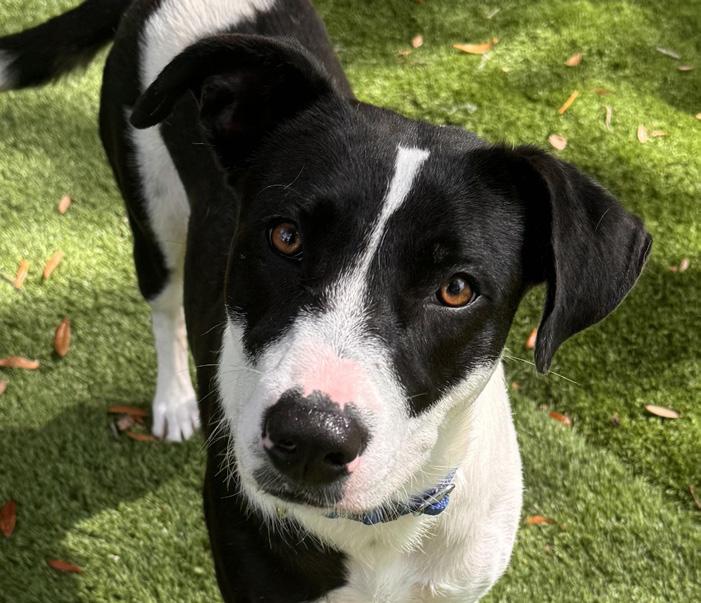
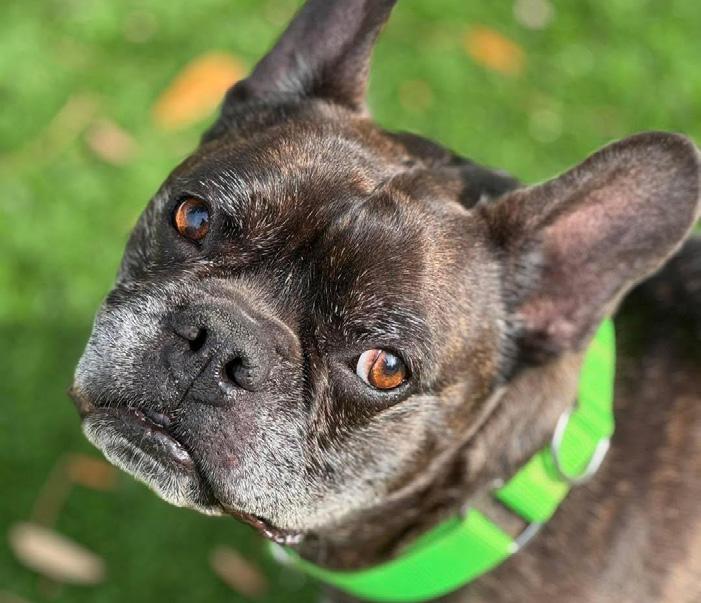
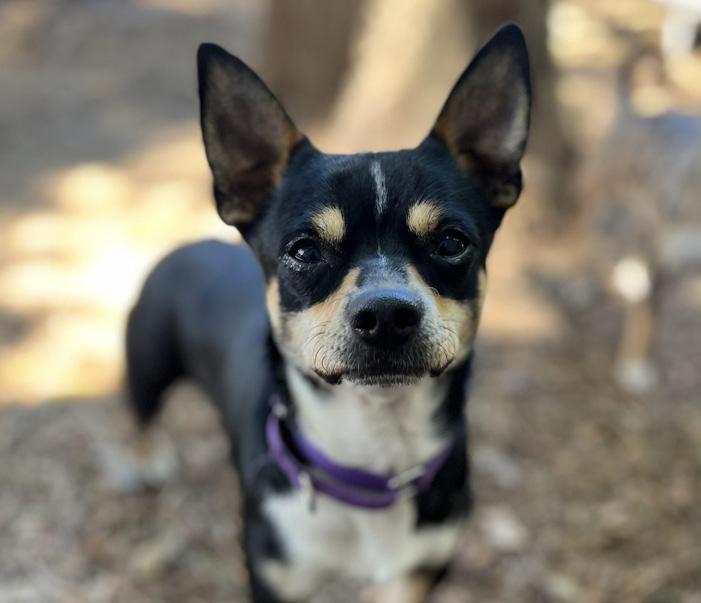
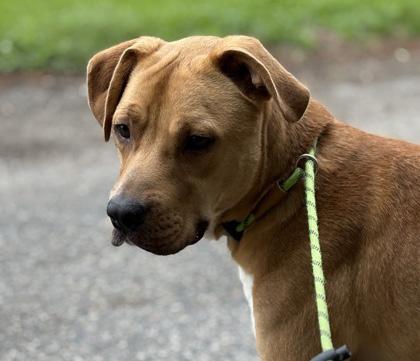
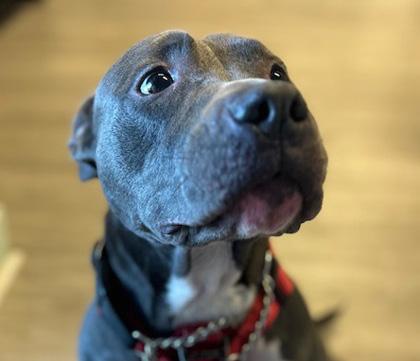
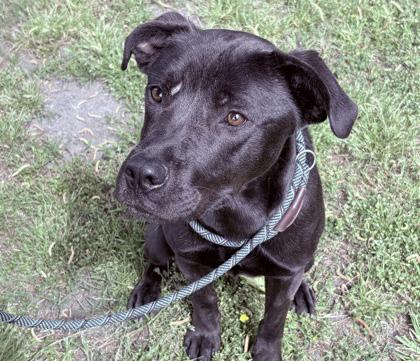
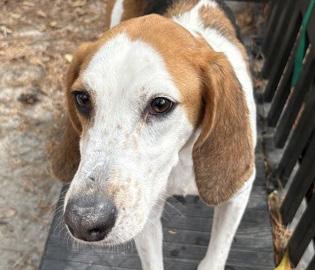
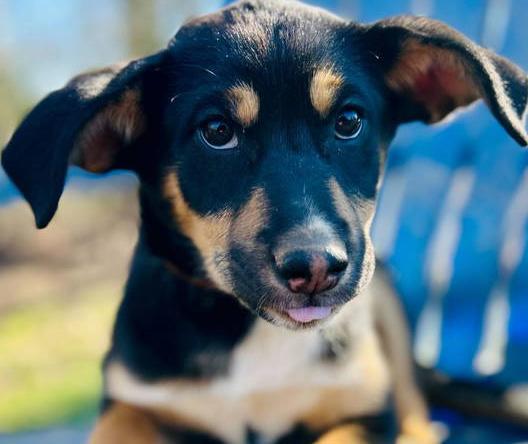
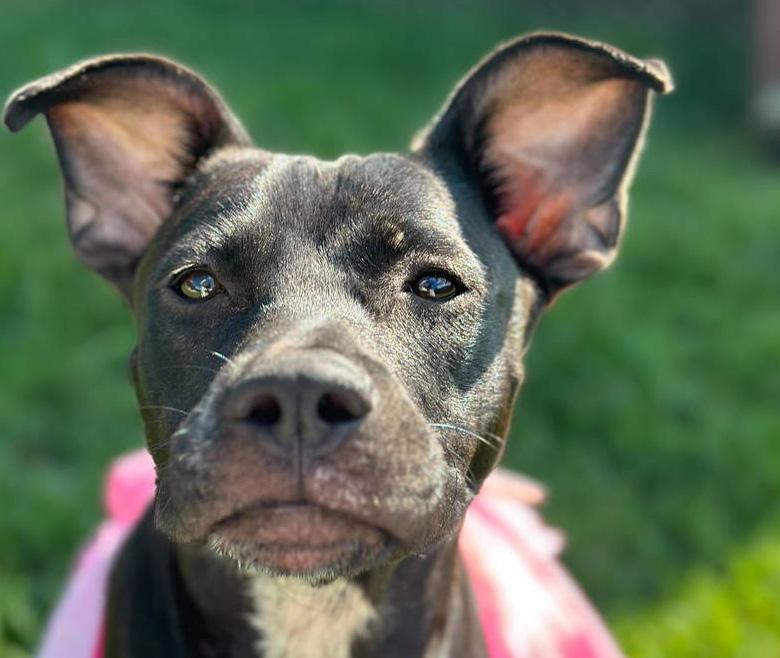
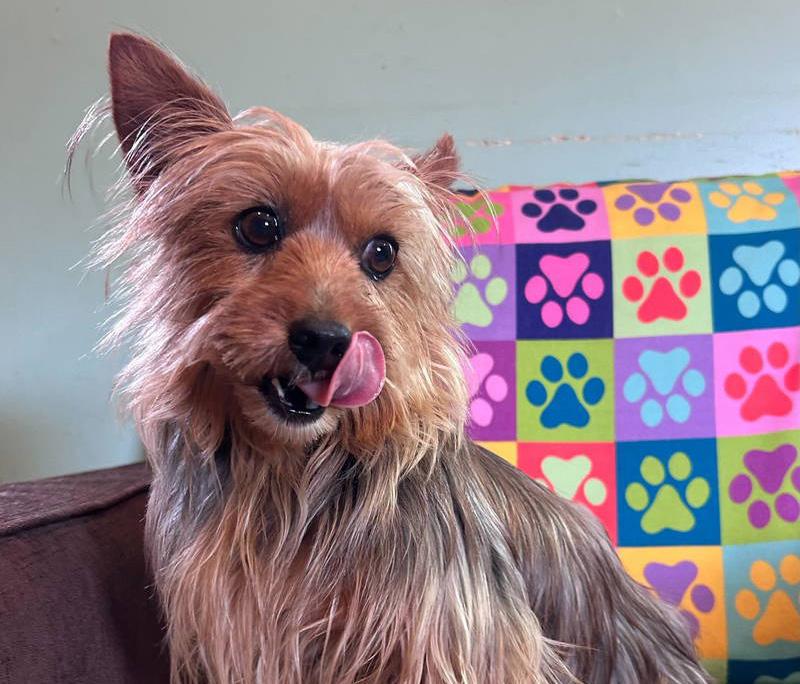
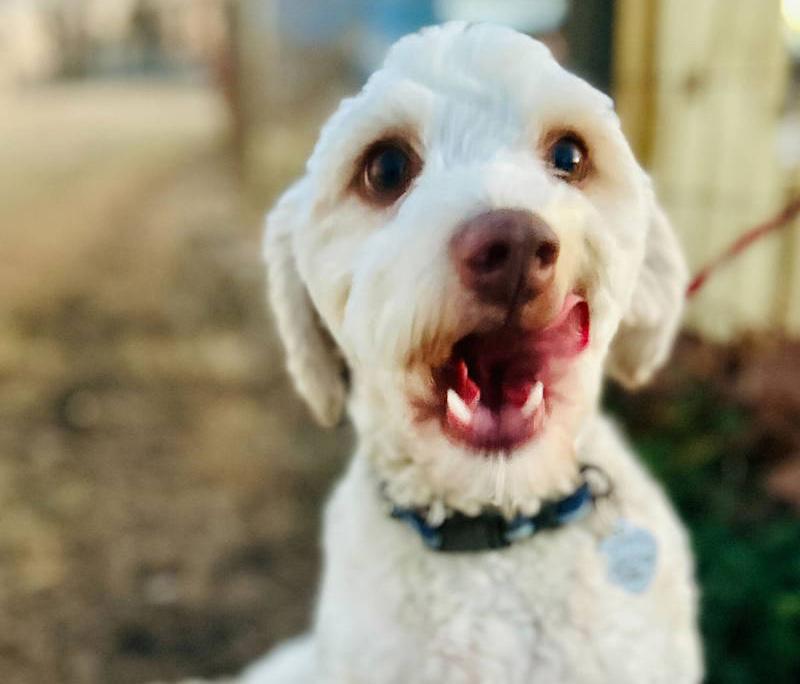
We believe that our dogs are our best friends, and that’s why we need a reliable source to turn to for information on all things “dog” in our community. Our mission is to be the Carolinas’ number one resource for dog owners regarding regional dog-centric and dog-welcoming events, health & wellness information, dog training, trends, and local news. We also strive to be a mouthpiece to the public for various Lowcountrybased pet non-profits, and we promote pet adoption and other responsible pet care practices.
Founded in Charleston, South Carolina in 2005 as a print magazine. From 2015 through 2019, we went digital. In 2020, print returned and we have grown to become “The Carolinas’ Source for All Things Dog,” with print distribution throughout the Carolinas, and digital readers worldwide.
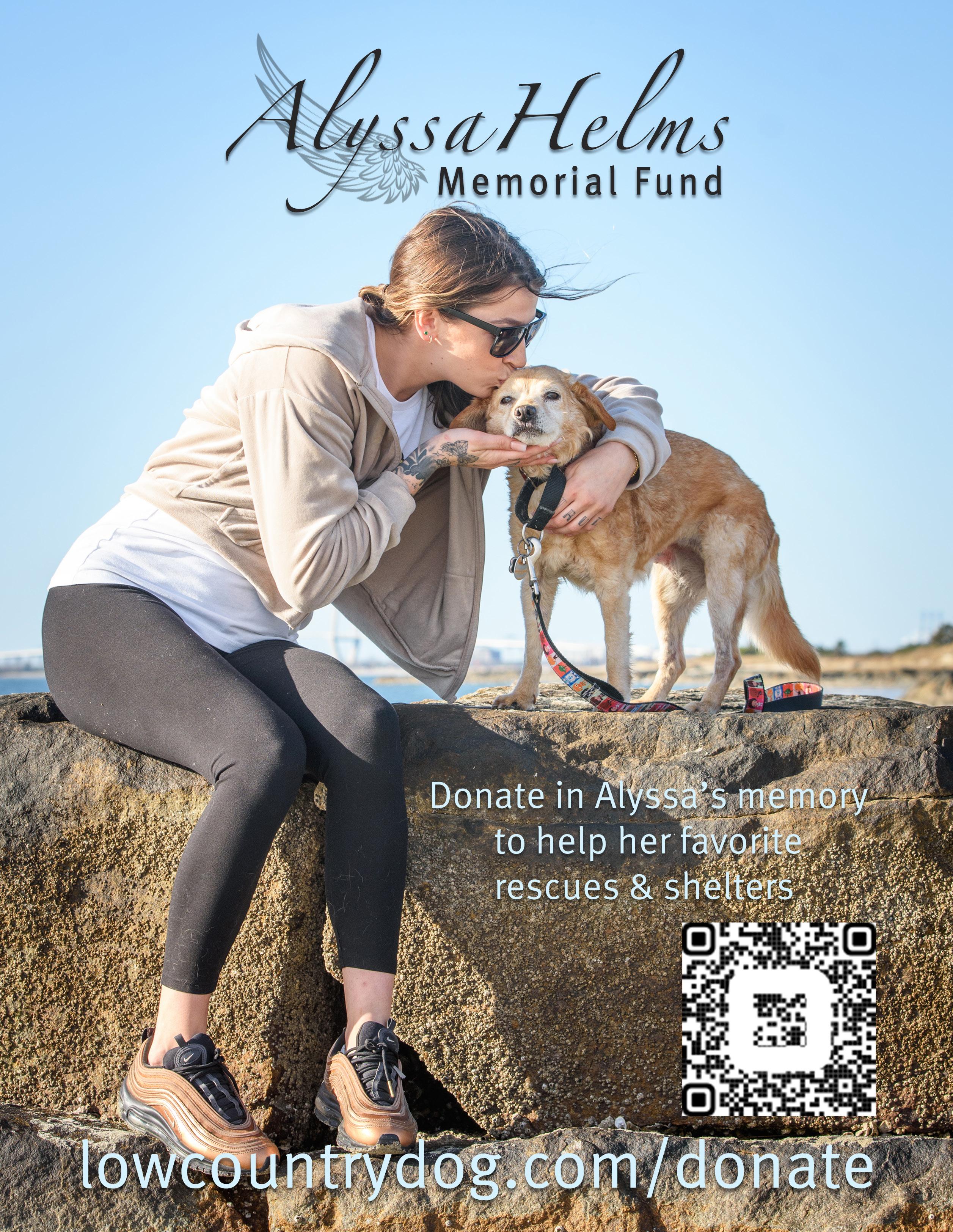
Every issue of Lowcountry Dog Magazine is dedicated to Peanut, our Chief Canine Officer from 2005 to 2023, and Alyssa Helms, our Media Manager from 2020 to 2024.
Publisher
Brian Foster brian@lowcountrydog.com
Chief Canine Officer
Lovey social@lowcountrydog.com
Media Assistant
Samantha Stinner media@lowcountrydog.com
Event Coordinator
Allison McCoy
Canine Correspondent
Tula
Staff Writers
Chelsea Salerno
Jeanne Taylor
Natalie Garber
Photographers
Clark & Chateau
Jeanne Taylor Photography
Contributing Writers
Kendyl Nimmon
Nia Murray
For advertising and media inquiries please email contact@lowcountrydog.com
this issue 5 8 12 16 22 30 32 36 38
Lovey’s Lowcountry Livin’: Festival Season with Lovey
Sit, Stay, Behave... 5 Steps to Stop Leash Pulling
HEALTH & WELLNESS: Bernie’s Rough Start
FEATURE STORY: SEWE from a First Timer’s Perspective
LOCAL DOG EVENTS
IN THE NEWS
MEET THE RESCUE: Bridge Between Animal Rescue
GO GREEN: Adopt A Recycled Dog!
Cover Photo & Above Photo by Jeanne Taylor Photography
Festival Season with
Lovey
Springtime in the Lowcountry means one thing— festival season is officially ON. The air smells like saltwater and kettle corn, live music drifts through the breeze, and everywhere you look there’s something to explore. And if you ask me? It’s even better when your humans bring you along.
That’s right—festival season isn’t just for people anymore. These days, more and more events are rolling out the welcome mat for four-legged guests like yours truly. But before you grab the leash and head out the door, let’s talk about how to make the most of these tail-wagging adventures.
Pack Like a Pro (or at Least Like Lovey)
A successful festival day starts with the right gear. Trust me—you don’t want to be the pup stuck without water when the sun starts shining strong. Here’s what I recommend:
• A collapsible water bowl (hydration is nonnegotiable)
• Plenty of fresh water
• Waste bags (because manners matter)
• A leash that’s comfortable and secure
• A small towel for muddy paws or unexpected spills
• Bonus points if your human packs treats. Lots of treats.
Mind the Heat
Lowcountry spring can be sneaky. One minute it’s breezy and perfect, the next you’re panting like you just chased a squirrel across three counties.
Stick to shaded areas when possible, take breaks, and never be shy about signaling your human when you need a breather. Hot pavement can also be tough on paws, so keep an eye out for grassy spots where you can cool down.
If you’re feeling sluggish, drooling more than usual, or just not yourself, it’s time to find shade and water—fast.
Lovey's lowcountry livin’
Crowds, Sounds & Sniffs (Oh My!)
Festivals are full of exciting sights and smells— food vendors, other dogs, live music, kids running around—it’s basically sensory overload in the best way.
But Not Every Pup Loves the Chaos.
If you’re more of a “front porch nap” type, ease into it. Stay on the edges of the crowd, give yourself space, and don’t be afraid to call it a day early. There’s no shame in knowing your limits.
For the social butterflies? This is your moment. Just remember your manners—no jumping, no stealing snacks (no matter how tempting), and always ask before greeting another dog.
Know Before You Go
Not all festivals are created equal. Before heading out, your human should check:
• Are dogs allowed?
• Are there designated pet areas?
• Will there be water stations or shade?
One Last Tail Wag
Festival season is about making memories— sunshine, music, new friends, and maybe a few well-earned treats along the way.
So grab the leash, pack the essentials, and get ready to hit the festival circuit, Lowcountry Dog style. ■
5 Steps to Stop Leash Pulling — For Good
The proven leash training system every Lowcountry dog owner needs to know
WRITTEN BY CHAD SINGER
Founder, Canine Revolution Dog Training
If you’ve ever come home with aching shoulders from a single walk around the block, you already know the problem. Leash pulling is one of the most common issues dog owners face — and one of the most misunderstood. Most people assume their dog is being stubborn, dominant, or “just bad on the leash.” The truth is simpler than that: your dog was never taught how to walk on a loose leash. Nobody showed them. And without a clear system, most dogs never figure it out on their own.
At Canine Revolution Dog Training, we’ve worked through this with hundreds of dogs. What follows is the same 5-phase leash training progression we use in our programs — condensed and put directly in your hands. Work through each phase in order, don’t rush the process, and you’ll have a dog that walks on a loose leash no matter where you go.
Phase 1: Build Engagement First
Before you can teach leash walking, your dog has to learn to pay attention to you. That’s what engagement training does. Without it, you’re fighting your dog’s focus at every step. With it, every phase that follows becomes significantly easier.
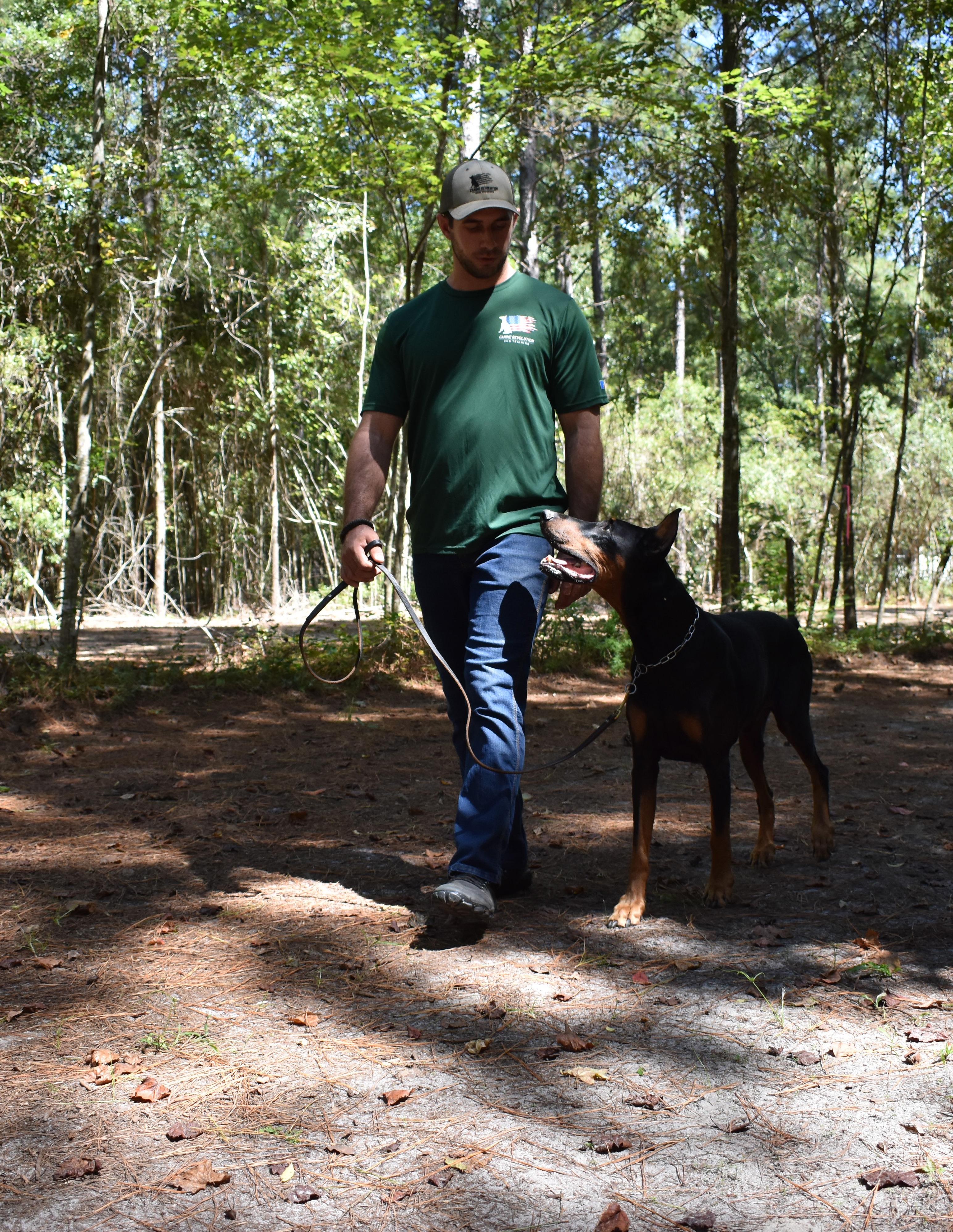
Start in a low-distraction area — your backyard, front yard, or even a quiet hallway. Put your dog on a leash with a training collar (we recommend the Herm Sprenger Fur Saver) and have highvalue food rewards in a bait bag on your hip. Then, simply wait. The moment your dog glances in your direction, mark that moment with the word “Good” and reward them from your hand.
Repeat this until your dog is consistently looking to you for direction. To speed up the process, use their prey drive: say “Yes” when they look at you, back up quickly, and let them chase your hand to get the reward. Keep sessions short — 3 to 8 minutes — and stop while your dog is still having fun. You’re ready for Phase 2 when your dog is making eye contact with you about 90% of the time you’re out in your training area.
Phase 2: Teach Leash Pressure
Here’s why dogs pull: every mammal has what’s called an “opposition reflex” — when pressure is applied to your body, you naturally push back against it. The first time a puppy feels tension on a leash, instinct tells them to resist it. You repeat that a few times a day for months, and you’ve got a leash puller.
Phase 2 desensitizes that reflex. With your dog on leash in your training area, hold the leash at their shoulder level and apply light pressure in one direction. When your dog makes any movement — even a slight lean — toward the pressure instead of against it, immediately say “Yes”, release all tension, back up, and reward. Gradually apply pressure from different angles — front, side, slightly above — until your dog moves with the leash from any direction without hesitation. This is the foundation your loose leash walking stands on.
Phase 3: Develop the Muscle Memory
This is the most time-intensive phase, and also the most important. You’re not just teaching your dog a concept — you’re building the physical habit of walking in the right position relative to your body.
Loose leash walking is traditionally trained on your left side. There are three specific movements to teach:
1. How to move to your left side from in front of you
2. How to remain on your left side while you’re in motion
3. How to adjust to your body when you turn or change direction (body adherence)
Use food lures to guide your dog into position, marking and rewarding consistently. Think of an invisible box right beside your left leg — that’s where your dog belongs while you walk. As your dog’s muscle memory develops, start rewarding less frequently and on a random schedule. Your dog should be working to stay in that box, not just following a treat.
Phase 4: Introduce Accountability
Once your dog understands what they’re supposed to do and has solid muscle memory of the walking position, it’s time to add accountability for the decisions they make. This doesn’t mean punishment — it means consequences, which is how every living being learns.
When your dog drifts outside of that invisible box beside you, say “No” and give a quick tugand-release on the leash — think of snapping a towel, not yanking. The correction should be the lowest level that’s effective for your dog at that specific moment. When distractions are present (a squirrel, a passing bike, another dog), you may need a firmer correction than usual. That’s normal. Once the distraction passes, dial it back. You’re always aiming for the minimum effective level — nothing more.
Phase 5: Generalize Everywhere You Go
A dog that walks perfectly in your backyard but falls apart at Palmetto Park isn’t trained — they’re just comfortable. Phase 5 is about making loose leash walking the rule everywhere, not just at home. Progress through environments in order, from lowest to highest distraction:
1. Routine training area (backyard, driveway)
2. Your neighborhood and surrounding streets
3. A quiet, low-activity park or trail
4. A busier park or walking trail
5. A pet-friendly store or shopping center sidewalk
At each new environment, keep your fundamentals in place: randomly reward your dog for being in position and for checking in with you (glancing
up at your face or nudging your hand on their own). Apply accountability when they step out of position. If a particular location is giving you trouble, spend more time there before moving forward. Don’t skip steps.
One Step at a Time
Loose leash walking isn’t a trick — it’s a lifestyle for your dog. It takes time, consistency, and a clear system. Dogs in our professional training programs typically complete through Phase 4 within 3 to 5 days and finish the full progression within three weeks. As a pet owner working in shorter daily sessions, your timeline will be a bit longer — and that’s completely okay.
The key is to never let your dog practice pulling between sessions. Manage them on a harness if needed while you’re still working through Phases 1 and 2 on the collar. Every uncontrolled walk is reinforcing the exact habit you’re trying to break.
Work the phases in order. Don’t rush engagement. Trust the leash pressure work. Build the muscle memory. Add accountability when the time is right. Then take your dog everywhere.■
ABOUT THE AUTHOR
Chad Singer is the Founder of Canine Revolution Dog Training, host of Pack Talk Podcast, and author of The Ultimate Leash Training Manual: 5 Steps to a WellBehaved Dog. His professional dog training academy sits on 20 acres in Dorchester, just a few minutes outside of Summerville, South Carolina, and provides concierge dog training services throughout the Lowcountry. Learn more at www.caninerevolutiondogtraining.com. .
Bernie’s Rough Start: When a New Puppy’s “Tummy Troubles” Are More Than Just an Upset Stomach
WRITTEN BY DR. JOHN McFADDEN DVM at Charleston Veterinary Urgent Care
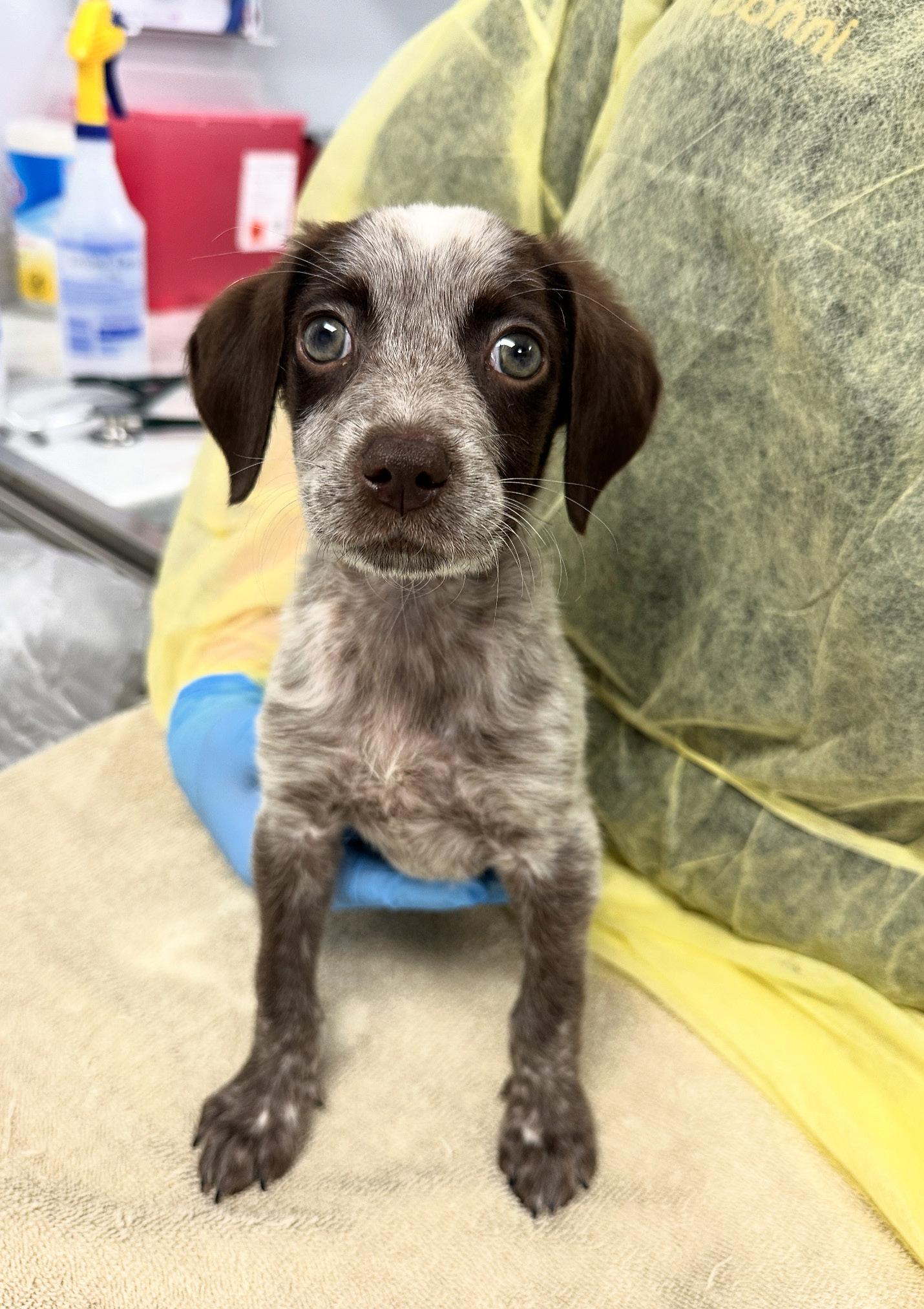
There are few things more exciting than bringing home a new puppy. For the “Berns”, that excitement began when they picked up Bernie, a nine-week-old German Shorthaired Pointer, from a breeder in Georgia. Like many new puppy owners, they were looking forward to finally getting him into his new home—but Bernie’s first night didn’t go as planned.
Before leaving the breeder, they were told that some of Bernie’s littermates had been experiencing what were described as “tummy troubles.” They were sent home with deworming medication and instructions to start them, assuming the symptoms were related to intestinal parasites. Mild digestive upset isn’t uncommon in young puppies, especially when they’re adjusting to new families, diets, and environments. It is also not unusual for them to have intestinal parasites.
By the time Bernie arrived home, something didn’t seem right. He showed no interest in food that evening and barely touched his water.
He seemed quieter and more subdued than expected—hardly an energetic ball of curiosity like the average GSP puppy.
By the next morning, Bernie’s condition had worsened. He developed profuse watery diarrhea and began vomiting. His owners started the medication they were sent home with—which didn’t help. Bernie continued vomiting, unable to hold anything down.
Within 24 hours of picking up their new puppy, Bernie was being checked in at Charleston Veterinary Urgent Care.
A Sick Puppy’s Red Flags
On exam, Bernie was depressed, lethargic, and noticeably dehydrated.
As veterinarians, we see many puppies with upset stomachs. The exact cause is not always evident immediately, but most vets will see a pattern of symptoms and general appearance of a pup like
Bernie, and think about one particular illness first: parvovirus.
Even though the new owners had been told Bernie had already received two rounds of vaccines, that information doesn’t always rule out parvo as a possibility. Not only can they still catch the virus even after the first few vaccines, sometimes vaccines given by breeders, pet stores, or purchased over the counter from farm supply retailers can be ineffective. The issue usually isn’t the vaccine itself—it’s how it was stored and handled before it was administered. Vaccines must be kept at carefully controlled temperatures from the moment they are manufactured until the moment they are given. If they are allowed to warm up, freeze, or sit unrefrigerated during transport or storage, they may lose their effectiveness. When that happens, a puppy may technically receive a vaccine, but still have little to no protection against the diseases it was meant to prevent.
Because of this, whenever we see puppies— whether partially vaccinated, fully vaccinated (depending from where), and especially when completely unvaccinated—with symptoms like Bernie’s, we recommend beginning with a parvovirus test.
Strong Positive
Because of Bernie’s symptoms and how he appeared upon exam, we moved quickly to run that initial test with his owner’s approval. The parvovirus SNAP test takes as few as 10 minutes. Bernie’s result appeared quickly—and unmistakably. The test was strongly positive for canine parvovirus.
Parvovirus is one of the most serious infectious diseases affecting young dogs. The virus is extremely contagious for the unvaccinated, and can last anywhere from 1-9 years in the environment, depending on conditions. It replicates in, and subsequently destroys rapidly dividing cells in the body, particularly those lining the intestinal tract and those within the bone marrow. This leads to severe vomiting, diarrhea, dehydration, and the inability to
absorb nutrients properly. At the same time, the immune system becomes compromised, making the patient more vulnerable to secondary bacterial infections. Animals sick with parvovirus do not die from the virus itself - they die from the dehydration it causes and the secondary bacterial infection (sepsis) that develops due to a damaged GI tract and compromised immune system.
Recommended Treatment
After confirming the diagnosis, we discussed options for treatment with the Berns. The gold standard treatment for parvovirus involves hospitalization at a 24-hour veterinary facility. Patients often need several days of intensive supportive care, including IV fluids to treat dehydration, injectable medications to control nausea and vomiting, antibiotics to prevent secondary infections, and gastrointestinal protectants to help the intestines recover. Many patients also benefit from a newer therapy known as the parvovirus monoclonal antibody, which helps the immune system neutralize the virus. This is the only “specific treatment” for parvo, and prior to its release, the only option was “supporting” the pups through the infection and symptoms. Think of the common cold - there is no specific treatment, you just have to stay hydrated, keep secondary bacterial infections at bay, and wait for the virus to run its course.
Recovery times can vary widely. Some puppies improve within a few days, while more severe cases may require a week or longer of hospitalization. Unfortunately, despite aggressive treatment, some puppies do not survive the infection.
These are never easy conversations to have— treatment outcomes and survivability vary, which is scary in an animal of any age, but especially in the very young. It is also very expensive to treat, especially as an “inpatient” in a 24/7 hospital. Costs for treatment can reach $5,000, often times more. Costs are justified for this level of care - extensive treatments in an isolation ward, often with specific dedicated tech staff, “round the clock” monitoring and treatments. These
patients can be “moving targets,” constantly needing re-assessment, bloodwork rechecks, and changes to treatment plans (i.e. blood sugar supplementation, feeding tubes, etc.).
Like many families faced with an unexpected medical emergency, the Berns also had financial limitations to consider. While hospitalization offered the best chance for recovery, it was not something they were able to pursue.
In situations like this, our goal becomes doing everything we can within the circumstances available.
We discussed an outpatient treatment plan, making sure they understood that it was the “second best” option and that Bernie might still require hospitalization if his condition worsened. This plan was to start numerous treatments designed to give him the best possible chance at home. He received the parvovirus monoclonal antibody, along with fluids to help address dehydration. We administered medications
to control nausea and vomiting, protect his gastrointestinal tract, entice an appetite, and provide antibiotic coverage. We also taught the Berns how to administer fluids at home, and provided them with the necessary supplies. These patients commonly need fluids administered three to four times daily while their symptoms are present.
Bernie went home with fluids, medications, and instructions for close monitoring. His new owners were now his “nurses” at home, providing him the treatments he needed and watching for signs of improvement or decline.
We kept in touch with them over the following days, and within 48 hours, Bernie had started to turn a corner for the better.
Sweet Return
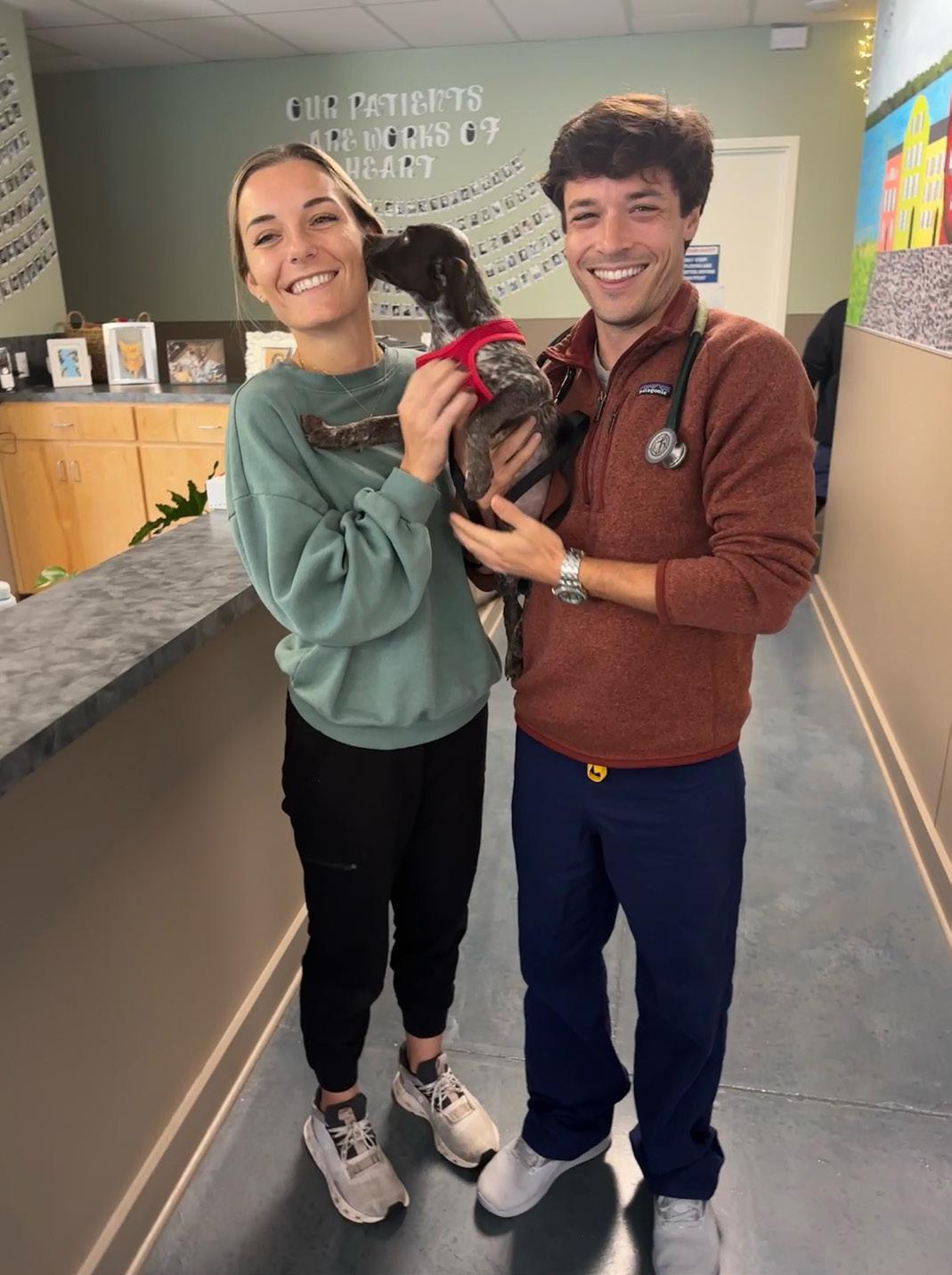
A few weeks later, we received the kind of visit every veterinary team hopes for: Bernie returned to see us—this time full of energy, tail wagging, and acting exactly like a healthy young puppy should. His family brought along a box of donuts as a thank-you to our team that had helped care for him during such a stressful start to his new life.
Moments like that are some of the most rewarding parts of veterinary medicine. Seeing a puppy who once arrived weak, dehydrated, and critically ill come bouncing back through the door healthy and playful reminds us why we do this work. Bernie’s case took place in June of 2024, but stories like his are far from rare. Every spring— and many other times throughout the year—we continue to see puppies with similar symptoms and the same devastating diagnosis. Not all of them have happy endings.
The good news is that parvovirus is largely preventable with proper vaccination and early veterinary care. Ensuring puppies receive vaccines from a veterinarian, keeping them up to date on boosters, and seeking medical attention quickly when symptoms appear can make all the difference. ■
@clarkandchateau
Southeastern Wildlife Expo From A FirstTimer’s Perspective
WRITTEN BY KENDYL NIMMONS & NIA
MURRAY
Contributing Writers
This year for the Southeastern WIldlife Expo, we brought in two college students from Georgia State University to experience SEWE for the first time. Kendyl Nimmons, age 20, and Nia Murray, age 21, spent 3 days exploring all things SEWE with Lowcountry Dog’s media passes. Here are their impressions.
Kendyl Nimmons
My name is Kendyl Nimmons and my uncle is the publisher of Lowcountry Dog Magazine. I live in Atlanta, Georgia, but I have spent a fair amount of time visiting my uncle in South Carolina over the years. But this year I took part in something new: I had the pleasure of attending the Southeastern Wildlife Exposition, also known as SEWE. It was unlike anything I had ever been a part of and I learned so much about South Carolina and its wildlife!
This event had something to offer for everyone, no matter their interests and there were activities the whole family could enjoy. A typical day at SEWE included entertaining and engaging wildlife shows, delicious food from local food trucks, animal demonstrations, and music. With several different venues, you were able to experience something new throughout the entire weekend without a dull moment.
Coming into the weekend, I wasn’t sure what to expect, but it exceeded all of my expectations. At Brittlebank Park, there was an entire setup dedicated to DockDogs. My friend Nia and I could
have watched the dogs for hours! Brittlebank also featured vendors selling items like sunglasses, hunting apparel, food, and hats. There were local eco-organizations on-site too offering educational opportunities.
One exhibit that especially stood out to me was the Carolina Marsh Tacky Association (CMTA). The Carolina Marsh Tacky is a critically endangered breed of horse, with as few as three hundred left. This breed is specifically adapted to South Carolina’s swampy Lowcountry. The CMTA works to preserve, promote, and protect this unique breed. They had a Marsh Tacky at their exhibit, along with merchandise and information about the breed and how people can help protect it.
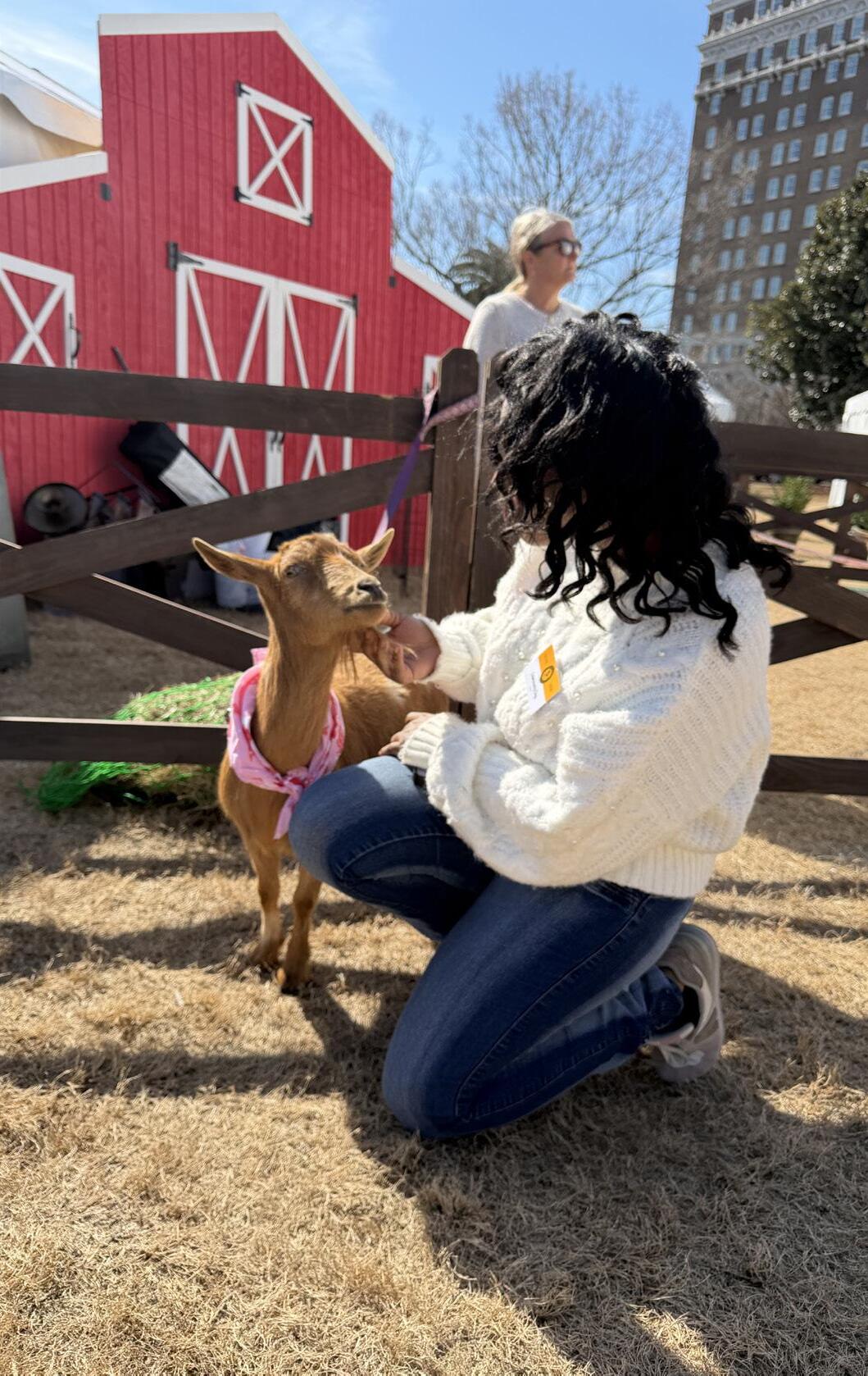
My favorite part of Brittlebank had to be the petting zoo, which included goats, sheep, cows, donkeys, llamas, alpacas, and the cutest lamb! Visitors were able to pet and feed the animals. It was so much fun being able to spend time with them.
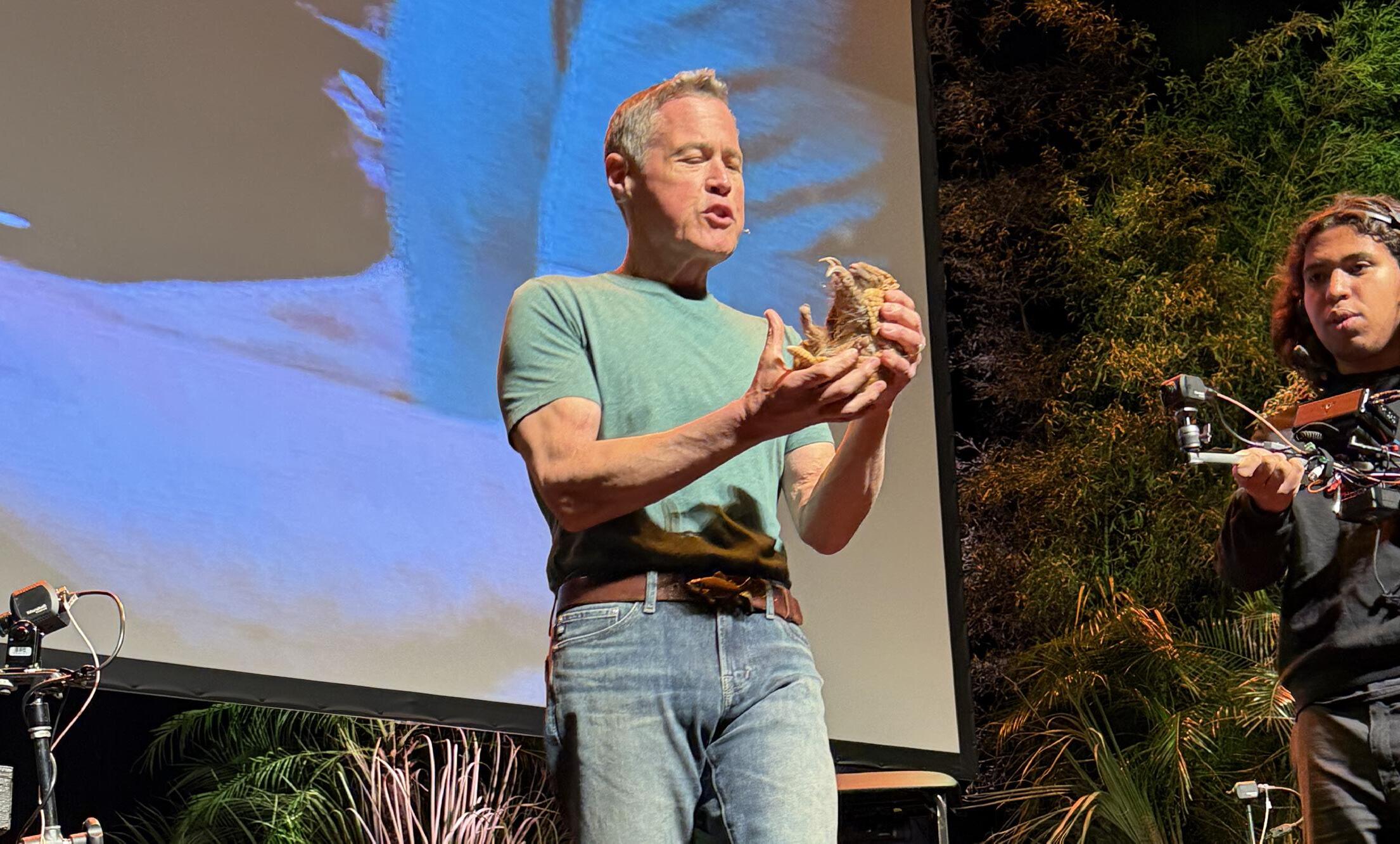
Another remarkable part of SEWE was the wildlife shows. We attended both the Jeff Corwin Wildlife Show and the Busch Wildlife Sanctuary presentation. Jeff Corwin shared stories about his experiences, taught us ways to help protect wildlife, and introduced us to incredible animals. The Busch Wildlife Sanctuary presentation taught us about the organization, the animals they care for, and their mission. Both shows featured amazing animals like sloths, alligators, and birds. They were engaging and entertaining, and it allowed me to see animals up close that I had never seen before. These shows were held at the Gaillard Center, which also featured exhibits with artwork and jewelry.
There was also Marion Square, offering even more excitement. It was home to food trucks, music, bounce houses for kids, other exhibitors
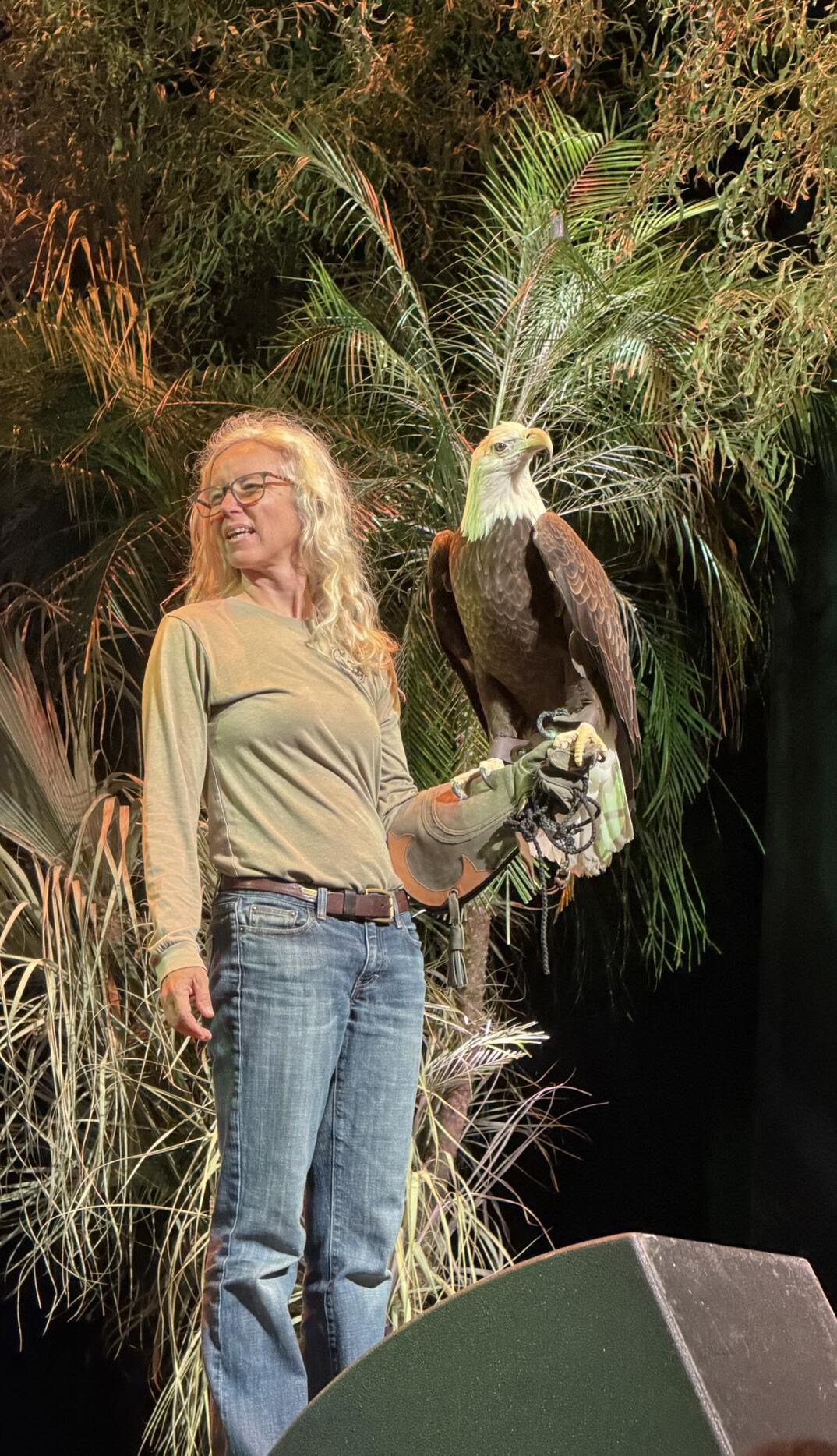
and demonstrations, and animal presentations. A highlight was the Birds of Prey exhibit. There was both a live demonstration and a walk-through exhibit. Marion Square had so much to offer that even after visiting each day, I could still find something new.
I would recommend SEWE to anyone - and everyone! My entire experience was incredible and it was so rewarding to be there and to support Lowcountry Dog Magazine.
Nia Murray
Experiencing the Southeastern Wildlife Exposition was truly unforgettable. As my first time visiting South Carolina, I was immediately drawn in by the charm, culture, and warmth of the Lowcountry. The event itself was vibrant, lively, and full of opportunities to connect with nature in a way that felt both exciting and meaningful.
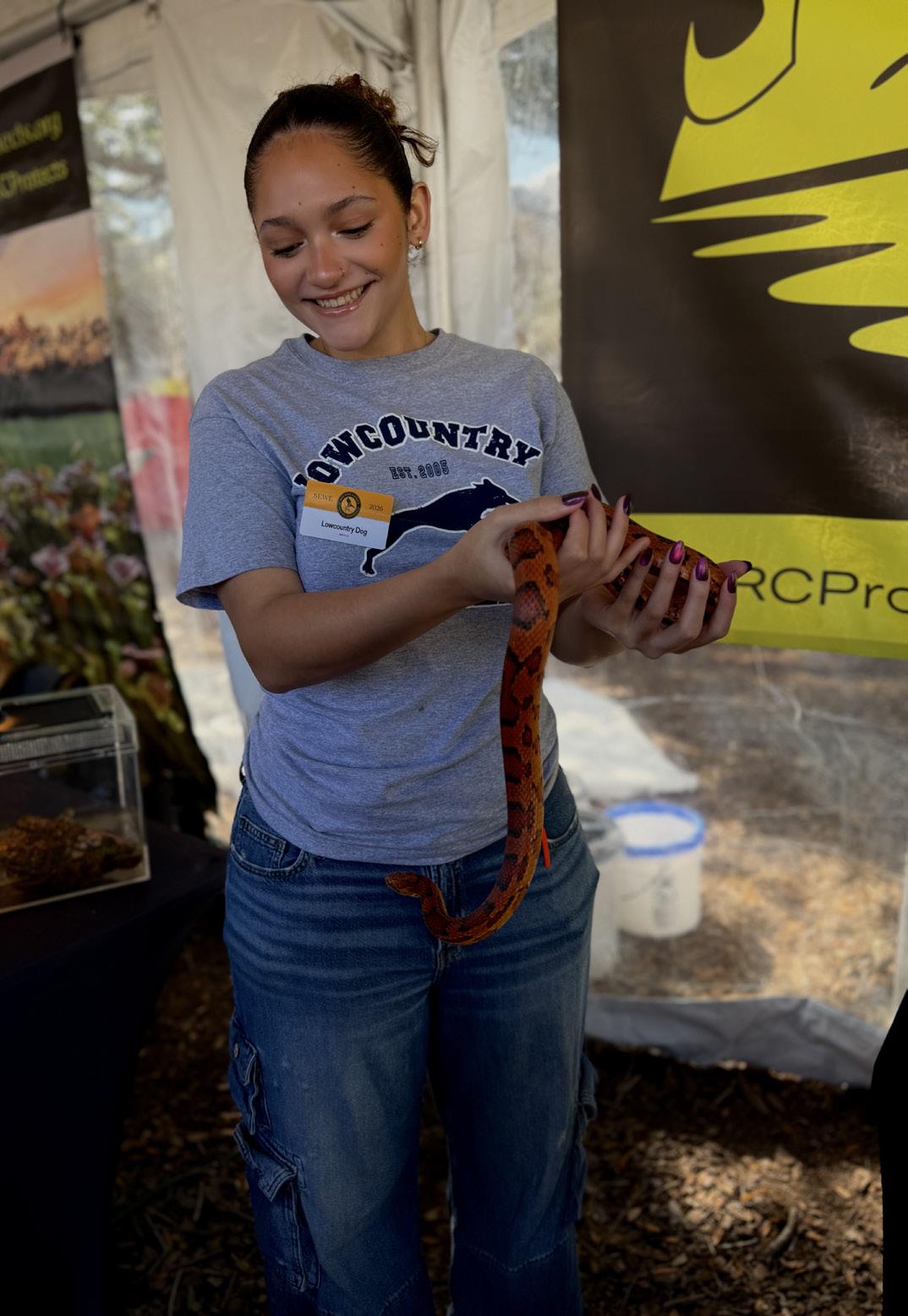
One of the highlights of my experience was interacting with the animals. I especially loved getting to pet the cows and alpacas. They were gentle, friendly, and surprisingly calming to be around. Another standout moment was holding snakes, which is something I never imagined I would do, let alone multiple times in one day! It pushed me out of my comfort zone in the best way and gave me a new appreciation for animals I might have otherwise overlooked.
The exposition also featured a wide variety of dogs, which added such a fun and heartwarming element to the event. There’s something special about seeing so many different breeds in one place, all surrounded by people who genuinely love animals. We spent a lot of time walking around, taking photos, and soaking in everything the event had to offer. There were live demonstrations and shows featuring animals, which were both entertaining and educational. These performances highlighted the intelligence and beauty of wildlife while emphasizing the importance of responsible care and conservation. Another aspect that stood out to me was the range of vendors present. Each one brought something unique, whether it was handcrafted
goods, educational materials, or information about wildlife preservation efforts. I appreciated how many of them were dedicated to supporting local wildlife and raising awareness about environmental issues. It made the exposition feel purposeful, not just entertaining.
If I had to choose a favorite part of the entire experience, though, it would definitely be the petting zoo. It was interactive, fun, and allowed for close, memorable encounters with animals in a relaxed setting. It captured everything I loved about the exposition in one place.
Overall, I would absolutely recommend attending the Southeastern Wildlife Exposition to anyone, whether you consider yourself more of a city person or someone who loves the outdoors. It’s just a beautiful experience that offers a deeper connection to the natural world. ■
Photos by Jeanne Taylor Photography
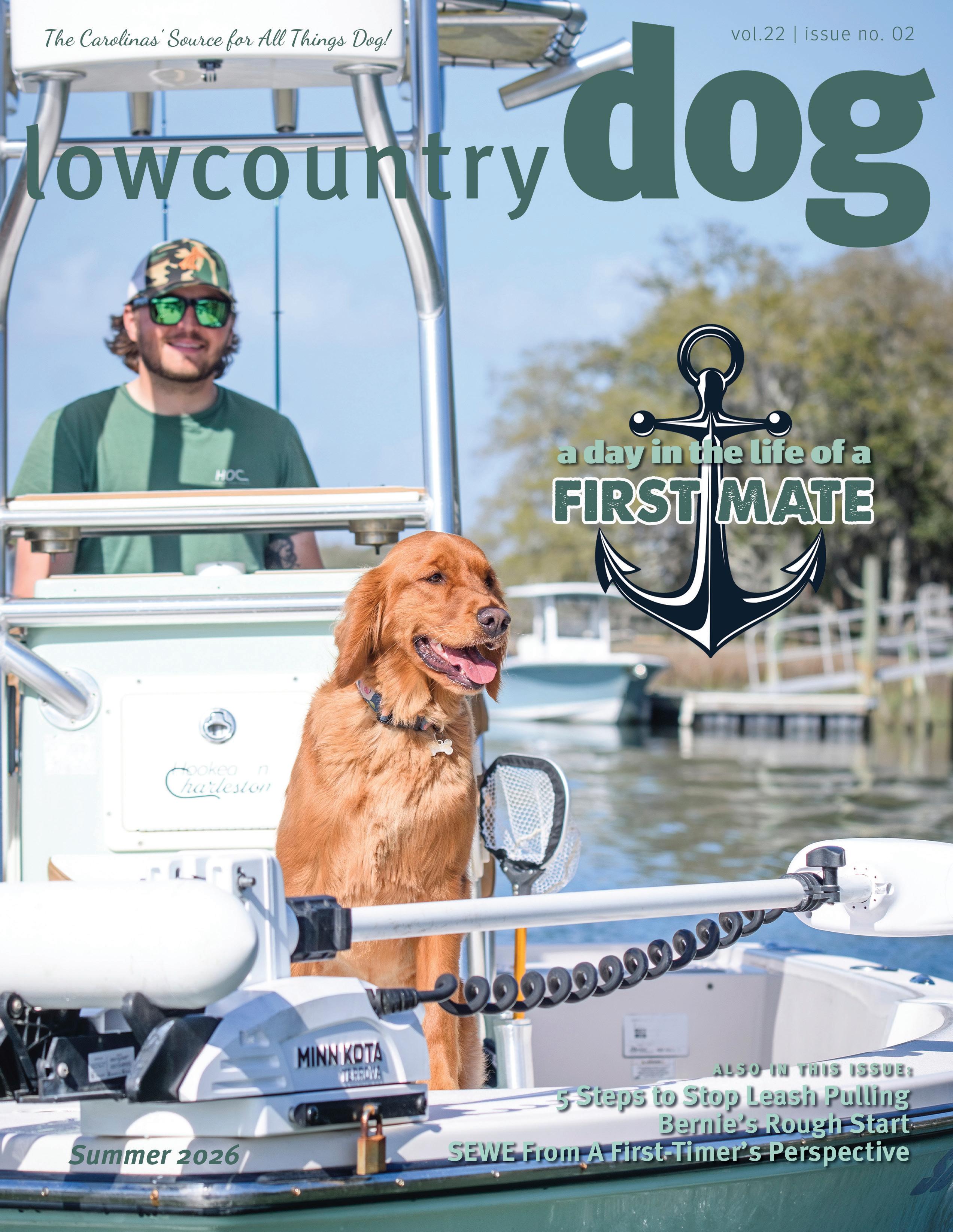
A Day in the Life of a First Mate
WRITTEN BY TULA & SAMANTHA STINNER
Canine Correspondent & Media Assistant
Photos by Jeanne Taylor
All Paws on Deck!
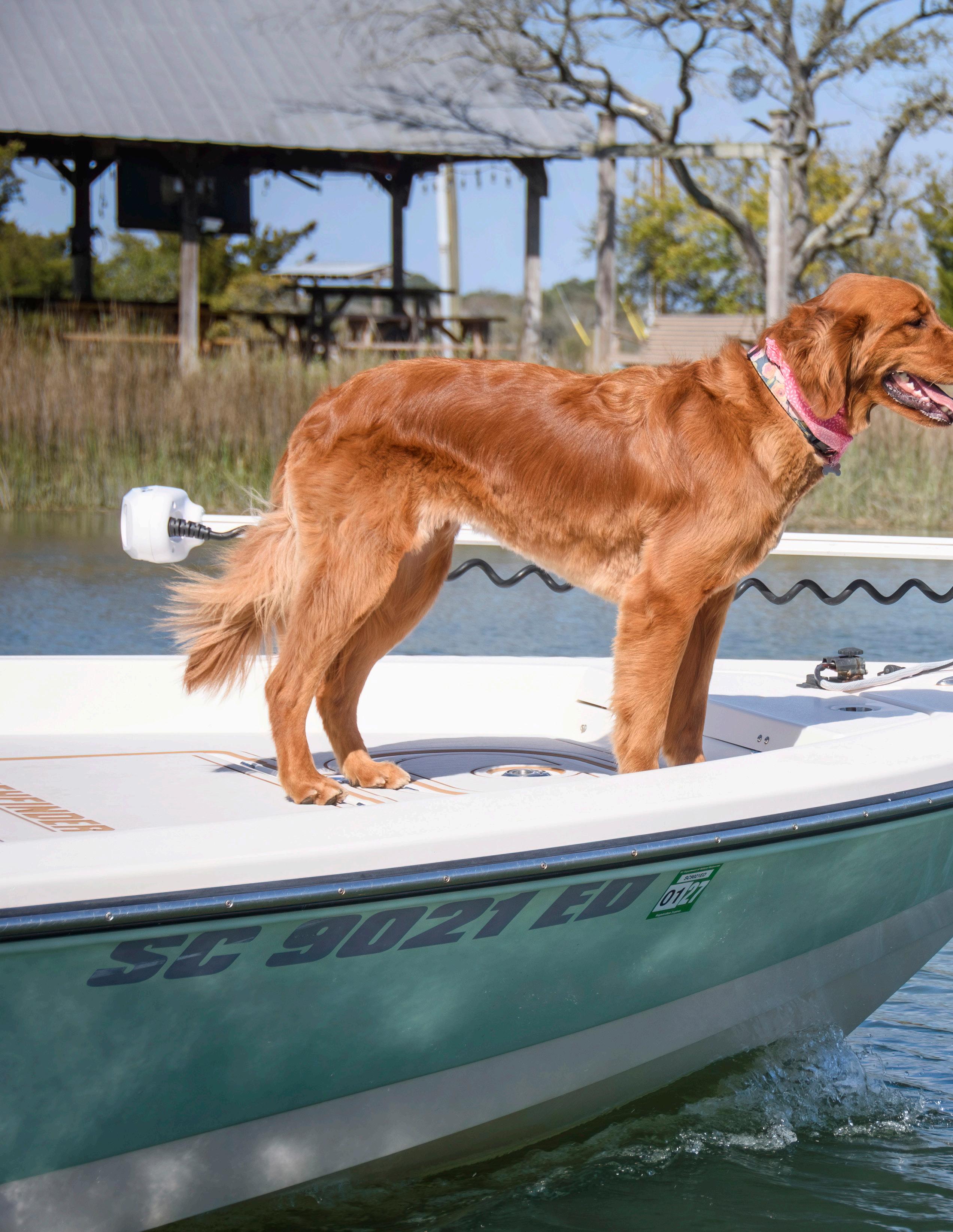
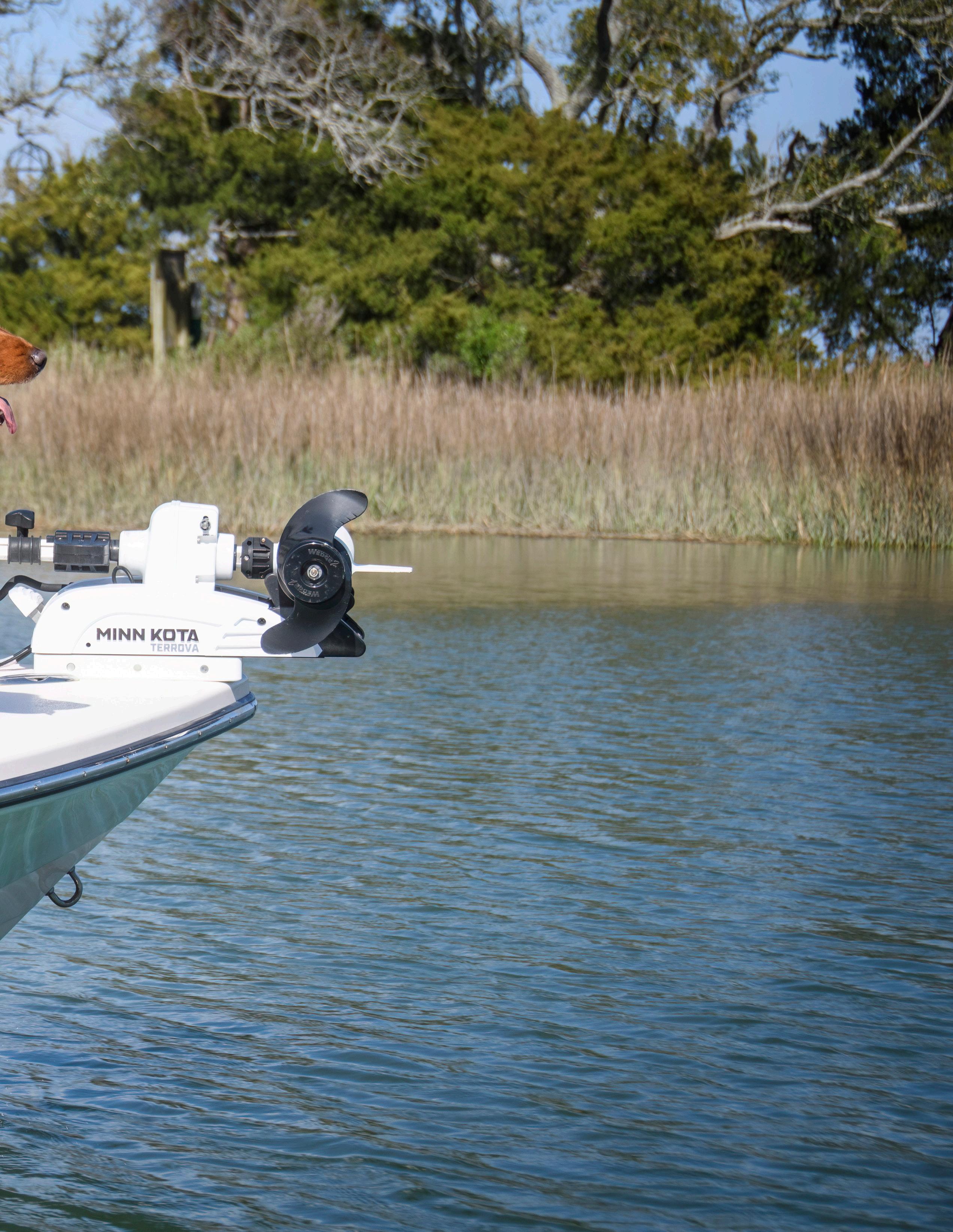
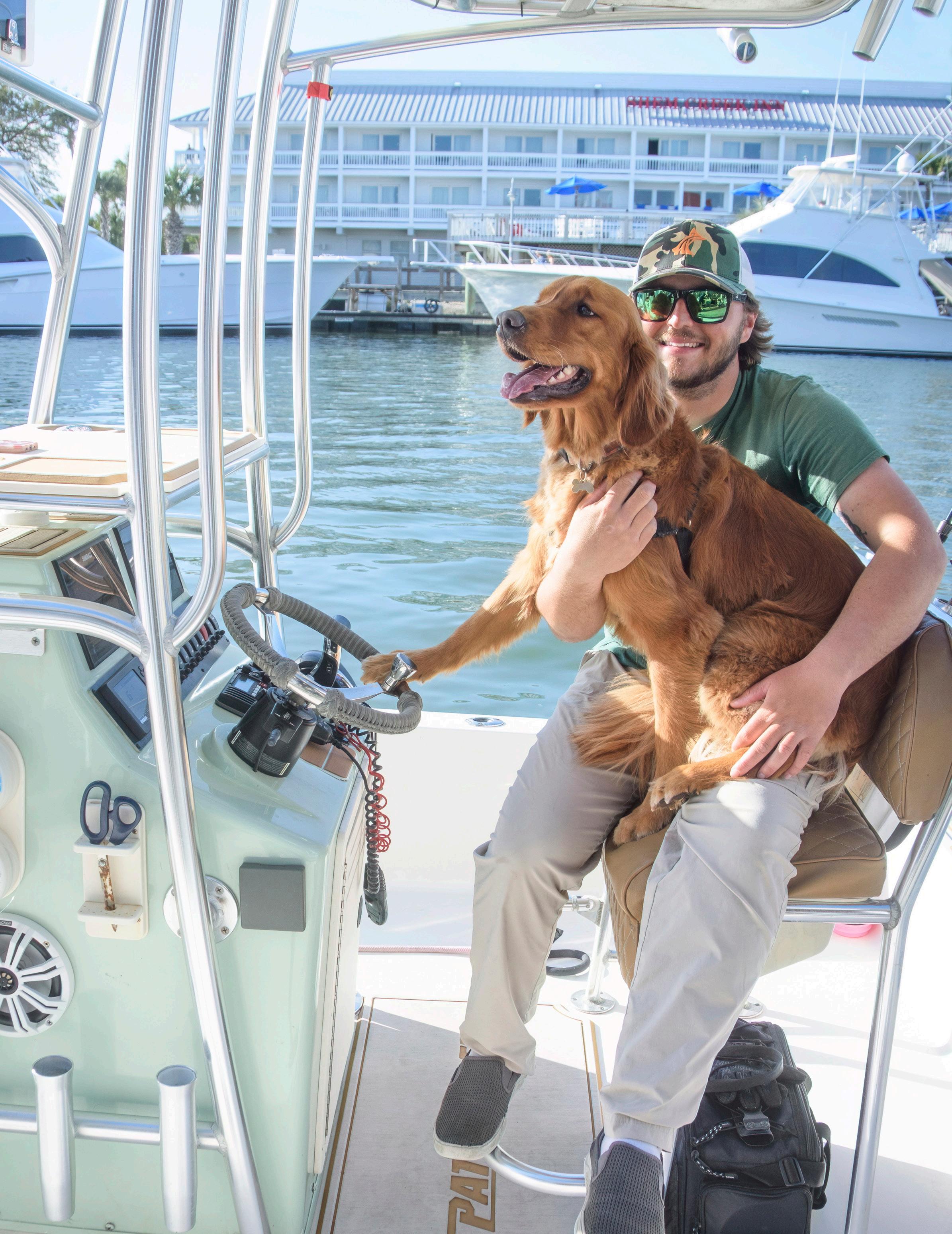
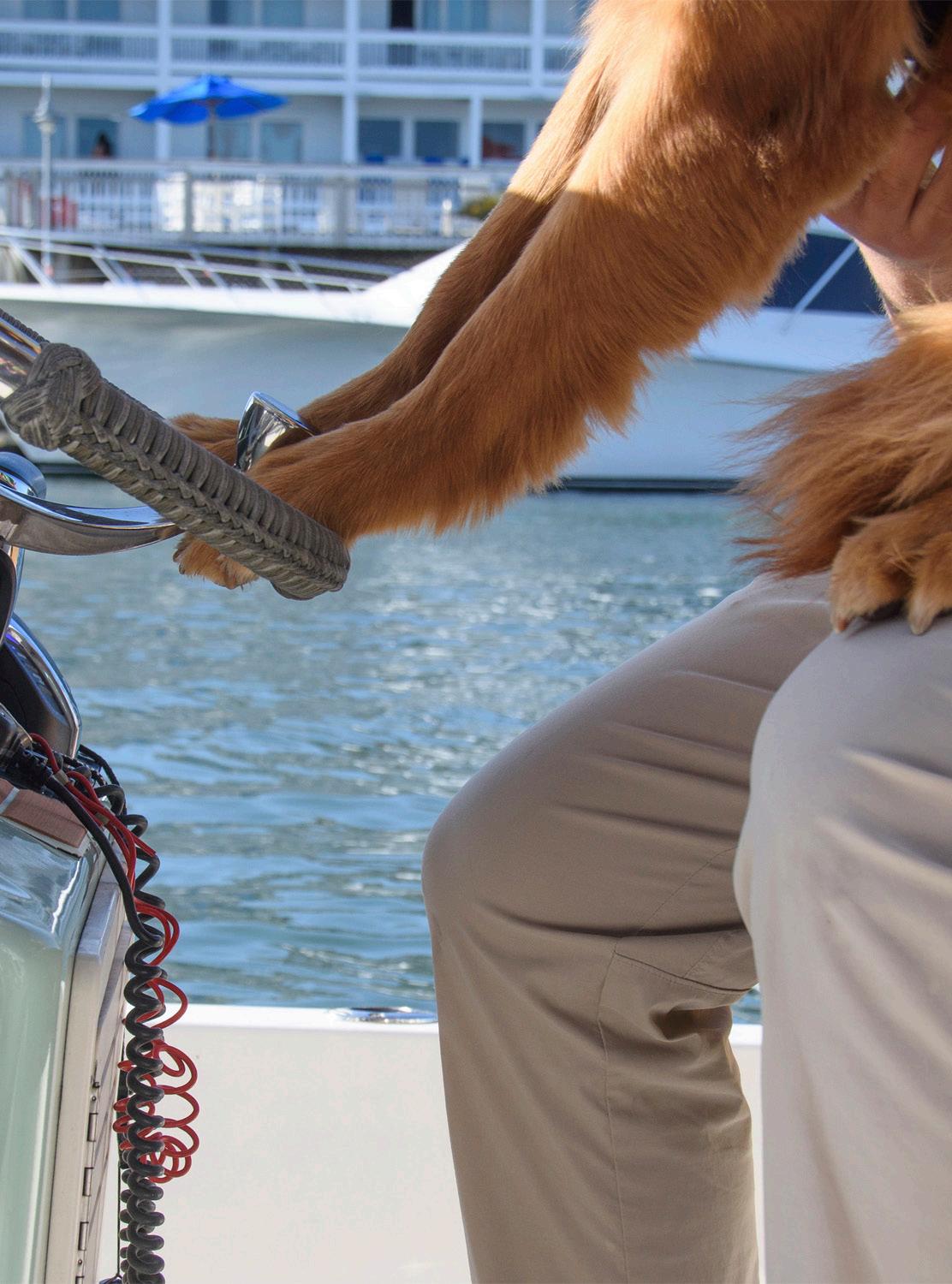
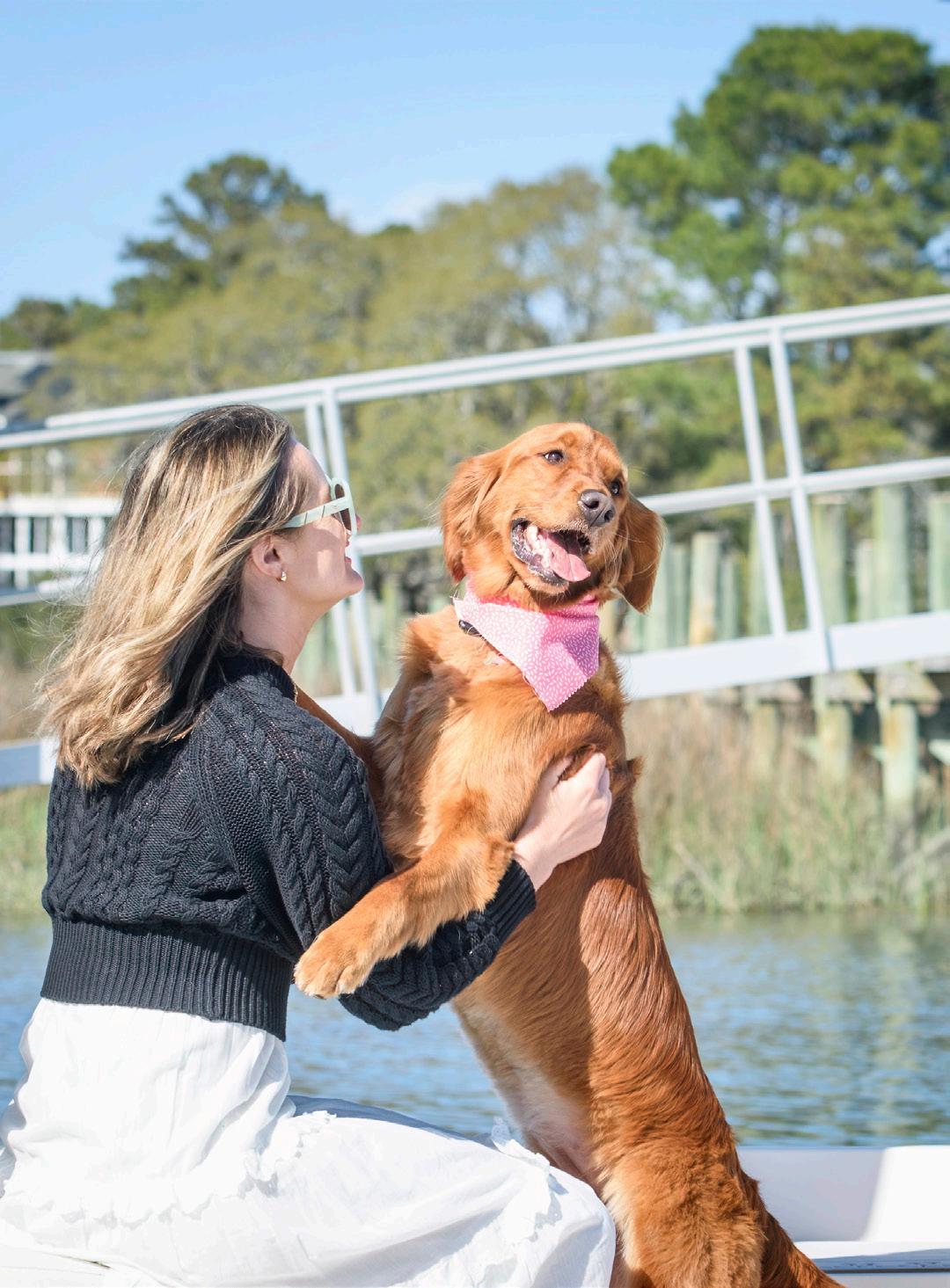
Hi! It’s me, Tula, that wild golden retriever that you may have seen in many of our Instagram reels. Or maybe you’ve seen me strolling somewhere in Mount Pleasant biting my leash, of course, while my mom struggles to walk me. As you probably already know, I serve as the Canine Correspondent for Lowcountry Dog Magazine. But when I’m not reporting to the LCD team, I work for my dad, Captain Bryce, as his first mate! Dive in with me to see what a day in my life looks like as the first mate for Hooked On Charleston!
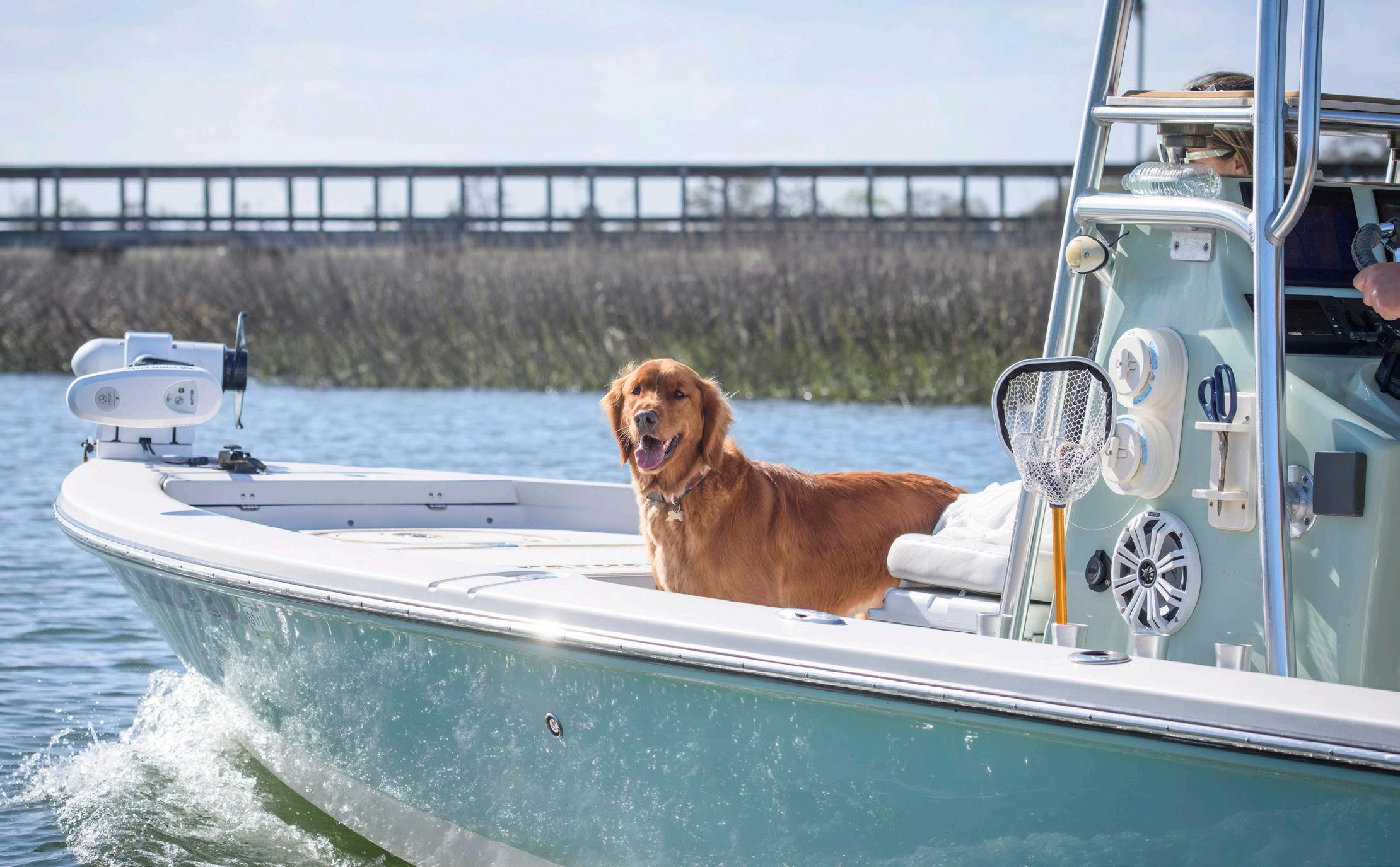
I had my first boat ride at just 10 weeks old, so it’s no surprise that I love being on the water. Sometimes I join him on a charter, but I typically prefer to instead join for the prep because I do require quite a bit of attention. I start the day at the boat ramp where I eagerly wait while dad launches the boat. Once it’s in the water, I hop on like a pro! Unfortunately, I’m not allowed to roam the boat until we are off the dock, because I have a habit of jumping ship to join other people’s fun.
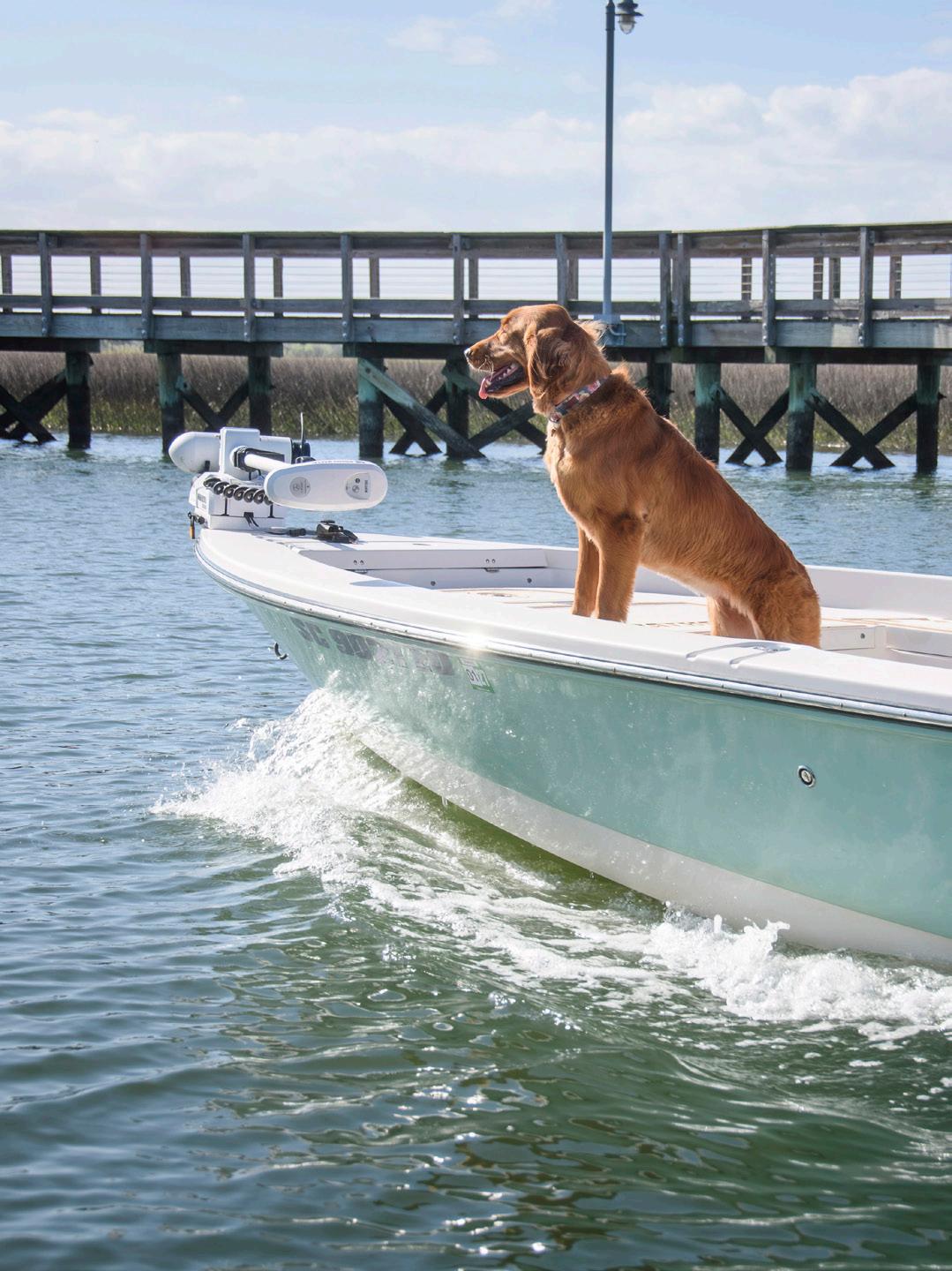
As we start our cruise, I take my place at the bow. I’m on the lookout and one thing that never fails to pique my interest is the birds. Although intrigued, I am far too scared to jump off and swim after them, so I raise my brows and perk up my ears, just admiring their flight from the bow!
While we are underway, I consistently hear people talking about these creatures called dolphins. I’m often too busy looking up to spot a dolphin, but my
parents always get excited when they see those creatures porpoising! My mom tries to point my attention to them, but if you know me, you know I am too overstimulated by all the fun of being on the water to pay attention to it. So I do what I do best: I repeatedly check that my parents and any guests are nearby, making sure we don’t have a man overboard!
After coasting through the creek, we pick up speed, get on plane, and head out to our first mission: to catch bait. We slow down and dad deploys the trolling motor to keep the boat steady. Then, he opens up the hatches to retrieve his gear. I try to stay out of his way, but I do get nosey and like to see what he is doing. I watch as he throws the cast net. He says it’s supposed to look like a flat pancake when he throws it. I sometimes startle at his throw, but am always pumped to see what he is going to catch. What does he normally catch, you may wonder? Mainly shrimp, sometimes menhaden or mullet. I’m not really a fan of any of it but it is fun to peek and see what he’s keeping for his next charter.
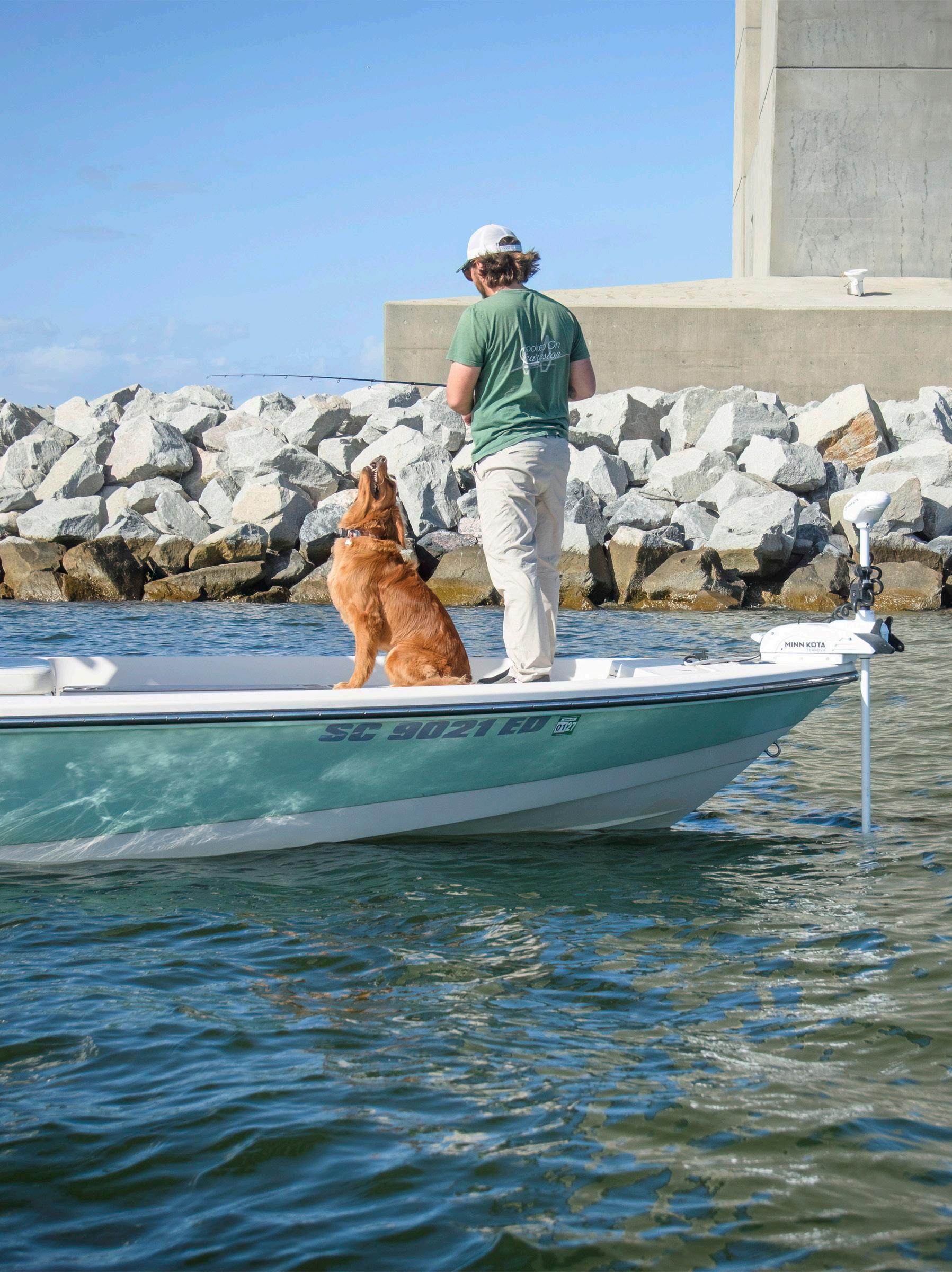
Once the bait has been caught, we head out to scout some good fishing spots. After the trolling motor gets dropped again, my dad begins preparing his fishing gear. At this point, I do what I do best (besides retrieve): I sit and look pretty. I watch dad cast a few lines and my mom is ALWAYS taking videos while he does, but occasionally, she’ll call for me to see what the catch is! Similar to my mom, I am just not a fan of the fish. Truth be told, they scare me! So I hesitantly stay near dad as he reels in the fish, because I am uncertain on what those odd creatures might do to me. I pose for my dad’s instagram, sure, but after that, I am back to relaxing. If I’m being honest, I’m just here for the boating experience.
Once we are done scouting fishing spots for dad’s upcoming charters, we go full throttle back to the creek. I get a little hesitant when we go that fast, so I stay close to my parents. There is something thrilling about my ears flopping in the wind and the saltiness in the air! As we slow down to get back to the dock though, I hop back to my spot on the bow. My gorgeous golden hair is in knots, but my heart is full.
Before pulling the boat out of the water, my parents insist on having a drink at Sunsets. They like going there to reminisce on their engagement that I was a part of right here at Shem Creek! I think back to standing on my dad’s boat as I watched him propose to my mom from the water. My grandma was holding some sort of sign and I wiggled with happiness until they let me on the dock to celebrate with my parents. Sunsets on Shem Creek will always have a special place in our hearts.
At this point, my energy has tanked! I typically end my trips with a quick car ride home, where I immediately slurp up some fresh water and let whatever is on my face drip off to puddle on the floor. After rehydrating, I shuffle over to a cold spot on the floor, slide down, and offer a big sigh of relief. It’s not easy being a working dog. Time to take a snooze before I clock back in for Lowcountry Dog Magazine! ■
PS - big thanks to John for driving a chase boat for our journey to bring you these photos!
Local Dog Events
05/23/2026 Adopton Event for Libby & Mace’s Place Nexton 12 pm to 3 pm
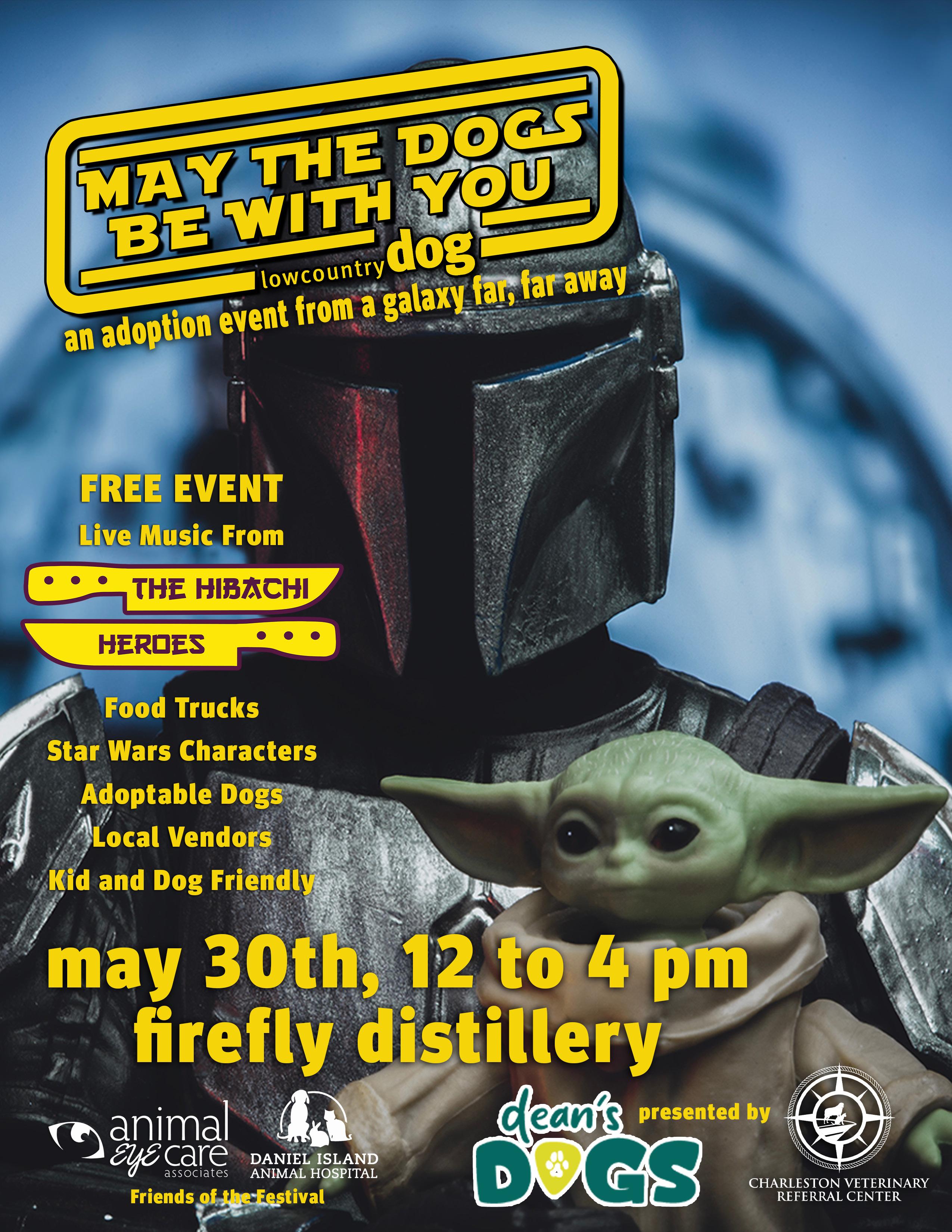
05/30/2026 MAY THE DOGS BE WITH YOU FESTIVAL Firefly Distillery 12 to 4 pm
06/01/2026 to 06/30/2026 Voting open for 2026 Model Contest at lowcountrydogmodels.com
06/13/2026 Pints for Paws Stones Throw Brewing 12 pm to 5 pm
06/24/2026 Pups on the Pitch with the Charleston Battery
08/15/2026 Prom for Paws Lowcountry Conference Center 7 pm
09/20/2026 The Pawty Summerville Country Club 2 pm to 6 pm
09/26/2026 RESCUE ME Cypress Gardens 9 am to 4 pm
11/01/2026 DIA DE LOS PERROS location tbd
CHARLESTON RIVERDOGS DOG DAYS GAME
06/02/26
06/09/26
06/23/26
07/21/26
08/04/26
08/18/26
09/01/26
Check out our Events page for even more local events and check for date changes. www.lowcountrydog.com/events
In The News
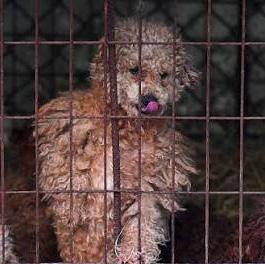
Shelter at capacity after 15 dogs seized from Summerville-area garage
The Charleston Animal Society’s Berkeley Campus is at capacity after authorities seized 15 dogs found living in a garage near Summerville. Berkeley County deputies went to a neighborhood in the Summerville area to investigate a report of an unknown odor coming from a garage. The investigation led to the removal of 15 dogs, which were taken to the animal society’s Berkeley Campus for medical attention and care while the case continues.
2 arrested, 33 dogs saved after SLED uncovers alleged dogfighting case in Horry County
Thirty-three dogs were rescued by the South Carolina Law Enforcement Division following an investigation into dogfighting in Horry County.
Facing the brunt of the charges is Prentice Shiobhan Jackson, 47. Jackson is accused of 33 counts of ill treatment of animals, 16 counts of animal fighting or baiting and criminal conspiracy. Also arrested was Rontisha Elena Huggins-Jackson, 48, who is charged with criminal conspiracy.
South Carolina lawmakers look to crack down on ‘Puppy Mills’
A bill in the South Carolina Senate aims to crack down on so-called “puppy mills” by creating new licensing, inspection, and care standards for professional dog breeders, a move supporters say would better protect animals and consumers.
The proposal, sponsored by Sen. Deon Tedder, D-Charleston, would establish requirements that currently do not exist in state law, specifically targeting large-scale breeding operations often linked to inhumane conditions.
Click images above to read the full story. For more top stories, visit www.lowcountrydog.com/top-stories
The Bridge Between an Animal’s Past and Their Forever
WRITTEN BY NATALIE GARBER Staff Writer
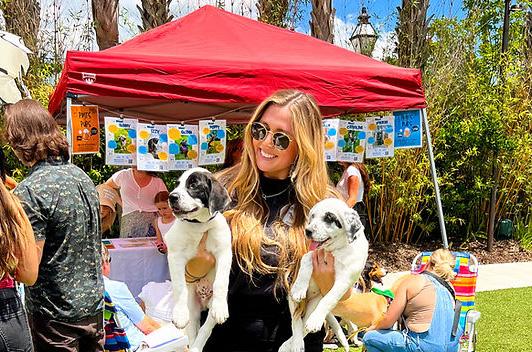
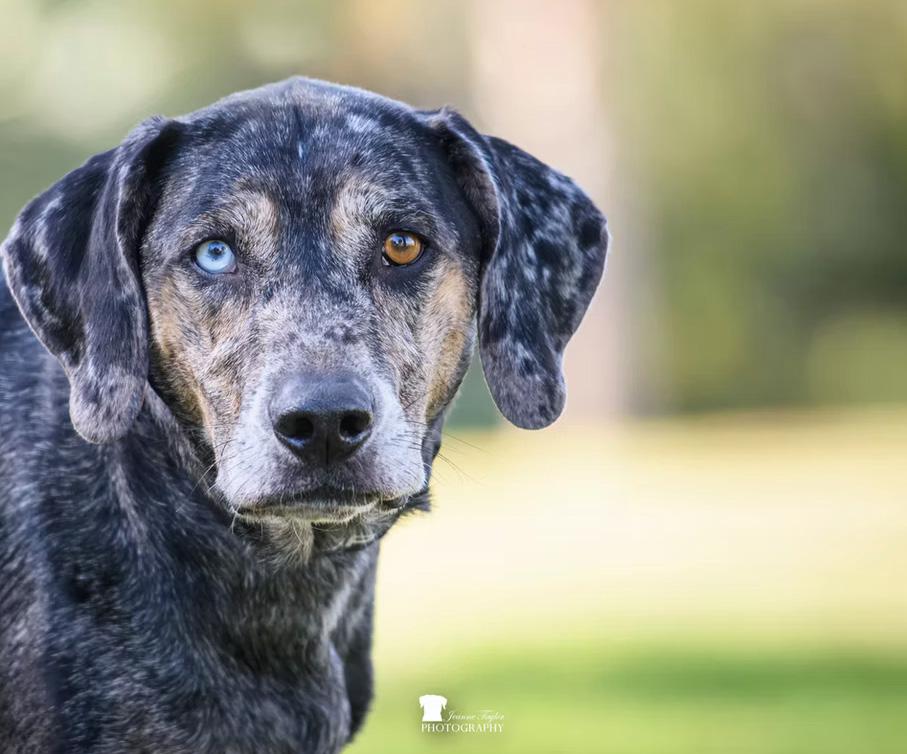
This is the story of The Bridge Between Animal Rescue, a 501(c)(3) nonprofit organization based in Charleston, and founded in 2022. While rooted in Charleston, their reach extends across the Carolinas. Their mission is simple, yet powerful: to help abandoned, neglected, and fearful animals by providing essential veterinary care and placing them into loving, suitable homes—bridging the gap between an animal’s past and their future.
The rescue was founded by Carly, whose passion for animal advocacy began early. Raised in a home full of animals, she grew up understanding that every life matters, no matter how big or small. She began fostering animals during college, and from there, her journey naturally evolved into creating a rescue dedicated to giving animals a second chance.
At the heart of the organization is what they call “The Bridge.” More than just a name, it’s a lifeline. The Bridge is a dedicated space where animals rescued from shelters can stay when no foster home is immediately available. It provides a safe, temporary environment where they can begin healing, physically and emotionally, while awaiting the next step in their journey. The team is currently working to complete a new and improved Bridge facility, expanding their ability to help even more animals in need.
Some stories stay with you.
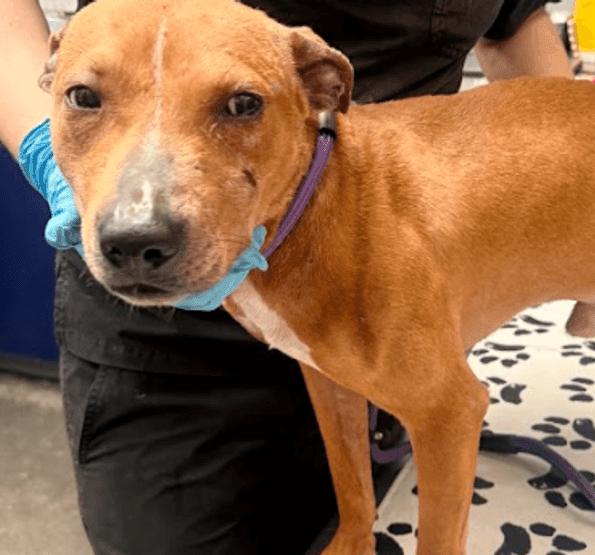
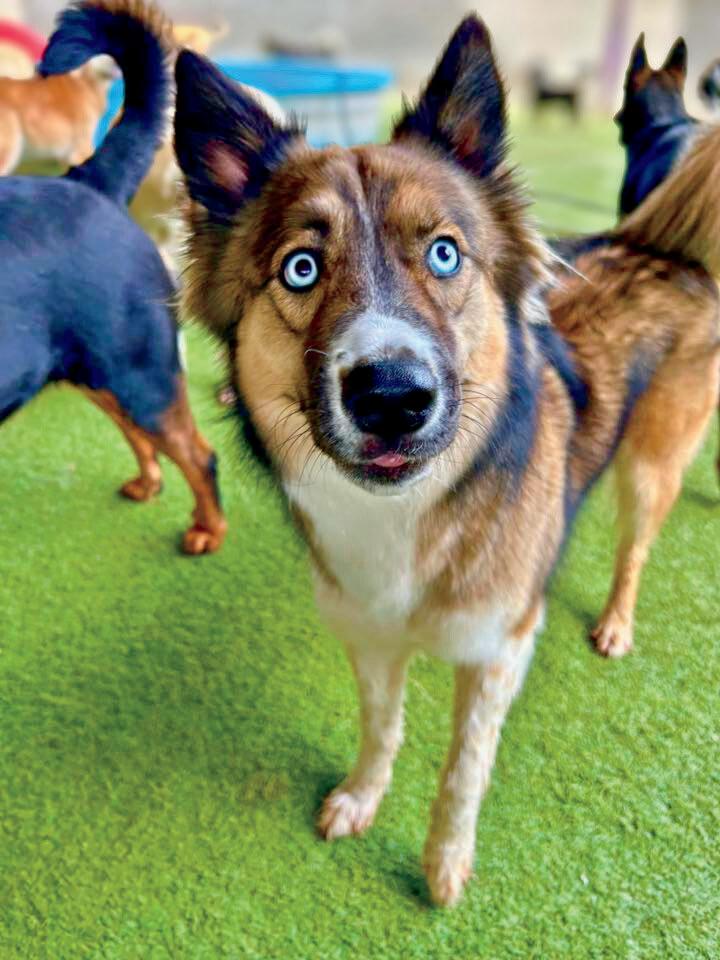
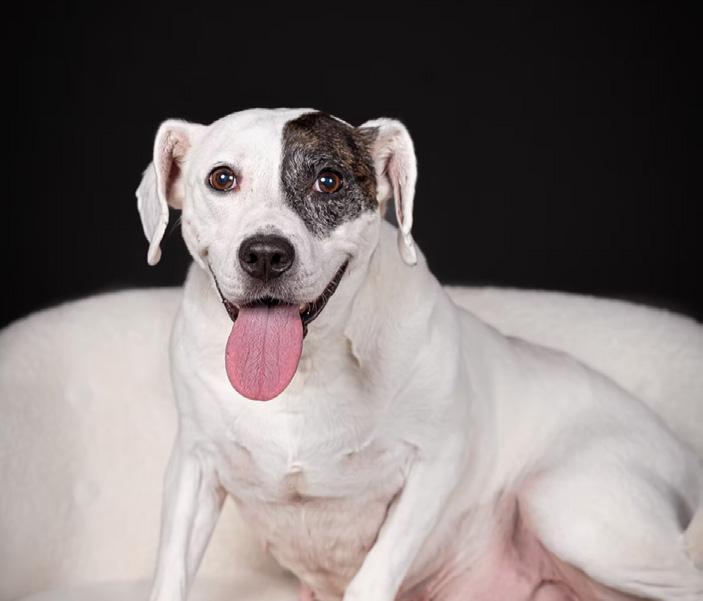
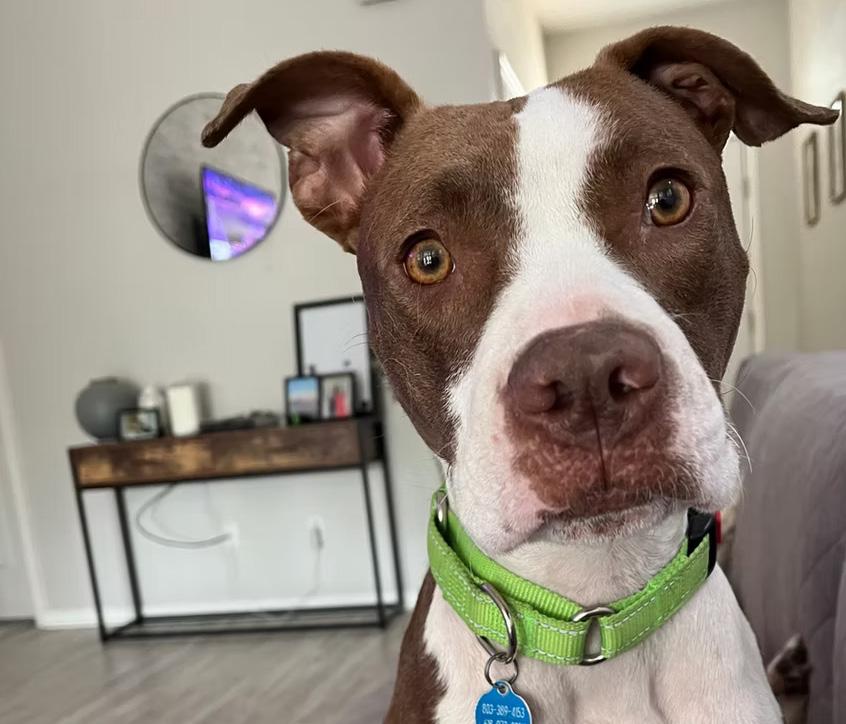
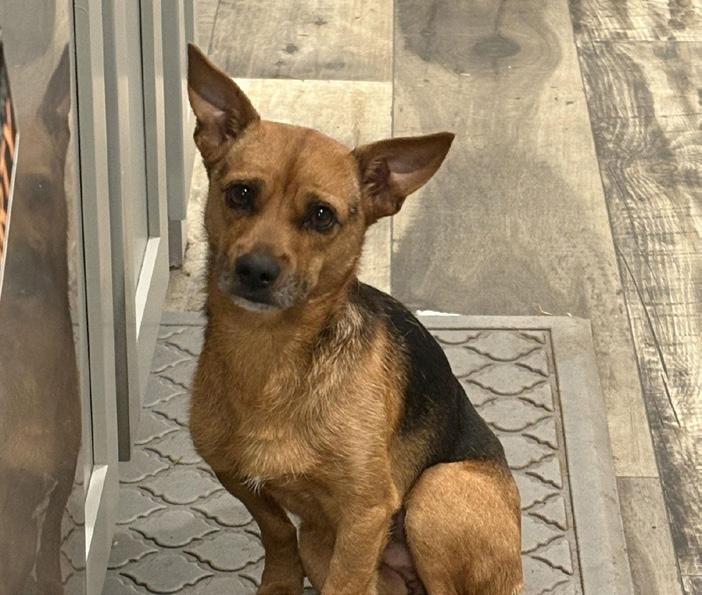
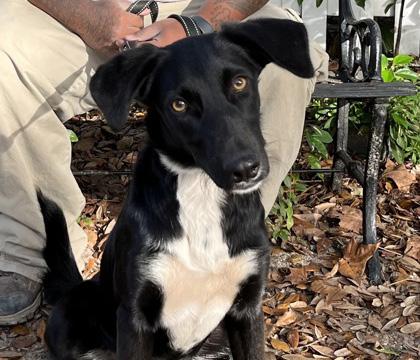
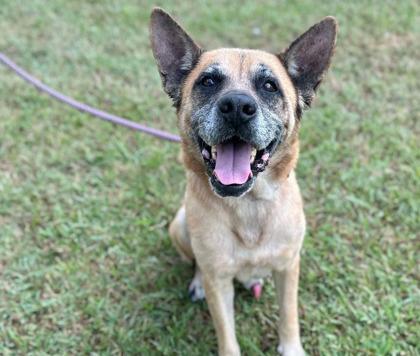
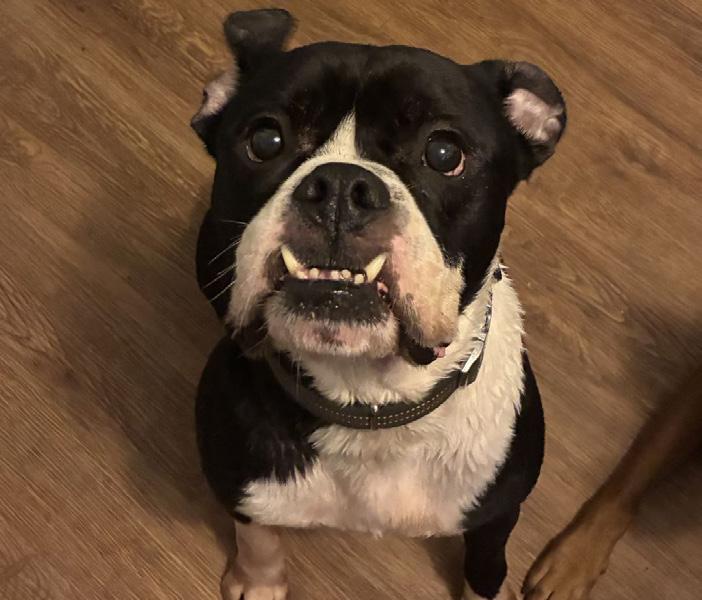
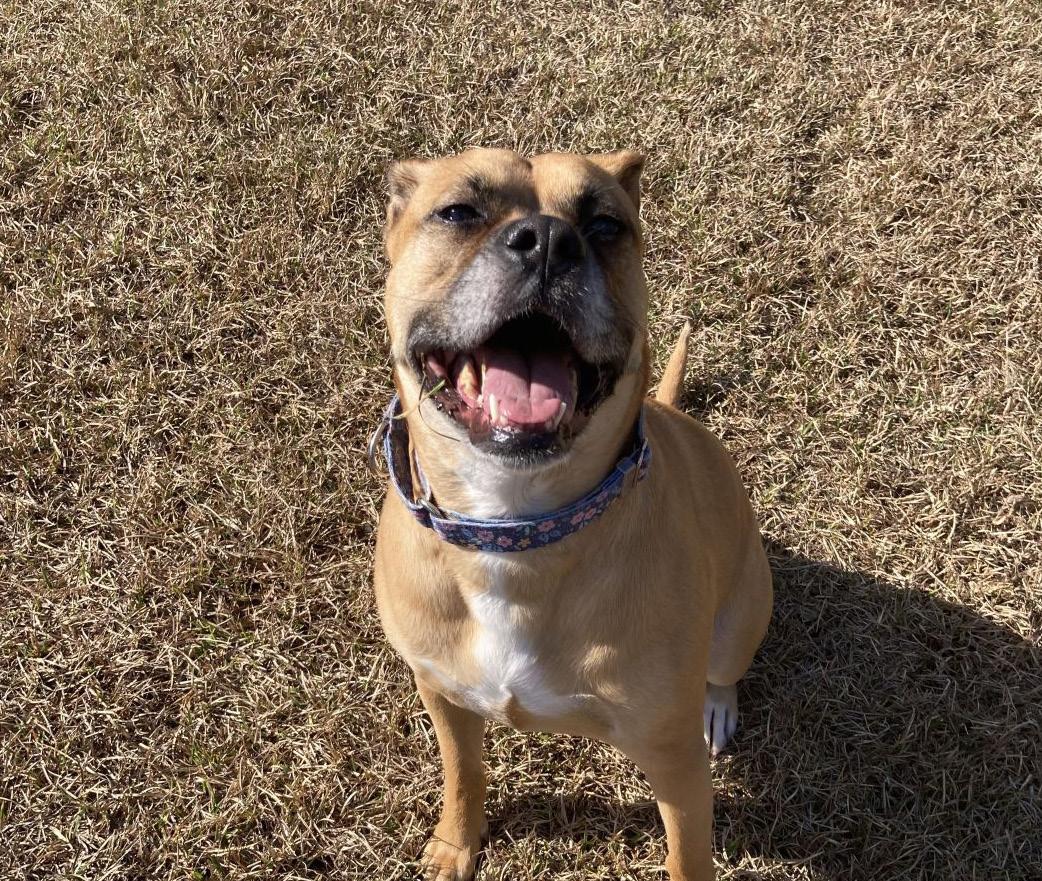
Kela has been waiting for her forever home for over a year and a half. Imagine watching hundreds of other animals find families while you patiently remain behind, still hoping your turn will come. Then there’s Eloise, a small terrier mix who arrived covered in ticks, lice, and fleas, suffering from a painful eye ulcer that will require removal. Despite everything, she continues to fight, showing resilience and trust.
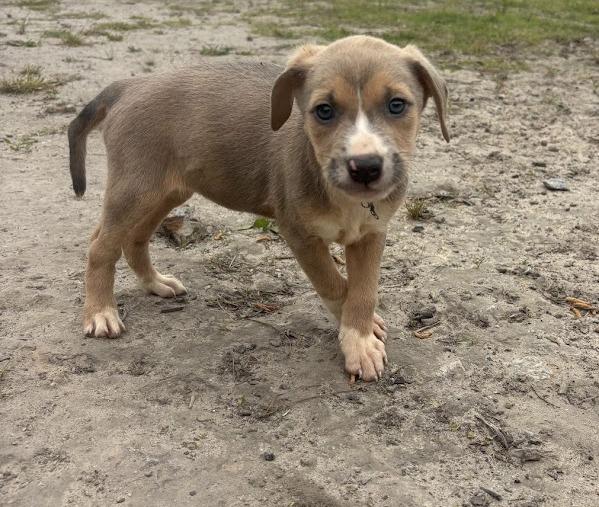
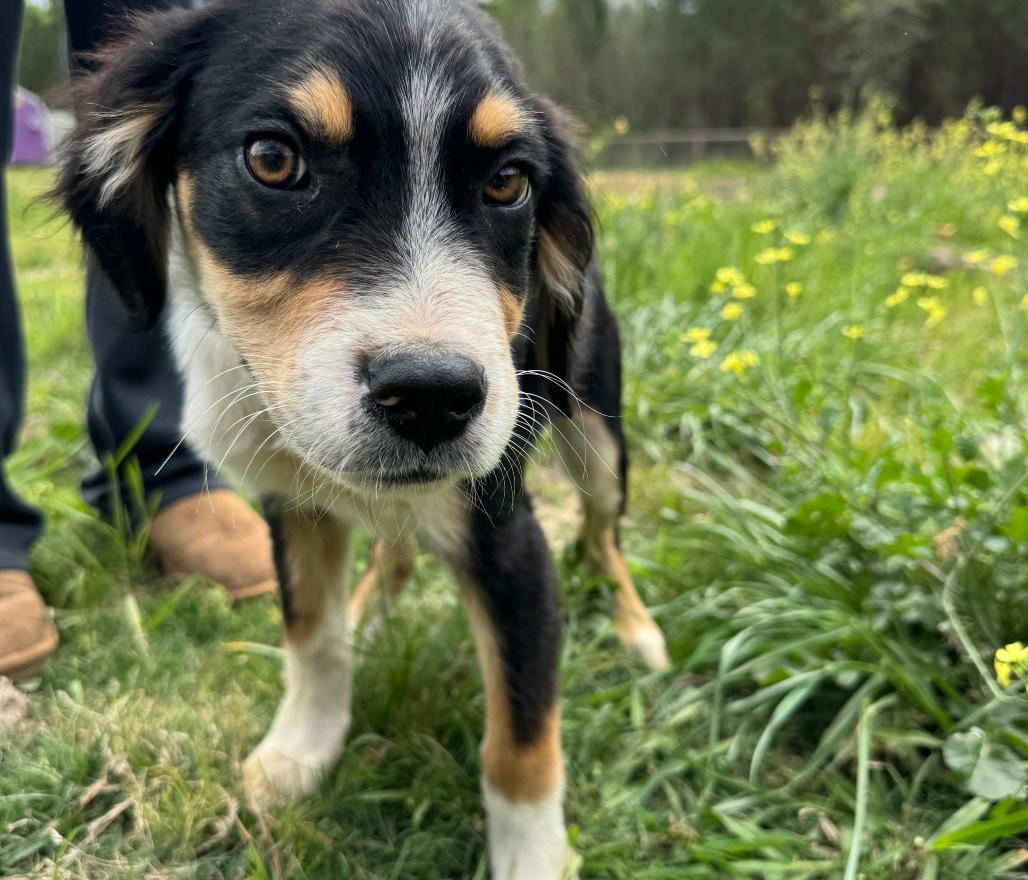
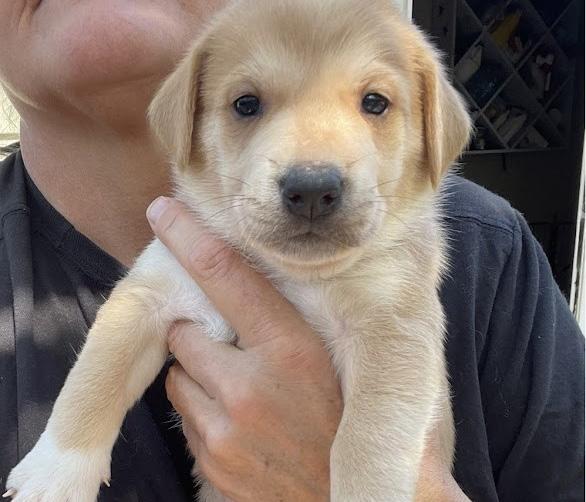
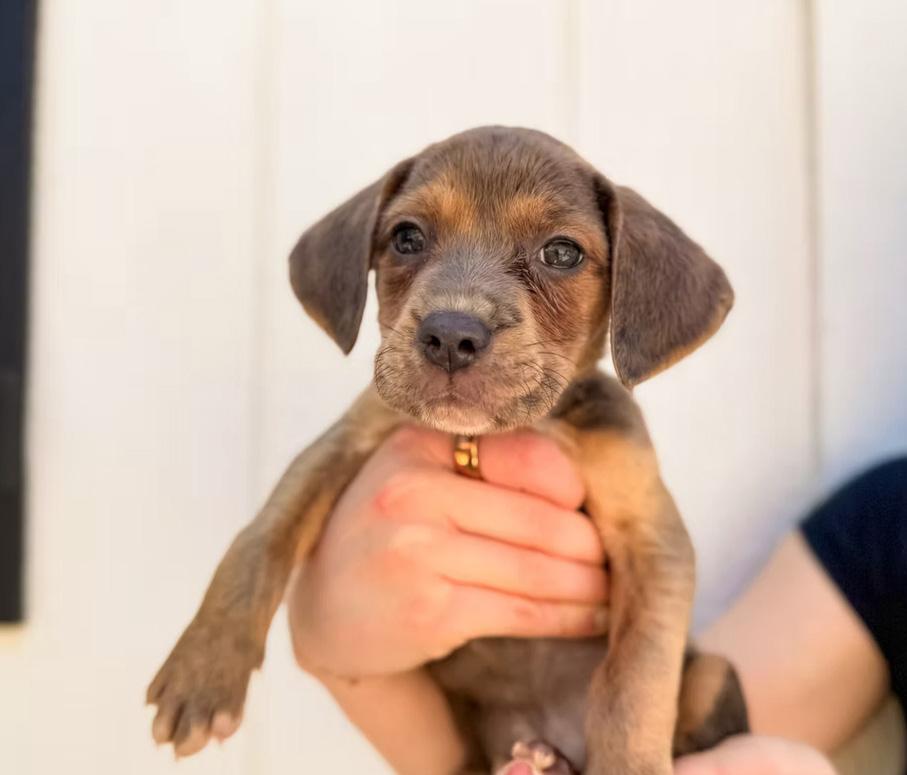
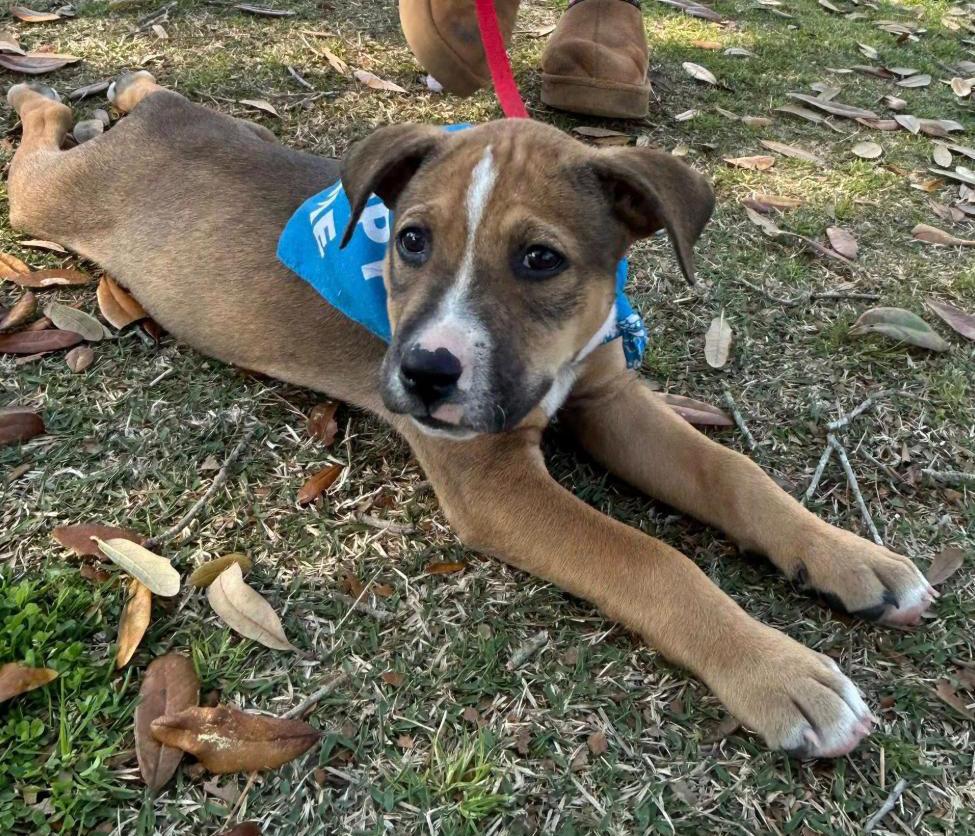
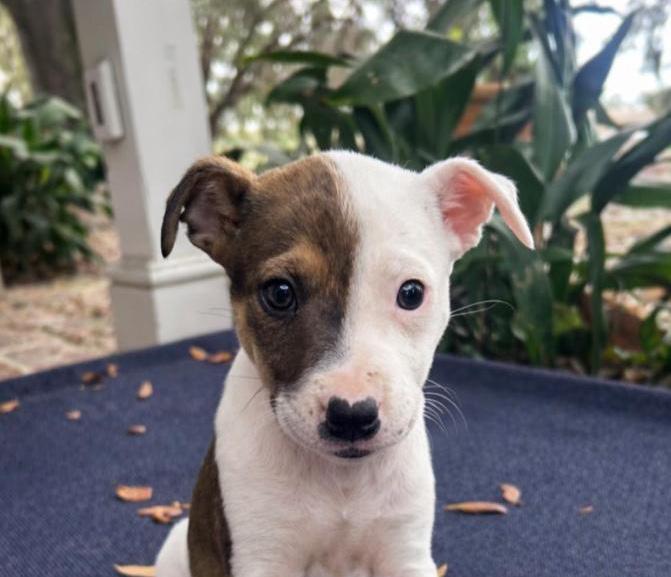
And yes—there are puppies too. Full of life, energy, and the promise of brighter days ahead. So, how can you help?
The Bridge Between Animal Rescue is always in need of fosters, transporters, and adopters. If opening your home isn’t an option, volunteering your time or making a donation can make a lifechanging difference. ■