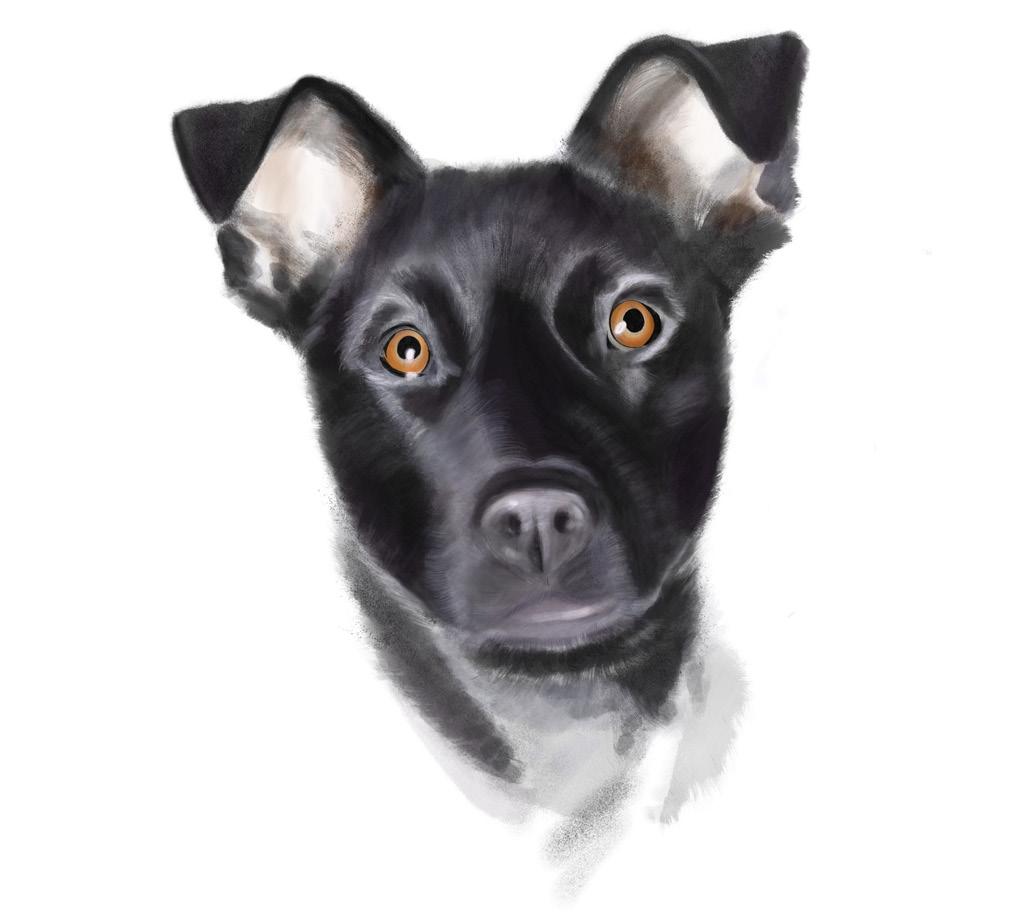
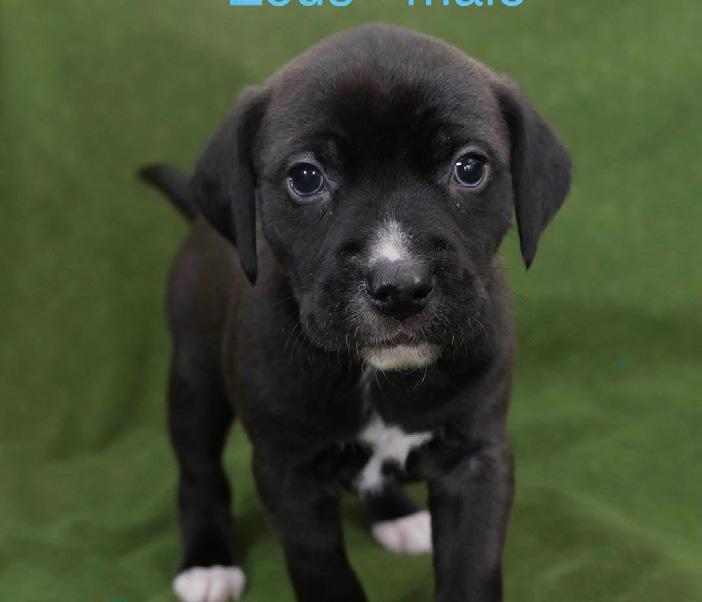
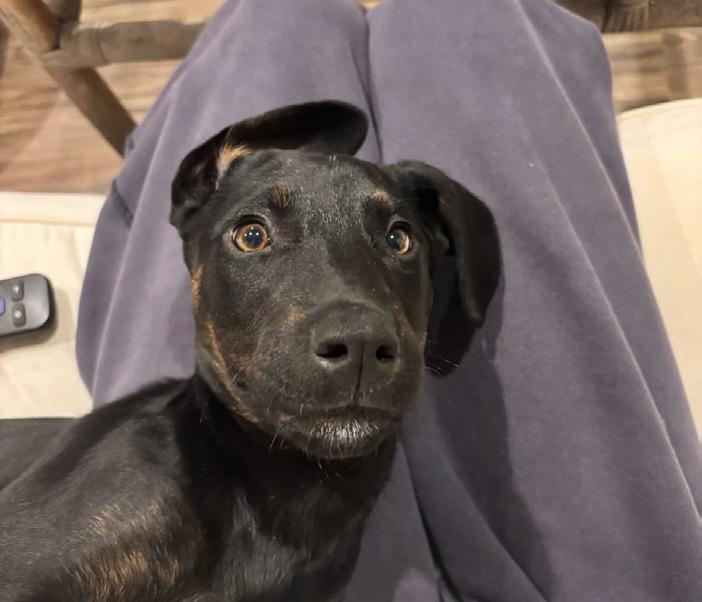
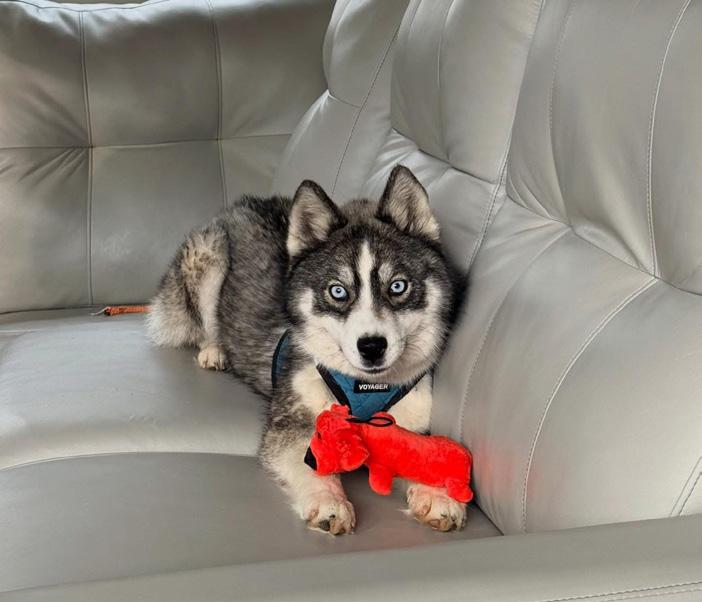
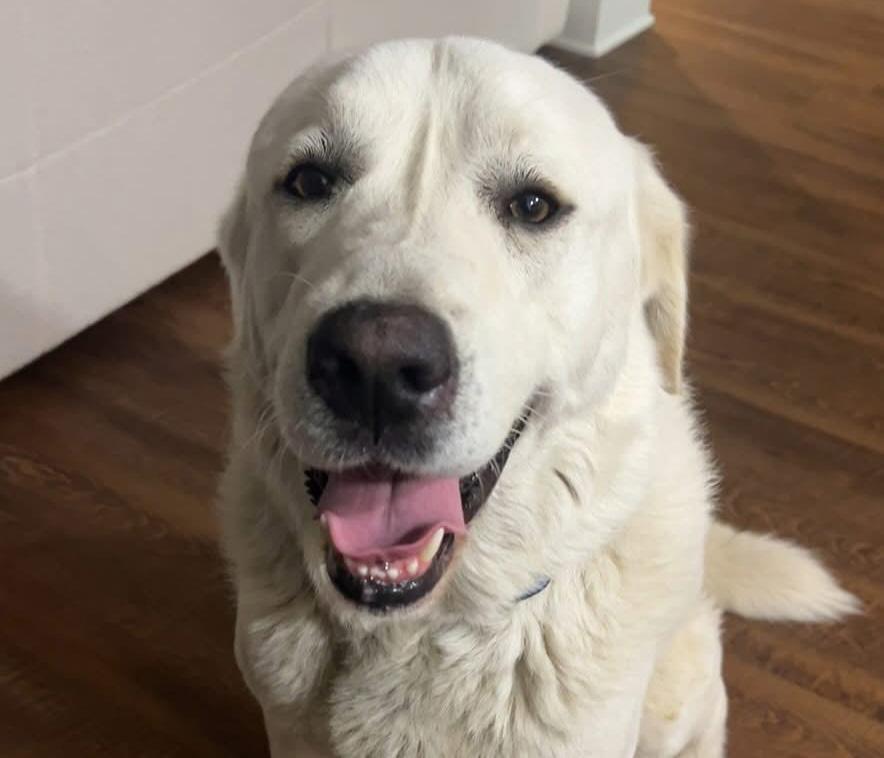
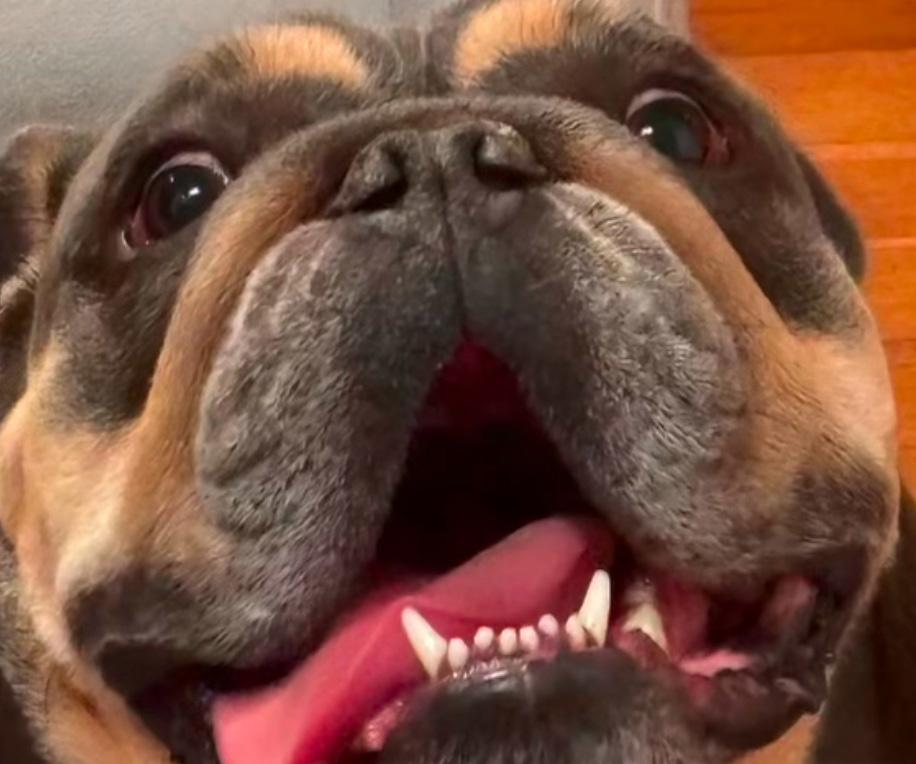
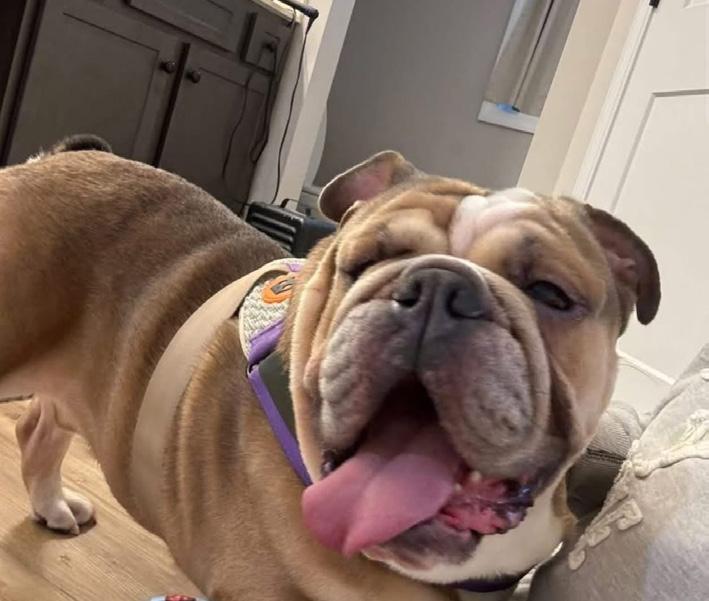
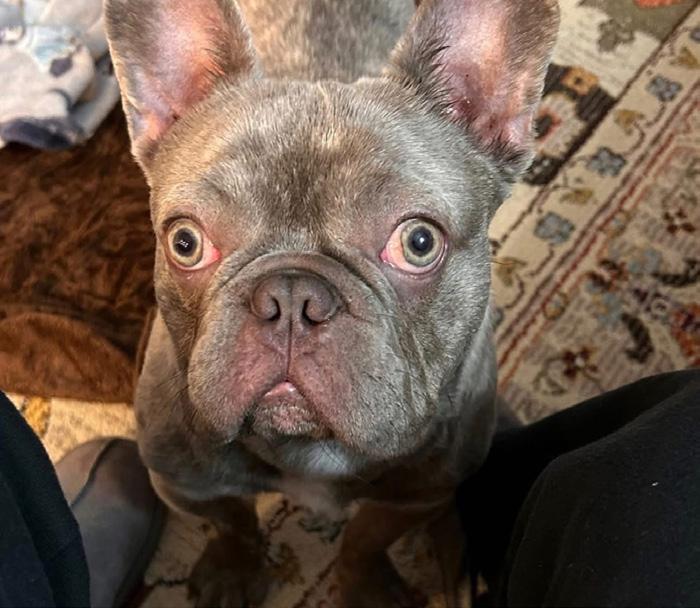
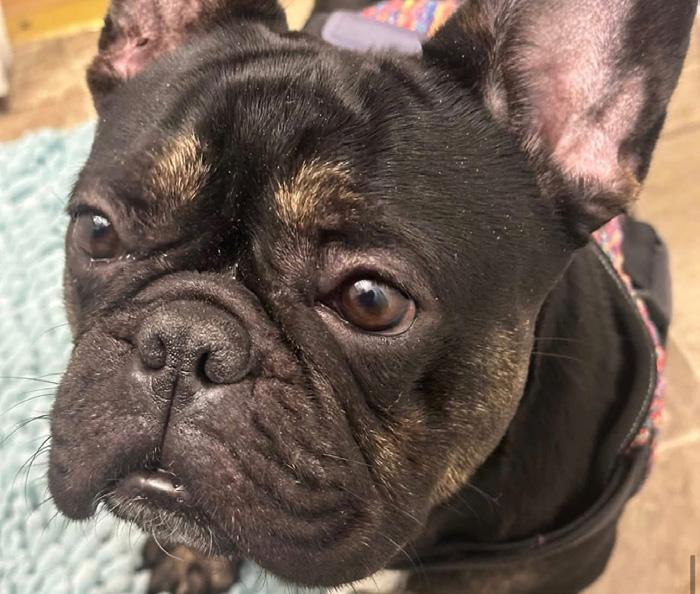
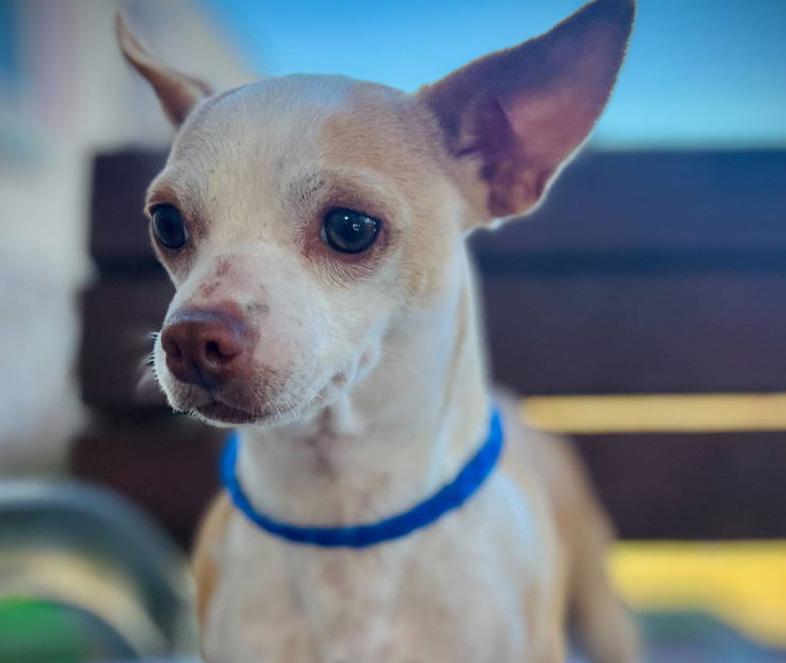
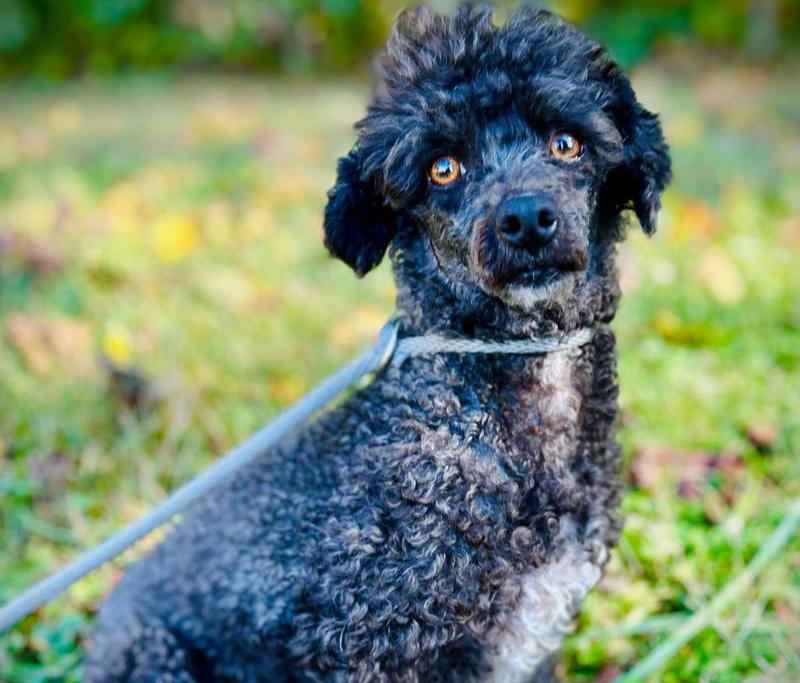
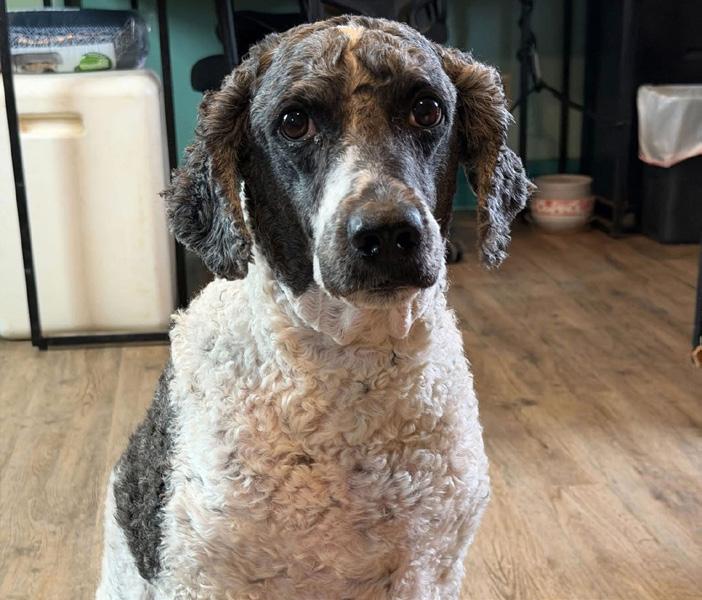
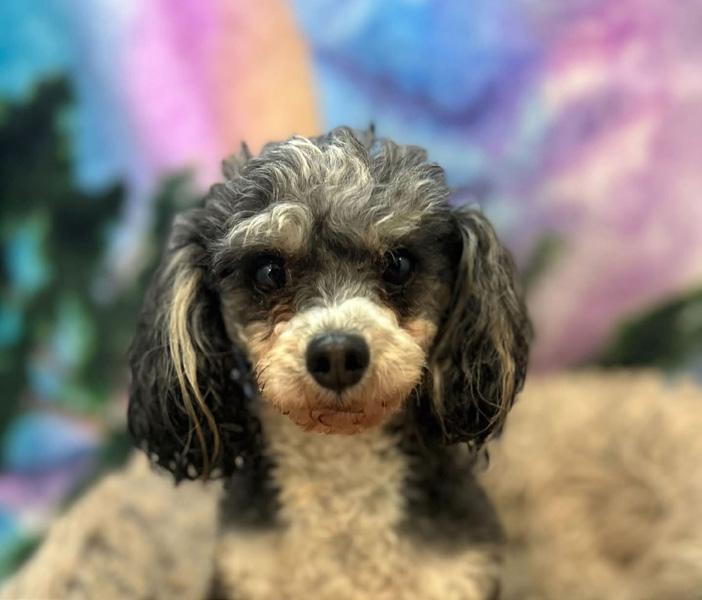
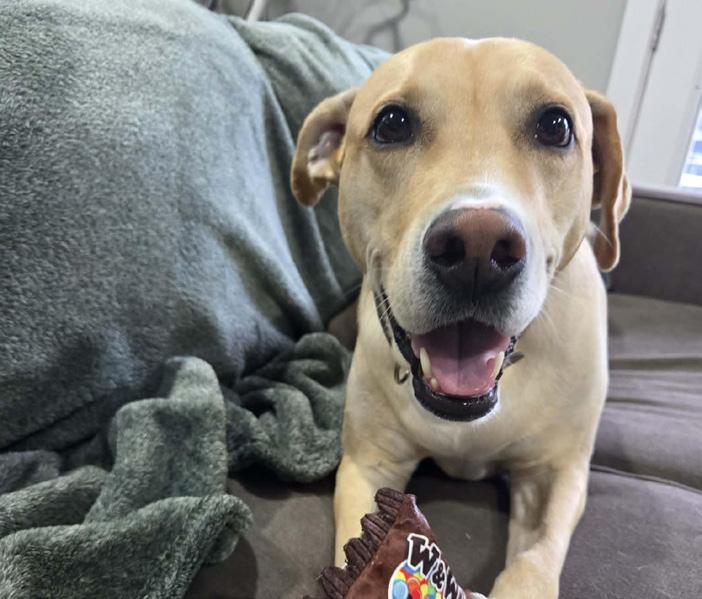
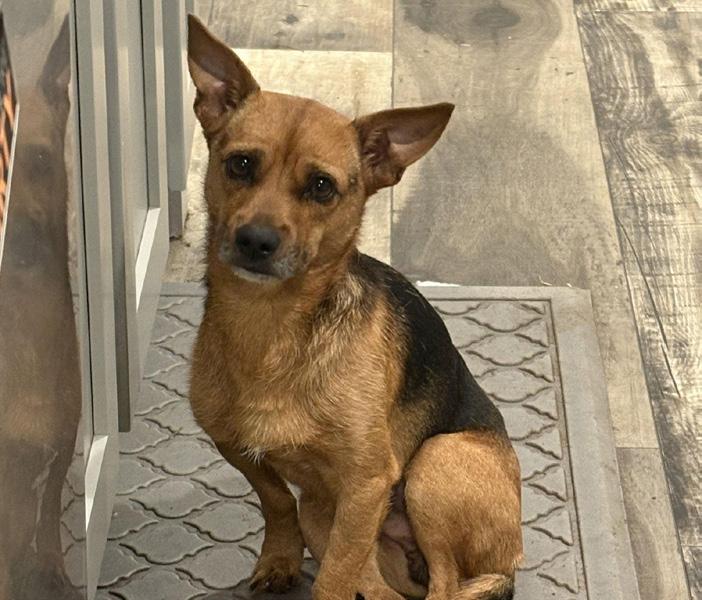
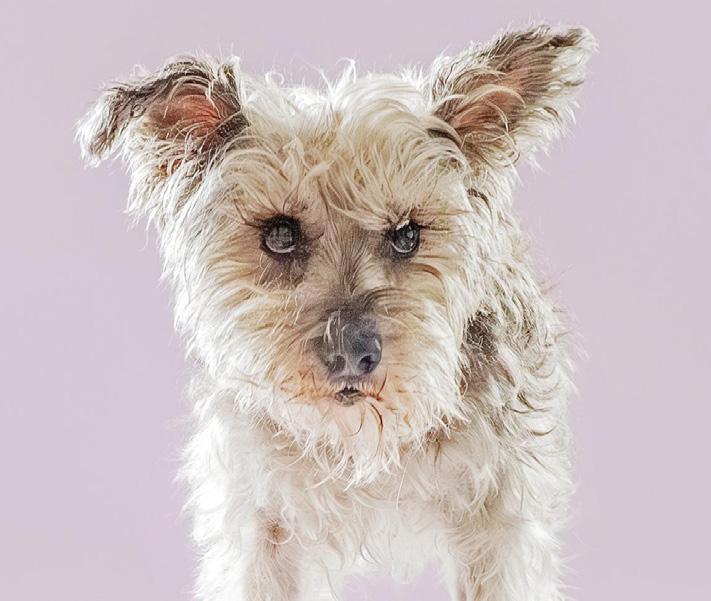
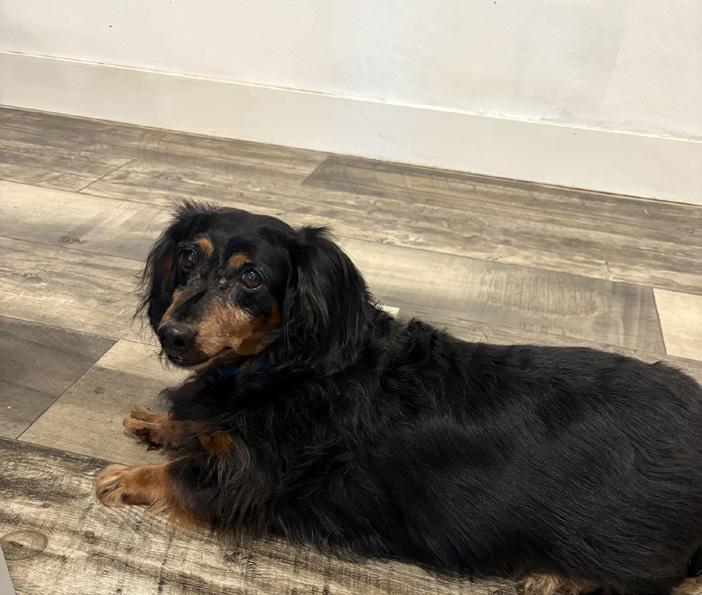
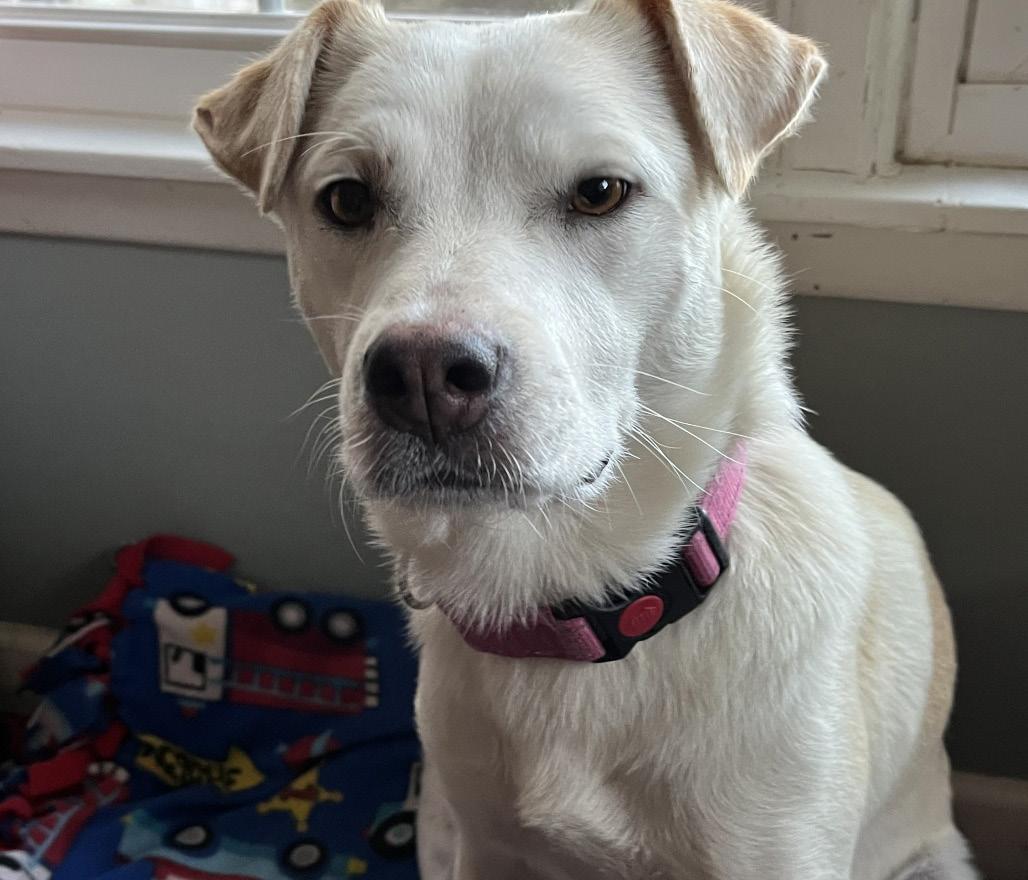
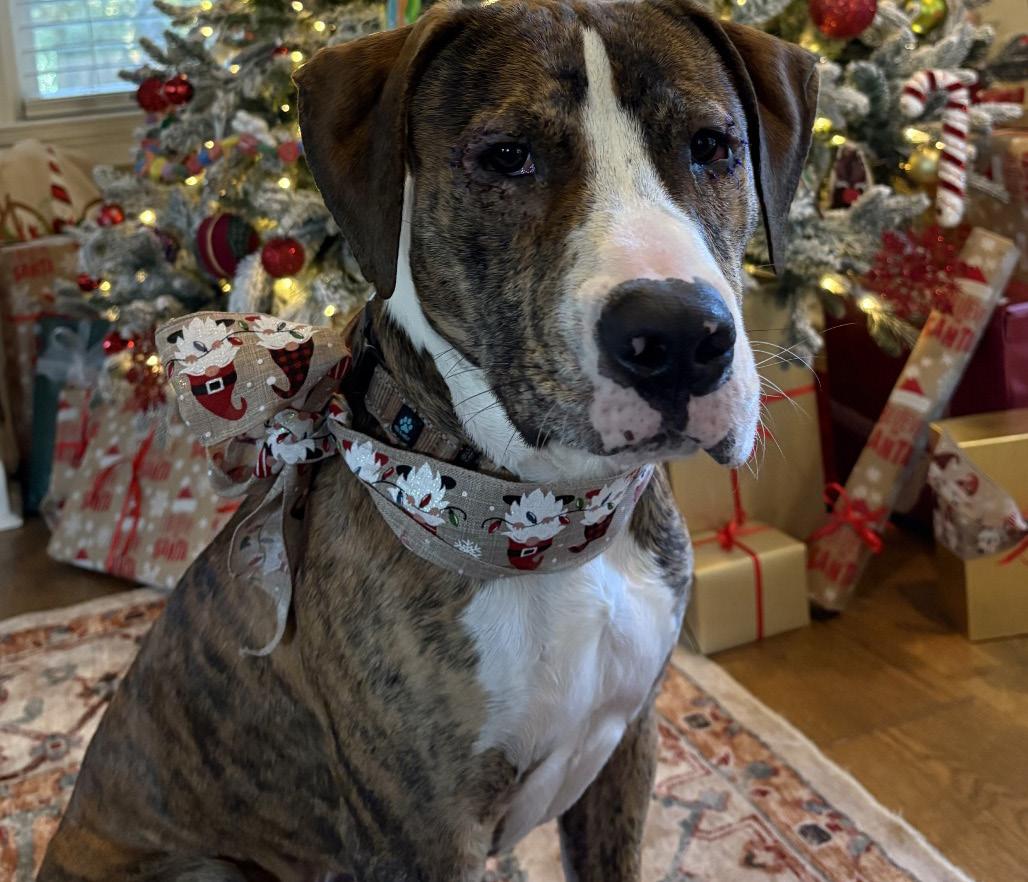
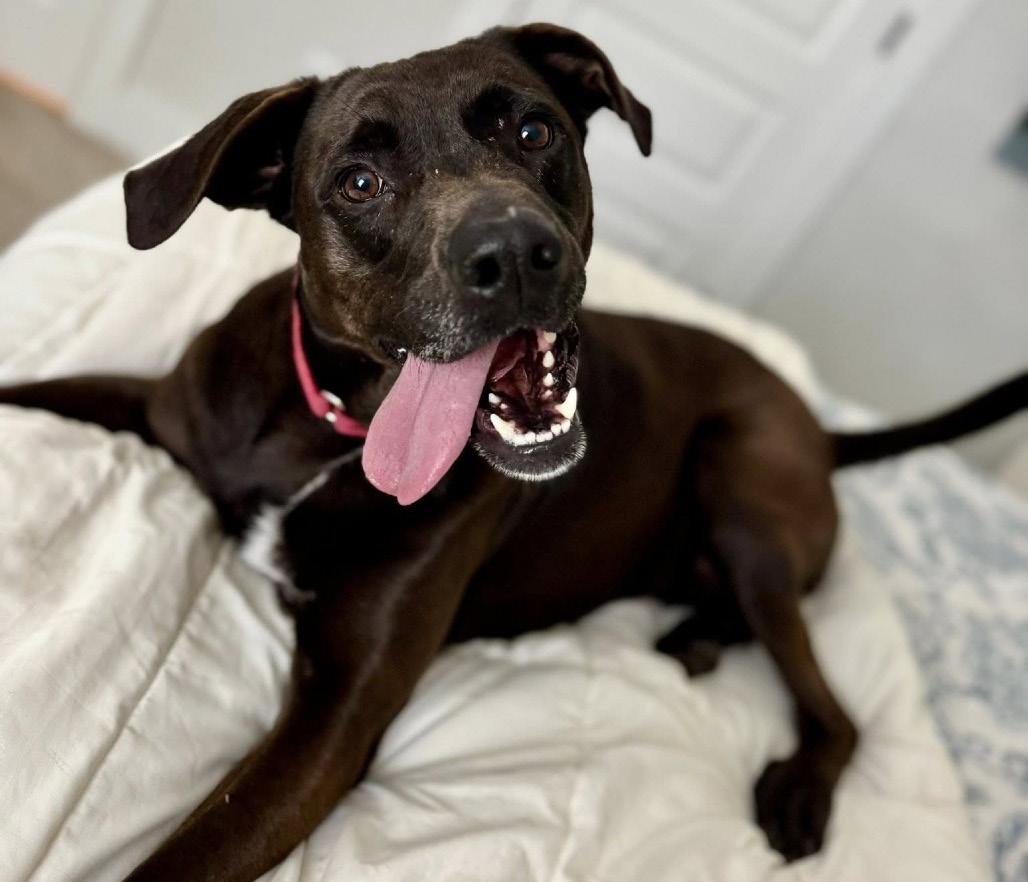
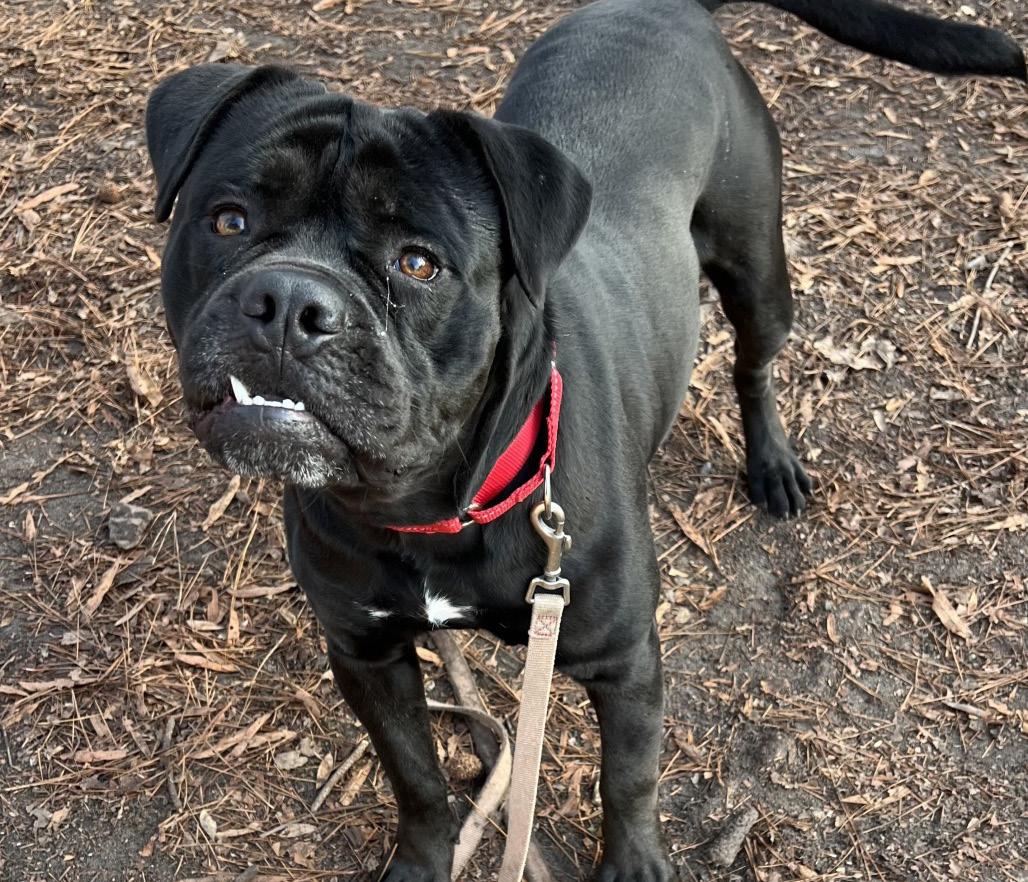
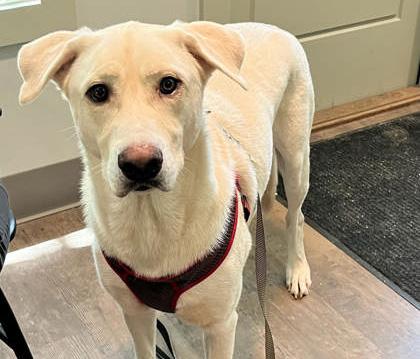
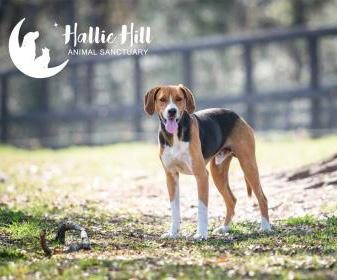
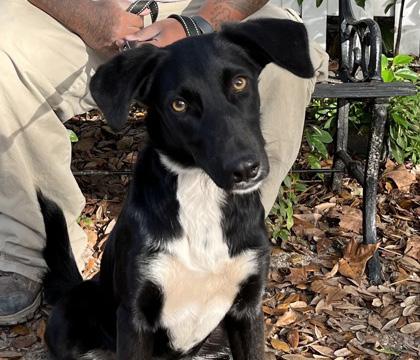
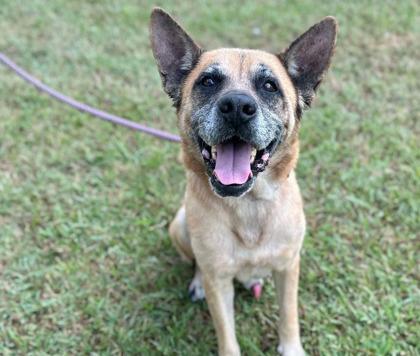
We believe that our dogs are our best friends, and that’s why we need a reliable source to turn to for information on all things “dog” in our community. Our mission is to be the Carolinas’ number one resource for dog owners regarding regional dog-centric and dog-welcoming events, health & wellness information, dog training, trends, and local news. We also strive to be a mouthpiece to the public for various Lowcountrybased pet non-profits, and we promote pet adoption and other responsible pet care practices.
Founded in Charleston, South Carolina in 2005 as a print magazine. From 2015 through 2019, we went digital. in 2020, print returned and we have grown to become “The Carolinas’ Source for All Things Dog,” with print distribution throughout the Carolinas, and digital readers worldwide.
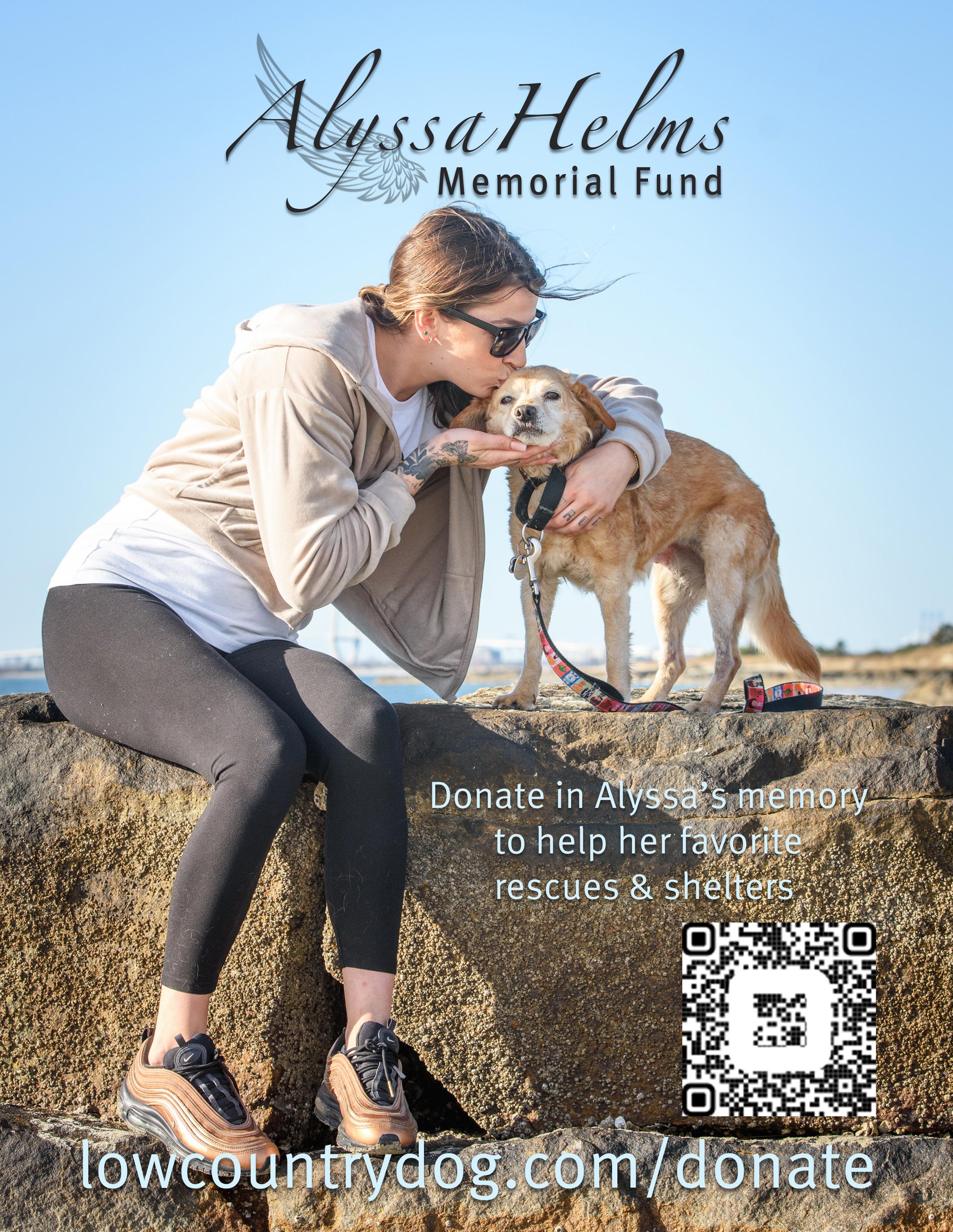
Every issue of Lowcountry Dog Magazine is dedicated to Peanut, our Chief Canine Officer from 2005 to 2023, and Alyssa Helms, our Media Manager from 2020 to 2024.
Publisher
Brian Foster brian@lowcountrydog.com
Chief Canine Officer
Lovey social@lowcountrydog.com
Media Assistant
Samantha Stinner media@lowcountrydog.com
Event Coordinator
Allison McCoy
Canine Correspondent
Tula
Staff Writers
Chelsea Salerno
Jeanne Taylor
Natalie Garber
Photographers
Clark & Chateau
Jeanne Taylor Photography
Contributing Writers
Britian Jones
Lynne Brown
For advertising and media inquiries please email contact@lowcountrydog.com
Lovey’s Lowcountry Livin’: Valentine’s Day Guide
Sit, Stay, Behave... Teaching Puppy Bite Inhibition
HEALTH & WELLNESS: The Rising Costs of Vet Care
FEATURE STORY: Walking for Peace LOCAL DOG EVENTS IN THE NEWS
MEET THE RESCUE: Boykin Spaniel Rescue
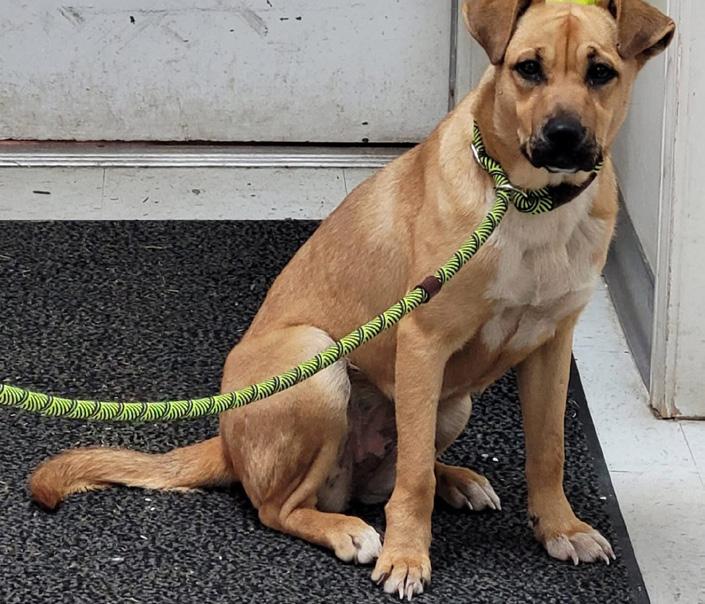
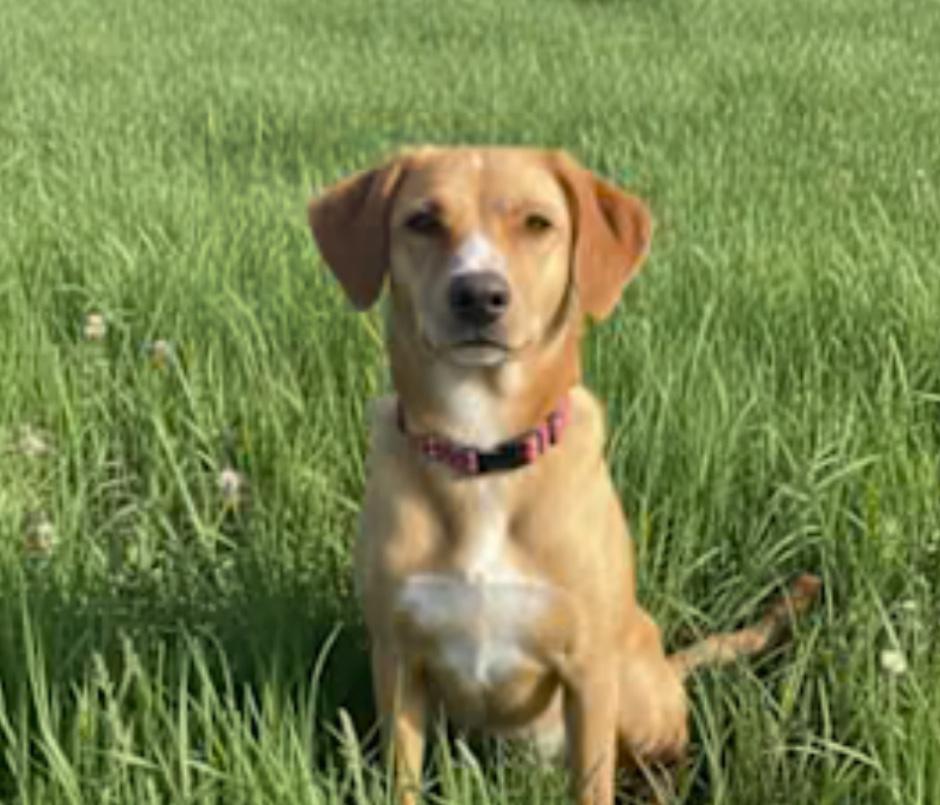
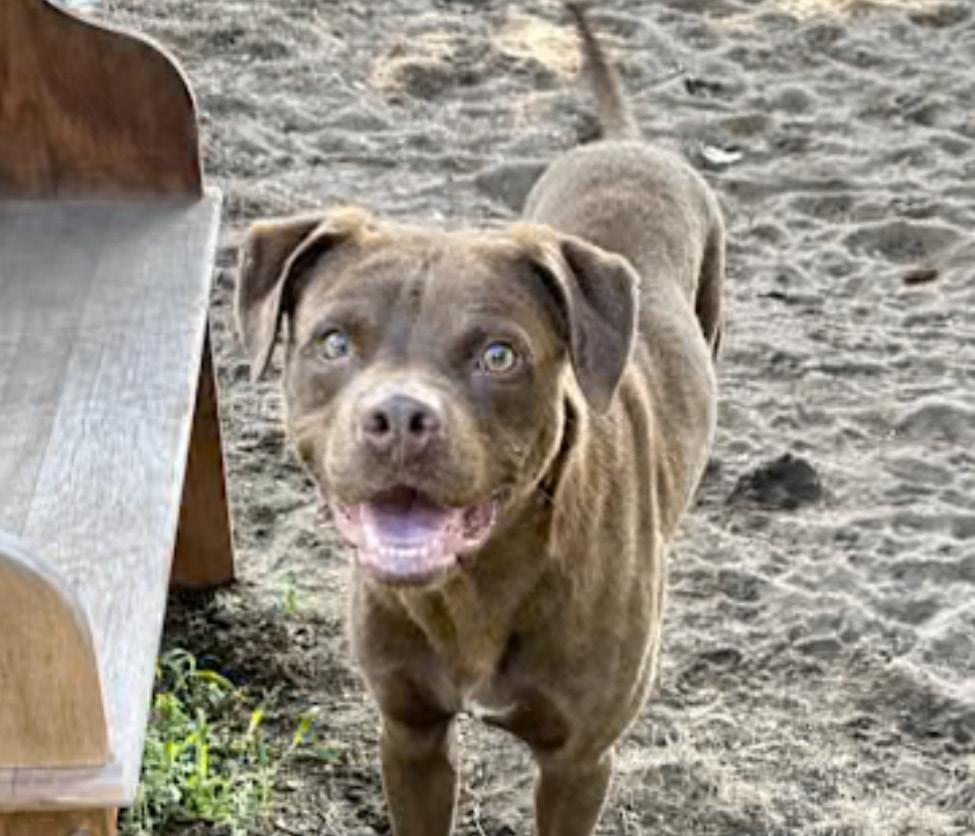
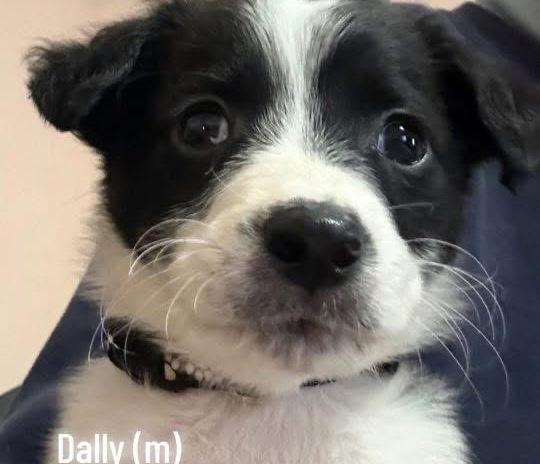
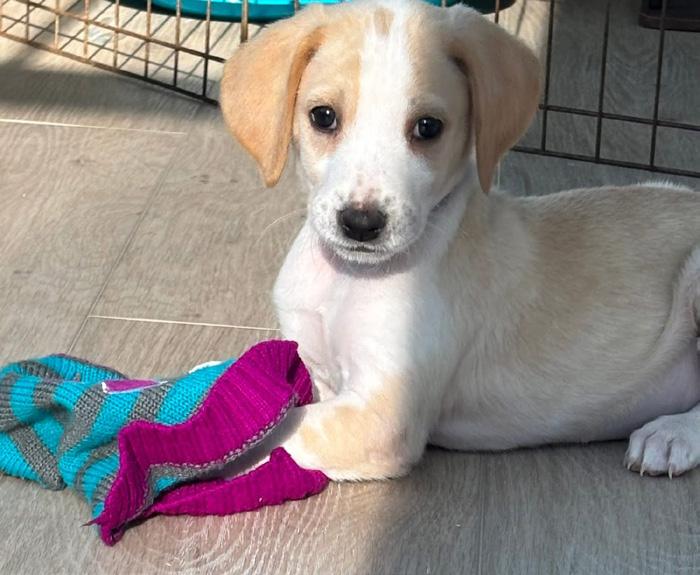
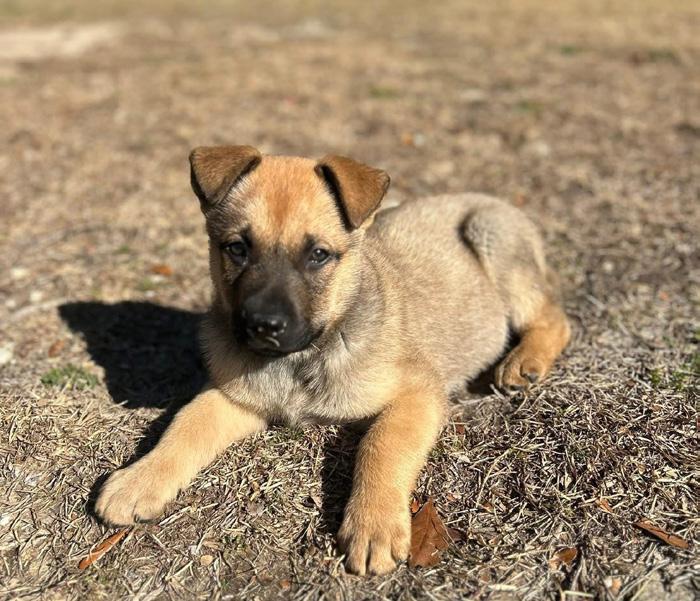
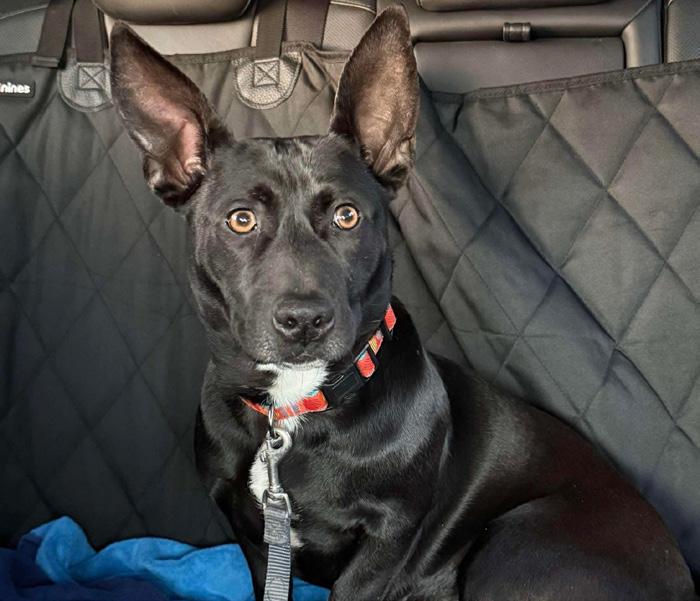
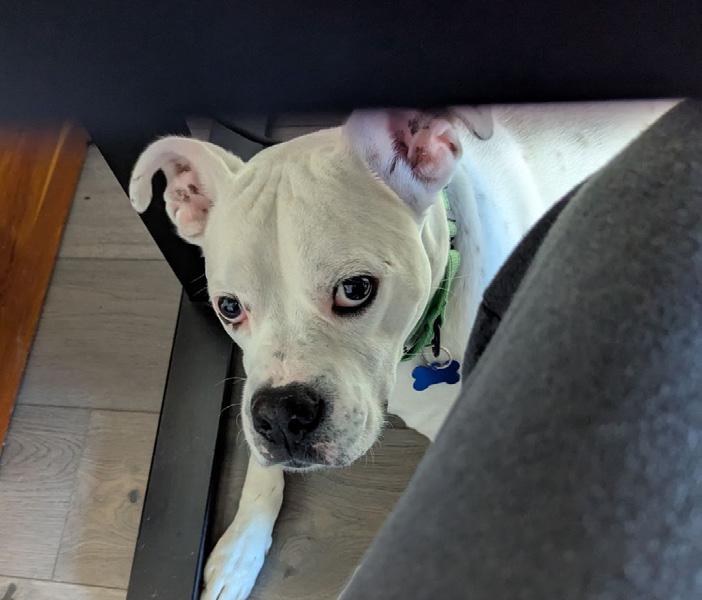
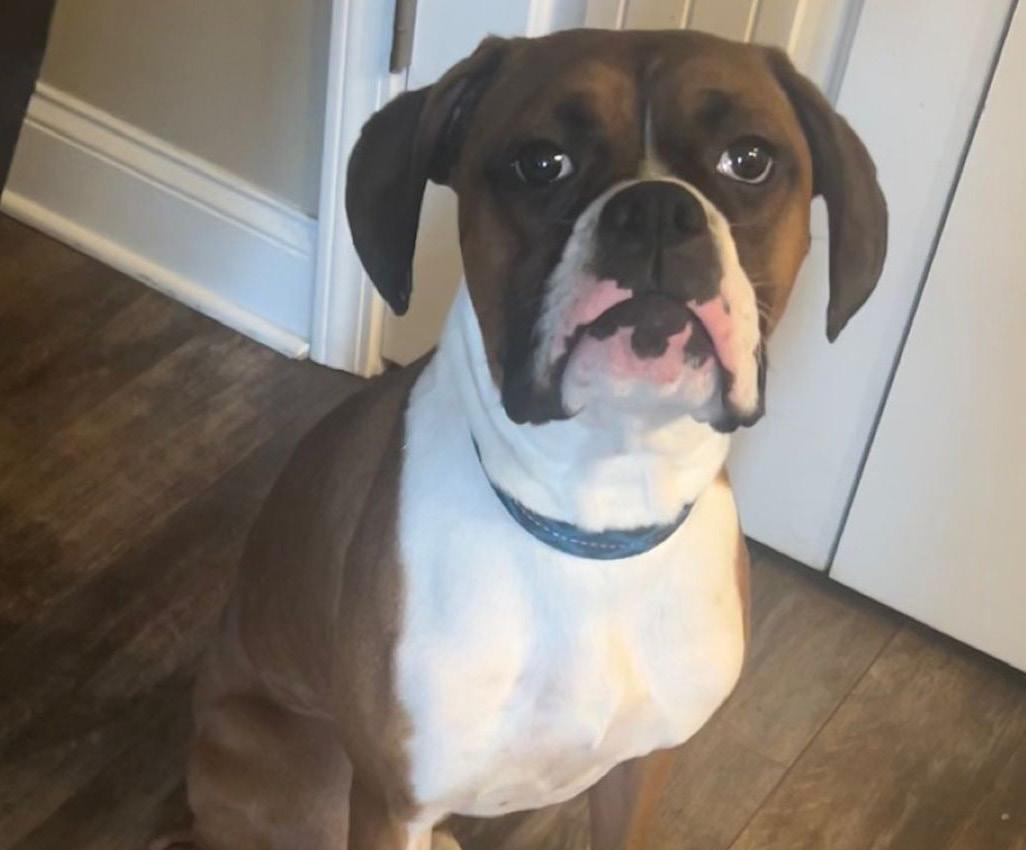
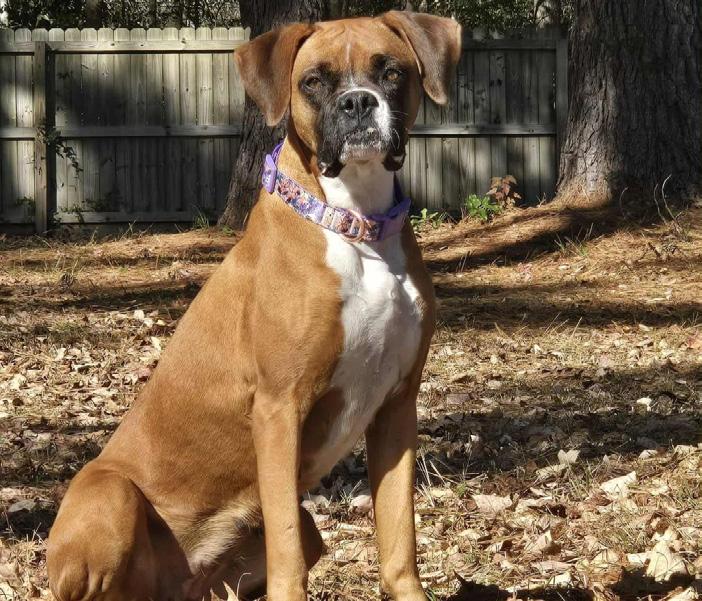
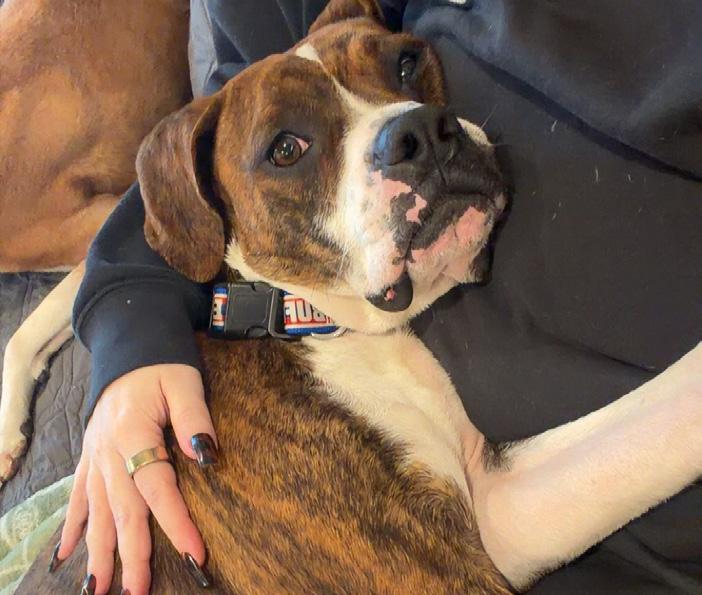
GO GREEN: Adopt A Recycled Dog!
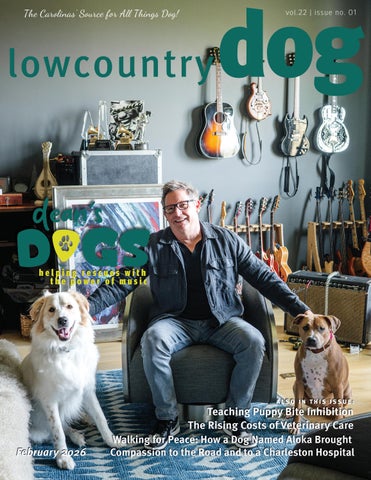
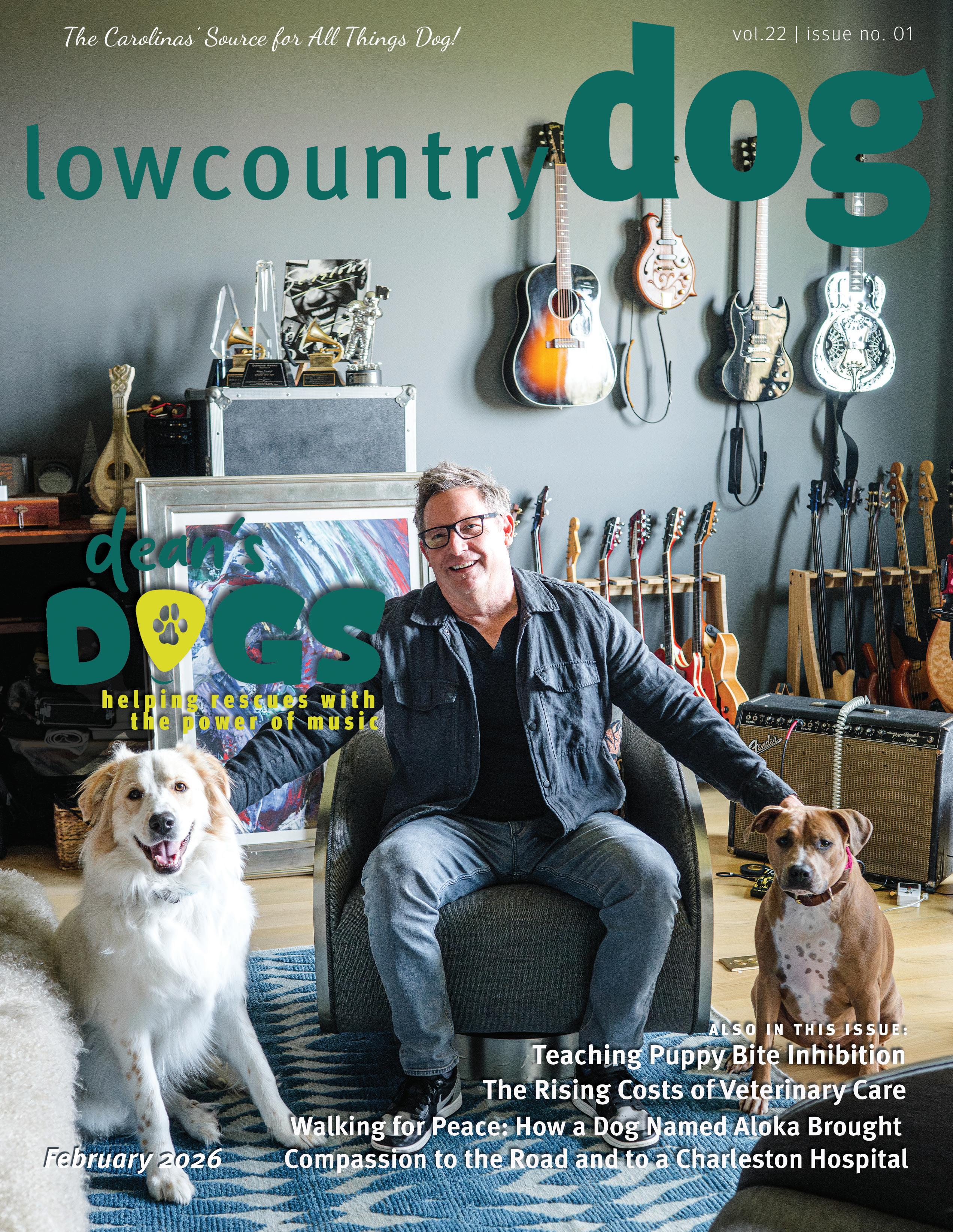
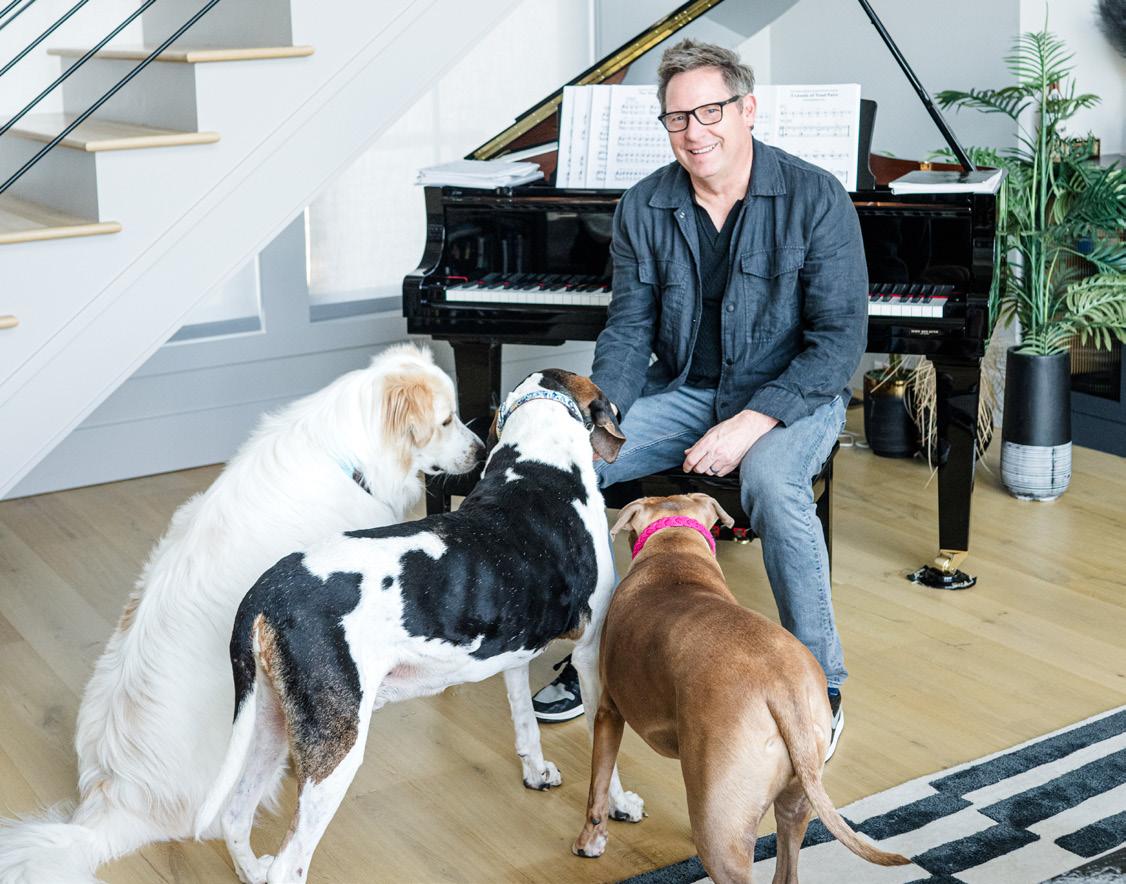
Cover Photo & Above Photo by Clark & Chateau
Lovey’s
Valentine’s Day Guide for Dog Parents
Hello, my favorite humans.
It’s February, which means the air is a little cooler, the sunsets are extra pink, and everyone suddenly starts talking about love. Chocolates, flowers, cards… very sweet. But let’s get something straight right away: your dog is already your Valentine. We’ve been here all year, through bad hair days, long work hours, and every crumb that’s ever hit the floor.
That said, Valentine’s Day is a lovely excuse to celebrate the special bond between you and your four-legged best friend. So grab a leash (and maybe a treat), and let me guide you through how to make this Valentine’s Day paw-fect for both of us.
First Things First: What NOT to Share
I hate to be the buzzkill, but some Valentine’s classics are a big no-no for dogs. Chocolate? Absolutely not! Dark chocolate, milk chocolate, white chocolate—it’s all off the table. Same goes for candy with xylitol, those fancy truffles, and anything wrapped in shiny paper that looks very fun to shred, but ends in a vet visit.
Flowers are tricky too. Roses are mostly okay if we don’t eat them, but lilies? Very dangerous for cats, and still not something dogs should snack on. If you see me sniffing a bouquet a little too closely, definitely redirect me with a chew toy instead. Trust me—nothing ruins Valentine’s Day faster than an emergency trip to the vet.
Dog-Safe Treats We’ll Actually Love
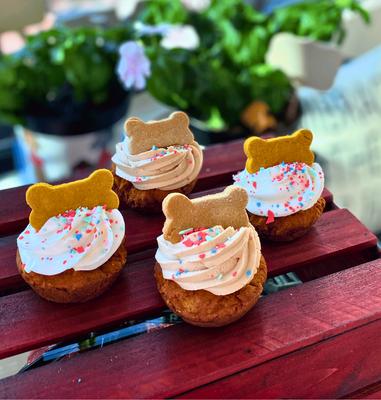
Now let’s talk about what is allowed. If you want to spoil me (and you should), stick with dog-safe goodies. Heart-shaped dog biscuits, peanut butter treats (only made with xylitol-FREE peanut butter), frozen yogurt bites, or even a special homemade snack are all excellent options.
Better yet? Let me pick it out myself. A quick stop at a local pet bakery or shop where I can sniff every single option is basically the canine version of online shopping, except way more drool.
And remember: it’s not about the size of the treat. It’s about the love behind it… and maybe how many you give me.
Lovey's lowcountry livin’
Date Night, Dog Edition
Who says Valentine’s dates have to be candlelit dinners without dogs? Some of the best dates include a leash and fresh air. February in the Lowcountry is prime time for outdoor adventures with cooler temperatures, fewer bugs, and plenty of sunshine breaks. Take me for a long walk around your favorite neighborhood, a stroll through a dog-friendly park, or a beach walk where permitted. Bring coffee for you, water for me, and take your time. Sniffing counts as quality time, by the way.
If you’re more of a stay-in couple, a cozy night on the couch works just as well. Bonus points if there’s a blanket, a movie, and zero phone scrolling.
Gifts We Actually Want
You might think we want fancy outfits or sparkly accessories. Sometimes we do. But what we really want is surprisingly simple:
• A new toy that squeaks just right.
• A fresh tennis ball.
• A puzzle feeder that makes us feel like geniuses.
• Or an extra-long walk when you normally rush.
• The best gift you can give us is your attention.
My Valentine’s Wish
This Valentine’s Day, I don’t need roses or chocolates. I need you. I need your time, your care, your love, and maybe one extra treat slipped under the table when no one is looking.
So whether you’re celebrating with a partner, a group of friends, or just me and my wagging tail, remember this: dogs don’t need grand gestures; we need genuine love. Happy Valentine’s Day, from Lovey. ■
Teaching Puppy Bite Inhibition: The Key to a Safe, Confident Adult Dog
WRITTEN BY BRIAN FOSTER Publisher
Every new puppy owner eventually faces those razor-sharp teeth and playful nips that seem impossible to escape. While puppy biting is normal, what separates a well-behaved adult dog from a problematic one often comes down to one foundational skill: bite inhibition.
Bite inhibition is a dog’s ability to control the force of its bite so that if it ever does use its mouth on a person or another animal, it won’t cause harm. Puppies naturally learn this skill from their littermates and mother, but when they come home early or they lack sufficient social interaction during their most formative phase, owners must step in and teach it consciously.
Why Bite Inhibition Matters
At its core, bite inhibition isn’t about teaching a dog to never use its mouth — that’s unrealistic. Instead, it’s about teaching dogs how hard is too hard. Dogs may bite or mouth during play, in fear, or when they’re startled. If a puppy learns that even gentle mouthing causes play to stop, they will gradually learn to moderate their bite pressure. Without this lesson, a dog may grow into an adult that delivers a painful or dangerous bite in real-world situations.
In fact, allowing hard biting to persist can lead to problems later: dogs that are never taught bite control may be unable to assess how much force their teeth are exerting. This is one reason many behaviorists argue that simply forbidding biting outright misses the bigger goal of teaching dogs to adjust their behavior appropriately.
When to Start Training
Bite inhibition training should begin as early as possible, ideally between 8 and 16 weeks of age since this is when puppies are most open to social learning and when natural mouthing behavior is strongest. Some puppies will already have begun this process with their littermates, but many will still need human guidance once they join a new home.
Step-by-Step Bite Inhibition Techniques
Below are practical, positive methods trainers and veterinarians recommend for teaching bite inhibition in puppies.
1. Mimic Littermate Feedback
Puppies learn bite inhibition from each other. If one bites too hard during play, the other yelps and stops playing. Humans can mimic this feedback with a calm “Ouch!” or high-pitched yelp when a puppy bites too hard. After the yelp, stop playing briefly. This mimics the natural consequences puppies experience from each other.
If your puppy responds by easing off, calm praise encourages them to repeat the gentler behavior. If not, another brief pause or time-out reinforces that play stops when biting gets rough.
2. Use Time-Outs to Teach Consequences
When play gets too rough, remove the puppy from the situation for 30–60 seconds. A calm, brief time-out teaches that biting leads to an end of fun. The key is consistency: every time hard biting occurs, implement the same consequence so the puppy learns the pattern.
Important note: time-outs should be neutral, not punitive. The goal is to interrupt unwanted behavior, not to frighten your puppy.
3. Reinforce Gentle Play and Mouthing
Whenever your puppy mouths gently — or takes treats softly from your hand — this is an opportunity to reinforce good behavior. Offer praise, treats, or affection for gentle interactions. Showing your dog that gentle mouthing earns rewards strengthens the behavior you want to see more often.
4. Redirect to Appropriate Chew Toys
Puppies explore the world with their mouths, so a lack of appropriate outlets for chewing can direct that behavior toward hands, clothes, or furniture. Keeping a variety of safe chew toys within reach lets you redirect the biting to appropriate objects. When your puppy starts nibbling during play, offer the toy instead of your hand.
Games like gentle tug or fetch can also be structured to reward controlled mouthing, as long as you pause play if the dog gets too excited or nippy.
5. Teach Calming Skills and Obedience
Basic obedience commands such as “sit,” “leave it,” and “off” are valuable tools in bite inhibition training. A calm “sit” before play resumes after a time-out helps a puppy associate gentleness with access to fun. Similarly, teaching “leave it” can interrupt unwanted behavior and refocus attention.
Common Mistakes to Avoid
While teaching bite inhibition, many owners unintentionally make training less effective by using the wrong methods. Here are some approaches experts advise against:
Punishment or Physical Corrections
Aversive techniques such as pinching lips, hitting the puppy, or forcing the dog into submissive positions do more harm than good. These methods can damage trust, increase fear, and may even worsen biting behavior or aggression.
Inconsistent Responses
If different family members react differently to biting, the puppy receives mixed messages. Consistency across all handlers is crucial so your dog learns a clear rule about bite pressure and consequences.
What Progress Looks Like
Don’t expect immediate perfection. Bite inhibition training is a gradual process. Early on, the goal is simply to reduce the force of bites. Over weeks and months, you’ll see a puppy bite less hard and eventually only mouth softly or stop mouthing during play. Reliable bite inhibition typically develops over several months of consistent practice.
By around six months, many puppies show significant improvement, though continued reinforcement into adulthood solidifies the behavior.
Socialization Helps, Too
Social interaction with other vaccinated, friendly dogs also teaches bite inhibition. In controlled playgroups or puppy classes, puppies learn limits from each other that complement home training. These experiences help puppies generalize bite control to real social settings.
Final Thoughts
Teaching bite inhibition is one of the most valuable skills a puppy can learn — not just for safety, but for confidence and better communication throughout life. With patience, consistency, and positive techniques, owners can help their puppies grow into dogs that interact safely and respectfully with people and other animals.
Remember, bite inhibition training isn’t about suppressing natural behavior. It’s about shaping it so your puppy learns to be gentle and controlled with its powerful canine mouth. ■
Sources: American Kennel Club; Dog Star Daily.
The Rising Costs of Veterinary Care
WRITTEN
AND PHOTOS BY JEANNE TAYLOR Staff Writer
Scroll any Facebook community group and you will see posts daily in search of “affordable” veterinary care or “cheapest” vet for spay/ neuter. These are, of course, subjective terms as affordability looks different to everyone, but the underlying concern is the ever-increasing costs of veterinary care. In 2025, the veterinary care industry was estimated at over $41B – a number that increased from $39.8B in 2024. 1
There are a few things we need to remember about veterinary care. It is, after all, a medical profession and veterinarians invest several years and hundreds of thousands of dollars in their education and continuing accreditation of their hospitals. Small and mid-sized private practices and veterinary hospitals are businesses with staff to be paid, plus the costs of employee benefits; insurance and taxes; licenses; rent, lease or mortgage costs for their facilities; equipment and technology costs; medical and other supplies – the list of business-related expenses is never-ending. Geography matters too – costs for supplies and other resources vary from state to state, as will the costs passed to the consumer. Where larger franchises enjoy better buying power due to bulk purchasing access for multiple locations, smaller, private practices rarely benefit from those types of discounts.
Dr. Christine Eidson of Sweetspire Veterinary Clinic in Summerville reported that she began noticing a clear increase in cost sensitivity among clients in late summer and early fall. “That time of year is traditionally slower for the veterinary industry, as families are managing back-to-school expenses and preparing for the holiday season. However, the impact this past
year was noticeably more pronounced than in recent years, with more clients openly expressing concerns about affordability. We recognize that many families are facing financial strain, and these conversations have become increasingly common.”
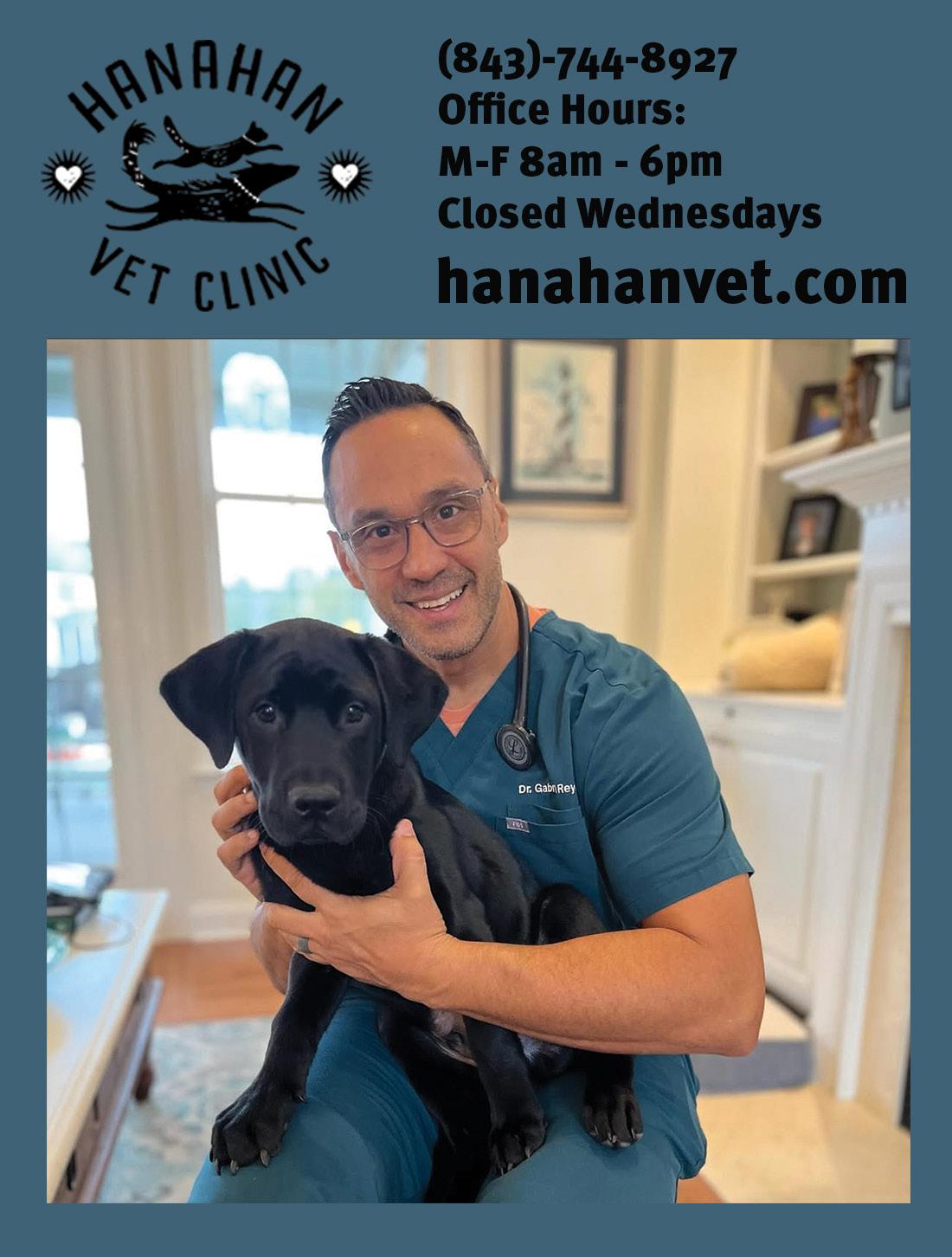
Dr. Gabriel Reyes of Hanahan Veterinary Clinic in Hanahan first began to notice an increase in operating costs during the pandemic but noticed a much more significant increase in the past three to four years. Dr. Eidson expanded further, sharing, “Veterinary pricing is influenced by many of the same economic pressures affecting other industries. Rising costs from vendors, including medications, medical supplies, laboratory services, and utilities, directly impact our ability to operate. To continue providing safe, high-quality care and retain skilled staff, we must account for these increases. Broader economic factors, such as inflation and supply chain disruptions, also play a significant role. We understand how frustrating these increases can be for pet owners, and we strive to keep pricing
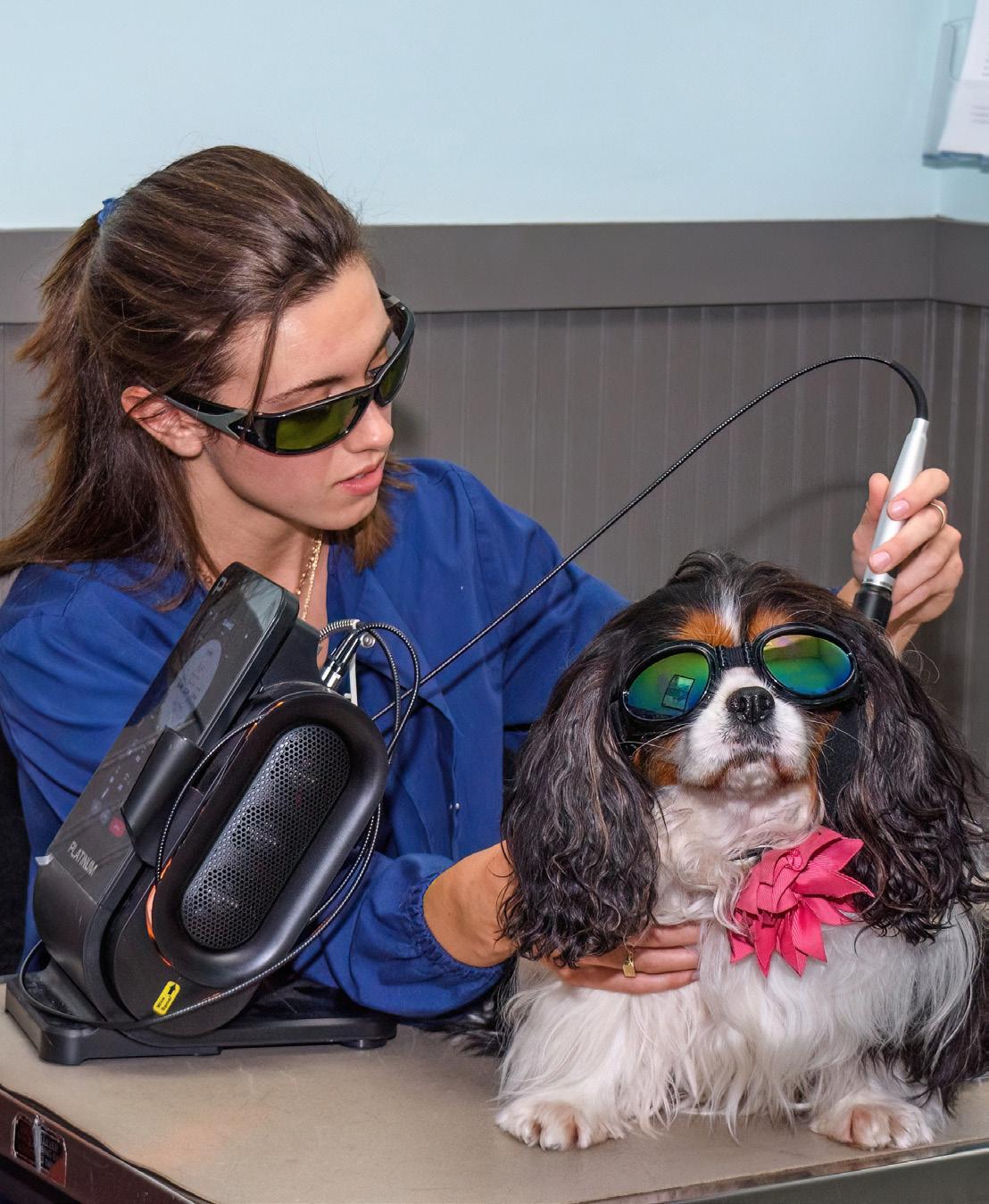
Dog receives laser treatment at Tidewater Veterinary
as fair and transparent as possible.” There are other ways to help keep your annual vet costs more budget-friendly too. This may seem counter-intuitive, but wellness and preventive care will create savings in the longrun. If your pet only sees a veterinarian when a rabies shot is due every three years, or you wait until they are extremely sick or it’s an emergency, the costs are going to sting. But if you are established with practice, and have at least an annual wellness visit, lab work can be monitored and potential concerns identified before they become a health crisis. Having a relationship with a vet who knows your pet can also lead to problems being spotted before they grow out of control, i.e., changes in appearance, weight, lumps, etc.
Dr. Eidson shared her thoughts as well. “One of the most effective ways to manage long-term veterinary costs is to prioritize preventative care. Routine exams, vaccinations, parasite prevention, and early screenings help identify potential health issues before they become
more serious and costly. While we understand that preventative care is an investment, it often prevents larger medical expenses and reduces suffering for pets in the long run. We encourage open conversations with our team so we can help tailor care plans that fit both medical needs and family budgets.”
Pet insurance is also an option. There are many carriers, and a wide variety of plans, plan types, and deductibles you can consider. But if you wait until your pet is older and has a medical issue or chronic condition noted in their history, those will likely be deemed pre-existing and, as such, exempt from any coverage.
Some pet parents start a savings account specifically for their pet’s medical needs in lieu of carrying insurance. Dr. Reyes agrees, stating, “I have recommended starting a separate account and saving money for potential vet costs, or if you already have a pet, looking into pet insurance can be a big help to offset some of the medical costs.”
E C V R C A D V A N T A G E
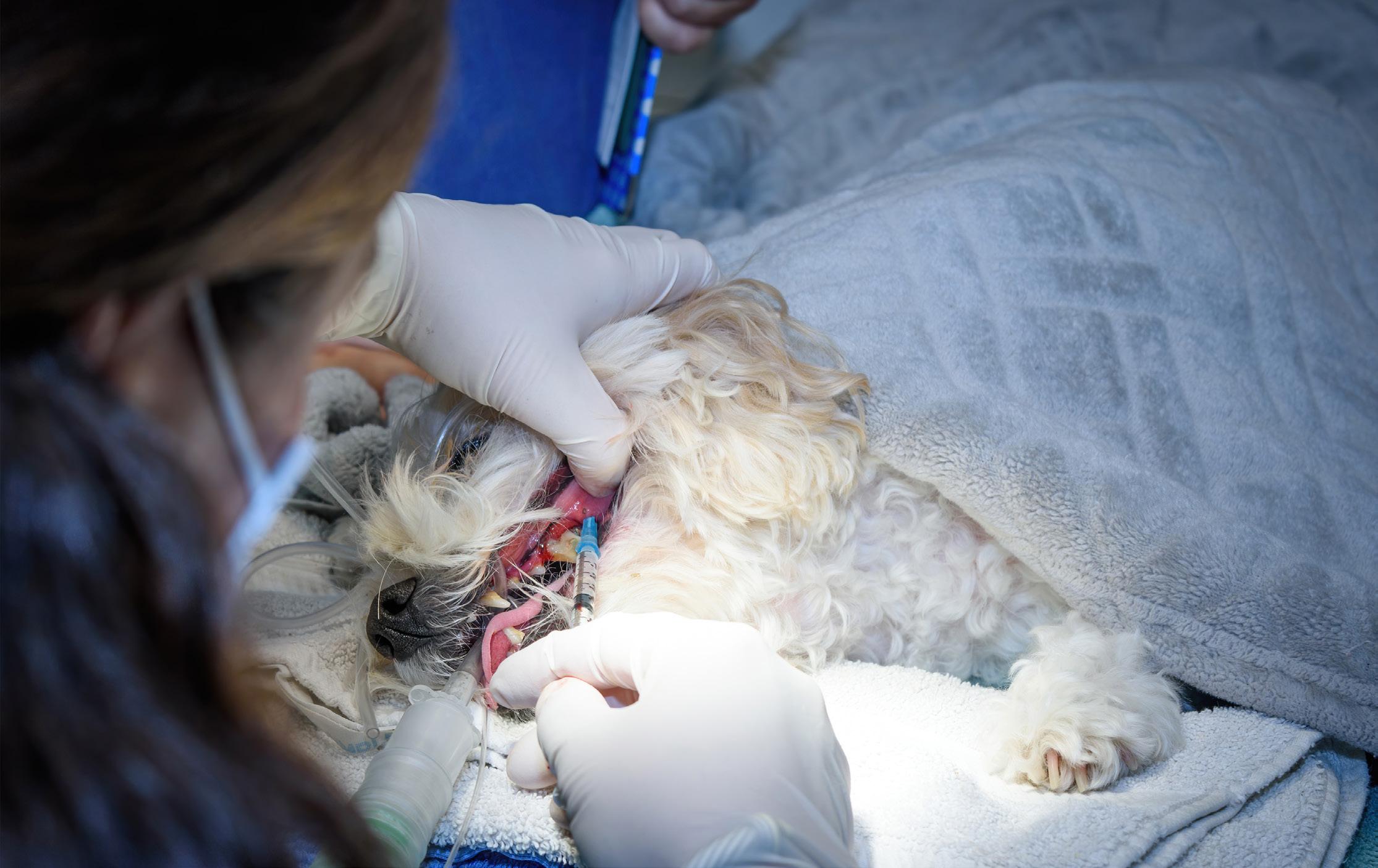
Patient undergoes dental extractions and cleaning by Dr. Bostian at Tidewater Veterinary.
Consumers can consider mechanisms like Care Credit or Scratch Pay too. Look into these options BEFORE you need them to be sure you are eligible/ qualified and that your vet will accept them. This will allow you to keep your other credit cards open and the veterinary care bills on a different account if your available credit otherwise is a concern.
Good nutrition is also key to maintaining your pet’s health. There are so many diet types you can consider too: raw, gently cooked, crock pot, kibble etc., or some combination of any of these; you will need to find what works best for your pet’s health as well as your finances. But ensuring your pet eats a well-balanced diet will help them to maintain good health, thereby [hopefully] reducing the need for extensive medical care. Ultimately, though, prevention and the pursuit of wellness will be your best approach at keeping your veterinary costs down annually while ensuring your pet enjoys optimal health. ■
Personal Note:
For my two senior pets, who are in good health, eat a gently cooked diet, exercise daily, are on monthly heartworm prevention, have an annual wellness visit with lab panels and heartworm tests, and are insured, our combined 2025 vet care costs were just over $2,000 net, or an average of $171 per month. (That was with one emergency visit which was 70% reimbursed through our carrier, to which we had paid $1600 for the year in insurance premiums.) Of note, since 2023, we have personally seen a 40%+ increase in the costs of veterinary care for our dogs, which is one of the reasons we continue to keep them insured.
1 AAHA.org – Trends, April 2025
Thank you to Dr. Gabriel Reyes of Hanahan Veterinary Clinic (HanahanVet.com) and Dr. Christine Eidson of Sweetspire Veterinary Clinic (SweetspireVetClinic.com) for their participation in producing this article.
Walking for Peace:
How a Dog Named Aloka Brought Compassion to the Road and to a Charleston Veterinary Hospital
WRITTEN BY BRITIAN JONES
Field Marketing Manager for CVRC
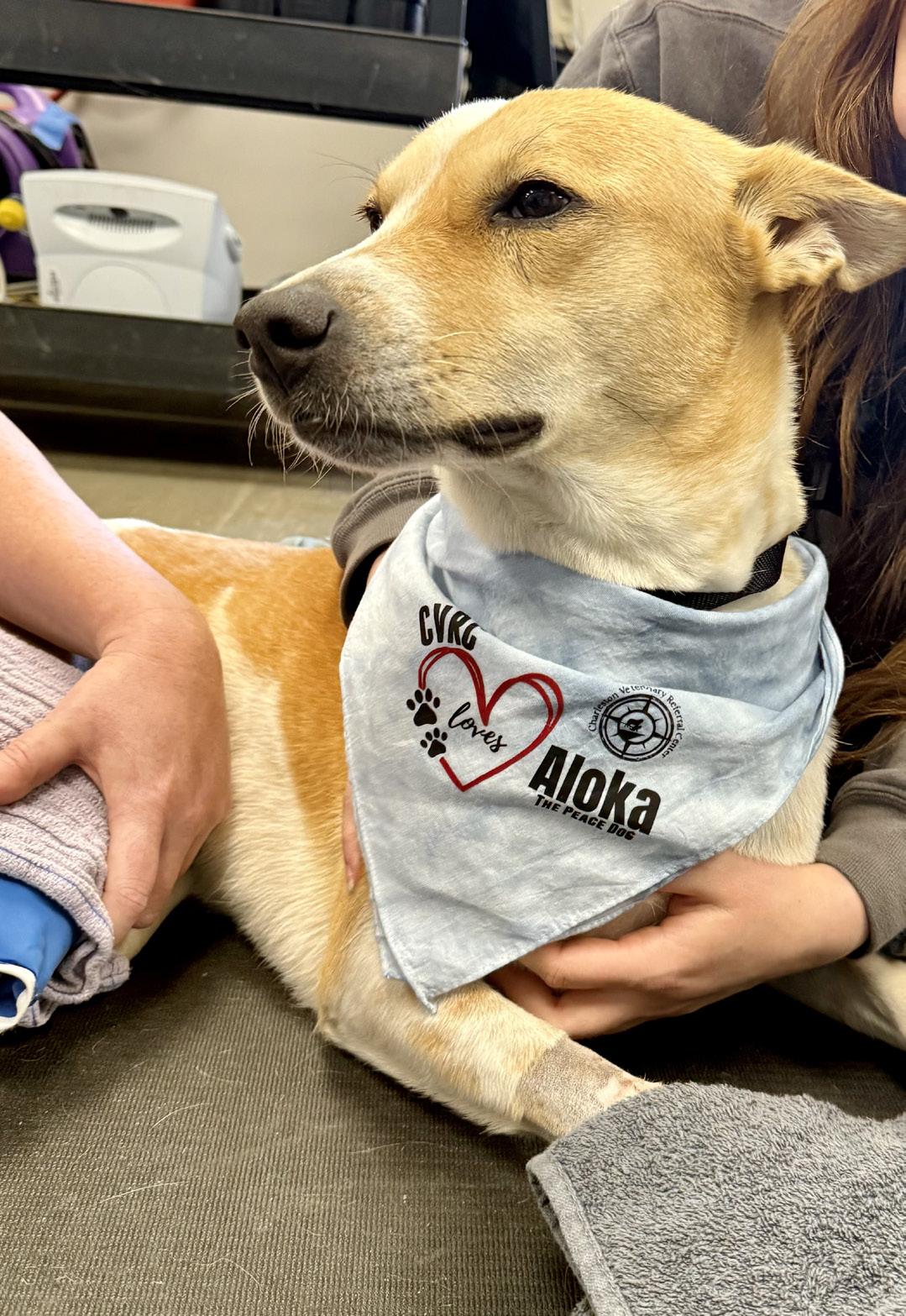
For thousands of miles, Buddhist monks have been walking across the United States with a simple intention: to spread peace, compassion, and mindfulness, one step at a time. Alongside them for much of that journey has been an unlikely, but beloved companion, Aloka, affectionately known as “the Peace Dog.”
Aloka’s presence on the Walk for Peace has been a quiet source of joy for countless people who have encountered the monks along the road. He greets strangers with gentle curiosity, offers comfort without words, and reminds people, often without realizing it, to slow down and be present. But like many long journeys, this one recently encountered an unexpected challenge. During the walk, Aloka began showing signs of pain in his right hind leg. Concerned for his comfort and long-term well-being, the monks sought veterinary care. After an initial evaluation, Aloka was referred by Batesburg-Leesville Animal Hospital to Charleston Veterinary Referral Center (CVRC), a specialty and emergency hospital in Charleston, South Carolina.
At CVRC, orthopedic specialists performed a thorough examination and diagnostic imaging. Aloka was diagnosed with a cranial cruciate ligament (CCL) injury in his right knee, an injury similar to an ACL tear in humans and one that can be painful and limiting if left untreated.
The monks were presented with all available options for managing Aloka’s condition, including non-surgical and surgical paths. After careful consideration, they chose to move forward with surgery, not for convenience, but out of compassion.
“They didn’t want Aloka to remain in pain for the rest of the walk,” said Sophy Jesty, Medical Director at Charleston Veterinary Referral Center. “They made a decision that put Aloka first. That responsibility, making a medical choice on an animal’s behalf, is a weighty one, but it is also a beautiful one. It’s something we face every day in veterinary medicine.”
The chosen procedure was a tibial plateau leveling osteotomy, commonly known as a TPLO. The surgery, performed by Dr. Patti Sura, DVM,
DACVS, involves cutting and rotating the top of the tibia to stabilize the knee joint, preventing painful movement and restoring function. A bone plate and screws hold the bone in place while it heals.
The prognosis for Aloka is excellent. With proper healing and rehabilitation, he is expected to be walking and eventually running without pain within two to three months. The post-operative period, however, is critical. Aloka will need rest, restricted activity, and careful rehabilitation to ensure the best outcome.
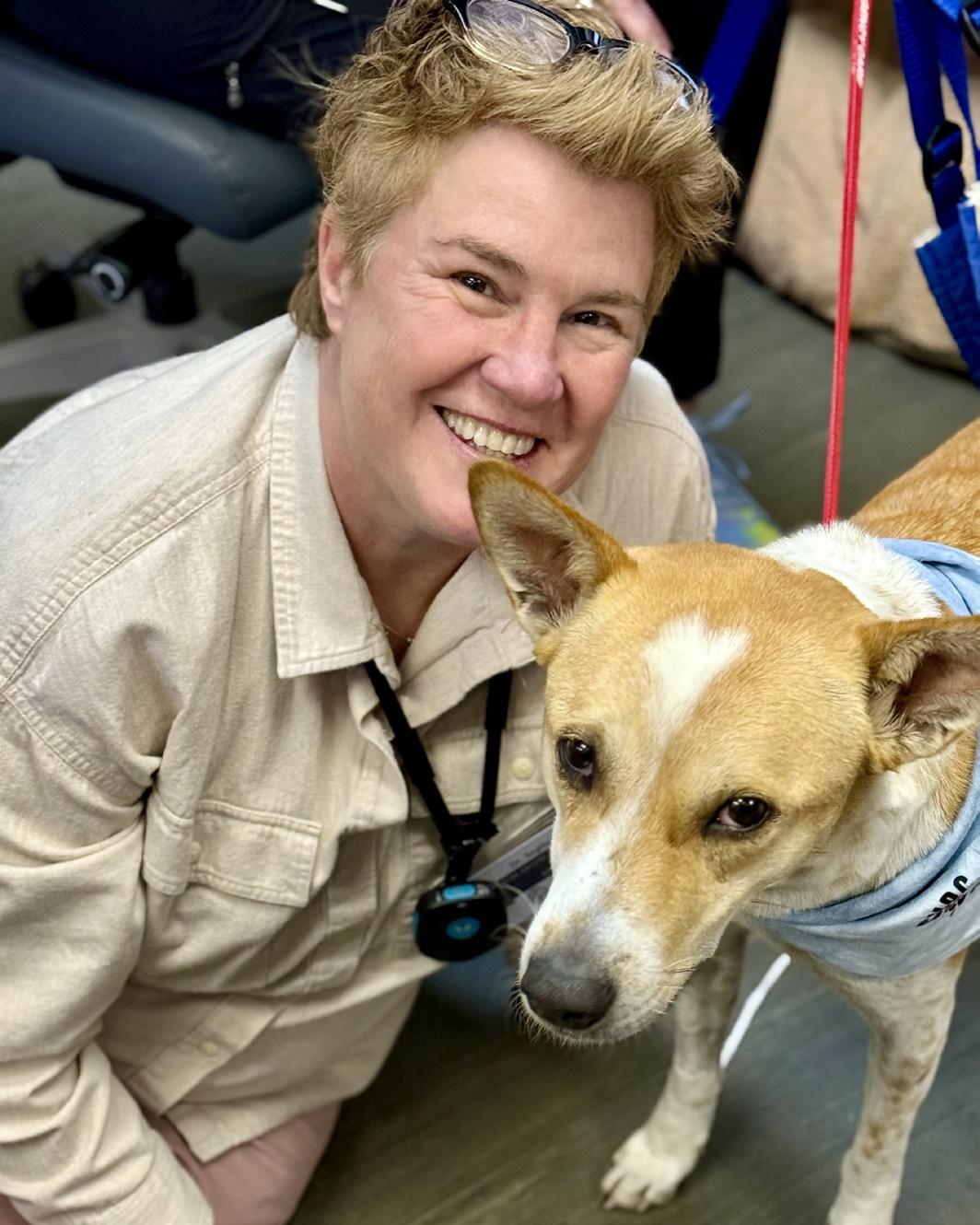
Following surgery, Aloka recovered comfortably under the watchful eyes of CVRC’s medical and rehabilitation teams. Gentle therapies such as laser treatment, icing, and range-of-motion exercises were introduced to support healing. Plans were made for Aloka to reunite with the monks as soon as it was safe to do so.
While Aloka will not immediately resume walking long distances, he will remain part of the journey. During the monks’ walking periods, he will travel in their RV, joining them at rest stops and meeting people when walking pauses, still offering connection, presence, and peace, just in a different way.
For Charleston Veterinary Referral Center, caring for Aloka was more than a medical case. It was an honor.
The hospital chose to cover the full cost of Aloka’s surgery, viewing it as a privilege to support a dog whose journey has touched so many lives.
“We are deeply aware of the trust placed in us,” Jesty said. “Aloka means a great deal to a great many people. Being able to help him heal and continue this path, even in a limited way, is something our entire team will carry with them.”
The Walk for Peace continues on, supported by communities across the country who have been inspired by the monks’ commitment and by Aloka’s quiet presence at their side. His story is a reminder that compassion often appears in small, steady steps, and sometimes on four legs.
As Aloka rests and heals, one thing is clear: peace is not only something we strive for in the world. It is something we practice, moment by moment, through the care we give to one another, human and animal alike. ■
Photo by Keith Griner
WRITTEN BY NATALIE GARBER Staff Writer
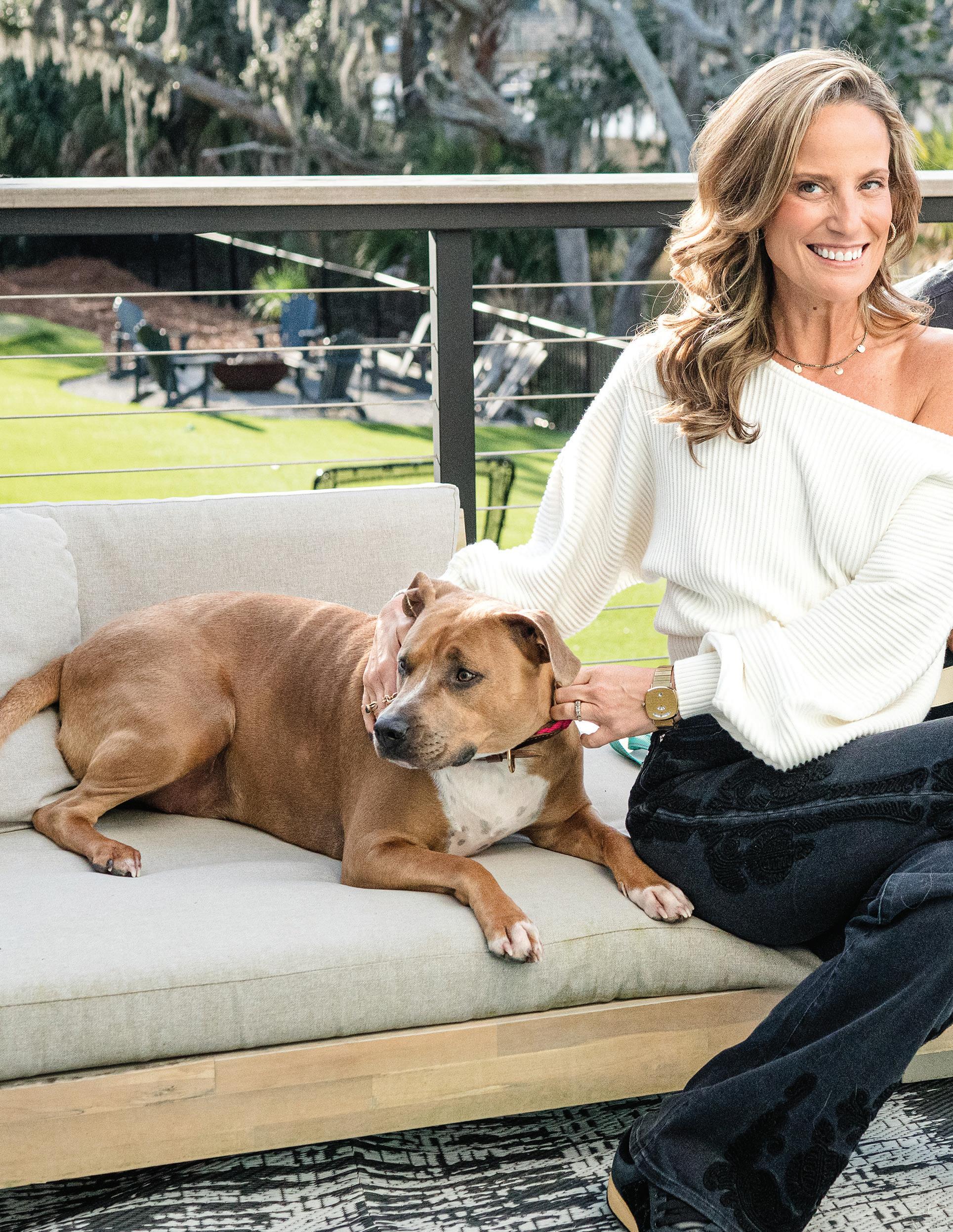
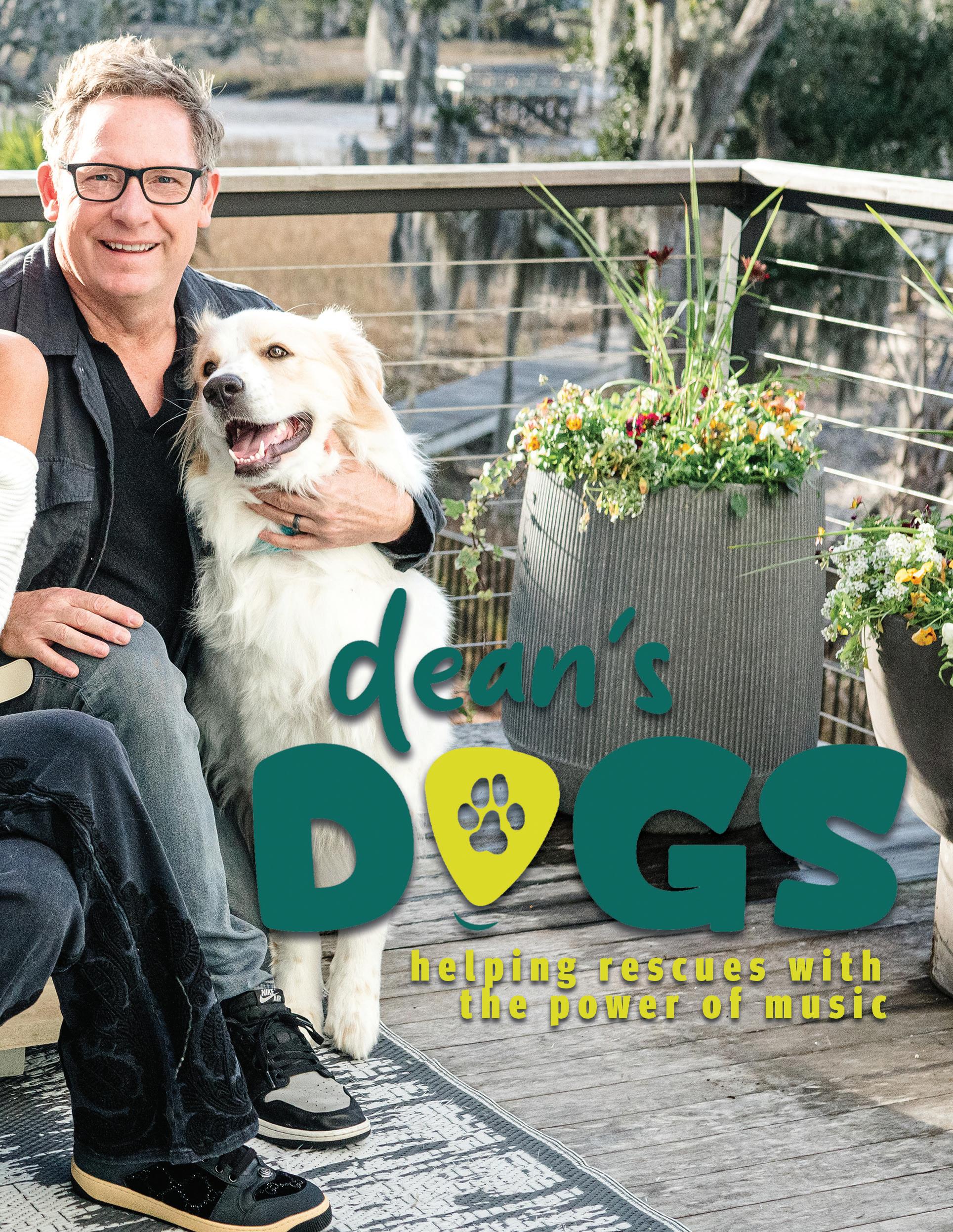
Photos by Clark & Chateau, Keith Griner, Jeanne Taylor and others provided by Dean’s Dogs
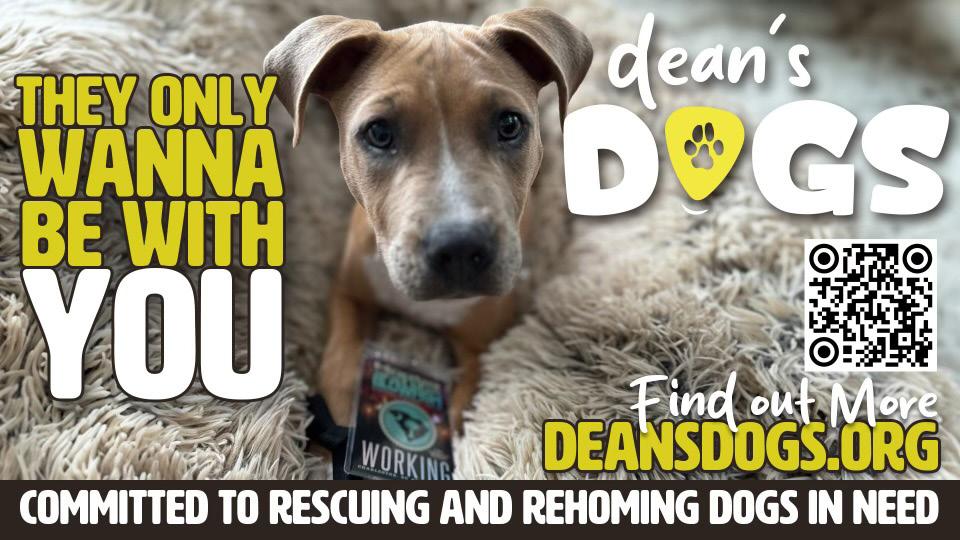
What do guitar picks, live music, and adoptable dogs have in common? At Dean’s Dogs, they all come together for one incredible mission—saving lives.
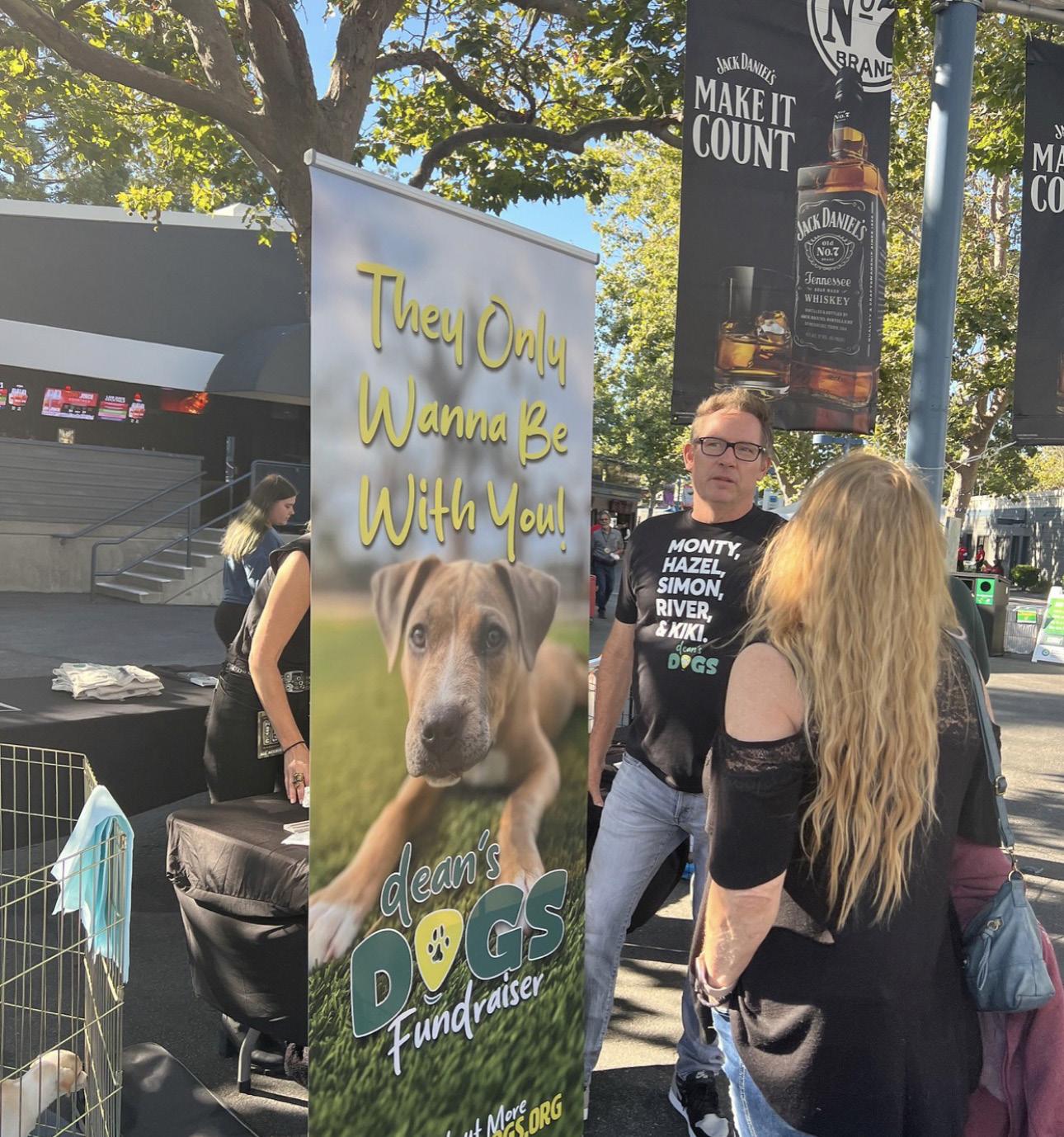
Dean’s Dogs is a unique 501(c)(3) nonprofit founded by Hootie and the Blowfish bassist Dean Felber and his wife, Andrea Felber. Born from their deep love of music and animals, the organization is dedicated to rescuing and rehoming dogs in need while raising awareness in unforgettable ways. During live performances, Dean tosses custom guitar picks into the crowd—each one featuring the face of an adoptable dog and representing a life that can be changed through support and donations.
The rescue officially launched in 2024 during Hootie and the Blowfish’s Summer Camp with Trucks tour. As the band traveled to 54 cities nationwide, the Felbers raised funds at every stop and highlighted a local rescue organization in each city—creating a powerful network of support for dogs across the country.
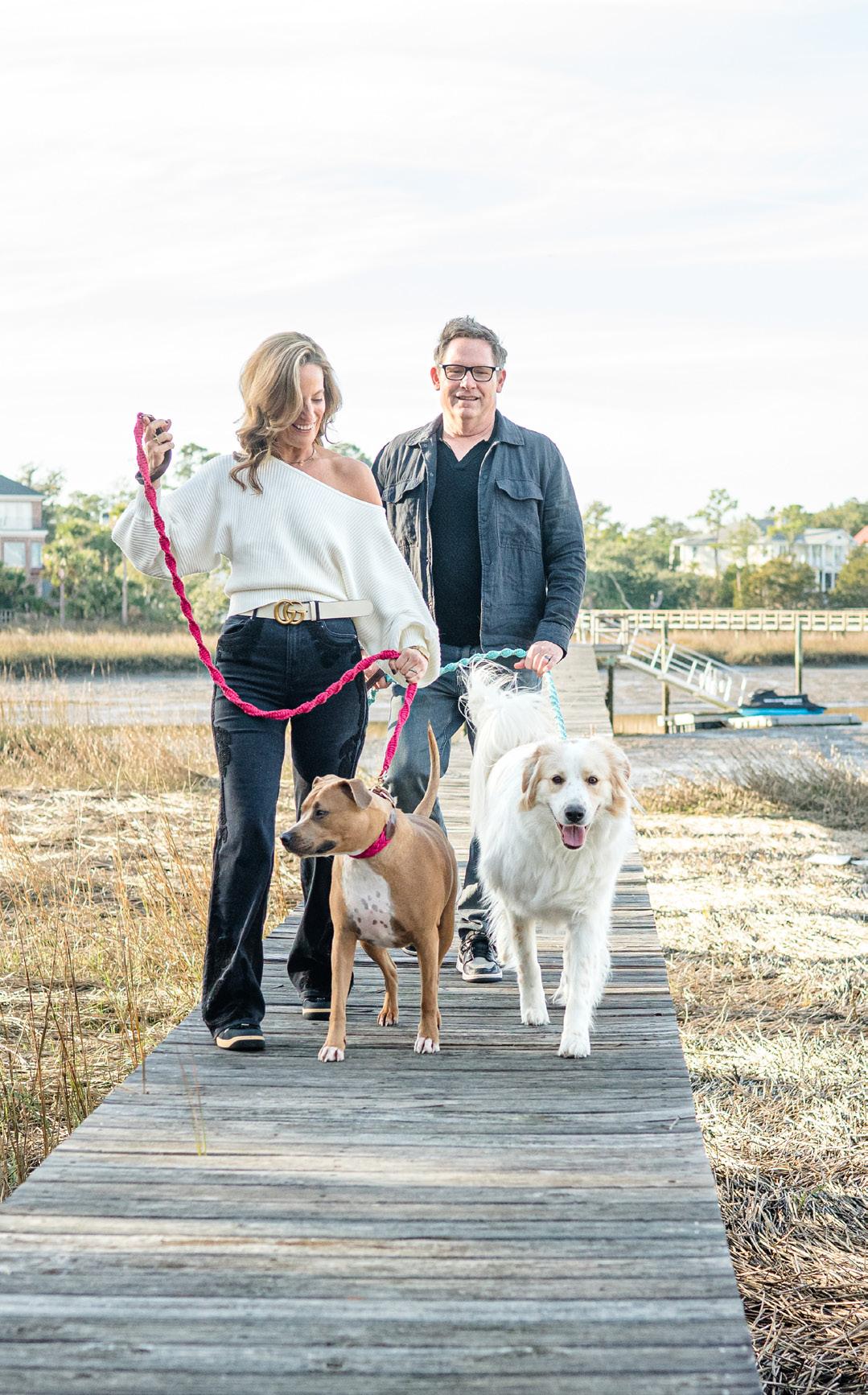
Animal advocacy has always been close to the Felbers’ hearts. Andrea and Dean share their lives with several rescue animals, including Simon the hound, and have long been passionate about helping unwanted animals find loving homes.
Dean’s Dogs is a natural extension of that lifelong commitment.
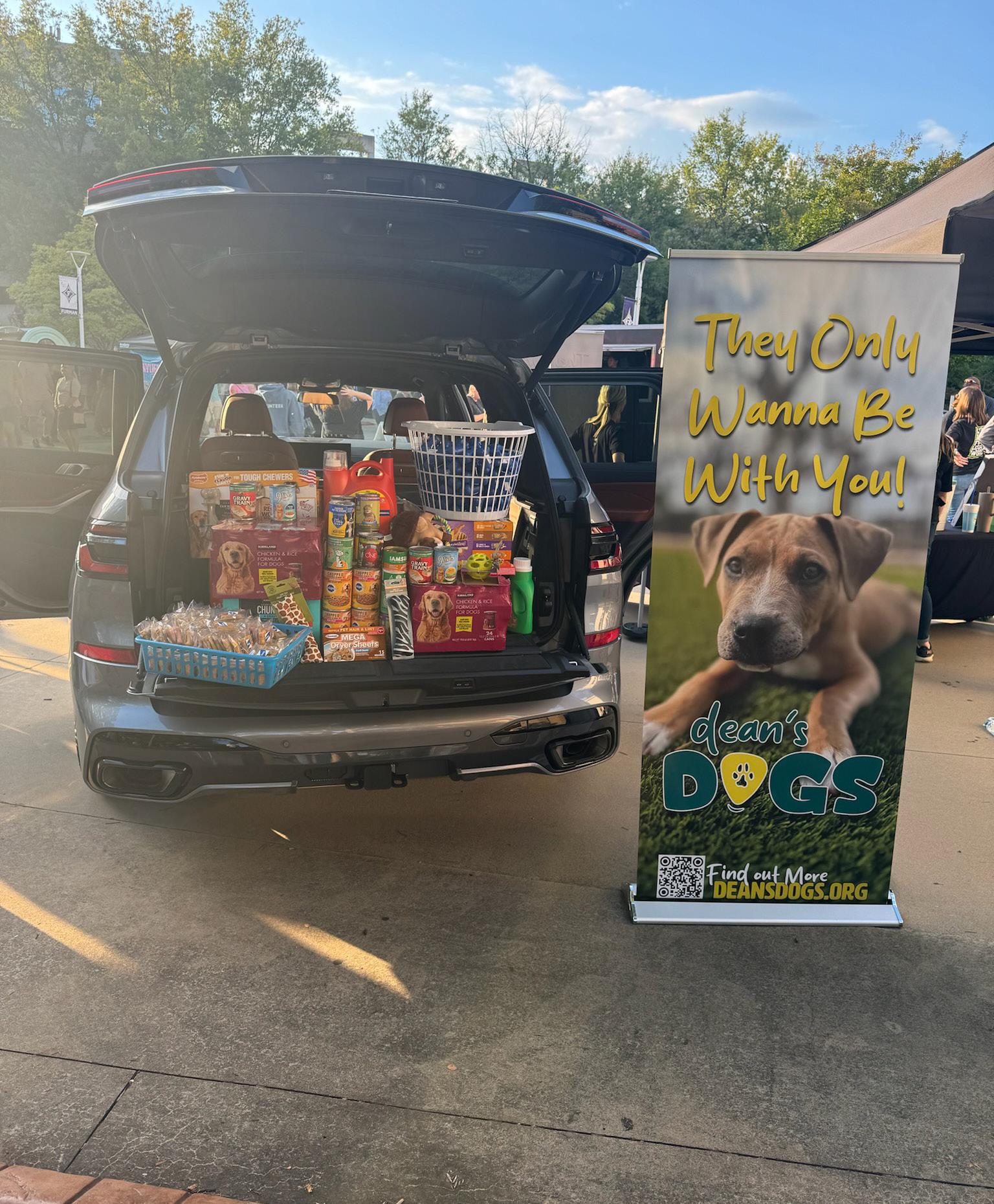
Today, Dean’s Dogs continues to spread awareness through partnerships with Live Nation, allowing rescue groups to bring dogs backstage and feature them on the Jumbotron during shows. These events also host food and supply drives, giving both fans and communities an easy way to support local rescues.
At its core, Dean’s Dogs is about connection— between music lovers, animal advocates, and dogs searching for their forever homes. Rescues in need of support are encouraged to reach out, and animal lovers everywhere are invited to get involved.
Because sometimes, the best encore is a second chance. ■
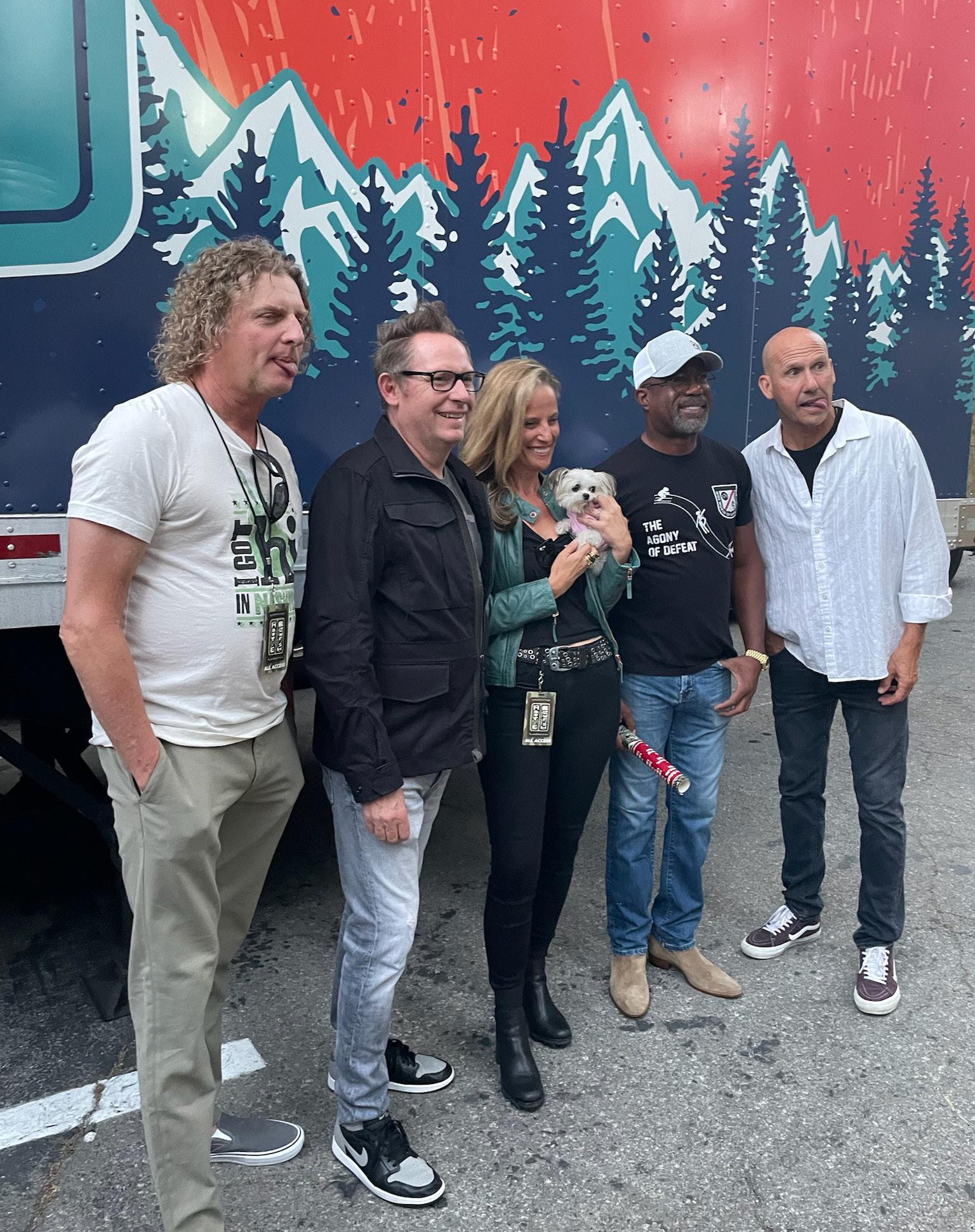
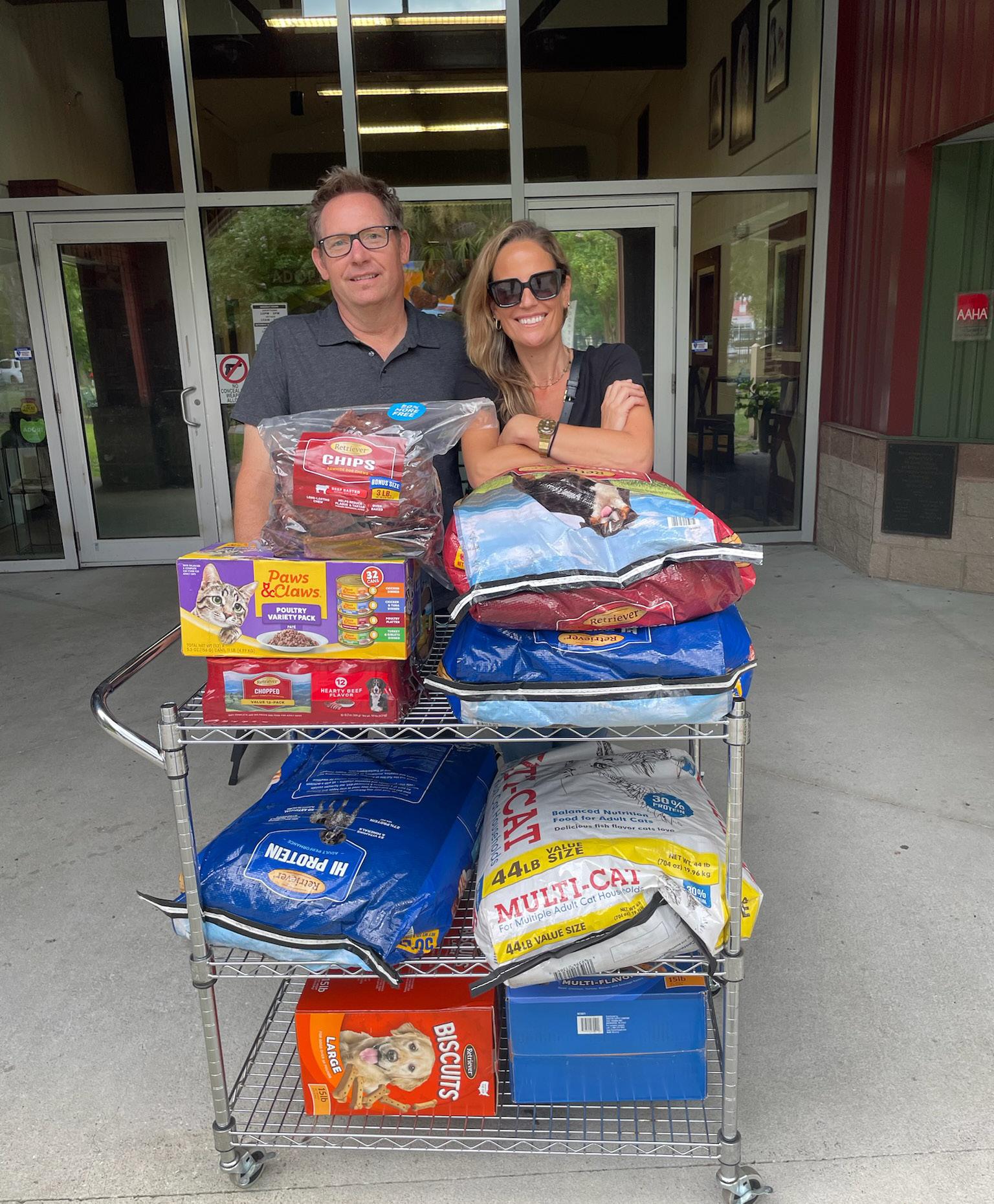
This page: Hootie & the Blowfish on the 2024 Summer Camp with Trucks and some of the donations received. Top right: Dean and Andrea drop off donations to Charleston Animal Society.
Andrea Felber, one of the founders of Dean’s Dogs, shared the stories of their very special pack of rescue dogs, both past and present.
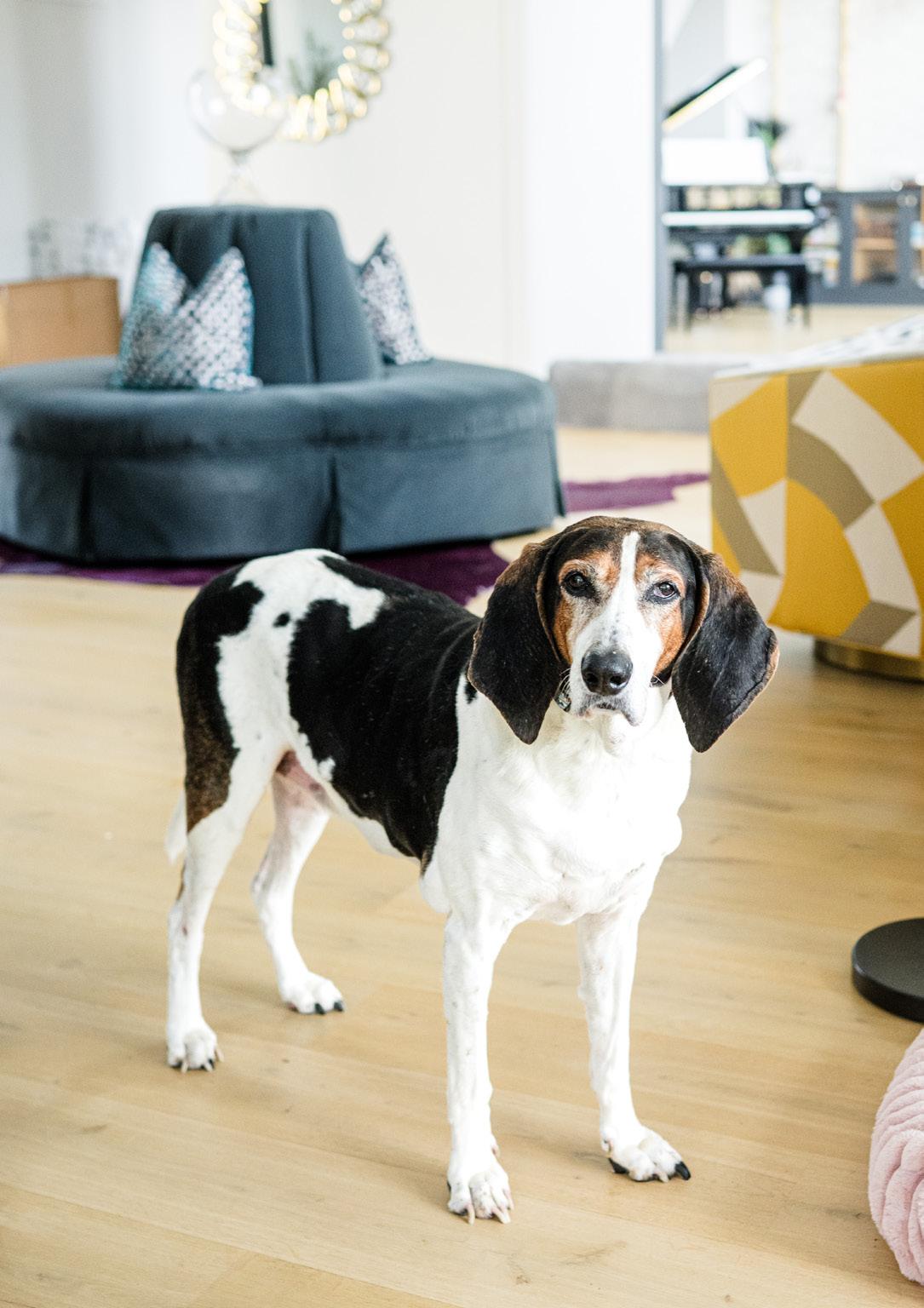
Simon. Simon is our boy. A 16-year-old Treeing Walker Coonhound we rescued 14 years ago, he still takes his job as a backyard patrol officer very seriously. Sweet, soulful, and endlessly entertaining, Simon makes us laugh every single day. We adopted Simon from Carolina Coonhound Rescue, an incredible organization run by some of the most dedicated women in the rescue community. The life-saving work they do across the Carolinas is truly inspiring, and we appreciate all they do for the hounds they find, often abused and abandoned.
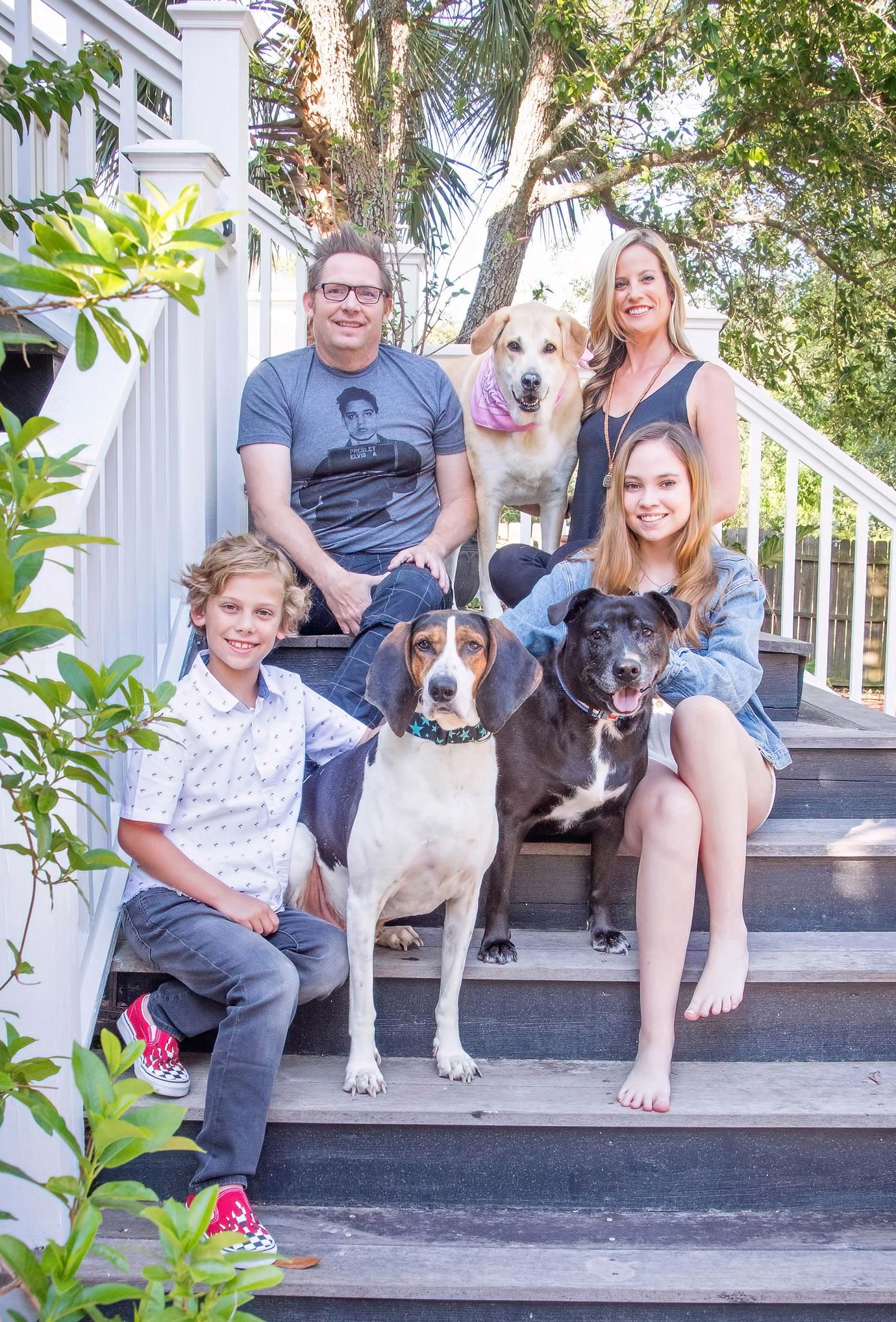
The photo on the opposite page on the bottom right was taken in 2018 by Jeanne Taylor Photography, and features Hazel and River who have since crossed the Rainbow Bridge. Hazel was adopted in 2014 shortly after their first rescue, Monty, had passed away. River was found by their daughter when she was a freshman in high school. River fit right in and lived a fantastic life until her passing.
Freddie! (aka Freds) is our baby—and at one year old and 100 pounds, you’d think he’d run the house. Instead, he’s the biggest snuggle bug. A true gentle giant, he’s pure love and pure light. We rescued Freddie from Palmetto Paws Animal Rescue, led by the incredible Kym—one of the true heroes of the Charleston rescue world. Freddie came from a hoarding situation on a rural farm, where he, his siblings, their parents, and another litter were all found unaltered and in need of care. After bringing Freddie home, we raised funds to help cover the medical, spaying, and neutering costs for all of these sweet pups. We’re so grateful he’s ours. ■
Thank you to Dean and Andrea Felber for their participation in this article and the great work they do for rescues everywhere.
Please head to deansdogs.org for more information about this amazing organization.
If you’d like to be a rescue partner, please email info@deansdogs.org for further information.
Local Dog Events
02/13/26 to 02/15/2026
SOUTHEASTERN WILDLIFE EXPO
Marion Square & Brittlebank Park sewe.com
02/14/26 BOYKIN BASH
Firefly Distillery 12 to 4 pm
02/15/26 PUPPIES IN THE WINDOW at SEWE
M. Dumas & Sons 10 to 5 pm
02/18/26 BOW WOW BINGO
Stones Throw Brewery 6 to 9 pm
02/21/26 FIND YOUR FOREVER FRIEND
Goose Creek Amphitheater 10 to 2 pm
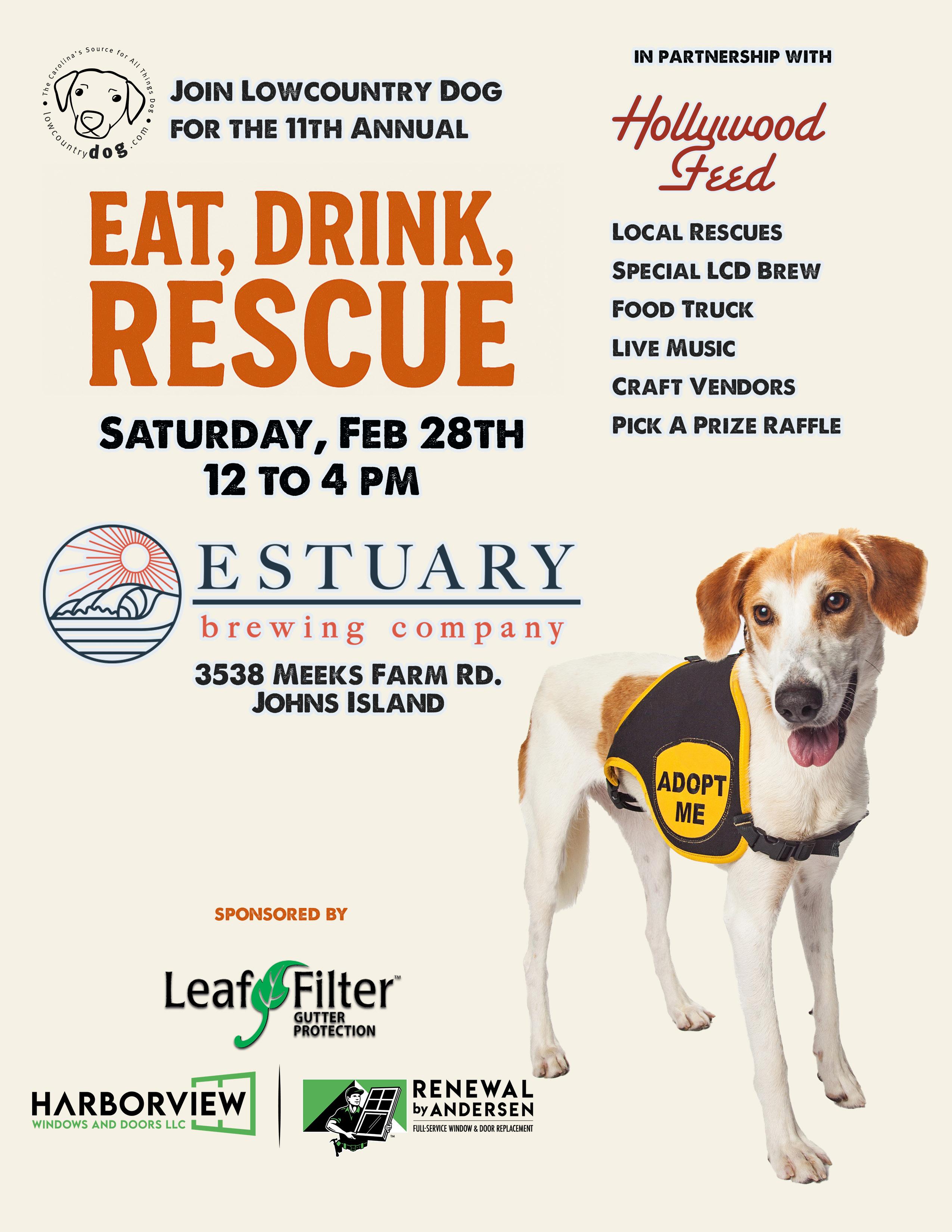
02/28/2026
EAT, DRINK & RESCUE
Estuary Brewery 12 to 4 pm
02/28/26 RUNNING OF THE WEENIES
Park West Recreational Center 10 am
03/21/26 PAWS IN THE PARK
Brittlebank Park 12 to 4 pm
04/11/2026
WOOFSTOCK: A LOWCOUNTRY
DOG MUSIC FESTIVAL
Gates open at 12 get tickets at woofstock.live
05/30/2025 MAY THE DOGS BE WITH YOU FESTIVAL
Firefly Distillery 12 to 4 pm
CHARLESTON RIVERDOGS DOG DAYS GAME
04/14/26
04/28/26
05/12/26
06/02/26
06/09/26
06/23/26
07/21/26
08/04/26
08/18/26
09/01/26
Check out our Events page for even more local events and check for date changes. www.lowcountrydog.com/events
Penny the Doberman pinscher wins best in show at 150th Westminster Kennel Club Dog Show
A Doberman pinscher named Penny won best in show Tuesday night at the Westminster Kennel Club Dog Show, netting U.S. show dogs’ most coveted prize.
Penny bested six other finalists at New York’s Madison Square Garden.
Pet exposed to rabid raccoon in Charleston County, health officials say
The South Carolina Department of Public Health confirmed that a raccoon found in Johns Island tested positive for rabies Monday.
The raccoon was found near Kemway and Burden Creek roads and was submitted for testing on Friday. It was later confirmed that the animal had rabies on Monday.
Health officials said one dog was exposed and will be quarantined as required by the state’s Rabies Control Act. No people are known to have been exposed at this time.
Aloka
the peace dog reunites with monks following surgery
Aloka the Peace Dog has reunited with the Buddhist monks following his surgery in South Carolina.
On Thursday, the group said Aloka would have a brief reunion with the Buddhist monks in the Charlotte area as they continue their Walk for Peace.
Click images above to read the full story. For more top stories, visit www.lowcountrydog.com/top-stories
MEET THE RESCUE:
Boykin Spaniel Rescue
WRITTEN BY LYNNE BROWN Director of Operations
Boykin Spaniel Rescue, Inc. (BSR) was formed in 2001 to rescue, rehabilitate, and rehome at-risk Boykin Spaniels, the South Carolina state dog. Celebrating 25 years, BSR has saved over 1,800 dogs, and is nationwide with over 680 volunteers.
“Boykins come to us from all over the country but still primarily in the Southeast. Most are owner surrenders, but we take dogs in from shelters, as strays and more. The dogs that come to us truly run the spectrum from young and healthy to very senior or with serious medical needs. The overarching goal for us is their quality of life. We are fortunate to have such dedicated volunteers who step up to assist us getting dogs to safety and the care they need,” stated Jill Freeman, BSR’s President. Each dog is evaluated and care plans are developed. Once they are medically, emotionally, and behaviorally cleared for adoption, a forever family is determined, and the dog is adopted out. That process can range from 6-8 weeks to over a year, depending on the unique needs of each dog. “We place a lot of focus on understanding each dog’s individual needs to ensure the best possible match before placing them. These are working dogs—some want to be out hunting; others are happy napping on the sofa.”
Some dogs can have a good quality of life, but their needs require that they remain in BSR’s care, through the Julia Horner Permanent Foster Care Program. These dogs remain with their foster families with financial support and guidance from the organization. BSR currently has 28 dogs in the Program, ranging in age from 2 to 14 years old. These dogs are not all ‘hospice’ cases but do need very specialized care.
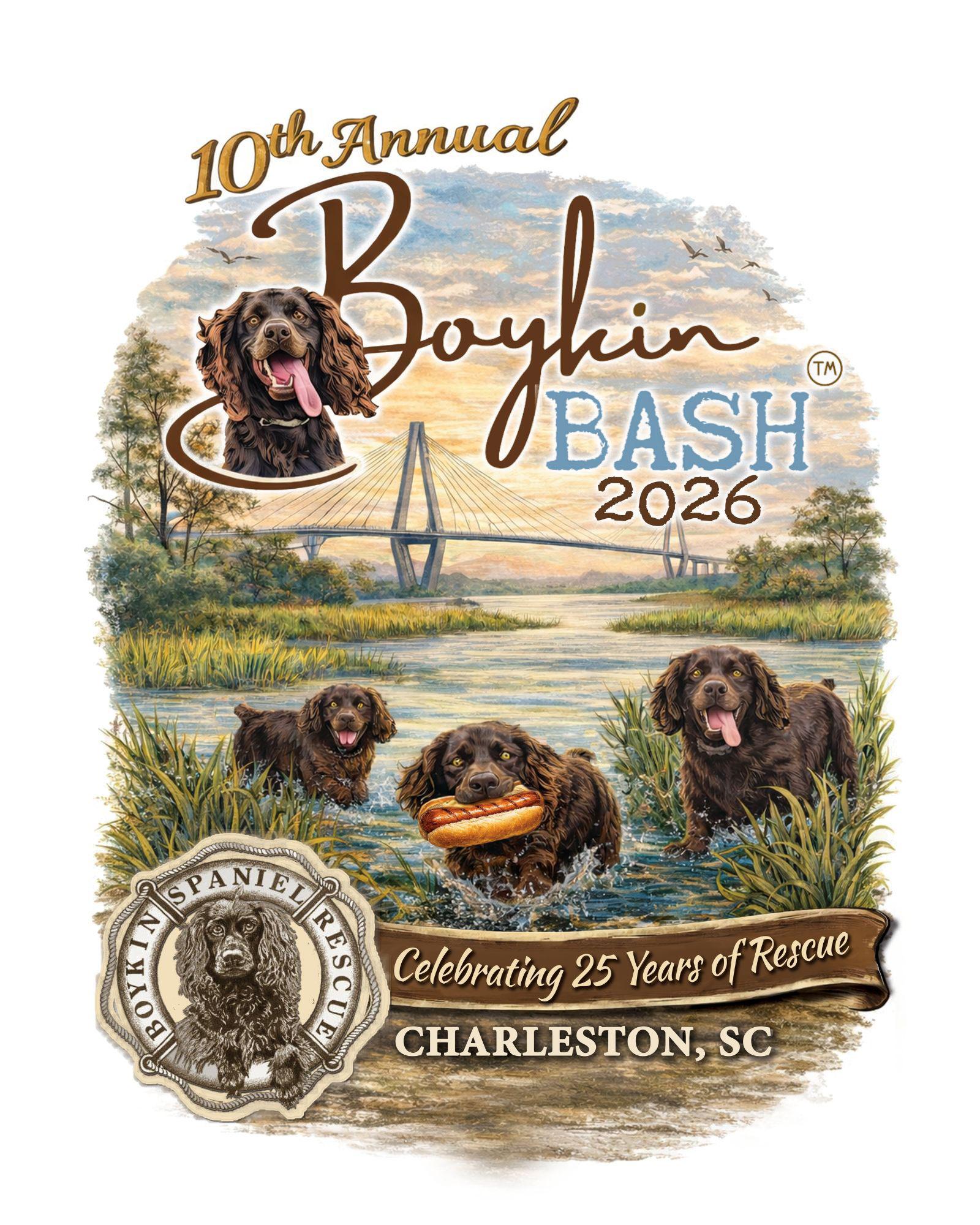
BSR has a robust fundraising team as the costs to care for dogs runs hundreds of thousands of dollars. “We are so fortunate to have incredible financial support from the Boykin community. We also seek grant funds and do a lot of fundraisers— from online auctions to live events,” Freeman went on to say. The “Boykin Bash™ is certainly the largest of these fundraisers. Boykin Bash™ 2026 will be held Saturday, February 14, 2026, at Firefly Distillery, 4201 Spruill Ave., North Charleston, SC 29405 from 12-4pm. Over one thousand Boykin enthusiasts and several hundred Boykin Spaniels will gather to spend an afternoon to celebrate their breed, watch demonstrations, check out vendors, and watch the “Boykin Bash™ Hot Dog Dash”, which is a hot dog retrieving contest, emceed by ABC4’s Chief Meteorologist and Boykin owner, Dave Williams. The event is hosted by Beth Donehue of BSD Meetings in Charleston, also a Boykin owner, with all proceeds benefiting Boykin Spaniel Rescue, Inc. ■
Tickets are available online here: https://www.ticketleap.events/tickets/ boykinbash2023/boykin-bash-tm-2026 and are $15.00.
Tickets will be available at the gate for $20.00. Well behaved dogs are welcome, but a health waiver is required, and all dogs are required to be on a leash.
If you would like to learn more about Boykin Spaniel Rescue, Inc., please visit www.boykinspanielrescue.org or contact Lynne Brown, Director of Operations and Marketing at lbrownbsr@gmail.com.