

PEOPLE

PUBLISHER
Brian Foster
brian@lowcountrydog.com
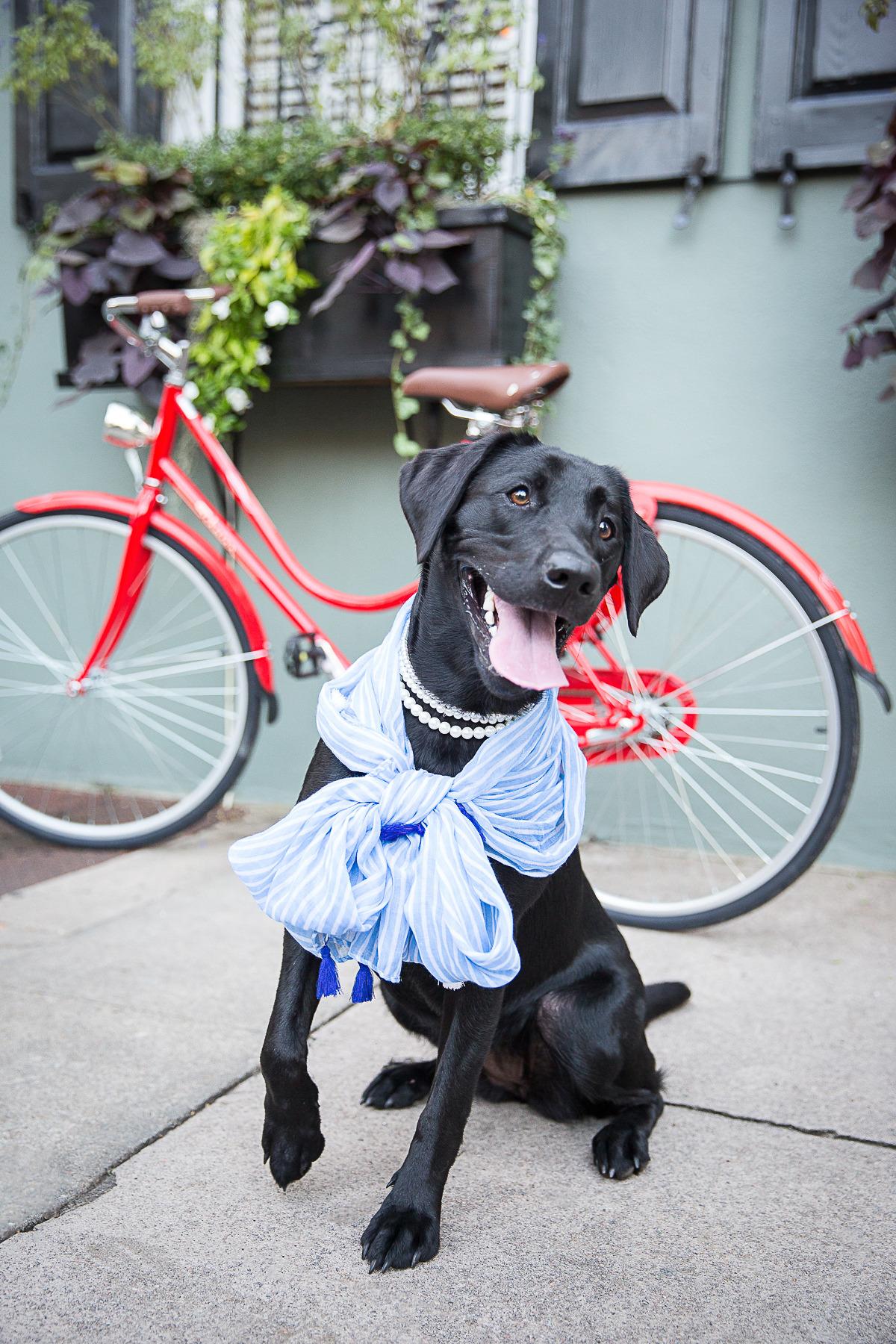
CHIEF CANINE OFFICER
Peanut
ADVERTISING AND MEDIA ASSISTANT
Lauren Dufrat lauren@lowcountrydog.com
EDITORIAL COLUMNIST
Alicia Williams
alicia@lowcountrydog.com
STAFF WRITERS
Julie Murray
Kelly Glasson
Jessica Harrell
EDITOR
Chelsea Bradford
PHOTOGRAPHER
Southern Vintage Design and Photography
RESCUE SPOTLIGHT PRODUCER
Palmetto Coast Media

We believe that our dogs are our best friends, and that’s why we need a reliable source to turn to for information on all things “dog” in our community. Our mission is to be the number one Charleston area resource for dog owners regarding regional dog-centric and dogwelcoming events, health & wellness information, dog training, trends, and local news. We also strive to be a mouthpiece to the public for various Lowcountry-based pet nonprofits, and we promote pet adoption and other responsible pet care practices.
Founded in Charleston, South Carolina in 2005 as a print magazine, we re-launched in 2015 as an online publication. In 2016 we updated our website to continue our mission to be the best dog friendly resource in the Lowcountry.

WEB DEVELOPER & CONSULTANT
Laura Olsen
CONTRIBUTING WRITERS
JR Johnson Wolf
Stacy Jennson
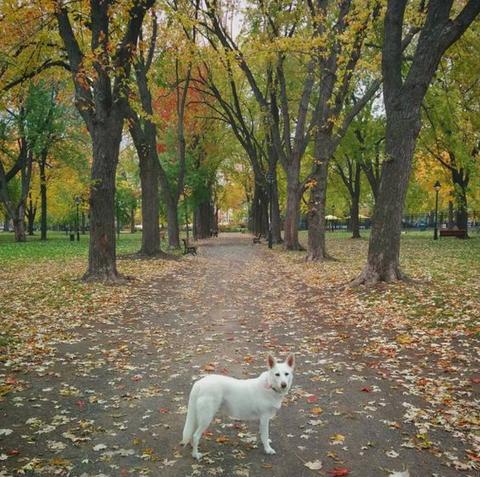




Now that the temperature has fallen to a reasonable level, us dogs want to get outside and explore the Lowcountry! Have you checked out Lowcountry Dog Hotspots?
Here are a few suggestions that I recommend but checkout www.lowcountrydog.com/hotspots for more...
A trip to James Island County Dog Park followed by lunch on the patio of Smoky Oak Taproom
A nature walk at the beautiful Magnolia Plantation and Gardens followed by lunch at Three Matadors. Have Sunday Brunch at the Rusty Rudder in Mt Pleasant, them walk the gorgeous trails at Palmetto Islands County Park.
Check out live music on the patio of The Charleston Pourhouse. Run around with your besties while your owner tastes local brews at The Barrel Charleston.
Written by JR Johnson Wolf,
As a professional I feel the “the new dog owner” should educate themselves and really commit “to doing it right from the start” .
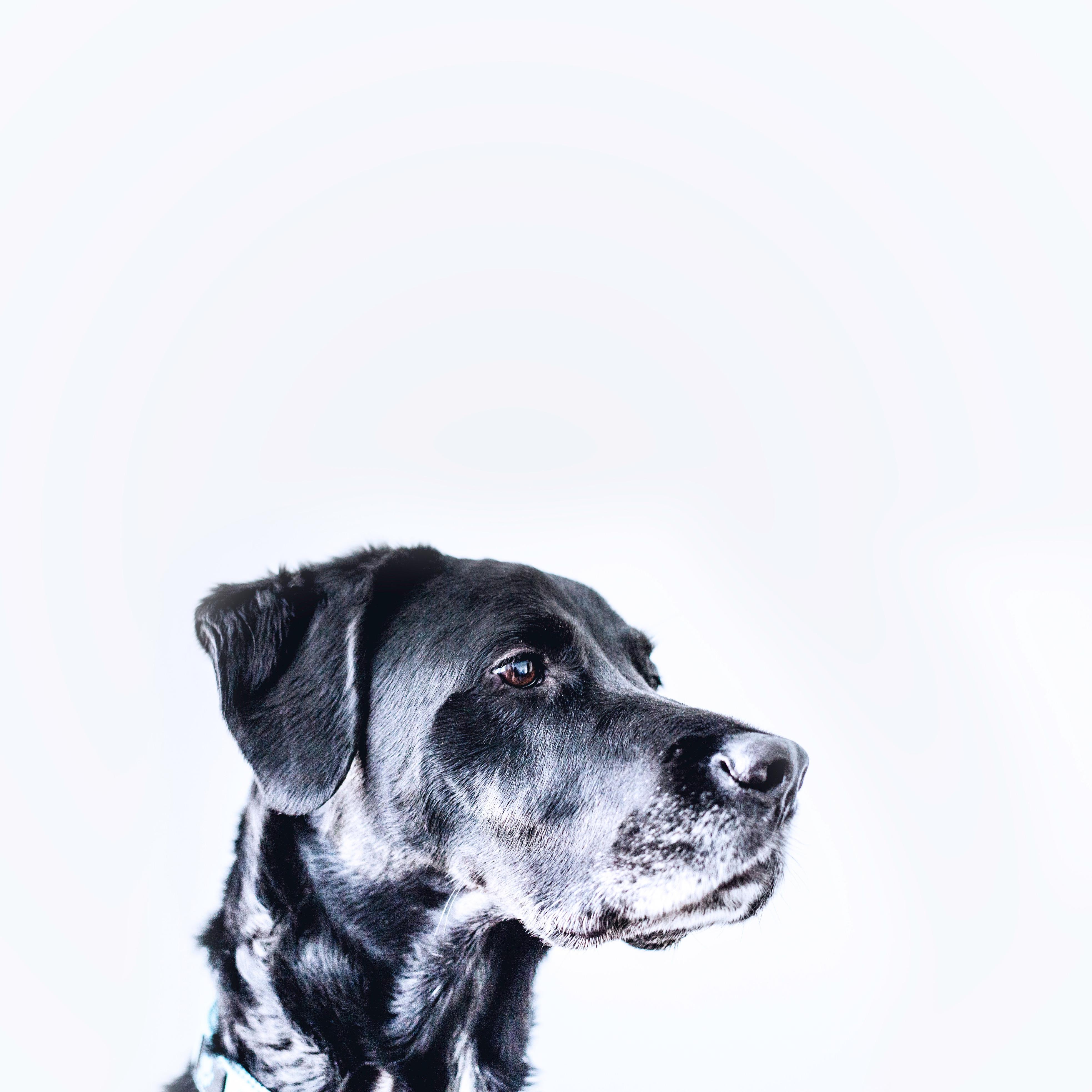
by Ken Reid
I believe they should start with asking a lot of questions to a lot of different people with a lot different animal backgrounds and methods. People should highly educate themselves on what their pup needs for success and define what success means for their family. Some pups require obedience to correct behaviors and inevitably make their life full and enriched. Some pups require rehabilitation to correct anxious impulses or unwanted behaviors.
***It should be stated that some pups have “a lot to work on” and will require both obedience and rehabilitation.
Know how to tell which of these focuses your pup needs in order to achieve success.
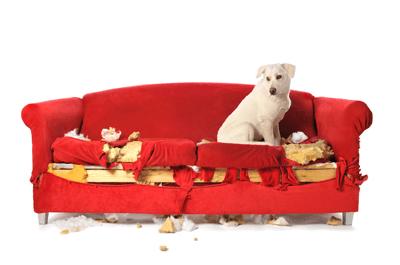
If a family overlooks this question for their new pup, they run the risk of a life of turmoil and frustration…
Be proactive and you can set your pack up for a life of bliss and stress free dog-life. It should be stated that in most cases, a dog that requires rehabilitation later in life often was never taught obedience or structure as a puppy. This lack of early structure often leads to a plethora of bad habits and impulse driven misbehaviors, which if left unchecked can becomes matter that requires extensive rehabilitation.
The new puppy that growls and or nips their owner openly for taking away items (food/toys/chewed shoe…) is a good example.
If this pup is not taught “Structure and Obedience” those behaviors will become more confident and “aggressive” overtime, leading to some undesirably intense moments, moments that will then require rehabilitation.
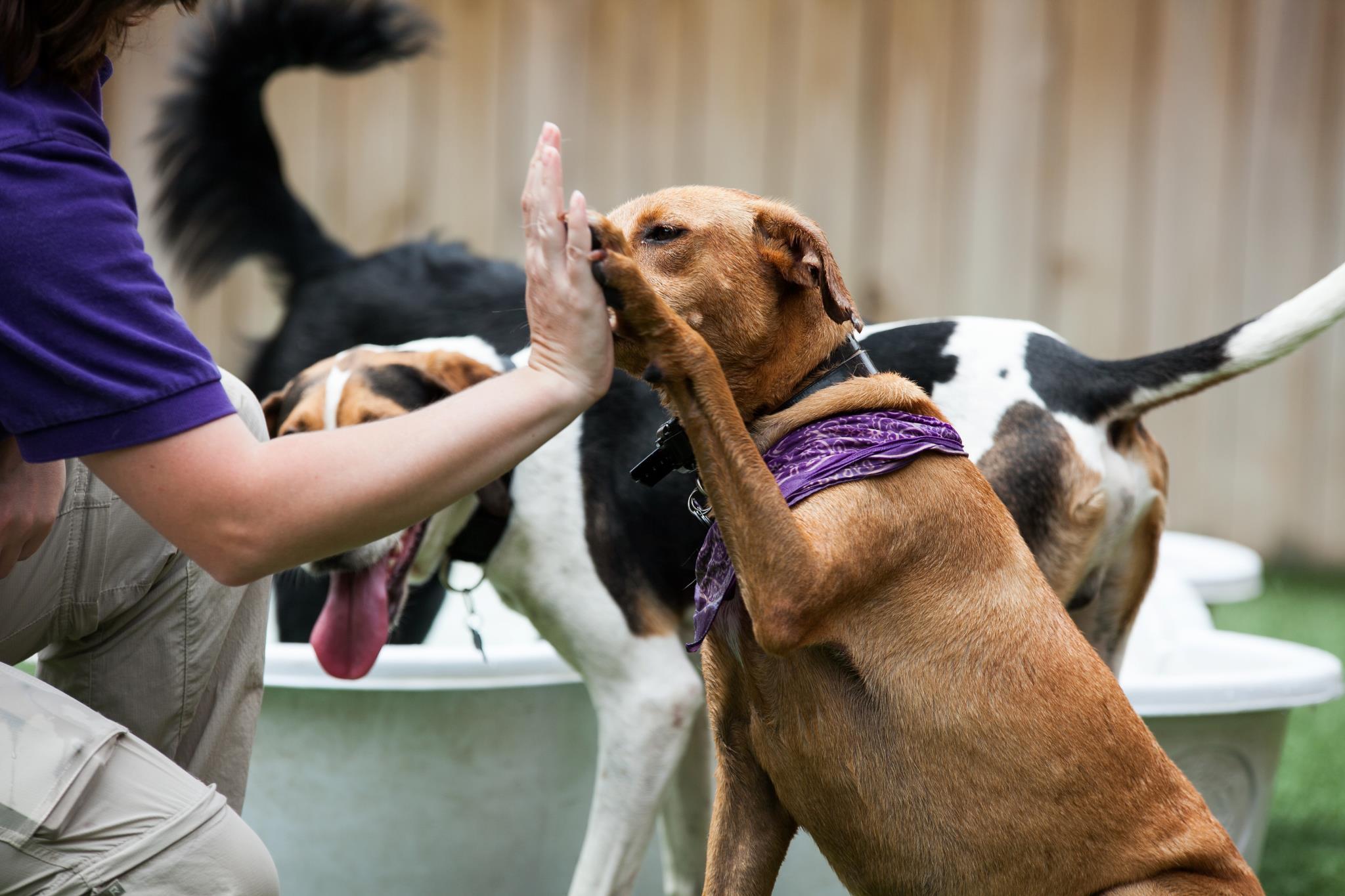

y as ur pups life to ensure your pup grows to be the temperament you desire. Early proactivity is the best way to encourage and mold your dog for the enriched and full life you desire for them! Go win at loving some pups!
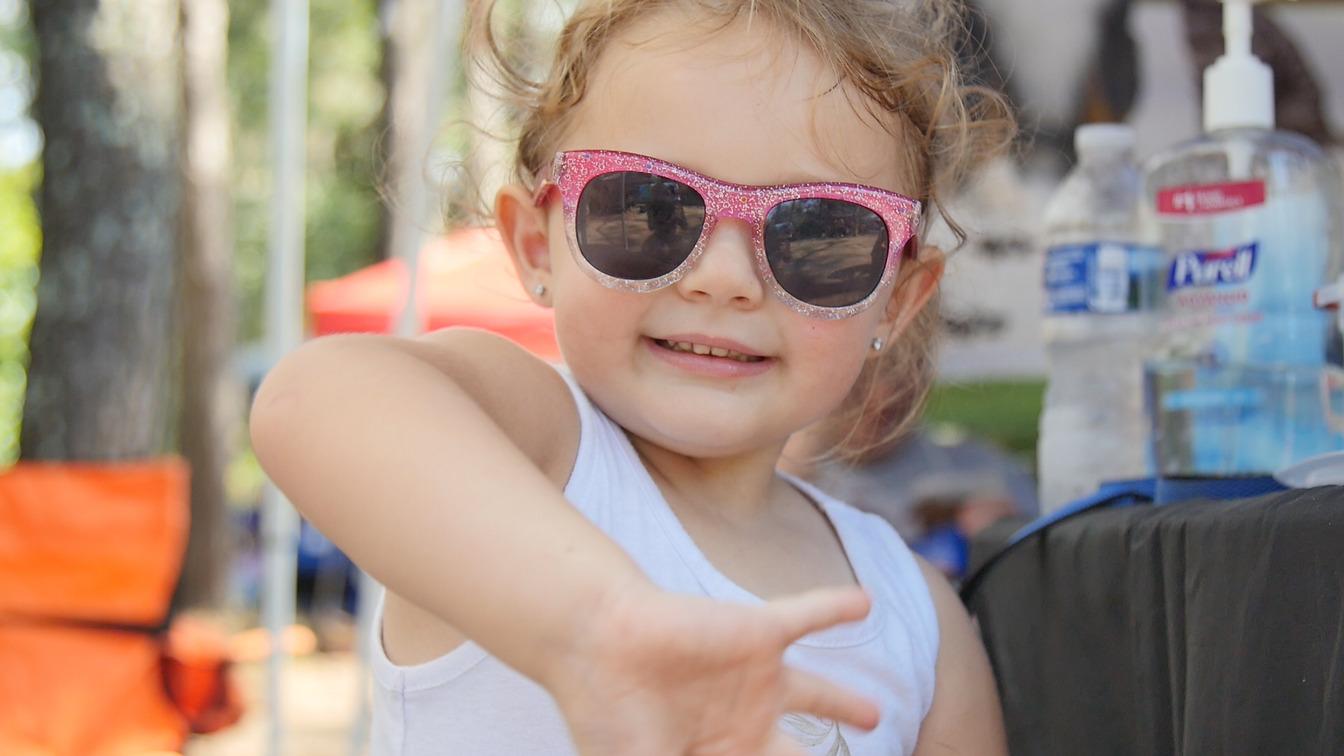
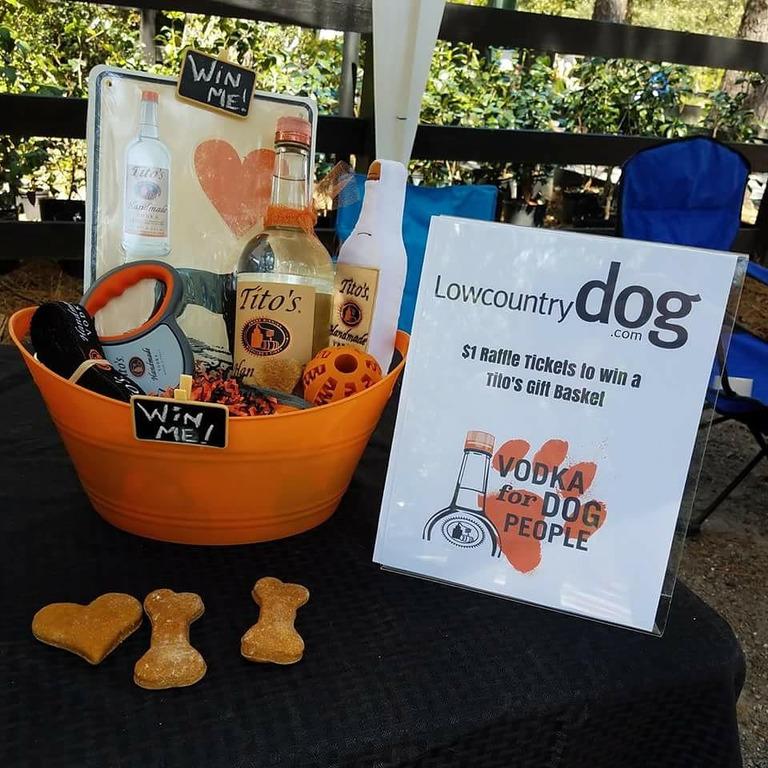
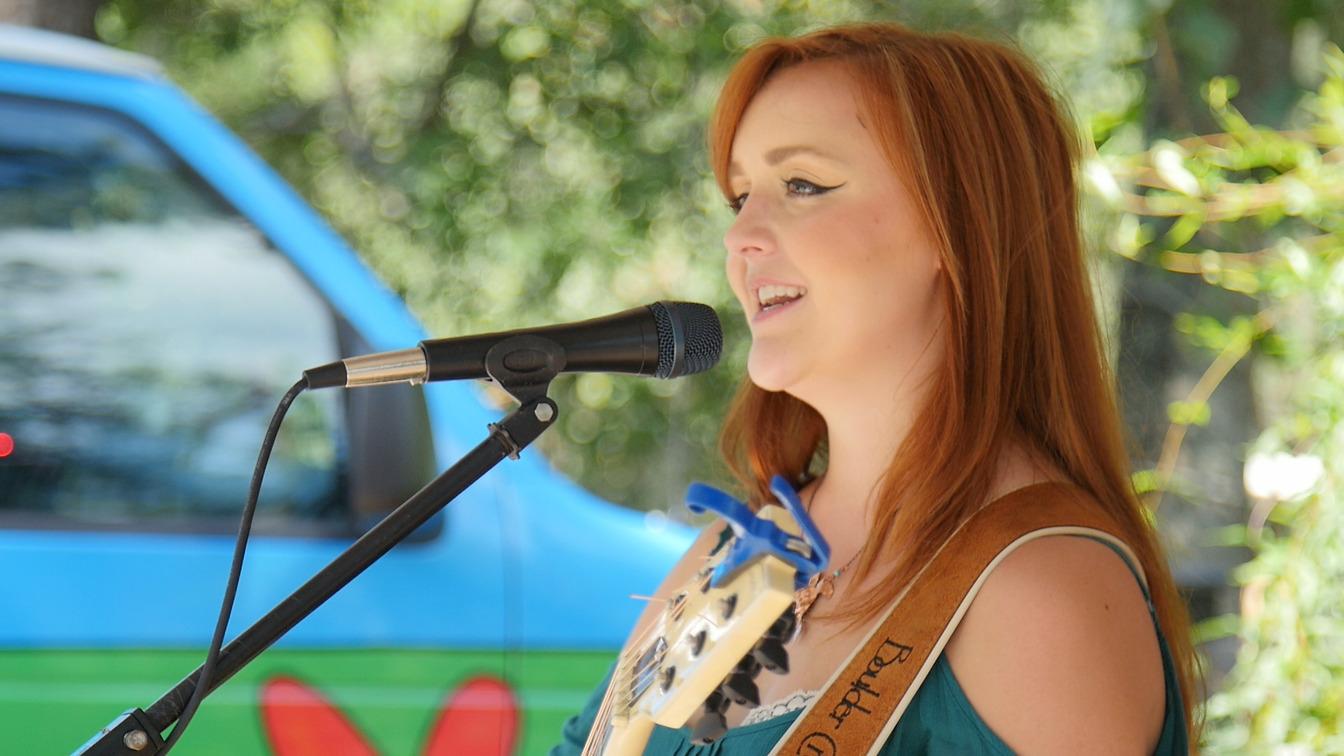
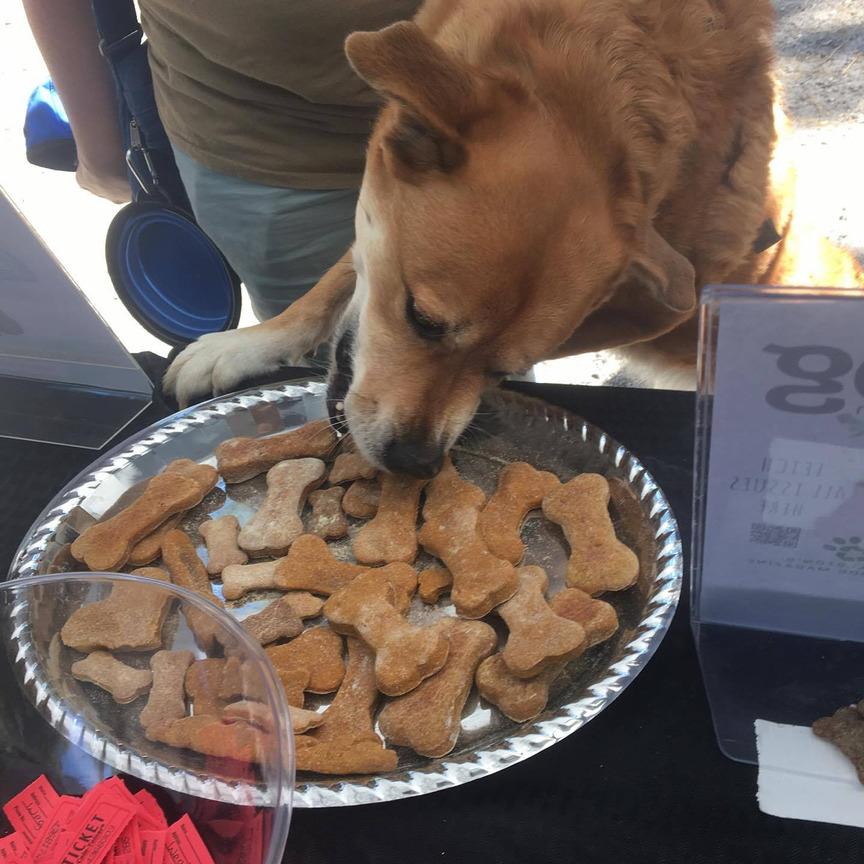
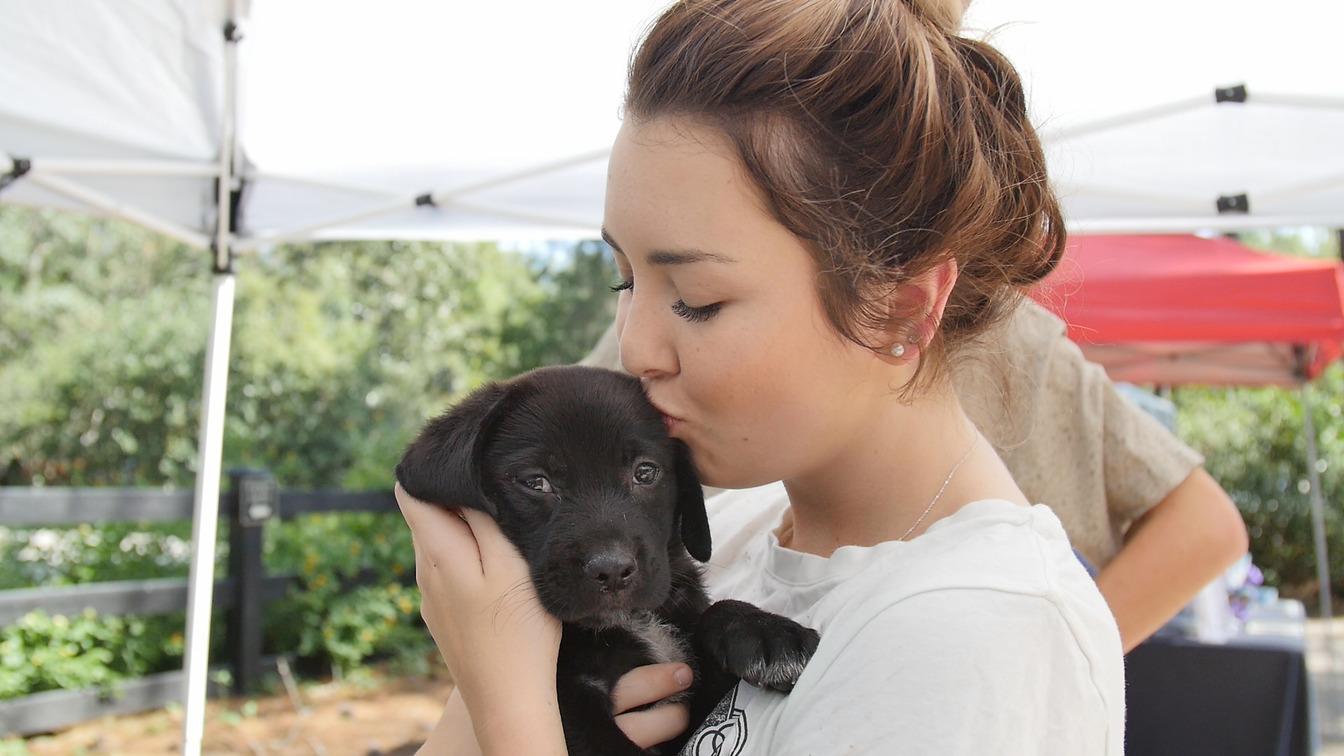
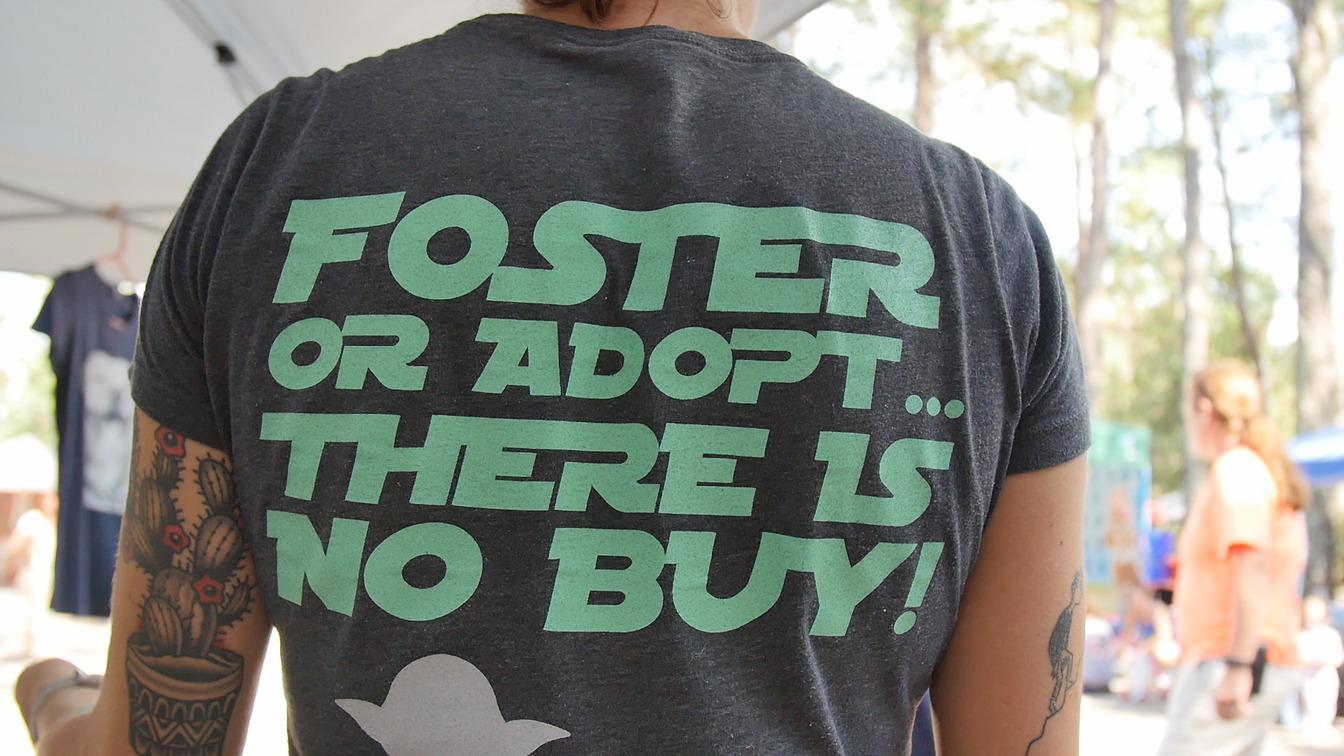
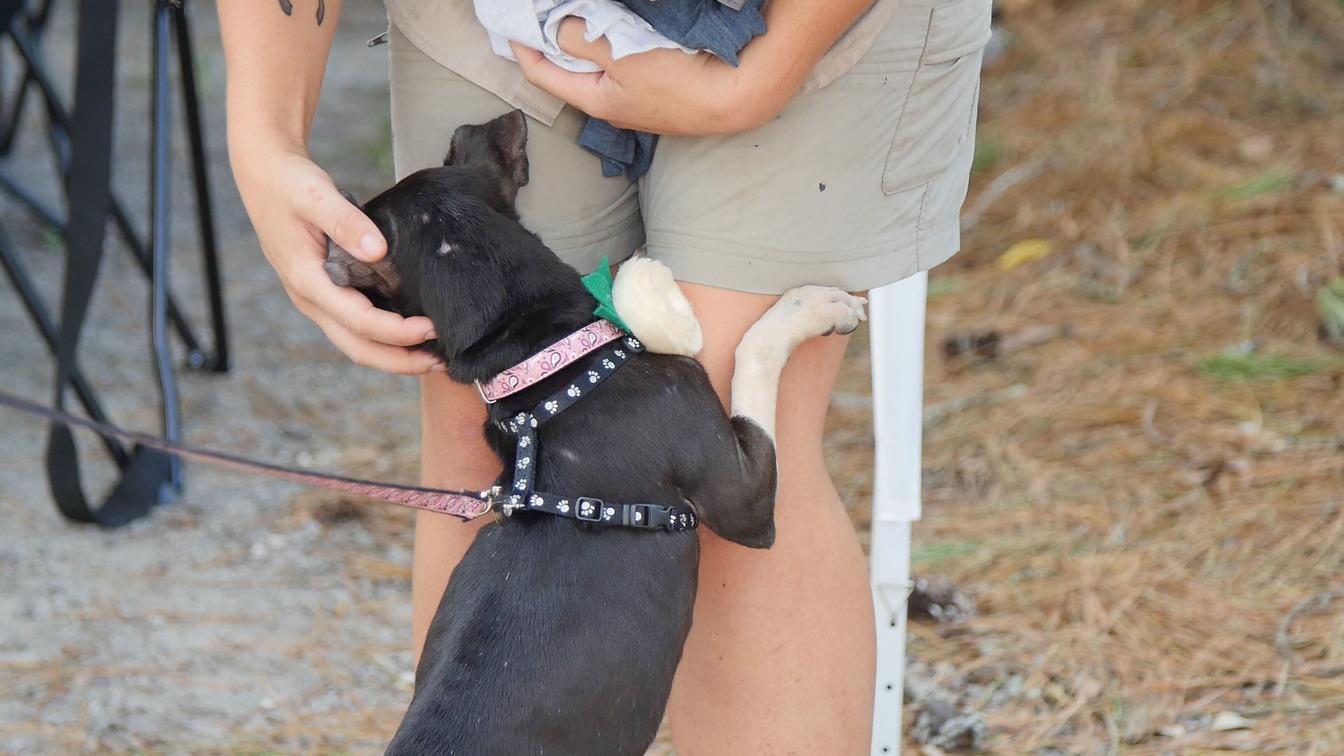
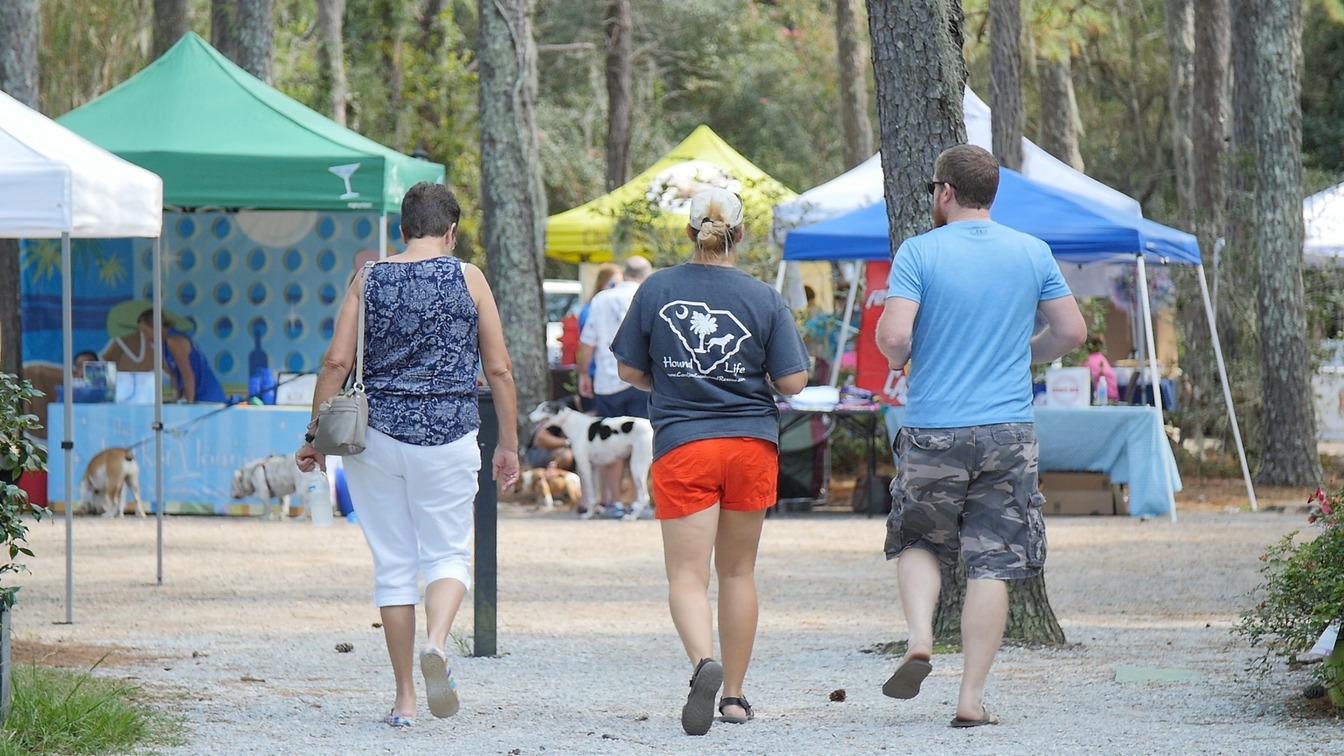
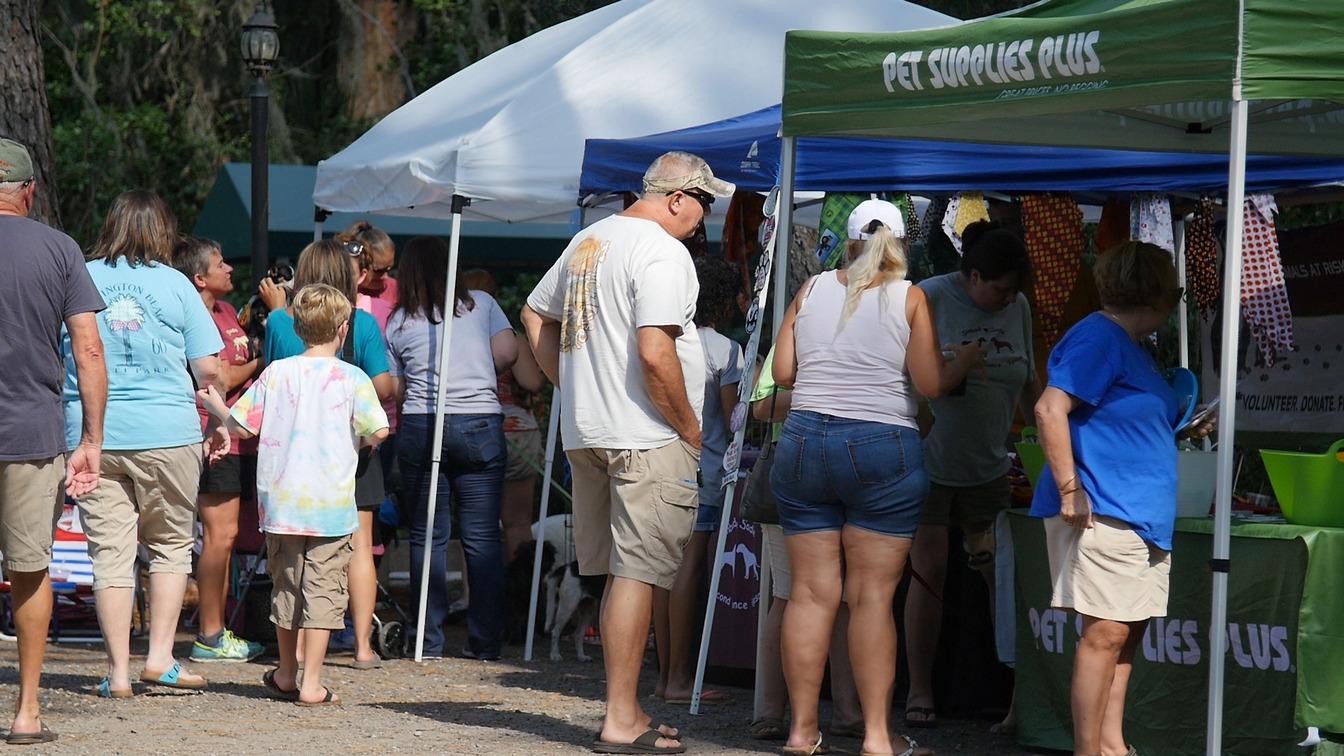
Did you miss our Adoption Event in September?
15 rescues + Live Music + BBQ
Many dogs found forever homes & rescues got new volunteers. It was a beautiful day!


Written by Stacy Jennson
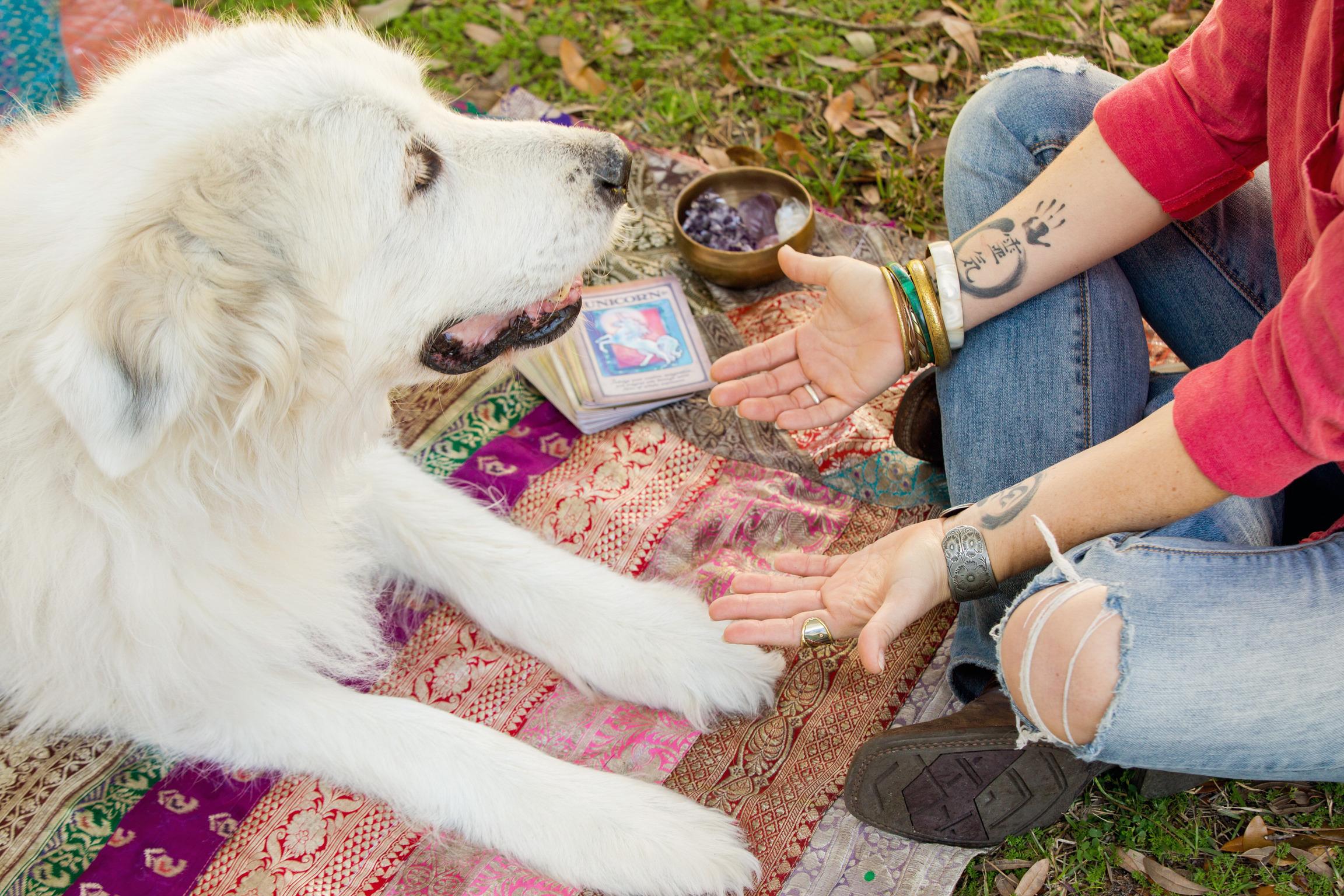
Reiki (pronounced RAY-key) is a Japanese technique of energy healing. It was discovered in by Dr. Mikao Usui over a century ago. The word Reiki comes from two Japanese words: Rei and Ki. The general definition for the word "Rei" is simply “universal.” As it is used in Reiki, the more accurate interpretation for "Rei" is higher knowledge or spiritual consciousness. This is the all-knowing Universal Consciousness or God-Consciousness. The word "Ki" has the same definition as "Qi" (pronounced Chee) in Chinese or "Prana" in Sanskrit. They are all defined as energy or life force. This is the nonphysical energy that circulates in and around all living things. When a living thing dies, its "Ki" departs. When your "Ki" is low or there is a restriction in its flow, you are more vulnerable to illness. When it is high and flowing freely, you are less likely to get sick. "Ki" is also the energy of our emotions, thoughts, and spiritual life. So in short, it is the God-Consciousness called "Rei" that guides the life energy called "Ki" in the practice of Reiki. A Reiki Practitioner is a conduit for this energy and channels it to the recipient either directly with a hands on approach or from a distance.
We and our pets all inhabit the same kingdom together—Animalia! So we experience stress and trauma in related ways, and therefore, can both benefit from Reiki. But when it comes to the process, animals speak a different language. While they naturally receive and gravitate towards Reiki, some pets may prefer to receive Reiki at a distance for a few minutes before approaching and placing the area of their body that needs healing directly into the practitioner’s hands. Both humans and pets can experience some or all of these benefits from their Reiki sessions, but, of course, their experiences are not limited to the ones listed. There will likely be some unexpected and welcome benefits along the way as well!
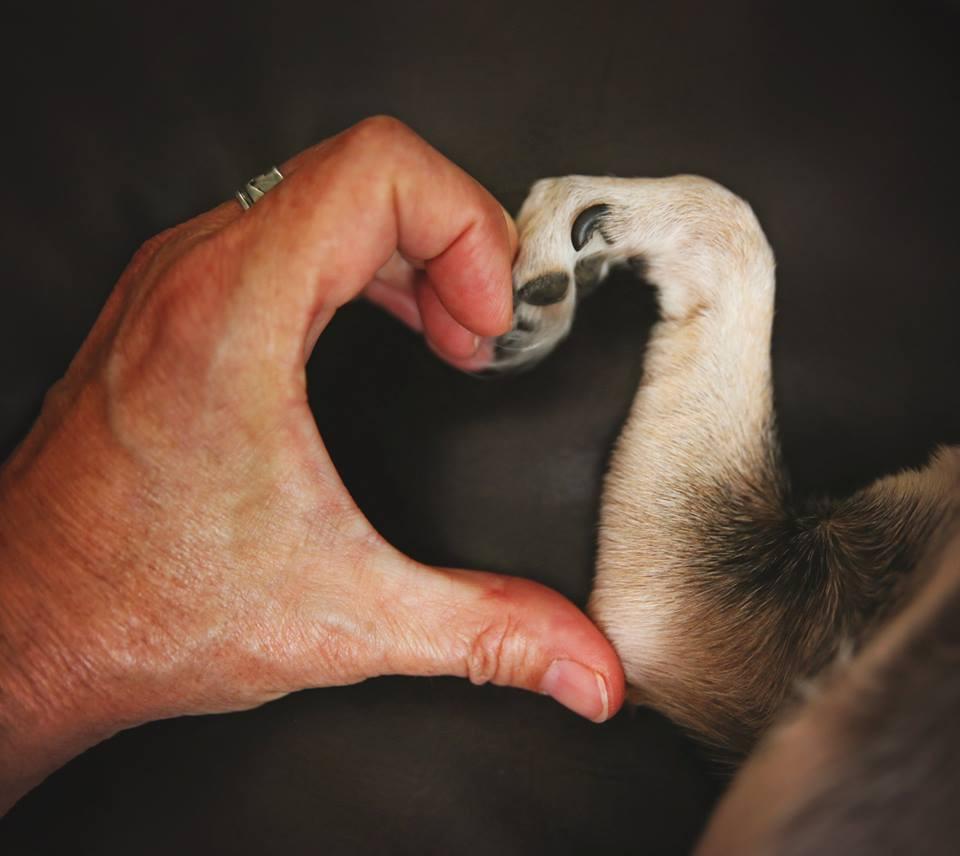
It’s probably no surprise to y'all that people and pets can sometimes mirror one another's physical and emotional states. Animals are natural healers and often take on and attempt to heal their person's problems. This happens because of the deep bond between a pet and his/her person. Energetic imbalances can be shared as well because of this bond. Joint treatments for pets and their people can often be quite beneficial and offer great bonding opportunities!
• Overall well-being: even healthy people and pets can have occasional physical, emotional and mental imbalances that, if left untreated, can manifest as dis-ease or illness. Periodic Reiki sessions can help maintain a natural state of well-being.
• Release and healing of emotional imbalances due to any traumatic situation such as abuse, neglect, abandonment or an accident.
• Healing of behavioral issues such as nervousness, hyperactivity or aggression by promoting relaxation and by reducing stress and anxiety.
• Quicker healing of sickness, injury or after surgery
• Reiki can help prevent side effects from conventional medications and provides relief of pain and relaxation to promote an enhanced natural healing response.
• Bring peace and comfort during the transition to the next life. Reiki helps to relax the recipient so that they are not afraid or struggling to stay a part of this life when it is time for them to depart.
• Increase trust and bonding between person and pet
Reiki treatments can be given in person at the pet’s home, in the veterinary clinic while they are hospitalized, and even at the kennel they may be boarding at. Whether the pet prefers the treatment directly hands-on or at a short distance from across the room, the benefits are equally effective.
Distance sessions, also known as remote treatments, can be explained using basic Quantum Physics. This method is extremely effective and sometimes more effective than the in person, hands-on treatments. Quantum Physics shows us that everything in the Universe is made up of energy and everything is connected. Distance healing is like “wireless” healing. We accept that cell phones, TV’s and the internet work wirelessly. Is it really that much of a leap to accept that all energy, even healing energy can travel this way? In distance sessions the Reiki Practitioner connects with the person or animal and requests the healing energetically. We are all part of the same universal energy with our own unique frequencies. The Reiki Practitioner is able to “dial in” to the recipients frequency and then send the healing energy to them. Both in person and distance sessions can typically last from 15 minutes to one hour.
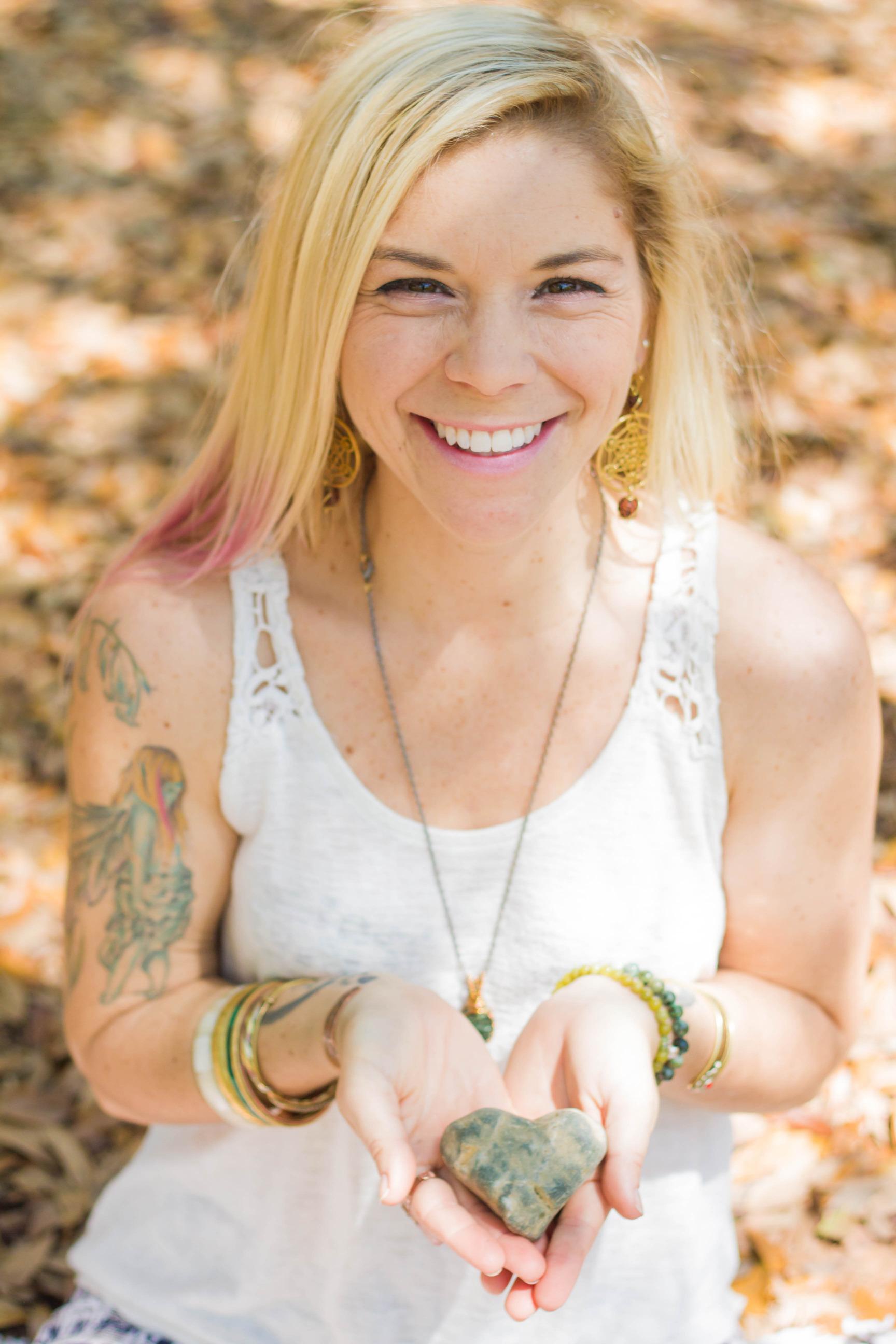
All in all, Reiki is a powerful yet gentle and loving technique to facilitate overall wellness for any living being.


F*#% you like a Hurricane!
Harvey, Irma, José, Maria – these are all hurricanes that have caused so much trauma for so many people. Lives were lost, homes were ruined, and it will take years for the destruction to be repaired. We also saw a lot of communities come together in a time of need to help each other out. People from hours away volunteered their time in whatever way they could. Personally, it’s refreshing to see strangers uniting and not wanting anything in return.
The thing that irked me (naturally) was the uproar about the abandoned animals. Yes, it’s horrible that these animals were displaced during a horrendous time. Yes, it’s sad to see them without shelter

during the storm. Yes, these precious souls are helpless, confused, and lost. However, why weren’t these animals cared for in the first place? Why does it take a catastrophe for people to be concerned?
A dog that is tied to a pole dies during a hurricane – but to be honest, even if the hurricane didn’t take place; the dog was probably going to die from a heat stroke because it didn’t have proper shelter. A dog left behind with no food, probably wasn’t receiving proper nutrition anyways. The dog swimming because it’s flooding is probably a stray who would have gotten hit by a car. Do you see where I’m going with this?
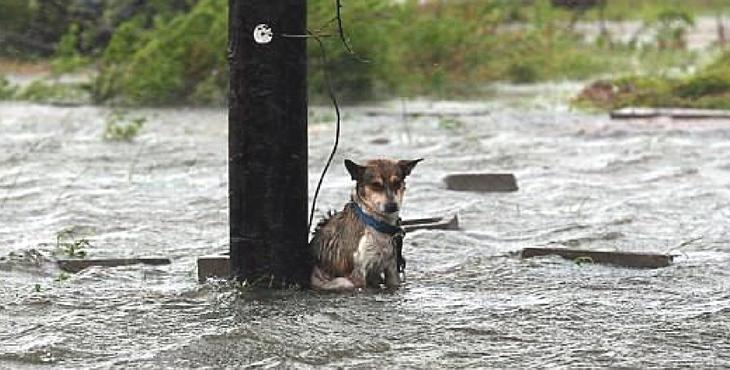
I’m not trying to be cold, because my heart aches for every soul that have been negatively affected by these tragedies. It just boggles me that people are so careless about living, precious creatures. Meanwhile, some do care. Once again people who weren’t responsible for the animals in the first place come to the rescue to save them. They bring their boats, crates, dog food, leashes, and other supplies to go gather as many animals as they can in a trip. Instead of using their time and resources to help those in public shelters or the clean-up process; people feel obligated to do what the others should have done before the crisis was even mentioned. I guess my point is, if you see an animal in distress – do something about it now.
Don’t wait until a disaster to do something because by that time, it’s going to be too late. Even if a solution isn’t found for the animal you’re trying to help, it’s better than doing what so many others do, which is nothing. If you don’t want to be a letdown to your own personal pets, make sure a plan is in place for when something like a hurricane happens. There is nothing we can do about these natural occurrences, but there is something we can do so that no pet is left behind.

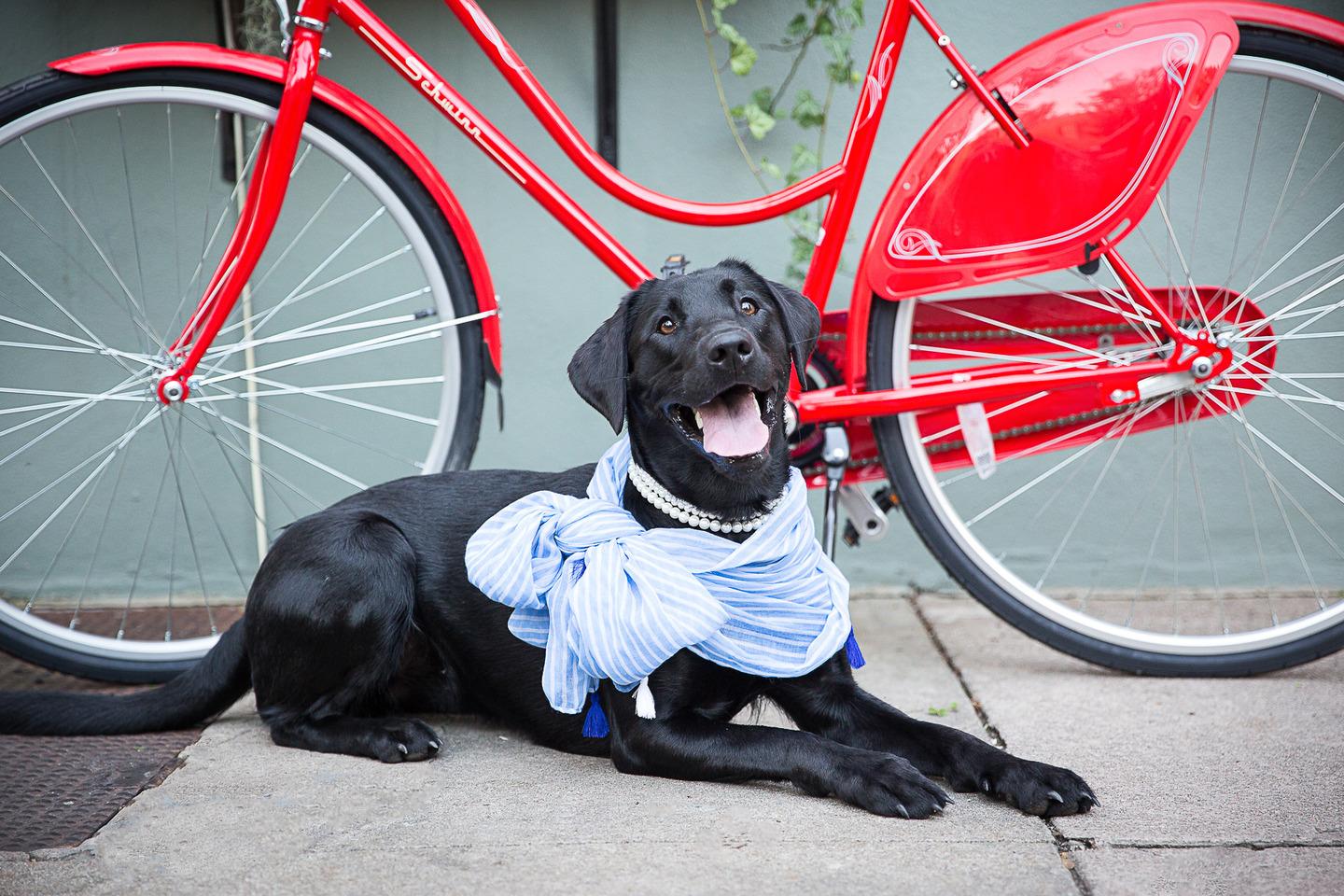
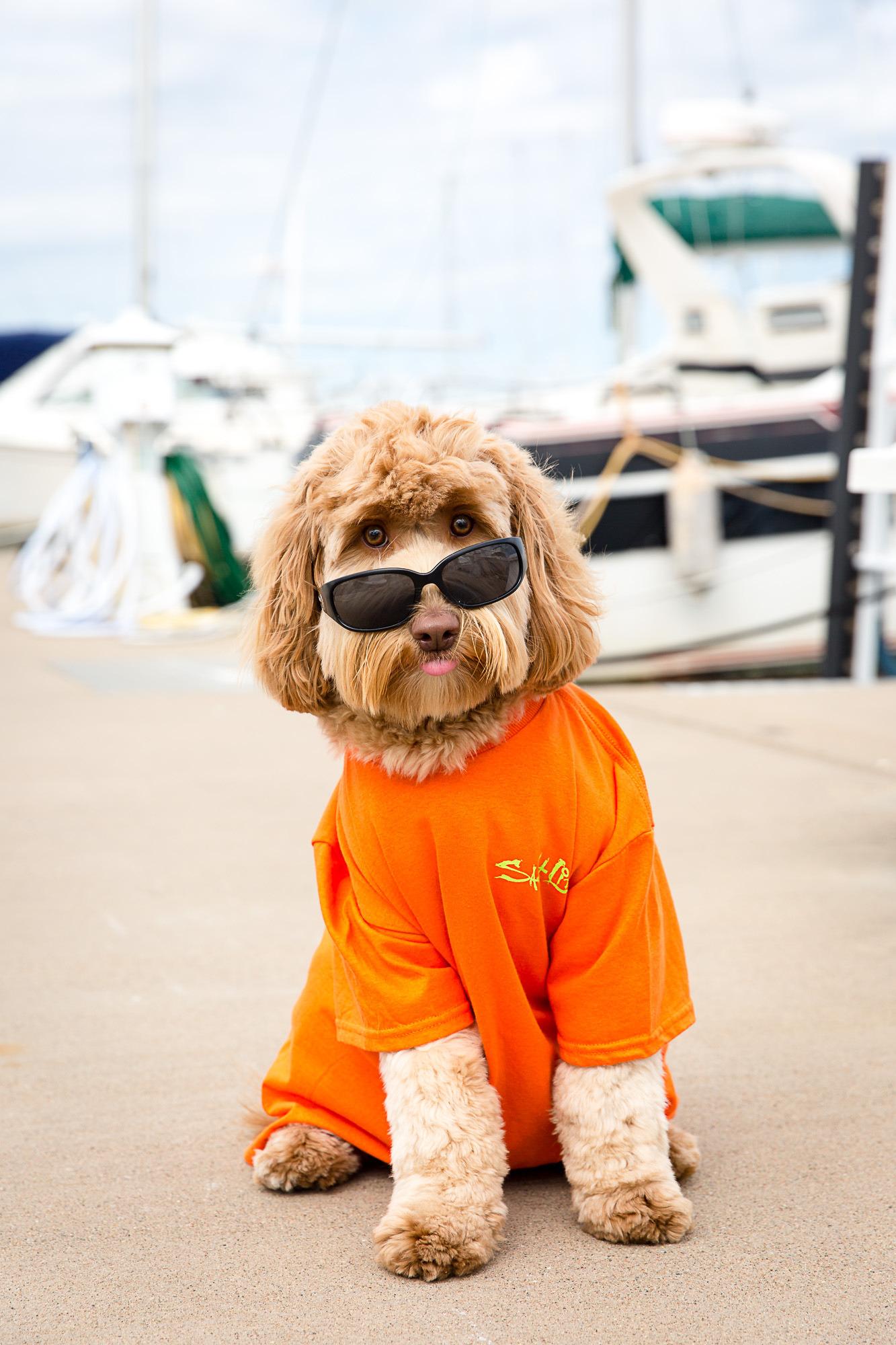
Our cover dog is Annie who is a Lowcountry Dog from Edisto. She enjoys the beach and especially her tennis balls. Annie was our 1st runner up in our 2017 Cover contest losing by only 1 vote to Stout. We loved Annie so much we offered her a modeling job for the last 2 issues.
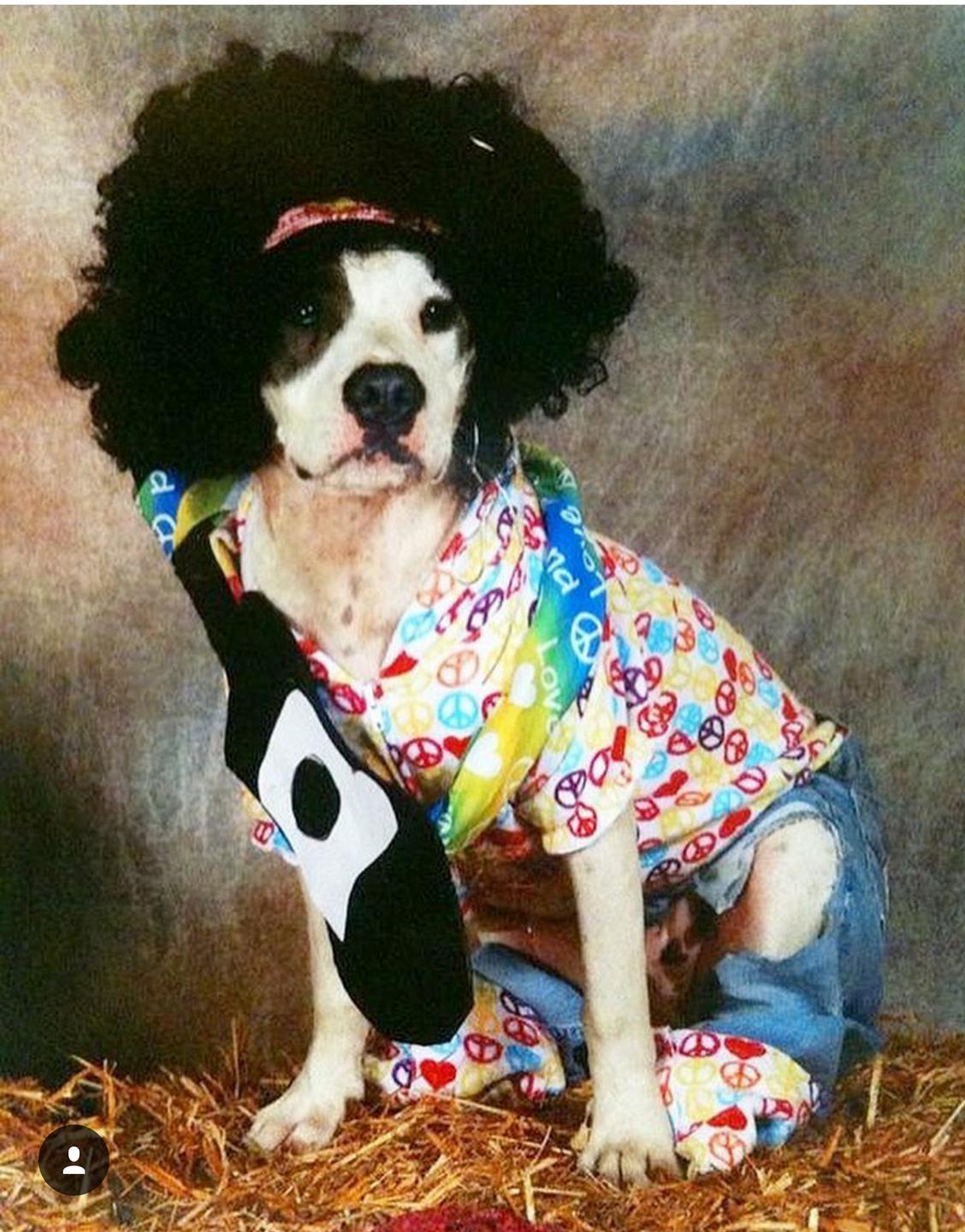
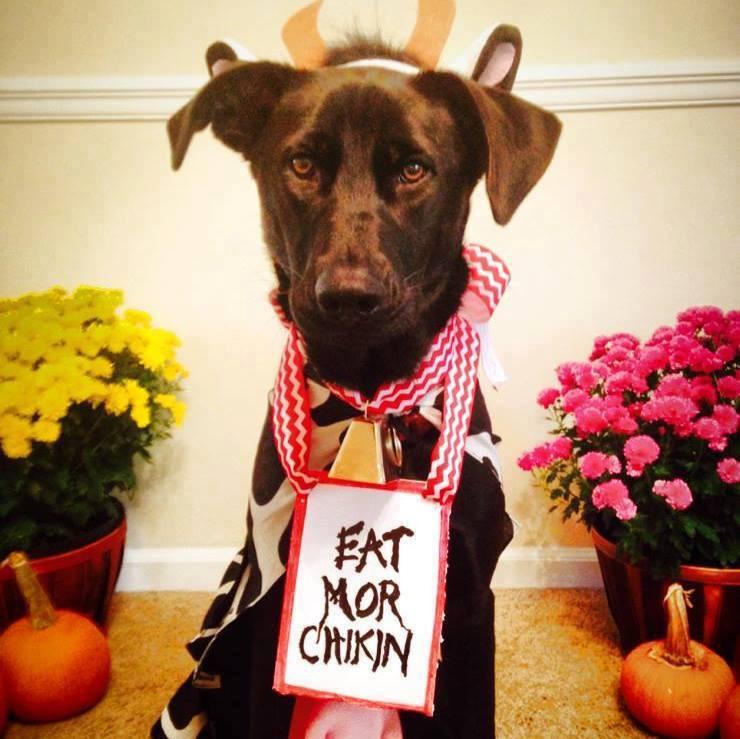
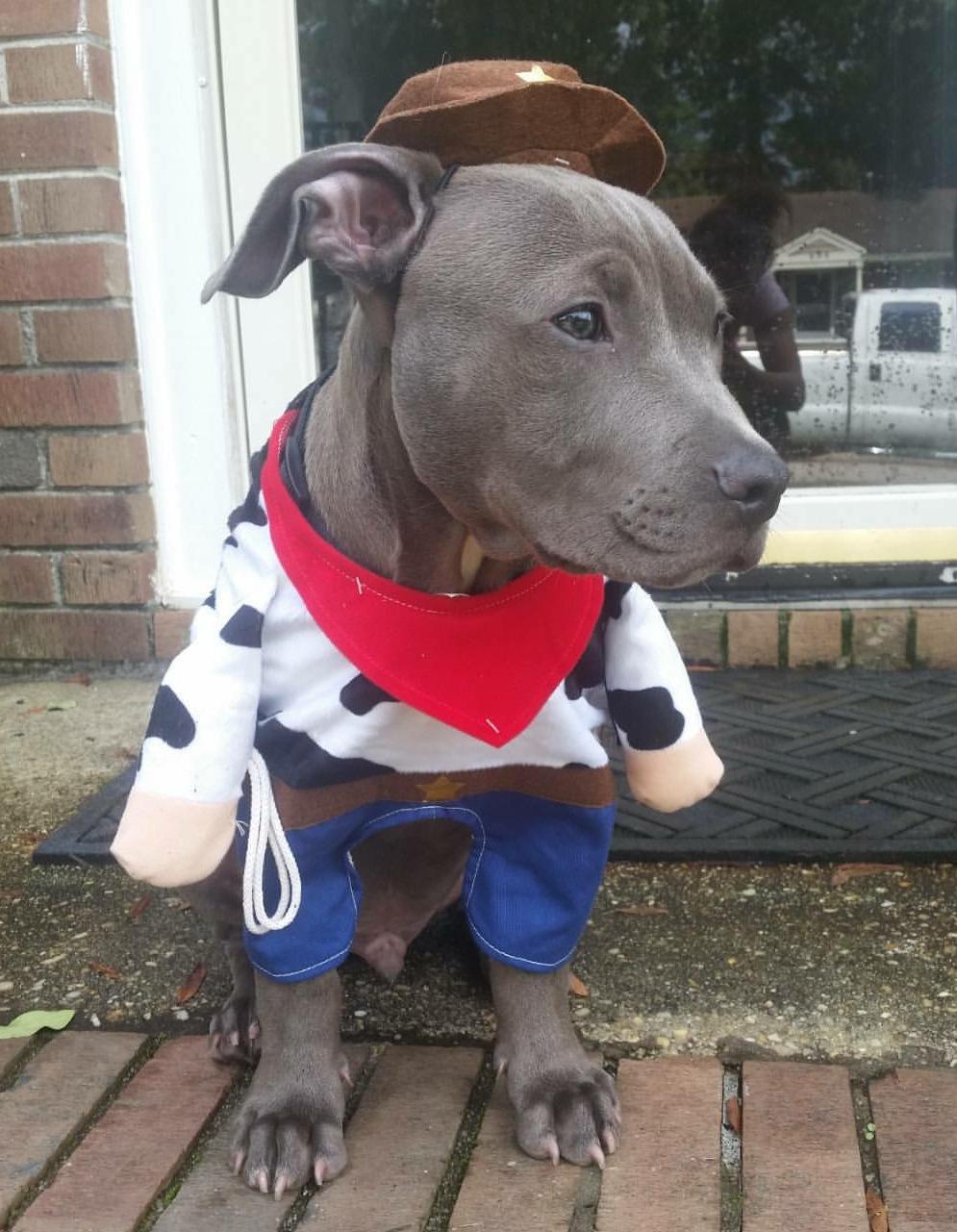
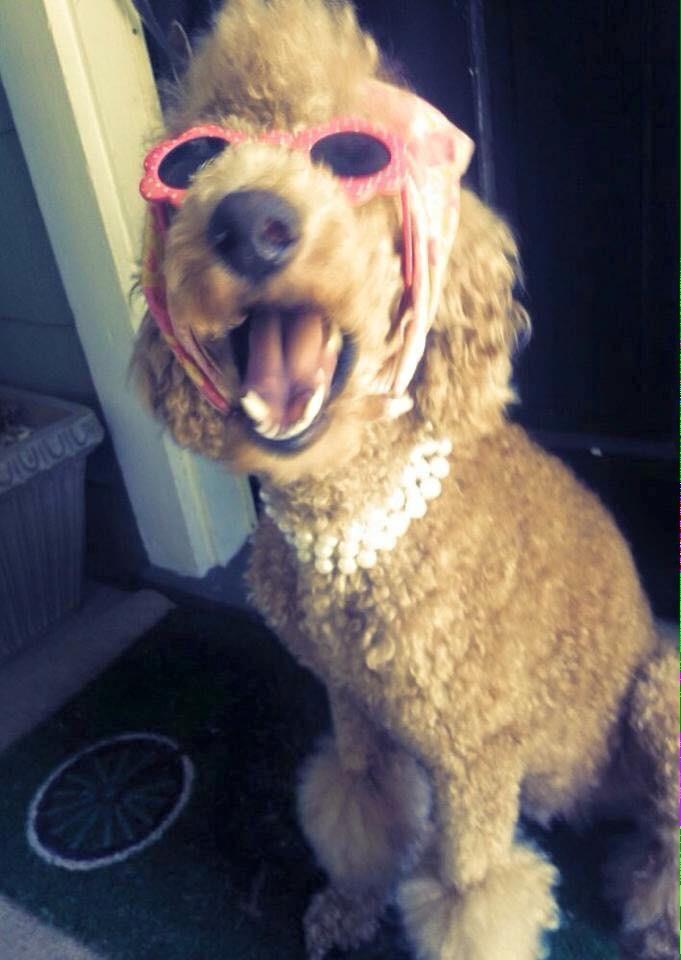
Our "People of Charleston" photo series is a fun look at some stereotypes we see in the Lowcountry. You may say "I KNOW THAT PERSON" as you look through our cover story.
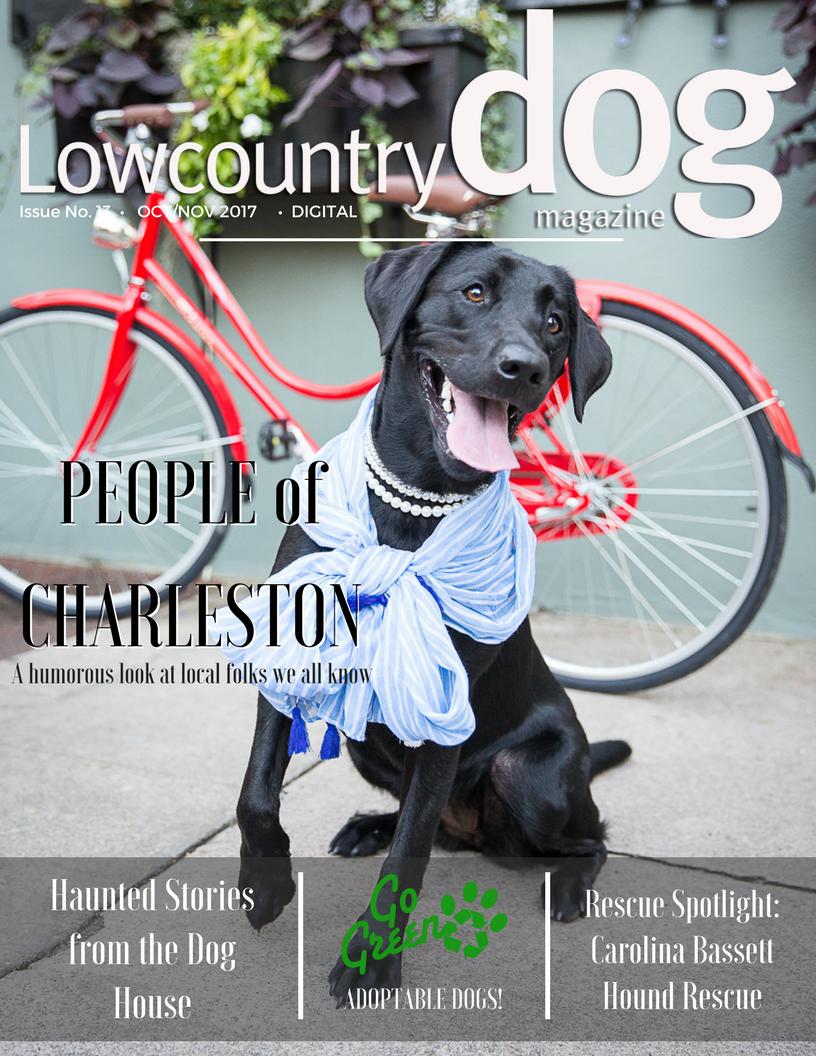
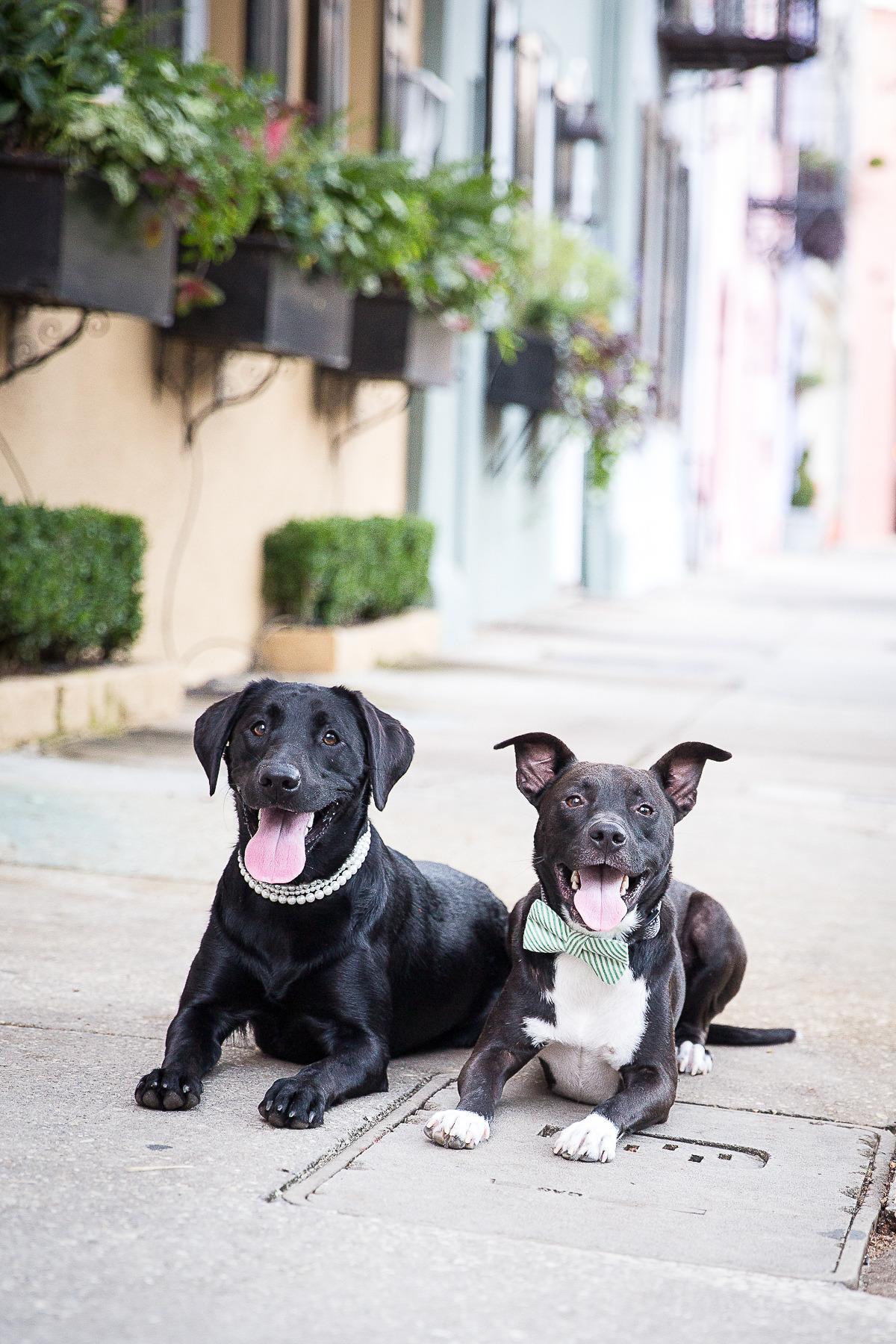
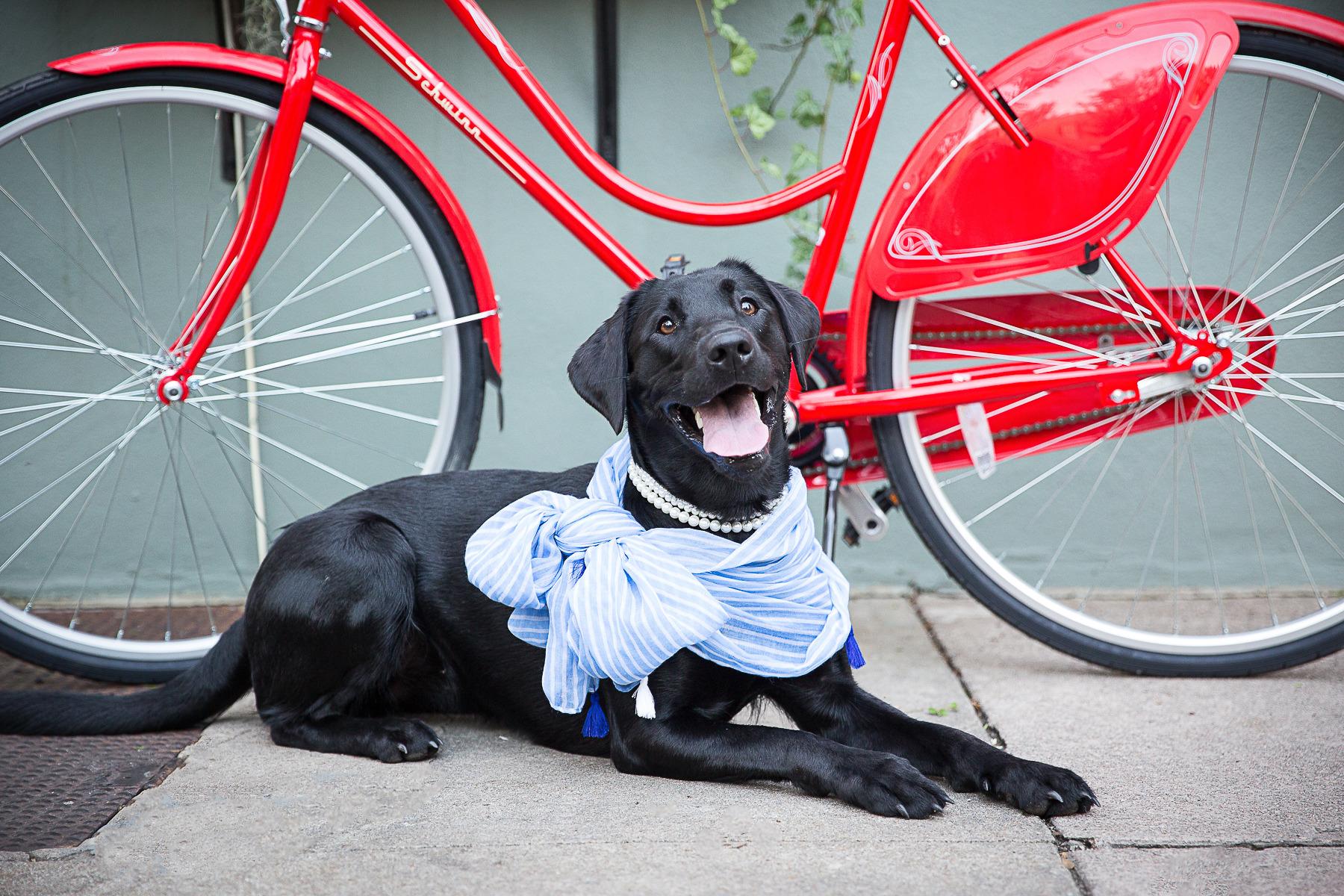
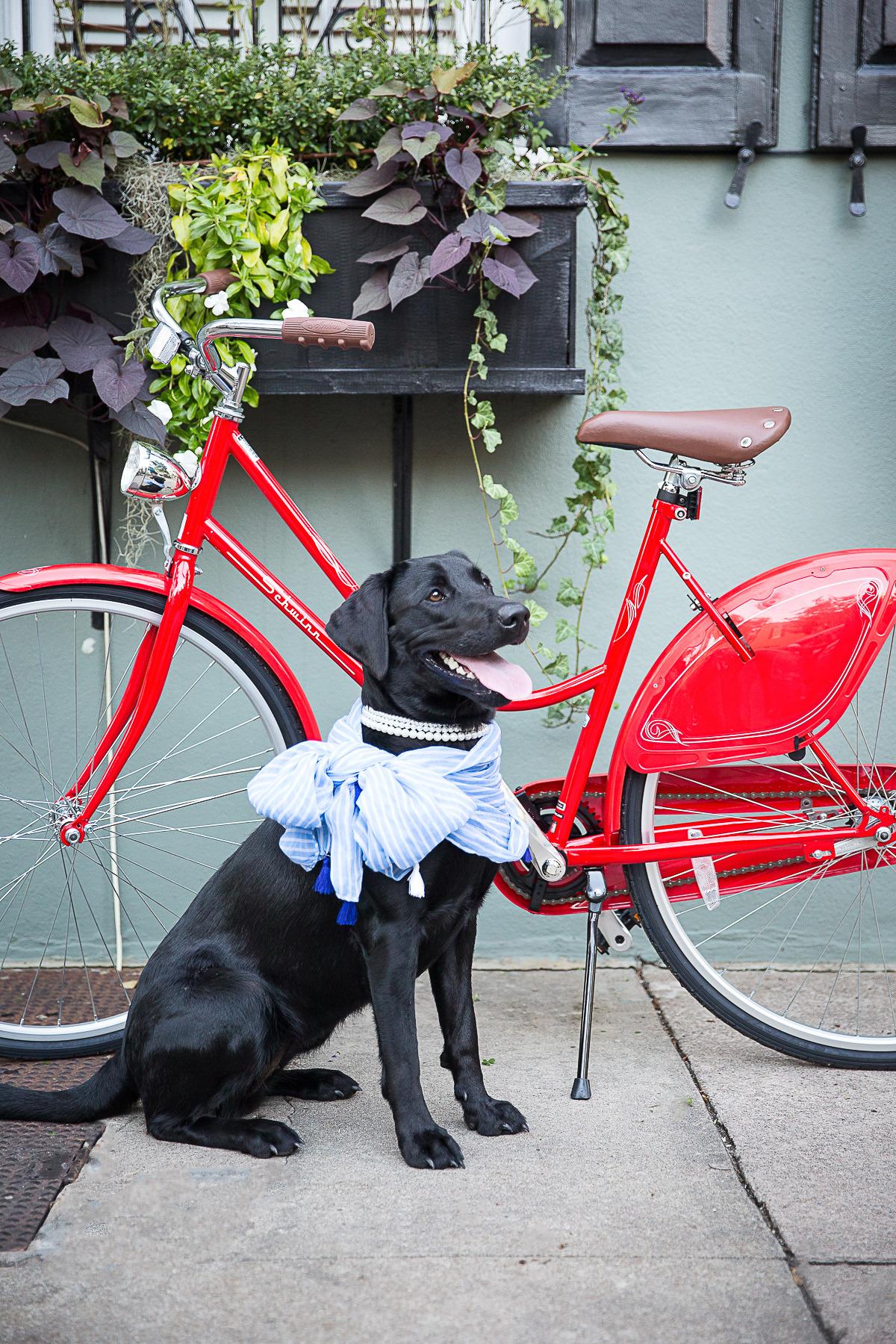
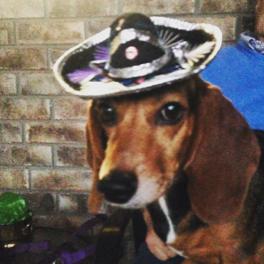
Annie, 50 years young , lives on Rainbow Row. She is always dressed to the nines and can be found drinking her favorite Martini somewhere on East Bay St.
Annie lost our 2017 Cover Contest by 1 vote. She is no loser so we have her as our cover model this issue. Annie and Stout make incredible models so we are thrilled to have her in Lowcountry Dog Magazine.
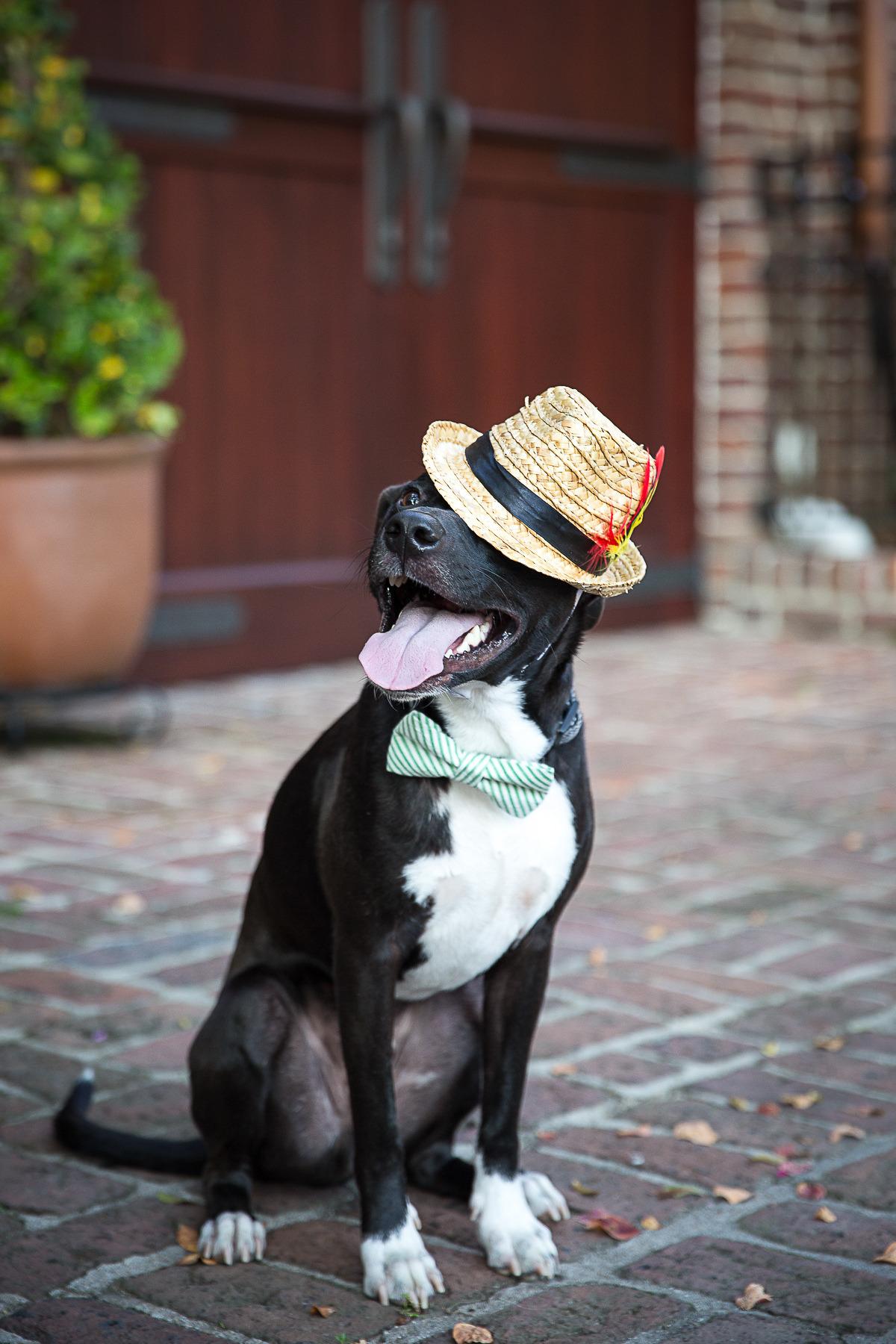
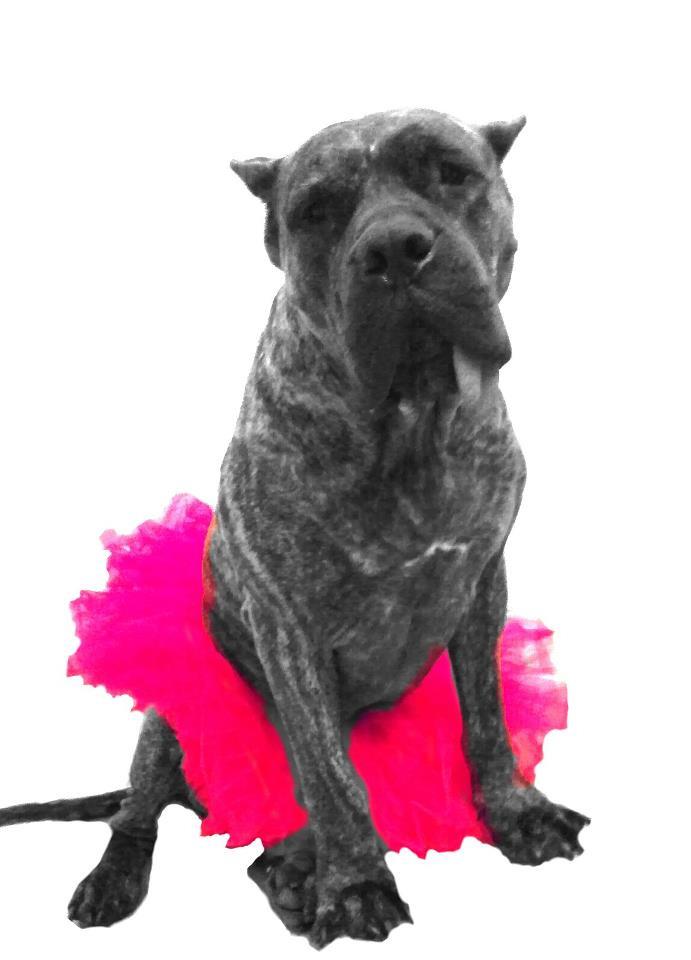
Stout, 65 Lives Downtown, South of Broad. He is a retired Historical Architect. He's often found sipping his favorite bourbon & puffing on a fine cuban cigar at the Yacht Club.
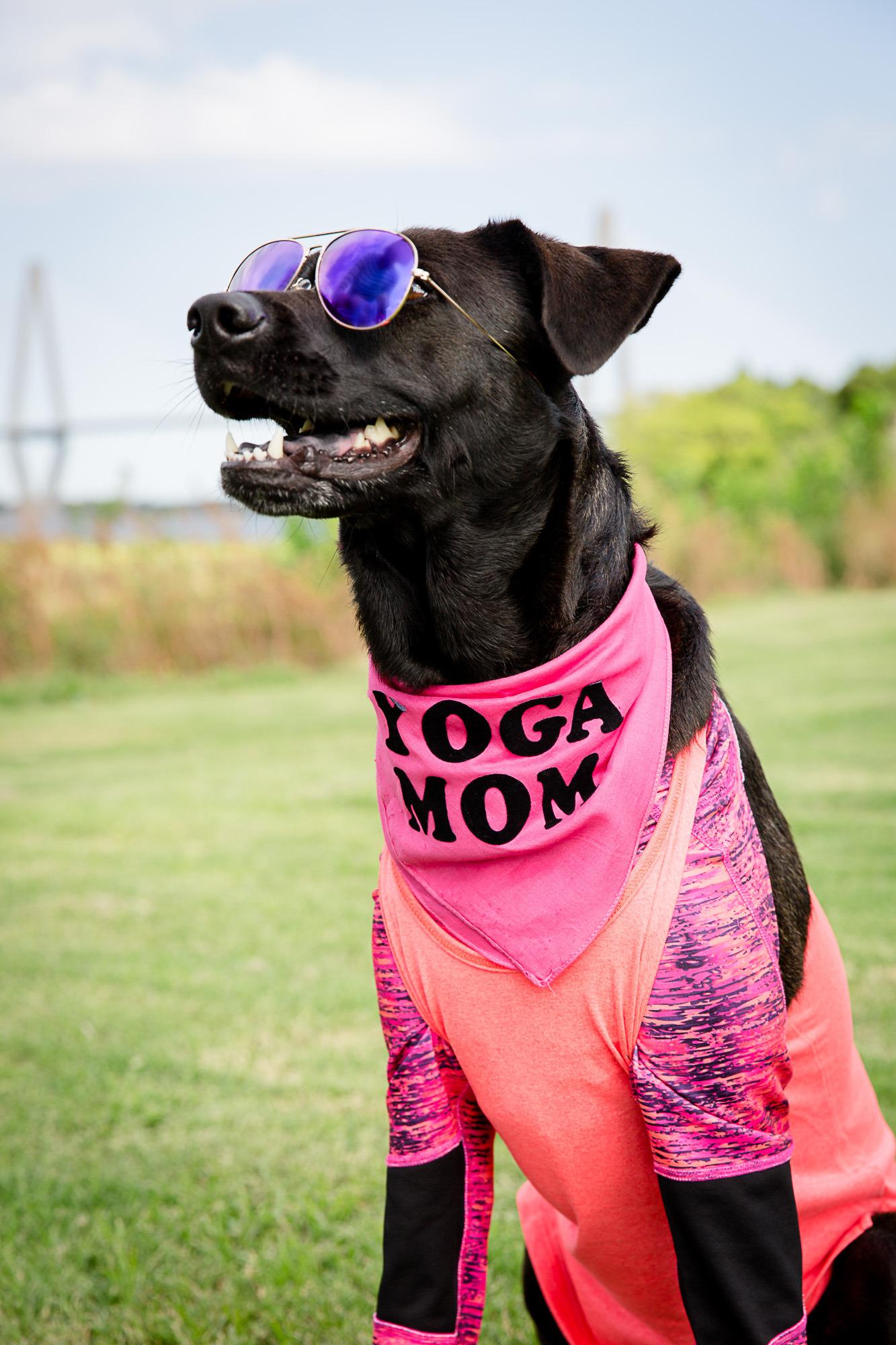
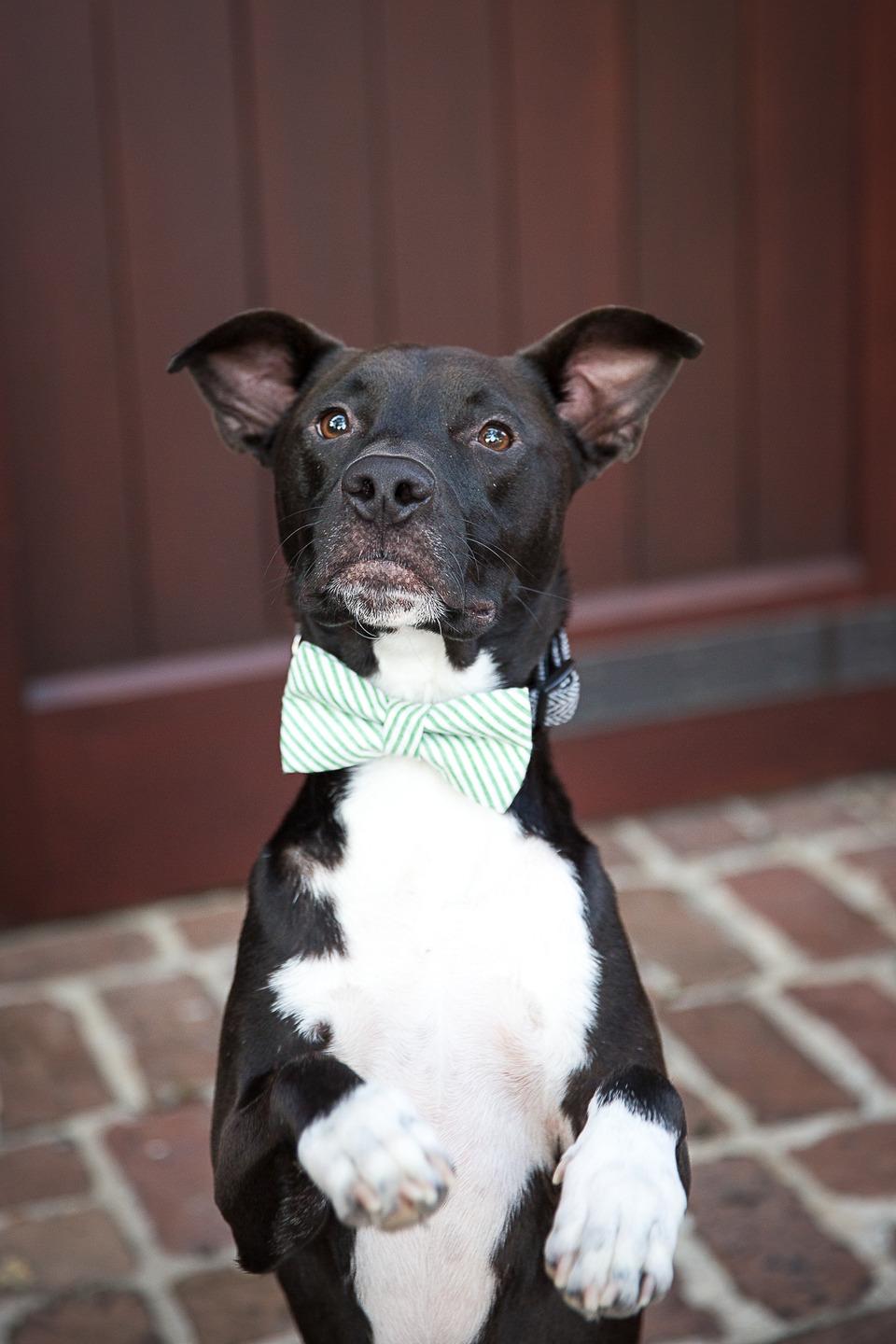
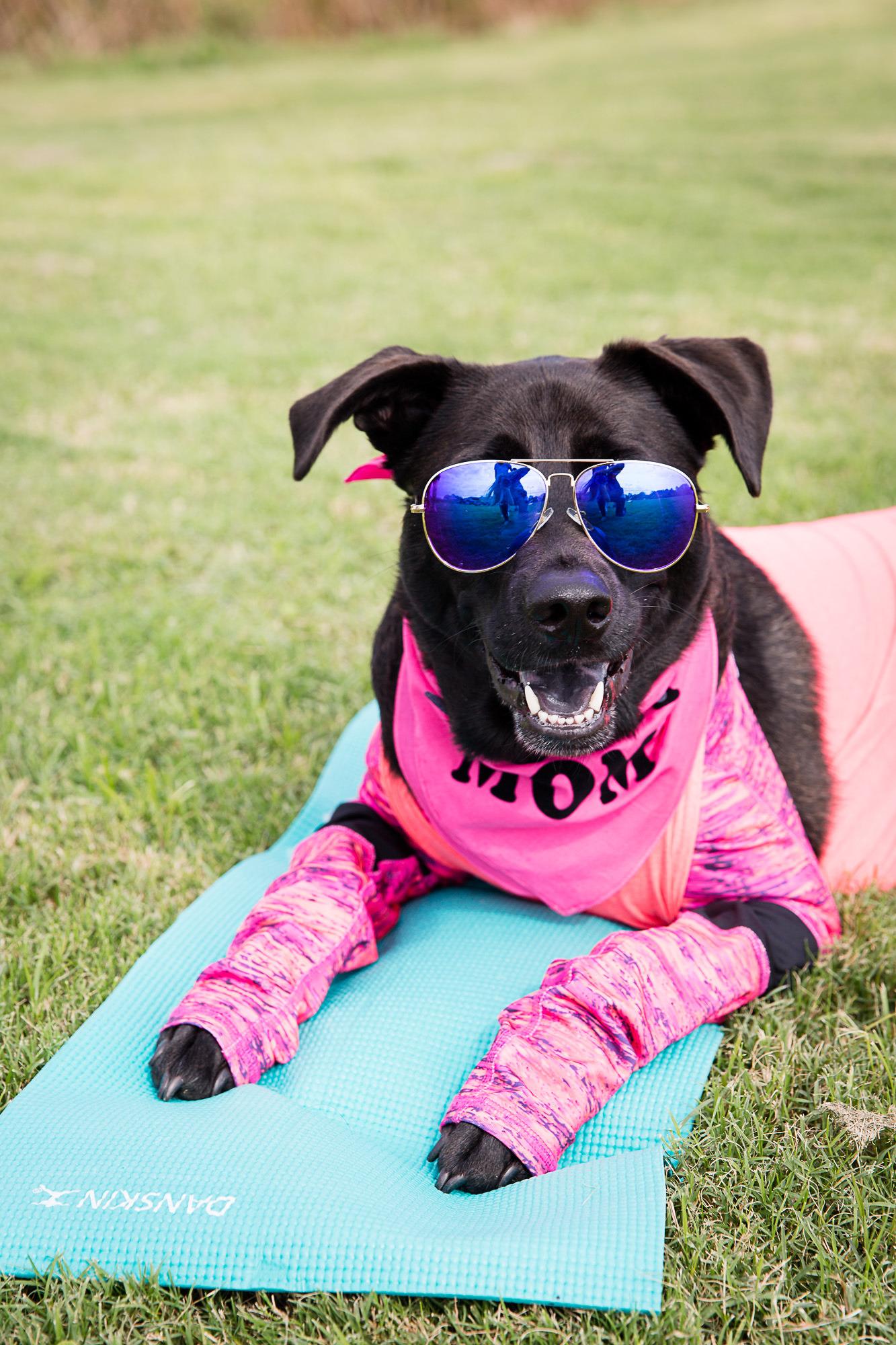
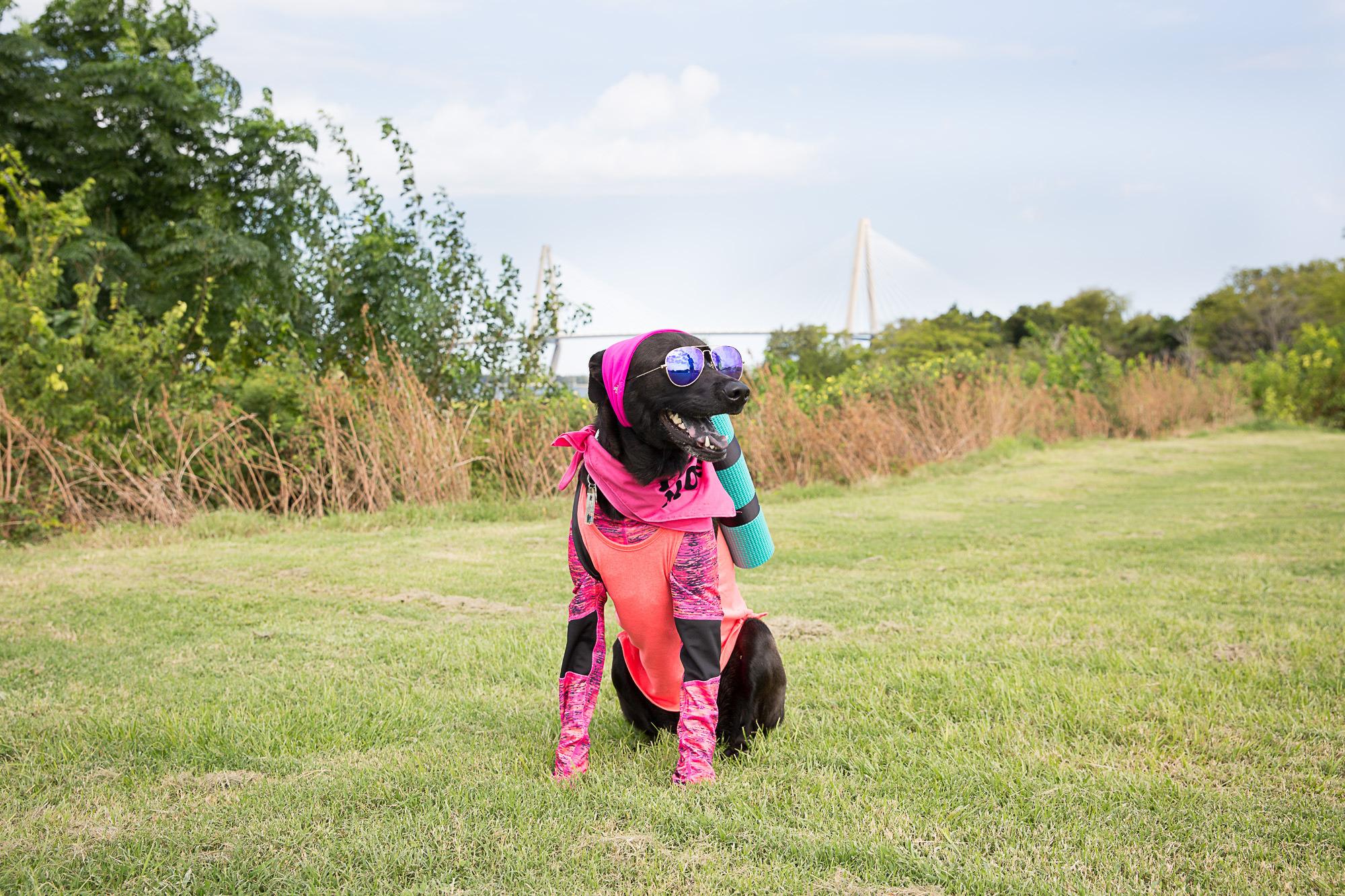
Shelby, 45, Married mother of 3, Lives in Mt Pleasant, spends her days at the yoga studio before shopping at Trader Joe's. She drives a white Volvo SUV and loves pumpkin spiced lattes!
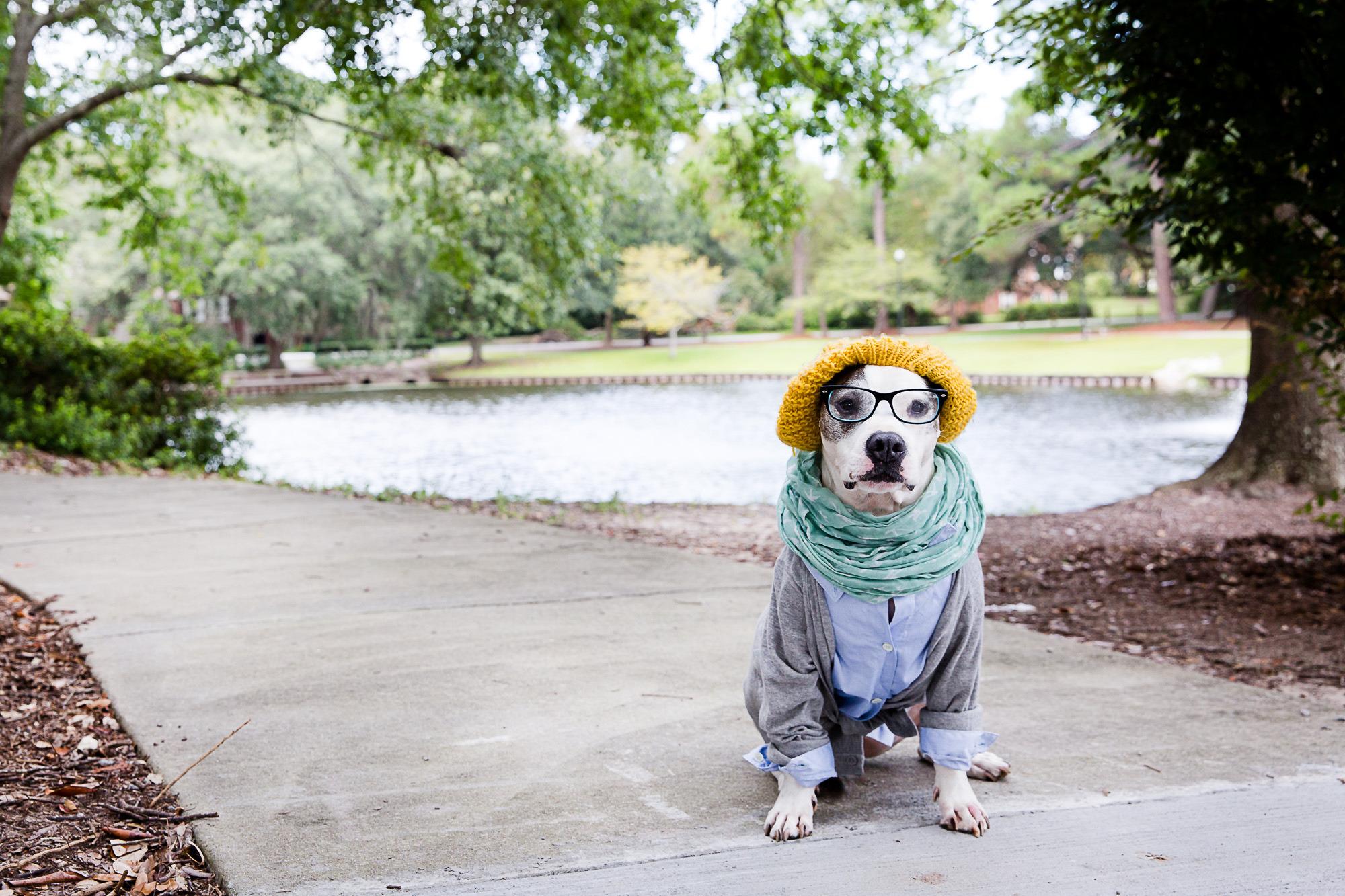
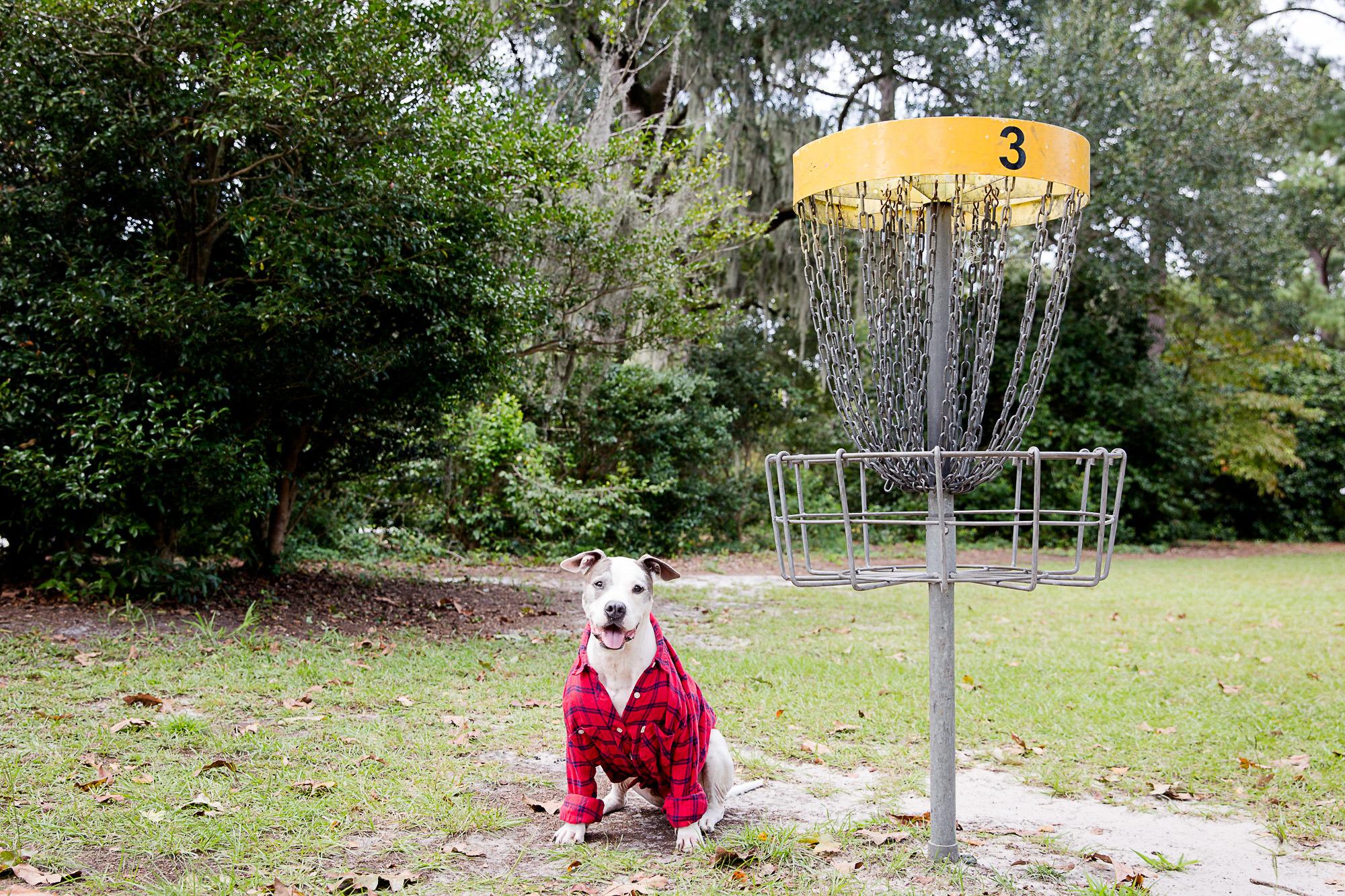
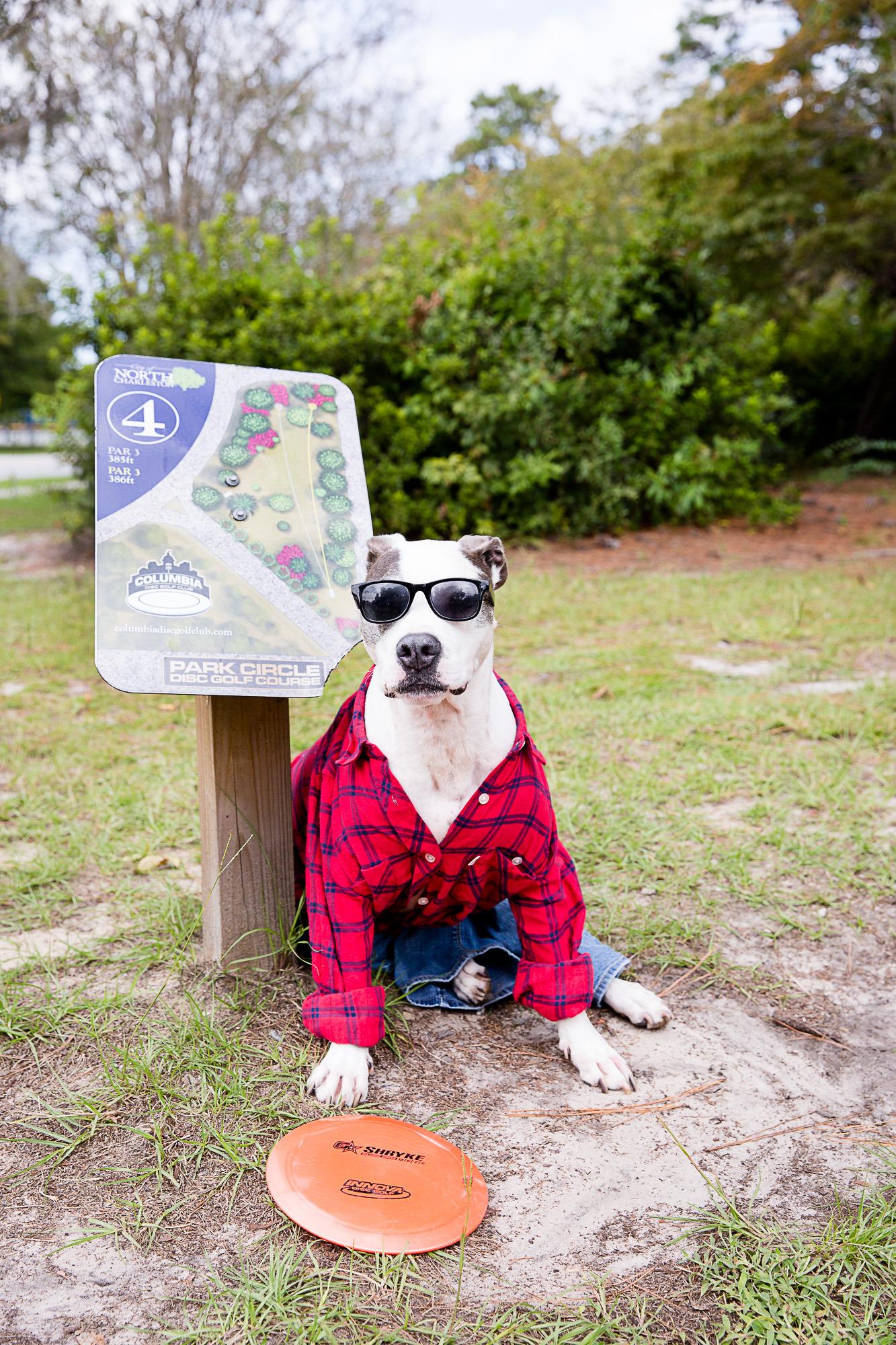
Finn, 26 and single, Lives in Park Circle, works at a local brewery and rides his bike every where. He grows organic vegetables in his backyard and loves to play disc golf on the circle in his free time.
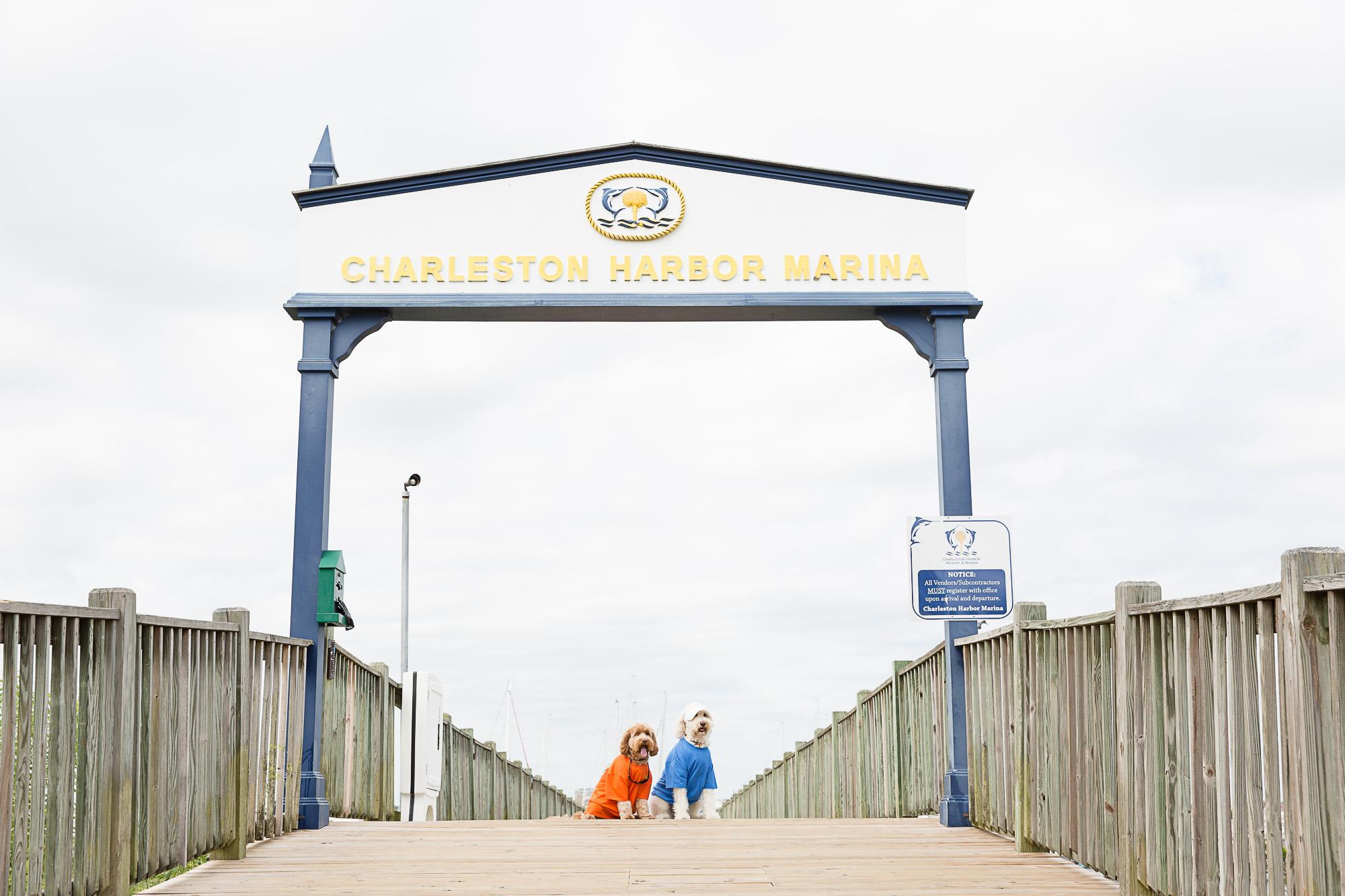
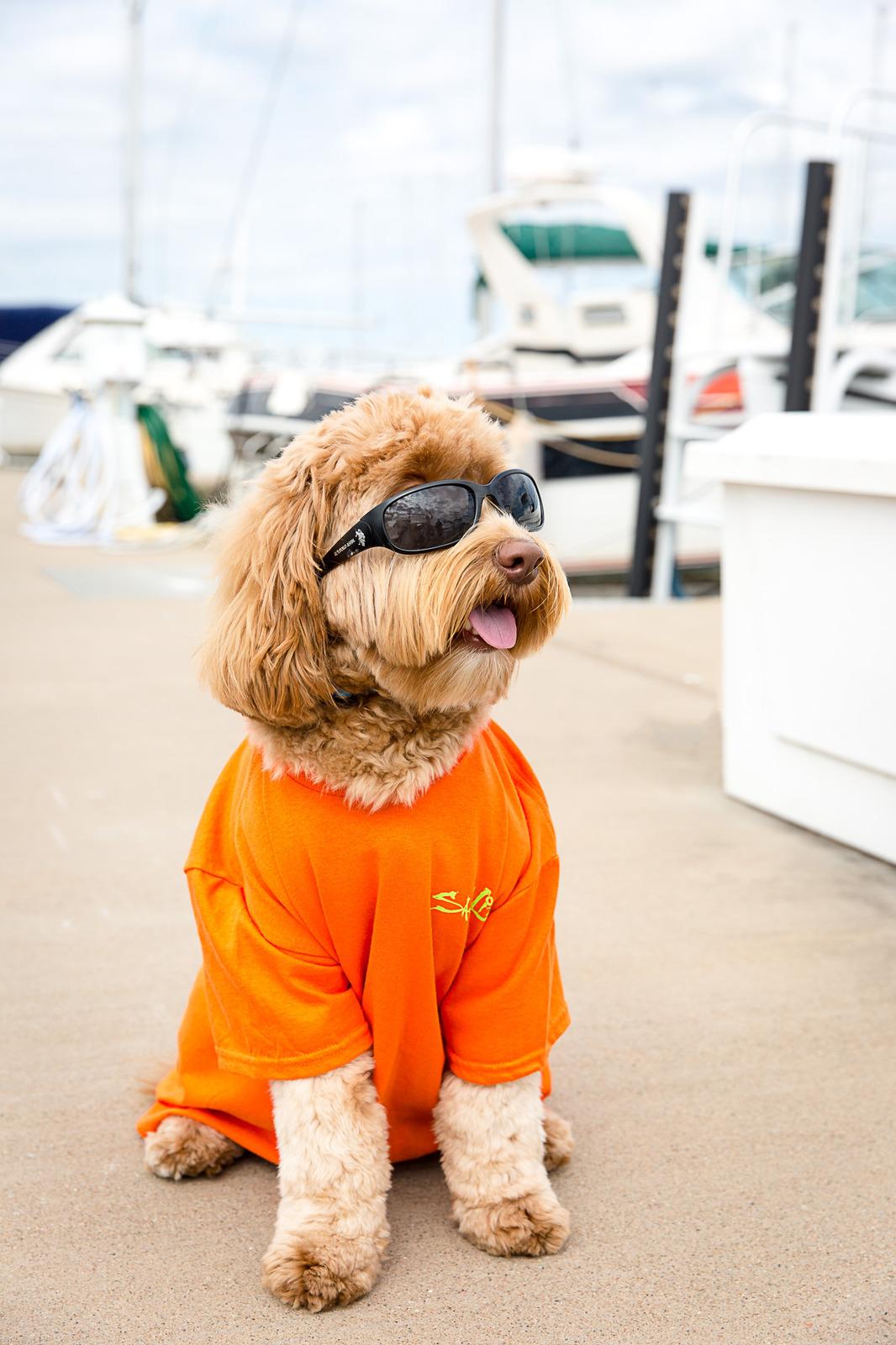
Cooper and Lex, 53 and 54, best friends since their days at Clemson. They both live in Mt Pleasant with their families and work in Commercial Real Estate. Spend their weekends boating and fishing.
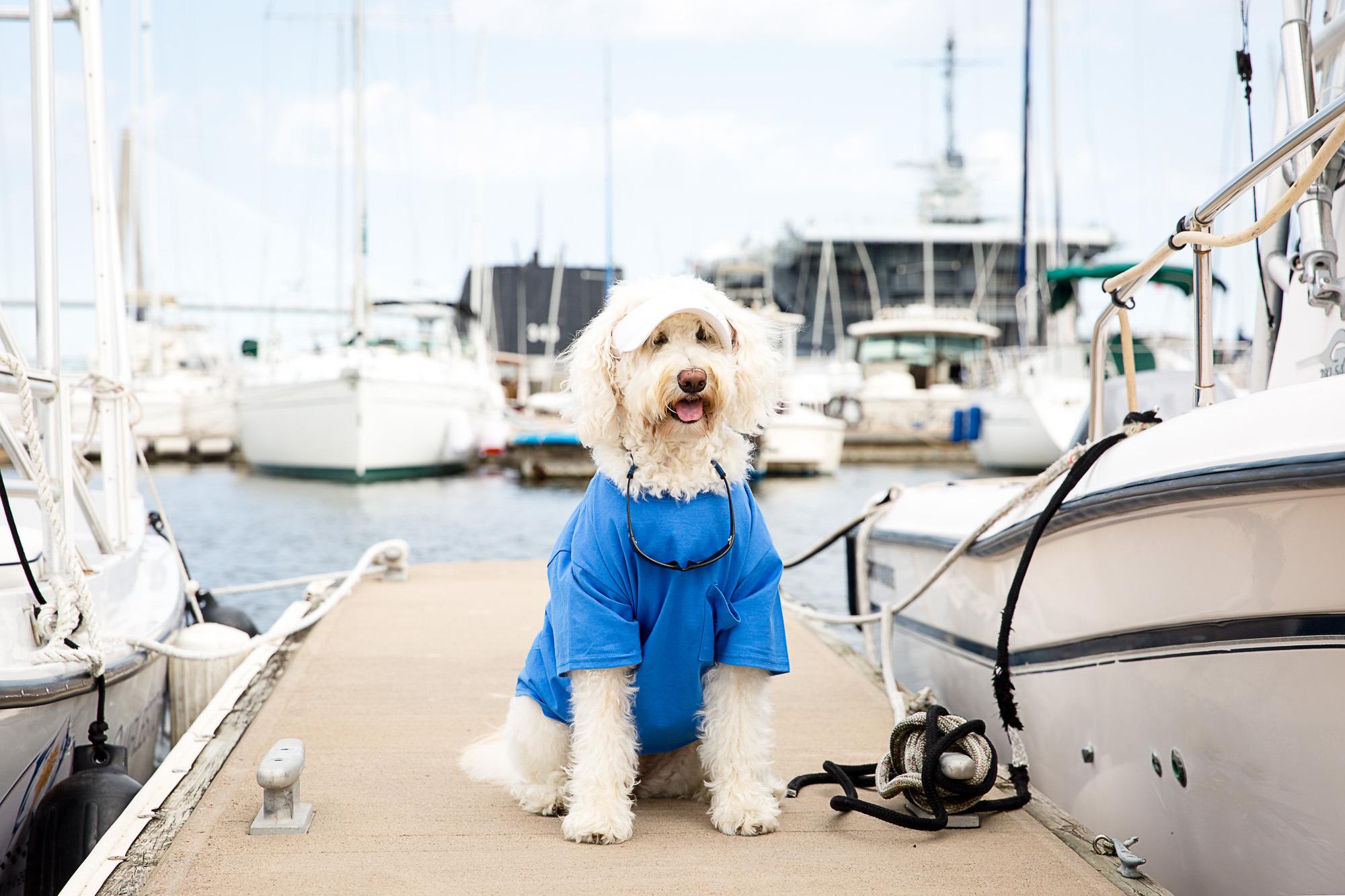
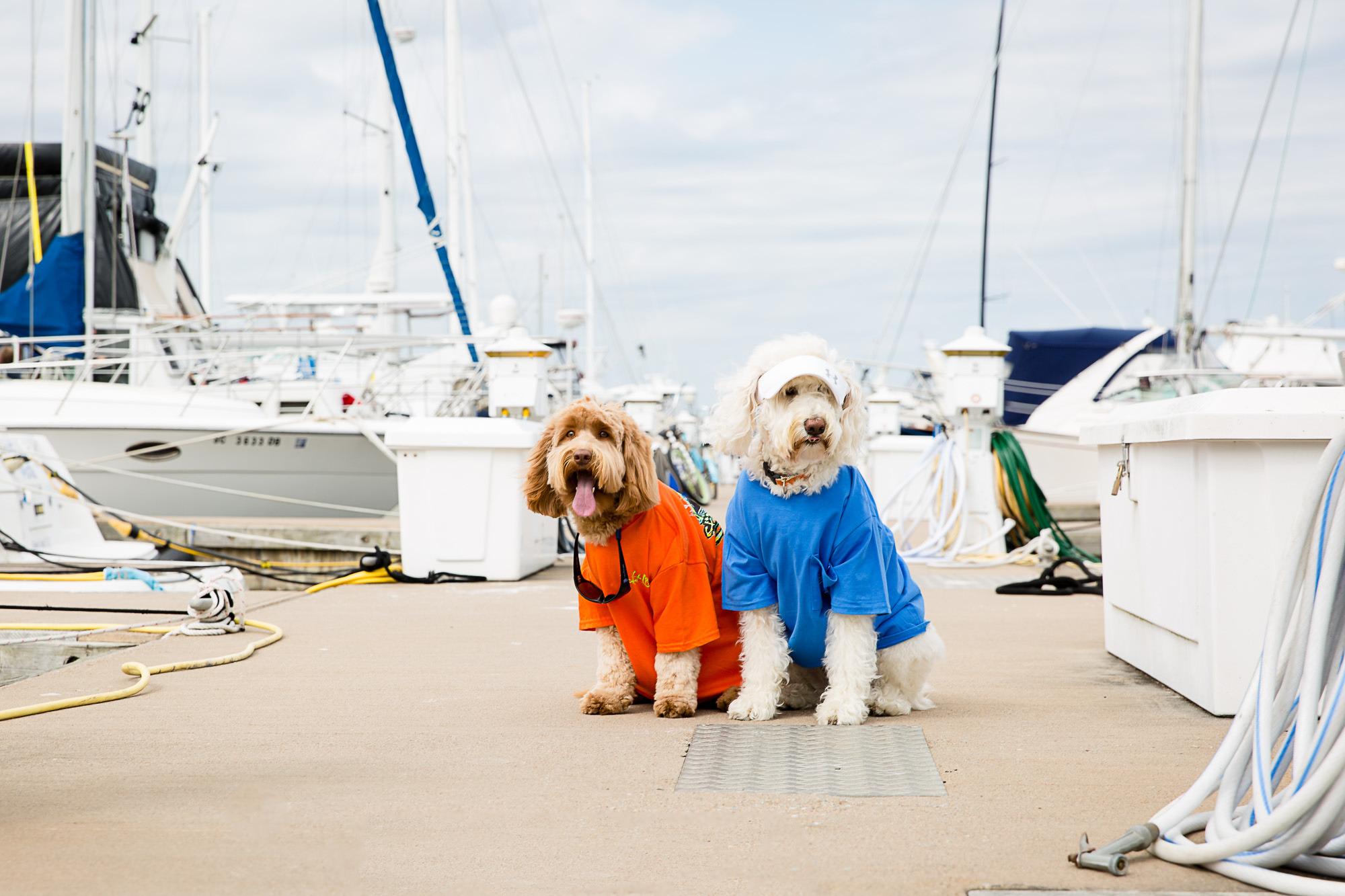
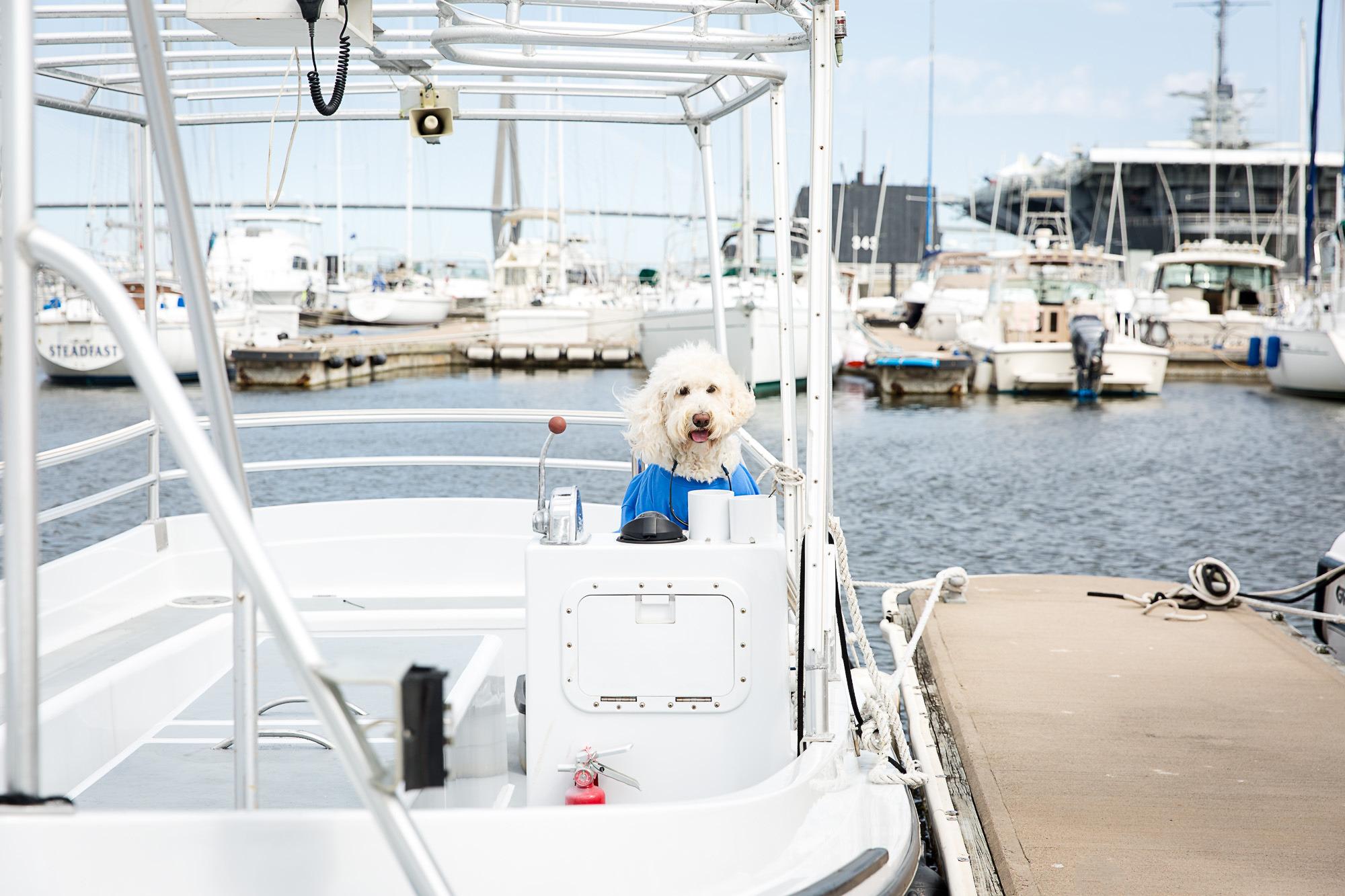
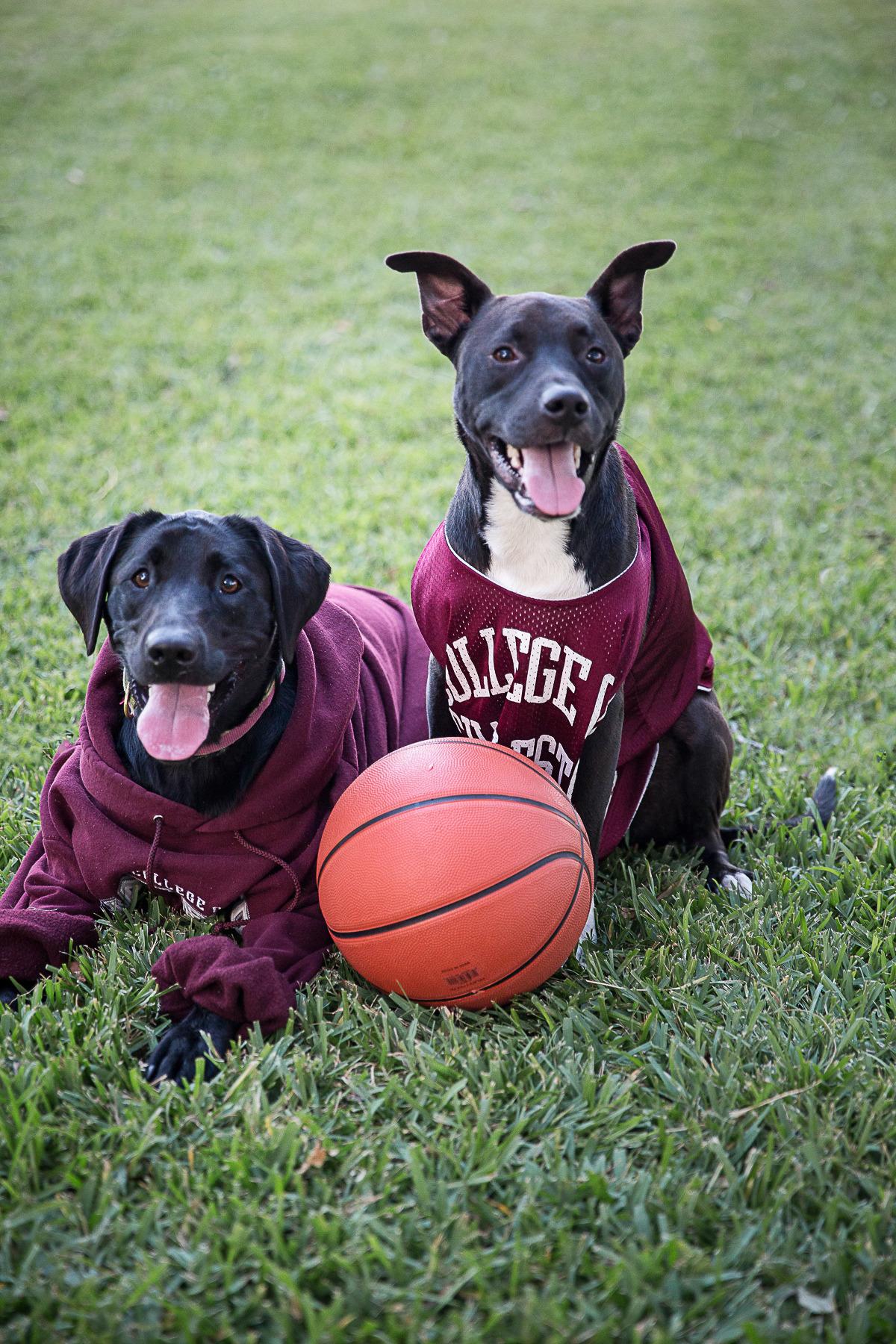
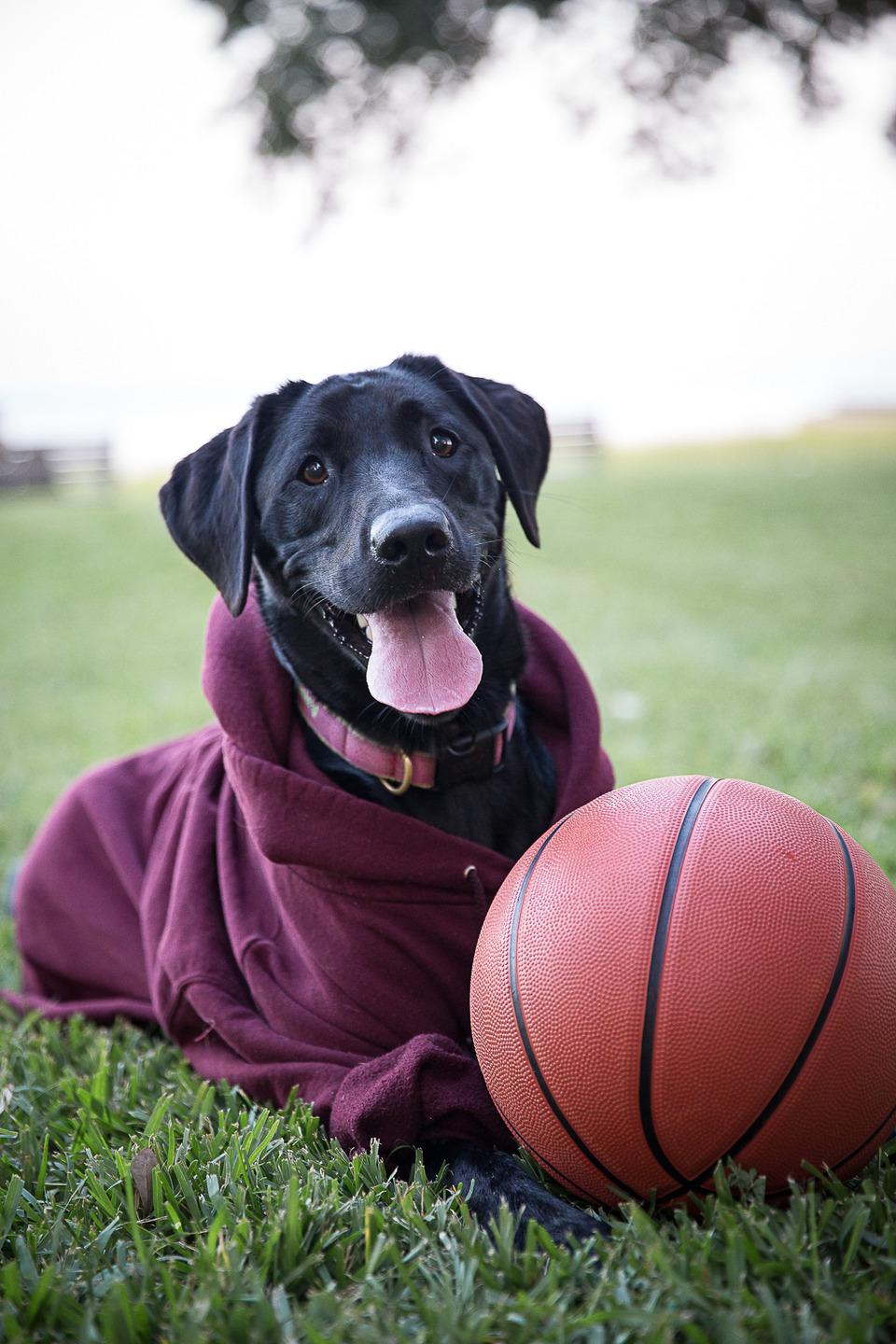
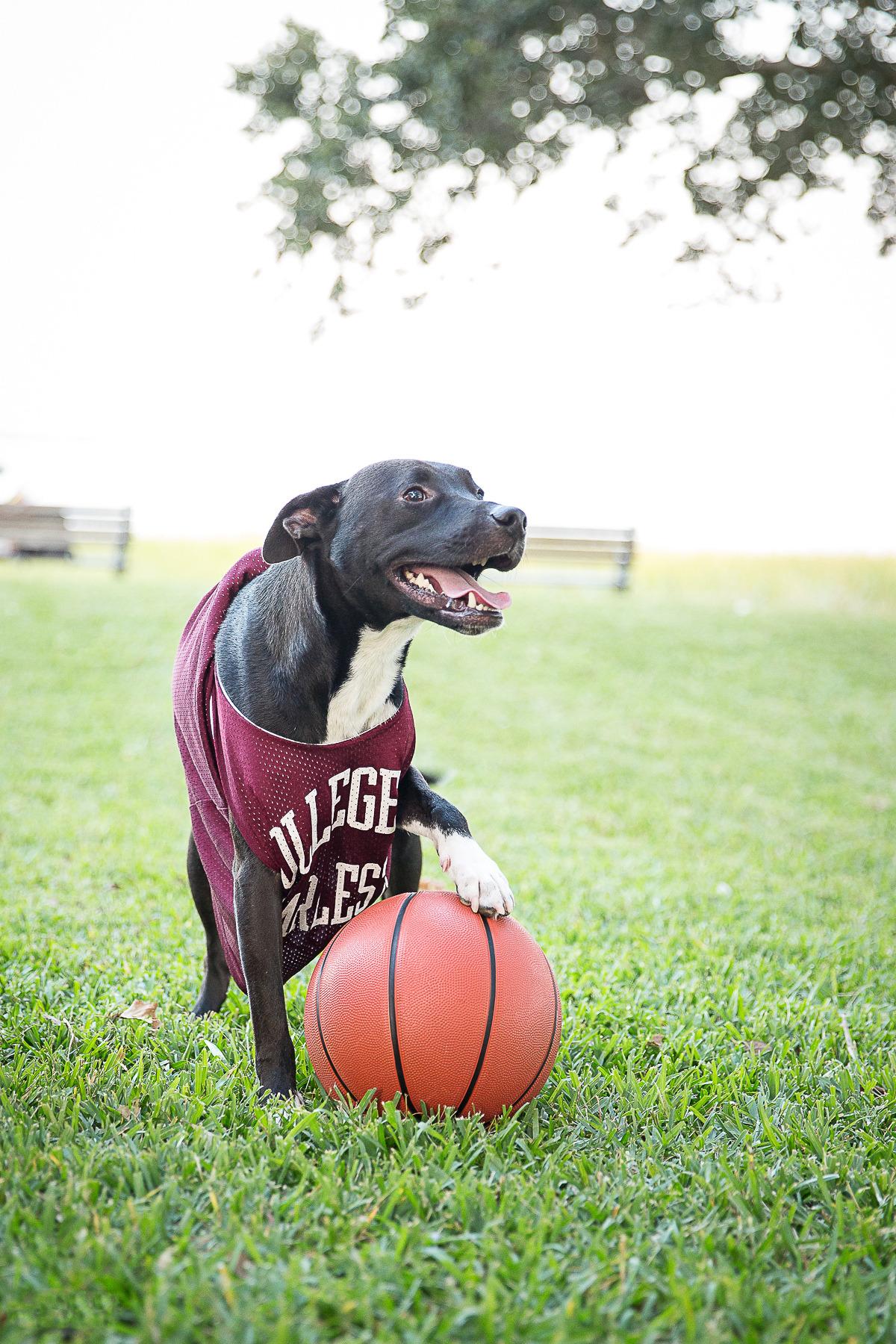
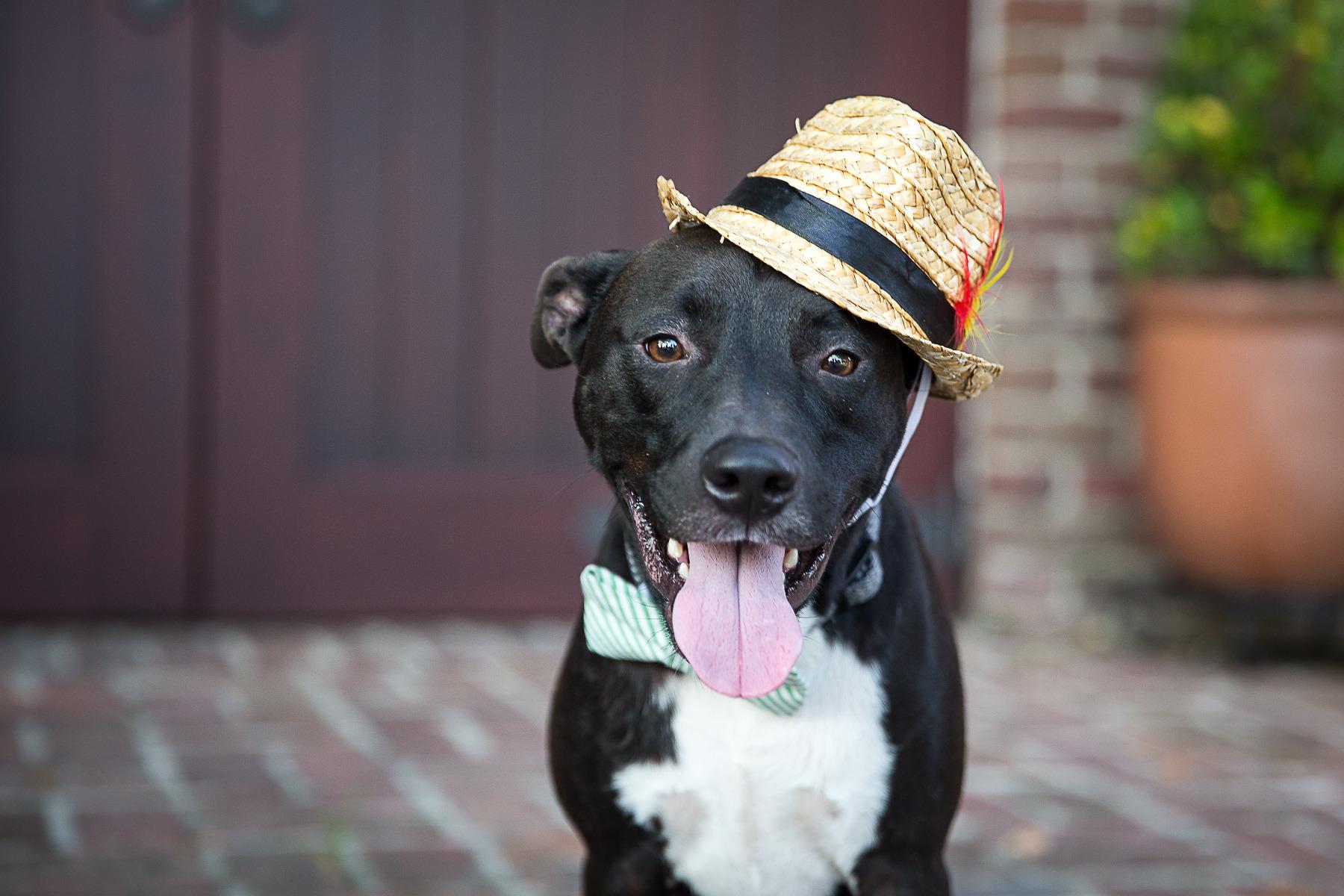
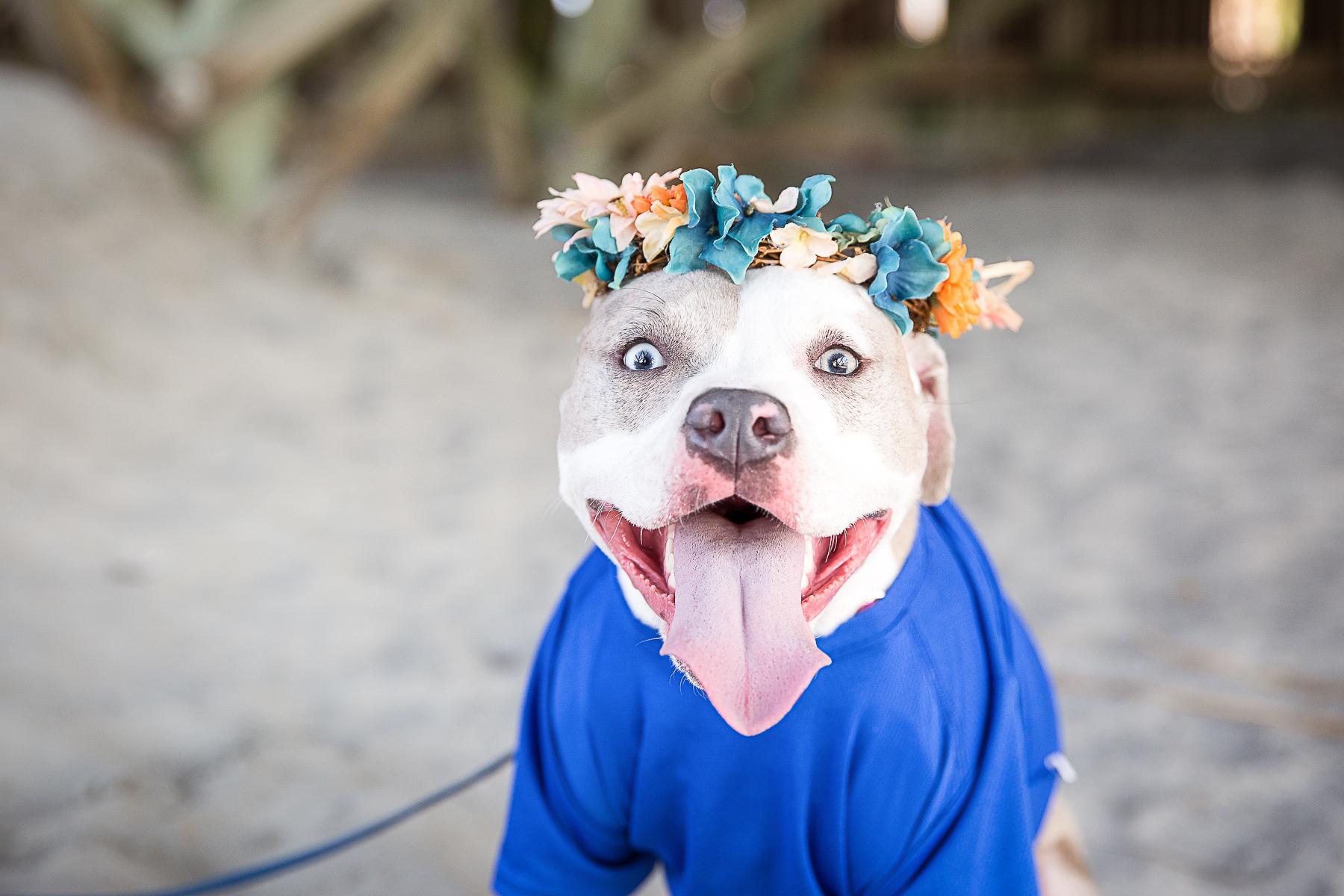
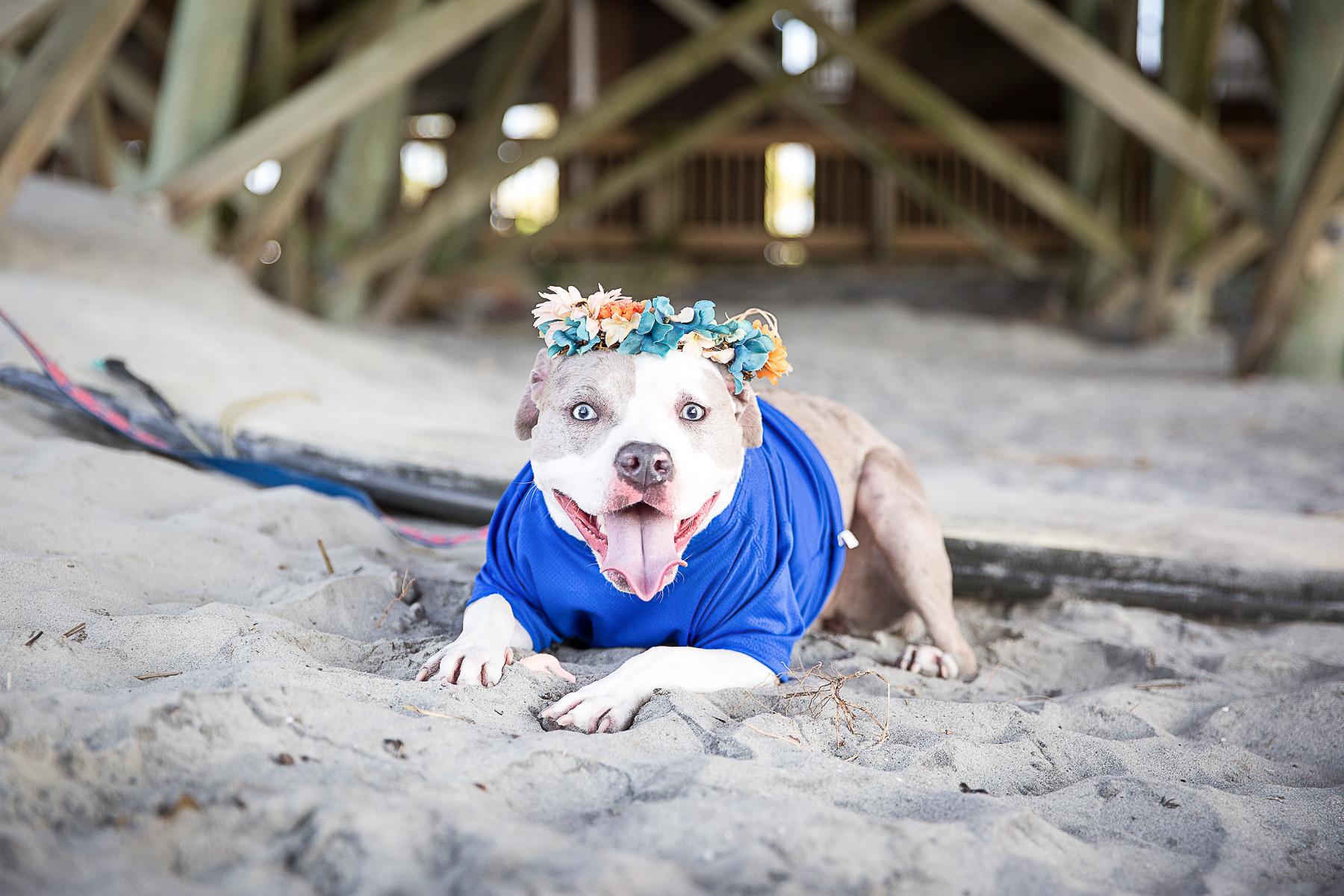
Madison & Mason (Annie & Stout), are twins & juniors at College of Charleston. Both are on Basketball scholarships. Madison is a education major while Mason is studying business and economics. They are often found working out at the gym on George St or bar hopping on Upper King.
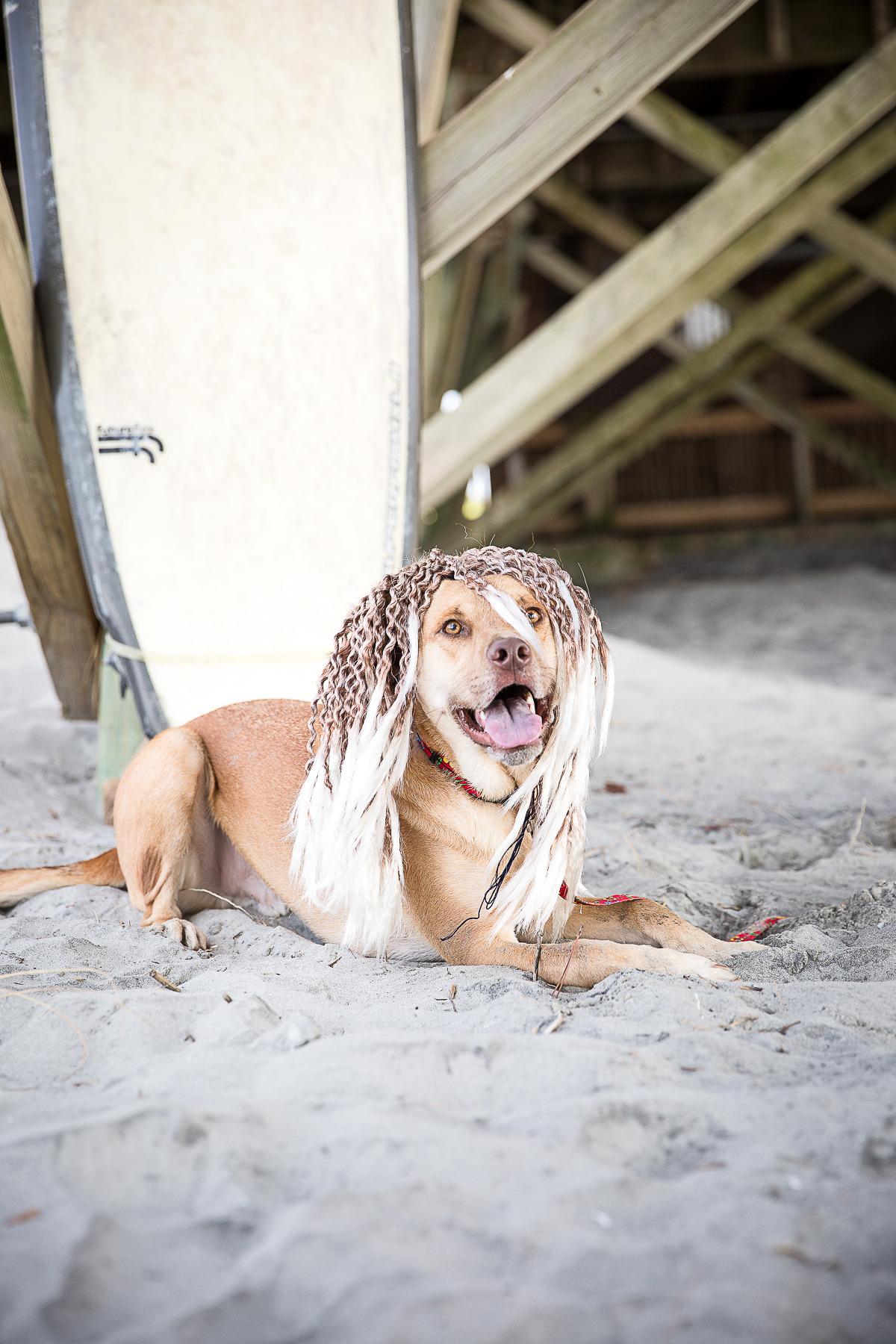
Leslie, his friends call him "Chowder", 27, lives on Folly Beach. Doesn't have a job but still has money for PBR and plenty of time to surf at the washout.
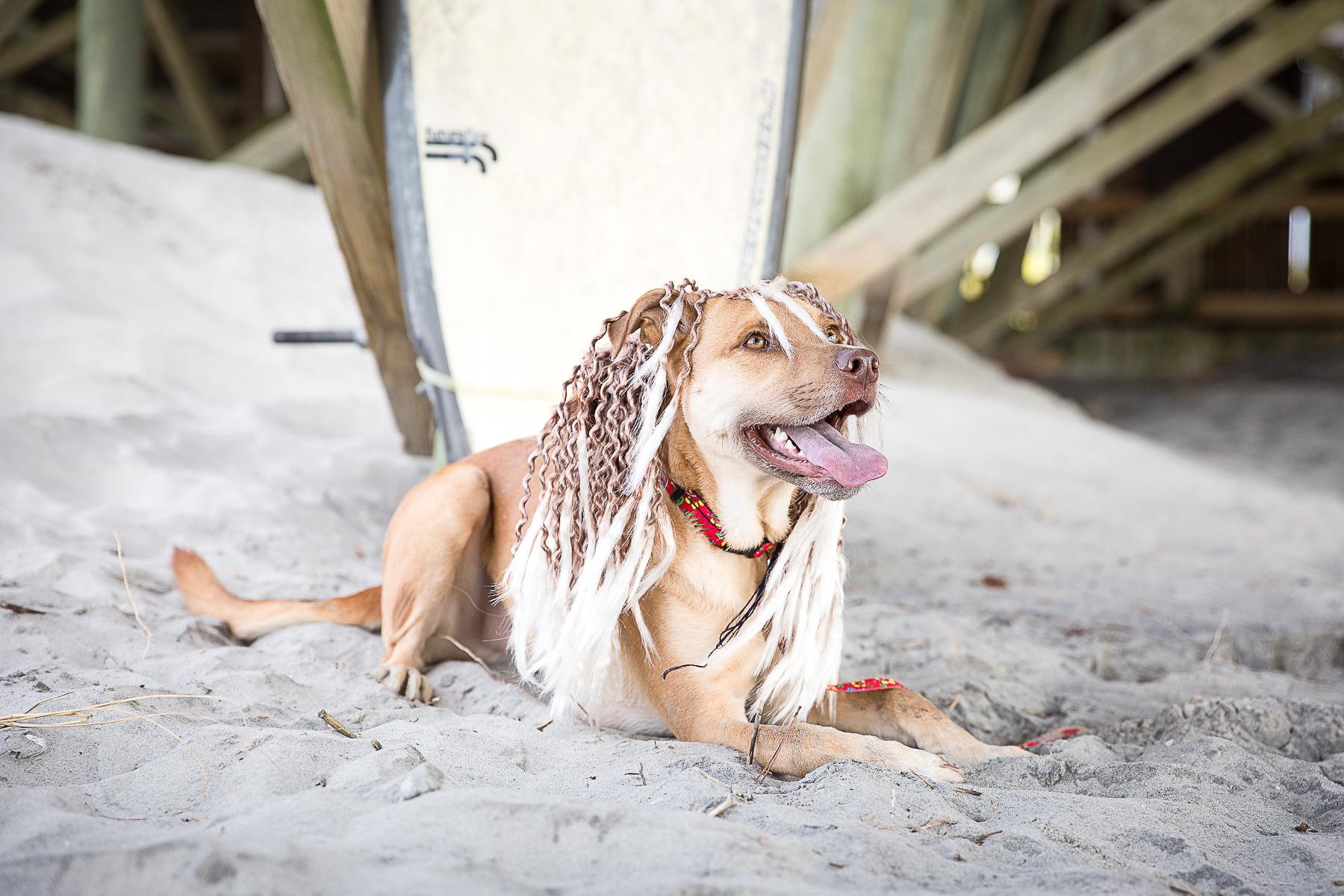
Aurora, 25, has a degree from CofC, lives on Folly Beach, works at the local dog friendly cafe. Loves music festivals and has been to Bonnaroo three times.



The Hound of Goshen is reportedly a large white dog that haunts the Ebenezer Church Cemetery and accompanying five mile stretch of road that runs from Dewberry to Goshen Hill, S.C.
People have reported sightings of the dog for over 150 years, and it is said that the dog will suddenly appear alongside your car as you drive, and if you stop driving that the hound will step in front of your car to lean back and howl
The origin story of the hound is much debated and there are two versions floating around. The first and tamer version of the story is that the hound’s master was buried in the cemetery and the dog refused to leave the grave of his master, eventually dying from starvation.
The other, more bloody tale is that the dog belonged to a traveling salesman, who was falsely accused of murdering a local. The salesman then underwent an unfair trial, was wrongly found guilty and hung for a crime he did not commit. It is said that the white dog stood guard over his master’s corpse, and either died of starvation or by being stoned by townspeople A few weeks later both dog and corpse disappeared.
Then, the people involved in the lynching of the salesman were attacked, and many killed, by a large white dog. Those who survived the dog attack later reported seeing the dog as they passed by the tree from which the salesman was hung
Since then, there have been many accounts of people being chased by the large white dog when they dare to venture down the stretch of road considered to be its territory.
This ghostly dog ver the safety of the children o d that over 50 years ago he wa s. One 7-yearold-boy acciden pick it up as his 13-year-old-sis oward him. She was too far awa cking the boy from the path o ed to her brother’s side, a could never find his body.
Ever since then dewalk when they step on the them back to safety. It is said d every year she places a do life to save her little brothe

https://worldofangus.com/blogs/lol woof/96520897 5 scary dog stories to tell-in-the-dark



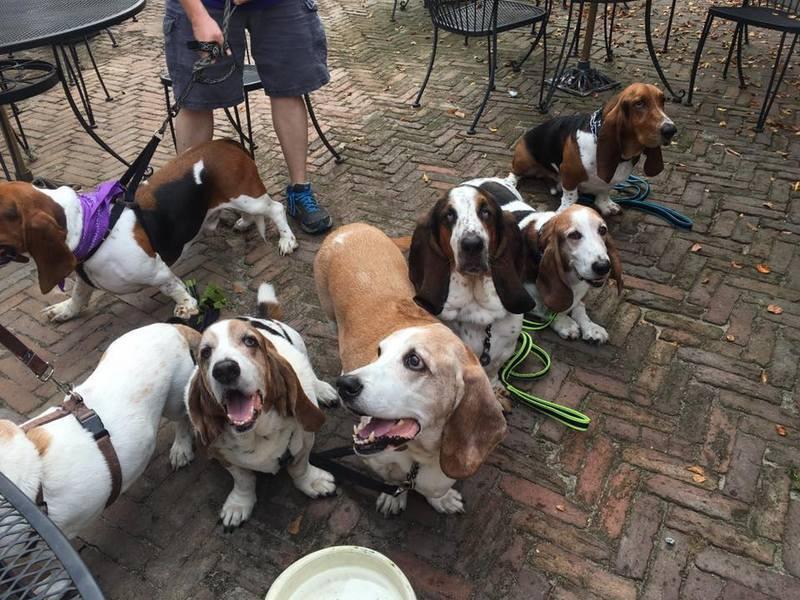
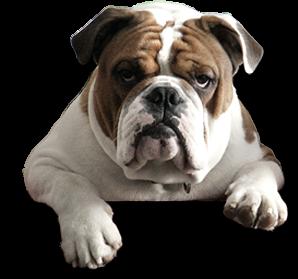
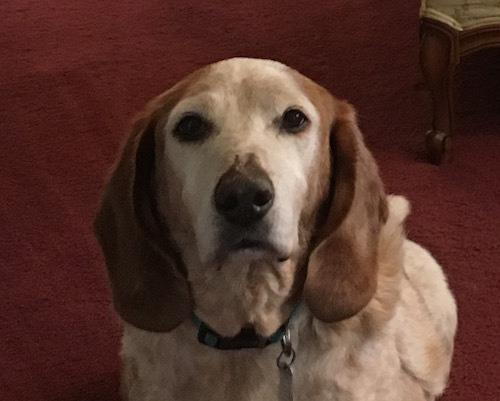
If any of you are children of the 80’ s, you remember the Dukes of Hazzard. Most people watched it to catch the Duke boys and their antics in the 1969 Dodge Charger. However, as a testament to my future calling in life, my favorite thing about it was the sheriff’s lazy and sweet Basset Hound named Flash. I just loved his big ears, his squishy rolls and his baying howl.
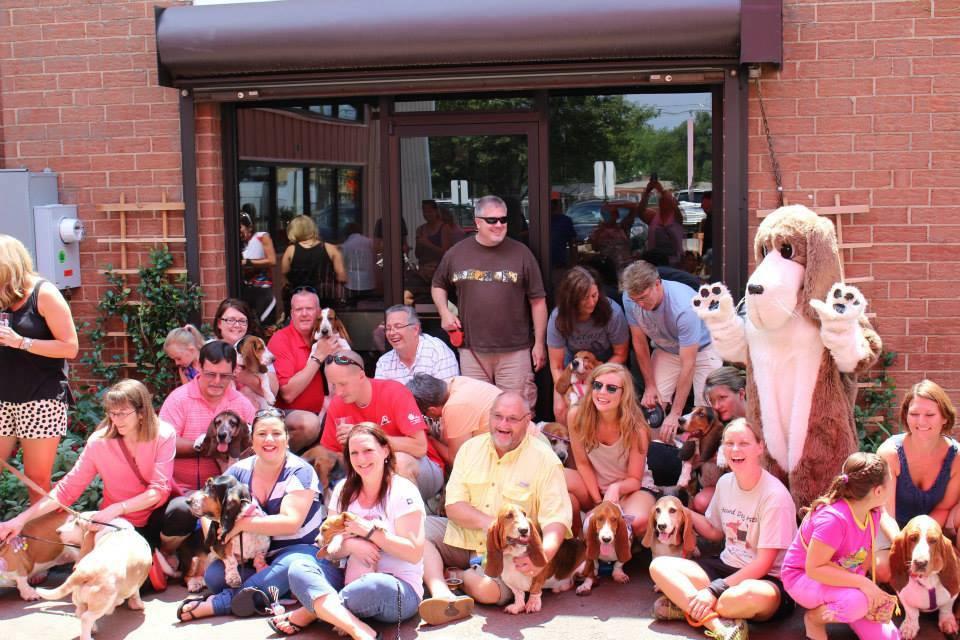
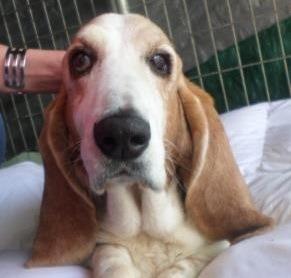
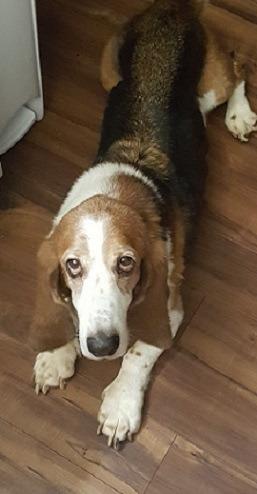
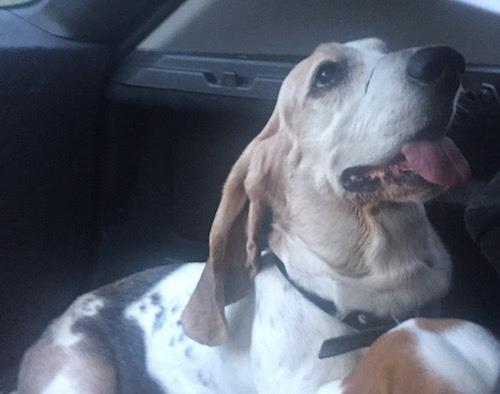
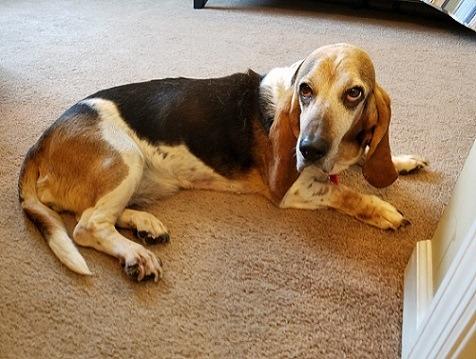
In this month’s Rescue Spotlight, we give a nod to all the “Flashes” of the world by featuring Carolina Basset Hound Rescue (CBHR)
CBHR was founded in 1993 in Raleigh, North Carolina. Their mission is “to rescue, rehabilitate and rehome unwanted Basset Hounds in North Carolina and South Carolina.” According to their website, in that time they have found homes for over 2000 hounds who were abandoned, surrendered or lost
In order to carry out their mission, CBHR focuses on four main areas: fostering, adoption, donations and events.
Written by Julie Murray

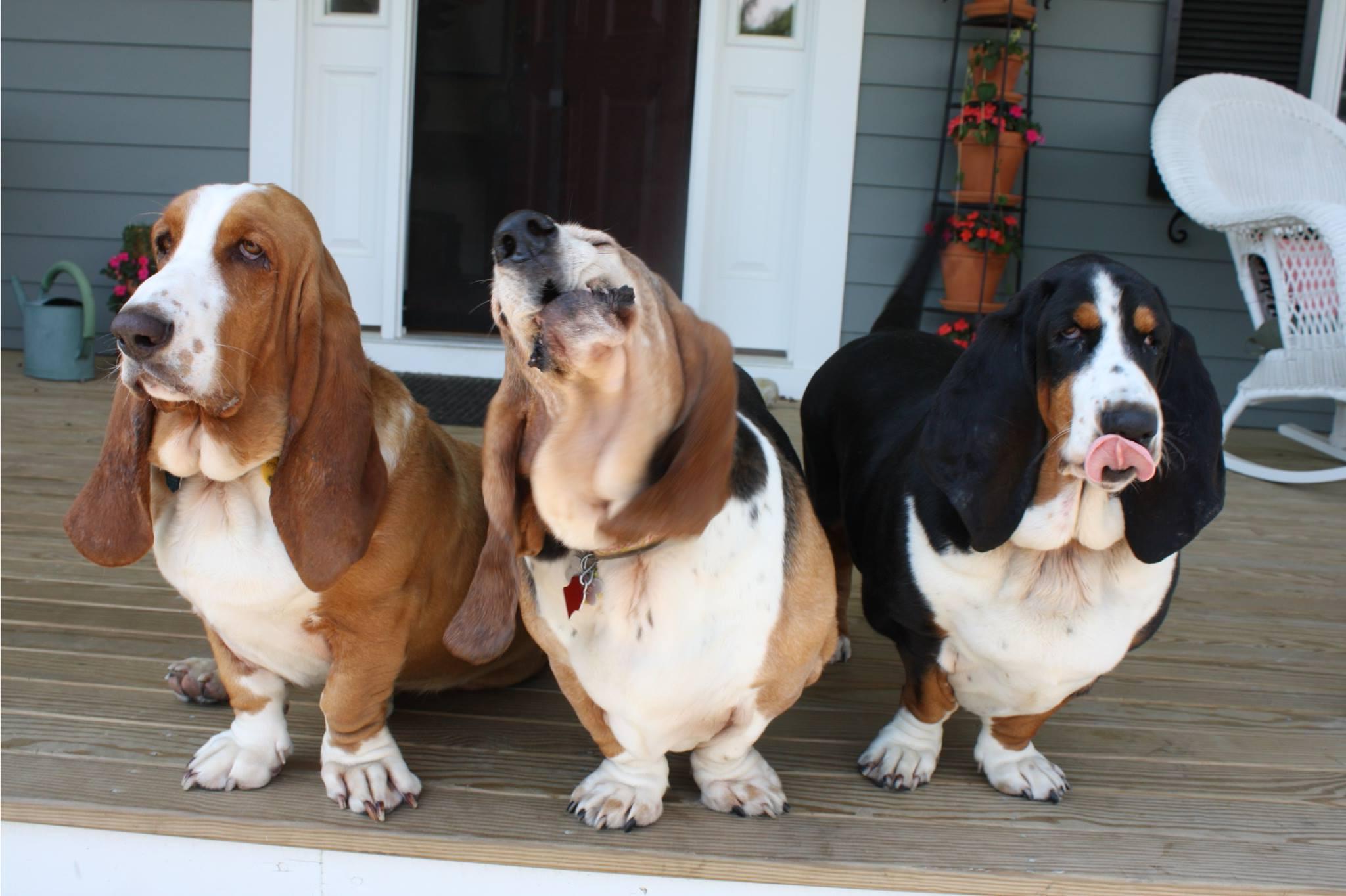
They are able to do all of these things thanks to a tireless network of volunteers who all share a love for this floppy eared and silly breed.
The rescuing begins when a volunteer hears about an animal who is in need of a home Once notified, a volunteer will retrieve the Basset and take him in for any necessary veterinary care After he receives a clean bill of health, along with any needed vaccinations, treatments or medications, the dog is moved into a foster home. The dog’s foster parents provide love and support a training o if the anim or injury. home is f family “fa of you wil included!)
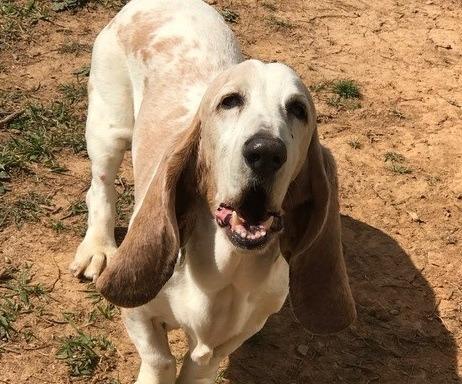
If you hav adopting some fac Accordin gentle bre and track nose. The nature, th friendly w and is als and good-natured of the hound breeds.” It is noted that despite their wonderful personality and happy-golucky attitude, they can be extremely stubborn at times! (My guess is this stubbornness often coincides with walk time!) Luckily, they are not a breed that needs much exercise A short walk, some playtime and a good belly scratch should make for a happy hound. Since their ears are so long and their faces are typically wrinkly, they must be cleaned regularly to prevent infections and other health issues.
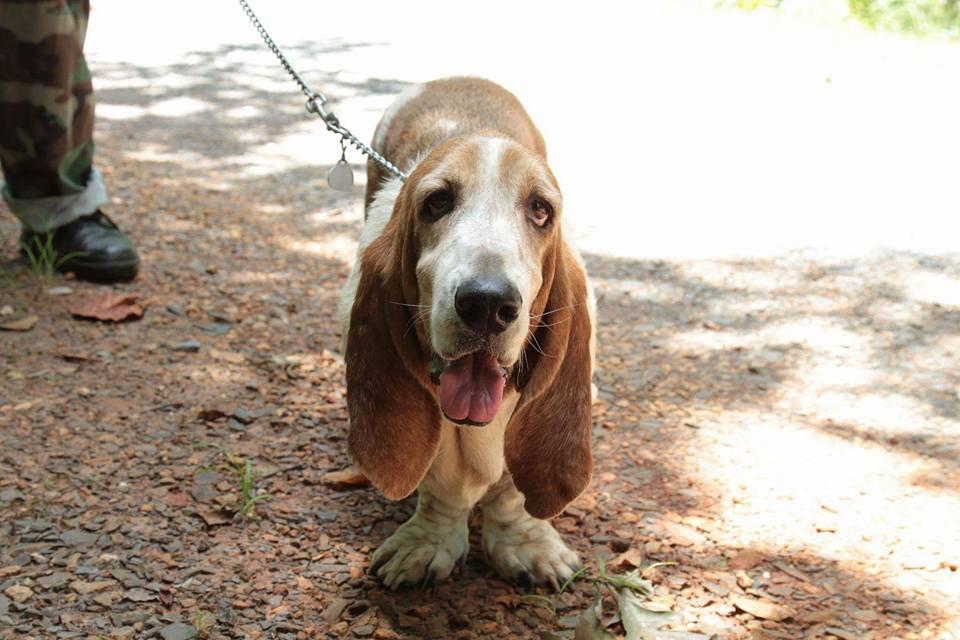
Sadly, they are prone to many health problems due to their physical characteristics including canine hip dysplasia, obesity (which can lead to back problems) and something called Osteochondrosis Dissecans (OCD) – a serious joint disorder. However with regular exercise, frequent check-ups and a good diet, there is no reason your Basset can’t live a long and happy life! And if you doubt they are worth the work, just go ahead and take one look at that droopy face, sincerely pleading with you for “just one more treat”. I guarantee you will fold like a group of dogs playing poker.
There are several ways you can help CBHR continue th f bassets. If you g www.cbhr.com, y on the adoption p to their cause and involved, such as way to help is thr Movers” program
Since they have yet to issue drivers licenses to dogs (coming soon?) the hounds still need humans to get them to where they need to go This program recruits volunteers who can spring into action when they find out a dog is in need of rescuing. Since CBHR helps dogs throughout the Carolinas, there is a lot of territory to cover. Typical drive times can go from 45 minutes up to 2 hours. If you are not able to drive such a distance, there are plenty of times when the rescues simply need a ride to and from a vet appointment. CBHR also needs help with conducting home visits for potential foster or adopt situations They receive a ton of adoption applications and are always in need of volunteers to help with this
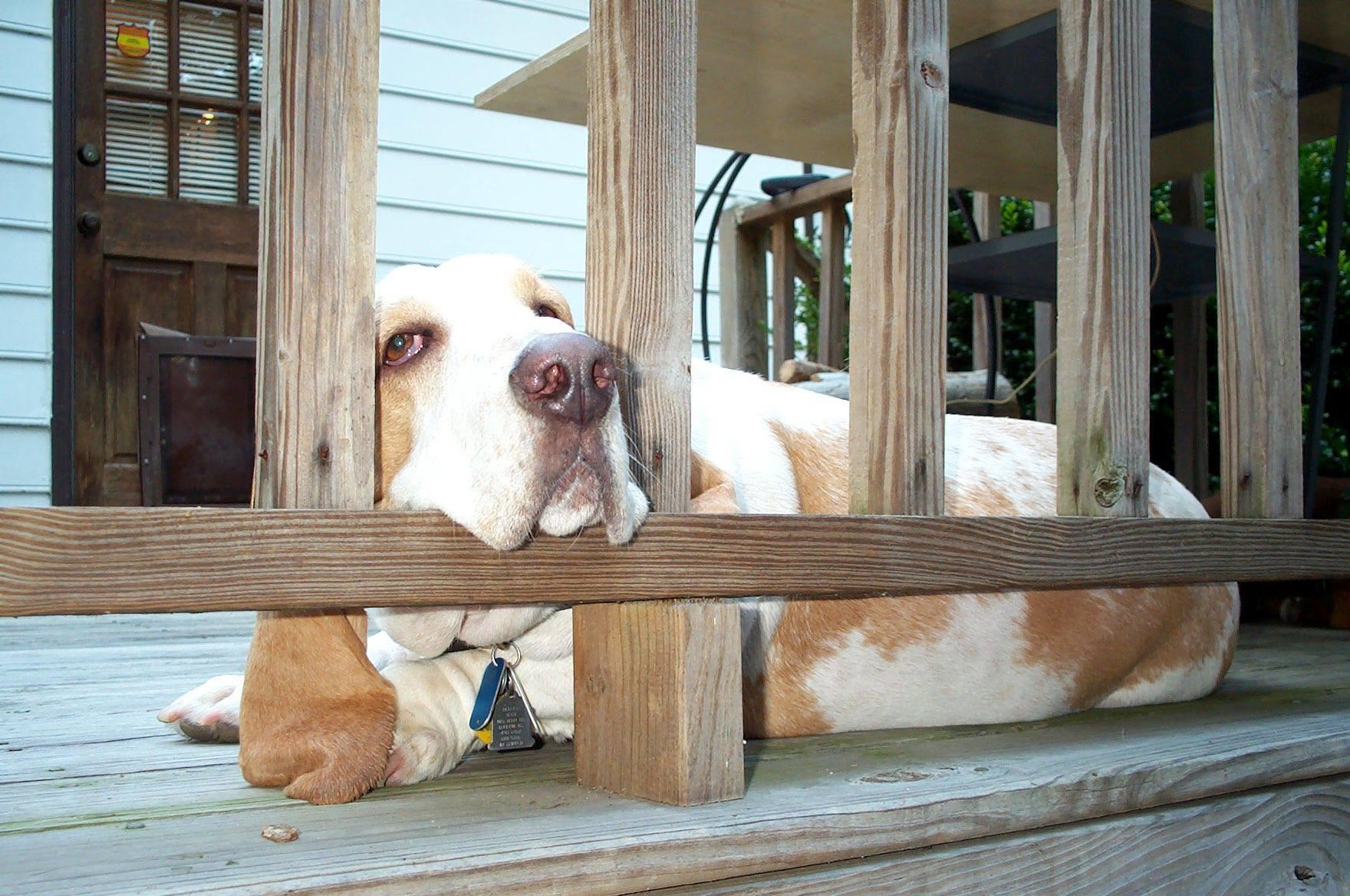

Please make sure to read more about Carolina Basset Hound Rescue online and visit their Facebook page for information about upcoming events. Your support is vital to continuing their rescue mission. In the meantime, those Duke boys can keep on with their bridge jumps and runnin’ from the law. I’ll be hanging out on the porch swing with Flash, lazily rocking with Basset drool on my lap.

Learn more by clicking below

Watch our Spotlight Video Here


F



Sniff out all events here
10/7 TOUCH A TRUCK EXPO for Sinbad Sadie, The Ponds 9 to 3pm
10/12 YAPPY HOUR at James Island County Park, 4 to 7 pm
10/14 PAWS IN CLAWS EXPO, N CHS Coliseum, 10 to 3pm
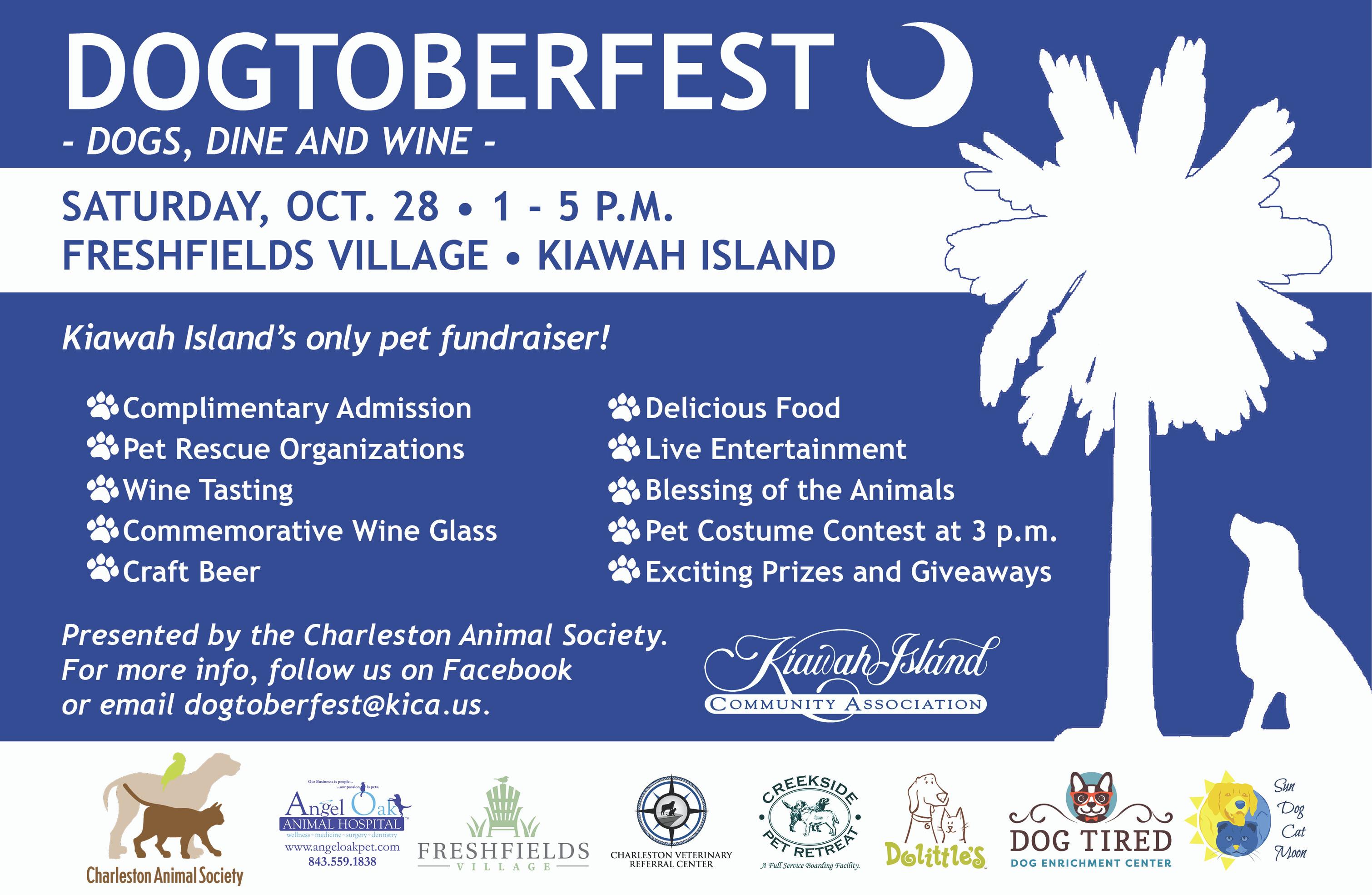
10/28 DOGTOBERFEST, Freshfields Village, 1 to 5 pm
10/28 FURBALL, Pet Helpers, Charleston Marriott, 6:30 pm
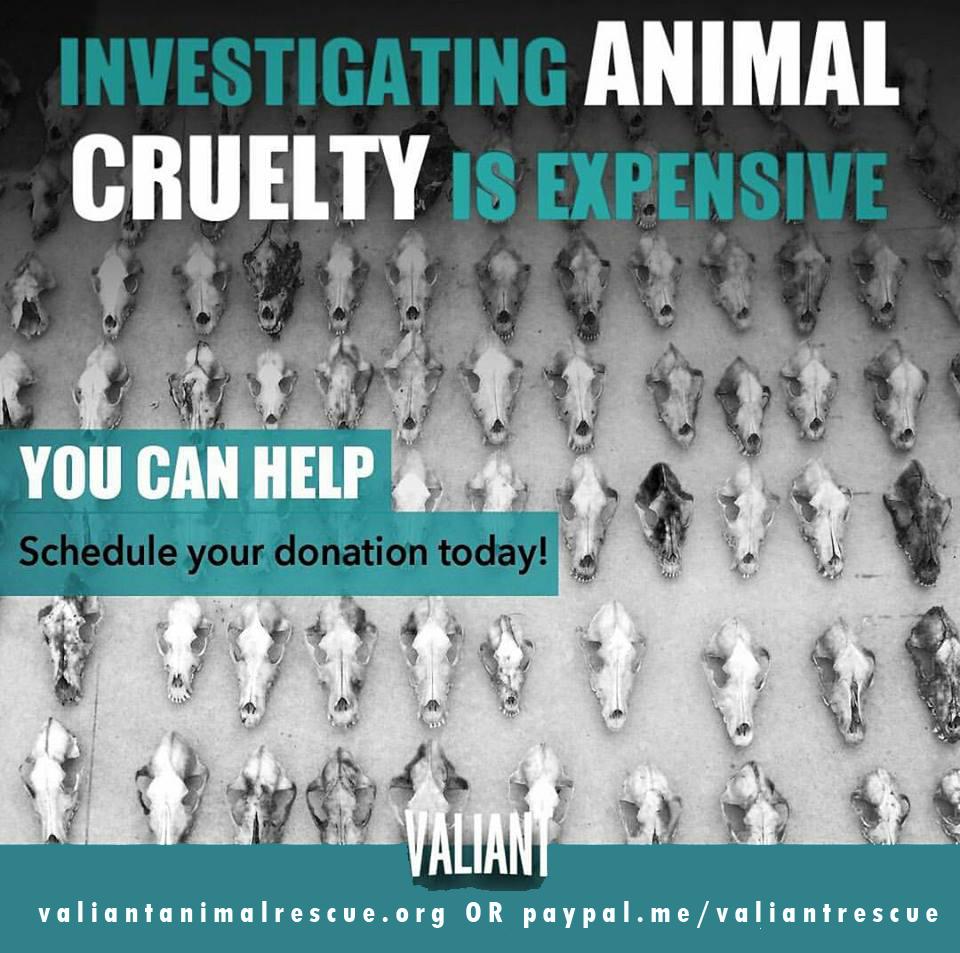
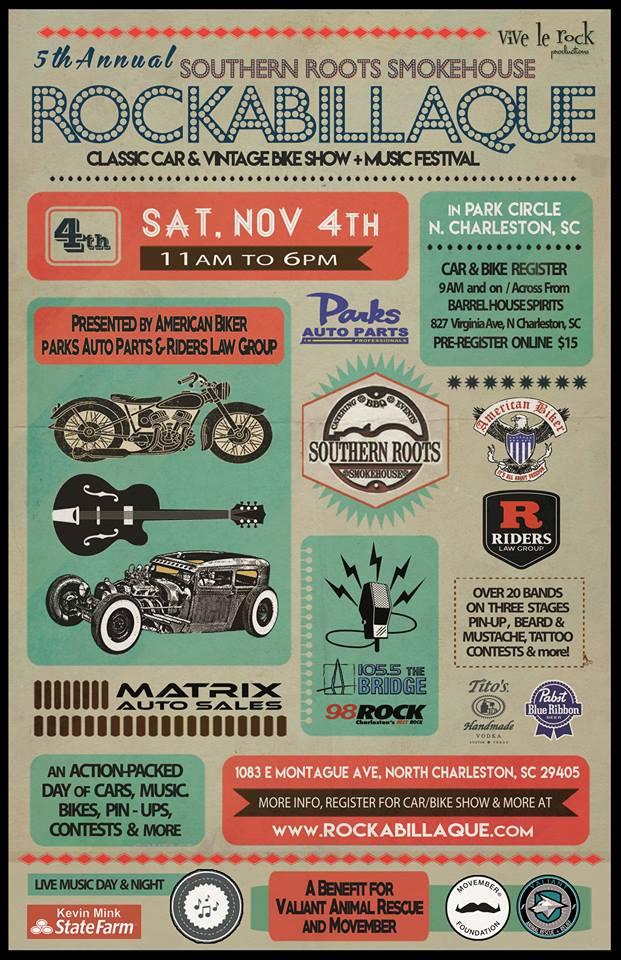
11/4 ROCKABILLIQUE, benefiting Valiant Animal Rescue, Park Circle, 11 am to 6 pm
11/11 PURPLE HAZE 5K & PUPS IN PURPLE half mile run, Wannamaker Park, 9 am
11/11 & 12 DANIEL ISLAND PARK DAY, 11 am to 4 pm both days
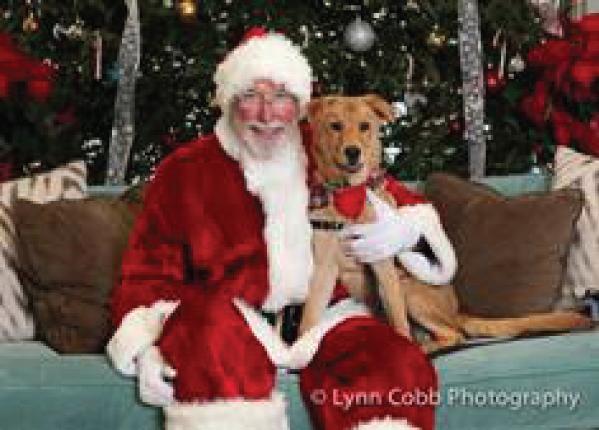
12/9 SANTA PAWS benefiting Valiant Animal Rescue, Greystar Daniel Island. 10 am to 3 pm
ADOPTION EVENTS EVERY SATURDAY at both Pet Supplies Plus locations!