




Traveling Blender, LLC. 10036 Saxet Boerne, TX 78006
PUBLISHER: Louis Doucette louis@travelingblender.com
BUSINESS MANAGER: Vicki Schroder vicki@travelingblender.com
GRAPHIC DESIGNER: Jennifer Nelson jennifer@travelingblender.com
ADVERTISING SALES: AUSTIN: Sandy Weatherford sandy@travelingblender.com SAN ANTONIO: Gerry Lair gerrylair@yahoo.com
For more information on advertising in San Antonio Medicine, Call Traveling Blender at
San Antonio Medicine is the official publication of Bexar County Medical Society (BCMS). All expressions of opinions and statements of supposed facts are published on the authority of the writer, and cannot be regarded as expressing the views of BCMS. Advertisements do not imply sponsorship of or endorsement by BCMS
EDITORIAL CORRESPONDENCE:
Bexar County Medical Society 4334 N Loop 1604 W, Ste. 200 San Antonio, TX 78249
Email: editor@bcms.org
MAGAZINE ADDRESS CHANGES: Call (210) 301-4391 or Email: membership@bcms.org
SUBSCRIPTION RATES: $30 per year or $4 per individual issue
ADVERTISING CORRESPONDENCE: Louis Doucette, President Traveling Blender, LLC.
A Publication Management Firm 10036 Saxet, Boerne, TX 78006 www.travelingblender.com
For advertising rates and information Call (210) 410-0014
Email: louis@travelingblender.com
SAN ANTONIO MEDICINE is published by SmithPrint, Inc. (Publisher) on behalf of the Bexar County Medical Society (BCMS). Reproduction in any manner in whole or part is prohibited without the express written consent of Bexar County Medical Society. Material contained herein does not necessarily reflect the opinion of BCMS, its members, or its staff. SAN ANTONIO MEDICINE the Publisher and BCMS reserves the right to edit all material for clarity and space and assumes no responsibility for accuracy, errors or omissions. San Antonio Medicine does not knowingly accept false or misleading advertisements or editorial nor does the Publisher or BCMS assume responsibility should such advertising or editorial appear. Articles and photos are welcome and may be submitted to our office to be used subject to the discretion and review of the Publisher and BCMS. All real estate advertising is subject to the Federal Fair Housing Act of 1968, which makes it illegal to advertise “any preference limitation or discrimination based on race, color, religion, sex, handicap, familial status or national origin, or an intention to make such preference limitation or discrimination.
SmithPrint, Inc. is a family-owned and operated San Antonio-based printing and publishing company that has been in business since 1995. We are specialists in turn-key operations and offer our clients a wide variety of capabilities to ensure their projects are printed and delivered on schedule while consistently exceeding their quality expectations. We bring this work ethic and commitment to customers along with our personal service and attention to our clients’ printing and marketing needs to San Antonio Medicine magazine with each issue.
Copyright © 2026 SmithPrint, Inc. PRINTED IN THE USA



Jennifer Rushton, MD, President
Lauren E. Tarbox, MD, Vice President
Lubna Naeem, MD, President-Elect
Dan Powell, MD, Treasurer
Lyssa N. Ochoa, MD, Secretary
John Shepherd, MD, Immediate Past President
Heather Aguirre, DO, Member
Alexander Arena, MD, Member
Woodson “Scott” Jones, MD, Member
John Lim, MD, Member
Sumeru “Sam” Mehta, MD, Member
M. “Hamed” Reza Mizani, MD, Member
Priti Mody-Bailey, MD, Member
Saqib Z. Syed, MD, Member
Nancy Vacca, MD, Member
Luis O. Rohena, MD, Military Representative
Heather Yun, MD, Veterans Affairs Representative
Jayesh Shah, MD, TMA Immediate Past President
John Pham, DO, UIW Medical School Representative
Lori Kels, MD, UIW Medical School Representative
Robert Leverence, MD, UT Health Medical School Representative
Cynthia Cantu, DO, UT Health Medical School Representative
Ronald Rodriguez, MD, UT Health Medical School Representative
Melody Newsom, BCMS CEO/Executive Director
George F. "Rick" Evans, Jr., General Counsel
Melody Newsom, CEO/Executive Director
Brissa Vela, Chief Membership & Development Officer
Yvonne Nino, Controller
Betty Fernandez, BCVI Director of Operations
Phil Hornbeak, Auto Program Director
Al Ortiz, Chief Information Officer
Jacob Hernandez, Advocacy and Public Health Specialist
Jennifer C. Seger MD, Chair
Shiv Goel, MD, Member
Animesh Chidanandrao Gour, MD, Member
Soma S. S. K. Jyothula, MD, Member
James Mayberry, MD, Member
Rajam S. Ramamurthy, MD, Member
Adam V. Ratner, MD, Member
Patrick Todd Reeves, MD, Member
Amith Skandhan, MD, Member
Francis Vu Tran, MD, Member
Elizabeth Allen, Volunteer
Rita Espinoza, DrPH, MPH, Volunteer
Melissa Rosales, Volunteer
Andrea Wazir, MS, Volunteer
Ayomide Akinsooto, Student
Youyou Cheng, Student
Gabrielle Holliefield, Student
Michael Hueste, Student
Kreny Savaliya, Student
Gabriella Bradberry, Staff Liaison
Trisha Doucette, Editor
Louis Doucette, Consultant


Every physician carries a story — moments that shaped you, challenges that tested you and insights that continue to guide your practice. These experiences hold tremendous power, not only for personal reflection but also for inspiring colleagues who walk similar paths.
We invite you to contribute your personal stories, professional challenges or accomplishments, and unique viewpoints to our “Perspectives” collection in San Antonio Medicine magazine for the Bexar County Medical Society — a column created by doctors, for doctors. Whether it’s a breakthrough moment, a difficult lesson, an unexpected joy or a perspective that changed the way you practice medicine, your voice matters.
Your contribution will help build a space where physicians can learn from one another, feel seen, and find renewed purpose in the work you all share.
If you’re willing to participate, please submit your story to editor@bcms.org. Submissions can be brief or in-depth — whatever feels authentic to you.
Thank you for considering this opportunity to uplift and inspire fellow physicians. Your experience could be exactly what someone else needs to hear.
By Jennifer Rushton, MD, President, Bexar County Medical Society
Dear friends and colleagues,
Women’s health is an integral part of the health of our families, our community and our profession, spanning specialties and life stages. Beyond traditional obstetrics and gynecology, cardiovascular and metabolic disease, autoimmune disorders and mental health conditions affect women disproportionately. While women live longer on average, we often experience a higher burden of chronic illness and barriers to care. Addressing chronic disease in the community requires not only clinical management but sustained investment in prevention and education.
Cardiovascular disease remains the leading cause of death among women, yet it is frequently underdiagnosed. Women are more likely to present with atypical symptoms, leading to delays in care and poorer outcomes. Education for clinicians and patients is needed to help close this gap.
Maternal health is another area that demands our urgent attention. Severe maternal morbidity and mortality are significant problems for Bexar County and the state of Texas. Women in our community are also disproportionately affected by preterm birth and low birth weight infants. Black women in Texas face maternal mortality twice the rate of white women, due in part to variable access to prenatal care, chronic disease and non-medical drivers of health. Diabetes and obesity affect Hispanic women disproportionately, leading to increased pregnancy risks and poorer maternal outcomes.
Mental health is another critical component of women’s health that deserves our consideration. Women and adolescent girls in Bexar County experience higher rates of depression and anxiety. Post-partum depression and suicidality in teenage girls are serious concerns. Reducing stigma and improving access to our fragmented mental health system must remain priorities.
Preventive care is essential to women’s health, yet it is not equally accessible to all. Barriers such as cost, time and trust in the healthcare system can prevent women from seeking care until disease is advanced. Cancer screening and prevention are important aspects of women’s health. As a pathologist, I am involved in the diagnosis of cancer in women, ideally at an early stage at which it can be successfully treated. Breast and cervical cancers are among the most preventable and treatable cancers when detected early.
Once a leading cause of death among women, cervical cancer has become largely preventable thanks to the widespread use of cytolog -

ic screening and HPV testing. The Pap smear is one of the most successful public health interventions in history and a testament to the power of early detection. Behind every result is the careful review of a pathologist.
Breast cancer is another example of pathologists’ central role in women’s health. Unfortunately, I diagnose breast cancer almost every day, but I also gain satisfaction from helping to characterize the tumor and determine the best treatment for patients by identifying hormone receptor status and HER2 expression. Pathologists also select the best tissue for molecular testing that will help develop the treatment plan and predict prognosis.
As we move more towards precision medicine, pathologists can help precisely classify tumors to tailor treatments to the specific disease as well as the individual patient, resulting in more effective treatments and fewer side effects. Endometrial cancer, the most common gynecologic cancer in the United States, is a recent example of how advances in pathology are refining patient care. Traditional histology combined with molecular classification is guiding risk stratification, treatment decisions and surveillance strategies. Derived from the work of the Cancer Genome Atlas, the modern molecular classification of endometrial cancer identifies patients whose tumors might respond to immunotherapy or are candidates for escalation or de-escalation of therapy.
Pathologists are also integral to the diagnosis of other diseases affecting women requiring integration of laboratory and histologic or cytologic assessment, including autoimmune disorders and thyroid disease. Placental pathology can shed light on pregnancy complications, including preeclampsia, intrauterine growth restrictions and fetal demise.
Despite our advances in diagnosis and prognostication, disparities persist in our communities due to limited access, lack of insurance, and cultural and language barriers. As a medical community, we must continue to advocate for equitable access to screening mammography, Pap testing and HPV vaccination for underserved populations.
The Bexar County Medical Society is committed to advancing women’s health through advocacy, education and collaboration. Through public health initiatives, partnerships with local organizations and supporting physician wellness, BCMS is working to build trust within the community and towards better outcomes for women.
Women’s health is also a top priority for the Texas Medical Association. It supported the extension of postpartum Medicaid for up to 12 months after delivery, to provide continuity of care in the postpartum period, including the management of hypertension, diabetes and depression. TMA also supported the creation of the Texas Maternal Mortality and Morbidity Review Committee. The review process provides a multidisciplinary framework to examine pregnancy-related deaths and severe complications, identify preventable factors, and translate the findings into meaningful improvements in care. TMA supports policies that protect coverage for preventive services and opposes barriers to such care, including prior authorization burdens and insurance gaps. TMA’s advocacy for mental health parity and support for telemedicine expansion reflects the importance of behavioral health for women.
The vision of BCMS is to make Bexar County a healthier community. Women’s health is an essential component of that vision, and our collective efforts are needed. As members, we can collectively advocate for policies and programs that expand access to preventive services. By advocating for stronger public health infrastructure, we can help address the root causes that lead to poor outcomes for women. By fostering collaboration across subspecialties and advocating for equitable care, we can continue to advance the health and well-being of women in our community. Thank you for all you do to care for women and for all of your patients.
With gratitude, Jennifer R. Rushton, MD

Jennifer R. Rushton, MD, 2026 President of the Bexar County Medical Society, is a partner at Oculus Pathology and the Medical Director of Pathology and Laboratory Medicine for the Baptist Health System. She is board certified in Anatomic and Clinical Pathology, Hematopathology and Molecular Genetic Pathology. Dr. Rushton currently serves as Chief of Staff for Baptist Medical Center Hospital. She is a long-time member and co-chair of the BCMS Legislative Committee, serves on the TMA Council on Healthcare Quality, and is a Texas Delegate to the AMA.

By Luissa Kiprono DO, MBS, MBA, FACOG
Every Physician Carries a Story
Mine did not begin in a hospital hallway. It began long before that — in a childhood shaped by instability and trauma, where survival was learned early. I did not grow up assuming I would become a physician. I grew up learning how to endure.
Five thousand five hundred and twenty-one days after arriving in America, I graduated medical school. I became a doctor. I remember the pride — the belief that I had finally taken full control of my own destiny.
Seven hours before I was scheduled to walk across the stage to receive my diploma, my membranes ruptured at 25 weeks and five days. Instead of wearing a cap and gown, I was lying in a hospital bed — a patient instead of a physician. I never picked up my diploma in person.
That moment quietly reshaped how I would practice medicine forever.
The Knack to Catch Them
Recently, after a pregnancy acutely shifted from routine to highrisk and ended in a healthy mother and baby, a colleague said to me,
“You have a knack to catch them right on time. I don’t know how you do it, but you do.”
Her words stayed with me.
Maternal-fetal medicine demands vigilance — constant pattern recognition, anticipation and calm decision-making when physiology turns without warning. But what she described as instinct is something deeper.
When you have been the patient.
When you have felt the sudden loss of control.
When you understand how thin the line can be.
You listen differently.
You watch differently.
You act without hesitation.
Medicine is not only science; it is awareness sharpened by humanity. We are trained to interpret data, but we are also shaped by experience. My time on the other side of the hospital bed instilled a heightened sensitivity to subtle shifts — in lab values, in fetal tracings, in maternal demeanor. Sometimes the most critical changes whisper before they shout.
Several years ago, the clinic I was running here in San Antonio, closed unexpectedly. Overnight, patients lost access to a familiar source of high-risk pregnancy care, staff faced uncertainty, and I found myself standing at an inflection point.
Many of us in medicine have faced moments like this — when decisions are made above us, around us or without us. In those moments, it is easy to feel displaced.
I chose not to be.
Instead of stepping back into another traditional structure, I asked a different question: If this model no longer serves patients — or physicians — what should replace it?
I founded a fully virtual maternal-fetal medicine practice designed to expand high-risk pregnancy care beyond geographic limitations. It was not the traditional path. It required stepping into entrepreneurship — a skillset most of us were never formally taught. It demanded risk tolerance, strategic thinking and the willingness to be both clinician and CEO.
But it restored something essential: autonomy. In medicine, we often operate within systems we did not design. When those systems fracture or fail to meet patient needs, we can feel powerless. Yet physicians are not only providers of care — we can shape it.
Telemedicine, when used thoughtfully, allows subspecialty expertise to reach patients who would otherwise travel hours for consultation or go without it entirely. It offers flexibility to physicians who seek sustainability in practice. And it challenges the assumption that excellence must be tied to a physical building.
Rebuilding after disruption taught me that professional identity is not tied to a single job, title or institution. It is anchored in purpose.
Over time, I have come to recognize something we do not discuss enough in medicine: intuition.
Not ego. Not guesswork. But informed internal clarity built on years of experience and reflection.
The more intentionally we practice, the more distinct that internal signal becomes. The more we listen to it, the more confident we grow in our clinical judgment. And the more we trust ourselves, the less distracted we become by external noise — productivity pressures, administrative metrics, comparison or fear.
For some physicians, that clarity leads to research innovation.
For others, leadership roles.
For some, advocacy or mentorship.
For others, rebuilding a practice model entirely.
For me, it has meant expanding access through telemedicine, mentoring women in medicine and leadership, and serving on humanitarian missions where high-risk obstetric care is scarce.
When your own life has felt precarious, you recognize fragility in others. And you do not take outcomes for granted.
Resilience in medicine is often framed as endurance — pushing through long hours, emotional strain or systemic frustration. But resilience is not merely surviving. It is integration. It is allowing what tested us to refine us.
Each of us carries formative moments: the complication that humbled us, the patient who trusted us in uncertainty, the unexpected joy of a life saved, the pivot that forced growth. These experiences quietly shape our clinical posture.
They influence how quickly we intervene.
How carefully we counsel.
How firmly we advocate.
How compassionately we sit with grief.
Behind every white coat is a physician who has navigated personal trials alongside professional responsibility. Sharing those stories is not self-indulgence. It is collective strengthening. When we speak honestly about challenge, reinvention, doubt and purpose, we remind one another that medicine is not practiced by machines. It is practiced by humans — thoughtful, evolving, imperfect humans.
If there is one lesson my journey has taught me, it is this: Control is often an illusion. Purpose is not.
When anchored in purpose, we are able to respond decisively when physiology shifts, when systems collapse, when life deviates from plan. We are able to “catch them right on time” — not because we are infallible, but because we are attentive, prepared and present.
And sometimes, in catching our patients, we also steady ourselves.
Faith & Grace,
Dr. Luissa K
Author & Speaker | Women's Advocate Missionary Doctor & Teacher | USAF Veteran Maternal-Fetal Medicine Specialist
Endurance Athlete | Founder, TeleMed MFM

Ways to reach Dr. Kiprono: www.drluissak.com; www.telemedmfm.com
Book: Push, Then Breathe
Special Edition (Autographed + Custom Bookmark): https://drluissak.com/book-us/ Audiobook (Apple): https://books.apple.com/us/audiobook/push-then-breathe-traumatriumph-and-the-making/id1734426832 Amazon: https://a.co/d/ccKDwcu
We invite our physician members to share their personal stories and perspectives — your voice enriches our community and strengthens the practice of medicine. To submit an article or request more information, please email Editor@bcms.org.
By Bhoja R. Katipally, MD, MPH, FAAFP, DipABLM
Every pediatrician begins a newborn's care with a birth history — for good reason. A child's present and future are shaped long before that first cry and are largely dictated by the mother's health during pregnancy.
But even that is not early enough.
After nearly two decades in clinical practice — as faculty at UT Health San Antonio and as a Medical Director at University Health — one of my realizations has become undeniable: we are intervening far too late . We have built a healthcare system that excels at managing disease, but struggles to create true and sustainable health.
Modern medicine has mastered the art of rescue. We screen, monitor, diagnose, prescribe, and intervene, often with remarkable success. Yet despite this, we are confronting an unprecedented surge in chronic disease-obesity, type 2 diabetes, metabolic syndrome, cardiovascular disease, cancers and a wide range of autoimmune disorders emerging earlier in life than ever before, and now affecting adolescents and even young children. We are extending lifespan but failing to protect healthspan
At the cellular level, many of these conditions share common root mechanisms:
• Insulin resistance
• Chronic low-grade systemic inflammation
• Mitochondrial dysfunction
• Chronic oxidative stress
Oxidative stress — driven by an imbalance between reactive oxygen species (ROS) and the body's antioxidant defenses — leads to cumulative cellular damage, affecting lipids, proteins and DNA, while accelerating telomere shortening and cellular aging. Over time, this contributes directly to the pathogenesis of cardiovascular disease, cancer, neurodegeneration and autoimmune conditions.1
We are, in many ways, sustaining life through the 'crutches' of medications, procedures and devices — often at the cost of long-term vitality, function and resilience.
This is not a failure of science. It is a failure of timing, and of addressing root causes at the cellular level.
We have focused intensely on the nine months of pregnancy. But the most critical phase of a child's health trajectory begins months — often years — before conception.
By the time a woman presents for her first prenatal visit:
• Organogenesis is already underway
• Epigenetic programming has already begun
The biological 'software' of the next generation is already being written.
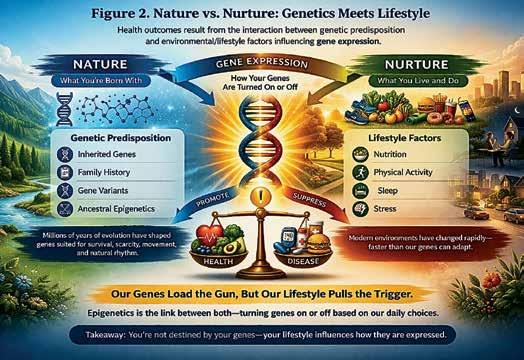
For decades, we were taught that genetics or our DNA is destiny. Epigenetics has dismantled that belief. Our DNA is not a fixed script — it is a dynamic system, constantly responding to environmental inputs. Through mechanisms such as DNA methylation, histone modifications and non-coding RNA signaling, lifestyle factors determine which genes are expressed ('turned ON’) and which remain suppressed ('turned OFF’). 2
These epigenetic modifications are not random — they are highly responsive to metabolic signals, including nutrient availability, oxidative stress and inflammatory pathways. Simply put, this is the interplay of nature vs. nurture — the genes we inherit versus how those genes are expressed through environmental factors, particularly lifestyle.
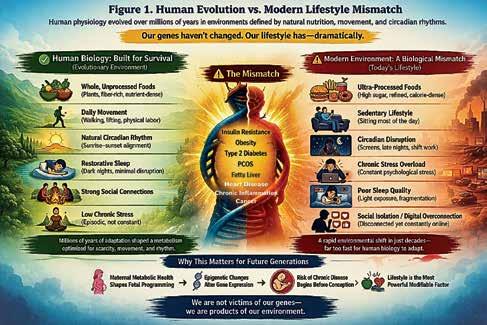
At the root of most chronic diseases are shared biological mechanisms:
• Insulin Resistance -> disrupts metabolic homeostasis, leads to chronic hyperinsulinemia, and accelerates fat storage
• Chronic Inflammation -> persistent immune activation that damages tissues over time and triggers vascular endothelial dysfunction and widespread atherosclerosis
• Oxidative Stress -> excess reactive oxygen species (ROS) causing ongoing DNA, protein and lipid damage
• Mitochondrial Dysfunction -> impaired cellular energy production and reduced metabolic flexibility
• Epigenetic Alterations -> environmentally driven changes in gene expression (e.g., DNA methylation, histone modifications, non-coding RNA signaling)
These processes are interconnected-and largely driven by lifestyle factors.2
The earlier we intervene — especially before pregnancy — the greater the opportunity to prevent disease at its origin.
What we once called family history is increasingly becoming shared environmental history or as I often describe to my patients — the country history — reflecting how modern lifestyles are reshaping gene expression across entire populations.
Genes load the gun. Lifestyle pulls the trigger.
Eat, move and sleep are the three fundamental pillars of human physiology, with stress resilience at their core. Human physiology evolved over millions of years and hundreds of thousands of generations in environments defined by natural nutrition, physical activity and circadian alignment.
In contrast, within just a few decades, we have radically altered that environment through:
• Ultra-processed, calorie-dense foods
• Sedentary lifestyles
• Sleep disruption
• Chronic, persistent stress exposure
The result is a global explosion of chronic, non-communicable diseases (NCDs) — no longer confined to developed nations, but now across the globe.3
This rapid shift has dismantled these foundational pillars at a pace far exceeding our biology's ability to adapt.
A child's first environment is not the home or community — it is the mother's internal metabolic state. Maternal physiology, shaped by nutrition, insulin sensitivity, inflammation, hormonal balance, microbiome diversity and stress, acts as a continuous stream of biological signals that guide fetal development. If a woman enters pregnancy with metabolic dysfunction, the fetus adapts to that environment.
Within the framework of the Developmental Origins of Health and Disease (DOHaD), these adaptations — once protective — now predispose the child to:
• Obesity
• Type 2 diabetes
• Cardiovascular disease
• Cancers
• Autoimmune and degenerative diseases
• Developmental and mental health conditions
This is not passive inheritance. It is active biological programming.3,4
The implications extend beyond a single generation. When a female fetus develops, she already carries the oocytes that may become the next generation. This means that three generations are biologically connected within a single pregnancy. A grandmother's metabolic health can influence her grandchildren. This creates an intergenerational echo of disease or of health.
A woman's lifestyle today is the first prescription for a generation she has not yet met.
The Missing Clinical Conversation
Despite this evidence, preconception health remains a glaring blind spot. We have embraced the concept of the first 1,000 days of a child's growth and development, but even that may not go far enough.
To truly transform health outcomes, we must move the starting point back: 6-12 months before conception.⁵
We must normalize a new standard:
The Preconception Health Audit
• Metabolic health
• Nutritional status
• Physical activity
• Sleep quality, quantity and circadian rhythm
• Stress resilience
Because the most important nine months of a child's life may begin before pregnancy even begins.
An Overlooked Moment:
Birth and the Microbiome
Even the moment of birth carries lifelong implications. Vaginal delivery provides critical exposure to maternal microbiota — seeding the infant's immune system and influencing long-term metabolic and immune development.6
While cesarean delivery is often necessary, its increasing prevalence raises important questions about missed opportunities in microbiota seeding and early-life biological programming.
Lifestyle Medicine:
The Root-Cause Solution
The solution is not more complexity. It is simply returning to our biological fundamentals.
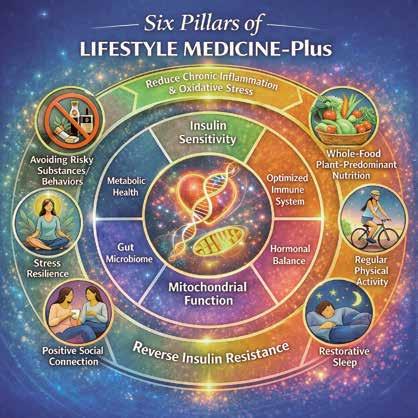
Lifestyle Medicine-grounded in:
• Whole-food, plant-predominant nutrition
• Regular physical activity
• Restorative sleep
• Stress management and resilience
• Positive, nurturing social connection
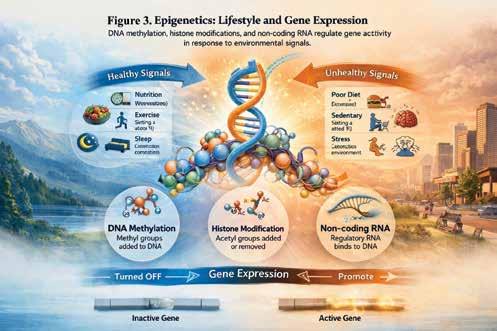
Epigenetics: Lifestyle and Gene Expression
DNA methylation, histone modifications and non-coding RNA regulate gene activity in response to environmental signals.
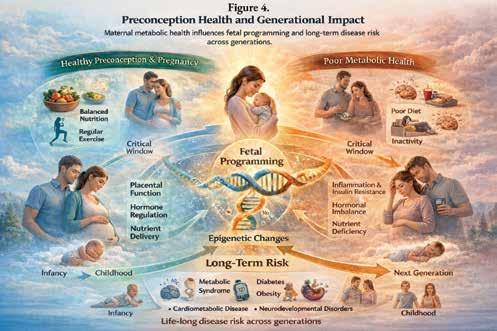
Preconception Health and Generational Impact
Maternal metabolic health influences fetal programming and long-term disease risk across generations.
AND, it is not the alternative care but, indeed, foundational care.7
In the preconception phase, these interventions:
• Improve insulin sensitivity
• Reduce systemic inflammation
• Decrease oxidative stress and enhance endogenous antioxidant defenses
• Optimize mitochondrial function
• Avoiding the risky behaviors and substances
• Improve oocyte quality
Collectively, they reshape the epigenetic landscape and restore cellular resilience, therefore creating a biologically favorable environment for the next generation before conception even occurs.
At New Me Health, this philosophy has evolved into what we call the Metabolic Transformation Movement (MTM).
Our mission is simple but ambitious: To help patients transition from a sick-care system to true healthcare by addressing the root causes that are silently crippling their bodies, minds, finances and even relationships.
When a woman restores her metabolic health, she is not just improving lab values.
She is rewriting the biology of future generations.
Women's health is not a specialty — it is the foundation of human health and societal well-being. If we aim to reduce chronic disease, improve cognitive potential and extend healthspan, we must change where the conversation begins. Not in the prenatal clinic or delivery room. Not even at conception. But long before pregnancy begins.
The first prescription for life is not written in a chart. It is written in the daily choices we make before life even begins.
References:
1. Sena, L.A., Chandel, N.S. Physiological Roles of Mitochondrial Reactive Oxygen Species. Mol Cell. 2012
2. Jones, P.A. Functions of DNA methylation: islands, start sites, gene bodies and beyond. Nat Rev Genet. 2012
3. Swanson, J.M., et al. Developmental origins of health and disease: environmental exposures. Semin Reprod Med. 2009
4. Godfrey, K.M., et al. Influence of maternal obesity on the longterm health of offspring. Lancet Diabetes Endocrinol. 2017
5. Stephenson, J., et al. Before the beginning: nutrition and lifestyle in the preconception period and its importance for future health. Lancet. 2018
6. Dominguez-Bello, M.G., et al. Delivery mode shapes the acquisition and structure of the initial microbiota across multiple body habitats in newborns. PNAS. 2010
7. Katz, D.L., et al. Lifestyle as Medicine: The Case for a True Health Initiative. Am J Health Promot… 2018
* The infographics presented in this article were developed with the support of artificial intelligence–based design tools to enhance visual clarity and communication. All concepts, content and clinical perspectives are the original work of the author.

Bhoja R. Katipally, MD, MPH, FAAFP, DipABLM, is a board-certified Family and Lifestyle Medicine physician and Founder of New Me Health Center, San Antonio’s first and leading concierge-based practice focused on chronic disease reversal through Lifestyle Medicine. He is a former Medical Director at University Health and serves as an Adjunct Assistant Clinical Professor at UT Health San Antonio. Learn more about their services and transformational success stories at www.NewMeHealth.us. Dr. Katipally is a member of the Bexar County Medical Society.

By Rachel E. Kaczynski, DO, FACOS, FSSO; and Stuart S. Winkler, MD, FACS
Over the past decade, precision medicine has changed the landscape of cancer care. New immunotherapies and tumor genomics are helping tailor patient-specific treatment, leading to better responses and longer survival. Where pathology was once the main datapoint to developing treatment plans, oncologists and surgeons can now home in on biomarkers for individualized care, reducing the risk of overtreatment or undertreatment.
In cancers that primarily affect women, these innovations have been life-changing with higher response rates, marked improvement even in advanced cancers and better prevention for high-risk patients who have yet to be diagnosed with cancer.
Breast cancer, endometrial cancer and ovarian cancer are some of the most common seen among women. Recently, endometrial cancer incidence has surpassed ovarian cancer as the deadliest gynecological cancer. 3 However, 85% of endometrial cancer can be treated if caught and diagnosed early.6
For advanced or recurrent endometrial cancer, we have seen substantial improvements in survival and progression-free survival in patients through immunotherapy. Patients with deficient mismatch repair biomarkers respond especially well. In the past, platinum-resistant ovarian cancer was treated with paclitaxel (Taxol®) for a 15-18% response rate. New antibody drug conjugates (ADC) like mirvetuximab (Elahere®) directly target cancer cells and induce apoptosis in the tumor microenvironment with a response rate of 42% with fewer toxicities or adverse effects.5
Genomics also play a prominent role in leading-edge treatment for breast cancer. Texas Oncology is one of the highest enrollers to the FLEX Registry, a large, observational data platform that links genome data with clinical outcomes to improve personalized treatment for early-stage breast cancer patients. Our team is working hard to improve the data available for minorities, including men with breast cancer.2 Through genomics, we can better weigh treatment options — chemotherapy efficacy, or indication for radiation or surgical management — alone or in combinations for any stage of cancer.
Last year, our patients trialed a novel ADC, sacituzumab govitecan-hziy (Trodelvy®), which will soon join our therapy options for triple negative breast cancer to achieve improved disease-free and overall survival rates. Similarly, pembrolizumab (Keytruda®) blocks the PD-1/ PD-L1 pathway, helping the immune system attack cancer cells in combination with chemotherapy, with a 64.8% pathologic complete response rate for patients receiving neoadjuvant therapy.4
CDK4/6 inhibitors — abemaciclib (Verzenio®), ribociclib (Kisqali®) and palbociclib (Ibrance®) — are now standard of care for node positive and metastatic HR+/HER2- breast cancer, improving progression-free and overall survival rates when combined with endocrine therapy.7 The combination of tumor genomics, surgical staging and novel drugs continues to improve disease-free and event-free survival rates as well as overall survival rates.
Patients have the highest chance of clearing cancer when it is caught early. Unfortunately, historic gender bias has led to underdiagnosis of women’s cancers, with many — especially women of color — recounting their symptoms have been dismissed.8 An estimated 1.3 million lives could be saved if clinicians address risk factors with female patients like tobacco, alcohol, infections and obesity (which significantly impacts breast, ovarian and endometrial cancer).1
A mammogram every year beginning at age 40 remains the gold standard for breast cancer screening; however, some high-risk patients should screen sooner. If a first-degree relative was diagnosed with breast cancer, the patient should start screening 10 years younger (e.g., 32 if mother diagnosed at 42). If a mammogram returns unclear or requires additional screening, evaluate overall lifetime risk for the patient using the Tyrer-Cuzick (IBIS) model.
If lifetime risk is 20% or higher, or if 5-year risk is 1.7% or higher, the patient should undergo additional screening, usually MRI. Genetic testing may be considered with significant family history, such as direct family relatives with breast, ovarian or pancreatic cancer, or two family members on the same side with prostate cancer.
For endometrial cancer, evaluate any woman with post-menopausal bleeding. While bleeding can indicate many conditions, women diagnosed with endometrial cancer nearly always experience bleeding. Endometrial cancer is also more likely be in advanced stages or lead to mortality in non-Hispanic White women, so screening is critical to catching cancer early.9
We credit our robust team of genetic counselors, advance practice providers and research staff for our success in incorporating precision medicine into oncology screening and treatment care. In the coming years, we hope more of our current trials will join the standard of care as we surpass the old model of cancer treatment to offer personalized options with fewer adverse events and improved quality of life alongside survival rates. We look forward to a future where every patient and every type of disease can have biomarker-directed therapy.
2. Gold, L.P., Samiian, L., Hoskins, K., Diab, S., Lee, L., Gadi, V., . . . O'Shaughnessy, J. (n.d.). FLEX: From Genomic Profiling to RealWorld Insights in 30,000 Patients with Early-Stage Breast Cancer
3. Johnson, C.R., Jiang, R.L., Francoeur, A.A., Richardson, M., Mann-Grewal, A.K., Kapp, D.S., & Chan, J.K. (2024). Disparities in ovarian and uterine cancer in relation to the development of novel therapeutics. Journal of Clinical Oncology, 42(Number 16_suppl)
4. Mittendorf, E.A. (2022). ACS Cancer Research Program: Implications of the KEYNOTE-522 Trial for Patients with Early Stage Triple-Negative Breast Cancer. American College of Surgeons
5. Moore, K.N., Angelergues, A., Konecny, G.E., García, Y., Banerjee, S., Lorusso, D., & Lee, J.-Y. (2023). Mirvetuximab Soravtansine in FRα-Positive, Platinum-Resistant Ovarian Cancer. New England Journal of Medicine, 389, 2162-2174
6. National Cancer Institute. (2025, May 14). Endometrial Cancer Treatment (PDQ®)–Health Professional Version. Retrieved from cancer.gov: https://www.cancer.gov/types/uterine/hp/endometrial-treatment-pdq
7. Purohit, L., Jones, C., Gonzalez, T., Castrellon, A., & Hussein, A. (2024). The Role of CD4/6 Inhibitors in Breast Cancer Treatment. International Journal of Molecular Sciences, 25(2), 1242. doi:10.3390/ijms25021242
8. The ASCO Post Staff. (2023, Sept. 28). Unconscious Gender Biases and Discrimination Lead to Suboptimal Care for Women. Retrieved from The ASCO Post: https://ascopost.com/news/ september-2023/feminist-approach-to-address-gender-inequalities-may-improve-women-s-access-to-cancer-prevention-detection-and-care/
9. Winkler, S.S., Winkler, S., Tian, C., Casablanca, Y., Bateman , N., & Jokajtys, S. (2024). Racial, ethnic and country of origin disparities in aggressive endometrial cancer histologic subtypes. Gynecologic oncology, 184, 31–42. doi: 10.1016/j.ygyno.2024.01.009

Rachel E. Kaczynski, DO, FACOS, FSSO, is board certified in general surgery and is a fellowship-trained breast surgical oncologist. She has a passion caring for people with breast cancer and those who are at high risk for developing breast cancer. She also practices surgical procedures for benign breast disease and oncoplastic procedures to improve cosmesis and minimize post-surgical scarring. She has an interest in outreach and breast cancer prevention for high-risk populations. Dr. Kaczynski is a former U.S. Air Force flight surgeon who grew up in North Texas, is a proud Texas Longhorn, and excited to return to her home state of Texas with her family. Dr. Kaczynski is a member of the Bexar County Medical Society.

References:
1. Ginsburg, O., Vanderpuye, V., Beddoe, A.M., Bhoo-Pathy, N., Bray, F., & Caduff, C. (2023). Women, power, and cancer: a Lancet Commission. The Lancet, 402(10417), 2113-2166
Stuart S. Winkler, MD, FACS, is a board-certified gynecologic oncologist with Texas Oncology, providing specialized care to patients in the San Antonio area. He focuses on the diagnosis and treatment of gynecologic cancers, including uterine, ovarian and cervical cancers, offering advanced surgical and therapeutic options along with comprehensive support throughout every stage of care. Dr. Winkler completed a fellowship in gynecologic oncology at the National Capital Consortium in Bethesda, Maryland, his residency in obstetrics and gynecology at Atrium Health Wake Forest Baptist Medical Center, and earned his medical degree from East Tennessee State University. Dr. Winkler is a member of the Bexar County Medical Society.

By Brittany DeBerry, MD
Breast cancer is a disease that affects women around the world, doesn’t discriminate age or race and can affect all socioeconomic backgrounds. It is the most commonly diagnosed cancer in women worldwide. In the United States, the most widely cited estimate for 2025 breast cancer cases comes from the American Cancer Society and related sources: about 316,950 new cases of invasive breast cancer in women, about 59,080 additional cases of non-invasive breast cancer (DCIS) and around 2,800 cases in men. About one in eight women (≈13%) will develop breast cancer in their lifetime. Incidence has been slowly increasing (~1% per year) in recent decades. Mortality rates have declined overall due
to earlier detection (mammography) and better treatments. It is a complex disease that is influenced by a combination of genetic, hormonal and environmental factors. Among these, inherited genetic mutations and exposure to hormones, either naturally or through medical treatments like hormone replacement therapy, play especially significant roles. Understanding how these elements interact is crucial for prevention, screening and treatment decisions. I would like to discuss both topics, including genetic evaluation and hormone replacement therapy, and overall risk assessment to help women have a better understanding of their risk and give them the power to make good healthcare decisions.
Genetics contributes substantially to breast cancer risk, particularly through inherited mutations in specific genes responsible for DNA repair and cell growth regulation. The most well-known genes associated with breast cancer are BRCA 1 and BRCA 2. These genes normally help repair DNA damage and maintain the health of the DNA, which are what regulate cell division. When these genes are not normal, their protective function is impaired, leading to unrecognized DNA damage, and leading to an increase in cancer risk. When you carry one of these gene mutations, your cancer risk can be as high as a 70-80% lifetime risk, compared to about 12-13% for the average population. There are other genes that can be associated with a more substantial breast cancer risk including PALB2, CHEK2 and ATM. These gene mutations can be detected by a simple test, either by saliva or blood sampling. A doctor can discuss family history to determine if a patient should undergo testing.
Only about 8-10% of breast cancers diagnosed yearly are associated with genetic mutations, so 90-92% are associated with normal genetics. I think that this is one of the most important points for discussion. If there is a genetic mutation, it is very important to know for appropriate screening, which is different from the screening for the general population. However, if genetic testing is normal, there is still the risk of developing breast cancer, which may be higher than the average population based on family history, and you should continue with screening that is appropriate for your age.
This is important to understand for patients who should undergo genetic testing. It is recommended for women who are diagnosed with breast cancer before age 65 or if they have a strong family history of breast cancer, but no cancer diagnosed themselves. This usually means two relatives on the same side of their family that have had breast cancer, or if there are family members who are diagnosed with breast cancer at an early age, prior to age 50. A family history of other types of cancer, including ovarian, pancreas, prostate and melanoma, can indicate a need for testing as well. A patient should also undergo testing if they are aware of family members who have tested positive for an abnormal gene. When we identify patients with genetic mutations, the screening tests and frequency are altered. They may meet criteria for enhanced screening using other tests such as breast MRI and with increased frequency — every six months rather than just yearly. We may even consider preventative medications or surgery after discussion of risk and how to decide to manage that risk.
Hormone replacement therapy (HRT) is a hot topic right now with regards to benefits and potential risk, and how that impacts lifestyle and breast cancer risk. HRT is commonly used to alleviate menopausal symptoms such as hot flashes, vaginal dryness and bone loss. The relationship between HRT and breast cancer risk has been extensively studied and remains nuanced. There are different types of HRT and different routes of application, and these can influence the overall effectiveness of treatment and the overall risk for breast
cancer. Estrogen-only therapy can be used in women that have had a hysterectomy — combination therapy with estrogen and progesterone is used in women that have not had a hysterectomy. Short term replacement is likely considered to be neutral with regards to breast cancer risk, but long-term (more than five years) replacement may increase risk. Topical estrogen, such as that applied to the skin or vagina, are safer than oral or pellet systemic replacement. We also feel that lifetime estrogen exposure is important in understanding breast cancer risk. The factors that we use to help understand this risk are age at menarche, late menopause, nulliparity or late age at first childbirth. We consider menarche prior to age 12, menopause after age 55, first childbirth after 35 or not having children could potentially add to overall breast cancer risk.
Patients can seek a comprehensive breast cancer risk assessment with their doctor or provider. This should include a family history to understand genetic factors, reproductive history, hormone exposures, including HRT use, and lifestyle factors, including smoking, alcohol use, obesity and exercise. For patients considering hormone replacement therapy, personalized decision making should be sought. For women considering HRT, benefits (symptom relief, bone health) must be weighed against the risks. The lowest effective dose for the shortest duration is generally recommended. There are non-hormonal alternatives that can be tried for women who are high risk. It is important to have open discussions with medical professionals to make the best decision possible.
In conclusion, breast cancer risk is shaped by a complex interplay between genetics and hormonal influence as well as environmental factors. Inherited mutations such as those in BRCA genes can dramatically increase susceptibility, while hormone exposures can further modify risk. Advances in genetic testing and a more nuanced understanding of hormones effects now allow for more personalized approaches to prevention and treatment. Ultimately, informed decision-making guided by individual risk profiles is key to optimizing outcomes.

Brittany DeBerry, MD, earned her Bachelor of Science degree in Zoology from the University of Texas at Austin in 1997, and her medical degree from the University of Texas Medical BranchGalveston in 2001. She continued her training at the University of Texas Medical Branch-Galveston and completed her residency in 2006. Board certified in General Surgery, Dr. DeBerry has been in practice in San Antonio since 2006 and is a past Chief of Surgery at Methodist Hospital. She is a general surgeon with a special interest in caring for patients with breast cancer as well as with benign disease of the breast. Dr. DeBerry is a member of the Bexar County Medical Society.

By Margaret A. Kelley, MD, FACOG
It is with increased frequency that I am referred patients for evaluation who have been given a diagnosis of polycystic ovarian disease (PCOS). The common phenotype is a morbidly obese female with hirsutism and acne. Upon inquiry, the patient often reports not having regular menstrual periods and has been told that PCOS is the reason for her irregular cycles.
I often begin by sharing the historical context of PCOS, referencing Drs. Irving Freiler Stein and Michael Leventhal, who in 1935 published an article “Amenorrhea associated with bilateral polycystic ovaries” in the American Journal of Obstetrics and Gynecology 1 They described a series of patients with amenorrhea, infertility and hirsutism. Surgical evaluation revealed polycystic ovaries. At the time, however, the underlying cause of these ovarian changes was not understood. Normally, one follicle becomes dominant each month and releases an egg. In these patients, ovulation did not occur.
There is not one criterion for diagnosing PCOS. Generally, the diagnosis is made when a patient demonstrates hyperandrogenism, oligomenorrhea and polycystic ovaries seen on ultrasound.2 The condition is associated with rapid gonadotropin releasing hormone (GNRH) pulsatility, increased luteinizing hormone (LH) secretion and decreased follicle-stimulating hormone (FSH), resulting in increased ovarian androgen production and dysfunctional follicular development.3
Additionally, hyperinsulinemia — often associated with obesity — plays a significant role. Elevated insulin levels and decreased sex hormone-binding globulin (SHBH) increase circulating androgen and stimulate further androgen production.4
Laboratory evaluation should be the assessment for hyperandrogenemia with total testosterone and SHBH levels. Additional testing should include thyroid stimulating hormone (TSH), prolactin and 17-hydoxprogesterone to rule out thyroid dysfunction, hyperprolactinemia and nonclassical congenital hyperplasia.5 Screening for metabolic disorders should include a hemoglobin A1c and /or 2-hour glucose challenge test, and a lipid panel to evaluate for type 2 diabetes and hyperlipidemia.6 A comprehensive physical examination should include blood pressure, BMI and waist circumference. Clinical signs of hyperandrogenism — such acne, hirsutism, androgenic alopecia and acanthosis nigricans — should be documented. Ultrasound evaluation should confirm 12 or more ovarian follicles in one or both ovaries.7
Once the diagnosis of PCOS is made, the treatment goals are to decrease circulating androgens, treat menstrual disorders, and promote weight loss. For a patient who does not desire pregnancy, treatment typically includes a monophasic oral contraceptive pill containing 35 microgram/ 0.25 norgestimate combination oral contraceptive pill to promote regular shedding of the endometrial lining.8 Without treatment, women with PCOS are at an increased risk for endometrial hyperplasia and endometrial cancer. Oral contraceptives also increase SHBG levels, thereby reducing circulating androgens.
Spironolactone may be added to further reduce androgen levels and improve hirsutism. Metformin is also beneficial in reducing insu-
lin resistance serum testosterone levels and may aid in weight loss.9 Even a 10% loss of body weight can significantly decrease androgen levels.
For patients desiring pregnancy, counseling should emphasize the importance of weight loss to improve the likelihood of spontaneous ovulation. Cyclic medroxyprogesterone may be used to induce regular endometrial shedding. Ovulation induction may be achieved with clomiphene citrate or aromatase inhibitor, letrozole.
In summary, our understanding of PCOS has evolved significantly since the initial observations of Drs. Stein and Leventhal. In counseling patients, I emphasize the importance of a low carbohydrate diet and exercise to reduce insulin levels and to promote weight loss. As physicians, we have a wonderful opportunity to encourage a healthier lifestyle to help prevent long-term complications such as hypertension and type 2 diabetes. We look forward to evaluating the role of GLP-1 receptor agonists in the treatment of PCOS. While this class of medications is promising, cost remains a significant barrier. If PCOS becomes an approved indication for theses therapies, more patients may gain access to this potentially transformative treatment.
1. Azziz, R., Adashi, E., Stein and Leventhal: 80 years on American Journal of Obstetrics & Gynecology, 2015; 214, 247.e1-247.e11
2. Polycystic Ovary Syndrome, Christopher R. McCartney, MD, and John C. Marshall, MB, Ch.B., MD Author Info & Affiliations, Published July 7, 2016, N Engl J Med 2016;375:54-64
3. Polycystic Ovary Syndrome, Christopher R. McCartney, MD, and John C. Marshall, MB., Ch.B., MD. Author Info & Affiliations, Published July 7, 2016, N Engl J Med 2016;375:54-64
4. Polycystic Ovary Syndrome, ACOG Practice Bulletin, Number 194, VOL 131, NO. 6, June 2018
5. Polycystic Ovary Syndrome, ACOG Practice Bulletin, Number 194, VOL 131, NO. 6, June 2018
6. Polycystic Ovary Syndrome, ACOG Practice Bulletin, Number 194, VOL 131, NO. 6, June 2018
7. Polycystic Ovary Syndrome, ACOG Practice Bulletin, Number 194, VOL 131, NO. 6, June 2018
8. Polycystic Ovary Syndrome, Christopher R. McCartney, MD, and John C. Marshall, MB, Ch.B., MD. Author Info & Affiliations, Published July 7, 2016, N Engl J Med 2016;375:54-64
9. Polycystic Ovary Syndrome, Christopher R. McCartney, MD, and John C. Marshall, MB, Ch.B., MD. Author Info & Affiliations, Published July 7, 2016, N Engl J Med 2016;375:54-64

Margaret A. Kelley, MD, FACOG, is the owner of Southeast OB/GYN Associates, P.A. She is a former president of the Texas Association of Obstetricians and Gynecologists. Currently, she serves as secretary of the Bexar County Hospital District Board, dba University Health, and is a member of the Bexar County Medical Society.

By Elly Marie-Jeanne Xenakis, MD
Obesity among women of reproductive age is an increasingly prevalent public health concern with significant implications for maternal and fetal health. Preconception counseling offers a critical window to identify and modify risk factors prior to pregnancy. This article aims to explore the importance of preconception counseling for obese women, outlines associated maternal and fetal risks, and discusses evidence-based strategies for weight management, nutritional optimization and comorbid conditions. A patient-centered, multidisciplinary approach is emphasized to improve pregnancy outcomes and long-term health for both mother and child. Obesity has reached epidemic proportions globally and affects a substantial proportion of women of childbearing age. Defined as a body mass index (BMI) of 30 kg/m² or greater, obesity is associated with numerous adverse health outcomes that can complicate pregnancy. Preconception counseling allows for proactive health optimization before conception rather than reactive management after pregnancy occurs. Many obesity-related pregnancy risks are modifiable through early intervention, making preconception care especially important for this population.
The primary goal of preconception counseling for obese women is to reduce modifiable risk factors prior to conception. Counseling aims to promote healthy weight management, improve nutritional status, optimize control of chronic medical conditions, and support informed reproductive decision-making. Importantly, counseling should emphasize that even modest improvements in health can lead to meaningful reductions in pregnancy-related risks. A multidisciplinary approach is recommended involving clinicians, dieticians, fitness specialists and health coaches. For individuals with severe obesity, escalation of therapy, including pharmacologic interventions or bariatric surgery, may be considered when appropriate.
Obesity is commonly classified according to BMI as Class I (30.0–34.9 kg/m²), Class II (35.0–39.9 kg/m²) and Class III (≥40 kg/m²).
In the United States, the prevalence of obesity among women aged 20–39 has steadily increased, rising from approximately 26% in 2016 to 32% in 2022. Significant racial, ethnic and socioeconomic dispar-
ities exist, often reflecting differences in access to healthcare, healthy foods and opportunities for physical activity. Prevalence remains highest among non-Hispanic Black and Hispanic women compared with non-Hispanic White women, and lowest among non-Hispanic Asian women. Understanding these epidemiologic trends is essential for tailoring preconception counseling to diverse populations.
Obesity has become the most common medical condition in women of reproductive age (ACOG #230). It is associated with increased risks of spontaneous abortion, recurrent pregnancy loss, polycystic ovary syndrome and subfertility. During pregnancy, women with obesity face higher risks of gestational diabetes mellitus, hypertensive disorders including preeclampsia, thromboembolic events, obstructive sleep apnea, nonalcoholic fatty liver disease and cardiac dysfunction. The risk of stillbirth is also elevated, particularly for women with Class III obesity.
Labor and delivery complications are more common, including prolonged labor, higher rates of cesarean delivery and anesthesia-related challenges. Postpartum risks include wound infection, hemorrhage and delayed recovery. In the long term, pregnancy in the setting of obesity may contribute to ongoing metabolic dysfunction, underscoring the importance of optimizing health prior to conception.
Maternal obesity is associated with an increased risk of adverse fetal and neonatal outcomes. These include congenital anomalies such as neural tube defects, cardiac abnormalities, spina bifida, orofacial clefts, hydrocephaly and limb reduction defects. Diagnostic detection of congenital anomalies by ultrasonography is reduced as maternal BMI increases, and noninvasive prenatal genetic testing failure rates are higher in patients with obesity.
Additional risks include fetal macrosomia, which raises the likelihood of birth injuries and operative delivery, as well as preterm birth and stillbirth. Long-term consequences for offspring include increased risks of childhood obesity, metabolic syndrome, asthma, cardiovascular disease and neurodevelopmental challenges, demonstrating the intergenerational impact of maternal obesity.
Women with obesity are less likely to initiate breastfeeding and often breastfeed for shorter durations compared with women without obesity. Contributing factors may include delayed lactogenesis, physical discomfort, body image concerns and reduced confidence. Importantly, breast milk composition is generally not significantly altered in postpartum women with obesity who have not undergone bariatric surgery. These findings highlight the importance of proactive lactation support both during hospitalization and after discharge.
Weight management is a cornerstone of preconception counseling. Evidence indicates that modest weight loss of 5-10% of baseline body weight prior to pregnancy can improve metabolic health and decrease obstetric risks. Counseling should emphasize sustainable lifestyle changes, including balanced nutrition, regular physical activity and behavioral strategies such as goal setting and self-monitoring. Providers should use supportive, non-judgmental language to minimize weight stigma and encourage patient engagement.
Pharmacologic weight loss agents are generally not recommended during preconception or pregnancy due to safety concerns. The increasing use of GLP-1 receptor agonists warrants special consideration, as these medications have long half-lives. Current guidance recommends discontinuation of semaglutide at least two to three months prior to conception.
Bariatric surgery may be considered for individuals with a BMI ≥40 kg/m² or those with a BMI of 35–39.9 kg/m² and significant obesity-related comorbidities when lifestyle interventions have been unsuccessful. Surgical approaches may be restrictive, malabsorptive or a combination of both. Clinical guidelines recommend avoiding pregnancy for 12-24 months following bariatric surgery to allow for weight stabilization and nutritional optimization.
Women who have undergone bariatric surgery require close monitoring for micronutrient deficiencies and supplementation with prenatal vitamins and additional vitamin B12, iron, calcium and folic acid. Pregnancy after bariatric surgery is associated with reduced risks of gestational diabetes and preeclampsia but increased risks of small-for-gestational-age infants and stillbirth. Screening for gestational diabetes is necessary but may be complicated by dumping syndrome depending on the surgical procedure performed.
Nutritional assessment is a critical component of preconception care. Women with obesity may have micronutrient deficiencies despite excessive caloric intake. Adequate folic acid intake is particularly important, as obesity is associated with an increased risk of neural tube defects. Current recommendations advise at least 400 micrograms of folic acid daily, with higher doses considered for individuals with additional risk factors. Evaluation of iron, vitamin D and calcium status may also be indicated. Addressing structural barriers, such as food insecurity and limited access to healthy foods, is essential for achieving nutritional goals.
Preconception evaluation should include screening for obesity-related comorbidities such as type II diabetes, hypertension, dys-
lipidemia and sleep apnea. Optimal management of these conditions prior to conception can significantly reduce pregnancy complications. Medication regimens should be reviewed and adjusted to ensure safety during pregnancy when necessary.
Obesity can impair fertility through hormonal disruptions and conditions such as polycystic ovary syndrome. Weight reduction has been shown to improve ovulatory function and increase the likelihood of conception. Counseling should include discussions regarding fertility expectations, optimal timing of pregnancy and the use of contraception until targeted health goals are met.
Psychosocial factors, including depression, anxiety, body image concerns and prior experiences of weight stigma, may influence adherence to lifestyle recommendations. Preconception counseling should incorporate mental health screening and referrals to behavioral health or social support services as needed. A multidisciplinary and empathetic approach supports both physical and emotional well-being.
Preconception counseling for women with obesity is a vital preventive strategy that can significantly improve maternal and fetal health outcomes. Through early attention to weight management, nutrition, chronic conditions and psychosocial factors, healthcare providers can reduce risks and support healthier pregnancies. Compassionate, patient-centered care that emphasizes achievable goals and multidisciplinary collaboration is essential for effective preconception counseling.
References:
1. American College of Obstetricians and Gynecologists. (2021). Obesity in Pregnancy
2. Centers for Disease Control and Prevention. (2023). Preconception Health and Health Care
3. World Health Organization. (2022). Obesity and Overweight
4. Institute of Medicine. (2009). Weight Gain During Pregnancy: Reexamining the Guidelines

Elly Marie-Jeanne Xenakis, MD, is the Program Director of the Obstetrics and Gynecology Residency Program at Methodist Healthcare System of San Antonio and a Maternal-Fetal Medicine Physician at CommuniCare Health Centers. She previously served as the Program Director of the Obstetrics and Gynecology Residency Program at UT Health San Antonio for over 23 years and as Chief of Obstetrics and Maternal-Fetal Medicine Services for 15 years. With an MD from Pavia Medical School in Italy, extensive clinical experience, academic leadership, resident education expertise, advanced training in Maternal-Fetal Medicine and numerous teaching awards, Dr. Xenakis brings a wealth of knowledge and experience to her roles. She is dedicated to providing excellent patient care and training the next generation of OB-GYN physicians. Dr. Xenakis is a member of the Bexar County Medical Society.

By Erika Munch, MD
For physicians with years of scientific training, we may find it hard to remember that most people’s ideas about the reproductive system are cemented within a high school classroom — the objectives centered around how an unplanned pregnancy could be avoided, instead of learning how a woman’s body changes to function as a dynamic adult human, growing and supporting the next generation through both early and mature adulthood.
Like many OB/GYN-trained physicians, I encounter the consequences of this discrepancy daily. Misinformation, disinformation and noninformation about women’s reproductive potential shape how women are viewed, and view themselves. The gap between what women expect of themselves, and where they are now, is frequently the topic of discussion among my new infertility patients, but is surprisingly common in many women’s healthcare settings. If we do a good job educating our patients about their reproductive potential early and often, our healthcare system would excel at helping patients obtain the contraceptive choices they desire early on, and be ready for their family-building goals if and when the time is right to conceive.
Hundreds of years ago, it wouldn’t have been uncommon for a woman to start their first pregnancy in their teens and be completed with childbearing well before age 30-35. Our 21st century lives and goals, however, have evolved very differently, with our biology still fixed in the past.
Women are born with as many eggs as they will ever have — roughly 1,000,000 at birth, decreasing by half at menarche, and becoming exhausted by menopause (average age 50/51). Most eggs are never ovulated; only about 400-500 make it to ovulation over an approximate 35-year fertility window, and at most each egg has about a 15-20% chance of pregnancy, decreasing as a woman ages. This decline in egg quality happens as women age due to deterioration of cohesion proteins holding chromatids together in perpetual state of meiosis over decades. Egg quality decline happens more rapidly after age 37/38, the age at which miscarriage rates increase exponentially.
So why does this matter? Because most women are starting, and completing, their families later. Since pregnancies can start as early as with the first ovulation (age 11/12), it’s important to ensure young women who need contraception have supportive healthcare providers with whom they can discuss and obtain effective short- or long-acting options. For a number of societal reasons, the average age at first birth has increased since the 1950s — now around age 27. In considering the subset of female physicians, where the average age of first live birth is 32 years old, this means many women, including our peers, may encounter age-related fertility struggles and recurrent pregnancy loss that their parents or grandparents may not have encountered, and need the support of fertility specialists to help them with their family-building goals. Despite many changes in societal goals and norms with the “right” time to think about pregnancy, the ovaries, evolutionarily, have not kept up the pace.
The number of times that I have patients that wish they would have seen someone like me sooner than they did is probably greater than the number of eggs I have left in my ovaries. But all kidding aside, patients that struggle with infertility often cite frustration with healthcare providers at not listening to concerns about their fertility. For women under age 35, most (85%) will conceive within the first year of trying (“not-not-trying” counts, too). If not, an evaluation of the ovaries, Fallopian tubes, uterus and partner (semen parameters) should be obtained. Since fertility starts to rapidly decline after age 35, this evaluation should be done no later than six months of trying for women at or above that age. After age 40, some groups recommend an immediate pre-conception evaluation so that the patient and partner can address any issues that might make their next three to six months less effective.
Of course, if there is a known issue based on prior history (irregular periods, lack of access to sperm, prior pelvic surgeries), it’s never a wrong time to get checked out before six to 12 months.
For the number of times I have seen disappointed patients come in after feeling ignored by the medical community for their concerns, it’s reassuring for them to hear that it’s never the "wrong" time to get checked out. This is a universal fact that all of us physicians need to acknowledge, for any healthcare concern: if they don’t come to see us, or don’t feel welcome, it’s inevitable they will seek guidance from someone far less qualified to help them.
An ounce of prevention may provide many pounds of cure to the disease of infertility and reproductive complications. This starts in childhood and the teen years, by encouraging young women to develop healthy choices about eating, exercise, sleep and making respectful choices about their bodies. With early STD screening and treatment, tubal-factory infertility can be avoided. With counseling about reproductive goals, women can better advocate for themselves for contra-
ception, periconception planning, egg freezing or infertility treatment, whichever is most appropriate at the time. Being in good shape, eating well, maintaining a healthy weight, and incorporating movement into regular fitness routines helps prepare the body for not only pregnancy, but the changes that inevitably come with the menopausal transition and post-menopausal maturity. As simple as it may sound, an honest discussion about age and reproductive goals will absolutely help patients formulate a plan for family building, which may include restructuring career and family-building goals: through contraception, active attempts at conception or planned egg freezing to postpone attempts until later adulthood.
As in many spaces in medicine, female patients may come seeking recommendations for quick routes to wellness, whether that’s a supplement touted on TikTok or a diet strategy that a friend shared with them on Instagram. As in most areas of medicine, there’s almost no need for supraphysiologic doses of any hormones or vitamins just to “support fertility,” unless there’s a documented deficiency. Even prenatal vitamins, while great at covering the nutritional needs around conception to make up for our poor Western diets, do not make someone more “fertile;” we’ve got evidence-based guidance on medications and supplementation to assist when needed.
In medical school, I learned that 90% of my assessment and plan was based on taking a good history. As physicians, we have an obligation to the women we serve to listen and to hear what is important to them, so that we can best help them achieve their goals. In OB/GYN by definition, we do this every day, but women’s reproductive healthcare spans many more specialties than just OB/GYN. While my day may be filled with counseling on contraception, fertility testing, egg freezing for future fertility or IVF, just about any specialty has the opportunity to support women at various stages of life. Women’s reproductive healthcare is dependent on a broad and supportive base of professional advocates from all specialties listening and providing guidance.
Women are the caretakers of society. When physicians advocate for outstanding women’s healthcare, we will always improve well-being for everyone.

Erika Munch, MD, is a board-certified reproductive endocrinologist and infertility physician. Her special interests include fertility preservation for cancer patients, healthy singleton pregnancies and access to reproductive healthcare. She is passionate about helping people build their families and engaging with other physicians in the advancement of reproductive medicine. Dr. Munch is a member of the Bexar County Medical Society.

By Patrick S. Ramsey, MD, MSPH
Maternal mortality rates remain high in Texas and are among the highest in the United States. Today, more women die in the U.S. from pregnancy-related complications than in any other developed country in the world. Maternal mortality is defined as a ratio of the number of maternal deaths occurring during pregnancy or within the 42 days following the end of pregnancy per 100,000 live births (some definitions extend period to up to one year following end of pregnancy). While the maternal mortality ratio in Texas improved from 2016 (20.7/100,000 live births) to a low of 17.0/100,000 live births in 2018, the rates significantly increased during the COVID19 pandemic to a high of 39.1/100,000 live births in 2021 (Figure 1). Since the end of the COVID-19 pandemic, the maternal mortality ratio has improved to 23.9/100,000 live births in 2022 but remains above historic rates for Texas (Figure 1). Today, it is estimated in Texas that one woman dies during pregnancy or within one year of delivery every 48 hours. It is also critically important to recognize that there are striking racial/ethnic disparities present with African American women being three to four times more likely to die from a pregnancy-related condition than non-Hispanic White women. Leading caus-
es of maternal mortality in Texas and nationally include cardiovascular disease, infection/sepsis, obstetric hemorrhage, pulmonary embolism, hypertensive disorders of pregnancy and mental health conditions.
Texas Maternal Mortality and Morbidity Committee:
The Texas Maternal Mortality and Morbidity Committee (MMMRC) is a 23-member multidisciplinary task force that reviews cases of pregnancy-related deaths and trends in severe maternal morbidity and makes formal recommendations to the Texas legislature for efforts to help reduce the incidence of pregnancy-related deaths and severe maternal morbidity in Texas. Each maternal death is reviewed in depth to identify prevention opportunities at the patient/family, provider, facility, system and community levels. For each pregnancy-related case reviewed, on average eight to nine contributing factors are identified. Texas MMMRC and Department of State Health Services (DSHS) Joint Biennial Report, published every other year in even years, summarizes these findings and provides critical insights into preventable causes of maternal mortality in Texas. The 2024 Biennial
report noted that there was at least some chance to prevent maternal mortality in the 80% of maternal deaths noted in the deaths which occurred in 2020. Identified prevention opportunities highlighted in the MMMRC Biennial reports provide a roadmap for stakeholders to undertake targeted quality improvement initiatives to improve maternal outcomes for our patients.
The Texas Perinatal Advisory Council was established in 2014 to establish a process for designation of neonatal and maternal levels of care for healthcare facilities in Texas. The maternal rules defining minimum standards and requirements for the specific level of care were effective September 1, 2020. The maternal designation construct defined four levels of maternal care with increasing complexity of care by level: Level I – Basic Care, Level II – Specialty Care, Level III – Subspecialty Care, Level IV – Comprehensive Care. Since implementation, the maternal rules have undergone one revision with modifications to ensure continued quality of care and to incorporate legislative mandates related to telemedicine consideration, facility preparedness for placenta accreta spectrum disorders and others. This designation infrastructure at maternal facilities ensures that each center has critical processes in place for identification and care for women with pregnancy complications and to encourage that women who develop pregnancy complications are cared for at the appropriate level of care for their condition.
The Texas Collaborative for Healthy Mothers and Babies (TCHMB) was formed as a state perinatal collaborative in 2013 and has the mission to advance healthcare quality and patient safety for all Texas mothers and babies. The collaborative has undertaken a number of state quality improvement initiatives to assist hospitals providing
obstetric services. Examples of past maternal initiatives include the Maternal Early Warning Signs (MEWS) initiative to assist facilities with development and implementation of protocols to provide early identification of pregnant women at high risk for maternal morbidity and mortality and the Postpartum Preeclampsia in the Emergency Department (PEPD) initiative to enhance emergency department preparedness to identify and manage pregnancy/postpartum patients with hypertensive crises in pregnancy. Currently TCHMB has partnered with the TexasAIM program in implementation of the Maternal Sepsis in Obstetric Care bundle designed to improve recognition and management of sepsis to prevent sepsis-related morbidity and mortality. The collaborative also hosts a summit for stakeholders every one to two years to provide a team education on important perinatal topics and to provide a networking opportunity.
TexasAIM:
Texas became an official member of the Alliance for Innovation on Maternal Health (AIM) as part of the Council on Patient Safety in Women’s Health Care. AIM is a national data-driven maternal safety and quality improvement initiative focused on improving maternal safety and outcomes. Obstetric care bundles and toolkits are promoted to optimize maternal care through 54 main focal areas: Readiness, Recognition and Prevention, Response, Reporting/Systems, and Respectful Care. Since the launch of TexasAIM, the program has undertaken implementation of initiatives to improve care for postpartum hemorrhage and hypertensive disorders of pregnancy. With the majority of maternal facilities participating in the TexasAIM, the program has had significant impact on facility preparedness to recognize and manage these common obstetric complications. The TexasAIM program, in partnership with the TCHMB, is currently implementing the Sepsis in Obstetric Care bundle as noted above. Future bundle implementation is planned for substance use disorders and cardiac disease in pregnan-
2020, 2021 and 2022 shows ratio with and without COVID-19 cases included. 2022 Texas data is provisional and subject to change.
Texas Enhanced Maternal Mortality Ratios Texas Enhanced Maternal Mortality Ratios Without COVID-19 Cases**
Source: https://www.dshs.texas.gov/sites/default/files/legislative/2024-Reports/MMMRC-DSHS-Joint-Biennial-Report-2024.pdf
cy. Early evidence has demonstrated the TexasAIM implementation of patient safety bundles can result in a significant decrease in severe maternal morbidity.
Recognizing maternal mental health conditions as a significant contributor for maternal mortality in Texas, the Texas Perinatal Psychiatry Access Network (PeriPAN) was established through state funding to provide real-time healthcare providers with no-cost access to mental health specialists to provide guidance for their care for patients with mental health needs. The program is a multidisciplinary network of mental health experts who are available for peer-to-peer phone consults and to assist with personalized referrals and resources. The program also provides robust opportunities for behavioral health continuing medical education credit through monthly webinars and grand rounds opportunities. The program can be accessed by calling the PeriPAN hotline at (888) 901-2726. Additional resources can be found on the PeriPAN website.
The above list of initiatives is not meant to be exhaustive, but to highlight the major initiatives focused on preventing maternal morbidity and mortality. Many other initiatives are underway in the state to address these issues. One area that continues to be a challenge is the timely access to data to inform whether actions being taken are having the intended impact to prevent maternal morbidity and mortality. DSHS has received state funding to establish a maternal health dashboard, which is now available to the public to visualize high level trends in common maternal health outcomes. These data are limited in that they are based on administrative data with significant data lag from event to reporting. There continues to be a need for a more robust data-system to collect and report timely initiative-specific, granular, patient-level data to better inform future maternal health quality improvement initiatives.
Maternal mortality remains a major concern nationally and for us in Texas. It is encouraging that many efforts are underway in the state to address the problem, and with hope in the near future, we will see tangible reductions in this unfortunate pregnancy complication. Currently the Texas Perinatal Advisory Council, the Texas Maternal Mortality and Morbidity Committee, the Texas Department of State Health Services and other entities at the state-level are undergoing legislative Sunset Review. While it is evident these initiatives are important facets of our efforts to prevent maternal mortality and morbidity, the fate of these programs await the result of the ongoing review. Stakeholder engagement with legislators is critical to advocate for our patients and to continue these important initiatives for the benefit of our patients, their families and our society. In addition, with the next legislative biennium on the horizon, we all need to continue to be strong advocates for the promotion of women’s health issues, specifically those related to reduction in maternal morbidity and mortality in our state.
NATIONAL/STATE/REGIONAL MATERNAL MORBIDITY AND MORTALITY INFORMATIONAL RESOURCES
Texas Maternal Mortality and Morbidity Committee: https://dshs.texas.gov/mch/maternal_mortality_and_ morbidity.shtm
Perinatal Advisory Council: https://www.hhs.texas.gov/about/advisory-committees/ perinatal-advisory-council
Texas Collaborative for Healthy Mothers and Babies (TCHMB): https://www.tchmb.org/
Texas Alliance for Innovation on Maternal Health (AIM) Initiative: http://www.dshs.texas.gov/mch/TexasAIM.aspx
Perinatal Psychiatry Access Network (PeriPAN): https://tcmhcc.utsystem.edu/perinatal-psychiatry-access-network-peripan/
Texas Maternal Health Data: https://healthdata.dshs.texas.gov/dashboard/maternaland-child-health/maternal-health/maternal-health
Reference:
1. Texas Maternal Mortality and Morbidity Review Committee and Department of State Health Services Joint Biennial Report 2024, September 1, 2024. https://www.dshs.texas.gov/sites/default/ files/legislative/2024-Reports/MMMRC-DSHS-Joint-Biennial-Report-2024.pdf

Patrick S. Ramsey, MD, MSPH, is a maternal-fetal medicine specialist and Professor and Vice Chair of Inpatient Obstetrics in the Department of Obstetrics and Gynecology at UT Health San Antonio. He also serves as the Level IV Maternal Medical Director and Transport/Outreach Director for University Hospital. Dr. Ramsey serves on the Texas Medical Association Council for Science and Public Health and is the past chair of the Committee on Reproductive, Women’s and Perinatal Health. He also serves as the Chief Medical Officer for the Texas Collaborative for Healthy Mothers and Babies, Chair of the American College of Obstetricians and Gynecologists – District XI, and Vice Chair for the Texas Mortality and Morbidity Committee. Dr. Ramsey is a member of the Bexar County Medical Society.

By Leticia Vargas, MD, MBA
Iwas midway into my OB/GYN residency training when the Women’s Health Initiative (WHI) study findings were announced. I had no idea at the time what impact this would have for women’s health in the following two decades. However, I clearly remember my professor, Dr. John Boldt, telling me not to take any women off their hormones. The findings were incorrect and that women needed their estrogen therapy.
The WHI study was created by NIH in 1991 to address questions about how to prevent cardiovascular disease, breast and colorectal cancer and osteoporotic fractures in postmenopausal women.1 These continue to be the leading causes of death and disability for older women. There were other small studies within the studies, that showed very little change. However, the most important aspect of the trial were the two arms — women with a uterus and those without. The women with hysterectomies participated in the arm of estrogen only utilizing Conjugated Equine Estrogen (CEE), known as Premarin. The other arm was for women with a uterus where CEE and Medroxyprogesterone Acetate (MPA), known as Provera, were used. The progestin was added to prevent endometrial hyperplasia, which can lead to uterine cancer.
The study was stopped three years early after an average of five years due to meeting two pre-specified stopping boundaries. One included the breast cancer testing statistic and the second showing that the “global index,” which is a composite of overall risks and benefits, showed overall harm exceeding benefit.
Some of the initial findings showed there were approximately seven to eight more cases of breast cancers, stroke and heart attacks. The DVT risk was doubled. On the positive side, there were fewer hip fractures and colorectal cancer. These findings were noted on the arm of women who still had a uterus and was using combined CEE/ MPA. What was not noted or mentioned at the time was that they continued the arm of CEE, estrogen-only women and at the end of the study there was a decrease in breast cancer rise.
Post WHI findings, the use of hormone replacement therapy dropped significantly by 60-70% nationally. It was the standard of care in the 1990s to early 2000s for women to have their ovaries removed at the time of their hysterectomy. This left women with surgical menopause and no longer any physicians willing to give women the hormone therapy needed. I was working at the medical school at this time. Many of my gynecological appointments were postmeno -
pausal women wanting their hormone therapy filled. They had been on estrogen for 20 to 30 years, looking younger and healthier than those without the use. They were willing to sign any waiver needed because they felt so badly without their medicines.
Looking back now at the WHI study, we can now see that there were many inferences that were made that may not have been correct. The first and most obvious error was that the mean age of the women in the study was 63 years of age. This is an average of 12 years older than the average age of menopause. Physiologically, there are significant vascular changes that can exist during this time. Secondly, women with hot flashes were excluded from the study. The type of estrogen used for the study was synthetic, made from horse’s urine. The progestin used was Medroxyprogesterone acetate, which is also a synthetic and known to behave differently in breast tissue than micronized progesterone. Other findings was the absolute risk increase in breast cancer was small ~8 breast cancer cases in 10,000 women per year without looking at the benefit profile of younger women. There was not an increase in mortality in these cases. Lastly, the relative risk of 26% was widely reported, however, it was taken out of context from the absolute risk context.
The media turned this into a fiasco and made it very challenging for physicians to be able to do the right thing for their patients. The 2026 ScholasticaIVFWorldJournal paper called this “23-year error.”2 Findings show that HRT initiated within 10 years of menopause reduces fatal cardiovascular events by 25-50%, cognitive decline by 64%, Alzheimer’s disease by 35%, and fractures by 50-60%. It is estimated that 91,000 premature deaths among women aged 50-59 between 2002 and 2012 were due to undertreated menopause. Post COVID, the upsurgence of longevity medicine, created a resurgence of women desiring hormone therapy. Between 2021-2025 the increase has been 72% in women seeking menopause relief.
In November 2025, the FDA removed most of the old “black box” warnings, but a boxed warning for endometrial cancer remains on systemic estrogen-only products.3 A black box (boxed) warning is the strongest safety warning the FDA places on a prescription drug label to highlight a risk of serious or lifethreatening adverse effects. These warnings do not mean a drug should never be used, but they signal that prescribers must use extra caution, patient selection and counseling. The removed boxed warnings were those related to cardiovascular disease, breast cancer and probable dementia. All of these findings were based on Women’s Health Initiative data.
The updated labels will change the timing and individual risk. The recommended time to start therapy would be before the age of 60 or within 10 years of menopause to optimize benefit–risk. The medication is for vasomotor control, optimize bone protection and possible long-term health benefits. There will be warnings left on the box, which include increased risk of endometrial cancer on systemic estrogen-alone products.
These changes are a positive move that will help appropriately selected women receive the care they need. Benefits of menopausal hormone therapy often outweigh the risks, especially for significant vasomotor symptoms and bone loss. There are still women who cannot use systemic hormone therapy. These include patients with prior breast cancer and a history of thrombotic events such as strokes and DVT events. Patients who have liver disease may also be restricted from using hormone replacement.
Patients who still have their uterus must always use a progestin to prevent endometrial hyperplasia when adding estrogen therapy. This may be given as micronized progesterone or a levonorgestrel IUD. Most women who have had a hysterectomy will only need estrogen replacement. However, if a patient is having symptoms of insomnia, anxiety and/or mood changes, adding progesterone at night can be beneficial. Studies have shown that progesterone has an effect in the brain with the GABA receptors.4 Progesterone acts in the brain as a physiologic tranquilizer. This can influence improved sleep, mood and cognition. Progesterone also has a role in myelination and neuroprotection through multiple receptor systems and metabolites such as allopregnanolone, which binds to and positively modulates GABA-A receptors. This aids in relaxation, reduced anxiety and sleep-promoting effects such as improved sleep onset and reduced nighttime awakening.
As women age, the decrease in estrogen causes an increase in cortisol. This and poor sleep are leading reasons why women gain weight centrally and become more insulin resistant as they age.5 Continuing the efforts in providing women the medications they need and encouraging lifestyle modifications can increase longer optimal health for better third-age living.
Dr. Boldt was right all along. May he rest in peace knowing he trained generations of OB/GYNs in San Antonio who were taught to do the right thing.
1. Writing Group for the Women's Health Initiative Investigators. Risks and benefits of estrogen plus progestin in healthy postmenopausal women: principal results from the Women's Health Initiative randomized controlled trial. JAMA. 2002;288(3):321–333. doi:10.1001/jama.288.3.321
2. Shoham, Z., Weissman, A., Adashi, E.Y. Twenty-Three Years from Error to Correction: The Hormone Therapy Catastrophe and the Urgent Case for Regulatory Reform. Journal of IVF-Worldwide. 2026;4(1):15-21. doi:10.46989/001c.154747
3. Makary, M.A., Nguyen, C.P., Høeg, T.B., Tidmarsh, G.F. Updated labeling for menopausal hormone therapy. JAMA. Published online November 10, 2025. doi:10.1001/jama.2025.22259
4. Kimball, Allison, et al. "The allopregnanolone to progesterone ratio across the menstrual cycle and in menopause." Psychoneuroendocrinology 112 (2020): 104512
5. Katherine C. Haver, John N. Griffin, Rocio Salas-Whalen, Mary Claire Haver, MON-208 The Metabolic Syndrome of Menopause: The Role of Estrogen in an Interconnected Disease State, Journal of the Endocrine Society, Volume 9, Issue Supplement_1, October-November 2025, bvaf149.1939, https://doi. org/10.1210/jendso/bvaf149.1939

Leticia Vargas, MD, MBA, is a local board-certified OB/GYN who is an Associate Professor at UIW School of Osteopathic Medicine, and works clinically at Communicare Health Care Centers and Yaso Wellness Clinic. She provides lifestyle medicine to patients throughout their lifespan. Dr. Vargas serves on the Board of Ethics for the Bexar County Medical Society.

By Shiv Kumar Goel, MD
I'm exhausted all the time," she said. "I wake up tired, my joints ache, my brain feels foggy, and I keep getting told it's stress or maybe 'early autoimmune,' but no one will tell me what that actually means." She said it softly, almost apologetically — as if she wasn't sure she was allowed to feel as bad as she did.
Her lab printouts were spread between us. Nothing you could circle in red and say, "Here's the smoking gun." Her thyroid sat comfortably within the reference range. Cholesterol numbers behaved. A couple of inflammatory markers were nudging higher than ideal. A few antibodies were flirting with the upper limit of normal. All of it interesting. None of it dramatic. The kind of result where a rushed clinician shrugs and says, "Let's just watch it," and moves on to the next patient. Her life told a much louder story. She carried a leadership role at work. She had two children in different schools and different activities. One of her parents needed more help each month. Her partner loved her but leaned hard on her steadiness. The entire ecosystem of her life ran on her nervous system. There was always one more email, one more conversation to smooth over, one more appointment to remember.
There is the work you get credit for and the work nobody sees. The second category does not show up on a résumé; it lives in your head and your body. Writers call this the mental load — the invisible cognitive labor of remembering, planning, and coordinating everything that keeps a life running. Research is finally beginning to name it as a real health burden, not simply a personality quirk.
You wake up already thinking three moves ahead. While you shower, you are mentally checking the pantry, the family calendar, your inbox. You remember that your mother seemed off last Sunday, that you still have not scheduled your own check-up, that the dog needs vaccines. Nothing is technically an emergency. You are simply never off duty.
For years, your body absorbs it. You go to bed later than you mean to. You wake up earlier than you would like. You "push through" days where your eyelids feel heavy by noon. You joke about living on coffee. You promise yourself you will rest after this project, after this season, after this crisis.
Then a different kind of tired appears. Your brain does not misplace entire meetings; it just constantly feels one beat behind. You walk into a room and forget why. Small things irritate you in a way that surprises you — a cabinet door left open, shoes in the wrong place, a question you have answered three times. Your labs float in that infuriating gray zone: not clearly sick, not convincingly well. We wrap all of that up and label it stress, or age, or "just how life is right now." Those words are not wrong. They are just too small.
Your stress response is not a vague mood. It is one of the most powerful biological systems your body possesses. When something feels threatening, an old part of your brain hits a switch. Signals cascade down to your adrenal glands. They release cortisol and adrenaline. Blood vessels tighten or relax. Your heart rate adjusts. Your senses sharpen. Your body shifts into "handle this now" mode. In a real crisis, this system saves you. But what happens when the threat is not one big moment, but the low-grade hum of too much, for too long? You do not get the satisfying arc of alarm, response and relief. You get a life that feels like one long middle.
Under chronic load, the wiring between your stress system and your immune system — what we call the hypothalamic-pituitary-adrenal (HPA) axis — begins to change. Long-term activation of this axis can blunt normal cortisol feedback, alter its daily rhythm, and contribute to a more inflammatory internal climate that nudges susceptible individuals toward autoimmune disease. Reviews of chronic stress and autoimmunity confirm that HPA axis dysregulation is a meaningful
pathway in this process. You do not feel that as "HPA axis dysregulation." You feel it as lying in bed after midnight, your mind buzzing through to-do lists even though your muscles are exhausted. You feel it as a sense that you can never quite catch up, no matter how early you start.
In a healthy circadian rhythm, cortisol helps keep inflammation on a leash. When the rhythm breaks, that leash loosens. Inflammatory signals stay switched on longer. Immune cells become more irritable, less patient. Human and animal data alike show that in this state, immune tolerance can become less reliable, particularly in people who carry genetic and environmental risk factors for autoimmunity.
We treat sleep like extra credit. Biologically, it is closer to mandatory maintenance. In the hours when you are supposed to be off the hook, your body is doing meticulous work. It is adjusting immune responses so you do not overreact to every minor stimulus. It is clearing metabolic waste from the brain. It is smoothing some of the jagged edges your stress hormones carved into the system during the day. It is healing tissues and reinforcing the mucosal barriers that keep the outside world from trespassing into your bloodstream. When sleep is deep and steady, your immune system gets its instructions for the next day. When sleep is shredded into fragments, that briefing never fully happens.
Large cohort studies now confirm that chronic insomnia and circadian rhythm sleep disorders are associated with a significantly higher risk of several autoimmune diseases — including rheumatoid arthritis, autoimmune thyroiditis, Sjögren's syndrome and cutaneous lupus erythematosus. The association is not incidental; it is mechanistic. Broad reviews of sleep deprivation and immune function echo the same finding: insufficient, poor-quality sleep shifts both innate and adaptive immune responses toward a more inflamed, less tolerant state.
Most women who sit across from me are not casually giving up sleep. Sleep is slipping away from them. They fall into bed exhausted and then lie there, watching thoughts crawl past like headlines. The morning feels like a hangover without the party. If this goes on for months or years, it does not just make you tired and irritable. It changes the chemistry of your immune system. It pushes up certain inflammatory messengers — notably IL-6, TNF-α and C-reactive protein. It makes the cells responsible for distinguishing "self" from "non-self" a little less precise, a little more on edge.
In clinical practice, that looks like getting sick more easily, recovering more slowly, noticing random pains that come and go, watching skin, gut or joint symptoms become more temperamental. It looks like labs that whisper of a more inflamed state without a tidy diagnostic label to explain them. When women tell me, "I haven't slept properly in years," I hear a body that has been trying to run without being allowed into the repair shop.
If all of this were unfolding in a body with very steady hormones, it would be serious enough. In a female body, it carries another layer entirely. Estrogen and progesterone are not just about periods and fertility. They shape how deeply a person sleeps, how the brain processes emotion and how responsive a system is to pain and stress. Fluctuations
in these hormones are tightly linked with insomnia, night sweats and fragmented sleep architecture. Neurobiological reviews of women's sleep across the lifespan have documented these associations clearly.
When these hormones drift or swing, sleep can go from automatic to fragile. Many women describe dozing off on the couch only to find themselves staring at the ceiling at 2:00 in the morning. Their internal thermostat suddenly behaves as if it has a mind of its own. Moods feel less anchored. Old coping strategies stop working.
All of this is happening on top of the invisible load, inside a stress system that is already tired, in a body that has been skipping true rest for years. By the time the immune system starts sending up little flares — an odd rash, a stubborn joint, thyroid numbers that cannot make up their mind, laboratory whispers of "possible early autoimmune" — the patient has usually been walking this path for a long time.
Autoimmune diseases are complex. Genetics matter. Prior infections matter. Environmental exposures matter. Gut microbiome integrity matters. But if we treat stress and sleep as mere side characters in the clinical story, we miss the backdrop against which the entire drama unfolds.
Talk to enough women and the same pattern recurs: years of carrying the mental load, years of poor sleep, a slow accumulation of vague symptoms, and then a moment when the labs finally look "autoimmune enough" for a diagnostic label. The immune system is, at its core, a boundary system. Its job is to protect what belongs to the host and exclude what does not. When it has been marinating in chronic stress chemistry, broken sleep and shifting hormones, that job becomes harder. Over time, the immune system's sense of self-versus-other can blur at the edges. That blur — that gradual erosion of immune tolerance — is one of the ways autoimmunity shows up. Not as a single dramatic moment, but as a long conversation the body has been having with itself.
Patterns can change. Nervous systems can relearn what "safe enough" feels like. Hormones can be evaluated and supported. Sleep can be rebuilt. Cognitive and emotional load can be acknowledged, shared, and restructured. These are not small things. But they begin in one place: a clinician willing to listen long enough to hear what the labs are not saying. The next time a patient in your office says, "I feel like my body is falling apart in slow motion," stay with her a moment longer than the schedule allows. What she is bringing you is not ambiguity. It is an invitation to look at the whole story.

Shiv Kumar Goel, MD, is a board-certified internist and founder of Prime Vitality Care in San Antonio, Texas, where he practices internal, functional and aesthetic medicine. His clinical work centers on the intersection of chronic stress, hormonal health, sleep and immune function — and on helping patients understand their bodies as intelligent systems shaped by the accumulated weight of their lives, not simply as collections of isolated symptoms. Dr. Goel serves on the BCMS Publications Committee.
By Rajam Ramamurthy, MD

Aging Well — a Myth. You know that if you are in that privileged demographic. Bah! Humbug! Like, ha! That is a ‘welldone’ steak, only the steak knows the pain.
Aging is like an orchestra playing. In your whole body, if each cell was to be stretched out like a gigantic map, you will see that swaths of cells in every organ are like a group of strings, or winds, even drums in an orchestra, rising and falling simultaneously. In this body orchestra, there are 1,800 groups of cells. It is not just a structural change; in fact, cell numbers drop off in different organs, starting as early as 5 months of age. So, don’t sweat it at age 65 — the horse has already left the barn. Don’t cancel the gym membership, date with the trainer or your tennis lessons — there are still thousands of instruments left on your body orchestra that you could continue to train.
Aging is an ongoing process. In this process, women are different from men. There is a whopping 40% difference. Most of these data are from mice and other animal models. What triggers these simultaneous changes in thousands of cells is still not clear — perhaps there are chemicals that affect a multitude of cells simultaneously, circulating in our blood.
What about me? My sagging jawline, my sagging breasts, my sagging belly, my sagging skin. What about that man and his sagging — Oh! Never mind.
Wait! Wait a minute! You are not getting off this train that easily. What about the $6.8 trillion wellness industry, the $1.09 trillion nutrition industry, the $1.09 trillion cosmetic industry, the $1.8 trillion divine omnipresent pharmaceutical industry? Not to forget yoga, tai chi, hip hop, aroma therapy. Oh! Yes, the buzz word of the millennium is "mindfulness." If you don’t support them, millions of jobs will be lost, tax income will go down and charities will suffer. Let us keep supporting the myth.
Mindful listening, mindful walking, mindful eating; no way, my friend, you are not taking away my library from the toilet, the best place for mindful reading, especially when you are affected with that first symptom of aging. Now, come on, don’t pretend you are not suffering from it. Every person in this demographic has this. Pretending that you don’t, does not make you 10 years younger. However! Every cloud has a silver lining. We do not have to worry about our grandchildren; you just observe them for an hour or so. That focused, single-minded attention to the iPhone that you have successfully inculcated them to use is worth a dozen "GURUS." Mindfulness — being in the moment — let’s think about it. Where else can you be? You can only be in the present, the past is only in your memory, the future is just an imagination. Let me read my books in the toilet, please.
I did mention that there are differences between the male and female. With aging in the female, the immune response surges, explaining an increase in immune disorders as women age. With exercise, extreme changes are found in the adrenal glands. Adrenals produce hormones that regulate blood pressure, metabolism and immunity. Most immune-signaling molecules unique to females show changes in levels between one and two weeks of training. In men, it’s four to eight weeks. A large consortium studied tissues from animal hearts, lungs and brains. Each organ responds to exercise; not all related to gender. An increase in acetylation of mitochondrial proteins in the liver happens with exercise, this makes the liver less fatty, opening doors for addressing non-alcoholic fatty liver disease — an increasing threat to longevity. Human studies with exercise are also taking place. So, please stay on the train.
A well-known writer, Edward Hogan, once said aging gracefully is the watchword. It means that the advice you are so ready to give is only minimally listened to, just out of respect; the next generation will continue to do what fits its times. Dress your age — no uplifted, pointy

bras — everyone knows it is not true. It is OK to use suspenders for your pants — the belts do not stay in place. Pointed heels and wrinkled skin don’t go well — which idiot did away with pantyhose that hid the wrinkles so well? Your height diminishes, not only because of no heels but also because the vertebrae collapse, and the bent posture is not merely carrying the weight of a life well or ill lived, but also because you are always looking down to keep your balance. Something that never leaves you is fat — try to lose it gradually so the skin tones up. Drugs like GLP-1 used in the treatment of diabetes make you lose weight rapidly, and the result is skin draped over a skeleton.
Have you heard the famous saying, “Don’t worry about death, we all die.” Nonsense, you do worry about dying. Who will take care of this old man set in his ways? Will elder care exceed your assets? Don’t you love the annual meetings with your financial planner? They have this formula that charts how long you can live with your present lifestyle expenditure. One of the factors is your genetics — how long did your parents live? My father-in-law lived to be 103 — the last 15 years of his life in bed. Is this the longevity we desire? The desire of every Hindu woman is to die before her husband, because life as a widow was made miserable by the ethos of the Hindu society. The reason why nature deemed necessary for women to outlive men is for the stronger species to protect the weak. So, make sure your budget includes elder diapers and panty liners for those leaky faucets in the long-term planning. Death by itself is not scary — the lack of control is.
Aging involves constructing a new you. Determined, I announced to my husband, my daughter and one or two very close friends that I would go grey. My husband asked, “Are you sure you want to do this?” I went to a wig shop and tried on a grey wig. Painful. Is this what is meant by self-realization? I was determined — time to color the roots came and went. My husband asked again, “Are you sure you want to do this?” My hair person was going to ease me into it over six months. I
was getting ready to leave for the hair appointment. For the third time, my husband asked, “Are you ready to do this?” Is he actually saying he doesn’t want me to do this? I narrated this to my therapist/ hair person. She laughed, “He is not ready, Dr. Rama. You looking young keeps him feeling youthful.” She asked me to postpone it for another year or two.
How else to construct a new me? I started paying attention to something happening without any effort on my part. I was less critical, more accepting, I was less stressed, nothing made me envious, I was less desirous. This inner peace was new to me. Why is this happening? I have meditated for a long time, not compulsively, but whenever I felt like it — waiting in a doctor’s office, listening to a boring lecture, pretending to listen to the chanting in the temple, church, mosque, synagogue with no explanation of what is being said. Perhaps even that little time in meditation was helping, or have I given up? There is light at the end of the slippery slope of the aging tunnel.
Aging is a skid, and as in driving, when you turn in the direction of the slide, don’t wrench the wheel toward being a youngster again.
References:
1. Temporal dynamics of the multi-omic response to endurance exercise training. Nature, 2024; 629 (8010): 174 DOI: 10.1038/ s41586-023-06877-w
2. On Aging. Edward Hoagland, The American Scholar, March 1, 2022

Rajam Ramamurthy, MD, is Professor Emeritus in the department of Pediatrics at the UT Health San Antonio. She is the 2004 President of the Bexar County Medical Society and the 2018 recipient of the Golden Aesculapius award, and she is the 2017 Peace Laureate of San Antonio. Dr. Ramamurthy serves on the BCMS Publications Committee.
By Ayomide D. Akinsooto, MD Candidate
“So, tell me a little bit about yourself.” This was a question I heard repeatedly throughout my residency interview trail. Each time, I tried, without sounding too rehearsed, to condense years of effort, prayers, tears and joy into a one- to two-minute introduction.
My response usually went something like this: “Well, my name is Ayomide Akinsooto. I was born and raised in Nigeria and immigrated to the United States in 2008 to join my parents in Houston. I attended UT Austin for undergrad and later completed my master’s degree at UNTHSC in Fort Worth. In my free time, I enjoy roller skating, crocheting, playing volleyball and, more recently, running. One thing I deeply value is community, because I would not be here without the people who have supported, guided, and carried me along the way.”
How’s that for a quick introduction? I was never quite sure if I was saying too much or too little, but I always made sure they could feel how grateful I was just to be in that room. Because the truth is, no one’s story, no matter how simply told, fits neatly into two minutes. And mine certainly doesn’t.
As I mentioned earlier, my name is Ayomide Deborah Akinsooto. I was born in January 1997 in Lagos, Nigeria. Before I was born, my father immigrated to the United States in 1996 in search of a better life for our family. For the first 11 years of my life, I knew him only through pictures and phone calls.
I was raised by my mother until I was 4 years old, when she also immigrated to join my father, leaving my two older sisters to care for me in Nigeria. Despite the circumstances, I was fortunate to be surrounded by strong, loving sisters and extended family members who ensured I still had a meaningful upbringing. However, navigating life in a resource-limited setting came with its challenges, and those hardships shaped my resilience early on.
After years of sacrifice, hard work and prayers, my sisters and I were finally able to join our parents and younger brother in Houston, Texas, in 2008. Adjusting to a new country was not easy. The differences in language, culture and unfamiliar systems initially felt overwhelming, but over time, we found our footing.

As we settled into our new life, my focus gradually shifted toward building a future shaped by the opportunities my parents had worked so hard to create. My academic journey continued in Houston, where I attended Harmony School of Science for middle and high school before enrolling at The University of Texas at Austin. There, I majored in Biology with a minor in African Studies, graduating in 2019. Although I applied to medical school that same year, I ultimately withdrew my application after recognizing that I was not yet ready, academically or mentally, for the journey ahead. Instead, I chose to invest in my growth. It was a difficult but necessary decision. I spent the next two years strengthening my foundation, working in Dr. Colgin’s lab at UT Austin, where I advanced from a student assistant to a research engineer. I also pursued a master’s degree in biomedical science at UNTHSC in Fort Worth.
Through the mentorship, discipline and perseverance I developed during that time, I grew into a more confident and prepared applicant. When I reapplied to medical school with a renewed sense of purpose, I was incredibly grateful to have pre-matched to my top-choice institution, UT Health San Antonio Long School of Medicine. This journey, from separation to reunion, from uncertainty to purpose, laid the foundation for the physician I am becoming.
While my academic journey was taking shape, I often thought back to the experiences that first inspired my desire to pursue medicine, particularly witnessing my aunt’s health deteriorate from necrotizing fasci-


itis at a young age. When she came to live with us from the village, I did not fully understand what was happening, but I could see her pain, and it was impossible to ignore. Her leg, overtaken by infection, had to be covered to hide its severity, and despite my questions, I was often shielded from the full truth. Still, I felt it. I saw it in the way she cried, in the quiet worry that filled our home and in the helplessness I felt as a child who could do little more than hold her hand and wipe away her tears.
As her condition worsened, she was taken to multiple hospitals, yet faced repeated delays in receiving the care she needed. Ultimately, she required an amputation, an outcome that profoundly shaped my understanding of how access to timely, compassionate care can determine a patient’s life trajectory. At the time, I could not fully grasp the complexity of her illness, but I knew I never wanted anyone to feel as helpless as she did, or as powerless as I felt watching her suffer.
That experience stayed with me. It planted the foundation for my desire to pursue medicine, not only to care for patients, but to advocate for equitable, timely and compassionate care for those who need it most. While this experience shaped my desire to pursue medicine, my path to dermatology became deeply personal through my own journey living with nevus comedonicus, a rare skin condition that went unrecognized for much of my life. What I was once told were simple birthmarks gradually progressed into painful, debilitating lesions, ultimately leading me to seek care during college. It was then that I met Dr. Gewirtzman, whose compassion, persistence and willingness to explore every possible option transformed not only my care but my understanding of what it means to be a physician. Despite uncertainty in treatment and financial limitations that restricted more invasive options, he ensured I felt seen, heard and supported. He invited collaboration from other dermatologists and involved me in my own care in a way that restored both my confidence and sense of control. Living with this condition has given me firsthand insight into the physical and psychological burden that skin disease can carry, and has fueled my commitment to caring for patients with the same empathy and dedication that was once shown to me. I am drawn to dermatology not only for its clinical and procedural scope, but for its unique ability to impact both the visible and invisible aspects of a patient’s well-being. Through this field, I hope to advocate for earlier access to care, bridge gaps in dermatologic education, and walk alongside patients as they navigate their own journeys toward healing and self-acceptance.
This passion only deepened throughout my time at Long School of Medicine, which was a period of profound growth, both profes-

sionally and personally. Through a combination of rigorous academic and clinical training, I was challenged to think critically, care deeply, and continually refine my skills as a future physician. Beyond the classroom, I immersed myself in leadership, service and mentorship opportunities that shaped my identity in medicine. As a leader within the Student National Medical Association and the Dermatology Interest Group, I worked to expand mentorship, advocate for health equity, and build community among students and physicians. My experiences at the free student-run clinics and through community initiatives, such as the Sickle Cell Walk and Health Fair and local skin cancer screenings, allowed me to care for underserved populations while deepening my clinical skills and passion for dermatology. Serving as a student ambassador further allowed me to uplift and support future medical students, particularly those from backgrounds similar to my own. What made Long School of Medicine especially meaningful, however, was the people. The supportive mentors who invested in my growth, the peers who became lifelong friends, and the community that continuously encouraged me to strive for excellence. It is here that I not only developed as a clinician, but also grew into the person I am today.
As this chapter of my training comes to an end, I find myself reflecting on a journey that has been long and challenging, but deeply fulfilling. I am incredibly grateful to have matched at Baylor Scott & White in Temple, Texas, for both my preliminary year and dermatology residency. Having had the opportunity to complete a sub-internship there, I experienced firsthand the warmth of their culture and the strength of their community. I was welcomed as one of their own, and to now return and train alongside such an exceptional group of physicians feels like a true full-circle moment.
As I step into this next phase, I carry with me the lessons, resilience and support that have shaped me along the way. To my family, mentors, friends and everyone who has played a role in my journey, thank you. Your belief in me has made all of this possible, and I hope to continue making you proud in the years to come.

Ayomide Akinsooto is a fourth-year medical student at the UT Health San Antonio Long School of Medicine. She recently matched into dermatology and will be continuing her training at Baylor Scott & White. Her interests include health equity, community outreach and improving access to care particularly within underserved communities, and she served on the BCMS Publications Committee.

By Emma Faye Rudkin
Photography published with permission from Aid the Silent
When it takes a family over a year to receive critical assistance for hearing loss — delaying education, development and relational connection — something is terribly wrong with the system. I often think about the paths families in our community must navigate, especially when they are already trying to survive and put food on the table. Our organization sat down and asked a simple question: what exactly are these barriers, and why does it take months or sometimes years for a child to receive a simple set of hearing aids?
In traditional care pathways, families are first cleared by a pediatrician and then referred to an otolaryngologist before finally reaching an audiologist. Even then, fitting hearing aids often requires multiple additional appointments. Insurance coverage presents another barrier, as hearing aids are still frequently classified as “cosmetic,” leaving families responsible for costs they cannot afford. For families using Medicaid, access becomes even more limited due to low provider participation, largely related to reimbursement rates
that have remained unchanged since the 1990s. In many regions, this leaves families with only a few clinic options and waitlists that can extend for months.
Language access compounds these challenges. Families who primarily communicate in Spanish or American Sign Language often must advocate for interpreters themselves while coordinating childcare, transportation and missed workdays. These barriers create delays during the most critical window for language acquisition.
In 2020, our nonprofit organization, Aid the Silent, piloted a different approach. Instead of asking families to navigate a fragmented system, we brought the system to them. Through a community partnership, we opened a Saturday clinic that placed pediatricians, otolaryngologists and audiologists in one location. Spanish-speaking providers, interpreters and deaf support specialists were present throughout the process so families could communicate in their home language and children could be supported in real time.
Families completed medical clearances and audiologic testing in a single day and were fitted with hearing devices within approximately two weeks. A process that previously took close to a year was reduced to less than one month. Families also met with advocates who explained audiograms and introduced them to state resources such as tuition-waiver programs and assistive-technology supports. For many families, receiving hearing aids also meant discovering that college could be financially accessible for the first time. Six years later, this model continues to operate and has expanded into our own dedicated 6,800-square-foot facility at 8126 Broadway Street. As a deaf founder, I have also seen how device programming must extend beyond the clinic room. Children walk outside with audiolo -

gists after fittings to adjust for real-world sound environments. Athletes practice removing helmets without feedback. Musicians bring instruments to appointments so devices can be programmed appropriately for performance settings.
Audiology is only one part of our organization — it is often the entry point to an entire toolbox of resources and opportunities for connection. Our model integrates speech therapy, American Sign Language instruction, summer camps, weekly teen programming and advocacy support during special education ARD meetings. After more than a decade of this work, one conclusion continues to guide our approach: deaf kids are worth the effort required to redesign systems.
AidtheSilent.com

Emma Faye Rudkin became profoundly deafattheageofthreeandhasdedicated her life to turning a perceived disability into a powerful platform for advocacy, inclusion and hope. She is the founder and Executive Director of Aid the Silent, and an internationally recognized role model in the Deaf/HOH community. Emma Faye has earned numerous accolades, including being named San Antonio Business Journal’s Woman of the Year, Rotary Club of San Antonio’s Outstanding Young San Antonian, and was appointed by Governor Greg Abbott to the Texas Governor’s Committee on People with Disabilities where she is currently serving her third term.

As a BCMS member, you can find exclusive discounts on premium products and services that you and your practice use every day.

Sol Schwartz & Associates P.C. (HHH Gold Sponsor)
Sol Schwartz & Associates is the premier accounting firm for San Antonio-area medical practices and specializes in helping physicians and their management teams maximize their financial effectiveness.
Christopher Davis, CPA 210-384-8000, ext. 118 cbd@ssacpa.com www.ssacpa.com
“Dedicated to working with physicians and physician groups.”
CLA - CliftonLarsonAllen LLP (HH Silver Sponsor)
Transform complexity into opportunities. Work with professionals who understand the specific financial, operational, clinical, and strategic needs of physician practices and medical groups. Our team is made up of knowledgeable, accessible, and responsive individuals devoted to the healthcare industry.
Bryan Garcia, CPA Principal 210-298-7924 (direct) Bryan.Garcia@CLAconnect.com www.CLAconnect.com
"We'll get you there."

Aspect Wealth Management (HHH Gold Sponsor)
We believe wealth is more than money, which is why we improve and simplify the lives of our clients, granting them greater satisfaction, confidence and freedom to achieve more in life.
Michael Clark President 210-268-1520 (direct) MClark@aspectwealth.com www.aspectwealth.com
“Your wealth. . .All aspects”

Atlas Retirement Strategies LLC (HHH Gold Sponsor)
Atlas Retirement Strategies LLC is a comprehensive financial planning firm dedicated to serving the unique needs of the medical community. We offer customized strategies in business planning, retirement planning, risk management, wealth preservation, estate planning, and wealth transfer – empowering healthcare professionals to achieve long-term financial security, clarity, and peace of mind.
David M. Webb, Ph.D., MSM, CLF, CLTC, LACP
Founder & Principal 210-281-4400 (office)
David@atlas-plans.com www.atlas-plans.com

Bank of Texas (HHH Gold Sponsor)
Bank of Texas, powered by BOK Financial, is a top U.S.-based financial services company, offering sophisticated wealth, commercial, and consumer products and services. Still, we do business one client at a time—focused on delivering thoughtful expertise and tailored advice—because we know that when our clients succeed, we succeed.
Daniel Ganoe
Mortgage Banker, Physician Mortgage Expert NMLS# 1646757 361-425-6503 (cell) DGanoe@bankoftexas.com
George Pedraza
SVP, Private Wealth Management Market Executive 210-568-7685 (direct) GPedraza@bankoftexas.com
“We go above. So you can go beyond.”

Broadway Bank (HHH Gold Sponsor)
Healthcare banking experts with a private banking team committed to supporting the medical community.
Thomas M. Duran
SVP, Private Banking Team Lead 210-283-6640 (direct) TDuran@broadway.bank www.broadway.bank
“We’re here for good.”

Texas Partners Banks (HHH Gold Sponsor)
Our private banking team specializes in healthcare banking and will work with you to craft and seamlessly integrate financial solutions for you and your practice, including practice loans, lines of credit and custom local lockbox solutions headquartered in San Antonio. Maria Breen 210-807-5562 (direct)
Maria.Breen@texaspartners.bank www.texaspartners.bank
Amegy Bank of Texas (HH Silver Sponsor)
We believe that any great relationship starts with five core values: Attention, Accountability, Appreciation, Adaptability and Attainability. We work hard and together with our clients to accomplish great things.
Eric Johnston
SVP, Private Banking Team Lead 210-343-4485 (direct) Eric.Johnston@amegybank.com
Scott Gonzales
Vice President, Private Banking 210-343-4494 (direct) Scott.Gonzales@amegybank.com
Chris Stewart
Assistant Vice President, Private Banking 210-343-4425 (direct) Chris.Stewart@amegybank.com www.amegybank.com “Community banking partnership”
First Citizens Bank (HH Silver Sponsor)
For more than 125 years, First Citizens Bank has served the financial needs of our clients and communities with specialized support and an emphasis on service. We bank on a first-name basis, taking a genuine interest in our clients' well-being. Our values-driven approach combines deep sector expertise with high-touch service, helping clients achieve their financial goals and aspirations.
Jorge Saenz Jr.
VP Business Banker III 210-749-3022 (cell)
Jorge.SaenzJr@firstcitizens.com
Robert Moreno
VP Business Banker II 210-310-8411 (cell) no@firstcitizens.com www.firstcitizens.com “Forever First”
Synergy Federal Credit Union (HH Silver Sponsor)
Looking for low loan rates for mortgages and vehicles? We've got them for you. We provide a full suite of digital and traditional financial products, designed to help physicians get the banking services they need. Synergy FCU Member Services 210-750-8333 (office) info@synergyfcu.org www.synergyfcu.org
“Once a member, always a member. Join today!”
Huffman Developments (HH Silver Sponsor)
Building spaces that inspire success. Huffman Developments specializes in custom commercial and medical projects from concept to completion. With over 40 years of experience, our team delivers high-quality, long-lasting facilities tailored to each client’s vision and business goals.
Steve Huffman President 210-979-2500 x207 (direct) 210-213-2421 (cell) SHuffman@huffmandev.com www.huffmandev.com
"Building Excellence One Project at a Time"

Bexar Credentials Verification, Inc. (HHHH 10K Platinum Sponsor)
Bexar Credentials Verification Inc. provides primary source verification of credentials data that meets The Joint Commission (TJC) and the National Committee for Quality Assurance (NCQA) standards for healthcare entities.
Betty Fernandez Director of Operations 210-582-6355 (direct) Betty.Fernandez@bexarcv.com www.bexarcv.com
“Proudly serving the medical community since 1998”

Avid Wealth Partners (HHH Gold Sponsor)
For over 15 years, Avid Wealth Partners has been the trusted financial partner for local physician specialists and practice owners. We specialize in physician-focused financial advising, offering proactive tax planning, customized investment strategies, and comprehensive risk management solutions. Our approach addresses every aspect of your financial life, protecting your hardearned assets and building lasting wealth. With a team of credentialed specialists, we simplify complexity so you can focus on what you do best— caring for patients
210-864-3333 (office) MDWealth@avidwp.com www.avidforphysicians.com

Elizabeth Olney with Edward Jones (HHH Gold Sponsor)
We learn your individual needs so we can develop a strategy to help you achieve your financial goals. Join the nearly 7 million investors who know. Contact me to develop an investment strategy that makes sense for you.
Elizabeth Olney
Financial Advisor
210-858-5880 (office) Elizabeth.Olney@edwardjones.com www.edwardjones.com/elizabeth-olney
SERVICES
Aspect Wealth Management (HHH Gold Sponsor)
We believe wealth is more than money, which is why we improve and simplify the lives of our clients, granting them greater satisfaction, confidence and freedom to achieve more in life.
Michael Clark President
210-268-1520 (direct) MClark@aspectwealth.com www.aspectwealth.com
“Your wealth. . .All aspects”

Graystone Consulting (HH Silver Sponsor)
At Graystone Consulting, an institutional consulting business of Morgan Stanley, we are focused on providing you with holistic, objective advice and strive to be your trusted partner by delivering the best of two worlds to you: the personalized service of a consulting boutique, and the resources of a global financial powerhouse. We offer a wide spectrum of investment consulting solutions designed to meet your desired level of service and discretion. And we can provide all the intellectual capital, specialized resources, and analytical tools you need to help implement a successful, personalized investment strategy.
Logan Sammons
Financial Advisor
210-366-6685 (direct) 210-500-8768 (cell)
Logan.Sammons@msgraystone.com www.graystone.morganstanley.com/ graystone-sanantonio
Hancock Whitney (HH Silver Sponsor)
Since the late 1800s, Hancock Whitney has embodied core values of Honor & Integrity, Strength & Stability, Commitment to Service, Teamwork and Personal Responsibility. Hancock Whitney offices and financial centers in Mississippi, Alabama, Florida, Louisiana and Texas offer comprehensive financial products and services, including traditional and online banking; commercial, treasury management, and small business banking; private banking; trust; healthcare banking; and mortgage services.
John Riquelme
San Antonio Market President 210-273-0989 (cell)
John.Riquelme@hancockwhitney.com
Serina Perez
San Antonio Business Banking 210-507-9636 (cell)
Serina.Perez@hancockwhitney.com www.hancockwhitney.com

UT Health San Antonio
MD Anderson Cancer Center (HHH Gold Sponsor)
UT Health provides our region with the most comprehensive care through expert, compassionate providers treating patients in more than 140 medical specialties at locations throughout San Antonio and the Hill Country.
UT Health San Antonio
Laura Kouba Business Development Manager 210-265-7662 (cell)
NorrisKouba@uthscsa.edu
Appointments: 210-450-1000
UT Health San Antonio 7979 Wurzbach Road
San Antonio, TX 78229

Genuine Health Group (HHH Gold Sponsor)
Genuine Health Group partners with primary care providers to help them successfully adopt value-based payment models and demonstrate better health outcomes. Providers choose us for our proven expertise and consistency both for their patients enrolled in Medicare Advantage plans and for their patients with traditional Medicare who can align with one of ACOs. We have a track record of effectively reducing the cost of care while simultaneously improving care quality.
786-878-5500 (office) info@genuinehealthgroup.com www.genuinehealthgroup.com

Golden Billing & Benefits (HHH Gold Sponsor)
Golden Billing is owned and operated for over 20 years in Houston, TX. The owner, Marcus Yi, is focused on creating a partnership with clients. We are dedicated to optimizing the small business doctor’s productivity and maximizing practice cash flow by accurate claims coding and timely processing. Call today for a free consultation. If you don’t want to use us at lease maybe we can help you fine tune your decision.
Marcus Yi 713-263-0054 (office) MYi@goldenbilling.com www.goldenbilling.com
Equality Health (HH Silver Sponsor)
Equality Health deploys a wholeperson care model that helps independent practices adopt and deliver value-based care for diverse communities. Our model offers technology, care coordination and hands-on support to optimize practice performance for Medicaid patients in Texas.
Cristian Leos
Network Development Manager 210-608-4205 (cell)
CLeos@equalityhealth.com www.equalityhealth.com “Reimagining the New Frontier of Value-Based Care.”
Physicians Connection (Previously known as DialOPS) (HH Silver Sponsor)
Dialops is a trusted U.S.-based medical answering service and virtual receptionist solution designed specifically for healthcare practices. We provide 24/7 live call handling, HIPAA-compliant messaging, appointment scheduling, and reliable after-hours and overflow support. Our medically trained agents answer every call with professionalism and care— just like your in-office staff—ensuring your patients always feel heard and supported. From solo providers to busy clinics, Dialops helps reduce missed calls, ease front desk overload, and improve the patient experience—all at a fraction of the cost of hiring in-house. Rachel Caero Rachel@dialops.net 877-2-DIALOPS/210-699-7198 www.dialops.net
SpeedE'z (HH Silver Sponsor)
For over three decades, SpeedE’z has been Bexar County’s truly local partner for answering service, contact center and courier solutions. R.N. owned and family-led, we combine compassionate care with professional expertise. Our HIPAA Certification, SOC 2 Type II Compliance and Woman-Owned HUB status reflect our commitment to integrity and security. Ranked Top Ten nationally in the ATSI Award of Excellence, our team delivers results that stand out –rooted right here in San Antonio!
Lauren Garza Vice President 210-615-0964 (office) Lauren@speedez.com www.speedez.com
Continued on page 42

(HHHH 10K Platinum Sponsor)
TMA Insurance Trust is a full-service insurance agency offering a full line of products – some with exclusive member discounts and staffed by professional advisors with years of experience. Call today for a complimentary insurance review. It will be our privilege to serve you.
Wendell England
Director of Member Benefits 512-370-1746 (direct) 800-880-8181 (toll-free) Wendell.England@tmait.org www.tmait.org
“We offer BCMS members a free insurance portfolio review.”

Texas Medical Liability Trust
(HHHH 10K Platinum Sponsor)
With more than 20,000 healthcare professionals in its care, Texas Medical Liability Trust (TMLT) provides malpractice insurance and related products to physicians. Our purpose is to make a positive impact on the quality of healthcare for patients by educating, protecting and defending physicians.
Patty Spann
Director of Sales and Business Development 512-425-5932 (direct) Patty-Spann@tmlt.org www.tmlt.org
“Recommended partner of the Bexar County Medical Society”
MedPro Group
(HH Silver Sponsor)
Rated A++ by A.M. Best, MedPro Group has been offering customized insurance, claims and risk solutions to the healthcare community since 1899. Visit MedPro to learn more.
Kirsten Baze, RPLU, ARM
AVP Market Manager, SW Division 512-658-0262 (cell) 844-293-6355 (fax) Kirsten.Baze@medpro.com www.medpro.com
SpeedE'z (HH Silver Sponsor)

(HHHH 10K Platinum Sponsor)
Eliminate all liabilities caused by non-compliance with state and federal regulations and enjoy true peace of mind. Protect your practice by becoming audit proof as a subscriber to our compliance software that’s affordable and guaranteed. We have been protecting physicians for over 27 years and in 2013 were selected as the exclusive vendor of choice for compliance and medical waste by the 2nd largest Medical Association in the nation.
We work with certified experts who understand the specific compliance requirements imposed by OSHA, HHS/OCR (HIPAA), Boards, DOT, EPA, DTSC, CMS & many more. Everything we do, say, or develop for is guaranteed against fines and backed by our insurance policy that covers all our clients for up to $2 Million per occurrence. This is true peace of mind that is invaluable.
Julian Goduci Founder/CEO
650-655-2045 or 888-323-0583 (office)
JulianG@enviromerica.com www.enviromerica.com "Providing True Peace of Mind."
Henry Schein Medical (HH Silver Sponsor)
From alcohol pads and bandages to EKGs and ultrasounds, we are the largest worldwide distributor of medical supplies, equipment, vaccines and pharmaceuticals serving officebased practitioners in 20 countries. Recognized as one of the world’s most ethical companies by Ethisphere.
Kelly Emmon
Field Sales Consultant
210-279-6544 (cell)
Kelly.Emmon@henryschein.com www.henryschein.com
“BCMS members receive GPO discounts of 15 percent to 50 percent.”
For over three decades, SpeedE’z has been Bexar County’s truly local partner for answering service, contact center and courier solutions. R.N. owned and family-led, we combine compassionate care with professional expertise. Our HIPAA Certification, SOC 2 Type II Compliance and Woman-Owned HUB status reflect our commitment to integrity and security. Ranked Top Ten nationally in the ATSI Award of Excellence, our team delivers results that stand out – rooted right here in San Antonio!
Lauren Garza Vice President 210-615-0964 (office) Lauren@speedez.com www.speedez.com
Methodist Physician Practices (HH Silver Sponsor)
Methodist Physician Practices is committed to providing exceptional care for patients in greater San Antonio and South Texas. As part of Methodist Healthcare, we are dedicated to raising the standards of performance excellence while advancing the health and well-being of the communities we serve. Our extensive network of highly-skilled primary care physicians, specialists and surgical care providers ensures patients receive comprehensive, coordinated and compassionate care. As part of the Methodist Healthcare System, our physicians are committed to delivering personalized, high-quality services that meet the diverse needs of our patients. At Methodist Physician Practices, we go beyond healthcare — providing hope, healing and unwavering support for each individual we serve.
Erin Fitzgerald
Methodist Healthcare I Methodist Physician Practices 281-673-7350 (cell) Erin.Fitzgerald2@hcahealthcare.com www.methodistphysicianpractices.com
The Health Cell (HH Silver Sponsor)
“Our Focus is People” Our mission is to support the people who propel the healthcare and bioscience industry in San Antonio. Industry, academia, military, nonprofit, R&D, healthcare delivery, professional services and more!
Kevin Barber President 210-308-7907 (direct)
KBarber@bdo.com
Valerie Rogler Program Coordinator 210-904-5404 (cell)
Valerie@thehealthcell.org www.thehealthcell.org
“Where San Antonio’s Healthcare Leaders Meet”
San Antonio Medical Group Management Association (SAMGMA) (HH Silver Sponsor)
SAMGMA is a professional nonprofit association with a mission to provide educational programs and networking opportunities to medical practice managers and support charitable fundraising.
Jeannine Ruffner President info4@samgma.org www.samgma.org
JLL (HH Silver Sponsor) Lee N. McKenna, MHA Managing Director, Healthcare 210-293-6842 (direct)
Lee.McKenna@jll.com www.jll.com/en-us/
“See a brighter way.”

Favorite Healthcare Staffing (HHHH 10K Platinum Sponsor)
Serving the Texas healthcare community since 1981, Favorite Healthcare Staffing is proud to be the exclusive provider of staffing services for the BCMS. In addition to traditional staffing solutions, Favorite offers a comprehensive range of staffing services to help members improve cost control, increase efficiency and protect their revenue cycle.
San Antonio Office 210-301-4362 (office) www.favoritestaffing.com
“Favorite Healthcare Staffing offers preferred pricing for BCMS members.”

This program is designed for companies and organizations looking to connect with our physician members and the broader medical community. It offers a strategic opportunity to showcase your products and services while fostering business growth within the healthcare sector.



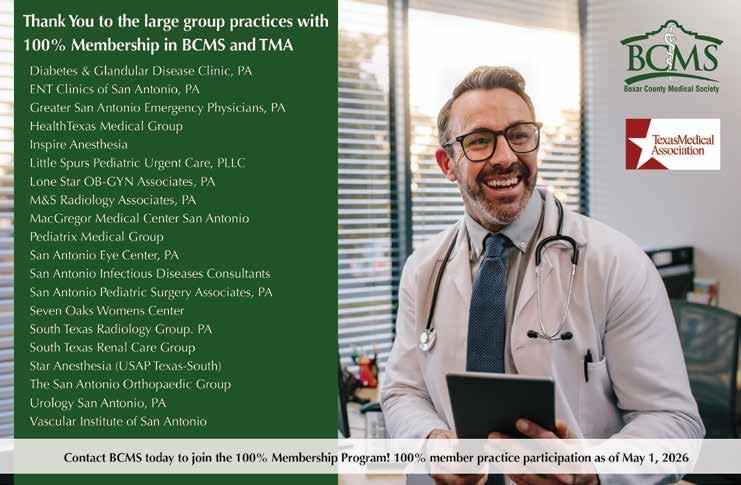

By Stephen Schutz, MD
General Motors (GM) is a venerable American company that has been, for at least the last 30 years, almost completely dependent on the revenues they derive from full-size pickup trucks and sport utility vehicles (SUVs) to pay their bills. It’s not wrong to say that big trucks and SUVs are the bread winners at GM.
Nevertheless, for the past 10 years, GM has been almost completely focused on making progress in the battery electric vehicle (BEV) world, with the idea that when the BEV age inevitably arrived, they would be ahead of the competition.
Unfortunately for GM, the BEV age has not yet arrived, but fortunately for them, their pickups and big SUVs continue to sell well and make money.
I recently drove a 2026 full-size Chevrolet Tahoe SUV and enjoyed it. It’s a big SUV that parents, grandparents and others will appreciate.
The Tahoe’s exterior design is appealing. Having said that, its look hasn’t evolved much over the past 10 years, but it hasn’t had to because “big rectangular truck-y SUV” is what customers want. The head- and tail-light housings are sleeker and more modern, but otherwise you’d be hard pressed to tell the difference between a 2026 Tahoe and a 2016 model.

Inside things have evolved more. The materials that you see and touch are nicer, and the tech is much better than it used to be. The screens in particular are bigger and more legible, and the user interface is easier to, umm, interface with. I like the tech and the screens a lot, and for Apple CarPlay and Android Auto fans, the latest versions of those products are included.
For the record, GM has decided to exclude both of those popular systems from future models starting with their BEVs. We don’t know when that will happen for non-BEV models.
On the road, the Tahoe is exactly what you'd expect from a vehicle of its size and mission. The ride is smooth and composed, absorbing highway miles and rough pavement with ease. The suspension tuning leans toward comfort rather than sport, which is what you want in a family hauler. Don't mistake that for sloppiness, though — the Tahoe feels planted and stable, and lane changes at freeway speeds are confident rather than wallowy. It's a big vehicle that doesn't feel intimidating to drive (nevertheless, given its size it’s a little intimidating to park).
Under the hood of most Tahoes sits a 5.3-liter V8 that produces 355 horsepower. It's a familiar, proven engine that pulls strongly from low RPMs and sounds appropriately authoritative when you ask for more. A 6.2-liter V8 is available on higher trims for those who want a little extra muscle.
Fuel economy is what you'd expect: 14MPG City and 20 Highway for the 5.3L, and 14MPG city/18 Highway for the 6.2L, and if that gives you pause, a 3.0L in-line six-cylinder Duramax diesel is a compelling alternative at 21MPG City and 28 Highway. My choice would be the diesel.
Cargo and passenger space are where the Tahoe earns its keep most convincingly. Three rows of seating are standard, and the third row is actually usable by adults for short trips — a genuine achievement in a segment where "third row" often means "kids only." Families regularly loading up for road trips, sports gear or Costco runs will find the Tahoe's practicality hard to beat.
The Tahoe is available in a range of trims — LS, LT, RST, Z71, Premier and High Country — that let buyers tailor the experience from capable-but-basic to genuinely luxurious. The High Country in particular rivals entry-level luxury SUVs on interior refinement, with real wood trim, massaging front seats and a premium audio sys-

tem. The Z71 adds off-road hardware for buyers who want to venture beyond paved roads.
Pricing starts around $63,000 for the base LS and climbs well into the $80,000s for a loaded High Country, which puts it in direct competition with the Ford Expedition, Jeep Wagoneer, and for some buyers, luxury nameplate SUVs.
The 2026 Tahoe is not a vehicle trying to reinvent anything. It’s a vehicle that specializes in moving families and their stuff reliably, comfortably and with enough presence on the road to feel like you're



driving something substantial. In a world chasing the next big thing, there's something quietly reassuring about that. I wish GM appreciated their bread winner as much as I do.

Stephen Schutz, MD, is a board-certified Gastroenterologist who lived in San Antonio in the 1990s when he was stationed here in the U.S. Air Force. He has been writing auto reviews for San Antonio Medicine magazine since 1995.




GUNN ACURA
11911 IH 10 West San Antonio, TX 78230
Coby Allen
210-725-5447

GUNN HONDA
14610 IH 10 West San Antonio, TX 78249
Mark Hennigan 210-941-4556
• We will locate the vehicle at the best price, right down to the color and equipment.
• We will put you in touch with the right person at the dealership to handle your transaction.
• We will arrange for a test drive at your home or office. We make the buying process easy!
• When you go to the dealership, speak only with the representative indicated by BCMS.

AUDI DOMINION 21105 West IH 10 San Antonio, TX 78257
Rick Cavender 888-901-8483

MERCEDES BENZ OF BOERNE
31445 IH 10 West Boerne, TX 78006
William Taylor 830-981-6000


NORTHSIDE CHEVROLET
9400 San Pedro Ave. San Antonio, TX 78216
Emilio Gonzalez 210-341-3311


NORTHSIDE FORD 12300 San Pedro San Antonio, TX 78216
David Starnes 210-319-5684
NORTHSIDE HONDA 9100 San Pedro Ave. San Antonio, TX 78216
Daniel Garcia 210-988-9644
NORTH PARK LEXUS
611 Lockhill Selma San Antonio, TX 78216
Jose Contreras 210-308-8900

NORTH PARK TOYOTA
10703 SW Loop 410 San Antonio, TX 78211
Justin Boone 833-669-2401
MERCEDES BENZ OF SAN ANTONIO 9600 San Pedro San Antonio, TX 78216
James Godkin 210-366-9600

PORSCHE OF SAN ANTONIO 9455 IH 10 West San Antonio, TX 78230
Jordan Trevino 210-738-3499

CAVENDER TOYOTA
5730 NW Loop 410 San Antonio, TX 78238
Spencer Herrera 210-862-9769

NORTH PARK LEXUS AT DOMINION 25131 IH 10 W Dominion San Antonio, TX 78257
James Cole 210-816-6000

NORTH PARK SUBARU 9807 San Pedro San Antonio, TX 78216
Steven Markham
726-226-0028
NORTH PARK LINCOLN 9207 San Pedro San Antonio, TX 78216
Sandy Small 210-341-8841
NORTH PARK SUBARU AT DOMINION
21415 IH 10 West San Antonio, TX 78257
Phil Larson 888-718-9510
As of March 31, 2026, our loan rate will be
For five decades, ProAssurance has stood alongside physicians and healthcare professionals through some of the most complex and challenging moments in medicine.
We were founded during a time of profound change in healthcare liability. Since then, the industry has evolved—but our focus has remained the same. Through experience gained, cases defended, and trust earned, we have remained committed to supporting good medicine with strength and stability.
As we mark our 50th year, we honor the physicians, partners, and professionals who shaped our story.
Don’t pay the ultimate price for not being protected — secure member-exclusive long term disability insurance rates that fit your budget.

Price shouldn’t be the reason your income goes unprotected. We understand the financial pressures physicians face, which is why the TMA Member Long Term Disability Insurance plan, issued by The Prudential Insurance Company of America, is priced to be accessible. It’s a valuable investment that provides added peace of mind that your income is more secure.
By choosing a plan built for Texas physicians, you can get:
• “Own-Specialty” coverage for your medical specialty with 25% member savings
• $5,000/month to cover your tax gap with simple underwriting - no income verification
• No offsets; your benefit is paid in full even if you receive benefits from other sources
• Partial/Residual benefit, allowing you to practice and receive benefits
• Higher benefit amounts are available with simplified underwriting

Whether you’re just starting your career or looking to fill a coverage gap, our affordable rates make putting this vital protection in place possible today. Don’t wait to realize that the most “expensive” policy is the cost of not having your inco me better protected.

Ready to get started? Scan the QR code or call us at 800-880-8181. Our advisors are available to help you find the right protection Monday through Friday, 8:00 AM to 5:00 PM CST. SCAN TO CALL
