

The Hidden Map of Cystic Fibrosis Advances in COPD Tuberculosis: A disease of the past?





The Hidden Map of Cystic Fibrosis Advances in COPD Tuberculosis: A disease of the past?

PUBLISHED
Traveling Blender, LLC. 10036 Saxet Boerne, TX 78006
PUBLISHER: Louis Doucette louis@travelingblender.com
BUSINESS MANAGER: Vicki Schroder vicki@travelingblender.com
GRAPHIC DESIGNER: Jennifer Nelson jennifer@travelingblender.com
ADVERTISING SALES: AUSTIN: Sandy Weatherford sandy@travelingblender.com
SAN ANTONIO: Gerry Lair gerrylair@yahoo.com
For more information on advertising in San Antonio Medicine, Call Traveling Blender at 210.410.0014 in San Antonio
San Antonio Medicine is the official publication of Bexar County Medical Society (BCMS). All expressions of opinions and statements of supposed facts are published on the authority of the writer, and cannot be regarded as expressing the views of BCMS. Advertisements do not imply sponsorship of or endorsement by BCMS
EDITORIAL CORRESPONDENCE:
Bexar County Medical Society 4334 N Loop 1604 W, Ste. 200 San Antonio, TX 78249
Email: editor@bcms.org
MAGAZINE ADDRESS CHANGES: Call (210) 301-4391 or Email: membership@bcms.org
SUBSCRIPTION RATES: $30 per year or $4 per individual issue
ADVERTISING CORRESPONDENCE: Louis Doucette, President Traveling Blender, LLC.
A Publication Management Firm 10036 Saxet, Boerne, TX 78006 www.travelingblender.com
For advertising rates and information Call (210) 410-0014
Email: louis@travelingblender.com
SAN ANTONIO MEDICINE is published by SmithPrint, Inc. (Publisher) on behalf of the Bexar County Medical Society (BCMS). Reproduction in any manner in whole or part is prohibited without the express written consent of Bexar County Medical Society. Material contained herein does not necessarily reflect the opinion of BCMS, its members, or its staff. SAN ANTONIO MEDICINE the Publisher and BCMS reserves the right to edit all material for clarity and space and assumes no responsibility for accuracy, errors or omissions. San Antonio Medicine does not knowingly accept false or misleading advertisements or editorial nor does the Publisher or BCMS assume responsibility should such advertising or editorial appear. Articles and photos are welcome and may be submitted to our office to be used subject to the discretion and review of the Publisher and BCMS. All real estate advertising is subject to the Federal Fair Housing Act of 1968, which makes it illegal to advertise “any preference limitation or discrimination based on race, color, religion, sex, handicap, familial status or national origin, or an intention to make such preference limitation or discrimination.
SmithPrint, Inc. is a family-owned and operated San Antonio-based printing and publishing company that has been in business since 1995. We are specialists in turn-key operations and offer our clients a wide variety of capabilities to ensure their projects are printed and delivered on schedule while consistently exceeding their quality expectations. We bring this work ethic and commitment to customers along with our personal service and attention to our clients’ printing and marketing needs to San Antonio Medicine magazine with each issue.
Copyright © 2026 SmithPrint, Inc. PRINTED IN THE USA

Consider this: What if an illness, injury, or the birth of your child interrupts your ability to practice?
Here’s the challenge: Long term disability insurance may take 90 to 180 days to begin paying benefits, which is far too long to go without income when you still have ongoing expenses.
Here’s the answer: The TMA Member Short Term Disability Insurance plan, issued by The Prudential Insurance Company of America, provides an early layer of financial protection — your first line of defense.
Here’s what you can count on: Guaranteed acceptance for benefits that offer an accessible way to manage medical and non-medical costs, including student loan payments, housing costs, childcare, and other everyday necessities.

TMA Member Guaranteed Acceptance
• Guaranteed acceptance for up to $6,000/month for TMA members under age 55
• Weekly cash benefits for up to 13 weeks
Faster Access to Benefits
• Benefits begin on day one for an accident
• Benefits begin on day seven for a covered illness
• Benefits are paid directly to you, regardless of other insurance
Coverage Designed for Physicians
• Pregnancy coverage: 2 weeks prepartum, 6 weeks postpartum, 8 weeks for a c-section
• Coverage for partial and total disability
• Affordable premiums
• Portable coverage as long as you remain a TMA member
• Dedicated claims assistance, including help with forms, questions, and updates
• Quick and convenient enrollment
Don’t let life’s “what ifs” put your income at risk. Short term disability coverage through TMA Insurance Trust offers meaningful support to help keep financial pressures in check as you focus on your recovery.

You can get started at any time. Visit tmait.org. Scan the QR code to enroll, or call 800-880-8181 for assistance from a TMA Insurance Trust advisor Monday through Friday from 8:00 AM to 5:00 PM CST.

Jennifer Rushton, MD, President
Lauren E. Tarbox, MD, Vice President
Lubna Naeem, MD, President-Elect
Dan Powell, MD, Treasurer
Lyssa N. Ochoa, MD, Secretary
John Shepherd, MD, Immediate Past President
Heather Aguirre, DO, Member
Alexander Arena, MD, Member
Woodson “Scott” Jones, MD, Member
John Lim, MD, Member
Sumeru “Sam” Mehta, MD, Member
M. “Hamed” Reza Mizani, MD, Member
Priti Mody-Bailey, MD, Member
Saqib Z. Syed, MD, Member
Nancy Vacca, MD, Member
Luis O. Rohena, MD, Military Representative
Jayesh Shah, MD, TMA Immediate Past President
John Pham, DO, UIW Medical School Representative
Lori Kels, MD, UIW Medical School Representative
Robert Leverence, MD, UT Health Medical School Representative
Cynthia Cantu, DO, UT Health Medical School Representative
Ronald Rodriguez, MD, UT Health Medical School Representative
Melody Newsom, BCMS CEO/Executive Director
George F. "Rick" Evans, Jr., General Counsel
Melody Newsom, CEO/Executive Director
Brissa Vela, Chief Membership & Development Officer
Yvonne Nino, Controller
Betty Fernandez, BCVI Director of Operations
Phil Hornbeak, Auto Program Director
Al Ortiz, Chief Information Officer
Jacob Hernandez, Advocacy and Public Health Specialist
Jennifer C. Seger MD, Chair
Shiv Goel, MD, Member
Animesh Chidanandrao Gour, MD, Member
Soma S. S. K. Jyothula, MD, Member
Rajam S. Ramamurthy, MD, Member
Adam V. Ratner, MD, Member
Patrick Todd Reeves, MD, Member
Amith Skandhan, MD, Member
Francis Vu Tran, MD, Member
Elizabeth Allen, Volunteer
Rita Espinoza, DrPH, MPH, Volunteer
Melissa Rosales, Volunteer
Andrea Wazir, MS, Volunteer
Ayomide Akinsooto, Student
Youyou Cheng, Student
Gabrielle Holliefield, Student
Kreny Savaliya, Student
Gabriella Bradberry, Staff Liaison
Trisha Doucette, Editor
Louis Doucette, Consultant
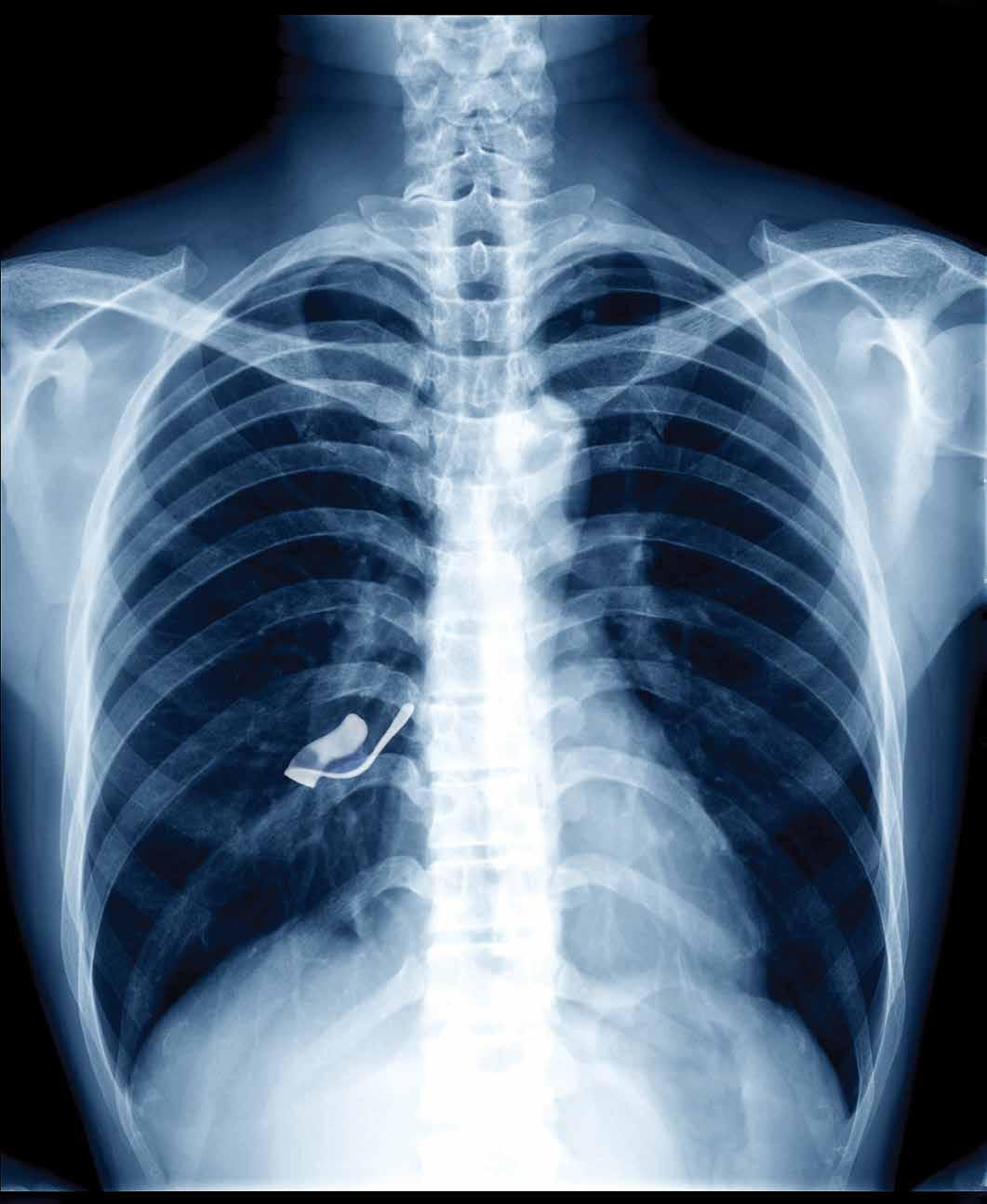
11 days after appendectomy, tests for acute abdominal pain revealed a
left inside the patient.
Surgical miscounts are considered never events because they are usually preventable by following established procedures.
ProAssurance offers risk assessments designed to help practices minimize errors by establishing and evaluating safety procedures and communication protocols.
With reliable procedures in place, our insureds are more likely to reduce errors in their medical practice, avoid claims, and make claims more defensible if they do occur.


By Jennifer Rushton, MD, President, Bexar County Medical Society
Dear friends and colleagues,
Breathing is essential for life, yet we rarely notice our breath until it becomes difficult. More than just respiration, breathing can represent health, resilience, calm and recovery. Breathing well is not only a reflection of pulmonary health but also depends on other medical conditions as well as environmental conditions.
Respiratory health is shaped by the world around us. Respiratory illnesses, including COPD and asthma, affect the patients of Bexar County disproportionately, driven by socioeconomic and environmental factors. Our county has a high population of uninsured residents, which acts as a barrier to managing these chronic conditions. Residents of Bexar County also contend with environmental triggers including extreme heat, seasonal cedar pollen, wildfire smoke and Saharan dust. Some neighborhoods are more susceptible to the effects of poor air quality with higher chronic lung disease burden due to variable housing conditions, occupational risk and access to care.
Respiratory viruses such as flu, RSV and COVID-19 continue to be an area of focus for illness prevention and treatment, and BCMS is at the forefront. During the pandemic, BCMS helped procure and distribute masks for physicians and administer the COVID-19 vaccine. BCMS was also a recipient of grants from the Texas Medical Association (TMA) Vaccines Defend What Matters program. The grants allowed BCMS to provide vaccine education and address community vaccination hesitancy through our "Ask a Doctor" program at vaccination clinics and health fairs, as well as provide vaccines for people who are homebound. TMA was also integral in the public health response to COVID-19, offering guidance on respiratory infection control and risk communication to protect patients and healthcare workers.
Healthy breathing can also be shaped by policy. BCMS was part of the San Antonio Tobacco 21 coalition that led to the adoption of the ordinance that raised the sale age for tobacco products from 18 to 21. Increasing the legal age for tobacco products to 21 reduces the pipeline of tobacco products to our youth. This policy will reduce the smoking rate, reduce smoking-related deaths, and lead to fewer premature deaths.
Vaping is a significant public health issue in Bexar County, especially among young people, with reports of severe lung disease related to vaping. In response, the TMA supports:
• Limiting the sale of electronic cigarettes (e-cigarettes) and associated products only to those people who are 21 years of age or older
• Regulation of e-cigarettes in Texas in a similar manner as tobacco products

• Increased clinical research on the effects of e-cigarettes
• Education in schools for children and adolescents about the effects of e-cigarettes, nicotine, tobacco and other addictive substances
The TMA has many other policies surrounding respiratory health, including supporting screening for obstructive sleep apnea and a comprehensive policy regarding Clean Air in Texas. The TMA supports:
• Reducing all forms of air pollution
• Research on the health effects of pollution
• Including physicians and county medical societies in regional and state decision-making regarding air pollution across Texas
Breathing well can also be a challenge for physicians facing burnout and exhaustion. We often find ourselves holding our breath in a constant state of urgency or under the weight of responsibility. The simple act of breathing can allow us to pause, rest, and reflect. Breathing exercises are a free and accessible self-care tool that can be performed anywhere, anytime, to help improve physician wellness.
Breathing exercises offer numerous physical and mental health benefits, primarily by reducing the body’s sympathetic nervous system activity. Deliberate, slow breathing helps manage stress and anxiety by lowering stress hormones. Regular practice can help stabilize or lower blood pressure and heart rate. By delivering more oxygen to the brain and promoting relaxation, breathing exercises can improve mood, increase alertness, enhance concentration, and foster mindfulness. The relaxation response induced by controlled breathing can help reduce muscle tension and manage chronic pain. Practicing calming breathing techniques before bedtime can help you fall asleep more easily.
I’d like to share two simple breathing exercises that I learned from a TMA CME course. The first, “Two feet, one breath," is a rapid mindfulness technique used to reduce stress, improve focus, and feel more grounded in the present moment. By focusing attention on the physical sensation of the feet on the ground and taking one intentional breath, it helps interrupt, or pause, the stress response during busy or challenging moments.
• Feel Your Feet: Bring your full awareness to your feet, noticing their connection to the floor and the weight of your body.
• Take One Breath: Take a deep, conscious breath in and a slow breath out.
• Integrate: Use this technique during daily transitions, such as before a meeting, while walking or when feeling overwhelmed.
The second is Square breathing.
• Take a deep breath to begin
• Inhale softly and count to four
• Hold your breath for a count of four
• Exhale softly for another count of four
• Hold your breath for a count of four
• Repeat for 2-10 minutes
• As this practice becomes more comfortable, try to extend it to a count of 5 and increase the duration of your breathing practice
As always, BCMS is here to support your wellness through connection and professional community. Sustaining our own health is essential to sustaining the health of our patients. Join us at the Recharge and Reconnect Retreat later this month, which will include gentle yoga and meditation along with well-being workshops and networking.
As BCMS physicians, we can continue to advocate for strong public health initiatives, improved environmental health and eliminating
disparities in access to care, so that all of Bexar County can breathe well. Our strength lies in the collective commitment of our members, working together to improve the health of our community. We can improve our own wellness by reclaiming pauses and our forgotten breath. Let’s keep up the good work and remember to breathe!
Jennifer R. Rushton, MD, 2026 President of the Bexar County Medical Society, is a partner at Oculus Pathology and the Medical Director of Pathology and Laboratory Medicine for the Baptist Health System. She is board certified in Anatomic and Clinical Pathology, Hematopathology and Molecular Genetic Pathology. Dr. Rushton currently serves as Chief of Staff for Baptist Medical Center Hospital. She is a long-time member and co-chair of the BCMS Legislative Committee, serves on the TMA Council on Healthcare Quality, and is a Texas Delegate to the AMA.

By W. Allen Fink, DO, FACEP, MHA, CPE, Chief Medical Officer, UT Health San Antonio
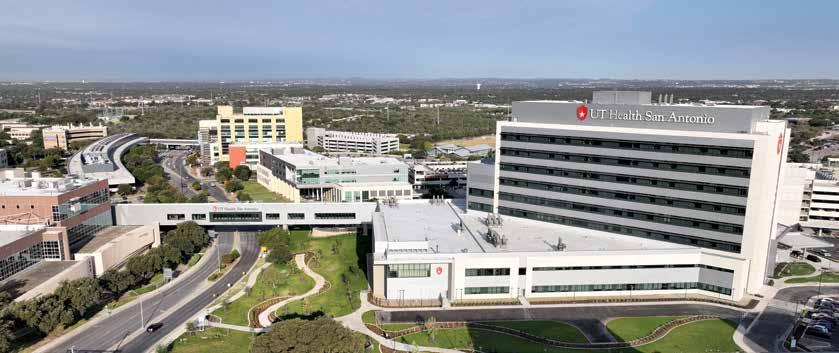
Opening a hospital is a rare and humbling experience — one that stretches vision, leadership and resilience. Evolving from a large, high-performing medical group grounded in an academic environment into a fully realized academic health enterprise requires more than growth; it demands the intentional integration of patient care, education, research, culture and operations into a single, mission-driven whole.
At UT Health San Antonio, the opening of the UT Health San Antonio Multispecialty and Research Hospital marked a profound milestone. While our physicians have long delivered care in inpatient settings as part of an academic health environment, the hospital created a fully integrated acute-care setting where complex patient care, research and education now converge under a unified model.
That transformation deepened as we progressed through the Hospital Outpatient Department (HOPD) certification process, aligning complex, specialty service lines across multiple locations into a coordinated, Joint Commission–accredited model designed to support seamless care across the continuum. The experience taught us far more than how to meet regulatory requirements. It reinforced the discipline, clarity and alignment that emerge when every decision and every process is grounded in patient safety, clinical integrity and a shared sense of purpose.
The most recent addition, the UT Health San Antonio Center for Brain Health, establishes an additional site of patient care that strengthens access to specialized services within the institution’s broader care network, supporting patients across the continuum — from cancer to neuroscience and from acute care to lifelong wellness. Here are some of the lessons I have learned along the way:
The culture that sustains a health enterprise isn’t just created during celebrations — it’s forged in the quiet, in-between moments that are often some of the most consequential: patient transfers, after-hours calls, critical handoffs and unexpected challenges.
Opening our first hospital and completing the HOPD transition demanded that we live that culture every single day — creating new bridges between nursing, physicians and administrative teams. It demands humility, patience and relentless curiosity about how our processes truly affect the patient experience.
We learned that culture doesn’t just connect people — it connects purpose.
No patient experiences care in silos.
And no enterprise can thrive in them.
The HOPD transition journey was a powerful reminder that systems thinking is not optional. It’s essential. Every process, policy and workflow must honor the full patient journey — from clinic to hospital, from inpatient care back to home.
Compliance wasn’t the destination; it was the framework that forced us to see our enterprise as one organism, not a collection of parts. We have left siloed thinking behind and are now practicing enterprise stewardship in every step ahead.
Throughout this transition, communication was — and remains — the oxygen that keeps our enterprise alive. The HOPD transition demanded rapid escalation, unified messaging and absolute transparency between clinical, operational and regulatory teams.
We learned that clarity saves time, honesty builds trust and consistency prevents chaos. The best health teams don’t communicate because they must; they communicate because they care.
The past two years have challenged leadership at every level — from opening a new hospital, to expanding large outpatient and ambulatory surgery centers, to integrating and extending special-
ized outpatient services and preparing new points of access for highly needed patient care across our system.
The entire process raised the bar even higher. It required a new kind of leadership, one grounded in safety, accountability, collaboration and the ability to adapt quickly while staying anchored in mission and values.
Leadership today means less about defending one’s domain and more about designing the future together.
None of this progress would have been possible without the extraordinary dedication of UT Health San Antonio employees. Nurses, physicians, practice managers, administrative staff, compliance experts, IT partners and operational leaders stepped forward with humility, creativity and resolve. Working through long days and complex details, always with the patient at the center, their work reflects not just excellence, but purpose; and our patients across South Texas feel the impact. Their collective commitment is the reason this enterprise continues to grow stronger, more connected and more capable every day.
We are not finished.
There are still workflows to refine, cultures to deepen and bridges to strengthen between sites, disciplines and teams.
But we have crossed the most important thresholds:
• From a medical group mindset to an academic health enterprise reality
• From compliance to true integration
• From excellence in practice to excellence at scale
Today, across UT Health San Antonio, we are becoming a fully integrated, purpose-driven academic health enterprise capable of caring for our community across every phase of health and healing.
The work continues.
The mission endures.
And together, we are building a future worthy of the patients who trust us.
Sincerely,
W. Allen Fink, DO
We invite our physician members to share their personal stories and perspectives — your voice enriches our community and strengthens the practice of medicine.
To submit an article or request more information, please email Editor@bcms.org.


By John Suder, MD; Yasmine Khairandish, MD; and Meilinh Thi, DO
Salt
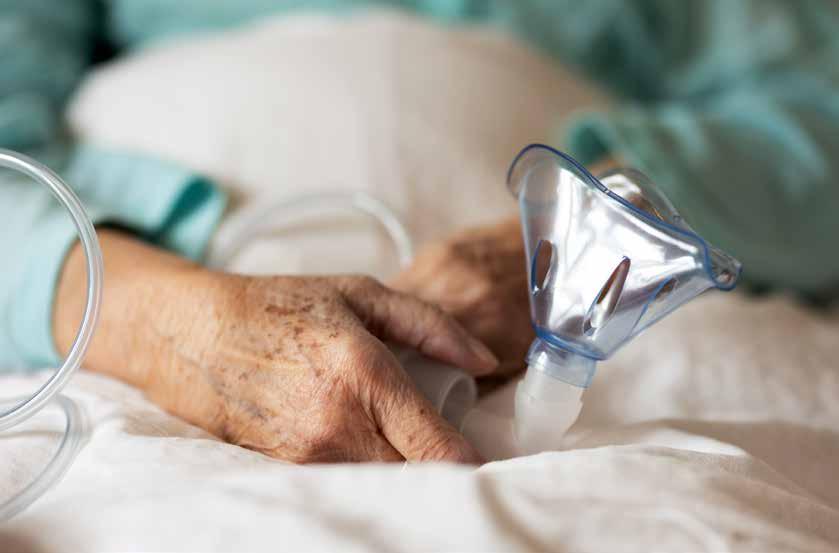
Cystic fibrosis (CF) is largely recognized as a disease affecting the lungs. While this is true, CF is truly a whole-body disease affecting multiple organ systems that will have both local and systemic effects. It is caused by a loss of function in the CFTR protein, which transports chloride and bicarbonate ions across the membrane. This causes a change of hydration and pH in exocrine ducts resulting in obstruction and eventual dilation in multiple organs. The mutations are divided into six classes with the earlier classes resulting in little or no protein formation and the later classes resulting in reduced protein function. Despite this, patients with the same class of mutation will still have unique manifestations of the disease along with variable clinical courses. The landscape of CF has changed dramatically with the advent of CFTR modulators. The triple-therapy modulators, elexacaftor/tezacaftor/ivacaftor (Trikafta) and most recently vanzacaftor/ tezacaftor/deutivacaftor (Alyftrek), have significantly improved outcomes and expanded life expectancy for individuals with CF. While pulmonary manifestations continue to be a target for future therapies, the aging population continues to develop other systemic diseases both related and unrelated to CF. It is important to understand other manifestations of CF and how it might affect your clinical approach when caring for these patients.
Drug interactions can occur between modulators and other medications and should be reviewed prior to prescribing new medications. Inhibitors or inducers of the CYP3A pathway may require modulators to be stopped, dose adjusted or may reduce modulator efficacy. Nirmatrelvir/ ritonavir (Paxlovid) is one example of a medication that may be prescribed at an urgent care, emergency room or other locations that require dose adjustment of the modulator to prevent toxicity. It is important when prescribing new medications to review possible interactions, discuss with the pharmacy team, or reach out to your local CF center.
CF-related diabetes (CFRD) is unique in its diagnosis and treatment that can have systemic manifestations like other patients. Screening typically occurs yearly starting at the age of 10 with a two-hour 75g oral glucose tolerance test (OGTT). In CF, A1c is not diagnostic and can be falsely low despite having the disease, thus an OGTT is recommended by the CF Foundation for evaluation. Screening practices can still differ in other countries, with Canada utilizing A1c and only performing an OGTT if the A1c is between 5.5 and 6.4.1 Patients prior to developing CFRD may also have post-prandial hypoglycemia due to dysregulated insulin secretion and is a unique complication to be aware of in those without CFRD.2
Abdominal pain in CF has a broad differential including both specific and non-specific to CF with one feared complication being Distal Intestinal Obstruction Syndrome (DIOS). This disease is defined as the complete or incomplete obstruction at the ileocecum junction. While constipation is a common cause of abdominal pain in patients with CF, it is important to consider DIOS early to prevent bowel perforation or unnecessary surgeries. Diagnosis can be made through history and physical, along with abdominal imaging using X-ray or CT-scan. Treatment of DIOS is unique compared to management of other types of obstruction and is best managed by people familiar with its management.3
Another lesser-known complication is osteoporosis in which all adults and select pediatric populations should be screened for osteoporosis with a dual-energy X-ray absorptiometry (DEXA) scan. Bisphosphonates are considered in patients with a T/Z score ≤ 2.0 and between -1.0 and -2.0 in select patients, which differs from those without CF. The pathophysiology for this is multifactorial related to pancreatic exocrine/endocrine insufficiency, chronic inflammatory states, chronic steroid use and increased bone turnover. Screening may be difficult depending on patients’ insurance or lack of insurance so undiagnosed osteoporosis should be considered in patients who have not undergone routine screening.4
While this represents some of the less commonly known complications of CF, there are multiple CF manifestations in other organ systems including hepatobiliary disease, chronic pain, GI cancers, fertility and others.5
Infection prevention measures for people living with CF include standard precautions in addition to CF-specific strategies. Contact precautions should be implemented to include a gown and gloves for all healthcare workers interacting with them. CF patients should also maintain a six-foot distance from other CF patients in all settings, although exceptions are made for those in the same household. Patients also should wear a surgical mask when in a healthcare setting to reduce transmission or acquisition of pathogens. In the outpatient setting, efforts should be made to minimize time in common areas such as a waiting room. Strategies that have been used include staggered appointment times, placement directly into a clinic room during check-in and pager systems when a room is available. For those admitted to the hospital, it is recommended to use single-patient rooms, and handheld disposable nebulizers should be rinsed out with sterile water, mouthpiece wiped down with an alcohol pad and replaced every 24 hours.6
Cystic fibrosis should be viewed as a systemic disease manifesting in multiple organ systems outside of the lungs. Other organ involvement should be taken into consideration when caring for someone with CF. The growing population and age of those with CF will result in increasing interactions with the health system in capacities previously not seen and a general knowledge of the subject will help you better care for these patients when interacting with them. Patients will typically be seen multiple times a year at their CF center, and care-coordination with their CF center is always encouraged.
References:
1. Coriati, A., Potter, K.J., Gilmour, J., et al. Cystic Fibrosis–related Diabetes: A First Canadian Clinical Practice Guideline. Can J Diabetes. 2025;49(1):19-28.e16. doi:10.1016/J. JCJD.2024.09.001
2. Moran, A., Brunzell, C., Cohen, R.C., et al. Clinical Care Guidelines for Cystic Fibrosis–Related Diabetes A position statement of the American Diabetes Association and a clinical practice guideline of the Cystic Fibrosis Foundation, endorsed by the Pediatric Endocrine Society. Diabetes Care. 2010;33(12):26972708. doi:10.2337/DC10-1768
3. Colombo, C., Ellemunter, H., Houwen, R., Munck, A., Taylor, C., Wilschanski, M. Guidelines for the diagnosis and management of distal intestinal obstruction syndrome in cystic fibrosis patients. Journal of Cystic Fibrosis. 2011;10(2):S24-S28. doi:10.1016/S1569-1993(11)60005-2
4. Aris, R.M., Merkel, P.A., Bachrach, L.K., et al. Guide to Bone Health and Disease in Cystic Fibrosis. J Clin Endocrinol Metab. 2005;90(3):1888-1896. doi:10.1210/JC.2004-1629
5. Yankaskas, J., Marshal, B., Sufian, B., Simon, R., Rodman, D. Cystic Fibrosis Adult Care - Consensus Conference Report. CHEST Journal. 2004;125:1S-39S
6. Saiman, L., Siegel, J.D., LiPuma, J.J., et al. Infection Prevention and Control Guideline for Cystic Fibrosis: 2013 Update. Infect Control Hosp Epidemiol. 2014;35(S1). doi:10.1086/676882

John Suder, MD, was born in North Carolina but has called Texas home for the last eight years. He completed his undergrad at East Carolina University after serving four years in the military as a combat medic; medical school at University of North CarolinaChapel Hill; internal medicine residency at UT Austin Dell Medical School; and pulmonary and critical care fellowship at UT Health San Antonio. He currently serves as an assistant professor at UT Health San Antonio and staff physician at Audie L. Murphy Memorial Veterans’ Hospital. He has clinical and research interests in cystic fibrosis and bronchiectasis. Dr. Suder is a member of the Bexar County Medical Society.

Yasmine Khairandish, MD, is an Assistant Professor of Pulmonary and Critical Care Medicine at UT Health San Antonio. A Texas native, she earned her Bachelor of Science in Biomedical Engineering from the University of Texas and her Doctor of Medicine from the University of Texas Medical Branch in Galveston. She completed her Internal Medicine residency at Baylor College of Medicine, followed by fellowship training in Pulmonary and Critical Care Medicine at UT Health San Antonio. Her clinical and academic focus centers on cystic fibrosis and non–cystic fibrosis bronchiectasis. Dr. Khairandish is a member of the Bexar County Medical Society.

Meilinh Thi, DO, was born in Los Angeles but calls Houston home as she has spent most of her life in the great State of Texas. She completed her undergrad at Baylor University; medical school at the University of North Texas Health Science Center; internal medicine residency, pulmonary and critical care fellowship, and cystic fibrosis fellowship at UT Health San Antonio. She currently serves as an associate professor and director of the adult cystic fibrosis program at UT Health San Antonio. Her clinical and research interests include cystic fibrosis and bronchiectasis.
By Hasan Baher, MD; Jozef Oweis, MD; and Diego J. Maselli, MD
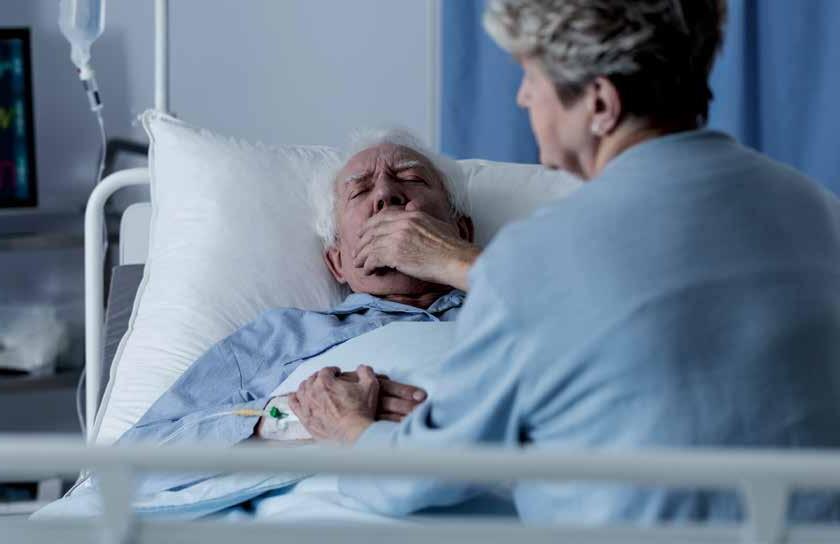
Chronic obstructive pulmonary disease (COPD) is a heterogeneous condition characterized by chronic respiratory symptoms such as dyspnea, cough and sputum production, resulting from abnormalities of the airways (bronchitis, bronchiolitis) and/or alveoli (emphysema) that cause persistent, often progressive, airflow obstruction. COPD is also characterized by exacerbations or acute worsening of respiratory symptoms that lead to a change in therapy. COPD is the third leading cause of death worldwide, with prevalence data varying widely depending on the geographical region, and prevalence projected to increase in the coming decades due to continued exposure to risk factors.1 COPD typically results from interactions between genetic susceptibility and environmental exposures that damage the lungs and alter normal lung development.1 The main environmental exposures leading to COPD are tobacco smoking and the inhalation of toxic particles and gases from household and outdoor air pollution. Other environmental and host factors, including abnormal lung development and accelerated lung aging, may also contribute.1
COPD exacerbations increase the risk of future exacerbations and hospitalizations, and increase morbidity, mortality, healthcare costs and can increase cardiovascular (CV) and stroke risk.2 Importantly, the risk of CV events is highest during the first 30 days after hospital discharge, and it can remain significantly increased even one year later.
One study found that 50% of patients died 3.6 years after their first hospitalization for a severe COPD exacerbation.3 Recently, several new classes of medications have been added to the therapeutic armamentarium to reduce exacerbation risk, and novel interventional treatments are under active investigation.
The Global Initiative for Chronic Obstructive Lung Disease (GOLD) provides global, evidence-based strategies for diagnosing, managing, and preventing COPD. The GOLD 2026 reports affirms that the goals of treatment in COPD are to reduce symptoms, improve exercise tolerance, and prevent the progression of the disease and exacerbations. There has been an increasing focus in COPD recently on reducing disease activity, as it represents a modifiable biological process that drives disease progression and exacerbations.1
Disease activity encompasses the inflammatory and pathological mechanisms that contribute to symptoms and parenchymal damage, and that are potentially reversible with the appropriate treatment. When inadequately controlled, these processes can lead to exacerbation, accelerated lung function decline and irreversible structural damage. Both pharmacological interventions, particularly anti-inflammatory therapies, and non-pharmacological strategies, such as smok-
ing cessation, pulmonary rehabilitation and lung volume reduction can reduce disease activity and in turn, lower exacerbation risk. Consequently, reducing disease activity has emerged as a central treatment objective, with the goal of achieving sustained symptom stability, preventing exacerbations, and slowing disease progression.
Given this emphasis, the 2026 GOLD report has recently modified the classification of patients who are classified in group E to include those who have experienced even just one moderate or severe exacerbation in the past year.1 This promotes the initiation of maintenance pharmacological therapy earlier in the course of the disease to reduce exacerbation risk and achieve low disease activity.
Ensifentrine is a first-in-class dual phosphodiesterase 3 and 4 inhibitor with both bronchodilator and anti-inflammatory effects. In parallel, phase III, randomized, controlled trials4 (ENHANCE-1 and ENHANCE-2) nebulized Ensifentrine twice a day significantly improved lung function and respiratory symptoms in patients with moderate-to-severe COPD. Although a reduction in exacerbation rates was suggested, the study populations were not enriched for patients at high risk of exacerbation. Safety and tolerability was similar to placebo. This medication has become an alternative for those patients that have persistent dyspnea despite initial inhaler therapy.1
Another significant advancement in COPD therapy is the introduction of biologics that target specific cytokines involved in type 2 inflammation. These targeted monoclonal antibodies have long been effective in treating asthma and recently have shown efficacy in COPD, particularly in patients with elevated blood eosinophil levels.
Dupilumab, a monoclonal antibody that targets the interleukin (IL) 4 and 13 pathways, has been evaluated in two double-blind phase III clinical trials5,6 (BOREAS and NOTUS), each enrolling approximately 900 patients. These studies focused on individuals with evidence of type 2 inflammation, defined by blood eosinophil counts of ≥300 cells/µL, a history of at least two moderate or one severe exacerbation and chronic bronchitis. Treatment with dupilumab resulted in an approximately 30% reduction in exacerbation rates, along with improvements in lung function, reflected by an increase of approximately 70 mL in the forced expiratory volume in 1 second from baseline. Additionally, dupilumab significantly improved patient-reported symptoms over the 52-week treatment period.
Mepolizumab, an anti-IL-5 monoclonal antibody, has also been evaluated in COPD patients with eosinophilic inflammation. In phase III trials7,8 METREX, METREO, and the more recent MATINEE study, mepolizumab was assessed as add-on therapy in individuals with elevated blood eosinophil counts and a history of exacerbations. Across these trials, mepolizumab significantly reduced the annualized rate of moderate or severe exacerbations compared with placebo, with greater benefit seen in patients with higher eosinophil levels. In the MATINEE trial, for example, mepolizumab reduced exacerbations by 21% versus placebo and extended the time to first exacerbation.
The biologic pipeline in COPD is rapidly expanding, with several new therapies targeting IL-5, IL-13, IL-33 and thymic stromal lymph-
opoietin under investigation. These treatments promise more personalized, precision-based options that go beyond symptom relief, aiming to reduce exacerbations and potentially modify the disease progression. Over the next few years, these could significantly expand the tools available to manage COPD more effectively.
Beyond biologics, emerging therapies in COPD increasingly target airway disease mechanisms beyond inflammation and bronchoconstriction. This shift is driven by large, contemporary studies demonstrating that airway mucus plugs are common in COPD, often present even in patients without prominent respiratory symptoms, and are independently associated with worse long-term outcomes regardless of spirometric severity.9 These findings highlight an underrecognized airway phenotype that is not adequately addressed by traditional inhaled therapies. Building on this concept, bronchial rheoplasty, a bronchoscopic therapy designed to reduce excessive mucus production by remodeling the airway lining, has been shown to reduce mucus plugging and improve symptoms over six months in patients with chronic bronchitis. 10 In parallel, the AIRFLOW-3 trial11 evaluated targeted lung denervation, a bronchoscopic procedure that delivers controlled energy to the main airways to interrupt parasympathetic nerve signaling and reduce airway tone. Although the primary endpoint of reducing COPD exacerbations was not met, patients receiving treatment demonstrated stabilization of lung function and improvement in dyspnea compared with expected disease progression. These benefits were most evident in patients with airway-predominant disease, particularly those with greater air trapping and less emphysema, supporting a potential role for airway-directed interventions alongside medical therapy in selected COPD populations. Both bronchial rheoplasty and targeted lung denervation are in the initial stages of development but hold promise as future treatment options for patients with COPD, particularly those that do not respond to standard inhaler therapy.
The management of COPD continues to evolve beyond traditional inhaled therapies. Advances in biologics and targeted anti-inflammatory treatments, along with emerging airway-directed interventions, are expanding the therapeutic options for this complex disease associated with substantial morbidity. Although further studies are needed to define long-term benefits, these promising results suggest that future COPD treatment will continue to reduce disease burden, improve quality of life, and reduce the progression of the disease.
References:
1. Global Initiative for Chronic Obstructive Lung Disease. Global Strategy for Prevention, Diagnosis and Management of COPD: 2026 Report. Global Initiative for Chronic Obstructive Lung Disease; 2026. https://goldcopd.org/2026-gold-report-andpocket-guide/. Accessed February 11, 2026
2. Rothnie, K.J., Connell, O., Müllerová, H., et al. Myocardial Infarction and Ischemic Stroke after Exacerbations of Chronic Obstructive Pulmonary Disease. Ann Am Thorac Soc. 2018;15(8):935-946. doi:10.1513/AnnalsATS.201710-815OC
3. Suissa, S., Dell'Aniello, S., Ernst, P. Long-term natural history of chronic obstructive pulmonary disease: severe exacerbations and mortality. Thorax. 2012;67(11):957-963. doi:10.1136/thoraxjnl-2011-201518
4. Anzueto, A., Barjaktarevic, I.Z., Siler, T.M., et al. Ensifentrine, a Novel Phosphodiesterase 3 and 4 Inhibitor for the Treatment of Chronic Obstructive Pulmonary Disease: Randomized, Double-Blind, Placebo-controlled, Multicenter Phase III Trials (the ENHANCE Trials). Am J Respir Crit Care Med. 2023;208(4):406-416. doi:10.1164/rccm.202306-0944OC
5. Bhatt, S.P., Rabe, K.F., Hanania, N.A., et al. Dupilumab for COPD with Type 2 Inflammation Indicated by Eosinophil Counts. N Engl J Med. 2023;389(3):205-214. doi:10.1056/NEJMoa2303951
6. Bhatt, S.P., Rabe, K.F., Hanania, N.A., et al. Dupilumab for COPD with Blood Eosinophil Evidence of Type 2 Inflammation. N Engl J Med. 2024;390(24):2274-2283. doi:10.1056/ NEJMoa2401304
7. Pavord, I.D., Chanez, P., Criner, G.J., et al. Mepolizumab for Eosinophilic Chronic Obstructive Pulmonary Disease. N Engl J Med. 2017;377(17):1613-1629. doi:10.1056/NEJMoa1708208
8. Sciurba, F.C., Criner, G.J., Christenson, S.A., et al. Mepolizumab to Prevent Exacerbations of COPD with an Eosinophilic Phenotype. N Engl J Med. 2025;392(17):1710-1720. doi:10.1056/ NEJMoa2413181
9. Diaz, A.A., Orejas, J.L., Grumley, S., et al. Airway-Occluding Mucus Plugs and Mortality in Patients With Chronic Obstructive Pulmonary Disease. JAMA. 2023;329(21):1832-1839. doi:10.1001/jama.2023.2065
10. Krimsky, W.S., Mammarappallil, J.G., Kim, V., et al. Airway Mucus Plugging in Chronic Bronchitis and the Impact of Bronchial Rheoplasty. Chest. 2026;169(1):73-83. doi:10.1016/j. chest.2025.06.022
11. Shah, P.L., Slebos, D.J., Sue, R., et al. Randomized Sham-controlled Trial of Targeted Lung Denervation in Patients with Chronic Obstructive Pulmonary Disease (AIRFLOW-3). Am J Respir Crit Care Med. 2025;211(12):2318-2329. doi:10.1164/ rccm.202502-0404OC


Hasan Baher, MD, Fellow Physician, Pulmonary and Critical Care Medicine at UT Health San Antonio. Dr. Baher is a member of the Bexar County Medical Society.
Jozef Oweis, MD, Fellow Physician, Pulmonary and Critical Care Medicine at UT Health San Antonio. Dr. Oweis is a member of the Bexar County Medical Society.
Diego J. Maselli, MD, is a professor and Chief of Pulmonary and Critical Care Medicine at UT Health San Antonio.


By Dennis E. Dilley, MD
Emerging from a significant Cedar pollen season leaves us with but a few weeks before the arrival of spring pollens. Bexar County has a relatively short winter and so unlike the long winters of upper states, our local trees enter pollination much earlier.
The progression of when certain trees begin pollinating is quite consistent each year with early entry of Ash, Elm, Cottonwood, Mesquite and Sycamore followed by the more prolific Oak trees of which Live Oak is heaviest. Lastly, Pecan trees pollinate April, possibly into May. Depending on rain or drought conditions, we can have early grass pollination in April as well.
Given the extreme environment challenges for these trees and grasses (drought, flooding), they must produce plenty of pollen in order to propagate each species. The Anemophilous plants release their microscopic spores and pollen granules into the air where they are carried to other similar plants for fertilization. In contrast, Entomophilous plants (flowering plants) rely on insects for cross pollination and Ornithophily is pollination from bird species. Most pollens relevant to human allergy are airborne.
Environmental conditions like increasing day length and warming temperatures provide cue to plants to start the process and dry windy conditions help with pollen dispersal. This is important because people of all ages are tired of being indoors and are ready to enjoy the outdoors precisely at the time of pollination.
Many activities in the spring are outdoors and include Field and Track, Baseball/Softball, Soccer, La Crosse, hiking, outdoor picnics and barbeques, to name a few. These normally are highly enjoyable but can be frustrating for those with allergies. Additionally, the spring pollens tend to trigger asthma and eczema dermatitis, where asthma is characterized by acute and persistent coughing, wheezing and labored breathing and eczema by intensely itchy, red and inflamed skin rashes. This rather quickly ends any further participation and enjoyment in any of these activities. For those most sensitive, even a brief walk from the house to the vehicle or transferring outside from one building to another can be long enough to set off a paroxysm of sneezing, itchy nose and eyes, and copious clear nasal discharge. If symptoms are not contained then these become chronic as later stages of allergies lead to inflammation and protracted allergy symptoms complicated by fatigue, disrupted sleep, mental fog and malaise.
Many questions are often asked by affected persons, such as “how come I didn’t have these symptoms last year?” or “how come I didn’t have allergies in such and such place?” The brief answer is that for the majority of the affected population, the answer is genetics, timing and location. A person with a severe Oak pollen allergy may have no allergies in mountainous ranges but suffer greatly here and so location is often key to allergies. Though we may have a genetic predisposition for allergies, it may take many seasons to trigger what is called a class switch in the immune system from Immunoglobulin G to Immunoglobulin E (allergic).
Once someone experiences allergies in the spring it is highly likely to occur the next year and often more intense. This is because B cells (secret Immunoglobulin E) in our immune system have memory. This amnestic response is how vaccines and natural infection work in part to induce lasting immunity but conversely intensify a response to allergens. The next season is worse because now the B cells are releasing Immunoglobulin E to respective pollens rapidly and in greater amounts. Once the allergy cascade starts, it takes less allergen to maintain symptoms and can persist even after the season is over.
Keeping this in mind, allergists often will see these patients just prior to their affected allergy season(s) to perform allergy testing, pulmonary function if asthmatic and implement a plan of prevention to include allergen avoidance, specific medications guided by symptoms, allergy testing, history and exam. This approach, though not perfect, provides a significant advantage versus a watch and wait approach. I like to simplify patient’s rhinitis symptoms as runners (runny nose), blockers (nasal congestion) and packers (sinus pain and pressure) as this distinction helps to guide the most effective therapy. For example, a blocker is not likely to improve with plain oral antihistamines as in studies these have little improvement in nasal congestion. Conversely, nasal steroids, nasal antihistamines, and in short courses, oral and nasal decongestants tend to work better.
There are now more than ever obstacles to providing the right treatment whether it be medications or immunotherapy largely due to health insurance cost and coverage. Large deductibles plans and formulary carveouts can seriously impede appropriate therapy for the individual patient thus interfering with that special provider-to-patient relationship. Serious healthcare reform and legislation is needed if there is going to be a better outcome for our patients.
Other barriers to care are socioeconomic, cultural and one’s personal belief system. Some just cannot afford the medications and may not tell their provider. Cultural influences must be appreciated by the provider so as not to ruin that trust relationship. Holistic approaches to one’s health can be important to respect and understand when offering more traditional treatment.
Finally, allergic diseases like all other chronic medical conditions require that traditional approach of taking a good history, performing a thorough physical and utilizing appropriate tests with an individualized approach to care.

Dennis E. Dilley, MD, is a native Texan and lives in Boerne with his wife Darlene and their two miniature Golden Doodles. He completed Pediatric residency at UTHSC -SA and a fellowship in Allergy and Immunology at Vanderbilt University. He has been in private practice in Allergy since 2000 and is managing partner at Dilley Allergy and Asthma Specialists. Dr. Dilley is a member of the Bexar County Medical Society.

By Ghanshyam Mudigonda, MD; Holly Keyt, MD; and Maria Velez, MD
Lung transplantation is a resource-intensive, lifesaving therapy for carefully selected patients with end-stage lung disease who face a high risk of mortality within two years despite maximal medical management. Referral for lung transplant evaluation serves several critical purposes: identifying patients likely to benefit from transplantation, excluding those at prohibitive perioperative or postoperative risk, and optimizing modifiable risk factors in patients who may be suitable candidates.
At the University Health Transplant Institute in San Antonio, more than 200 patients were referred for lung transplant evaluation in 2024. Of these, about 30% completed a formal evaluation, and less than 20% were ultimately placed on the UNOS wait list for transplantation. These figures emphasize two important realities: not all referred patients will be candidates, and referral itself serves as a critical triage and optimization step.
To better understand the patient experience and clinical considerations involved in lung transplant evaluation, we present the case of a 66-year-old woman referred by her pulmonologist for evaluation.
Four years earlier, she was diagnosed with connective tissue disease–associated interstitial lung disease (CT-ILD) and has required continuous supplemental oxygen for the past year. She reports worsening dyspnea and an unintentional 20-pound weight loss over the preceding year.
Her medical history includes systemic sclerosis treated with mycophenolate and prednisone, with nintedanib added one year prior for her pulmonary fibrosis; gastroesophageal reflux disease; coronary artery disease, managed medically; anxiety, well controlled with daily benzodiazepines; and a remote history of basal cell carcinoma treated with surgical excision 20 years ago. She was recently hospitalized for pneumonia complicated by acute kidney injury, which resolved with supportive care. Her age-appropriate health maintenance screening and vaccinations are up to date.
Despite advanced lung disease, she remains functional. She is able to complete her activities of daily living independently, work, and exercise daily, walking one mile on a treadmill with supplemental oxygen. Her BMI is 18. Her pulmonary function tests show moderate restriction with reduced diffusing capacity. Echocardiography demonstrates preserved left ventricular function without pulmonary hypertension and chest CT confirms progressive usual interstitial pneumonia when compared with imaging from two years ago.
This patient has advanced lung disease with a high likelihood of progression and mortality despite maximal medical therapy and therefore qualifies for lung transplant evaluation.
Each advanced lung disease has disease-specific criteria that guide the appropriate timing of referral and transplant evaluation. In general, lung transplant referral should be considered when a patient has a high risk of death from lung disease if transplantation is not performed and when there is a high likelihood of meaningful post-transplant benefit, commonly defined as an expected five-year survival exceeding 80% with adequate graft function. Candidates typically demonstrate
progressive lung disease despite maximal medical therapy, a shortened predicted life expectancy and a substantially impaired quality of life. Objective measures, including pulmonary function testing, exercise oximetry and imaging, play a central role in assessing disease trajectory and severity. Referral is further supported by the presence of disease-related complications such as hypercapnic respiratory failure, pulmonary hypertension, recurrent hemoptysis, pneumothorax, frequent hospitalizations or refractory infections.
There are relatively few absolute contraindications to lung transplantation; given the lifelong commitment, lack of patient willingness to pursue transplantation is the most fundamental.
Other absolute contraindications include severe, uncontrolled extrapulmonary medical conditions that are expected to significantly limit survival after transplantation.1 These encompass malignancy with a high risk of recurrence or cancer-related mortality, active extrapulmonary infection, acute coronary syndrome within the preceding 30 days, advanced liver disease and advanced chronic kidney disease with a glomerular filtration rate below 30 mL/min/1.73 m².1
Patients with severely limited functional capacity and poor potential for rehabilitation are unlikely to derive meaningful benefit from transplantation. Equally important are psychosocial considerations, which have a strong and well-established association with post-transplant outcomes. Repeated episodes of medication nonadherence, progressive cognitive impairment, active substance use or dependence and the absence of a reliable support system are considered absolute contraindications, as they compromise the patient’s ability to participate in post-transplant care.
Age. There is no absolute upper age limit for lung transplantation; however, outcomes decline with advancing age.2 Patients over 70 require individualized assessment. Chronological age must be interpreted alongside physiological reserve, functional status and comorbidities.
Body weight and nutrition. Both underweight status (BMI <18 kg/m²) and obesity (BMI >30 kg/m²) are associated with inferior outcomes and represent modifiable risk factors.3 Early nutritional assessment and intervention are essential components of the evaluation.
Frailty. Frailty is a syndrome that reflects diminished physiologic reserve and increased vulnerability to stressors. It predicts increased waitlist mortality and post-transplant complications.4 Importantly, frailty is often modifiable through pulmonary rehabilitation and structured multidisciplinary prehabilitation programs.
Medical comorbidities. Renal dysfunction is a key consideration. Acute kidney injury requiring dialysis is an absolute contraindication to lung transplantation unless the patient is under consideration for dual-organ transplant.5
Active malignancy with high mortality or recurrence risk is an absolute contraindication. In contrast, remote malignancies treated with curative intent, such as basal cell carcinoma, do not adversely affect transplant outcomes and generally do not delay evaluation.5
Connective tissue disease poses unique challenges due to potential extrapulmonary involvement. Esophageal dysmotility, gastroesophage-
al reflux and non-healing skin ulcers may worsen after transplantation. Multidisciplinary collaboration with gastroenterology, rheumatology and dermatology is essential.
Significant coronary artery disease that cannot be revascularized is an absolute contraindication.6 Most candidates undergo invasive cardiac evaluation, including right and left heart catheterization. If coronary intervention is required, prolonged dual antiplatelet therapy may delay listing and must be carefully coordinated.
Foregut disorders are common in patients with advanced lung disease and connective tissue disorders. Esophageal reflux and dysmotility can increase the risk of aspiration and chronic allograft dysfunction. This group of patients requires further evaluation with gastric emptying and barium swallow studies, esophageal manometry and pH impedance testing. Aspiration risk from reflux or esophageal dysmotility contributes to chronic allograft injury. In some patients, surgical or medical management of reflux is necessary before or after transplantation.
A thorough psychosocial evaluation is completed in all lung transplant candidates, including assessment of psychosocial stability, socioeconomic factors and social support systems.
Pre-transplant health maintenance mirrors general population guidelines but carries heightened importance due to lifelong immunosuppression. It is recommended that candidates remain up to date on age-appropriate vaccinations and cancer screening.
Dental and dermatologic evaluations, as well as bone health assessment, are equally important, given the high prevalence of osteoporosis in patients with chronic lung disease and prolonged corticosteroid exposure. Early treatment reduces fracture risk after transplantation.
Returning to our case, the patient had several risk factors associated with poorer post-transplant outcomes, including significant weight loss, underlying connective tissue disease, gastroesophageal reflux, a history of coronary artery disease, a recent episode of acute kidney injury and poorly controlled anxiety with chronic benzodiazepine use. Despite these concerns, she successfully completed a comprehensive transplant evaluation.
With multidisciplinary support, she gained weight, underwent left heart catheterization demonstrating nonobstructive coronary artery disease, and completed surgical repair of a hiatal hernia to address reflux-related risk. She engaged closely with the Transplant Wellness Program at University Transplant Institute, allowing for successful discontinuation of chronic benzodiazepine therapy.
Following optimization, she was deemed an appropriate candidate and was listed for lung transplantation. She subsequently underwent successful transplantation six months after her initial referral and six weeks after being listed.
Conclusion
Early referral for lung transplant evaluation is critical. The process involves testing, optimization and shared decision-making, which can sometimes take several months. Delayed referral reduces the window of opportunity to address modifiable risks. While evaluation protocols vary by center and continue to evolve, initiating a referral when uncertainty exists is rarely the wrong decision.
References:
1. Leard, L.E., Holm, A.M., Valapour, M., et al. Consensus document for the selection of lung transplant candidates: An update from the International Society for Heart and Lung Transplantation. Journal of Heart and Lung Transplantation. 2021;40(11):1349-1379. doi:10.1016/j.healun.2021.07.005
2. Iyanna, N, Chan, E.G., Ryan, J.P., et al. Lung Transplantation Outcomes in Recipients Aged 70 Years or Older and the Impact of Center Volume. J Clin Med. 2023;12(16). doi:10.3390/ jcm12165372
3. Fernandez, R., Safaeinili, N., Kurihara, C., et al. Association of body mass index with lung transplantation survival in the United States following implementation of the lung allocation score. Journal of Thoracic and Cardiovascular Surgery. 2018;155(4):1871-1879.e3. doi:10.1016/j.jtcvs.2017.11.031
4. Singer, J.P., Diamond, J.M., Gries, C.J., et al. Frailty phenotypes, disability, and outcomes in adult candidates for lung transplantation. Am J Respir Crit Care Med. 2015;192(11):1325-1334. doi:10.1164/rccm.201506-1150OC
5. Christie, J.D., Van Raemdonck, D., Fisher, A.J. Lung Transplantation. Hardin CC, ed. New England Journal of Medicine. 2024;391(19):1822-1836. doi:10.1056/NEJMra2401039
6. Karolak, W., Pastwa, K., Addo, S.A., et al. Routine Coronary Angiography is Still the Key Test for Patients Eligible for Lung Transplantation Also for Those With No Symptoms and With High Risk of Coronary Artery Disease. Transplant Proc. 2022;54(4):1074-1077. doi:10.1016/j.transproceed.2022.02.049

Ghanshyam Mudigonda, MD, is a Pulmonary and Critical Care Medicine fellow at UT Health San Antonio, where he also served as a hospitalist from 2023 to 2024. He completed his Internal Medicine residency at LSU Shreveport in 2023, with a focus on clinical education. His professional interests include lung transplantation and endstage pulmonary disease. Dr. Mudigonda is a member of the Bexar County Medical Society.

Holly Keyt, MD, MBA, FCCP, is a Transplant Pulmonologist at University Transplant Institute and an Associate Professor of Medicine at UT Health San Antonio. She serves as Medical Director of the Lung Transplant Program and focuses on lung transplantation, advanced lung disease and innovative, multidisciplinary approaches to patient care. Dr. Keyt is a member of the Bexar County Medical Society.

Maria I. Velez, MD, is a board-certified Associate Professor in the Departments of Pulmonary & Critical Care Medicine and Lung Transplantation at UT Health San Antonio. She completed her medical degree in Colombia, followed by residency training in Internal Medicine and fellowship training in Pulmonary/Critical Care Medicine at UT Health San Antonio. She then pursued advanced training in Lung Transplantation and Interventional Pulmonology at the same institution, where she has been a member of the faculty since 2016. Dr. Velez currently serves as the Director of the UT Pulmonary Clinic at the Gateway campus. Her clinical practice focuses on lung transplantation, critical care medicine and the management of complex respiratory diseases.
TOGETHER, WE CAN IMPROVE COMMUNICATION AND HEALTH LITERACY SKILLS
TOGETHER, WE CAN IMPROVE COMMUNICATION AND HEALTH LITERACY SKILLS
TOGETHER, WE CAN IMPROVE COMMUNICATION AND HEALTH LITERACY SKILLS
Join us for a free online learning series designed to empower health professionals with health literacy education, resources and knowledge-sharing tools. The series is presented by Health Confianza, an award-winning health literacy nonprofit funded by Bexar County and housed at The University of Texas Health Science Center at San Antonio.
Join us for a free online learning series designed to empower health professionals with health literacy education, resources and knowledge-sharing tools. The series is presented by Health Confianza, an award-winning health literacy nonprofit funded by Bexar County and housed at The University of Texas Health Science Center at San Antonio.
Join us for a free online learning series designed to empower health professionals with health literacy education, resources and knowledge-sharing tools. The series is presented by Health Confianza, an award-winning health literacy nonprofit funded by Bexar County and housed at The University of Texas Health Science Center at San Antonio.
Who is this for? Health professionals, including physicians, nurses, community health workers, social workers and pharmacists.
Who is this for? Health professionals, including physicians, nurses, community health workers, social workers and pharmacists.
Who is this for? Health professionals, including physicians, nurses, community health workers, social workers and pharmacists.
Join our expert team the first and third Friday of each month
Join our expert team the first and third Friday of each month
Join our expert team the first and third Friday of each month
TOPICS:
TOPICS:
TOPICS:
WHAT:

• Health misinformation and disinformation
• Health misinformation and disinformation
• Health misinformation and disinformation
WHAT: Free, six-part series
Free, six-part series
WHAT: Free, six-part series
REGISTER:
REGISTER:
REGISTER:
bit.ly/CommunicatingwithCon fianza
bit.ly/CommunicatingwithCon fianza
bit.ly/CommunicatingwithCon fianza
• Internet literacy
• Internet literacy
• Internet literacy
• Interprofessional teams
• Interprofessional teams
• Interprofessional teams
• Supporting individuals with disabilities
• Supporting individuals with disabilities
• Supporting individuals with disabilities
• Organizational health literacy
• Organizational health literacy
• Organizational health literacy
• Health literacy advocacy
• Health literacy advocacy
• Health literacy advocacy


DATE/TIME: Feb. 6 - May 1, 1st and 3rd Fridays of the month, 12:00-1:00 p.m., CST.
DATE/TIME: Feb. 6 - May 1, 1st and 3rd Fridays of the month, 12:00-1:00 p.m., CST.
DATE/TIME: Feb. 6 - May 1, 1st and 3rd Fridays of the month, 12:00-1:00 p.m., CST.


CE credits are available after each session
CE credits are available after each session
CE credits are available after each session
By Rita Espinoza, DrPH, MPH, and Tommy Camden
Tuberculosis (TB) remains the world’s leading infectious disease killer,1 reminding us that the air we share connects us all, regardless of status, wealth or circumstance. In 2024, approximately 10.7 million people fell ill with tuberculosis (TB) worldwide, with about 8.2 million cases officially reported and a significant portion remaining undiagnosed, continuing to increase since 2020, though deaths declined slightly to 1.23 million as reported by the World Health Organization (WHO).2 An estimated one-quarter of the world's population (nearly 2 billion) is infected with the TB bacterium but only a fraction will eventually develop active disease per the Centers for Disease Control and Prevention (CDC).3
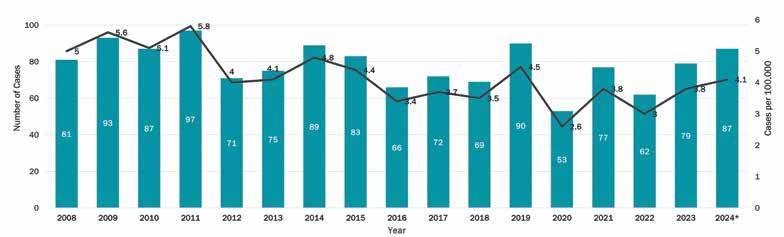
Though many may think of TB as a disease of the past or of third world countries, since 2021, the United States (U.S.) has been experiencing increases in cases. In 2024, a total of 10,347 cases were provisionally reported in the U.S., with a corresponding rate of 3.0 cases per 100,000 population, making this the highest number of TB cases reported in over a decade.3 California, Texas, New York and Florida consistently report the most TB cases in the U.S., together accounting for about half of all cases.3 For 2024, provisional data from the CDC shows Texas reported 1,242 TB cases, with a rate of 4.0 per 100,000 people, contributing significantly to a national increase in cases. TB cases in Texas are concentrated in major metropolitan areas and border counties, with Harris (Houston), Dallas, Bexar (San Antonio) and Tarrant (Fort Worth) counties consistently reporting the most cases. On average, Bexar County reports 78 individuals diagnosed with TB annually. Figure 1 illustrates the annual number and incidence of TB cases in Bexar County from 2008 through 2024 (2024 data are provisional and subject to change).
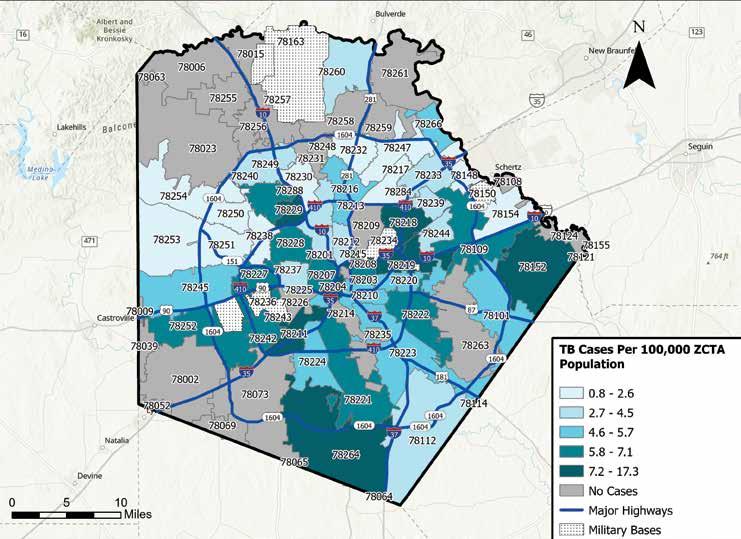
Individuals diagnosed with active TB are found throughout Bexar County and are not necessarily concentrated in any specific location within Bexar County or the City of San Antonio. Figure 2 shows the 2023-2025 geographical distribution of TB rates across Bexar County. Individuals diagnosed with TB have ranged from 1 year of age up to 100 years with the average age being 44 years. Nearly 50% of individuals diagnosed with active TB in Bexar County are among individuals born in the U.S. Tuberculosis is not confined to foreign-born populations.
For more local TB data, please visit the TB Dashboard of the San Antonio Metropolitan Health District (Metro Health).
There are two types of TB: latent TB infection (LTBI) and active TB disease. LTBI occurs when TB is dormant in the body and not causing any signs or symptoms in the individual. Treatment is recommended to prevent progression to active TB disease. Most individuals diagnosed with LTBI are not contagious and can be treated by their physician. Physicians are encouraged to treat individuals diagnosed with LTBI that are not related to an active TB case and can refer to the National Tuberculosis Coaliton of America’s Testing and Treatment of Latent Tuberculosis: A Clinical Guide for Healthcare Providers and Public Health Programs. The Metro Health City Chest Clinic treats individuals considered high-risk LTBI, which are individuals that are close contacts to individuals diagnosed with active TB.
Tuberculosis is a contagious bacterial infection, primarily targeting the lungs but capable of affecting other organs like the kidneys, spine and brain, and spread through the air when an infected person coughs or sneezes. Symptoms of active TB disease include prolonged cough (lasting 3+ weeks), chest pain, coughing up blood, weakness, fatigue, loss of appetite, weight loss, fever, chills and night sweats. Symptoms in other areas if it spreads could include swollen glands, body aches and headaches. Anyone with these symptoms should be tested first ideally with an interferon-gamma release assay (IGRA). If the IGRA test is positive, then a chest X-ray should be ordered, and if there are any signs of disease in the lungs, then a sputum sample should be collected and tested for acid-fast bacilli. Once there are indications of disease in the chest X-ray, then a referral can be made to the Chest Clinic of Metro Health for follow-up. According to Texas Administrative Code, Title 25. Part 1. Chapter 97 Subchapter A §97.3, all individuals confirmed and suspected of having active TB are to be reported to public health.
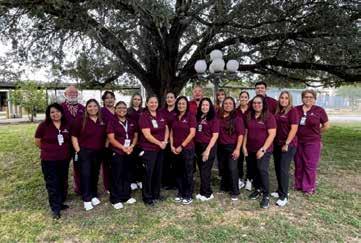
The City Chest Clinic is located in the southeast side of San Antonio at 2303 SE Military Dr., Bldg 528. The clinic, which is co-located with Metro Health’s TB Prevention and Control Program, provides examination, diagnosis and treatment with Directly Observed Therapy for people with suspected or confirmed active TB disease. Screening and preventive medicine for individuals with a known exposure to TB are provided. Individuals are not charged for services received at the City Chest Clinic to ensure continuity of care and successful treatment.
The City Chest Clinic operates by appointment only, Monday through Friday from 7:45 a.m. to 4:30 p.m. with an evening clinic on Wednesdays until 8:00 p.m. To report individuals with confirmed or suspected active TB, please call (210) 207-8823 or fax (210) 2078779.
Although more than 90% of individuals diagnosed with active TB are pulmonary, TB can also affect other organs and joints. In recent years, extrapulmonary cases have involved the pleura, lymphatic system (cervical and intrathoracic), bones and joints, brain, genitourinary tract, larynx, peritoneum, liver and the eyes. Treatment of active TB involves long-term antibiotic therapy, which is provided at no cost.
2
Treatment typically starts with daily administration of four different antibiotics for six to nine months or in some cases longer. Daily dosage typically consists of up to 16 total pills swallowed individually utilizing a process called Directly Observed Therapy (DOT) or Video Directly Observed Therapy (VDOT). DOT involves a trained staff member observing an individual swallow each dose of medication in person. TB program staff travel throughout the county on a daily basis meeting with individuals diagnosed with active TB wherever they are, including homes, worksites, shelters and under bridges to ensure treatment completion. VDOT uses real-time or recorded video for remote monitoring of the individuals taking their medication. VDOT offers greater convenience, privacy and adherence, reducing logistical barriers and stigma, allowing for seven-day monitoring without requiring daily travel. Both DOT and VDOT ensure adherence and prevent the development of drug resistance and treatment failure. Deciding whether to provide treatment via DOT or VDOT is at the discretion of the treating physician.
In addition to providing TB treatment, the Metro Health TB Prevention and Control program conducts investigations of individuals diagnosed with TB to determine who are close contacts that would benefit from testing (contact investigation) and treatment,
2023-2025 Tuberculosis Incidence in Bexar County, Texas
if warranted. During these contact investigations, Metro Health has partnered with multi-billion-dollar industries, schools (including universities, elementary through high school, public and private) and very small companies. Our commitment to outreach ensures that all contacts are reached and future active TB cases are prevented.
For physicians wanting to learn more about TB, Texas is fortunate to have the Heartland National TB Center, which provides education and consultation. Metro Health also provides a TB 101 training for physicians and other healthcare providers to provide the latest information on TB. If interested in this training, please contact Tommy Camden, Program Manager for Metro Health’s TB Prevention and Control Program at tommy.camden@sanantonio.gov.
As a reminder, World TB Day is celebrated on March 24, 2026. Though TB is curable, untreated active TB can be fatal, which has occurred to 11 individuals here in Bexar County in recent years. Together, we can make a positive impact on our community to ensure that individuals are appropriately tested and treated for TB.
For more information please visit the Metro Health TB website at www.sa.gov/directory/departments/samhd/health-services/tb.

References:
1. Suvvari, T.K. (2025). The persistent threat of tuberculosis - Why ending TB remains elusive? Journal of clinical tuberculosis and other mycobacterial diseases, 38, 100510. https://doi. org/10.1016/j.jctube.2025.100510
2. WHO (2024) https://www.who.int/news-room/fact-sheets/ detail/tuberculosis accessed on 2/9/26
3. CDC (2024) https://www.cdc.gov/tb-data/2024-provisional/ index.html accessed on 2/9/26

Rita Espinoza, DrPH, MPH, has served as the Chief of Epidemiology for the San Antonio Metropolitan Health District since April 2015. Dr. Espinoza has over 20 years of experience in Infectious Disease Epidemiology at the state, regional and local level in Texas. She has led numerous disease investigations and was instrumental in the state’s response to the pandemic H1N1. In addition, she has responded to statewide and local public health events, such as hurricanes, tropical storms and disease outbreaks. She obtained her master’s degree of public health in epidemiology from Tulane University and her doctoral degree in public health leadership from the University of Illinois at Chicago. Dr. Espinoza serves on the BCMS Publications Committee.

Tommy Camden has over 40 years of public health and healthcare experience, currently serving as the Health Program Manager for the San Antonio Metropolitan Health District's Tuberculosis Prevention and Control Program for the past 16 years. Mr. Camden also served as the Health Director and Environmental Compliance Director in Lubbock, Texas for a 27-year career. In addition to his current fulltime public health experience, he continues to work part-time as an instructor/main After Action Report (AAR) Writer for the Texas A&M System - TEEX - Texas Engineering and Extension Service, conducting preparedness exercises and trainings all across the United States since 2004. Mr. Camden also serves on the review panel for the Journal of Public Health Management and Practice since 2012. He is a graduate from Texas Tech University in Lubbock, Texas with BS and MS degrees.

9:00 AM - 12:30 PM
To register, scan QR Code or go online at http://www.heartlandntbc.org/calendar/ There is no charge to attend this workshop, but pre-registration is mandatory.

By Shiv Kumar Goel, MD
San Antonio’s ozone levels continue to pose a measurable clinical burden, and physicians across the region are seeing the effects in day-to - day patient care. While ozone is often discussed in environmental or regulatory terms, its impact is increasingly visible in outpatient settings as patients present with chest tightness, cough, reduced exercise tolerance and late-day dyspnea that can be mistaken for infection, allergies or anxiety.
Recent data underscore the scale of the issue. The American Lung Association’s 2025 State of the Air report ranked the San Antonio–New Braunfels–Kerrville metro area 20th worst in the nation for ozone, with Bexar County averaging 10.7 unhealthy ozone days per year and receiving a failing grade. The Texas Commission on Environmental Quality (TCEQ) continues to classify Bexar County as “Serious Nonattainment” under the 2015 8-hour ozone standard, with an attainment deadline in 2027.
For physicians, these indicators translate into a practical mandate: incorporate ozone awareness into outpatient operations to reduce avoidable exacerbations and improve clinical efficiency.
Ozone-related symptoms typically intensify later in the day following outdoor exposure, commuting or exercise. These encounters often lead to urgent care visits, after-hours calls and short-course steroid prescriptions. Objective findings may be limited — normal oxygen saturation and clear or mildly wheezy lungs — yet patients report significant discomfort.
TCEQ notes that ozone exposure can reduce lung function, cause pain with deep breaths, and aggravate asthma symptoms. Understanding these physiologic effects helps clinicians reconcile the gap between patient distress and exam findings, and supports more accurate triage and counseling.
Ozone functions similarly to other high-yield triggers such as viral illness, smoke exposure or poor inhaler technique. Unlike many triggers, however, ozone levels are partially forecastable and behavior-modifiable, making them suitable for standardized clinic workflows.
Several system-level challenges arise when ozone is not addressed proactively. A structured approach can reduce these inefficiencies.
• Patients may misinterpret symptoms and request antibiotics
• Clinics respond reactively rather than through planned protocols
• Asthma control assessments may overlook environmental triggers
• Safety-netting varies, contributing to unnecessary emergency department utilization
1. Identify High-Risk Patients: Prioritize individuals with asthma, COPD, older adults and patients with recurrent dyspnea visits or frequent steroid bursts. These groups benefit most from targeted ozone counseling.
2. Add Two Screening Questions to Triage: Brief questions can quickly identify ozone as a likely trigger:
• “What time were you outdoors or exercising today?”
• “Do deep breaths feel painful or restricted?”
These align with TCEQ -listed acute ozone effects and help clarify symptom etiology.
3. Standardize a One- Sentence Counseling Message: A concise, actionable script improves adherence:
• “On high-ozone days, shift strenuous outdoor activity to the morning or move it indoors.”
This reframes avoidance as a manageable adjustment.
4. Use Local Data to Reinforce Recommendations: Local statistics — such as Bexar County’s 10.7 unhealthy ozone days per year and failing grade — help patients understand the relevance of ozone to their symptoms and support adherence to controller medications and action plans.
5. Maintain Clear Safety-Netting: While ozone may explain symptoms, clinicians should maintain a low threshold for escalation in cases of chest pain, severe dyspnea at rest, cyanosis, confusion or rapid deterioration.
Ozone-related airway irritation is frequently labeled as “bronchitis,” leading to antibiotic prescriptions that offer no benefit. Clear communication reduces unnecessary antibiotic use while validating patient concerns. Providing a clear explanation of ozone’s physiologic effects can support stewardship:
• “This pattern is more consistent with irritation and inflammation than infection.”
• “Ozone can reduce lung function and make deep breaths painful — your lungs are reacting, not necessarily infected.”
San Antonio physicians do not need to become environmental specialists to address ozone-related illness effectively. By treating ozone as a predictable clinical trigger and integrating a simple protocol into routine practice, clinicians can reduce exacerbations, improve triage accuracy, and strengthen patient trust. In a region where air quality directly influences clinical demand, operationalizing ozone awareness is a practical step toward more efficient and responsive care.

Shiv Kumar Goel, MD, is the Founder and Medical Director of Prime Vitality Wellness & Vitality Health at Your Door in San Antonio. Dr. Goel specializes in clinical wound care, preventive medicine and patient-centered operational design. He writes about the intersection of environmental health, clinical workflow and community-level respiratory care, with a focus on practical strategies that help physicians deliver efficient, evidence-based care in real-world settings. Dr. Goel serves on the BCMS Publications Committee.
Jennifer Rushton, MD, President
I am a pathologist in private practice at Oculus Pathology, board certified in Anatomic and Clinical Pathology, Hematopathology and Molecular Genetic Pathology. I’ve been serving as the System Medical Director of Pathology and Laboratory Medicine for the Baptist Health System for over 10 years and currently serve as the Chief of Staff for Baptist Medical Center hospital. I enjoy being a consultant regarding laboratory testing and diagnoses. Pathology is a challenging field that keeps me learning new things every day.
When I’m not working, I love to travel and learn new languages. So far, I’ve visited 28 countries, and there’s still so many on my list! I’m also passionate about philanthropy and am an active member of Impact SA, a wom-
Lauren E. Tarbox, MD, Vice President
I grew up in Corpus Christi, Texas and graduated from Southern Methodist University with a Bachelor of Science in Chemistry. After college, I moved to San Antonio and attended UT Health Science Center at San Antonio, finishing medical school, residency, chief residency and a nephrology fellowship. I am a partner with South Texas Renal Care Group, focusing in the Northeast area of San Antonio for the past 11 years. I have a particular interest in Home Therapies for dialysis patients and their families.
Bexar County Medical Society helps to bring physicians together in San Antonio and advocate/support physicians in their prac-
en’s collective-giving, grant-making organization helping to improve our community.
Throughout my career, I have volunteered my time advocating for patients and physicians at the county, state and national levels, including as a Delegate to the American Medical Association. I learn so much from time spent with fellow physicians and advocates. I appreciate working with diverse groups, hearing about the difficulties they face in their practices, and working together to try to solve those problems. After years of serving on the Legislative/Socioeconomics Committee, then on the Board of Directors, and then as Treasurer on the Executive Committee, I decided to run for President of BCMS. It has been an honor serve the physicians of Bexar County in these roles over the last 15 years, and now I’m excited to do so as President!
tices, and I have loved my experience in the organization. From member to Board member and now from Secretary to Vice President in the Executive Board, I hope to continue the Bexar County Medical Society mission to support physicians in the city I love.
I love being with my family, including my three children James (12); Claire (10); Charlotte (8); and husband, Dr. Jake Mancuso of Cardiology Clinic of San Antonio. I try to keep orchids alive and enjoy baking bread and holiday foods. I cannot wait to serve another year on the Executive Board of the Bexar County Medical Society to assist my fellow physicians through a fabulous 2026.
The Bexar County Medical Society proudly welcomes its newly appointed Board, a group of physicians whose dedication to service and commitment to the health of our community reflect the very best of our profession. Each member brings a depth of experience, a spirit of collaboration and a shared determination to advance the practice of medicine in Bexar County. Together, they will guide the Society with integrity and vision — supporting physicians, advocating for patients, and strengthening the partnerships that keep our medical community thriving.
Lubna Naeem, MD, President-Elect
My journey began years ago in rural South Texas, where as an international medical graduate I learned how deeply a physician can be shaped by the community they serve. In those early years, I cared for patients who lived with the quiet burdens of distance, poverty and limited access. Their struggles and their resilience stayed with me and formed the foundation of my commitment to advocacy.
When I later established my practice in San Antonio, I entered a new landscape of challenges. Rising practice costs, overwhelming prior authorizations, shifting insurance requirements and the rapid expansion of corporate medicine created pressures that tested our endurance and our ability to provide the care our patients deserve.
What troubled me most was the increasing isolation among physicians. Although we were facing the same barri -
Dan Powell, MD, Treasurer
Born and raised in Texas and graduating from UT Health Science Center San Antonio medical school in 1991, there’s no place I’d rather be than San Antonio. Our family moved back to San Antonio in 2012, and I’ve had the privilege to work at HealthTexas Medical Group as a primary care physician since 2013, keeping our patients healthy and navigating chronic and unexpected medical illness.
Our family was dealt a cruel hand in 2016, losing our beloved and gifted son Landon to suicide after years of battling Schizoaffective Disorder. We resolved as a family we would make it our aim to share our story and experience with the hopes of starting conversations and spreading awareness and understanding of mental health issues and their devastating impact. This has sharpened and elevated my
ers, we were facing them alone. My vision is to strengthen a member-driven organization grounded in transparency, meaningful engagement and a shared voice that guides our legislative work.
I want the Bexar County Medical Society to remain an active presence at the Texas Capitol — defending physician-led care, addressing unsafe scope expansions, protecting practice freedom, expanding opportunities for international graduates, improving access in underserved areas. A special note of gratitude goes to TMA President Dr. Jay Shah for his leadership and encouragement.
Outside of medicine, my joy comes from my grandchildren, who keep me laughing, dancing and playing snakes and ladders. I enjoy traveling, yoga, outdoor walks and time with friends. I share my life with my husband, Dr. Muhammad Naeem, and our cherished family who inspire my purpose every day.
approach and care for patients struggling with mental health issues.
At some point in time, all physicians experience the altering viewpoint BEING the patient, and our journey with Landon opened my eyes to the challenges our patients face navigating the healthcare system — in particular for mental health. Given the opportunity to serve as a Board member at the Bexar County Medical Society has reinforced my understanding of the critical role BCMS serves in facilitating care coordination in Bexar County and surrounding areas, and promoting understanding of each of our unique roles in delivering that care. Serving as Treasurer will allow me to continue to support the mission of BCMS, “to empower physicians, protect the practice of medicine and serve communities,” and I’m grateful for the opportunity.
Lyssa N. Ochoa, MD, Secretary
I am a board-certified vascular surgeon and founder of the San Antonio Vascular and Endovascular Clinic (The SAVE Clinic) in South San Antonio. The mission of The SAVE Clinic is to reduce the number of diabetes-related amputations in San Antonio, which occur at rates up to three times the already-poor statewide rate in some of the city’s most underserved ZIP codes.
Born and raised in the Rio Grande Valley, I attended medical school, general surgery residency and vascular surgery fellowship at Baylor College of Medicine. I have been practicing vascular surgery in San Antonio since completing training in 2011. Upon founding The SAVE Clinic in 2018, I immediately amplified my focus on addressing social determinants of health (SDoH) barriers faced by my patients — engaging in com-
munity activities, collaborating with local universities, serving in nonprofit organizations, and raising awareness for a healthier community in every circle and every venue.
In addition to my clinical practice, I serve as the Founding Chair of the Center for Health Equity in San Antonio (CHEST). CHEST brings together healthcare providers, academic institutions, public health agencies and community organizations to develop data-driven, community-led solutions that address systemic barriers to health in South San Antonio. A key focus of my work with CHEST is educating and mentoring the next generation of healthcare professionals. My continuing efforts aim to create a sustainable model of vascular care — grounded in SDoH principles — for underserved communities in Bexar County that can serve as a template for national adoption.
Heather Aguirre, DO
Board certified in Family Medicine, Wound Care and Obesity Medicine, I earned my Doctorate of Osteopathic Medicine from the University of North Texas Health Science Center, Texas College of Osteopathic Medicine. I am the founder and CEO of Neoteric HealthCare and Luxxe Wellness and Beauty, and an Associate Professor and Family Medicine Clerkship Director at the University of the Incarnate Word School of Osteopathic Medicine. I am strongly committed to serving God, my community and the Osteopathic profession.
I am eager to sit on the Board of the Bexar County Medical Society,w because
I am passionate about advocacy and committed to being a voice for my patients beyond the confines of the exam room. Throughout my early career in medicine, I have actively engaged in advocacy efforts, prioritizing patient safety and accessibility for underserved populations.
I believe in caring for the less fortunate and ensuring that healthcare is equitable for all. It is crucial to protect the sanctity of the patient-physician relationship, especially amidst the ongoing challenges our profession faces. By joining the Board, I aim to amplify the voice of our profession and champion the needs of our community, striving for a healthcare system that values every individual.
Sumeru “Sam” Mehta, MD
I am a graduate of George Washington University School of Medicine and did my residency training at the Hospital of the University of Pennsylvania in Emergency Medicine. I am also an Army veteran that served at Brooke Army Medical Center. During my service, I deployed for Operation Iraqi Freedom.
After my service, I joined Greater San Antonio Emergency Physicians (GSEP) where I have been a shareholder since 2010. I
currently serve on the GSEP Board of Directors. My current job is serving as Medical Director for Methodist Adult Emergency Department where I work to improve quality metrics and efficient and effective patient care/throughput.
I have served on the Bexar County Medical Society Board of Directors since 2022 and look forward to continuing to serve our medical community to improve accessibility and equity.

Priti Mody-Bailey, MD, MA-HServMgt, FAAFP
As a board-certified Family Medicine physician, I have more than 25 years of clinical experience and over 15 years of executive leadership across the healthcare continuum. I earned my medical degree from Baylor College of Medicine and hold a Master of Arts in Health Services Management, bringing together deep clinical expertise with a strong foundation in organizational leadership and systems improvement.
Throughout my career, I have led strategic initiatives in practice management, quality management, utilization management and population health. Leadership roles have included serving as Chief Executive Officer of Community Medicine Associates (now known as UMA), where I guided clinical operations and advanced value-based care strategies, and as Chief Medical Officer of
Community First Health Plans, where I oversaw clinical quality, care management and programs designed to improve health outcomes for diverse populations.
I currently serve as the Chief Medical Officer of Endeavors, a national nonprofit focused on community well-being. In this role, I lead medical and clinical strategy for programs delivering integrated health, behavioral health and social services to vulnerable and underserved populations.
Driven by a steadfast commitment to community health, I am dedicated to expanding access to high-quality, person-centered care and strengthening systems that support whole-person wellness.
My blend of clinical insight, operational leadership and passion for service continues to shape impactful initiatives that improve population health and advance equitable care for all.
John R. Holcomb, DO
I graduated from Texas A&M and Southwestern Medical School, and interned in San Francisco in 1971. Thereafter, I entered active duty in the U.S. Army with assignment to Okinawa, Japan, with deployments to the Philippines, South Korea, Taiwan and Hokkaido, Japan for training and medical civic action projects. Upon decommissioning of my unit, I returned to the U.S. Army Academy of Health Sciences where I trained Special Forces medics. Upon discharge, I completed training in Internal Medicine and Pulmonary/Critical Care Medicine at UT Health Science Center at San Antonio. Afterwords, I reentered the Army as the Medical Director of the
Jesse Moss, Jr., MD
After finishing my undergraduate from Hampton University, I graduated from the University of Connecticut in 1966 with a Master’s degree in Physics and began my first career as an infantry officer in the U.S. Army, serving in both Vietnam and Korea. I was then assigned to be a Physics professor at West Point Military Academy, and after serving 13 years in the U.S. Army, I pursued my career as a physician.
Graduating from Iowa School of Medicine in 1981, I specialized in Otolaryngology
Leticia Vargas, MD, MBA, FACOG
I am an OB/GYN with over 25 years of dedicated service to women’s health, and I am honored to serve on the 2026 Bexar County Medical Society Board of Ethics. My journey in medicine began at UT Health San Antonio, followed by my OB/ GYN residency at University Hospital. Over the years, I have continued expanding my clinical and leadership knowledge, becoming a Diplomate of the American Board of Obesity Medicine and earning my MBA with a focus in healthcare administration from Texas Tech in 2009.
Guided by a deep commitment to underserved and under-resourced communities, I returned to San Antonio in 2012 to practice on the city’s South side. Today, I serve as President of Quijotes of San Anto -
BAMC Intensive Care Unit where I served for three years before entering private practice in San Antonio with my friend and training colleague, Dr. Charles Andrews. I spent several years in hospital administration, managing quality management and peer review processes, and remained in the USAR where I retired as Command Surgeon, 90th USARC. I was recalled to active duty for a short tour at U.S. Army Hospital, Camp Bondsteel, Kosovo in 2005, then spent two years directing an innovative peer review program for rural hospitals. I continued in practice thereafter, and during the COVID pandemic, was an active investigator in clinic research during studies of multiple vaccines.
and currently practice in San Antonio as a Nasal Disease Surgeon. I invented a nasal spray that acts as the first line of defense in preventing viruses from taking hold before they spread. PVV nasal sprays can enhance local immunity right where infections start.
My patient-centered approach allows me to take the time to build meaningful connections, ensuring each patient feels heard and respected. I hope that my journey reminds us that greatness isn’t just about what you achieve, but how many lives you touch along the way.
nio — an organization providing medical care to communities in Oaxaca, Mexico for more than 35 years. I also recently opened Yaso Wellness Health Clinic on the South side, where my goal is to support patients through a holistic approach to women’s health and wellness.
I chose to run for the Bexar County Medical Society Board of Ethics because I believe that ethical practice is inseparable from compassion, transparency and cultural understanding. As healthcare evolves, particularly for women and families, I hope to contribute a thoughtful, service-driven voice that supports physicians and strengthens trust within our community.
Fun Fact: I am endlessly fascinated by people, culture and travel. I love exploring new places and enjoy community outreach.
The Bexar County Medical Society gathered for an evening of celebration as physicians, community leaders and guests welcomed the newly installed Board of Directors and honored distinguished members of the medical profession. The evening highlighted the Society’s enduring commitment to leadership, service and the advancement of medical excellence across Bexar County. Surrounded by colleagues and friends, attendees reflected on the achievements of outgoing leaders and looked ahead with optimism to the vision and dedication of the Board guiding the year ahead.



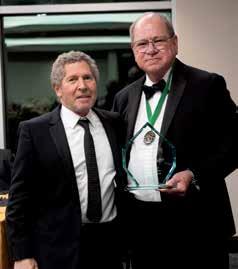
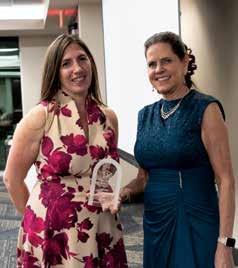
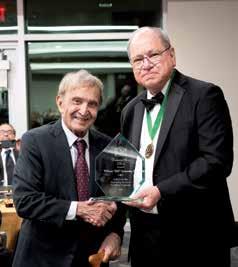
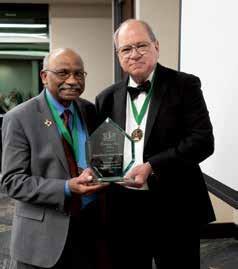
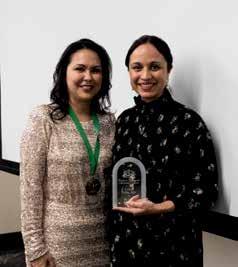
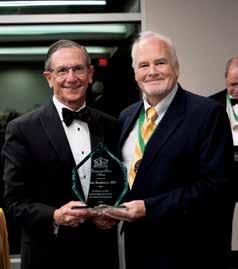
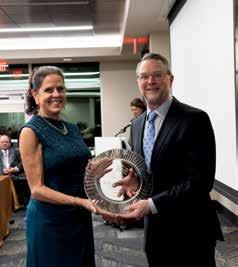
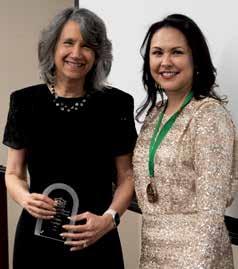
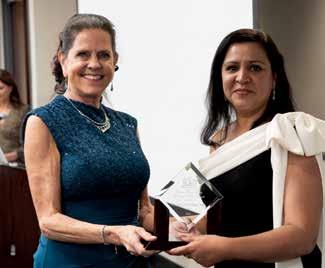
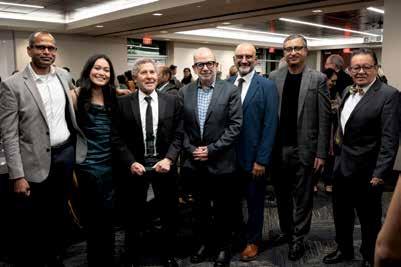






Family


Dr. Sheldon Gross has been an active member of the Bexar County Medical Society since 1983. Throughout the years, he has served as the 2018 BCMS President, State Chair of the Texas Medical Association Political Action Committee (TEXPAC), National Chair of the American Medical Association Political Action Committee (AMPAC) , and participated in multiple committees.
Dr. Gross received his education at the University of Texas Health Science Center of San Antonio. He majored in psychology and initially planned to be a psychiatrist. However, Dr. Gross would go on to complete one residency in pediatrics and another in neurology with special competence in child neurology and has now worked in the private practice of child neurology in San Antonio since 1983. He has continuously been either clinical or part-time faculty at UTHSCSA in the department of pediatrics and has trained fellows in child neurology for over 20 years.
As BCMS President, his greatest accomplishment and memory was the creation of the BCMS Leadership Seminars that lasted throughout 2018 and 2019, only ceasing due to the 2020 pandemic. Dr. Gross shared that he was amazed to see how the physician participants were fascinated and enthused for more meetings. The challenge that he and the Society faced during this time was figuring out how to remain relevant and supportive to physicians at every stage. He believes these challenges will always remain the same, and we have to remain creative and committed to overcome them.
The Dianna Burns-Banks Community Service Award was established to honor female physicians for their commitment, dedication and passion to the honored practice of medicine, the San Antonio community and citizens of Bexar County.
Dr. Sowjanya Mohan has been a practicing physician in the San Antonio community since 2009, specializing in internal medicine and infectious diseases. Having held various leadership positions over the years, she is currently the Chief Medical Officer for the Texas group of hospitals for Tenet Healthcare.
Community service is an integral part of Dr. Mohan’s career and life. She and her family enjoy volunteering with local organizations such as the San Antonio Food Bank, Guide Dogs of Texas and at Baptist Health System health fairs and teaching events. She enjoys helping to meet the needs of others in any way she can.
Dr. Mohan has made many achievements in her career as both a physician and administrator. In 2019, she had the honor of being elected as the President of Medical Staff, a role in which she helped care for staff and patients during the COVID pandemic. In her current role as Chief Medical Officer, she helps guide the hospitals and staff.
Overall, being a physician has made Dr. Gross very aware of the sanctity and fragility of life. He shared that he understands that good health is the most valuable gift one can have. He feels blessed to be a doctor and has the great honor of helping children with neurological problems and supporting their families. Dr. Gross stated that after 42 years of practicing child neurology, he still enjoys going to work and interacting with medical students and residents; he feels lucky to have a career he loves.
When Dr. Gross is not working, he enjoys exercising, stretching, reading great books and most of all, spending time with his children and grandchildren.
Dr. Mohan shared that in order for physicians to adapt to our communities’ changing needs, we need to understand that we are all part of an interconnected community of people. Challenges call on us to work as a community of medical providers, administrators and collaborators to provide the best care. While technology can analyze information and help diagnose diseases, only people can share a meaningful moment and show understanding during times of stress and fear. Dr. Mohan reminds us that this is more than medicine; it is true healing.
We proudly recognize the Bexar County Medical Society’s special award honorees for 2026 — physicians whose exceptional service, leadership and unwavering commitment to our community elevate the practice of medicine in Bexar County. These individuals embody
Dr. Ashok Kumar specializes in family medicine and has been a member of the Bexar County Medical Society since 1999, serving as the BCMS President in 2014. Dr. Kumar’s academic career spans nearly four decades at several major institutions, settling at UT Health San Antonio since 2004 with a current academic rank of Professor and Distinguished Teaching Professor.
Dr. Kumar was inspired to pursue medicine as a young boy growing up on a farm in rural India, where he witnessed physicians compassionately care for people with limited resources. These doctors served as his role models and motivated him to improve the lives of others as a physician.
His proudest professional accomplishment is caring for his patients. Being able to hear their struggles, diagnose and treat them, and ultimately relieve their suffering and improve their lives is greatly rewarding. The gratitude and loyalty his patients have in return shapes him as a caring physician and friend.
As BCMS President, Dr. Kumar enjoyed teaming up with physician colleagues and BCMS staff members to set and achieve challenging goals for the Society. During his term, the team bought land and began developing plans for the beautiful office building BCMS calls home today.
the highest standards of professionalism and compassion, and their contributions strengthen not only our Society but the countless lives they touch. It is a privilege to celebrate their achievements and the lasting impact of their dedication.

Serving as a BCMS leader was deeply humbling and fulfilling for Dr. Kumar. He shared that advancing in BCMS leadership roles allowed him to extend his professional networks with BCMS staff and physician colleagues both in and outside of Bexar County. He is passionate about mentoring and encouraging medical students and residents to participate in BCMS and TMA activities and developing them into future leaders in organized medicine.
Outside of his clinical work, Dr. Kumar enjoys spending time with his children and siblings in the U.S., United Kingdom and India. He also enjoys traveling, taking part in BCMS and TMA meetings, and visiting with friends over meals in local restaurants.
Mark Kipnes, MD, Distinguished Service Honoree
Dr. Mark Kipnes is an endocrinologist with expertise in several areas. He has been a Bexar County Medical Society member since 1985 and taught at the University of Texas Health Science Center at San Antonio for many years.
His interest in medicine was shaped by both friendship and mentorship. As a late teen, a close friend who was determined to become a physician consistently encouraged Dr. Kipnes to consider pursuing medicine as well. What later solidified his decision was a biology course taught by a professor who approached the subject through a medical lens, connecting foundational science to real clinical application. This professor would become Dr. Kipnes’ academic advisor and encouraged him to pursue a career in medicine.
One of Dr. Kipnes’ proudest accomplishments in his medical career is being the first physician in his family. Pursuing a career in unfamiliar territory required determination, self-direction and a strong internal sense of purpose.
Another meaningful accomplishment was the opportunity to care for members of his own family. Dr. Kipnes had the honor to help extend both his father’s and father-in-law’s quality of life by at least a decade. Being able to apply training and experience to positively impact the lives of loved ones stands out as his greatest professional achievement.
Practicing medicine has profoundly shaped who Dr. Kipnes is, having provided a deep perspective on what truly matters in life — health, family, dignity and time. Medicine has taught him that everyone carries a story, and that empathy is often the key to truly helping people.
A notable memory Dr. Kipnes has as a BCMS member is the consistent sense that the Society exists to genuinely support physicians throughout San Antonio. Dr. Kipnes views BCMS as a unifying organization — one that advocates for physicians, fosters collegiality, and helps maintain the strength of our medical community.
When not working, Dr. Kipnes enjoys staying active through exercise and tennis. More than anything, he values spending quality time with his wife, family and close friends.
Dr. Byron Hepburn’s interest in medicine began in his early childhood and grew throughout his school years as he developed a fascination with the human body and biology. Hospitalizations for pneumonia as a 5-year-old and a later knee injury from high school football cemented his interest in being a physician and leading a life of caring for others.
Dr. Hepburn has been a Bexar County Medical Society member for 14 years. He shared that he has many fond memories as a BCMS member, and expressed great pride in the Society’s response to the COVID pandemic and its continued advocacy for policy changes in the State Legislature to advance the health and wellness of our patients.
Dr. Hepburn’s proudest accomplishment of his medical career was being named the inaugural Medical Director of the San Antonio Military Health System (SAMHS). This was a transformative partnership of all the Army and Air Force medical assets in the greater San Antonio area. Successfully leading change among two historically “siloed” organizations was a distinct challenge and at the same time a professional pleasure.
Urology San Antonio (100% BCMA and TMA Membership Group) 2026 Visionary Leadership Healthcare Award
This award is presented to a medical group or organization that has excelled in expanding their care services to attend to the healthcare needs of our fellow citizens and patients of Bexar and surrounding counties.
As the largest urology practice in the region, Urology San Antonio provides a scale of care and a level of sub-specialization that is unique — even for a large metropolitan area. The practice operates within a highly collaborative, physician-led model with 26 urologists and 12 advanced practice providers. This structure ensures that patients with complex conditions are matched with the provider whose specific training and clinical focus best fit their diagnosis. With eight clinic locations, male and female physicians, and bilingual providers, they ensure that care is accessible, coordinated and patient-centered.
Despite their size, they remain a physician-owned and physicianled independent practice. This independence lets doctors prioritize patient outcomes and quickly adopt new treatments and technologies.
Urology San Antonio offers a full range of urological care, from routine screenings to the most advanced treatments available today. Integration of services provides management of the entire care process more effectively, leading to faster transitions between diagnosis and treatment.
The oncology program is a major asset to the community. The San Antonio Cancer Center offers sophisticated radiation therapies like IMRT/SBRT and targeted treatments such as Pluvicto for metastatic prostate cancer. The new Interventional Radiology Center brings even more specialized services to the region. This center provides Prostatic Artery Embolization, which is a breakthrough minimally
His career in medicine has been both professionally and personally rewarding. He shared that it has been a gift to work with many talented and compassionate health professionals of all disciplines. He has been shaped by the patients he has had the honor to serve — particularly the wounded warriors he has cared for recently.
When Dr. Hepburn is not working, he treasures his time visiting family and traveling with friends. He spends his free time participating in year-round sports, such as golf, cycling, fly fishing, cross-country skiing and more to help keep him fit and happy.
invasive treatment for men with enlarged prostates.
Beyond these specialties, the practice includes a research department with active clinical trials, an in-house pharmacy and a specialized PCR lab to provide a highly coordinated and efficient experience for every patient.
Being a reliable partner to the medical community is Urology San Antonio’s focus. Dedicated resources make the referral process easier, with a Direct Doctor Line at (210) 582-5528 for peer-to-peer consultations.
Dr. William J. Harmon, President of Urology San Antonio, accepted the award and recognition on their behalf.
Dr. William “Bill” Gonzaba, Distinguished Service Honoree
Born and raised on the South side of San Antonio, Dr. Bill Gonzaba has been a dedicated member of the Bexar County Medical Society for 66 years. Over 60 years ago, he founded what would become Gonzaba Medical Group — a small, one-room clinic that grew into one of the largest independently owned medical groups in San Antonio.
Drawn to a life of service at a young age, Dr. Gonzaba knew becoming a physician would accomplish his goals of serving people in a meaningful way. While he had felt unsure if he would be accepted into medical school, a childhood friend encouraged him to apply. Upon receiving his acceptance letter, Dr. Gonzaba was struck with a thought that would shape his life and career: What a privilege — what a sacred honor — to become a doctor.
From the beginning of his career, Dr. Gonzaba understood that medicine was about caring for the sick — not about making money. He was most inspired by those in the barrio he grew up in, where many did not have access to a doctor. When he began practicing, many of his own family and neighbors became his patients.
His journey was not without challenges. While he always dreamed of becoming a surgeon, he could not afford the full surgical training path.
However, Dr. Gonzaba was committed to excellence and learning, and was fortunate enough to be mentored, trained and encouraged by other surgeons.
After nearly 30 years of surgical practice, he entered what would be one of the most defining chapters in his career — serving as CEO of Gonzaba Medical Group. At 91 years old, Dr. Bill Gonzaba remains actively engaged as CEO. His mantra, “Como Familia” (Like Family), is not just a slogan; it is a deeply held belief reflected in the culture of over 1000 employees who continue his commitment to treating every patient with dignity, warmth and respect.
Dear Members of the Bexar County Medical Society,
I would like to extend my sincere gratitude to the Bexar County Medical Society for honoring me with the Distinguished Service Award at your 2026 Installation of Officers Gala.
The evening was truly memorable, and I was especially grateful to attend alongside my family, whose patience and support have been tested almost as much as some of my ideas over the years.
I must confess, receiving this honor brought a smile to my face — particularly because back in the 1980s and 1990s, when my early advocacy for capitation and managed care was viewed by the then Bexar County Medical Society as ambitious, controversial or, on certain days, downright heretical. At the time, I suspect more than a few colleagues hoped the idea would quietly disappear. Instead, it seems it merely waited for its moment.
It has been gratifying to watch those early debates evolve into today’s healthcare reality, and even more gratifying to be recognized by the very organization that once kept me on my toes. I take that as a sign of progress — for all of us.
I am honored to be included among those who have received this award and deeply appreciative of the Society’s leadership, officers and staff for such a meaningful event.
With sincere appreciation, Dr. Bill (Dr. William “Bill” Gonzaba, Distinguished Service Honoree) ''
Originally from New Jersey, Dr. Susan Talamini’s life journey took her across the United States, from the East to the West Coasts, and in between. Her travels led her to the vibrant city of San Antonio, where she found the perfect blend of a great climate, rich culture and an ideal environment to raise a family.
Dr. Talamini had a unique path to medicine. Before becoming a urologist, she pursued a different passion — classical music. However, she ultimately decided on another career where she could use her skills to make a meaningful difference in people’s lives. “I love what I do now, and being able to work with my hands in the operating room to help people is a privilege and immensely rewarding.”
Her non-traditional journey to medicine gives Dr. Talamini a different perspective and helps her truly understand patient-centered care. She believes in considering each patient’s
Dr. Celina Villa was raised in El Paso and is a graduate of UT El Paso. She attended medical school at UT Health San Antonio and completed two years in the general surgery residency program at UT Health San Antonio followed by a pathology residency at Northwestern University. Her fellowships include an oncologic surgical pathology fellowship at Memorial Sloan Kettering Cancer Center where she served as chief fellow, followed by a hematopathology fellowship at the University of New Mexico. She is board certified in anatomic and clinical pathology and hematopathology.
Dr. Villa’s job experience includes working at St. David’s Bone Marrow Transplant Center in Austin and CorePath reference laboratory in San Antonio. Her interest in hospital-based practice led her to join Oculus Pathology. She has had the pleasure of working at Baptist Health System, where she was recently elected Chief of Pathology at Baptist Medical Center.
Wendy Lange has worked in the financial area of healthcare since 1980. She was the comptroller of a hospital, finance manager of a national long-term care company, then joined Oculus Pathology, formerly Clinical Pathology Associates of Austin, Texas, in 1999.
Since 2009-2010, Oculus has undergone a significant rebuild, which has nearly quadrupled the size of the practice and extended practice operations across multiple markets in Texas and beyond.
The success that the practice enjoys today started with Ms. Lange's expansion efforts to create a division in the San Antonio market. As the practice's first executive, Wendy wore multiple hats in the fields of operations, finance, compliance and business development. She established the practice's corporate office and built a staff of ~150 employees to serve San Antonio operations. She augmented division profits by maximizing collections and controlling expenses, and
individual needs and preferences when developing a treatment plan. It’s part of why she chose urology in particular. “We see men and women, and address some of the most private and stigmatized conditions affecting our patients’ lives. I love being able to address patients’ concerns using the advanced minimally invasive techniques that are unique to our field.”
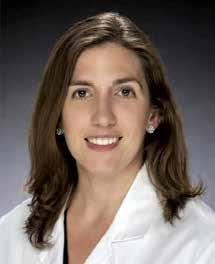
Throughout her career, Dr. Villa has had the opportunity to mentor trainees at all levels, including pre-med undergraduate students at UT Austin and high school students in the pre-health professions program at Dell Medical School. After moving to San Antonio, she continued mentoring undergraduate students, foreign medical graduates and local medical students interested in pathology residency.
negotiated multiple new hospital contracts in the San Antonio market and neighboring communities. Ms. Lange was also instrumental in the practice’s acquisition of an outpatient lab, and she championed the development of a digital pathology platform to promote pathology education and collaborations with the clinical community of San Antonio.
The Bexar County Medical Society hosted its first 1853 Club luncheon of the year with guest speaker Sheila Killpack, a travel agent with the full-service travel agency, Cruise Planners. Cruise Planners specializes in luxury, upscale travel and provides travel booking premium services for clients looking for vacation packages, cruise deals, tour packages, group tours and cruises, all-inclusive resort packages and other travel services.
The 1853 Club luncheons, held on a quarterly basis, serve as an opportunity for retired members to reconnect with colleagues
and friends while becoming informed on various topics presented by guest speakers.
Save the date for our upcoming luncheons: April 7, July 7 and October 6, from 11:30 a.m. to 1:00 p.m. at the Bexar County Medical Society office. Topics and speakers are to be announced.
If you are a retired or life BCMS member and are interested in joining the 1853 Club, please reach out to our membership department by emailing membership@bcms.org or calling (210) 301-4391.
As a BCMS member, you can find exclusive discounts on premium products and services that you and your practice use every day.

Sol Schwartz & Associates P.C. (HHH Gold Sponsor)
Sol Schwartz & Associates is the premier accounting firm for San Antonio-area medical practices and specializes in helping physicians and their management teams maximize their financial effectiveness.
Christopher Davis, CPA 210-384-8000, ext. 118 cbd@ssacpa.com www.ssacpa.com
“Dedicated to working with physicians and physician groups.”
CLA - CliftonLarsonAllen LLP (HH Silver Sponsor)
Transform complexity into opportunities. Work with professionals who understand the specific financial, operational, clinical, and strategic needs of physician practices and medical groups. Our team is made up of knowledgeable, accessible, and responsive individuals devoted to the health care industry.
Bryan Garcia, CPA Principal 210-298-7924
Bryan.Garcia@CLAconnect.com www.CLAconnect.com
"We'll get you there."

Aspect Wealth Management (HHH Gold Sponsor)
We believe wealth is more than money, which is why we improve and simplify the lives of our clients, granting them greater satisfaction, confidence and freedom to achieve more in life.
Michael Clark President 210-268-1520
MClark@aspectwealth.com www.aspectwealth.com
“Your wealth. . .All aspects”

Atlas Retirement Strategies LLC (HHH Gold Sponsor)
Atlas Retirement Strategies LLC is a comprehensive financial planning firm dedicated to serving the unique needs of the medical community. We offer customized strategies in business planning, retirement planning, risk management, wealth preservation, estate planning, and wealth transfer – empowering healthcare professionals to achieve long-term financial security, clarity, and peace of mind.
David M. Webb, Ph.D., MSM, CLF, CLTC, LACP
Founder & Principal
210-281-4400
David@atlas-plans.com www.atlas-plans.com

Bank of Texas (HHH Gold Sponsor)
Bank of Texas, powered by BOK Financial, is a top U.S.-based financial services company, offering sophisticated wealth, commercial, and consumer products and services. Still, we do business one client at a time—focused on delivering thoughtful expertise and tailored advice—because we know that when our clients succeed, we succeed.
Daniel Ganoe
Mortgage Banker, Physician Mortgage Expert NMLS# 1646757 361-425-6503
DGanoe@bankoftexas.com
George Pedraza
SVP, Private Wealth Management Market Executive 210-568-7685
GPedraza@bankoftexas.com
“We go above. So you can go beyond.”

Broadway Bank (HHH Gold Sponsor)
Healthcare banking experts with a private banking team committed to supporting the medical community.
Thomas M. Duran
SVP, Private Banking Team Lead 210-283-6640
TDuran@broadway.bank www.broadway.bank
“We’re here for good.”

Texas Partners Banks (HHH Gold Sponsor)
Our private banking team specializes in healthcare banking and will work with you to craft and seamlessly integrate financial solutions for you and your practice, including practice loans, lines of credit and custom local lockbox solutions headquartered in San Antonio. Maria Breen 210-807-5562
Maria.Breen@texaspartners.bank www.texaspartners.bank
Amegy Bank of Texas (HH Silver Sponsor)
We believe that any great relationship starts with five core values: Attention, Accountability, Appreciation, Adaptability and Attainability. We work hard and together with our clients to accomplish great things.
Robert Lindley
SVP | Private Banking Team Lead 210-343-4526
Robert.Lindley@amegybank.com
Denise Smith
Vice President | Private Banking 210-343-4502
Denise.C.Smith@amegybank.com
Scott Gonzales
Assistant Vice President | Private Banking 210-343-4494
Scott.Gonzales@amegybank.com www.amegybank.com
“Community banking partnership”
First Citizens Bank (HH Silver Sponsor)
For more than 125 years, First Citizens Bank has served the financial needs of our clients and communities with specialized support and an emphasis on service. We bank on a first-name basis, taking a genuine interest in our clients' well-being. Our values-driven approach combines deep sector expertise with high-touch service, helping clients achieve their financial goals and aspirations.
Jorge Saenz Jr.
VP Business Banker III 210-749-3022
Jorge.SaenzJr@firstcitizens.com
Robert Moreno
VP Business Banker II 210-310-8411
Robert.Moreno@firstcitizens.com www.firstcitizens.com
“Forever First”
Synergy Federal Credit Union (HH Silver Sponsor)
Looking for low loan rates for mortgages and vehicles? We've got them for you. We provide a full suite of digital and traditional financial products, designed to help physicians get the banking services they need.
Synergy FCU Member Services 210-750-8333 info@synergyfcu.org www.synergyfcu.org
“Once a member, always a member. Join today!”
Huffman Developments (HH Silver Sponsor)
Building spaces that inspire success. Huffman Developments specializes in custom commercial and medical projects from concept to completion. With over 40 years of experience, our team delivers high-quality, long-lasting facilities tailored to each client’s vision and business goals. Steve Huffman President 210-979-2500 x207 (direct) 210-213-2421 (cell) SHuffman@huffmandev.com www.huffmandev.com
"Building Excellence One Project at a Time"

Bexar Credentials Verification, Inc. (HHHH 10K Platinum Sponsor)
Bexar Credentials Verification Inc. provides primary source verification of credentials data that meets The Joint Commission (TJC) and the National Committee for Quality Assurance (NCQA) standards for healthcare entities.
Betty Fernandez Director of Operations
210-582-6355
Betty.Fernandez@bexarcv.com www.bexarcv.com
“Proudly serving the medical community since 1998”

Avid Wealth Partners (HHH Gold Sponsor)
For over 15 years, Avid Wealth Partners has been the trusted financial partner for local physician specialists and practice owners.
We specialize in physician-focused financial advising, offering proactive tax planning, customized investment strategies, and comprehensive risk management solutions. Our approach addresses every aspect of your financial life, protecting your hardearned assets and building lasting wealth. With a team of credentialed specialists, we simplify complexity so you can focus on what you do best— caring for patients
210-864-3333
MDWealth@avidwp.com www.avidforphysicians.com

Elizabeth Olney with Edward Jones (HHH Gold Sponsor)
We learn your individual needs so we can develop a strategy to help you achieve your financial goals. Join the nearly 7 million investors who know. Contact me to develop an investment strategy that makes sense for you.
Elizabeth Olney Financial Advisor 210-858-5880
Elizabeth.Olney@edwardjones.com www.edwardjones.com/elizabeth-olney
Aspect Wealth Management (HHH Gold Sponsor)
We believe wealth is more than money, which is why we improve and simplify the lives of our clients, granting them greater satisfaction, confidence and freedom to achieve more in life.
Michael Clark President 210-268-1520
MClark@aspectwealth.com www.aspectwealth.com
“Your wealth. . .All aspects”
Hancock Whitney (HH Silver Sponsor)
Since the late 1800s, Hancock Whitney has embodied core values of Honor & Integrity, Strength & Stability, Commitment to Service, Teamwork and Personal Responsibility. Hancock Whitney offices and financial centers in Mississippi, Alabama, Florida, Louisiana and Texas offer comprehensive financial products and services, including traditional and online banking; commercial, treasury management, and small business banking; private banking; trust; healthcare banking; and mortgage services.
John Riquelme
San Antonio Market President 210-273-0989
John.Riquelme@hancockwhitney.com
Serina Perez San Antonio Business Banking 210-507-9636
Serina.Perez@hancockwhitney.com www.hancockwhitney.com

UT Health San Antonio
MD Anderson Cancer Center (HHH Gold Sponsor)
UT Health provides our region with the most comprehensive care through expert, compassionate providers treating patients in more than 140 medical specialties at locations throughout San Antonio and the Hill Country.
UT Health San Antonio
Laura Kouba
Business Development Manager 210-265-7662
NorrisKouba@uthscsa.edu
Appointments: 210-450-1000
UT Health San Antonio 7979 Wurzbach Road
San Antonio, TX 78229

Genuine Health Group (HHH Gold Sponsor)
Genuine Health Group partners with primary care providers to help them successfully adopt value-based payment models and demonstrate better health outcomes. Providers choose us for our proven expertise and consistency both for their patients enrolled in Medicare Advantage plans and for their patients with traditional Medicare who can align with one
of ACOs. We have a track record of effectively reducing the cost of care while simultaneously improving care quality.
786-878-5500
info@genuinehealthgroup.com www.genuinehealthgroup.com

Billing & Benefits (HHH Gold Sponsor)
Golden Billing is owned and operated for over 20 years in Houston, TX. The owner, Marcus Yi, is focused on creating a partnership with clients. We are dedicated to optimizing the small business doctor’s productivity and maximizing practice cash flow by accurate claims coding and timely processing. Call today for a free consultation. If you don’t want to use us at lease maybe we can help you fine tune your decision.
Marcus Yi 713-263-0054
MYi@goldenbilling.com www.goldenbilling.com
DialOPS
(HH Silver Sponsor)
Dialops is a trusted U.S.-based medical answering service and virtual receptionist solution designed specifically for healthcare practices. We provide 24/7 live call handling, HIPAA-compliant messaging, appointment scheduling, and reliable after-hours and overflow support. Our medically trained agents answer every call with professionalism and care— just like your in-office staff—ensuring your patients always feel heard and supported. From solo providers to busy clinics, Dialops helps reduce missed calls, ease front desk overload, and improve the patient experience—all at a fraction of the cost of hiring in-house.
Rachel Caero
Rachel@dialops.net
877-2-DIALOPS/210-699-7198 www.dialops.net
Equality Health
(HH Silver Sponsor)
Equality Health deploys a wholeperson care model that helps independent practices adopt and deliver value-based care for diverse communities. Our model offers technology, care coordination and hands-on support to optimize practice performance for Medicaid patients in Texas.
Cristian Leos
Network Development Manager 210-608-4205
CLeos@equalityhealth.com www.equalityhealth.com
“Reimagining the New Frontier of Value-Based Care.”
SpeedE'z (HH Silver Sponsor)
For over three decades, SpeedE’z has been Bexar County’s truly local partner for answering service, contact center and courier solutions. R.N. owned and family-led, we combine compassionate care with professional expertise. Our HIPAA Certification, SOC 2 Type II Compliance and Woman-Owned HUB status reflect our commitment to integrity and security. Ranked Top Ten nationally in the ATSI Award of Excellence, our team delivers results that stand out –rooted right here in San Antonio!
Lauren Garza
Vice President 210-615-0964
Lauren@speedez.com www.speedez.com

TMA
(HHHH 10K Platinum Sponsor)
TMA Insurance Trust is a full-service insurance agency offering a full line of products – some with exclusive member discounts and staffed by professional advisors with years of experience. Call today for a complimentary insurance review. It will be our privilege to serve you.
Wendell England Director of Member Benefits
512-370-1746
Wendell.England@tmait.org 800-880-8181
www.tmait.org
“We offer BCMS members a free insurance portfolio review.”

Texas Medical Liability Trust
(HHHH 10K Platinum Sponsor)
With more than 20,000 healthcare professionals in its care, Texas Medical Liability Trust (TMLT) provides malpractice insurance and related products to physicians. Our purpose is to make a positive impact on the quality of healthcare for patients by educating, protecting and defending physicians.
Patty Spann
Director of Sales and Business Development 512-425-5932
Patty-Spann@tmlt.org www.tmlt.org
“Recommended partner of the Bexar County Medical Society”
Continued on page 42
MedPro Group
(HH Silver Sponsor)
Rated A++ by A.M. Best, MedPro Group has been offering customized insurance, claims and risk solutions to the healthcare community since 1899. Visit MedPro to learn more.
Kirsten Baze, RPLU, ARM AVP Market Manager, SW Division 512-658-0262
Fax: 844-293-6355
Kirsten.Baze@medpro.com www.medpro.com

EnviroMerica
(HHHH 10K Platinum Sponsor)
Eliminate all liabilities caused by non-compliance with state and federal regulations and enjoy true peace of mind. Protect your practice by becoming audit proof as a subscriber to our compliance software that’s affordable and guaranteed. We have been protecting physicians for over 27 years and in 2013 were selected as the exclusive vendor of choice for compliance and medical waste by the 2nd largest Medical Association in the nation.
We work with certified experts who understand the specific compliance requirements imposed by OSHA, HHS/OCR (HIPAA), Boards, DOT, EPA, DTSC, CMS & many more. Everything we do, say, or develop for is guaranteed against fines and backed by our insurance policy that covers all our clients for up to $2 Million per occurrence. This is true peace of mind that is invaluable.
Julian Goduci
Founder/CEO
650-655-2045 or 888-323-0583
JulianG@enviromerica.com www.enviromerica.com
"Providing True Peace of Mind."
Henry Schein Medical (HH Silver Sponsor)
From alcohol pads and bandages to EKGs and ultrasounds, we are the largest worldwide distributor of medical supplies, equipment, vaccines and pharmaceuticals serving officebased practitioners in 20 countries. Recognized as one of the world’s most ethical companies by Ethisphere.
Kelly Emmon
Field Sales Consultant
210-279-6544
Kelly.Emmon@henryschein.com www.henryschein.com
“BCMS members receive GPO discounts of 15 percent to 50 percent.”
SpeedE'z (HH Silver Sponsor)
For over three decades, SpeedE’z has been Bexar County’s truly local partner for answering service, contact center and courier solutions. R.N. owned and family-led, we combine compassionate care with professional expertise. Our HIPAA Certification, SOC 2 Type II Compliance and Woman-Owned HUB status reflect our commitment to integrity and security. Ranked Top Ten nationally in the ATSI Award of Excellence, our team delivers results that stand out – rooted right here in San Antonio!
Lauren Garza Vice President 210-615-0964
Lauren@speedez.com www.speedez.com
Methodist Physician Practices (HH Silver Sponsor)
Methodist Physician Practices is committed to providing exceptional care for patients in greater San Antonio and South Texas. As part of Methodist Healthcare, we are dedicated to raising the standards of performance excellence while advancing the health and well-being of the communities we serve. Our extensive network of highly-skilled
primary care physicians, specialists and surgical care providers ensures patients receive comprehensive, coordinated and compassionate care. As part of the Methodist Healthcare System, our physicians are committed to delivering personalized, high-quality services that meet the diverse needs of our patients. At Methodist Physician Practices, we go beyond healthcare — providing hope, healing and unwavering support for each individual we serve.
Erin Fitzgerald Methodist Healthcare I Methodist Physician Practices 281-673-7350
Erin.Fitzgerald2@hcahealthcare.com www.methodistphysicianpractices.com
The Health Cell (HH Silver Sponsor)
“Our Focus is People” Our mission is to support the people who propel the healthcare and bioscience industry in San Antonio. Industry, academia, military, nonprofit, R&D, healthcare delivery, professional services and more!
Kevin Barber President 210-308-7907 (Direct) KBarber@bdo.com
Valerie Rogler Program Coordinator 210-904-5404
Valerie@thehealthcell.org www.thehealthcell.org
“Where San Antonio’s Healthcare Leaders Meet”
San Antonio Medical Group Management Association (SAMGMA) (HH Silver Sponsor)
SAMGMA is a professional nonprofit association with a mission to provide educational programs and networking opportunities to medical practice managers and support charitable fundraising.
Jeannine Ruffner President info4@samgma.org www.samgma.org

Favorite Healthcare Staffing
(HHHH 10K Platinum Sponsor)
Serving the Texas healthcare community since 1981, Favorite Healthcare Staffing is proud to be the exclusive provider of staffing services for the BCMS. In addition to traditional staffing solutions, Favorite offers a comprehensive range of staffing services to help members improve cost control, increase efficiency and protect their revenue cycle.
San Antonio Office 210-301-4362
www.favoritestaffing.com
“Favorite Healthcare Staffing offers preferred pricing for BCMS members.”

This program is designed for companies and organizations looking to connect with our physician members and the broader medical community. It offers a strategic opportunity to showcase your products and services while fostering business growth within the healthcare sector.



By Stephen Schutz, MD

When Honda and Toyota emerged as mainstream automotive brands in the 1970s, it was probably true that Toyota benchmarked Mercedes and Honda benchmarked BMW. Over the decades, Toyota and Honda grew to outsell both of those premium German manufacturers and even become the equal of GM and Ford, saleswise.
Meanwhile, Mazda seemed lost. In the 1970s they were like Subaru, selling quirky cars here that were nothing like the competition (remember the rotary engine RX2 and RX3 sedans? You probably don’t, but they were very quirky). Then in 1978, they introduced the popular RX7 sports car, which was a mainstream hit.
After that, Mazda seemingly decided to follow Honda and emulate BMW with later gen RX7s along with other sporty sedans and coupes. The company continued down that road with the legendary Miata sports car and a “Zoom Zoom” advertising campaign in the 1990s and 2000s.
Then about 10 years ago, Mazda quietly changed tack and decided — I would argue, and no one knows because nobody at Mazda is talking — to be the Japanese Audi.
Here’s why I say that: the “Zoom Zoom” advertising campaign has been retired, the Miata is barely marketed, and the emphasis in all of Mazda’s promotional materials has been on interior quality and exterior design. And there have been many interesting exterior paint colors that mirror Audi’s.
With all that in mind, I drove a new Mazda CX-90 recently, and it confirmed my thoughts. Mazda’s three-row crossover flagship is (fairly) luxurious and does mimic Audi in many important ways, but it doesn’t quite get there. That’s OK, because while the CX-90 isn’t as luxurious as an Audi, it costs a lot less than a comparable Audi.
The CX-90’s understated exterior design is Audi-esque with unadorned body panels, subtle aluminum highlights and jeweled head- and taillights. On the one hand, the CX-90’s profile is they-kinda-all-look-thesame large crossover, but on the other, its elegant detailing differentiates it from its less attractive Highlander and Pilot competitors.
While the nice design is a major plus of the CX-90, cool color options help its
cause. My personal favorite is Deep Crystal Blue Mica.
Inside, the CX-90 continues the Audiish vibe. Contrasting color options are possible, and unusual details, such as fabric inserts on the dash and door panels on highend models, are available.
Driving the CX-90 is not particularly exceptional for the large SUV crossover category. It’s nice, which is what you’d expect, but certainly not great.
This is a family vehicle, not a sports car, after all. Is it better to drive than its competitors? No.
OK, some CX-90 deets: Leather upholstery is standard on CX-90s with the Preferred trim, and softer-feeling Nappa leather comes with Premium Plus models.


CX-90s come with a second-row bench seat standard, but the Premium Plus trim levels come with second-row captain's chairs, which are optional elsewhere (except for the base Select trim).
The third row is designed for two passengers in the upper trims or three in the more mainstream models. Whatever, the CX-90’s third row is a small space that’s best reserved for young children.
As you might expect, there's not much space behind the third row of seats if they’re deployed. Fold those third-row seats down, on the other hand, and you have 40ft3, sufficient for lots of stuff. With all seats folded, maximum cargo space expands to an impressive 75ft3
The central screen is controlled by a rotary knob on the center console, which, supposedly, allows for less reaching and eyes-off-the-road time than a typical touchscreen (I’m skeptical). All models, except for the Select, have a nice 12.3-inch central display. Apple CarPlay and Android Auto are both standard, with wireless connectivity for all but Select models.

The CX-90 lower trims feature a 7.0-inch digital gauge display and an eight-speaker stereo system. A 12-speaker Bose premium stereo is included at the Premium Sport trim level and a fully digital gauge cluster with the Premium Plus.
All CX-90s feature a 3.3-liter turbocharged inline-six engine. The powertrain is good for 280HP in non-S trims and 340HP in the S models. A plugin-hybrid variant is also offered, making 323HP. All models come with an eightspeed automatic transmission, and all-wheel drive is standard.
The EPA has rated all non-plug-in CX-90s at 24MPG City and 28MPG Highway.
Pricing for the CX-90 is Select $40,330, Preferred $44,480, Premium Sport $48,510, Premium Plus $51,800, S Premium Sport $55,470, and S Premium Plus $58,900 (as noted above, S models have 340 rather than 280HP).
I think Mazda’s decision to “Audi-fy” their vehicles is a good one, and the full-size CX-90 crossover is proof. It looks good,

has a nice interior and drives well, too. And you’ve got to love the price, which is well below Audi territory.

Stephen Schutz, MD, is a boardcertified Gastroenterologist who lived in San Antonio in the 1990s when he was stationed here in the U.S. Air Force. He has been writing auto reviews for San Antonio Medicine magazine since 1995.



GUNN ACURA
11911 IH 10 West San Antonio, TX 78230
Coby Allen
210-725-5447

GUNN HONDA
14610 IH 10 West San Antonio, TX 78249
Mark Hennigan 210-941-4556
• We will locate the vehicle at the best price, right down to the color and equipment.
• We will put you in touch with the right person at the dealership to handle your transaction.
• We will arrange for a test drive at your home or office. We make the buying process easy!
• When you go to the dealership, speak only with the representative indicated by BCMS.

AUDI DOMINION 21105 West IH 10 San Antonio, TX 78257
Rick Cavender 888-901-8483

MERCEDES BENZ OF BOERNE
31445 IH 10 West Boerne, TX 78006
William Taylor 830-981-6000


NORTHSIDE CHEVROLET
9400 San Pedro Ave. San Antonio, TX 78216
Emilio Gonzalez 210-341-3311


NORTHSIDE FORD 12300 San Pedro San Antonio, TX 78216
David Starnes 210-319-5684
NORTHSIDE HONDA 9100 San Pedro Ave. San Antonio, TX 78216
Daniel Garcia 210-988-9644
NORTH PARK LEXUS
611 Lockhill Selma San Antonio, TX 78216
Jose Contreras 210-308-8900

NORTH PARK TOYOTA
10703 SW Loop 410 San Antonio, TX 78211
Justin Boone 833-669-2401
MERCEDES BENZ OF SAN ANTONIO 9600 San Pedro San Antonio, TX 78216
James Godkin 210-366-9600

PORSCHE OF SAN ANTONIO 9455 IH 10 West San Antonio, TX 78230
Jordan Trevino 210-738-3499

CAVENDER TOYOTA
5730 NW Loop 410 San Antonio, TX 78238
Spencer Herrera 210-862-9769

NORTH PARK LEXUS AT DOMINION 25131 IH 10 W Dominion San Antonio, TX 78257
James Cole 210-816-6000

NORTH PARK SUBARU 9807 San Pedro San Antonio, TX 78216
Steven Markham
726-226-0028
NORTH PARK LINCOLN 9207 San Pedro San Antonio, TX 78216
Sandy Small 210-341-8841
NORTH PARK SUBARU AT DOMINION
21415 IH 10 West San Antonio, TX 78257
Phil Larson 888-718-9510
As of October 9, 2025, our loan rate will be