







Myasthenia Gravis:
a Bump
Improving Outcomes for Teens, Families and Communities in
By Claire Schenke, MD, and Kristen Plastino, MD
Bringing the Voice of the Patient to the Classroom By Linda Grace Solis,
It’s Never Too Early to Plan Your Personal Transition to Retirement By Janet F. Williams, MD, FAAP; Pamela R. Wood, MD; and Virginia Niebuhr, PhD
Why Your Voice Matters: What happened at TexMed 2026 and why every physician should care By Amith Skandhan, MD, SFHM, FACP
TexMed 2026 By Jacob Hernandez
Dr. Ezequiel “Zeke” Silva, III, Joins TMA Board of Trustees — Continuing Leadership Rooted in Statewide Physician Advocacy By Gabriella Bradberry
Dr. Rajeev Suri Elected TMA Alternate Delegate to the AMA —
By Gabriella Bradberry
PUBLISHED BY: Traveling Blender, LLC. 10036 Saxet Boerne, TX 78006
PUBLISHER: Louis Doucette louis@travelingblender.com
BUSINESS MANAGER: Vicki Schroder vicki@travelingblender.com
GRAPHIC DESIGNER: Jennifer Nelson jennifer@travelingblender.com
ADVERTISING SALES: AUSTIN: Sandy Weatherford sandy@travelingblender.com
SAN ANTONIO: Gerry Lair gerrylair@yahoo.com
For more information on advertising in San Antonio Medicine, Call Traveling Blender at 210.410.0014 in San Antonio
San Antonio Medicine is the official publication of Bexar County Medical Society (BCMS). All expressions of opinions and statements of supposed facts are published on the authority of the writer, and cannot be regarded as expressing the views of BCMS. Advertisements do not imply sponsorship of or endorsement by BCMS
EDITORIAL CORRESPONDENCE: Bexar County Medical Society 4334 N Loop 1604 W, Ste. 200 San Antonio, TX 78249
Email: editor@bcms.org
MAGAZINE ADDRESS CHANGES: Call (210) 301-4391 or Email: membership@bcms.org
SUBSCRIPTION RATES: $30 per year or $4 per individual issue
ADVERTISING CORRESPONDENCE: Louis Doucette, President Traveling Blender, LLC.
A Publication Management Firm 10036 Saxet, Boerne, TX 78006 www.travelingblender.com
For advertising rates and information Call (210) 410-0014
Email: louis@travelingblender.com
SAN ANTONIO MEDICINE is published by SmithPrint, Inc. (Publisher) on behalf of the Bexar County Medical Society (BCMS). Reproduction in any manner in whole or part is prohibited without the express written consent of Bexar County Medical Society. Material contained herein does not necessarily reflect the opinion of BCMS, its members, or its staff. SAN ANTONIO MEDICINE the Publisher and BCMS reserves the right to edit all material for clarity and space and assumes no responsibility for accuracy, errors or omissions. San Antonio Medicine does not knowingly accept false or misleading advertisements or editorial nor does the Publisher or BCMS assume responsibility should such advertising or editorial appear. Articles and photos are welcome and may be submitted to our office to be used subject to the discretion and review of the Publisher and BCMS. All real estate advertising is subject to the Federal Fair Housing Act of 1968, which makes it illegal to advertise “any preference limitation or discrimination based on race, color, religion, sex, handicap, familial status or national origin, or an intention to make such preference limitation or discrimination.
SmithPrint, Inc. is a family-owned and operated San Antonio-based printing and publishing company that has been in business since 1995. We are specialists in turn-key operations and offer our clients a wide variety of capabilities to ensure their projects are printed and delivered on schedule while consistently exceeding their quality expectations. We bring this work ethic and commitment to customers along with our personal service and attention to our clients’ printing and marketing needs to San Antonio Medicine magazine with each issue.
Copyright © 2026 SmithPrint, Inc. PRINTED IN THE USA

Jennifer Rushton, MD, President
Lauren E. Tarbox, MD, Vice President
Lubna Naeem, MD, President-Elect
Dan Powell, MD, Treasurer
Lyssa N. Ochoa, MD, Secretary
John Shepherd, MD, Immediate Past President
Heather Aguirre, DO, Member
Alexander Arena, MD, Member
Woodson “Scott” Jones, MD, Member
John Lim, MD, Member
Sumeru “Sam” Mehta, MD, Member
M. “Hamed” Reza Mizani, MD, Member
Priti Mody-Bailey, MD, Member
Saqib Z. Syed, MD, Member
Nancy Vacca, MD, Member
Luis O. Rohena, MD, Military Representative
Heather Yun, MD, Veterans Affairs Representative
Jayesh Shah, MD, TMA Immediate Past President
John Pham, DO, UIW Medical School Representative
Lori Kels, MD, UIW Medical School Representative
Robert Leverence, MD, UT Health Medical School Representative
Cynthia Cantu, DO, UT Health Medical School Representative
Ronald Rodriguez, MD, UT Health Medical School Representative
Melody Newsom, BCMS CEO/Executive Director
George F. "Rick" Evans, Jr., General Counsel
Melody Newsom, CEO/Executive Director
Brissa Vela, Chief Membership & Development Officer
Yvonne Nino, Controller
Betty Fernandez, BCVI Director of Operations
Phil Hornbeak, Auto Program Director
Al Ortiz, Chief Information Officer
Jacob Hernandez, Advocacy and Public Health Specialist
Jennifer C. Seger MD, Chair
Shiv Goel, MD, Member
Animesh Chidanandrao Gour, MD, Member
Soma S. S. K. Jyothula, MD, Member
James Mayberry, MD, Member
Rajam S. Ramamurthy, MD, Member
Adam V. Ratner, MD, Member
Patrick Todd Reeves, MD, Member
Amith Skandhan, MD, Member
Francis Vu Tran, MD, Member
Elizabeth Allen, Volunteer
Rita Espinoza, DrPH, MPH, Volunteer
Melissa Rosales, Volunteer
Andrea Wazir, MS, Volunteer
Ayomide Akinsooto, Student
Youyou Cheng, Student
Gabrielle Holliefield, Student
Michael Hueste, Student
Kreny Savaliya, Student
Gabriella Bradberry, Staff Liaison
Trisha Doucette, Editor
Louis Doucette, Consultant


Every physician carries a story — moments that shaped you, challenges that tested you and insights that continue to guide your practice. These experiences hold tremendous power, not only for personal reflection but also for inspiring colleagues who walk similar paths.
We invite you to contribute your personal stories, professional challenges or accomplishments, and unique viewpoints to our “Perspectives” collection in San Antonio Medicine magazine for the Bexar County Medical Society — a column created by doctors, for doctors. Whether it’s a breakthrough moment, a difficult lesson, an unexpected joy or a perspective that changed the way you practice medicine, your voice matters.
Your contribution will help build a space where physicians can learn from one another, feel seen, and find renewed purpose in the work you all share.
If you’re willing to participate, please submit your story to editor@bcms.org. Submissions can be brief or in-depth — whatever feels authentic to you.
Thank you for considering this opportunity to uplift and inspire fellow physicians. Your experience could be exactly what someone else needs to hear.
By Jennifer Rushton, MD, President, Bexar County Medical Society
Dear friends and colleagues, Strong and resilient are words that are often used to describe physicians. Resilience is built into our training beginning in medical school. We learn to adapt to and recover from long hours, emotional strain and constant pressure to perform at our best. Physicians embody strength by continuing to show up and care for our patients, and in our resolve, to advocate for them in systems that are increasingly complex and even adversarial. We demonstrate resilience by adapting, growing, and emerging from challenges smarter than we were before. We also derive strength from each other. Connecting with other physicians, listening to each other, supporting one another, and sharing knowledge and experiences empowers us.
Our patients and community teach us about strength and resilience. Bexar County is diverse and dynamic, and our patients persevere, fighting illness and social challenges, and striving for better health outcomes. I witness strength and resilience every day in my colleagues in the laboratory. Laboratory teams show impressive adaptability in managing increasing test volumes, staffing shortages and rapidly evolving technology, while often remaining invisible to patients and physicians.
Advocacy is yet another expression of our collective strength and resilience. In organized medicine, we have power in numbers. The TMA currently represents more than 60,000 physicians and medical students across Texas, making it the largest state medical society in the United States, and BCMS has more than 5,000 members.
I recently had the pleasure of witnessing advocacy in action at TexMed 2026, held April 16-18 in Corpus Christi, and I can report that our collective strength and resilience were on full display. TexMed is TMA’s annual policy-making conference offering opportunities
to connect with other physicians and learn from informative presentations. The meeting offered more than 30 hours of CME focused on leadership and professional development, AI and technology, physician wellness and the business of medicine.
The TMA House of Delegates (HOD), composed of more than 400 members, meets every year at TexMed to debate and adopt statewide policy resolutions affecting public health, payment, education and legislative priorities. I have enjoyed representing Bexar County in the House for many years. This year I also had the privilege of chairing the reference committee on Science and Public Health.
Resolutions authored by BCMS members were broadly supported by the HOD, including:
• Mandatory folic acid fortification of corn masa flour and corn masa products
• Addressing the epidemic of fragility fractures through improved osteoporosis screening and treatment
• Ensuring physician payment for peripheral arterial disease screening and multidisciplinary evaluation prior to amputation
• Supporting the qualification of payment for routine dyslexia screening
• Restricting Texas’ nonmedical immunization exemptions
Other resolutions adopted by the House included:
• Supporting the use of vaccine recommendations that are based on peer-reviewed scientific evidence, including from physician professional organizations rather than solely on those from the Advisory Committee on Immunization Practices
• Addressing the emerging threat of addictive prediction markets to the safety of our youth by advocating for safeguards to include age restrictions and limits on advertising near schools
• Reinforcing state efforts around produce prescription programs
• Improving access to and regulation of GLP-1 receptor agonists
• Increasing safety regulations and enforcement of production, sale and use of commercially available products containing THC
• Prioritizing efficiency and transparency in prior authorization processes, including reducing the number of services requiring prior authorization, eliminating prior authorization for all medications, enhancing and promoting secure electronic prior authorization systems, and imposing timelines for urgent prior authorization decisions
• Creating the TMA Scope of Practice Political Action Committee (TMA SCOPE PAC) to unite on one central issue that touches all physicians
• Supporting legislation that would prohibit the use of medical specialty titles by any nonphysician practitioners in advertising, healthcare marketing and direct patient care
• Advocating for allowing physicians to dispense and sell prescriptions to their own patients
• Supporting physicians’ use of medical innovation while reducing administrative burdens, including advocating against the use of AI as an independent diagnostic or prescriptive tool as a substitute for a physician
If you’ve never attended TexMed, I highly recommend it. Participating in the policy-making process is invigorating, and I always leave optimistic about the future of our profession. BCMS needs more delegates to represent Bexar County at TexMed. Nominations are now open for 2027 leadership positions. I encourage you to volunteer! Please reach out with any questions about becoming a TMA delegate.
Texas physicians are entering a period that will be defined by technological disruption, increasing corporate and insurer influence, workforce strain and growing threats to physician autonomy. These forces along with shifts in policy will continue to reshape the practice of medicine, but the strength and resilience of physicians will remain in our ability to adapt and lead. We have an opportunity to impact the future of medicine in a way that supports patients and physicians. Our greatest resource is each other, and BCMS can help connect us, support us, and advocate for systems that reflect our values.
As physicians, our strength and resilience are expected and assumed. Yet, strength does not have to mean self-sacrifice. While we remain dedicated to our patients, we must also care for ourselves. Strength is not diminished by asking for help, and resilience does not mean enduring without pause. Both require renewal and environments where physicians feel supported and valued.
Thank you for your dedication and commitment to the health of Bexar County. Stay strong!
With gratitude,
Jennifer R. Rushton, MD
Jennifer R. Rushton, MD, 2026 President of the Bexar County Medical Society, is a partner at Oculus Pathology and the Medical Director of Pathology and Laboratory Medicine for the Baptist Health System. She is board certified in Anatomic and Clinical Pathology, Hematopathology and Molecular Genetic Pathology. Dr. Rushton currently serves as Chief of Staff for Baptist Medical Center Hospital. She is a long-time member and co-chair of the BCMS Legislative Committee, serves on the TMA Council on Healthcare Quality, and is a Texas Delegate to the AMA.



By Robert James Kidder, DO
In daily practice, chronic disease management is appropriately guided by familiar objective markers: hemoglobin A1c, blood pressure trends, pulmonary function tests, weight trajectories, hospitalization rates and others. These data points matter. They help us identify risk, track progress and make evidence-based treatment decisions. Yet these measurements are often heavily modulated by a less visible clinical variable: the patient’s psychological architecture.
Depression, anxiety, trauma, chronic stress and other related conditions not only co-exist with chronic disease; they actively dictate how patients perceive their chronic illness, engage with treatment plans, and sustain the escalating effort required for long-term therapeutic adherence.
Local data helps illustrate the clinical intersection. A University Health report using the Texas Behavioral Risk Factor Surveillance System (BRFSS) found that in Bexar County 27% of adults reported having been told by a health professional that they have a depressive disorder, and approximately 18% reported their mental health was “not good” for at least 14 of the previous 30 days. Estimates for individual ZIP Codes within Bexar County ranged from 12.8% to 27.7%.1
These numbers describe the actual clinical ecosystem where chronic disease is delivered in San Antonio. An environment where cardiometabolic diseases, pulmonary diseases, pain, depression, anxiety,
trauma, stress and social burdens often intersect and interact, in the same patient, during the same visit.
The mental toll of chronic disease can be easy to underestimate. While a new diagnosis of malignancy, diabetes, cardiovascular disease, chronic lung disease, chronic pain or autoimmune disease can understandably trigger initial distress, the true clinical friction lies in the relentless wearing down with long-term self-care.
Managing daily medications, constant symptom monitoring, dietary restrictions, financial stress and uncertainty about the future can gradually erode a patient's psychological resilience. This is why simply labeling a patient as just “noncompliant" is often too simplistic. Poor medication adherence, a missed appointment or lack of follow through is rarely just a matter of not caring. Frequently it reflects the downstream effects of depression, trauma related/induced avoidance, cognitive overload, burnout and other life demands.
When providers approach these patterns with clinical curiosity rather than judgment, the therapeutic dynamic entirely changes. Asking a target open-ended question like, "What is making this hard rightnow?" often provides far greater actionable insights and potential workable solutions… than simply repeating what the patient already knows they should be doing.
Using a mental health lens does not require doing in-depth psychotherapy at every visit. It requires asking a few good questions during routine care. For example, “How is this illness affecting your day-to-day life?" That question uncovers significant data that a standard review of systems routinely misses: such as profound isolation, burnout, functional decline or financial toxicity.
These psychosocial factors are not separate from the treatment plan. They often determine whether the treatment plan is realistic, sustainable and successful or not.
Communication Tools
Used briefly, these questions can uncover key barriers beneath behavior and help turn frustration into a more workable plan.
Example Situations:
1. Routine/Annual Review
What to ask: “Whathasbeenhardertomanageorenjoylatelydue to your health?”
Why it works: Quickly reveals functional, psychological or social barriers.
2. Medication Check Up / Adherence
What to ask: “On days or times you miss your medication, is there something making it more difficult to take?"
Why it works: Decreases defensiveness and helps identify potential causes such as ambivalence, side effects, forgetfulness, cost and other barriers, while allowing collaborative problem-solving.
3. After a Treatment Lapse
What to ask: Normalize and collaborate - "Manypatientsstruggle with this part of the plan as well. What do you think led to the lapse, and let’s see if there’s anything we can try to do about it."
Why it works: Reframes the lapse, preserves self-efficacy, and again supports collaborative treatment planning.
Patients Stay Engaged, Despite the Burden
Supporting resilience is part of high-quality medical care. Resilience is not just the absence of distress. More practically, it is the patient’s ability to adapt and prevail; maintaining active engagement with self-care despite the compounding challenges of a progressive decline in long-term functioning. A couple realistic strategies that can help:
• Break broad treatment goals into smaller steps, so the first step feels entirely achievable and less overwhelming.
• Acknowledge the burden of chronic disease self-management before adding another treatment, recommendation or referral. A simple statement like, “Thismustbealottodealwitheveryday,” canlowerdefensivenesswhilestrengtheningclinicalalliance.
Many patients living with chronic illness also carry prior trauma or negative prior healthcare experiences into the exam room. Routine care can feel threatening: repeated procedures, perceived loss of control, dismissed concerns or encounters or uncertainty about what happens next; contributing to a baseline of hypervigilance.
A trauma-informed approach does not require lengthy conversations or interventions. Small habits can make a significant difference:
1. Predictability
State clearly what will happen next, and why, before starting any physical assessment or procedural step. For example, “We will need an updated blood pressure, so I’m going to put this cuff around your arm next.”
2. Autonomy & Choice
Offer small choices whenever possible. For example, "Which arm do you prefer?”
3. Collaborative Language
Try to avoid using rigid, direct phrasing toward shared decision-making language. For example, instead of, “You must change this,” try, “Would it help you if we focused on this part of the plan first?”
Conclusion
Mental health and chronic disease often intersect, reinforcing one another in a bidirectional loop. Unmanaged depression or anxiety amplify systemic fatigue, alter pain perception, impair executive functioning, and decrease treatment adherence, avoidance and reassurance-seeking. In turn, poorly controlled medical illness can intensify emotional distress, fear or avoidance and functional decline.
Providers asking intentional questions, acknowledging the burden of illness, and creating realistic treatment plans with patients can improve more than mood. They can improve patient engagement and trust, and optimize clinical outcomes. In a city where complex chronic disease and behavioral health needs often overlap, a mental health lens helps us treat not just the disease, but the person carrying it.
Reference:
1. https://www.universityhealth.com/public-health/-/media/Files/ Public-Health/Reports/Fact-Sheets/Final-Behavioral-Health-Report.ashx

Robert James Kidder, DO, is a psychiatrist and owner of Robert Kidder, DO PLLC. He currently practices at Nexus Psychiatry and the University of the Incarnate Word Health Clinic in San Antonio, Texas. Dr. Kidder earned his medical degree from the University of the Incarnate Word School of Osteopathic Medicine and completed his psychiatry residency at The Texas Institute for Graduate Medical Education and Research. His clinical interests include practical mental health strategies that improve engagement and outcomes in everyday medical care, combining therapeutic techniques with medication management, and allowing some focus on an underlying reason patients seek help: to be put back together and feel whole again. Dr. Kidder is a member of the Bexar County Medical Society.
By Vishal Patel, MD
Benign prostatic hyperplasia (BPH) is one of the most common urologic conditions affecting aging men and is a major cause of bothersome lower urinary tract symptoms (LUTS). These symptoms can include urinary frequency, urgency, frequent nighttime urination, weak stream, hesitancy, intermittency and incomplete emptying of the bladder. Furthermore, aside from symptom bother, BPH can also lead to certain life-threatening conditions such as kidney disease or failure, electrolyte abnormalities, frequent UTIs or bladder stones, and even recurrent blood in the urine. Although the first-line management for this condition remains lifestyle and dietary modification, fluid management and medical therapy, BPH can also require surgical management for significant symptom bother, intolerance to medications, or for the significant medical conditions mentioned above.
The surgical management of BPH has evolved substantially over the past several decades. Traditional transurethral surgery remains highly effective and is still performed today; however, many minimally invasive surgical therapies (MISTs) and advanced laser technologies have significantly expanded the surgical management of BPH. Management strategies are focused around evaluation of prostate size, anatomy, comorbid conditions, patient expectations and preservation of sexual function.
Before surgical intervention is planned, all patients should meet with a urologist to undergo a thorough evaluation, including history, physical examination, urinalysis, PSA testing when indicated and symptom assessment using a validated questionnaire such as the International Prostate Symptom Score (IPSS). Objective testing, including post-void residual measurement, uroflowmetry, cystoscopy, prostate imaging and urodynamics testing may help guide treatment selection further. Most of the procedures that urologists around the country perform today for BPH management are selected based on prostate size, morphology, as well as patient’s interest in preservation of sexual function. These cutoffs are listed in the American Urological Association’s guidelines on surgical management of BPH.
TURP remains the historical gold standard for the surgical management of BPH. During TURP, obstructing prostatic tissue is resected endoscopically using monopolar or bipolar electrocautery in order to provide symptom relief with improvement in urinary flow rates. TURP is generally most appropriate for prostates between 30 and 80 grams. Bipolar TURP has been favored increasingly due to the reduced risk of persistent hematuria and its complications following the procedure, as well as the reduced risk of dilutional hyponatremia (TUR syndrome), which can be seen with monopolar resections. Despite its efficacy, TURP has the associated risks of bleeding, retrograde ejaculation, urethral stricture, bladder neck contracture and urinary incontinence following the procedure. Postoperative catheterization is generally required after this procedure.
Holmium Laser Enucleation of the Prostate (HoLEP): HoLEP has emerged as one of the most versatile and durable surgical treatments for BPH. HoLEP uses a holmium laser to enucleate the obstructing prostate tissue, which is then morcellated and removed from the bladder. Unlike TURP, HoLEP is advantageous across nearly all prostate sizes, including very large glands greater than 100 grams. Advantages of HoLEP include excellent hemostasis, shorter catheterization time, reduced hospital stay and lower retreatment rates. Longterm studies demonstrate durable out-
comes comparable or superior to open simple prostatectomy. HoLEP is particularly valuable in anticoagulated patients because of reduced bleeding risk. However, the procedure is technically demanding and associated with a steep learning curve. Retrograde ejaculation, urethral stricture and temporary stress urinary incontinence may occur postoperatively, though persistent incontinence is uncommon.
Photoselective Vaporization of the Prostate (PVP): PVP, commonly performed using the GreenLight laser, vaporizes prostatic tissue while achieving excellent coagulation. PVP offers symptom improvement comparable to TURP with lower bleeding risk and shorter catheterization times. It is particularly useful in patients requiring anticoagulation therapy or those at higher surgical risk. Limitations include decreased efficiency in extremely large prostates and the absence of tissue for pathologic examination. Irritative voiding symptoms are the most common complaint following this surgical option.
The desire to reduce perioperative morbidity and preserve sexual function has led to the development of minimally invasive surgical therapies. These procedures can even be office-based and associated with faster recovery.
Prostatic Urethral Lift (Urolift): Urolift mechanically retracts lateral prostatic lobes using implanted permanent sutures, thereby widening the urethral lumen without tissue removal. UroLift is generally indicated for men with smaller to moderate-sized prostates without obstructive median lobes. A major advantage is preservation of erectile and ejaculatory function. Recovery is rapid, and many procedures can be performed under local anesthesia. However, symptom improvement may be less pronounced than with tissue-removing surgeries, and retreatment rates are higher over time. Urinary flow rates are also not significantly improved after Urolift surgery.
Water Vapor Thermal Therapy (Rezum): Rezum therapy delivers convective radiofrequency-generated water vapor into prostatic tissue, causing cellular necrosis and gradual tissue reduction. The procedure can be performed in the outpatient or office setting and preserves sexual function in many patients. Rezum is effective for moderate LUTS and can treat median lobe enlargement. Patients should be counseled that symptom improvement is gradual and postoperative irritative symptoms are common during the healing period. Temporary catheterization is frequently required. Long-term retreatment rates remain relatively low compared with some other minimally invasive options.
Aquablation: Aquablation is a newer robotic-assisted technique utilizing high-pressure waterjet ablation guided by real-time ultrasound imaging. The procedure combines automated tissue resection with reduced thermal injury. Clinical trials demonstrate significant symptom improvement with lower rates of ejaculatory dysfunction compared with TURP. Aquablation appears particularly promising for larger prostates (generally up to 150 grams) and complex anatomy. However, availability remains limited in some centers, and long-term durability data are still evolving. Catheterization is required after this procedure.
Simple (Subtotal) Prostatectomy: For very large prostates, typically greater than 80 to 100 grams, simple prostatectomy remains an important treatment option. This may be performed via open, laparoscopic or robot-assisted approaches. The adenoma is surgically enu-
cleated through the prostatic capsule, producing substantial relief of bladder outlet obstruction. Robotic simple prostatectomy has increasingly replaced open surgery in many institutions due to lower blood loss and shorter hospitalization. Some centers and practices with access even offer single site robotic subtotal prostatectomy for an even faster recovery and smaller incision. Nonetheless, morbidity remains higher than endoscopic approaches, and patients require longer recovery times. HoLEP has challenged the role of simple prostatectomy because it achieves similar outcomes with less invasiveness.
Prostate Artery Embolization (PAE): PAE is a minimally invasive procedure done by an interventional radiologist to treat symptoms from BPH. Instead of surgically removing prostate tissue, the procedure is designed to decrease blood flow to the obstructive portion of the prostate, causing it to reduce its size over time and relieve the obstruction. The procedure is usually done with local anesthesia and light sedation in 60 to 90 minutes. PAE can be considered for men who have very large prostates, higher surgical risk associated with general anesthesia, inability to come off of blood thinner medications, and can be especially appealing for patients wanting to reduce the risk of retrograde ejaculation and erectile dysfunction. It can also be very helpful in the setting of refractory gross hematuria due to BPH and does not require postoperative catheterization generally.
Modern management of BPH emphasizes shared decision-making. Selection of a surgical approach depends on several factors, including prostate volume, severity of symptoms, anticoagulation status, patient frailty, desire to preserve ejaculation and surgeon expertise.
The surgical management of BPH with LUTS has progressed from a one-size-fits-all approach to a highly individualized therapeutic landscape. TURP remains an effective benchmark procedure, while laser enucleation techniques such as HoLEP provide durable outcomes across all prostate sizes. Minimally invasive therapies, including UroLift and Rezum, offer reduced morbidity and preservation of sexual function for appropriately selected patients. Emerging technologies such as Aquablation and PAE continue to broaden the treatment armamentarium.
Ultimately, optimal management requires balancing efficacy, durability, safety, recovery time and patient preferences. Continued technological innovation and long-term comparative studies will further refine the surgical treatment of BPH in the years ahead.
If you or a patient is interested in learning more information about any of the surgical management options for BPH or to determine candidacy for a BPH procedure, please contact Urology San Antonio at 210-582-5505.

Dr. Vishal A. Patel is a board-certified urologist at Urology San Antonio with clinical interests in benign prostatic hyperplasia (BPH), overactive bladder, women’s pelvic health, prostate and kidney cancer, kidney stones, men’s health and robotic surgery. Dr. Patel received his medical degree from the University of New Mexico and completed his urology residency at the University of Oklahoma Health Sciences Center before joining the practice in 2024. He is fluent in Spanish, Hindi and Gujarati. Dr. Patel is a member of the Bexar County Medical Society.

By Kabir Bhakta, OMS-II; Kreny Savaliya, OMS-III; and James Mayberry, MD
This situation usually unfolds quietly, without the urgency typical of medical emergencies. A husband of fifty years reaches for his wife's hand at the breakfast table, looking for the familiar comfort that has anchored his life. He gazes into her eyes, hoping to find shared history and unspoken understanding. Instead, she pulls her hand away. Her expression is flat and cautious, almost polite, as she asks if he knows when her husband will be home.
In clinical settings, we identify this inability to recognize familiar faces as a symptom of late-stage cognitive decline. We might note in a chart that the patient is recalling a moment from decades ago. However, for the family member, this “blank stare” is more than a
neurological issue. Research shows that being forgotten by a loved one brings deep feelings of confusion, grief and invalidation. It often marks the moment they realize they must carry the heavy burden of loving someone who no longer knows them. This triggers a profound sense of “role loss” within the family.
In our medical training, we learn to treat what can be measured. We track amyloid plaques, conduct cognitive assessments, and adjust medications to manage symptoms. Yet we rarely learn how to cope with a loss that has no clear endpoint. Psychologist Dr. Pauline Boss coined the term “ambiguous loss” to describe the ongoing grief of mourning someone who is physically present but cognitively absent.
In traditional forms of grief, like death, there are rituals, community support and a sense of closure that allows healing to start. For dementia caregivers, closure does not come. They live in a constant state of “frozen grief,” facing a painful paradox daily. As Dr. Boss puts it, “The person is alive, but they’re gone.” A spouse is still married but feels widowed. A child remains a son or daughter while now taking on the role of a parent.
While billions of research dollars are rightly spent on finding a cure, the true backbone of dementia care often goes unseen. Family caregivers carry an immense and often unrecognized burden. Psychiatric literature refers to them as the “invisible second patients.” The clinical reality for this group is deeply troubling. Studies consistently show high rates of depression and anxiety among caregivers, driven by the relentless demands of care. Many feel isolated, emotionally exhausted, and experience declining physical health. Yet when families come to our clinics, the caregiver rarely receives the care they need. We often overlook signs of depression, sleep deprivation or burnout, missing a critical aspect of the disease’s impact.
Surviving this experience requires something medicine does not always highlight: acceptance. Traditional psychological approaches often focus on changing negative thoughts, but dementia presents a different kind of challenge. It is progressive and irreversible. Trying to “fix” what cannot change can lead to deeper suffering. Instead, recent clinical trials highlight the value of mindfulness-based interventions, such as the Practice of Acceptance, Awareness, and Compassion in Caregiving (PAACC). These methods help caregivers focus on the present moment, allowing them to let go of the constant effort to bring their loved one back to a shared reality. In doing so, caregivers often experience less anxiety, fewer depressive symptoms and a greater sense of connection.
As logic, language and memory begin to fade, families learn to rebuild connection in new ways: through the senses. Research shows that multisensory stimulation, including auditory, tactile and olfactory input, can help reduce neuropsychiatric symptoms in dementia patients. Because more primitive areas of the brain remain responsive, caregivers often become skilled in non-verbal communication.
One of the most meaningful tools is auditory and tactile engagement. Familiar music, gentle hand massages and structured sensory routines can help bypass damaged cognitive pathways and create moments of calm and recognition. Introducing familiar scents can also provide comfort and grounding. These approaches promote a more person-centered form of care and can enhance the quality of life for both the patient and the caregiver. Over time, the relationship evolves, no longer based on shared memories or conversation but on warmth, rhythm, scent and presence.
As healthcare professionals, we need to expand our perspective to see the whole picture. A dementia diagnosis does not only affect one person; it reshapes the entire family. Traditionally, medical training has placed little emphasis on understanding the lived experience of patients and caregivers. However, programs like the Virtual Dementia Tour are starting to change that. By immersing students in the sensory confusion linked with dementia, these experiences foster a deeper empathy for both the patient and the caregiver.
A dementia diagnosis fundamentally involves two patients. Caregivers cannot navigate this journey alone, and we must recognize and support them. We need to offer empathy, community resources and respite care just as thoughtfully as we prescribe medications. Their well-being is not secondary; it is essential. It is time we acknowledge that the quiet endurance of family caregivers is not just a footnote in a medical chart. Their commitment to continue showing up and loving someone who may no longer recognize them is one of the most profound forms of human resilience we encounter in medicine.
References:
1. How Does a Family Caregiver's Sense of Role Loss Impact the Caregiving Experience?, accessed March 25, 2026, https://pmc. ncbi.nlm.nih.gov/articles/PMC8544366/
2. Practice of Acceptance, Awareness, and Compassion in Caregiving (PAACC): A randomized controlled trial on mindfulness-based intervention for caregivers of individuals living with dementia - PMC, accessed March 25, 2026, https://pmc.ncbi. nlm.nih.gov/articles/PMC12739669/
3. Sensory and memory stimulation as a means to care for individuals with dementia in long-term care facilities - PMC, accessed March 25, 2026, https://pmc.ncbi.nlm.nih.gov/articles/ PMC5962307/

Kabir Bhakta, OMS-II, is a medical student at the University of the Incarnate Word School of Osteopathic Medicine, Class of 2029. He is deeply interested in sports medicine and physical medicine & rehabilitation (PM&R), with a passion for helping patients recover function, optimize performance, and return to the activities that give their lives meaning. He aspires to provide compassionate care that restores mobility, reduces pain, and improves quality of life across diverse patient populations.

Kreny Savaliya, OMS-III, is a medical student at the University of the Incarnate Word School of Osteopathic Medicine, Class of 2028. She is deeply interested in children’s health and pediatric surgery, with a passion for improving outcomes in vulnerable populations. She aspires to provide compassionate, high-quality medical and surgical care to communities that lack adequate access to healthcare services. She serves on the BCMS Publications Committee.

James Mayberry, MD, is an Assistant Professor in the Clinical Applied Sciences and Education Department at the University of the Incarnate Word School of Osteopathic Medicine. He is board certified in Family Medicine and trained in Clinical Genetics and Genomics. Dr. Mayberry serves on the BCMS Publications Committee.

By Andrew Wong, MD
One of the easiest ways to miss myasthenia gravis (MG) is to expect patients to look obviously weak.
Many do not.
Some walk into clinic looking completely normal and simply say things like, “My eyelid gets droopy at night,” or “I can chew at the
you’ve seen it
beginning of dinner but not at the end.” Others bounce between ophthalmology, ENT, GI, pulmonology and psychiatry before finally ending up in a neurology office months later.
Once you’ve diagnosed enough cases of MG, you start recognizing the pattern almost immediately. Before that, it can be surprisingly easy
to miss. MG remains one of the more rewarding neurologic conditions to diagnose because appropriate treatment can dramatically change a patient’s quality of life. Patients who are struggling to hold their head up, speak clearly, or walk through a grocery store can sometimes return to remarkably normal functioning with treatment.
The key is recognizing it early.
MG is an autoimmune disorder affecting the neuromuscular junction. In simple terms, the immune system interferes with communication between nerve and muscle.
The hallmark feature is fatigability. Symptoms worsen with use and improve with rest.
That sounds simple in theory, but in practice it creates presentations that can look vague, inconsistent or even functional to clinicians unfamiliar with the disease.
Patients may say:
• “I’m fine in the morning but exhausted by evening.”
• “My speech gets slurred when I talk too long.”
• “I choke more at the end of meals.”
• “My vision gets blurry when I drive home from work.”
The fluctuating nature of MG is exactly what makes it tricky.
The most common early presentation involves the eyes. Patients develop ptosis or diplopia, often worsening later in the day. Some patients literally hold one eyelid open while talking to you. Others tilt their head back to compensate for drooping eyelids without realizing they are doing it.
A common story is: “I thought I just needed more sleep.”
Patients are frequently sent first to ophthalmology because the symptoms initially appear isolated to the eyes. Some truly do remain ocular only. Others eventually generalize. The challenge for physicians is remembering that intermittent symptoms do not rule out neurologic disease. In fact, variability is one of the biggest clues.
The patients who worry me most are the bulbar patients. These are the individuals whose speech becomes slurred after prolonged conversation or who begin choking during meals. Family members often notice symptoms before the patient does.
One subtle but classic complaint is: “I can chew fine at first, but by the end of dinner my jaw feels tired.”
That is almost a board question level clue for MG. Unfortunately, bulbar symptoms are also where delays in diagnosis can become dangerous. Untreated MG can progress to myasthenic crisis, where respiratory muscles weaken enough to require ICU admission and ventilatory support. Fortunately, this is far less common when the disease is recognized early.
One reason MG frustrates both patients and physicians is that imaging is often normal. Many patients have already undergone brain
MRI, CT scans, vascular workups or extensive lab testing before somebody finally considers neuromuscular disease.
MG is fundamentally a disorder of neuromuscular transmission, not structural damage. The patient may look exhausted and weak while the MRI looks pristine. That disconnect sometimes causes patients to feel dismissed before they finally receive the correct diagnosis.
Many physicians still think of MG treatment primarily in terms of pyridostigmine and prednisone. Those medications absolutely still matter, but the treatment landscape has expanded significantly over the last several years.
We now have multiple advanced immunologic therapies available for generalized MG, including IVIG, plasma exchange, complement inhibitors and FcRn antagonists. Some patients who previously struggled with persistent symptoms despite traditional therapies are now doing remarkably well.
One major shift has been the movement of many therapies into the outpatient setting. Historically, neurologic patients requiring advanced immunotherapy often ended up hospitalized. Today, many treatments can be administered safely in specialized outpatient infusion centers with experienced nursing staff and appropriate monitoring.
From a patient standpoint, this is a huge improvement in quality of life. Patients are able to receive complex therapies while maintaining work, family responsibilities and normal daily routines. For referring physicians, this also means access matters. Delays in treatment initiation can have significant consequences in symptomatic MG patients.
The biggest mistake is assuming MG patients must look profoundly weak. Many do not. They may simply appear fatigued, frustrated or inconsistent.
The second mistake is dismissing fluctuating symptoms because they seem variable. Ironically, fluctuation is exactly what should increase suspicion.
And finally, I would encourage physicians to remember that MG is treatable. Very treatable. This is not one of those neurologic diagnoses where we simply explain progression and brace for decline. Many patients improve substantially with proper therapy. That is one of the reasons neuromuscular medicine remains such a rewarding field. Sometimes the patient who can barely finish a meal when you first meet them comes back months later talking normally, swallowing normally, and living life again.
That never really gets old.

Andrew Wong, MD, is board certified in Neurology, Neuromuscular Medicine and Electrodiagnostic Medicine. He is the CEO of Neuromuscular and EMG Specialists of Texas and serves as Medical Director of Integrity Infusion Center in San Antonio, Texas. Dr. Wong is a member of the Bexar County Medical Society.

By Sarah Van Meter, OMS-II; Elisabeth Derbes, OMS-II; Ramaswamy Sharma, PhD, MS; and James Mayberry, MD
Traumatic brain injury (TBI) is a major cause of death and longterm disability worldwide; it continues to remain a persistent public health challenge in the United States. A recent study analyzed CDC WONDER mortality data and pointed to TBI as an underlying or contributing cause of death of more than 1,026,000 adults between 1999 and 2020, with age-adjusted mortality rates ris-
ing from approximately 22.2 to 24.6 per 100,000 during this period. Falls, firearm-related suicide, motor vehicle crashes and assaults are the most common causes for hospitalizations, deaths and incidences related to TBI respectively. Adults aged 85 years and older are the most affected, with mortality rates exceeding 100 per 100,000 in some years. While TBIs can result in mortality, they are also highly prevalent in
the general population. A recent meta-analysis suggested a lifetime TBI prevalence of 18.2% among U.S. adults; thus, nearly one in five individuals will experience a TBI at some point in their lives. TBI with loss of consciousness is more than double in males as compared to females.
Texas experiences a particularly high absolute burden of TBI due to its large population and extensive rural areas. The Texas Health and Human Services Commission reported in 2025 that over 144,000 Texans sustain a TBI each year, with several of them resulting in disabilities. A significant strain is, therefore, placed on trauma systems, rehabilitation services and long-term care infrastructure.
TBI is defined as an alteration in brain function or other brain pathology caused by an external force and can range from mild concussion to moderate TBI to severe injury with permanent neurological impairment. The initial mechanical trauma caused by a TBI is followed by several secondary injury processes that can occur over 24-72 hours (acute phase) to several months or years after injury (chronic phase). These encompass neuroinflammation, oxidative stress related to local ischemia, cellular necrosis blood–brain barrier disruption and synaptic remodeling. Functional recovery is aided by neuroplasticity, the brain’s ability to adapt and “rewire” or reorganize neural networks to compensate for damaged pathways; however, it can also contribute to maladaptive outcomes such as chronic pain, spasticity, epilepsy and neuropsychiatric symptoms.
Glial cells, particularly astrocytes and microglia, play a central role in post-injury responses. Microglia rapidly activate following injury and may adopt either pro-inflammatory or anti-inflammatory phenotypes. Similarly, the multi-functional astrocytes, which provide metabolic support and regulate synpases, can switch between an activated pro-inflammatory state secreting cytokines such as IL-1, TNF-α and MMP-9, to an anti-inflammatory state wherein they secrete extracellular matrix proteins such as chondroitin sulfate proteoglycans that play a role in scar formation. Recent single-cell RNA-sequencing studies have identified increased expression of non-canonical neurotrophic factors, including midkine (MDK), pleiotrophin (PTN) and prosaposin (PSAP), during the subacute phase of TBI recovery. These factors appear to promote axonal growth and progenitor cell maturation; however, these preclinical, experimental results need to be further validated.
Repetitive head impacts, including both concussive and sub-concussive injuries, are associated with chronic traumatic encephalopathy (CTE), a progressive neurodegenerative disease characterized by abnormal accumulation of hyperphosphorylated tau protein. While CTE has been documented in individuals with repetitive TBI unrelated to sport, it is most commonly associated with former contact-sport athletes and military personnel exposed to blast injuries; a dose-response relationship exists between years of exposure to sport and increased risk and severity of CTE. Clinically, CTE manifests as traumatic encephalopathy syndrome (TES), which includes mood disturbances, behavioral dysregulation, cognitive decline, motor impairment and, in advanced cases, dementia. However, it is
currently diagnosed only through postmortem neuropathological examination, with tau deposition classically observed around blood vessels and within cortical sulcal depths. CTE severity is commonly staged using the McKee classification, with early stages showing sparse, irregular foci in the frontal or temporal cortices and advanced stages demonstrating widespread neurofibrillary tangles extending into subcortical and brainstem regions. Ongoing research aims to develop antemortem diagnostic tools, including tau-PET imaging, cerebrospinal fluid biomarkers and advanced diffusion MRI techniques.
Advances in rehabilitation science increasingly leverage technology to enhance recovery following TBI. Virtual Reality (VR)based rehabilitation as well as stem cell and exosome therapies are newer treatment modalities being explored. VR platforms, ranging from non-immersive screen-based systems to fully immersive 360-degree environments, provide structured, engaging and repetitive task practice in safe and controlled settings. A recent systematic review concluded that VR treatment for 10-12 sessions, which included 2-4 sessions of 20-40 minutes per week, optimized cognitive and motor function after TBI compared to traditional therapies alone; however, treatment protocols remain heterogeneous and further randomized controlled trials are needed to establish standardized guidelines.
Stem cell–based approaches are under active investigation, given the limited regenerative capacity of the adult brain. Mesenchymal stem cells (MSCs) and, more recently, MSC-derived exosomes have shown promise due to their anti-inflammatory, angiogenic and neuroprotective properties. A recent Phase I study explored the safety of MSC-derived exosome therapies in five patients with TBI and reported improvements in functional independence measures over one year of follow-up; however, outcomes related to cognition and spasticity did not reach statistical significance, pointing to the need for larger, controlled trials.
Targeting neuroinflammation through microglial modulation represents another promising therapeutic avenue. Several signaling pathways, involving toll-like receptor/nuclear factor-kappa B, mitogen-activated protein kinase, janus kinase/signal transducer and activator of transcription signaling, phosphoinositide 3-kinase/threonine kinases, Notch, and high mobility group box 1, have been identified as potential drug targets. However, clinical translation of targeted therapies that work in preclinical models are often limited by challenges such as blood–brain barrier permeability and off-target effects.
Structured trauma systems that encompass acute trauma management, neurosurgical intervention, rehabilitation and long-term follow-up play an important role in reducing mortality and improving functional outcomes. In Bexar County, collaboration between the two Level I trauma centers at Brooke Army Medical Center and University Hospital ensures access to early, coordinated, interdisciplinary care across a broad geographic area that includes not only the residents of San Antonio but also residents of 22 other counties within a 26,000 square mile area, supporting both civilian and military populations.
Conclusion
TBI, with its high lifetime prevalence, increasing mortality trends among older adults and males, and substantial chronic disability despite advances in trauma systems and rehabilitation, remains a complex public health issue with far-reaching consequences. While emerging therapies offer cautious optimism in terms of improved outcomes, continued investment in prevention, early intervention, rehabilitation and rigorous clinical research is essential to reduce the burden of TBI.
References:
1. American College of Surgeons. (n.d.). Best practices guidelines: Traumatic brain injury. https://www.facs.org/media/vgfgjpfk/ best-practices-guidelines-traumatic-brain-injury.pdf
2. Babcock, K.J., Abdolmohammadi, B., & McKee, A.C. (2025). Recent advances in chronic traumatic encephalopathy. American Journal of Pathology, 195(11), 2048–2058. https://doi. org/10.1016/j.ajpath.2025.07.008
3. Calderone, A., Latella, D., Cardile, D., Gangemi, A., Corallo, F., Rifici, C., Quartarone, A., & Calabrò, R.S. (2024). The role of neuroinflammation in shaping neuroplasticity and recovery outcomes following traumatic brain injury: A systematic review. International Journal of Molecular Sciences, 25(21), 11708. https://doi.org/10.3390/ijms252111708
4. Dawood, M.H., Fazli, Y., Lund, S., Tahir, R., Masood, A.Z., Safdar, S., Zaheer, H., Qazi, S.U., & Qureshi, A. A. (2025). Mortality trends of traumatic brain injuries in the adult population of the United States: A CDC WONDER analysis from 1999 to 2020. BMC Public Health, 25, Article 482. https://doi.org/10.1186/ s12889-025-21657-z
5. Gwarzo, I.H., Perez-Patron, M., Xu, X., Radcliff, T., & Horney, J. (2021). Traumatic Brain Injury Related Hospitalizations: Factors Associated with In-hospital Mortality among Elderly Patients Hospitalized with a TBI. Brain Injury, 35(5), 554–562. https:// doi.org/10.1080/02699052.2021.1890822
6. Kabatas, S., Civelek, E., Boyalı, O., Sezen, G.B., Özdemir, O., Bahar-Özdemir, Y., Kaplan, N., Savrunlu, E. C., & Karaöz, E. (2025). Efficacy and safety of exosomes from Wharton’s Jelly-derived mesenchymal stem cells in patients with traumatic brain injury. Journal of Clinical Neuroscience. Advance online publication. https://pubmed.ncbi.nlm.nih.gov/41377533/
7. Karamian, A., Lucke-Wold, B., & Seific, A. (2024). Prevalence of traumatic brain injury in the general adult population of the USA: A meta-analysis. Neuroepidemiology, 59(5), 558–567. https://doi.org/10.1159/000540676
8. Morrison, C.L., Alosco, M.L., Tripodis, Y., et al. (2024). Diffusion alterations at the gray matter/white matter boundary in traumatic encephalopathy syndrome. Journal of Neurotrauma. Advance online publication. https://pubmed.ncbi.nlm.nih. gov/41218808/
9. Qiu, X., Guo, Y., Liu, M.-F., Zhang, B., Li, J., Wei, J.-F., & Li, M. (2023). Single-cell RNA-sequencing analysis reveals enhanced non-canonical neurotrophic factor signaling in the
subacute phase of traumatic brain injury. CNS Neuroscience & Therapeutics, 29(11), 3446–3459. https://doi.org/10.1111/ cns.14278
10. Texas Health and Human Services Commission. (2025). Brain Injury Advisory Council report. https://www.hhs. texas.gov
11. Wiegand, T.L., Pankatz, L., Arciniega, H., Jung, L.B., Tuz-Zahra, F., Bouix, S., Lubeck, H., Rojczyk, P., Schuhmacher, L.S., Buring, J., Katz, D.I., Tripodis, Y., Pasternak, O., Cetin-Karayumak, S., Rathi, Y., Adler, C.H., McKee, A.C., Balcer, L.J., Bernick, C.,… Koerte, I.K. (2025). Diffusion alterations at the Gray Matter/White Matter boundary in traumatic encephalopathy syndrome. Journal of Neurotrauma. https://doi. org/10.1177/08977151251393966
12. Zhang, H., Zhang, X., Chai, Y., Wang, Y., Zhang, J., & Chen, X. (2025). Astrocyte-mediated inflammatory responses in traumatic brain injury: mechanisms and potential interventions. Frontiers in Immunology, 16, 1584577. https://doi.org/10.3389/ fimmu.2025.1584577

Sarah Van Meter, OMS-II, is a medical student at the University of the Incarnate Word School of Osteopathic Medicine, Class of 2029. She has a special interest in the fields of psychiatry and addiction medicine, and is passionate about addressing public health issues in her community.


Elisabeth Derbes, OMS-II, is a medical student at the University of the Incarnate Word School of Osteopathic Medicine, Class of 2029. She is interested in adolescent health and preventable diseases.
Ramaswamy Sharma, PhD, MS, is a Professor of Pathology. He is interested in delineating the multiple molecular and cellular roles of melatonin in maintaining our health and quality of life. Dr. Sharma served on the BCMS Publications Committee.

James Mayberry, MD, is an Assistant Professor in the Clinical Applied Sciences and Education Department at the University of the Incarnate Word School of Osteopathic Medicine. He is board certified in Family Medicine and trained in Clinical Genetics and Genomics. Dr. Mayberry serves on the BCMS Publications Committee.













American Health Imaging accelerates patient care with same-day and next-day appointments and faster scanning M RI technology We provide
prior-authorization assistance and
physician portal to
for the
insights you need, and
N I E NCE that matters for you and your patients, while giving patients
alternatives to save them time and money.


By Claire Kowalick
Research scientists and clinicians at UT Health San Antonio are working to halt one of the most persistent bacterial infections that silently affects millions of people worldwide. Helicobacter pylori (H. pylori) is a spiral-shaped bacterium capable of burrowing into the stomach lining and is the only bacterium known to directly cause cancer. Through leading research and advanced endoscopic techniques, UT Health San Antonio is helping to change the trajectory of gastrointestinal disease in South Texas.
Bacterium with a Hidden Agenda
H. pylori was discovered in the 1980s as a cause of gastric ulcers, overturning decades of medical assumptions that ulcers were caused primarily by stress or diet. The bacterium’s unique spiral shape allows it to drill into the mucosal layer of the stomach, triggering inflammation and potential long-term damage.
More than half of humans carry the bacteria, but most never have any symptoms. For some, however, the infection can lead to chron-
ic gastritis, peptic ulcers and even gastric cancer. It is linked to approximately 76% of gastric cancer cases worldwide.
“H. pylori is one of those infections that hides in plain sight. Many patients don’t realize how long it’s been affecting them until we see small signs of chronic inflammation or early damage,” said Rajat Garg, MD, advanced endoscopist with the UT Health San Antonio
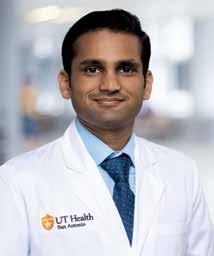
Multispecialty Research Hospital and Mays Cancer Center and assistant professor in the Division of Gastroenterology and Human Nutrition at the Joe R. and Teresa Lozano Long School of Medicine.
Researchers at UT Health San Antonio are studying how H. pylori can set off a host of biological actions that can ultimately lead to cancer. The infection triggers the release of the hormone gastrin that tells stomach cells to secrete more acid. Over time, this excess acid, along with other inflammatory factors eats away at the protective stomach lining and can damage DNA repair mechanisms.
Recent studies suggest that H. pylori may also reduce the effectiveness of immunotherapy in gastric cancer patients by reshaping the immune environment of the stomach.
According to the National Institutes of Health, gastric cancer is the fifth most common cancer globally and the fourth leading cause of cancer-related death. While its overall prevalence in the United States is lower than in some parts of the world, South Texas experiences higher rates of gastric cancer and precancerous conditions, including chronic gastritis and intestinal metaplasia, than the national average. “Here in South Texas, we see a higher prevalence of abnormal stomach cells that can progress to cancer,” Dr. Garg said. “This makes early detection and eradication of H. pylori even more critical in our region.”
Risk factors for gastric cancer include chronic H. pylori infection, dietary habits, genetics and family history. “People with a family history of gastric cancer are at higher risk, and treating H. pylori in these individuals can significantly lower their risk of developing the disease,” Dr. Garg said.
Testing for H. pylori can be accomplished through noninvasive methods such as a stool antigen or urea breath test. For a more direct assessment, an upper endoscopy allows specialists to take biopsies from the stomach lining for analysis.
“When we detect H. pylori, we can treat it effectively,” Dr. Garg said. “Treatment typically involves a combination of antibiotics and acid-suppressing medications for 14 days. After treatment, we always confirm that the infection has been eradicated.”
Treating H. pylori infection requires a careful balance of antibiotics and acid suppression. The standard first-line combination therapy of a proton pump inhibitor, amoxicillin, clarithromycin and metronidazole remains effective in many cases, but antibiotic resistance is on the rise.
H. pylori testing is recommended for individuals who may be at a higher risk, including those with peptic ulcer disease, dyspepsia, anemia or idiopathic thrombocytopenic purpura, as well as anyone with a family history of gastric cancer. Testing is also advised for individuals from countries with elevated H. pylori infection rates.
Because the bacterium can spread within households, family members of individuals who test positive are also recommended to come in for screening.
The Advanced Endoscopy Program at UT Health San Antonio provides patients with access to specialized procedures such as endoscopic mucosal resection and dissection, which can remove early-stage cancers or precancerous tissue without the need for more invasive surgery.
Endoscopy also allows physicians to identify subtle changes caused by H. pylori infection before symptoms develop, providing a crucial window for prevention. In this space, UT Health San Antonio is setting new standards in visualization and analysis. High-definition imaging and AI-assisted analysis are enabling physicians to detect even subtle mucosal changes caused by H. pylori. “The technology now allows us to see the earliest stages of mucosal damage, even before symptoms develop. By combining advanced imaging, minimally invasive diagnostics and artificial intelligence-assisted analysis, we can detect early abnormalities and intervene sooner,” Dr. Garg said.
The team is also exploring non-invasive biomarkers along with endoscopic care to help identify patients most likely to benefit from certain therapies or additional monitoring.
The UT Health San Antonio Advanced Endoscopy Program integrates the latest tools and techniques to provide comprehensive gastrointestinal care for South Texas patients. From noninvasive breath and stool tests to complex endoscopic resections, the program offers a full spectrum of diagnostics and treatment.
“H. pylori is a simple infection with a simple solution that can make a big difference,” Dr. Garg said. “Our endoscopy units are equipped with state-of-the-art technology and our team works in close collaboration with oncologists and surgeons at the Mays Cancer Center. By finding and treating these infections, we can help prevent cancer and improve lives.”

Claire Kowalick is a science writer and senior public relations specialist at The University of Texas at San Antonio’s Health Science Center. She is a graduate of the University of North Texas. As a science writer, she combines her passion for writing with a deep appreciation of biomedical science to tell people about the groundbreaking research and novel discoveries happening at South Texas’ largest academic research institution.

By Claire Schenke, MD, and Kristen Plastino, MD
South Texas teens face disproportionately high rates of teen pregnancy, consistently exceeding state and national averages despite an overall national decline in teen pregnancy rate. In some South Texas counties, teen birth rates remain up to four times greater than the national average, reflecting persistent health disparities shaped by socioeconomic inequality, limited access to reproductive healthcare and gaps in health education.
Beyond these disparities, there are downstream effects. Teens who become mothers are less likely to complete their education, face higher risk of adverse obstetric outcomes such as preterm birth or low birth weight, and have children who are statistically more likely to repeat the pattern prior to reaching adulthood themselves. One in four of these young mothers will become pregnant again prior to their twentieth birthday.
For decades, teen pregnancy has been widely discussed while meaningful solutions have lagged behind. During that time, UT Teen Health has operated a structured, data-driven framework with communities to select, implement, evaluate, and improve programs that reach young people most at risk in Bexar County and the surrounding area. UT Teen Health has collaborated with school districts and community youth organizations since 2003 to implement evidence-based and evidence-informed teen pregnancy prevention programs across South Texas, giving teens the education and space to understand how their bodies work, the impact of their decisions, and how to make the best choices for themselves. Over the past 20 years, UT Teen Health has impacted more than 350,000 youth, 600 parents and caregivers, and 5,000 facilitators.
In 2023, UT Teen Health’s reach was expanded across a 38-county area with a $9.86 million federal grant from the HHS Office of Population Affairs, enabling staff to reach deeper into South Texas and its mostly Hispanic, largely rural population. Over the past two decades, the teen birth rate has dropped 24% in South San Antonio. Repeat teen births have fallen 43% among one of the highest-risk corridors in an already high-risk state.
UT Teen Health uses a structured 10-step methodology, Getting to Outcomes®, that takes a program from community assessment through to sustainability planning, with continuous, rigorous evaluation built into every step. This methodology is less of a checklist and more of a feedback loop: identify the population by way of a needs assessment, implement the evidence-based intervention, assess process, measure outcomes, adjust and improve, and repeat the cycle.
The process begins with understanding the population in the catchment area by administering a thorough needs assessment that maps teen birth rates, sexual risk behaviors, existing community resources, and the risk and protective factors that may alter teen birth rates in a given setting (e.g., school districts, community organizations, faithbased communities, juvenile detention facilities). The needs assessment serves as the framework for decisions to be made, including which populations to prioritize and which settings are most likely to yield
reach. From this foundation, UT Teen Health selects evidence-based interventions that are appropriate for the specific population and setting. Facilitator training is conducted and ongoing support ensures that training translates into consistent implementation in the field.
Once interventions are implemented, the framework monitors both processes, whether the program is being delivered as designed, and outcomes, through assessment of participant knowledge, attitudes and behavior. Continuous quality improvement is achieved by this ongoing feedback to review data, document what is working, identify what isn’t, and make informed adjustments prior to the next implementation cycle.
UT Teen Health is committed to reaching adolescents who fall outside of conventional school-based programming. Programming also focuses on teens in juvenile justice settings and parenting teen programs, who are most often left out of mainstream teen pregnancy prevention efforts. The evidence suggests that reaching young people across multiple settings with consistent messaging produces population-level effects. Thus, UT Teen Health has a wide community presence across schools, community organizations, health centers, faith-based communities and juvenile detention facilities simultaneously and purposefully.
Texas may still rank ninth in the nation for teen births and teens in our local communities may still demonstrate some of the highest risks, but the numbers are dropping. In response, UT Teen Health has implemented systemic, evidence-based strategies. These efforts have contributed to meaningful reductions in teen birth rates over the last two decades. Importantly, this work is ongoing, and UT Teen Health continues to evaluate and improve existing programs and expands its reach into new communities. Sustained investment in these initiatives will be critical to further reducing disparities and supporting adolescents in South Texas.

Claire Schenke, MD, was born and raised in San Antonio, Texas. After graduating from the University of Southern California, she returned to Texas, where she received her Master of Public Health and medical degrees. She is finishing her third year of Ob/Gyn residency and plans to pursue a reproductive endocrinology and infertility fellowship. Dr. Schenke is a member of the Bexar County Medical Society.

Kristen Plastino, MD, is a tenured professor at UT Health San Antonio and the founder of UT Teen Health — established in 2003 to improve the health and well-being of young people. She has led the award of $80 million to support mental health and wellness, positive youth development and teen pregnancy prevention for youth and young adults. Through this work, her efforts have reached more than 350,000 youth, 5,000 facilitators and 600 parents and caregivers, and has now expanded to serve communities across an additional 38-county region. Dr. Plastino is a member of the Bexar County Medical Society.

By Linda Grace Solis, PhD
The first phase of a medical school curriculum tends to be very science-heavy and may include limited opportunities for students to connect with patients. At the University of the Incarnate Word School of Osteopathic Medicine (UIWSOM), we understand the importance of integrating clinical medicine into pre-clerkship education and wanted to intentionally build patient voices into the curriculum to remind our learners that everything they are learning is in service of treating their future patients.
To accomplish this goal, UIWSOM created a curricular thread focused on physician personhood and by extension, professionalism. An interdisciplinary group of faculty, both clinicians and scientists, is charged with ensuring the integration of personhood and professionalism topics across all four years of the undergraduate medical education curriculum. This group recognized the value of bringing the experiences and voices of patients into the classroom. In a curriculum steeped in the science of medicine, sessions that highlight the patient experience are a meaningful addition for students in their pre-clinical years of medical education and serve to reinforce our learners’ “why” — why medical school? Why medicine? Additionally, these panel discussions serve to humanize the science and make it feel relevant; bringing the patient experience into the classroom promotes learning and retention of important clinical concepts and offers our learners a better understanding of the patient experience.
To meet this goal — bringing the patient experience to the classroom — UIWSOM integrated a series of panel discussions aligned with the content in a curricular unit. For instance, during the unit on immunology and microbiology, first-year medical students learn from patients who discuss their experiences living with HIV. Second year students learn from patients living with chronic illness like congestive heart failure and renal failure as they learn about the physiology and pathophysiology of the heart and the liver. Another session occurs during the second-year unit emphasizing neurology and the brain, and includes a panel of physicians who are in recovery.
Most of these sessions begin with a pre-panel session led by one of our esteemed physician faculty members. These brief 20- to 30-minute sessions set the stage for the learners as the physician shares their own experiences caring for patients like the ones on the panel. This is a powerful learning experience, allowing our learners to consider how they might approach their own patients.
The Patient Voices panels do not focus on the science behind the condition; rather, the focus is on the lived experience of the patient panelists as they navigate the American healthcare system and interact with physicians and other providers. Each panel begins with the panelists introducing themselves, followed by a set of questions that seek to elicit responses related to how they were treated by physicians and other healthcare staff, what the panelist thought their physician
did well, as well as areas in which the healthcare experience could have been improved. Learners are by turns shocked and delighted by what they hear from patients, which leads to reflection regarding the kind of physician they themselves want to be. We end most panels with, “You are in a room with the future of healthcare. What would you like future physicians to understand about caring for patients?”
Attendance is required at the Patient Voices sessions, and learners wear their student doctor white coats as an expression of respect for the panelists and as a reminder that they are transforming into compassionate and empathetic physicians. Our learners leave each session with a newfound understanding and appreciation of the medicine they are learning from their textbooks.
Learners regularly express their appreciation for the Patient Voices series both in the classroom with the panelists and afterward, with faculty. Learners often say that they haven’t had the opportunity to consider the patient’s experience or how much a physician can influence an individual patient’s experience. The panelists also value these sessions and return year after year. Panelists have said that they look forward to this opportunity to educate the next generation of physicians. Those who serve on the physician recovery panel and the HIV panel tell us that by participating, they feel they are reducing stigma and bias. The physicians involved often say that they wish they’d had something like this while they were in medical school.
As the Patient Voices series has evolved and grown, our interdisciplinary faculty group has reflected on additional opportunities for adding more panel discussions to the curriculum, so our learners are consistently reminded that they are not learning in a vacuum. Everything
they learn, every bit of anatomy, physiology, pharmacology, name-yourhuman-science, has a purpose — to better serve humanity.
If you know anyone living with a condition such as renal disease, diabetes, eating disorders or heart disease who might be interested is serving as a panelist, please ask them to contact Dr. Linda Grace Solis at lgsolis1@uiwtx.edu.

Linda Grace Solis, PhD, is an associate professor of applied humanities at the University of the Incarnate Word School of Osteopathic Medicine, joining the faculty in 2017, mere weeks before the inaugural DO class matriculated. She holds a PhD in Leadership Studies from Our Lady of the Lake University.
Through powerful personal and patient stories, Dr. Mark Pochapin reveals how hope is more than wishful thinking — it’s the most vital prescription for healing. Mark Pochapin, MD, is the Sholtz-Leeds Professor of Medicine in the Department of Medicine at the NYU Grossman School of Medicine. He is also the Vice Dean of Clinical Affairs in the Department of Medicine and the Director of the Division of Gastroenterology & Hepatology in the Department of Medicine at the NYU Grossman School of Medicine. Click the QR Code to view.



By Janet F. Williams, MD, FAAP; Pamela R. Wood, MD; and Virginia Niebuhr, PhD
"‘Itwasmylastdayofwork.Iwasalmostfinishedpackingupwhen I found my stethoscope. Holding it in my hand, I thought to myself, 'IcannotimaginealifeinwhichIwillneveragainlaythisstethoscope on the chest of a child.'
I had carefully planned what I was retiring 'from' (clinical pediatrics and teaching) and what I was retiring 'to' (better sleep, more exercise, more time with family and friends). I had not realized that I desperatelywantedto'keep'apartofmyprofessionallife. And,Ididn’t know how I could make that happen." Pamela Wood, MD
Every retirement journey is different. Common wisdom holds that thoughtful planning will give any journey a strong and stable start. In this article, three retirement "enthusiasts" share information and strategies to assist you in your own retirement transition planning and in supporting friends and colleagues through theirs.
Physicians in the U.S. are aging, just like the rest of the population. Twenty-four percent of active physicians are over 64.1 Most physicians retire between ages 60 to 69 years with the main reasons for early retirement being health and unsatisfactory working conditions.2 Concerns about declining skills and competencies have also been cited by physicians as reasons for retirement. Cognition generally declines with age, although there is striking variability among individuals.3 The good news is that different types of intelligence change differently over time. Traditional intellectual problem-solving ability (“fluid intelligence”) tends to decline with age; however, ability to understand and use pre-
viously acquired knowledge (“crystallized intelligence” or “wisdom”) tends to peak later in life and may be maintained until late in life.4,5 In other words, older and wiser! Applying life experiences helps people develop “wisdom” that increases with age. In his book, From Strength to Strength, Arthur Brooks expands on the theme of moving boldly into the “second half of life”.6 The retirement transition is an opportunity to approach one’s future with wisdom while embracing change and applying new ways of thinking and doing as part of the journey.
Retirement is a major life transition that can often be dreaded by physicians. After so many years and countless hours in school, training and professional work, physicians can understandably feel that their entire identity and purpose lie with their profession and work. Devotion to a demanding career often results in having spent limited time and energy developing interests and relationships outside of medicine. Lack of personal time and fear of losing one’s long-established identity can make planning for a retirement transition particularly difficult for many physicians. Not surprisingly, physicians who are reluctant to relinquish their professional role have more difficulty adjusting to the concept and the facts of retirement. In contrast, those who have interests outside of medicine report enhanced satisfaction during retirement.7 Fortunately, there are productive ways to plan ahead and prepare for this important life transition. Although retirement planning can be challenging, it should not be daunting. Commit to starting your journey and remember to include the excitement and joy of new opportunities and new learning along the way!
Our personal transition experiences and our experiences guiding colleagues led us to develop tools to help healthcare professionals plan their own retirement transitions. Our “Late Career Transitions” workshop, which includes the tools shown in the Figures, has been presented at the national, regional and institutional levels.8
Like any transition, retirement has “endings,” a “neutral zone… when transformation is going on,” and “new beginnings.”9 The big transition questions are, “Who am I now?” and “Who will I become?” Since transition is a process, it’s never too early to plan! Retired physicians offer the following advice for planning the retirement journey: plan early; address financial aspects of retirement; develop interests outside of work; and consider gradually tapering workload or seeking part-time work.7 Shared below are key features of Retirement Planning.
• Financial Advice. Financial preparedness, including a plan for maintaining health insurance and long-term care, is as essential to retirement planning as throughout one’s work life. Seek advice from trusted sources and experienced financial professionals who will guide your financial inventory and estate planning with expertise.
• Self-inventories. What are your personal strengths and resources? What challenges do you face? The Transition Guide developed by Nancy Schlossberg, PhD, helps individuals reflect on personal factors that can help or hinder any transition, including to retirement. The “4 Ss” are Situation, Self (personal characteristics), Supports and Strategies.10 Our team developed another self-inventory tool to prompt reflection on issues that physicians
and other health professionals have reported should be considered when planning for transition to retirement: “Personal Framing of Challenges & Priorities” (Figure 1). Both tools are helpful in better understanding your personal strengths, resources and challenges, and will inform your retirement planning.
• Personal Goals and Legacy. Is your goal to retire completely at a specific point in time (walk out and close the door), or to reduce work hours but not completely stop your professional life, i.e., a gradual approach? Have you explored part-time or uncompensated professional activities? Have you considered the satisfaction of volunteer activities in the community or the world? What will be your legacy? The “Card Sorting Task” (Figure 2) is a tool developed to help individuals identify all their current job-related responsibilities and start making decisions and priorities for relinquishing responsibilities, or continuing roles during a transition or even into retirement. Identifying current job-related responsibilities and thinking about what type of retirement transition is a good “fit” will help clarify personal goals for retirement and begin the transition process.
• Mentorship. Peer mentors can be extremely helpful during one’s professional career, and retirement planning is another opportunity for role models and mentors. Many professionals, including physicians, are uncomfortable talking publicly about retirement planning and are unsure about how to find credible sources of information. Trusted friends and colleagues become the main source of information. To help address the mentoring needs of UTSA Long School of Medicine (LSOM) faculty members con-
Instructions: Here are some transition issues to consider. Please take a few minutes to reflect on them. You may wish to write a word or phrase in the reflections box provided. Also please feel free to add other issues that are important to you. Which of these issues are the top challenges/priorities for you? Which of these have you not considered? This worksheet may also be used to guide discussions with family members and trusted colleagues.
Handing-off responsibilities: e.g. patient care, administrative, teaching/mentoring
Family commitments: partner, children, aging parents, grandchildren, other
Personal health, health of life-partner
Cognitive changes; changes in motor skills
Keeping up to date with advances in medicine, guidelines, technology, etc.
Identity – Thinking about who I am now; who will I be?
Loss of professional friendships/relationships
Where to go for advice and support
Financial concerns
Business concerns about medical practice
Concerns about health benefits; insurance issues
“Burnout”
Satisfaction with making a difference. Will there be new ways to make a difference?
Stamina
Other(s)
Originally developed by Virginia Niebuhr, PhD, Univ of Texas Medical Branch, 2019
Instructions: You will need a stack of index cards (or small squares or strips of paper).
On each card (or piece of paper), write a task you currently do for your work. Include all the major and minor roles. Include all your clinical roles, administrative roles, teaching/mentoring roles, all your committee work, even those small tasks that only you do (e.g., organizing the annual appreciation luncheon for clinic staff).
With this complete set, you can begin developing a transition plan for all your tasks.
You might start by sorting these into:
“What I am ready to give up?” vs. “I need to keep this task.”
sidering retirement in the next one to five years, our team developed the Retirement Peer Mentoring Program — a collaborative program between the LSOM Office for Faculty and the campus’ Association of Retired Faculty and Associates. A current LSOM faculty member is paired with a recently retired LSOM faculty member, i.e., a peer mentor, to start a confidential discussion about personal retirement planning and concerns. Peer mentors have been prepared with up-to-date retirement-related information to share with mentees and trained to provide personal, private and confidential mentoring, particularly focused on facilitating a gratifying “identity” transition from faculty member to retiree. In that way, trusted “expertise” is introduced and an ongoing rapport can be developed. This program was recently launched as a pilot program. Our team will use participant feedback to examine program efficacy and identify improvements. We are eager to learn whether mentees gain confidence and competence in planning their own retirement as they start the retirement transition journey.
Retirement can be viewed as a frightening and challenging transition, or it can be anticipated as an exciting opportunity to explore new ways of thinking and being. Retirement planning should start early within career planning with intentional financial goals. Working toward conceptualizing one’s optimal future identity is the most important factor that promotes retirement transition planning. Learning more about oneself is invaluable for informing retirement planning, including celebrating “endings” (e.g., the last visit with a beloved patient) as well as “new beginnings.” Careful, deliberate and early planning using the tools and resources described here can help physicians achieve personal and professional goals in the next chapter of life’s journey. Best wishes along the transition pathway to retirement now that you know where you want to go!
References:
1. Association of American Medical Colleges. U.S. Physician Workforce Data Dashboard: 2025 key findings. https://www.aamc.org/ data-reports/data/2025-key-findings Accessed: April 21, 2026
2. Silver, M.P., Hamilton, A.D., Biswas, A., Warnick, N.I. A systematic review of physician retirement planning. Human Resources for Health. 2016; 14:67
3. Dellinger, E.P., Pellegrini, C.A., Gallagher, T.H. The aging physician and the medical profession: a review. JAMA Surg. 2017;152(10):967-971
4. Brooks AC. Your professional decline is coming (much) sooner than you think: here’s how to make the most of it. The Atlantic. 2019 (July): 66-76
5. Cattell, R.B. Intelligence: Its Structure, Growth and Action. Amsterdam, Netherlands: Elsevier Science Publishers B.V.; 1987. Advances in psychology;35
6. Brooks, A.C. From Strength to Strength: Finding Success, Happiness, and Deep Purpose in the Second Half of Life. New York, NY: Portfolio/Penguin; 2022
7. Silver, M.P., Hamilton, A.D., Biswas, A., Williams, S.A. Life after medicine: a systematic review of studies of physicians’ adjustment to retirement. Arch Community Med Public Health. 2015; 1(1):026-032
8. Niebuhr, V., Wood, P., Livingston, J., et al. A workshop and toolkit to support late-career transitions for faculty. MedEdPORTAL. 2024; 20:11463. https://doi.org/10.15766/mep_2374-8265.11463
9. Bridges, W., Bridges, S. Transitions: Making Sense of Life’s Changes. New York, NY: Hachette Book Group; 2019
10. Transitioning Well. Transition Guide. 2024. https://www. transitioningwell.com.au/wp-content/uploads/2024/01/ TW-Transition-Guide-Information.pdf. Accessed April 23, 2026
Note: Key resources for retirement planning include Figure 1, Figure 2 and the references listed in BOLD above.

Janet F. Williams, MD, FAAP, is a University of Texas San Antonio (UTSA) Long School of Medicine Professor of Pediatrics with tenure who serves as the Vice Dean for Faculty. Leading the LSOM Office for Faculty includes career development advocacy from initial faculty recruitment through career transitions, including retirement. Dr. Williams is a member of the Bexar County Medical Society.

Pamela R. Wood, MD, is a Professor Emeritus and Adjunct Professor of Pediatrics at the University of Texas San Antonio. She retired after 35 years as a faculty member in the Division of General Pediatrics, where she was a clinician-educator and clinical researcher. Post-retirement, she helps 3rd year medical students hone their physical examination skills. (woodp@uthscsa.edu)

Virginia Niebuhr, PhD, is Adjunct Professor of Pediatrics and pediatric psychologist at the University of Texas Medical Branch – Galveston (UTMB). She spent 30 years in health professions education, faculty development and clinical practice, reaching rank of Full Professor with Tenure. Nine years ago, she moved to part-time Adjunct Professor, on salary for clinical care and volunteering with the Scholars in Education Program (Office of Educational Development) at UTMB Health.

The Bexar County Medical Society is committed to helping our members find personal balance and improve general well-being.

BCMS Physician Wellness Program
Resources and services provided to help BCMS members maintain a healthy and well-balanced lifestyle through confidential counseling, educational resources, local events, webinars and more.


A BCMS provided resource for physician members who seek counseling from Texas-licensed professionals, discretely and confidentially through BetterHelp. Free 30 days counseling.

Wellness Coaching Webinars & Events
Nora Vasquez, MD, an Internal Medicine Doctor and Advanced Certified Physician Coach, helps physicians and healthcare professionals overcome burnout so that they can lead with joy and confidence while creating a more harmonious work-life balance that is fulfilling!

Utilize our free Find a Doc service when looking for a new physician. Our members can be found by the specified tabs provided to narrow down your preferred physician.
Physician Support Line (888) 409-0141
Psychiatrists are available to help physicians and medical students navigate the balance of a personal and professional life. Free, confidential and anonymous. No appointment necessary. Call for any issue, not just a crisis.

Physician Coach Support

Free Confidential Physician-to-Physician support line. A group of volunteer physicians using their own personal development skills and life coaching certifications to support other physicians!

Physician Health & Rehabilitation Program
Confidential advocacy group of BCMS physicians that identify and facilitate recovery success for physicians with substance use disorder (Alcohol and/or Drugs) and depression, through support and monitoring.
Please scan QR code for more information and available resources for BCMS Members

By Amith Skandhan, MD, SFHM, FACP
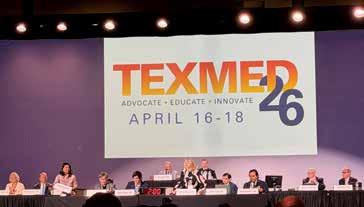
It was a weekend in late May of 2025. Most of Texas was winding down. But at the state legislature, something was quietly accelerating toward becoming law — a bill that, if passed, would have fundamentally threatened physician scope of practice across Texas.
Most of you don't know how close we came.
The Texas Medical Association mobilized over that weekend. Not with formal press releases or staged campaigns. With physicians — real, busy physicians — calling their representatives, texting legislators, emailing the Governor's Office. Between patient rounds, during family time, over meals. Over 2,000 TMA members took action in 48 hours. The bill was stopped. Governor Abbott vetoed it.
But here's the point: That happened because people showed up.
Now imagine if they hadn't.
Scope of practice isn't an abstract policy issue. It's the foundation of what you do every day. In each legislative session, other healthcare professions try to expand their authority. Nurse practitioners, physician assistants, chiropractors, dentists, all seeking to do work that has traditionally fallen under physician oversight and accountability. And every single time, physicians have to organize, educate, and fight to protect not just our autonomy, but more importantly, patient safety.
You see the tension in your clinics. You see the legislative pressure in the news. But do you understand the infrastructure that's protecting your right to practice medicine the way you were trained to practice it? That infrastructure is organized medicine. It's your Bexar County Medical Society. It's the Texas Medical Association. It's physicians like you who show up, not just to meetings, but to the hard work of defending the profession.
Three years ago, I moved to Texas. At that time, I had already spent years in healthcare governance and advocacy, but that was in Alabama. Texas was new. TMA was new. The infrastructure was unfamiliar.
This was my first TexMed. And three years in, despite being new to the state, I had just been nominated and selected to serve on the TMA Reference Committee on Financial and Organizational Affairs. Getting nominated and selected to a reference committee is competitive. It's an honor. It's earned, not automatic, not given to everyone who shows up.
But what struck me most at TexMed wasn't the prestige of the committee work itself. It was what happened around that work. It was the process. It was what I witnessed about how organized medicine actually functions when physicians engage seriously.
One of the most significant discussions centered on the Scope PAC, a new political action committee dedicated entirely to protecting and advancing scope of practice legislation. This wasn't a casual proposal. This represented TMA's commitment to fight back systematically, with dedicated resources and focus, year after year.
Here's what happened:
First, our reference committee reviewed it. Hours of deliberation. Questions asked. Details examined. The committee voted: No. We don't recommend moving this forward.
Our reasoning was sound. We had concerns about logistics, about whether multiple PACs would divide resources or confuse legislators, about the architecture of advocacy infrastructure. It made sense at the time.
Then came the virtual discussions. Physicians from across Texas submitted testimony. They spoke passionately about scope of practice. They provided context, urgency, personal stories. Our committee listened carefully. We remained firm: Still no.
Then came TexMed. The live session. And everything changed.
Picture this: A public forum at a major conference. Dozens of physicians stood in line. Some defended the Scope PAC with conviction. Others questioned it. Some spoke about how they'd almost lost scope of practice in their own practices, in their own specialties. They shared stories of nurses ordering imaging independently, of dentists performing procedures outside their training, of patient safety implications they'd witnessed firsthand.
Board members spoke. Senior leaders shared perspective. The room was filled with intelligent, well-meaning physicians who cared deeply about this issue, and they didn't all agree.
But here's what was remarkable: They listened to each other.
As a reference committee member, my job wasn't to advocate. It wasn't to defend what we'd already decided. It was to listen. To ask clarifying questions. To understand nuance. To be willing to revise my thinking based on new information.
And that's what happened. Hours of discussion. Passionate physicians making their case. New information emerging. Clarifications about how a dedicated Scope PAC would actually work, why it wouldn't duplicate efforts, why it was necessary because scope of practice challenges are constant and urgent, how they resurface every single legislative session.
That evening, the reference committee met again. We reviewed our notes. We acknowledged what we hadn't heard before. We reconsidered our position.
Let me be direct: This was not easy. As committee members, we had taken a position. We had reasons. We had committee consensus.
And then we admitted those reasons weren't sufficient. We changed our position based on testimony from colleagues and new information. That's harder than it sounds. That's what real governance looks like. Not the sanitized version. The real version: Debate, emotion, passion, facts, reconsideration, and ultimately, the willingness to admit you were wrong when presented with better information.
The Scope PAC recommendation moved forward to the House of Delegates. And it passed.
But the story isn't about the Scope PAC itself. It's about the process. It's about what happens when physicians engage with governance seriously. It's about a room full of colleagues willing to listen, question, and change their minds in service of what's best for the profession and patients.
Here's the uncomfortable truth: Governance at the TMA level, at BCMS, and beyond, affects your practice whether you participate or not.
Scope of practice laws determine what you can do. Legislative victories and defeats determine whether you keep autonomy or lose it. Emerging policy on AI governance, disclosure requirements and clinical tools determine how safely you can use the innovations that could help your patients. These policies are being shaped right now. At the state level. At the federal level. In committee rooms, in legislative hearings and on conference calls.
And most physicians don't know it's happening.
Here's what I want you to understand: You don't need to serve on a Reference Committee to matter.
Start with TexMed. Not necessarily as a committee member. Just as a physician. Show up. Listen. Understand what's being debated. You'll see hundreds of colleagues, from rural Texas and Houston, from private practices and academic centers, from every specialty, all showing up because they care about the profession and their patients. You'll understand that governance isn't abstract. It's your peers, passionately debating your future.
Or join a BCMS committee today. Publications Committee. Legislative Committee. Emergency Preparedness. Medical-legal. These aren't elite clubs. They're physicians volunteering time because they believe in something bigger than themselves. There are multiple committees, multiple ways to contribute your expertise and your voice.
Or submit testimony. If you see a gap in policy, if you have perspective on an issue being debated, speak. Virtually or in person. Your
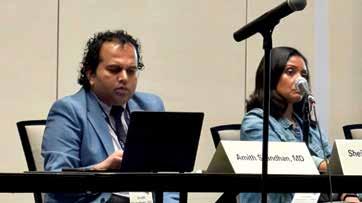
voice will be heard and considered, just as the voices of colleagues at TexMed were heard and moved the Scope PAC forward.
Or stay informed. Read SanAntonioMedicine. Follow BCMS communications. Understand what's being debated and why it matters to your practice. Bring colleagues into these conversations. This doesn't require credentials beyond your MD and your commitment to the profession.
You're busy. You're in clinics, in hospitals, managing patient care, managing EMR burden, managing workflow pressure, managing everything. You don't have time for "governance."
And yet: Without organized medicine, you'd have even less time. Because scope of practice battles would be lost. Because your patients wouldn't have physician-led care as the default. Because emerging challenges, AI governance, medical-legal protections, legislative threats, would be shaped for us, not by us.
Organized medicine, BCMS, TMA, the professional infrastructure you're part of, exists to protect your ability to practice medicine. To protect your patients. To protect the profession itself. That's not bureaucracy. That's essential infrastructure.
SB 268 was stopped because physicians showed up over a weekend. The Scope PAC moved forward because physicians made their case passionately and thoughtfully.
Right now, new challenges are emerging — AI disclosure laws, how we use emerging tools safely, protecting patient data in an age of rapid technology. These conversations are happening right now in TMA committees. Without physician voices shaping them, policy will be shaped without us.
But only if we show up. Become a member of BCMS and TMA. Not just in title, but in engagement. Attend TexMed next year. Listen. Understand. Meet colleagues who care as much as you do. Volunteer. Join a committee. Serve on a working group. Contribute your expertise to the work that protects the profession. Bring others along. Tell residents and medical students why this matters. Show them that organized medicine isn't bureaucracy — it's physicians protecting each other, it's your peers from every part of Texas, all showing up for something bigger than themselves.
At the gala at TexMed, I stood with radiologists and surgeons and hospitalists and family medicine doctors. We didn't all know each other. We didn't agree on everything. But we all understood the same truth: Alone, we're vulnerable. Together, we're powerful.
That's organized medicine at its best. That's your profession. Your community. Your voice. And it matters.

Amith Skandhan, MD, SFHM, FACP, is an Associate Professor in the Division of Hospital Medicine at UT Health San Antonio. He serves on multiple committees of the Bexar County Medical Society, including Legislative & Socioeconomics, Emergency Preparedness, and Publications. He is a consultant to the Texas Medical Association's Committee on Health Information Technology and Augmented Intelligence. With a background in healthcare operations, quality improvement, artificial intelligence and advocacy, Dr. Skandhan is passionate about physician leadership and the role of organized medicine in advancing patient-centered care and professional advocacy across Texas.
By Jacob Hernandez
The 2026 installment of TexMed, TMA’s main annual conference held every spring, showcased strong leadership and forward-thinking innovation from our BCMS members who attended. Held in Corpus Christi from April 16-18, TexMed 2026 featured the conclusion of our own Dr. Jayesh Shah’s eventful year as President of the Texas Medical Association (for more about which, see p. 38), as Dr. Shah handed the reins to President-Elect Dr. Bradford Holland of Lubbock, with Dr. Kimberly Monday of Houston assuming the mantle of new President-Elect.
Former BCMS President Dr. Ezequiel “Zeke” Silva wrapped up an impactful term as Chair of TMA’s Council on Legislation, being recognized at his last meeting as chair for his tireless efforts to advocate on behalf of Texas physicians and patients alongside TMA’s Division of Public Affairs. But Dr. Silva isn’t taking a step back from service — he was also elected by the House of Delegates as a new member of the TMA Board of Trustees, joining as one of eight at-large members of the body that, per TMA, “manages business and financial affairs of the association, implements policies of the House of Delegates, establishes interim policy of the association between meetings of the house, and monitors program activities of association councils and committees.” At the same time, our own Dr. Rajeev Suri was elected as a new Alternate Delegate to the Texas AMA Delegation, joining Dr. Silva and several other Bexar County physicians who currently serve as Delegates or Alternate Delegates. Congratulations to Drs. Silva and Suri!
On the floor of the House of Delegates, BCMS President Dr. Jennifer Rushton served as the Chair of the Reference Committee on Science and Public Health (one of four RefComs), directing
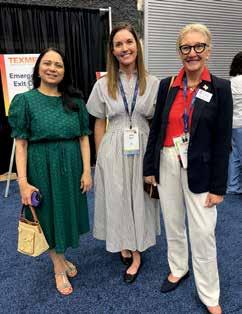
testimony and leading deliberations pertaining to the resolutions submitted by HoD Delegates on issues relating to a broad array of topics. Our own Dr. Amith Skandhan also served as a member of the Reference Committee on Financial and Organizational Affairs.
Finally, the set of resolutions adopted by the House on Saturday included many submitted by BCMS members! These included:
• Dr. Kevin Kirk’s “Addressing the Epidemic of Fragility Fractures Through Improved Osteoporosis, Screening and Treatment”
• Dr. Lyssa Ochoa’s “Ensuring Physician Payment for Peripheral Arterial Disease Screening and Multidisciplinary Evaluation Prior to Amputation”
• Long SoM medical students Ethan McGonagle and Patrick Thompson’s “Mandatory Folic Acid Fortification of Corn Masa Flour and Corn Masa Products”
• Long SoM medical students Isabel Kilday and Vedin Barve’s “Restricting Texas’ Nonmedical Immunization Exemptions”
All in all, it was a very productive and informative TexMed 2026, and it couldn’t have happened without the many BCMS members who attended, served as leaders, and submitted resolutions. Thank you to all of you, and we hope to see you at next year’s TexMed 2027 in Houston!

Jacob Hernandez is the Advocacy and Public Health Specialist for the Bexar County Medical Society.
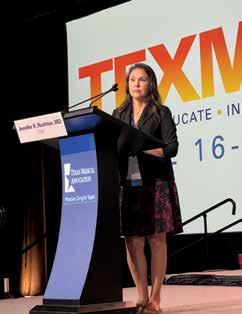
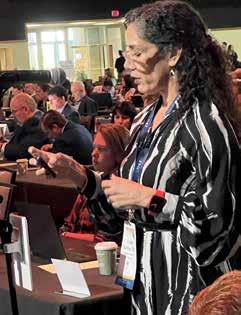
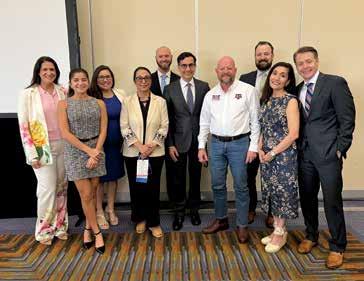
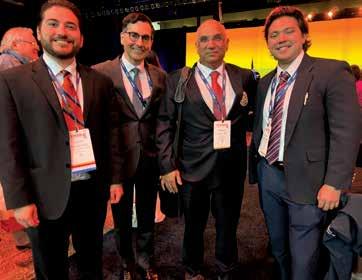
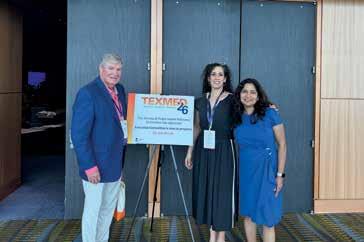
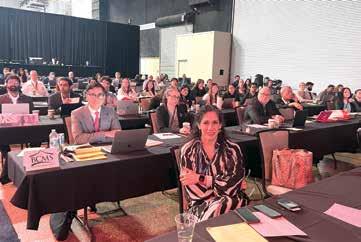
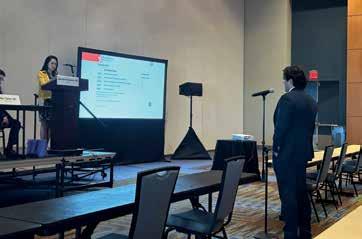
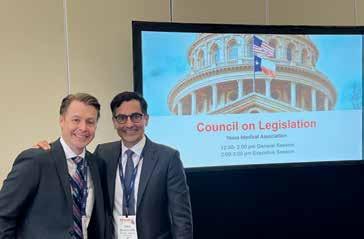
By Gabriella Bradberry
The Bexar County Medical Society proudly announces the election of Ezequiel “Zeke” Silva, III, MD, to the Texas Medical Association (TMA) Board of Trustees at this year’s TexMed conference.
TexMed also marked Dr. Silva’s conclusion of his tenure as chair of the TMA Council on Legislation. Dr. Silva led TMA’s legislative efforts during the challenging 89th Texas Legislative Session (2025). During the regular and special sessions, he testified alongside dozens of physicians, bringing the physician voice to the table during complex deliberations.
Dr. Silva has demonstrated that effective advocacy occurs along a bidirectional continuum from the local (BCMS) to the state (TMA) and to the national (AMA) levels. Dr. Silva also serves as a medical staff leader, including Vice Chief of Staff at Methodist Hospital Texsan and as a member of the Methodist Healthcare System Unified Medical Board — roles that keep him closely connected to the day-to-day realities facing physicians in practice.
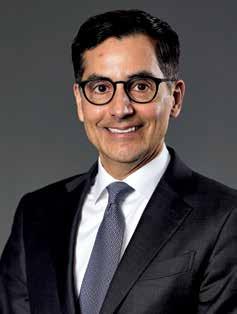
Nationally, Dr. Silva represents TMA/ BCMS on the Texas Delegation to the AMA House of Delegates and serves on the AMA Council on Medical Service. As chair of the AMA/Specialty Society Resource-Based Relative Value Scale (RVS) Update Committee (RUC), he helps ensure that physician expertise informs the resources necessary to provide high-quality patient care.
At the center of Dr. Silva’s commitment to physician advocacy is TMA. His service as chair of the Council on Legislation was preceded by work on the Council on Socioeconomics. As chair of two TexMed reference committees, he helped translate the grassroots work of our House of Delegates into meaningful policy.
A graduate of Baylor College of Medicine, Dr. Silva completed his residency at Baylor and a fellowship in Vascular and Interventional Radiology at Massachusetts General Hospital. He returned to Texas to join the South Texas Radiology Group in San Antonio, where he remains in full-time clinical practice.
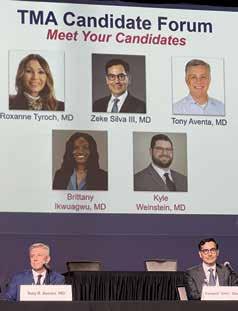
TMA’s strength is our 60,000 physicians and medical students — we are the unified voice of medicine in Texas. As your Council on Legislation chair, I’ve worked to translate thepriorities,challengesandopportunitiesof our members into action at the Capitol. The outcomes haven’t always been perfect, but our voice is consistently heard and respected. I’ve seen firsthand that when physicians lead, patients and communities win.
As a member of your Board of Trustees, I will bring that same passion and commitment — listening to physicians across our state, advocating with clarity and credibility, and helping keep TMA strong and effective.

Gabriella Bradberry is the Admin/ Communications Specialist for the Bexar County Medical Society.
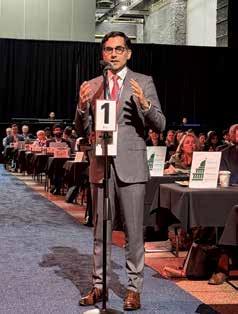
By Gabriella Bradberry
The Bexar County Medical Society is proud to announce the election of Rajeev Suri, MD, MBA, as a TMA Alternate Delegate to the American Medical Association at this year’s TexMed conference.
Dr. Suri has been a member of the BCMS/ TMA for over 15 years and has been engaged in organized medicine for more than 20 years. He is an academic diagnostic and interventional radiologist at UT Health San Antonio (UTHSA), where he currently serves as Tenured Professor and Chair of the Department of Radiology. He is a recognized leader in radiology, and his contributions have been recognized regionally, nationally and internationally.
Dr. Suri’s candidacy for the TMA Alternate Delegate to the AMA is an extension of the value he sees in the role of TMA at the regional and national levels. As Past President of the Bexar County Medical Society (BCMS), chair of the BCMS Joint Academic Collaboration Committee, and member of the BCMS Executive Committee and Socioeconomic and Legislative Committee,
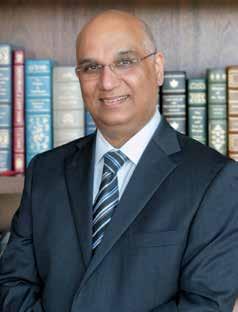
Dr. Suri has strived to collaborate with other medical specialties to improve healthcare outcomes in Bexar County. His service to TMA, including chair of the IMG Section, member of the TMA Council on Health Service Organizations, the TMA Council on Constitution and Bylaws, and the TMA Committee on Continuing Education — have all imbued in him the passion for advocacy for our physicians and our patients.
In addition to his current role as Chair in the Department of Radiology at UT Health, Dr Suri’s institutional leadership positions in San Antonio include Chief of Staff (President Medical Dental Staff) University Hospital; Chair of Medical Faculty Assembly Executive Committee, UTHSA; Medical Director Radiology, University Health, and Diagnostic Radiology Residency Program Director. He has built cohesive team environments and that is what he brings to the table — continued collaboration to cement the role of the TMA Delegation to the AMA and be a beacon for physician and patient voices at the national level.
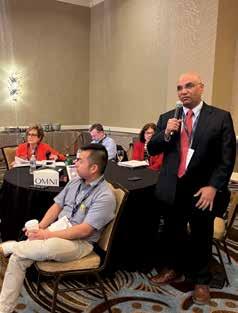
Personal Statement:
I have had the tremendous honor and responsibility of years of service to medicine at the local, regional and national levels. I believe I embody the values of the TMA and AMA, separate organizations united by a shared commitment to empowering physicians and improving patient care. The Texas Delegation to the AMA has a strong reputation for excellence, leadership and for leading the charge at AMA. I am convinced that my unique perspective as an employed physician, an educator and an administrator equips me verywelltocollaborativelyworkwiththedelegation—tobethechangewewishtoseefor our patients and physicians.
Gabriella Bradberry is the Admin/ Communications Specialist for the Bexar County Medical Society.
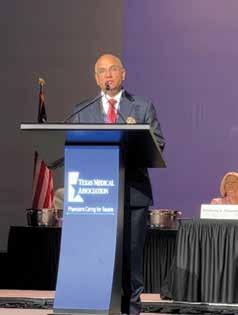
By Jacob Hernandez
At the latest TexMed, held in Corpus Christi from April 16-18, BCMS member Dr. Jayesh “Jay” Shah concluded his term as President of the Texas Medical Association. Since last spring, when we saw Dr. Shah sworn in as President at TexMed 2025 here in San Antonio, “President Shah, MD” has traveled all across the state, listening to physicians, learning from their stories, and bringing their concerns back to TMA. From Abilene to Beaumont, from the Rio Grande Valley to the Metroplex, Dr. Shah has had the opportunity to speak with normal TMA members who are concerned with the viability of their practices, the welfare of their patients and their freedom to perform the jobs for which they have been trained.
Dr. Shah has long been known to the Bexar County medical community as a passionate advocate for physicians, with an attitude best embodied by his presidency’s signature catchphrase, “Let Doctors Be Doctors.” Dr. Shah, an internist and a specialist in hyperbaric medicine and in wound care, was our BCMS President in 2016 and serves as part of the State of Texas delegation to the American Medical Association. He brought his wealth of experience as an advocate to his year leading TMA — a year during which he tapped into his strong roots in Bexar County organized medicine to power a grassroots campaign aimed at bringing about a gubernatorial veto of a dangerous bill that would have limited the Texas Medical Board’s ability to enforce scopeof-practice laws, imperiling the integrity of physician-led patient care. Just weeks after being sworn in, Dr. Shah got thousands of physicians to contact Gov. Abbott and urge him to veto the bill. On June 22nd, the Governor did just that, marking a major victory for Dr. Shah’s project of “letting doctors be doctors.”
Last May, Dr. Shah made history as the first Indian American president of TMA — a position from which he well understood the importance of each physician’s personal story to how they approach the practice of medicine. Through a podcast he started at the beginning of his term — named, of course, “Let Doctors Be Doctors” —
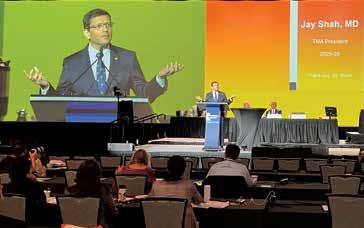
Dr. Shah invited physicians from across the state to share their own stories with him and with listeners across the state and the profession. Guests shared their experiences with rural practice, pivoting to direct primary care, being a recent medical school graduate today, navigating augmented intelligence (AI) and other technological innovations, and many more topics. Among the physicians he spoke with were members from BCMS and San Antonio, including Physician Wellness chair Dr. Nora Vasquez and Bexar County House of Delegates member Dr. Aruna Venkatesh. Through the podcast, Dr. Shah provided a perfect example of his mission: to enable each and every physician in Texas to pursue their aspirations and duties to the fullest of their potential, by recognizing the rigorous training and unique perspective that comes from the combination of a uniform curriculum with diverse, wide-ranging backgrounds.
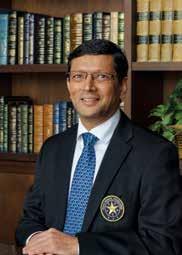
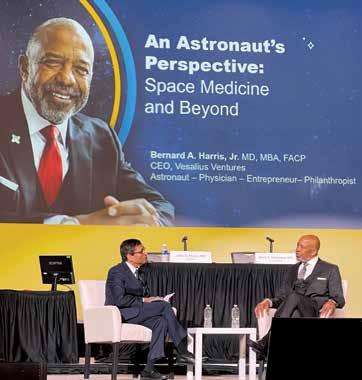
The Bexar County Medical Society hosted its most recent 1853 Club luncheon on April 7, 2026. These luncheons, held on a quarterly basis, serve as an opportunity for retired members to reconnect with colleagues and friends while becoming informed on various topics presented by guest speakers.
This luncheon’s guest speaker was Margaret Sucré-Vail, an Investment Advisor Representative and principal of SucréVail Wealth Advisors. She is a specialist in financial services
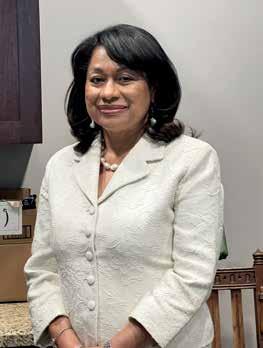
for high income professionals, with more than 35 years’ experience in finance, insurance and investment services. Margaret Sucré-Vail is also the author presented on “Lasting Family Wealth and Unity,” sharing tips from her book The Family Wealth Code: A Playbook for Lasting Family Wealth and Unity.
If you are a retired or life BCMS member and are interested in joining the 1853 Club, please reach out to our membership department by emailing membership@bcms.org or by calling 210-301-4391.
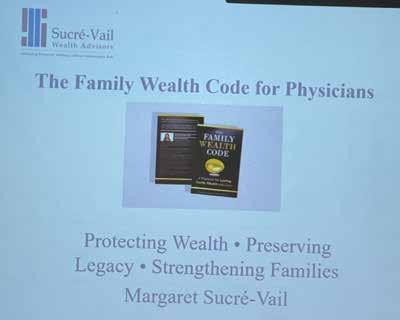
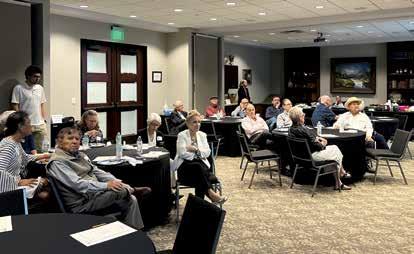
As a BCMS member, you can find exclusive discounts on premium products and services that you and your practice use every day.

Sol Schwartz & Associates P.C. (HHH Gold Sponsor)
Sol Schwartz & Associates is the premier accounting firm for San Antonio-area medical practices and specializes in helping physicians and their management teams maximize their financial effectiveness.
Christopher Davis, CPA 210-384-8000, ext. 118 cbd@ssacpa.com www.ssacpa.com
“Dedicated to working with physicians and physician groups.”
CLA - CliftonLarsonAllen LLP (HH Silver Sponsor)
Transform complexity into opportunities. Work with professionals who understand the specific financial, operational, clinical, and strategic needs of physician practices and medical groups. Our team is made up of knowledgeable, accessible, and responsive individuals devoted to the healthcare industry.
Bryan Garcia, CPA Principal 210-298-7924 (direct) Bryan.Garcia@CLAconnect.com www.CLAconnect.com
"We'll get you there."

Aspect Wealth Management (HHH Gold Sponsor)
We believe wealth is more than money, which is why we improve and simplify the lives of our clients, granting them greater satisfaction, confidence and freedom to achieve more in life.
Michael Clark President 210-268-1520 (direct) MClark@aspectwealth.com www.aspectwealth.com
“Your wealth. . .All aspects”

Atlas Retirement Strategies LLC (HHH Gold Sponsor)
Atlas Retirement Strategies LLC is a comprehensive financial planning firm dedicated to serving the unique needs of the medical community. We offer customized strategies in business planning, retirement planning, risk management, wealth preservation, estate planning, and wealth transfer – empowering healthcare professionals to achieve long-term financial security, clarity, and peace of mind.
David M. Webb, Ph.D., MSM, CLF, CLTC, LACP
Founder & Principal 210-281-4400 (office)
David@atlas-plans.com www.atlas-plans.com

Bank of Texas (HHH Gold Sponsor)
Bank of Texas, powered by BOK Financial, is a top U.S.-based financial services company, offering sophisticated wealth, commercial, and consumer products and services. Still, we do business one client at a time—focused on delivering thoughtful expertise and tailored advice—because we know that when our clients succeed, we succeed.
Daniel Ganoe
Mortgage Banker, Physician Mortgage Expert NMLS# 1646757 361-425-6503 (cell) DGanoe@bankoftexas.com
George Pedraza
SVP, Private Wealth Management Market Executive 210-568-7685 (direct) GPedraza@bankoftexas.com
“We go above. So you can go beyond.”

Broadway Bank (HHH Gold Sponsor)
Healthcare banking experts with a private banking team committed to supporting the medical community.
Thomas M. Duran
SVP, Private Banking Team Lead 210-283-6640 (direct) TDuran@broadway.bank www.broadway.bank
“We’re here for good.”

Texas Partners Banks (HHH Gold Sponsor)
Our private banking team specializes in healthcare banking and will work with you to craft and seamlessly integrate financial solutions for you and your practice, including practice loans, lines of credit and custom local lockbox solutions headquartered in San Antonio. Maria Breen 210-807-5562 (direct)
Maria.Breen@texaspartners.bank www.texaspartners.bank
Amegy Bank of Texas (HH Silver Sponsor)
We believe that any great relationship starts with five core values: Attention, Accountability, Appreciation, Adaptability and Attainability. We work hard and together with our clients to accomplish great things.
Eric Johnston
SVP, Private Banking Team Lead 210-343-4485 (direct) Eric.Johnston@amegybank.com
Scott Gonzales
Vice President, Private Banking 210-343-4494 (direct) Scott.Gonzales@amegybank.com
Chris Stewart
Assistant Vice President, Private Banking 210-343-4425 (direct) Chris.Stewart@amegybank.com www.amegybank.com “Community banking partnership”
First Citizens Bank (HH Silver Sponsor)
For more than 125 years, First Citizens Bank has served the financial needs of our clients and communities with specialized support and an emphasis on service. We bank on a first-name basis, taking a genuine interest in our clients' well-being. Our values-driven approach combines deep sector expertise with high-touch service, helping clients achieve their financial goals and aspirations.
Jorge Saenz Jr.
VP Business Banker III 210-749-3022 (cell)
Jorge.SaenzJr@firstcitizens.com
Robert Moreno
VP Business Banker II 210-310-8411 (cell) no@firstcitizens.com www.firstcitizens.com “Forever First”
Synergy Federal Credit Union (HH Silver Sponsor)
Looking for low loan rates for mortgages and vehicles? We've got them for you. We provide a full suite of digital and traditional financial products, designed to help physicians get the banking services they need. Synergy FCU Member Services 210-750-8333 (office) info@synergyfcu.org www.synergyfcu.org
“Once a member, always a member. Join today!”
Huffman Developments (HH Silver Sponsor)
Building spaces that inspire success. Huffman Developments specializes in custom commercial and medical projects from concept to completion. With over 40 years of experience, our team delivers high-quality, long-lasting facilities tailored to each client’s vision and business goals.
Steve Huffman President 210-979-2500 x207 (direct) 210-213-2421 (cell) SHuffman@huffmandev.com www.huffmandev.com
"Building Excellence One Project at a Time"

Bexar Credentials Verification, Inc. (HHHH 10K Platinum Sponsor)
Bexar Credentials Verification Inc. provides primary source verification of credentials data that meets The Joint Commission (TJC) and the National Committee for Quality Assurance (NCQA) standards for healthcare entities.
Betty Fernandez Director of Operations 210-582-6355 (direct) Betty.Fernandez@bexarcv.com www.bexarcv.com
“Proudly serving the medical community since 1998”

Avid Wealth Partners (HHH Gold Sponsor)
For over 15 years, Avid Wealth Partners has been the trusted financial partner for local physician specialists and practice owners. We specialize in physician-focused financial advising, offering proactive tax planning, customized investment strategies, and comprehensive risk management solutions. Our approach addresses every aspect of your financial life, protecting your hardearned assets and building lasting wealth. With a team of credentialed specialists, we simplify complexity so you can focus on what you do best— caring for patients
210-864-3333 (office) MDWealth@avidwp.com www.avidforphysicians.com

Elizabeth Olney with Edward Jones (HHH Gold Sponsor)
We learn your individual needs so we can develop a strategy to help you achieve your financial goals. Join the nearly 7 million investors who know. Contact me to develop an investment strategy that makes sense for you.
Elizabeth Olney
Financial Advisor
210-858-5880 (office) Elizabeth.Olney@edwardjones.com www.edwardjones.com/elizabeth-olney
SERVICES
Aspect Wealth Management (HHH Gold Sponsor)
We believe wealth is more than money, which is why we improve and simplify the lives of our clients, granting them greater satisfaction, confidence and freedom to achieve more in life.
Michael Clark President
210-268-1520 (direct) MClark@aspectwealth.com www.aspectwealth.com
“Your wealth. . .All aspects”

Graystone Consulting (HH Silver Sponsor)
At Graystone Consulting, an institutional consulting business of Morgan Stanley, we are focused on providing you with holistic, objective advice and strive to be your trusted partner by delivering the best of two worlds to you: the personalized service of a consulting boutique, and the resources of a global financial powerhouse. We offer a wide spectrum of investment consulting solutions designed to meet your desired level of service and discretion. And we can provide all the intellectual capital, specialized resources, and analytical tools you need to help implement a successful, personalized investment strategy.
Logan Sammons
Financial Advisor
210-366-6685 (direct) 210-500-8768 (cell)
Logan.Sammons@msgraystone.com www.graystone.morganstanley.com/ graystone-sanantonio
Hancock Whitney (HH Silver Sponsor)
Since the late 1800s, Hancock Whitney has embodied core values of Honor & Integrity, Strength & Stability, Commitment to Service, Teamwork and Personal Responsibility. Hancock Whitney offices and financial centers in Mississippi, Alabama, Florida, Louisiana and Texas offer comprehensive financial products and services, including traditional and online banking; commercial, treasury management, and small business banking; private banking; trust; healthcare banking; and mortgage services.
John Riquelme
San Antonio Market President 210-273-0989 (cell)
John.Riquelme@hancockwhitney.com
Serina Perez
San Antonio Business Banking 210-507-9636 (cell)
Serina.Perez@hancockwhitney.com www.hancockwhitney.com

UT Health San Antonio
MD Anderson Cancer Center (HHH Gold Sponsor)
UT Health provides our region with the most comprehensive care through expert, compassionate providers treating patients in more than 140 medical specialties at locations throughout San Antonio and the Hill Country.
UT Health San Antonio
Laura Kouba Business Development Manager 210-265-7662 (cell)
NorrisKouba@uthscsa.edu
Appointments: 210-450-1000
UT Health San Antonio 7979 Wurzbach Road
San Antonio, TX 78229

Genuine Health Group (HHH Gold Sponsor)
Genuine Health Group partners with primary care providers to help them successfully adopt value-based payment models and demonstrate better health outcomes. Providers choose us for our proven expertise and consistency both for their patients enrolled in Medicare Advantage plans and for their patients with traditional Medicare who can align with one of ACOs. We have a track record of effectively reducing the cost of care while simultaneously improving care quality.
786-878-5500 (office) info@genuinehealthgroup.com www.genuinehealthgroup.com

Golden Billing & Benefits (HHH Gold Sponsor)
Golden Billing is owned and operated for over 20 years in Houston, TX. The owner, Marcus Yi, is focused on creating a partnership with clients. We are dedicated to optimizing the small business doctor’s productivity and maximizing practice cash flow by accurate claims coding and timely processing. Call today for a free consultation. If you don’t want to use us at lease maybe we can help you fine tune your decision.
Marcus Yi 713-263-0054 (office) MYi@goldenbilling.com www.goldenbilling.com
Equality Health (HH Silver Sponsor)
Equality Health deploys a wholeperson care model that helps independent practices adopt and deliver value-based care for diverse communities. Our model offers technology, care coordination and hands-on support to optimize practice performance for Medicaid patients in Texas.
Cristian Leos
Network Development Manager 210-608-4205 (cell)
CLeos@equalityhealth.com www.equalityhealth.com “Reimagining the New Frontier of Value-Based Care.”
Physicians Connection (Previously known as DialOPS) (HH Silver Sponsor)
Dialops is a trusted U.S.-based medical answering service and virtual receptionist solution designed specifically for healthcare practices. We provide 24/7 live call handling, HIPAA-compliant messaging, appointment scheduling, and reliable after-hours and overflow support. Our medically trained agents answer every call with professionalism and care— just like your in-office staff—ensuring your patients always feel heard and supported. From solo providers to busy clinics, Dialops helps reduce missed calls, ease front desk overload, and improve the patient experience—all at a fraction of the cost of hiring in-house. Rachel Caero Rachel@dialops.net 877-2-DIALOPS/210-699-7198 www.dialops.net
SpeedE'z (HH Silver Sponsor)
For over three decades, SpeedE’z has been Bexar County’s truly local partner for answering service, contact center and courier solutions. R.N. owned and family-led, we combine compassionate care with professional expertise. Our HIPAA Certification, SOC 2 Type II Compliance and Woman-Owned HUB status reflect our commitment to integrity and security. Ranked Top Ten nationally in the ATSI Award of Excellence, our team delivers results that stand out –rooted right here in San Antonio!
Lauren Garza Vice President 210-615-0964 (office) Lauren@speedez.com www.speedez.com
Continued on page 42

(HHHH 10K Platinum Sponsor)
TMA Insurance Trust is a full-service insurance agency offering a full line of products – some with exclusive member discounts and staffed by professional advisors with years of experience. Call today for a complimentary insurance review. It will be our privilege to serve you.
Wendell England
Director of Member Benefits 512-370-1746 (direct) 800-880-8181 (toll-free) Wendell.England@tmait.org www.tmait.org
“We offer BCMS members a free insurance portfolio review.”

Texas Medical Liability Trust
(HHHH 10K Platinum Sponsor)
With more than 20,000 healthcare professionals in its care, Texas Medical Liability Trust (TMLT) provides malpractice insurance and related products to physicians. Our purpose is to make a positive impact on the quality of healthcare for patients by educating, protecting and defending physicians.
Patty Spann
Director of Sales and Business Development 512-425-5932 (direct) Patty-Spann@tmlt.org www.tmlt.org
“Recommended partner of the Bexar County Medical Society”
MedPro Group
(HH Silver Sponsor)
Rated A++ by A.M. Best, MedPro Group has been offering customized insurance, claims and risk solutions to the healthcare community since 1899. Visit MedPro to learn more.
Kirsten Baze, RPLU, ARM
AVP Market Manager, SW Division 512-658-0262 (cell) 844-293-6355 (fax) Kirsten.Baze@medpro.com www.medpro.com
SpeedE'z (HH Silver Sponsor)

(HHHH 10K Platinum Sponsor)
Eliminate all liabilities caused by non-compliance with state and federal regulations and enjoy true peace of mind. Protect your practice by becoming audit proof as a subscriber to our compliance software that’s affordable and guaranteed. We have been protecting physicians for over 27 years and in 2013 were selected as the exclusive vendor of choice for compliance and medical waste by the 2nd largest Medical Association in the nation.
We work with certified experts who understand the specific compliance requirements imposed by OSHA, HHS/OCR (HIPAA), Boards, DOT, EPA, DTSC, CMS & many more. Everything we do, say, or develop for is guaranteed against fines and backed by our insurance policy that covers all our clients for up to $2 Million per occurrence. This is true peace of mind that is invaluable.
Julian Goduci Founder/CEO
650-655-2045 or 888-323-0583 (office)
JulianG@enviromerica.com www.enviromerica.com "Providing True Peace of Mind."
Henry Schein Medical (HH Silver Sponsor)
From alcohol pads and bandages to EKGs and ultrasounds, we are the largest worldwide distributor of medical supplies, equipment, vaccines and pharmaceuticals serving officebased practitioners in 20 countries. Recognized as one of the world’s most ethical companies by Ethisphere.
Kelly Emmon
Field Sales Consultant
210-279-6544 (cell)
Kelly.Emmon@henryschein.com www.henryschein.com
“BCMS members receive GPO discounts of 15 percent to 50 percent.”
For over three decades, SpeedE’z has been Bexar County’s truly local partner for answering service, contact center and courier solutions. R.N. owned and family-led, we combine compassionate care with professional expertise. Our HIPAA Certification, SOC 2 Type II Compliance and Woman-Owned HUB status reflect our commitment to integrity and security. Ranked Top Ten nationally in the ATSI Award of Excellence, our team delivers results that stand out – rooted right here in San Antonio!
Lauren Garza Vice President 210-615-0964 (office) Lauren@speedez.com www.speedez.com
Methodist Physician Practices (HH Silver Sponsor)
Methodist Physician Practices is committed to providing exceptional care for patients in greater San Antonio and South Texas. As part of Methodist Healthcare, we are dedicated to raising the standards of performance excellence while advancing the health and well-being of the communities we serve. Our extensive network of highly-skilled primary care physicians, specialists and surgical care providers ensures patients receive comprehensive, coordinated and compassionate care. As part of the Methodist Healthcare System, our physicians are committed to delivering personalized, high-quality services that meet the diverse needs of our patients. At Methodist Physician Practices, we go beyond healthcare — providing hope, healing and unwavering support for each individual we serve.
Erin Fitzgerald
Methodist Healthcare I Methodist Physician Practices 281-673-7350 (cell) Erin.Fitzgerald2@hcahealthcare.com www.methodistphysicianpractices.com
The Health Cell (HH Silver Sponsor)
“Our Focus is People” Our mission is to support the people who propel the healthcare and bioscience industry in San Antonio. Industry, academia, military, nonprofit, R&D, healthcare delivery, professional services and more!
Kevin Barber President 210-308-7907 (direct)
KBarber@bdo.com
Valerie Rogler Program Coordinator 210-904-5404 (cell)
Valerie@thehealthcell.org www.thehealthcell.org
“Where San Antonio’s Healthcare Leaders Meet”
San Antonio Medical Group Management Association (SAMGMA) (HH Silver Sponsor)
SAMGMA is a professional nonprofit association with a mission to provide educational programs and networking opportunities to medical practice managers and support charitable fundraising.
Jeannine Ruffner President info4@samgma.org www.samgma.org
JLL (HH Silver Sponsor) Lee N. McKenna, MHA Managing Director, Healthcare 210-293-6842 (direct)
Lee.McKenna@jll.com www.jll.com/en-us/
“See a brighter way.”

Favorite Healthcare Staffing (HHHH 10K Platinum Sponsor)
Serving the Texas healthcare community since 1981, Favorite Healthcare Staffing is proud to be the exclusive provider of staffing services for the BCMS. In addition to traditional staffing solutions, Favorite offers a comprehensive range of staffing services to help members improve cost control, increase efficiency and protect their revenue cycle.
San Antonio Office 210-301-4362 (office) www.favoritestaffing.com
“Favorite Healthcare Staffing offers preferred pricing for BCMS members.”

This program is designed for companies and organizations looking to connect with our physician members and the broader medical community. It offers a strategic opportunity to showcase your products and services while fostering business growth within the healthcare sector.




By Stephen Schutz, MD
Jean Giraudoux once said, “The secret to success is sincerity, once you can fake that, you’ve got it made.” And I think that’s where we are now with off-road vehicles in 2026.
I thought of this after a conversation with a friend who sold his 1996 80-series Toyota Land Cruiser recently and regretted it. For readers unfamiliar with Land Cruisers, the 80-series sold in the U.S. from 1990 to 1997 is recognized as the last non-luxury Land Cruiser series, and maybe the best ever. It was authentically rugged with unmatched off-road capability. “I miss that car,” my friend concluded, “So, I’m thinking of getting a new Land Cruiser.”
“Don’t,” I replied, “You won’t like it.”
I didn’t say that because the 2026 Land Cruiser is a lousy car — it’s not — but because it’s not really a Land Cruiser. The latest 300-series Land Cruiser is sold in many other countries around the world, but it’s not sold in the U.S. Rather than sell it here, Toyota chose instead to put a boxier body on the 4Runner/Tacoma platform and call it the Land Cruiser even though it’s not a real Land Cruiser (for the record, Toyota “sort of” sells the 300-series Land Cruiser in the U.S. — it’s the Lexus LX).

In fact, the entire “off-road-y” automotive world is full of fakes. OK, not really fakes, but it’s hard to argue that many vehicles in this space are legit.
The faux off-road movement began with the AMC Eagle station wagon in 1980, but since that car never succeeded, I’m going to point to the 1995 Subaru Legacy Outback wagon, which was the first popular not-really-off-road vehicle. It succeeded wildly, mostly due to an assist from “Crocodile Dundee” Paul Hogan, who starred in their TV commercials back in the ‘90s, and it put Subaru on the road to be the “almost off-road” automotive brand. And today, all Subarus, particularly the hugely popular Crosstrek, are best described as off-roader adjacent.
But Toyota and Subaru are hardly the only automakers to masquerade as off-road leviathans. Ford recently halted production of their Escape crossover in favor of the Bronco Sport, which is built on the same platform as the Escape. An internet observer recently called the Bronco Sport, “A Ford Escape with an Otter Box,” and I think that’s right.
Similarly, the Honda Passport off-roader is basically a CRV with an Otter Box, and any buyer would be advised to make sure he or she never ventures onto any legitimate off-road trail with their Passport.




What vehicles available today are actually legit off-road? Any Jeep Wrangler, the Ford F-150 Raptor/Ranger Raptor/Bronco/Bronco Raptor, every Land Rover or Range Rover, the Toyota 4Runner/ Land Cruiser/Tacoma/Tundra (the 4Runner and its re-bodied “Land Cruiser” are legit off-road, my only problem with the latter is that it isn’t really a Land Cruiser, as noted above), the Ineos Grenadier, a few Chevy and GMC pickup trucks, and the Mercedes G-Wagen.
So, if you’re interested in a Subaru Crosstrek, Honda Passport, Ford Bronco Sport, or even a Toyota Land Cruiser, be mindful of the fact that it’s not really what it looks like. It’s off-road adjacent, so do drive to Costco on a snowy day, but don’t venture onto the Rubicon Trail. As long as you’re aware of that important distinction, then buy away and be happy.

Stephen Schutz, MD, is a board-certified Gastroenterologist who lived in San Antonio in the 1990s when he was stationed here in the U.S. Air Force. He has been writing auto reviews for San Antonio Medicine magazine since 1995.


GUNN ACURA
11911 IH 10 West San Antonio, TX 78230
Coby Allen
210-725-5447

GUNN HONDA
14610 IH 10 West San Antonio, TX 78249
Mark Hennigan 210-941-4556
• We will locate the vehicle at the best price, right down to the color and equipment.
• We will put you in touch with the right person at the dealership to handle your transaction.
• We will arrange for a test drive at your home or office. We make the buying process easy!
• When you go to the dealership, speak only with the representative indicated by BCMS.

AUDI DOMINION 21105 West IH 10 San Antonio, TX 78257
Rick Cavender 888-901-8483

MERCEDES BENZ OF BOERNE
31445 IH 10 West Boerne, TX 78006
William Taylor 830-981-6000


NORTHSIDE CHEVROLET
9400 San Pedro Ave. San Antonio, TX 78216
Emilio Gonzalez 210-341-3311


NORTHSIDE FORD 12300 San Pedro San Antonio, TX 78216
David Starnes 210-319-5684
NORTHSIDE HONDA 9100 San Pedro Ave. San Antonio, TX 78216
Daniel Garcia 210-988-9644
NORTH PARK LEXUS
611 Lockhill Selma San Antonio, TX 78216
Jose Contreras 210-308-8900

NORTH PARK TOYOTA
10703 SW Loop 410 San Antonio, TX 78211
Justin Boone 833-669-2401
MERCEDES BENZ OF SAN ANTONIO 9600 San Pedro San Antonio, TX 78216
James Godkin 210-366-9600

PORSCHE OF SAN ANTONIO 9455 IH 10 West San Antonio, TX 78230
Jordan Trevino 210-738-3499

CAVENDER TOYOTA
5730 NW Loop 410 San Antonio, TX 78238
Spencer Herrera 210-862-9769

NORTH PARK LEXUS AT DOMINION 25131 IH 10 W Dominion San Antonio, TX 78257
James Cole 210-816-6000

NORTH PARK SUBARU 9807 San Pedro San Antonio, TX 78216
Steven Markham
726-226-0028
NORTH PARK LINCOLN 9207 San Pedro San Antonio, TX 78216
Sandy Small 210-341-8841
NORTH PARK SUBARU AT DOMINION
21415 IH 10 West San Antonio, TX 78257
Phil Larson 888-718-9510
As of March 31, 2026, our loan rate will be
For five decades, ProAssurance has stood alongside physicians and healthcare professionals through some of the most complex and challenging moments in medicine.
We were founded during a time of profound change in healthcare liability. Since then, the industry has evolved—but our focus has remained the same. Through experience gained, cases defended, and trust earned, we have remained committed to supporting good medicine with strength and stability.
As we mark our 50th year, we honor the physicians, partners, and professionals who shaped our story.
Because your life is shared, your planning is essential

Standing alongside Texas physicians and their families, year after year.
From your first years in practice to the milestones of home and family, life is constantly moving forward. As your circle of loved ones grows, the value of thoughtful planning becomes even clearer.
Life insurance is not a one-time decision to buy and forget. It is an ongoing commitment that should evolve as your life does, and thoughtful, periodic reviews help ensure your coverage reflects new milestones and the people who depend on you.
Starting your career – Secure more affordable coverage early to address student loan obligations while supporting a growing household.
Growing your family and home – Help ensure new priorities, such as marriage, children, and homeownership, are accounted for.
Owning or partnering in a practice – Address shared business debt and support transition planning should a partner pass away.
Shifting financial priorities – Account for inflation and evolving long-term goals that may have outpaced the limits of older policies.
Changing jobs or practice settings – Supplement limited employer-provided benefits with portable coverage that stays with you, regardless of where you practice.
Health or lifestyle improvements – Capitalize on positive health changes to explore more favorable premium pricing or expanded coverage options.
Thoughtful guidance, always.
We work with leading insurance carriers across Texas and have helped guide physicians through life insurance decisions for generations. Because our advisors are not paid on commission, our priority is your family’s security, not a sales quota.
Whether exploring life insurance for the first time or revisiting existing coverage, a thoughtful review can help ensure your planning continues to reflect the life you are building. Start the conversation at tmait.org or call 800-880-8181, Monday through Friday, 8:00 AM to 5:00 PM CST.
