ProAssurance has the experience, financial resources, and network of defense litigators you can rely on.
For five decades, ProAssurance has stood alongside physicians and healthcare professionals through some of the most complex and challenging moments in medicine. We were founded during a time of profound change in healthcare liability. Since then, the industry has evolved—but our focus has remained the same. Through experience gained, cases defended, and trust earned, we have remained committed to supporting good medicine with strength and stability.
As we mark our 50th year, we honor the physicians, partners, and professionals who shaped our story.
SAN ANTONIO
MEDICINE STRESS RESPONSE
National Public Health Week 2026: Ready. Set. Action. By Joseph Garcia
From Awareness to Action: Advancing autism acceptance in Bexar County By Christina Chang, OMS-III; Sina Djoo, OMS-III; Michael Hueste, OMS-III; and James Mayberry,
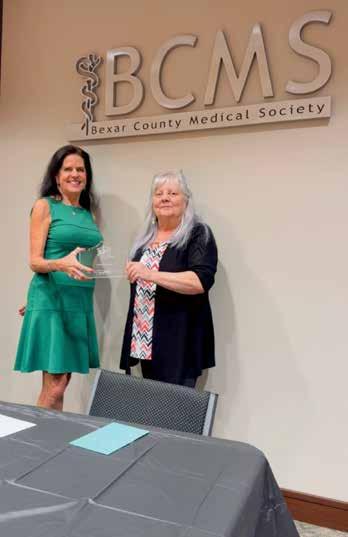
We Celebrate Yvonne Nino on Her 10 Year Work Anniversary with BCMS
2026
2026 911 Carrera T By Stephen Schutz, MD
PUBLISHED BY: Traveling Blender, LLC. 10036 Saxet Boerne, TX 78006
PUBLISHER: Louis Doucette louis@travelingblender.com
BUSINESS MANAGER: Vicki Schroder vicki@travelingblender.com
GRAPHIC DESIGNER: Jennifer Nelson jennifer@travelingblender.com
ADVERTISING
Sandy Weatherford sandy@travelingblender.com SAN ANTONIO: Gerry Lair gerrylair@yahoo.com
For more information on advertising in San Antonio Medicine, Call Traveling Blender at 210.410.0014 in San Antonio
San Antonio Medicine is the official publication of Bexar County Medical Society (BCMS). All expressions of opinions and statements of supposed facts are published on the authority of the writer, and cannot be regarded as expressing the views of BCMS. Advertisements do not imply sponsorship of or endorsement by BCMS
EDITORIAL CORRESPONDENCE: Bexar County Medical Society 4334 N Loop 1604 W, Ste. 200 San Antonio, TX 78249
Email: editor@bcms.org
MAGAZINE ADDRESS CHANGES: Call (210) 301-4391 or Email: membership@bcms.org
SUBSCRIPTION RATES: $30 per year or $4 per individual issue
ADVERTISING CORRESPONDENCE: Louis Doucette, President Traveling Blender, LLC.
A Publication Management Firm 10036 Saxet, Boerne, TX 78006 www.travelingblender.com
For advertising rates and information Call (210) 410-0014
Email: louis@travelingblender.com
SAN ANTONIO MEDICINE is published by SmithPrint, Inc. (Publisher) on behalf of the Bexar County Medical Society (BCMS). Reproduction in any manner in whole or part is prohibited without the express written consent of Bexar County Medical Society. Material contained herein does not necessarily reflect the opinion of BCMS, its members, or its staff. SAN ANTONIO MEDICINE the Publisher and BCMS reserves the right to edit all material for clarity and space and assumes no responsibility for accuracy, errors or omissions. San Antonio Medicine does not knowingly accept false or misleading advertisements or editorial nor does the Publisher or BCMS assume responsibility should such advertising or editorial appear. Articles and photos are welcome and may be submitted to our office to be used subject to the discretion and review of the Publisher and BCMS. All real estate advertising is subject to the Federal Fair Housing Act of 1968, which makes it illegal to advertise “any preference limitation or discrimination based on race, color, religion, sex, handicap, familial status or national origin, or an intention to make such preference limitation or discrimination.
SmithPrint, Inc. is a family-owned and operated San Antonio-based printing and publishing company that has been in business since 1995. We are specialists in turn-key operations and offer our clients a wide variety of capabilities to ensure their projects are printed and delivered on schedule while consistently exceeding their quality expectations. We bring this work ethic and commitment to customers along with our personal service and attention to our clients’ printing and marketing needs to San Antonio Medicine magazine with each issue.
Clarity is the only nonprofit mental health treatment center for children (ages 3-17) in South Texas. Clarity's 8-acre campus provides a full continuum of care. When a child is in crisis, we work with families to get them much needed treatment regardless of their ability to pay.
Drive to Clarity’s campus in the Medical Center and go to Crisis Services in Building 7. No appointment needed. Average assessment time is 3-4 hours. emergency walk-in
For personal assistance with getting an assessment or inpatient bed, call our Community Liaison at 210-593-2239. referral assistance
BCMS BOARD OF DIRECTORS
ELECTED OFFICERS
Jennifer Rushton, MD, President
Lauren E. Tarbox, MD, Vice President
Lubna Naeem, MD, President-Elect
Dan Powell, MD, Treasurer
Lyssa N. Ochoa, MD, Secretary
John Shepherd, MD, Immediate Past President
DIRECTORS
Heather Aguirre, DO, Member
Alexander Arena, MD, Member
Woodson “Scott” Jones, MD, Member
John Lim, MD, Member
Sumeru “Sam” Mehta, MD, Member
M. “Hamed” Reza Mizani, MD, Member
Priti Mody-Bailey, MD, Member
Saqib Z. Syed, MD, Member
Nancy Vacca, MD, Member
Luis O. Rohena, MD, Military Representative
Heather Yun, MD, Veterans Affairs Representative
Jayesh Shah, MD, TMA Immediate Past President
John Pham, DO, UIW Medical School Representative
Lori Kels, MD, UIW Medical School Representative
Robert Leverence, MD, UT Health Medical School Representative
Cynthia Cantu, DO, UT Health Medical School Representative
Ronald Rodriguez, MD, UT Health Medical School Representative
Melody Newsom, BCMS CEO/Executive Director
George F. "Rick" Evans, Jr., General Counsel
BCMS SENIOR STAFF
Melody Newsom, CEO/Executive Director
Brissa Vela, Chief Membership & Development Officer
Yvonne Nino, Controller
Betty Fernandez, BCVI Director of Operations
Phil Hornbeak, Auto Program Director
Al Ortiz, Chief Information Officer
Jacob Hernandez, Advocacy and Public Health Specialist
PUBLICATIONS COMMITTEE
Jennifer C. Seger MD, Chair
Shiv Goel, MD, Member
Animesh Chidanandrao Gour, MD, Member
Soma S. S. K. Jyothula, MD, Member
Rajam S. Ramamurthy, MD, Member
Adam V. Ratner, MD, Member
Patrick Todd Reeves, MD, Member
Amith Skandhan, MD, Member
To visit to our campus, contact our Marketing & Development Coordinator at 210-582-6467. schedule a campus tour
Francis Vu Tran, MD, Member
Elizabeth Allen, Volunteer
Rita Espinoza, DrPH, MPH, Volunteer
Melissa Rosales, Volunteer
Andrea Wazir, MS, Volunteer
Ayomide Akinsooto, Student
Youyou Cheng, Student
Gabrielle Holliefield, Student
Kreny Savaliya, Student
Gabriella Bradberry, Staff Liaison
Trisha Doucette, Editor
Louis Doucette, Consultant
An Invitation to Your SHARE STORY An Invitation to Your SHARE STORY
Every physician carries a story — moments that shaped you, challenges that tested you and insights that continue to guide your practice. These experiences hold tremendous power, not only for personal reflection but also for inspiring colleagues who walk similar paths.
We invite you to contribute your personal stories, professional challenges or accomplishments, and unique viewpoints to our “Perspectives” collection in San Antonio Medicine magazine for the Bexar County Medical Society — a column created by doctors, for doctors. Whether it’s a breakthrough moment, a difficult lesson, an unexpected joy or a perspective that changed the way you practice medicine, your voice matters.
Your contribution will help build a space where physicians can learn from one another, feel seen, and find renewed purpose in the work you all share.
If you’re willing to participate, please submit your story to editor@bcms.org. Submissions can be brief or in-depth — whatever feels authentic to you.
Thank you for considering this opportunity to uplift and inspire fellow physicians. Your experience could be exactly what someone else needs to hear.
How Physicians Can Rise Above Chronic Stress
By Jennifer Rushton, MD, President, Bexar County Medical Society
Medicine is a stressful career, and physicians face higher levels of stress than the average person. Due to a combination of factors, including longer hours, increasing administrative demands and the high stakes and emotional toll of practicing medicine, doctors are facing more stress than ever and struggling to manage it. Caring for patients is deeply rewarding but also profoundly demanding. We often find ourselves in a near-constant state of activation. In a variety of settings, from the clinic to the hospital, the emergency room to the operating room, we are repeatedly called to respond. As a pathologist, the stress response can be subtle, but diagnostic uncertainty, turnaround time expectations and resource constraints carry significant weight.
Stress helps us in these situations, heightening our awareness, mobilizing our energy, and focusing our attention. However, stress becomes a problem when it is chronic. The body is equipped to handle episodic challenges rather than unrelenting pressure. Prolonged and persistent activation of the stress response without adequate recovery leads to physiological damage resulting in hypertension, immune dysfunction and mood disorders. Chronic activation of the stress response can lead to memory impairment, loss of focus, fatigue, irritability, sleep disruption and ultimately burnout. Physician burnout is the predictable result of sustained stress without structural support.
The factors that lead to stress among physicians are many and varied and include personal factors and workplace factors. Physicians have common personality traits that predispose us to feeling stressed. We are very conscientious and spend a lot of time attending to details and to the needs of others. We are constantly striving to do more and be better. Much energy is spent on attempts to please everyone. Additionally, we are masters of delayed gratification. We put off meeting our own needs until everything else is done, or everyone else's needs have been met. These personality characteristics are part of the reason we succeed. However, they also make us more vulnerable to stress.
Factors in the workplace add to our stress. The workplace is full of pressure to do more with less, as we struggle to maintain a high standard of patient care in a changing healthcare system with fewer financial and personnel resources. Physicians do not always feel we have control over how we must practice medicine. We lack time for our families or loved ones, and even less time remains for us.
As physicians, we understand the stress response at the molecular level. We can describe the activation of the hypothalamic-pituitary-ad-
renal axis, the surge of catecholamines, the elevation of cortisol and the immune modulation. Yet understanding the sympathetic nervous system does not mean we know how to live with the reality of chronic stress. Medical school did not teach us the skill of regulating our nervous systems or working with our thoughts.
We cannot eliminate stress, but we can work to prevent chronic strain from eroding the joy and meaning that drew us to medicine in the first place. While systemic change is essential, individual practices also matter. Developing stress-coping skills can significantly reduce vulnerability to burnout. First and foremost, we must take care of ourselves, prioritizing our health, nutrition and sleep. Here are some specific strategies we can use to build stronger resilience pathways in the brain:
Make a mindful transition when leaving work. Having a conscious and deliberate routine when you leave work can help you effectively transition from work to home.
Set and maintain limits. Recognize and accept that you cannot do everything.
Learn something new. Learning a new skill, whether it’s related to work or not, is a great way to build confidence.
The Bexar County Medical Society is here to help us respond to stress, both individually and collectively. BCMS is committed to supporting physician well-being as reflected in our strategic priorities:
• Strengthening physician community to reduce isolation
• Advocating for policy reform that decreases administrative burdens
Policy can have immediate impacts on the daily stresses that physicians face, including reform for prior authorization, liability protection and public health funding. Advocacy reduces the strain on individual physicians by using our collective voice to convert frustration into action. When barriers to care are eliminated, moral injury is lessened.
Both BCMS and the Texas Medical Association recognize physician wellness as essential to the health of our profession and have developed a range of programs to help physicians manage stress. TMA offers continuing medical education focused on physician well-being. BCMS offers LifeBridge, a physician wellness initiative that provides
one month of free counseling, up to four live sessions, and unlimited messaging with a Texas-licensed therapist. This benefit is available to all BCMS members, including students, residents and retired physicians. These services are completely confidential and independent of employers and the credentialing process. These resources should remind us that physicians do not have to navigate stress alone.
Finally, a simple but powerful way to combat stress is simply checking in with one another. Professional friendships are protective. When physicians share their experiences, it helps to normalize the emotional challenges of medicine. A brief conversation with an overwhelmed colleague can make a meaningful difference. In a profession centered on service, it is easy to forget that physicians also need support. We are strongest when we support one another. By caring for ourselves and for one another, we ensure that the physicians of Bexar County can continue caring for our patients and our community.
Be well,
Jennifer R. Rushton, MD
Jennifer R. Rushton, MD, 2026 President of the Bexar County Medical Society, is a partner at Oculus Pathology and the Medical Director of Pathology and Laboratory Medicine for the Baptist Health System. She is board certified in Anatomic and Clinical Pathology, Hematopathology and Molecular Genetic Pathology. Dr. Rushton currently serves as Chief of Staff for Baptist Medical Center Hospital. She is a long-time member and co-chair of the BCMS Legislative Committee, serves on the TMA Council on Healthcare Quality, and is a Texas Delegate to the AMA.
At Broadway Bank, our Wealth Management and Private Banking teams provide comprehensive financial solutions tailored to your unique goals. Rooted in the communities we serve, our highly credentialed professionals provide the expertise you need to navigate complexity with confidence.
Our book club is where stories spark friendship, laughter and deeper understanding — and that joy fuels our mission to place stories in the hands of young readers. "
Where Stories Bring Us Together
By Jenny Shepherd Alliance Book Club
The Alliance Book Club is more than a gathering to discuss great books — it’s a place where friendships grow and conversations deepen. Around the table, stories spark thoughtful discussion, plenty of laughter and the chance to see the world through someone else’s eyes. It’s that same love of books that inspires us to help place stories into the hands of children across San Antonio through the Texas BookShare Project.
Join us for our next read on Tuesday, May 5 at 1:00 p.m. in the Bexar County Medical Society Conference Room.
Theo of Golden by Allen Levi
Selected by Becki Wortham
A warm and reflective story about friendship, purpose and the quiet ways people influence one another’s lives.
Book Club Favorites
Beartown by Fredrik Backman
Selected by Jenny Shepherd
A powerful story about community, loyalty and difficult truths. Backman captures the complexity of small-town life and the way a single moment can test the bonds that hold a community together.
Remarkably Bright Creatures by Shelby Van Pelt
Selected by Sherri Schillar
When a widowed night janitor at an aquarium forms an unlikely bond with a remarkably perceptive octopus, long-hidden truths begin to surface. With lovable characters who are all growing in their own ways — and the octopus’s perspective adding a fascinating voice — the story is charming and heartfelt.
The Jester by James Patterson & Andrew Gross
Selected by Katrina Theis
A gripping historical thriller set during the Crusades. When a humble jester returns home to find his village destroyed, he embarks on a dangerous journey for justice, discovering courage, faith and an unexpected destiny along the way.
When children see healthy habits woven into stories, those habits begin to feel natural, joyful and within reach. "
Where Stories Change Lives The Texas BookShare Project
Sometimes the most powerful prescription a child can receive is a book.
A simple book can do more than tell a story — it can help shape a child’s future.
Launched in November 2018 with support from the Texas Medical Association Foundation (TMAF), the Texas BookShare Project helps children and families in underserved communities discover the connection between reading and healthy living. By placing books directly into the hands of young readers, the program reinforces positive habits in a way that feels natural, engaging and fun.
The books are available in both English and Spanish and span a wide range of age groups. Each title weaves healthy lifestyle concepts into its story, introducing children to ideas such as staying active, eating nutritious foods, and making choices that support lifelong wellness.
Since its launch, the program has expanded to seven counties
across Texas and has distributed thousands of health-focused books to children in Central Texas.
In Bexar County, the Bexar County Medical Society Alliance launched its first BookShare event in partnership with Children’s Hospital of San Antonio and is seeking additional community partners and sponsors to help expand the program and reach even more families. Those interested in supporting the initiative can contact JenShep.TMAA@gmail.com for more information.
Jenny Shepherd is the Immediate Past President of the TMA Alliance, Chair of First Tuesdays at The Capitol and acting BCMSA President with a legacy of supporting physicians, their families and the broader health of the community.
Why Books at Home Matter
1.8 Million Words:
Just 20 minutes of reading a day exposes a child to about 1.8 million words each year.
School Readiness:
Children who are read to regularly are far more likely to recognize letters, count to 20, and write their names before starting school.
Stronger Development:
Early reading strengthens attention, emotional regulation and social skills — not just literacy.
Adverse Childhood Experiences and the Development of Obesity and Chronic Disease: Implications for primary care and public health
By Crystel Harb, DO, MPH, DipABLM
Adverse childhood experiences (ACEs) represent a critical public health concern with far-reaching implications for adult health. Defined as perceived threats to a child's bodily integrity, family stability or social security, ACEs encompass physical, emotional and sexual abuse; neglect; household dysfunction, including parental substance abuse or mental illness; exposure to domestic violence; and economic hardship.5 Recent data from the Behavioral Risk Factor Surveillance System demonstrate that 59% of the U.S. adult population has experienced at least one ACE, with approximately 16% reporting four or more types of childhood adversity.5,6 The prevalence and profound health consequences of ACEs necessitate increased attention from primary care providers and public health professionals.
ACEs and Obesity: A Dose-Response Relationship
Substantial evidence documents a robust association between childhood adversity and obesity across the lifespan. A recent meta-analysis of 46 studies found that adults who experienced ACEs had a 48% increased risk of obesity compared to those without such exposures.3 This relationship demonstrates a clear dose-response pattern, with risk increasing proportionally to the number of ACEs experienced.1,2
Sex differences in ACE-related obesity risk have also been identified. Females face particularly elevated risk when experiencing physical abuse, sexual abuse and other forms of adversity, while males show increased risk primarily with non-physical, psychological or sexual abuse.3 These findings underscore the need for sex-specific prevention and intervention strategies.
ACEs and Chronic Disease Burden
Beyond obesity, ACEs are associated with a wide spectrum of chronic diseases. The American Heart Association's scientific statement on childhood adversity and cardiometabolic outcomes highlights that
ACEs increase risk for hypertension, type 2 diabetes, cardiovascular disease, stroke and premature mortality.5 Population-based studies demonstrate that adults with four or more ACEs have more than double the risk of developing cardiovascular disease compared to those without such exposures.7
Analysis of data from 25 states revealed that preventing ACEs could potentially reduce the burden of multiple chronic conditions.6 Population attributable fractions indicated that ACE prevention could reduce cases of chronic obstructive pulmonary disease by 27%, depression by 44% and heavy drinking by 24%.6 The relationship between ACEs and chronic disease exhibits a graded, dose-response pattern across multiple conditions including coronary heart disease, stroke, asthma, arthritis and cancer.6,8
Biological and Behavioral Mechanisms
The pathways linking childhood adversity to obesity and chronic disease are complex and multifactorial, operating through biological, behavioral and psychological mechanisms that interact dynamically over the life course.5
Biological Pathways. Childhood adversities disrupt multiple regulatory systems of the body, including the immune, metabolic, neuroendocrine and autonomic nervous systems.5 Prolonged activation of the hypothalamic-pituitary-adrenal (HPA) axis in response to chronic stress affects glucocorticoid metabolism and immune function, predisposing individuals to chronic inflammation.5 Studies document elevated levels of interleukin-6, C-reactive protein and fibrinogen — biomarkers associated with cardiometabolic disease — in adults who experienced childhood adversity.5 Additionally, ACEs are associated with markers of subclinical cardiovascular disease, including endothelial dysfunction, arterial stiffness and accelerated carotid intima-media thickness progression.5
Emerging evidence suggests that epigenetic modifications, particularly DNA methylation, may represent a mechanism through which childhood adversity becomes "biologically embedded." Methylation of genes regulating pathways to obesity and metabolic disorders has been identified in adults exposed to child abuse, though this remains an active area of investigation.5,9
Behavioral Pathways. ACEs increase the likelihood of maladaptive health behaviors that contribute to obesity and chronic disease risk. Unresolved stress and emotional trauma may result in binge eating, eating in the absence of hunger, impulsive eating and poor sleep hygiene. 2 Longitudinal studies demonstrate that childhood adversity predicts greater impulsivity and emotion dysregulation, which in turn predict overeating and higher BMI. 10 Additionally, ACEs are associated with increased rates of smoking, heavy alcohol consumption, physical inactivity and poor dietary patterns. 4,8
Psychological Pathways. Mental health disorders serve as important mediators in the ACE-chronic disease relationship.5 Childhood adversity substantially increases risk for depression, anxiety and post-traumatic stress disorder, all of which are independently associated with cardiometabolic morbidity and mortality.5 The relationship between ACEs and mental health is thought to be mediated by neurologic effects of trauma and moderated by genetic factors.5
Implications for Practice and Policy
The robust evidence linking ACEs to obesity and chronic disease has important implications for primary care and public health. The American Academy of Pediatrics recommends that clinicians screen for ACEs and recognize that cumulative adversity doubles the risk of childhood overweight and obesity.2 Trauma-informed care approaches that acknowledge the role of early adversity in shaping health behaviors and biological risk are essential.10
From a public health perspective, preventing ACEs before they occur represents a critical upstream intervention that could reduce the burden of multiple chronic conditions simultaneously.6 Comprehensive strategies should address social determinants of health, strengthen child protection systems, support families experiencing economic hardship, and improve access to mental health services.6 For individuals already affected by ACEs, interventions should focus on building resilience, providing trauma-informed care, promoting healthy behaviors, and addressing mental health needs.4,10
Conclusion
Adverse childhood experiences represent a powerful determinant of obesity and chronic disease risk across the lifespan. The dose-response relationship between ACEs and adverse health outcomes, coupled with the high prevalence of childhood adversity, underscores the urgent need for prevention and intervention efforts. By recognizing ACEs as a fundamental driver of health inequities and chronic disease burden, primary care providers and public health professionals can work toward comprehensive, trauma-informed approaches that address both the immediate and long-term consequences of childhood adversity.
References:
1. Clinical Practice Guideline for the Evaluation and Treatment of Children and Adolescents With Obesity. Hampl, S.E., Hassink, S.G., Skinner, A.C., et al. Pediatrics. 2023;151(2):e2022060640. doi:10.1542/peds.2022-060640
2. Association Between Adverse Childhood Experiences and Obesity, and Sex Differences: A Systematic Review and Meta-Analysis. Zhou, Y., Sun, Y., Pan, Y., et al. Journal of Psychiatric Research. 2024;180:56-67. doi:10.1016/j.jpsychires.2024.09.042
3. Adverse Childhood Experiences and Adult Obesity: A Systematic Review of Plausible Mechanisms and Meta-Analysis of Cross-Sectional Studies. Wiss, D.A., Brewerton, T.D. Physiology & Behavior. 2020;223:112964. doi:10.1016/j.physbeh.2020.112964
4. Childhood and Adolescent Adversity and Cardiometabolic Outcomes: A Scientific Statement From the American Heart Association. Suglia, S.F., Koenen, K.C., Boynton-Jarrett, R., et al. Circulation. 2018;137(5):e15-e28. doi:10.1161/ CIR.0000000000000536
5. Vital Signs: Estimated Proportion of Adult Health Problems Attributable to Adverse Childhood Experiences and Implications for Prevention - 25 States, 2015-2017. Merrick, M.T., Ford, D.C., Ports, K.A., et al. MMWR. Morbidity and Mortality Weekly Report. 2019;68(44):999-1005. doi:10.15585/mmwr.mm6844e1
6. The Role of Psychosocial Stress on Cardiovascular Disease in Women: JACC State-of-the-Art Review. Ebong, I.A., Quesada, O., Fonkoue, I.T., et al. Journal of the American College of Cardiology. 2024;84(3):298-314. doi:10.1016/j.jacc.2024.05.016
7. Disease Burden of Adverse Childhood Experiences Across 14 States. Waehrer, G.M., Miller, T.R., Silverio Marques, S.C., Oh, D.L., Burke Harris, N. PloS One. 2020;15(1):e0226134. doi:10.1371/journal.pone.0226134
8. Childhood Trauma, the Stress Response and Metabolic Syndrome: A Focus on DNA Methylation. Womersley, J.S., Nothling, J., Toikumo, S., et al. The European Journal of Neuroscience. 2022;55(9-10):2253-2296. doi:10.1111/ejn.15370
9. Behavioral, Cognitive, and Socioemotional Pathways From Early Childhood Adversity to BMI: Evidence From Two Prospective, Longitudinal Studies. Doom, J.R., Young, E.S., Farrell, A.K., Roisman, G.I., Simpson, J.A. Development and Psychopathology. 2023;35(2):749-765. doi:10.1017/S0954579421001887
10. Capitalizing on Advances in Science to Reduce the Health Consequences of Early Childhood Adversity. Shonkoff, J.P. JAMA Pediatrics. 2016;170(10):1003-1007. doi:10.1001/jamapediatrics.2016.1559
Crystel Harb, DO, MPH, DipABLM, is a board-certified physician in Family Medicine, Osteopathic Manipulative Medicine, Lifestyle Medicine and Addiction Medicine. She currently serves as the Director of Osteopathic Education and Lifestyle Medicine as well as Core Faculty in the Community-based Family Medicine residency program at the Texas Institute of Graduate Medical Education & Research (TIGMER). Dr. Harb is also an Assistant Clinical Professor of Family Medicine and Public Health at the University of the Incarnate Word School of Osteopathic Medicine (UIWSOM) and teaches Epidemiology for their Master of Public Health (MPH) program, that has recently opened admissions to all interested professionals. Dr. Harb is a member of the Bexar County Medical Society.
The Impact of Chronic Stress on Inflammation: A clinical guide
By Pendleton Wickersham, MD
Clinical medicine’s understanding of the human stress response is currently expanding as new research describes the molecular and cellular physiology of stress. Contemporary psychoneuroimmunology has identified the phenomenon of stress-induced sterile inflammation — a systemic immune response triggered entirely in the absence of pathogens.
Through sterile inflammation, the allostatic load (the cumulative burden of chronic psychological stress) drives the pathogenesis of many systemic morbidities. The modern human condition continuously exposes individuals to non-lethal, intractable psychosocial stressors, which keep the immune system in a state of chronic, low-grade activation. For the modern physician, recognizing how psychosocial distress translates into molecular inflammatory cascades has the potential to affect treatment of the most common chronic diseases.
The immune system's reaction to stress is highly dynamic and strictly dependent on the duration and intensity of the stressor. Acute and chronic stress elicit distinct neuroendocrine cascades that produce different effects.
In acute stress (minutes to hours), the sympathetic adrenal medullary (SAM) system releases catecholamines, including epinephrine and
norepinephrine. These trigger a transient increase in pro-inflammatory cytokines to act as an adaptive, short-term mechanism to prime the body against potential pathogens.
Conversely, chronic psychological stress (days to years) shifts the physiological burden to the hypothalamic-pituitary-adrenal (HPA) axis. This prolonged exposure results in a profound suppression of functional cellular immunity along with increased systemic inflammation, predominately through glucocorticoid receptor resistance (GCR).
It is a frequent clinical misconception that stress-induced inflammation is caused purely by elevated absolute cortisol levels. One simply has to watch a few hours of daytime television to see advertisements for supplements purported to counter excess cortisol in the body. However, the pathology is driven by the decreased sensitivity of target tissues to the hormone.
Prolonged exposure to cortisol induces GCR, in which immune cells downregulate their responsiveness to glucocorticoids. In this process, the body heavily upregulates the dominant-negative GR-beta receptor subtype, rendering cortisol ineffective at terminating the inflammatory response. Comprehensive viral challenge studies have
illustrated this phenomenon. Highly stressed individuals have been shown to exhibit marked GCR and to produce significantly higher volumes of local pro-inflammatory cytokines (especially IL-6 and TNF-alpha) in their nasal secretions when exposed to rhinoviruses.
This uninhibited pro-inflammatory signaling fundamentally alters cellular homeostasis through several key molecular mechanisms:
NLRP3 Inflammasomes. Unchecked inflammation triggers the activation of NLRP3 inflammasomes directly in heart tissue, driving massive oxidative stress, endothelial dysfunction and a self-amplifying cascade of tissue injury which accelerates atherosclerosis.
T-Cell Exhaustion and SASP. Chronic inflammation accelerates the senescence of the adaptive immune compartment. Senescent cells fail to undergo apoptosis and develop the senescence-associated secretory phenotype (SASP) in which they continuously secrete a milieu of pro-inflammatory cytokines.
Th17/Treg Imbalance. Chronic inflammation disrupts the delicate balance between highly inflammatory T helper 17 (Th17) cells and immune-suppressing regulatory T cells (Tregs).
The effect of these cellular mechanisms in terms of systemic pathology has been definitively documented across multiple medical specialties.
In terms of cardiovascular disease, endothelial activation from stress, combined with sustained levels of circulating pro-inflammatory monocytes, accelerates the progression of atherosclerotic plaques.
The loss of functional Tregs and the expansion of Th17 populations create an immune microenvironment highly primed for autoreactivity, with evidence linking persistent HPA dysfunction to conditions like rheumatoid arthritis, systemic lupus erythematosus (SLE) and multiple sclerosis.
Perhaps most surprising is the strong evidence supporting the immune cytokine model of depression (ICMD), which posits that major depressive disorder (MDD) is a multifaceted manifestation of chronic immune system activation. Peripheral pro-inflammatory cytokines cross the blood-brain barrier, altering neural plasticity and neurotransmitter metabolism. For example, a groundbreaking 2026 study discovered that patients with MDD share immune abnormalities with inflammatory skin diseases, specifically the activation of the T helper 2 (Th2) immune axis. This suggests that targeted Th2-pathway blockers like dupilumab could potentially represent a critical new frontier in treating refractory depression.
Evaluating the cumulative physiological toll of stress requires a more comprehensive assessment than isolated biomarkers. The allostatic load index (ALI) is a validated tool that aggregates neuroendocrine, immune, metabolic and cardiovascular indicators to assess total physiological burden. Early assessment of the ALI presents an opportunity to identify high-risk patients long before irreversible end-organ damage occurs.
Mitigating stress-induced inflammation requires a multifaceted approach. Behavioral interventions such as regular physical activity induce "cross-stressor adaptations" that functionally toughen the SAM system and HPA axis. Mindfulness practices can activate mitochondrial hormesis, a mild controlled temporary stress that enhances metabolic efficiency and reduces overall systemic inflammation. Targeted
immunomodulation, including both specific cytokine receptor antagonists and gut-brain axis modulation through what are called "psychobiotics,” has potential in the management of stress-related diseases.
Recognizing these diverse clinical manifestations as all resulting from a unified systemic inflammatory process enables a move away from purely reactive symptom management toward proactive physiological preservation. Understanding and assessing the physiologic impacts of allostatic load will, in the future, allow more effective treatment of some of the most common diseases.
Curated References for Further Reading:
For those interested in examining the specific methodologies and clinical trials discussed, the following references are highly recommended:
1. Slavich, G.M. Social Safety Theory: A Biologically Based Evolutionary Perspective on Life Stress, Health, and Behavior. Annu Rev Clin Psychol. 2020 May 7;16:265-295. doi: 10.1146/ annurev-clinpsy-032816-045159. Epub 2020 Mar 6. PMID: 32141764; PMCID: PMC7213777
2. Cohen, S., Janicki-Deverts, D., Doyle, W.J., Miller, G.E., Frank, E., Rabin, B.S., Turner, R.B. Chronic stress, glucocorticoid receptor resistance, inflammation, and disease risk. Proc Natl Acad Sci U S A. 2012 Apr 17;109(16):5995-9. doi: 10.1073/ pnas.1118355109. Epub 2012 Apr 2. PMID: 22474371; PMCID: PMC3341031
3. He, H., Cathomas, F., Parise, L.F., David, E., Rizk, M., Hawkins, K., Karpman, E., Russo, S.J., Guttman, E., Murrough, J.W. Major depressive disorder shares systemic immune signatures and potential therapeutic targets with inflammatory skin diseases. Mol Psychiatry. 2026 Feb 11. doi: 10.1038/s41380-025-03383-5. Epub ahead of print. PMID: 41673463
4. Pfaltz, M.C., Schnyder, U. Allostatic Load and Allostatic Overload: Preventive and Clinical Implications. Psychother Psychosom. 2023;92(5):279-282. doi: 10.1159/000534340. Epub 2023 Nov 6. PMID: 37931612; PMCID: PMC10716872
Pendleton Wickersham, MD, graduated from Rice University in 1996, attended Baylor College of Medicine in Houston and earned his medical degree with honors in 2000. He completed his internship, residency and fellowship at University of Colorado Health Sciences Center in Denver where he worked in a basic sciences lab as part of his research training. Dr. Wickersham moved to San Antonio in early 2006 to join a large rheumatology practice. He is a partner in the San Antonio-based Arthritis Associates, PA, where he has created a Lupus Center of Excellence to care for over 500 active lupus patients. A frequent national and international speaker and consultant, he has invented several medical devices, a molecule for pain, and a nutraceutical for arthritis. He is a principal investigator for clinical trials with Flourish Research. Dr. Wickersham is a member of the Bexar County Medical Society.
Neuroendocrine Mechanisms of StressInduced Eating in Clinical Medicine
By Kreny Savaliya, OMS-II; Kabir Bhakta, OMS-I; and James Mayberry, MD
The Physiology behind the 03:00 AM Bagel
It’s a universal truth that every physician’s workstation has a half-eaten bagel nearby. Or a donut. Or, in desperate times, a crumpled pack of graham crackers from the nutrition room dipped into lukewarm peanut butter. We have all been there! It is 03:00 AM in the morning, and the hospital hums with that peculiar, electric silence that exists between the last evening admission: a train wreck septic shock from a “skilled” nursing facility. You are sitting in the call room beneath fluorescent lights that buzz with circadian betrayal, and you are eating. Not because you are hungry in the homeostatic sense. Your stomach is quiet. Your glycogen stores may be dipping, but they are far from critically depleted. And yet you eat with an urgency that borders
on the primal, inhaling simple carbohydrates as if they were an antidote to the imposter syndrome that has followed you since the White Coat Ceremony.
This is “Survival Eating”
In the culture of medical education, we joke about the “Freshman 15” or the “Intern 15,” attributing rapid changes in body composition to missed workouts or the caloric density of free pizza at noon conference.1,2 We frame it as a failure of willpower, a lapse in discipline, or a temporary suspension of the laws of thermodynamics. We counsel patients on the Mediterranean diet and glycemic control, then retreat to the team room to demolish donuts provided by a pharmaceutical
representative. But as we transition from students to practitioners, it is worth turning our diagnostic gaze inward. That bagel is not merely a carb load; it is a self-administered pharmacologic intervention aimed at correcting neuroendocrine dysregulation driven by sleep deprivation, circadian misalignment and chronic stress activation. It is the hypothalamus responding to what it perceives as a prolonged survival threat.
The Mid-Shift Reflex: The Glucocorticoid Paradox
The Hypothalamic-Pituitary-Adrenal (HPA) axis is the backbone of our stress response, designed by evolution to help us escape predators, not to help us manage a crashing patient while simultaneously answering three pages. The way this system interacts with our feeding centers is nuanced and fundamentally maladaptive in the modern clinical environment. Classically, we are taught that stress suppresses appetite via Corticotropin-Releasing Hormone (CRH) and sympathetic activation. This is why, during a "Code Blue," the thought of food is repulsive. However, this anorexigenic effect is short-lived. The HPA axis has a second gear: the release of glucocorticoids (cortisol) from the adrenal cortex. While CRH suppresses appetite, cortisol stimulates it.3,4
This creates the "Glucocorticoid Paradox" of residency. The stress response is biphasic:
1. The Event (Acute Stress). CRH dominates. Appetite is suppressed. We run the code.
2. The Aftermath (Recovery). CRH levels plummet, but cortisol levels remain elevated for hours to replenish energy stores that the brain assumes were consumed during the "fight."
In this recovery window, the drive to eat becomes overwhelming. The brain, specifically the arcuate nucleus of the hypothalamus, upregulates Neuropeptide Y (NPY), one of the most potent orexigenic peptides known in mammalian physiology.5 NPY transforms passive hunger into an active, frantic search behavior. It makes the vending machine seem like the most interesting object in the hospital. Crucially, cortisol drives a specific craving for high-energy density foods (sugar and fat) to facilitate rapid glycogen restocking for the next perceived threat.
The Post-Call Crash: A Circadian Collision
If cortisol provides the motive for Survival Eating, circadian disruption provides the opportunity. Human metabolism is strictly time-restricted by design. When we work a night shift, we create a state of Circadian Misalignment: The Suprachiasmatic Nucleus (SCN) implies it is night, while our behaviors imply it is day.6
The Hormonal Perfect Storm
Sleep deprivation acts directly on the hormones that regulate satiety and hunger, creating a biochemical drive that willpower cannot easily overcome. Multiple studies, including seminal work on sleep-deprived subjects, have demonstrated a profound divergence:
1. Ghrelin (The "Go" Signal). Spikes significantly, screaming that the stomach is empty.
2. Leptin (The "Stop" Signal). Crashes, muting the signal that fat stores are adequate.
Quantitatively, short sleep duration can lead to a 15-30% divergence in these hormones.7,8 This explains the "Bottomless Pit" sensation post-call. You eat a full meal, but the satiety signal is muted, and the hunger signal is stuck in the “on” position. You are chemically incapable of feeling full.
Furthermore, during the biological night, beta-cells in the pancreas "sleep," downregulating insulin secretion. When we consume a highcarb meal at 03:00 AM, we are dumping glucose into a system that is functionally diabetic. The result is profound postprandial hyperglycemia and lipemia that far exceeds what would occur if the same meal were eaten at noon.9
The "Skinny Fat" Physician
We are accustomed to using BMI as a heuristic for metabolic risk. However, the cumulative effect of these neuroendocrine forces results in a specific clinical phenotype: Normal Weight Obesity (NWO), or the "Skinny Fat" resident.10 This phenotype is characterized by a normal BMI but high body fat percentage and low muscle mass (sarcopenic obesity).
High cortisol is catabolic to muscle tissue (proteolysis) but, in the presence of insulin, promotes lipogenesis specifically in visceral adipose tissue.11
Visceral fat has a higher density of glucocorticoid receptors and is rich in 11β-Hydroxysteroid Dehydrogenase Type 1, an enzyme that amplifies local cortisol levels. Essentially, the resident body breaks down its own engine (muscle) to provide fuel for a fight that never happens physically, while storing energy as visceral fat. This leads to the metabolic syndrome of residency: insulin resistance, dyslipidemia and chronic low-grade inflammation, all hidden beneath a pair of size-medium scrubs.
The Dopamine Trap: Hedonic Hyperphagia
Beyond homeostasis lies Hedonic Hyperphagia: eating for pleasure. The brain's reward system (Ventral Tegmental Area and Nucleus Accumbens) runs on dopamine. In the context of chronic stress and sleep deprivation, this circuitry is altered in two dangerous ways:
1. Sensitization of "Wanting." The stressed amygdala amplifies the salience of food cues. The tired resident craves the sugar rush more acutely than a rested one.12
2. Reward Deficiency. Paradoxically, chronic stress can lead to a downregulation of Dopamine D2 receptors. This mimics the tolerance seen in addiction; we need more sugar to achieve the same feeling of relief or normalcy.13
We eat to self-medicate the dysphoria of dopamine depletion. The donut is a crude, caloric antidepressant.
Structural
Interventions: Moving Beyond "Pack a Salad"
The hospital environment functions as a "food swamp," where high-calorie, low-nutrient options are ubiquitous while healthy choices are nearly impossible to find. At 03:00 AM, the facility becomes a nutritional desert, leaving you at the mercy of vending machines stocked with hyper-palatable snacks designed to trigger cravings. While your physiology creates the biological urge to eat, it is the hospital setting itself that forces the hand, surrounding you with processed survival rations during the most vulnerable hours of your shift.
1. The "Honor Mart" Model. Institutions like the Cleveland Clinic have piloted unit-based pantries stocked with healthy options (salads, wraps, fruit) where staff pay on the honor system. This removes the barrier of convenience that drives vending machine use.14
2. Protected Meal Times. True protected time allows for the cephalic phase of digestion — eating while sitting, not running. This stimulates vagal tone and lowers cortisol.
3. Protein Anchoring. For the individual resident, the best "bio-hack" is prioritizing protein during the night shift. Protein stimulates PYY and GLP-1 more effectively than carbs, mitigating the ghrelin spike and avoiding the insulin/cortisol lipogenesis trap.
Conclusion
"Survival Eating" is not a character flaw; it is a predictable neuroendocrine response to an abnormal environment. It is the result of a HPA axis screaming for energy, a circadian clock that has lost its rhythm and a reward system starved for dopamine. Recognizing this is the first step. The next is to treat it. We need to respect the biology of the night shift and acknowledge that a calorie consumed at 03:00 AM is not the same as a calorie consumed at noon. So, the next time you find yourself staring into the abyss of the vending machine, clutching a pager and a crumpled dollar bill, remember: It’s not just hunger. It’s cortisol. Choose the nuts, drink the water, and forgive yourself for being human in an inhuman schedule.
References:
1. Crombie, A.P., et al. "The freshman weight gain phenomenon revisited." Nutr Rev. 2009;67(2):83-94
2. Dyrbye, L.N., et al. "A multi-institutional study of medical student burnout, depression, and quality of life." Acad Med. 2006
3. Sapolsky, R.M., et al. "How do glucocorticoids influence stress responses? Integrating permissive, suppressive, stimulatory, and preparative actions." Endocr Rev. 2000;21(1):55-89
4. Dallman, M.F., et al. "Chronic stress and obesity: a new view of 'comfort food'." Proc Natl Acad Sci U S A. 2003;100(20):11696701
5. Kuo, L.E., et al. "Chronic stress, combined with a high-fat/ high-sugar diet, shifts sympathetic signaling toward neuropeptide Y and leads to obesity and the metabolic syndrome." Nature Medicine. 2007
6. Scheer, F.A., et al. "Adverse metabolic and cardiovascular consequences of circadian misalignment." Proc Natl Acad Sci U S A. 2009;106(11):4453-8
7. Spiegel, K., Tasali, E., Penev, P., Van Cauter, E. "Brief communication: Sleep curtailment in healthy young men is associated with decreased leptin levels, elevated ghrelin levels, and increased hunger and appetite." Ann Intern Med. 2004;141(11):846-50
8. Taheri, S., et al. "Short sleep duration is associated with reduced leptin, elevated ghrelin, and increased body mass index." PLoS Med. 2004;1(3):e62
9. Morris, C.J., et al. "Circadian misalignment increases postprandial glucose and insulin levels." Sleep. 2015
10. De Lorenzo, A., et al. "Normal weight obesity syndrome: diagnosis, prevalence, and clinical implications." Am J Clin Nutr. 2006
11. Wajchenberg, B.L. "Subcutaneous and visceral adipose tissue: their relation to the metabolic syndrome." Endocr Rev. 2000;21(6):697-738
12. Volkow, N.D., et al. "Reward, dopamine and the control of food intake: implications for obesity." Trends Cogn Sci. 2011;15(1):37-46
13. Blum, K., et al. "Reward deficiency syndrome: a biogenetic model for the diagnosis and treatment of impulsive, addictive, and compulsive behaviors." J Psychoactive Drugs. 2000
14. Stumpf, J. "Cleveland Clinic's healthy food strategy." Journal of Hospital Administration. 2014
Kreny Savaliya, OMS-II, is a medical student at the University of the Incarnate Word School of Osteopathic Medicine, Class of 2028. She is deeply interested in children’s health and pediatric surgery, with a passion for improving outcomes in vulnerable populations. She aspires to provide compassionate, high-quality medical and surgical care to communities that lack adequate access to healthcare services. She serves on the BCMS Publications Committee.
Kabir Bhakta, OMS-I, is a medical student at the University of the Incarnate Word School of Osteopathic Medicine, Class of 2029. He is deeply interested in sports medicine and physical medicine & rehabilitation (PM&R), with a passion for helping patients recover function, optimize performance, and return to the activities that give their lives meaning. He aspires to provide compassionate care that restores mobility, reduces pain, and improves quality of life across diverse patient populations.
James Mayberry, MD, is an Assistant Professor in the Clinical Applied Sciences and Education Department at the University of the Incarnate Word School of Osteopathic Medicine. He is board certified in Family Medicine and trained in Clinical Genetics and Genomics. Dr. Mayberry serves on the BCMS Publications Committee.
Spring Series: COMMUNICATING WITH CONFIANZA — A HEALTH LITERACY ECHO
Spring Series: COMMUNICATING WITH CONFIANZA — A HEALTH LITERACY ECHO
Spring Series: COMMUNICATING WITH CONFIANZA — A HEALTH LITERACY ECHO
TOGETHER, WE CAN IMPROVE COMMUNICATION AND HEALTH LITERACY SKILLS
TOGETHER, WE CAN IMPROVE COMMUNICATION AND HEALTH LITERACY SKILLS
TOGETHER, WE CAN IMPROVE COMMUNICATION AND HEALTH LITERACY SKILLS
Join us for a free online learning series designed to empower health professionals with health literacy education, resources and knowledge-sharing tools. The series is presented by Health Confianza, an award-winning health literacy nonprofit funded by Bexar County and housed at The University of Texas Health Science Center at San Antonio.
Join us for a free online learning series designed to empower health professionals with health literacy education, resources and knowledge-sharing tools. The series is presented by Health Confianza, an award-winning health literacy nonprofit funded by Bexar County and housed at The University of Texas Health Science Center at San Antonio.
Join us for a free online learning series designed to empower health professionals with health literacy education, resources and knowledge-sharing tools. The series is presented by Health Confianza, an award-winning health literacy nonprofit funded by Bexar County and housed at The University of Texas Health Science Center at San Antonio.
Who is this for? Health professionals, including physicians, nurses, community health workers, social workers and pharmacists.
Who is this for? Health professionals, including physicians, nurses, community health workers, social workers and pharmacists.
Who is this for? Health professionals, including physicians, nurses, community health workers, social workers and pharmacists.
Join our expert team the first and third Friday of each month
Join our expert team the first and third Friday of each month
Join our expert team the first and third Friday of each month
TOPICS:
TOPICS:
TOPICS:
WHAT:
• Health misinformation and disinformation
• Health misinformation and disinformation
• Health misinformation and disinformation
WHAT: Free, six-part series
Free, six-part series
WHAT: Free, six-part series
REGISTER:
REGISTER:
REGISTER:
bit.ly/CommunicatingwithCon fianza
bit.ly/CommunicatingwithCon fianza
bit.ly/CommunicatingwithCon fianza
• Internet literacy
• Internet literacy
• Internet literacy
• Interprofessional teams
• Interprofessional teams
• Interprofessional teams
• Supporting individuals with disabilities
• Supporting individuals with disabilities
• Supporting individuals with disabilities
• Organizational health literacy
• Organizational health literacy
• Organizational health literacy
• Health literacy advocacy
• Health literacy advocacy
• Health literacy advocacy
DATE/TIME: Feb. 6 - May 1, 1st and 3rd Fridays of the month, 12:00-1:00 p.m., CST.
DATE/TIME: Feb. 6 - May 1, 1st and 3rd Fridays of the month, 12:00-1:00 p.m., CST.
DATE/TIME: Feb. 6 - May 1, 1st and 3rd Fridays of the month, 12:00-1:00 p.m., CST.
CE credits are available after each session
CE credits are available after each session
CE credits are available after each session
PH has a prevalence of about 1% worldwide,1 while PAH is rare and occurs in 3.7 cases per 100,000 globally.3 PH from associated cardiopulmonary diseases — those in groups 2 and 3 — are the most prevalent, comprising about 90-95% of global cases.4
An Internist’s Framework to Pulmonary Hypertension
By Liwayway R. Andrade, MD, and Rodolfo A. Estrada, MD
Case
Diagnosis and Screening
An Internist’s Framework to Pulmonary Hypertension
By Liwayway R. Andrade, MD, and Rodolfo A. Estrada, MD
Case
A 51-year-old man with hypertension, type 2 diabetes, obesity, tobacco and methamphetamine use, presented to his primary care provider with dyspnea. Work-up included chest imaging, which showed emphysema and an echocardiogram with elevated pulmonary artery systolic pressure (PASP) of 48 mmHg. As a medicine practitioner, a few questions could jump to mind: What should be the next step? What is the diagnosis, and if pulmonary hypertension is considered, which group does this belong to? And finally, what is the therapy indicated?
Definition, Classification and Epidemiology
The work-up for PH is usually that of dyspnea, and echocardiography is the recommended modality when pretest probability for PH is higher, as it provides a comprehensive assessment of both the right and le] sides of the heart. Peak tricuspid regurgitaMon velocity > 2.8 m/s and 3.4 m/s, suggest intermediate and high probabiliMes of PH, respecMvely.4 For reference, these values correspond to PASP of approximately 30 mmHg and 45 mmHg plus right atrial pressure. A paMent with either a high probability of PH or an intermediate probability of PH in conjuncMon with other components, outlined in Table 2, would benefit from further evaluaMon, including invasive hemodynamic tesMng, and early referral to a PH center.
approximately 30 mmHg and 45 mmHg plus right atrial pressure. A patient with either a high probability of PH or an intermediate probability of PH in conjunction with other components, outlined in Table 2, would benefit from further evaluation, including invasive hemodynamic testing, and early referral to a PH center.
Table 2: Addi:onal considera:ons to guide PH evalua:on
Echocardiographic features suggesIve of PH1,6 Risk factors for PAH1 Risk factors for CTEPH1
A 51-year-old man with hypertension, type 2 diabetes, obesity, tobacco and methamphetamine use, presented to his primary care provider with dyspnea. Work-up included chest imaging, which showed emphysema and an echocardiogram with elevated pulmonary artery systolic pressure (PASP) of 48 mmHg. As a medicine pracMMoner, a few quesMons could jump to mind: What should be the next step? What is the diagnosis, and if pulmonary hypertension is considered, which group does this belong to? And finally, what is the therapy indicated?
Right ventricle (RV)
• RV dilaMon
• Increased RV pressure
• RV-PA uncoupling
• History of pulmonary embolism
• GeneMc mutaMon
• Family history of PAH
Defini:on, Classifica:on and Epidemiology
Pulmonary hypertension (PH) represents increased pressure in the pulmonary vasculature characterized by pulmonary vascular remodeling leading to right ventricular (RV) dysfunction and death. Based on the 2022 ESC/ERS Guidelines,1 PH is diagnosed by right heart catheterization, defined by mean pulmonary arterial pressure (mPAP) > 20 with further subcategorization in Table 1.
Pulmonary artery (PA)
• PA dilaMon
• Increased PVR
Pulmonary hypertension (PH) represents increased pressure in the pulmonary vasculature characterized by pulmonary vascular remodeling leading to right ventricular (RV) dysfuncMon and death. Based on the 2022 ESC/ERS Guidelines,1 PH is diagnosed by right heart catheterizaMon, defined by mean pulmonary arterial pressure (mPAP) > 20 with further subcategorizaMon in Table 1.
Right atrium (RA)
• RA dilaMon
• Increased RA pressure
• Drugs/toxins
• CTD
• HIV
• Portal hypertension
• CHD
• Permanent intravascular devices
• Inflammatory bowel disease
• EssenMal thrombocytopenia
• Splenectomy
• High-dose thyroid hormone replacement
• Malignancy
Table 1. Hemodynamic criteria for PH1
Pre-capillary PH mPAP >20 and PVR >2
Isolated post-capillary PH (ipcPH) mPAP >20 and PCWP >15
Combined post- and pre-capillary PH (cpcPH) mPAP >20 and PVR >2 and PCWP >15
*Unclassified PH is characterized by increased pulmonary blood flow associated with high output states such as liver disease, hyperthyroidism, anemia, thiamine deficiency, arteriovenous fistulas, etc.
Based on hemodynamic features and underlying pathophysiological processes, PH is classified clinically into five groups.1,2 Group 1 or pulmonary arterial hypertension (PAH) includes idiopathic, heritable and associated conditions such as drugs and toxins, connective tissue disease (CTD), HIV infection, portal hypertension, congenital heart disease (CHD). Group 2 is associated with left heart disease (LHD), namely heart failure (HF) and valvulopathy. Group 3 is associated with lung disease, as well as hypoxia and hypoventilation syndrome. Group 4 is associated with pulmonary arterial obstruction, most commonly chronic thromboembolic PH (CTEPH). Group 5 includes PH with unclear and/or multifactorial etiologies. Importantly, PH and PAH are not interchangeable concepts.
PH has a prevalence of about 1% worldwide,1 while PAH is rare and occurs in 3.7 cases per 100,000 globally.3 PH from associated cardiopulmonary diseases — those in groups 2 and 3 — are the most prevalent, comprising about 90-95% of global cases.4
Diagnosis and Screening
The work-up for PH is usually that of dyspnea, and echocardiography is the recommended modality when pre-test probability for PH is higher, as it provides a comprehensive assessment of both the right and left sides of the heart. Peak tricuspid regurgitation velocity > 2.8 m/s and 3.4 m/s, suggest intermediate and high probabilities of PH, respectively.4 For reference, these values correspond to PASP of
PaMents with low probability of PH by echocardiography warrant further assessment of an alternaMve diagnosis, which can include thoracic imaging, pulmonary funcMon tesMng, polysomnography, cardiopulmonary exercise tesMng and provocaMve cardiac tesMng.1,2
Patients with low probability of PH by echocardiography warrant further assessment of an alternative diagnosis, which can include thoracic imaging, pulmonary function testing, polysomnography, cardiopulmonary exercise testing and provocative cardiac testing.1,2
Screening for PH in asymptomaMc, high-risk groups is recommended for prompt diagnosis and treatment (Table 3). The DETECT algorithm is used to determine the need for more invasive hemodynamic tesMng specifically for paMents with systemic sclerosis (SSc) spectrum of disorders,7 for example.
Screening for PH in asymptomatic, high-risk groups is recommended for prompt diagnosis and treatment (Table 3). The DETECT algorithm is used to determine the need for more invasive hemodynamic testing specifically for patients with systemic sclerosis (SSc) spectrum of disorders,7 for example.
Based on hemodynamic features and underlying pathophysiological processes, PH is classified clinically into five groups.1,2 Group 1 or pulmonary arterial hypertension (PAH) includes idiopathic, heritable and associated condiMons such as drugs and toxins, connecMve Mssue disease (CTD), HIV infecMon, portal hypertension, congenital heart disease (CHD). Group 2 is associated with le] heart disease (LHD), namely heart failure (HF) and valvulopathy. Group 3 is associated with lung disease, as well as hypoxia and hypovenMlaMon syndrome. Group 4 is associated with pulmonary arterial obstrucMon, most commonly chronic thromboembolic PH (CTEPH). Group 5 includes PH with unclear and/or mulMfactorial eMologies. Importantly, PH and PAH are not interchangeable concepts.
In real world practice, cases commonly present as an overlap of PH groups.8 These cases require close evaluation to ensure proper management and sequence of therapies. Consider patients with CTD and concurrent interstitial lung disease (ILD) who could have Group 1 and Group 3 PH; or patients with obesity complicated by hypoventilation syndrome and diastolic dysfunction who could have Group 3 and Group 2 PH. The patient’s phenotype should be considered and corroborated with data from testing. Furthermore, the same medical condition could predispose to different types of PH, such as in patients with liver disease and portal hypertension, whose elevated pressures can stem from a combination of high output physiology, volume overload and/or porto-pulmonary hypertension (a subgroup of Group 1 PH); all of which have different treatment approaches and relevance for liver transplant.
Table 3. PH screening and surveillance for high-risk groups1
• SSc spectrum of disorders
• BMPR2 mutaMon carriers
• First degree relaMve of hereditary PAH paMents
• Liver transplant evaluaMon
In real world pracMce, cases commonly present as an overlap of PH groups.8 These evaluaMon to ensure proper management and sequence of therapies. Consider concurrent intersMMal lung disease (ILD) who could have group 1 and group 3 complicated by hypovenMlaMon syndrome and diastolic dysfuncMon who could The paMent’s phenotype should be considered and corroborated with data from same medical condiMon could predispose to different types of PH, such as in pa portal hypertension, whose elevated pressures can stem from a combinaMon volume overload and/or porto-pulmonary hypertension (a subgroup of group treatment approaches and relevance for liver transplant.
For our case above, the elevated pulmonary pressure could be related to his emphysema, hypovenMlaMon syndrome, undiagnosed heart failure with preserved ejecMon methamphetamine-associated PAH, or a combinaMon of them all. AddiMonal work-up condiMons are driving most of the increased pulmonary pressure, and what the therapeuMc steps would be.
Management
For our case above, the elevated pulmonary pressure could be related to his emphysema, obesity hypoventilation syndrome, undiagnosed heart failure with preserved ejection fraction (HFpEF), methamphetamine-associated PAH, or a combination of them all. Additional work-up would elucidate which conditions are driving most of the increased pulmonary pressure, and what the next diagnostic and therapeutic steps would be.
Since the majority of PH cases are related to cardiopulmonary comorbidiMes, opMmizing these underlying pathologies. For example, for PH associated with (COPD), the iniMal therapy should focus on hypoxemia and relieving the airway turn will decrease the pulmonary pressure. UlMmately, the goal is to delay RV of pulmonary vasodilators has been approved primarily for PAH (Table 4), and PH groups, the results have been largely unfavorable except for PH-ILD and CTEPH of these medicaMons in non-PAH paMents requires judicious evaluaMon under
Management
Take-Home Message
Since the majority of PH cases are related to cardiopulmonary comorbidities, the hallmark of therapy is optimizing these underlying pathologies. For example, for PH associated with chronic obstructive lung disease (COPD), the initial therapy should focus on hypoxemia and relieving the airway obstruction primarily, which in turn will decrease the pulmonary pressure. Ultimately, the goal is to delay RV dysfunction and death. The use of pulmonary vasodilators has been approved primarily for PAH (Table 4), and despite being studied in other PH groups, the results have been largely unfavorable except for PH-ILD and CTEPH (Table 5). Case-by-case use of these medications in non-PAH patients requires judicious evaluation under the guidance of a PH specialist. 4
Improved 6MWD and NTproBNP; reducEon in clinical worsening
PERFECT22 PH-COPD Worsening 6MWD; signal toward increased mortality
CTREPH23 CTEPH Improved 6MWD, PVR, NTproBNP, FC
Abb: Heart failure with reduced ejec3on frac3on (HFrEF), heart failure with preserved ejec3on frac3on (HFpEF), PH associated with idiopathic inters33al pneumonias (PH-IIP), idiopathic pulmonary fibrosis (IPF), PH associated with idiopathic pulmonary fibrosis (PH-IPF), func3onal class (FC), CI (cardiac index), 6-minute walk distance (6MWD).
1. The majority of patients with PH will have elevated pulmonary pressures secondary to cardiopulmonary comorbidities that require disease-specific optimization.
2. The work-up of PH is really that of dyspnea.
3. Early diagnosis and intervention matter — have a high suspicion.
4. The use of pulmonary vasodilators is largely reserved for confirmed cases of PAH, which is a rare condition.
5. A subset of patients will present with PH-overlap syndrome.
6. When in doubt, always best to consult with your PH specialist.
References:
1. Humbert, M., Kovacs, G., Hoeper, M.M., Badagliacca, R., Berger, R.M.F., Brida, M., Carlsen, J., Coats, … ESC/ERS Scientific Document Group. (2022). 2022 ESC/ERS Guidelines for the diagnosis and treatment of pulmonary hypertension. European Heart Journal, 43(38), 3618–3731. https://doi.org/10.1093/ eurheartj/ehac237
2. Kovacs, G., Bartolome, S., Denton, C.P., Gatzoulis, M.A., Gu, S., Khanna, D., Badesch, D., & Montani, D. (2024). Definition, classification and diagnosis of pulmonary hypertension. The European Respiratory Journal, 64(4), 2401324. https://doi. org/10.1183/13993003.01324-2024
3. Emmons-Bell, S., Johnson, C., Boon-Dooley, A., Corris, P.A., Leary, P.J., Rich, S., Yacoub, M., & Roth, G.A. (2022). Prevalence, incidence, and survival of pulmonary arterial hypertension: A systematic review for the global burden of disease 2020 study. Pulmonary Circulation, 12(1), e12020. https://doi.org/10.1002/ pul2.12020
4. Hoeper, M.M., Humbert, M., Souza, R., Idrees, M., Kawut, S.M., Sliwa-Hahnle, K., Jing, Z.-C., & Gibbs, J.S.R. (2016). A global view of pulmonary hypertension. The Lancet. Respiratory Medicine, 4(4), 306–322. https://doi.org/10.1016/S22132600(15)00543-3
5. D’Alto, M., Di Maio, M., Romeo, E., Argiento, P., Blasi, E., Di Vilio, A., Rea, G., D’Andrea, A., Golino, P., & Naeije, R. (2022). Echocardiographic probability of pulmonary hypertension: A validation study. The European Respiratory Journal, 60(2), 2102548. https://doi.org/10.1183/13993003.02548-2021
6. Galderisi, M., Cosyns, B., Edvardsen, T., Cardim, N., Delgado, V., Di Salvo, G., Donal, E., Sade, L.E., et al. 2016–2018 EACVI Scientific Documents Committee, … 2016–2018 EACVI Scientific Documents Committee (2017). Standardization of adult transthoracic echocardiography reporting in agreement with recent chamber quantification, diastolic function, and heart valve disease recommendations: an expert consensus document of the European Association of Cardiovascular Imaging. European heart journal. Cardiovascular Imaging, 18(12), 1301–1310. https:// doi.org/10.1093/ehjci/jex244
7. Coghlan, J.G., Denton, C.P., Grünig, E., Bonderman, D., Distler, O., Khanna, D., Müller-Ladner, U., … & DETECT study group. (2014). Evidence-based detection of pulmonary arterial hypertension in systemic sclerosis: The DETECT study. Annals of the Rheumatic Diseases, 73(7), 1340–1349. https://doi. org/10.1136/annrheumdis-2013-203301
8. Hemnes, A.R., Beck, G.J., Newman, J.H., Abidov, A., Aldred, M.A., Barnard, J., Berman Rosenzweig, E., … PVDOMICS Study
Table 4. FDA-approved PAH therapies9
Group. (2017). PVDOMICS: A Multi-Center Study to Improve Understanding of Pulmonary Vascular Disease Through Phenomics. Circulation Research, 121(10), 1136–1139. https://doi. org/10.1161/CIRCRESAHA.117.311737
9. Chin, K.M., Gaine, S.P., Gerges, C., Jing, Z.C., Mathai, S.C., Tamura, Y., McLaughlin, V.V., & Sitbon, O. (2024). Treatment algorithm for pulmonary arterial hypertension. The European respiratory journal, 64(4), 2401325. https://doi. org/10.1183/13993003.01325-2024
10. Hoeper, M.M., Oerke, B., Wissmüller, M., Leuchte, H., Opitz, C., Halank, M., Seyfarth, H.-J., Baldus, S., et al. (2024). Tadalafil for Treatment of Combined Postcapillary and Precapillary Pulmonary Hypertension in Patients With Heart Failure and Preserved Ejection Fraction: A Randomized Controlled Phase 3 Study. Circulation, 150(8), 600–610. https://doi.org/10.1161/ CIRCULATIONAHA.124.069340
11. Packer, M., McMurray, J.J.V., Krum, H., Kiowski, W., Massie, B.M., Caspi, A., Pratt, C.M., Petrie, M.C., … & ENABLE Investigators and Committees. (2017). Long-Term Effect of Endothelin Receptor Antagonism With Bosentan on the Morbidity and Mortality of Patients With Severe Chronic Heart Failure: Primary Results of the ENABLE Trials. JACC. Heart Failure, 5(5), 317–326. https://doi.org/10.1016/j.jchf.2017.02.021
12. Shah, S.J., Bonderman, D., Borlaug, B.A., Cleland, J.G.F., Lack, G., Lu, W., Voors, A.A., Zannad, F., & Gladwin, M.T. (2025). Macitentan for Heart Failure With Preserved or Mildly Reduced Ejection Fraction and Pulmonary Vascular Disease: Results of the SERENADE Randomized Clinical Trial and Open-Label Extension Study. Circulation. Heart Failure, 18(3), e011381. https:// doi.org/10.1161/CIRCHEARTFAILURE.123.011381
13. Vachiéry, J.-L., Delcroix, M., Al-Hiti, H., Efficace, M., Hutyra, M., Lack, G., Papadakis, K., & Rubin, L.J. (2018). Macitentan in pulmonary hypertension due to left ventricular dysfunction. The European Respiratory Journal, 51(2), 1701886. https://doi. org/10.1183/13993003.01886-2017
14. Raghu, G., Behr, J., Brown, K.K., Egan, J.J., Kawut, S.M., Flaherty, K.R., Martinez, F.J., Nathan, S.D., … ARTEMIS-IPF Investigators*. (2013). Treatment of idiopathic pulmonary fibrosis with ambrisentan: A parallel, randomized trial. Annals of Internal Medicine, 158(9), 641–649. https://doi.org/10.7326/00034819-158-9-201305070-00003
15. Corte, T.J., Keir, G.J., Dimopoulos, K., Howard, L., Corris, P.A., Parfitt, L., Foley, C., Yanez-Lopez, M., … & BPHIT Study Group. (2014). Bosentan in pulmonary hypertension associated with fibrotic idiopathic interstitial pneumonia. American Journal of Respiratory and Critical Care Medicine, 190(2), 208–217. https://doi.org/10.1164/rccm.201403-0446OC
16. Ghofrani, H.-A., Simonneau, G., D’Armini, A.M., Fedullo, P., Howard, L.S., Jaïs, X., Jenkins, D.P., … Pham, N. V. (2024). Macitentan for the treatment of inoperable chronic thromboembolic pulmonary hypertension (MERIT-1): Results from the multicentre, phase 2, randomised, double-blind, placebo-controlled study. The Lancet Respiratory Medicine, 12(4), e21–e30. https://doi.org/10.1016/S2213-2600(24)00027-4
17. Kim, N.H., D’Armini, A.M., Howard, L.S., Jenkins, D.P., Jing, Z.-C., Mayer, E., Chamitava, L., Lack, G., Rofael, H., Solonets, M., & Ghofrani, H.-A. (2025). Long-Term Safety and Efficacy of Macitentan in Inoperable Chronic Thromboembolic Pulmonary Hypertension: Results from MERIT and its Open-Label
18. Ghofrani, H.-A., D’Armini, A.M., Grimminger, F., Hoeper, M.M., Jansa, P., Kim, N.H., Mayer, E., … & CHEST-1 Study Group. (2013). Riociguat for the treatment of chronic thromboembolic pulmonary hypertension. The New England Journal of Medicine, 369(4), 319–329. https://doi.org/10.1056/NEJMoa1209657
19. Simonneau, G., D’Armini, A. M., Ghofrani, H.-A., Grimminger, F., Hoeper, M.M., Jansa, P., Kim, N. H., et al. (2015). Riociguat for the treatment of chronic thromboembolic pulmonary hypertension: A long-term extension study (CHEST-2). The European Respiratory Journal, 45(5), 1293–1302. https://doi. org/10.1183/09031936.00087114
20. Nathan, S.D., Behr, J., Collard, H.R., Cottin, V., Hoeper, M.M., Martinez, F.J., Corte, T.J., Keogh, A. M., et al. (2019). Riociguat for idiopathic interstitial pneumonia-associated pulmonary hypertension (RISE-IIP): A randomised, placebo-controlled phase 2b study. The Lancet. Respiratory Medicine, 7(9), 780–790. https://doi.org/10.1016/S2213-2600(19)30250-4
21. Waxman, A., Restrepo-Jaramillo, R., Thenappan, T., Ravichandran, A., Engel, P., Bajwa, A., Allen, R., et al. (2021). Inhaled Treprostinil in Pulmonary Hypertension Due to Interstitial Lung Disease. New England Journal of Medicine, 384(4), 325–334. https://doi.org/10.1056/NEJMoa2008470
22. Nathan, S.D., Argula, R., Trivieri, M.G., Aziz, S., Gay, E., Medarov, B., Parambil, J., Raina, A., … Waxman, A. (2024). Inhaled treprostinil in pulmonary hypertension associated with COPD: PERFECT study results. The European Respiratory Journal, 63(6), 2400172. https://doi. org/10.1183/13993003.00172-2024
23. Sadushi-Kolici, R., Jansa, P., Kopec, G., Torbicki, A., Skoro-Sajer, N., Campean, I.-A., et al. (2019). Subcutaneous treprostinil for the treatment of severe non-operable chronic thromboembolic pulmonary hypertension (CTREPH): A double-blind, phase 3, randomised controlled trial. The Lancet Respiratory Medicine, 7(3), 239–248. https://doi.org/10.1016/S2213-2600(18)30367-9
Liwayway R. Andrade, MD, is an Assistant Professor of Medicine at the University of Texas at San Antonio and a boardcertified Pulmonary and Critical Care specialist. Following a specialized Pulmonary Vascular Disease fellowship at UCLA, she brings advanced expertise to the treatment of pulmonary hypertension and pulmonary embolism. Dr. Andrade is dedicated to advancing clinical care, research and education within the field of pulmonary vascular diseases.
Rodolfo Estrada, MD, is an Associate Professor of Medicine at the University of Texas at San Antonio, where he directs the Pulmonary Hypertension Center. His work focuses on clinical care, research and education in pulmonary vascular disease, with a particular interest in the Hispanic PH population in the U.S. He serves on committees within CHEST, ATS and PVRI, and is actively involved in multicenter registries and Phase 3 clinical trials. Dr. Estrada frequently contributes to high-impact, peer-reviewed journals and shares his work through national and international lectures, especially across Latin America. He also helps lead PVRI’s LATAM Spanish Webinar Series, supporting education and collaboration throughout the region.
Circadian Medicine: The missing vital sign
By Shiv Kumar Goel, MD
At 3:14 a.m., a hospitalist colleague confided something that haunts me still: "I don't remember the last time I felt truly rested." She had been on night shift for six years. Her labs were unremarkable. Her vitals, pristine. Yet something fundamental was breaking down — something our standard workup wasn't capturing.
What if the next revolution in preventive medicine isn't a new drug or diagnostic device, but simply paying attention to when?
The Problem: A Blind Spot in Modern Medicine
We meticulously track blood pressure, heart rate, temperature, respiratory rate and oxygen saturation. We've added pain as the fifth vital sign. But we routinely ignore one of the most powerful determinants of health: the integrity of our patients' circadian rhythms.
Circadian disruption is no longer a niche concern for sleep specialists. Research demonstrates that misalignment between our internal clocks and external schedules contributes to metabolic syndrome, cardiovascular disease, cognitive decline and cancer risk.1 Studies of night-shift nurses show dampened cortisol and melatonin rhythms with scattered clock gene expression — biological signatures of chronic circadian stress that standard labs completely miss.1,2
For our physician colleagues, this hits close to home. Quick returns between shifts (less than 11 hours off) common in hospital medicine are associated with insomnia, excessive sleepiness and shift work disorder. We are both witnesses to and victims of this epidemic.
The Science: What Circadian Disruption Does to the Body
The suprachiasmatic nucleus (SCN) in the hypothalamus serves as our master clock, orchestrating peripheral clocks in virtually every organ. This system regulates not just sleep-wake cycles, but hormone secretion, immune function, glucose metabolism and cellular repair.3
Metabolic Dysfunction. Glucose tolerance and β-cell function are significantly higher in the biological morning compared to the biological evening. Eating during the circadian night, regardless of caloric content, promotes insulin resistance.4 The evening chronotype has been correlated with increased risk of metabolic dysfunction, diabetes and cardiovascular risk factors.3
Cardiovascular Risk. A 2025 Stanford study modeling circadian disruption from daylight saving time found that permanent standard time could reduce nationwide obesity prevalence by 0.78 percentage points — a population-level effect from simply aligning social time with solar time.
Cognitive and Mood Effects. Sleep pressure and circadian phase interact to distort time perception, reaction time and decision-making — critical variables for clinicians making life-or-death calls at 4:00 a.m. Shift workers demonstrate dampened group rhythms and scattered individual circadian phases after consecutive night shifts.5
Gut-Brain Axis Disruption. The microbiome itself follows circadian rhythms. Late-night eating alters microbial communities in ways that promote inflammation and metabolic dysfunction, creating a vicious cycle.3
The Integrative View: Time as Medicine
Ancient healing traditions intuited what modern science now confirms. Ayurveda's dinacharya (daily routine) prescribes rising before dawn, eating the largest meal at midday, and retiring early. Traditional Chinese Medicine maps organ function to specific hours. These weren't arbitrary rituals — they were empirical observations about the body's temporal architecture.
The emerging field of chronomedicine seeks to integrate this wisdom with rigorous science. Chronotherapy — timing medications to circadian rhythms — has already shown dramatic benefits: evening dosing of certain antihypertensives improves outcomes; chemotherapy timed to circadian phase reduces toxicity.
Chrono-nutrition, developed as a nutritional regimen following our biological clock, is based on three dimensions of eating behavior: timing, frequency and regularity.3 Since later meal timings and irregular eating patterns are associated with increased adiposity and cardiometabolic risk factors, eating most calories at midday and avoiding late evening meals may represent an important therapeutic intervention.
What This Means for Your Practice
Circadian medicine doesn't require specialized equipment or referrals. It requires a shift in clinical attention:
Screen for circadian disruption routinely. Ask about shift work, sleep timing on work days vs. free days (social jet lag), light exposure patterns and meal timing. The difference between weekday and weekend sleep midpoint — even 90 minutes — correlates with metabolic risk.
Interpret labs with time in mind. Cortisol, testosterone, TSH and glucose all have robust diurnal variation. A "normal" cortisol at 8:00 a.m. means something very different than the same value at 4:00 p.m. Note the collection time; consider AM cortisol curves for patients with fatigue or suspected HPA axis dysfunction.
Counsel on light hygiene. Morning bright light exposure (ideally sunlight within an hour of waking) anchors the circadian phase and improves mood, alertness and metabolic function. Evening blue light from screens suppresses melatonin and delays sleep onset. These are free, evidence-based interventions.
Introduce chrono-nutrition basics. Encourage patients to front-load calories earlier in the day. Time-restricted eating (compressing food intake to 8-10 daytime hours) shows promise for metabolic health, independent of caloric reduction. 3 Advise against late-night eating, especially for patients with metabolic syndrome or diabetes.
Model what you teach. Our profession's culture of sleep deprivation isn't heroic — it's harmful. Advocating for adequate rest between shifts, protecting sleep when possible, and taking circadian health seriously in our own lives makes us more credible messengers and more effective healers.
Reflection Questions for Colleagues
• When was the last time you asked a patient about their sleep timing, not just duration?
• How might your own circadian health be affecting your clinical judgment, empathy or resilience?
• What one change could you make this week to honor your body's temporal needs?
The next frontier of preventive medicine may not require a breakthrough drug. It may simply require us to remember that we are biological beings, evolved under the rhythm of day and night, and that honoring this rhythm is not a luxury — it's a vital sign.
References:
1. Boivin, D.B., Boudreau, P., & Kosmadopoulos, A. (2022). Disturbance of the circadian system in shift work and its health impact. Journal of Biological Rhythms, 37(1), 3–28. https://doi. org/10.1177/07487304211064218
2. Cuesta, M., Boudreau, P., Dubeau-Laramée, G., Cermakian, N., & Boivin, D.B. (2017). Simulated night shift disrupts circadian rhythms of immune functions in humans. The Journal of Immunology, 198(6), 2458–2471
3. Franzago, M., Alessandrelli, E., Notarangelo, S., Stuppia, L., & Vitacolonna, E. (2023). Chrono-nutrition: Circadian rhythm and personalized nutrition. International Journal of Molecular Sciences, 24(3), 2571. https://doi.org/10.3390/ijms24032571
4. Garaulet, M., Lee, Y.C., Shen, J., Parnell, L.D., Arnett, D.K., & Ordovas, J.M. (2010). Genetic variants in human CLOCK associate with total energy intake and cytokine sleep factors in overweight subjects. European Journal of Human Genetics, 18(3), 364–369
5. Koshy, A., Cuesta, M., Boudreau, P., Cermakian, N., & Boivin, D.B. (2019). Disruption of central and peripheral circadian clocks in police officers working at night. FASEB Journal, 33(6), 6789–6800
Shiv Kumar Goel, MD, is the Founder and Medical Director of Prime Vitality Wellness & Vitality Health at Your Door in San Antonio. Dr. Goel specializes in clinical wound care, preventive medicine and patient-centered operational design. He writes about the intersection of environmental health, clinical workflow and community-level respiratory care, with a focus on practical strategies that help physicians deliver efficient, evidence-based care in real-world settings. Dr. Goel serves on the BCMS Publications Committee.
More Than Mental: How stress impacts your muscles, tendons and joints
By Alexis Maiella, DO
Stress doesn’t just weigh on the mind — it quietly tightens the body by increasing muscle tension and vulnerability to injury in ways that can derail performance, health and daily life. Stress is the body’s natural physical and psychological reaction to challenges, dangers or demands. It is commonly known as the “fight-or-flight” response.
When this response is activated, the body releases a surge of adrenaline and cortisol, triggering several physiological changes. Common responses include a burst of energy, a faster heart rate, increased blood pressure, rapid breathing and tightening of the muscles. While these responses are helpful in short-term situations, we often overlook the effects of long-term stress, which can increase or worsen musculoskeletal issues. Over time, this can trap individuals in a cycle where emotional stress leads to physical symptoms, which in turn creates more stress.
How Chronic Stress Causes Muscle Tension and Tendon Injuries
Chronic stress — whether emotional or physical — can lead to persistent muscle tension that results in discomfort and pain. When the sympathetic nervous system is activated, muscles tighten as part of the body’s survival instinct. In short bursts, this response is harmless because muscles relax once the perceived threat has passed.
However, when stress becomes chronic, muscles may remain partially contracted for extended periods. Chronically tight muscles become fatigued, sore and less flexible. This can limit range of motion and make everyday movements uncomfortable.
Physical symptoms may include:
• Localized pain and stiffness, especially in the neck, shoulders and lower back
• Muscle spasms
• Trigger points
Over time, prolonged muscle tension can alter posture and place excessive load on certain muscle groups, reinforcing a cycle of discomfort that can be difficult to break.
Tendons are even more susceptible to inflammation than muscles. This is due to their poor vasculature, hypocellular nature and their biomechanical stress response that can trigger a prolonged inflammatory cascade.1 Emotional stress can cause protective “guarding” of muscles and tendons — particularly those involved in maintaining posture. This guarding increases strain on these tissues and may contribute to inflammation and impaired healing. Chronically elevated stress hormones, such as cortisol, can also create a pro-inflammatory environment that may persist even after the initial stress response has subsided.2
In addition, everyday activities — such as repetitive motions at work or repeated loading during exercise — can place continual stress on the same tendon. In the short term, this may cause microtears and overuse tendinitis. If the stress continues, the tendon may develop chronic inflammation and begin to degenerate. This degenerative condition is known as tendinosis, which can cause pain, stiffness and reduced mobility.
The Connection Between Stress, Inflammation and Joint Pain
Stress can also affect joint health, not just muscles and tendons. Both emotional and physical stress can disrupt normal joint function. Emotional stress influences inflammatory mediators that directly affect joint tissues. The stress response stimulates cytokine production, which can increase joint inflammation and amplify pain perception.3
Physical stress can also contribute to joint dysfunction through:
• Excessive or abnormal mechanical loading
• Impact injuries
• Joint malalignment
• Repetitive overload
When these stresses persist, specialized cartilage cells called chondrocytes may become damaged. At the same time, enzymes that break down cartilage can increase, disrupting the balance between cartilage formation and breakdown. Over time, this imbalance may contribute to the development of osteoarthritis and a loss of normal joint function.
How to Treat Stress-Related Muscle, Tendon and Joint Pain
Once a diagnosis is made, treatment focuses on practical strategies to address stress-related musculoskeletal injuries and restore balance. If the root cause is environmental or emotional stress, treatment may include structured stress-management strategies such as:
• Mindfulness practices
• Cognitive behavioral therapy
• Relaxation techniques
• Building a strong support system
Addressing these factors helps target the underlying source of the problem. From there, care can focus on the remaining musculoskeletal symptoms.
For muscle or tendon injuries related to chronic stress, such as strains, treatment often begins with a short period of relative rest. This is typically followed by gradual progression to gentle stretching and eventually strengthening exercises. For joint injuries, relative rest, short-term pain management and protected weight-bearing or bracing may be beneficial initially. These are general guidelines, and treatment should always be tailored to the individual. Every injury and patient is different, which is why personalized care is important. Depending on the condition, both non-operative and operative treatment options may be considered to improve pain, restore mobility, and support long-term function.
A Holistic Approach to Musculoskeletal Health
At TSAOG, we focus on caring for the whole person rather than simply treating individual symptoms. Our team collaborates with
physical therapists, athletic trainers and other healthcare professionals to provide comprehensive care for each patient. We are also committed to empowering patients to take control of their musculoskeletal health while addressing the role of stress. By using a holistic approach that supports both body and mind, we aim to help patients achieve lasting recovery and improved well-being. TSAOG is a BCMS and TMA 100% Member.
References:
1. Crowe, L.A.N., Akbar, M., de Vos, R.-J., Kirwan, P.D., Kjaer, M., Pedret, C., McInnes, I.B., Siebert, S., & Millar, N.L. (2023). Pathways driving tendinopathy and enthesitis: Siblings or distant cousins in musculoskeletal medicine? The Lancet Rheumatology, 5(5), e293–e304. https://doi.org/10.1016/S26659913(23)00074-7
2. Hannibal, K.E., & Bishop, M.D. (2014). Chronic stress, cortisol dysfunction, and pain: A psychoneuroendocrine rationale for stress management in pain rehabilitation. Physical Therapy, 94(12), 1816–1825. https://doi.org/10.2522/ptj.20130597
3. Harth, M., & Nielson, W.R. (2019). Pain and affective distress in arthritis: Relationship to immunity and inflammation. Expert Review of Clinical Immunology, 15(5), 541–552. https://doi.org /10.1080/1744666X.2019.1573675
Alexis Maiella, DO, is a Non-Surgical Sports Medicine Specialist fellowship trained in sports medicine. She treats patients aged 8 years and up at TSAOG Orthopaedic & Spine.
Impact of Diabetes on Peripheral Artery Disease
By Rajvi Patel, OMS-II; Soha Nayyar; and Gabriel Bietz, MD
Peripheral artery disease (PAD) is a common condition associated with type 2 diabetes mellitus (T2DM). Together, diabetes and PAD substantially increase the risk of more critical cardiovascular events, chronic limb ischemia and increased risk of major amputation. Compared to non-diabetic individuals, patients with diabetes are more likely to present with distal arterial disease. Clinical diagnosis is at risk of being delayed due to neuropathy. As the global prevalence of diabetes continues the upward trend, the burden of PAD and related disability is expected to increase. Hence, understanding the mechanisms linking diabetes and PAD along with evidence-based strategies are critical for improving cardiovascular and limb outcomes.
Epidemiology & Clinical Significance
PAD affects an estimated 236 million individuals worldwide, and its prevalence continues to rise due to population aging, lifestyle and increasing incidence for metabolic disease. Diabetes stands as one of the strongest risk factors for PAD and directly effects the likelihood of developing arterial disease by approximately 85% in comparison with individuals without diabetes.1,2 Among adults aged 65 years and older with diabetes, about one-fourth are affected by PAD.2 In addition to increasing disease prevalence, diabetes significantly worsens PAD outcomes as well. Patients with both conditions experience markedly higher rates of major adverse cardiovascular events (MACE), major adverse limb events (MALE) and mortality. One trial, EUCLID, demonstrated that individuals with diabetes and PAD suffered higher rates of cardiovascular death, myocardial infarction and stroke than PAD patients without diabetes.3 Similarly, prospective cohort data have provided evidence that the coexistences of both pathologies have dramatically elevated detrimental outcomes.
The clinical presentation of PAD in diabetics also has differences from that in non-diabetic patients. Diabetic-related PAD involves the distal tibial arteries, arterial vessels of the foot and microcirculation, whereas non-diabetic PAD more commonly affects the proximal vessels. This makes revascularization challenging, while masking ischemic
pain, delaying diagnosis until advanced stages, and increasing the risk of tissue loss resulting.1
Pathophysiology of Diabetes-Accelerated Atherosclerosis
The accelerated vascular disease seen in patients with diabetes is caused by a synergistic effect of interconnected mechanisms driven by chronic hyperglycemia. These include endothelial dysfunction, accumulation of advanced glycation end products (AGEs), oxidative stress, inflammation and prothrombotic changes.
Endothelial Dysfunction. Endothelial dysfunction is one of the earliest components in diabetic vascular disease. Chronic hyperglycemia contributes to vascular injury through many interconnected mechanisms. It reduces availability of nitric oxide (NO) by inhibiting endothelial nitric oxide synthase (eNOS), preventing vasodilation and promoting arterial stiffness.4 Additionally, high blood glucose activates inflammatory transcription factors such as nuclear factor-κB (NF- κB) causing increased expression adhesion molecules such vascular cell adhesion molecule -1 (VCAM-1) and intercellular adhesion molecule-1 (ICAM-1). These molecules facilitate leukocyte adhesion to the endothelium and migration into the vessel wall, initiating early atherosclerotic plaque formation.
Advanced Glycation End Products. AGE formation drives vascular injury in patients with diabetes by accumulating in the extracellular matrix and forming cross-links with structural proteins. This worsens arterial stiffness and impairs arterial compliance.5 AGEs also bind its receptor (RAGE), triggering inflammatory signaling pathways that increase oxidative stress and cytokine production. This in turn further damages the endothelium and accelerates atherosclerotic plaque development.
AGE-RAGE signaling also increases the oxidation of low-density lipoprotein (LDL), which facilitates macrophage uptake and foam cell formation within atherosclerotic lesions. This inflammatory environment is another major part of the multifactorial progression of plaque growth and instability.
Oxidative Stress & Inflammation. Hyperglycemia significantly increases mitochondrial production of reactive oxygen species (ROS), which amplifies vascular injury through activation of several metabolic pathways. These include protein kinase C and the polyol pathway.4 ROS directly damage endothelial cells, decrease NO availability, and promote oxidation of LDL. Simultaneously, chronic low-grade inflammation with elevated cytokines such as interleukin-6 and tumor necrosis factor- α stimulate smooth muscle cell proliferation and migration furthering plaque progression. Together, the combination of these factors produce a prothrombotic vascular environment marked by increased platelet activation and impaired fibrinolysis, increases the risk of arterial occlusion and acute limb ischemia.
Evidence-Based Treatment Strategies
The management of patients with diabetes and PAD requires a comprehensive multifactorial strategy that addresses both metabolic and vascular risk factors. Two major therapeutic targets include glycemic control with cardiometabolic effects and vascular protection.
The recommended first-line therapy for patients with T2DM is metformin due to its efficacy, safety profile and cardiovascular neutrality.2 However, with the increased prevalence of cardiovascular complications in patients with diabetes, contemporary management has evolved to medications that provide direct cardiovascular benefits. Sodium-glucose cotransporter-2 (SGLT2) inhibitors and glucagon-like peptide-1 receptor agonists (GLP-1 RAs) have now become recommended more for patients with T2DM and established atherosclerotic cardiovascular disease.2 SGLT-2 inhibitors reduce cardiovascular mortality, hospitalization for heart failure, and serve a reno-protective effect in the progression of chronic kidney disease. GLP-1 RAs have demonstrated promising positive outcomes in patients with PAD. In the STRIDE trial, over a 52-week period, semaglutide improved walking distance, functional capacity and quality of life in patients with symptomatic PAD and T2DM.6 These findings support that GLP-1 receptor agonists may offer unique benefits for limb-related outcomes in this high-risk population.
A cornerstone of PAD management is antithrombotic therapy. Current guidelines recommend the use of single antiplatelet therapy, primarily clopidogrel, for symptomatic PAD.7 For patients with a high ischemic and low bleeding risk, dual pathway inhibition with low-dose rivaroxaban with aspirin can reduce cardiovascular and limb events. Another essential component is lipid management with high intensity statin therapy to target reduction of at least 50% LDL-C. Other effective lipid lowering management options include ezetimibe or PCSK9 inhibitors may be added.1 To further reduce cardiovascular risk, blood pressure control targeting values below 130/80 mm Hg is recommended, which can be achieved through preferred angiotensin-converting enzyme inhibitors or angiotensin receptor blockers because of their vascular protective effects.
Nonpharmacologic lifestyle management is also vital to managing the effects of diabetes on PAD. Strategies include supervised exercise therapy for intermittent claudication. Structured walking programs performed at least three times per week for a minimum of 12 weeks have shown promising results in significantly improving walking distance and functional capacity.1 For patients with persistent symptoms despite optimal medical therapy, revascularization procedures may be considered.
Conclusion
Type 2 diabetes mellitus significantly accelerates the development and progression of peripheral artery diseases through a multifactorial approach involving endothelial dysfunction, AGE accumulation, oxidative stress and chronic vascular inflammation. Ongoing research is evaluating additional metabolic and anti-inflammatory therapies that may further reduce limb complications. Enhanced quality multidisciplinary care models involving cardiology, endocrinology, vascular surgery and podiatry are also extremely important to reduce risk of amputation. Early detection strategies and comprehensive risk factor modification may help address the growing global burden of PAD in individuals with diabetes. Promising continued advances in cardiometabolic therapy can help reduce the morbidity associated with diabetic PAD.
References:
1. McDermott, M.M. Peripheral Artery Disease in the Legs. N Engl J Med. 2026;394:486-496
2. American Diabetes Association. Cardiovascular Disease and Risk Management: Standards of Care in Diabetes—2026. Diabetes Care. 2026
3. Low Wang, C.C., et al. Cardiovascular and Limb Outcomes in Patients with Diabetes and Peripheral Artery Disease: EUCLID Trial. J Am Coll Cardiol. 2018
4. Paneni, F., Beckman, J.A., Creager, M.A., Cosentino, F. Diabetes and Vascular Disease: Pathophysiology, Clinical Consequences, and Medical Therapy. Eur Heart J. 2013
5. Basta, G., Schmidt, A.M., De Caterina, R. Advanced Glycation End Products and Vascular Inflammation. Cardiovasc Res. 2004
6. Bonaca, M.P., et al. Semaglutide and Walking Capacity in Patients With Peripheral Artery Disease and Type 2 Diabetes (STRIDE). Lancet. 2025
7. Gornik, H.L., et al. 2024 ACC/AHA Guideline for the Management of Lower Extremity Peripheral Artery Disease. J Am Coll Cardiol. 2024
Rajvi Patel, OMS-II, is a medical student at the University of the Incarnate Word School of Osteopathic Medicine, Class of 2028. She is interested in pursuing a career in cardiopulmonary health, and is passionate about leading global mission trips to provide medical care in underserved areas.
Soha Nayyar is a high school student at Parish Episcopal School. She plans to pursue an undergraduate degree in premed, followed by attending medical school. Her passion is to become a physician to serve her local community.
Gabriel Bietz, MD, is a board-certified vascular surgeon and Chairman of the Board for San Antonio Surgical Center of Excellence. He is a partner at Texas Cardiac and Vascular Institute, serving patients across San Antonio, Seguin and Corpus Christi. He is recognized for his expertise in both open and endovascular procedures, along with his leadership in advancing patient-centered vascular care. In addition to his medical career, Dr. Bietz is a serial entrepreneur with ventures spanning healthcare and private investments, and is a member of the Bexar County Medical Society.
A Preventable Disease Returns: The resurgence of pertussis
By Christina Carmona, MPH, CHES, and Rita Espinoza, DrPH, MPH
Pertussis, commonly known as whooping cough, is a highly contagious, vaccine-preventable respiratory illness caused by the bacteria, Bordetella pertussis (B. pertussis). Pertussis was one of the most common childhood diseases and a major cause of childhood mortality in the United States during the 20th century. More than 200,000 cases annually were reported nationally prior to the pertussis vaccine. Despite longstanding immunization programs, pertussis continues to pose a significant public health challenge, with periodic outbreaks occurring in both developed and developing regions. Infants under 12 months of age, particularly those younger than six months, experience the highest rates of hospitalization and death. Adolescents, adults, pregnant individuals and healthcare workers play an important role in transmission, often presenting with milder or atypical symptoms that delay diagnosis.
Pertussis is endemic in the U.S. and peaks in reported cases occur every few years. There's no distinct seasonal pattern to pertussis; however, cases often increase in summer and fall. Reports of pertussis cases were lower than usual during and immediately following the COVID19 pandemic; however, the U.S. has returned to pre-pandemic patterns. It's likely mitigation measures used during the pandemic (e.g., masking, remote learning and social distancing) lowered transmission of the disease. In 2024, reported cases of pertussis increased nationally. Preliminary data indicate that more than six times as many cases in the U.S. were reported in 2024 compared to 2023. The total number of U.S. reported cases in 2024 (35,435) was higher than what was seen in 2019 (18,617), prior to the pandemic. Preliminary case report numbers remain elevated in 2025 compared to immediately before the pandemic.
Pertussis Cases & Incidence by Year in Bexar County
Locally, we are seeing a similar trend of increased cases (see Figure 1). According to preliminary data in Bexar County, the 2024 pertussis case rate (3.4 cases per 100,000 population) was below pre-pandemic levels (4.6 cases per 100, 000 population); however, an increase in reported cases occurred in 2025, with a rate of 10.3 cases per 100,000 population, which is three times more than the rate in 2024. The City of San Antonio Metropolitan Health District (Metro Health) Epidemiology Analytics and Informatics Office publishes annual trends on the communicable disease dashboard that can be found on Metro Health’s website. Case rates and case summaries can be reviewed for previous years.
Pertussis should be suspected in any patient with prolonged cough, particularly if accompanied by paroxysms, post-tussive emesis or known exposure, regardless of vaccination status. Adults frequently present with a persistent cough lasting more than two weeks, often without classic features, leading to misdiagnosis. Infants may present with apnea, poor feeding, gagging or cyanosis, often without a characteristic cough or whoop. The incubation period typically ranges from seven to 10 days but may extend up to 21 days. Individuals are most infectious during the early (catarrhal) phase of illness, often before pertussis is clinically suspected. Without treatment, patients may remain contagious for at least two weeks after cough onset.
The only way to know whether the symptoms are being caused by B. pertussis is to collect a laboratory test — the preferred laboratory test for pertussis is Polymerase Chain Reaction (PCR). PCR testing is a rapid, sensitive and specific method for diagnosing pertussis. Pertussis PCR is widely available at commercial laboratories. The ideal specimen for testing is a nasopharyngeal specimen collected using a “mini-tip” Rayon or Dacron swab. Please follow the storage and handling procedures provided by the laboratory.
The recommended treatment and post-exposure prophylaxis for pertussis is macrolides (i.e., azithromycin, clarithromycin and erythromycin) or trimethoprim-sulfamethoxazole. Starting treatment within the first one to two weeks is most effective for reducing symptom severity and can be initiated up to three weeks after symptom onset. Initiating treatment after three weeks of symptom onset is unlikely to be beneficial even if symptoms are still present, except in pregnant women, especially if near term.
It is recommended for school-aged children to stay home from school until five days of antibiotic therapy has been completed or until 21 days have passed since cough onset, whichever is earlier. If more than 21 days have passed since cough onset, no exclusion is necessary.
Asymptomatic household contacts and high-risk contacts are generally recommended for post-exposure prophylaxis initiated within 21 days of exposure (Table 1). Secondary attack rates within families remain high, even when household members are fully vaccinated. High-risk contacts include infants under 1 year of age, those with pre-existing health conditions that may be exacerbated by pertussis, pregnant women in their third trimester, and those in high-risk settings (e.g. childcare, maternity wards and neonatal intensive care units).
Vaccination is the best way to prevent pertussis. However, as typical infection patterns return in the U.S., the Centers for Disease Control and Prevention (CDC) expects pertussis cases to increase both in unvaccinated and vaccinated populations. Pertussis may occur in vaccinated people since protection from vaccination wanes over time. That is why it is important for adults to receive Tdap booster and for pregnant women to receive Tdap during their third trimester of pregnancy.
Since the pandemic, vaccine coverage levels for pertussis-containing vaccine have been declining. This is evident in the vaccine coverage levels for students attending public school and accredited private schools in Bexar County amongst those in kindergarten and seventh grade. For the 2024-2025 school year, the pertussis containing vaccine coverage level for kindergartners was 94.3% compared to 96.6% in school year 2019-2020. A similar pattern is seen amongst seventh grade students — in the 2024-2025 school year it was 92.7% compared to 96.7% for the 2019-2020 school year.
Pertussis is a nationally notifiable disease. Prompt reporting to state and local health departments facilitates detecting outbreaks, contact
Scan to see San Antonio Metro Health's Communicable Disease
Dashboard Pertussis Summary
SAN ANTONIO MEDICINE
tracing and community-level interventions. Physicians play a critical role in educating patients about vaccination, addressing vaccine hesitancy, and reinforcing the importance of maternal immunization. Reports of suspect cases can be made to Metro Health’s Epidemiology Program by submitting via fax patient demographics, progress notes and lab results to (210)207-2007. The Epidemiology Program reviews and investigates all pertussis reports in an effort to prevent further transmission.
Metro Health’s Immunizations Clinic has pertussis containing vaccines available with the Adult Safety Net Program (ASN) and Texas Vaccines for Children Program (TVFC). Vaccines are also available for a fee for those that do not qualify for ASN or TVFC. Medicaid is accepted. Vaccines are available by appointment by calling (210) 207-8790. Metro Health works closely with local schools, daycares and other community partners to provide prevention education and resource information in the community.
Pertussis remains a clinically relevant and preventable cause of respiratory illness within all communities. Through vigilant diagnosis, timely treatment and strong immunization practices, clinicians can significantly reduce the impact of this disease and protect the most vulnerable members of the population.
Scan to visit San Antonio Metro Health Immunization Clinic website for more information.
References:
1. Centers for Disease Control and Prevention. (2025, November 28). About trends in whooping cough disease. U.S. Department of Health and Human Services. Retrieved January 12, 2026, from https://www.cdc.gov/pertussis/outbreaks/index.html
2. City of San Antonio. (n.d.). Health data & statistics. City of San Antonio. Retrieved January 12, 2026, from https://www. sa.gov/Directory/Departments/SAMHD/Reports-Statistics/ Health-Data-Statistics
3. Centers for Disease Control and Prevention. (2025, December 2). Postexposure antimicrobial prophylaxis (Pertussis). U.S. Department of Health and Human Services. Retrieved January 12, 2026, from https://www.cdc.gov/pertussis/php/postexposure-prophylaxis/index.html
4. Texas Department of State Health Services. (2025, March 10). Pertussis (in Emerging and Acute Infectious Disease Guidelines). Texas Department of State Health Services. Retrieved January 12, 2026, from https://www.dshs.texas.gov/sites/default/files/ IDCU/investigation/electronic/EAIDG/2025/EAIDG-202503-10-2025.pdf
5. Texas Department of State Health Services. (n.d.). Pertussis (in Emerging and Acute Infectious Disease Guidelines). Texas Department of State Health Services. Retrieved March 3, 2026, from https://www.dshs.texas.gov/immunizations/data/school/ coverage
6. City of San Antonio. (n.d.). Immunization clinic. City of San Antonio. Retrieved January 12, 2026, from https://www.sa.gov/ Directory/Departments/SAMHD/Health-Services/Immunizations/Clinic
Table 1
Post-Exposure Prophylaxis (PEP) Recommendations for Contacts
Christina Carmona, MPH, CHES, has over 15 years of public health experience in private and public sectors and for the past nine years has been the Epidemiology Program Manager for the San Antonio Metropolitan Health District. She leads a team of infectious disease epidemiologists that investigates confirmed and suspected cases of infectious diseases and conditions that are reported by physician’s offices, hospitals and medical laboratories. She attended the University of Texas at San Antonio for her undergraduate degree in Community Health and earned her Master of Public Health at the University of Texas at Houston School of Public Health.
Rita Espinoza, DrPH, MPH, has served as the Chief of Epidemiology for the San Antonio Metropolitan Health District since April 2015. Dr. Espinoza has over 20 years of experience in Infectious Disease Epidemiology at the state, regional and local level in Texas. She has led numerous disease investigations and was instrumental in the state’s response to the pandemic H1N1. In addition, she has responded to statewide and local public health events, such as hurricanes, tropical storms and disease outbreaks. She obtained her master’s degree of public health in epidemiology from Tulane University and her doctoral degree in public health leadership from the University of Illinois at Chicago. Dr. Espinoza serves on the BCMS Publications Committee.
NATIONAL PUBLIC HEALTH WEEK 2026: READY. SET. ACTION.
By Joseph Garcia
APRIL 6-12, 2026
Each year during the first full week of April, communities across the country join the American Public Health Association (APHA) to celebrate National Public Health Week (NPHW), April 6-12, 2026. It’s a time to honor the contributions of public health and spotlight issues shaping the health of our nation. For more than 30 years, APHA has led this national effort.
The City of San Antonio Metropolitan Health District (Metro Health) remains dedicated to its vision of “Healthy People Thriving in a Healthy Community” and recognizes that public health requires proactive efforts to prevent the spread of infectious diseases, promote healthy behaviors that enhance quality of life, and protect communities from environmental health hazards.
The 2026 theme, “Ready. Set. Action.” calls on every person in our community to look back at the progress we’ve made and look forward to the steps needed for an even healthier future.
Join Metro Health in the Celebration
In San Antonio, advancing public health depends on collaboration. Public health professionals play a key role in prevention, early detection and connecting residents to community resources that address the broader factors influencing health.
Metro Health invites the San Antonio community to engage in National Public Health Week activities that highlight prevention, health equity and collaborative partnerships.
KEY EVENTS
City Council Mayor's Proclamation
During the Thursday, April 2, City Council meeting, the City of San Antonio will issue an official proclamation declaring April 6-12 as National Public Health Week.
Date: Thursday, April 2, 2026
Time: 9:00 a.m.
Location: City Council Chamber, Municipal Plaza 114 W Commerce St., San Antonio, TX 78205
Public Health Fest
A community celebration featuring interactive health exhibits, wellness resources and vaccination opportunities.
Date: Thursday, April 9, 2026
Time: 3:00 – 6:00 p.m.
Location: Rosedale Park 303 Dartmouth St., San Antonio, TX 78237
Joseph Garcia serves as the Public Relations Manager for the City of San Antonio Metropolitan Health District, where he is part of the Marketing and Communications (MarComm) team. He leads media relations and supports communications efforts focused on public health
initiatives, community engagement and emergency response messaging. Joseph works closely with department leadership and program teams to ensure timely, accurate and transparent communication that promotes health, equity and trust across the San Antonio community.
From Awareness to Action: Advancing autism acceptance in Bexar County
By Christina Chang, OMS-III; Sina Djoo, OMS-III; Michael Hueste, OMS-III; and James Mayberry, MD
April marks Autism Acceptance Month, a time to recognize that autism spectrum disorder (ASD) affects approximately 1 in 36 children in the United States. Despite rising national prevalence, significant disparities persist in autism diagnosis and care, particularly affecting low-income populations. Bexar County represents broad socioeconomic diversity and faces unique challenges in ensuring equitable access to timely autism identification and intervention. This article examines how racial, ethnic, linguistic and economic barriers create diagnostic delays and treatment gaps in our community, and proposes actionable strategies for clinicians to advance both acceptance and equity.
National surveillance data reveal that Hispanic and low-income populations without intellectual disability are 30% less likely to be identified with ASD compared to White children, despite similar symptom severity. Although overall ASD prevalence among Hispanic children has increased substantially, with diagnosis rates rising 315% from 2011 to 2022, diagnostic delays persist. Hispanic children continue to experience a later age at first diagnosis compared to other children, even in regions where their overall prevalence now equals or exceeds that of other children. Barriers of note include limited English proficiency, lower parental knowledge about ASD, reduced trust in providers and limited access to specialty services. Latino families with limited English proficiency face particularly pronounced challenges, experiencing more barriers to diagnosis, fewer therapy hours and greater unmet service needs than English-proficient families. These inequities extend into educational settings: studies of school district data show that Black, Hispanic, Asian American and low-income students with autism receive fewer school-based services and support compared with higher-income peers. Students from the aforementioned population received approximately 26% fewer school-based services than higher-income autistic students, even after controlling for disability category and severity. Disparities persist into adulthood among autistic youth themselves: those from households earning more than $75,000 annually achieved paid employment at a rate of 66.1%, compared with 44.9% among autistic youth from households earning less than $25,000, and achieved postsecondary education at a rate of 63.9% versus 32.9%. These disparities persist from diagnosis to treatment, from initial screening through long-term care access, with minority and low-income families reporting lower quality of care and less access to specialized services.
These national trends help explain the mechanisms underlying diagnostic inequities that are especially important in communities like Bexar County. Studies show that language barriers, cultural per-
ceptions and limited familiarity of the healthcare system can lead to delayed autism identification. Parents with limited English proficiency report difficulty navigating referrals, understanding diagnostic processes and advocating for services. These challenges ultimately prolong a patient’s formal diagnosis and subsequent intervention.
Research further demonstrates that the cultural stigma surrounding developmental disabilities and the normalization of early behavioral differences can delay families from seeking evaluation. Additionally, clinicians that rely on stereotypical autism presentations may result in missed or overlooked concerns. These obstacles are exacerbated by systemic barriers, including extended wait times for specialty evaluations and scarcity of developmental and adult autism services in South Texas. Collectively, cultural, linguistic and structural barriers create additive delays that disproportionately impact minority and underserved families, reinforcing disparities in both diagnostic timing and access to care.
The consequences of delayed or missed autism diagnosis extend beyond the timing of identification and can shape developmental and mental health paths across the lifespan. Longitudinal data suggest that children diagnosed at later ages often exhibit higher levels of emotional, behavioral and social difficulties compared with peers diagnosed earlier, with disparities becoming more pronounced into adolescence. Missed opportunities for early intervention may affect communication development, educational progress and adaptive functioning. In adolescence and adulthood, individuals with undiagnosed or late-diagnosed autism may present with secondary conditions such as anxiety, depression or burnout, sometimes receiving treatment for these concerns without recognition of underlying neurodevelopmental differences. Beyond mental health conditions, autistic individuals frequently experience associated medical and neurologic conditions, including epilepsy, sleep disturbances and gastrointestinal disorders, that may remain unrecognized when developmental differences are not identified. In areas where adult diagnostic resources are limited, individuals may move through healthcare systems without accurate identification or access to tailored, autism-informed support. Taken together, delayed recognition not only affects individual outcomes but also contributes to increased strain on families and healthcare systems, underscoring the importance of timely and equitable diagnostic pathways.
Clinicians in Bexar County can move beyond autism awareness and towards accessibility to care through the use of universal screening, culturally sensitive communication, and implementing structured referrals into everyday practice. Universal screening in both pediatric
and family medicine clinics, including the M-CHAT-R/F (Modified Checklist for Autism in Toddlers, Revised with Follow-Up), can help to decrease the number of missed or delayed diagnoses of autism, especially in linguistically diverse patients. Clinicians should screen for ASD in adults, especially those who have chronic mood disorders and social difficulties. It is important to recognize that delays in diagnosis are more common in minority populations. However, the screening tools that are used must be appropriately adapted to be culturally sensitive, as these screening tools have been shown to vary in validity due to not incorporating the nuances of ASD presentation amongst cultures. Physicians should verify that the screening tools that they are using in practice are validated in the populations that they are serving. They must also ensure that the screening is conducted in the patient’s preferred language. Avoiding informal interpreters has also been recommended, as trained interpreters who have knowledge of developmental disorders can help to build physician-patient rapport and clarify questions about diagnoses. Addressing known barriers to patient care, including lack of culturally sensitive communication, ASD stigma and lack of ASD knowledge, will help to improve access to care. Providers must work to avoid dismissive language, which can contribute to perceived discrimination and delayed evaluation. Structural barriers are the most common barriers to care, including unclear referrals and insurance unfamiliarity. When referring patients with autism, it is important to clarify what the referrals are for, ensure they are covered by insurance, and provide a list of community-based programs that can be utilized. In Bexar County, many programs can be utilized by Spanish speakers with autism, including programs that provide insurance waivers, and it is imperative that providers are aware of these and inform their patients who are newly diagnosed with ASD. Finally, acceptance-based language frames autism as a neurodiverse, developmental difference instead of lacking “normal” qualities. This language helps to reduce stigma amongst populations and encourage continuity of care, especially in culturally diverse populations. Autism Acceptance Month in April encourages professionals and communities to shift their focus beyond awareness and to action through acceptance. In Bexar County, which is well-known for its cultural and socioeconomic diversity, achieving equity in ASD treatment requires having intentional medical providers at every step of the diagnostic process. To address cultural gaps in care, universal screening must become the norm, utilizing linguistically and culturally sensitive screening practices. Referral practices should also be improved to ensure continuity of autism care post-diagnosis. Delayed ASD diagnosis is more than a medical error; it is a structural problem that is influenced by many barriers, including language, insurance and provider and patient bias. Addressing these barriers to care can help Bexar County improve its acceptance of ASD throughout the community, including in schools and workplaces.
References:
1. Hollocks, M.J., Lerh, J.W., Magiati, I., Meiser-Stedman, R., & Brugha, T.S. (2018). Anxiety and depression in adults with autism spectrum disorder: A systematic review and meta-analysis. Psychological Medicine, 49(4), 559–572. https://doi. org/10.1017/s0033291718002283
2. Huda, E., Hawker, P., Cibralic, S., John, J.R., Hussain, A., Diaz, A.M., & Eapen, V. (2024). Screening tools for autism in culturally and linguistically diverse paediatric populations:
A systematic review. BMC Pediatrics, 24(1). https://doi. org/10.1186/s12887-024-05067-5
3. Khalil, A., Yatcilla, J., Christie, N., & Zhou, X. (2025). A systematic review of help-seeking barriers for racial-ethnic minority caregivers accessing autism diagnostic and intervention services. Journal of Racial and Ethnic Health Disparities. https://doi. org/10.1007/s40615-025-02555-x
4. Lai, M.-C., Lombardo, M.V., & Baron-Cohen, S. (2014). Autism. The Lancet, 383(9920), 896–910. https://doi.org/10.1016/ s0140-6736(13)61539-1
5. Mandy, W., Midouhas, E., Hosozawa, M., Cable, N., Sacker, A., & Flouri, E. (2022). Mental health and social difficulties of late‐diagnosed autistic children, across childhood and adolescence. Journal of Child Psychology and Psychiatry, 63(11), 1405–1414. https://doi.org/10.1111/jcpp.13587
6. Shattuck, P.T., Narendorf, S.C., Cooper, B., Sterzing, P.R., Wagner, M., & Taylor, J.L. (2012). Postsecondary education and employment among youth with an autism spectrum disorder. Pediatrics, 129(6), 1042–1049. https://doi.org/10.1542/peds.2011-2864
7. Shaw, K.A., McArthur, D., Hughes, M.M., Bakian, A.V., Lee, L.-C., Pettygrove, S., & Maenner, M.J. (2022). Progress and disparities in early identification of autism spectrum disorder: Autism and developmental disabilities monitoring network, 2002-2016. Journal of the American Academy of Child & Adolescent Psychiatry, 61(7), 905–914. https://doi.org/10.1016/j. jaac.2021.11.019
8. Sturm, A., Williams, J., & Kasari, C. (2021). Who gains and who loses? sociodemographic disparities in access to special education services among autistic students. Autism Research, 14(8), 1621–1632. https://doi.org/10.1002/aur.2517
9. Zuckerman, K.E., Lindly, O.J., Reyes, N.M., Chavez, A.E., Macias, K., Smith, K.N., & Reynolds, A. (2017). Disparities in diagnosis and treatment of autism in Latino and Non-Latino white families. Pediatrics, 139(5). https://doi.org/10.1542/ peds.2016-3010
10. Zuckerman, K.E., Sinche, B., Mejia, A., Cobian, M., Becker, T., & Nicolaidis, C. (2014). Latino parents’ perspectives on barriers to autism diagnosis. Academic Pediatrics, 14(3), 301–308. https:// doi.org/10.1016/j.acap.2013.12.004
Christina Chang, OMS-III, is a medical student at the University of the Incarnate Word School of Osteopathic Medicine, Class of 2027. Her interests include neurology and internal medicine.
Sina Djoo, OMS-III, is a medical student at the University of the Incarnate Word School of Osteopathic Medicine, Class of 2027. His interests include internal medicine and family medicine.
Michael Hueste, OMS-III, is a medical student at the University of the Incarnate Word School of Osteopathic Medicine, Class of 2027. His interests include psychiatry and primary care, and he serves on the BCMS Publications Committee.
James Mayberry, MD, is an Assistant Professor in the Clinical Applied Sciences and Education Department at the University of the Incarnate Word School of Osteopathic Medicine. He is board certified in Family Medicine and trained in Clinical Genetics and Genomics. Dr. Mayberry serves on the BCMS Publications Committee.
We Celebrate Yvonne Nino on Her 10 Year Work Anniversary with BCMS
A decade with the Bexar County Medical Society offers a unique vantage point on how the organization — and the healthcare landscape around it — has evolved. We sat down with Yvonne Nino who has spent 10 years contributing to and growing alongside BCMS. She shares the most significant changes she has observed and the values that have kept her committed to the Society for so long.
What different roles have you held at BCMS?
My previous employer downsized in 2015 and after 29 years as a controller there, I had to find another job. I started as an accounting assistant as a temp employee in June 2015 and was hired permanently in September 2015, handling accounts payable, accounts receivable and payroll. When the current controller left in November 2019, I was offered the position and have been doing that ever since. I have also been handling HR and Benefits, and I’m the staff liaison for our PH&R committee.
How has BCMS changed over the last 10 years?
The first major change happened in 2016 when we moved into our beautiful new building at 4334 N Loop 1604 W.
COVID-19 happened in March 2020 and we handled a lot of calls regarding COVID and vaccines as well as personal protective equipment (PPE) supplies for medical staff. It was a busy time but everyone did an outstanding job.
BCMS became more automated starting in 2020. I was able to automate the accounts receivable invoices into PDF files in 2020 in order to be able to email all of our customers, which saved a lot of time and paper. Betty Fernandez took over as Director of the Credentialing department in 2021 and the department became more automated with the use of Docusign.
Steve Fitzer retired as CEO in July 2021 and Melody Newsom was elected the new CEO.
Overall, I think we’ve made some major steps with the organization to keep our costs down and our customers and members happy.
Why have you stayed for 10 years?
I enjoy the work I do. I was at my previous job for 29 years. I have learned a lot over the past 10 years when it comes to accounting and human resources. Having the opportunity to work with all the wonderful people here has made it easy to continue on this path.
How has your life changed over the past 10 years?
My husband and I purchased a house in February 2017 and during that time my mother was hospitalized for several months until she passed away in April 2017. This was a very difficult time for me and BCMS supported me completely during that time. I also became a grandmother for the 6th and 7th time during this time and will be a grandmother again in June!
How would you describe our company culture?
Our company culture is a very positive culture. We work on being transparent and open about our goals and decisions. We look for feedback or suggestions from our associates. For example, we had an employee ask about adding Martin Luther King Jr. Day and Juneteenth as a regular holiday each year, noting that these two commemorate civil and freedom rights, especially in Texas. A decision was made to include these. We work hard to balance work life and home life for all our employees.
What are your favorite memories from your time here thus far?
The staff luncheons and enjoying time with everyone.
Congrats, Yvonne, and thank you for 10 years of service and commitment!
2026 Biofest Invest
Courtesy of BioMedSA
Biofest
Days (April 6-17) and Biofest Invest (April 14)
Biofest Invest is the investment-focused anchor event within Biofest Days, a citywide celebration of San Antonio’s healthcare and bioscience sector. It brings together early-stage and growth-stage companies developing new medical technologies and gives them a platform to present their innovations to clinicians, researchers, investors and industry leaders. For physicians, it offers a rare opportunity to see emerging technologies before they reach the market and to influence how those technologies evolve while they are still in development.
Why Biofest Days Matters for Clinicians Looking Ahead
Biofest Days is a 12-day series of events that highlights the breadth of San Antonio’s biomedical community, bringing together scientific discovery, clinical insight, entrepreneurial activity and community engagement in ways many physicians find relevant to their work. The schedule includes university-led seminars, start-up showcases, community health programs, open houses and facility tours hosted by research institutes, health systems and life-science companies across the city. Among the offerings are an investor-training workshop that helps participants — including physicians — learn how to evaluate and invest in early-stage biomedical companies; a Military Health Tour that provides rare access to the region’s military medical research and training ecosystem; a Women in Bioscience leadership event that convenes clinicians, scientists and executives to explore leadership and the future of healthcare innovation; and an Industry Tour that offers an inside look at several of the region’s major research and life-science organizations. Together, these activities create opportunities for physicians to connect with peers, encounter new ideas, and engage directly with the scientific and clinical strengths that define the region.
What Biofest Invest Offers Physicians
Within this broader celebration, Biofest Invest is the moment where innovation becomes tangible. Companies present technologies ranging from AI-enabled diagnostics and point-of-care molecular testing to remote monitoring platforms, regenerative biomaterials and novel therapeutic approaches — solutions with strong scientific promise that require clinical insight to become practical, usable and impactful in real patient care.
Physicians bring a perspective founders cannot replicate. They understand workflow pressures, documentation demands, patient
communication and the realities of clinical decision-making, and their early engagement helps shape tools that are more intuitive, clinically relevant and likely to succeed in real-world settings. Biofest Invest also gives physicians the chance to evaluate emerging companies not only as future users of their technologies but as potential investors, allowing them to influence — and participate in — the growth of innovations that may one day shape their own practice.
Why Physician Participation Matters
Biofest Invest is built on the idea that innovation is strongest when clinicians and entrepreneurs collaborate. For physicians, attending the event is not simply a chance to observe new technologies — it is an opportunity to guide them. By offering feedback, asking hard questions, and sharing clinical realities, physicians help ensure that the next generation of medical tools addresses genuine needs rather than theoretical ones. Their involvement strengthens the region’s innovation pipeline and helps bring forward solutions that improve care quality, efficiency and outcomes.
Biofest Days (April 6-17) and Biofest Invest (April 14) together create a space where physicians can influence the future of medicine while connecting with peers, researchers and innovators who share a commitment to advancing healthcare.
For more information on Biofest Days, visit: www.biofest.net.
About BioMedSA
BioMedSA is a nonprofit organization dedicated to growing the healthcare and bioscience sector in San Antonio and the surrounding region. Its mission is advanced by supporting the organizations that make up the ecosystem, promoting the region and its scientific and clinical assets, and catalyzing actions for growth as a neutral convener that brings partners together. BioMedSA also leads advocacy efforts on behalf of the sector, strengthening the environment in which research, innovation, clinical care and industry can thrive. Through year-round programs, strategic initiatives and ecosystem-wide convenings such as Biofest Days and Biofest Invest, BioMedSA helps ensure that scientific advances translate into real-world benefits for patients, clinicians and the broader community. For more information on BioMedSA, visit: www.biomedsa.org.
Robert Dennis Shoumaker
July 23, 1941 - January 21, 2024
Robert Shoumaker, MD, was a San Antonio neurologist and member of the Bexar County Medical Society for 28 years.
Born in Tuscan, Arizona in 1941, he attended and graduated from The University of Arizona and The University of Utah Medical School. He later completed his internship at Baylor University Medical Center in Dallas and his residency in internal medicine and neurology at The University of Utah Medical Center before returning to Texas.
Dr. Shoumaker was a Major in the Air Force at Wilford Hall Medical Center in San Antonio, Texas for two years. He taught medical school at The University of Texas Health Science Center in San Antonio and The University of Nebraska Medical Center.
Dr. Shoumaker ran a private practice in San Antonio, Texas from 1978 until he retired in 2006.
He is survived by his wife, Kay, who he met in high school and married in 1964; daughter Kim; son Brian, his wife Laura and son Nick; son Jeff and his daughter Riley.
Physician Wellness Resources
The Bexar County Medical Society is committed to helping our members find personal balance and improve general well-being.
BCMS Physician Wellness Program
Resources and services provided to help BCMS members maintain a healthy and well-balanced lifestyle through confidential counseling, educational resources, local events, webinars and more.
Lifebridge
A BCMS provided resource for physician members who seek counseling from Texas-licensed professionals, discretely and confidentially through BetterHelp. Free 30 days counseling.
Wellness Coaching Webinars & Events
Nora Vasquez, MD, an Internal Medicine Doctor and Advanced Certified Physician Coach, helps physicians and healthcare professionals overcome burnout so that they can lead with joy and confidence while creating a more harmonious work-life balance that is fulfilling!
BCMS Find a Doc
Utilize our free Find a Doc service when looking for a new physician. Our members can be found by the specified tabs provided to narrow down your preferred physician.
Physician Support Line (888) 409-0141
Psychiatrists are available to help physicians and medical students navigate the balance of a personal and professional life. Free, confidential and anonymous. No appointment necessary. Call for any issue, not just a crisis.
Physician Coach Support
Free Confidential Physician-to-Physician support line. A group of volunteer physicians using their own personal development skills and life coaching certifications to support other physicians!
Physician Health & Rehabilitation Program
Confidential advocacy group of BCMS physicians that identify and facilitate recovery success for physicians with substance use disorder (Alcohol and/or Drugs) and depression, through support and monitoring.
Please scan QR code for more information and available resources for BCMS Members
Bexar County Medical Society Business Partners Program
As a BCMS member, you can find exclusive discounts on premium products and services that you and your practice use every day.
Shop Businesses Who Support BCMS
ACCOUNTING FIRMS
Sol Schwartz & Associates P.C. (HHH Gold Sponsor)
Sol Schwartz & Associates is the premier accounting firm for San Antonio-area medical practices and specializes in helping physicians and their management teams maximize their financial effectiveness.
Christopher Davis, CPA 210-384-8000, ext. 118 cbd@ssacpa.com www.ssacpa.com
“Dedicated to working with physicians and physician groups.”
CLA - CliftonLarsonAllen LLP (HH Silver Sponsor)
Transform complexity into opportunities. Work with professionals who understand the specific financial, operational, clinical, and strategic needs of physician practices and medical groups. Our team is made up of knowledgeable, accessible, and responsive individuals devoted to the healthcare industry.
Bryan Garcia, CPA Principal 210-298-7924 (direct) Bryan.Garcia@CLAconnect.com www.CLAconnect.com
"We'll get you there."
ASSET WEALTH MANAGEMENT
Aspect Wealth Management (HHH Gold Sponsor)
We believe wealth is more than money, which is why we improve and simplify the lives of our clients, granting them greater satisfaction, confidence and freedom to achieve more in life.
Michael Clark President 210-268-1520 (direct) MClark@aspectwealth.com www.aspectwealth.com
Atlas Retirement Strategies LLC is a comprehensive financial planning firm dedicated to serving the unique needs of the medical community. We offer customized strategies in business planning, retirement planning, risk management, wealth preservation, estate planning, and wealth transfer – empowering healthcare professionals to achieve long-term financial security, clarity, and peace of mind.
David M. Webb, Ph.D., MSM, CLF, CLTC, LACP
Founder & Principal 210-281-4400 (office)
David@atlas-plans.com www.atlas-plans.com
BANKING
Bank of Texas (HHH Gold Sponsor)
Bank of Texas, powered by BOK Financial, is a top U.S.-based financial services company, offering sophisticated wealth, commercial, and consumer products and services. Still, we do business one client at a time—focused on delivering thoughtful expertise and tailored advice—because we know that when our clients succeed, we succeed.
Healthcare banking experts with a private banking team committed to supporting the medical community.
Thomas M. Duran
SVP, Private Banking Team Lead 210-283-6640 (direct) TDuran@broadway.bank www.broadway.bank
“We’re here for good.”
Texas Partners Banks (HHH Gold Sponsor)
Our private banking team specializes in healthcare banking and will work with you to craft and seamlessly integrate financial solutions for you and your practice, including practice loans, lines of credit and custom local lockbox solutions headquartered in San Antonio. Maria Breen 210-807-5562 (direct)
We believe that any great relationship starts with five core values: Attention, Accountability, Appreciation, Adaptability and Attainability. We work hard and together with our clients to accomplish great things.
Robert Lindley
SVP, Private Banking Team Lead 210-343-4526 (direct)
For more than 125 years, First Citizens Bank has served the financial needs of our clients and communities with specialized support and an emphasis on service. We bank on a first-name basis, taking a genuine interest in our clients' well-being. Our values-driven approach combines deep sector expertise with high-touch service, helping clients achieve their financial goals and aspirations.
Looking for low loan rates for mortgages and vehicles? We've got them for you. We provide a full suite of digital and traditional financial products, designed to help physicians get the banking services they need. Synergy FCU Member Services 210-750-8333 (office) info@synergyfcu.org www.synergyfcu.org
“Once a member, always a member. Join today!”
BUILDING /CONTRACTOR SERVICES
Huffman Developments (HH Silver Sponsor)
Building spaces that inspire success. Huffman Developments specializes in custom commercial and medical projects from concept to completion. With over 40 years of experience, our team delivers high-quality, long-lasting facilities tailored to each client’s vision and business goals.
Steve Huffman President 210-979-2500 x207 (direct) 210-213-2421 (cell) SHuffman@huffmandev.com www.huffmandev.com
"Building Excellence One Project at a Time"
CREDENTIALS VERIFICATION ORGANIZATION
Bexar Credentials Verification, Inc. (HHHH 10K Platinum Sponsor)
Bexar Credentials Verification Inc. provides primary source verification of credentials data that meets The Joint Commission (TJC) and the National Committee for Quality Assurance (NCQA) standards for healthcare entities.
Betty Fernandez Director of Operations 210-582-6355 (direct) Betty.Fernandez@bexarcv.com www.bexarcv.com
“Proudly serving the medical community since 1998”
FINANCIAL ADVISORS
Avid Wealth Partners (HHH Gold Sponsor)
For over 15 years, Avid Wealth Partners has been the trusted financial partner for local physician specialists and practice owners. We specialize in physician-focused financial advising, offering proactive tax planning, customized investment strategies, and comprehensive risk management solutions. Our approach addresses every aspect of your financial life, protecting your hardearned assets and building lasting wealth. With a team of credentialed specialists, we simplify complexity so you can focus on what you do best— caring for patients
Elizabeth Olney with Edward Jones (HHH Gold Sponsor)
We learn your individual needs so we can develop a strategy to help you achieve your financial goals. Join the nearly 7 million investors who know. Contact me to develop an investment strategy that makes sense for you.
We believe wealth is more than money, which is why we improve and simplify the lives of our clients, granting them greater satisfaction, confidence and freedom to achieve more in life.
At Graystone Consulting, an institutional consulting business of Morgan Stanley, we are focused on providing you with holistic, objective advice and strive to be your trusted partner by delivering the best of two worlds to you: the personalized service of a consulting boutique, and the resources of a global financial powerhouse. We offer a wide spectrum of investment consulting solutions designed to meet your desired level of service and discretion. And we can provide all the intellectual capital, specialized resources, and analytical tools you need to help implement a successful, personalized investment strategy.
Since the late 1800s, Hancock Whitney has embodied core values of Honor & Integrity, Strength & Stability, Commitment to Service, Teamwork and Personal Responsibility. Hancock Whitney offices and financial centers in Mississippi, Alabama, Florida, Louisiana and Texas offer comprehensive financial products and services, including traditional and online banking; commercial, treasury management, and small business banking; private banking; trust; healthcare banking; and mortgage services.
UT Health provides our region with the most comprehensive care through expert, compassionate providers treating patients in more than 140 medical specialties at locations throughout San Antonio and the Hill Country.
UT Health San Antonio
Laura Kouba
Business Development Manager 210-265-7662 (cell)
NorrisKouba@uthscsa.edu
Appointments: 210-450-1000
UT Health San Antonio
7979 Wurzbach Road
San Antonio, TX 78229
HOSPITALS/PRACTICE SERVICES
Genuine Health Group (HHH Gold Sponsor)
Genuine Health Group partners with primary care providers to help them successfully adopt value-based payment models and demonstrate better health outcomes. Providers choose us for our proven expertise and consistency both for their patients enrolled in Medicare Advantage plans and for their patients with traditional Medicare who can align with one of ACOs. We have a track record of effectively reducing the cost of care while simultaneously improving care quality.
Golden Billing is owned and operated for over 20 years in Houston, TX. The owner, Marcus Yi, is focused on creating a partnership with clients. We are dedicated to optimizing the small business doctor’s productivity and maximizing practice cash flow by accurate claims coding and timely processing. Call today for a free consultation. If you don’t want to use us at lease maybe we can help you fine tune your decision.
Marcus Yi 713-263-0054 (office) MYi@goldenbilling.com www.goldenbilling.com
Equality Health (HH Silver Sponsor)
Equality Health deploys a wholeperson care model that helps independent practices adopt and deliver value-based care for diverse communities. Our model offers technology, care coordination and hands-on support to optimize practice performance for Medicaid patients in Texas.
Cristian Leos Network Development Manager 210-608-4205 (cell)
CLeos@equalityhealth.com www.equalityhealth.com “Reimagining the New Frontier of Value-Based Care.”
Physicians Connection (Previously known as DialOPS) (HH Silver Sponsor)
Dialops is a trusted U.S.-based medical answering service and virtual receptionist solution designed specifically for healthcare practices. We provide 24/7 live call handling, HIPAA-compliant messaging, appointment scheduling, and reliable after-hours and overflow support. Our medically trained agents answer every call with professionalism and care— just like your in-office staff—ensuring your patients always feel heard and supported. From solo providers to busy clinics, Dialops helps reduce missed calls, ease front desk overload, and improve the patient experience—all at a fraction of the cost of hiring in-house. Rachel Caero Rachel@dialops.net 877-2-DIALOPS/210-699-7198 www.dialops.net
SpeedE'z (HH Silver Sponsor)
For over three decades, SpeedE’z has been Bexar County’s truly local partner for answering service, contact center and courier solutions. R.N. owned and family-led, we combine compassionate care with professional expertise. Our HIPAA Certification, SOC 2 Type II Compliance and Woman-Owned HUB status reflect our commitment to integrity and security. Ranked Top Ten nationally in the ATSI Award of Excellence, our team delivers results that stand out –rooted right here in San Antonio! Lauren Garza Vice President 210-615-0964 (office) Lauren@speedez.com www.speedez.com
Continued on page 42
BCMS Business Directory
INSURANCE
TMA Insurance Trust
(HHHH 10K Platinum Sponsor)
TMA Insurance Trust is a full-service insurance agency offering a full line of products – some with exclusive member discounts and staffed by professional advisors with years of experience. Call today for a complimentary insurance review. It will be our privilege to serve you.
Wendell England
Director of Member Benefits 512-370-1746 (direct) 800-880-8181 (toll-free) Wendell.England@tmait.org www.tmait.org
“We offer BCMS members a free insurance portfolio review.”
INSURANCE/MEDICAL MALPRACTICE
Texas Medical Liability Trust
(HHHH 10K Platinum Sponsor)
With more than 20,000 healthcare professionals in its care, Texas Medical Liability Trust (TMLT) provides malpractice insurance and related products to physicians. Our purpose is to make a positive impact on the quality of healthcare for patients by educating, protecting and defending physicians.
Patty Spann
Director of Sales and Business Development 512-425-5932 (direct) Patty-Spann@tmlt.org www.tmlt.org
“Recommended partner of the Bexar County Medical Society”
MedPro Group
(HH Silver Sponsor)
Rated A++ by A.M. Best, MedPro Group has been offering customized insurance, claims and risk solutions to the healthcare community since 1899. Visit MedPro to learn more.
Eliminate all liabilities caused by non-compliance with state and federal regulations and enjoy true peace of mind. Protect your practice by becoming audit proof as a subscriber to our compliance software that’s affordable and guaranteed. We have been protecting physicians for over 27 years and in 2013 were selected as the exclusive vendor of choice for compliance and medical waste by the 2nd largest Medical Association in the nation.
We work with certified experts who understand the specific compliance requirements imposed by OSHA, HHS/OCR (HIPAA), Boards, DOT, EPA, DTSC, CMS & many more. Everything we do, say, or develop for is guaranteed against fines and backed by our insurance policy that covers all our clients for up to $2 Million per occurrence. This is true peace of mind that is invaluable.
Julian Goduci Founder/CEO
650-655-2045 or 888-323-0583 (office)
JulianG@enviromerica.com www.enviromerica.com "Providing True Peace of Mind."
MEDICAL SUPPLIES AND EQUIPMENT
Henry Schein Medical (HH Silver Sponsor)
From alcohol pads and bandages to EKGs and ultrasounds, we are the largest worldwide distributor of medical supplies, equipment, vaccines and pharmaceuticals serving officebased practitioners in 20 countries. Recognized as one of the world’s most ethical companies by Ethisphere.
Kelly Emmon
Field Sales Consultant
210-279-6544 (cell)
Kelly.Emmon@henryschein.com www.henryschein.com
“BCMS members receive GPO discounts of 15 percent to 50 percent.”
For over three decades, SpeedE’z has been Bexar County’s truly local partner for answering service, contact center and courier solutions. R.N. owned and family-led, we combine compassionate care with professional expertise. Our HIPAA Certification, SOC 2 Type II Compliance and Woman-Owned HUB status reflect our commitment to integrity and security. Ranked Top Ten nationally in the ATSI Award of Excellence, our team delivers results that stand out – rooted right here in San Antonio!
Lauren Garza Vice President 210-615-0964 (office) Lauren@speedez.com www.speedez.com
PHYSICIAN ORGANIZATIONS
Methodist Physician Practices (HH Silver Sponsor)
Methodist Physician Practices is committed to providing exceptional care for patients in greater San Antonio and South Texas. As part of Methodist Healthcare, we are dedicated to raising the standards of performance excellence while advancing the health and well-being of the communities we serve. Our extensive network of highly-skilled primary care physicians, specialists and surgical care providers ensures patients receive comprehensive, coordinated and compassionate care. As part of the Methodist Healthcare System, our physicians are committed to delivering personalized, high-quality services that meet the diverse needs of our patients. At Methodist Physician Practices, we go beyond healthcare — providing hope, healing and unwavering support for each individual we serve.
Erin Fitzgerald
Methodist Healthcare I Methodist Physician Practices 281-673-7350 (cell) Erin.Fitzgerald2@hcahealthcare.com www.methodistphysicianpractices.com
PROFESSIONAL ORGANIZATIONS
The Health Cell (HH Silver Sponsor)
“Our Focus is People” Our mission is to support the people who propel the healthcare and bioscience industry in San Antonio. Industry, academia, military, nonprofit, R&D, healthcare delivery, professional services and more!
Kevin Barber President 210-308-7907 (direct)
KBarber@bdo.com
Valerie Rogler Program Coordinator 210-904-5404 (cell)
Valerie@thehealthcell.org www.thehealthcell.org
“Where San Antonio’s Healthcare Leaders Meet”
San Antonio Medical Group Management Association (SAMGMA) (HH Silver Sponsor)
SAMGMA is a professional nonprofit association with a mission to provide educational programs and networking opportunities to medical practice managers and support charitable fundraising.
Jeannine Ruffner President info4@samgma.org www.samgma.org
REALTOR
JLL (HH Silver Sponsor)
Lee N. McKenna, MHA Managing Director, Healthcare 210-293-6842
Lee.McKenna@jll.com www.jll.com/en-us/
“See a brighter way.”
STAFFING SERVICES
Favorite Healthcare Staffing (HHHH 10K Platinum Sponsor) Serving the Texas healthcare community since 1981, Favorite Healthcare Staffing is proud to be the exclusive provider of staffing services for the BCMS. In addition to traditional staffing solutions, Favorite offers a comprehensive range of staffing services to help members improve cost control, increase efficiency and protect their revenue cycle.
San Antonio Office 210-301-4362 (office) www.favoritestaffing.com
“Favorite Healthcare Staffing offers preferred pricing for BCMS members.”
This program is designed for companies and organizations looking to connect with our physician members and the broader medical community. It offers a strategic opportunity to showcase your products and services while fostering business growth within the healthcare sector.
JOIN TODAY
2026 911 Carrera T
By Stephen Schutz, MD
A recent Automotive News headline read, “Automakers regroup after $50 billion electric vehicle debacle,” and no automaker was more burned by that debacle than Porsche (OK maybe Audi, but that’s another story for another day).
In 2019 Porsche launched the Taycan electric car to great fanfare, and while it was and is an excellent vehicle, there were significant problems early on: quality deficiencies led to big warranty costs, real-world range was less than promised and gigantic depreciation was a major downer for customers who bought rather than leased.
Ironically, while huge Taycan depreciation has become almost a meme in the car world, the answer to the trivia question, “Which car holds its value better than any other?” is the Porsche 911.
The 911, with its iconic profile and rear engine, dates back to 1964 and is beloved by enthusiasts around the world for its distinctive exhaust note and athletic handling.
I drove the 2026 911 Carrera T recently, and experiencing it explains why it hardly depreciates, in contrast with its electric sibling.
For one thing, the new 911, known as the 992.2 generation to Porsche enthusiasts, looks a lot like previous 911s. That’s a big plus
for 911 fans because the slow and steady evolution of the 911 exterior design connects the car with its rich heritage.
Having said that, the 992.2 is big for a sports car. Compared with the 2012 997 generation 911, the newest version is 2in wider and 3.6in longer. In addition, the 992.2 weighs about 240lbs more than the 997, the gen that many enthusiasts consider to be the last analog 911.
A good side effect of the 992.2 being larger is that it’s significantly roomier inside than it used to be. Gone are the days where you’d bump against the door with your elbow and rub the roof with the top of your head when you went for a drive.
The 992.2 is luxurious in a way that earlier 911s weren’t, too. Interior materials look and feel expensive, and almost everything inside and outside any new 911 is configurable — more configurable than any new vehicle this side of Bentley, Rolls Royce or Bugatti. In fact, it took noted YouTuber Nick Murray over 90min to go through the Porsche configurator and discuss all of the over 200 option and option packages available. The result of all that optionality is that buying a new 911 today will get you a terrific sports car that’s unique and truly yours.
Sadly, the Carrera T is the only non-GT 911 which can be optioned with a manual transmission in 2026. I have two complaints about that: 1) the Carrera T includes the standard 388HP 3.0L turbocharged flat-six engine rather than the more potent 473HP motor offered in the Carrera S (so, hint-hint Porsche decision makers if you’re reading, the S should be made available with the manual as it was just two years ago), and 2) the 6-speed stick shift should be a 7-speed like it used to be because having a 7th gear as an over-drive is nice on long trips on the interstate.
Nevertheless, the Carrera T is very sporty with sharp steering and rapid acceleration. Its handling is hard to beat in all circumstances, and the 0-60MPH time is an impressive 4.3sec.
The Carrera T is at its best on twisty B roads where its neutral steering and tuned suspension can handle every corner with impressive capability. In town and interstate driving is fine, excellent even, but OMG medium- to high-speed cornering is where this car shines.
By the way, I’d avoid the four-wheel-steering (FWS) option. I’m a fan of this feature in big cars like the Mercedes S-class, but think it detracts from the 911 experience. I haven’t driven a 911 with FWS, but reviewers that have are plus-minus, and the YouTuber “Rennthusiast” owned a 992 T with FWS and hated it. Oh, by the way, I have driven many 911s over the years, and none felt like they needed their rear wheels to steer.
Almost five years ago, I configured and purchased a 992.1 Carrera S 7-sp manual, and I’m still very pleased with my purchase. And amazingly, thanks to the 911’s strong resale history, my car is worth 80% of what I paid back in 2021, and maybe even more. Wow.
Porsche the company has been struggling with their decision to lean into electric cars, and I’ll bet they’re very grateful to have the 911 in their model range. It’s iconic given its more than 60-year history but is also an excellent sports car to drive every day, as my experience with a new Carrera T reminded me recently. Buy one if you’re thinking about it. You won’t regret it.
Stephen Schutz, MD, is a board-certified Gastroenterologist who lived in San Antonio in the 1990s when he was stationed here in the U.S. Air Force. He has been writing auto reviews for San Antonio Medicine magazine since 1995.
PERFORMANCE SPECS
ENGINE: 3.0L twin turbo boxer six cylinder, 388HP
0-60MPH: 4.3sec
TOP SPEED: 181MPH
BASE PRICE: $140,950
FUEL ECONOMY: 17MPG City / 25MPG Highway
GUNN ACURA
11911 IH 10 West San Antonio, TX 78230
Coby Allen
210-725-5447
GUNN HONDA
14610 IH 10 West San Antonio, TX 78249
Mark Hennigan 210-941-4556
RECOMMENDED AUTO DEALERS
• We will locate the vehicle at the best price, right down to the color and equipment.
• We will put you in touch with the right person at the dealership to handle your transaction.
• We will arrange for a test drive at your home or office. We make the buying process easy!
• When you go to the dealership, speak only with the representative indicated by BCMS.
AUDI DOMINION 21105 West IH 10 San Antonio, TX 78257
Rick Cavender 888-901-8483
MERCEDES BENZ OF BOERNE
31445 IH 10 West Boerne, TX 78006
William Taylor 830-981-6000
NORTHSIDE CHEVROLET
9400 San Pedro Ave. San Antonio, TX 78216
Emilio Gonzalez 210-341-3311
NORTHSIDE FORD 12300 San Pedro San Antonio, TX 78216
David Starnes 210-319-5684
NORTHSIDE HONDA 9100 San Pedro Ave. San Antonio, TX 78216
Daniel Garcia 210-988-9644
NORTH PARK LEXUS
611 Lockhill Selma San Antonio, TX 78216
Jose Contreras 210-308-8900
NORTH PARK TOYOTA
10703 SW Loop 410 San Antonio, TX 78211
Justin Boone 833-669-2401
Kahlig Auto Group of Boerne of San Antonio
MERCEDES BENZ OF SAN ANTONIO 9600 San Pedro San Antonio, TX 78216
James Godkin 210-366-9600
PORSCHE OF SAN ANTONIO 9455 IH 10 West San Antonio, TX 78230
Jordan Trevino 210-738-3499
CAVENDER TOYOTA
5730 NW Loop 410 San Antonio, TX 78238
Spencer Herrera 210-862-9769
NORTH PARK LEXUS AT DOMINION 25131 IH 10 W Dominion San Antonio, TX 78257
James Cole 210-816-6000
NORTH PARK SUBARU 9807 San Pedro San Antonio, TX 78216
Steven Markham
726-226-0028
NORTH PARK LINCOLN 9207 San Pedro San Antonio, TX 78216
Sandy Small 210-341-8841
NORTH PARK SUBARU AT DOMINION
21415 IH 10 West San Antonio, TX 78257
Phil Larson 888-718-9510
As of October 9, 2025, our loan rate will be
NOW INTRODUCING
A New TMA Member Benefit
YEAR-ROUND TRAVEL INSURANCE
TMA Insurance Trust is announcing EverTravel, a new TMA member benefit underwritten by Zurich American Insurance Company. With a different approach to travel insurance, the plan aligns well with how physicians travel throughout the year, helping reduce the hassle of revisiting coverage decisions before each trip.
One Policy. Multiple Trips.
Here’s how it works:
• One annual, affordable policy that stays in place throughout the year
• Coverage for business and personal travel, inside and outside the U.S.
• Insurance protection that extends to up to five travel companions on the same trip, at no additional cost per person
Coverage Highlights at a Glance
What’s included when you travel:
• Trip cancellation and delay reimbursement, baggage coverage, and legal or embassy assistance
• Emergency medical and dental coverage while traveling
• Safety and security assistance during serious travel events
• 24/7 multilingual medical, legal, and travel support
TMA members receive preferred pricing compared to purchasing the same plan directly, reflecting TMA Insurance Trust’s ongoing focus on securing practical, cost-conscious coverage options for our members. Your Advantage A Benefit of TMA Membership
For the moments you plan and the ones you don’t, explore your new EverTravel benefit by scanning the QR code or calling an EverTravel agent at 844-843-9412, Monday through Friday, 8:00 AM to 7:00 PM CST.