2026 - Issue 35
July Fish Vibes
Safe Travels
Fireworks Schedule
The Rogue Chef Recipe
& more

2026 - Issue 35
July Fish Vibes
Safe Travels
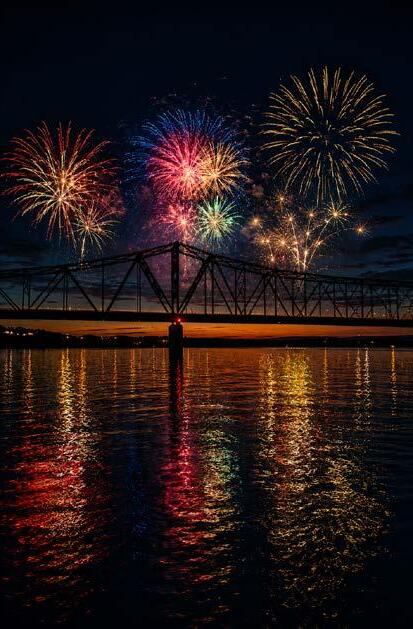
Fireworks Schedule
The Rogue Chef Recipe
& more
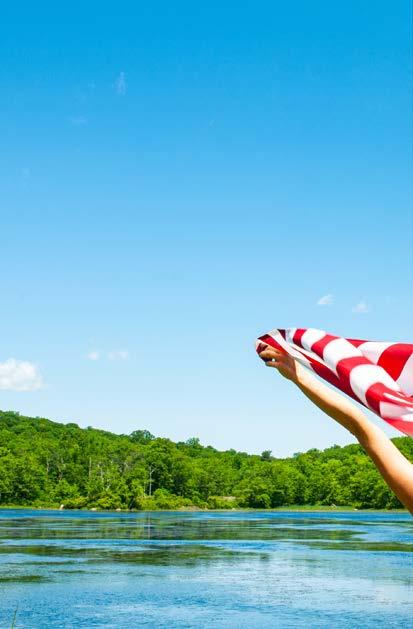
July is one of the most exciting times on Table Rock Lake. The water is full of families, anglers, and boaters making the most of summer, while evenings end with beautiful sunsets and spectacular fireworks.
Inside this issue, you‘ll find our Ultimate Table Rock Lake Summer Bucket List, July fishing report, boating safety tips for busy holiday weekends, local events, and plenty of ideas to help you enjoy every moment on the water.
As we celebrate Independence Day, let‘s also remember to boat safely, be patient with one another, and help keep Table Rock Lake a welcoming place for everyone.
Thank you for making Lost on the Lake part of your summer. We hope this issue inspires you to explore a new cove, catch a few fish, watch the fireworks, and make memories that last long after summer ends.
Have a safe and happy Fourth of July!
See you on the water.
Myra Thornton



CREATIVE EDITOR
Myra Thornton
CONTRIBUTING WRITERS
Eric Olliverson
The Rogue Chef
Tracey Lightfoot
Myra Thornton
CONTRIBUTING PHOTOGRAPHERS
Eric Olliverson
The Rogue Chef
Tracey Lightfoot
Myra Thornton
ADVERTISING SALES
Myra Thornton



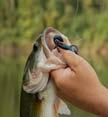


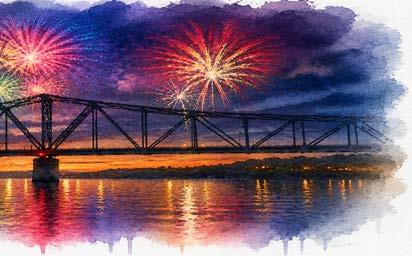
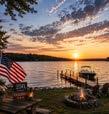

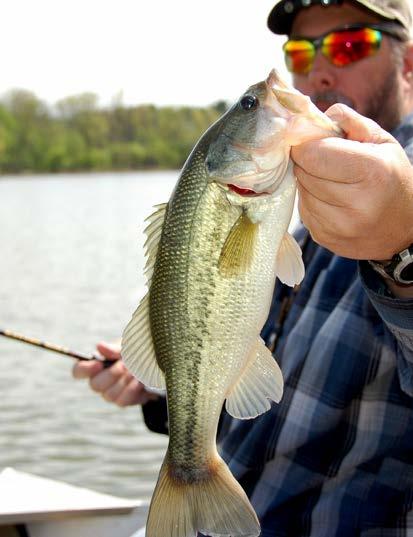
Summer has officially settled over Table Rock Lake, and while the midday heat can make fishing a challenge, anglers who adjust their timing are finding plenty of success. Early mornings, late evenings, and even after dark continue to offer the best opportunities as water temperatures climb into the mid80s.
Largemouth, smallmouth, and spotted bass are all in their typical summer patterns. During the first hour of daylight, bass are actively feeding along rocky points, gravel banks, bluff ends, and around standing timber. Topwater lures such as walking baits, poppers, and buzzbaits can produce exciting strikes before the sun gets high.
As the morning progresses, fish begin moving deeper. Target brush piles, submerged timber, ledges, and points in 15 to 30 feet of water. Drop-shot rigs, football jigs, shaky heads, Carolina rigs, and deep-diving crankbaits are excellent choic-
es throughout the day.
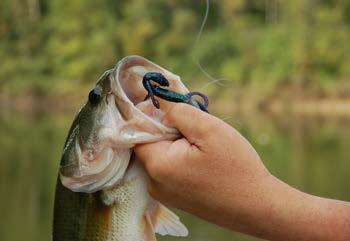
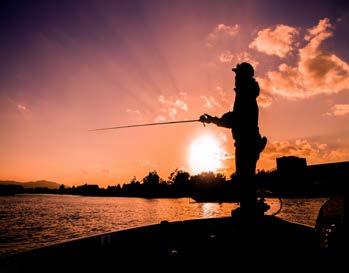
Many local anglers shift their focus to night fishing during July. A large black spinnerbait, football jig, or dark-colored worm worked slowly across rocky banks can produce some of the biggest bass of the season.
Crappie fishing slows during the hottest weeks of summer but remains productive for anglers willing to fish deeper structure. Brush piles, submerged trees, and dock slips in 20 to 35 feet of water continue to hold fish. Minnows and small jigs presented slowly around cover are your best bet.
Bluegill are one of July’s most dependable catches and are perfect for introducing kids to fishing. Look for them around docks, shallow brush, and shoreline vegetation during the morning and evening hours. Wax worms, crickets, and small pieces of nightcrawler suspended beneath a bobber rarely disappoint.
Channel catfish become increasingly active throughout July, especially after sunset. Fishing around creek channels, rocky banks, and flats adjacent to deeper water with cut bait, chicken liver, nightcrawlers, or prepared stink bait can
produce excellent catches. Night fishing often provides the most comfortable temperatures and the best action.
Schools of white bass may surface unexpectedly as they chase shad. Keep an eye out for birds diving or fish breaking the surface. Small spoons, inline spinners, and white swimbaits cast into the feeding activity can result in fast-paced action before the school moves on.
• Start before sunrise whenever possible.
• Focus on deeper water once the sun is overhead.
• Keep a topwater rod ready throughout the day. Bass may surface-feed without warning.
• Stay hydrated and protect yourself from the sun with lightweight clothing, sunscreen, and plenty of water.
• If boat traffic becomes heavy during holiday weekends, seek quieter coves or consider fishing after sunset.
July may bring warm days and busy weekends, but Table Rock Lake continues to reward anglers who adapt to summer conditions. Whether you’re chasing trophy bass at first light, introducing the kids to bluegill fishing, or enjoying the peaceful excitement of a nighttime catfish trip, there’s always another cast worth making.

Nick and Amy Morris
Nick & Amy Morris
Licensed Insurance Agents
Licensed Insurance Agents
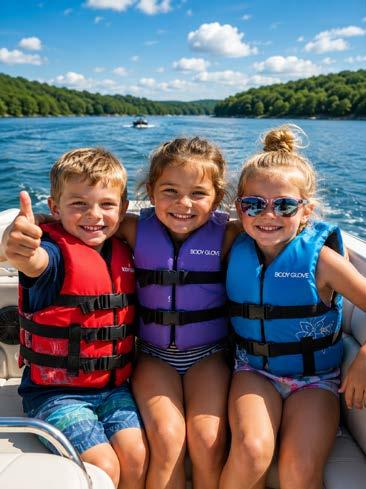
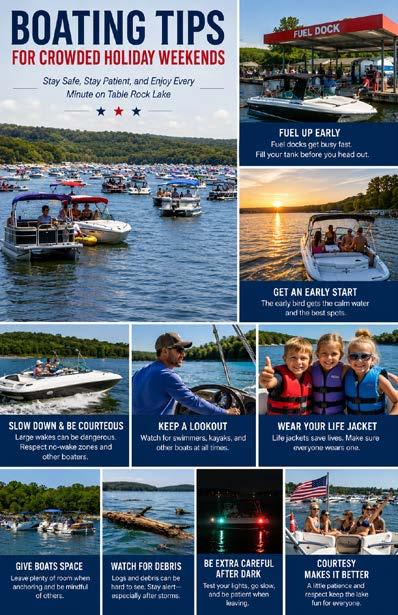
The Fourth of July is one of the busiest weekends of the year on Table Rock Lake. Families gather, friends reunite, and thousands of boaters head out to celebrate summer on the water. While the energy is part of the fun,
the extra traffic also means it’s more important than ever to boat with patience, courtesy, and safety in mind.
A little planning can make the difference between a stressful day and one you’ll remember for all the right reasons.
Holiday mornings are often the calmest time to enjoy the lake. Boat ramps are less crowded, the water is smoother, and you’ll have a much easier time finding your favorite cove before it fills up. If you’re planning to spend the day on the water, launching early can save both time and frustration.
Don’t assume you’ll be able to quickly pull into a marina for fuel during a holiday weekend. Fuel docks often experience long lines, especially in the afternoon. Fill your tank before launching, and remember to bring extra drinking water, sunscreen, snacks, and any supplies your crew might need for the day.
Crowded lakes require extra awareness. Large wakes can make it difficult for smaller boats, kay-
aks, paddleboards, and anglers trying to fish. Keep a safe distance from other vessels, slow down in congested areas, and always obey posted no-wake zones.
Remember, everyone is there to enjoy the lake.
Holiday weekends bring every type of watercraft imaginable. Wake boats, personal watercraft, fishing boats, pontoons, cruisers, kayaks, paddleboards, and swimmers may all be sharing the same cove.
Assign one passenger to act as an extra lookout whenever possible. A second set of eyes can help spot floating debris, swimmers, paddlecraft, or approaching boats before they become a problem.
It’s tempting to anchor near the action, but avoid squeezing into already crowded coves. Leave enough room for boats to swing safely on anchor and for others to maneuver without creating unnecessary wakes.
A little extra space makes the day more enjoyable for everyone.
Summer storms and changing
lake levels can leave logs, branches, and other debris floating just beneath the surface. Even on clear days, keep a close eye ahead, especially when traveling early in the morning, after heavy rain, or near creek mouths.
Life jackets save lives, and they work only when they’re worn. Children should wear properly fitted life jackets anytime they’re on the water, and adults are encouraged to do the same, especially while underway. Make sure every passenger knows where safety equipment is located before leaving the dock.
Holiday weekends often include backyard barbecues and lakeside celebrations. If alcohol is part of your plans, designate a sober operator before leaving the dock. Operating a boat requires constant attention, and impairment can be just as dangerous on the water as it is behind the wheel of a car.
Watching fireworks from the water is one of the highlights of the Fourth of July, but getting back to the dock afterward can be chal-
lenging. Hundreds of boats may leave at the same time, creating heavy traffic in the dark.
• Test your navigation lights.
• Charge your phone.
• Keep a spotlight or flashlight within reach.
• Know your route back to the marina.
• Travel at a safe speed and stay alert for unlit boats, floating debris, and other obstacles.
Patience goes a long way once the fireworks end.
The best captains aren’t always the fastest or the most experienced. They’re the ones who wave another boat through, help someone at the launch ramp, idle past anglers, and understand that everyone came to make memories.
Holiday weekends can be busy, but they’re also some of the best days of summer. A little patience, thoughtful boating, and respect for fellow lake lovers help keep Table Rock Lake safe, beautiful, and welcoming for everyone.
Have a wonderful Fourth of July, enjoy the water responsibly, and we’ll see you on the lake!

Thursday, July 2
Fireburst
Kimberling City Bridge
Approximately 9:00 PM
Lakeside Resort Fireworks
Lakeside Resort at Coney Island
Immediately following Fireburst
Friday, July 3
Liberty Light Up
Branson Landing
Approximately 9:20 PM
Saturday, July 4
Big Cedar Lodge Independence Day Fireworks
Big Cedar Lodge / Top of the Rock
Dusk
Fire & Thunder
Shell Knob Bridge
Approximately 9:30 PM
Lakeside Resort Independence Day Fireworks
Lakeside Resort at Coney Island
Dusk
Galena Independence Day Celebration
Y Bridge Park
Galena
Dusk
Hollister Independence Day Fireworks
Hollister
Approximately 9:00 PM

Sunday, July 5
Chateau on the Lake Fireworks
Chateau on the Lake Resort
Dusk
July 11 through August 2
Summer Celebration Drone & Fireworks Spectacular
Silver Dollar City
Nightly at park closing
Best Fireworks to Watch by Boat
Fireburst (Kimberling City)
Lakeside Resort (Coney Island)
Big Cedar Lodge
Shell Knob Fire & Thunder
Chateau on the Lake
These five displays offer the best viewing opportunities from Table Rock Lake and are local favorites for boaters each summer.




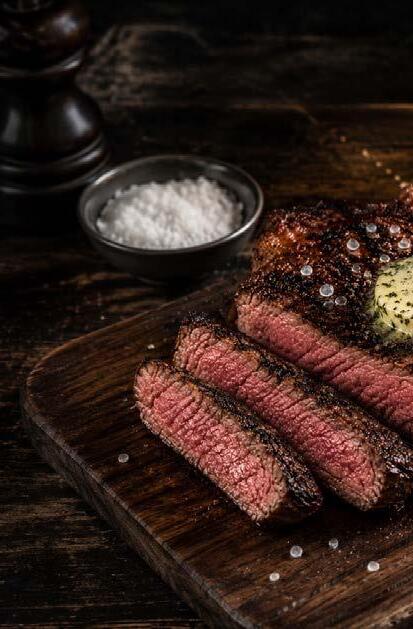
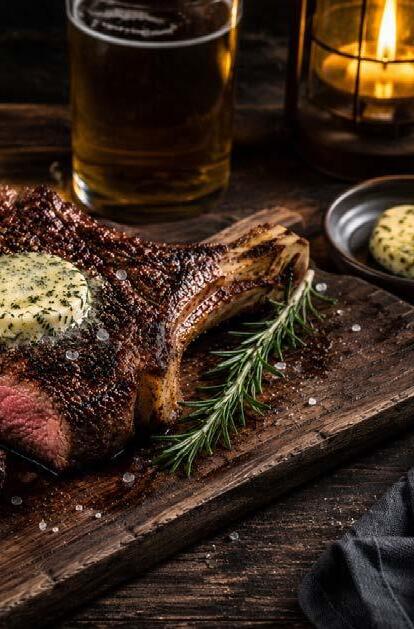
Coffee-Rubbed Bone-In Ribeye
With Smoked Sea Salt & Herb Butter
Time
45 Minutes. Servings: 6-8 Servings
Ingredients
Steaks
• 3 large bone-in ribeyes (about 1-1/2–2 lbs each)
• 2 T olive oil
• 1-1⁄2 T finely ground coffee
• 1 tsp smoked paprika
• 1 tsp garlic powder
• 1 tsp freshly cracked black pepper
• 1 tsp kosher salt
• 1⁄2 tsp brown sugar
• Herb Butter
• 1⁄2 C unsalted butter, softened
• 1 T fresh rosemary, finely chopped
• 1 T fresh thyme, finely chopped
• 1 tsp lemon zest
• 1⁄2 tsp smoked sea salt
Instructions
1. Remove the ribeyes from the refrigerator 30 minutes before cooking allowing them to come to room temperature.
2. Combine the ground coffee, smoked paprika, garlic powder, black pepper, kosher salt, and brown sugar in a small bowl.
3. Pat the steaks dry with paper towels and brush both sides lightly with olive oil.
4. Coat each ribeye generously with the coffee rub, pressing gently to help it adhere.
5. Preheat the grill to high heat (450–500°F).
6. Place the steaks on the grill and sear for 4–5 minutes without moving them.
7. Flip the steaks and continue grilling for another 4–5 minutes for medium-rare, adjusting time based on thickness and desired doneness.
8. Transfer the steaks to a cutting board and rest them for 10 minutes to allow juices to redistribute.
9. Mix the softened butter, rosemary, thyme, lemon zest, and smoked sea salt in a bowl until fully combined.
10. Top each rested steak with a generous slice of herb butter and serve immediately.
Go Rogue by finishing the steaks with a light drizzle of hot honey and a pinch of flaky sea salt for a sweetheat contrast that amplifies the char.
Want The Rogue Chef to make this delicious dish for you? Contact us at www.TheRogueChef.com.



Summer at Table Rock Lake has a way of slipping by faster than we’d like. One minute you’re launching the boat for Memorial Day, and the next you’re watching the leaves begin to change. This year, don’t let summer simply happen. Make it unforgettable.
Whether you’ve lived on the lake your entire life or are spending your very first weekend here, challenge yourself to complete as many of these adventures as possible before Labor Day. Check them off, make memories, and don’t forget to snap plenty of photos along the way.
Watch a sunrise from the middle of the lake.
Watch the sun set from your favorite cove. Enjoy your morning coffee on the dock.
Take an evening cruise just before dark.
Photograph the golden hour reflecting off the water.
Catch a bass before break fast.
Teach a child to cast a fishing rod.
Land a fish on topwater.
Catch three different species in one day. Go fishing after dark.
Discover a swimming cove you’ve never visited. Jump off the swim platform. Paddleboard across a quiet cove.
Kayak through calm morning water.
Spend an entire afternoon anchored with family and friends.
Roast marshmallows by the lake.
Have a picnic on the shore line.
Build a rock tower with the kids.
Skip rocks across calm water.
Catch fireflies after sunset. Watch your kids catch their first fish.
Spot a bald eagle soaring overhead.
Watch a great blue heron hunt along the shoreline. See a family of ducks crossing a quiet cove.
Listen for whip-poor-wills after sunset.
Photograph a colorful
dragonfly resting on your dock.
Visit a marina you’ve never explored.
Cruise a new arm of the lake. Find your favorite bluff. Explore a peaceful no-wake cove.
Take a scenic drive around the lake.
Enjoy breakfast by boat. Have lunch at a dock-anddine restaurant.
Try a restaurant you’ve never visited.
Treat yourself to ice cream after a day on the water.
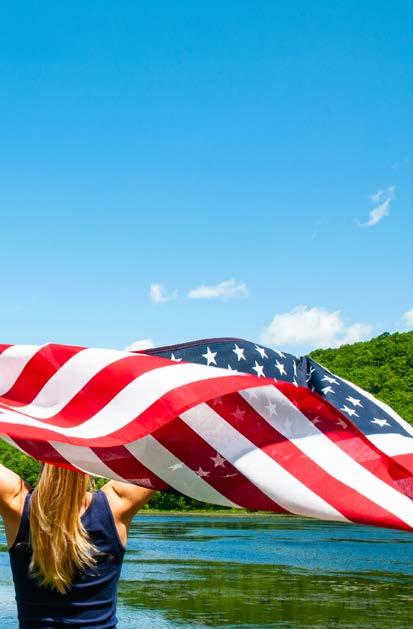
Watch Fourth of July fireworks from your boat. Fly an American flag while cruising.
Decorate your dock for Independence Day. Host a family cookout.
Hike a nearby trail. Take a bike ride near the lake.
Explore a nearby waterfall. Watch clouds roll in before a summer rain. Walk barefoot along the shoreline.
Watch the stars from the dock. Photograph the Milky Way over Table Rock Lake. Listen to the sounds of the Ozarks after dark.
Take a peaceful moonlight boat ride.
Sit quietly and simply enjoy the stillness.
Invite someone who’s never been to Table Rock Lake to spend a day on the water.
Some of the best lake memories aren’t the biggest ones. They’re the quiet mornings, the laughter drifting across the water, the fish that almost got away, the fireflies dancing at dusk, and the sunsets that make everyone stop talking for just a moment.
Check off every adventure you can before Labor Day, and remember that the best days on the lake are often the ones you never planned.
Here’s to making this your best Table Rock summer yet.


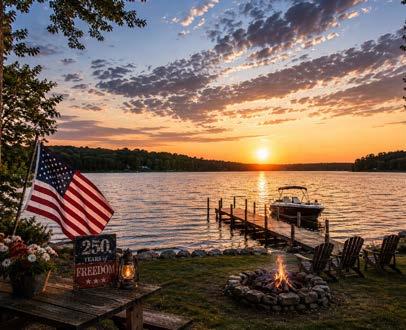
Written By: The Rogue Chef www.theroguechef.com
Two hundred and fifty years ago, independence was declared in the heat of July. It was not a quiet decision, nor was it made in comfort. It came from conviction, from courage, and from a willingness to stand in the fire for something greater. That spirit, bold and unafraid, has shaped this country ever since— and in many ways, it has shaped the way we cook.
American food was never delicate in its origins. It was built over open flames, in cast iron, and beneath skies that did not offer the luxury of precision ovens or polished kitchens. Early meals were prepared with instinct and necessity, influenced by cultures that blended, adapted, and transformed what they brought with them. What emerged was not one singular cuisine, but a living expression of resilience and reinvention.
Fire was not simply a tool; it was the beginning of flavor, community, and identity.
As we mark 250 years this July, it feels fitting to return to that elemental starting point. Summer naturally draws us back outdoors, where grills replace stovetops and smoke drifts into warm evening air.
There is something grounding about cooking this way — about tending flame, adjusting heat, and trusting experience over timers. It connects us not just to tradition, but to each other.
American flavor has always been bold. We layer sweet against heat, smoke against brightness, and char against freshness without apology. From slow-smoked barbecue in the South to fire-seared steaks in the Midwest and seafood boils along the coasts, our food reflects confidence. It embraces contrast rather than shying away from it. Even in its simplest form, summer cooking carries that signature strength. Yet bold does not mean careless. The best outdoor meals balance intensity with intention. A steak kissed with flame is finished with resting time and thoughtful seasoning. Corn blistered on the grill is brightened with citrus and herbs. Even a simple dessert can carry smoke and sweetness in equal measure. Fire provides depth, but refinement makes it memorable.
That intersection of heritage and elevation is where The Rogue Chef lives. We do not abandon tradition; we honor it by executing it well. The spirit of American cooking — resourceful, generous, and unapologetically flavorful — deserves attention to detail and respect for ingredients. Celebration food should feel meaningful, especially in a year that carries this much historical weight.
The lake in July offers a uniquely American backdrop for that kind of celebration. Flags ripple in the breeze. Boats idle in quiet coves. Families gather around long tables, passing platters instead of plates. The rhythm is relaxed, but the meaning runs deeper. Food anchors those moments, becoming part of the memory long after the fireworks fade.
At its best, cooking is not just about feeding people; it is about marking time together. Two hundred and fifty years is more than an anniversary — it is a testament to resilience, creativity, and courage. When we cook over flame, gather around a table, and serve food that is bold and thoughtfully prepared, we participate in that same legacy.
This July, light the grill with purpose. Season confidently. Let smoke rise into the warm evening air and gather your people close. America was born of fire, and our kitchens still carry that spark.

Financial security doesn’t have to come from a big salary, a lucky investment or some dramatic turning point. For most people, wealth is built more simply, through small habits repeated many times over.
If you’re like many young people, you may feel you don’t have enough money to start investing. The reality is that you’re in a great position to build the small habits that will help you create lasting wealth. Here are five tips to help you get started.
Automate savings before you spend. One of the most powerful financial habits you can build is among the easiest. Set up an automatic transfer such as by contributing to an employer retirement plan or exploring if you can direct part of your paycheck to a savings or investment account.
This helps remove the temptation to spend that money instead of saving it. Even setting aside 1% to 5% of your income can help build momentum over time.
Watch the small stuff. It’s easy to dismiss a $15-a-month streaming service or a $6 coffee twice a week.
But those small purchases add up. Forgotten subscriptions, food delivery fees and impulse buys can quietly drain your bank account.
“Just $25 a week, if invested well, can grow into the thousands in a few short years.”Scan your recurring charges regularly, cancel what you don’t use and put that money to work instead.
Don’t let your lifestyle outpace your income. When you get a raise or bonus, it’s tempting to upgrade your apartment, car or everyday spending. This “lifestyle creep” can be a significant hindrance to building wealth.
Here’s an alternate approach: Every time your income goes up, increase your savings rate before anything else. Even saving half of a raise while spending the rest puts you ahead.
Start now, even imperfectly. Don’t wait to start investing. Even if you can only set aside a small amount each month, do it. Starting just five to 10 years earlier can result in significantly more wealth down the line, even if the early contributions are small, thanks to compounding.
Compounding means your contributions earn interest, and even that interest earns interest. Over decades, that snowball effect can make a world of difference.
Stay aware, not obsessed. You don’t necessarily need to track every dollar you spend. But you do need to be aware of your money habits. A quick weekly or monthly check-in on your accounts, spending patterns and progress toward savings goals can help you catch problems early.
Financial awareness also means protecting what you build. An emergency fund covering three to six months of total expenses keeps one bad month from becoming a financial crisis. Avoiding high-interest debt does the same. These defensive habits make everything else possible.
Your financial future likely won’t be shaped by one big decision. Instead, it will probably be built by small choices you make every day. And the best time to start making good choices is now.
This article was written by Edward Jones for use by your local Edward Jones Financial Advisor. Edward Jones, Member SIPC



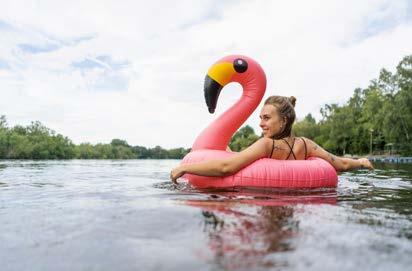
There’s nothing better than spending a summer day on Table Rock Lake, but when the afternoon temperatures climb into the 90s, even your favorite lake house can start to feel more like a sauna than a retreat. The good news? A few simple habits can keep your home cooler, lower your energy bills, and help you spend less time adjusting the thermostat and more time enjoying the lake.
• Close the Blinds During Peak Sun
Large windows are one of the best features of a lake home, but they can also let in a tremendous amount of heat. During the hottest part of the day, close blinds or pull shades on windows that receive direct
afternoon sun. You’ll still enjoy your beautiful view in the morning and evening while helping your air conditioner work a little less.
• Let the Evening Breeze Do the Work
One of the greatest perks of living near the water is the cool evening air. Once temperatures begin to drop after sunset, open your windows and let fresh air flow through the house. A cross breeze can cool your home naturally before bedtime and reduce the need for overnight air conditioning.
• Change Your Air Filter
A clogged HVAC filter forces your system to work harder, reducing efficiency and increasing energy costs. Replacing your air filter every one to three months, especially during peak summer, is one of the easiest and least expensive ways to
improve cooling performance.
• Use Ceiling Fans Wisely
Ceiling fans don’t actually lower the temperature, but they make you feel cooler by circulating air. During the summer, make sure your fan blades rotate counterclockwise to push air downward. This simple adjustment can make a room feel several degrees cooler.
• Grill Outside Instead of Using the Oven
Cooking indoors adds unnecessary heat to your home. Summer is the perfect excuse to fire up the grill, smoker, or Blackstone. You’ll keep the kitchen cooler while enjoying one of the best traditions of lake living.
• Seal Out the Heat
Warm air can sneak inside through worn weather stripping around doors and windows. Inspect seals each spring and replace any that are cracked or damaged. Keeping hot air outside makes a noticeable difference during long stretches of summer heat.
• Give Your Air Conditioner a Helping Hand
Keep grass clippings, leaves, and shrubs trimmed away from your outdoor air conditioning unit. Good airflow allows the system to operate more efficiently and extend its lifespan. A yearly professional tune-up can also help catch small issues before they become expensive repairs.
• Add Shade Where You Can
Trees are one of the best natural cooling systems available. If your property allows, planting shade trees on the west side of your home can help reduce afternoon heat for years to come. Pergolas, awnings, and patio umbrellas also provide welcome relief on decks and outdoor living spaces.
• Keep the Heat Outside
On especially hot afternoons, avoid running appliances such as dishwashers, clothes dryers, or ovens until evening. These appliances generate additional heat that makes your cooling system work even harder.
• Stay Hydrated
It’s easy to lose track of time while working on the dock, mowing the lawn, or spending hours on the water. Keep plenty of cold water available, wear light-colored clothing, and take breaks in the shade during the hottest part of the day.
• A Comfortable Summer Starts at Home
Your lake house should be a place to relax after a day on the water, not another place to escape the heat. With a few smart habits and a little preventive maintenance, you can stay comfortable all season while saving on energy costs.
After all, the best place to cool off is still out on Table Rock Lake. But when the day is done, it’s nice to come home to a house that’s just as refreshing.