Lost Magazine is an independent magazine circulating throughout Daylesford, Hepburn Springs, Kyneton, Trentham, Glenlyon, Castlemaine, Woodend, Creswick, Clunes and surrounds. We also distribute to select Melbourne venues and to an ever-growing subscriber base.
All content in this publication is copyright and may not be reproduced in whole or in part in any form without express permission of the publisher. All care is taken to ensure accuracy in editorial and advertising however the publishers and any contributors accept no responsibility for errors or omissions. All material herein constitutes information and not advice.
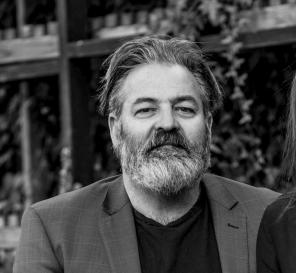
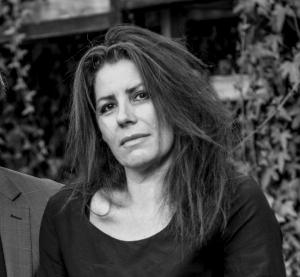
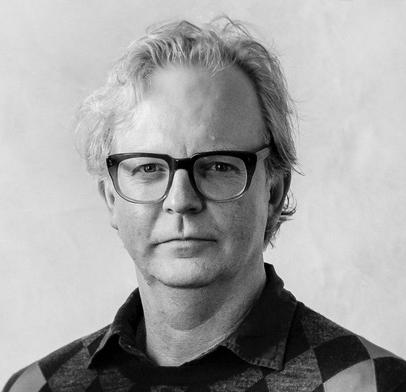
LOST TEAM
FEATURE WRITER
Larissa Dubecki
PHOTOGRAPHER
Kaiya Rae
FEATURE WRITER Michael Harden
DESIGN
Taylor Albioli
PUBLISHER
Tony De Marco
PUBLISHER
Theresa Albioli
EDITOR
Phoebe Higgins
A slice of Swiss Italian countryside nestled in the hills of Daylesford
A slice of Swiss Italian countryside nestled in the hills of Daylesford
A slice of Swiss Italian countryside nestled in the hills of Daylesford
OPEN 7 DAYS OPEN DAYS
OPEN 7 DAYS OPEN 7 DAYS
OPEN 7 DAYS OPEN 7 DAYS
Monday - Friday • 10am-4pm - 10am-4pm
Monday - Friday • 10am-4pm 10am-4pm
Monday - Friday • 10am-4pm - 10am-4pm
Saturday & Sunday • 9am-5pm 9am-5pm
Saturday & Sunday • 9am-5pm
Saturday & Sunday • 9am-5pm
Saturday & Sunday • 9am-5pm & 9am-5pm
350 Hepburn-Newstead Road, Shepherd’s Flat VIC
350 Hepburn-Newstead Road, Shepherd’s Flat VIC
350 Hepburn-Newstead Road Shepherd’s Flat VIC
LOST NEWS
Welcoming winter can feel challenging, with dwindling daylight hours, and warm days a distant memory; it can be hard not to feel consumed by the coldness. Still, this space offers tranquillity and time to slow down and reflect. Like the beauty in the dying leaves, it’s all about perspective.
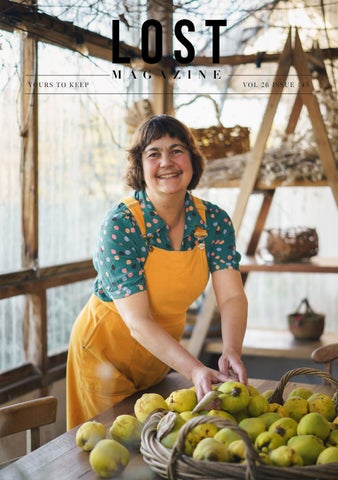
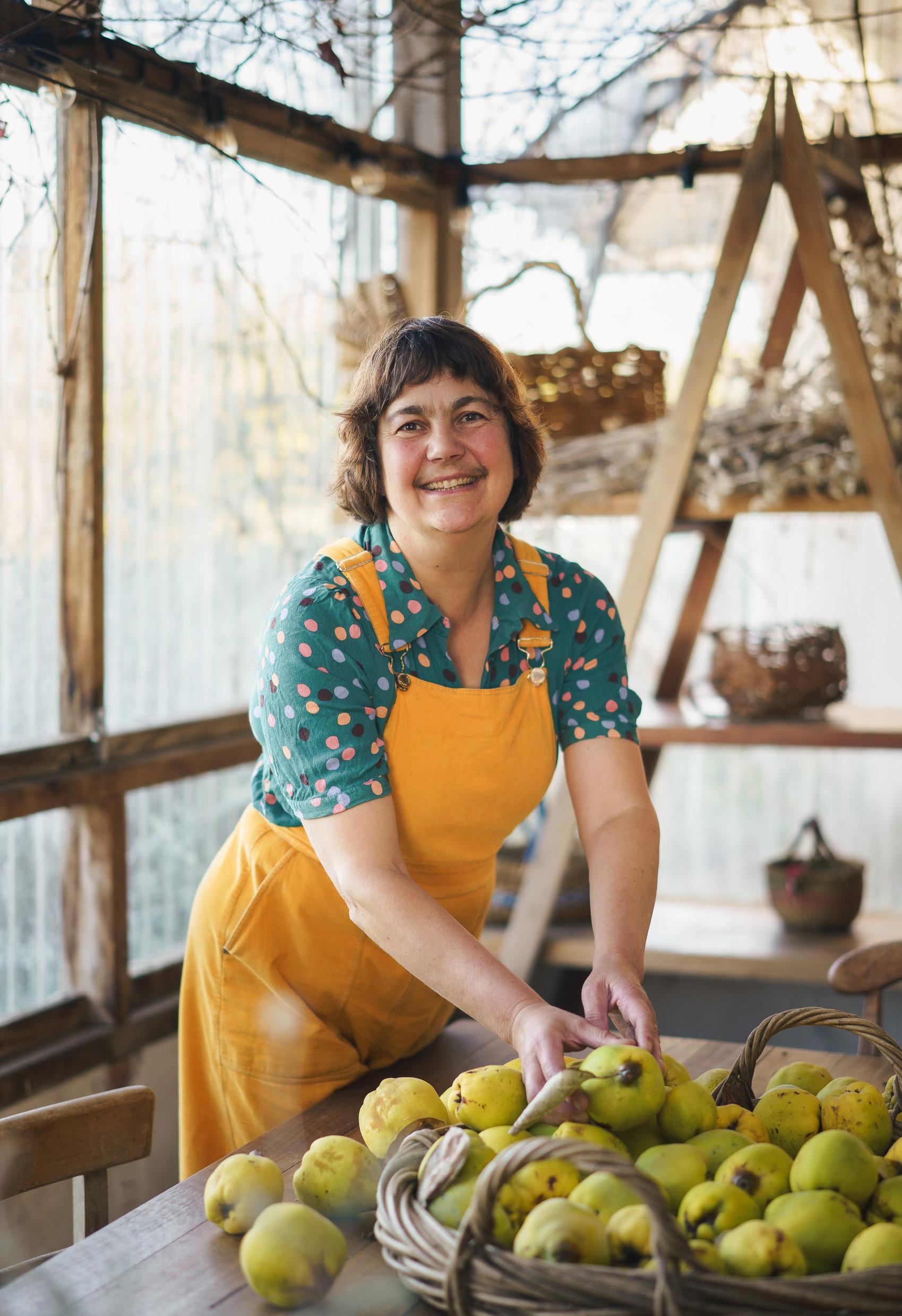
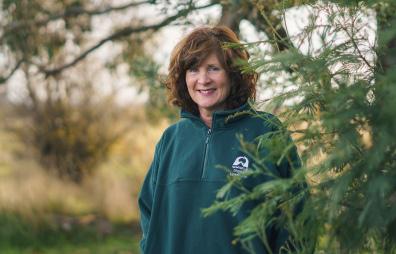
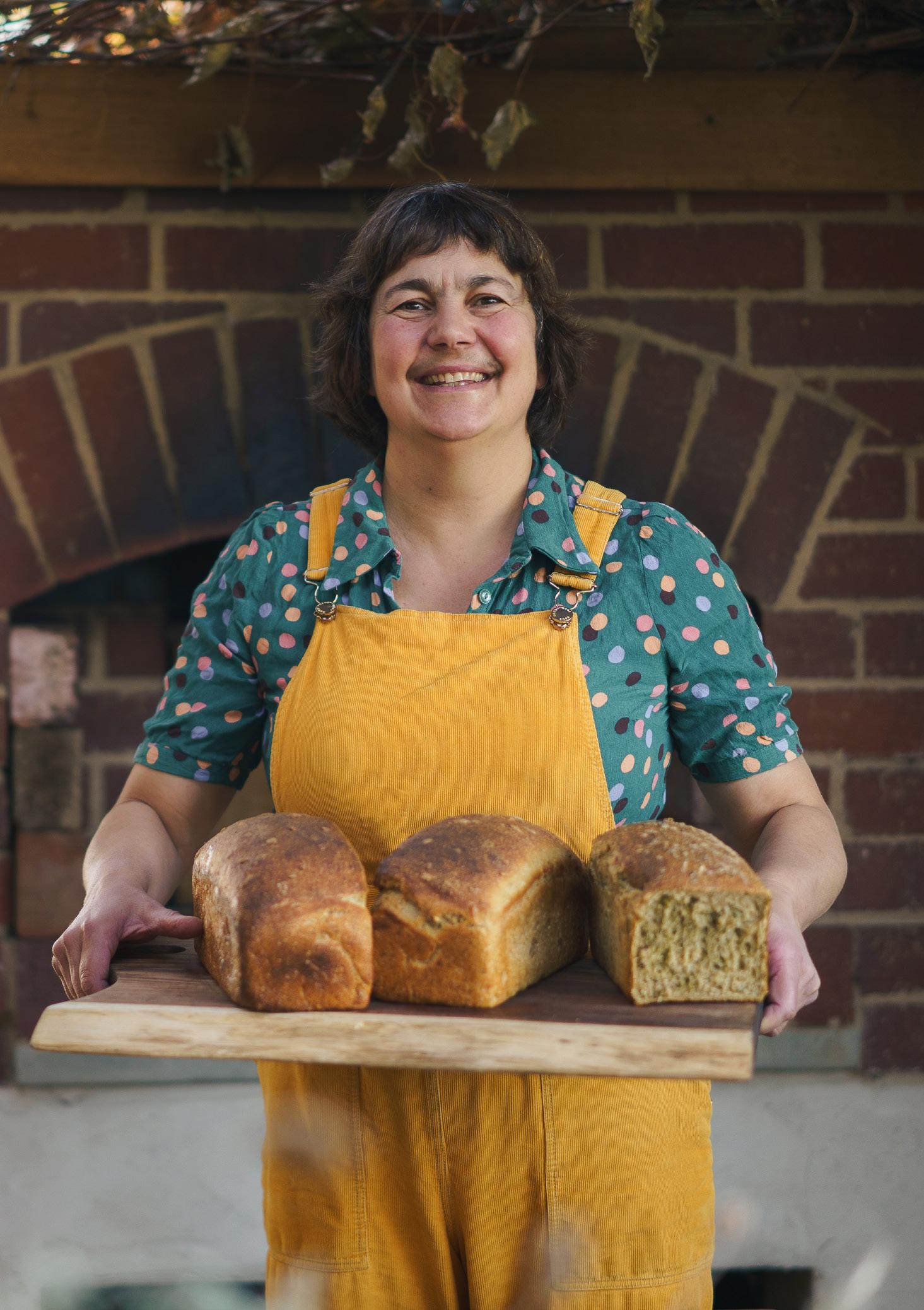
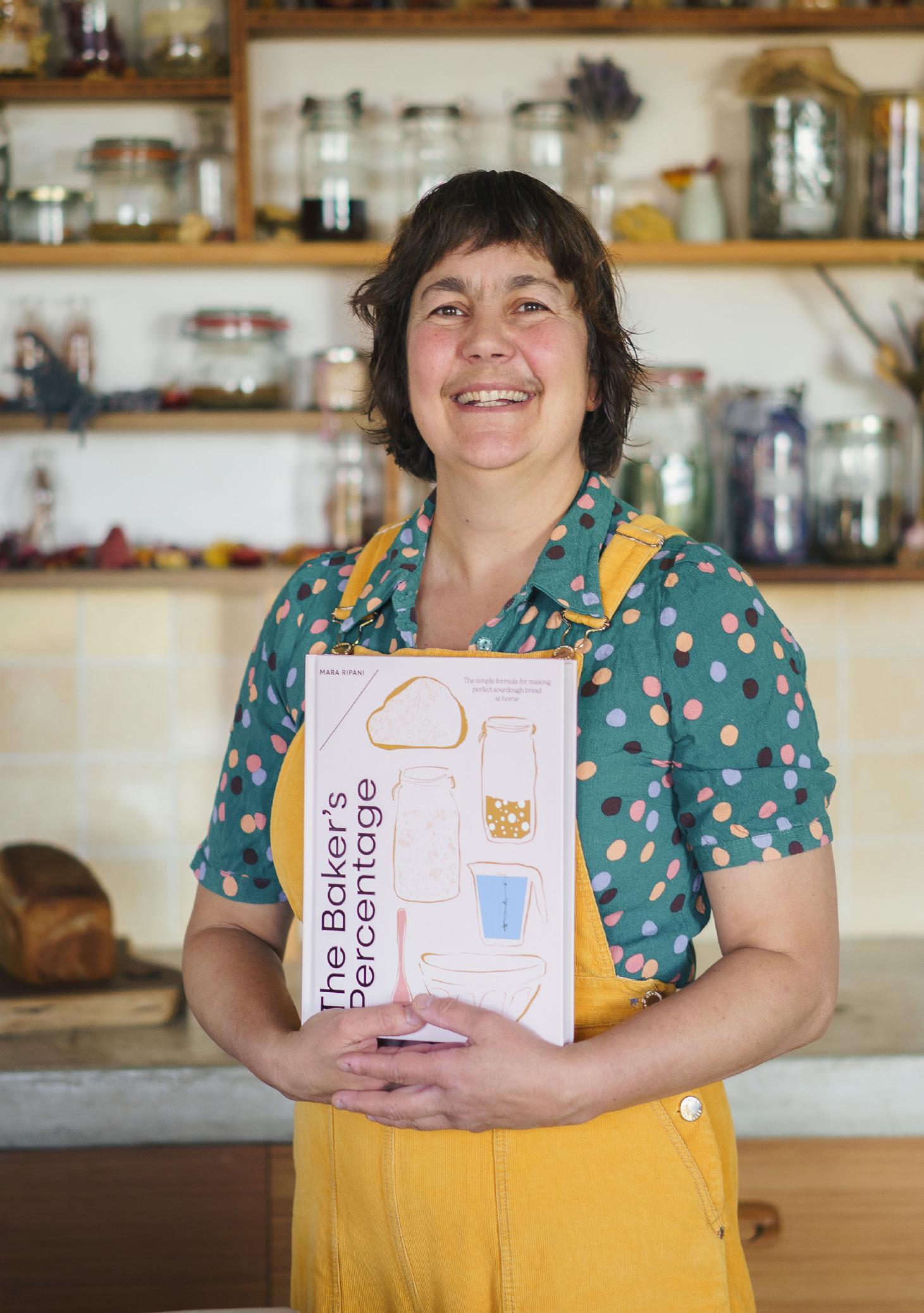
Throughout this issue, we find warmth in authentic community stories, like those of Mara Ripani author of The Baker’s Percentage, a bible of breadmaking, as pragmatic, considered, and intentional as ever—that signature style demonstrated throughout all her work at Village Dreaming, from regenerative agriculture to cookery classes.
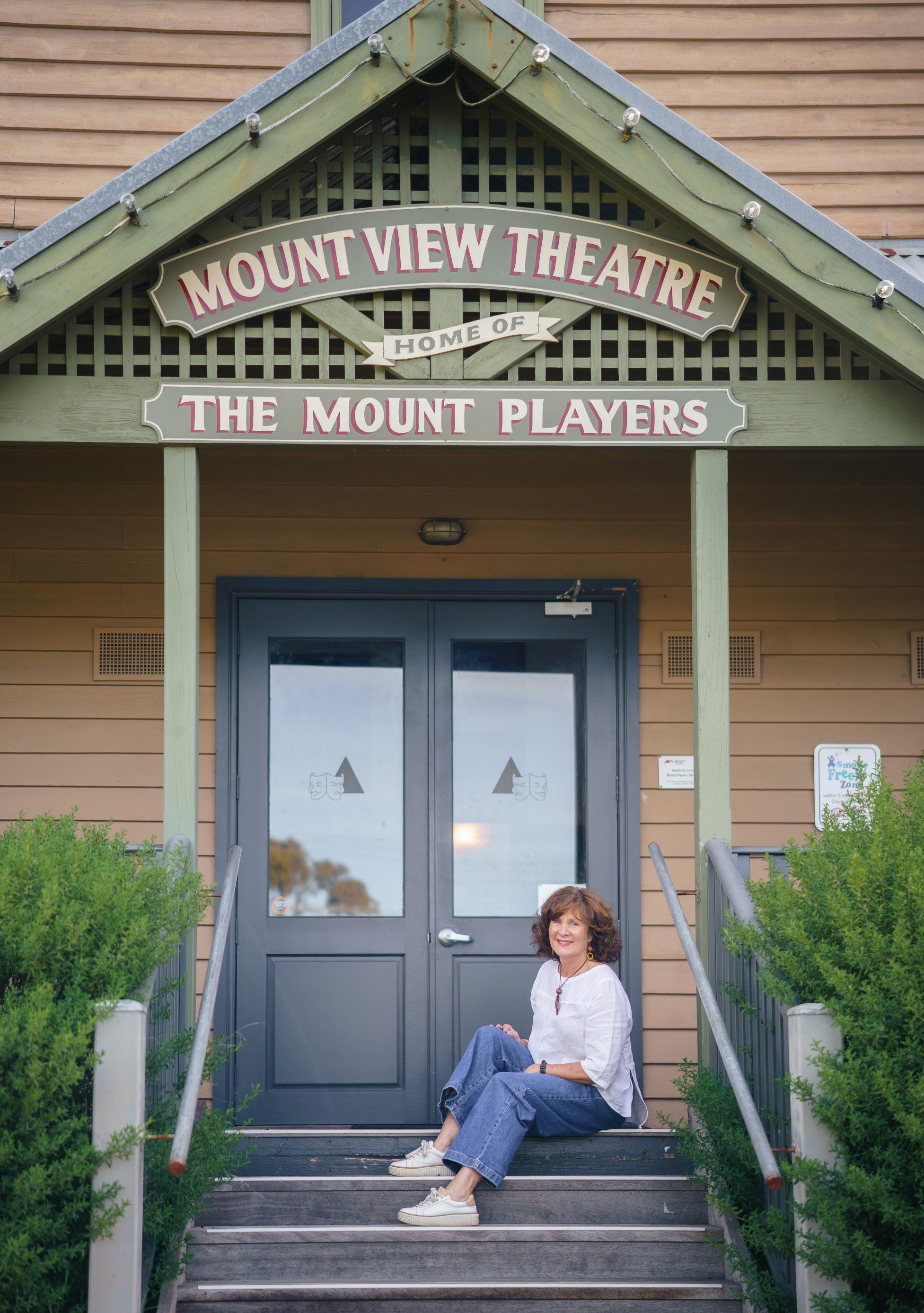
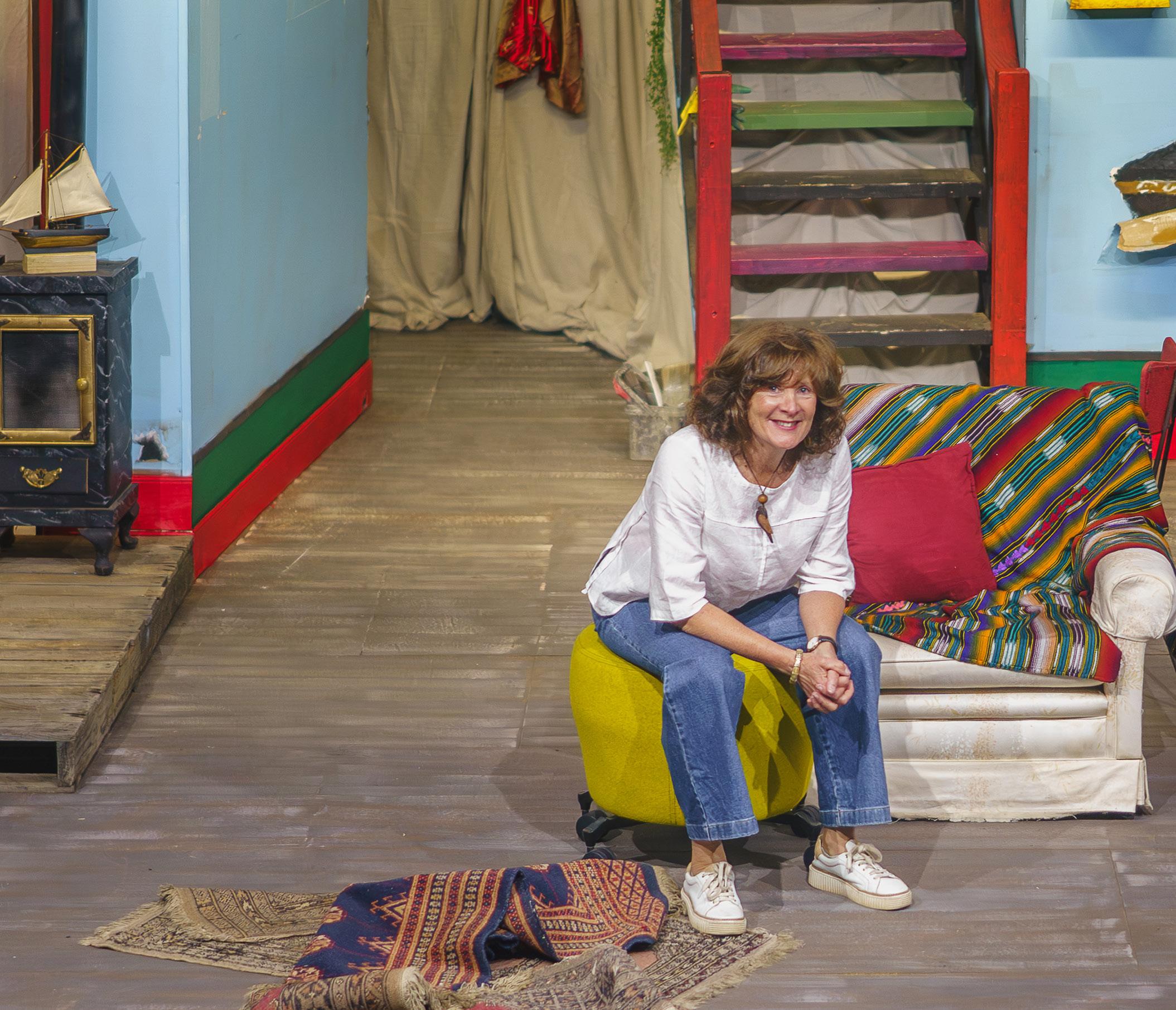
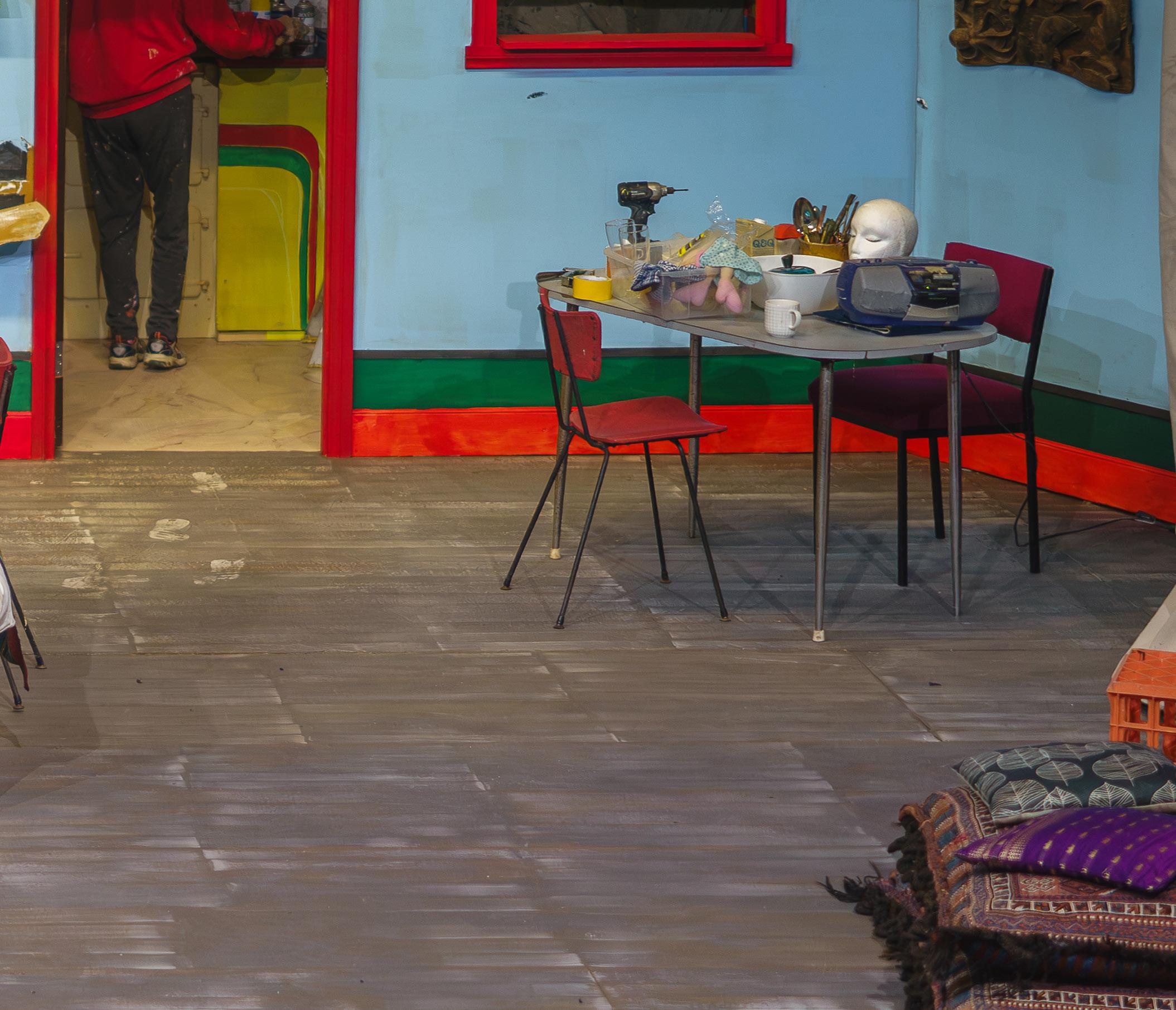
At Macedon’s Montview Theatre, we visit Karen Hunt, a stalwart of the stage who has been creating magic across the performing process since 1990. Karen’s story is kaleidoscopic: bright and vivacious, brimming with endeavour, resilience, and care, with community at the centre of her work.
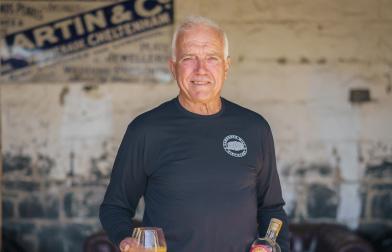
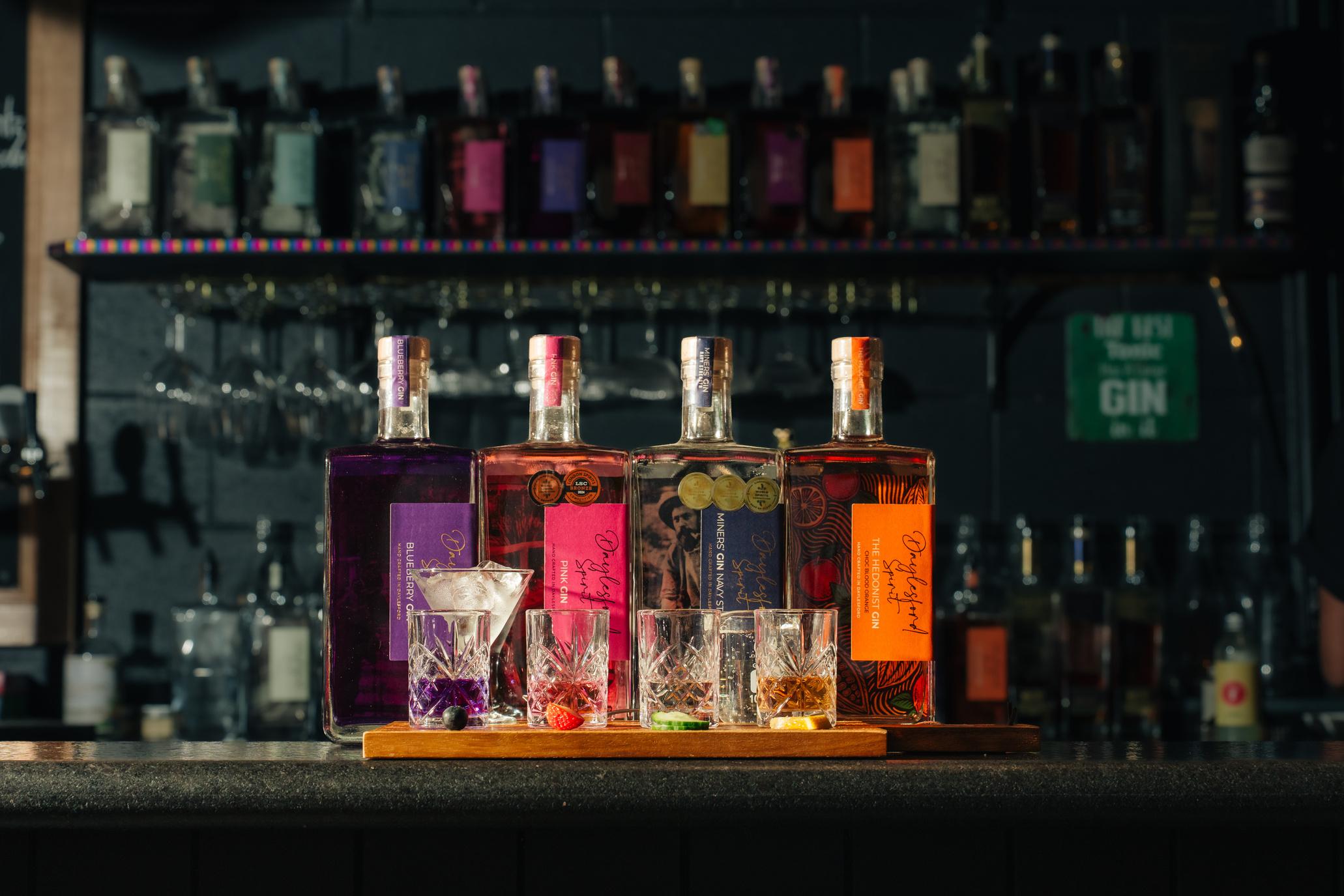
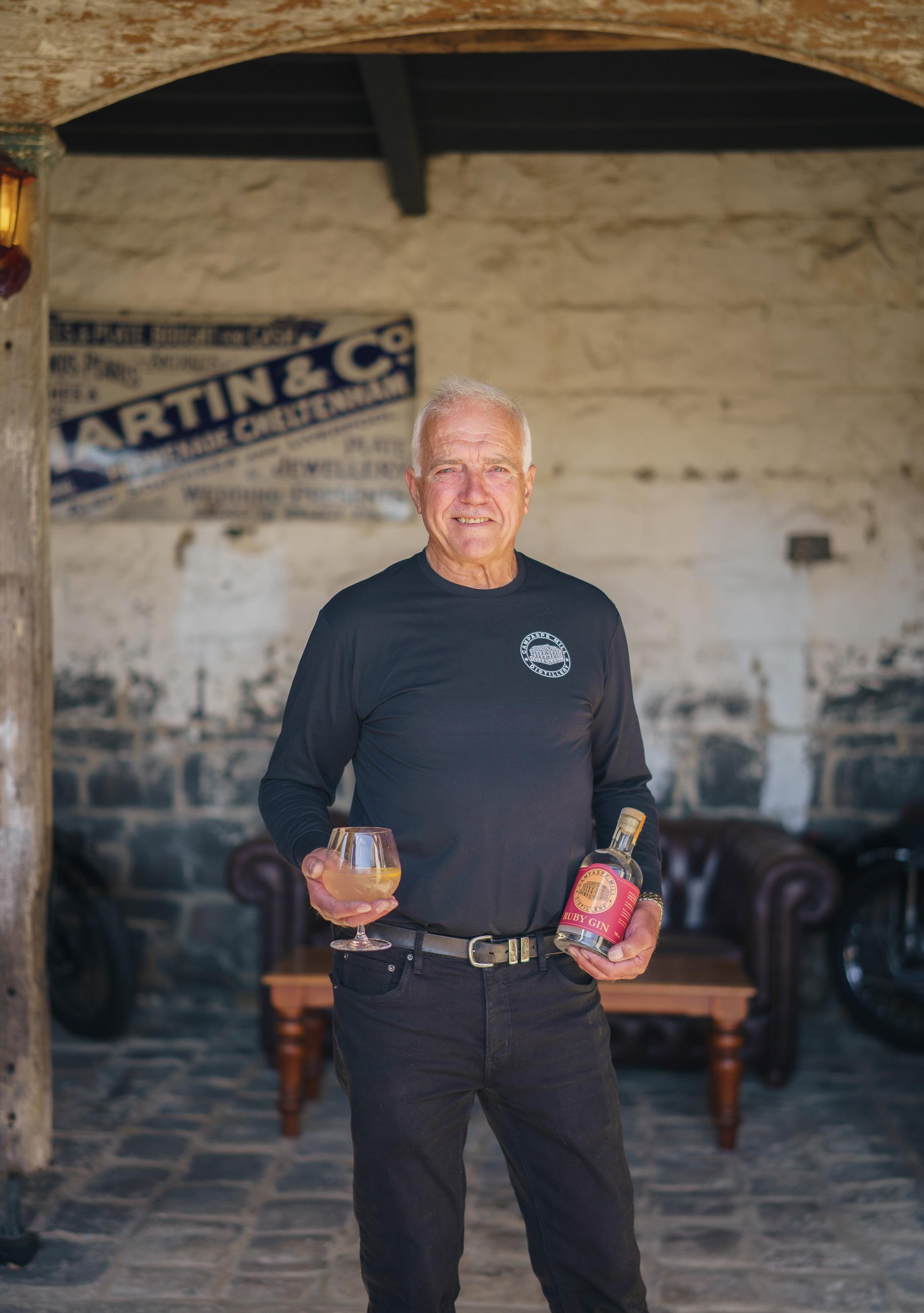
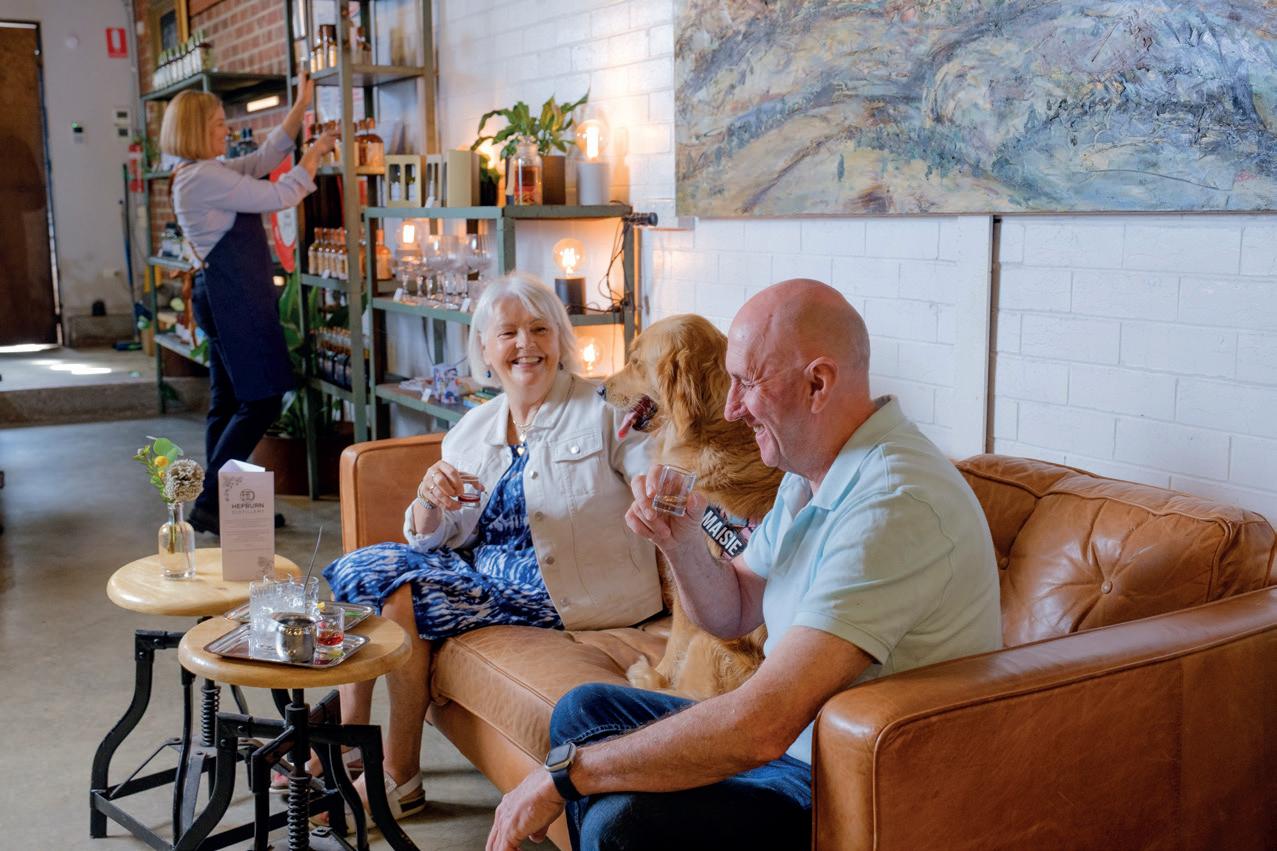
Tending the bluestone fire at Kyneton’s Campaspe Mill are Bill and Helen Coleby, generational residents of the iconic local landmark, which is now open to the public, ushering in a new era for the family. While much of the craft and beauty have been preserved over the 170-some years since the Mill was first built, some things have changed. Nowadays, you’ll find a sophisticated gin distillery, befitting an industrial English avenue, with a product that speaks for itself.
In the heart of Daylesford, The Village Middleton Field remains firmly a place for people, not development—just ask Catherine Webster. With sustainability and connection at the forefront, Catherine shares her role in an exciting, unifying project that embodies the townsfolk's ethos of independent togetherness.
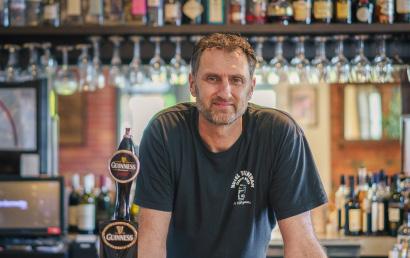
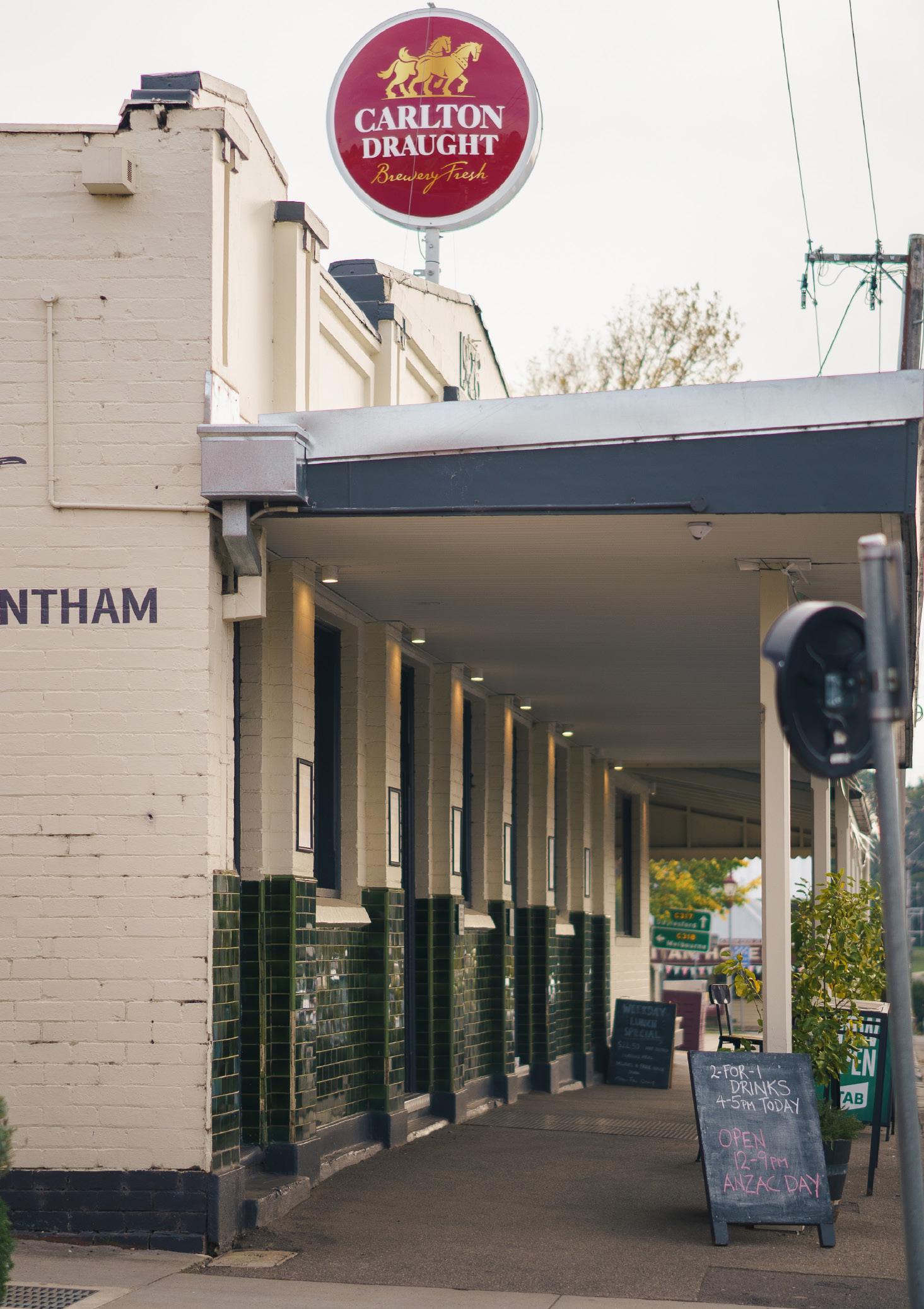
Chris Anstey, the engine behind the revival of the beloved Hepburn Palais and Hotel Trentham, sits down to share what makes it all worth it. For Chris, it’s all about connecting locals and celebrating those iconic venues that have welcomed musicians across eras, providing soundtracks for multiple generations—you can practically peel the Australiana from the barmat.
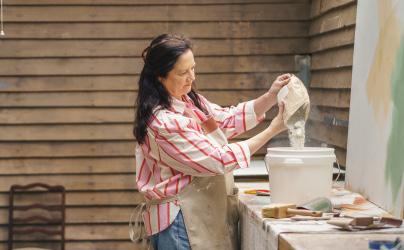
Finally, painting walls from France to Tylden, Jane of Lime au Lait Atelier brings more than a decade of renovation experience, working in rustic yet vibrant colours that speak to creative traditions celebrating sustainability while continually pushing forward in the name of adventure and evolution. Her refreshing approach to time-honoured traditions is equal parts brave and embracing.
With rain and wind, winter also carries the promise of renewal. We hope that this issue of Lost encourages you to explore the warmest nooks and crannies in the region, kept alive by the individuals within, fuelling life here with warmth and intention.
Phoebe Higgins Editor
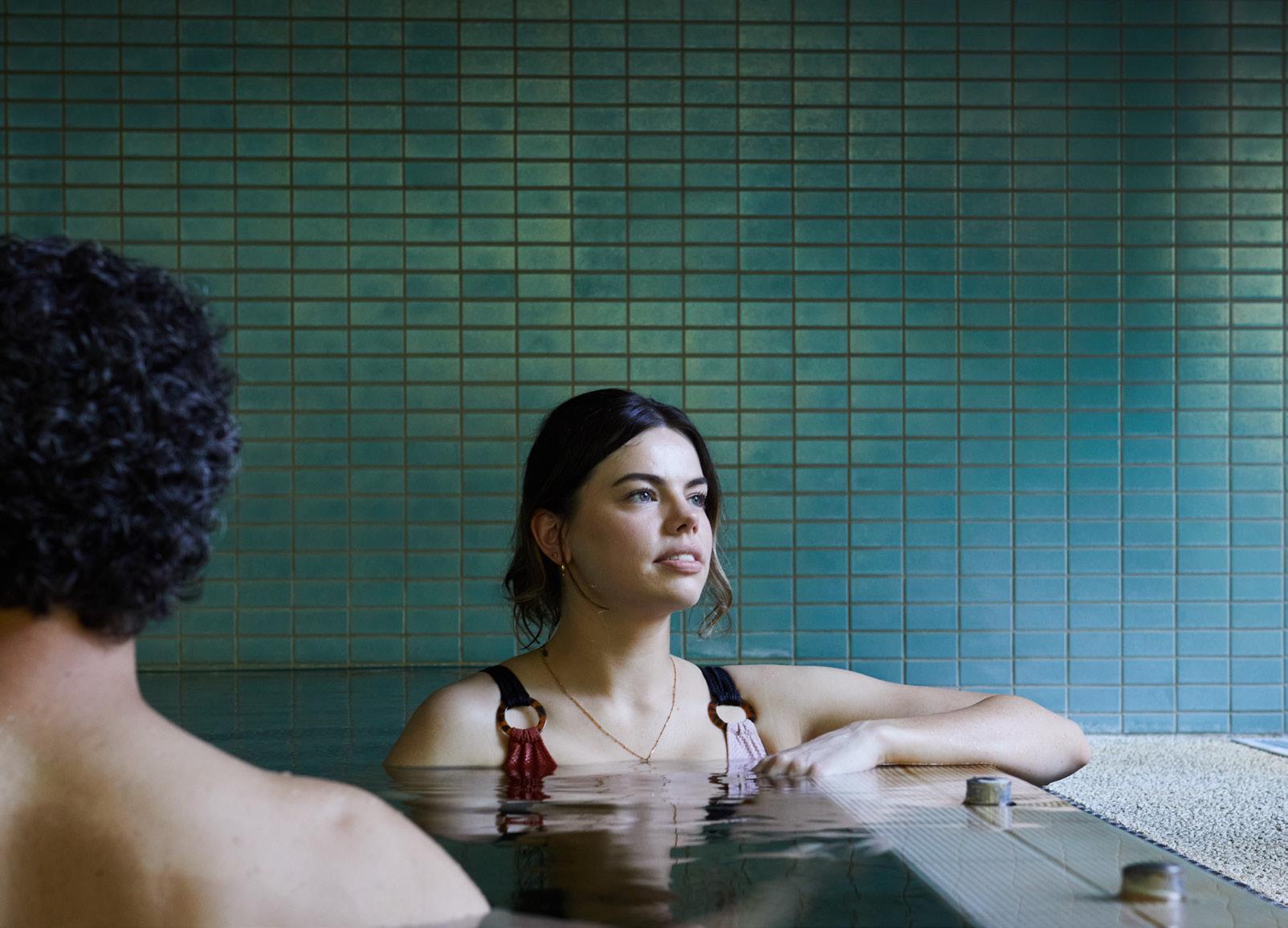
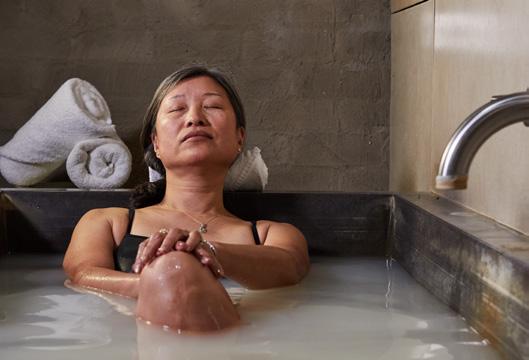
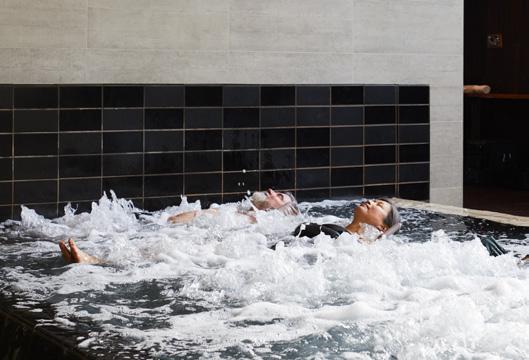
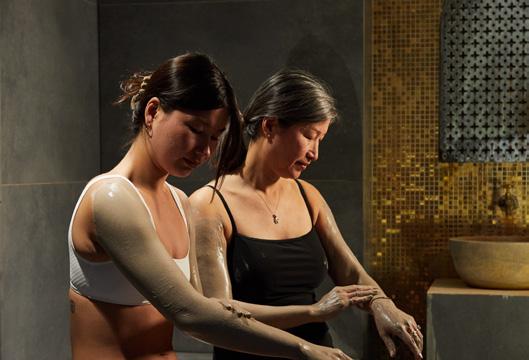
Step into the region’s original mineral bathing destination
Scan here to learn more As the historic heart of Hepburn Springs, this landmark Bathhouse continues its long tradition of mineral‑rich bathing in beautifully updated spaces. Enjoy Private, Sanctuary or Bathhouse Mineral bathing, restorative spa treatments, and quiet moments at the Apothecary or Hepburn Pavilion Cafe. A short stroll from Daylesford, it remains the area’s timeless source of renewal.
hepburnbathhouse.com
Life's
Mysteries
VILLAGE DREAMING
STORY BY CONTRIBUTING WRITER
PHOTOS BY KAIYA RAE
At Village Dreaming in Blampied, Mara Ripani describes a place that is less a finished project than an ongoing set of relationships between people, land and work. Volunteers, renters and workshop guests move through the property, sharing meals, tasks and knowledge. “We support each other, take turns to cook, clean and to unpack life’s mysteries,” she says.
Ripani spends a lot of time showing visitors around the land, especially people moving from cities who are trying to understand what rural life really requires. She is careful to strip away any romance. “The generosity and community building aspects are really strong,” she says, but she is equally clear about the workload. “A property like this takes seven days of care, planning, forecasting, and hosting.” What she focuses on in these tours are the systems that sit beneath the surface. “How water is captured, cleaned and reused, the importance of good quality soil and what that actually looks like,” she explains.
That attention to process carries through into her teaching and writing. Her upcoming book, The Baker’s Percentage, is intentionally not structured as a traditional cookbook. “More than anything the book reveals that there are clear milestones in the bread baking process,” she says, “as well as a formula that gives a strong framework
for developing bread recipes.” The point, however, is not rigidity. It is adaptability. “Home bakers need heaps more flexibility,” she says, because they are managing “partners, children, housemates, work pressures, cleaning, laundry, couriering family members here, there and everywhere on demand.”
Bread-making, in her view, is shaped by environment and time rather than fixed instruction. “Wild yeasted bread baking is all about fermentation, a really dynamic process that needs a deeper understanding,” she says. That understanding, she adds, is also what makes it rewarding. It is “so darn rewarding and exciting” because it requires attention rather than control.
At ORTO, her cooking school and workshop space, food is closely tied to heritage and atmosphere. Ripani’s Italian background runs through the work in ways that are both practical and cultural. “I share my Italian language at my classes as often as possible,” she says, and at special events she sings folk songs. The intention is to create familiarity rather than performance. “I like to welcome people here as though they are family,” she says. Many visitors tell her the place feels like Italy. She attributes this to both background and the way the space has evolved through cooking, gardening and shared living.
She is direct about how much knowledge has been lost from everyday life. “Modern life has most definitely distanced us from these skills and experiences,” she says, referring to preserving, fermenting, foraging and growing food. But she also sees that shift as an opening rather than only a loss. “Now these skills are no longer an imposition but a possibility, a chance at creativity, a new language, fabulous discoveries, and a really exciting adventure.”
For Ripani, what draws people to Village Dreaming is often consistent. “Community, connection, meaningful warm interactions, and new relationships,” she says. Many also arrive wanting to learn skills that feel inaccessible on their own. The workshops are built around that combination of practical learning and shared experience, with time in gardens, kitchens and communal spaces.
That emphasis on connection also shapes how she lives. “We host people from all over the world,” she says. “This stops us from getting smaller in our thinking.” The exchange is ongoing, not transactional, and depends on constant participation.
She is cautious when asked about ideas like success. “I like to stay very far away from the word success because it feels like a dangerous word,” she says. What matters more to her is the quality of relationships in her life. “Having loving, caring relationships with others, knowing that I am deeply loved, and having the chance to deeply love others is the most precious thing to me.”
When she talks about the future of Village Dreaming, she avoids expansion or reinvention. “I hope it remains exactly as it is,” she says. What she does acknowledge is vulnerability. “Without adequate water, every part of our life here will diminish,” she says. The work, as she sees it, is ongoing care rather than completion. “I hope for this and a new generous flush of Indian runner ducks.”
Mara Ripani - Village Dreaming 100 Allisons Rd, Blampied villagedreaming.com.au
Breaking Wall Fourth the
BY CONTRIBUTING WRITER
KAREN HUNT
STORY
PHOTOS BY KAIYA RAE
Karen Hunt still remembers the feeling before she remembers the line. In 1986, at the Gisborne Mechanics Hall, she stood backstage with what she calls “shaking knee caps,” waiting to walk on in a local production of Here Under Heaven. The original Mountview Theatre had burned three years earlier in the Ash Wednesday fires; the company was staging productions wherever it could while raising money to rebuild. “It wasn’t an actual moment,” she says now, speaking of her decision to remain in theatre. “More of a growing feeling of exceptional joy.” Once she stepped under the lights, “it all felt so right, like I had found my happy place.”
The phrase has the modesty of someone unwilling to mythologise herself. Hunt resists grandeur almost reflexively. Again and again, she redirected attention outward: to the committee members who repaint dressing rooms, to the volunteers who clean the theatre, to her husband mowing grass, to the audience members who buy raffle tickets and linger in the foyer after a show. “I am just a cog in a large wheel,” she wrote. “If you want something done then it’s in your power to get off your butt and make it happen.”
This ethic of cheerful practicality runs through her life. Before theatre, there were horses and pony club committees. Then came years in real estate offices in a smaller, stranger Gisborne, “full of characters and its own soul,” where locals dropped in not simply to buy property but to talk. She married Trevor Hunt, raised two daughters in Mount Macedon, gardened professionally, waitressed, cleaned houses, and freelanced where she could. Theatre entered not as escape but as extension: another place where people gathered, worked, laughed.
By the time the rebuilt Mountview Theatre opened in 1990, Hunt arrived with her mother and a one-year-old daughter in a pram to audition for Scrooge. “The rest,” she says, “is history.”
For years, she became known locally for farce: Noises Off, Run for Your Wife, comic performances requiring precision disguised as chaos. But the role audiences still stop her about, twenty-two years later, is Sylvia— the dog in A.R. Gurney’s Sylvia. Hunt speaks about the character less as an animal than as a creature of radical emotional honesty. “Dogs don’t care if someone is watching them do what they shouldn’t be doing,” she says. Playing Sylvia offered “uninhibited freedom of expression.” Audiences laughed
at the antics but recognised something deeper too: “We all want to be loved and have someone to love. Dogs and people are really not that different.”
Theatre, for Hunt, seems inseparable from proximity. Regional theatre allows audiences to encounter actors later in supermarket aisles, to remember a character twenty years after curtain call. “You sense the emotions and reactions,” she says. “People get a real thrill at seeing someone they know up there on stage.”
Offstage, she became one of the people holding the institution together. She typed newsletters, gathered sponsors, distributed flyers, painted walls, restored foyers, organised trivia nights, and founded a cleaning crew called the Bog Busters, where she serves proudly as “Chief Pootenant Hunt.” During Covid, when performances stopped, she kept sending articles and photographs into the world so the theatre would not disappear into silence. “We all need to feel included and have friends,” she says. “A place to connect.”
Outside Woodend North, another of her projects slowly transformed a neglected patch of land overrun with blackberries and hemlock. What locals jokingly called “Karen’s Triangle” now bears the Indigenous Taungurung name Dugan—“showing signs of life.” Hunt prefers that name. It captures something essential about the way she moves through the world: not seeking applause exactly, but restoration. A garden from bare land. A theatre after fire. A community held together through repetition, persistence, and care.
“It’s never truly complete,” she says of gardening, though she could just as easily be speaking about theatre, or friendship, or a life spent quietly building things that last.
The Mount Players, Mountview Theatre 56 Smith St, Macedon themountplayers.com
STORY
Casa THE INSIDE
Adagio
Daylesford
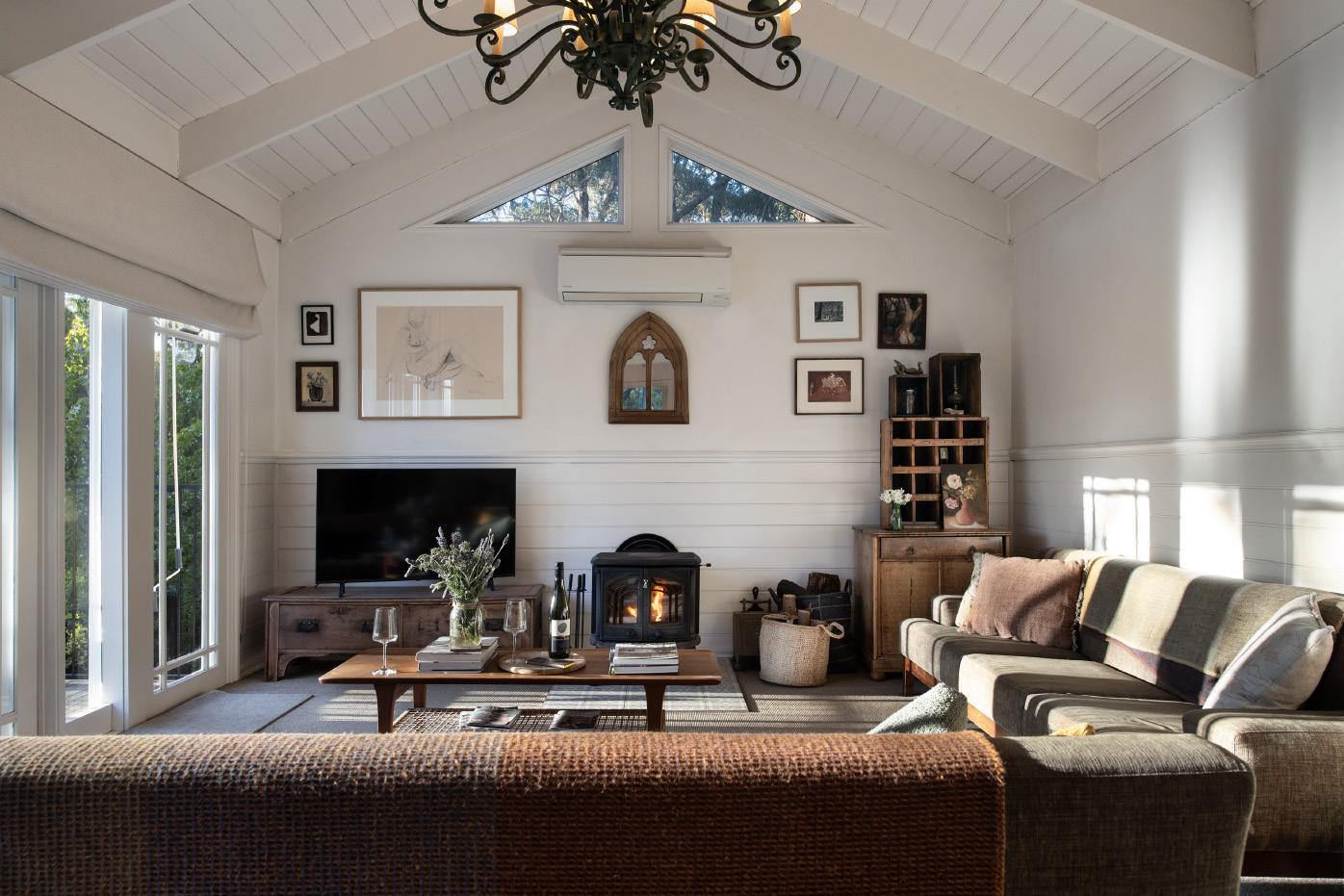
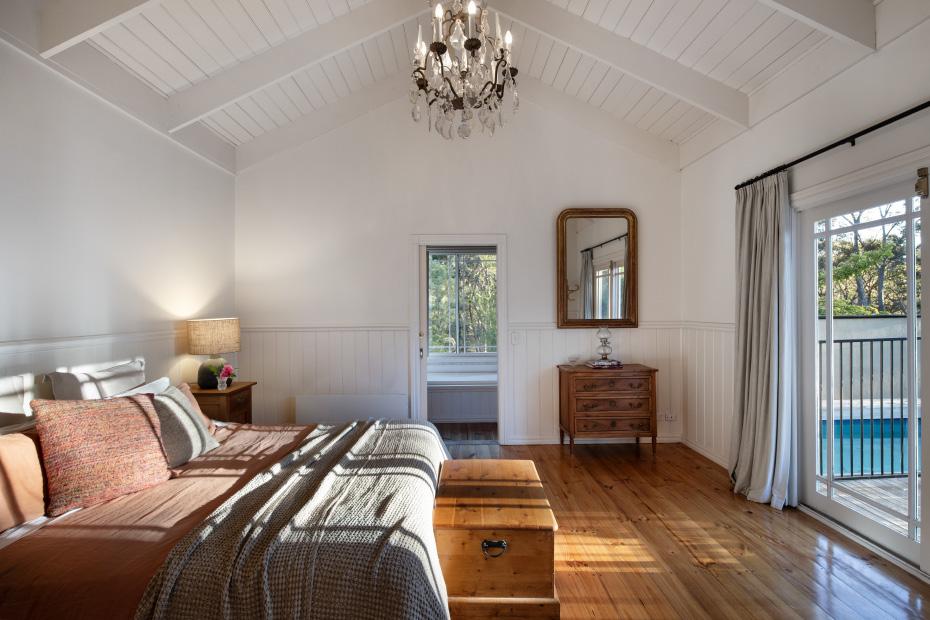
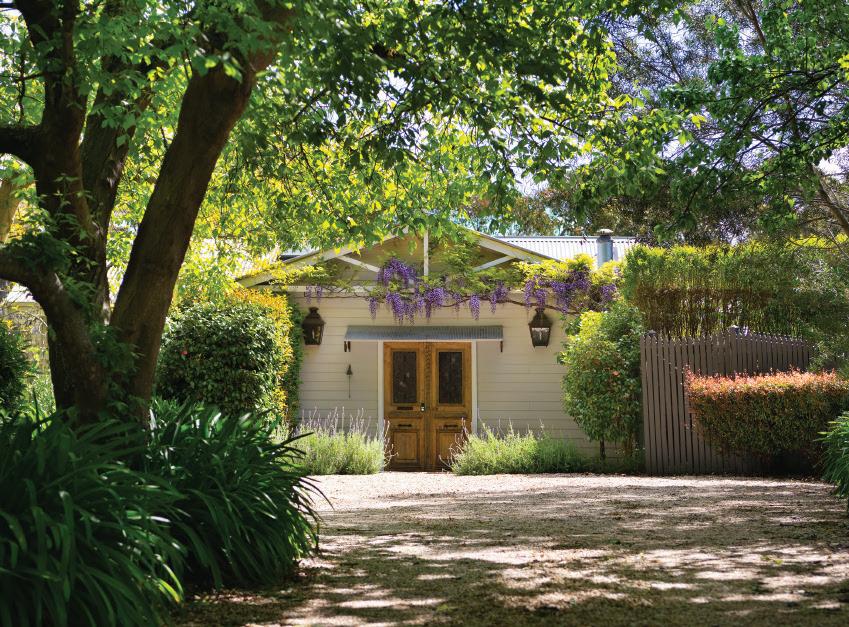
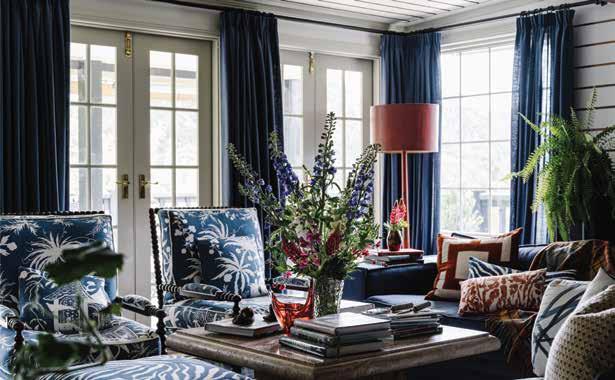
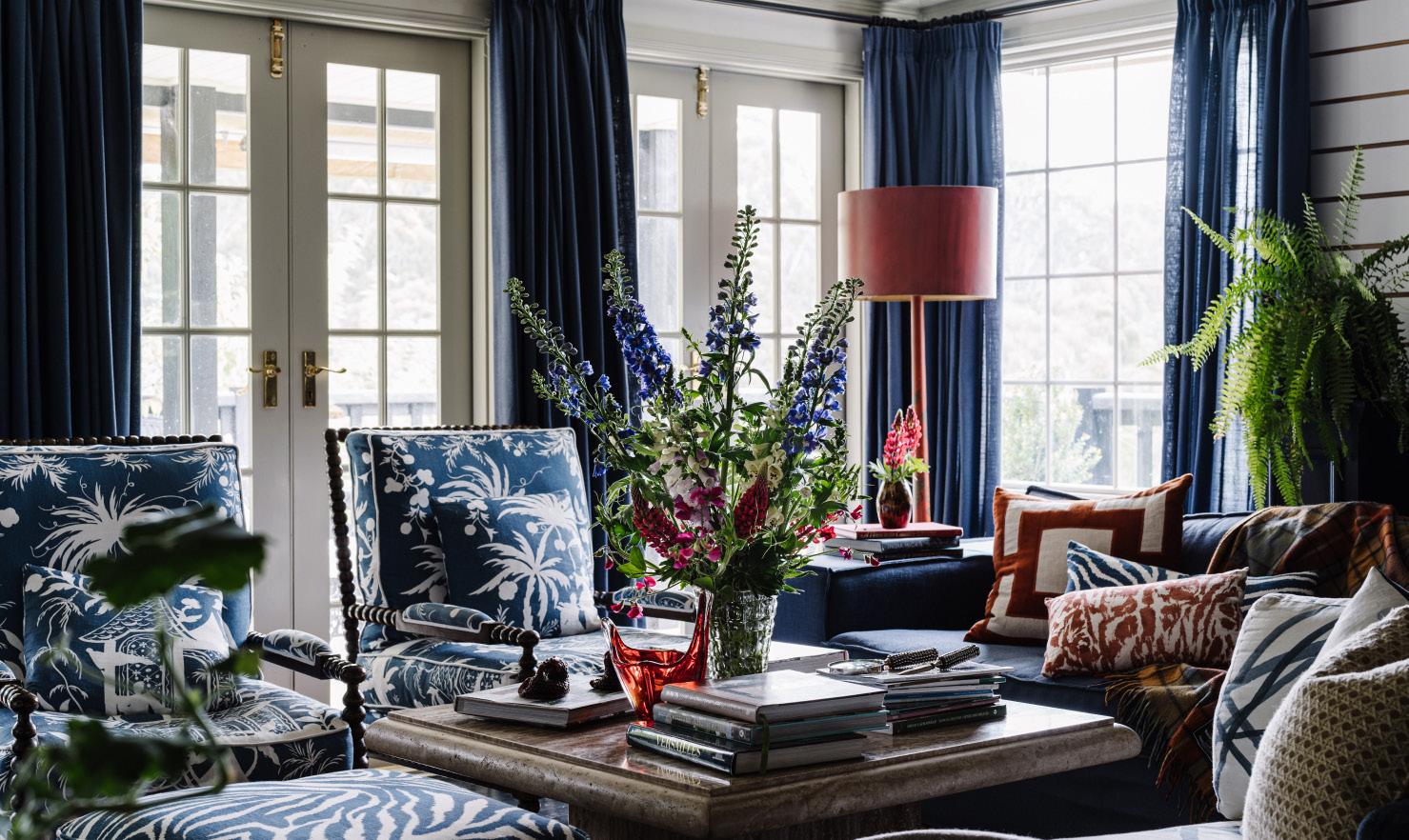
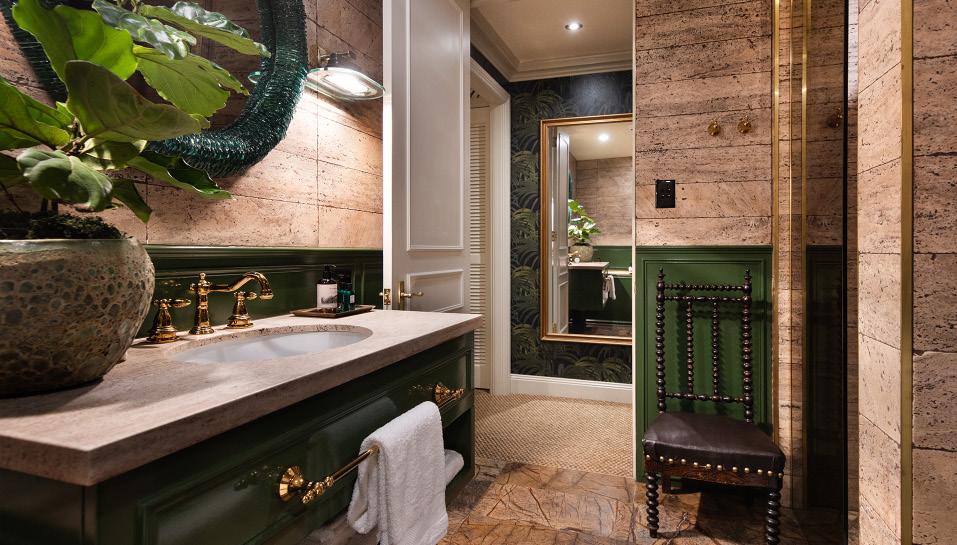
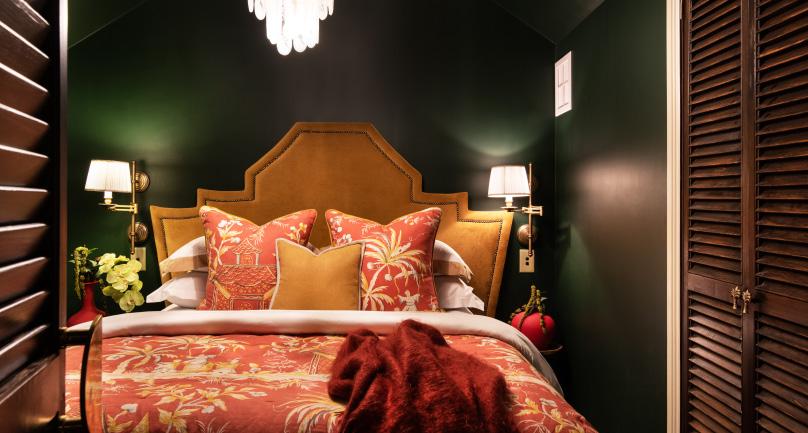
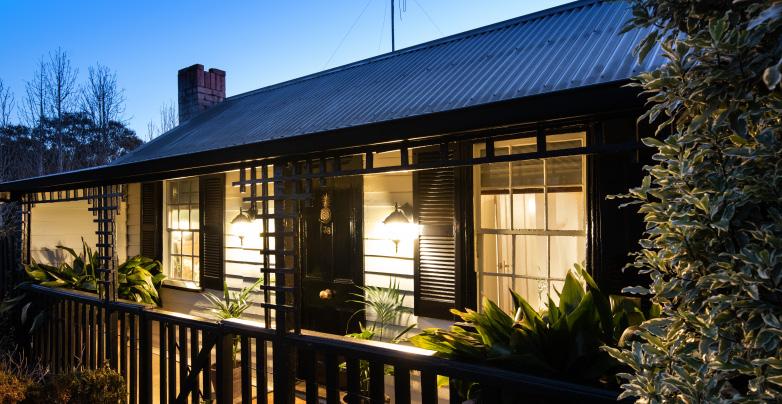
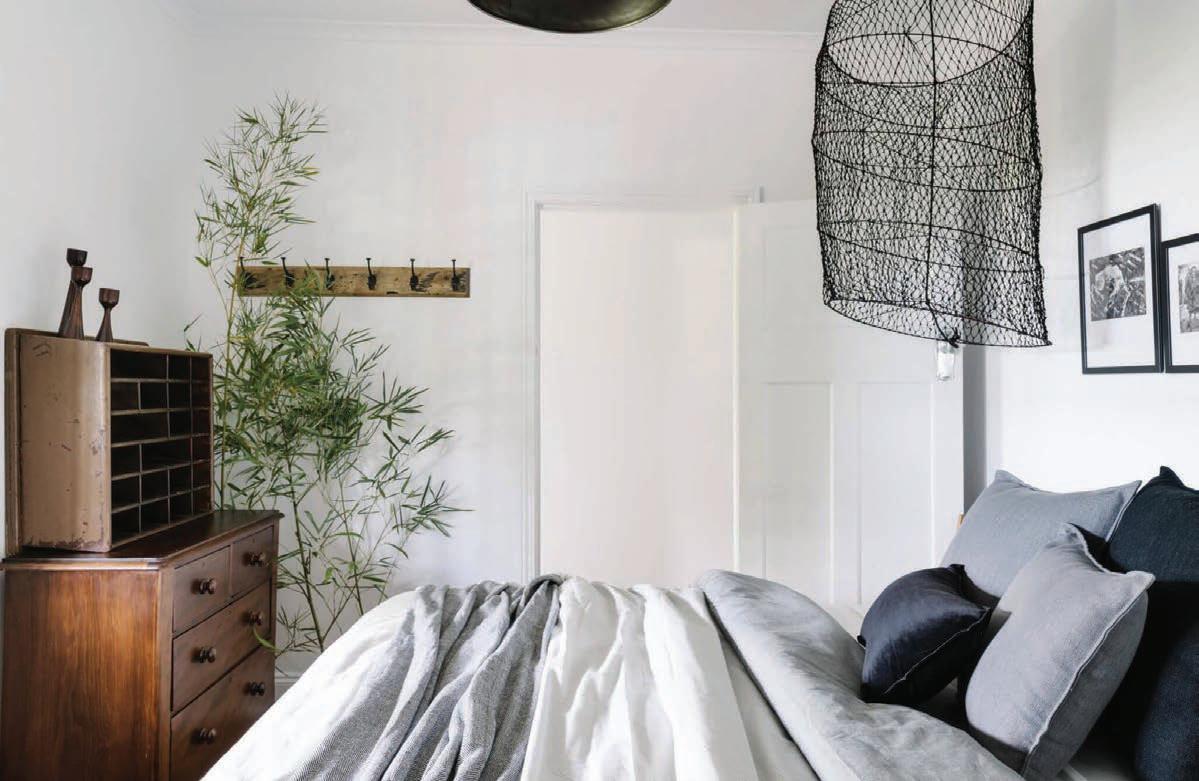
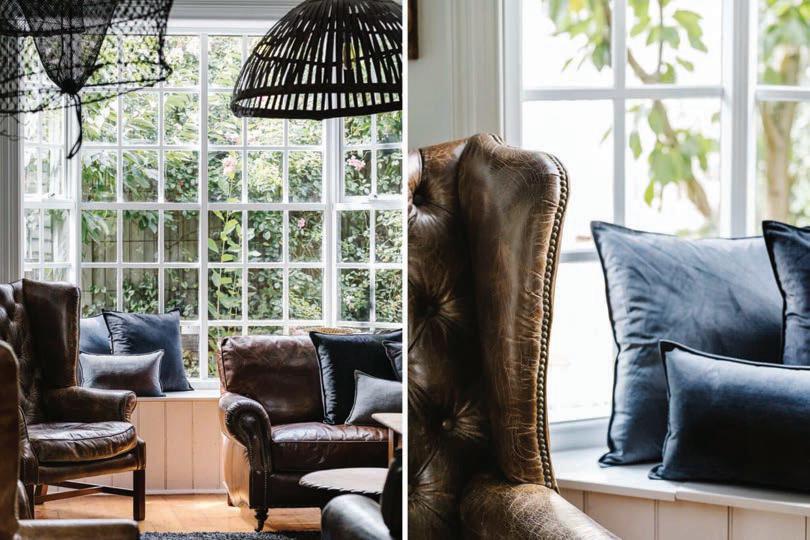
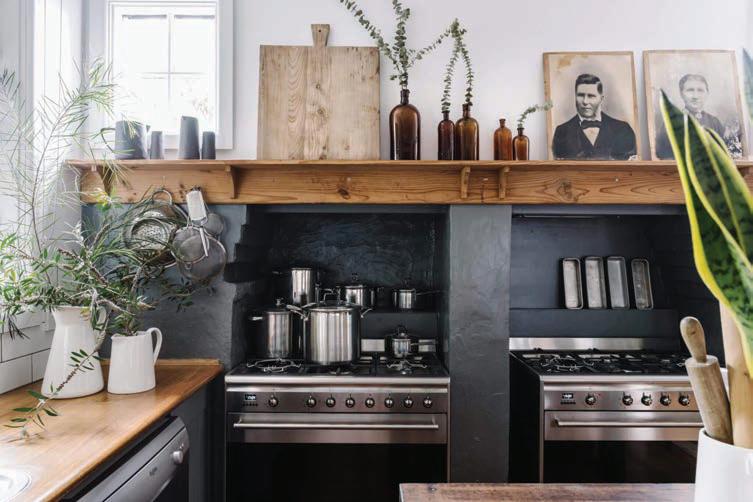
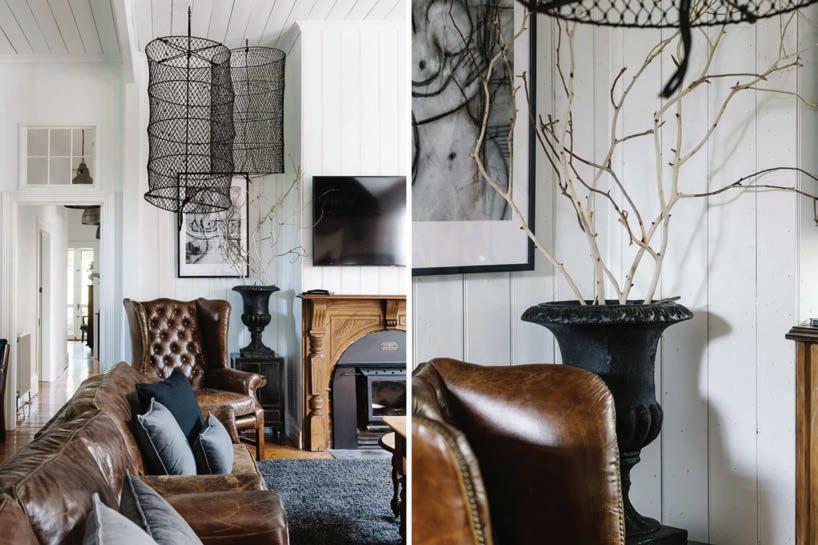
What inspired you to style this property the way you have? The house already had a beautiful foundation when we found it, with chandeliers and doors imported from France. We have leaned into that refined rustic feel with French antiques, vintage finds and original art, creating a home that feels warm, lived-in and timeless rather than overly polished or new. We’re especially attached to a sketch by Margaret Olley and a great piece by local artist Michael Parker that both feel very at home in the space.
2 1
SHEPHERDS FLAT
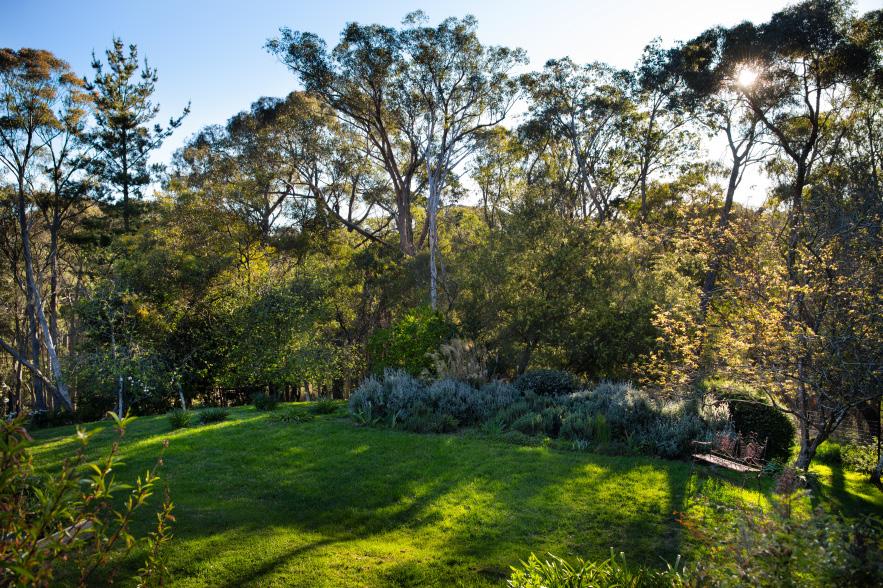
What do you think draws guests to your home? I think people are drawn to the feeling of escape that the property o ers. Although you can walk into town, the house feels secluded, surrounded by bushland views and established gardens with rambling paths that encourage people to slow down and settle in. “Adagio” is a musical term meaning “at ease” or “slowly”, and that slower rhythm of living is really at the heart of the experience.
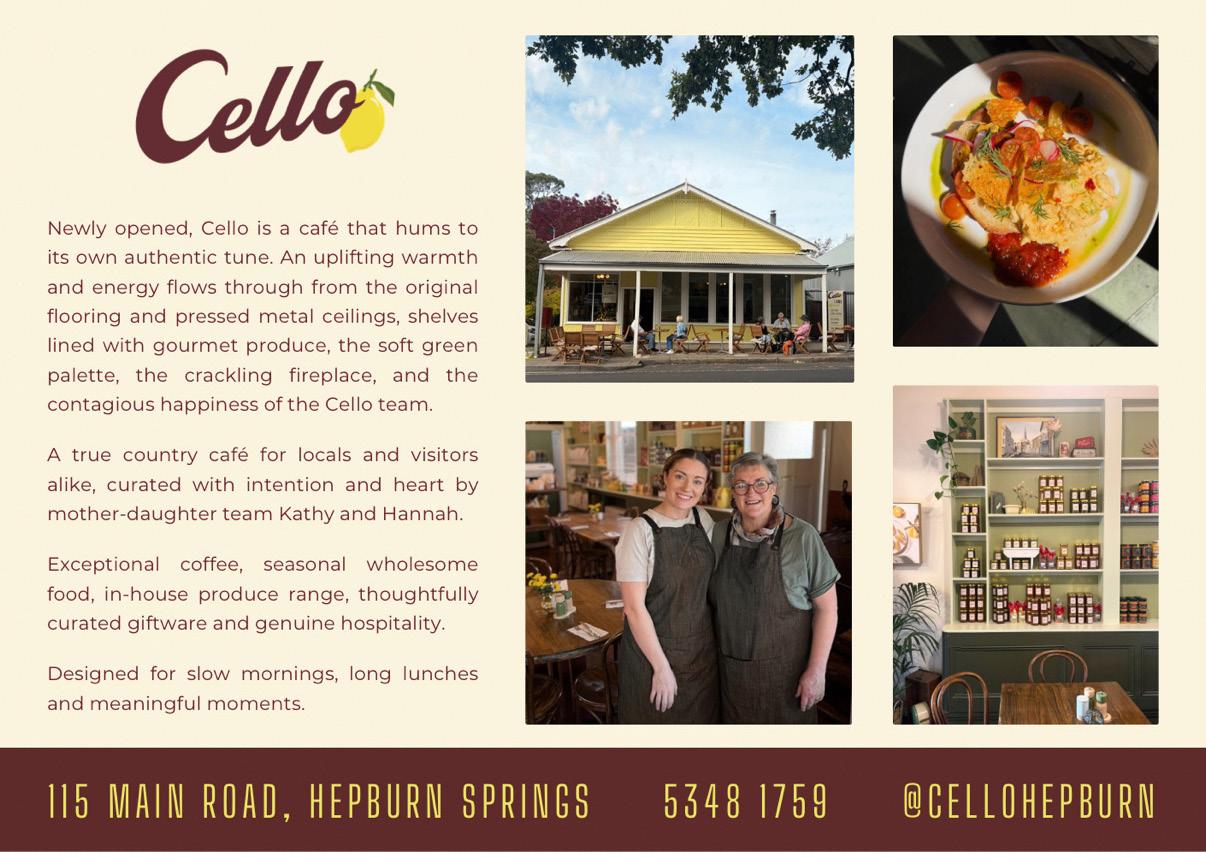
What is your ideal weekend in Daylesford? Our ideal weekend starts with wine and pizza at Bar Bamford on Friday evening before an early Saturday tru e hunt with our Labradors at our tru e and olive farm near Kyneton. After a slow afternoon exploring the region, we’re more than happy to settle in for cocktails and dinner at Bar Merenda. On Sunday morning, we favour breakfast out the back of Bellinzona or at the new café Cello, then a wander around the Daylesford Market. We’re looking forward to adding a movie at the Phoenix into the mix sometime soon.
Why is the region special for you? My great-grandmother and grandmother both attended school at The Convent in Daylesford, and my mum grew up in Trentham. Josh’s family also has longstanding ties to the area. Over the years we’ve increasingly split our time between Fitzroy, Daylesford, and our tru e and olive farm near Kyneton that we started a few years ago with Josh’s family.
STAY AT CASA ADAGIO DAYLESFORD
9 5 3
Elegant Daylesford sanctuary with pool, lush gardens and stylish group accommodation.
Surrounded by flourishing gardens and native bushland, Casa Adagio is a beautifully designed Daylesford retreat offering space, comfort and connection just moments from the town centre.
Located within walking distance to central Daylesford and only minutes from Hepburn Bathhouse, Lake House, local wineries and forest trails, Casa Adagio offers the perfect blend of privacy, elegance and convenience.
03 5348 2008
Imperfection
as Intention
BY CONTRIBUTING WRITER
STORY
PHOTOS BY KAIYA RAE
LIME AU LAIT ATELIER
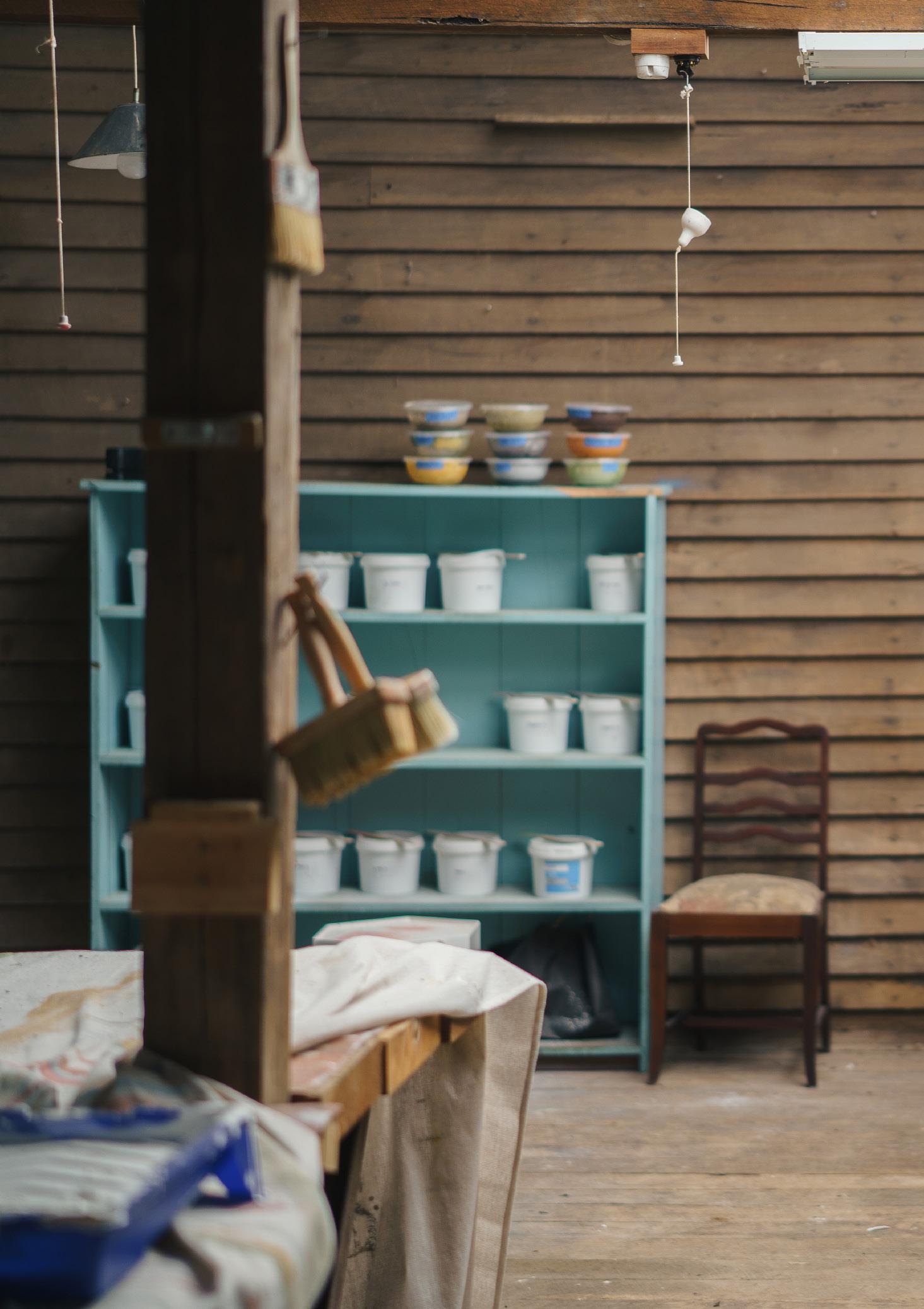
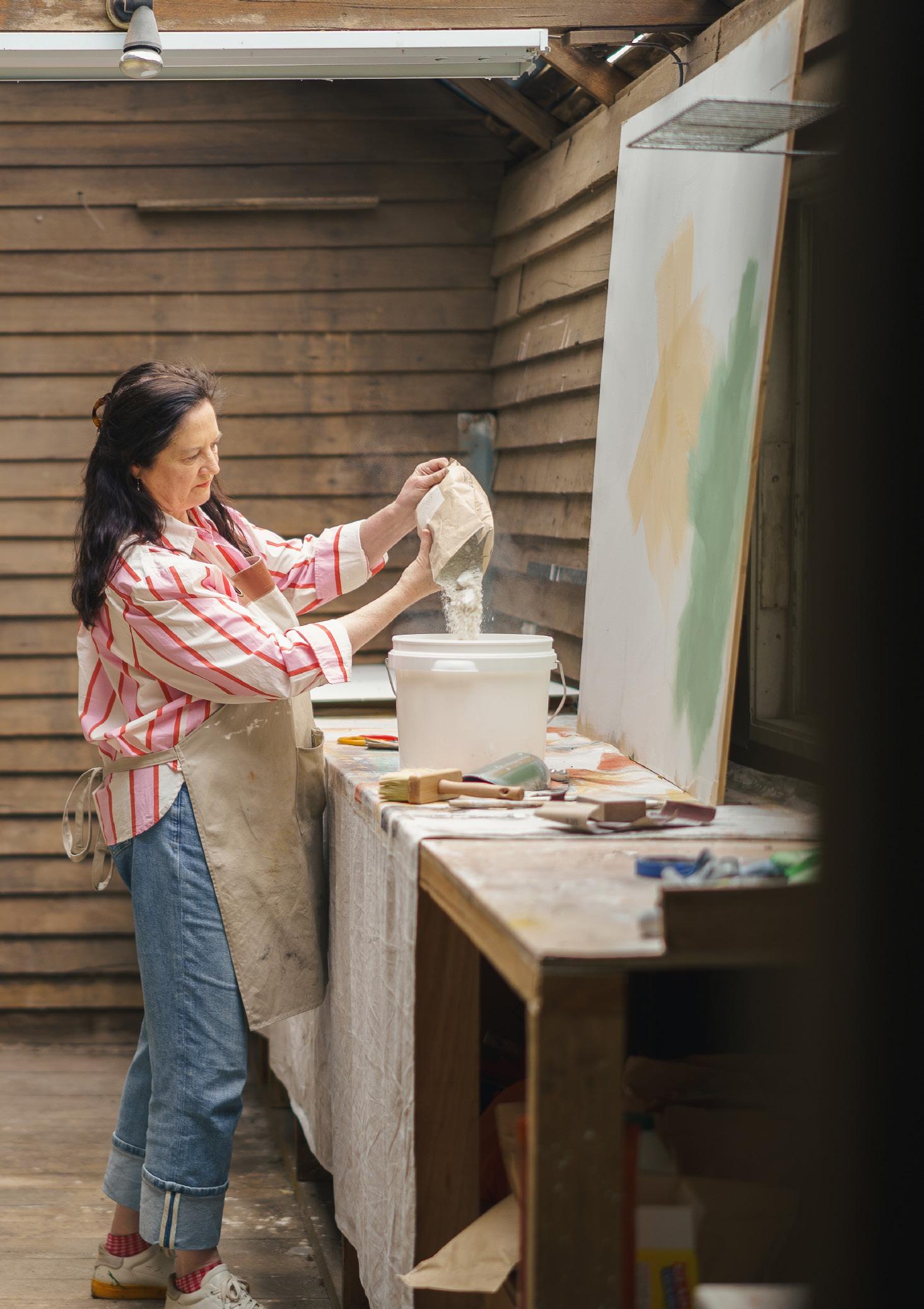
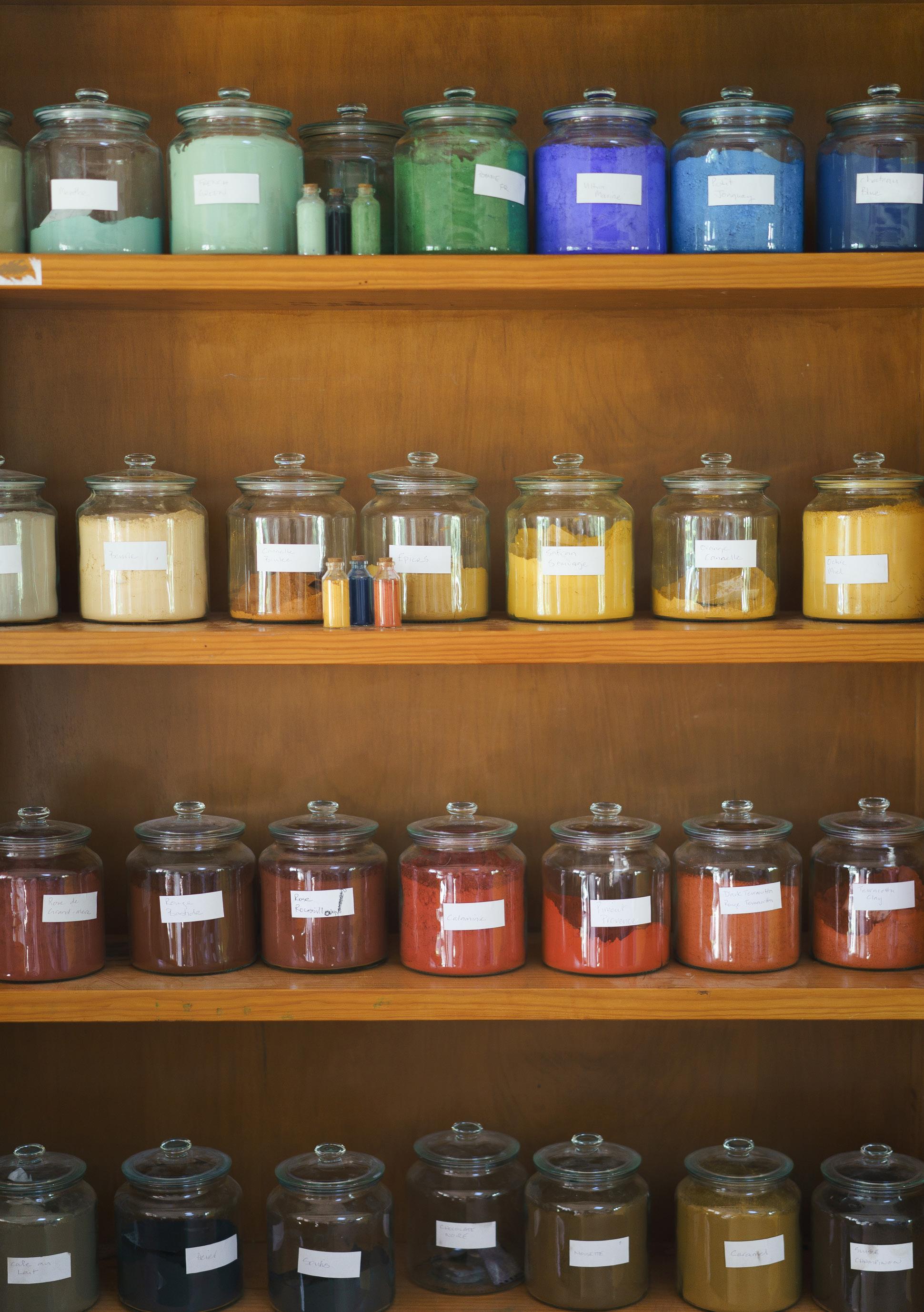
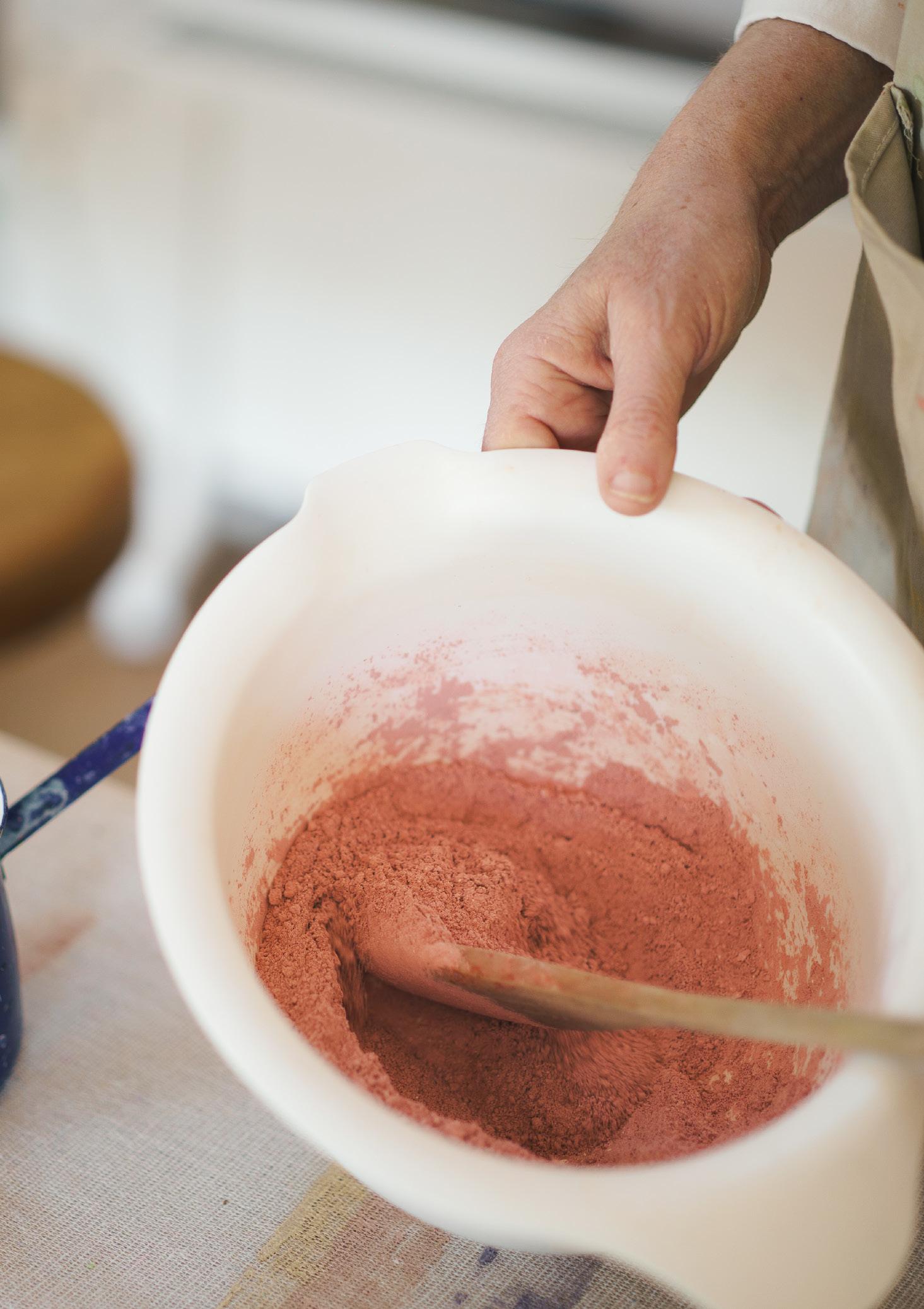
At first glance, Lime au Lait Atelier appears to belong to the current wave of design brands preoccupied with the slow movement: powdered limewash packaged in compostable paper bags, pigments sourced from France, a palette of muted creams and mineral greens. But the company’s founder, Jane Hiscock, speaks about paint less as a product than as a way of seeing. “It has extraordinary depth,” she told me recently. “It moves with the light, in a way no plastic, modern paint does. It’s the layering, something that gets better with time.”
The origins of the company are folded into an older European story.
According to the brand’s website, Hiscock spent more than two decades working across Australia, England, and France in interior finishes and restoration, including the renovation of the four-hundred-year-old Château du Jonquay in Normandy.
The château seems to have altered not only her eye but her tolerance for excess. “Being immersed in such a lengthy process of scraping back layers of plaster that someone applied several hundred years ago teaches
you restraint and an appreciation of less is sometimes more,” she said. “The château taught me that a room doesn’t need to perform, it just needs presence. Proportion, depth and light. Everything else is noise.”
There is, in the way she talks about interiors, a resistance to contemporary polish. She returns often to the dignity of wear. “Imperfection as intention,” she said, describing what old European interiors understand instinctively. “A scuff on a limewash wall isn’t a flaw, it’s evidence of life.” Modern interiors, by contrast, have become “terrified of marks and scrapes,” sealed over in what she calls “plastic chemical paints.”
Even her favourite colours resist immediacy. One of them, Normandy Linen, sounds almost invisible at first. “In a swatch, it appears as almost nothing,” she said. “Then on the wall in morning or afternoon sun it becomes something extraordinary.” She has used it everywhere: cottages, terrace houses in Collingwood, homes on the Mornington Peninsula. The other favourite, Pomme Green, is its opposite: “a bright, vibrant, apple green that livens up every space whether large or small.”
Limewash itself has recently become fashionable again, though Hiscock is wary of the theatricality that sometimes accompanies its return. “I see a lot of very aggressive lime wash application at the moment,” she said. “Deeply furrowed, almost theatrical. It can work in a very specific context but it often reads as effort rather than ease.” Real texture, she insists, “comes from the natural mineral content, from the layering and knowing when to stop.”
Australia has gradually entered the palette too, despite Lime au Lait’s Norman beginnings. Hiscock speaks almost romantically about light: the softness of northern France against the intensity of Australian summer. The company’s forthcoming spring collection, she said, draws inspiration from the gardens at New Park Farm in Tylden, Victoria.
“The strength of colour against our strong Australian blue sky is a huge source of inspiration,” she explained. “We have specific shades which only exist because of what happens to them in the early evening light of Australian summer.”
What Hiscock seems most interested in preserving is not style but atmosphere. “When the limewash is doing its job you just feel comfort,” she said. “A warmth and depth but you can’t really say why. The room feels like it has always been.”
That distinction, between rooms that are lived in and rooms staged for images, appears central to her philosophy. “A timeless interior is made for its specific place and the people who inhabit it,” she said. “Not for a photograph. Trends exist to be photographed. Timeless interiors exist to be lived in and loved.”
For now, Lime au Lait is expanding into furniture and fabric paints, with an emphasis on restoration and reuse rather than replacement. Hiscock spoke fondly of “your grandmother’s old furniture,” pieces deserving of another life. But even as the company grows, her imagination returns to the same surface. “I never tire of an old limewashed wall,” she said. “It carries evidence of human rhythm.”
Lime Au Lait Atelier Jane Hiscock limeaulait.com
FEATURE
Neighbourhood Re-Imagined
THE VILLAGE DAYLESFORD
STORY BY CONTRIBUTING WRITER
PHOTOS BY KAIYA RAE
When Catherine Webster talks about leaving city life for Korweinguboora, she begins without romance. “Honestly, we were searching for more space,” she says. “But we had no idea what we were really stumbling into.”
What they stumbled into, as she describes it, was a different pace of living, one shaped less by urgency and more by proximity. “What we found was a slower, more connected way of living,” she says. “Incredible neighbours, nature, purpose and a real sense of belonging.” The shift was not abstract. It was visible in daily routines, in the way land and household began to overlap. “Now we get to watch our children grow up pulling carrots from the garden and living deeply connected to the land around them.”
Then she adds, with a kind of dry humour that resists sentimentality, “We got pregnant within a month of moving here. Watch out for the fresh rainwater.”
Webster works with Hygge Property, and much of her attention is now directed toward The Village at Middleton Field in Daylesford’s eastern entry. She is careful with language like “development.” For her, it never quite begins that way. “It always starts out as a place for people rather than just a development,” she says.
The transformation, she explains, is gradual and ordinary rather than designed. “I know residents’ dogs by name for pats,” she says. “I’ve watered plants while people have been away, and now there’s even a new baby soon to join the Middleton Field community.” It is these moments, she says, that signal the real change. “Those small, everyday moments are when it stops feeling like a project and starts feeling like a neighbourhood.”
The Village has been designed by Breathe Architects with sustainability, walkability and community connection in mind, with some housing delivered through Women’s Property Initiatives. Webster frames these elements as part of a broader shift in expectations. “I think people are becoming more conscious of quality over size,” she says. “They want homes that feel good to live in, are energy efficient, connected to nature, and allow them to walk into town or engage with community more easily.”
She sees this as a broader cultural change rather than a niche preference. “There’s a growing desire for homes that support wellbeing, not just property ownership,” she says.
Her role in the work is hands-on. “I do tend to be very hands-on,” she says. Her days move between construction sites, meetings with councils and consultants, and discussions with ecologists and architects.
She also brings an agricultural lens to the work. “I try to combine my personal passion for regenerative agriculture with development, which can seem like a contrast to some people, but not to me.”
Much of her focus is on how landscapes function over time. “How we can reduce environmental impact and improve biodiversity through the project,” she says, is a recurring question.
Webster is aware that property development is often seen as purely commercial. She does not dismiss that perception, but she does challenge its limits. “I think it has to change,” she says. “Communities expect more from developments now, and rightly so.” In her view, the role has expanded. “We are increasingly responsible not just for delivering housing, but for shaping places where people genuinely want to live and connect.”
That responsibility is also social. A number of homes at Middleton Field have been created in partnership with Women’s Property Initiatives. “It’s something I’m incredibly proud of,” she says. “Safe and secure housing changes lives.” She pauses on the significance of that. “Knowing that part of the project contributes to long-term housing outcomes for women in need gives the development and community a much deeper sense of purpose.”
As Middleton Field evolves, Webster is attentive to how it will sit within Daylesford itself. She references a recent collaboration with the local RSL to install a monument commemorating those from the region
who died in World War I. For her, these gestures help anchor the place in history as it changes.
“I’m excited to see it become part of what makes Daylesford so special,” she says.
Her thinking is shaped by time spent on land and an understanding that landscapes do not arrive complete. “Living on a farm has completely changed the way I think about development,” she says. “It’s taught me that healthy landscapes are built over time through care, biodiversity and working with nature.”
Buildings, she adds, are only part of the picture. “I’m very conscious that landscapes are just as important as the buildings themselves.”
Looking ahead, she is less interested in transformation than in settling. “I hope Middleton Field feels like it has always belonged there,” she says. “That the trees have softened the streets, the landscapes have become alive with birds and seasons.”
Then she narrows it further. “More than anything, I hope it feels deeply human,” she says. “A place where people know their neighbours, children grow up connected to nature, and the development becomes less about what was built and more about the life that grew around it.”
The Village Daylesford, Middleton Field 17 Smith Street, Daylesford thevillagedaylesford.com.au
Distilled
Heritage
CAMPASPE MILL
STORY BY MICHAEL HARDEN
PHOTOS BY KAIYA RAE
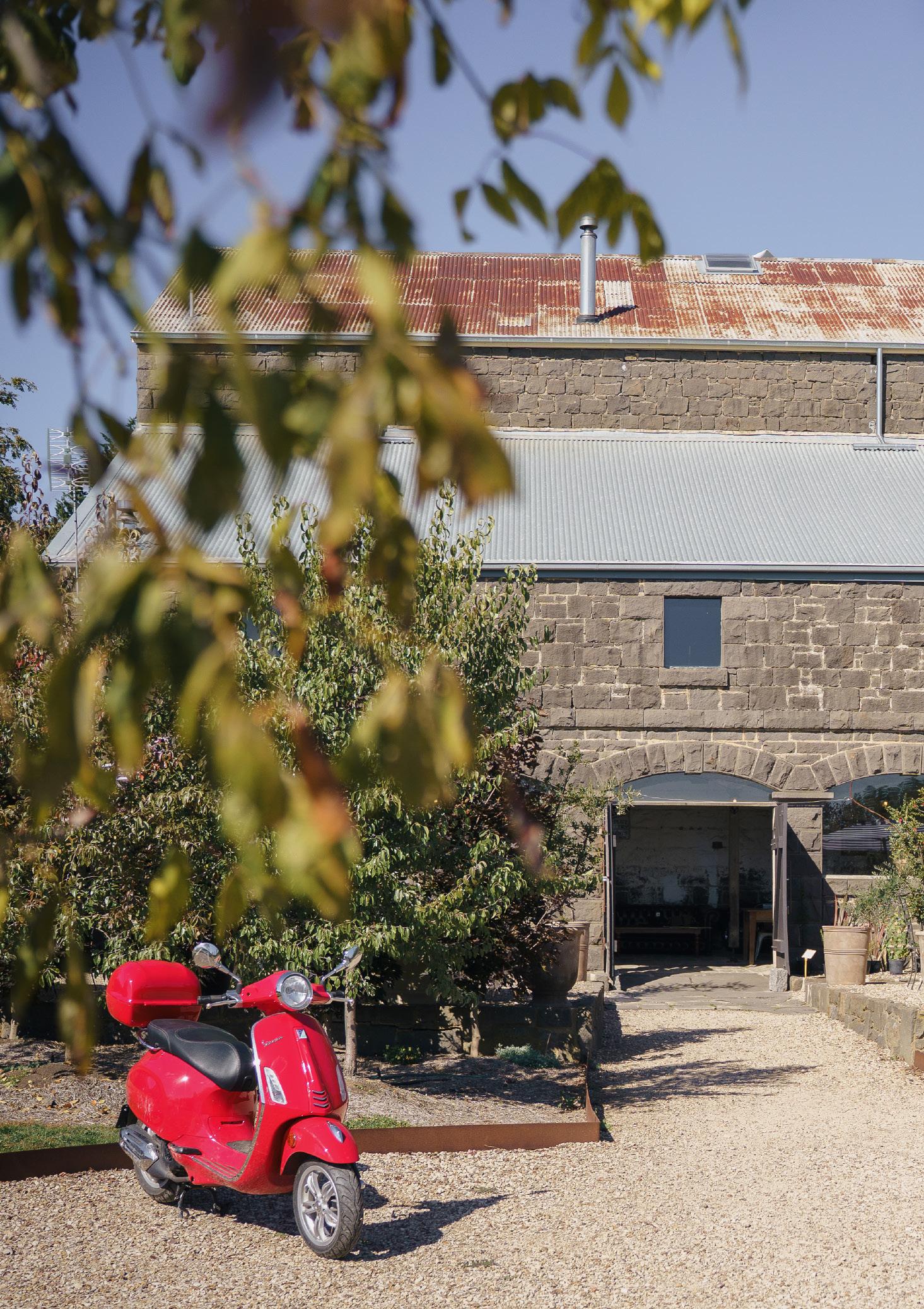
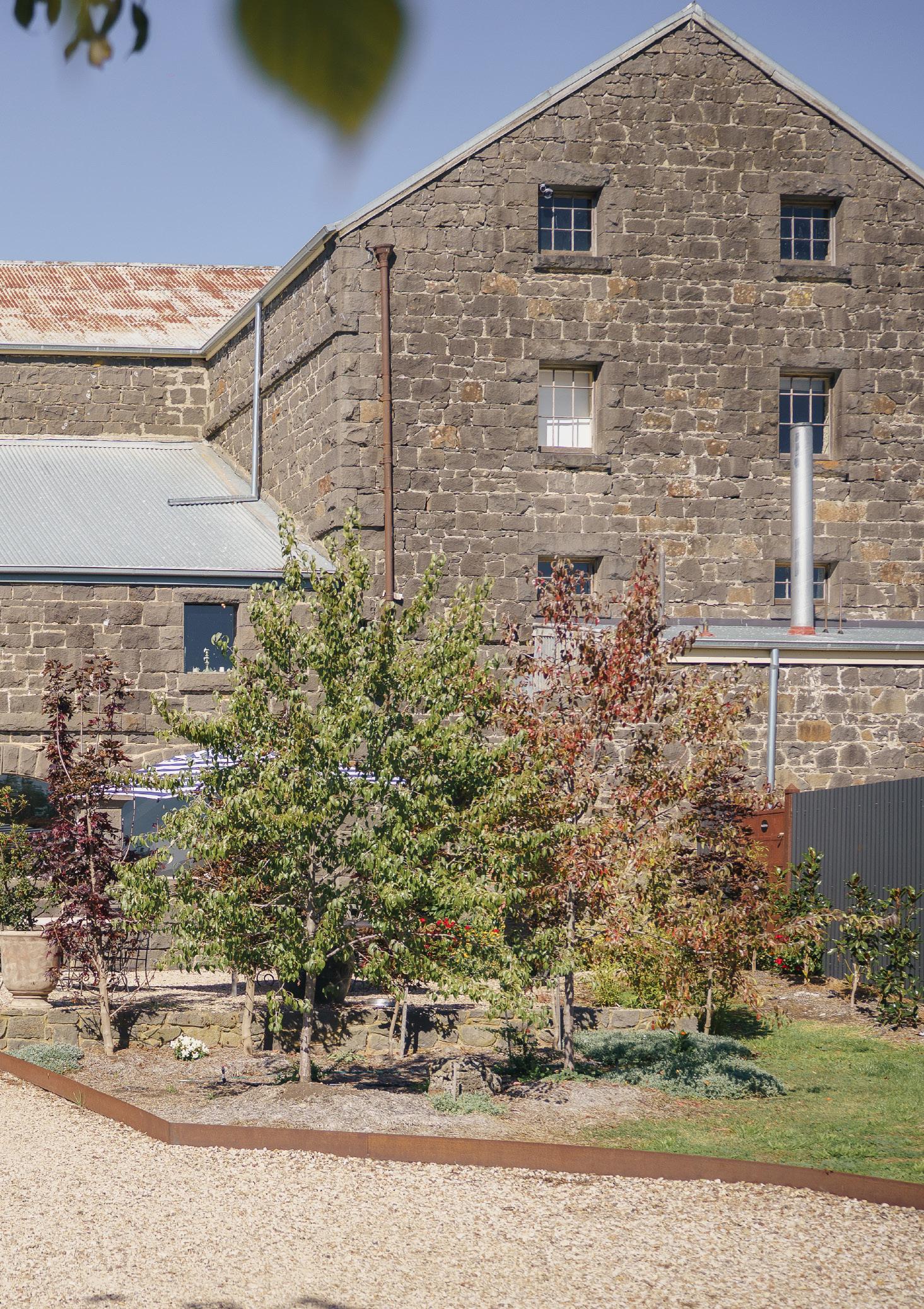
Campaspe Mill, the imposing fourstorey bluestone landmark on the outskirts of Kyneton, has had only three owners since opening as a flour mill nearly 170 years ago. It’s been through several incarnations since, from mill to a variety of agricultural and storage usages and then, after Helen and Bill Coleby bought the building in 1996, it became (after extensive renovations) a family home where they raised four children.
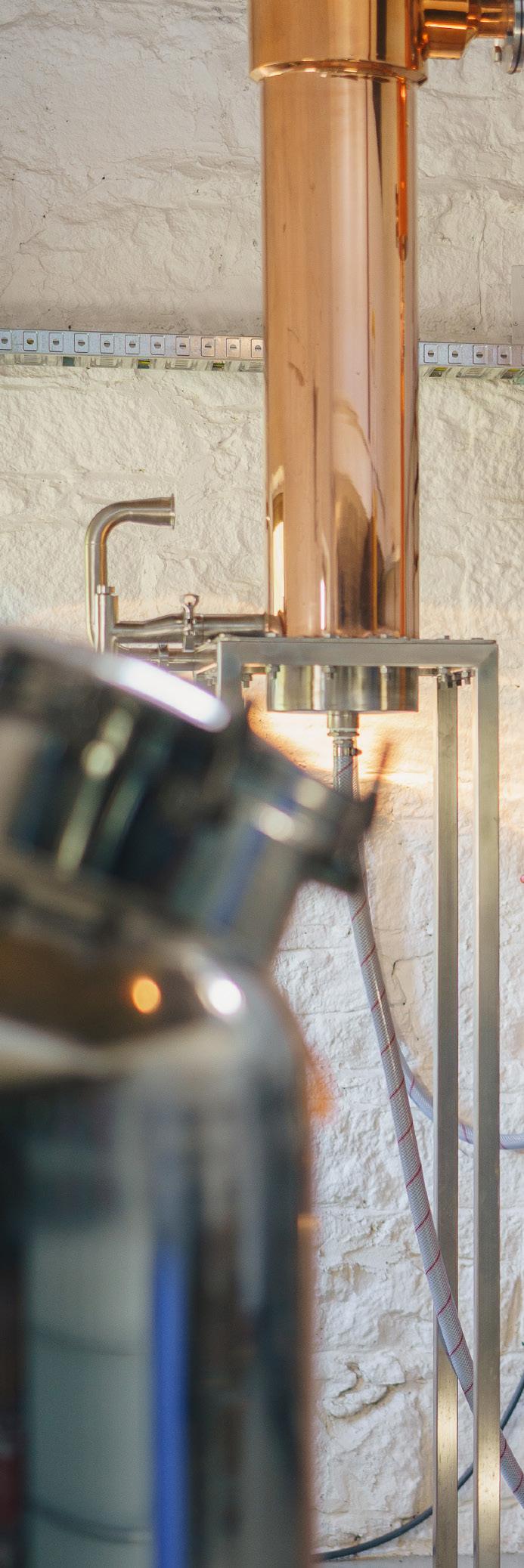
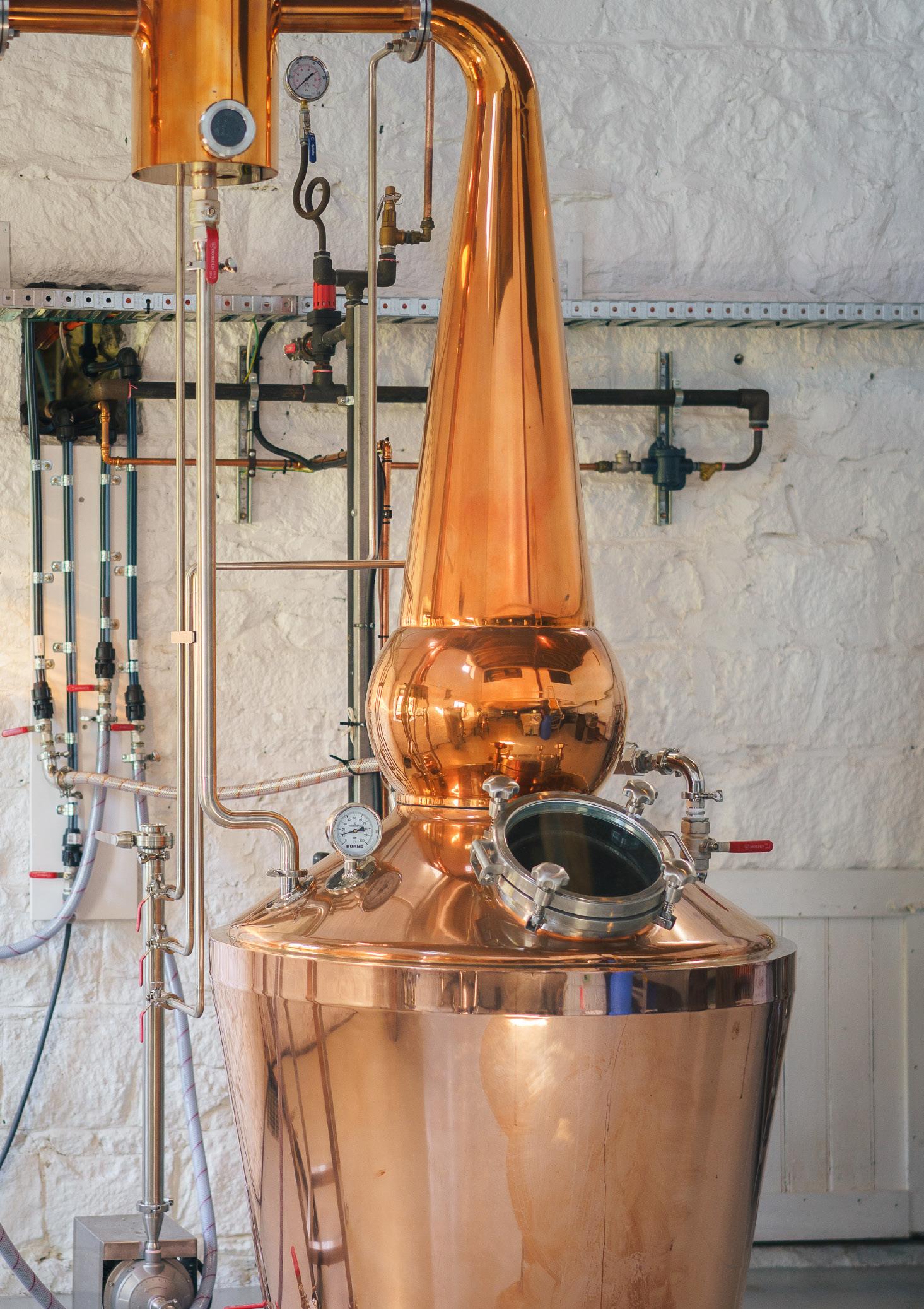
Now Campaspe Mill has moved into a new era, accessible to the public for the first time and housing a gin and vodka distillery complete with a distillery door and a juniper orchard, a local produce-focussed bistro, an art gallery, a museum and a bottled spring water business. There’s more to come too, including a degustation restaurant, scheduled to open next year, and a farmers’ market that will highlight the incredible range of produce from the region.
It seems incredible then, that only a few years ago, the Colebys had put the building on the market.
“We were living here and working in our consultancy business, which was risk and emergency management for major events like Moomba and Dark Mofo,” says Bill. “And then Covid came along, our work
disappeared and I had some health problems so selling it seemed like the right thing to do. We came close a couple of times until Helen had the idea to turn it into a gin distillery and so we took it off the market.”
There’s a whiff of destiny about the whole project. For starters, Bill remembers a calendar his family had when he was a child that featured a photo of the mill and he’d always dreamed of living there. Then there’s the original industrial layout of the building that was perfectly suited to a distillery and Helen being a keen gin collector. Add a passion for restoring old buildings and for highlighting the food and art strengths of the region and it can seem like it was meant to be.
“Look, I don’t want to get too philosophical or spooky about it but it was almost like we weren’t supposed to sell it,” says Bill. “It was like it wasn’t going to let us and it seems like it’s pretty happy with what we’ve done with it.”
At present, the Campaspe Mill Distillery produces three different gins, including their signature Ruby Gin, which, alongside their own juniper, has ruby grapefruit sourced from nearby Harcourt as its main botanical. They also distil a smooth, clean vodka that has aficionados raving.
“People always ask us for our secret and I don’t really have a definitive answer for that,” says Bill. “But Helen is a qualified food scientist with a remarkable palate and we have a philosophy of quality over quantity. We also only use double-filtered rainwater that we store in stainless steel tanks. It’s mountain rainwater too, very clean and pure so we don’t have to contend with the fluoride and chlorine that’s in town water. I think that’s a big part of it being such a remarkable product.”
The gin era is a good fit for Campaspe Mill, not just because the product is so good and the focus on local art and food is so sharp, but that this magnificent building with its locally-quarried bluestone and monumental oak beams can be appreciated up close by the many people who have admired the landmark from afar.
“It’s a phenomenal building,” says Bill. “It just blows people away.”
2 Wards Ln, Kyneton campaspemill.com
Campaspe Mill
Re-Birth The
of Cool
HOTEL TRENTHAM
STORY BY LARISSA DUBECKI
PHOTOS BY KAIYA RAE
Aformer NBL and Olympics hero is behind two landmark Central Victorian revivals.
Dusk in Hepburn Springs is always beautiful, but it’s better now the Palais has reopened. Marquee lights flicker on above Main Road and the old theatre - dark and abandoned before it reopened just after Easter - hums with life once more. For Chris Anstey, that scene captures exactly why he and his team took on the challenge of reopening the historic venue.
“There’s nothing quite like the feeling of driving down Main Road and the theatre’s lit up,” he says. “There’s a show on. It’s welcoming. It feels good.”
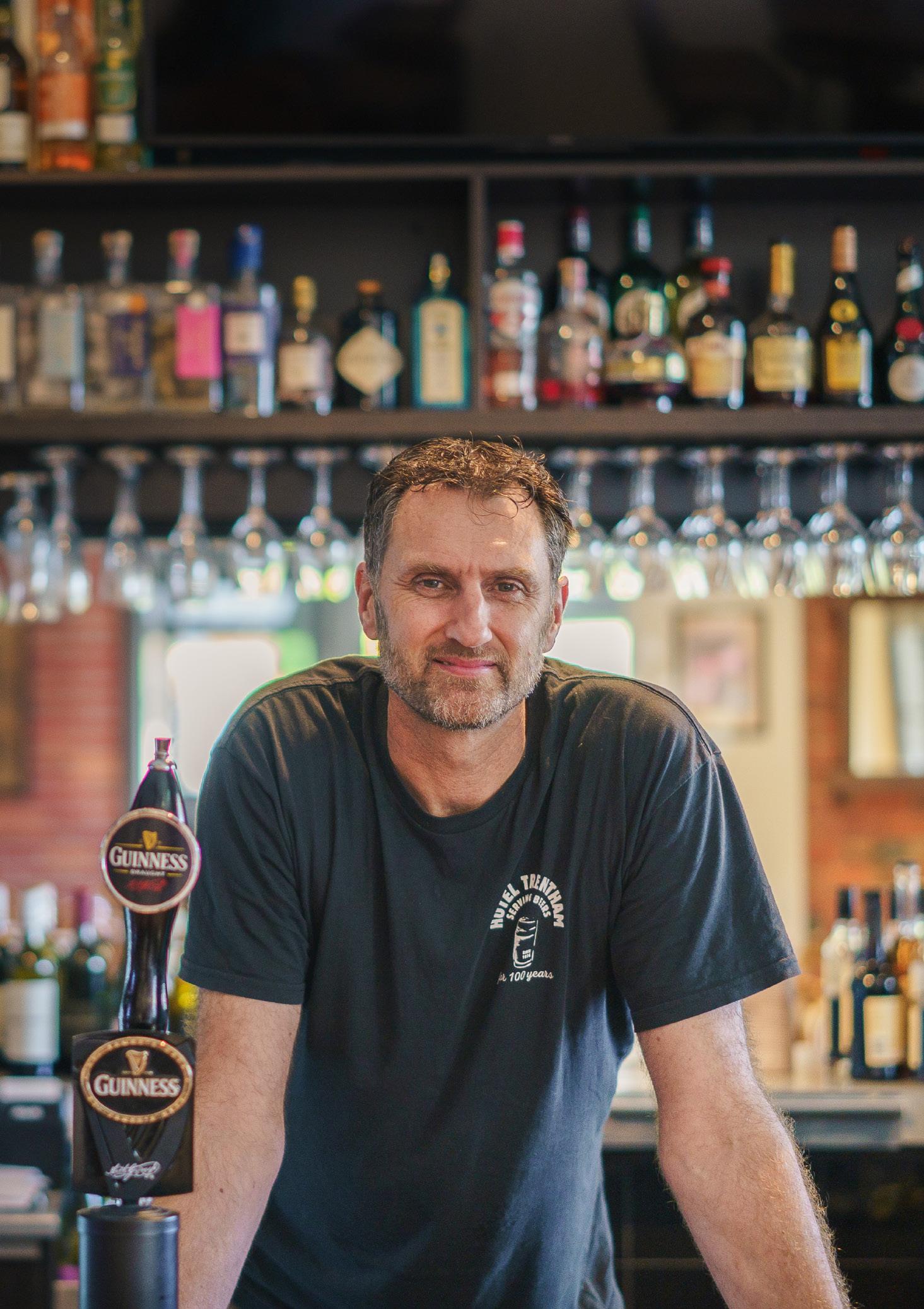
Anstey, a former professional basketballer, now sits behind two of Central Victoria’s most significant revivals: the Hepburn Palais and Hotel Trentham. Though one is a live music venue and the other a classic country pub, he sees them both as places that anchor communities.
“What a pub and a live music venue provides the community is clearly different, but at some level, it still brings people together,” he says. “In both venues, our aim was to bring back what we thought was a really important part of the community.”
That sense of stewardship runs strongly through Hotel Trentham. Before purchasing the pub, which had been boarded up for 18 months, Anstey found himself repeatedly returning to the town - eating at local restaurants, watching footy and netball and
spending time among locals before ever signing paperwork.
“We found ourselves immersed in the community before we officially bought the pub,” he says.
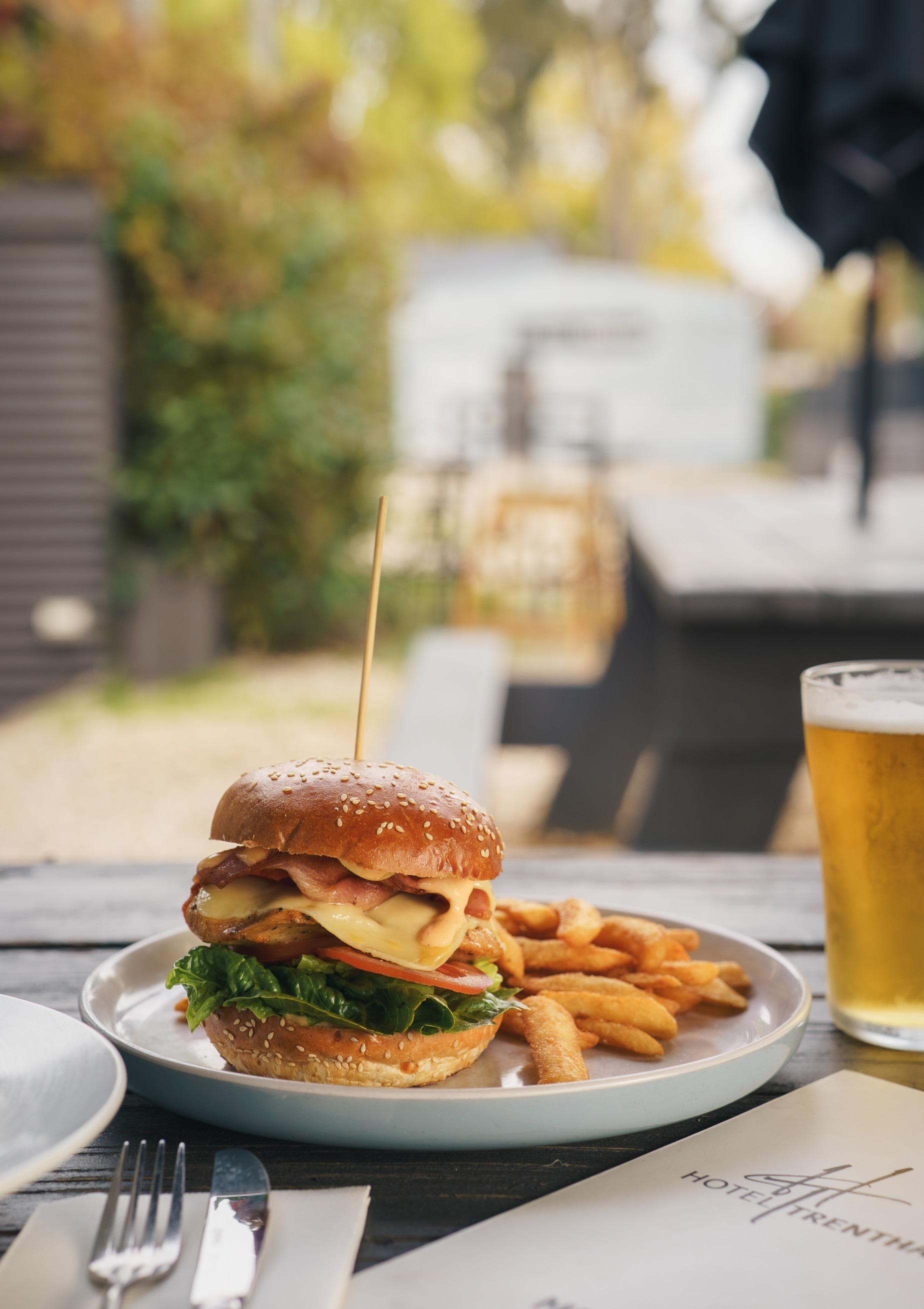
The hotel had been operating as The Plough but restoring the original identity mattered when the doors finally swung open again in 2024. “We wanted to give the pub back to the town,” he says. “We almost see ourselves as custodians of a pub that’s been around a long time before we came.”
Its centenary celebrations later this year will reflect that thinking. Rather than staging a polished tourism event, Anstey plans to focus on the pub’s connection to locals, recreating historical moments and celebrating the role it has played across generations.
“It’s going to be for the pub and for the locals,” he says. “We’ll recreate a few things. We’ll celebrate the pub.”
At the Palais, which coincidentally also celebrates its centenary this year, the challenge was different but the philosophy similar.
“To drive to a region and see such an historic building closed and boarded up is sad,” he says.
The restoration involved major sound and lighting upgrades, structural improvements and careful modernisation, but Anstey resisted the temptation to overwork the venue’s identity.
“We didn’t want to recreate it,” he says. “We wanted to keep the Palais alive without adding too much of our own personality to it.”
Locals quickly introduced him to one of the theatre’s hidden treasures: its original sprung wooden dance floor, now tested enthusiastically during packed gigs.
“To see people dancing in an old building like that is really great,” he says.
For Anstey, both venues represent something increasingly rare outside metropolitan areas: shared spaces where people gather, connect and participate in local life. “They both provide such a crucial gathering space for people,” he says. “They form a hub for small communities.”
The spirit of community connection has seen the Palais encourage guests to spend their money in the town. “We do a few snacks, and we do drinks, but our hope is that people who attend our shows support local eateries as well. Explore the region, find restaurants, find bars and pubs to eat at and make a night out of being in the area itself, not just the one venue,” says Anstey. “We certainly didn't want to come in and step on toes. We’re all about supporting local businesses as well.”
31 High Street, Trentham hoteltrentham.com.au
Hepburn Palais
111 Main Road, Hepburn Springs hepburnpalais.com.au
Hotel Trentham
LANCEFIELD & DISTRICT FARMERS MARKET
OPEN 7 DAYS
B REAK FA ST, LUNCH AND D INNE R
IN DO O R AND AL F R E SCO DININ G
7 7 M AIN R OA D, H E P B U RN S P R I N G S
C LU B WYN D HA M BE LLIN ZONA HEP B UR N S P RI N G S ,
NEW W I N T E R MENU
Reasons to get LOST
What the LOST Team are exploring this Winter...
From the iconic ChillOut Festival, to food and flowers, books, heritage and bold new creative collaborations, the calendar is bursting with events that invite us into the heart of community life.
Woodend Winter Arts Festival
For nearly two decades, the Woodend Winter Arts Festival has drawn acclaimed Australian and international talent to the Macedon Ranges, creating a rich tapestry of music, literature and the arts. Held over the June long weekend, this world-class festival blends tradition and innovation in one of Victoria’s most celebrated food and wine regions
5–8 June
For info and tickets visit woodendwinterartsfestival.org.au
Healing with Horses and Wellness Retreats
A transformative, healing retreat in Drummond. Held in the presence of horses, this soulful experience creates space for your intuition and inner guidance to rise — more clearly, more softly, more truthfully. You’ll leave feeling refreshed, rejuvenated, and deeply restored.
19–21 June
Book tickets online
Obsidian Dark Beer Festival
Step into a rich world of dark beer this winter at the Obsidian Dark Beer Festival. Bringing together 15 independent Victorian breweries, Obsidian offers a bold showcase of smooth stouts, velvety porters and boundary-pushing brews. A true celebration of depth, complexity and craft.
20 June
Book tickets online
Electric Wonderland
Returning to Bendigo’s historic Rosalind Park, the ever-enchanting Electric Wonderland transforms the winter school holidays into a glowing playground of light and imagination — with interactive exhibits, immersive installations, underwater worlds, fields of fairy lights and a striking fiery finale.
26 June – 12 July electricwonderland.com.au
Ballarat Winter Festival
As the temperature drops, the Ballarat Winter Festival returns, transforming the city into a celebration of light, flavour and festivity. Expect a spectacular sound and light experience, a pop-up ice rink, a decadent hot chocolate trail and a touch of medieval adventure — pure winter magic.
27 June - 19 July ballaratwinterfestival.com.au
The Nutcracker Act II and Other Works
The Australian Ballet returns on tour with an extravagant program of classical favourites, including The Nutcracker Act II, bringing a touch of festive magic to stages across the region. In partnership with the Australian Ballet School, this captivating production is set to enchant the community of Ballarat.
25 July
Book tickets online
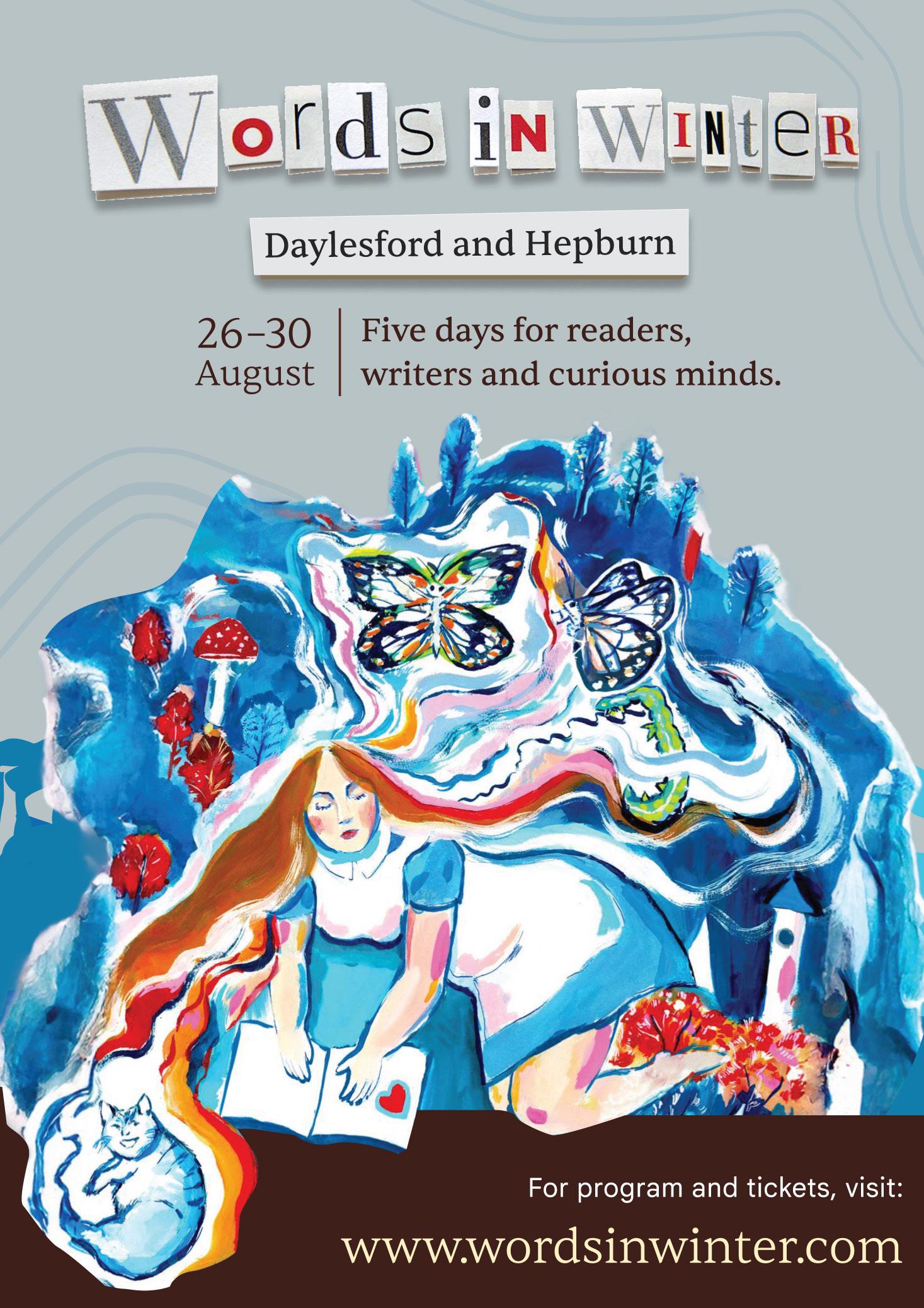
Words in Winter
A celebration of writers and stories in all their forms, Words in Winter returns. This much-loved festival across Daylesford and Hepburn brings together local voices and visiting artists for a weekend of literary discovery, creativity and connection
26–30 August wordsinwinter.com
After-Light: The Dramatic Prog-Rock Opera – The Mt Players’
In Macedon, the Mount Players unveil After-Light: The Dramatic Prog-Rock Opera. A richly imaginative fusion of progressive rock and German Expressionist cabaret, delving into themes of self-acceptance and forgiveness. Performed at the beautiful Mountview Theatre, it promises a truly unique theatrical experience.
14-30 August Book tickets online
Winter Sounds
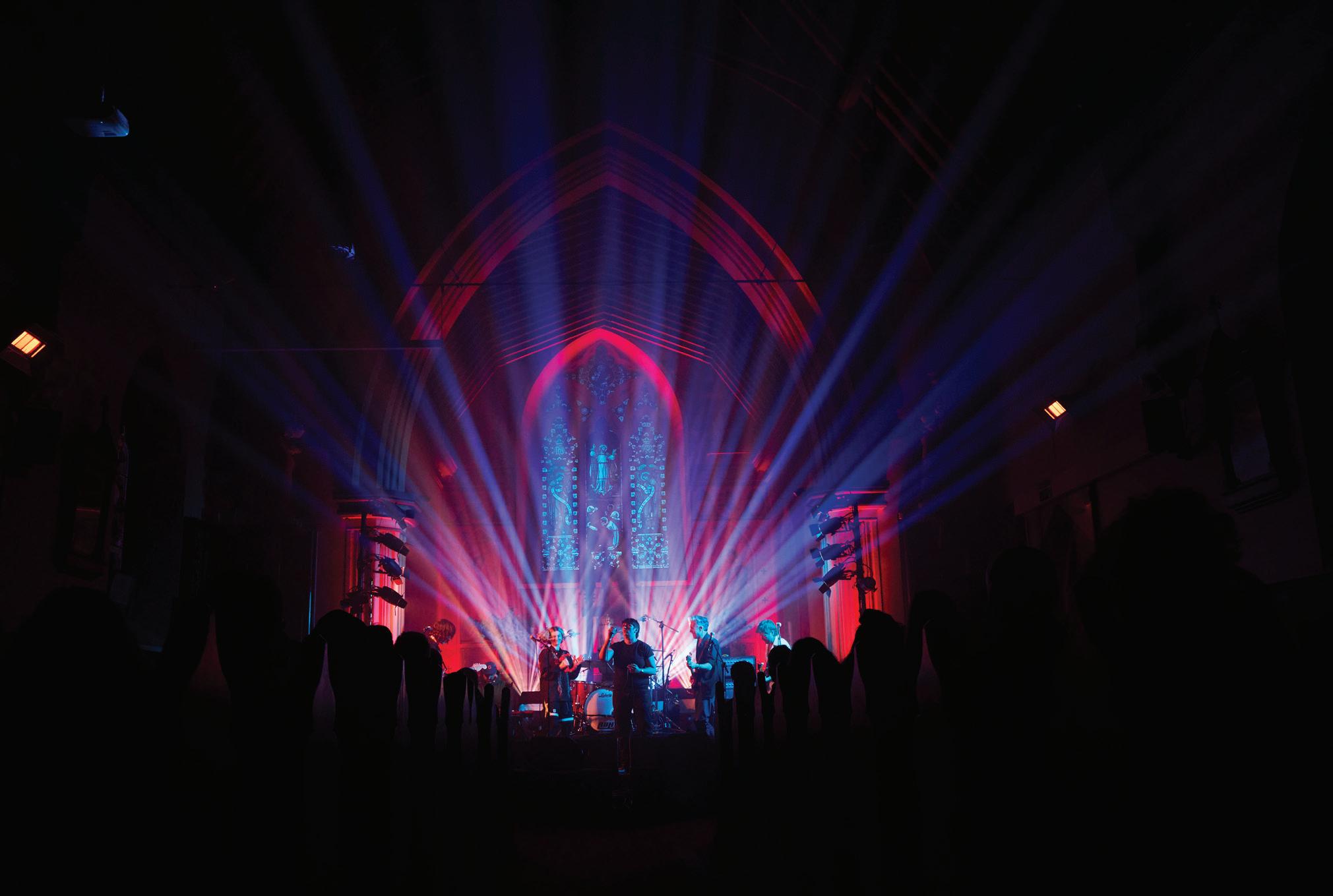
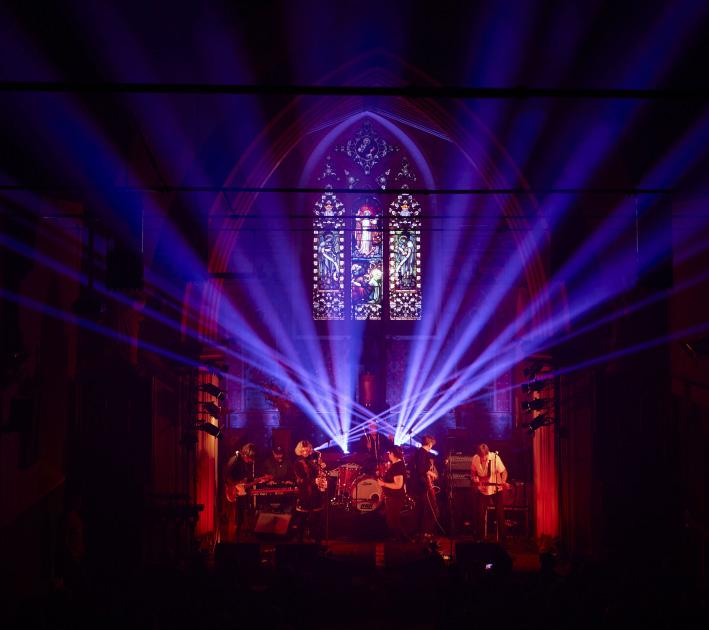
From soaring churches to remote bush schools, country halls and aboard vintage trains, Winter Sounds draws Australia’s finest artists to Daylesford and the surrounding hills — a weekend of exceptional music in beautifully intimate settings.
27-30 August wintersounds.com.au
Image: Marnie Hawson
James Stoddart
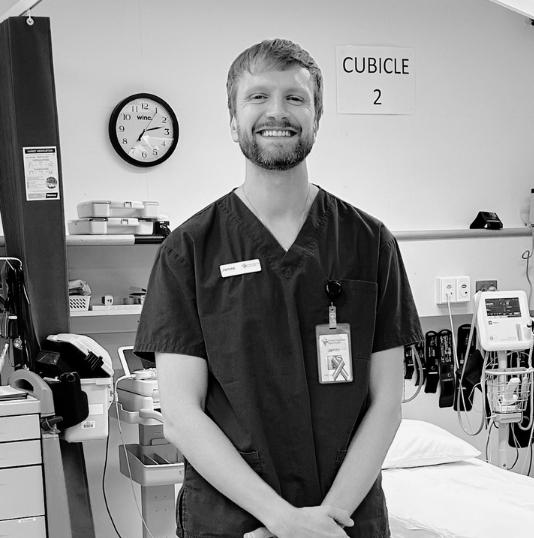
James Stoddart is a Nurse Practitioner at Daylesford Hospital Central Highlands Rural Health
What is your role at CHRH?
I’ve been working as a nurse at Daylesford Hospital, CHRH for the past few years, and more recently stepped into a new role as the organisation’s first Nurse Practitioner after completing further Postgraduate and Master’s level education. A Nurse Practitioner is an experienced Registered Nurse with advanced clinical training who can assess, diagnose and manage a wide range of health conditions, including prescribing medications and ordering diagnostic tests. The role helps improve access to timely healthcare locally and supports patients to receive more comprehensive care closer to home, while working closely alongside GPs and the broader healthcare team. I’m passionate about providing patient-centred care and helping people feel supported, informed and understood in their healthcare journey.
What is it about this community that makes it feel so unique and enduring?
There’s a genuine sense of connection here that’s hard to describe until you experience it. People look out for one another, and there’s a strong appreciation for both the natural environment and the slower pace of life. Daylesford has a creative, thoughtful energy, but it also feels deeply grounded; there’s history here, and a real sense of community resilience.
Where in and around Daylesford do you find yourself returning to for inspiration?
I keep returning to the lake and the surrounding walking tracks. There’s something calming about the landscape in this region, especially early in the morning when everything feels still. I also love exploring the smaller towns nearby, each place has its own character and stories.
As winter settles in, do you have any rituals or practices you return to?
Winter here feels like a season to slow down a little. I try to make time for walks, good coffee, reading, and catching up with friends and family. I’ve also made it a bit of a winter tradition to have at least one staycation each year, booking a different house or property with a fireplace somewhere in and around the Daylesford region. It’s a nice reminder to properly switch off and appreciate the landscape and atmosphere that draws so many people here in the first place.
For someone visiting the region for the first time, what's one piece of advice you'd give them to experience it like a true local?
Take your time. Don’t try to rush between destinations. Wander through the backstreets, visit the smaller cafes and galleries, and spend time in nature. The best parts of this region are often the quieter moments you stumble across unexpectedly.
Daylesford and Kyneton Urgent Care Centres
Allergic reactions
Asthma
Bur ns (minor)
Chest infections
Dehydration
Dental or mouth pain/infection
Diarrhoea
Dressings
Eye conditions, such as foreign
Mental health/ anxiety
Nosebleed (epistaxis)
Pain and pain management (analgesia)
Sprains and strains
Daylesford Urgent Care – 17 Hospital Street, Daylesford 5321 6500
Best Care. Every Person. Every Time. In an emergency always call 000
WELCOMING IN WINTER
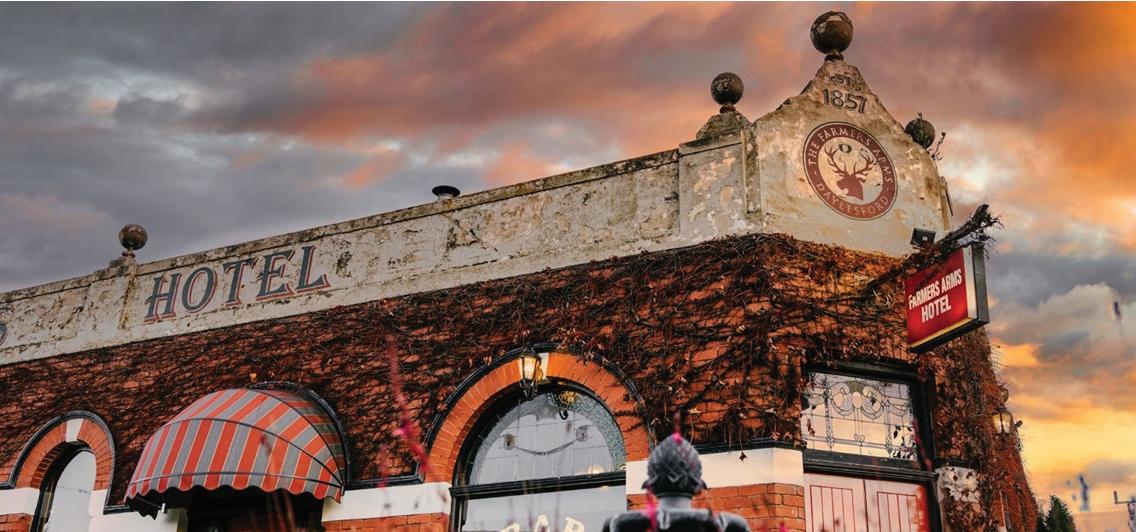
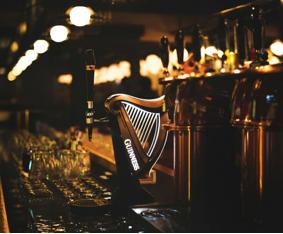
To welcome in Winter, our winter menu is back at The Farmers Arms; This means, the Pork Belly has returned! Slow-cooked & perfectly crispy. The Guinness Harp is o cially installed and pouring; And we're calling it right now, the creamiest pint in Daylesford. Cold, smooth, and worth every sip.