






Elvis Osifo Editor-in-Chief, Lost in Lagos Plus Magazine IG: @edo.wtf


Elvis Osifo Editor-in-Chief, Lost in Lagos Plus Magazine IG: @edo.wtf
Nine years ago, Lost in Lagos Plus began as a love letter; to a city, to its people, to its culture, to the beautiful madness that makes Lagos impossible to ignore and impossible not to love. What started as documentation has become devotion. What began as curiosity has become commitment. And what was once a magazine has grown into a living archive of how we live, move, create, and connect.
So for our ninth anniversary issue, themed love, we decided to explore how ‘love’ has changed from nine years ago. And not the soft-focus, storybook version, but the real, evolving, complicated, courageous thing. This is not a Valentine’s issue. This is a cultural inquiry.
In 2026, love does not look like it used to. It is quieter and louder. Softer and more confrontational. It lives in chosen families and romantic friendships. In long marriages and new beginnings. In singlehood, in healing, in polycules, in situationships, in intentional solitude. In unlearning, in pleasure, in boundaries, in honesty. And in me and my team members. Across these pages, you will meet people who are reshaping intimacy, partnership, desire, and connection. You will encounter voices that challenge shame, question tradition, expand possibility, and give language to feelings many are still learning how to name.
Dare Olatoye asserts the dismantling of the traditional idea that “a man’s word is final” due to women’s financial independence, a shift echoed by therapist Christie Bature, who identifies the core modern challenge as achieving a “balance of power” in marriage.
This move toward equality is reinforced in the intimacy realm, where Dr Tolulope Oko-Igaire argues that consent must be seen as a psychological skill built on self-awareness, which Lady Kay complements by framing female pleasure as a form of selfknowledge and self-respect. Didi Edet coaches on rebuilding trust, helping clients with Pistanthrophobia by reframing it as a process to “prevent caution from turning into avoidance.” This foundation is essential for Hannah Jonathan’s work on transitioning couples from transactional to “transformational sex.” Finally, this shift from external scripts to internal honesty is championed by Onah Micheal Chidozie, who advocates for genuine conversation over looks, and by The Feral Couple, who radically define their polyamorous love as a conscious choice, not a mere emotion.
Don’t forget to check out top 10 Most Romantic Spots In Lagos, and our list of the top 5 Events Happening in Nigeria.
Welcome to Love, Rewritten. And thank you for nine years of loving Lagos with us.
#DiscoverNigeria
#ExperienceNigeria
#LostinLagosPlus
#LostinLagosPlusMagazine
LOST IN LAGOS Volume 10.5 February 2026 Title: Love, Rewritten. FOUNDER Tannaz Bahnam PUBLISHED BY Knock Knock Lifestyle Solutions Ltd PRINTER Tee Digital Press EDITOR-IN-CHIEF Elvis Osifo EDITORS Leon Izegbu, Enemona Udile DESIGN Ernest Igbes CONTRIBUTORS Elvis Osifo, Mona Zutshi Opubor, Leon Izegbu, Ernest Igbes, Enemona Udile, Matildah, Christie Bature, Dare Olatoye, Didi Edet, Dr Tolulope Oko-Igaire, Feral Couple, Hannah Jonathan, Lady Kay, Onah Micheal Chidozie, Victoria Effiong, Kosi Nwachukwu, Ani Queenet Ezinne, Nafisat Akanni, Kahil Brown, Chef Alex, Chef Bob. COVERS Ernest Igbes
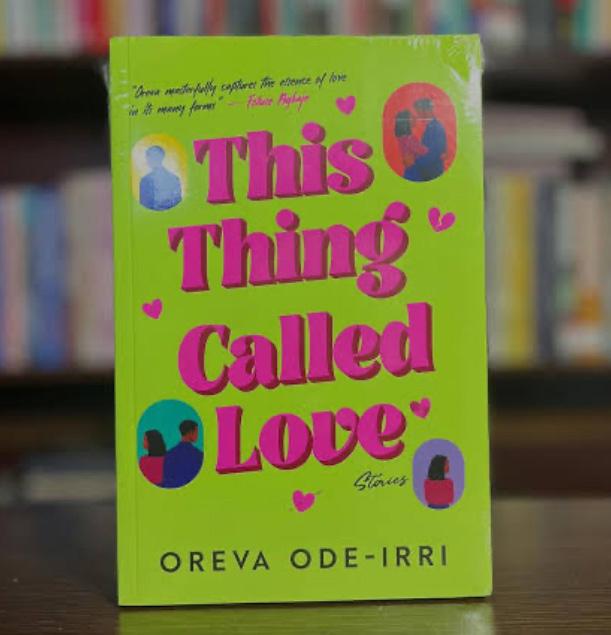
This Thing Called Love From Roving Heights
Loving Is a Bittersweet Encounter
Sometimes we find ourselves drawn to an immaculate, untouched fire. It burns slowly at first, then hotter and more passionate as it grows, until it consumes us. In time, we learn that love is not always enough—it never was. This Thing Called Love by Oreva Ode–Irri explores the meaning of love in its many forms, especially as it evolves from friendship into something deeper. The stories move through choices that may feel like betrayal, bittersweet moments of becoming, and the sheer purity of a high school crush. And what better place to encounter a book like this than Roving Heights, home to stories designed to plant their feet firmly in your heart. If loving is your language this Valentine’s, hurry to Roving Heights and grab a copy.

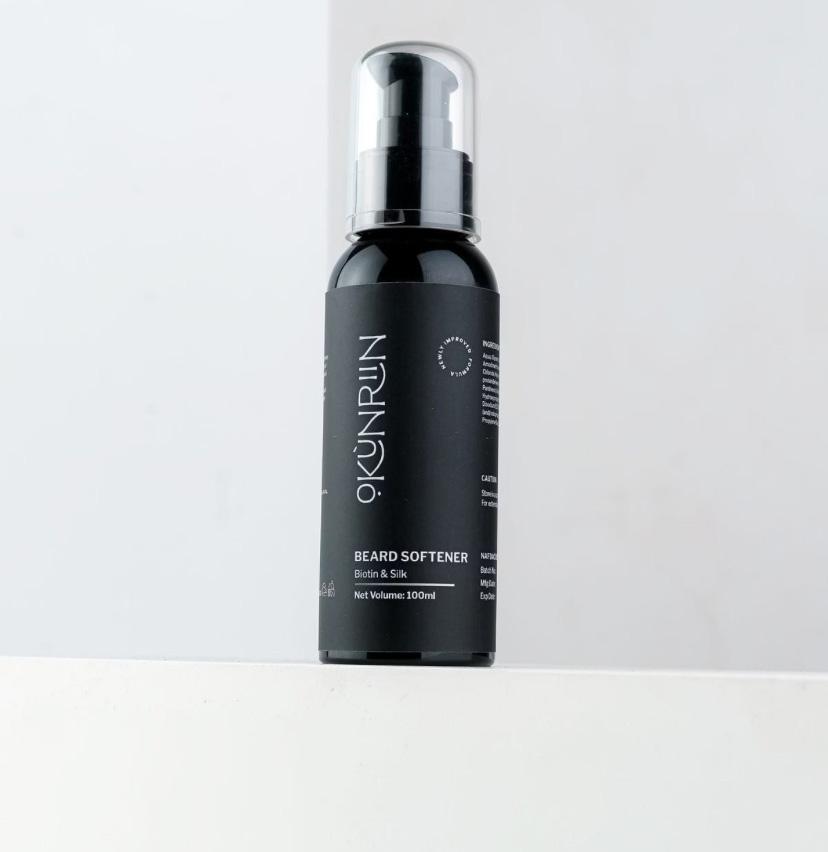
Beard Softening Cream By Okunriin
Men deserve a little love too
Confidence starts with care. A good beard is one less thing to worry about. No bumps, ingrown hair to make you itchy or red sores that look unappealing. The Okunriin Beard Softener transforms coarse, stubborn hair into a soft, smooth, and easy-to-style beard, turning daily grooming into a simple act of self-love and intention. Its silky texture absorbs effortlessly, leaving skin nourished and hair perfectly managed. It’s ideal for the man who wants to feel confident and present in every moment. This Valentine’s Day, make the conscious choice to gift your partner
bit
Every month, three products are selected from businesses in Nigeria and shared with you to appeal to your senses. They range from cool, functional items that become indispensable and intimate items that make for thoughtful gifts, to artefacts you can splurge on, and everything in between. This February is the month of Love, romance and family. Chosen or biological. We have curated the best guides to products you can gift your loved ones, or yourself this month.
intentionally by picking the Okunriin Beard Softener.

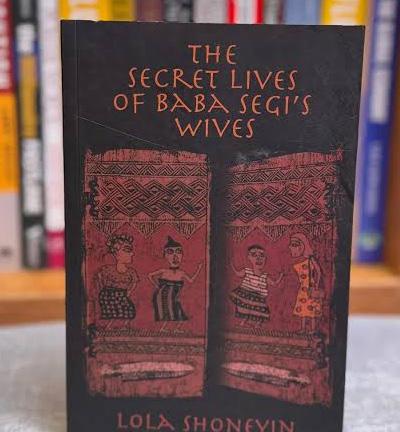
The Secret Lives of Baba Segi’s Wives from Cassava Republic Love is a Gift, Give it.
Love isn’t always gentle. Sometimes it’s messy, layered, and complicated. Just like the fragrance in a room sets a tone, the dynamics between people set the rhythm of a home. Lola Shoneyin captures this artfully in The Secret Lives of Baba Segi’s Wives, a story of love in its many forms through desire, rivalry, resilience and agency within the complex tapestry of human relationships. And what better place to pick it up than Cassava republic, the perfect home for romantic novels and bestsellers. If Valentine’s is a season of love, this book captures it perfectly.

Juicy Italian Wines from Amabile di Rosa From Piemonte, with Love
Amabile di Rosa is a range of juicy Italian wines crafted in Piemonte, Italy. These wines are created with one simple idea in mind: wine should feel friendly, joyful, and easy to love. The term Amabile is Italian for sweet, lovable, and friendly, a name that perfectly reflects both the character of the wine and the moments it’s made for. Rosa is a nod to Rose Thomas Bannister, the Brooklyn-based sommelier whose expertise helped bring the wines to life, alongside a cross-cultural collaboration between Nigerian and Italian partners. It comes in Sweet Red, Sweet White, and Sweet Rosé. Each bottle is sparkling, aromatic, and indulgently smooth, crafted from grapes like Moscato, Brachetto, Barbera, and Freisa. Order your next bottle of Amabile di Rosa Juicy Italian wines via Chowdeck and have it delivered straight to your doorstep.


A BIT ABOUT ME: I’m a 20-something-year-old living in Nigeria. I probably spend way too much time obsessing over self-care, food, tech, and anything else that makes my life easier. Like most people, I find randomly shopping online at odd hours therapeutic. For example, the fact that you picked up a copy of this magazine makes me like you. *Proceeds to add reader to cart!*
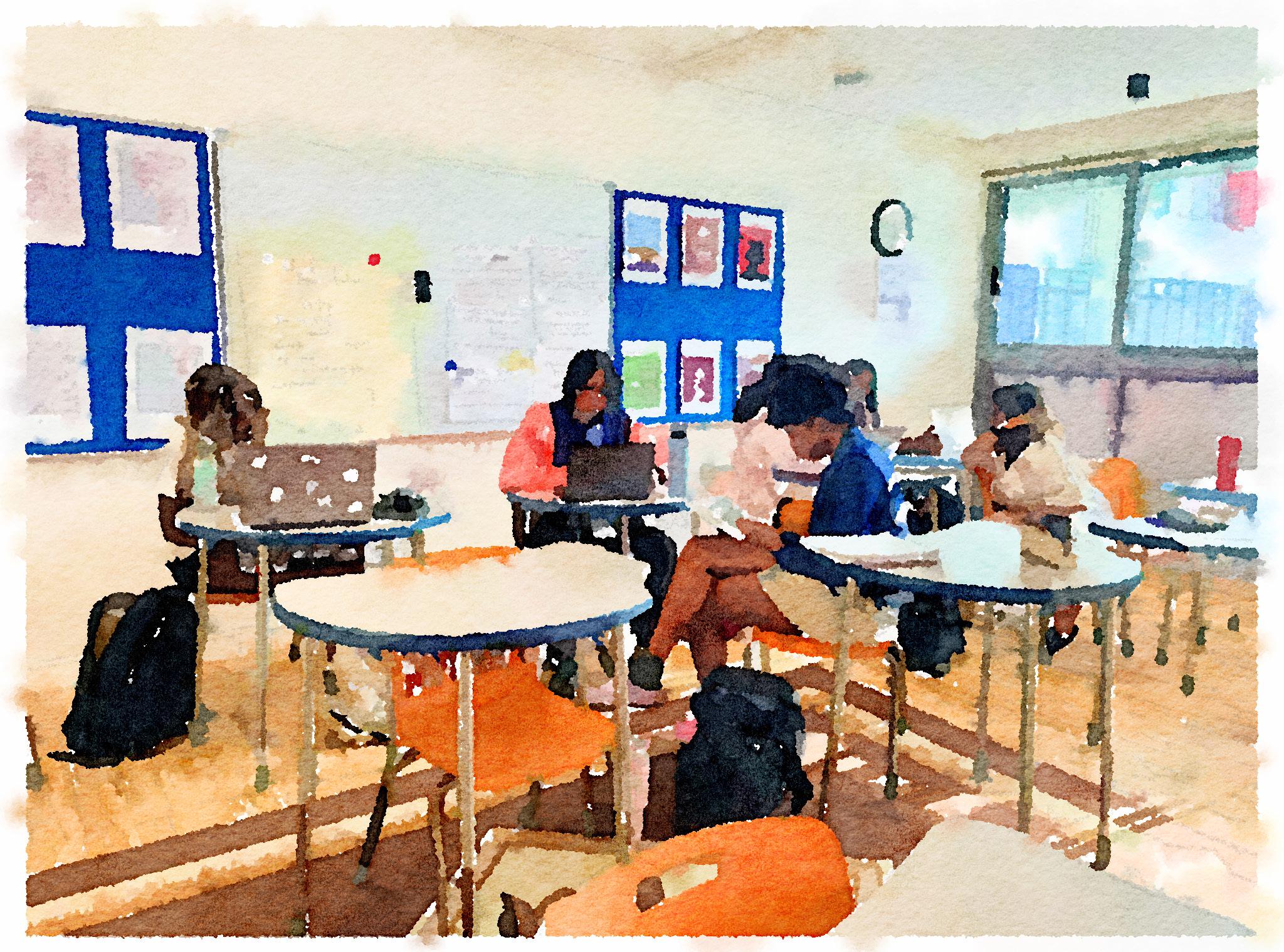
When I began teaching my current crop of seniors, I saw their analytical writing and assumed the worst. I gave several laden speeches, intimating that AI would be their downfall—without making direct accusations. Their sweet faces were blank, and I imagined it was part of their long con. They were not only unrepentant cheaters, they were also brilliant actors, committed to feigning innocence.
When I gave them an in-class writing assignment, I read their excellent work— produced without access to devices— and was astonished. They had not been engaging in 419. They just happened to be smart.
I was falsely accused of cheating myself when I was in secondary school. At age 17, I wrote a comparison of two Emily Dickinson poems. Soon after, my teacher took me aside. She offered me the opportunity to confess my crimes. “I know you have an older brother at Harvard,” she said. “Did he write this for you?” I was gobsmacked. My brother was majoring in math and disinclined to wax
lyrical on poetry.
I was unaware that I was a talented writer. This was my first clue that I had a gift. Rather than identify my skills, my teacher assumed I was a fraud. I’ve always wondered if my teacher was right about me though. Was I capable of turning in an essay I hadn’t written? I never did, but it didn’t stem from a heightened sense of morality. I just never knew anyone I could trick into doing my work. No one on earth is more jobless than me, which can be frustrating at times.
I think about the temptation facing this generation of students, and I am unsure what I do in their place. I assumed this would remain a source of speculation until this issue came along. When Elvis, the Editorin-Chief, sent me a message describing the theme of this month’s magazine, he used terms like “polycules, romantic friendships, and soft marriages,” and I had no idea what he was talking about.
I asked my husband what to write, as we walked the dogs. He stared off into the
middle distance and began churning out ideas. “You could write about how it feels to have your heart in multiple cities.” I looked at a building on the horizon, letting my thoughts drift. Time passed. I glanced up and realized my husband was looking at me expectantly. “I just gave you six good ideas. Did you like any of them?”
I stared at him. “I loved them all,” I said. It was clear that I hadn’t heard a word he said.
So, I went home and opened my laptop. Then inspiration struck. It was time for this dinosaur to evolve. I copied the prompt Elvis had shared into ChatGPT. I added that I was a 50-something-year-old memoirist, and I would be open to a range of suggestions.
Within seconds, AI gave me 10 memoir titles. As I read them, they filled me with dread. The list read:
I used to call it cheating. Now I call it complicated. The ex I can’t unlove.
I don’t want to date you. I do want you to flirt
with me.
I’m not lonely but I’m alone.
I miss the version of my husband who was still becoming. There’s one photo of us where we look like we still believe in each other.
There was a year when I didn’t like my child very much. Sometimes I pretend I’m single just to remember who I was. My best friend and I joke about leaving our families and starting over.
There is a man I forgive every morning and resent every night.
It was horrifying. If I chose any of these ideas, my children would be hurt, and my husband would be furious. They were inappropriate topics for a conventional, married Lagosian, invested in keeping her life from imploding.
In my search for ideas about love, I thought a lot about the things I love. By using AI, I would deny myself a connection to the process of writing, but putting my thoughts into words is one of the deepest, most gratifying loves I’ve ever known. It’s been a constant that has seen me through the critical stages of my life. Writing stirs my heart in the same way that loving my family does.
It turned out I didn’t need to cheat to write this column. All I had to do was write.
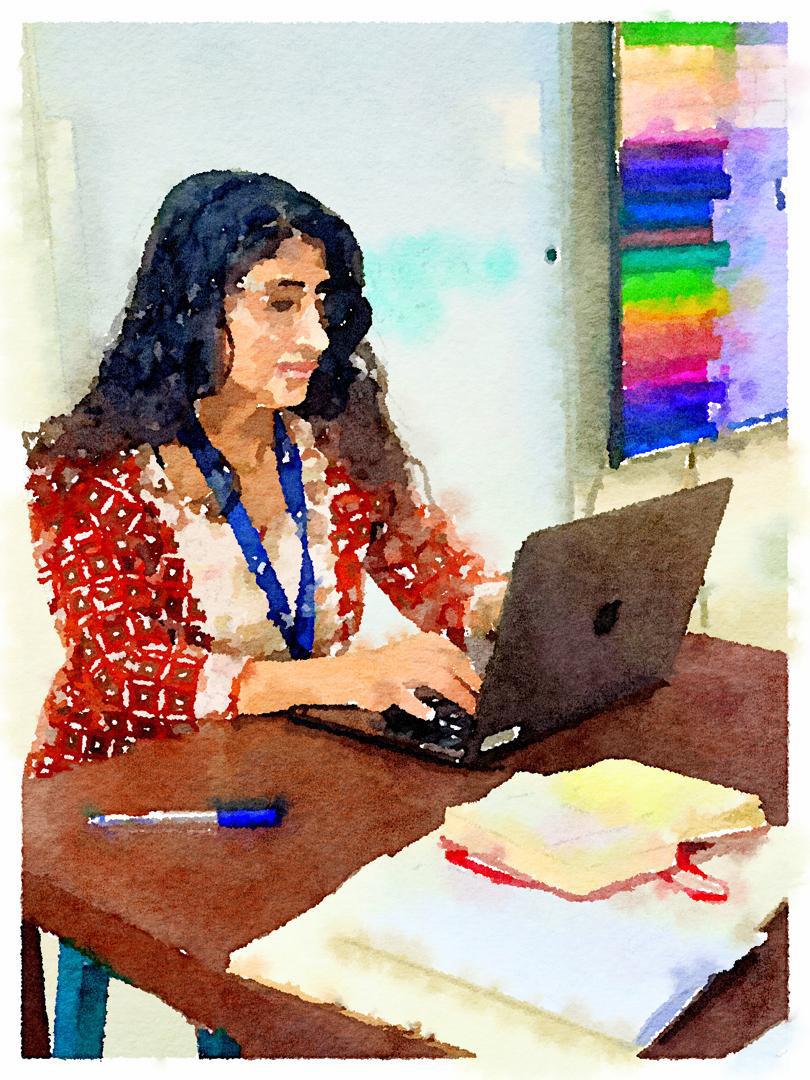

Mona Zutshi Opubor is an IndianAmerican and Nigerian writer. She holds an MSt in Literature and Arts from the University of Oxford, an MA in Creative Writing from Boston University and a BA in English Literature from Columbia University.
Read more at www.monazutshiopubor. com

Self-Respect in the Bedroom: Lady Kay on Pleasure as a Form of SelfKnowledge
Love becomes performative when one person in the relationship makes a decision for their partner and doesn’t share their decision with them, leaving them confused and Resentful.
You’ve said your work is about removing shame from physical intimacy, especially for women. In 2026, where do you think that shame still lives most: in our bodies, our relationships, or the stories we were taught about love?
I believe it’s a combination of all three. Generally speaking, Nigerian girls, especially first and eldest daughters, are raised and socialised to be pure and presentable for their future husbands. Many of us were raised to believe that if we slept with more than one guy, we would be seen as promiscuous and less valuable.
Nigeria is also a religious country, and religion plays a big role in encouraging harmful conversations around purity culture. As a result of the pressure to remain pure and chaste, for the purposes of being picked and chosen at the end of the day, we carry a lot of shame and confusion about physical intimacy
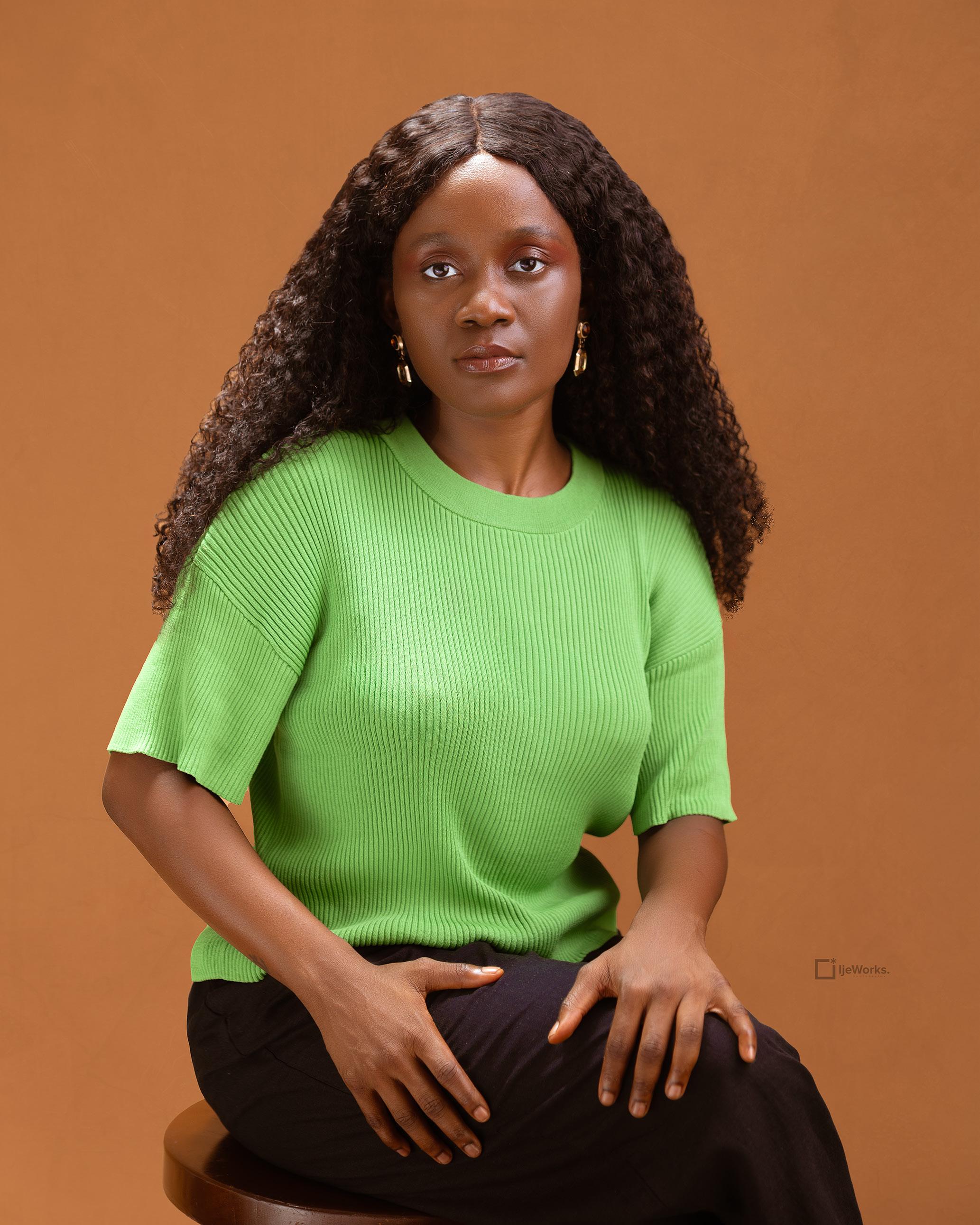
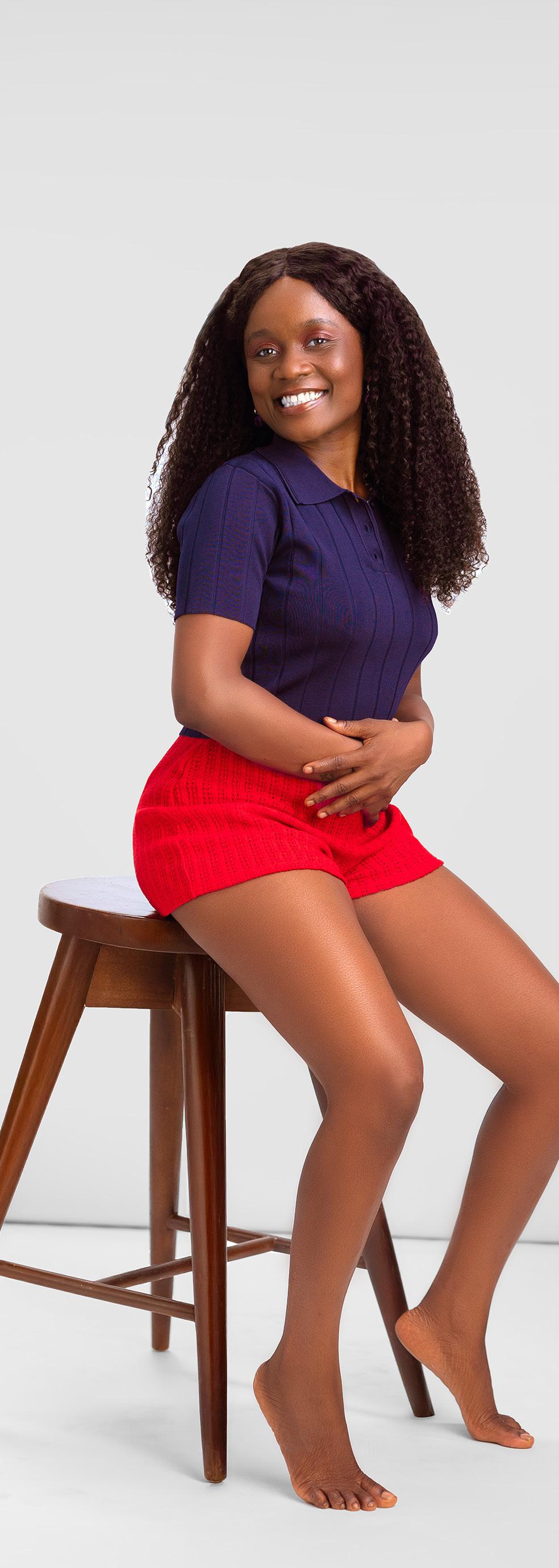
Meet Lady Kay, a romance writer, storyteller, and digital creator dedicated to empowering women through education and narrative. Known for her “spicy” fiction and engaging social media presence, Lady transitioned in 2025 to focus on building a robust community on TikTok and Instagram. Her platform serves as a vital resource for young women, covering essential topics such as body literacy, relationship dynamics, kink exploration, and intimate safety. By blending the art of storytelling with real-world advocacy, she creates a safe, inclusive space for growth and discovery.

Writer and Content Creator
in our bodies and minds. That shame and confusion then follows us into our relationships and makes us feel like we don’t have a say in what happens to us in the bedroom.
When it comes to physical intimacy, women have just as much agency and autonomy as men. We were taught that sex and physical intimacy could only be enjoyed within the confines of marriage. Thankfully, many Nigerian women are now realising that that is simply not true, and it is okay to explore and enjoy dating before marriage.
So much of love in Lagos feels loud, performative, and confusing. What does healthy intimacy actually look like to you when no one is watching?
Healthy intimacy requires trust, mutual respect, and transparency. Infidelity thrives in Lagos, because a lot of individuals
and couples are not honest about their desires, needs, and wants. A lot of people also find it difficult to express themselves or communicate their feelings (the fear of rejection is real), and that makes it even harder to find love (read: affection) or to meet someone you feel like you can genuinely connect with.
Whether I am out with my partner in a public place or cuddled up with him at home, I expect him to treat me with respect and to be honest about his feelings. Love becomes performative when one person in the relationship makes a decision for their partner and doesn’t share their decision with them, leaving them confused and Resentful.
We’re seeing love take many new forms: situationships, chosen families, polyamory, long-term singleness. What do you think these shifts reveal about
what people are really craving right now?
I know a lot of people want to feel real connections, but conversations about casual dating, friendships, singleness, and sex are making it difficult for them to get what they are looking for. In a perfect world, it would be possible for a couple to break up and still remain friends, or at least work towards a friendship. But that would require open and honest conversations, and many people cannot handle hard conversations; so they hide in the shadows, repress their true feelings, and walk around feeling like they are not deserving of love.
People are craving depth; they want to be seen, accepted, and loved. It is possible to feel all these things with friends, lovers, loved ones, and chosen family members, but honesty is required to connect with another person on a deeper level.
In your experience, what are people most afraid to admit about sex and intimacy, and why do you think that honesty still feels radical?
They are afraid to admit that they have wild fantasies that they would love to explore with someone, and that someone doesn’t necessarily need to be a girlfriend or a boyfriend. I’ve been hit on by men who openly expressed their attraction for me and shared their innermost desires and fantasies with me.
I believe the reason they felt comfortable enough to share their kinks and fetishes with me is that I practice a “non-judgment zone” policy (within reason, of course) in my conversations, and I create a safe space for them to express themselves shamelessly. More people need to do that for the people in their lives, especially for their romantic and sexual partners.
Honesty feels radical because many of us were raised to view sex as this private and shameful thing that should only be enjoyed when you get married. The onus is on us, individually, to change the narrative around sex and get rid of the shame that is attached to enjoying kinky sex with a consenting adult or other adults.
Pleasure is often framed as indulgence or rebellion, especially for women. How do you see pleasure as a form of self-knowledge or even self-respect?
I think female pleasure is the most beautiful thing to ever sex. I love being a woman for that reason alone. I’ve been called shameless and embarrassing by both men and women in my comments, simply because of my spicy story times. I don’t mind the name-calling because I understand the importance of sex education and sex positivity.
The Diddy and Epstein cases have shown us just how low people will go to feed their sexual desires. The victims of Diddy and Epstein did not experience pleasure in those sessions; they were used and coerced into performing acts against their will. To truly experience pleasure in its purest form, you must know and love yourself deeply; it is only from a place of true selflove that you can draw up boundaries, advocate for yourself in the bedroom, and walk away from any partner who doesn’t respect your boundaries or who doesn’t listen to you. When you love and respect yourself, you will approach sex and physical intimacy from a healthier and more mature headspace.
What’s one myth about love, sex, or relationships that you wish Nigerians would finally let go of?

Interview Dr Tolulope Oko-Igaire
Executive Director, Chartered Institute of Counselling (CICN)

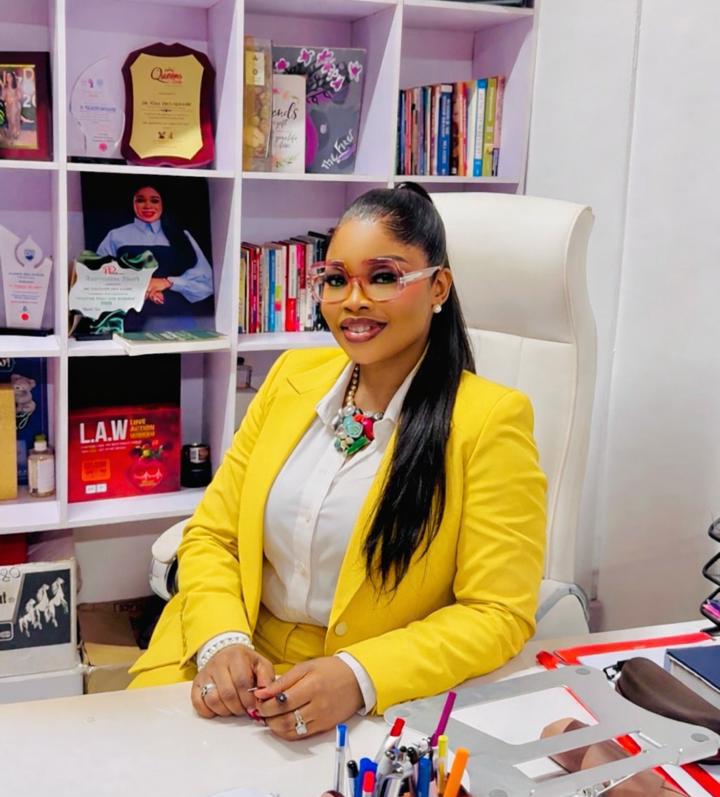
From Silence to Skill: Dr Tolulope Oko-Igaire on Identity, Consent, and the Radical Acts Redefining Modern Love
You deal with the “unspoken.” What is the one thing Nigerians are finally becoming brave enough to say in therapy that they weren’t saying five years ago?
When we talk about “the unspoken,” we are really talking about sex, identity, desire, and needs, areas that have historically been wrapped in silence, shame, and fear, not just in Nigeria, but globally. However, Nigerians are becoming braver, more curious, and more willing to speak, even though we are still finding our balance in how we speak. For decades, sex was not discussed at all, and now the conversation is everywhere, especially on social media. Unfortunately, a lot of what is being said is not informed by psychology, anatomy, or emotional intelligence, and that has created confusion and, in some cases, harm.
In my clinical practice, what has changed most over the last five years is people’s willingness to tell the truth about who they are and what they want. Clients are increasingly opening up about their sexual orientation, gender identity, and internal conflicts around these issues, things they would never have dared to voice in the past. I now hear statements like, “This is who I am,” or “This is what I am attracted to,” spoken with fear, but also with courage. People are beginning to admit what excites them, what doesn’t, and what they have been suppressing for years out of guilt or obligation.
One of the most significant shifts I have noticed is with women. More women are finally saying, “I matter here too.” They are speaking openly about pleasure, consent, satisfaction, and unmet needs. For a long time, many women believed sex was something they endured or provided. Today, more of them are asking for mutuality, safety, and fulfilment, and that is a powerful psychological shift. All of this is only possible when therapy is truly a safe space. When confidentiality, trust, and professional competence are established, people begin to lower their defences.
How do we move the conversation of “Consent” beyond just a legal or “Western” framework and into the everyday language of Nigerian bedrooms?
We have to stop treating consent as a rule and start understanding it as a psychological and relational skill. Consent is not first a law; it is self-awareness in action. At its core, consent is about knowing yourself, knowing what you deserve, and being able to express both clearly. When a person struggles to say no, or feels entitled to override another person’s no, that is rarely about culture or gender alone.
It is usually about poor self-esteem, weak boundaries, and unhealthy
emotional development. And those things don’t begin in the bedroom; they begin in childhood. This is why parenting is central to the consent conversation. From the earliest stages of development, children learn whether their feelings matter, whether their boundaries are respected, and whether they are allowed to have a voice. A child who grows up emotionally healthy, cognitively, socially, and psychologically naturally learns when to say no and how to respect another person’s no.
In contrast, when people grow up in environments where obedience is forced, boundaries are ignored, and emotions are dismissed, they enter adulthood confused about entitlement and rejection. This is where we see adults who feel bruised or threatened by a “no,” who interpret consent as an attack on their ego, or who believe intimacy is something to be taken rather than shared. For consent to become normal bedroom language, we must normalise healthy conversations about sex, desire, and boundaries. We must raise emotionally intelligent humans
Ultimately, this is a mental health issue as much as it is a social one. Counselling, emotional education, and psychologically informed parenting are key. If we want consent to feel natural in our bedrooms, we must first build emotionally healthy individuals in our homes, schools, religious spaces, and communities.
From a clinical perspective, why do you think “situationships” have become so prevalent? Are they a defence mechanism against traditional pressure, or a new way of exploring connection?
Situationships have become so prevalent in Nigeria, and from a clinical perspective, I see them less as a new way of exploring connection and more as a defence mechanism against traditional pressures. Many young Nigerians are navigating a complex landscape: they are rebelling against the rigid expectations of family, culture, and religion, yet they often lack
the self-awareness to understand why they behave the way they do. Part of the challenge comes from adopting concepts, like love languages, without integrating them into our own cultural and psychological context. The love languages framework is beautiful, but it assumes that people have been socialised in ways that equip them to express love fluently.
So when someone says, “My love language is words of affirmation,” and their partner doesn’t know how to deliver it, it creates a mismatch. This gap often leaves people feeling unheard, unfulfilled, and unsure of how to connect authentically, which leads to the defence of a situationship, keeping emotional walls up while still engaging in connection. You should get my book on When Love Languages Hurt on Amazon.
Situationships are also a psychological response to trauma and cultural conditioning. Many young women, for instance, are defensive because they’ve seen patterns of submission, compromise, and sacrifice repeated across generations. They don’t want to repeat their mothers’ or grandmothers’ experiences, so even when a partner is doing the right thing, they may respond with scepticism or emotional distance. This isn’t rebellion for rebellion’s sake; it’s a protective strategy, a way of managing uncertainty and preserving autonomy.
In essence, situationships emerge when people are reacting rather than reflecting. They are designed to protect the ego, maintain control, and navigate pressure without fully engaging in traditional expectations. They are not a conscious “new model” of connection; they are survival strategies, influenced by culture, upbringing, trauma, and the ongoing negotiation between old norms and new realities. What therapy seeks to do is bring self-awareness to that process, helping individuals understand their motivations, recognise their patterns, and ultimately engage in relationships with clarity, intention, and emotional intelligence.
If love is a “bold reimagining,” what is the
most radical act of love you’ve witnessed in your clinic recently, an act that defied every expectation of what a Nigerian “should” do?
When I think about radical acts of love, love as a bold reimagining, I think beyond the typical gestures we often associate with romance. In my work at the Intimacy Clinic, I witness couples redefining what commitment, sacrifice, and partnership truly mean, often in ways that defy cultural expectations.
For example, I’ve seen women support their husbands in ways that might seem unimaginable in a traditional Nigerian context. I remember a couple where the wife, unable to conceive naturally, actively supported her husband exploring IVF multiple times, six, seven, even ten cycles, just to protect their marriage and honour their shared dream of family. That level of patience, dedication, and vulnerability goes far beyond societal expectations; it’s a radical form of love.
I’ve also seen men demonstrate extraordinary grace and forgiveness. Some have undergone DNA tests, discovered that the children were not biologically theirs, and yet chose to stay, protect the family, and nurture the children as their own. Others have chosen to work through infidelity, embracing the difficult emotional work required to rebuild trust rather than walking away. I’ve seen couples take radical steps: men and women supporting each other through sexual dysfunction, medical struggles, or deep emotional pain, choosing collaboration over blame, empathy over entitlement. These acts are powerful because they break the mould of what we are “supposed” to do.
For me, these stories are inspiring because they remind us that love, at its most radical, is about vulnerability, accountability, and choosing each other consistently, even when it defies expectation. True love is revolutionary; it challenges cultural scripts, it confronts ego, and it creates a space where both partners can grow, heal, and thrive together.
Conversations around intimacy are becoming less performative and more personal. People are beginning to admit what excites them, what doesn’t, and what they have been suppressing for years out of guilt or obligation.
Interview The Feral Couple Polyaromous Relationship

No Room for Shame: Intentional Communication and the Unconventional Care of ‘The Feral Couple.
How did your relationship evolve into a throuple, and what moments or conversations helped you recognise it as love rather than an experiment?
As a man, Jeffrey always felt a strong desire to tell the truth so as to live freely in his experience in the world. He could barely live a life of hide and seek, so he expressed his true feelings of wanting to be with someone else to Chidinma. He was able to because the love he perceived she had for him was beyond romance. It felt like a love made from before they both came to this world. It made him feel he could be completely vulnerable with her and tell her his deepest thoughts. This was also possible because he would rather lose the relationship than lie to her, as he always believed in alignment and truth as the base for true love. Not the kind of love the world deceives most people with.
He met Precious and grew in love with her, and the strong desire to always be truthful to every woman he met made him introduce both of them to each other, and things felt natural between everyone. He decided to have a relationship with both women. At different times, things needed work, like the foundation of getting to truly know each other and understanding how our
Intentional communication for us is understanding that no matter how minute the thoughts are or how shameful they might be, they must be expressed
minds work, but we eventually became closer and have been together ever since. We worked our way into the decision to spend the rest together. The moments that made us understand it as love rather than an experiment were the choice to spend the rest of our lives together. This conversation actually stemmed from Chidinma’s idea, which got us to secure our relationship on a level that has Precious as his wife as well.
In a society that often defines love narrowly, how do you personally define love today, and how has that definition shifted through your relationship?
We understand completely the beauty of how the world defines love itself and don’t take anything away from it. We define love as a choice you make, not as an emotion you feel. The feeling aids the experience, but love is a true commitment made out of a choice to stick to the process of loving each other. Making that choice every day as this surpasses the emotions and is the
commitment you make to stand by someone for life.
What does balance look like in your relationship, and how do you practice intentional communication and care between the three of you?
Balance looks like genuine love without comparison. Intentional communication for us is understanding that no matter how minute the thoughts are or how shameful they might be, they must be expressed because we try to create a space that doesn’t allow anyone feel judged. Care is about consciously knowing what each person needs at the time they do and being there to provide and show the care to whoever needs it.
What is the financial structure like? Is it traditional, or has it evolved into a more unique arrangement?
Transformation and entrepreneurial spirit are one of the cores of our relationship, so we are all building towards a legacy which helps each individual learn and grow into ways that allow them have a fulfilled life that brings income into their individual names without relying on marriage as a shield.
Living openly as a throuple in Nigeria comes with unique social pressures. What has choosing to stay meant for you, both individually and collectively?
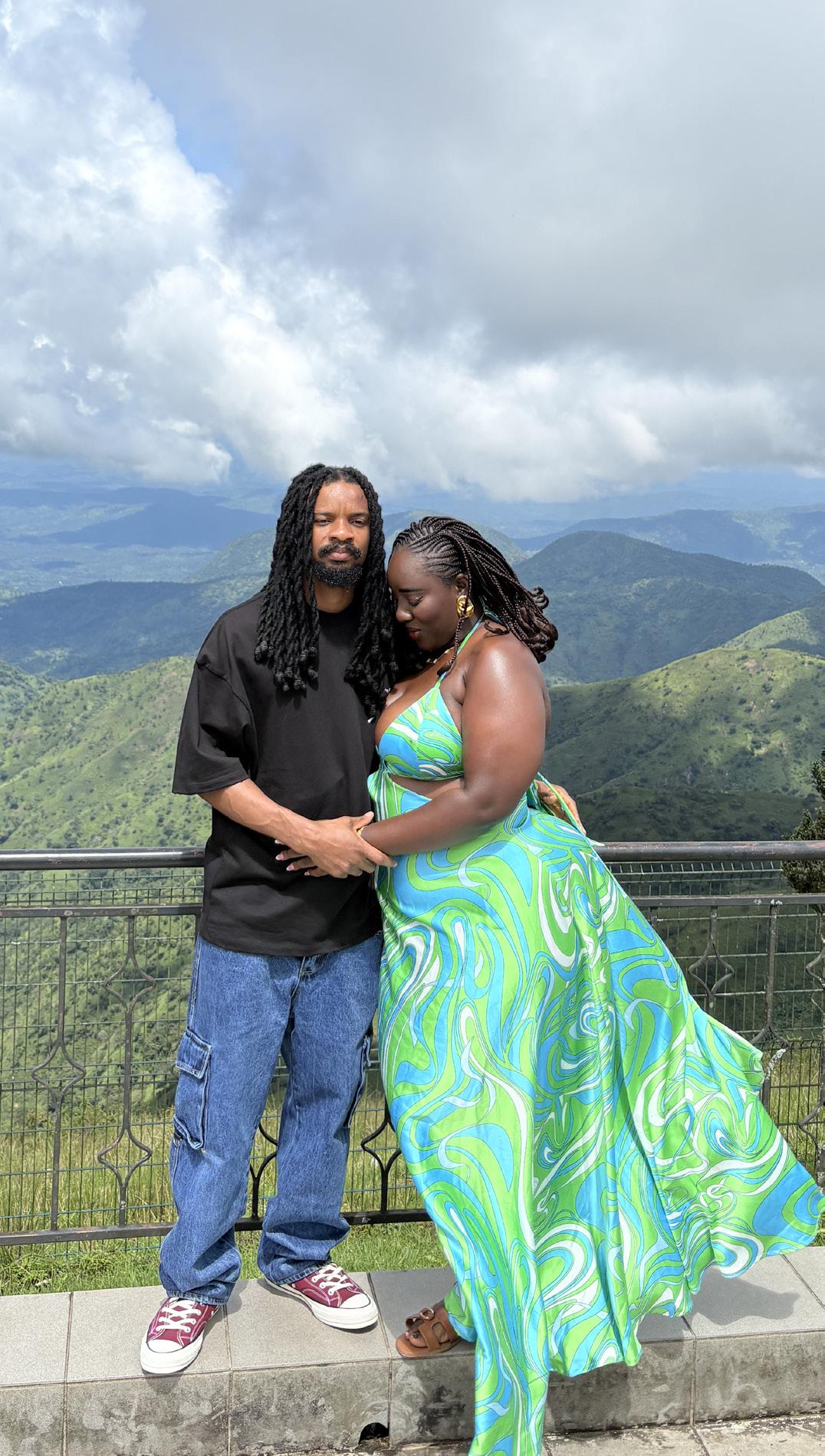
Individually, we are grounded people who do not thrive off external validation, and we also have a strong refuge in each other and as a collective.
How do you balance being visible while protecting your privacy, and do you see your relationship staying between the three of you or expanding in the future?
Visibility for us is a transformative journey, and as we have always individually been private, so balance comes easily as we are very selective of who we share energy with. We actually believe in possibilities, but feel that we’ll mostly stay between us.
The chosen family is a key theme of this issue. How do you see your relationship fitting into or redefining the idea of family?
We strongly believe this isn’t for everyone, but to encourage people that might be aligned with this to be bold enough to give this a try, don’t reduce the idea of children being raised without a father or women without a loving husband because of societal constraints, while also reducing betrayals that lead to issues that affect individuals and children in a family structure.
Interview Dare Olatoye CEO and Co-Founder, Trueflutter
Shattering the Blueprint: Trueflutter CEO on Why the Nigerian ‘Housewife’ is Dead

Meet Dare Olatoye, the Co-founder of Trueflutter, a premier dating platform dedicated to helping single Africans worldwide build meaningful, lasting connections. Driven by a mission to bridge the gap in the modern dating landscape, Dare has helped guide Trueflutter to a remarkable milestone: celebrating over 150 weddings born from the platform. He is passionate about leveraging technology to foster authentic relationships and cultural synergy within the global African community.
In your experience, seeing how people approach dating apps like Trueflutter, what are some of the most common negative perspectives Nigerians have about love?
There’s a pervasive cynicism on both sides: men assume there are no good women out there, and women assume there are no good men. I believe this stems from either painful past experiences or the influence of the people around them. There’s also a widespread perception that dating apps are just hookup platforms. So even when people are genuinely looking for love, they approach these apps with guarded, contradictory expectations, wanting connection but expecting disappointment.
We often inherit a “blueprint” for love from our parents or religion. What is one traditional Nigerian expectation of marriage that you believe is currently being dismantled by this generation?
The idea that “a man’s word is final” hasn’t just been dismantled, it’s been shattered. Gone are the days when most women aspired solely to be housewives. Today’s women are increasingly financially independent and expect to have an equal say in their marriages, particularly when it comes to joint decision-making. And I fully support this shift. Marriage is the coming together of two people, a convergence of histories. When women are financially stable and not solely reliant on men, it creates space for true partnership.

The idea that ‘a man’s word is final’ hasn’t just been dismantled, it’s been shattered. Gone are the days when most women aspired solely to be housewives.
In what ways is the pursuit of financial stability still “gatekeeping” the ability for young Nigerians to love freely and authentically?
In Nigeria, extreme economic pressure transforms love from an emotional bond into a high-stakes survival negotiation. Financial barriers, such as expensive bride prices, upfront rent demands, and the cost of independence, force young couples to delay building lives together. This makes authentic partnership feel like a luxury only the wealthy can afford. It creates a transactional culture where financial “billing” often overshadows genuine compatibility and shared values. Ultimately, young Nigerians are required to secure their economic survival before they’re allowed the freedom to love authentically.
Looking at the data and the stories you hear, what is one “radical truth” about love in Nigeria that gives you the most hope for the next decade?
The Trueflutter love stories give me tremendous hope. I’ve seen a 65-year-old widow find love again. But the story closest to my heart is my own sister’s. She got married at 49 to someone who lived just minutes away from her all along, and she had triplets at 51. These stories prove something I always say: “Whoever you seek, seeks you.” We receive emails at 5 a.m. from men telling us they’re ready to settle down. That’s what intentionality looks like.
Interview Hannah Jonathan Sex Therapist and Sexuality Coach
M
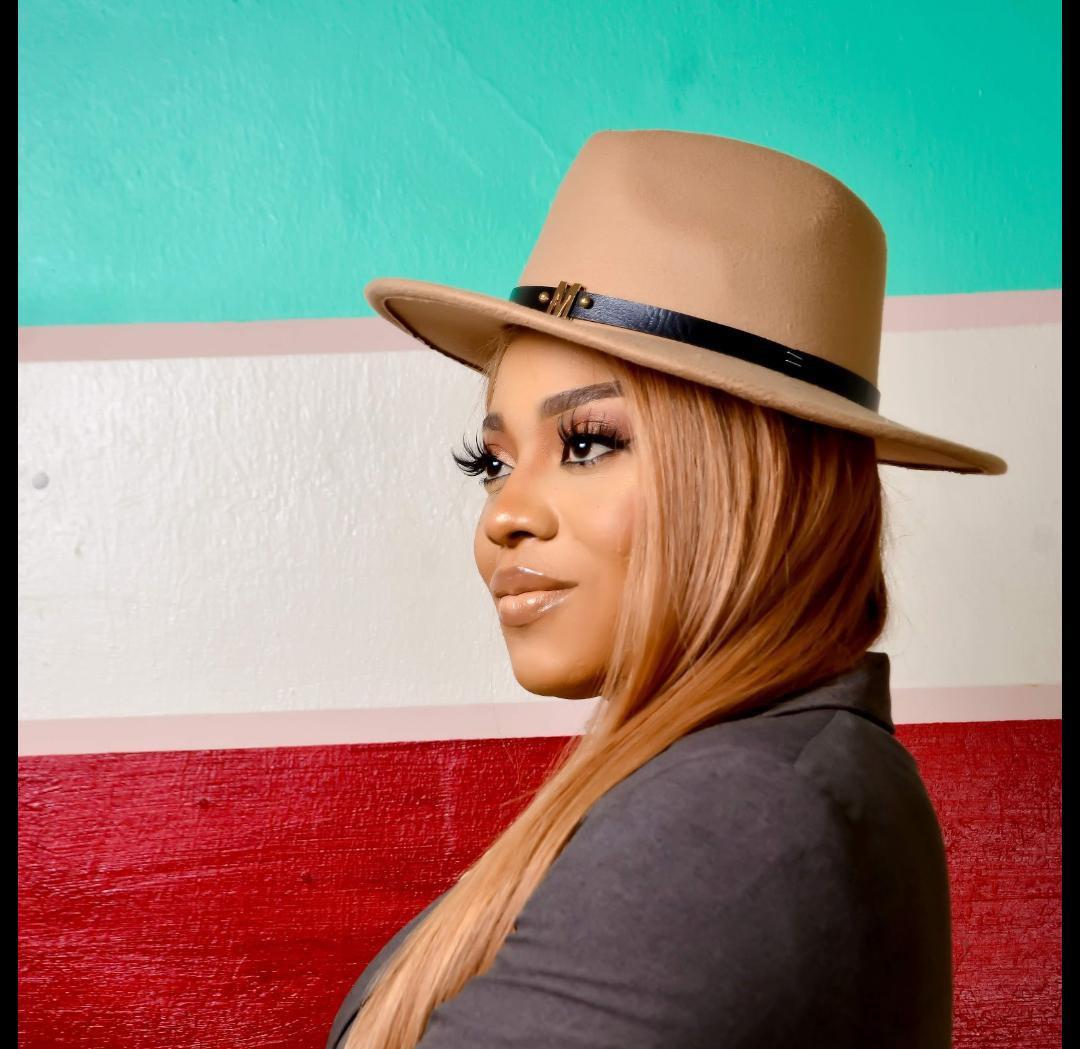
eet Hannah Jonathan, popularly known as Soulspice the Sex Goddess. She is a clinical sexuality coach, master sexpert, and sex therapist who dedicatedly teaches “every aspect” of sex to help individuals and couples find their feet and understand true pleasure. As a specialist often receiving referrals from doctors, she provides professional therapy sessions to help clients navigate complex sexual health issues such as vaginismus and dyspareunia. In addition to her clinical work, Anna is a TV host and a prominent sex toy expert who owns two walk-in stores in Lagos, located in Festac and near UNILAG, where she focuses on educating the public about the safest adult toys for personal and partner use.

Beyond Duty: Hannah Jonathan’s Guide to Transformational Sex and Courageous Conversations
As someone on the front lines of sexual wellness, what is the most pervasive myth about the body that Nigerians have inherited, and what does the process of ‘unlearning’ that lie actually look like in your practice?
One thing
When people try to move from transaction to the real thing, it’s a heartbreaking process; it’s a lot of egosmashing and emotions being wrecked
Nigerians have taken on over the years is the fact that, as a virgin, when you have sex for the first time, you have to bleed. Trust me, a lot of people look for this blood even when there is no blood. And one thing they do not understand is that it’s just a myth. It’s not true.
The reason why we bleed or why people were bleeding in those days was because of a forceful entrance. But now we tell people when you are well lubricated, you’re well stimulated, and the process is done properly, you probably won’t bleed. Sometimes a lot of people’s hymen breaks before the process.
A lot of Nigerians are learning to unlearn what they have learned, but there are still a lot of people with the fear of bleeding, which creates and develops vaginismus, which is a big problem. You find out when they get married, one year, two years, three years, there’s still no penetration because they already have formed that mindset, and it has gotten them into the process and into the art of vaginismus
For those in situationships, how does physical intimacy change when the goal isn’t necessarily “marriage,” but rather mutual exploration and presence?
For those in situationship, they know what they want, they know why they are there, so it’s not a
matter of them having their hopes up. They go for it, they get down every time, and they enjoy the process. Some people get caught up in the process, but a lot of people know why they are in it. They know that they don’t belong to each other, what they are getting into. And so, it’s what it is, but trust me, a lot of times people, you know, find themselves falling in and out of love during that process, which of course is normal, and that just shows we’re human.
How do you coach a couple to move from “transactional sex” (duty-bound) to “transformational sex” (connection-bound)?
When moving any couple from transaction to real pleasure, the major thing is mindset. Number one: Why are you together? What’s your sexual background? What is the other person’s background? What’s your sexual belief? What’s the other person’s belief system? You know, these are things we need to work into, these are things we need to dive into. We go back to the source, we go back to the foundation, we go back to their belief system about sex, and that’s the only way we can help them transition from transactional sex into a better one.
The truth is, people were not born that way. Experiences and programming are the things that have made people into whatever they are now and into the things they have become
over the years. And so what we do with the help of therapy is we help go back to their background to change the belief system, to change the programming into what they really want to be, but that’s mostly with their help
What is the most
courageous conversation you’ve witnessed a couple have when they finally decided to stop performing and start being real with each other?
When you say courageous conversation, there’s nothing courageous about it, trust me. When people try to move from transaction to the real thing, it’s a heartbreaking process; it’s a lot of ego-smashing and emotions being wrecked, because one person already believes, ‘Oh, I’m doing it right.’ The other person is like, ‘You were not doing it right all along.’ The other person is wondering, ‘So how come you never told me? How come you’ve been pretending?’ So there is a lot of emotional stress.
So what we do is we prepare them first, prepare them for the worst. We find out, ‘What’s the worst thing that you think could happen, if this happens? What are you going to do?’ So they are prepared for the worst, so that when they start to hear these things, they’ve already prepared themselves for the worst. Most times we try not to get them to the process of “worst”, and so we just get them to the middle of it so that it doesn’t hurt too much, but trust me, it’s a lot. And so we also help them manage it so that we can control and bring them back to where we really want them to be. Communication is key, nothing else. And so if they’re not ready to open up, then it’s not going to work.
Interview Onah Micheal Chidozie CEO Lennix Multimedia, Producer/ Love in Abuja
M
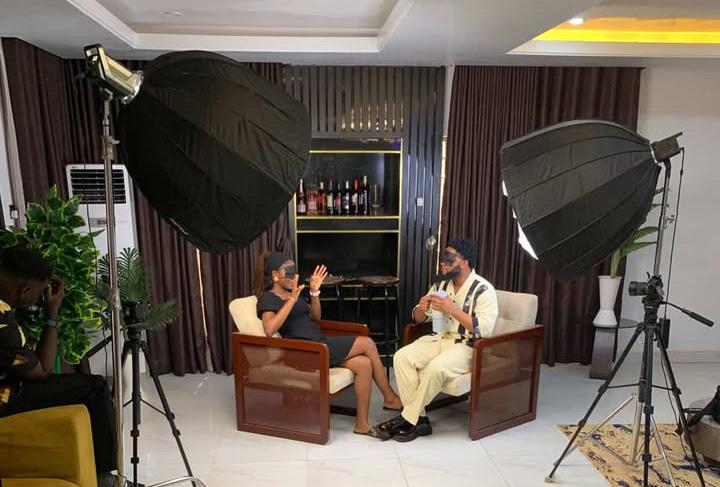
eet Onah Micheal Chidozie, the founder of Lennix Multimedia and the creative force behind the viral phenomenon “Love in Abuja.” A Data Science graduate from the University of Nigeria, Nsukka, Micheal blends analytical insight with over a decade of production experience, having directed projects for global brands like Microsoft and Dettol. After pivoting from feature films to performance-based media, he built a matchmaking community that has earned millions of organic views by prioritising authenticity over scripted drama. Currently based in Abuja, he is now scaling the brand into a secure, tech-driven dating platform with plans for expansion into Ghana, South Africa, and the United States.


Love in Abuja creates space for intentional connection in a city that can feel guarded. What gap in Abuja’s social or dating culture led you to start this platform?
Back then, before I started Love in Abuja, I hadn’t been much for connecting with people. So, I have ladies who tell me their emotional situation: they’re lonely, they need a guy. I am someone who ladies confide in, and I also have young guys who are also single. So, on my Facebook page, I would post a girl, and a few things about her, then say, “If you like this person, come to my DM.” That’s how I had been matching people for a while. So starting a love show was just me taking it to the next level.
It was just this year I realised that my mom had been doing it before now. I used to follow my mom while she matched people for marriages. I remember at Christmas we usually have like four weddings that were matched by my mom. So for me, it wasn’t just about trying to do content. Even when people wanted us to fake it and blow overnight, I disagreed, because that was not the motive that brought me to the game in the first place. So, my mom had that reputation where I am from. I think that was part of it; my mom was there before, and then I started.
In Abuja, particularly, there were relationships breaking down. I wasn’t long in Abuja for me to notice. Between 2022 and 2023, I had two
ladies who were duped by their boyfriends. There are more single ladies in Abuja than in Lagos. In Abuja, it’s men who are stressing women. It was an eye-opener for me. But I can’t say it was one of the major reasons why I wanted to do it. The reason why I chose the name “Love In Abuja” was this: I was looking for a community. If I want to match people, I know that distance will be an issue. I wanted it to be easy, and that’s why I chose Abuja.
Have you noticed people connecting, collaborating, or showing up for one another through Love in Abuja, especially after the show?
Yes. They’re more like a community.
I sometimes go out to see some of our old guests, and when I see that they have formed friendships with others, I don’t bring them back to the camera. I just allow them. Initially, the plan was never to monitor them. I know how social media can ruin teenage feelings. I always bring them to give updates and stuff like that. So, what I do is, I call it a meeting. I don’t even call it a date. Now, conversation. Matching conversation. It is not just about looks.
So, this is what I advocate. When you marry for looks, you face off within a few years of the marriage. But when you have conversations with people that are genuine, they help keep people together. Because at the end, when
everything has gone down, you’ve seen the guy, the guy has seen you, what keeps the marriage is good conversations. So, that’s why the show after that conversation, what we do is separate them.
So, it’s only when they go home that they watch the show and get to hear what one person said about the other person. Which is an honest opinion because they don’t give a fuck about who the person is. They don’t care about who the person is. So, they are just honest, brutally honest.
Blind dates require trust. How do you build safety, boundaries, and respect into the Love in Abuja experience while still allowing vulnerability?
We always ask participants what they are looking for in a partner, and their desires guide our matching process. So, they will tell us what they want, and based on that, that’s how we do our matching. We may not get it 100% because all the ladies will say I want a tall, handsome man. Now, we do have the fair guys, so we may not get a tall, handsome man, but if the guy has an average height, we match with the person. So, that is one.
Secondly, we always manage expectations. The focus is not to embarrass or harass anyone; some people explicitly tell us this. There was an episode where a physical fight nearly broke out, but we managed the
situation and other situations ourselves and made decisions based on what we are comfortable with, especially when something unexpected happens.
This is because we need to be sure that participants who initially say yes to having their content posted won’t later come back and ask us to pull it down. They sometimes don’t understand the reach of what they share. When a participant comes on the show purely for clout, we allow them to do their thing, and we post it, but we also explain to them that their partner is truly searching for love.
We once had a ‘vacation show’. I gave them a two-day vacation, spending money to make sure they were comfortable, providing serenity, a swimming pool, a garden, and food, allowing them to connect naturally. But I quickly noticed a lot of toxic reactions between them. I warned them that the way they were behaving. I realised they were acting that way because they felt they had to emulate popular reality shows. What they
missed is that when they tried to act for clout, they ended up getting emotional.
That’s why my show is different. When you start insulting someone, and they insult you back, the exchange quickly escalates and becomes realistic, not just for the show. It stops being about clout and becomes real. I kept airing it until we figured out how to better manage the participants. So, yes, we have that back and forth.
What noticeable impact has ‘Love in Abuja’ had on the dating and romance culture in Abuja since the show began?
I don’t have the metrics to check it, but the changes I’ve noticed are beyond the onscreen appearances. People now say, “I like that lady,” or “I like the other person.” They’ve started believing that this is not just clout, that the show is a place they can find love, even if they don’t want to come on camera.
What I tell everyone who comes on the show is this: if you like the person, fine. If you
don’t like the person, keep your arms open because people will come for you. Initially, people didn’t care, but now anyone I post and tag gets a lot of requests. I tell them to go through their requests and check out all the men. For instance, a lady who came in last time told me she has over 500 messages from men asking her out.
That is the first change I noticed. When that happens, they often tell me they want to come on the show again, because the whole essence is to just allow a single man meet a single woman, talk, exchange numbers, and start something off-camera, for example, encouraging them to go on a hike, discuss business, or have a coffee somewhere.
We think that this is what will propel the physical changes more. But for now, the only online changes we have are the increased interest from the ladies and the interest from people who aren’t on the team or guests, who are looking to ask the participants out.
When you marry for looks, you face off within a few years of the marriage. But when you have conversations with people that are genuine, they help keep people together.



Interview Didi Edet
Dating Coach and Professional Matchmaker

Pistanthrophobia & Tradition: How Nigerians Can Learn to Trust Again, One Small Step at a Time
In the age of “Japa,” how has migration changed the market of love? Partner or travel companion?
Migration has introduced a deep sense of uncertainty into dating. Many people are unsure whether to fully commit to relationships when their future location is unclear. Dating now often happens alongside unspoken questions: Will this person still be here in a few months? Should I invest emotionally when relocation is a possibility?
As a matchmaker, I see people hesitate not because they lack interest, but because they are trying to manage timing. Relationships are paused, slowed, or kept intentionally light because one or both people are planning to move, even if those plans are not yet confirmed. This uncertainty affects emotional availability and makes it harder for relationships to deepen.
On the other side, people who moved abroad while single face a different challenge. Many struggle to meet partners who share their cultural background, values, and relational expectations. While they may meet people easily, they often feel a lack of familiarity in communication style, in humour, in understanding family structures, and in shared social context.
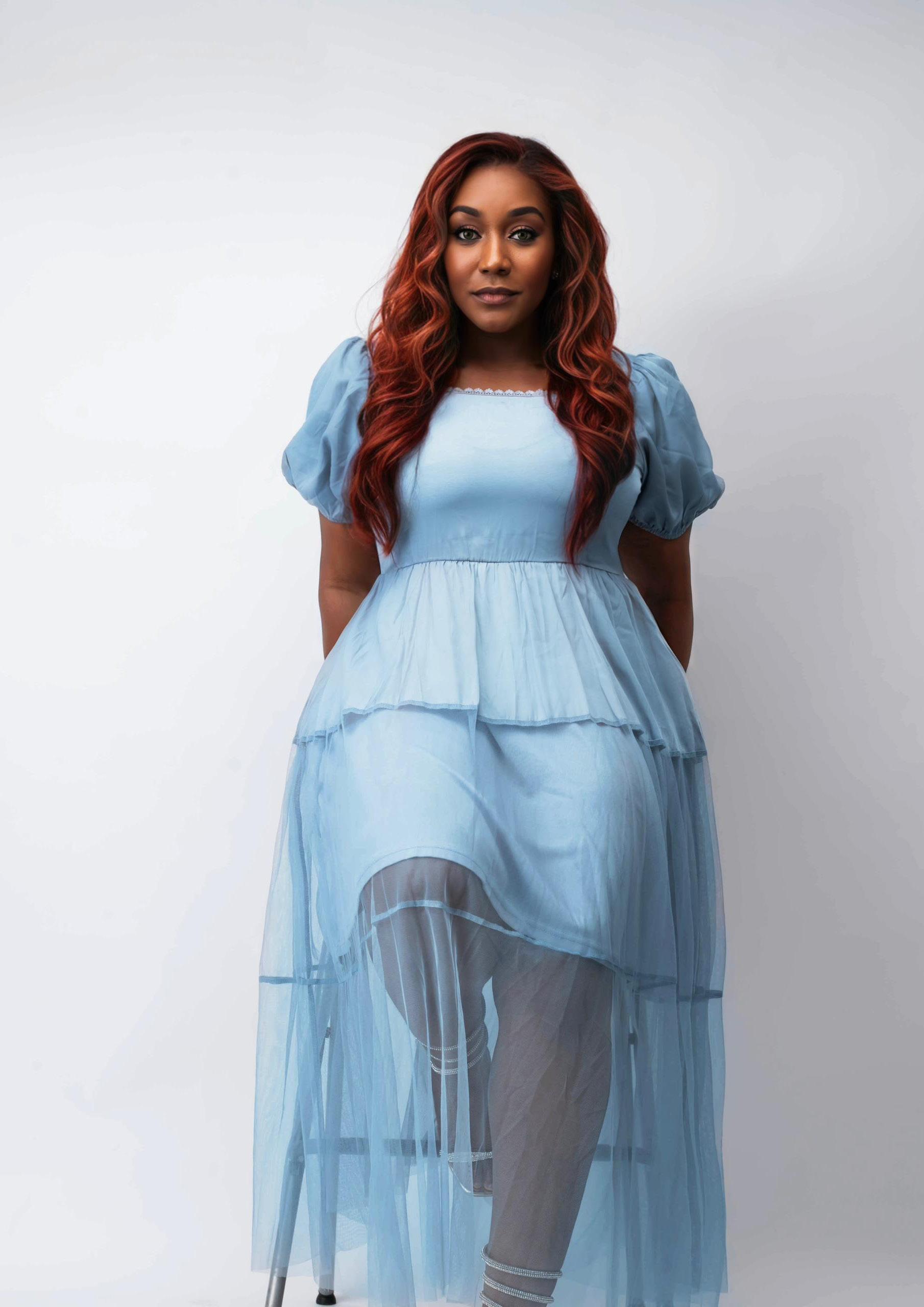
Meet Didi Edet, a trailblazing economist and the first US-certified dating coach in Nigeria, where she founded the privacy-focused platform MatchmakerDidi. She champions the concept of “Gross Domestic Happiness,” helping busy professionals navigate the complexities of modern romance through a lens of intentionality and high-level strategy.
What “Japa” has done is not to remove the desire for partnership, but to complicate proximity and alignment. Love now requires clearer conversations about timelines, expectations, and longterm intentions. Without that honesty, uncertainty becomes a silent barrier in modern dating.
Are clients still looking for the “traditional package,” or prioritising emotional and sexual compatibility?
People still say they want tradition. But what they actually want is peace, good communication, and someone who won’t turn every disagreement into a family meeting. Status and tribe still enter the conversation quietly, but emotional safety is now louder.
You focus on the dating phase, not the relationship. Why is it so important for Nigerians to learn how to date as an independent skill before they try to marry?
Dating is the stage where emotional patterns reveal themselves. Marriage does not create new behaviours; it amplifies
existing ones. From a psychological perspective, dating is where attachment styles, communication habits, and conflict responses first appear in real time. Many people enter marriage having never practised emotional honesty in low-stakes situations. Dating teaches self-awareness: how you respond to disagreement, how you handle disappointment, whether you withdraw, people-please, or become defensive. These patterns don’t disappear after marriage; they become more pronounced under long-term pressure.
Research in relationship psychology shows that couples who learn to communicate expectations early are better equipped to manage conflict later. Dating allows people to experience emotional feedback without the permanence of marriage. It is where boundaries are tested, clarified, and respected or ignored. Without this learning phase, marriage becomes the testing ground, which is far more costly emotionally.
Dating also helps people differentiate
between chemistry and compatibility. Attraction activates the brain’s reward system, but a long-term partnership relies on emotional regulation, shared values, and mutual respect. Dating gives people time to observe consistency, not just intention how someone behaves over time, under stress, and when things are inconvenient.
How do you help Nigerians with Pistanthrophobia fear of trusting, especially when tradition has burned them?
For a lot of Nigerians, trust has been violated in ways that felt destabilising through betrayal, abandonment, or observing long-term relational dysfunction up close, often within family systems.
For many Nigerians, this fear is shaped by tradition. People grew up watching marriages where endurance was valued more than emotional safety, and silence was framed as strength. When those models fail, individuals do not just distrust
partners; they distrust the structure of commitment itself.
My approach begins with separating fear from wisdom. Being cautious after emotional harm is not a flaw; it is a protective response. The goal is not to remove caution, but to prevent it from turning into avoidance. We work on helping clients understand their specific triggers, what makes them shut down, overanalyse, or disengage, so they can respond consciously rather than react defensively.
Trust is also reframed as a process, not a leap. Clients are encouraged to build trust the same way it is built in every other area of life: through observation, small exposures, and feedback. No one is asked to fully trust someone they do not know. Instead, they are guided to notice patterns and consistency in communication, emotional accountability, and behaviour over time.
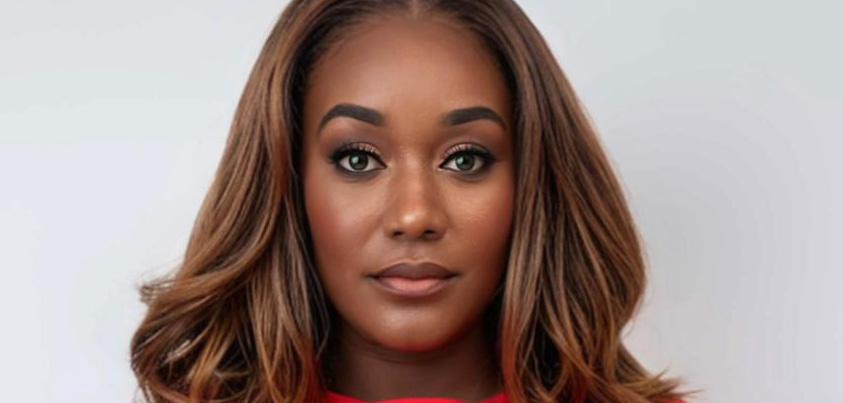
Dating allows people to experience emotional feedback without the permanence of marriage. It is where boundaries are tested, clarified, and respected or ignored.



Director Sunshine Alaibe
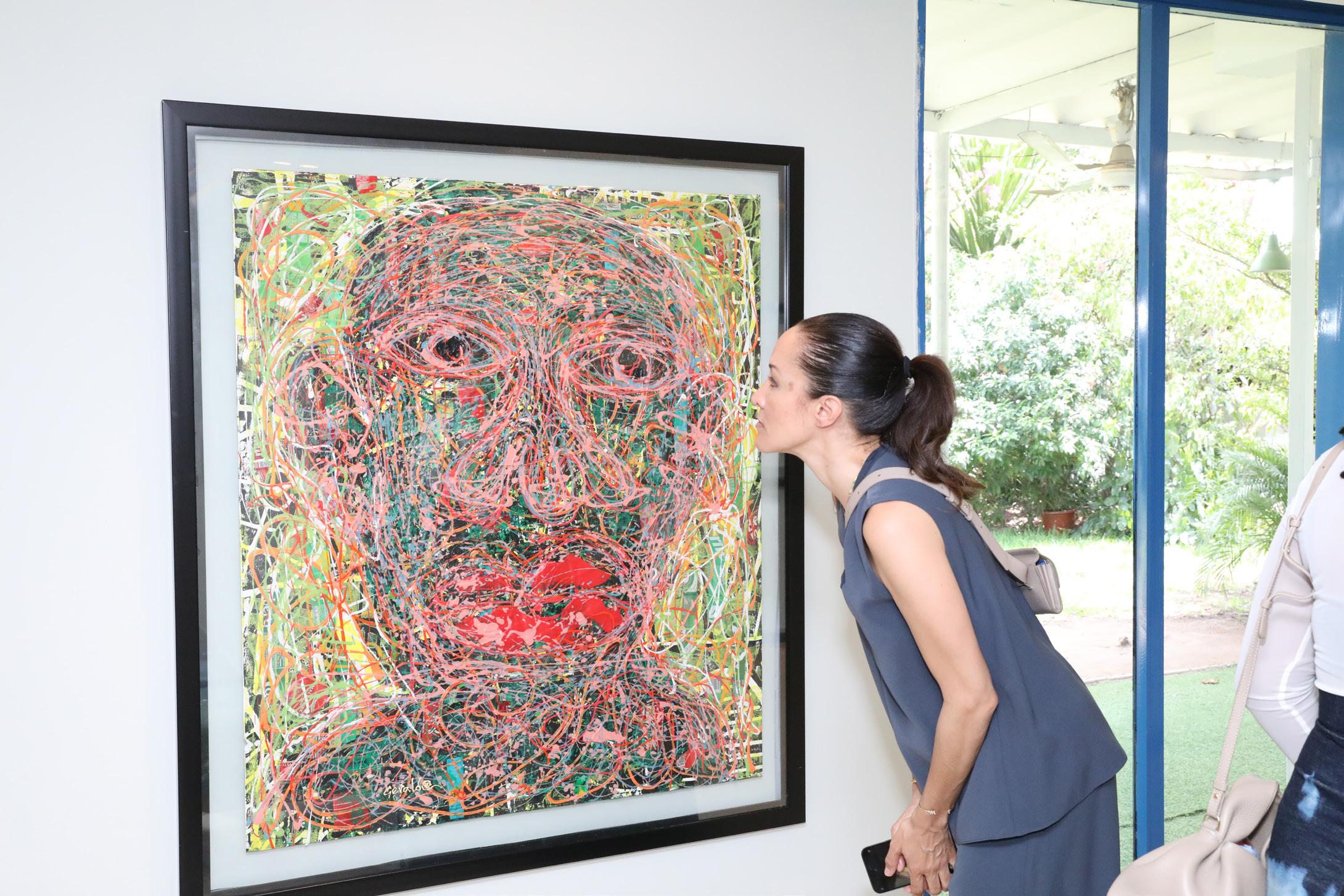
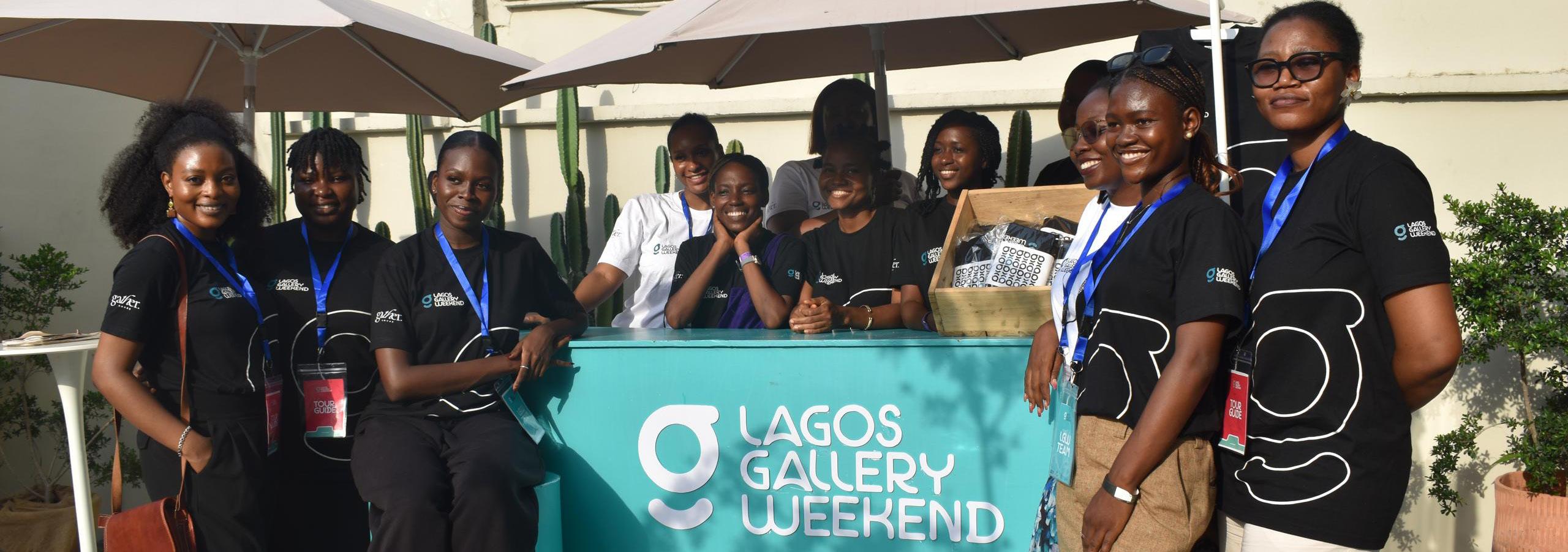
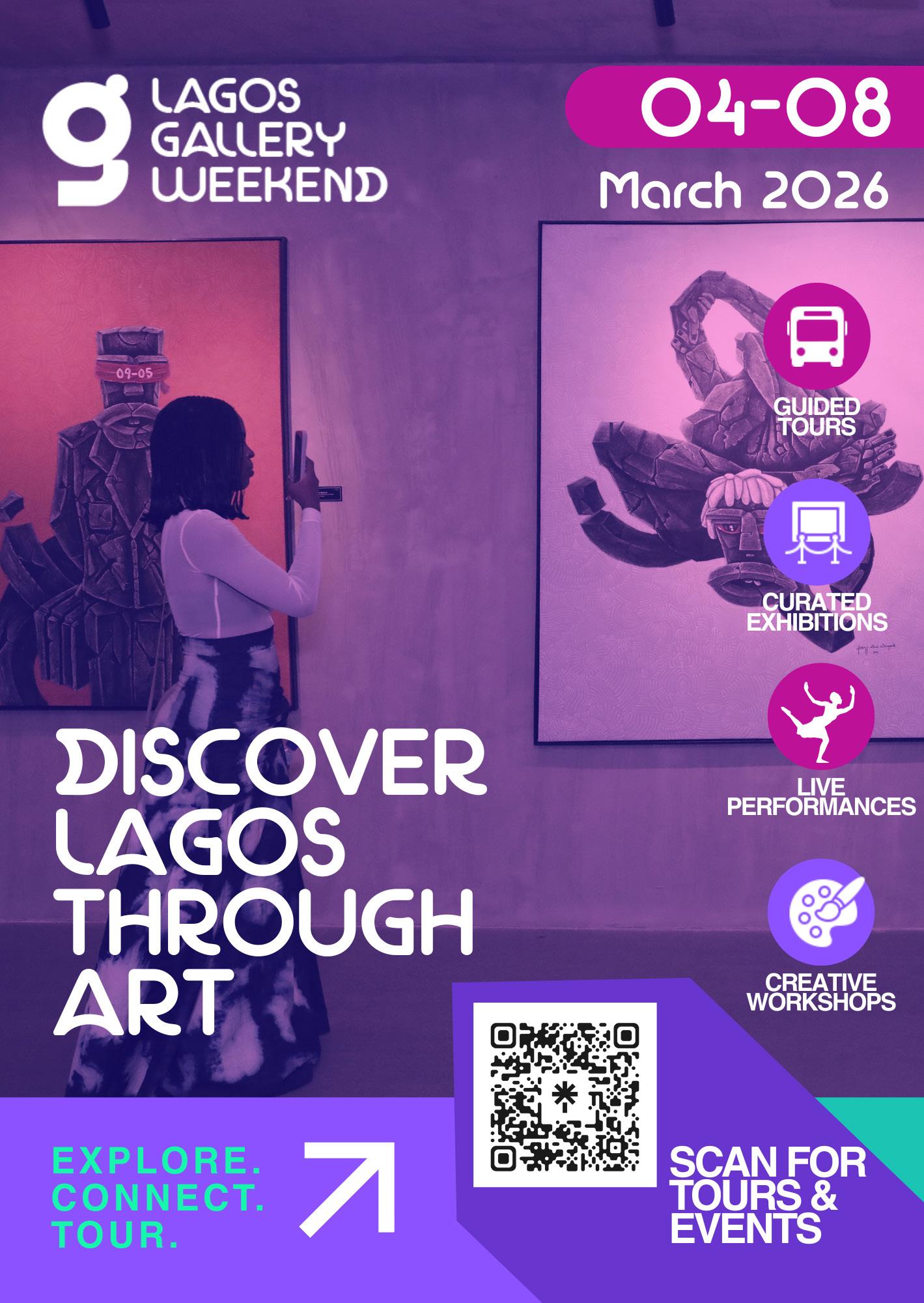
Lagos Gallery Weekend (LGW) has become a steady fixture in Nigeria’s creative sector, moving into its third year as a citywide platform for art and culture. Since its inception, the event has focused on connecting the local art ecosystem with a broader audience. For the upcoming 2026 edition, which runs from March 4th to 8th, Director Sunshine Alaibe has organized the programme under the theme ‘ART FOR ALL.’ The initiative continues its effort to make the city’s various galleries and experimental spaces more accessible to the general public while maintaining a structured environment for the international art community.
‘ART FOR ALL’ is a bold theme. How does this edition specifically differ from the 2025 ‘Discover Lagos Through Art’ experience?
The 2025 edition was primarily about mapping out the existing landscape. For 2026, we are focused on making that landscape more inclusive. We have expanded our reach beyond the initial 20 galleries to include a wider variety of experimental spaces and studios. By increasing the number of public events, we hope to ensure that the weekend’s activities are felt across different parts of the city, moving the experience beyond traditional gallery walls.
Lagos has recently been highlighted as a top global art destination. How does LGW intend to work within that global context?
The recognition from the international community provides a useful backdrop for our third edition. LGW is positioned as an early-year event that highlights the permanent gallery infrastructure of the city. We want to ensure that international visitors coming to Lagos see the year-round strength of our local galleries and cultural institutions, offering a gateway to the contemporary art scene here before other major events later in the calendar.
One of the most talked-about expansions this year is the Educational Programming. Can you tell us about the new children’s and adult sessions and those exciting new tour routes?
This is truly where ‘ART FOR ALL’ comes to life for me. We’ve designed a robust children’s programme featuring interactive workshops and storytelling sessions aimed at nurturing the
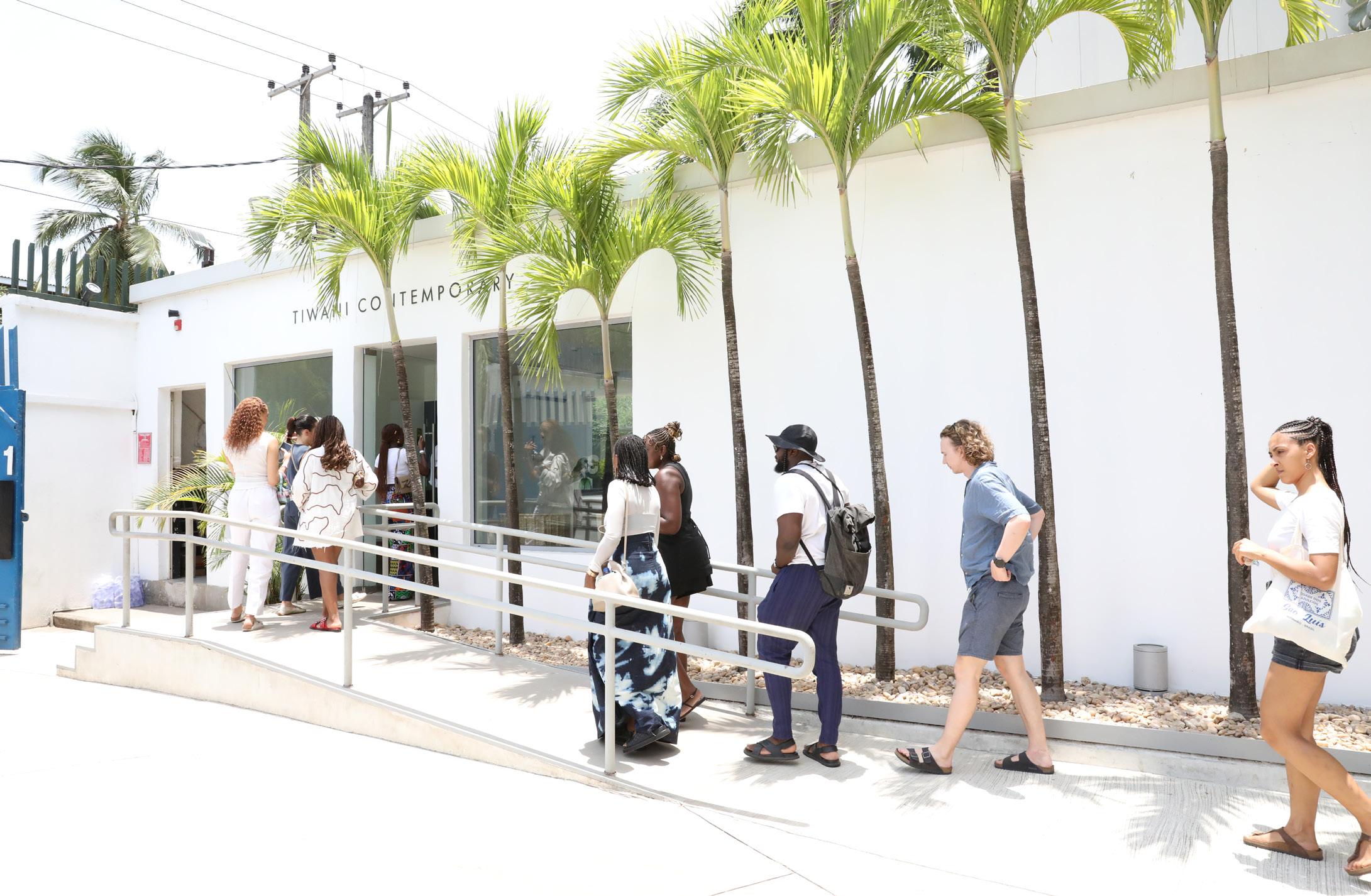
next generation of African creatives.
For adults, we’ve introduced more sophisticated dialoguebased sessions and workshops that demystify the art market. Most excitingly, we’ve completely reimagined our tour routes in partnership with Chisco Transport. We now have specialized routes covering not just the Island, but also Mainland hubs like Yaba & Ikeja, allowing visitors to experience the full, diverse energy of the Lagos art scene in a way that’s never been done before.
What specific programmes have been added for collectors and institutions that differ from previous years?
We have introduced ‘Curated Collector Experiences’ for 2026. These are structured as smaller, more direct engagements, including scheduled visits to private collections and studio tours with prominent Lagos-based artists. We are also hosting Exclusive ‘Art Evenings’ which is designed to provide a professional space for networking between local institutions and visiting international guests.
We noticed Westar Associates, the authorised General Distributor of Mercedes-Benz, has joined as a partner. How does this change the logistical experience for your VIP guests?
Managing movement across Lagos is a significant part of the planning process. This year, through our partnership with Westar Associates, Mercedes-Benz is providing an expanded fleet of VIP shuttle cars. This is intended to offer a more efficient way for our guests and curators to travel between the various gallery hubs in the city, providing a seamless and professional transport experience as they navigate the programme.
LGW remains focused on its core mission: ensuring that the power of modern & contemporary art is available to every Nigerian. “Ultimately, this third edition is about establishing Lagos as a sustainable, inclusive hub for creativity that resonates far beyond our borders. Visitors can experience this city-wide celebration firsthand from March 4th to 8th, 2026.
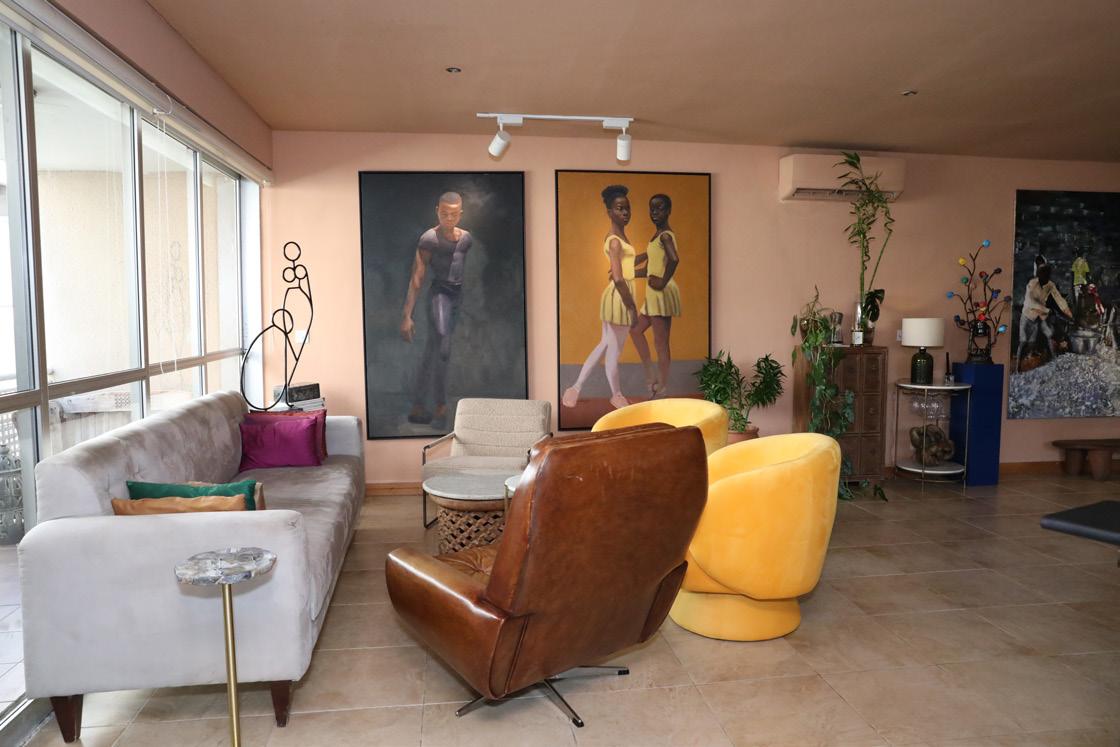
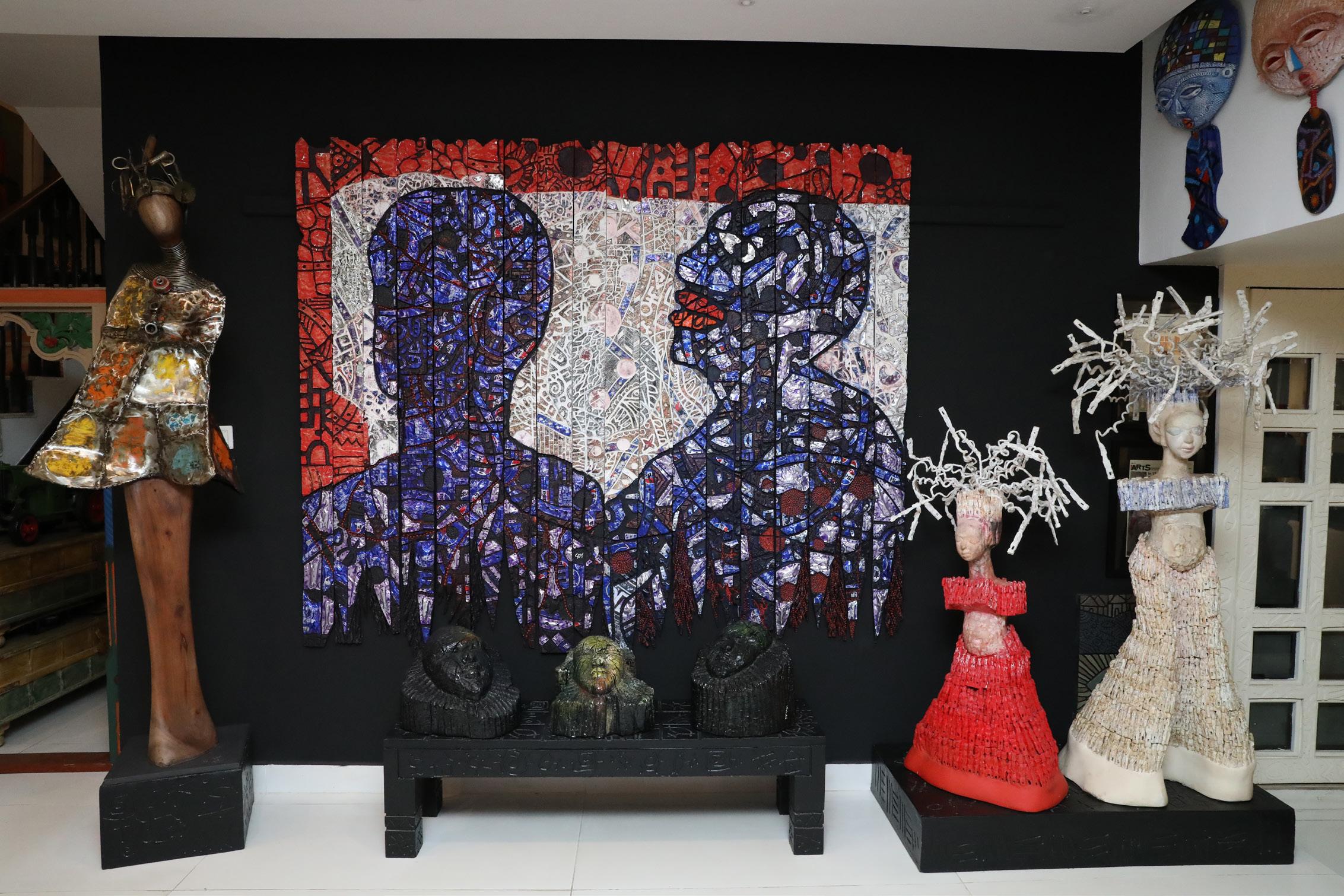
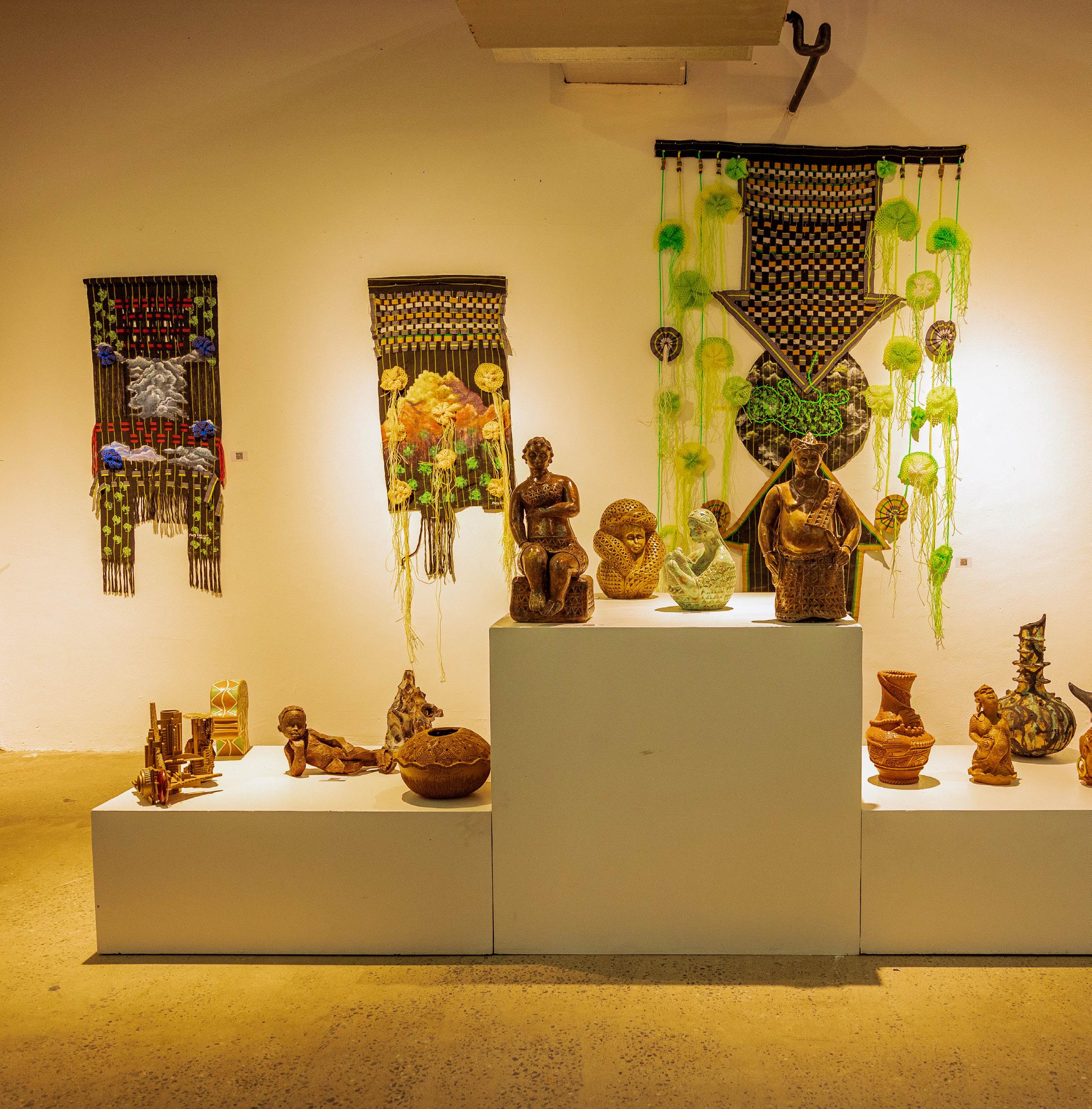
+234 Art Fair 2026 is expanding the frame — and Lagos gets to experience it
Every so often, an event arrives that quietly resets expectations. +234 Art Fair 2026, returning to Lagos this March, does exactly that, not by getting louder, but by getting wider. Brought to you by SOTO Gallery and Ecobank, the third edition of the fair centres on Inclusivity,
a theme that feels less like a concept and more like a way of working. This is a fair built around access: access to artists, to ideas, to ownership, and to participation. And you feel that intention the moment you step inside.
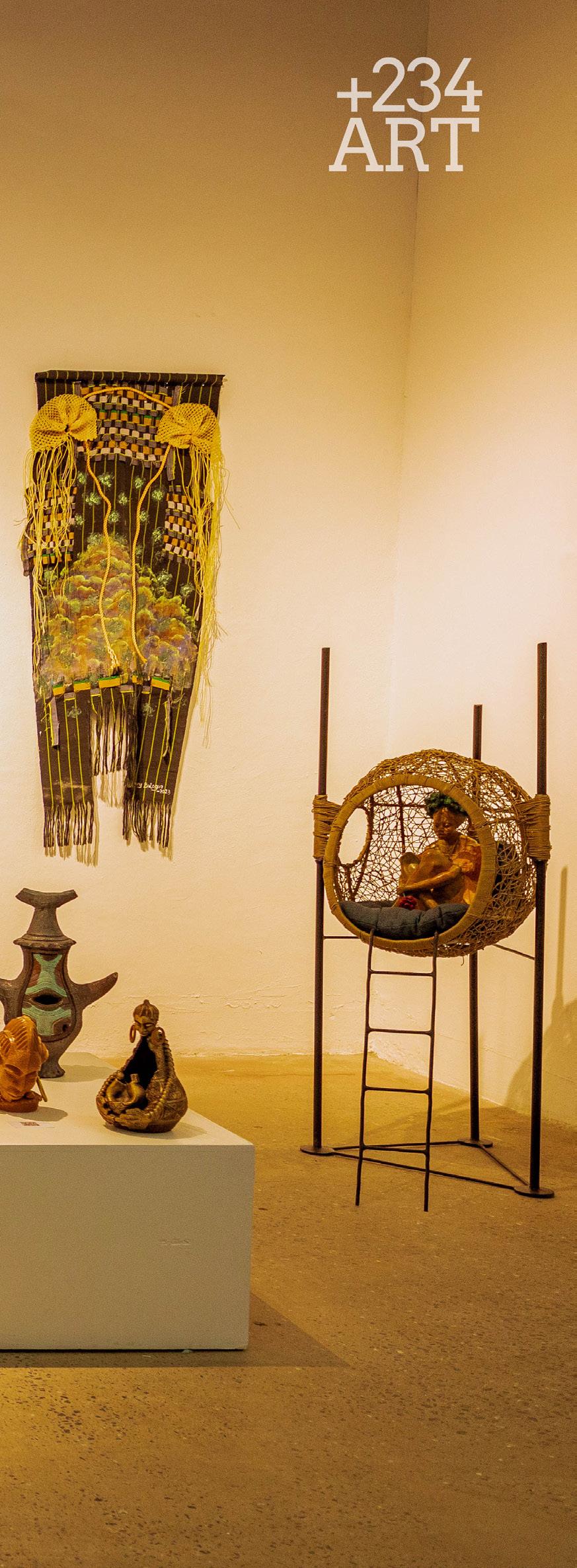
What truly defines this year’s edition happened long before installation began. In shaping the 2026 programme, the curatorial team travelled extensively across Nigeria, deliberately extending their search beyond Lagos and other major cities. With focused attention on Eastern and Northern Nigeria, they visited artists where they live and work — often outside formal gallery systems. Think of it as one of the country’s most expansive open calls, carried out in person. The result is a selection that feels broader and more grounded, bringing in voices and practices that

are rarely centred in mainstream art spaces, yet deeply connected to the realities shaping contemporary Nigeria.
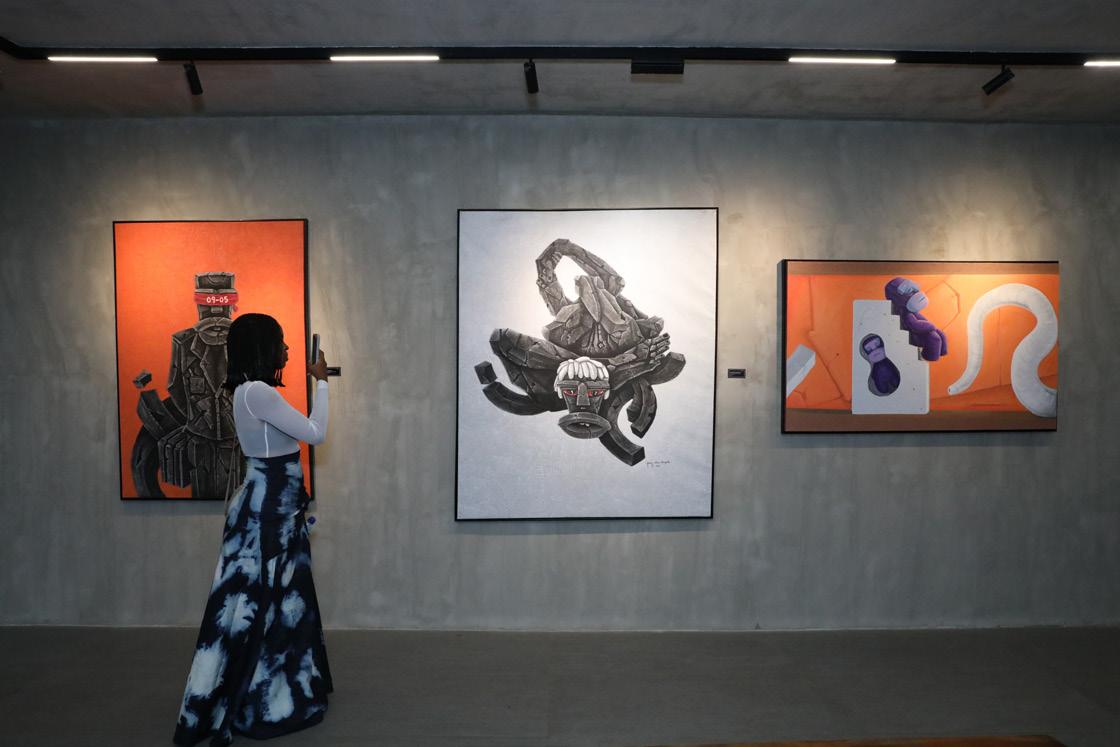
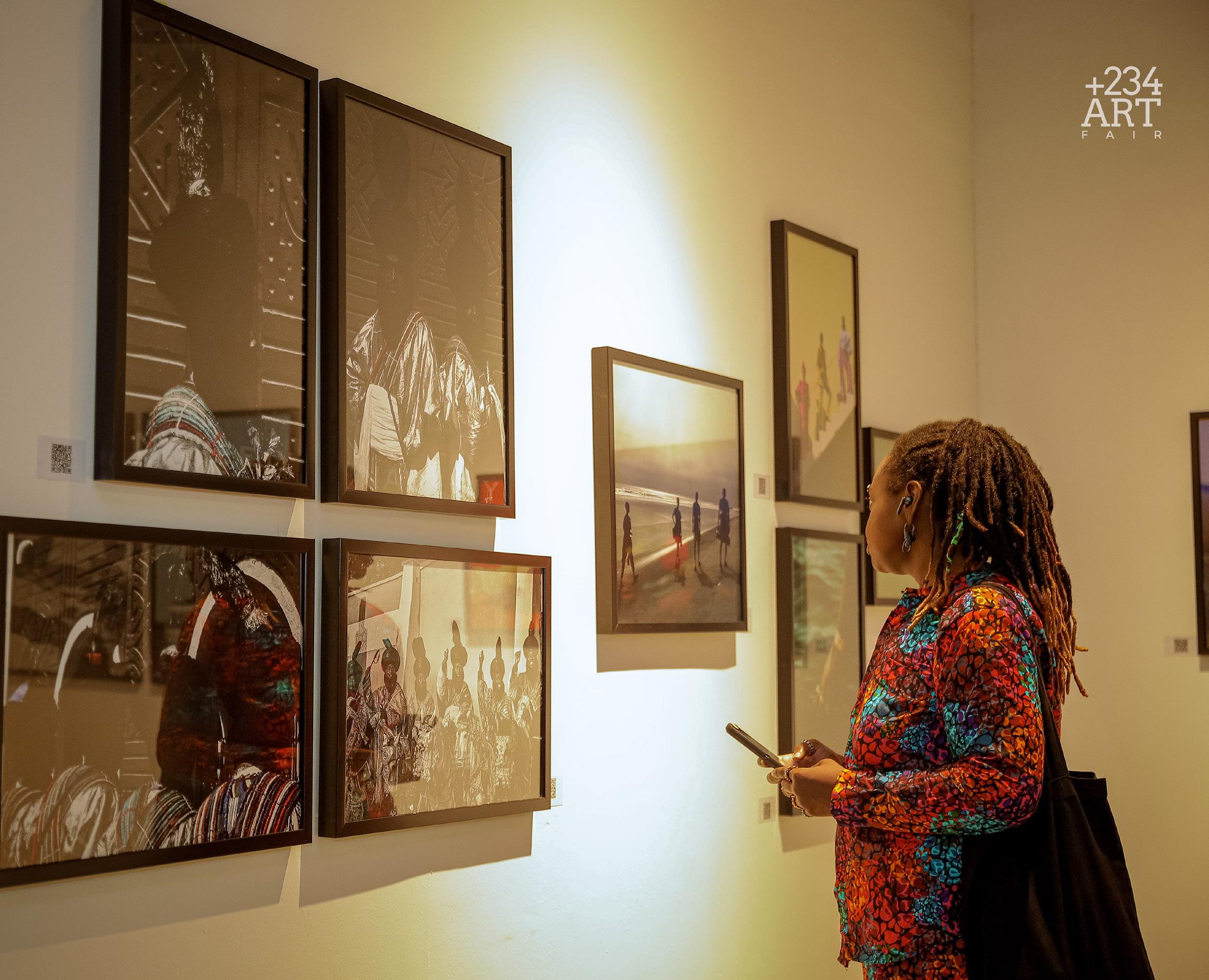
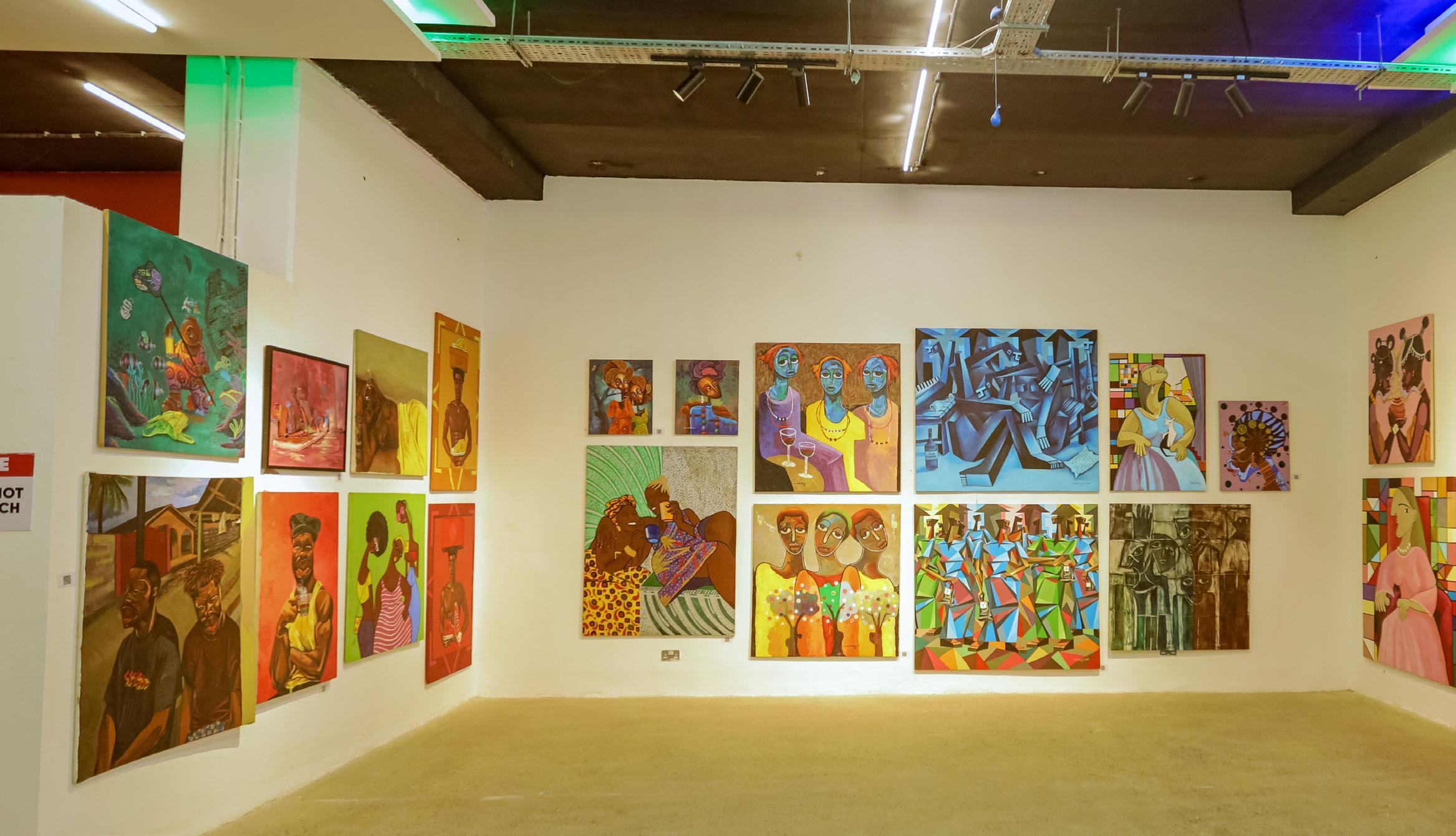
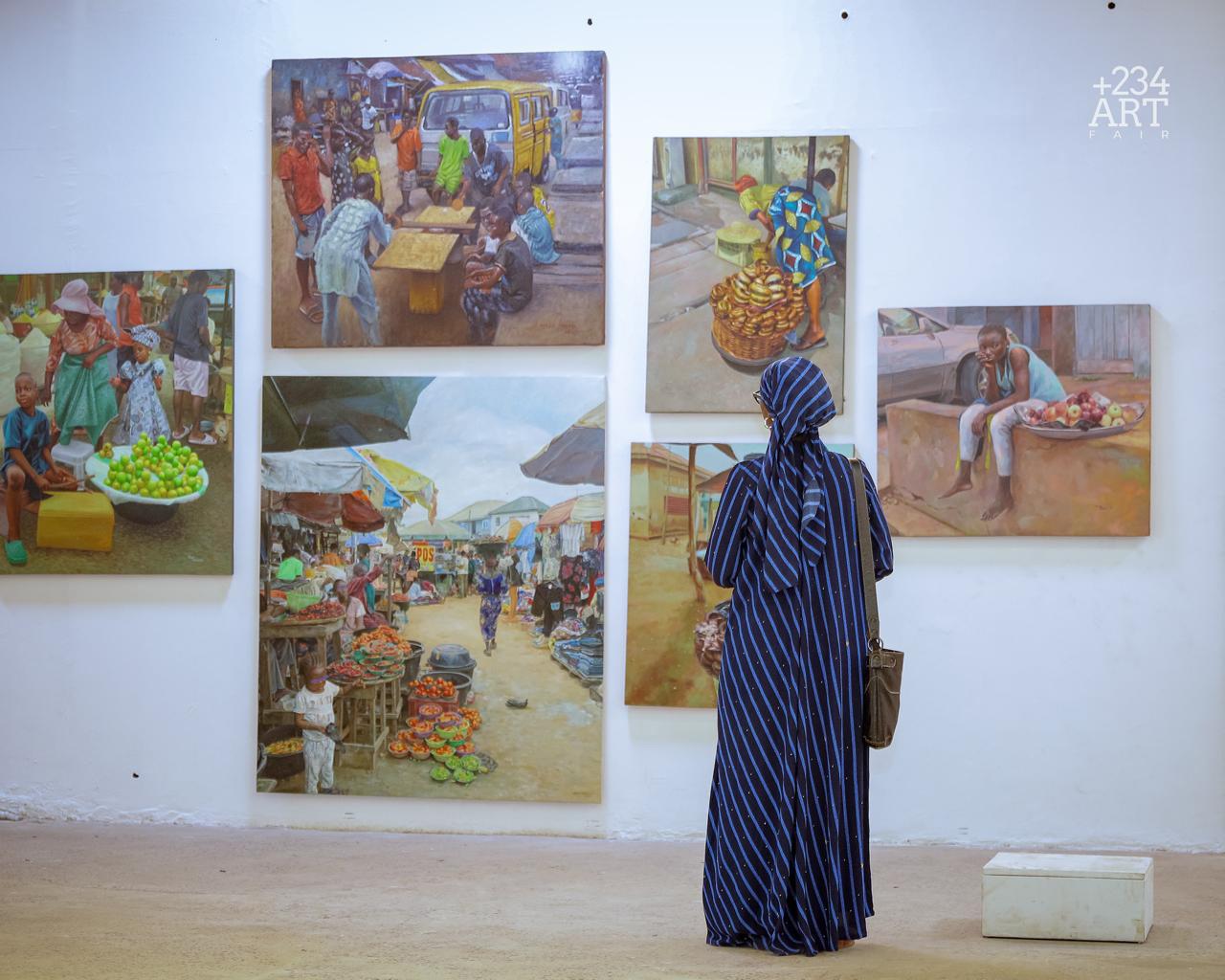
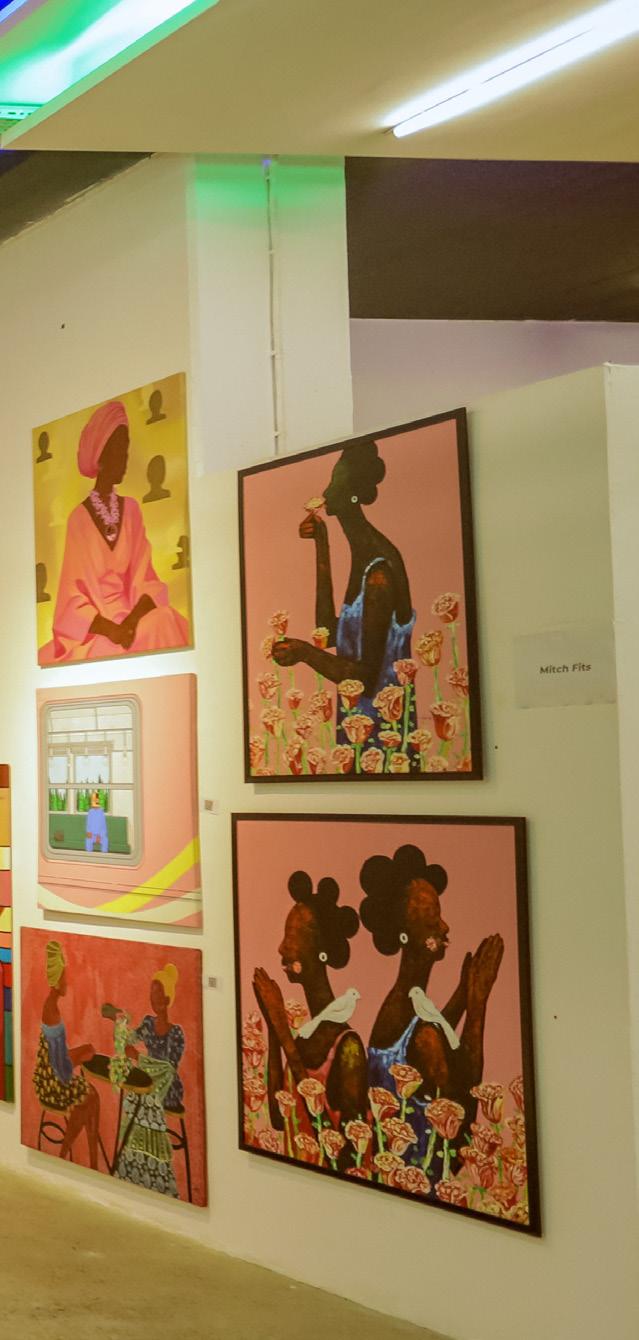
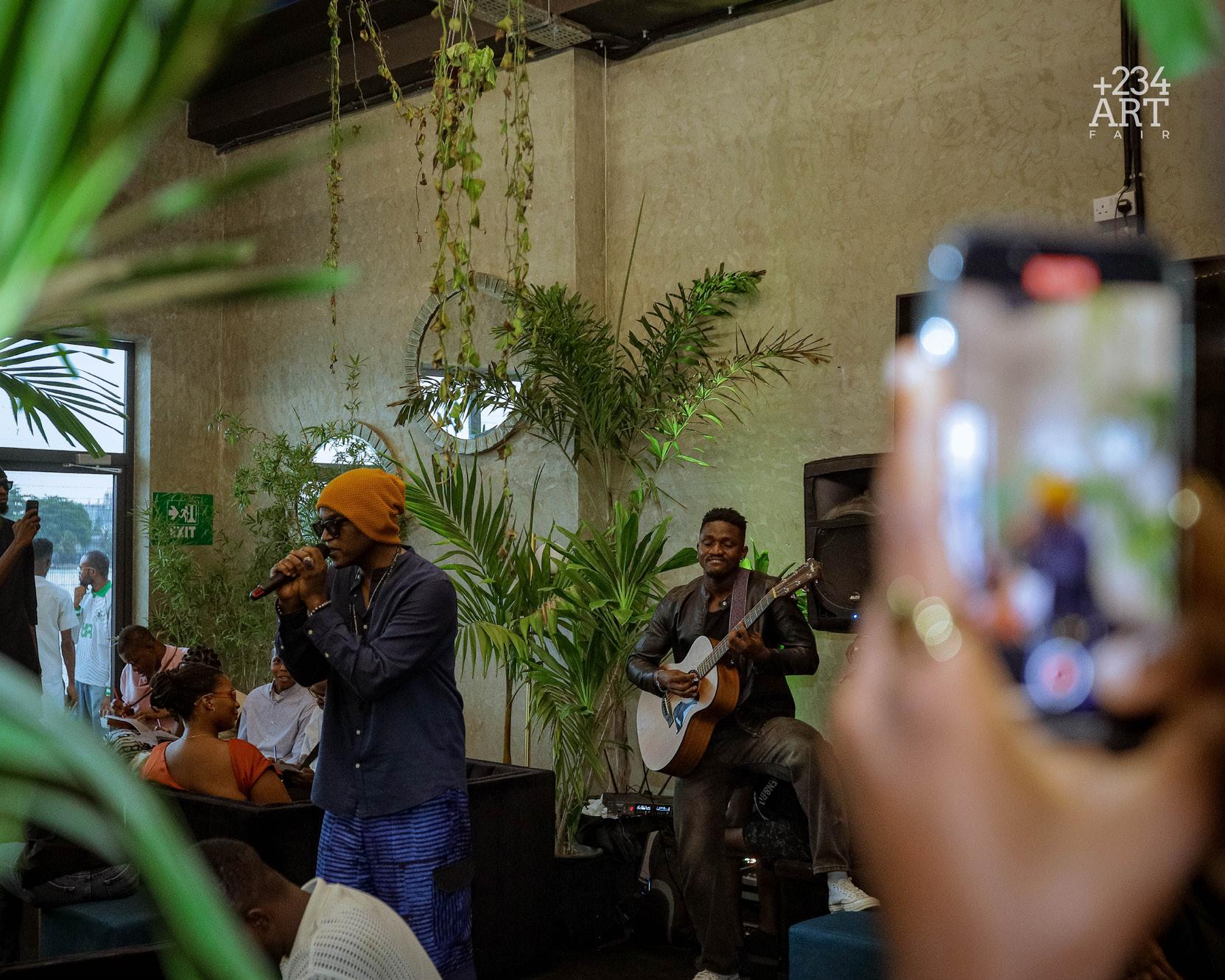
Over 200 emerging Nigerian artists present work across painting, sculpture, photography, installation, digital media, and performance. The experience moves easily between quiet moments and more immersive ones — wall-based works, large-scale installations, and live elements that subtly shift the energy of the space as the day unfolds. It’s a fair designed for movement, curiosity, and return visits. One of the standout projects is Structure of Memory, an installation by a Kaduna-based artist working under the name Bara. Using stitched jute sacks once used to transport goods across Northern Nigeria, the work creates walls and ceilings layered with anonymous faces, markings, and fragments of names. It’s reflective, immersive, and quietly powerful — the kind of work that rewards time.
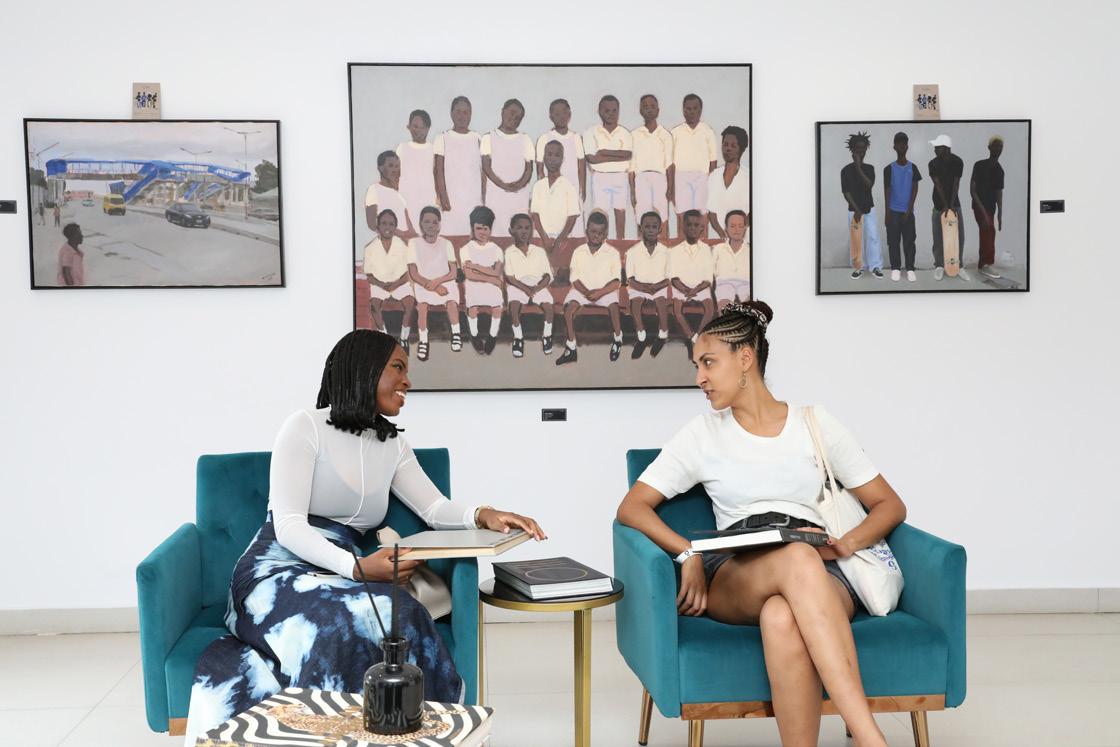
One of the most consistent things visitors remark on at +234 is how approachable it feels. Works here are intentionally affordable, making it possible for firsttime buyers to begin collecting without ceremony or pressure. Last year’s focus on patronage challenged the idea that collecting is reserved for an elite few; Inclusivity builds naturally on that momentum.
Here, ownership is framed as participation — another way of entering the conversation.
+234 doesn’t exist in isolation — and this year, that connection to the wider city feels especially deliberate. The fair is working closely with Lagos Gallery Weekend, which will have a dedicated stand on-site. For visitors moving through galleries across Lagos during the weekend, the fair becomes a natural continuation of that journey — a central meeting point where those paths converge. There’s also a collaboration with the Spanish Embassy, marking 20 years of its annual art competition, bringing an additional layer of international exchange into the programme. Street culture finds its place too. In partnership with the
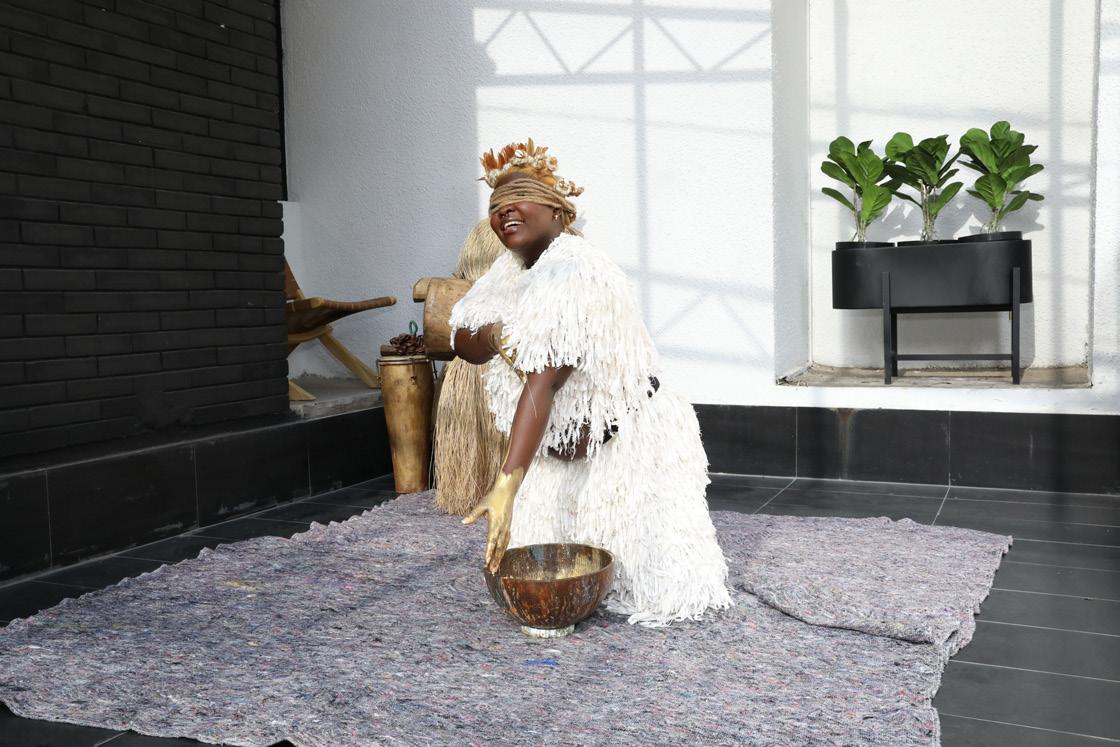
Lagos Street Art Festival, the fair will host an interactive booth where visitors are invited to paint, experiment, and create on the spot. A print shop running throughout the fair extends that handson energy, reinforcing the idea that art isn’t only something you observe — it’s something you can take part in.
Across the four days, the fair unfolds as a full experience.
Visitors can expect panel discussions, masterclasses, and craft workshops, alongside school tours and a children’s gallery designed for interactive learning. There are food and drink spots, a café area, a VIP lounge, and a photo booth woven into the rhythm of the fair. It’s a space designed not just for viewing, but for spending time — moving between art, conversation, rest, and play.
This year’s keynote speaker, Kunbi Oni, brings an international perspective to the fair. A Senior Collection Specialist at The Museum of Modern Art (MoMA), New York, Oni’s work spans curatorial practice, research, and education, with a strong commitment to expanding global narratives within institutional spaces. Her presence reinforces what the fair is already doing: situating Nigerian creativity within a wider, global context, without losing its local grounding.
Closing the loop on this year’s curatorial journey is a documentary premiering at the fair, supported by The Osahon Okunbo Foundation. The film traces the curatorial travels across Nigeria — from studio visits to roadside conversations — capturing the intention, effort, and human encounters behind the selection process. It offers audiences a rare look at how the fair was shaped, and what it means to truly look beyond the centre in search of artistic voices. It’s a fitting conclusion: a reminder that inclusivity isn’t just what ends up on the walls, but the work that happens long before.
At its core, +234 Art Fair 2026 is about creating room — for artists to be seen, for audiences to engage, and for new relationships to form across regions, disciplines, and generations.
The name +234 has always signalled connection. This year, that signal feels fully realised.


By: Matildah Digital Marketing Executive, Lost in Lagos
February in Lagos is a love story waiting to happen: candle-lit tables, rooftop skies, private beach escapes, and quiet corners made for two. This curated list of luxe, romantic spots pairs elegant ambience with unforgettable moments and is perfect for anniversary dinners, surprise dates, or simply stealing an evening together. Read on and bookmark a few places to whisper “remember this” under Lagos lights.
1
Perched high above the city, The Sky Restaurant serves panoramic ocean-and-sky views with refined cuisine. Candlelit tables and floor-to-ceiling windows create a cinematic backdrop for intimate conversation. It’s an elegant, slow-evening kind of romance where wine, soft lighting and the glittering Lagos skyline make every toast feel like a memory in the making.
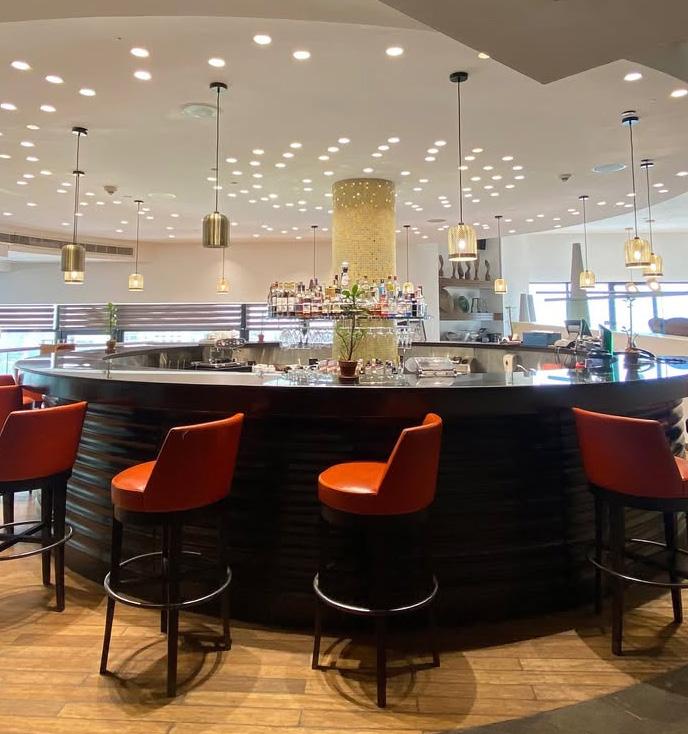

Kaly’s rooftop is a starlit hideaway of vine-draped walls, soft lighting and Mediterranean-inspired décor. Plush seating and curated cocktails invite lingering conversation, while the gentle hum of the city below keeps the night private and vivid. This is where couples toast under the stars, savour shared plates, and let time slow for two.
2
3
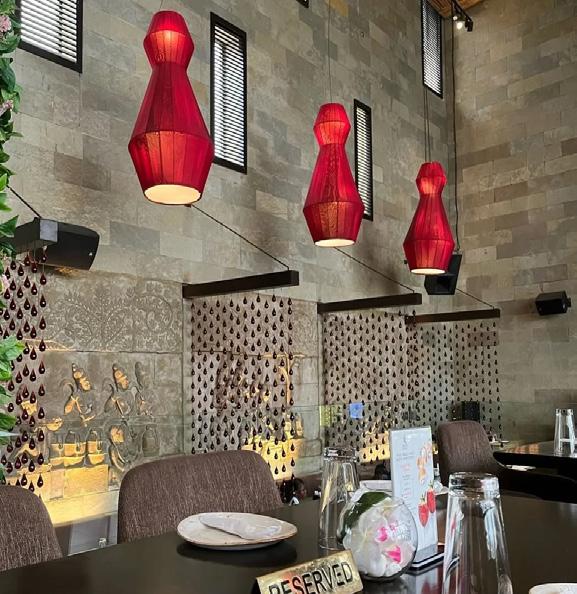
Shiro offers opulent Pan-Asian dining in a dramatic, lantern-lit space that feels both exotic and intimate. Theatrical interiors, delicate sushi and theatrical teppanyaki create a sensual dining rhythm perfect for whispering over shared plates. The mood is extravagant yet private, ideal for couples who love bold flavours and unforgettable presentation.

A short escape from the city, La Campagne Tropicana blends tropical elegance with private beach moments. Think palm-lined walks, candlelit lagoon dinners and rusticchic chalets nestled by water. Couples can stroll along soft sand, retreat to secluded cabanas, and enjoy spa moments that turn a night away into a tender, sun-kissed memory.
4
5
Vici crafts refined nights with an artsy, contemporary design that feels intimate and exclusive. The restaurant-bar’s soft lighting, plush booths and creative cocktail programme set a playful yet romantic stage. Ideal for couples who love modern flair, Vici offers shareable plates and a relaxed soundtrack for conversation, laughs and lingering after-dinner drinks.

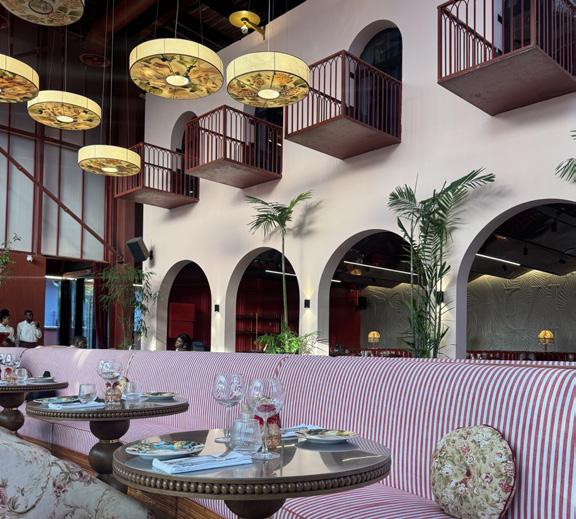
Ziba is a private beachfront haven where sea breezes and candlelit dinners meet elegant comfort. Couples can wander quiet sands, dine under swaying palms and watch the horizon glow. Polished service and secluded dining spots turn the shore into a private stage, an ideal setting for proposals, anniversaries or a simply serene escape for two.
Salma’s combines refined Mediterranean-inspired cuisine with a warm, intimate dining room that feels like a secret discovery. Low lighting, soft music and thoughtful plating make each meal a small celebration. It’s the kind of place couples return to for easy conversation, memorable flavours and the feeling that every visit is quietly special.
Slow champions unhurried dining in a minimalist, romance-friendly setting perfect for couples who savour the moment. Seasonal menus, delicate plating and a calm soundtrack invite slow conversation and long courses. The atmosphere encourages lingering between bites, making it a refined, modern option for dates that prioritise presence, connection and deliciously relaxed pacing. 7 9
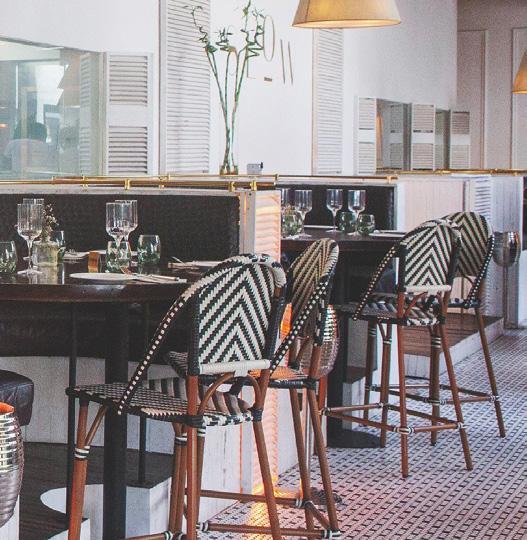
Sora Restaurant (Victoria Island)
Sora’s sleek rooftop setting and sweeping skyline views create a cinematic dining experience. Inventive Asian-fusion dishes and sunset panoramas make every table feel elevated. It’s a favourite for couples who love sunset cocktails followed by exquisite plates. An evening here blends city glamour with a quietly electric romantic energy.

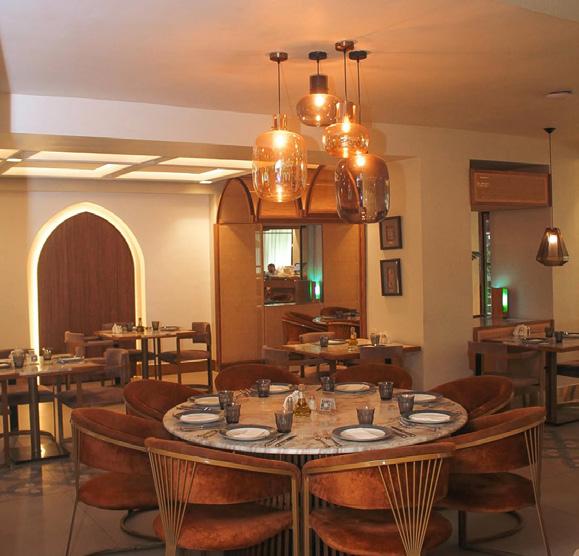
Talindo Steak House (Victoria Island)
6 8
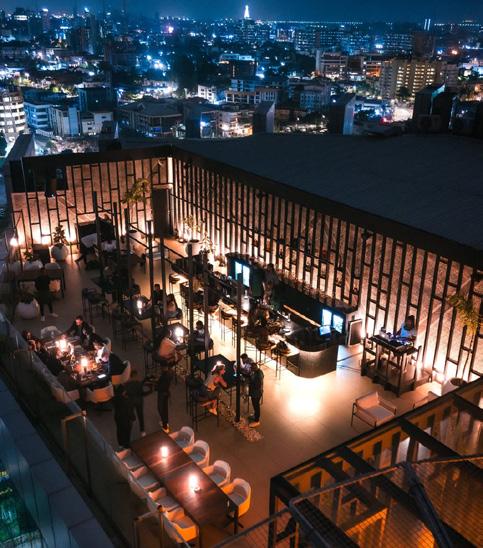
Talindo’s plush, dimly lit dining room oozes old-school romance: polished service, decadent steaks and soft jazz. Tables are set for conversation, candles and celebratory nights. For couples marking a milestone or seeking a classic, indulgent dinner, Talindo delivers warmth, flavour and an intimate rhythm that turns dinner into an occasion.
10
This February, pick a place, plan a surprise, and let Lagos do the rest. Romance is everywhere if you know where to look.
By Chef Bob Chef and Dj

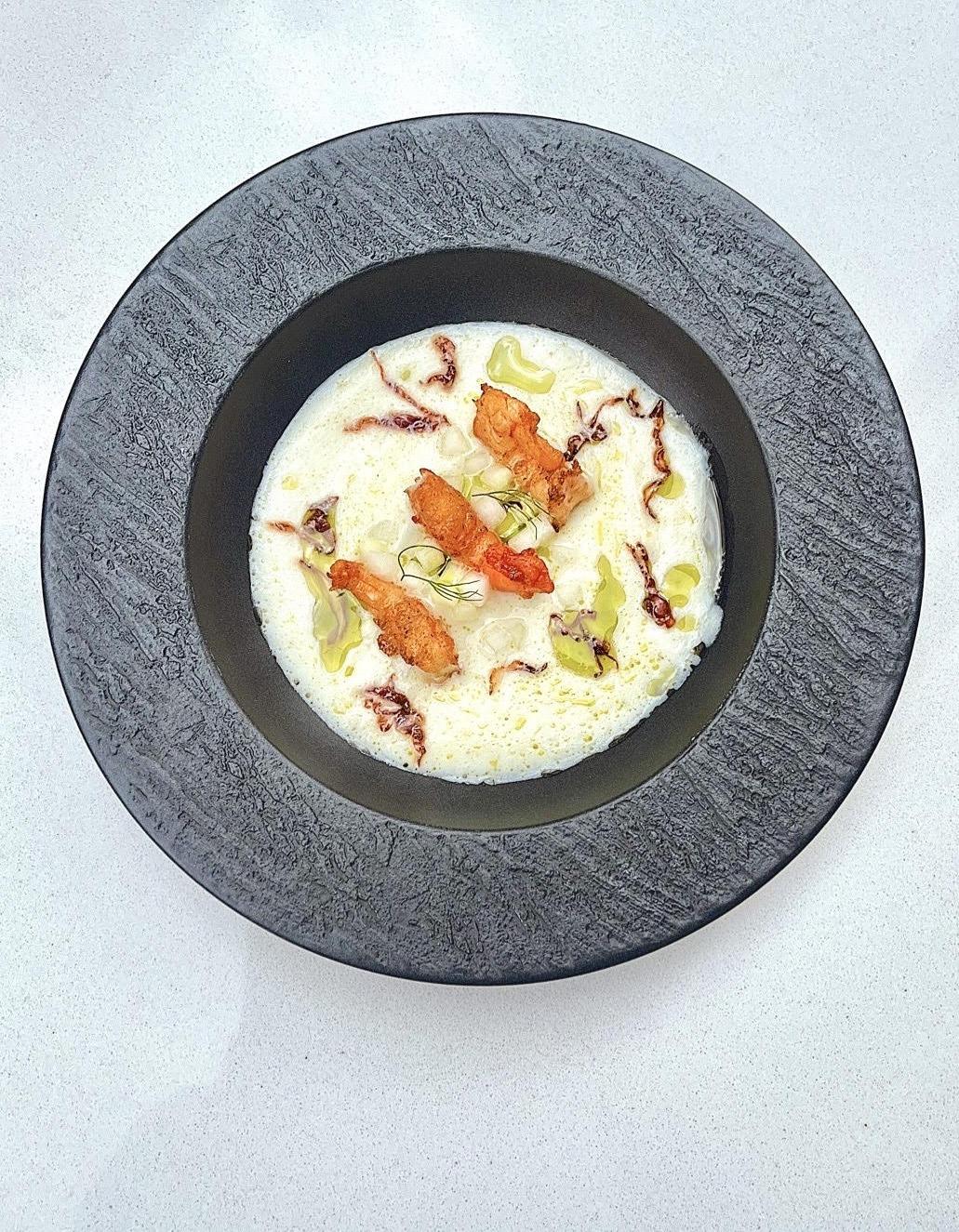
Impress your date this Valentine’s with this flirty and satisfying seared shrimp with coconut-suya cauliflower purée, finished with scented leaf oil and crispy onions. It is the perfect Nigerian twist on a European classic and one of the most irresistible dishes to serve this season.
Ingredients
1 packed cup fresh scent leaf (efirin )
200ml neutral oil (sunflower)
Ice water
large raw prawns
1 tsp smoked paprika
½ tsp cayenne or extra suya
1 tsp garlic powder
Salt & black pepper
2 tbsp olive oil
1 tbsp butter
2 large onions, very thinly sliced
1 cup cornflour
Salt Oil for deep frying
1 medium cauliflower, chopped
400ml coconut milk
300ml chicken or vegetable stock
1 small onion, sliced
2 cloves of garlic
½ tsp ground ginger
1 tsp suya spice (yaji)
2 tbsp butter
Salt
Lime juice
Instructions
Scent Leaf OIL
Bring water to a boil.
Blanch the scent leaf for 10 seconds only.
Shock immediately in ice water.
Squeeze completely dry.
Blend with oil for 2 minutes until vivid green.
Strain through muslin or a fine sieve.
Set aside. Keep cold and covered.
CRISPY FRIED ONIONS
Toss onions with cornflour and salt.
Shake off excess.
Fry at 170°C until golden and crisp.
Drain on a paper towel.
Season lightly.
CHEF BOB
CAULIFLOWER PURÉE
In a pot, combine: cauliflower, coconut milk, stock, onion, garlic, ginger, turmeric, salt.
Simmer gently for 20–25 minutes until the cauliflower is very soft. Drain, reserve liquid.
Blend cauliflower with butter, suya spice, and a splash of cooking liquid. Blend until ultra smooth and glossy.
Adjust the texture with more liquid. Finish with lime juice.
Off heat: swirl in 1–2 tsp scent leaf oil. Do not cook after adding oil.
SEARED SHRIMP
Toss shrimp with spices, salt, pepper, and oil.
Heat the pan until very hot. Sear shrimp 60–90 seconds per side. Finish with butter.
Remove immediately.
To plate, spread a smooth layer of the Coconut-Suya Cauliflower purée on the plate. Place the seared shrimp neatly in the centre, then loosely scatter crispy fried onions around the edges. Finish with a generous drizzle of scent leaf oil for an aromatic, flavorful finish.
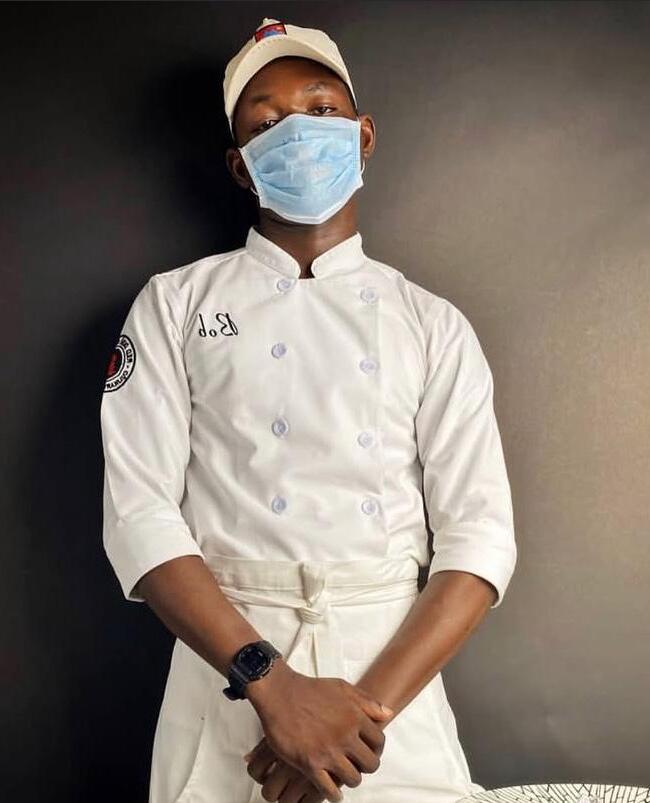
Chef Bob is a multi-talented chef and DJ, known for blending great food with great vibes. He is the resident chef at the British High Commission in Abuja, Nigeria and the founder of Bob & Gourmet. Renowned for bold flavours, fresh ingredients, and stylish presentation, Chef Bob creates memorable culinary experiences that bring people together on and off the plate.
By Chef Alex Chef and the Secretary of the Culinary Arts Practitioners Association of Nigeria
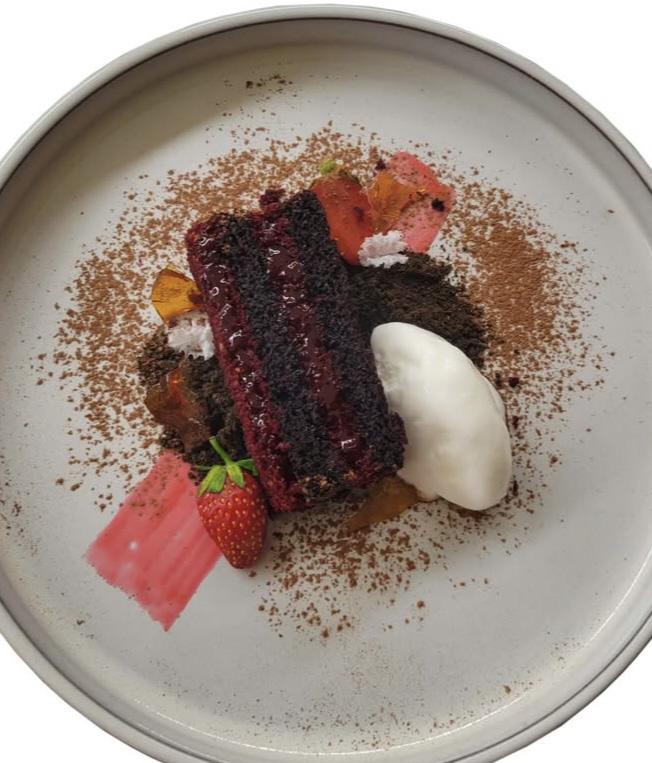
This Black & Red Forest Cake was plated as a quiet love letter for a proposal evening late last year. The cocoa soil speaks of roots and honesty, love patiently worked for and never rushed. The red forest layers reflect passion and patience, slowly reduced and gently absorbed, just as love learns to hold pain without ego. Broken sugar glass catches the light, reminding us that love cracks and still shines, grounded by chocolate streusel for structure. This dessert is not about perfection, but resilience. Real love, like great pastry, is repaired, reflected, and still beautiful.
Ingredients
2 cups all-purpose flour
1½ cups sugar
1 tsp baking powder
1 tsp baking soda
½ tsp salt
2 eggs
¾ cup vegetable oil
1½ cups milk (or water)
Kirschwasser Brandy
Cherry Jam
1 tbsp vanilla

Instructions
Step 1
Make the base batter by mixing all dry ingredients together. Add eggs, oil, milk, and vanilla. Whisk till smooth.
Divide the batter into 2 equal bowls.
In Bowl 1
Add ½ cup cocoa powder, 2–3 tbsp hot water to loosen batter, then mix well.
In Bowl 2
Add 1–2 tsp red food colouring, 1 tsp vinegar (optional but gives red velvet softness) then Mix well.

Step 2
Preheat oven: 170°C, Grease two pans, Pour each batter into separate pans and bake for 30–35 minutes.
Leave the cakes to cool, till they’re cold to the touch and slice into layers
Step 3
Sandwich layers with Cherry Jam in between.
To plate, sprinkle some Cocoa powder, caramelised sugar glass, Glazed Strawberry, and chocolate streusel.
And there you go. Your dessert is ready.
Alexander Adegboye is a Nigerian chef and the Secretary of the Culinary Arts Practitioners Association of Nigeria, splitting his time between Lagos and Abuja. He is the author of The Chef in You, Assassinated Cuisine, and The Rise & Fall of Nigerian Restaurants, bringing passion, style, and irresistible flavor to everything he creates.


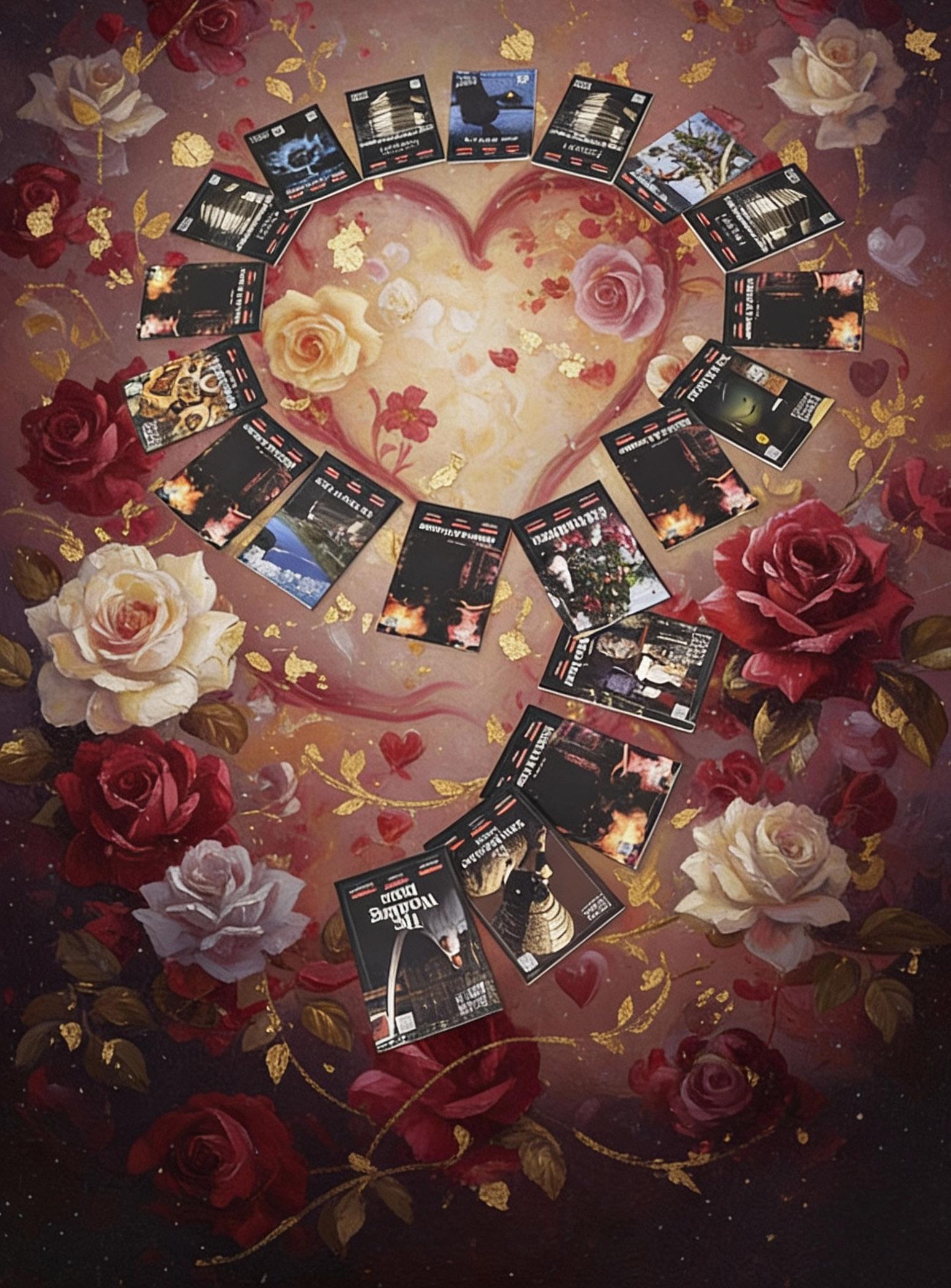
This image captures a quiet moment of intimacy between two lovers standing inside a moving train, hands intertwined as the world passes by. I was drawn to the simplicity of the gesture, how holding hands becomes an anchor amid motion, noise, and uncertainty. Trains often symbolize transition, and in this moment, love feels like the constant: steady, reassuring, and deeply human. Rather than focusing on faces, I chose to frame their hands to emphasize connection over identity, allowing the image to speak universally about companionship and shared journeys.
Kahli Brown (Kenneth Obinna Mmaduadizie) is a Nigerian photographer and visual storyteller based in Abuja. His work explores human connection, everyday moments, and the relationship between people and their environments. Working across documentary, portraiture, and lifestyle photography, Kahli is drawn to subtle narratives that reveal emotion through gesture, light, and space. His work has been featured in local and international publications and exhibitions.
IG: @kahlibrown, X (Twitter): @KahliBrown

Volume 10.5 February 2026
By Nafisat Abimbola Akanni Writer and Virtual Assistant Medium: @abimbolaakanni23

Loving in a city that turns love into a transaction, where everyone is tired, guarded, half-in, half-out, Yet still craving connection.
There was a time in Lagos when you could walk on the road and see money on the ground. Things felt easier then. People were looser. Now, before you see money on the floor, it would take a miracle. Everyone is careful not to lose what they have. Love feels the same way.
There was a time when relationships were softer. People did not calculate so much. What mattered was connection. Now everything feels tight. Everyone is guarding their heart. Nobody wants to get hurt, or maybe we are all just tired of what loving fully has cost us before.
‘I don’t do labels,’ he said casually. ‘So what exactly do you do?’ I asked.
He told me it had been a while since he had been in a relationship, but he still had sex. He did not believe in girlfriends or boyfriends. Instead, he said he asks women what they want from him, and then becomes that thing. If a woman wants exclusivity, he gives her that. If she wants freedom, he adjusts.
At first, it sounded flexible. Modern.
But the more he spoke, the clearer it became: what he was offering was access without accountability.
When I asked if he was taking me seriously, he said, ‘I don’t want to say you’re insecure, but I don’t know the word for it.’
That sentence lived in my chest longer than it should have.
I was not asking for ownership. I was asking for honesty. I wanted clarity. And somehow, in Lagos, that already makes you difficult.
The painful part was that he sounded like he cared. He asked me about my life, my dreams, and who I wanted to become. When I worried I was being too much, he said we just needed to adjust to each other if we wanted things to work.
I see now that those words were not love. They were strategic. Love in Lagos is also financial. I once told a friend about a man who liked me, and her first response was, ‘Does he have the mula?’ I wanted to say I did not mind, but I stayed quiet. I did not want to sound strange for still believing love could exist without negotiation.
Love here feels confusing. People want intimacy without responsibility. Men refuse commitment but expect emotional access. Women are told they are ‘too much’ for wanting clarity.
If you ask me what love looks like in Lagos, I would say this: It looks like access without accountability.
Care without commitment.
And people are being made to doubt their hearts for wanting more.
I do not think people in Lagos are bad at love. I think we are just tired.
How do you love in a city where everyone is tired, distracted, hustling, and emotionally unavailable?

Lost in Nigeria? No worries, as we’ve got you covered. Explore the diverse and captivating points of interest scattered across the country, curated just for you. Whether you’re seeking cultural immersion, outdoor escapades or culinary delights, we hand-pick a selection of upcoming experiences for you to discover and indulge in every month.



Element House Opening Party
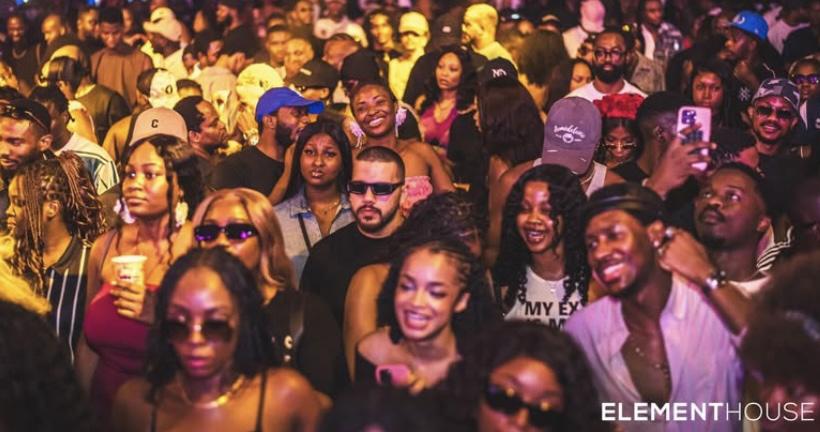
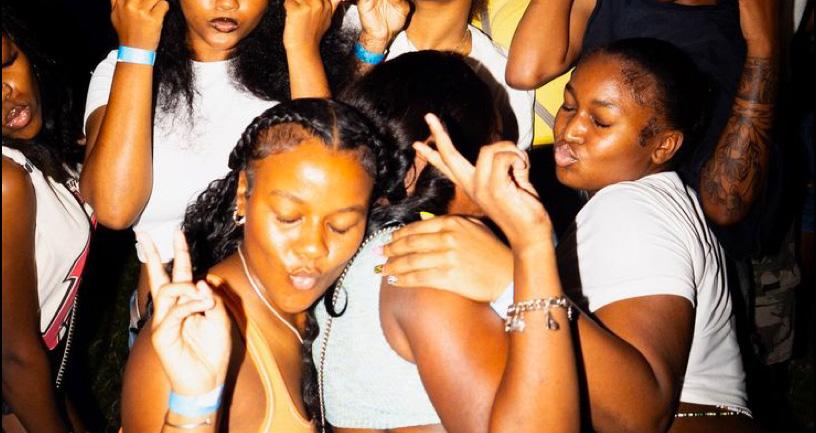
The biggest rave is back. Element House opens its doors to kick off 2026 this February just in time for Valentine’s. Expect heart-pounding House and EDM, electrifying dance floors, and a crowd determined to push your enjoyment to the edge. This is the party for baddies, sexy boys, and unapologetic black sheep alike. Are you ready to lose yourself in the vibe?
6th February, 2026 | Lagos
District 69 Seventh Edition
Step into Abuja’s underground scene with District 69, It is a night for thrill-seekers, night owls, and dance-floor devotees. The seventh edition of the feisty and sexiest party in Abuja takes place this February. It features deep beats, bold energy, and a crowd that knows how to move. This is more than a party, it’s a vibe. Dare to be part of the city’s most talked-about night this month, Maybe find a Val before Valentine?
7th February, 2026 | Abuja
Love Fest 2026
Valentine’s just got a whole new meaning. Love Fest is Lagos’ ultimate celebration of romance, music, and energy. Expect pulsating beats, playful vibes, exciting outfits, Djs that have decided to embarrass you with good music and a crowd that’s all about love in the air. Are you a romantic, a couple or just someone up for a good party. This is the place to turn Valentine’s into an unforgettable experience.
14th February, 2026 | Lagos
Prism Parties: Wet Valentine
Heat up Valentine’s Day with a splash, literally. Wet Valentine, Abuja’s underground pool party designed only for women, blends music, water, and nightlife into a night of pure indulgence. Bold, playful, and unforgettable, it’s where barriers drop, and vibes flow. Perfect for thrill-seekers who like their Valentine’s Day daring.
14th February, 2026 | Abuja
Romies Block
Ever thought of partying on a Monday? High energy, Dj playoff, energetic dancers, real hype men that won’t kill the mood, food, and the whole of Abuja? Well, this party is for you. Romies block is Abuja’s Monday party, a place where 9-5ers come to unwind, night owls and party animals also converge. It is perfect for those who love community, culture, and intimate vibes.
16th February, 2026 | Abuja
By Alexander Zoe Godwin Photographer and Content Creator TikTok: @ogxpresets

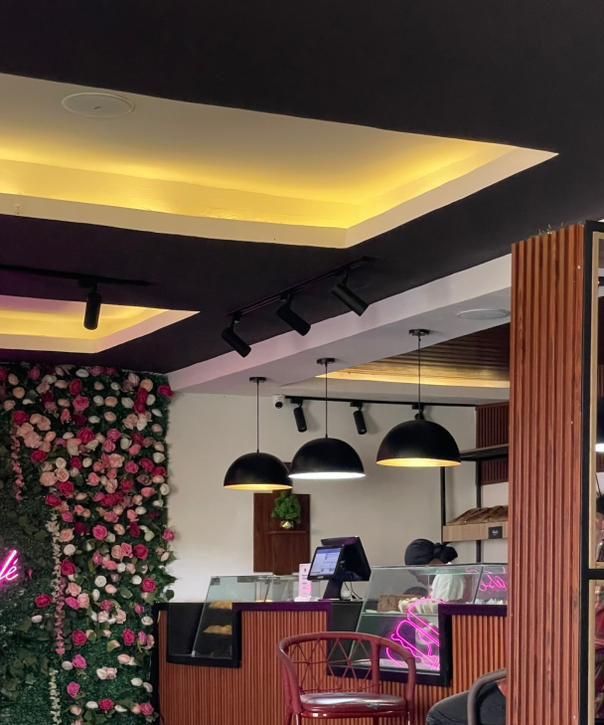
places with minimal noise. Provided you have your own internet connection, as there is no WiFi available for customers.
The menu is quite extensive, featuring an enticing range of options, including breakfast items such as waffles, chicken salad, sandwiches, French toast, pizzas, burgers, shawarma, special drinks, pastries, and a mix of local and international dishes. While the menu itself is rich, the availability of items listed is poor, with several options about 95% either unavailable or inconsistently served.
Lokoja might not be the most relaxing city, there aren’t many restaurants or places to just go and have fun, and the only park we have is the amusement park. But places like Bite Ease Cafe offer a kind of calm that makes the city a little less daunting.
The Cafe is situated in a calm and secure area that is easy to locate. There is no security at the entrance, much like you would see at other cafes. Upon getting in, I was greeted by an intoxicating aroma, very pleasant and calming.
The dining setup is simple, some areas had a round table with 2 seats and others, like the one I sat at, had a comfortable cushion with smooth upholstery that had a backrest. The space is calm, relaxing, and peaceful, perfect for anyone who likes to work from cafes and
After scanning through the available items, I settled for Meat Pie, Grilled chicken and a strawberry mocktail, as it was considerably the only thing they had. I sat back and waited for them to bring it, and in that time I listened to soft jazz music playing in the background at just the right volume, audible enough to enjoy yet low enough not to disrupt conversation or concentration. The lighting setup is decent but lacks proper illumination in certain areas.
The staff members are polite and friendly, which made my experience even better. However, they were inappropriately dressed, many of them wore casual outfits and flip flops, more suitable for in-house activities rather than a coordinated or corporate uniform. They also engaged in unnecessary chanting loud enough for me and many other customers to overhear, disrupting the peace and watering down their entire effort ,negatively impacting my overall experience. Service timing is terrible. For instance, I had placed my order at 3:51
pm and was served at 4:43 pm, which is a significant waiting period. Entertainment within the space is enjoyable but could be improved, especially to better engage customers while waiting for their orders or while dining. The chicken was rich in flavour, it was tasty, the skin had a crunch that faded into a moist, soft inside that was juicy. While the taste was good, it was too oily, not excessively so, but enough to dull the depth of the ingredients. Although it did not fully meet expectations, it was still worth the price considering the quality, texture, size, and overall flavour.
The Strawberry Cooler Mocktail was exceptional, refreshing, wellbalanced, served at the perfect temperature with a nice presentation. The quantity was adequate and satisfying, enough to douse the oiliness of the chicken and allowed me to enjoy the meat pie. Although the menu indicated a hint of mint, sliced lime was used
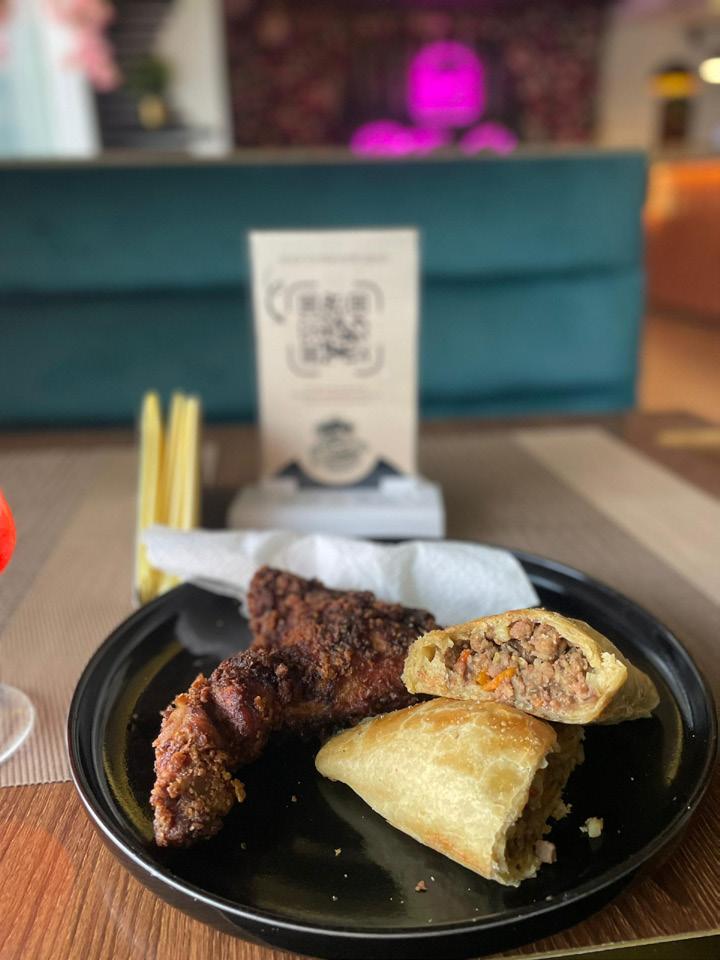
instead, introducing a pleasant sourness and tartness. Despite this variation, the drink exceeded expectations and paired beautifully with the meal.
The meat pie stood out remarkably. The crust was flaky and cracked, and the sauce in it produced an inviting meaty aroma. I could clearly taste the carrots, minced beef, and other subtle ingredients as they weren’t overcooked. It was really impressive and well worth the price
Ground floor, PDP secretariat, opp. Civil Defence HQ, Lokoja, Kogi State 0803 353 6667
IG: @biteease.ng
Web: https://biteease.ng/
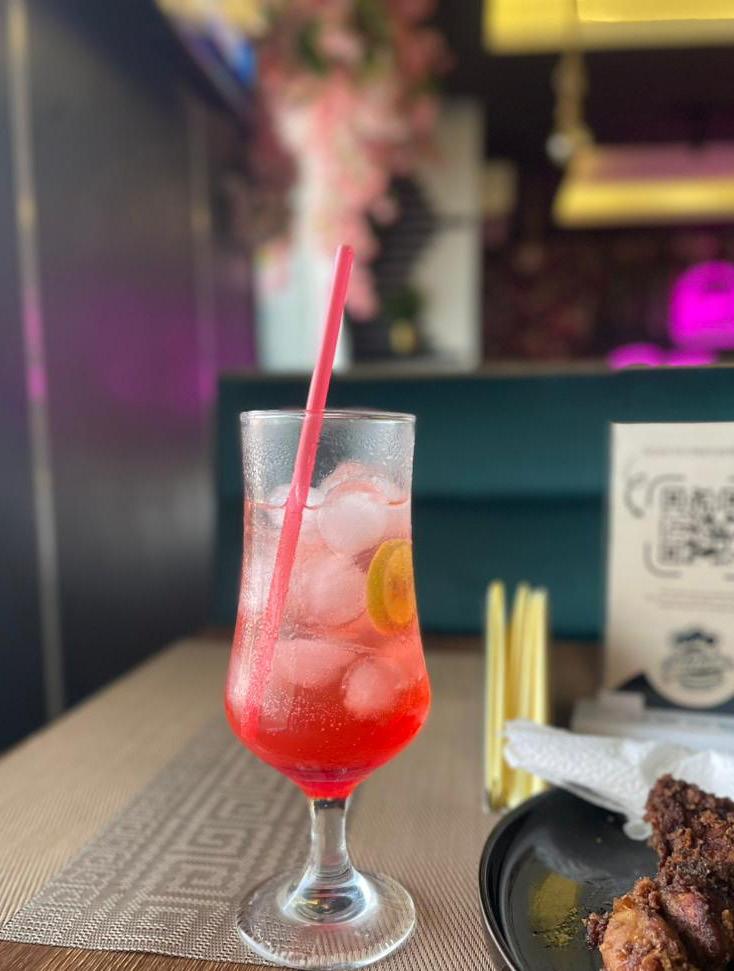
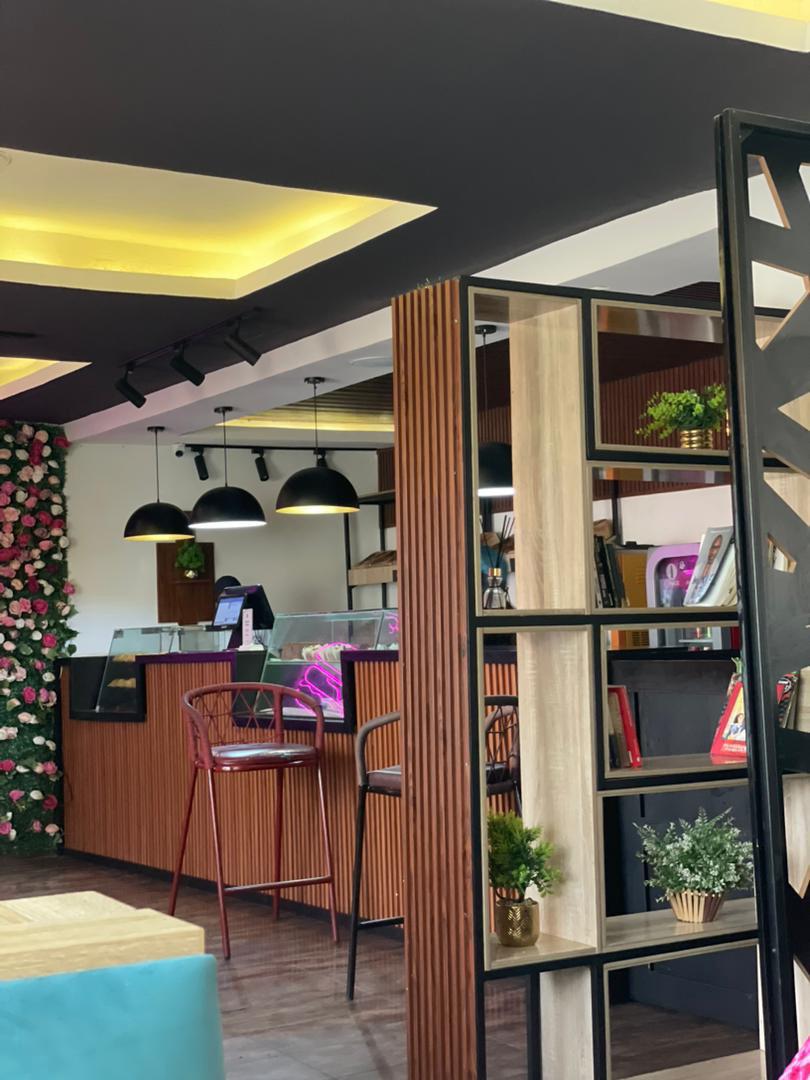
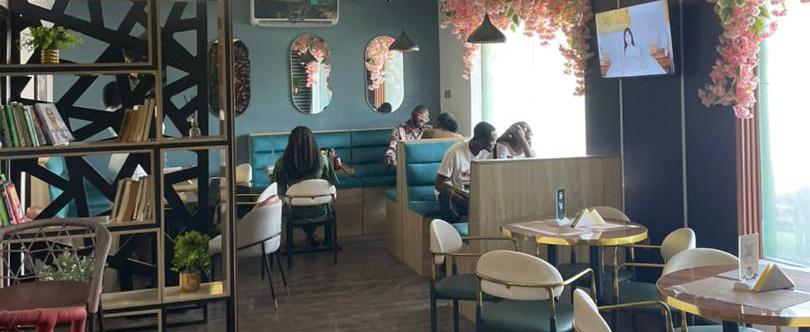
Average price for the meal: 10, 000
Value for money: 3/5 The size of the meal and quantity are great, but could be better in terms of quality.
Comfort: 5/5 there’re options for bench, high stool and regular chairs with backrests, the tables are also in great height, which makes the dining experience more enjoyable and appealing.
Service: Service rated 2/5: Staff were polite and professional
with excellent communication, but orders took almost an hour, and management had no staff dress code rule.
Overall Rating: ����
Good for: Solo or group dates, Business or office hangouts, Family, Work.

By Victoria Effiong Creative and Content Writer
X: @Thecreativevee
Love, they say, is complicated. But in Lagos, it’s chaotic, messy, and exhausting. Some days, it makes you feel like you’ve found your own person, and other days, you end up questioning if they’re really yours.
There’s a popular phrase that says, “No love in Lagos,” and if you ask me, I think this is true to a great extent.
Now, let me share my story:
Moving from Abuja to Lagos brought an exciting feeling. I was delighted about the possibility of getting a better job, being in a different environment, and connecting with new people.
Aside from all of this, I was positive about meeting my “Ikorodu prince charming,” who would end up sweeping me off my feet. But as life would have it, that didn’t happen.
One day, I met a man through a friend. A few days later, he offered to take me out on a date, which I declined at first, but we kept talking, and things were going great.
After a while, he stopped texting and calling, which made me reach out to check up on him and also ask if I did something wrong because I’m not the kind of person who loves holding grudges.
Fortunately, the answer I got was “no.” This gave me the clarity I needed, and regardless of how much I liked this person, I had to put myself first and move on.
Here’s the juiciest part: A year later, I got a text from someone, and guess what? It was this man. He apologised for how he left and ended
up saying he wanted us to get serious.
Even though I still liked him, I declined because the thought of him ghosting me a second time kept playing in my head, and I wasn’t going to let it happen again.
Here’s what I think about finding love in Lagos:
A lot of singles in Lagos are afraid of commitment, which makes them hide under the shadow of situationships. In most cases, it doesn’t end well.
Some are too busy with the struggles of life, caught up in traffic, arriving at work late, getting home even later, and earning little or nothing to show for it.
The most common ones are the polycules who always say things like, “Everybody cheats in Lagos,” to justify their promiscuity.
Also, I think the best form of love in Lagos, for me, is self-love. This is displayed by those who are focused on improving themselves while building genuine friendships.
While many have the perception that love in Lagos is transactional, this isn’t entirely true. I’ve seen people meet and start a family with their favourite person here.
Love in Lagos isn’t about finding a prince charming, like I did. It’s about prioritising building genuine friendships while being honest, patient, open, and conscious of the fact that sometimes love can be messy, quiet, and exhausting. And that’s what makes it real.
By Enemona Udile Chef, Creative writer and Editor IG: enemona_udile
As I waved my friends goodbye, dragging my way through the airport in Nigeria, the one thing that came along with me was the Ghana Must Go. This big bag that carried everything and smelt like stock fish.
Now in the UK, it is the one thing from Nigeria that reminds me of home, of gossiping with Tomi, and crying at the bank while I filed customer complaints and worried about the ₦10 billion target I had been given.
But I am not here to talk about Ghana Must Go. I am here to talk about love. About my delusion, and how my romantic desires changed the moment I realised “English men played by a completely different rule book”.
Love, romance, and dating here are different, new, and Unusual. Men let their dates pay for dinner or split the bill, and when they did pay, it felt like a big gesture. Back in Nigeria, paying was a rule, and men were happy to do it.
My struggle with dating started with John, a man in his fifties who lived a few blocks from me. He had a pee kink I would not indulge, and I never saw him again. What mattered to him was that I was Black and would drink as much water as my tiny stomach could handle.
Ashton was a bit more caring. We met on Tinder, and he paid for an Uber that took us to a sauna. A sauna! How exciting, one would think. But the moment he got naked, and I was expected to do the same, I knew I would not see him again. Not because I could not get naked, but because his height did not stop at his legs; it went between them. Aston completely changed my idea of English men, an exciting revelation I know I wouldn’t indulge.
The cold in the UK came with depression, very unlike Nigeria where everyone was a bit more excited about something. Over here, everyone was uptight and rigid; they worked, visited each other sometimes, but mostly worked. I live with other immigrants, so my reality is formed around our shared experiences, but even then, everyone just worked. Between waiting for buses, taking trains, and traveling to wherever people gathered, I would rather
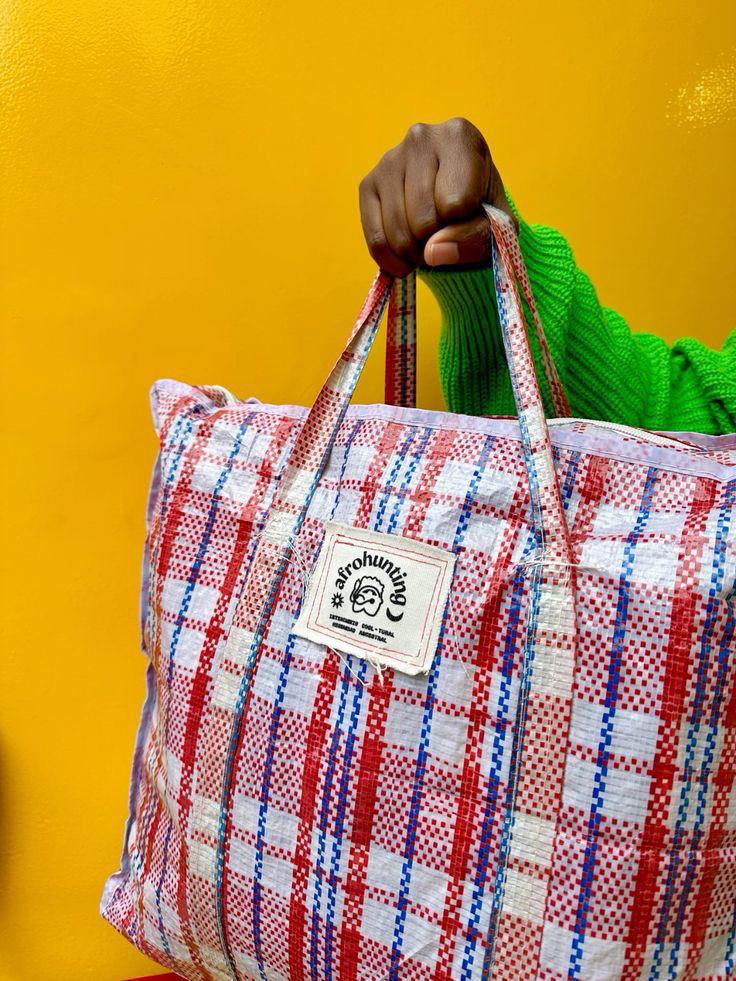
read my books, and prepare my thesis.
I had stopped expecting anything from dating. I was tired of decoding text messages, tired of asking myself whether wanting romance made me unserious or old-fashioned.
I reasoned this way until I met Nana, a thirtyfour-year-old Ghanaian who treated me so well that I completely forgot about my struggles with the others. He would pick me up from the train station and buy me dinner when he didn’t cook. He suggested dates, and every time, he was a perfect gentleman.
But Nana was unlike everyone else; he didn’t want a relationship, not romantic at least. He wanted us as we were, two people, friends, who got intimate every now and then, but generally weren’t anything more. For a long time, I couldn’t understand it; I couldn’t divide my emotions and make them fit for a sexual relationship without love.
Back in Nigeria, beauty was a currency; a guy could buy you stuff multiple times and still not get your number. It was a game we played and a game I was used to. But here was Nana telling me he wanted a third, he wanted us to open our situationship, that we weren’t
dating, and I should be wary of falling in love. And I was weary. I was scared, so scared that I called Tomi, hoping that he’d magically help me understand this new idea and in a way, he did, he helpedme remember why I was here and what I needed to focus on. The trick was to enjoy your relationship without thinking of anything more. If I loved Nana, fine, but that love would be my own, to nurture as I deemed fit, but to not expect reciprocation from him, and even better, was the sex. Who knew that sex with more than one person would be this fun?
Our relationship went on, and just when I thought I had learned what I wanted, I met Saeed. An Iranian who wanted to take me out of the UK, who said I love you a little too early and called me babe after our first date. Saeed was good, decent, and paid for our dates; I am black, and he likes blacks, so his gestures felt like payment, like fattening. We stopped dating after he let me walk in the rain to the train station, after he handed me a plastic bracelet when I asked for a gift from his trip abroad. Walking in the rain washed me of my silly romance and made me realise I am not an independent woman. I want to be taken seriously, cared for and loved.
Who
By Kosi Nwachukwu
Customer Success Executive IG: @_kaosi_
It always starts sweet. Too sweet. Midnight phone calls that will stretch into 2 a.m. Shared jokes, shared playlists, shared beds. He doesn’t call you his girlfriend, but he holds you like one. You don’t ask questions because loving in Lagos has taught that clarity is expensive.

There are signs, of course. Phone calls he never answers around you. Weekends when he disappears without explanation. A life that exists in carefully edited fragments. There will also be friends, the foolish ones that will “our wife” you to death, eat your food, shine their dirty teeth and hype you like there’s no tomorrow.
So you fall.
He does all the things you like: he opens doors, he listens, he buys you things and takes you places. When you’re tired of being strong, he softens his voice and asks you to rest. He makes space for you in the edges of his life, even if he cannot place you at the centre. And you don’t mind because in Lagos, consistency can feel like love when it shows up often enough.
Then, one day, months later, he returns from a “work” trip with them. His children and his wife is carrying a new baby. And suddenly, everything clicks. The weekends he disappeared. The quiet caution with which he greets you in church. You watch them together, but even as a pang of hurt slices through you, you cannot undo the love that has already taken root.
When confronted, he does not say it cruelly. He does not say it with pride. He lays it down quietly, the life that existed long before you. Your chest tightens, but not enough to stop loving him after all, he loves you too. You know this not because he says it all the time, but because of how careful he is with you. How he worries, how he holds you like something precious, like an egg. So you know his love is real, just contained. Limited by the choices he made long before you existed.
He reassures you of this love and promises that his time, money, and presence always belong to you. And you take it, because it feels like love, even when it cannot become more. You take it because you are simply human.
On Sundays, you sit beside them in church. His family on one side and you, on the other. You share the sign of peace with his wife. Your hand brushes his, and his touch makes you remember how those same hands held your waist the night before. You look at his wife adjusting her bubu, and you raise your shoulders haughtily. She can do shakara all she wants, but she doesn’t know about that secret spot on his neck, and how it makes him feel.
You’re fine anyway because a love like this was too good to be true. And you believe he knows where home is, and he will always find his way to you.
By Ani Queenet Ezinne Writer and Copy Writer X: @Queenetwrites
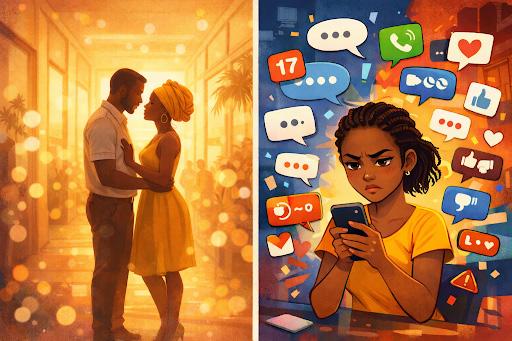
ne of the most beautiful love stories I’ve ever heard is my pastor’s.
He came back from London to meet a lady his aunt had been hyping, “the most beautiful girl in my office!” He’d reached that age where his singleness had become the family’s concern.
He didn’t want to hear it. Yet, he was open to meeting Lisa.
He waited over an hour in his aunt’s office. Lisa was out on an errand, unreachable, and he had a flight to catch. If he left, he wouldn’t be back for a year.
So he gave up and stepped into the corridor, and that’s when he saw her. The most beautiful woman he’d met in all his travels, rushing past.
He stopped her. “Excuse me? Are you Lisa?” “Yes.”
“I’m Michael. Will you marry me?” “Yes.”
He missed his flight. Thirty-something years later, they’re still travelling the world with their children and grandchildren.
Very beautiful. Very straightforward.
These are the biological children of God. The favoured ones.
Then there’s us, the adopted children, who have to survive the sons of Pharaoh first before meeting the one.
One of my many encounters with the sons of Pharaoh was with a man asking me to come from school to his house on our first conversation. So I said, “Oh, I don’t have anything I’m doing with my life, thank God I’ve been waiting for you to ask, I’ll leave first thing tomorrow morning.”
I kid you not, by 7 a.m., this man woke me up with a call to confirm if I was on the bus. The Audacity. I don’t even have your address!
And this is so common; men inviting women to their houses as a first date.
This is why I was screaming at a TikTok video where a man said he invited a lady over and later couldn’t find some of his things.
He didn’t mind until he saw on TikTok that this lady did an unboxing video of all the things she stole from his house: tissue paper, TV remote, sauce, etc.
Everything to inconvenience him.
Do I support this? No! Do I find it chaotically funny? Definitely!
Talk about “chaotically funny,” it is better for me to carry blocks and cement at a site for free, than for me to give a 40+ year old
voicenoter a chance.
The worst thing you can do to these people is to leave them on read for 2 minutes because they’ll send you a 40-minute voice note calling you mannerless.
If you fire back or ignore them, this is the point: you’ll find out that they married because they’ll post their “beautiful” wife.
And I’ll hold your waist when I say this, John 11:35 “Jesus wept.” Where Onyenwem wept, you will cry if you give this type of man a chance. You’re not above tears.
A Femi, Emeka or Yusuf is telling you, “I’m not like other guys” and you’re nodding. For someone, if lying were a sport, he’d be a star.
One was telling me, “You don’t know the plans I have for you.”
It is only when things end that they’ll tell you they have plans for you. Event planner.
If I don’t know love, at least I know that love isn’t this.
So, I’ve met enough sons of Pharaoh to start a podcast. And when I do, everyday I’ll ask, “Why is everyone saying the dating pool is a mess when we’re the ones refusing to keep it clean?”