


Laverne Cox celebrates her new book ‘Transcendent’ with history-making statue at Madame Tussauds, PAGE 02


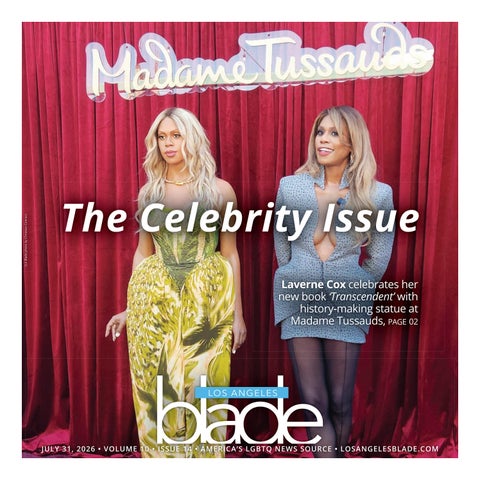
Laverne Cox celebrates her new book ‘Transcendent’ with history-making statue at Madame Tussauds, PAGE 02
The actress/activist celebrates her new book with her history-making statue
By CHRISTIAN CINTRON
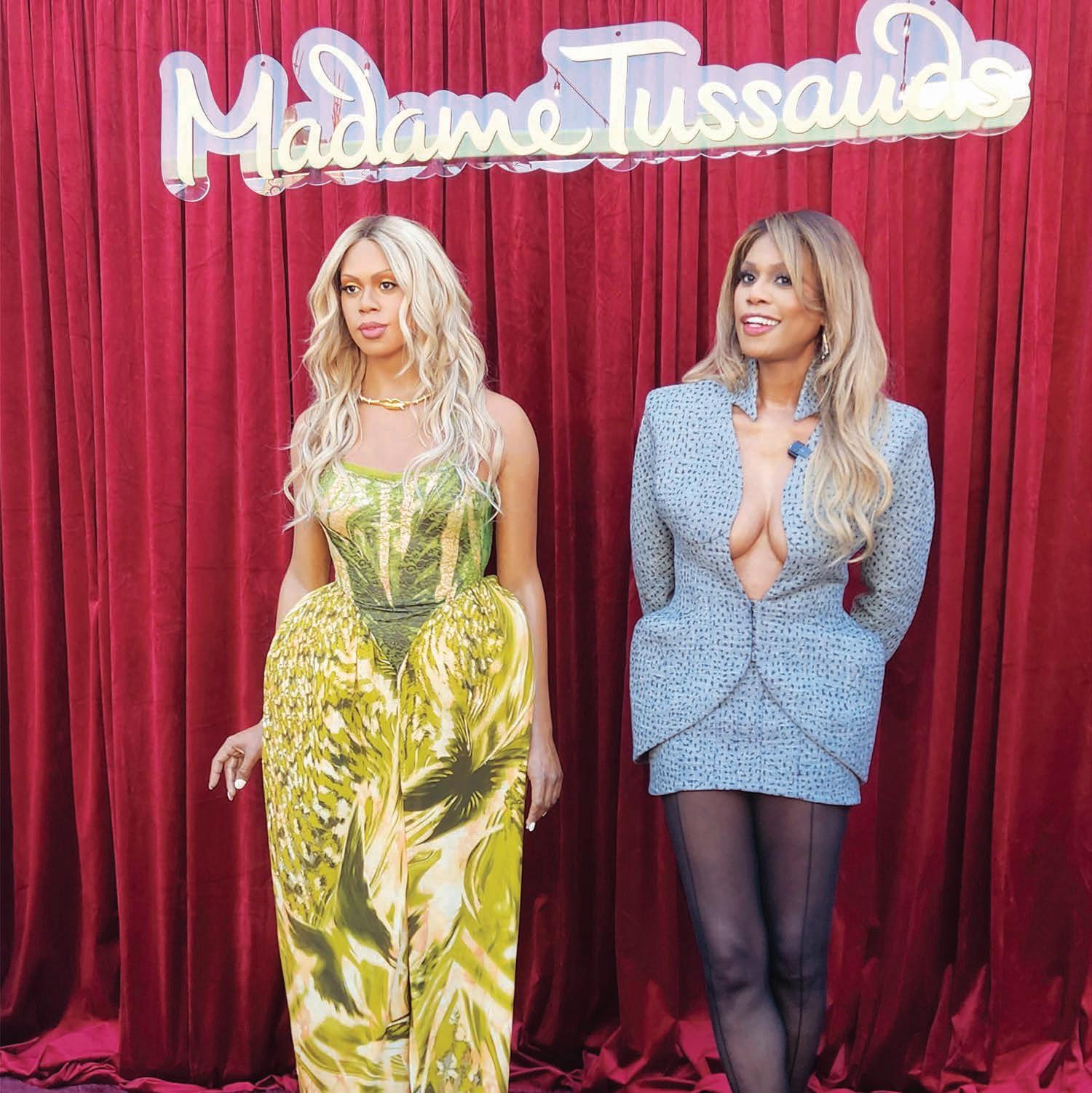
At this point, Laverne Cox has made history countless times. The Orange Is the New Black star was the first trans woman to get nominated for an Emmy (as an actor), subsequently win an Emmy, and become a series regular. She is also the first transgender person to receive a wax figure at international celebrity haven Madame Tussauds.
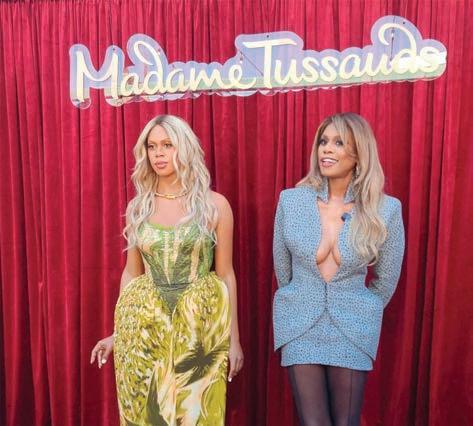
Now she’s poised to share her history with a memoir, the aptly titled Transcendent. We were on the scene as she celebrated this last Pride with Madame Tussauds, which unveiled her statue now with a fresh outfit and held an exclusive signing at their rooftop restaurant and bar. That’s right, you can dine with statues of Zendaya, Leonardo DiCaprio, and Will Smith.
She took time to talk with the Blade about everything from the writing process to Pride, and in true Laverne Cox fashion, was able to quickly list off important anti-trans legislation, quote bell hooks, and offer inspiring words of wisdom.
Watching Cox meet her wax figure, now decked out in the Collina Estrada gown she wore to the 2022 People’s Choice Awards, was an introduction to the dynamic icon that Cox is. She makes a joke about being 10 pounds thinner after the 10 years since her statue was first released. She quickly follows up with, “I’ve internalized my own fat phobia. It’s about embracing the parts of me that are not perfect. I wasted so much time being hard on myself. I could have just been living life.”
Cox is a testament to the power of words and the importance of intersectionality. It’s never lost on her that her platform is an opportunity to speak truth to power. She’s also just authentically herself as she quips, “I was not going to send them anything from my Mugler collection.” The actress was decked out in Mugler and famously collects fashions by French designer Thierry Mugler.
“It’s hard to put into words. All these things people don’t know about me are now in print. It’s all out there and not about my ego.” Cox adds. “That is incredibly humbling. Me being humble is the best possible thing. It makes me rightsized. How my life can be of service to someone else, this is the biggest reminder of that.”
Her special Pride message to the community was educational and nuanced. Cox is always quick to put things into a political context, which, given where we are, is important. She starts,
“It’s rough right now. This regime is attempting to take away a lot of rights of LGBTQIA plus people. Overnight, 1700 or so trans people in Kansas found out their driver’s licenses were no longer valid because they’re trans. They had to get new IDs that reflected the gender they were assigned at birth. IDS actually should reflect who you are.”
“I’m old enough to remember when trans people weren’t able to change their passports, and the nightmares that I heard from trans people when they would travel, they were
like, ‘Well, this says male, and you’re a woman. What’s going on?’ And the horrors of being strip-searched, being accosted, and arrested. So there’s like lots of dangers.”
She was quick to highlight the importance of this in a historical context. She adds, “There are over 1000 anti-trans bills that were introduced on a federal level, and over 700 that were introduced on the state level in 2025 alone. Trans Legislation Tracker is a great website for people who ask what laws, what policies.”
After the important historical and political context she brings it back, “So the message for the fam is that we are built from resilience, we are built from a legacy of ancestors who, in the face of all kinds of discrimination, all kinds of criminalization, found a way to be there for each other, found a way to access healthcare legally or by other means, and we created underground railroads of resources. We were there for each other, and we found a way to be joyous to create some of the most amazing culture the world has seen in the face of all kinds of discrimination; that’s our legacy.”
“So we should remember that we’re resilient people and we’re gonna get through this and we have to do it together, and whenever I think about that, I’m invigorated.” There’s a fundamentally hopeful spiritual tone to much of Cox’s words. She’s always been the type to educate and illuminate, but her hope for the future and her joy are palpable. Could it be the transcendent nature of writing a memoir?
About the title of her book, Cox adds, “I was a freshman in high school, and discovered the concept of transcendentalism. I was like, ‘This is cool. This is what I’ve been going through my whole life.’ Transcend other people’s expectations or limitations that they may put on me because of where I was born, what I was assigned at birth, because I was black, because I was working class.”
Cox explains more of the spiritual context: “I want to transcend. It is a very spiritual thing for me. When you peel away all the armor and all defenses that I’ve put up to survive. Yes, identity is important because of history, Race matters, gender matters, sexual orientation matters because of oppression in politics. But we are all spirits beyond all this stuff, and for me, I want to exist in that anointed, transcendent space beyond all of these categories.”
Ever the mindful orator, she’s quick to clarify that this transcendence is not at the expense of her identity; she continues, “I love my blackness, my transness, not because of the historical context of it, but because of the community of it. God, to be black and trans at the same time is iconic. All of black trans lingo is mainstream now, like, and just so many other things. It’s iconic to be black and trans from a historical perspective, from a community perspective. I’m also more than that. That transcendent anointed spirit is what it’s about, you know?”
Despite her career in acting, Cox has always wielded her
words with the precision of the perfect intersection of a diplomat, professor, and an Olivia Pope-level PR executive. When asked about the power of words, she shares, “One of my favorite quotes from bell hooks is from her book, Yearning; it’s ‘language is also a place of struggle.’ …The oppressed struggle with language to find ourselves, and our words are not without meaning; they’re an action, a resistance. So language is so powerful, and when we can be exacting and precise with language, it can be something that’s very liberatory and really free.” It’s worth noting that she quoted the entire paragraph from hooks.
She adds, “I remember finally embracing the word trans, which I talk about in the book, how liberating it was for me to finally not be running from who I was, who I knew I was my entire life, but just being in a space of acceptance that language gave me. Accepting that language for myself gave me freedom, a clarity that I didn’t really have before.”
So what was the writing process like for such a gifted speaker? “Torture. That’s my one-word answer. It was torturous, because I didn’t want to write a book and not talk about what really happened and how difficult it was, particularly my childhood, and I didn’t want to bs if I was going to write a memoir.”
Despite the toil of writing the book, she’s happy it’s able to help the people who read it. She adds, “But now that the book is out and people are reading, and I’ve gotten so many messages from friends, acquaintances, colleagues over the years who’ve read it in two days, and like they were like, I cried, you know, and I was so moved, I couldn’t put it down. I connected because of this part of your story or that part of your story, and it’s just, and it’s giving some people language for things that they went through in their childhood, like dissociation, that they didn’t have the language for, and that’s really cool.”
Her parting words, like so many that she shares, are inspirational: “In these times, getting to share space with my people is so revitalizing. The love we have for outsiders and justice and freedom is everything.”
Transcendent is now available for purchase, and her revamped statue is on display at Madame Tussauds Hollywood.
SUNDAY, AUGUST 16
PLUMMER PARK
7377 SANTA MONICA BLVD. WEST HOLLYWOOD 10AM 1PM

CAR SHOW AND CELEBRATION OF ROUTE 66 ARTWORKS IN WEHO
12PM 2PM
CHARLES PHOENIX PRESENTS LOS ANGELESLAND: A BIG RETRO SLIDESHOW CELEBRATING THE CITY OF ANGELS
4PM 6:30PM
SUMMER SOUNDS CONCERT IN THE PARK


The online sensation speaks about her life since going viral
By JOEL MEDINA
What does it take to go viral in 2026? It’s a question that has left thousands of influencers scrambling, each one trying out the latest trend hoping that it will get them the engagement they need. Some are successful — but most are not. Because while a creator can see some success from carefully tracking the algorithm, the biggest online celebrities are the ones who achieved their fame by being exactly themselves. By not creating for the purpose of getting views, but for the pure joy of sharing their thoughts and feelings with the world.
The internet has seen many creators scale to jaw-dropping popularity simply by being their most authentic selves. It’s the best way to build a community online, and it’s what elevated ‘Staples Baddie’ Kaeden Rowland to the digital heights she’s at today.
“When I was younger, I thought that I would be some sort of famous…, but as I got older, I was like, ‘Okay, maybe not — let me get a real job,’” joked Rowland, as she described what led her to take on a job at her local Staples office supply store. It was a surprisingly affirming experience; the company not only allowed her to dress however she wanted while at work, but she quickly learned how much her new position helped the local community. “I got really passionate about it,” she emphasized. “I saw [how] it brought a lot of people together, how when people didn’t have the resources they needed, they could get them at Staples.”
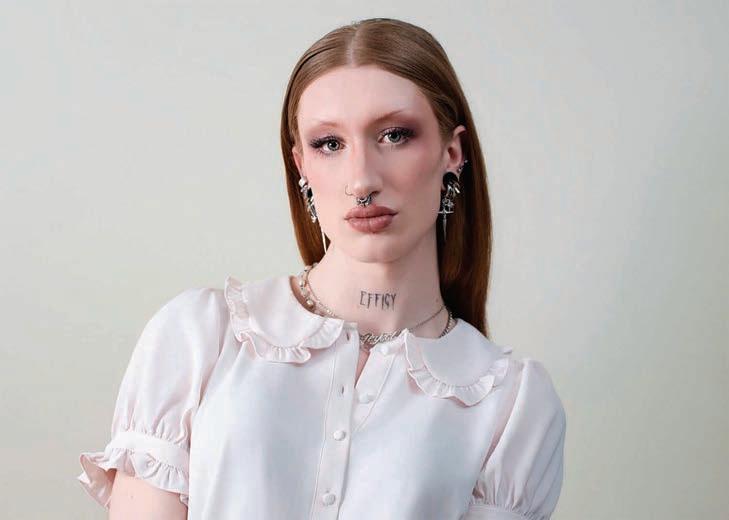
Her positive experience with the role (a rarity for retail jobs) led Rowland, who usually posted about art and fashion, to make TikTok videos promoting the company’s many products. From showing how to custom-order paper chains to walking viewers through the latest deals, she did all of this not through some branding partnership, but a genuine love for the resources she saw her company offering folks today.
It didn’t take long for Kaeden to start taking over people’s feeds, with users delighting at this stylish ‘baddie’ speaking to them about collated copies while strutting around her place of work. Her videos quickly began gaining thousands of views, with one of her newest, biggest fans being Staples itself.
“Staples was so kind and wanted to work with me!” The artist happily emphasized, discussing how the corporation’s marketing team celebrated all of the newfound attention. “They’re fully supportive of me making videos and doing all these fun little marketing things.” Unfortunately, this definitely isn’t the typical experience; from Home Depot to Walmart, many companies in the past year have fired employees for making content about their workplace. Luckily for Kaeden and her many fans, Staples did the opposite, recognizing this young creator’s power and inviting her in as a part of their ongoing marketing strategy.
While she gained fame because of her professional skills, Rowland’s true passion has always been for fashion, as any viewer can see in the avant-garde makeup and outfits she wears to work each day. This meant that when she gained fame, she was suddenly fielding requests from various big-name brands, each hoping to bring the newly christened ‘Staples Baddie’ to their latest show. Kaeden was overjoyed at this development, finally receiving attention from the companies she loved so much — what she definitely didn’t expect, though, was how corporate America responded to her newfound fame.
Because some of the country’s biggest corporations realized that Kaeden had a natural knack for marketing that teams spent thousands trying to replicate. So, along with serving face at countless fashion shows and brand activations, Rowland has spent the past few months in a place she never thought she would be: onstage at corporate conferences.
“I spoke at this conference in Atlanta, the Social Innovation Summit — and it was such a gag!” Rowland raved. “There [was me], just coming up there to be like, ‘Hey, treat your employees right! Don’t be so strict on them expressing themselves and posting about being at work, because they’re at work so much, and they should be able to share it. And, if they want to share it, you are probably doing something good in your company!’”
It’s an issue that, as a trans woman, Rowland knows well; many larger companies have aggressive policies around employee self-expression that greatly limit how people can present while at work. And for queer people who often spend years fighting to present the way they want, this leaves work as a harrowing experience, with jobs demanding a physical disconnect from the prideful self the y are off the clock.
For someone who is not only queer but takes such pride in their self-expression, it was Staples’ acceptance that led to Kaeden deciding to promote the company, showing millions of folks online the joy that comes from a workplace celebrating who you truly are. While Kaeden is so happy about her success, she hopes to continue using this corporate access to make these corporations safer for all queer people just trying to be themselves at work. “At the end of the day, you’re there [at work] for hours together,” she explained. “Why not have some fun with it?”
Kaeden Rowland doesn’t know exactly what her future holds, a fact that she is extremely excited by. The past year has seen her reach online stardom, revolutionize modern marketing, and receive invitations from many fashion brands (and corporations) who respect the young creator’s immense artistry. She teases that there are big things coming that she can’t openly discuss just yet. But to everyone who’s supported her from the very first videos talking about why printing at Staples is the best choice you can make, she says, “I want to change and evolve. I have a lot of projects planned, [and] there’s lots to come, and I’m excited for everyone to see just the evolution and grow with me…I’m excited to show everybody the journey.”
By VICTORIA IVIE
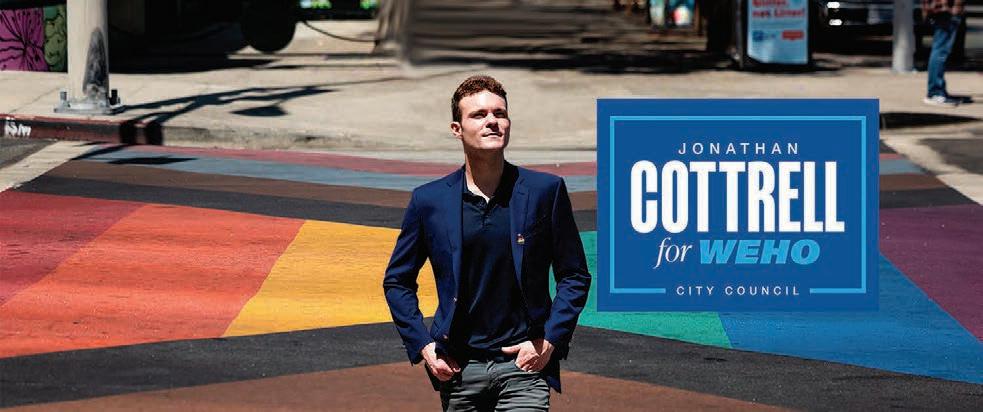
Between caring for his newborn and running the popular GYM Bar WEHO sports bar, Jonathan Cottrell is also juggling his campaign for West Hollywood’s city council in the upcoming November general election.
Cottrell, who has lived in WeHo for over a decade, is running on a campaign of increasing government trust, neighborhood safety, and more affordable housing.
He is running because he believes in a government that “listens, acts with compassion, and works for all people,” according to his campaign website .
“I’m a software engineer by trade, so I love big ideas, taking big swings, and I think that pragmatic approach that I bring to my work can carry over,” Cottrell, 36, said.
Cottrell has been involved with the city in various ways over the years. Since March of last year, he’s been on the public facilities, recreation and infrastructure commission. Alongside being a business owner, he’s also a renter and helps run his HOA.
“Through the course of all those things, I’ve gotten to know the people that work at City Hall, the staffers, the council, the agencies that are county-run like fire, sheriff’s office, the health department,” Cottrell, 36, said. “All that together, I’ve gotten to see what works great about our city, but also what we can improve.”
He hopes to improve the city’s government trust by increasing transparency and accountability policies and building them up.
“If we have easy-to-use, transparent technology, that doesn’t require you to drill down through PDFs and download things and search and find dates of disclosures that exist within our government,” Cottrell said. “If we have systems where things aren’t buried in endless files, that’ll increase government trust.”
He hopes to increase this “lack of ease of accessibility” that bars people from knowing where to go to find city government information.
Prioritizing community safety is another big goal of Cottrell’s.
“As a bar owner and restaurant owner, I see it every day, all the issues we have,” Cottrell said. Some issues he’s seen include street fights, an increase in the unhoused population, and recent issues like the waterline burst that led to a large sinkhole. He said issues like these “affect the whole community.”
If voted in, he’d like to focus on recruitment and retention of West Hollywood’s law enforcement, which he says will improve safety of the neighborhood.
He’d like to increase the number of deputies in the city and “find a path to increase public safety and better night shifts that are permanent.”
“I’d like us to increase our investment in public safety, but in a way that actually increases being safe and feeling safe,” he added. “We need to beef up the budget but also use those dollars wisely and make sure that they are actually providing safety on our blocks that we can feel.”
In 2022, West Hollywood voted to cut the sheriff budget , replacing four deputies with unarmed security ambassadors.
Since then, the budget has continued to increase sheriff and protective services (one category) and public safety budgets. In 2022, these two groups’ costs were around $22 million. By fiscal year 2028, the projected budget for public safety and sheriff and protective services is just shy of $40 million, according to WeHo’s two-year city operating budget
WeHo’s serious crimes dropped more than 13% in the first half of 2026, according to WeHo Times, despite increases in auto thefts, shoplifting, and burglaries in residential areas.
“$40 million may seem like we’re spending a lot, but it is a smaller budget than some of our neighbors,” Cottrell said. “Increasing it will allow more presence on the street and, for example, a permanent night shift that is there at the high-risk times, at high-risk places.”
Housing and affordability in WeHo remain a common topic for many city council campaigns.
For Cottrell, a focus for long-term fixes for the city’s housing shortage is imperative.
“We need to continue to have a great housing policy here, a decade of rent control policies that were im-
plemented by people that founded the city,” Cottrell said.
He thinks there’s a way to increase economic opportunity while also addressing the affordability crisis that impacts renters, homeowners, small businesses, and workers.
“I really believe we have to be bold about where we’re going, but also very thoughtful and strategic about how we get there,” he said.
He hopes that with a city full of creatives and the city’s reputation for being unique, some solutions can be found.
“In addition to our rent control and rent stabilization ordinances, I think we can get more creative about looking at creative zoning, such as light industrial residential,” Cottrell said. “I picture, say, an artist who lives and works in their studio, but also part of the space can be a gallery.”
“There’s actually a lot of spaces in West Hollywood that could be mixed-use, where we need to figure out what is the path to make that viable,” he added.
“We have to continue being very thoughtful in our approach, but we can also shoot for the stars.”
Investing in more creative housing options will lead to vibrancy and growth in economic opportunity for WeHo, he said.
“Let’s invest in our people, invest in our community, and be innovative,” Cottrell said. “I have a lot of excitement for the future. There’s a lot of scary stuff happening federally, but let’s build a gold standard for the country for what a city can be in the modern world.”
For more information, head to Cottrell4Weho.com
By KAREN OCAMB
Donald Trump reminds me of The Blob - the 1958 sci-fi alien creature whose gelatinous form oozes under a door crack and consumes whatever it attaches itself to, turning redder and becoming more aggressive as it grows larger. Only the freezing cold can stop it.
Because Trump is no roaring Godzilla, however, the very unfathomability that this lump dunce can be dangerous defuses the flashing “ALERT” signs reminding us that he still wields real power.
For instance, former CIA Director John Brennan told MS Now’s The Weekend that Trump is “flailing” right now over his expensive $37.5 billion war of choice with Iran (costing the average American household more than $1,200). To minimize the truth, Trump now calls the war a “skirmish,” despite the five-month casualty count for Operation Epic Fury now listed by the Pentagon as 18 troops dead and another 624 wounded.
“This is an “unwinnable war for the United States” because there is “no way” Iran will give up, Brennan said.
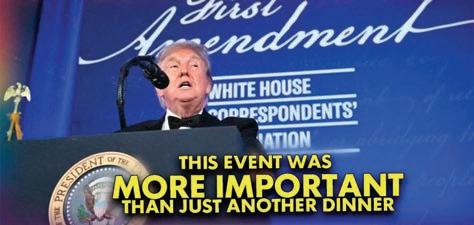
Brennan cited Trump’s appearance at the White House Correspondents’ Association (WHCA) dinner on Friday, July 24. “This is a very nasty, unserious, mentally unstable individual - and this is the person the Iranians are going to negotiate with?”
Though few outlets reported that Trump “rested his eyes” through much of the event, most of the headlines about the WHCA dinner concurred that the President of the United States was “nasty,” insulted his hosts, and – gasp – he was not funny! His “jokes” fell flat.
“Mr. Trump seemed to realize he was losing the room. After a joke he told about the gerontocracy on Capitol Hill bombed, he said: ‘That was actually the only thing I thought was good in this whole fricking stupid speech. It was the only good one, and that went down with not exactly great laughter.’ He threw his arms up in exasperation, and people started to laugh again,” the New York Times reported
“As his speech reached its conclusion, he pulled out a hat and with a theatrical flourish plopped it on his head. It said, ‘Trump 2028.’ Some clapped. Others laughed. Most of the reporters just stared straight ahead,” said The Times
Others, like out MS NOW White House correspondent Vaughn Hillyard, tried to suppress a fuming rage over colleagues in the ballroom not standing up for CNN’s Kaitlan Collins, a favorite target who nonetheless accepted Trump’s congratulatory handshake after winning the award for Excellence in Presidential News Coverage Under Deadline Pressure in broadcast for her coverage of the historic Oval Office meeting between Trump and Ukrainian President Volodymyr Zelenskyy in 2025.
Forever classless, with a long history of demeaning women reporters, Trump said Collins shouldn’t have won, called her “fake” news and complained that she never smiles, albeit numerous photos caught Trump watching her smile with Wolf Blitzer.
Then the sucker punch. “I thought Kaitlan had really made it big with a major new sponsorship,” Trump said, “but then I informed her that it wasn’t her on the Bud Light can; it was Dylan Mulvaney,” referring to the trans actress who bears no resemblance to Collins.
Trump went on to spout disinformation about the 2023 promotional partnership – which The Advocate corrected in their
reporting.
“Dylan Mulvaney cost Bud Light $35 billion in market cap,” Trump said, adding that it was “the worst commercial ever made.”
“There was no conventional Bud Light commercial starring Mulvaney. The company sent her a personalized commemorative can bearing her image, which appeared in a sponsored social media post marking the first anniversary of her publicly sharing her transition. The can was not offered for sale,” The Advocate reported. “The promotion nevertheless became the center of a sustained conservative backlash.”
That backlash included real life “threats, harassment and months of anti-transgender abuse” for Mulvaney.
Whether it’s reporting on credible truth-tellers calling out a world leader incompetently prosecuting a mindless war or a specialty journalist clearing up snarky disinformation that leads to harassment of minority individuals, press freedom – upheld by the First Amendment – is as precious as water and clean air to the survival of a democratic body.
But what happens when the fog of war is intentionally generated by the government ethical journalists are tasked to cover in their public service to the people?
As legendary CBS News journalist Marvin Kalb noted in his 2018 book Enemy of the People: Trump’s War on the Press, the New McCarthyism, and the Threat to American Democracy, it was the current President who started the warwith his dangerous assertions that the news media is “fake news” and “Fake News is Truly the ENEMY OF THE PEOPLE!”
“Shortly after assuming office in January 2017, President Donald Trump accused the press of being an ‘enemy of the American people,” reads a Harvard Kennedy School Abstract for Kalb’s book. “Twentieth-century dictators—notably, Stalin, Hitler, and Mao—had all denounced their critics, especially the press, as ‘enemies of the people.’ Their goal was to delegitimize the work of the press as ‘fake news’ and create confusion in the public mind about what’s real and what isn’t; what can be trusted and what can’t be. That, it seems, is also Trump’s goal.”
Even the Committee to Protect Journalists started monitoring POTUS. In Feb. 2019, for instance, CPJ issued a strong statement about journalists’ safety at Trump’s rallies after a British Broadcasting Corporation (BBC) camera operator was assaulted during a rally in El Paso, Texas.
Were the silent WHCA dinner attendees being courteous or cowards when Trump – famous in New York for lying about calling news outlets pretending to be his own PR agent – claimed to hold “tremendous respect” for journalists?
Was he foreshadowing a possible return next year when - after complaining about the Wall Street Journal reporters who won the Katharine Graham Award for Courage and Accountability for their coverage of the Trump-Epstein scandal - Trump remarked: “All these awards. Do I have a say?”
That WSJ moment was gripping, given the drama, when a nervous but determined Wolf Blitzer stood his ground
“The Journal’s courageous reporting on President Trump’s past relationship with financier Jeffrey Epstein triggered the release of the so-called Epstein Files,” Blitzer said with on-screen images behind him. “Thousands of documents that might otherwise have remained hidden from the public,” included the infamous birthday card sketch bearing Trump’s signature.
Blitzer noted that the report triggered Trump’s hastily filed unsuccessful $20 billion lawsuit against the newspaper that publicly disclosed WSJ reporter Khadeeja Safdar’s home address, forcing her family to relocate.
Then a moment of courageous civility: after leading the line of reporters onstage, Safdar briefly hugged Blitzer, took a beat, then shook Trump’s outstretched hand before quickly turning her back on the president who apparently wanted to chat.
The audience – which included Epstein’s former neighbor, Commerce Secretary Howard Lutnick – seemed to reflexively react with laughter as Trump threw his hands up in a performative shrug: “What can you do?”
Indeed – what can you do? It’s a question hundreds of veteran journalists (including me and my former CBS news boss Dan Rather) asked the WHCA in a letter and petition before last April’s dinner, when they announced Trump would appear. That’s when I first questioned whether Trump’s attendance was setting a trap for journalists.
At the July 24 redo before a much smaller crowd of 700 at the Waldorf Astoria Washington, DC, Trump “joked” about his authoritarian plans to take over the once independent press, comparing it to his imagined takeover of Iran.
“Under my administration, a once feared and powerful regime that relentlessly attacked America has finally been toppled,” Trump said. “Their former leaders have been removed, and they’re now being run by a gay dictator facing internal divisions, but I, for one, wish Bari Weiss all the best at CBS News.”
Weiss has faced repeated criticism and departures from inside the CBS her newsroom, with journalists around the world wondering if she will also glob onto and destroy CNN if the nowstalled Paramount deal goes through
“Cecilia Vega, who was dismissed by Weiss in May, alleged that network management pushed to include claims in coverage that could not be verified, according to Status,” The Independent reported. “Responding to the claim [about Iran war coverage], a CBS News official dismissed the suggestion that the network is promoting the administration, pointing to a recent segment highlighting setbacks in the Iran war.”
PHONE 310-230-5266
E-MAIL arodriguez@losangelesblade.com
INTERNET losangelesblade.com
PUBLISHED BY Los Angeles Blade, LLC
PUBLISHER
ALEXANDER RODRIGUEZ
arodriguez@losangelesblade.com, 310-230-5266 x8080
EDITORIAL
NATIONAL EDITOR
KEVIN NAFF
kna @washblade.com, 202-747-2077 x8088
LOCAL NEWS REPORTER
KRISTIE SONG ksong@losangelesblade.com
CONTRIBUTING WRITER
KAREN OCAMB karenocamb@losangelesblade.com
CONTRIBUTORS
MICHAEL K. LAVERS, TINASHE CHINGARANDE, JOHN PAUL KING, LOU CHIBBARO JR., SUSAN HORNIK, JOE REBERKENNY, DANIEL ITAI, ISAAC AMEND, PETER ROSENSTEIN, TERRI SCHLICHENMEYER, JOE PHILLIPS, ANKUSH KUMAR, ESTEBAN RIOSECO, SAM KISIKA, ELVIS KAWEDO, HENRY CARNELL, DAWN ENNIS, AJ SLOAN
SALES & ADMINISTRATION
SALES EXECUTIVE
SHANA WONG SOLARES
swong@losangelesblade.com, 808-386-0872
MARKETING DIRECTOR
BRIAN PITTS
bpitts@washblade.com, 202-747-2077 x8089
NATIONAL ADVERTISING
RIVENDELL MEDIA
sales@rivendellmedia.com, 212-242-6863 ADMINISTRATION
PHILLIP G. ROCKSTROH prockstroh@washblade.com, 202-747-2077 x8092 CREATIVE DESIGN/PRODUCTION
MEAGHAN JUBA production@azercreative.com DISTRIBUTION
CHRISTOPHER JACKSON, 562-826-6602
All material in the Los Angeles Blade is protected by federal copyright law and may not be reproduced without the written consent of the Los Angeles Blade. e sexual orientation of advertisers, photographers, writers and cartoonists published herein is neither inferred nor implied. e appearance of names or pictorial representation does not necessarily indicate the sexual orientation of that person or persons. Although the Los Angeles Blade is supported by many ne advertisers, we cannot accept responsibility for claims made by advertisers. Unsolicited editorial material is accepted by the Los Angeles Blade, but the paper cannot take responsibility for its return. e editors reserve the right to accept, reject or edit any submission. A single copy of the Los Angeles Blade is available from authorized distribution points, to any individual within a 50-mile radius of Los Angeles, CA. Multiple copies are available from the Los Angeles Blade o ce only. Call for rates. If you cannot reach a convenient free distribution point, you may receive a 26-week mailed subscription for $125 per year or $5.00 per single issue. Checks can be sent to Phil Rockstroh at prockstroh@washblade.com. Or send him an email to request directions to make a payment online. Postmaster: Send address changes to the Los Angeles Blade, PO BOX 60664 Washington, DC 20039. e Los Angeles Blade is published bi-weekly, on Friday, by Los Angeles Blade, LLC. Rates for businesses/institutions are $450 per year. Periodical postage paid at Los Angeles, CA., and additional mailing o ces. Editorial positions of the Los Angeles Blade are expressed in editorials and in editors’ notes as determined by the paper’s editors. Other opinions are those of the writers and do not necessarily represent the opinion of the Los Angeles Blade or its sta . To submit a letter or commentary: Letters should be fewer than 400 words; commentaries should be fewer than 750 words. Submissions may be edited for content and length, and must include a name, address and phone number for veri cation. Send submissions by e-mail to kna @washblade.com.


Our very own journalist, AJ Sloan, reflects on his professional journey – from gallerist to pornstar and beyond – and how the many roles he has embraced have shaped the therapist he is becoming
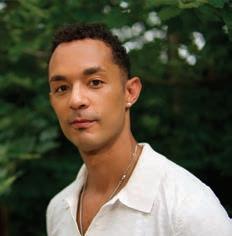
By AJ SLOAN
A career is so much more than a paycheck. It’s one of the primary ways we come to understand ourselves and our place in the world. The work we do has the potential to shape our values, our relationships, our communication styles, our confidence, and often our sense of purpose. Whether we like it or not, our careers become a key facet of our identity.
It also goes without saying that work is a necessity for most people and has become one of our greatest sources of stress. Burnout, anxiety, stress dreams, the pressure to monetize every hobby, and the persistent feeling that our productivity determines our worth have become hallmarks of modern adulthood. The COVID-19 pandemic only accelerated our collective questioning of work, capitalism, and fulfillment, and now AI has introduced a fresh layer of uncertainty regarding our professional futures.
As I prepare to begin my career as a psychotherapist this month, I’ve found myself reflecting less on where I’ve ended up than on the winding road that got me here. Looking back, I don’t see a series of disconnected jobs. I see a collection of experiences that taught me how to understand people. Every career I’ve had, even the ones that raise eyebrows, has quietly prepared me to become the therapist I hope to be.
Like many young folks new to both adulthood and New York City, I found work in the art world. Equipped with an aggressively fluffed résumé and more confidence than qualifications, I walked into a small gallery on the Lower East Side and announced that I wasn’t looking for an internship - I wanted to work for free. I figured not many people would turn down free labor, and for once my logic held up. Within three months, I was on payroll, and a few years later I had become the gallery director.
I loved much of that chapter. I loved curating exhibitions, installing shows, and getting to know artists and collectors from wildly different walks of life. I still cherish the relationships I built with my colleagues. But eventually the burnout arrived. The disparities and gatekeeping of the art world became harder to ignore, especially for a brown boy lacking the “right” pedigree or family connections. Talent often mattered less than proximity to wealth, status, and the right last name.
Then COVID happened. The gallery closed, and so did that chapter of my life. I didn’t know it then, but another one was about to begin. A few months into the pandemic, I started an OnlyFans account and moved to Spain. What can I say? I was feeling cute. Teehee.
That decision eventually led me into studio pornography, something I had secretly fantasized about when I was younger but never imagined would become an actual profession. On my thirty-first birthday, I metand mounted - Viktor Rom (swoon), which somehow resulted in a text message from the longstanding European gay adult film studio Kristen Bjorn. I assumed it would be a one-time adventure. It was not. Over the next two years, I found myself fully immersed in the adult entertainment industry. Regrets? I don’t know her.



The adult industry taught me about stigma in ways few professions can. It taught me how quickly people reduce complex human beings to a single aspect of their identity. It taught me that vulnerability isn’t always emotional. Sometimes vulnerability is having sex on camera with a room full of crew members while somehow remembering your angles. More importantly, it taught me that shame often tells us far more
about society than it does about the individual. These lessons continue to shape me.
Eventually, another unexpected opportunity presented itself. While sitting poolside in Palm Springs, I met Alexander Rodriguez, then editor-in-chief of Fleshbot. Apparently I possessed just enough wit and cornball energy for him to offer me a writing column. One column became four. A new career path that doubled as a new artistic outlet I never knew I needed.
I wrote about sexcapades, identity, relationships, and mental health. I interviewed performers, directors, producers, activists, and countless people whose stories rarely make it into mainstream media. I researched topics I knew nothing about simply because I was curious. Somewhere along the way, I became the Carrie Bradshaw of gay porn. These days I write for the Los Angeles Blade, where I’ve had the privilege of using journalism as a way to advocate for LGBTQ+ communities and other marginalized populations whose stories deserve far more attention than they often receive. Journalism taught me something that no classroom ever could: genuine curiosity.
Good interviewing isn’t about waiting for your turn to speak. It’s about listening so deeply that another person feels safe enough to tell you something they’ve never had the opportunity to put into words before. It’s about temporarily setting aside your own worldview to inhabit someone else’s. Looking back, I realize I was unknowingly practicing one of the most important therapeutic skills long before I ever enrolled in graduate school.
At some point, perhaps because my schedule had become delightfully unconventional, I decided to apply to graduate school. For years I had been interested in counseling, but I never truly believed becoming a therapist was possible. Somewhere between Spain, pornography, journalism, and a global pandemic, I came to a realization that feels embarrassingly simple in hindsight: many of the limits we place on ourselves are imaginary. Anything is possible if you try.
It has been a journey in every sense of the word, but I’ve officially mastered my Master’s and am beginning my work as a therapist here in New York. Naturally, I’m nervous. I also feel more prepared than I ever expected.
Psychotherapy, as I see it, is a collaborative process between two people. Together we explore both the conscious and unconscious forces that shape our lives, creating space to lessen suffering and reconnect with hope, purpose, and authentic relationships. My work draws from psychoanalytic thinking, liberation psychology, and acceptance and commitment principles because no person’s internal world exists separately from the cultural and political realities they inhabit.
I want my office to be a place where judgment stays outside the door. A place where queer people don’t have to explain themselves. Where BIPOC clients don’t have to translate their experiences. Where sex workers don’t have to brace themselves for stigma masquerading as clinical concern. Where everyone is allowed to arrive exactly as they are.
When I think about what each chapter of my career has given me, the list feels refreshingly coherent. The gallery taught me how to proactively solve problems and navigate diverse personalities. Porn taught me openness, vulnerability, and how to own my sexuality without flinching. Journalism taught me to embrace my curiosity, actively listen, and to value the privilege of witnessing another person’s lived experience.
Ellen Greene reflects on her role as Audrey and her support and activism or the LGBTQ community, which started at the beginning of her career
By MICHAEL FERRERA
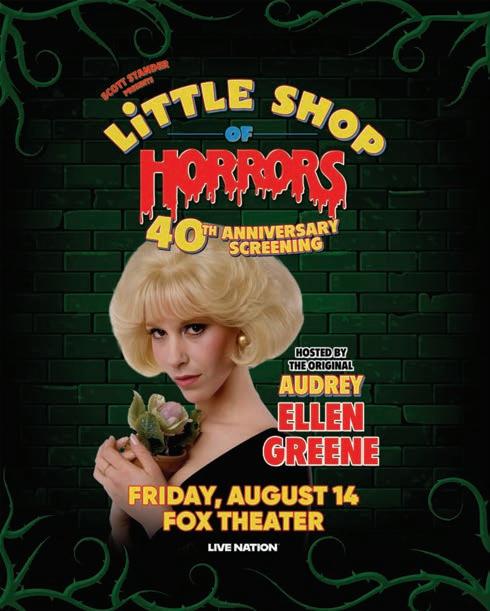
It is 40 years since the release of the movie version of the Off-Broadway show, Little Shop of Horrors. To celebrate the 40th Anniversary, Ellen Greene, who of course originated the role of Audrey, is embarking on a nationwide tour, arriving in Riverside, CA at the Fox Performing Arts Center on Friday, August 14. The evening will include a screening of the film preceded by a Q&A with Ms. Greene and a performance of the enduring hit, “Somewhere That’s Green.”
It is not difficult to appreciate why Ellen Greene was the perfect choice for Audrey or why the character has such an enduring appeal to audiences and, maybe more so, LGBTQ+ fans. It would be easy to underestimate or dismiss Audrey as a simpleton and victim. Yet, the character is “way more complicated than that,” according to Greene. “She’s been engaged in life, she’s seen stuff, and she’s not someone who hasn’t been around. She knows what it’s like to be different, to feel shunned and not part of a plural. So, I guess, you know, like minds attract. Audrey is seeking love, but life has told her she doesn’t deserve it. But she’s kind and talented and compassionate and appreciates people for who they are.” There appears to be a lot of Greene imbued in Audrey.
Greene has been an active and devoted ally to the LGBTQ+ community for decades. In fact, I first met her when she agreed to do a benefit for Los Angeles’ LGBTQ+ theatre company, Celebration Theatre, twelve years ago. When reminded about it, she recalled all the details without hesitation. “Well, doing that was a great memory for me.” She went on to recall that her support and activism started at the beginning of her career. “My first friend in New York happened to be gay (back in 1972). And, so many of the people around me from the beginning of my career were gay men. My first job was a bus and truck (show) where I learned several important things that I am not going to go into!” She described meeting and working with so many gay men, “all of the gigantic talents, all of these people that nobody knows, but to me they were huge and magnificent.” And then, in the 1980s, the AIDS crisis emerged and one by one she found herself having to be there for her friends, to care for them, to accompany them, just be there or help them. “It’s made me aware of how important it is to appreciate, to be kind and be loving and tell and show people who matter to me how much I cherish them.”
Not many actors have originated a role in an Off-Broadway or Broadway musical, never mind one that also appears on the big screen or endures for 40 years. In fact, Little Shop of Horrors is currently experiencing another life at the Westside Theatre in NYC. Ellen shared with us some thoughts and memories about playing Audrey and making the film after so many years.
Tell us about creating Audrey, and did you change anything for the film?
Uh, well, first off, a lot! I always do instinct first, so it’s how it feels to be the character inside, to create a soul. It becomes a presence in my body, and so you see what comes out as a result. Audrey is also a sexual being. The first Audreyism that comes out in the film is the squeak. That came out of a rehearsal with my original Seymour when he said something differently, and it came out of me in response. In the play, Audrey often plays things bigger because she’s performing to the audience. In the film, she’s playing to Seymour (or the other characters), so this was more revealing and intimate and shows how she reacts to him as a sexual being. Then, when we did “Somewhere That’s Green,” it goes into her dream of a home and family and what makes a house a home. You get to see the child inside with the dream of what a happy life looks like for her as a woman.
What was it like working with the creative team behind the film?
There was so much British talent behind the scenes! We filmed it at Pinewood Studios. Frank (Oz, the Director) was very kind to me. He let me be there on set, so I got to see things like Levi Stubbs recording. It created a camaraderie over the 9 months of hard work. Paul Anglin did my makeup. He started out trying the usual heroine makeup, but we wound
up using the stage makeup because he didn’t feel the usual was playing right. The crew was just stunning. A valuable thing I learned in the theatre was leaving your ego at the door. On a film, you do your little job, and everyone is a cog in a big wheel, so everyone is important. When you have so much talent, special things happen. Working with Alan (Menken) and, of course, Howard (Ashman, who died of AIDS-related complications in 1991) was special. Howard was one of the last “book writers.” He knew what he did, he did well. He was a writer, he was a director, and he was a lyricist. And he was very smart, and he was one of my dearest friends, and one of the wonderful things about this tour and about people loving Little Shop, it’s like that bell rings and you remember he’s an angel and he got his wings.
The movie has an incredible cast. Can you share what it was like to be a part of this cast?
Unbelievable! It helped that I knew many of them. John Candy. Oh my God. I did his last film. And SCTV. Rick Moranis, he was wonderful and funny. And Tichina (Arnold), Tisha (Campbell) and Michelle (Weeks) were all so young. And I took them under my wing, and I love them, and they were so great to sing to. During “Suddenly Seymour,” I know I’m singing to Rick, but I was also singing to the girls. Singing in the opening shot was so magical, and they were amazing. Then there’s Vincent Gardenia, the best Mushnik ever. He was just the kindest. He was so great in the role and so great to work with. All the minor characters, John Candy, Jim Belushi, Steve Martin! Amazing talents. Steve and I became great friends. He’s a brilliant talent. He knew me from before; he saw me in the play when he came with Mary Tyler Moore!
Any last thoughts about the legacy of Little Shop of Horrors as you embark on the 40th Anniversary Tour and why audiences continue to connect to this story?
It’s really a story that we can all relate to. We relate to these characters, this mystical, magical world full of whimsy that seems very simple but is complex, and it has deep underpinnings that reflect our own lives. Yes, it’s larger than life, but these people are real, and we all desire the same things. We don’t want to be treated badly or abused. We want to have a place where we feel comfortable and can be our authentic selves. Be loved and to love and to have a nest that feels like home.
Somewhere That’s Green.
Little Shop of Horrors 40th Anniversary Screening Fri • Aug 14, 2026 • 7:00 PM Fox Performing Arts Center, Riverside, CA
The 2026-27 Cabaret season opens with the electric presence of OC hometown hero Krysta Rodriguez, whose Broadway triumphs include Spring Awakening, In the Heights, The Addams Family, and First Date. Rodriguez is dynamite” – Town and Country “



By JOHN PAUL KING
When I wrote my review of the first season of “Heartstopper,” I said that if the series could only be summed up in one word, it would be “adorable.”
After an additional two seasons and a movie length series finale (which began streaming on Netflix July 17), I’m going to make up a new rule and say that I can choose a second word to close things out. By the time I reach the end of my review of “Heartstopper Forever,” in which our adorable Nick and Charlie must face the possibility that their tender young romance may not be able to survive their graduation to college, I hope I’ll have figured which word it would be.
Directed by Wash Westmoreland and written (as always) by Alice Oseman, artist and creator behind the YA webcomic/graphic novel that launched the whole “Heartstopper” phenomenon, this final installment finds a very different Nick and Charlie than we met in those early episodes – yet in many ways they’re still very much the same. Far from the timid and bullied queer lad of the first season, Charlie (Joe Locke) is now boldly out and confident enough to win the election for “head boy” in his final year at school, and Nick (Kit Connor) no longer struggles with being open about his bisexuality; yet as the stress of their impending separation – each to a different college in a different city – begins to become more urgent, both of them fall back on old patterns.
To those of us who have been around long enough to re-examine such a crisis with 20/20 hindsight, that’s bound to strike chords of recognition. To the younger “Heartstopper” fans, however, it’s likely to feel like high drama – exactly as it did for us when we were going through it ourselves. It’s not just Nick and Charlie, either; other characters, like transgender prodigy Elle (Yasmin Finney) and her cis-het boyfriend Tao (William Gao), must also come to terms with the changing dynamics of their relationships. The result is multiple mirrors through which queer teens can see their own experience reflected, which has always been the appeal of “Heartstopper” in the first place. And as it has from the beginning, Oseman’s intent to provide her teen audience with positive perspectives shines through, ensuring that the story’s final chapter lands in a place where hope can belong to everyone.
That doesn’t mean it doesn’t have its share of dark moments – it wouldn’t be “Heartstopper” if it didn’t, would it? Part of the show’s value for its fans, young and old alike, has always come through its various characters’ growing pains; their missteps and misjudgments, their confused emotions, their fumbling efforts at “first times,” their struggles toward self-esteem. All these and more have provided the necessary “weight” to counter the show’s bubbly optimism and keep it from becoming as insubstantial as spun sugar. More importantly, these issues have always been the real core of the story: We love the sweetness of the romance, but the deeper satisfaction comes from watching these young people navigate all their challenges, sometimes alone but more often together, and build a community through the shared experience of working through them.
The final installment, having brought Charlie, Nick, and all the rest to the cusp of young adulthood, brings a suitably more mature level of problems into the mix. Sure, Charlie has grown into the hero he once needed himself, but the uncertainty that emerges between himself and Nick as they ponder their impending separation is enough to spark a relapse of his eating disorder; likewise, Nick may be confident and unguarded about his sexuality and openly proud of being Charlie’s boyfriend, but that doesn’t stop him from slipping back into self-doubt (and bad behavior) when he contemplates the possibility that their love story might be coming to an end. We know they have the “tools” to get back on track, but with everything so up in the air, will they be able to remember how to use them?
So, too, throughout the series, we have seen these kids come to terms with their individual queerness, navigating those personal journeys and learning how to embrace who they are in an environment where, for the most part, they get a lot of support. At the same time, there have been shadows around the edges, encounters and circumstances that remind them (and us) that, outside the protective circle provided by their school and each other, bigotry still exists. In “Heartstopper Forever,” those reminders are still there, and
they feel all the more ominous – not just because of the worldwide rise in anti-LGBTQ+ sentiment, though that’s tied to it, but because these bright young things will soon be moving into a larger world where safety and shelter from the hate is not quite so certain. Still, it’s Nick and Charlie’s story above all else, and naturally the main focus of this finale is on them. There has always been a too-good-to-be-true perfection to their romance, but Locke and Connor are so good at bringing it to life we believe it; here, fittingly for a final chapter, these boys finally face the crossroad that comes with adulthood – the recognition that, one way or another, there will be an ending to their relationship. How they handle that, we won’t spoil; once again, though, this is “Heartstopper,” one can feel sure that Oseman’s characters will work their way through it in the most imperfectly perfect – and emotionally satisfying – way possible.
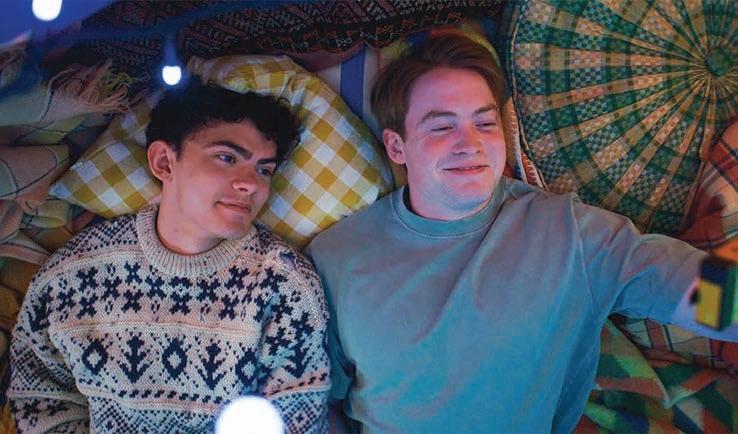
Deserving of mention: characters like Isaac (Tobie Donovan), Imogen (Rhea Norwood), and Charlie’s sister Tori (Jenny Walser) return to get their fair share of the spotlight, and gay teachers Mr. Ajayi (Fisayo Akinade) and Mr. Farouk (Nima Taleghani) get the chance for a new beginning of their own; and out UK acting legend Derek Jacobi (“I, Claudius”) appears alongside real-life partner Richard Clifford as an elderly couple in a quiet but important scene at the cafe where Charlie works.
With any “franchise” as popular as “Heartstopper,” the task of bringing closure to a story that has emotionally involved so many fans is almost always a thankless one (just ask George Lucas), so there are sure to be some who have objections to the way Oseman brings her beloved story to an end; but it’s her story to end, and in choosing to uphold its sensational (yet sentimental) imagining of the world as it could be, “Heartstopper Forever” doubles down on the idea that we can make it the way that it should be.
That’s why my choice for the second word we can use to sum up “Heartstopper” is “aspirational.” In the relative innocence and un-ironic preciousness of Nick and Charlie’s enduring love story, we can find no excuses; not all of us can keep our first love alive for an entire lifetime (nor, often, should we), but maybe we can learn to follow our hearts as surely and openly as they do.
That’s about as aspirational as any of us can hope to be – but don’t worry: it’s still adorable, too.
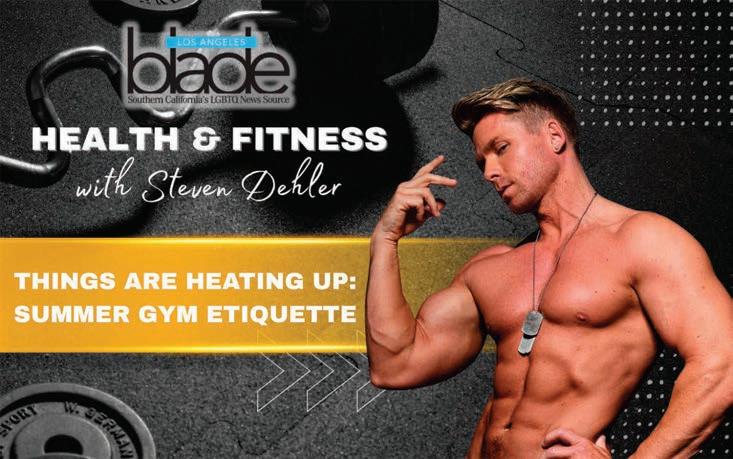
With Pride Month in the rear-view, it’s looking to be one of the hottest summers on record. Because of that, the gyms are crowded as ever as everyone vies for that summer bod to show off at the beach and the pool. Whether you’ve just begun your fitness journey or you’re an experienced veteran, many of us are simply unaware (or don’t actively practice) basic gym etiquette. So I’m here to give ya’ll a heads up! Here’s my top 10 list of basics every gym-goer should practice to make everyone’s experience at the gym better:
It doesn’t matter if it’s 5 lbs or 45 lbs, whatever weights you use put them back. It’s showing your fellow weightlifters respect. Leaving weights behind for someone else to clean up wastes others’ time and it’s the least one can do to make sure the space they use is ready for the next person.
By STEVEN DEHLER
That leads to my second point: always use a towel and wipe down your equipment. Most gyms nowadays provide towels, so there’s never an excuse not to use one. It’s better to sweat on the towel than on the equipment, as it helps the equipment last longer, and if you’re unable to find wipes, at least you’re not soaking the bench in your own sweat. Gyms have wipes stations scattered around, so even if you’re using a towel, you should wipe down any equipment you use. One of the most common places to get a staph infection is from the gym. Just a little bit of sweat in an open wound, and that’s all it takes; wiping down the equipment not only keeps it clean, but keeps your fellow members safer.
It’s important to make sure to check out your gym’s website for their rules. Some gyms allow you to work out shirtless, use gym chalk, or film yourself working out, while others have strict rules against it. It’s good to know what your specific facility’s regulations are so you don’t either break the rules or accuse someone else of breaking rules that aren’t being broken.
For those that don’t know, a “superset” is doing two or more exercises consecutively as one “action” in a set. For example, working out chest on a bench, followed by dumb bell press, followed by push-ups all as one “set”. If you are going to do supersets, it’s best to incorporate it into one machine or area. You should never be using up multiple machines in a crowded gym. The only time that’s acceptable is when the gym is empty, or you ask to work in.
Working in is when you want to use a machine/exercise that someone else is currently using and you want to work out in between their sets. It’s acceptable if the person you’re asking is using about the same weight you lift (with free weights) or if it’s a resistance machine. If you have to rack and re-rack between their sets and yours, then it’s best to wait until they’re finished.
When asking for a spot, never expect that the person will accept. Some people are uncomfortable providing spots, but for the most part everybody is happy to offer a quick spot. It’s perfectly acceptable to turn a spot down, so don’t ever feel obligated if you’re uncomfortable. Last thing anyone wants is an injury, and a shaky spotter is dangerous.
The gym is a great place to meet up with friends and work out together. However, while it’s a facility many enjoy socializing at, you have to make sure you’re not taking up too much time at any of the equipment. We’re all there first and foremost to work out, and many people have tight schedules whether they’re on their lunch break or have to get to a meeting. So if you are finding yourself in a good conversation, it’s best to step away from the workout floor and finish your conversation out of the way of other members.
We all have a gym crush, whether it’s a crush of the day or someone you see frequently. It’s acceptable to approach and strike up a friendly conversation in hopes you might get that number. If that person doesn’t accept, then it needs to end there. Staring and creeping (purposely working out at equipment next to your crush) is not acceptable and makes it uncomfortable for everyone. The gym is supposed to be a safe space where members can focus on their fitness journey without prying eyes.
Gyms provide plenty of space for members to exercise. If you’re using a spot to stretch, make sure you’re not in the middle of a walking path. Forcing people to dodge your stretching movements is both dangerous and disrespectful. There are certain areas, such as the dumbbell floor, with a limited amount of benches to use. That doesn’t mean you can work out in front of the dumbbell rack. You could be blocking someone from grabbing or replacing weights, and you’re also blocking the view of the mirror for those behind you. This also applies to the barbell rack. There’s plenty of empty space that you can move to that’s out of the way of the rack so others can access the weights.
Listen, we ALL use our phones while at the gym. I’m guilty of this. It’s important to pay attention to your timing because it’s easy to get distracted, and next thing you know it’s been 20 minutes, and you’ve done only one set. Most gyms only have one to two machines of the same type, so you could be causing a line of angry members waiting for you to get off your phone and finish your workout. A good rule of thumb is to set a timer after your set so you can see how long it’s been. Most exercises you don’t need longer than a min or two of rest in between. It also adds to the efficiency of your workouts. Less time on your phone means less time at each machine/exercise, which leads to being able to do more exercises in the same amount of time.
On the flip side, if you see someone distracted by their phone on a piece of equipment that you want to use, a kind “How many more sets do you have?” will let them know you’re waiting. Many times, they’re already done or just have one set left.
At the end of the day, we’re at the gym for the same reasons. We all want to better ourselves in one way or another and work out in peace. Enjoy the fact that you leave the gym better off than when you entered. Have a little patience with those around you. Be kind to your fellow members; clean your equipment, provide a handy spot, watch your phone use and socializing, stay out of the way, and don’t creep on others. We all start our fitness journeys at different times in our lives, and if we all maintain basic etiquette, then it makes everyone’s journey more fun and enjoyable.
Follow Steven Dehler on Instagram @onlystevendehler.

Scan