





President of the Hollywood Partnership Kathleen Rawson is reenvisioning Hollywood’s streets into a proactive experiment in safety, Pride, and who gets to belong in public space
By AJ SLOAN
While most folks take one look at Hollywood and see a world of silver screens and shattered dreams, Kathleen Rawson sees hope and the responsibility of any good guest, “to leave this neighborhood better than I found it.” Rawson has spent decades thinking about what makes a public space feel alive and genuinely shared by the communities that comprise it. From Santa Monica’s Third Street Promenade to the evolving chaos and potential of Hollywood Boulevard, she’s built a career out of asking a deceptively simple question: how do you make a city feel like it actually belongs to the people walking through it?
In our interview, Rawson moves easily between the practical and the personal - street safety and Pride celebrations, economic development and chosen family, public policy and pop-up Ferris wheels. She talks about building spaces where queer community isn’t an afterthought but an essential part of their design, and about the long, imperfect work of centralizing visibility and belonging. In her telling, urban transformation is personal, political, and constantly in motion.
Can you share with our readers what first drew you to placemaking and public-space management? What lessons from those early experiences still guide your leadership today?
I first became involved in civic leadership in Santa Monica through the Convention and Visitors Bureau, which worked to represent both the hospitality community and the city. That was my first real exposure to civic work.
For me, it was always important to represent a destination, not just a company.
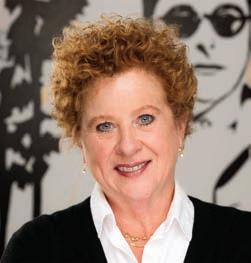
I came from the hotel industry, and nearly 30 years ago, I took on the role of leading Downtown Santa Monica. I’m now in my 30th year of this work. At the time, the thinking was that Santa Monica and the Third Street Promenade had already been built, and the main job was simply marketing them. But it quickly became clear that it was much more complex than that.
I became deeply committed to making public spaces accessible to everyone, regardless of who they are or where they are in life. I wanted people to experience a sense of shared community and common good in those spaces, whether they were shopping, eating, going to a movie, walking their dog, or meeting neighbors.
That idea of public space has been my focus for three decades, first in Santa Monica and now in Hollywood. Hollywood brings even more challenges and opportunities. There’s a lot to do, but the possibilities are significant, and we’re focused on making the neighborhood better.
You’re currently leading the Hollywood Partnership. What experiences there most directly inform how you serve the LGBTQ community?
Before leaving Santa Monica, we created the city’s first public Pride celebration. It didn’t exist before, and we designed it to be
family-focused and inclusive. West Hollywood had long been the center of Pride, and while it’s a powerful and joyful event, we saw an opportunity for something more broadly accessible in Santa Monica.
When I came to Hollywood in 2022, LA Pride was returning there, where it originally began. I wasn’t deeply involved in the internal politics, but I immediately saw an opportunity to expand beyond the parade itself.
At the time, Christopher Street West was producing concerts at Los Angeles State Historic Park, but I believed there should also be a free, public space where everyone could participate. That became Pride Village.
It was built as an open gathering space after the parade, with artisans, local businesses, community groups, entertainment, and activities for all ages. We even added a Ferris wheel, along with stages, performances, and a wide range of programming. We raised funds, built it with strong City Council support, and launched it successfully.
After a couple of years, Christopher Street West took over Pride Village, which I’m glad about. We still support parts of it, but they now largely run it.
What I’m most proud of is that it created a truly open Pride experience in Hollywood. Last year, it drew people from 97 ZIP codes and about 147,000 attendees, with an average stay of three and a half hours. People came, stayed, engaged with the community, supported local businesses, and that sense of shared space is the real success.
As a queer woman, a mother, and a leader, how have your identities shaped the way you navigate a landscape that is often misogynistic, patriarchal, and unequal?
This is a great question. We have to work harder. We have to be more articulate. We have to be prepared at all times. We have to be family people and professionals simultaneously, and it’s not always easy to keep your footing on both sides of that divide. Men definitely have it easier.
Maybe the next generation will be different. Even our son, who recently turned 22, is keenly aware that life is easier for him than it is for his mothers or his sister. That awareness is something we worked hard to instill, and I think it’s part of how meaningful change happens.
Our kids grew up in a household that was always ready for a protest. We joked that we were “protest-ready.” We always had cardboard, paint, and supplies available because civic engagement was simply part of family life.
A lot of the answer comes down to engagement and involvement, both at work and at home. Our philosophy has always been infiltration. As long as you’re at the table, you have a voice. One piece of advice I often share is that you don’t have to earn a seat at the table. You already have one. All you have to do is sit down. Once you’re there, your words matter. Use them with kindness and integrity. Respect follows from that.
There will always be people who disrespect you. I encounter that every day, and I’m sure you do too. Everybody does. But we’re better than that, so we don’t sink to that level.
You mentioned raising a son who is very aware of his
privilege. How do you build that awareness without creating defensiveness? A lot of people see any acknowledgment of privilege as an accusation because it forces them to recognize that certain advantages may come at others’ expense. How did you have those conversations with your son, and what can our readers learn from that?
That’s a good question. The simplest answer is that we raised him that way. It wasn’t a single conversation or a lightbulb moment. It was just part of how we lived. We live on the Westside of Los Angeles, and while we’ve worked very hard, our son also grew up around significant wealth and privilege, which made those realities more visible to him. We focused on values and everyday choices, things like not sending a limo for six-yearolds to birthday parties.
I also remember the unrest in May 2020, when many businesses in downtown Santa Monica were looted. During that time, a board member, who had inherited property through family and had no children, told me, “I’m not privileged, I’ve earned everything I have.” It really stayed with me.
I think a lot of it comes down to reflection rather than defensiveness. You’re unlikely to convince someone who rejects the idea of privilege that they have it, so I focus on where progress is actually possible. That applies in politics, too. I work with elected officials across the spectrum, whether or not I agree with them. Once they’re in office, you either spend all your time fighting or you look for common ground and get things done. I don’t necessarily believe in “meeting people where they are,” but I do believe in finding shared ground and building from there. Both of our children are politically aware, and because my work is so local, I try to emphasize that real impact comes from your own neighborhood, focusing on progress and community where you are.
How do public spaces like Hollywood Boulevard help foster a sense of belonging, particularly for queer people who may have been pushed out of traditional family structures?
That’s a two-part question. First, it’s about creating a safe and welcoming environment for everyone—whether someone is visiting, working, or running a business, the neighborhood should feel clean, safe, and hospitable. We run a 24/7 dispatch center, and last year we handled more than 420,000 interactions that didn’t require police or fire response. If someone is experiencing a mental health crisis, for example, they see trained ambassadors, not law enforcement, who are there to help.
There are moments that stay with you, like a young person sitting outside the LGBTQ Center after hours, in crisis. Our team stayed with them until medical professionals arrived and accompanied them through the process. In another case, a runaway teenager asked for help getting home, and our ambassadors were able to assist her directly. That’s a big part of the work: providing a safety net and connecting people to services like My Friend’s Place, which supports many young LGBTQ people who’ve left unsafe home environments.


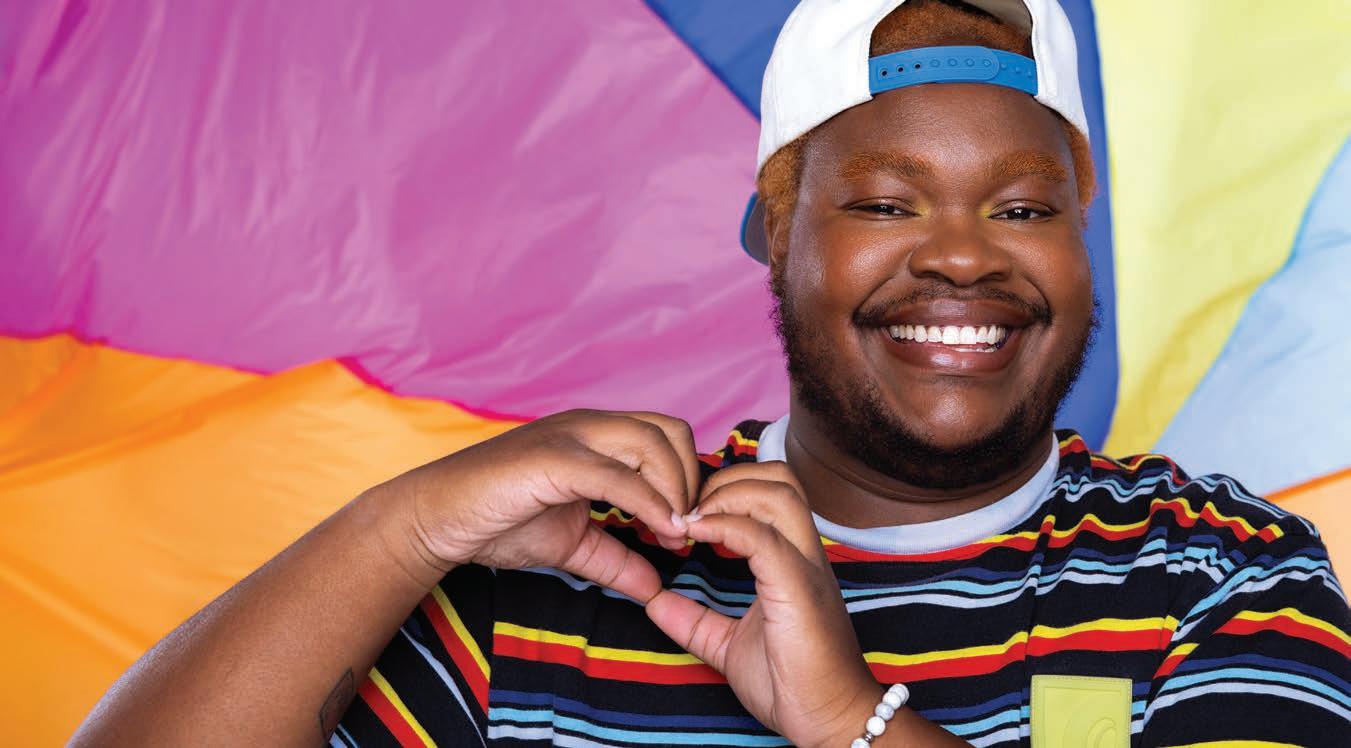



We’ve been the place for LGBTQ+ Angelenos to heal, grow, and belong since 1969.
This month, visit our 2026 Pride Hub to shop partners who give back, find us at events across the city, earn exclusive merch, and sustain the life-saving services our community counts on every day. Turn the moment into a movement.





Orlando stepped up to comfort and support its LGBTQ community
By KEVIN NAFF and MICHAEL K. LAVERS
Friday marks 10 years since a gunman killed 49 people inside the Pulse nightclub in Orlando, Fla.
The massacre, which, at the time was the deadliest mass shooting in modern U.S. history, left the LGBTQ community in this country and around the world reeling. It also prompted renewed calls for gun control.
The OnePulse Foundation, which Pulse owner Barbara Poma founded after the massacre, raised upwards of $20 million for a memorial that never materialized.
The city of Orlando in 2023 purchased the Pulse property for $2 million. Crews earlier this year demolished the former nightclub. The city of Orlando has pledged $12 million for a permanent memorial that is scheduled to open in 2027.
Washington Blade Editor Kevin Naff and International News Editor Michael K. Lavers reported from Orlando in the days after the massacre. Here are their reflections a decade later.
Describe the scene when you arrived in Orlando. Where did you go first?
NAFF: Most mainstream reporters headed for the Pulse nightclub, but it was already roped off with police keeping bystanders at least a full city block away. Instead, I hurried to The Center, Orlando’s LGBTQ community center, downtown. I expected to find it locked down with tight security but instead the doors were flung open and everyone inside was busy at work. No tears, just dedicated staff and volunteers working the phones to secure visas and free plane tickets for relatives of the victims. The director gave me a tour and in the back storage room were pallets and pallets of bottled water stacked to the ceiling. When I asked what all the water was for, he said the city had issued a call for blood donations and the lines to donate were 1,500 deep in 100-degree heat. So The Center drove around to all the sites to deliver water to all those standing in line.
That scene was so inspiring and a testament to the strength and resiliency of the LGBTQ community. We’d seen tragedy before and knew how to respond.
LAVERS: I arrived in Orlando about 14 hours after the massacre took place. The city was shellshocked.
Equality Florida, the state’s LGBTQ advocacy group, and other organizations held a press conference at The Center shortly after my flight from D.C. landed. I drove there from the airport. Terry DeCarlo, who was The Center’s executive director at the time, along with then-Equality Florida Executive Director Nadine Smith and others spoke on behalf of a community that was reeling. The Center at the press conference handed out business cards that read, “You matter.” I had it in my wallet when I drove to a makeshift memorial that was a block from Pulse — the police had cordoned off the area immediately around the nightclub. A local resident who I interviewed told me that she did not know if her friends who were at Pulse when the gunman opened fire survived. Another person with whom I spoke shared a similar story. A torrential downpour began shortly after I arrived. The storm was an apt metaphor for the raw emotion of that horrific day.
What’s your most prominent memory of covering the Pulse massacre?
NAFF: I was covering a vigil in downtown Orlando when then-Florida Gov. Rick Scott’s motorcade arrived unannounced. To that point, he had not addressed the LGBTQ angle and seemed to be downplaying the fact that this was an attack on
our community. I hurried to the front row as he held an impromptu news conference.
To my dismay, he took only three short questions from TV reporters then rushed away. I grabbed his communications director and insisted that Scott take a question from the LGBTQ media. She agreed and told me to wait next to the SUV. When Scott approached, I asked him, “What is your message to LGBTQ Floridians?”
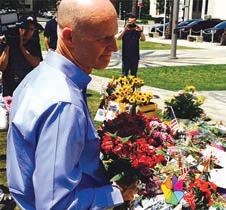
To my surprise, he sputtered, stammered, and broke into tears before telling me, “This was an attack, what else can you say? This was an attack against the gays, an attack against Hispanics, an attack against our country, our nation and it’s disgusting. The biggest thing we do now is ask how to make sure this doesn’t happen again.”
It was his first public acknowledgment that the LGBTQ community was the target of the attack.
LAVERS: Two moments stand out for me.
The first moment is when then-President Barack Obama and then-Vice President Joe Biden traveled to Orlando on June 16, four days after the massacre. I was one of the reporters who the White House asked to be part of the local press pool. I was about 50 feet away from Obama and Biden when they placed bouquets with 49 flowers — one for each of the victims — at a makeshift memorial between City Hall and the Dr. Phillips Center for the Performing Arts in downtown Orlando. Obama in remarks he made to the press pool mentioned one of the gay victims who had once said, “We cannot be afraid.” The emotions of the last four days simply became too much, and I broke down. Another reporter who was part of the press pool who was standing next to me realized I had broken down. She put her hand on my back to console me.
The second moment came a few weeks later when I was in Puerto Rico to cover the community’s response to the massacre and to interview victims’ relatives. Orlando has a very large Puerto Rican community, and nearly half of those who died at Pulse were of Puerto Rican descent.
I drove to Caguas, a city that is roughly 20 miles south of San Juan, the island’s capital, on July 7, and interviewed Aida Velázquez in her small apartment. Her son, Frankie “Jimmy” de Jesús, died at Pulse. Aida talked about her son, and she showed me pictures of him. Jimmy also danced Jíbaro, a Puerto Rican folk dance. The interview took place less than a month after the massacre — Jimmy’s funeral took place in Caguas less than two weeks earlier.
I sat in my car after the interview and sobbed uncontrollably for nearly five minutes. Nothing can possibly prepare you for interviewing a mother who had just lost her child in the most horrific way possible.
How did the local community respond and what about their response gave you hope or inspiration?
NAFF: In addition to the staff at The Center working to assist victims and their families, everyday Orlando residents stepped
up to help however they could. At the downtown vigils, straight mothers and fathers carried signs offering hugs to anyone who needed them. I encountered a group of young teenage males who approached a group of law enforcement officers and appeared to perform for them. When they finished, I asked what they were doing and they told me that they were straight friends who lived in Orlando and wanted to do something to help so they composed an uplifting rap song and walked around performing it for anyone who needed cheering up.
LAVERS: The way that Orlando rallied around the LGBTQ community was simply inspiring.
Imam Muhammad Musri, president of the Islamic Society of Central Florida, at a memorial service that took place at the Dr. Phillips Performing Arts Center on June 13 said his organization was “united as Americans when it comes to standing with the LGBT community and their rights to live freely and to practice their lives here.” This comment underscored the outpouring of support that Orlando showed its LGBTQ community after Pulse. It was also a call for the better angels among us to reject hate in all of its forms.
What surprised you most about the experience?
NAFF: I was most surprised — and moved — after talking to Rev. Debreita Taylor of Oasis Fellowship Ministries, an LGBTQ-affirming ministry.
“My message is love. Period. Love. Period. There’s nothing in the word of God that faith leaders can go to that teaches hate,” she told me. “Have faith and believe that evil and hate can be eradicated one person at a time. How do you treat someone? How do you embrace someone who treats you wrong? We all bleed, laugh, hope and have great victories and major defeats. And so, you know me, even if you don’t know my name — I’m you.”
LAVERS: It admittedly took me quite a while to fully process what I experienced in Orlando — I was focused on doing my job as a reporter, which was to cover the story, and, most importantly, show the human impact of what had happened. I suppose one surprising aspect of the time I spent in Orlando was that I found myself feeling more defiant against those who seek to destroy our community. They want us to live in fear, and I refuse to give them that satisfaction.
What, if anything, changed as a result of Pulse?
NAFF: In the immediate aftermath of the attack, queer spaces began rethinking their approach to security, which has served us well in the years since. Sadly, just a year later, Pulse was bumped to the No. 2 deadliest mass shooting in U.S. history when a gunman opened fire on the Route 91 Harvest music festival in Las Vegas, killing 60 people. Americans and their politicians never learn from these largely preventable tragedies. The carnage continues.
LAVERS: Gun violence remains a shameful scourge in this country. Our community remains vulnerable to violence and discrimination. President Donald Trump, Vice President JD Vance, and other politicians here in Washington, around the country, and overseas continue to use our community to advance an anti-equality agenda. The carnage continues, as my colleague correctly notes, but our community remains strong and defiant. That gives me hope.
By JOE REBERKENNY
California voters selected its two front runners for the state’s open governor seat following the second election of Gavin Newsom.
Last week former U.S. Secretary of Health and Human Services Xavier Becerra became the Democratic nominee for governor, setting up a general election matchup against Republican nominee Steve Hilton, a former political adviser in the UK and Fox News commentator.
Becerra, the son of Mexican immigrants, has spent nearly three decades in public service. Over the course of his career, he has served as California attorney general, U.S. secretary of Health and Human Services, a member of the U.S. House of Representatives, and a member of the California Assembly.
Hilton comes from a very different background.
Raised by Hungarian parents who fled communism and settled in the UK, Hilton entered politics after graduating from Oxford University. He worked within the Conservative Party — beginning during the era of former Prime Minister Margaret Thatcher and later served as Director of Strategy for Prime Minister David Cameron. After relocating to California in 2012 with his wife, Hilton taught at Stanford University, became a U.S. citizen, and later established himself as a Fox News political commentator.
As the race enters the general election phase, policy questions surrounding healthcare, civil rights, and the future of LGBTQ protections in California are expected to feature prominently in both campaigns. The Washington Blade sat down with former Biden-Harris administration health officials who worked under Becerra’s leadership and also with LGBTQ advocates. Both paint a clear picture of Becerra — a longtime ally whose support for LGBTQ rights and health equity has spanned multiple decades and offices.
“For Equality California, he has been a staunch ally over his decades of service serving California. From his time in Congress to attorney general to HHS secretary, he’s been a partner to the LGBTQ community at large, and specifically to Equality California, advancing LGBTQ equality,” Tony Hoang, executive director of Equality California told the Blade. “As he’s been the front-runner making the top two, we’re excited to get behind him in the race so that he wins the general election in November.”
Hoang argued that California’s next governor will play a critical role in protecting LGBTQ rights amid continued attacks from the Trump-Vance administration.
“It is critical that California remains a bulwark against what’s happening from the Trump administration. That’s why we were so supportive of Secretary Becerra’s campaign for governor,” Hoang said. “He has been there in that fight. When he was attorney general, he sued the Trump administration over 100 times, including a lawsuit where Equality California was an organizational plaintiff around the transgender military ban. Over the remainder of Trump’s term, it’s critical that California continues to fight to stand up for our values, including LGBTQ people in all facets of equality.”
Former HHS official Adrian Shanker, who oversaw LGBTQ health initiatives during the Biden-Harris administration, pointed to Becerra’s emphasis on health equity as one of the defining characteristics of his leadership.
“As Secretary, Xavier Becerra required all of us to include a
health equity lens in all policies. No matter what the policy was, he wanted health equity to be centered. Health equity means ensuring that all people can attain their highest levels of health,” Shanker explained. “One of his priorities was clinical trial diversity. He wanted to make sure that new drug modalities and treatments were studied on all kinds of bodies, including populations that had historically been excluded from research.”
Shanker also emphasized that while leading HHS, Becerra consistently relied on scientific expertise rather than political considerations when making policy decisions.
“He really believed that we can’t politicize science. We have to let science drive the policy. He established a very strong scientific integrity policy for the department. That’s important for LGBTQ health, but it’s also important for everyone’s health.”
Shanker expanded on the multiple HIV prevention efforts including making the medication covered by nationwide subsidy programs allowing for americans of all income levels to get this life saving healthcare during Becerra’s tenure at HHS.
“We worked to make PrEP free for anyone on Medicare. The secretary trusted the scientists in the department to determine what was safe and effective and then championed the results,” Shanker said.
For many LGBTQ advocates, California’s role as a refuge state has become increasingly important as Republican-led states enact restrictions affecting transgender people and LGBTQ healthcare access.
Admiral Rachel Levine (ret.), the first openly trans person confirmed by the U.S. Senate and Becerra’s former assistant secretary for health, said California’s next governor will be central to those fights.
“We have an increasingly hostile federal environment against the LGBTQIA community in general, but particularly against the transgender and nonbinary communities. They have targeted the most vulnerable among us, especially trans youth, their families, and their medical providers. California is a refuge, and no one is a stronger supporter of our broader community and our transgender community than Secretary Xavier Becerra,” she told the Blade.
“He articulated his strongest and most enthusiastic support for our community throughout his time at HHS. Health equity was really principle number one for Secretary Becerra, and that includes health equity for our LGBTQIA+ community.”
Levine, who worked directly under Becerra, also praised his leadership style.
“Xavier Becerra really is an outstanding leader. I worked for him and with him when he was secretary and I was assistant secretary for health. He’s so down to earth and unassuming, and he talks a lot about his background, his parents, and his family. He exhibits all the traits you would want in a leader. He is personable, always professional, always compassionate, organized, and knowledgeable.
“I think that he will make an outstanding governor of California. He has local experience in California, where he served as attorney general, and he also has experience in Washington as a member of Congress and as Secretary of Health and Human Services. His background and his character make him an outstanding choice for governor.”
Shanker similarly pointed to Becerra’s engagement with
LGBTQ communities and transgender advocates during his time at HHS as one of his strong suits — one that shows he is willing to commit to the right thing even if it is what some in higher powers, disagrees with.
“Secretary Becerra visited LGBT centers. He spoke at our HHS Pride Summit each year. He met directly with transgender health leaders and advocates.”
One meeting in particular stood out to Shanker– where Becerra’s leadership and tenacious dedication to committing to serving the American public.
“He said that his policy is to never do anything mild. He wanted actual policy change that advances the health and well-being of all Americans. He wasn’t looking for small, little tweaks. He wanted structural improvements.”
Shanker went on explaining that Becerra’s approach to all things — but especially very trivialized trans healthcare thoughts remained rooted in scientific evidence.
“He wasn’t reading the tea leaves to determine what policy we should enact. He was trusting the science and wanted to do the right thing for the people affected by our decisions,” Shanker said.
Hoang said that commitment to the evidence — and what LGBTQ advocates have point blanked asked from him has continued throughout Becerra’s gubernatorial campaign.
“I will say that he has done everything that we’ve asked of him and continues to speak proudly in support of the trans community. Full stop. We were lucky enough to work with him during his time as attorney general, but also as HHS secretary, ensuring that decisions are based upon science versus the rhetoric coming from MAGA extremists.”
As a recent example, Hoang pointed to Becerra’s support for trans student-athlete AB Hernandez.
“Just last week, he put out a statement that was read at the track meet for AB Hernandez, the trans athlete who was competing in the track and field championships.”
He added: “He has been a staunch ally, a proven staunch ally, of the LGBTQ community and specifically trans people.”
Levine said the importance of the California governor’s race extends far beyond state borders.
CONTINUES AT LOSANGELESBLADE.COM
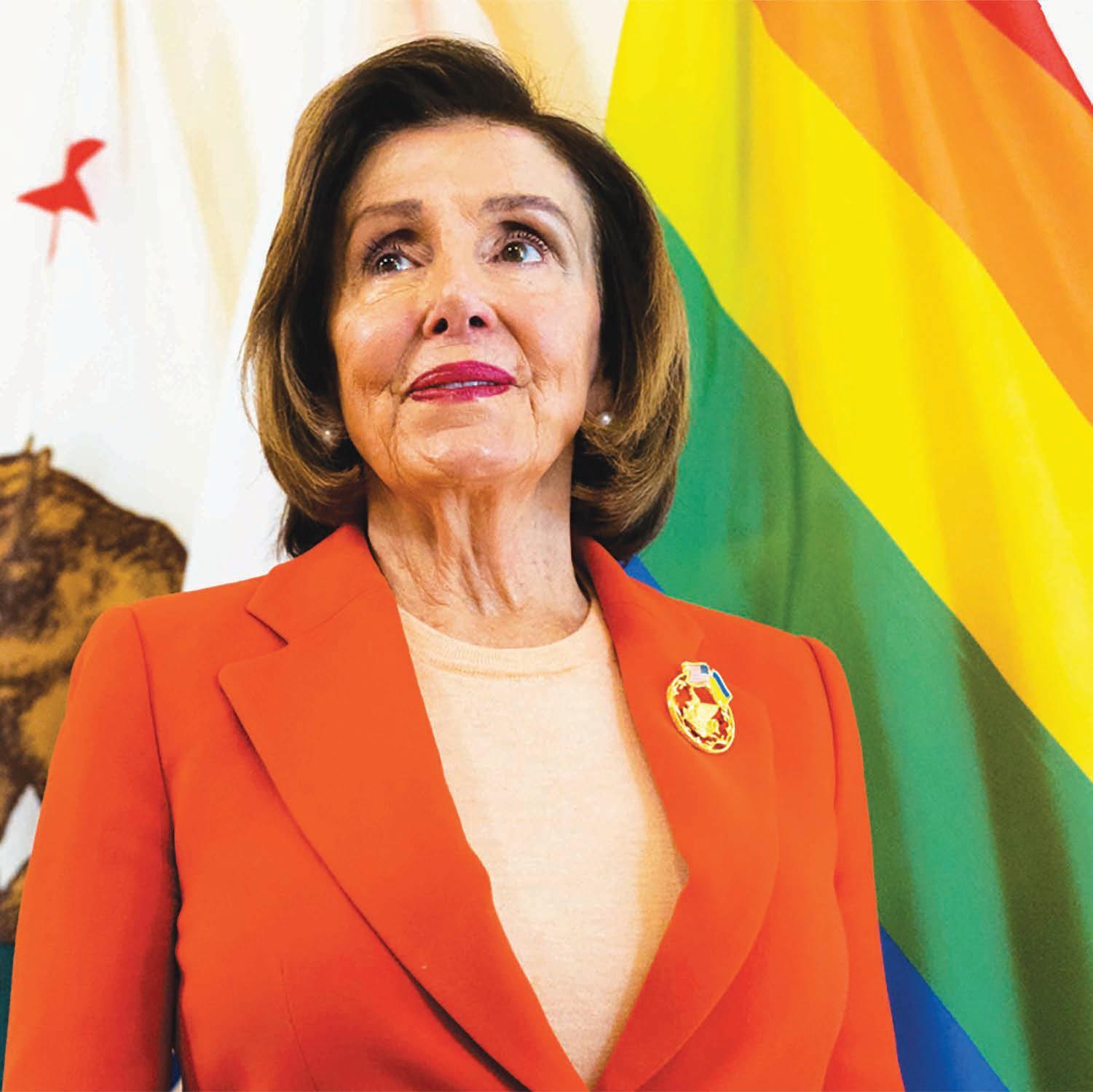
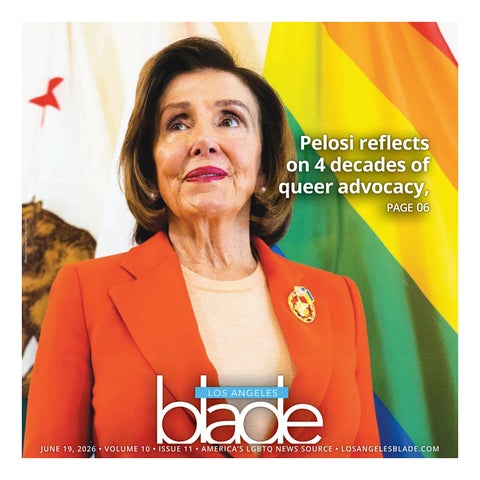
Blade spoke with House speaker emerita before her 2027 retirement
By JOE REBERKENNY
For nearly four decades, House Speaker Emerita Nancy Pelosi (D-Calif.) has been one of the most influential champions of LGBTQ+ rights in American politics.
The former U.S. House of Representatives speaker helped lead landmark LGBTQ+ legislation through Congress; including the repeal of “Don’t Ask, Don’t Tell,” passage of the Matthew Shepard and James Byrd Jr. Hate Crimes Prevention Act, and multiple House approvals of the Equality Act. She also played a central role in congressional efforts to combat HIV/AIDS and oppose restrictions targeting transgender Americans.
In an exclusive interview with the Los Angeles Blade; Pelosi reflected on those accomplishments, the role grassroots activists played in achieving them, and the ongoing challenges facing the LGBTQ+ community during President Donald Trump’s second term.
When asked which LGBTQ+-related achievement she is most proud of, Pelosi pointed not to a specific bill, but to the movement that made those victories possible — and the loud, strong-willed grassroots believers in a better America than the one they had found themselves in.
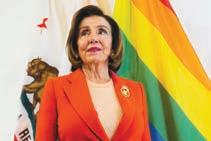
“Anything that we accomplished, whether it was fighting HIV and AIDS, ending discrimination, passing hate crimes legislation, or ending ‘Don’t Ask, Don’t Tell,’ would never have happened without outside mobilization,” Pelosi said, expressing gratitude for those who saw a problem and dared to speak its solution into existence. “Our inside maneuvering was important, but we couldn’t do our best job without the community. Every chance I get, I thank them for their patriotism because they make democracy function.”
Pelosi explained that her initial LGBTQ+ advocacy efforts were directly shaped by the LGBTQ+ community in the San Francisco area and by the HIV/AIDS epidemic that decimated the community during the 1980s.
The former speaker recalled arriving in Congress in 1987 and making HIV/AIDS a centerpiece of her agenda from the start.
“My first words on the House floor were that I had come here to fight HIV and AIDS,” Pelosi told the Blade. “People asked why I would make that my first statement. To me, that reaction showed just how much discrimination still existed and how much work remained to be done.”
She continued, explaining that advocating for San Francisco — with its once-vibrant LGBTQ+ community that was dying more with every passing day — became a joint effort between community-driven activists and government officials trying to manage and mitigate the crisis that claimed more American lives than the Vietnam War.
“When we were trying to bring the Democratic convention to San Francisco, people were saying they couldn’t come because of HIV/AIDS,” she said. “What emerged from that moment was community-based advocacy, community-based care, prevention, and research. Every success we had sprang from the community itself.”
Multiple times during the interview, Pelosi returned to those
four pillars of the effort to combat HIV/AIDS: community-based advocacy, community-based care, prevention, and research.
She argued that the epidemic, despite its horrific toll, ultimately helped many Americans better understand and accept LGBTQ+ people in a society that had not been as tolerant.
“When families learned that a son or daughter was HIV-positive and gay, barriers started to break down,” Pelosi said. “Love prevailed in many cases. I actually give HIV/AIDS some credit for the acceptance of marriage equality because people began seeing these issues through the lens of family.”
Pelosi also highlighted the passage of federal hate crimes legislation as one of her — and the LGBTQ+ rights movement’s — most defining victories.
«Matthew Shepard’s mother came and spoke to members. (The late-former Massachusetts Congressman) Barney Frank told his story. We had to convince people that leadership means leading, not following,” Pelosi said. “That legislation was incredibly important because it forced people to confront the real consequences of hate.”
She said she refused pressure to remove transgender protections from the bill, despite promises from others that it would pass more easily if lawmakers only protected what they viewed as the least vulnerable groups.
“People told me, ‘You can pass this in a minute if you take out trans,’” Pelosi recalled. “I said, ‘I won’t pass it in 100 years because I’m not ever taking out trans.’ We passed it with trans protections included.”
The Blade also asked Pelosi about the stalled passage of the Equality Act — which would add federal protections for LGBTQ+ people through amendments to the Civil Rights Act of 1964 that would explicitly prohibit discrimination based on sex, sexual orientation, and gender identity. She expressed confidence that the Equality Act will eventually become law, though she acknowledged the political obstacles that have persisted since its creation in the 1970s.
In her office, among bowls of Ghirardelli chocolates and prints depicting national parks in her district, a large photo hangs on the wall showing Pelosi standing at the House rostrum with LGBTQ+ advocates beneath the words “#EQUALITY ACT” — photographic proof that she had already passed the landmark legislation in the House, if only the U.S. Senate had agreed.
“We passed it in the House again and again,” she said. “The Senate is more difficult because of the procedural hurdles, but we’re not stopping. We’ll stick with it until the job is done.”
The longtime Democratic leader also credited civil rights icon John Lewis with helping build support for the legislation when others argued the growing LGBTQ+ rights movement was, as one California Democratic legislator put it, “too fast, too much, too soon.”
“There were people who worried about opening up the Civil Rights Act to include LGBTQ protections,” Pelosi said. “John Lewis told us, ‘We can’t wait. We must do it now.’ He was instrumental in helping move that effort forward.”
Much of the conversation eventually turned to the TrumpVance administration’s policies affecting trans Americans.
Pelosi argued that Executive Order 14183, “Prioritizing Military Excellence and Readiness,” which puts restrictions on trans
military service weakens national security, and efforts to limit gender-affirming healthcare for trans children with the Executive Order “Protecting Children From Chemical and Surgical Mutilation” ignores the needs of families.
“When they diminish the ability of transgender people to serve in the military, they diminish our national security,” she said. “At the same time, families are being told they can’t get the care their children need. That is deeply troubling.”
She recounted hearing testimony from conservative parents whose views changed after their own children came out as trans — a transformation she said changed hearts and minds, even among people she had once seen wearing red MAGA hats.
“One mother told us she was a Trump supporter until her child needed medical care and her state wouldn’t allow it,” Pelosi said. “She said she had to leave Texas to care for her child. Hearing stories like that reminds people that these are families, not political talking points.”
Pelosi described efforts to restrict healthcare access for trans youth as both discriminatory and morally wrong.
“Some of the things they’re doing by refusing to support clinics that meet the needs of trans kids are sinful,” she said. “I’m a religious person, and I believe every child is God’s child. We have a responsibility to meet their needs.”
Asked what she would say to people who oppose LGBTQ+ equality, Pelosi returned to a theme that surfaced throughout the interview: love.
“I’ve seen families completely transform when these issues become personal,” she said. “People who once opposed HIV/ AIDS funding became advocates when someone they loved was affected. Love has a way of changing hearts.”
As for how she hopes history remembers her role in the movement, Pelosi again shifted attention away from herself and toward activists.
“People were dying, and the community demanded action,” she said. “I hope people remember that the progress we made came from the very vocal participation of LGBTQ people and their allies. I was honored that they trusted me to carry that fight in Congress.”
Pelosi, who has announced she will not seek reelection and plans to retire from the House in 2027, said the struggle for equality is far from over.
“Every major expansion of rights in this country has been a long struggle,” she said. “We’ve laid a foundation, but there is still more work to do. We still have to pass the Equality Act.”
When asked what she credits for the change in public understanding and the growth of the LGBTQ+ movement, she said respect lies at its foundation.
“This month, Pride Month, people would say to me, ‘It’s easy for you because you’re from San Francisco, and San Francisco is so tolerant,’” Pelosi said. “And I would say to them, ‘Tolerant to me is a condescending word.’ Tolerance is a good word writ large, but in terms of the subject, it’s not about tolerance — it’s about respect. Respect is what made it almost inevitable that I would have nothing but enthusiasm for what I was doing. We don’t just respect — we take pride in our community. But that pride springs from respect that people have to have for everything, including the differences that they see.”
PHONE 310-230-5266
E-MAIL arodriguez@losangelesblade.com
INTERNET losangelesblade.com
PUBLISHED BY Los Angeles Blade, LLC
PUBLISHER
ALEXANDER RODRIGUEZ
arodriguez@losangelesblade.com, 310-230-5266 x8080
EDITORIAL
NATIONAL EDITOR
KEVIN NAFF
kna @washblade.com, 202-747-2077 x8088
LOCAL NEWS REPORTER
KRISTIE SONG
ksong@losangelesblade.com
CONTRIBUTING WRITER
KAREN OCAMB karenocamb@losangelesblade.com
CONTRIBUTORS
MICHAEL K. LAVERS, TINASHE CHINGARANDE, JOHN PAUL KING, LOU CHIBBARO JR., SUSAN HORNIK, JOE REBERKENNY, DANIEL ITAI, ISAAC AMEND, PETER ROSENSTEIN, TERRI SCHLICHENMEYER, JOE PHILLIPS, ANKUSH KUMAR, ESTEBAN RIOSECO, SAM KISIKA, ELVIS KAWEDO, HENRY CARNELL, DAWN ENNIS, AJ SLOAN
SALES & ADMINISTRATION
SALES EXECUTIVE
SHANA WONG SOLARES swong@losangelesblade.com, 808-386-0872
MARKETING DIRECTOR
STEPHEN RUTGERS srutgers@washblade.com, 202-747-2077 x8077
NATIONAL ADVERTISING
RIVENDELL MEDIA sales@rivendellmedia.com, 212-242-6863 ADMINISTRATION
PHILLIP G. ROCKSTROH prockstroh@washblade.com, 202-747-2077 x8092 CREATIVE DESIGN/PRODUCTION
MEAGHAN JUBA production@azercreative.com DISTRIBUTION
CHRISTOPHER JACKSON, 562-826-6602
All material in the Los Angeles Blade is protected by federal copyright law and may not be reproduced without the written consent of the Los Angeles Blade. e sexual orientation of advertisers, photographers, writers and cartoonists published herein is neither inferred nor implied. e appearance of names or pictorial representation does not necessarily indicate the sexual orientation of that person or persons. Although the Los Angeles Blade is supported by many ne advertisers, we cannot accept responsibility for claims made by advertisers. Unsolicited editorial material is accepted by the Los Angeles Blade, but the paper cannot take responsibility for its return. e editors reserve the right to accept, reject or edit any submission. A single copy of the Los Angeles Blade is available from authorized distribution points, to any individual within a 50-mile radius of Los Angeles, CA. Multiple copies are available from the Los Angeles Blade o ce only. Call for rates. If you cannot reach a convenient free distribution point, you may receive a 26-week mailed subscription for $125 per year or $5.00 per single issue. Checks can be sent to Phil Rockstroh at prockstroh@washblade.com. Or send him an email to request directions to make a payment online. Postmaster: Send address changes to the Los Angeles Blade, PO BOX 60664 Washington, DC 20039. e Los Angeles Blade is published bi-weekly, on Friday, by Los Angeles Blade, LLC. Rates for businesses/institutions are $450 per year. Periodical postage paid at Los Angeles, CA., and additional mailing o ces. Editorial positions of the Los Angeles Blade are expressed in editorials and in editors’ notes as determined by the paper’s editors. Other opinions are those of the writers and do not necessarily represent the opinion of the Los Angeles Blade or its sta . To submit a letter or commentary: Letters should be fewer than 400 words; commentaries should be fewer than 750 words. Submissions may be edited for content and length, and must include a name, address and phone number for veri cation. Send submissions by e-mail to kna @washblade.com.


At a time when GAC is being limited in every direction–clinics scaling back or shutting down services, providers leaving the practice out of fear, and critical research being defunded–we have to think intentionally about the future of this care and who will be there to provide it
By RIVER WU
Uncertainty caused by executive orders, closures of programs in hospitals, and the heightened transphobia occurring in everyday life make the future of gender-affirming care (GAC) feel in doubt. GAC isn’t just hormone replacement therapy (HRT); it includes access to affirming health spaces where identities are respected and cared for, mental health support, substance/addiction treatment, puberty blockers, voice therapy, resources for social transitioning, and much more. We, as trans people, understand how life-saving it is to have access to all these services. The Williams Institute found that a majority of GAC providers are cisgender, which can create a wall of separation between these doctors and their patients. There need to be more ways to support more transgender people to enter this line of work to alleviate the disconnect. Closing this gap will improve outcomes for transgender patients, as transgender and non-binary GAC providers can see themselves in the care they provide.
Research shows that Black, Indigenous, and people of color (BIPOC) patients are more comfortable with BIPOC doctors compared to white doctors. This ease is created through engaging in higher-quality communication and focusing on patient engagement and their needs. Having the comfort of a shared identity extends to transgender and non-binary patients when their provider is another transgender person. This can be due to transgender providers not asking uncomfortable (and many times blatantly transphobic) questions, better engaging with the patient to meet their healthcare goals, and thoroughly explaining treatment plans. From my own experience, it makes a big difference to have a trans provider when starting GAC. They are more likely to take the time to explain each available path, provide tips and tricks for medication, readily write appropriate referrals, and ease the worries about the process.
As part of a volunteer clinic team, I unfortunately saw a doctor insistently ask unnecessary questions and order tests that cause extreme discomfort and dysphoria. As our team debriefed about it later, I realized that it would take me, as a transgender person advocating for another transgender person, to find resources that would prevent this situation from happening again. This experience, so early in my career, reinforced how meaningful it can be for a transgender patient to have a transgender person on their care team.
scaling back or shutting down services, providers leaving the practice out of fear, and critical research being defunded–we have to think intentionally about the future of this care and who will be there to provide it. We have to think about closing the gap between transgender people who want to serve the community and the medical system providing GAC. That includes making real investments in the people entering medicine now and creating pathways for transgender people looking to serve our communities through gender-affirming care. This can look like providing more scholarships for the transgender community to pursue higher education, creating mentorship programs between transgender providers and those looking to get into GAC, safe spaces where providers can debrief and share resources, and paid opportunities (like companions, scribes, medical assistants) to start their work in the field.
As we look toward the future of gender-affirming care, we need providers who are equipped to care for every patient with dignity and respect, regardless of identity. We also need to make space for transgender people who feel called to this work. For those of us who want to enter the field of GAC, that path should be protected, supported, and expanded. Because the future of this care depends not only on preserving access but also on ensuring the people providing it understand what is at stake and are informed about what affirming care truly means.



There are barriers outside of the clinic and politics that are not often highlighted. These barriers include housing status, navigating insurance approvals/denials, access to a phone, and substance use. Substance use, tobacco use specifically, is a disqualifier for getting access to top and bottom surgery due to smoking inhibiting blood flow, making it harder for the body to heal, and risking complications to the surgery. This barrier can be devastating after putting in the work to find a provider, just to be told you can’t access it while smoking. Therefore, having a provider acutely aware of the barriers trans people face when receiving care is important, as they will guide patients through different LGBTQ+ competent resources and how to navigate the different barriers. At a time when GAC is being limited in every direction–clinics
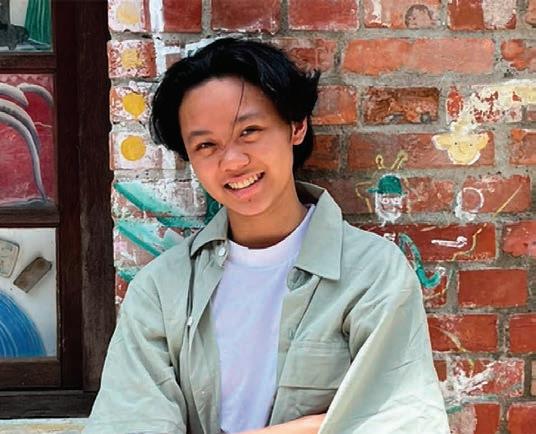
River Wu (they/he) is an Asian transmasc person studying Human Biology at UCLA. They plan to attend medical school to specialize in gender-affirming care. River is currently interning with We Breathe, a program of the California LGBTQ Health and Human Services Network, hoping to uplift queer voices, especially those from the TGI (Transgender, Gender Non-Conforming, Intersex) community, to emphasize that we are not alone in our struggles and we will stand together in solidarity, no matter the circumstances.
‘The
The adaptation of Anne Rice’s books is poised to be your next TV obsession
By CHRISTIAN CINTRON
Whether you’re mourning the end of Euphoria, The Boys, or Hacks, you’re dying for another hit of Heated Rivalry or just need something new to watch, The Vampire Lestat has you covered. Whether it’s the cutting witty dialogue, supernatural action, or the maudlin adventures of problematic queer relationships, this is the show for you. This new season brings literal sex, drugs, and rock-n-roll as Lestat (Sam Reid), a multi-centennial vampire, decides to process his beef with his sexy ex Louis (Jacob Anderson) for giving the Interview With The Vampire by starting a rock band.
In 1976, Anne Rice wrote a book to process the death of her young daughter. It was the story of two vampire “roommates” and their centuries-long relationship drama. What followed was a series of 13 books and a whole world filled with vampires, witches, and more. This launched the 1994 film where Brad Pitt, Antonio Banderas, and Tom Cruise played “totally not gay” vampires who almost kissed a few times, despite having all of the hottest actors of the era, it was sanitized of all queer subplots. R&B diva Aaliyah’s last role was as Akasha, the eponymous Queen of the Damned (2002), the unoffical follow up to the first film covering Rice’s second and third book.
The AMC series version of Interview with the Vampire took all this source material and made it more gay, more current, and more PC. They shifted the story to the present day, having Louis live in a luxurious Dubai compound, and his interviewer, Daniel Molloy (Eric Bogosian), being a former addict hawking his masterclass, armed with a ton of evidence. The choice to race-swap Louis from a misanthropic emo plantation owner to a black brothel owner in New Orleans adds so much more nuance, history and richness to his character. Exploring the abusive nature of the relationship and casting the amazing Delainey Hayles as Claudia have all elevated the story to your next television obsession. The choice to turn the book into two seasons allowed the creators to take their time, play with storytelling and explore Louis as an unreliable narrator and tease at many of the storylines of later books. This was a smart choice considering these characters are all centuries old, and over the course of 13 books, all have complex backstories and inner worlds.
self-proclaimed Brat Prince. He gets to play an over-the-top bitch about everything we’ve seen and heard in Seasons 1 and 2, while even skewering the world of today, commenting on the state of fame, life, and politics.
Like in the book, he reclaims the narrative as he takes the helm of the story. Rather than write his own book, he’s nabbed the newly vamped-up Daniel Molloy as his documentarian. Also, without giving too much away, this series begins in an unnamed future. Armand (Assad Zaman) and Louis are still as hot as ever, and they’re at an auction for the complete works of the Vampire Lestat. It’s teased that some sort of world-altering event has transpired, and Lestat is missing in action. Could that be the events of The Queen of the Damned or even the sum of all of the books? Only time will tell.
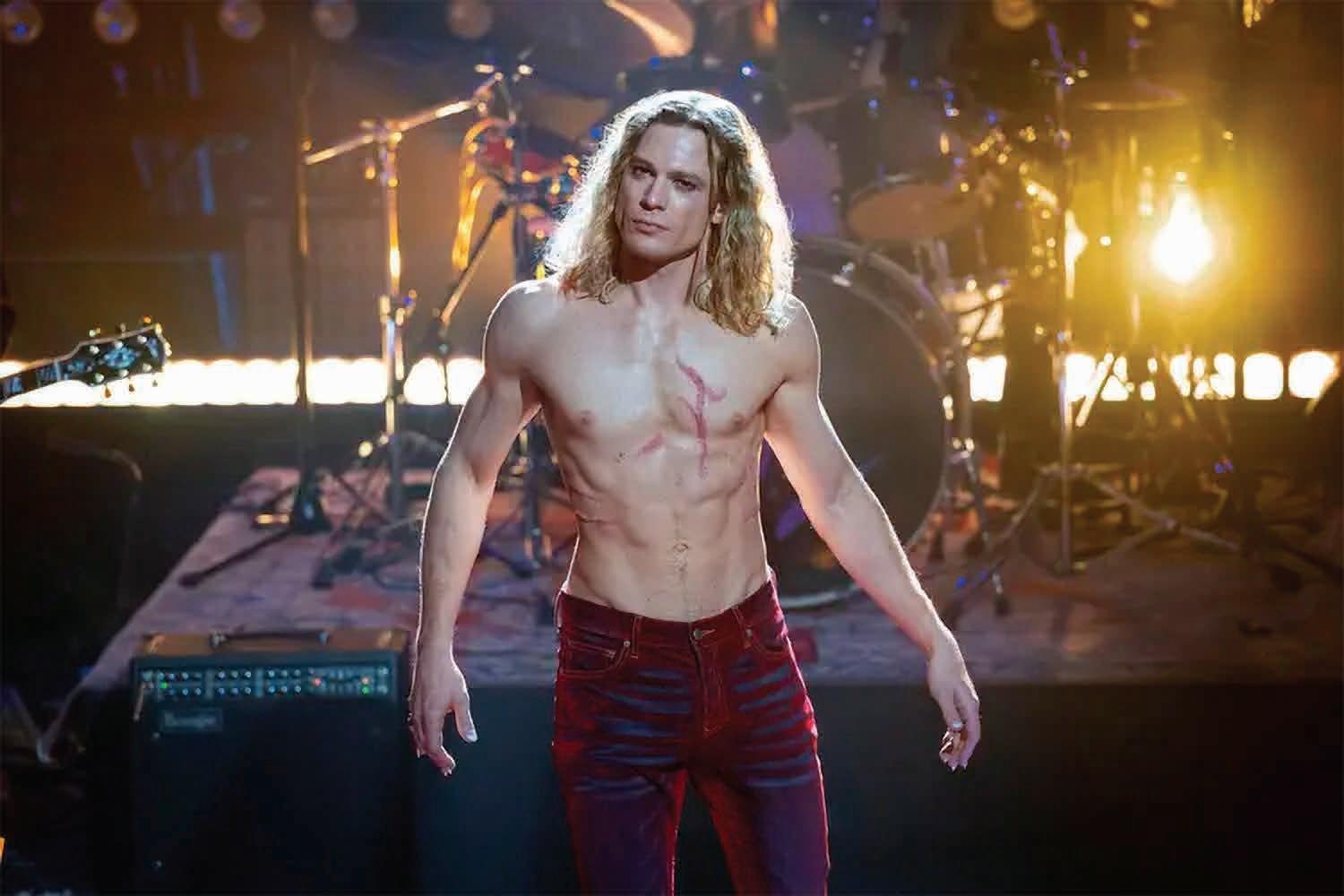
The worldbuilding is really solid as we get to see the past, present and future of these characters. Prime example, Akasha, The Queen of the Damned, was name-checked in earlier seasons. Whether you’re a fan of the original source material or not, this series has something for everyone. It has action, including an epic vampire fight scene in the premiere. It has a complex world and mysteries that unfold over the course of each season. Plus, it has hotties of all genders with Reid, Anderson and Zaman holding it down from earlier seasons. Schitt’s Creek dreamboat Noah Reid joins the cast as Lestat’s band’s frontman.
The show has everything: sex, violence, drama, all with a queer and racially inclusive lens. It doesn’t pull punches in storytelling and examining history, all while maintaining a level of levity and fun. It unfolds with dramatic soap operatic reveals and confrontations while also grounding all of the fantasy in our world.
The series is poised to continue with the same characters from the first two seasons while shifting the focus to allow in a new cast of characters who will play out the events of multiple books and major arcs that are part of AMC’s new Anne Rice cinematic universe.
Sam Reid was always a standout and captured the egomania and charm of Lestat, the
The series airs on AMC Plus, while the first two seasons are available on Netflix. A note to people streaming it may appear on Season 2, as the series name change might be confusing for those who haven’t seen the show.





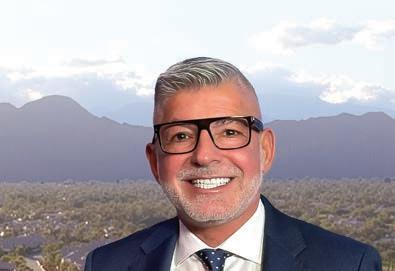





Premiering during Pride month, Harrison Alec and Godoy’s new play turns a drag show into an unexpected night of comedy, heartbreak, monogamy, and messy communication
By NOAH CHRISTIANSEN
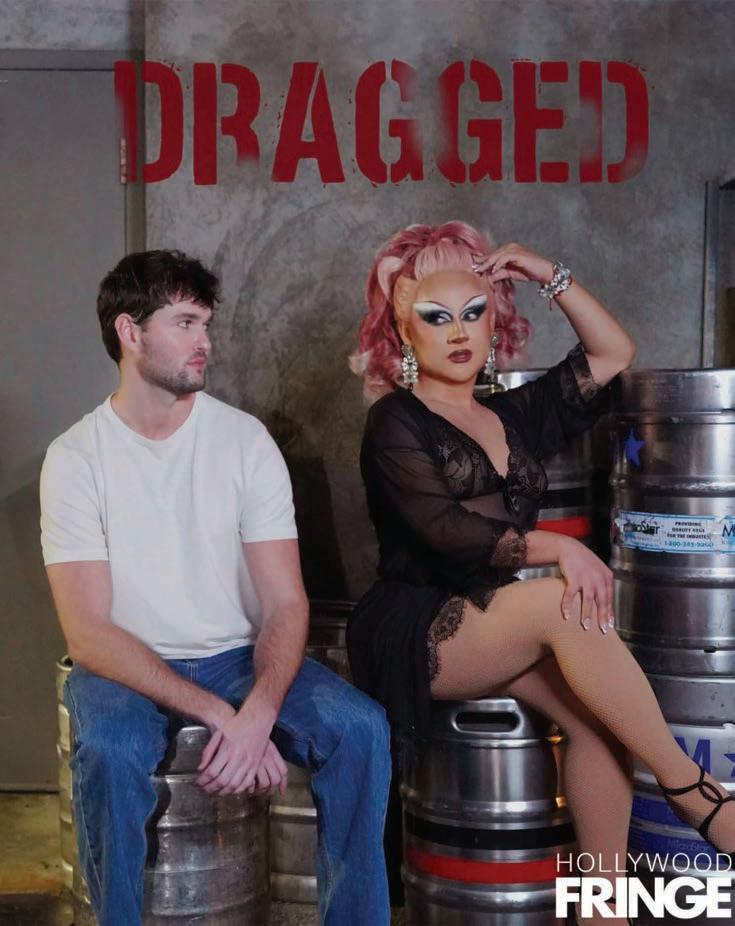
What begins as a drag show quickly becomes something far more unpredictable in DRAGGED , a new LGBTQ+ play premiering this June at the Hollywood Fringe Festival.
Written by and starring Harrison Alec alongside drag performer Godoy, DRAGGED opens inside the fictional drag show of Alana Regrets, where audiences are pulled into an interactive experience. DRAGGED moves between spectacle and intimacy, comedy and discomfort.
For Alec, the project came from a desire to create something both immediate and vibrant.
“DRAGGED really came from an urge to finally make something tangible,” Alec told the Blade. “As a writer, it can sometimes feel frustrating to spend months writing
scripts that only a handful of people ever read before they disappear into a folder somewhere, so creating something physical felt incredibly important to me.”
The idea began as a short film, but Alec said the story did not fully click until he realized it needed the live energy of an audience. After spending months attending Godoy’s weekly drag bingo, he became interested in the way drag performers naturally blur the line between performer and audience.
“Watching drag performers interact with crowds every week made me realize the audience couldn’t just watch the story; they had to feel part of it,” Alec said. “Drag already breaks the fourth wall naturally, so once I leaned into that, the whole show clicked.”
That interactive structure is what makes DRAGGED unique. “I think there’s something really interesting about how public pressure can force honesty out of people faster than private conversations ever could,” Alec said. “A drag show felt like the perfect pressure cooker for that.”
Godoy put it more simply: “If you tell a drag queen something, they will tell everyone. It’s the perfect setup for DRAGGED .”
As Alana Regrets, Godoy plays a character shaped by sharp humor, confidence, and emotional contradiction. Alec said he did not want Alana to become a stereotypical “wise mentor” figure. Instead, she is just as messy as the people she confronts.
“She’s funny and confident onstage, but offstage she’s just as messy and lost as everyone else in the show,” Alec said. “A lot of her humor comes from self-protection.”
Godoy said Alana’s performance style draws from beloved drag icons including Bianca Del Rio, Jackie Beat, Sherry Vine, and Alyssa Edwards, citing “their charming and striking personality mixed with quick wit and humor.”
While DRAGGED openly leans into comedy and secondhand embarrassment, it also asks serious questions about queer relationships. Alec’s intention is to highlight the gray areas around monogamy and communication. “What are we lying to ourselves about in relationships? Are we performing versions of what we think our partner wants? Are people actually communicating honestly with each other?” Alec told the Blade.
But DRAGGED is not trying to offer a single answer about what relationships should look like. Alec explained that he wanted the play to leave audiences questioning their beliefs, not walking away with an easy moral lesson: “I wanted audiences to leave debating who was actually right, because I don’t think the answer is completely clear.”
For Godoy, that balance between comedy and emotional confrontation is already built into the script. “The acting comes naturally because it’s written to do so,” Godoy told the Blade.
Premiering during Pride Month, DRAGGED celebrates the chaos and emotional honesty of queer life without polishing it into respectability.
“I love that the play celebrates the joy of queer nightlife while also allowing the characters to be messy and flawed,” Alec said. “That feels much more honest to me than trying to present an overly polished version of the queer experience.” For Alec, that mix of comedy and vulnerability reflects the typical rhythm of queer nightlife itself: “Who hasn’t started a night laughing at a drag show, made best friends with strangers in the bathroom, and then ended the night crying on the curb outside the club?”
For Godoy, the timing could not be more fitting: “IT’S PRIDE!! I can’t think of a better time to premiere it!” Godoy told the Blade.
For audiences deciding what to see at Fringe, Alec offers an invitation that is difficult to refuse: “Come for the interactive drag performance, stay for the secondhand embarrassment gluing you to your seat, and leave arguing about who the hell was actually in the wrong.”
DRAGGED plays June 14, 20, 22, and 23 at The Cat’s Crawl as part of the Hollywood Fringe Festival. Tickets are available through the Hollywood Fringe website .