Does office bearer insurance give committee members too much protection?
Page 6 | Strata Insurance Solutions
Committee rights to convene an AGM
Page 16 | The Strata Collective
Managing sensitive noise complaints in a strata community
Page 22 | Kerin Benson Lawyers
About Us
Welcome to the latest issue of The LookUpStrata Magazine!
For over a decade, LookUpStrata has been Australia’s premier resource for everything related to strata living. Our mission is to keep strata communities informed and connected, providing thousands of lot owners, strata managers, and professionals with reliable, unbiased, easy-to-understand information to help you solve your strata problems and make informed decisions.
The NSW Strata Magazines, published monthly, are just one of the many ways we’re dedicated to supporting you. They’re packed with articles from industry experts and include our comprehensive printable strata directory.
Beyond these pages, we also offer:
• Q&A Service: Our team of leading strata specialists answer hundreds of your questions every month, which helps shape the magazine topics we cover.
• Newsletters: Our weekly newsletters deliver timely updates on legislative changes and the latest strata news straight to your inbox.
• Webinars: Join our founder, Nikki Jovicic, for weekly webinars where she hosts and partners with industry experts to discuss key topics.
• The LookUpStrata Directory: A free resource that showcases hundreds of trusted strata service professionals nationwide. You’ll find it at the end of every magazine and on our website.
• Website: Find all our resources, articles, and news in one convenient location, accessible 24/7.
Subscribe now at no cost. To enjoy unrestricted access and connect with our strata community simply click here
Stay Connected - follow us on LinkedIn, Facebook, and YouTube. Thank you for being a vital part of what makes our community so vibrant and trusted.
Nikki Jovicic Managing Director I Founder lookupstrata.com.au
Advertising and Admin Enquiries: administration@lookupstrata.com.au
Disclaimer: The information contained in this magazine, including the response to submitted questions, is not legal advice and should not be relied upon as legal advice. You should seek independent advice before acting on the information contained in this magazine. Strata legislation is updated regularly. The information in this magazine is based on the legislation at the time of publishing.
Contents
4
Your rights when strata arranges lot work without consent
Jana Antelmann, Strata Life
6 Does office bearer insurance give committee members too much protection?
Tyrone Shandiman, Strata Insurance Solutions
8 Rubbish raiding: privacy breach, nuisance or something more?
Leanne Habib, Premium Strata
10 Will all-inclusive strata management agreements replace fee-for-service models?
Michael Teys, Michael Teys Strata Advisory
12 Should managing agency agreements be attached to the EGM notice when appointing a strata manager?
Megan Parkins, Tender Advisory
14 Can residents use the fire door to access the garage during power outages?
James Delany, Alliance Management Services
16 Committee rights to convene an AGM
Sean Bermingham, The Strata Collective
18 Whether to treat or replace rusted rebar in concrete cancer repairs
Bruce McKenzie, Sedgwick
20 Are owners corporations required to install safety glass during sliding door repairs?
Anthony Shakar, ASQB
22 Managing sensitive noise complaints in a strata community
Allison Benson, Kerin Benson Lawyers
24 Who signs off on regulated designs before strata defects work
Jack de Gioia, Bannermans Lawyers
26 Encouraging greater investor-owner participation in committee roles
Hugh McCormack, McCormacks Strata Management
28 Can I avoid paying an insurance excess levy if I installed my own shut off valve?
Abe Ayoubi, Senior Strata Manager (NSW)
30 The NSW LookUpStrata Directory
Thanks to our sponsors
Your rights when strata arranges lot work without consent
What can I do if the owners corporation carries out work in my unit without my consent and now wants to charge me for it?
The strata arranged work inside my unit against my wishes and now want me to cover the cost. They did not provide me with an opportunity to source my own contractor, obtain quotes, or assess whether the work was necessary. What rights do I have to dispute this work and challenge the charge?
An owners corporation or its strata managing agent may only arrange work inside a lot without the owner’s consent in limited situations.
Without further information regarding the nature of the works, the circumstances under which they were carried out, when they occurred, or any prior communication, it isn’t easy to provide a specific response.
Generally, an owners corporation (OC) or its strata managing agent may only arrange work inside a lot without the owner’s consent in limited situations— typically where the work is required to address an urgent safety issue or to prevent damage to common property or other lots. In other situations, owners should be given the opportunity to arrange their own contractor.
Section 153 of the Strata Schemes Management Act 2015 (NSW) provides that an owner must not use or maintain their lot in a way that causes a nuisance, hazard or unreasonable interference to other lots or to the common property.
Section 110 of the Act provides that where works carried out by a lot owner or defects within a lot cause damage to common property, the owner is responsible for repairing that damage and ensuring that any required works are completed properly.
If an owner fails to carry out the required work, section 120 allows the OC to undertake the work and recover the full cost from the owner as a debt.
Section 106 places a duty on the OC to repair and maintain common property, and section 120 entitles the OC to recover from an owner the reasonable costs of rectifying any damage caused by that owner’s lot.
Jana Antelmann | Strata Life jana@thestratalife.com.au
Leading the way in strata funding
Lannock Strata Finance has been at the forefront of strata finance for twenty years, pioneering simple and flexible strata funding for strata communities.
As Australia’s leading strata lender, our flexible-use funding is designed exclusively to meet the needs of all strata communities, no matter how large or how small, including:
Building Remediation
Repairs and Maintenance
Upgrades to Common Property
Cladding Rectification
Experience the Lannock difference
Green and Sustainability Projects
Levies in Arrears
Litigation
Insurance Funding
Speak with your local Lannock expert about how we can tailor flexible funding to suit your specific needs.
1300 851 585 | lannock.com.au
Does office bearer insurance give committee members too much protection?
Does office bearer insurance give committee members unfair protection compared to lot owners?
Most committee members have office bearer insurance that the lot owners fund through their levies. It appears this cover protects committee members if someone challenges their decisions or actions. As a result, it can feel like committee members can say almost anything, while ordinary lot owners do not have the same legal protection. Is this imbalance fair, and does office bearer insurance allow committee members to act with less accountability than other owners?
The goal of the insurance isn’t to favour committee members but to ensure that people feel comfortable volunteering for these roles.
Office bearer insurance isn’t intended to give committee members more rights than other owners or create any kind of imbalance. The cover exists because committee members assume personal liability risks when they volunteer to make decisions on behalf of the scheme. Owners aren’t exposed to those same legal responsibilities, which is why the insurance is tied to the role rather than the individual.
It’s also worth noting that office bearers liability policies include exclusions — for example, some policies exclude defamation — so the protection isn’t unlimited. In addition, many owners may have some level of personal liability cover under their landlord’s contents or landlord’s insurance policy, and they should check with their insurer to see what protection they already have.
The goal of the insurance isn’t to favour committee members but to ensure that people feel comfortable volunteering for these roles without facing unreasonable personal risk.
Mention this offer when requesting a quote from us, and we will provide a discount off our standard fee for service of $250 (GST Inc) for buildings with 10-25 lots or $500 (GST Inc) for buildings with more than 25 lots for the first year you insure with Strata Insurance Solutions
To redeem this offer email a copy of your current policy schedule to Strata Insurance Solutions within 1 month of the publication of this magazine Your policy can expire any time in the next 12 months However we can only provide quotes 30 days prior to the expiry of your policyif your policy is not due now, we will schedule a quote at the appropriate time To ensure we apply this offer to our quotes, please specifically mention you would like to redeem the "LookUpStrata Special Offer"
Take the test todaysee how much you can save.
Rubbish raiding: privacy breach,
How do we stop a resident from rummaging through the bins for return-to-earn items?
Our strata have purple bins for return-and-earn containers. One owner regularly goes through the yellow recycling bins (and possibly the red general waste bins) to pull out containers and add them to the return-and-earn bin. They also post public messages to shame or pressure other residents into “doing the right thing”.
I feel that going through other people’s rubbish is an invasion of privacy and may even amount to theft, as I understand that items in a bin still belong to the person who put them there. I want this resident to stop both the dumpster-diving and the public attempts to embarrass others. What laws or regulations, if any, support my position?
This is about setting clear expectations and fostering a shared understanding among residents.
You are correct that “rubbish raiding” may constitute theft (larceny) and trespass. These actions may also infringe on privacy and cause nuisance. In general:
• While bins are located on common property, their contents belong to the lot owners.
• Once bins are placed at the kerb for collection, the contents typically become Council property.
We are not aware of any legislation or regulation that directly prohibits this conduct, unless the behaviour results in additional mess or illegal dumping. In some instances, councils have issued fines where rubbish has been disturbed or left out of place.
Why this issue matters
Bin-related disputes occur more frequently than expected in strata communities. Bins often contain personal items, sensitive information or materials that residents reasonably expect will remain private. When another resident goes through communal or private rubbish, it may raise concerns about privacy, discomfort or even perceived harassment. These behaviours can undermine a resident’s sense of security in their own home environment.
Understanding ownership of waste
The fact that an item is ‘rubbish’ does not permit others to interfere with it. Before kerbside collection, waste generally remains the property of the resident or owners corporation, depending on the bin’s location. This means that tampering with bins on common property or within a private lot boundary is not permitted.
Recommended actions
In cases where rubbish raiding is causing concern:
• Contact your local council for any relevant information sheets or guidance. Some councils issue fines under their waste or nuisance management provisions.
• Speak with your local police to understand their position, particularly where repeated behaviour may raise issues of privacy, nuisance or harassment.
• Consider adopting a by-law to address and regulate the behaviour. A well-drafted behavioural by-law can prohibit tampering with bins, regardless of where they are located, and give the owners corporation the option to seek penalties for continued breaches.
A proactive approach to bin-related disputes
Addressing rubbish raiding isn’t just about enforcement—it’s about setting clear expectations and fostering a shared understanding among residents. Strata schemes can take a proactive stance by adopting tailored by-laws that clearly prohibit tampering with bins, regardless of their location, and prevent residents from removing or reallocating others’ waste. Such by-laws provide a structured framework for managing coercive, intrusive or nuisance behaviours linked to waste practices and ensure there’s a clear pathway for enforcement when needed.
At the same time, education and engagement go a long way. If the behaviour stems from returnand-earn efforts or well-meaning recycling habits, consider introducing a designated communal collection point or shared system that redirects those efforts constructively. Clear communication, underpinned by reasonable rules, helps preserve resident harmony while reinforcing expectations.
Too many buildings are held back by reactive management, delayed communication and unresolved maintenance issues. Over time, this lack of accountability doesn’t just cause frustration, it can also erode your property’s value.
At Premium Strata, we take a different approach. Our Diamond-Class Service means proactive management, not post-box administration. We believe that smaller portfolio sizes allow for a more proactive, personalised and detailed service.
What sets us apart:
• Proactive and leadership-driven management
• Expertise across both small and large schemes
• Limited portfolio sizes prioritising quality over quantity
• All-inclusive fees with unlimited service consumption
• Independent and Australian-owned
Don’t wait until problems pile up.
A well-maintained building isn’t just a nicer place to live, it’s also one of your most valuable financial assets. Choosing a proactive strata manager today means safeguarding that investment for the future.
Contact us today to learn more about our Diamond-Class Service and all-inclusive management fees.
With more businesses exploring fee-for-service models, will this model become standard across the industry, or are we still a long way from moving beyond allinclusive agreements?
It will happen at different paces at different times, but we will get there.
The shift is on for different service models. The transformation of this is 2 to 3 years if we start now, and some people have. If laws are passed saying commissions are gone, it could happen faster because committees will demand that.
It’s interesting to study what happened when financial planning weaned itself off commissions and went fee-for-service. It took between one and three years. Some got there faster than others.
The members of SCA (ACT) have led the charge and said, “We’re just getting on with it. We want government to outlaw commissions, but we’re getting on with it”. Some of the bigger firms in Canberra are really well down the track of eliminating commissions.
It will happen at different paces at different times, but we will get there. The question referred to all-inclusive fees. That might not necessarily happen. We may still have fixed fees for commodities and hourly rates for other services, but we need to move away from conflicts of interest payments, commissions, and related-party transactions.
Michael Teys | Michael Teys Strata Advisory admin@michaelteys.com
Insurance is one of the fastest-moving challenges in strata today. Premiums are rising, underwriters are more cautious, and exclusions are widening. Building age, combustible cladding, lithium battery fire risks and climate -related weather damage are all driving insurers to demand more evidence of sound risk management.
For strata managers, this means moving from a reactive stance to a proactive one. Rather than waiting for issues to surface through claims or complaints, the priority should be prevention and preparedness. Routine inspections help identify hazards early, detailed documentation shows the scheme is meeting its duty of care, and independent reports safeguard owners’ assets while reducing the risk of claim delays
Where QIA Group helps: Our Safety Reports identify compliance and safety issues before they escalate into costly claims, while our Insurance Valuations ensure schemes maintain accurate cover and avoid the risks of underinsurance. Together, these reports give strata managers and committees the confidence to demonstrate due diligence and protect their communities.
Should
managing agency agreements be attached to the EGM notice when appointing a strata manager?
In NSW, does the strata management agency agreement need to be attached to the EGM agenda when appointing a new strata managing agent?
At our AGM, we resolved to terminate our existing strata managing agent and to call an extraordinary general meeting to appoint a new strata manager. Two companies have been proposed. One has provided a strata management agency agreement, and the other has not.
In New South Wales, is the proposed strata management agency agreement required to be attached to the EGM agenda or circulated with the notice of meeting? If so, what legislation or regulation sets out this requirement?
The managing agency agreement is required to be made available to the general meeting notice in support of a motion to appoint a strata management company.
The short answer to the question is yes, the managing agency agreement is required to be made available to the general meeting notice in support of a motion to appoint a strata management company.
The longer answer is that, while the NSW Strata Schemes Management Act 2015 nor the Property and Stock Agents Act 2002 do not explicitly state this requirement in
a single section of their legislation, it is an implication of the need for a detailed motion at the meeting to define the manager’s roles and functions and to allow all owners the opportunity to consider the agreement before they vote on the appointment, in accordance with section 49(2) of the NSW Strata Schemes Management Act 2015:
“the appointment (of a strata managing agent) is to be made by instrument in writing, authorised by a resolution at a general meeting of the owners corporation.”
In support of this implication, the published NSW Government Guidelines for appointment of a strata managing agent state that: Before the General Meeting, the secretary must attached the draft management agreement to the agenda. This gives the owners time to consider contract terms.
If the owners are not in a position to annex the agreement to the meeting notice, the proposed version of the document must be made available (preferably) before or (at least) at the meeting. However, if the latter, the motion must clearly state that the agreement is to be “tabled and accepted” during the meeting.
By ensuring the agreement is available, the process allows for the owners corporation’s transparent and informed decision-making.
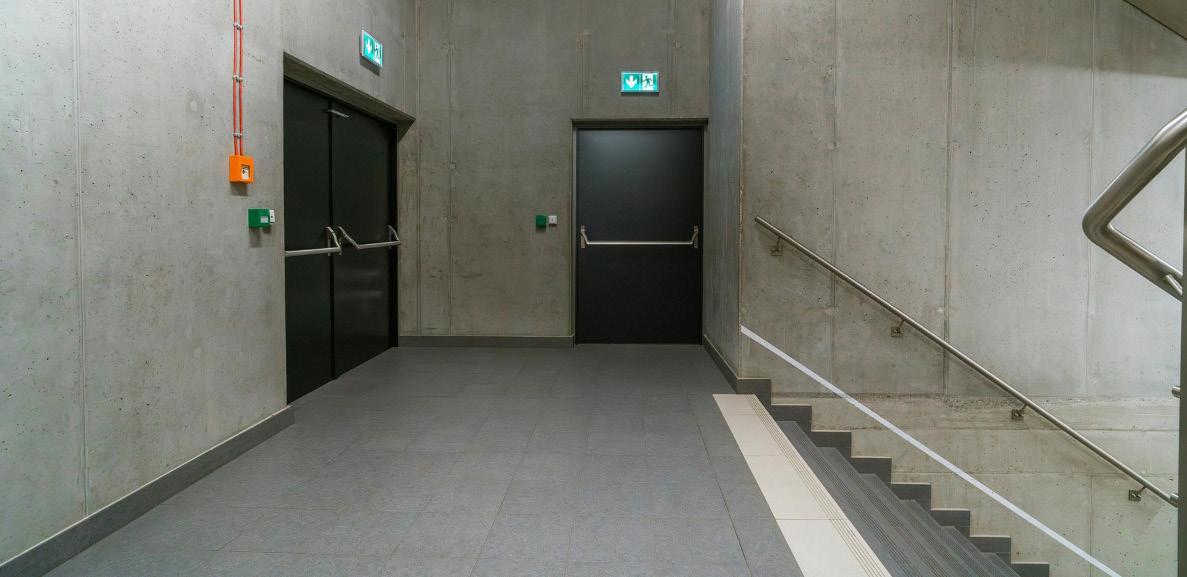
Can residents use the fire door to access the garage during power outages?
What can we do if the manager refuses to unlock a fire stair door during a prolonged power outage so we can access our cars?
I own an apartment in western Sydney. The only access to the garage is via the lift, the electric roller door, or a fire stair located on the outside of the building next to the driveway entry. The fire stair is just one flight of stairs, separate from the main stair shaft.
In a recent power outage that lasted a few days, residents were unable to access the garage to use their cars for work or family commitments. The building/strata manager holds the key to the fire door but refused to unlock it, saying they were unsure what to do and that the door was not meant to be opened from the outside.
The garage roller door is mesh, and the surrounding fence is open bars, so it is easy to see that there was no fire or smoke in the space.
In situations like this, can the fire door be opened so residents can reach the manual override for the roller door and access their cars? What practical steps can we take when the strata manager refuses to unlock the door during a prolonged power outage?
In circumstances like this, it is acceptable to facilitate access by opening the fire door, provided it is monitored and re-secured afterwards.
It appears there is some confusion around compliance from your building/strata manager’s perspective. In circumstances like this, it is entirely acceptable to facilitate access by opening the fire door, provided it is monitored and re-secured afterwards. The main consideration is that doing so will temporarily compromise building security.
In our view, and having dealt with a very similar situation previously, the owners corporation should consider whether they wish to install a handle on this door and enable controlled access, either by issuing keys to each lot or, if you have an access control system, by installing swipe hardware to release the door as needed.
James Delany | Alliance Management Services james@alliancemanagementservices.com.au
Committee rights to convene an AGM
What rights do a self managed committee have to call and hold an AGM or other meeting if a disruptive owner refuses to engage or respond?
We live in a self-managed strata complex and have ongoing disputes with an owner who was not elected to the strata committee. This owner has made repeated claims about us as lot owners and about the committee chair, and has taken us to mediation over issues that the majority of residents support.
Most recently, this owner lodged an insurance claim on the complex’s policy without notifying the committee, and based the claim on information we believe to be fabricated. We have tried to set a date for our next AGM to discuss these issues formally, but this owner now ignores all emails and will not respond. What rights do we have to call and hold an AGM or other meeting, even if this owner refuses to engage or respond?
The committee, and in particular the strata committee secretary, is entitled to convene the AGM on a date suitable to the committee.
The committee, and in particular the strata committee secretary, is entitled to convene the AGM on a date suitable to the committee. Provided the notice includes all motions and information required under the Act, is issued to each owner at their address recorded on the strata roll, and meets the prescribed notice period, the meeting may validly proceed.
Should an owner choose not to attend, that is a personal decision and does not affect the validity of any resolutions properly passed at the meeting.
A resolution passed at a duly convened meeting is binding. An individual owner disagreeing with the outcome does not invalidate the decision.
With respect to insurance matters, any owner is entitled to lodge a claim under the owners corporation’s policy, as all owners are insured parties. If the circumstances of a claim appear questionable, it is the responsibility of the insurer to investigate. The committee or any owner may request that the insurer review a claim if they hold genuine concerns about its validity.
Sean Bermingham | The Strata Collective info@thestratacollective.com.au
The Strata Collective. Where People Matter.
The Strata Collective was formed with a simple goal –to provide a professional strata management service to clients who want a close, personal relationship with their Strata Manager.
We are a next generation Strata Management business that you can count on.
Find
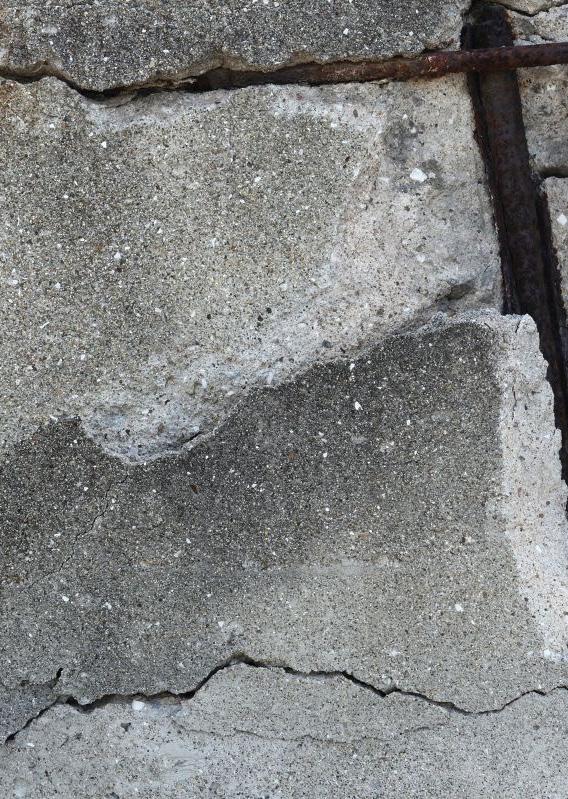
Whether to treat or replace rusted rebar in concrete cancer repairs
In a strata building with concrete cancer, how much rust on reinforcing steel is acceptable before it must be replaced?
Concrete cancer treatment has started on our strata building. The contractor advised that they will only remove and repair areas of concrete that have visibly spalled, even though it appears that all of the reinforcing steel has some level of rust. In several places, rusted rebar ends protrude from the concrete. What level of rust on the reinforcing steel is considered acceptable before it must be exposed, cleaned, and treated, and at what point should the rebar be replaced entirely?
Reinforcement bar is usually only replaced if the steel has degraded to a point where it has lost its structural integrity.
Reinforcement bar is usually only replaced if the steel has degraded to a point where it has lost its structural integrity. Otherwise, the steel is treated depending on the specific circumstances.
Only a qualified structural engineer should make these determinations when there are
Helping the strata community
navigate their building concerns
BUILDING CONSULTANCY
• Defect reports and forensic engineering
• Scope of works
• Dilapidation and risk surveys
• Dispute mediation and expert witness
• Contrator procurement and cost validation
• Construction management
• Capital works funds / maintenance plans
• Digital capability
• Façade assessments
REPAIR SOLUTIONS
• Emergency make safe
• Fire water damage restoration
• Leak detection
• Contamination response
• Building repairs
• Cost validation services
• Digital capability
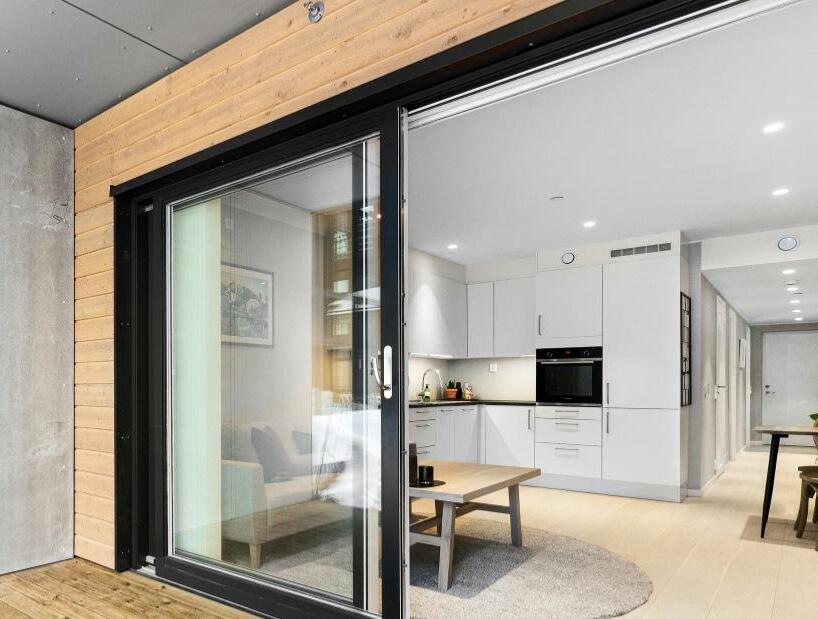
Are owners corporations required to install safety glass during sliding door repairs?
If the sliding doors on my apartment contain float glass, can the owners corporation repair them without upgrading the glass to safety glass?
My sliding doors currently contain float glass, and the doors are faulty and need repair. If strata arranges repairs to the doors, can they carry out basic repairs, or do they need to upgrade to safety glass as part of the work?
If glazing is replaced within a human-impact zone, the repair must comply with current safety requirements.
Where existing sliding doors contain float glass, the owners corporation may still complete operational repairs without triggering a mandatory upgrade to laminated safety glass. This includes works such as replacing rollers and tracks, adjusting alignment, servicing hardware, and improving general functionality, provided the original glass remains intact.
However, once any glazing is replaced within a human-impact zone (typically glass located lower than one metre from internal floor level or forming part of a door panel), the repair must comply with current safety requirements under AS1288. In these cases, float glass must be upgraded to a safety glass product, such as laminated glass, to reduce the risk of injury.
In summary:
• Mechanical or hardware repairs = permitted
• Glass replacement in an impact area = safety upgrade required Permitted repairs without upgrading to safety glass
• Adjusting rollers, tracks, and guides to improve sliding operation
• Replacing handles, latches, and other hardware
• Re-hanging the door or aligning frames Repairs that would trigger a mandatory safety glass upgrade
• Full glass replacement where the glass is located within a defined human impact zone
• Any works that alter the glass size or configuration
• If existing glass is cracked or has failed and falls within the human impact area
• If the repair introduces a new safety risk (e.g., more force applied to open/close)
• If the property is undergoing major refurbishment, it already triggers a compliance requirement
Anthony Shakar | ASQB info@asqb.com.au
Managing sensitive noise complaints in a strata community
The committee has received complaints of ongoing noise from a rented lot where the household includes a child with additional needs. How do we handle this sensitive matter?
We have received reports of ongoing noise coming from a balcony in a rented unit throughout the day. The household includes a child with additional needs. Neighbours have already spoken with the parents but remain concerned about the impact on their peaceful enjoyment of their lots and have now asked the owners corporation to consider action under the relevant by-law.
Given the sensitive nature of this situation, how should the owners corporation respond appropriately and fairly, while considering the household’s circumstances and minimising the risk of legal complications?
This is a difficult and no doubt sensitive situation.
First, let me say that this is a difficult and no doubt sensitive situation all around. I note that the unit is rented and that neighbours have already tried to speak to the parents about their concerns. At this stage, it is appropriate for the strata committee to send a polite, non-threatening note stating that noise complaints have been received and asking the occupants to contact the strata committee or the strata manager to work toward a solution that helps everyone.
If the occupants do respond, a round table discussion with the neighbours, the strata committee and the strata manager should be suggested to discuss what noise is of concern and the reason for the noise and work on solutions. By what noise, I mean, is the noise a loud television or radio,
loud voices/shouting, crying, dropping or banging noises, footsteps or something else? Potential solutions for neighbours hearing a loud television or radio on balconies include requesting that balcony doors and windows be closed or that the TV/radio be turned down. This is different from a banging noise, which may be resolved by placing foam or a soft surface down, or by replacing a particular toy or using it only at certain times. Maybe the noise isn’t the issue, but the time of the noise or, if it is loud voices, the language being used. When setting up the meeting, it’s crucial to emphasise to all involved that it will be a respectful space to work on solutions.
If the occupants do not respond or deny the issue, if the neighbours are able to document the noise, including describing the noise, dates, times and duration of the noise, the owners corporation should consider:
1. Notifying the lot owner of the complaints, providing full details, and requesting that they provide a notice under the terms of the lease (if there is one);
2. Asking the strata manager to issue a letter providing details of the concerns and requesting the occupants take action to stop or significantly reduce the problematic noise, and giving them a time frame to do so;
3. Taking action to enforce the by-laws by issuing a notice to comply or taking action in NCAT under section 153 of the Strata Schemes Management Act 2015 for orders that the occupants are causing a nuisance.
Note that if Tribunal action is to be taken, someone, ideally the people directly affected by the noise, will need to be willing to put on evidence to substantiate the complaint.
Who signs off on regulated designs before strata defects work
The committee has received conflicting advice from our defects experts and the builder about the declared design. Who provides the compliant design so that rectification work can begin?
Our strata committee is managing defect rectification works in our owners corporation (OC). We’ve received conflicting advice about the declared design. The builder argues that our defect experts are asking for too much detail and insists the declared design is adequate. Our experts say they cannot sign off on the rectification works until the builder corrects and updates the declared design.
Does the builder need to provide a compliant declared design before defect rectification works commence, or can the works proceed while the design is still in dispute?
Be guided by the person providing the registered design or declared design.
Declared designs are also referred to as regulated designs. A registered design practitioner prepares regulated designs. This is not usually the builder. However, it depends on your construction contract. If it’s a design
and construct contract, the design obligations fall on the builder.
The most common contract is a construct only, where the OC or the relevant owner will be required to bring those drawings to the table. The registered design practitioner is the only party who can provide regulated designs or declared designs. Following that, they provide what’s called a design practitioner compliance declaration, which essentially puts their name on this drawing, saying, “I’m the registered design practitioner. I designed these drawings”, then those are provided to the builder. In usual circumstances, the builder is the registered building practitioner who provides those documents on the New South Wales portal in compliance with their obligations and declaration.
So, the answer to the question is to be guided by the person providing the registered design. If they’re the practitioner putting it forward, it’s their name, their registration, their job. That’s the process that needs to be followed. This also comes from the Design and Building Practitioners Act. This is the other arm of the same act. This is more the compliance side than the prosecution side. It’s a big change that everybody is starting to have to deal with, particularly regarding rectification works and whether you need a declared design.
Jack de Gioia | Bannermans Lawyers enquiries@bannermans.com.au
Encouraging greater investor-owner participation in committee roles
In our building, many owners, particularly investors, prefer not to engage. This makes rotating the pool of committee members almost impossible. Do you have any suggestions to remedy this?
If someone’s retiring from the committee, mention that in the minutes and put a note at the top of the minutes to say we’re looking for volunteers.
It’s often the case that you’re going to have more owner occupiers on a strata committee than you are investors. I would argue that for many people, this is their single biggest investment and they really should look after that investment. One of the ways to do that is to be on the strata committee.
How do you get those people on the committee? Talking to people during the year. I understand it’s harder to talk to the investor owners, but you can also communicate through minutes. If someone’s retiring from the committee, mention that in the minutes and put a note at the top of the minutes to say we’re looking for volunteers. Also remind everyone that it may not be as much hard work as you imagine because tasks can be delegating to your strata manager.
For 30 years, Sydney’s landmark buildings have partnered with us as their trusted advisors.
• Proactive leadership grounded in strata best practice
• Low building-to-manager ratios ensure dedicated support and tailored solutions
• Expert financial and professional management led by an experienced team
• Industry-leading inclusive and transparent fee structures
Make the change to McCormacks, for proven customer satisfaction that consistently outperforms the industry.
LEADERSHIP
• Service • expertise
The common good, made exceptional by McCormacks
991 825
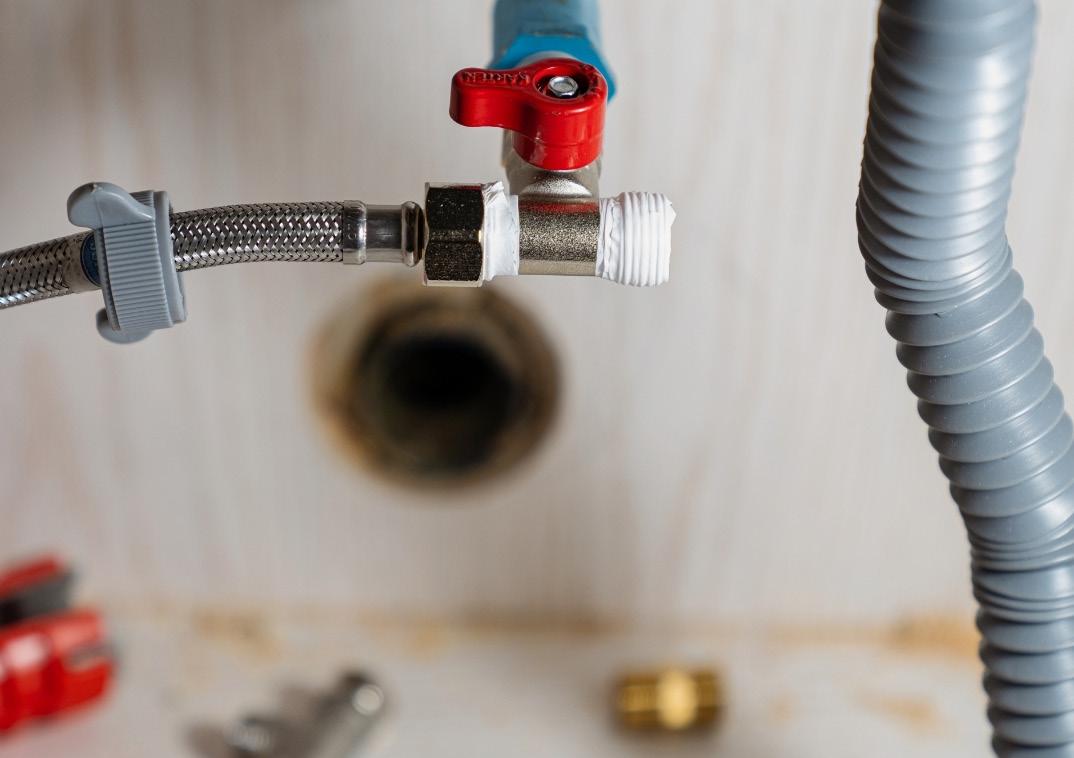
Can I avoid paying an insurance excess levy if I installed my own shut off valve?
If a common property pipe bursts and causes damage, can I oppose a special levy for the insurance excess if I installed a shutoff valve to reduce that risk?
A burst water pipe caused damage, and the owners corporation accepted responsibility because the pipe was on common property. The owners corporation is raising a special levy on all lots to pay the insurance excess.
I install a valve or automatic shutoff device in my lot to prevent or minimise water damage from this type of incident. Can I rely on that riskreduction step to oppose any special levy being charged to my lot when the excess is raised?
Is there anything in the legislation or case law that supports a lot owner arguing that they should not have to contribute to the excess (via a special levy) in these circumstances, or that the levy should be apportioned differently?
Installing your own shut-off valve is a great preventative measure, but it does NOT change the OC’s statutory responsibility for common property or the way contributions are shared.
If the water damage comes from a burst common-property pipe, the owners corporation (OC) is responsible for repairs under section 106 of the Strata Schemes Management Act 2015. The insurance excess forms part of the OC’s repair costs, and the OC can raise levies to cover those expenses.
Installing your own shut-off valve is a great preventative measure, but it does NOT change the OC’s statutory responsibility for common property or the way contributions are shared. Unless a registered by-law allows the OC to recover excess from a specific owner, or the owner caused the damage, the excess remains a shared cost paid by all owners according to unit entitlement
You may vote against the special levy, but if it is validly passed, all lots (including yours) must contribute.
Recommendations:
Here are constructive steps that may help:
• If your building is prone to bursts, you may propose adding shut-off valves or pressure-limiting devices as a buildingwide preventative measure.
• Ask for a review of insurance policy settings.
• Review the capital works fund plan
• If repeated bursts occur, the issue may relate to ageing plumbing, which should be reflected in future planning rather than relying on repeated special levies.