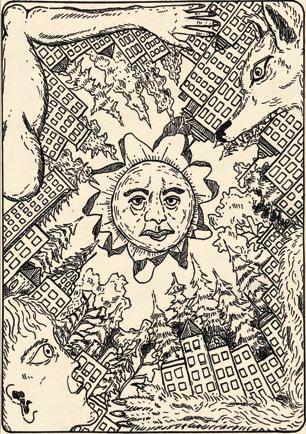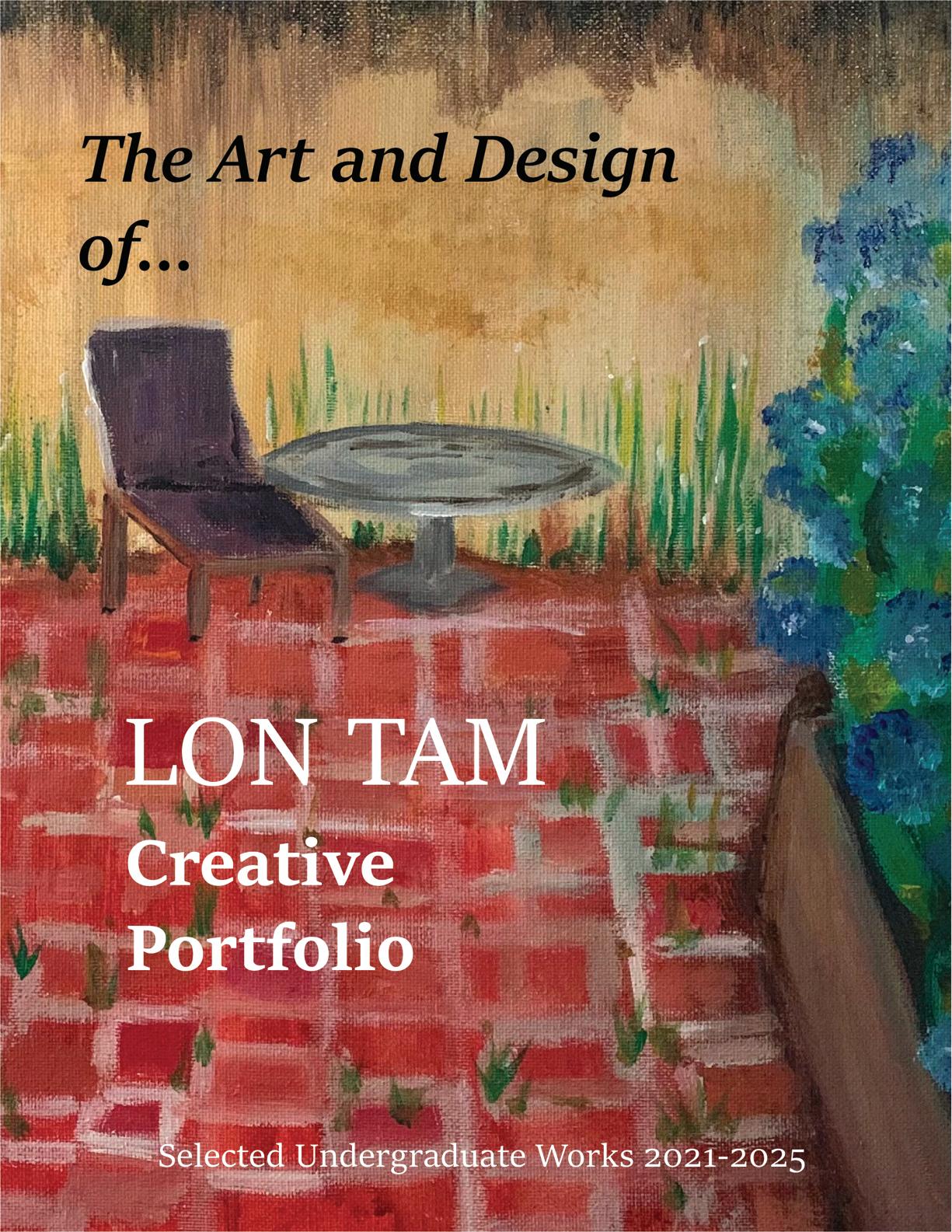
Illustration of my childhood backyard. A colourful site which served as my first inspiration in creating art.
Acrylic on Canvas. 16 x 20 in.
Illustration of my childhood backyard. A colourful site which served as my first inspiration in creating art.
Acrylic on Canvas. 16 x 20 in.
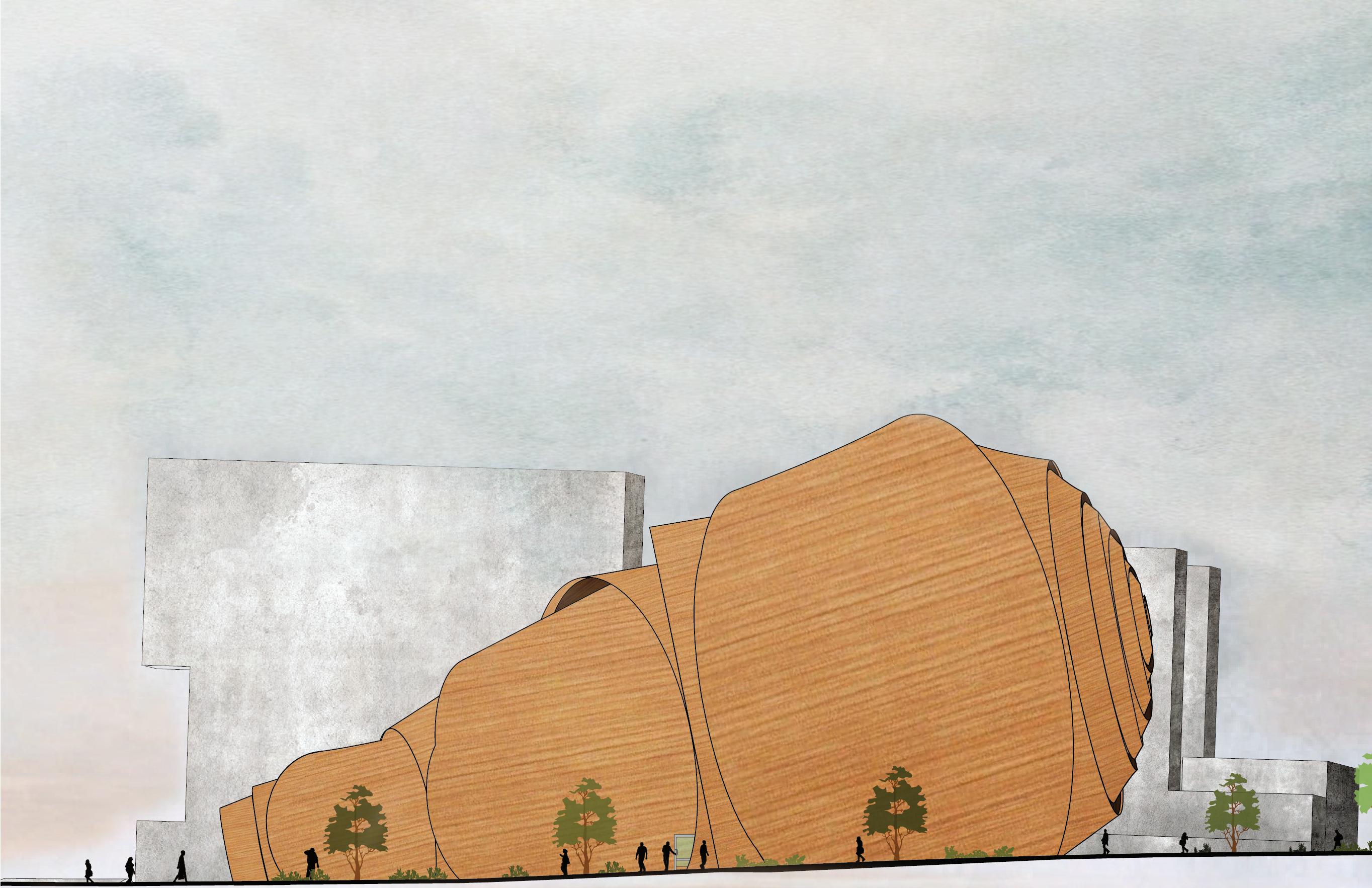
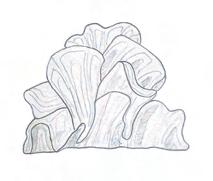
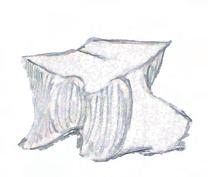
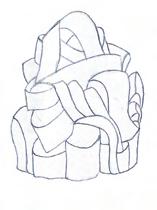
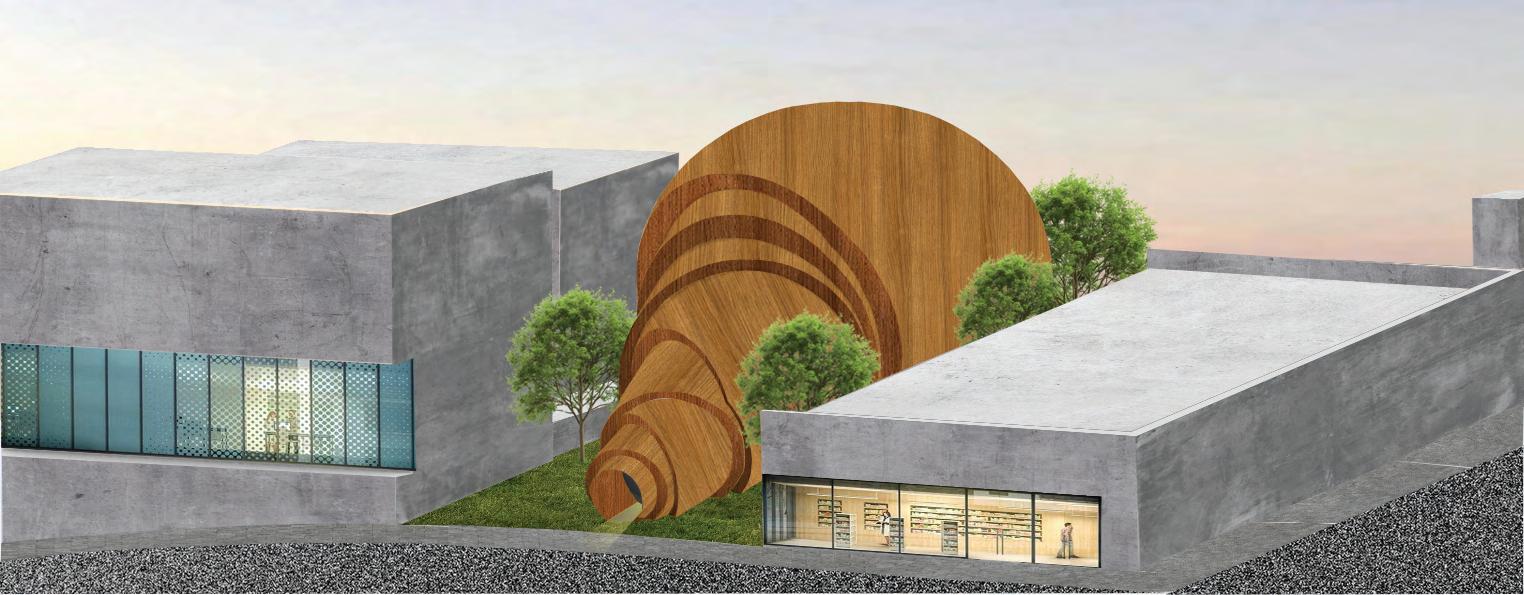
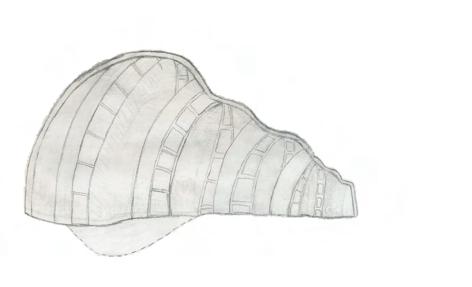
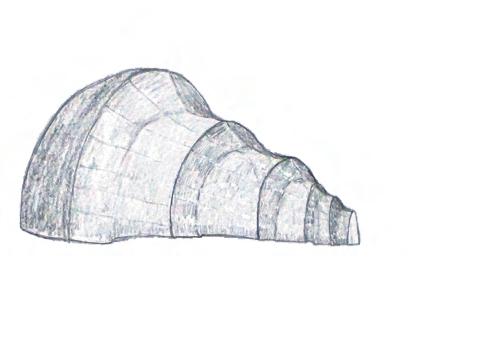
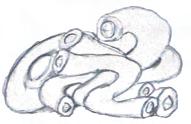
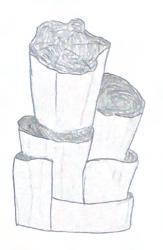
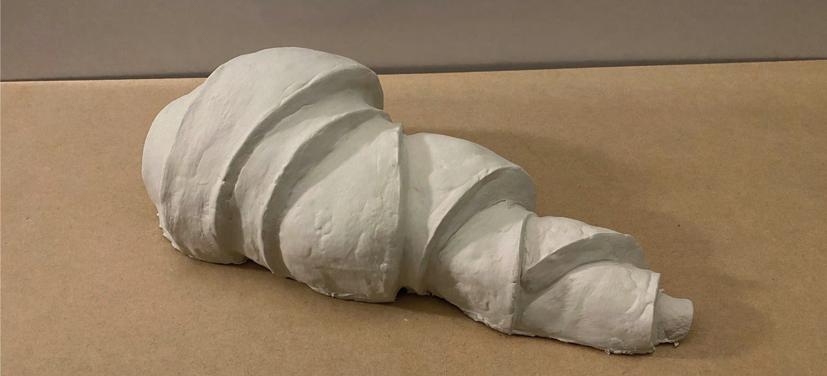
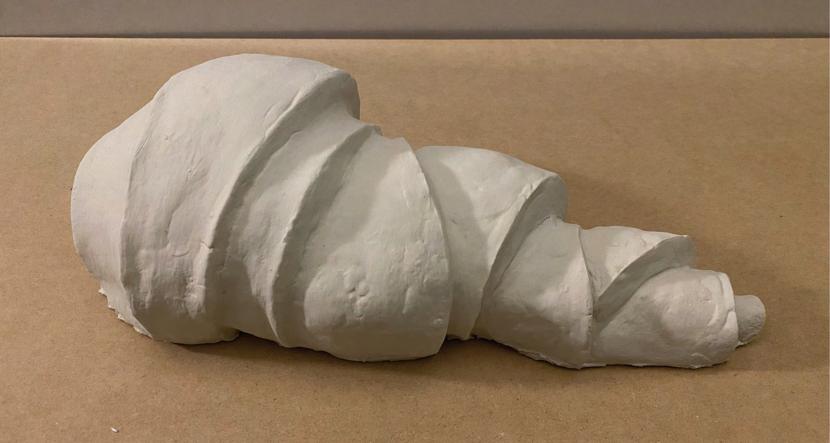
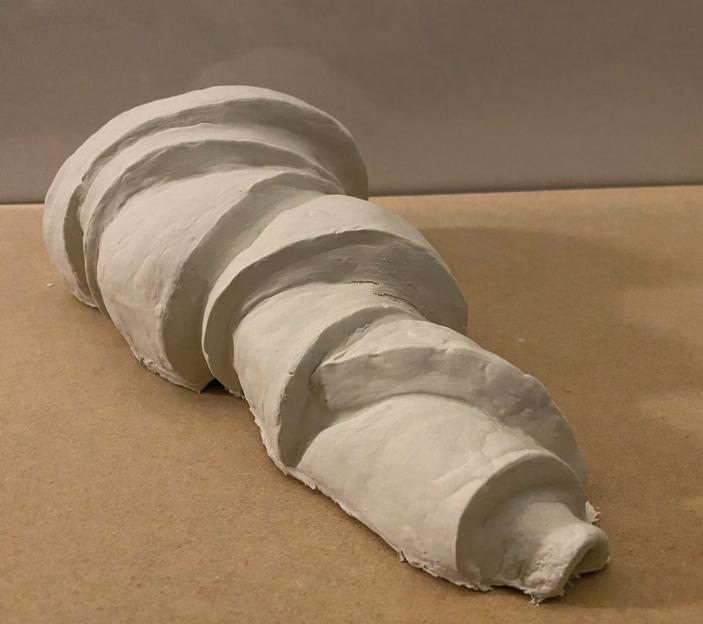
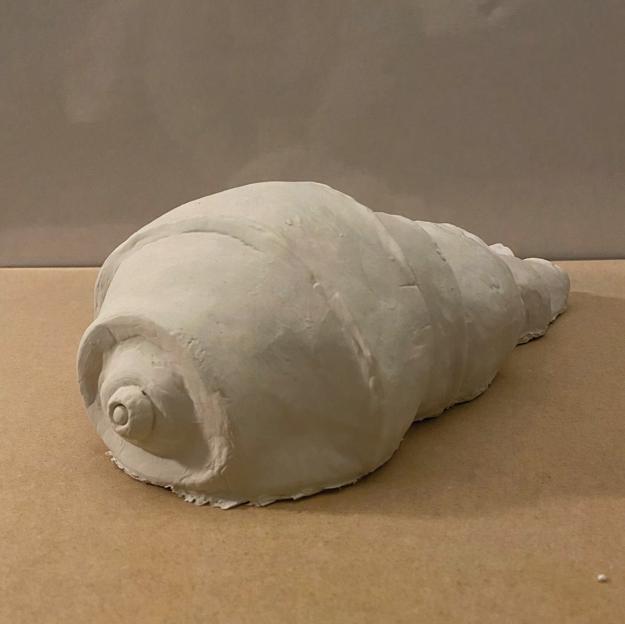
Moth house began from a material exploration which involved the use of “sticks” and strings”, turning a string-like material such as jute rope into a solid stick-like material. The result was a hollow structure resembling a warm nest or cocoon with an exterior skin layer juxtaposing the soft body of the sculpture.
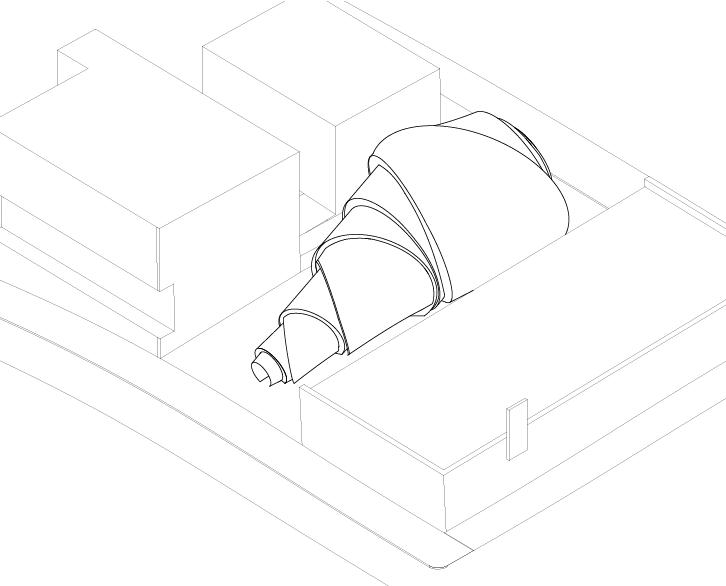
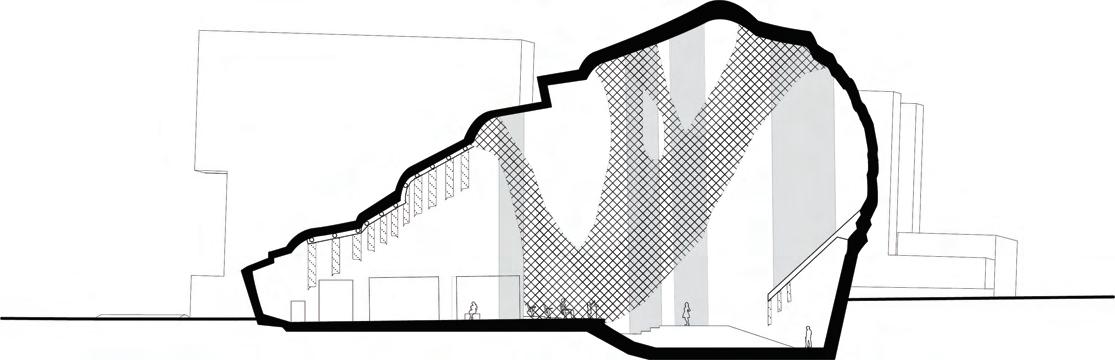
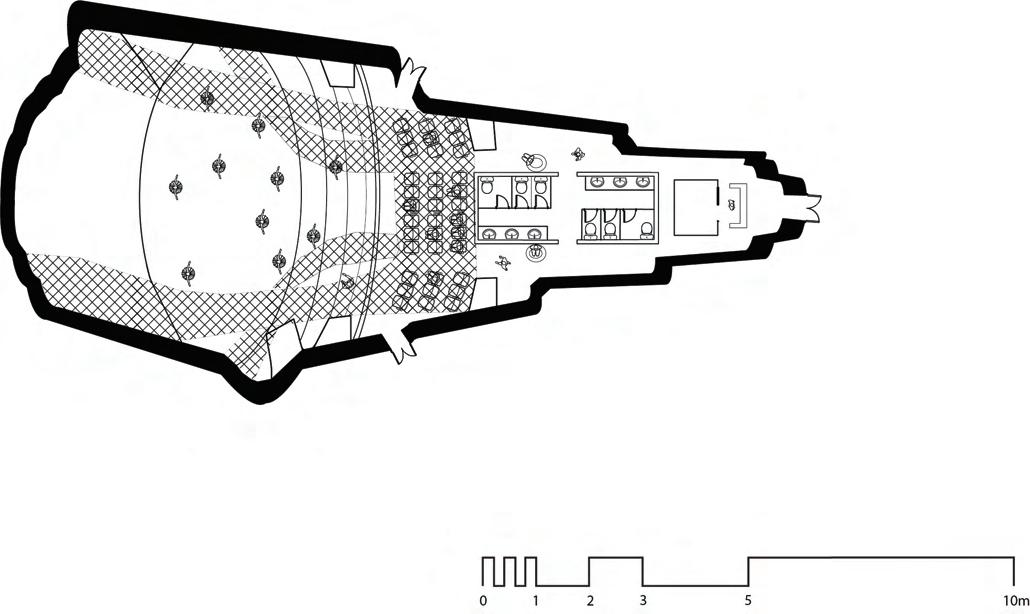
The final project became an exploration of how unconventional forms and shapes can be implented into speculative programs and the drawings are intended to capture the core elements and concepts of how this building actively functions.
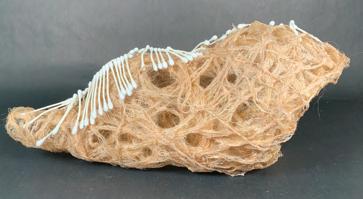
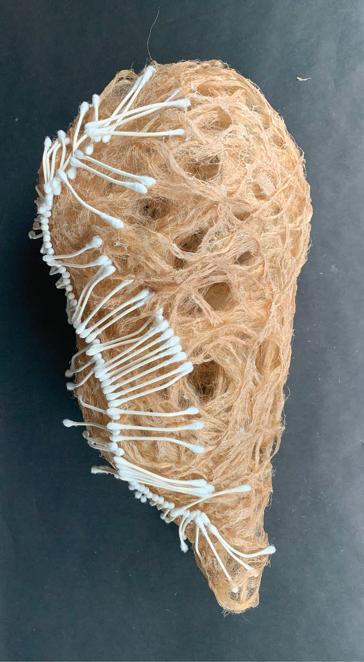
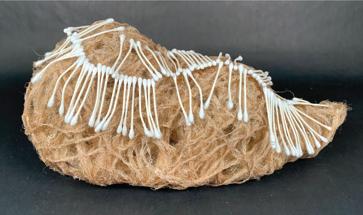
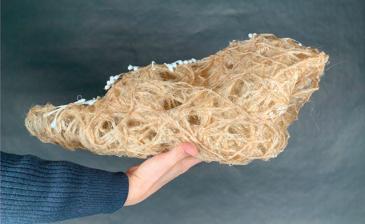
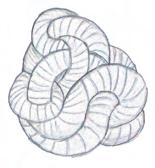
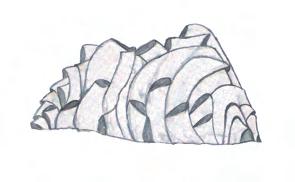
Drawing inspiration from studying the behaviour of fabrics, strings and marine life such as corals and sea anenomes, I wanted the next stage to preserve or retain either the physical or thematic elements of layering and weaving of material as the original sculpture relied on such methods extensively in its creation.
The final form acts as a theatre performance hall which uses it’s shape and layout to create an unique experience of “feeling enveloped” by the structure itself.

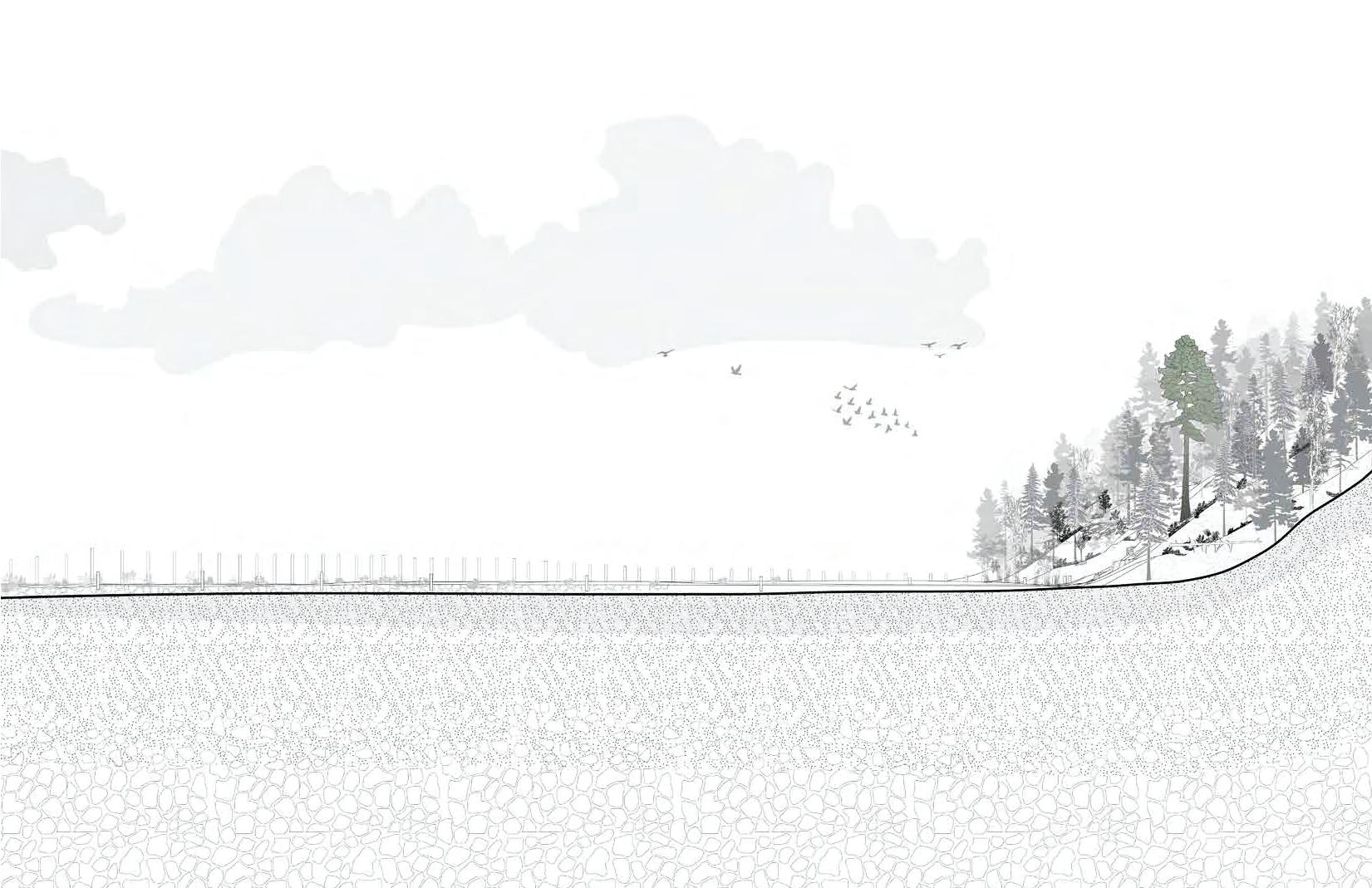
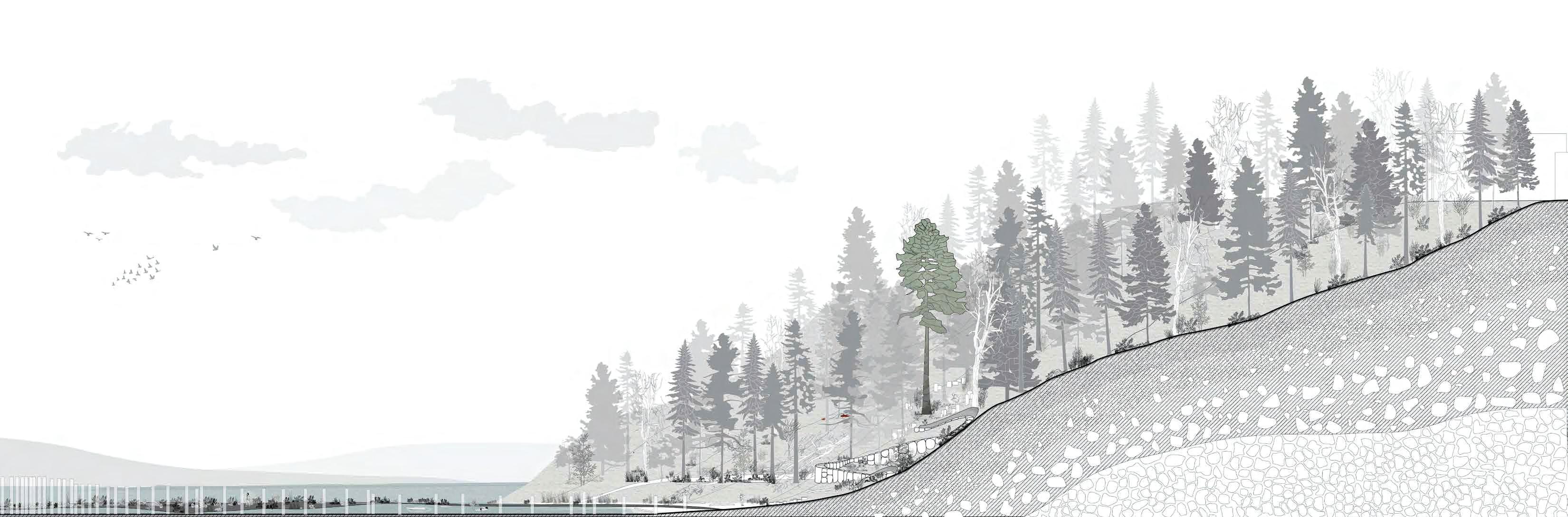
For this project, we were tasked to design a program on the site of Wreck Beach which focuses on a creating a site that promoted a specific theme or feeling. Upon conducting research on the site, the chosen theme was Tranquility and Healing due to the site’s historical usage and purpose.
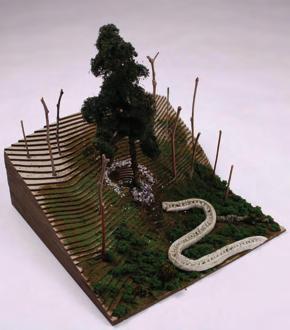
This project delves into the traditional Indigenous practice of smudging, a spiritual practice or ritual that serves as a method of cleansing or purifying a place or individual of negative feelings, energy, or thoughts. The design aims to encapsulate the practice of smudging throughout the entirety of the site, creating an interactive “smudge walk: for the visitors and users of Wreck Beach with the Douglas Fir acting as a symbolic healer.
The goal is to combine the various natural elements the site already possesses and the spiritual understanding of nature and indigenous culture, in order to create a place which promotes spiritual healing and gathering; a secluded haven for those who seek solace in nature and the presence of the Douglas Fir.
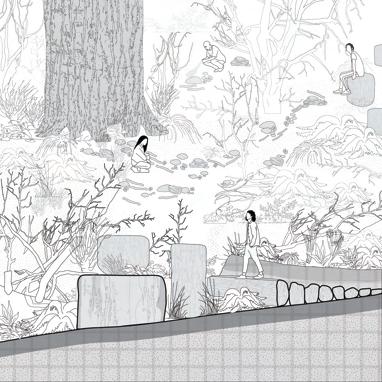
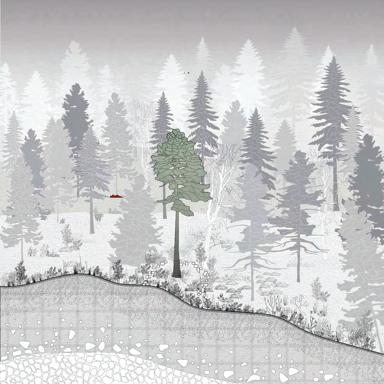
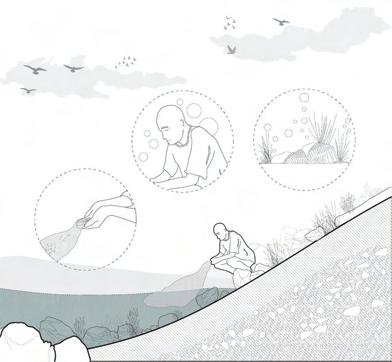
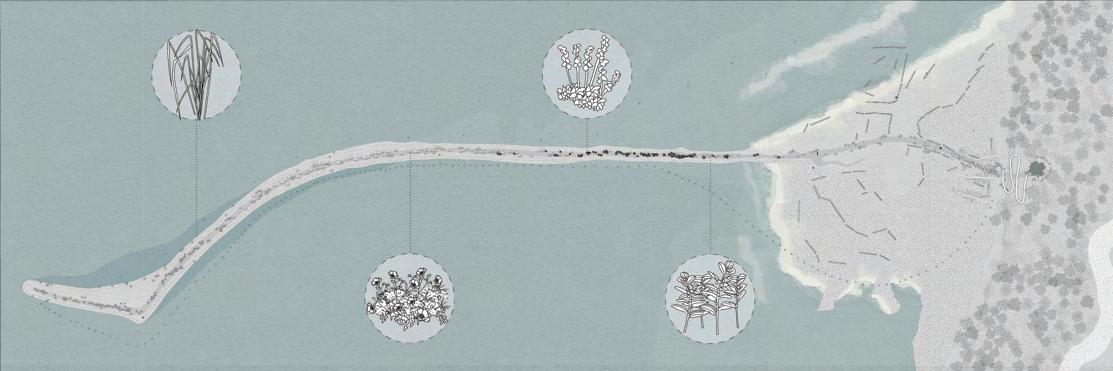
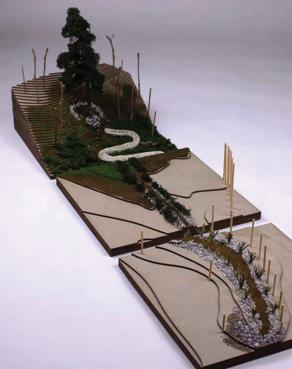
Traditionally, smudging requires the usage of four elements, each serving as a representation of the natural environment; water, earth, fire, and air; a smudge can be practiced in a group which usually requires a leader or you can perform a smudge on yourself. In this project, each element is represented by a specific plant and herb found on the path.
Moreover, the design also aims to transform the Douglas Fir into a landmark and sanctuary for tranquillity, introspection, and contemplation, nurturing an environment for visitors to foster a sense of oneness and inner peace without having to face the distractions and overwhelmingness of society above the beach. Although our design is aimed towards everyone, the design process included much thought regarding students at UBC who experience a lot of stress during their studies.
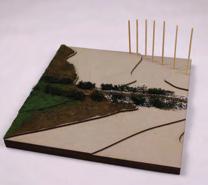
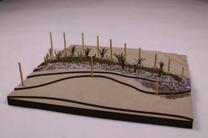
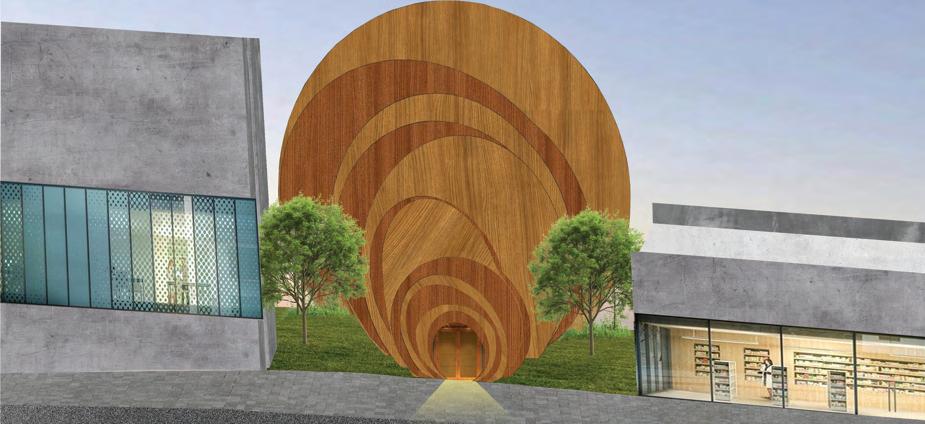
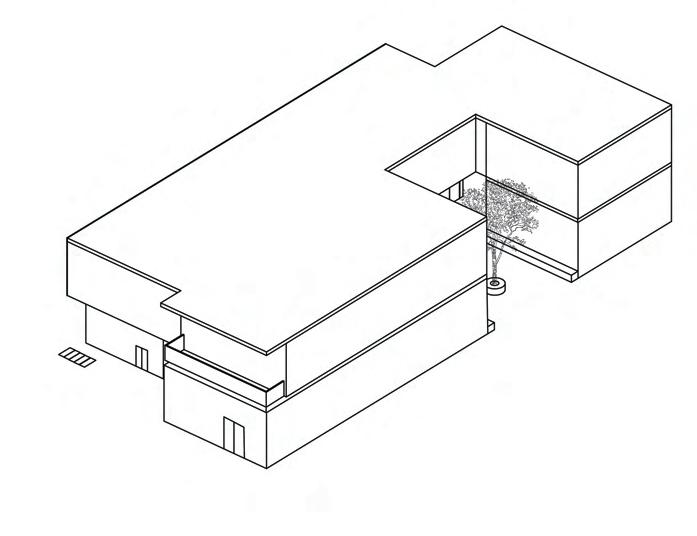
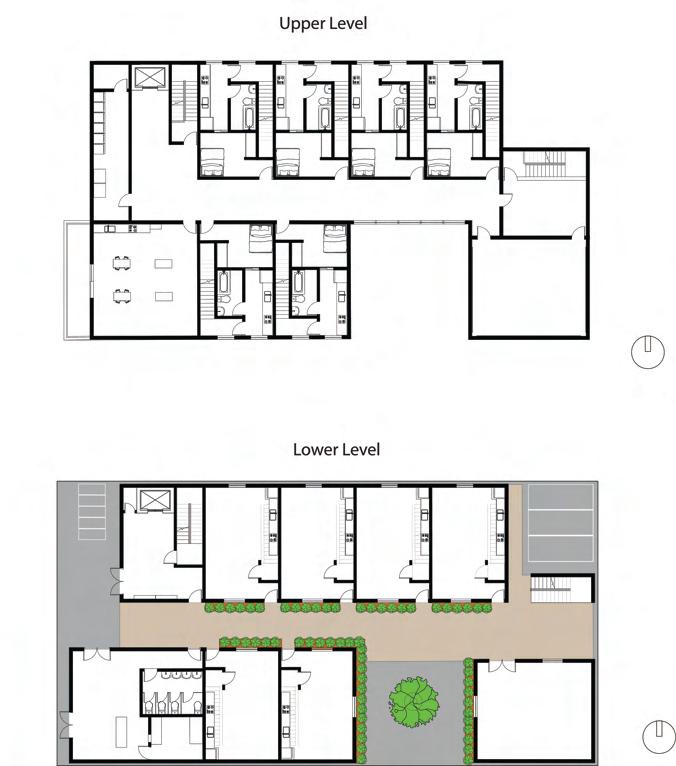
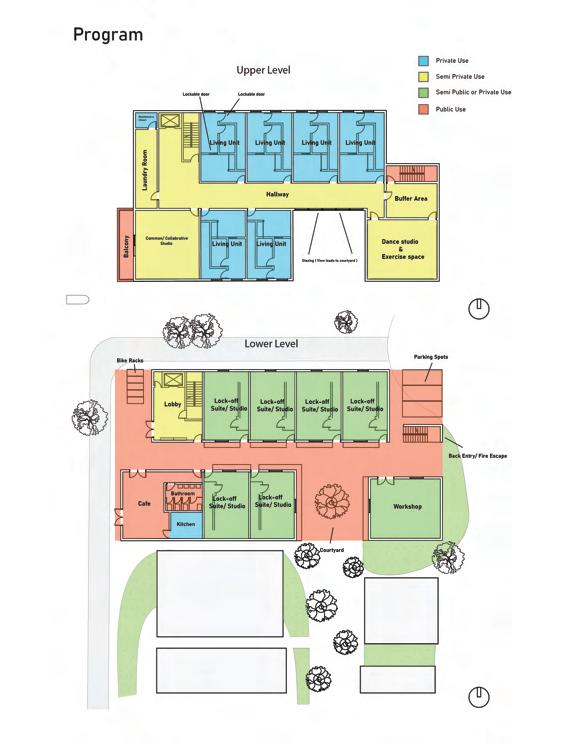
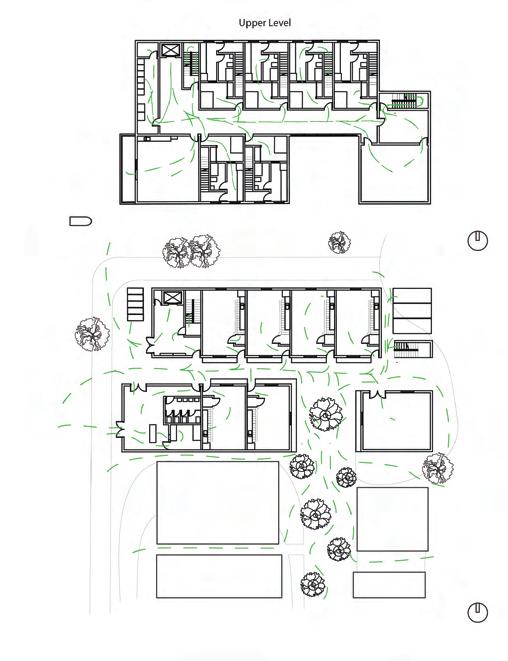
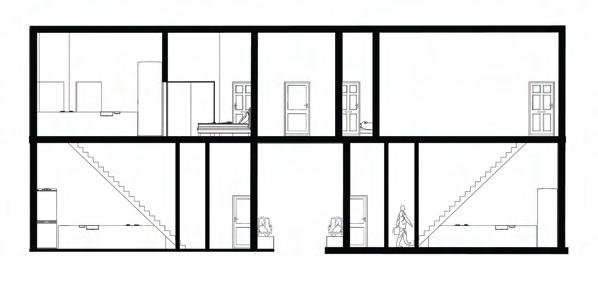
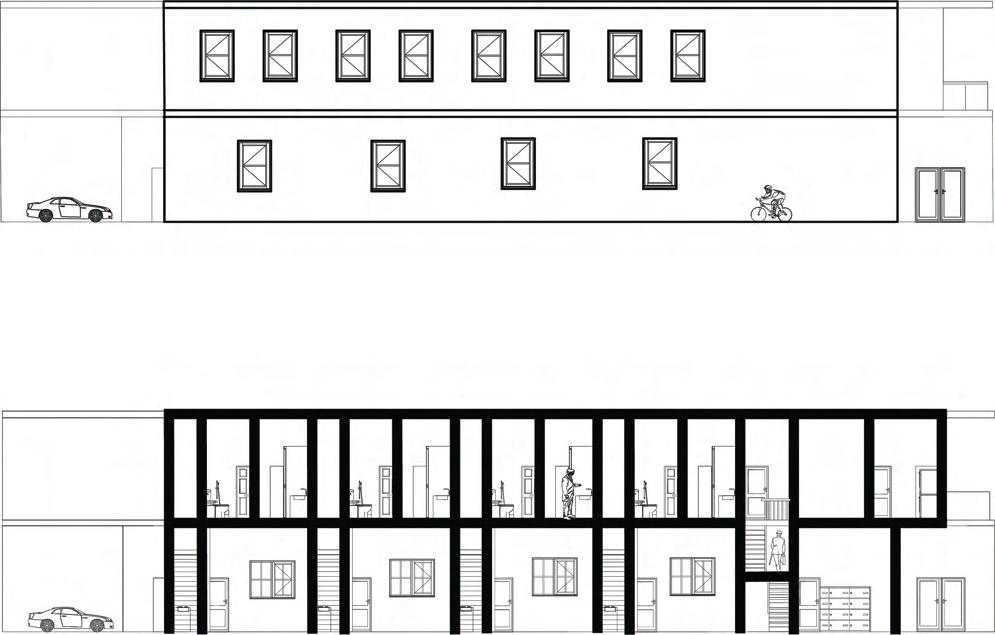
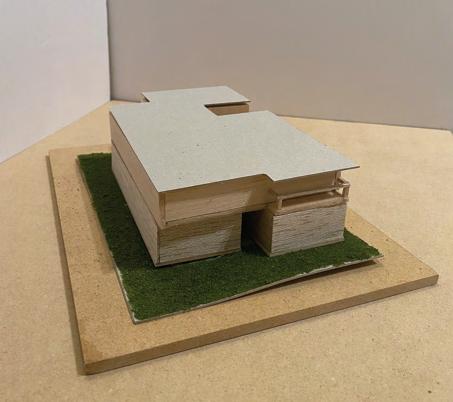
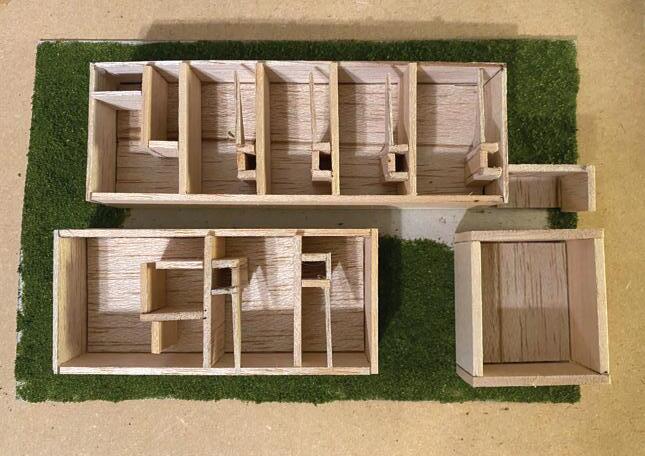
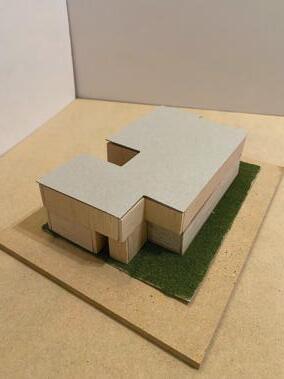
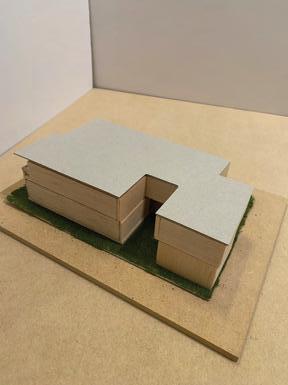
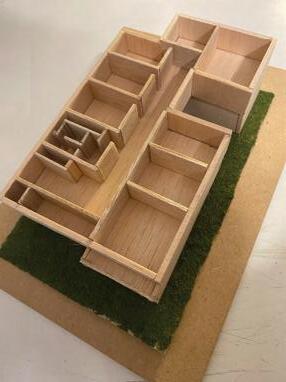
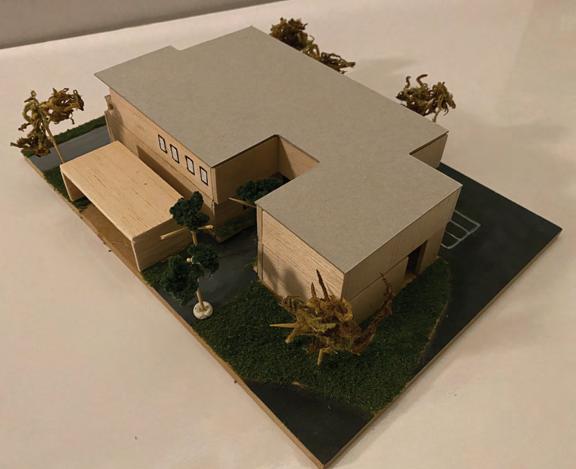
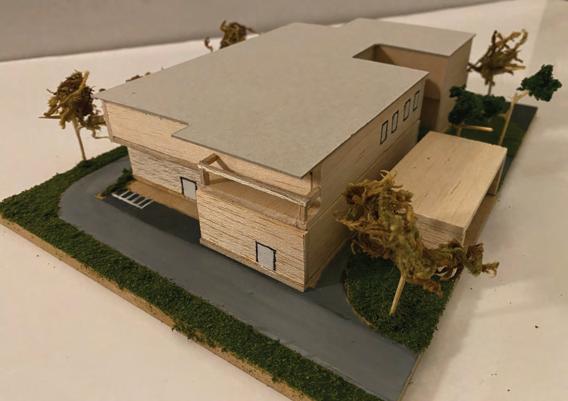
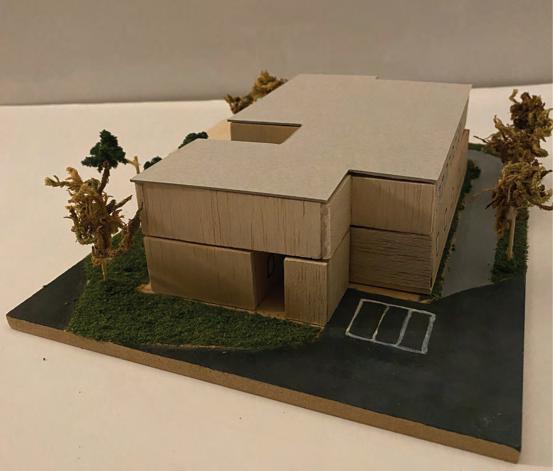
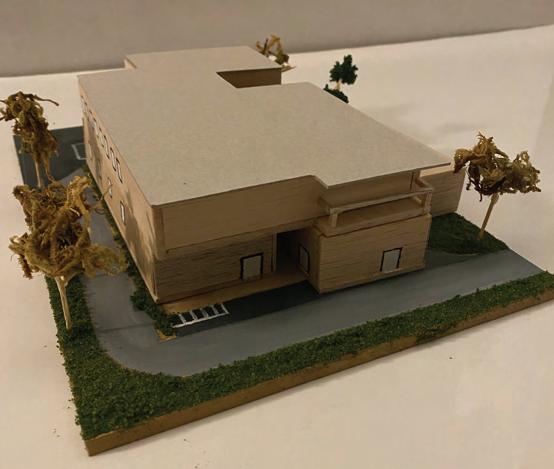
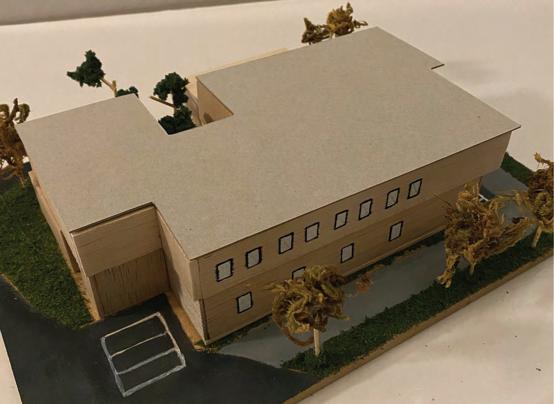
As artists, being drawn to the influence of fellow artists of other backgrounds and disciplines often leads to meaningful interactions and discussions amongst each other. These interactions and engagements in turn lead to the development of new inspirations and ambitions, which eventually translates into their creative expressions whether that be a painting, a sculpture, a poem, or a dance. This design aims to provide housing for local artists seeking a home, simultaneously including a large flexible workspace or studio, while creating a tight knit community amongst the residents that encourages frequent social interactions and collaboration.
Located in the quiet residential neighbourhood of Inverness St and E37th Ave, the design also strives to create a local hub for the neighbouring community and revitalize a strong sense of community within the neighbourhood through the use of commercial and semi-public programs.
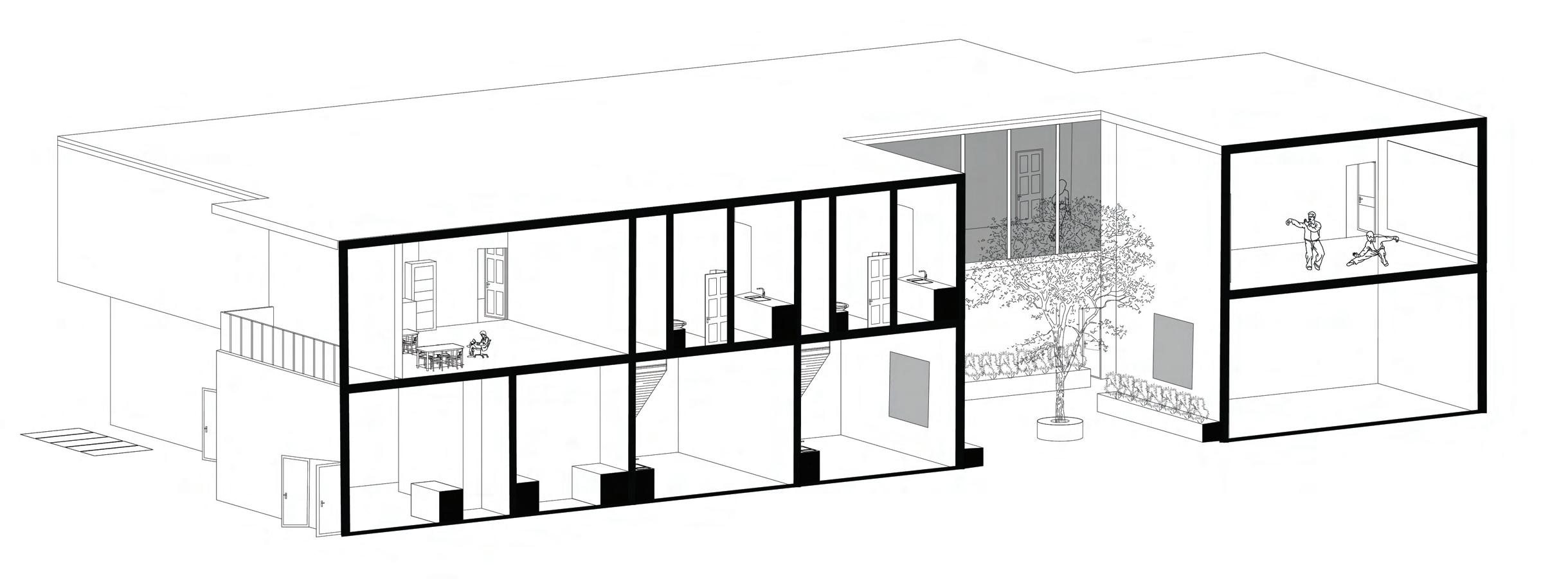
The building incorporates the use of a lock-in suite granting the tenants a versatile space which they can expanding their space or create new usages. Each unit on the upper level of the building is connected with a secondary unit on the lower level. This secondary space can be used as a private studio space for the tenant to expand their work area, a place of business where they can sell their work or offer services, or an additional living space for a secondary tenant.
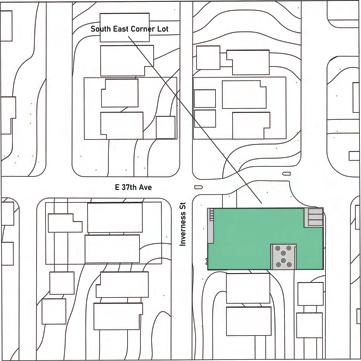
The area within the red box has been redesigned for the purpose of this project. It mainly introduces a new pedestrain sidewalk and adds new patches of greenspace.
Since the focus of the project is in the building design, the redesigned landscape will not be delved into extensively.


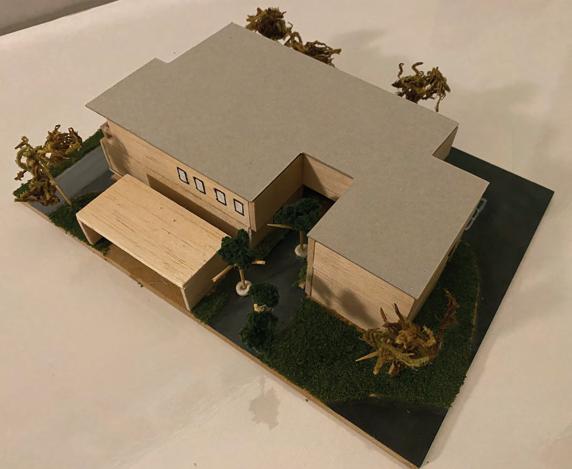
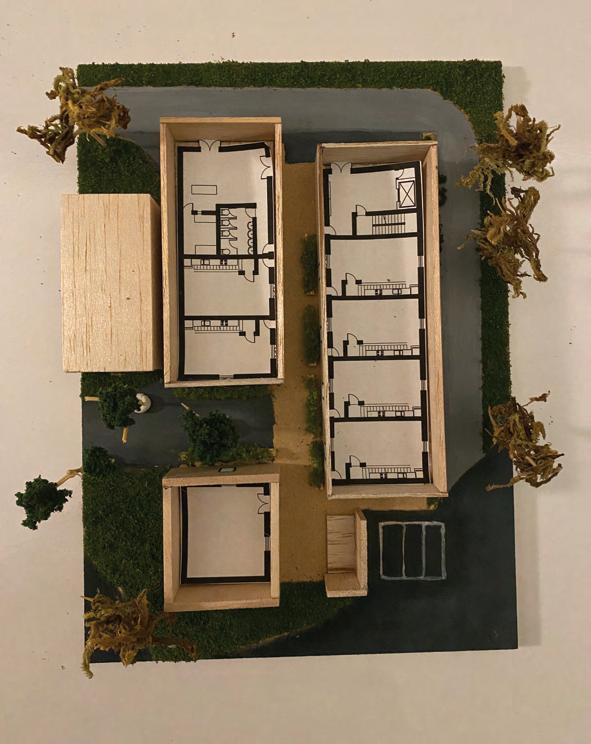
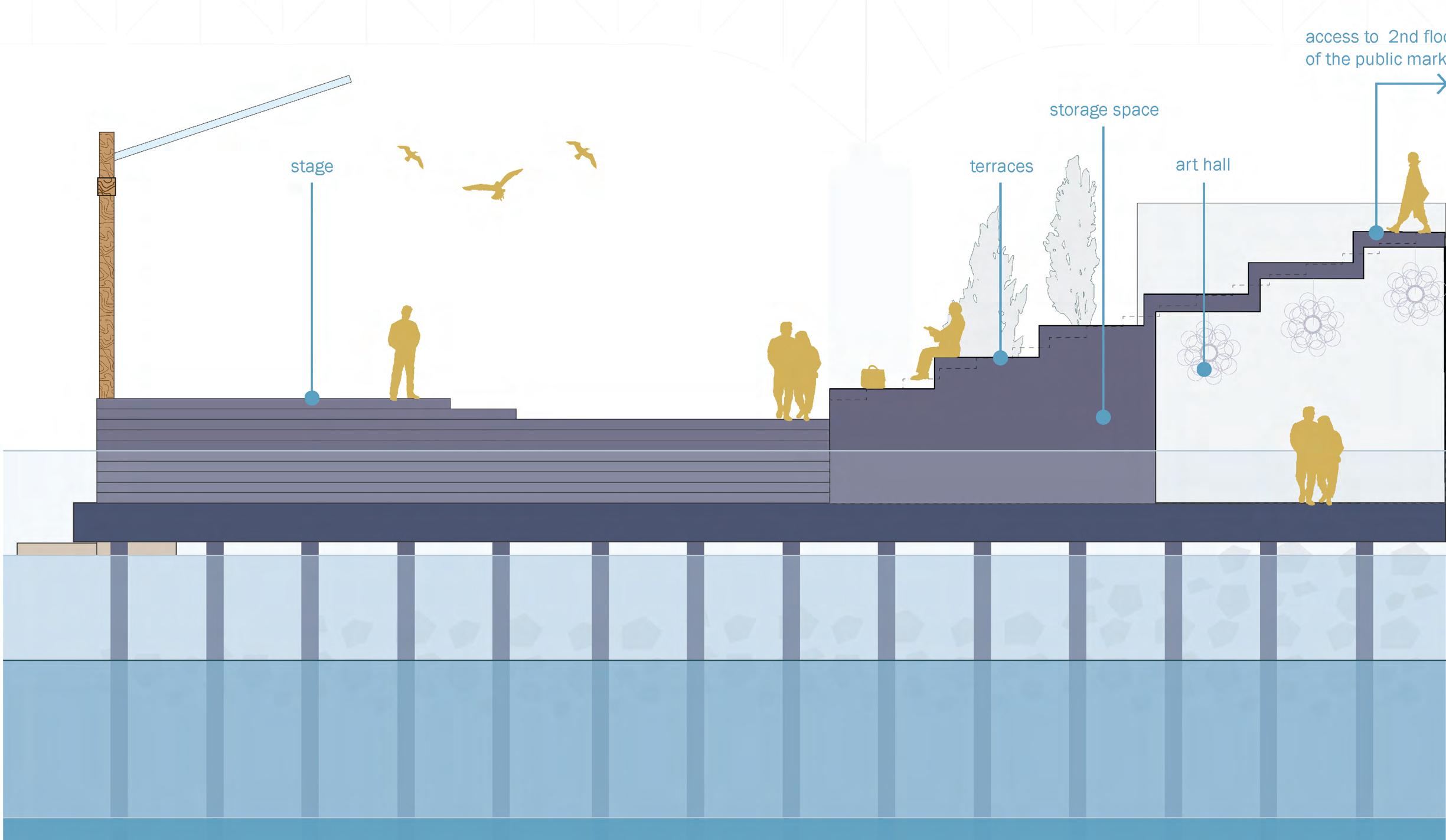
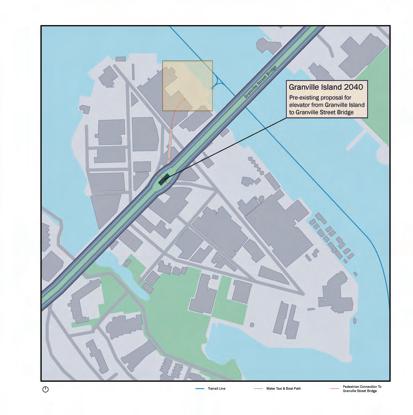
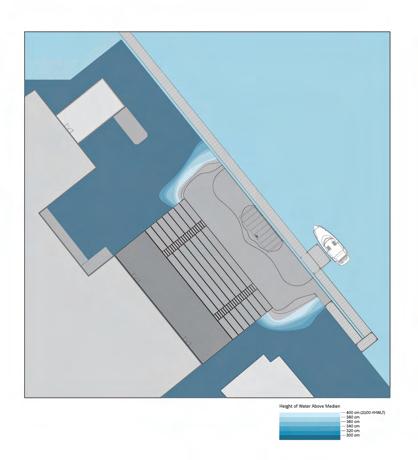
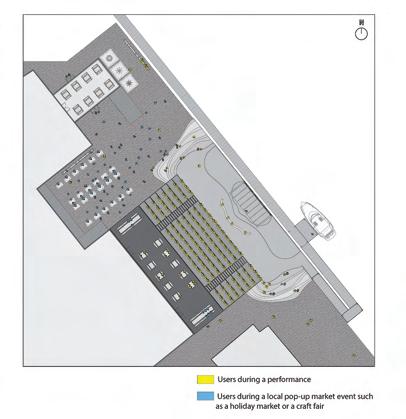
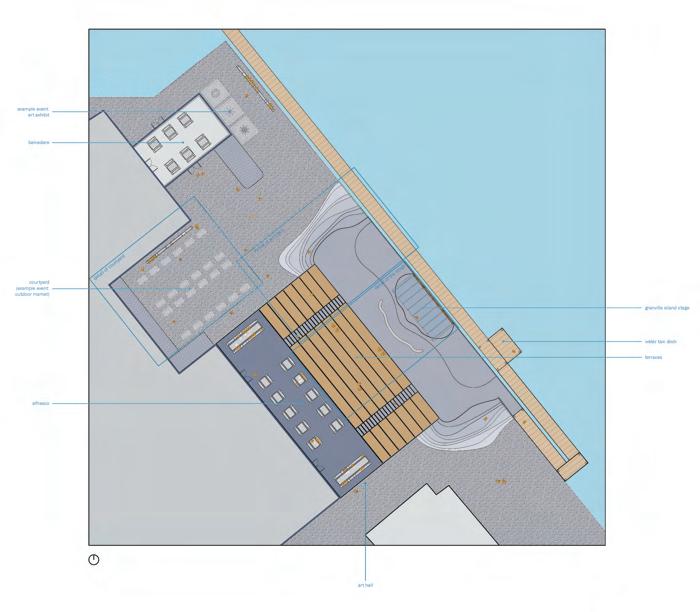
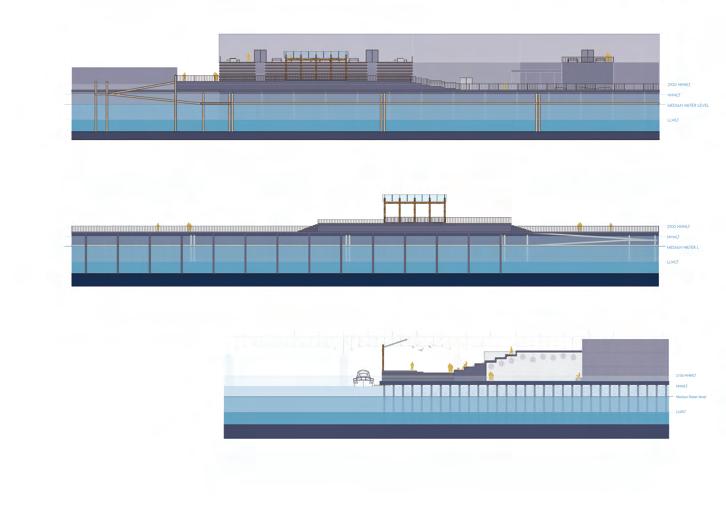
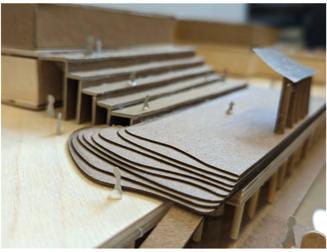
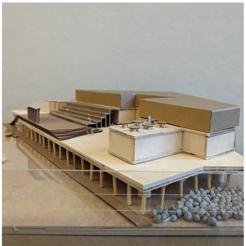
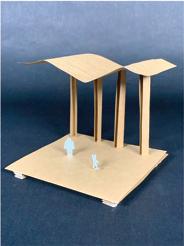
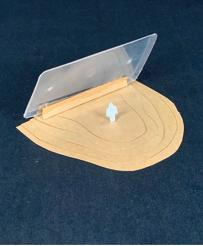
‘The Flooded Market’ explores increasing spatial usability of Vancouver’s Granville Island Public Market Courtyard to accommodate users at any time and any season while responding to the effects of sea level rise from today to 2100 in context to the False Creek area. The goals include creating an adaptive and flexible space for activities such as busking performances, pop-up market stalls and improving overall user flow to, and around the island. Rather than creating barriers to prevent the entry of water onto our site, this design aims to show how environmental changes can be embraced and adapted as an integral part of the site. The flooded areas on high tide events will create a new experience for users who may now enjoy the vibrant stage performances while feeling more connected and closer to the site’s natural surroundings. The flooded level of the Market creates opportunities for play such as wading and encounters with the wildlife which frequently visit or inhabit False Creek. Instead of separating the water from the site in hopes of combating sea level rise, the flooded market demonstrates how natural changes in the environment could function as a tool in creating new and unique programs.
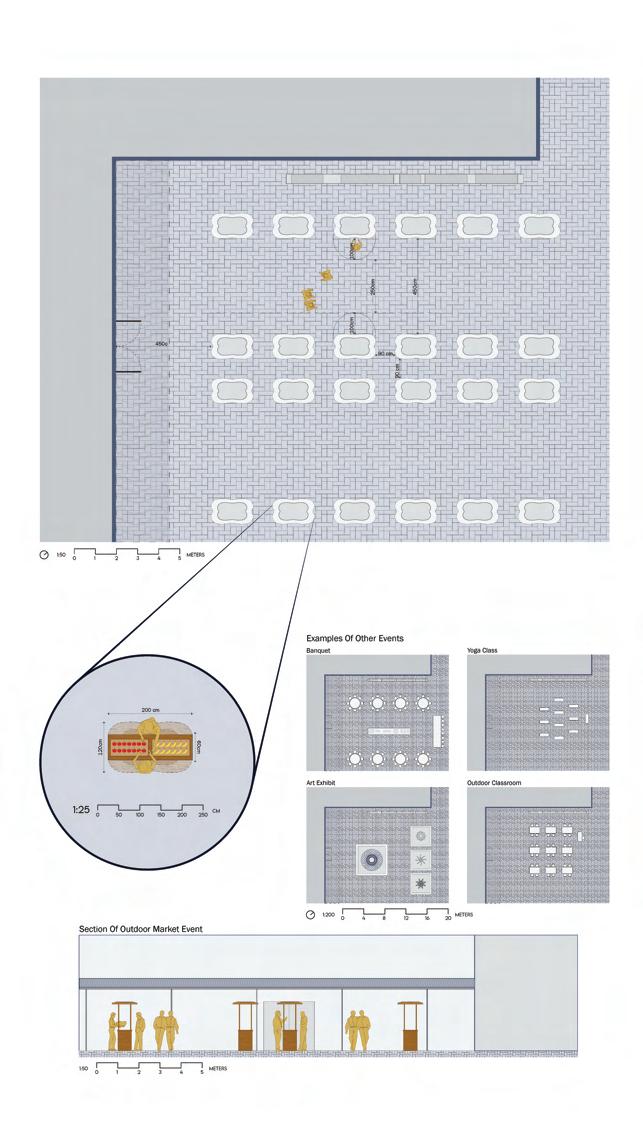
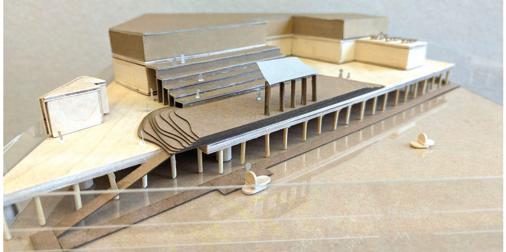

4th Year Studio-Individual
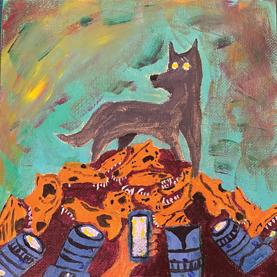

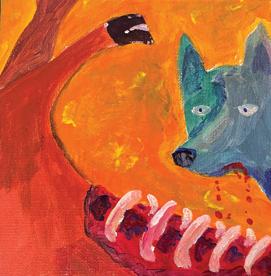
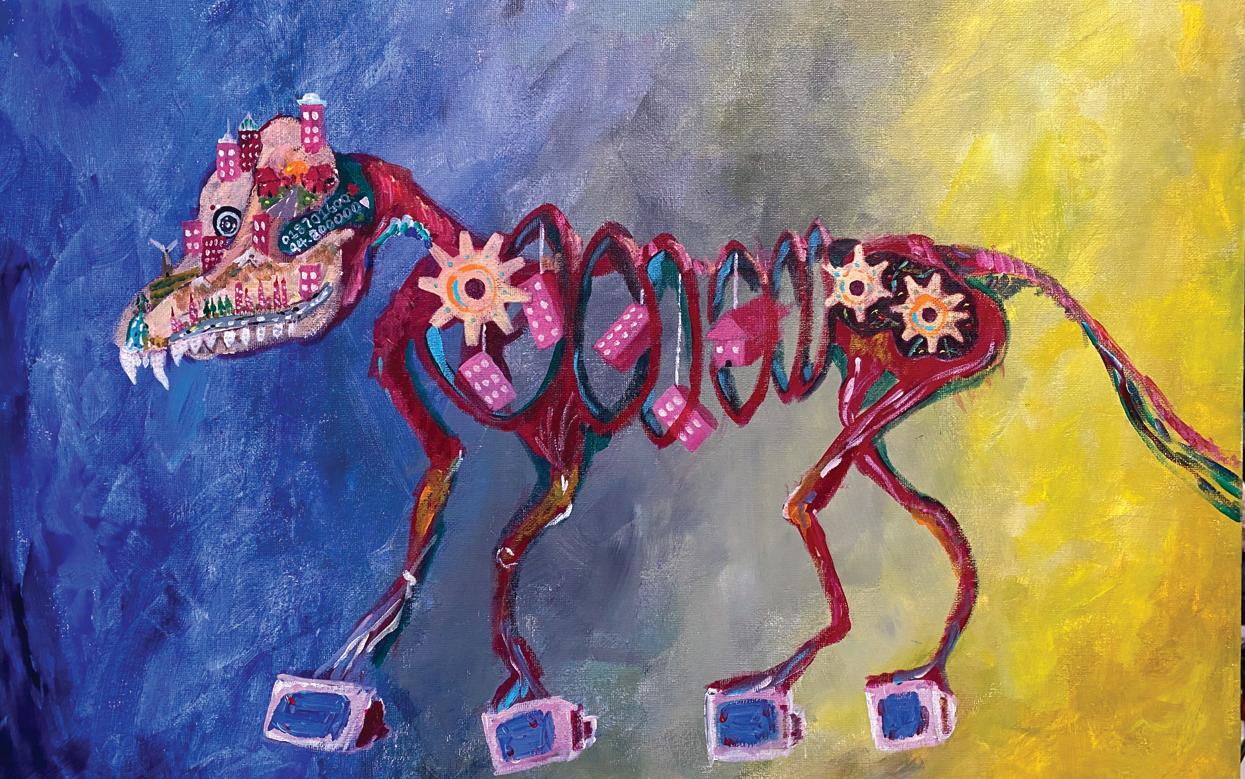
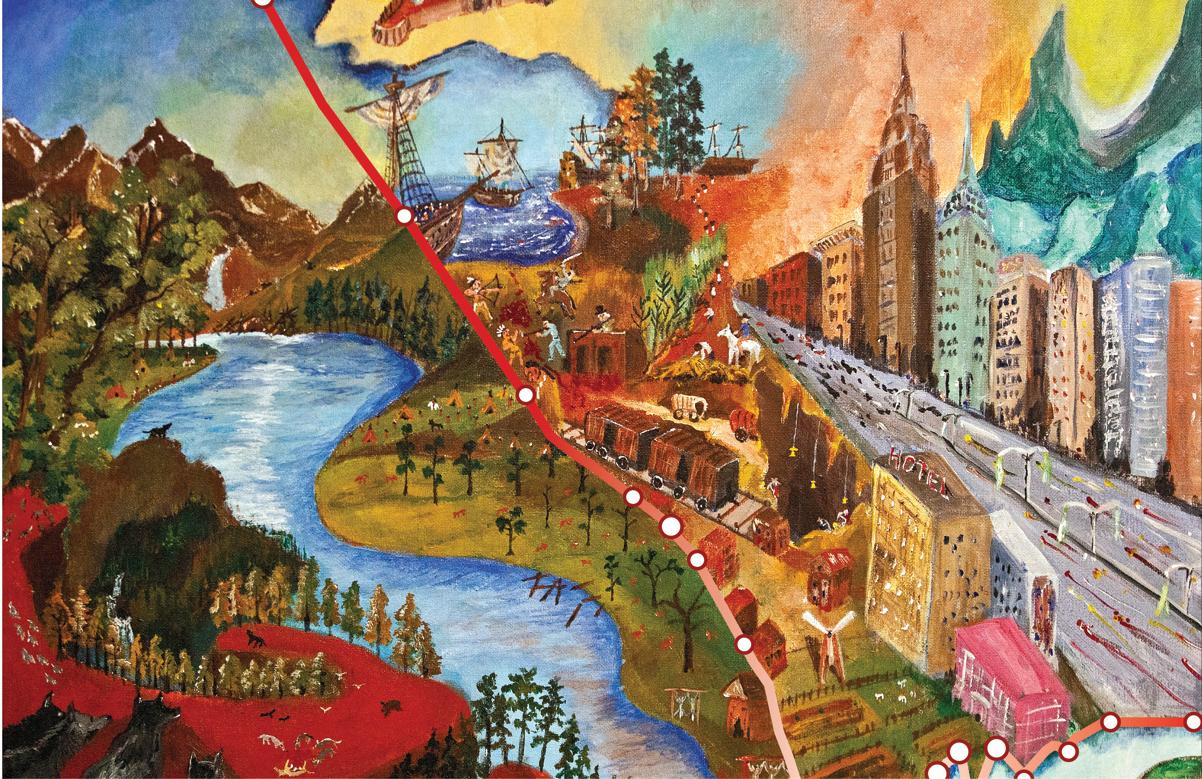
Since time immemorial, wolves have roamed across the landscape of America coexisting with indigenous nations while maintaining vibrant ecosystem. However, this would eventually change in the early 1600’s when colonial settlers would arrive and begin displacing Native communities and causing disturbances in the natural landscape.
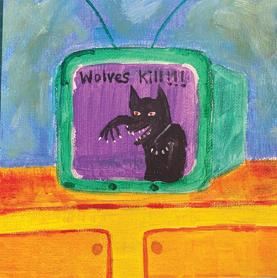
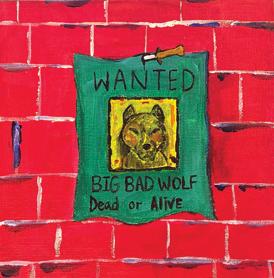
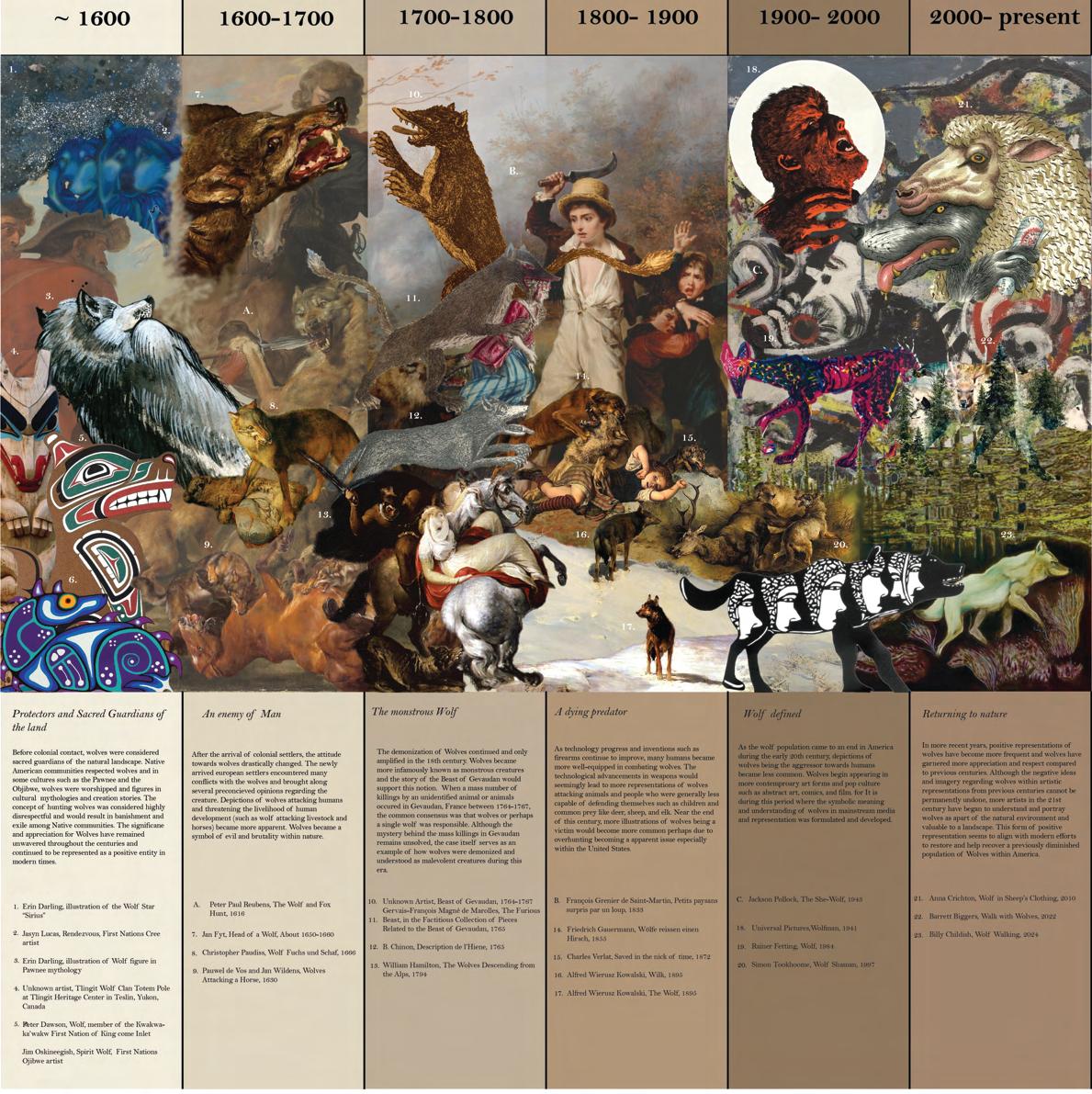
This project aims to highlight the various entanglements and conflicts embedded in the long history of wolf and human coexistence in America, while showing how human feelings and attitudes towards wolves were conveyed in artistic representations throughout the centuries, with different illustrations revealing implications of the dynamic relation between humans and wolves.
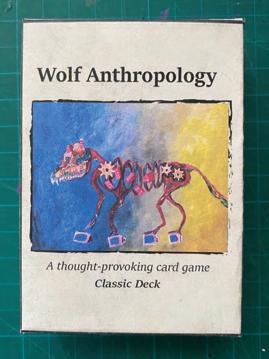
Wolf Anthropology is a game that offers an opportunity for people to speculate on potential outcomes and scenarios where wolves could face in the future, leading to compelling discussions and contemplation on possible ways in achieving or avoiding a scenario that may have been created using the game. Similarly to humans, wolves are complex and unpredictable creatures, which makes designing tangible boundaries and structures potentially harmful or unjust to the species. The best way humans are able to positive design for wolves and contribute to the issue using design is first by meticulously discussing unanswered or previously unconsidered elements that may impact the relationship between wolves and human and each species’ respective livelihoods.

1.Start by drawing 4 cards and line them up in horizontal row. You should also decide if you wish to go into the game with specific goal create the highest or lower value most positive or negative outcome, as close to zero/ as neutral or balanced as possible), or just let the cards take you on an adventure.
2.Flip over and reveal two cards of your choosing.
3.Once you have chosen to reveal two cards, you must draw from the main pile and then choose to either replace card, or stay. You can only replace or stay once per turn. turn is determined by a draw from the main pile. You must draw one new card every turn. Once card is facing up, no further action can be done to it and it must remain in your row.
4.Once all cards are facing up. You have completed creating speculative scenario for yourself.
5. After carefully looking at the bigger picture with the cards you’ve drawn, rearange your cards and place them on the game board in the position you feel suits each card best. Alternatively, you can stack all 4 cards together and place them in single postion.
Replace: Draw card from main deck. Afterwards choose card you wish to replace and put your original card (not your newly draw card) into the discard pile. Place your newly drawn card face up into the spot of your discarded card in your row. The discarded card does not have to be the two revealed card at the start of the game but can be any in the row. The only rule is once is discarded and replaced once cannot be done again. You can choose you wish to see the card that you have discarded and replaced or not.)
Stay: Flip over one of the remaining
The game can be played several rounds with each round generating a unique combination and provoking speculative potential futures scenario regarding what will happen to wolves in America? Are conflicts going to continually ensue, will humans finally learn to restabilize their population and integrate them into modern society? Or is nothing going to happen or change at all?
These “Rules” are meant to be loose guideline for players but the game is designed for open interpretation and can be played in whatever way suits the players best. This includes the cards and the game board as they are artwork that can have multiple interpretations and readings.Have fun!
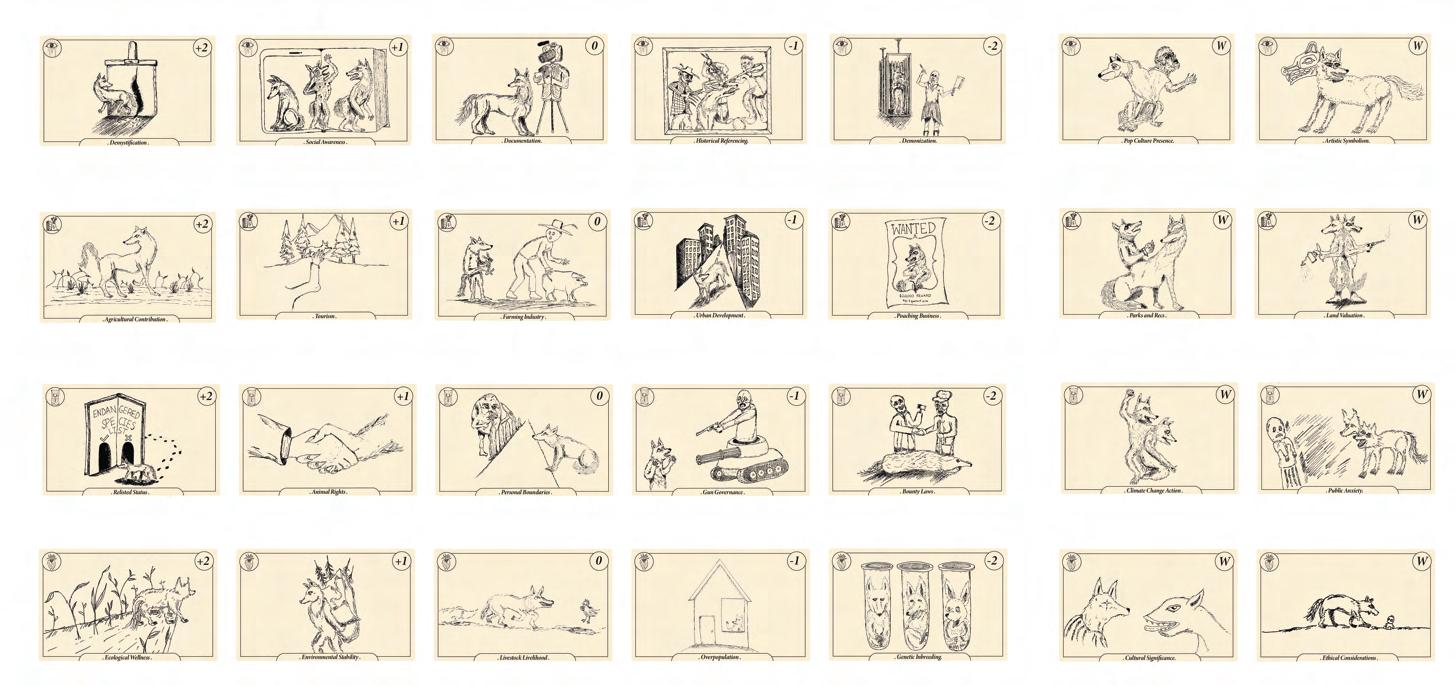
The deck consists of 28 total cards and is split up into four suites: Art and Media, Industry and Urbanism, Legislation and Policies, Conservation and Environmentalism.
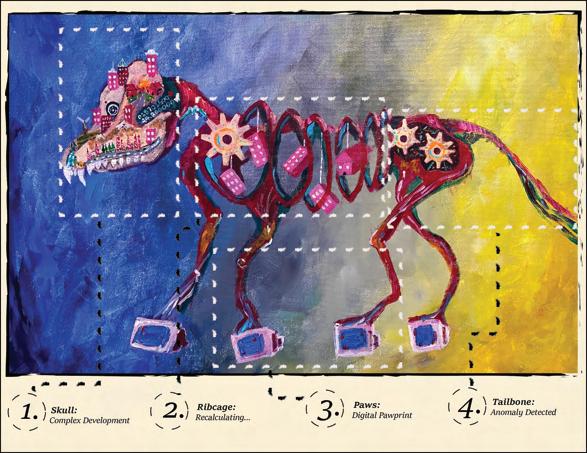
1.The Skull: Complex systematic transformation.
2. The Rib Cage: Structural systems and designs geared towards the topic is set in place.
3. The Paws: Discussions and intangible changes such as policies, media, or awareness efforts that become included in the topic.
4. The Tailbone: Aspects that may not become relevant in the matter or ignored for the most part.
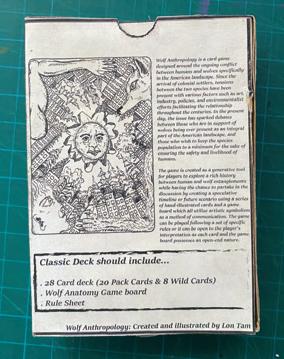
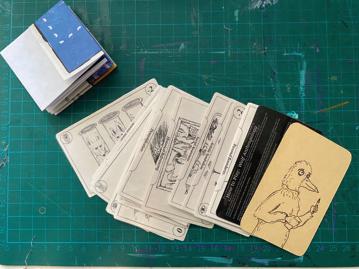
Pack cards are cards with assigned values that cannot be changed by the player. Their values assigned them will always be constant.
Each suite will have 5 pack cards and wildcards. Wild cards are cards that do not have assigned values and can be denoted value either -2,-1,0,+1,or +2 by the player.
“Wolf Art” Collage which illustrates different representations of Wolves in American and European media from pre-colonial America (15th century) to present day (21st century).
“History of the American Wolf” Painting depicting the historical events entangled and related with the wolf population in America from the 1600’s to present day.