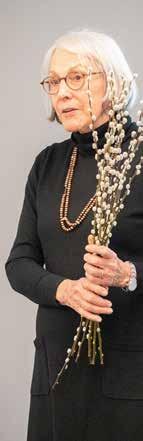
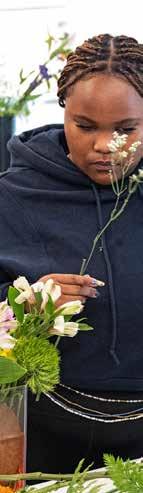
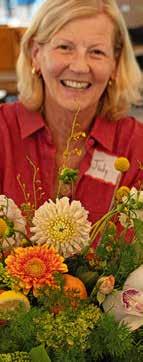
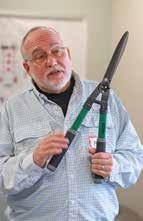
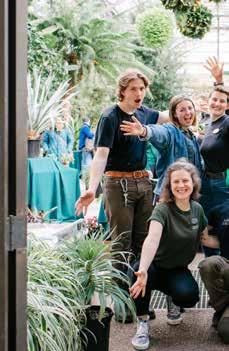
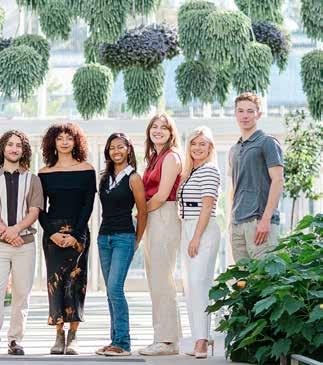
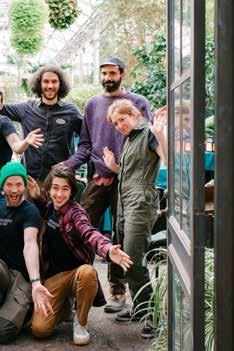
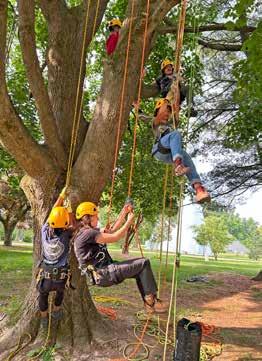
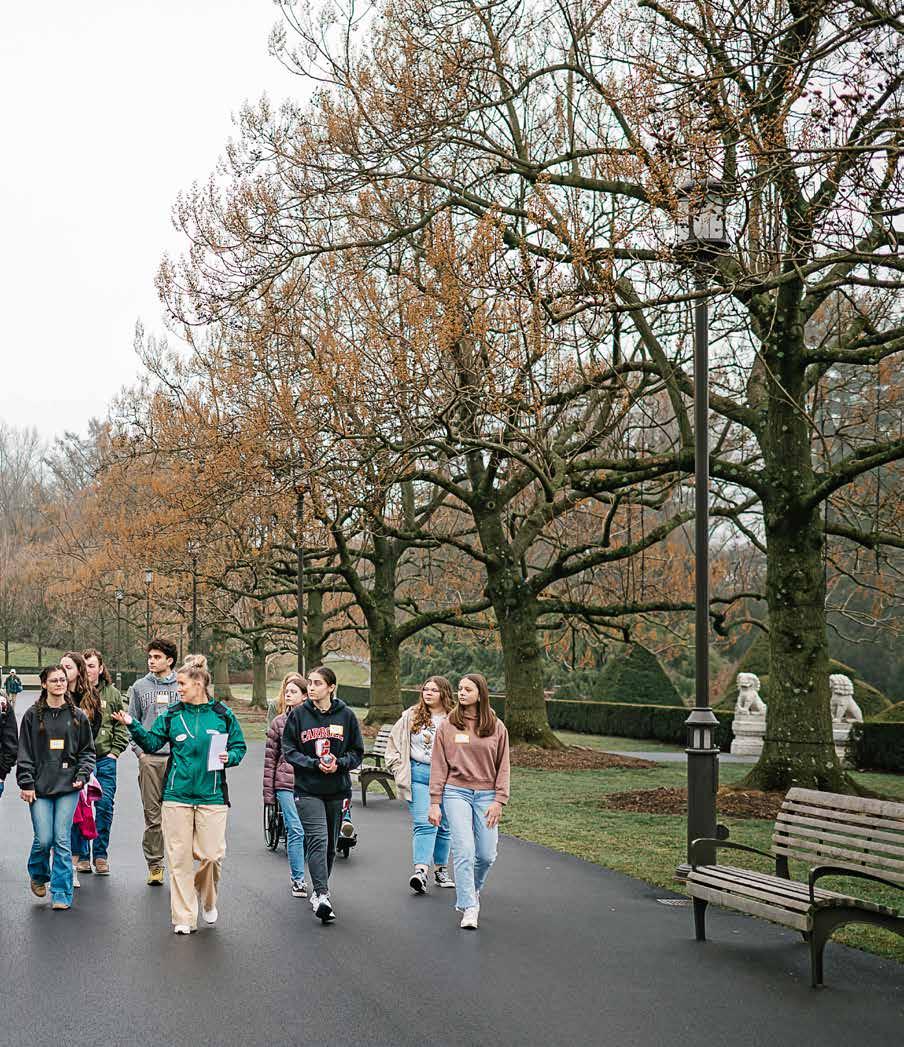
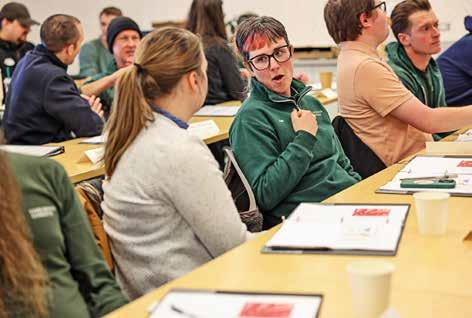
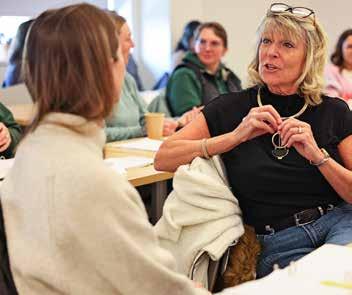
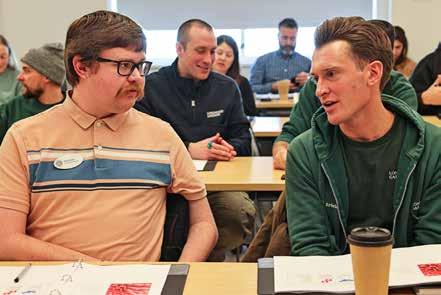
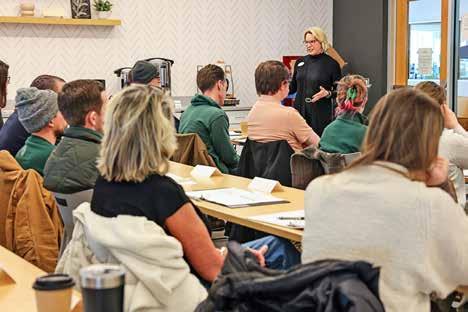
Whether it’s a child asking, “What’s that flower?” or an adult choosing a career in horticulture, Longwood Gardens nurtures learning at every age and every stage of life. Found in formal programs or moments of everyday wonder, education has flourished here for seven decades.
In this issue, we reflect on the origins of two cornerstone education programs through the voices of those who shaped them. We explore how our offerings continue to evolve to meet changing times and needs of today’s learners. We also introduce the Longwood Gardens Alumni Association, connecting our more than 3,000 alumni worldwide. Finally, we honor Chief Horticulture and Facilities Officer Sharon Loving on her retirement after more than 40 years of service.
As you explore the stories in these pages, we invite you to join us in sustaining and expanding our legacy of education. Through philanthropy, your help ensures that learning in the Gardens—in all its forms—continues to blossom and inspire in ever-new ways.
Features
6
A Certifiable Success Revamped certificate programs are making strides with learners.
By Timothy Gould
18
Eye on Education
We take a visual survey of learning as it happens every day and in many ways across our Gardens.
End Notes
40
Distinguished Leadership
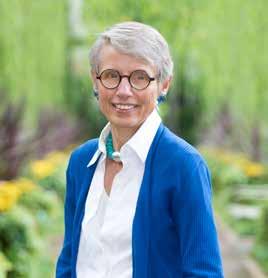
Jane G. Pepper concludes a decade of service as Chair of the Longwood Gardens Board of Trustees.
By Patricia Evans
8
Field Tripping
For many students, a field trip to Longwood is a formative opportunity to explore and engage with the Gardens.
By Rebecca Ackerman
32
A Lasting Legacy
At the close of an extraordinary 43-year career, we reflect on the impact Sharon Loving has had on horticulture and our Gardens.
By Katie Mobley
42
Thank You
Support from our donors, both individual and institutional, helps Longwood steward one of the greatest collections of gardens in the world.
10
Blending Tradition with Transformation Professional Horticulture revamp poises program for the future.
By Andrew Gurka
36
The Pioneers
A look back at how two leaders transformed a vision for horticultural education into lasting programs.
By Lynn Schuessler
14
Better Together New initiative joins Longwood Alumni under one association. By Katie Testa
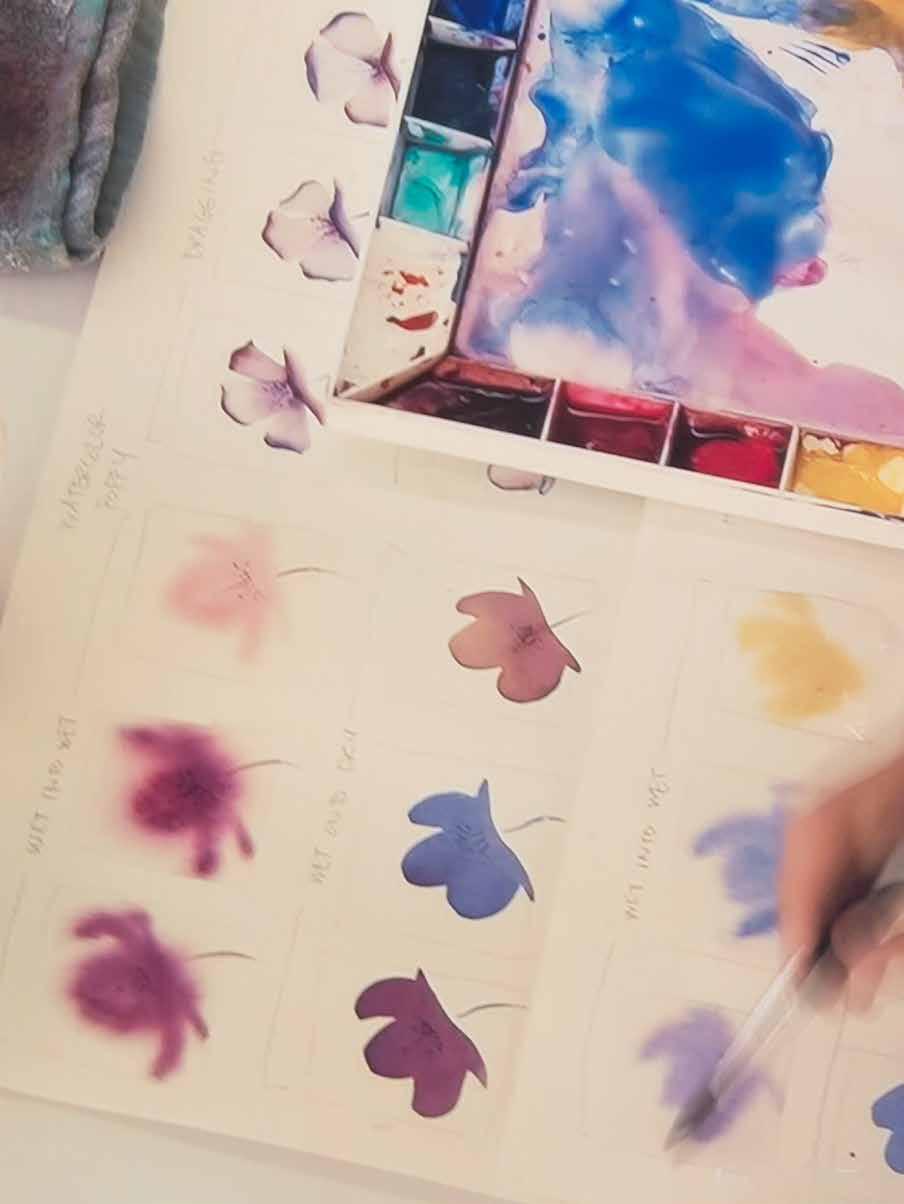
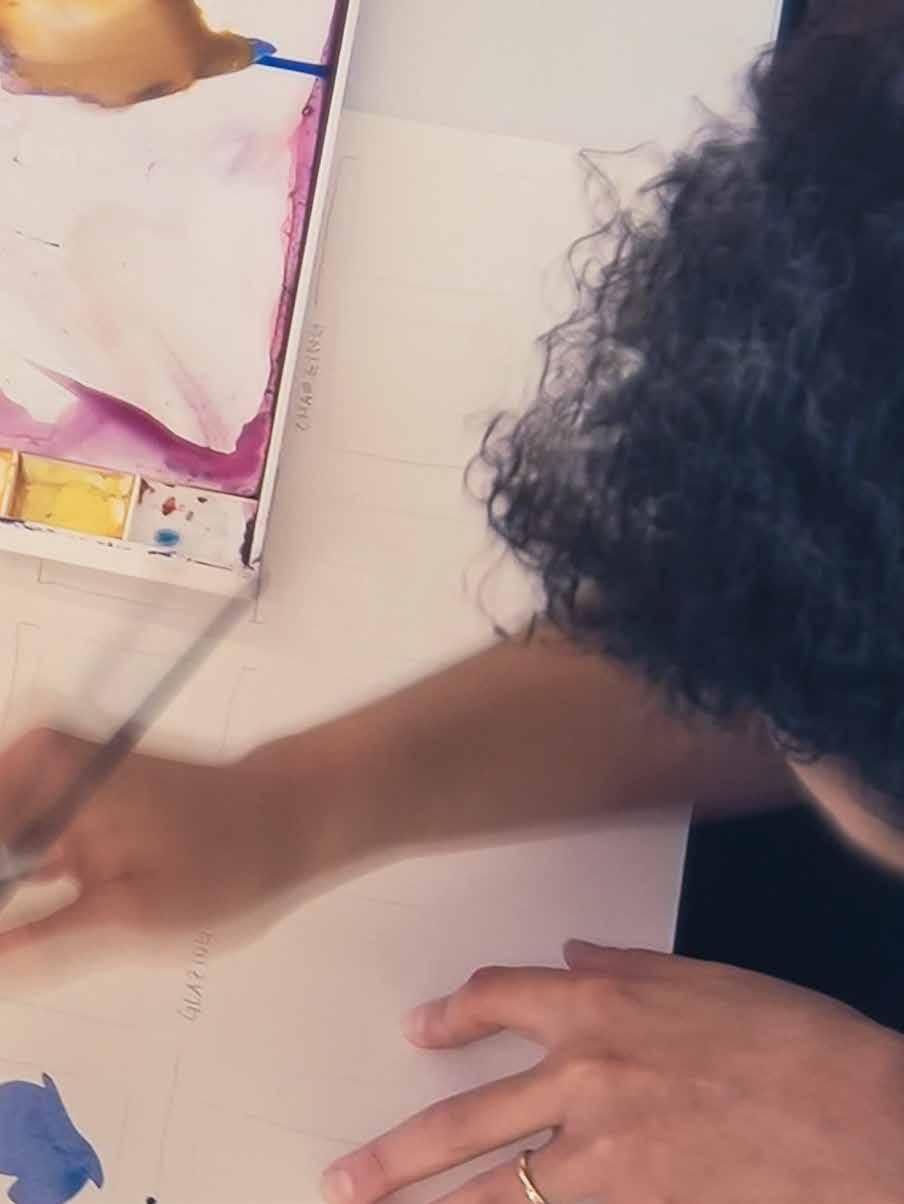
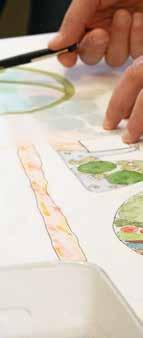
View from Continuing Education Luminous Watercolor class.
Photo by William Hill.
A Certifiable Success
Longwood Gardens boasts a long history of public educational programs inspired by founders Pierre and Alice du Pont’s own love of learning. When the Gardens transitioned from a private estate into a world-renowned horticultural display in 1956, classes and lectures offered to the public were one of the first and most popular types of programming available.
Over the 70 years since, our educational programs have served tens of thousands of passionate learners, adapting to meet the evolving needs of those who look to Longwood for education, inspiration, and joy. Our Certificate of Merit programs, serving thousands of amateur and professional students, have been a significant part of our education story— the Certificate of Merit in Ornamental Horticulture grew gardening skills for nearly 50 years, our Certificate of Merit in Floral Design inspired beautiful innovation for more than 30 years, and our Certificate of Merit in Landscape Design transformed dreams into successful gardens for the last 17 years. With the debut of Longwood Reimagined in 2024—including the opening of our state-of-the-art learning Studios in The Grove—the time was right to give our Certificate programs a reimagining of their own. Since then, we have introduced new coursework for our Landscape Design Certificate, a reinvented curriculum for our Floral Design Certificate, and added a completely new Gardening Certificate.
“Refreshing the certificate programs was essential to maintain relevance and align with industry standards. The process was collaborative and rewarding, bringing
together diverse expertise to update content and enhance the learner experience,” said Associate Director of Digital Learning Lauren Campbell.
Drawing upon Mr. du Pont’s innovative spirit, the evolution of our Certificate programs is a continuous process as we strive to provide lovers of both Longwood and learning with cutting-edge information and a world-class experience. To do this, we regularly gather feedback from both students and instructors, consult with internal and external professionals and industry experts, and benchmark comparable college-level programs.
Our Floral Design Certificate program, one of the finest in the Northeast, is renowned for its emphasis on both the art and theory of floral design. In the newest version of the curriculum, the core content has been reorganized into a series of eight diverse courses—from Decorative Floral Design to Introduction to Color Theory in Floral Design to Grand-Scale Design. All students begin with Floral Design Foundations, which provides them with the essential tools and vocabulary they need to succeed. The true challenge for new students has been registering: all three sections of Foundations offered in 2025 sold out almost immediately.
The Certificate of Merit in Ornamental Horticulture has been reimagined as the Gardening Certificate to meet the changing interests of our students, many of whom discovered gardening during the pandemic and are seeking new ways to grow their knowledge. From garden planning, to tools, mulching, pruning, watering, and more, this program provides aspiring green thumbs
Revamped certificate programs are making strides with learners.
By Timothy Gould
with all the essential skills they need to start or continue their gardening journey. Students also learn to identify pests and diseases and get “into the weeds” on growing vegetables, herbs, and a variety of the most common landscape plants. Students have a wide variety of choices to enhance their education with electives that dive deeper into subjects like hardy bulbs, annuals, flowering trees, groundcovers, and beyond.
Our Landscape Design Certificate, now available entirely online, is our most recently established Certificate program. The program has seen incredible growth over the past ten years and is currently the program with the highest number of enrollments, more than 550 in 2025, bringing together learners from across the country with a shared interest in design. Students across the entire spectrum, from those who have just discovered garden design to those with years of experience looking for additional training, have found value in this curriculum.
“At Longwood, learning is an experience that grows with you,” says Vice President of Engagement and Learning Dr. Kay Chubbuck. “Our reimagined Certificate programs honor our founders’ commitment to horticultural training while also creating new and accessible pathways for every learner to flourish, be creative, find connections, and feel joy.”
The work to reimagine these programs has proven worthwhile, as our three Certificate programs carried Longwood Gardens’ Continuing Education to our biggest year ever, with more than 5,000 total learners reached in 2025. As one student survey respondent commented, “The program was excellent, the materials were exceptional, and the teaching was expert. This is another fine example of the quality of Longwood’s programming.”
Field Tripping
For many students, a field trip to Longwood is their first opportunity to explore and engage with the Gardens.
By Rebecca Ackerman
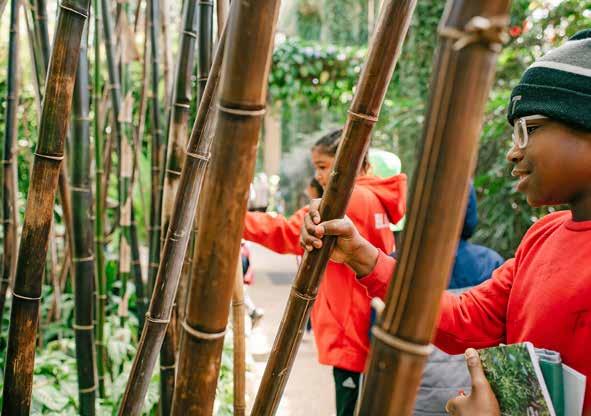
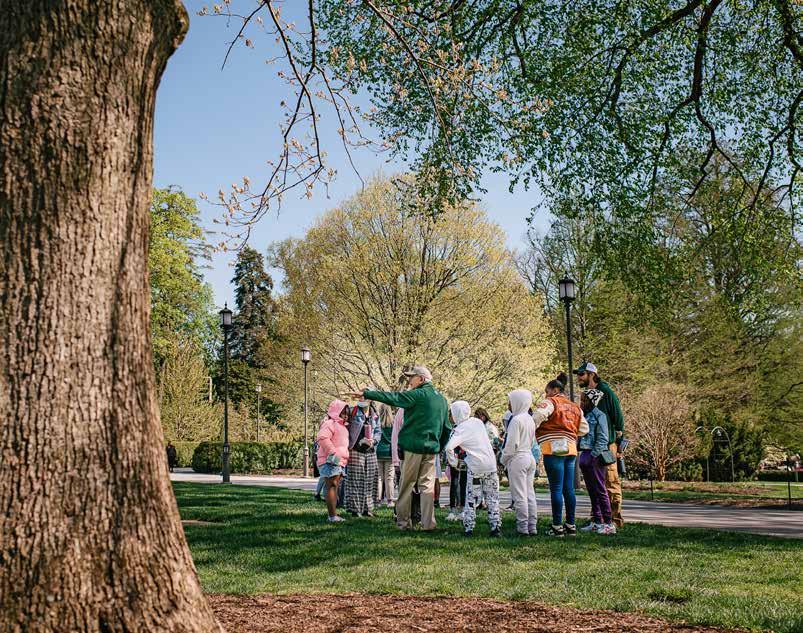
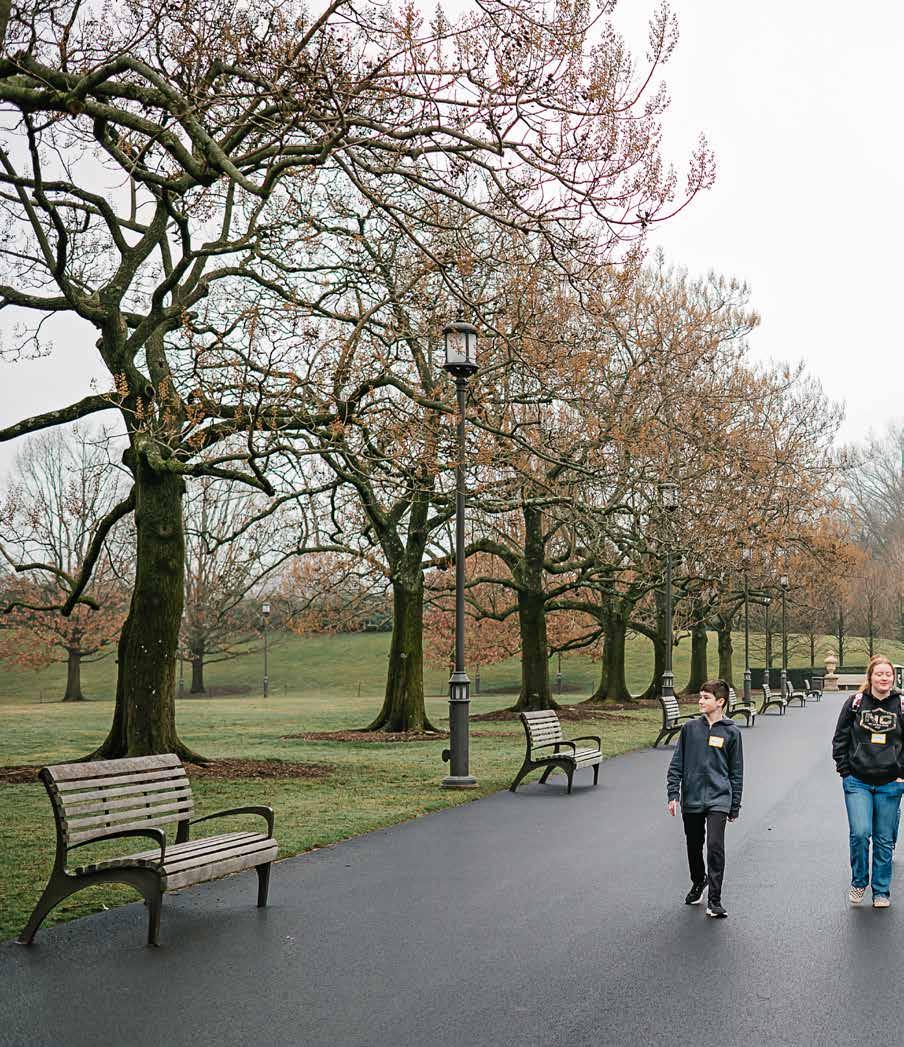
We all benefit from spending time in nature, and for kids those benefits are compounded. Research shows that playing in nature encourages creativity and curiosity, builds confidence, teaches responsibility, and reduces stress and anxiety. Longwood Gardens is committed to fostering an appreciation of nature for our youngest guests. One of the ways we do this is by offering educator or self-guided field trips to schools that serve kindergarten through twelfth grade students.
We are able to offer these field trips for free, thanks to donations and grants from generous individuals and our philanthropic partners whose support helps cover Longwood admission for the students, teachers, and chaperones, as well as the cost of supplies and program educators. This support also allows Longwood Gardens to provide a transportation grant to eligible Title I schools that have a high percentage of low-income students, offsetting the cost of school bus transport to and from our Gardens. Students visiting from Title I schools each receive four vouchers to return to Longwood for a future visit with their families. Longwood Gardens extends our
deep appreciation to Essential Utilities, which generously provided underwriting support for 30 Title I schools in the counties they serve to visit Longwood Gardens last year. Essential Foundation Corporate Giving & Community Affairs Lead Krista Seng said, “Essential Utilities shares Longwood’s commitment to water conservation, watershed reforestation, and stewardship of our region’s natural resources. We are honored to underwrite field trips so that more than 1,500 K-12 students can explore the outdoors, learn about their natural environment, and experience all the magic of Longwood Gardens.”
Field trip activities are rooted in Pennsylvania’s Next Generation Science Standards and are thoughtfully designed to help teachers augment their core curriculum. Our website offers pre- and post-visit activities based on grade level to help teachers connect the field trip experience to their learning objectives. Students can learn about how plants adapt to different environments, use math to estimate tree size, study how pests can affect tree and plant health, participate in nature journaling projects, learn about mapping
the natural environment, and much more. Through our Accessible K-12 Garden Discovery Program, Longwood educators offer adaptive programming for groups that wish for a slower pace or extra accommodations.
For many students, a field trip to Longwood is their first opportunity to explore and engage with the Gardens. In 2025, we welcomed nearly 17,500 students to the Gardens for free field trips, with 5,497 visiting from Title I schools. Feedback from the teachers is resoundingly positive, with comments like:
“Our first-grade field trip to Longwood Gardens was the highlight of the school year!”
“Thank you for a great trip—Longwood Gardens served as the inspiration for our high school photography students.”
“Our students had an absolutely wonderful time exploring the gardens! Comments like ‘This was the BEST day ever,’ and ‘It’s so beautiful’ filled the bus ride back to school. The tree houses were a big hit, but they especially loved the Eye of Water, describing it as calming and magical.”
Our hope is that these memorable trips will plant the seeds for a lifelong love of nature.
Friends of Longwood Gardens is an approved Educational Improvement Organization as part of the Pennsylvania DCED's Educational Improvement Tax Credit program. Pennsylvania businesses may earn tax credits when supporting Field Trips to Longwood Gardens.
To make a gift to support free field trips to Longwood Gardens, please visit longwoodgardens.org/donate
Free Field Trip and Title I Transportation Grant Program funding is generously provided by: Essential Foundation; The M&T Charitable Foundation; Joan Mazzotti and Michael Kelly; Charlotte Susan Munch; Natalie Reese and Kleon Diamantopoulos; and George Schreiber.
by
Photos
Laurie Carrozzino
BLENDING TRADITION with TRANSFORMATION
Professional Horticulture revamp poises program for the future.
By Andrew Gurka
As the world of education evolves post-COVID, industries and disciplines, schools, communities, and organizations are rethinking how people gain knowledge, build skills, and contribute to the world around them. Greater emphasis on technical skills, the need for adaptable and inclusive professionals in a changing climate, and training students for careers that strengthen local economies and global competitiveness are at the forefront in education.1
Since 1970, Longwood Gardens’ Professional Horticulture Program has nurtured more than 350 graduates who have gone on to shape landscapes, gardens, and botanical institutions around the world. Evolving over decades along with educational trends and industry needs, the program has always reflected our mission to educate future horticulturists and to help populate the industry with a pipeline of new talent.
1. Phillips, V. (2025, January 26). In 2025, 5 big trends will shape education. Forbes. https://www.forbes.com/sites/vickiphillips/2025/01/26/ in-2025-5-big-trends-will-shape-education/;Wiggins, G., & McTighe, J. (2005). Understanding by design (Expanded 2nd ed.). Association for Supervision and Curriculum Development.
In that spirit, we have reimagined the Professional Horticulture Program for the future—ensuring it remains a premier training program for the next generation of horticultural leaders.
The refresh aims to modernize the curriculum for a changing climate, strengthen hands-on learning for students, and further improve employment outcomes for graduates. Central to this effort is a deeper connection between classroom learning and hands-on horticultural work in the Gardens.
As we began thinking about how we wanted to update the program, we convened an advisory committee representing both Longwood staff and external partners from academia and industry, including North Carolina State University and Ball Horticultural Company, who worked over the course of nine months on the program redesign. The committee benchmarked the existing program against peer programs in the US and around the world, as well as met with instructors, alumni, and current students to inform their work.
The revision followed an educational framework called “Understanding by Design”, which begins by identifying desired outcomes for students, determining the evidence of success, and then shaping the courses and experiences that will lead to those outcomes.
Distinctively Longwood
Set to welcome our next cohort of 10 students in January 2027, the refreshed program emphasizes hands-on learning, leadership development, and specialization, based on current trends and industry needs. Students will continue to spend two years immersed in Longwood’s living laboratories—greenhouses, outdoor landscapes, natural lands, and conservatories—developing technical and professional mastery through direct work with Longwood’s horticulture staff. Signature elements of the program like the Student Exhibition Garden, Garden Practicum (each student receives a garden plot to design, experiment, and learn from each season),
Red Lion Row farm (growing vegetables that are served in 1906), and Plant Sales will continue to anchor the experience.
The students’ first year focuses on foundational horticultural knowledge in the classroom—growing in controlled environments, soil science, propagation, design fundamentals, and sustainable practices, to name a few—balanced with hands-on experience working in Outdoor Landscapes, Conservatory Display, and Greenhouse Production. The curriculum emphasizes shorter, skill-focused courses taught by experts across Longwood’s staff and network.
The second year will deepen learning and experience with students selecting one of three specialized tracks—Outdoor Gardens, Under Glass, and Conservation & Stewardship—allowing students to tailor their experience to their interests and career goals. These specializations will encourage interdisciplinary learning and work across the Gardens, in order to develop an experienced-based portfolio by graduation.
Embedded throughout the two years is an expanded plant identification curriculum, using the Gardens as the textbook, to ensure students have deep plant knowledge upon graduation. Students will continue to study herbaceous, woody, and tropical plants, but will also spend greater time studying trees, aquatics, grasses, vines, and native plants.
Horticultural skill building is also emphasized, and each student will complete a core skills assessment covering essentials like pruning, planting, propagation, machinery use, and safe work practices, ensuring that graduates can readily demonstrate the horticultural excellence that Longwood is known for around the world.
“For more than five decades, the Professional Horticulture Program has played a critical role in strengthening the
horticulture industry by developing highly skilled, adaptable professionals,” said Longwood Vice President of Horticulture Chris Cole and a member of the advisory committee. “Through immersive, hands-on training, rigorous plant education, and close mentorship, we prepare graduates to meet the evolving demands of public gardens and the broader green industry—ensuring a pipeline of talent grounded in excellence, leadership, and stewardship for generations to come.”
Beyond horticultural skill, the refreshed program also invests further in leadership and professional development. Through workshops in effective communication, cultural competency, budgeting, project management, Longwood’s signature hospitality, and career readiness, students
will gain the tools to lead teams, manage projects, and engage effectively with a variety of audiences, making them poised to enter the industry as well-rounded professionals. More intentional mentorship is woven throughout the student experience, pairing each student with horticulture staff, alumni, and industry professionals. Experiential learning opportunities visiting other gardens around the region, country, and world will continue to build their network. These relationships create a culture of guidance and growth that extends well beyond graduation. By blending tradition with transformation, the refreshed Professional Horticulture Program stands as a model for the future of learning: rooted in history, striving for innovation, and preparing its graduates to be successful in an ever-changing world.
Longwood expresses our thanks to Chanticleer Garden, Pleasant Run Nursery, and Scott Arboretum & Gardens for their support of Professional Horticulture and Alumni Programs.
To make a gift to help shape the future of horticulture, visit longwoodgardens.org/donate To learn more about underwriting a Professional Horticulture student, contact Director of Major & Planned Gifts Rebecca Ackerman at rackerman@longwoodgardens.org or 610.388.5259.
Better Together
New initiative joins Longwood Alumni under one association.
By Katie Testa
The impact of Longwood’s horticultural education programs is far-reaching, with a network of professionals in the field that extends around the globe. Our educational programs—from internships for US and international students to the newly revamped Professional Horticulture Program (see Blending Tradition with Transformation, page 8) to our Fellows Program, each historically with their own alumni group—are a longstanding staple of our mission to inspire those around the world with the beauty and importance of horticulture. Through these programs, we create a pipeline of future horticultural professionals and public garden leaders … and we are now further connecting these like-minded individuals by joining our three alumni groups under one overarching Longwood Gardens Alumni Association.
The Longwood alumni body contains more than 3,000 individuals who have all passed through our garden gates, have learned from Longwood experts and each other, and have gone on to build rich careers. Our alumni stretch across nearly 40 US states and 13 countries, including Mexico, China, South Korea, and beyond. Members of our alumni currently hold positions at Cambridge University Botanic
Garden, Korea Garden Association, Royal Botanic Garden Edinburgh, Royal Horticultural Society, and many more domestic and international institutions, nurseries, landscape design firms, and private gardens. Many have started their own businesses using the skills they gained during their time at Longwood.
“The Longwood network is massive and deep, and it goes all around the world,” says Longwood Director of Student Programs Andrew Gurka. “It’s hard to go to a garden and not find a connection to Longwood in some way.” Gurka and our Student Programs team oversee Longwood’s college and university programs, including our US and international internship programs, and our Professional Horticulture Program. He is leading the way in developing this Alumni Association.
With such rich experiences and skillsets among our Longwood community, it is an essential part of our mission to continually bridge the gaps between our current students, our recent graduates, and our alumni. Members of the Alumni Association will receive timely communications that share updates, news, and stories about our internship programs, Professional Horticulture Program, Fellows Program, and other happenings around our Gardens.
They will also receive access to a directory that includes alumni across all Longwood programs, enhancing their network and connections around the globe.
Alumni will benefit from a unified LinkedIn group that will house everything from job postings to career growth opportunities to mentorship and professional guidance shared among alumni members. No matter where they are in the world, our alumni can remain engaged with one another and explore professional opportunities via this dynamic, digital platform.
In-person meet-ups are an essential part of this new program. While there were a variety of professional and networking events organized by each alumni group, such as the Today’s Horticulture Symposium, those programs will now be shared with all alumni, thereby increasing the audience, expertise, and opportunities for engagement.
Alumni are always welcome back to see how our Gardens have grown, and we will be offering receptions several times a year to help alumni reconnect with the Gardens and each other.
“No matter which program they were in,” says Gurka, “we hope our alumni see similarities in each other’s work and career paths.”
Our new Alumni Association propels our mission of being a globally engaged public horticulture institution, led by experts in the field who then help inspire future generations of passionate horticulturists, communicators, educators, and more. It is a continued investment into the lives and careers of all our past students.
For more than 70 years, Longwood has built an education legacy whose impact extends all over the world—and we’re happy to keep fostering those important alumni connections with the Longwood Gardens Alumni Association.
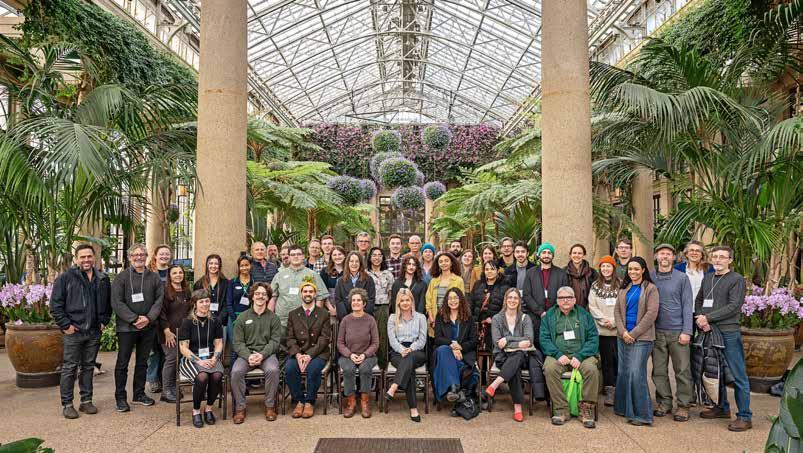
Above: In February 2026, alumni attending the Today’s Horticulture Symposium gathered for a group photo in the Main Conservatory.
Photo by Meghan Newberry.
Professional Gardener Training Program
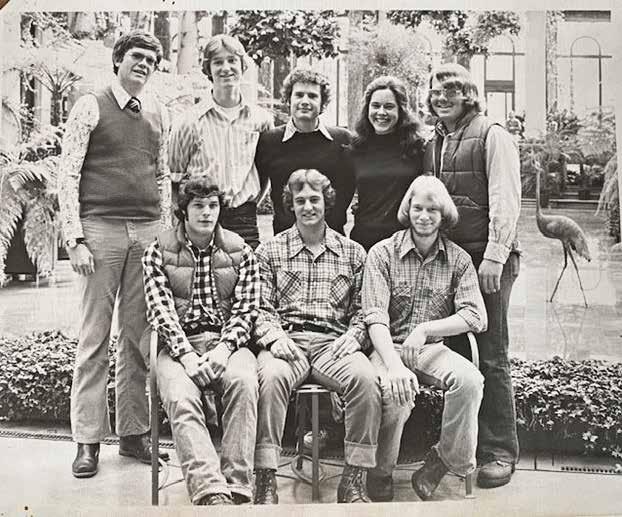
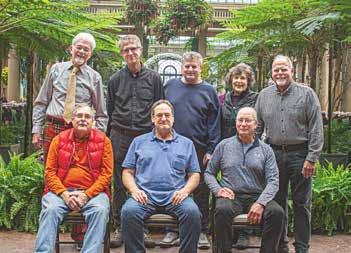
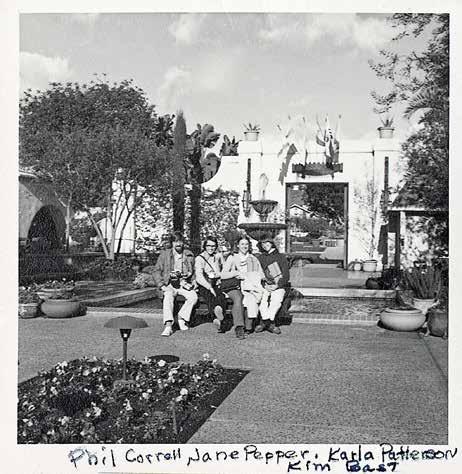
Class of 1978 Reunion
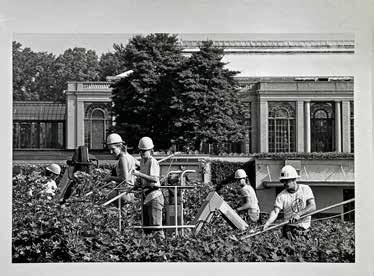
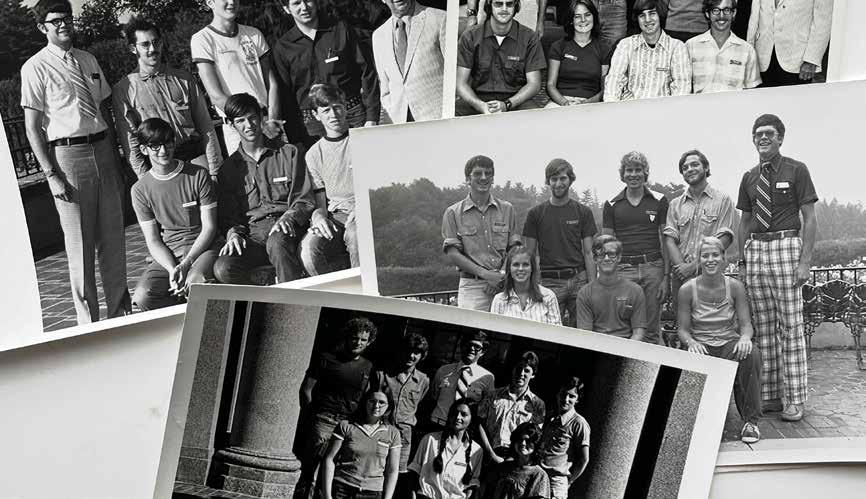
Right and below: On October 30, 2025, every member of the Professional Gardener Training Program class of 1978 reunited at Longwood and recreated a photo they had taken (at right) during their time as Professional Gardener Training Program students. Front row from left to right:
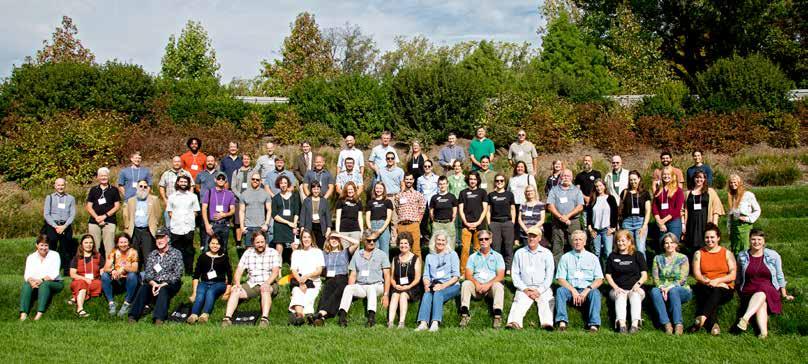
Below: In October 2021, Longwood Gardens welcomed 120 Professional Horticulture Program alumni back to our Gardens for a Professional Gardener Alumni Association 50th Anniversary Celebration. “The [50th anniversary event] at Longwood was a very special day, especially for those graduates employed by Longwood. Many past students converged at Longwood to celebrate with fellow graduates,” says Taylor.
Skip Lloyd, Don Hoffman, and Ralph Betty. Back row left to right: Program Coordinator Dave Foresman, Harold Taylor, Paul Saywell, Melinda Miller Goin, and Matt Hewes. Photos by (top to bottom) Harold Taylor and Joe Hare.
EYE ON EDU CATION
We take a visual survey of learning as it happens every day and in many ways across our Gardens.
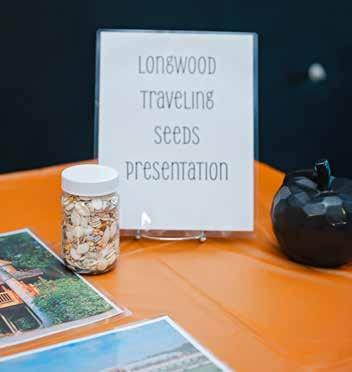
Traveling Seeds
It All Starts With a Seed
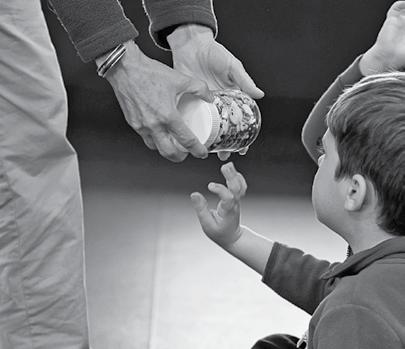
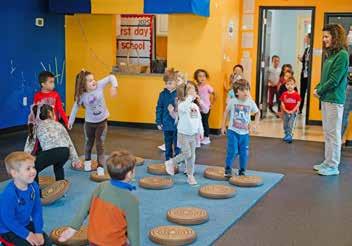
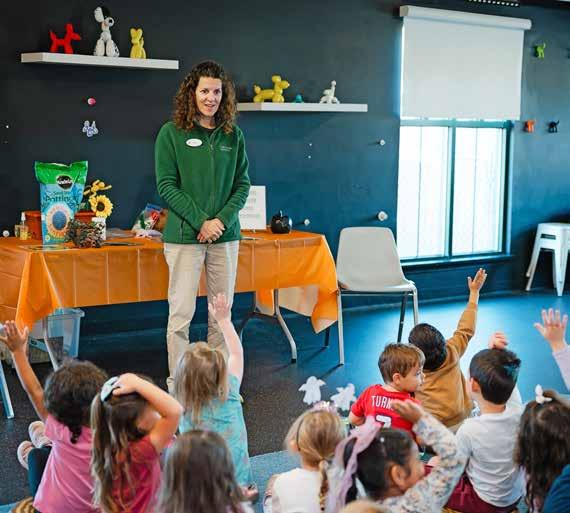
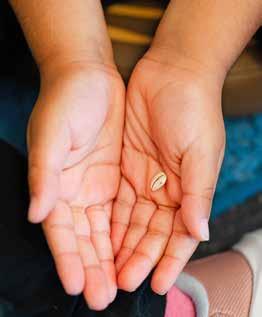
School and Youth Educator Lynn Trouba visits a Pre-K classroom as part of our Traveling Seeds program, which is an interactive program that guides children through using their senses to explore a living plant, discover plant parts, and learn what plants need to grow. The program is free to classrooms within a 20-mile radius of Longwood. Each year, we reach around 1,000 students. This page and previous, photos by Laurie Carrozzino.
Virtual Learning Labs
Online Learning Brings
Our Gardens to the World
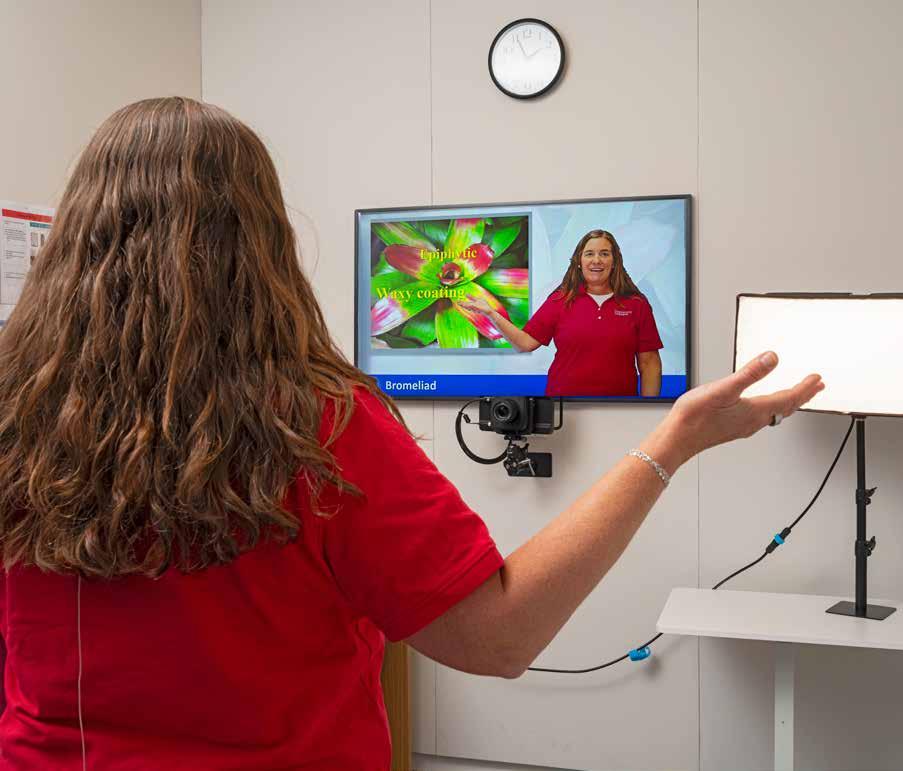
Every year, nearly 13,000 students from across the country—and even internationally—participate in our free virtual programs and webinars. These sessions enable students to dive into subjects like pollination, carnivorous plants, green careers, and more. School and Youth Educator Katie Cloutman (above) delivers an online program live from our virtual studio. Photo by Daniel Traub.
Around the Gardens Staff Podcast Series
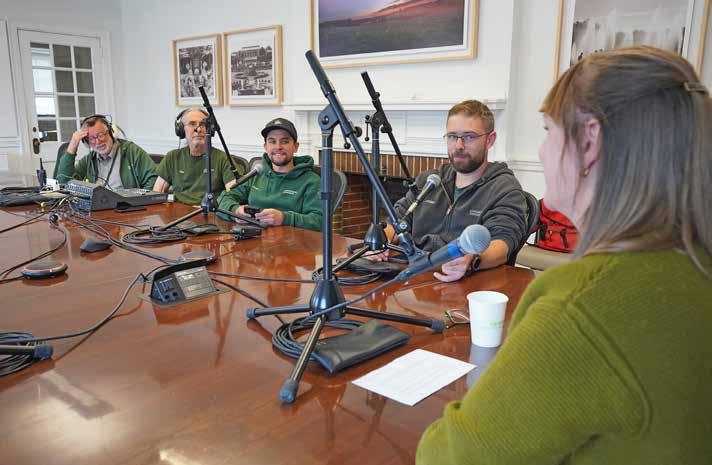
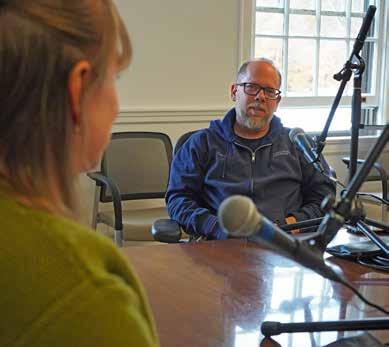
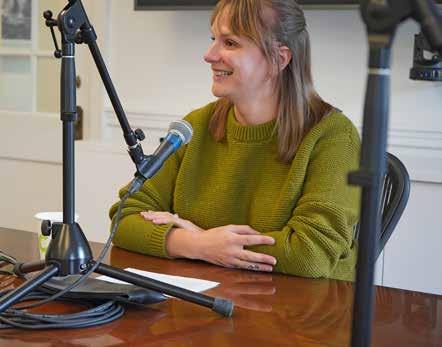
Part of our suite of staff education and development programs is the Around the Gardens Podcast where staff members are interviewed to highlight their important work around the Gardens. Director, Employee Experience and podcast host Sarah Palm records the episode Fabricating Christmas with Facilities featuring Carpenter Josh Waber, Senior Carpenter Stu Taylor, and (below) Senior Mechanic/Fabricator Dave Beck, with technical support provided by Audio Technician Chip Powell and Production Supervisor Dave Muehsam. Photos by Carol Gross.
It
Takes a Village An Interpretive Moment
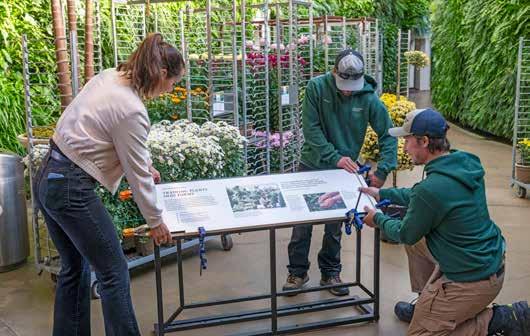
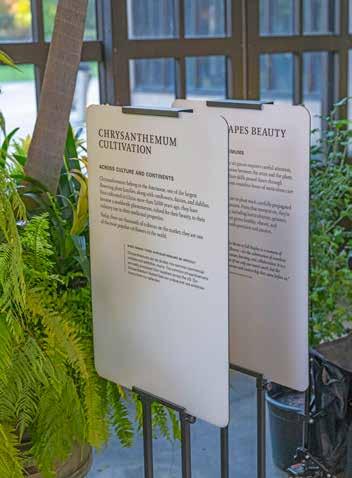
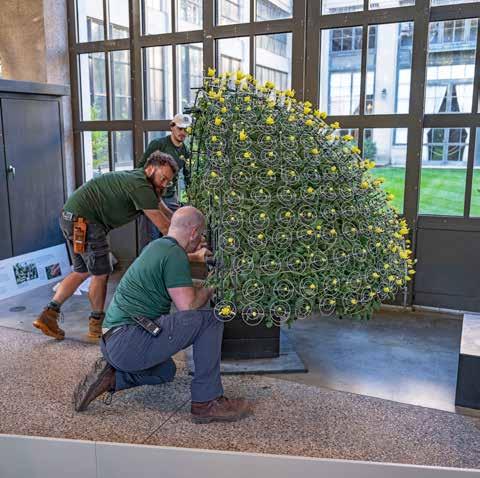
Interpretive signage and special exhibits play a key role in educating guests about our Gardens and work. Staff are seen here in October installing a new exhibit offering an in-depth look at the art and science behind Chrysanthemum Festival Content for this exhibit was created by Director of Interpretation and Exhibitions Dottie Miles and Associate Director of Science Communications Jessica TurnerScoff, Ph.D. Associate Art Director Morgan Cichewicz designed the exhibition graphics. Photos by Hank Davis.
Next Gen Horticulturists Green Careers Exploration Day
School and Youth Educator
guides students during
Careers Exploration
offers high school students a chance to explore the many careers that make a public garden thrive. During this free program, students learn directly from Longwood staff as they share their career paths and showcase their roles, meet our Professional Horticulture students and interns, and participate in a leadership activity with our Longwood Fellows.
Melissa Kent
Green
Day, which
Photo by Laurie Carrozzino.
Leading at Longwood Leadership at All Levels
Director of Learning & Development Veronica Chase presents a session of Leading at Longwood, a six-month leadership development experience designed to help managers strengthen their impact and grow their leadership practice. Grounded in Longwood’s leadership capabilities, the program brings together a select cohort of participants and mentors for monthly sessions, individual assignments, peer learning, and mentoring circles that foster connection, reflection, and real-world application. The 2026 cohort includes 24 participants and five mentors from across the organization.
Photos by Carol Gross.
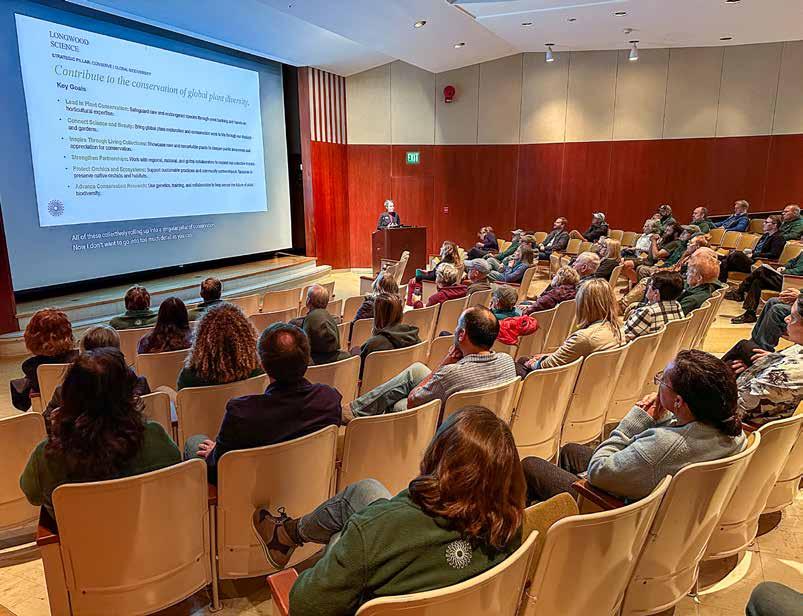
Our Staff Speaker Series is designed to highlight and educate staff and volunteers about important initiatives happening around the Gardens. In this session, Associate Vice President of Science Dr. Kate Santos shares Longwood’s Science Strategy in preparation for its January 2026 launch. Photo by Carol Gross.
She Blinded Me With Science Staff Speaker Series
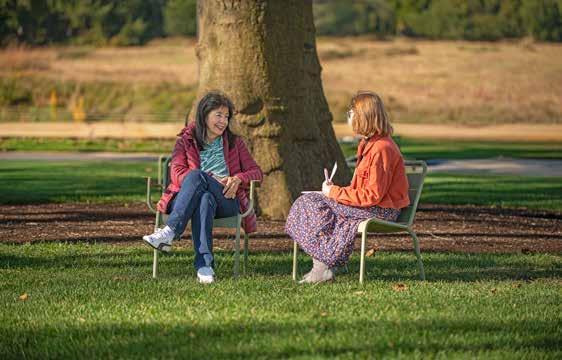
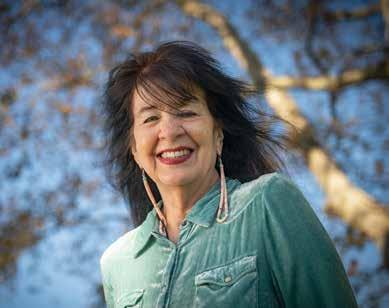
Left: Communications Associate Katie Testa interviews Joy Harjo for a blog post about her experience as the André Harvey Creative Fellow.
Joy to the World Poet Laureate Joy Harjo is the Inaugural André Harvey Creative Fellow
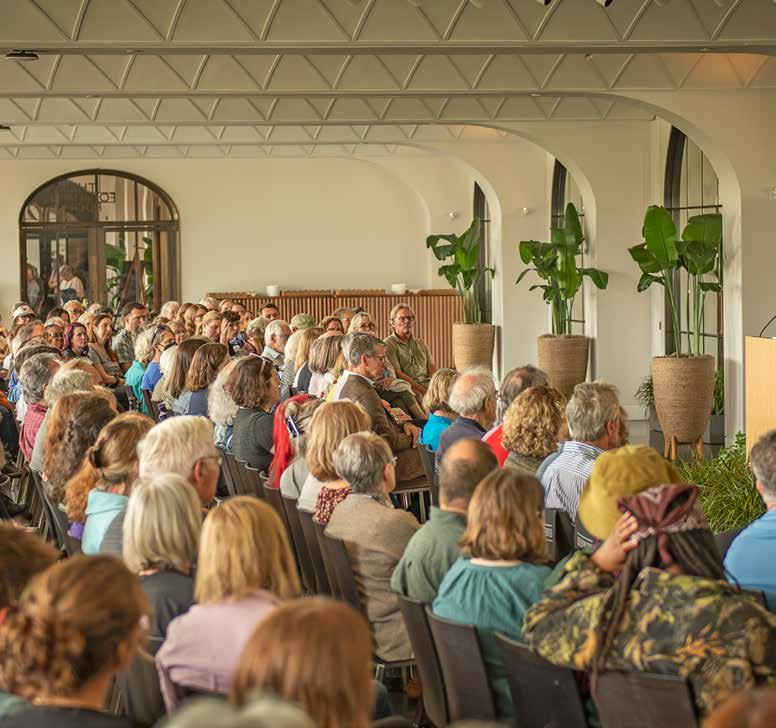
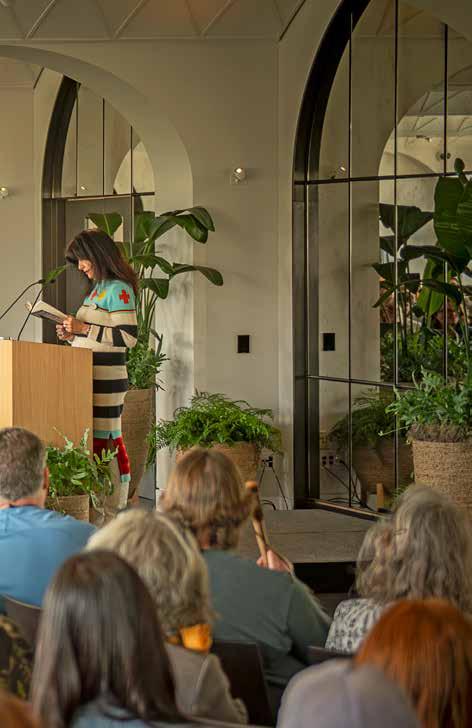
In October 2025, we had the distinct honor of hosting acclaimed poet, musician, and storyteller Joy Harjo, the 23rd United States Poet Laureate, at our Gardens as our inaugural André Harvey Creative Fellow. The biennial fellowship gives creative people the opportunity to immerse themselves in acres of beauty and to explore themes of the natural world. During her two-week residency, Harjo presented a reading to a capacity audience in The Fountain Room where she shared excerpts from her recent works as well as a new introspective piece she was writing during her Longwood residency. Photos by Carlos Alejandro.
Floral Collaboration
Continuing Education Students Design Tree for A Longwood Christmas
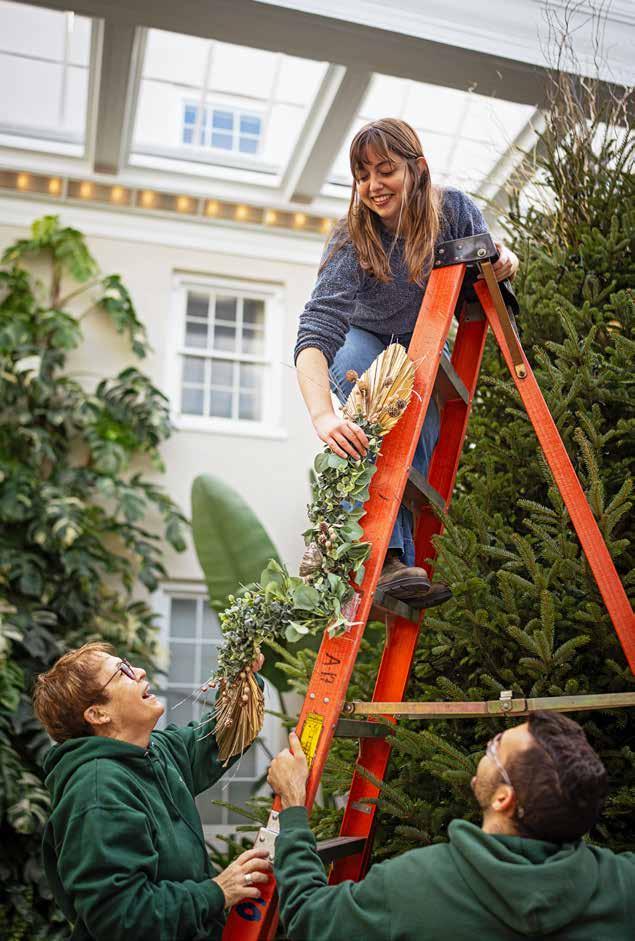
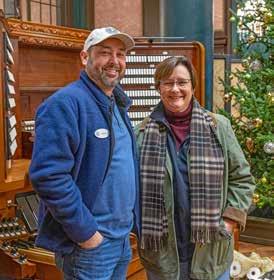
For the first time, we featured a tree entirely designed and created by Continuing Education floral design students and volunteers during our 2025–26 A Longwood Christmas season. Displayed in the Peirce-du Pont House Conservatory, the tree was not only beautiful but thoughtfully dressed in floral and natural elements representative of the skills floral design students learn in the classroom. Here, Continuing Education Manager Emerson Marine gets a helping hand from Volunteer Connie Schmidt (left) and Plant Records Intern Lenny Sciulli (right) during install. Photo by Holden Barnes.
Designing Change Experts Gather for Symposium
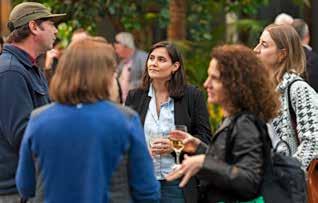
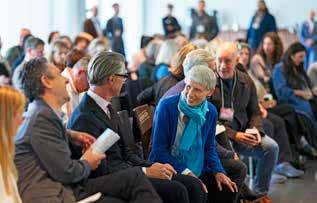
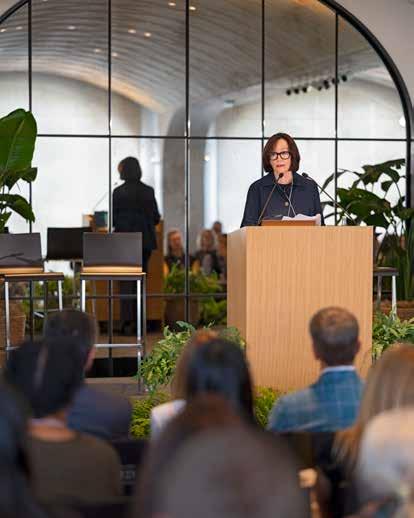
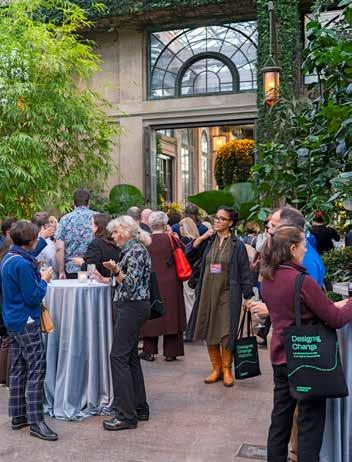
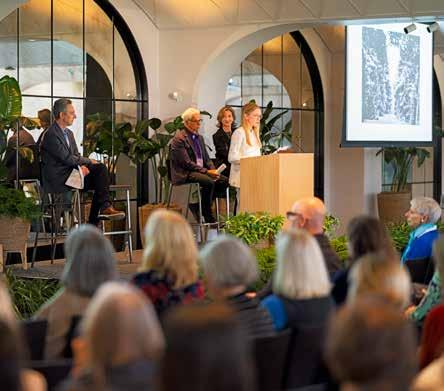
Renowned practitioners and researchers gathered at Longwood Gardens on October 15–16, 2025, for Designing Change, a symposium to share projects, propose ideas, and discuss the future of natural and built landscapes in the face of our changing times. The international symposium also celebrated our preservation of the Roberto Burle Marx-designed Cascade Garden, and was curated by Anita Berrizbeitia of the Harvard Graduate School of Design (bottom left), a renowned Burle Marx expert.
Photos by Daniel Traub.
A Lasting Legacy
At the close of an extraordinary 43-year career at Longwood, we reflect on the impact Sharon Loving has had on horticulture and our Gardens.
By Katie Mobley
The incredible career of our Chief Horticulture and Facilities Officer Sharon Loving began with a childhood inspiration— stories of Longwood Gardens shared by her Uncle Eugene. “When I was young, he would bring up Longwood often,” Sharon recalls with a smile. “He’d compare it to being in Europe, where he had served during the war. When we visited as children, I remember feeling completely transported.”
That sense of wonder never left her. Decades later, Sharon has devoted an extraordinary 43 years to Longwood, helping to shape its evolution with vision, dedication, and genuine care. Just as she once felt transported by its beauty, Sharon has spent her career elevating Longwood to new heights—ensuring that generations to come can experience the same magic she felt as a child.
From shaping our horticultural legacy with integrity and heart, to inspiring and mentoring generations of professionals, Sharon’s legacy is reflected in every facet of Longwood. Here, we reflect on Sharon’s far-reaching contributions, the memories made, and her legacy of warmth and excellence that will continue to inspire for years to come.
Growing up on Staten Island, Sharon’s earliest memories of horticulture are rooted in the quiet joy of watching both sets of her grandparents tend their “small but intense” vegetable gardens. “I remember spending a lot of time just watching them in the garden,” she recalls. “I was fascinated by everything they were doing and growing.” At age 10, her family relocated to a spacious property in Elk Neck, Maryland, where Sharon’s curiosity blossomed into hands-on experience. She eagerly took part in cultivating their own vegetable garden and caring for newly planted flower beds. It wasn’t until her senior year of high school— while planning to study business—that Sharon had a pivotal realization, thanks to a nudge from her mom: horticulture didn’t have to be solely a passion, but also a career.
“It was my mom who shared with me that horticulture could in fact be a career,” reflects Sharon. “And I am so very glad she did.” Together, Sharon and her mom found the Institute of Applied Agriculture at the University of Maryland, where Sharon earned a degree in ornamental horticulture with greenhouse management, graduating with high honors and big plans. She intended to build greenhouses with her father, but when
the 1970s energy crisis changed those plans, she turned to cultivating her skills at a Pennsylvania garden center—where she grew crops and engaged in floral design— and then managing a Maryland flower shop.
After a few years, Sharon realized she wanted a change and, in need of respite and retreat, decided to pay Longwood a visit in 1982, recounting how highly her Uncle Eugene would speak of Longwood.
Sharon arrived at Longwood for that visit—and brought her resume with her.
“I walked into the Visitor Center, went right to the desk, and asked if I could fill out an application. Halfway through, intimidation crept in. I stapled my resume to the application, and left,” she chuckles.
To her surprise, she soon received a call from then-Indoor Display Foreman Patrick Nutt about an open position. She began her career with Longwood as a seasonal parttime Indoor Display Gardener; a position she maintained for two years at a time when there were only a handful of women working as front-line gardeners. Each year, when winter came, Patrick would pack up her tools and boots in a box, marked with “Do Not Touch,” waiting for Sharon’s return in the spring.
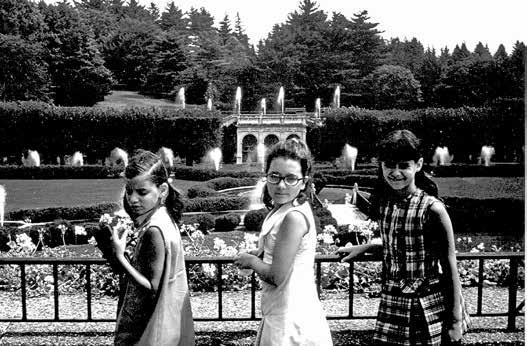
Above: Ten-year-old Sharon (right) and her two sisters, Dina (left) and Lisa (center) enjoy a visit to Longwood Gardens in 1969. Sharon recalls many such childhood visits to Longwood. Photo by Dominick Scolaro.
Not only did Sharon return; she flourished. Sharon became a full-time Senior Gardener in 1984, overseeing the Peirce-du Pont House Conservatory and The Terrace restaurant, as well as special exhibits and floral displays. In 1989, she was promoted to Indoor Display Specialist, in which she was responsible for the design, coordination, and installation of Chrysanthemum Festival and A Longwood Christmas, as well as all seasonal displays in the Main and East Conservatories. She was promoted to Display Foreman in 1992, Floriculturist in 1998, Department Head and then Director of Horticulture in 2005, and Vice President of Horticulture in 2016. Sharon then became Chief Horticulture and Facilities Officer in 2023, providing strategic leadership for Longwood’s Horticulture and Facilities team, which oversees all plants, ecosystems, facilities, and supporting infrastructure.
Over the past 30 years, Sharon has played a pivotal leadership role in every major capital project at Longwood—from the expansion of the Meadow Garden, to the revitalization of the Main Fountain Garden, to the bold vision of Longwood Reimagined Her career has been marked by a rare blend of breadth and depth, having led many
departments at Longwood and continually expanding her expertise and perspective— from leading far-reaching sustainability efforts to evolving our master plans. “I have had a remarkable career at Longwood,” shares Sharon. “It all started with me wanting to come and grow plants. It evolved into one incredible opportunity after another to work with the very best in our field. I have learned so much from the people I’ve worked with.”
Sharon has never stopped learning— whether by returning to school at night to earn her Management Studies degree or by absorbing the wisdom of those who came before her.
One of Sharon’s most enduring lessons is the courage found in simply being willing to try—even when failure is a possibility. It’s a philosophy that has guided her throughout her career, embodied by the paperweight on her desk that reads, “What would you attempt to do if you knew you couldn’t fail?”
For Sharon, that question isn’t just inspirational—it’s foundational. “If you don’t stretch, you’re not going to grow,” she reflects. “I’ve had my own share of failures, big and small, but they have only pushed me forward. You can’t drive innovation if you’re afraid of failure. If you’re not failing and
learning from it, you’re not evolving.”
“Through it all, I’ve always considered myself a steward of this garden,” she continues. “A stewardship mindset is critical. It’s not about me here. It’s about preserving what’s important and advancing what we can. Under this umbrella of innovation for which Longwood is so deservedly known, we, this garden, have so much opportunity. And there’s so much more to come.”
So much of what Longwood is today— and what it will become—is thanks to Sharon Loving. Her strength, her unwavering dedication, and her deep respect for Longwood’s legacy have shaped its path. Her innovative vision has propelled it forward, while her collaborative spirit and genuine warmth have brought people together in pursuit of something greater.
She has been a champion of growth, a steadfast advocate for professional development and mentorship, and a generous sharer of knowledge. She has cultivated plants. She has cultivated people. Sharon has evolved, inspired, and accomplished more than words can capture—and her impact will be felt for generations to come.
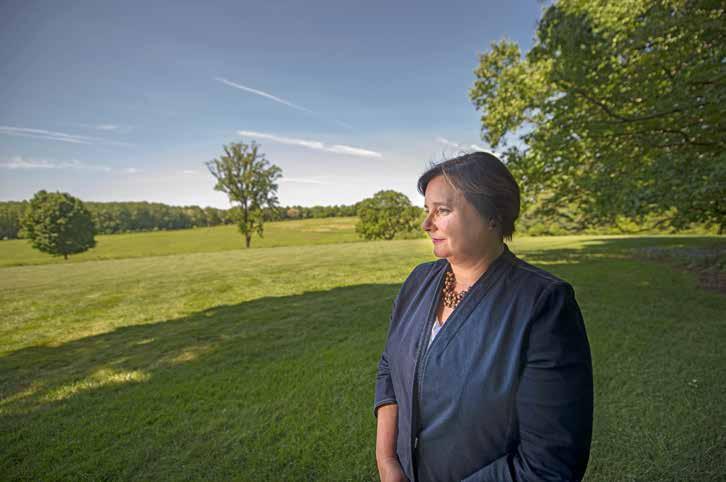
Photo by Carlos Alejandro
Sharon Loving: A Remarkable Career
With profound gratitude and appreciation, we look back at just a few of Sharon’s moments of exceptional service, visionary leadership, and enduring contributions to Longwood.
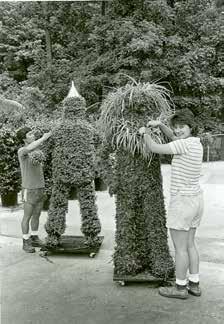
Below: In this 1986 photo, Sharon (right) and Craig O’Neil prepare topiaries for The Wizard of Oz-themed Chrysanthemum
Sharon
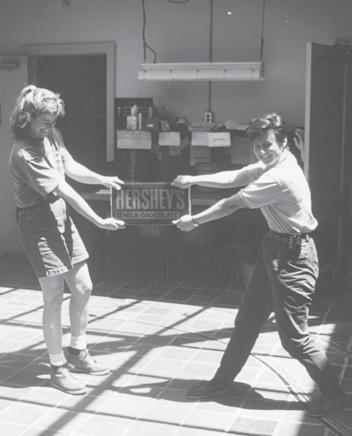
Below: During a 2004 Longwood Chimes photoshoot for an article profiling Sharon's career to date, Section Gardener Mary Allinson (left) and Sharon enjoy a moment of fun, playing tug-of-war over a thank you gift from Hershey Gardens.
Photo by Larry Albee.
Sharon was instrumental in the construction of the Cascade Garden, which debuted in 1993, working closely with renowned landscape designer
cover
featured from
and
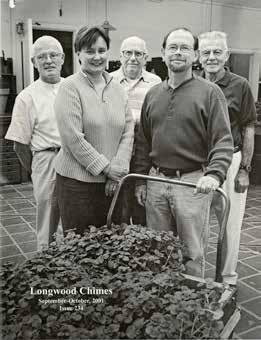
hired Sharon in 1982. At the time, these five individuals represented more than 70 years of experience as supervisors of the greenhouse display and production divisions.
Above: The
of Longwood Chimes issue 234 (2001)
left to right Don Gregg; then-Floriculturist Sharon Loving; Joe Hannas; Mike Owen,
Patrick Nutt, who
Right:
Roberto Burle Marx (left) and landscape architect Conrad Hamerman (right).
Above:
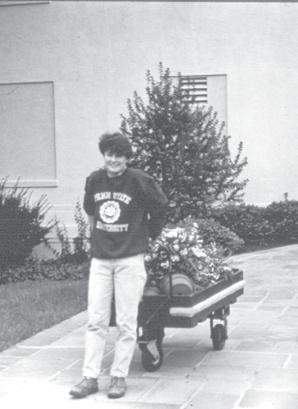
in 1982, the year she was hired at Longwood.
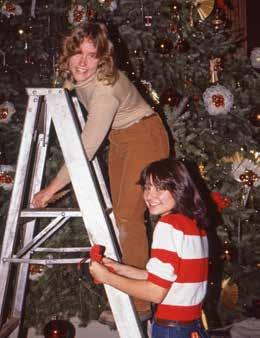
Right: Sharon (right) decorated her first A Longwood Christmas tree with horticulture staff member Beth Stanwich for the 1983 display. Photo by Dick Keen.
Festival
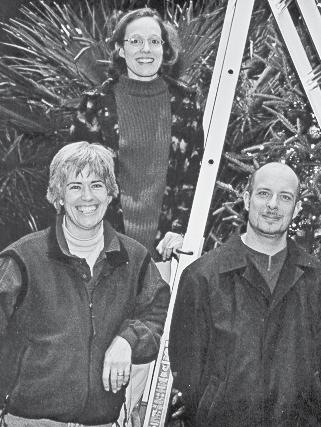
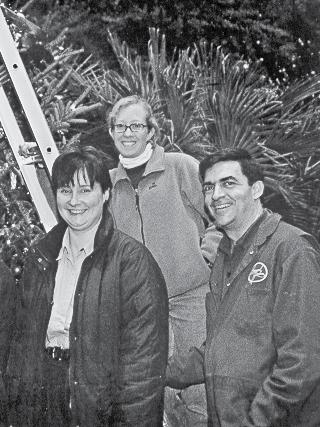
Left, pictured left to right: Section Gardener Mary Allinson; Display Specialist Jennifer Pennington; Planning & Design Specialist Tres Fromme; thenFloriculturist Sharon Loving, who chaired the A Longwood Christmas planning committee and led the overall planning and budgeting for the display; Senior Gardener Shannon Kidder; and Section Gardener Ed Broadbent during the 2002 installation of A Longwood Christmas. Sharon’s deep knowledge, professional excellence, and keen attention to detail have elevated every facet of Longwood’s horticultural and facilities operations. Photo by Larry Albee.
Below: Longwood President and Chief Executive Officer Paul B. Redman and Sharon pause while leading the Horticulture Committee of Longwood’s Board of Trustees on a tour of the Main Fountain Garden tunnels during its 2015 revitalization. Photo courtesy of Nathan Hayward.
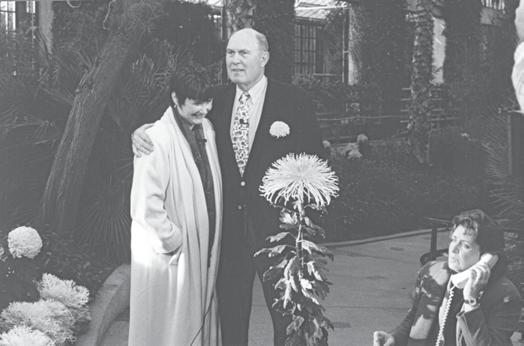
Right: Sharon is interviewed by Today Show anchor Willard Scott in 1995, sharing the experience of Longwood with viewers and strengthening Longwood’s standing as one of the great gardens of the world.
Sharon and renowned landscape architect—and designer of our Silver Garden—Isabelle Greene reunite at a 2018 Cultural Landscapes Foundation event at Longwood. Throughout her time at Longwood, Sharon has collaborated with and inspired some of the world’s most distinguished landscape architects, garden designers, and architects, ensuring that Longwood’s horticultural artistry continues to set global standards of innovation, design, and beauty. Photo by Kelly Giarrocco.
at her retirement luncheon on January 30, 2026.
Longwood’s new Chief Horticulture and Facilities Officer Andres Ambriz and Sharon take a moment during installation of A Longwood Christmas 2025. Photo by
Above: Sharon with her husband Chuck, Allison Spanyer, and son Alex
Duane Erdmann.
The Pioneers
A look back at how two leaders transformed a vision for horticultural education into lasting programs.
By Lynn Schuessler
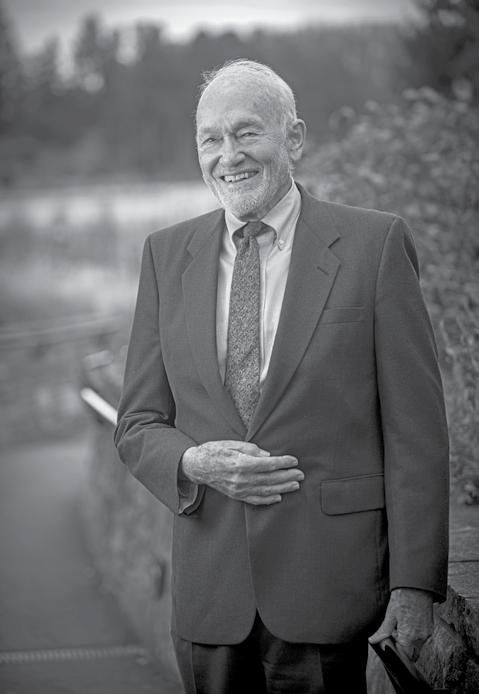
Richard Lighty: Establishing a Foundation for the Future of Public Horticulture
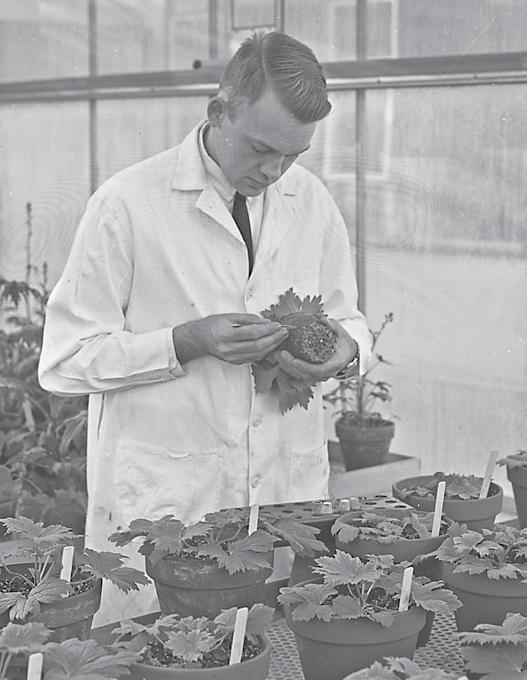
When ten-year-old Richard Lighty noticed the “permutations and combinations” of flower traits in Dianthus barbatus seedlings that had started from just a few plants along a path at his home in West Virginia, a seed of curiosity stirred. Around the same time, a book about plant breeder Luther Burbank provided insight into natural variation … soon, curiosity grew into a career.
“Plants tell stories,” Lighty says, and his pursuit of their secrets led him from a childhood path of sweet william to a bachelor’s in horticulture at Penn State, a master’s and a doctorate in plant breeding and genetics at Cornell, and in 1960, a position as head of research in the new Experimental Greenhouse at Longwood Gardens.
At the time, Longwood was transitioning from private estate to public garden under the leadership of its first director, Russell Seibert, who had arrived five years earlier from the Los Angeles State and County Arboretum—then one of the few US public gardens to offer multi-dimensional education programs.
“Seibert brought his commitment to broad-based education with him,” says Lighty, and one of Seibert’s many goals was to realize founder Pierre S. du Pont’s desire to establish Longwood as a leader in horticultural education.
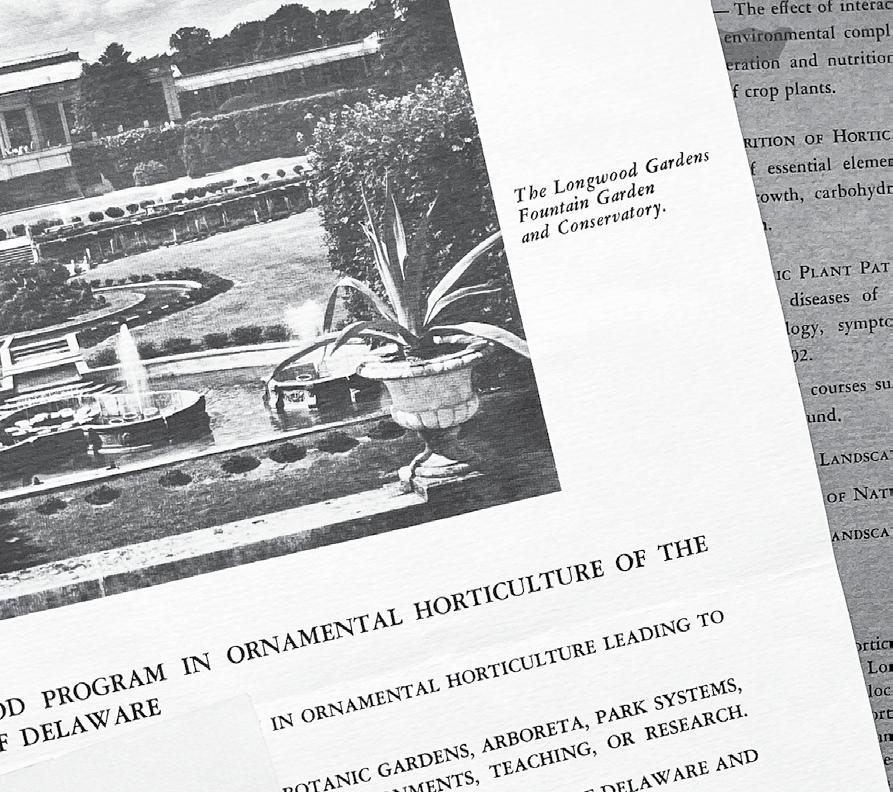
Seibert collaborated with George Worrilow, Dean of Agriculture and eventually Vice President of the University of Delaware, to fund graduate assistantships that led to the creation in 1967 of a joint venture known as the Longwood Graduate Program. Taught by Gardens staff and University instructors, it offered a two-year master of science in ornamental horticulture. Lighty’s strength in plant research and his working knowledge of Longwood made him the perfect fit to coordinate the program.
From its earliest days, the program focused on management, not only to provide public gardens with trained professionals who could better lead institutions that were both cultural and scientific in nature, but also to define—for the horticulture industry and the world—what it means to be a public garden.
Lighty’s introduction of the term “Public Horticulture”—to replace the cumbersome “botanical gardens and arboreta” then in use to describe plant collections grown and displayed for the public good—helped to create a ready identity for the field. What took more work was to bolster that identity with the skills needed to manage plants and people—staff, students, and guests alike—as well as the business aspects of an entire institution.
And so, beyond the gardens, botany labs, and halls of horticulture—namely, in the University’s faculty dining room—Lighty courted members of relevant departments as instructors, including professors of Business Management, Economics, Geography, Education, Art History, and Applied Ecology, to name a few. He built the Longwood Program Library, gathering the best books and periodicals on all subjects related to public garden management.
He initiated the Longwood Program Seminars, a graduate course open to public horticulture institutions within a 100-mile radius. “The speakers were leaders from
across the US who had successfully addressed major deficiencies in public horticulture organizations,” says Lighty.
“From 1968 to 1983, published texts of the seminars were circulated to public garden staff and university faculty involved in public horticulture. This raised leadership awareness regarding the most effective programs in collections management, human resources, research, conservation, education, plant appreciation, and more. The Seminar Publication helped public gardens compare their programs to those of leaders in the field, helped staff understand their responsibilities, and showed where help could be found: in many cases, at Longwood Gardens.”
Lighty also developed a course called Public Garden Administration, which introduced the Fellows to innovative thinking in high-level management of public gardens and museums. A second course, Special Problems in Public Garden Management, discussed more detailed topics like the sources and uses of power in organizational decision making.
In 1969, the first Tropical Studies Trips introduced Fellows to the geography, history, botany, and society of countries like Costa Rica, Honduras, and El Salvador. “Director Seibert had begun his career as a botanist studying economic crops in the American tropics,” recalls Lighty. “He was convinced that an understanding of worldwide cultures, particularly in South and Central America, would be increasingly important in the future.”
The more local Summer Study Trips took second-year Longwood Fellows to various regions within driving distance of Longwood. These trips served two purposes, according to Lighty: “To make the Program widely known among the public gardens and horticultural organizations we visited, and to show Fellows state-of-the-art endeavors at institutions other than Longwood.”
To further strengthen connections among diverse cultural institutions and to raise public gardens to the level of professionalism present in those fields, Lighty also helped establish the University
of Delaware’s Museum Studies Program in 1972, in collaboration with what are today the Winterthur and the Hagley Program in the History of Capitalism, Technology, and Culture.
Lighty would lead the Longwood Graduate Program until 1983. Of 52 graduates between 1969 and 1987, 16 became the Director or CEO of a public horticulture institution. Of the first five Executive Directors of the American Public Gardens Association, three were LGP graduates. The program continued to evolve until 2017, when it transformed to the present-day Longwood Fellows Program.
“The changes we made in the program’s purposes over the first ten years provided an impetus for many of the subsequent changes made in public gardens in North America,” says Lighty, reflecting on the program’s impact. “Longwood Gardens has now become the leader in innovation in the field of public horticulture. I don’t feel it is presumptuous to trace the origins of many of these changes back to the Longwood Graduate Program.”
Dave Foresman:
Nurturing Generations of Green Industry Professionals
Dave Foresman, just starting out in commercial landscaping after studying horticulture at Penn State, had been warned by his employer that the homeowner on this particular job was a bit of a plant expert. She had drawn her own design, picked out her own plants. Dave brought along his strong work ethic, his natural ability to get along with people, and a passion for ornamental plants ... and tilled the soil for a key professional relationship.
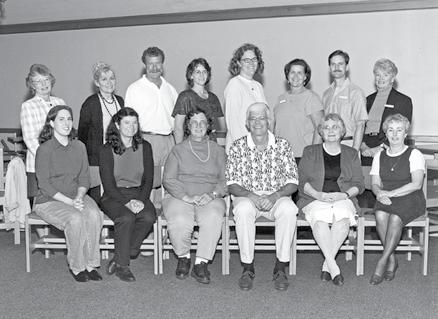
Lois Paul, then Supervisor of Education at Longwood, not only received a beautiful home garden, she eventually hired Foresman as her assistant supervisor in 1967. Tasked with looking into the feasibility of starting a resident school for professional gardeners at Longwood, Foresman gathered information, made connections, and visited existing programs.
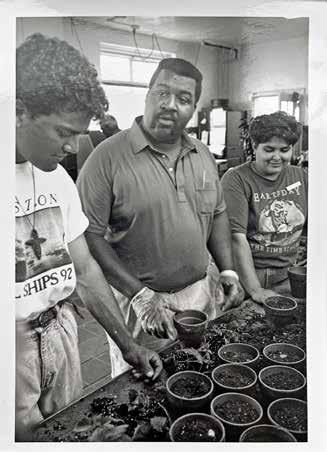
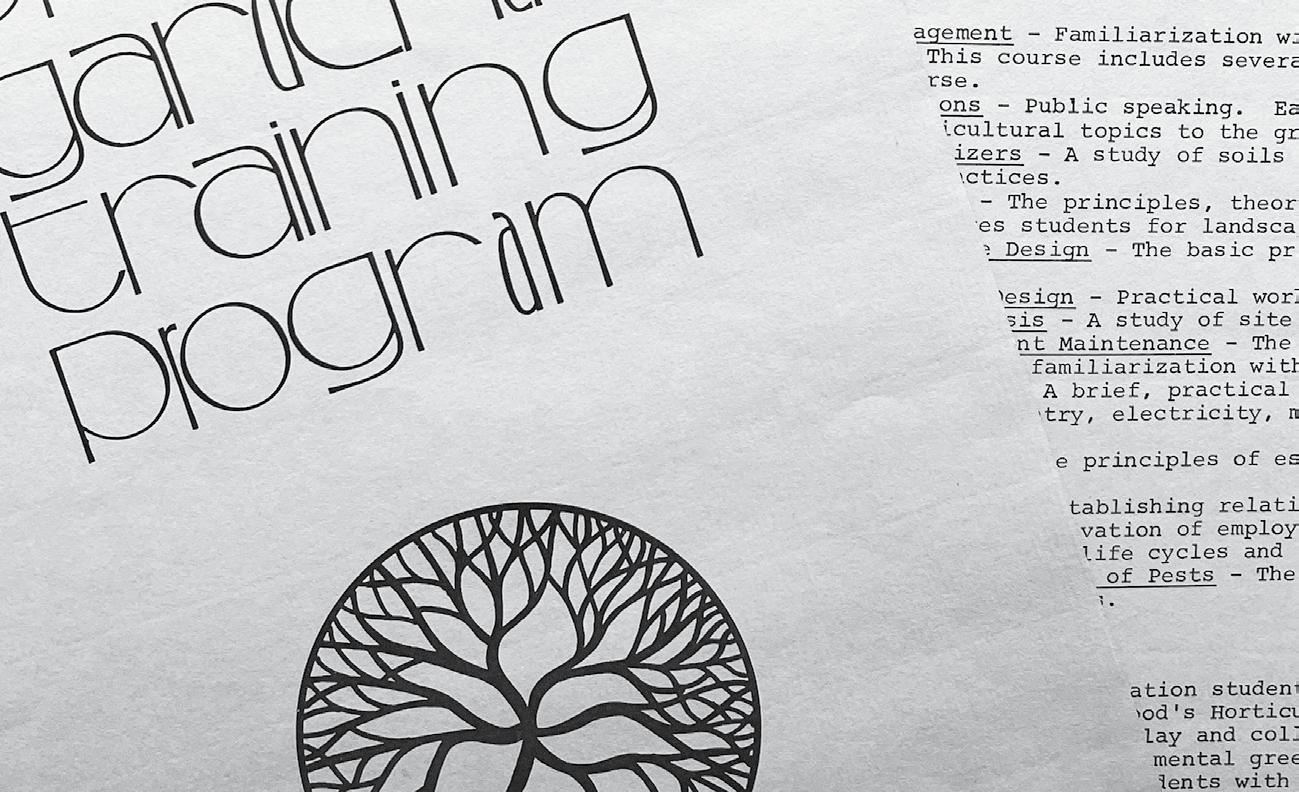
The first class of Longwood’s Professional Gardener (PG) Training Program—which Foresman led for 30 years and which
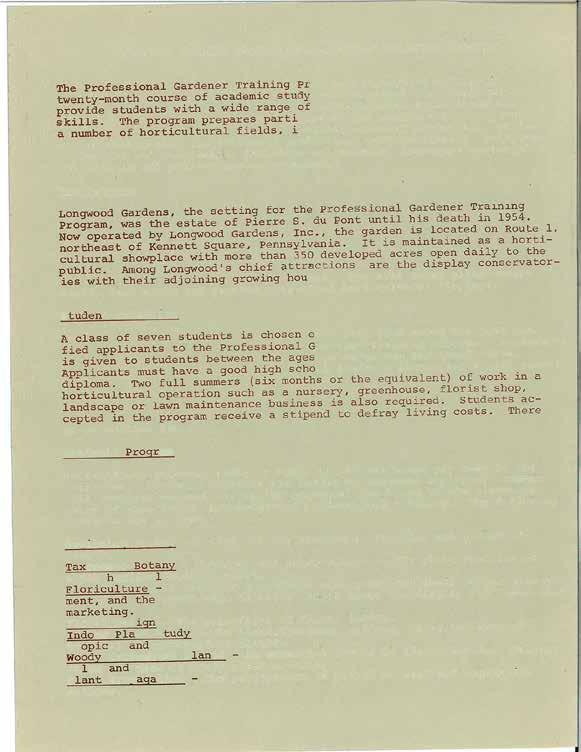
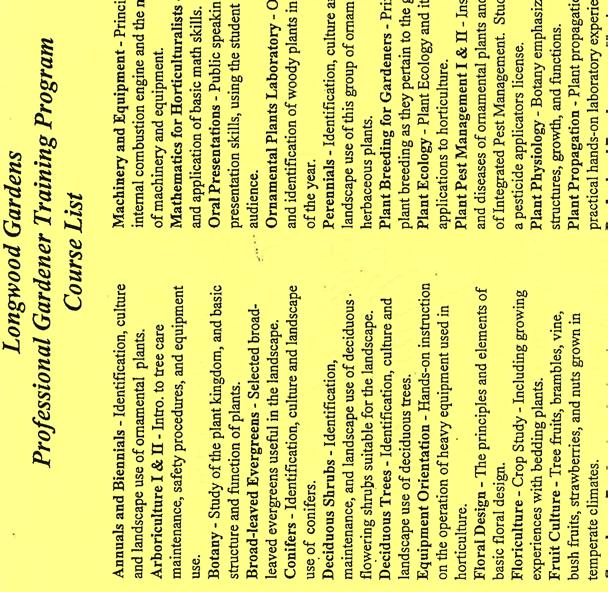
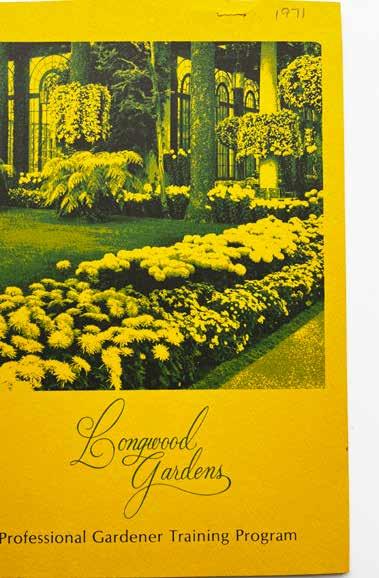
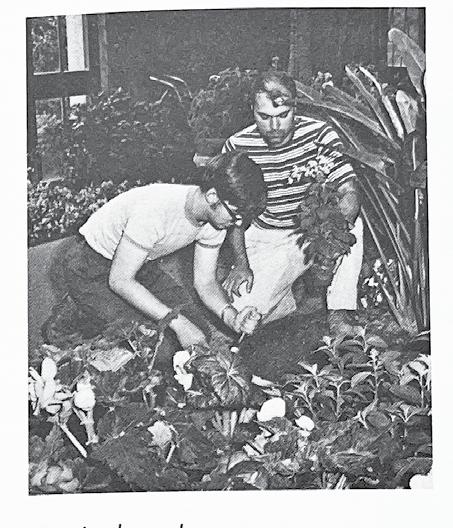
continues today as the Professional Horticulture Program—began with six students in 1970. The tuition-free program combines academic classes with a heavy emphasis on practical work throughout the Gardens.
High standards have always been a hallmark of the program. Looking back at his own education, Foresman recalls that “academics were difficult for me and success took long hours of study.” He could relate when plant identification and botany—not to mention the sweaty palms of peer presentations—were challenging for many students. But the goal was to achieve a training level equal to the standards of Longwood Gardens itself.
The academic rigor paid off in partnerships with the University of Delaware, Temple University, and Delaware Valley University. Today, articulation agreements with Temple and Delaware Valley support the program’s standards by ensuring that
graduates can apply Longwood classwork toward a bachelor’s degree in horticulture.
“Respect, reputation, and resources” are the three Rs that helped Longwood’s program stand out, says Foresman. Sited in a world-class public garden, the program provides a unique hands-on experience that can’t be duplicated.
And yet Foresman firmly believes that Longwood’s most valuable resource is its people. “The success of the Professional Gardener Program was a huge group effort by many talented and dedicated staff. We recruited committee members, class instructors, and on-the-job trainers from across the Horticulture Department, as well as Maintenance—mentors willing to share knowledge and secrets with young open minds.”
Management support was critical to the initial and continuing success of the program. “I was inspired by Pierre du Pont’s educational vision and empowered to change young lives with the support of Lois Paul and the successive Directors of Longwood Gardens while I was
there: Russell Seibert, Everitt Miller, and Fred Roberts.”
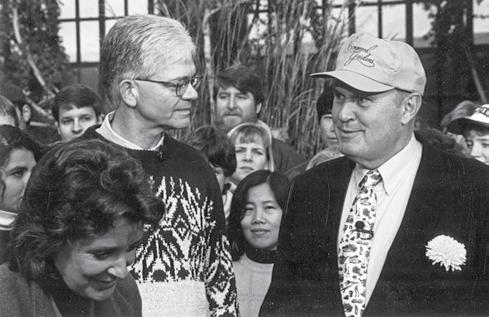
“Roberts was a great ambassador and advocate for public garden education,” says Foresman, advancing the cause at many annual meetings of the American Association of Botanical Gardens and Arboreta (now the American Public Gardens Association). Roberts took a personal interest in the Professional Gardener Program, supporting it in ways big and small: establishing student gardens and expanding housing, funding student trips to Europe, even buying them a field trip bus—small enough to be drivable by students, large enough to explore the world of horticulture and the diversity of choices it represents.
With his own diverse background—roots in landscape design, 33 years at Longwood, and ties throughout the industry— Foresman believes in maintaining a strong association not only with public gardens, but also with commercial horticulture. “The
green industry is in need of Longwoodtrained professional gardeners. Few other institutions have Longwood’s resources.”
Along with the program’s strong roots, its outreaching branches are many. An Advisory Committee provided input from many segments of the industry. Alumni continue to welcome world-class speakers to an annual Today’s Horticulture symposium. Free tuition opens up public horticulture across socioeconomic groups. Even a guest’s visit to Longwood as a public garden can become a new way forward—an insight gained, a passion discovered, the seed of a career planted.
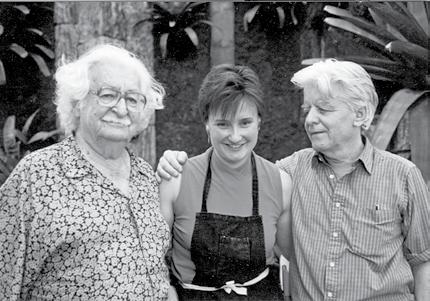
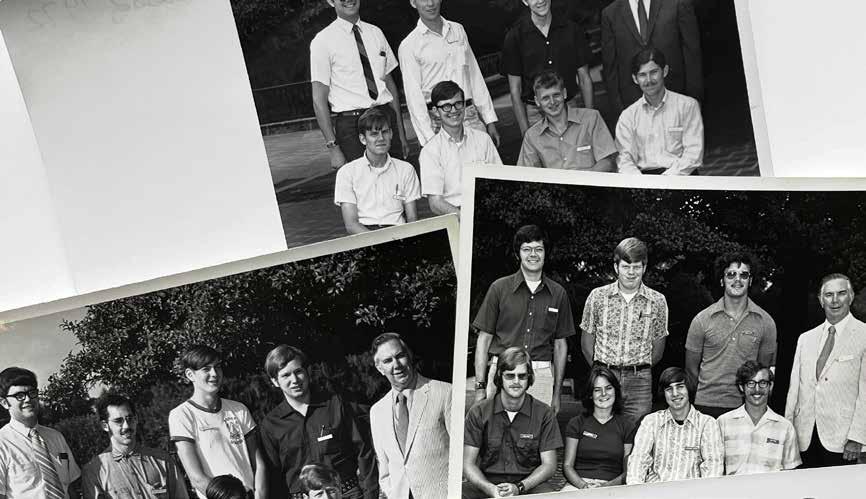
On the wall of Foresman’s home office, five large frames contain photographs of all the Professional Gardener classes throughout his tenure, from 1970 to 2000. This past fall, he joined the class of 1978 for their annual reunion at Longwood. That class included Harold Taylor—after graduating, he had a distinguished career as
a horticulturist in Longwood’s outdoor gardens and as an instructor in the education department for more than forty years. “We knew the program was becoming stronger when graduates were hired by Longwood,” says Foresman. The Professional Gardener Program was, indeed, realizing the high standards of Longwood itself.
Since the program’s start, almost 350 graduates have carried Longwood’s reputation for excellence throughout every branch of horticulture. Thirty-five alumni were hired by Longwood, some of whom still work and teach here.
“I would never have imagined impacting the lives of so many individuals in the green industry through Longwood’s student programs,” says Foresman. “I’m extremely proud of what we’ve accomplished. And I’m very encouraged by the supercharged people in the education department today, who are assessing what we do best, in order to build the future of education at Longwood.”
Distinguished Leadership
Jane G. Pepper concludes a decade of service as Chair of the
Longwood
Gardens Board of Trustees.
By Patricia Evans
Jane G. Pepper has been an extraordinary partner and champion of Longwood Gardens, helping to guide our institution through a period of remarkable growth and transformation. Joining the Board of Trustees in 2005 and serving as Chair from 2015 to 2025, Jane’s leadership has left an enduring mark on Longwood’s history and future.
During her decade as Chair, Jane helped guide more than $500 million in capital expansion, including the visionary Longwood Reimagined: A New Garden Experience, and played a pivotal role in the acquisition of the 505acre Granogue property—extending Longwood’s mission of beauty, learning, and conservation beyond our original Gardens.
A graduate of the former Longwood Graduate Program in Public Horticulture (now Fellows Program), Jane brought to her Longwood service a distinguished career as President of the Pennsylvania Horticultural Society, where for nearly 30 years she elevated the organization to national prominence and championed the transformative power of horticulture in cities and communities.
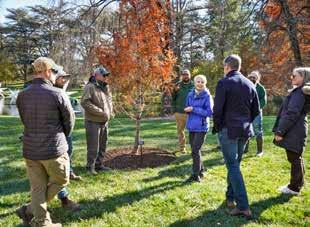
As Jane concludes her remarkable tenure as Board Chair, we extend heartfelt gratitude for her wisdom, generosity, and vision. To celebrate her tenure, we have planted a Metasequoia glyptostroboides, started from cuttings in 2019, near our Small Lake where it will stand as a beautiful reminder of Jane’s dedication and service to Longwood.
We are pleased to welcome Ann C. Rose—who has served as a Trustee since 2001—as the new Chair, continuing Longwood’s proud tradition of inspired and forward-looking leadership.
DONOR RECOGNITION
Support from our donors helps Longwood steward one of the greatest collections of gardens in the world, advance global conservation efforts, and provide environmental education and memorable experiences to thousands of students each year. From land preservation and ecological stewardship to innovative horticultural practices and training future environmental leaders, you help us respond to a changing world while remaining a place of wonder, learning, and joy.
We gratefully acknowledge the generous donors who have contributed to advancing the mission of Longwood Gardens during the past year.
$25,000 and above
Anonymous
Estate of Nancy E. Allen
Ms. Adrienne Arsht
Ballard Spahr
Bancroft Construction
Mr. and Mrs. Gregory Bentley
Mrs. Carroll M. Carpenter
Chase
Mrs. RuthMarie Colket
Gerret and Tatiana Copeland
Régis and Sofia de Ramel
Mr. and Mrs. Henry B. du Pont IV
Paul and Grace duPont Engbring
The Essential Foundation
Goldman Sachs & Co.
Mrs. Martina Hayward
Estate of Mary Hisrich
Ann S. and Steven B. Hutton
The Longwood Foundation
Jennifer McNeil
M&T Bank
The M&T Charitable Foundation
Mrs. Natalie Reese and Mr. Kleon
Diamantopoulos
Restaurant Associates
S4 Lights
Valerie J. Sill
Margaretta K. Stabler
Thompson Family Foundation
The Wilson Family Foundation
Mrs. Diana S. Wister
$10,000 to $24,999
Anonymous (3)
2025 du Pont Family Reunion
Franny and Franny Abbott
Jim and Janet Averill
Axiom Higher Education
Bathon Family Foundation
Mrs. Eugenie L. Birch, in honor of Melanie Nussdorf
Chanticleer Foundation
Mrs. Louisa C. Duemling
Mr. and Mrs. Charles M. Elson
Mrs. Nancy G. Frederick
Mrs. Penelope Harris
Renée du Pont Harrison
Mrs. André Harvey
Mr. Thomas S. Kenan III and Mr. Christopher Shuping
Ms. C. Victoria Kitchell
Mr. and Mrs. Michael E. Kullman
Mr. and Mrs. D. Christopher Le Vine
Lenoir Charitable Trust
Ms. Renee Lewandowski
Joan Mazzotti and Michael Kelly
Joanna McNeil Lewis
The Leslie Miller and Richard Worley Foundation
Ms. Caroline Moran
Tammy and John Murabito
The Nussdorf Charitable Fund, in honor of Genie Birch
Jane G. Pepper
Mr. and Mrs. Cory Porter
Philip S. Reese
Reynolds Rencourt Foundation
Mr. and Mrs. Scott P. Riegel
Rooney Novak Isenhour Group
Mr. and Mrs. William S. Tate
The Tri-M Group, LLC
Mrs. Elizabeth and Mr. Michael G.† Vadasz
Brock and Yvonne Vinton
Estate of Bruce Wands
Mr. and Mrs. Thomas K. Whitford
$5,000 to $9,999
Anonymous (4)
Mr. and Mrs. Philip Adelizzi
Mr. Zachary J. Bagdon
Mr. William Barone and Mrs. Sylvia Lanka-Barone
Mr. and Mrs. Robert A. Bartlett, Jr.
Mr. Dean O. Berlon and Mr. Paul B. Redman
Ms. Joan Bernard and Mr. Ronald Gallimore
Mr. Joseph H. Blum
Mr. and Mrs. J. Michael Bontrager
Mrs. Brenda Boucher
Ms. Donna L. Brennan and Mr. James Bergey
The Brennan Family Foundation
Mr. and Mrs. R. Kent Cadwalader
Mr. Rodney Comegys and Dr. Meghan Comegys
Mr. and Mrs. Lawrence Cone
Mr. and Mrs. Charles L. Copeland
Ms. Phoebe Craven
Mr. and Mrs. Vincent Crognale
Mr. and Mrs. Allan Dejong
Debra DeMarco
Mr. and Mrs. James S. Denham IV
Mr. and Mrs. Donald DeWees, Jr.
Mr. and Mrs. John E. B. du Pont
Mr. and Mrs. Vincent Dugan
Mr. and Mrs. Andrew W. Edmonds, Jr.
Paul and Mary Ehrlichman
Mr. and Mrs. Theodore Elder
Kay and Jeffrey Ellsworth
Art and Julia Fisher
Mr. Matthew Gately and Ms. Sarah Gately
Mr. and Mrs. Robert D. Glenn
Mr. and Mrs. S. Matthews V. Hamilton Jr.
Christine and George Henisee
Dr. and Mrs. Maury Hoberman
Ms. Marguerite Hoyt and Mr. Kenneth Sembach
Cathy and Joe Huston
Dr. Robert Huxster and Dr. Barbara D. Forney
Mr. and Mrs. Michael January
Mr. Frank N. Jorgensen and Mrs. Jane Sherwood
Rob and Jean Krapf
Mrs. Renee K. Lickle
Gail and Sandy Lipstein
Dr. Patricia Mapps and Mr. Lorin J. Randall
Mr. Colin McCulloch
Chuck and Cindy Meacham
Mr. and Mrs. Steven Merrill
Michael and Anne Moran
Richard Morelli and Pamela Stephani
Jamie and Coo Murray
Catharine and Henry Nassau
Mr. Noah J. Pascarell and Dr. Mellissa Higgins
Mr. and Mrs. John Payne
Mr. and Mrs. Michael Petka
Will Prost, PhD
Dr. Anna Quisel and Dr. Bret Snyder
Mr. Steven L. Ritchey
Ms. Candace Ritter and Ms. Nina Occhiolini
Ms. Susan Ross and Mr. Jeffrey Truka
Kate and David Sasser
Gregory and Karen Sawka
George Schreiber
Mr. David J. Shaw
Sam and Happy Shipley
Mr. and Mrs. John A. Simkiss
Mrs. Amy Smith-Moniz and Mr. Michael Smith
Dr. Ponisseril Somasundaran and Ms. Tamara Somasundaran
Ms. Nancy Anderson Speight
Andy and Allison Stautberg
Mr. and Mrs. James Stewart
Dr. and Mrs. Mike Stillabower
Mr. and Mrs. William Strahan
Mr. and Mrs. Philip Timon
Mr. and Mrs. Richard S. Ware
Jon and Vicki Warner
Nancy and Greg Wolcott
Lisa B. Yoder
$2,500 to $4,999
Anonymous (7)
Jeanne and Bernie Adler
Mrs. Maria Alvarez Mann and Mr. Jerry Mann
Dr. Carol Ammon and Dr. Marie Pinizzotto
Mrs. Sandra K. Baldino
Dr. and Mrs. Max Barus
Mrs. Amy Berg
Dr. Nathan Billig and Dr. Gail Weinmann
Chris and Kia Blazakis
Dr. Jonathon Brown
Mrs. Bernadette Buccini
Mr. and Ms. Christopher F. Buccini
Liza Cartmell and Paul Zoubek
Ms. Carol Y. Chan and Mr. Daniel Chui
Mr. Dave Chrystal and Ms. Nancy Finn
Mrs. Rona Connelly and Mr. Kevin Connelly
James R. Damewood, Jr. and Robin W. Morgan
Eleanor L. Davis
Mr. and Mrs. Michael A. DeHaven
Harry and Cristy DiDonato
Susan S. Dillon
Ms. Middy Dorrance
Dr. Thomas and Corbin Dougherty
Mr. and Mrs. Michael Downing
Mrs. Brian D. Draper
Mr. and Mrs. Benjamin F. du Pont
Mr. Eleuthère I. du Pont
and Ms. Darla Pomeroy
Jenny and Pierre du Pont
Dr. M. Lynne du Pont and Dr. David Solacoff
Mr. and Mrs. Douglas T. Elliman III
Mr. Jason and Mrs. Nicole Evans
Kelly Faggioli
Ms. Pamela T. Farber and Mr. Jeffrey Johnson
Mr. and Mrs. Frederick C. Fiechter III
Amy and Dennis Fisher
Mr. Greg Fitch
Mrs. Leslie Fleischner
Mr. and Mrs. Comrie Barr Flinn
Gatter Foundation
Mr. and Mrs. Richard Giacco
Mr. and Mrs. Rodney Gillespie
Mr. David G. Gordon and Ms. Elizabeth Huxster
Mrs. Gary Greenberg
Woodley and Rob Habgood
Mr. and Mrs. Peter Hamilton
Mr. George Hassel
Hatti Family Foundation
Nathan and Marilyn Hayward
Peter and Su Horty
Ethel N. Jackson, PhD
Nicholas, Lock, and Milbrey Jacobs
Mr. Derek Johnson and Mrs. Kristine Wellman
Mr. and Mrs. James Johnson II
Mr. and Mrs. Bruce Jameson
Mrs. Sydney Jordan
Mr. Brian Joyce
Mr. and Mrs. Gordon Kaiser
Mr. and Mrs. John W. Kessler
Dr. Margaret L. Laird and Mr. Philip J. Taylor III
Chris and Celia Lang
Mr. and Mrs. Conrad Langenegger
Drs. Thomas and Judith Leist
Mr. and Mrs. Richard Lewis
Alan and Kathleen Majewski
The Honorable Jack Markell
and Mrs. Carla Markell
Ms. Anna C. Mastroianni and Mr. Gregory M. Shaw
Mrs. Dorothy A. Matz
Mr. and Mrs. Alexander Mehran
Tamara E. Milam
Mrs. Wilhelmina B. Moyer
Jim and Betty Mundell Charitable Foundation
Aubree K. Murray
Anne and Jeffrey Nielsen
Stuart and Carol Ockman
Hon. and Mrs. Donald Parsons
Clare Stephens Patel
Bob and Susan Peck
Pennsylvania Women’s Forum
Mr. and Mrs. Gregory Pettinaro
Mr. and Mrs. Blaine T. Phillips, Jr.
Mr. and Mrs. Michael Pia, Jr.
Mr. and Ms. Brooks H. Pierce
Pleasant Run Nursery
Mr. Timothy Poth
Drs. Charles and Kathy Potter
Tim Rayne and Amée Rayne
Miss Vanessa Redman
Nancy and Donald Resnick
Mr. and Mrs. Mark Rhodes
Mrs. Barbara Riegel
Mr. and Mrs. Barry Ritz
Mr. and Mrs. Don Robitzer
Mr. and Mrs. Andrew C. Rose
Robert and Dana Rothman
Mr. and Mrs. Charles Royce
Mr. Scott E. Ruehr
Ms. Anne Ryan and Mr. Peter Ryan
Mr. and Mrs. Steven Sacco
Mr. and Mrs. C Porter Schutt III
The Scooter-Boxie Foundation
Scott Arboretum & Gardens
Linda and Rick Semels
Mr. and Mrs. Eli R. Sharp
Mr. and Mrs. William M. W. Sharp
Mr. P. Thomas Simpers, Jr.
Mr. Kyle Small
Mr. Eric Smith and Mr. Greg Baran
Ms. Jennifer R. Soos
Mr. Andrew Sparkler and Ms. Starling Marshall
Laird and Wendie Stabler
Mr. Scott Taylor and Mr. Diego Taylor
Peter and Susan Temple
Terryglass Foundation
Cynthia and Terrence Tobias
Mr. and Mrs. P. Coleman Townsend
Eric and Kathleen Uebersax
Dr. and Mrs. Michael L. Vaughan
Kristin and Brian Vrabel
Lee and Bill Warden
Mr. and Mrs. Kenneth Warner
Mr. and Mrs. William Weir
Marna and Tom Whittington
Cal and Ann Wick
Mr. and Mrs. Gene Wills
Paula and Tom Wilson
Carol and Jeff Yetter
Mr. and Mrs. J. Timothy Young
Angela Yu
Miss Sarah Zimny
Luke and Jessica Zubrod
$1,000 to $2,499
Anonymous (4)
The Back Hill Fund
Diane Crane
Nancy Crays
Carol Dickerson
Ernst & Young, LLP
Herbert and Gertrude Halverstadt Foundation
Dr. Peter M. Lambert and Ms. Marjorie A. Harris
Mr. Rudolph Lucente
Charlotte Susan Munch
Leslie D. Myrin
Stephanie Naidoff, in honor of Jane Pepper
Dr. Rollin Reeder
Dr. Louis Rubinfield
Richard C. Von Hess Foundation, in memory of Gary Hufford
Katharine Wiseman and Matt Stachel
Timothy Yoder
Listing is as of January 31, 2026.
Space permits us to list those who contributed $1,000 or more this year. We extend our appreciation to everyone who contributed financial support, volunteered their time, or donated to our collections. We make every effort to ensure the accuracy of this listing. If you see an error, please accept our apologies and email development@longwoodgardens.org
The Pierre S. and Alice du Pont
Founders Circle recognizes those who have made the thoughtful decision to include Longwood Gardens as part of their estate plans.
Anonymous (3)
Nancy E. Allen †
Ms. Nancy S. Bandman
Sarah Cathcart
Ms. Debra DeMarco
Cynthia and Nelson Farris
Art and Julia Fisher
Joanne and Stephen Green
Mrs. André Harvey
Mary Hisrich †
Ann S. and Steven B. Hutton
Rob and Jean Krapf
Jane G. Pepper
L. Landon Scarlett
Linda and Rick Semels
The Strawley Family, in memory of Shannon Strawley
Cynthia and Terrence Tobias
Mr. Randall Wagner and Mr. John Jarboe
Bruce Wands †
Katherine and Josh Warner
Mr. and Mrs. Thomas K. Whitford
Nancy and Greg Wolcott
Ms. Vicki A. Wooldridge
Longwood Gardens welcomes the inaugural members of our Corporate Innovator program.
Axiom Higher Education
Bancroft Construction
Goldman Sachs & Co.
Restaurant Associates
Rooney Novak Isenhour Group
The Tri-M Group, LLC
Longwood Gardens thanks our Corporate Sponsors for their partnership.
No. 312 Spring 2026
Front Cover
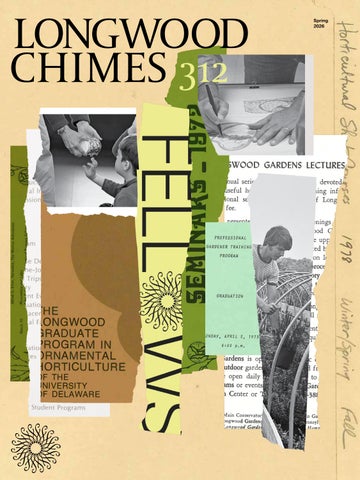
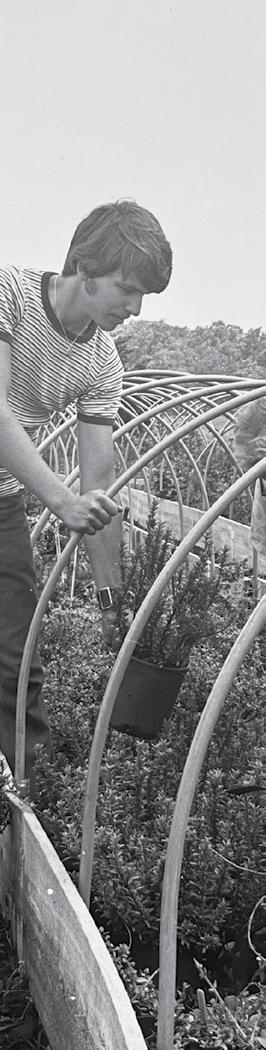
A snapshot of moments of learning and wonder. Photos from the Longwood Gardens Library & Archives.
Back Cover
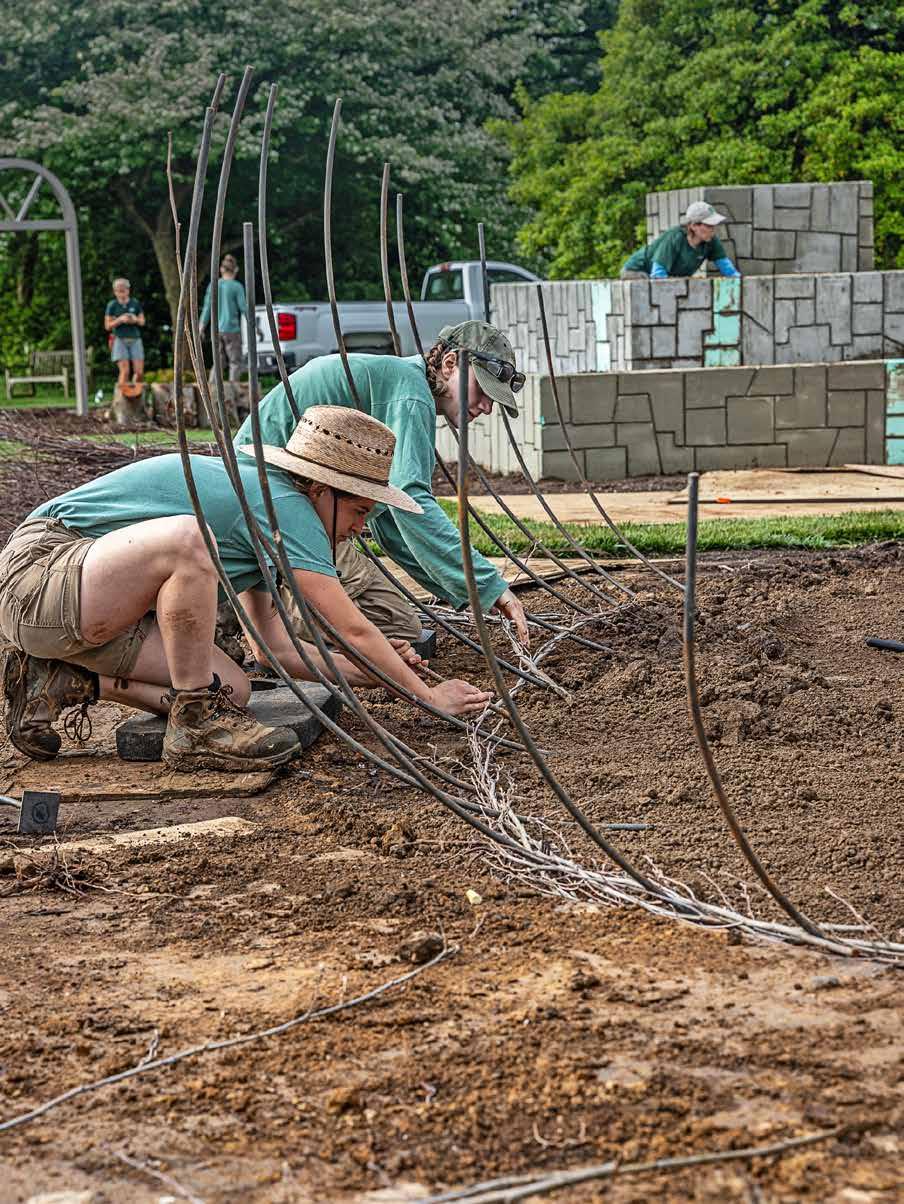
Then-Professional Horticulture students Caroline Corlino (front) and Madison Claydon create their Student Exhibition Garden in 2024. Claydon is now a Grower in our Horticulture and Facilities Team. Photo by Richard Donham.
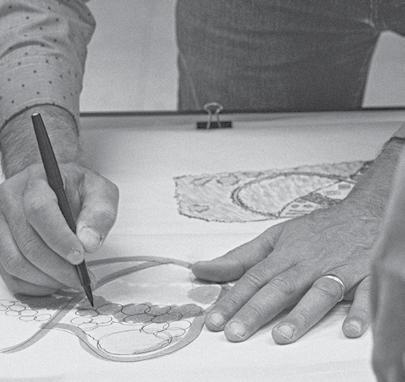
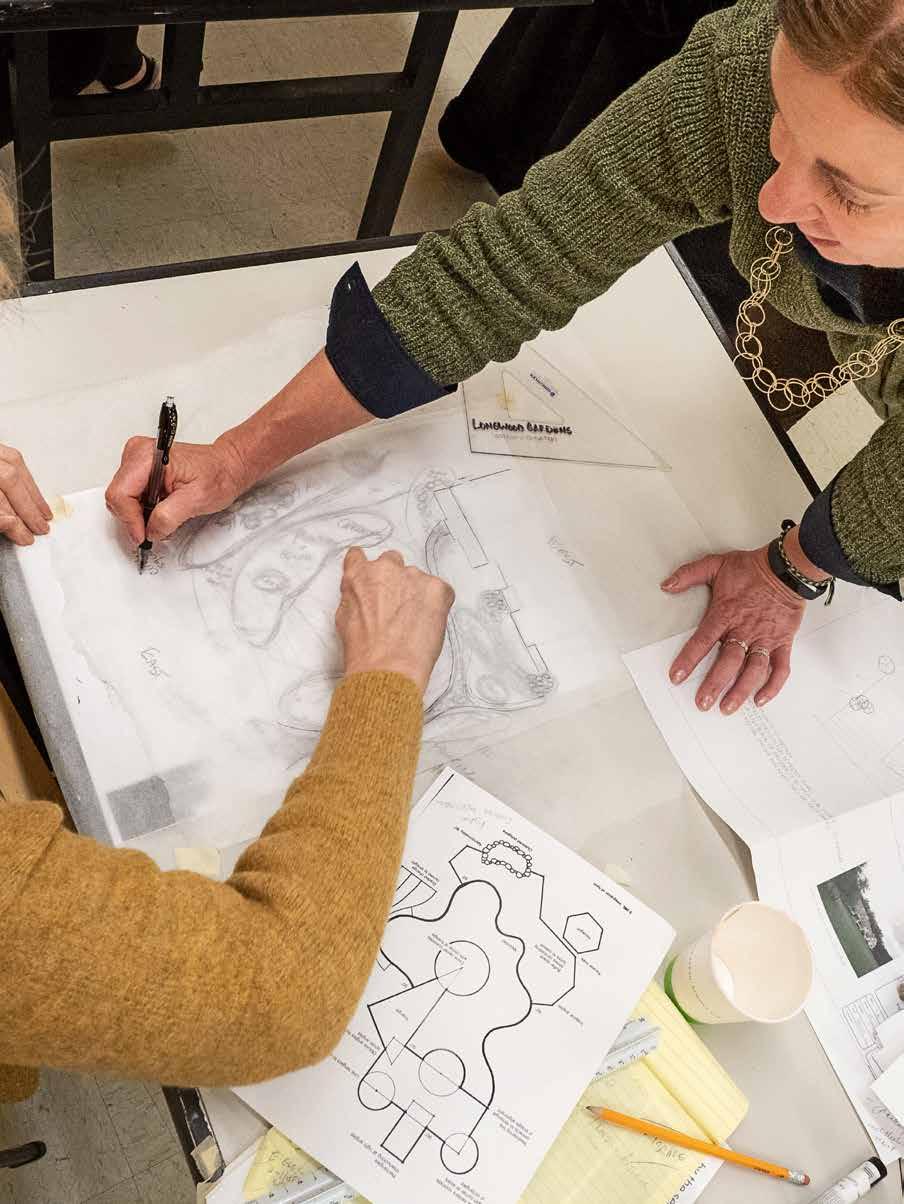
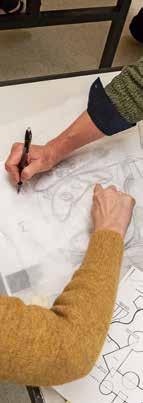
Inside Front Cover Student and instructor engage in a landscape design course. Photo by William Hill.
Inside Back Cover
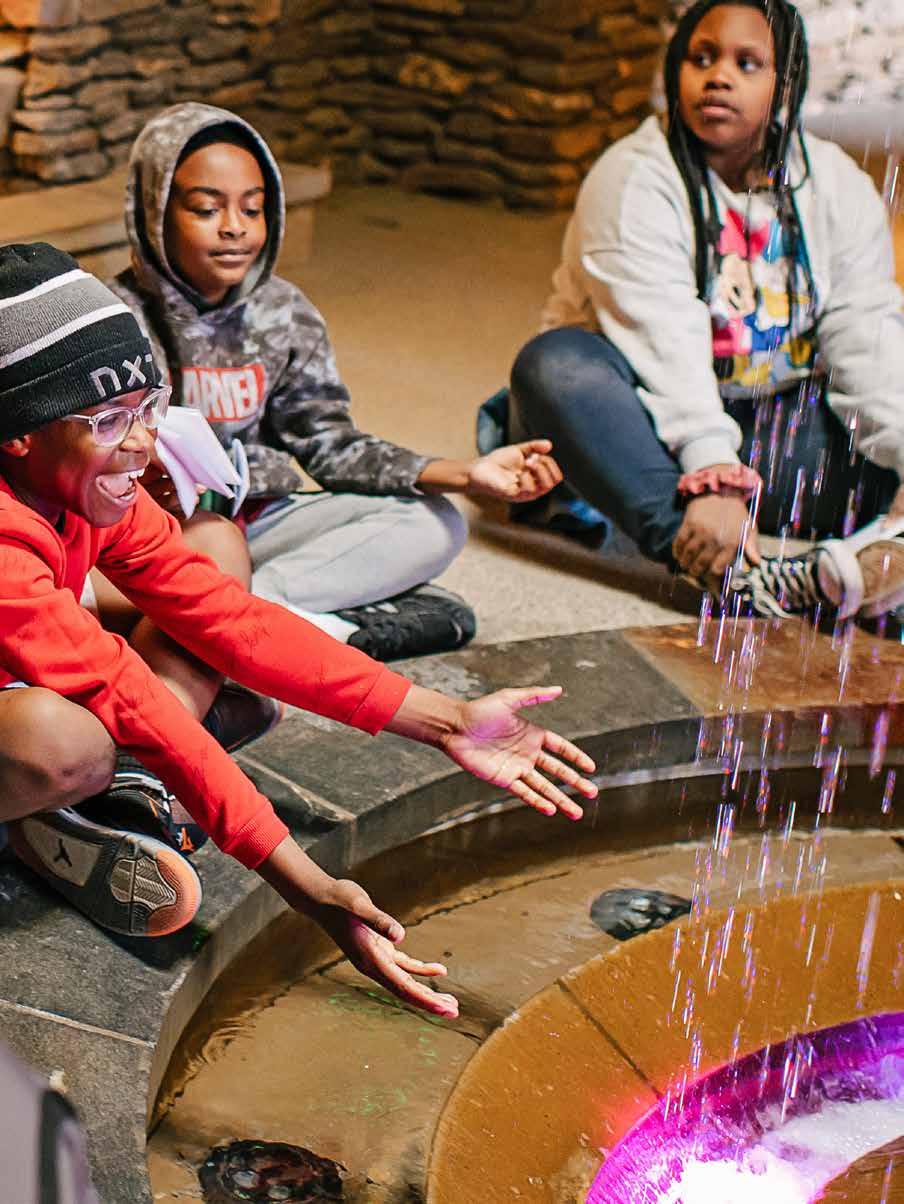
Students take in the wonder of the Grotto, within our Main Fountain Garden, during a field trip. Photo by Laurie Carrozzino.
Editorial Board
Rebecca Ackerman
Jourdan Cole
Nick D’Addezio
Patricia Evans
Steve Fenton
Timothy Gould
Julie Landgrebe
Katie Mobley
Colvin Randall
Kate Santos, Ph.D.
Kelli Stewart
James S. Sutton
Contributors This Issue
Longwood Staff and Volunteer Contributors
Kristina Aguilar
Plant Collection
Information Manager
Holden Barnes
Volunteer Photographer
Hank Davis
Volunteer Photographer
Carol Gross
Multimedia Designer
Andrew Gurka
Director, Student Programs
William Hill
Volunteer Photographer
Connor L. Munzert, CA
Senior Archivist
Katie Testa
Communications Associate
Other Contributors
Carlos Alejandro
Photographer
Laurie Carrozzino
Photographer
Meghan Newberry
Photographer
Lynn Schuessler
Copyeditor
Daniel Traub
Photographer
Distribution
Longwood Chimes is mailed to Longwood Gardens Staff, Retirees, Volunteers, Gardens Preferred and Premium Level Members, and Innovators and is available electronically to all Longwood Gardens Members via longwoodgardens.org.
Longwood Chimes is produced twice annually by and for Longwood Gardens, Inc.
Contact
As we went to print, every effort was made to ensure the accuracy of all information contained within this publication. Contact us at chimes@longwoodgardens.org.
“To establish and carry on at Longwood Gardens … a school where students and others may receive instruction in the arts of horticulture and floriculture in their various branches …”
– Pierre du Pont writing the amended Certificate of Incorporation of Longwood Foundation, 1946