JUNE 10 - JULY 29, 2026
Landscape as Witness: Lived Experience in the Bronx explores how the borough’s terrain, both physical and perceptual, bears witness to the lives shaped within it. In the Bronx, landscape is not passive scenery; it is streets, housing, industrial corridors, waterfronts, and transit infrastructure formed through policy decisions and sustained by community presence. Highways divide neighborhoods, industrial zones border residential blocks, and waterfront access remains uneven. Long-standing inequities are visible in infrastructure, housing, and environmental health. Yet these same spaces hold memory, labor, adaptation, and care. The exhibition positions landscape as both record and participant in the lived realities of the borough. Bringing together ten artists deeply connected to the Bronx, the exhibition examines how daily experience shapes and reshapes the built, material, and social environment. Through painting, photography, installation, and interdisciplinary practice, the artists engage the material conditions of urban life while foregrounding community presence.
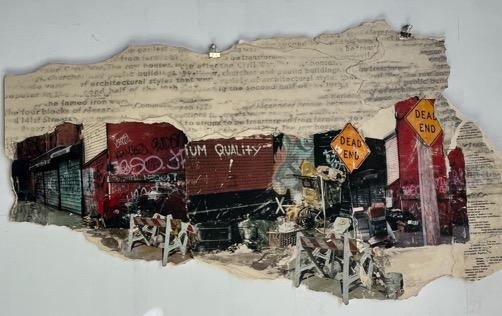
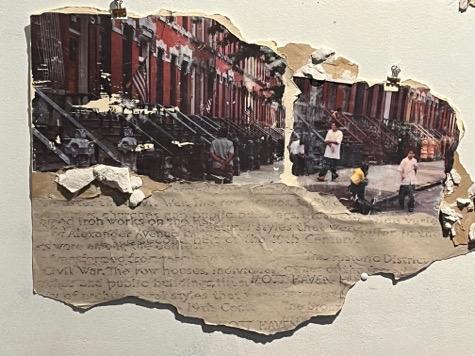
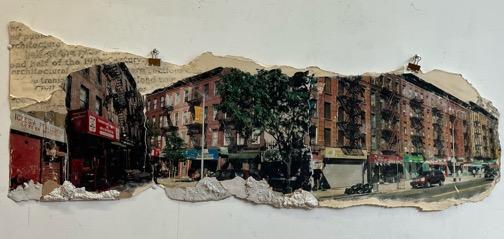
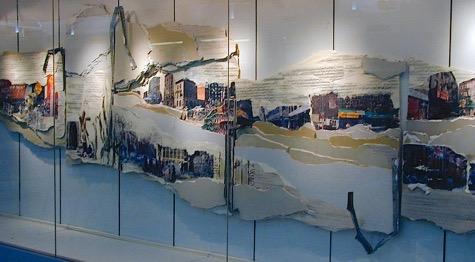
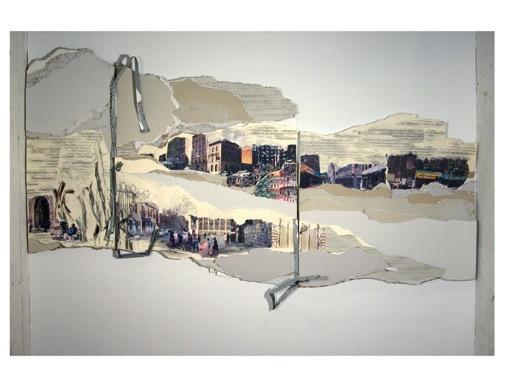
A large-scale mixed-media installation by Linda Cunningham is presented through documentation, with surviving collage fragments on view. Incorporating construction materials, text, and poetry, the work embodies layered histories of development and displacement in the South Bronx. It evokes the changes of Mott Haven and the broader South Bronx, addressing cycles of development, abandonment, and renewal. Its physicality and scale foreground the built environment as a living archive of environmental and social change.
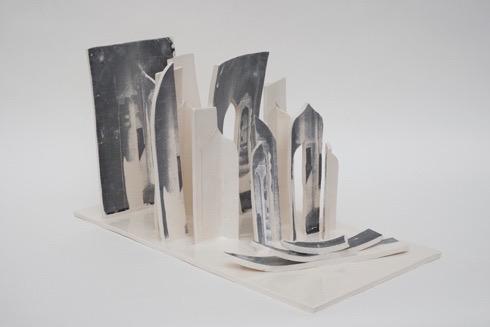
Sarah Ellen Rowe’s ceramic works reinterpret architectural forms through modular structures referencing arches and stairs. Translating these forms into clay, she reconfigures fragments of the built environment, emphasizing pattern, rhythm, and spatial order. Rowe’s practice draws attention to how architecture is reduced, repeated, and understood at the level of detail, foregrounding the ways urban space is constructed, observed, and remembered.
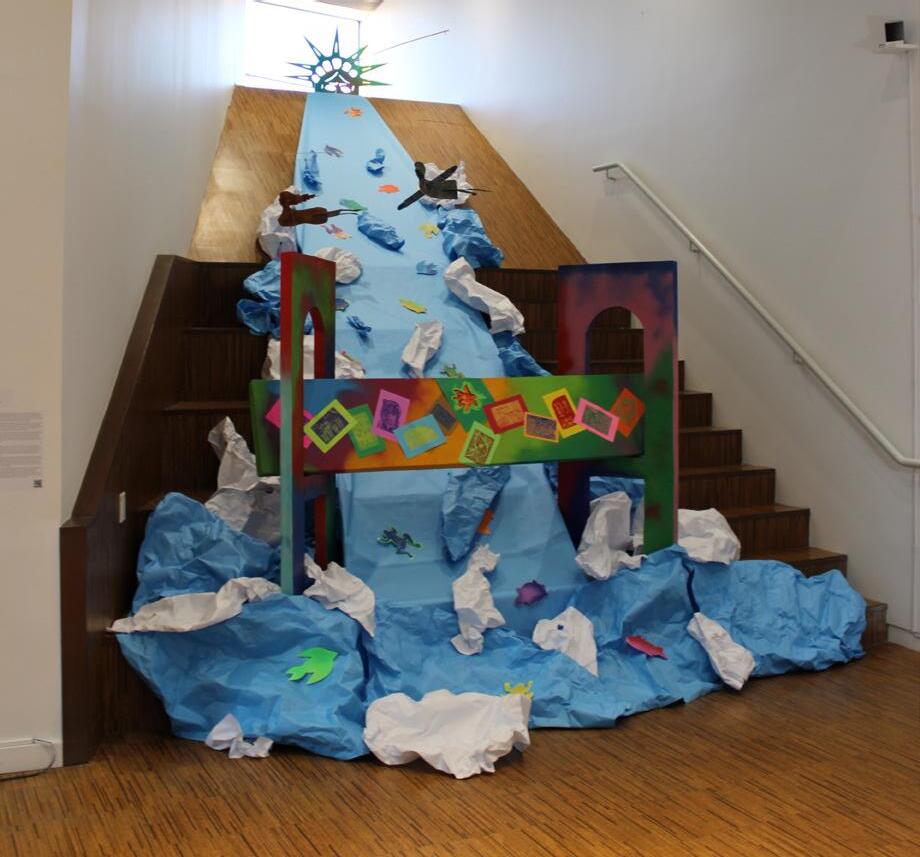
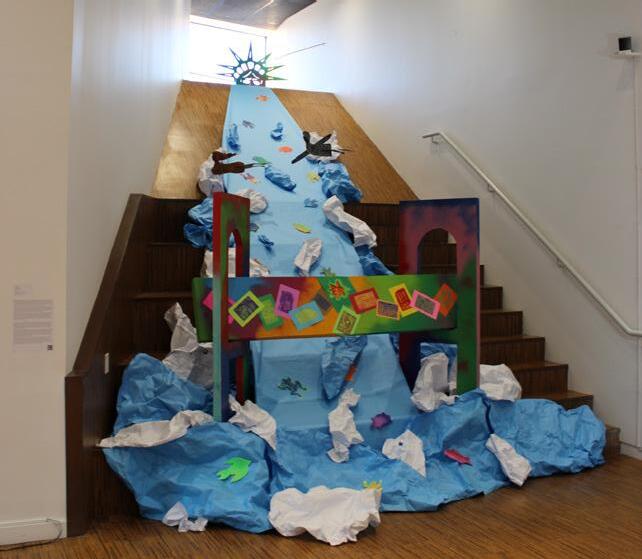
Moses Ros’ SKY BRIDGE, a site-specific installation, draws from the work of Faith Ringgold to reimagine the George Washington Bridge as both structure and symbol within the urban landscape. The installation positions infrastructure as both physical presence and imaginative space. Visible from multiple vantage points in the Bronx, the work underscores how landscape is shaped by material conditions as well as memory and perception.
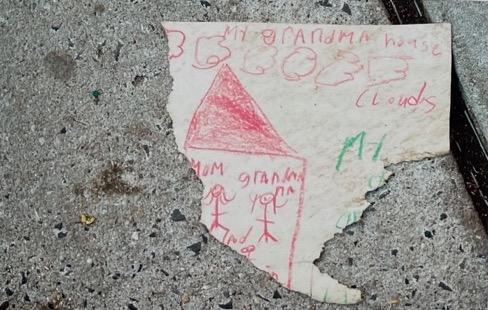
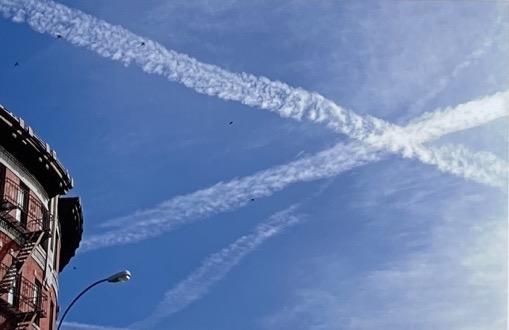
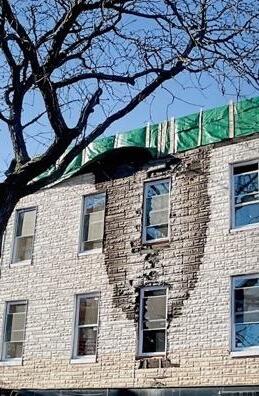
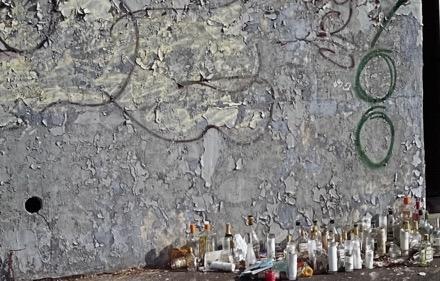
Manuel Acevedo’s photographic works document everyday life in the Bronx, exploring displacement, cultural memory, and the social dimensions of urban space. His work situates environmental justice within lived community experience, focusing on traces of human presence, from a child’s drawing on the sidewalk to informal memorials and decaying or weathered facades. These images echo the layered histories of the community, where memory, infrastructure, and lived presence intersect.
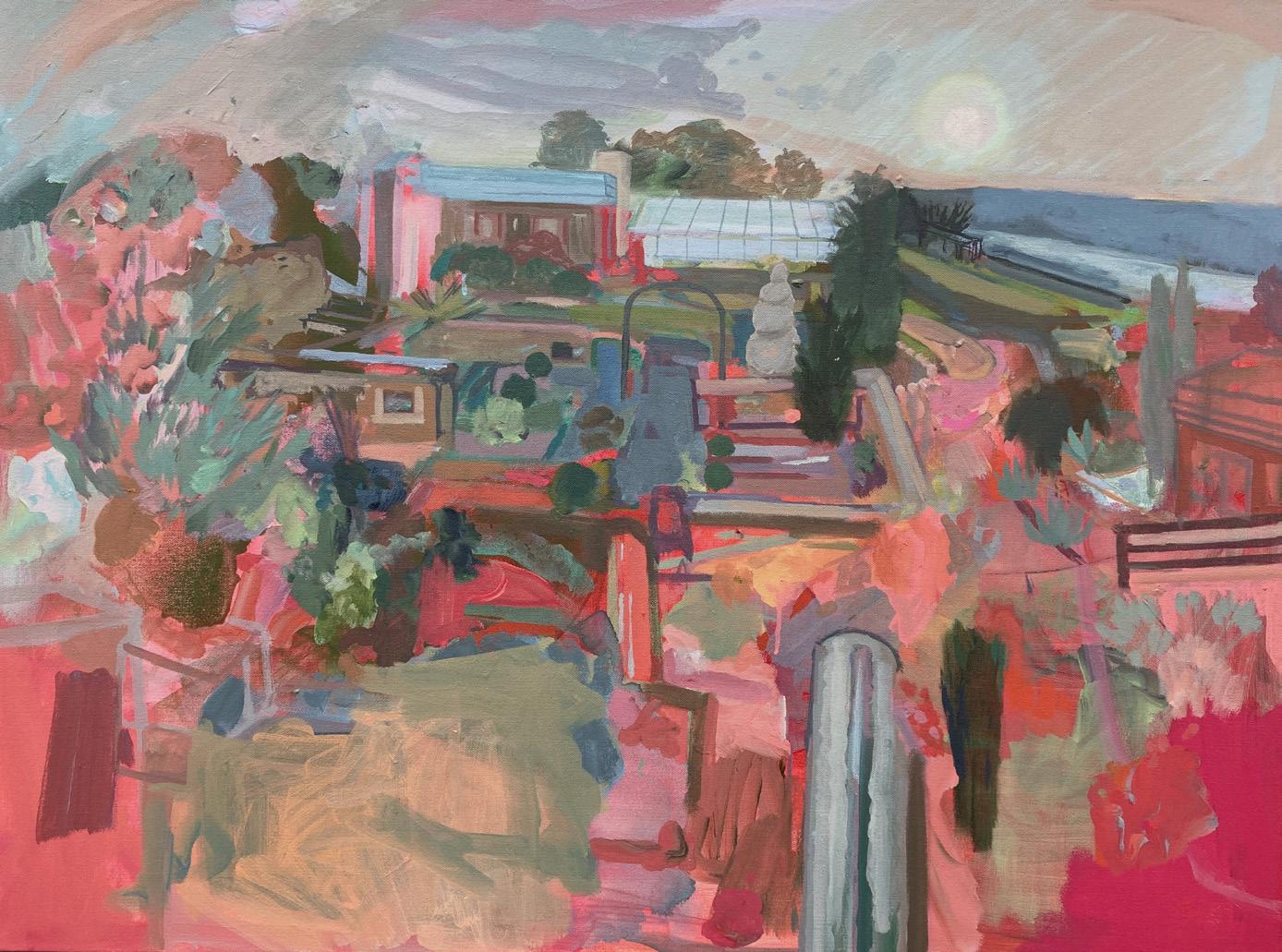
Rebecca Allan’s paintings explore Bronx landscapes and ecosystems. Allan draws from site-specific observation at Wave Hill. Her work draws on the energy of regional flora and fauna, translating cultivated environments into expressive, layered compositions.
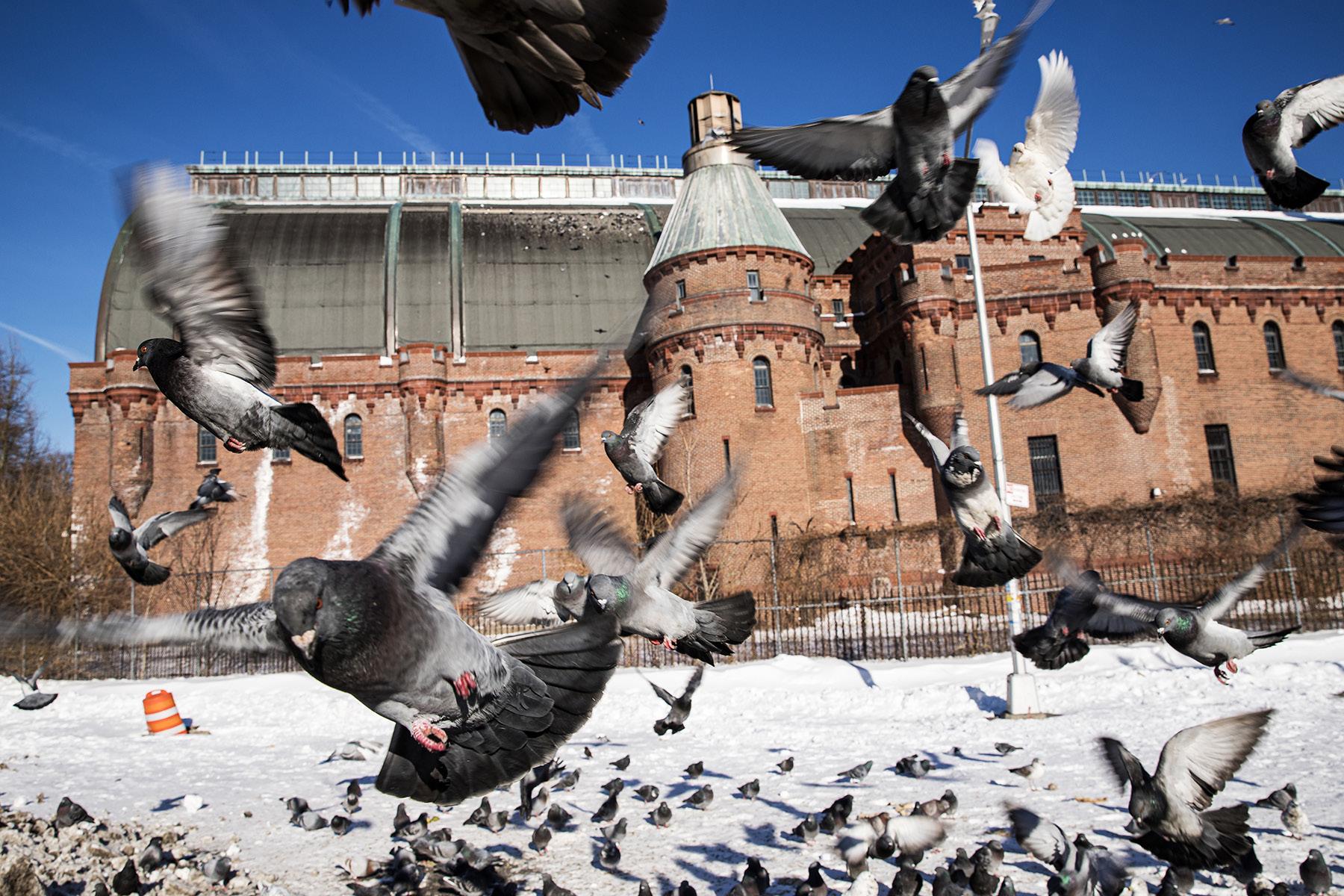
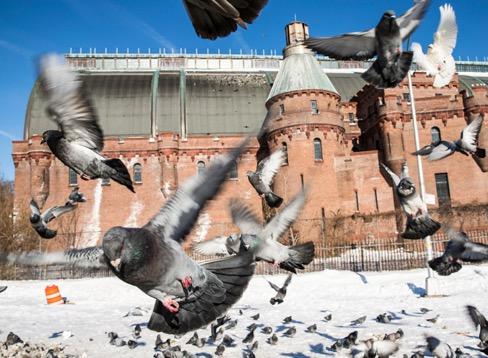
Argenis Apolinario’s Kingsbridge Armory Pigeons documents nonhuman presence within the built environment, highlighting how overlooked spaces function as both civic sites and active habitats.
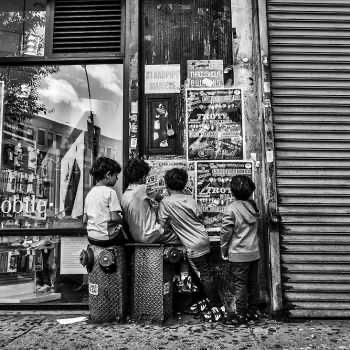
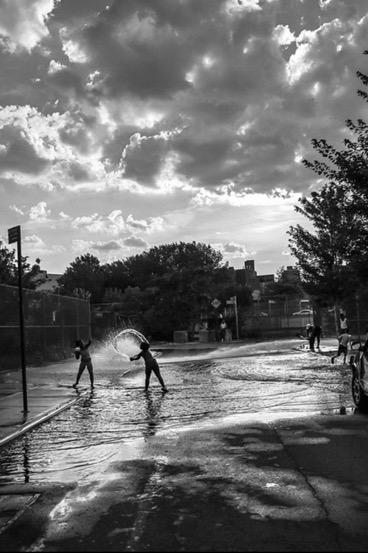
While Michael G. Young’s photographs center community as integral to the urban landscape, foregrounding the lived presence that shapes streets and public space.
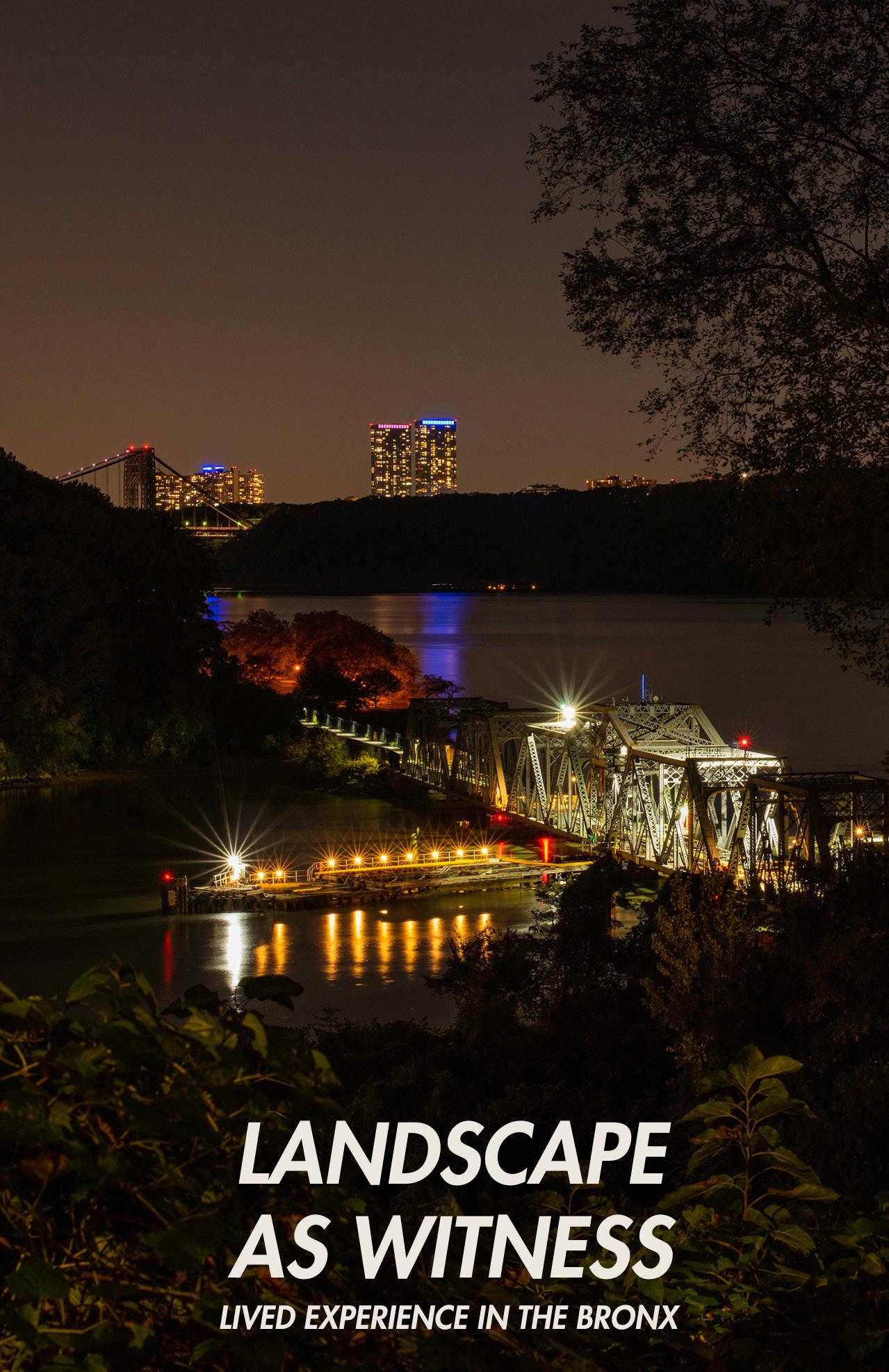
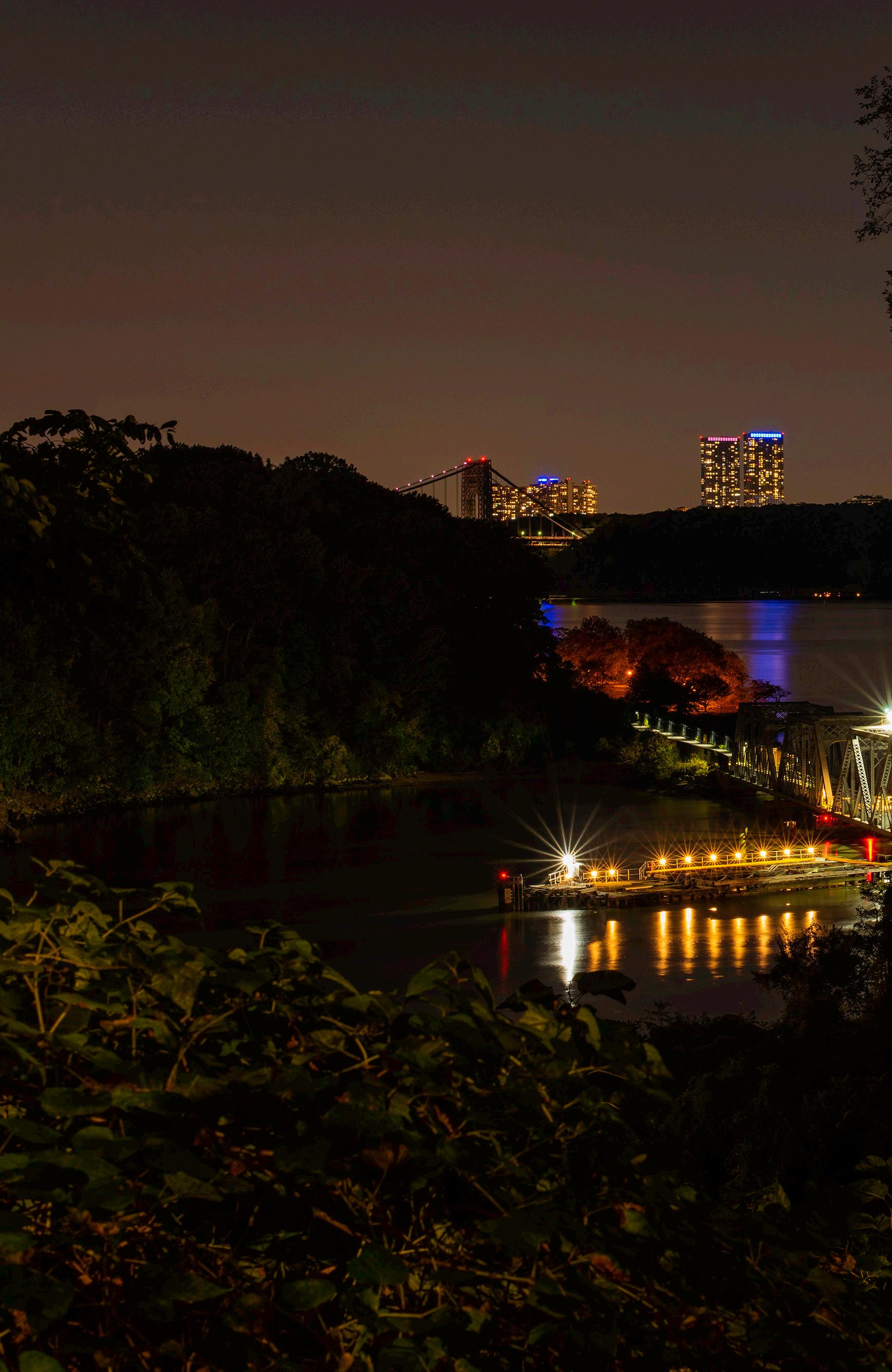
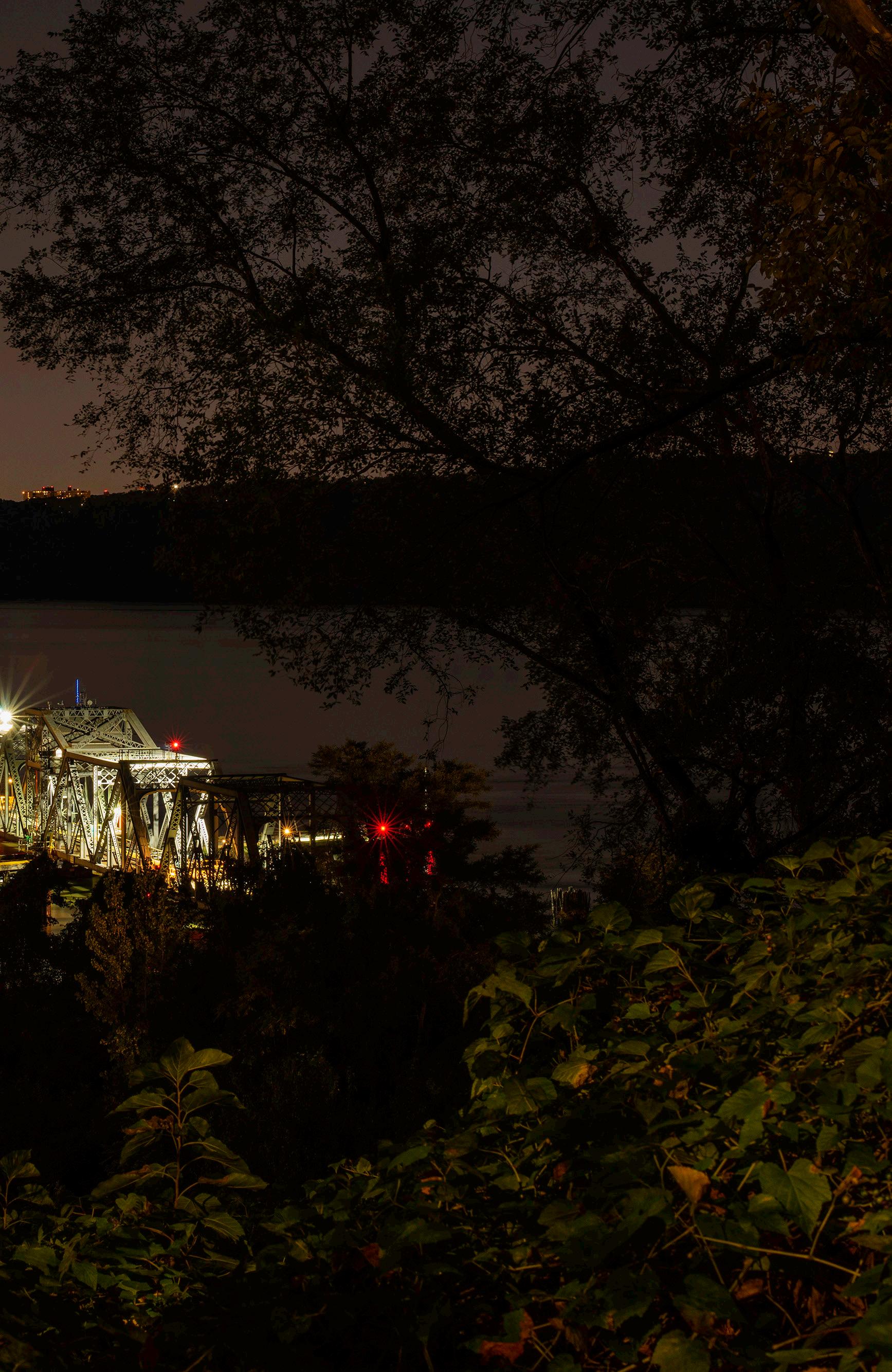
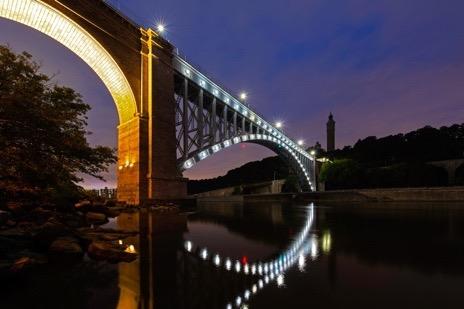
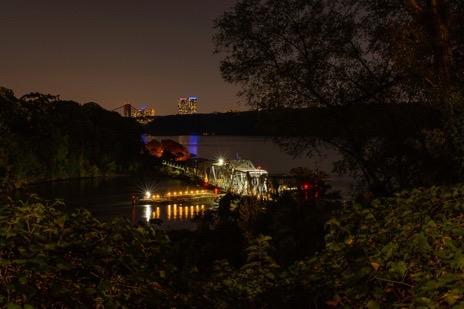
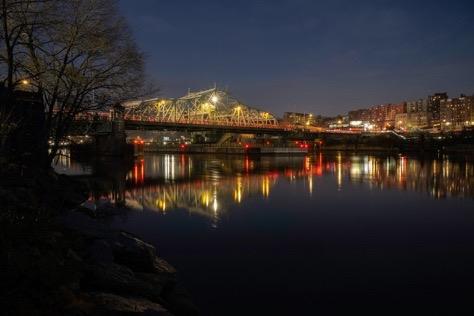
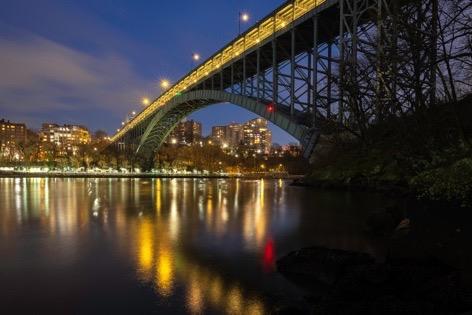
Duane Bailey-Castro’s photographic series examines the Bronx landscape through its network of crossings and waterways. His sustained focus on Harlem River bridges considers infrastructure as both physical landmark and lived experience, shaping how neighborhoods are seen, navigated, and remembered. Through careful attention to light, atmosphere, and reflection, his images slow down sites typically experienced in motion, revealing their architectural presence.
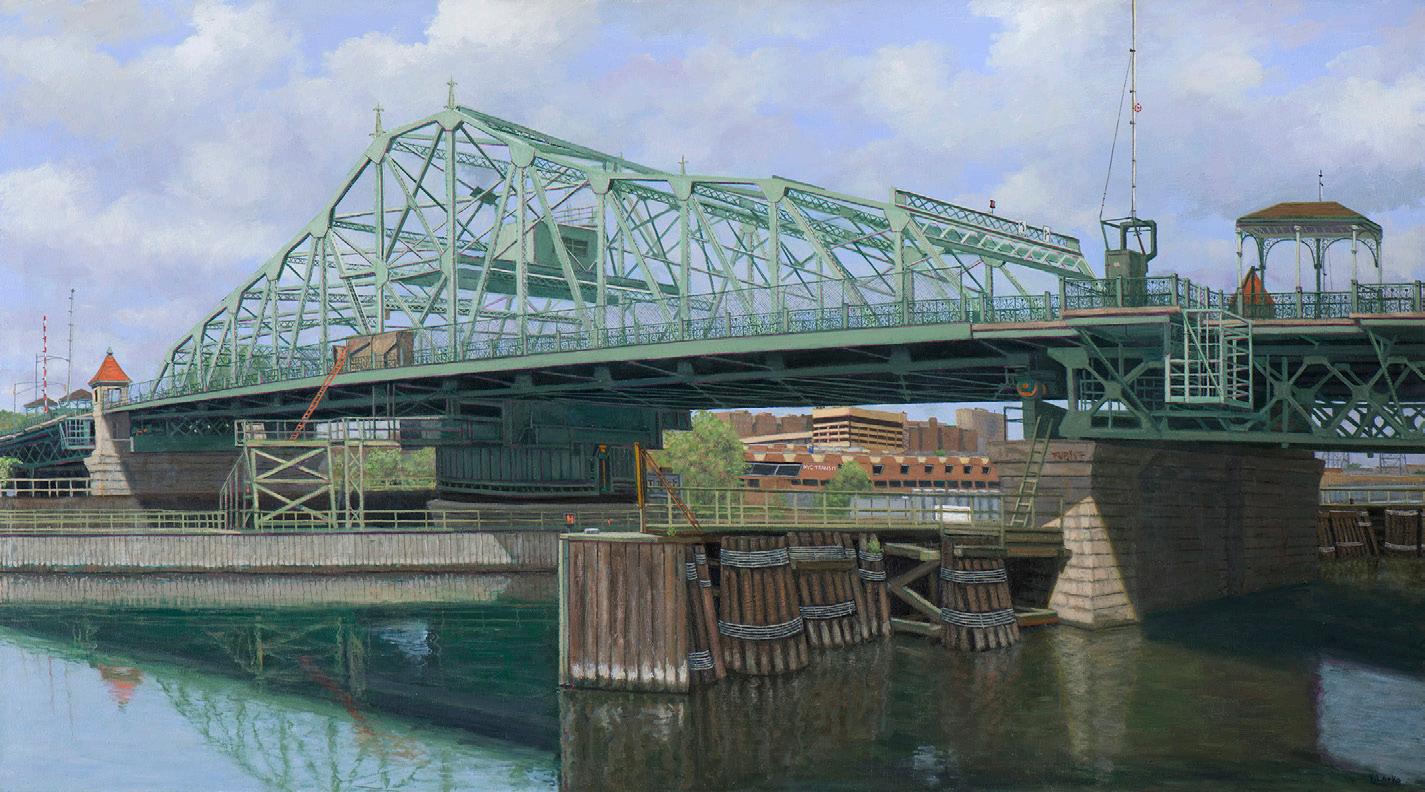
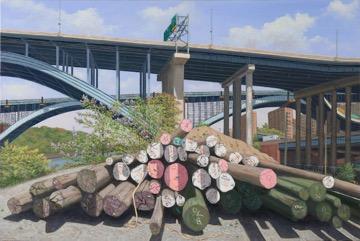
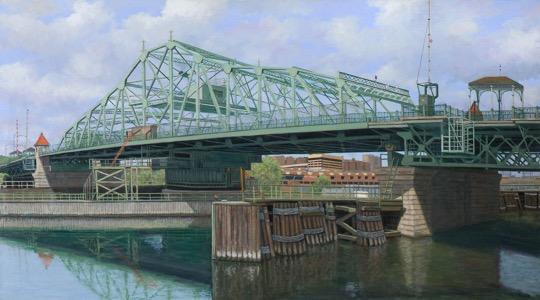
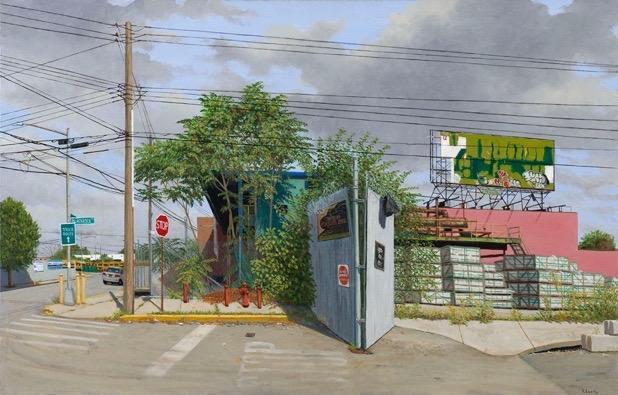
Valeri Larko’s paintings of the Bronx built environment render industrial sites and bridges with attention to structure and light. Working from direct observation, Larko documents places often overlooked or in transition, capturing their material specificity. Her work positions the urban landscape as a record of use, change, and endurance.
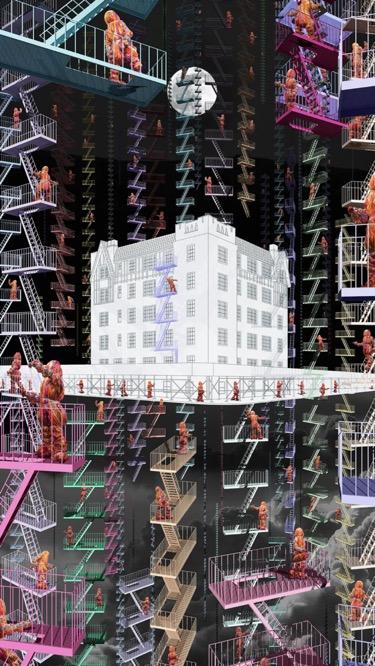
Sohhee Oh’s work centers domestic architecture as a point of exchange between interior life and the urban environment. Focusing on the fire escape as both structure and symbol, the image highlights its role as an extension of the home and a mechanism of safety. It draws attention to the relationship between private space and the exterior city, where necessity shapes form and use. The fire escape emerges as a marker of survival and continuity, evoking memories of hot summers and its use as an improvised outdoor space deeply embedded in Bronx urban life.
Surrounding works engage industrial waterfronts, transit bridges, residential architecture, and neighborhood streetscapes, forming a dialogue between infrastructure and lived experience. Across these
approaches, the exhibition asserts that landscape is inseparable from power, policy, and presence. By centering these artists, the project affirms the borough not as a peripheral space defined by deficit narratives, but as an active site of cultural production and environmental awareness. The exhibition considers the Bronx landscape as an ongoing condition shaped by structural forces and community presence.
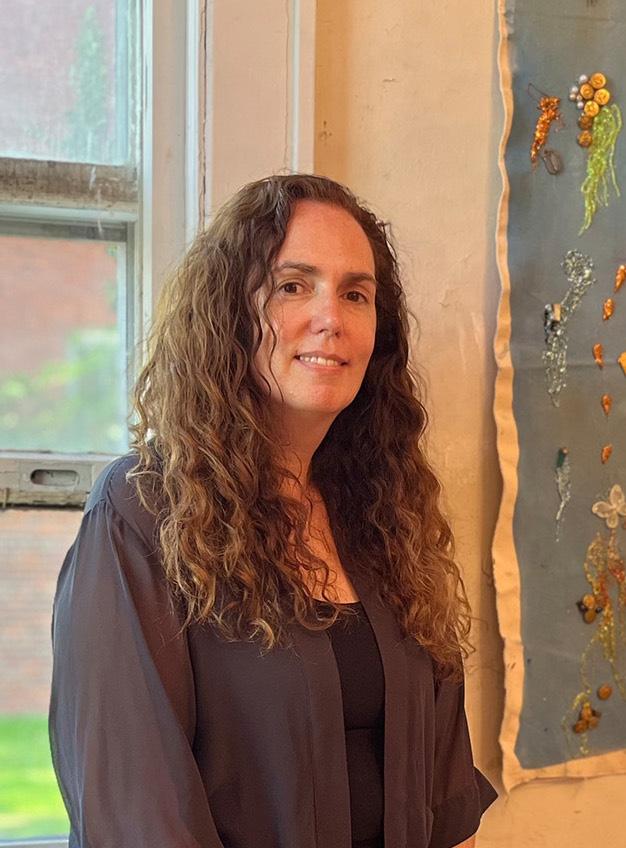
Deborah Yasinsky is a Bronx-based artist, curator, and educator whose interdisciplinary practice explores memory, childhood, and ritual through painting, printmaking, ceramics, drawing, and film. Her work has been exhibited nationally and internationally, including LOOK UP at Palazzo Mora, exhibitions with the Times Square Alliance, Coral Gables Museum, Galerie Lucida, Empty Set Gallery, Local Project Art Space, and Dominican University. She was an Artist in Residence on Governors Island with Bronx Art Space and is a recipient of the City Artist Corps Grant.
Independently curated exhibitions include Ancestral Foods: Family Feasts, Beasts Like Me: Feminism and Fantasy, and Listen: Artists Respond to Politics at Bronx Art Space, as well as Geographies of the Self at Bronx Council on the Arts / Longwood Art Gallery at Hostos. At Lehman College Art Gallery, she has co-created exhibitions and public programs, including Eco Urgency: Now or Never, a collaboration with Wave Hill. Yasinsky has served as a panelist for the New York State Council on the Arts, Arts Education Panel. She previously held positions at Hudson River Museum, 92nd Street Y, Stepping Stones Museum for Children, and Arts Westchester. She currently serves as Assistant Director and Curator of Education at Lehman College Art Gallery and as an Adjunct Lecturer in Drawing and Art Education at Lehman College.
Opening Reception
Wednesday, June 10, 2026 | 6:00 PM - 8:00 PM
Public Program
Wednesday, July 1, 2026 | 6:00 PM - 8:00 PM
Closing Reception
Wednesday, July 29, 2026 | 6:00 PM - 8:00 PM
Bronx Council on the Arts (BCA) 2700 East Tremont Avenue
Bronx, New York, 10461 (718) 931-9500 longwood@bronxarts.org
Founded by visionary community leaders in 1962, the Bronx Council on the Arts (BCA) is a pioneer in advancing cultural equity in The Bronx. From our early beginnings as a presenter of affordable arts programming in select Bronx neighborhoods, we have grown into a cultural hub that serves the entire creative ecosystem of the borough. Our programs serve artists, the public, and the field at large by building connections, providing resources, and advocating for equitable practices. Then as of now, we focus on supporting the work of underrepresented groups – especially artists of color, women, and members of the LGBTQ+ community. Through this lens, we offer affordable programs for seniors and youth and provide direct services to over 1,500 artists and 250 community-based arts groups each year.
www.bronxarts.org
The Longwood Arts Project is the contemporary visual arts program of the Bronx Council on the Arts, with the mission to support artists and their work, especially emerging artists from underrepresented groups, such as people of color, the LGBTQ+ community, and women. The Longwood Art Gallery presents solo and group exhibitions of works of art produced in various media, through interdisciplinary practices that connect emerging artists, communities, and ideas within and beyond The Bronx.
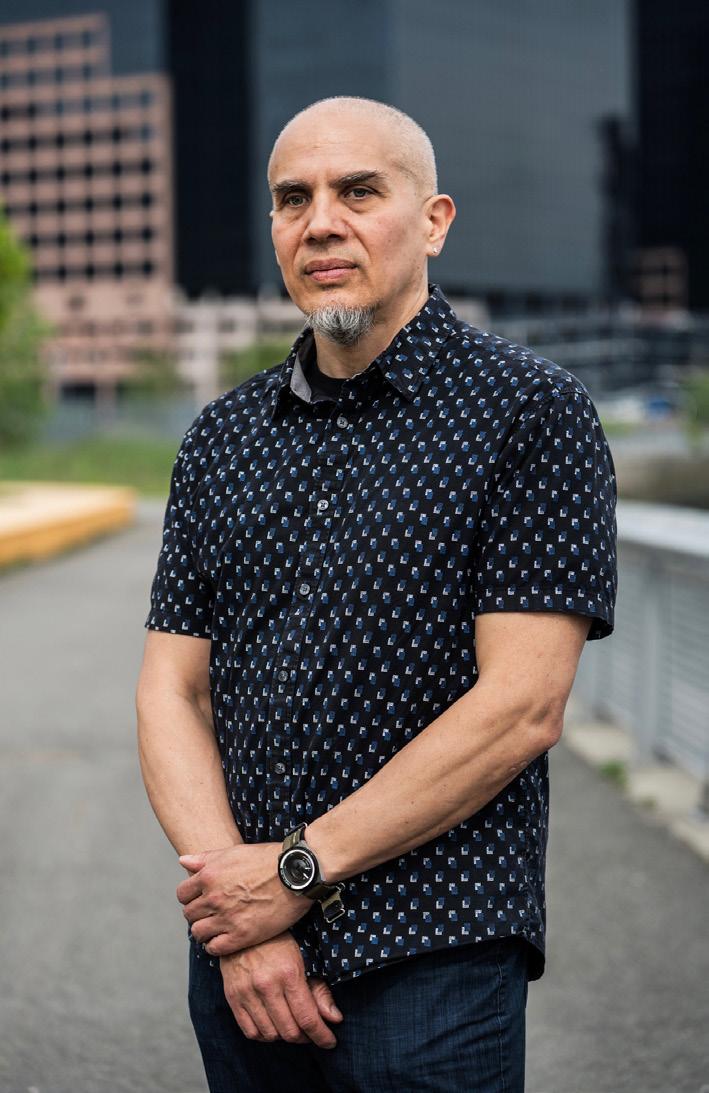
Manuel Acevedo (b. Newark, NJ, 1964) is a Bronx-based multidisciplinary artist. Acevedo began his career as a street photographer in Newark. His work combines photo-based imagery, conceptual graffiti ciphers, and architectonic visualizations that reflect the ever-shifting boundaries of diasporic communities within the urban landscape. Acevedo’s public art projects and site-based installations address the contested histories of shared spaces. His work is built on over forty years of practice inspired by urban experiences in the United States and city lore as a first generation Puerto Rican artist.
Acevedo has been exhibiting his work in the United States and abroad for over forty years. Exhibitions and installations include From the Studio: Fifty-Eight Years of Artists in Residence, Studio Museum; RicanVisions, The Latinx Project; Penumbras: a narrative of Art Center/ South Florida, Oolite Arts; A Call for Peace, Military Park Monument Lab & Express Newark - Rutgers University; Down These Mean Streets: Community and Place in Urban Photography, Smithsonian American Art Museum and El Museo del Barrio; Intersecting Trajectories, Rush Arts Gallery; Mirror Mirror, Express Newark - Rutgers University; Round 36, The House the Alhacen Built, Project Row Houses; and Al-Ghaib, Aesthetics of Disappearance, Maraya Art Centre. He has had solo exhibitions at the Bronx River Art Center (BRAC), Latino Cultural Center, and Jersey City Museum. Currently, Acevedo is a recipient of the 2021 BRIO Award. Among his awards and residencies are those received from the Colene Brown Art Prize at BRIC, Joan Mitchell Foundation, Visual Artist Network, Longwood Arts Project, Mid-Atlantic Foundation,
Mid-Atlantic Foundation, Museum of Art & Design (Artist Studios), and Studio Museum.
The Bronx Sites in Silence series explores quiet and reflective moments in the city’s streets, exposing weathered walls of memorials, fire-stained and stressed surfaces. Unlike serene landscapes, these sites border various neighborhoods and reveal elements of a poetic space, resilient, and at times, universally familiar to urban dwellers across cultures. My intention with this series is to give the viewer a sense of place that expresses loss, potential, belonging, deep seated scars, and desires.
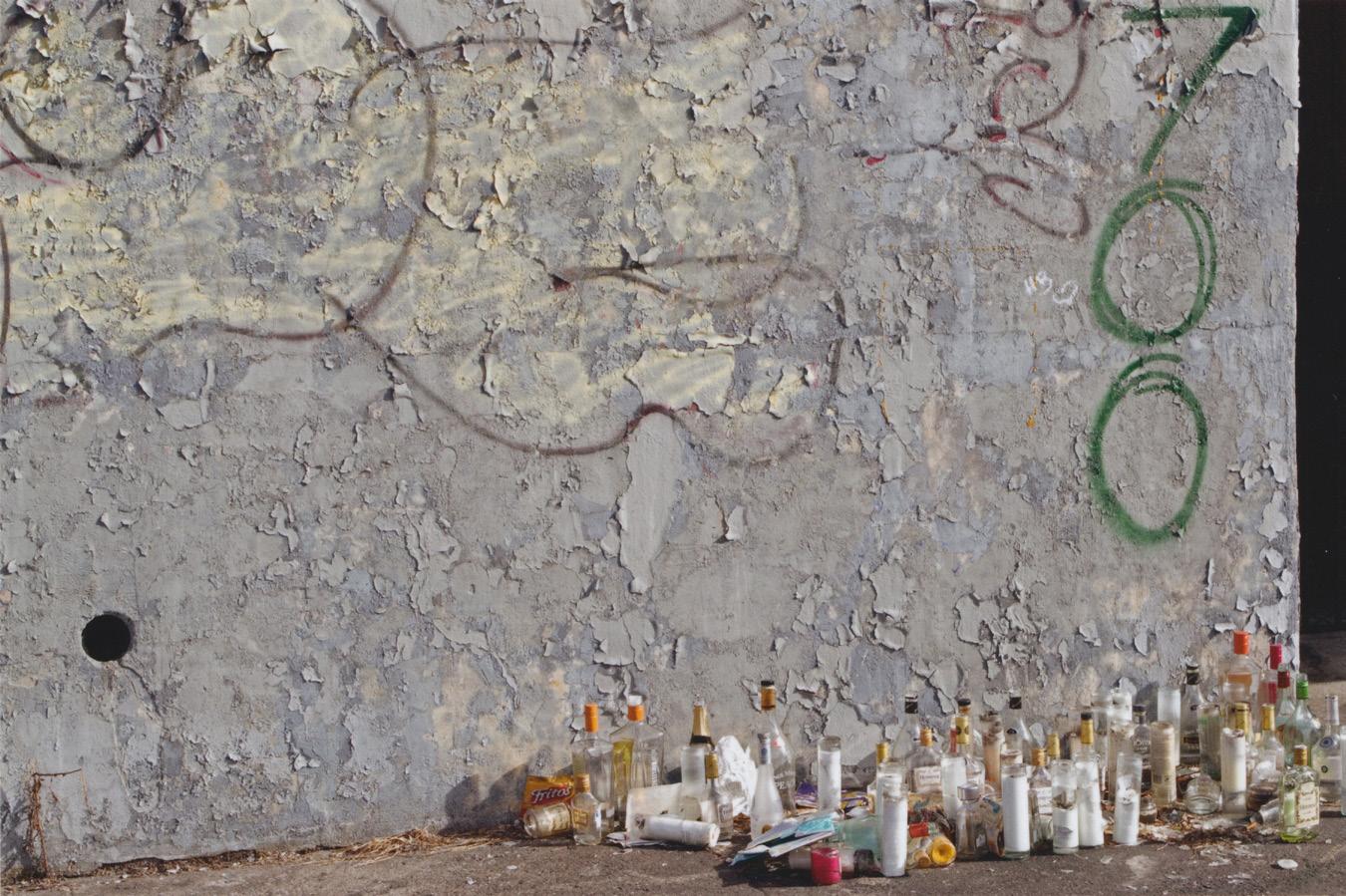
Manuel Acevedo, Weathered Memorial, circa 2018, Dye based ink on luster photo paper, 5 x 7 inches
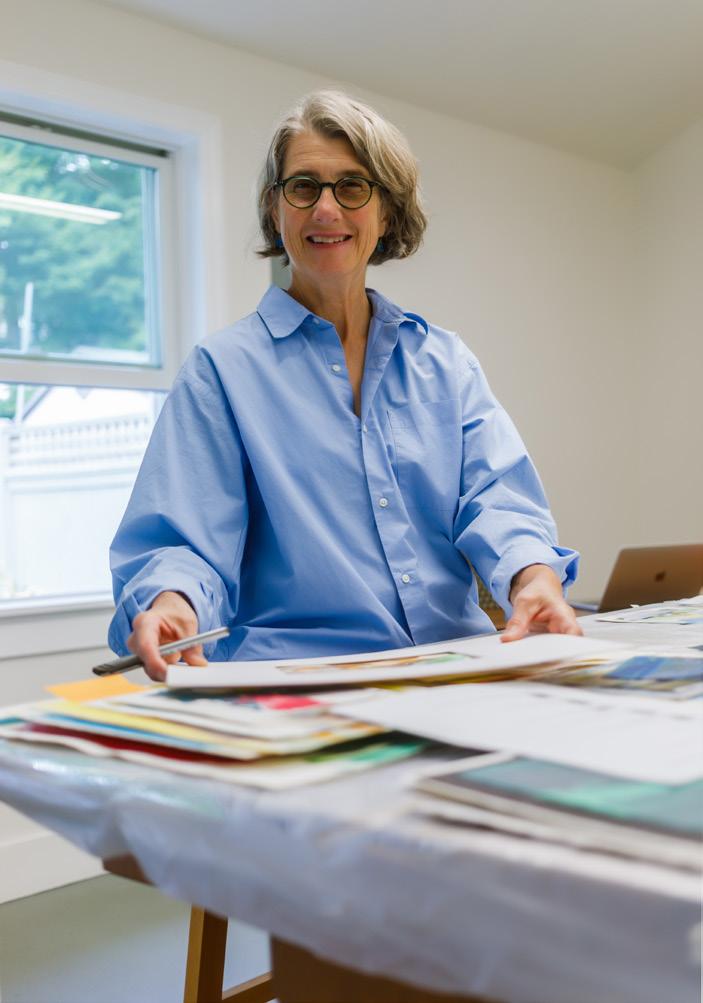
Rebecca Allan is a New York-based painter, published writer, and gardener known for her richly layered and chromatically nuanced abstract paintings. Her work is inspired by her deep interest in botany, horticulture, and land conservation. Bringing together her expertise in art and horticulture, in 2018 Allan established Painterly Gardens, a firm specializing in sustainable garden design.
Exhibiting in the United States and abroad for over 30 years, Allan has been represented in 40 solo, and numerous group exhibitions, nationally and abroad. Her work is represented in the U.S. Art-in-Embassies Program with a recent acquisition for the permanent collection of the new U.S. Embassy in Oslo, Norway. She is also represented in the Bronx Artist Documentary Project, the first photographic record of visual artists in the borough. My paintings are rooted in the dramatic cycles of nature as well as a deep curiosity about science, and the forces underlying what we observe on the surface of things. My working process involves drawing, mixing pigments, and layering color over time. As a professional gardener, I also draw directly from the experiences of pruning, cultivating, planting, and caring for trees and plants.
For me, the language of color is a sanctuary within which the questions and problems of art making — indeed, of life — are confronted. I work within a transcendental American landscape
confronted. I work within a transcendental American landscape tradition that includes painters such as Charles Burchfield, Joan Mitchell, and Neil Welliver, but I also draw upon the works of Renaissance masters such as Giovanni di Paola, in my desire to invent my own cosmological landscapes.
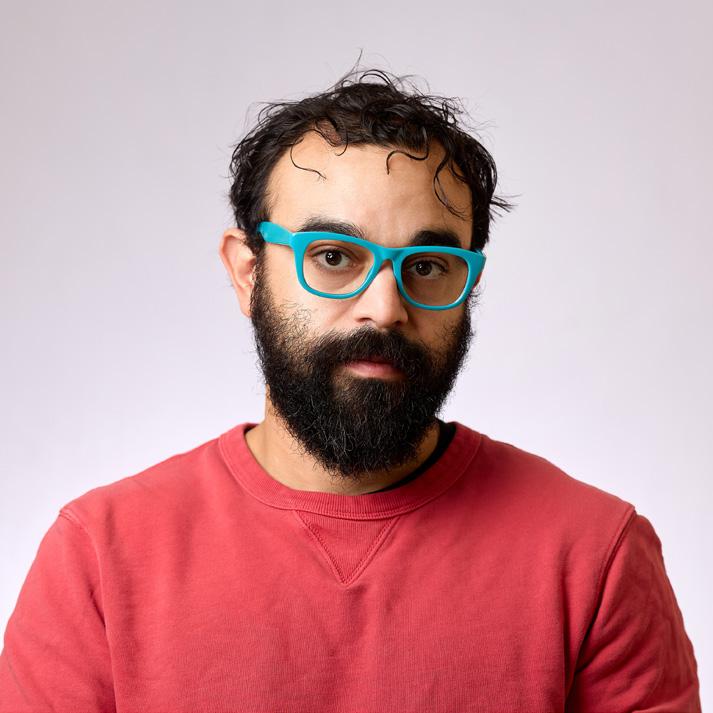
My name is Argenis Apolinario, and I am a Bronx native and New York Citybased photographer. My parents hail from Puerto Rico and the Dominican Republic. I attended LaGuardia High School and pursued a degree in Fine Arts at the Cooper Union School of Art. Initially, my creative practice centered around drawing and painting, but during my college years, I developed a greater interest in photography. The underlying theme in my work has always been a pursuit of a deeper understanding of light, color, identity, and psychology. Since then, I have incorporated my creative and personal experiences into my photographic craft, documenting a diverse range of subjects, including portraiture, performance, and collaborations with cultural and educational spaces. I am particularly drawn to subtle expressions and gestures, which serve as a form of psychological study of a subject or community, reflecting my own introspective nature. My style is rooted in my early interest in painting and drawing, as well as psychology, and can be best characterized as a journalistic approach.
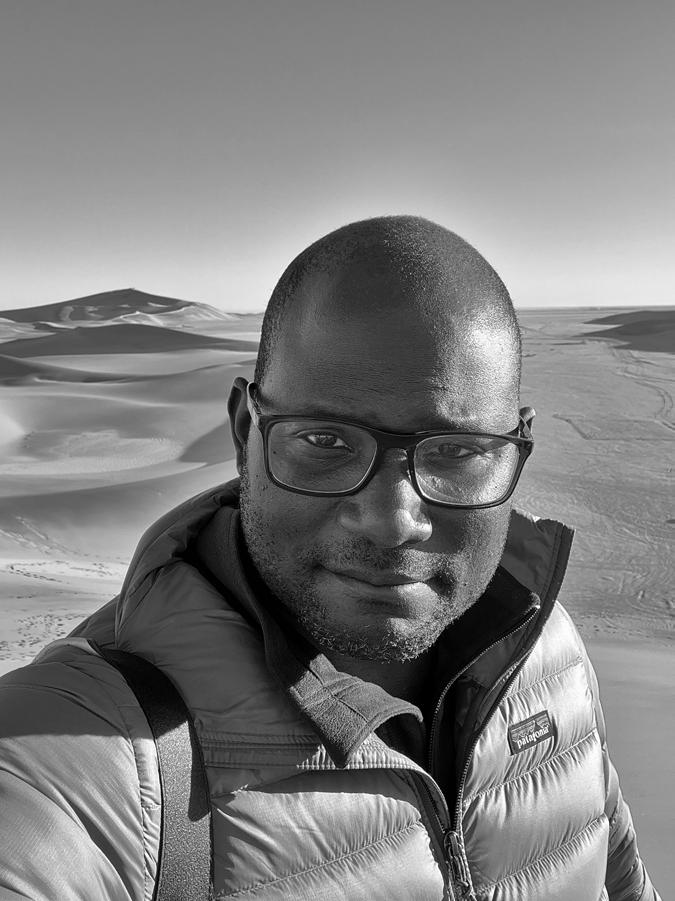
Born in Manhattan and raised in the Bronx, Duane Bailey-Castro specializes in urban landscape and travel photography. His main focus is on the fifteen little-known Harlem River Bridges which span New York City’s Harlem River.
His project examines these spans’ relationship with the surrounding landscape and celebrates a part of the New York City waterfront that has a long history of being overlooked and under-resourced.
At the same time, he loves to travel abroad photographing places on the periphery where beauty and history intersect. His work has been exhibited at the Bronx Children’s Museum, the New York Public Library, Montefiore Medical Center, the Bronx Documentary Center, and the Bronx Historical Society. He is the recipient of a 2020 Bronx Recognizes Its Own (BRIO) Award and a 2019 Community Arts Grant from the Bronx Council on the Arts.
My photography centers on the exploration and documentation of places where beauty and history intersect. I gravitate to locations where most people don’t and part of the adventure is learning about and photographing unfamiliar or underappreciated landscapes. My photography seeks to take viewers on a journey – transporting them to marginalized places – that bridge the unfamiliar and familiar as well as the past and the present.
I am an urban landscape photographer, who is fascinated by the stories that history can teach us. People are absent in my images, but the human presence is suggestive by the artifacts found in my photographs. Another important characteristic of my photographic practice is that the
bridges I photograph are captured in low light: before sunrise and at night. This decision is purposeful. The artificial light from buildings, street lights, passing cars, and the bridges themselves is used to create drama that invites the viewer in. I photograph these bridges at night because that’s when they and the surrounding environment are illuminated, thus, creating the most striking and beautiful images which aid in my goal of celebrating this underappreciated area of the New York City urban landscape.
In my photography, a tripod is essential. Using a tripod forces me to slow down and mediate on creating the best composition. This process is vital in my effort to be intentional in the creation of each image. The tripod also helps me to avoid camera shake and thus, capture sharp images in low light.
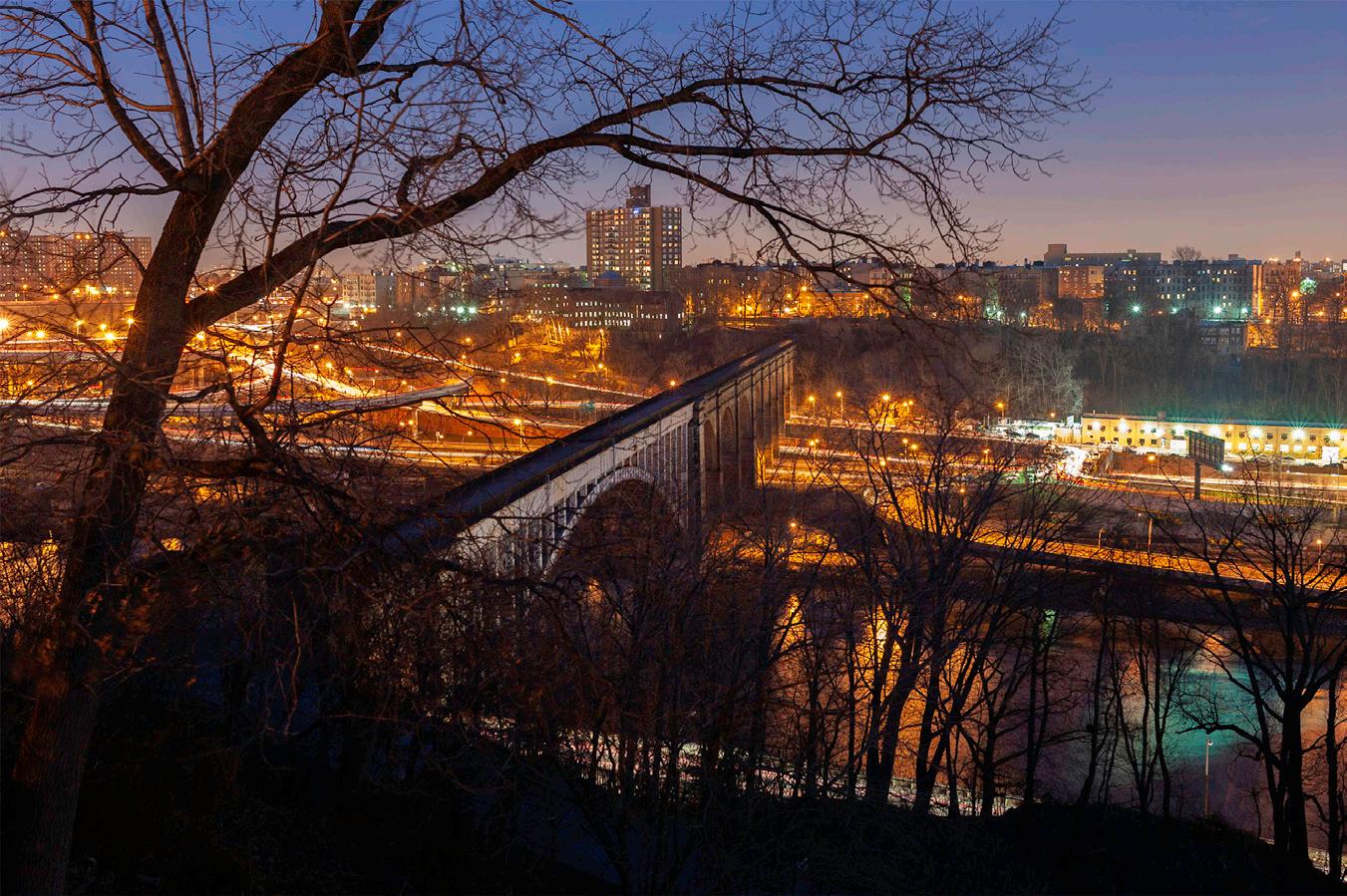
Duane Bailey-Castro, University Heights - 207th Street Bridge and the Harlem River, 2023, Digital Photograph, Dimensions Variable
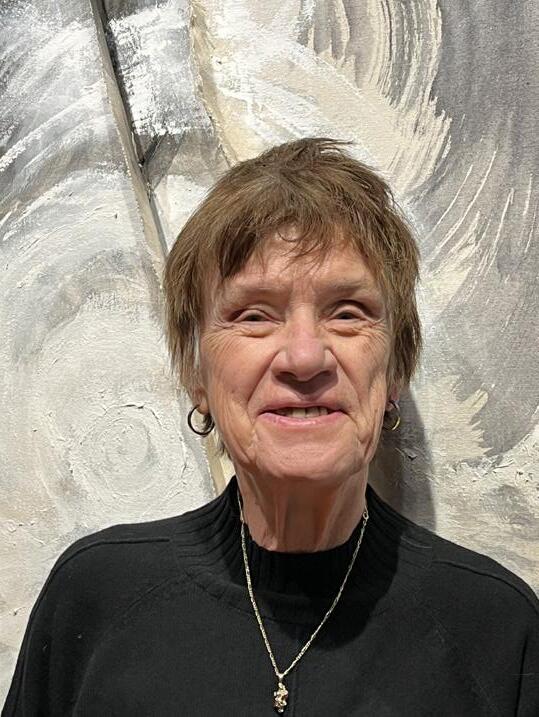
Linda Cunningham is a New York City based artist who exhibits extensively both in New York and Germany, with recent solo exhibitions and installations at BronxArtSpace, Governors Island, 2025; Five Myles Gallery, Brooklyn, 2023; ODETTA Gallery, Bushwick, Brooklyn & NYC, 2019/20, 2017, 2015; the Bronx Museum 2016, 2014, 2010, and exhibitions at BronxArtSpace and Bronx River Art Center, 2023. She has exhibited internationally with solo exhibitions at the American University, Parist and the Fundacion Euroidiomas, Lima, Peru. A series of Cunningham’s collage and drawings were acquired by the Pinto Museum, Antipolo, Philippines in 2024.
Cunningham’s monumental public sculptural installations and alternative memorials are in public collections in Germany and in the USA at Woodmere Museum, Philadelphia, Griffiss International Sculpture Garden, Rome, NY, and Grounds for Sculpture, Hamilton, N.J. The city of Kassel, Germany commissioned a 6 panel public sculpture installation, 2020/21 commemorating11 Frauen. Project Renewal Inc, commissioned decorative fences in two different sites in 2013 and 2015. Her exhibition record includes 52 solo exhibitions and 75+ group exhibitions. She received numerous grants from the Bronx Council on the Arts and served as the Arthur and Katherine Chair of Humanities, Franklin and Marshall College, now emerita.
Using images from the 2005 street, 19th Century land-marked architecture, and found materials, this work exposes contradictions inherent in recent history, time, and change. 21st Century signage, Bronx poetry, and rubbings from historic plaques merge with photo transfers and drawings posing the past against the partially restored, regenerated present. Salvaged from 2005 and 2006, installations first at the then
blossoming small, Haven Gallery on Rider Ave., these fragments offer glimpses of our now historic not-totally-altered recent past.
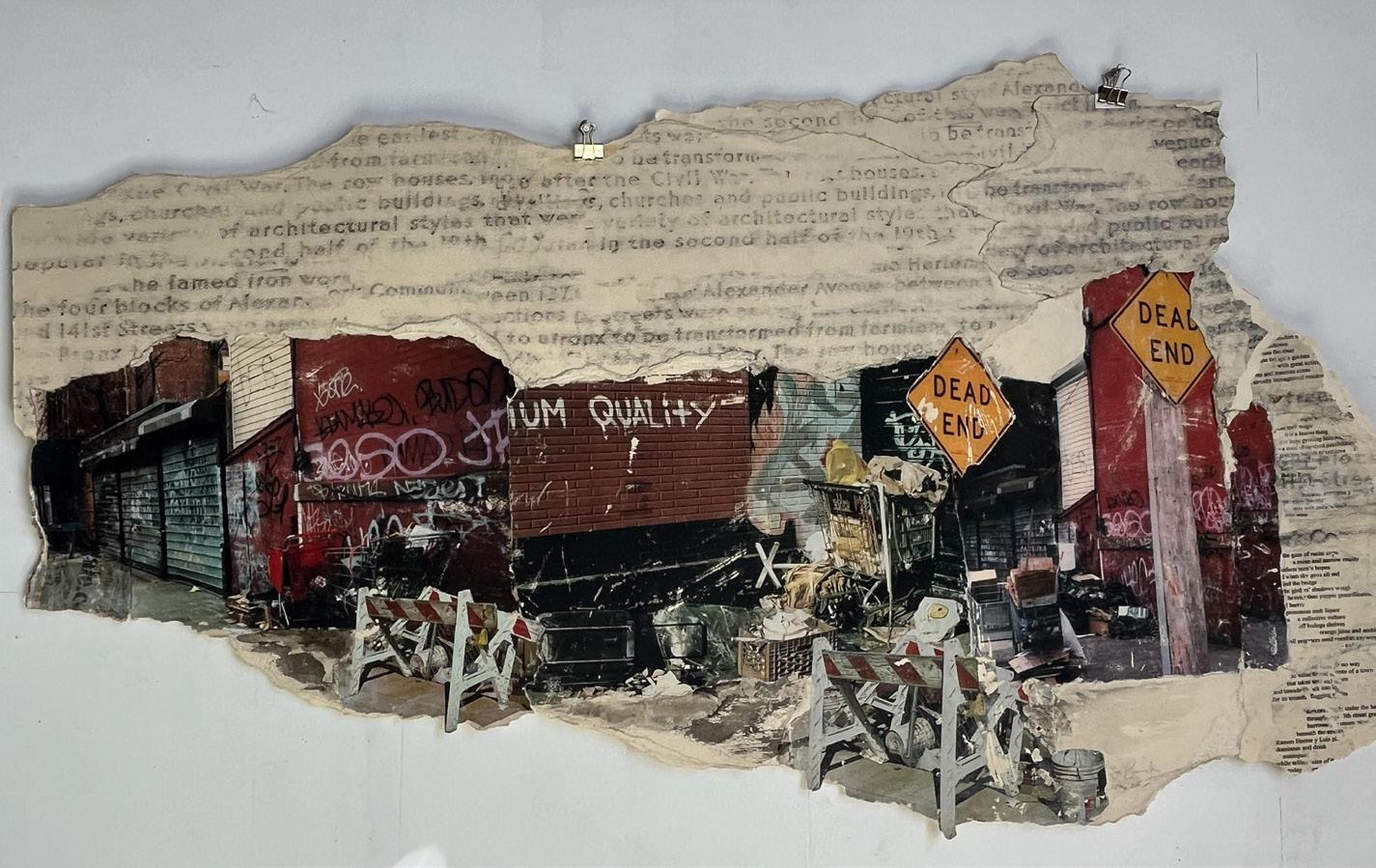
Linda Cunningham, South Bronx Sagas, Dead End East 140th Street, 2006-2026, Collage, rubbing from Mott Haven historic plaque, poetry by Roger Bonair-Agard, photo transfer, mixed media, 20 x 29 inches
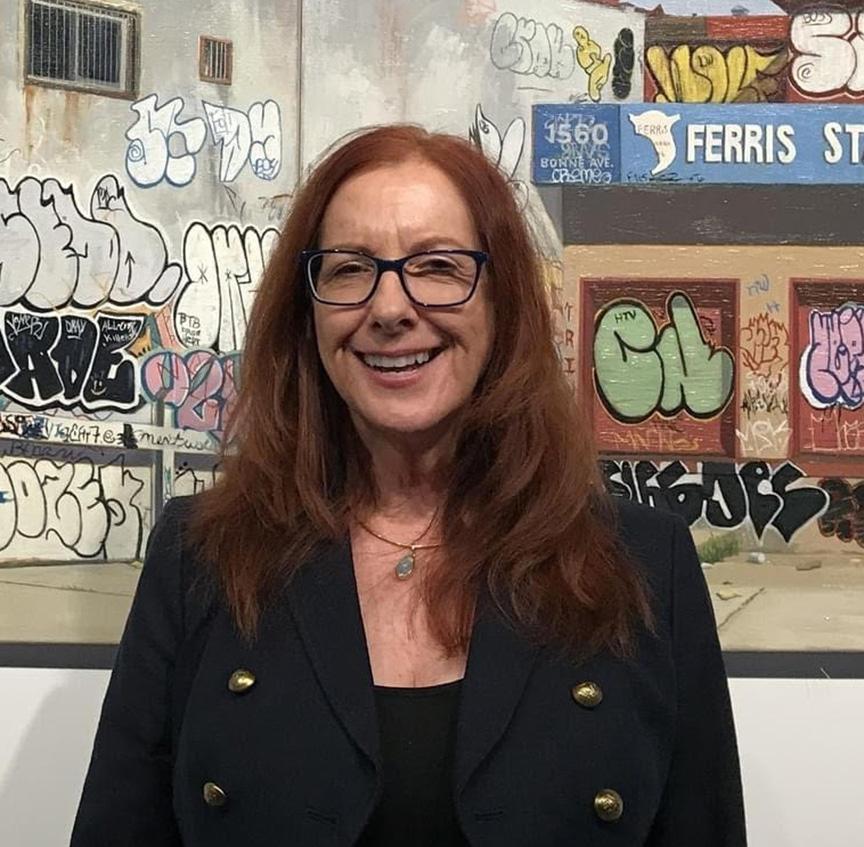
Valeri Larko is best known for her densely painted landscapes of the urban fringe, all of which she paints on location. She is attracted to the edges of the city, where grit and beauty exist in equal measures. These areas have a rich history, one that the artist brings to life over months of painting on site and interacting with the people she meets along the way. Larko is a visual storyteller and her goal is to capture scenes of a changing America before these places are demolished and lost forever. She paints the bridges, billboards and other structures that populated the outskirts of America’s urban centers and shares the stories these places tell, about contemporary life and culture.
Valeri Larko’s paintings have been exhibited in numerous museums and galleries in the US and beyond. Solo exhibitions include Susquehanna Art Museum, Harrisburg, PA, Bronx Museum, Bronx, NY, Morris Museum, Morristown, NJ, Hunterdon Art Museum, Clinton, NJ, and the New Jersey State Museum, Trenton, NJ. Larko’s paintings are in the permanent collections of the Museum of the City of NY, The NY Historical Society Museum, The Hood Museum, Dartmouth College, New Hampshire, The Bronx Museum, The Montclair Art Museum, The NJ State Museum and other significant organizations. Larko Land, a short film by Jeremy Huff, came out in the summer of 2025. For most of my career I have been fascinated by the built world and in particular the jumble of rusting industrial sites, aging infrastructure and funky waterways that populated the outskirts of America’s urban centers and the
stories these places tell about contemporary life and culture.
All of my urban landscapes are painted on location. I spend hours roaming around an area until I find something that resonates with me. Once I do, I set up my easel and return to a site many times. A large painting can take up to three months to complete. Due to the changing light, I work on one painting in the morning and a second in the afternoon. I’ll often work on a series of paintings and at times I’ve spent several years at one site.
The process of painting on location over a long period of time is crucial to my working method because it allows me to form a deeper connection to a particular place through careful observation and personal interaction with the people I meet there. While talking to people in the area, I learn a lot about the sites that I am painting. I find that this interaction, both with people and the environment, makes the method by which I work as important as the final painting. I consider myself an urban story teller and while I have nothing against painting from photographs, for me being out in the larger world and experiencing it firsthand has made my understanding of the world much richer. My paintings are better because of my direct experience with the sites I paint. Many of the places I’ve painted no longer exist or have drastically changed.
Sohhee Oh is a Bronxbased artist with a background in architecture whose interdisciplinary work spans public art, installation, and spatial design. Her practice centers on community engagement, collective authorship, and public accessibility—transforming everyday environments into platforms for dialogue and artistic experience.
She currently works as a designer in NYC and is an artist-in-residence at Andrew Freedman Home, where she is developing Incomplete Drawing Book, a participatory installation to be exhibited in 2026. Across disciplines, Sohhee’s work is united by a mission to create responsive, inclusive environments that amplify everyday voices and invite creative participation.
Ros is a Dominican American sculptor, painter, and printmaker who lives and works in New York City.
Ros has had solo exhibitions at The Bruce Museum, The Sugar Hill Museum, The Bronx Museum of the Arts, and the Yeshiva University Museum in New York, as well as the Paterson Museum in New Jersey. He has also shown in the Sala de Yoryi Morel at El Instituto de Cultura y Arte in Santiago, Dominican Republic.
Ros is the recipient of various commissions for public sculpture awarded by the New York City Department of Cultural Affairs, the Bronx Council for the Arts, and the New York City Metropolitan Transit Authority.
His artwork is held in corporate and public collections, including the Smithsonian Museum of American Art, Metropolitan Museum of Art, El Museo del Barrio, and the AT&T Collection, among others. He is a founding member of the artist printmaking collective Dominican York Project Gráfica (DYPG) and the artist group ArteLatAm as well as participated in the Studio 889 Bronx printmakers collective. He started printmaking at The Bronx Printmakers and has worked in some major printmaking workshops in NYC such as The Robert Blackburn Printmaking Workshop, Lower East Side Printshop, and The Manhattan Graphics Center.
As an interdisciplinary artist, I explore the relationship between the human condition and the human spirit. My work aims to spark the imagination, promote positive messaging, and encourage community
involvement. The installations I engage in combine printmaking and sculpture, painting and sculpture, and community engagement and sculpture. For example, in the Skysoul installation, silkscreen prints are cut and assembled into multiple mobiles/sculptures that dance above the viewers in a gentle breeze, while the floor adhesive vinyl cut-outs reference the images of the original prints on which the mobiles are based. The individual figures have human heads with four-legged animal bodies, representing the work through which we achieve freedom, as signified by wings. This artwork immerses the viewer in a kind of living artwork. I delight in bringing to life an orchestrated ensemble of elements. Other examples are Fruits of the Spirit, an installation consisting of three stencilpainted art flags and flagpoles attached to light poles along the Queens Botanical Garden’s main lawn. Inspired by the concepts of Love, Joy, and Peace—which are inscribed on the flags in English, Spanish, and Chinese-they create a graceful and festive atmosphere for multiple audiences as they stroll along the mall. Paradise Trail is a site-specific installation of 15 stencil-painted flags and flagpoles that serves as a way-finder for the public through Concrete Plant Park along the Bronx River. The flags are emblems of community identity, using a combination of nature, the concrete plant, sports, and hip-hop. These installation examples challenge me to merge sculptural elements and painting to create a joyous environment where the whole is greater than the sum of its parts.
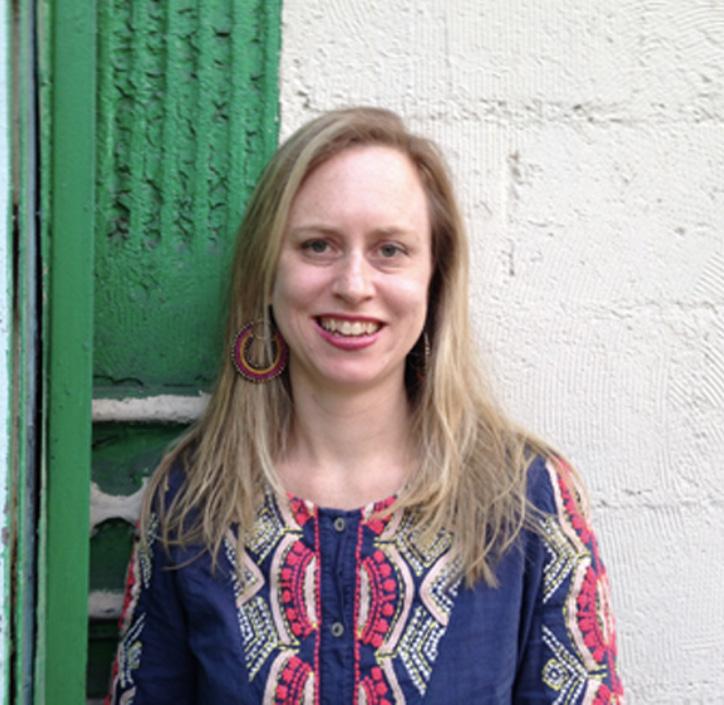
Born in Hartford, CT, Sarah Ellen Rowe is an artist based in New York City. Past exhibitions include Lehman College, Wassaic Project, Empty Set Project Space, The Bronx Museum of the Arts, and the New York Public Library. Rowe has participated in The Bronx Museum of Art’s AIM Fellowship, The Art & Law Program, and was a Create Change Fellow with The Laundromat Project. Rowe holds an MFA from Lehman College, 2013 and a BA from the College of the Holy Cross, 1998. Born in Hartford, CT, Sarah Ellen Rowe is an artist based in New York City. Past exhibitions include Lehman College, Wassaic Project, Empty Set Project Space, The Bronx Museum of the Arts, and the New York Public Library. Rowe has participated in The Bronx Museum of Art’s AIM Fellowship, The Art & Law Program, and was a Create Change Fellow with The Laundromat Project. Rowe holds an MFA from Lehman College, 2013 and a BA from the College of the Holy Cross, 1998.
Using clay as a medium to capture and preserve forgotten and overlooked architectural structures, I create direct casts of textures and details by pressing clay onto buildings’ surfaces, while also gathering fallen fragments from sites. These collected elements are then reconfigured and arranged into sculptures that serve as records of buildings prior to their alteration or demolition. I’m particularly drawn to structures that hold personal, communal, or historical significance, and my work aims to preserve the subtlety of familiar details: the edge of a window frame,
a fissure in a wall, or the pattern of a metal gate. Through this process, I create a taxonomy of fragments from endangered buildings, remixing these physical elements to reveal fleeting tactile memories of architecture.
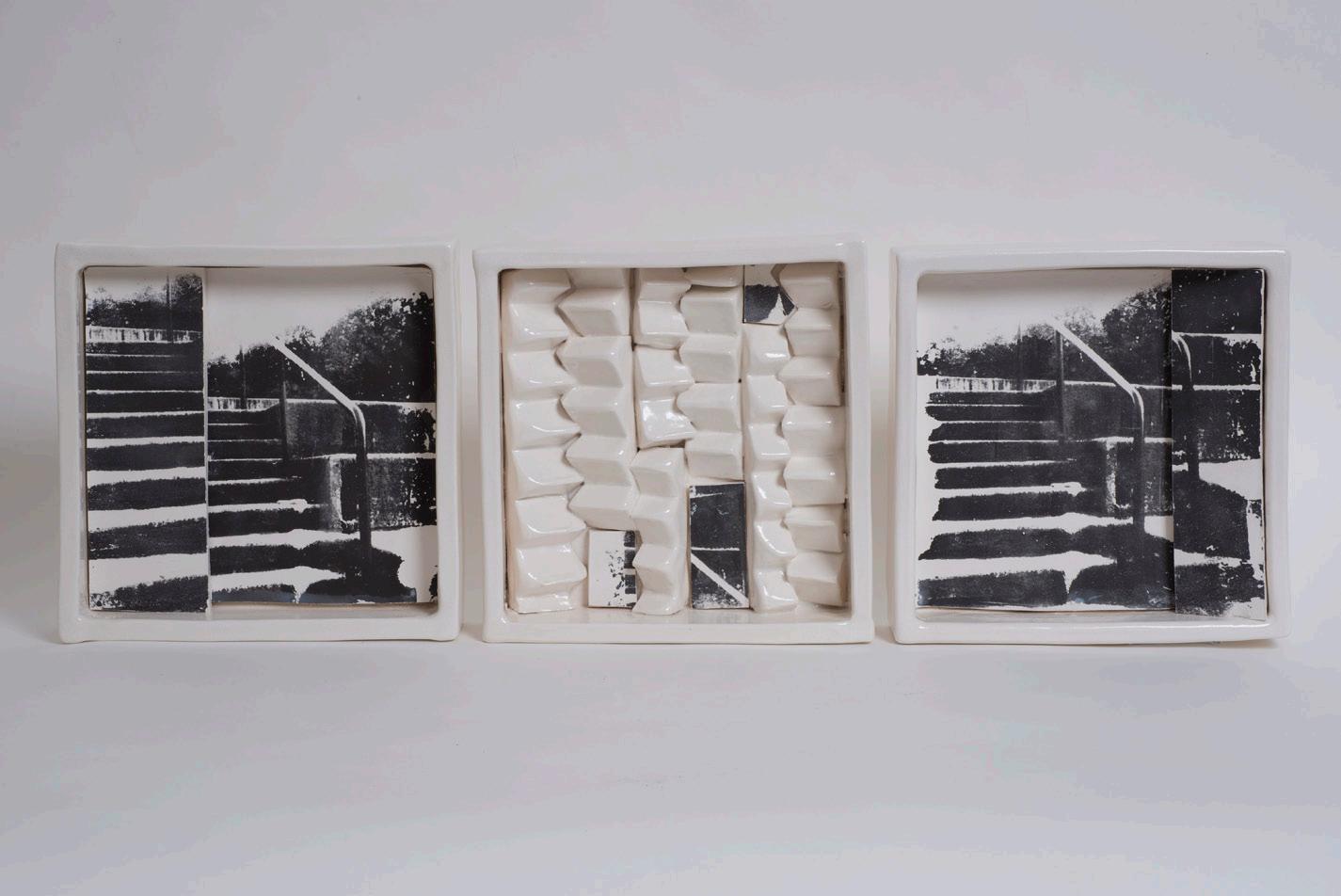
Sarah Ellen Rowe, Stairs I, II, III, 2013, Underglaze, glaze and stoneware, 8.5 x 27 ½ x 2 inches
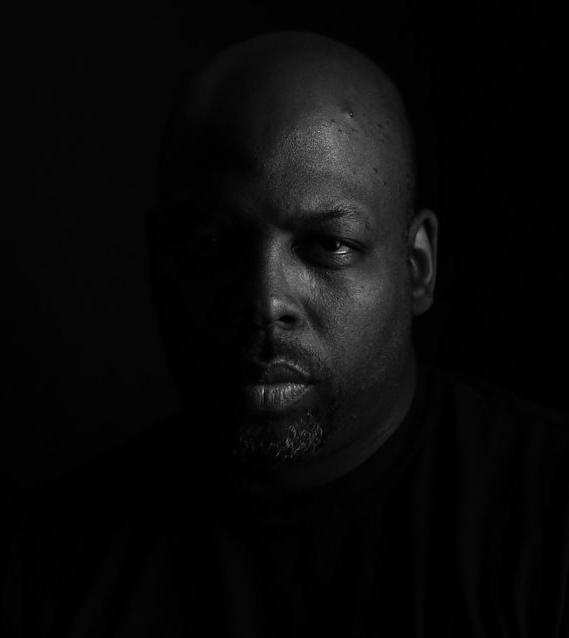
Brooklyn-born street and documentary photographer Michael Young, now residing in the Bronx with his wife, Kenya, is driven by his profound love of light and shadow. His evocative imagery has been published in The New York Times, Black and White Magazine, and South Bronx Rising (Third Edition). He has exhibited at prestigious venues including The
Corcoran Gallery of Art, Wilmer Jennings Gallery at Kenkeleba, The Bronx Documentary Center, and Photoville. Michael is also an educator and contributes as a curator and photographer for the Instagram feed: Everyday Black America.
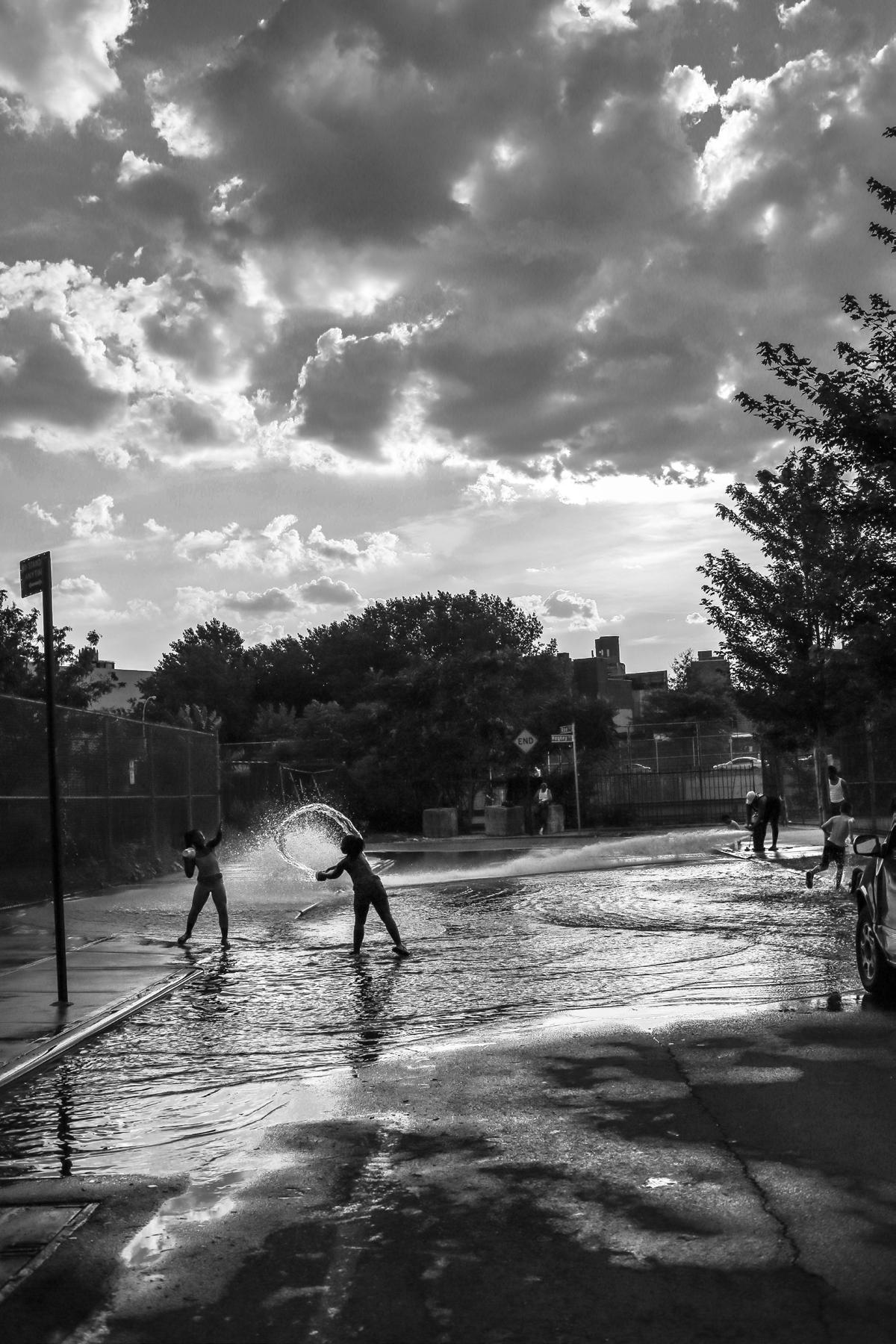
All works courtesy of the artists unless otherwise noted.
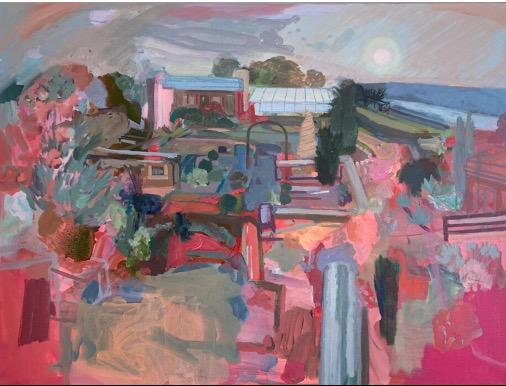
Rebecca Allan
Red Winter (Dry Garden from the Alpine House), 2022
30 x 40 inches
Acrylic on canvas
Manuel Acevedo
My Grandma House, circa 2018
5 × 7 inches (image), framed/ matted to 8 × 10 inches
Dye-based ink on luster photo paper
Manuel Acevedo
X Marks the Sky, circa 2018
5 × 7 inches (image), framed/ matted to 8 × 10 inches
Dye-based ink on luster photo paper
Manuel Acevedo
Mancha (Stain), circa 2018
5 × 7 inches (image), framed/ matted to 8 × 10 inches
Dye-based ink on luster photo paper
Manuel Acevedo
Weathered Memorial, circa 2018
5 x 7 inches
Dye based ink on luster photo paper
Argenis Apolinario
Kingsbridge Armory Pigeons, 2018
18 x 12 inches
Digital Photography
Duane Bailey-Castro
High Bridge and the Harlem River, 2018
Dimensions Variable
Digital Photograph
Duane Bailey-Castro
Spuyten Duyvil Bridge at the confluence of the Harlem and Hudson Rivers, 2020
Dimensions Variable
Digital Photograph
Duane Bailey-Castro
University Heights - 207th Street
Bridge and the Harlem River, 2023
Dimensions Variable
Digital Photograph
Duane Bailey-Castro
Henry Hudson Bridge connecting Spuyten Duyvil and Inwood Hill Park, 2024
Dimensions Variable
Digital Photograph
Linda Cunningham
South Bronx Sagas, Dead End East 140th Street, 2006-2026
Collage, rubbing from Mott Haven
historic plaque, poetry by Roger Bonair-Agard, photo transfer, mixed media
20 x 29 inches
Linda Cunningham
South Bronx Sagas, Mott Haven, 2006-2026
Collage, rubbing from historic plaque, photo transfer, mixed media
20 x 29 inches
Linda Cunningham
South Bronx Sagas, Mott Haven II, 2006-2026
15 1/2 x 42 ½ inches
Collage, rubbing from historic plaque, photo transfer, mixed media
Linda Cunningham
South Bronx Saga 2005–2006
Laser transfers, collaged drywall, construction elements, graphite block, and ink, Text from Mott Haven historic plaque; poetry by Roger Bonair Agard
Original installation: five panels, 6 × 20 ft (partially destroyed)
Valeri Larko
Pilings, Harlem River, Bronx, 2021
Oil on Linen
28 inches x 42 inches
Valeri Larko
University Heights Bridge, Harlem River, Bronx, 2022
Oil on Linen
30 inches x 54 inches
Valeri Larko
Blackrock Avenue, Bronx, 2022
Oil on Linen
30 inches x 54 inches
Sohhee Oh
Fire Escape, 2017
23.5 x 41.5 inches (including frame)
Framed digital print
Moses Ros
SKY BRIDGE, 2026
Site Specific Installation
Dimensions Variable
Sarah Ellen Rowe
Arches, 2013
9 x 9.5 x 17 inches
Underglaze, glaze and stoneware
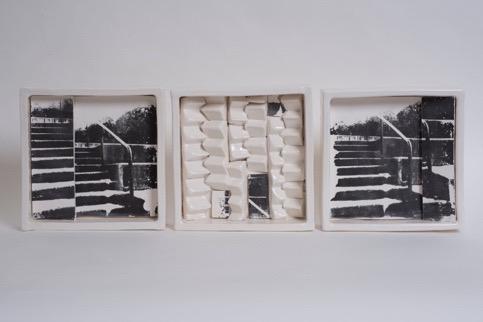
Sarah Ellen Rowe Stairs I, II, III
8.5 x 27.5 x 2 inches
Underglaze, glaze and stoneware 2013
Michael G. Young Four Brothers, 2015
Digital Print 13 x 19 inches
Michael G. Young Summer Time on Rae Street, 2015
Digital Print 13 x 19 inches
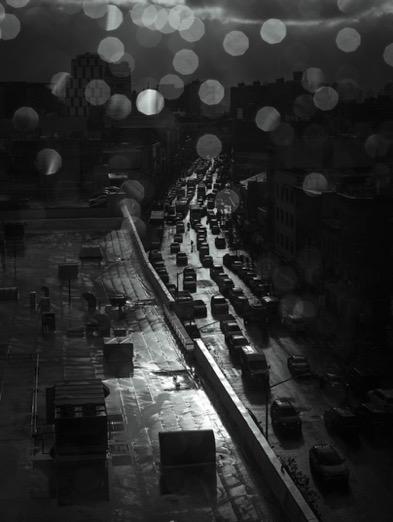
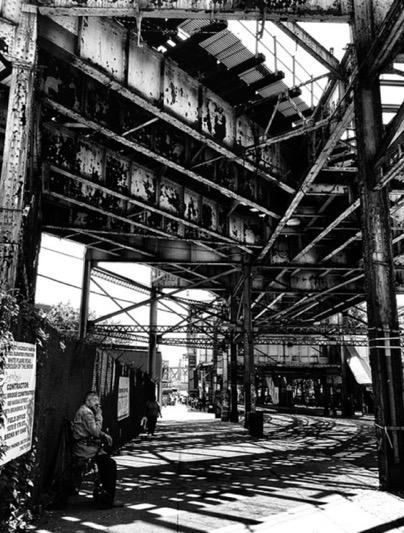
Michael G. Young The Flow, 2023
Digital Print
13 x 19 inches
Michael G. Young Westfarms, 2014
13 x 19 inches
Digital Print

The Bronx Council on the Arts (BCA) is supported, in part, by public funds from the New York City Department of Cultural Affairs (DCLA) in partnership with the City Council; the New York State Council on the Arts with the support of the Office of the Governor and the New York State Legislature; Arts Midwest and the National Endowment for the Arts; the Coalition of Theaters of Color; and NYS Assemblymember Michael Benedetto. Also supported in part by the Howard Gilman Foundation, the Scherman Foundation, the Altman Foundation, The New York Community Trust, the Lily Auchincloss Foundation, the Tiger Baron Foundation, Amazon, BronxCare Health System, Northwestern Mutual Foundation, TD Bank, and Webster Bank.
Bronx Council on the Arts (BCA) 2700 E Tremont Ave, Bronx, New York 10461 www. bronxarts.org
@bronxartsorg