ISPO TEXTRENDS 2026
General Information.
Textile Trends for Fall/Winter 2028/29


Textile Trends for Fall/Winter 2028/29
For designers and product managers, the search for new and innovative suppliers of performance textiles, components and apparel seems to be just as time consuming and elaborate as the proverbial search for the needle in a haystack. Simplifying this task, reducing the expenditure of time and yet improving the results – this is the aim of the presentation platform dedicated to sourcing in the textile value chain.
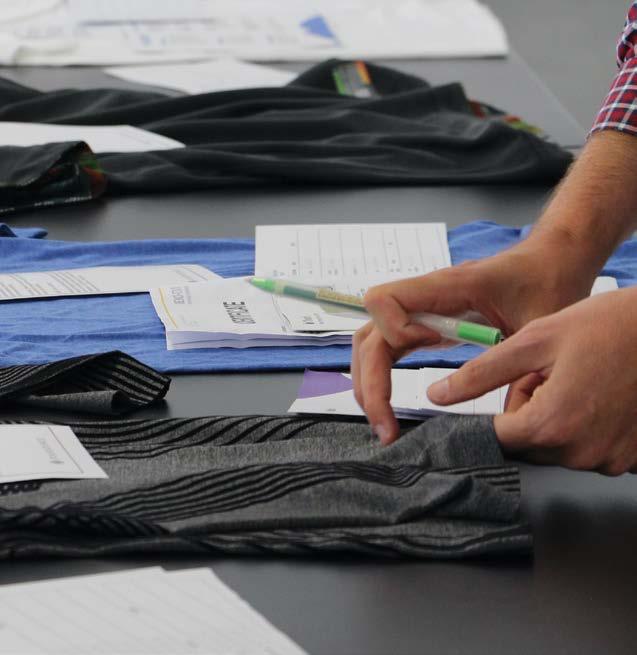
In its structure and concept, ISPO Textrends is very similar to award contests. The participants apply with their most innovative products, which are reviewed by two international juries of experts. The best entries are chosen and will benefit from extensive sales and promotional services.
Dates for ISPO Textrends Fall/Winter 2028/29 contest: September 11, 2026 Final application deadline September, 2026 Jury meeting November 3-5, 2026 ISPO Amsterdam
If you have questions, please get in touch via stephanie.ledru@lol-marketing.com
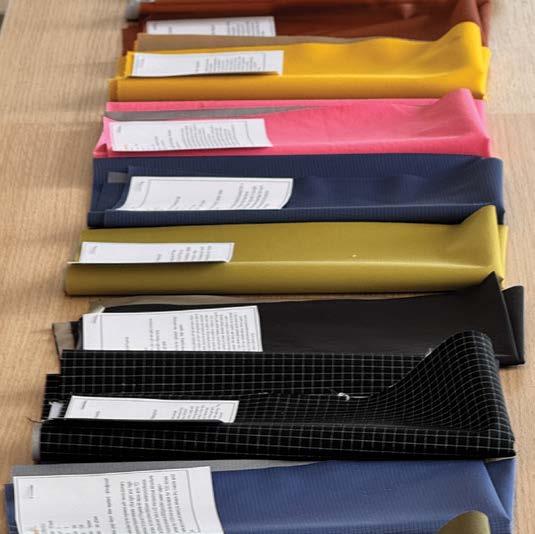
The main facts at a glance.
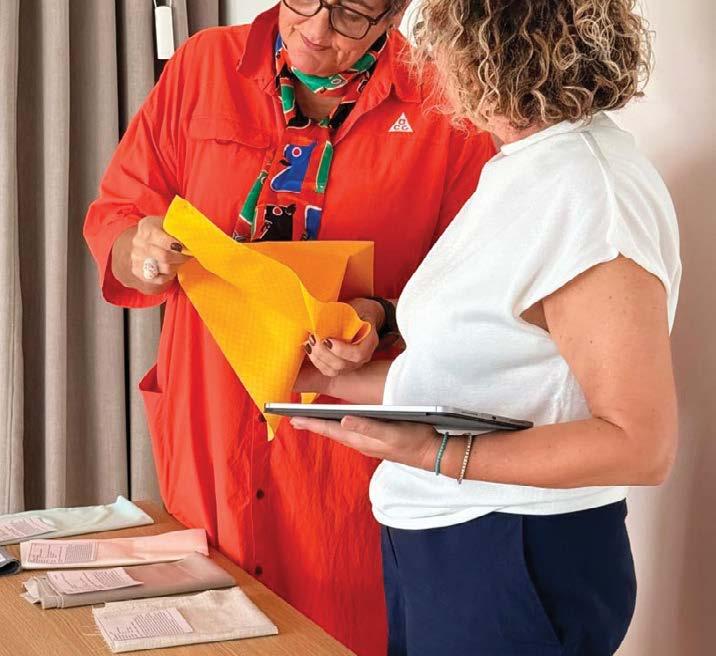
Products can be entered for the product segments textiles, components and ready-made-garments. Please see pages 5 & 8 for more details
An international jury will select the Best Product, the Top Ten and Selection products in each category.
All awarded products receive an outstanding ISPO Textrends benefit package.
If your products are selected by the jury, the respective companies will receive the benefit package for a promotion fee.
What does the jury need to evaluate your product?
1. Completed online application
2. For each application, 2 products samples must be submitted: 2 samples 50 x 50 cm for fabrics, 2 samples of each accessory or trims and insulation and 2 pieces of each garment.
Please send those samples before the final deadline - September 11, 2026 - to :
Lol Marketing Stéphanie Ledru 18, rue Gabriel Fauré 72650 La Chapelle Saint Aubin France
Mobile: +33 6 28 70 87 11 stephanie.ledru@lol-marketing.com
3. All relevant background information as certificates, laboratory tests etc.
Apply now: https://textrends.ispoawards.com/entries
Innovative fabrics, fibers, trims, and accessories can be entered in the following 10 categories. At the jury meeting 2 categories will be added: Accelerated Eco and Performing Finishes.

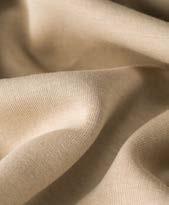

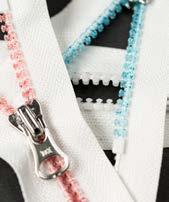
Next-to-skin fabrics with preshaping, support, thermal or moisture management performance. Softness, comfort, anti-bacterial or eco-friendly properties are added values.
Lightweight but ultra-resistant woven shell fabrics, with surface performance. Stretch, waterproof, windproof, breathable feature for ultimate protection against the elements. High tenacity micro light rip stops work alongside matte and bright woven fabrics.
Fabrics range from ubiquitous denim with new performance levels to lighter functional fabrics and finishes with a fashionable edge that meets the demand of today’s urban offering for second and outer layers.

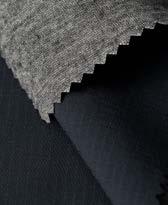
Fleece fabrics, lightweight protective fabrics and performance linings, stretch or non-stretch. Advanced thermal management. Natural fibers from wool and cotton sustainable fibers, including cellulosic, work alongside next generation synthetics, both virgin and recycled.
Technical membranes, stretch, waterproof, windproof with two or three layers. Reflective and UV-resistant are added values. Teaming function with fashion as colored and printed graphics combine.
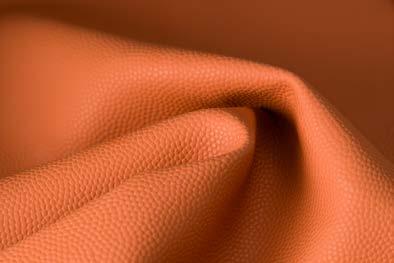
Traditional feather down, hollow and cross-section man-made or natural fibers with enhanced benefits for activewear. Biomimicry features through virgin and recycled synthetic fiber delivery, with thermal regulating finishes offering added warmth.
Essential ingredients ranging from zippers to buttons and snappers in a wide range of materials. Innovation features in lightweight, durable and waterproof functionality, strong performance essential to the physical activity and the life of a product.
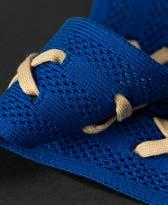

Performance products for tents, backpacks, sleeping bags, shoes, etc. Lightweight, durable, abrasionresistant, UV-protecting, waterproof, etc. are required
Films and tapes for protective sealings and welded applications feature. Technicity combines with creativity, as technical ribbons, cords, embossing and transfers offer the opportunity to create a customized signature style.
From scuba to swimwear, functional fabrics are key to the increase in water sports. Quick dry, UV+, salt, sand and sun lotion resistant allow a higher level of flexibility and durability. Recycled synthetics, especially from the ocean appeal with beach-to-street apparel adapting to different occasions and adding to the eco aspect of less is more.
Across some categories (Base Layer, Second Layer, Outer Layer, Street Sports, Membranes & Coating and Soft Equipment) we will honor products with outstanding achievements in terms of sustainability and products that stand out for their finishes.
During the application process, participants can choose whether they want to be part of one of these special evaluations. At the jury meeting, the jury will decide which products qualify for Accelerated Eco or Performing Finishes and move these products to the respective category. Products that do not qualify for the Cross Categories will be evaluated within the basic category they have originally been entered for.

Products setting a new standard in terms of sustainability: innovative performance yarns that require reduced heat for settability, heightened efficiency in terms of water and energy savings, a reduction of waste and reduced or optimized processes throughout the textile chain. E.g. recycled or biodegradable yarns, yarns for long-lasting products, dope-dyed yarns for water and energy saving, natural dyes, etc.
Outstanding innovations in terms of finishes: products that are using anti-odor, anti-bacterial or protective finishes for well-being and personal protection. E.g. far infra-red, chromatic change coating, reflective finishes, smart finishes etc.
Each entered fabric & component will be evaluated according to the following five criteria:
CRITERIA DEFINITION
Performance
Evaluate the primary performance of the product in improving the wearer’s activity level; enhanced performance like moisture management; energizing properties; FIR fabrics; compression
Best Hand Touch and feel (may also apply to a multi-functional fabric that is incredibly soft and lightweight)
Creativity
Applies to a trim or print technique with a strong fashion aspect, especially regarding importance of brand names on garments
Innovation Genuinely new development or process (use of brand new fibers, innovative combination, special fibers, etc.)
Best MultiFunction Evaluation of the product’s number of powerful performance characteristics (laminated or bonded fabrics)
Rated 0 – 4: according to international textile standards
Rated 0 – 4: sensory test lightweight can be defined for each category separately
Rated 0 – 4: sensory test, based on the jury’s experience; judging based on congruence with ISPO textile trends, plus the use of new technology e.g. printing etc.
Rated 0 – 4: the newer the innovation, the more points will be given
Rated 0 – 4: according to international textile standards
In addition to the five basic criteria, products in the category Accelerated Eco will be evaluated according to their achievements in terms of “Eco/Sustainability”. This criteria is double weighted in relation to all other criteria.
Eco/ Sustainability
Applies to waste reduction, low energy and water use in production & recycling criteria – depends widely on accepted certificates
Rated 0 – 4: total reduction in comparison to the prior year and total consumption per unit
In addition to the five basic criteria, products in the category Performing Finishes will be evaluated based on their finishes. This criteria is double weighted in relation to all other criteria.
Performing Finishes Products that are using anti-odor, anti-bacterial or protective finishes for well-being and personal protection – Far Infra-red – chromatic change coating – reflective finishes – smart finishes etc.
Rated 0 – 4: use of any performing finishes for adding performance value to the product
Innovative garments and accessories can be entered in the following 8 categories. At the jury meeting 2 categories will be added: Accelerated Eco and Smart Technologies.
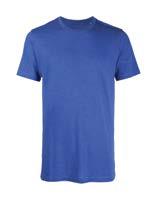
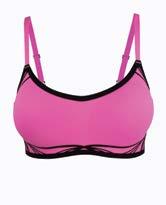
Next-to-skin garments and base layers, short or long sleeve, that score with breathability, moisture control, and quick drying properties. Dynamic design allowing freedom of movement and optimal support for best performance.
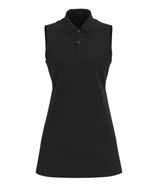
Athletic dresses & skirts that offer freedom of movement and optimal support throughout physical activities. Sophisticated designs and cuts make the garment interesting.
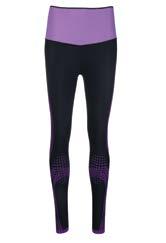
Bottoms from base layers to outer layers, trousers, tights, leggings and shorts. High comfort and optimal functionality for the respective, designated sports and outdoor activity.
Undergarments that best support any physical activity and swimwear for water sports. Anti-odor, quick dry, breathability, and maximal comfort are adding value as well as UV+, salt, sand, and sun lotion resistance.
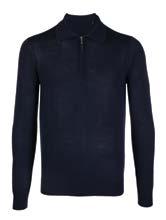
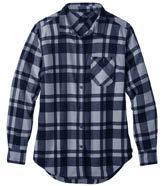
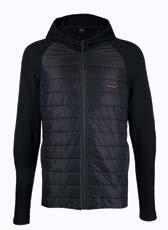
Second and mid layers for optimal insulation and flexibility during any sports and outdoor activities. Lightweight, breathable, quick dry and temperature regulation are added values.
Woven shirts and blouses with bi-elastic fit and high degrees of comfort for all kinds of athleisure activities. Breathability, freshness, UV-protection and antibacterial properties are added values.
Jackets and vests as mid and outer layers. Softshell and fleece jackets, padded, insulated and down jackets, and coated weather jackets that provide high resistance to the elements. Additional properties can be 3-in-1 functions, waterproof, windproof, thermo regulation or features adding functionality for a specific activity
Textile accessories that are essential for sports and outdoor activities such as socks, headwear, gloves, scarves, etc. with a functional element. Also shoes and equipment such as backpacks and bags.
We will honour products with outstanding achievements in sustainability and smart technologies in 2 separate cross categories: Accelerated Eco and Smart Technologies.
During the application process, participants can choose whether they want to be part of one of these special evaluations. At the jury meeting, the jury will decide which products qualify for Accelerated Eco or Smart Technologies and move these products to the respective category. Products that do not qualify for the Cross Categories will be evaluated within the basic category they have originally been entered for.

Holistic and well considered product concept with sustainable aspects in every part of its whole lifecycle: from design and development, over production and processing, to usability, durability and finally to its end-of-life and recycling.

Products with smart and creative features, that make the lives of consumer easier: e.g. multi-functionality, compatibility with wearables etc. Smart technologies can also refer to innovative production processes, that make the lives of producers easier.
Each garment will be evaluated according to the following four criteria:
CRITERIA DEFINITION
Design Evaluate the overall look of the product: cut, workmanship, seams, material choice (fabric, trims). Additional focus on creativity and innovative character.
Quality & Performance Performance of the product, submitted test results such as seam strength, dimensional stability, color fastness, abrasion resistance etc.
Sustainability
Evaluation of raw material choice, durability, generated waste, water and energy consumption, dyeing process and additional social responsibilities undertaken.
Value Added value for the end consumer. Functionality, practicability, and comfort.
Rated 0 – 4: sensory test, based on the jury’s expertise.
Rated 0 – 4: according to submitted test results and reports, based on international textile standards.
Rated 0 – 4: depending on submitted certificates and the jury’s expertise.
Rated 0 – 4: the higher the added value, the more points are given.
In addition to the five basic criteria, products in the category Accelerated Eco will be evaluated according to their achievements in terms of holistic sustainability. This criteria is double weighted in relation to all other criteria.
Holistic sustainability Integration of sustainable practices throughout the full lifecycle or the garment/accessory: from design to end-of-life and recycling. Considered are socio-ecological impacts such as the production’s impact (both environmental and social), the raw-material selection and the social responsibilities undertaken.
Rated 0 – 4: the newer the innovation is, the more points are given.
In addition to the five basic criteria, products in the category Smart Technologies will be evaluated according to their achievements in terms of smart features. This criteria is double weighted in relation to all other criteria.
Smart features Products that improve the garment’s performance and usefulness for the end consumer with the integration of new functionalities. Applies for electric, electrochemical, optical sensors, and more.
Rated 0 – 4: the newer the innovation is, the more points are given.
Each awarded product receives the following benefit package:
Increased Publicity & Visibility
Product showcase at ISPO Amsterdam Winner Ceremony
ISPO PR and Communication
Review and report about event activity
Professional Product Representation
Professional photoshooting of your product
Feature in the ISPO Trendbookdouble page
Feature in the ISPO Trendbooksingle page
Best Product label
Top Ten/Top Five label
Selection label
Winner manual (the guide how to use the labels)
Textrends Trophy
Textrends Certificate

Louisa Smith is an international textile trend consultant working with companies as early as three years in advance in all sectors of the textile chain, from fiber through to final garment. Louisa’s vision and research, monitoring textile developments through to global affairs has a bearing on delivering the right on-trend directions that connect the industry at all levels.
With over 25 years of international experience in the fashion and textile industry, Louisa works with a range of companies in delivering on-trend information and market intelligence at all stages. Graduating in Fashion and Textile design at Manchester Metropolitan University, her career commenced in the fashion manufacturing and textile hub of Hong Kong, developing connections with China, the USA and Europe.
An avid traveller, Louisa continues to monitor consumer habits, social aspects and retail developments throughout the world, incorporating what she sees and visualizes during her travels into her trend work.
A regular on the international textile trade show circuit, her market and textile research and product development articles combined with published trends are featured internationally in a variety of trade publications.
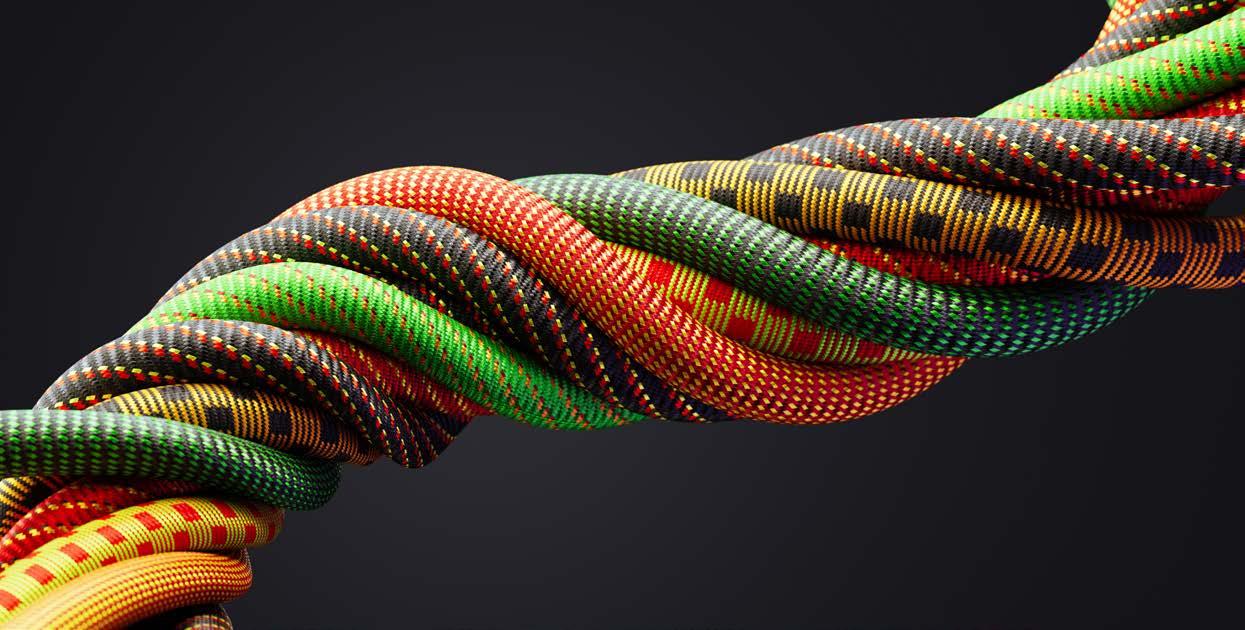
Visions for the Textile Industry ISPO is your gateway for future trends. In cooperation with trend expert Louisa Smith ISPO has studied various global trends with influence on the textile industry and its products. In combination with the defined trend colors and four more detailed textile trends, these megatrends provide a good vision where the future of textiles will take us.
ISPO is very pleased to have the opportunity to share these visions for Fall/Winter 2028/29 with the textile industry and to use these trends as a basic guideline for ISPO Textrends Fall/Winter 2028/29.
The megatrends show visions that are not specific to one particular area, but will influence the entire textile chain right down to the consumer. The color cards and the textile trends result from a range of influences, from consumer behavior to the global economy. Film, music, social media, art and many other activities are reflected in these trends.
They form a basic guideline how new developments and innovations of ingredient products will be shown, presented and highlighted at ISPO Textrends Fall/Winter 2028/29.


KEEP IT REAL!
These are tough times for business. Global turmoil—political and economic—hits everyone. In the sports and outdoor textile sector, staying optimistic means embracing technology, innovation, and expertise to make a real impact.
Change demands total supply chain commitment. But let’s be honest: alternatives and new processes sound great, but high costs and limited scalability hold them back. It’s not just about protecting the environment or saving natural resources—it’s about money.
This season, everyone needs to step up—fiber producers, brands, retailers, and consumers. Forget silos. Talk, collaborate, and build a smarter, stronger supply chain. Innovation isn’t free; real progress needs investment beyond the lab.
Brands must step up and bring real, responsible innovation to market—focus less on margins, more on long-term value, durability, and performance. Consumers need to see the value of products built to last, and collaboration is crucial to educate them.
The sports and outdoor sector leads in cleaner chemistry, responsible sourcing, durability, and innovation. But now is not the time for complacency. Sustainability is quietly becoming standard, with performance as the real hero and unique selling point. Sustainability isn’t an end goal—it’s an ongoing push for improvement, research, and accountability.
Circularity is scaling up, bio-based materials are going mainstream, but there’s still progress to be made, as this season’s trends show. Juggling innovation, sustainability, compliance, creativity, performance, durability, and business realities is a nonstop challenge—but this industry always adapts under pressure.
Hard times spark energy, innovation, and progress, especially when we ditch boundaries and work as a team. When the world feels unstable, sports and outdoor activities offer the escape people crave—from city runs to mountain slopes. Now’s the time to keep pushing, scale what works, stay transparent, and lead by example. Let’s keep it real, and we’ll build a balanced future.

Representing the pure heart of our industry’s responsibility to champion truly responsible business, this mega trend embraces legislation and compliance, which energize our daily efforts to build resilient ecosystems. While business is increasingly data-driven, the use of individual fingerprints dates back to 300 BC—and today, they help shape biometric identity in our AI-powered world.
It’s the unique qualities of fingerprints that inspire this trend—driving clarity and transparency in today’s fast-paced, information-rich world. The best part? The sports and outdoor sector is already leading the way. Transparency, certification, and traceability are woven into its DNA. Now it’s all about refining the message, simplifying the data, and making responsibility visible at every step of the supply chain.
Consumers trust their brands, but they don’t want to be overwhelmed with information. Communication should be clear, heartfelt, and useful. Repair programs, resale platforms, care guidance, and take-back systems are becoming the new standard—empowering consumers to buy smarter, keep products longer, and appreciate them more. Storytelling makes these connections come alive.
Responsibility doesn’t stop at the point of sale. Brands now own the entire lifecycle of a product—from sourcing and production to repair, reuse, recycling, and disposal. Renewable energy, cleaner chemistry, reduced water usage, and efficient manufacturing aren’t optional—they’re expected from the very start of the supply chain.
Generation Alpha is watching. Raised in a digital-first world, they intuitively understand technology but need guidance around longevity, repair, and responsible consumption. The consumers of tomorrow crave transparency, simplicity, and purpose—so keep it clear, keep it simple, and always deliver the truth. The future belongs to those who step up responsibly. The message is clear: Comply or die!

Once seen as a disruptor, digitalization is now the backbone of modern business. AI-powered sewing machines and precision cutting slash waste, while cloud-based production models attack overstock headon. Technology is transforming the textile industry from top to bottom.
AI and intelligent automation are driving circularity, revolutionizing garment sorting and textile-to-textile recycling with pinpoint fiber identification. Meanwhile, 3D-generated sampling accelerates development, slashes waste, and builds faster, more agile supply chains powered by human ingenuity and digital speed.
The Digital Product Passport (DPP) ushers in a new era of transparency. QR codes give consumers instant access to sourcing, care, repair, resale, and end-of-life details—no need for crowded labels. In a booming global resale market, digital product histories unlock major opportunities for take-back programs and branded resale.
Automation now powers the entire supply chain. In manufacturing, robots handle everything from processing returns to shipping orders. AI increasingly runs fabric inspection, quality monitoring, and recycling feedstock. Spinning, knitting, and weaving machines run the show, though AI taking over design is still a leap too far. Connectivity shapes consumer lifestyles—AI-powered fitness apps, wearables, and seamless omnichannel retail are the norm. Digital interaction isn’t an add-on to sport and outdoor life; it’s woven right in.
Yet technology must remain human-led. AI, augmentation, and automation promise responsible manufacturing, efficient production, and smarter design—but the industry must steer these advances to ensure innovation uplifts people, creativity, and long-term progress. The future is connected, intelligent, and ever more efficient through digitalization—but always with humans at the helm.

In a world glued to screens and rising inactivity, movement is essential for physical and mental well-being. The sports and outdoor sector must break down barriers keeping people from moving, connecting, and participating. Meanwhile, nonstop political and economic turmoil fuels despair, and big tech and data centers are causing consternation rather than aiding. That's why sports and outdoor activities are vital—they keep us on track, energized, and resilient.
Inclusivity, body confidence, and safe spaces matter more than ever—especially for women. From running clubs and yoga communities to virtual workouts and outdoor meetups, people crave connection as much as performance. Human interaction, encouragement, and shared experiences are just as important as the gear itself.
Sports and outdoor participation offer more than fitness. Fresh air, movement, exploration, and community build mental strength and healthier lives. In our digital world, balancing online connections with real-life experience is more crucial than ever.
Technology shapes the future, but human instinct drives it. Protection, comfort, creativity, self-expression, and emotional connection are fundamental needs. The sports and outdoor industry wins because it delivers products proven in the real world—tested by human experience, movement, and feel. No algorithm can replace that.
People want more than products—they want experiences. The rise of “phygital” spaces, where physical retail and digital interaction blend, drives deeper engagement and motivation. Online and real-world communities now anchor modern lifestyle culture.
It’s not about age—it’s about attitude. Passion for movement, sport, and the outdoors transcends generations. The challenge: reconnect people, inspire healthier living, and build products and communities that move everyone forward—physically, mentally, and socially. It’s time to break out of tunnel vision and reconnect with real human energy and social spirit.

Color is fundamental —shaping emotions, moods, and providing reassurance, protection, and inspiration. As the textile industry evolves, it's essential to reimagine our approach to color: prioritizing innovation, water conservation, and advanced techniques such as digital printing and dope dyeing to address emerging challenges. Coupled with global political and economic shifts, we are called to embrace playfulness and optimism, or, by contrast, a quietly meditative palette of hues.
At ISPO Textrends, our color directions are informed by global mood shifts. We don’t dictate color trends or criticize brands for diverging. Instead, we focus on sharing and collaborating, always starting with a CORE palette complemented by four satellite palettes for creative interplay.
Color remains essential, but it should showcase each brand’s unique creativity. This season’s satellite palettes inspire both bold experimentation and timeless pairings. At ISPO Textrends, we emphasize collaboration over prescription, offering a CORE palette and four satellites to encourage dynamic creativity. Blend your stock colors with our recommendations. Remember: to surpass the best, dare to be different. Let’s create something extraordinary.
Each season, we curate a core palette of best-selling tones. While adjustments are made from season to season, it’s worth asking why. With the cost of color development, building your own core palette provides consistency—you’ll already know the lab dip results on various fabrics, saving time and money. By focusing on tones relevant to your business, you can form a reliable palette and confidently select colors that won’t be rejected.
With the CORE palette established for the Fall/Winter season, let’s explore the four satellite palettes. These versatile colors can be developed as accents or solid options, working seamlessly alongside your existing stock hues.

A thoughtfully curated palette of soft pinks and grays, ideal for luxurious jerseys or a bold, lacquered effect with coatings. This range encourages a nuanced approach: proceed with caution, embrace, remain discreet, or make a statement and reflect positive energy. Silver—whether matte or bright—pairs beautifully with these tones.



Bonanza
Inspired by growing T2T circularity initiatives, this palette evokes earthy vibes with forest green hues, though its ingredients are primarily synthetic—recycled, bio-based, regenerative, or mass-balanced with conventional ingredients.
Glitch-inspired and digital with a retro twist, this palette introduces sharp, standout tones for the season. Rich and vibrant, the colors adapt to various substrates—knit or woven, natural or laminated— making them ideal for apparel, accessories, and footwear alike.
A tribute to the artistry of sepia photography, this palette features soft, understated tones. It evokes nostalgia and respect for tradition, reminding us that heritage and culture are enduring sources of inspiration for sport and outdoor apparel. Look to recycled metal in copper and burnt gold for trims.


The Mood
Outdoor textiles and trims are redefining innovation—delivering protection, performance, and lasting durability. But as circularity takes center stage, one question drives the industry: How do we uphold peak performance while pioneering sustainable materials?
Mono-material fabrics are setting the pace, powered by engineered stretch and smart design. True circularity means reimagining everything—trims, accessories, and even how garments are sorted and recycled at the end of their life. Waste reduction isn’t an afterthought; it’s built in from day one, as textile-to-textile (T2) innovation accelerates.
Recycled membranes and yarns—both natural and synthetic—are leading the charge, while textile-to-textile innovation is unlocking new opportunities. These advanced yarns drive sustainability and fuel compelling retail stories. Credit to the spinner’s engineering performance at the fiber level, eliminating the need for additional finishes. The supply chain shifts, such as dope dyeing and new textile engineering, the latter of which eliminates the need for membranes while still delivering DWR-level performance.
Brevity champions performance and durability with a 'less is more' mindset. Efficient processes and pure components lead, never sacrificing final performance. The future is built on efficiency, responsibility, transparency, and relentless R&D. One thing is clear: greenwashing won’t survive.

Ingredients

• Responsible sourcing at every stage
• Natural fiber pool: wool, cotton, lyocell, modal
• Synthetic fiber pool: recycled and bio-based polyester and nylon
• Virgin synthetics reserved for enhanced durability and performance
• Bio-based DWR finishes and fluorine-free processes
• Electrostatic spinning technology for nextgeneration membranes
• Recycled nylon 6.6 for softness, stretch, and longevity
• Textile-to-textile recycled yarns from both natural and synthetic feedstocks
• Repurposed textile waste, from fabrics to insulation solutions
• Carbon-capture yarns transforming CO2 into energy sources for yarn production
• Casein biodegradable buttons and trims
• Recycled plastic for trims
• Reengineered zippers - reduced components
Materials
• Advanced spinning techniques delivering comfort stretch with strong recovery
• New era of lighter-weight performance fabrics and trims
• Nano-weaves - porous with super-hydrophobic characteristics
• Engineered material construction eliminates the need for coating and membranes
• Mono-material synthetic and natural base fabrics with mechanical stretch
• Natural knit constructions developed from the same fiber gene pool

• High tenacity for longevity
• Cutting-room waste repurposed into repair patches and reinforcement details
• Vegan leather for footwear uppers, soft equipment, and garment protection
• Recycled rubber and recycled EVA for footwear and equipment
• Abrasion-resistant, tear-proof constructions built for durability
• Warp-knit panels reduce product components and waste
• Classic sports mid-layers, sweaters, and flat knits reimagined for circularity
• Microfleece focused on reducing microfiber pollution through biodegradable polyester, smart construction, and performance finishes
• Ripstop fabrics ranging from bright technical synthetics to rugged outdoor classics
• Clear mono-textile compositions designed for easier recycling and circularity
• QR-code trims providing repair, care, and end-oflife guidance for consumers to return to the circlar economy
• Mono insulation from recycled feedstock
• Seam reduction in apparel manufacturing
Target Markets
• Sports apparel
• Urban outdoors
• Travel and lifestyle
• Camping and hiking
• Fishing and golf
• Classic outdoor apparel for the whole family
• Footwear - fewer components
• Soft equipment - new level of lightweight products
Consider Disruptive
Irregular
Natural charm
Optical illusion
Chaotic

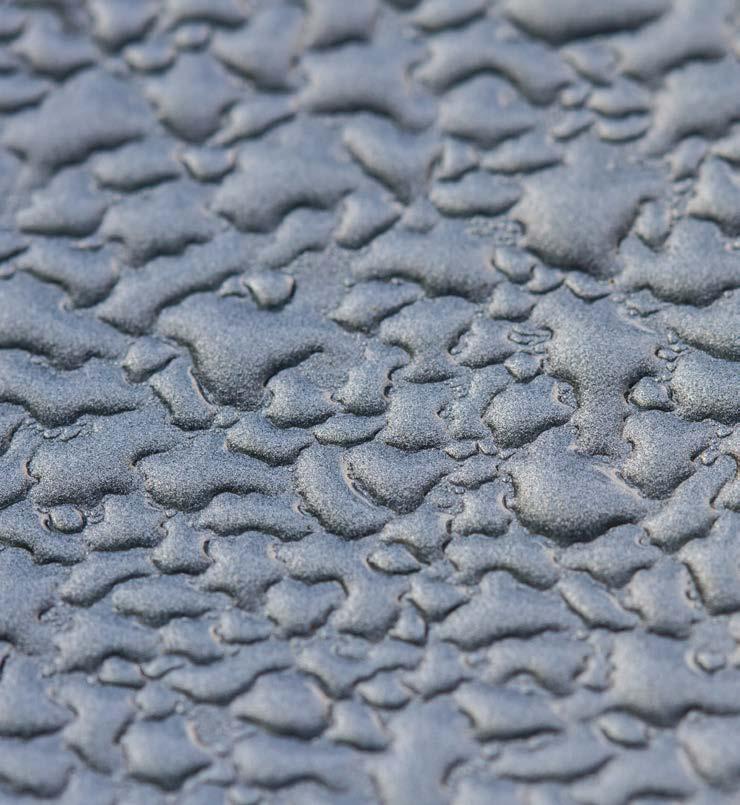
The Mood Surfaces disrupt the norm—rising, falling, and breaking up with rounded, artificial edges. Who said everything has to be perfect and precise? It might look like through the filters on social media, but in reality, not so. Look to new outer layers that can withstand innovative welding for new formations on down jackets.
Consider undulating textures that mimic air and movement, while aerated fabrics shift and shape to the body. Futuristic seersucker, ripples, and blistered orbs push tactility and optical intrigue to the forefront: touch and tech collide for maximum impact in contrast to the modern take of heritage classic tweed and structures.
Responsibility leads the charge. PFC- and PFAS-free finishes, less microfiber shedding, low-temp dyes, digital prints, renewable energy, recycled trims, and circular insulation push manufacturing toward a cleaner future. The look? A sharp balance of nostalgia and innovation, comfort and protection, warmth and precision. Tactility reigns in physically appealing materials or through optical effects,
Precision meets surprise: light-touch surfaces vary in height and feel, blending natural and synthetic for visual and tactile allure. Amplified ribs, wafer knits, and lenticular finishes push the boundaries—structure and illusion combine for maximum disruption - chaos is allowed.



Ingredients
• Responsibly sourced wool, merino wool, cotton, and hemp
• Recycled, traceable, and compostable down insulation
• Recycled synthetic insulation and hybrid insulation systems
• Bio-based and biodegradable synthetics
• Bio-based spandex and virgin spandex
• Ocean-recycled yarns and recycled polyester systems
• Hollow yarn technologies and thermal-regulating fibers
• FIR minerals, graphene finishes, and heat-reflective prints
• PFC-free and PFAS-free hydrophobic finishes
• Low-temperature dyeing, digital printing, and dope-dye technologies
• Vegan leather, certified leather, and recycled metal trims
• Reduced microfiber pollution through responsible yarn engineering
Materials
• Lightweight high-tenacity plain weaves and matte ripstops
• Tweed, flannel, birdseye, moleskis, and yarn-dyed shirtings with a brushed touch
• Slub surfaces and fancy openwork jersey bonded onto solid backing
• Sherpa fleece and textured fleece constructions
• Packable 2.5L and 3L performance outershells
• Four-way stretch wovens and reversible doublefaced fabrics
• Thermal base layers using wool blends and hollow yarn constructions
• Yarn dyed and printed shirting fabrics
• Graphene prints, metallic coatings, and printed thermal barriers
• Hybrid insulation constructions combining down, wool, and synthetic fills
• Knit and woven fabrics engineered to reduce microfiber shedding
• Lightweight performance denim with enhanced durability
• Performance denim with mechanical or spandex/ elastane stretch
• Great trend for letting loose with trims
• Outer shells and Second layers for outdoors activity
• Urban sports and urban mobility - garment diversity for work/play
• Active living - flexible apparel
• High-performance functionality for climbing, hiking, mountain biking, and outdoor leisure


The Mood
IThis trend celebrates the enduring value of natural fibers and materials, not as a competition between nature and synthetics, but as a smarter balance between the two. Wool, cotton, hemp, silk, leather, and down have stood the test of time for good reason, offering inherent performance, comfort, durability, and biodegradability that continue to resonate within the sports and outdoor sectors.
As renewable agriculture and responsible farming advance, cotton, linen, hemp, and wool are evolving through innovative spinning technologies that enhance moisture management, softness, lightweight performance, and durability. Tradition meets technology as natural fibers move into new technical territory, with animal welfare a key factor in traceable ingredients.
At the same time, the industry is entering a new era of well-being and anti-toxicity. The move away from harmful PFC and PFAS chemistries is accelerating, with cleaner, bio-based alternatives, green chemistry, and safer finishing technologies that protect both people and the planet. Natural fibers feature from the base layer through to the woven outer layers in pure or hybrid blends.
Consider New naturals
Anti-toxicity
Raw performance
Bio degradable
Bio mimicry
Next-generation ingredients inspired by nature are redefining textile performance, delivering functionality through renewable resources while reducing environmental impact. This holistic approach supports healthier lifestyles, cleaner manufacturing, and a future built around zero waste and zero toxicity.
Ingredients
• Wool, merino wool, recycled wool, hemp, cotton, lyocell, and modal with responsible sourcing and full traceability
• Man-made cellulosics
• 100% bio-based synthetics feature in blends
• Leather and traceable down are certified byproducts of the food industry
• Recycled down and hybrid insulation blends with recycled polyester
• Textile-to-textile recycled natural yarns and ocean-recycled synthetics
• Bio-based, recycled, and biodegradable synthetics for durable natural blends
• Recycled, virgin, and bio-based nylon and polyester for softness, stretch, and longevity
• Silver ions and micro-encapsulated minerals for anti-odor, wellbeing, UV protection, and moisture management
• New-generation natural ingredients, including algae, apple, caffeine, nuts, and food waste for dyes and auxiliaries
• Responsible chemistry with PFC-free, PFAS-free, and bio-based finishes
• Low-temperature dyeing, dope-dyeing, watersaving solution dyes, digital printing, and waterless processes
• Recycled metals, embroidered trims, and biodegradable accessories designed for durability and circularity

Materials
• High-tenacity plain weaves, ripstops, and packable lightweight outer shells
• Matte and milky-touch laminations with 2.5L and 3L protection for outdoor and urban environments
• Knit and woven constructions engineered to reduce microfiber shedding
• Four-way stretch wovens and compression knits with bio-based elastane
• Wool blends for base, mid, and outer layers, combining natural comfort with technical durability
• Flannels, tweeds, birdseye structures, brushed shirtings, and moleskin surfaces delivering warmth and luxurious touch
• Performance denim in lightweight, biodegradable constructions with responsible finishing
• Double-sided and reversible fabrics encouraging versatility and longevity
• Natural and recycled hybrid blends balancing softness, durability, and performance
• Lightweight packable protection designed for travel, active lifestyles, and year-round adaptability
Target Markets
• Winter sports base layers and next-to-skin wellbeing performance
• Yoga, pilates, and active lifestyle sectors
• Urban outdoor and travel apparel
• Hiking, camping, and classic family outdoor markets
• Versatile everyday performance wear for work, leisure, and exploration


The Mood Precision, performance, and digital intelligence define the tenacity of STALWART, a trend built around cleaner manufacturing and next-generation functionality. AI, wearable technology, and bio-based innovation combine to create products that are lighter, smarter, and seamlessly connected to the wearer. Printed sensors, app-controlled heating systems, and invisible performance technologies bring a new level of interaction to sports and outdoor apparel.
Construction becomes streamlined and efficient through welded fabrics, engineered warp knits, tape seaming, and clean-cut materials that eliminate unnecessary bulk and finishing. There is a futuristic appeal to this trend, as next-level efficiency is achieved through the desired performance. Targeted compression and body-mapping performance zones are knitted directly into garments, delivering futuristic comfort with minimal design aesthetics.
Footwear and protective equipment evolve through 3D digital printing, lightweight sole technologies, flat-knit uppers, and cleaner foam ingredients. The result is modular performance products that mold naturally to the body while reducing waste and excess components.
For the winter season, engineered, efficient, lightweight, and intelligently connected fabrics feature as warmth, also get smart. Next-gen down, wool, and engineered insulation team up with advanced yarns for featherlight, adaptive comfort. Think recycled and traceable down, hybrid blends, hollow yarns, FIR tech, graphene finishes, and heat-reflective prints and conductive yarns—all working together to keep you comfortable as conditions change.

Ingredients

• Bio-based polypropylene from sugar cane — ultra-lightweight, hydrophobic, anti-static, and adaptable to advanced dye techniques
• Water-based PET nano-structures delivering lightweight high-tenacity performance
• Bio-based synthetics, membranes, resins, EVA foams, and spandex
• Functional laminates and membrane technologies developed through green chemistry
• Printed and transparent membranes with color refraction and anamorphic effects
• Nylon 6.6 for softness, stretch, and durability
• High-tenacity aramid fibers for lightweight protection
• Graphene yarns and intelligent performance finishes
• Micro-encapsulated performance technologies, including FIR, cooling, moisture management, and anti-odor properties
• Biodegradable organic trims, magnetic closures, reflective details, and 3D-printed lightweight components
• Big data trims incorporating QR codes and tracers for transparency and traceability
• Hemp and natural fibers enhanced with bio-based performance treatments
• Ultralight insulation in recycled or bio-based synthetic forms
• Dope-dyed yarns and spandex reduce water usage and waste
• Bio-dyes, enzyme finishes, and clean chemical processes
Materials
• Ultralight, noise-free outer layers engineered for high endurance performance
• Non-woven composites with soft, malleable

structures and reduced energy consumption
• Seamless and welded constructions for apparel and equipment
• Body-mapped warp knits and high-compression circular knits with clean-cut finishing
• Protective foam integrated directly into apparel performance zones
• Transparent and glossy membranes layered with digital prints and sandwich constructions
• Packable 3L and 2.5L outerwear for outdoor and urban crossover markets - super light
• Lightweight ripstop and twill constructions designed for strength without weight
• Single knits combining natural-touch comfort with bio-based synthetic performance
• Wool evolving from base-layer essentials into compact performance twills and lightweight outer shells
• Double-layer knits and bonded woven/knit hybrids with contrasting textures
• Natural fleece and sherpa constructions with technical functionality
• Reflective yarns, tapes, and welded trims enhancing visibility and protection
• 3D digital trims, LED details, and adaptive accessories integrated into performance products
Target Markets
• Long-distance running and endurance sports
• Road cycling and high-performance training
• Adaptive winter base layers and next-generation skiwear
• Travel and lightweight packable systems
• Soft equipment including backpacks and sleeping bags
• Sports footwear, helmets, and protective accessories
• Yoga, hiking, and active lifestyle markets
Dates for ISPO Textrends Fall/Winter 2028/29 contest:
September 11, 2026 Final application deadline September, 2026 Jury meeting November 3-5, 2026 ISPO Amsterdam
If you have questions, please get in touch via stephanie.ledru@lol-marketing.com
Apply now: https://textrends.ispoawards.com/entries
ISPO Sports Business Events Ltd is the organiser of ISPO Textrends