MAKER + MARKET
Ryan Hier, Ashley Byars Fourth Year - Spring 2021 First Place - SGH Concepts / Dri-Design Competition
Collaborators: Morgan Davis
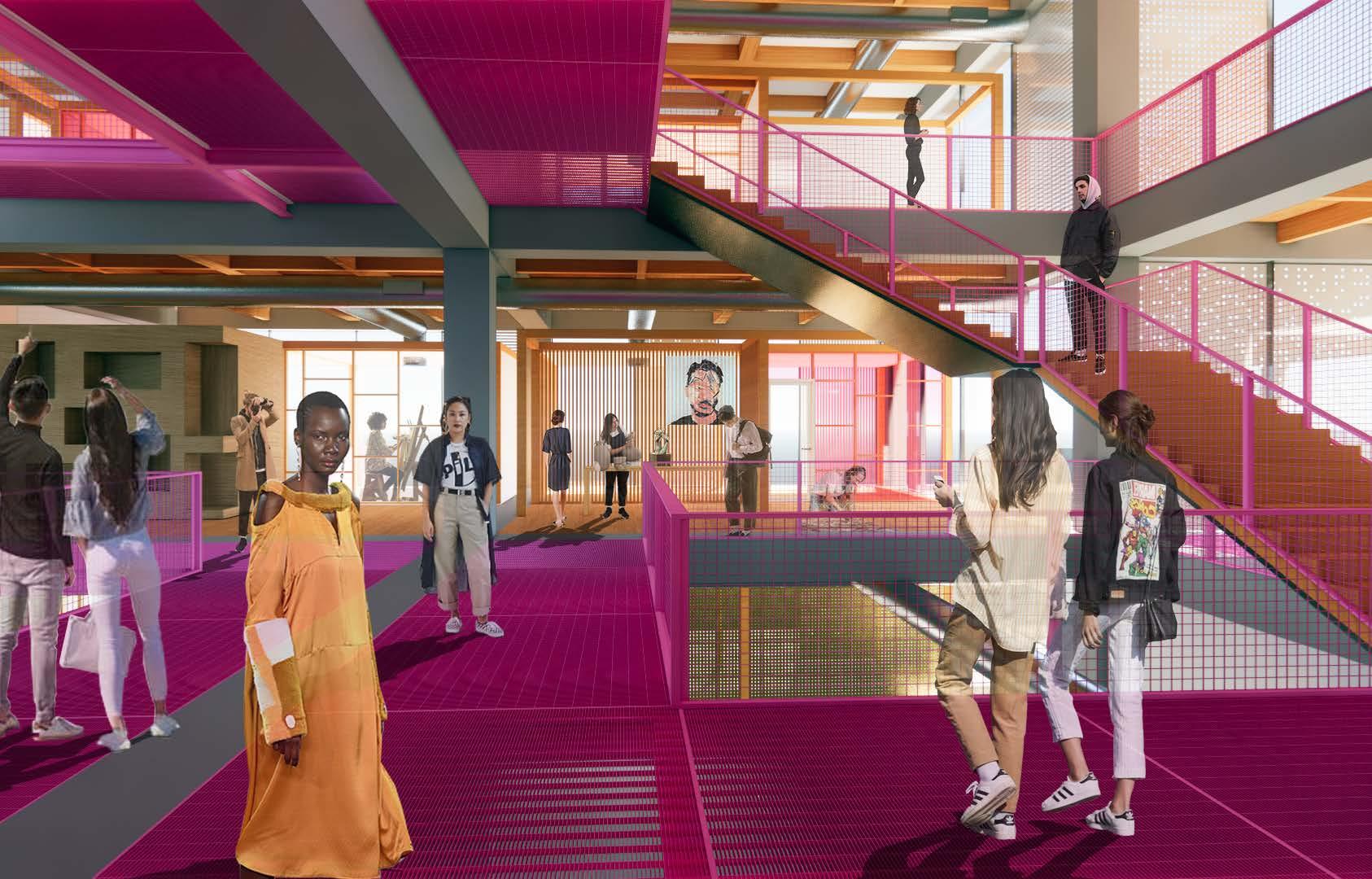
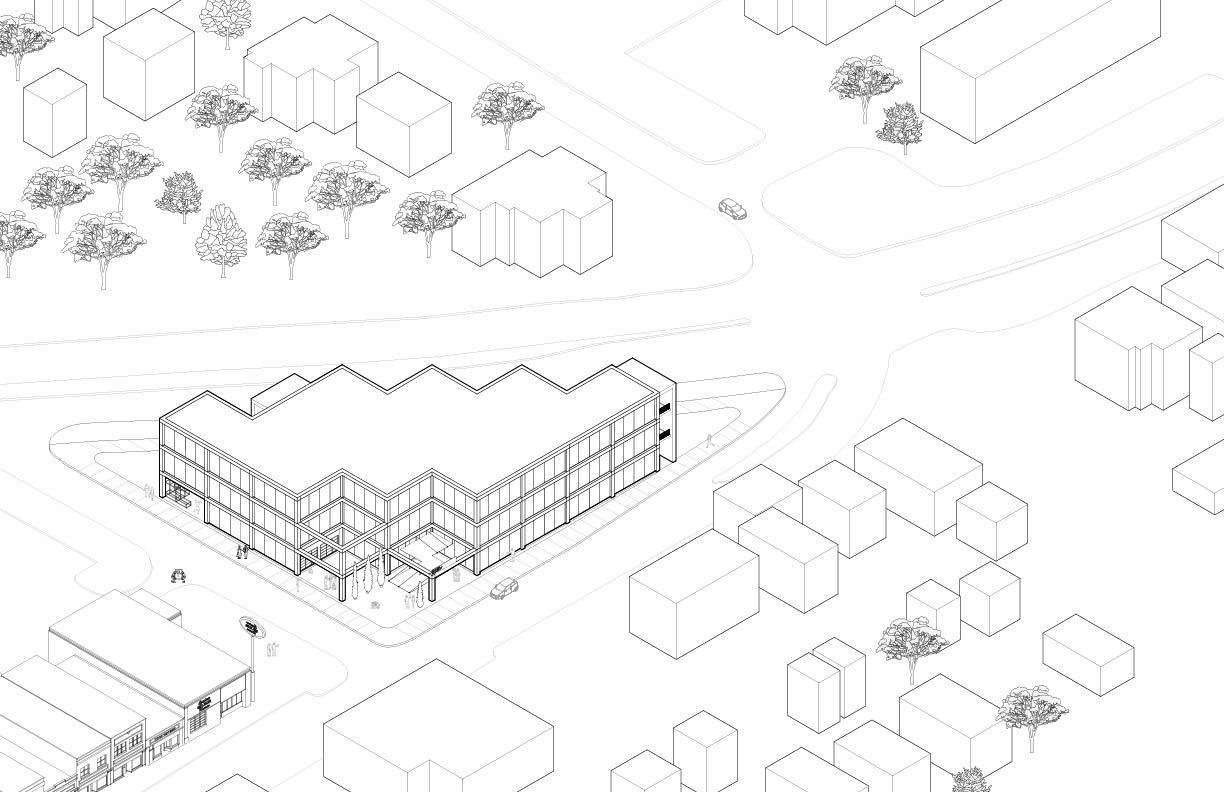
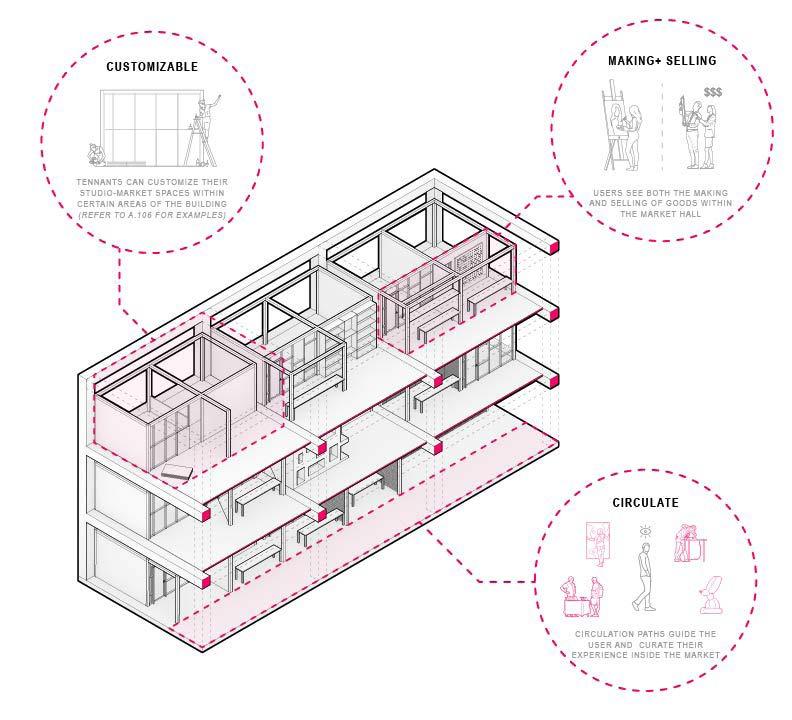
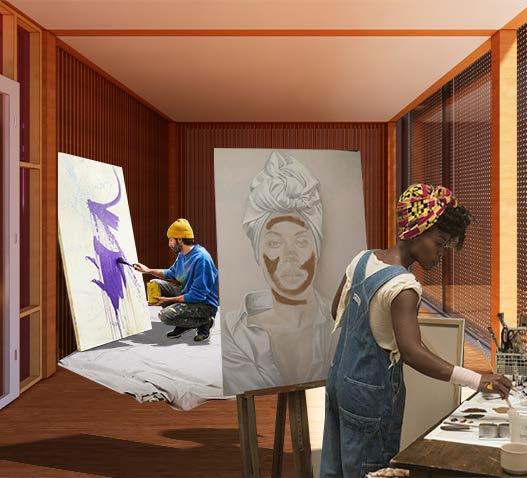
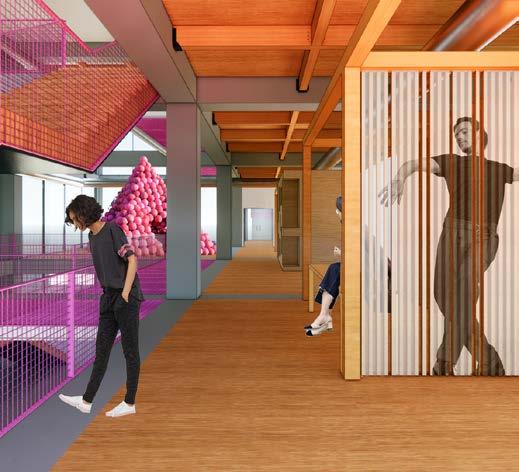
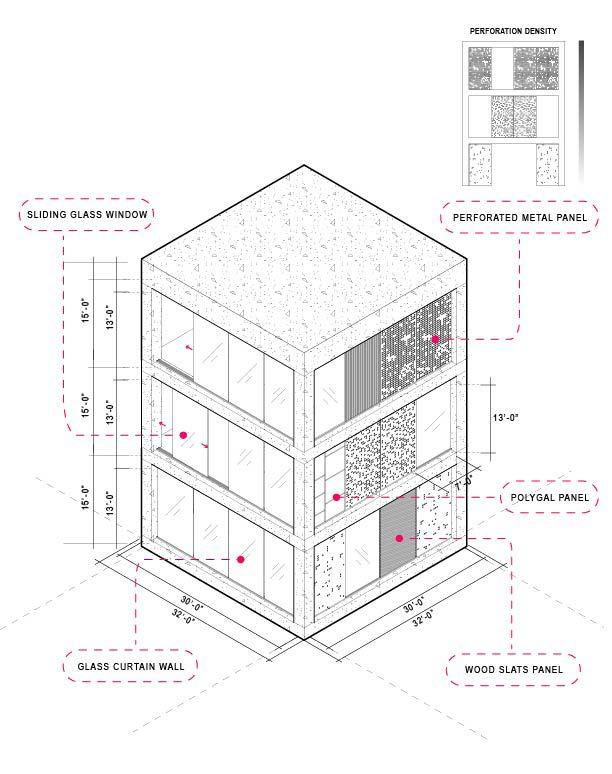
This market hall aims to curate a creative and dynamic environment through the use of framework, materiality, and views throughout the building. The building utilizes a grid of concrete, wood, and metal materials to define program and circulation throughout the building, providing a sense of organization within the dyanicism. Within the established grid, users of the building can alter their studio and market spaces using the infrastructure put in place. This is intended to act as the space for creative activities to occur within, which will build a certain culture and atmosphere within the building. Media generated using Rhino 3D, Enscape and the Adobe Suite.
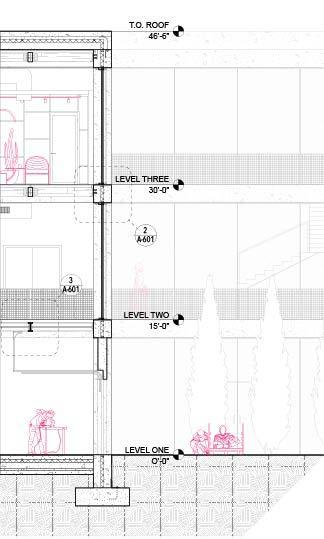
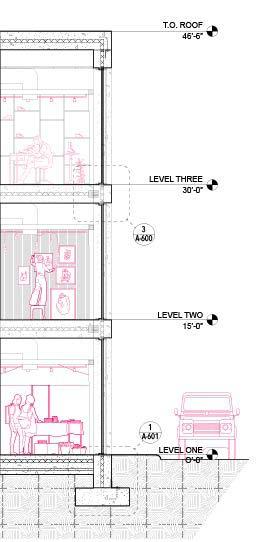
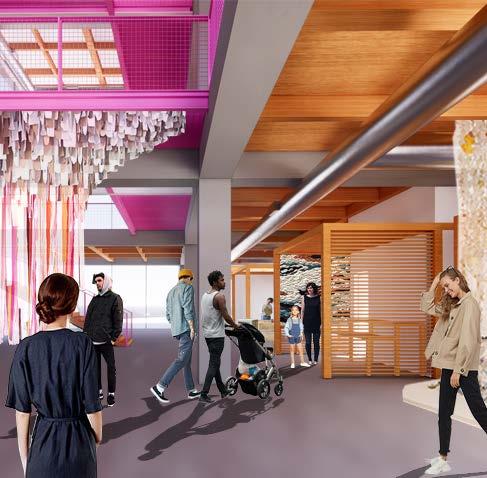
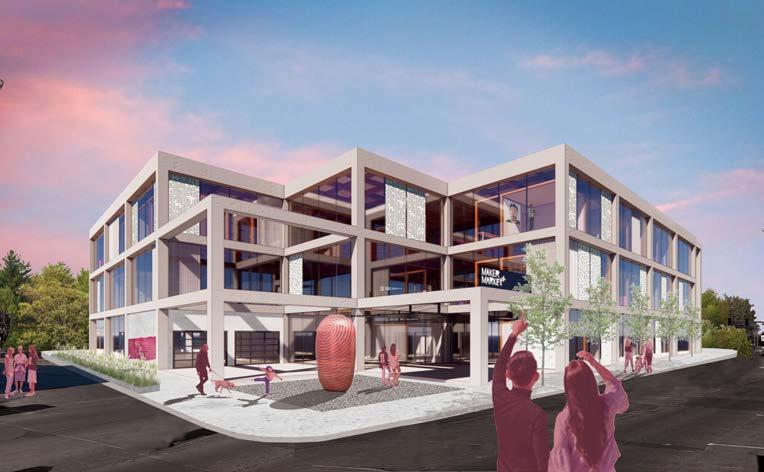
RETREAT
Jeremy Reding Fifth Year - Spring 2022
SARA Student National Design Award: Honor Collaborators: Trey Erwin and Caroline Goertz
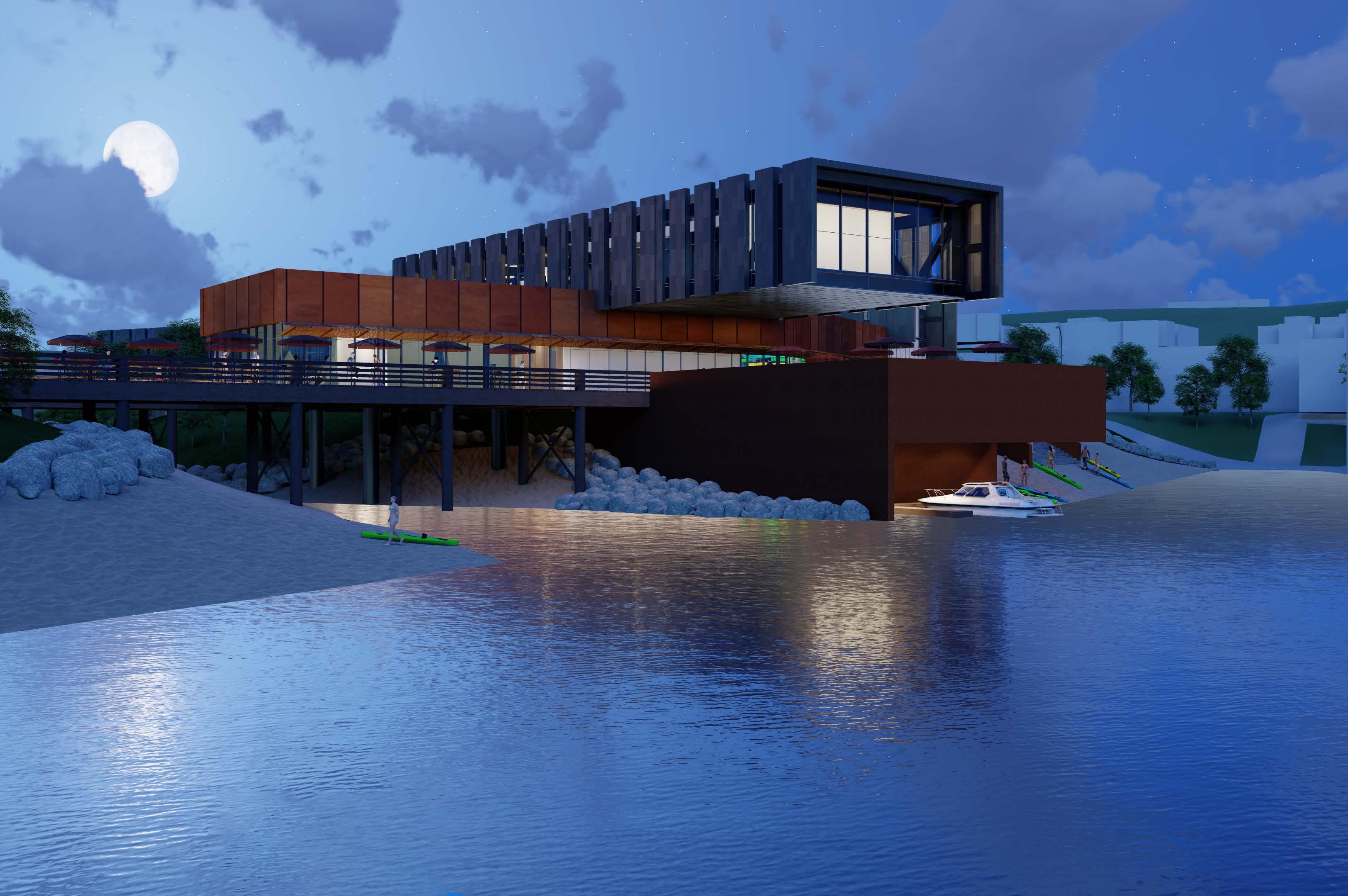
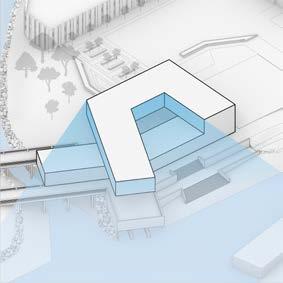
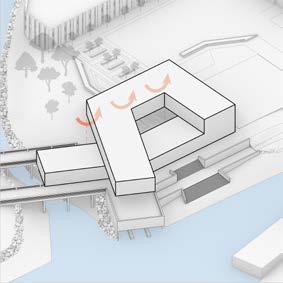
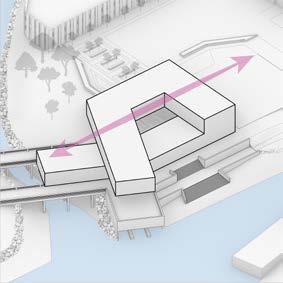
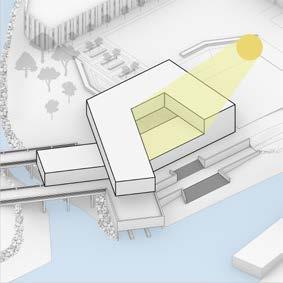
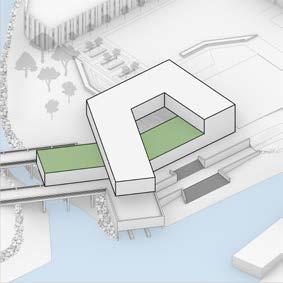
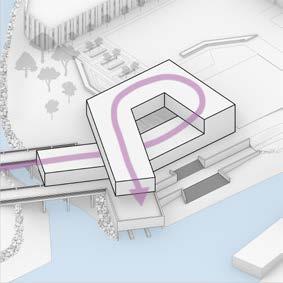
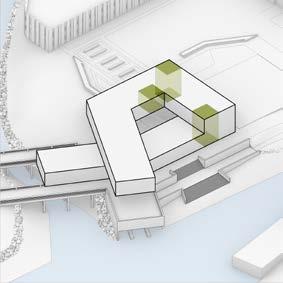
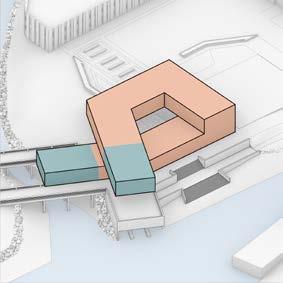
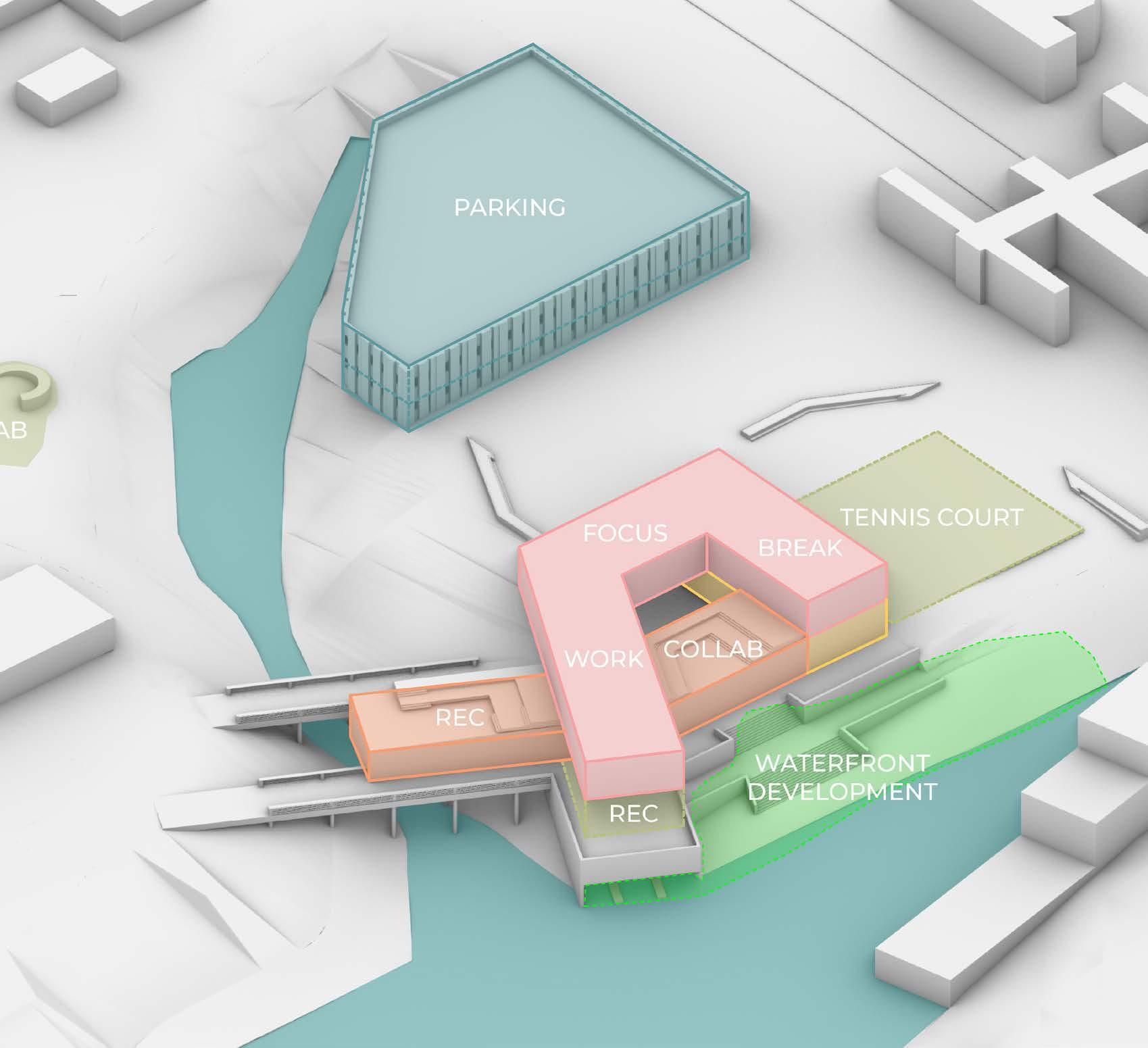
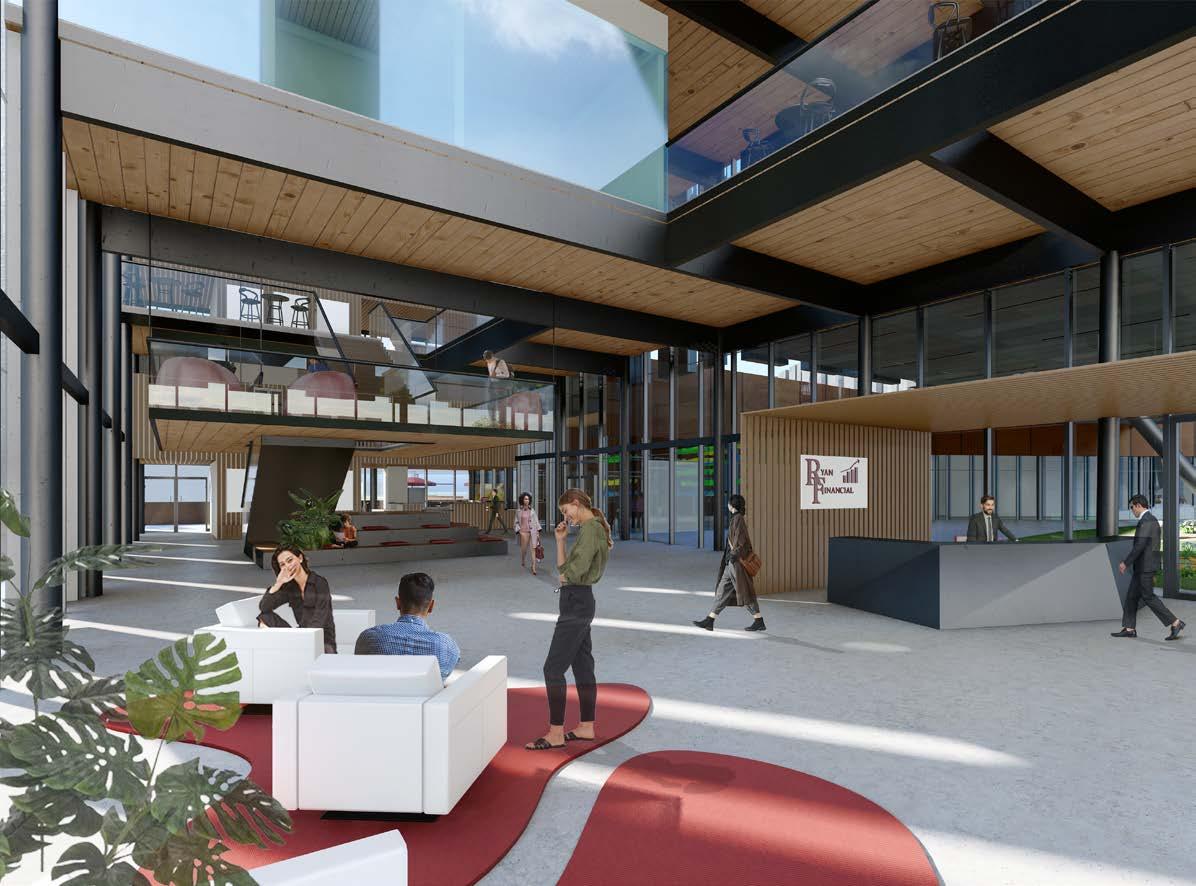
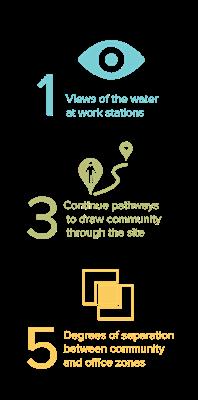
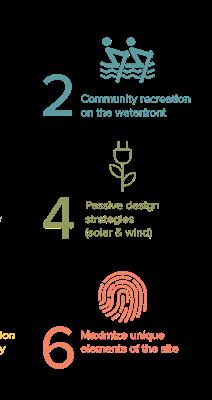
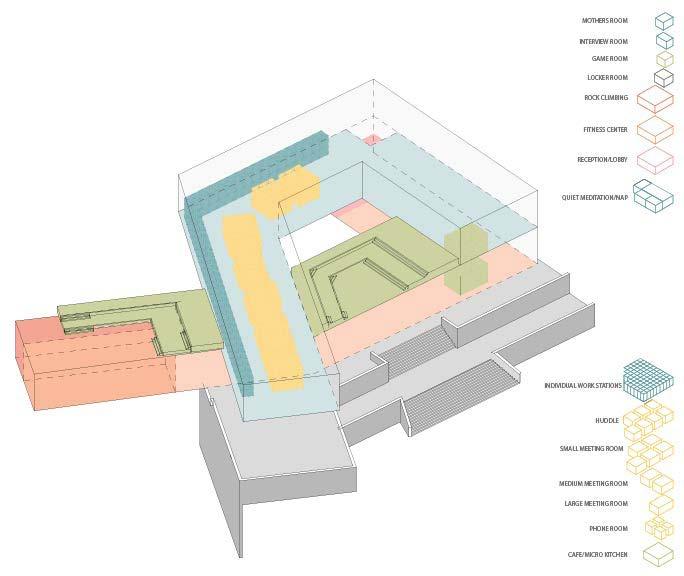
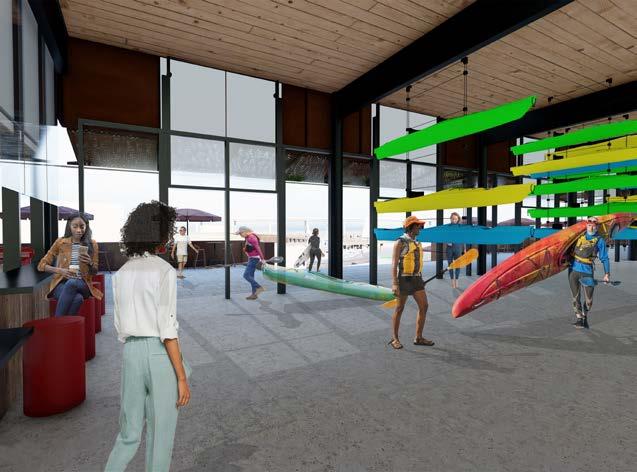
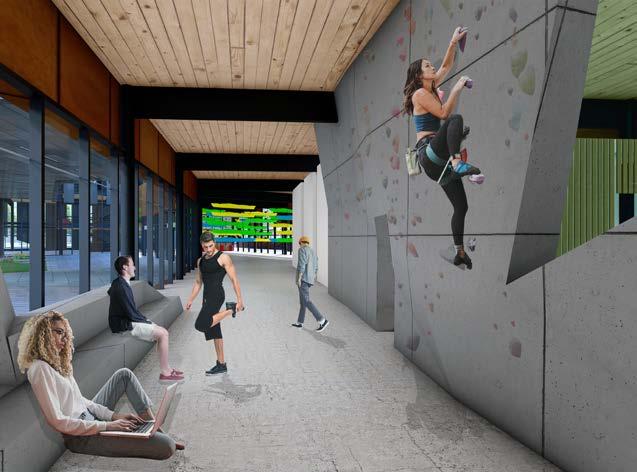
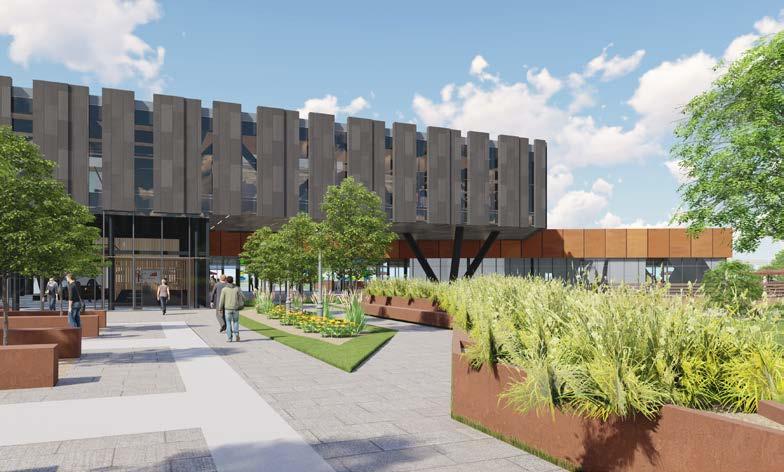
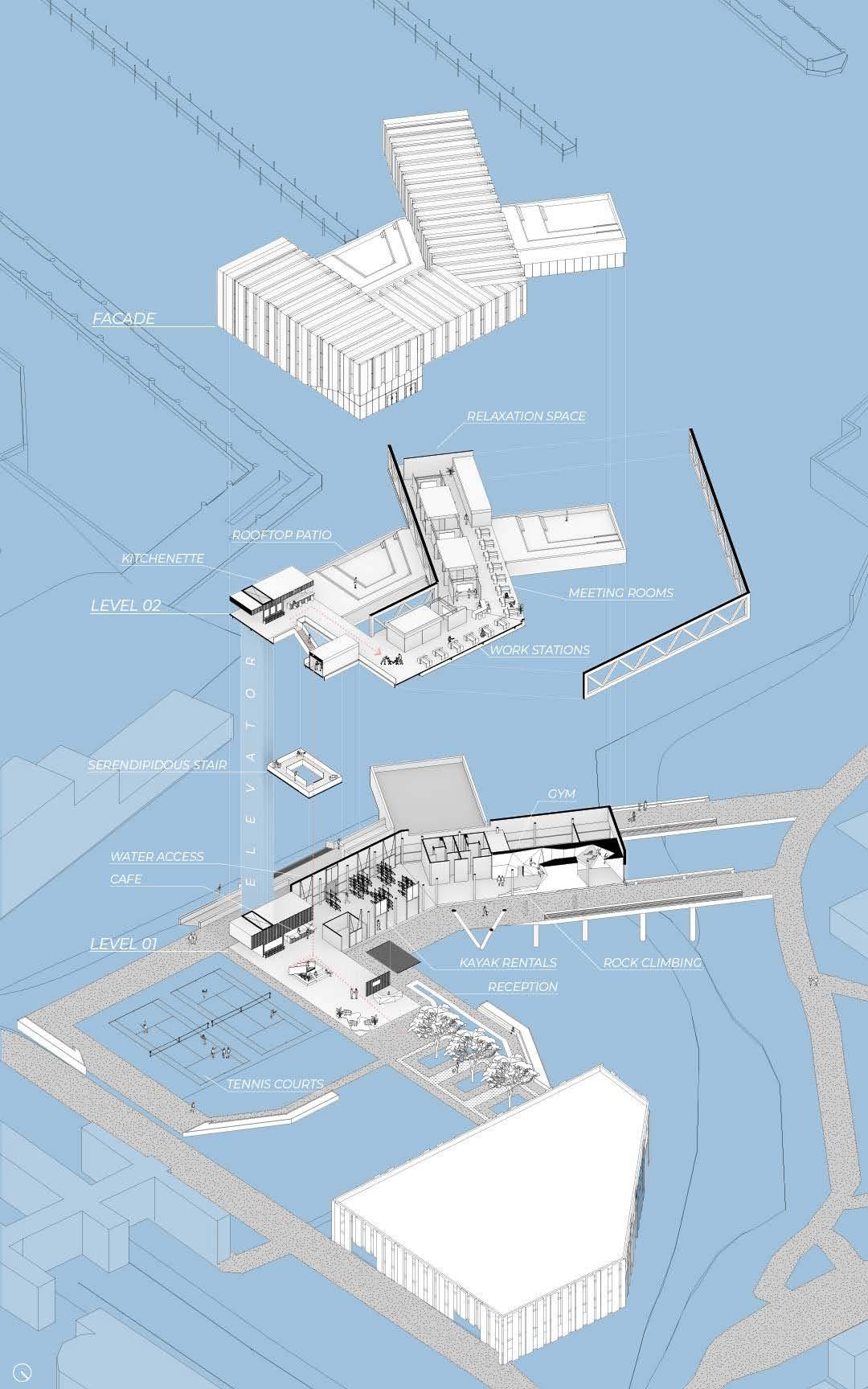
Located under an hour from NYC, these new satellite offices boast waterfront views of the Hudson River and the Manhattan skyline. The design integrates with the surrounding community by extending the Hudson River Walk through the building. The structure’s spiral form mirrors the workday, placing leisure activities at the beginning and end. Winding upward, it creates a private employee patio and office views without compromising community waterfront space. Twisting downward, it features open hanger doors and a boardwalk inviting locals to a terrace cafe, bouldering gym, and boat rentals, redefining the modern workplace. Media generated through Rhino 3D, Lumion, and the Adobe Creative Suite.
STUDY ABROAD - LONDON, UK
Brian Kelly - Fifth Year - Fall 2021
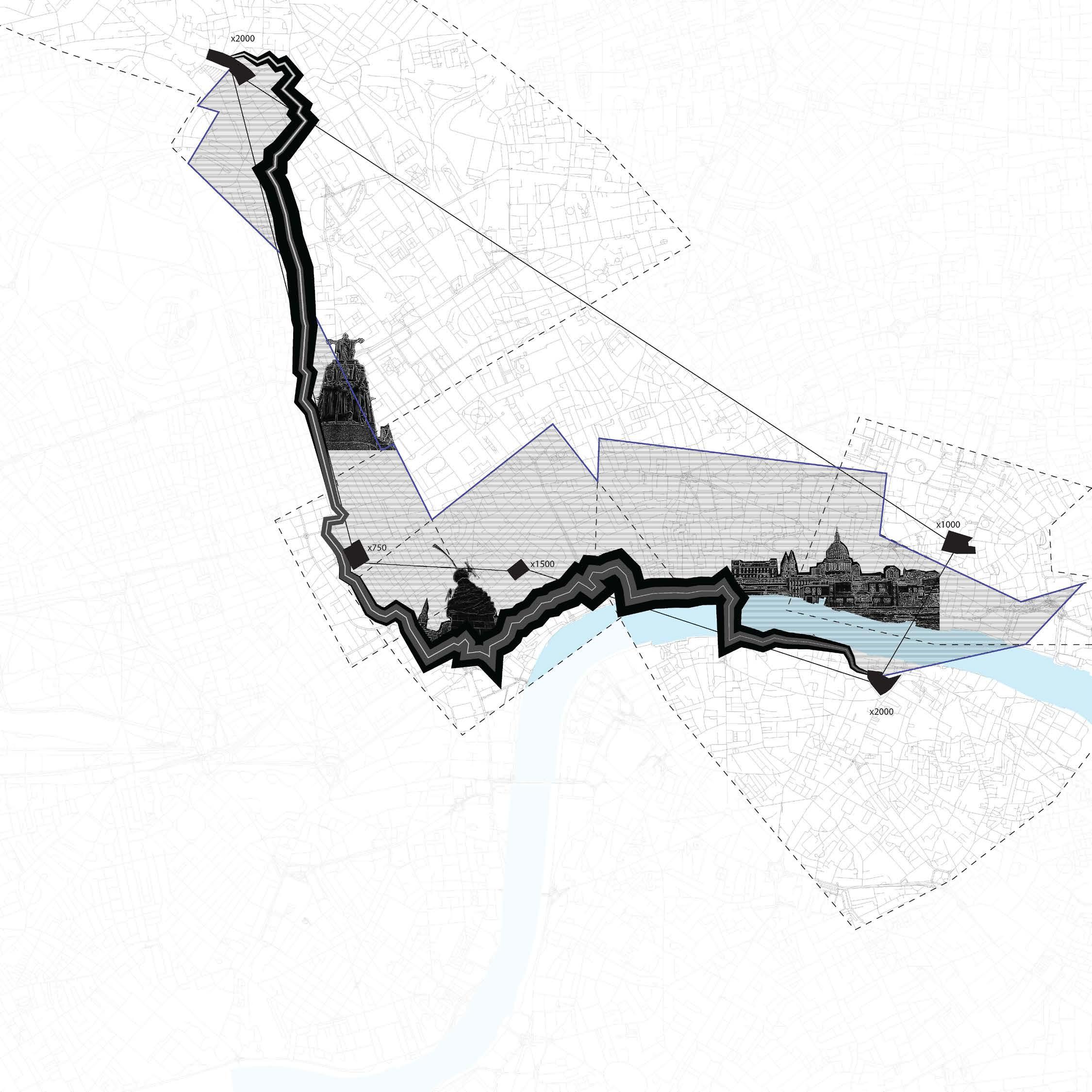
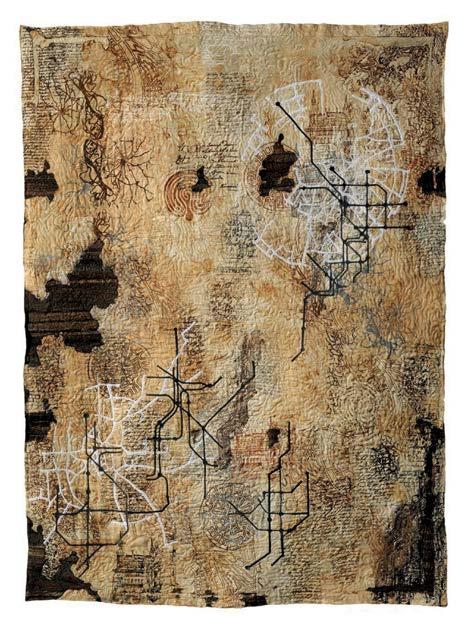
During my study abroad semester, we were tasked with intimately exploring the city of London as the main curriculum. This allowed for us to have more context for the urban condition as well as to understand the culture of each Borough. Transportation by car was discouraged, so most of the journeys were made by foot, busing, or using the tube.
The graphic above was created by mapping my journey by keeping track of not just the path of travel, but of my experiences along the way. To make this experience personal for myself, I overlaid my
tiredness, levels of intrigue, and my hunger. The graphic was made by layering hand sketches and digital drawings.
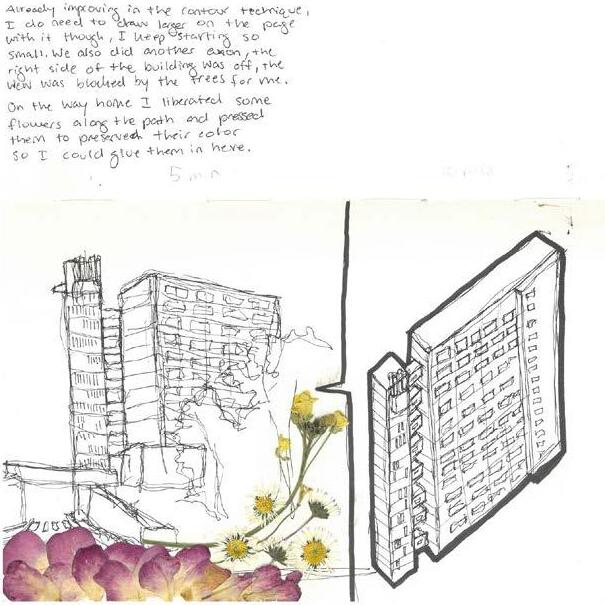
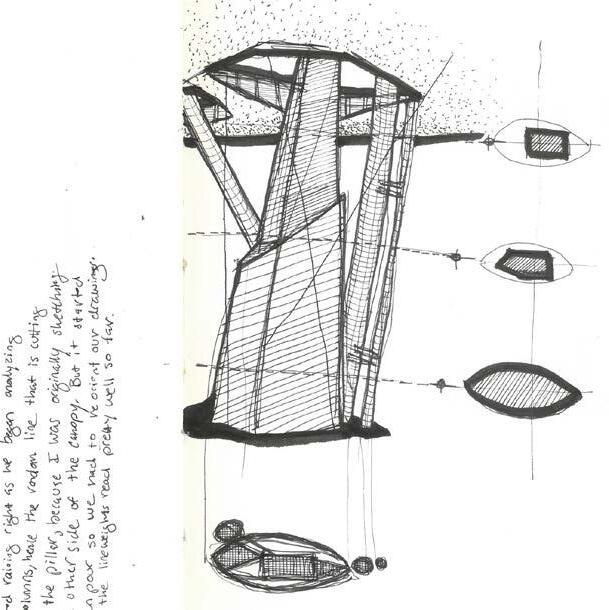
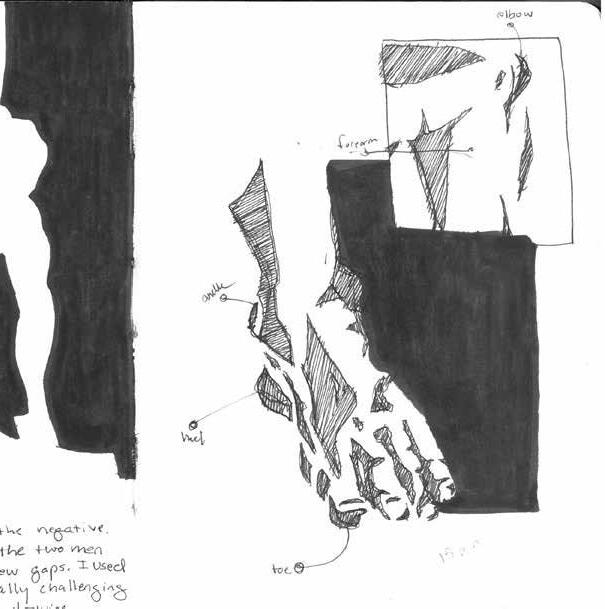
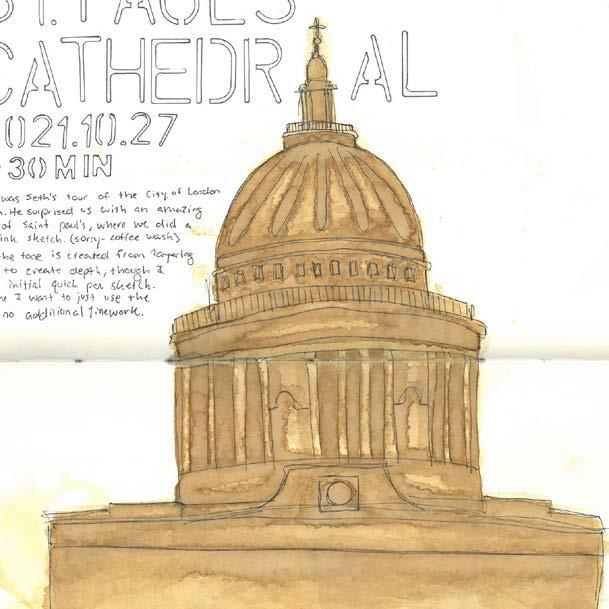
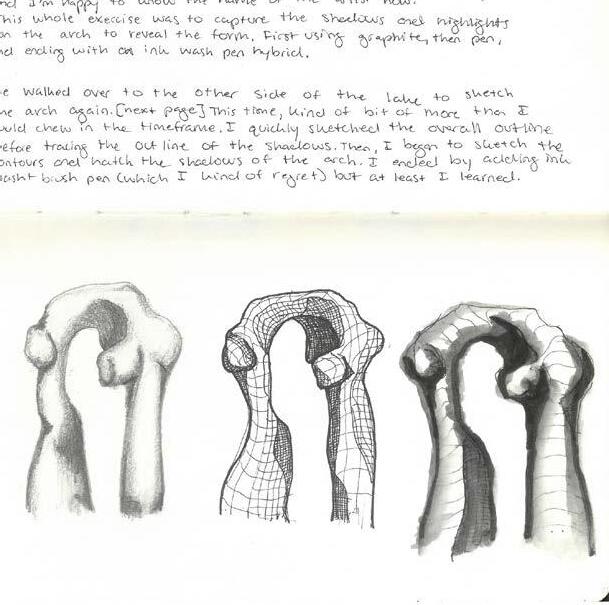
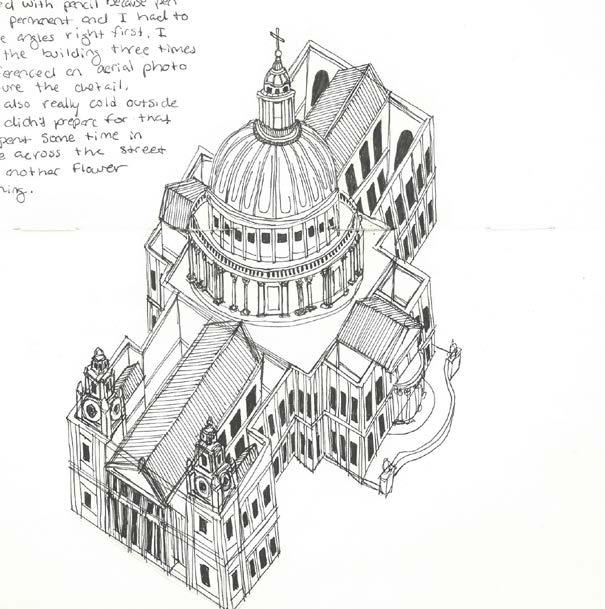
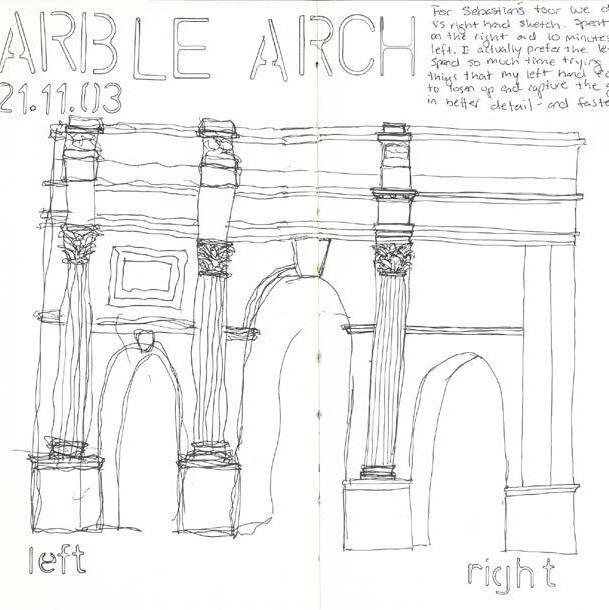
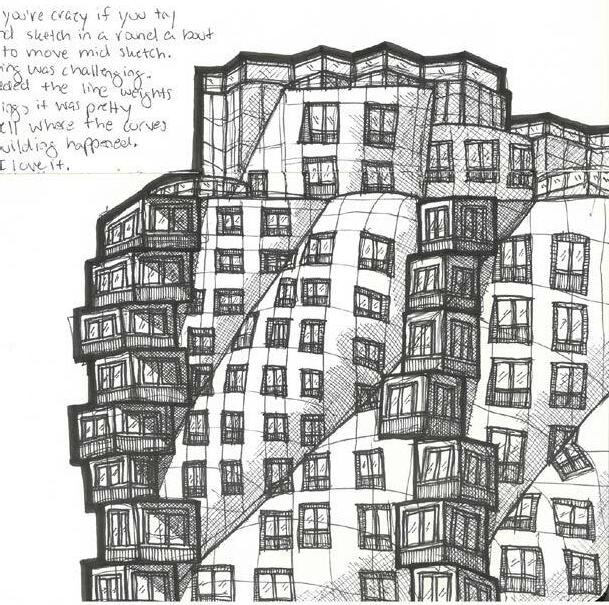
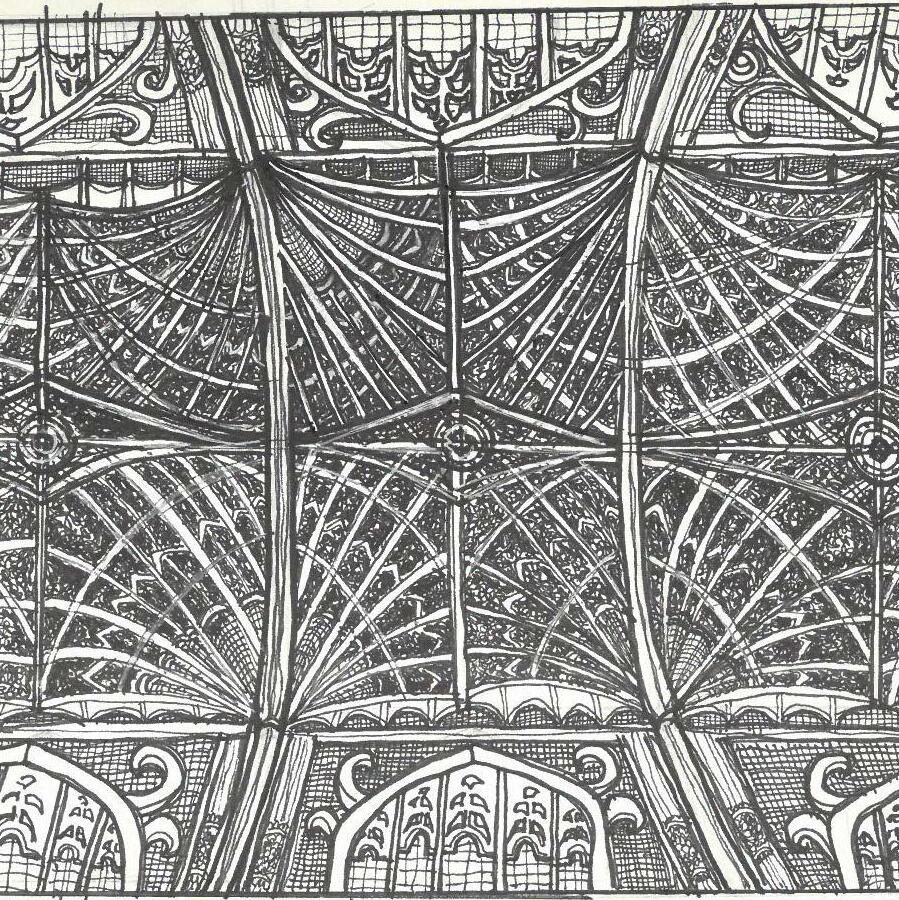
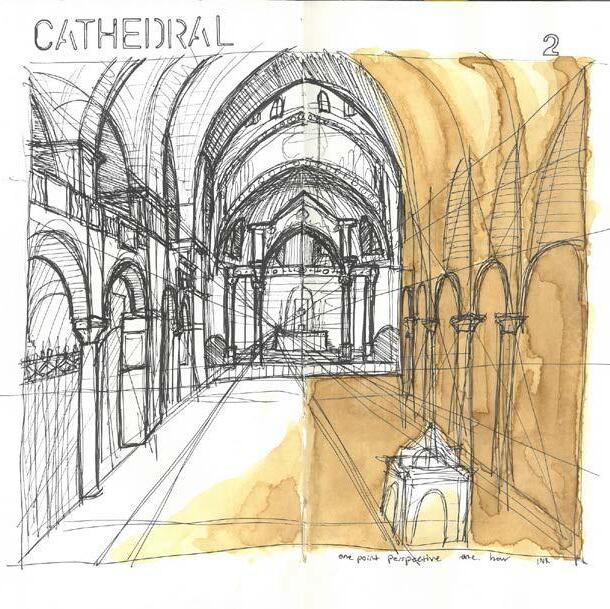
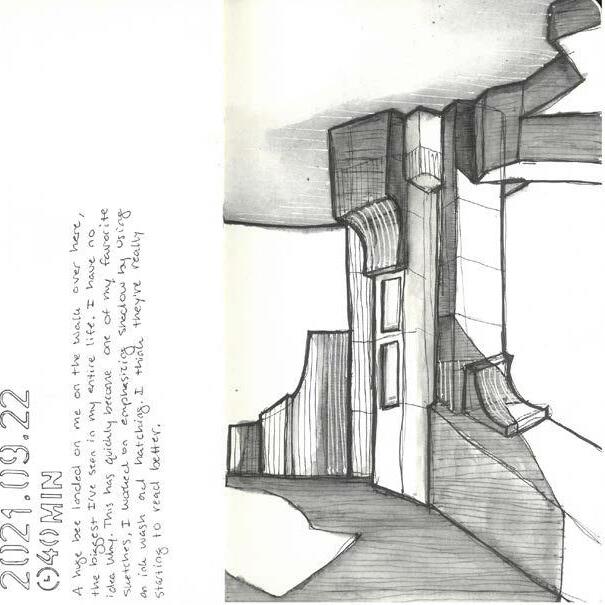
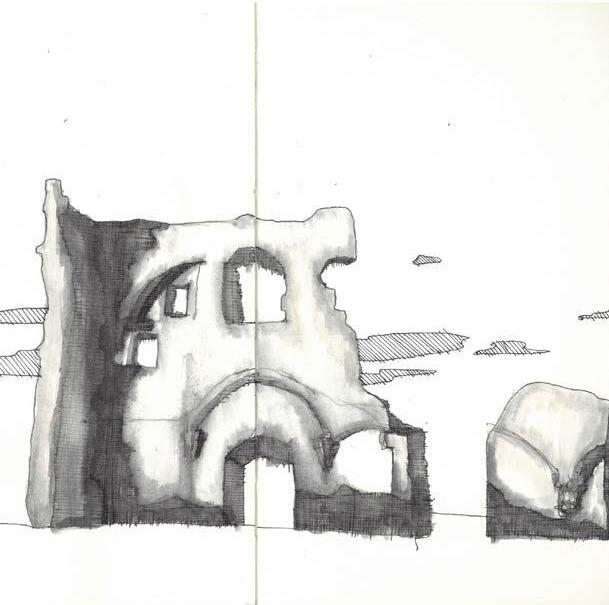
Another method of documenting the semester was through a required travel journal. We were all tasked with sketching frequently, anything that interested us. The goals were to improve our representation skills, but also to allow us to better retain our journey in a tactile way.
The Reactivation of Desolate Architecture
Rumiko Handa - Masters Thesis - Fall 2022
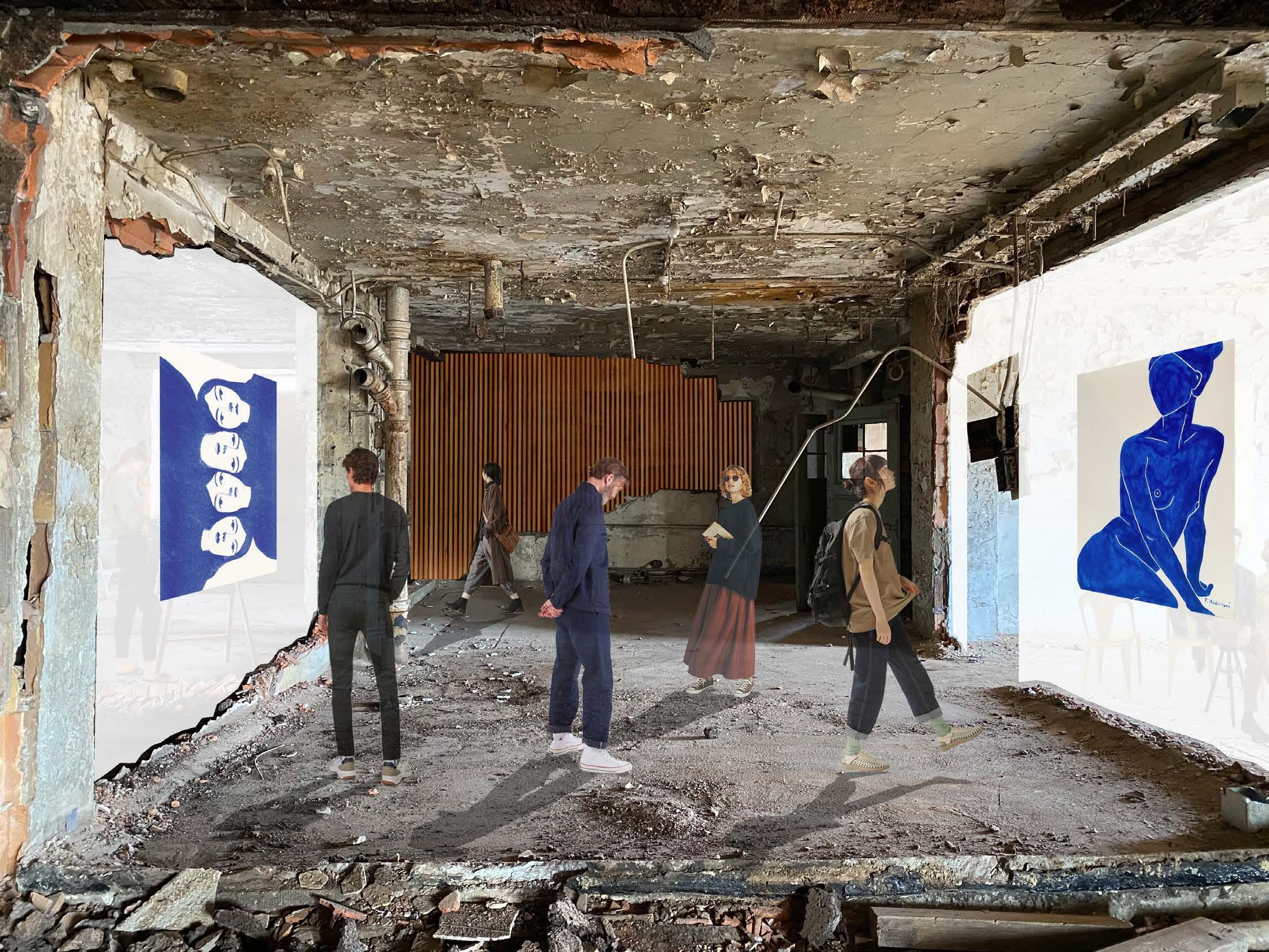
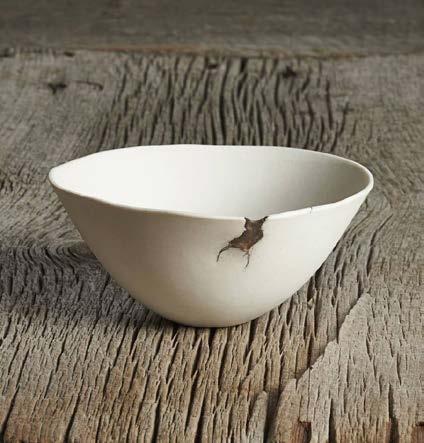
An inspiration for my thesis is the Japanese philosophy of wabi-sabi. Wabi-Sabi, as defined by Valentina Marin, “refers to an aesthetic philosophy and vision applied to objects, which alludes to beauty in imperfections and the value of the passage of time, and openly accepts the deterioration and transience of existence, both human and material.” This notion eventually led to my discovery of my thesis statement, which is, “The reactivation of desolate architecture through embracing the imperfect.” A perfect example of the concept of reactivating something desolate can be found in this (kin-sugi) kintsugi bowl. As you can see, the bowl has been broken and rather than being discarded the owner repaired it using a mixture of gold, allowing the imperfection to be celebrated.
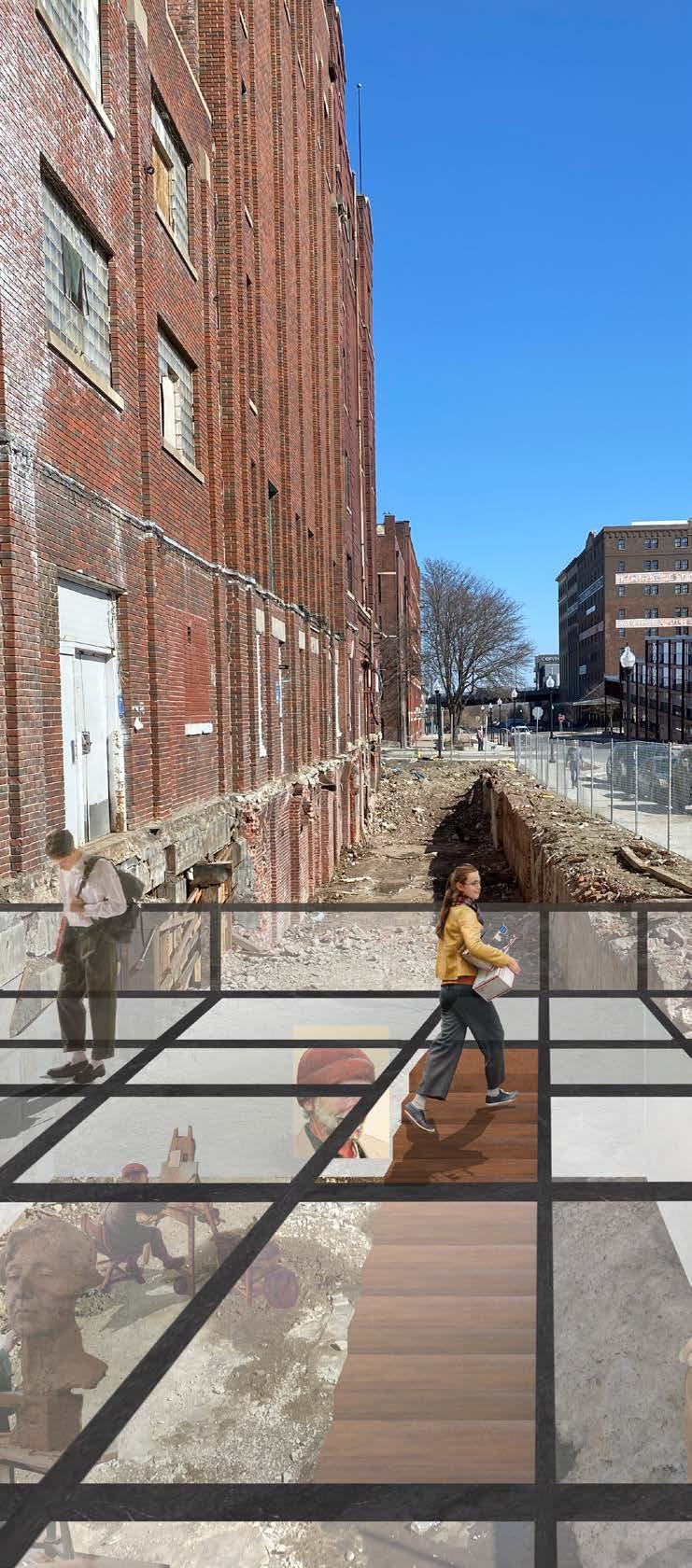
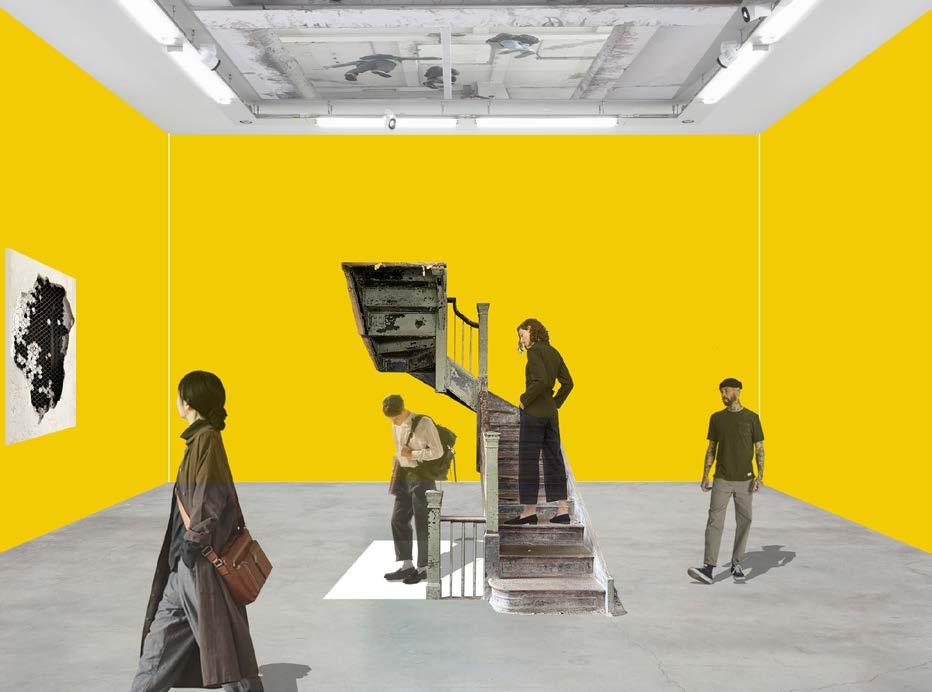
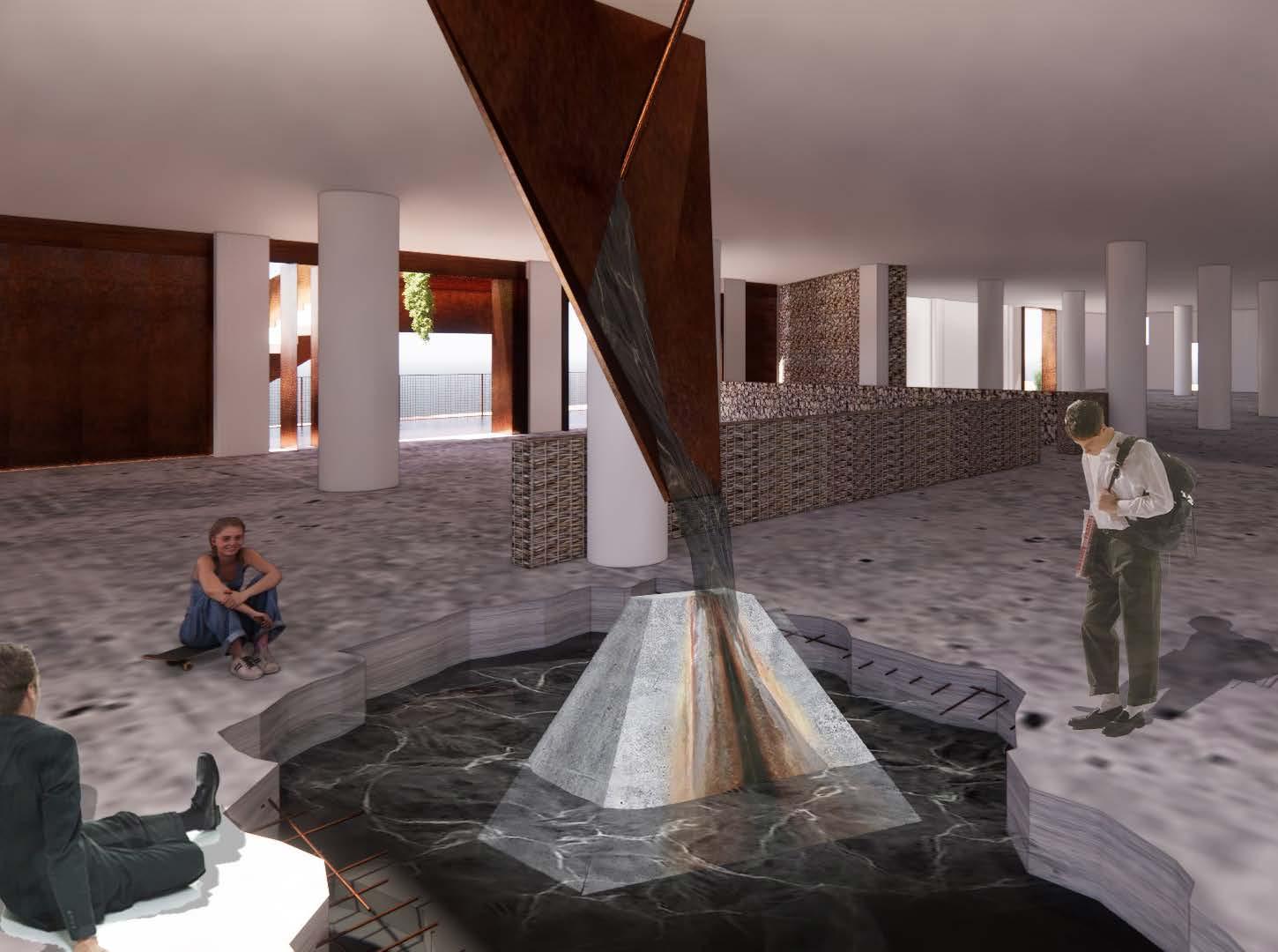
After conducting my research and analyzing these precedents, I uncovered four design strategies that allow for embracing desolate architecture and define a successful adaptive reuse project in the focus of my thesis; “Through the act of EMBRACING the imperfect and absent, and through CELEBRATING the fragment and ephemeral.”
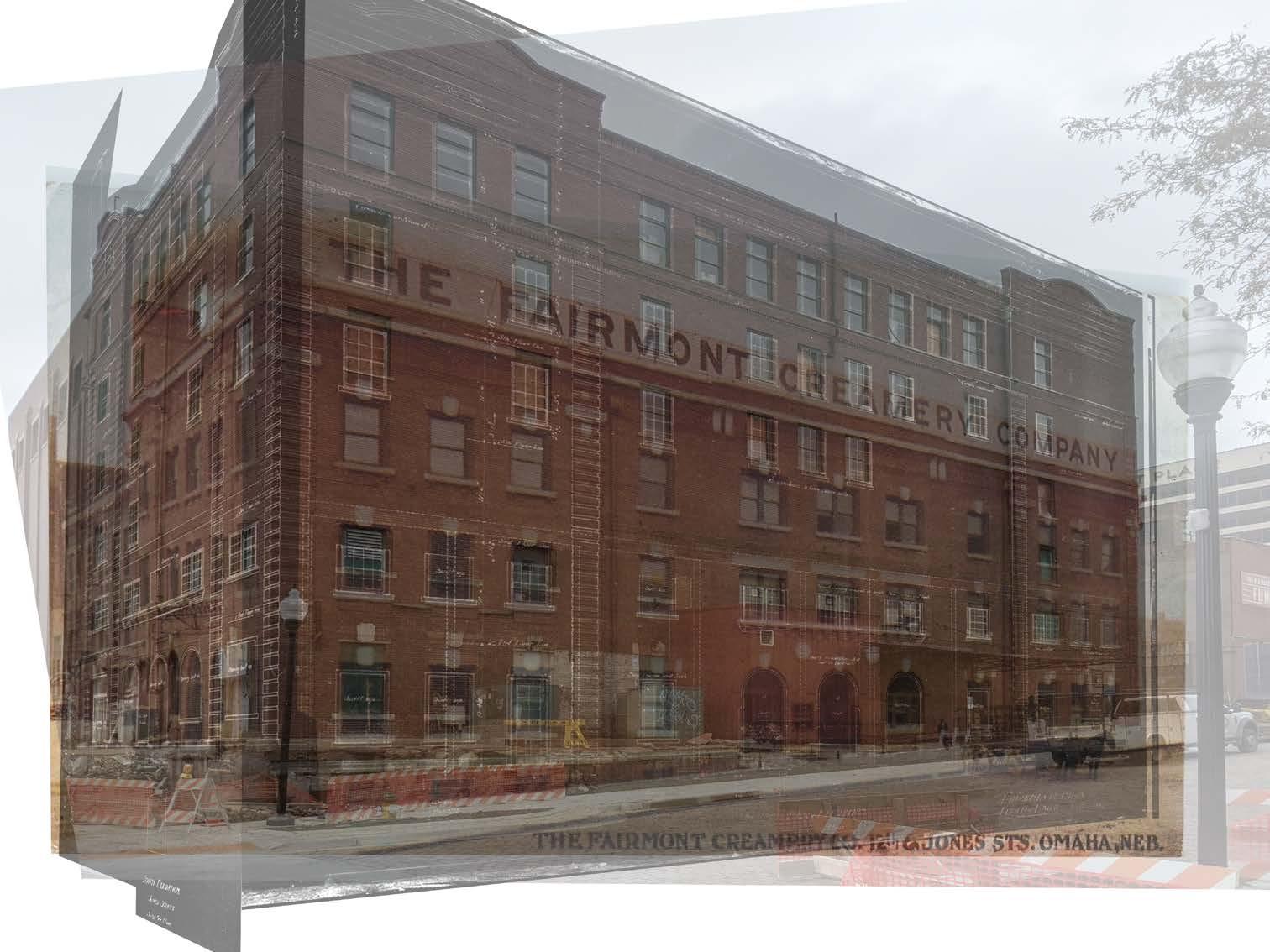
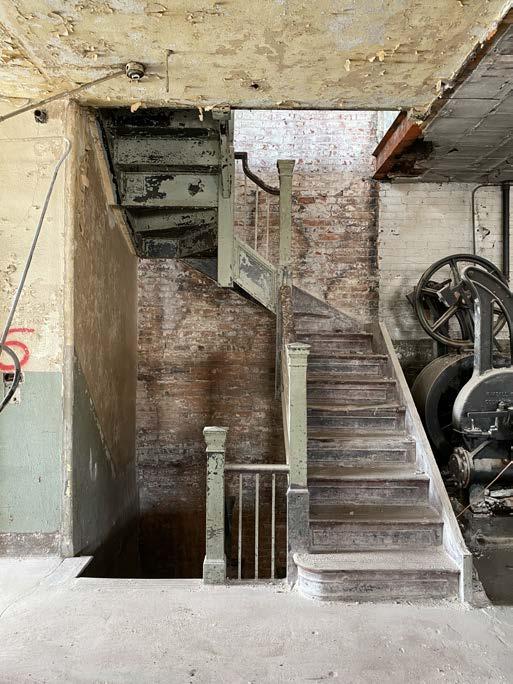
To apply these concepts, I selected the abandoned Fairmont Creamery Co. in downtown Omaha, NE. This building is a natural example of architectural palimpsest, rich with a history of industrial transformation. Its location, central to the city’s art district, makes it an ideal hub for design exploration.

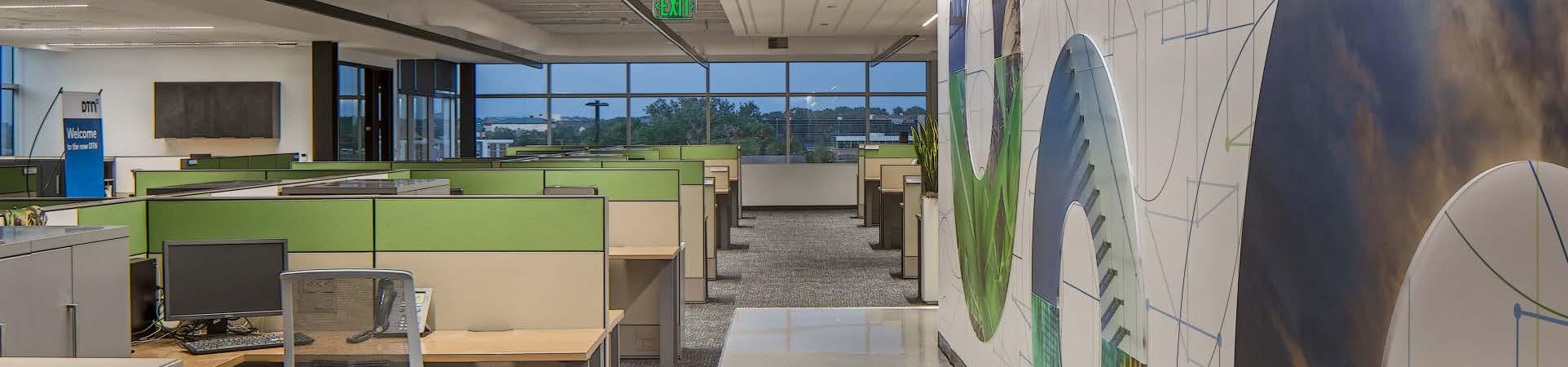
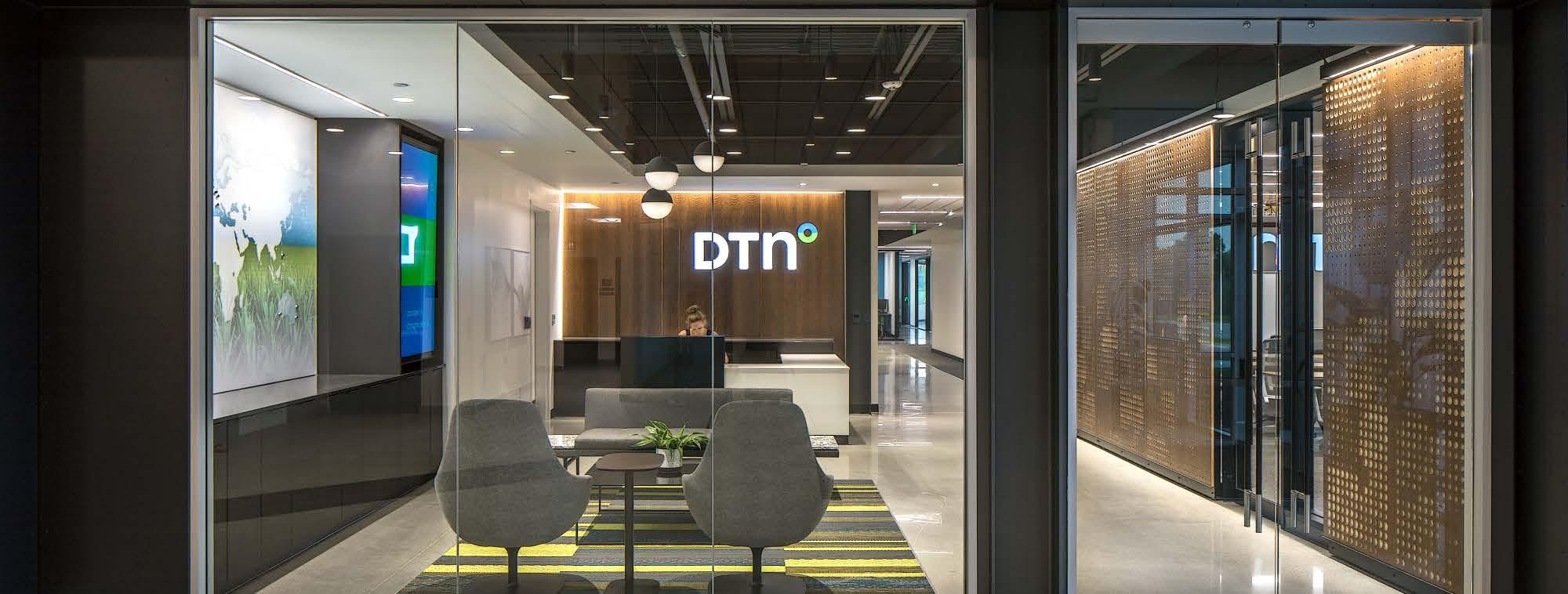
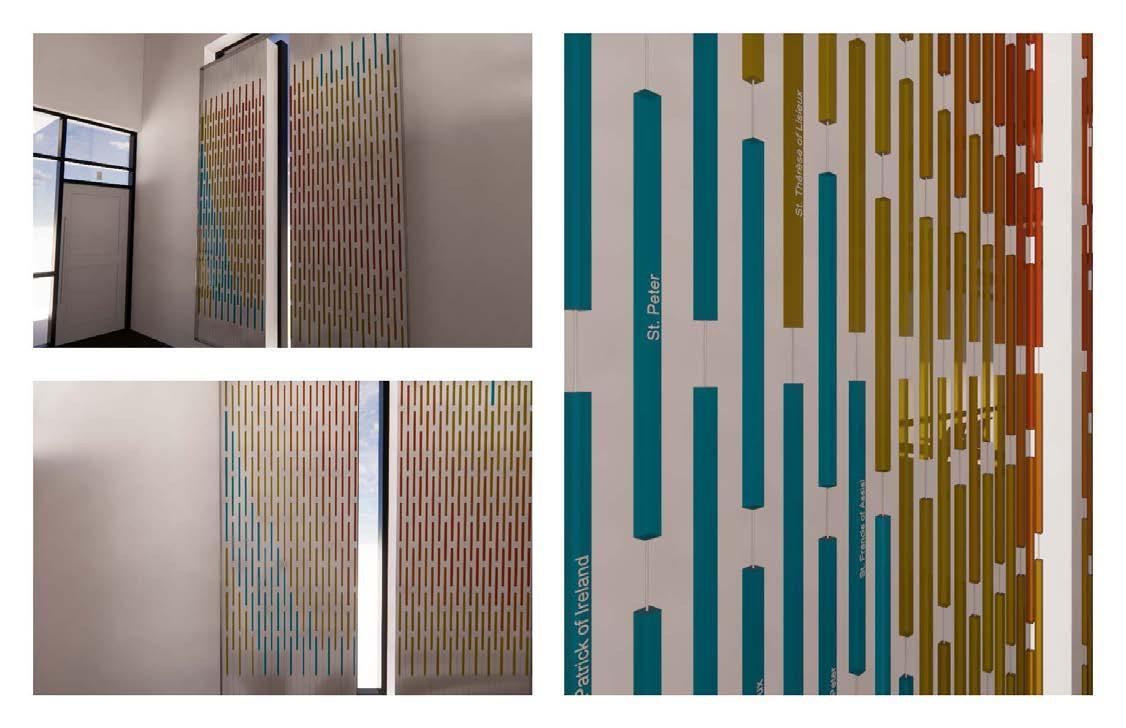
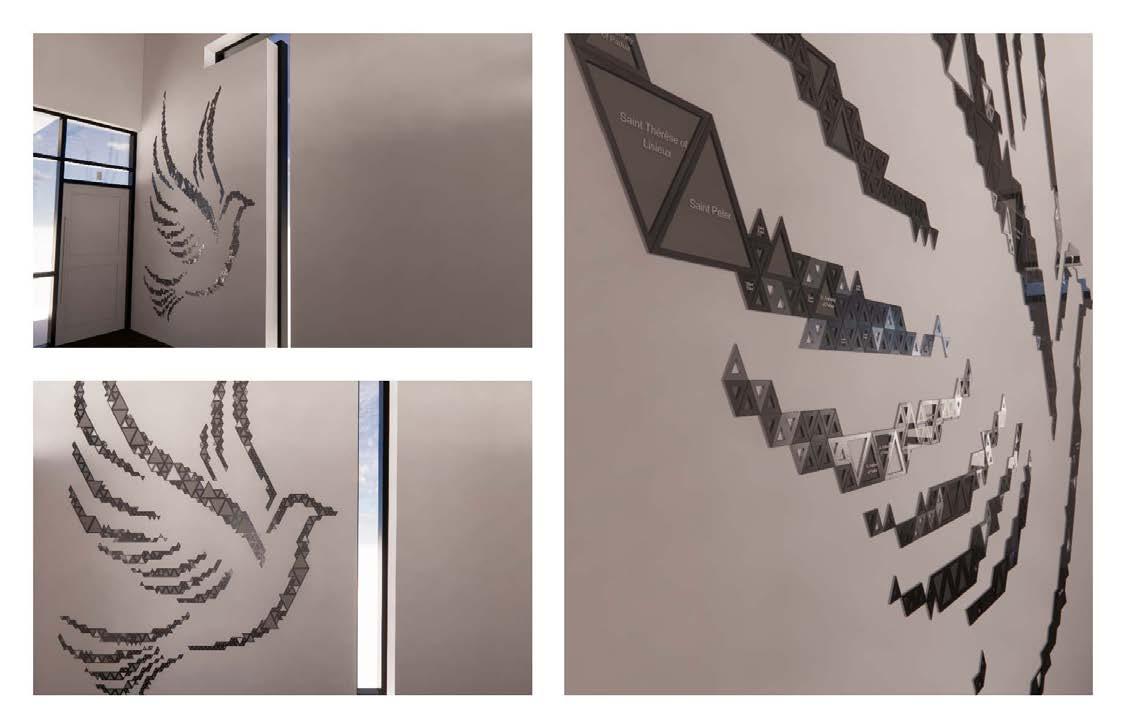
INTERNSHIP, 2020-2023
TACKarchitects
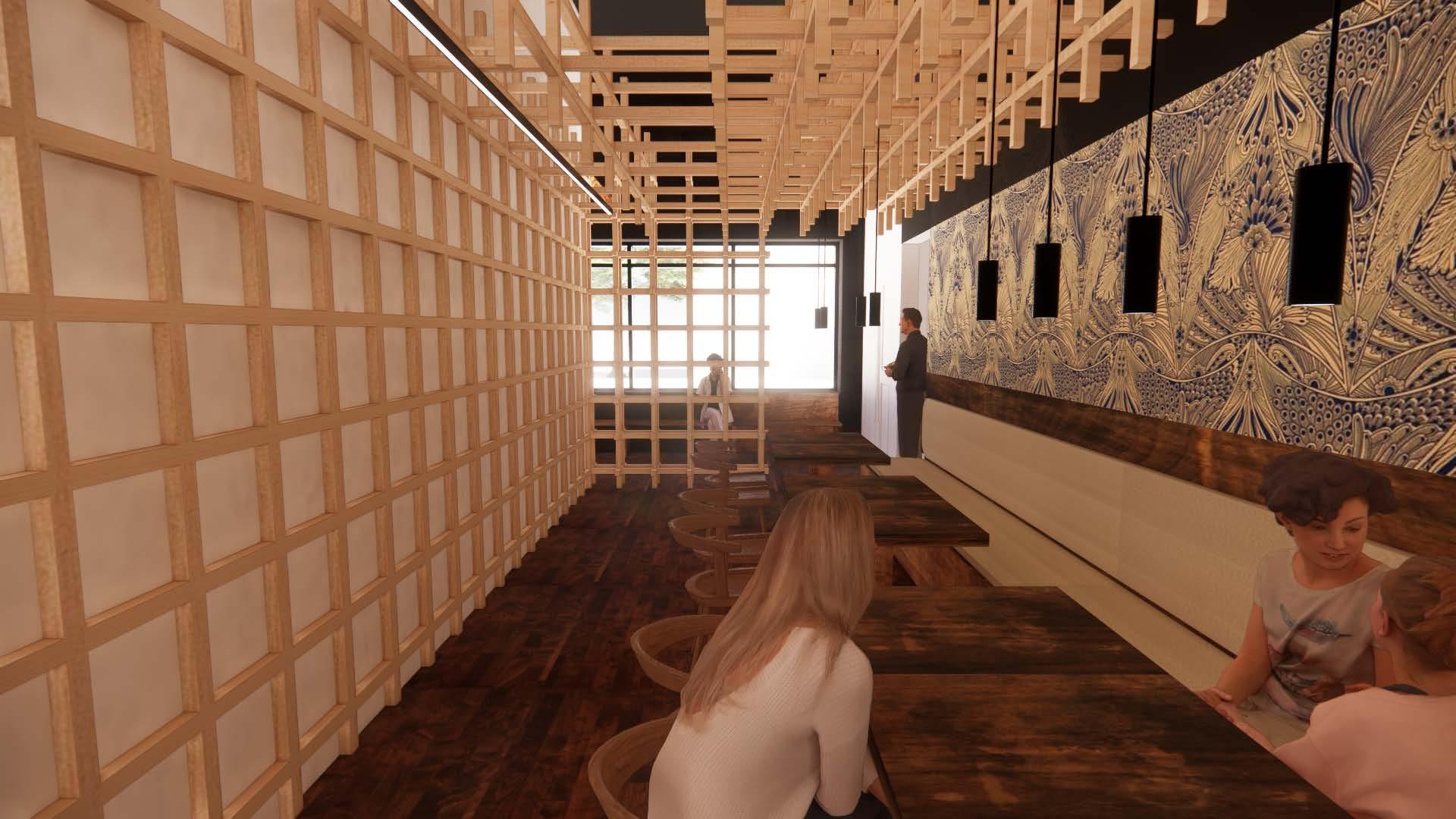
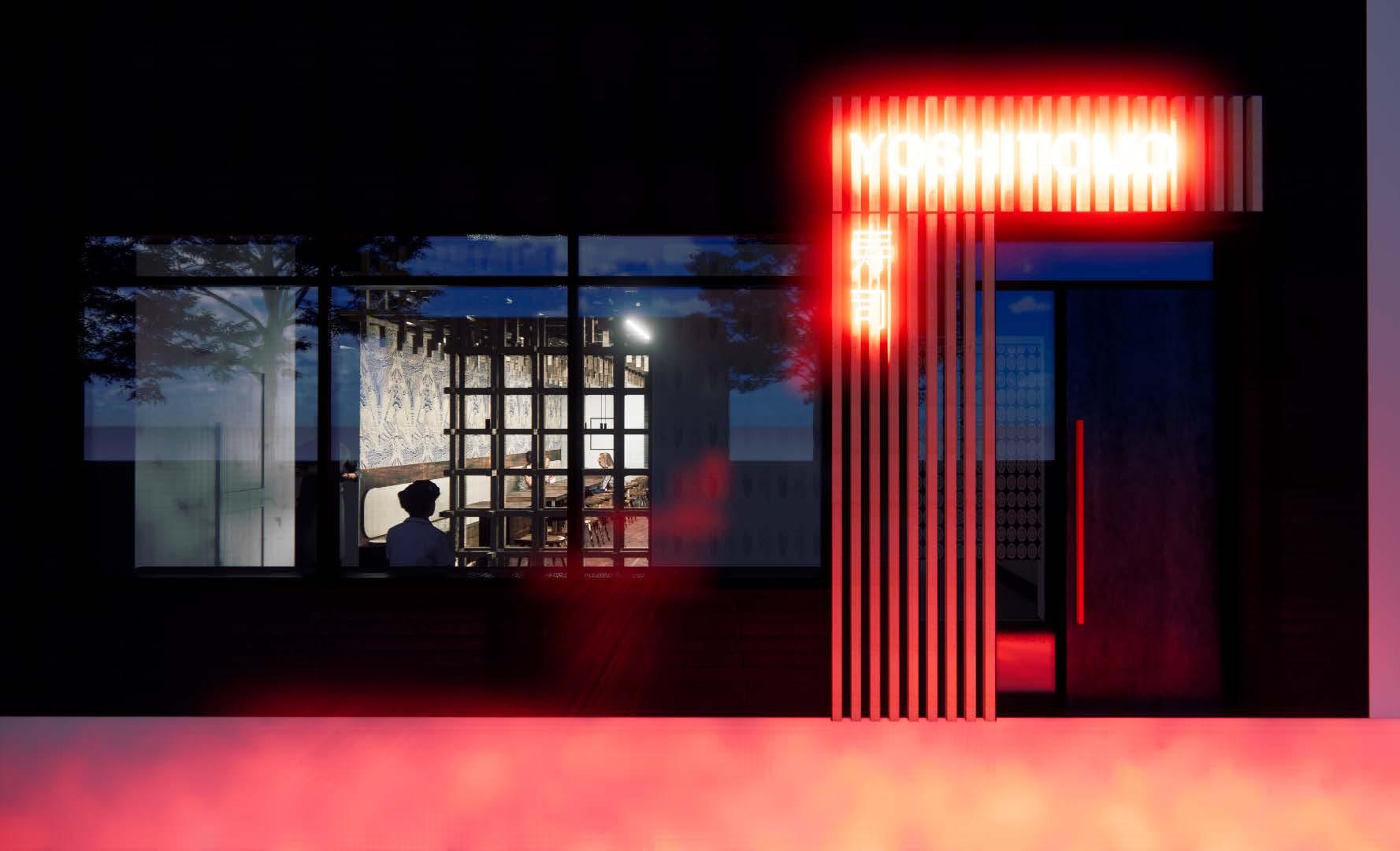
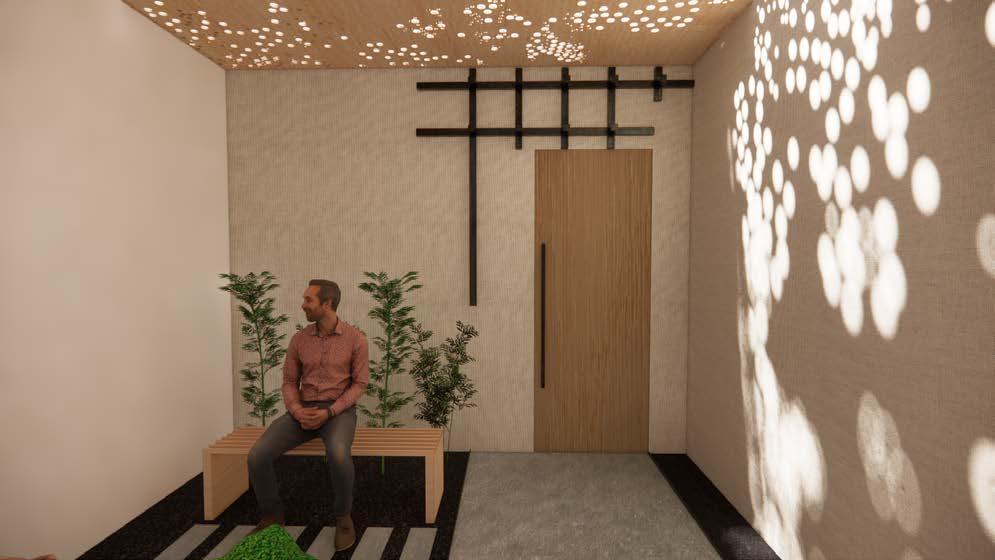
At this internship I worked on schematic design, canopy design, environmental graphics, designing feature spaces, interior layouts, model making, and representation for award submittals. TACK was studio-centered which allowed me hands on shadowing experience. Site visits ranged from field measuring, punch walks, and photoshoots. Being a smaller studio, I was able to take ownership in quite a few designs, namely through the interior renovation of Yoshitomo.
I started with designing a wood feature wall for the new dining expansion. The design scope evolved into extending the wood feature throughout the dining space. The client had expressed interest in doing a graphic on the ceiling, and wanted the waiting room to feel like it was in a garden. In response, I designed a perforated backlit ceiling feature to emulate a cherry blossom tree canopy to fully shape the atmosphere of the waiting room to resemble the outdoors. Media generated via Revit, Rhino 3D, Enscape, and Adobe Creative Suite.
AIA Awards Representation
Bridges Trust - Fall 2021
TACKarchitects
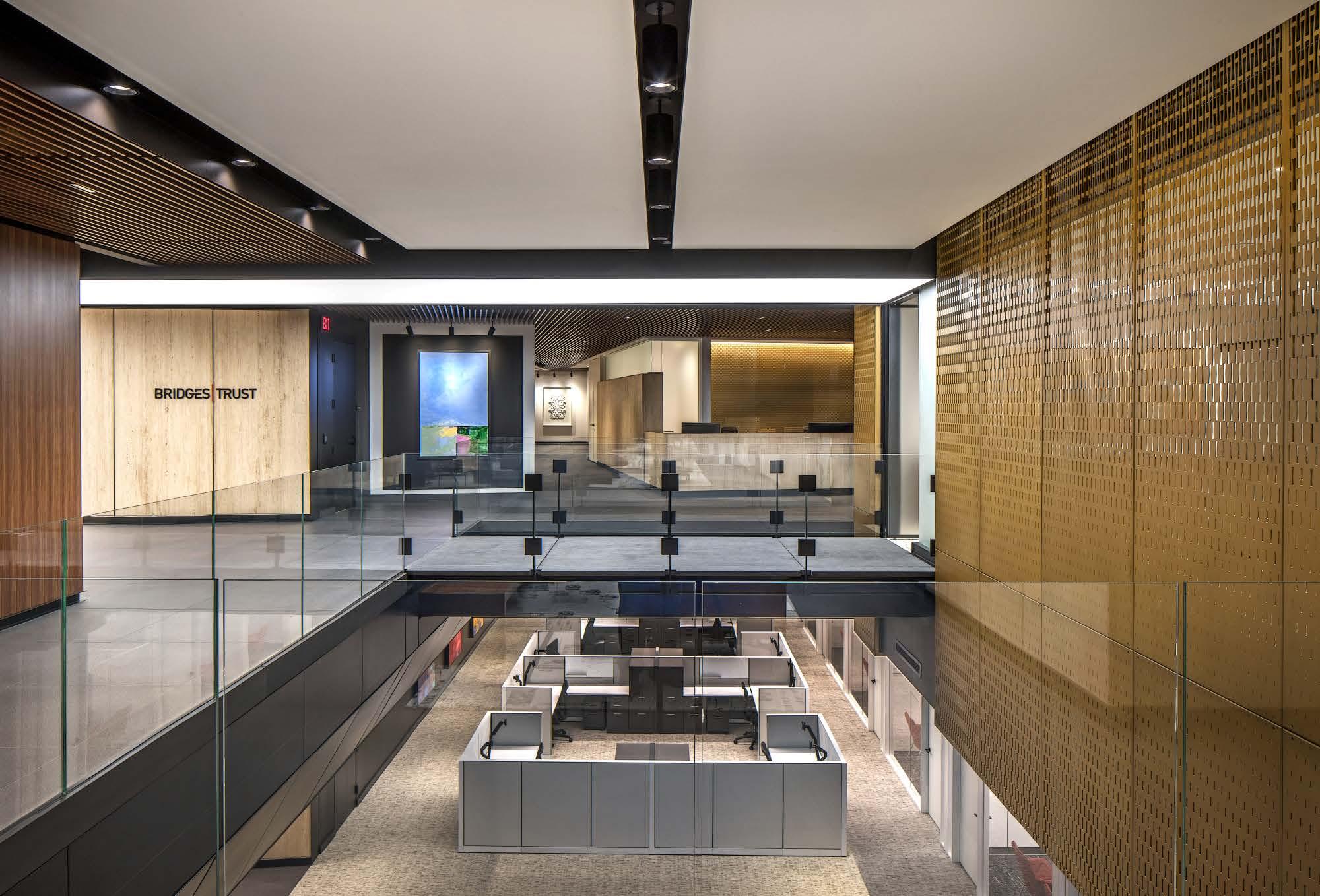
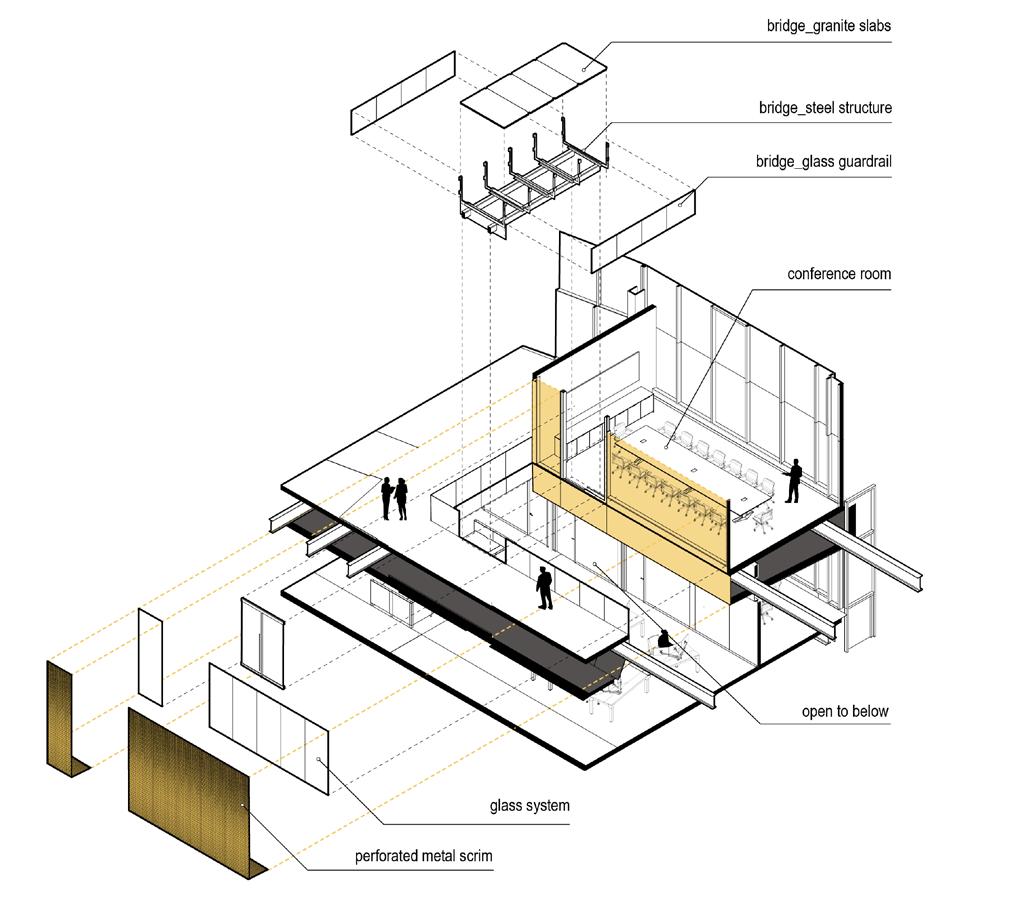
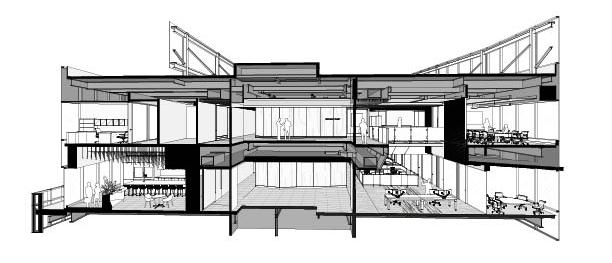
Bridges Trust is another project that I was able to work on the awards representation for. In order to focus on the many different details within this space, I created a multitude of diagrams. The zone particularly focused on in these images is the scrim detail that envelopes this conference room that almost seems to float above the workspace below. To carve into the space, I decided to do an exploded isometric using Rhino 3D and Adobe Illustrator to represent the structural system of the bridge and scrim arrangement. The project is filled with details, so I also included a section perspective to highlight the overall arrangement and flow of the space.
AIA Awards Representation
Hardy Coffee - Fall 2022
TACKarchitects
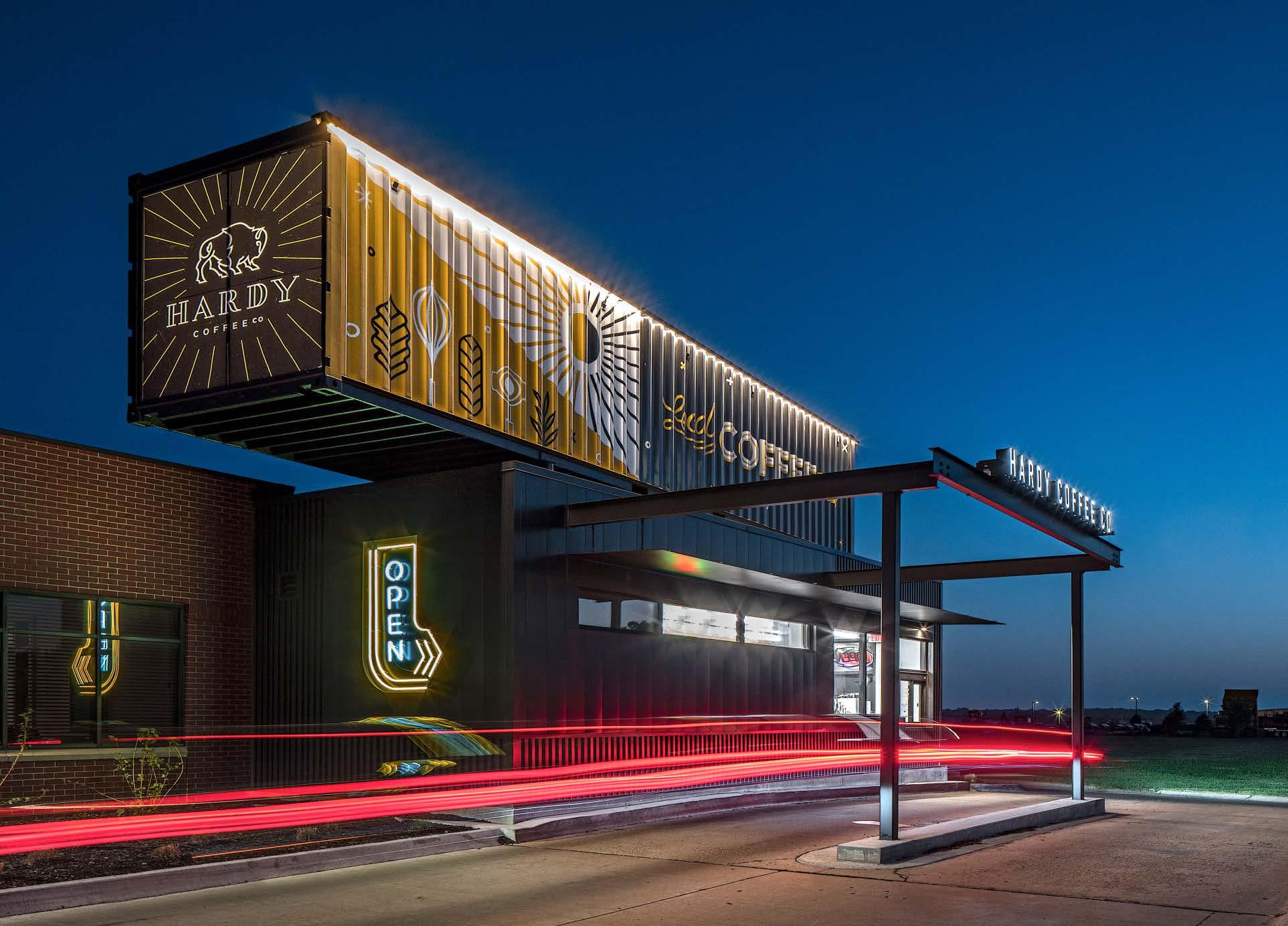
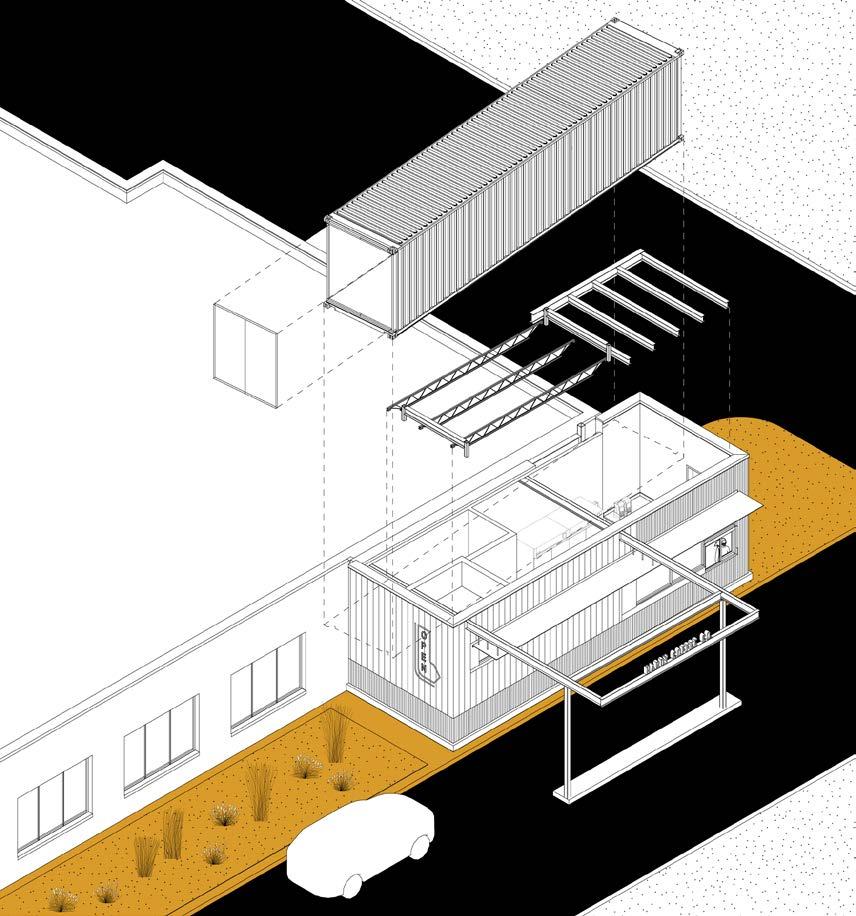
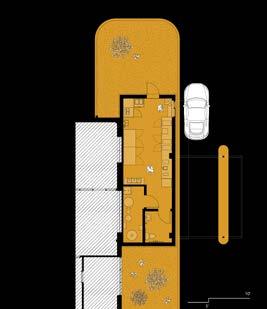
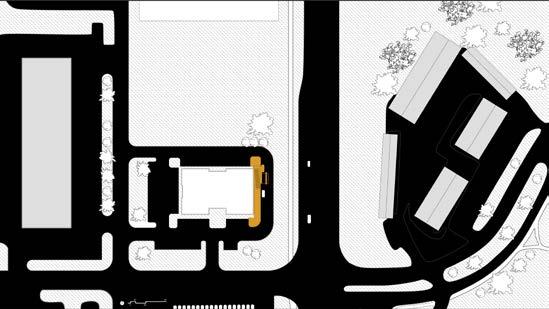
Each year TACK submits their projects for award consideration. Part of my role at the internship was to create drawings and diagrams to graphically represent their designs. This coffee kiosk exists along a major road, in order to call attention to the shop, the structure of the building itself became a huge part of the sign design and wayfinding for this location. I was lucky to work on the initial schematic design of this project, and was on site for the project photography, so I had a better understanding for the type of representation it would need for the award submittal. I wanted the diagrams to really describe the insertion of the shipping container to the site as well as the unique functional design.
INTERCONNECTION
Seattle Design Festival - Summer 2024 https://seadesignfest.org/attend/festival-archives/
What if your built environment reacted to your needs?
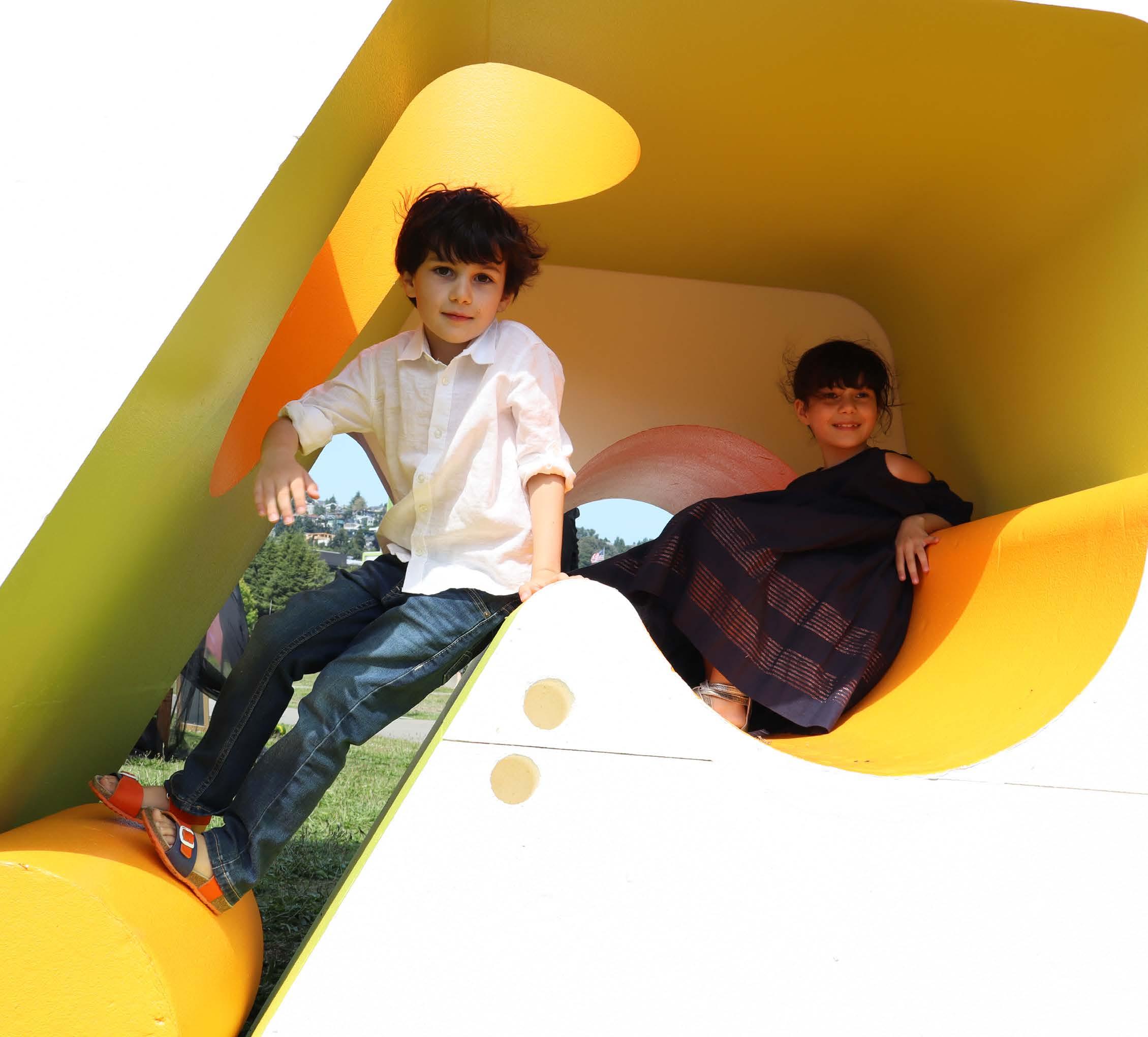
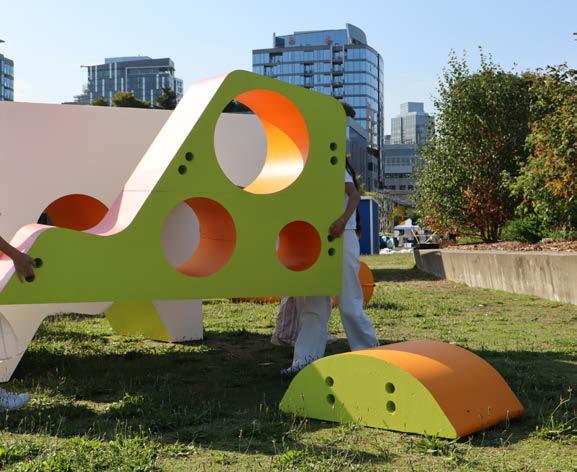
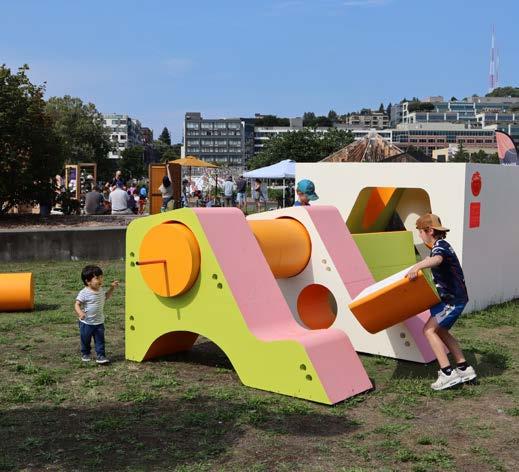
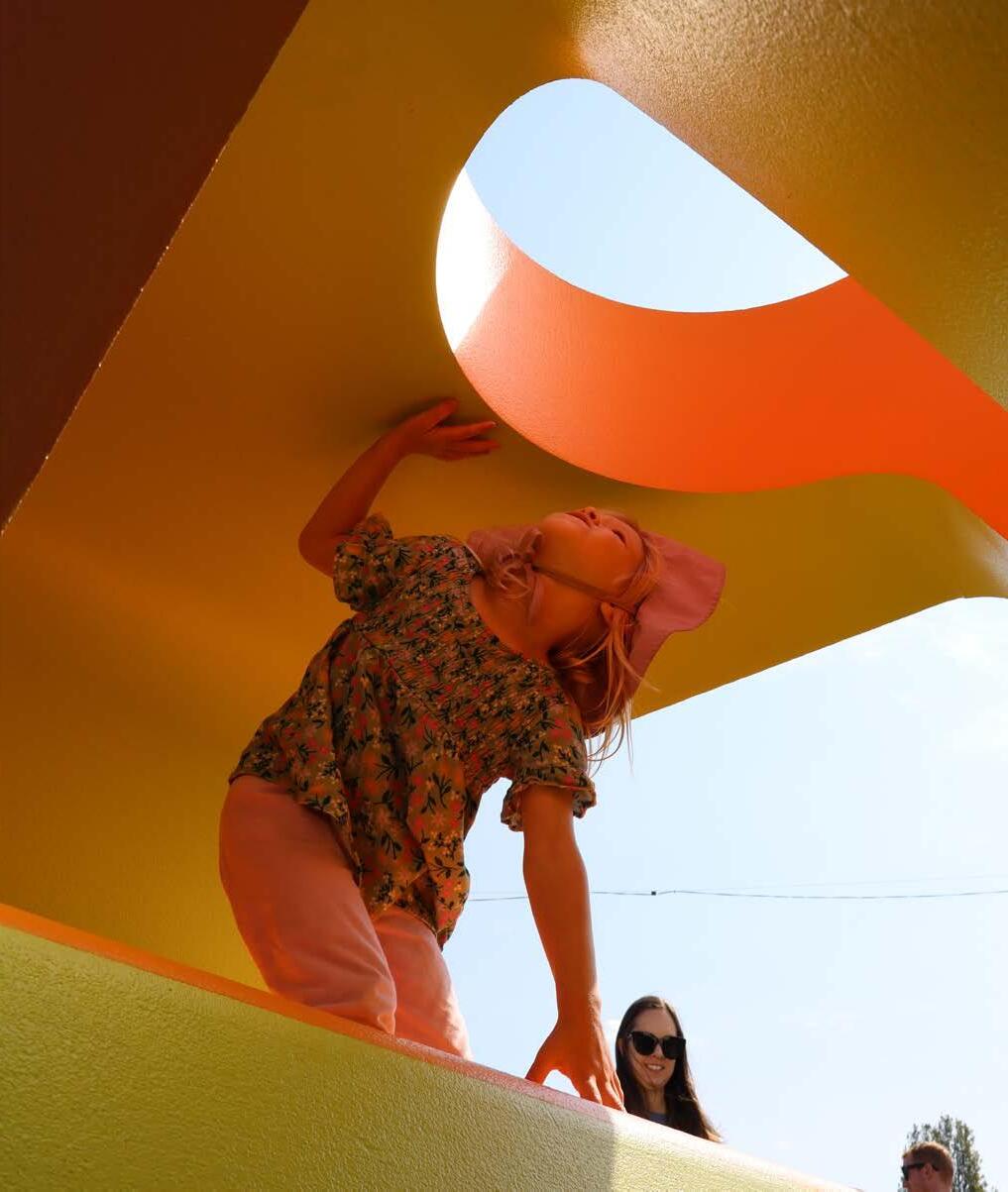
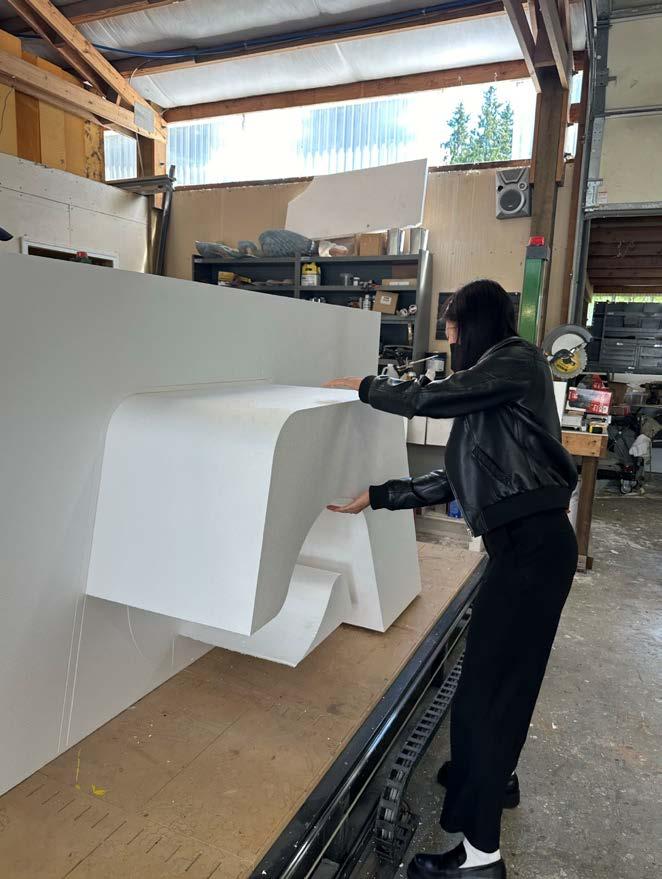
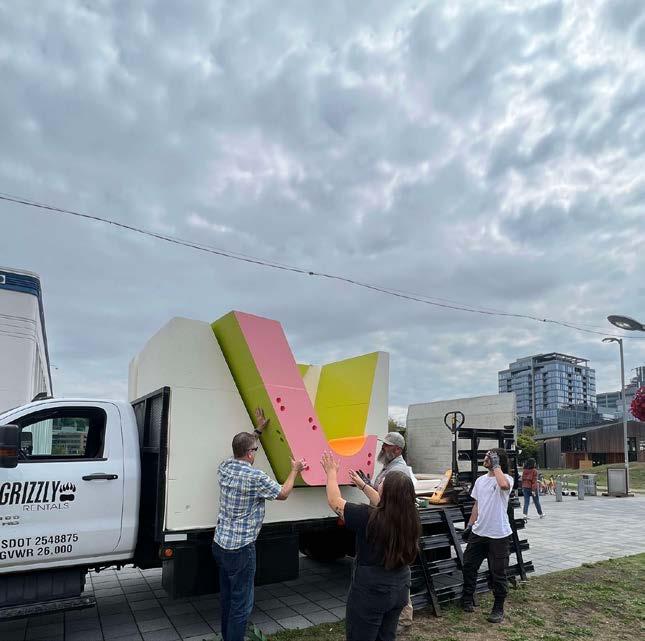
This built installation aims to challenge this as multiple, moveable pieces derive from a larger, more stationary form. Together, these pieces at first glance appear as an unassuming cube with a plain exterior. When the pieces are removed, a bright, colorful, and playful interior is revealed. Each element encourages a multitude of configurations that were curated to intuitively create three different themes of interaction: play, rest, and connection.
Designing on a grid allows the entire structure to be hot wire cut from 2 billets of geofoam to minimize waste. The installation packs back into a cube that
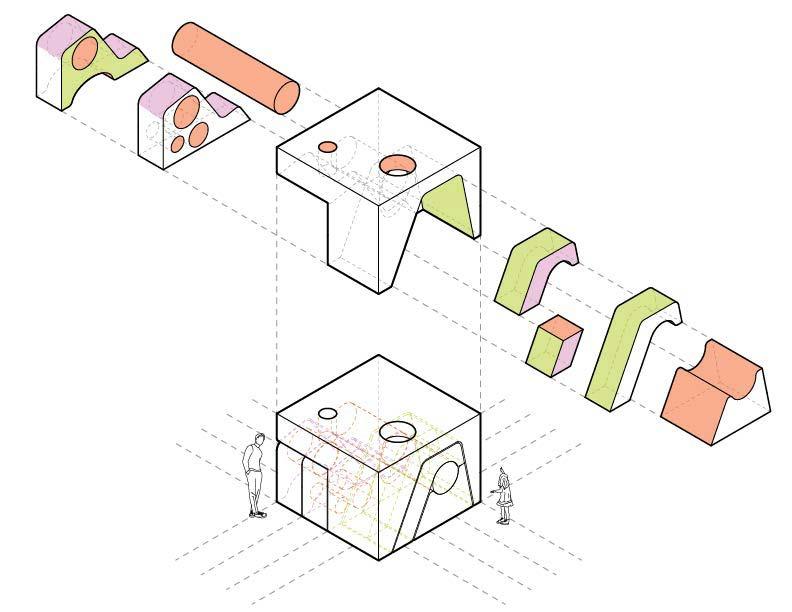
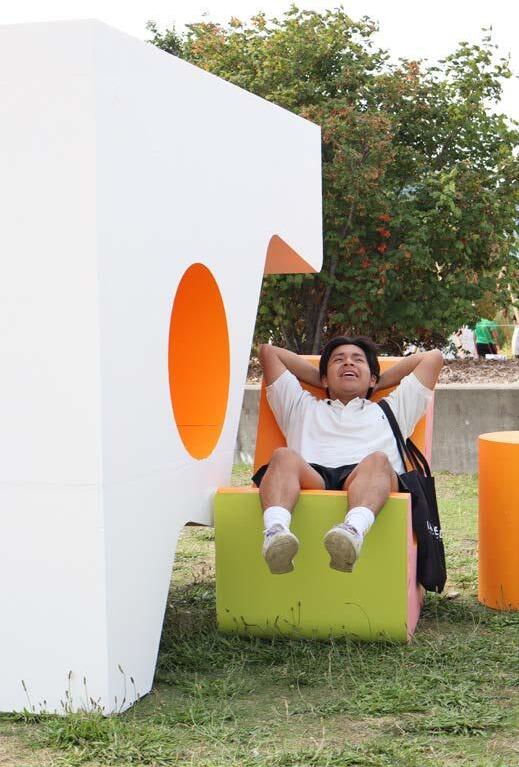
can be placed on the back of a flatbed truck, ready to be fully assembled on-site within minutes. It is split into a green and pink half, with faces of the puzzle pieces matching color to color as a guide for users to reassemble the puzzle without the use of verbal instructions.
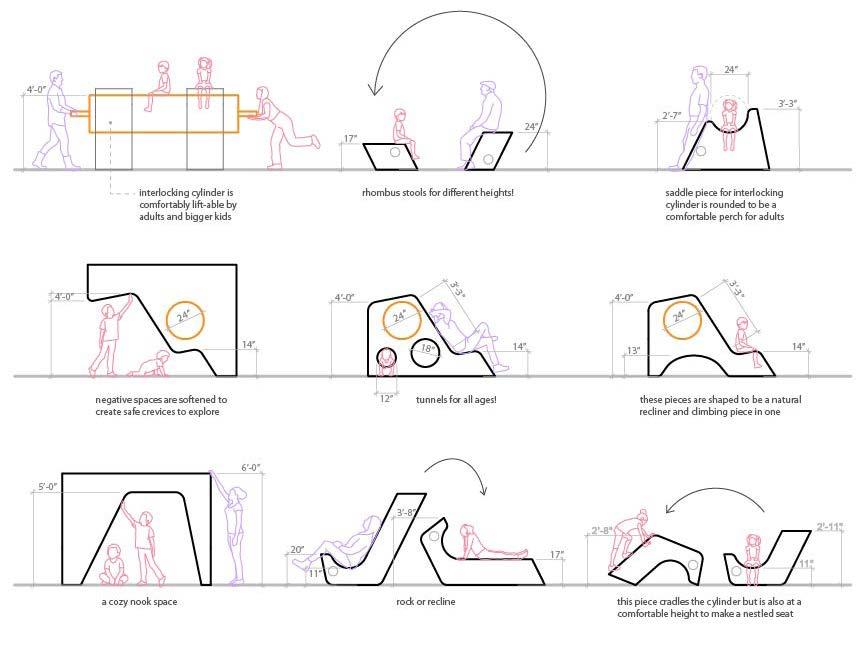
The ergonomic design of our shapes encourages interaction from all ages. The interlocking cylinder is comfortably lift-able by adults and bigger kids. The puzzle pieces and tunnels are for relaxation or play. Negative spaces are softened to create safe crevices to explore that frame portals of the natural environment.
VIDE Lockhart Elementary - 2024
DLR Group
Project Phase: SD
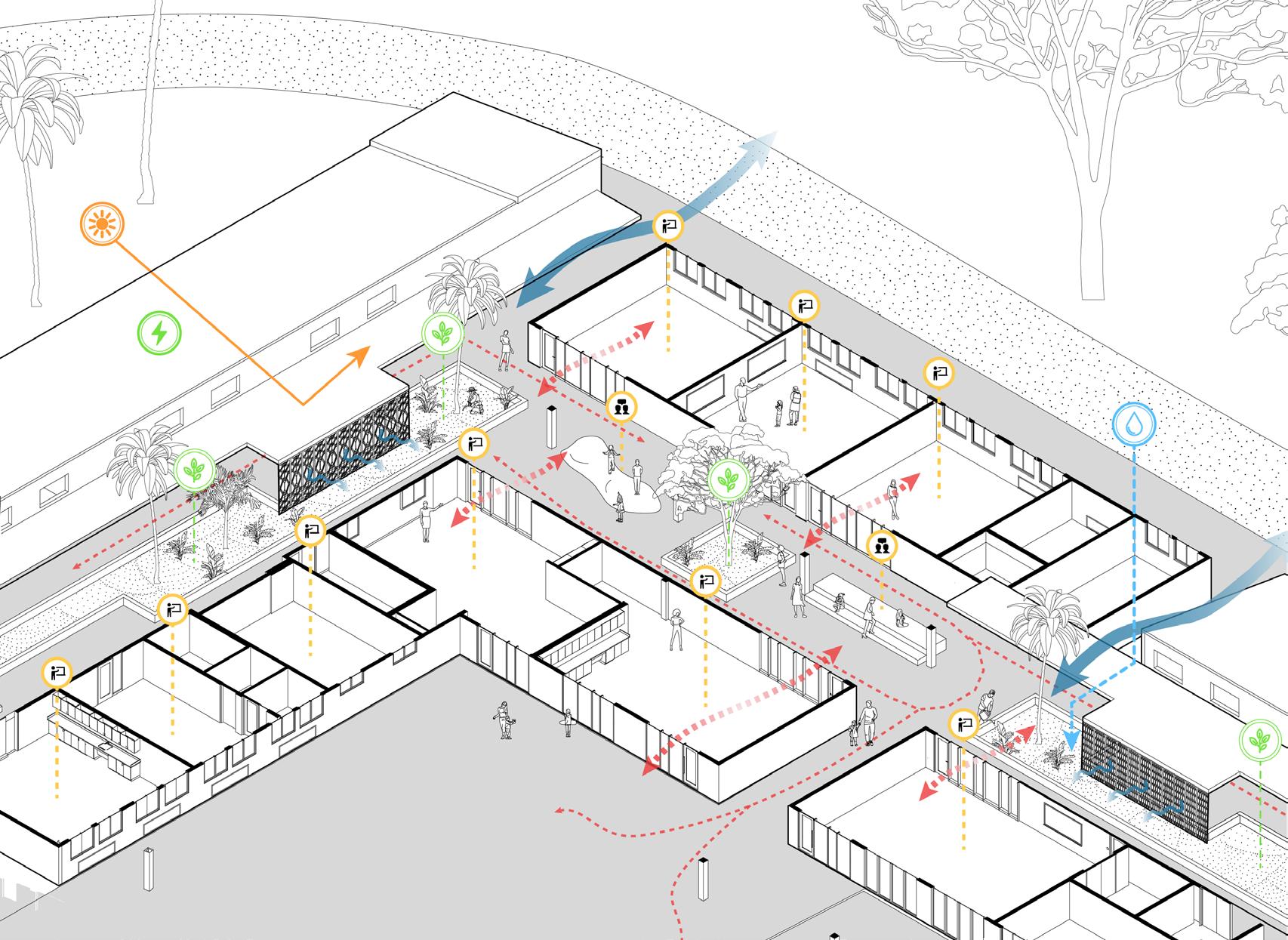
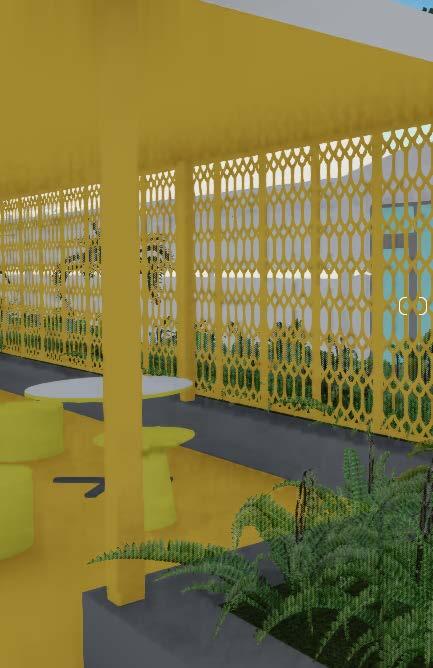
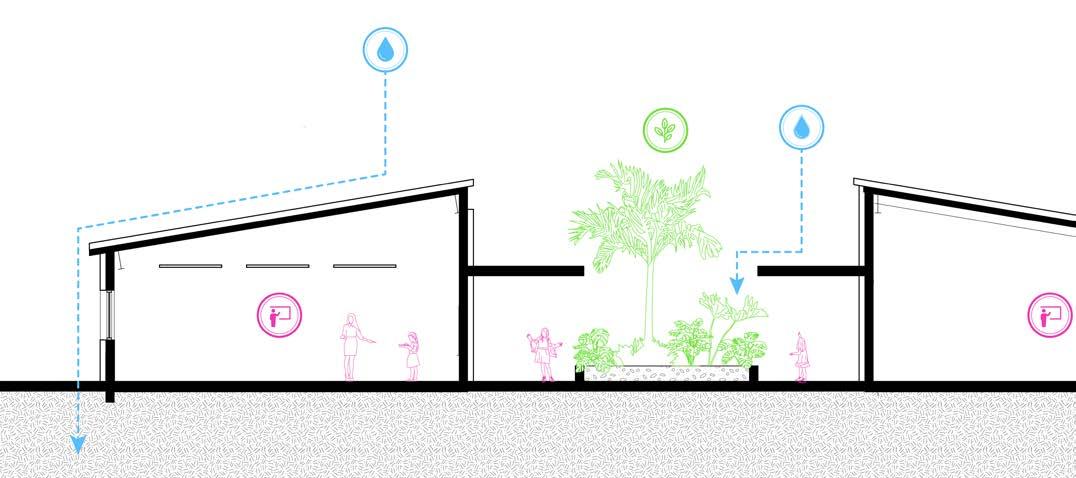
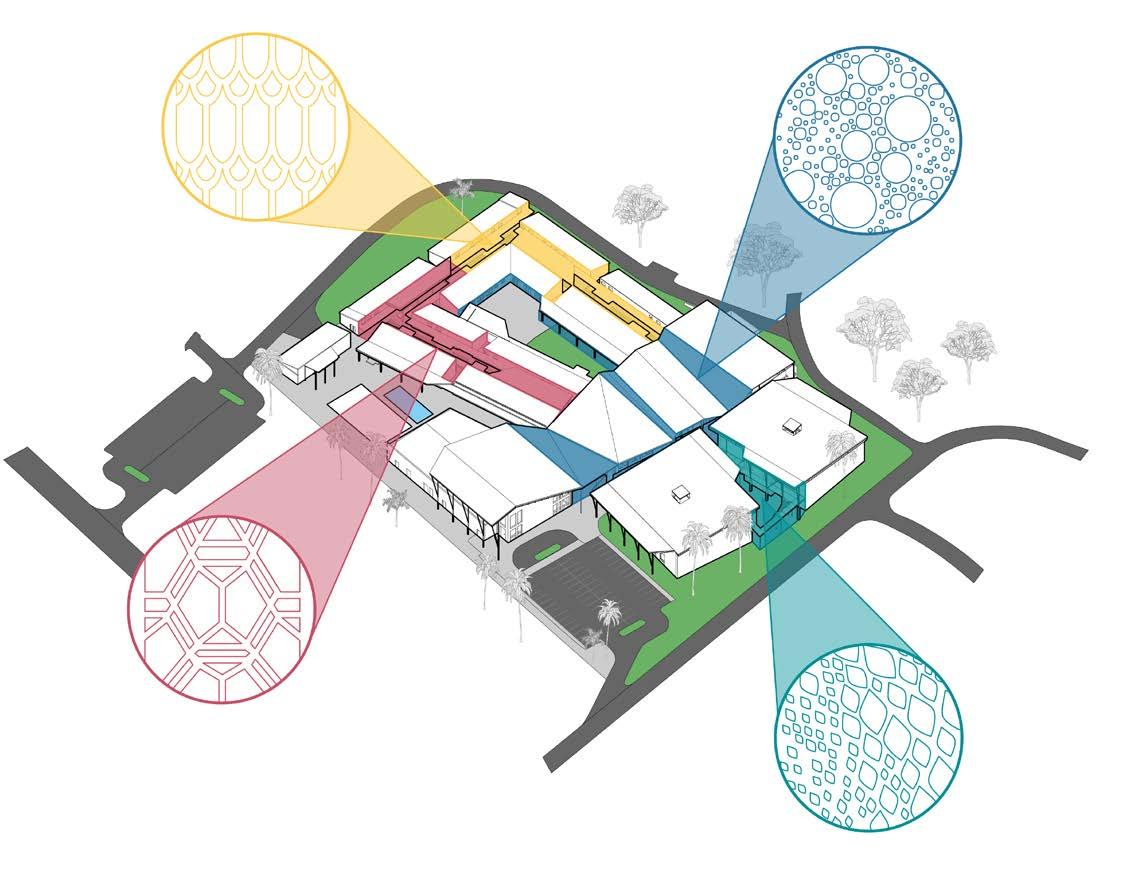
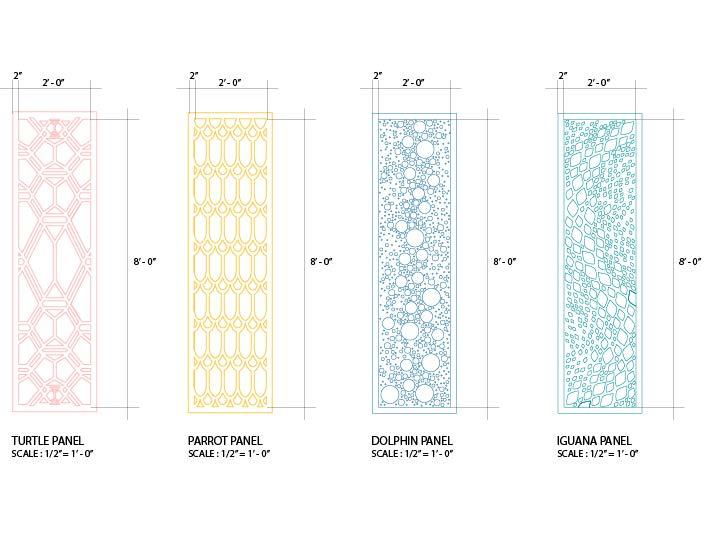
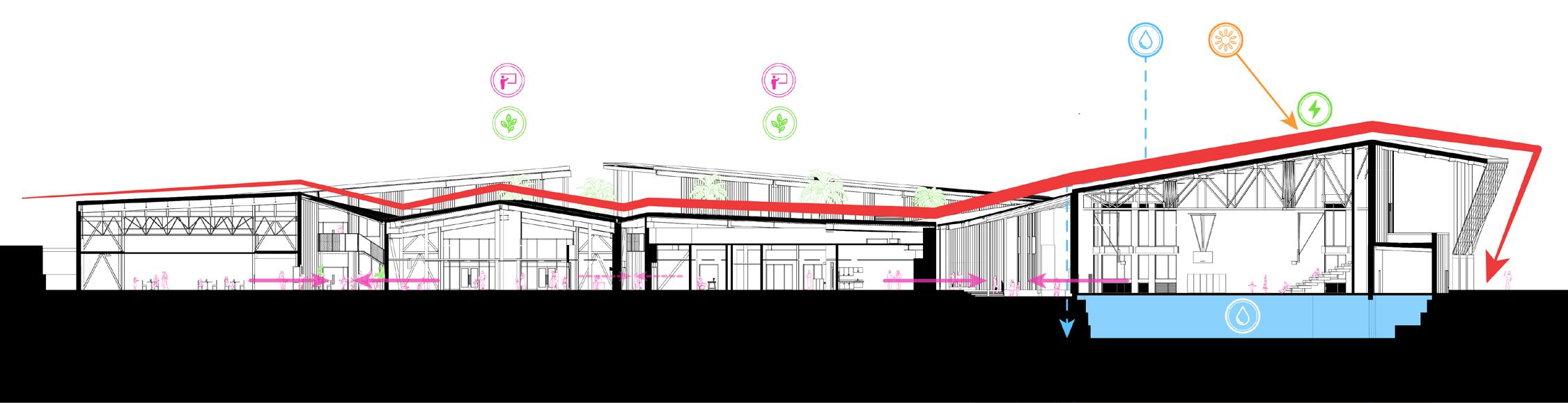
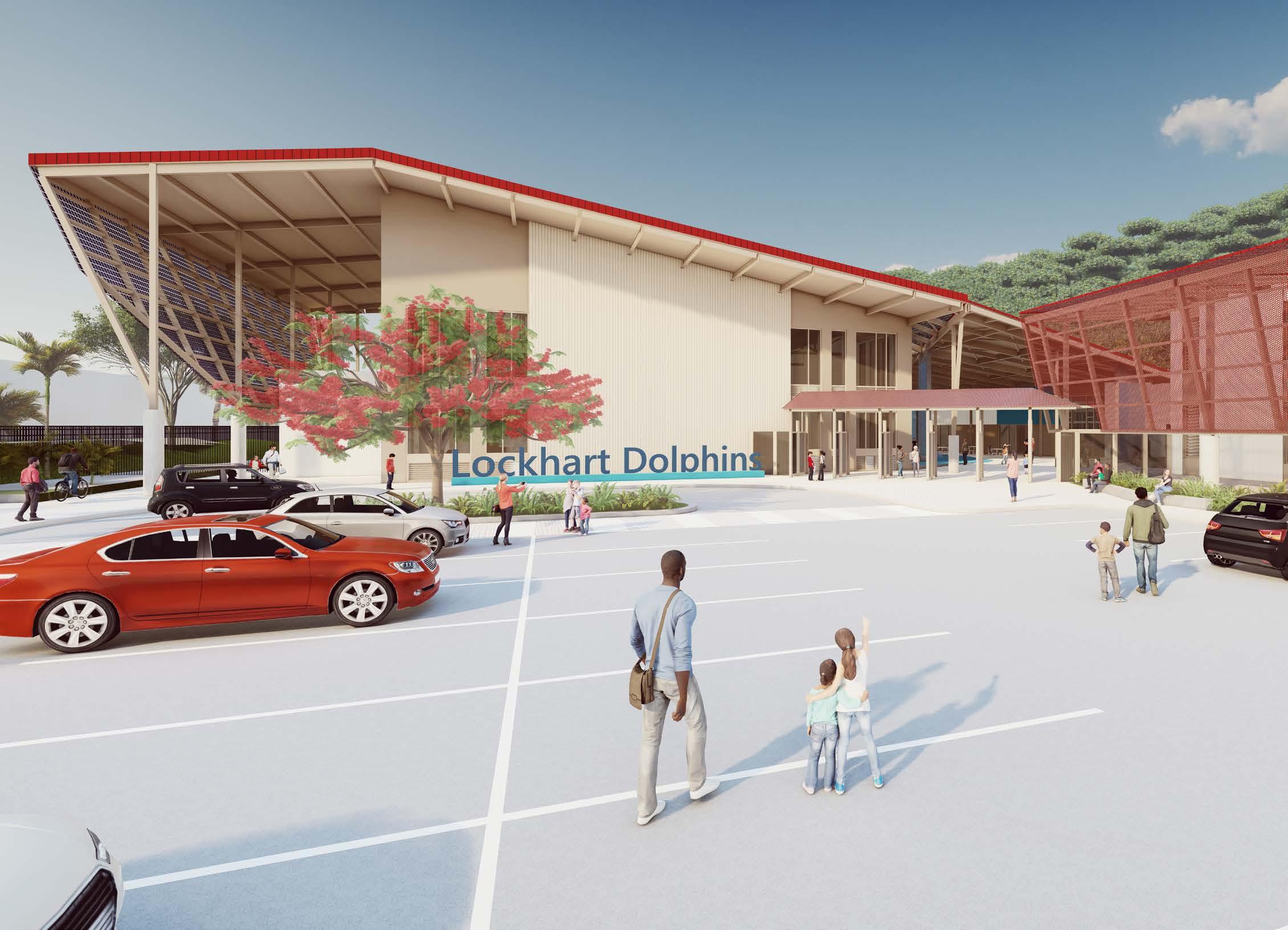
Working with the site’s existing buildings overlaid with the additional new structures creates various opportunities for discovery along the journey. By recladding and upgrading the existing buildings, relocating program, incorporating shed roofs to help lessen the scale difference between the single and 2-story new buildings and incorporating the signature Charlotte Amalie red roof, the new Lockhart campus ties directly into the design of the Charlotte Amalie High School and will be the pride of students and staff alike. Key design features of the existing, like the lush landscaping islands, will be transformed to elevate the experience of the students by opening up the front of the classroom and collaboration spaces so visual connections to the exterior are available for all students. Traveling through the site becomes an exploratory journey, with pockets of discovery throughout. Examples of this include the branding and wayfinding that I designed are at the forefront of the design. Nods to the mountain and sea concept
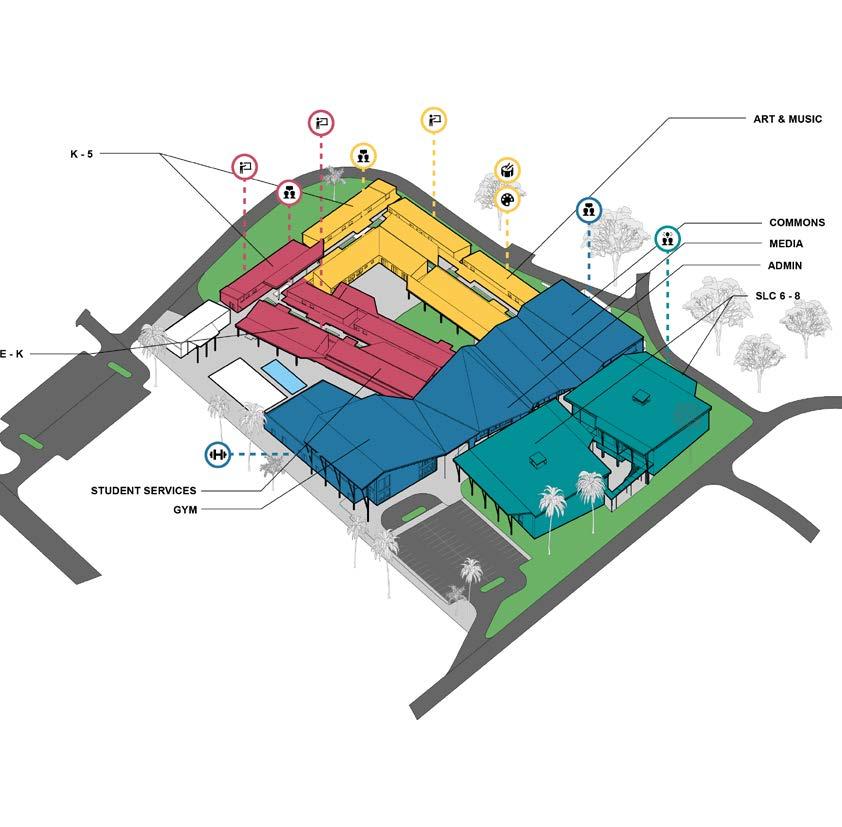
and the parrot, turtle dolphin and iguana can be found in the site design as well as the graphics and custom screenwalls throughout the campus. This aspect allows the students to visually interact and engage with their surrounding learning environment.
Firm Website: https://www.dlrgroup.com/