localexpertsmagazine.com
localexpertsmagazine.com
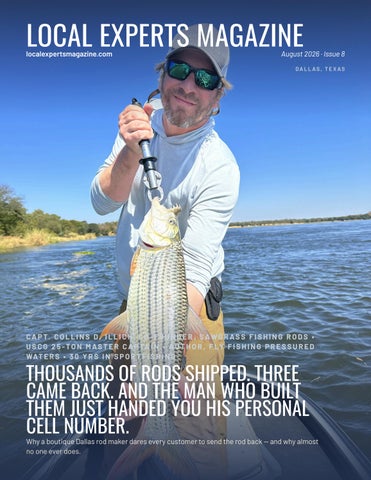
Why a boutique Dallas rod maker dares every customer to send the rod back — and why almost no one ever does.
Call the support line at Sawgrass Fishing Rods and something happens that shouldn’t be possible anymore.
No call center. No phone tree. No kid reading a script who’s never set a hook in open water.
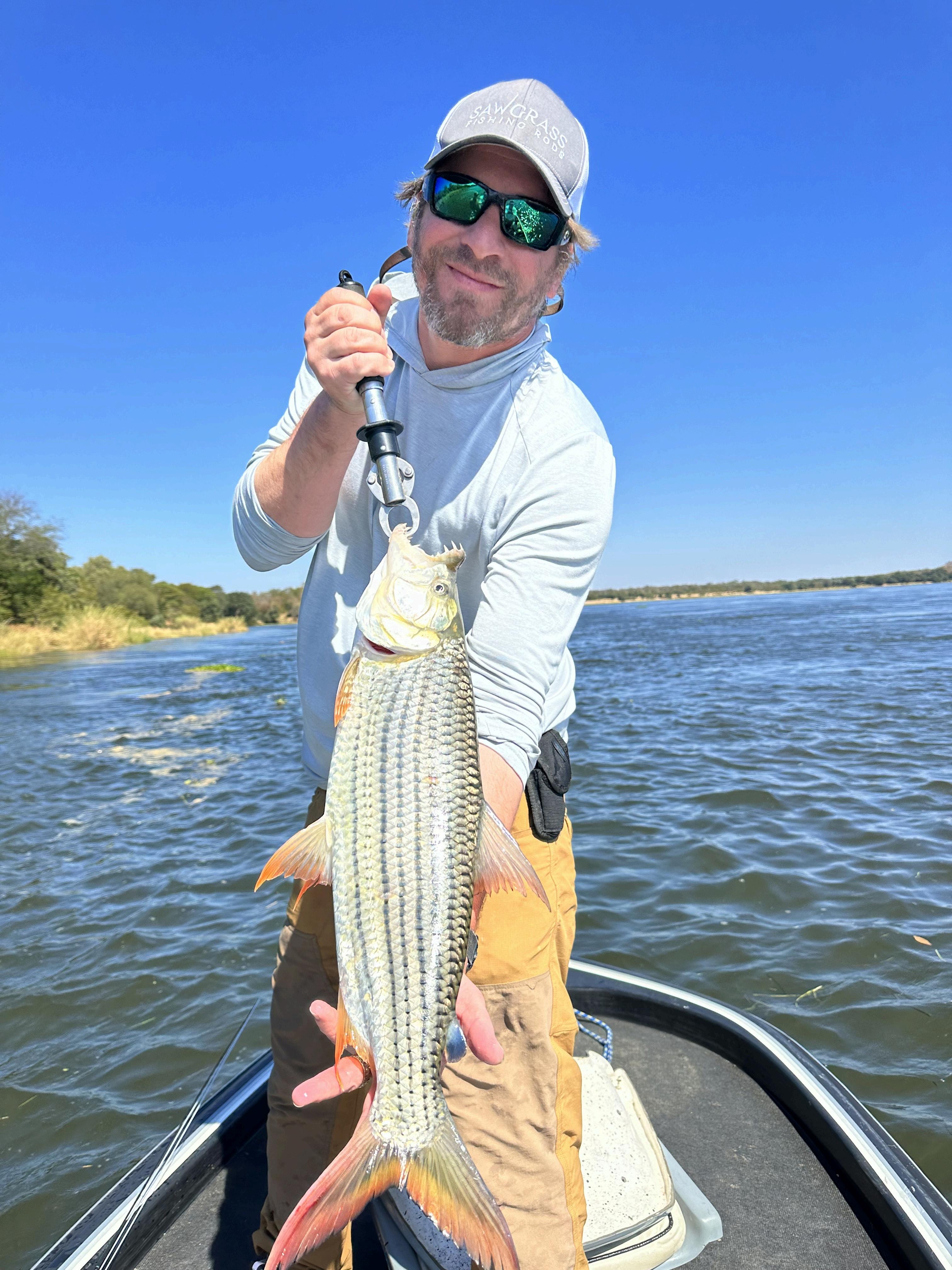
A guy answers. His name is Collins Illich, and the number you just dialed rings on the phone in his pocket.
“When a customer calls our support number, it’s my cell phone,” he says, like it’s the most normal thing in the world. It isn’t. In an industry sprinting toward offshore factories and faceless fulfillment, Collins bet the whole company on the opposite idea: the person who answers the phone should be the person with the most to lose if the rod in your hands is wrong.
That’s the tell. Because here’s the fear nobody in tackle wants to say out loud — the one that kills more premium rod sales than price ever has. You don’t want to drop real money on a rod you’ve never held. A rod you can’t feel load. From a brand you don’t know yet, backed by a warranty you can’t test until it’s already too late.
So Collins didn’t argue with the fear. He killed it. He calls it the Touch-to-Trust Guarantee — and Sawgrass believes it’s the first of its kind in the industry. Buy the rod. Hold it. Feel it load in your hands. Take fourteen days to decide. If it isn’t the one, send it back in like-new, re-sellable condition. No questions. No restocking games. No manager to check with.
Now do the math on what that dare has cost him. Across thousands of rods shipped, a grand total of three have ever come back — a fraction of one percent. And the handful who did return one didn’t disappear. They bought more.
This is a man who spent three decades earning the right to say less. USCG 25-ton Master captain. Six continents. Blanks from North Fork Composites, the shop Gary Loomis founded. A book on the shelf at local shops. And when you ask him what qualifies him, he won’t lead with any of it. He’ll tell you who he learned from — and then he’ll go answer his own phone.
“ When a customer calls our support number, it’s my cell phone 5.0
Sawgrass Fishing Rods is a young company — a handful of years old — but it was built to answer a frustration Collins had watched go unresolved across three decades in the fishing industry. His customers arrive with the same request, phrased a hundred different ways: they want a genuinely American-made rod that doesn’t cost a fortune.
“A ‘fortune’ is a different number for everyone,” Collins says. “But we do all we can to offer rods at every price point manageable — with survivable margins for Sawgrass.”
That last phrase is the tell. Plenty of brands chase one end of the market or the other — the high margin or the rock-bottom price. Sawgrass deliberately planted itself in the harder middle: a boutique rod company that delivers the highest level of craft, service, and knowledge, priced for anglers of every budget. The Instagram bio says it in a single line — best-in-class American Made rods for every angler and any angler’s budget — and the company has held to it through thousands of transactions and counting.
“Fishing rods are simple when you understand them,” Collins says. And understanding, it turns out, is the one thing Sawgrass refuses to outsource.
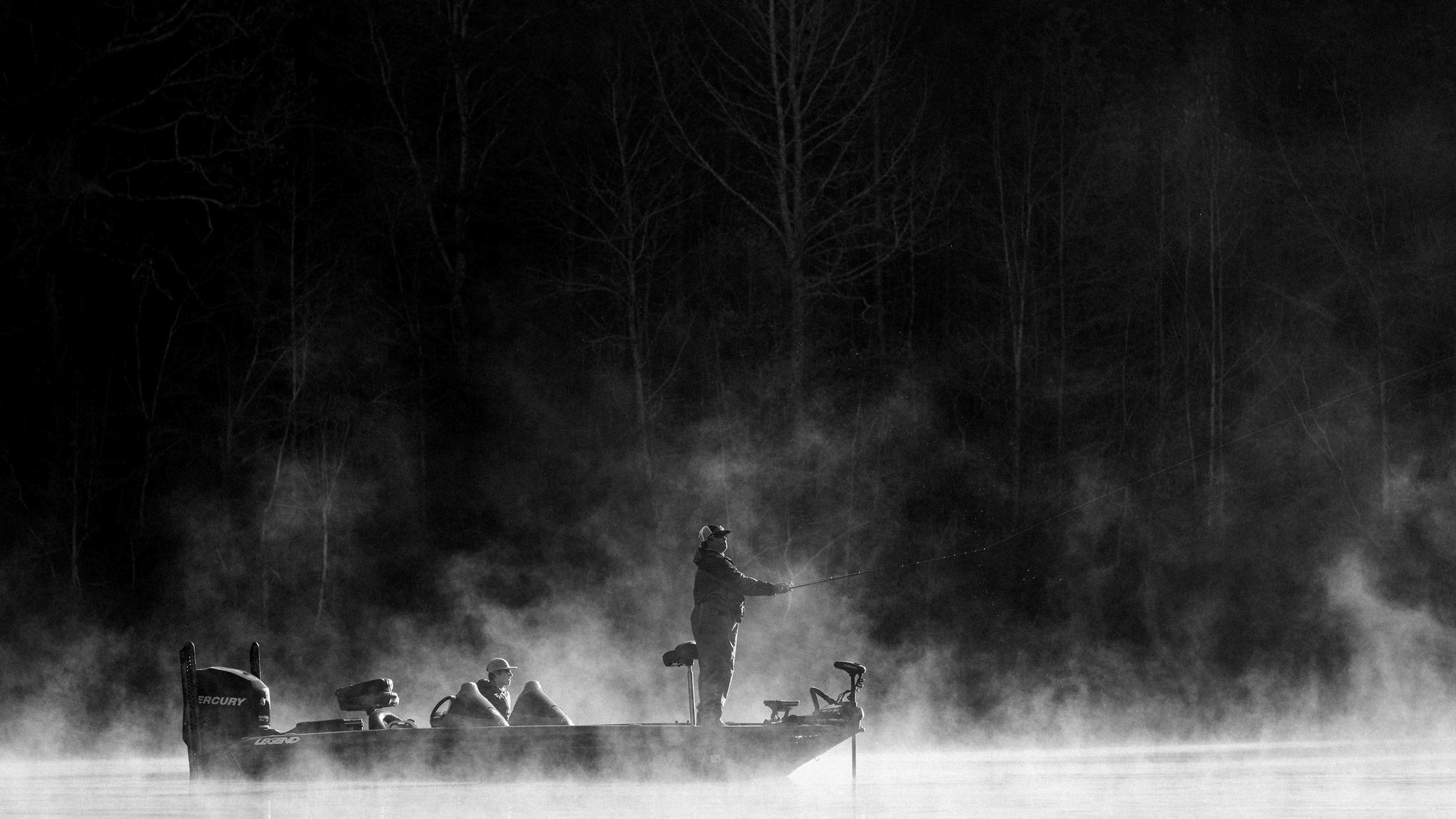
Walk into the Sawgrass shop in Dallas and you’ll find it staffed by some of the most experienced anglers and rod builders in the country. Collins is blunt about why that shows up in the finished product.
“It’s pretty easy to be experts when you start with experts,” he says.
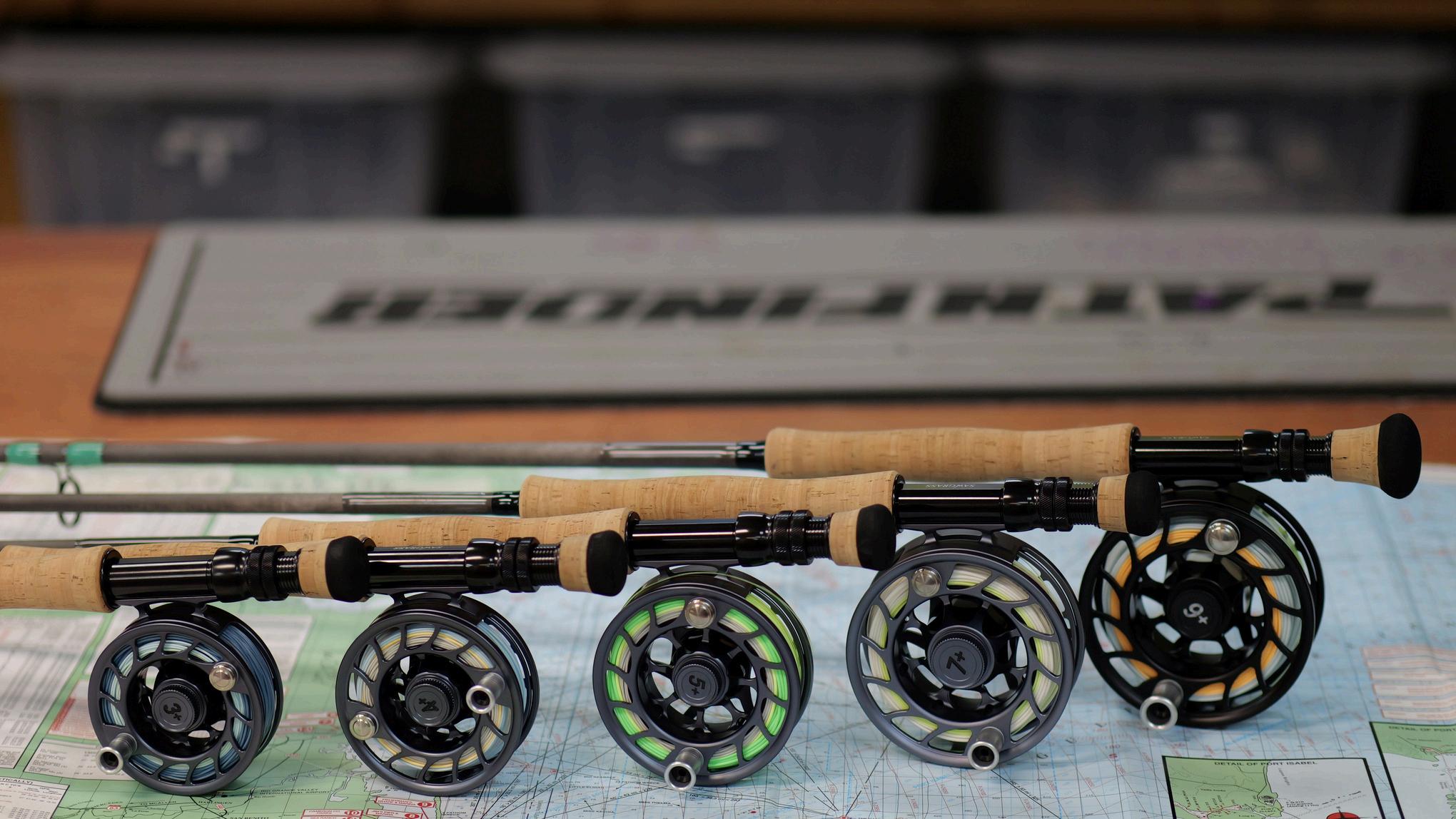
There’s no secret compound, no proprietary gimmick doing the heavy lifting. What separates a Sawgrass rod is a supply chain the company is happy to name out loud and a refusal to rush the steps that matter. The blanks come from North Fork Composites — the shop founded by rod-building legend Gary Loomis, a name that means something to anyone who has spent real time in tackle. The guides are REC Recoil. The components are selected by the Sawgrass team, with a standing priority to source as much as possible domestically and assemble every finished rod in Dallas.
“We won’t always be the fastest,” Collins says. “But we also won’t be the slowest. We pair our expertise and willingness to work long hours with a solid customer-service experience and communication.”
Ask his customers what they consistently praise and you get four answers: product knowledge, customer service, the overall experience, and innovation. Ask Collins what most of the industry does poorly and you get the same four answers, in the same order. Sawgrass didn’t invent new categories to win in. It simply decided to be genuinely excellent at the ones that already decide whether an angler comes back.
“ It’s really the ultimate trust mechanism, and usually closes the deal. Our customers appreciate it — they buy more
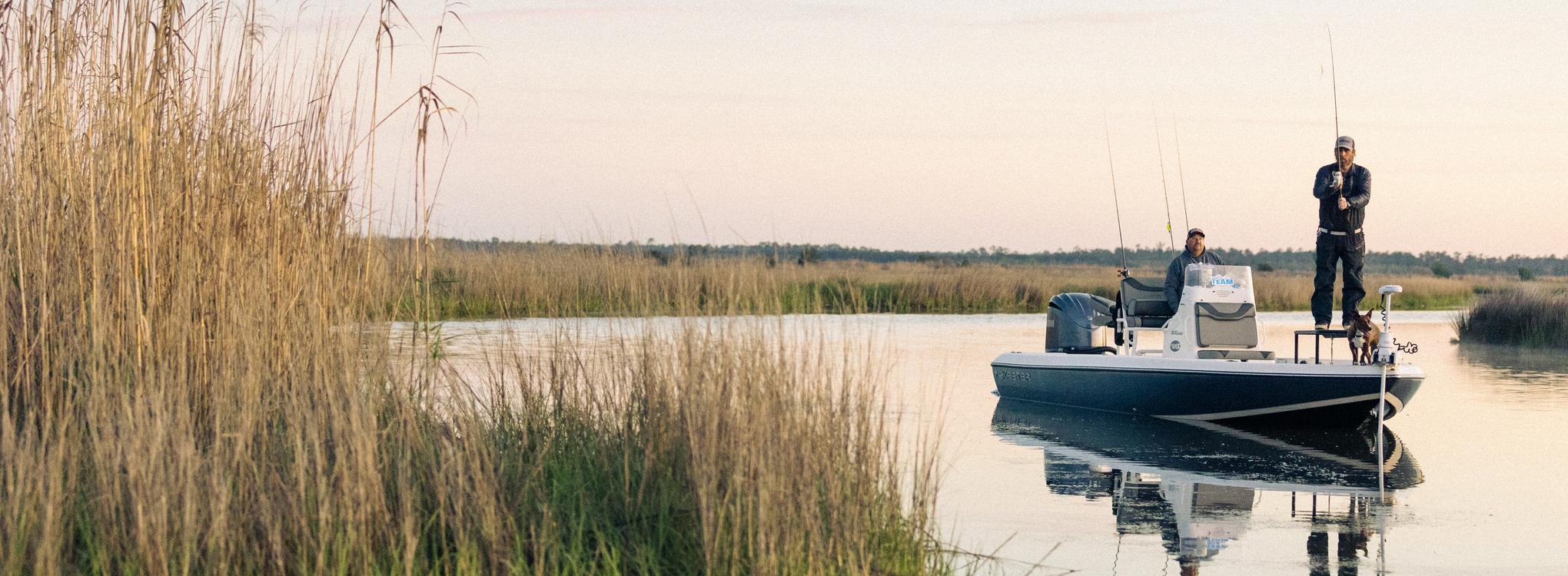
Here is the objection every premium rod maker eventually runs into, the one that kills more online sales than price ever will: people don’t want to commit real money to a rod they’ve never held. It’s the great friction point of selling quality tackle over the internet — the fear of buying something unseen, from a brand you don’t yet know, backed by a warranty you can’t yet test.
Sawgrass answered it with a policy Collins believes is an industry first: a 14-day, noquestions-asked return.
He calls it the Touch-to-Trust Guarantee, and the name is literal. Hold the rod. Feel where it loads. Take two weeks to decide whether it’s the one. If it isn’t, send it back in like-new, re-sellable condition and Sawgrass handles the rest. The rod never has to be fished. It only has to be felt — because Collins is betting that the moment it’s in your hands, the decision makes itself.
It does something most guarantees never do — it actually closes the sale.
“It’s really the ultimate trust mechanism, and usually closes the deal,” Collins says. “More importantly, our customers appreciate it. They buy more.”
The numbers earn the confidence. Across the life of the guarantee, a grand total of three rods have come back — a fraction of one percent of everything Sawgrass has shipped. And even those, Collins is quick to point out, did their job: each return headed off an unhappy customer, and more often than not turned into a longer relationship and a bigger next order.
That’s the quiet genius of the thing. By stripping every ounce of risk out of the buyer’s side of the transaction, Sawgrass makes a loud, unmistakable statement about its own confidence in the product. And confidence, it turns out, is contagious. Hand a nervous first-time buyer a no-questions guarantee and you don’t just remove a barrier — you transfer a feeling. You tell them, before they’ve even opened the tube, that you already know they’re going to keep it.
“American-made” is one of the most abused phrases in tackle. Plenty of rods wear the label on the strength of a final sticker applied to a product built almost entirely somewhere else.
Sawgrass wears it differently, and it can point to the receipts. The North Fork Composites blanks, the REC Recoil guides, the Dallas assembly, the standing mandate to keep sourcing as much of the rod domestically as the market will allow — these aren’t marketing lines, they’re the actual bill of materials. The company recently moved into a new Dallas warehouse to keep up with demand, and it did it without letting go of the thing that made the demand in the first place: rods built
by people who fish, from components chosen because they perform, assembled slowly enough to get right.
It’s also, notably, a first-responder-owned company — a detail that says less about the rods and more about the temperament behind them. There’s a service ethic baked into how Sawgrass treats the person on the other end of the phone, and it isn’t an accident.
“ A rod that can survive a truck can survive the mail
Ask most anglers about the worst part of buying a rod online and you’ll hear the same story: the day a prized rod shows up snapped in half, rattling around inside a crushed cardboard tube. It’s the industry’s quiet embarrassment — flip through the
reviews of almost any big rod brand and the broken-in-shipping complaints pile up, one frustrated buyer after another.
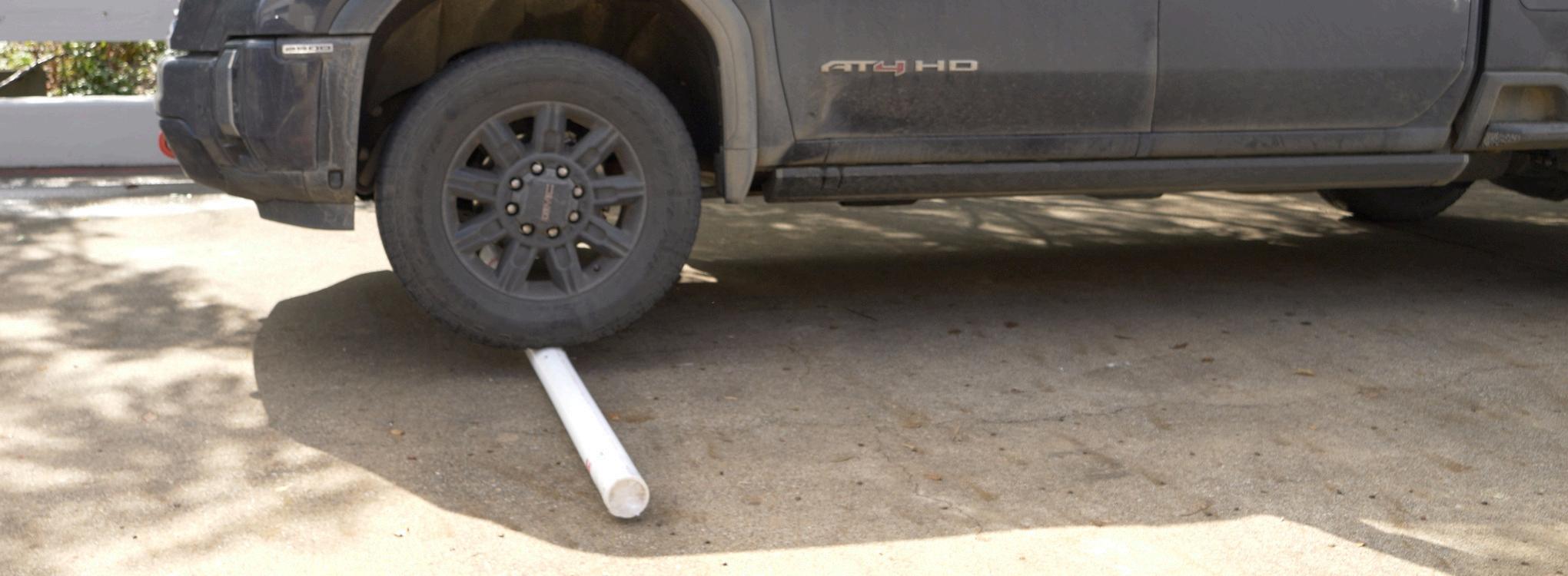
Sawgrass refused to play that game. Every rod the company ships — every single one — goes out in a rugged three-inch PVC tube, not the flimsy cardboard most of the industry still uses.
And he has the receipt. There’s a video of a loaded Sawgrass tube — three rods inside — lying on the ground while Collins climbs into his three-quarter-ton pickup and drives straight over it. The tube didn’t crush. The three rods came out intact.
It’s the Touch-to-Trust philosophy rendered in PVC: take the risk off the customer entirely, and then prove it. A rod that can survive a truck can survive the mail.
If a single operating principle defines the Sawgrass culture, it’s a near-allergic reaction to bureaucracy.
Every member of the team is empowered to make judgment calls on the spot — to do whatever they genuinely believe is best for the customer and the brand, without
waiting on a manager’s blessing. When someone gets it wrong, the response isn’t a reprimand.
“We as the Sawgrass family know their best intentions were at heart, and we rally with them to fix the issue,” Collins says. “Nothing kills a consumer experience like bureaucracy.”
He has a more colorful way of putting it that doesn’t quite belong in print, but the gist is unmistakable: bureaucracy, in his telling, is usually a wolf in sheep’s clothing — a thing that dresses up as process while quietly ruining the experience it claims to protect.
It’s a philosophy that only works if you’ve hired well and you trust deeply, and Sawgrass has staked its entire customer experience on exactly that. The payoff shows up in the moments that would sink a bigger, more cautious company — the odd request, the unusual problem, the judgment call that has to be made now, on the phone, by whoever picked up. At Sawgrass, that person is empowered to simply solve it.
“ My expectations have been completely blown out of the water — so much so that I only fish with Sawgrass. — John Kenjura, San Antonio, TX
Ask Collins for the metric he’s proudest of and he won’t reach for units shipped or revenue. He’ll talk about retention and reviews — and about the fact that most of his customers have, somewhere along the way, become his personal friends.
Sawgrass hosts happy hours and invites everyone. Come hang out. Tell your fishing stories. Share what you know. Tell us what we could be doing better.
“A lot of fishing is pride of ownership and inclusion,” Collins says. “As a whole, our customers want a product they’re proud of and feel legitimately connected to.”
That connection is the reason he genuinely struggles to name a single “representative” success story. Pressed for the one customer who best captures the Sawgrass experience, he can’t do it — not because there aren’t any, but because in his telling nearly every one qualifies. It’s also why the brand travels the way it does: not through paid placement, but through loyalists who protect both the company
and each other. In a market thick with manufactured testimonials and incentivized reviews, that kind of organic advocacy can’t be bought. It can only be earned, one honest interaction at a time.
He may not be able to pick one, but his customers pick him. John Kenjura — a San Antonio angler who’s fished for more than thirty years and, by his own account, put most every rod brand on the market through its paces — wrote to Collins with no prompting and nothing to ask for. He wasn’t filing a complaint or claiming a warranty. He just wanted to say thank you. “My expectations have been completely blown out of the water,” he wrote, “so much so that I only fish with Sawgrass.” He’d measured the rods against three decades of everything else — balance, weight, sensitivity, strength, and, not least, the striking look of them — and kept landing in the same place. “No matter the model or the species of fish, I have the utmost confidence that Sawgrass rods will exceed my expectations on the water.”
But it was the way he closed the note that captured what Collins is actually building, because it wasn’t about the rod at all. “I want to thank you and the entire Sawgrass team,” Kenjura wrote, “for being one of the most professional and easiest companies in the fishing industry to do business with and be a part of.” That is the metric Collins reaches for when you ask him what he’s proud of — not the sale, but the partnership that outlasts it.
There’s a filter at work, too, and Collins doesn’t pretend otherwise. Sawgrass is built for positive-minded anglers — the people who show up to a happy hour to swap knowledge, not to hold court. He has a characteristically direct way of describing the customers he doesn’t want, and while the language is too salty to reprint, the point lands: the fishing world, in his experience, has a way of quietly sorting out the difficult ones. Sawgrass simply leans into that sorting. The result is less a customer base than a community defined by the people it was genuinely built for.
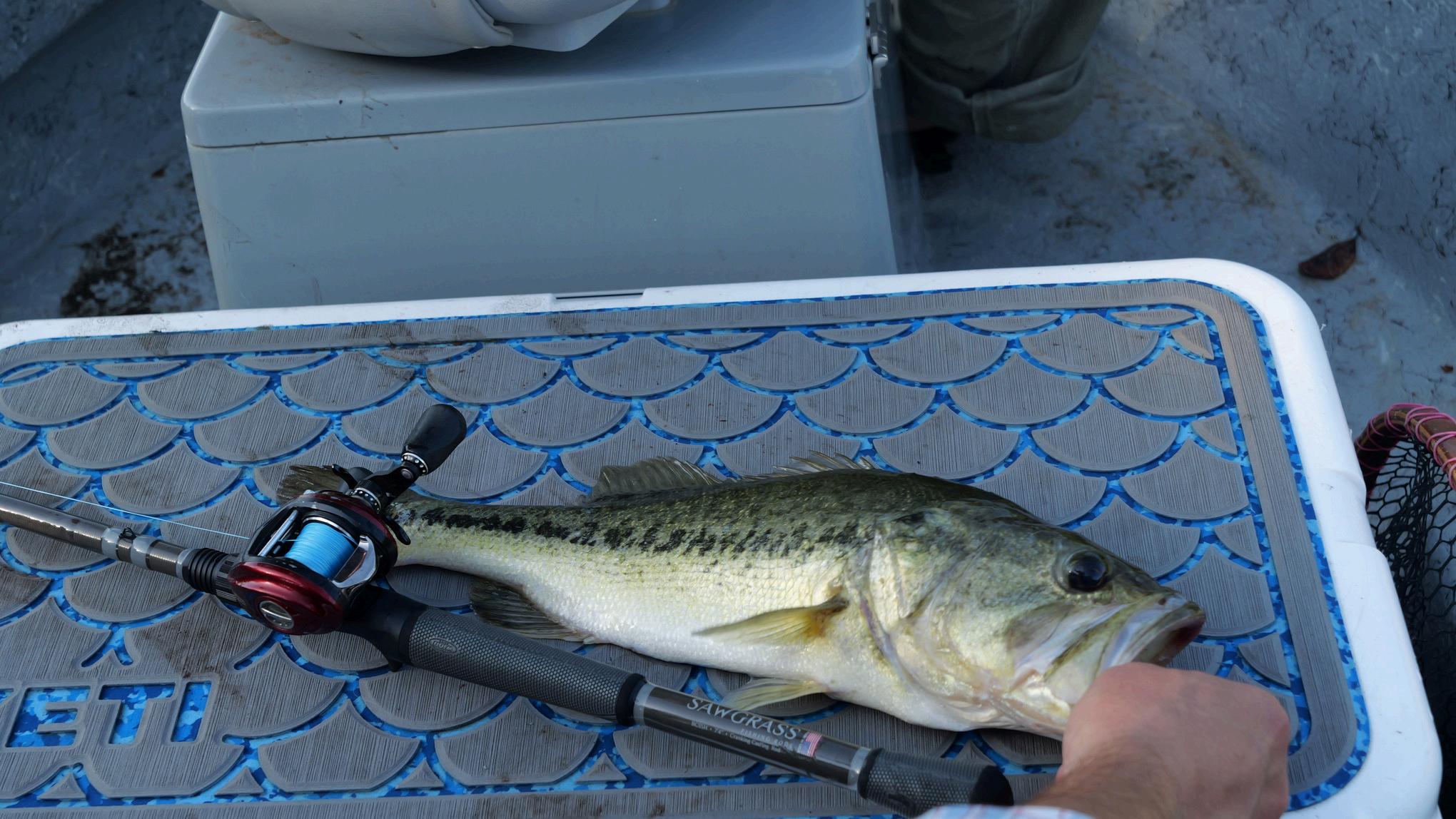
For all his bluntness about the product, Collins is conspicuously humble about himself. He has the résumé to lead with credentials — three decades in the fishing industry going back to 1995, rods sold and fished across six continents, thousands of days on trade-show floors in more countries than he can count, and a USCG 25Ton Master Captain’s License. He recently co-authored his first book, Fly Fishing Pressured Waters, published by Stackpole Books, with Nicholas Conklin — with a second book on the way. His shop has been featured in Lone Star Outdoor News, the largest outdoor publication in Texas, and he’s been a guest on the Bite Me podcast, the state’s largest fishing podcast.
Ask him what qualifies him, though, and he won’t lead with any of it. He’ll tell you who he learned from.
He came up in the sport learning from and alongside some of its most respected figures — chief among them Gary Loomis, whose blanks now form the backbone of every Sawgrass rod. It’s an influence Collins wears lightly but takes seriously, and he keeps returning to a line he attributes to Loomis, something that has hardened over the years into a personal creed:
“I am not the best, but I know the best anglers, and I know how to listen to them.”
It’s an unusually honest thing for a company’s public face to say about himself. It’s also exactly why anglers trust him. “Being a good fisherman isn’t easy,” Collins says, “and being an expert is earned. There isn’t a shortcut to that.” In an industry where the word expert gets stapled onto anyone with a logo and a following, that restraint is its own kind of credential.
“ Being a good fisherman isn’t easy, and being an expert is earned. There isn’t a shortcut to that
Sawgrass isn’t standing still. Over the coming year, Collins is widening the company’s reach on several fronts at once: a new terminal-tackle product line, and a growing appetite for geographically specialized rods and lures — tackle engineered for the specific waters an angler actually fishes rather than a generic everywhere. Guide trips are on the horizon as well, a natural extension for a man who still runs charters when he can get on the water.
Through all of it, the positioning stays fixed. Sawgrass intends to be known, without ambiguity, as the fishing experts in Dallas — and as a boutique rod company that hands anglers at every budget the highest level of craft, service, and knowledge in the business.
“We like our positioning and our growth,” Collins says. “We’ll keep our heads down and plow forward.”
For an industry that too often mistakes marketing for mastery, Sawgrass Fishing Rods reads like a deliberate correction. A company where the expert answers the phone. Where the guarantee means exactly what it says. Where the standard — high-level integrity, real innovation, and a willingness to back the angler over any short-term sale — comes before the transaction, not after it.
Or, as Collins might put it: buy the rod, hold it in your hands, take two weeks, and decide for yourself. If it isn’t the one, send it back, no questions asked. Three people ever have.
The rest kept theirs — and then bought another.
Capt. Collins D. Illich has spent three decades in the fishing industry, fishing and selling rods across six continents. A USCG 25-Ton Master Captain and co-author of Fly Fishing Pressured Waters (Stackpole Books) — with a second book on the way — he is co-founder of Sawgrass Fishing Rods, a boutique American-made rod company in Dallas building best-in-class rods for anglers of every budget.
Hold one in your hands — risk-free for 14 days. Explore the lineup at sawgrassrods.com or call Sawgrass directly at 469-233-2356.
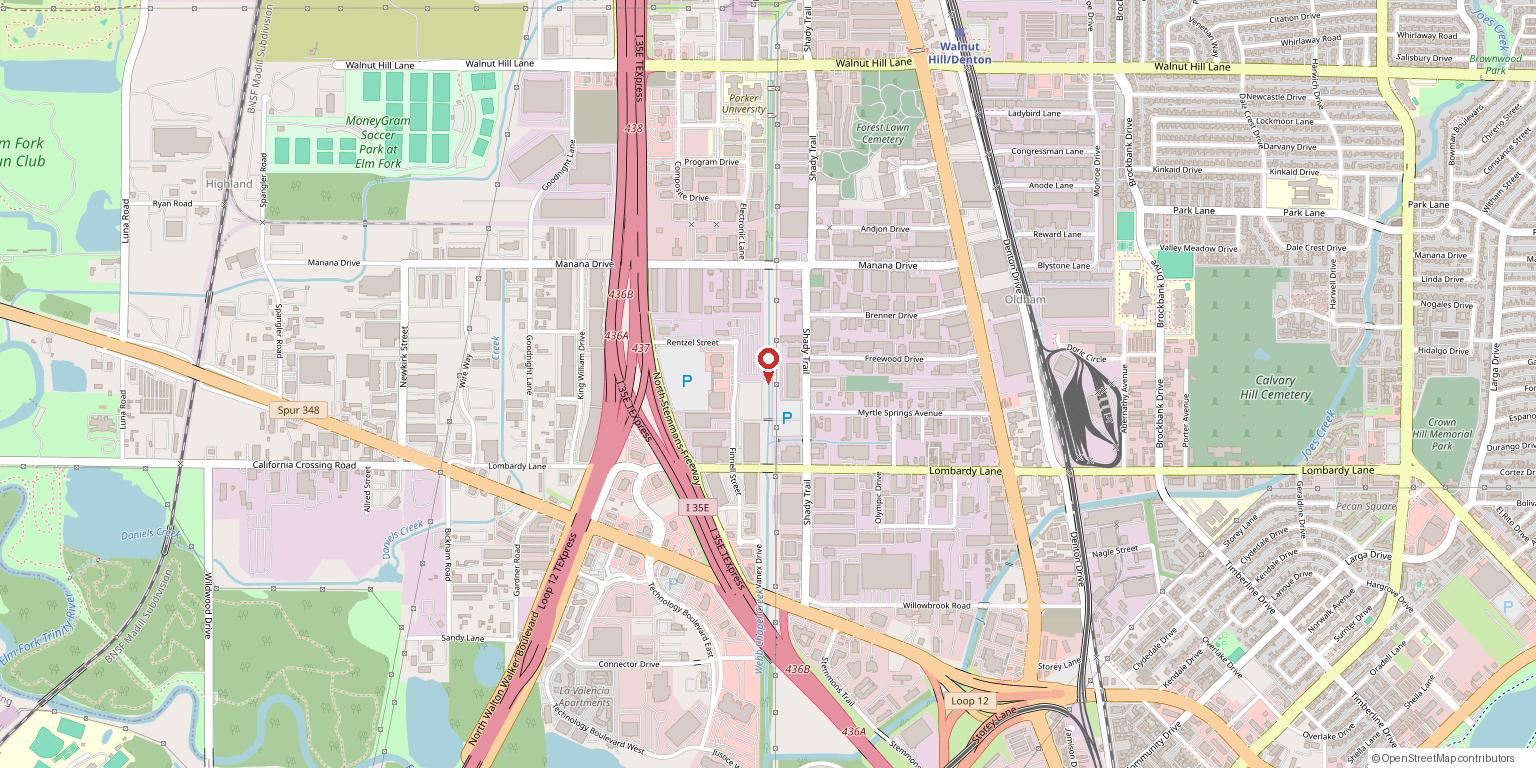
sawgrassrods.com • 469-233-2356 • 10606 Shady Trail Ste 101, Dallas, TX 75220 Sawgrass Fishing Rods · View on Google →