What Is the Best Cholelithiasis Treatment? Symptoms,
Diagnosis, and Recovery Guide



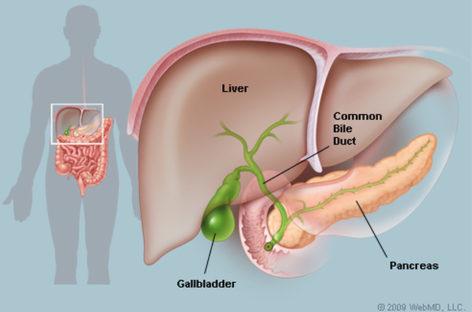
Gallstones (cholelithiasis) are hardened deposits that form in the gallbladder, often due to an imbalance in bile components such as cholesterol or bilirubin. While some gallstones remain symptomfree, others can cause severe pain and complications that require prompt medical care.
Consulting the Best Gastroenterologists in Chennai can help ensure accurate diagnosis and timely treatment.

The best treatment depends on the size of the gallstones, symptoms, and whether complications are present. People with silent gallstones usually do not need treatment and can be monitored. However, symptomatic gallstones are most effectively treated with laparoscopic cholecystectomy keyhole gallbladder removal, which is considered the gold standard. In selected cases where surgery is unsuitable, medications such as ursodeoxycholic acid may help dissolve small cholesterol stones, although this approach is less effective and works slowly.
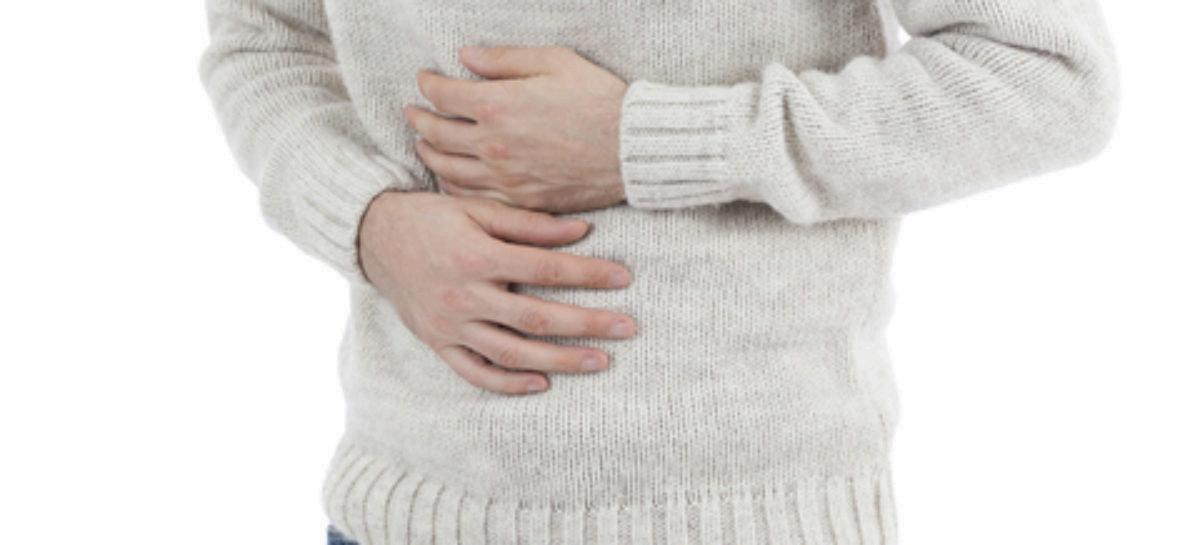
Many people have no symptoms. When symptoms occur, they commonly include sudden pain in the upper right abdomen or center of the abdomen.
pain after fatty meals, nausea, vomiting, bloating, and pain that may spread to the right shoulder or back. Fever, chills, jaundice, or persistent abdominal pain may indicate complications such as gallbladder infection or bile duct obstruction and require urgent medical attention.
How is cholelithiasis diagnosed?
Diagnosis begins with a medical history and physical examination. The primary imaging test is an abdominal ultrasound, which accurately detects most gallstones. Blood tests may be performed to assess liver function and identify infection or inflammation.
Cholangiopancreatography (MRCP), Endoscopic Ultrasound (EUS), or CT scans, may be recommended if bile duct stones or complications are suspected.
When should you see a doctor for gallstones?
Seek medical evaluation if you experience recurring upper abdominal pain, severe pain lasting more than a few hours, jaundice, fever, vomiting, or dark urine. Early diagnosis can prevent serious complications such as acute cholecystitis, pancreatitis, or bile duct infections.
Most patients recover from laparoscopic gallstone surgery within 24 hours and return to normal activities in 1–2 weeks.Following your surgeon's advice, eating a balanced diet, staying hydrated, and staying active support a smoother recovery.
Top Gastroenterologists in Chennai | Top Gastroenterologists in Trichy |
Top Gastroenterologists in Hosur | Top Gastroenterologists in Salem |
Top Gastroenterologists in Tirunelveli