Understanding Atrial Fibrillation: Symptoms, Treatment,
and Stroke Risk



Understanding Atrial Fibrillation: Symptoms, Treatment, and Stroke Risk
Atrial fibrillation (AFib) is one of the most common heart rhythm disorders, affecting millions of people worldwide. It occurs when the upper chambers of the heart (atria) beat irregularly and out of sync with the lower chambers, reducing the heart’s efficiency and increasing the risk of serious complications.

The symptoms of AFib can vary from mild to severe. The most frequently reported signs include heart palpitations, rapid or irregular heartbeat, fatigue, shortness of breath, dizziness, chest discomfort, and weakness. In some cases, patients may have no symptoms at all, making routine cardiac evaluation important.
Who is at risk of developing atrial fibrillation?
The condition is more common in individuals above 60 years of age, but several risk factors contribute to its development. High blood pressure, diabetes, obesity, thyroid disorders, sleep apnea, excessive alcohol intake, smoking, and underlying heart disease significantly increase the likelihood of AFib.
Can atrial fibrillation increase the risk of stroke?
The answer is yes. During AFib, blood may pool inside the atria and form clots. If a clot travels to the brain, it can block blood flow and cause a stroke. In fact, untreated AFib can increase stroke risk by nearly five times compared to individuals without the condition.
How is atrial fibrillation diagnosed and treated?
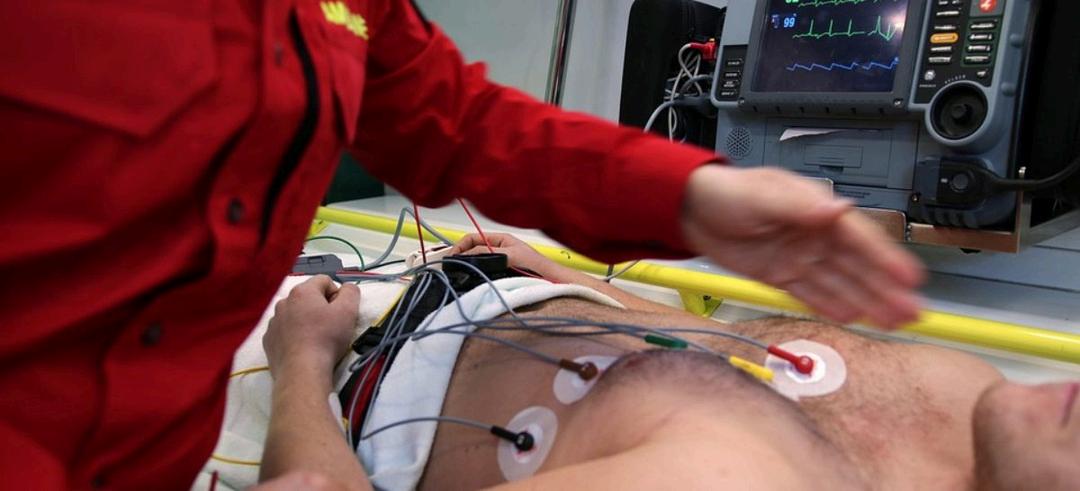
Diagnosis typically involves an ECG, Holter monitoring, echocardiogram, and blood tests. Treatment focuses on controlling heart rhythm and preventing complications through medications, blood thinners, cardioversion, catheter ablation, or pacemaker support when needed. Patients seeking specialized care can consult an
Atrial Fibrillation Treatment Hospital in Chennai for advanced cardiac evaluation
Can atrial fibrillation be cured permanently?
While lifestyle changes and medications help control symptoms, procedures like catheter ablation can significantly reduce recurrence. Long-term outcomes depend on early diagnosis, proper treatment, and managing underlying health conditions. Early intervention remains the best strategy for preventing complications and improving quality of life.