Robotic Assisted Liver Transplant Surgery Benefits Recovery and Advanced Treatment
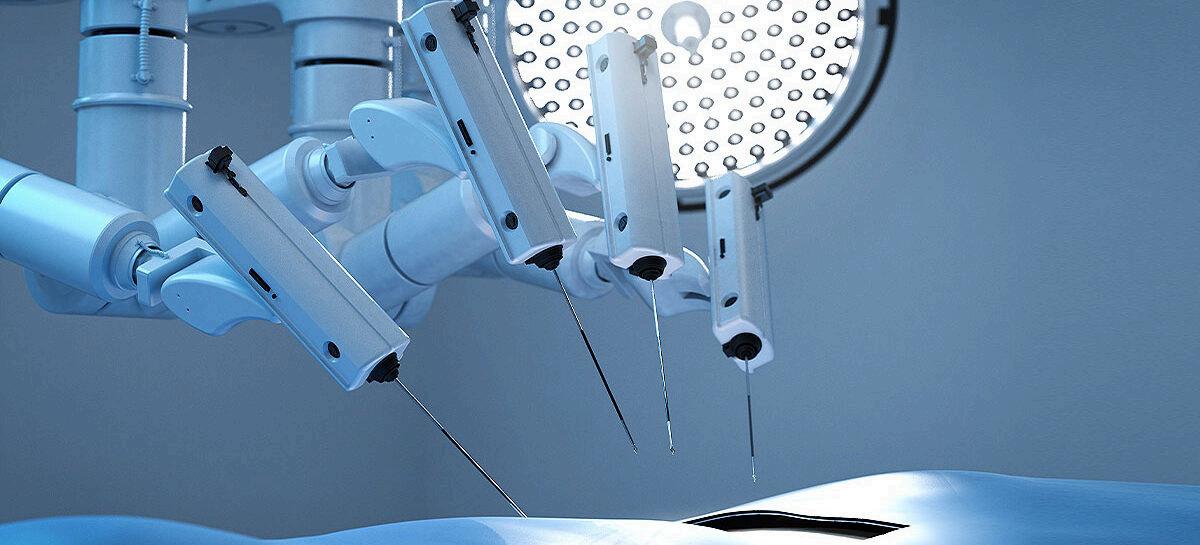


Robotic-assisted liver transplant surgery represents a significant leap in surgical precision, offering improved outcomes and faster recovery for patients with end-stage liver disease. By integrating advanced robotics with surgical expertise, this approach minimizes trauma to the body while maintaining the highest standards of safety and effectiveness.

How robotic surgery is used in liver transplant procedures?
Robotic systems are used primarily during the donor liver retrieval and recipient implantation phases. Surgeons operate through small incisions using robotic arms that provide enhanced dexterity, 3D visualization, and tremor filtration. This allows for precise dissection of blood vessels and bile ducts—critical steps in liver transplantation. While the transplant itself still requires meticulous coordination, robotic assistance reduces human error and improves surgical control compared to traditional open techniques.
Benefits of robotic assisted liver transplant surgery for patients
Smaller incisions lead to reduced blood loss, lower risk of infection, and minimal post-operative pain.
Patients also experience shorter hospital stays and faster return to daily activities.
Cosmetically, scarring is significantly reduced. Importantly, robotic precision can improve graft handling, which may contribute to better early graft function.
Liver transplant success rate and recovery with robotic technology
Liver transplant success rates remain high globally—typically around 85–90% oneyear survival in experienced centers. Robotic assistance does not replace surgical expertise but enhances it. Emerging clinical data suggests that minimally invasive approaches can improve recovery times without compromising safety. Patients undergoing robotic-assisted procedures often mobilize earlier and require fewer intensive care days, which can positively influence overall recovery.
Who is eligible for robotic liver transplant surgery and treatment process?
Not all patients are immediate candidates for robotic-assisted liver transplantation. Eligibility depends on factors such as body mass index, prior abdominal surgeries, liver disease severity, and anatomical considerations. The process begins with a comprehensive evaluation, including imaging, blood tests, and multidisciplinary assessment. Once deemed suitable, patients undergo preoperative optimization, followed by the transplant procedure and structured post-operative care involving immunosuppression and regular monitoring.
Choosing the right specialist is critical. Chennai is home to several highly experienced liver transplant surgeons and centers equipped with advanced robotic systems. Patients should look for board-certified hepatobiliary surgeons with proven transplant outcomes, multidisciplinary support teams, and access to state-of-the-art infrastructure.